


Abstract
Music therapy is often presented as a less confrontational alternative to conventional verbal treatments. However, whether this positioning exempts it from mental health help-seeking stigma remains unknown. Drawing on spillover logic, this study proposes that stigma originating in the general domain of help-seeking extends to music therapy. Survey data were collected from 400 Korean young adults aged 18–29 years, and the proposed model was tested using structural equation modeling. Public stigma toward mental health help-seeking was positively associated with therapy-related anxiety and self-stigma of seeking psychological help, both of which were positively associated with avoidance intention of music therapy. Further analysis supported the indirect association between public stigma and avoidance intention through anxiety and self-stigma. Mental health literacy moderated the association between public stigma and self-stigma, but not the association between public stigma and therapy-related anxiety. Music therapy does not appear to escape general help-seeking stigma, although whether this association differs from that for conventional therapy remains to be tested. The dominant barrier in this sample was affective rather than self-evaluative. Implications for mental health literacy education and familiarization strategies are discussed.
1. Introduction
Mental health difficulties among young adults have become increasingly urgent social and public health concerns. Young adulthood is a developmental period marked by major transitions in education, employment, identity formation, and interpersonal relationships, all of which may heighten vulnerability to psychological distress [1]. This concern is particularly salient in South Korea, where mental health problems remain widespread, while treatment utilization remains limited. According to the National Mental Health Survey of Korea 2021, the lifetime prevalence of mental disorders among Korean adults was 27.8%. However, the service utilization rates were only 28.2% for depressive disorders and 9.1% for anxiety disorders [2]. Similarly, an analysis of 6505 Korean adults with depressive symptoms found that only 27.38% had received professional counseling, indicating a substantial gap between psychological needs and formal help-seeking [3].
This gap is particularly concerning for younger Koreans. Kim et al. [4] note that Korean people in their twenties, including college students, experience high levels of stress and mental health problems but are among the least likely age groups in Korea to use professional mental health services. Recent research on young people has also shown that mental health help-seeking is often hindered by social stigma, embarrassment, limited mental health knowledge, discomfort with disclosure, and negative perceptions of professional care [5,6]. These findings suggest that the underutilization of mental health support cannot be explained solely by service availability. Help-seeking is also shaped by the way individuals interpret social judgments, internalize stigma, emotionally react to therapy, and evaluate professional support options.
Therefore, music therapy offers a meaningful context for examining mental health help-seeking avoidance. Music therapy refers to the professional use of music-based experiences within a therapeutic relationship to support individuals’ psychological, emotional, and social well-being. Unlike purely recreational music listening, music therapy is a structured form of mental health support that may involve active music-making, receptive listening, emotional expression, reflection, and interpersonal engagement. Existing research suggests that music-based interventions are useful for adolescents and young adults as they enhance their engagement with treatment [7]. Thus, music therapy may represent an especially relevant form of support for young adults who find conventional, verbally focused mental health services difficult or intimidating.
However, the presence of a potentially accessible or less confrontational intervention does not necessarily mean that individuals will be willing to use it in the long term. Music therapy remains a form of professional mental health help-seeking, and as such, it may still be affected by the broader social and psychological barriers associated with seeking therapy. This is particularly important in the context where mental health help-seeking carries stigma. A growing body of research demonstrates that perceived public stigma can be internalized as self-stigma, subsequently undermining help-seeking attitudes and intentions. A meta-analysis of more than 54,000 participants found that public stigma was strongly associated with self-stigma and that self-stigma was more closely related to help-seeking attitudes and intentions than public stigma [8]. In the Korean context, mental health literacy and stigma have been shown to shape professional help-seeking attitudes and intentions among college students [4].
A central question, however, is why stigma associated with conventional mental health treatment would extend to music therapy, given that music therapy is often presented as a less confrontational and more approachable form of support. This study proposes that this occurs through categorization. Although music therapy differs from conventional verbal treatment in form, it is still recognized as a type of professional mental health treatment. To the extent that individuals categorize music therapy within this broader class of help-seeking, it may inherit the social meanings and stigma attached to that superordinate category before its distinctive, less threatening features are taken into account. Thus, general help-seeking stigma may spill over onto music therapy, even when the modality itself is viewed favorably.
Despite the existing literature, there remains an important gap. First, much of the existing help-seeking literature focuses on general mental health therapy rather than music therapy. Second, the music therapy literature has largely emphasized intervention effectiveness, therapeutic outcomes, and treatment engagement, with considerably less attention to why individuals may avoid music therapy before they consider using it, particularly among young adults [7]. Third, limited work has developed a coherent framework explaining how a social factor is associated with behavioral avoidance in the specific context of music therapy and how these influences can be reduced.
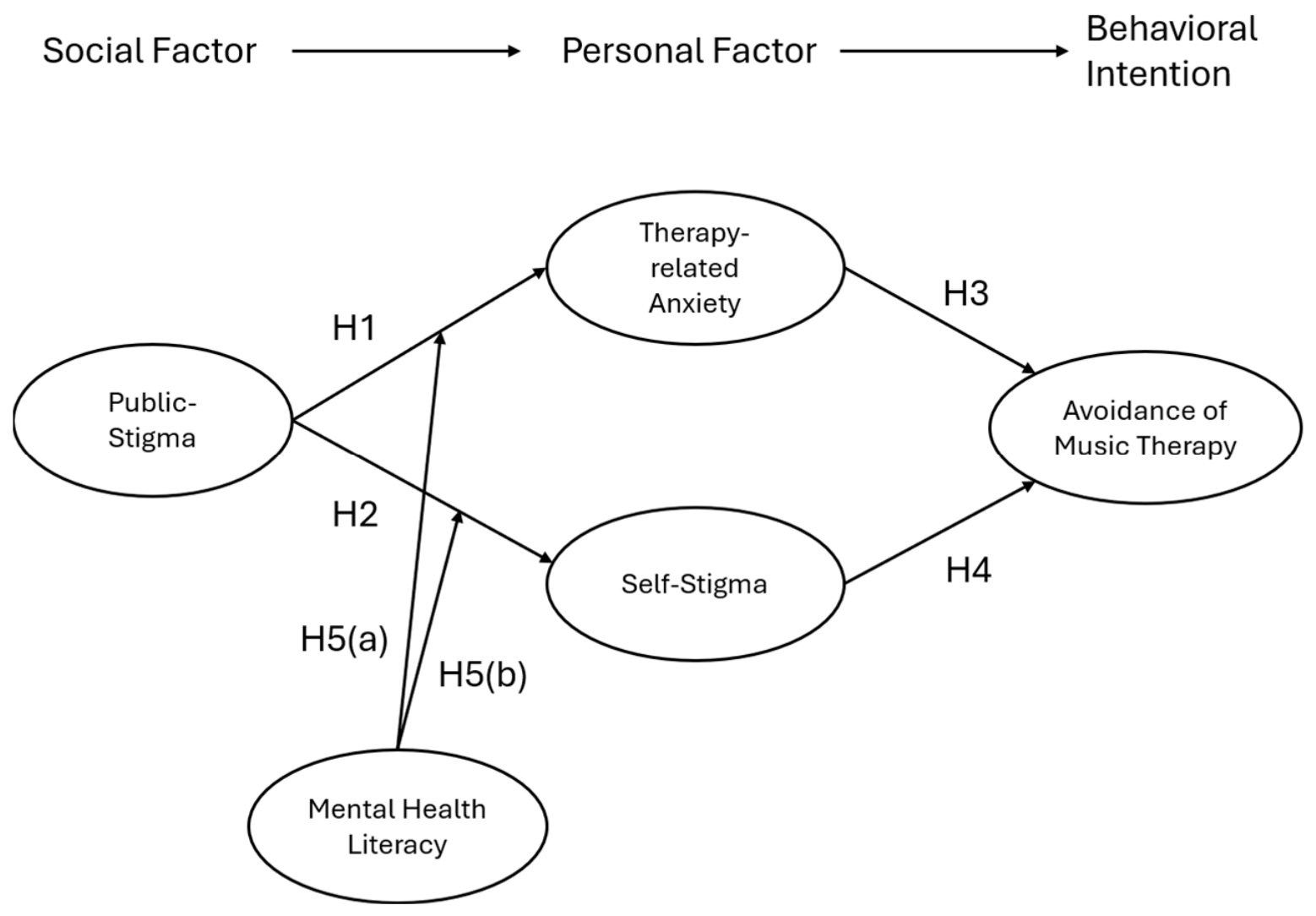
To address this gap, this study examines the avoidance of music therapy among Korean young adults through a social-to-behavioral framework. Specifically, the study proposes that public stigma toward mental health help-seeking functions as a social barrier that increases two internal psychological responses: therapy-related anxiety and self-stigma in seeking psychological help. These psychological responses are expected to increase the avoidance intention of music therapy. This study also investigated whether mental health literacy weakens the influence of public stigma on therapy-related anxiety and self-stigma. This study seeks to clarify how broader social stigma may translate into avoidance of seeking music therapy and how mental health literacy can mitigate the negative impact of social stigma.
1.1. Social-to-Behavioral Logic: Avoidance of Help-Seeking Behavior
Music therapy can involve diverse forms of engagement, including active music-making, receptive listening, improvisation, songwriting, and other guided, music-based activities. These features make music therapy particularly relevant for emotional expression, affect regulation, and psychosocial engagement. Broad systematic review evidence also indicates that music therapy can contribute to physical, emotional, and psychosocial well-being in clinical contexts [9].
Despite the effectiveness of music therapy, mental health difficulties remain a major concern among adolescents and young adults. Recent reviews have confirmed that young people frequently experience uncertainty, self-reliance, discomfort with disclosure, and concerns about stigma when considering professional mental health support [10].
To explain this, the present study conceptualizes the avoidance of music therapy as the final outcome of a social-to-behavioral pathway. Specifically, public stigma is considered a socially rooted barrier that signals how mental health help-seeking is judged in the broader environment. This social factor is expected to activate two internal psychological responses: therapy-related anxiety, reflecting emotional discomfort about entering a therapeutic context, and self-stigma, reflecting the internalization of negative social beliefs about seeking help. These internal responses are expected to strengthen the avoidance behavioral intention of music therapy. This logic is consistent with contemporary evidence that mental health help-seeking should not be understood as a single decision but as a dynamic psychosocial process shaped by social meanings and internal psychological responses [10].
This model is particularly relevant in South Korea. Recent Korean research has demonstrated that help-seeking is shaped by social norms, perceived expectations, stigma, and mental health literacy. For example, Kim et al. [11] found that perceived social norms were strongly associated with professional mental health help-seeking intentions among Korean college students. These findings underscore the importance of examining how socially embedded factors, such as public stigma, can influence internal psychological mechanisms and ultimately shape behavioral avoidance.
1.2. Public Stigma and Therapy-Related Anxiety
Public stigma in the present study refers to the perception that society holds negative beliefs about individuals experiencing mental health difficulties or seeking professional psychological help. Such beliefs may include the assumption that help-seeking reflects weakness, instability, or an inability to manage one’s own problems. Stigma has long been recognized as a major barrier to mental health service utilization because it exposes individuals to the possibility of social judgment, embarrassment, and devaluation [12]. Within the present social-to-behavioral logic, public stigma represents the social starting point of the behavioral avoidance process. When individuals perceive that mental health help-seeking is negatively judged by others, they may anticipate discomfort and threats in relation to therapy itself. This can create therapy-related anxiety, defined as apprehension, nervousness, or emotional unease about participating in professional psychological support.
This relationship is theoretically plausible because stigmatized behaviors often generate anticipatory emotional responses [13]. In the help-seeking context, individuals may worry about disclosure, loss of privacy, appearing vulnerable, or being associated with a socially devalued identity. The existing literature on fear of psychological treatment supports the idea that emotional discomfort surrounding therapy discourages engagement with professional mental health services [14]. More recent youth help-seeking research similarly shows that unfamiliarity, insecurity, and social concerns can create barriers before individuals enter formal support systems [10]. Therefore, young adults who perceive stronger public stigma toward mental health help-seeking may feel greater anxiety about engaging in any form of mental health therapy.
H1.
Public stigma toward mental health help-seeking is positively associated with therapy-related anxiety.
1.3. Public Stigma and Self-Stigma
Self-stigma refers to the internalization of socially negative beliefs, such that individuals begin to apply stigmatizing assumptions to themselves. In the context of mental health help-seeking, self-stigma arises when individuals interpret their need for support as evidence of their weakness, inadequacy, or personal failure [15,16]. Public stigma originates from the perceived social environment, whereas self-stigma reflects the internal psychological adoption of these social beliefs. Thus, the pathway from public stigma to self-stigma represents a movement from social evaluation to self-evaluation. Recent meta-analytic evidence strongly supports this association [8].
This relationship is especially relevant in the Korean context, where social judgment and face-related concerns may shape individuals’ willingness to seek professional help. Prior Korean research has shown that perceived stigma and self-stigma are important factors in explaining psychological help-seeking attitudes. More recent work suggests that stigma is an important mechanism linking mental health literacy to help-seeking attitudes among Korean university students [4,17].
H2.
Public stigma toward mental health help-seeking is positively associated with self-stigma in seeking psychological help.
1.4. Therapy-Related Anxiety and Avoidance of Music Therapy
Therapy-related anxiety refers to apprehension about entering a therapeutic encounter rather than a judgment about whether the therapy is useful. This distinction is important for explaining avoidance. Anticipated aversive emotional states motivate behavior in their own right, and meta-analytic evidence in health decision-making indicates that anticipated emotions predict intentions and behavior more strongly than do cognitive appraisals of risk [18]. When an activity is expected to feel uncomfortable, nonparticipation becomes the option that removes the anticipated discomfort, and avoidance is reinforced by the relief it provides rather than by any conclusion about the activity’s value.
This mechanism has been documented in the context of help-seeking. Brenner et al. [19] found that the association between stigma and help-seeking intentions depended on experiential avoidance, that is, the tendency to avoid unpleasant internal experiences, and interpreted this as evidence that avoiding therapy can function as a means of avoiding unwanted emotions. Consistent with this interpretation, discomfort with emotions has been identified as a distinct barrier dimension in help-seeking measurement, separable from stigma and knowledge-related barriers [20,21], and anticipated risks of emotional disclosure have been associated with decisions about using psychological services [22]. Therefore, emotional discomfort surrounding treatment operates as a barrier that does not require a negative evaluation of the service itself [14].
Because therapy-related anxiety in the present study concerns the therapeutic encounter in general, it should remain active when a specific modality is considered. Music therapy is delivered by professionals, involves a therapeutic relationship, and requires some degree of emotional engagement and self-presentation. These features generate anticipated discomfort, regardless of whether the therapeutic medium is conversation or music. Therefore, anxiety about entering therapy should be associated with an intention to avoid music therapy, regardless of what the individual knows or believes about music therapy itself.
H3.
Therapy-related anxiety is positively associated with the avoidance intention of music therapy as a form of mental health support.
1.5. Self-Stigma and Avoidance of Music Therapy
Self-stigma imposes a cost on self-concept rather than on the evaluation of a service. When help-seeking is interpreted as evidence of weakness or inadequacy, declining to seek help protects self-regard, and this protective function operates regardless of whether the person regards the available service as effective. Research on help-seeking has consistently linked self-stigma to less favorable attitudes and a weaker willingness to use psychological services [16,23]. Reviews of the barriers literature identified avoidance motivated by shame and embarrassment as distinct from judgments about treatment quality [24].
Extending this logic to music therapy requires an explicit account of why a self-evaluative barrier formed around conventional treatment would apply to a different modality of treatment. The categorization mechanism outlined earlier provides an account. Stigma attaches to categories and transfers to entities that are perceived as belonging to a stigmatized category unless they establish categorical distinctiveness that separates them from it [25]. The mental health stigma literature describes a closely related process, label avoidance, in which people decline care to avoid being identified with the stigmatized label that treatment carries [12]. Music therapy occupies this position. It is professionally delivered and institutionally located within mental health care, so it is readily categorized as professional help-seeking, although awareness of what distinguishes it from other services remains limited. Music therapy is commonly misconstrued as simple music listening rather than a distinct professional practice, including in the Korean context [26], and unfamiliarity with music therapy as an established profession has been documented even among mental health workers [27].
Evidence from music therapy settings is consistent with this rationale. Tuastad et al. [28] found that participants in a mental health music therapy program described experiences of labelling and exclusion connected to illness and treatment rather than music, indicating that stigma is not neutralized by the musical medium. For an individual who regards needing psychological help as personally diminishing, participation in music therapy still constitutes an acknowledgment of that need. Therefore, higher self-stigma is associated with a stronger intention to avoid music therapy.
H4.
Self-stigma of seeking psychological help is positively associated with the avoidance intention of music therapy as a form of mental health support.
1.6. Moderating Role of Mental Health Literacy
Mental health literacy refers to the knowledge and beliefs that enable individuals to recognize, manage, and prevent mental health problems, including knowledge of the available professional support [29,30]. In the present study, mental health literacy was conceptualized as a cognitive resource that may help individuals resist the psychological effects of public stigma. Higher mental health literacy is expected to help individuals interpret mental health help-seeking more accurately and less judgmentally. Those with greater literacy may be less likely to accept social stigma, less likely to view help-seeking as shameful, and better able to understand professional support as legitimate.
Recent research supports the broader importance of mental health literacy in help-seeking among young people. Kim et al. [4] found that mental health literacy was linked to professional help-seeking intentions among Korean college students and that stigma played a key role in this process. Kim [17] similarly showed that stigma mediates the relationship between mental health literacy and help-seeking attitudes among South Korean university students. At a broader level, recent evidence suggests that mental health literacy is positively associated with help-seeking attitudes among young people [31,32].
Public stigma may generate therapy-related anxiety because individuals interpret help-seeking as socially risky and personally exposing. However, individuals with higher mental health literacy may be better able to recognize that seeking support is a normal and appropriate response to psychological difficulties. This understanding may reduce the degree to which public stigma translates into anxiety about entering a therapeutic setting. Accordingly, mental health literacy is expected to weaken the positive effect of public stigma on anxiety.
H5a.
Mental health literacy moderates the relationship between public stigma toward mental health help-seeking and therapy-related anxiety, such that the positive relationship is weaker among individuals with higher mental health literacy.
Mental health literacy may also weaken the internalization of public stigma. Individuals with lower mental health literacy may be more likely to absorb negative social messages about mental health help-seeking and apply them to themselves. In contrast, those with higher literacy may be better equipped to challenge the idea that seeking support signals a weakness or personal failure. Thus, mental health literacy may interrupt the pathway from social stigma to self-stigma. This expectation is consistent with South Korean research indicating that higher mental health literacy is linked to more favorable help-seeking outcomes and operates in close connection with stigma-related processes [4,17].
H5b.
Mental health literacy moderates the relationship between public stigma toward mental health help-seeking and self-stigma of seeking psychological help, such that the positive relationship is weaker among individuals with higher mental health literacy.
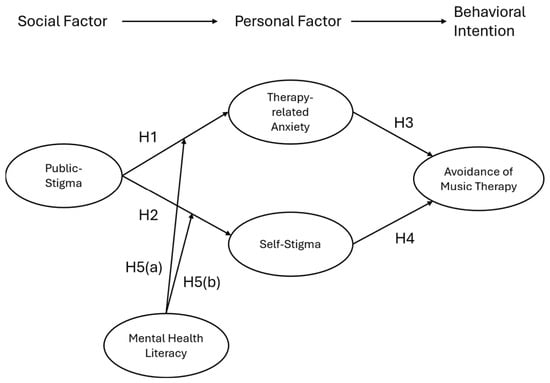
Figure 1 shows our conceptual model based on the proposed hypotheses.
Figure 1.
Proposed social-to-behavioral model.
2. Materials and Methods
2.1. Research Design
This study employed a quantitative survey design to examine the factors influencing the avoidance intention of music therapy among young adults. A survey-based approach was considered appropriate because the study focused on individuals’ perceptions, beliefs, and avoidance tendencies regarding mental health help-seeking and music therapy. Survey methods are widely used in behavioral and social science research to collect standardized self-reported data from a relatively large sample and examine the relationships among latent psychological constructs [33]. Because the data were collected at a single time point, the analysis tested whether the observed covariance structure was consistent with the proposed model rather than establishing the temporal or causal ordering of the constructs.
2.2. Participants and Data Collection
The participants were 400 Korean young adults aged between 18 and 29 years. This age range corresponds to the developmental stage of emerging adulthood, which is characterized by identity exploration, life transitions, and heightened vulnerability to psychological distress [1]. Data were collected through a professional marketing research agency, Mbrain, in South Korea, which recruited eligible participants from an online consumer panel. The agency administered the questionnaire to individuals who met the study’s screening criteria, namely, Korean adults aged 18–29 years. Quota sampling was applied so that men and women were equally represented in two age groups (18–24 and 25–29 years; n = 100 per cell). Participants were recruited and compensated by the agency under its standard panel procedures, and respondents who gave identical answers to all items were classified as inattentive and excluded by the agency before the data were delivered. Using a professional research agency allowed efficient access to the target population and supported the collection of a sufficiently large sample for the proposed statistical analyses.
Data were collected in March 2026, and 400 respondents completed the survey. Participation was voluntary and anonymous, and all participants provided informed consent before starting the survey. The agency did not transfer names, contact details, or other identifying information to the researchers. The sample was balanced by gender (200 men and 200 women), and the mean age was 24.32 years (SD = 3.44). Participants included undergraduate students (n = 146, 36.5%), graduate students (n = 20, 5.0%), full-time employees (n = 101, 25.3%), part-time employees (n = 23, 5.8%), self-employed respondents (n = 4, 1.0%), freelancers (n = 17, 4.3%), homemakers (n = 2, 0.5%), unemployed or job-seeking respondents (n = 79, 19.8%), and respondents in other categories (n = 8, 2.0%). Prior counseling or mental health treatment was reported by 125 participants (31.3% of the total) in response to the item “Have you ever received psychological counseling or mental health treatment?” (yes/no).
2.3. Measures
All constructs were measured using multi-item scales adapted from the established literature using a seven-point Likert scale. The questionnaire was administered in Korean, and the items were adapted using a standard double (forward and backward) translation procedure. The measures of public stigma, therapy-related anxiety, self-stigma, and mental health literacy were framed in the broader context of mental health help-seeking behavior. In contrast, the measures of avoidance intention were specifically adapted to reflect the study’s focal context of music therapy as a form of mental-health support.
This asymmetry in framing reflects a deliberate design decision, rather than an inconsistency between constructs. The theoretical claim under examination is that stigma originating in the general domain of mental health help-seeking spills over to suppress engagement with music therapy, even though music therapy is positioned as a less confrontational alternative. Public stigma, therapy-related anxiety, and self-stigma were therefore measured at the general help-seeking level because these constructs represent the entrenched social and psychological barriers that already exist in the broader environment. Avoidance was measured at the music therapy level so that the study could test whether those general barriers extend to a specific and ostensibly less stigmatized modality. Thus, the upstream–downstream distinction operationalizes the spillover logic that motivates this study. Table 1 shows the detailed measurement items for the constructs used in the study.
Table 1.
Measurement items.
Before answering any items, participants read the following definition on the consent page: “In this survey, psychological counseling refers to counseling or psychotherapy services provided by mental health professionals such as psychologists, psychiatrists, or professional counselors. Music psychological counseling, a type of psychological counseling, is a systematic counseling or psychotherapy process that uses music as a medium to explore psychological and emotional problems and to help restore mental and physical health and improve quality of life.” The Korean term used for music therapy was eumak simni sangdam (music psychological counseling).
In South Korea, music therapy has no national certification; qualifications are issued as registered private licenses by a large number of associations and institutions [34], and certification standards vary considerably [35]. Among 143 surveyed music therapists, more worked in welfare facilities (45.5%) and private centers (39.2%) than in hospitals (11.2%) [34], suggesting limited integration into health care settings. Within the health system, arts-based therapies for psychiatric patients have been covered by health insurance since 1977, and coverage of music therapy in hospice care was under review in 2015 [36]; the costs of complementary therapies, including music therapy, are now included in per diem hospice payments [35]. In hospitals, music therapy is typically an adjunct to medical care; in one acute palliative care unit, for example, it was provided to some patients at the care team’s discretion or at the request of patients or caregivers [37]. In such settings, music therapy is delivered by qualified professionals with defined goals and assessment, which distinguishes it from therapeutic music used for comfort without a treatment plan [38]. Although music therapy has also been introduced in welfare facilities and other institutions, many of these facilities have lacked adequate instruments [39]. For most young adults, therefore, music therapy is likely to be accessed by self-referral to private centers or welfare facilities rather than through a medical referral, and avoidance in the present study refers to reluctance to seek out such a service voluntarily.
3. Results
3.1. Reliability and Validity
A confirmatory factor analysis was conducted for the five constructs in the hypothesized model. The five-factor measurement model showed acceptable fit: χ2 (160) = 441.804, χ2/df = 2.761, CFI = 0.945, TLI = 0.935, IFI = 0.946, NFI = 0.918, and RMSEA = 0.066, 90% CI [0.059, 0.074]. The GFI was 0.897. The standardized factor loadings ranged from 0.692 to 0.836 for public stigma, 0.722 to 0.907 for therapy-related anxiety, 0.801 to 0.856 for self-stigma, 0.719 to 0.892 for avoidance intention, and 0.619 to 0.916 for mental health literacy.
Internal consistency and convergent validity were found to be satisfactory. Cronbach’s alpha values ranged from 0.847 to 0.906, composite reliability values ranged from 0.853 to 0.909, and average variance extracted values ranged from 0.593 to 0.716. Therefore, each construct exceeded the conventional thresholds of 0.70 for reliability and 0.50 for average variance extracted.
Discriminant validity was assessed using the Fornell–Larcker criterion. As shown in Table 2, the square root of the average variance extracted for each construct exceeded its correlation with the other constructs. The results supported the distinctiveness of these five measures. Table 2 also reports the means and standard deviations of the construct scores. The mean avoidance intention score (M = 4.50, SD = 1.31) was significantly above the scale midpoint of 4, t (399) = 7.57, p < 0.001, and 66.0% of respondents scored above the midpoint. Skewness (−0.68 to −0.14) and kurtosis (−0.78 to 0.44) values indicated no serious departure from normality.
Table 2.
Reliability, convergent validity, and latent construct correlations.
Because all variables were self-reported at a single time point, common method variance was examined using Harman’s single-factor test [40]. The first unrotated factor explained 35.0% of the total variance, below the 50% threshold, and five factors had eigenvalues greater than 1. Although this test cannot rule out common method variance, the results suggest that a single method factor did not dominate the data.
3.2. Hypothesis Testing
The hypothesized structural model was tested using structural equation modeling (SEM) with AMOS 31. In addition to the hypothesized paths, the disturbances of therapy-related anxiety and self-stigma were allowed to covary (r = 0.41), because both are internal responses to public stigma that are likely to share variance not explained by it. The model showed acceptable fit: χ2 (99) = 293.279, χ2/df = 2.962, CFI = 0.954, TLI = 0.944, NFI = 0.932, and RMSEA = 0.070, 90% CI [0.061, 0.079].
Public stigma was positively associated with therapy-related anxiety (β = 0.405, p < 0.001) and self-stigma (β = 0.412, p < 0.001), supporting H1 and H2, respectively. This finding indicates that individuals who perceive stronger public stigma toward mental health help-seeking are more likely to experience higher levels of therapy-related anxiety. Additionally, individuals who perceive stronger societal stigma are more likely to report internalized negative beliefs about seeking professional psychological help. Therapy-related anxiety (β = 0.443, p < 0.001) and self-stigma (β = 0.286, p < 0.001) were positively associated with avoidance intention of music therapy, supporting H3 and H4. This indicates that higher levels of anxiety toward therapy and internalized self-stigma are associated with a tendency to avoid music therapy as a form of mental health support.
Bias-corrected bootstrapping supported the overall latent indirect association between public stigma and avoidance intention (standardized indirect effect = 0.298, 95% CI [0.213, 0.384], p < 0.001). Observed-score PROCESS estimates further showed significant indirect effects through therapy-related anxiety (b = 0.1542, 95% bootstrap CI [0.0945, 0.2232]) and self-stigma (b = 0.1005, 95% bootstrap CI [0.0478, 0.1615]). An alternative latent model that added a direct path from public stigma to avoidance intention did not provide a meaningful improvement in fit, Δχ2 (1) = 3.815, p = 0.051, and its bootstrapped standardized direct effect was not significant (β = 0.104, 95% CI [−0.035, 0.248], p = 0.140). The observed-score PROCESS direct effect was small but significant (b = 0.1067, p = 0.026); therefore, the findings were interpreted as evidence of two indirect pathways rather than categorical full mediation.
Two robustness checks were conducted. First, gender, age, prior counseling or treatment, and mental health literacy were added as control variables predicting therapy-related anxiety, self-stigma, and avoidance intention. The model showed acceptable fit (χ2 (206) = 513.31, CFI = 0.941, TLI = 0.928, RMSEA = 0.061, 90% CI [0.055, 0.068]), and all four hypothesized paths remained significant (H1: β = 0.428; H2: β = 0.438; H3: β = 0.427; H4: β = 0.285; all p < 0.001), as did the total indirect association between public stigma and avoidance intention (standardized indirect effect = 0.308, 95% CI [0.223, 0.386]). Among the control variables, prior counseling or treatment was associated with lower avoidance intention (β = −0.100, p = 0.019), women reported lower self-stigma than men (β = − 0.218, p < 0.001), and mental health literacy was associated with lower therapy-related anxiety (β = −0.215, p < 0.001). Second, because the item “Music therapy would probably be one of my last options for dealing with emotional problems” may reflect a preference among services rather than avoidance, the model was re-estimated with a three-item avoidance scale that excluded this item (α = 0.89, CR = 0.89, AVE = 0.74). The results were unchanged: all hypothesized paths remained significant (H1: β = 0.406; H2: β = 0.412; H3: β = 0.448; H4: β = 0.273; all p < 0.001), and the total indirect association remained significant (standardized indirect effect = 0.294, 95% CI [0.208, 0.379]).
To further examine the role of mental health literacy (H5a and H5b), moderation analyses were conducted using PROCESS Model 1. The results showed that mental health literacy did not significantly moderate the association between public stigma and therapy-related anxiety (b = −0.0175, SE = 0.0388, p = 0.652, 95% CI [−0.0937, 0.0587], ΔR2 < 0.001). Thus, H5a is not supported. However, mental health literacy significantly moderated the association between public stigma and self-stigma (b = −0.0795, SE = 0.0391, p = 0.043, 95% CI [−0.1564, −0.0025], ΔR2 = 0.009), supporting H5b. The negative interaction effect indicates that the positive relationship between public and self-stigma weakened at higher levels of mental health literacy. Conditional effects analysis further showed that the effect of public stigma on self-stigma was stronger among individuals with lower mental health literacy (−1 SD: b = 0.573, SE = 0.077, p < 0.001) and weaker among those with higher mental health literacy levels (+1 SD: b = 0.373, SE = 0.072, p < 0.001). The Johnson–Neyman technique indicated that the effect remained significant across the full observed range of mental health literacy.
Overall, the findings suggest that public stigma is indirectly associated with avoidance intention of music therapy through increased therapy-related anxiety and self-stigma. In addition, mental health literacy appears to weaken the association between public stigma and self-stigma. Table 3 summarizes the results of the hypothesis testing.
Table 3.
Summary of the hypothesis testing results.
4. Discussion
4.1. Summary and Implications
This study examined whether the stigma associated with mental health help-seeking in general extends to the avoidance of music therapy, a modality often presented as a less confrontational alternative. These results are consistent with the proposed spillover pathway. Public stigma was positively associated with both therapy-related anxiety and self-stigma, and both internal responses were in turn positively associated with avoidance intention of music therapy. The standardized indirect association between public stigma and avoidance intention was significant, whereas the added direct path from public stigma to avoidance did not provide a meaningful improvement in the model fit. Public stigma, therefore, appears to reach the avoidance of music therapy primarily through internalized psychological responses rather than directly.
The central implication is that the less confrontational nature of music therapy may not be sufficient to exempt it from general help-seeking stigma. Participants were asked about avoidance of music therapy specifically, yet their responses were associated with anxiety and self-stigma measured in relation to professional psychological help in general. This pattern is consistent with the categorization account developed earlier: music therapy is recognized as a form of professional mental health support, and the barriers attached to that broader category appear to apply before the distinctive features of the modality are considered. It is also consistent with label avoidance, whereby people forgo care to avoid being identified with the stigmatized label that treatment carries [12,41]. Positioning a service as approachable may therefore not be sufficient to detach it from the stigma of the category to which it belongs. In this respect, the study extends prior evidence linking public stigma, self-stigma, and avoidance of psychological help in general [8,23] to a modality that is presented as less confrontational. However, because avoidance of conventional counseling or psychotherapy was not measured, the present data cannot show whether this association is specific to music therapy or of similar strength to that observed for conventional treatment.
The second implication concerns the relative strength of the two pathways. Therapy-related anxiety was a stronger predictor of avoidance intention (β = 0.443) than self-stigma (β = 0.286), indicating that the more influential barrier in this sample was affective rather than self-evaluative. Anticipated discomfort about entering a therapeutic encounter mattered more than the belief that needing help reflects personal inadequacy. This is notable because anticipated emotional discomfort is precisely the barrier that music therapy is often expected to lower. The present findings suggest that, at the point at which young adults consider whether to use music therapy, the anticipated experience of therapy in general continues to dominate, and the potential of the modality to reduce that discomfort is not yet reflected in avoidance decisions. One plausible reason, consistent with evidence that professional music therapy is often misunderstood, even among health professionals [26,27], is that individuals may have insufficient knowledge of what music therapy involves to distinguish it from conventional treatment when forming their intentions.
The moderation results were mixed and should be interpreted cautiously. Mental health literacy did not moderate the association between public stigma and therapy-related anxiety, but it did moderate the association between public stigma and self-stigma. This asymmetry is consistent with the nature of these two responses. Self-stigma involves accepting a socially transmitted belief and applying it to oneself, and accurate knowledge about mental health problems and their treatment provides the grounds on which such a belief can be questioned. In contrast, therapy-related anxiety is an anticipatory affective response, and knowing that help-seeking is reasonable does not necessarily reduce apprehension about the encounter itself. Therefore, mental health literacy appears to be more relevant for interrupting the internalization of stigma than for reducing anticipated discomfort.
These findings have several practical implications for efforts to increase engagement with music therapy in Korea. First, because general help-seeking barriers were associated with avoidance of music therapy, promotional efforts that emphasize only the appeal or effectiveness of music therapy may not be sufficient on their own. Such efforts may also need to address the broader stigma surrounding the decision. Second, the moderation results identify a specific point of intervention within the environment. Mental health literacy weakened the association between public stigma and self-stigma, suggesting that the internalization of socially transmitted stigma is not automatic but depends in part on what individuals understand about mental health problems and their treatment. Because self-stigma was associated with a stronger intention to avoid music therapy, improving mental health literacy may reduce avoidance indirectly by interrupting this internalization, although the present study did not test this conditional indirect pathway directly. Structured mental health education delivered through schools and universities and reinforced through public information platforms accessible to young adults offers a practical means of doing so, particularly where it conveys that psychological difficulties are common and treatable and that seeking support does not indicate personal weakness. Such programs would also be well placed to introduce the range of available services, including music therapy, so that the modality is recognized on its own terms rather than only as an instance of professional help-seeking. Third, this kind of education should not be expected to address every barrier. Mental health literacy did not moderate the association between public stigma and therapy-related anxiety, which was a stronger predictor of avoidance intention, indicating that knowledge alone is unlikely to reduce anticipated discomfort about entering a therapeutic encounter. Literacy-based programs would therefore be most effective when combined with familiarization strategies that reduce uncertainty about what participation involves, such as clear descriptions of the process, low-commitment introductory formats, or open introductory workshops and demonstration sessions that do not involve other clients.
4.2. Limitations and Future Research
This study has several limitations that should be addressed in future studies. First, the cross-sectional design does not establish temporal order or causality. Longitudinal or experimental research is needed to test whether public stigma precedes changes in therapy-related anxiety and self-stigma, and whether these changes predict later treatment decisions. Second, the outcome was avoidance intention rather than the observed actual avoidance behavior. Intentions may not directly translate into behavior, particularly when access, cost, referral, and symptom severity also influence service use. Third, the sample was drawn from a Korean online panel and was limited to adults aged 18–29. The balanced gender composition is useful for description but does not make the sample nationally representative. Replication across cultures, age groups, and recruitment settings is needed for better generalizability of the findings. Fourth, all variables were self-reported, and the significant moderating effect was small. Future research should combine self-report measures with behavioral indicators and test additional conditions that may explain when social stigma is or is not internalized by individuals.
In addition, avoidance of conventional counseling or psychotherapy was not measured, so the study cannot determine whether the association between help-seeking stigma and avoidance is specific to music therapy or of similar strength for conventional treatment. The model also did not account for beliefs about the effectiveness of music therapy, which may shape willingness to use it independently of stigma. The therapy-related anxiety items referred mainly to talking about personal problems with a therapist; this wording was chosen to capture apprehension about therapy in general, but respondents may have imagined music therapy as another talking therapy. Mental health literacy was measured as self-rated rather than tested knowledge, and self-ratings may overstate actual literacy. Moreover, prior counseling or mental health treatment was reported by 31.3% of participants, which is higher than might be expected for an age group with low service use [4]. This may reflect self-selection into the online panel or the broad wording of the item, which did not distinguish brief or school-based counseling from formal treatment. Prior treatment was controlled for in the robustness analysis and was associated with lower avoidance intention, but the findings may not generalize to young adults with no experience of mental health services.
Finally, the study did not evaluate music therapy itself. Therefore, it cannot determine whether general stigma leaves modality-specific attitudes intact while still suppressing engagement, a possibility that future research could examine by modeling modality-specific attitudes alongside the barriers examined here. Relatedly, whether participation in music therapy itself reduces stigma over time is a question that the present design cannot address, and longitudinal or intervention research would be well placed to examine it.
5. Conclusions
This study examined whether the stigma attached to mental health help-seeking in general extends to the avoidance of music therapy among Korean young adults. Public stigma was positively associated with therapy-related anxiety and self-stigma, and both internal barriers were positively associated with avoidance intention of music therapy. The association between public stigma and avoidance intention primarily operated through these internalized responses rather than directly. Therapy-related anxiety was the stronger of the two pathways, indicating that the dominant barrier in this sample was affective rather than self-evaluative. Mental health literacy weakened the association between public stigma and self-stigma but not between public stigma and therapy-related anxiety. Positioning a service as approachable, therefore, may not be sufficient to detach it from the stigma of the category to which it belongs, and efforts to increase engagement with music therapy may need to address general help-seeking barriers alongside modality-specific promotion.
Author Contributions
Conceptualization, A.L. and J.H.; methodology, A.L. and J.H.; formal analysis, J.H.; investigation, J.H.; data curation, A.L. and J.H.; writing—original draft preparation, A.L. and J.H.; writing—review and editing, A.L. and J.H.; supervision, J.H. All authors have read and agreed to the published version of the manuscript.
Funding
This research received no external funding.
Institutional Review Board Statement
Ethical review and approval were waived for this study due to Legal Regulations [Bioethics and Safety Act, Article 15—Deliberation on Human Subjects Research Projects, https://www.law.go.kr/lsLinkCommonInfo.do?chrClsCd=010202&lsJoLnkSeq=1029630559, accessed on 2 September 2026], as research involving minimal risk to research participants and the public may be exempted from IRB review when it meets the criteria prescribed by the Ordinance of the Ministry of Health and Welfare following deliberation by the National Bioethics Committee, and [Enforcement Rule of the Bioethics and Safety Act, Article 13—Human Subjects Research Projects Eligible for Exemption from IRB Deliberation, https://www.law.go.kr/lsLinkCommonInfo.do?chrClsCd=010202&lspttninfSeq=75929, accessed on 2 September 2026], as research using information available to the general public or research that does not collect or record personally identifiable information may be eligible for exemption from IRB review.
Informed Consent Statement
Informed consent for participation was obtained from all the participants involved in the study.
Data Availability Statement
Raw data supporting the conclusions of this article will be made available by the authors upon request.
Conflicts of Interest
The authors declare no conflicts of interest.
References
- Arnett, J.J. Emerging Adulthood: A Theory of Development from the Late Teens through the Twenties. Am. Psychol. 2000, 55, 469–480. [Google Scholar] [CrossRef]
- Rim, S.J.; Hahm, B.J.; Seong, S.J.; Park, J.E.; Chang, S.M.; Kim, B.S.; An, H.; Jeon, H.J.; Hong, J.P.; Park, S. Prevalence of Mental Disorders and Associated Factors in Korean Adults: National Mental Health Survey of Korea 2021. Psychiatry Investig. 2023, 20, 262–272. [Google Scholar] [CrossRef] [Scilit]
- Lee, J.; Choi, K.S.; Yun, J.A. The Effects of Sociodemographic Factors on Help-Seeking for Depression: Based on the 2017–2020 Korean Community Health Survey. PLoS ONE 2023, 18, e0280642. [Google Scholar] [CrossRef] [Scilit]
- Kim, E.J.; Yu, J.H.; Kim, E.Y. Pathways Linking Mental Health Literacy to Professional Help-Seeking Intentions in Korean College Students. J. Psychiatr. Ment. Health Nurs. 2020, 27, 393–405. [Google Scholar] [CrossRef] [Scilit]
- Radez, J.; Reardon, T.; Creswell, C.; Lawrence, P.J.; Evdoka-Burton, G.; Waite, P. Why Do Children and Adolescents (Not) Seek and Access Professional Help for Their Mental Health Problems? A Systematic Review of Quantitative and Qualitative Studies. Eur. Child Adolesc. Psychiatry 2021, 30, 183–211. [Google Scholar] [CrossRef] [Scilit]
- Crockett, M.A.; Núñez, D.; Martínez, P.; Borghero, F.; Campos, S.; Langer, Á.I.; Carrasco, J.; Martínez, V. Interventions to Reduce Mental Health Stigma in Young People: A Systematic Review and Meta-Analysis. JAMA Netw. Open 2025, 8, e2454730. [Google Scholar] [CrossRef] [Scilit]
- Rodwin, A.H.; Shimizu, R.; Travis, R., Jr.; James, K.J.; Banya, M.; Munson, M.R. A Systematic Review of Music-Based Interventions to Improve Treatment Engagement and Mental Health Outcomes for Adolescents and Young Adults. Child Adolesc. Soc. Work J. 2023, 40, 537–566. [Google Scholar] [CrossRef] [Scilit]
- Yu, B.C.L.; Chio, F.H.N.; Chan, K.K.Y.; Mak, W.W.S.; Zhang, G.; Vogel, D.L.; Lai, M.H.C. Associations between Public and Self-Stigma of Help-Seeking with Help-Seeking Attitudes and Intention: A Meta-Analytic Structural Equation Modeling Approach. J. Couns. Psychol. 2023, 70, 90–102. [Google Scholar] [CrossRef] [Scilit]
- Gassner, L.; Geretsegger, M.; Mayer-Ferbas, J. Effectiveness of Music Therapy for Autism Spectrum Disorder, Dementia, Depression, Insomnia and Schizophrenia: Update of Systematic Reviews. Eur. J. Public Health 2022, 32, 27–34. [Google Scholar] [CrossRef] [Scilit]
- Häggström Westberg, K.; Nyholm, M.; Nygren, J.M.; Svedberg, P. Mental Health Problems among Young People—A Scoping Review of Help-Seeking. Int. J. Environ. Res. Public Health 2022, 19, 1430. [Google Scholar] [CrossRef] [Scilit]
- Kim, R.; Lee, H.; Lee, C.J.; Koo, M. Identifying Reference Groups in Social Norms Campaigns Intended to Promote College Students’ Mental Health Help-Seeking in South Korea. J. Health Commun. 2025, 30, 262–282. [Google Scholar] [CrossRef] [Scilit]
- Corrigan, P.W. How Stigma Interferes with Mental Health Care. Am. Psychol. 2004, 59, 614–625. [Google Scholar] [CrossRef] [Scilit]
- Doll, C.M.; Michel, C.; Rosen, M.; Osman, N.; Schimmelmann, B.G.; Schultze-Lutter, F. Predictors of Help-Seeking Behaviour in People with Mental Health Problems: A 3-Year Prospective Community Study. BMC Psychiatry 2021, 21, 432. [Google Scholar] [CrossRef] [Scilit]
- Kushner, M.G.; Sher, K.J. Fear of Psychological Treatment and Its Relation to Mental Health Service Avoidance. Prof. Psychol. Res. Pract. 1989, 20, 251–257. [Google Scholar] [CrossRef]
- Corrigan, P.W.; Rao, D. On the Self-Stigma of Mental Illness: Stages, Disclosure, and Strategies for Change. Can. J. Psychiatry 2012, 57, 464–469. [Google Scholar] [CrossRef] [Scilit]
- Vogel, D.L.; Wade, N.G.; Haake, S. Measuring the Self-Stigma Associated with Seeking Psychological Help. J. Couns. Psychol. 2006, 53, 325–337. [Google Scholar] [CrossRef] [Scilit]
- Kim, H.C. Mediating Effect of Stigma on the Relationship between Mental Health Literacy and Help-Seeking Attitudes among University Students in South Korea. Int. J. Ment. Health 2023, 52, 163–178. [Google Scholar] [CrossRef] [Scilit]
- Xu, Z.; Guo, H. Advantages of Anticipated Emotions over Anticipatory Emotions and Cognitions in Health Decisions: A Meta-Analysis. Health Commun. 2019, 34, 1051–1063. [Google Scholar] [CrossRef] [Scilit]
- Brenner, R.E.; Engel, K.E.; Vogel, D.L.; Tucker, J.R.; Yamawaki, N.; Lannin, D.G. Seeking Help Despite the Stigma: Experiential Avoidance as a Moderated Mediator. J. Couns. Psychol. 2019, 66, 754–764. [Google Scholar] [CrossRef] [Scilit]
- Komiya, N.; Good, G.E.; Sherrod, N.B. Emotional Openness as a Predictor of College Students’ Attitudes toward Seeking Psychological Help. J. Couns. Psychol. 2000, 47, 138–143. [Google Scholar] [CrossRef]
- Shea, M.; Wong, Y.J.; Nguyen, K.K.; Gonzalez, P.D. College Students’ Barriers to Seeking Mental Health Counseling: Scale Development and Psychometric Evaluation. J. Couns. Psychol. 2019, 66, 626–639. [Google Scholar] [CrossRef] [Scilit]
- Vogel, D.L.; Wester, S.R.; Wei, M.; Boysen, G.A. The Role of Outcome Expectations and Attitudes on Decisions to Seek Professional Help. J. Couns. Psychol. 2005, 52, 459–470. [Google Scholar] [CrossRef] [Scilit]
- Vogel, D.L.; Wade, N.G.; Hackler, A.H. Perceived Public Stigma and the Willingness to Seek Counseling: The Mediating Roles of Self-Stigma and Attitudes toward Counseling. J. Couns. Psychol. 2007, 54, 40–50. [Google Scholar] [CrossRef] [Scilit]
- Vogel, D.L.; Wester, S.R.; Larson, L.M. Avoidance of Counseling: Psychological Factors That Inhibit Seeking Help. J. Couns. Dev. 2007, 85, 410–422. [Google Scholar] [CrossRef] [Scilit]
- Phung, K.; Buchanan, S.; Toubiana, M.; Ruebottom, T.; Turchick-Hakak, L. When Stigma Doesn’t Transfer: Stigma Deflection and Occupational Stratification in the Sharing Economy. J. Manag. Stud. 2021, 58, 1107–1139. [Google Scholar] [CrossRef] [Scilit]
- Kim, S.J. Historical Investigation Regarding the Perception of Music Therapy among Korean Medical Professionals as Seen in Medical Journal Articles. Music Ther. Perspect. 2009, 27, 122–129. [Google Scholar] [CrossRef] [Scilit]
- Silverman, M.J.; Bibb, J. Acute Care Mental Health Workers’ Assumptions and Expectations of Music Therapy: A Qualitative Investigation. Arts Psychother. 2018, 59, 94–100. [Google Scholar] [CrossRef] [Scilit]
- Tuastad, L.; Johansen, B.; Østerholt, A.L.; Nielsen, I.; McIvor, D.S.H. Being a Person Who Plays in a Band Rather Than Being a Person with a Mental Illness Playing in a Band: A Qualitative Study of Stigma in the Context of Music Therapy in Mental Health Aftercare. Nord. J. Music Ther. 2023, 32, 121–139. [Google Scholar] [CrossRef] [Scilit]
- Jorm, A.F.; Korten, A.E.; Jacomb, P.A.; Christensen, H.; Rodgers, B.; Pollitt, P. “Mental Health Literacy”: A Survey of the Public’s Ability to Recognise Mental Disorders and Their Beliefs about the Effectiveness of Treatment. Med. J. Aust. 1997, 166, 182–186. [Google Scholar] [CrossRef] [Scilit]
- O’Connor, M.; Casey, L. The Mental Health Literacy Scale: A New Scale-Based Measure of Mental Health Literacy. Psychiatry Res. 2015, 229, 511–516. [Google Scholar] [CrossRef] [Scilit]
- Özparlak, A.; Karakaya, D.; Özer, Z. The Association of Mental Health Literacy with Mental Well-Being and Help-Seeking in Young People: A Systematic Review and Meta-Analysis. J. Pediatr. Nurs. 2023, 73, e243–e250. [Google Scholar] [CrossRef] [Scilit]
- Nazari, A.; Garmaroudi, G.; Foroushani, A.R.; Hosseinnia, M. The Effect of Web-Based Educational Interventions on Mental Health Literacy, Stigma and Help-Seeking Intentions/Attitudes in Young People: Systematic Review and Meta-Analysis. BMC Psychiatry 2023, 23, 647. [Google Scholar] [CrossRef] [Scilit]
- Creswell, J.W. Research Design: Qualitative, Quantitative, and Mixed Methods Approaches, 5th ed.; SAGE Publications: Thousand Oaks, CA, USA, 2017. [Google Scholar]
- Park, H.H.; Park, H.Y. A Survey of Music Therapists’ Understanding of Music Therapy National Certification. J. Music Hum. Behav. 2021, 18, 103–122. (In Korean) [Google Scholar] [CrossRef]
- Kwon, S.; Bak, J.; Kwon, S.H. Current Status of Complementary Therapies Provided by Hospice Palliative Care in South Korea. Korean J. Hosp. Palliat. Care 2021, 24, 85–96. [Google Scholar] [CrossRef] [Scilit]
- Kim, C.G. Art Therapy and Hospice & Palliative Care in Korea. Korean J. Hosp. Palliat. Care 2015, 18, 85–96. (In Korean) [Google Scholar] [CrossRef] [Scilit][Green Version]
- Lee, S.W.; Kwon, J.H.; Beom, S.-H.; Shin, S.J.; Kim, H.S.; Rha, S.Y.; Jung, M.; Sohn, J.H.; Ahn, J.-B.; Chung, H.C.; et al. Outcomes of an Acute Palliative Care Unit at a Comprehensive Cancer Center in Korea. Palliat. Med. Rep. 2023, 4, 9–16. [Google Scholar] [CrossRef] [Scilit]
- Kim, E.J. Hospice Music Therapy in Korea. Korean J. Hosp. Palliat. Care 2018, 21, 109–114. [Google Scholar] [CrossRef] [Scilit]
- Lee, J.Y. The Current Status of Music Therapy in Korea. Master’s Thesis, Ewha Womans University, Seoul, Republic of Korea, 2001. (In Korean) [Google Scholar]
- Podsakoff, P.M.; MacKenzie, S.B.; Lee, J.-Y.; Podsakoff, N.P. Common Method Biases in Behavioral Research: A Critical Review of the Literature and Recommended Remedies. J. Appl. Psychol. 2003, 88, 879–903. [Google Scholar] [CrossRef] [Scilit]
- Corrigan, P.W.; Druss, B.G.; Perlick, D.A. The Impact of Mental Illness Stigma on Seeking and Participating in Mental Health Care. Psychol. Sci. Public Interest 2014, 15, 37–70. [Google Scholar] [CrossRef] [Scilit]

Disclaimer/Publisher’s Note: The statements, opinions and data contained in all publications are solely those of the individual author(s) and contributor(s) and not of MDPI and/or the editor(s). MDPI and/or the editor(s) disclaim responsibility for any injury to people or property resulting from any ideas, methods, instructions or products referred to in the content. |
© 2026 by the authors. Licensee MDPI, Basel, Switzerland. This article is an open access article distributed under the terms and conditions of the Creative Commons Attribution (CC BY) license.