


Abstract
Vicarious War Trauma (VWT) refers to psychological distress arising from indirect exposure to war-related suffering through media, social media, news reports, images, videos, or communication with affected individuals. Grounded in theories of vicarious traumatization and secondary traumatic stress, this study aimed to develop and validate the Vicarious War Trauma Scale (VWTS) for the Pakistani population. A cross-sectional design was employed across three studies. In Study I, an initial pool of 40 items was generated through literature review and interviews and refined to 34 items through expert evaluation. Exploratory factor analysis with maximum likelihood extraction and Promax rotation was conducted using data from 311 participants, yielding a 15-item scale with four factors: Shaky Beliefs, Empathic Distress, Hopelessness, and Anxiety, explaining 48.48% of the variance. In Study II, confirmatory factor analysis in an independent sample (N = 200) provided preliminary support for the proposed multidimensional structure. A post hoc revised second-order model with four first-order factors including two theoretically interpretable within-factor residual covariances showed acceptable fit, χ2(84) = 162.83, χ2/df = 1.94, CFI = 0.94, TLI = 0.92, and RMSEA = 0.07. Study III provided validity evidence for the provisional VWTS total score based on relations with external variables, showing positive associations with intolerance of uncertainty, empathy, depression, stress, and anxiety, and a negative association with resilience. Factor-specific validity based on relations with external variables was not examined. The scale is a psychometrically promising research instrument for assessing self-reported multidimensional psychological distress associated with indirect exposure to war-related suffering. Its potential utility as a screening measure requires further evaluation through longitudinal and predictive studies and external replication. It is not intended to assess posttraumatic stress disorder or to serve as a diagnostic measure of trauma-related disorders.
1. Introduction
In recent years, indirect exposure to traumatic events through news media and social networking platforms has become increasingly salient, particularly among young adults, who frequently rely on social and video-based platforms for news consumption [1]. In Pakistan, the growing penetration of social media among adults further underscores the relevance of examining digitally mediated exposure to distressing global events within this cultural context [2]. This changing media environment increases the likelihood that individuals encounter disturbing news, graphic images, videos, and live coverage of war, terrorism, and collective violence. A growing body of evidence indicates that repeated or graphic media exposure to collective trauma may be associated with acute stress, posttraumatic stress symptoms, anxiety, depression, and broader psychological distress [3,4,5,6]. Recent evidence from the Ukraine war also suggests that war-related media experiences are meaningfully associated with distress, anxiety, and resilience, highlighting the psychological relevance of indirect exposure to contemporary armed conflicts [7].
Direct trauma involves firsthand exposure to a traumatic event, whereas vicarious trauma refers to psychological distress arising from indirect exposure to the suffering of others [8,9,10]. The concept of vicarious traumatization was originally introduced to describe the emotional and cognitive impact experienced by professionals who work with trauma survivors, particularly therapists and counselors [9,10]. It is defined by changes in cognitive schemas about safety, trust, control, and meaning following empathic engagement with trauma [10]. Although the concept was initially developed in relation to trauma-exposed professionals, it has increasingly been extended to non-professional contexts, including exposure through media and digital communication [11].
Digital media has transformed how individuals encounter global conflict, allowing geographically distant populations to be repeatedly exposed to images of destruction, displacement, and human suffering through television, internet news, and social media [12]. Empirical findings suggest that exposure to traumatic media content is associated with anxiety, fear, uncertainty, stress, depression, emotional exhaustion, and posttraumatic stress reactions [13,14]. Recent studies have described this phenomenon as Media Vicarious Traumatization, referring to psychological suffering associated with repeated exposure to distressing media content [15]. Social media may further amplify this process by enabling the rapid circulation of graphic information and emotionally charged narratives, potentially facilitating emotional contagion and the spread of affective responses through social networks [16]. More broadly, systematic evidence has linked social media use with several mental health outcomes, further supporting the relevance of examining digitally mediated distress in contemporary populations [17].
This psychological impact may be more pronounced when individuals perceive affected populations as similar to themselves in cultural, religious, ethnic, or national terms [18]. Such perceived similarity may intensify empathic engagement and increase emotional vulnerability to distress. Repeated exposure to salient war-related content may therefore contribute to the development of Vicarious War Trauma (VWT), particularly when such exposure is frequent, graphic, and emotionally engaging.
In the present study, Vicarious War Trauma (VWT) is operationally defined as a multidimensional pattern of psychological distress associated with indirect exposure to war-related suffering through media, social networks, news reports, or communication with affected individuals. VWT is not conceptualized as equivalent to direct trauma exposure, posttraumatic stress disorder, or any other formal psychiatric diagnosis. Rather, it refers to emotional, cognitive, moral, existential, and anxiety-related responses that may emerge when individuals are repeatedly and empathically exposed to the suffering of war-affected populations [10,11,12,15,19].
This broader conceptualization is grounded in the literature on vicarious traumatization, which emphasizes changes in beliefs, meaning systems, safety, trust, control, and emotional functioning following sustained empathic engagement with traumatic material [9,10,20,21]. Accordingly, VWT may include distress reactions that overlap with trauma-related phenomena, such as fear, arousal, helplessness, or intrusive preoccupation, but it may also involve disruption of moral or religious beliefs, empathic distress, guilt, hopelessness, and reduced perceived agency. These responses should therefore be understood as components of indirect war-related psychological distress rather than as diagnostic indicators of posttraumatic stress disorder. Throughout the manuscript, VWT refers to the proposed psychological construct, whereas VWTS refers to the instrument developed to assess it. Empirical findings based on observed data are therefore reported as VWTS total or subscale scores.
VWT may involve multiple domains of functioning, including psychological, somatic, and functional outcomes. Psychological manifestations may include anxiety, depression, irritability, emotional exhaustion, hopelessness, and reduced emotional regulation [19]. Somatic and physiological correlates may include fatigue, sleep disturbances, and increased physiological arousal [20,21]. At the functional level, individuals may report reduced concentration, impaired academic or occupational functioning, withdrawal, and difficulties in daily activities. Related constructs such as compassion fatigue further highlight the emotional burden that may arise from prolonged empathic engagement with others’ suffering, particularly among trauma-exposed professionals [19,22].
The present study is theoretically informed by Constructivist Self-Development Theory [10], which posits that individuals develop schemas of safety, trust, control, and meaning through their interactions with the environment. These schemas can be disrupted by traumatic experiences, resulting in changes to one’s understanding of oneself and the world. Hoffman’s Theory of Empathy [23] further supports the idea that empathic engagement with others’ suffering may increase vulnerability to emotional distress, particularly when exposure is repeated and emotionally intense.
In addition, Secondary Traumatic Stress theory [19] provides a framework for understanding trauma-like symptoms arising from indirect exposure, including intrusion, avoidance, and emotional arousal. The four domains examined in the present study are understood as related expressions of a common underlying response to indirect war exposure. Shaky Beliefs reflects disruption of moral, religious, and existential schemas; Empathic Distress reflects the emotional internalization of others’ suffering; Hopelessness captures helplessness, pessimism, and reduced perceived agency; and Anxiety represents fear, worry, and arousal in response to war-related information. Although these domains do not correspond directly to the diagnostic symptom clusters of posttraumatic stress disorder, they are theoretically linked through the broader processes of empathic engagement, schema disruption, uncertainty, helplessness, and emotional arousal described in models of vicarious traumatization and secondary traumatic stress [10,19,21,23]. These dimensions are not conceptualized as interchangeable symptoms of a narrow or unidimensional syndrome. Rather, they represent distinguishable response domains that share a common contextual anchor—indirect exposure to war-related suffering—and are linked through theoretically related processes of empathic identification, threat appraisal, perceived uncontrollability, disruption of meaning systems, and emotional arousal. The proposed construct therefore concerns the war-exposure-specific expression of these responses, rather than general empathy, generalized anxiety, hopelessness, or religious belief considered independently of the exposure context. Although psychological distress related to media exposure has been increasingly documented, few instruments have been specifically developed to assess vicarious trauma in the general population exposed to war-related digital content. Existing measures, such as the Secondary Traumatic Stress Scale [20] and the Professional Quality of Life Scale [22], were primarily developed for trauma-exposed professionals and may not fully capture the experiences of broader populations exposed to war-related content through digital media.
VWT is not proposed as a wholly independent psychological or diagnostic entity that is unrelated to established constructs. Rather, it represents a context-specific, multidimensional formulation that integrates processes already described within the literature on vicarious traumatization, secondary traumatic stress, media-related distress, empathic distress, anxiety, hopelessness, and disruption of meaning systems. Its distinctiveness lies primarily in its shared situational referent—indirect exposure to war-related suffering—and in the joint assessment of responses that are typically examined separately. The rationale for developing a dedicated measure was therefore not that existing constructs are invalid or irrelevant, but that no single existing instrument was designed to assess this particular configuration of responses in members of the general population indirectly exposed to war. The VWTS was intended to provide a culturally grounded and war-specific operationalization of these interconnected domains rather than to establish a new psychiatric category. Moreover, empirical work involving Pakistani emerging adults has linked collectivism with culturally specific perceptions of mental illness, while also indicating that collectivism should not be treated as a deterministic explanation of mental-health stigma [24]. Other studies conducted in Pakistani samples have shown that negative religious coping is associated with greater posttraumatic stress and depressive symptoms [25], whereas Muslim experiential religiousness is positively associated with meaning in life and general well-being [26]. These findings provide a basis for examining whether indirect war-related distress may also be expressed through relational, religious, or existential concerns; however, such patterns should not be assumed to characterize all Pakistani respondents. The culturally grounded nature of the proposed scale should not, however, be interpreted as evidence of universal applicability. Several items developed within the Pakistani context explicitly refer to God, divine justice, religious beliefs, moral accountability, or eschatological concepts. Such content may be particularly meaningful for individuals who interpret war-related suffering through a religious framework, but it may be less relevant or may acquire a different meaning among individuals belonging to other religious traditions, those reporting low religiosity, or those endorsing secular or non-theistic worldviews. The generalizability of these items across religious and cultural groups therefore requires direct empirical evaluation.
In a global context characterized by pervasive conflict reporting and widespread social media use, a context-specific instrument may complement existing measures by assessing the combined emotional, cognitive, moral, existential, and anxiety-related responses associated specifically with indirect exposure to war. The VWTS was therefore developed as a war-specific and culturally grounded operationalization of established processes of indirect distress, rather than as a measure of an entirely novel or diagnostically distinct condition.
Objectives of the Study
- To develop and validate the Vicarious War Trauma Scale (VWTS) in the Pakistani population;
- To identify the underlying factor structure of the VWTS;
- To examine the internal consistency, factorial validity, convergent validity, and discriminant validity of the VWTS;
- To assess the associations between VWTS total scores and theoretically related psychological constructs, including anxiety, depression, stress, empathy, intolerance of uncertainty, and resilience.
2. Materials and Methods
The present research used a cross-sectional survey design and was organized into three studies. Study I focused on the development of the Vicarious War Trauma Scale (VWTS) and the exploration of its latent structure through exploratory factor analysis (EFA). Study II examined the factorial validity of the scale through confirmatory factor analysis (CFA) in an independent sample. Study III evaluated validity evidence by examining associations between VWTS total scores and theoretically related constructs, including intolerance of uncertainty, empathy, depression, stress, anxiety, and resilience.
The complete research protocol, including the qualitative item-generation interviews and the three quantitative studies, was approved by the Institutional Review Board of the University of Sargodha (UoS/Psy-366, 10 December 2025). Data collection was conducted in separate phases between 15 March 2026 and 28 April 2026. Participants received no compensation for their participation.
2.1. Study I: Development of the Vicarious War Trauma Scale for the Pakistani Population
Study I consisted of two phases: item generation and evaluation of the initial psychometric properties of the scale.
2.1.1. Phase I: Generation of the Item Pool
An initial pool of items was generated in Urdu using both deductive and inductive approaches to ensure comprehensive coverage of the construct of Vicarious War Trauma. In line with the theoretical framework outlined in the Introduction, item generation focused on indirect exposure to war-related suffering through media and communication channels, emotional distress, empathic engagement, anxiety/arousal, hopelessness, and disruption of core beliefs or meaning-related schemas.
The deductive approach involved an extensive review of literature, theories, and existing measures related to trauma, vicarious traumatization, secondary traumatic stress, media-related distress, and compassion fatigue. This process led to three preliminary domains: anxiety/arousal, empathic distress, and hopelessness. The inductive approach included interviews with individuals from diverse demographic backgrounds who were aware of ongoing global conflicts, leading to the identification of an additional domain, namely Shaky Beliefs. Specifically, 12 participants were interviewed in Urdu using a semi-structured format. The qualitative item-generation phase was conducted between 15 March 2026 and 20 March 2026. Participants were recruited through personal contacts and university networks using purposive sampling. The recruitment strategy was intended to include variation in age, gender, educational level, and residence to capture diverse perspectives on indirect exposure to war-related content.
Eligibility criteria for the interviews were: (a) being at least 18 years old; (b) residing in Pakistan; (c) being able to communicate in Urdu; and (d) reporting awareness of ongoing armed conflicts through media, social media, news reports, or interpersonal communication. Individuals reporting direct personal exposure to war-related events were excluded. A total of 17 individuals were approached, 14 agreed to participate, and 12 completed the interview.
Interviews were conducted in Urdu by a doctoral researcher in Psychology with training in qualitative interviewing and psychological assessment, using a semi-structured interview guide. They were conducted face to face in a private setting at the Department of Psychology, University of Sargodha, and lasted approximately 30 to 45 min. The interviews explored emotional, cognitive, moral, religious, existential, and anxiety-related reactions to indirect exposure to war-related news, images, videos, and narratives.
Before the interview, participants received written and verbal information concerning the study aims, voluntary participation, confidentiality, audio recording, and their right to omit questions or withdraw without consequences. Written informed consent and separate consent for audio recording were obtained. Participants were not required to disclose personal traumatic experiences, and interviewers avoided pressuring them to discuss material that caused discomfort. Interviews could be paused or terminated at the participant’s request or if signs of significant distress were observed.
The distress-management procedure consisted of pausing the interview, assessing whether the participant wished to continue, providing contact information for psychological support, and referring the participant to an appropriate service when necessary. During the study, no interviews were paused or terminated because of participant discomfort.
Interviews were audio-recorded, transcribed verbatim, and de-identified by replacing identifying information with participant codes. Audio files, transcripts, and consent documents were stored electronically in password-protected files accessible only to authorized research personnel and were scheduled for deletion after one year. Participants received no compensation.
The interview responses were reviewed qualitatively to identify recurring ideas and experiences relevant to item generation. No formal thematic analysis or coding procedure was conducted because the interviews were intended to inform the initial item pool rather than to generate an independent qualitative model.
Based on information gathered from both approaches, an initial pool of 40 items was developed. The 40-item pool was submitted to a panel of six experts with expertise in psychology, psychometrics, trauma, and/or the Pakistani cultural context. Experts qualitatively evaluated each item for relevance, clarity, cultural appropriateness, and redundancy. Based on the experts’ qualitative evaluations, six items were excluded before empirical testing because they were judged to be unclear, redundant, culturally inappropriate, or insufficiently representative of the intended construct domains. Items requiring minor wording changes were revised while preserving their substantive meaning. Consequently, 34 of the original 40 items were retained for exploratory factor analysis. The complete 34-item pool submitted to the exploratory factor analysis is reproduced in Supplementary Table S2 in the original Urdu language, together with an English translation and the final disposition of each item. Supplementary Table S3 shows the items excluded during expert review and reasons for exclusion.
A five-point Likert-type response format ranging from 1 (Never) to 5 (Always) was adopted to assess the frequency of vicarious war-related distress responses.
2.1.2. Phase II: Initial Psychometric Evaluation and Exploratory Factor Analysis
Sample and Procedure
Quantitative data for Study I were collected from 25 March to 5 April 2026. Participants were recruited through convenience sampling. The survey link was distributed through university networks, student groups, personal contacts, and social media platforms. Recruitment materials briefly described the study as an investigation of psychological responses to indirect exposure to ongoing global conflicts.
Eligibility criteria were: (a) being at least 18 years old; (b) residing in Pakistan; (c) being able to read Urdu; and (d) reporting awareness of current armed conflicts through media, social media, news reports, or interpersonal communication. Participants reporting direct exposure to war-related events were excluded because the study focused specifically on indirect or vicarious exposure. Direct exposure was assessed using the following screening question: “Have you ever personally experienced or directly witnessed a war-related event?”. Response options were “Yes” and “No”. Participants responding “Yes” were not permitted to continue the survey.
The first page of the Google Forms questionnaire presented the study aims, eligibility criteria, estimated completion time, informed-consent information, confidentiality assurances, and contact details for the research team. Only participants who actively indicated consent could proceed. Participation was voluntary, and respondents could discontinue the questionnaire at any time before submission.
Participants completed a demographic questionnaire and the 34-item Urdu Vicarious War Trauma item pool. The estimated completion time was approximately 10 to 15 min. All scale items were configured as mandatory; consequently, the final dataset contained no item-level missing data.
To reduce duplicate submissions, the “Limit to one response” option in Google Forms was enabled. Email addresses and other directly identifying information were collected only to prevent duplicates and removed before analysis.
A total of 332 individuals accessed the survey link. Of these, 318 provided consent, 314 met the eligibility criteria, and 311 completed the questionnaire. The final analytic sample, therefore, comprised 311 participants (Table 1).
Table 1.
Demographic characteristics of participants in Study I (N = 311).
Because the survey link was distributed through open convenience-sampling channels and the total number of individuals who received or viewed the invitation could not be determined, a conventional response rate could not be calculated. The completion rate among participants who provided consent was 97.80%.
Instrument
The initial version of the Vicarious War Trauma item pool consisted of 34 Urdu items rated on a five-point Likert-type scale from 1 (Never) to 5 (Always). Higher scores indicated more frequent vicarious war-related distress responses. At this stage, the 34-item pool was administered for item-level psychometric evaluation and exploratory factor analysis. It was not treated as a finalized scale, and no validated total or subscale scores were interpreted for this preliminary version.
Statistical Analyses
Exploratory factor analysis was conducted using IBM SPSS Statistics, version 26, on the 34 items retained after expert review. The analysis was based on the Pearson correlation matrix. Maximum likelihood extraction and Promax rotation were selected because the proposed dimensions were theoretically expected to be correlated. The EFA sample size (N = 311) was considered adequate for the 34-item pool. This corresponded to approximately 9 participants per item; however, sample-size adequacy in factor analysis was not evaluated according to a rigid participant-to-item ratio alone, because required sample size also depends on characteristics such as communalities and factor overdetermination [27]. The adequacy of the realized sample was additionally evaluated through the Kaiser–Meyer–Olkin index and Bartlett’s test of sphericity.
Item retention was based on a combination of empirical and theoretical criteria. Items were considered for exclusion when they showed: (a) a primary factor loading below 0.40; (b) a communality below 0.30; or (c) a secondary factor loading of 0.30 or higher combined with a difference of less than 0.20 between the primary and secondary loadings. Conceptual redundancy, theoretical coherence, interpretability, and adequate representation of the proposed domains were also considered. Statistical criteria were used to identify potentially problematic items, whereas theoretical considerations informed the final decision in borderline cases and helped preserve adequate content coverage.
The number of factors was determined by jointly considering eigenvalues greater than 1.00, inspection of the scree plot, parallel analysis, and theoretical interpretability. Parallel analysis provided additional support for retention of the four-factor solution. Application of the empirical and conceptual criteria resulted in the exclusion of 19 items and the retention of the final 15-item scale.
Supplementary Table S2 presents the complete 34-item pool evaluated in the exploratory factor analysis and reports, for each item, its supplementary identification code, provisional domain, psychometric results, final retention status, and empirical or conceptual reason for retention or exclusion.
2.2. Study II: Confirmatory Factor Analysis and Factorial Validation of the Vicarious War Trauma Scale
2.2.1. Sample and Procedure
Study II data were collected between 9 April 2026 and 18 April 2026 through a separate online recruitment wave. A convenience sample was recruited by distributing the Google Forms survey link through WhatsApp groups, Facebook groups, and personal and professional networks. The recruitment invitation was distributed to a new set of potential participants.
Eligibility criteria were: (a) being at least 18 years old; (b) residing in Pakistan; (c) being able to read Urdu; and (d) reporting awareness of ongoing armed conflicts through media, social media, news reports, or interpersonal communication. Participants reporting direct exposure to war-related events were excluded. Direct exposure was assessed using the following screening question: “Have you personally experienced or directly witnessed any war-related event?”
The first page of the questionnaire presented the study aims, eligibility criteria, estimated completion time, informed-consent information, confidentiality assurances, and research-team contact information. Participants could proceed only after providing electronic informed consent. They then completed the finalized 15-item Vicarious War Trauma Scale and a demographic questionnaire. The estimated completion time was 10 to 15 min.
To reduce duplicate submissions, the “Limit to one response” option in Google Forms was enabled. Email addresses and other directly identifying information were collected only for the purpose of preventing duplicates and removed before analysis. Individuals who had participated in Study I were prevented from participating. The degree to which the Study I and Study II samples were independent was therefore fully verified.
A total of 234 individuals accessed the survey, 209 provided consent, and 200 met the eligibility criteria. The final CFA sample comprised 200 participants, including 113 women and 87 men, aged 18–38 years.
All questionnaire items were mandatory. Consequently, the final Study II dataset contained no item-level missing data, and no imputation, full information maximum likelihood procedure, or case deletion was required.
The completion rate among consenting participants was 95.69%.
2.2.2. Instrument
The finalized Vicarious War Trauma Scale consisted of 15 Urdu items retained from Study I. The original Urdu version of the final 15-item Vicarious War Trauma Scale, together with an English translation of each item, is provided in Supplementary Table S1. Items were rated on a five-point Likert-type scale ranging from 1 (Never) to 5 (Always), with higher scores indicating more frequent vicarious war-related distress responses. The scale included four first-order dimensions: Shaky Beliefs, Empathic Distress, Hopelessness, and Anxiety. The Shaky Beliefs dimension includes culturally specific items referring to religious, moral, and existential meaning systems. These items were retained because they emerged from the culturally grounded item-generation process and contributed to the empirical factor structure. Their equivalence across respondents with different religious affiliations or levels of religiosity was not examined in the present study. Each VWTS item is scored from 1 (Never) to 5 (Always), with higher values indicating more frequent vicarious war-related psychological distress responses. No standardized recall period was specified for the VWTS. Accordingly, responses from 1 (Never) to 5 (Always) reflect respondents’ general experience at the time of assessment rather than the frequency of symptoms or experiences occurring within a predefined temporal reference period. All items are positively keyed, and no reverse scoring is required. Four subscale scores are calculated by summing the responses to the items assigned to each first-order factor. The Shaky Beliefs score is obtained by summing SB31, SB32, SB33, and SB34 and ranges from 4 to 20. The Empathic Distress score is obtained by summing ED12, ED13, ED22, and ED23 and ranges from 4 to 20. The Hopelessness score is obtained by summing HL30, HL15, HL20, and HL21 and ranges from 4 to 20. The Anxiety score is obtained by summing Anx1, Anx2, and Anx18 and ranges from 3 to 15. Higher subscale scores indicate more frequent distress responses within the corresponding domain. A VWTS total score is calculated by summing all 15 item responses and ranges from 15 to 75. Higher total scores indicate more frequent and broadly distributed vicarious war-related psychological distress responses. Because the four factors represent related but conceptually distinguishable domains, the subscale scores constitute the primary level of interpretation. The total score should be regarded as a provisional summary index and not as evidence that the VWTS is strictly unidimensional. Because the Anxiety subscale contains three items whereas the other subscales contain four, raw subscale totals should not be compared directly as indicators of the relative prominence of the four dimensions. In the present studies, all items were mandatory and the scoring analyses were based on complete protocols; no item-level imputation or prorating was performed. No clinical cut-off scores or normative categories have yet been established. VWTS scores should therefore be interpreted dimensionally rather than as indicating the presence or absence of a clinical condition.
2.2.3. Statistical Analyses
Confirmatory factor analyses were conducted using IBM SPSS Amos, version 26.0, to examine the factorial validity of the final 15-item Vicarious War Trauma Scale in an independent sample. The CFA sample size (N = 200) was considered adequate for the 15-indicator, four-factor measurement models examined in this study. Sample-size requirements for CFA and structural equation models depend on model complexity, factor loadings, and estimation conditions rather than on a single universal minimum [28]. Given the moderate number of indicators and latent factors and the absence of severe departures from univariate normality, the available sample was considered appropriate for the planned model comparisons. The items were rated using five ordered response categories ranging from 1 (Never) to 5 (Always). Before model estimation, item distributions were examined for severe departures from univariate normality. The absolute skewness values ranged from 0.04 to 1.57 and the absolute kurtosis values ranged from 0.12 to 1.26. Given the five-category response format and the absence of severe distributional violations, the item responses were treated as approximately continuous and maximum likelihood estimation was used.
Three theoretically plausible measurement models were evaluated. Model 1 specified a unidimensional structure in which all 15 items loaded onto a single VWT factor. Model 2 specified four correlated first-order factors: Shaky Beliefs, Empathic Distress, Hopelessness, and Anxiety. Model 3 specified the same four first-order factors loading onto a higher-order VWT factor. The initial comparison of these three models was conducted without correlated item residuals.
Model fit was evaluated using the chi-square statistic, relative chi-square (χ2/df), Comparative Fit Index (CFI), Tucker–Lewis Index (TLI), Goodness-of-Fit Index (GFI), Root Mean Square Error of Approximation (RMSEA), and Root Mean Square Residual (RMR). Models were compared by considering the overall pattern of fit indices rather than relying on a single statistic. Lower χ2/df, RMSEA, and RMR values and higher CFI, TLI, and GFI values were interpreted as indicating comparatively better fit. Chi-square difference tests were used only when comparing nested models with different degrees of freedom.
No correlated item residuals were specified a priori. After estimation of the unmodified second-order model, modification indices were inspected to identify localized areas of model misfit. Two within-factor residual covariances—between ED12 and ED13 and between Anx1 and Anx2—were subsequently evaluated because the corresponding item pairs showed overlapping content that could plausibly generate shared item-specific variance beyond their common latent factor. No additional residual covariances were introduced. The resulting model was treated as a post hoc revised model rather than as an independently confirmed measurement structure. The substantive rationale and limitations of these modifications are reported in the Results and Discussion.
Reliability and convergent validity were examined using composite reliability (CR), McDonald’s omega (ω), and average variance extracted (AVE). Discriminant validity among the four first-order factors was evaluated using the Heterotrait–Monotrait ratio (HTMT).
2.3. Study III: Validity Evidence Based on Relations of the VWTS Total Score with External Variables
2.3.1. Aim and Hypotheses
Study III aimed to examine validity evidence based on relations with external variables for the provisional VWTS total score by testing its associations with theoretically related psychological constructs. Specifically, VWTS total scores were expected to be positively associated with intolerance of uncertainty, empathy, depression, stress, and anxiety, and negatively associated with resilience.
2.3.2. Sample and Procedure
Study III data were collected between 20 April 2026 and 28 April 2026 using an online Google Forms survey. Participants were recruited through convenience sampling via WhatsApp groups, Facebook groups, and personal and professional networks. The survey was distributed during a distinct recruitment wave.
Eligibility criteria were: (a) being at least 18 years old; (b) residing in Pakistan; (c) being able to read Urdu; and (d) reporting awareness of ongoing armed conflicts through media, social media, news reports, or interpersonal communication. Participants reporting direct exposure to war-related events were excluded using the following screening question: “Have you personally experienced or directly witnessed any war-related event?”.
The first survey page described the study aims, eligibility requirements, estimated completion time, voluntary nature of participation, confidentiality procedures, and informed-consent process. Participants who provided consent completed the finalized Vicarious War Trauma Scale, the Intolerance of Uncertainty Scale-12, the Perth Empathy Scale, the Depression Anxiety Stress Scales-21, the Brief Resilience Scale, and a demographic questionnaire. The approximate completion time was 20 min.
To reduce duplicate submissions, the “Limit to one response” option in Google Forms was enabled. Email addresses and other directly identifying information were collected only to prevent duplicates and removed before analysis. Previous participation in Study I or Study II was prevented.
A total of 190 individuals accessed the survey link. Of these, 184 provided consent, 179 met the eligibility criteria, and 177 completed the questionnaire. The final sample comprised 177 participants, including 72 men and 105 women.
All items were mandatory and no item-level missing data occurred. The completion rate among consenting participants was 96.20%.
2.3.3. Instruments
Vicarious War Trauma Scale. Vicarious war-related psychological distress was assessed using the finalized 15-item VWTS developed in Studies I and II. Items are rated on a five-point Likert-type scale ranging from 1 (Never) to 5 (Always). Subscale and total scores were calculated as described in Section 2.2.2. Analyses of validity evidence based on relations with external variables used the summed VWTS total score, with a possible range from 15 to 75; higher scores indicated more frequent vicarious war-related psychological distress responses. In Study III, the total scale showed good internal consistency (α = 0.87).
Intolerance of Uncertainty. Intolerance of uncertainty was assessed using the Urdu version of the Intolerance of Uncertainty Scale-12 (IUS-12), originally developed by Carleton et al. [29] and translated into Urdu by Qamar [30]. Higher scores indicate greater intolerance of uncertainty. In the present sample, the scale demonstrated excellent internal consistency (α = 0.91).
Empathy. Empathy was assessed using the Urdu version of the Perth Empathy Scale (PES), originally developed by Brett et al. [31] and translated into Urdu by Safia [32]. Higher scores indicate greater empathy. In the present sample, the scale demonstrated excellent internal consistency (α = 0.91).
Depression, Stress, and Anxiety. Depression, stress, and anxiety were assessed using the Urdu version of the Depression Anxiety Stress Scales-21 (DASS-21), originally developed by Lovibond and Lovibond [33] and translated into Urdu by Aslam and Kamal [34]. Higher scores indicate greater symptom severity. Internal consistency was excellent for depression (α = 0.90), good for stress (α = 0.89), and good for anxiety (α = 0.87).
Resilience. Resilience was assessed using the Urdu version of the Brief Resilience Scale (BRS), originally developed by Smith et al. [35] and translated into Urdu by Khan and Batool [36]. Higher scores indicate greater resilience. In the present sample, the scale demonstrated acceptable internal consistency (α = 0.72).
It should be noted that the Urdu translations of some external criterion measures used in Study III are documented in unpublished theses, unpublished manuscripts, or technical reports rather than in peer-reviewed psychometric publications. Although these versions showed acceptable to excellent internal consistency in the present sample, the published psychometric evidence supporting some of these translated measures remains limited.
2.3.4. Statistical Analyses
Analyses were conducted using IBM SPSS Statistics, version 26. Descriptive statistics were computed for all Study III variables, including means, standard deviations, and internal consistency coefficients. Pearson correlation coefficients were used to examine associations between VWTS total scores and theoretically related constructs, including intolerance of uncertainty, empathy, depression, stress, anxiety, and resilience. These analyses were conducted to evaluate construct validity evidence based on relations with external variables. Statistical significance was evaluated using a two-tailed significance threshold of p < 0.05.
3. Results
3.1. Study I: Exploratory Factor Analysis
Before conducting the exploratory factor analysis, the suitability of the data for factor analysis was examined. The Kaiser–Meyer–Olkin value was 0.86, indicating that the sample was suitable for factor analysis [37], and Bartlett’s test of sphericity was significant, χ2(561) = 2317.40, p < 0.001. These findings supported the factorability of the correlation matrix.
Exploratory factor analysis was then performed on the item pool using maximum likelihood extraction and Promax rotation. The eigenvalue criterion, inspection of the scree plot shown in Figure 1, parallel analysis, and theoretical interpretability converged in supporting the retention of a four-factor solution. Items were retained when they showed adequate primary factor loadings, acceptable communalities, no substantial cross-loadings, and theoretical coherence with the corresponding factor.
Figure 1.
Scree plot from the exploratory factor analysis of the Vicarious War Trauma Scale items.
As reported in Table 2, the final solution retained 15 items distributed across four factors: Shaky Beliefs, Empathic Distress, Hopelessness, and Anxiety. Factor loadings ranged from 0.41 to 0.74, and communalities ranged from 0.32 to 0.62, suggesting adequate representation of the retained items by the extracted factors. The four retained factors had eigenvalues greater than 1.00 and jointly explained 48.48% of the total variance. Specifically, Shaky Beliefs accounted for 14.69% of the variance, Empathic Distress for 12.39%, Hopelessness for 10.86%, and Anxiety for 10.54%.
Table 2.
Exploratory factor analysis of the Vicarious War Trauma Scale (N = 311).
Of the 34 items entered into the exploratory factor analysis, 19 were excluded because they did not satisfy one or more of the predefined empirical criteria, showed problematic cross-loadings, were conceptually redundant, or did not contribute sufficiently to a theoretically interpretable factor. The resulting 15-item solution retained the items providing the clearest empirical and conceptual representation of the four dimensions. The complete item-level disposition is reported in Supplementary Table S2.
Overall, the EFA supported a multidimensional structure of the Vicarious War Trauma Scale. The retained factors reflected theoretically meaningful components of VWT, including disruption of core beliefs, empathic distress in response to war-related suffering, hopelessness, and anxiety-related reactions.
Consistent with the EFA findings, the final 15-item solution comprised four dimensions: Shaky Beliefs, Empathic Distress, Hopelessness, and Anxiety, further supporting the multidimensional structure of the Vicarious War Trauma Scale. Table 3 presents the inter-factor correlations among the four dimensions of the Vicarious War Trauma Scale.
Table 3.
Inter-Factor Correlations among the Dimensions of the Vicarious War Trauma Scale (N = 311).
Shaky Beliefs showed a positive correlation with Empathic Distress (r = 0.23, p < 0.001), indicating that higher levels of shaky beliefs were associated with higher empathic distress. Shaky Beliefs demonstrated moderate positive correlations with Hopelessness (r = 0.38, p < 0.001) and Anxiety (r = 0.43, p < 0.001). Empathic Distress was positively associated with Hopelessness (r = 0.34, p < 0.001) and Anxiety (r = 0.20, p < 0.001). The strongest positive correlation was observed between Hopelessness and Anxiety (r = 0.53, p < 0.001). The inter-factor correlations ranged from 0.20 to 0.53. This pattern indicated that the four dimensions shared meaningful variance but were not highly redundant. The relatively modest correlation between Empathic Distress and Anxiety, together with the stronger association between Hopelessness and Anxiety, further suggested that the dimensions capture different components of the broader response to indirect war exposure rather than interchangeable manifestations of a single narrow symptom domain. Overall, the correlations indicate that the four dimensions are significantly related while remaining sufficiently distinct, supporting the multidimensional structure of the Vicarious War Trauma Scale.
3.2. Study II: Confirmatory Factor Analysis
Confirmatory factor analysis was conducted in an independent sample to compare alternative representations of the 15-item Vicarious War Trauma Scale. As reported in Table 4, the one-factor model showed inadequate fit, χ2 (90) = 619.32, χ2/df = 6.88, CFI = 0.59, TLI = 0.52, GFI = 0.65, RMSEA = 0.17, and RMR = 0.17. The correlated four-factor model showed a substantial improvement over the one-factor model, χ2(84) = 217.39, χ2/df = 2.59, CFI = 0.89, TLI = 0.87, GFI = 0.87, RMSEA = 0.09, and RMR = 0.10; however, overall fit remained below conventional criteria for acceptable model fit. The unmodified second-order model showed a similar pattern, χ2(86) = 229.12, χ2/df = 2.66, CFI = 0.89, TLI = 0.84, GFI = 0.86, RMSEA = 0.09, and RMR = 0.11, and likewise did not reach conventional criteria for acceptable fit.
Table 4.
Comparison of competing confirmatory factor models for the Vicarious War Trauma Scale (N = 200).
The residual covariances were not prespecified. Following inspection of the modification indices for the unmodified second-order model, a post hoc revised model was evaluated by allowing residual covariances between ED12 and ED13 and between Anx1 and Anx2. Both covariances involved items belonging to the same first-order factor, and no cross-factor residual correlations were introduced. The revised model showed improved fit, χ2 (84) = 162.83, p < 0.001, χ2/df = 1.94, CFI = 0.94, TLI = 0.92, GFI = 0.90, RMSEA = 0.07, and RMR = 0.10. Compared with the unmodified second-order model, the reduction in chi-square was Δχ2 (2) = 66.29, p < 0.001. The revised model should therefore be interpreted as a sample-specific refinement of the proposed structure rather than as an independent confirmation of the correlated residuals.
Because the residual covariances were introduced post hoc and evaluated in the same sample, the fit of the revised model should be considered provisional, and the model should be independently replicated.
The standardized solution is shown in Figure 2. The final model specified four first-order factors—Shaky Beliefs, Empathic Distress, Hopelessness, and Anxiety—loading onto a higher-order VWT factor. Standardized item loadings were generally acceptable, supporting the adequacy of the retained indicators for their corresponding latent dimensions.
Figure 2.
Standardized solution for the revised second-order confirmatory factor model of the Vicarious War Trauma Scale. Note. Curved double-headed arrows represent post hoc residual covariances between ED12 and ED13 and between Anx1 and Anx2.
The two residual covariances were identified after inspection of modification indices and were not specified a priori. The covariance between ED12 and ED13 was considered substantively interpretable because both items assess self-referential empathic involvement with war-affected people. One item reflects perceived personal responsibility or inadequacy in helping affected individuals, whereas the other reflects a strong emotional connection with them. Their residual association may therefore reflect shared personal involvement and moral-emotional engagement not fully accounted for by the broader Empathic Distress factor.
The covariance between Anx1 and Anx2 was considered interpretable because both items assess immediate threat-related responses to war cues. One item describes restlessness when hearing war-related news, whereas the other describes feeling unsafe when signs of a possible war are perceived. Their shared residual variance may reflect the common emphasis on an immediate sense of threat and insecurity beyond the general Anxiety factor.
These modifications were introduced post hoc and tested in the same sample in which they were identified. Accordingly, they may reflect sample-specific content or wording effects, and the revised model has not yet been independently validated. Replication in a new sample is required to determine whether these residual covariances are stable and substantively reproducible.
Reliability and convergent validity indices are reported in Table 5. Shaky Beliefs, Empathic Distress, and Hopelessness showed adequate internal consistency, with CR and ω values ranging from 0.80 to 0.84. The Anxiety factor showed lower reliability, with CR = 0.66 and ω = 0.66, suggesting that this dimension should be interpreted with caution. AVE values were 0.57 for Shaky Beliefs, 0.53 for Empathic Distress, and 0.51 for Hopelessness, supporting convergent validity for these three factors. The Anxiety factor showed a lower AVE of 0.40, below the conventional 0.50 criterion, indicating that its convergent validity remains comparatively weak and should be interpreted cautiously.
Table 5.
Composite reliability, average variance extracted, and McDonald’s omega for the Vicarious War Trauma Scale.
Discriminant validity was examined using the HTMT ratio. As reported in Table 6, all HTMT values were below the recommended threshold of 0.85, supporting the empirical distinctiveness of the four first-order factors.
Table 6.
Heterotrait–Monotrait ratios among Vicarious War Trauma Scale factors.
Considered together with the significant inter-factor correlations and the higher-order model, these findings support a structure in which the dimensions are empirically distinguishable but share sufficient variance to be examined within a broader multidimensional framework. They do not indicate that the four factors are psychometrically interchangeable.
3.3. Study III: Validity Evidence Based on Relations of the VWTS Total Score with External Variables
The descriptive statistics, reliability coefficients, and Pearson correlations among the Study III variables are reported in Table 7. Internal consistency coefficients ranged from acceptable to excellent (α = 0.72–0.91). VWTS total scores were significantly and positively associated with intolerance of uncertainty, empathy, depression, stress, and anxiety, and significantly negatively associated with resilience. These findings supported the expected pattern of associations with theoretically related constructs. These findings provide validity evidence based on relations with external variables specifically for the provisional VWTS total score. Because Study III did not examine associations between the four individual subscale scores and external constructs, they should not be interpreted as evidence for the external validity of the individual subscales.
Table 7.
Descriptive statistics, reliability coefficients, and Pearson correlations among Study III variables (N = 177).
4. Discussion
The present study aimed to develop and validate the Vicarious War Trauma Scale for the Pakistani population. Across three independent studies, the findings provide preliminary evidence that Vicarious War Trauma can be assessed as a multidimensional psychological construct reflecting emotional, cognitive, existential, and anxiety-related responses to indirect exposure to war-related suffering. Specifically, the final 15-item version of the scale showed a four-factor structure comprising Shaky Beliefs, Empathic Distress, Hopelessness, and Anxiety. CFA provided preliminary support for the proposed multidimensional structure, with acceptable fit obtained for a post hoc revised second-order model.
An important conceptual clarification concerns the use of the term “trauma” in the name of the scale. The VWTS was not developed to assess direct traumatic exposure, posttraumatic stress disorder, or the diagnostic symptom clusters of intrusion, avoidance, negative alterations in cognition and mood, and hyperarousal. Instead, the term Vicarious War Trauma is used within the broader tradition of vicarious traumatization to describe a culturally situated pattern of psychological distress arising from repeated and empathic indirect exposure to war-related suffering. Accordingly, the present findings should not be interpreted as demonstrating that VWT is wholly independent from vicarious traumatization, secondary traumatic stress, media-related distress, anxiety, or empathic distress. Instead, they provide preliminary support for examining how these established processes may co-occur in a war-specific and culturally situated multidimensional configuration. The contribution of the VWTS is therefore primarily contextual and measurement-based: it organizes related responses around a common form of exposure and assesses them within a single instrument. In this operational definition, the construct includes emotional distress, disruption of moral or existential beliefs, helplessness, hopelessness, and anxiety-related reactions. The VWTS should therefore be interpreted as a measure of multidimensional vicarious war-related psychological distress rather than as a diagnostic trauma instrument.
The emergence of four distinct but related dimensions is theoretically meaningful. The Shaky Beliefs factor reflects disruptions in religious, moral, and existential schemas following repeated exposure to war-related suffering. The potential cultural relevance of this dimension is consistent with empirical findings from Pakistani samples showing that negative religious coping is associated with greater psychological symptom severity [25], whereas Muslim experiential religiousness is positively associated with meaning in life and general well-being [26]. In line with Constructivist Self-Development Theory, indirect exposure to traumatic material may challenge core assumptions regarding justice, safety, control, and meaning, even in the absence of direct exposure to armed conflict [10]. At the same time, the cultural salience of the Shaky Beliefs factor should not be conflated with universal applicability. Some retained items explicitly invoke God, divine justice, religious beliefs, and the Day of Judgment. The interpretation and endorsement of these items may depend on religious affiliation, theological orientation, and degree of personal religiosity. Respondents from different faith traditions, individuals with low religious involvement, and those endorsing secular or non-theistic worldviews may interpret these items differently or may find them less personally relevant. The Shaky Beliefs factor should therefore be understood as a culturally situated manifestation of disruption in meaning systems rather than as a universally equivalent indicator of vicarious war-related distress. In other populations, analogous disruption may be expressed through secular beliefs concerning justice, human morality, social order, safety, or existential meaning rather than through explicitly religious content.
The Empathic Distress factor captures the emotional internalization of others’ suffering. This finding is consistent with theoretical models of vicarious traumatization and secondary traumatic stress, which emphasize that empathic engagement with traumatized individuals or groups can contribute to trauma-like distress [10,19,21]. In the context of contemporary digital media, this process may be amplified by repeated exposure to graphic images, emotionally charged narratives, and real-time reports of war-related suffering [11,12,13,14,15,16,17]. The presence of this factor suggests that VWT involves not only reactions to threatening information but also empathic responses to perceived human suffering [23].
The Hopelessness factor reflects pessimism, helplessness, and reduced perceived control in response to war-related suffering. This dimension suggests that repeated exposure to violent conflict may be associated not only with emotional distress, but also with a broader weakening of future-oriented expectations. Such responses may be particularly relevant when individuals perceive war-related suffering as persistent, uncontrollable, or morally incomprehensible [10,12,15].
The Anxiety factor represents fear, worry, and arousal-related reactions associated with indirect war exposure. This dimension is consistent with previous evidence showing that media exposure to collective trauma, graphic war images, and conflict-related content may be associated with anxiety, acute stress, and broader psychological distress [3,4,5,6,7,12,13,14]. Although this dimension was theoretically coherent, its reliability and convergent validity indices were weaker than those of the other factors. Therefore, the Anxiety subscale should be interpreted with caution and further examined in future validation studies. Additional work may be useful to refine this dimension, test whether new anxiety-related items improve internal consistency, and evaluate its stability across different samples.
The names assigned to the four factors should be interpreted within the specific context of the VWTS. Empathic Distress does not represent dispositional empathy in general, but distress arising when empathic engagement with war-affected individuals becomes emotionally burdensome. Similarly, the Anxiety factor does not assess generalized anxiety independently of context, but fear, insecurity, worry, and arousal elicited by war-related information. Hopelessness refers to reduced agency and pessimism in response to perceived war-related suffering, whereas Shaky Beliefs concerns disruption of moral, religious, or existential meaning systems in the same exposure context. Thus, the factors represent context-dependent response domains rather than a collection of unrelated general psychological traits.
Although the four dimensions capture conceptually and empirically distinguishable psychological responses, they may be integrated within a broader multidimensional process of vicarious war-related psychological distress. Their unity does not depend on identical item content, but on their shared reference to indirect war exposure and on the theoretically connected mechanisms through which such exposure may affect emotional functioning, perceived control, threat appraisal, and meaning systems. Exposure to the suffering of others may initially generate empathic involvement and emotional identification. When the suffering is perceived as severe, persistent, uncontrollable, or morally incomprehensible, this involvement may be accompanied by helplessness, anxiety, and disruption of previously held assumptions about justice, safety, control, faith, and meaning. The four-factor structure therefore does not imply that each dimension represents a conventional trauma symptom cluster. Rather, it suggests that indirect exposure to war may affect multiple interconnected domains of psychological functioning, particularly when respondents interpret suffering through religious, relational, or existential meaning systems.
The post hoc revised CFA model provided preliminary support for a second-order representation in which the four first-order dimensions loaded onto a higher-order VWT factor. Comparison with the unidimensional and correlated four-factor alternatives indicated that the VWTS is better represented as a multidimensional instrument than as a single undifferentiated factor. The higher-order model additionally provided a theoretically meaningful representation of the shared variance among Shaky Beliefs, Empathic Distress, Hopelessness, and Anxiety, while preserving their conceptual distinctiveness. Nevertheless, the revised higher-order model included post hoc residual covariances and has not yet been replicated in an additional independent sample. Its superiority should therefore be regarded as provisional. The two residual covariances were limited to item pairs within the same first-order dimension. ED12 and ED13 both involve self-referential empathic engagement with war-affected individuals, whereas Anx1 and Anx2 both assess immediate reactions of threat, restlessness, and insecurity in response to war cues. These content similarities provide a plausible explanation for shared item-specific variance. Nevertheless, because the correlations were identified through modification indices rather than specified a priori, their theoretical interpretation remains tentative. These findings provide preliminary support for examining Vicarious War Trauma both through four distinct subdimensions and through a broader summary construct. However, because acceptable fit of the higher-order model was obtained after post hoc modifications, interpretation of a global VWTS score should remain provisional. At the current stage of validation, the four subscale scores provide the more differentiated and theoretically informative representation of the construct. The revised second-order model showed acceptable fit, with χ2 (84) = 162.83, χ2/df = 1.94, CFI = 0.94, TLI = 0.92, GFI = 0.90, RMSEA = 0.07, and RMR = 0.10. Because this model included post hoc residual covariances, its fit should be interpreted as provisional pending replication in an independent sample.
The positive inter-factor correlations support the multidimensional structure of the Vicarious War Trauma Scale, with related but distinct dimensions. Composite reliability, McDonald’s omega, and AVE supported the reliability and convergent validity of Shaky Beliefs, Empathic Distress, and Hopelessness. The Anxiety factor showed comparatively weaker reliability and an AVE below the conventional 0.50 criterion, indicating that this dimension requires further refinement. HTMT ratios below the recommended threshold nevertheless supported the empirical distinctiveness of the four first-order factors.
Validity evidence based on relations with external variables was further supported for the provisional VWTS total score. VWTS total scores were positively associated with intolerance of uncertainty, empathy, depression, stress, and anxiety, and negatively associated with resilience. These findings concern the global summary score and should not be interpreted as demonstrating factor-specific external validity for Shaky Beliefs, Empathic Distress, Hopelessness, or Anxiety. Such evidence is consistent with the idea that indirect exposure to war-related content may be linked to increased psychological vulnerability, especially when individuals have difficulty tolerating uncertainty or are highly emotionally responsive to others’ suffering [23,29]. However, given the cross-sectional nature of the study, these associations should not be interpreted causally.
The positive association between VWTS total scores and empathy is particularly noteworthy. Empathy may facilitate prosocial concern and emotional connection with affected populations, but high empathic involvement may also increase vulnerability to distress when exposure to suffering is repeated, graphic, or perceived as personally meaningful. In this sense, empathy may represent both an adaptive interpersonal capacity and a potential vulnerability factor in contexts of prolonged exposure to war-related narratives [19,21,23].
The positive associations between VWTS total scores and depression, stress, and anxiety provide further validity evidence for the psychological relevance of indirect war exposure. These findings align with previous research showing that repeated exposure to traumatic media content can be associated with negative mental health outcomes, including acute stress, depressive symptoms, anxiety, and posttraumatic stress reactions [3,4,5,6,7,12,13,14]. At the same time, the negative association with resilience suggests that individuals with greater adaptive coping resources may report lower levels of vicarious war-related distress [38].
These cross-sectional associations provide validity evidence based on relations with theoretically relevant external variables for the provisional VWTS total score. The external validity of the individual subscale scores remains to be established through factor-specific analyses in independent samples. They do not demonstrate that VWTS scores predict subsequent psychological outcomes, nor do they establish whether indirect war-related distress precedes, follows, or develops reciprocally with depression, anxiety, stress, intolerance of uncertainty, or reduced resilience. The temporal ordering and predictive relevance of these associations therefore remain to be established.
Overall, the present findings provide preliminary support for the Vicarious War Trauma Scale as a culturally grounded research instrument for assessing self-reported vicarious war-related psychological distress in the Pakistani population. Unlike measures developed primarily for professionals exposed to trauma survivors, such as the Secondary Traumatic Stress Scale and the Professional Quality of Life Scale [20,22], this scale specifically targets the experience of broader populations exposed to war-related suffering through media, social media, news reports, and interpersonal communication. This focus makes the VWTS potentially relevant for further research in contemporary contexts characterized by continuous digital exposure to global conflict, although its applicability beyond the present samples remains to be established.
4.1. Limitations
Several limitations should be acknowledged. First, participants were recruited through convenience sampling and online data collection. Therefore, the samples may not be fully representative of the broader Pakistani population. The predominance of young adults and individuals able to access and complete an online questionnaire may limit the generalizability of the findings to older adults, individuals with lower digital literacy, rural populations with limited internet access, or groups with different educational backgrounds.
Second, all three studies used cross-sectional designs. Consequently, the observed associations between VWTS total scores and measures of intolerance of uncertainty, empathy, depression, stress, anxiety, and resilience should not be interpreted as causal, directional, or predictive. The present data cannot determine whether indirect exposure to war-related content contributes to subsequent psychological distress, whether individuals with higher pre-existing distress are more likely to obtain elevated VWTS scores, or whether these processes influence one another over time. No longitudinal follow-up was conducted, and the predictive validity of VWTS scores was not examined. Prospective studies with repeated assessments are therefore needed to establish temporal ordering, score stability, and the ability of the VWTS to predict subsequent psychological or functional outcomes.
Third, all data were collected through self-report instruments. Although self-report measures are appropriate for assessing subjective psychological experiences, they may be influenced by response biases, social desirability, recall inaccuracies, and common-method variance. Future studies should consider integrating additional sources of information, such as clinical interviews, behavioral indicators, qualitative data, or more detailed assessments of media exposure patterns. In addition, no standardized recall period was specified for the VWTS items. This may have increased variability in how participants interpreted the frequency response options and may limit comparability across respondents and future administrations. Moreover, some Urdu versions of the external criterion measures were derived from unpublished theses, manuscripts, or technical reports, and therefore the peer-reviewed psychometric evidence for these translated instruments remains limited.
Fourth, the exclusion of direct exposure to war-related events was based on participants’ self-report. Future research should include more structured screening procedures to distinguish more clearly between direct trauma exposure, indirect exposure through media, and indirect exposure through interpersonal contact with affected individuals.
Fifth, although the scale showed promising psychometric properties, some aspects require further examination. In particular, the Anxiety subscale showed lower reliability than the other dimensions and should therefore be interpreted with caution. Future studies should test whether additional or revised anxiety-related items can improve the reliability and content coverage of this dimension. Moreover, the present study did not examine test–retest reliability, measurement invariance across gender or other demographic groups, or predictive validity. Because measurement invariance was not established, comparisons of observed VWTS scores between men and women were not conducted. Such comparisons could conflate substantive group differences with group-specific interpretations or functioning of the items, particularly within the culturally and religiously framed Shaky Beliefs dimension.
In addition, acceptable fit of the revised second-order model was obtained after introducing two residual covariances identified through modification indices. Although these covariances were restricted to item pairs with overlapping content and were theoretically interpretable, they were introduced post hoc and evaluated in the same sample. The possibility of capitalization on sample-specific characteristics cannot therefore be excluded. Future studies should test both the unmodified and revised models in a new independent sample before the correlated residuals are considered stable features of the measurement structure. The conceptual and psychometric status of the total VWTS score also requires further investigation. Although the second-order model suggests that the four domains share variance, the dimensions differ substantially in content and should not be treated as interchangeable. The present study did not compare the higher-order structure with a bifactor model or examine whether a general factor accounts for sufficient common variance to justify strong interpretation of a unit-weighted total score. Accordingly, subscale-level interpretation should currently be prioritized, and the total score should be regarded as a provisional summary index.
Sixth, although the confirmatory factor analysis was conducted in a sample distinct from the exploratory factor analysis sample, the present evidence should not be considered a complete external validation. All three studies relied on online convenience samples recruited within the Pakistani population using broadly similar procedures. The scale has not yet been replicated in an independently recruited cohort, a different research setting, or a population selected through probability-based or clinically characterized sampling. Independent external validation is therefore required to determine whether the factor structure, reliability estimates, construct associations, and post hoc residual covariances are reproducible beyond the present study samples.
Finally, the scale was developed in Urdu and validated using Pakistani online convenience samples. This cultural grounding represents a strength in terms of local content relevance, but it also limits the extent to which the findings can be generalized. In particular, several items within the Shaky Beliefs dimension contain explicit references to God, divine justice, religious beliefs, or eschatological accountability. The present study did not test whether these items have equivalent meanings, factor loadings, or measurement properties across different religious affiliations, levels of religiosity, or secular and non-theistic orientations.
Consequently, the current findings should not be generalized automatically to all individuals within Pakistan or to populations in other religious and cultural contexts. The applicability of the scale among religious minorities, individuals with low religiosity, and respondents whose meaning systems are not organized around theistic beliefs remains to be established. Cross-cultural adaptation will require more than linguistic translation and should include cognitive interviewing, culturally diverse expert review, examination of differential item functioning, and measurement-invariance testing. In some contexts, culturally neutral items assessing disruption of justice, morality, safety, and existential meaning may be required as alternatives to explicitly religious formulations.
4.2. Implications and Future Directions
The present findings have several implications for research and applied psychological assessment. From a research perspective, the Vicarious War Trauma Scale provides a culturally grounded instrument for examining indirect war-related distress in the Pakistani population. By focusing on exposure through media, social media, news reports, and communication with affected individuals, the scale may help expand trauma research beyond direct exposure and professional secondary traumatic stress. This is particularly relevant in contemporary contexts in which individuals may be repeatedly exposed to graphic and emotionally charged war-related content despite living outside conflict zones.
From an assessment perspective, the VWTS may provide a research-based description of self-reported emotional, cognitive, existential, and anxiety-related responses to indirect war exposure. At the present stage of validation, it should be used primarily as a research instrument rather than as an established clinical screening tool. The study did not establish clinical cut-off scores, sensitivity, specificity, predictive validity, or incremental utility beyond existing measures of psychological distress. Consequently, VWTS scores should not be used in isolation to identify clinical cases, determine treatment eligibility, or make diagnostic decisions. Its potential screening utility should be evaluated in future studies using clinically characterized and independently recruited samples.
The dimensions identified by the VWTS may also generate hypotheses for future prevention and intervention research in media-saturated environments. For example, subsequent studies could examine whether Shaky Beliefs, Empathic Distress, Hopelessness, and Anxiety are differentially associated with media-use patterns, emotional regulation, uncertainty tolerance, resilience, or adaptive coping. Future studies could also examine whether mental imagery contributes to the cognitive and emotional impact of war-related media exposure, given the close interplay between imagery, cognition, and affect [39]. However, the present study did not evaluate any intervention and therefore does not establish that dimension-specific psychoeducational or clinical strategies are effective.
Future research should further examine the psychometric robustness of the scale. Longitudinal studies are needed to evaluate the temporal stability of VWT and to clarify whether indirect exposure to war-related content predicts subsequent psychological distress. Test–retest reliability should also be assessed to determine the stability of VWTS scores over time. Before comparing VWTS scores across demographic groups, future studies should examine configural, metric, and scalar measurement invariance across gender and other relevant characteristics. Configural invariance would indicate that the same factorial structure is applicable across groups, metric invariance would support comparisons of associations involving the latent constructs, and scalar invariance would be required before interpreting group differences in latent means. Particular attention should be given to the Shaky Beliefs items, whose religious and cultural content may be interpreted differently across demographic and sociocultural groups.
Within Pakistan, future studies should examine whether the VWTS operates equivalently across religious affiliations and levels of religiosity. Measurement invariance and differential item functioning analyses would help determine whether explicitly religious items assess the same underlying construct across these groups or whether observed score differences partly reflect differences in item relevance and interpretation.
Cross-cultural studies should also evaluate whether the Shaky Beliefs dimension can be represented through both religious and culturally neutral indicators. Parallel items referring more broadly to justice, moral order, safety, meaning, and trust in humanity could be developed and compared with the existing religiously framed items. This would clarify whether the underlying construct is generalizable even when its specific cultural expression differs.
Further validation studies should also investigate the relationship between VWTS scores and more detailed indicators of media exposure, including frequency of exposure, type of content, perceived graphicness, emotional proximity to affected populations, and platform-specific patterns of news consumption. This would help clarify which forms of indirect exposure are most strongly associated with vicarious war-related distress.
Future studies should also assess predictive validity by examining whether baseline VWTS scores prospectively predict changes in psychological distress, functioning, media avoidance, help-seeking, or other theoretically relevant outcomes. External validation should involve independently recruited samples from different regions, recruitment settings, age groups, and cultural or linguistic populations.
Future psychometric studies should further examine the balance between the general and domain-specific components of the VWTS. Comparisons among correlated-factor, second-order, and bifactor models could clarify whether the total score captures sufficient common variance beyond the four subscales. Factor-specific validity should also be examined by testing whether Shaky Beliefs, Empathic Distress, Hopelessness, and Anxiety show theoretically differentiated associations with religious meaning-making, dispositional empathy, perceived control, general hopelessness, and anxiety-related symptoms. Network-analytic approaches could also be used to investigate the interrelations among VWTS dimensions and external psychological variables, providing a complementary representation of multivariate patterns among these variables [40].
Finally, future research may refine the scale by further examining the Anxiety subscale, which showed lower reliability than the other dimensions. Additional studies could test revised or additional anxiety-related items, compare the current factor structure with alternative models, and explore the potential development of a brief version of the VWTS for large-scale epidemiological or screening studies.
5. Conclusions
The present study developed the Vicarious War Trauma Scale and provided initial psychometric evidence based on three online convenience samples from Pakistan. The findings supported a 15-item structure comprising Shaky Beliefs, Empathic Distress, Hopelessness, and Anxiety, with preliminary evidence concerning the factorial structure, internal consistency, and convergent and discriminant validity of the first-order dimensions. Study III additionally provided validity evidence based on relations with theoretically relevant external variables for the provisional VWTS total score. Corresponding factor-specific evidence based on external variables remains to be established. These dimensions should be interpreted as related but distinct responses specifically anchored to indirect war exposure. At the present stage of validation, the subscale scores constitute the primary level of interpretation, whereas the total score should be regarded as a provisional index of overall vicarious war-related psychological distress.
Within the operational definition adopted in this study, Vicarious War Trauma refers to multidimensional self-reported psychological distress associated with indirect exposure to war-related suffering. The VWTS is not intended to assess direct traumatic exposure, posttraumatic stress disorder, or any other formal psychiatric diagnosis.
The current results should be regarded as an initial stage of validation. The cross-sectional design does not permit causal, directional, or predictive conclusions, and no longitudinal assessment or predictive-validity analysis was conducted. Although the CFA sample was distinct from the EFA sample, the scale has not yet undergone external validation in an independently recruited population or research setting. In addition, the post hoc revised CFA model requires independent replication.
The VWTS may therefore be considered a promising research instrument for examining vicarious war-related psychological distress in the Pakistani context. Current evidence most directly supports its applicability to populations resembling the present samples, and equivalence across religious affiliations, levels of religiosity, and cultural contexts should not be assumed without further testing. Its use as a clinical or population-level screening measure should remain provisional until temporal stability, predictive validity, screening accuracy, measurement invariance, and external replicability have been established.
Supplementary Materials
The following supporting information can be downloaded at: https://www.mdpi.com/article/10.3390/psychiatryint7050208/s1, Table S1: Original Urdu Version and English Translation of the Vicarious War Trauma Scale; Table S2: Full 34-item pool evaluated in the exploratory factor analysis and final item disposition; Table S3: Items Excluded During Expert Review of the Initial Vicarious War Trauma Scale Pool.
Author Contributions
Conceptualization, S.G., S.V. and F.A.; methodology, S.G., S.V., G.A.P. and S.C.; software, S.V., G.A.P. and P.I.; validation, S.G., S.V., G.A.P., C.S.G., F.M.B., V.T., M.P.T., D.M., C.P. and S.C.; formal analysis, S.V., G.A.P., P.I. and M.S.; investigation, S.G., A.A., P.I., K., M.S. and F.A.; resources, S.G., A.A., K. and F.A.; data curation, A.A., P.I., K. and M.S.; writing—original draft preparation, S.G., A.A., P.I., K., M.S. and F.A.; writing—review and editing, S.V., G.A.P., C.S.G., F.M.B., V.T., M.P.T., D.M., C.P. and S.C.; visualization, S.V., G.A.P., F.M.B. and V.T.; supervision, S.G., S.V., S.C. and F.A.; project administration, S.G., A.A., S.V. and F.A.; funding acquisition, not applicable. All authors have read and agreed to the published version of the manuscript.
Funding
This research received no external funding.
Institutional Review Board Statement
The study was conducted in accordance with the Declaration of Helsinki and approved by the Institutional Review Board of the University of Sargodha (approval code: UoS/Psy-366, approval date: 10 December 2025).
Informed Consent Statement
Informed consent was obtained from all subjects involved in the study.
Data Availability Statement
The data presented in this study are available on request from the corresponding author upon reasonable request. The data are not publicly available due to ethical/privacy issues.
Conflicts of Interest
The authors declare no conflicts of interest.
Abbreviations
The following abbreviations are used in this manuscript:
| Anx | Anxiety |
| AVE | Average Variance Extracted |
| BRS | Brief Resilience Scale |
| CFA | Confirmatory Factor Analysis |
| CFI | Comparative Fit Index |
| CR | Composite Reliability |
| DASS-21 | Depression Anxiety Stress Scales-21 |
| df | Degrees of freedom |
| ED | Empathic Distress |
| EFA | Exploratory Factor Analysis |
| GFI | Goodness-of-Fit Index |
| h2 | Communality |
| HL | Hopelessness |
| HTMT | Heterotrait–Monotrait Ratio |
| IUS-12 | Intolerance of Uncertainty Scale–12 |
| M | Mean |
| N | Sample Size |
| n | Subgroup sample size |
| PES | Perth Empathy Scale |
| RMSEA | Root Mean Square Error of Approximation |
| RMR | Root Mean Square Residual |
| SB | Shaky Beliefs |
| SD | Standard Deviation |
| SPSS | Statistical Package for the Social Sciences |
| TLI | Tucker–Lewis Index |
| VWT | Vicarious War Trauma |
| VWTS | Vicarious War Trauma Scale |
| α | Cronbach’s alpha |
| ω | McDonald’s omega |
References
- Newman, N.; Ross Arguedas, A.; Robertson, C.T.; Nielsen, R.K.; Fletcher, R. Digital News Report 2025; Reuters Institute for the Study of Journalism: Oxford, UK, 2025; Available online: https://reutersinstitute.politics.ox.ac.uk/digital-news-report/2025 (accessed on 30 June 2026).
- Kemp, S. Digital 2025: Pakistan; Kepios Pte. Ltd.: Singapore, 2025; Available online: https://datareportal.com/reports/digital-2025-pakistan (accessed on 30 June 2026).
- Holman, E.A.; Garfin, D.R.; Silver, R.C. Media’s role in broadcasting acute stress following the Boston Marathon bombings. Proc. Natl. Acad. Sci. USA 2014, 111, 93–98. [Google Scholar] [CrossRef] [Scilit] [PubMed]
- Holman, E.A.; Garfin, D.R.; Lubens, P.; Silver, R.C. Media exposure to collective trauma, mental health, and functioning: Does it matter what you see? Clin. Psychol. Sci. 2020, 8, 111–124. [Google Scholar] [CrossRef] [Scilit]
- Holman, E.A.; Garfin, D.R.; Silver, R.C. It matters what you see: Graphic media images of war and terror may amplify distress. Proc. Natl. Acad. Sci. USA 2024, 121, e2318465121. [Google Scholar] [CrossRef] [Scilit] [PubMed]
- Pfefferbaum, B.; Nitiéma, P.; Newman, E. The association of mass trauma media contact with depression and anxiety: A meta-analytic review. J. Affect. Disord. Rep. 2021, 3, 100063. [Google Scholar] [CrossRef] [Scilit]
- Malecki, W.P.; Bilandzic, H.; Kowal, M.; Sorokowski, P. Media experiences during the Ukraine war and their relationships with distress, anxiety, and resilience. J. Psychiatr. Res. 2023, 165, 273–281. [Google Scholar] [CrossRef] [Scilit] [PubMed]
- American Psychiatric Association. Diagnostic and Statistical Manual of Mental Disorders, 5th ed.; Text Revision (DSM-5-TR); American Psychiatric Association Publishing: Washington, DC, USA, 2022. [Google Scholar] [CrossRef] [Scilit]
- Sabin-Farrell, R.; Turpin, G. Vicarious traumatization: Implications for the mental health of health workers? Clin. Psychol. Rev. 2003, 23, 449–480. [Google Scholar] [CrossRef] [Scilit] [PubMed]
- McCann, I.L.; Pearlman, L.A. Vicarious traumatization: A framework for understanding the psychological effects of working with victims. J. Trauma. Stress 1990, 3, 131–149. [Google Scholar] [CrossRef] [Scilit]
- Turnbull, M.L.; Watson, B.M.; Jin, Y.; Lok, C.Y.B.; Sanderson, A. Vicarious trauma, social media and recovery in Hong Kong. Asian J. Psychiatr. 2020, 51, 102032. [Google Scholar] [CrossRef] [Scilit] [PubMed]
- Su, Z.; McDonnell, D.; Cheshmehzangi, A.; Bentley, B.L.; Ahmad, J.; Šegalo, S.; da Veiga, C.P.; Xiang, Y.-T. Media-induced war trauma amid conflicts in Ukraine. Perspect. Psychol. Sci. 2023, 18, 908–911. [Google Scholar] [CrossRef] [Scilit] [PubMed]
- Thompson, R.R.; Jones, N.M.; Holman, E.A.; Silver, R.C. Media exposure to mass violence events can fuel a cycle of distress. Sci. Adv. 2019, 5, eaav3502. [Google Scholar] [CrossRef] [Scilit] [PubMed]
- Pfefferbaum, B.; Newman, E.; Nelson, S.D.; Nitiéma, P.; Pfefferbaum, R.L.; Rahman, A. Disaster media coverage and psychological outcomes: Descriptive findings in the extant research. Curr. Psychiatry Rep. 2014, 16, 464. [Google Scholar] [CrossRef] [Scilit] [PubMed]
- Regnoli, G.M.; Tiano, G.; De Rosa, B. Media exposure and vicarious trauma: Italian adaptation and validation of the Media Vicarious Traumatization Scale and its impact on young adults’ mental health in relation to contemporary armed conflicts. Eur. J. Investig. Health Psychol. Educ. 2025, 15, 184. [Google Scholar] [CrossRef] [Scilit] [PubMed]
- Ferrara, E.; Yang, Z. Measuring Emotional Contagion in Social Media. PLoS ONE 2015, 10, e0142390. [Google Scholar] [CrossRef] [Scilit] [PubMed]
- Karim, F.; Oyewande, A.A.; Abdalla, L.F.; Ehsanullah, R.C.; Khan, S. Social media use and its connection to mental health: A systematic review. Cureus 2020, 12, e8627. [Google Scholar] [CrossRef] [Scilit] [PubMed]
- Ashraf, A.; Nassar, S.C. American Muslims and vicarious trauma: An explanatory concurrent mixed-methods study. Am. J. Orthopsychiatry 2018, 88, 516–528. [Google Scholar] [CrossRef] [Scilit] [PubMed]
- Figley, C.R. (Ed.) Compassion Fatigue: Coping with Secondary Traumatic Stress Disorder in Those Who Treat the Traumatized; Brunner/Mazel: New York, NY, USA, 1995. [Google Scholar]
- Bride, B.E.; Robinson, M.M.; Yegidis, B.; Figley, C.R. Development and validation of the Secondary Traumatic Stress Scale. Res. Soc. Work Pract. 2004, 14, 27–35. [Google Scholar] [CrossRef] [Scilit]
- Pearlman, L.A.; Saakvitne, K.W. Treating therapists with vicarious traumatization and secondary traumatic stress disorders. In Compassion Fatigue: Coping with Secondary Traumatic Stress Disorder in Those Who Treat the Traumatized; Figley, C.R., Ed.; Brunner/Mazel: New York, NY, USA, 1995; pp. 150–177. [Google Scholar]
- Stamm, B.H. The Concise ProQOL Manual, 2nd ed.; ProQOL.org: Pocatello, ID, USA, 2010. [Google Scholar]
- Hoffman, M.L. Empathy and Moral Development: Implications for Caring and Justice; Cambridge University Press: Cambridge, UK, 2000. [Google Scholar]
- Ahmad, S.S.; Koncsol, S.W. Cultural factors influencing mental health stigma: Perceptions of Mental Illness (POMI) in Pakistani emerging adults. Religions 2022, 13, 401. [Google Scholar] [CrossRef] [Scilit]
- Feder, A.; Ahmad, S.; Lee, E.J.; Morgan, J.E.; Singh, R.; Smith, B.W.; Southwick, S.M.; Charney, D.S. Coping and PTSD symptoms in Pakistani earthquake survivors: Purpose in life, religious coping and social support. J. Affect. Disord. 2013, 147, 156–163. [Google Scholar] [CrossRef] [Scilit] [PubMed]
- Khan, Z.H.; Watson, P.J.; Naqvi, A.Z.; Jahan, K.; Chen, Z.J. Muslim experiential religiousness in Pakistan: Meaning in life, general well-being and gender differences. Ment. Health Relig. Cult. 2015, 18, 482–491. [Google Scholar] [CrossRef] [Scilit]
- MacCallum, R.C.; Widaman, K.F.; Zhang, S.; Hong, S. Sample size in factor analysis. Psychol. Methods 1999, 4, 84–99. [Google Scholar] [CrossRef]
- Wolf, E.J.; Harrington, K.M.; Clark, S.L.; Miller, M.W. Sample size requirements for structural equation models: An evaluation of power, bias, and solution propriety. Educ. Psychol. Meas. 2013, 73, 913–934. [Google Scholar] [CrossRef] [Scilit] [PubMed]
- Carleton, R.N.; Norton, M.A.P.J.; Asmundson, G.J.G. Fearing the unknown: A short version of the Intolerance of Uncertainty Scale. J. Anxiety Disord. 2007, 21, 105–117. [Google Scholar] [CrossRef] [Scilit] [PubMed]
- Qamar, I. Translation of the Intolerance of Uncertainty Scale into Urdu. Master’s Thesis, University of Sargodha, Sargodha, Pakistan, 2020. [Google Scholar]
- Brett, J.D.; Becerra, R.; Maybery, M.T.; Preece, D.A. The psychometric assessment of empathy: Development and validation of the Perth Empathy Scale. Assessment 2023, 30, 1140–1156. [Google Scholar] [CrossRef] [Scilit] [PubMed]
- Safia, Y. Translation and Validation of the Urdu Version of the Perth Empathy Scale for the Pakistani Population. Ph.D. Dissertation, University of Sargodha, Sargodha, Pakistan, 2026. [Google Scholar]
- Lovibond, P.F.; Lovibond, S.H. Manual for the Depression Anxiety Stress Scales, 2nd ed.; Psychology Foundation: Sydney, Australia, 1995. [Google Scholar]
- Aslam, N.; Kamal, A. Translation, validation and effectiveness of Depression, Anxiety and Stress Scale (DASS-21) in assessing the psychological distress among flood affected individuals. J. Pak. Psychiatr. Socirty 2017, 14, 16–20. [Google Scholar]
- Smith, B.W.; Dalen, J.; Wiggins, K.; Tooley, E.; Christopher, P.; Bernard, J. The Brief Resilience Scale: Assessing the ability to bounce back. Int. J. Behav. Med. 2008, 15, 194–200. [Google Scholar] [CrossRef] [Scilit] [PubMed]
- Khan, M.Z.; Batool, S.S. Urdu translation and validation of Fate Control, Short Hardiness, Psychological Wellbeing, Gratitude, and Brief Resilience Scales. Pak. J. Soc. Clin. Psychol. 2020, 18, 28–36. [Google Scholar]
- Kaiser, H.F. An index of factorial simplicity. Psychometrika 1974, 39, 31–36. [Google Scholar] [CrossRef] [Scilit]
- Southwick, S.M.; Bonanno, G.A.; Masten, A.S.; Panter-Brick, C.; Yehuda, R. Resilience definitions, theory, and challenges: Interdisciplinary perspectives. Eur. J. Psychotraumatol. 2014, 5, 25338. [Google Scholar] [CrossRef] [Scilit] [PubMed]
- Boccaccio, F.M.; Pennisi, A.; Guerrera, C.S.; Platania, G.A.; Torre, V.; Varrasi, S.; Vezzosi, V.F.; Coco, F.; Castellano, S.; Pirrone, C. Mental imagery between cognition and emotion: A narrative review. Psychiatry Int. 2024, 5, 697–717. [Google Scholar] [CrossRef] [Scilit]
- Sarti, P.; Colliva, C.; Varrasi, S.; Guerrera, C.S.; Platania, G.A.; Boccaccio, F.M.; Castellano, S.; Pirrone, C.; Pani, L.; Tascedda, F.; et al. A network study to differentiate suicide attempt risk profiles in male and female patients with major depressive disorder. Clin. Psychol. Psychother. 2024, 31, e2924. [Google Scholar] [CrossRef] [Scilit] [PubMed]
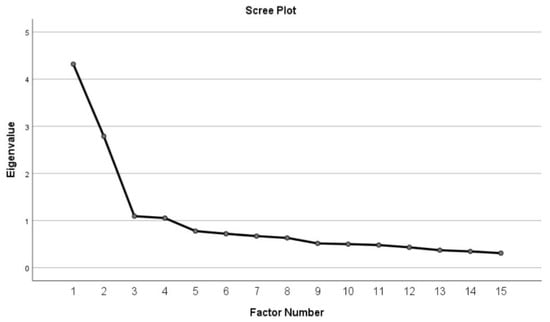
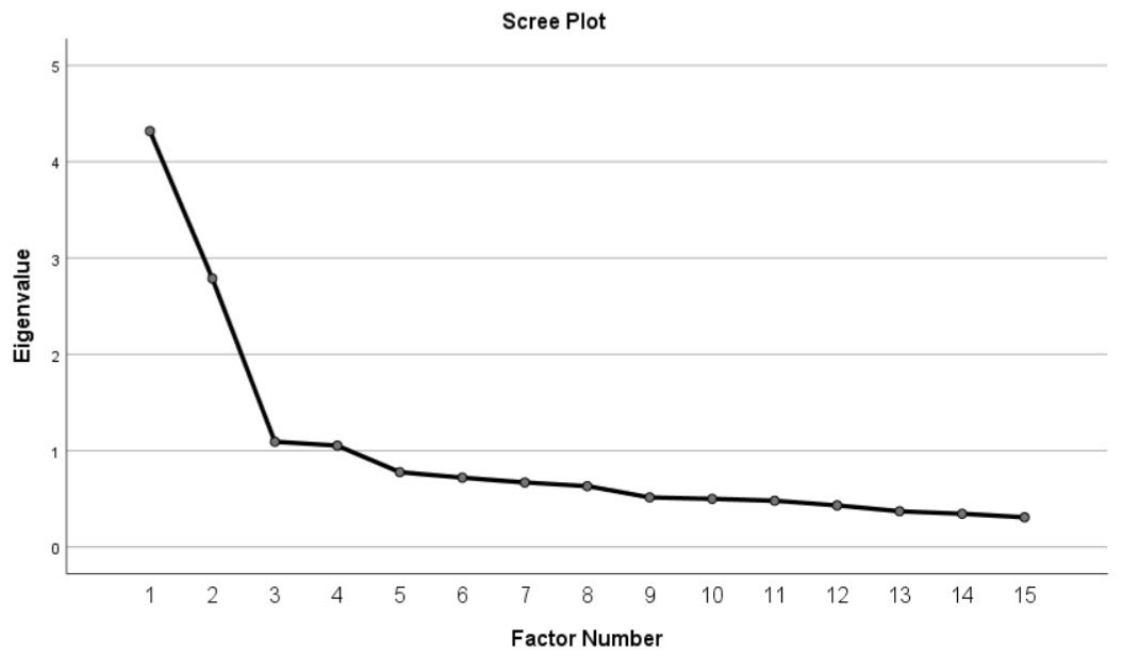
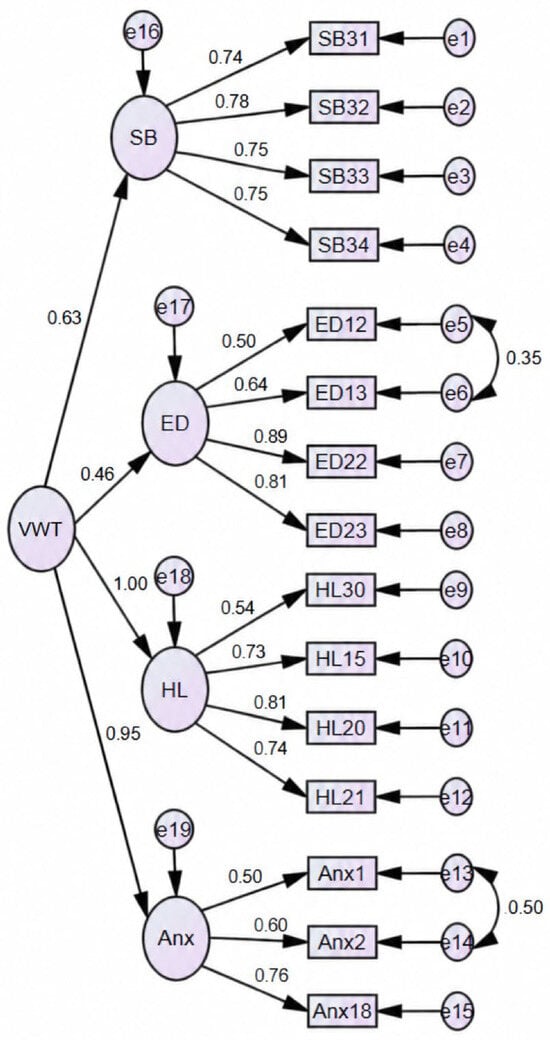
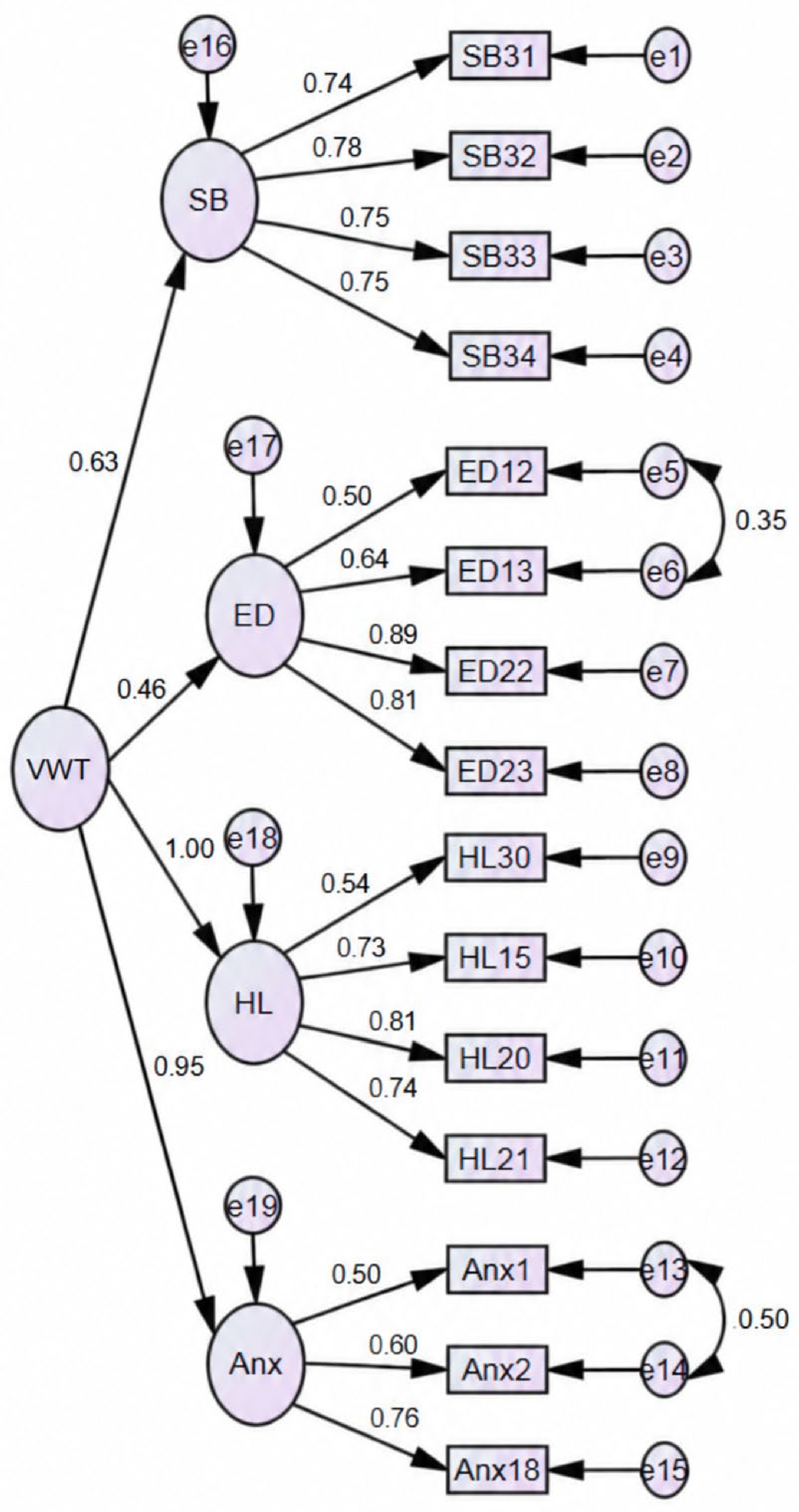

Disclaimer/Publisher’s Note: The statements, opinions and data contained in all publications are solely those of the individual author(s) and contributor(s) and not of MDPI and/or the editor(s). MDPI and/or the editor(s) disclaim responsibility for any injury to people or property resulting from any ideas, methods, instructions or products referred to in the content. |
© 2026 by the authors. Licensee MDPI, Basel, Switzerland. This article is an open access article distributed under the terms and conditions of the Creative Commons Attribution (CC BY) license.