


Abstract
This article proposes a general integrative model focusing on psychological control and psychological reserve. The former refers to internal psychological control and external psychological control. Internal psychological control refers to the management of physiological processes associated with arousal and panics. Here, the concept of internal psychological control is differentiated into two components: cognitive control/executive function and self-control/emotional regulation. External psychological control refers to the sense the person has of being able to manage, have agency in, and otherwise not be overwhelmed by the external context in which one is adapting functionally. Here, the concept of external psychological control is differentiated into two major sub-components: managing reactivity to external events, such as to daily stressors or extreme events, e.g., natural disasters, and proactively taking steps to have agency in and using predictive processing to adjust to context by mitigating the probability of experiencing overwhelming events. Psychological reserve refers to the fluid state reservoir of mental, cognitive, emotional, motivational, and stress management/coping space that is available for use in confronting ongoing and new stressors, challenges, or difficulties. Here, this article differentiates psychological reserve into phases of depletion and recovery. This article examines prior work on psychological control and reserve, demonstrating how they can be understood or modified based on the present sub-component differentiation of the concepts involved. The revised model is applied to understanding psychotherapeutic change mechanisms, a biopsychosocial model of the mechanisms, an integrated functional adaptational model, posttraumatic stress disorder, a unified model for psychotherapy and psychology generally, and clinical recommendations.
1. Background
The present article examines in depth the concepts of psychological control (internal and external) and psychological reserve in functional adaptation. The three concepts were originally formulated in Young (2022) [1]. They were expanded in Young and van Dongen (2026) [2], including a comparative analysis of similar terms that demonstrates their originality and contributions to the field. They were the source of a new model of functional adaptation, coping, and stress management (Young, 2026) [3]. Here, they are differentiated into two sub-components each, and this article re-examines the prior articles based on the two sub-component formulations for each of the sub-components.
1.1. Article Contribution
1.1.1. Introduction
The present paper is contributory to the field through its larger hierarchical theoretical architecture. The central contribution is the creation and integration of multiple independent constructs. Within this framework, internal psychological control, external psychological control, and psychological reserve are presented as the principal functional mechanisms through which psychotherapy facilitates adaptation across diagnoses. Predictive psychological control is presented as one mechanism that explains how these processes evolve dynamically over time, rather than as a separate theory. IFAM is presented as the broader biopsychosocial architecture within which these mechanisms operate. Existing psychotherapy needs to consider three higher-order functional questions that are directly relevant to clinical adaptation: Can the patient regulate internal functioning? Can the patient effectively engage the external environment? Does the patient possess sufficient psychological reserve to sustain both? These distinctions determine treatment priorities and sequencing and, therefore, provide clinical information not supplied by existing frameworks.
1.1.2. Prior Author Article Summaries
Summary of Young and van Dongen (2026) [2]. Young and van Dongen (2026) [2] argued that psychological control and psychological reserve should be viewed as distinct constructs that occupy a central place in understanding adaptation to stress and psychotherapeutic change. Rather than being interchangeable with existing concepts, they propose that these constructs integrate and organize many related psychological variables into a coherent framework. The authors argue that psychological control, as defined in the paper, specifically refers to the individual’s perceived ability to maintain or regain effective functioning when confronted with an overwhelming external situation. This emphasis on adaptation to current environmental demands distinguishes it from many existing constructs.
Several established concepts are reviewed in relation to psychological control; the reviewed concepts can be organized into several conceptual categories. First, some constructs describe perceptions of psychological control in relation to stressful circumstances, including uncontrollability, sense of control, anxiety control, and spheres of control. Second, another group concerns the perceived source of control, namely, whether outcomes are attributed primarily to oneself or to external forces; these include locus of control and internal control. Third, several constructs emphasize regulation of internal psychological processes, such as fear of losing control, life control, personal control, perceived personal control, and overcontrol. Fourth, other constructs focus on control within the external social environment, including interpersonal control and sociopolitical control. Fifth, a separate group addresses inhibitory or self-regulatory processes, including trait self-control and control processes, which primarily concern the regulation of behavior, cognition, or emotion. Finally, compensatory control represents a distinct category in which individuals restore a sense of control through identification with groups, institutions, or broader social systems rather than through direct personal agency. Although several of these constructs overlap conceptually with aspects of external psychological control, each differs in important respects. Collectively, the comparisons indicate that none captures the specific construct proposed here, namely, the perceived ability to maintain or regain adaptive functioning when confronted with overwhelming external circumstances.
This review also compares psychological reserve with related constructs, including distress tolerance, conservation of resources, reserve capacity, cognitive reserve, ego depletion, self-efficacy, and related resource-based models. Although these concepts share common elements with psychological reserve, each emphasizes only particular aspects of adaptive functioning, such as psychosocial resources, cognitive capacity, or self-regulatory effort. In contrast, psychological reserve is conceptualized as a dynamic, depletable, and renewable reservoir of psychological resources that integrates cognitive, emotional, motivational, physiological, behavioral, and contextual influences. This broader conceptualization distinguishes psychological reserve from existing resource constructs and positions it as a proximal determinant of an individual’s capacity to sustain or regain external psychological control under conditions of stress.
Summary of Young (2026) [3]. Young’s (2026) [3] Integrative Functional Adaptation Model (IFAM) is a hierarchical biopsychosocial model of adaptation to stress that extends the classic transactional model of stress and coping. Rather than viewing adaptation primarily as a function of appraisal and coping, IFAM proposes that successful adaptation depends on the dynamic interaction of three higher-order psychological processes: internal psychological control, external psychological control, and psychological reserve. Internal psychological control refers to the capacity to maintain physiological and psychological equilibrium under stress (e.g., remaining grounded, regulating arousal, and maintaining cognitive and emotional stability). External psychological control refers to the perceived capacity to manage, influence, or adapt effectively to environmental demands without becoming overwhelmed. Psychological reserve reflects the psychological resources available to sustain these control processes and to recover from depletion. These three processes operate within a broader hierarchy that also incorporates appraisal and perception processes, together with biological and social influences, thereby yielding a fully biopsychosocial account of functional adaptation.
Within IFAM, adaptation is viewed as a dynamic process rather than a static state. Internal and external psychological control reciprocally influence one another, while psychological reserve modulates the capacity to maintain both forms of control during prolonged or overwhelming stress. Restoration of adaptation therefore involves more than symptom reduction. Treatment aims to strengthen internal regulation, rebuild effective engagement with the external environment, and replenish depleted psychological reserve so that patients regain flexible functioning despite continuing uncertainty or stress. Because these processes are considered transdiagnostic, IFAM provides a common framework for understanding adaptation across psychiatric conditions, including PTSD, while allowing clinicians to individualize intervention according to the principal mechanisms limiting recovery. In the present article, IFAM serves as the overarching adaptive framework within which the psychotherapeutic change mechanisms are organized. Specifically, the concepts of internal psychological control, external psychological control, and psychological reserve are presently elaborated, and in this sense the revisions amplify conceptually the IFAM model in which they are included.
1.2. Present Article Outline
This article is organized into several main sections. The first one presents the two sub-components for each of internal psychological control, external psychological control, and psychological reserve. It includes a new predictive psychological control model as one of the sub-components of external psychological control. The second part of this article indicates how prior articles on psychological control/reserve can be understood or modified in view of the present sub-component differentiation of the terms. The Discussion provides a summary, limitations, a vignette, and research directions, in particular.
2. Psychological Control (Internal and External) and Psychological Reserve Differentiated
As defined by Young & van Dongen (2026) [2], psychological control has been conceptualized as having both an external and internal component. Psychological control can be affected by multiple factors, but, in the present model, the influence of psychological reserve on psychological control is critical. External psychological control especially concerns having a sense of control over the external environment, e.g., managing psychologically any overwhelming events, such as natural disasters, but also any degree of perceived/appraised stressors/events. Internal psychological control especially concerns remaining in control physiologically, including despite overwhelming external events. This type of control involves using appropriate stress management, coping, and grounding techniques. Psychological reserve involves the presence or absence of depleting factors of internal and external psychological control, for example, related to lifestyle, such as adequate sleep, nutrition, exercise, leisure, and socialization, with no addictions (acronym = SNELSA). More broadly, psychological reserve is about available internal resource depletion, whether energetic, physiologic, cognitive, affective/emotional, self, or behavioral, as well as recovery processes after any such depletion.
In order to expand the conceptual approach to the concept of psychological control, we consider some critical sub-components implied by the term. Psychology can be construed to consist of the following domains: psychological = behavior, activity, inhibition, emotion/affect, coping, cognition, awareness/focus, executive function, problem solving, social interaction, self, reception, sensation, perception/appraisal, physiology, arousal, and underlying central nervous system function (CNS; neuronal/neuronal network and brain function). A workable subset of psychological functions related to internal psychological control based on the prior listing would involve two main constituents: first, cognitive control/executive problem solving and, second, self-control/regulated emotions. Notably, the former includes perception/appraisal, and the latter includes physiology/arousal. Moreover, behavior develops, is influenced by context, reflects reciprocal interaction with context, and develops through a range of multiple factors that can be placed heuristically under the umbrella of the biopsychosocial model.
As for external psychological control, as with internal psychological control, it is differentiated into two major sub-components. Here, the concept of external psychological control is differentiated into two sub-components: (a) managing the external environment as perceived/appraised and (b) changing the external environment proactively. For the latter, instead of behaving in a way that reflects a more passive response to stimuli, stressors, and events (managing them), the person behaves proactively, controlling or mitigating the stimuli, stressors, or events through predictive processing.
This article first discusses the two sub-components of internal psychological control before moving to discuss the two components of external psychological control. Then, it presents two sub-components evident in psychological reserve, that is, its depletion and its recovery.
3. Internal Psychological Control
Maintaining internal psychological control is critical for maintaining external psychological control. The concept has been defined to date especially in terms of physiological control, such as having internal control over arousal, panic, adrenalin rush, fight or flight response, cortisol activation, etc. Using cognitive behavioral techniques, mindfulness, grounding, etc., are means of maintaining internal psychological control when it is disrupted, dysregulated, or otherwise dysfunctional. To expand the concept further by differentiating it, having or re-establishing internal psychological control facilitates functional adaptive behavior through the sub-components of (a) cognitive control/executive problem solving and (b) self-control/regulated emotions.
Badre (2025) [4] noted that cognitive control refers to a group of variables that permit the organization and execution of goal-oriented thought and behavior. Difficulties in cognitive control are associated with a loss of adaptive, goal-directed behavior, and can accompany psychiatric issues. For Badre, cognitive control is different compared to executive function. The latter relates to a set of executive skills and abilities, including dynamic inhibition, or stopping behavior, as well as being flexible in it, referred to as set shifting. [I note that working memory also is typically associated with executive function.] In contrast, cognitive control is differentiated by its emphasis on goal-directed behavior and its framing in control systems theory. Generally, behavior can be automatic or deliberative, that is, with awareness. Even automatic thought is considered from the viewpoint of cognitive control. In both cases, automatic and deliberative, the triggering stimulus or event acts as a controlling input that helps organize responses that are efficient and reliable. Cognitive control allows for behavioral flexibility toward goal-directed behavior (avoiding different stimulus- or event-driven responses toward goal alignment without cognitive mediation). This understanding of cognitive control means that cognitive schemas can modulate any incoming stimulus, stressor, or event using top-down knowledge of goals, rules, and so on, to achieve desired ends. This renders cognitive control context-dependent; we can obtain feedback from our behaviors and adjust the goal-directed behavior accordingly. Badre (2025) [4] reported on a series of experiments that supported the control systems modeling approach to cognitive control. However, he acknowledged the lack of real-world applications from this standpoint.
To comment on the work of Badre (2025) [4], cognitive control relates to the basic computational mechanics of information processing, such that it enables goal-directed behavior by managing thoughts, distractions, and ongoing adaptive changes required in context. It provides the computational resources needed to detect relevant stimuli/stressors/events, keep focus, and use available cognitive machinery to formulate goals and establish the steps needed to achieve them. Cognitive control is considered a primary mechanism that helps in functional adaptation to complex environments in which goal-directed behavior is ongoing. Additionally, executive function is distinct from it but subserves it. Adaptive goal direction requires the skill set of executive function—working memory, inhibition, and set shifting. This is consistent with the present approach that internal psychological control helps in functional adaptation and has two major sub-components, the first one being cognitive control/executive function.
Next, we examine the second hypothesized component of internal psychological control, that of self-control/emotional regulation (Hennecke, 2026 [5]; Kozubal, et al., 2023 [6]). If cognitive control/executive processing provides the cognitive machinery to establish, maintain, and contextually modify goal-oriented behavior, self-control/emotional regulation provides the guiding affective processes to amplify it, such as through motivation, while damping interfering emotions to the goal-directed behavior involved.
Self-control and emotional regulation refer to executive function processes (Doebel, 2020) [7] in goal-directed behaviors/actions and thoughts/feelings as they navigate internal goals or context-determined ones. Self-control is the deliberate, goal-directed capacity to inhibit shorter-term self-gratifications for more functionally adaptive long-term outcomes. When properly implemented, self-control enables better decision-making, behavioral choices, and the inhibition of interfering thoughts and actions. In the present context, emotional regulation refers to managing associated emotional responses in self-control, keeping them moderate, positively contributory and motivational, and non-interfering.
To summarize, self-control involves managing preponderant behavioral impulses and gratification delay. Emotional regulation targets the valence, intensity, and duration of subjective affect. The two processes work together toward realizing behavioral objectives. Table 1 offers a summary of the two major sub-components of internal psychological control as presently defined in terms of differentiating dimensions. It demonstrates the variability yet precise nature of the concept of internal psychological control, and its importance in organizing and discharging goal-directed behavior.
Table 1.
The two major sub-components of internal psychological control.
4. External Psychological Control
As for external psychological control, it is defined as the sense the person has of being able to manage, have agency in, and otherwise not be overwhelmed by the external context in which one is adapting functionally, such as disasters (Goldmann & Galea, 2014) [8]. The description of external psychological control is differentiated as having two sub-components: (a) to manage them in context as they impact the individual, or are perceived as overwhelming in an individual perception/appraisal process predictive psychological control, or (b) to proactively mitigate such external psychological stimuli/stressors/events, which could range from perceived/appraised minor hassles to being overwhelming (the latter being harder to proactively mitigate). That is, the concept of external psychological control is differentiated into (a) managing reactivity to external events, such as daily stressors or extreme events, e.g., natural disasters, and (b) proactively taking steps to have agency in and using predictive processing to adjust to context, thereby mitigating the probability of experiencing overwhelming events. Managing external stimuli, stressors, or events as they manifest online is an ongoing passive process of functional adaptation and coping, while acting proactively to predict, prevent, or otherwise mitigate overwhelming stimuli/stressors/events is a more active process. These two sub-components of external psychological control can be simplified as follows: (a) ongoing external environment stressor management; (b) proactive external environment stressor mitigation.
5. Surprisal Energy: A Modified Approach for Psychological Control
5.1. Introduction: Friston’s Original Free-Energy (Surprisal) Model
Karl Friston’s (Friston et al., 2021) [9] original Free-Energy Principle was developed to explain how biological organisms maintain their integrity while continually interacting with uncertain environments. Living systems must avoid states that threaten survival. From an information-theoretic perspective, these undesirable states correspond to high surprisal, meaning observations that are highly unexpected given the organism’s internal model of the world.
Because surprisal itself cannot be measured directly, Friston proposed that organisms minimize an upper mathematical bound on surprisal called variational free energy. Perception, therefore, becomes a continual process of updating internal probabilistic models so that incoming sensory information becomes more predictable. Action complements perception by changing the environment so that sensory inputs better match existing predictions. Through this continuous cycle of prediction, sensory sampling, prediction-error detection, and model updating, organisms remain within viable physiological and behavioral states despite environmental uncertainty.
In this original formulation, prediction-error minimization is the central computational objective. The organism continually reduces discrepancies between predicted and observed sensory states, thereby maintaining homeostasis, adaptive regulation, and survival.
Friston’s Active Inference Model. Friston et al.’s (2021) [9] active inference model expanded the Free-Energy Principle beyond passive perception into a comprehensive account of adaptive behavior. Rather than simply updating beliefs after prediction errors occur, organisms actively select actions expected to minimize future prediction errors. In this framework, perception and action become two complementary components of a single inferential process.
The organism maintains an internal generative model that predicts the likely consequences of possible actions. Incoming sensory evidence is compared with these predictions, and discrepancies generate prediction errors that update beliefs. Simultaneously, action is selected to bring future sensory input into closer agreement with predicted preferred states.
Importantly, active inference is not simply reactive. It enables organisms to anticipate future environmental changes, evaluate possible behavioral strategies, gather informative evidence when uncertainty is high, and balance use of familiar behaviors with exploration that improves future predictions. Consequently, adaptive behavior reflects continuous interactions among perception, prediction, learning, action selection, and environmental feedback. Active inference therefore emphasizes prediction, planning, strategy selection, uncertainty reduction, and adaptive behavioral control rather than merely responding to ongoing stimulation.
5.2. Elaborating Active Inference
Whereas Friston’s active inference framework primarily explains how organisms minimize prediction error while maintaining adaptive regulation, the present model proposes that these inferential processes are themselves constrained by higher-order psychological variables. Specifically, internal psychological control, external psychological control, and psychological reserve influence how prediction is generated, how prediction errors are interpreted, and whether behavior favors stability, exploration, or proactive environmental modification. Thus, predictive psychological control is proposed as a psychologically organized extension of active inference rather than a replacement for it. Furthermore, Friston’s active inference model is taken one step further—rather than its goal being to reduce free energy toward functional adaptation, it considers the goal of increasing free energy within manageable limits in order to increase novel problem solving solutions, new behavioral regimes and strategies, curiosity, creativity, etc., all toward increasing behavioral flexibility and, in the end, increasing the probability of thriving, if not adequate, functional adaptation. Next, this article explores the intersection of Friston’s work and the present concepts of psychological control and psychological reserve in terms of functional adaptation.
5.3. Predictive Psychological Control
The first sub-component of loss of external psychological control consists of a reactive adaptation mechanism, operating on an ongoing basis according to perceived/appraised external stimuli, stressors, or events, including extreme ones. This mechanism leads to constant ongoing functional adaptation to any environmental demand, from a perceived relatively mild daily one to severe ones, such as overwhelming natural disasters. The individual reacts relatively passively, adapting to changing circumstances rather than taking active steps proactively to avoid, mitigate, or otherwise not be exposed to stimuli, stressors, or events, whether minor or debilitating. This process does not include attempts to majorly alter the impacting stimulus, stressor, or event itself. This reactive capability is primarily concerned with assessing the stimulus, stressor, or event, determining available coping resources, whether internal or external (Lazarus & Folkman, 1984) [10], stabilizing disrupted internal functioning in parallel, minimizing secondary trauma, and recovering baseline functional adaptivity in the aftermath of an unavoidable (devastating) external stimulus, stressor, or event. Toward these ends, the individual might use learned psychotherapeutic coping mechanisms or such mechanisms otherwise learned or constructed out of lived experience.
The present article describes predictive processing in external psychological control in depth because it is a new concept. This article introduces a predictive psychological control framework that integrates predictive processing into the concept of external psychological control. External psychological control refers to the perceived capacity to maintain effective engagement with environmental demands, for example, perceiving the context as manageable and not being overwhelmed. In a concept developed after the work of Friston et al. (2021) [9], predictive psychological control refers to active inference predictions about external psychological control, both in stable and unstable environments. The latter will lead to external psychological control predictions that aim to reduce errors and maintain stability. Depending on the psychological profile of the person and individual differences related to external psychological control, the former could lead to predictions and subsequent behavior in these regards that push boundaries, allow for exploration, learning, and seeking novel behaviors, all toward expanding the available behavioral repertoire in functional adaptation.
External psychological control refers to the perceived capacity to maintain effective engagement with environmental demands and challenges (Young & van Dongen, 2026 [2]). External control is not equivalent to the degree of external disruptions in the environment; it is not stimulus-, stressor-, or event-determined, but interactively determined in perception/appraisal processes by psychological characteristics of the person in interaction with objective environmental characteristics. The present reformulation of external psychological control adds a new element in the perception/appraisal process, by allowing for predictive psychological control, or active attempts to analyze the situation, see its trajectory, consider ways of altering it if judged a necessary step, and organize response profiles that could serve to alter the situation and mitigate its perceived/appraised (devastating) effects. Friston deals with aspects of predictive psychological control, without referring to it, per se, and the present article separates it from Friston’s conceptualization, as demonstrated below.
In the prior formulation of external psychological control, when psychological reserve is adequate, external psychological control is not depleted, which is the same for internal psychological control. However, in the present reformulation, for individuals in stable contexts with intact psychological processes related to psychological control/reserve, internal psychological control and external psychological control may not be greatly affected, e.g., even in mass disasters. These possibilities eventuate because the person has found alternate ways to address the stimuli, stressor, or event at issue, even if perceived/appraised as devastating, via active efforts to mitigate the situation proactively either beforehand or once it has taken place.
5.4. Comment
The present framework extends the model of active inference as developed by Friston et al. (2021) [9]. Active-inference models explain how organisms generate predictions, update beliefs, and select actions under uncertainty (Friston et al., 2021) [9]. Prediction supports adaptive engagement in context, such as conditions that are uncertain, changing, and costly. External psychological control achieves the same objectives when regulated. This level of external psychological control allows the person to maintain psychological equilibrium in order to recruit and deploy available actions toward managing the situation. However, less attention has been devoted to understanding why adaptive functioning sometimes deteriorates despite ongoing predictive updating, especially under conditions of chronic stress, trauma, fatigue, pain, and social adversity. Moreover, less attention has been devoted to psychological characteristics that can influence active inference in adaptive prediction. In this regard, the concept of external psychological control brings two novel additions to the error-reduction and prediction literature. First, it suggests that the active inference involved is conditioned by the extent of psychologically having a sense of external environmental control. The latter is considered an apex function in adaptive regulation. Second, it suggests that the agent is actively working to reduce errors and arrive at relevant predictions in doing so, but individual differences will mark the process, and the concept of external psychological control can importantly characterize those differences. That is, predictive processing from a psychological control perspective is not merely passive functional adaptation, aimed at reducing uncertainty, surprise, free energy, etc., but also—in a second functional process not specifically specified by Friston in his concepts—active, and aimed at increasing uncertainty, surprise, and free energy, within manageable limits, in order to alter the situational context and reduce or mitigate the degree of costly responses required physically, psychologically, and energetically to extreme perceived/appraised stimuli, stressors, and events.
That is, predictive psychological control processes help individuals move beyond active inference models that serve to reduce error to ones that embrace, in part, in a controlled way, predictive error to enhance functioning more adaptively in the environment. The concept of predictive psychological control is novel, expanding Friston’s model, while preserving its essential tenets. This new addition to the literature considers the following.
Human beings do not merely seek stability. They also pursue novelty, challenge, learning, and growth. This is not inconsistent with active inference, because organisms may seek information that improves future prediction and action (Friston et al., 2021) [9]. The present article extends the concept of active inference and the associated one of predictive error-reduction in its proposal of the concept of predictive psychological control. The present concept of predictive psychological control adds to the model of psychological control. Furthermore, it adds to the model of active predictive error-reduction. In both cases, the role of individual differences is highlighted. This opens psychotherapy for stress, trauma, being overwhelmed, etc., to perspectives of trying to actively problem solve, take charge of the situation, mitigate the effects being experienced, alter the dynamics of the stress, and reduce exposure, while increasing functional adaptivity, etc., which can become sources of targeted psychotherapeutic interventions.
Predictive psychological control, therefore, has several adaptive functions. First, it helps arrive at estimates of what the context might involve in terms of maintaining a sense of having psychological control of the external environment, even in dire circumstances. Second, in more stable individuals in context, it allows liberating exploratory possibilities in a controlled way of dealing with the effects involved with more novel creative, etc., behavioral actions that promote the sense of having psychological control of the external environment. In this sense, predictive psychological control is not only constraining to existing behavioral options in the person’s repertoire to preserve stability; it is also a function that loosens the need for a sense of stability in order to foster dynamic exploration of new functional adaptations enhancing options that can become part of the person’s evolving functional adaptation behavioral repertoire.
The present framework proposes that adaptive functioning emerges through coordinated interactions among predictive systems, psychological control systems, and reserve-dependent resource constraints. It is proposed that individuals experience adaptation not only as prediction-error reduction but also as the capacity to predict increased errors that are manageable in the sense of external psychological control toward better exploration, learning, and increasing the behavioral repertoire toward adaptive function. Predictive psychological control is not only impacted by the objective nature of the environment, e.g., mass disasters, but also by the person’s appraisal and perception processes interactively evaluating the environment and one’s resources (Lazarus & Folkman, 1984) [9]. In terms of present modeling, the associated concepts of internal psychological control and psychological reserve inform the person’s decisions related to predictive psychological control. If either is dysregulated, depleted, etc., the person will gravitate to straightforward error reduction predictions in an attempt to preserve stability without pushing exploratory boundaries toward increasing the extant functional adaptation behavioral repertoire.
The predictive psychological control framework offers a testable foundation for future empirical investigation and a potentially useful bridge between contemporary computational neuroscience and clinical psychology. The present key construct is predictive (external) psychological control, which will vary according to degree of environmental stability and personal characteristics. The latter, when stable, will preferentially encourage fewer predictions toward reducing error and more that allow exploration and novel behaviors added to extant functional adaptation repertoires.
5.5. Free Energy and Predictive Control: Novel Contributions
This article shows how the concept of predictive psychological control is different from Friston’s concept of active inference (Friston et al., 2021) [9]. In the present concept, surprisal energy reduction leads to freeing energy availability for better adaptation, e.g., in curiosity learning. Friston adheres to the need to reduce free energy, although in this article, there is one reference to surprisal reduction leading to more empowerment. Thus, for the concept of surprisal, variable free energy and the need for its reduction to promote adaptivity, there appears to be a two-function process at work. First, free energy is reduced to facilitate ongoing adaptation and preserve the energetic reserve required for the continuing adaptation. At the same time, free energy is not considered essential to reduce to low levels in any circumstance. Rather, a manageable amount is kept available, where possible, in order to facilitate exploration, problem solving, etc. Free energy availability for such purposes is encouraged in a directed way—to increase adaptivity by affording its use to deal better with contextual uncertainty, as in curiosity learning. The second function does not mean that surprisal energy reduction is only meant to increase free energy for said purposes. Successful adaptivity is flexible, including in these proposed regards. Moreover, in the work of Friston et al., curiosity, novelty seeking, information gain, and empowerment are already represented within the minimization of expected free energy. However, the present modification of the model places them in a distinctive second process relating to free energy—not its minimization as in the first process but its adaptive expansion and management in a second process.
Aside from this, the present model of predictive psychological control adds elements that are not developed in Friston et al. as a psychological theory. In present terms, persistent unresolved prediction errors and uncertainty consume processing and regulatory resources, whereas their successful resolution reduces this burden and makes more psychological reserve available for further adaptive activity. Resources can then be redeployed toward curiosity, exploration, learning, creativity, social engagement, and novel problem solving. Adaptive exploration does not merely improve the current generative model; it may create new skills, new coping strategies, and a larger repertoire for future adaptation. In comparison to Friston’s model, the present model predicts that two people facing similar uncertainty may differ substantially in their contextual responses. Clinically, psychotherapy could increase reserve and perceived control, and therefore adaptivity.
Whereas active inference explains policy (i.e., action) selection through the minimization of expected free energy, predictive psychological control addresses an additional psychological and resource-dependent question: how successful anticipation, uncertainty resolution, and environmental mastery alter the person’s subsequent capacity for adaptation. The present model does not propose that organisms generally maximize variational or expected free energy. Instead, it proposes that individuals may tolerate or deliberately seek bounded, locally surprising experiences when adequate internal control, external control, and psychological reserve make exploration manageable. Successful resolution of the resulting uncertainty can reduce sustained prediction-error processing, vigilance, emotional regulation demands, and coping costs. The psychological resources no longer required for these functions may then become available for curiosity, learning, creativity, proactive problem solving, and expansion of the behavioral repertoire. Predictive psychological control therefore extends active inference from a computational account of belief and policy optimization to a psychological account of how control and reserve govern the capacity to tolerate uncertainty and convert its resolution into broader adaptive possibilities. This formulation distinguishes the present model from Friston’s model, without mischaracterizing Friston and considering minimizing and maximizing free energy as inherently contradictory.
6. Psychological Reserve
The third concept in the present triangle of psychological control and related concepts concerns psychological reserve. As with internal and external psychological control, it is posited to have two sub-components: in this case, (a) depletion and (b) recovery (Pérez-Aranda et al., 2021) [11]. Reserve depletion implicates energetic depletion, cognitive fatigue, emotional exhaustion, physiological dysregulation, motivational decline, and resultant behavioral inefficiency. Reserve restoration implicates physiological recovery, cognitive restoration, emotional replenishment, motivational updating, behavioral repertoire re-establishment, psychological growth, and resilience strengthening. Psychological reserve needs to be well-stocked and serve as a buffer against perceived/appraised stress, working to mediate the effects of stress on both internal and external psychological control. The depletion process is not necessarily the mirror inverse of the recovery process, with each taking the same amount of time and energy. Rather, the first might happen more slowly or quickly, as might the second, and not necessarily in a correlated way across them. Furthermore, multiple individual difference factors might lead to a wide range of timelines in both, which are individualized to the person.
To summarize, the major components of the present functional adaptation model—internal psychological control, external psychological control, and psychological reserve—have been differentiated into two sub-components each (see Table 2). Next, this article discusses prior presentations of these concepts and analyzes how the sub-component differentiations alter them.
Table 2.
Differentiated components of the psychological control model.
7. Prior Psychological Control and Psychological Reserve Models
Young (2022) [1] introduced the concept of causal psychotherapy, referring to augmenting standard psychotherapeutic approaches by working anywhere along the causal chain leading to the psychological disorder, impairment, or dysfunction. Distally in this regard, this refers to more biological factors, among others. Proximately, Young (2022) [1] referred to psychological reserve and executive function, couching the latter in the context of psychological control. Clearly, Young (2022) [1] developed viable psychotherapeutic concepts, but had not yet differentiated internal and external psychological control, but presaged the present sub-component modification of the psychological control (internal and external)/psychological reserve triad.
8. Psychotherapeutic Change Mechanisms
Change mechanisms are defined as processes linked to alterations in patient presentation in psychotherapy, or to altered outcomes in symptom or dysfunction manifestation in psychotherapy (after Elliott, 2010 [12]; Kazdin, 2007 [13]; in Taubner et al., 2023 [14]). They will be different for different disorders, but transdiagnostic mechanisms have been proposed, as well (e.g., Pukstad et al., 2025 [15]).
Benito et al. (2025 [16], their Table 1) listed 13 candidate mechanisms of change in exposure therapy, including ones that resemble, to some degree, the concept of psychological control (distress tolerance and self-efficacy; at the same time, these concepts were indicated to have overlap with others). Having a sense of psychological control is distinguished from other candidate mechanisms of change in exposure theory by its emphasis on internal self-regulation and external control over problematic events, ensuring these events do not exceed an individual’s stress resilience and coping capacities. The extensive research recommendations proposed by Benito et al. (2025) [16] suggest a relative lack of more refined research in the understudied mechanism of change process in psychotherapy.
Benito et al. (2025) [16] do not present a model of mechanism of change, in contrast to Wolff et al. (2025) [17]. According to Wolff et al. (2025) [17], clinical trials on exposure therapy have found relatively good success in ameliorating patient clinical outcomes, but a notable proportion of patients either do not respond or regress, suggesting the need to dismantle the therapies used to determine what constituents or processes work within them and why. Wolff et al. (2025) [17] refer to Grawe’s work on mechanism of change model building. Grawe’s (1997 [18], 2004 [19]) framework on general change mechanisms in psychotherapy has multiple strands, but for present purposes it is noted that he proposed five general mechanisms that underlie all effective psychotherapy. They are resource activation; therapeutic relationship; problem actuation; clarification; and mastery. Grawe proposed that approach schemas serving attachment needs may conflict with avoidance schemas protecting “control needs” (Wolff et al., 2025, p. 7 [17]). Here, psychological control refers to maintaining an internal psychological equilibrium, which is more like the present internal psychological control than external psychological control—a lack of external psychological control refers to having a sense of being overwhelmed by environmental impacts and contingencies.
In the consistency component of his model, Grawe highlights that mental well-being is tied to the satisfaction of four fundamental psychological needs: attachment; orientation and control; self-esteem; and pleasure and distress avoidance. Difficulty satisfying these basic needs, especially that of orientation/control, constitutes vulnerability to distress and mental illness. Gaining mastery in psychotherapy speaks to psychological control as presently defined because acquiring a sense of control and self-efficacy helps meet the basic need for orientation and control. Thus, the concept of psychological control as presently defined is implicit in Grawe’s framework, although without the internal/external differentiation.
Next, in Grawe, resource activation refers to the identification, mobilization, and resources available to the individual in dealing with life stresses, activating approach motives, and satisfying basic psychological needs (Wolff et al., 2025, p. 8 [17]). Note that the present concept of psychological reserve is very similar to that of resource activation. The major difference between the two similar concepts is that, in the Young and van Dongen (2026) [2] model, psychological reserve applies to the pre-therapy state in which the capacity to resist stress and being overwhelmed is depleted, thereby facilitating a loss of external psychological control or being more easily overwhelmed by environmental impacts and contingencies.
Two recent comprehensive reviews of the literature have addressed change mechanisms in psychotherapy for traumatized youth. They are reviewed next. Their conclusions support the present biopsychosocial model, as presented afterward, and amplify it, as well.
9. Empirically Supported Principles of Change
Fitzpatrick et al. (2022) [20] investigated empirically supported principles of change (ESPCs) in psychotherapy for youth generally. Fitzpatrick et al. (2022) [20] conducted a meta-analysis on the efficacy of treatment in 348 treatment-control comparisons in youth (M = 10.5; total N unspecified). The conditions subject to the psychotherapies involved anxiety, depression, attention deficit hyperactive disorder (ADHD), and conduct problems. The candidate ESPCs culled from the literature by Fitzpatrick et al. for investigation included: calming (e.g., deep breathing), increasing motivation (e.g., getting tangible rewards), changing unhelpful cognitions (e.g., cognitive restructuring), problem solving (i.e., sequential problem-solving skills), and practicing the positive opposite (i.e., engaging in activities that counter the unhelpful behavior directly). Although related to the present approach, the model within the Fitzpatrick et al. (2022) [20] article on the principal change mechanisms in youth psychotherapy lacks an overarching model, such as the biopsychosocial one presented herein.
Taubner et al. (2023) 20] conducted a systematic review of change mechanisms in psychotherapy with adolescents, referring to “mediators” in this regard. The range of variables found effective by Taubner et al. (2023) [20] for the question at hand was consistent with the present biopsychosocial model in that cognitive, family-related, and behavioral variables stood out. Examples in these regards that were suggested for further study include negative thoughts, parenting skills and peer influence, and impulse control, respectively, as well as biological markers. The change mechanisms so highlighted were not specific to any one disorder, being transdiagnostic. The authors concluded that effective ones should not be tied to any one theory, and that a core set of change mechanisms common across diagnoses and theoretical models should be differentiated. These conclusions are consistent with the present one and its general biopsychosocial model of change mechanisms in traumatized youth psychotherapy. Below, the full biopsychosocial model is not only reviewed but also modified to better include the concepts of psychological control and reserve.
Next, the literature review relates to the primary diagnosis in trauma: posttraumatic stress disorder (PTSD). The review highlights the role of psychological control and its loss in trauma, which is not generally considered a primary mechanism in PTSD. Psychological control is affected by trauma, but the literature review demonstrates that this takes place not in the same terms used here, at least for the most part.
10. Loss of Psychological Control in Trauma
Among references to loss of psychological control in trauma, Janoff-Bulman (1992) [21] referred to the world as uncontrollable. Ford and Courtois (2020) [22] referred to one’s ability to “control, cope, or withstand” (p. 4), and gain inhibitory and effortful control. Courtois and Ford (2013) [23] referred to having a loss of exterior control. Personal control, the ability to maintain control, the ability to choose, and self-efficacy are disrupted. Krupnick and Horowitz (1981) [24] referred to fear of future loss of control. Bohus (2022) [25] referred to uncontrollability, as did Hinton (2022) [26]. Brand et al. (2022) [27] referred to control of being overwhelmed. For references about regaining psychological control, Herman (1992; [28] 2015 [29]) referred to gaining control of the body and then the environment (p. 160). Resick et al. (2017) [30] referred to improvement in the sense of power/control, e.g., the person’s belief in the ability to manage problems. Paivio and Angus (2020) [31] referred to the patient regaining a sense of control. Schäfer et al. (2022) [32] referred to attempting to control experienced feelings and attempting to regain control. Biesold et al. (2022) [33] referred to maintaining control, the need for control, and control restructuring.
All these references to control and its loss after trauma and in psychotherapy are consistent with present modeling. Yet, unlike presently, they do not elaborate a comprehensive model of internal psychological control, external psychological control, psychological reserve, and their sub-components, and how they apply exactly to the trauma involved and the PTSD that results, nor effective psychological control procedures for psychotherapy.
For example, examination of the specific symptoms of PTSD and their groupings into categories or clusters in the Diagnostic and Statistical Manual of Mental Disorders, 5th ed., Text Revision (DSM-5-TR, American Psychiatric Association, 2022) [34] indicates that the concept of psychological control, either internal or external, explains each of them. As far as is known, this does not necessarily fully apply to explanatory theories of PTSD that are either behavioral, cognitive, or affective. For example, the categories of intrusions and avoidance indicate disruptions of daily life, as do flashbacks, nightmares, affective dysfunctions, arousals, startles, etc. The DSM-5-TR diagnoses typically refer to impairment effects on daily function, and losing psychological control indicates that this is taking place. Additionally, losing psychological control will aggravate psychological reserve depletion and its recovery. In addition, the sub-components of the psychological control/reserve triad speak to different types of loss of control, and they would apply differentially to the PTSD symptoms and clusters. For example, for internal psychological control, losing efficacy of the sub-component of cognitive control will impede goal direction and problem resolution. For external psychological control, losing predictive psychological control will complicate behaving proactively to mitigate other overwhelming scenarios.
Natural disaster victims offer a class of PTSD patients whose sense of internal and external psychological control would be quite disrupted by the events experienced. The question in terms of sequencing is whether the symptoms (disorder) develop first or the loss of psychological control develops first, and the symptoms derive from that loss rather than from the events themselves. That is, what role does loss of psychological control play causally in PTSD? Is it simply a way of summarizing the PTSD symptoms under one rubric, or does its presence constitute a latent variable that leads to the collection of symptoms that characterize PTSD? Future research can disambiguate these alternate explanations of the relationship between PTSD and psychological control. More than likely, there is reciprocal feedback between the two explanatory options, with overwhelming disasters directly leading to a loss of psychological control as a mediating variable that propagates into a range of PTSD symptom expressions. They, in turn, amplify the sense of loss of control, both internal and external.
Next, the present article attempts an integration of psychotherapeutic change mechanisms as reviewed in the recent literature. The model presented herein is a biopsychosocial one, as initially developed in Young (2022; see Table 3 [1]). The model is expanded to include psychological control and reserve. Procedures that psychotherapists can follow, e.g., serially in using the mechanisms, conclude this section.
Table 3.
The biopsychosocial psychotherapeutic change mechanism model.
12. Clinical Applications
Psychologists should avoid focusing on one explanatory model of any disorder. For example, for PTSD, they should consider the somatic/arousal (Ogden, 2020 [36]), emotional/self-regulatory (Ford, 2020) [37], and cognitive/meaning (Ehlers & Murray, 2020) [38] approaches, while determining how each might apply differentially to their individual youth and adult patients. Psychologists should not identify with one therapeutic approach, such as cognitive behavioral therapy (CBT; here we use the term in its broadest sense, in that it includes trauma-related techniques such as breathing exercises, exposure, and behavioral activation). There are multiple approaches that have some evidence-based support (Ehring, 2022 [39]; Jackson et al., 2020 [40]). These approaches include prolonged exposure (Hembree & Foa, 2020) [41], eye-movement desensitization and reprocessing therapy (EMDR; Korn & Shapiro, 2020 [42]; Schubbe & Brink, 2022 [43]), cognitive processing therapy (Chard et al., 2020) [44], dialectical behavior therapy (DBT; Bohus, 2022) [25], and narrative-based approaches (Schauer et al., 2011 [45]; Schauer et al., 2020 [46]). Psychologists should view the patient according to the needs involved, and dynamically adjust, rather than trying to fit the patient into a preferred school or therapeutic technique (Ford & Courtois, 2020) [22]. Ultimately, psychologists should respect the patient for their individual symptoms, needs, goals/values, etc., while working to ensure good rapport, a sense of safety and trust, promoting common factors that are essential to psychotherapy, treatment compliance/adherence to the treatment regimen, and helping them move on with better coping skills, generally. The present approach of targeting causal psychotherapeutic change mechanisms in patients is consistent with this individualized psychotherapeutic approach (also see Levinson et al., 2024 [47]). The recent American Psychological Association guidelines for treating adults with a history of complex trauma also seek an integrated care process in therapy (American Psychological Association, 2024 [48]). Psychotherapy integration needs to consider this point of view toward creating a “precision” based approach (Ciarrochi et al., 2024 [49]). Using the biopsychosocial model of psychotherapeutic change mechanisms can help in this sense.
As for using the concepts of psychological control (internal and external) and reserve, including their differentiated sub-components in psychotherapy, for example, in the case of PTSD, the therapist can add focus on these concepts as adjuncts to more standardized treatments. The difficulty in dealing with PTSD patients clinically is that there are multiple symptoms (20), clusters, and subtypes, making it difficult to use the label of PTSD as an explanatory, useful construct therapeutically. In contrast, using the concept of psychological control gives an explanation that can apply to each symptom and cluster in PTSD, as explained above, which could give central focus in treatment. That said, specific ways of combining traditional treatment approaches and use of psychological control concepts have not been elucidated, given the recent origins of the latter concept. Therapists working on the ground could give research teams feedback on their progress using the concepts, helping to formulate a more organized, research-based manual on the topic.
13. Integrative Model of Functional Adaptation
Young (2026) [3] developed the IFAM model of integrative functional adaptation. Figure 1 provides an outline of the model as presented in Young (2026) [3], but with added sub-components of internal psychological control, external psychological control, and psychological reserve. The internal psychological control sub-components indicate that functional adaptation involves cognitive and self-control, in which physiological control (groundedness) is embedded. The external psychological control sub-components indicate that functional adaptation to context involves ongoing management and proactive, predictive mitigation strategies. The psychological reserve sub-components indicate that functional adaptation involves efforts to avoid depletion of the reserve and efforts to build it back up when depleted in a recovery process. In all sub-component differentiations, individual differences will be evident, and the psychotherapist using the model will consider how they could impact the psychological control processes.
Figure 1.
An integrated, hierarchical top-down/bottom-up model of psychological function and adaptation (IFAM): psychological control and reserve sub-components.
14. Psychotherapy Integration
The biopsychosocial approach to psychotherapeutic change mechanisms speaks to the broader issue of the nature of psychotherapy and its role in understanding broad themes in psychology, generally. Integrative psychotherapy should consider finding the apex function of functions that generalize across all types of patients, their symptoms/psychopathologies, psychotherapies, and their match (Marquis et al., 2018 [50]; Marquis et al., 2021 [51]; Norcross & Alexander, 2019 [52]). A recent special issue dealt with psychotherapy integration (Anchin & Marquis, 2024 [53]; Kramer, 2024 [54]; Marquis, 2024 [55]). For example, Henriques and Gralha (2024) [56] referred to the value of being “psychologically mindful,” which is not a new one, though. Ecker (2024) [57] referred to “memory reconsolidation,” but also more fundamental mechanisms, such as those related to psychological control processes, might have a broader reach. Magnavita et al. (2024) [58] concluded that the project of unifying psychotherapeutics should remain open and evolving. Ciarrochi et al. (2024) [49] have also developed a transdiagnostic, trans-psychotherapy approach to unifying psychotherapy. Ciarrochi et al. (2024) [49] referred to psychotherapy and its change processes as nested with biological, social, and psychological levels, also consistent with the present approach (also see Magnavita & Anchin, 2014 [59]; Witherington et al., 2018 [60]). Consistent with Andersen (2019) [61], the biopsychosocial model does not refer to operationalizing theory and the like but to overarching perspectives. Other approaches have been proposed. Marquis et al. (2021) [51] referred to a zoom-in/zoom-out view of the theoretical landscape in psychology and related disciplines, facilitating their integration. However, none of these approaches have referred to psychological control/reserve, unlike the present case.
Young (2024) [62] presented a model of psychology and psychotherapy integrating that focused on the role of causality. The study of causality takes place in every sub-discipline of psychology (and related disciplines). It provides a common lingua franca that cuts across psychology and mental health disciplines generally, and their sub-disciplines. The present concepts of psychological control (internal and external) and reserve provide further support for the causality model of integrating psychology and psychotherapy. In this regard, this present article has referred to the need to develop a better causal psychotherapy, for example. Also, it has indicated that there are distal (e.g., genetics) and proximal factors in the causal chain leading to behavior or psychopathology, and that psychological control and reserve are prominent in the latter case. Therefore, the present article emphasizes that the concepts of internal psychological control, external psychological control, and psychological reserve could have applications to understanding the basic common processes in psychology, generally, and psychotherapy, specifically. Finding avenues toward transdiagnostic approaches to psychotherapy has the advantages of providing different mental health disciplines common frameworks, controlling or minimizing diagnostic inflation, and simplifying the psychotherapy process and its application, all of which are addressed in the present article. Unifying psychology needs to be considered an ongoing project, and the present concepts of psychological control/reserve could be instrumental in moving the project forward.
To summarize, the present argument is that causality, generally, and psychological reserve/control, specifically, is central to unifying psychotherapy, which gives an axis of cohesion for the disparate core principles that have been proposed elsewhere to unify psychotherapy. Indeed, causality has been recommended as an integrating axis toward unifying psychology (Young, 2024) [62]; the model is trans-psychological, a term created herein and not found in data engine searches, e.g., PsychInfo, specifically about this term.
15. Discussion
15.1. Summary
The concepts of psychological control (internal and external) and psychological reserve have been extensively defined and compared to similar terms in Young and van Dongen (2026) [2]. Presently, each of the three concepts is differentiated into two sub-components. This affords elaboration of prior presentations of the concepts in other articles, which is accomplished herein. The literature review supports application of these concepts to psychotherapeutic change processes, an integrated functional adaptation model, and even to unifying psychology and psychotherapy, and so this article constitutes a useful guide for the clinician.
15.2. Limitations
Several limitations indicate that the present article requires further conceptual articulation and empirical support. First, concepts and models are well-defined, but they are presented as all-encompassing, transdiagnostic, and efficacious when their boundaries (or exclusions) need verification, and no empirical support in a direct research study has been undertaken to support them. This literature review was selective, toward offering support for the novel concepts proposed or showing gaps in this regard. Such an approach is consistent with a theory paper. Limitations include the speculative nature of many conceptual models, but this article and its associated ones are the first steps toward specifying its components formally, investigating them, offering falsifiable predictions, etc. Also, some aspects of the model are heuristics rather than strict formalisms that can be mathematically represented. For example, although psychological control can be specified mathematically and simulation studies run (Young & van Dongen, 2026 [2]), the biopsychosocial model of psychotherapeutic change mechanisms is much too complex for that step. That said, the precise nature of the concepts, models, and definitions will allow further empirical study and gathered data in support of the conceptualizations or lead to suggested modifications that improve them. Also, the conceptualizations have been referred to as applicable in psychotherapy, in particular, but that has not been concretely demonstrated. Also, more conceptualization and research are needed to specify developmental aspects of the model. Finally, the presented modeling has not clearly articulated means of measurement in research directions.
Whether considering the (1) biopsychosocial model of psychotherapeutic change mechanisms, (2) the concepts of psychological control (internal and external)/reserve, or (3) the integrated functional adaptation model, this article does not clearly specify the following: (a) which specific predictions emerge from the model and (b) how the model could be empirically falsified. Through its thorough definitional basis, distinguishing its concepts from related ones, and expansive modeling that resonates with others yet improves them, the present modeling provides the basis for constructing formal models that are falsifiable and testable. The oeuvre is just a few years in the making, and thus the foundations had to be laid conceptually before it proceeds to testing it empirically.
Furthermore, whether considering the (1) biopsychosocial model of psychotherapeutic change mechanisms, (2) the concepts of psychological control (internal and external)/reserve, or (3) the integrated functional adaptation model, the present article does not specify the following: (c) which mechanisms are primary versus secondary; (d) how different components interact. For example, for (1), Table 3 lists candidate mechanisms across three levels but does not clarify how they relate functionally: whether they operate in parallel, sequentially, or hierarchically, and what determines which subset is relevant for a given patient. As presented to this juncture, the model describes what might change but not how the components work together to produce change.
The following addresses these latter concerns to the degree possible, using a psychological vignette, which shows how the present modeling differs from existing contemporary approaches to trauma. In effect, we are being more specific about the proposed biopsychosocial psychotherapy change mechanism model, the psychological control/reserve model, and the functional adaptation model. The IFAM model provides a basis for bridging the stress of daily life with the stress of extreme traumatic events, ranging over the full spectrum, in that the model is a general functional adaptation model for stress management and coping. It was developed after the concepts of psychological control and reserve were developed but includes them as central components that differentiate the model from others. The psychotherapist engaging with patients needs to keep the IFAM model in perspective because it is a transdiagnostic one, too general to apply uniquely to one specific diagnosis or diagnostic set. It provides a generalized understanding of any patient, the resources they might have to cope and adapt, and the deficits they might have in this regard. Additionally, the psychotherapist should keep in focus the psychological control (internal and external)/psychological reserve triad of concepts because they offer a general transdiagnostic perspective of what are cardinal variables that might be affected by minor stressors and overwhelming ones equally. Much depends on perception/appraisal processes that the person filters stimuli, stressors, situations, and events, and these are individualized.
15.3. Worked Clinical Vignette: Differentiating Internal Control, External Control, and Psychological Reserve in Trauma Patients
The following is a hypothetical composite vignette intended to demonstrate the clinical reasoning generated by the model rather than to report an identifiable patient.
A 41-year-old woman was referred approximately six months after a serious motor-vehicle collision in which another vehicle crossed the centre line and struck her car. She sustained minor physical injuries but remained trapped in the vehicle for approximately 20 min before being extricated. During the first two months after the collision, she experienced nightmares, intrusive recollections of the impact, marked startle responses, and anxiety as a passenger. By the time of referral, the nightmares had decreased to approximately once weekly, and she could discuss the event without becoming markedly disorganized. However, she had not resumed driving, had begun declining social and occupational activities that required travel, and was considering reducing her work hours because of the difficulty of arranging transportation.
The patient had no previous psychiatric history. Before the collision, she had worked full-time, maintained close family relationships, exercised regularly, and managed ordinary stress effectively. During assessment, she demonstrated good insight, intact cognitive control, and an ability to regulate physiological arousal. When she became anxious while discussing the collision, she spontaneously slowed her breathing, oriented herself to the room, and reduced her distress within several minutes. She had already learned diaphragmatic breathing, grounding, and cognitive reframing through several supportive counselling sessions. She reported using these strategies reliably and did not describe panic attacks, impulsive behavior, severe affective instability, dissociation, or inability to remain engaged during discussion of the trauma.
A standard integrative formulation could reasonably identify residual posttraumatic symptoms and avoidance and then combine additional relaxation training, cognitive restructuring, emotion regulation, and gradual exposure. Such treatment would be evidence-informed. However, the psychological control/reserve formulation alters the relative priority assigned to these interventions. The patient’s principal deficit was not a generalized loss of internal psychological control. Her cognitive control, emotional regulation, and physiological downregulation were substantially intact. Repeating or extending stabilization exercises therefore risked reinforcing the implicit message that she was not yet sufficiently regulated to confront the external problem.
The more prominent disturbance involved external psychological control. The collision had altered her prediction that roads were sufficiently manageable to permit effective driving action. She understood intellectually that another collision was unlikely, but she experienced driving as an activity in which she could not anticipate, prevent, or respond adequately to danger. Her avoidance temporarily reduced anxiety but progressively impacted her occupational, social, and recreational environment. Transportation dependence also consumed psychological reserve: she spent considerable time arranging rides, cancelled activities when transportation failed, felt guilty about relying on relatives, slept less before appointments, and repeatedly mentally rehearsed possible travel difficulties. Thus, reserve depletion was being maintained less by uncontrolled physiological arousal than by the continuing practical and anticipatory costs of diminished external control.
Treatment instead targeted the restoration of predictive external psychological control. During the first treatment phase, the patient and therapist constructed a detailed analysis of the driving environment. They distinguished events that could not be controlled, such as another driver’s behavior, from factors over which the patient could exercise partial control. These included selecting lower-traffic routes, choosing times with better visibility, maintaining greater following distance, identifying safe locations at which to stop, rehearsing responses to sudden anxiety, ensuring that the vehicle was mechanically sound, and beginning with a trusted passenger who would not provide excessive reassurance. This planning was not presented as a guarantee of safety. It was framed as rebuilding the patient’s capacity to predict possible developments, select among responses, and retain agency under imperfectly predictable conditions.
The first behavioral task was therefore not conventional exposure defined only by remaining in the feared situation until anxiety decreased. The patient sat in the driver’s seat, identified available controls and exit options, started the vehicle, and practised making deliberate decisions while the car remained parked. She then drove through an empty parking area, followed by a predetermined residential route. After each exercise, therapist and patient reviewed three separate outcomes: whether she had maintained internal control, whether she had experienced external control, and how much psychological reserve the task had consumed and if it was subsequently restored.
This distinction affected progression through treatment. During one early drive, the patient’s subjective anxiety remained moderately elevated, but she correctly noticed a cyclist, reduced speed, changed position safely, and continued the route without losing attentional control. Under a symptom-reduction criterion, the exercise might have been judged only partly successful because anxiety had not declined substantially. Under the present model, it was considered an important success: she had maintained internal regulation while accurately perceiving the environment and exercising external control. The goal was not to prove that driving produced little anxiety, but to demonstrate that anxiety and uncertainty could coexist with organized, effective action.
A further decision occurred after the patient could complete familiar routes but continued to restrict herself to them. A conventional approach might have continued repeating the same routes until anxiety became minimal. The psychological control/reserve model instead suggested that excessive repetition could preserve a narrow form of safety while failing to expand adaptation. Because internal control was adequate and reserve was recovering, treatment moved toward bounded exploratory prediction. The patient selected a mildly unfamiliar destination, examined several possible routes, anticipated likely decision points, and accepted that not every traffic event could be predicted. She was encouraged to use the psychological capacity freed by reduced vigilance on familiar routes to learn a new route rather than to seek complete certainty before proceeding.
This intervention illustrates the proposed connection between surprisal reduction and psychological reserve. Early in treatment, most of the patient’s available resources were directed toward monitoring danger, arranging transportation, suppressing distress, and avoiding unexpected demands. As driving became more predictable and manageable, these demands decreased. The resulting capacity was not used only to maintain a low-surprise routine. It was redeployed toward learning, flexible route selection, renewed occupational participation, and eventually recreational travel. In this sense, successful reduction in sustained surprisal-related demands freed psychological reserve for broader adaptation.
By the tenth session, the patient was commuting independently three days per week, had resumed two previously discontinued social activities, and was able to drive on several unfamiliar roads with manageable distress. Some startle and caution remained. These were not treated automatically as evidence of failed treatment because they no longer produced major internal dysregulation, environmental withdrawal, or disproportionate reserve depletion. The therapeutic endpoint was therefore not complete symptom elimination or certainty about road safety. It was the restoration of sufficient internal control, predictive external control, and psychological reserve to permit flexible functioning despite residual uncertainty.
This vignette does not claim that the individual techniques are unique. Route-based exposure, breathing, cognitive reappraisal, behavioral experiments, and practical problem solving are all available within established approaches. The proposed contribution concerns the functional assessment that determines which mechanism should be targeted, which otherwise reasonable interventions should not be prioritized, and how treatment success should be evaluated. In the vignette, a nonspecific integrative approach could have continued stabilization because anxiety and avoidance remained present. The present model instead identified relatively preserved internal control, impaired external psychological control, and secondary reserve depletion. Consequently, additional stabilization was curtailed; treatment moved directly toward rebuilding predictive agency in the environment, and exposure was evaluated by organized control and repertoire expansion rather than anxiety reduction alone.
The clinical vignette is illustrative rather than evidentiary. Comparative research is required to establish whether treatment decisions guided explicitly by this formulation produce outcomes superior to, or more efficient than, decisions generated by existing integrative approaches.
15.4. Research Directions
Effective research begins with a specific, testable hypothesis using a hypothesis-specific research design and methodology, and in the present case, this would refer to outcome measures related to psychological improvement in psychotherapy compared to applicable controls, and means of determining whether the psychotherapy had been effective due to the targeted psychotherapeutic change mechanism or other mechanisms unrelated to it. This especially means that the presently emphasized psychotherapeutic change mechanism of regaining a sense of external psychological control needs to have a questionnaire specific to it, which has been proposed in Young & van Dongen (2026) [2]. Even in its present preliminary form, the questionnaire could be used by the therapist to obtain quantitative information on how psychological control might be operationalized session-by-session, thereby enhancing clinical utility. Moreover, the more generic biopsychosocial model of psychotherapeutic change mechanisms could be investigated using a therapist questionnaire on which therapeutic procedures were used, especially when the phase of treatment associated with clear therapeutic improvements for the patient had taken place.
Funding
This research received no external funding.
Institutional Review Board Statement
Not applicable.
Informed Consent Statement
Not applicable.
Data Availability Statement
No new data were created or analyzed in this study. Data sharing is not applicable to this article.
Conflicts of Interest
The author declares no conflicts of interest.
References
- Young, G. Psychotherapeutic change mechanisms and causal psychotherapy: Applications to child abuse and trauma. J. Child Adol. Trauma 2022, 15, 911–923. [Google Scholar] [CrossRef] [Scilit]
- Young, G.; van Dongen, N. Psychological reserve/external psychological control in psychotherapy: Review and new models. Behav. Sci. 2026, 16, 485. [Google Scholar] [CrossRef] [Scilit]
- Young, G. An integrative model of functional adaptation (IFAM); Applications to Trauma. Psychiatry Int. 2026; submitted. [CrossRef]
- Badre, D. Cognitive control. Ann. Rev. Psychol. 2025, 76, 167–195. [Google Scholar] [CrossRef] [Scilit] [PubMed]
- Hennecke, M. What is self-control? A discussion of unresolved issues. Motiv. Sci. 2026; Advance online publication. [CrossRef] [Scilit]
- Kozubal, M.; Szuster, A.; Wielgopolan, A. Emotional regulation strategies in daily life: The intensity of emotions and regulation choice. Front. Psychol. 2023, 14, 1218694. [Google Scholar] [CrossRef] [Scilit] [PubMed]
- Doebel, S. Rethinking executive function and its development. Perspect. Psychol. Sci. 2020, 15, 942–956. [Google Scholar] [CrossRef] [Scilit] [PubMed]
- Goldmann, E.; Galea, S. Mental health consequences of disasters. Annu. Rev. Public Health 2014, 35, 169–183. [Google Scholar] [CrossRef] [Scilit] [PubMed]
- Friston, K.J.; Da Costa, L.; Hafner, D.; Hesp, C.; Parr, T. Sophisticated inference. Neural Comput. 2021, 33, 713–763. [Google Scholar] [CrossRef] [Scilit] [PubMed]
- Lazarus, R.S.; Folkman, S. Stress, Appraisal, and Coping; Springer Publishing Company: New York, NY, USA, 1984. [Google Scholar]
- Pérez-Aranda, A.; García-Campayo, J.; Gude, F.; Luciano, J.V.; Feliu-Soler, A.; González-Quintela, A.; López-Del-Hoyo, Y.; Montero-Marin, J. Impact of mindfulness and self-compassion on anxiety and depression: The mediating role of resilience. Int. J. Clin. Health Psychol. 2021, 21, 100229. [Google Scholar] [CrossRef] [Scilit] [PubMed]
- Elliott, R. Psychotherapy change process research: Realizing the promise. Psychother. Res. 2010, 20, 123–135. [Google Scholar] [CrossRef] [Scilit] [PubMed]
- Kazdin, A.E. Mediators and mechanisms of change in psychotherapy research. Annu. Rev. Clin. Psychol. 2007, 3, 1–27. [Google Scholar] [CrossRef] [Scilit] [PubMed]
- Taubner, S.; Ioannou, Y.; Saliba, A.; Sales, C.; Volkert, J.; Protić, S.; Adler, A.; Barkauskienė, R.; Conejo-Cerón, S.; Giacomo, D.D.; et al. Mediators of outcome in adolescent psychotherapy and their implications for theories and mechanisms of change: A systematic review. Eur. Child Adolesc. Psychiatry 2023, 33, 3321–3358. [Google Scholar] [CrossRef] [Scilit] [PubMed]
- Pukstad, E.; Halvorsen, J.Ø.; Jensen, M.R.; Solhaug, S.; Nordahl, H. Do metacognitive beliefs satisfy criteria as mechanisms of change in treatment? A systematic review and evidence synthesis. Clin. Psychol. Rev. 2025, 122, 102654. [Google Scholar] [CrossRef] [Scilit] [PubMed]
- Benito, K.; Pittig, A.; Abramowitz, J.; Arch, J.J.; Chavira, D.; de Kleine, R.; De Nadai, A.S.; Hermans, D.; Hofmann, S.G.; Hoyer, J.; et al. Mechanisms of change in exposure therapy for anxiety and related disorders: A research agenda. Clin. Psychol. Sci. 2025, 13, 687–719. [Google Scholar] [CrossRef] [Scilit] [PubMed]
- Wolff, M.; Rutrecht, H.; Mertens, L.J.; Meijer, A.A.; Beck, J.; Pérez, S.; Gründer, G.; Dziobek, I.; Jungaberle, H. Common factors in altered states: Understanding psychedelic therapy through the lens of Grawe’s general change mechanisms. Psychol. Rev. 2025, 132, 1467–1492. [Google Scholar] [CrossRef] [Scilit] [PubMed]
- Grawe, K. Research-informed psychotherapy. Psychother. Res. 1997, 7, 1–19. [Google Scholar] [CrossRef] [Scilit] [PubMed]
- Grawe, K. Psychological Therapy; Hogrefe & Huber: Göttingen, Germany, 2004. [Google Scholar]
- Fitzpatrick, O.M.; Cho, E.; Venturo-Conerly, K.E.; Ugueto, A.M.; Ng, M.Y.; Weisz, J.R. Empirically supported principles of change in youth psychotherapy: Exploring codability, frequency of use, and meta-analytic findings. Clin. Psychol. Sci. 2022, 11, 326–344. [Google Scholar] [CrossRef] [Scilit]
- Janoff-Bulman, R. Shattered Assumptions: Toward a New Psychology of Trauma; Free Press: New York, NY, USA, 1992. [Google Scholar]
- Ford, J.D.; Courtois, C.A. Treating Complex Traumatic Stress Disorders: Scientific Foundations and Therapeutic Models, 2nd ed.; Guilford Press: New York, NY, USA, 2020. [Google Scholar]
- Courtois, C.A.; Ford, J.D. Treatment of Complex Trauma: A Sequenced Relationship-Based Approach; Guilford Press: New York, NY, USA, 2013. [Google Scholar]
- Krupnick, J.L.; Horowitz, M.J. Stress response syndromes: Recurrent themes. Arch. Gen. Psychiatry 1981, 38, 428–438. [Google Scholar] [CrossRef] [Scilit] [PubMed]
- Bohus, M. Dialectical-behavior therapy for complex PTSD. In Trauma Sequelae; Maercker, A., Ed.; Springer Nature: Cham, Switzerland, 2022; pp. 317–330. [Google Scholar]
- Hinton, D.E. Approaches of culturally adapted cognitive behavioural therapy. In Trauma Sequelae; Maercker, A., Ed.; Springer Nature: Cham, Switzerland, 2022; pp. 331–346. [Google Scholar]
- Brand, B.L.; Schielke, H.J.; Schiavone, F.; Lanius, R.A. Finding Solid Ground: Overcoming Obstacles in Trauma Treatment; Oxford University Press: Oxford, UK, 2022. [Google Scholar]
- Herman, J.L. Trauma and Recovery; Basic Books: New York, NY, USA, 1992. [Google Scholar]
- Herman, J.L. Trauma and Recovery: The Aftermath of Violence—From Domestic Abuse to Political Terror; Basic Books: New York, NY, USA, 2015. [Google Scholar]
- Resick, P.A.; Monson, C.M.; Chard, K.M. Cognitive Processing Therapy for PTSD: A Comprehensive Manual; Guilford Press: New York, NY, USA, 2017. [Google Scholar]
- Paivio, S.C.; Angus, L.E. Emotion-focused therapy. In Treating Complex Traumatic Stress Disorders in Adults: Scientific Foundations and Therapeutic Models, 2nd ed.; Ford, J.D., Courtois, C.A., Eds.; The Guilford Press: New York, NY, USA, 2020; pp. 332–349. [Google Scholar]
- Schäfer, I.; Borowski, J.; Cloitre, M. Treatment of complex PTSD with STAIR/narrative therapy. In Trauma Sequelae; Maercker, A., Ed.; Springer Nature: Cham, Switzerland, 2022; pp. 297–316. [Google Scholar]
- Biesold, K.-H.; Zimmermann, P.; Barre, K. Military. In Trauma Sequelae; Maercker, A., Ed.; Springer Nature: Cham, Switzerland, 2022; pp. 441–460. [Google Scholar]
- American Psychiatric Association. Diagnostic and Statistical Manual of Mental Disorders, 5th ed.; text rev.; American Psychiatric Association: Washington, DC, USA, 2022. [Google Scholar] [CrossRef] [Scilit]
- Dobson, K.S. Clinical Depression; American Psychological Association: Washington, DC, USA, 2024. [Google Scholar]
- Ogden, P. Sensorimotor psychotherapy. In Treating Complex Traumatic Stress Disorders in Adults: Scientific Foundations and Therapeutic Models, 2nd ed.; Ford, J.D., Courtois, C.A., Eds.; The Guilford Press: New York, NY, USA, 2020; pp. 509–532. [Google Scholar]
- Ford, J.D. Developmental neurobiology. In Treating Complex Traumatic Stress Disorders in Adults: Scientific Foundations and Therapeutic Models, 2nd ed.; Ford, J.D., Courtois, C.A., Eds.; The Guilford Press: New York, NY, USA, 2020; pp. 35–61. [Google Scholar]
- Ehlers, A.; Murray, H. Cognitive therapy. In Treating Complex Traumatic Stress Disorders in Adults: Scientific Foundations and Therapeutic Models, 2nd ed.; Ford, J.D., Courtois, C.A., Eds.; The Guilford Press: New York, NY, USA, 2020; pp. 226–248. [Google Scholar]
- Ehring, T. Cognitive behavioural therapy. In Trauma Sequelae; Maercker, A., Ed.; Springer Nature: Cham, Switzerland, 2022; pp. 235–260. [Google Scholar]
- Jackson, C.; Nissenson, K.; Cloitre, M. Cognitive-behavioral therapy. In Treating Complex Traumatic Stress Disorders in Adults: Scientific Foundations and Therapeutic Models, 2nd ed.; Ford, J.D., Courtois, C.A., Eds.; The Guilford Press: New York, NY, USA, 2020; pp. 370–389. [Google Scholar]
- Hembree, E.; Foa, E.B. Prolonged exposure therapy. In Treating Complex Traumatic Stress Disorders in Adults: Scientific Foundations and Therapeutic Models, 2nd ed.; Ford, J.D., Courtois, C.A., Eds.; The Guilford Press: New York, NY, USA, 2020; pp. 207–221. [Google Scholar]
- Korn, D.L.; Shapiro, F. Eye movement desensitization and reprocessing therapy. In Treating Complex Traumatic Stress Disorders in Adults: Scientific Foundations and Therapeutic Models, 2nd ed.; Ford, J.D., Courtois, C.A., Eds.; The Guilford Press: New York, NY, USA, 2020; pp. 286–308. [Google Scholar]
- Schubbe, O.; Brink, A. Eye movement desensitization and reprocessing (EMDR). In Trauma Sequelae; Maercker, A., Ed.; Springer Nature: Cham, Switzerland, 2022; pp. 261–284. [Google Scholar]
- Chard, K.M.; Healy, E.T.; Martin, C.E. Cognitive processing therapy. In Treating Complex Traumatic Stress Disorders in Adults: Scientific Foundations and Therapeutic Models, 2nd ed.; Courtois, C.A., Ford, J.D., Eds.; The Guilford Press: New York, NY, USA, 2020; pp. 249–266. [Google Scholar]
- Schauer, M.; Neuner, F.; Elbert, T. Narrative Exposure Therapy: A Short-Term Treatment for Traumatic Stress Disorders, 2nd ed.; Hogrefe: Cambridge, MA, USA, 2011. [Google Scholar]
- Schauer, M.; Roband, K.; Elbert, T.; Neuner, F. Narrative exposure therapy. In Treating Complex Traumatic Stress Disorders in Adults: Scientific Foundations and Therapeutic Models, 2nd ed.; Ford, J.D., Courtois, C.A., Eds.; The Guilford Press: New York, NY, USA, 2020; pp. 309–331. [Google Scholar]
- Levinson, C.A.; Christian, C.; Becker, C.B. How idiographic methodologies can move the clinical-science field forward to integrate personalized treatment into everyday clinical care and improve treatment outcomes. Clin. Psychol. Sci. 2024, 13, 69–82. [Google Scholar] [CrossRef] [Scilit]
- American Psychological Association. Guidelines for Working with Adults with Complex Trauma Histories. Available online: https://www.apa.org/practice/guidelines/adults-complex-trauma-histories.pdf (accessed on 22 July 2026).
- Ciarrochi, J.; Hernández, C.; Hill, D.; Ong, C.; Gloster, A.T.; Levin, M.E.; Yap, K.; Fraser, M.I.; Sahdra, B.K.; Hofmann, S.G.; et al. Process-based therapy: A common ground for understanding and utilizing therapeutic practices. J. Psychother. Integr. 2024, 34, 265–290. [Google Scholar] [CrossRef] [Scilit]
- Marquis, A. Integral Psychotherapy: A Unifying Approach; Routledge: Abingdon, UK, 2018. [Google Scholar]
- Marquis, A.; Henriques, G.; Anchin, J.; Critchfield, K.; Harris, J.; Ingram, B.; Magnavita, J.; Osborn, K. Unification: The fifth pathway to psychotherapy integration. J. Psychother. Integr. 2021. [Google Scholar] [CrossRef] [Scilit]
- Norcross, J.C.; Alexander, E.F. A primer on psychotherapy integration. In Handbook of Psychotherapy Integration, 3rd ed.; Norcross, J.C., Goldfried, M.R., Eds.; Oxford University Press: Oxford, UK, 2019; pp. 3–27. [Google Scholar]
- Anchin, J.C.; Marquis, A. Issues in achieving a unifying consensus on mechanisms and processes of change in psychotherapy. J. Psychother. Integr. 2024, 34, 246–264. [Google Scholar] [CrossRef] [Scilit]
- Kramer, U. Unifying psychotherapy: Are we there, yet? J. Psychother. Integr. 2024, 34, 351–355. [Google Scholar] [CrossRef] [Scilit]
- Marquis, A. Unification in psychotherapy: An introduction to the special issue. J. Psychother. Integr. 2024, 34, 213–218. [Google Scholar] [CrossRef] [Scilit]
- Henriques, G.; Gralha, M. The common core of psychotherapy: Bridging common factors with unification to frame the center of the field. J. Psychother. Integr. 2024, 34, 219–245. [Google Scholar] [CrossRef] [Scilit]
- Ecker, B. A proposal for the unification of psychotherapeutic action understood as memory modification processes. J. Psychother. Integr. 2024, 34, 291–314. [Google Scholar] [CrossRef] [Scilit]
- Magnavita, J.J.; Magnavita, E.G.; Ingram, B.L. Unified psychotherapeutics: Are we any closer to our aspirations and what are the dangers? J. Psychother. Integr. 2024, 34, 315–328. [Google Scholar] [CrossRef] [Scilit]
- Magnavita, J.J.; Anchin, J.C. Unifying Psychotherapy: Principles, Methods, and Evidence from Clinical Science; Springer Publishing: New York, NY, USA, 2014. [Google Scholar]
- Witherington, D.C.; Overton, W.F.; Lickliter, R.; Marshall, P.J.; Narva, D. Metatheory and the primacy of conceptual analysis in developmental science. Hum. Dev. 2018, 61, 181–198. [Google Scholar] [CrossRef] [Scilit]
- Andersen, L.R. Metamodernity: Meaning and Hope in a Complex World; Nordic Bildung: Copenhagen, Denmark, 2019. [Google Scholar]
- Young, G. Comparing two major approaches to unifying psychology: Different goals, different outcomes. Curr. Psychol. 2024, 44, 330–370. [Google Scholar] [CrossRef] [Scilit]
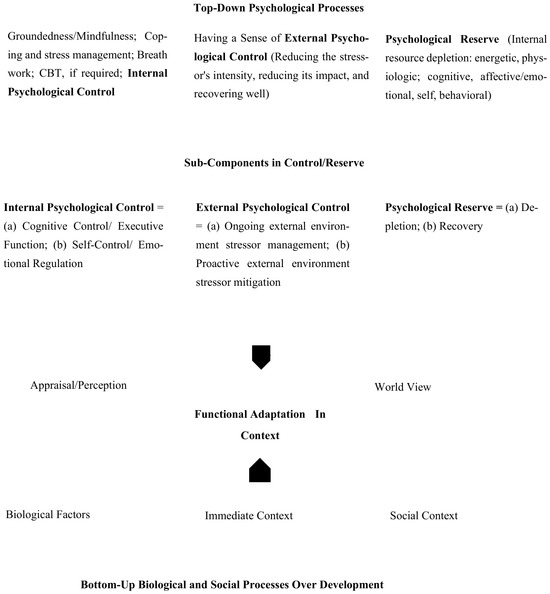
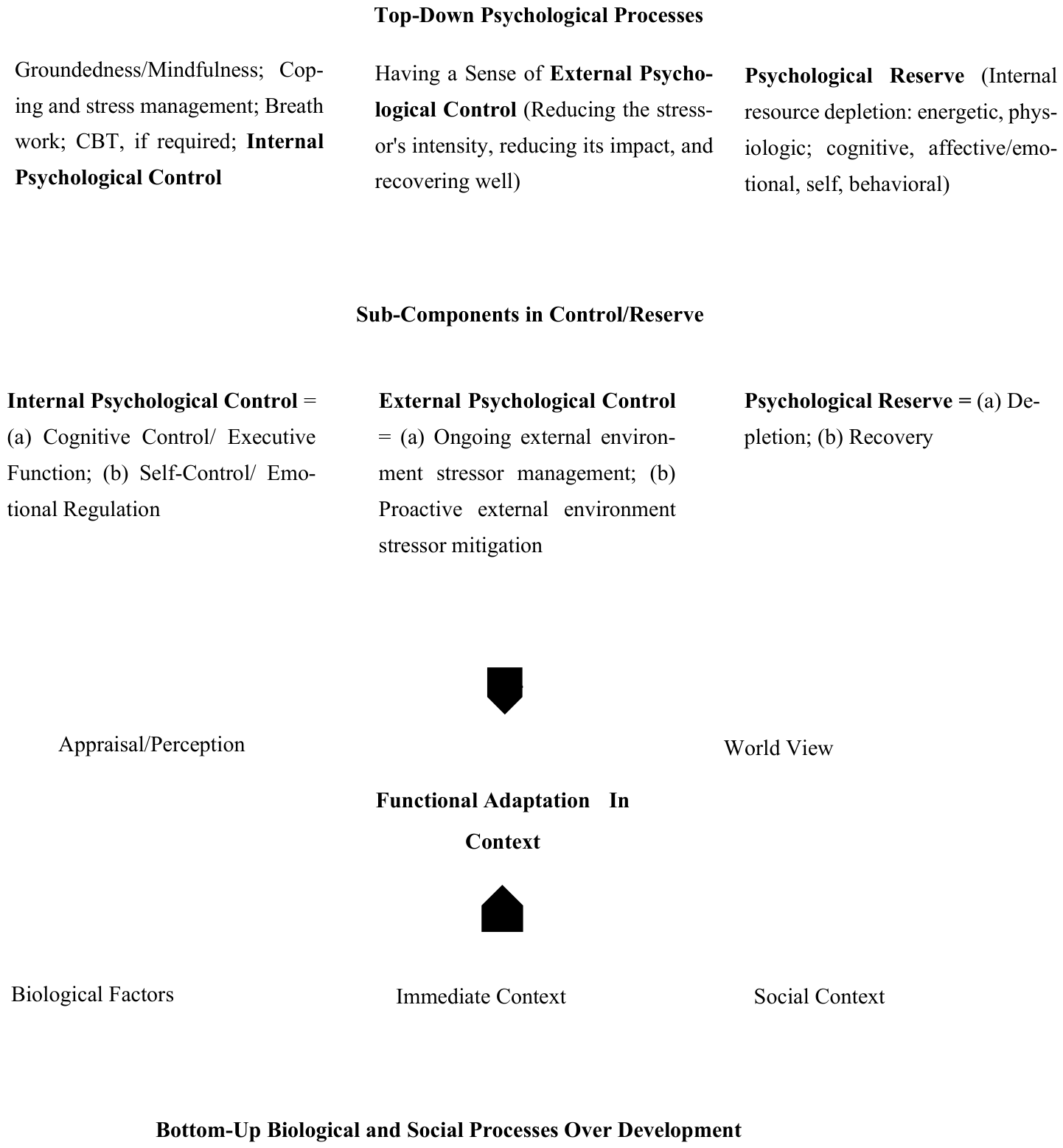

Disclaimer/Publisher’s Note: The statements, opinions and data contained in all publications are solely those of the individual author(s) and contributor(s) and not of MDPI and/or the editor(s). MDPI and/or the editor(s) disclaim responsibility for any injury to people or property resulting from any ideas, methods, instructions or products referred to in the content. |
© 2026 by the author. Licensee MDPI, Basel, Switzerland. This article is an open access article distributed under the terms and conditions of the Creative Commons Attribution (CC BY) license.