


Abstract
Adolescence constitutes a developmental stage marked by increased vulnerability to the adoption of consumption behaviors shaped by individual, social, and contextual determinants. This study aimed to examine the association between cumulative psychosocial vulnerability and the consumption of alcohol, coffee, and energy drinks among adolescents in Romania, employing a composite behavioral score designed to capture personal, social, and contextual stability. This cross-sectional study included 521 adolescents, with data collected during the COVID-19 pandemic when schooling was entirely online. Alcohol, coffee, and energy drink consumption were analyzed using Pearson correlations and binary logistic regressions. The composite behavioral score was constructed as the mean of standardized indicators, with higher values reflecting lower levels of psychosocial vulnerability. Results indicate that the composite behavioral score is negatively and significantly associated with alcohol consumption (r = −0.150, p = 0.001; OR = 0.51, 95% CI [0.33–0.80], p = 0.002), indicating a lower likelihood of consumption among adolescents with more stable psychosocial profiles. In contrast, the score was not significantly associated with coffee or energy drink consumption. Analyses also revealed significant differences in the composite behavioral score by gender (Cohen’s d = −0.82), with boys exhibiting higher vulnerability, and by residential environment (Cohen’s d = −1.15), with adolescents from rural areas—particularly boys—showing higher levels of psychosocial vulnerability. A secondary composite score, excluding demographic variables, was also computed to assess the robustness of the observed associations, with only area of residence remaining a significant predictor. In conclusion, the findings are consistent with the hypothesis that cumulative psychosocial vulnerability is relevant for explaining alcohol consumption in adolescence but not for coffee or energy drink use. These results highlight the need for a conceptual distinction between consumption behaviors with a normative status and those more clearly associated with psychosocial risk, as well as the importance of prevention interventions tailored to the specific characteristics of each type of consumption.
1. Introduction
Adolescence represents a developmental stage characterized by an increased need for direct social interaction, a strong desire for peer acceptance, and heightened susceptibility to peer influence [1]. Belonging to a peer group increases the likelihood that adolescents will engage in exploratory behaviors and experiment with new experiences, with substance consumption within peer contexts being one of the most important factors associated with such practices [2].
The COVID-19 pandemic introduced substantial disruptions in adolescents’ daily lives, including the transition to online education, restrictions on mobility, and reduced direct interaction with individuals outside the family. These measures created an unprecedented social context that may have influenced behavioral patterns, including substance use. In this context, the present study investigates the consumption of alcohol, energy drinks, and coffee among Romanian adolescents.
Exposure to prolonged social restrictions and changes in routine may influence risk behaviors during adolescence, some of which may persist into adulthood and contribute to adverse health outcomes. Alcohol consumption during adolescence has been associated with increased risk of long-term health problems, including chronic diseases and mental health issues [3]. Similarly, energy drink consumption has been linked to cardiovascular and neuropsychological effects, as well as other physiological disturbances [4,5].
Alcohol remains the most widely used psychoactive substance. According to the World Health Organization [6], approximately 22% of adolescents aged 15–19 reported alcohol consumption in 2019, with similar prevalence rates across genders.
In Romania, the sale of alcoholic beverages to individuals under 18 years of age is legally prohibited. In contrast, energy drinks were widely available to minors without specific regulatory restrictions until 2024, despite ongoing concerns regarding their potential health effects [7]. This regulatory gap may have contributed to increased accessibility and consumption among adolescents.
Data from Spain indicate relatively stable patterns of adolescent alcohol consumption over time, with slight fluctuations observed between 2019 and 2023 [8].
Energy drinks represent one of the fastest-growing segments of the beverage industry [9]. These products typically contain stimulant compounds such as caffeine, sugar, taurine, and guarana, and are often perceived as enhancers of cognitive and physical performance [10,11]. However, their consumption—particularly when combined with alcohol—has been associated with a range of adverse health effects [12]. The combination of alcohol and energy drinks is frequently used to counteract the sedative effects of alcohol and may lead to increased overall alcohol intake [13,14].
Data from the European Food Safety Authority indicate that energy drink consumption is highly prevalent among adolescents, with approximately 68% reporting use across European countries. Furthermore, combined consumption of energy drinks and alcohol has been reported in more than half of adolescent consumers [15].
National data from Romania also highlight concerns related to energy drink consumption among adolescents. Observational findings indicate high prevalence rates, limited awareness of product contents, and the occurrence of adverse effects following consumption [16,17]. In addition, reported cases of intoxication associated with energy drink consumption among adolescents suggest a potential increase in health risks over time. Severe outcomes, including cardiovascular disturbances and neurological symptoms, have been documented in cases of excessive intake [18].
Systematic reviews and meta-analyses further support the association between energy drink consumption and negative outcomes such as sleep disturbances, stress, and depressive symptoms among adolescents [11]. Moreover, consumption of energy drinks and alcohol has been linked to other risk behaviors, including smoking and substance use, reflecting broader patterns of behavioral clustering [16].
Evidence also indicates that the combined use of alcohol and energy drinks (AMED) is associated with specific behavioral patterns, although its direct impact on intoxication levels remains debated [19]. Finally, recent research highlights a strong association between smoking and alcohol use among adolescents, emphasizing the role of social and contextual factors in shaping risk behaviors, including during the COVID-19 pandemic [20].
Rationale for the Current Study
Existing research on adolescent substance use has examined behaviors such as alcohol, caffeine, or energy drink consumption separately, with comparatively fewer studies adopting an integrative perspective on their co-occurrence and shared determinants. In addition, these behaviors are often approached within a general risk framework, without consistently distinguishing between substances that may differ in their social meaning and functional role. Therefore, an integrative approach is needed to assess the combined influence of demographic, behavioral, and psychosocial factors on substance use, as well as to explore whether these associations vary depending on the type of substance. The aim of the present study is to investigate the relationship between a composite behavioral score, reflecting personal and social stability, and the consumption of coffee, energy drinks, and alcohol among Romanian adolescents, with particular attention to similarities and differences across these behaviors.
Drawing on the existing literature and the proposed framework, the present study hypothesizes that higher levels of personal and social stability are associated with a lower likelihood of alcohol consumption among adolescents. In contrast, this relationship is expected to be weaker or non-significant in the case of coffee and energy drink consumption, suggesting that these behaviors may be more context-dependent and less strongly embedded in risk behavior patterns.
The study further examines whether the composite behavioral score varies across sociodemographic groups, with the expectation that differences may be observed by gender and area of residence. Specifically, lower levels of behavioral and psychosocial stability are anticipated among male adolescents and those from rural areas, compared to female adolescents and those from urban settings.
2. Materials and Methods
2.1. Study Design
The data used in this article were derived from a cross-sectional quantitative survey conducted during the COVID-19 pandemic (spring 2021). Data were collected using an online questionnaire administered via Google Forms. During this period, school activities in Romania were conducted exclusively online, and adolescents were required to remain within their family households, with limited opportunities for direct social interaction outside the family context. This unique context provided a controlled setting for examining consumption behaviors under conditions of restricted mobility and social contact.
Participants were informed about the purpose of the study and provided informed consent in accordance with legal regulations regarding the protection of personal data. Respondents under the age of 16 were asked to share information about the study with their parents or guardians and were required to check a box to confirm this before accessing the questionnaire. Participation in the study was voluntary, anonymous, and allowed participants to withdraw at any stage of completing the questionnaire without any consequences.
The study protocol was approved by the Ethics Committee of the Francisc I. Rainer Institute of Anthropology, Romanian Academy (approval no. 254/2021).
2.2. Participants and Data Collection
Data were self-reported and collected from high school students through an online questionnaire distributed during the COVID-19 pandemic. Participants were recruited using a convenience sampling approach, facilitated by the online distribution of the survey.
The survey was completed individually by participants at home and a total of 550 responses were initially received. After data cleaning, only fully completed questionnaires were retained for analysis, resulting in a final sample of 521 adolescents aged 15 to 19 years. The sample included 153 males and 368 females, with participants from both rural (N = 313) and urban (N = 208) areas.
Prior to the main data collection, a pretest was conducted with 15 participants to assess the clarity and comprehensibility of the questionnaire. Based on the feedback obtained, minor revisions were made to improve item wording and format.
2.3. Variables and Measurements
The questionnaire included 69 items addressing sociodemographic characteristics, sedentary behavior, dietary habits and health-related risk behaviors among adolescents.
For the purposes of the present study, the analyses focused on the consumption of alcoholic beverages, energy drinks, and coffee. These variables were assessed based on self-reported responses regarding consumption (yes/no), as well as the frequency of individual and combined use.
The socio-demographic and contextual variables included in the analysis were: gender, age, area of residence (rural/urban), perceived family income, perceived social influence (assessed through the item “I feel stronger with my friends”), and type of housing during schooling (living with family vs. without family).
All variables were recoded for analysis to ensure consistency in interpretation, with higher values reflecting lower levels of behavioral risk and greater personal and contextual stability, as described in the construction of the composite behavioral score.
2.4. Statistical Analysis
To achieve the research objectives, data processing was conducted using RStudio 2026.04.0 Build 526 and Microsoft Excel for Microsoft 365 MSO (Version 2604 Build 16.0.19929.20086) 64-bit applying inferential statistical methods. Binary logistic regressions were performed for each type of consumption to assess the influence of demographic, socio-economic, and psychosocial predictors on the consumption of coffee, alcohol and energy drinks. Odds ratios (OR) and corresponding 95% confidence intervals were computed to facilitate the interpretation of effect sizes.
To test the hypothesis that cumulative exposure to psychosocial vulnerability factors is associated with an increased likelihood of engaging in consumption behaviors, a composite behavioral score was constructed. This score integrated theoretically relevant demographic, contextual, and behavioral variables, including: smoking habit, subjective perception of social influence (item: “I feel stronger with my friends”), type of housing during schooling (with family vs. without family), sex, age, area of residence, and perceived family income.
The variables were recoded numerically so that higher values reflected a profile characterized by lower risk behaviors, greater social autonomy and a more stable family and socio-economic context. For example: smoking was coded as a binary variable (1 = non-smoker, 0 = smoker), so that higher values reflected lower risk; perceived social influence (assessed through the item “I feel stronger with my friends”) was recoded such that responses indicating stronger reliance on peers were assigned lower values (0), while lower perceived influence corresponded to higher values (1); housing type was coded so that living with family corresponded to higher values, while living without family corresponded to lower values; area of residence was coded as a binary variable (0 = rural, 1 = urban), with higher values reflecting a more favorable contextual environment.
Subsequently, the composite behavioral score was calculated as the arithmetic mean of the standardized variables (z-scores), thereby ensuring equal weighting of each component and providing an integrative measure of the cumulative influence of these factors. The choice of z-score standardization was justified by the heterogeneous nature of the included variables (categorical and continuous), as this procedure allowed all components to be placed on a common scale and prevented variables with larger variance from dominating the composite score.
The composite behavioral score was not intended to represent a unidimensional latent construct, but rather to capture the cumulative effect of multiple psychosocial and contextual factors. Therefore, it should be interpreted as a composite index of overall stability rather than as a psychometric scale. It should therefore be interpreted cautiously, as an exploratory indicator rather than a precise measurement of a single underlying construct.
Based on this score, hypotheses were formulated and tested positing that higher levels of the composite behavioral score are associated with a lower likelihood of alcohol consumption, while weaker or non-significant associations are expected for energy drink and coffee consumption, reflecting a lower-risk profile, whereas the relationship between the composite score and coffee consumption is expected to be nonsignificant, given the more normative and context-dependent nature of this behavior. These hypotheses were evaluated through correlation analyses and binary logistic regressions, with the composite behavioral score entered as the sole predictor of the likelihood of consumption for each type of substance analyzed.
Descriptive analyses were conducted to examine the distribution of the composite behavioral score prior to inferential testing.
3. Results
The analysis indicates that a substantial proportion of adolescents aged 15–19 consume coffee, alcohol, and energy drinks. Among the participants, 85.6% reported consuming energy drinks, 60.1% reported alcohol consumption, and 58.2% reported consuming coffee.
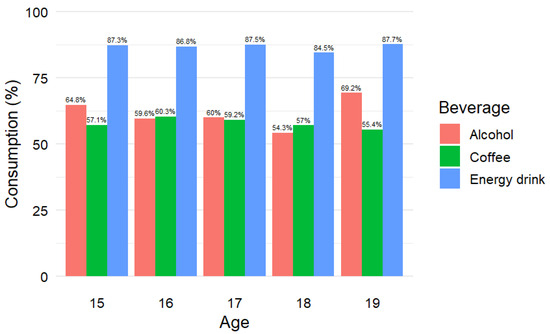
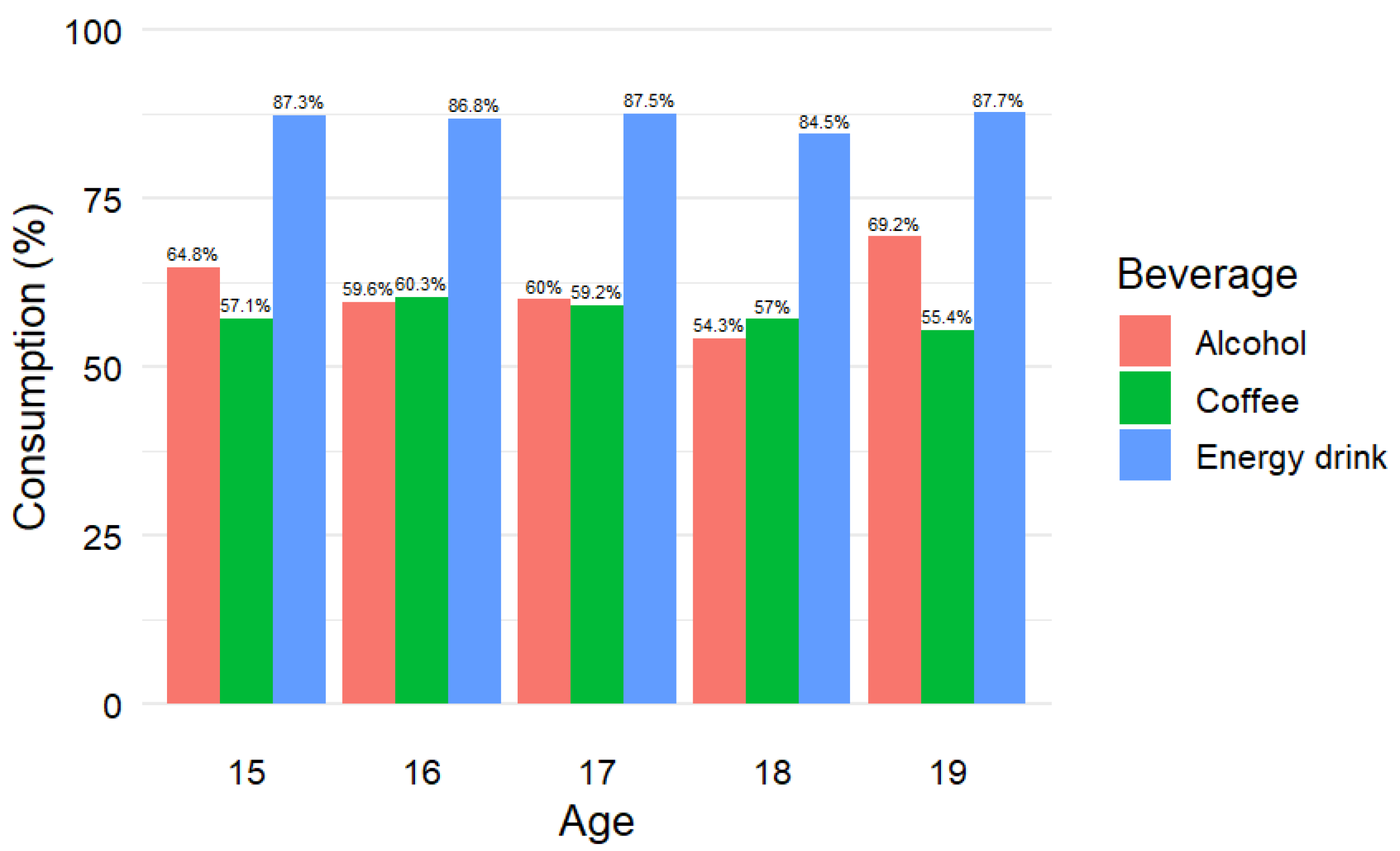
The distribution of consumption across age groups shows minimal variation for energy drinks, with the lowest prevalence observed at age 18 (84.5%) and the highest at age 19 (87.7%). With regard to coffee consumption, adolescents aged 15 years reported the highest prevalence (64.8%), followed by a declining trend as age increased. Alcohol consumption showed a prevalence of 64.8% at age 15, reached its lowest level at age 18 (54.3%), and increased again at age 19 (69.2%) (Figure 1). These descriptive patterns did not indicate substantial age-related differences; therefore, no further inferential analyses by age were conducted.
Figure 1.
Age Distribution of Coffee, Energy Drink and Alcohol Consumption.
The analysis of beverage consumption by gender indicates similar patterns among boys and girls across all three categories examined (Table 1). Coffee consumption was comparable between the two groups, being reported by 58.3% of boys and 58.2% of girls. Energy drink consumption showed a high prevalence in both groups, with a slightly higher proportion among boys (88.9%) compared to girls (85.6%). Alcohol consumption also exhibited nearly equal levels across genders, reported by 59.5% of boys and 60.6% of girls. Chi-square tests indicated that these differences were not statistically significant (p > 0.05 for all comparisons), suggesting that consumption patterns are largely similar across genders.
Table 1.
Consumption by Gender and Area of Residence.
When examined by area of residence (rural vs. urban), coffee consumption rates were nearly identical, at 59.5% in rural areas and 56.3% in urban areas. Energy drink consumption was high in both settings, with a slightly higher prevalence in urban areas (88.0%) compared to rural areas (85.6%). Similarly, alcohol consumption rates were comparable, with 59.4% reported in rural areas and 61.5% in urban areas. Statistical testing (chi-square) confirmed that these differences were not significant (p > 0.05), indicating that residential environment does not substantially differentiate consumption prevalence. Percentages were calculated within groups (row percentages) to allow meaningful comparison of consumption prevalence across gender and residential categories.
To gain a more comprehensive understanding of beverage consumption among adolescents, binary logistic regression models were conducted separately for each category of consumption. These models assessed the impact of demographic, socio-economic, and psychosocial predictors on the consumption of coffee, alcohol, and energy drinks. Regression coefficients and associated p-values were calculated to identify significant predictors of consumption behaviors (Table 2).
Table 2.
Logistic regression models for coffee, energy drink and alcohol consumption.
3.1. Coffee Consumption
The binary logistic regression analysis indicated that most of the demographic, socio-economic, and psychosocial predictors included in the model did not exert a significant influence on coffee consumption. Gender, age, area of residence, perceived family income, smoking, and perceived social influence were not significantly associated with this behavior (p > 0.05). The only significant predictor was type of housing, with adolescents not living with their family showing a higher likelihood of consuming coffee (B = 0.43, p = 0.034). This finding suggests that, within the analyzed sample, coffee consumption is predominantly contextual and functional in nature, being more closely associated with levels of daily autonomy and the structure of everyday routines than with risk behaviors or direct social influences (Table 2).
3.2. Energy Drink Consumption
In the case of energy drink consumption, the logistic regression model revealed a pattern distinct from that observed for coffee consumption. Among the included predictors, smoking and perceived social influence emerged as statistically significant. Adolescents who reported smoking were more likely to consume energy drinks (B = 0.89, p = 0.026), and those who indicated that they feel stronger when with friends were also more prone to this behavior (B = 0.72, p = 0.016). In contrast, demographic variables, perceived family income, and type of housing did not show a significant influence. These findings suggest that energy drink consumption is more closely linked to social dynamics and the co-occurrence of risk behaviors than to structural or family-related factors (Table 2).
3.3. Alcohol Consumption
The logistic regression analysis for alcohol consumption revealed the highest risk behavior profile among the three types of consumption examined. Smoking emerged as a positive predictor of alcohol consumption (B = 1.56, p < 0.001), indicating an approximately 4.7-fold higher likelihood of consumption among adolescents who smoke. In addition, perceived social influence (“I feel stronger with my friends”) made a significant contribution (B = 0.65, p = 0.003), suggesting an important role of social pressure and social validation in the adoption of this behavior. Demographic variables, perceived family income, and type of housing did not show significant effects. These findings support the hypothesis of co-occurring risk behaviors and suggest the importance of psychosocial factors in explaining alcohol consumption among adolescents (Table 2).
3.4. The Composite Behavioural Score
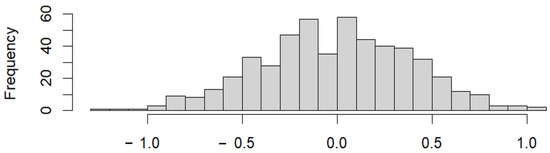
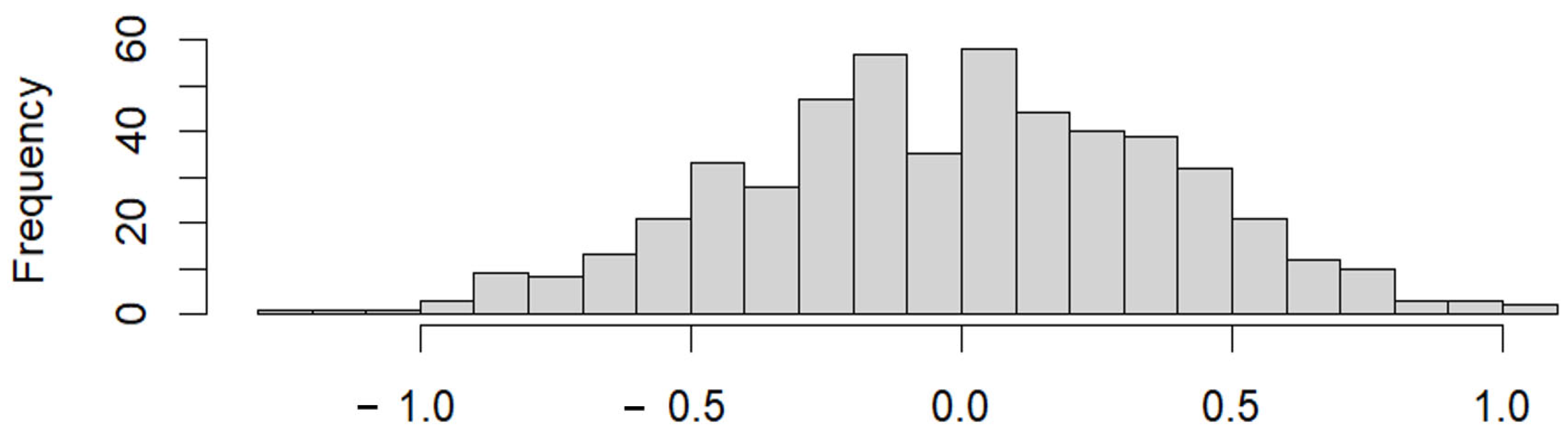
Constructed as the mean of the standardized (z-score) values of the demographic, behavioral, and psychosocial indicators included in the analysis, the composite behavioral score exhibited an approximately normal distribution centered around zero (Table 1). Descriptive statistics indicate a mean close to zero (M ≈ 0.00) and a slightly positive median (Md = 0.03), reflecting the standardization procedure applied to the score components. The range of values was moderate (Min = −1.21; Max = 1.08), with no evidence of extreme values or pronounced skewness. The histogram of the score confirms a relatively symmetrical distribution, supporting its use as a continuous variable in correlation and binary logistic regression analyses (Table 3).
Table 3.
Descriptive Statistics for the Composite Behavioral Score.
These findings indicate that the composite score reflects a continuum of personal and social stability among the adolescents studied, with higher scores representing profiles that are more structured, socially autonomous, and less vulnerable both behaviorally and psychosocially.
Methodological consideration—The composite behavioral score includes demographic variables such as gender and area of residence, which are also used as grouping variables in subsequent analyses. Therefore, part of the observed differences between groups may reflect the structure of the composite score rather than entirely independent behavioral variation. These results should be interpreted with caution, as the magnitude of group differences may be partially influenced by the inclusion of these variables in the index.
For descriptive analyses, the composite behavioral score was categorized into three levels based on the tertiles of its distribution (Figure 2). Participants with scores ≤ −0.19 (lower tertile) were classified as having a low score, those with scores between −0.19 and 0.16 were assigned to the medium-score category, and those with scores > 0.16 were classified as having a high score. This categorization was used exclusively for descriptive purposes, whereas inferential analyses were conducted using the composite score as a continuous variable.
Figure 2.
Distribution of the Composite Behavioral Score.
The composite behavioral score, across the entire sample (N = 521), showed a balanced distribution across the three tertile-based categories, with approximately one-third of respondents in each category (low score: 33.4%, medium score: 33.4%, high score: 33.2%). The mean score was close to zero (M = −0.00, SD = 0.40), and the median was slightly positive (Md = 0.03), confirming the standardized and symmetrical nature of the score distribution (Table 4).
Table 4.
Summary statistics for the Composite Behavioral Score.
Sex-based analysis revealed consistent differences in score distribution. Male adolescents exhibited a more vulnerable behavioral profile, with nearly half of respondents classified in the low-score tertile (47.1%) and a comparatively small proportion in the high-score tertile (15.0%). In contrast, female adolescents demonstrated an inverse pattern, with the highest proportion falling within the high-score tertile (40.8%) and only 27.7% in the low-score tertile, suggesting higher levels of personal and social stability among girls.
Similar differences are observed by area of residence. Adolescents from rural settings are predominantly concentrated in the low-score category (47.9%), while only 16.6% fall within the high-score category. In contrast, among urban adolescents, more than half of respondents (58.2%) exhibit high scores, and only 11.5% are classified in the low-score category. These findings suggest the presence of notable differences in behavioral and psychosocial profiles associated with the residential environment.
To assess whether the observed descriptive differences between groups reflect statistically significant and practically meaningful differences, independent-samples t tests were conducted, accompanied by estimates of effect size.
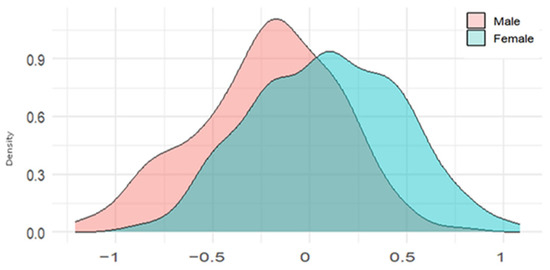
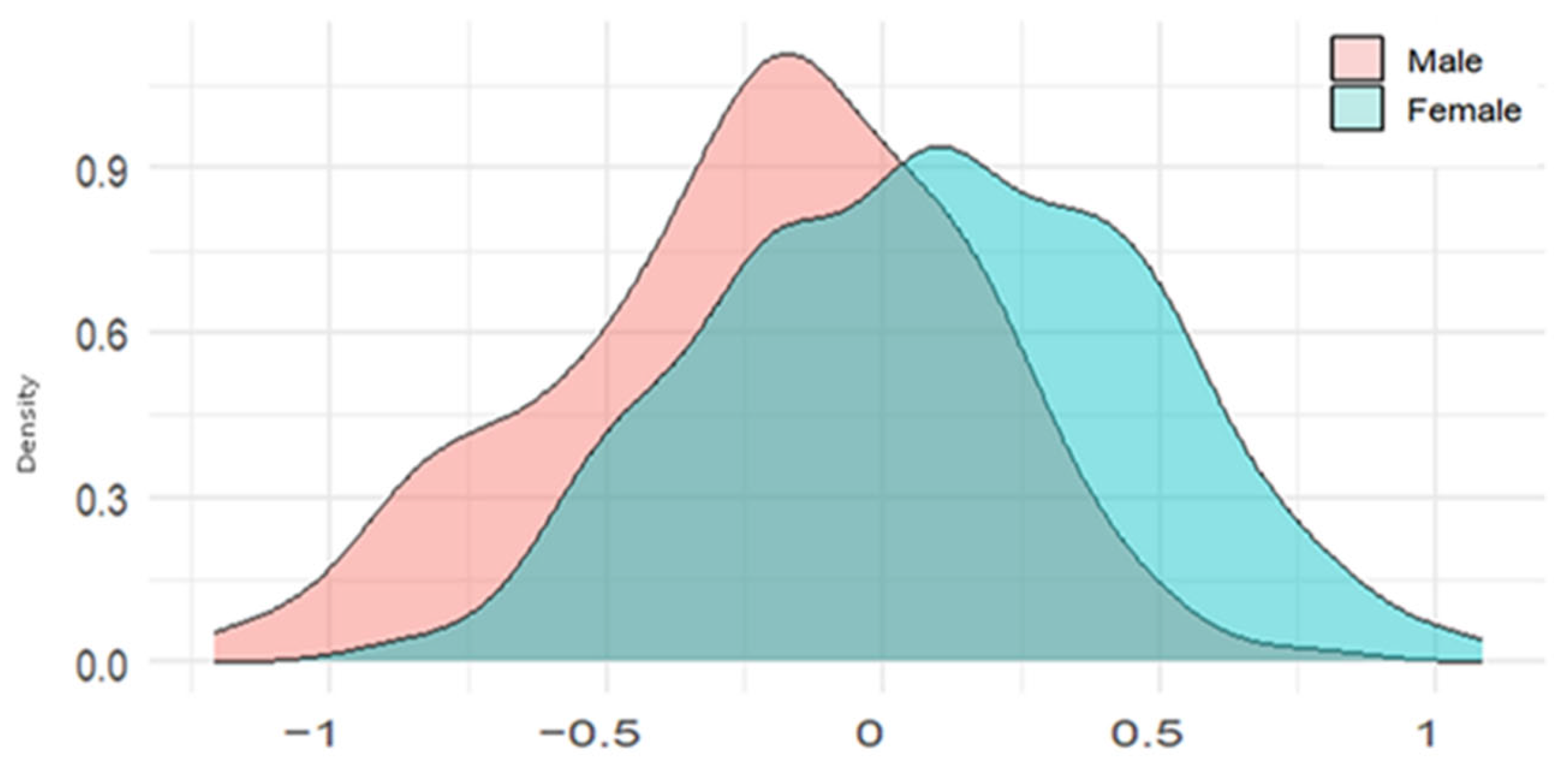
An independent-samples t test (Welch) indicated a statistically significant sex difference in the composite behavioral score, t(295.04) = −8.62, p < 0.001. Boys exhibited significantly lower mean scores (M = −0.22) compared with girls (M = 0.09), indicating a more vulnerable behavioral and psychosocial profile among boys, characterized by lower levels of personal and social stability as captured by the composite score.
The score distributions are consistent with this pattern, with boys’ scores predominantly clustered in the negative range, whereas girls’ scores are shifted toward positive values, reflecting a higher prevalence of profiles characterized by elevated behavioral stability among female adolescents (Figure 3).
Figure 3.
Distribution of the composite behavioral score by gender.
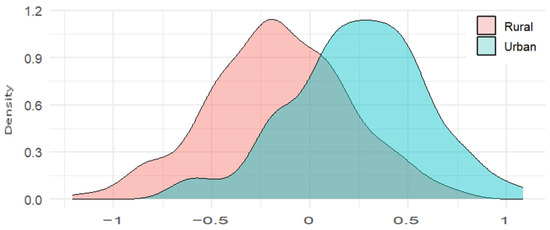
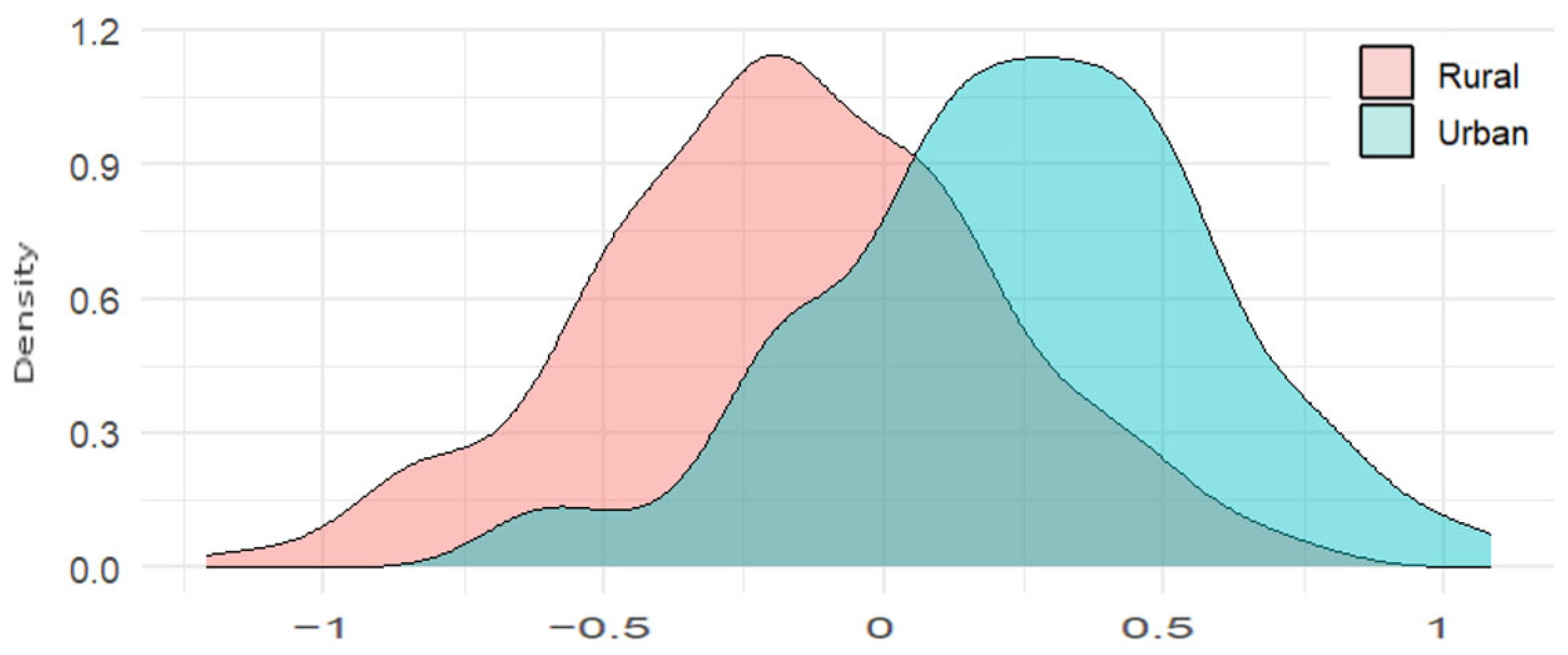
Consistent descriptive differences were also observed by area of residence in relation to the composite behavioral score, t(453.62) = −12.92, p < 0.001. Adolescents from rural areas (n = 313) exhibited negative mean scores (M = −0.16), in contrast to the positive mean scores observed among urban adolescents (M = 0.24). The mean difference between groups was −0.40, with a 95% confidence interval ranging from −0.47 to −0.34.
The score distributions indicate that, in rural areas, scores are predominantly concentrated in the negative range, reflecting lower levels of behavioral and contextual stability as well as greater variability in psychosocial conditions. In contrast, in urban areas, the score distribution is systematically shifted toward positive values, suggesting a higher proportion of adolescents with more structured behavioral and social profiles (Figure 4).
Figure 4.
Distribution of the composite score by area of residence.
The difference in the composite behavioral score between boys and girls is characterized by a large effect size. Cohen’s d indicates a substantial effect (d = −0.82, 95% CI [−1.01, −0.62]), suggesting a clear separation between the two groups. The negative sign reflects that boys’ mean scores are significantly lower than those of girls, indicating a more vulnerable behavioral and psychosocial profile among male adolescents (Table 4).
The difference in the composite behavioral score between adolescents from rural and urban areas is associated with a large effect size. Cohen’s d (d = −1.15, 95% CI [−1.34, −0.96]) indicates a robust and consistent difference, suggesting that residential environment represents an important factor associated with the behavioral profile under study. The significantly lower scores observed among rural adolescents reflect higher levels of behavioral and psychosocial vulnerability compared with their urban peers (Table 5).
Table 5.
Effect sizes (Cohen’s d) for differences in the composite behavioral score.
The large effect size values indicate that the observed differences are not merely statistically significant but reflect differences between groups, with implications for understanding profiles of behavioral vulnerability during adolescence.
To test the hypothesis regarding a linear association between the composite behavioral score and consumption behaviors, Pearson correlation coefficients were calculated between the score and each variable of interest (coffee, energy drink, and alcohol consumption) (Table 6). The analysis of the relationship between the composite behavioral score and consumption behaviors reveals a differentiated pattern depending on the type of substance examined.
Table 6.
Associations between the composite behavioral score and consumption behaviors (coffee, energy drinks, alcohol).
In the case of coffee consumption, the Pearson correlation wasnegative but weak and not statistically significant (r = −0.044, p = 0.312). Consistently, the composite behavioral score did not emerge as a significant predictor in the logistic regression model (B = −0.248, OR = 0.78, p = 0.251), suggesting that the likelihood of coffee consumption was not systematically influenced by the level of behavioral and psychosocial stability captured by the composite score. The explanatory capacity of the model was minimal (Nagelkerke R2 = 0.003).
A similar pattern was observed for energy drink consumption. Although the direction of the association was negative, neither the Pearson correlation (r = −0.061, p = 0.165) nor the logistic regression coefficient (B = −0.350, OR = 0.71, p = 0.262) reached statistical significance. The model also showed limited explanatory capacity (Nagelkerke R2 = 0.004).
In contrast, for alcohol consumption, the composite behavioral score was negatively and significantly associated with the likelihood of consumption (r = −0.150, p = 0.001; B = −0.672, OR = 0.51, p = 0.002), although the overall explanatory capacity of the model remained modest (Nagelkerke R2 = 0.032).
3.5. Sensitivity Analysis of the Composite Behavioral Score
To address the potential methodological limitation related to the inclusion of demographic variables in the composite behavioral score, a secondary score was constructed using only behavioral and contextual indicators (smoking, perceived social influence, type of housing, age, and perceived family income), excluding gender and area of residence.
The distribution of the revised score remained approximately normal, with descriptive statistics comparable to those observed for the original composite score. This alternative specification allowed for the examination of group differences independent of the structural influence of demographic components included in the original index.
Independent-samples t tests indicated that the difference in the revised composite score between boys and girls was not statistically significant (p > 0.05), suggesting that the previously observed differences were largely influenced by the inclusion of gender in the construction of the original score.
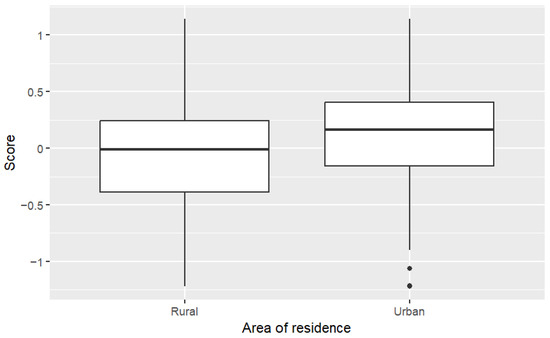
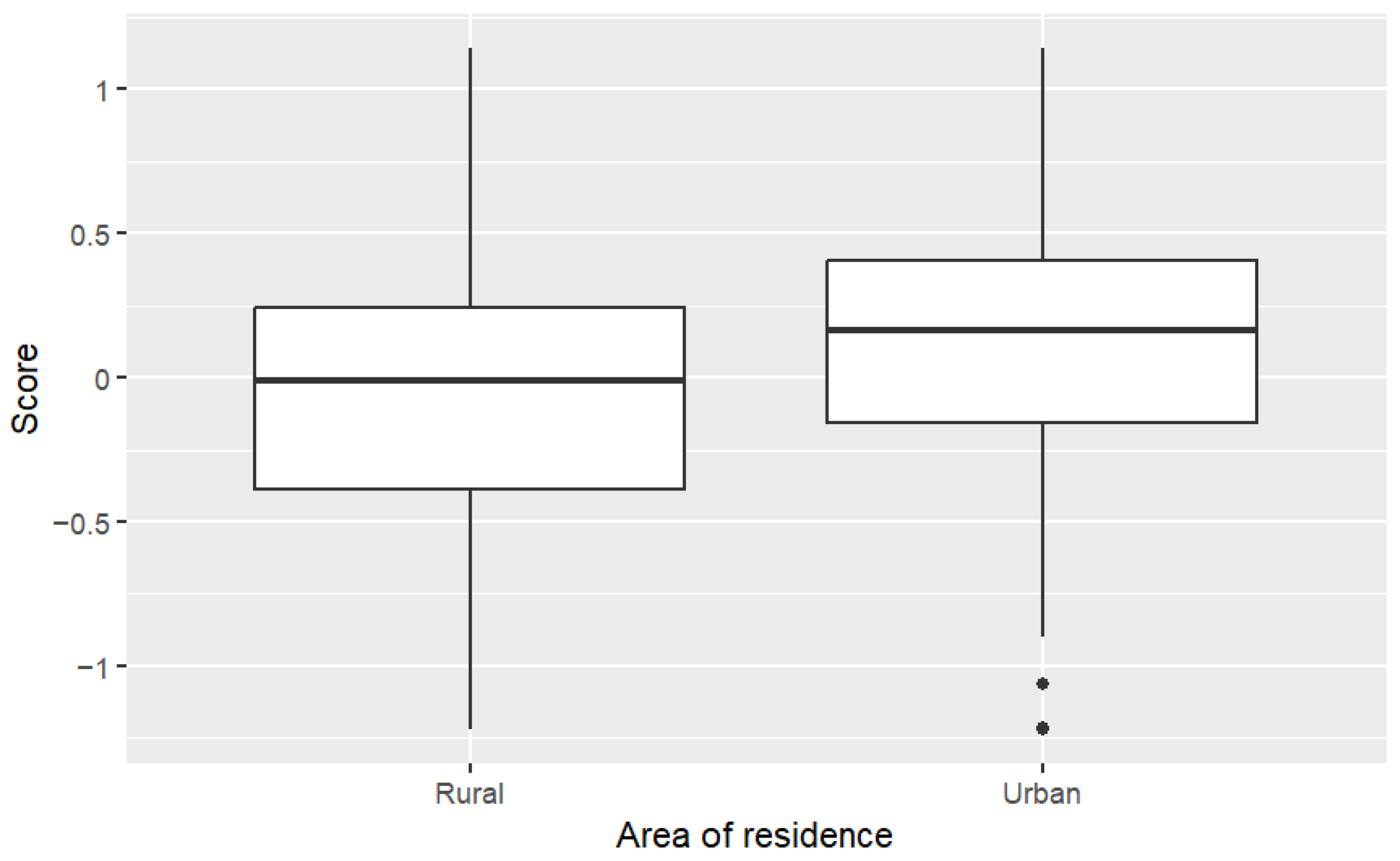
In contrast, differences by area of residence remained statistically significant (p < 0.001), indicating that residential context retains an independent association with the behavioral and psychosocial profile captured by the revised score. The distribution of the revised composite behavioral score across residential areas is illustrated in Figure 5.
Figure 5.
Distribution of the revised composite behavioral score by area of residence. Dots represent outlier values.
These findings support the robustness of the association between contextual factors and the composite behavioral profile, while also indicating that part of the gender-based differences observed in the original score may be attributable to its construction.
4. Discussion
The present study examined patterns of coffee, energy drink, and alcohol consumption among Romanian adolescents during the COVID-19 pandemic, with a particular focus on the role of a composite behavioral and psychosocial score. The findings indicate a high prevalence of consumption across all three substances, alongside distinct patterns of association with behavioral and contextual factors.
Recent evidence indicates that adolescent substance use behaviors have shown relative stability or context-specific changes during and after the COVID-19 pandemic, influenced by shifts in daily routines, social interaction, and environmental constraints [21,22,23].
Overall, the prevalence rates observed in this study are consistent with previous research showing that the use of caffeinated beverages and alcohol is widespread among adolescents [24,25]. The high proportion of energy drink consumption, in particular, aligns with concerns raised in the literature regarding the increasing accessibility and normalization of these products among young populations [15].
More recent systematic reviews confirm that energy drink consumption remains highly prevalent among adolescents and is frequently associated with patterns of polysubstance use and lifestyle-related risk behaviors [26].
One of the central findings of the present study is the differentiated role of behavioral and psychosocial factors across types of consumption. Coffee consumption was not significantly associated with most predictors included in the model, suggesting that it may represent a more normative and context-dependent behavior. This interpretation is in line with previous studies indicating that caffeine consumption, particularly in the form of coffee, is often integrated into daily routines and may be less strongly linked to risk-taking behaviors compared to other substances [27].
Recent reviews also suggest that moderate caffeine consumption among adolescents is often embedded in daily habits and academic demands rather than risk-oriented behavioral patterns [28].
In contrast, energy drink and alcohol consumption were significantly associated with smoking and perceived social influence, supporting the well-documented clustering of risk behaviors during adolescence [29,30]. The association with perceived social influence (“feeling stronger with friends”) further highlights the role of peer dynamics in shaping substance use behaviors, as consistently reported in the adolescent health literature [31].
This clustering of behaviors is also supported by international data showing that adolescent substance use is embedded within broader psychosocial and social-contextual patterns, including peer influence and social norms [22,32].
The composite behavioral score offers an integrative perspective on adolescents’ behavioral and psychosocial profiles. Higher scores were generally associated with lower likelihood of alcohol consumption, while no significant associations were observed for coffee and energy drink consumption. This pattern suggests that energy drink consumption may be more closely related to specific behavioral and social factors than to the cumulative profile captured by the composite behavioral score.
In contrast, the cumulative effect of behavioral and contextual stability may be more relevant for understanding risk-oriented behaviors such as alcohol use than for more normative practices. This perspective is consistent with theoretical models emphasizing the interaction between multiple risk and protective factors in shaping adolescent vulnerability and behavioral outcomes [33] as well as with recent research point out the cumulative nature of psychosocial vulnerability, where multiple interacting factors contribute to adolescent risk profiles rather than acting independently [34].
At the same time, the results of the sensitivity analysis indicate that part of the observed differences between groups—particularly by gender—may be influenced by the inclusion of demographic variables in the construction of the composite score. When these variables were excluded, gender differences were no longer statistically significant, while differences by area of residence remained robust. This finding suggests that residential context may play an independent role in shaping adolescents’ behavioral profiles, possibly reflecting broader structural and socio-economic disparities between rural and urban environments.
These findings should be interpreted in light of the specific context of the COVID-19 pandemic. The restrictions on mobility, increased time spent within the household, and changes in daily routines may have influenced both the frequency and the context of substance consumption among adolescents [35].
Recent studies have also documented broader behavioral shifts among adolescents during this period, including increased screen time and altered social interaction patterns, which may indirectly influence substance use behaviors [36].
Overall, the results contribute to the existing literature by highlighting the importance of distinguishing between different types of substance use and by emphasizing the role of cumulative psychosocial and contextual factors. At the same time, they underscore the need for cautious interpretation when composite indicators include both behavioral and demographic components, as this may influence the magnitude of observed group differences.
Limitations and Future Directions
The results should be interpreted in the context of certain limitations. The cross-sectional design does not allow for causal inferences and the data are based on self-reports, which may introduce social desirability bias. The sample presents an imbalance in terms of gender and area of residence, with a higher proportion of female and rural participants, which may influence the observed patterns and limit the representativeness of the findings. The use of an online data collection method may have introduced sampling bias, as participation depended on internet access and willingness to respond, potentially excluding certain categories of adolescents. The use of convenience sampling may also limit the generalizability of the findings.
Another limitation concerns the use of a questionnaire developed specifically for this study, which was not formally validated through psychometric procedures, potentially affecting the reliability and construct validity of the measured variables.
Causality cannot be determined based on this study, because the study was conducted during the COVID-19 pandemic, with no subsequent follow-up to assess whether the results hold in a normal context.
Although the composite behavioral score is useful for capturing cumulative effects, it assumes equal weighting of its components, which may obscure the differential influence of specific factors. Also, the composite behavioral score integrates variables of different conceptual nature (demographic, behavioral, and psychosocial), which may introduce methodological limitations related to construct heterogeneity, despite the use of standardization procedures.
5. Conclusions
The findings of this study highlight the importance of understanding consumption patterns among adolescents, particularly in the context of energy drink, coffee and alcohol use. The high prevalence of energy drink consumption observed in the sample, with no significant differences across age groups, may raise potential concerns related to caffeine and sugar intake in this population.
In this context, analyzing consumption patterns and their associated psychosocial factors is important for informing prevention approaches tailored to adolescents. The present study did not directly assess the combined consumption of alcohol and energy drinks; therefore, conclusions regarding this practice should be interpreted with caution.
The results of the study support the hypothesis that cumulative psychosocial vulnerability is relevant in explaining alcohol consumption during adolescence, but not in relation to coffee or energy drink consumption, highlighting the need for a conceptual differentiation between these types of consumption behaviors. Furthermore, the significant role of smoking in explanatory models for both alcohol and energy drink consumption suggests the presence of associated behavioral patterns, confirming the tendency for co-occurrence of risk behaviors during adolescence.
In conclusion, the findings indicate that prevention interventions should consider the specific nature of consumption behaviors, differentiating between those that are more context-dependent and those more closely associated with psychosocial vulnerability.
Author Contributions
Conceptualization: A.-M.D., C.G. and S.T.; formal analysis, A.-M.D., C.G. and S.T.; investigation, A.-M.D.; methodology, A.-M.D., C.G. and S.T.; software, A.-M.D., C.G. and S.T.; supervision, A.-M.D., C.G. and S.T.; validation A.-M.D., C.G. and S.T.; writing—original draft, A.-M.D., C.G. and S.T.; writing—review and editing, A.-M.D., C.G. and S.T. All authors have read and agreed to the published version of the manuscript.
Funding
This research received no external funding.
Institutional Review Board Statement
The study was conducted in accordance with the Declaration of Helsinki, and approved by the Ethics Committee of the Francisc I Rainer Institute of Anthropology, Romanian Academy (protocol code 254 and 14 March 2021).
Informed Consent Statement
Informed consent was obtained from all participants involved in the study and their parents/guardians.
Data Availability Statement
The data presented in this study are available upon reasonable request from the corresponding authors.
Conflicts of Interest
The authors declare no conflict of interest.
References
- Andrews, J.L.; Foulkes, L.; Blakemore, S.-J. Peer influence in adolescence: Public-health implications for COVID-19. Trends Cogn. Sci. 2020, 24, 585–587. [Google Scholar] [CrossRef] [Scilit]
- Loke, A.Y.; Mak, Y.-w. Family process and peer influences on substance use by adolescents. Int. J. Environ. Res. Public Health 2013, 10, 3868–3885. [Google Scholar] [CrossRef] [Scilit] [PubMed]
- Fleary, S.A.; Joseph, P.; Pappagianopoulos, J.E. Adolescent health literacy and health behaviors: A systematic review. J. Adolesc. 2018, 62, 116–127. [Google Scholar] [CrossRef] [Scilit] [PubMed]
- Gutiérrez-Hellín, J.; Varillas-Delgado, D. Energy drinks and sports performance, cardiovascular risk, and genetic associations. Nutrients 2021, 13, 715. [Google Scholar] [CrossRef] [Scilit] [PubMed]
- Li, P.; Haas, N.A.; Dalla-Pozza, R.; Jakob, A.; Oberhoffer, F.S.; Mandilaras, G. Energy drinks and adverse health events in children and adolescents. Nutrients 2023, 15, 2537. [Google Scholar] [CrossRef] [Scilit]
- World Health Organization. Global Status Report on Alcohol and Health and Treatment of Substance Use Disorders. 2024. Available online: https://www.who.int/publications/i/item/9789240096745 (accessed on 10 January 2026).
- Hampton, T. Energy drinks pose worrisome risks to adolescents’ cardiovascular health. Circulation 2016, 134, 1052–1053. [Google Scholar] [CrossRef] [Scilit]
- Observatorio Español de las Drogas y las Adicciones. Informe 2023: Alcohol, Tabaco y Drogas Ilegales en España. 2023. Available online: https://pnsd.sanidad.gob.es/profesionales/sistemasInformacion/informesEstadisticas/pdf/2023OEDA-INFORME.pdf (accessed on 15 February 2026).
- Nadeem, I.M.; Shanmugaraj, A.; Sakha, S.; Horner, N.S.; Ayeni, O.R.; Khan, M. Energy drinks and their adverse health effects. Sports Health 2021, 13, 265–277. [Google Scholar] [CrossRef] [Scilit]
- Clauson, K.A.; Shields, K.M.; McQueen, C.; Persad, N.; Jean, F.; Starkey, C. Safety issues associated with commercially available energy drinks. J. Am. Pharm. Assoc. 2008, 48, e55–e63. [Google Scholar] [CrossRef] [Scilit]
- Souza, D.B.; Del Coso, J.; Casonatto, J.; Polito, M.D. Acute effects of caffeine-containing energy drinks. Eur. J. Nutr. 2017, 56, 13–27. [Google Scholar] [CrossRef] [Scilit]
- Sankararaman, S.; Syed, W.; Medici, V.; Sferra, T.J. Impact of energy drinks on health and well-being. Curr. Nutr. Rep. 2018, 7, 121–130. [Google Scholar] [CrossRef] [Scilit]
- Benson, S.; Verster, J.C.; Alford, C.; Scholey, A. Effects of mixing alcohol with caffeinated beverages on subjective intoxication: A systematic review and meta-analysis. Neurosci. Biobehav. Rev. 2014, 47, 16–21. [Google Scholar] [CrossRef] [Scilit] [PubMed]
- McKetin, R.; Coen, A.; Kaye, S. A comprehensive review of the effects of mixing caffeinated energy drinks with alcohol. Drug Alcohol Depend. 2015, 151, 15–30. [Google Scholar] [CrossRef] [Scilit] [PubMed]
- Zucconi, S.; Volpato, C.; Adinolfi, F.; Gandini, E.; Gentile, E.; Loi, A.; Fioriti, L. Gathering consumption data on specific consumer groups of energy drinks. Support. Publ. 2013, 10, EN-394. [Google Scholar] [CrossRef] [Scilit]
- Institutul Național de Sănătate Publică. Raport Pentru Sănătate și Mediu. 2023. Available online: https://insp.gov.ro/cnmrmc/rapoarte/ (accessed on 21 January 2026).
- Institutul Național de Sănătate Publică. Volum Rezumate—A VI-a Conferință Națională pentru Sănătate și Mediu. 2016. Available online: https://insp.gov.ro/download/cnmrmc/documente/unnamed-file.pdf/volumrezumate2016.pdf (accessed on 22 February 2026).
- Bronstein, A.C.; Spyker, D.A.; Cantilena, L.R.; Green, J.L.; Rumack, B.H.; Heard, S.E.; American Association of Poison Control Centers. 2007 Annual Report of the American Association of Poison Control Centers’ National Poison Data System (NPDS): 25th Annual Report. Clin. Toxicol. 2008, 46, 927–1057. [Google Scholar] [CrossRef] [Scilit]
- Verster, J.C.; Koenig, J. Alcohol mixed with energy drink (AMED). Hum. Psychopharmacol. 2018, 33, e2650. [Google Scholar] [CrossRef] [Scilit]
- Kapetanovic, S.; Ander, B.; Gurdal, S. Adolescent smoking, alcohol use, and drug use during the COVID-19 pandemic. BMC Psychol. 2022, 10, 44. [Google Scholar] [CrossRef] [Scilit]
- Layman, H.M.; Thorisdottir, I.E.; Halldorsdottir, T.; Sigfusdottir, I.D.; Allegrante, J.P.; Kristjansson, A.L. Substance use among youth during the COVID-19 pandemic. Curr. Psychiatry Rep. 2022, 24, 307–324. [Google Scholar] [CrossRef] [Scilit]
- Rada, C.; Lungu, M. The Involvement of Age, Gender, and Personality Variables in Alcohol Consumption during the Start of the COVID-19 Pandemic in Romanian University Students. Behav. Sci. 2023, 13, 519. [Google Scholar] [CrossRef] [Scilit]
- Miech, R.A.; Johnston, L.D.; Patrick, M.E.; O’Malley, P.M. Monitoring the Future National Survey Results on Drug Use, 1975–2023; University of Michigan: Ann Arbor, MI, USA, 2024. [Google Scholar]
- Seifert, S.M.; Schaechter, J.L.; Hershorin, E.R.; Lipshultz, S.E. Health effects of energy drinks. Pediatrics 2011, 127, 511–528. [Google Scholar] [CrossRef] [Scilit] [PubMed]
- Visram, S.; Cheetham, M.; Riby, D.M.; Crossley, S.J.; Lake, A.A. Consumption of energy drinks by young people. BMJ Open 2016, 6, e010380. [Google Scholar] [CrossRef] [Scilit]
- Khouja, C.; Kneale, D.; Brunton, G.; Raine, G.; Stansfield, C.; Sowden, A.; Sutcliffe, K.; Thomas, J. Consumption and effects of caffeinated energy drinks in young people. BMJ Open 2022, 12, e047746. [Google Scholar] [CrossRef] [Scilit]
- James, J.E.; Temple, J.L.; Warzak, W.J. Caffeine use in children and adolescents. J. Caffeine Res. 2011, 1, 195–199. [Google Scholar] [CrossRef] [Scilit]
- Bajar, R.G.C.A.; Cangco, G.K.M.; Dantis, J.R.; Marcos, S.S.P.; Gumasing, M.J.J. Effects of coffee consumption on the psychological wellbeing of undergraduate students during online learning. In Proceedings of the International Conference on Industrial Engineering and Operations Management, Warangal, India, 16 August 2022; pp. 2808–2816. [Google Scholar] [CrossRef] [Scilit]
- Jessor, R. Risk behavior in adolescence: A psychosocial framework. J. Adolesc. Health 1991, 12, 597–605. [Google Scholar] [CrossRef] [Scilit]
- Kuntsche, E.; Knibbe, R.; Gmel, G.; Engels, R. Why do young people drink? Clin. Psychol. Rev. 2005, 25, 841–861. [Google Scholar] [CrossRef] [Scilit]
- Steinberg, L.; Monahan, K. Age differences in resistance to peer influence. Dev. Psychol. 2007, 43, 1531–1543. [Google Scholar] [CrossRef] [Scilit] [PubMed]
- World Health Organization. Spotlight on Adolescent Health and Well-Being. Findings from the 2017/2018 Health Behaviour in School-aged Children (HBSC) Survey in Europe and Canada. International Report. 2020. Volume 1. Key Findings. World Health Organization. Regional Office for Europe. Available online: https://iris.who.int/handle/10665/332091 (accessed on 10 January 2026).
- Blum, R.W.; Beuhring, T.; Shew, M.L.; Bearinger, L.H.; Sieving, R.E.; Resnick, M.D. The effects of race/ethnicity, income, and family structure on adolescent risk behaviors. Am. J. Public Health 2000, 90, 1879–1884. [Google Scholar] [CrossRef] [Scilit] [PubMed]
- González-Cabrera, J.; Machimbarrena, J.M.; Fernández-González, L.; Prieto-Fidalgo, Á.; Vergara-Moragues, E.; Calvete, E. Health-related quality of life and cumulative psychosocial risks in adolescents. Youth Soc. 2021, 53, 636–653. [Google Scholar] [CrossRef] [Scilit]
- Loades, M.E.; Chatburn, E.; Higson-Sweeney, N.; Reynolds, S.; Shafran, R.; Brigden, A.; Linney, C.; McManus, M.N.; Borwick, C.; Crawley, E. The impact of social isolation on adolescent mental health. J. Am. Acad. Child Adolesc. Psychiatry 2020, 59, 1218–1239. [Google Scholar] [CrossRef] [Scilit]
- Nagata, J.M.; Cortez, C.A.; Cattle, C.J.; Ganson, K.T.; Iyer, P.; Bibbins-Domingo, K.; Baker, F.C. Screen time use among adolescents during COVID-19. JAMA Pediatr. 2022, 176, 94–96. [Google Scholar] [CrossRef] [Scilit] [PubMed]

Disclaimer/Publisher’s Note: The statements, opinions and data contained in all publications are solely those of the individual author(s) and contributor(s) and not of MDPI and/or the editor(s). MDPI and/or the editor(s) disclaim responsibility for any injury to people or property resulting from any ideas, methods, instructions or products referred to in the content. |
© 2026 by the authors. Licensee MDPI, Basel, Switzerland. This article is an open access article distributed under the terms and conditions of the Creative Commons Attribution (CC BY) license.