Article

Patterns of Substance Use in Medical Students: Evidence from an Iraqi Academic Setting

by
Noor Ali Hasan
1,*,
Hala Raad Mahmood
2 and
Laith Thamer Al-Ameri
3,*
1
Department of Medicine, Al-Kindy College of Medicine, University of Baghdad, Baghdad 10045, Iraq
2
Ibn-Rushd Training Hospital, Baghdad 10068, Iraq
3
Al-Kindy College of Medicine, University of Baghdad, Baghdad 10045, Iraq
*
Authors to whom correspondence should be addressed.
Psychiatry Int. 2026, 7(2), 51; https://doi.org/10.3390/psychiatryint7020051
Submission received: 12 December 2025 / Revised: 27 January 2026 / Accepted: 27 February 2026 / Published: 2 March 2026

Abstract

Background: Medical students often face substantial psychological stress, which can increase the risk of substance use, professional detriment, and insufficient patient care. However, substance use in medical students remains understudied in Iraq. This study highlights the prevalence, patterns, risk factors, and negative effects of substance use among medical students at the University of Baghdad. A cross-sectional study involving 414 medical students at the University of Baghdad was conducted. The questionnaire included sociodemographic variables and the Alcohol, Smoking, and Substance Involvement Screening Test to screen for psychoactive substance use. The lifetime prevalence of substance use was 38.9%. Among substance users, 42.8% used nicotine, 22.3% used sedatives, 4.3% used inhalants, and 3.1% used amphetamines, with only 27.3% reporting polysubstance use. Through multivariate logistic regression, it was identified that males are approximately 2.8 times more likely to use substances compared to females (OR: 2.8, 95% CI: 2.1–5.2, p-value < 0.001), and students with a positive family history of substance use are approximately 3.1 times more likely to use substances compared to those without (OR: 3.1, 95% CI: 2.8–7.5, p-value < 0.001). These findings underscore the importance of implementing early preventive strategies, targeted mental health interventions, and substance use awareness programs within Iraqi medical institutions.

1. Introduction

Substance use disorder refers to the persistent use of psychoactive substances—including alcohol, tobacco, prescription medications, and other illicit drugs such as opioids, cannabis, and amphetamines—that leads to detrimental effects on an individual’s social, professional, and academic life [1]. It is a major public health issue worldwide, particularly in the Middle East [2] due to decades of conflicts, economic instability, and drug trafficking. These structural challenges, combined with limited access to mental health services, make the region especially affected by this issue when compared to other parts of the world [3,4].
Substance use disorder is prevalent among people aged 18–25 globally [5]. According to the World Drug Report, in 2021, approximately 275 million individuals used prohibited drugs, 13% of whom struggled with substance-related disorders [6]. Moreover, international statistics reveal that more than 11 million people were abusing injectable drugs in 2021, with the majority suffering from viral hepatitis [7].
Sex differences in substance use are evident across frequency, substance choice, and health consequences. Men consistently report higher rates of illicit drug and alcohol use. In contrast, women disproportionately misuse prescription medications such as benzodiazepines, opioids, hypnotics, and sedatives [8]. Women are less likely to initiate substance use but often progress to dependence more rapidly, a phenomenon called “telescoping effect.” Health outcomes also diverge; men experience a high rate of overdose death and emergency department visits. Women, however, suffer more physiological damage, including faster liver deterioration from alcohol and increased cardiovascular risks from stimulants. They also experience greater cravings and relapse vulnerability, and comorbid mental health disorders such as depression, anxiety disorders, and posttraumatic stress disorder [9,10].
In Iraq, medical education is overseen by the Ministry of Higher Education and Scientific Research. The medical schools employ a six-year Bachelor of Medicine and Bachelor of Surgery (MBChB) program modeled after the British curriculum and delivered primarily in English. Admission is highly competitive, based on national high school graduation examination results; only students with outstanding scores are accepted. A student’s continued study depends on passing the annual assessments. There is no entrance exam at the end of the first year, but the final year is entirely clinical with assessment including written, oral, and Objective Structured Clinical Examination (OSCE), as well as a standardized assessment administered by the Ministry of Education [11]. Upon graduation, Iraqi medical students must complete residency training and pass competitive board examinations administered by the Arab and Iraqi Board of Medical Specializations to practice independently. This demanding pathway of undergraduate students, along with these postgraduate examinations, represents the most significant competitive hurdle in the academic pathway, contributing to stress levels among graduates and students, ultimately predisposing them to substance use [12]. Concerning the gender ratio, female students joining medical schools are surpassing male students; females constitute 55–60%, but the postgraduate gender ratio differs, with male doctors continuing to dominate advanced training and specialist positions [13].
As future physicians, medical students have a distinctive position in society, with privileges and obligations that differ from those of other students. Therefore, they are expected to adhere to distinct professional standards. Yet, substance use is prevalent among medical students and often initiated during medical training, thus jeopardizing both their health and career [14]. Consequences include cardiovascular diseases, liver damage, respiratory problems, infections acquired via intravenous drug use (e.g., HIV and viral hepatitis), and mental health problems such as substance dependence, anxiety, depression, and even psychosis [15,16].
Numerous studies have shown the negative impacts of substance use on students’ lives and their motivation to study, such as absenteeism, falling behind in class, lower grades, dropping out of college, and increased risk of crimes, violence, car accidents, sexually transmitted diseases, and strained family relationships [17,18].
In Iraq, there has been an increase in substance use disorders and mental illnesses since 2003, with frequently used substances including alcohol, amphetamine-type stimulants, hashish, and prescription medicines [19,20]. However, substance abuse remains underestimated in Iraq and most Arab countries. Several factors contribute to this underestimation, including decades of conflicts, economic instability, population displacement, and social stigma, which result in methodological challenges that hinder study participation [21]. There is one nationally representative survey in Iraq—the Iraqi Mental Health Survey (IMHS)—carried out in 2007 and involving 4333 adults, which found that 0.9% of youth suffer from substance use problems [22]. Other Iraqi research has primarily focused on alcohol and tobacco use, with an emphasis on the trend toward hookah smoking. Several large-scale surveys evaluating smoking habits, such as the STEP survey among Iraqi adults in 2015, reported a smoking rate of 14.9% [23], and another survey revealed the overall smoking rate was 22.4% [24]. The Global Youth Tobacco Survey in the Kurdistan region, involving 1989 adolescents, revealed that 15.3% were current smokers [25]. A systematic review about alcohol drinking in Iraq identified that current drinking rates vary from 2.2% to 23.7%, and that alcohol is associated with risky behaviors [26]. In a survey involving 1435 students attending Baghdad University, 9.7% reported daily alcohol drinking, while 12.2% reported heavy drinking [27]. Additionally, a large study in Najaf city that involved 890 medical students at four universities reported the previous month’s prevalence of hookah smoking and alcohol consumption as 13.8% and 2%, respectively [28]. In Iraq, this field remains understudied, and the few available studies on substance use among youth have largely emphasized smoking and alcohol consumption, with a notable focus on the transition to Hookah smoking. However, these studies have not adequately explored the use of other psychoactive substances, nor have they examined gender differences, predisposing factors, or the negative consequences associated with substance use. This limited scope leaves important gaps in understanding the broader patterns and determinants of substance use among Iraqi medical students.
To bridge this knowledge gap, we conducted this study at the largest university in Iraq, the University of Baghdad, to determine the frequency of substance use among medical students, the commonly used substances, explore gender differences, determine motivations for use, document self-reported negative consequences, and identify the sources of these substances.

2. Materials and Methods

A descriptive cross-sectional study was conducted among undergraduate medical students at Al-Kindy College of Medicine, University of Baghdad, a governmental college established in 1998 in Baghdad. The study took place over two months, from 1 February 2024, to 1 April 2024. All students in their 1st through 6th year participated in the study voluntarily. Their participation was not a requirement to complete the course or to add points to their grades. Those who refused to participate in the study were excluded. The estimated sample size was 384, calculated using online software (Raosoft) version 4.2 with the following parameters: n, number of samples; p, best guess for prevalence (=0.5); E, maximum tolerable error for the prevalence estimate (=+/−0.05); Zα (=1.96)2, for 95% confidence (i.e., α = 0.05). In particular, the sample size was determined based on the following equation:
n = [Zα/2]2 [p (1 − p)]/E2
n = [1.96]2 [0.05 (0.5)]/[0.05]2
n = 384
The data were collected through an online questionnaire (Google form) distributed through an online classroom and social media platform (Telegram). This convenience sampling method was adopted to encourage as many students as possible to participate in the study, as substance abuse is a sensitive and stigmatizing issue in most Arab countries. The questionnaire was written in English as it is the official language for medical education in Iraq.
A total of 440 students participated in the study; however, during data screening, 26 respondents were considered invalid and excluded. Therefore, a total of 414 participants were included in the final analysis, with a response rate of 94%.
The questionnaire was piloted with 25 medical students at various academic stages to test its clarity and identify any difficulties they faced while answering the questions. Accordingly, necessary modifications were made, and those students were excluded from the study. Confidentiality was maintained by submitting the completed surveys anonymously to the electronic link. The questionnaire included a statement of informed consent to participate in the study. All participants who answered every question were able to submit the questionnaire, so there was no missing data.
The questionnaire format comprises three parts:
1. Demographic variables (age, sex, marital status, residence, academic year, awareness of substance abuse, having a family member with an abuse problem, crowding index). The crowding index was calculated as the number of individuals in the house divided by the number of rooms; a value greater than 1 was considered indicative of overcrowding.
2. Assessment tool: We used a self-administered Model Core Questionnaire to screen for substance use and early identification of people with substance-related problems.
ASSIST refers to the Alcohol, Smoking, and Substance Involvement Screening Test [29], which was developed and validated by the World Health Organization as a simple method to identify the harmful, hazardous, and dependent use of alcohol, tobacco, and other illicit drugs. Furthermore, the ASSIST categorizes each type of substance use into a risk level of “high,” “moderate,” or “low.” This score has been shown to have high test–retest reliability and validity, confirming its benefit as an assessment tool [30,31]. This tool covers the following substances:
  • Tobacco;
  • Alcohol;
  • Cocaine;
  • Cannabis;
  • Amphetamine-type stimulants;
  • Sedatives;
  • Inhalants;
  • Hallucinogens;
  • Opioids and other drugs.
The ASSIST collects the following information:
  • The substances that individuals have used at some point in their lives;
  • The substances they have used in the past three months;
  • Problems related to substance use;
  • Risk of current or future harm;
  • Dependence;
  • Injected drug use.
Risk scores for all substances, excluding alcohol, are categorized as follows:
  • A score of 0–3 means low risk;
  • A score of 4–26 means moderate risk;
  • A score of 27 or higher means high risk.
For alcohol, the scoring is slightly different:
  • A score of 0–10 signifies low risk;
  • A score of 11–26 signifies moderate risk;
  • A score of 27 or higher signifies high risk.
A low risk score means there is a lower likelihood of harm associated with the use of the substance, a moderate risk score indicates potentially harmful use, and a high risk score suggests a significant risk of substance dependence.
3. Questions related to the reasons for substance abuse, adverse effects, and the sources of the substances used.
The study was conducted following ethical standards, the Declaration of Helsinki, and was approved by the Ethical and Research Committee at Al-Kindy College of Medicine, University of Baghdad (no. 9, 5 January 2024).
Data analysis:
We calculated standard descriptive statistics to characterize responses from medical students. The collected data were tabulated, entered, and coded using Microsoft Excel, then analyzed with SPSS Version 26 (IBM, Armonk, NY, USA). Frequencies were applied for descriptive analysis across various categories. To identify the independent variables associated with substance use, we first performed univariate analysis utilizing the chi-square test, where a p-value > 0.05 was considered significant. Variables with significant correlations in the univariate analysis were further included in a multivariable regression analysis model, along with the mutually adjusted odds ratio (OR) for substance use.

3. Results

The study involved 414 medical students, achieving a response rate of 94%. The average age of the participants was 20.5 ± 1.85. Half of the students (210; 50.7%) were under 20 years old, while 171 (41.1%) were males and 243 (58.6%) were females. The majority were single and lived at home with their families: 391 (94.4%) and 362 (88.4%), respectively. Third-year students had the highest participation (105; 25.3%), followed by fifth-year students (94; 22.7%). Most students (341; 82.4%) had no family history of substance abuse, and the majority (302; 72.9%) lived in crowded houses (crowding index < 1). Of all students, 220 (53.1%) were aware of substance abuse and its adverse effects, as detailed in Table 1.
As detailed in Table 2, among all students, 253 (61.1%) reported not using any of the listed substances; the remaining 161 (38.9%) were substance users. The most commonly used substances were tobacco (69; 42.8%), followed by sedatives (diazepam tablets), inhalants, and amphetamines (36, 22.3%; 7, 3.4%; and 5, 3.1%, respectively). Regarding tobacco abusers, 42 (26.1%) used hookah and 27 (16.7%) smoked cigarettes. Among polysubstance users, the most prevalent combination of substances was tobacco and sedatives, with 15 students (9.3%) utilizing both. Examining gender differences in substance use, male students exhibited higher rates of use across all substances compared to female students by a ratio of 2:1, except for sedatives, where the ratio was reversed: 26 female students reported usage (37.1%), while only 10 male students (10.9%) did.
According to the ASSIST risk category, the findings regarding nicotine indicate that a significant portion of students are at risk of use. Specifically, 41 students (46.1%) were identified as having severe risk, while 38 students (42.6%) were recognized as having moderate risk of use. For amphetamines, the majority of students (10; 71%) were found to be at severe risk of use. Similarly, nearly half of the students (20; 47.6%) were found to be at severe risk of sedative use. Finally, inhalants posed the least risk to the students, as most were found to have low risk, with only 12 students (75%) falling into this category.
Concerning students with substance use, more than half were males (91; 56.5%) and below the age of twenty (88; 55.1%). Third-year students had the highest rate of substance use compared to students in the other years (44; 29.2%), followed by fifth-year students (34; 22.4%). Most of the students lived in their family homes (130; 94.5%) and experienced overcrowding (118; 76.8%). Only 70 (47.6%) of the students were aware of the harmful consequences of substance use. We assessed the correlations between substance use and sociodemographic variables through univariate analysis and found that substance use was higher among male students (p-value < 0.001) and students with a family history of substance use (p-value < 0.001), as detailed in Table 3.
Next, a multivariate logistic regression was performed, which identified males as approximately 2.8 times more likely to use substances compared to females (OR: 2.8, 95% CI: 2.1–5.2, p-value < 0.001), students with a positive family history as approximately 3.1 times more likely to use substances compared to those without (OR: 3.1, 95% CI: 2.8–7.5, p-value < 0.001), and residence (OR: 3.1, 95% CI: 1.7–6.2, p-value < 0.001) as an independent risk factor for substance use among medical students, as detailed in Table 4.
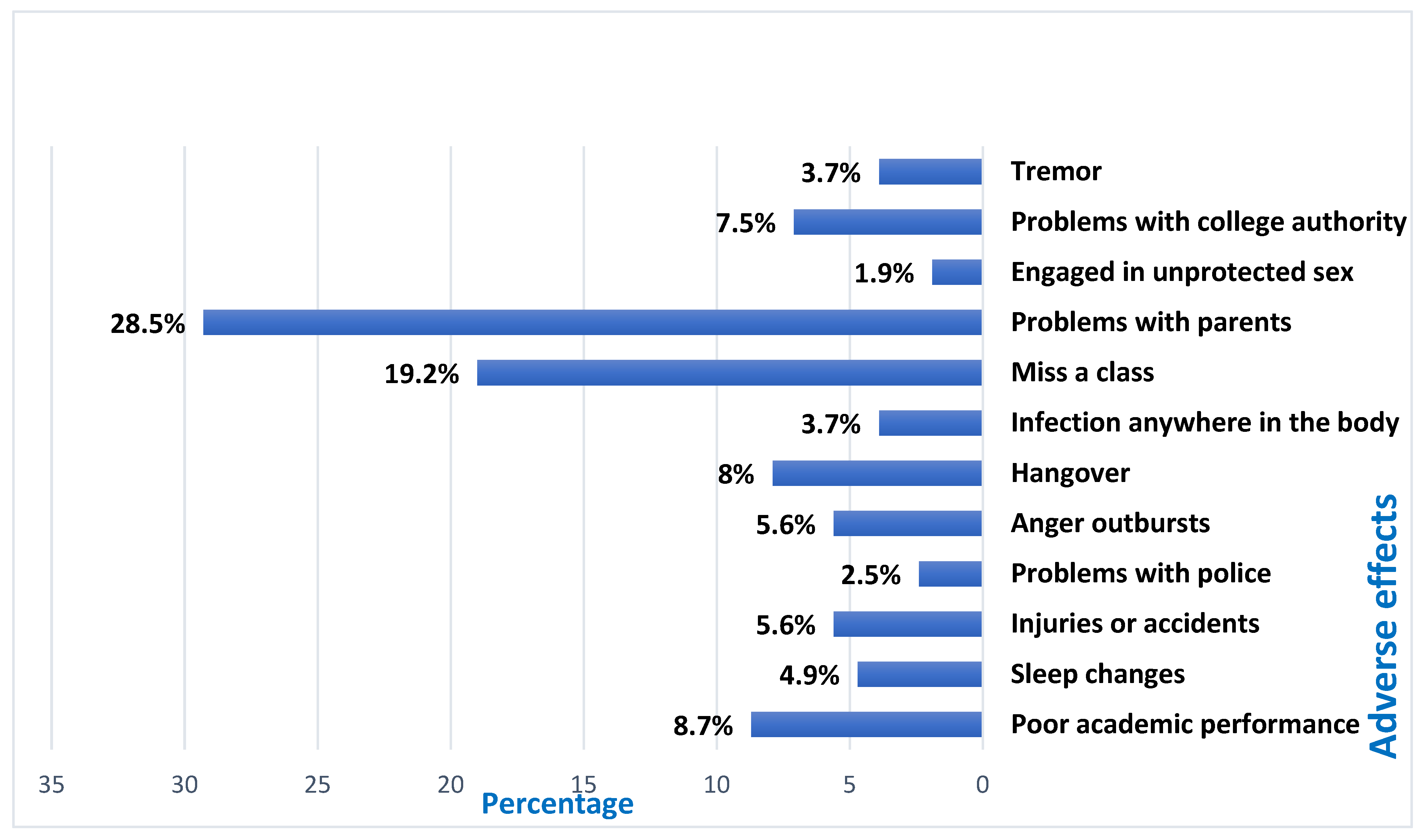
Figure 1 shows a simple bar graph demonstrating adverse effects among substance users. Among users, the most common adverse effect is problems with parents (46; 28.5%), followed by missing a class (31; 19.2%), poor academic performance (14; 8.7%), hangover (13; 8%), and problems with college authority (12; 7.5%). The rates were higher among students who used substances compared to non-users.
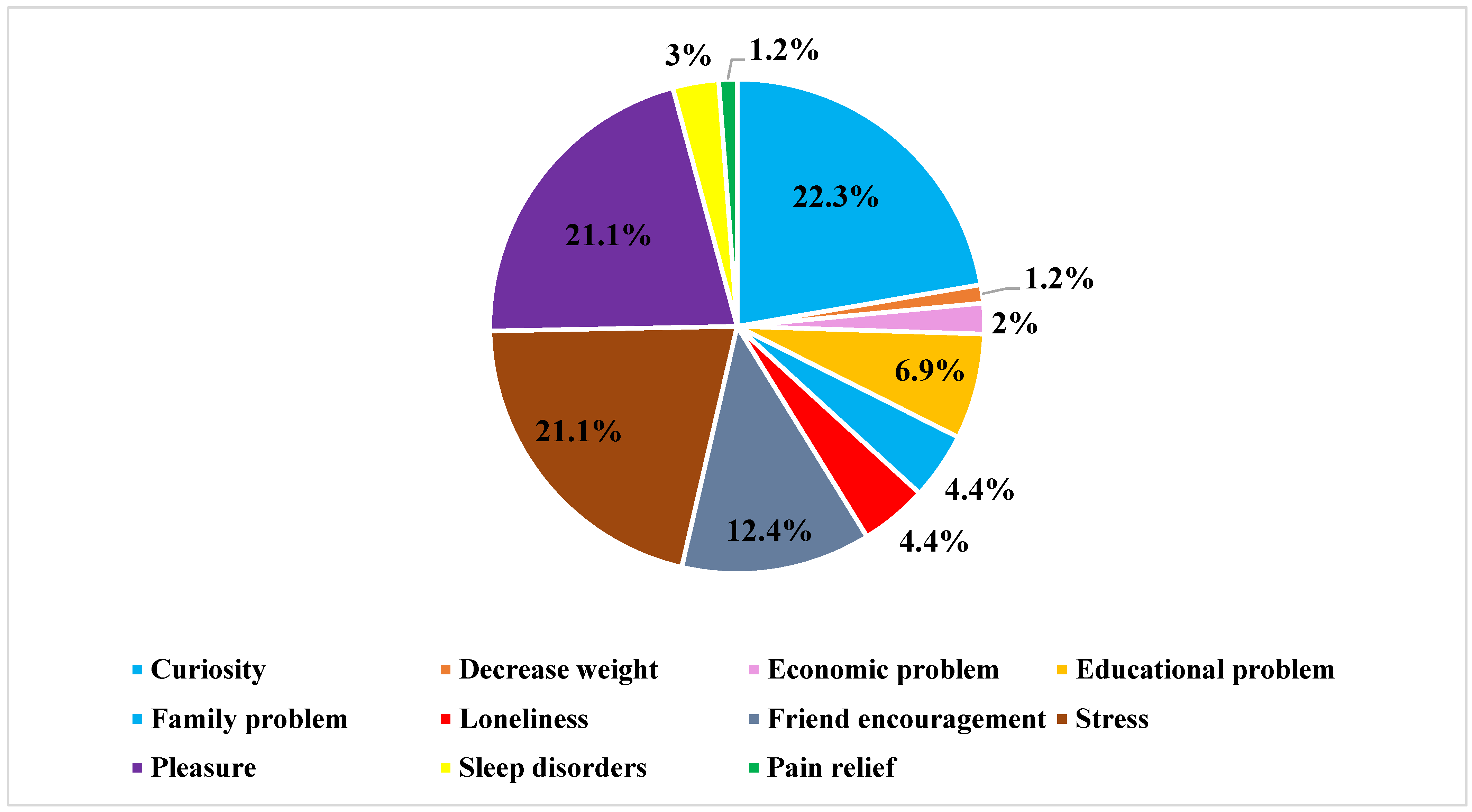
Figure 2 shows a pie chart demonstrating the risk factors that predispose individuals to substance use. Students reported curiosity as the main motivation for initiation of substance use (36; 22.3%), followed by pleasure and stress, both constituting 34 responses (21.1%). Other reasons included friend encouragement (20; 12.4%), educational problems (11; 6.9%), and family problems and loneliness (both 7; 4.4%).
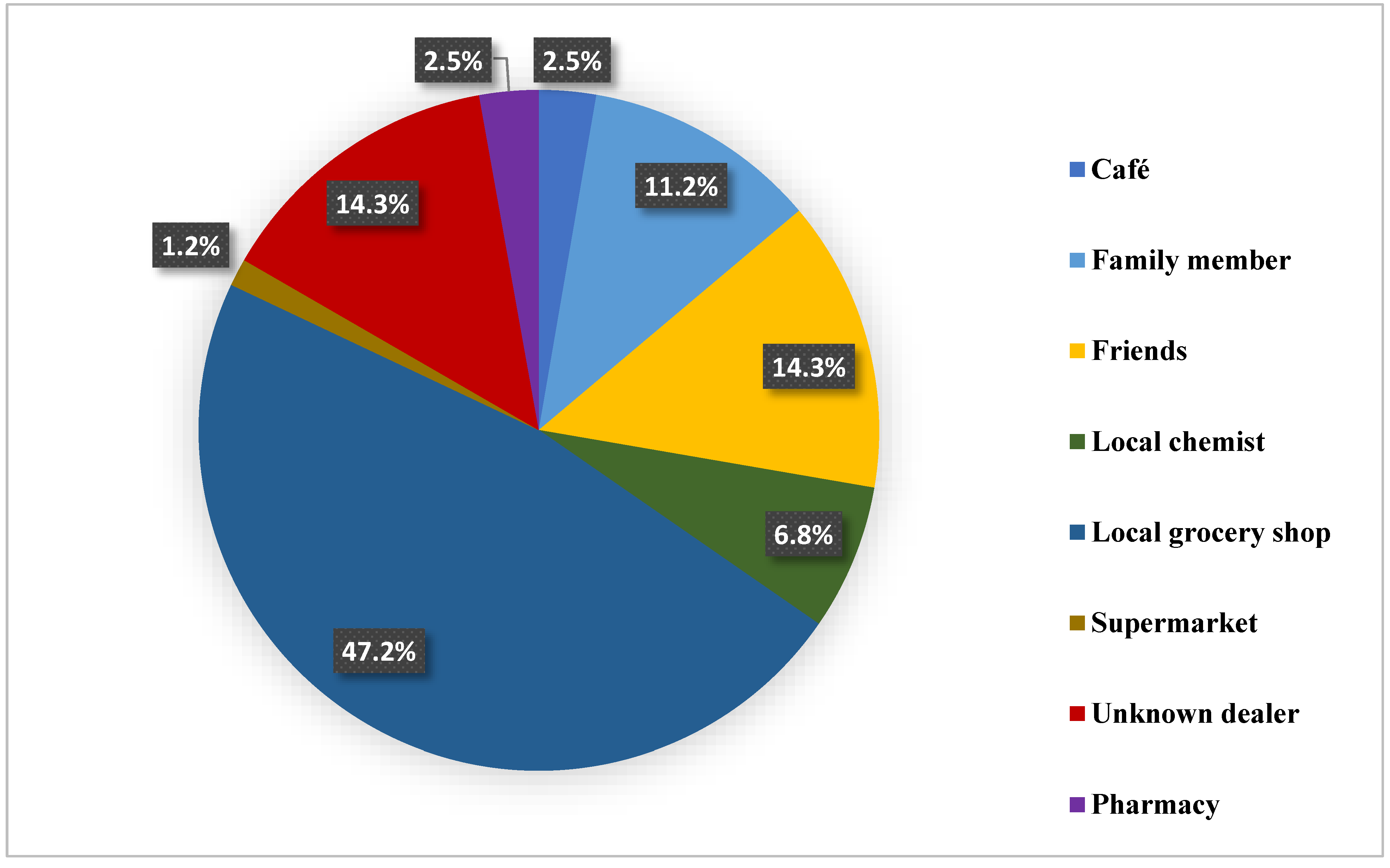
As for the source of the used substance, 46 (47.2%) reported the local grocery shop, while other sources included a friend or unknown dealer (both 23; 14.3%), family members (18; 11.2%), from a local chemist (11; 6.8%), and a cafe or pharmacy (both 4; 2.5%), as summarized in Figure 3.

4. Discussion

Despite numerous global studies on substance use among undergraduate students [5,9,12,15,16], there remains a scarcity of studies in Iraq. The few existing studies have primarily focused on smoking and alcohol abuse, with an emphasis on the trend toward hookah smoking. To the best of our knowledge, this is the first study in Iraq that evaluates the patterns, motivations, negative consequences, and sources of the substances used by medical students in the country. The current study was conducted at one of Iraq’s largest universities, the University of Baghdad, and provides valuable insight into this important population group, which is crucial for the nation’s future health promotion efforts.
The results of the current study indicated that the lifetime prevalence of substance use among medical students was 38.9%. This high prevalence was mainly due to tobacco use among the 10 substances listed in the survey. The average age of the students was 20.5 years, which is the most common age group for substance use globally [4,32]. Females constituted 58.6% of the study sample—a ratio comparable to that observed in another study among medical students at the University of Baghdad, in which females constituted 59% of the study sample [33].
The lifetime prevalence in our study was higher than those reported in Kuwait (14.4%), Morocco (28.7%), and Pakistan (17%) [34,35,36]; however, it was lower than those in Oman (41.3%) and India (45.8%) [37,38].
These variations in the lifetime prevalence across different countries could be attributed to cultural differences, socioeconomic status, the availability of the substances, religion, and sample characteristics.
This study highlights notable sex-related differences in substance use. Males exhibited higher rates of use of nicotine, alcohol, amphetamines, and inhalants, by a ratio of approximately 2:1 compared to females. In contrast, female students demonstrated a higher rate of sedative use. This aligns with a literature review examining substance use among medical students from 1988 to 2013, which demonstrated that male students are more prone to substance use compared to females, except in the case of sedatives [39]. A systematic review among Indian medical students also found that the prevalence rate for all substances was higher among males; for instance, nicotine use was reported to be ten times higher in males than in females, and alcohol use was five times more prevalent among male students [40]. An analysis based on the National Survey on Drug Use and Health in the United States showed that, among youths, boys are more susceptible to substance use; however, girls surpassed boys in the non-medical use of tranquilizers and sedatives [41]. These findings may indicate a more permissive social attitude toward these behaviors among males compared to females. Another factor is that males tend to engage in more risky behavior than females. In contrast, females represent a vulnerable group frequently experiencing anxiety and depressive symptoms at higher rates compared to their male counterparts; as such, females are typically prescribed benzodiazepines more often than males, which could explain these findings [20].
Smoking: Smoking was a widespread habit among the medical students in this study, affecting more than one-third of them (42.8%). This figure is notably higher than an earlier study conducted among medical students from three different medical colleges in Baghdad, where 21% reported smoking [42]. This increase can be attributed to methodological variations as well as the economic instability that has led to migration, specifically after the ISIS invasion of Iraq. Similar trends have been observed in a systematic review examining the prevalence of smoking among university students in several Arab countries: Kuwait (46%), Saudi Arabia (42.3%), Jordan (80%), Egypt (46.7%), and Libya (80.2%) [43]. Additionally, rates from other countries in the region—such as Iran (20.2%), Turkey (34.1%) [44,45], Pakistan (78.9%), and India (72%) [36,38]—also reflect high smoking prevalence. Moreover, the results indicated a significant rate of hookah smoking (at 26.1%). This figure is consistent with previous research in other Iraqi governorates such as that conducted at Mosul University, where half of the students reported using hookah [46]; in Najaf City, where 15% of 890 medical undergraduates from four universities were hookah smokers [28]; and in Sulaymaniyah City, where 28% of university students reported using hookah [47].
These rates are consistent with the high prevalence of hookah smoking found in a systematic review of smoking among university students in Arab countries, in which the rates in Saudi Arabia and Lebanon were 36.6% and 29.5%, respectively [43]. In the USA, 27.7% of medical students reported hookah smoking in the past month, with a 59.6% experimentation rate [48]. This high rate of hookah smoking can be attributed to the belief that it is less hazardous than cigarette smoking. Additionally, the social acceptability of hookah, as an enjoyable activity among friends in restaurants and cafes, contributes to its popularity. This perception has been observed among hookah smokers in both Arab and Western cultures, particularly among youth [49].
Alcohol: In this study, 4.9% of participants reported drinking alcohol, which is relatively low compared to a large survey conducted at three universities in Baghdad City, which involved 1435 students and revealed that 9.7% drank alcohol and 12.2% were heavy drinkers [27], and also lower than the prevalence rate from a systematic review in Iraq, where the rates ranged from 6.6% to 9.7% [26]. In contrast, a study involving 890 medical students from four universities in Najaf City found a past-month prevalence of only 2% [28]. There is a notable difference between this study’s findings and those from previous studies conducted at other universities in Iraq, considered to be due to methodological variations such as sample characteristics, societal standards, and religious restrictions. Comparative studies in other countries of the region show varying prevalence rates: 2.7% in Sudan, 8.4% in Turkey, and 13.5% in Egypt [50,51,52]. A systematic review among medical students in India revealed that alcohol is the most commonly used substance, with a pooled prevalence of 27.1% [40]. Another literature review among medical students in Brazil indicated that the prevalence rate ranges from 66.3% to 97.3% [53]. Muslim countries, including Iraq, tend to have lower prevalence rates compared to non-Muslim countries, as alcohol drinking is prohibited in Islam.
Amphetamines: In this study, 3.1% reported amphetamine use, which is slightly higher than the rates reported in Sudan (2.4%) and Palestine (1.9%) [50,54], but lower than in Pakistan (14.6%) and Libya (6.8%) [36,55]. A systematic review among medical students in 2021 found that the use of non-prescription stimulants varies significantly by country, ranging from 5.2% to 47.4% [56]. This tendency to use amphetamines is attributed to the students’ belief that they help one to stay awake, remain active, and increase attention, especially during exams, while ignoring their adverse effects [57].
Sedatives: In this study, 22.3% of participants reported sedative use, specifically diazepam tablets, mostly among female students. A study in Kufa University, Iraq, showed that only 3.8% of students reported similar usage [58]. At Cairo University, 4.1% of medical students reported benzodiazepine use (Valium, Xanax) in the past month [57]. In Saudi Arabia, 10.2% reported sedative drug use [59]. A systematic review in India showed that 4% of medical students used sedative drugs [40]. Most medical students suffer from insomnia, as medicine is a stressful field of study involving extensive curricula, frequent exams, and fear of failure, which creates significant stress and anxiety, leading to poor sleep and, consequently, sedative drug use [60]. The predominance of sedative use in females is explained by the fact that they represent a vulnerable group frequently experiencing anxiety and depressive symptoms at higher rates compared to their male counterparts; as such, females are prescribed benzodiazepines more often than males, which could explain these findings [61].
Inhalants: Only 4.3% of medical students reported using inhalants in the present study, while in Sudan, only 1% reported inhalant use [50]. In Egypt, university students reported using both inhalants and cannabis at 4.1% [52]. In Brazil, 18.1% of medical students used solvents [62]. In this study, a strong association between the male sex (p-value < 0.001) and substance use was observed, which has similarly been documented in numerous studies in Iraq, Turkey, Egypt, and Libya [33,51,52,55].
The common factors predisposing individuals to substance use in our study were curiosity, pleasure, and pain relief, consistent with numerous studies in other Asian countries such as India, Sudan, Palestine, and Saudi Arabia [38,50,54,60].
The common adverse effects of substance use in our study were problems with parents and missing classes, with subsequent impairment of academic performance. In Oman, poor academic performance, health issues, and financial problems were common [37]. In Sudan, health issues and theft were reported by students [50]. In the United States, suicidal ideation, interpersonal altercations, and driving under the influence of substances have been reported [63].
The primary source of substances in the current study was local grocery shops, as nicotine is a widely used substance and available in these shops. Students reported obtaining drugs from friends in Sudan, Nigeria, and the USA [50,64,65]. In Kenya, the main sources of drugs were neighboring communities where many students live and tuck shops located within the university [66].
This work possesses several notable strengths that enhance its contribution to the literature about substance use. Foremost, it represents one of the few studies conducted in Iraq among medical students, thereby addressing a notable gap in regional evidence and providing baseline data for future epidemiological and preventive initiatives. The relatively large sample size of 414 participants strengthens the reliability of findings. In addition, the study adopts a multidimensional design, examining not only prevalence but also the patterns of use, gender differences in substance use, reasons for initiation, negative consequences, and sources of the substances. Finally, performing data collection by electronic survey can enhance confidentiality and result in a higher response rate when investigating sensitive topics such as substance use. However, several limitations need to be considered. First, in terms of methodology, a cross-sectional design makes it difficult to prove causality. The sample size calculation using a prevalence assumption of 50% increased the sample size. Convenience sampling may have led to selection bias. Therefore, future longitudinal studies are needed. Secondly, we cannot generalize the results of this study to the entire Iraqi population. Third, we employed self-reported scales instead of structured interviews, which may have resulted in bias and overestimation of the prevalence of substance use, thus creating potential bias that should be addressed in future studies.
Additional longitudinal studies are required to identify vulnerable students at risk of substance use, determine the psychosocial traits of these students, and assess the long-term impacts of substance use on their lives. The high prevalence of nicotine and sedative use among medical students underscores the urgent need for preventive interventions within academic institutions. Structured modules on substance use awareness and healthy coping strategies should be incorporated into the medical curriculum to reduce experimentation and misuse. Second, the identification of curiosity, pleasure, and stress as the primary drivers of substance use highlights the necessity of accessible student support services and stress reduction workshops. Finally, these findings provide valuable insights for policymakers and public health authorities. By understanding the specific substances that are most commonly used and the personal reasons behind their use, interventions can be tailored to the realities of students’ lives in Iraq.

5. Conclusions

The current study revealed a high prevalence of substance use among medical students in Iraq, where nicotine was the most commonly used substance, and a rapidly changing pattern towards hookah smoking was noted. The main reasons for substance use were curiosity, pleasure, and stress. The most common adverse effects reported by the students were problems with their parents and missing class. The primary source of the substances was local grocery shops.

Author Contributions

N.A.H. was responsible for the study design, data interpretation, manuscript writing, and submission. H.R.M. and L.T.A.-A. supervised the data collection and analysis. All authors have read and agreed to the published version of the manuscript.

Funding

This study did not receive any funding.

Institutional Review Board Statement

The study was conducted in accordance with the Declaration of Helsinki, and approved by the Ethical and Research Committee at Al-Kindy College of Medi-cine, University of Baghdad (protocol code no. 9 and date 5 January 2024).

Informed Consent Statement

Informed consent was obtained from all subjects involved in the study.

Data Availability Statement

The original data are available from the corresponding author upon a reasonable request.

Acknowledgments

Special thanks to Zahraa Ghassan, Hawraa Ghassan, Ayat Amer, and Zainab Najah for their help in data collection.

Conflicts of Interest

The authors declare no conflicts of interest.

Abbreviations

MBChBBachelor of Medicine and Bachelor of Surgery
OSCEObjective Structured Clinical Examination
IMHSIraqi Mental Health Survey
HIVHuman immunodeficiency virus
ASSISTAlcohol, Smoking, and Substance Involvement Screening Test

References

  1. Roberts, L.W. (Ed.) The American Psychiatric Association Publishing Textbook of Psychiatry; American Psychiatric Publishing: Washington, DC, USA, 2019. [Google Scholar]
  2. Citaristi, I. The Europa Directory of International Organizations 2022; Routledge: Abingdon-on-Thames, UK, 2022; pp. 248–252. [Google Scholar]
  3. Nagi, Y.; Al-Ajlouni, Y.A.; Al Ta’ani, O.; Bak, M.; Makarem, N.; Haidar, A. The Burden of Mental Disorders and Substance Abuse in the Middle East and North Africa (MENA) Region: Findings from the Global Burden of Disease Study. Soc. Psychiatry Psychiatr. Epidemiol. 2025, 61, 151–168. [Google Scholar] [CrossRef] [PubMed]
  4. Abazid, H. Drug abuse in the Middle East: A focus on Syria. In Handbook of Substance Misuse and Addictions: From Biology to Public Health; Springer International Publishing: Cham, Switzerland, 2021; pp. 1–20. [Google Scholar]
  5. McCabe, S.E.; Morales, M.; Cranford, J.A.; Delva, J.; McPherson, M.D.; Boyd, C.J. Race/ethnicity and gender differences in drug use and abuse among college students. J. Ethn. Subst. Abus. 2007, 6, 75–95. [Google Scholar] [CrossRef] [PubMed]
  6. United Nations Office on Drugs and Crime. World Drug Report 2021: Pandemic Effects Ramp up Drug Risks, as Youth Underestimate Cannabis Dangers. Available online: https://www.unodc.org/unodc/press/releases/2021/June/unodc-world-drug-report-2021_-pandemic-effects-ramp-up-drug-risks--as-youth-underestimate-cannabis-dangers.html (accessed on 21 January 2025).
  7. Peacock, A.; Leung, J.; Larney, S.; Colledge, S.; Hickman, M.; Rehm, J.; Giovino, G.A.; West, R.; Hall, W.; Griffiths, P.; et al. Global statistics on alcohol, tobacco and illicit drug use: 2017 status report. Addiction 2018, 113, 1905–1926. [Google Scholar] [CrossRef] [PubMed]
  8. Merlo, L.J.; Curran, J.S.; Watson, R. Gender differences in substance use and psychiatric distress among medical students: A comprehensive statewide evaluation. Subst. Abus. 2017, 38, 401–406. [Google Scholar] [CrossRef]
  9. Aguocha, C.M.; Duru, C.B.; Ndukuba, A.C.; Nwefoh, E.C. Gender differences in psychoactive substance use among undergraduates in a developing country. J. Subst. Use 2021, 26, 85–93. [Google Scholar] [CrossRef]
  10. Jimenez Chavez, C.L.; Peltier, M.R.; McKee, S.A. Sex Differences in the Impact of Social Determinants of Health on Substance Use Disorder Treatment Outcomes. Biol. Sex Differ. 2025, 16, 56. [Google Scholar] [CrossRef]
  11. Al-Shamsi, M. Medical education in Iraq: Issues and challenges. Int. J. Med. Educ. 2017, 8, 88. [Google Scholar] [CrossRef]
  12. Melaku, L.; Mossie, A.; Negash, A. Stress among medical students and its association with substance use and academic performance. J. Biomed. Educ. 2015, 2015, 149509. [Google Scholar] [CrossRef]
  13. Barnett-Vanes, A.; Hassounah, S.; Shawki, M.; Ismail, O.A.; Fung, C.; Kedia, T.; Rawaf, S.; Majeed, A. Impact of Conflict on Medical Education: A Cross-Sectional Survey of Students and Institutions in Iraq. BMJ Open 2016, 6, e010460. [Google Scholar] [CrossRef]
  14. Meyer, J.; Bozzay, M.; Nock, M.K. Drug dependence and its physical and psychological consequences. Am. J. Drug Alcohol Abus. 2022, 48, 639–651. [Google Scholar]
  15. Paul, F.A.; Ganie, A.U.; Dar, D.R. Substance use in university students: A comprehensive examination of its effects on academic achievement and psychological well-being. Soc. Work Ment. Health 2024, 22, 452–484. [Google Scholar] [CrossRef]
  16. Nasui, B.A.; Popa, M.; Buzoianu, A.D.; Pop, A.L.; Varlas, V.N.; Armean, S.M.; Popescu, C.A. Alcohol consumption and behavioral consequences in Romanian medical university students. Int. J. Environ. Res. Public Health 2021, 18, 7531. [Google Scholar] [CrossRef] [PubMed]
  17. Nelson, P.K.; Mathers, B.M.; Cowie, B.; Hagan, H.; Des Jarlais, D.C.; Horyniak, D. Global Epidemiology of Hepatitis B and Hepatitis C in People Who Inject Drugs: Results of Systematic Reviews. Lancet 2022, 389, 1000–1009. [Google Scholar] [CrossRef] [PubMed]
  18. Saeed, B.; Namiq, O. Substance Use, Alcohol Consumption, and Smoking Prevalence Amongst Medical Students in Erbil, Iraq. Cureus 2024, 16, e60614. [Google Scholar] [CrossRef] [PubMed]
  19. Lafta, R.K. Health System in Iraq Post 2003 War. Al-Kindy Coll. Med. J. 2023, 19, 5–11. [Google Scholar] [CrossRef]
  20. Hasan, N.A.; Al-Hemiary, N. Patterns and sociodemographic characteristics of substance abuse among hepatitis C virus-infected patients in Iraq: A cross-sectional study. Egypt. J. Neurol. Psychiatry Neurosurg. 2024, 60, 94. [Google Scholar] [CrossRef]
  21. Sweileh, W.M.; Zyoud, S.E.; Al-Jabi, S.W.; Sawalha, A.F. Substance use disorders in Arab countries: Research activity and bibliometric analysis. Subst. Abus. Treat. Prev. Policy 2014, 9, 33. [Google Scholar] [CrossRef]
  22. Alhasnawi, S.; Sadik, S.; Rasheed, M.O.; Baban, A.L.; Al-Alak, M.M.; Othman, A.Y.; Othman, Y.; Ismet, N.; Shawani, O.; Murthy, S.; et al. The prevalence and correlates of DSM-IV disorders in the Iraq Mental Health Survey (IMHS). World Psychiatry 2009, 8, 97. [Google Scholar]
  23. Al-Badri, H.J.; Khaleefah Ali, M.A.; Ali, A.A.; Sahib, A.J. Socio-economic determinants of smoking among Iraqi adults: Data from Non-Communicable Risk Factor STEPS survey 2015. PLoS ONE 2017, 12, e0184989. [Google Scholar] [CrossRef]
  24. Noori, C.M.; Saeed, M.A.; Chitheer, T.; Ali, A.M.; Ali, K.M.; Jader, J.A.; Ali, E.N.; Rostam, H.M. Prevalence of smoking habits among the Iraqi population in 2021. Public Health Toxicol. 2024, 4, 20. [Google Scholar] [CrossRef]
  25. Siziya, S.; Muula, A.S.; Rudatsikira, E. Correlates of current cigarette smoking among in-school adolescents in the Kurdistan region of Iraq. Confl. Health 2007, 1, 13. [Google Scholar] [CrossRef] [PubMed]
  26. Al Ansari, M.; Dawson, A.; Conigrave, K. Alcohol among young people in Iraq: A systematic scoping review. Discov. Psychol. 2022, 2, 16. [Google Scholar] [CrossRef]
  27. Al-Ameri, R.J.; Abd Al-Badri, H.J.; Lafta, R.K. Prevalence of alcohol consumption among university students in Baghdad: A cross-sectional survey from Iraq. Epidemiol. Biostat. Public Health 2016, 13. [Google Scholar] [CrossRef] [PubMed]
  28. Abbood, S.K.; Abd Alridha, A.M.; Al-Gburi, K.M.; Mohsin, N.A.; Ismael, A.S.; Ali, A.B.; Salih, A.T. Prevalence and Epidemiological Characteristics Associated with Hookah Smoking and Alcohol Consumption among Medical Students in Najaf, Iraq. Med. J. Babylon. 2023, 20, 143–153. [Google Scholar] [CrossRef]
  29. Group, W.A. The alcohol, smoking and substance involvement screening test (ASSIST): Development, reliability and feasibility. Addiction 2002, 97, 1183–1194. [Google Scholar] [CrossRef]
  30. McNeely, J.; Strauss, S.M.; Wright, S.; Rotrosen, J.; Khan, R.; Lee, J.D.; Gourevitch, M.N. Test–retest reliability of a self-administered Alcohol, Smoking and Substance Involvement Screening Test (ASSIST) in primary care patients. J. Subst. Abus. Treat. 2014, 47, 93–101. [Google Scholar] [CrossRef]
  31. Humeniuk, R.; Ali, R.; Babor, T.F.; Farrell, M.; Formigoni, M.L.; Jittiwutikarn, J.; De Lacerda, R.B.; Ling, W.; Marsden, J.; Monteiro, M.; et al. Validation of the alcohol, smoking and substance involvement screening test (ASSIST). Addiction 2008, 103, 1039–1047. [Google Scholar] [CrossRef]
  32. Evans, E.A.; Grella, C.E.; Washington, D.L.; Upchurch, D.M. Gender and race/ethnic differences in the persistence of alcohol, drug, and poly-substance use disorders. Drug Alcohol Depend. 2017, 174, 128–136. [Google Scholar] [CrossRef]
  33. Younis, M.S.; Hussain, H.Y. The prevalence pattern of substance use among medical undergraduates in Baghdad University: A preliminary report. Arab J. Psychiatry 2021, 32, 53–63. [Google Scholar] [CrossRef]
  34. Bajwa, H.Z.; Al-Turki, A.S.; Dawas, A.M.; Behbehani, M.Q.; Al-Mutairi, A.M.; Al-Mahmoud, S.; Shukkur, M.; Thalib, L. Prevalence and factors associated with the use of illicit substances among male university students in Kuwait. Med. Princ. Prac. 2013, 22, 458–463. [Google Scholar] [CrossRef]
  35. Essadi, A.; Aissaoui, H.; Yeznasni, A.; Lekfif, A.; Sebbar, S.; Atassi, M.; Abda, N. Psychoactive substance use and associated factors among Mohammed first university students, Oujda, Morocco: A cross-sectional study. BMC Public Health 2024, 24, 1961. [Google Scholar] [CrossRef]
  36. Imran, N.; Haider, I.I.; Bhatti, M.R.; Sohail, A.; Zafar, M. Prevalence of psychoactive drug use among medical students in Lahore. Ann. King Edw. Med. Univ. 2011, 17, 338. [Google Scholar]
  37. Al-Hinaai, H.; Al-Busaidi, I.; Al Farsi, B.; Al Saidi, Y. The prevalence of substance misuse and its effects among Omani college students: A cross-sectional study. Oman Med. J. 2021, 36, e224. [Google Scholar] [CrossRef] [PubMed]
  38. Padhy, G.K.; Das, S.; Sahu, T.; Parida, S. Prevalence and causes of substance abuse among undergraduate medical college students. Indian Med. Gaz. 2014, 148, 276–282. [Google Scholar]
  39. Roncero, C.; Rodríguez-Cintas, L.; Egido, A.; Barral, C.; Pérez-Pazos, J.; Collazos, F.; Grau-López, L.; Casas, M. The influence of medical student gender and drug use on the detection of addiction in patients. J. Addict. Dis. 2014, 33, 277–288. [Google Scholar] [CrossRef] [PubMed]
  40. Sahu, A.; Bhati, N.; Sarkar, S. A systematic review and meta-analysis of substance use among medical students in India. Indian J. Psychiatry 2022, 64, 225–239. [Google Scholar] [CrossRef]
  41. Cotto, J.H.; Davis, E.; Dowling, G.J.; Elcano, J.C.; Staton, A.B.; Weiss, S.R. Gender effects on drug use, abuse, and dependence: A special analysis of results from the National Survey on Drug Use and Health. Gend. Med. 2010, 7, 402–413. [Google Scholar] [CrossRef]
  42. Yasso, F.S.; Yaso, S.S.; Petra, S.Y.; Isam, V.D. Prevalence of cigarette smoking among medical Iraqi students. Am. J. Public Health Res. 2014, 2, 10-2691. [Google Scholar] [CrossRef][Green Version]
  43. Nasser, A.M.; Geng, Y.; Al-Wesabi, S.A. The prevalence of smoking (cigarette and waterpipe) among university students in some Arab countries: A systematic review. Asian Pac. J. Cancer Prev. 2020, 21, 583. [Google Scholar] [CrossRef]
  44. Gilasi, H.R.; Talaei, S.A.; Hodavand, M.; Biqam, H.; Arbab, H.; Mohebbi, F. The prevalence and the contributing factors of substance abuse among medical sciences students. Addict. Health 2024, 16, 262–268. [Google Scholar] [CrossRef]
  45. Seven, F.; Günay, T. Tobacco Use Status of Medical Faculty Students and Evaluation of Affecting Factors. Thorac. Res. Pract. 2024, 25, 110. [Google Scholar] [CrossRef]
  46. Younis, N.M. Prevalence of Electronic Hookah and Risk Factors among University Students in Mosul City/Iraq. Int. J. Membr. Sci. Technol. 2023, 10, 1422–1427. [Google Scholar] [CrossRef]
  47. Othman, N.; Kasem, A.O.; Salih, F.A. Waterpipe smoking among university students in Sulaimaniyah, Iraqi Kurdistan: Prevalence, attitudes, and associated factors. Tanaffos 2017, 16, 225–231. [Google Scholar] [PubMed] [PubMed Central]
  48. Araújo, R.D.; Milhomem, Y.D.; Pereira, H.F.; Silva Junior, J.L. Factors related to the use of hookah among medical students. J. Bras. Pneumol. 2019, 45, e20180184. [Google Scholar] [CrossRef] [PubMed]
  49. Asiedua, C.; Abah, E.; Asare, M. Theoretical Perspectives on Hookah Smoking Behavior: A Scoping Review of Studies Among Young Adults in Low-and Middle-Income Countries. J. Community Health 2025, 50, 761–780. [Google Scholar] [CrossRef]
  50. Osman, T.; Victor, C.; Abdulmoneim, A.; Mohammed, H.; Abdalla, F.; Ahmed, A.; Ali, E.; Mohammed, W. Epidemiology of substance use among university students in Sudan. J. Addict. 2016, 2016, 2476164. [Google Scholar] [CrossRef]
  51. Karabacak, M.; Kose, E.B.; Bahadir, Z.; Demirel, Y.; Mutlu, E.B.; Ozcan, Z.; Ozkara, B.B. Factors associated with substance use among preclinical medical students in Turkey: A cross-sectional study. Can. Med. Educ. J. 2024, 15, 37–44. [Google Scholar] [CrossRef]
  52. Khafagy, M.; Gomaa, Z.; Elwasify, M. Substance use patterns among university students in Egypt. Middle East Curr. Psychiatry 2021, 28, 59. [Google Scholar] [CrossRef]
  53. Candido, F.J.; Souza, R.; Stumpf, M.A.; Fernandes, L.G.; Veiga, R.; Santin, M.; Kluthcovsky, A. The use of drugs and medical students: A literature review. Rev. Assoc. Méd. Bras. 2018, 64, 462–468. [Google Scholar] [CrossRef]
  54. Damiri, B.; Sandouka, H.N.; Janini, E.H.; Yaish, O.N. Prevalence and associated factors of psychoactive substance use among university students in the West Bank, Palestine. Drugs Educ. Prev. Policy 2020, 27, 173–182. [Google Scholar] [CrossRef]
  55. Bukhatwa, S.; Elhouseni, N.A.; Bennaser, H.B.; Elfergany, S.M.; Kashbour, A.; Alyamani, E. Psychostimulant Drugs Abuse among Libyan Medical Students. Br. J. Multidiscip. Adv. Stud. 2023, 4, 1–10. [Google Scholar] [CrossRef]
  56. Plumber, N.; Majeed, M.; Ziff, S.; Thomas, S.E.; Bolla, S.R.; Gorantla, V.R.; Gorantla, V.R. Stimulant usage by medical students for cognitive enhancement: A systematic review. Cureus 2021, 13, e15163. [Google Scholar] [CrossRef] [PubMed]
  57. Butler, S.F.; Faraone, S.V.; Rostain, A.L.; Newcorn, J.H.; Antshel, K.M.; Robbins, R.S.; Green, J.L. Non-medical use of prescription stimulants among college students: Non-oral routes of administration, risk factors, motivations, and pathways. Front. Psychiatry 2021, 12, 667118. [Google Scholar] [CrossRef] [PubMed]
  58. Maeh, A.R.; Abutiheen, A.A.; Al-Dujaili, A.H.; Wahhudi, M. Prevalence of Substance Use among Medical and non-Medical Students in the University of Kufa. Karbala J. Med. 2024, 17, 2774–2781. [Google Scholar] [CrossRef]
  59. Khan, A.A.; Dey, S.; Taha, A.H.; Huq, F.S.; Moussawi, A.H.; Omar, O.S.; Soliman, A.S. Attitudes of Cairo University medical students toward smoking: The need for tobacco control programs in medical education. J. Egypt. Public Health Assoc. 2012, 87, 1–7. [Google Scholar] [CrossRef]
  60. Al-Sayed, A.A.; Al-Rashoudi, A.H.; Al-Eisa, A.A.; Addar, A.M.; Al-Hargan, A.H.; Al-Jerian, A.A.; Al-Omair, A.A.; Al-Sheddi, A.I.; Al-Nowaiser, H.I.; Al-Kathiri, O.A.; et al. Sedative Drug Use among King Saud University Medical Students: A Cross-Sectional Sampling Study. Depress. Res. Treat. 2014, 2014, 378738. [Google Scholar] [CrossRef]
  61. Shah, M.; Hasan, S.; Malik, S.; Sreeramareddy, C.T. Perceived stress, sources and severity of stress among medical undergraduates in a Pakistani medical school. BMC Med. Educ. 2010, 10, 2. [Google Scholar] [CrossRef]
  62. Di Pietro, M.C.; Doering-Silveira, E.B.; Oliveira, M.P.; Rosa-Oliveira, L.Q.; Da Silveira, D.X. Factors associated with the use of solvents and cannabis by medical students. Addict. Behav. 2007, 32, 1740–1744. [Google Scholar] [CrossRef]
  63. Ayala, E.E.; Roseman, D.; Winseman, J.S.; Mason, H.R. Prevalence, perceptions, and consequences of substance use in medical students. Med. Educ. Online 2017, 22, 1392824. [Google Scholar] [CrossRef]
  64. Johnson, O.E.; Akpanekpo, E.I.; Okonna, E.M.; Adeboye, S.E.; Udoh, A.J. The prevalence and factors affecting psychoactive substance use among undergraduate students in University of Uyo, Nigeria. J. Community Med. Prim. Health Care 2017, 29, 11–22. [Google Scholar]
  65. McCabe, S.E.; Boyd, C.J. Sources of prescription drugs for illicit use. Addict. Behav. 2005, 30, 1342–1350. [Google Scholar] [CrossRef]
  66. Tumuti, S.; Wang’eri, T.; Waweru, E.W.; Ronoh, A.K. Prevalence, drugs used, sources, and awareness of curative and preventive measures among Kenyatta University students, Nairobi County, Kenya. J. Emerg. Trends Educ. Res. Policy Stud. 2014, 5, 352. [Google Scholar]
Figure 1. Bar graph demonstrating the distribution of adverse effects of substance use among student users.
Psychiatryint 07 00051 g001
Figure 2. Pie chart showing factors that predispose students to substance use.
Psychiatryint 07 00051 g002
Figure 3. Pie chart illustrating the sources of the substances used as reported by students.
Psychiatryint 07 00051 g003
Table 1. Sociodemographic variables of the study sample (n = 414).
VariablesN [%]
Age
[mean ± SD][20.56 ± 1.854]
≤20210 [50.7]
21–23154 [37.2]
>2350 [12]
Sex
Male171 [41.4]
Female243 [58.6]
Marital status
Single391 [94.4]
Married22 [5.4]
Divorced1 [0.2]
Educational level
First year72 [17.4]
Second year46 [11.1]
Third year105 [25.3]
Fourth year46 [11.1]
Fifth year94 [22.7]
Sixth year51 [12.3]
Residence
House366 [88.4]
Dome48 [11.6]
Crowding index
<1112 [27]
>1302 [72.9]
Family history of substance abuse
Yes73 [17.6]
No341 [82.4]
Awareness of substance abuse
Yes220 [53.1]
No194 [46.9]
Table 2. Gender differences in patterns and frequencies of substance use among substance users (161).
ParameterMaleFemaleN [%]
All students [n = 414]
Yes96 [59.6]65 [40.3]161 [38.9]
No (non-abuser)75 [29.6]178 [70.3]253 [61.1]
Substance type [n = 161]
Mono substance
Sedatives10 [10.4]26 [40]36 [22.3]
Inhalants5 [5.2]2 [3.1]7 [4.3]
Amphetamine4 [4.1]1 [1.5]5 [3.1]
Tobacco (cigarette + Hookah)51 [53.1]18 [27.6]69 [42.8]
Cigarette22 [22.9]6 [9.2]27 [16.7]
Hookah29 [30.2]12 [18.4]42 [26.1]
Polysubstance
Sedatives, Amphetamine1 [1.1]3 [4.6]4 [2.5]
Sedatives, Inhalants0 [0]2 [3.1]2 [1.2]
Tobacco, Alcohol8 [8.3]0 [0]8 [4.9]
Tobacco, Inhalants3 [3.1]1 [1.5]4 [2.5]
Tobacco, Sedatives4 [4.2]11 [16.9]15 [9.3]
Tobacco, Sedatives, Amphetamine2 [2.1]1 [1.5]3 [1.8]
Tobacco, Sedatives, Alcohol3 [3.1]0 [0]3 [1.8]
Tobacco, Sedatives, Inhalants2 [2.1]3 [4.6]5 [3.1]
Substance use risk according to ASSISTNicotineSedativesInhalantsAmphetamine
Mild risk10 [11.2]6 [14.3]12 [75]1 [7.1]
Moderate risk38 [42.6]16 [38.1]3 [18.7]3 [21.4]
High risk41 [46.1]20 [47.6]1 [6.2]10 [71.4]
Table 3. Bivariate analysis showing association between demographic factors and substance use among users (n = 161).
VariablesTotalSubstance
Users
p-Value
Chi-Square
COR [95%CI]
Overall414161--
Age
≤2021081 [50.3%]0.40.9 [0.6–1.4]
21–2315455 [34.1%]
≥245011 [6.8%]
Sex
Male17191 [56.5%]<0.0010.3 [0.2–0.5]
Female24370 [43.5%]
Marital status
Single391150 [93.2%]0.2[0.08–0.14]
Married2211 [6.8%]
Divorced10 [0%]
Educational level
First year7226 [16.1]0.80.9 [0.6–1.4]
Second year4617 [10.6%]
Third year10544 [27.3%]
Fourth year4618 [11.2%]
Fifth year9434 [21.1%]
Sixth year5122 [13.7%]
Residence
House366130 [80.7%]<0.0013.3 [1.7–6.2]
Dome4831 [19.3%]
Crowding index
>111243 [26.7%]0.41.1 [0.6–1.6]
>1302118 [73.3%]
Family history of substance use
Yes7345 [27.9%]<0.00011.8 [0.6–5.2]
No341116 [72%]
Awareness of the risk of substance use
Yes22068 [42.2]0.31.1 [0.5–2.09]
No19493 [57.6]
Table 4. Logistic regression of sociodemographic factors associated with substance use.
ParameterBp ValueAOR [95% CI]
Sex (male)0.9<0.0012.8 [2.1–5.2]
Family history of substance use1.4<0.0013.1 [2.8–7.5]
Residence(house)1.1<0.0012.5 [1.7–5.2]
Disclaimer/Publisher’s Note: The statements, opinions and data contained in all publications are solely those of the individual author(s) and contributor(s) and not of MDPI and/or the editor(s). MDPI and/or the editor(s) disclaim responsibility for any injury to people or property resulting from any ideas, methods, instructions or products referred to in the content.