


Abstract
This study explores how European digital media targeting Generations Z and Alpha integrate sports journalism to engage an audience disconnected from traditional news outlets. Through a qualitative content analysis of 10 digital outlets and a panel of nine experts, the research reveals that moving away from hyper-specialization, these platforms turn traditionally satellite topics, such as racism, feminism, and geopolitics, into their main focus, consolidating a new journalistic language based on liquid formats and memes, although the web platform remains a fundamental pillar for their identity. Furthermore, the commercial viability of free consumption, sustained through branded content partnerships, may reduce incentives for further technological innovation, while reinforcing sport’s potential as a valuable entry point for cultivating media literacy and encouraging civic engagement among younger audiences.
1. Introduction
Sports journalism is experiencing a major transformation in response to the volatile media consumption habits of the younger generations. This paper examines the current state of emerging media outlets in Europe that seek to adapt their editorial outputs to this new audience, with particular attention to their sports coverage and the challenges related to formats, topics, and business models, as well as the strategic innovations necessary to build a more robust and sustainable sports information ecosystem (Rojas-Torrijos & Nölleke, 2023).
As recent research has shown, young people remain interested in news (Newman, 2024), despite their apparent disinterest in traditional media formats (Toff et al., 2023) and their increasing reliance on content creators, mobile devices, and social media platforms to be informed (Carr & Bard, 2024). An increasing number of news outlets seek to attract younger generations’ attention by producing and distributing video-driven content across platforms, such as TikTok, YouTube, and Instagram (Kahn, 2025), in an effort to narrow the growing gap between the information experience the next generation wants and what they are currently offered by mainstream media (Vázquez-Herrero et al., 2022).
This study is also contextualized in a process of continuous transformation of sports journalism. As Boyle and Haynes (2013) explain, the proliferation of social media has enabled a new conversation in which journalists, athletes, and audiences co-produce narratives and shape the agenda. This is particularly relevant for Gen Z and other younger generations, whose relationship with sports content often goes beyond traditional journalistic gatekeeping. Research also shows that young audiences’ expectations are not only driven by immediacy and personalization (Nölleke, 2022) but also by visual formats and interactivity (Oelrichs & Ludwig, 2024), challenging legacy newsrooms to rethink their editorial strategies and platform usage.
The shift from relevance-driven coverage to niche, metrics-driven content reflects a broader transition described as “Sports Journalism 3.0” (Domeneghetti, 2021, p. 1), where commercial imperatives and audience segmentation shape both form and substance. In this context, initiatives like LaLiga Casters on Twitch (Marín-Sanchiz et al., 2022) illustrate how new actors blend entertainment, commentary, and engagement to meet the expectations of digitally native consumers while raising questions about journalistic identity, credibility, and long-term dynamics.
This study aims to identify and examine the most relevant emerging platform-driven news outlets in Europe, with a particular focus on the sports content strategies they employ to engage younger audiences. Through an exploratory overview of journalistic initiatives targeting Gen Z and Alpha and emerging trends in sports coverage across these outlets, the study examines how innovation is reshaping the field, focusing on the ways in which sports journalism is adapting to evolving consumption patterns, strengthening audience relationships, embracing contemporary storytelling approaches, enhancing personalization, and developing platform-native content practices.
2. Theoretical Framework
2.1. The Transformation of the Sports Media Ecosystem: Blurred Boundaries and Streamification
The contemporary landscape of sports journalism is characterized by a profound disruption that has dismantled traditional structures and professional hierarchies in this field (McEnnis, 2022). This transformation has led to a phase that goes beyond mere digital transition to encompass a fundamental shift in the ways sports content is produced, distributed, and consumed (Domeneghetti, 2021).
The traditional journalistic field, long dominated by legacy media organizations acting as primary gatekeepers, is undergoing a gradual erosion of its boundaries (G. Perreault & Bell, 2020). This transformation is driven, in part, by the rise of peripheral actors (Schapals, 2022). These individuals and entities operate on the margins of the journalistic field while increasingly performing functions once considered exclusive to professional journalists (McEnnis, 2022). Although these actors often depart from established journalistic norms and practices, they increasingly contribute to the production and circulation of para-journalistic work (Schapals et al., 2019). Despite this deviation, these “interloper media” actors (Eldridge, 2017, p. 5) can exercise considerable influence and authority within digital spaces.
This phenomenon includes in-house sports reporters employed by clubs, teams, and leagues, who negotiate the boundaries of the sports journalism field (G. P. Perreault et al., 2024), as well as elite athletes-turned-celebrities who cultivate large audiences across digital platforms by leveraging their personal brands and capitalizing on virality and platform-native forms of entertainment (Fujak et al., 2026). These peripheral actors challenge the traditional authority of sports media and reconfigure fan engagement around increasingly fluid, personality-driven forms of global digital affiliation.
A key driver of this evolution is the “streamification” of sports (Antunovic et al., 2025), particularly through video-centric platforms like Twitch and YouTube (Mondéjar, 2024). These platforms have facilitated a shift from linear broadcasting to interactive, live-streamed content that prioritizes immediate engagement and community participation (Mondéjar & García-Avilés, 2025). For instance, the emergence of LaLiga Casters on Twitch (Marín-Sanchiz et al., 2022) exemplifies how professional sports leagues are bypassing traditional media to engage directly with audiences through content creators who seamlessly blend commentary with entertainment.
This technological shift has given rise to a media environment in which the boundaries between formal journalistic broadcasts and casual live streams are becoming increasingly blurred, leading to a hybrid model of communication that challenges the “primacy of sports television” (Hutchins & Sanderson, 2017, p. 32). Consequently, the sports media ecosystem can no longer be understood as a closed circuit but rather a networked media sport environment (Hutchins & Rowe, 2012), in which social networking services and multi-screen viewing have become the norm.
2.2. The Battle for Attention: News Creators, Younger Audiences, and Sportainment
As the digital landscape becomes more and more saturated, media organizations face intensifying competition for audience attention (Meyer et al., 2024). One of the most widespread responses to this competition is the use of attention-capturing techniques such as clickbait, which refers to headlines designed to lure readers into clicking by withholding or exaggerating information, typically through forward-referencing techniques that create a curiosity gap (Blom & Hansen, 2015; Chen et al., 2015). By analogy, we use viewbait to describe its audiovisual counterpart: thumbnails, cover frames, and opening seconds of videos designed to capture views and retain attention in social media feeds, often through striking images, overlaid text, or emotionally charged hooks. While clickbait seeks to drive traffic to a destination, viewbait operates within the platform itself, where success is measured by views and watch time rather than clicks.
In this competitive environment, legacy newsrooms are no longer competing solely with one another but also with a diverse array of content creators and influencers. These “news creators” (Newman, 2026, p. 54), who build large, loyal communities on social media platforms, are frequently perceived by younger audiences as more authentic and relatable.
According to Reuters’ Digital News Report 2026 (Egan et al., 2026), in some countries news creators and influencers build trust by filling gaps left by mainstream media, and adopt supplementary roles helping audiences to interpret or react to the news rather than break stories themselves. This report identifies youth-focused creators making news more entertaining and “hybrid journalist creators”, journalists who integrate creator-style storytelling into their journalistic practice (Newman, 2026, p. 51).
In a similar sense, Hurcombe (2025) coined the term “newsfluencer”, defined as “platformatised creators who operate according to the economic and cultural logics of online influencers to produce news content for participatory audiences” (p. 1524). As this author explains, “newsfluencer” is a hybrid concept that encompasses independent journalists alongside creators producing journalistic content on platforms such as Substack, YouTube, TikTok, Instagram and Twitch in ways that are more accessible to younger audiences (Hurcombe, 2025, p. 1525).
For a growing segment of the population, news consumption has shifted from an intentional, goal-directed activity to more incidental forms of news exposure, increasingly mediated by algorithmically curated platforms (Schaetz et al., 2023; Thorson, 2020). However, the structure of creator-driven platformized ecosystems and its impact on news use vary considerably between age groups. While younger generations increasingly consume and assess news through the lens of social media creators (Duvekot et al., 2024; Wunderlich et al., 2022), older audiences tend to place greater trust in and pay closer attention to established news brands (Robertson et al., 2026). However, recent research also provides robust evidence that generational differences in online news use may be less pronounced than commonly assumed (Mangold et al., 2022).
Previous research suggests that young adults often perceive no significant difference in quality between content produced by sports journalistic channels and sports organizations themselves, further complicating the legitimation of professional journalism (Oelrichs & Ludwig, 2024). To defend their position and reach these reluctant audiences, many media actors have adopted a strategy of “sportainment” (Richelieu, 2021, p. 408), a trend in the sports industry which, applied to news, means the fusion of sports reporting with entertainment-based formats. Closely related to sportainment is the broader notion of infotainment, understood as the blending of information and entertainment in news content, whereby journalistic material adopts the narrative, visual, and emotional resources of entertainment to attract and retain audiences (Brants, 1998; Thussu, 2007). While sportainment originates in the sports industry and refers to the transformation of sport itself into an entertainment experience, infotainment concerns the way news is presented, prioritizing human-interest stories, spectacle, and emotional appeal over contextual analysis. In this study, infotainment refers to sports-related content in which entertainment value prevails over informative relevance.
A prominent example of this trend is the “Ibai model,” named after streamer and influencer Ibai Llanos, who combines journalistic content with playful, entertainment-driven formats to engage younger audiences (Peinado et al., 2024). This model emphasizes a more relaxed and informal communicative style, contrasting sharply with the formal and often rigid modes of presentation traditionally associated with mainstream sports journalism.
New initiatives like the Kings League represent a total reinvention of football communication, specifically designed for young users by integrating elements of video games and reality shows into the sporting competition (Carrero-Márquez et al., 2024). By broadening their editorial remit to incorporate entertainment, celebrity, and lifestyle content, these emerging media formats seek to provide the forms of perceived “utility” and “connection” that younger audiences increasingly value in their news experiences, but which they often consider insufficient in mainstream media (Hendrickx, 2025; Meier et al., 2018; Swart & Broersma, 2024).
However, this shift toward influencer-driven sports journalism, exemplified by figures like Fabrizio Romano, prompts critical reflection on evolving notions of journalistic professionalism and the future of traditional reporting standards (McEnnis, 2023).
2.3. The Rise of New Media Brands: Reimagining Sports for Next Generations
As a result of these disruptive forces, legacy media have been forced to adapt to a rapidly evolving media landscape, seeking ways to remain competitive within the emerging “alternative media environment” (Kellett & Reininga, 2025, para. 7). At the same time, new media brands specifically designed to cater to the preferences of younger audiences have emerged (Kahn, 2025). These platform-oriented news outlets occupy a relevant position in the lives of next-gen consumers (Itzkowitz et al., 2024) by being social-first and mobile-centric (Molyneux, 2018).
Unlike mainstream media, which often adapt legacy content into digital formats, these new brands are inherently platform-native, operating according to the affordances and logics of digital platforms (Kolotouchkina et al., 2023). Within these outlets, sports remain a cornerstone of audience engagement, although its representation and treatment differ substantially from conventional forms of mainstream sports journalism across several dimensions. It is increasingly fragmented (Fletcher & Nielsen, 2017), personalized, and designed for social sharing (Laucella, 2014).
Emerging media outlets tend to emphasize the “connective potentialities” of news (Swart et al., 2018, p. 4330), using sports as a vehicle for fostering community across social media environments and ‘dark social’ channels (Madrigal, 2012), including WhatsApp, Telegram, and Discord. These practices are intended to facilitate fan engagement, reinforce collective identities, and foster audience loyalty toward media brands (Abeza & Bustad, 2025). Moreover, younger audiences increasingly turn to individual creators rather than established news organizations, contributing to the development of a more personality-centric media landscape (Newman, 2024), in which journalist’s and creator’s personal brands constitute the primary source of audience appeal. These strategies can be understood through the lens of liquidity. Drawing on Bauman’s (2000) notion of liquid modernity, Deuze (2008) coined the term “liquid journalism” to describe a news practice no longer tied to fixed products, schedules, or distribution channels. Building on this idea, we use ‘liquid media’ to refer to outlets whose editorial offering is published natively and predominantly on third-party social networks such as Instagram, TikTok, or YouTube, adopting their formats and conventions, most notably short vertical video, designed to be viewed full-screen on mobile devices without rotating the screen (Canella, 2018). This does not necessarily imply the absence of an owned digital product. In cases such as Brut., the website is retained but hybridized with the forms of social media, becoming an extension of the platform logic rather than a destination for conventional web journalism. Liquid formats are, accordingly, short, platform-native formats designed for fluid circulation within social media feeds.
Also, many media outlets targeting younger audiences tailor their content to short-form video and rapid consumption patterns, moving away from in-depth analysis (Robertson et al., 2026; Newman et al., 2025), while incorporating elements of play, interaction, and audience participation that reflect the ludification strategies popularized by successful influencers (Kahn, 2025).
As the next generation of audiences takes shape, these new media brands appear less as a temporary disruption and more as a manifestation of a broader shift in information repertoires (Itzkowitz et al., 2024). Whereas traditional sports journalism has been primarily organized around the transmission of facts—the “what” and the “when”—these emerging models prioritize experience, community, and connection, reframing sports as a vehicle for social interaction and entertainment rather than being treated solely as a subject of factual reporting (G. Perreault & Bell, 2020).
The evolving nature of the digital sports environment (Schmidt, 2024) suggests that the future of the news industry will depend, in part, on its ability to reconcile journalistic integrity with the shifting expectations of increasingly platform-mediated and entertainment-focused audiences (Antunovic et al., 2025).
To examine how effectively new media outlets address these evolving patterns of news consumption, this study provides an exploratory overview of European news organizations targeting Gen Z and Alpha, with particular attention to their strategies for producing and distributing sports-related content for younger audiences. It also analyzes the innovative practices underpinning these emerging media models, and critically examines the challenges and opportunities they present for the development of sports journalism in an increasingly dynamic media environment.
3. Research Objectives
Considering this broader context, our study pursues five specific objectives:
RO1. To identify the most relevant emerging media outlets targeting younger audiences that incorporate sports content within the European media landscape.
RO2. To examine the extent to which sports content constitutes a strategic component of these new media models for engaging younger audiences.
RO3. To qualitatively analyze the role and relevance of sports journalism within these outlets, considering the presence of dedicated sections, the prominence of sports coverage, and the extent to which sports content is integrated.
RO4. To examine the main topics and content areas covered, as well as their predominant orientation (informative, entertainment-driven, educational, or hybrid).
RO5. To identify and categorize the formats and content products employed by these outlets, assessing their degree of innovation and their contribution to the transformation of sports journalism practices.
4. Materials and Methods
To address the research objectives, we employed a qualitative research design consisting of two sequential phases. The first phase involved a qualitative content analysis of 10 digital news outlets targeting Generations Z and Alpha. The second consisted of an expert panel with nine researchers from across Europe to provide additional interpretation and validation of the findings.
Drawing on previous research and for the purposes of this study, Generation Z is defined as individuals born from the mid-1990s to the early 2010s, whereas Generation Alpha refers to those born from 2012 onward (Dimock, 2019). As Rosenberg et al. (2025) explain, both generations differ from Millennials in that their formative years have been characterized by early and sustained exposure to digital technologies, which has played a significant role in shaping their identities and patterns of media engagement. The authors characterize Generation Z as “mobile natives,” whereas Generation Alpha “might be more aptly defined as ‘algorithmic natives’ or even ‘AI natives,’ given that their earliest technological experiences are increasingly shaped by intelligent assistants, pre-curated content streams, and ambient computing” (Rosenberg et al., 2025, p. 15).
To conduct this exploratory overview of media initiatives focused on younger audiences and emerging trends in sports journalism, we employed a snowball sampling strategy (Lewis-Beck et al., 2024), a non-probability sampling technique in which the sample is progressively expanded through the identification of additional relevant cases for the purposes of this study. Snowball sampling is particularly appropriate for exploratory research, as it enables the systematic identification and recruitment of relevant actors and initiatives within emerging or poorly delineated fields that may be difficult to capture through conventional sampling strategies.
Given that many news media brands targeting younger audiences in Europe are relatively recent, and characterized by fluid organizational structures and increasingly blurred boundaries between journalistic and creator content, this methodological approach is well suited to examine a rapidly evolving media landscape. It facilitates the identification of relevant cases and enables a more comprehensive understanding of an emerging phenomenon that has yet to be systematically mapped.
To initiate the snowball sampling process, we first defined the target population and established explicit inclusion and exclusion criteria to delineate the parameters of the study and ensure that the resulting sample was both relevant to the research objectives and sufficiently homogeneous.
4.1. Sample Selection Criteria
According to the nature of our study, the first step in our mapping exercise was to limit the study to Europe, considering that the scope and diversity in this continent would be sufficient to conduct a comparative study.
Next, cases were selected through purposive sampling (Kemper et al., 2003) based on five predefined inclusion criteria. First, the outlet had to be either a digital-native news organization or an established media organization with a dedicated editorial product explicitly designed for younger audiences. Second, the outlet had to exhibit a distinctive youth-oriented editorial identity, reflected in its branding, language, tone, or visual communication (e.g., the use of inclusive language such as ‘Nosotrxs’ by Código Nuevo).
Third, the media brand had to explicitly identify younger generations as its primary target audience through its mission, editorial positioning, or public communication. Fourth, this youth-oriented positioning had to be corroborated by external recognition in industry reports or specialized publications. Finally, selected outlets were expected to display key characteristics of contemporary media targeting Gen Z and Alpha, including a platform-native or platform-first strategy, the production of visually driven content, a strong social media presence, and the use of participatory and engagement-oriented practices.
To ensure the relevance and diversity of the sample, case identification was informed by multiple complementary sources. These included academic publications retrieved through Google Scholar, industry reports published by the Reuters Institute and Nieman Lab, and Mapping Journalism on Social Platforms, an open-access database curated by the Italian journalist Francesco Zaffarano since 2019. The triangulation of academic, industry, and practitioner-oriented sources enabled the identification of information-rich cases recognized for their relevance, innovation, and influence in engaging younger audiences, while also ensuring that the sample reflected a broad geographical distribution across Europe.
After applying all the criteria indicated above, the resulting sample consisted of 10 new digital media outlets (N = 10) focused on young audiences from six countries: United Kingdom, Germany, France, Spain, Romania, and Moldova. As seen in Table 1, most of these digital news outlets were founded between 2009 and 2022, except for two cases.
Table 1.
European media targeting Gen Z and Alpha in the research sample.
The final sample consisted of 100 sports-related news items (N = 100) collected from the selected media outlets. To ensure consistency and comparability across cases, a standardized sampling procedure was adopted whereby the 10 most recent sports-related items published by each outlet within the study period were selected for analysis. This approach ensured equal representation of all outlets in the sample while capturing their most recent editorial practices and content strategies. The study period (August 2024–September 2025) was selected to encompass a complete annual sports season and thereby minimize potential bias arising from the concentration of coverage around specific events or points in the sporting calendar. Commencing immediately after the Paris 2024 Olympics, it captures routine editorial practices rather the exceptional patterns of coverage typically associated with major sporting events. At the same time, its relatively recent timeframe ensures the contemporaneity necessary to examine rapidly evolving media practices and strategies aimed at Gen Z and Alpha audiences.
4.2. Analysis Matrix
To address the research objectives in a systematic and consistent manner, an analytical matrix was developed to guide the qualitative content analysis of the selected media outlets. The matrix was designed to capture the key dimensions of sports coverage across cases, including the main characteristics of the content, the predominant formats and narrative structures employed, and the editorial treatment of sports news in comparison with mainstream sports journalism. It also examined the thematic focus of the coverage, the use of journalistic sources, and the extent to which the content was oriented toward information, education, entertainment, or hybrid approaches. In addition, the matrix assessed the adoption of linguistic features associated with younger generations, as well as the degree of innovation reflected in the outlets’ storytelling practices, content formats, and audience engagement strategies.
To determine the degree of innovation of each news outlet in the sample we used the methodology employed in the Innovation Media Ranking in Spain developed by researchers from Universidad Miguel Hernández in 2014 (Carvajal et al., 2015). This ranking adopted a broad approach regarding the concept of innovation in the journalistic field, extending it beyond the content produced by a media outlet and examining the distribution channels, the service provided to audiences, the organization of newsroom work, or even the commercialization of the final product.
4.3. Interviews to Experts
To validate and further substantiate the findings derived from the content analysis (Castro et al., 2023), we conducted a panel study involving nine subject-matter experts with relevant expertise in youth-oriented media and sports journalism across Europe.
Expert interviews are a widely used qualitative method often focusing on the knowledge of the expert and aiming at exploring or collecting data about a specific field of interest (Döringer, 2021). In this case, the panel of experts was guided by semi-structured interviews in order to combine the insights of experts questioning them to validate the data obtained in the content analysis.
Although this approach is more commonly aligned with methods like the Delphi technique, since both methods involve structured recruiting of a group of subject-matter authorities who participate anonymously and answer targeted questions to gather specialized insights about a topic, this type of expert panel does not seek consensus on the topic under study (Pascoe, 2026).
Participants were selected on the basis of their expertise in sports journalism, digital media, generational consumption habits, and media innovation within the European academic context.
The panel included nine academics from six countries: the Czech Republic (Participant 1), Ireland (Participant 2), Finland (Participant 3), the United Kingdom (Participant 4), Spain (Participants 5, 6, 7, and 9), and France (Participant 8). Semi-structured questions were submitted via written survey or conducted as in-depth telephone interviews, producing a diverse set of perspectives that both corroborated and nuanced the findings of the content analysis.
Participants were identified, and selected using a purposive, non-probability sampling strategy (Kemper et al., 2003). This approach was intended to recruit individuals possessing the specific knowledge and expertise required to provide information-rich insights into the research questions and the phenomenon under investigation. Particular attention was also given to the geographical diversity of the sample to ensure the inclusion of perspectives from a range of national and cultural contexts, thereby enriching the comparative analysis.
All invited experts agreed to participate in the study. Before each interview, verbal informed consent was obtained from all participants, who also agreed not to be identified by their full name, position, or institutional affiliation at the time of the interview. The participants were anonymized to protect their professional identities and respect their preference to remain uncredited.
5. Results
5.1. Content Analysis
5.1.1. An Expansion of Traditional Topics
Content analysis reveals that the media outlets in the sample generally depart from the agenda of mainstream sports media. Rather than concentrating primarily on established and highly visible sports such as football and basketball, these outlets broaden their agendas to include less traditionally covered disciplines and adjacent sporting domains, including college sports, which remain comparatively underrepresented in European media, and combat sports such as Muay Thai and boxing.
The attention given to social causes is also particularly relevant when compared to traditional outlets. Coverage addresses broader social and cultural issues, including the participation of transgender athletes, the experiences and challenges faced by LGBTQ+ athletes in professional sport (Figure 1), and bullying. These topics are presented alongside more traditional forms of sports coverage, such as reporting on contenders for the Ballon d’Or. For example, Dazed published a piece titled Man City’s Kerstin Casparij on FA trans ban: ‘It breaks my heart’ and the Spanish outlet Código Nuevo published a piece titled 1.6 seconds: The documentary about the openly gay Olympic champion.
Figure 1.
Content published in The Tab. Screenshot taken on 26 January 2026.
It is also noteworthy that the phenomenon of infotainment is prevalent throughout the sports journalism sector specializing in Gen Z and Alpha. It is particularly prominent in liquid media that publish directly on social networks, such as Spain’s Ac2ality, which covers stories such as a Shocking horse headbutt on a rider in Australia, or Código Nuevo, which discusses A sperm race: The new sport of the rich.
Interestingly, the inclusion of these topics does not displace more traditional areas of sports coverage, with professional football continuing to feature prominently in the editorial agenda. In the French project Brut., the coverage focuses almost entirely on football and tennis, although table tennis is also mentioned, while Genspooort, from Romania, also gives space to less mainstream sports, such as water polo and handball.
These findings suggest that media outlets targeting Generations Z and Alpha contribute to a broader and more diversified thematic agenda within the sports information landscape. Their coverage encompasses not only a wider range of sporting disciplines, but also social and political issues that extend beyond the conventional boundaries of sports journalism.
5.1.2. Journalistic Style: Bait, Virality, and Branded Content
The results of the research also indicate that the projects examined tend to adopt an editorial style oriented toward virality, with varying degrees of reliance on clickbait and, in some cases, viewbait strategies designed to enhance audience attention and engagement, and expand the circulation of content. Examples of this are headlines or thumbnails such as The real life of a bodybuilder (Brut.), 7 Ways to improve your mood now that the cold weather is back (Código Nuevo), or Cristiano Ronaldo’s controversial gesture of pushing away a fan who tried to take a selfie with him (Ac2ality).
Storytelling also emerges as a central component of more audiovisual-oriented projects, which rely on a journalist’s narrative to accompany stock images and deliver headlines strategically constructed to draw and retain audience attention (Figure 2).
Figure 2.
Video section featuring a journalist on Brut. Screenshot taken on 26 January 2026.
It is also possible to identify core principles of journalistic writing, including the use of informative and self-contained headlines that convey the substance of the story clearly and accurately, without relying on misleading techniques (Figure 3). This is much more common in print media, such as Dazed or JOE.
Figure 3.
Example of a headline without clickbait in the video section featuring a journalist on Brut. Screenshot taken on 26 January 2026.
This does not, however, preclude the occasional use of such techniques to generate additional web traffic and increase the appeal of content to the target audience. One illustrative example is the following headline from JOE: Experts reveal the reason why Man City’s 115 charges case is taking so long.
The findings of the analysis also highlight the significance of branded content as an integrated editorial and business strategy for journalistic projects targeting Gen Z and Alpha that produce sports-related content. Companies such as Nike and Jordan Brand participate in partnerships with media outlets such as Dazed to position themselves among younger audiences.
The analysis thus points to a largely superficial form of sports journalism, characterized by limited engagement with primary sources and a strong reliance on repurposed third-party content. This finding suggests a tension between the need to adapt sports journalism to the consumption habits of Gen Z and Alpha and the professional standards traditionally associated with journalistic distinctiveness and source-based reporting. The predominance of repurposed content also appears to reinforce a broader platform-oriented logic in which the value of sports journalism is increasingly measured through its capacity to attract attention and facilitate circulation rather than through the originality of its reporting.
5.1.3. Liquid Formats, Eye-Catching Images, and the Importance of Vertical Video
The sample shows a clear predominance of liquid formats typical of social media (Ac2ality, Brut., The News Movement, Código Nuevo, Genspooort, Diez), although the web continues to play an important role for many of them. In some cases, such as The Tab and JOE Media, social media can be understood primarily as a complementary channel for the distribution and amplification of journalistic content, rather than as the dominant medium through which these outlets deliver their editorial offering.
Specifically, vertical video is the main format, accompanied by very short texts, usually captions for social media, with some specific exceptions such as Dazed (Figure 4), which often publishes pieces of several hundred words.
Figure 4.
Photography used in Dazed. Screenshot taken on 26 January 2026.
When it comes to the use of photography, media outlets with an established web presence make use of visually striking images to capture audience attention and encourage click-through, but generally avoid the more pronounced forms of visual sensationalism commonly associated with platforms such as YouTube. At the same time, their visual content reflects a broader commitment to representing social groups that have traditionally received limited visibility in mainstream media.
5.1.4. Innovation and Digital Product
With regard to innovation, the outlets in the sample provide limited evidence of genuinely novel practices. Almost all rely on the most popular social media platforms, particularly Instagram and TikTok, while adopting content and distribution strategies that have become increasingly standardized across the broader digital media landscape. Similarly, the digital products analyzed, including websites and mobile applications, largely reproduce established conventions in terms of design, functionality, navigation, and content delivery.
There is, nonetheless, one exception: Brut. In this case, the virality inherent in short videos and up-to-date language (Figure 5) is combined with a platform-based website in which these types of formats are integrated, following in the footsteps of innovative proposals such as those of L’Équipe or the now defunct Spanish media outlet Relevo.
Figure 5.
Integration of vertical video on the Brut. website. Screenshot taken on 26 January 2026.
5.2. Panel of Experts
To contextualize and validate the content analysis results, a panel of experts comprising nine researchers and professionals from across Europe was conducted.
5.2.1. A Generational Divide in Media Consumption
There was broad consensus among panelists that the relationship between Gen Z and Alpha audiences and established media brands is characterized by what several experts described as a structural disengagement. Participant 5 referred to “a kind of disaffection toward what we call reference media—those with offline predecessors, but also toward quality digital natives. They know the brands, but having grown up in a platformized environment, they tend to consume information through social networks and entertainment-focused platforms.”
Participant 7 offered a sharper conceptual framing of the same phenomenon, describing a model of consumption based on what she termed “snackable” content: brief, visually driven material processed within an ecosystem of infinite scrolling where attention spans are too compressed for information to be genuinely absorbed or reflected upon. She further noted that the displacement of journalists by informal sources of authority has accelerated this shift, as younger audiences increasingly turn to influencers and self-proclaimed experts whom they perceive as credible, often with limited regard for professional credentials, journalistic expertise, and adherence to established standards of verification.
This pattern was confirmed across national contexts, though with notable variation. Participant 2, drawing on data from Reuters Institute Digital News Reports for Ireland, emphasized that while Ireland maintains comparatively higher levels of news trust than the U.S. or U.K., a clear generational divide persists, with 18-to-24-year-olds displaying fragmented consumption habits even in relatively high-trust media markets. Participant 3 underscored the structural dimension of this fragmentation: “It seems that young people hardly follow sports news anywhere other than social media. Sports appear to be seen mainly as entertainment.” Participant 6 added a note of professional alarm, observing that while younger audiences command sophisticated media skills, their preferences present journalism with a fundamental dilemma: “The great challenge is whether to lower the bar or not—and we are lowering it—and young people clearly demand a lower bar. I see it as a professor: they love TikTok news, they love news on social media, and they cannot sit through a newscast.”
5.2.2. The Absence of Dedicated Sports Outlets for Young Audiences
One of the study’s central findings, the absence of media specifically targeting Gen Z and Alpha sports audiences, despite the proliferation of generalist youth media, was explored in depth with the panel. The consensus was that this gap results from several overlapping structural factors. Participant 2 identified a widespread assumption among media organizations that younger audiences engage with sport primarily through highlights and memes rather than traditional journalistic formats. Participant 3 pointed to a structural barrier specific to small media markets: “No viable business model has been developed for sports media aimed exclusively at young audiences. International digital giants capture both advertising revenue and audiences, and a small market is unable to compete.”
Participant 7 situated this perceived vacuum within a broader argument about opportunity: she argued that sports journalism, precisely because of its ability to cultivate high levels of fan engagement, could be a pioneer in “inventing a new way of communicating” for these generations, potentially leading broader journalistic adaptation rather than merely following it. Participant 8 offered a complementary perspective from the French market, noting that launching a dedicated youth sports outlet involves navigating difficult cost-profitability trade-offs. These constraints have led established media organizations to favour the incorporation of youth-focused sections within existing brands over the development of standalone products. This participant also highlighted that the structural dependence of sports media on broadcasting rights and accreditation requirements may constrain editorial autonomy across the sector, adding a further layer of complexity to the development of innovative, youth-focused models.
5.2.3. Platform Dynamics: Replacement or Complement?
The panel was divided on whether platform-native content is genuinely replacing traditional sports media or functioning in a complementary role. Participant 1 noted that for casual or occasional sports followers, social media content is considerably more accessible than traditional sports journalism, while Participant 2 made the strongest case for a hybrid model, arguing that traditional media continues to anchor high-stakes live coverage while platforms serve pre- and post-event engagement. Participant 8 observed in her fieldwork that students primarily access sports highlights through social media or YouTube, while their exposure to content produced by traditional media organisations increasingly occurs through algorithmically curated feeds. This observation suggests that intentional selection of specific media brands may be becoming less central to younger audiences’ news consumption practices. Participant 9 adopted a more categorical interpretation, describing a “functional substitution, not merely a format shift.”. She also referred to data indicating that, among audiences under 24, time spent accessing news through social media already exceeds that devoted to dedicated news websites.
5.2.4. Expanded Agenda, Infotainment, and Journalistic Standards
The content analysis identified a significant broadening of the traditional sports agenda in outlets targeting Gen Z and Alpha, covering LGBTQ+ inclusion, mental health, and niche sports alongside mainstream events. The panel broadly agreed that this constitutes a long-term editorial shift rather than a short-term reaction, though with important qualifications.
Participant 2 described it as “a mixture of both sustainable editorial shift and response to short-term audience expectations.” She cautioned that, although generational values are contributing to a substantive redefinition of sport as a cultural and social space, platform dynamics may simultaneously be accelerating this transformation and encouraging the superficial treatment of sensitive issues. Similarly, participant 5 viewed the integration of social topics as structurally necessary, particularly for public service media seeking to build sustained relationships with younger audiences. Participant 7 offered a broader sociological interpretation of the appeal of such content, arguing that young people’s tendency to question established institutions and systems contributes to a growing distrust of traditional media organizations, perceived as “controlled by governments or cut from the same pattern.” In contrast, creators are often seen as offering alternative perspectives that reveal information allegedly overlooked or concealed by mainstream media. From this perspective, broadening the editorial agenda to incorporate issues of identity, health, and social rights can be understood not merely as a strategy for reaching younger demographic groups, but also as a response to a deeper structural erosion of trust in legacy media organizations.
The panel, however, adopted a considerably more cautious position in its assessment of infotainment and virality. Participant 1 argued that “virality-oriented content does not suit journalism well since it undermines its trustworthiness,” while Participant 2 emphasized that virality “operates according to a fundamentally different logic than traditional journalism, since it prioritizes speed, attention, and shareability over verification and fact-checking.” Participant 6 acknowledged this tension but advocated for a broader reconsideration of the conceptualisation of journalism within the contemporary media environment: “We need to define the minimum requirements for journalism, and from those minimums, see what is happening and whether it is acceptable.” Participant 9 adopted a more nuanced position, arguing that infotainment should not necessarily be interpreted as a degradation but as an evolution of language, provided that fundamental ethical and professional standards are safeguarded.
5.2.5. Branded Content, Vertical Video, and Innovation
Regarding branded content, the panel expressed widespread concern, although participants differed in the particular aspects and implications they highlighted. Participant 3 stated plainly that “commercial collaboration undermines journalism,” noting that audiences do not always recognize sponsored material as such. Participant 5 identified a growing generational normalization of such partnerships: “For young audiences, information can even be more attractive if it comes with a well-known brand. The responsibility lies with news companies: they must maintain ethical criteria and make clear what is information, what is promotion, and what is opinion.” Participant 7 identified what she described as the primary psychological risk: when luxury brands partner with sports media, the promotion of products that remain largely inaccessible can generate feelings of frustration among young audiences, with negative perceptions potentially extending from the brand to the media outlet and the journalist who mediates the message. Such dynamics may further blur the boundaries between editorial credibility and commercial content. She argued that this dynamic is particularly acute in the mobile context, where the message is processed not as advertising but as part of a personal relationship with a trusted referent. Participant 9 offered the most nuanced position, arguing that branded content can attain editorial quality when media outlets maintain a clear degree of editorial independence and adhere to journalistic principles rather than acting as a public relations agent.
On vertical video, participants largely agreed that the format is not inherently problematic but structurally limiting. Participant 1 noted that “any story can be great regardless of the format,” while Participant 2 cautioned that vertical video tends to “privilege spectacle and virality over context, nuance, and analysis, reducing complex narratives into decontextualized highlights or emotionally charged moments.” Participant 9 argued that the key consideration is not the length of the content but its informational density, suggesting that a well-structured short-form video can convey more relevant information than a long-form opinion piece when it effectively harnesses the visual language with which younger audiences are familiar.
Regarding digital product innovation, the panel findings corroborated the content analysis, indicating that relatively few initiatives demonstrate genuine novelty. Participants 7 and 9 both distinguished between technical innovation—rapidly replicable by better-resourced competitors—and organizational or thematic innovation, arguing that resource-constrained outlets should prioritize the latter. Participant 7 likewise identified a recurrent strategic misstep: the assumption that identical content can be replicated across platforms without substantive adaptation. Each platform is shaped by distinct communicative conventions, affordances, and audience expectations; consequently, reproducing the same video across multiple platforms may indicate an insufficient recognition of the specificities of digital-native communication. Participant 9 identified infinite scrolling as a structural barrier to meaningful innovation: “It is designed for retention, not for discovery or the completion of an informational unit,” generating a sense of permanent informational noise that prevents users from feeling adequately informed and forecloses more sophisticated interactive formats.
5.2.6. Sports Journalism as a Gateway and Misinformation Bulwark
Perhaps the most consistent theme across the panel concerned the potential for sports journalism to act as a gateway to broader media engagement among young audiences. Participant 5 argued that “if young people come to the medium looking for sport and this leads them to other types of information, that is perfect—there is an opportunity to achieve engagement and have sport generate brand value for the outlet,” while cautioning that young people make highly deliberate navigational choices and that such cross-sectional engagement should not be assumed to occur automatically. Participant 7 conceptualized this gateway function in relation to news avoidance, arguing that, because younger audiences tend to reject “pure journalistic content” upon initial exposure, sports journalism, with its fan-driven appeal and lower barrier of entry, may help overcome this initial resistance and create the conditions conducive to broader engagement with journalism and the development of sustained news-consumption habits. From this perspective, the journalist should function as a “referent”: a trusted figure who bridges the communicative practices of influencer culture and the normative foundations of journalism, providing a reliable anchor in an information environment saturated with unverified content.
Regarding misinformation, Participant 9 extended the gateway argument into the domain of media literacy: “If a young person learns to verify a transfer rumor, they will be better equipped to detect political disinformation. Fighting misinformation in sport is not only a question of professional ethics; it is a media literacy exercise for democracy.” Participant 2 offered a complementary perspective, noting that “the norms and standards that younger audiences encounter in sports journalism can shape their expectations of journalism more generally,” making the field’s ethical commitments disproportionately consequential for the information ecosystem at large. Participants 3 and 4 agreed, though they stressed that sports journalism does not entail any additional responsibility relative to other areas of journalism, and that effective responses to misinformation require systemic rather than sports-specific approaches.
6. Discussion and Conclusions
This study examined how emerging European youth-focused media integrate sports content to engage Generations Z and Alpha. To address five research objectives, we combined a content analysis of 10 digital-native outlets with insights from an expert panel. The findings were interpreted in relation to the theoretical framework, identifying where they confirm, qualify or contradict previous research.
Addressing RO1, the mapping confirms the rise of platform-native youth brands (Kahn, 2025; Itzkowitz et al., 2024; Kolotouchkina et al., 2023). However, the most significant finding is negative. At the time of writing of this paper, no dedicated, standalone sports outlet targeting Gen Z and Alpha exists in Europe. This finding nuances the literature on new media brands (Molyneux, 2018), which anticipates increasing specialization. In the European youth-media landscape examined here, sport instead operates transversally within broader generalist outlets.
The expert panel attributed this gap to several structural constraints. These include assumptions about young audiences’ preference for highlights and memes, the difficulty of developing viable business models in smaller markets, and the high costs associated with live sports broadcasting. These findings expand Domeneghetti’s (2021) concept of Sports Journalism 3.0, suggesting that its commercial imperatives may constrain, rather than facilitate, the development of youth-specific sports media.
For RO2 and RO3, sport functions as a cross-cutting thematic anchor rather than a self-contained editorial section. This is partly because sport is one of the few topics that consistently attracts younger audiences who are otherwise disengaged from news. This finding challenges the fragmentation thesis (Fletcher & Nielsen, 2017): rather than addressing increasingly fragmented audiences through highly specialized content, youth-oriented outlets can re-aggregate audiences around sport as a shared cultural space. In this respect, the findings support (Swart et al., 2018) concept of the connective potentialities of news and align with Hutchins and Rowe’s (2012) notion of networked media sport. We conceptualize this pattern as a transversal hook: rather than being confined to a dedicated section or specialized vertical, sports content runs across the outlet’s broader editorial offering, intersecting with topics such as identity, social rights, or entertainment, and serving as a recurrent point of attraction for audiences otherwise disengaged from news. The term captures two complementary dimensions. First, it is transversal because sport operates as a cross-cutting thematic thread within generalist youth media rather than as a self-contained domain, and, second, it is a hook because its fan-driven appeal draws young users into the outlet and, potentially, toward other types of content.
The findings also qualify the social-first characterization of youth media proposed by Molyneux (2018). Although social platforms play a central role in content circulation and audience reach, the owned website remains an important anchor of brand identity. This suggests a more nuanced understanding of the platform-native thesis (Kolotouchkina et al., 2023): platforms increasingly govern how content circulates, while the website continues to serve as the brand’s institutional home. Audience appeal is further shaped by personality-driven journalism (Newman, 2024) and by the possibility of incidental news exposure through digital platforms (Schaetz et al., 2023; Thorson, 2020). However, the extent to which these patterns differ across generations may be less pronounced than sometimes assumed (Mangold et al., 2022).
Regarding RO4, the editorial agenda broadens considerably beyond conventional sports coverage. It incorporates issues such as feminism, racism, LGBTQ+ inclusion, mental health, geopolitics, and emerging sports disciplines. As a result, themes traditionally considered “satellite” to sports coverage increasingly move toward the centre of the editorial agenda, while the traditional football canon becomes less dominant. These findings provide empirical support for the turn toward sportainment (Richelieu, 2021) and for entertainment-oriented hybrid models such as the Kings League (Carrero-Márquez et al., 2024) and the Ibai model (Peinado et al., 2024). Their logic appears to increasingly shape editorial agendas, which are predominantly hybrid in orientation.
The frequent use of infotainment, viewbait, and recycled content also reinforces concerns about professional standards in contemporary sports journalism (McEnnis, 2022, 2023; Oelrichs & Ludwig, 2024). However, the expert panel offered a more nuanced interpretation. Rather than viewing infotainment solely as a departure from journalistic standards, panel members described it as an evolution of journalistic language, provided that verification and other core journalistic practices are maintained. This interpretation moves beyond the predominantly critical perspective in the literature and echoes Boyle and Haynes (2013).
Regarding RO5, vertical video and liquid formats dominate the content produced by these outlets. However, when assessed against the Innovation Media Ranking (Carvajal et al., 2015), genuine innovation remains limited, with Brut. as a notable exception. This finding complicates the streamification narrative (Antunovic et al., 2025). While news consumption has shifted toward video-centric, interactive modes, production practices remain relatively conservative. This also reveals a paradox: because these outlets largely rely on a free-access, branded-content model, they have limited incentives to invest in further product and content innovation. This extends Carvajal et al.’s (2015) argument by suggesting that commercial success can, under certain conditions, reduce incentives for media innovation.
Across objectives, the findings confirm structural disengagement from legacy media (G. Perreault & Bell, 2020; Robertson et al., 2026) and the rise of newsfluencers or news creators (Hurcombe, 2025; Newman, 2024), whose informalization renews tensions over standards (Schapals et al., 2019; Eldridge, 2017). Moreover, while no specialized sports outlets targeting Gen Z and Alpha have emerged in Europe, sports journalism acts transversally as a hook inside generalist youth media brands. This approach challenges traditional assumptions about extreme audience fragmentation in digital spaces (Fletcher & Nielsen, 2017), showing that sport can stand out as a shared cultural space that brings fragmented younger audiences together and fosters communities across platforms.
6.1. Theoretical Contributions and Practical Recommendations
The study’s central contribution is the conceptualization of sports journalism as a potential gateway to news for younger audiences, thereby extending Carr and Bard’s (2024) work on youth news avoidance. Because sports content is highly fan-driven and community-oriented, it can provide an accessible entry point for young audiences who may otherwise be reluctant to engage with news. At the same time, this paper reframes sports journalism as a contribution to media-literacy and democratic engagement. Regular exposure to sports coverage may help establish broader news habits and develop resilience to misinformation, particularly when journalists act as credible and trusted points of reference.
This research also identifies an innovation paradox within the current platformized news ecosystem. Free-access models supported by branded-content partnerships can make platform-native operations commercially viable. However, this commercial viability may also reduce their incentives to invest in deeper technological, product, and format innovation.
However, the findings suggest that one of the most consequential innovations for sports publishers lies in expanding their editorial agendas beyond the conventional coverage of scores and competition outcomes (Boyle & Haynes, 2013).
As a practical recommendation, sports media outlets seeking to engage Gen Z and Alpha more effectively should broaden their coverage to address the social, cultural, and political issues that increasingly intersect with the sporting sphere (Domeneghetti, 2021). Such an approach would enable sports journalism to move beyond a narrowly event-centred conception of its remit while enhancing its relevance to younger audiences. It could also provide the sense of utility, connection, and social relevance that younger users increasingly expect from their news experiences (Hendrickx, 2025; Swart & Broersma, 2024).
Overall, this paper makes a significant contribution to youth studies (Gen Z and Alpha) from the perspective of sports journalism, an intersection where scholarly work remains limited.
6.2. Limitations of the Study and Future Research
While this study maps crucial trends and identifies successful integration strategies within the European media ecosystem, several limitations should be acknowledged, each of which opens a distinct avenue for future inquiry.
First, regarding the scope of the sample, the analysis draws on a purposive, snowball-generated sample of 10 outlets and 100 items. This design is well suited to an exploratory mapping of an emergent and under-documented phenomenon, but it does not support statistical generalization, and the reliance on snowball sampling may privilege the most visible or interconnected projects while overlooking smaller or more peripheral initiatives. Future work could therefore complement these findings with larger-scale, quantitative content analyses capable of testing the prevalence and stability of the patterns identified here across a broader universe of outlets.
Second, regarding geographic and cultural boundaries, although the sample encompasses several national contexts, it remains confined to Europe, where media systems, regulatory frameworks, and sporting cultures vary considerably from those found in other regions. The transferability of the transversal hook and gateway dynamics to North American, Latin American, Asian, or African settings thus remains an open empirical question that comparative, cross-regional research is well positioned to address.
Third, the study focuses on the production side of the equation rather than on how audiences receive it. Consequently, the proposed gateway function is inferred from editorial strategies rather than empirically demonstrated at the level of audience use. Reception-oriented research designs (e.g., surveys, focus groups, in-depth interviews, digital ethnography, or behavioral and algorithmic tracking) could help determine whether, and under what conditions, sports content actually serves as an entry point to broader news engagement among Gen Z and Gen Alpha audiences. Such approaches would also shed light on how these audiences interpret, verify, and value sports content when it intersects with wider social and public-interest issues.
Fourth, the study adopts a cross-sectional design. The digital environment under examination evolves rapidly, as platforms, formats, and audience habits shift from one season to the next. As such, the findings capture a particular moment in a fast-changing media landscape. Longitudinal research tracking the same outlets over time would help distinguish durable strategies from transient responses to changing platform conditions and audience preferences. It would also illuminate how the innovation paradox, whereby commercial viability may be achieved at the expense of deeper product and format innovation, unfolds as these projects evolve and mature.
Finally, the constructs advanced here (the transversal hook, the gateway function, and the innovation paradox) are proposed as analytical concepts grounded in qualitative evidence rather than as empirically validated measures. Subsequent research could operationalize concepts more systematically, for example, by examining the economic logics of branded-content partnerships in greater depth, incorporating the perspectives of journalists and editors through production-side interviews, and investigating the emerging role of artificial intelligence in the creation and distribution of youth-focused sports content.
To summarize, European youth media incorporate sport not as a specialized vertical but as a transversal hook (RO1–RO3), toward a hybrid, socially expanded agenda (RO4), via video-first formats whose commercial viability constrains innovation (RO5). In this way, these new outlets targeting Gen Z and Alpha contribute to broader debates about the future of journalism while providing news organizations with a practical repertoire of strategies for engaging audiences that remain underserved or overlooked by legacy formats.
Author Contributions
Conceptualization, C.R.M.S. and J.L.R.T. methodology, C.R.M.S. and J.L.R.T.; validation, C.R.M.S. and J.L.R.T.; formal analysis, C.R.M.S. and J.L.R.T.; investigation, C.R.M.S. and J.L.R.T.; resources, C.R.M.S. and J.L.R.T.; data curation, C.R.M.S. and J.L.R.T.; writing—original draft preparation, C.R.M.S. and J.L.R.T.; writing—review and editing, C.R.M.S. and J.L.R.T.; visualization, C.R.M.S. and J.L.R.T.; supervision, C.R.M.S. and J.L.R.T. All authors have read and agreed to the published version of the manuscript.
Funding
This research received no external funding.
Institutional Review Board Statement
The study was conducted in compliance with the ethical principles set forth in the Declaration of Helsinki and with the applicable ethical standards governing research involving human participants at the time the study was conducted. Formal ethical approval was not required by the authors’ institution or under the applicable regulations and institutional procedures in force at the time of the research. Accordingly, no formal ethics committee approval was sought or obtained. All participants were fully informed about the purpose and nature of the study and voluntarily agreed to participate. Participation was based on informed consent, and all participants explicitly agreed to the use of the information they provided on the condition of anonymity. No personally identifying information is disclosed in this article, and all reasonable measures were taken to protect participants’ confidentiality and privacy. Thus, the authors confirm that the research was conducted in accordance with the Declaration of Helsinki and the applicable ethical principles and standards for research involving human participants.
Informed Consent Statement
Informed consent was obtained from all subjects involved in the study.
Data Availability Statement
No new data were created or analyzed in this study. Data sharing is not applicable to this article.
Acknowledgments
The authors have reviewed and edited the output and take full responsibility for the content of this publication.
Conflicts of Interest
The authors declare no conflicts of interest.
References
- Abeza, G., & Bustad, J. (2025). Digital communities in sport. In J. Bustad, & G. Abeza (Eds.), Technology, sport and recreation (pp. 163–183). Routledge. [Google Scholar]
- Antunovic, D., Rojas-Torrijos, J. L., & Ramon, X. (2025). Agenda diversity on European broadcasters’ social media: Key findings and future directions for cross national research in sport. International Journal of Sport Communication, 18(3), 266–276. [Google Scholar] [CrossRef] [Scilit]
- Bauman, Z. (2000). Liquid modernity. Polity Press. [Google Scholar]
- Blom, J. N., & Hansen, K. R. (2015). Click bait: Forward-reference as lure in online news headlines. Journal of Pragmatics, 76, 87–100. [Google Scholar] [CrossRef] [Scilit]
- Boyle, R., & Haynes, R. (2013). Sports journalism and social media: A new conversation? In B. Hutchins, & D. Rowe (Eds.), Digital media sport (pp. 204–218). Routledge. [Google Scholar]
- Brants, K. (1998). Who’s afraid of infotainment? European Journal of Communication, 13(3), 315–335. [Google Scholar] [CrossRef] [Scilit]
- Canella, G. (2018). Video goes vertical: Local news videographers discuss the problems and potential of vertical video. Electronic News, 12(2), 75–93. [Google Scholar] [CrossRef] [Scilit]
- Carr, J., & Bard, M. T. (2024). Journalism in the generation Z age. Lexington Books. [Google Scholar]
- Carrero-Márquez, O., García-Muñoz, C., & García-Chamizo, F. (2024). Reinventing soccer communication through sportainment with genzers in Spain: The case of the Kings League. International Visual Culture Review, 16(3), 63–78. [Google Scholar] [CrossRef] [Scilit]
- Carvajal, M., De Lara, A., García-Avilés, J. A., Arias, F., & González, J. L. (2015). Ranking de innovación periodística 2014. Universidad Miguel Hernández. Available online: https://mip.umh.es/ranking/ranking_innovacion_periodistica_14.pdf (accessed on 26 July 2026).
- Castro, L., Gessler, T., & Majó, S. (2023). Content analysis in mixed method approaches. In F. Oehmer, S. H. Kessler, E. Humprecht, K. Sommer, & L. Castro (Eds.), Standardized content analysis in communication research (pp. 37–56). Springer VS. [Google Scholar]
- Chen, Y., Conroy, N. J., & Rubin, V. L. (2015). Misleading online content: Recognizing clickbait as “false news”. In Proceedings of the 2015 ACM workshop on multimodal deception detection (pp. 15–19). ACM. [Google Scholar]
- Deuze, M. (2008). The changing context of news work: Liquid journalism for a monitorial citizenry. International Journal of Communication, 2, 1–18. [Google Scholar]
- Dimock, M. (2019). Defining generations: Where millennials end and generation Z begins. Pew Research Center. Available online: https://www.pewresearch.org/short-reads/2019/01/17/where-millennials-end-and-generation-z-begins/ (accessed on 26 July 2026).
- Domeneghetti, R. (2021). Introduction: Sports journalism 3.0, beyond transition. In R. Domeneghetti (Ed.), Insights on reporting sports in the digital age (pp. 1–13). Routledge. [Google Scholar]
- Döringer, S. (2021). ‘The problem-centred expert interview’. Combining qualitative interviewing approaches for investigating implicit expert knowledge. International Journal of Social Research Methodology, 24(3), 265–278. [Google Scholar] [CrossRef] [Scilit]
- Duvekot, S., Valgas, C. M., de Haan, Y., & de Jong, W. (2024). How youth define, consume, and evaluate news: Reviewing two decades of research. New Media & Society, 28(4), 1851–1869. [Google Scholar] [CrossRef] [Scilit]
- Egan, J., Robertson, C. T., Arguedas, A. R., Newman, N., Nielsen, R. K., Mukherjee, M., & Fletcher, R. (2026). Digital news report 2026. Reuters Institute for the Study of Journalism. Available online: https://reutersinstitute.politics.ox.ac.uk/digital-news-report/2026 (accessed on 26 July 2026).
- Eldridge, S. A. (2017). Online journalism from the periphery. Interloper media and the journalistic field. Routledge. [Google Scholar]
- Fletcher, R., & Nielsen, R. K. (2017). Are news audiences increasingly fragmented? A cross-national comparative analysis of cross-platform news audience fragmentation and duplication. Journal of Communication, 67(4), 476–498. [Google Scholar] [CrossRef] [Scilit]
- Fujak, H., Evens, T., & McLeod, J. (2026). Influencer culture and the changing face of sport and media. Media, Culture & Society, 48(1), 164–175. [Google Scholar] [CrossRef] [Scilit]
- Hendrickx, J. (2025). ‘Normal news is boring’: How young adults encounter and experience news on Instagram and TikTok. New Media & Society, 27(10), 5736–5754. [Google Scholar] [CrossRef] [Scilit]
- Hurcombe, E. (2025). Conceptualising the “Newsfluencer”: Intersecting trajectories in online content creation and platformatised journalism. Digital Journalism, 13(9), 1523–1534. [Google Scholar] [CrossRef] [Scilit]
- Hutchins, B., & Rowe, D. (2012). Sport beyond television: The internet, digital media and the rise of networked media sport. Routledge. [Google Scholar]
- Hutchins, B., & Sanderson, J. (2017). The primacy of sports television: Olympic media, social networking services, and multi-screen viewing during the Rio 2016 games. Media International Australia, 164(1), 32–43. [Google Scholar] [CrossRef] [Scilit]
- Itzkowitz, A., Whitelaw, B., Donald, D., Montagu, G., Gilbert, J., Germuska, J., Lambertini, L., Fainman-Adelman, L., & Ha, T. (2024). Next gen news. Understanding audiences of 2030. FT Strategies and Knight Lab. Available online: https://www.next-gen-news.com/downloadreport.pdf (accessed on 26 July 2026).
- Kahn, G. (2025). How these new platform-driven news outlets are attracting young audiences. Reuters Institute for the Study of Journalism. Available online: https://reutersinstitute.politics.ox.ac.uk/news/how-these-new-platform-driven-news-outlets-are-attracting-young-audiences (accessed on 26 July 2026).
- Kellett, R. K., & Reininga, B. (2025). What legacy newsrooms can learn from social media creators. Nieman Reports. Available online: https://niemanreports.org/news-influencers-content-creators-social-media-journalism/ (accessed on 26 July 2026).
- Kemper, E. A., Stringfield, S., & Teddlie, C. (2003). Mixed methods sampling: Strategies in social science research. In A. Tassakhori, & C. Teddlie (Eds.), Handbook of mixed methods in social & behavioral research (pp. 273–296). Sage. [Google Scholar]
- Kolotouchkina, O., Rangel, C., & Núñez-Gómez, P. (2023). Digital media and younger audiences: Communication targeted at children and adolescents. Media and Communication, 11(4), 125–128. [Google Scholar] [CrossRef] [Scilit]
- Laucella, P. C. (2014). The evolution from print to online platforms for sports journalism. In A. C. Billings, & M. Hardin (Eds.), Routledge handbook of sport and new media (pp. 89–100). Routledge. [Google Scholar]
- Lewis-Beck, M., Bryman, A. E., & Futing, T. (2024). Snowball sampling. In The SAGE encyclopedia of social science research methods. Sage. Available online: https://methods.sagepub.com/ency/edvol/the-sage-encyclopedia-of-social-science-research-methods/chpt/snowball-sampling (accessed on 26 July 2026).
- Madrigal, A. C. (2012). Dark social: We have the whole history of the web wrong. The Atlantic. Available online: https://www.theatlantic.com/technology/archive/2012/10/dark-social-we-have-the-whole-history-of-the-web-wrong/263523/ (accessed on 14 September 2026).
- Mangold, F., Stier, S., Breuer, J., & Scharkow, M. (2022). The overstated generational gap in online news use? A consolidated infrastructural perspective. New Media & Society, 24(10), 2207–2226. [Google Scholar] [CrossRef] [Scilit]
- Marín-Sanchiz, C. R., Valero-Pastor, J. M., & Rojas-Torrijos, J. L. (2022). Periodismo deportivo en plataformas crecientes: Análisis de las retransmisiones futbolísticas en Twitch a través de LaLiga Casters. Estudios sobre el Mensaje Periodístico, 28(2), 329–339. [Google Scholar] [CrossRef] [Scilit]
- McEnnis, S. (2022). Disrupting sports journalism. Routledge. [Google Scholar]
- McEnnis, S. (2023). There he goes: The influencer–sports journalism of Fabrizio Romano on twitter and its implications for professionalism. Journalism and Media, 4(2), 430–444. [Google Scholar] [CrossRef] [Scilit]
- Meier, K., Kraus, D., & Michaeler, E. (2018). Audience engagement in a post-truth age. Digital Journalism, 6(8), 1052–1063. [Google Scholar] [CrossRef] [Scilit]
- Meyer, T., Kerkhof, A., Cennamo, C., & Kretschmer, T. (2024). Competing for attention on digital platforms: The case of news outlets. Strategic Management Journal, 45(9), 1731–1790. [Google Scholar] [CrossRef] [Scilit]
- Molyneux, L. (2018). Mobile news consumption. Digital Journalism, 6(5), 634–650. [Google Scholar] [CrossRef] [Scilit]
- Mondéjar, D. (2024). Los influencers de noticias y sus comunidades: ¿Por qué los ‘no periodistas’ están eclipsando a los medios? Revista de Innovación en Periodismo. Available online: https://mip.umh.es/blog/2024/11/12/los-influencers-de-noticias-y-sus-comunidades-eclipsando-a-los-medios/ (accessed on 26 July 2026).
- Mondéjar, D., & García-Avilés, J. A. (2025). Actores periféricos y periodismo en twitch: Análisis de la calidad de los contenidos informativos en live streaming. Revista Mediterránea de Comunicación, 16(1), e27480. [Google Scholar] [CrossRef] [Scilit]
- Newman, N. (2024). What do we know about the rise of alternative voices and news influencers in social and video networks? In N. Newman, R. Fletcher, C. T. Robertson, A. M. Arguedas, & R. K. Nielsen (Eds.), Digital news report 2024 (pp. 53–58). Reuters Institute for the Study of Journalism. Available online: https://reutersinstitute.politics.ox.ac.uk/digital-news-report/2024/rise-alternative-voices-and-news-influencers-social-and-video-networks (accessed on 26 July 2026).
- Newman, N. (2026). How news creators are impacting politics and media around the world. In J. Egan, C. T. Robertson, A. M. Arguedas, N. Newman, R. K. Nielsen, M. Mukherjee, & R. Fletcher (Eds.), Digital news report 2026 (pp. 46–52). Reuters Institute for the Study of Journalism. Available online: https://reutersinstitute.politics.ox.ac.uk/digital-news-report/2026/how-news-creators-are-impacting-politics-and-media-around-world (accessed on 26 July 2026).
- Newman, N., Arguedas, A. M., Mukherjee, M., & Fletcher, R. (2025). Mapping news creators and influencers in social and video networks. Reuters Institute for the Study of Journalism. Available online: https://reutersinstitute.politics.ox.ac.uk/news-creators-influencers/2025/mapping-news-creators-and-influencers-social-and-video-networks (accessed on 26 July 2026).
- Nölleke, D. (2022). Young audiences’ sports media repertoires and expectations towards sport coverage during COVID-19. In P. M. Pedersen (Ed.), Research handbook on sport and COVID-19 (pp. 99–112). Edward Elgar Publishing. [Google Scholar]
- Oelrichs, I., & Ludwig, M. (2024). All the same? Expectations and evaluations of sports journalistic and sports organizations’ instagram channels by young adults. International Journal of Sport Communication, 18, 81–93. [Google Scholar] [CrossRef] [Scilit]
- Pascoe, K. M. (2026). Using a Delphi panel in qualitative social work research: From conceptualising consensus and defining expertise to systematic processes and quasi anonymity. Qualitative Social Work. [Google Scholar] [CrossRef] [Scilit]
- Peinado, F., Carrero-Márquez, O., & García-Chamizo, F. (2024). El “modelo Ibai”: Ejemplo de ludificación del contenido periodístico deportivo creador de tendencia juvenil. Revista Comunicación y Medios, 33(49), 144–158. [Google Scholar] [CrossRef] [Scilit]
- Perreault, G., & Bell, T. R. (2020). Towards a “Digital” sports journalism: Field theory, changing boundaries and evolving technologies. Communication & Sport, 10(3), 398–416. [Google Scholar] [CrossRef] [Scilit]
- Perreault, G. P., Nölleke, D., Crawford, M., & Hackett, E. (2024). “Part of the team”: In-house sports reporters navigating the journalistic periphery. Journalism and Media, 5(1), 203–218. [Google Scholar] [CrossRef] [Scilit]
- Richelieu, A. (2021). From sport to ‘sportainment’: The art of creating an added-value brand experience for fans. Journal of Brand Strategy, 9(4), 408–422. [Google Scholar] [CrossRef] [Scilit]
- Robertson, C. T., Arguedas, A. R., Mukherjee, M., & Fletcher, R. (2026). Understanding young news audiences at a time of rapid change. Reuters Institute for the Study of Journalism. Available online: https://reutersinstitute.politics.ox.ac.uk/understanding-young-news-audiences-time-rapid-change (accessed on 26 July 2026).
- Rojas-Torrijos, J. L., & Nölleke, D. (2023). Rethinking sports journalism. Journalism and Media, 4(3), 853–860. [Google Scholar] [CrossRef] [Scilit]
- Rosenberg, H., Blondheim, M., & Sabag Ben, C. (2025). Who in the world is generation Z? The rise of mobile natives and their socio-technological identity. Societies, 15(11), 314. [Google Scholar] [CrossRef] [Scilit]
- Schaetz, N., Gagrčin, E., Toth, R., & Emmer, M. (2023). Algorithm dependency in platformized news use. New Media & Society, 27(3), 1360–1377. [Google Scholar] [CrossRef] [Scilit]
- Schapals, A. K. (2022). Peripheral actors in journalism: Deviating from the norm? Routledge. [Google Scholar]
- Schapals, A. K., Maares, P., & Hanusch, F. (2019). Working on the margins: Comparative perspectives on the roles and motivations of peripheral actors in journalism. Media and Communication, 7(4), 19–30. [Google Scholar] [CrossRef] [Scilit]
- Schmidt, S. (2024). 21st century sports. How technologies will change sports in the digital age. Springer. [Google Scholar]
- Swart, J., & Broersma, M. (2024). What feels like news? Young people’s perceptions of news on Instagram. Journalism, 25(8), 1620–1637. [Google Scholar] [CrossRef] [Scilit]
- Swart, J., Peters, C., & Broersma, M. (2018). Shedding light on the dark social: The connective role of news and journalism in social media communities. New Media & Society, 20(11), 4329–4345. [Google Scholar] [CrossRef] [Scilit]
- Thorson, K. (2020). Attracting the news: Algorithms, platforms, and reframing incidental exposure. Journalism, 21(8), 1067–1082. [Google Scholar] [CrossRef] [Scilit]
- Thussu, D. K. (2007). News as entertainment: The rise of global infotainment. Sage. [Google Scholar]
- Toff, B., Palmer, R., & Nielsen, R. K. (2023). Avoiding the news: Reluctant audiences for journalism. Columbia University Press. [Google Scholar]
- Vázquez-Herrero, J., Negreira, M. C., & Sixto, J. (2022). Mind the gap! Journalism on social media and news consumption among young audiences. International Journal of Communication, 16, 3822–3842. Available online: https://ijoc.org/index.php/ijoc/article/view/19643 (accessed on 26 July 2026).
- Wunderlich, L., Hölig, S., & Hasebrink, U. (2022). Does journalism still matter? The role of journalistic and non-journalistic sources in young peoples’ news related practices. The International Journal of Press/Politics, 27(3), 569–588. [Google Scholar] [CrossRef] [Scilit]
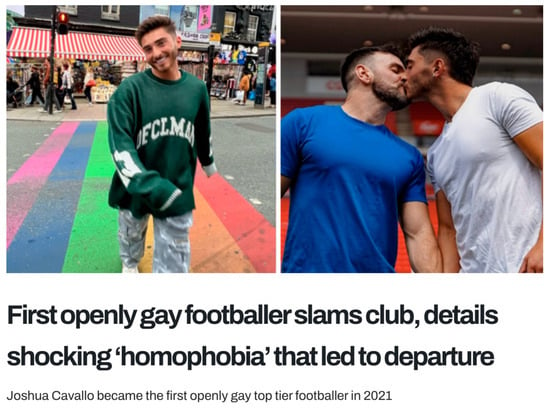
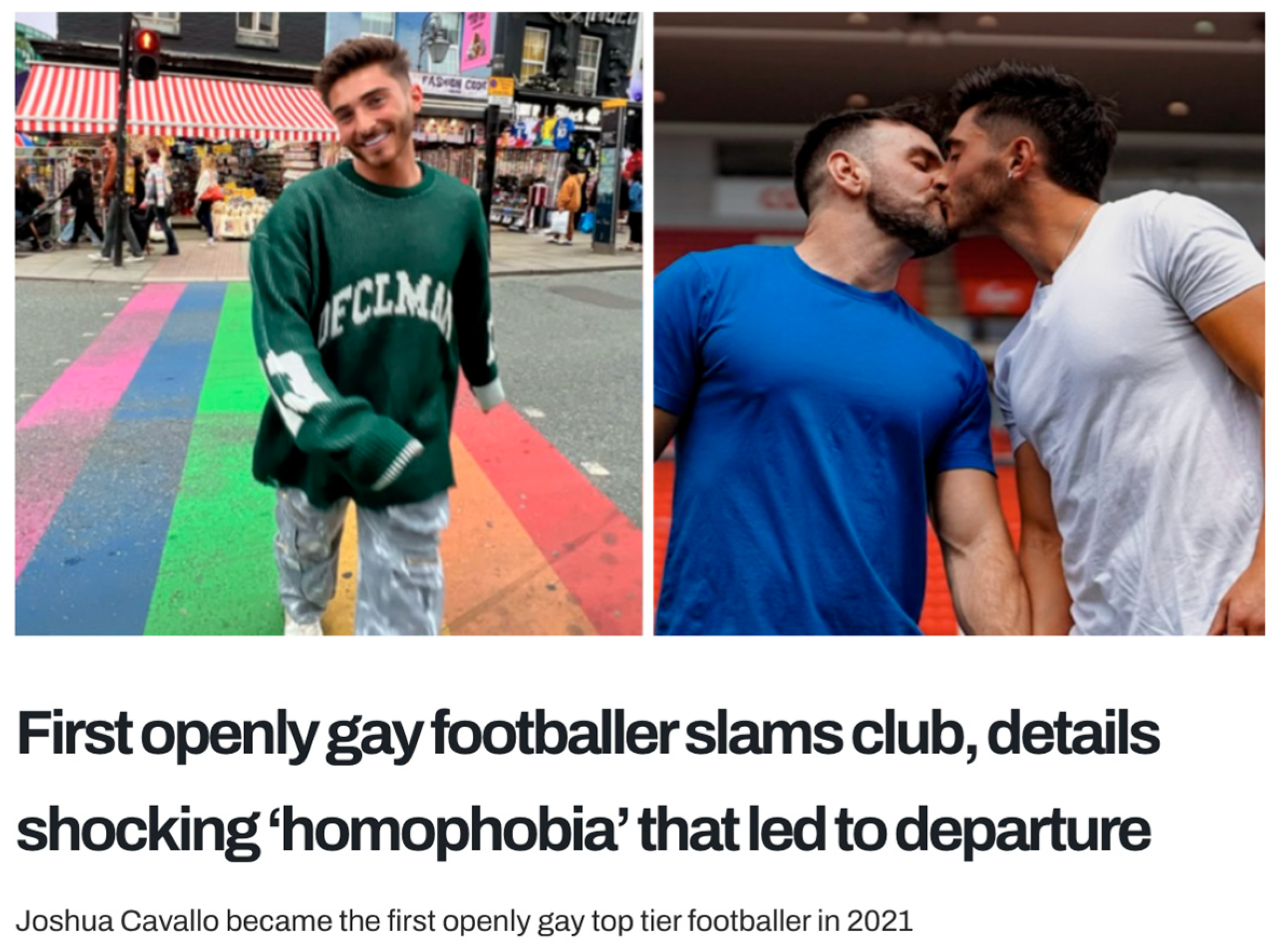
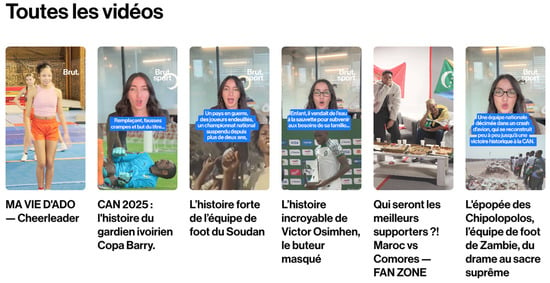
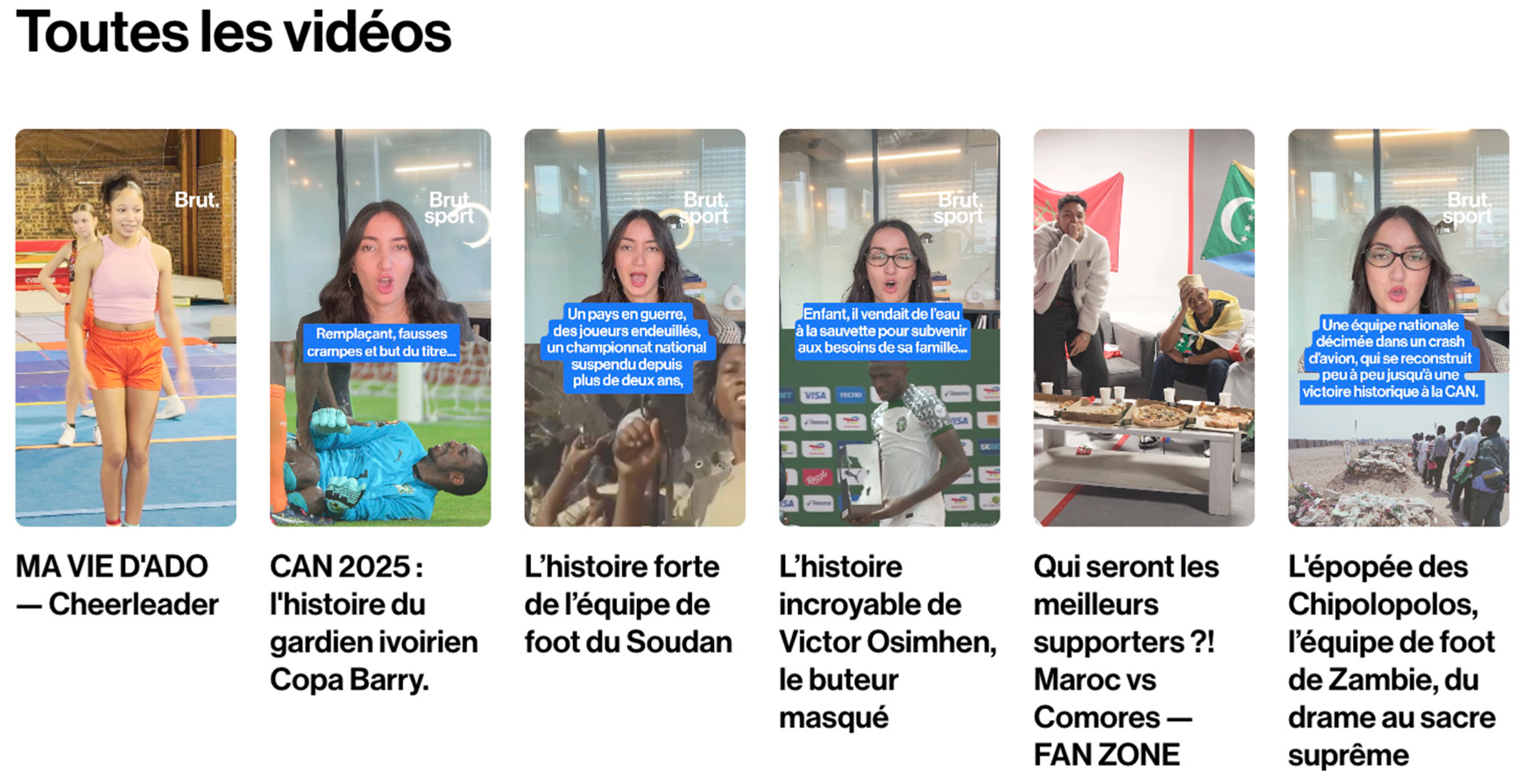




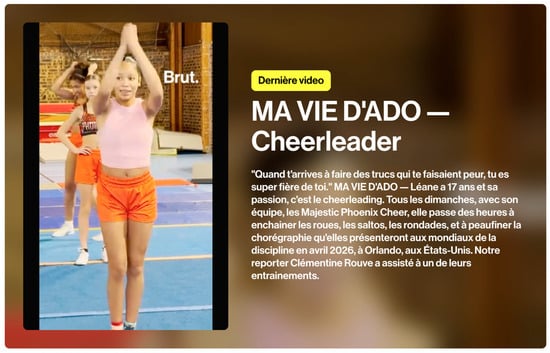
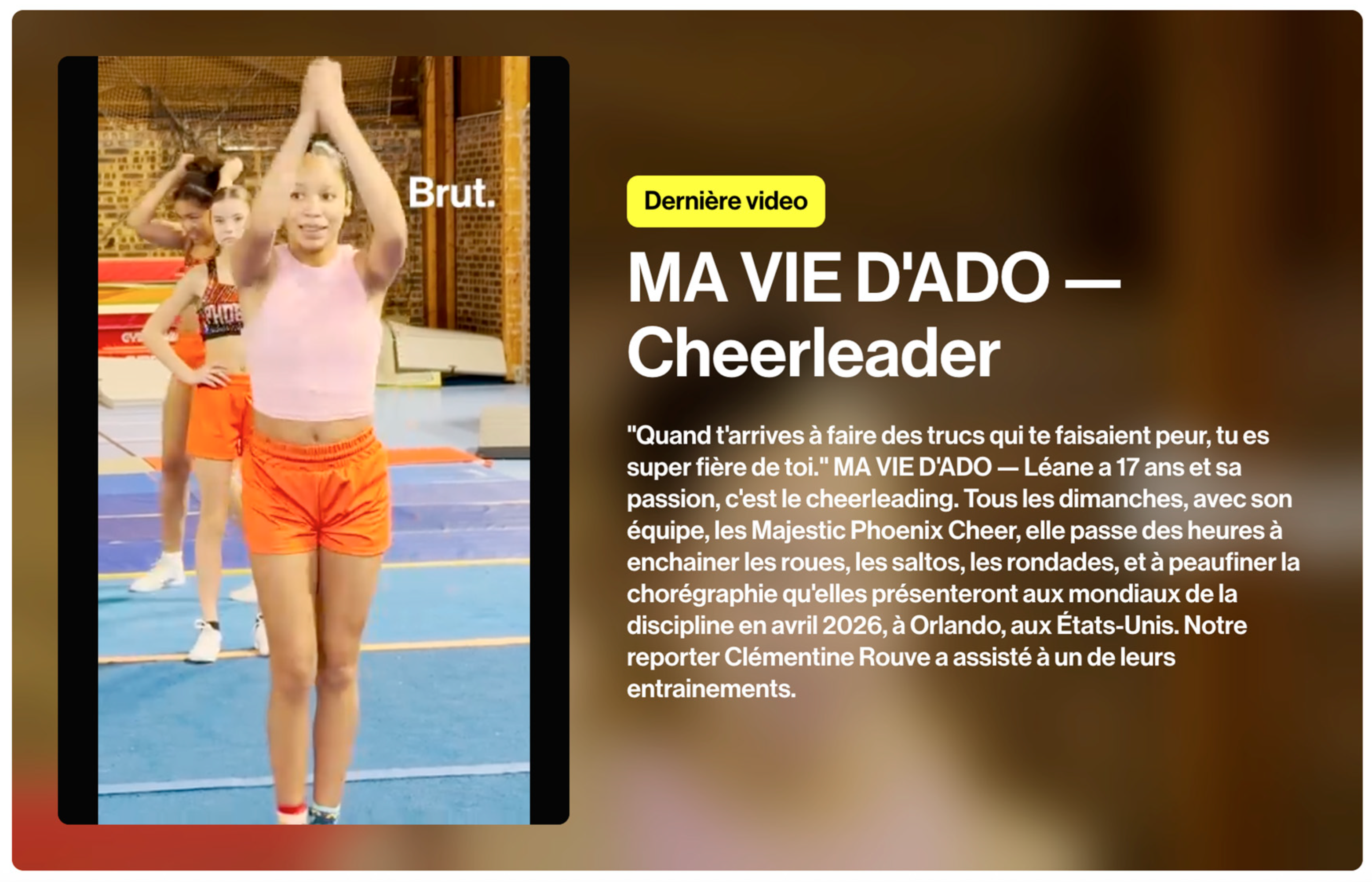

Disclaimer/Publisher’s Note: The statements, opinions and data contained in all publications are solely those of the individual author(s) and contributor(s) and not of MDPI and/or the editor(s). MDPI and/or the editor(s) disclaim responsibility for any injury to people or property resulting from any ideas, methods, instructions or products referred to in the content. |
© 2026 by the authors. Licensee MDPI, Basel, Switzerland. This article is an open access article distributed under the terms and conditions of the Creative Commons Attribution (CC BY) license.