


Abstract
This study examines how climate change interacts with social, ecological, and policy factors to shape food security among Indigenous tribal communities in Jharkhand, focusing on Saraikela Kharsawan district. It combines a scoping review, policy analysis, and a climate–agriculture case study of Saraikela Kharsawan to identify vulnerabilities and pathways for more resilient Indigenous food systems. The research is qualitative, using a scoping review of 28 studies on Indigenous food security and climate impacts in Jharkhand, thematic analysis of nine national and state policies, and a district-level case study using land use, climate trends/projections, and crop statistics for Saraikela Kharsawan. Additionally, findings from participant observation were integrated into how tribal communities in Saraikela Kharsawan experience and respond to climate variability and its implications for local food systems and nutrition. The study identifies a nutrition paradox, where Indigenous communities experience micronutrient deficiencies and anaemia despite rich biodiversity and Indigenous knowledge. This is accompanied by a decrease in the consumption of nutrient-dense Indigenous foods and a predominance of rainfed monoculture rice cultivation. Marked by rising temperatures and erratic rainfall, climate variability is destabilising agroforestry systems, narrowing dietary options and reducing adaptive capacity. Additionally, policy and institutional gaps reveal fragmented support—strong rights laws and calorie-focused welfare schemes but weak integration of Indigenous foods, agroforestry, and traditional ecological knowledge into nutrition and climate programmes. The paper argues that climate change acts as a threat multiplier on already fragile Indigenous food systems and calls for nutrition-sensitive safety nets, community-based agroforestry, gender-inclusive Indigenous knowledge governance, and cross-sectoral policy alignment to support resilient, culturally appropriate food systems in Jharkhand.
1. Introduction
Climate change represents a profound crisis for vulnerable populations globally, but its impacts are not uniform. Communities already burdened by social, economic, and political marginalisation often bear a disproportionate share of adverse outcomes [1]. Among the most impacted are Indigenous peoples, whose livelihoods are closely tied to fragile ecosystems that are highly susceptible to climatic disruptions [2].
Globally, Indigenous communities constitute nearly 5% of the population [3] and are recognised among the groups most susceptible to climate change impacts [4]. These challenges have been compounded by colonial and post-colonial policies that systematically dispossessed Indigenous communities of their traditional lands, restricted access to forest resources, and undermined customary governance structures [5,6]. The vulnerability of the communities is still shaped by these structural exclusions. In particular, local livelihoods, food systems, water security, and public health frameworks within various Indigenous communities are increasingly pressured by the direct impacts of climate change [7,8].
Projections indicate that global average temperatures are expected to rise by approximately 1.5 °C by the end of this century, a trend that poses significant risks to both natural ecosystems and human societies [9,10]. Climate warming is already contributing to widespread environmental disruption, including shifts in temperature and precipitation patterns, increased frequency of extreme weather events, and rising sea levels [11]. These changes pose a direct threat to food security by reducing agricultural production, and destabilising food availability [11]. These pressures are especially significant for Indigenous food systems, which are community-specific systems of food production, distribution, preparation, and consumption that sustain both nutrition and cultural continuity [4]. At the same time, nutritional status in Indigenous tribal communities is not determined by food availability alone, but by interacting social, economic, environmental, and health determinants, including poverty, education, morbidity, sanitation, water access, and healthcare availability [12,13]. As climate shocks intensify, these interacting vulnerabilities are likely to deepen food insecurity, along with water scarcity, health deterioration, and increased socio-economic instability [14].
India is home to over 700 recognised Indigenous tribes, comprising around 8.6% of the country’s population [11]. These Indigenous communities, recognised as “Scheduled tribes” (STs) by the Government of India, are characterised by customary systems, financial constraints, and weaker health outcomes [15]. The Intergovernmental Panel on Climate Change (IPCC) reports [16,17] have acknowledged the role of Indigenous knowledge and local knowledge in climate adaptation, including the current IPCC Seventh Assessment report (AR7) [18]. Yet, these insights remain underutilised in Indian policy and development planning. Despite their deep ecological knowledge and cultural heritage, tribal communities face systemic marginalisation in terms of land rights, livelihood opportunities, and access to public services [19]. Approximately 92% of these communities rely on agriculture, forests, and livestock for survival [20]. However, traditional livelihoods are increasingly under threat due to the effects of colonial land dispossession, mining-induced displacement, deforestation, and the changing climate.
Jharkhand, a tribal-majority state in eastern India, is among the poorest and most food-insecure states in India [21,22]. The state’s ecological landscape is changing rapidly, and commercial monocultures are replacing agroforestry systems that once ensured resilience through mixed cropping and seasonal foraging [20]. Agriculture is mainly rainfed and the soil structure is poor with low fertility [23]. Moreover, climate trends show declining annual rainfall in several districts, coupled with a rise in the frequency of extreme events [24,25], threatening the livelihoods and food security of tribal communities that are heavily dependent on subsistence farming and forest-based food systems [19,26,27,28].
Similar concerns have been acknowledged in other regions globally. Studies in Africa [29,30,31,32] and Central America [33,34] highlight how Indigenous farmers experience heightened vulnerability in terms of food security and nutritional levels due to climate variation. In India, while the literature on Indigenous foods is extensive, there is limited empirical research examining the effects of climate variability on nutrition in tribal-dominated regions like Jharkhand. Recent studies, such as [19,35], have started to shed light on these issues, exploring the intersection of climate variability and food security through the lived experiences of Jharkhand’s Indigenous people. However, there are few, if any, studies that focus on the climate vulnerability of Jharkhand’s tribal-dominated region of Saraikela Kharsawan district, which faces acute climate and food challenges.
While previous research has largely treated climate impacts, nutritional security, and policy frameworks in isolation, this paper addresses this critical gap by providing a fully integrated climate-nutrition-policy analysis for Jharkhand’s Indigenous tribal communities. Moving beyond mere vulnerability assessments, it identifies concrete, actionable pathways for nutrition-sensitive safety nets, community-based agroforestry, and traditional ecological knowledge (TEK)- and gender-inclusive governance in tribal regions.
The aim of this paper is to identify and characterise the key vulnerabilities that local tribal communities in the Saraikela Kharsawan district face regarding food security amid a changing climate. Drawing on existing literature and secondary data, the paper pursues three objectives: (i) to map the current research landscape surrounding Indigenous food systems and climate change impacts in Jharkhand, characterising its dominant themes; (ii) to examine the national and state policies that recognise and support tribal rights, welfare, and food security; and (iii) to assess the spatial patterns that emerge from secondary data on climate (temperature and precipitation) in Jharkhand with a focus on Saraikela Kharsawan district, and compare whether these trends appear to co-occur spatially and temporally with land-use patterns and agricultural productivity.
2. Materials and Methods
The research employs a qualitative, desk-based methodology, drawing on peer-reviewed academic literature, government reports, climate data archives, and grey literature sources. It examines academic literature to evaluate the complex interactions between climate change, Indigenous knowledge, and food security, and triangulates the spatial trends and secondary data with the academic findings and policies.
2.1. Study Area
The research focuses on Saraikela Kharsawan, a tribal-dominated district in the southern region of Jharkhand, India (Figure 1). The district has a population of 1,065,056, out of which 35.2% of the population belong to the Scheduled Tribes [36]. In terms of the district’s total population, the five most prominent communities in this group are Santal (12.19%), Ho (8.37%), Bhumij (6.38%), Munda (4.22%), and Oraon (0.99%) [37]. The district is characterised by dense forest cover, subsistence agriculture, and was selected due to its ecological sensitivity and socio-economic vulnerability, particularly in the context of climate variability and food insecurity.
Figure 1.
Location of Saraikela Kharsawan district of Jharkhand, India.
These tribal communities are also predominantly smallholder farmers who depend on agriculture for food and livelihoods [35,38]. Despite access to rich agroforestry and Indigenous foods with high nutritive values, studies have shown poor nutrition outcomes among these tribes [19,39]. Therefore, this case study of Saraikela Kharsawan is analytically significant, as it is broadly representative of forest-fringe, smallholder-dominated tribal districts across eastern and central India, where comparable climate, livelihood, and nutrition dynamics are currently unfolding.
2.2. Methods
The key methodological components for the research are literature review, policy analysis, and a regional case study. In addition to these, the paper draws on findings from participant observation through the authors’ long-term participatory work with the local communities, which informs interpretation and contextualisation of the findings.
2.2.1. Scoping Review
A scoping review was used to map existing knowledge, identify dominant theoretical and methodological approaches, and highlight critical research gaps, particularly in the intersection of climate resilience and tribal livelihoods in Jharkhand. The published literature was documented and assessed using a scoping review methodology [40] that involved a stepwise process of selection, extraction, analysis, and synthesis of the literature. To guide the review and synthesis of trends and gaps, the following question was posed: What does the published literature tell us about Jharkhand’s Indigenous food security in the context of climate change?
Search Strategy
The search for articles was first performed on 5 May 2025 and later updated on 4 June 2026 using the following search tools: academic databases (Web of Science, Scopus, and Google Scholar), government sources, international bodies, and grey literature. No search restrictions such as language or date were placed. Boolean operators and keyword combinations (as listed in Table 1) were used for each database.
Table 1.
Search strategy to identify published articles on climate change impact on Indigenous food security.
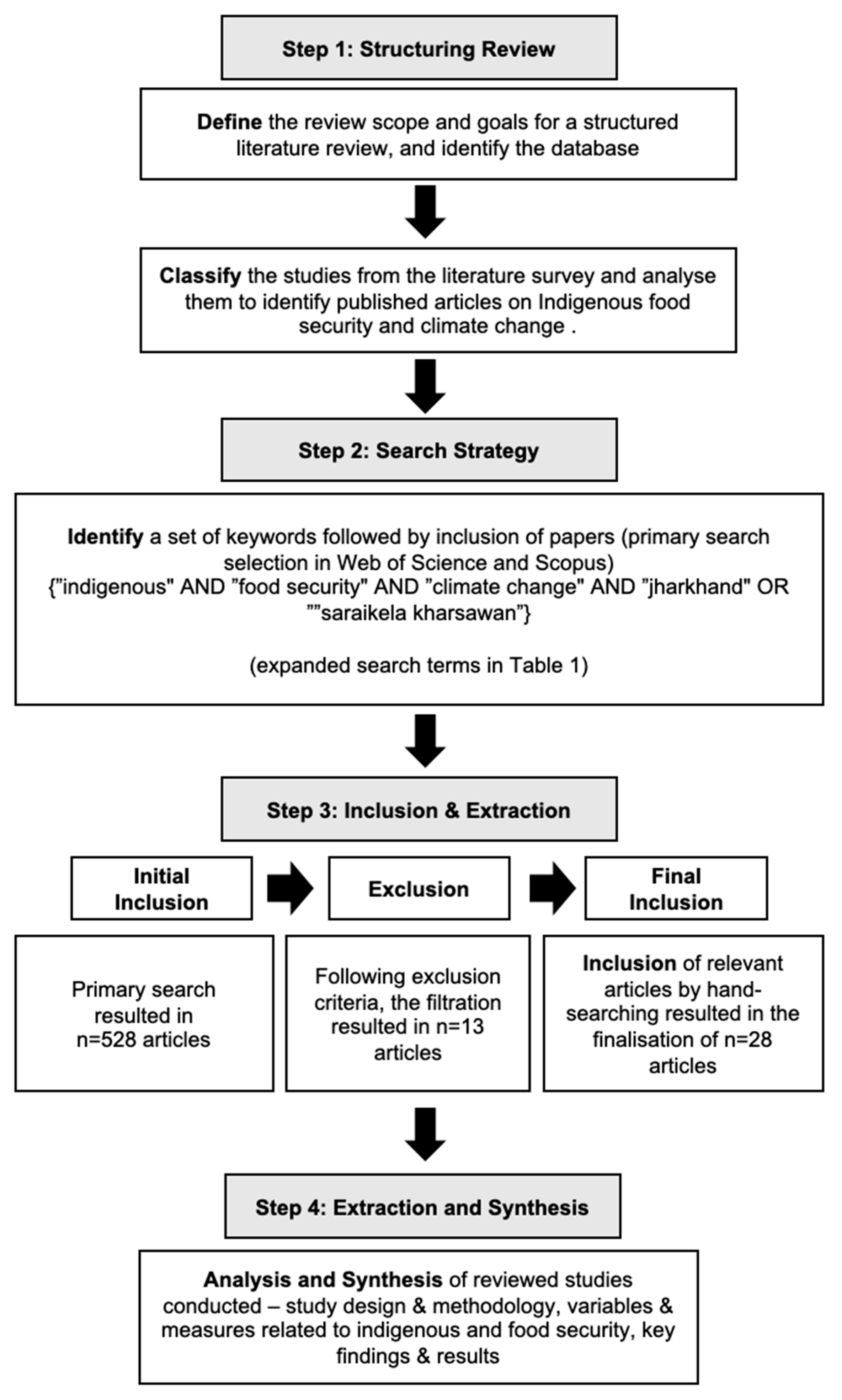
A total of (n = 528) articles/reports were found in the Web of Science and Scopus. A two-step relevance screening strategy was then employed. First, the titles and abstracts of articles were screened. Next, all citations deemed potentially relevant went through a review of the full text. We included articles that (1) were published in peer-reviewed journals; (2) described any aspect of food security or food-related climate change impacts; (3) explicitly mentioned Indigenous peoples; and (4) were linked to Indigenous tribes of Jharkhand. After exclusion, (n = 13) articles met the predefined criteria (check Table 2 for the detailed inclusion & exclusion criteria). The reference lists of the articles were hand-searched to identify more relevant studies and reports not captured in the database search (i.e., citation tracking). Articles were further searched in Google Scholar with the keywords as listed in Table 1. The review process resulted in the finalisation of (n = 28) articles. Refer to Appendix A.1 (Figure A1) for the methodology framework.
Table 2.
Inclusion and exclusion criteria to identify published articles on Indigenous food security and climate change.
Data Extraction and Synthesis
A final corpus of 28 articles was reviewed, with data extraction and synthesis conducted following the PRISMA model guidelines. Using a standardised data extraction form, the study systematically extracted and comprehensively arranged pertinent data from chosen studies (Table 3). The thematic analysis identified common themes and patterns across the literature. Results were synthesised and enhanced by tabular summaries and visual representations where relevant.
Table 3.
Summary of information extracted from articles on climate change impact on Indigenous food security.
2.2.2. Analysis of Policies, Acts and Schemes
A qualitative analysis of national and state policies, acts, and schemes was conducted to examine the recognition, support, and integration of Indigenous peoples and climate resilience practices in government policy frameworks for Jharkhand’s tribal communities. This involved analysis of policy documents, followed by a thematic mapping using a matrix of policy provisions against community needs in relevance to Indigenous food security and climate resilience.
Search Strategy
The relevant government sources were manually screened through official national and state-level portals, including the Ministry of Tribal Affairs (MoTA), Ministry of Environment, Forest and Climate Change (MoEFCC), Ministry of Agriculture & Farmers Welfare, National Institution for Transforming India (NITI Aayog), Jharkhand State Government websites, policy documents and press releases. These sources were included due to their role in generating key policies, data, and assessments related to tribal welfare, food security, and climate change impacts in India.
An initial set of (n = 27) national and state-level policies, acts, and schemes was identified and then screened using the defined inclusion and exclusion criteria (Table 4). Those not meeting the inclusion criteria were excluded, and a total of nine (n = 9) policies, acts, and schemes were selected for review.
Table 4.
Inclusion and exclusion criteria for policy selection.
Mapping of Policies, Acts, and Schemes
Each policy, act, and scheme was systematically analysed using a deductive qualitative content analysis approach. We identified six themes a priori, which were based on the study objectives and insights from the relevant literature. The themes are as follows: recognition of Indigenous rights; land tenure and forest rights; climate change adaptation; agroforestry promotion; food security and nutrition; and integration of Indigenous knowledge. They represent key dimensions through which the study examines the role of policies in shaping socio-ecological, well-being and adaptive outcomes. The policies were then systematically mapped across the six themes to check if the themes are being addressed, along with their scope and emphasis. A final policy–feature matrix is presented, showcasing the thematic coverage of the selected policies, acts, and schemes.
2.3. A Case Study of Saraikela Kharsawan District
The analysis of literature and policies at the state and national-level is complemented with a case study of Saraikela Kharsawan district to compare the relationship of climate with land-use patterns, forest cover and agricultural productivity. It presents an observational study of the land use and land cover (LULC) changes, climate trends and projections (temperature and precipitation), and the agricultural crops trend over the years. Rather than statistically established relationships, these findings show parallel descriptive trends. Table 5 presents all the data and their sources used.
Table 5.
Data sources for the case study.
Since the LULC data from Esri are only available from 2017 onwards, changes in LULC could only be compared after 2017–2018. The LULC dataset was extracted using QGIS 3.28.11-Firenze software for the Saraikela Kharsawan district boundary of Jharkhand.
For the climate change assessment, the temperature and precipitation data were obtained from WorldClim for the region and processed using QGIS 3.28.15-Firenze software to prepare average temperature and precipitation gradients in the district. To project future climate impacts, anomaly scenarios under SSP-2 (Middle of the Road) for the years 2041–2060, 2061–2080, and 2081–2100 were incorporated. SSP-2 was selected because it represents a moderate pathway with balanced challenges to mitigation and adaptation and plausible socio-economic development trends, making it appropriate for assessing near to mid-term climate vulnerabilities in the study area.
Lastly, to study agriculture trends, district-level data on crops, area, production and yield were obtained from the Department of Agriculture and Farmers Welfare. Due to missing datasets until 2016–2017, the study used data from 2017–2018 to 2022–2023, representing the latest published information.
2.4. Participant Observation
Participant observation and Participatory Rural Appraisal (PRA) Tools were also employed to generate contextual, ground-level insights into how Indigenous tribal communities in Saraikela Kharsawan experience and respond to climate variability and its implications for food systems and nutrition. This involved the authors’ direct engagement with local communities over extended periods from January 2022 to September 2025, including participation in agricultural activities, foraging practices, local markets, Gram Sabha on the management of natural resources, and community interactions related to food preparation and consumption. PRA tools employed included focus group discussions, semi-structured interviews, and card-sorting exercises focusing on agricultural activities and natural resource-based activities that centered on the use and management of forests and forest resources.
Through this immersive approach, observations were recorded on seasonal changes, shifts in cropping patterns, availability and use of Indigenous foods, and everyday strategies adopted by households to cope with erratic rainfall, temperature variability, and changing environmental conditions. Particular attention was given to agroforestry practices, dependence on rainfed agriculture, and the role of women as custodians of TEK, especially in relation to food collection, preparation, and preservation.
Participant observation and PRA also captured the subtle socio-cultural dynamics shaping food choices, reliance, market integration, and the erosion or adaptation of traditional food practices. These observations provide empirical grounding to complement the scoping review, policy analysis, and secondary data, offering insights into lived experiences and community-level responses that are not fully captured through desk-based methods.
3. Results
3.1. Stresses Facing Indigenous Food Systems in Jharkhand
This section synthesises the principal findings from a scoping review of literature examining the interplay between Indigenous food systems, nutrition, climate resilience, and policy contexts in Jharkhand. The results reflect key thematic trends, methodological emphases, and critical gaps in existing research, with particular attention to tribal communities and the under-researched Saraikela Kharsawan district.
The graph shows a notable volume of articles published after 2018, reflecting a growing research interest in the intersection of nutrition, food systems, and climate resilience (Figure 2a). Most studies employed mixed-methods approaches (n = 10), combining dietary surveys, focus group discussions, and nutritional analysis (Figure 2b). Quantitative studies (n = 9) were also common, while qualitative work was rare (n = 1). A small number of spatial analyses (n = 6) mapped agroforestry suitability, vegetation health, and precipitation variability.
Figure 2.
(a) Articles published by year (b) Distribution of selected articles by study design.
In terms of geographical focus, most studies focused on the village level (n = 13), followed by the state level (n = 7) (Figure 3). Studies with district-level (n = 4) and block-level (n = 3) focus were less common. This finding reinforces the assertion that regional-level studies in general remain significantly underrepresented in the academic literature [41]. It is also important to note that none of these articles focused on the Saraikela Kharsawan district level, which is our case study. This provides an opportunity to address this critical gap in the literature by conducting focused research on Saraikela district, particularly in relation to climate change and its impact on food security of Indigenous people.
Figure 3.
Distribution of articles by geographical region focus.
A total of 18 studies focused on Indigenous tribal communities within the region (Figure 4a), with some studies investigating multiple tribes simultaneously; consequently, the sum of individual tribes not adding up to 18. Among the communities studied, the Santhal (n = 6) and Sauria Paharia (n = 6) were the most studied tribes, followed by the Munda (n = 5), Ho (n = 5), and Oraon (n = 2) tribes (Figure 4b). This distribution is significant as the study area, Saraikela Kharsawan district, is home to all these groups, except for the Sauria Paharia. Based on our ground study, there is a Paharia hamlet in the district, although there is no confirmation as to which Paharia sub-group they belong to.
Figure 4.
(a) Articles that examined Indigenous tribal communities (b) Distribution of articles by Indigenous tribes studied.
The summary of the articles is provided in Appendix A.2 (Table A1). The principal findings demonstrate substantial gaps in region-specific climate adaptation research, especially for the Saraikela Kharsawan district and its diverse tribal communities.
3.1.1. Climate Trends and Agricultural Impacts
Across the literature, rainfall variability, prolonged dry spells, and rising temperatures are widely recognised as undermining agroforestry systems and seasonal food availability in the study region [19,42]. The scoping review revealed perceptions among Munda, and Ho communities that climate variability is reducing the production and consumption of Indigenous foods and shifting cropping calendars [43,44]. Climate change was consistently described as a major threat to Indigenous smallholder livelihoods reliant on rainfed agriculture and agroforestry [45].
This also conforms to our experiences of interacting with tribal farmers in Saraikela Kharsawan. Agricultural production is overwhelmingly dominated by rainfed rice monoculture, with pulses and oilseeds playing only marginal roles. Rice yields fluctuate sharply with monsoon rainfall, and recent years have seen reduced, delayed, erratic, and unseasonal rainfall accompanied by more frequent storms, negatively affecting paddy cultivation. Even the year 2025 witnessed excessive and continuous rainfall, negatively impacting cultivation of maize, millets, and vegetables. Increased duration of fog, unseasonal rain and hail in winter months also negatively impact winter crops like sarso, kurthi and greens. Since most households practice subsistence agriculture, inadequate yields, particularly of paddy, often translate into seasonal food shortages [44].
3.1.2. Household Food Security and Dietary Diversity
Research by [43,44,46] highlights how Indigenous peoples have fostered resilient, low-carbon, and nutrition-rich food systems using crops like millets, legumes, wild tubers, and traditional leafy greens that are highly nutritious. Despite the documented availability of nutrient-dense Indigenous foods, the scoping review indicates that Indigenous food systems in Jharkhand are nutrient-rich but underutilised [39,44,47]. Studies show that communities such as Santhal, Ho, and Oraon identify over 100 varieties of Indigenous foods, including green leafy vegetables and wild edibles, many of which are high in iron, vitamin A, and folate [39,44,48]. Historically, the diets of some groups, such as Ho, were not predominantly rice-based, they cultivated maize, sorghum, finger millet, and niger seeds, supporting more diverse and potentially higher nutritional diets. However, gradual loss of traditional seeds and a shift toward paddy cultivation have resulted in a less diverse array of agricultural and dietary practices.
Despite this ecological and cultural diversity, household dietary diversity remains low. Reported dietary diversity scores among Indigenous women average around 2.9 for Ho, 2.6 for Munda, and 3 for Sauria Paharia, well below recommended levels by FAO [44,49,50]. Similarly, the Food Accessed Diversity Index (FADI) used by [51] illustrates low access to agroforestry foods despite ecological potential. These patterns are reflected in high prevalence of chronic energy deficiency (CED) and micronutrient deficiencies across communities.
3.1.3. Gendered Dimensions of Food Insecurity
Evidence from the scoping review highlights a pronounced gendered dimension to food insecurity. Indigenous women exhibit a high prevalence of CED and anaemia, with reported CED rates of 48.9% among Santhal women, 41.3% among Sauria Paharia women, 39.2% among Oraon women, and 35% among Munda women [49], with anaemia affecting more than 70% of Santhal women [52]. National Family Health Survey-5 (2019–2021) similarly reports higher CED among Indigenous women compared to men [53].
Dietary recalls show that women, in particular, fall short on micronutrients such as calcium, iron, Vitamin A, and vitamin B12 [47,54,55,56], and often have lower dietary diversity than men in the same households [57,58]. The literature and the participatory observation reveal that intra-household food allocation norms, combined with the disappearance of traditional nutrient-dense preparations (e.g., foods based on millets and mahua flowers used during pregnancy and early motherhood), exacerbate women’s nutritional vulnerability during climatic and economic shocks. Despite shifts from traditional diets, our interactions reveal that the women from these communities have knowledge of the Indigenous foods and the memory to prepare them.
3.1.4. Traditional Ecological Knowledge and Wild Foods
The review documents rich but eroding TEK related to Indigenous foods. Communities hold detailed knowledge of wild edible plants, seasonal calendars, preservation techniques, and agroforestry-based food systems [48,56]. However, multiple studies report that TEK and the use of Indigenous foods are slowly declining [28,59,60].
The gradual disappearance of wild foods and the loss of TEK are particularly alarming [43,59]. Younger generations are increasingly disengaged from foraging and preservation practices, reducing community capacity to adapt to climate stress. International literature echoes this pattern, showing that the erosion of TEK weakens adaptive strategies and increases exposure and sensitivity to climate risks [59,61]. Some initiatives are trying to address some of these challenges, such as Keystone Foundation’s Village Elder Programs, where village elders are encouraged to take children on forest trails to document wild crops and Indigenous practices, but these remain limited in scale. A study by [62] showed that excluding local, indigenous knowledge in formal climate planning makes it harder for communities to adapt to climate change.
3.1.5. Market Integration
The scoping review and case study indicate rapid market penetration in and around Indigenous villages, reshaping local food environments [28]. Weekly markets (haats) now provide an expanded array of purchased foods, including cheap ultra-processed and street foods high in salt, sugar, and fat [44]. This has contributed to a nutrition transition, particularly among groups such as the Munda and Ho, characterised by reduced consumption of traditional foods and increased reliance on market-procured, calorie-dense, nutrient-poor items [44,63].
Community reports and case study observations link growing dependence on markets [43,51] with a decline in the foraging and use of Indigenous roots and tubers (e.g., Kukui sanga, Bayang sanga, Haser sanga, ban-aloo/Pitadu sanga), fruits (e.g., Mata Soore, Kandeyor), green leafy vegetables (e.g., chimti leaves/Mui aa, phutkal saag, beng saag, Burnui aa) and wild mushrooms (e.g., Neem poga, Sasang ud, Simdali ud) [44]. These shifts further narrow dietary diversity and weaken Indigenous food systems’ resilience.
3.1.6. Cross-Cutting Vulnerabilities and Policy Gaps
The scoping review underscores four interconnected vulnerabilities of Jharkhand’s Indigenous peoples to food insecurity: nutritional deficiencies, climate stressors, Indigenous knowledge, and gendered vulnerabilities. These vulnerability dimensions are compounded by rapid market integration and fragmented policy support, which together accelerate dietary shifts away from Indigenous foods and weaken TEK-based adaptation. The framework in Figure 5 captures these vulnerabilities.
Figure 5.
Interlinked vulnerabilities within Indigenous food systems identified through the scoping review in relation to, compounded by market penetration and policy and institutional gaps.
Climate variability and forest degradation (through deforestation and mining) disrupt Indigenous crops, agroforestry systems, and wild food sources, leading to decreased yields and seasonal food shortages [4]. High CED and anaemia among Indigenous women, combined with their role as custodians of Indigenous food knowledge, mean that erosion of TEK and diet shifts particularly affect women [28,49].
Government food programmes in Jharkhand, such as the Public Distribution System (PDS), Integrated Child Development Services (ICDS), and Mid-Day Meal (MDM) schemes, still largely supply subsidised rice, wheat, sugar, and salt, with very limited incorporation of Indigenous crops, leading to reduced cultivation and consumption of traditional cereals, millets, and nutrient-rich Indigenous foods [43]. Together with a shift to chemical-intensive monocropping with hybrid seeds, driven by market demand and lack of incentives, this results in negligible formal support for Indigenous crop cultivation [28,44].
3.2. The Current Policy Landscape
Nine policies, acts, and schemes relevant to Indigenous tribal communities, food systems, and climate change were identified. Of these, seven are enacted at the national level, while the remaining two are state-specific or state-operationalised instruments. All nine, however, are currently active within Jharkhand and have direct or indirect implications for tribal communities in the region. These policies were assessed across six thematic dimensions (Table 6).
Table 6.
Thematic mapping of policies, acts, and schemes implemented in Jharkhand.
The results show that rights-based legislation dominates the policy landscape. First, Indigenous rights and land tenure are recognised within tenure-based legislation such as the Forest Rights Act (FRA) and the Chotanagpur Tenancy Act. These legislations explicitly safeguard customary rights, community ownership, and territorial control. They are also recognised under the National Agroforestry Policy (NAP) and the MoTA Guidelines on Minor Forest Produce (MFP) since many forest areas are occupied by Indigenous tribal people. While these provisions are legally robust, their practical enforcement has been inconsistent and often NGO- and grassroots-driven [64], with noted implementation gaps in tribal land rights [65] and recent dilution of provisions despite stiff opposition from the tribal communities and civil society organisations [64].
Second, climate adaptation receives moderate attention, predominantly through the National Mission for Sustainable Agriculture (NMSA), National Agroforestry Policy, and the Jharkhand State Action Plan on Climate Change (SAPCC). These policy initiatives align with evidence that temperature and precipitation variability are the main climate challenges for tribal farmers, as both droughts and irregular rainfall cycles increasingly affect subsistence livelihoods [66,67]. The NMSA’s climate-smart farming practices and water management practices, NAP’s agroecological approaches, and Jharkhand SAPCC’s vulnerability assessment in sectors such as agriculture, water, health, and forests all prioritise strengthening resilience against climate change. This is crucial for our study area, which is characterised by significant vegetation, high forest cover, and increased climate variability.
Third, food security and nutrition emerge as the most widely addressed dimensions. The PDS and ICDS under the National Food Security Act (2013) and the Jharkhand Nutrition Mission under the National Nutrition Mission all focus on caloric sufficiency, maternal-child nutrition, and dietary supplementation. Moreover, the NAP, NMSA, and MoTA Guidelines on MFP also explicitly focus on food security and nutrition by seeking to enhance rural livelihoods through sustainable and climate-resilient agriculture. Yet, the emphasis remains mainly on caloric sufficiency and crop diversification rather than dietary diversity or culturally grounded nutrition practices.
Fourth, only a limited number of policies explicitly emphasise agroforestry. The NAP and the NMSA highlight agroforestry as a strategy for enhancing soil fertility, diversifying farm incomes, and building climate resilience. At the state level, the Jharkhand SAPCC also recognises agroforestry as a climate mitigation and adaptation measure. However, agroforestry remains siloed within agriculture and climate policy and is largely absent from nutrition and welfare schemes, despite evidence of its potential to improve food diversity and resilience [68].
Lastly, Indigenous knowledge is explicitly articulated in only a handful of frameworks, notably the Forest Rights Act, the MoTA Guidelines on MFP, and, to some extent, the Jharkhand SAPCC and the NMSA. The Forest Rights Act is the first act in India that acknowledges the value of Indigenous knowledge of biodiversity conservation in building a sustainable forest management model [69]. Similarly, the Jharkhand SAPCC emphasises the integration of Indigenous knowledge for sustainable forest management, climate adaptation, and biodiversity conservation, and NMSA aims to synergise traditional knowledge, agricultural heritage, and modern research to boost productivity. The ‘Van Dhan Vikas Karyakram’ under the MoTA Guidelines on MFP aims to tap into Indigenous knowledge and tribal skillsets and transform tribal wisdom into viable economic activity. While India’s Indigenous knowledge systems are widely acknowledged in principle, they remain marginalised in operational frameworks, particularly in nutrition-focused policies.
Taken together, the policy landscape reflects a fragmented architecture: tenure rights are well protected in legal instruments, nutrition is addressed through welfare schemes, and climate receives partial but emerging attention. However, cross-cutting themes such as Indigenous knowledge and agroforestry remain sporadically incorporated rather than mainstreamed. This uneven thematic distribution is captured visually in the thematic policy matrix.
3.3. Trends Within Saraikela Kharsawan
3.3.1. Land Use and Land Cover
Between 2017–2018 and 2024–2025, Saraikela’s vegetated cover (agriculture and forest) remained relatively stable (74–76%); however, underlying shifts were notable. Forest cover increased slightly (28.1% to 31.2%), while agriculture decreased significantly from 49.6% to 42.9%. Built-up areas grew from 5% to 6.7% of the total area, suggestive of urbanisation and infrastructure development. There is also an increase in barren, uncultivable, and wasteland areas from 13.2% to 14.9%, implying a need for land reclamation and restoration efforts. These trends (Table 7 and Figure 6) indicate that while overall LULC is stable, encroachment and fragmentation of agricultural and forest land could potentially threaten traditional livelihoods. Our own field visits and direct interactions with local communities reveal increased industrial and urban activities, especially in blocks like Gamharia and Saraikela, which are emerging as heavily industrialised zones.
Table 7.
Land use and land cover of Saraikela Kharsawan district.
Figure 6.
Land use and land cover of Saraikela Kharsawan district.
3.3.2. Climate Trends, Variability and Future Projections
Current Scenario
Climatic conditions crucially influence agricultural productivity and agroforestry viability. The district’s historical data (1975–2024) show mean annual temperature increasing from 25.7 °C to 26.3 °C, registering a warming of approximately 0.6 °C over five decades (Figure 7). According to [66], the temperature conditions across Jharkhand are generally favourable for sustaining locally prevalent agroforestry practices, which remain integral to traditional land-use systems and livelihood strategies. However, this steady increase could, over time, affect crop phenology.
Figure 7.
Average temperature for Saraikela Kharsawan over the years.
Precipitation, a critical factor for rainfed agriculture, showed considerable inter-annual variability, ranging between 1022 mm and 1546 mm (Figure 8), with more erratic distribution across seasons. Although average rainfall has increased marginally in recent years, the greater variability has heightened the risk of both drought and flooding. Such instability directly disrupts cropping calendars and harvest cycles, making rainfed agriculture increasingly precarious.
Figure 8.
Average precipitation for Saraikela Kharsawan over the years.
Future Scenario
Climate projections up to the end of the century (2041–2100) under the SSP-2 scenario anticipate further warming of 1.1–1.9 °C (Figure 9), and a slight increase in average precipitation from 1278 mm to 1323 mm (Figure 10). Studies have shown that the suitable climate for agroforestry is characterised by a mean annual temperature between 20 °C to 30 °C and an average annual precipitation greater than 1300 mm [70,71].
Figure 9.
Temperature projections for Saraikela Kharsawan under the SSP-2 scenario.
Figure 10.
Precipitation projections for Saraikela Kharsawan under the SSP-2 scenario.
Thus, while the study by [72] and the projected temperature and precipitation levels show a suitable range for current agroforestry practices for Saraikela Kharsawan, the spatial and temporal distributional shifts of rainfall events could increase the frequency of extreme weather, thereby challenging traditional agricultural practices.
3.3.3. Agricultural Productivity
Agricultural productivity in the Saraikela Kharsawan district illustrates the fragility of local food systems under changing climatic conditions. The district’s crop production trends from 2017–2023 show clear variations across crop types (Figure 11).
Figure 11.
Crop production in Saraikela Kharsawan district from 2017–2018 to 2022–2023.
Rice remains the dominant crop (Figure 12), accounting for most of the Kharif season production, and is also the staple food for these communities [39]. However, this crop has a heavy reliance on rainfed cultivation with some dependence on ponds and rivers for irrigation which creates a structural vulnerability with fluctuations in monsoon rainfall directly affecting the yield stability. A study by [39] shows a decrease in the cultivation of traditional rice varieties such as jadhan, bahiyad, and bad over time, with such varieties being replaced by hybrid rice due to its availability, affordability, and higher yield as compared to traditional rice. However, there are a few families who store seeds of traditional rice varieties, which are sown on smaller plots for consumption on special occasions [39].
Figure 12.
Heat chart of crop yield in Saraikela Kharsawan district from 2017–2018 to 2022–2023.
While pulses such as Arhar, Moong, and Urad are cultivated, their production is highly limited and shows year-to-year fluctuations. Given that pulses are critical sources of protein and micronutrients, their marginal role in local cropping systems helps explain the persistent nutritional deficiencies identified among Santhal, Ho, and Munda women [35,47,51].
Emerging trends in Rabi crops, such as the growth of rapeseed and mustard, reflect some adaptation to local conditions. However, there is no evidence as to whether these are used as staples for household diets or rather cultivated as market-oriented cash crops. Wheat and gram show fluctuating yields, which may be linked to temperature increases in the winter months. This variability highlights the compounded effects of climate change across both Kharif and Rabi seasons.
Taken together, these patterns highlight how climate variability interacts with cropping systems to shape food security outcomes. Monsoon-dependent rice monoculture exposes communities to seasonal food shortages, while the underproduction of pulses and oilseeds limits access to nutrient-dense foods. Moreover, the communities, such as Ho, are largely dependant on targeted PDS for wheat, rice, and sugar, which they purchase at subsidised rates through ICDS [35]. The lack of crop diversification and dependence on PDS not only reduces resilience against climatic shocks but also constrains dietary diversity. Some Indigenous crops among the Ho communities, including the red gram (Rehad), pulses (such as Khesari dal and cowpea—Barbatti), and flaxseed, are known for their resilience to climate change and for their low resource requirements [35]; however, their production is comparatively moderate in the Saraikela district. Thus, agricultural productivity trends in Saraikela Kharsawan provide a direct pathway linking climatic stressors to the nutritional vulnerabilities and policy gaps in promoting dietary diversity.
4. Discussion
The integrated findings of this study reveal how climate change, agricultural fragility, policy fragmentation, and social inequities converge to produce heightened food insecurity among Indigenous peoples in Jharkhand. Across the scoping review, policy analysis, and a district-level case study, a coherent picture emerges: communities with access to diverse ecological resources and deep repositories of Indigenous knowledge nonetheless face chronic undernutrition, declining food system resilience, and insufficient institutional support. These vulnerabilities are produced at the intersection of climatic stressors, agrarian change, gendered inequities, erosion of TEK, and fragmented policy support, rather than any single factor in isolation.
4.1. Climate Change as a Threat Multiplier for Indigenous Food Systems
The climate data indicate a warming trend in Saraikela Kharsawan since 1975 and erratic rainfall distribution, with future projections indicating further instability, a combination detrimental to rainfed agriculture and agroforestry, the backbone of Indigenous livelihoods in Saraikela Kharsawan. Similar patterns have been documented among tribal and smallholder communities globally, where climate change disrupts traditional agroforestry and mixed cropping systems, intensifying food insecurity and livelihood precarity [73,74]. In Jharkhand, these climatic shifts undermine the viability of rainfed rice monoculture and reduce the availability of wild edible plants, narrowing already constrained dietary options.
Importantly, climate change acts as a threat multiplier rather than an isolated driver: it interacts with deforestation, mining, soil degradation, and insecure land tenure to erode the resilience of Indigenous food systems. Traditional practices such as shifting cultivation (Kurwa farming) by the Paharia tribe, historically associated with sustainable ecosystem regeneration and dietary diversity [19,75], become less viable when rainfall is erratic and forest access is restricted. Environmental degradation, including deforestation, soil exhaustion, and declining water availability, further impairs these systems’ productivity and sustainability. Thus, the biophysical impacts of climate change intersect with socio-political constraints to deepen exposure and sensitivity among tribal communities.
4.2. Nutritional Deficits Amidst Rich Ecology
Despite documented access to diverse Indigenous crops, wild edibles, and forest foods [39,44,46], our findings show persistently low dietary diversity scores and high prevalence of chronic energy deficiency and anaemia among Indigenous women. This apparent paradox of nutrient-rich ecosystems coexisting with undernutrition echoes similar findings in other Indigenous contexts, where structural barriers limit the utilisation of traditional foods.
Several mechanisms are suggested by the literature and case study. First, the shift from diverse cropping systems (millets, pulses, oilseeds) to rainfed rice monoculture reduces on-farm diversity and undermines year-round food availability. Second, the loss of seeds and declining cultivation of traditional crops weaken intergenerational transmission of culinary practices and preferences. Third, public food programmes that prioritise rice and wheat over millets and Indigenous crops further normalise cereal-heavy, micronutrient-poor diets. Together, these processes illustrate how food insecurity is not simply a result of scarcity, but of the ways institutions, markets, and agrarian change structure access to nutritious foods. The coexistence of rich Indigenous food biodiversity with undernutrition should therefore be interpreted as a structural and institutional paradox rather than a food-only contradiction.
4.3. Gendered Inequities in Climate-Related Food Insecurity
Across the literature review, women emerge as disproportionately burdened by food insecurity. High prevalence of anaemia among Santhal women, CED among Santhal, Sauria Paharia, Oraon, and Munda women, and low dietary diversity scores among Sauria Paharia, Ho, and Munda women, exemplify this [49,51]. Such household practices of unequal food distribution aggravate nutritional inequities, leaving women most vulnerable during climatic shocks. Our findings suggest that intra-household food allocation norms, women’s heavy workload, and their restricted control over productive resources contribute to these inequities.
At the same time, women are often the principal custodians of TEK related to seed selection, food processing, and wild food foraging [28,44], with our field interactions revealing women’s role as the last remaining repositories of traditional food knowledge. Such women can play an integral role in the promotion and revival of traditional foods and associated systems. However, climate shocks and market integration can both further erode and reconfigure these roles. As traditional crops decline and market foods become more central to household diets, women’s knowledge and decision-making power over food may be diminished, even as their care responsibilities intensify. This limited recognition undermines opportunities to leverage women’s expertise in building adaptive and resilient food systems. Addressing Indigenous food security therefore requires explicitly gender-sensitive interventions that strengthen women’s agency, recognise their knowledge, and redress structural inequities in land, labour, and nutrition.
4.4. TEK Erosion, Adaptive Capacity, and Food Sovereignty
FAO and other international bodies increasingly recognise Indigenous knowledge as central to sustainable transformations of food systems, yet such knowledge remains marginal in policy and practice [63]. In Jharkhand, however, homogeneous, hybrid-based monocropping and chemically intensive practices are displacing the diverse, low-input systems rooted in TEK, undermining both traditional seeds and the ecological basis of Indigenous food production. Moreover, the results highlight a gradual erosion of TEK related to wild foods, seasonal calendars, and agroforestry management, particularly among younger generations. This pattern mirrors global concerns that the loss of Indigenous knowledge reduces adaptive capacity to climate variability [59,61]. In Jharkhand, restricted access to forests, changing aspirations, schooling patterns, and the availability of cheap market foods all contribute to reduced reliance on wild foods and to intergenerational gaps in knowledge.
Existing TEK in Jharkhand’s tribal communities could be leveraged to expand the use of traditional foods, including through systematic documentation of Indigenous foods, scientific evaluation of their nutritional content, and support for sustainable harvesting and advocacy [48]. Initiatives such as the Village Elder Programs, which facilitate forest walks and knowledge sharing between elders and children, demonstrate potential pathways to revitalise TEK. State-level initiatives such as Odisha’s FAARM (Food and Agroecological Approaches to Reduce Malnutrition) and Rajasthan’s VAAGDHARA programme, which promote nutri-gardens, wild food habitats, and agroecological approaches with tribal communities [49], illustrate how TEK-centred interventions can strengthen both nutrition and climate resilience. Similar approaches, adapted to local ecologies and governance structures and integrating Indigenous knowledge into state programmes, could help reverse the shift from traditional foods to ultra-processed diets and would be central to designing locally appropriate, and climate-resilient food systems.
4.5. Market Integration and Changing Food Environments
This study documents a progressive shift from natural to built food environments, with weekly markets supplying an increasing proportion of household foods. While markets can theoretically enhance dietary diversity, the observed pattern aligns more with a nutrition transition characterised by reduced consumption of traditional foods and increased reliance on ultra-processed, energy-dense, nutrient-poor products [43,49,58]. For communities like the Munda and Ho, this shift coincides with declining foraging of roots, tubers, leafy greens, and mushrooms that once played an important role in seasonal diets.
These findings connect Jharkhand’s tribal communities to a wider global trend in which market penetration and corporate food systems displace local food ecologies, contributing to a double burden of malnutrition [35,51]. Policy responses must therefore look beyond caloric sufficiency and address the quality and cultural appropriateness of foods available in local markets, including regulation of ultra-processed foods and support for Indigenous producers and value chains.
4.6. Policy Fragmentation
The policy analysis revealed that while India has a relatively strong framework of rights and food programmes, implementation gaps and siloed structures undermine their impact on tribal communities. Acts such as the Forest Rights Act (2006) and tenancy laws formally protect customary tenure and provide recognition of community forest rights, but practical enforcement is uneven and often driven by NGOs rather than the state. In Jharkhand, granting of Community Forest Rights has been particularly poor, with less than two per cent of the area recognised [64]. This shows a sharp gap between the area of forest land claimed and that was ultimately titled, leaving Indigenous peoples vulnerable to land alienation and restricting their ability to manage forests and agroforestry resources, thereby constraining both livelihoods and access to wild foods.
Food security and nutrition schemes, such as the PDS, ICDS, and MDM, emphasise calorie sufficiency largely, with subsidised rice and wheat at the core of transfers, and only marginal attention to dietary diversity or Indigenous foods. The scoping review as well as the crops data reflect the reality of these policies in practice, that is, the reliance of Indigenous people on rice monoculture production and receiving rice again through safety nets, thus deepening nutritional monotony and crowding out traditional crops and wild foods. Evidence from tribal populations across India shows that poverty, maternal education, community wealth, hygiene, and service access are major determinants of malnutrition, indicating that nutrition-sensitive interventions must extend beyond calorie provision alone [13,76].
Climate adaptation and agroforestry are acknowledged in policies such as the National Agroforestry Policy (2014), NMSA, and the Jharkhand SAPCC, which promote climate-smart agriculture and recognise agroforestry as a resilience strategy. Yet these agendas remain siloed in agricultural or forestry departments with little integration into nutrition or tribal welfare programmes. Indigenous knowledge is explicitly valued in a few frameworks (e.g., FRA, MoTA guidelines, SAPCC), but remains marginal in operational nutrition policies and programme design.
Taken together, this policy fragmentation means that tenure rights, climate adaptation, and nutrition are treated in parallel rather than integrated ways. As a result, Indigenous food systems are rarely recognised as legitimate, climate-resilient systems deserving sustained investment. Emerging initiatives to reintroduce millets into public schemes, promote biodiversity-based farming, and strengthen community forest governance represent promising entry points. However, without explicit attention to Indigenous rights, gender equity, agroforestry, and TEK, such efforts risk being piecemeal rather than transformative.
4.7. Pathways Forward
Based on the work presented here, several pathways emerge to strengthen Indigenous food security and resilience among Jharkhand’s tribal communities under climate change. These pathways operate across scales, from household diets and village institutions to state and national policy frameworks, and build on the documented strengths of Indigenous food systems as well as the vulnerabilities identified in this study.
- Nutrition-sensitive safety nets: Incorporating Indigenous foods such as millets, pulses, and leafy greens into PDS, ICDS, and related schemes could simultaneously tackle micronutrient deficiencies and support local agro-biodiversity. Improving nutrition outcomes, particularly for indigenous women, requires investments in addressing structural determinants of poor nutrition and health [49] (such as limited access to diverse foods, loss of traditional preparations, and heavy reliance on rice-based rations), through a combination of policy reform, behaviour change communication, and community-based initiatives.
- Agroforestry as a resilient infrastructure: Given the documented importance and current underuse of agroforestry in Jharkhand’s policy and practice, enhancing tree-crop-livestock diversity through awareness programmes, participatory natural resource management, joint forest management, restoration, and conservation aligned with traditional practices can serve as a core climate-resilient infrastructure [77,78]. Also, policies should shift agroforestry from a narrow forestry or climate silo into a cross-sectoral resilience strategy, linking it with nutrition, climate adaptation, and tribal welfare initiatives, and recognising its role in supplying fruits, nuts, leafy greens, and other nutrient-rich foods as well as livelihood support.
- Strengthening TEK through women-led governance: The erosion of TEK and declining use of Indigenous foods, especially among younger generations, underscores the need to actively support knowledge transmission and women’s leadership in food governance. Empowering Indigenous women as custodians of TEK through participatory models such as community food registries, women-led seed banks, and forest mapping can both preserve cultural knowledge and enhance adaptive capacity. Initiatives like village elder programmes that engage children in documenting wild foods offer promising entry points, but require institutionalisation and scaling to meaningfully reverse TEK loss and support food sovereignty.
- Cross-sectoral policy alignment: The current policy architecture is fragmented, with tenure rights, nutrition, and climate addressed in parallel and Indigenous knowledge and agroforestry only sporadically integrated. Overcoming this fragmentation requires institutional coordination between agriculture, health, forestry, and tribal welfare departments to embed resilience within existing schemes. This also means developing national and state-level strategies to mainstream the use of traditional foods in the daily diets of Indigenous people, integrating Indigenous crops and wild foods into nutrition and livelihood programmes, and aligning climate adaptation plans with Indigenous rights and food system priorities. State-level agroecological programmes could be adapted for Jharkhand to counter the shift from traditional foods to highly processed diets.
- Multi-level partnerships: Finally, building resilient Indigenous food systems under climate change will depend on multi-level partnerships among government agencies, academic institutions, NGOs, and tribal communities. In Jharkhand and beyond, collaborative initiatives that combine participatory fieldwork, self-help groups, and community-based organisations have shown promise in integrating Indigenous knowledge and practices with scientific insights and policy support. Similar models, including community seed banks, community gardens, and support for climate-resilient Indigenous crops, can create more inclusive and adaptive governance structures for food security when designed and implemented in genuine partnership with Indigenous peoples, recognising them as rights-holders and leaders rather than passive beneficiaries.
5. Limitations
This study has some limitations that must be highlighted. First, although the scoping review search strategy was based on a wide range of keywords, it may have resulted in the exclusion of relevant studies and research domains. Second, the dietary information is largely drawn from secondary sources, with limited primary nutritional assessments. Third, the case study was intended to support triangulation rather than causal attribution, and hence no formal statistical tests were conducted to estimate linkages between temperature, precipitation, land-use change, and agricultural productivity. Fourth, the climate projections for the remainder of the century (2041–2100) were modelled exclusively under the SSP2-4.5 ‘Middle of the Road’ scenario. Although SSP2 serves as a standard benchmark for intermediate development, it remains a theoretical construct that cannot account for unexpected shifts in global climate policy or socioeconomic changes. Fifth, since the LULC data from ESRI are available only from 2017 onwards, comparison of the changes in LULC is limited to recent years only. Sixth, there were missing datasets on crops, area, production, and yield for Saraikela Kharsawan, thereby allowing us to analyse data only from 2017–2018 to 2022–2023. Lastly, since the fieldwork is part of an ongoing participatory research project, the findings presented here represent a preliminary snapshot. Complete community consultations, training outcomes, and awareness programmes are still unfolding.
6. Conclusions
This research showcases patterns of food insecurity, nutritional deprivation, and erosion of Indigenous knowledge and practices that together challenge the resilience and future well-being of tribal communities in this region. It also affirms that the protection and revitalisation of Indigenous agroforestry systems are both a climate and a justice imperative. Therefore, the future of food security for Jharkhand’s tribal communities hinges not only on mitigating the direct impacts of climate change but also on redressing structural inequities, investing in agroecological resilience, and restoring community agency. Protecting these knowledge systems and empowering the most vulnerable are as vital as any technological solution. Future research should include comparative case studies across multiple districts and tribes, longitudinal analyses of climate and dietary change, and participatory action research that co-produces knowledge with Indigenous tribal communities. The way forward must be participatory, knowledge-driven, and grounded in respect for the deep and dynamic relationship between tribal communities and their environments.
Author Contributions
Conceptualization, T.W., A.V. and J.D.F.; methodology, T.W. and J.D.F.; software, T.W.; validation, T.W., J.D.F. and R.M.; formal analysis, T.W.; investigation, T.W.; resources, T.W. and R.M.; data curation, T.W.; writing—original draft preparation, T.W.; writing—review and editing, T.W., J.D.F. and R.M.; visualization, T.W.; supervision, J.D.F.; project administration, T.W. All authors have read and agreed to the published version of the manuscript.
Funding
This research received no external funding.
Data Availability Statement
The Land Use and Land Cover (LULC) data used in this study is publicly available from ESRI’s ArcGIS Living Atlas of the World platform. Atmospheric temperature and precipitation data were obtained from WorldClim, which is openly accessible through their website. Crop-wise data, including area, production, and yield, were obtained from the website of Department of Agriculture and Farmers Welfare, Directorate of Economics & Statistics (GoI), which is also publicly available on their website. The processed datasets generated during this study for Saraikela Kharsawan district are—LULC maps for 2017 and 2024; temperature and precipitation trend for 1975, 2000, and 2004; projections under SSP-2 scenario for 2041–2060, 2061–2080, and 2081–2100; and crop production graph and crop yield heat chart from 2017–2018 to 2022–2023, which are available from the corresponding authors upon reasonable request.
Acknowledgments
The author, Tsomo Wangchuk, would like to acknowledge Commonwealth Scholarship Commission (CSC), UK, for sponsoring her with a full scholarship to pursue a Master’s degree in Environment and Development at the University of Leeds, UK, during which she undertook this research as part of her graduate dissertation. This research would not have been possible without the support of the CSC. She would also like to acknowledge Debraj Deka, who assisted her in importing, projecting, and converting raster data of WorldClim’s temperature and precipitation in the QGIS 3.28.15-Firenze software to prepare the climate trend and projection maps. During the preparation of this manuscript, the author used Grammarly for language, grammar, and spelling edits. The authors have reviewed and edited the output and take full responsibility for the content of this publication.
Conflicts of Interest
The authors declare no conflicts of interest.
Abbreviations
The following abbreviations are used in this manuscript:
| CED | Chronic Energy Deficiency |
| FRA | Forest Rights Act |
| GOI | Government of India |
| ICDS | Integrated Child Development Services |
| IPCC | Intergovernmental Panel on Climate Change |
| LULC | Land Use and Land Cover |
| MDM | Mid-Day Meal |
| MFP | Minor Forest Produce |
| NAP | National Agroforestry Policy |
| NAPCC | National Action Plan on Climate Change |
| NGO | Non-Governmental Organisation |
| NMSA | National Mission for Sustainable Agriculture |
| PDS | Public Distribution System |
| PVTGs | Particularly Vulnerable Tribal Groups |
| SAPCC | State Action Plan on Climate Change |
| SSP | Shared Socioeconomic Pathways |
| TEK | Traditional Ecological Knowledge |
Appendix A
Appendix A.1
Figure A1.
Methodology framework behind the scoping review.
Appendix A.2
Table A1.
Summary of articles selected for the scoping review.
References
- Arotoma-Rojas, I.; Berrang-Ford, L.; Zavaleta-Cortijo, C.; Ford, J.D.; Cooke, P. Indigenous Peoples’ Perceptions of Their Food System in the Context of Climate Change: A Case Study of Shawi Men in the Peruvian Amazon. Sustainability 2022, 14, 16502. [Google Scholar] [CrossRef] [Scilit]
- Patterson, K.; Berrang-Ford, L.; Lwasa, S.; Namanya, D.B.; Ford, J.; IHACC Research Team; Harper, S.L. Food Security Variation among Indigenous Communities in South-Western Uganda. J. Hunger Environ. Nutr. 2023, 18, 620–648. [Google Scholar] [CrossRef] [Scilit]
- Kumar, A.; Devi, J.P.; Mohanasundari, T. Climate Change Impact Assessment on Livelihood Vulnerability of Tribal Communities: A Systematic Review. Mitig. Adapt. Strateg. Glob. Change 2025, 30, 37. [Google Scholar] [CrossRef] [Scilit]
- Kumar, A.P.; Mishra, S.; Thakur, S.; Kumar, D.; Raman, V.A.V. Vulnerability of Tribal Communities to Climate Variability in Lahaul and Spiti, Himachal Pradesh, India. J. Geogr. 2025, 47, 29–43. [Google Scholar] [CrossRef] [Scilit]
- Ford, J.D.; King, N.; Galappaththi, E.K.; Pearce, T.; McDowell, G.; Harper, S.L. The Resilience of Indigenous Peoples to Environmental Change. One Earth 2020, 2, 532–543. [Google Scholar] [CrossRef] [Scilit]
- Chiweshe, M.K. Indigenous Water Governance Systems in a Post-Colonial State: Insights from Zimbabwe. In Indigenous and Local Water Knowledge, Values and Practices; Basu, M., DasGupta, R., Eds.; Springer Nature: Singapore, 2023; pp. 161–173. [Google Scholar]
- Pratap, D.; Pratap, A. Livelihood Adaptation to Climate Variability in Jaunsar-Bawar Tribal Habitat of Central Himalayas, India. In Reflections on 21st Century Human Habitats in India: Felicitation Volume in Honour of Professor MH Qureshi; Springer: Singapore, 2021; pp. 57–76. [Google Scholar]
- Gutiérrez-Espeleta, E.E.; Madise, N.; Wang, Y.; Watson, R.T.; Abiye, T.; Aguiar, A.P.; Alexander, P.; Amon, B.; Arya, A.; Asrar, G.; et al. Global Environment Outlook 7: A Future We Choose—Why Investing in Earth Now Can Lead to a Trillion-Dollar Benefit for All; UNEP: Washington, DC, USA, 2025. [Google Scholar]
- Phuong, T.T.; Tan, N.Q.; Dinh, N.C.; Van Chuong, H.; Ha, H.D.; Hung, H.T. Livelihood Vulnerability to Climate Change: Indexes and Insights from Two Ethnic Minority Communities in Central Vietnam. Environ. Chall. 2023, 10, 100666. [Google Scholar] [CrossRef] [Scilit]
- Kumar, A.; Mohanasundari, T. Assessment of Livelihood Vulnerability to Climate Change among Tribal Communities in Chhindwara and Dhar District, Central India. Sci. Rep. 2025, 15, 8843. [Google Scholar] [CrossRef] [Scilit] [PubMed]
- IPCC. Climate Change 2021—The Physical Science Basis; Cambridge University Press: Geneva, Switzerland, 2023; ISBN 9781009157896. [Google Scholar]
- Panda, P. Socioeconomic and Regional Patterns of Child Nutritional Inequality between Tribal and Non-Tribal Communities in India: An Analysis Based on National Family Health Survey 5 (2019–2021). Int. J. Nutr. Pharmacol. Neurol. Dis. 2024, 14, 30–42. [Google Scholar] [CrossRef] [Scilit] [PubMed]
- Chatterjee, K.; Sinha, R.K.; Kundu, A.K.; Shankar, D.; Gope, R.; Nair, N.; Tripathy, P.K. Social Determinants of Inequities in Under-Nutrition (Weight-for-Age) among under-5 Children: A Cross Sectional Study in Gumla District of Jharkhand, India. Int. J. Equity Health 2016, 15, 104. [Google Scholar] [CrossRef] [Scilit] [PubMed]
- Zavaleta-Cortijo, C.; Ford, J.D.; Galappaththi, E.K.; Namanya, D.B.; Nkwinti, N.; George, B.; Togarepi, C.; Akugre, F.A.; Arotoma-Rojas, I.; Pickering, K.; et al. Indigenous Knowledge, Community Resilience, and Health Emergency Preparedness. Lancet Planet. Health 2023, 7, e641–e643. [Google Scholar] [CrossRef] [Scilit] [PubMed]
- Ministry of Health and Family Welfare; Ministry of Tribal Affairs. Report of the Expert Committee on Tribal Health: Tribal Health in India—Bridging the Gap and a Roadmap for the Future (Executive Summary and Recommendations); Government of India: New Delhi, India, 2018.
- IPCC. Climate Change 2007: The Physical Science Basis. Contribution of Working Group I to the Fourth Assessment Report of the Intergovernmental Panel on Climate Change; Solomon, S., Qin, D., Manning, M., Chen, Z., Marquis, M., Averyt, K.B., Tignor, M., Miller, H.L., Eds.; Cambridge University Press: Cambridge, UK; New York, NY, USA, 2007; ISBN 9780521705967. [Google Scholar]
- IPCC. Climate Change 2014: Synthesis Report. Contribution of Working Groups I, II and III to the Fifth Assessment Report of the Intergovernmental Panel on Climate Change; Pachauri, R.K., Meyer, L.A., Eds.; Intergovernmental Panel on Climate Change: Geneva, Switzerland, 2014; ISBN 9789291691432. [Google Scholar]
- IPCC. Scoping of the IPCC Seventh Assessment Report (AR7). In Proceedings of the Sixty-Second Session of the IPCC; Intergovernmental Panel on Climate Change: Hangzhou, China, 2025. [Google Scholar]
- Ghosh-Jerath, S.; Kapoor, R.; Ghosh, U.; Singh, A.; Downs, S.; Fanzo, J. Pathways of Climate Change Impact on Agroforestry, Food Consumption Pattern, and Dietary Diversity Among Indigenous Subsistence Farmers of Sauria Paharia Tribal Community of India: A Mixed Methods Study. Front. Sustain. Food Syst. 2021, 5, 667297. [Google Scholar] [CrossRef] [Scilit] [PubMed]
- Keystone Foundation. Traditional Mixed Cropping Systems of Juang, Paudi Bhuiya & Nagesia Communities; Banerjee, S., Ed.; Keystone Foundation: Kotagiri, India, 2023. [Google Scholar]
- Sharma, A.N.; Mishra, S.K.; Kundu, T.; Dutta, S.; Arya, P.K. Mapping the Food Security Situation in Rural Bihar and Jharkhand: Insights from Two Food Security Atlases. In Achieving Zero Hunger in India: Challenges and Policies; Springer Nature: Singapore, 2024; pp. 71–103. [Google Scholar]
- Das, A.; Kumar, S.; Kasala, K.; Nedumaran, S.; Paithankar, P.; Kumar, A.; Jain, A.; Avinandan, V. Effects of Climate Change on Food Security and Nutrition in India: A Systematic Review. Curr. Res. Environ. Sustain. 2025, 9, 100286. [Google Scholar] [CrossRef] [Scilit]
- Indira Gandhi Institute of Development Research. Food Security Atlas of Rural Jharkhand 2022; Sharma, A.N., Sharan, R., Mishra, S.K., Kundu, T., Dutta, S., Arya, P.K., Eds.; Institute for Human Development: Berlin, Germany, 2022; ISBN 9788188315772. [Google Scholar]
- Ahmad, F.; Uddin, M.M.; Goparaju, L. An Evaluation of Vegetation Health and the Socioeconomic Dimension of the Vulnerability of Jharkhand State of India in Climate Change Scenarios and Their Likely Impact: A Geospatial Approach. Environ. Socio-Econ. Stud. 2018, 6, 39–47. [Google Scholar] [CrossRef] [Scilit]
- Tirkey, A.S.; Ghosh, M.; Pandey, A.C.; Shekhar, S. Assessment of Climate Extremes and Its Long Term Spatial Variability over the Jharkhand State of India. Egypt. J. Remote Sens. Space Sci. 2018, 21, 49–63. [Google Scholar] [CrossRef] [Scilit]
- Misra, S.; Maikhuri, R.; Kala, C.; Rao, K.; Saxena, K. Wild Leafy Vegetables: A Study of Their Subsistence Dietetic Support to the Inhabitants of Nanda Devi Biosphere Reserve, India. J. Ethnobiol. Ethnomed. 2008, 4, 15. [Google Scholar] [CrossRef] [Scilit] [PubMed]
- Bhattacharjee, L.; Kothari, G.; Priya, V.; Nandi, B.K. The Bhil Food System: Links to Food Security, Nutrition and Health. In Indigenous Peoples’ Food Systems: The Many Dimensions of Culture, Diversity and Environment for Nutrition and Health; Kuhnlein, H.V., Erasmus, B., Spigelski, D., Eds.; Food and Agriculture Organization of the United Nations: Rome, Italy; Centre for Indigenous Peoples’ Nutrition and Environment: Rome, Italy, 2009; pp. 209–229. ISBN 9789251060711. [Google Scholar]
- Ghosh-Jerath, S.; Kapoor, R.; Singh, A.; Downs, S.; Barman, S.; Fanzo, J. Leveraging Traditional Ecological Knowledge and Access to Nutrient-Rich Indigenous Foods to Help Achieve SDG 2: An Analysis of the Indigenous Foods of Sauria Paharias, a Vulnerable Tribal Community in Jharkhand, India. Front. Nutr. 2020, 7, 61. [Google Scholar] [CrossRef] [Scilit] [PubMed]
- Mapfumo, P.; Mtambanengwe, F.; Chikowo, R. Building on Indigenous Knowledge to Strengthen the Capacity of Smallholder Farming Communities to Adapt to Climate Change and Variability in Southern Africa. Clim. Dev. 2016, 8, 72–82. [Google Scholar] [CrossRef] [Scilit]
- Ayanlade, A.; Radeny, M.; Morton, J.F. Comparing Smallholder Farmers’ Perception of Climate Change with Meteorological Data: A Case Study from Southwestern Nigeria. Weather Clim. Extrem. 2017, 15, 24–33. [Google Scholar] [CrossRef] [Scilit]
- Zamasiya, B.; Nyikahadzoi, K.; Mukamuri, B.B. Factors Influencing Smallholder Farmers’ Behavioural Intention towards Adaptation to Climate Change in Transitional Climatic Zones: A Case Study of Hwedza District in Zimbabwe. J. Environ. Manag. 2017, 198, 233–239. [Google Scholar] [CrossRef] [Scilit] [PubMed]
- Aniah, P.; Kaunza-Nu-Dem, M.K.; Ayembilla, J.A. Smallholder Farmers’ Livelihood Adaptation to Climate Variability and Ecological Changes in the Savanna Agro Ecological Zone of Ghana. Heliyon 2019, 5, e01492. [Google Scholar] [CrossRef] [Scilit] [PubMed]
- Roco, L.; Engler, A.; Bravo-Ureta, B.E.; Jara-Rojas, R. Farmers’ Perception of Climate Change in Mediterranean Chile. Reg. Environ. Change 2015, 15, 867–879. [Google Scholar] [CrossRef] [Scilit]
- de Sousa, K.; Casanoves, F.; Sellare, J.; Ospina, A.; Suchini, J.G.; Aguilar, A.; Mercado, L. How Climate Awareness Influences Farmers’ Adaptation Decisions in Central America? J. Rural Stud. 2018, 64, 11–19. [Google Scholar] [CrossRef] [Scilit]
- Kapoor, R.; Sabharwal, M.; Ghosh-Jerath, S. Exploring the Traditional Foodways for Nutritional Well-Being amongst Vulnerable Communities: Insights from Ho Indigenous Community of Jharkhand, India. Curr. Res. Nutr. Food Sci. 2024, 12, 656. [Google Scholar] [CrossRef] [Scilit] [PubMed]
- ORGI. Census of India 2011—Provisional Population Totals, Rural-Urban Distribution; Government of India: New Delhi, India, 2011.
- Directorate of Census Operations, Jharkhand. District Census Handbook, Saraikela Kharsawan Part XII A; Office of the Registrar General & Census Commissioner: New Delhi, India, 2014.
- Ghosh-Jerath, S.; Dhasmana, A.; Nair, S.C.; Kapoor, R. Impact of the Second Wave of COVID-19 Pandemic on Food Security among Ho Indigenous Community of Jharkhand, India. Agric. Food Secur. 2024, 13, 17. [Google Scholar] [CrossRef] [Scilit] [PubMed]
- Ghosh-Jerath, S.; Singh, A.; Magsumbol, M.S.; Kamboj, P.; Goldberg, G. Exploring the Potential of Indigenous Foods to Address Hidden Hunger: Nutritive Value of Indigenous Foods of Santhal Tribal Community of Jharkhand, India. J. Hunger Environ. Nutr. 2016, 11, 548–568. [Google Scholar] [CrossRef] [Scilit] [PubMed]
- Ford, J.D.; Biesbroek, R.; Ford, L.B.; Creutzig, F.; Haddaway, N.; Harper, S.; Minx, J.C.; New, M.; Sietsma, A.J.; Zavaleta-Cortijo, C.; et al. Author Correction: Recommendations for Producing Knowledge Syntheses to Inform Climate Change Assessments. Nat. Clim. Change 2025, 15, 801. [Google Scholar] [CrossRef] [Scilit]
- Biesbroek, R.; Delaney, A. Mapping the Evidence of Climate Change Adaptation Policy Instruments in Europe. Environ. Res. Lett. 2020, 15, 083005. [Google Scholar] [CrossRef] [Scilit]
- Ahmad, F.; Uddin, M.M.; Goparaju, L. Geospatial Application for Agroforestry Suitability Mapping Based on FAO Guideline: Case Study of Lohardaga, Jharkhand State of India. Spat. Inf. Res. 2018, 26, 517–526. [Google Scholar] [CrossRef] [Scilit]
- Ghosh-Jerath, S.; Kapoor, R.; Barman, S.; Singh, G.; Singh, A.; Downs, S.; Fanzo, J. Traditional Food Environment and Factors Affecting Indigenous Food Consumption in Munda Tribal Community of Jharkhand, India. Front. Nutr. 2021, 7, 600470. [Google Scholar] [CrossRef] [Scilit] [PubMed]
- Kapoor, R.; Sabharwal, M.; Ghosh-Jerath, S. Co-Existence of Potentially Sustainable Indigenous Food Systems and Poor Nutritional Status in Ho Indigenous Community, India: An Exploratory Study. Environ. Res. Lett. 2024, 19, 064033. [Google Scholar] [CrossRef] [Scilit] [PubMed]
- Mishra, L.; Das, S.; Panda, S.; Pradhan, H. Beyond Vulnerability: Indigenous Knowledge In PVTG Climate Adaptation Strategies. Int. J. Environ. Sci. 2025, 11, 407–417. [Google Scholar] [CrossRef] [Scilit]
- Ravishankar, M.; Kaur, D.P.; Bhushan, K.B.; Easdown, W.J. Traditional Leafy Vegetables of a Tribal Community in Jharkhand, India. Acta Hortic. 2015, 1102, 43–52. [Google Scholar] [CrossRef] [Scilit]
- Ghosh-Jerath, S.; Singh, A.; Magsumbol, M.S.; Lyngdoh, T.; Kamboj, P.; Goldberg, G. Contribution of Indigenous Foods towards Nutrient Intakes and Nutritional Status of Women in the Santhal Tribal Community of Jharkhand, India. Public Health Nutr. 2016, 19, 2256–2267. [Google Scholar] [CrossRef] [Scilit] [PubMed]
- Ghosh-Jerath, S.; Singh, A.; Kamboj, P.; Goldberg, G.; Magsumbol, M.S. Traditional Knowledge and Nutritive Value of Indigenous Foods in the Oraon Tribal Community of Jharkhand: An Exploratory Cross-Sectional Study. Ecol. Food Nutr. 2015, 54, 493–519. [Google Scholar] [CrossRef] [Scilit] [PubMed]
- Kapoor, R.; Sabharwal, M.; Ghosh-Jerath, S. Diet Quality, Nutritional Adequacy and Anthropometric Status among Indigenous Women of Reproductive Age Group (15–49 Years) in India: A Narrative Review. Dietetics 2022, 2, 1–22. [Google Scholar] [CrossRef] [Scilit] [PubMed]
- FAO. Indigenous Peoples’ Food Systems: Insights on Sustainability and Resilience from the Front Line of Climate Change from the Front Line of Climate Change; Food and Agriculture Organization of the United Nations and Alliance of Bioversity International and CIAT [FAO]: Rome, Italy, 2021; ISBN 9789251345610. [Google Scholar]
- Ghosh-Jerath, S.; Kapoor, R.; Bandhu, A.; Singh, A.; Downs, S.; Fanzo, J. Indigenous Foods to Address Malnutrition: An Inquiry into the Diets and Nutritional Status of Women in the Indigenous Community of Munda Tribes of Jharkhand, India. Curr. Dev. Nutr. 2022, 6, nzac102. [Google Scholar] [CrossRef] [Scilit] [PubMed]
- Singh, A.; Baalasubramanian, S.; Kalaivani, M.; Kapoor, R.; Bhagwat, K.; Ghosh-Jerath, S. Standardisation and Application of a Novel Multiplex Assay for Estimating Micronutrient Status and Inflammatory Markers in Women of Sauria Paharia and Santhal Tribes of Jharkhand. Br. J. Nutr. 2022, 128, 2464–2479. [Google Scholar] [CrossRef] [Scilit] [PubMed]
- IIPS. ICF National Family Health Survey (NFHS-5), 2019–2021: India; IIPS: Mumbai, India, 2021. [Google Scholar]
- Ghosh-Jerath, S.; Singh, A.; Lyngdoh, T.; Magsumbol, M.S.; Kamboj, P.; Goldberg, G. Estimates of Indigenous Food Consumption and Their Contribution to Nutrient Intake in Oraon Tribal Women of Jharkhand, India. Food Nutr. Bull. 2018, 39, 581–594. [Google Scholar] [CrossRef] [Scilit] [PubMed]
- Ghosh-Jerath, S.; Kapoor, R.; Singh, A.; Nilima; Downs, S.; Goldberg, G.; Fanzo, J. Agroforestry Diversity, Indigenous Food Consumption and Nutritional Outcomes in Sauria Paharia Tribal Women of Jharkhand, India. Matern. Child Nutr. 2021, 17, e13052. [Google Scholar] [CrossRef] [Scilit] [PubMed]
- Singh, A.; Dhasmana, A.; Bandhu, A.; Kapoor, R.; Baalasubramanian, S.; Ghosh-Jerath, S. Contribution of Natural Food Environments to Nutritional Intake and Biomarker Status: Insights from the Women of Indigenous Santhal Communities of Jharkhand, India. BMC Nutr. 2023, 9, 20. [Google Scholar] [CrossRef] [Scilit] [PubMed]
- Aurino, E. Do Boys Eat Better than Girls in India? Longitudinal Evidence on Dietary Diversity and Food Consumption Disparities among Children and Adolescents. Econ. Hum. Biol. 2017, 25, 99–111. [Google Scholar] [CrossRef] [Scilit] [PubMed]
- Gupta, S.; Sunder, N.; Pingali, P.L. Are Women in Rural India Really Consuming a Less Diverse Diet? Food Nutr. Bull. 2020, 41, 318–331. [Google Scholar] [CrossRef] [Scilit] [PubMed]
- Reyes-García, V.; García-del-Amo, D.; Álvarez-Fernández, S.; Benyei, P.; Calvet-Mir, L.; Junqueira, A.B.; Labeyrie, V.; Li, X.; Miñarro, S.; Porcher, V.; et al. Indigenous Peoples and Local Communities Report Ongoing and Widespread Climate Change Impacts on Local Social-Ecological Systems. Commun. Earth Environ. 2024, 5, 29. [Google Scholar] [CrossRef] [Scilit]
- Mirzabaev, A.; Wu, J.; Evans, J.; García-Oliva, F.; Hussein, I.A.G.; Iqbal, M.H.; Kimutai, J.; Knowles, T.; Meza, F.; Nedjraoui, D.; et al. Desertification. In Climate Change and Land: An IPCC Special Report on Climate Change, Desertification, Land Degradation, Sustainable Land Management, Food Security, and Greenhouse Gas Fluxes in Terrestrial Ecosystems; Shukla, P.R., Skea, J., Buendia, E.C., Masson-Delmotte, V., Pörtner, H.-O., Roberts, D.C., Zhai, P., Slade, R., Connors, S., Diemen, R.v., Eds.; IPCC: Geneva, Switzerland, 2019. [Google Scholar]
- Ghosh-Jerath, S.; Downs, S.; Singh, A.; Paramanik, S.; Goldberg, G.; Fanzo, J. Innovative Matrix for Applying a Food Systems Approach for Developing Interventions to Address Nutrient Deficiencies in Indigenous Communities in India: A Study Protocol. BMC Public Health 2019, 19, 944. [Google Scholar] [CrossRef] [Scilit] [PubMed]
- Magry, M.A.; Cahill, D.; Rookes, J.; Narula, S.A. Climate Change Impacts on Non-Timber Forest Products: NTFP-Dependent Community Responses from India. Clim. Dev. 2023, 15, 738–751. [Google Scholar] [CrossRef] [Scilit]
- Ghosh-Jerath, S.; Kapoor, R.; Gandhi, N.; Nair, S.C.; Rastogi, A.; Ghosh, A. Indigenous Food Environment and Dietary Patterns of Munda Community of Jharkhand, India. BMC Nutr. 2025, 11, 189. [Google Scholar] [CrossRef] [Scilit] [PubMed]
- Sahu, G.; Toppo, A.; Ganguly, A. Forest Rights Act Implementation in Jharkhand: Promise and Performance; Oxfam: Mumbai, India, 2019. [Google Scholar]
- Kumar, K.; Kerr, J.M. Democratic Assertions: The Making of India’s Recognition of Forest Rights Act. Dev. Change 2012, 43, 751–771. [Google Scholar] [CrossRef] [Scilit]
- Oraon, P.R.; Singh, B.K.; Kumar, A.; Singh, P.K.; Malik, M.S. Traditional Agroforestry Practices of Jharkhand: A Viable Options for Livelihood Upliftment. Multilogic Sci. 2018, 8, 66–67. [Google Scholar]
- Srivastav, A.L.; Dhyani, R.; Ranjan, M.; Madhav, S.; Sillanpää, M. Climate-Resilient Strategies for Sustainable Management of Water Resources and Agriculture. Environ. Sci. Pollut. Res. 2021, 28, 41576–41595. [Google Scholar] [CrossRef] [Scilit] [PubMed]
- Pandey, D. Multifunctional Agroforestry Systems in India. Curr. Sci. 2007, 92, 455–463. [Google Scholar]
- Kumar, K. Forest Rights Act 2006 and the Question of Traditional Knowledge: A Legal Framework for Forest Management in India. In Sacred Landscapes, Indigenous Knowledge, and Ethno-Culture in Natural Resource Management: Understanding Multiple Perspectives of Nature Conservation; Springer Nature: Singapore, 2024; pp. 211–225. [Google Scholar]
- Wadood, A.; Kumari, P. Impact of Climate Change on Jharkhand Agriculture: Mitigation and Adoption. In Proceedings of the Impact of Climate Change on Agriculture; The International Society of Photogrammetry and Remote Sensing (ISPRS) Archives XXXVIII-8/W3 Workshop Proceedings, Ahmedabad, India, 17–18 December 2009. [Google Scholar]
- Ahmad, F.; Uddin, M.M.; Goparaju, L. Agroforestry Suitability Mapping of India: Geospatial Approach Based on FAO Guidelines. Agrofor. Syst. 2019, 93, 1319–1336. [Google Scholar] [CrossRef] [Scilit]
- Ahmad, F.; Talukdar, N.R.; Goparaju, L.; Biradar, C.; Dhyani, S.K.; Rizvi, J. GIS-Based Assessment of Land-Agroforestry Potentiality of Jharkhand State, India. Reg. Sustain. 2022, 3, 254–268. [Google Scholar] [CrossRef] [Scilit]
- Antonelli, C.; Coromaldi, M.; Pallante, G. Crop and Income Diversification for Rural Adaptation: Insights from Ugandan Panel Data. Ecol. Econ. 2022, 195, 107390. [Google Scholar] [CrossRef] [Scilit]
- Sinore, T.; Wang, F. Climate Change Impact and Adaptation Options in Sub-Saharan Africa: A Systematic Review. Environ. Dev. Sustain. 2025. [Google Scholar] [CrossRef] [Scilit]
- Mukerjee, R. Communities Revive and Strengthen Jara-Kurwa System. In Experiences in People Led Development—Promoting Food Sovereignty and Agroecology in Asia; Pesticide Action Network Asia Pacific: Simpang Ampat, Malaysia, 2023; pp. 23–34. [Google Scholar]
- Shirisha, P. Socioeconomic Determinants of Nutritional Status among ‘Baiga’ Tribal Children In Balaghat District of Madhya Pradesh: A Qualitative Study. PLoS ONE 2019, 14, e0225119. [Google Scholar] [CrossRef] [Scilit] [PubMed]
- Sharma, N.; Krishnan Govindarajan, H. Analysis of Forest Cover Over the Years in the Triplet Indian States of Uttarakhand, Chhattisgarh, and Jharkhand: Insights Based on the Data From 2001 to 2019. Forestist 2023, 73, 197–206. [Google Scholar] [CrossRef] [Scilit]
- Priti Sanga, N.; Kumar Ranjan, R. Natural Resource Management in Changing Climate—Reflections from Indigenous Jharkhand. World J. Sci. Technol. Sustain. Dev. 2014, 11, 117–133. [Google Scholar] [CrossRef] [Scilit]
- Koley, S.; Jeganathan, C. Evaluating the Climatic and Socio-Economic Influences on the Agricultural Drought Vulnerability in Jharkhand. Environ. Monit. Assess. 2023, 195, 8. [Google Scholar] [CrossRef] [Scilit] [PubMed]
- Ahmad, T.; Gupta, S.K.; Singh, S.K.; Meraj, G.; Kumar, P.; Kanga, S. Unveiling Nature’s Resilience: Exploring Vegetation Dynamics during the COVID-19 Era in Jharkhand, India, with the Google Earth Engine. Climate 2023, 11, 187. [Google Scholar] [CrossRef] [Scilit]
- Chandniha, S.K.; Meshram, S.G.; Adamowski, J.F.; Meshram, C. Trend Analysis of Precipitation in Jharkhand State, India. Theor. Appl. Climatol. 2017, 130, 261–274. [Google Scholar] [CrossRef] [Scilit]
- Singh, A.; Singh, G.; Kapoor, R.; Dhasmana, A.; Jerath, S.G. Wild Edible Mushrooms of Jharkhand: Nutrient-Dense Seasonal Foods to Improve Dietary Diversity Among Indigenous Communities. Curr. Res. Nutr. Food Sci. J. 2025, 13, 61–76. [Google Scholar] [CrossRef] [Scilit] [PubMed]
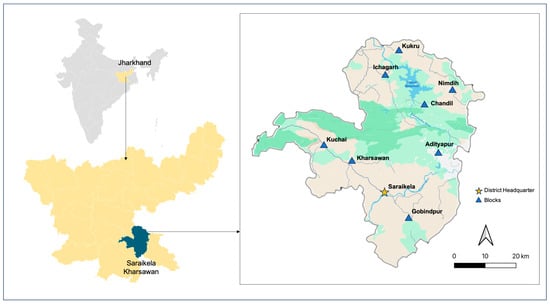
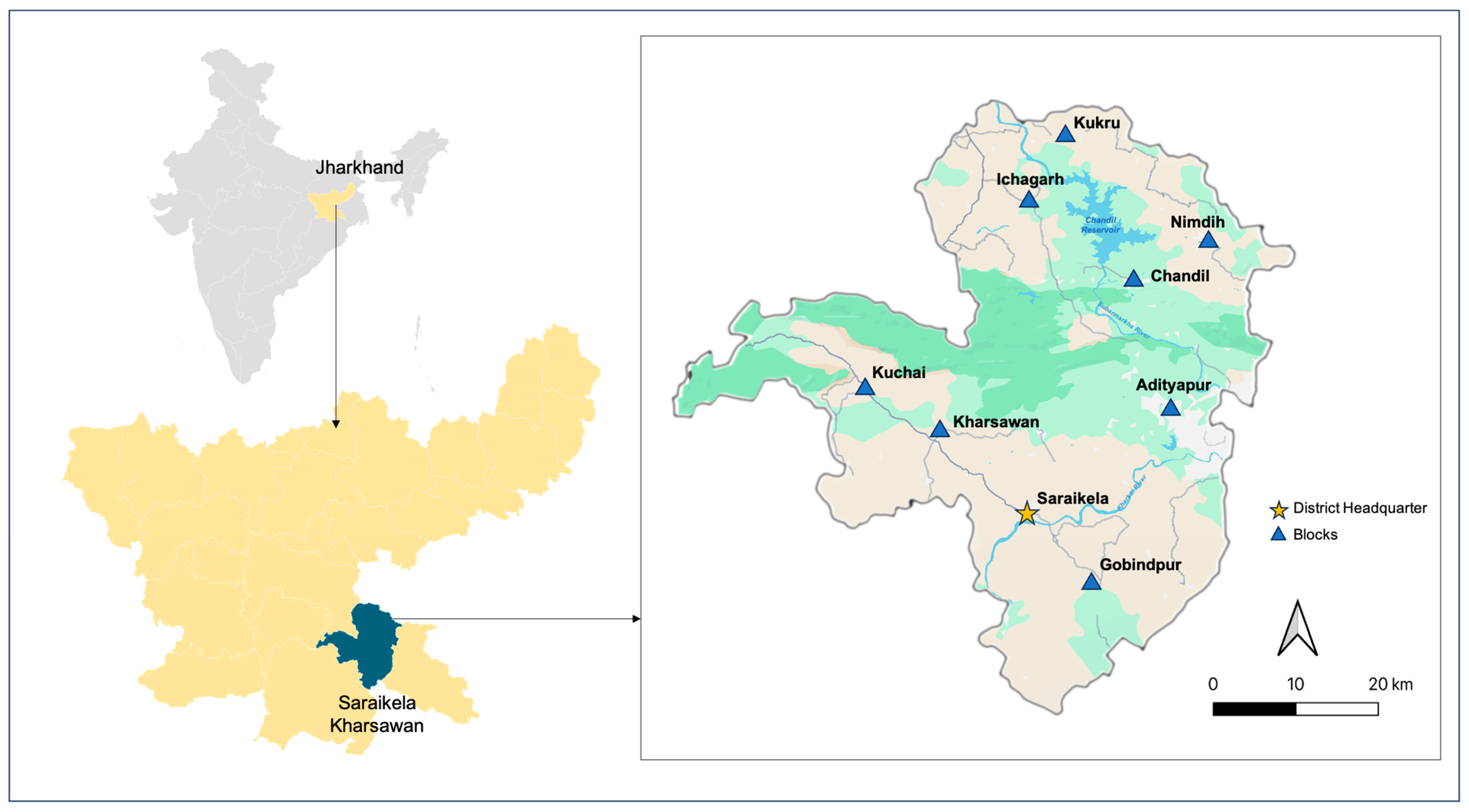
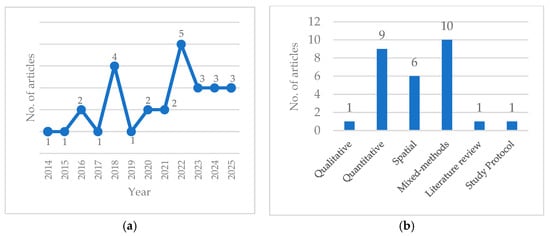
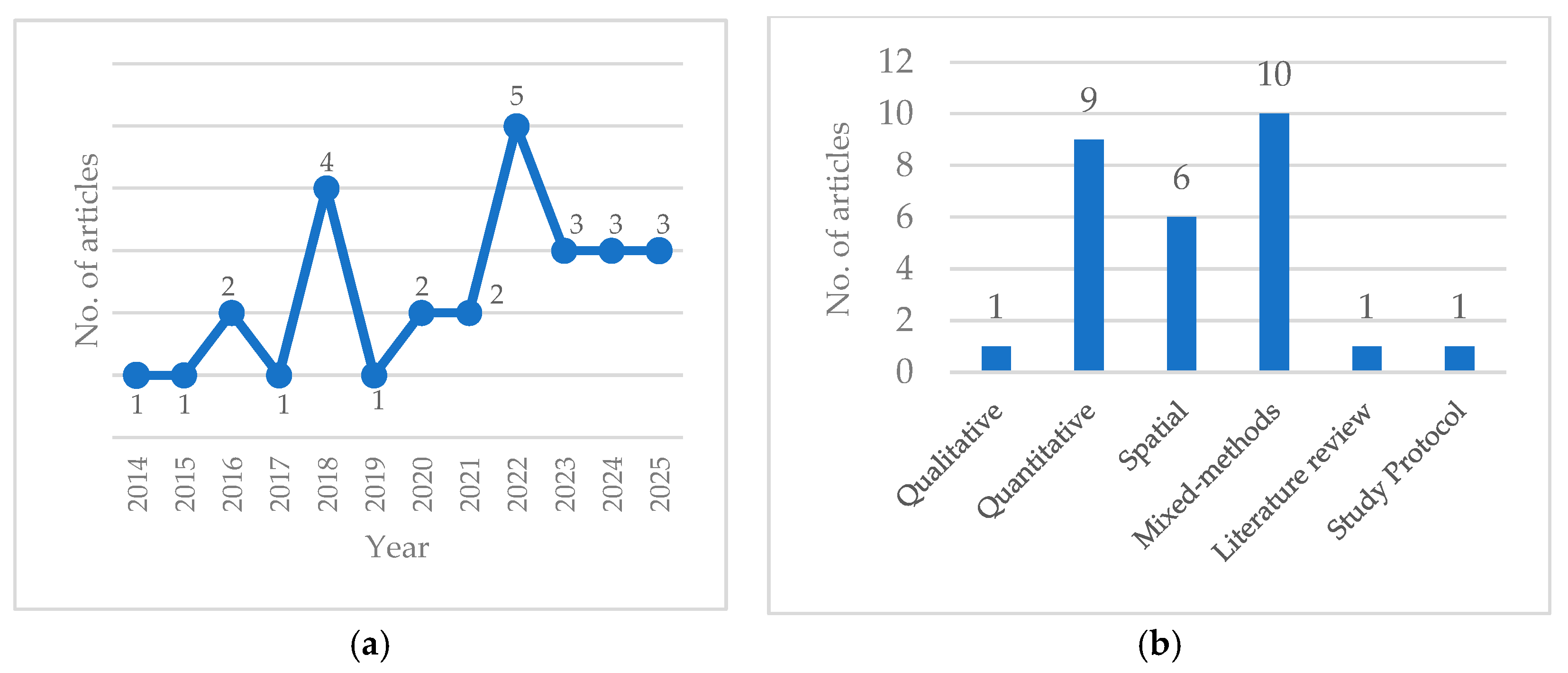
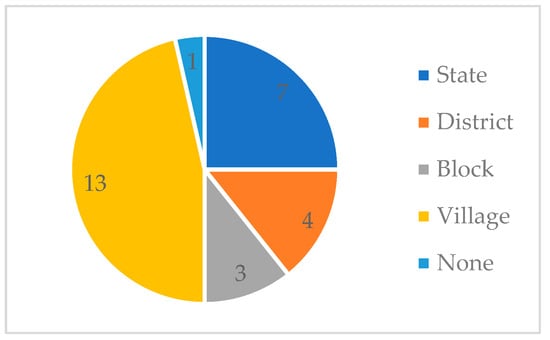
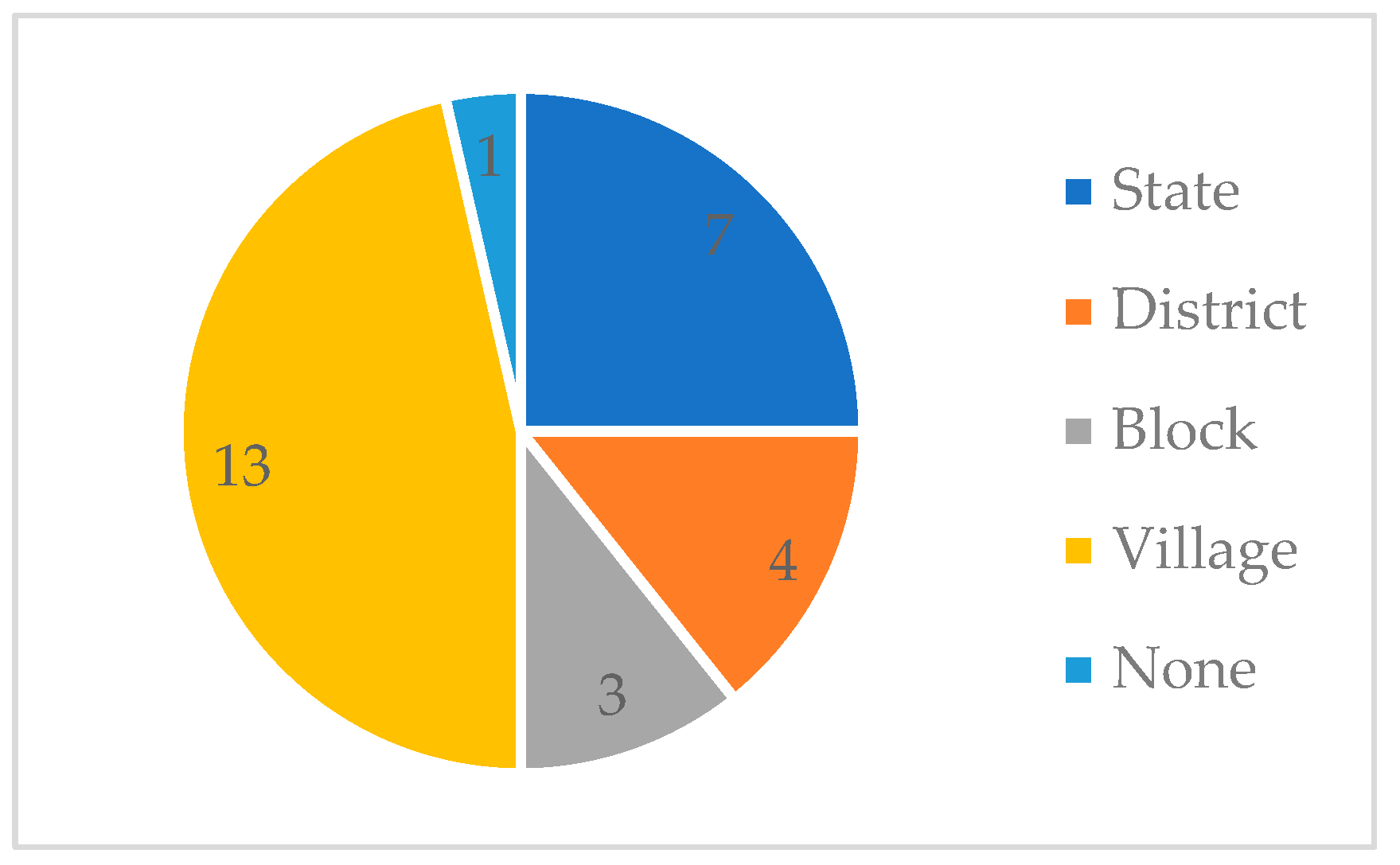
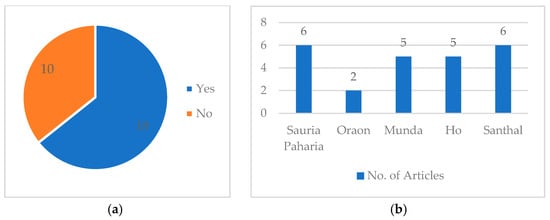
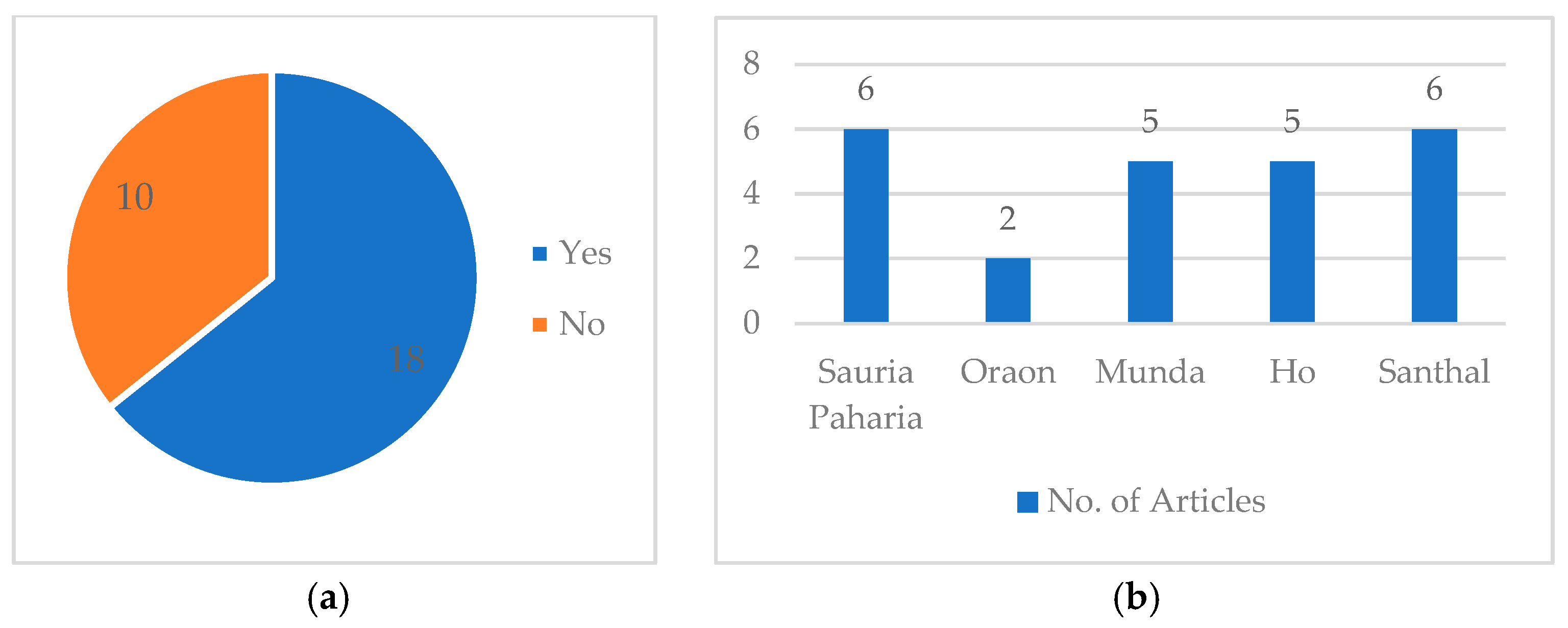
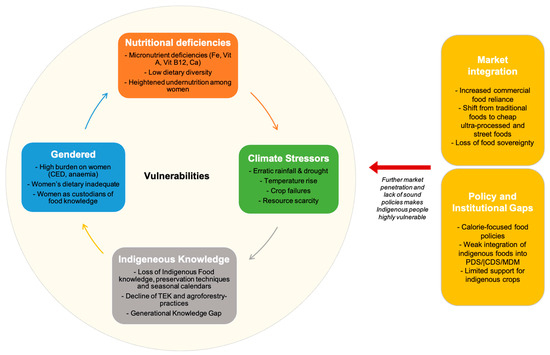
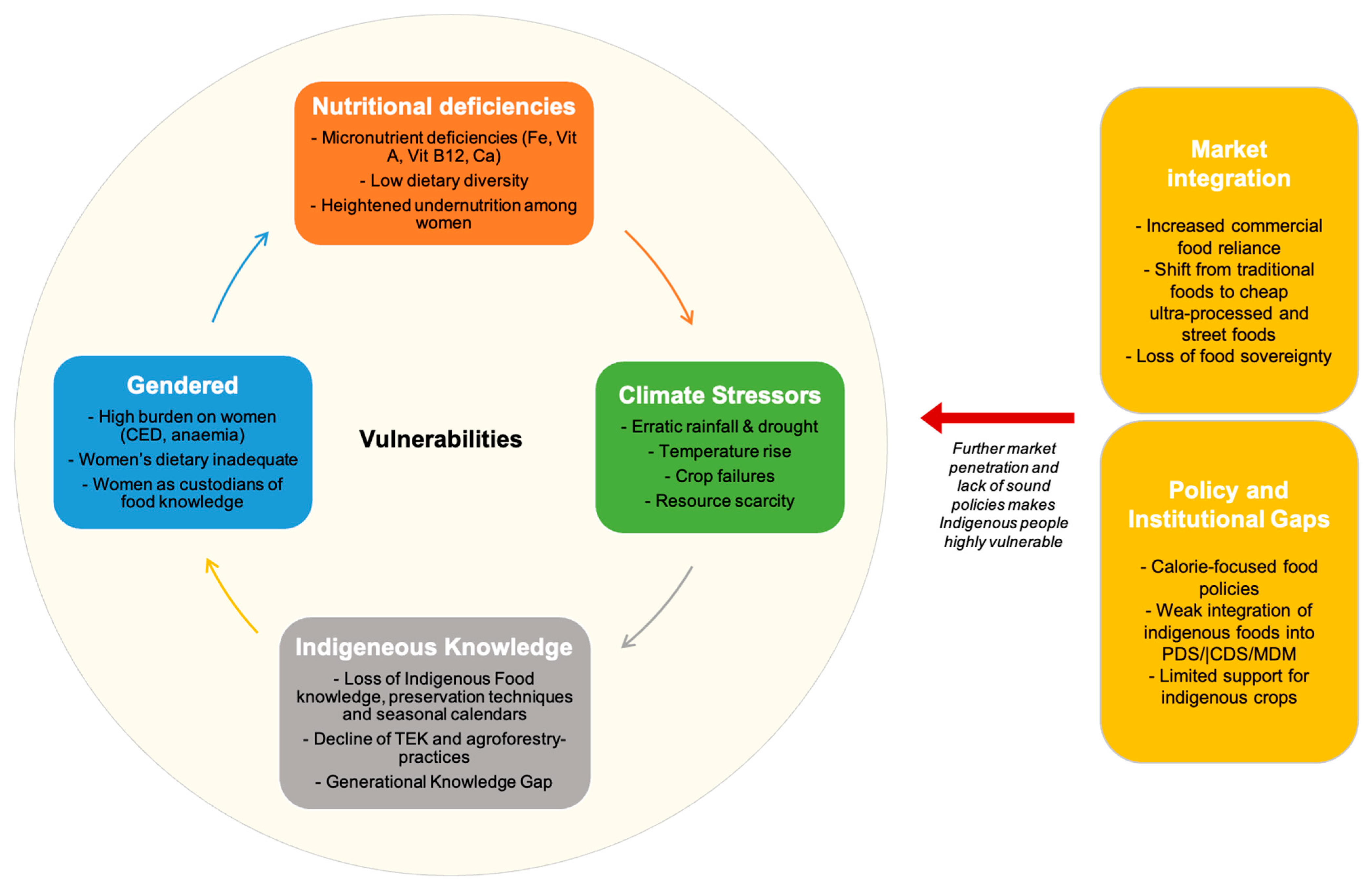
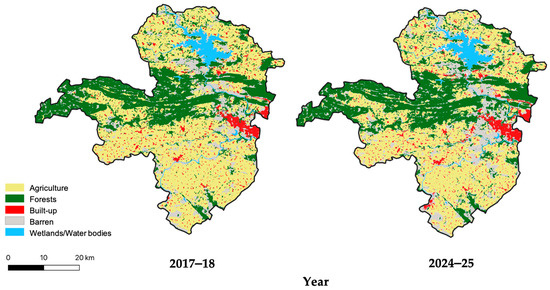
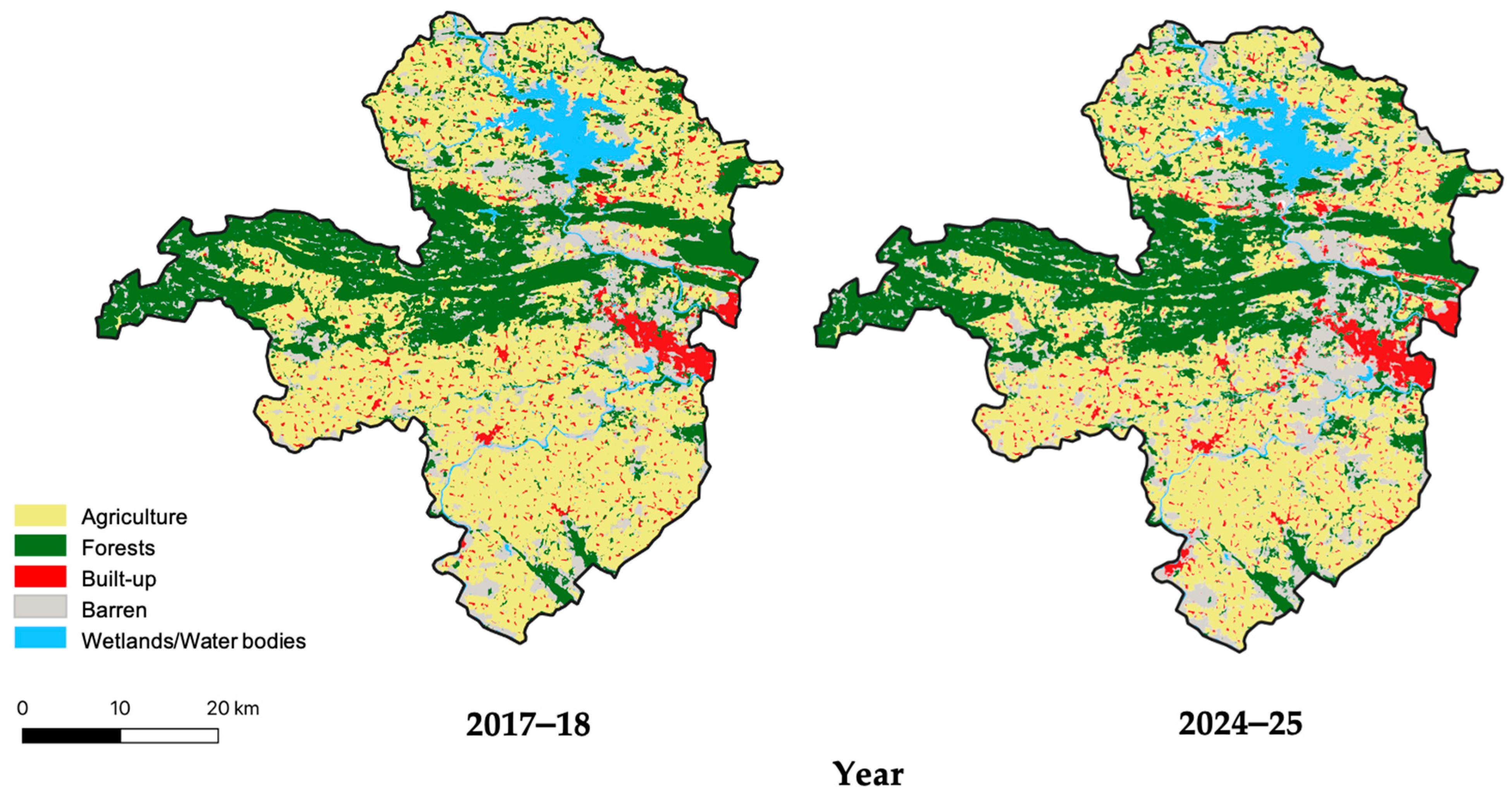
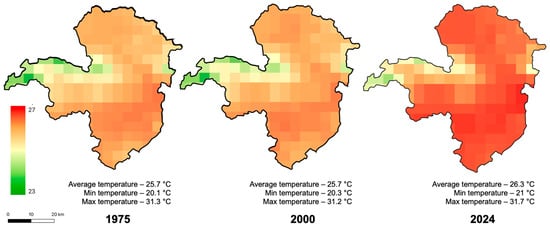
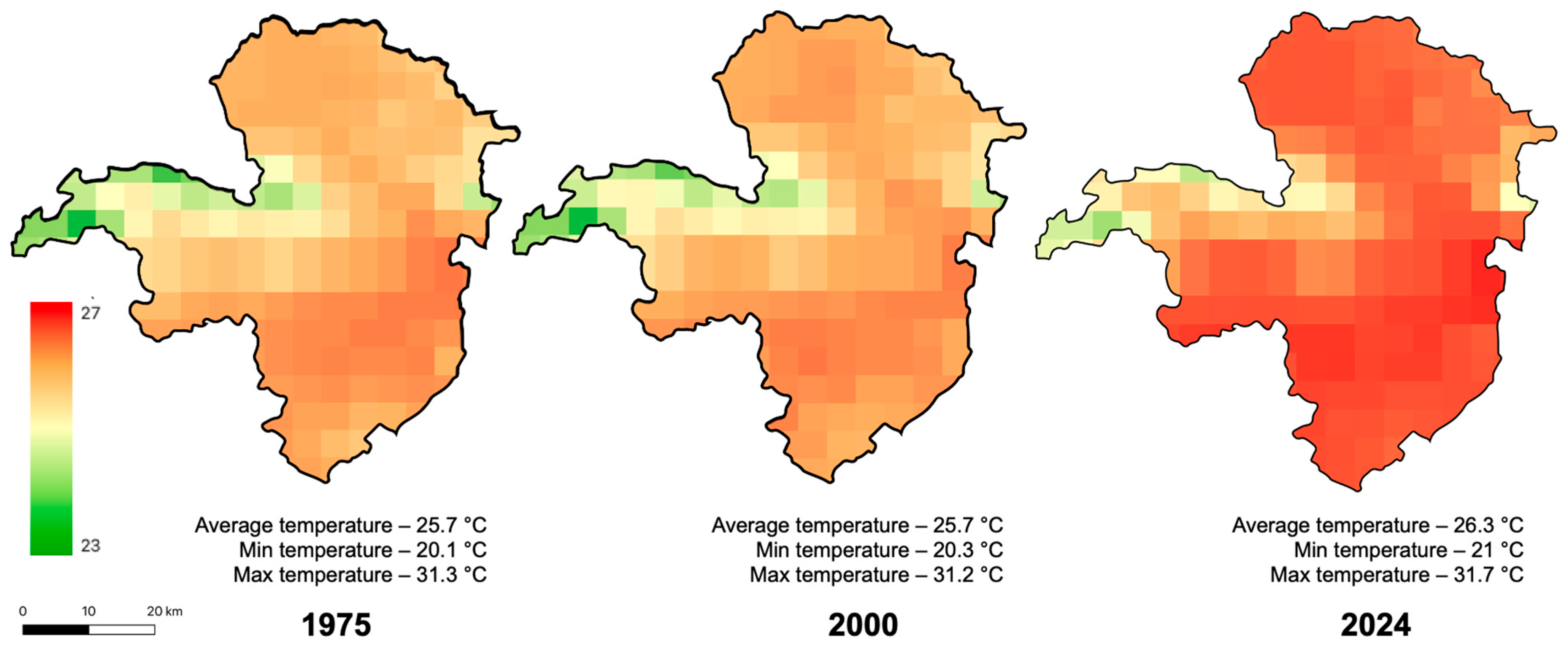
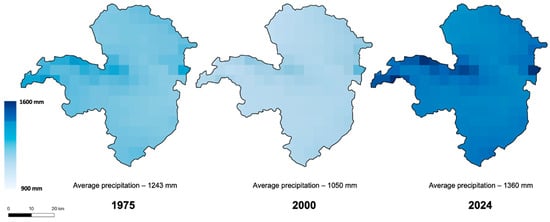
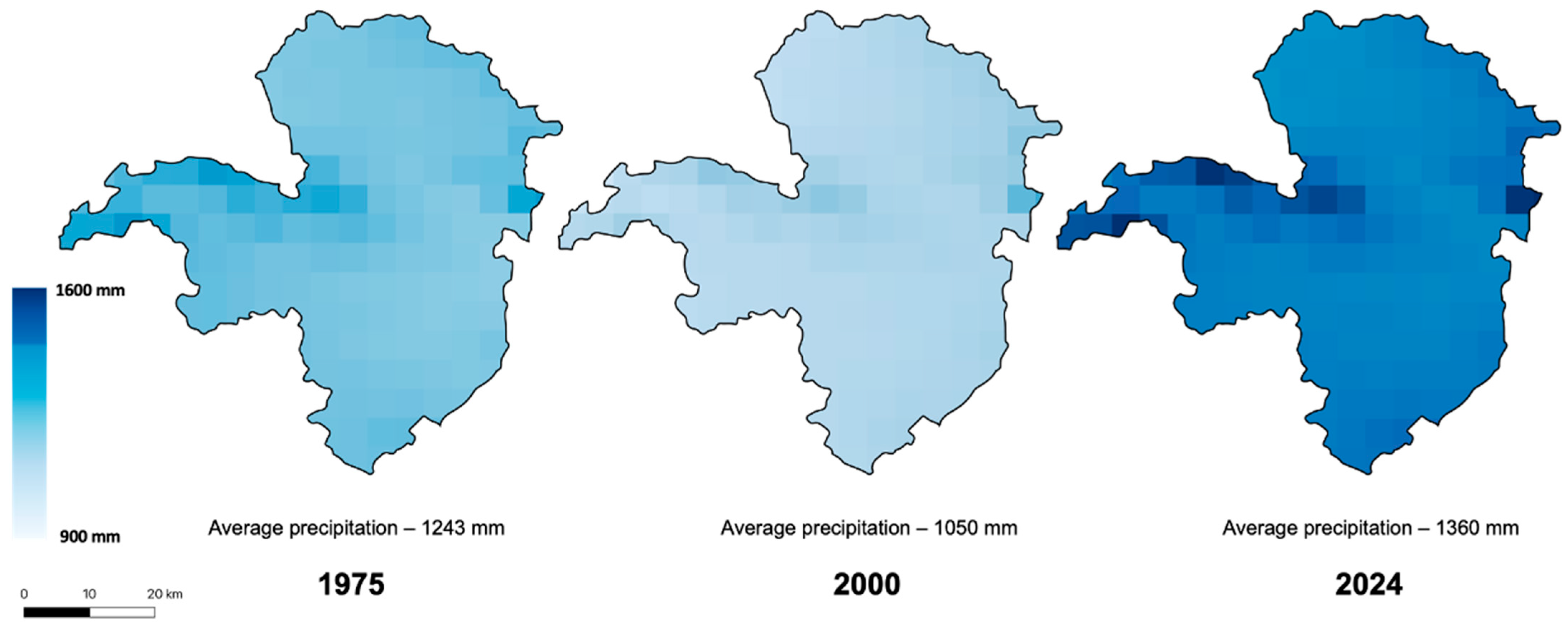
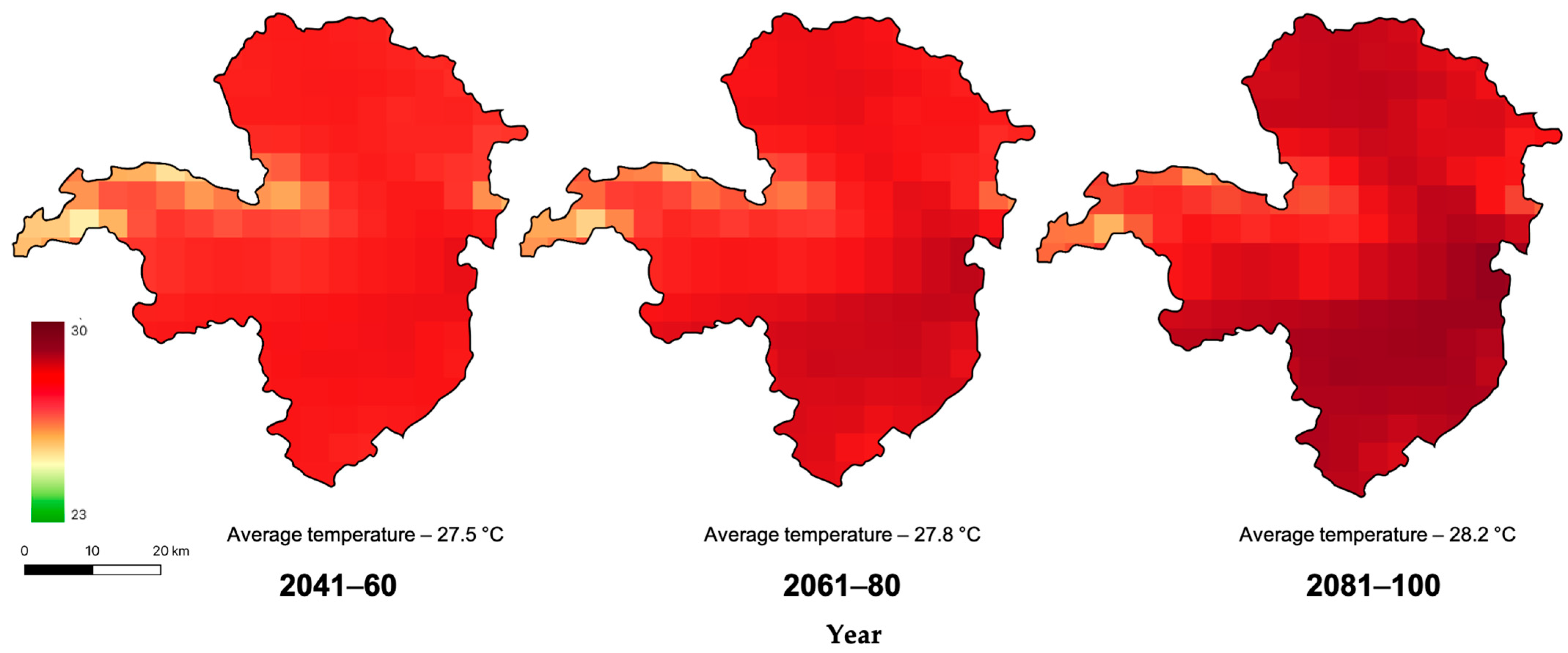
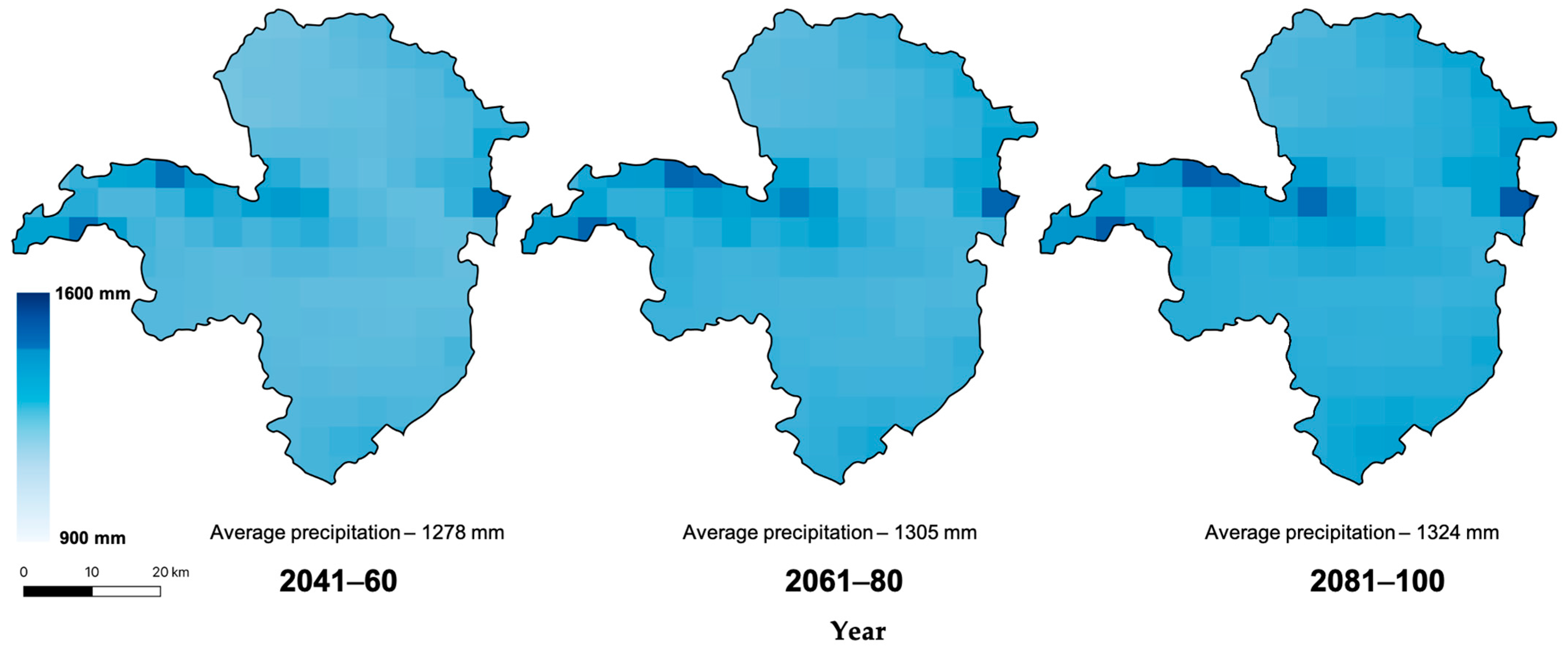
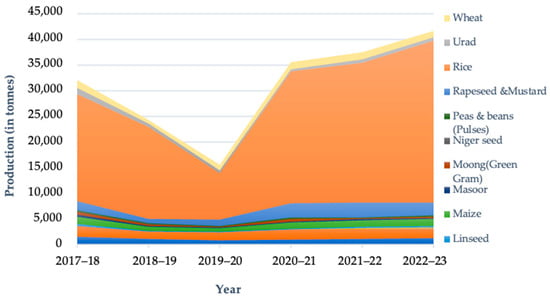
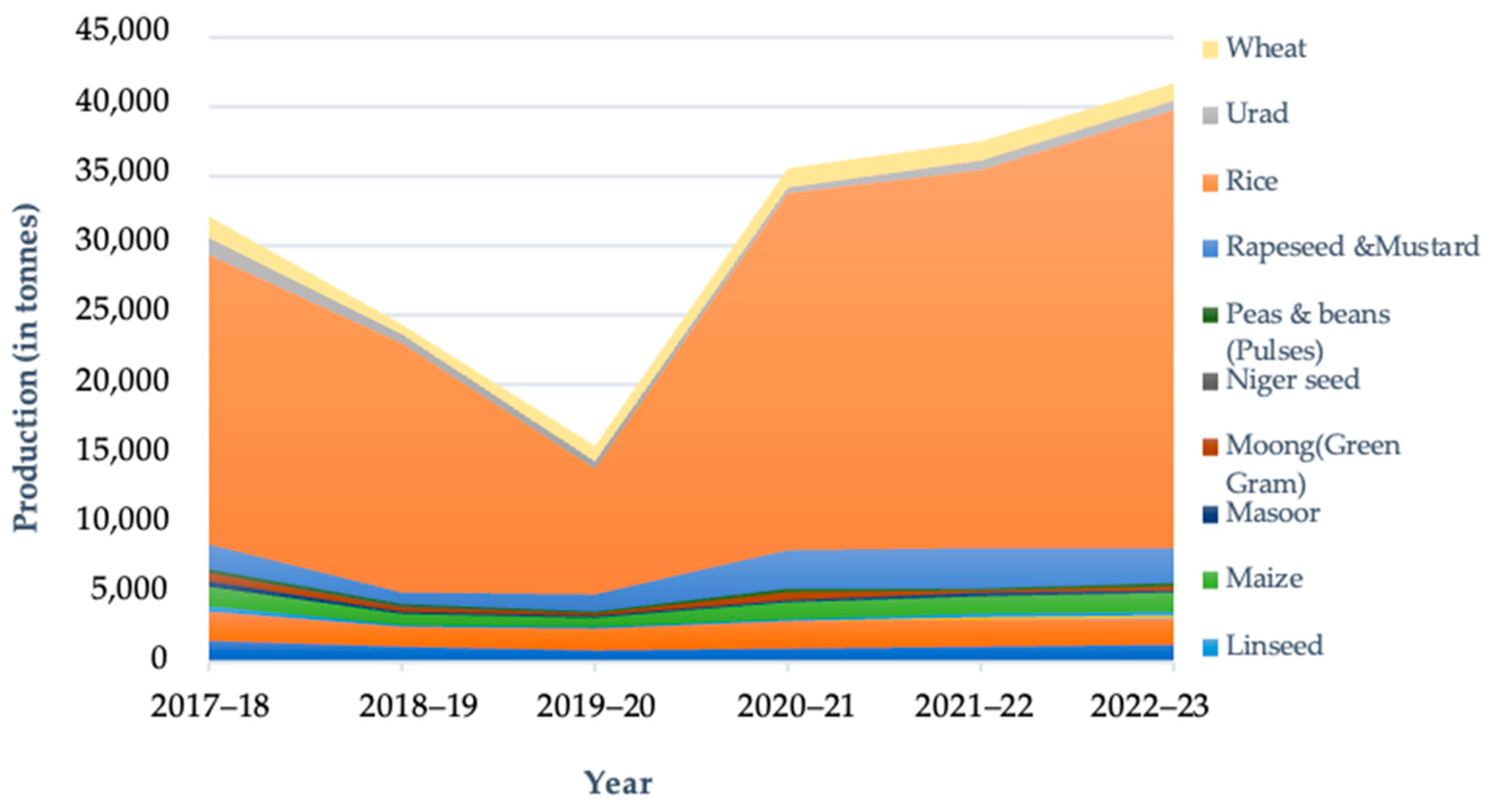
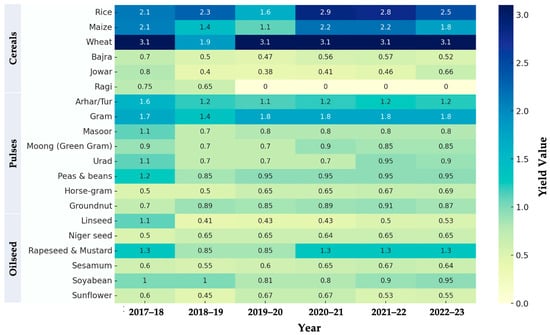
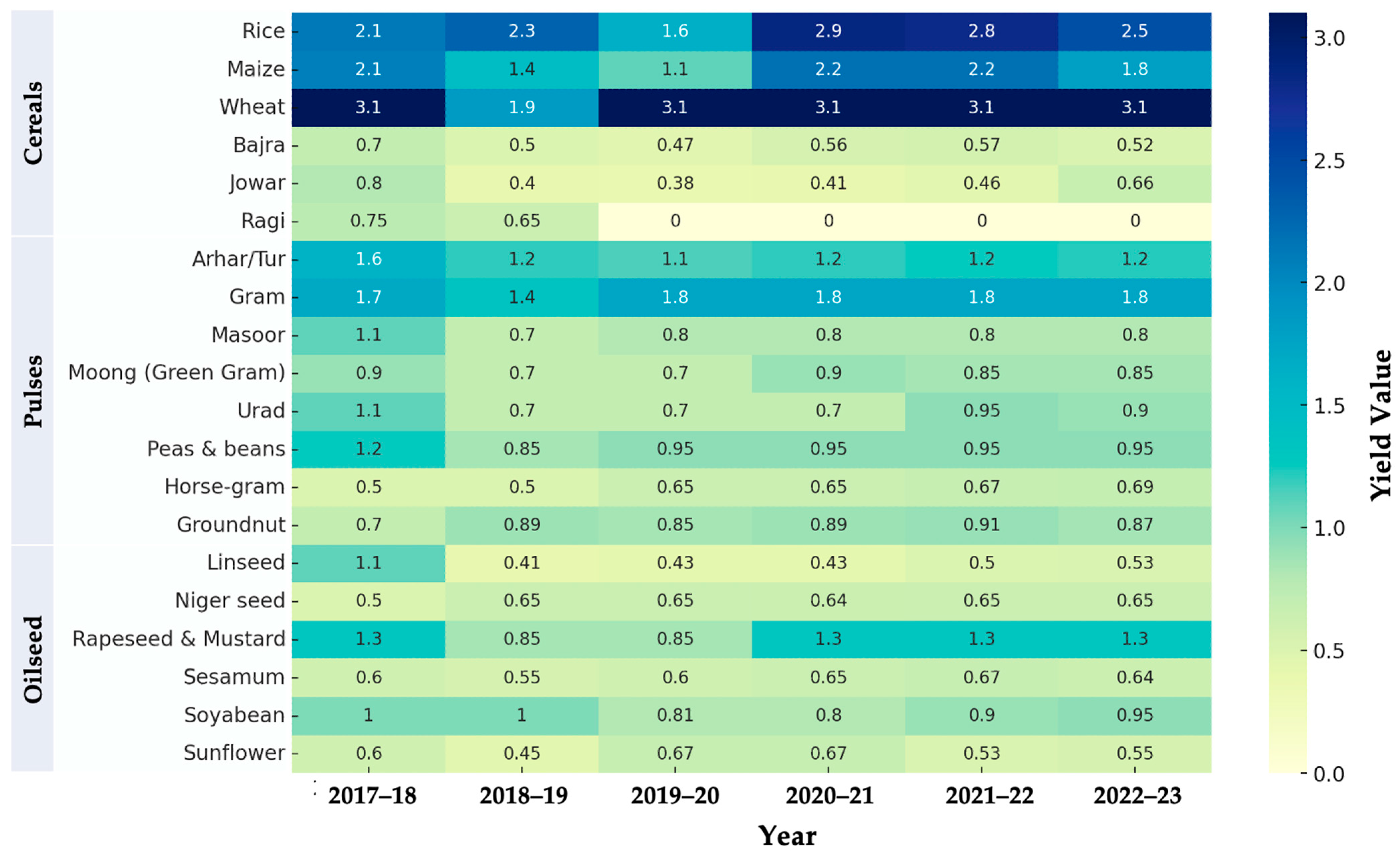

Disclaimer/Publisher’s Note: The statements, opinions and data contained in all publications are solely those of the individual author(s) and contributor(s) and not of MDPI and/or the editor(s). MDPI and/or the editor(s) disclaim responsibility for any injury to people or property resulting from any ideas, methods, instructions or products referred to in the content. |
© 2026 by the authors. Licensee MDPI, Basel, Switzerland. This article is an open access article distributed under the terms and conditions of the Creative Commons Attribution (CC BY) license.