


Abstract
Per- and polyfluoroalkyl substances (PFASs) are persistent, surface-active contaminants for which soil represents the largest terrestrial reservoir. This review synthesizes a rapidly expanding but fragmented body of literature in order to reframe PFAS not merely as a groundwater transport problem but as a systemic stressor of soil health, drawing together their reported effects on the chemical, physical and biological properties of soils and giving particular attention to the calcareous, alkaline, carbon-poor and seasonally dry soils of the Mediterranean. The reviewed evidence suggests that, chemically, PFASs perturb the coupled carbon and nitrogen cycles rather than the bulk soil reaction, transiently stimulating and then depressing organic carbon turnover, drawing down the dissolved organic carbon pool and disturbing nitrification, while their retention and bioavailability are governed chiefly by organic carbon, chain length and pH. Physically, the surfactant character that defines these molecules lowers the surface tension of soil water and concentrates PFASs at the air–water interface, so that in unsaturated and drought-prone soils much of the burden is retained and then released episodically, most clearly on rewetting after dry periods. Biologically, the literature consistently reports dose-dependent declines in microbial viability, diversity and enzyme activity, alongside toxicity to earthworms and other soil fauna, with sensitivity strongly modulated by soil texture and organic matter. Across all three domains, the Mediterranean emerges as both potentially vulnerable and conspicuously understudied, the available data being clustered in a few western countries and effectively absent for much of the eastern and southern basin, so that the regional assessment offered here rests largely on mechanistic inference rather than on direct observation. The review argues that these coupled mechanistic and geographic gaps define an urgent, region-specific research agenda for the protection of soil health.
1. Introduction
1.1. What Are PFASs?
Per- and polyfluoroalkyl substances (PFASs) are a large family of more than eight thousand synthetic organofluorine compounds defined by the presence of at least one fully fluorinated methyl or methylene carbon. Their defining structural feature is a perfluorinated carbon chain, in which the hydrogen atoms of a hydrocarbon are replaced by fluorine, terminated by a functional head group that is most often a carboxylate or a sulfonate [1,2]. The carbon–fluorine bond is among the strongest in organic chemistry, and it confers on PFASs’ exceptional thermal and chemical stability, resistance to acids, bases and oxidants, and near total resistance to biological degradation, so that the terminal perfluoroalkyl acids (PFAAs) are effectively persistent under environmental conditions [1,3]. These properties, together with their surfactant behavior, have led to their use in more than two hundred application areas, from firefighting foams and textiles to food contact materials and, notably for agriculture, a substantial share of authorized pesticide active substances [2,4,5]. The abbreviation PFAAs is used from this point onward for the terminal, fully formed perfluoroalkyl acids, that is, the PFCAs and PFSAs that are the stable end products of the PFAS family, in order to distinguish them consistently from the polyfluorinated precursors that transform into them and from PFASs as the overarching class term.
Two attributes of the molecule are decisive for its behavior in soil. First, PFASs are amphiphilic surfactants, combining a hydrophobic and oleophobic fluorinated tail with a hydrophilic head, which makes them strongly surface active and drives their accumulation at solid, liquid and gas interfaces [6,7]. Second, their environmental properties vary systematically with perfluorinated chain length and head group, so that the family spans a continuum from strongly retained long chain compounds such as perfluorooctane sulfonate (PFOS) and perfluorooctanoate (PFOA), through mobile short chain compounds such as perfluorobutanoate (PFBA), perfluorobutane sulfonate (PFBS) and perfluorohexanoate (PFHxA), to the ultra-short chain trifluoroacetic acid [3,8,9]. A further and often overlooked class is the polyfluorinated precursors, which are not themselves terminal but are transformed in soil into persistent PFAA and can represent the majority of the organofluorine mass in biosolids and contaminated soils [10,11,12]. This chemical diversity means that PFASs cannot be treated as a single contaminant, and their effects on the soil must be considered class by class.
It is worth stating the underlying structure-property basis at the outset, because every chemical, physical and biological effect discussed below follows from a small number of molecular features. These are the three features already introduced above, namely the stability of the carbon–fluorine bond, the length of the fluorinated chain and the chemistry of the head group, which together with surface activity form the common thread connecting the three domains reviewed below. Because chain length is used throughout this review as a grouping criterion, the thresholds adopted are stated here at first mention and follow the internationally used convention. Long-chain denotes perfluoroalkyl carboxylic acids (PFCAs) with eight or more carbons, that is, seven or more perfluorinated carbons, of which PFOA (C8) is the reference compound, and perfluoroalkane sulfonic acids (PFSAs) with six or more carbons, of which PFHxS (C6) is the reference compound. Short-chain denotes PFCAs with four to seven carbons and PFSAs with four to five carbons, for example PFBA (C4) and PFBS (C4). Ultra-short-chain denotes compounds with two to three perfluorinated carbons, of which trifluoroacetic acid (TFA, C2) is the principal representative [9]. These thresholds are applied consistently in the text and in Table 1, Table 2, Table 3 and Table 4.
1.2. Sources, Pathways and Behavior of PFASs in Soils
PFASs reach soils through a small number of dominant pathways, all of which are intensified in intensively managed and water-scarce agricultural systems. The land application of biosolids and sewage sludge is the best documented and most widely quantified source, because wastewater treatment concentrates PFAS from the urban and industrial water cycle into the solid residuals, and controlled field studies show that soil concentrations rise approximately linearly with cumulative biosolids loading [13,14,15,16]. These same organic residues, together with the plastic films and mulches used in intensive production, are also the dominant sources of microplastic particles to agricultural soils, where polyethylene and polypropylene are the polymers most frequently recovered and where particle size governs how deep they travel down the profile [17], and where polyethylene and polyethylene terephthalate have been shown to modify nutrient availability, organic matter turnover and the extractability of potentially toxic elements within a few months of incubation [18,19].
A critical feature of these materials is that a large fraction of the fluorine mass is present as polyfluorinated precursors rather than as PFAAs, so that the amended soil becomes a slow-release reservoir that generates mobile short-chain products for years or decades [10,20,21]. The reuse of treated wastewater for irrigation delivers dissolved PFAS directly to the root zone, and in the Mediterranean this practice is concentrated in the scarce coastal and water zones where freshwater is limiting [22,23,24,25]. A third and under-regulated source is the intentional application of fluorinated pesticides, whose degradation products include short-chain and ultra-short-chain acids [4,5,26]. Finally, atmospheric transport and deposition distribute volatile precursors and ionic PFASs across the landscape and establish a diffuse background even in remote and pristine settings, of the order of tens of picograms per gram in surface soils [27,28,29].
Once in the soil, the fate of PFAS is governed by the interaction between the properties of the molecule and the properties of the soil, and this fate determines how much of the contaminant is delivered to the biological and physical compartments in which it exerts its effects. Retention is controlled by sorption to soil organic matter and mineral surfaces, and the soil water distribution coefficient increases systematically with perfluorinated chain length and with the sulfonate head group, so that long chain compounds are strongly and often nearly irreversibly retained while short chain compounds are weakly held and readily leached [7,8,30,31]. Because organic carbon, pH, mineralogy and exchangeable cations all modify sorption, no single soil property predicts retention, and the controls interact in ways that are especially important in carbonate-rich and low-carbon soils [32,33,34,35].
As surfactants, PFASs also accumulate at the air–water interface of the unsaturated zone, which can dominate their retention and delay transport to groundwater by decades [6,36]. Superimposed on these retention processes are two dynamic pathways of particular relevance to seasonally dry soils, the microbial transformation of precursors into mobile PFAAs [11,12,37], and the episodic mobilization of short-chain PFASs during drying and rewetting [38,39]. These pathways connect the soil source to the crop, groundwater and human receptors that lie at the end of the source to pathway to receptor chain [40,41,42]. Figure 1 presents the sources, pathways and fate of PFASs in agricultural soil systems.
Figure 1.
Sources, pathways and fate of PFAS in soil systems.
1.3. PFAS in Mediterranean Soils and the Limited Evidence Base
Mediterranean soils present a coherent and, for PFASs, adverse combination of properties. They are frequently calcareous and alkaline, low in organic carbon because of rapid mineralization and long dry summers, often affected by salinity and by high concentrations of calcium and magnesium, and subject to pronounced drying and rewetting cycles and, in coastal plains, to saline intrusion. Each of these attributes maps onto a known control of PFAS behavior, and because alkaline pH and low organic carbon tend to weaken sorption while calcium and drying and rewetting drive episodic release, the Mediterranean would, on mechanistic grounds, be expected to favor the mobility and bioavailability of the more soluble PFASs, although this expectation rests on process understanding transferred from other regions rather than on measurements made in Mediterranean soils [33,35,43]. At the same time, the water scarcity of the region has made biosolids application and treated wastewater reuse mainstream practice and concentrates fluorinated pesticide use, so that source pressure and vulnerable soil conditions coincide [4,23,44].
These are also soils that already carry other persistent contaminant loads under the same climatic constraints. Microplastic addition to Mediterranean agricultural soils raises the bioavailability of lead and zinc and enhances soil to plant transfer, with the strongest responses in slightly acidic soils and weaker ones where carbonate buffering dominates [45]; the flood and wildfire cycles that increasingly characterize the region redistribute potentially toxic elements and polycyclic aromatic hydrocarbons across the landscape while altering the pH, cation exchange capacity and organic matter content that govern the retention of any subsequent input [46]; and the amendments most commonly proposed to immobilize such contaminants act largely by raising soil pH, which is the one lever least available in soils that are already alkaline [47]. PFASs therefore enter a system that is already multiply stressed and in which the conventional remediation levers are constrained.
Despite this combination, the primary evidence base for PFASs in Mediterranean soils is remarkably thin and geographically uneven. Usable soil and connected matrix datasets exist for parts of Spain, including sorption measurements, river and aquifer surveys and biosolids-amended soil experiments [30,48,49,50,51,52], for the Maltese islands, which provide one of the few true Mediterranean agricultural soil datasets [28], and for the eastern rim in Israel and Jordan [53,54]. Beyond these clusters, the record is largely blank for review papers considering European countries. No peer-reviewed study of PFAS effects on agricultural soil could be identified for Greece, for Türkiye or for the North African Mediterranean, even though predictive mapping suggests that large areas of southern European topsoil may already exceed the concentration at which mobilization threatens water quality [55]. This scarcity, and the fact that most mechanistic studies of PFAS effects on soil have been performed on temperate and often acidic or organic-rich soils and in China, is itself a central motivation for the present review and a clear signal that far more Mediterranean-specific research is required [56,57].
It is useful to state at this point how the present review differs from those already available, since several syntheses of PFAS in soil exist. The existing reviews are, however, organized around single compartments or single processes. Sorption and desorption behavior has been reviewed in depth [7,31,32], subsurface occurrence, fate and transport have been treated from a hydrogeological perspective [36], agricultural sources and plant uptake have been synthesized separately [40,41], the effects on soil biota have been reviewed as an ecotoxicological problem [56,58], the consequences for soil structure and function have been addressed in a short overview [59], and remediation options have been the subject of dedicated critical reviews [60,61]. What none of these does is read the chemical, the physical and the biological evidence together as one perturbation of soil quality, and none of them examines that perturbation through the specific pedo-climatic filter of the Mediterranean. The contribution of the present review is therefore twofold: it integrates the three property domains around a single mechanistic explanation, and it uses the calcareous, alkaline, carbon-poor and seasonally dry character of Mediterranean soils as the lens through which the generic evidence is reinterpreted, thereby making explicit both what is known and where the regional evidence is missing.
2. Materials and Methods
The present study was conducted as a literature and semi-integrative critical review. The aim was to synthesize and critically evaluate the effects of PFAS on the chemical, physical and biological properties of soils, with emphasis on Mediterranean and on analogous calcareous, alkaline, saline and semi-arid systems.
This work is therefore a narrative, integrative literature review, and its purpose is not to pool results statistically but to present and organize the available data, information and theory in a coherent form. The evidence is structured according to the three classes of soil properties that PFASs affect, namely the chemical, the physical and the biological, a scheme chosen because it mirrors the way soil quality itself is assessed and because it allows the links between the three domains to be made explicit.
An extensive literature search was performed across the major scientific databases, namely Scopus, Web of Science, PubMed and Google Scholar, selected to cover soil science, environmental chemistry, agronomy, soil microbiology and ecotoxicology, and complemented by targeted retrieval of regulatory and gray literature from the European Commission, the European Environment Agency, the European Food Safety Authority, the European Chemicals Agency and recognized monitoring programmers. The search combined a PFAS term block, comprising terms such as PFAS, PFOS, PFOA and perfluoroalkyl, with a soil and soil property block, comprising terms such as soil organic carbon, dissolved organic carbon, pH, cation exchange capacity, nitrification, soil enzyme, microbial community, water repellency, aggregate, respiration, earthworm and collembola, and a Mediterranean and analog block, comprising terms such as Mediterranean, calcareous, alkaline, saline and semi arid, all combined with Boolean operators. The search was restricted to English-language records and gave priority to the period from 2020 onward while retaining a limited number of foundational earlier studies.
The search was last updated on 17 June 2026. As an example of the full strings used, the Scopus query was TITLE-ABS-KEY((“PFAS” OR “per- and polyfluoroalkyl” OR “perfluoroalkyl” OR “PFOS” OR “PFOA”) AND (“soil” OR “soil organic carbon” OR “dissolved organic carbon” OR “cation exchange capacity” OR “nitrification” OR “soil enzyme” OR “microbial community” OR “water repellency” OR “aggregate” OR “respiration” OR “earthworm” OR “collembola”)), with equivalent syntax applied in Web of Science and PubMed and an additional Mediterranean and analog block (“Mediterranean” OR “calcareous” OR “alkaline” OR “saline” OR “semi-arid”) used to retrieve the region-specific records. The selection procedure itself was deliberately simple, and it is described here as it was actually carried out.
To indicate the volume of literature handled, the searches were re-run on 17 June 2026 with the publication period restricted to 2011 onward, the range spanned by the cited literature. Scopus returned 2747 records, Web of Science 2674 and PubMed 1318; that is, 6739 records in total; removal of duplicates by digital object identifier, and by normalized title where no identifier was available, left 3331 unique records. These were screened at title and abstract level against four requirements: a PFAS term in the title; a soil term in the title; a soil property, process or organism endpoint in the title, abstract or keywords; and the absence of an exclusively non-soil matrix such as blood, serum, drinking-water treatment or marine biota. Four hundred and seventy-five records met these requirements and were assessed for eligibility, and the studies among them bearing directly on the three property domains were read in full. Ninety-two sources were retained in total, comprising those identified through this screen together with the regional records returned by the Mediterranean and analog block, which was run separately on the de-duplicated corpus, and further studies located by hand-searching the reference lists of the retained reviews. These counts were obtained by re-running the searches rather than logged prospectively, and the number of records read in full text was not recorded at the time. Of the 99 sources cited, 68 are peer-reviewed primary research articles, and 27 are peer-reviewed review or synthesis articles.
Because this is a narrative rather than a systematic review, and because the body of work addressing PFAS effects on soil properties, and in particular on Mediterranean soils, is still small, the number of usable records was modest and could be handled by direct reading rather than by a formal multi-stage protocol. Retrieved titles and abstracts were assessed against the criteria set out above; the studies judged relevant were read in full, and the reference lists of the retained reviews were hand-searched for additional sources. No duplicate independent screening, quantitative record accounting or formal exclusion audit was performed, since the size of the usable evidence base did not require it and the objective was to present and organize the available evidence rather than to estimate a pooled effect.
Records were retained under the following inclusion criteria. A study was included if it was a peer reviewed primary study, a critical or systematic review, a regulatory scientific opinion or a quality assured monitoring report, if it concerned the soil compartment or the water, sediment, crop or exposure compartments directly connected to soils, if it addressed PFAS as defined by the presence of at least one fully fluorinated carbon, spanning legacy, short chain, ultra short chain and precursor compounds, and, for the results tables, if it reported a quantitative measurement of a soil chemical, physical or biological property, of a sorption or transport parameter, or of a transfer or toxicity endpoint. Mechanistic studies from any region were admitted in order to establish process understanding, while priority was given to Mediterranean and to calcareous, alkaline, saline and semi-arid analogs.
Records were removed under the following exclusion criteria. A study was excluded if it lacked a clear experimental design or reported no quantitative results, if it was an opinion piece without evidence or a predatory source, if it concerned only marine biota, indoor air or consumer products with no soil or agricultural link, if it addressed organofluorine compounds not meeting the PFAS definition, or if it presented a dataset superseded by a later and more complete version. After deduplication, title and abstract screening, full-text assessment against these criteria, and hand searching of the reference lists of retained reviews, the final corpus comprised the peer-reviewed articles and regulatory sources cited in this review.
For clarity, the term PFAS is used throughout in its broad sense and covers five groups that are treated separately wherever the evidence allows: the legacy long-chain perfluoroalkyl acids, subdivided into perfluoroalkyl carboxylic acids (PFCAs, for example PFOAs) and perfluoroalkane sulfonic acids (PFSAs, for example PFOS and PFHxS); the short-chain homologs, defined here as PFCAs with fewer than eight carbons and PFSAs with fewer than six; the ultra-short-chain compounds with two to three perfluorinated carbons, such as trifluoroacetic acid (TFA); the polyfluorinated precursors that are not themselves perfluoroalkyl acids but transform into them in soil; and the ether-based fluorinated alternatives introduced as replacements for the legacy compounds, such as cC6O4. Individual compounds are denoted by their standard acronyms.
Given the heterogeneity of soil types, exposure concentrations and analytical methods, the review does not adopt a strict meta-analytical framework, but an integrative synthetic approach, in which results are interpreted within their experimental context and common mechanistic patterns are identified. Following the practice adopted for this rapidly growing field, particular attention was given to extracting quantitative results from the abstracts and highlights of recent studies, in order to ensure consistency and to allow reliable tabulation. Each retained study was entered into a structured extraction matrix, which served both as the audit trail for the synthesis and as the input for the Mediterranean assessment presented in Section 3.4 and the discussion in Section 4.
3. Results
3.1. PFAS and the Chemical Properties of Soil
The chemical influence of PFAS on soil operates less through changes in bulk soil reaction than through the carbon and nitrogen chemistry of the soil solution and the activity of the enzymes that mediate nutrient cycling. Mechanistically, this arises from three coupled processes. Because PFASs are amphiphilic anions, they interact with dissolved organic matter, with the mineral exchange complex and with microbial membranes [33,43,62]. Because they are persistent, they impose chronic energetic and osmotic stress on the microbial populations that drive soil chemical transformations [63,64]. And because their sorption is chain length dependent, the fraction that remains bioavailable in the soil solution, and therefore chemically active, is dominated by the short-chain compounds [8,9,30].
It is worth setting out this partitioning mechanism in more detail, because it controls how much of the contaminant is chemically available to act on the soil in the first place. Sorption of the anionic PFAAs proceeds through two coupled contributions, a hydrophobic association of the fluorinated tail with soil organic matter and a polar or electrostatic interaction of the head group with charged mineral surfaces, and the balance between them shifts with soil reaction. Surface complexation modeling on iron-rich minerals shows that under acidic conditions, the acids are held by outer-sphere and hydrogen-bonded complexes, whereas above about pH five and a half to six, the surfaces and the anions repel one another and weaker hydrophobic partitioning takes over, so that in alkaline soils, a larger fraction of the compound stays in solution and remains chemically and biologically active [8,33,35].
Divalent cations such as calcium and magnesium partially counteract this by bridging the anions to organic and mineral surfaces, but the same cations reshape the dissolved organic carbon into larger colloidal aggregates whose fate is ambiguous, so that the net bioavailable pool in a calcareous, cation-rich soil is the product of several competing processes rather than a single equilibrium [32,43]. This is the mechanistic reason why the chemical effects described below would be expected to be stronger, and the active fraction larger, in the alkaline and carbonate-rich soils that dominate the Mediterranean than in the acidic organic soils where much of the mechanistic work has been carried out [30,34].
The most consistently reported and quantitatively substantial effect is on the dissolved organic carbon pool and on the mineralization of soil organic carbon. In controlled incubations at environmentally realistic concentrations, PFOA and PFOS accelerated the consumption of dissolved organic carbon, which declined by roughly eight to twenty two per cent under PFOAs and by eleven to seventeen per cent under PFOS as concentration increased, while the mineralization of soil organic carbon was strongly stimulated in the short term, by between about ten and one hundred and twenty seven per cent within thirty days, before shifting to a marked suppression of fifty eight to sixty five per cent after ninety to one hundred and eighty days as the labile carbon became exhausted [65]. This biphasic priming, positive then negative, shows that PFASs perturb the soil carbon balance dynamically rather than by a simple depression of activity, and it is of particular concern in the already carbon-poor soils of the Mediterranean, where any acceleration of organic carbon loss threatens soil quality [59,65].
The nitrogen chemistry of the soil is affected in parallel and, importantly for the region, in a way that has been demonstrated directly in calcareous soils. PFOA and PFOS contamination limited the conversion of soil organic nitrogen to inorganic nitrogen while promoting gaseous nitrogen loss, and, in carbonate-rich soils, PFAS accelerated nitrification and raised nitrate production through a reinforced cooperation between ammonia-oxidizing archaea and complete ammonia oxidizing bacteria, while at higher exposure inhibiting some nitrifiers and promoting nitrate reducers, so that the balance of the inorganic nitrogen pool is disturbed [65,66,67]. The interaction runs in both directions, since the availability of nitrogen itself modifies the availability and turnover of PFAS in the soil [68].
Beyond carbon and nitrogen, PFASs have been shown to alter the chemical character of soil organic matter, decreasing its aliphatic and increasing its aromatic signature, and surface active long chain compounds can co mobilize other contaminants, whereas their effect on the bulk physicochemical status of the soil, that is on pH, electrical conductivity, cation exchange capacity and the pools of available phosphorus, potassium and micronutrients, is comparatively minor and inconsistent at realistic exposure, as shown by farm scale surveys that co measured the full nutrient panel with PFASs [64,69,70]. The chemical footprint of PFASs is therefore best understood as a targeted perturbation of soil carbon and nitrogen chemistry rather than a change in the bulk physicochemical status, and the quantitative evidence for these chemical variables is compiled in Table 1. In contrast, the closely related effects on soil enzymes and microbial respiration, being biological in nature, are treated with the other biological properties in Section 3.3 [59]. Figure 2 presents how PFAS perturb soil carbon and nitrogen chemistry.
Figure 2.
How PFASs perturb soil carbon and nitrogen chemistry.
Table 1.
Effects of PFASs on the chemical properties of soil and their partitioning behavior in soil, with results and interpretation. Numbers in brackets are reference identifiers. The “Study type” column names the design of each study, and the “Confidence in evidence” column grades it as High, Moderate or Low: High denotes a field-scale study, a systematic comparison across several soils, or a direct physicochemical measurement; Moderate denotes a single laboratory-scale study, a model-derived estimate, or a field survey without untreated controls; Low denotes a secondary review contributing no primary data. The grade refers to the design and scope of each study, not to the correctness of its results.
3.2. PFAS and the Physical Properties of Soil: Interfacial Behavior, Transport and Their Consequences for Soil Physical Quality
The physical influence of PFAS on soil follows directly from their status as highly surface-active molecules, more surface-active than conventional hydrocarbon surfactants because of the substitution of fluorine for hydrogen. Potassium perfluorooctane sulfonate, for example, can reduce the surface tension of water from about seventy-two to twenty-three millinewtons per meter at a few grams per liter, and it is this capacity to lower the surface and interfacial tension of the soil solution that underlies the physical effects [2,6]. By accumulating at interfaces, PFAs alter the wettability of the soil and the movement of water through it, and at sufficient concentration they produce surfactant-induced flow, in which the redistribution of surface tension drives pore water movement and modifies infiltration into hydrophobic media [6,36]. The same interfacial activity has a decisive effect on retention in the unsaturated zone, where adsorption at the air–water interface can account for more than half of the total retardation of PFOS, holding the compound in the profile with only one to two per cent present in the mobile aqueous phase and producing total retardation factors of the order of one hundred and fifty to more than one thousand three hundred [6].
A clarification of scope is needed here. Much of what follows concerns surface tension, adsorption at the air–water interface, transport retardation and release during drying and rewetting, and these are properly described as the interfacial and transport behavior of PFAS in soil rather than as direct effects of PFAS on soil physical quality in the classical sense of aggregate stability, bulk density or water-holding capacity. The two are treated together deliberately, for two reasons. First, the literature contains almost no measurements of PFAS effects on classical soil physical quality indicators, and this absence is itself one of the gaps the review identifies. Second, the interfacial behavior is not merely a transport phenomenon: by lowering the surface tension of the soil solution and accumulating at air–water interfaces, PFAS act directly on soil wettability and water repellency, which are recognized soil physical quality indicators and which in turn govern infiltration, preferential flow and the water available to roots and microorganisms. The section should therefore be read as describing the interfacial mechanism together with the soil physical properties it plausibly controls, while the direct measurement of aggregate- and structure-level endpoints remains outstanding.
The mechanism of this air–water interfacial retention deserves emphasis because it is peculiar to surfactants and is what distinguishes PFAS transport from that of ordinary solutes. In an unsaturated soil, the water is held as films and wedges around particles and in the necks between them, and the total area of the air–water interface is very large, tens to hundreds of square centimeters per cubic centimeter of soil, and grows as the soil dries and the films thin. Because PFAS molecules orient their fluorinated tail toward the air and their charged head toward the water, they adsorb at this interface in proportion to its area, so that a drying soil, counterintuitively, retains PFASs more strongly, and the retardation factor rises even though the water content falls [6,36].
The same surfactant behavior also drives the reverse process, because when the interfacial and hydrophobic loads are disturbed, for example by rewetting after drought or by a pulse of dissolved organic carbon, the redistribution of surface tension can mobilize the shorter and more soluble compounds and carry them, together with dissolved organic matter and fine colloids, into preferential flow paths that bypass the bulk soil [38,43]. This coupling of interfacial retention and surfactant-driven release is why the physical behavior of PFASs is so sensitive to the moisture cycling of Mediterranean soils, and why laboratory column tests run under steady saturation systematically underestimate the tailing and the long-term release observed in the field [37,39].
Because interfacial retardation increases as the soil dries, the long unsaturated periods of the Mediterranean year would be expected to amplify this physical control, while the same physics can be engineered for protection, since carbon based sorbent amendments exploit interfacial and hydrophobic partitioning to cut leaching by more than ninety nine per cent for long chain and by over eighty per cent for short chain compounds, and activated carbon at only one tenth of one per cent by weight raised PFOS adsorption by eighty to ninety nine per cent [57,73,74]. At the scale of soil structure, PFAS distribute themselves unevenly between aggregates, with PFOA and PFOS showing a bipolar migration into both macroaggregates and microaggregates under natural conditions, so that the internal architecture of the soil governs where the contaminants reside and how available they are [75].
The moisture regime then determines whether they are released, since the water saturation state controls the fraction that can be flushed, with about half to four-fifths of PFOS retained even after extensive flushing, and post-drought rehydration triggering a compensatory release of short-chain PFASs coupled to dissolved organic matter [37,38,39]. It must be emphasized, however, that direct measurements of the effect of PFASs on classical soil physical properties, such as aggregate stability, porosity, bulk density and hydraulic conductivity, remain very sparse, and the physical domain is at present the least studied of the three, which is itself an important finding and a priority for Mediterranean field research [7,59]. The available evidence is summarized in Table 2. Figure 3 presents the physical mechanisms of PFASs in soils.
Figure 3.
Physical mechanisms of PFASs in soils.
Table 2.
Effects of PFAS on the physical properties and water behavior of soil and their surfactant and interfacial behavior, with results and interpretation. The “Study type” column names the design of each study, and the “Confidence in evidence” column grades it as High, Moderate or Low: High denotes a field-scale study, a systematic comparison across several soils, or a direct physicochemical measurement; Moderate denotes a single laboratory-scale study, a model-derived estimate, or a field survey without untreated controls; Low denotes a secondary review contributing no primary data. The grade refers to the design and scope of each study, not to the correctness of its results.
3.3. PFAS and the Biological Properties of Soil
The biological compartment of the soil is the most responsive to PFASs and the best studied of the three domains. The mechanism of impact is twofold. PFASs impose direct toxicity on soil organisms, disrupting membranes and metabolism through their surfactant and persistent character, and they reshape the microbial community by selecting for tolerant taxa over sensitive ones [56,62,79]. At the level of the microbial community, exposure to PFOA reduced microbial viability by between eight and seventy-nine per cent at higher concentrations, with anaerobic soils more sensitive than aerobic ones, indicating that the redox status of the soil modulates the toxicity [80]. The response of community diversity is dose-dependent and non-monotonic, with low PFOS concentrations initially raising the Shannon diversity index before higher concentrations depressed it, and total PFASs above about one hundred micrograms per kilogram significantly reducing bacterial biodiversity, with the mean Shannon index falling from about six point five to six point one between low and high contamination [79,81]. These shifts are accompanied by a consistent enrichment of tolerant phyla, in particular Proteobacteria, which reached about twenty-nine to forty-eight per cent of the community in contaminated soils, together with Acidobacteria and Bacteroidetes [79,82].
The mechanism behind these responses reflects the same surfactant and persistence properties that govern the chemical and physical domains. As amphiphiles, PFASs insert into and disorder the phospholipid bilayer of microbial and animal cell membranes, increasing permeability and interfering with membrane-bound enzymes and transport, and this membrane disruption is the proximate cause of the impairment of microbial fatty acid metabolism and of the oxidative stress and loss of lysosomal membrane stability recorded in exposed earthworms [62,83]. Because the strength of this interaction rises with fluorocarbon chain length and varies with the head group, the toxicity to soil organisms follows the same structure-activity pattern as sorption and uptake, with the longer chain sulfonates generally more toxic and more bioaccumulative than the shorter carboxylates, and the ultra-short compounds least retained but most mobile [58,62,84].
At the community scale, the outcome is not a simple loss of biomass but a restructuring, in which sensitive taxa are replaced by tolerant Proteobacteria and Acidobacteria and the functional gene inventory for carbon and nitrogen cycling is reprogrammed, which explains why respiration and enzyme activities can be stimulated at low doses and suppressed at high doses, and why the nitrogen fixing and nitrifying guilds, being narrowly specialized, are among the first to be affected [67,85,86]. Finally, because soil fauna such as earthworms take PFASs up across the gut and body wall and accumulate them to biota-to-soil accumulation factors that can exceed those of legacy brominated pollutants, they act both as sensitive receptors and as agents that redistribute the contaminants through the profile and into the food web [51,63].
These community changes are not necessarily permanent, since a three-year field study found that the impact of PFOA on bacterial and fungal communities lessened after about two years, consistent with a partial adaptation of the soil microbiome to chronic exposure, and metagenomic analysis shows a reprogramming of carbon and nitrogen metabolic potential rather than a simple loss of function [85,86,87]. At the sub-cellular level, PFASs impair the fatty acid metabolism of soil microbes in a manner that depends on fluorocarbon chain length, head group and ether linkage, which provides a structural explanation for the chain length dependence observed in the enzyme and respiration responses [62]. Above the microbial scale, PFASs are toxic to the soil fauna that underpin soil structure and nutrient cycling. For the earthworm Eisenia fetida, median lethal concentrations are of the order of three hundred and sixty five to one thousand four hundred milligrams per kilogram for PFOS and five hundred and forty four to one thousand three hundred for PFOA, with PFOS approximately three times more toxic than PFOA, and no observed effect concentrations for mortality as low as seventy seven to one hundred and sixty milligrams per kilogram [58,83].
At higher exposures, the endpoints are severe, with perfluorohexane sulfonate at or above five hundred and PFOS at or above eight hundred milligrams per kilogram causing complete lethality, avoidance behavior exceeding seventy per cent and reaching total avoidance for PFOS above three hundred milligrams per kilogram, and reproduction impaired, while even sub-lethal PFOA induces oxidative stress, reduced lysosomal membrane stability and DNA damage [83,88]. Other key soil fauna are similarly affected, with the collembolan Folsomia candida showing reproduction inhibition concentrations of ninety-four milligrams per kilogram in a sandy loam and two hundred and thirty-three in a clay loam, the oribatid mite Oppia nitens being even more sensitive, and multigenerational exposure to short-chain PFAS producing cumulative effects [89,90]. These faunal effects feed back into the wider soil system, because earthworms both accumulate PFAS, with bioaccumulation factors that in Mediterranean biosolids-amended soils exceeded those of co-occurring brominated pollutants, and redistribute them through the profile [51,57,63]. The quantitative biological evidence is compiled in Table 3. Figure 4 presents the biological mechanisms of PFAS in soils.
Figure 4.
Biological mechanisms of PFAS in soils.
Table 3.
Reported effects of PFAS on the biological properties of soil, with quantitative results and interpretation. The “Study type” column names the design of each study, and the “Confidence in evidence” column grades it as High, Moderate or Low: High denotes a field-scale study, a systematic comparison across several soils, or a direct physicochemical measurement; Moderate denotes a single laboratory-scale study, a model-derived estimate, or a field survey without untreated controls; Low denotes a secondary review contributing no primary data. The grade refers to the design and scope of each study, not to the correctness of its results.
3.4. PFAS in Mediterranean Soils, Behavior and Effects Under a Distinctive Pedo-Climate
The three preceding sections have been drawn largely from temperate, humid and often Chinese or North American soils, because that is where the mechanistic and ecotoxicological work has been carried out. The Mediterranean, despite being one of the most intensively irrigated and biosolids-amended regions in Europe, is represented in this literature by only a handful of primary studies, and almost none of them measure the effects of PFAS on soil chemical, physical or biological properties directly. This subsection therefore does two things. It reads the mechanisms established above through the specific chemistry, physics and biology of Mediterranean soils, and it assembles, in Table 4, the quantitative evidence that does exist from studies conducted in Mediterranean countries, so that the size and the shape of the gap become explicit [28,30,55].
Because the strength of the evidence differs sharply between statements in this section, three categories are distinguished explicitly and are used consistently below and in Table 4. Direct Mediterranean evidence denotes measurements made on soils, waters or organisms of Mediterranean countries. Indirect evidence from analogous soils denotes measurements made elsewhere on calcareous, alkaline, saline or seasonally dry soils that share the relevant properties but not the region. Mechanism-based inference denotes statements derived by applying an established process understanding to Mediterranean conditions in the absence of any measurement, and these are the weakest of the three and are signaled in the text by conditional wording. Almost all of the statements concerning effects on soil chemical, physical and biological properties in the Mediterranean fall into the third category; the direct evidence is confined largely to occurrence, sorption and transfer.
Chemically, Mediterranean soils are calcareous, alkaline and low in organic carbon, and every one of these attributes points in the direction of a larger bioavailable and chemically active fraction of PFAS. The alkaline reaction weakens the electrostatic and surface complexation retention that holds the anions on mineral surfaces, so that desorption and leaching are enhanced, and this has been shown directly for alkaline soils and confirmed by the surface complexation switch that occurs above about pH six [35,43]. The low organic carbon content removes the dominant sorbent, so that the mineral surfaces, the pH and the high calcium and magnesium content of these soils assume proportionally greater control, a regime in which organic carbon alone is a poor predictor of behavior [32,33]. The Spanish sorption measurements that exist for these conditions confirm the resulting mobility hierarchy, with distribution coefficients for perfluorooctane sulfonate ranging from five to two hundred and ninety-five milliliters per gram, for perfluorooctanoate from about two to thirty-eight, and for perfluorobutane sulfonate below seven, and with the sulfonate sorbing nearly irreversibly [30,48]. Because the acceleration of nitrification by PFAS has been demonstrated specifically in calcareous soils, the carbonate-rich soils of the region may be among those in which the nitrogen cycle is most susceptible to disturbance [66].
It should be added that the net bioavailable pool in such cation-rich soils is not the outcome of a single equilibrium but of several competing processes, and this complexity is easily understated. A closely parallel situation has been characterized in the trace-metal literature, where whole-cell bioreporter measurements in cation-dissolved organic matter–metal ternary systems showed that Ca2+ and Mg2+ can either compete with dissolved organic matter for binding sites, and so raise the bioavailable fraction, or saturate the binding sites of the cell membrane, and so lower it, with the direction of the effect switching from antagonistic to synergistic as a function of cation concentration [94]. Mediterranean soils combine the two conditions under which this behavior would be expected to matter, namely high exchangeable Ca2+ and Mg2+ and a low content of organic carbon, and an analogous concentration-dependent transition may therefore govern the bioavailability of anionic PFAS. This remains an inference by analogy rather than a demonstrated result for PFAS, and it is flagged here as a specific and testable hypothesis for future work.
Physically, the defining feature of the Mediterranean is the long seasonal drought punctuated by intense rewetting, and this moisture cycling drives the air–water interfacial retention and the surfactant-induced release described in Section 3.2. During the dry season the thinning of water films increases interfacial retardation and holds PFAS in the profile, while the first autumn rains and irrigation events rewet the soil and can trigger the compensatory release of the short chain compounds together with a flush of dissolved organic carbon, a sequence that maps almost exactly onto the paddy drying and rewetting experiments and onto the water saturation experiments on contaminated soils [6,38,39]. In the coastal plains, the additional presence of saline intrusion and high ionic strength further modifies colloidal transport, and the deltaic aquifer evidence from Spain, in which trifluoroacetic acid and other ultra-short and short-chain compounds dominate, shows that these mobile fractions are already reaching Mediterranean groundwater [43,50].
Biologically, the evidence from Mediterranean countries is almost entirely confined to bioaccumulation and crop transfer rather than to effects on the soil community, but what exists is consistent with the mechanisms set out above. In Spanish biosolids-amended soils, the transfer and bioaccumulation of PFAS into crops and earthworms exceeded that of co-occurring brominated pollutants, with maize bioaccumulation factors reaching several hundredfold, and a formal risk assessment of the same system found risk characterization ratios below unity for soil organisms at agronomic application rates, indicating measurable but not acutely toxic exposure [51,52]. For the novel ether PFAS cC6O4, produced in Italy as a replacement for perfluorooctanoate, the first terrestrial ecotoxicity data show that earthworm reproduction is the sensitive endpoint, with a median effect concentration of about ten milligrams per kilogram, while mortality does not occur below well over a thousand, making it less toxic than the legacy compounds but still active on soil fauna [91]. Taken together, the Mediterranean-specific record is thin, geographically clustered in Spain, Italy, Malta and the eastern rim, and almost silent on the direct effects of PFAS on soil chemical, physical and biological properties, which is the central evidence gap this review identifies. The quantitative Mediterranean studies are collected in Table 4.
Table 4.
Quantitative studies of PFAS behavior and effects in soils of Mediterranean countries. The country column identifies the study location. New sources are highlighted in the reference list. The “Study type” column names the design of each study. In this table, Direct denotes evidence obtained in a Mediterranean country and Indirect evidence obtained on an analogous calcareous, alkaline, saline or seasonally dry soil elsewhere, as defined in Section 3.4; the accompanying High, Moderate or Low grade refers to the design and scope of the study, not to the correctness of its results.
3.5. Differences in Behavior and Effects Among PFAS Classes
The behavior of PFASs in soil varies systematically among structural classes, and the differences are large enough that they should be stated separately rather than subsumed under a single label. In terms of retention and mobility, sorption affinity rises with fluorinated chain length and, at equal chain length, is higher for sulfonates than for carboxylates: distribution coefficients fall in the order PFOS > PFOA > PFBS, and desorption is correspondingly least reversible for PFOS, with recoveries below 13% against 24 to 58% for PFOA and 32 to 60% for PFBS [30]. The same ordering governs leaching, with sorbent amendment reducing leachate by more than 99% for long-chain compounds but only 83 to 96% for short-chain ones [73], and it governs adsorption at the air–water interface, which increases with chain length and is the mechanism that holds the long-chain fraction in the unsaturated zone [39]. Ultra-short-chain compounds sit at the far end of this continuum, being effectively unretained and reaching groundwater first [9,50], while polyfluorinated precursors behave as a delayed source, sorbing and transforming over time into the PFAA and thereby sustaining concentrations long after the primary input has ceased [11,12].
Bioaccumulation and transfer to organisms invert part of this ordering. Uptake and translocation into plants decrease with increasing chain length, so that the short-chain compounds that are least retained by the solid phase are the most efficiently transferred to crop tissue, whereas the long-chain compounds accumulate preferentially in roots and in soil fauna [40,41,84]. The ultra-short-chain fraction, dominated by TFA, is essentially unretained and unaccumulated in the classical sense but is correspondingly mobile, and it is this fraction that dominates the deltaic aquifer evidence from Spain [50]. Precursors constitute a distinct case again, since they are themselves neither strongly sorbed nor strongly bioaccumulative, but act as a reservoir that progressively releases perfluoroalkyl acids in soil, so that the measured acid concentration underestimates the eventual burden [11,12].
Toxicity and biological effects follow the same structural logic but not identically. Within the legacy compounds, lethality and sublethal effects on earthworms depend on both chain length and head group, with sulfonates generally more potent than the corresponding carboxylates [58,88], while impairment of microbial fatty acid metabolism has been shown to depend explicitly on fluorocarbon chain length, head group and ether attachment [62]. Short-chain compounds, although individually less potent, produce cumulative responses across generations in soil invertebrates and so carry a chronic rather than an acute risk [90]. The ether-based alternatives are not simply benign substitutes: cC6O4 is markedly less toxic than PFOS or PFOA in terms of mortality, yet reproduction remains the sensitive endpoint, with an EC50 of 10.4 mg/kg [91]. Read together, these differences mean that generalized statements of the form “PFAS inhibit” or “PFAS cause” are only defensible where an effect has been observed across several classes; elsewhere in this review, the compound or class actually tested is named, and the reader is referred to the PFAS column of Table 1, Table 2 and Table 3, in which every reported effect is attributed to specific compounds.
4. Discussion
4.1. Synthesis: PFAS as a Systemic Stressor of Soil Quality
Read across the three domains, the evidence describes a soil system that is perturbed by PFAS in a coherent and mutually reinforcing way, so that PFAS are best understood not as a narrow toxicological problem but as a systemic stressor of soil quality. The chemical effects, concentrated on the dissolved carbon pool, on nitrogen cycling and on the enzymes that mediate them, are driven by the same microbial populations whose viability, diversity and functional potential are altered in the biological domain, so that the chemical and biological responses are two views of a single microbial perturbation [62,65,80]. The physical domain links the two to water, because the surfactant activity that governs wettability and interfacial retention also determines how much of the contaminant is delivered to the microbial and faunal receptors and how much is exported to water [6,39].
Placed in the Mediterranean setting, these processes acquire a specific edge. The acceleration of nitrification demonstrated in calcareous soils bears directly on the carbonate-rich soils of the region and raises the prospect of PFAS-aggravated nitrogen depletion in already nitrogen-limited systems [66]. The biphasic suppression of organic carbon mineralization acts on soils that are already low in organic carbon and vulnerable to further loss [65]. The episodic release of short-chain PFAS on rewetting is plausibly triggered by the drying and rewetting cycles that define the Mediterranean climate [38]. The syndrome that emerges is a systematic pressure on soil functions in exactly the conditions where those functions are most fragile.
It is useful to state explicitly the concept underpinning this framing. Soil quality, used here synonymously with soil health, is understood as the continued capacity of a soil to function as a living system that sustains biological productivity, maintains environmental quality and supports plant, animal and human health. Because that capacity rests on the coupled chemical, physical and biological functioning of the soil, a contaminant that perturbs all three domains simultaneously, as PFAS do, acts on soil quality in the full sense of the term rather than on any single property in isolation.
It is worth setting out the integration explicitly, because the three preceding sections are necessarily presented in sequence but describe one causal chain rather than three parallel stories. The chain begins with a single physicochemical fact: that sorption of PFAA is governed by organic carbon, chain length and pH (Table 1). That fact determines the size of the dissolved, bioavailable pool, and the size of that pool is simultaneously the input to the physical domain and to the biological one. In the physical domain, the dissolved fraction is what partitions to the air–water interface, so the same property that makes a soil a weak sorbent also makes it a system in which PFAS are held interfacially and released episodically on rewetting (Table 2).
In the biological domain, the dissolved fraction is what soil organisms are exposed to, so the rewetting pulse and the chain-length ordering established chemically reappear as the exposure regime and the toxicity ordering measured biologically (Table 3). The chain then closes on itself, which is the point that makes a PFAS a systemic rather than an additive stressor: the microbial community suppressed in the biological domain is the same community that mineralizes organic carbon and oxidizes ammonium in the chemical domain, so a biological effect propagates back into the chemical one, and because organic carbon is itself the master sorbent, any loss of it feeds back once more into the size of the bioavailable pool. Read in this way, the three domains are one loop with three measurement points, and the Mediterranean case is potentially severe because its defining properties, high pH, low organic carbon and pronounced drying and rewetting, act on three different points of the same loop at once.
The distribution of the evidence, however, does not match the importance of the problem, as set out in Section 3.4 and Table 4. The chemical and biological effects are documented mainly in temperate or Chinese soils and inferred for the Mediterranean by analogy; the physical effects are sparsely studied everywhere, and direct Mediterranean field studies of PFAS effects on soil properties are effectively absent for most of the basin, with no dataset at all for Greece, Turkiye or North Africa [28,55,56]. This is the central gap that the review exposes, and it defines a clear agenda of Mediterranean field experiments on calcareous, alkaline, saline and seasonally dry soils, coupled to standardized measurement of soil enzymes, microbial indicators and faunal endpoints.
4.2. The Regulatory Framework and Its Gaps
The regulatory response to PFAS has advanced fastest for the receptor at the end of the chain and slowest for the soil at its center. European regulation now limits the sum of twenty PFAS and total PFAS in drinking water, and the European Food Safety Authority has set a tolerable weekly intake of four point four nanograms per kilogram of body weight for the sum of four PFAS, but there is no European limit value for PFAS in agricultural soil, so the soil reservoir that mediates every effect described in this review is unregulated [42,98,99]. The proposed universal restriction under the chemicals regulation would act at source, yet it exempts fluorinated pesticides on the assumption that they are handled under pesticide legislation, which does not evaluate their PFAS character or their persistent degradation products, leaving the agricultural soil exposed at exactly the point of Mediterranean vulnerability [4,5,26].
The instruments that govern the two dominant Mediterranean source pathways, the water reuse and biosolids frameworks, set no PFAS limits for these materials, and the region suffers from weak coordination between water, agriculture and chemicals policy and from limited monitoring of the soil compartment [23,44]. A framework that recognized the soil as the controlling compartment, with soil screening values based on soil quality endpoints as well as human health, with PFAS limits for biosolids and reclaimed water, and with the inclusion of fluorinated pesticides, would align policy with the soil science.
4.3. Management Implications and Research Priorities
Within this constrained regulatory space, the levers available to protect soils act on the source and on the soil pathway rather than on the contaminant itself, which resists destruction. The immobilization of PFAS by carbon-based amendments exploits the same interfacial physics that governs their retention and can sharply reduce leaching and bioavailability, interrupting both the soil-to-water and the soil-to-organism pathways, although its long-term durability under Mediterranean drying and rewetting remains to be confirmed [57,60,73,74]. Agronomic management of the source is equally important, since alternating reclaimed water with fresh water at sensitive crop stages substantially reduces transfer, and the control of biosolids loading limits the cumulative soil burden that drives the chemical and biological effects [13,21,25]. Destructive remediation by thermal or advanced processes remains restricted to excavated hotspots and is not suited to the diffuse contamination of agricultural land [61]. Beyond management, the review identifies a clear research agenda, namely standardized Mediterranean field experiments on calcareous, alkaline, saline and seasonally dry soils, the systematic reporting of soil enzyme, microbial and faunal endpoints alongside concentrations, the study of the least understood physical domain, and the extension of monitoring to the geographic blanks of Greece, Turkiye and North Africa [55,56,59].
4.4. Limitations
As a narrative review, this synthesis has limitations that should be kept in mind. The studies drawn together differ widely in experimental design, soil type and exposure concentration, and in many cases, the doses applied exceed those encountered in the field, so the reported effects indicate direction and mechanism more reliably than field magnitude; the newly added study-type and confidence columns of Table 1, Table 2, Table 3 and Table 4 make this heterogeneity explicit, but they cannot remove it. Long-term and field-scale observations remain scarce relative to short-term laboratory incubations, and effects on classical soil physical quality indicators are almost unmeasured. The search was restricted to English-language records, which may have excluded relevant work published in other languages of the Mediterranean basin, and reliance on published effects carries a risk of publication bias. Finally, and most importantly, much of the Mediterranean assessment rests on mechanism-based inference rather than direct measurement, as set out in Section 3.4. These constraints bound the strength of the conclusions and reinforce the need for the standardized regional research identified above.
5. Conclusions
This review has reframed PFAS in soil as a systemic stressor of soil quality rather than as a contaminant merely passing through, and has shown that their effects converge across the chemical, physical and biological domains onto a single underlying cause: the surfactant and persistent nature of the molecules acting on a microbially driven and water-mediated system. Chemically, PFAS perturb the carbon and nitrogen chemistry of the soil, accelerating organic carbon mineralization by up to 127% in the short term and then suppressing it by up to 65%, depleting dissolved organic carbon, disturbing nitrification and altering the character of soil organic matter, while leaving bulk pH, electrical conductivity and cation exchange capacity largely intact. Physically, their surface activity governs wettability, generates air–water interfacial retardation factors of the order of one thousand, and drives the drought-driven release of the mobile short-chain fraction. Biologically, they restructure the microbial community, suppress key enzymes such as urease by up to 65% and are toxic to the fauna that sustain soil function. These are not independent effects but three views of one perturbation.
For the Mediterranean, the implications appear to be sharpened rather than diluted, because the calcareous, alkaline, carbon-poor and seasonally dry soils of the region would be expected to amplify the processes—alkaline desorption, nitrification in carbonate soils and drying and rewetting release—that convert a persistent soil reservoir into transfer to water and crops. Moreover, the water scarcity that drives biosolids use and wastewater reuse delivers PFAS to these potentially vulnerable soils under the very conditions that make the region depend on those practices. Yet, the direct evidence for Mediterranean soils is sparse, clustered in Spain, Italy and Malta and absent for Greece, Turkiye and North Africa, and it is almost silent on effects rather than occurrence. The central conclusion is therefore twofold, and is offered as a direction for policy rather than as a prescription that the present evidence base can yet support in detail. First, the case assembled here suggests that PFAS would be more appropriately managed and regulated as agents capable of degrading soil quality than as substances of concern only for water, and options that merit consideration include soil-based screening values, PFAS limits for biosolids and reclaimed water, and the inclusion of fluorinated pesticides. Any such values would need to be derived from region-specific data that are not yet available, and the measures proposed here should be understood as priorities for evaluation rather than as thresholds ready for adoption. Second, a coordinated program of Mediterranean field experiments on calcareous, alkaline, saline and seasonally dry soils, reporting soil enzyme, microbial and faunal endpoints alongside concentrations, is required to close a gap that is at present both mechanistic and geographic, and would provide the direct evidence on which any regional regulatory values should ultimately rest.
Author Contributions
Conceptualization, T.M., A.S. and E.E.G.; methodology, T.M., A.S. and E.E.G.; software, T.M. and A.S.; validation, T.M., A.S. and E.E.G.; formal analysis, T.M. and A.S.; investigation, T.M., A.S. and E.E.G.; resources, E.E.G.; data curation, T.M.; writing—original draft preparation, T.M. and A.S.; writing—review and editing, T.M., A.S. and E.E.G.; visualization, T.M. and A.S.; supervision, E.E.G.; project administration, E.E.G.; funding acquisition, E.E.G. All authors have read and agreed to the published version of the manuscript.
Funding
This research received no external funding.
Institutional Review Board Statement
Not applicable.
Informed Consent Statement
Not applicable.
Data Availability Statement
Data that support the findings of this study are available from the corresponding author upon reasonable request.
Acknowledgments
The authors declare the following regarding the preparation of this manuscript. Figure 1, Figure 2, Figure 3 and Figure 4 are original conceptual diagrams prepared by the authors using Microsoft PowerPoint. The shapes, arrows, labels and layout were assembled by the authors, and no generative artificial intelligence tool was used to produce or modify them. The authors are not native English speakers and parts of the manuscript were drafted first in Greek; AI-assisted tools were used for translation into English and for subsequent language editing. This assistance was confined to language. The scientific content, the selection and interpretation of the literature and all conclusions are the authors’ own; every translated passage was checked and approved by the authors, and the authors take full responsibility for the content of the published work.
Conflicts of Interest
The authors declare no conflicts of interest.
References
- Evich, M.G.; Davis, M.J.B.; McCord, J.P.; Acrey, B.; Awkerman, J.A.; Knappe, D.R.U.; Lindstrom, A.B.; Speth, T.F.; Tebes-Stevens, C.; Strynar, M.J.; et al. Per and polyfluoroalkyl substances in the environment. Science 2022, 375, eabg9065. [Google Scholar] [CrossRef] [Scilit] [PubMed]
- Glüge, J.; Scheringer, M.; Cousins, I.T.; DeWitt, J.C.; Goldenman, G.; Herzke, D.; Lohmann, R.; Ng, C.A.; Trier, X.; Wang, Z. An overview of the uses of per and polyfluoroalkyl substances. Environ. Sci. Process. Impacts 2020, 22, 2345–2373. [Google Scholar] [CrossRef] [Scilit] [PubMed]
- Wang, Z.; DeWitt, J.C.; Higgins, C.P.; Cousins, I.T. A never ending story of per and polyfluoroalkyl substances. Environ. Sci. Technol. 2017, 51, 2508–2518. [Google Scholar] [CrossRef] [Scilit] [PubMed]
- Pace, E.; Maschio, G.; Esposito, D. PFAS pesticides, contamination pathways in Italy and the need for integrated regulation. Toxics 2026, 14, 325. [Google Scholar] [CrossRef] [Scilit] [PubMed]
- Alam, M.K.; Qian, B.; Davis, G.B.; Donn, M.; Kumar, A.; Trinchi, A.; Kyratzis, I.L.; Kirby, J.K.; Lan, M.; Zhao, H.; et al. Fluorinated pesticides as a growing source of PFAS contamination in the environment, an Australian perspective on use, fate and ecotoxicity. Ecotoxicol. Environ. Saf. 2026, 314, 120038. [Google Scholar] [CrossRef] [Scilit] [PubMed]
- Guo, B.; Zeng, J.; Brusseau, M.L. A mathematical model for the release, transport and retention of PFAS in the vadose zone. Water Resour. Res. 2020, 56, e2019WR026667. [Google Scholar] [CrossRef] [Scilit] [PubMed]
- Kookana, R.S.; Navarro, D.A.; Kabiri, S.; McLaughlin, M.J. Key properties governing sorption and desorption behaviour of PFAS in saturated and unsaturated soils, a review. Soil Res. 2023, 61, 107–125. [Google Scholar] [CrossRef] [Scilit]
- Nguyen, T.M.H.; Bräunig, J.; Thompson, K.; Thompson, J.; Kabiri, S.; Navarro, D.A.; Kookana, R.S.; Grimison, C.; Barnes, C.M.; Higgins, C.P.; et al. Influences of chemical properties, soil properties and solution pH on soil water partitioning coefficients of PFAS. Environ. Sci. Technol. 2020, 54, 15883–15892. [Google Scholar] [CrossRef] [Scilit] [PubMed]
- Kannan, U.; Ravichandran, M.K.; Monisha, M.; Krishnasamy, S.; Valliammai; Prabakar, P.; Darshini, D.; Sunantha, G. Short chain PFAS, a global challenge, environmental fate, health risks and promising removal technologies. Results Chem. 2026, 20, 103000. [Google Scholar] [CrossRef] [Scilit]
- Schaefer, C.E.; Hooper, J.; Modiri-Gharehveran, M.; Drennan, D.M.; Beecher, N.; Lee, L. Release of poly and perfluoroalkyl substances from finished biosolids in soil mesocosms. Water Res. 2022, 217, 118405. [Google Scholar] [CrossRef] [Scilit] [PubMed]
- Röhler, K.; Susset, B.; Grathwohl, P. Production of perfluoroalkyl acids from precursors in contaminated agricultural soils, batch and leaching experiments. Sci. Total Environ. 2023, 902, 166555. [Google Scholar] [CrossRef] [Scilit] [PubMed]
- Göckener, B.; Fliedner, A.; Rüdel, H.; Fettig, I.; Koschorreck, J. Exploring unknown PFAS in the German environment, the total oxidizable precursor assay as a tool. Sci. Total Environ. 2021, 782, 146825. [Google Scholar] [CrossRef] [Scilit] [PubMed]
- Sepulvado, J.G.; Blaine, A.C.; Hundal, L.S.; Higgins, C.P. Occurrence and fate of perfluorochemicals in soil following the land application of municipal biosolids. Environ. Sci. Technol. 2011, 45, 8106–8112. [Google Scholar] [CrossRef] [Scilit] [PubMed]
- Saliu, T.D.; Liu, M.; Habimana, E.; Fontaine, J.; Dinh, Q.T.; Sauvé, S. PFAS profiles in biosolids, composts and chemical fertilizers intended for agricultural land application in Quebec, Canada. J. Hazard. Mater. 2024, 480, 136170. [Google Scholar] [CrossRef] [Scilit] [PubMed]
- Yang, G.; Liu, Z.; Liu, Y.; Harada, K.H. Wastewater treatment plants as sinks and sources of PFAS, a global comparative review. Water Res. 2026, 293, 125167. [Google Scholar] [CrossRef] [Scilit] [PubMed]
- Silva, J.A.K.; Guelfo, J.L.; Šimůnek, J.; McCray, J.E. Simulated leaching of PFAS from land applied municipal biosolids at agricultural sites. J. Contam. Hydrol. 2022, 251, 104089. [Google Scholar] [CrossRef] [Scilit] [PubMed]
- Tzitzira, E.; Minos, T.; Golia, E.E. Soil microplastic pollution across terrestrial ecosystems, a review of sources, distribution patterns, polymer types and environmental implications. Appl. Sci. 2026, 16, 6718. [Google Scholar] [CrossRef] [Scilit]
- Golia, E.E.; Liava, V.; Achilias, D.S.; Navarro-Pedreño, J.; Zorpas, A.A.; Bethanis, J.; Girousi, S. Microplastics’ impact on soil health and quality, effect of incubation time and soil properties in soil fertility and pollution extent under the circular economy concept. Waste Manag. Res. 2025, 43, 1146–1155. [Google Scholar] [CrossRef] [Scilit] [PubMed]
- Tziourrou, P.; Golia, E.E. Plastics in agricultural and urban soils, interactions with plants, micro-organisms, inorganic and organic pollutants, an overview of polyethylene (PE) litter. Soil Syst. 2024, 8, 23. [Google Scholar] [CrossRef] [Scilit]
- Tansel, B.; Katsenovich, Y.; Quinete, N.S.; Ocheje, J.; Nasir, Z.; Mendoza Manzano, M. PFAS in biosolids, accumulation characteristics and fate profiles after land application. J. Environ. Manag. 2024, 370, 122395. [Google Scholar] [CrossRef] [Scilit] [PubMed]
- Michaud, A.M.; Saliu, T.D.; Munoz, G.; Feder, F.; Sappin-Didier, V.; Watteau, F.; Houot, S.; Sauvé, S. In situ occurrence and mobility of PFAS in soils amended with organic waste products. Sci. Total Environ. 2025, 984, 179708. [Google Scholar] [CrossRef] [Scilit] [PubMed]
- Campo, J.; Masiá, A.; Picó, Y.; Farré, M.; Barceló, D. Distribution and fate of perfluoroalkyl substances in Mediterranean Spanish sewage treatment plants. Sci. Total Environ. 2014, 472, 912–922. [Google Scholar] [CrossRef] [Scilit] [PubMed]
- Villacorta-Ranera, C.; Eckstein, G.; Blanco-Gutiérrez, I. Challenges and prospects of reclaimed water reuse in Spanish agriculture. Water Int. 2025, 50, 514–534. [Google Scholar] [CrossRef] [Scilit]
- Mroczko, O.; Preisendanz, H.E.; Wilson, C.; Mashtare, M.L.; Elliott, H.A.; Veith, T.L.; Soder, K.J.; Watson, J.E. Spatiotemporal patterns of PFAS in water and crop tissue at a beneficial wastewater reuse site in central Pennsylvania. J. Environ. Qual. 2022, 51, 1282–1297. [Google Scholar] [CrossRef] [Scilit] [PubMed]
- Shi, Q.; Shen, D.; Yates, R.; Chou, C.; Barajas, A.; Zhang, J.; Schlenk, D.; Gan, J. Safe reuse of treated wastewater, accumulation of contaminants of emerging concern in field grown vegetables under different irrigation schemes. Environ. Sci. Technol. 2025, 59, 6261–6271. [Google Scholar] [CrossRef] [Scilit] [PubMed]
- Pesticide Action Network Europe. Europe’s Toxic Harvest: Unmasking PFAS Pesticides Authorised in Europe; PAN Europe: Brussels, Belgium, 2023. [Google Scholar]
- Rankin, K.; Mabury, S.A.; Jenkins, T.M.; Washington, J.W. A North American and global survey of perfluoroalkyl substances in surface soils. Chemosphere 2016, 161, 333–341. [Google Scholar] [CrossRef] [Scilit] [PubMed]
- Sammut, G.; Sinagra, E.; Sapiano, M.; Helmus, R.; de Voogt, P. Perfluoroalkyl substances in the Maltese environment, part two, sediments, soils and groundwater. Sci. Total Environ. 2019, 682, 180–189. [Google Scholar] [CrossRef] [Scilit] [PubMed]
- Brusseau, M.L.; Anderson, R.H.; Guo, B. PFAS concentrations in soils, background levels versus contaminated sites. Sci. Total Environ. 2020, 740, 140017. [Google Scholar] [CrossRef] [Scilit] [PubMed]
- Milinović, J.; Lacorte, S.; Vidal, M.; Rigol, A. Sorption behaviour of perfluoroalkyl substances in soils. Sci. Total Environ. 2015, 511, 63–71. [Google Scholar] [CrossRef] [Scilit] [PubMed]
- Meegoda, J.N.; Mudalige, R.N.; Washington, D.W.; Perera, D.C. A review of PFAS adsorption and desorption in saturated soils, roles of mineralogy, interfacial chemistry and environmental conditions. Environments 2025, 13, 359. [Google Scholar] [CrossRef] [Scilit]
- Li, Y.; Oliver, D.P.; Kookana, R.S. A critical analysis of published data to discern the role of soil and sediment properties in determining sorption of PFAS. Sci. Total Environ. 2018, 628–629, 110–120. [Google Scholar] [CrossRef] [Scilit] [PubMed]
- Campos Pereira, H.; Ullberg, M.; Kleja, D.B.; Gustafsson, J.P.; Ahrens, L. Sorption of PFAS to an organic soil horizon, effect of cation composition and pH. Chemosphere 2018, 207, 183–191. [Google Scholar] [CrossRef] [Scilit] [PubMed]
- Campos-Pereira, H.; Kleja, D.B.; Ahrens, L.; Enell, A.; Kikuchi, J.; Pettersson, M.; Gustafsson, J.P. Effect of pH, surface charge and soil properties on the solid solution partitioning of PFAS in a wide range of temperate soils. Chemosphere 2023, 321, 138133. [Google Scholar] [CrossRef] [Scilit] [PubMed]
- Farrell, D.; Dokou, Z.; Bompoti, N. Perfluorooctane sulfonate adsorption on iron rich mineral assemblages and soils, experiments and surface complexation modeling. Geochem. Trans. 2025, 26, 9. [Google Scholar] [CrossRef] [Scilit] [PubMed]
- Lyu, X.; Xiao, F.; Shen, C.; Chen, J.; Park, C.M.; Sun, Y.; Flury, M.; Wang, D. PFAS in subsurface environments, occurrence, fate, transport and research prospect. Rev. Geophys. 2022, 60, e2021RG000765. [Google Scholar] [CrossRef] [Scilit]
- Röhler, K.; Haluska, A.A.; Susset, B.; Liu, B.; Grathwohl, P. Long term behavior of PFAS in contaminated agricultural soils in Germany. J. Contam. Hydrol. 2021, 241, 103812. [Google Scholar] [CrossRef] [Scilit] [PubMed]
- Wu, J.; Li, L.; Chen, M.; Zeng, M.; Huang, X.; Tu, W. Compensatory release of PFAS at the soil water interface in paddy fields under post drought rehydration. J. Hazard. Mater. 2025, 500, 140412. [Google Scholar] [CrossRef] [Scilit] [PubMed]
- Shea, S.M.; Schaefer, C.E.; Illangasekare, T.; Higgins, C.P. Release of PFAS from AFFF impacted soils, effects of water saturation in vadose zone soils. J. Contam. Hydrol. 2025, 269, 104506. [Google Scholar] [CrossRef] [Scilit] [PubMed]
- Costello, M.C.S.; Lee, L.S. Sources, fate and plant uptake in agricultural systems of per and polyfluoroalkyl substances. Curr. Pollut. Rep. 2020, 10, 799–819. [Google Scholar] [CrossRef] [Scilit]
- Lesmeister, L.; Lange, F.T.; Breuer, J.; Biegel-Engler, A.; Giese, E.; Scheurer, M. Extending the knowledge about PFAS bioaccumulation factors for agricultural plants, a review. Sci. Total Environ. 2021, 766, 142640. [Google Scholar] [CrossRef] [Scilit] [PubMed]
- EFSA CONTAM Panel. Risk to human health related to the presence of perfluoroalkyl substances in food. EFSA J. 2020, 18, 6223. [Google Scholar] [CrossRef] [Scilit] [PubMed]
- Kabiri, S.; Tavakkoli, E.; Navarro, D.A.; Degryse, F.; Grimison, C.; Higgins, C.P.; Mueller, J.F.; Kookana, R.S.; McLaughlin, M.J. The complex effect of dissolved organic carbon on desorption of PFAS from soil under alkaline conditions. Environ. Pollut. 2024, 356, 124234. [Google Scholar] [CrossRef] [Scilit] [PubMed]
- Islam, M.A.; Parvin, M.I.; Nguyen, C.; Alam, M.R.; Kwong, P.; Zhou, J.L.; Hessel, V.; Ahmed, M.B. PFAS contamination in agriculture and its potential conflict with circular economy. Environ. Pollut. 2025, 385, 127036. [Google Scholar] [CrossRef] [Scilit] [PubMed]
- Alexiadis, D.; Golia, E.E.; Vogia, R.; Liava, V.; Pérez-Gimeno, A. Microplastics in Mediterranean agricultural soils, effects on soil properties, metal accumulation in plants, and implications for sustainable agroecosystems. Sustainability 2026, 18, 2777. [Google Scholar] [CrossRef] [Scilit]
- Minos, T.; Stamatakis, A.; Golia, E.E.; Adamantidou, C.; Tziourrou, P.; Spiliotopoulos, M.-E.; Barbieri, E. The impacts of extreme weather events on soil contamination by heavy metals and polycyclic aromatic hydrocarbons, an integrative review. Land 2026, 15, 165. [Google Scholar] [CrossRef] [Scilit]
- Derstila, A.; Stamatakis, A.; Minos, T.; Golia, E.E. Mechanisms and effectiveness of biochar, zeolite and attapulgite for heavy metal immobilization in soils, a comparative review. Environments 2026, 13, 375. [Google Scholar] [CrossRef] [Scilit]
- Milinović, J.; Lacorte, S.; Rigol, A.; Vidal, M. Sorption of perfluoroalkyl substances in sewage sludge. Environ. Sci. Pollut. Res. 2016, 23, 8339–8348. [Google Scholar] [CrossRef] [Scilit] [PubMed]
- Campo, J.; Pérez, F.; Masiá, A.; Picó, Y.; Farré, M.; Barceló, D. Perfluoroalkyl substance contamination of the Llobregat River ecosystem, Mediterranean area, north east Spain. Sci. Total Environ. 2015, 503–504, 48–57. [Google Scholar] [CrossRef] [Scilit] [PubMed]
- Sáez, C.; Bautista, A.; Nikolenko, O.; Scheiber, L.; Llorca, M.; Jurado, A.; Farré, M.; Pujades-Garnes, E. Occurrence and fate of PFAS in an urban aquifer located at the Besòs River Delta, Spain. Environ. Pollut. 2024, 358, 124468. [Google Scholar] [CrossRef] [Scilit] [PubMed]
- Navarro, I.; de la Torre, A.; Sanz, P.; Porcel, M.Á.; Pro, J.; Carbonell, G.; Martínez, M.Á. Uptake of perfluoroalkyl substances and halogenated flame retardants by crop plants grown in biosolids amended soils. Environ. Res. 2017, 152, 199–206. [Google Scholar] [CrossRef] [Scilit] [PubMed]
- Navarro, I.; de la Torre, A.; Sanz, P.; Fernández, C.; Carbonell, G.; Martínez, M.A. Environmental risk assessment of PFAS and halogenated flame retardants released from biosolids amended soils. Chemosphere 2018, 210, 147–155. [Google Scholar] [CrossRef] [Scilit] [PubMed]
- Shy, N.; Rosencwaig, S.; Cohen, S.; Ilani, T.; Mordehay, V.; Ben Mordechay, E.; Chefetz, B. PFAS contamination in agricultural systems near an active war zone, sources, distribution and crop uptake. J. Hazard. Mater. 2026, 513, 142472. [Google Scholar] [CrossRef] [Scilit] [PubMed]
- Shigei, M.; Ahrens, L.; Hazaymeh, A.; Dalahmeh, S.S. PFAS in water and soil in wastewater irrigated farmland in Jordan. Sci. Total Environ. 2020, 716, 137057. [Google Scholar] [CrossRef] [Scilit] [PubMed]
- Moghadasi, R.; Mumberg, T.; Wanner, P. Spatial prediction of concentrations of per- and polyfluoroalkyl substances (PFAS) in European soils. Environ. Sci. Technol. Lett. 2023, 10, 1125–1129. [Google Scholar] [CrossRef] [Scilit]
- Ehsan, M.N.; Riza, M.; Pervez, M.N.; Li, C.-W.; Zorpas, A.A.; Naddeo, V. PFAS contamination in soil and sediment, contribution of sources and environmental impacts on soil biota. Case Stud. Chem. Environ. Eng. 2024, 9, 100643. [Google Scholar] [CrossRef] [Scilit]
- Ortega Calvo, J.J.; Coulon, F. (Eds.) Managing per- and polyfluoroalkyl substance (PFAS) contamination in agricultural soils: Investigating remediation approaches in non-conventional agriculture. In Soil Remediation Science and Technology; Springer: Cham, Switzerland, 2024. [Google Scholar]
- Qin, C.; Lu, C.; Lu, C.; Zhao, L.; Li, X.; Sun, Y.; Weng, L.; Li, Y. Toxicological effects of per and polyfluoroalkyl substances on earthworms, progress and prospects. Appl. Soil Ecol. 2024, 206, 105853. [Google Scholar] [CrossRef] [Scilit]
- Xu, B.; Yang, G.; Lehmann, A.; Riedel, S.; Rillig, M.C. Effects of per and polyfluoroalkyl substances (PFAS) on soil structure and function. Soil Ecol. Lett. 2022, 5, 108–117. [Google Scholar] [CrossRef] [Scilit]
- Bolan, N.; Sarkar, B.; Yan, Y.; Li, Q.; Wijesekara, H.; Kannan, K.; Tsang, D.C.W.; Schauerte, M.; Bosch, J.; Noll, H.; et al. Remediation of poly and perfluoroalkyl substances contaminated soils, to mobilize or to immobilize or to degrade. J. Hazard. Mater. 2021, 401, 123892. [Google Scholar] [CrossRef] [Scilit] [PubMed]
- Napoli, R.; Fazzino, F.; Vagliasindi, F.G.A.; Falciglia, P.P. Sustainable remediation strategies and technologies of PFAS contaminated soils, a critical review. Sustainability 2025, 17, 6635. [Google Scholar] [CrossRef] [Scilit]
- Wu, E.; Wang, K.; Zhou, J.; Wang, J.; Liu, Z.; Yan, H.; Zhu, X.; Chen, B. Fatty acid metabolic impairment in soil microbes induced by PFAS, dependence on the fluorocarbon chain length, headgroups and ether attachment. Environ. Sci. Technol. 2024, 59, 5452–5462. [Google Scholar] [CrossRef] [Scilit] [PubMed]
- Shahid, M.; Shafi, Z. Microbial and molecular approaches for PFAS transformation in soils, prospects and limitations. RSC Adv. 2026, 16, 4184–4203. [Google Scholar] [CrossRef] [Scilit] [PubMed]
- Zheng, W.; Hu, L.; Chen, Z.; Tang, J.; Pan, Y.; Yan, W.; Chen, X.; Peng, Y.; Chen, L. Effects of perfluorinated compound homologues on the chemical properties, microbial composition, richness and diversity of urban forest soil. Ecotoxicol. Environ. Saf. 2022, 249, 114458. [Google Scholar] [CrossRef] [Scilit] [PubMed]
- Li, Y.; Lv, B.; Chen, Z.; Xue, J.; Wu, L.; He, X.; Yang, L. PFOA and PFOS induce mineralization of soil organic carbon by accelerating the consumption of dissolved organic carbon. Carbon Res. 2024, 3, 15. [Google Scholar] [CrossRef] [Scilit]
- Wu, S.; Zhang, K.; Zhu, Y.; Zhang, L.; Ding, W.; Li, J.; Hu, B.; Chu, G.; Tao, R. Mechanistic insights into PFOA and PFOS induced nitrification acceleration, interkingdom collaboration of ammonia oxidising archaea and comammox in calcareous soils. J. Hazard. Mater. 2025, 497, 139605. [Google Scholar] [CrossRef] [Scilit] [PubMed]
- Ullah, S.; Hussain, B.; Iqbal, N.; Raza, M.M.; Salam, M.; Vasudhevan, P.; Sani, S.G.A.S.; Pu, S. Microbial ecosystem disruption under persistent organic pollutant stress, consequences for soil biogeochemistry and environmental sustainability, a review. Environ. Chem. Ecotoxicol. 2025, 7, 2643–2659. [Google Scholar] [CrossRef] [Scilit]
- Wu, J.-y.; Shen, Z.-w.; Hua, Z.-l.; Gu, L. Nitrogen addition enhanced per-fluoroalkyl substances’ microbial availability in a wheat soil ecosystem. Chemosphere 2023, 320, 138110. [Google Scholar] [CrossRef] [Scilit] [PubMed]
- Hazrati, S.; Kumpiene, J.; Leiviskä, T.; Carabante, I. Reciprocal influence of per and polyfluoroalkyl substances (PFAS) and soil organic matter on their fate in soils. Environ. Sci. Pollut. Res. 2025, 32, 23265–23277. [Google Scholar] [CrossRef] [Scilit] [PubMed]
- Oviedo Vargas, D.; Anton, J.; Coleman Kammula, S.; Qin, X. Quantification of PFAS in soils treated with biosolids in ten northeastern US farms. Sci. Rep. 2025, 15, 6842. [Google Scholar] [CrossRef] [Scilit] [PubMed]
- Hubert, M.; Arp, H.P.H.; Hansen, M.C.; Castro, G.; Meyn, T.; Asimakopoulos, A.G.; Hale, S.E. Influence of grain size, organic carbon and organic matter residue content on the sorption of PFAS in AFFF contaminated soils, implications for remediation using soil washing. Sci. Total Environ. 2023, 875, 162668. [Google Scholar] [CrossRef] [Scilit] [PubMed]
- Liu, Y.; Qi, F.; Fang, C.; Naidu, R.; Duan, L.; Dharmarajan, R.; Annamalai, P. The effects of soil properties and co contaminants on sorption of perfluorooctane sulfonate (PFOS) in contrasting soils. Environ. Technol. Innov. 2020, 19, 100965. [Google Scholar] [CrossRef] [Scilit]
- Hubert, M.; Bonnet, B.; Hale, S.E.; Sørmo, E.; Cornelissen, G.; Ahrens, L.; Arp, H.P.H. Measurement and modelling of sorbent amendment impacts on seasonal and long term PFAS transport through unsaturated soil lysimeters. J. Hazard. Mater. 2025, 494, 138662. [Google Scholar] [CrossRef] [Scilit] [PubMed]
- Esmaeilian, A.; Quinete, N.; Gardinali, P.R.; O’Shea, K. The effects of soil properties and sorbent amendments on immobilization of perfluorooctane sulfonate (PFOS) in contrasting soils: Experimental and numerical study. J. Environ. Chem. Eng. 2023, 11, 109509. [Google Scholar] [CrossRef] [Scilit]
- Li, Y.; He, L.; Chen, Y.; Xue, J.; Zheng, L.; Yang, S.; Wu, L.; Chen, Z.; Zhang, Z.; Yang, L. Significantly bipolar immigration of PFOA and PFOS into macroaggregates and microaggregates in soils under simulated natural conditions. J. Soils Sediments 2022, 23, 1428–1438. [Google Scholar] [CrossRef] [Scilit]
- Costanza, J.; Arshadi, M.; Abriola, L.M.; Pennell, K.D. Accumulation of PFOA and PFOS at the air water interface. Environ. Sci. Technol. Lett. 2019, 6, 487–491. [Google Scholar] [CrossRef] [Scilit]
- Lyu, Y.; Brusseau, M.L. The influence of solution chemistry on air water interfacial adsorption and transport of PFOA in unsaturated porous media. Sci. Total Environ. 2020, 713, 136744. [Google Scholar] [CrossRef] [Scilit] [PubMed]
- Silva, J.A.K.; Martin, W.A.; McCray, J.E. Air water interfacial adsorption coefficients for PFAS when present as a multi component mixture. J. Contam. Hydrol. 2020, 236, 103731. [Google Scholar] [CrossRef] [Scilit] [PubMed]
- Cao, L.; Xu, W.; Wan, Z.; Li, G.; Zhang, F. Occurrence of PFASs and its effect on soil bacteria at a fire-training area using PFOS-restricted aqueous film-forming foams. iScience 2022, 25, 104084. [Google Scholar] [CrossRef] [Scilit] [PubMed]
- Easmin, N.; Sapkota, P.; Ramirez, K.S.; Mohammadi, Y.; Narayan, M.; Sharifan, H. Differential impacts of perfluorooctanoic acid (PFOA) on soil microbial communities in aerobic and anaerobic agricultural soils. ACS Omega 2025, 10, 44541–44548. [Google Scholar] [CrossRef] [Scilit] [PubMed]
- Bao, Y.; Li, B.; Xie, S.; Huang, J. Vertical profiles of microbial communities in perfluoroalkyl substance contaminated soils. Ann. Microbiol. 2018, 68, 399–408. [Google Scholar] [CrossRef] [Scilit]
- Senevirathna, S.T.M.L.D.; Krishna, K.C.B.; Mahinroosta, R.; Sathasivan, A. Comparative characterization of microbial communities that inhabit PFAS rich contaminated sites, a case control study. J. Hazard. Mater. 2021, 423, 126941. [Google Scholar] [CrossRef] [Scilit] [PubMed]
- Zhao, Y.; Li, G.; Qi, D.; Sun, L.; Wen, C.; Yin, S. Biomarker responses of earthworms (Eisenia fetida) to soils contaminated with perfluorooctanoic acid. Environ. Sci. Pollut. Res. 2017, 24, 22073–22081. [Google Scholar] [CrossRef] [Scilit] [PubMed]
- Zhang, L.; Sun, H.; Wang, Q.; Chen, H.; Yao, Y.; Zhao, Z.; Alder, A.C. Uptake mechanisms of perfluoroalkyl acids with different carbon chain lengths (C2 to C8) by wheat. Sci. Total Environ. 2019, 654, 19–27. [Google Scholar] [CrossRef] [Scilit] [PubMed]
- Cai, Y.; Chen, H.; Yuan, R.; Wang, F.; Chen, Z.; Zhou, B. Metagenomic analysis of soil microbial community under PFOA and PFOS stress. Environ. Res. 2020, 188, 109838. [Google Scholar] [CrossRef] [Scilit] [PubMed]
- Qiao, W.; Xie, Z.; Zhang, Y.; Liu, X.; Xie, S.; Huang, J.; Yu, L. Perfluoroalkyl substances influence the structure and function of soil bacterial community, greenhouse experiment. Sci. Total Environ. 2018, 642, 1118–1126. [Google Scholar] [CrossRef] [Scilit] [PubMed]
- Huang, H.; Lyu, X.; Xiao, F.; Fu, J.; Xu, H.; Wu, J.; Sun, Y. Three year field study on the temporal response of soil microbial communities and functions to PFOA exposure. J. Hazard. Mater. 2024, 476, 135008. [Google Scholar] [CrossRef] [Scilit] [PubMed]
- Gunarathne, V.; Boie, F.; Medeiros Melo, T.; Schauerte, M. Ecotoxicological effects of PFAS compounds on acute avoidance, lethality and reproduction of earthworms (Eisenia fetida) and soil microbial communities. In Proceedings of the Joint Conference of ISEH, ICEPH and ISEG on Environment and Health, Galway, Ireland, 11–18 August 2024. [Google Scholar]
- Princz, J.; Jatar, M.; Lemieux, H.; Scroggins, R. Perfluorooctane sulfonate in surface soils, effects on reproduction in the collembolan Folsomia candida and the oribatid mite Oppia nitens. Chemosphere 2018, 208, 757–763. [Google Scholar] [CrossRef] [Scilit] [PubMed]
- Xie, G.; Kraak, M.H.S.; Vonk, J.A.; Groffen, T.; Bervoets, L.; Van Gestel, C.A.M. Multigeneration responses of the springtail Folsomia candida to short-chain per- and polyfluorinated substances. Environ. Toxicol. Chem. 2026, 45, 164–174. [Google Scholar] [CrossRef] [Scilit] [PubMed]
- Bizzotto, E.C.; Libralato, G.; Breda, S.; Siciliano, A.; Scanferla, P.; Vighi, M.; Marcomini, A. Toxicity and bioaccumulation of the fluorosurfactant cC6O4 in the earthworm Eisenia foetida (Savigny, 1826): A comparison with legacy PFAA. Sci. Total Environ. 2024, 919, 170677. [Google Scholar] [CrossRef] [Scilit] [PubMed]
- Zhang, W.; Lin, K.-F.; Yang, S.-S.; Zhang, M. Enzyme activities in perfluorooctanoic acid (PFOA)-polluted soils. Pedosphere 2013, 23, 120–127. [Google Scholar] [CrossRef] [Scilit]
- He, W.; Megharaj, M.; Naidu, R. Toxicity of perfluorooctanoic acid towards earthworm and enzymatic activities in soil. Environ. Monit. Assess. 2016, 188, 424. [Google Scholar] [CrossRef] [Scilit] [PubMed]
- Lin, W.; Zhang, L.; Chen, H.; Li, B.; Gu, C.; Gustave, W.; He, L.; Lopez, C.; Zhang, X. Whole-cell bioreporter reveals antagonistic and synergistic effects in the cation-DOM-metal ternary system. Chin. J. Phys. 2026, 101, 237–248. [Google Scholar] [CrossRef] [Scilit]
- Gredelj, A.; Nicoletto, C.; Polesello, S.; Ferrario, C.; Valsecchi, S.; Lava, R.; Barausse, A.; Zanon, F.; Palmeri, L.; Guidolin, L.; et al. Uptake and translocation of perfluoroalkyl acids in hydroponically grown red chicory, comparison with soil. Sci. Total Environ. 2020, 720, 137333. [Google Scholar] [CrossRef] [Scilit] [PubMed]
- Barbosa, M.O.; Ratola, N.; Homem, V.; Pereira, M.F.R.; Silva, A.M.T.; Ribeiro, A.R.L.; Llorca, M.; Farré, M. Per and poly fluoroalkyl substances in Portuguese rivers, spatial temporal monitoring. Molecules 2023, 28, 1209. [Google Scholar] [CrossRef] [Scilit] [PubMed]
- Herlory, O.; Briand, M.J.; Munaron, D.; Boissery, P.; Giraud, A.; Marchand, P.; Bouchoucha, M. Occurrence, concentrations and spatial distribution of PFAS along the French Mediterranean coast and lagoons based on active biomonitoring. Mar. Pollut. Bull. 2024, 202, 116419. [Google Scholar] [CrossRef] [Scilit] [PubMed]
- Brunn, H.; Arnold, G.; Körner, W.; Rippen, G.; Steinhäuser, K.G.; Valentin, I. PFAS, forever chemicals, persistent, bioaccumulative and mobile. Environ. Sci. Eur. 2023, 35, 20. [Google Scholar] [CrossRef] [Scilit]
- Fenton, S.E.; Ducatman, A.; Boobis, A.; DeWitt, J.C.; Lau, C.; Ng, C.; Smith, J.S.; Roberts, S.M. Per and polyfluoroalkyl substance toxicity and human health review. Environ. Toxicol. Chem. 2021, 40, 606–630. [Google Scholar] [CrossRef] [Scilit] [PubMed]
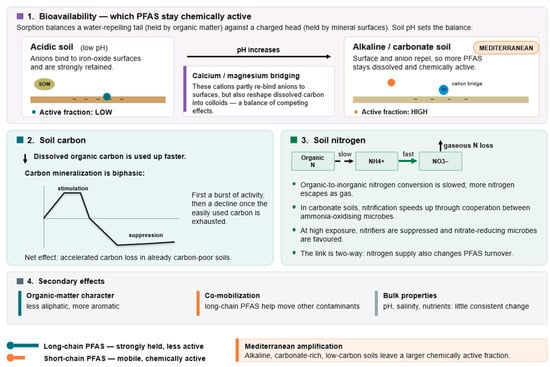
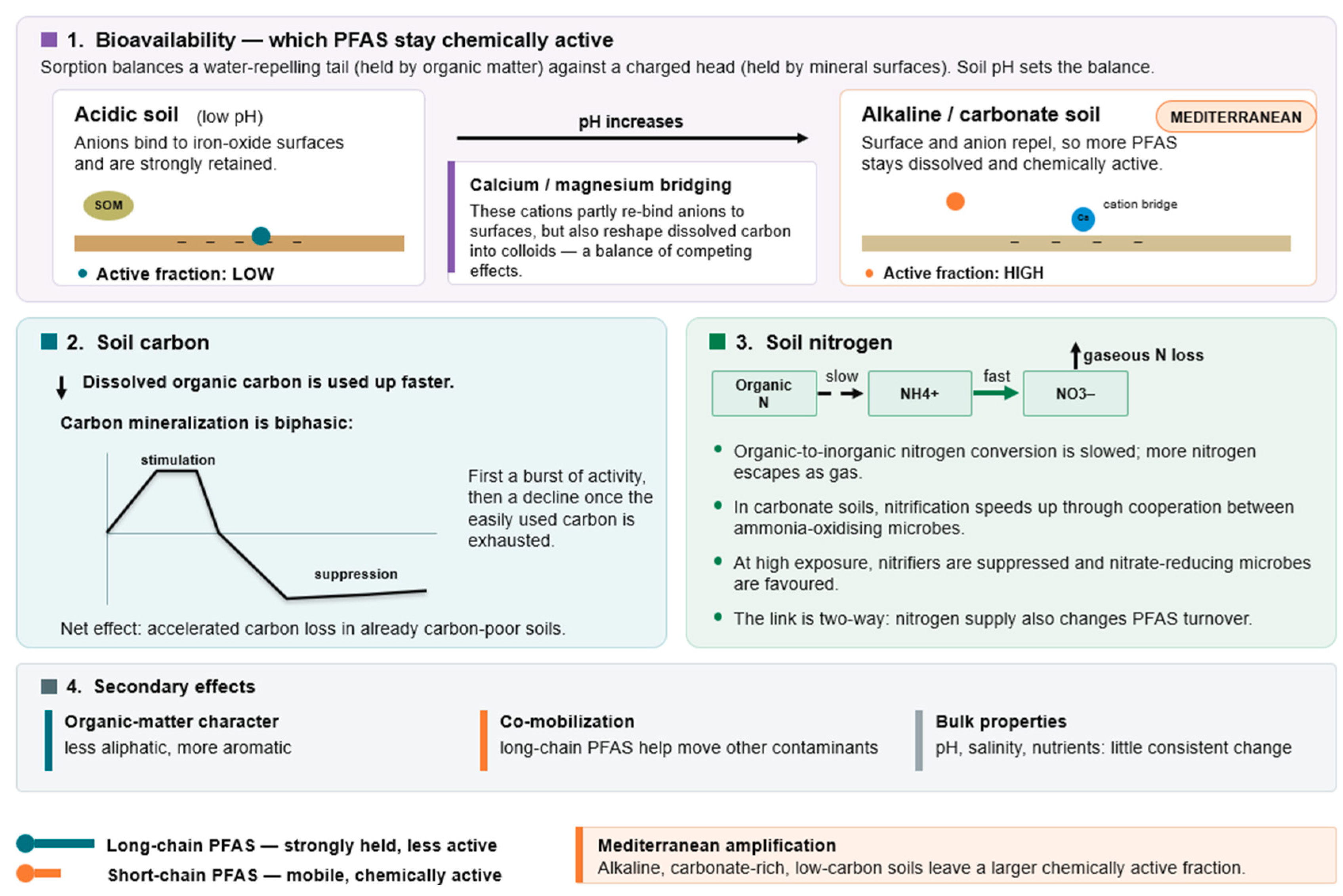
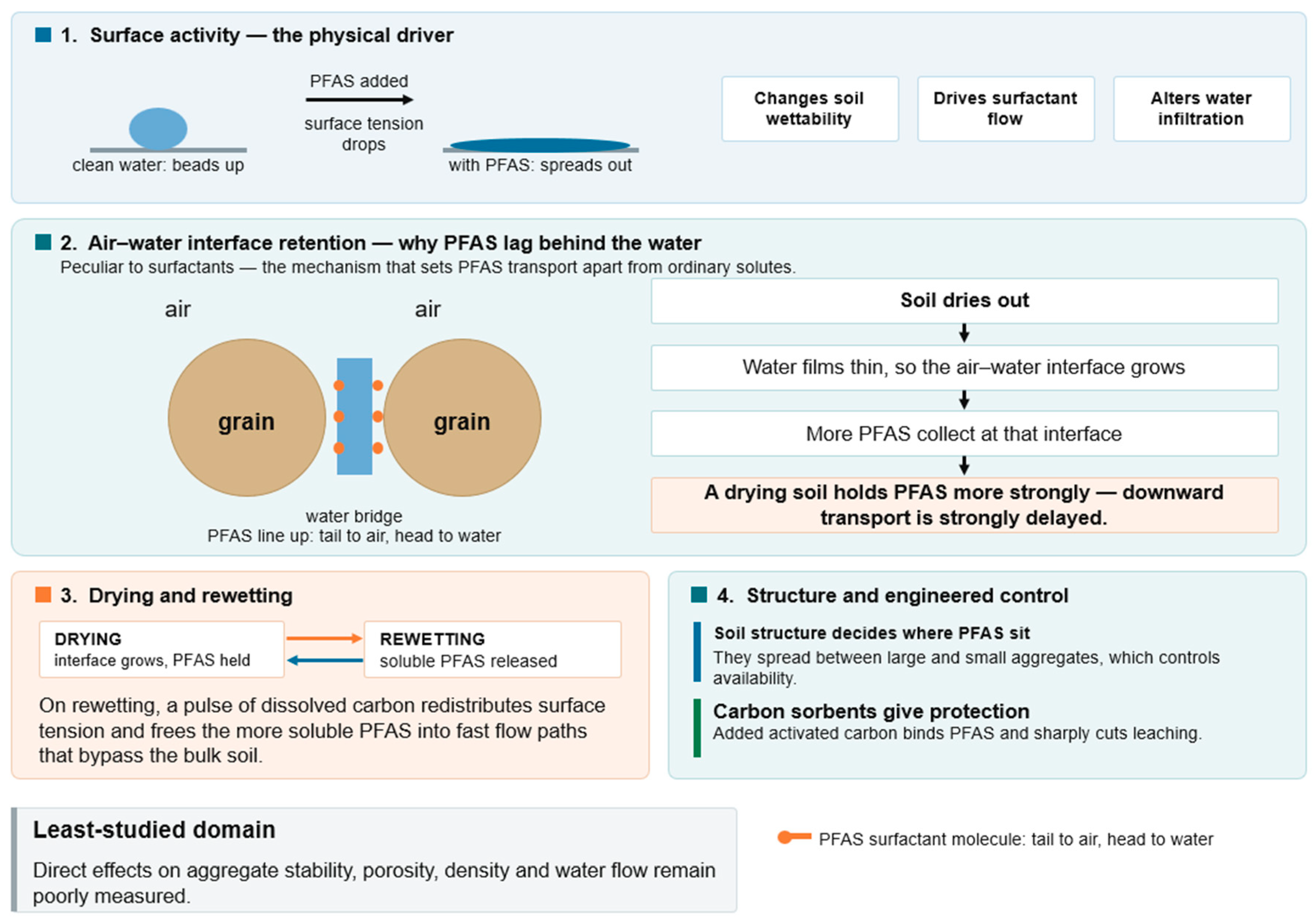
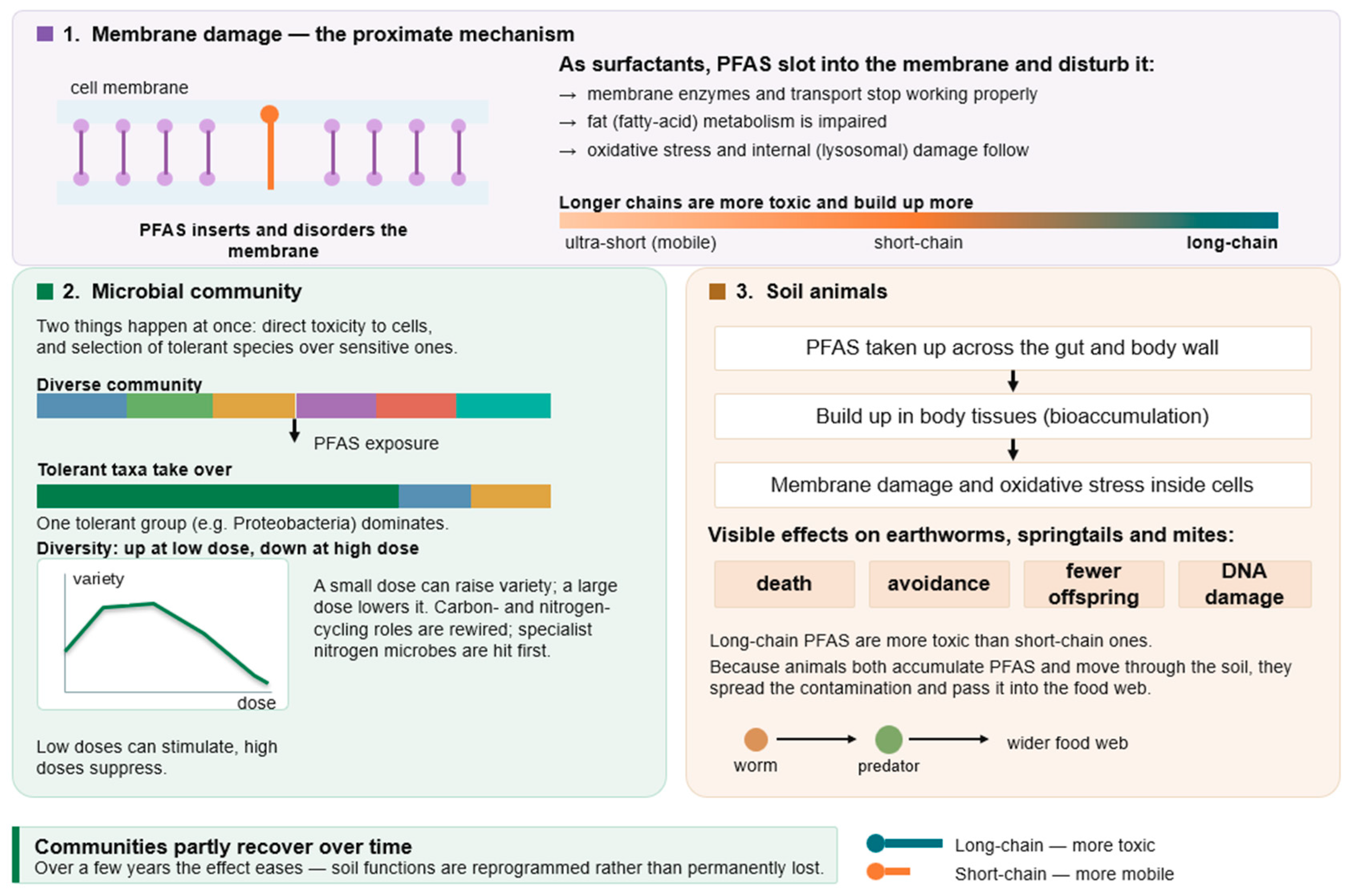
Disclaimer/Publisher’s Note: The statements, opinions and data contained in all publications are solely those of the individual author(s) and contributor(s) and not of MDPI and/or the editor(s). MDPI and/or the editor(s) disclaim responsibility for any injury to people or property resulting from any ideas, methods, instructions or products referred to in the content. |
© 2026 by the authors. Licensee MDPI, Basel, Switzerland. This article is an open access article distributed under the terms and conditions of the Creative Commons Attribution (CC BY) license.