


Abstract
This paper evaluates the energy efficiency of a drip irrigation system powered by a photovoltaic (PV) panel via an MPPT controller and an inverter with hybrid AC grid compatibility. The pumping unit under study is a Pedrollo F 32/200B centrifugal pump with an operating point of Q = 27 m3/h at H = 38.5 m and a rated power of 5.5 kW. It is demonstrated that at Q = 27 m3/h and η ≈ 0.51 within the H = 38.5 m operating mode, the hydraulic power is Ph ≈ 2.83 kW and the input electrical power is Pe ≈ 5.55 kW, resulting in a Specific Energy Consumption SEC ≈ 0.206 kWh}/m3. Scenario analysis shows that reducing the total head to H = 30 m decreases the SEC to ≈0.160 kWh/m3 (a reduction of approximately 22%) and lowers the power consumption to Pe ≈ 4.33 kW. This confirms the critical role of head losses (filters, valves, and piping) in the energy balance. The established correlations can be utilized for selecting energy-efficient operating modes and for the engineering optimization of irrigation networks when implementing renewable energy source (RES) power supply.
1. Introduction
Drip irrigation is considered one of the most resource-saving irrigation methods, as it delivers water directly to the root zone, reducing losses to evaporation and surface runoff. However, the energy efficiency of such a system is largely determined not by the “irrigation type” as such, but by the hydraulic regime: the required head, the length and diameter of the mainlines, the condition of the filters, pressure management, and the pump operation schedule. Therefore, even with drip irrigation, there are significant energy-saving reserves due to engineering optimization and correct management. Work [1] proposes a holistic SDrOP model for the optimal design of solar-powered drip irrigation systems to reduce the total life-cycle cost while maintaining the required irrigation reliability. Unlike fragmented engineering tools, the model considers the relationship “weather → available solar power → network hydraulics → crop water consumption” and simulates the seasonal operation of the system, selecting parameters for a specific site. In article [2], a POWEIr controller for solar-powered drip irrigation is presented, which optimizes energy and water and forms an irrigation schedule. The article shows that accounting for seasonal operation and increasing the efficiency of solar energy use provides savings in the pump “life” cost of approximately 18–74% and a more reliable water supply compared to standard solutions; the prototype demonstrates an increase in reliability and a reduction in the required battery capacity. Study [3] considers a PV water lifting system with a storage tank for drip irrigation and proposes technical and economic coordination of the operating mode to avoid pump vibrations during variable flow. Optimization (clustering + genetic algorithm) minimizes the risk of water deficit and annual costs; it is shown that a “vibration-free” strategy can significantly reduce the pumped water volume (in the example—about 45% at a given head) and expands the allowable pump operating modes. In work [4], a technology is proposed where solar energy is stabilized through a pneumatic accumulator, and water supply is implemented by cyclic pulses to improve irrigation uniformity and combat emitter clogging. According to the test results, the system provides flow uniformity of at least ~91.76%, while a strong reduction in capillary deposits (about ~79–93% compared to the traditional scheme) and the absence of clogged emitters in the experiment were noted. Article [5] describes the design and field tests of a PV pump operating for drip irrigation of orchards in arid conditions, taking into account daily fluctuations in solar radiation and pressure. The article provides an example of a configuration (PV array of about 900 Wp, DC motor-pump), an emission uniformity of ~92–94% was obtained, and practical applicability for irrigation of areas up to several hectares was shown; the economic feasibility for orchard crops was also evaluated. Article [6] considers that the study of the reaction of new winter wheat varieties under drip irrigation showed that super wheats SWW 1/904 and SWW 1/97, having large photosynthetic organs, reached a dry biological yield of up to 167.2–172.8 c/ha. Studies have established that the highest yield was provided by the variety of the super wheat line SWW 1/904. At a seeding rate of 4 million/ha and optimal conditions of mineral nutrition with the application of N120P60, the variety formed 95.2 centers of grain per 1 ha. Article [7] presents the results of a comparative analysis: the standard variety Almaly and a new variety of super wheat SWW 2/127 grown in the conditions of southeast Kazakhstan using drip irrigation technology. A comparative study of the two varieties showed that the standard variety Almaly has higher indicators of 1000-grain weight (51.7 g), grain test weight (772 g/L), virtuousness (85%), protein content (15.6%), and gluten content (34.4%). The yield of the Almaly variety was 91.8 c/ha, at a seeding rate of 2 million pcs/ha; for the SWW 2/127 variety, it was 77.4 c/ha. Work [8] evaluates the profitability of autonomous direct-feed PV systems (without lifting water into a tank) for drip irrigation in Mediterranean greenhouses. A simulation model was developed, including PV energy generation, direct feed management, and calculation of crop water consumption to find the economically optimal system parameters and verify its feasibility. In article [9], a low-cost scheme “solar pump + gravity micro-irrigation” is proposed for small farm plots in dryland farming. The system is designed according to the hydraulic characteristics of the drip network elements and tested on an 18 × 6 m plot; in field tests, good uniformity indicators were obtained (Christiansen ~93.65%, distribution uniformity ~91.55%) with acceptable flow variation. Objective of the work. The objective of the work is to perform a quantitative assessment of the energy efficiency of a drip irrigation system powered by a photovoltaic panel and to determine ways to increase it based on the calculation and comparison of key energy consumption indicators (SEC, Ph, η) at various values of the total head and pump operating modes.
2. Materials and Methods
According to the field description materials, the system includes: (a) a ground/groundwater storage tank with a volume of 36 m3 and a second settling tank with a volume of 25 m3, installed so that the lower level is located approximately 5 m above the ground surface; (b) a Pedrollo F 32/200B centrifugal pump (Pedrollo S.p.A., San Bonifacio, Italy) with a maximum flow rate of 30 m3/h and a maximum head of 51 m, operating point—27 m3/h at a head of 38.5 m, installed power of 5.5 kW; (c) sand and mesh filters and an injector for applying fertilizers; (d) main and distribution pipelines with drip tapes.
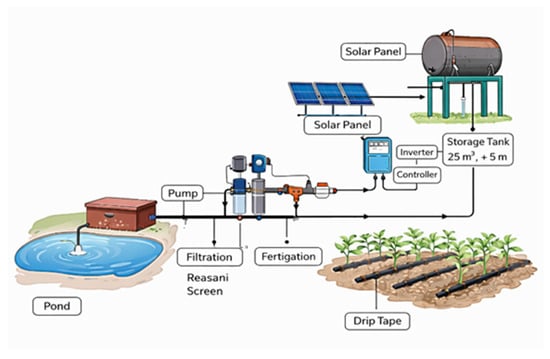
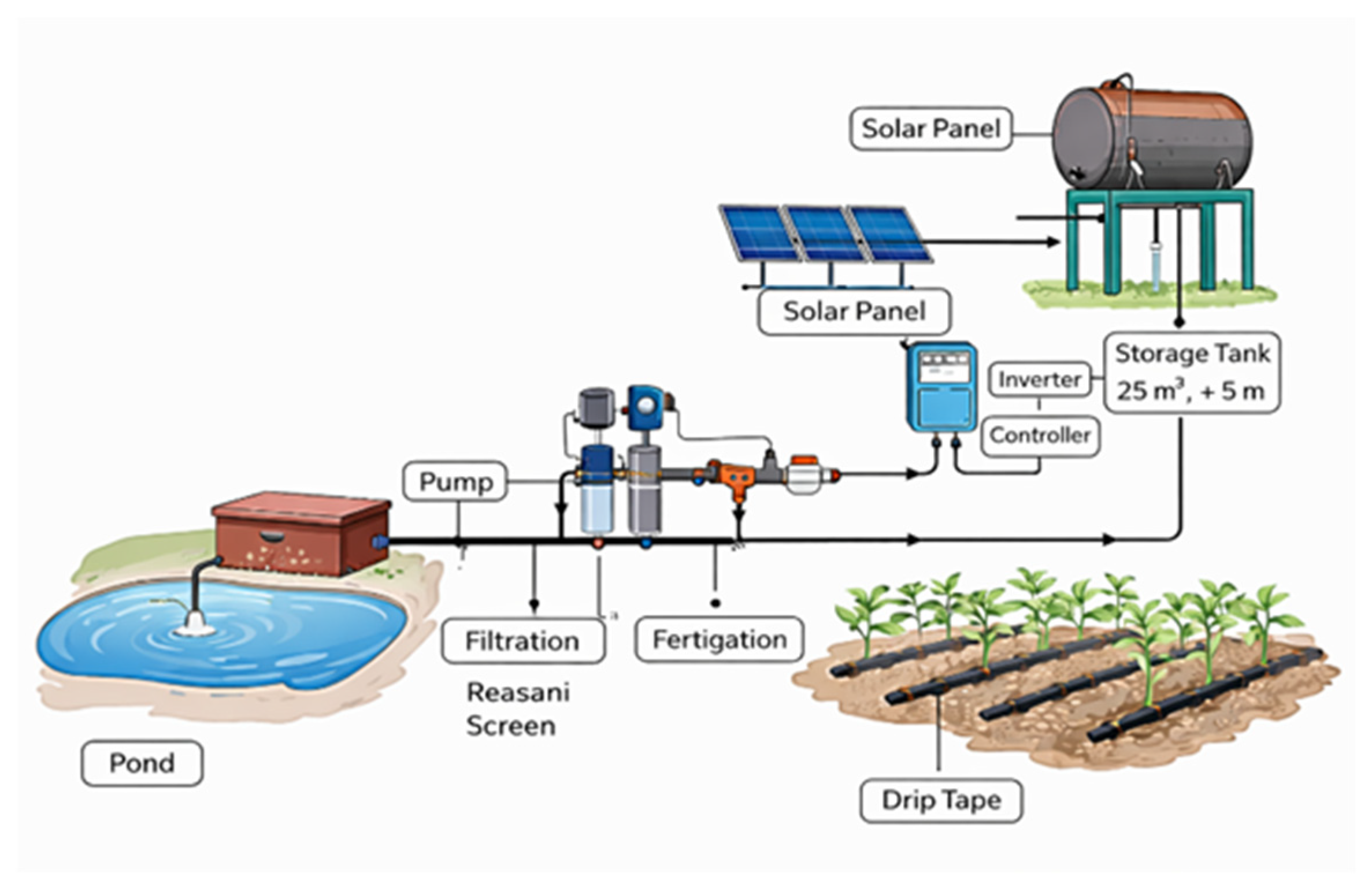
Figure 1 shows the schematic of the solar-powered drip irrigation system. Electrical energy from the PV panels is supplied to the MPPT controller, then through the inverter (DC → AC) it powers the pump; if necessary, the system can operate in conjunction with the AC grid. Water is drawn from the source (pond/canal), passes through the pump, filtration blocks (sand + mesh filters), and the fertigation unit, then enters the storage tank and/or directly into the drip lines in the field. Flow, pressure, and level sensors ensure operational control and irrigation stability.
Figure 1.
Schematic of the solar-powered drip irrigation system.
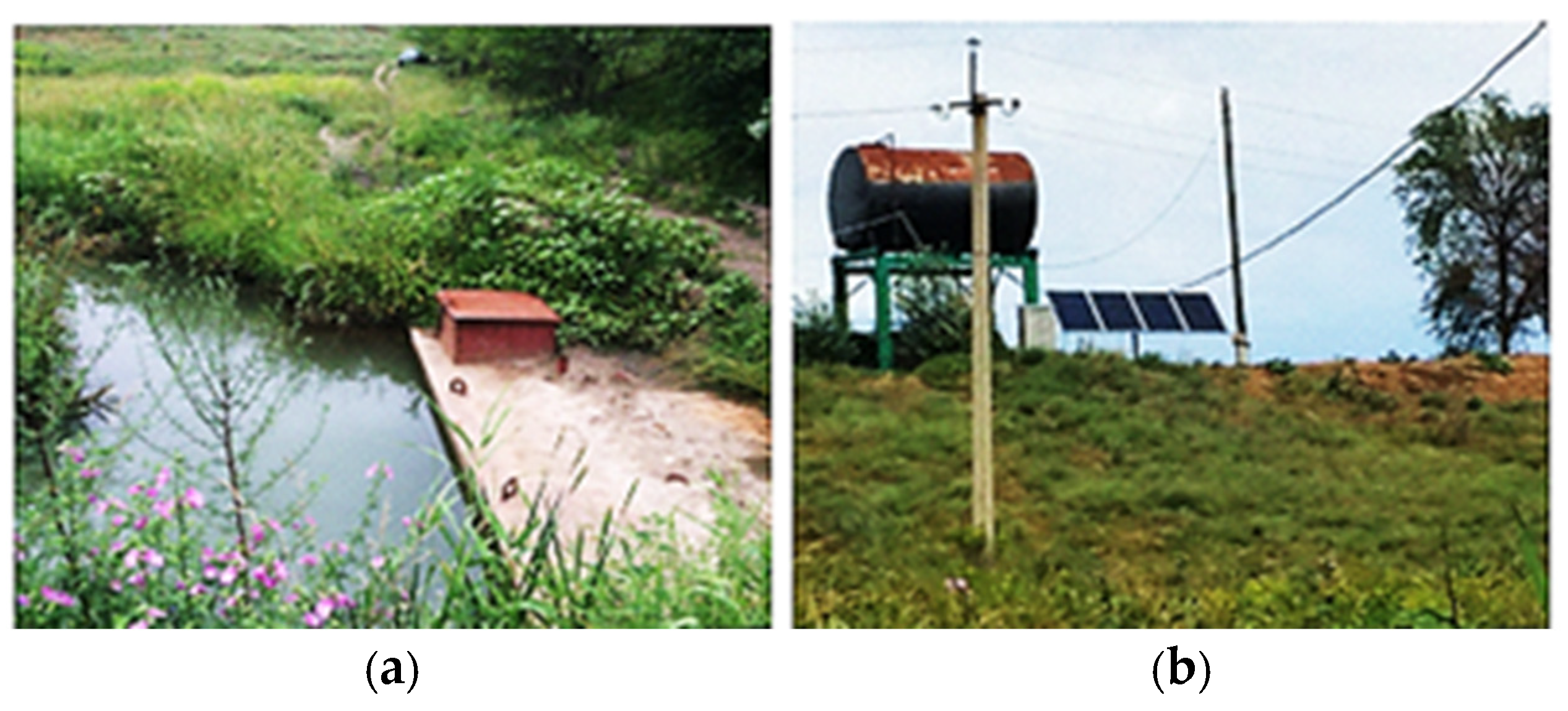
Figure 2 shows the full-scale configuration of autonomous drip irrigation, where water is taken from an open source and then supplied to the system supported by solar generation. The water intake unit (a) ensures primary water abstraction and connection to the mainline, which allows the system to operate without a centralized water supply. The energy component (b) includes photovoltaic panels and a storage tank installed at a height, which creates a stabilizing hydrostatic head and reduces the need for prolonged pump operation. This layout increases energy efficiency by aligning water delivery with available solar power and reducing losses due to excess pressure. Overall, it demonstrates the practical feasibility of solar-powered drip irrigation for remote areas with minimal infrastructure.
Figure 2.
Experimental plot of a solar-powered drip irrigation system: (a) water intake unit at an open source; (b) PV module and storage tank on a trestle (gravity feed) [6].
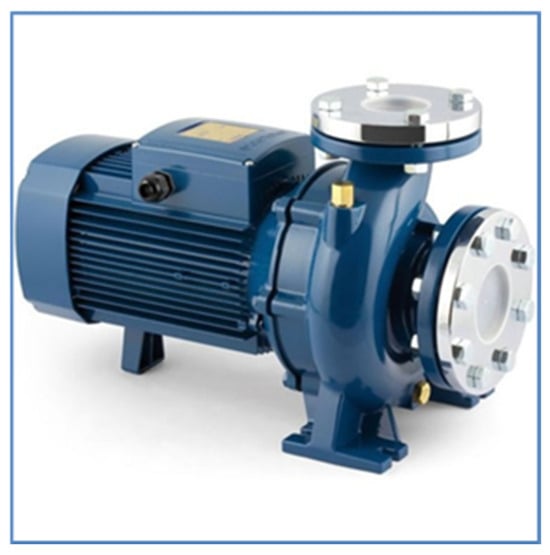
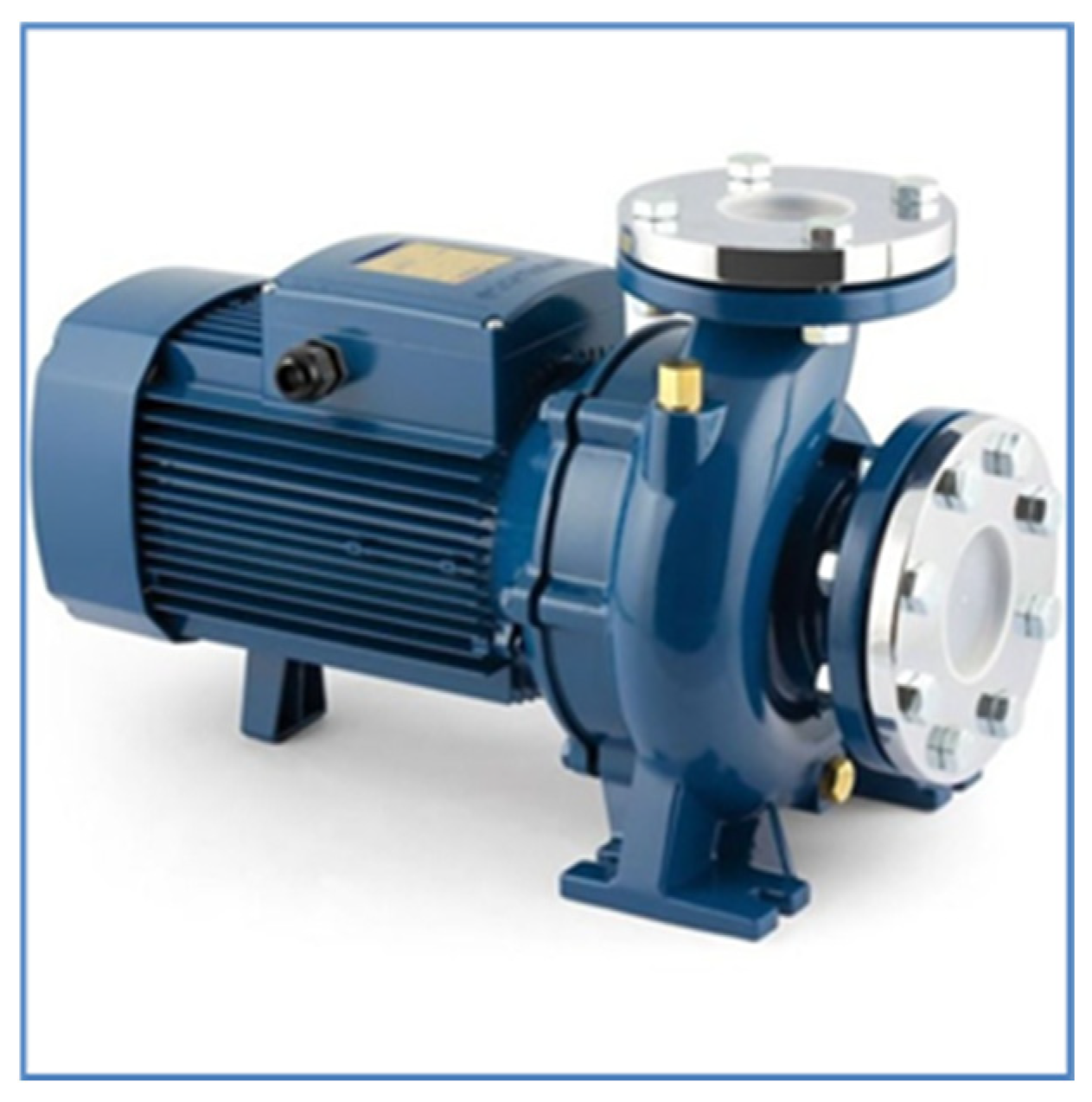
Figure 3 presents the centrifugal pump selected as the primary hydraulic power unit for the water supply system. The pump’s rated characteristics are: maximum flow rate Qmax = 30 m3/h and maximum head Hmax = 51 m, providing a reserve in capacity and head during changes in the hydraulic resistance of the piping network (friction losses, local resistances, filters, valves) and fluctuations in the source level. For the calculated operating mode, an operating point of Q = 27 m3/h at a head of H = 38.5 m was adopted, corresponding to the required flow in the mainline and the total head losses of the system. The nominal power of the electric motor is P = 5.5 kW, which allows for the specified flow-head regime while considering the efficiency of the pumping unit and the permissible operating modes of the electric drive. The adopted pump parameters form the basis for further analysis of energy consumption (kWh/m3), selection of power electronics, and assessment of the irrigation system’s energy efficiency.
Figure 3.
Pedrollo F 32/200B centrifugal pump.
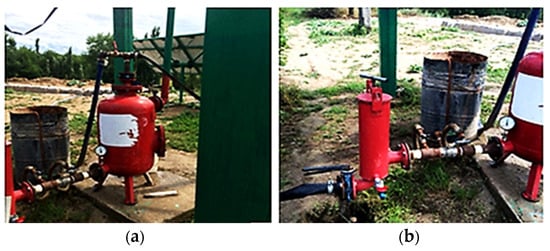
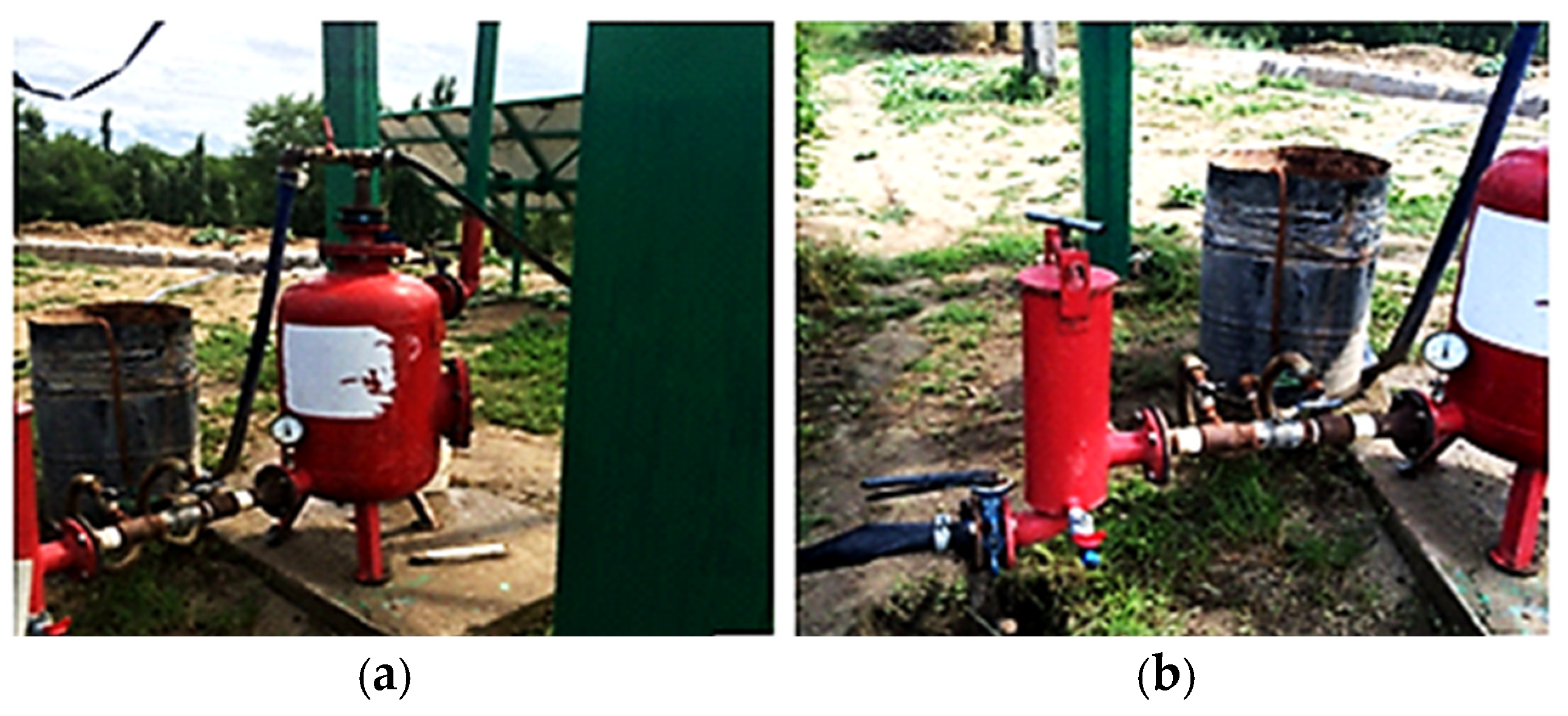
Figure 4 shows the pre-treatment water unit designed to protect drip emitters from clogging and to stabilize the hydraulic regime of the network. The filtering element is installed on the main line after the pumping unit and operates in a flow range corresponding to the calculated system delivery. The presence of shut-off valves and service connections provides the possibility of flushing and technical maintenance of the filter without dismantling the pipeline or prolonged irrigation shutdowns. This layout reduces the risk of increasing hydraulic losses during operation and enhances the reliability of water supply to the irrigation network.
Figure 4.
Water treatment unit in the drip irrigation system: (a) general view of the filtration and distribution block on site; (b) close-up of the piping elements (filter, shut-off valves, connecting fittings) [6].
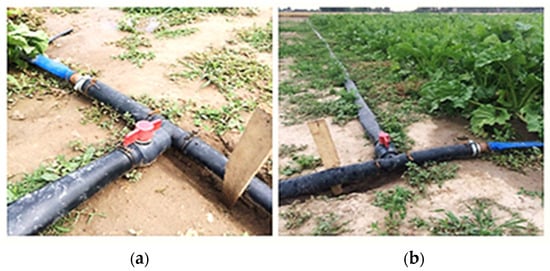
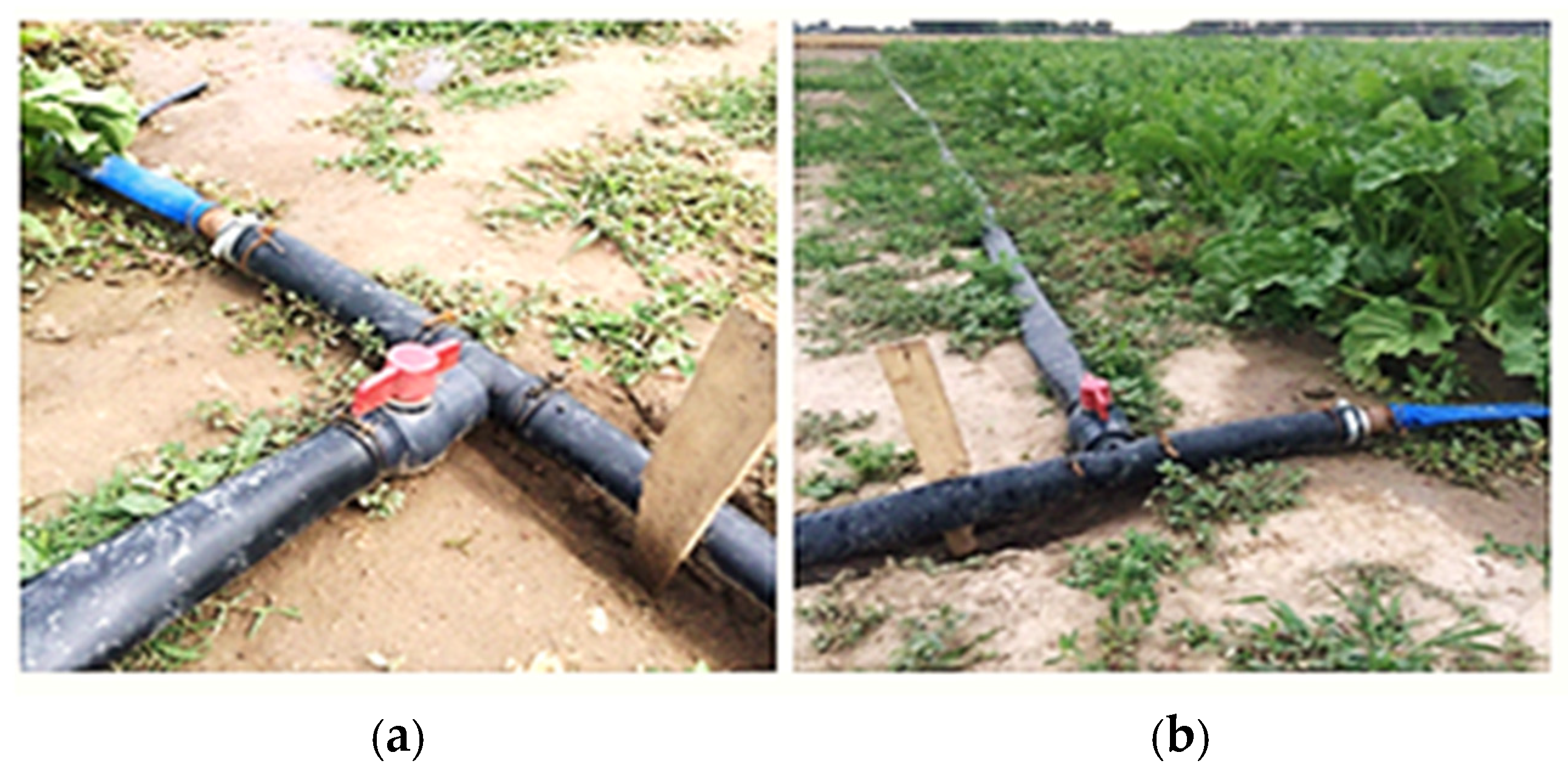
Figure 5 shows elements of the field hydraulic network that ensure flow distribution by sectors and management of irrigation regimes. The branching unit is based on a T-joint with a manual valve, which allows for the rapid activation/deactivation of individual branches and adjustment of water delivery depending on crop requirements and the hydraulic conditions of the site. Such a sectioned layout increases the operational flexibility of the system, simplifies leak localization and line maintenance, and reduces water loss during repairs. The presence of shut-off valves at the connection points contributes to pressure stabilization in the drip lines and improves the uniformity of water distribution along the length of the rows.
Figure 5.
Fragments of the drip irrigation distribution network: (a) mainline branching unit with shut-off valves; (b) connection of a lateral line/irrigation sector on the plot [6].
Energy Efficiency Indicators
For a comparable assessment, simple and reproducible indicators are used: Specific Energy Consumption (SEC) for water pumping (kWh/m3):
Hydraulic power of the flow (W):
Overall efficiency η:
where Pe is the electrical power at the pump inlet (measured by a meter/wattmeter). Here, ρ ≈ 1000 kg/m3, g = 9.81 m/s2, Q—flow rate (m3/s), and H is the total head (m). Recommended set of on-site measurements: a flow meter on the pressure line, pressure sensors before/after the filter (to monitor clogging), a pressure gauge at the end of the mainline/distributor (to assess losses), an electricity meter/wattmeter at the pump inlet, and an operation log (operating time, open sections, filter status).
3. Results
Pump operating point: Q = 27 m3/h = 0.0075 m3/s and H = 38.5 m. Thus, the hydraulic power is:
Ph = 1000·9.81·0.0075·38.5 ≈ 2833 W ≈ 2.83 kW,
With an installed power of 5.5 kW, the estimated overall efficiency is η ≈ 2.83/5.5 ≈ 0.51 (≈51%). The specific energy consumption for this mode can be evaluated directly by the ratio of power to flow:
SEC ≈ 5.5 kW/27 m3/h ≈ 0.204 kW·h/m3,
Operational assessment example: if the pump operates for 4 h a day, the pumped volume will be V ≈ 27 × 4 = 108 m3/day, and the consumed energy will be E ≈ 5.5 × 4 = 22 kWh/day (SEC remains at ≈0.20 kWh/m3 under a similar operating mode). Energy efficiency can be increased through controlled reduction of the head. Since hydraulic power is proportional to the head (Ph ∝ H), reducing the total head, for example, from 38.5 m to 30 m (by 22%), provides a comparable reduction in the required hydraulic power, all else being equal. In practice, this is achieved by a combination of: pressure regulation (reduction valves/regulators), variable frequency drive (VFD) pump control, and proper irrigation sectioning (opening only the necessary zones without “throttling” the flow at the valves). The elevated settling tank (lower mark at about 5 m) acts as a gravitational buffer: it smooths pulsations, facilitates sedimentation, and can partially stabilize the pressure at the inlet of the distribution network. With a proper connection scheme, this allows for reducing the pump’s operating time for “pressure maintenance” and lowering peak modes, especially during portioned/cyclic irrigation. Filtration (sand + mesh filters) is a critical element for drip irrigation: clogging increases the pressure drop and directly increases the required pump head. Therefore, energy efficiency includes regular flushing/backwashing, monitoring ΔP across the filter, and maintaining water quality (sedimentation in the second tank, timely cleaning). The fertigation injector also requires monitoring to ensure that fertilizer application does not provoke additional precipitation/biofouling and increased losses.
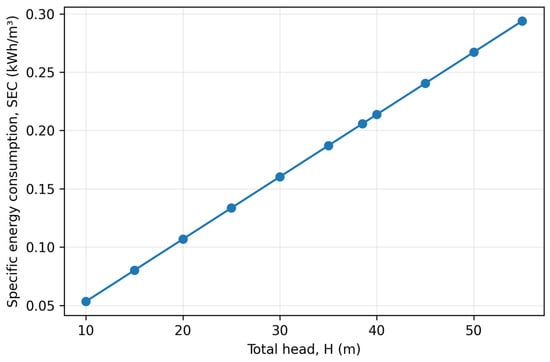
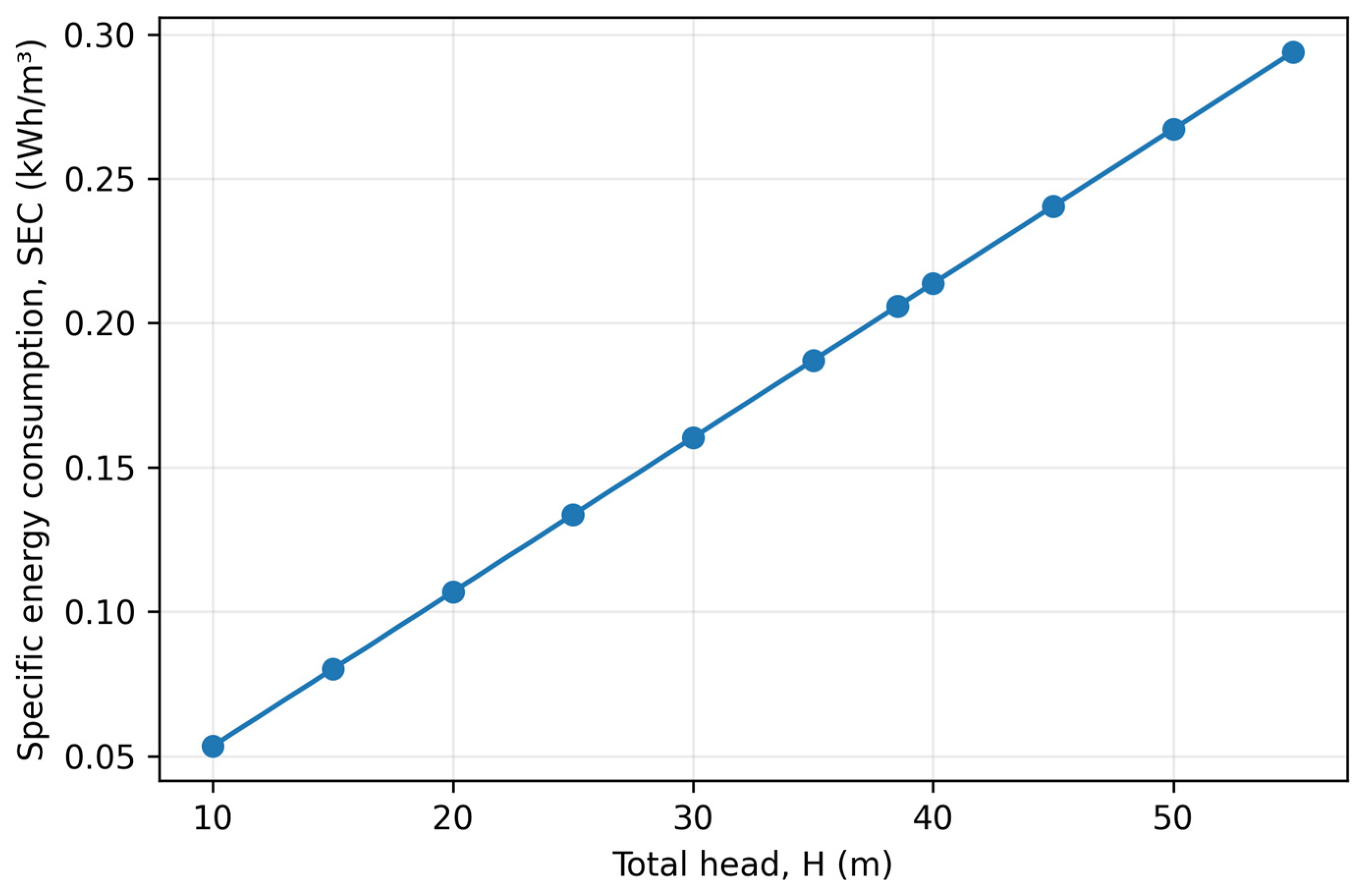
Figure 6 shows the growth of the specific energy consumption SEC (kWh/m3) with an increase in the total head H; the dependence is almost linear. For example, at H = 30 m, we obtain SEC ≈ 0.160 kWh/m3, and at the operating point H = 38.5 m—SEC ≈ 0.206 kWh/m3. With an increase in the head to H = 51 m, the SEC increases to ≈ 0.273 kW/m3, which reflects the growth in energy costs for pumping at higher losses/head.
Figure 6.
Growth of specific energy costs.
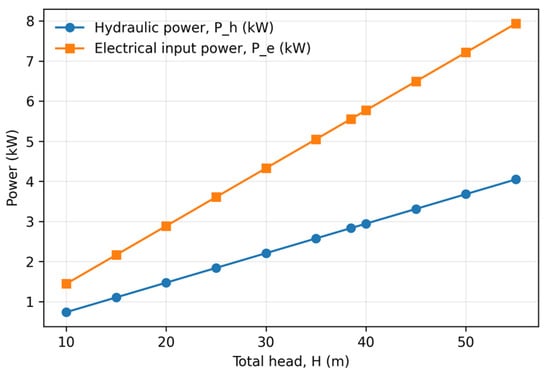
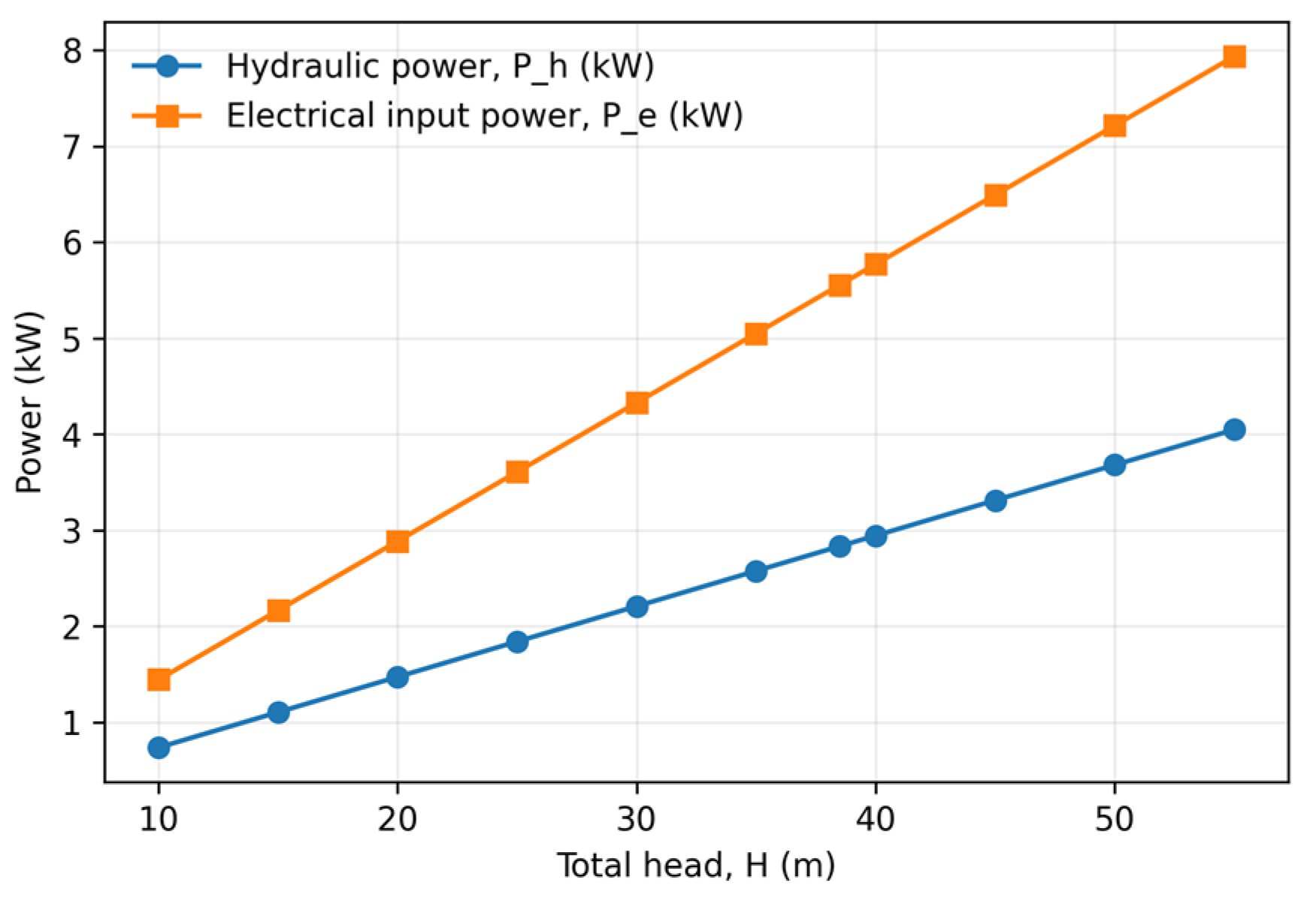
Figure 7 shows the hydraulic flow power and the corresponding electrical power at the pump inlet. In the operating mode H = 38.5 m: Phyd = 2.83 kW, and Pel = 5.56 kW (due to losses accounted for by efficiency). For comparison, at H = 30 m: Phyd = 2.21 kW and Pel = 4.32 kW; at H = 55 m, the values increase to Phyd = 4.05 kW and Pel = 7.94 kW.
Figure 7.
Hydraulic flow power and corresponding electrical power at the pump inlet.
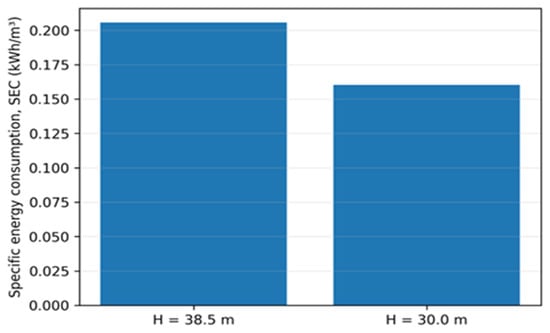
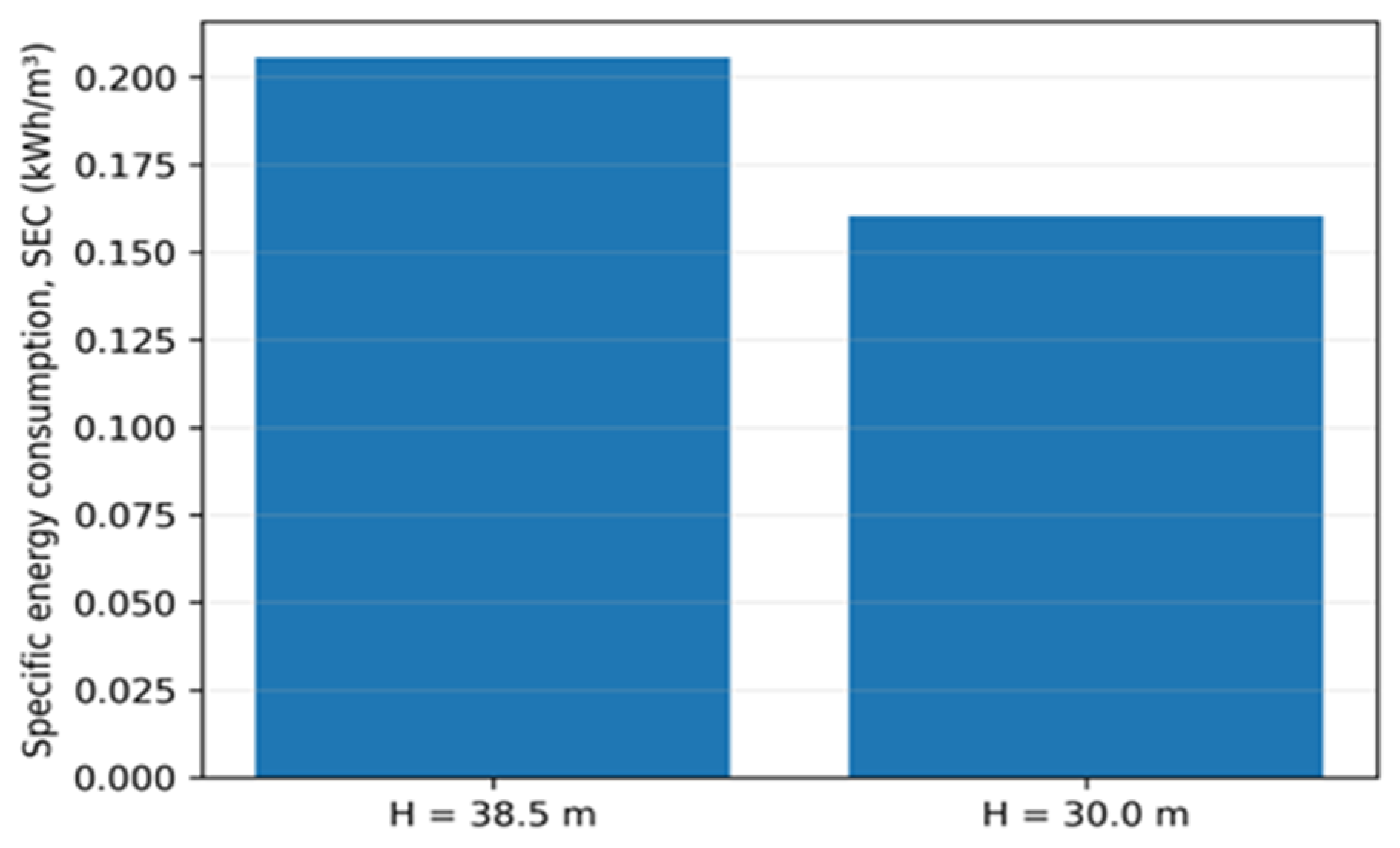
Figure 8 compares the SEC for two modes: H = 38.5 m and H = 30 m. When the head is reduced from 38.5 to 30 m, the SEC decreases from c ≈ 0.206, which is a reduction of approximately 0.045 kWh/m3 (about 22%). This clearly demonstrates that reducing head losses (clean filters, optimal valves, fewer local resistances) directly lowers the energy intensity of the water supply.
Figure 8.
Comparison of SEC for two modes: H = 38.5 m and H = 30 m.
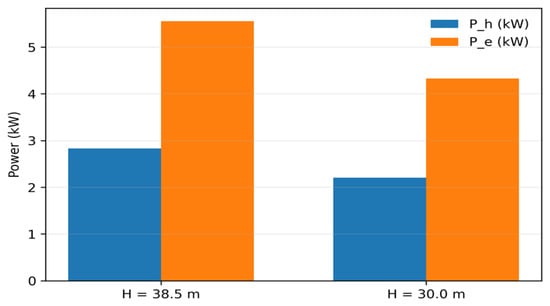
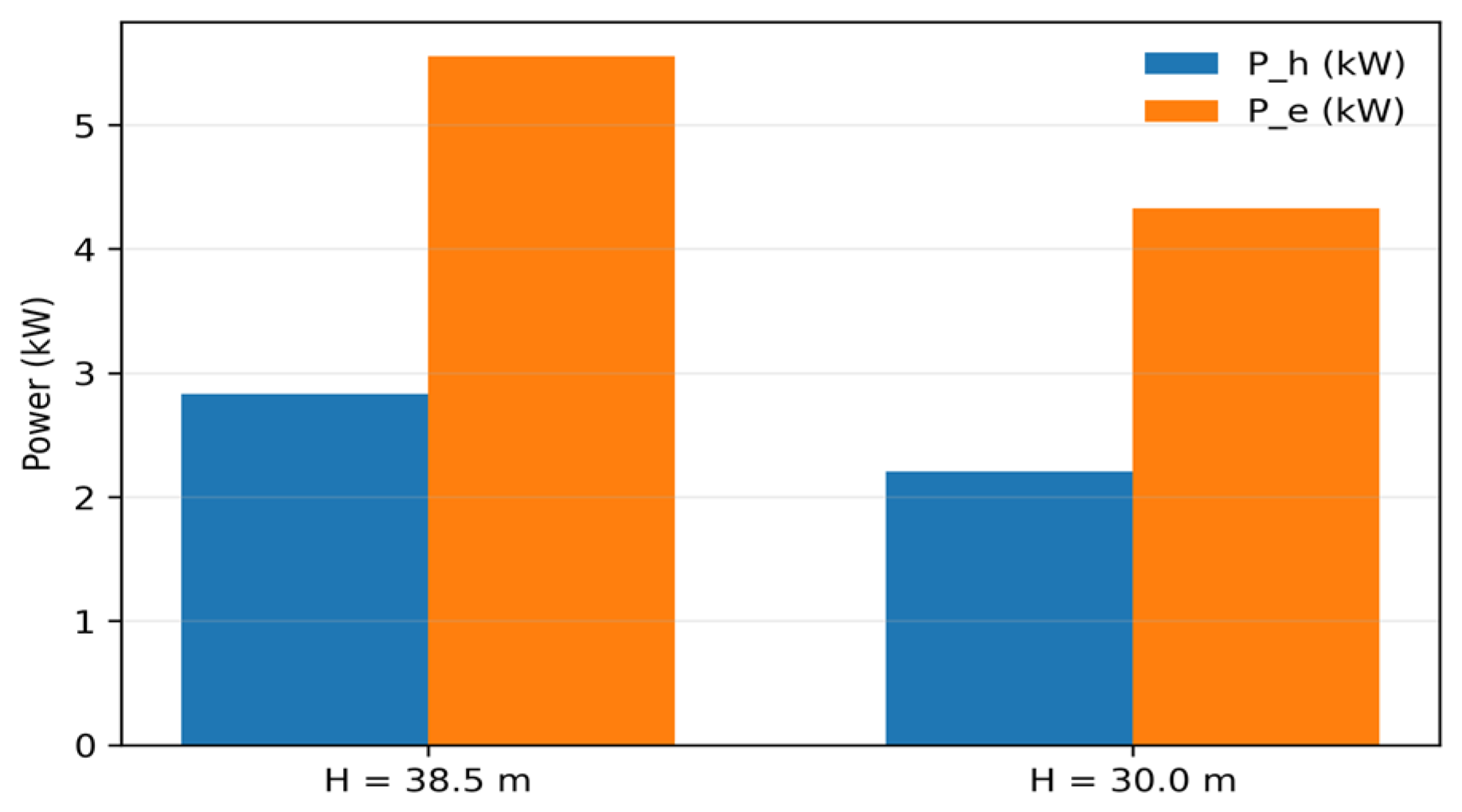
Figure 9 compares the powers Phyd and Pel for the same two heads. At H = 38.5 m: Phyd = 2.83 kW and Pel = 5.56 kW; at H = 30 m: Phyd = 2.21 kW and Pel = 4.32 kW. The difference in input power is approximately 1.23 kW, which provides significant energy savings during prolonged pump operation. As a result, the dependencies SEC(H), Phyd(H), and Pel (H) were obtained for the Q = 27 m3/h mode. For the operating point H = 38.5 m, the following were calculated: Phyd = 2.83 kW, Pel = 5.56 kW, and SEC ≈ 0.206 kWh/m3. It is shown that reducing the total head to H = 30 m decreases the SEC to ≈ 0.160 kWh/m3 (by approximately 22%) and lowers the input power to Pel = 4.32 kW, confirming the decisive role of hydraulic losses in the system’s energy balance.
Figure 9.
Comparison of power Phyd and Pel for the same two heads.
4. Discussion
The obtained results show that the energy efficiency of a photovoltaic-powered drip irrigation system is strongly affected by the total head of the hydraulic network. In the considered operating mode, the pump provides a flow rate of Q = 27 m3/h at a total head of H = 38.5 m, which results in a hydraulic power of approximately 2.83 kW and a specific energy consumption of about 0.206 kWh/m3. When the total head is reduced to 30 m, the specific energy consumption decreases to approximately 0.160 kWh/m3, corresponding to an energy saving of about 22%. Compared with existing energy-efficient irrigation systems, the proposed approach focuses not only on the use of photovoltaic power, but also on the reduction in hydraulic losses. Many solar drip irrigation systems improve efficiency mainly through PV sizing, battery optimization, irrigation scheduling, or direct solar pumping. In contrast, the present study emphasizes the hydraulic part of the system, including filter losses, valve resistance, pipeline layout, pressure regulation, and pump operating mode. This is important because even a well-designed photovoltaic power supply cannot ensure high overall efficiency if the irrigation network operates with excessive pressure losses. The main calculation assumptions were selected to represent a realistic engineering operating point. The water density was assumed to be 1000 kg/m3, which is a standard approximation for irrigation water under normal field conditions. The gravitational acceleration was taken as 9.81 m/s2. The flow rate of 27 m3/h was chosen according to the operating point of the selected centrifugal pump and the required irrigation demand. The total head of 38.5 m includes the static component and pressure losses in filters, valves, pipelines, and distribution elements. The pump efficiency of approximately 51% was estimated from the ratio between hydraulic power and electrical input power, which is reasonable for a centrifugal pumping unit operating under field conditions. Thus, the calculation assumptions are physically justified and correspond to the real structure of the irrigation system. The comparison confirms that the greatest potential for improving energy efficiency is achieved by reducing unnecessary head losses, maintaining clean filters, selecting appropriate pipe diameters, using pressure regulation, and dividing the irrigation network into properly controlled sections. Therefore, the proposed method can be used as a practical engineering approach for improving photovoltaic-powered drip irrigation systems in remote and energy-limited agricultural areas.
5. Conclusions
The conducted analysis showed that the energy efficiency of a solar-powered drip irrigation system is primarily determined by the total head, formed by the sum of the static lift and pressure losses in the mainline, filters, and valves. Consequently, the main energy-saving reserve is related not so much to increasing the installed PV capacity, but to the hydraulic optimization of the network: reducing local resistances, correct selection of pipeline diameters, regular filter flushing, and sectioning of irrigation lines to operate the pump in a near-optimal mode. It is shown that a reduction in head leads to a proportional decrease in the required input power and specific energy intensity of the water supply, making the system more resilient to variations in solar generation and reducing the requirements for the inverter and potential grid backup. The findings can be used as engineering recommendations for the design and modernization of standalone and hybrid (PV/grid) drip irrigation units in conditions of limited energy infrastructure.
Author Contributions
Conceptualization, Z.Y. and M.K.; methodology, M.K.; software, S.T. All authors have read and agreed to the published version of the manuscript.
Funding
This research received no external funding.
Institutional Review Board Statement
Not applicable.
Informed Consent Statement
Not applicable.
Data Availability Statement
The data used in this study were specifically generated for the case study developed to verify and demonstrate the proposed methodological framework. They are illustrative data created for model verification purposes and were not obtained from external or independently verifiable data sources. Therefore, no publicly available dataset is associated with this study.
Acknowledgments
During the preparation of this manuscript, the authors used a Generative AI tool (OpenAI, GPT-6) to check spelling, English correctness, and formatting. The authors have reviewed and edited the output and take full responsibility for the content of this publication.
Conflicts of Interest
The authors declare no conflicts of interest.
References
- Grant, F.; Sheline, C.; Sokol, J. Creating a Solar-Powered Drip Irrigation Optimal Performance model (SDrOP) to lower the cost of drip irrigation systems for smallholder farmers. Appl. Energy 2021, 323, 119563. [Google Scholar] [CrossRef] [Scilit]
- Sheline, C.; Grant, F.; Gelmini, S. Designing a predictive optimal water and energy irrigation (POWEIr) controller for solar-powered drip irrigation systems in resource-constrained contexts. Appl. Energy 2025, 377, 124107. [Google Scholar] [CrossRef] [Scilit]
- Elnozahy, A.; Abdel-Salam, M.; Abo-Elyousr, F.K. Optimal techno-economic energy coordination of solar PV water pumping irrigation systems. Energy 2024, 288, 129817. [Google Scholar] [CrossRef] [Scilit]
- Zha, J.; Ge, M.; Tang, Z. The incorporation of solar energy and compressed air into the energy supply system enhances the environmentally friendly and efficient operation of drip irrigation systems. Agric. Water Manag. 2024, 302, 109019. [Google Scholar] [CrossRef] [Scilit]
- Pande, P.C.; Singh, A.K.; Ansari, S.; Vyas, S.K.; Dave, B.K. Design development and testing of a solar PV pump-based drip system for orchards. Renew. Energy 2023, 28, 385–396. [Google Scholar] [CrossRef] [Scilit]
- Yeraliyeva, Z.M.; Kunelbayev, M.; Ospanbayev, Z.O.; Kurmanbayeva, M.S.; Kolev, T.P.; Kenesbayev, S.M.; Newsome, A.S. The study of agricultural techniques of cultivation of new varieties of winter wheat under drip irrigation. Asian J. Microbiol. Biotechnol. Environ. Sci. 2016, 18, 779–785. [Google Scholar] [CrossRef] [Scilit][Green Version]
- Yeraliyeva, Z.M.; Kurmanbayeva, M.S.; Makhmudova, K.K.; Kolev, T.P.; Kenesbayev, S.M. Comparative characteristic of two cultivars of winter common wheat (Triticum aestivum L.) cultivated in the southeast of Kazakhstan using the drip irrigation technology. OnLine J. Biol. Sci. 2017, 17, 40–49. [Google Scholar] [CrossRef] [Scilit][Green Version]
- Reca, J.; Torrente, C.; López-Luque, R.; Martínez, J. Feasibility analysis of a standalone direct pumping photovoltaic system for irrigation in Mediterranean greenhouses. Renew. Energy 2016, 85, 1143–1154. [Google Scholar] [CrossRef] [Scilit]
- Kumar, M.; Reddy, K.S.; Adake, R.V.; Rao, C.V.K.N. Solar powered micro-irrigation system for small holders of dryland agriculture in India. Agric. Water Manag. 2015, 158, 112–119. [Google Scholar] [CrossRef] [Scilit]
Disclaimer/Publisher’s Note: The statements, opinions and data contained in all publications are solely those of the individual author(s) and contributor(s) and not of MDPI and/or the editor(s). MDPI and/or the editor(s) disclaim responsibility for any injury to people or property resulting from any ideas, methods, instructions or products referred to in the content. |
© 2026 by the authors. Licensee MDPI, Basel, Switzerland. This article is an open access article distributed under the terms and conditions of the Creative Commons Attribution (CC BY) license.