Proceeding Paper

Experimental Assessment of Formaldehyde Gas Emissions from Laminate and Solid Parquet Under Simulated Fire Conditions †
by
Rositsa Velichkova
1,2,*,
Iskra Simova
1,2 and
Aleksandra Mihaylova
1
1
Department of Hydroaerodynamics and Hydraulic Machines, Technical University of Sofia, 1000 Sofia, Bulgaria
2
National Center of Excellence for Mechatronics and Clean Technologies, Technical University of Sofia, 1000 Sofia, Bulgaria
*
Author to whom correspondence should be addressed.
Presented at the 15th International Scientific Conference TechSys 2026—Engineering, Technologies and Systems, Plovdiv, Bulgaria, 14–16 May 2026.
Eng. Proc. 2026, 150(1), 118; https://doi.org/10.3390/engproc2026150118 (registering DOI)
Published: 6 August 2026

Abstract

This paper presents an experimental study on the amount of formaldehyde released during a fire in apartments, focusing on the flooring most commonly used in Bulgaria. Formaldehyde is a potentially hazardous chemical known to be carcinogenic in large amounts. It often causes respiratory problems and skin irritation. People prone to allergies are especially sensitive to formaldehyde. These health risks depend on the duration and level of exposure. The experiment tested seven types of laminate samples and six types of natural parquet samples at three different combustion temperatures in a room. Each sample was placed in a muffle furnace, heated to the specified temperatures of 150, 250, and 400 °C, respectively.

1. Introduction

Fires in residential buildings pose a significant risk to public health and safety. Statistical analyses of incidents in Europe and North America show that between 50 and 70% of fire deaths are due not to direct thermal injuries but to inhalation of toxic combustion products [1,2]. The most common causes of apartment fires include electrical faults (about 20–25%), cooking accidents (30–35%), heating appliances and open flames [1].
Indoor fires are dynamic, with temperatures in the room reaching 500–800 °C within a few minutes, and in the event of a “flashover”—over 900–1000 °C [3]. In the early phase of development (200–400 °C), when intensive pyrolysis and incomplete oxidation processes occur, leading to the formation of significant amounts of oxygen-containing organic compounds, including aldehydes [4].
Formaldehyde (CH2O) is among the key toxicants in smoke. It is a strong irritant to the respiratory tract and eyes, and the International Agency for Research on Cancer (IARC) has classified it as a Group 1 carcinogen [5]. The World Health Organization (WHO) recommends a short-term limit value for indoor air of 0.1 mg/m3 (≈0.08 ppm) for 30 min of exposure [6]. In comparison, experimental controlled residential fires have measured formaldehyde concentrations in the range of 1–10 ppm at different stages of combustion, and locally even higher values [7]. These levels are many times higher than recommended health limits and can lead to rapid functional disability.
Modern residential flooring systems are usually multi-layered—they include a covering, an underlay (polyethylene foam, cork, etc.) and an adhesive layer. When heated, each of these components can contribute to the total toxic load. For example, studies of synthetic materials under unventilated combustion conditions have reported concomitant CO concentrations above 30,000 ppm and significant levels of aldehydes and aromatic VOCs [7,8].
Given the widespread use of laminated and natural parquets in residential construction, experimental assessment of formaldehyde and VOC emissions under thermal impact is essential. Quantification of yields (mg/g or mg/m2) and gas-phase concentrations (ppm or mg/m3) enables a more accurate assessment of the risk to occupants and rescue teams, as well as comparisons across different material systems [9,10,11].
The present study aims to conduct an experimental assessment of formaldehyde and VOC emissions from laminated and natural parquets under controlled temperature regimes, and to assess the quantitative indicators of toxicity.

2. Experimental Investigation

2.1. Sampling

A total of 13 samples were used for the purposes of the experiment, as follows:
  • Seven samples of laminated parquet (Figure 1);
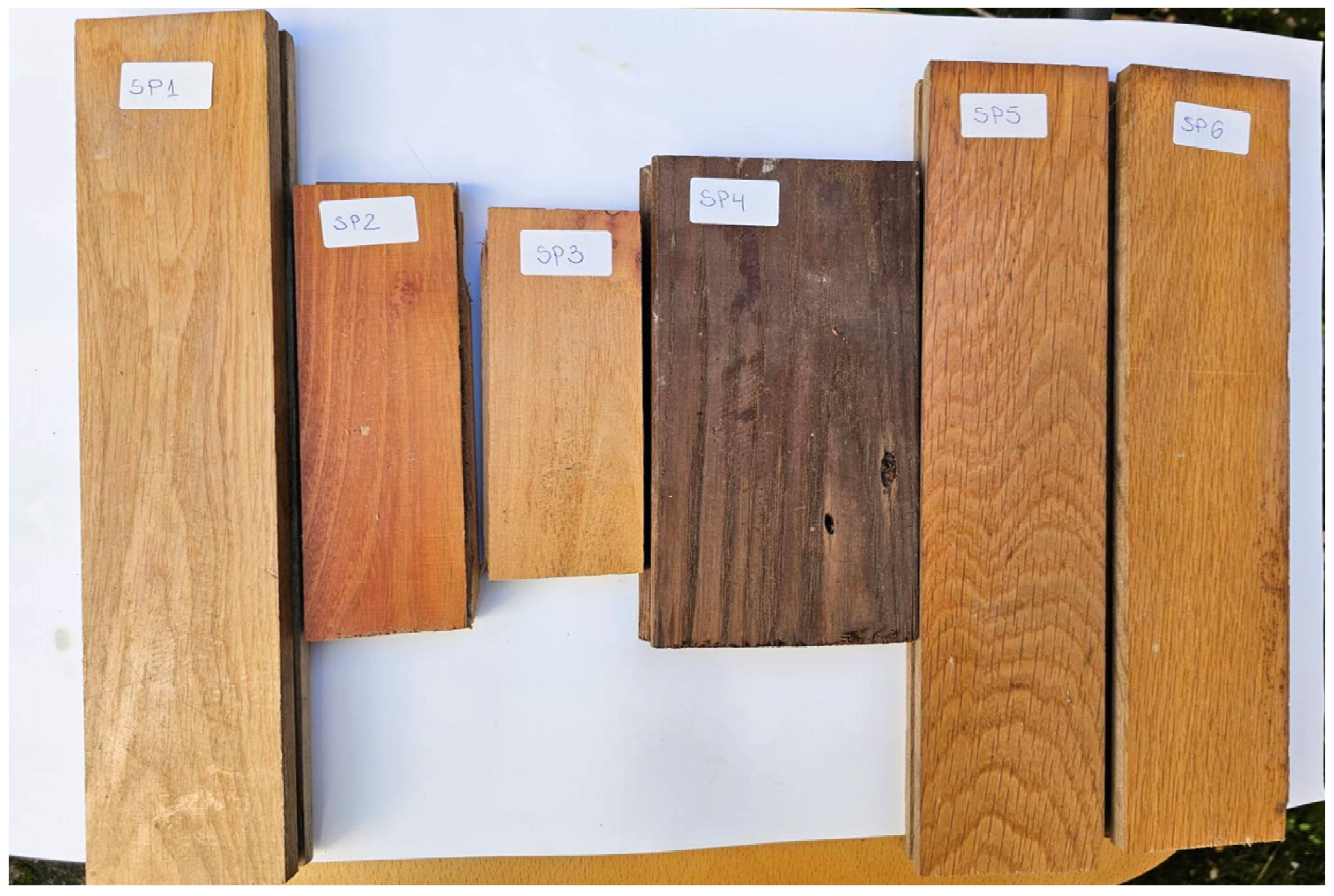
  • Six samples of natural parquet (Figure 2).
The samples are representative of the commonly used flooring in residential apartments in Bulgaria.

2.2. Experimental Test-Rig and Methodology

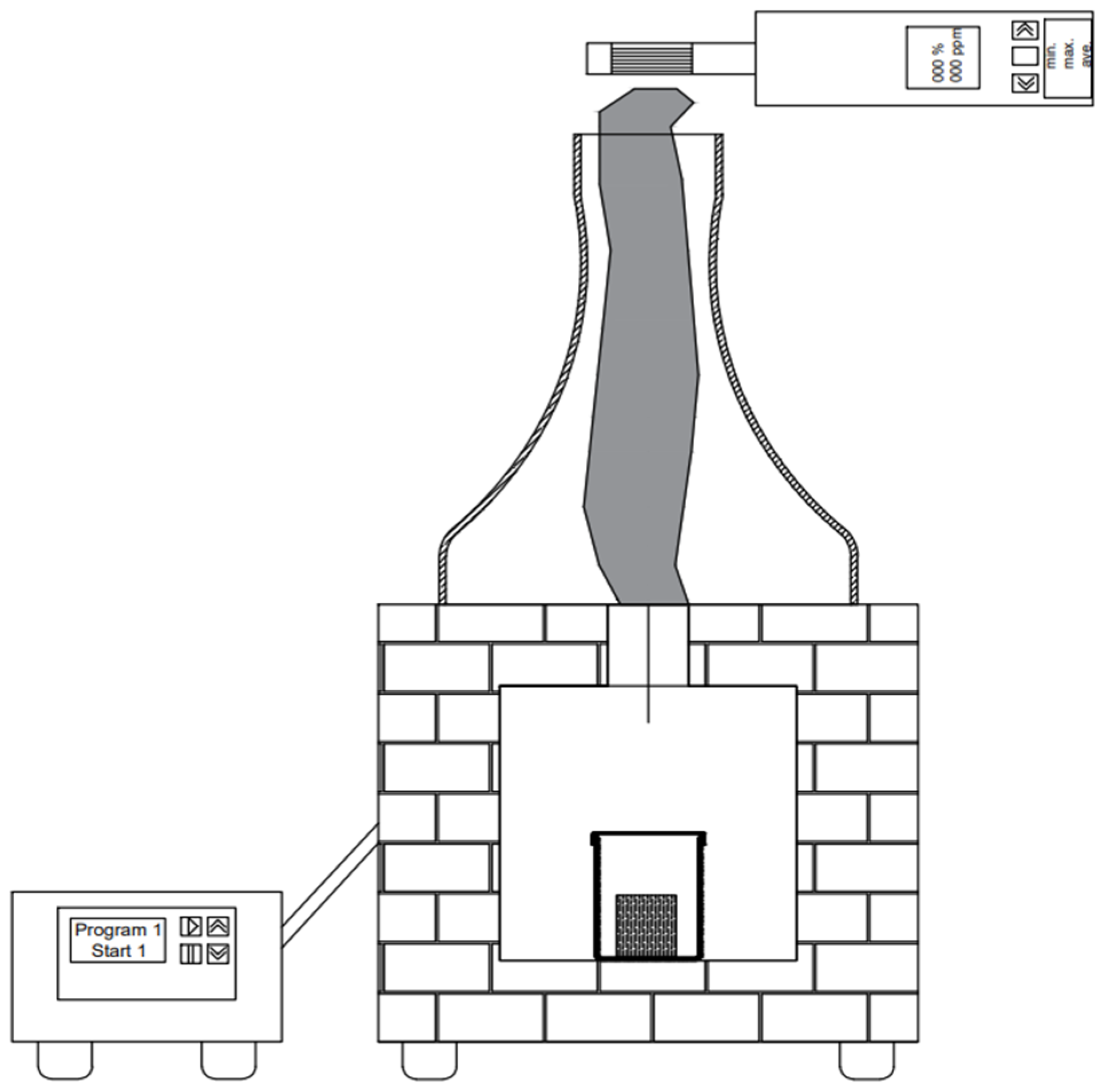
The tests were conducted on a laboratory stand (Figure 3), allowing controlled heating of the samples to specified temperature regimes. A detailed description of the stand design, the heat flow supply system, and the measuring equipment used is presented in [12].

2.3. Experimental Details

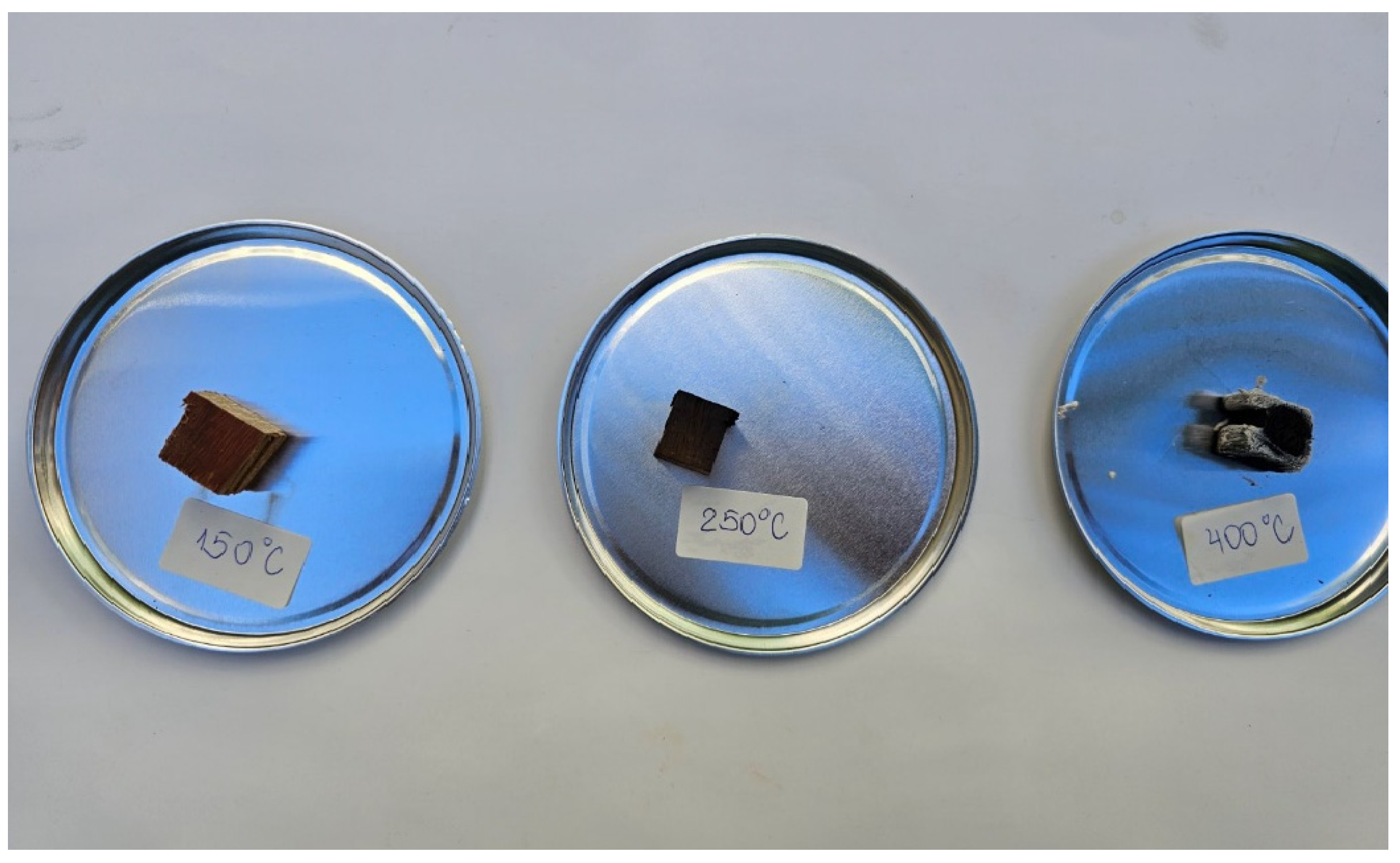
The tests were conducted at three different temperatures, simulating different stages of fire development (Figure 4):
  • At 150 °C—initial heating stage/early pyrolysis;
  • At 250 °C—active thermal degradation;
  • At 400 °C—intense thermal degradation, close to complete charring.
At each temperature, three measurements of formaldehyde and VOC concentrations were monitored, respectively:
  • At the initial moment (0 min);
  • After 2 min of exposure;
  • After 5 min of exposure.
This time interval enables monitoring of emission dynamics during the early heating phase, when the peak release of volatile products from thermal decomposition is expected.

3. Experimental Results and Discussion

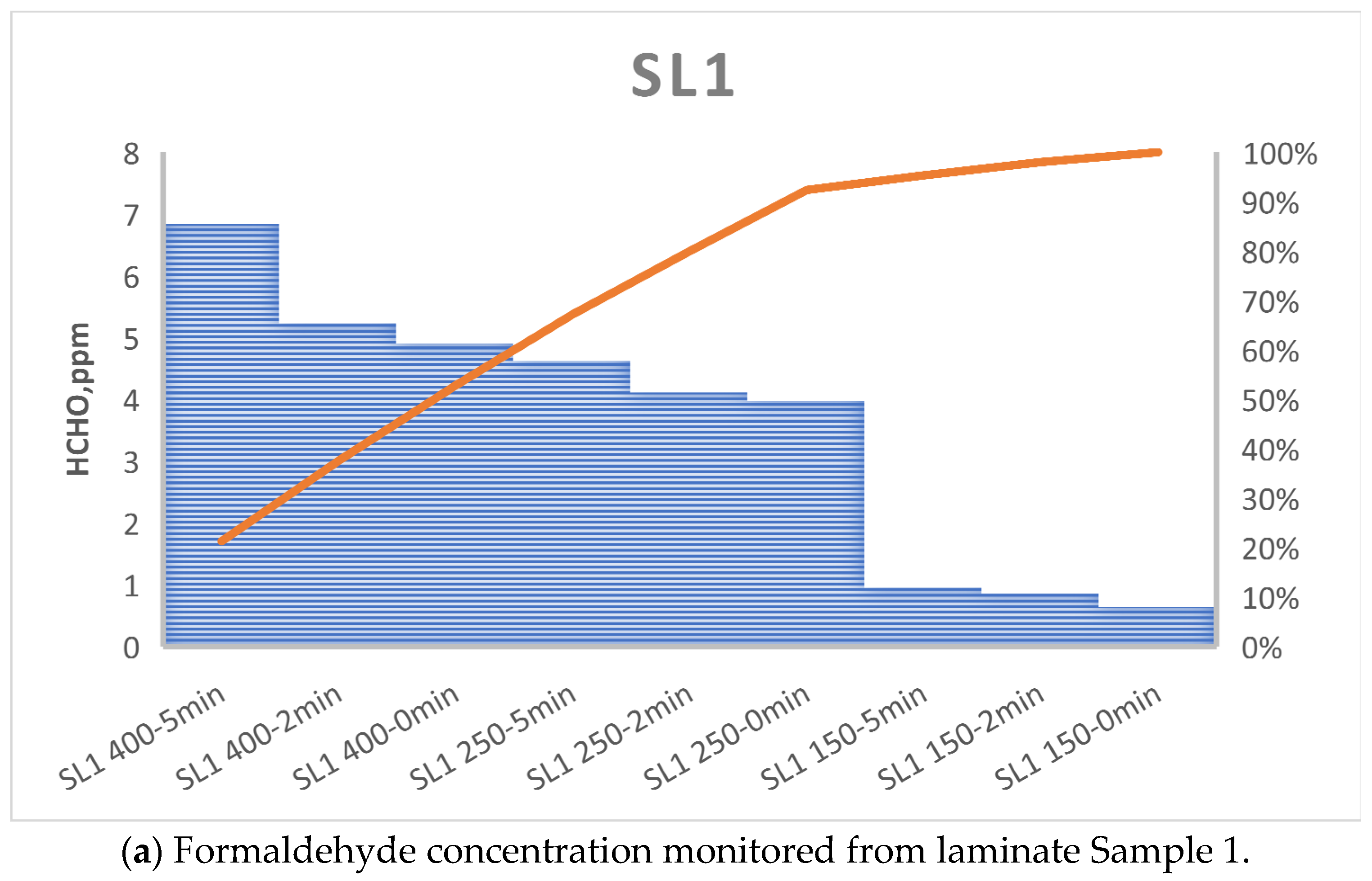
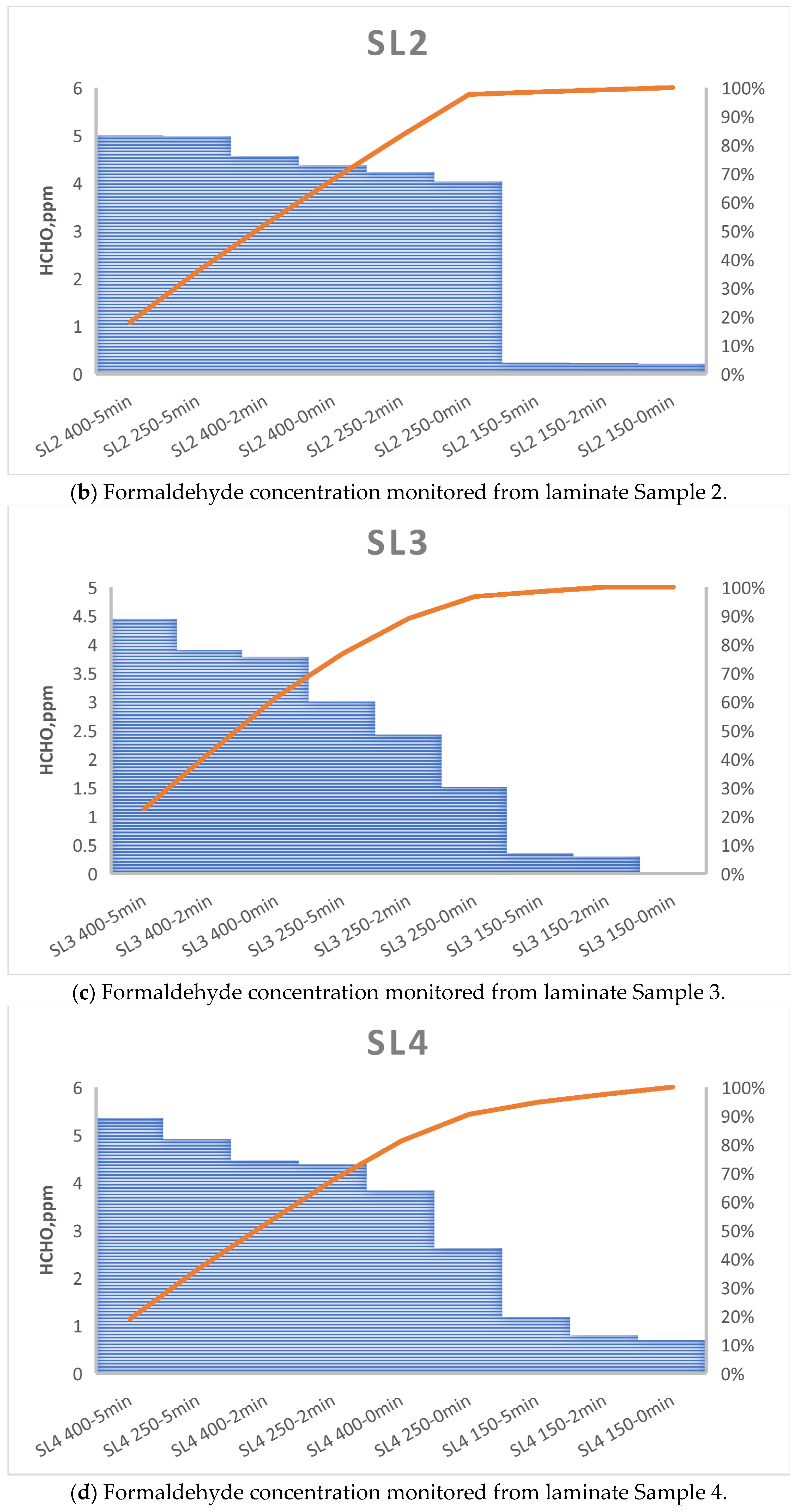
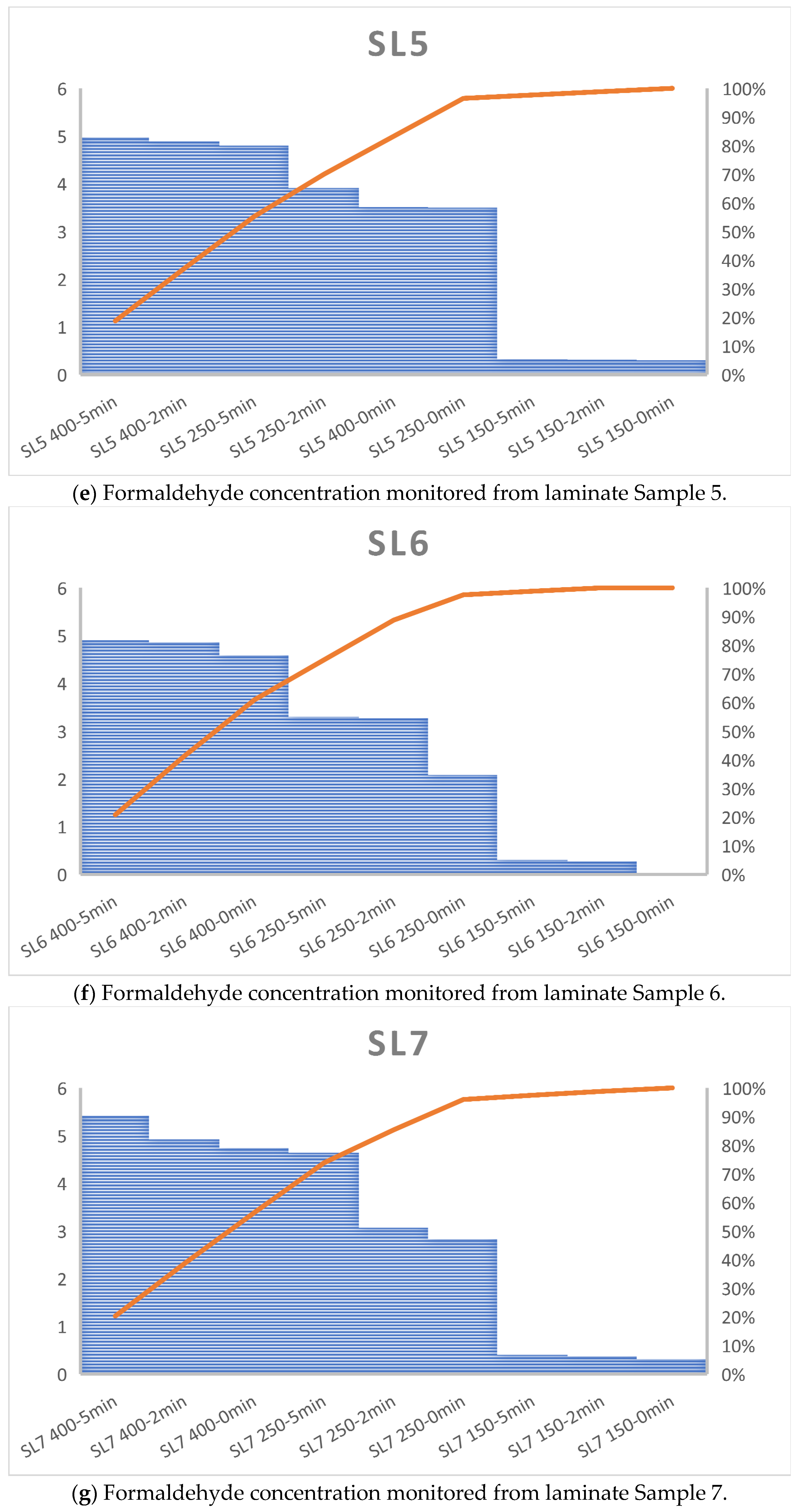
Figure 5 presents the experimentally determined concentrations of formaldehyde released from different laminate flooring samples at temperatures of 150 °C, 250 °C and 400 °C, measured at intervals of 0, 2 and 5 min.
The analysis of the results shows a relatively low level of formaldehyde emissions at 150 °C. In most samples, the concentration increases gradually from 0 to 5 min. This behavior is characteristic of an initial stage of thermal degradation, in which:
  • Residual free formaldehyde is released;
  • Partial degradation of the urea-formaldehyde resins in the HDF core begins;
  • The process is diffusion-controlled and dependent on the exposure time.
The temperature 150 °C is below the threshold of intensive pyrolysis of the wood matrix; the release is relatively moderate and increases with time.
At 250 °C, a significant increase in concentrations is recorded compared to 150 °C. The graphs show:
  • A higher initial value at 0 min;
  • Aa clearly expressed peak within the first 2–5 min;
  • A faster dynamic of change.
This can be explained by the active thermal degradation of lignin and hemicellulose, the adhesive systems and resins in the HDF board, and the surface melamine coatings.
The temperature range around 250 °C corresponds to the initial phase of intensive pyrolysis, in which the formation of low-molecular oxygen-containing compounds (including formaldehyde) is maximum.
A different behavior pattern is observed at 400 °C: high values in the initial minutes, followed by stabilization or decline in some samples.
This phenomenon is explained by rapid depletion of volatile fractions, and formation of a char layer, which limits further diffusion of volatile products and transition to more complete oxidation and secondary decomposition reactions.
The literature data show that at temperatures above 400 °C, wood materials undergo extensive charring, during which formaldehyde emissions decrease due to the destruction of the molecule or its incorporation into secondary reactions.
The general trend at all temperatures shows:
  • Most intensive release in the first 2–5 min;
  • Dependence of emissions on the combination “temperature–time”;
  • Stronger temperature dependence than time dependence.
Temperature is the dominant factor in increasing formaldehyde concentration, while exposure time determines the intensity and duration of release.
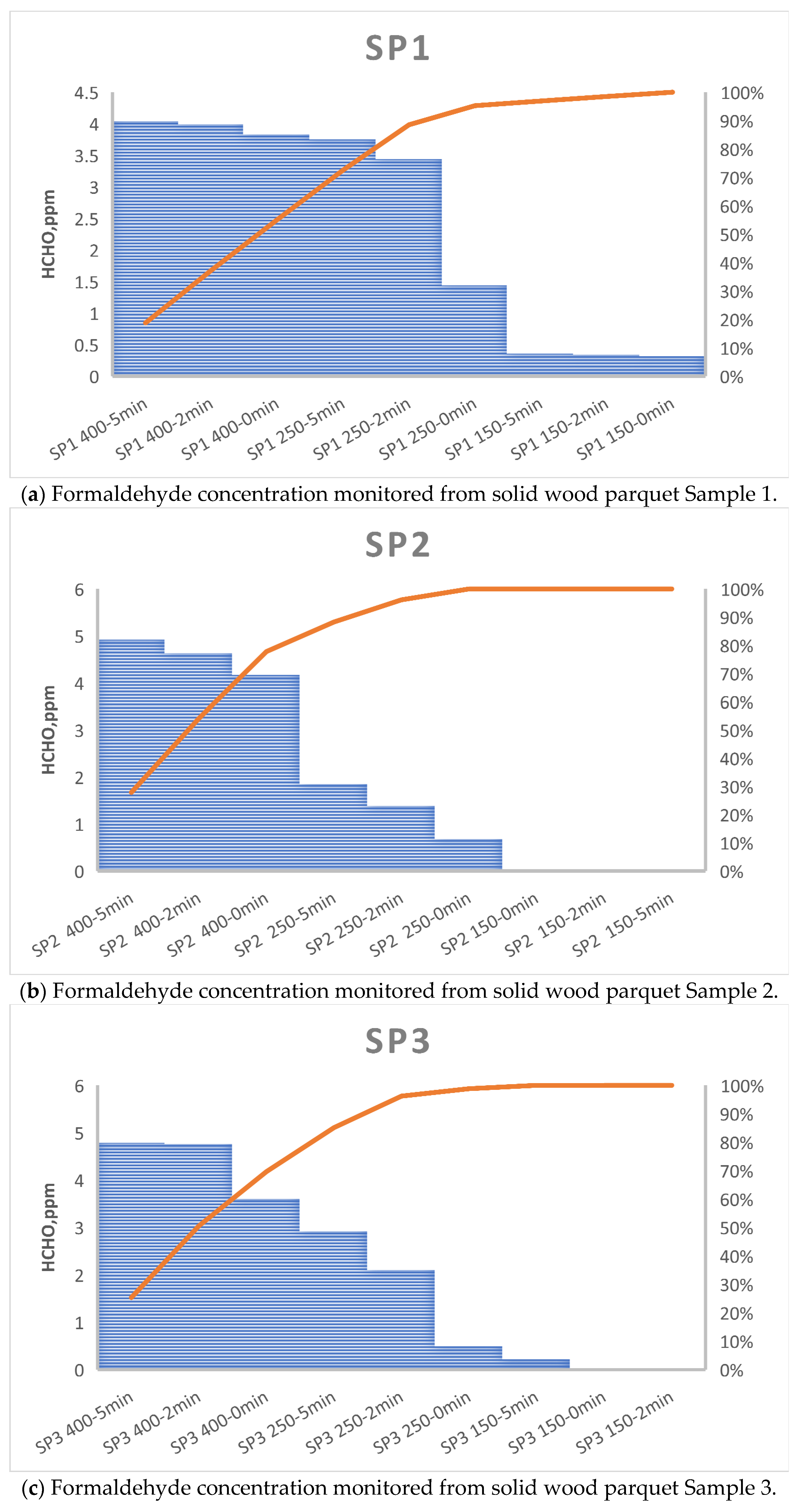
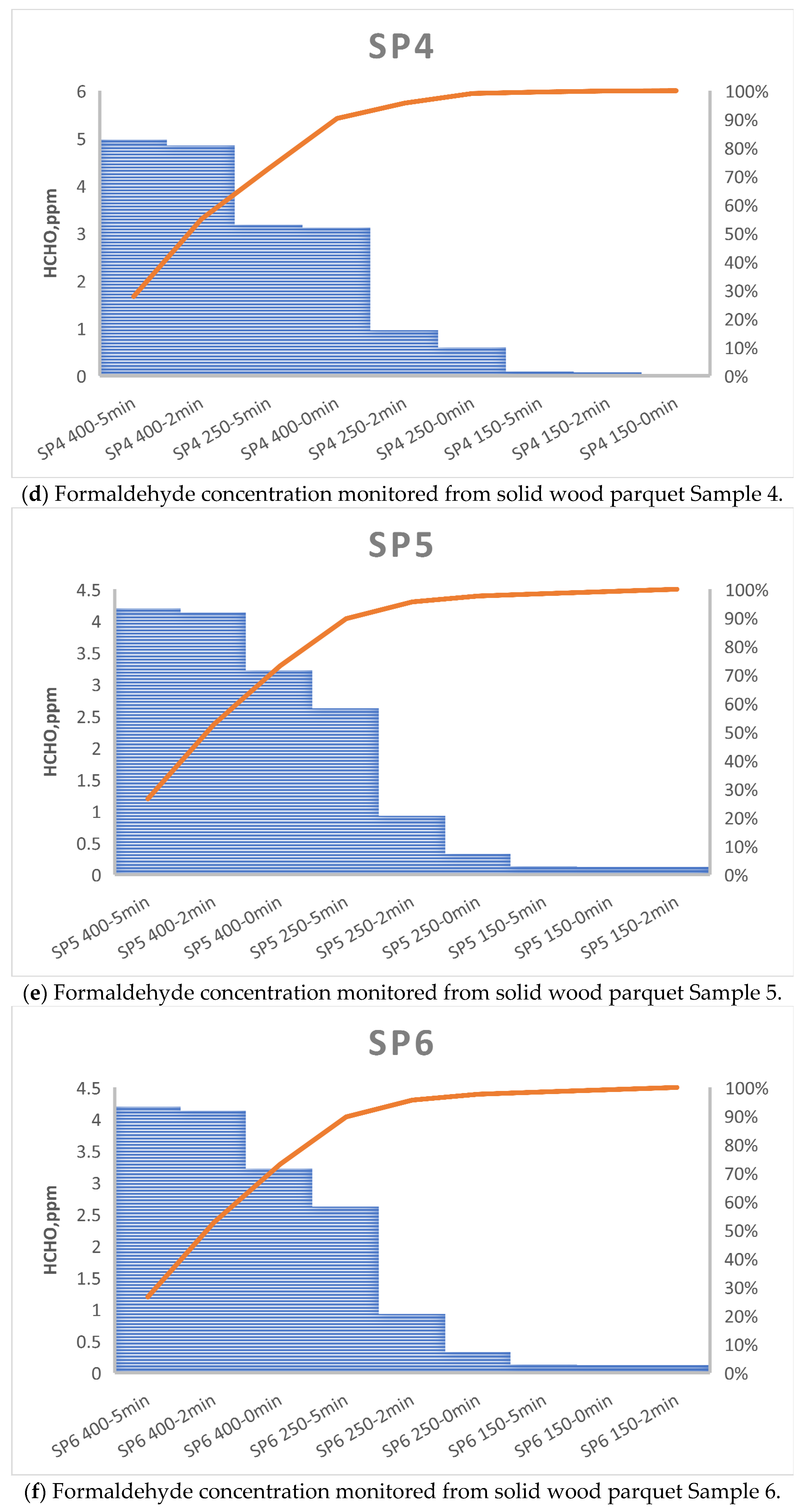
Figure 6 presents the experimentally determined concentrations of formaldehyde released from different natural parquet samples at temperatures of 150 °C, 250 °C, and 400 °C, measured at 0, 2, and 5 min, respectively.
At a temperature of 150 °C, relatively low formaldehyde concentrations are observed in all parquet samples. The trend in most cases shows:
  • A gradual increase in concentration over time (from 0 to 5 min);
  • No sharp peak at the initial moment;
  • A relatively smooth dynamics of change.
This behavior is characteristic of an early phase of thermal impact, in which there is:
  • Release of residual volatile compounds;
  • Initial thermal degradation of hemicellulose;
  • Limited decomposition of surface coatings (varnish/oil).
At 250 °C, a clear increase in concentrations is observed compared to 150 °C. The graphs show higher initial values and clear growth in the first 2 min, reaching a maximum between the 2nd and 5th minutes.
This temperature range corresponds to active pyrolysis of:
  • Hemicellulose (200–260 °C);
  • Initial degradation of cellulose (240–350 °C);
  • Partial decomposition of lignin.
The formation of formaldehyde at this temperature is the result of the thermal decomposition of oxygen-containing structures in the wood, and not from the decomposition of synthetic resins, as in the case of laminate.
The analysis of the graphs shows a clear temperature dependence for both types of flooring. When the temperature increases from 150 °C to 250 °C, a sharp increase in the formaldehyde concentration is observed for both the laminates.
When moving from 150 °C to 250 °C, the concentrations increase by approximately 2–4 times (depending on the specific sample).
When moving from 250 °C to 400 °C, the increase is less pronounced or reaches a plateau, and in some cases stabilization or a decrease is observed.
This shows that the temperature interval around 250 °C represents a critical zone of intense pyrolysis, where maximum amounts of formaldehyde are generated.
Laminate parquet demonstrates higher initial concentrations already at 150 °C. At 250 °C, laminate reaches higher peak values compared to solid parquet. At 400 °C, the difference between the two materials decreases.
This allows us to formulate the following quantitative trend:
C laminate > C parquet   at   150 50   ° C
and
C laminate C parquet   at   400   ° C
The difference at lower temperatures can be explained by the content of urea-formaldehyde resins in the HDF core of the laminate, which begin to decompose even at moderate heating. In natural parquet, formaldehyde is mainly produced by the thermal decomposition of cellulose and lignin.
For both materials, the following is observed: maximum release in the first 2–5 min and a stronger influence of temperature over time.
Temperature is the dominant factor, while time determines the intensity of the initial peak.

4. Conclusions

The present experimental study analyzes the release of formaldehyde from laminate flooring and natural parquet under controlled thermal stress simulating different phases of internal fire development (150 °C, 250 °C and 400 °C). The results show a clear temperature dependence of the emissions and different behavior between the two types of flooring, depending on their material composition.
It was found that:
  • At 150 °C, emissions are relatively low, but measurable for both materials;
  • At 250 °C, a maximum increase in concentration is observed, with the laminate showing higher values than natural parquet;
  • At 400 °C, emissions reach a peak in the initial minutes, after which they stabilize or decrease due to charring and depletion of volatile fractions.
Quantitative analysis indicates that increasing the temperature from 150 °C to 250 °C results in concentration increases of about 2–4 times for parquet and 3–6 times for laminate, confirming that laminate flooring is more sensitive to moderate thermal impact. This is due to the presence of formaldehyde-containing resins in the HDF core, which start to decompose even at lower temperatures. In natural parquet, formaldehyde is mainly a by-product of cellulose and lignin pyrolysis.
Temperature is the main factor influencing formaldehyde release, while exposure time controls the strength and duration of the initial emission peak. The most critical temperature range from a toxicological perspective is around 250 °C, which occurs during the early stage of a developing fire, when evacuation is still feasible, but toxic gas levels increase quickly.

Author Contributions

Conceptualization, R.V.; methodology, I.S. and R.V.; formal analysis, R.V. and I.S.; investigation, A.M.; data curation, A.M. and R.V.; writing—original draft preparation, R.V. and I.S.; writing—review and editing, I.S.; visualization, A.M. All authors have read and agreed to the published version of the manuscript.

Funding

This research received no external funding.

Institutional Review Board Statement

Not applicable.

Informed Consent Statement

Not applicable.

Data Availability Statement

Data are available upon reasonable request to the corresponding author.

Acknowledgments

This work was supported by the Operational Program “Research, Innovation and Digitalisation for Smart Transformation 2021–2027” under Project NoBG16RFPR002-1.014-0006-C01 “National center of excellence for mechatronics and clean technologies”.

Conflicts of Interest

The authors declare no conflicts of interest.

References

  1. Purser, D.A. Toxicity assessment of combustion products. In SFPE Handbook of Fire Protection Engineering, 5th ed.; Hurley, M.J., Ed.; Springer: New York, NY, USA, 2016. [Google Scholar]
  2. Drysdale, D. An Introduction to Fire Dynamics, 3rd ed.; Wiley: Chichester, UK, 2011. [Google Scholar]
  3. Hull, T.R.; Stec, A.A. Fire Toxicity; Woodhead Publishing Limited: Cambridge, UK, 2010. [Google Scholar]
  4. World Health Organization. WHO Guidelines for Indoor Air Quality: Selected Pollutants; WHO Regional Office for Europe: Copenhagen, Denmark, 2010. Available online: https://www.ncbi.nlm.nih.gov/books/NBK138711/ (accessed on 2 March 2026).
  5. IARC. Formaldehyde. In IARC Monographs on the Evaluation of Carcinogenic Risks to Humans, Volume 88; IARC: Lyon, France, 2006. [Google Scholar]
  6. Horn, G.P.; Fent, K.W.; Kerber, S.; Smith, D.L. Exposure Risks and Potential Control Measures for a Fire Behavior Lab Training Structure: Part B—Chemical Gas Concentrations. Fire Technol. 2023, 59, 3255–3282. [Google Scholar] [CrossRef] [PubMed]
  7. An, J.-Y.; Kim, S.; Kim, H.-J. Formaldehyde and TVOC emission behavior of laminate flooring by structure of laminate flooring and heating condition. J. Hazard. Mater. 2011, 187, 44–51. [Google Scholar] [CrossRef] [PubMed]
  8. Böhm, M.; Salem, M.Z.M.; Srba, J. Formaldehyde emission monitoring from a variety of solid wood, plywood, blockboard and flooring products manufactured for building and furnishing materials. J. Hazard. Mater. 2012, 221–222, 68–79. [Google Scholar] [CrossRef] [PubMed]
  9. Wu, Y.; Li, R.; Zhang, M.; Shi, J.; Zhou, F.; Etemadzadeh, M.; Hossain, M.J.; Rumi, M.J.U.; Song, G. Characterization of Smoke Emissions from Wood and Plastic Combustion Under Controlled Conditions. Fire 2026, 9, 117. [Google Scholar] [CrossRef]
  10. Wu, J.; Liu, M.; Tang, Y.; Xu, Y.; He, F.; Wang, J.; Tsai, Y.; Yang, Y.; Long, Z. Assessing Human Exposure to Fire Smoke in Underground Spaces: Challenges and Prospects for Protective Technologies. Sustainability 2025, 17, 9922. [Google Scholar] [CrossRef]
  11. Bai, J.; Lv, X.; Nie, L.; Fang, M. Evacuation Route Determination in Indoor Architectural Environments Based on Dynamic Fire Risk Assessment. Buildings 2025, 15, 1715. [Google Scholar] [CrossRef]
  12. Velichkova, R.; Mihaylova, A.; Simova, I.; Pushkarov, M. Assessment of Formaldehyde and TVOC Pollution from Laminate Burning in Buildings. In Proceedings of the CIEES 2024—IEEE International Conference on Communications, Information, Electronic and Energy Systems, Veliko Tarnovo, Bulgaria, 20–22 November 2024. [Google Scholar] [CrossRef]
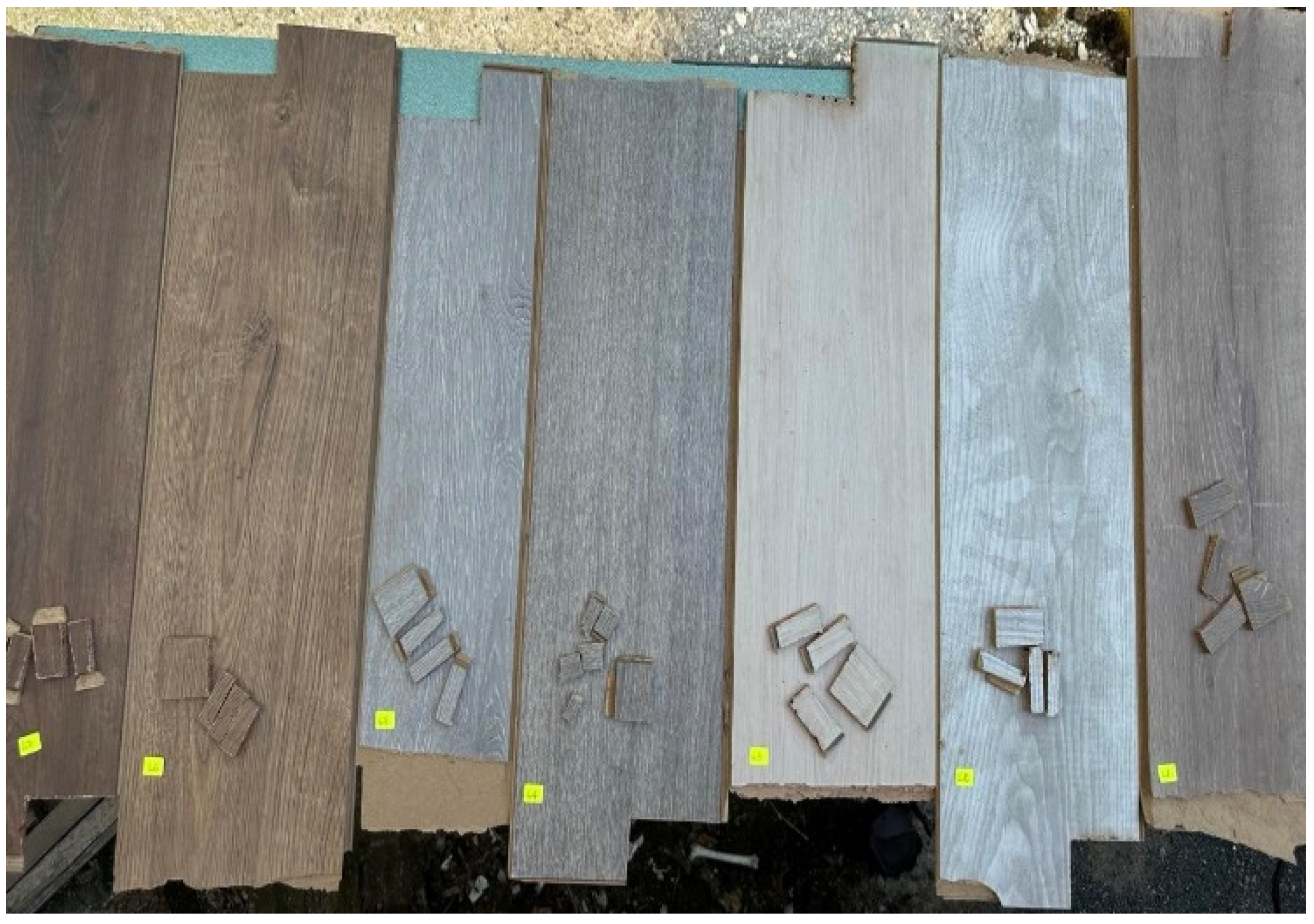
Figure 1. Laminate experimental samples.
Engproc 150 00118 g001
Figure 2. Wood parquet experimental samples.
Engproc 150 00118 g002
Figure 3. Wood parquet experimental setup.
Engproc 150 00118 g003
Figure 4. Experimental samples at three different measurement temperatures.
Engproc 150 00118 g004
Figure 5. Results for different samples for laminate.
Engproc 150 00118 g005aEngproc 150 00118 g005bEngproc 150 00118 g005c
Figure 6. Results for different samples for wood parquet.
Engproc 150 00118 g006aEngproc 150 00118 g006b
Disclaimer/Publisher’s Note: The statements, opinions and data contained in all publications are solely those of the individual author(s) and contributor(s) and not of MDPI and/or the editor(s). MDPI and/or the editor(s) disclaim responsibility for any injury to people or property resulting from any ideas, methods, instructions or products referred to in the content.