


1. Conference Introduction
The STR2E conference (International Conference on Sciences and Techniques for Renewable Energy and the Environment), organized by the research team focused on chemistry, computer science and artificial intelligence (ERCI2A) at the Faculty of Sciences and Techniques-Al Hoceima, the Moroccan Association of Science and Technology for Sustainable Development (MASTSD) and Abdelmalek Essaadi University, Tétouan, Morocco, aims to promote scientific exchange and interdisciplinary collaboration in all fields of engineering sciences and techniques related to renewable energy and the environment. This second edition highlights themes related to energy transitions, sustainability and contemporary environmental issues, such as the following:
- *
- Solar Energy Engineering;
- *
- Smart grid;
- *
- Photovoltaic and grid;
- *
- Hydrogen storage;
- *
- Energy conversion
- *
- Electrode materials for energy, environment and electrochemical sensors applications;
- *
- Water splitting, electrolysis efficiency and fuel cells;
- *
- Solar collectors and exchangers;
- *
- Semiconductors and thin films for photovoltaic applications;
- *
- DFT for semiconductor energy applications;
- *
- DFT for photocatalysts, catalysts, and optics;
- *
- Wind energy engineering;
- *
- Electric and hybrid vehicles;
- *
- Batteries;
- *
- Biomass energy engineering.
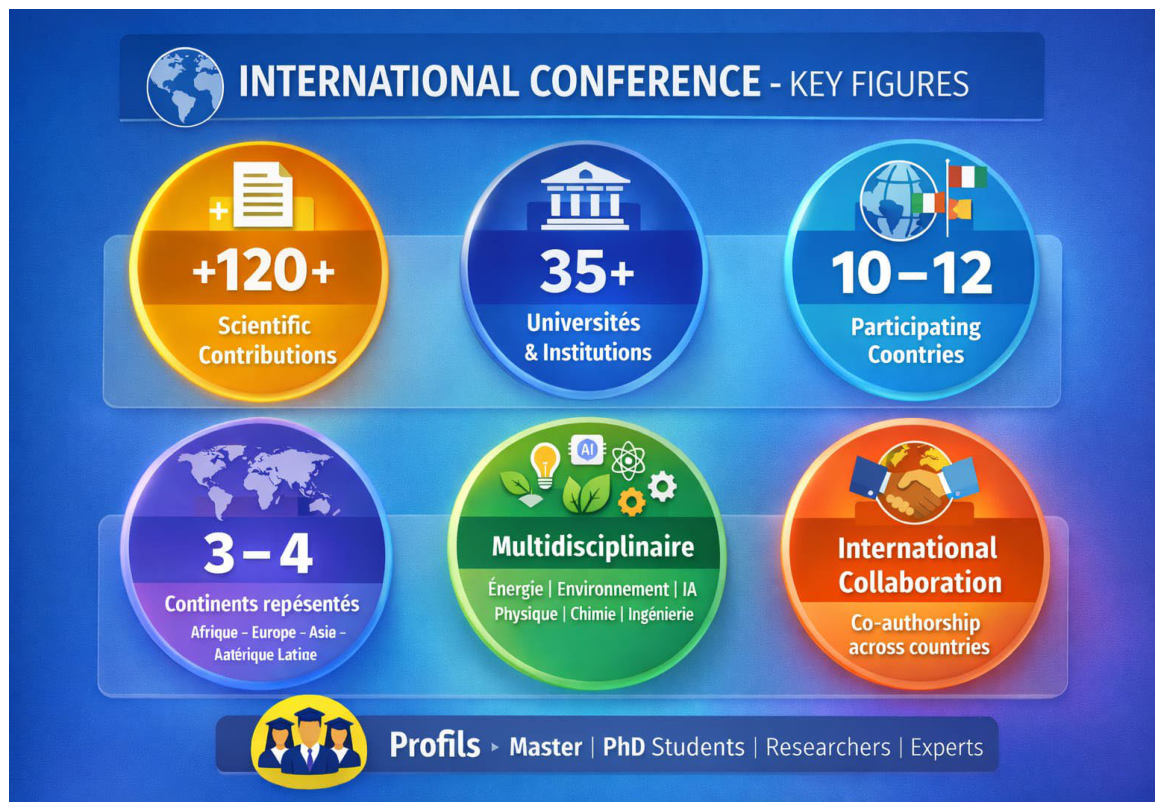
STR2E has become a leading scientific platform, bringing together more than 140 participants from over 35 universities and institutions, representing 10 to 12 countries on three or four continents (Africa, Europe, and Asia, with an opening towards Latin America), and reflecting a consolidated international scientific influence (Figure 1). The committees each comprise about 120 people, with remarkable geographic diversity.
Figure 1.
Statistics of participants in the second edition of STR2E 2026 according to their geographical, disciplinary, and academic origins.
STR2E stands out for its strong institutional diversity, with leading Moroccan universities—notably the Mohammed V University, the Abdelmalek Essaâdi University, the Hassan II University of Casablanca, the Ibn Zohr University, Cadi Ayyad University and Sultan Moulay Slimane University—forming international partnerships with scholars from France, Spain, Portugal, the United Kingdom, India, Indonesia, Uzbekistan, Mexico, Colombia, Côte d’Ivoire, and Eritrea, creating an open and highly collaborative scientific environment.
Scientifically, the conference covers strategic areas with high impact, including renewable energy, environment and sustainable development, artificial intelligence, materials science, and applied engineering, while promoting an advanced dynamic of international authorship, academic mobility and knowledge transfer.
The selected contributions in this Special Issue underwent a rigorous peer review process, ensuring a high level of scientific quality and methodological relevance. This initiative is thus part of a drive to strengthen innovation, structure scientific collaborations, and consolidate international positioning in the fields of energy and the environment.
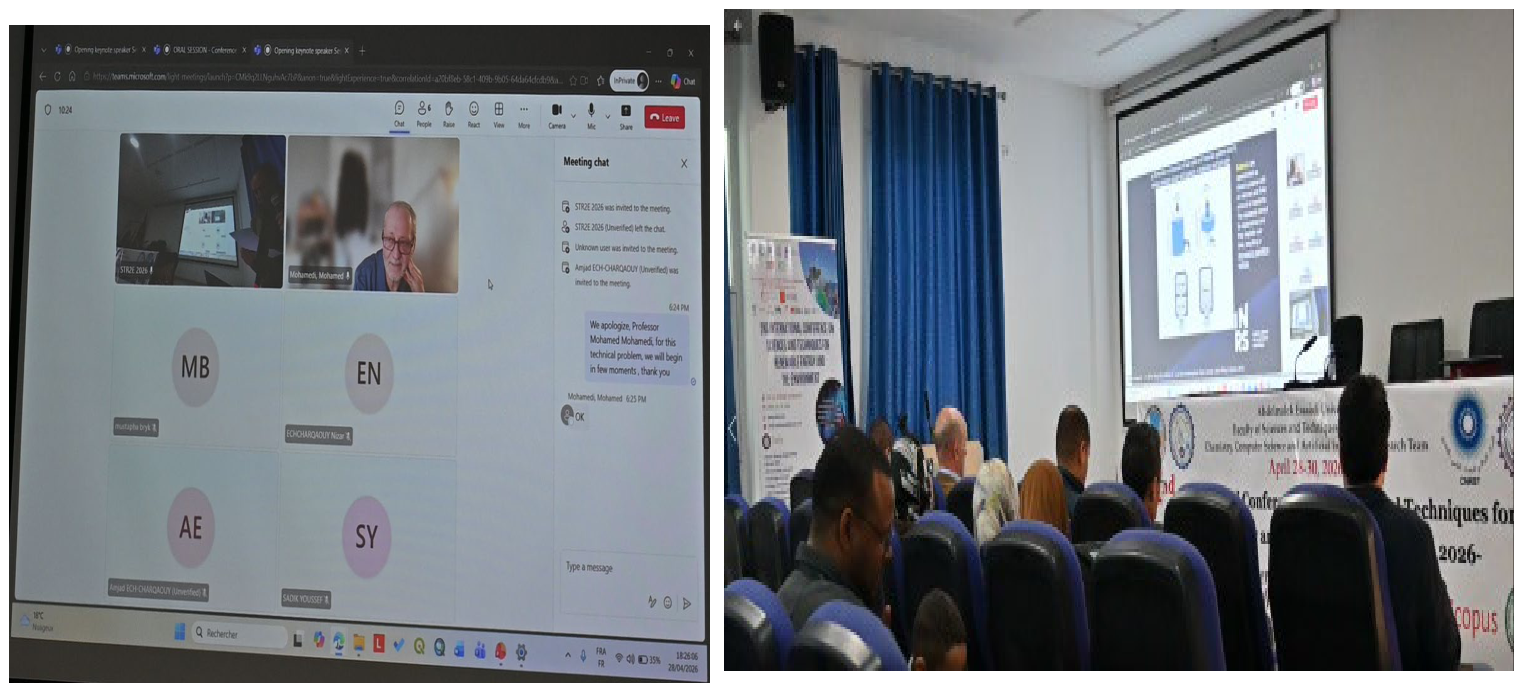
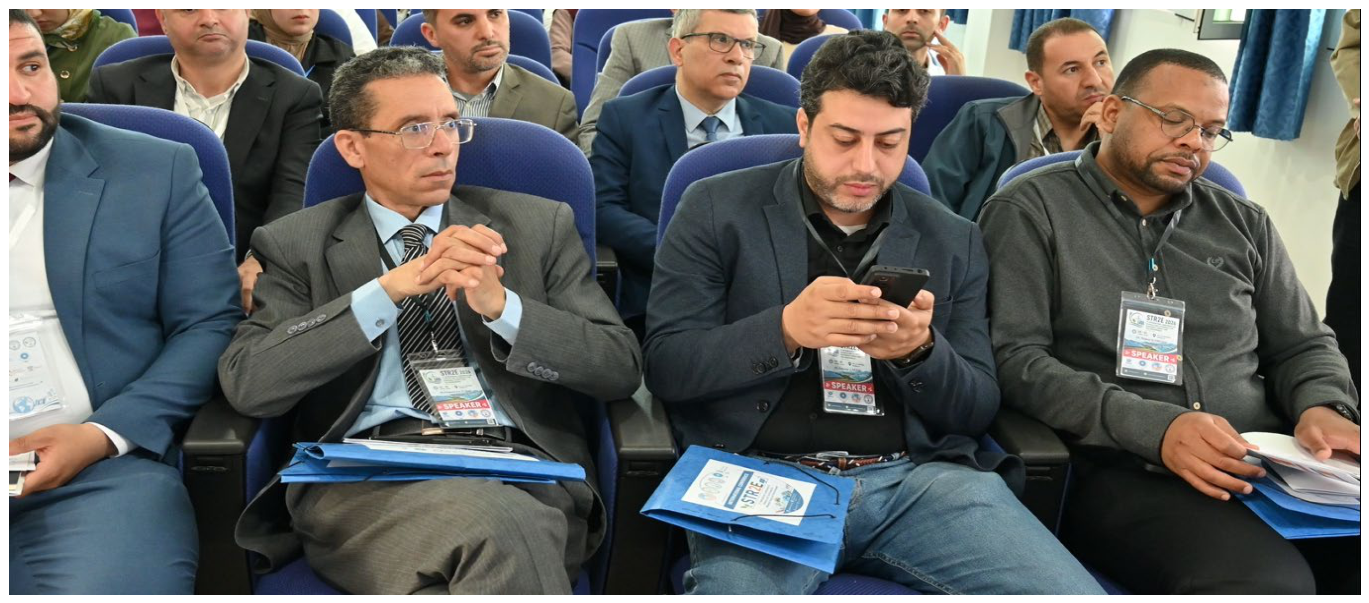
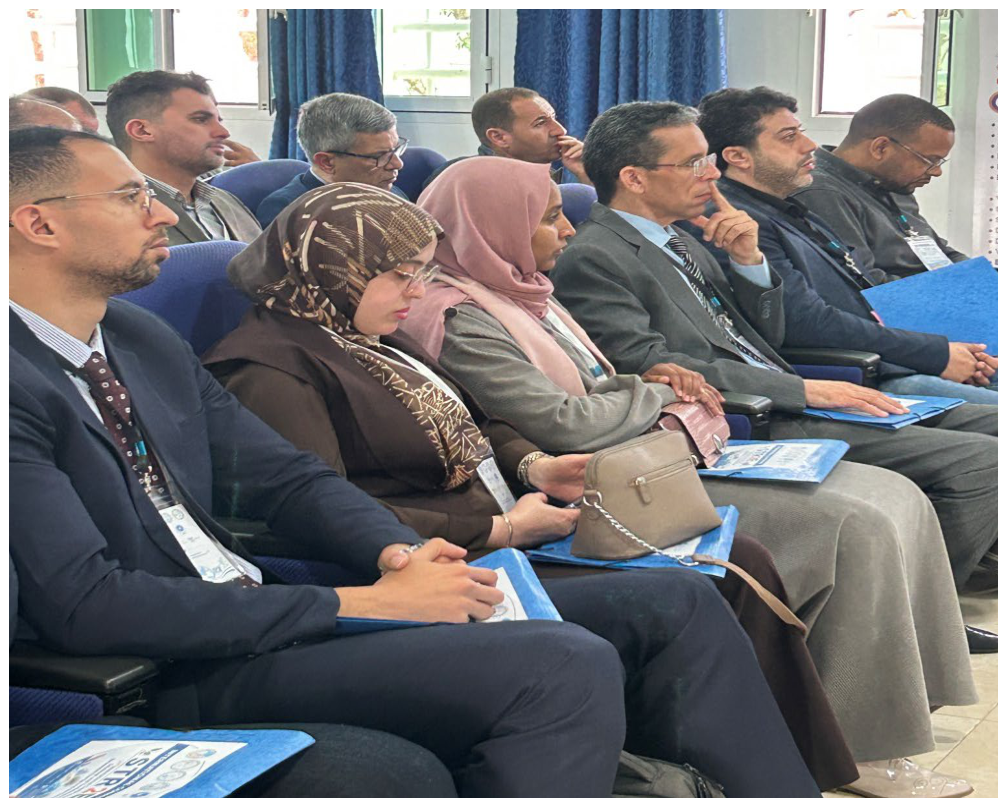
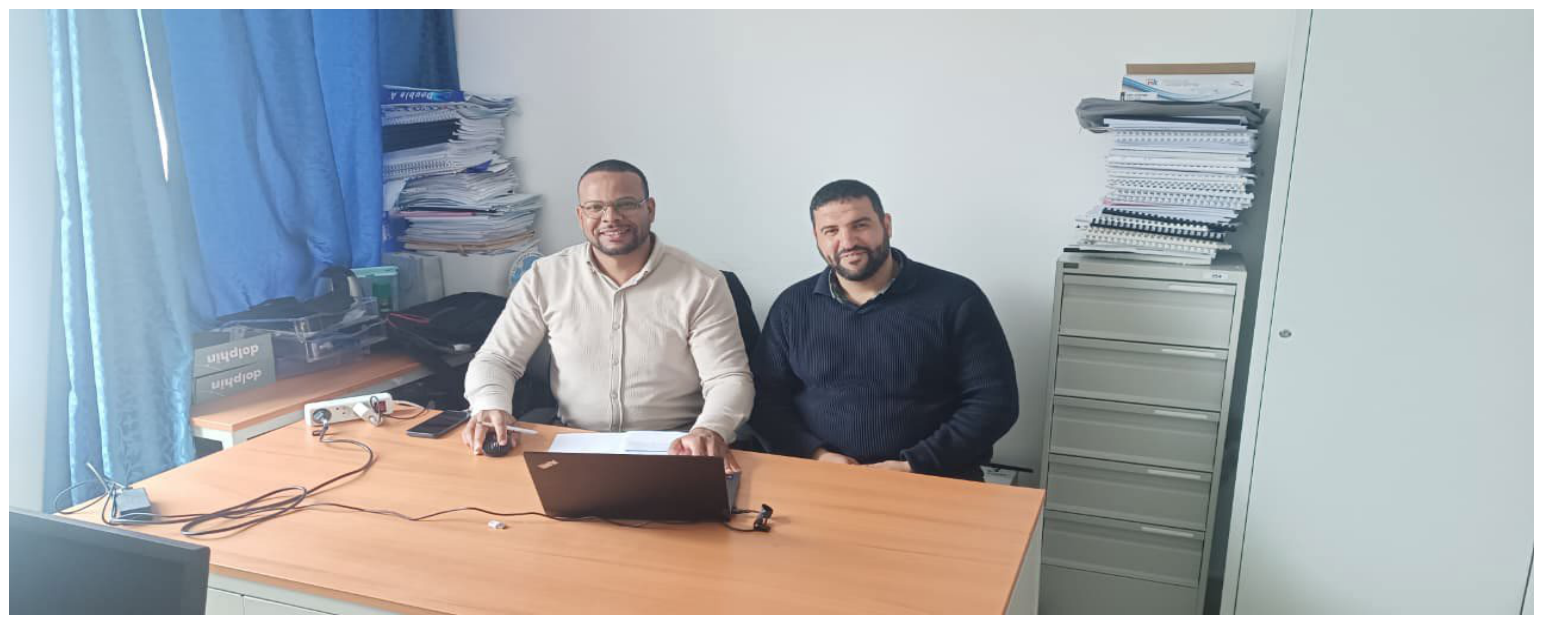
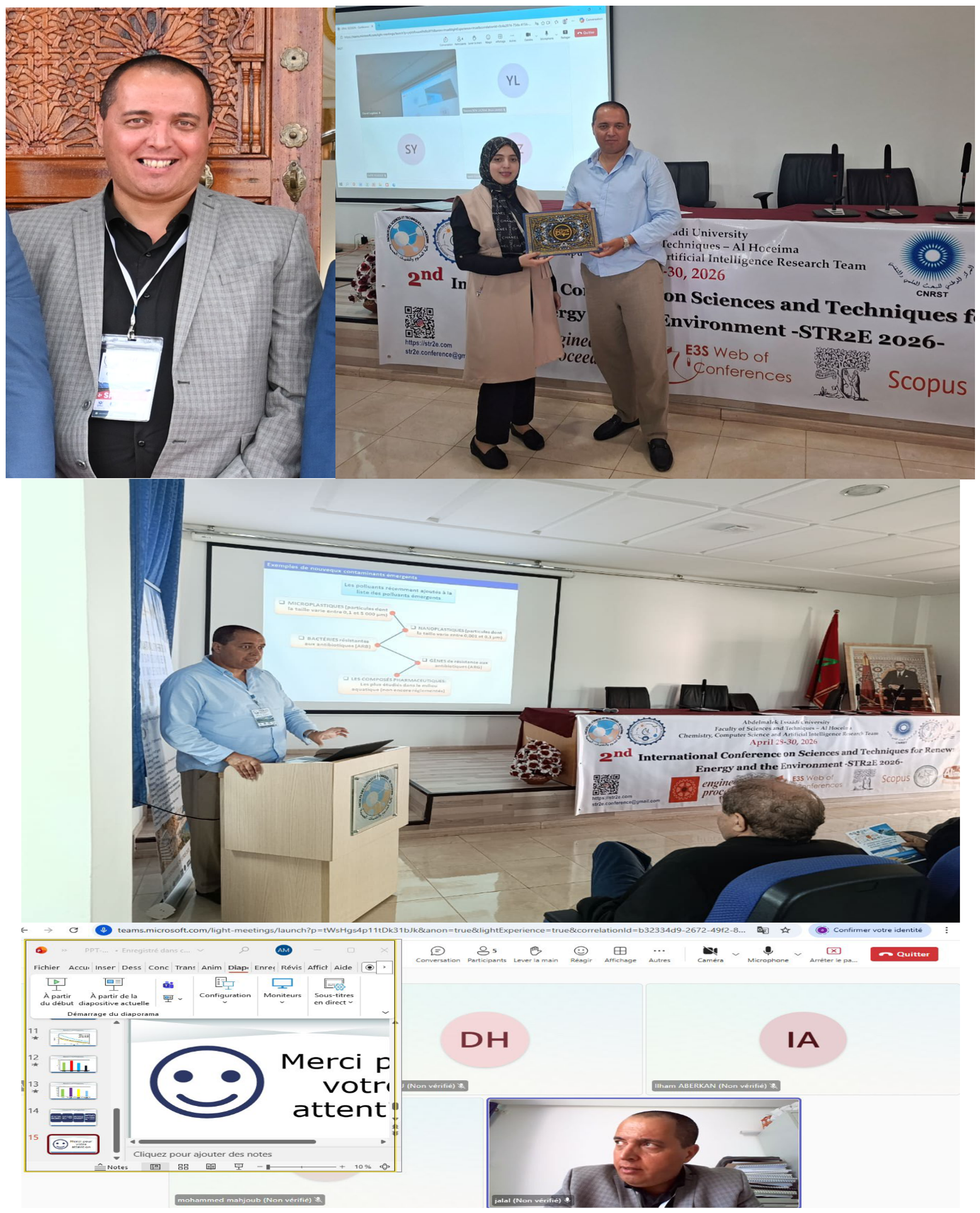
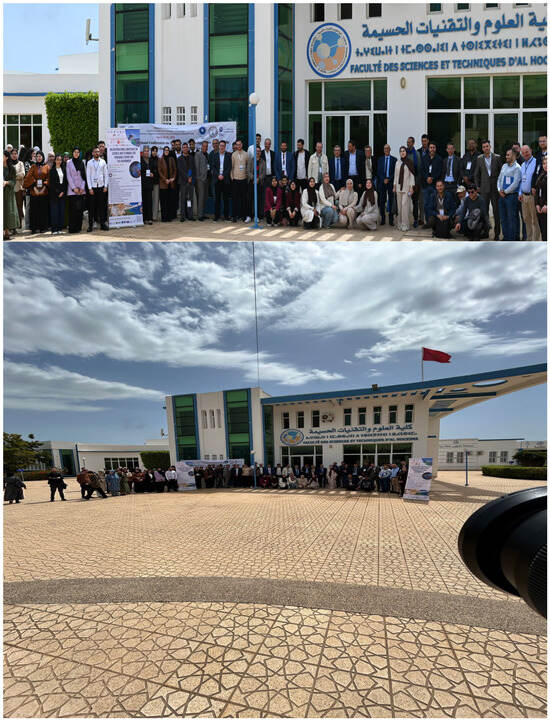
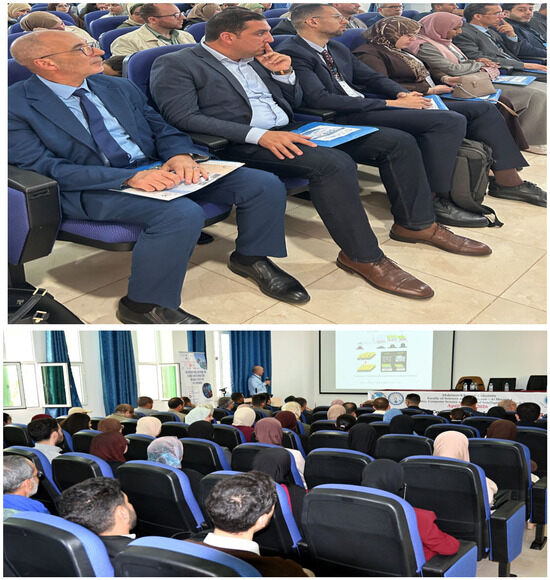
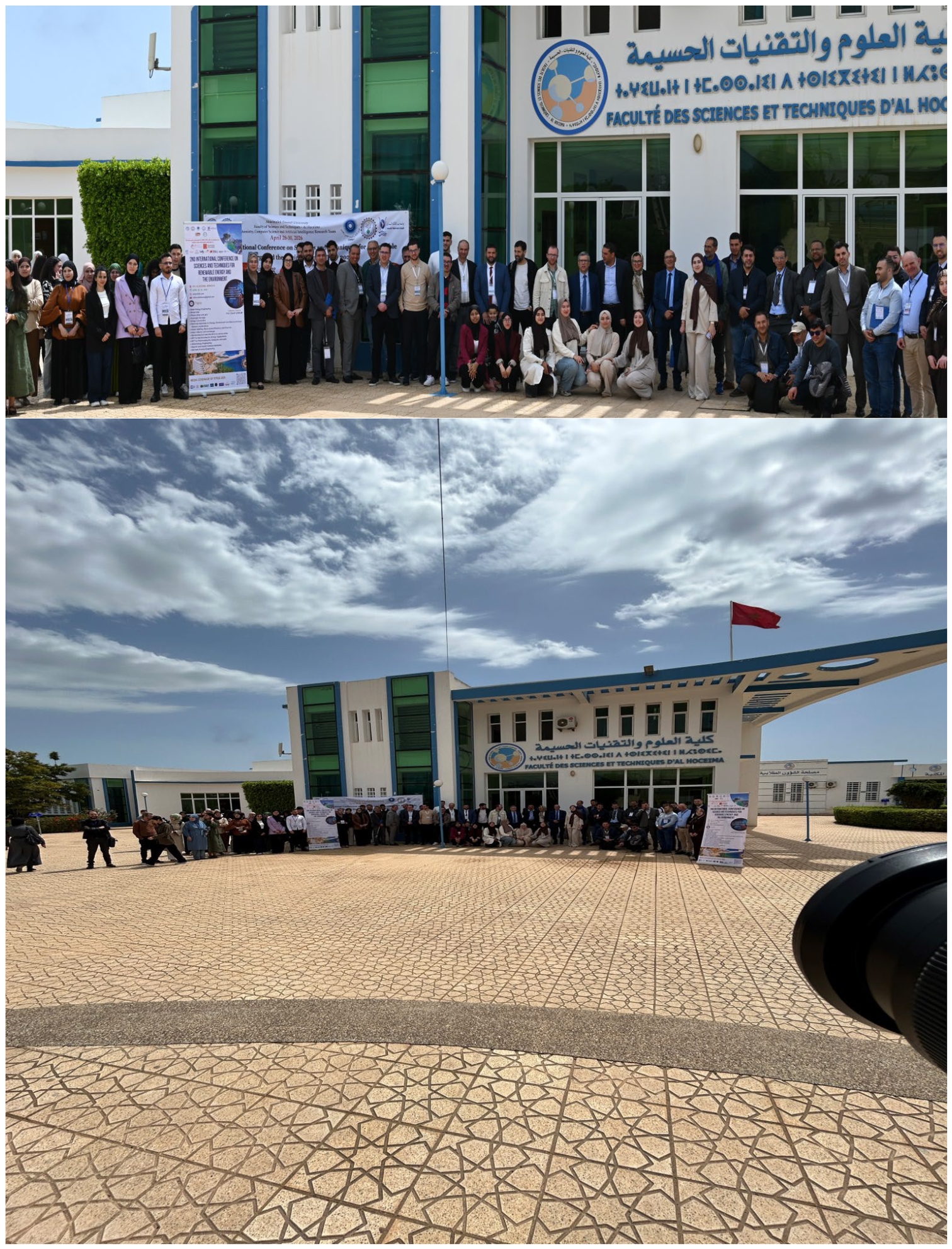
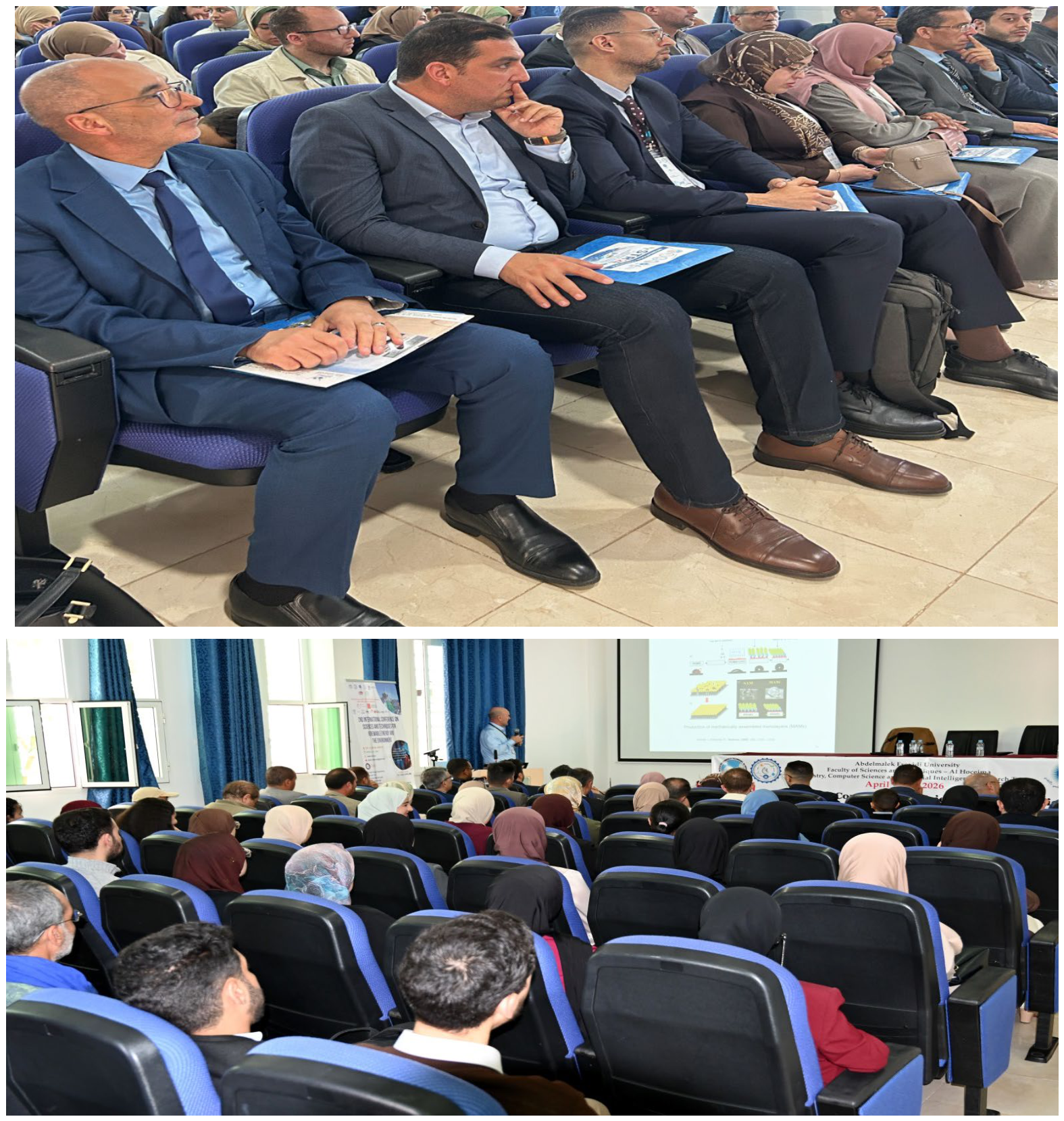
Thirteen plenary conferences will be presented during the three days of this event by eminent experts from around the world (France, Portugal, Mexico, and Morocco) (Figure 2).
Figure 2.
Photos taken during STR2E 2026.
2. Conference Speakers
2.1. Green Approaches to Build up Free Fluorine Anti-Wetting Surfaces
- *
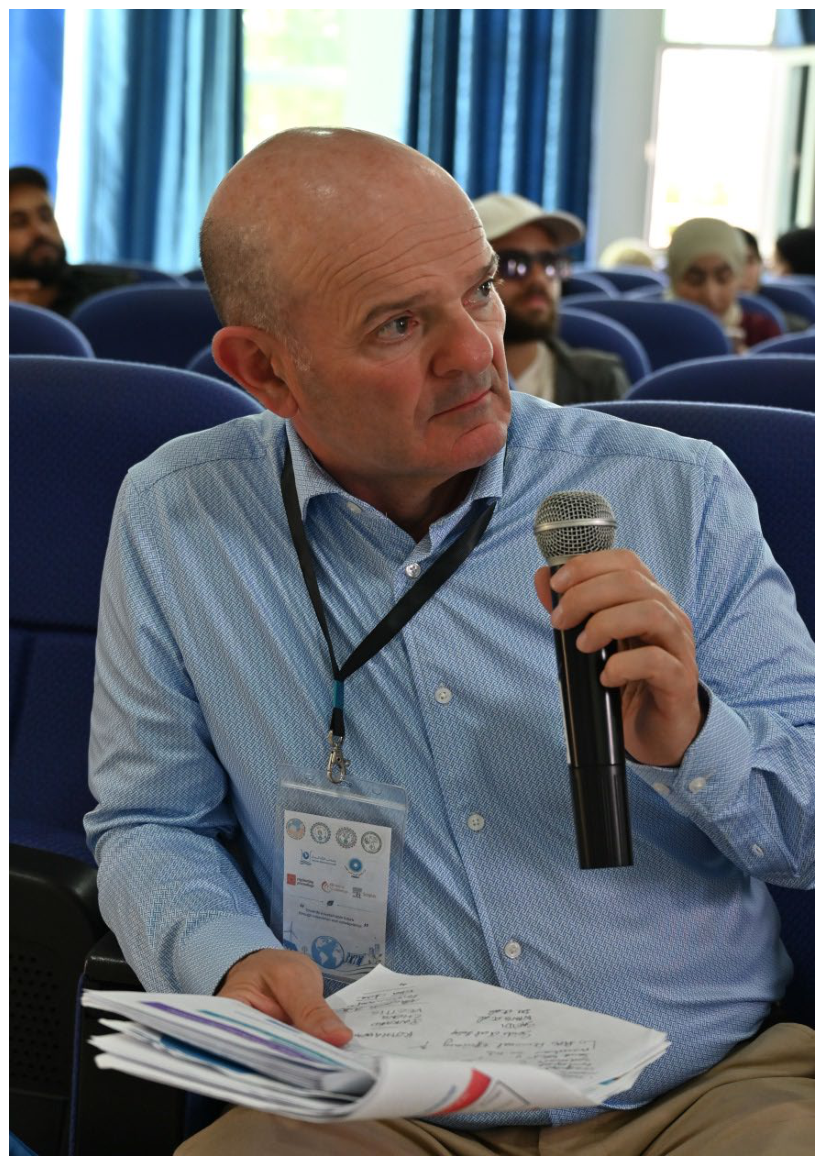
- Pr. GUITTARD Frederic (Figure 3)
- **
- Université COTE d’AZUR, FRANCE
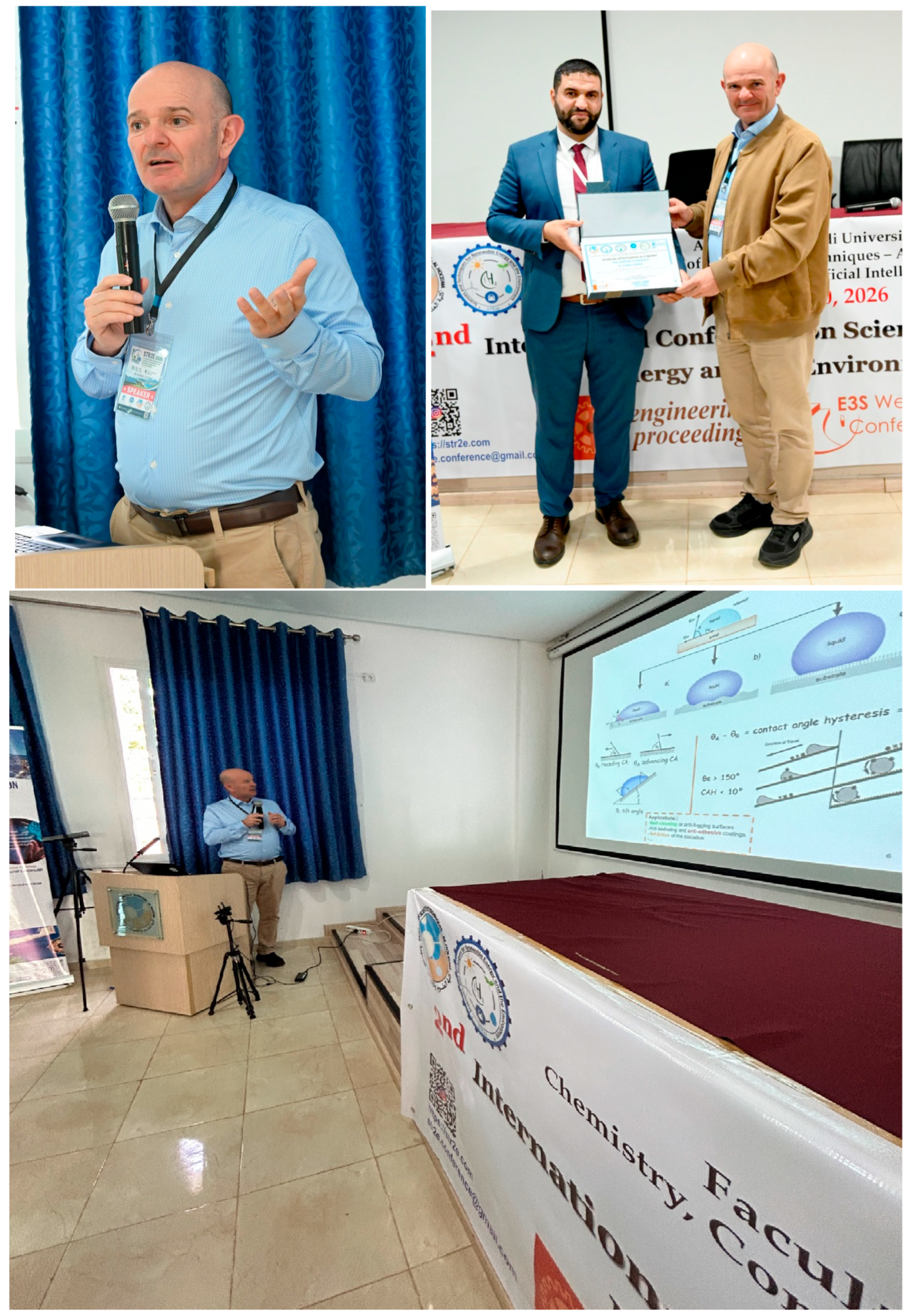
Figure 3.
Pr. GUITTARD Frédéric photo taken during STR2E 2026.
- *
- Biography: Prof GUITTARD Frédéric was director of the chemistry department from 2004 to 2010 at Nice University and established the Bachelor’s and Master’s 1&2 apprenticeship with 130 industrial partners. He is author or co-author of 300 articles and invited to 74 conferences, and is a leader on adhesion (or anti-wetting) and surface properties. Between 2010 and 2022, he was a visiting researcher at Bristol University (UK), at the Institute of Physics (Czech Rep.) in Porto Alegre (Brazil) and at University California Riverside, CA (USA) for 5 years. In 2012, he became the founder and chairperson of international conferences on Biobased and Biomimetic, Materials and Chemistry (www.nice-conference.com), biannual (Summer–Winter) conferences endorsed by M.R.S, E-M.R.S. and I.U.P.A.C and accredited, in 2024, as part of the Club for UNESCO. He is the founder and was director, from 2020 to 2024, of the CNRS national network initiative group for biomimetics, named “GDR-2088-biomim”, which has 98 laboratories and 700 researchers/members.
- *
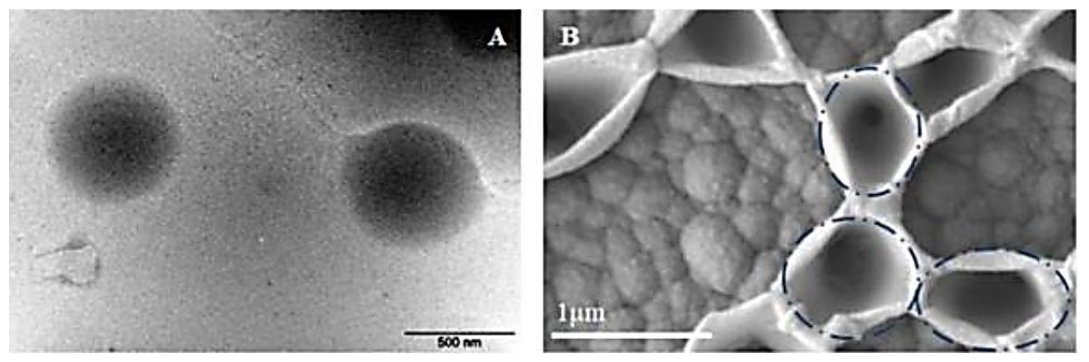
- Abstract of the Speech: Inspired by natural surfaces such as gecko feet and rose petals [1,2], controlling surface hydrophobicity and water adhesion is essential for applications like water-harvesting systems. Vertically aligned nanotubes are particularly appealing because of their high surface-area-to-volume ratio and adjustable porosity, which give rise to unique wetting behaviors [3]. Soft-template electropolymerization provides a simple and efficient approach for fabricating nanotubes with tunable characteristics. In aqueous media, hydrogen and oxygen bubbles generated during electropolymerization can create porosity within the material [4]. In organic solvents, we demonstrated that micelles form in the presence of water prior to electropolymerization, acting as soft templates that guide polymer growth [5] (Figure 4). The formation of nanotubular structures requires directing polymer growth along a single dimension (1D), which can be achieved using monomers capable of π-stacking interactions [6], provided that the polymerization rate remains sufficiently slow. Recently, we investigated triphenylamine-based molecules functionalized with thiophene or carbazole substituents in various positions. Their geometries and electronic structures were analyzed using DFT calculations at the B3LYP/6-31G(d) level. The optimized structures revealed non-planar conformations arising from steric interactions between conjugated units. Notably, carbazole substitution at the para position produced particularly promising results. We will also present a method for fabricating such surfaces without the use of templates. And finally, in aqueous media, the electrocrystallization of organic acids as in situ templates for pyrrole electropolymerization offers a promising route toward controlled surface structuring through the modulation of key electrochemical parameters.
Figure 4.
Structures obtained by soft-template electropolymerization due to the presence of micelles in the medium: (A) spherical structures at the nanoscale; (B) interconnected porous structures at the microscale.
Keywords: bioinspired; hydrophobicity; water adhesion; surface structures; electrochemistry.
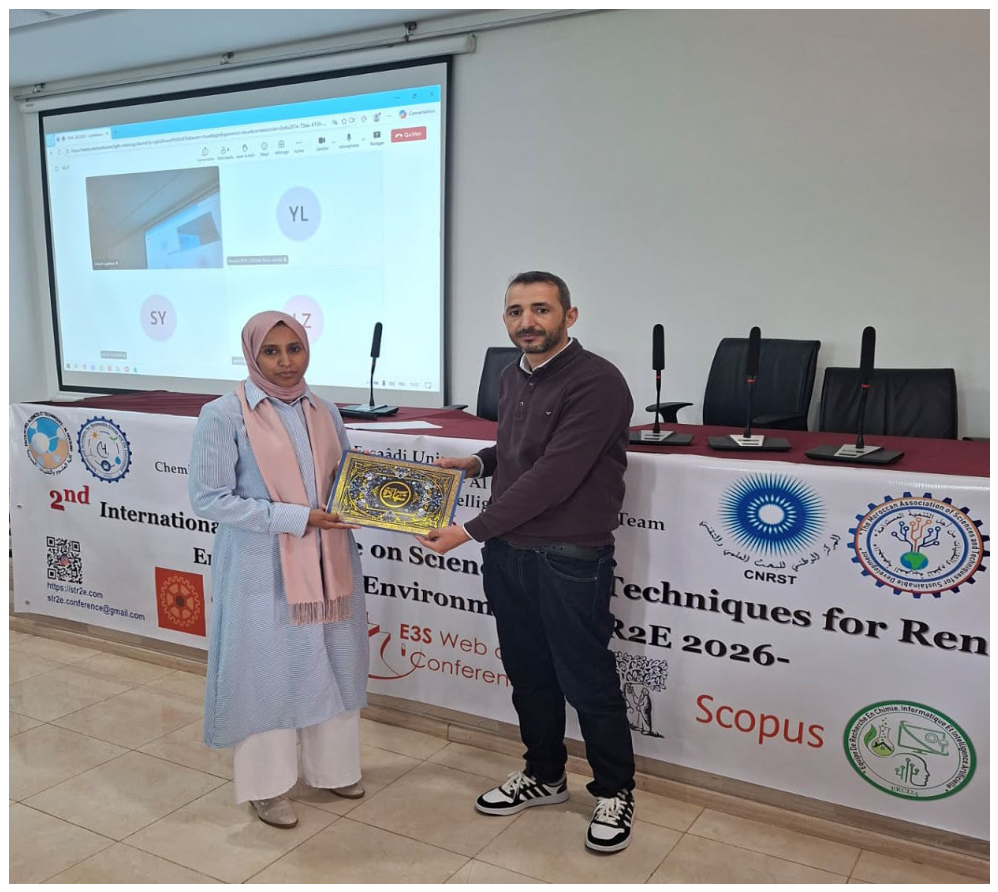
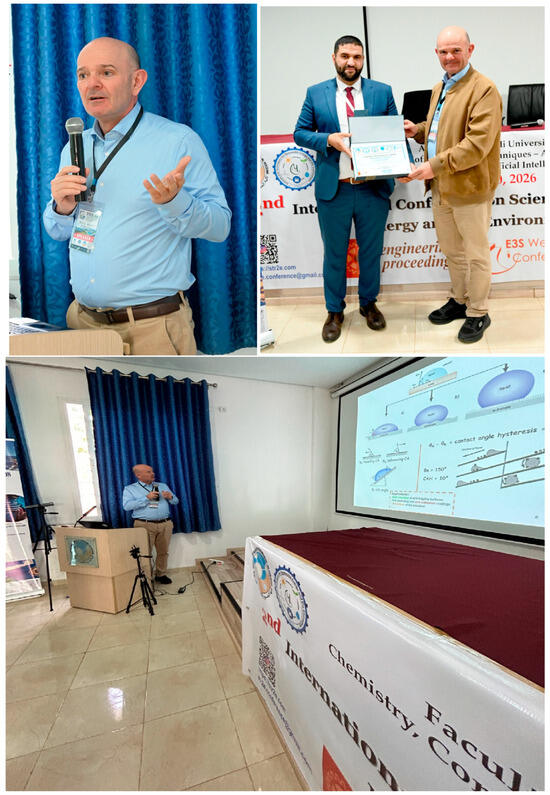
Figure 5 shows Prof. Frédéric Guittard during STR2E 2026, where he was warmly welcomed and honored with a certificate of appreciation in recognition of his valuable participation and contribution to the conference.
Figure 5.
Pr. GUITTARD Frédéric during STR2E 2026.
2.2. Bridging Trust and Intelligence: AI-Driven Energy Systems in an Uncertain World
- *
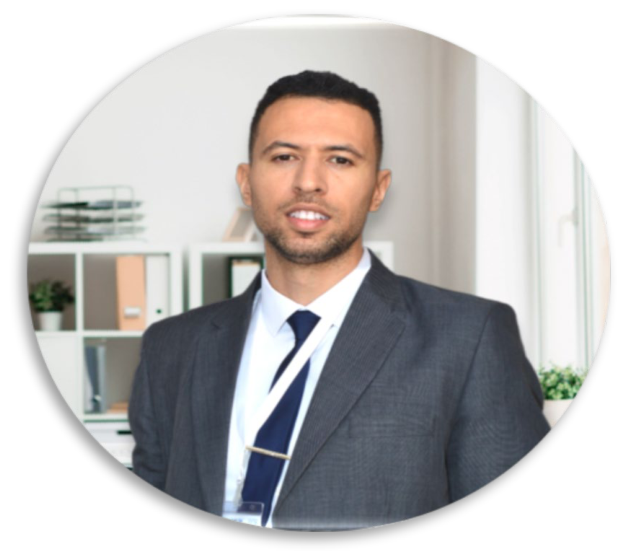
- Pr. Mohammed Ali JALLAL (Figure 6)
- **
- Higher Normal School, Sidi Mohamed Ben Abdellah University in Fez, Morocco Ingénieur Post doctoral DTCH/SSETI/LSET; Centre de Grenoble/Site du Bourget-du-Lac, France
Figure 6.
Pr. Mohammed Ali Jallal.
- *
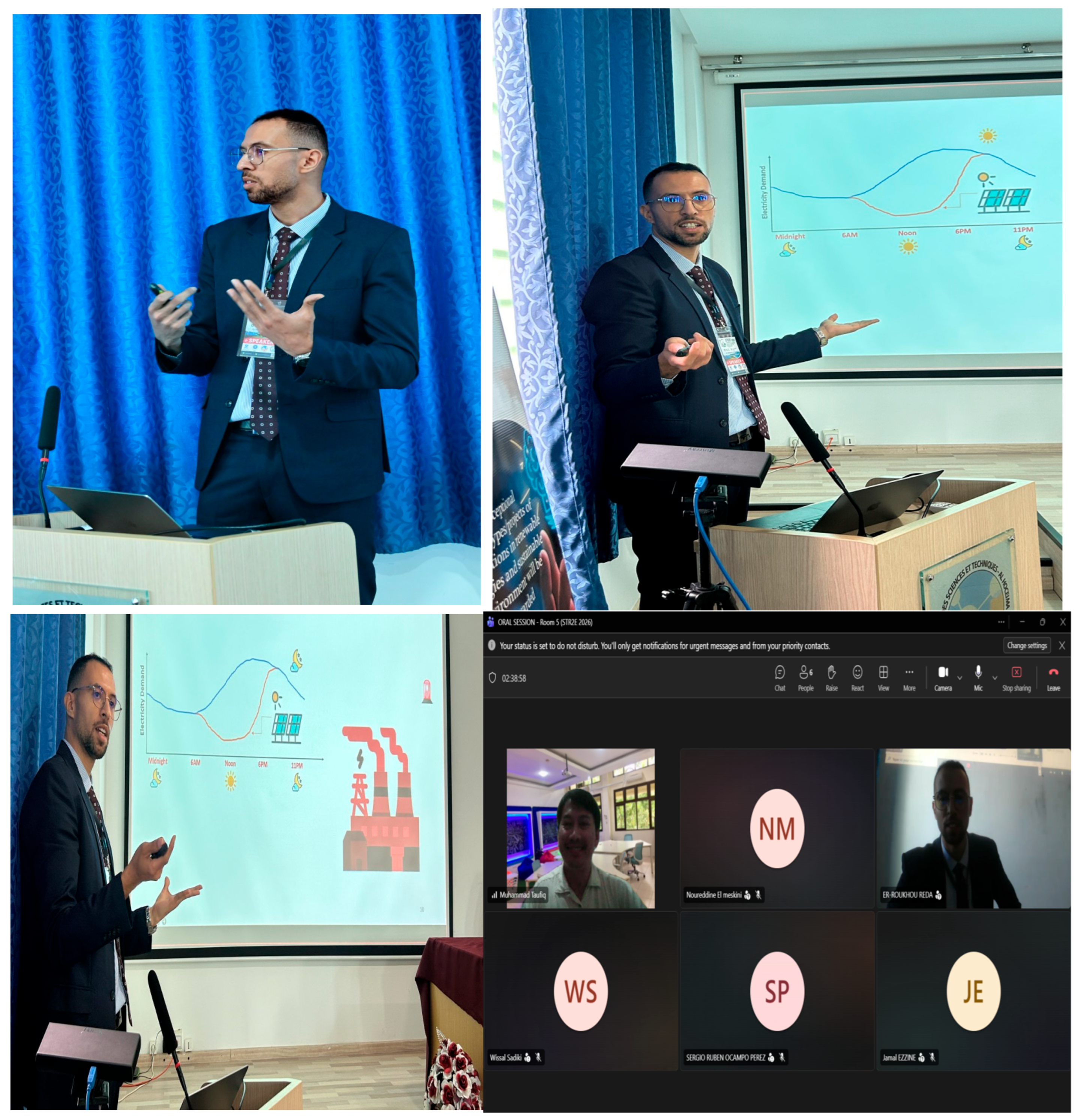
- Biography: Dr. Mohammed Ali Jallal (Figure 7) is a Professor at Sidi Mohamed Ben Abdellah University in Fez, Morocco, specializing in Artificial Intelligence and smart energy systems. He earned his Ph.D. in 2021 from the Faculty of Sciences Semlalia at Cadi Ayyad University in Marrakesh, focusing on the integration of AI with renewable energy and electrical engineering. During his doctoral studies, he completed a research internship at the University of Murcia in Spain, where he worked on hybrid machine learning approaches applied to smart buildings. He previously served as a researcher at the French Atomic Energy Commission and Alternative Energies (CEA) in France, contributing to advanced projects on AI-driven energy systems, including international initiatives related to energy optimization and system digitalization. His work also spans areas such as intelligent thermal systems and sustainable energy solutions. Prof. Jallal has collaborated with multidisciplinary teams across Europe and contributed to several international research projects. He has authored and co-authored numerous scientific publications on AI and the energy sector. In addition, he serves as a reviewer for leading publishers including Elsevier, Springer, Wiley, and IET, and actively participates as a member of program committees for international conferences worldwide.
- *
- Abstract of the Speech: This keynote offers a forward-looking perspective on how artificial intelligence is redefining the way we produce, manage, and interact with energy. As energy systems evolve toward greater complexity and decentralization, the role of AI becomes pivotal, not only in enhancing performance, but in enabling smarter, more responsive, and more reliable infrastructures.
The talk will explore a wide spectrum of impactful applications, from optimizing renewable energy production and enabling advanced system supervision, to transforming how energy is consumed and managed within smart buildings. It will also highlight emerging approaches to improving the efficiency and coordination of modern energy networks, alongside real-time monitoring and fault detection in critical systems such as district heating.
Bringing together innovation and practical insight, this keynote paints a compelling picture of an energy future driven by intelligent systems, where performance, adaptability, and confidence go hand in hand.
Figure 7.
Pr. Mohammed Ali Jallal during STR2E 2026.
2.3. Upcycling Commodity Polymers for the Preparation of Added-Value Materials and Fuels
- *
- Pr. Rabah BOUKHERROUB (Figure 8)
- **
- Institute of Electronics, Microelectronics and Nanotechnology (IEMN), UMRCNRS 8520, Cité Scientifique, Avenue Poincaré—CS60069, Villeneuve d’Ascq, France
Figure 8.
Pr. Rabah Boukherroub.

- *
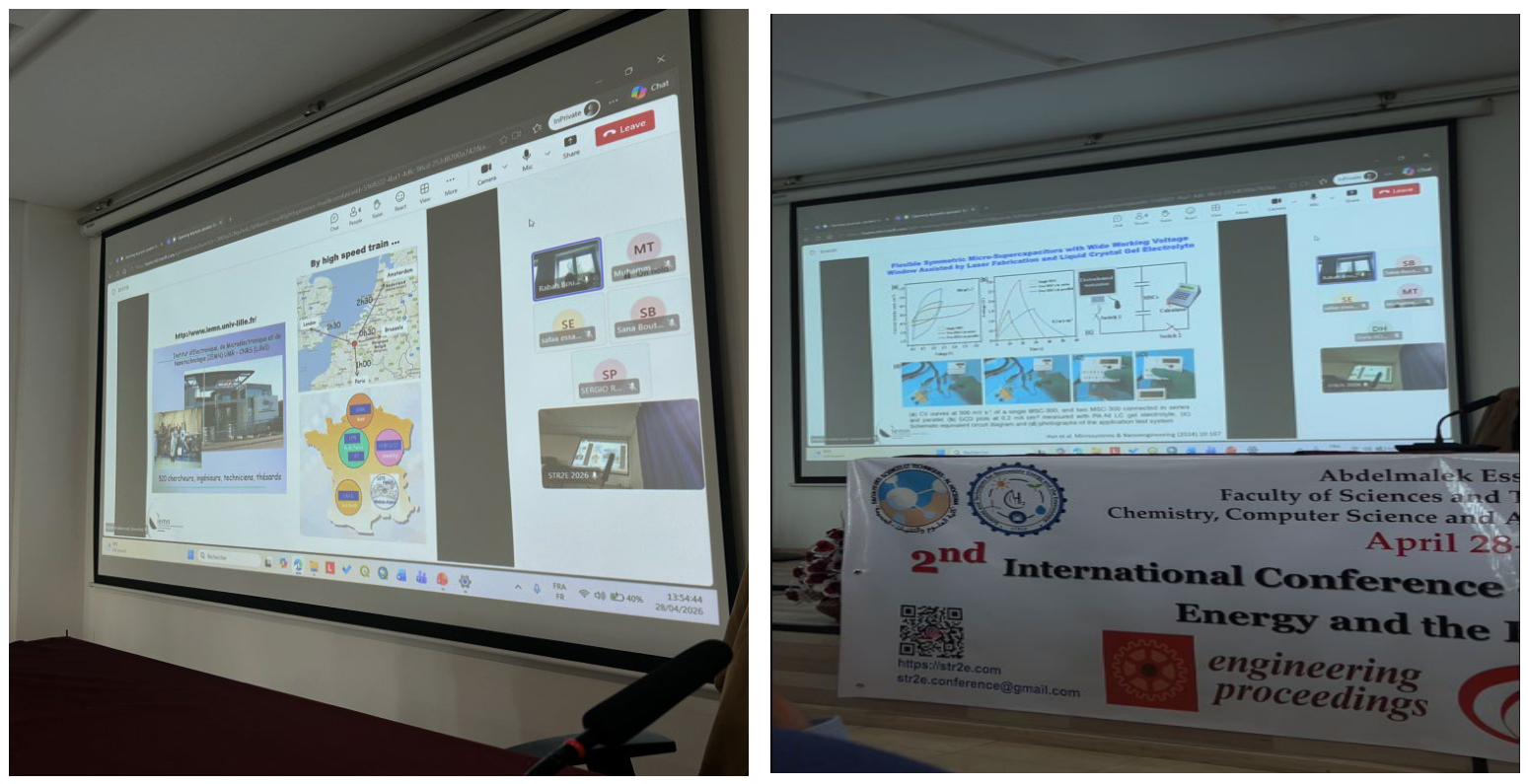
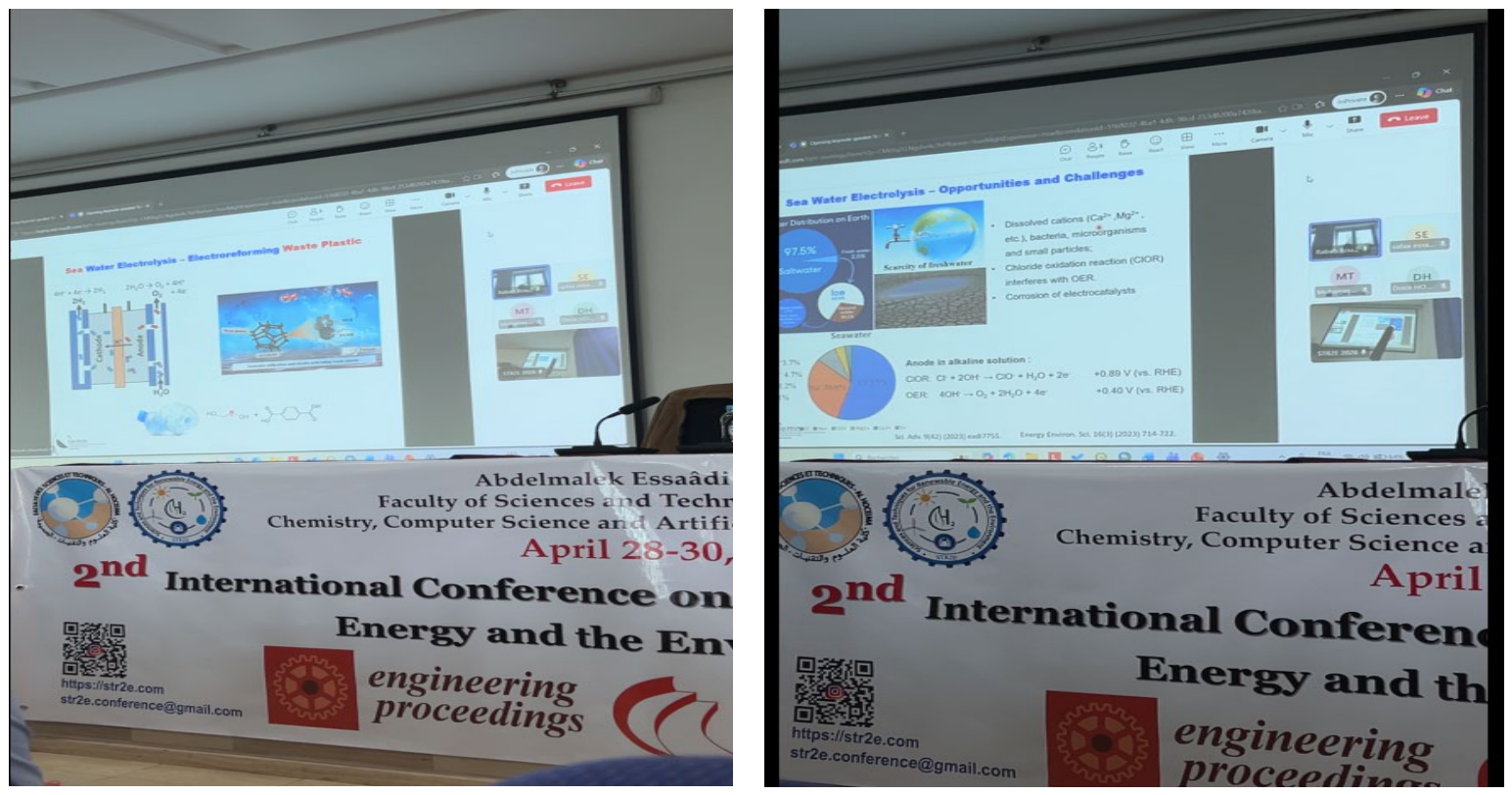
- Biography: Dr. Rabah Boukherroub (Figure 9) received a Ph.D. in chemistry from the University Paul Sabatier in Toulouse, France. He is currently a CNRS research director at the Institute of Electronics, Microelectronics and Nanotechnology (IEMN), CNRS and University of Lille, France. His research interests are in the area of functional materials, surface chemistry, and the photophysics of semiconductor/metal nanostructures with an emphasis on biosensors, nanomedicine, photocatalysis and electrocatalysis. He has been a visiting professor in many universities in China and Japan. He has published many research publications, wrote 45 book chapters and was a co-editor of 10 books on subjects related to nanotechnology, materials chemistry, and biosensors. He has 15 patents or patents pending.
- *
- Abstract of the Speech: Plastics represent the largest synthetic consumer product in the world. The annual production in 2018 reached 359 million metric tons. Plastics are found in countless products (packaging, construction materials, electronics, biomedical devices, energy storage, etc.), owing to their light weight, low cost, easy processability and diverse advantageous properties. However, despite these beneficial features, the end-of-life management of plastic waste is challenging. The mismanagement of plastic products leads to environmental pollution because plastic’s lifetime is several times shorter than its decomposition. According to [UNEP 2021], less than 10% of plastic waste is recycled, making the related environmental issues very challenging.
Therefore, the development of appropriate strategies to reduce, reuse and recycle plastic is of the utmost importance. In this presentation, I will focus on the different recycling strategies of waste polymers and particularly on chemical upcycling, which is achieved by either chemically altering a polymer to one that possesses a higher value or by transforming them to entirely new products. The upcycling of polymers is a relatively young but fast-growing field.
Some relevant publications related to the topic of this plenary talk are listed below:
- “Functional upcycling” of polymer waste towards the design of new materials. Olga Guselnikova, Olg Semyonov, Elizaveta Sviridova, Roman Gulyaev, Alina Gorbunova, Dmitry Kogolev, Andii Trelin, Yusuke Yamauchi, Rabah Boukherroub, Pavel Postnikov Chemical Society Reviews 2023, 52, 4755–4832 [7].
- Waste PET Upcycling to Conductive Carbon-Based Composite Material through Laser-Assisted Carbonization of UiO-66. Dmitry Kogolev, Oleg Semyonov, Nadezhda Metalnikova, Maxim Fatkullin, Raul D. Rodriguez, Petr Slepicka, Yusuke Yamauchi, Olga Guselnikova, Rabah Boukherroub, Pavel S. Postnikov Journal of Materials Chemistry A 2023, 11, 1108–1115 [8].
- Simultaneous Upcycling of PET Plastic Waste and CO2 Reduction through Co-electrolysis: A Novel Approach for Integrating CO2 Reduction and PET Hydrolysate Oxidation. Kilaparthi Sravan Kumar, Ahmed Addad, Alexandre Barras, Sabine Szunerits, and Rabah Boukherroub, Journal of Materials Chemistry A 2023, 11, 26075–26085 [9].
- Facile assembly of flexible, stretchable and attachable symmetric microsuperca-pacitors with wide working voltage windows and favorable durability. Xiangguang Han, Xiaoyu Wu, Libo Zhao, Min Li, Chen Jia, Zhikang Li, Jiaqi Xie, Guoxi Luo, Ping Yang, Rabah Boukherroub, Yurdanur Türker, Mert Umut Özkaynak & Koray Bahadır Dönmez, Microsystems & Nanoengineering 2024, 10, 107 [10].
- Seawater Corrosive Engineering Assisted in-situ Room-Temperature Synthesis of Ni/Co/Fe Trimetallic Composition to Achieve Polyester Plastics Upgrading and Green Hydrogen Production. Zhao-Hui Zhang, Zhi-Ran Yu, Yi Zhang, Alexandre Barras, Ahmed Addad, Pascal Roussel, Long-Cheng Tang, Sabine Szunerits, Rabah Boukherroub. Chemical Engineering Journal 2024, 498, 155472 [11].
Figure 9.
Rabah Boukherroub during STR2E 2026.
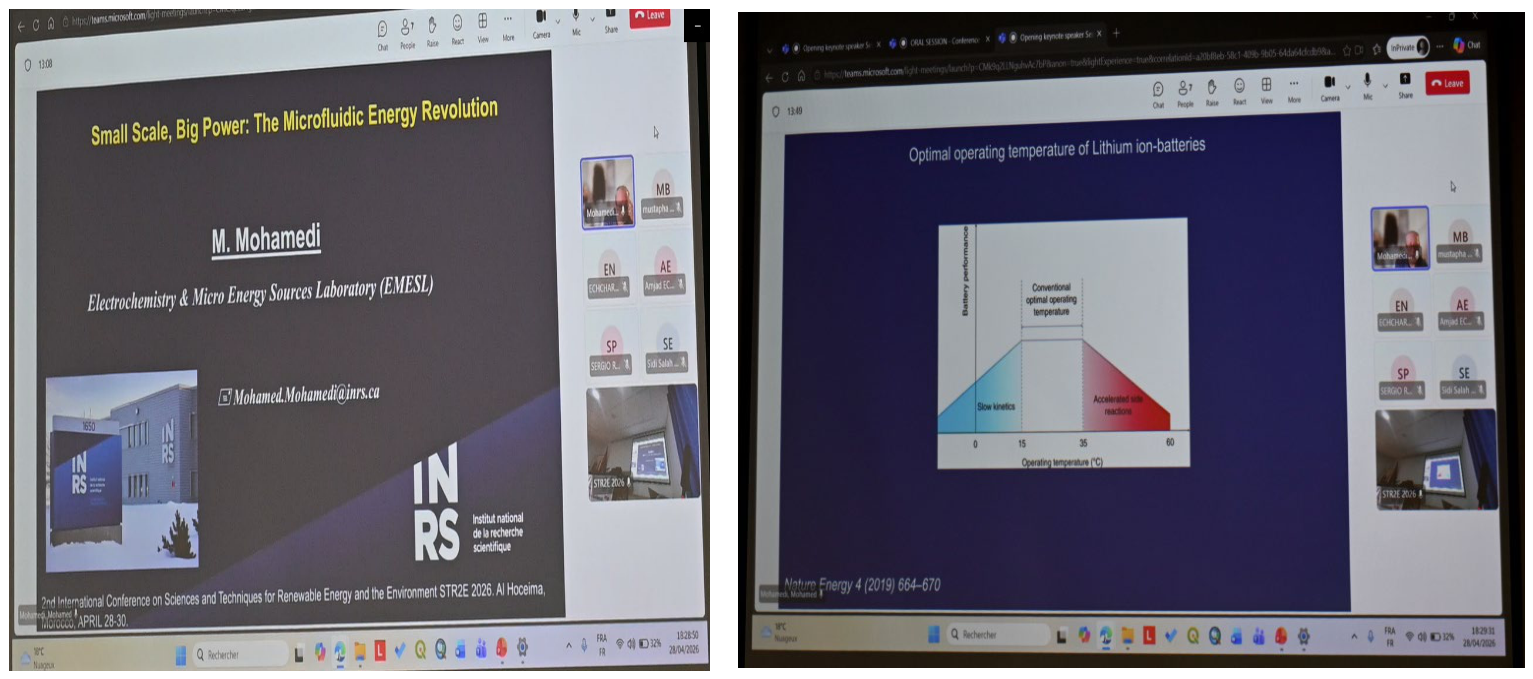
2.4. Small Scale, Big Power: The Microfluidic Energy Revolution
- *
- Pr. Mohamed Mohamedi (Figure 10)
- **
- Institut National de la Recherche Scientifique (INRS), Centre Energie, Materiaux et Telecommunications, Canada
Figure 10.
Pr. Mohamed Mohamedi during STR2E 2026.
- *
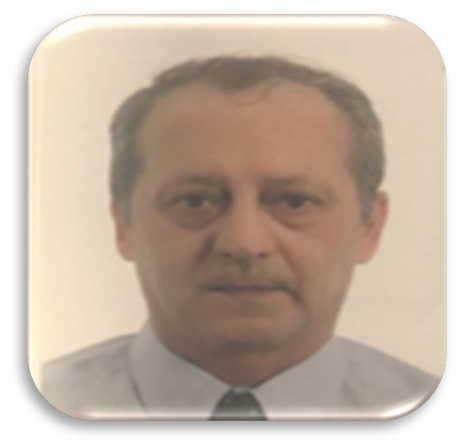
- Biography: Pr. Mohamed Mohamedi (Figure 11) graduated from the Institut National Polytechnique de Grenoble (INPG), France. He currently works as a research-professor at Institut National de la Recherche Scientifique (INRS), Canada, where he leads the Electrochemistry and Micro Energy Sources Laboratory. His research is focused on the science, engineering and technology of electrochemical devices, particularly energy conversion (fuel cells) and storage devices (metal–air batteries and supercapacitors), implantable biological fuel cells’ power sources and bioelectrochemical sensors for medical applications. Dr. Mohamedi has published over 180 articles in international scientific journals and participated in more than 160 conferences, including several as an invited and keynote speaker. He is the recipient of the Tajima Prize from the International Society of Electrochemistry (ISE), the Electrochemistry Communications Award, the Research fellow of the Japan Society for the Promotion of Science (JSPS), Grant-in-Aids award for Encouragement of Young Scientists (Ministry of Science & Technology Japan), the Research Fellow of the 21st Center of Excellence at the Center for Practical Nano-Chemistry of Waseda University (Japan), the Research Fellow of the New Industry Creation Hatchery Center of Tohoku University (Japan), the Research Fellow of the New Energy and Industrial Technology Development Organization (NEDO) Japan, and the Leaders Opportunity Fund from Canada Foundation for Innovation.
- *
- Abstract of the Speech: The rapid expansion of portable and wearable electronics from consumer devices to biomedical sensors has intensified the demand for energy systems that are not only compact and efficient but also sustainable. In this context, microfluidic fuel cells have emerged as a compelling alternative to traditional battery technologies. By integrating electrochemistry with microscale fluid management, these systems enable controlled fuel delivery and efficient energy conversion within miniaturized platforms.
This talk will introduce the operating principles of microfluidic fuel cells and highlight recent progress in their design, materials, and performance optimization. Particular attention will be given to their distinguishing advantages, including ambient-temperature operation, tunable and scalable power generation, and compatibility with a wide range of liquid fuels. These attributes position microfluidic fuel cells as attractive candidates for powering next-generation, low-footprint electronic devices.
Drawing on representative case studies and recent developments, the presentation will also discuss current challenges and future directions. Overall, it aims to provide insight into how microfluidic energy systems could contribute to the evolution of portable power technologies and support emerging applications requiring autonomous and miniaturized energy solutions.
Figure 11.
Pr. Mohamed Mohamedi’s presentation during STR2E 2026.
2.5. What Will Our Energy Systems Look Like in 2050? Opportunities, Hidden Challenges, and Transformative Innovations
- *
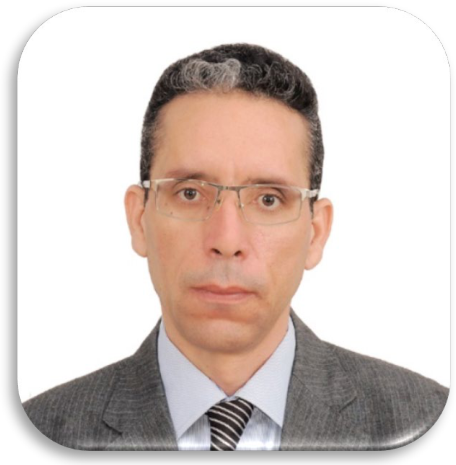
- Pr. Youssef AIT EL KADI (Figure 12)
- **
- Engineering Sciences and Energy Management Laboratory—Ibn Zohr University, Morrocco
Figure 12.
Pr. Youssef Ait El Kadi.
- *
- Biography: Youssef Ait El Kadi (Figure 13) obtained his “Agrégation” degree in Electrical Engineering and Power Electronics in 2000, followed by a postgraduate diploma in Energetics in 2004. He received his Ph.D. in Instrumentation, Measurements, Control, Characterization, and Modeling in 2016. He is currently an associate professor and teacher–researcher at Ibn Zohr University, Morocco, and was previously affiliated with Sultan Moulay Slimane University, with over 28 years of teaching experience.
He is a permanent member of the Engineering Sciences and Energy Management Laboratory at Ibn Zohr University and a member of the Engineering and Applied Physics Laboratory at Sultan Moulay Slimane University. His research focuses on the modeling and control of electrical machines and power electronics converters, the optimization of renewable energy conversion and grid integration, microgrids, smart grids, and power quality improvement, as reflected in numerous publications in indexed journals. In addition, he has reviewed over 120 manuscripts for indexed journals.
Professor Youssef Ait El Kadi has held several administrative positions and he is involved in international research and cooperation projects, including FoPEnSER, ADESFA, ADRF, PIC_FP-EnR, and SOLEIL-NYAKIRIZA, as well as serving on scientific committees of international conferences and reviewing indexed journals. In addition, he is an expert member of the team involved in the design, accreditation, and evaluation of a Master’s program in Renewable Energy at the University of Burundi, funded by the World Bank.
- *
- Abstract of the Speech: The global transition toward sustainable energy systems is accelerating, driven by climate imperatives, technological breakthroughs, and evolving societal needs. By 2050, energy systems are expected to undergo profound transformations, characterized by a high penetration of renewable energy sources, widespread electrification, and increasing digitalization. This talk explores the future landscape of energy systems, highlighting key opportunities such as decentralized generation, smart grids, and the integration of artificial intelligence for enhanced monitoring, control, and optimization.
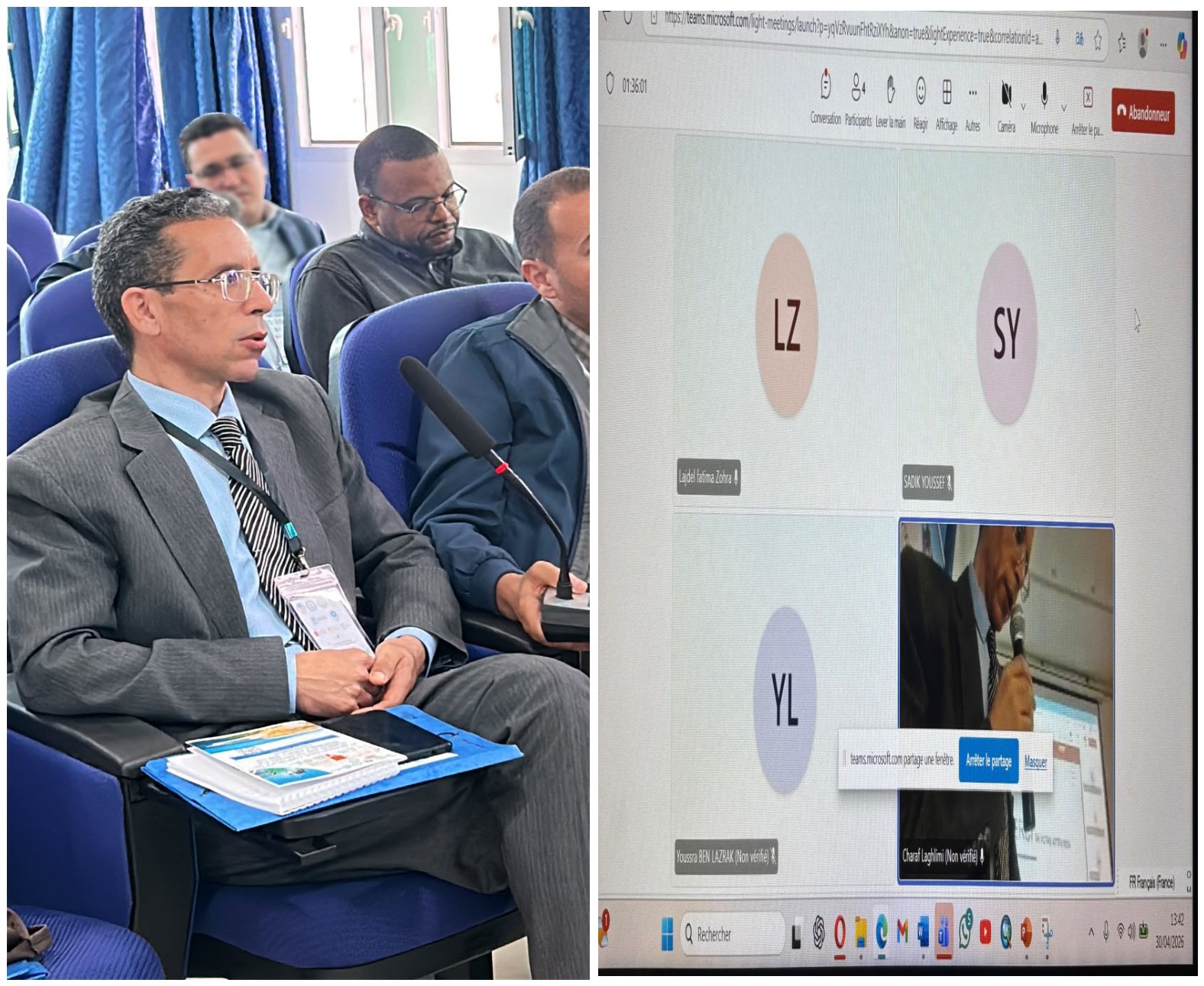
Figure 13.
Pr. Youssef Ait El Kadi during STR2E 2026.
However, behind this promising vision lie critical and often overlooked challenges. These include power quality issues, grid stability under high levels of intermittent renewable energy penetration, cybersecurity risks, and the reliability of photovoltaic systems under real operating conditions.
Addressing these challenges requires innovative solutions in power electronics, advanced diagnostics, and intelligent energy management.
Through illustrative examples and emerging research trends, this presentation provides a comprehensive and accessible overview of how energy systems may evolve by 2050. It emphasizes the need for interdisciplinary approaches to design resilient, efficient, and intelligent energy infrastructures for a sustainable future.
2.6. An Integrated Mechatronic and Energy-Aware Framework for Intelligent Robotic Manipulation
- *
- Fatima Zahra BAGHLI (Figure 14)
- **
- Engineering and Applied Physics Laboratory (EAPL), Higher School of Technology, Sultan Moulay Slimane University, Beni Mellal, Morocco
Figure 14.
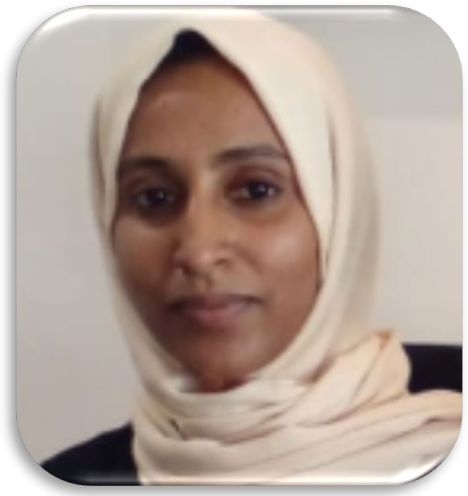
Pr. Fatima Zahra Baghli.
- *
- Biography: Fatima Zahra Baghli (Figure 15) is a Moroccan researcher specializing in mechatronics and robotics. She currently serves as a professor in the Department of Mechatronics at the Higher School of Technology of Sultan Moulay Slimane University in Beni Mellal, Morocco, a position she has held since 2017. She obtained her Ph.D. in Mechatronics and Robotics from Abdelmalek Essaâdi University, following a Master’s degree in Mechatronics Engineering from the Faculty of Sciences in Tetouan.
Her research focuses on the modeling, control, and optimization of mechatronic and robotic systems, with particular emphasis on intelligent control strategies and system performance enhancement. Throughout her academic career, she has contributed to several scientific publications, including journal articles and book chapters, reflecting her engagement in advancing the field of mechatronics engineering.
- *
- Abstract of the Speech: Robotic manipulation has experienced significant advancements with the emergence of mechatronic systems and intelligent control techniques. However, the growing demand for high-performance robotic systems has raised critical challenges related to energy consumption, operational efficiency, and sustainability. This study investigates the integrated role of mechatronic tools, intelligent control strategies, and energy-aware approaches in enhancing robotic manipulation performance. Mechatronic systems, combining mechanical design, electronics, and embedded computing, provide the structural and functional foundation for precise and adaptive robotic operations. In parallel, intelligent control methods, including artificial intelligence, machine learning, and adaptive control, enable robots to operate effectively in dynamic and uncertain environments.
Particular focus is placed on energy optimization, which has become a key factor in modern robotic applications, especially in industrial automation and autonomous systems. This conference explores energy-efficient control strategies, trajectory planning techniques, and real-time optimization methods aimed at minimizing power consumption without compromising accuracy and productivity. Furthermore, the integration of energy management frameworks within robotic architectures is analyzed to ensure sustainable operation.
Figure 15.
Pr. Fatima Zahra Baghli during STR2E 2026.
The findings highlight that the synergy between mechatronics, intelligent control, and energy management significantly improves the overall efficiency, autonomy, and reliability of robotic manipulation systems. This work contributes to the development of next-generation robotic systems that are not only intelligent and precise but also energy-efficient and environmentally sustainable.
2.7. From Classical Blade Optimization to Real-Time Dynamic Optimization of Smart Wind Turbine Blades
- *
- Pr. Yassine LAKHAL (Figure 16)
- **
- Engineering and Applied Physics Laboratory (EAPL), Higher School of Technology, Sultan Moulay Slimane University, Beni Mellal, Morocco
Figure 16.
Pr. Yassine LAKHAL.
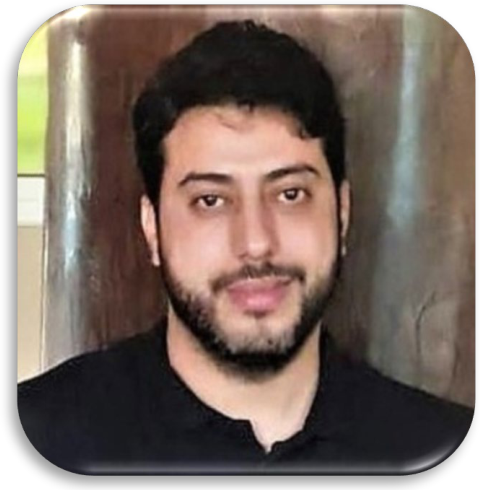
- *
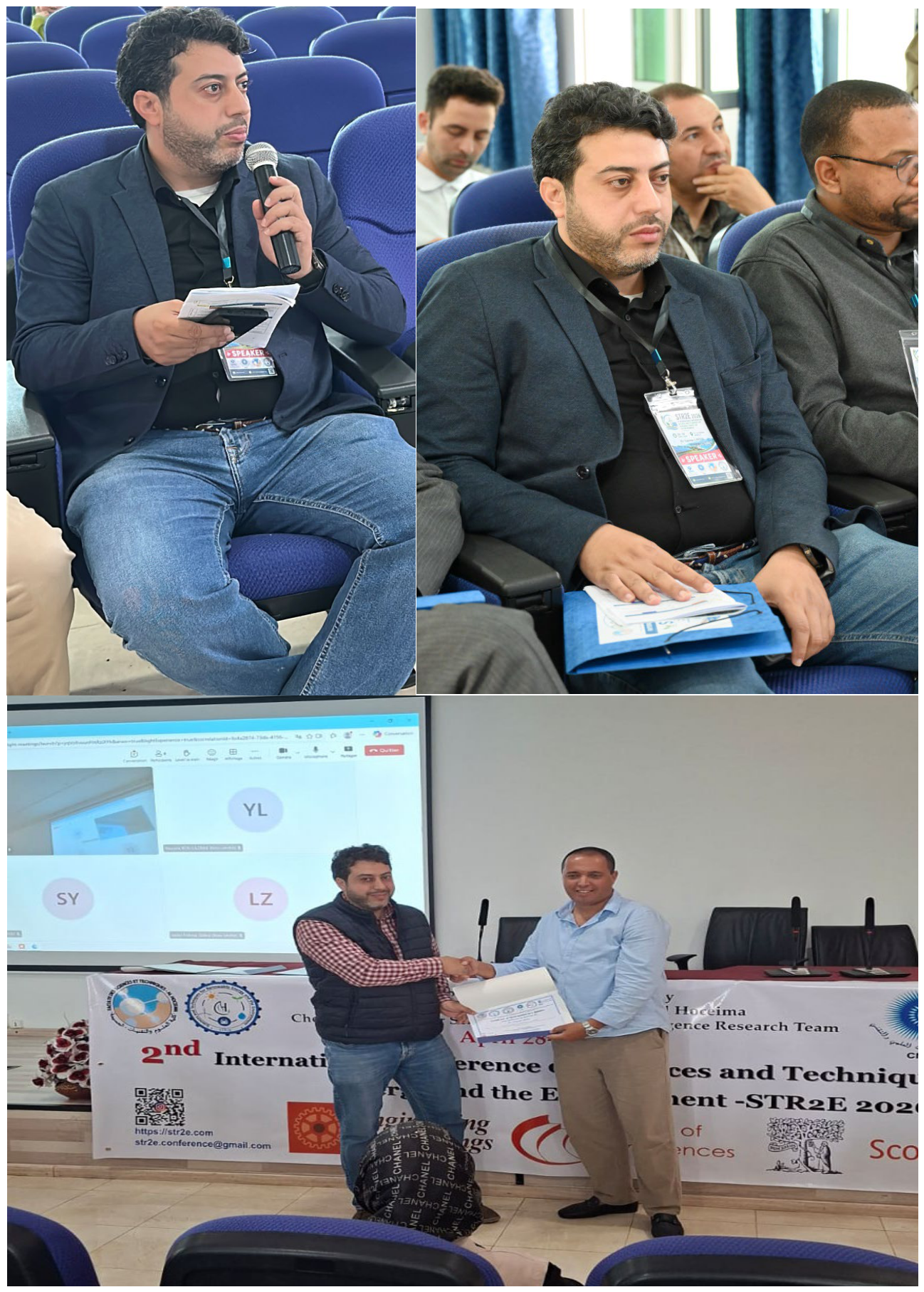
- Biography: Prof. Yassine Lakhal (Figure 17) is a professor and researcher in Mechatronics at the Higher School of Technology of Beni Mellal, Sultan Moulay Slimane University (Morocco). His research focuses on the intelligent control, modeling, and optimization of wind energy systems. He is also the coordinator of the Mechatronics program and director of the university’s FabLab, where he promotes innovation and digital manufacturing.
Figure 17.
Pr. Yassine LAKHAL during STR2E 2026.
2.8. From Classical Simulation to Metamodels: A Unified Framework for Mechatronic System Reliability Analysis and Optimization
- *
- Pr. Hamid HAMDANI (Figure 18)
- **
- Engineering and Applied Physics Laboratory (EAPL), Higher School of Technology, Sultan Moulay Slimane University, Beni Mellal, Morocco
Figure 18.
Pr. Hamid HAMDANI.
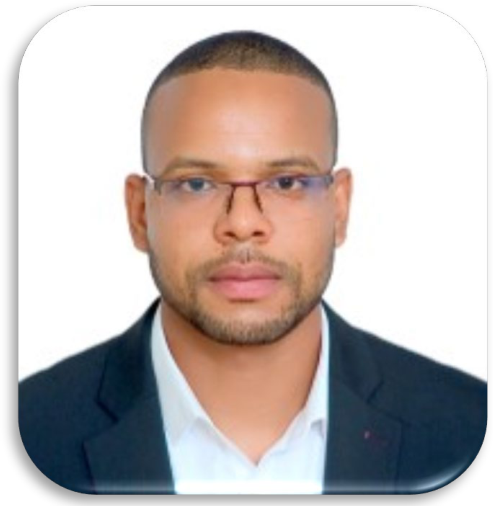
- *
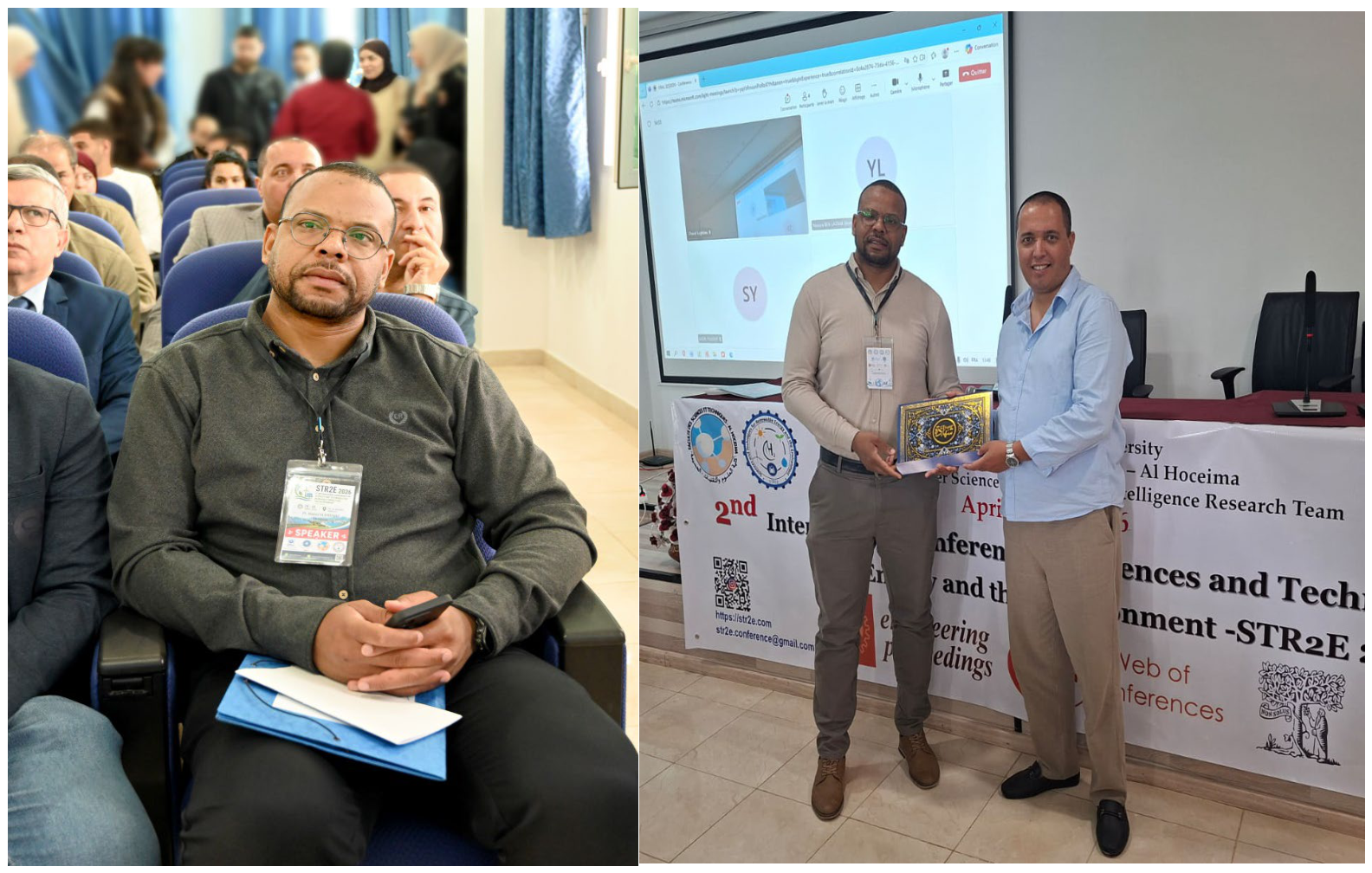
- Biography: Pr. Hamid HAMDANI (Figure 19) is an Associate Professor of Mechatronics Engineering at the High School of Technology (EST), Sultan Moulay Slimane University, Beni Mellal, Morocco, and a permanent member of the Engineering and Applied Physics Laboratory (EAPL). He received a joint Ph.D. degree in Mechanical and Mechatronic Engineering from the Institut National des Sciences Appliquées de Rouen Normandie (INSA Rouen Normandie), France, and the Faculty of Sciences and Technologies of Settat, Hassan I University, Morocco, in 2019, conducted within the Laboratoire de Mécanique de Normandie (LMN) and the Laboratoire IMII.
His research interests include surrogate modeling, evolutionary computation, structural reliability analysis, and reliability-based design optimization (RBDO) of mechatronic systems. He proposed surrogate-based optimization and reliability methodologies integrating the CMA-ES algorithm and Kriging metamodels to address the computational challenges of expensive multiphysics simulations in engineering design.
- *
- Abstract of the Speech: Modern mechatronic systems—integrating mechanical, electrical, thermal, and control subsystems—are increasingly governed by complex multiphysics interactions that make both reliability analysis and design optimization computationally prohibitive. High-fidelity Finite Element (FE) simulations, while indispensable for evaluating component lifetime and structural integrity, can require hours or days per evaluation. When coupled with optimization algorithms or probabilistic methods such as Monte Carlo simulation, the resulting computational burden becomes incompatible with industrial design cycles.
This talk presents a unified surrogate-based framework that traces the journey from classical simulation to metamodels, bridging the gap between expensive FE analysis and practical engineering decision-making. The framework is built around three interconnected contributions.
First, a surrogate-based optimization methodology integrating the CMA-ES algorithm and Kriging metamodels is presented. Validated on standard benchmark functions and applied to the geometric optimization of solder joints in electronic packaging, the methodology significantly reduces the number of costly FE evaluations while preserving the quality of the global optimum.
Second, a metamodel-based methodology for fatigue reliability analysis is introduced. When applied to electronic packaging components with multiple uncertain parameters—including material properties and geometric dimensions—a Kriging surrogate enables millions of Monte Carlo simulations in seconds, yielding failure probabilities and lifetime distributions that would be inaccessible through direct FE coupling.
Third, the talk outlines the extension of this framework to Reliability-Based Design Optimization (RBDO), where performance objectives and probabilistic reliability constraints are simultaneously handled through surrogate-accelerated nested optimization loops, illustrated through application to mechatronic packaging systems.
Together, these contributions demonstrate that metamodeling is a key enabling technology for the robust, reliable, and computationally efficient design of mechatronic systems, offering a practical pathway from classical simulation to fast, accurate engineering decision-making.
Figure 19.
Pr. Hamid HAMDANI during STR2E 2026.
2.9. Data Mining and Machine Learning for Analysis of Network Traffic
- *
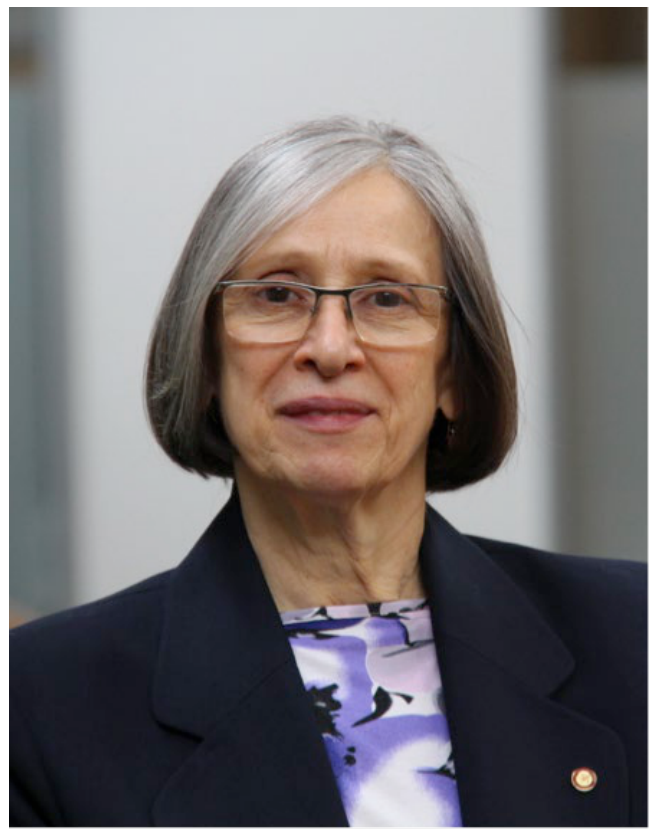
- Pr. Ljiljana Trajkovic (Figure 20)
- **
- Simon Fraser University, Canada
Figure 20.
Pr. Ljiljana Trajkovic.
- *
- Biography: Dr. Ljiljana Trajkovic (Figure 21) received a Dipl. Ing. degree from University of Pristina, Yugoslavia, M.Sc. degrees in electrical engineering and computer engineering from Syracuse University, Syracuse, NY, and a Ph.D. degree in electrical engineering from University of California at Los Angeles. She is currently a professor in the School of Engineering Science, Simon Fraser University, Burnaby, British Columbia, Canada. Her research interests include communication networks and dynamical systems. Dr. Trajkovic served as IEEE Division X Delegate/Director, President of the IEEE Systems, Man, and Cybernetics Society, and President of the IEEE Circuits and Systems Society. She serves as Editor-in-Chief of IEEE Transactions on Human–Machine Systems. She is a Distinguished Lecturer of the IEEE Systems, Man, and Cybernetics Society and was a Distinguished Lecturer of the IEEE Circuits and System Society. She is a Fellow of the IEEE.
- *
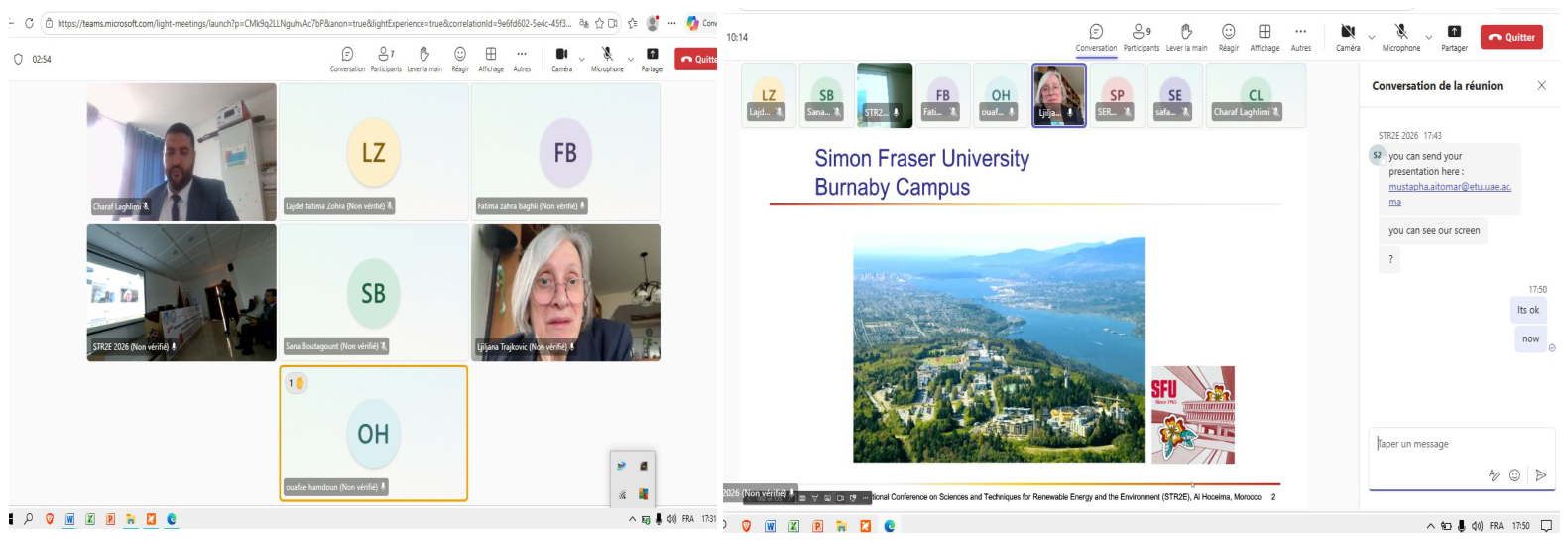
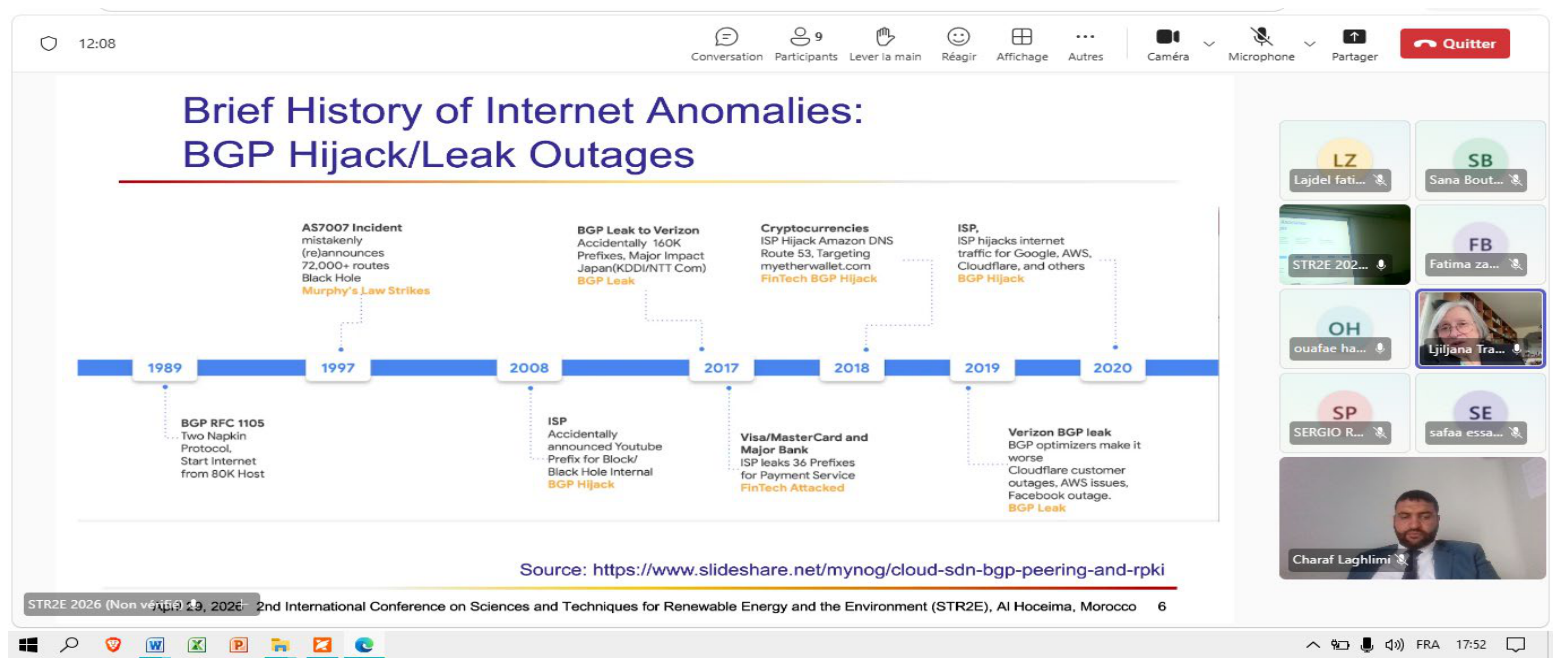
- Abstract of the Speech: The collection and analysis of data from deployed networks is essential for understanding communication networks. Data mining and statistical analysis of network data have been employed to determine traffic loads, analyze patterns in users’ behavior, predict future network traffic, and detect traffic anomalies. The Internet has historically been prone to failures and attacks that significantly degrade performance, affect Internet connectivity, and cause routing disconnections. Frequent cases of various cyber threats have been encountered over the years and, hence, the detection of anomalous behavior is a topic of great interest in cybersecurity. In the described case studies, traffic traces collected by various collection sites are used to classify network anomalies. Various anomaly and intrusion detection approaches based on machine learning have been employed to analyze collected data. Deep learning, broad learning, gradient-boosted decision trees, and reservoir computing algorithms were used to develop models based on collected datasets that contain Internet worms, viruses, power outages, ransomware events, router misconfigurations, Internet Protocol hijacks, and infrastructure failures in times of conflict. The reported results indicate that while the performance of machine learning models greatly depends on the used datasets, they are viable tools for detecting Internet anomalies.
Figure 21.
Presentation of Pr. Ljiljana Trajkovic during STR2E 2026.
2.10. From Small Molecules to Polymeric Adsorbents: A New Approach to Remove Conventional and Emerging Pollutants from Wastewater
- *
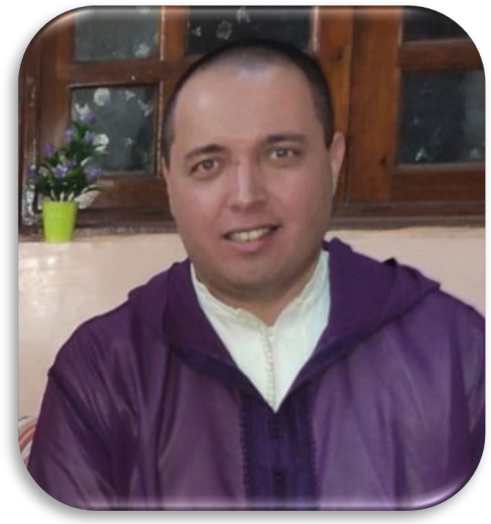
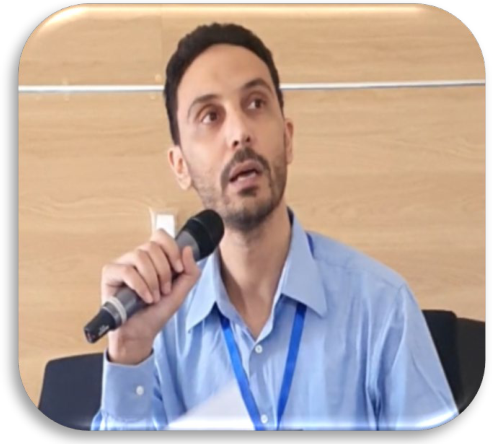
- Pr. Jalal ISAAD (Figure 22)
- **
- ERCI2A, FSTH, Abdelmalek Essaadi University, Tetouan, Morocco
Figure 22.
Pr. Jalal ISAAD.
- *
- Biography: Dr. Jalal ISAAD (Figure 23) was born in Mohammedia, Morocco, on 27 October 1979. In 2004, he obtained his M.Sc. degree in fine organic chemistry at the University Claude Bernard Lyon 1, France. In September 2005, he joined the group of Prof. Roberto Bianchini as a Ph.D. student at the University of Florence, Italy, where he obtained his Ph.D. in Chemical Sciences in February 2009. From 2009 to 2014, he was an associate research lecturer in chemistry and then a researcher at the École Nationale Supérieure des Arts et Industries Textiles, France, and since April 2015, he has been an associate professor of organic chemistry at the Faculty of Science and Technology Al Hoceima, Morocco and a head of the research team “Chemistry, informatics, and artificial intelligence in the same faculty. His research interests revolve around the design and synthesis of new bio-derived materials (polymers, nanoparticles, and macromolecules) and their application in the removal and chemical detection of toxic anions, heavy metals and VOCs for wastewater treatment.
Figure 23.
Pr. Jalal ISAAD during STR2E 2026.
2.11. Graph-Theory-Based Methodology for the Analysis and Optimization of Electric Power Distribution as a Complex System Using Distributed Generation in Smart Grids
- *
- Pr. Noureddine Lakouari (Figure 24)
- **
- Instituto Nacional de Astrofísica, Óptica y Electrónica, Coordinación de Ciencias Computacionales, Puebla 72840, Mexico. Secretaría de Ciencia, Humanidades, Tecnología e Innovación, Mexico City 03940, Mexico
Figure 24.
Pr. Noureddine Lakouari.
- *
- Biography: Prof. Noureddine Lakouari completed his studies in Physical Sciences at Mohammed V University in Rabat, Morocco, in 2011. He then pursued a master’s degree in computational physics at the same institution. In 2015, he obtained his Ph.D. at the Laboratory of Condensed Matter and Interdisciplinary Sciences at Mohammed V University in Rabat, Morocco. In 2017, he joined the Autonomous University of the State of Morelos (UAEM), where he conducted postdoctoral research in the field of the simulation and modeling of complex systems, such as traffic flow. In 2018, he joined the National Institute of Astrophysics, Optics and Electronics (INAOE) in Puebla as a researcher, where he began working on distributed computing and the modeling and simulation of mass phenomena in urban environments.
- *
- Abstract of the Speech: Smart Grids use real-time energy consumption data to improve how electricity is generated, transmitted, and distributed. In this work, we propose a graph-theory-based methodology to analyze power distribution networks as complex systems. This approach helps identify weak points and optimize the network by integrating distributed generation, ultimately reducing energy losses and improving system reliability.
2.12. Prediction the Effect of (S, Se, Te)-Doped MgTiO3 on Optoelectronic, Catalytic, and pH Conduct as Promised Candidate Photovoltaic Device: Ab Initio Framework
- *
- Pr. Younes Ziat (Figure 25)
- **
- Engineering and Applied Physics Laboratory (EAPL), Sultan Moulay Slimane University, Morocco
Figure 25.
Pr. Younes Ziat.
- *
- Biography: Younes Ziat is a Moroccan physicist and academic affiliated with Sultan Moulay Slimane University in Beni Mellal. He serves as a professor at the Higher School of Technology, where he is involved in both teaching and research activities. His research interests encompass areas such as thin films, spintronics, magnetic materials, and density functional theory. Dr. Ziat has contributed to various scientific publications and has been involved in organizing international conferences related to materials science and sustainable energy. Dr. Ziat is active in academic circles, participating in conferences and contributing to the advancement of materials science in Morocco. His dedication to both education and research underscores his commitment to the scientific community.
2.13. First-Principles Investigation of Zr/Te Co-Doped XTiO3 (X = Ca, Sr) Perovskites for Improved Solar Hydrogen Production and Optoelectronic Applications
- *
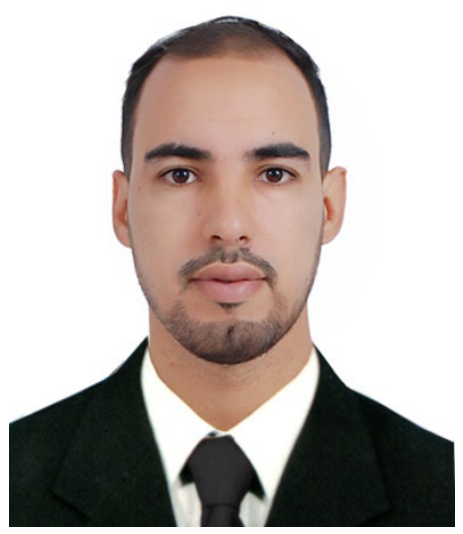
- Dr. Hamza BELKHANCHI (Figure 26)
- **
- Engineering and Applied Physics Laboratory (EAPL), Sultan Moulay Slimane University, Morocco
- ***
- Portugal
Figure 26.
Dr. Hamza Belkhanchi.
- *
- Biography: Hamza Belkhanchi is a Ph.D. holder in Materials Science with a specialization in chemistry–physics and nanomaterials for energy applications. He obtained his doctorate from the Faculty of Sciences and Techniques of Beni Mellal, Sultan Moulay Slimane University, Morocco. His research focuses on the synthesis, characterization, and optimization of nanocomposites, particularly carbon nanotube-based materials, for photovoltaic and sustainable energy applications. He has extensive experience in teaching and research. His work integrates experimental approaches with computational methods, including Density Functional Theory (DFT), to design advanced materials with improved optoelectronic and catalytic properties. Dr. Belkhanchi has authored over 47 scientific publications in international journals and actively participates in international conferences. His research interests align with green chemistry, circular economy principles, and the development of innovative materials for environmentally friendly energy systems.
- *
- Abstract of the Speech: Recent progress in photocatalysis has emphasized the importance of perovskite materials due to their remarkable optoelectronic properties and structural flexibility. In particular, tuning their electronic structure through doping strategies offers a promising route to enhance their performance in solar-driven energy applications. Additionally, the photocatalytic efficiency of these materials strongly depends on environmental factors such as pH, which influences band edge alignment with water redox potentials. In this work, density functional theory (DFT) calculations were employed to systematically investigate the structural, electronic, optical, and photocatalytic properties of XTiO3 (X = Ca, Sr) perovskites in their pristine, Te-doped, Zr-doped, and Zr/Te co-doped configurations. The computed formation energies confirm the thermodynamic stability of all studied systems, indicating their feasibility for practical applications. The results reveal that pure CaTiO3 and SrTiO3 exhibit indirect band gaps, largely limiting their activity to the ultraviolet region. In contrast, doping with Zr and/or Te induces a transition to direct band gap semiconductors. Notably, Te incorporation, either alone or combined with Zr, significantly reduces the band gap, thereby extending light absorption into the visible spectrum. Furthermore, band edge analysis demonstrates that Te-doped and Zr/Te co-doped systems possess suitable alignment with the redox potentials required for overall water splitting. Under neutral conditions (pH = 7), CaTiO3-based doped systems show particularly favorable characteristics for photocatalytic hydrogen production. These findings highlight the strong potential of Zr/Te co-doped perovskites for renewable energy applications, including hydrogen generation, photovoltaics, and optoelectronics, and provide a solid theoretical foundation for future experimental validation.
2.14. Water Treatment Technologies in Dialysis: Quality Requirements and Regulatory Framework
- *
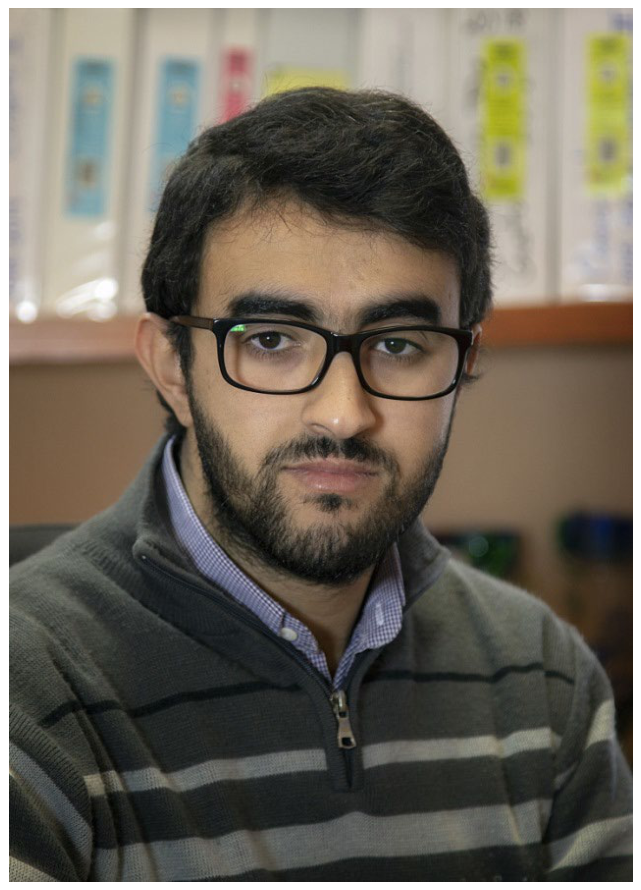
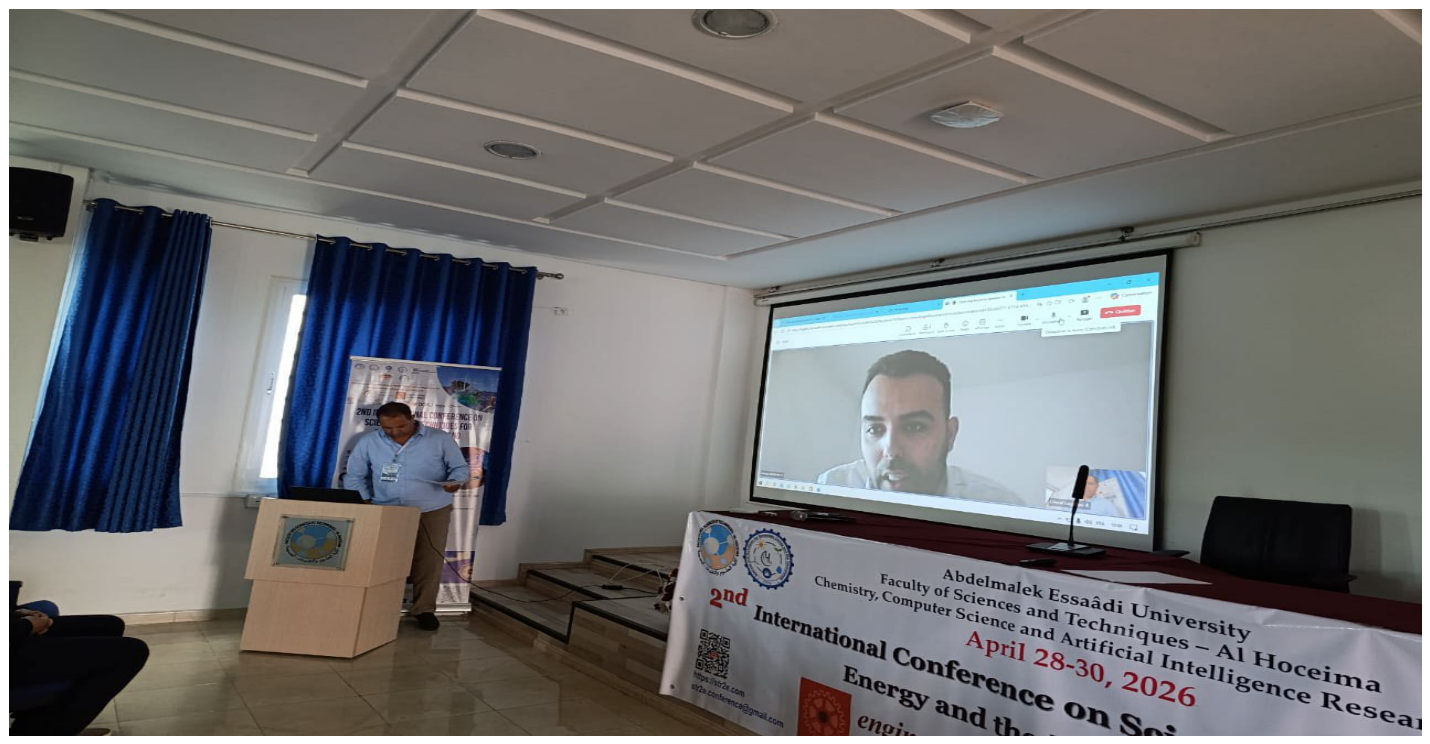
- Dr. Ahmed Abarkan (Figure 27)
- **
- Biomechanics & Bioengineering Laboratory, CNRS, Université de Technologie de Compiègne, 60203 Compiegne, France
- ***
- France
Figure 27.
Dr. Ahmed Abarkan.

- *
- Biography: Ahmed Abarkan (Figure 28) is a doctor in bioengineering and process engineering. In 2017, in France, as an ENSAH engineering laureate, he pursued a doctorate and then a postdoctoral fellowship at the University of Technology of Compiègne. He devoted his research to “green dialysis”, an approach aimed at recycling and reusing reverse osmosis waste from dialysis. He works in research and development in the water treatment industry, particularly focusing on the design of equipment for wastewater treatment plants and desalination, and is interested in improving water management and reuse.
Figure 28.
Presentation of Pr. Ahmed Abarkan during STR2E 2026.
Conflicts of Interest
The authors declare no conflicts of interest.
References
- Darmanin, T.; Guittard, F. Superhydrophobic and superoleophobic properties in nature. Mater. Today 2015, 18, 273–285. [Google Scholar] [CrossRef] [Scilit]
- Guittard, F.; Amigoni, S.; Darmanin, T. Switchable and reversible wetting properties. Responsive Mater. 2026, 4, e70028. [Google Scholar] [CrossRef] [Scilit]
- Cheng, Z.; Gao, J.; Jiang, L. Tip Geometry Controls Adhesive States of Superhydrophobic Surfaces. Langmuir 2010, 26, 8233–8238. [Google Scholar] [CrossRef] [Scilit] [PubMed]
- Fakhry, A.; Cachet, H.; Debiemme-Chouvy, C. Mechanism of formation of templateless electrogenerated polypyrrole nanostructures. Electrochim. Acta 2015, 179, 297–303. [Google Scholar] [CrossRef] [Scilit]
- Fradin, C.; Orange, F.; Amigoni, S.; Szczepanski, C.R.; Guittard, F.; Darmanin, T. Micellar formation by soft template electropolymerization in organic solvents. J. Colloid Interface Sci. 2021, 590, 260–267. [Google Scholar] [CrossRef] [Scilit] [PubMed]
- Guittard, F.; Amigoni, S.; Darmanin, T. Bioinspired and Biomimetic Wetting Properties. ACS Nano 2025, 19, 36005–36026. [Google Scholar] [CrossRef] [Scilit] [PubMed]
- Guselnikova, O.; Semyonov, O.; Sviridova, E.; Gulyaev, R.; Gorbunova, A.; Kogolev, D.; Trelin, A.; Yamauchi, Y.; Boukherroub, R.; Postnikov, P. “Functional upcycling” of polymer waste towards the design of new materials. Chem. Soc. Rev. 2023, 52, 4755–4832. [Google Scholar] [CrossRef] [Scilit] [PubMed]
- Kogolev, D.; Semyonov, O.; Metalnikova, N.; Fatkullin, M.; Rodriguez, R.D.; Slepicka, P.; Yamauchi, Y.; Guselnikova, O.; Boukherroub, R.; Postnikov, P.S. Waste PET upcycling to conductive carbon-based composite through laser-assisted carbonization of UiO-66. J. Mater. Chem. A 2022, 11, 1108–1115. [Google Scholar] [CrossRef] [Scilit]
- Kilaparthi, S.K.; Addad, A.; Barras, A.; Szunerits, S.; Boukherroub, R. Simultaneous upcycling of PET plastic waste and CO2 reduction through Co-electrolysis: A novel approach for integrating CO2 reduction and PET hydrolysate oxidation. J. Mater. Chem. A 2023, 11, 26075–26085. [Google Scholar] [CrossRef] [Scilit]
- Han, X.; Wu, X.; Zhao, L.; Li, M.; Jia, C.; Li, Z.; Xie, J.; Luo, G.; Yang, P.; Boukherroub, R.; et al. Facile assembly of flexible, stretchable and attachable symmetric microsupercapacitors with wide working voltage windows and favorable durability. Microsyst. Nanoeng. 2024, 10, 107. [Google Scholar] [CrossRef] [Scilit] [PubMed]
- Zhang, Z.-H.; Yu, Z.-R.; Zhang, Y.; Barras, A.; Addad, A.; Roussel, P.; Tang, L.-C.; Szunerits, S.; Boukherroub, R. Seawater corrosive engineering assisted in-situ room temperature synthesis of Ni/Co/Fe trimetallic composition to achieve polyester plastics upgrading and green hydrogen production. Chem. Eng. J. 2024, 498, 155472. [Google Scholar] [CrossRef] [Scilit]
Disclaimer/Publisher’s Note: The statements, opinions and data contained in all publications are solely those of the individual author(s) and contributor(s) and not of MDPI and/or the editor(s). MDPI and/or the editor(s) disclaim responsibility for any injury to people or property resulting from any ideas, methods, instructions or products referred to in the content. |
© 2026 by the authors. Licensee MDPI, Basel, Switzerland. This article is an open access article distributed under the terms and conditions of the Creative Commons Attribution (CC BY) license.