Proceeding Paper

Enhancing Power Tool Stability and Safety: A Portable Drill and Grinder Holder with Integrated Measurement Guide †

Department of Teacher Education, College of Industrial Technology and Teacher Education, Caraga State University Cabadbaran Campus, Cabadbaran City 8605, Philippines
*
Author to whom correspondence should be addressed.
Presented at the 8th International Global Conference Series on ICT Integration in Technical Education & Smart Society, Aizuwakamatsu City, Japan, 20–26 January 2026.
Eng. Proc. 2026, 143(1), 12; https://doi.org/10.3390/engproc2026143012 (registering DOI)
Published: 13 June 2026

Abstract

This study designed and developed a Portable Drill and Grinder Holder with an Integrated Measurement Guide to improve stability, safety, and accuracy in hand-held power tool operations. Addressing workshop challenges like excessive vibration and uncontrolled tool movement, the project employed a developmental research design involving sixteen (16) welding experts. The prototype was constructed using durable, locally available materials to ensure affordability. Evaluation results showed significant improvements in operator control, with Safety receiving the highest rating (M = 3.66). The findings confirm that the tool meets industry standards for instructional and workshop use.

1. Introduction

Power tools like angle grinders and hand drills are vital in welding, metalworking, and construction, but improper use can lead to serious injuries, highlighting the need for enhanced safety measures. Angle grinders are versatile but can pose safety risks due to high-speed rotations and vibration, which diminishes control. Hand drills often suffer from instability that can lead to inaccurate drilling or misaligned fastenings. Using angle grinder stands has been shown to mitigate muscle strain and improve performance [1].
Metalworkers face significant hazards, particularly a high incidence of musculoskeletal disorders caused by repetitive motions and heavy lifting [2]. These disorders can result in chronic conditions such as back pain and carpal tunnel syndrome [3]. Implementing better workstation designs has been shown to reduce injury rates and improve employee well-being [4].
Based on a published research, the Adaptive Drilling Device [5] and the Grinder Holder for Mounting Polishing Pad [6] were identified as the closest prior art. While functional, these devices often lack mobility or are costly to maintain. This research proposes a multi-functional safety holder that combines drilling and grinding functions, featuring a built-in measurement guide and wheeled mobility to enhance precision and user convenience.

2. Methodology

This study was conducted in Cabadbaran City, Agusan del Norte, and employed a developmental research design, defined as the systematic study of designing and evaluating products to meet criteria of consistency and effectiveness [7]. The research followed a structured Input–Process–Output (IPO) model to guide the development flow. In the input phase, resources were selected based on their potential for high precision, productivity, and safety. This led to a three-phase process involving the development and assembly of the prototype, followed by rigorous evaluation and validation. The final output of this systematic approach was the completed Portable Drill and Grinder Holder. To assess the quality of this output, sixteen welding experts—comprising fourteen field welders and two shop welders from Cabadbaran City—served as the primary evaluators. Their feedback was quantitatively analyzed using weighted mean and standard deviation to determine the prototype’s consistency and effectiveness.

3. Results and Discussion

The system’s robust construction from durable, lightweight steel and aluminum ensures it is both portable and universally adaptable to standard tool models, effectively streamlining tasks by eliminating the need for separate guides and saving valuable workspace. This reliable setup provides clearly marked guides for consistent alignment and precision in every operation, offering a validated advancement in safety that directly benefits professional users by mitigating common industrial hazards associated with uncontrolled tool movement and vibration.
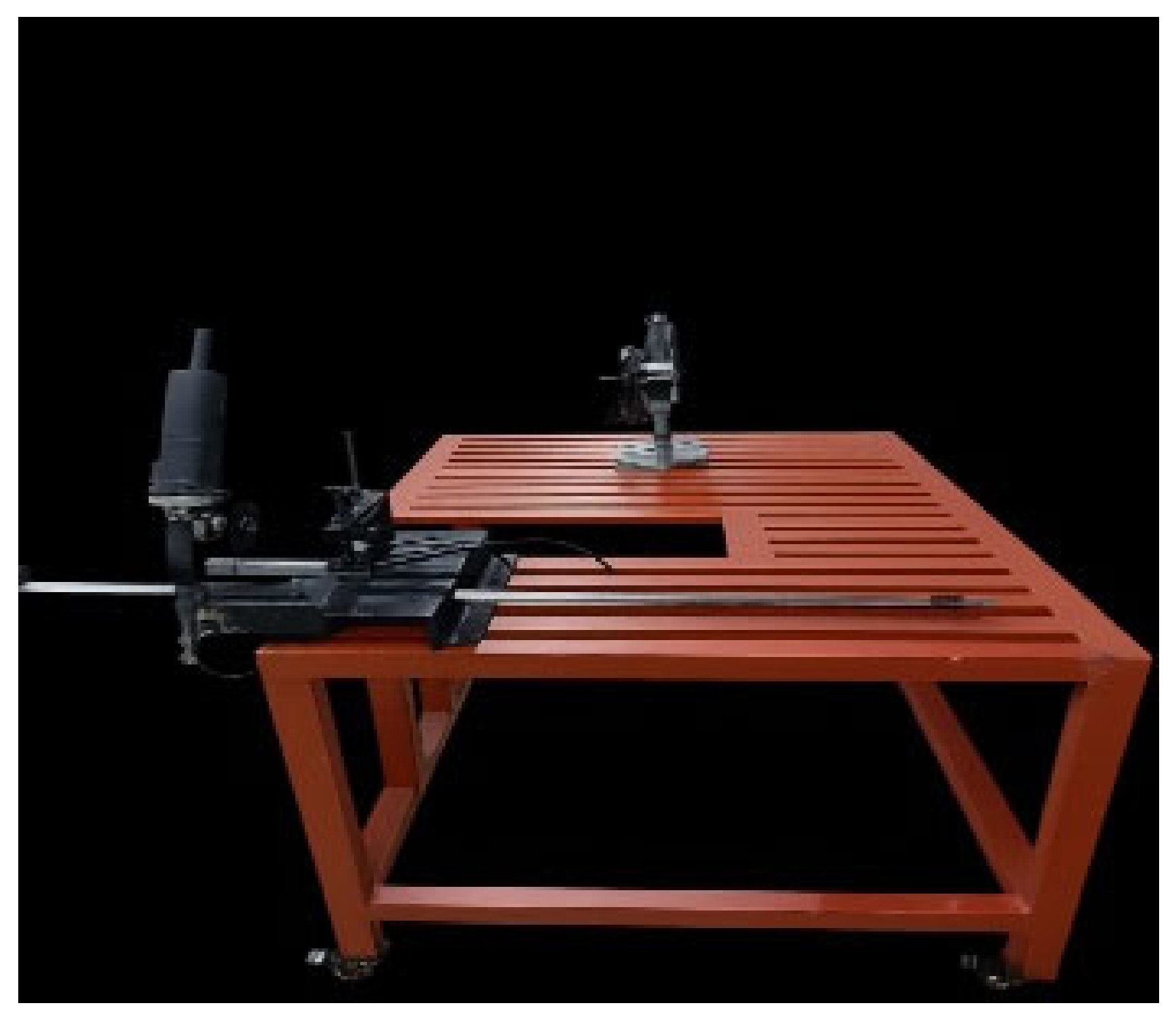
Figure 1 presents the final design and physical prototype of the portable drill and grinder holder with an integrated measurement guide, representing a novel solution for enhancing workshop efficiency and safety through the successful integration of fixed tool-holding positions, a quick-clamping mechanism, and a precise ruler. By transforming handheld power tools into stable, semi-stationary units, the system promotes practical utility and technical simplicity, which field tests and feedback from sixteen local welding experts—comprising fourteen field welders and two shop welders from Cabadbaran City—confirmed as significant improvements in drilling accuracy and operational stability.
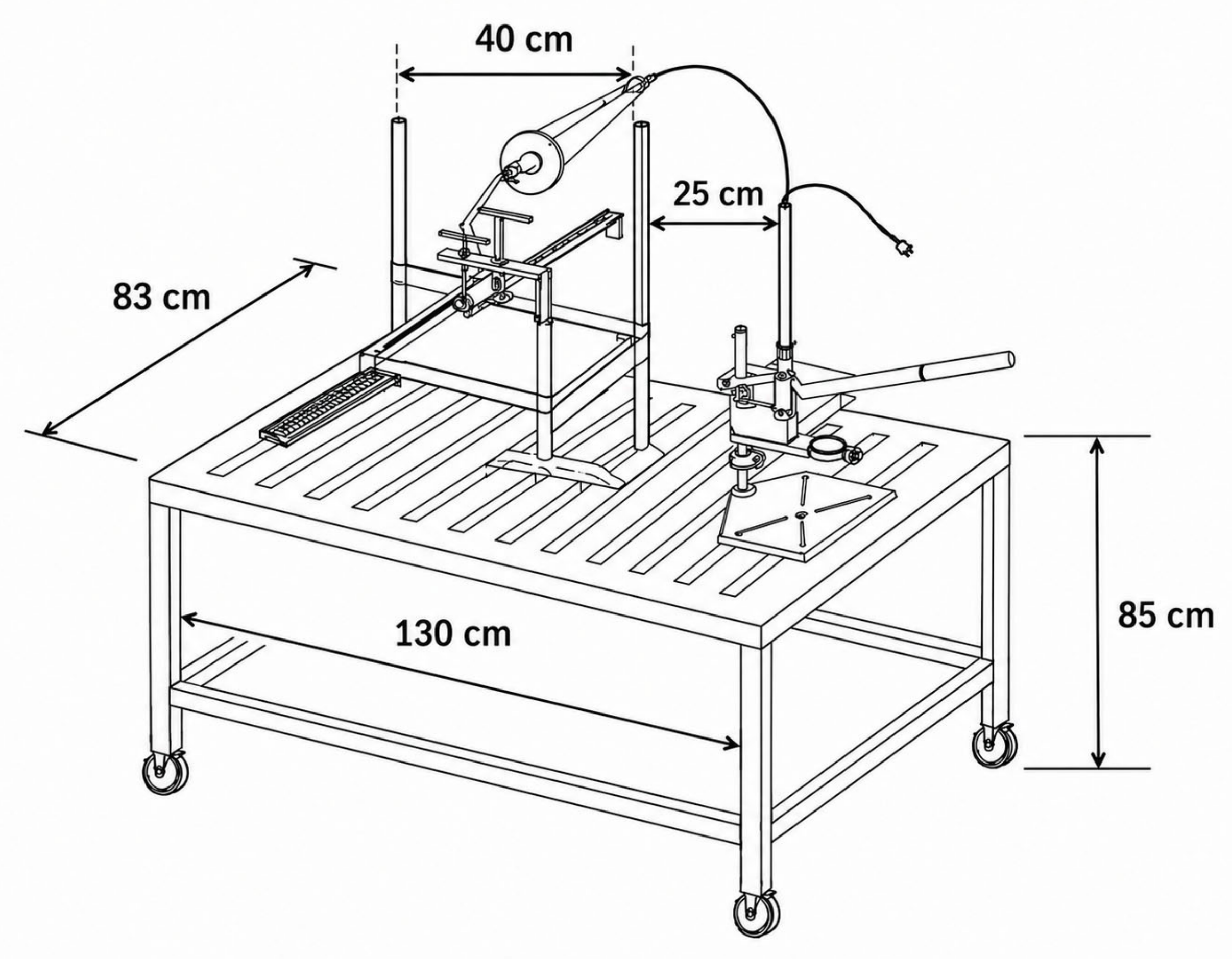
Figure 2 illustrates the isometric view of the developed product, which shows the clearest image of the device.
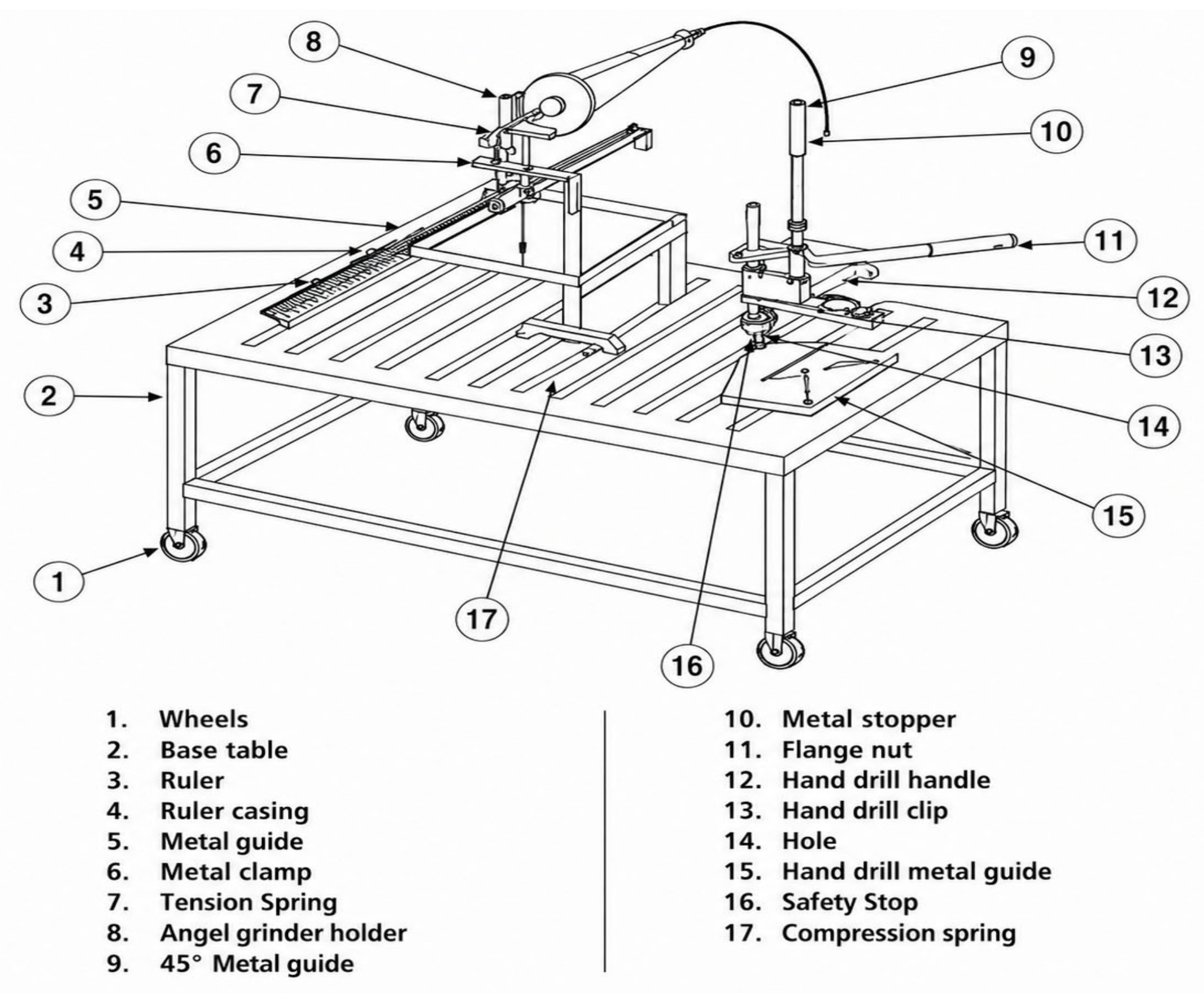
Figure 3 presents the exploded view of the developed project, Enhancing Power Tool Stability and Safety: A Portable Drill and Grinder Holder with Integrated Measurement Guide.
Table 1 provides a comprehensive breakdown of the technical specifications and material selection for the portable drill and grinder holder, highlighting a design that prioritizes both structural durability and operational precision. The foundation of the device is a substantial base table constructed from alloy steel, which, when paired with cast iron and polyurethane wheels, creates a heavy, vibration-dampening platform that remains mobile yet stable during high-torque fabrication tasks.
Table 2 presents the experts’ evaluation of the product development in terms of Design, Construction, and Availability of Materials, with an overall mean of 3.63 and a standard deviation of 0.03, interpreted as “Strongly Agree.” This indicates that users found the product well-designed, sturdy, and constructed with accessible and reliable materials suited for technical applications. The highest mean score of 3.81 (indicator 1) reflects strong agreement on the product’s reliability and stability during operations, suggesting its effectiveness in real-world tasks. Meanwhile, the lowest mean score of 3.38 (indicator 7) highlights the need for improvements in making the product easily replicable for similar work needs. The implications of these findings suggest that the product meets end-user expectations in terms of durability, functionality, and the use of locally available, cost-effective materials. It confirms the practicality and appropriateness of the design for technical use. However, the relatively lower score on duplication potential implies a need to simplify or document construction processes to better support scalability and broader adoption.
These results in terms of design, construction, and availability of material use are supported by [8], who emphasized that selecting durable, locally available materials such as marble concrete enhances technical performance, user satisfaction, and sustainability in public-use products. This aligns with the developed product’s use of welded steel and stainless materials, which offer structural integrity, visual appeal, and long-term usability. Additionally, Ref. [9] highlighted that integrating user requirements into the design process and improving replicability strengthens product acceptance and scalability, reflecting the product’s user-centered approach and potential for broader application.
Table 3 presents the experts’ evaluation of the product development in terms of Functionality, yielding an overall mean of 3.51 and a standard deviation of 0.03, verbally interpreted as “Strongly Agree.” This indicates that the users recognize the product as highly functional and supportive of various tasks related to drilling and grinding operations. The highest mean score of 3.75 (indicator 9) shows that the product effectively functions within its load capacity, emphasizing its structural integrity and operational reliability. The lowest mean score of 3.25 (indicator 2), although still interpreted positively as “Agree,” suggests an area for enhancement in maintaining consistent accuracy and quality with certain integrated components. The implications of these results suggest that the product successfully performs its intended functions across a range of applications and is suitable for users of varying skill levels. The feedback confirms the product’s adaptability, ease of use, and efficiency. However, the relatively lower score on accuracy points to a potential improvement in ensuring precision alignment and securing mechanisms, particularly when using multiple tool attachments or components. These results in terms of functionality are supported by [10], who emphasized that tool balance and proper setup are critical for achieving high surface quality and precision, supporting the importance of structural stability in the developed product’s grinding and drilling features. Similarly, Ref. [11] showed that design innovations, such as an H-shaped chisel-edge micro-drill, can significantly improve thrust reduction, accuracy, and tool lifespan, aligning with the product’s focus on enhancing operational reliability and precision through thoughtful design improvements.
Table 4 presents the experts’ evaluation of the product development in terms of Usability, with an overall mean of 3.54 and a standard deviation of 0.04, verbally interpreted as “Strongly Agree.” This reflects that users found the product highly intuitive, easy to operate, and supportive of independent use across varying levels of skill and experience. The highest mean score of 3.69 (items 5 and 6) suggests that users particularly valued the product’s ability to support effective, efficient, and safe handling, along with a user-friendly measurement guide and mounting system. These elements contribute significantly to ease of learning and streamlined workflows, especially in educational or training environments. The lowest score of 3.31 (item 2) still falls within the “Strongly Agree” range but implies that the design could be further refined to enhance comfort during extended use. Addressing ergonomic enhancements may improve sustained productivity and reduce fatigue during long working sessions. The findings indicate that the product’s usability promotes confidence among users, including those with minimal supervision. This makes it ideal for training settings, workshops, and self-guided learning environments. Additionally, the product’s simple operation and reduced need for additional tools contribute to cost efficiency and ease of maintenance, making it a viable solution for both educational institutions and small-scale fabrication shops. Continuous refinement based on ergonomic feedback can further enhance its adaptability and long-term effectiveness.
These results in terms of training usability and ergonomic design are supported by [12], who found that a wireless elastration tool used in coaching was intuitive and educationally effective but had ergonomic issues during prolonged use, reinforcing the need to improve long-term comfort in the developed product. Similarly, Ref. [13] confirmed that educational tools built with ergonomic principles, such as safe handling and user-friendly interfaces, significantly enhance user experience and training effectiveness, supporting the usability and safety priorities evident in the product evaluation.
Table 5 presents the experts’ evaluation of the product development in terms of Safety, showing an overall mean of 3.66 and a standard deviation of 0.05, verbally interpreted as “Strongly Agree.” This indicates that the product meets high safety standards and incorporates features that minimize risk during operation. The highest mean score of 3.88 (item 6) underscores that the covering of moving parts is especially appreciated by experts, effectively reducing exposure to pinch points and potential injuries. Similarly, item 2 (mean = 3.81) affirms that the product allows tasks to be performed efficiently while ensuring user safety, a critical factor in technical and industrial environments. While still rated “Strongly Agree,” the lowest score of 3.44 (item 5) suggests that the accessibility of power switches could be enhanced further for quicker emergency response. This detail points to a minor area for improvement, emphasizing the need for ergonomic placement of controls. The results strongly imply that the product is safe for continuous and independent use, making it ideal for environments such as training centers, schools, and small workshops. The robust structure, secure holders, and thoughtful design elements promote a hazard-free workspace, helping to prevent accidents and tool-related injuries. Incorporating minor design adjustments, such as more visible or strategically placed emergency controls, can further elevate the product’s safety profile, reinforcing its suitability for both educational and industrial applications.
These results in terms of emergency stop system design and safety features are supported by [14], who showed that clearly accessible and integrated emergency stop devices significantly improve operational safety, reinforcing the recommendation to enhance emergency switch placement. Similarly, Ref. [15] emphasized that protective design elements such as guarding moving parts and incorporating ergonomic features effectively reduce injuries, supporting the importance of covering moving components to prevent pinch point hazards.
Table 6 presents the experts’ evaluation of the product development in terms of Modularity (Design Phase Modularity), which yielded an overall mean score of 3.53 with a very low standard deviation of 0.01, reflecting strong consensus and a verbal interpretation of “Strongly Agree.” This indicates that the product is well-designed with modularity as a core feature, promoting flexibility, adaptability, and ease of maintenance. High mean scores for ease of assembly and disassembly (3.56) and the ability to interchange or reconfigure components without difficulty (3.56) highlight its user-friendly modular construction. These qualities support efficient repair, upgrading, and customization to meet evolving user needs. The use of standardized parts (mean = 3.50) enhances practicality by lowering costs and ensuring the availability of replacements. The product maintains functionality even when components are modified or removed (mean = 3.56), and its structure allows for such changes without compromising performance (mean = 3.56), ensuring both reliability and flexibility. A high modularity score (mean = 3.69) confirms the product’s adaptability to diverse functional requirements and operational settings, making it especially valuable in dynamic industrial environments. This strong modular design offers several advantages, including simplified maintenance, cost efficiency, ease of upgrades, and sustainability. It allows new features or parts to be integrated without a full redesign, making the product not only practical and efficient but also future-proof. These features contribute significantly to long-term usability and versatility in fast-changing work conditions.
These results in terms of modular design are supported by [16], who identified key benefits such as increased flexibility, customization, and reductions in development cost and time, particularly in industrial sectors like automotive manufacturing. Additionally, modularity enables ease of assembly, component interchangeability, enhanced product customization, and promotes eco-sustainability and cost efficiency by improving quality while lowering manufacturing and assembly expenses.
Table 7 presents the experts’ evaluation of the product development in terms of Ergonomics, which yielded an overall mean of 3.55 with a low standard deviation of 0.04, indicating a strong consensus among evaluators that the product is ergonomically well-designed. The highest mean scores of 3.69 were observed in items related to the height and positioning of the holder supporting good posture, the layout of components enabling smooth operation, and the holder not obstructing the user’s view, all reflecting key ergonomic strengths. The lowest score of 3.19, though still interpreted as “Agree,” was noted on an item also assessing posture support, suggesting a minor area for improvement and potential redundancy due to its duplication with different scores. Overall, the results imply that the product effectively supports user comfort, natural movement, and safety, with slight adjustments needed to optimize posture-related design features.
These results in terms of ergonomics are supported by recent research emphasizing posture support and intuitive component layout as key factors in enhancing user comfort and satisfaction. Ref. [17] found that integrating ergonomic and aesthetic design significantly improves user engagement and product performance, especially when prioritizing posture and ease of use. Similarly, Ref. [18] demonstrated that ergonomic chair designs based on posture analysis and anthropometric data reduce discomfort and enhance user well-being, reinforcing the critical role of posture alignment in product design.


4. Conclusions

The design of the portable drill and grinder holder successfully meets expert expectations by bridging the gap between manual tool hazards and stationary precision, as evidenced by its high stability rating (M = 3.81) and top safety score (M = 3.66). The engineering logic behind the device—specifically the integration of an alloy steel base and a stainless steel measurement guide—directly mitigates the vibration-induced inaccuracies and ergonomic strain identified in traditional handheld operations. However, critical evaluation of the feedback reveals that while the device is structurally sound, its technical complexity currently limits immediate scalability, reflected in the lower score for duplication potential (M = 3.38). Ultimately, the study successfully demonstrates the feasibility of a multi-functional safety holder for workshop use, though the transition from a technical prototype to a standardized academic innovation requires further refinement of its mechanical consistency (M = 3.25) and assembly documentation.

5. Recommendation

The study concludes that the portable drill and grinder holder effectively meets expert expectations for structural integrity, operational stability, and safety. By transforming handheld tools into stable, semi-stationary units, the design successfully mitigates vibration and precision issues identified in traditional manual operations. To further strengthen the innovation’s academic and industrial standing, it is recommended that future research include a formal quantitative “With vs. Without” comparative test to measure specific user error rates and millimetric deviations. Additionally, refining the assembly documentation and simplifying the construction process will address the current challenges in duplication and support broader adoption in educational and professional fabrication settings.

Author Contributions

Conceptualization, C.T.T., L.O.B., M.N.Z., V.R.F.L. and J.R.D.L.S.; methodology, C.T.T., L.O.B., M.N.Z., V.R.F.L.; validation, formal analysis, investigation, resources, writing, C.T.T., L.O.B. and J.R.D.L.S.; original draft prepation, J.R.D.L.S. and C.T.T.; writing—review and editing, C.T.T., L.O.B. and J.R.D.L.S.; visualization, C.T.T., L.O.B., M.N.Z., V.R.F.L. and J.R.D.L.S.; supervision, C.T.T. and J.R.D.L.S.; project administration, C.T.T., L.O.B., M.N.Z. and V.R.F.L. All authors have read and agreed to the published version of the manuscript.

Funding

This research received no external funding.

Institutional Review Board Statement

Not applicable.

Informed Consent Statement

Not applicable.

Data Availability Statement

The data presented in this study are available on request from the corresponding author at cerelo.tabat@csucc.edu.ph.

Acknowledgments

The researcher would like to thank the Research, Development and Innovation and Extension Office for its financial support and application of its scholarly works.

Conflicts of Interest

The authors declare no conflicts of interest.

References

  1. Jirin, M.S.B.; Edwin, S.; Kining, P.; Majimin, P.; Saili, J.A.; Idek, S. Angle Grinder Stand as a Supportive Tool for Cutting Metal Process. MATTER Int. J. Sci. Technol. 2020, 6, 138–146. [Google Scholar] [CrossRef]
  2. Muthukumar, K.; Janardhan, S.; Rajiev, R. A study on work place health and safety aspects in manufacturing industry. AIP Conf. Proc. 2019, 2128, 050017. [Google Scholar] [CrossRef]
  3. Fahmi, A.A.; Putri, A.S.; Dwiyanto, R. Improvement of working posture in the metal casting industry to prevent musculoskeletal disorders. J. Eng. Appl. Technol. 2023, 4, 21–32. [Google Scholar] [CrossRef]
  4. Özcan, A.G.S.Y. Ergonomic Risk Assessment in Automotive Welding Lines and Comparison of Method Output. Dicle Üniversitesi Mühendislik Fakültesi Mühendislik Derg. 2021, 12, 645–659. [Google Scholar] [CrossRef]
  5. Liang, B.; Li, G.; Shan, G. Research on Adaptive Drilling Control Technology Based on Coal Rock Traits During the Drilling Process. Machines 2025, 13, 133. [Google Scholar] [CrossRef]
  6. Duk, S. Grinder Holder for Mounting Polishing Pad. Republic of Korea Patent No. KR-20210086381-A, 8 July 2021. [Google Scholar]
  7. Güney, Z. Professional Ethics in Performance and Educational Technology. Educ. Policy Anal. Strateg. Res. 2019, 14, 190–200. [Google Scholar] [CrossRef]
  8. Abdelmawgoud, M.; Koenke, C.; Baraka, M.; El-Aziz, A.A.; El Anssary, A. Integration between sustainable construction materials and sustainable furniture design. Innov. Infrastruct. Solut. 2024, 9, 291. [Google Scholar] [CrossRef]
  9. Hu, Z.; Jia, D.; Qiao, X.; Zhang, N. Construction and application of product optimisation design model driven by user requirements. Sci. Rep. 2024, 14, 16381. [Google Scholar] [CrossRef] [PubMed]
  10. Jurina, F.; Straka, R.; Buranský, I. Influence the effect of balancing the grinding set on the accuracy and roughness of the machined surface. J. Phys. Conf. Ser. 2024, 2712, 012016. [Google Scholar] [CrossRef]
  11. Ma, Y.; Liang, Z.; Wan, K.; Cai, R.; Yi, L.; Li, J.; Wang, F.; Zhao, X.; Chen, R.; Wang, X. Development of a New Micro Drilling Tool with H-Shaped Chisel Edge. Metals 2023, 13, 608. [Google Scholar] [CrossRef]
  12. Kiani, P. Usability, Ergonomics, and Educational Value of a Novel Telestration Tool for Surgical Coaching (Preprint). JMIR Hum. Factors 2024, 11, e57243. [Google Scholar] [CrossRef] [PubMed]
  13. Macedo, X.; Heimgärtner, R.; Nebe, K. Development of a metric to evaluate the ergonomic principles of assistive systems, based on the DIN 92419. Ergonomics 2022, 66, 821–848. [Google Scholar] [CrossRef] [PubMed]
  14. Fernandez-Muñoz; Suarez-Marcelo, J.; Moreno-Rabel, J.; Dolores, M. Practical Design of Electronic Emergency Stop Devices for Machine Safety. J. Sci. Ind. Res. 2020, 79, 1074–1079. [Google Scholar] [CrossRef]
  15. Singh, G.; Thamba, A.; Rao, V.; Roth, D.; Zaazoue, M.A. Comprehensive analysis of power tool injuries: Implications for safety and injury prevention. Injury 2024, 55, 111397. [Google Scholar] [CrossRef] [PubMed]
  16. Kubota, F.I.; Cauchick-Miguel, P.A.; Hsuan, J.; Lacerda, D.P. Modularity in design and production relationships: A field study in two automakers. Int. J. Adv. Manuf. Technol. 2022, 123, 1589–1606. [Google Scholar] [CrossRef]
  17. Mohd, F. Form, Function, and Comfort: Rethinking Product Design through the Lens of Ergonomics and Aesthetics. Int. J. Res. Innov. Soc. Sci. 2024, 8, 1358–1373. [Google Scholar] [CrossRef]
  18. Zainuddin, I.; Shanat, M. The Interaction of Ergonomic and Anthropometric Factors in Occasional Chair Design for Elderly Malaysians. Int. J. Glob. Optim. Its Appl. 2023, 2, 60–73. [Google Scholar] [CrossRef]
Figure 1. Actual Picture of the Product.
Engproc 143 00012 g001
Figure 2. Isometric View of the Portable Drill and Grinder Holder with Integrated Measurement Guide.
Engproc 143 00012 g002
Figure 3. Exploded View of the Portable Drill and Grinder Holder with Integrated Measurement Guide.
Engproc 143 00012 g003
Table 1. Calculations and Dimensions.
No.Description of partsDimension (cm)Type of Material/s
1Tension Spring1 × 1 × 12.7High-Carbon Steel
2Wheels2.54 × 3.81 × 3.92Cast iron, Polyurethane, Nylon, and hard rubber
3Base Table83 × 85 × 130Alloy steel
4Ruler0.32 × 2.54 × 81.28Stainless steel
5Ruler Casing1.5 × 2.59 × 81.30Mild steel
6Metal Guide0.6 × 0.6 × 22.86Mild steel
7Metal Clamp0.6 × 20.32Mild steel
8Angle Grinder Holder0.1 × 15.54 × 1.27Mild steel
945 Metal Guide0.6 × 0.6 × 24.09Mild steel
10Metal Stopper0.15 × 2.54 × 5.08Carbon steel
11Flange nut0.3 × 7.62Carbon steel
12Hand Drill Handle0.3 × 1.27 × 35.56Aluminum
13Hand Drill Clip0.8 × 7.62Aluminum
14Hand Drill Metal Guide20.32 × 20.32Aluminum
15Safety Stop2.7 × 2.8Polyvinyl Chloride
Table 2. Experts’ User Evaluation of Product Development in terms of Design, Construction, and Availability of Materials.
Design, Construction, and Availability of MaterialsMeanStd. Dev.Verbal Interpretation
The holder is effective, reliable, and stable during work operations.0.403.81Strongly Agree
The measurement guide integrated into the product is accurate and helpful in performing work.0.483.69Strongly Agree
The product demonstrates simplicity and technical quality suitable for work applications.0.483.69Strongly Agree
The design is appropriate for maximizing workspace and efficiency.0.523.50Strongly Agree
The product is durable and performs efficiently over extended work periods.0.503.63Strongly Agree
The structure is sturdy and does not wobble during use.0.513.56Strongly Agree
The product’s construction allows for easy duplication for similar work needs.0.503.38Strongly Agree
The materials used in the product are locally available and suitable for construction.0.503.63Strongly Agree
The tools and equipment required for assembling the product are readily available.0.483.69Strongly Agree
The components used are cost-effective without compromising quality.0.483.69Strongly Agree
Overall Mean0.033.63Strongly Agree
Table 3. Experts’ User Evaluation in terms of Functionality.
FunctionalityMeanStd. Dev.Verbal Interpretation
The products support drilling and grinding using the hand drill holder and angle grinder holder mounted on a tubular metal table.0.523.50Strongly Agree
The product maintains accuracy and quality with the fixed steel plate, chain set, compression spring, clamp, and ruler lock.0.453.25Strongly Agree
The product ensures tool stability through pipe grip, flat bar, clamp, and tool holders.0.513.44Strongly Agree
The product enables precise measurements using the ruler, ruler lock, stopper, and n-shaped steel plate.0.523.50Strongly Agree
The product adapts to various tasks via the adjustable clamp, chain set, and long bolts.0.523.50Strongly Agree
The product minimizes user fatigue and error with a spring-loaded pipe handle and guided drill movement.0.503.63Strongly Agree
The product reliably performs all intended functions, using a sturdy frame, well-secured components, and an efficient layout.0.483.69Strongly Agree
The product is user-friendly for all skill levels, thanks to its clamp system, ruler guide, and portable wheeled base.0.513.44Strongly Agree
The product functions within its load limits, supported by the tubular frame, welded square bars, and secure fasteners.0.453.75Strongly Agree
The product allows adjustment for different materials through the movable clamp, stopper, long bolts, and spaced square bars.0.623.44Strongly Agree
Overall Mean0.033.51Strongly Agree
Table 4. Experts’ Evaluation of Product Development in Terms of Usability.
UsabilityMeanStd. Dev.Verbal Interpretation
The product provides simple operations that are easy to understand and apply.0.633.50Strongly Agree
The design allows users to work comfortably for extended periods.0.483.31Strongly Agree
The product is easy to operate and control with minimal effort.0.503.63Strongly Agree
The product allows users to use it confidently, even without supervision.0.503.38Strongly Agree
The product enables effective, efficient, and safe handling during operation.0.483.69Strongly Agree
The measurement guide and mounting system are user-friendly and intuitive.0.483.69Strongly Agree
The measurement guide and mounting system are user-friendly and intuitive.0.523.50Strongly Agree
The product supports instructional use for training or demonstration purposes.0.523.56Strongly Agree
The design helps users easily identify its intended functions and uses. 0.513.56Strongly Agree
The product reduces the need for additional tools or complex setups during operation.0.513.56Strongly Agree
Overall Mean0.043.54Strongly Agree
Table 5. Experts’ Evaluation of Product Development in Terms of Safety.
SafetyMeanStd. Dev.Verbal Interpretation
The product integrates standard safety features suitable for work use.0.503.63Strongly Agree
The product allows users to perform tasks efficiently while ensuring safety.0.403.81Strongly Agree
The structure is stable and properly balanced to prevent unintentional movement during operation.0.483.69Strongly Agree
The holder securely grips tools, reducing the risk of slips or accidents.0.513.56Strongly Agree
The power switches are easily accessible for immediate shutdown if needed.0.513.44Strongly Agree
The product has covered over moving parts to protect users from pinch points and injuries.0.343.88Strongly Agree
The design helps prevent user errors that may lead to accidents.0.513.56Strongly Agree
The materials used are durable and strong enough to withstand operational stress without failure.0.483.69Strongly Agree
The measurement guide is safely positioned to avoid accidental contact or injury.0.483.69Strongly Agree
The holder design helps maintain a clean and hazard-free workspace.0.503.63Strongly Agree
Overall Mean0.053.66Strongly Agree
Table 6. Experts’ Evaluation of Product Development in Terms of Modularity.
Modularity (Design Phase Modularity)MeanStd. Dev.Verbal Interpretation
The product allows easy assembly and disassembly of its various modules.0.513.56Strongly Agree
The components of the product can be interchanged or reconfigured without difficulty.0.513.56Strongly Agree
The product supports cost reduction by utilizing common or standardized parts.0.523.50Strongly Agree
The design enables the reuse of existing parts in different configurations or applications.0.513.44Strongly Agree
The product maintains functionality even when a component is changed or removed.0.513.56Strongly Agree
The structure allows modifications without introducing defects or reducing performance.0.513.56Strongly Agree
The product is adaptable for different work environments or operational uses.0.483.31Strongly Agree
The modular design provides ease in replacing worn or damaged parts.0.503.63Strongly Agree
The modular approach ensures design flexibility and product expansion.0.523.50Strongly Agree
The product exhibits a high modularity appropriate for various functional needs.0.483.69Strongly Agree
Overall Mean0.013.53Strongly Agree
Table 7. Experts’ Evaluation of Product Development in Terms of Ergonomics.
ErgonomicsMeanStd. Dev.Verbal Interpretation
The product is designed with an appropriate length and width that suits the user’s body and intended use.0.513.56Strongly Agree
The height and positioning of the holder support good posture and a safe working stance.0.483.69Strongly Agree
The product allows comfortable and natural movement of the user’s arms, wrists, and hands.0.513.56Strongly Agree
The grip or handle of the holder feels natural, secure, and easy to hold. 0.523.50Strongly Agree
The layout of the components supports smooth and uninterrupted movement during operation.0.483.69Strongly Agree
The height and positioning of the holder promote good posture.0.513.56Strongly Agree
The holder does not block the user’s view while working.0.483.69Strongly Agree
The surface of the holder is smooth and free from features that cause skin irritation.0.633.50Strongly Agree
The spacing and arrangement of components prevent accidental hand collision during work.0.513.56Strongly Agree
Overall Mean0.043.55Strongly Agree
Disclaimer/Publisher’s Note: The statements, opinions and data contained in all publications are solely those of the individual author(s) and contributor(s) and not of MDPI and/or the editor(s). MDPI and/or the editor(s) disclaim responsibility for any injury to people or property resulting from any ideas, methods, instructions or products referred to in the content.