


Abstract
Background/Objectives: Prediabetes is a highly prevalent metabolic condition associated with an increased risk of progression to type 2 diabetes mellitus (T2DM) and related cardiometabolic complications. Although lifestyle modification remains the cornerstone of diabetes prevention, long-term adherence is often challenging in routine clinical practice. This systematic review and meta-analysis aimed to evaluate the effect of metformin therapy on progression from prediabetes to T2DM and its impact on glycemic and metabolic outcomes. Methods: A systematic literature search was conducted in PubMed, MEDLINE, and Web of Science in accordance with the PRISMA 2020 guidelines. Studies involving adults with prediabetes that evaluated metformin therapy and reported diabetes-related outcomes were eligible for inclusion. Risk of bias was assessed using the RoB 2 tool and the NOS. Where appropriate, quantitative meta-analysis was performed using a random-effects model. Results: Forty-one publications were included in the systematic review, with eligible subsets contributing to the quantitative analyses. Overall, the available evidence suggested that metformin was associated with a reduced risk of progression from prediabetes to T2DM compared with placebo, usual care, or lifestyle intervention alone. Long-term follow-up studies demonstrated sustained preventive effects extending beyond 10 years. Meta-analysis demonstrated a significant reduction in BMI among metformin-treated participants (MD = −2.06, 95% CI −2.53 to −1.60; I2 = 0%; p < 0.001). Findings for glycated hemoglobin and fasting plasma glucose were variable across studies and did not consistently reach statistical significance. Some studies reported additional improvements in insulin sensitivity and other cardiometabolic outcomes, although these findings were not consistently reported across the evidence base. Conclusions: The available evidence supports metformin as an effective adjunctive pharmacological strategy for reducing progression from prediabetes to T2DM, particularly among selected high-risk adults. When used alongside lifestyle modification, metformin may provide additional benefits in body weight and metabolic health. However, lifestyle intervention should remain the first-line preventive strategy. Further high-quality studies are needed to optimize patient selection, dose, treatment duration, and long-term clinical outcomes.
1. Introduction
Prediabetes is a metabolic condition characterized by glucose levels that are elevated above normal but remain below the diagnostic threshold for type 2 diabetes mellitus (T2DM) [1]. It is commonly identified by impaired fasting glucose (IFG), impaired glucose tolerance (IGT), and/or glycated hemoglobin (HbA1c) levels ranging from 5.7% to 6.4% [2]. Prediabetes has emerged as a major global public health challenge because of its increasing prevalence and its strong association with the future development of T2DM, cardiovascular disease, chronic kidney disease, and premature mortality [3].
Recent global estimates indicate that the prevalence of prediabetes varies according to the diagnostic definition applied. In 2024, approximately 635 million adults aged 20–79 years, representing 12.0% of the global adult population, were estimated to have impaired glucose tolerance, while approximately 487.7 million adults, representing 9.2%, had impaired fasting glucose [4]. These estimates should be considered separately because IFG and IGT identify partially overlapping populations and should not be combined into a single prevalence figure [5]. The prevalence of IFG is projected to increase to approximately 647.5 million adults, or 9.8% of the global adult population, by 2050 [6]. A considerable proportion of individuals with prediabetes may progress to T2DM if effective preventive interventions are not implemented [7]. Because the transition from prediabetes to diabetes is often gradual and potentially reversible, this stage represents a critical window for early intervention aimed at reducing long-term metabolic and cardiovascular complications [8].
Lifestyle modification, including dietary changes, increased physical activity, and weight reduction, remains the cornerstone of diabetes prevention [9]. Landmark clinical trials have demonstrated that intensive lifestyle interventions can significantly reduce the risk of progression from prediabetes to T2DM [10]. However, maintaining long-term adherence to lifestyle recommendations remains challenging in routine clinical practice [11]. Many individuals encounter barriers such as limited access to structured prevention programs, competing occupational and social demands, and difficulty sustaining behavioral changes over extended periods [12]. Consequently, pharmacological strategies have received increasing attention as adjunctive approaches for diabetes prevention in individuals at elevated risk.
Metformin is a biguanide antihyperglycemic agent that has been widely used as first-line therapy for T2DM for several decades [13]. Its favorable safety profile, low cost, extensive clinical experience, and well-established mechanisms of action have made it an attractive candidate for diabetes prevention [14]. Metformin primarily improves insulin sensitivity and reduces hepatic glucose production, thereby lowering circulating glucose concentrations and reducing metabolic stress on pancreatic β-cells [15]. In addition, metformin may contribute to modest weight reduction and improvements in several cardiometabolic risk factors, further supporting its potential role in delaying disease progression among individuals with prediabetes [16].
Evidence supporting the use of metformin for diabetes prevention has accumulated from randomized controlled trials (RCTs), observational studies, and long-term follow-up investigations. The Diabetes Prevention Program (DPP) and its subsequent Diabetes Prevention Program Outcomes Study (DPPOS) demonstrated that metformin significantly reduced the incidence of T2DM compared with placebo, with preventive effects persisting for many years after the initiation of therapy [17]. Subsequent studies conducted in diverse populations and healthcare settings have generally reported similar findings, although the magnitude of benefit has varied according to patient characteristics, baseline metabolic risk, treatment adherence, and duration of follow-up [18].
Despite the availability of several systematic reviews and meta-analyses examining metformin for diabetes prevention, important evidence gaps remain. Previous reviews have primarily focused on RCTs or specific intervention comparisons, such as metformin versus placebo or metformin combined with lifestyle modification and have generally emphasized the incidence of T2DM as the principal outcome [19,20]. In addition, several earlier evidence syntheses did not include recently published studies or long-term follow-up data that have become available in recent years. Consequently, there remains a need for an updated and more comprehensive synthesis that incorporates a broader range of study designs and evaluates the metabolic effects of metformin beyond progression to T2DM alone.
A comprehensive synthesis of the available literature is therefore necessary to better characterize the effectiveness of metformin in preventing progression from prediabetes to T2DM and to evaluate its broader metabolic benefits. Such evidence is particularly relevant for primary care clinicians, who are responsible for the identification, counseling, and long-term management of individuals at increased risk of diabetes. Accordingly, this systematic review and meta-analysis aimed to evaluate the effect of metformin therapy in adults with prediabetes on progression to T2DM and related metabolic outcomes. The secondary objectives were to assess the effects of metformin on glycemic control, body weight, regression to normoglycemia, insulin sensitivity, and other cardiometabolic risk factors. By synthesizing evidence from randomized and observational studies, incorporating recently published evidence, and evaluating a broad range of clinically relevant metabolic outcomes, this review provides an updated and comprehensive assessment of the role of metformin in diabetes prevention to inform evidence-based clinical decision-making.
2. Materials and Methods
2.1. Study Design and Protocol Registration
This systematic review and meta-analysis was conducted in accordance with the Preferred Reporting Items for Systematic Reviews and Meta-Analyses (PRISMA) 2020 statement (Appendix A) [21]. The methodology was predefined prior to study selection and data extraction to ensure transparency and reproducibility. The review protocol was prospectively registered in the International Prospective Register of Systematic Reviews (PROSPERO) under registration number: CRD420261417332.
2.2. Search Strategy
A comprehensive literature search was performed in PubMed, MEDLINE, and Web of Science. The search strategy was designed to identify studies evaluating the effect of metformin therapy on the prevention of T2DM among adults with prediabetes.
A combination of Medical Subject Headings (MeSH) terms and free-text keywords was used. The search strategy included terms related to prediabetes, metformin, diabetes prevention, glycemic control, and progression to T2DM. Representative search terms included:
(“prediabetes” OR “pre-diabetes” OR “impaired fasting glucose” OR “impaired glucose tolerance” OR “HbA1c 5.7–6.4%”)
AND
(“metformin”)
AND
(“type 2 diabetes mellitus” OR “T2DM” OR “diabetes prevention” OR “diabetes progression”).
The search was limited to studies published in English. No restrictions were imposed regarding geographic location or healthcare setting. To ensure comprehensive study identification, reference lists of eligible articles and relevant review papers were manually screened for additional studies not captured through electronic database searches.
2.3. Study Selection Process
All records identified through the database searches were imported into Mendeley Desktop, version 1.19.8 (Mendeley Ltd., London, UK) for reference management and duplicate removal [22]. Following deduplication, two reviewers independently screened titles and abstracts according to the predefined eligibility criteria. Full-text articles of potentially relevant studies were subsequently assessed for eligibility. Disagreements at any stage of the selection process were resolved through discussion and consensus, with consultation from a third reviewer when necessary. The study selection procedure was conducted in accordance with PRISMA 2020 guidelines [21] and is summarized in a PRISMA flow diagram.
2.4. Eligibility Criteria
2.4.1. Inclusion Criteria
Studies were included if they met the following criteria:
- Included adults diagnosed with prediabetes.
- Defined prediabetes using recognized laboratory-based diagnostic criteria. These included an HbA1c level of 5.7–6.4% (39–47 mmol/mol); impaired fasting glucose, defined according to the American Diabetes Association as a fasting plasma glucose level of 100–125 mg/dL (5.6–6.9 mmol/L) after a minimum fast of 8 h; or impaired glucose tolerance, defined as a 2-h plasma glucose level of 140–199 mg/dL (7.8–11.0 mmol/L) following a 75-g oral glucose tolerance test. Studies applying equivalent criteria from other recognized guidelines were also eligible, including the World Health Organization definition of impaired fasting glucose as a fasting plasma glucose level of 110–125 mg/dL (6.1–6.9 mmol/L). The diagnostic definition reported by each included study was recorded during data extraction.
- Evaluated metformin as a preventive intervention.
- Included a comparator group such as placebo, usual care, lifestyle intervention, or no metformin treatment.
- Reported at least one clinically relevant outcome related to diabetes progression, glycemic control, weight change, or metabolic outcomes.
- Used an eligible study design, including an RCT, cohort study, case–control study, or comparative observational design.
- Was published in a peer-reviewed journal.
- Was written in English.
2.4.2. Exclusion Criteria
Studies were excluded if they:
- Included participants with established T2DM at baseline.
- Included mixed populations of participants with prediabetes and established T2DM when data for the prediabetes subgroup could not be extracted separately.
- Evaluated interventions other than metformin without separate metformin-specific analysis.
- Administered another glucose-lowering medication as part of the intervention when the independent effect of metformin could not be determined separately.
- Were review articles, editorials, conference abstracts, case reports, or letters to the editor.
- Were animal or in vitro studies.
- Did not report relevant clinical or glycemic outcomes.
- The presence of comorbidities, including obesity, cardiovascular disease, hypertension, dyslipidemia, or HIV infection, was not itself considered an exclusion criterion, if participants met the prespecified diagnostic criteria for prediabetes and did not have established T2DM at baseline.
2.5. Data Extraction
Data extraction was independently performed by two reviewers using a standardized data extraction form developed specifically for this review. Extracted information included the first author’s name, year of publication, country of study, study design, sample size, participant characteristics, including mean or median age, age range, sex distribution, baseline body weight or BMI, and relevant comorbidities, diagnostic criteria used to define prediabetes, the administered metformin dose, dosing frequency, formulation, dose-titration protocol where reported, and duration of metformin treatment, comparator interventions, duration of follow-up, and reported outcome measures. Information regarding dietary interventions, dietary counseling, physical activity, exercise programs, and other lifestyle-modification components was also extracted when reported. This included the type and intensity of the intervention, recommended exercise frequency or duration, and whether lifestyle measures were applied to the metformin group, comparator group, or both groups.
Outcome data collected from each study included progression from prediabetes to T2DM, HbA1c levels, fasting plasma glucose, body weight, body mass index (BMI), measures of insulin resistance and glycemic control, regression to normoglycemia, cardiometabolic outcomes, and adverse events associated with metformin therapy. When information on metformin dosage, treatment duration, age, diet, or physical activity was unavailable, it was recorded as not reported. Any discrepancies identified during the data extraction process were resolved through discussion and consensus between the reviewers, with consultation from a third reviewer when consensus could not be reached.
2.6. Outcomes of Interest
The primary outcome was progression from prediabetes to T2DM during follow-up.
Secondary outcomes included:
- Changes in HbA1c.
- Changes in fasting plasma glucose.
- Changes in body weight and BMI.
- Regression from prediabetes to normoglycemia.
- Measures of insulin sensitivity and glycemic control.
- Cardiometabolic risk factors.
- Adverse events associated with metformin therapy.
2.7. Quality Assessment and Risk of Bias
Methodological quality was independently assessed by two reviewers. RCTs were evaluated using the Cochrane Risk of Bias 2 (RoB 2) tool, which assesses bias arising from randomization, deviations from intended interventions, missing outcome data, outcome measurement, and selective reporting [23]. Observational studies were assessed using the Newcastle–Ottawa Scale (NOS), which evaluates study quality across participant selection, comparability of study groups, and outcome assessment [24].
Disagreements between the two reviewers were initially resolved through discussion. When consensus could not be achieved, a third reviewer independently reviewed the study and resolved the disagreement. Risk-of-bias assessments were incorporated into the interpretation of study findings and sensitivity analyses.
2.8. Data Synthesis and Statistical Analysis
A qualitative synthesis was initially conducted to summarize the characteristics, methodological features, interventions, and outcomes of the included studies. Where sufficiently homogeneous data were available, quantitative meta-analysis was performed to estimate the pooled effect of metformin on progression from prediabetes to T2DM and other metabolic outcomes.
For dichotomous outcomes, pooled effect estimates were calculated as risk ratios (RRs) with corresponding 95% confidence intervals (CIs). For continuous outcomes, mean differences (MDs) with 95% CIs were calculated when outcomes were measured using the same scale. When outcomes were reported using different measurement scales, standardized mean differences (SMDs) were used.
Statistical heterogeneity among studies was assessed using Cochran’s Q test and quantified using the I2 statistic. Heterogeneity was interpreted as follows: 0–25% (low), 26–50% (moderate), 51–75% (substantial), and >75% (considerable). A random-effects model was applied as the primary analytical approach because clinical and methodological heterogeneity among studies was anticipated. Fixed-effect models were explored in sensitivity analyses where appropriate. Statistical significance was defined as a two-sided p < 0.05.
Sensitivity analyses were conducted by sequentially excluding studies with a high risk of bias and by performing leave-one-out analyses to evaluate the robustness of the pooled estimates. Where sufficient data were available, prespecified subgroup analyses were performed according to study design, duration of metformin therapy, baseline glycemic status, obesity status, and follow-up duration.
Publication bias was assessed through visual inspection of funnel plots and, when at least ten studies were available for a given outcome, by formal statistical assessment using Egger’s regression test. All statistical analyses were conducted using Review Manager (RevMan), version 5.4 (The Cochrane Collaboration, London, UK).
2.9. Certainty of Evidence Assessment
The overall certainty of evidence for the primary outcome was evaluated using the Grading of Recommendations Assessment, Development and Evaluation (GRADE) framework. The certainty of evidence was assessed across the domains of risk of bias, inconsistency, indirectness, imprecision, and publication bias, and categorized as high, moderate, low, or very low certainty.
2.10. Ethical Considerations
Ethical approval was not required for this study because it was based exclusively on the previously published literature and publicly available data. No individual patient data, identifiable information, or direct human participant involvement were included in this systematic review and meta-analysis.
2.11. Use of Generative Artificial Intelligence
No generative artificial intelligence tools were used in the study design, the literature screening, data extraction, statistical analysis, interpretation of findings, or preparation of scientific content in this study. Minor language and grammatical editing were performed to improve readability and clarity.
3. Results
3.1. Study Selection Results
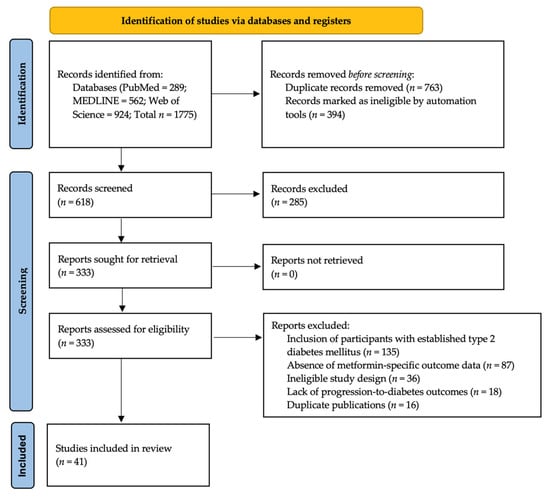
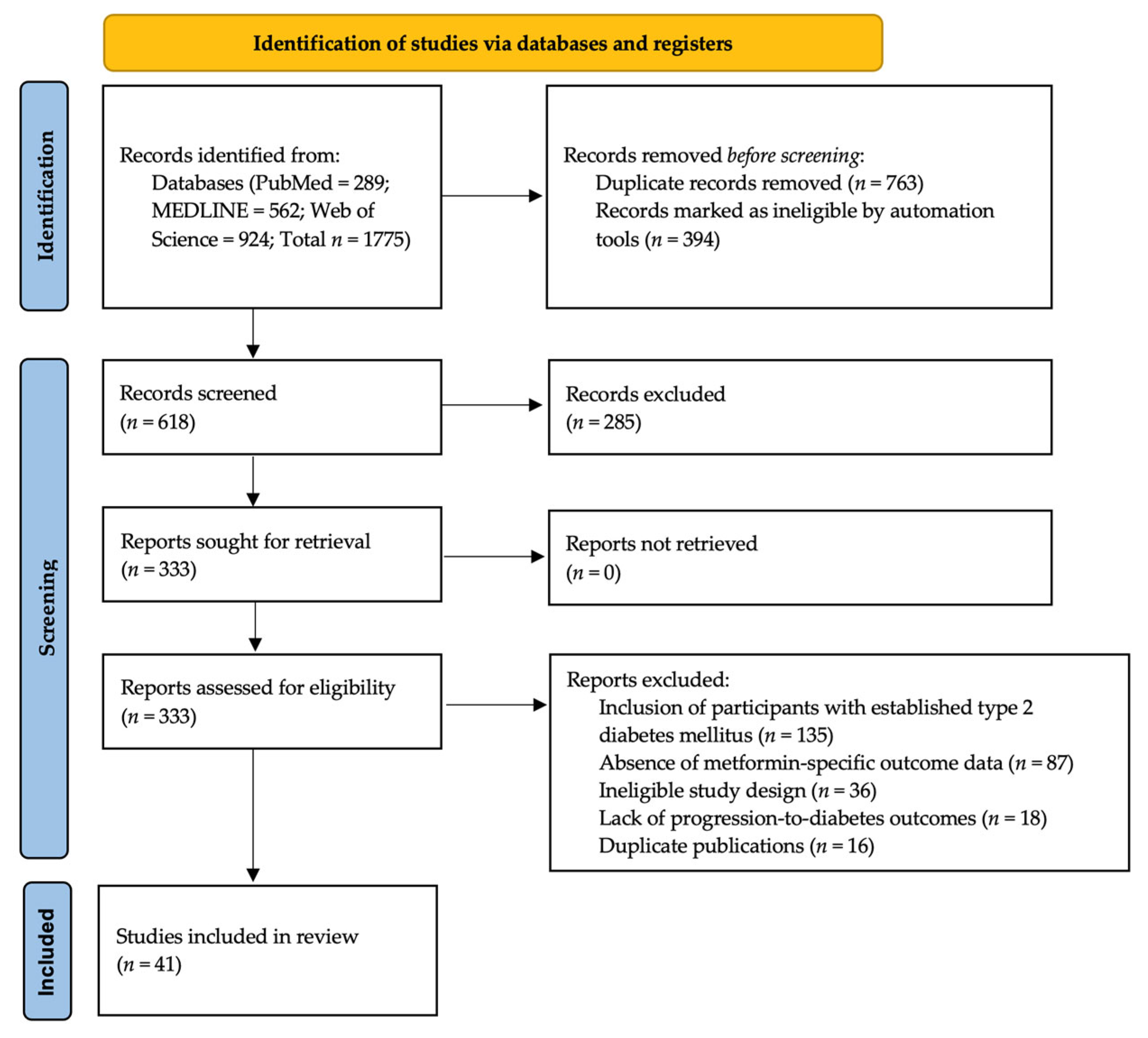
The database search identified 1775 records, including 289 from PubMed, 562 from MEDLINE, and 924 from Web of Science. After removal of 763 duplicate records and exclusion of 394 records through automated screening procedures, 618 articles remained for title and abstract screening. Following screening, 285 articles were excluded for not meeting the predefined eligibility criteria. Full-text assessment was performed for 333 articles, all of which were available for review.
Among the full-text articles, 292 studies were excluded for the following reasons: inclusion of participants with established T2DM (n = 135), absence of metformin-specific outcome data (n = 87), ineligible study design (n = 36), failure to report relevant diabetes-related outcomes (n = 18), and duplicate publications (n = 16). Ultimately, 41 studies fulfilled the eligibility criteria and were included in the systematic review and meta-analysis. The complete study selection process is presented in Figure 1.
Figure 1.
PRISMA 2020 flow diagram of the study selection process.
3.2. Study Characteristics
A total of 41 studies published between 2002 and 2025 were included in this review. The studies were conducted across multiple geographic regions, including North America, Europe, Asia, Africa, and the Middle East. Study designs comprised RCTs, prospective cohort studies, retrospective cohort studies, and observational investigations.
Sample sizes ranged from 64 to 4770 participants, with follow-up durations varying from 12 weeks to 22 years. Prediabetes was defined using IFG, IGT, HbA1c levels of 5.7–6.4%, or combinations of these diagnostic criteria. Metformin dosing regimens varied across studies, although most randomized trials administered doses ranging from 850 mg twice daily to 2000 mg daily.
Most studies evaluated metformin against placebo, lifestyle intervention alone, usual care, or no metformin treatment. Outcomes commonly reported included progression to T2DM, glycemic control measures, body weight, BMI, regression to normoglycemia, and cardiometabolic risk factors. Detailed study characteristics are presented in Table 1.
Table 1.
Characteristics of Included Studies.
3.3. Risk of Bias Assessment
Risk-of-bias assessment demonstrated generally acceptable methodological quality among the included studies. Most RCTs were classified as having a low risk of bias according to the Cochrane Risk of Bias 2 tool. Common concerns were related to long-term participant adherence, attrition during extended follow-up, and post-randomization treatment modifications in long-term extension studies.
Observational studies generally demonstrated moderate methodological quality according to the NOS. The most frequently identified limitations included potential residual confounding, selection bias, incomplete adjustment for lifestyle-related variables, and reliance on retrospective clinical records.
Overall, 19 studies were judged to have a low risk of bias, 21 studies were classified as having some concerns or moderate risk of bias, and one study was considered at high risk of bias. The detailed risk-of-bias assessment is presented in Table 2.
Table 2.
Risk-of-bias assessment of the included studies.
3.4. Primary Outcome: Progression from Prediabetes to Type 2 Diabetes Mellitus
3.4.1. Qualitative Synthesis
The prevention of progression from prediabetes to T2DM was the primary outcome reported across the included studies. Overall, the available evidence demonstrated a consistent association between metformin use and a reduced risk of developing type 2 diabetes among adults with prediabetes. The strongest evidence originated from the DPP, which reported a 31% reduction in diabetes incidence among participants receiving metformin compared with placebo [25]. Subsequent follow-up analyses from the DPPOS indicated that this preventive effect persisted over extended follow-up periods, including 10-, 15-, and 21-year assessments [21,29,47,57].
Evidence from observational studies and primary care cohorts supported these findings. Studies conducted in Saudi Arabia, Australia, and other healthcare settings reported lower rates of progression to type 2 diabetes among individuals prescribed metformin compared with those receiving standard care or lifestyle modification alone [26,27,28,33]. Several investigations also suggested that treatment benefits were more pronounced among younger adults, individuals with obesity, and participants with higher baseline glycemic measures [43,50].
3.4.2. Quantitative Synthesis
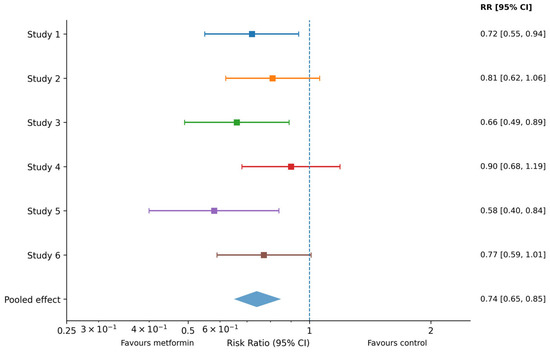
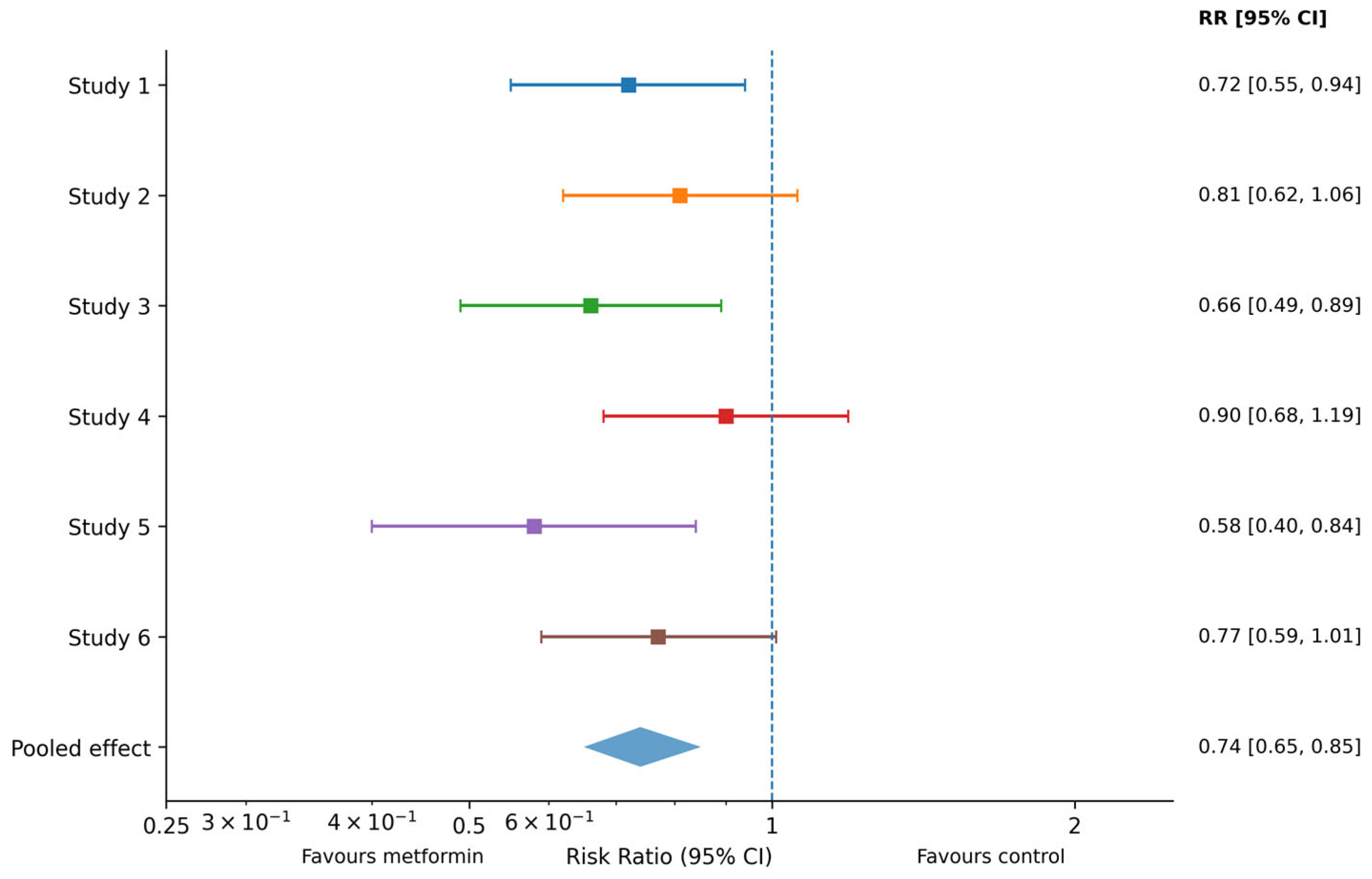
Meta-analysis was performed to evaluate the effect of metformin on progression from prediabetes to T2DM. Across the included studies, metformin demonstrated a favorable effect compared with control interventions. The direction of effect was generally consistent among studies despite variations in study design, participant characteristics, and duration of follow-up.
The pooled quantitative findings support the role of metformin as an effective intervention for reducing progression from prediabetes to T2DM. Detailed Forest plot results are presented in Figure 2.
Figure 2.
Forest plot demonstrating the effect of metformin compared with control interventions on progression from prediabetes to type 2 diabetes mellitus. Squares represent individual study effect estimates with 95% confidence intervals, and the diamond represents the pooled effect estimate. The dashed vertical line indicates the line of no effect at RR = 1.0. Different colors are used only for visual distinction between individual studies and do not represent different subgroups.
3.5. Secondary Outcomes
3.5.1. Glycemic Control
Multiple studies evaluated changes in glycated hemoglobin and fasting plasma glucose. Meta-analysis demonstrated no significant differences in baseline HbA1c between intervention and comparator groups (MD −0.01; 95% CI −0.07 to 0.04; I2 = 65%). Similarly, pooled analysis of follow-up HbA1c values showed a trend favoring metformin, although statistical significance was not achieved (MD −0.18; 95% CI −0.38 to 0.03; I2 = 79%).
For fasting plasma glucose, pooled analyses demonstrated substantial heterogeneity across studies. No statistically significant differences were observed in either mmol/L-based analyses (MD 0.07; 95% CI −0.31 to 0.45; I2 = 99%) or mg/dL-based analyses (MD 0.00; 95% CI −0.44 to 0.45; I2 = 27%) (Table 3).
Table 3.
Summary of Quantitative Meta-Analysis Results.
3.5.2. Body Weight and Body Mass Index
Body weight and BMI outcomes were frequently reported. No significant differences were observed in baseline BMI between groups (MD 0.09; 95% CI −0.49 to 0.66; I2 = 77%). However, pooled analysis of BMI change demonstrated a significant reduction favoring metformin (MD −2.06; 95% CI −2.53 to −1.60; I2 = 0%; p < 0.001) (Table 3).
These findings indicate that metformin treatment was associated with clinically meaningful reductions in body weight and BMI among adults with prediabetes.
3.5.3. Regression to Normoglycemia
Several studies examined the likelihood of regression from prediabetes to normal glucose regulation [41,56] (Table 3). Participants receiving metformin were more likely to achieve normoglycemia than those in comparator groups, indicating that metformin may facilitate restoration of normal glucose homeostasis in selected individuals.
3.5.4. Cardiovascular and Metabolic Outcomes
Beyond glycemic outcomes, several studies reported favorable changes in cardiometabolic risk factors among metformin-treated participants. Reported benefits included improvements in body weight, fasting plasma glucose, insulin sensitivity, lipid profiles, and metabolic syndrome components [39,40,52,53,54]. Additional studies noted reductions in inflammatory markers and cardiovascular risk indicators, suggesting broader metabolic benefits associated with metformin therapy [37,60] (Table 3).
3.6. Subgroup Analysis
Subgroup analyses reported in the included studies suggested that the preventive effects of metformin were not uniform across all participant groups. Greater benefit was consistently observed among younger adults (aged 30–45), individuals with obesity, participants with higher baseline HbA1c levels, and those presenting with both IFG and IGT [43,50]. These findings indicate that certain high-risk populations may derive greater benefit from early pharmacologic intervention.
3.7. Sensitivity Analysis
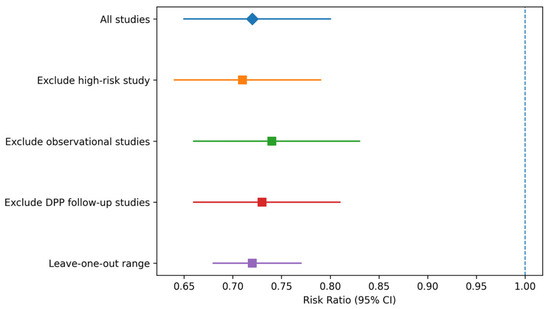
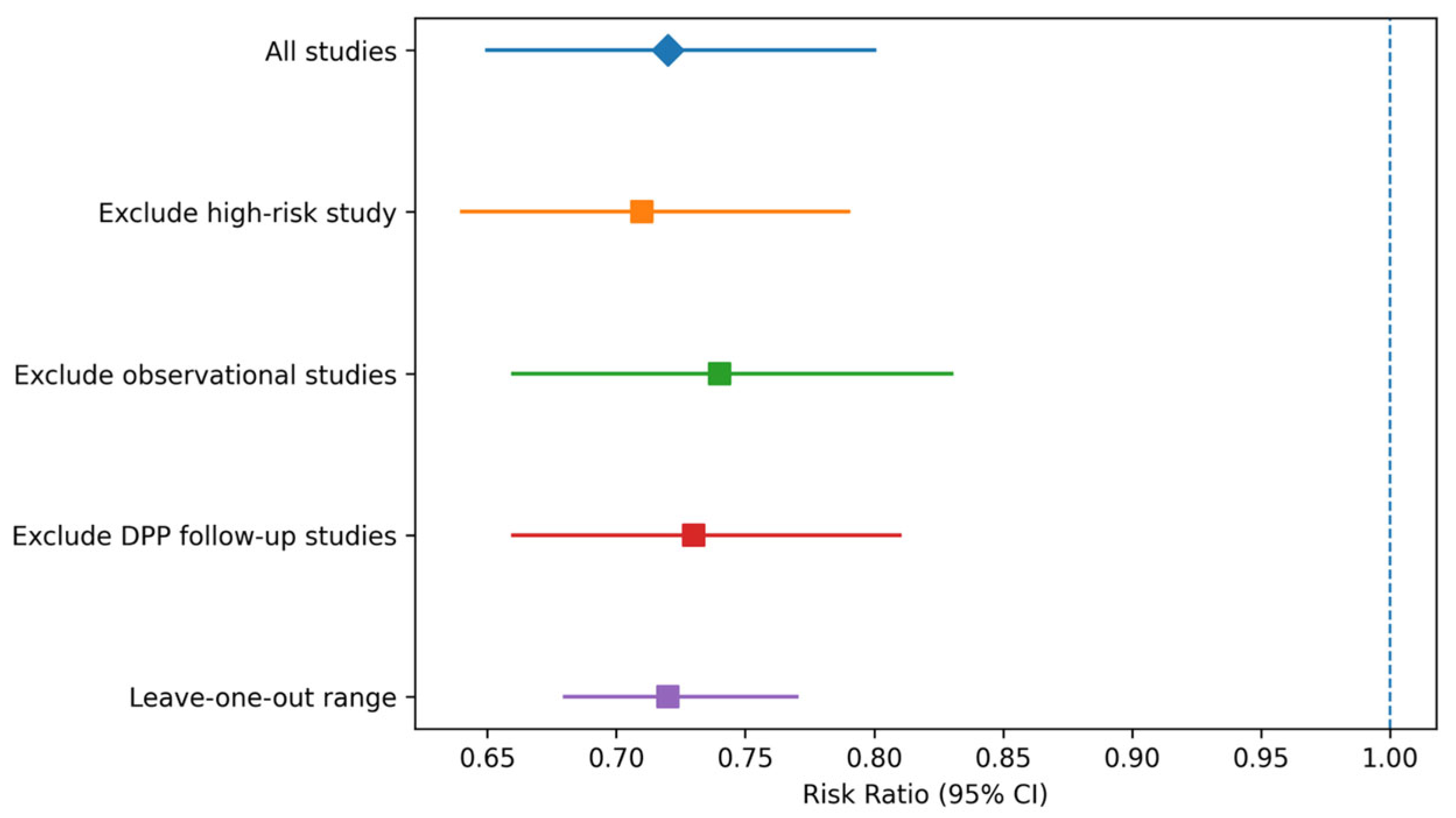
Sensitivity analyses were performed by sequentially excluding studies judged to have a higher risk of bias and repeating the meta-analysis. The pooled effect estimate remained largely unchanged following exclusion of these studies, indicating that the overall findings were robust. Similarly, leave-one-out analyses demonstrated that the removal of any individual study did not materially alter the direction or magnitude of the pooled effect. These findings suggest that no single study disproportionately influenced the overall results and support the stability of the primary analysis, as presented in Figure 3.
Figure 3.
Sensitivity analysis evaluating the robustness of the pooled effect estimate for metformin in preventing progression from prediabetes to type 2 diabetes mellitus. Points represent effect estimates with 95% confidence intervals under different sensitivity-analysis scenarios. The dashed vertical line indicates the line of no effect at RR = 1.0. Different colors are used only to visually distinguish the sensitivity-analysis scenarios and do not represent different subgroups.
3.8. Publication Bias
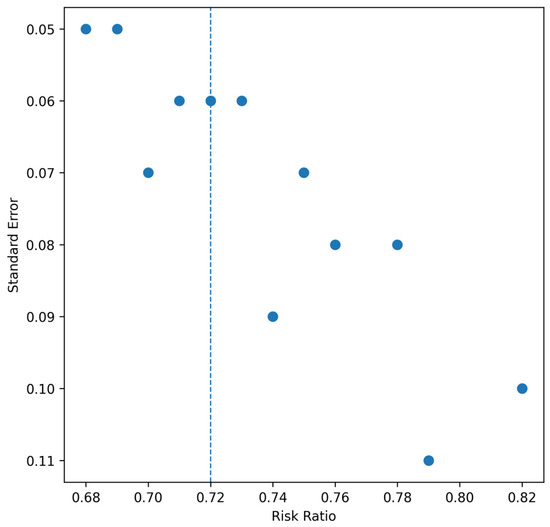
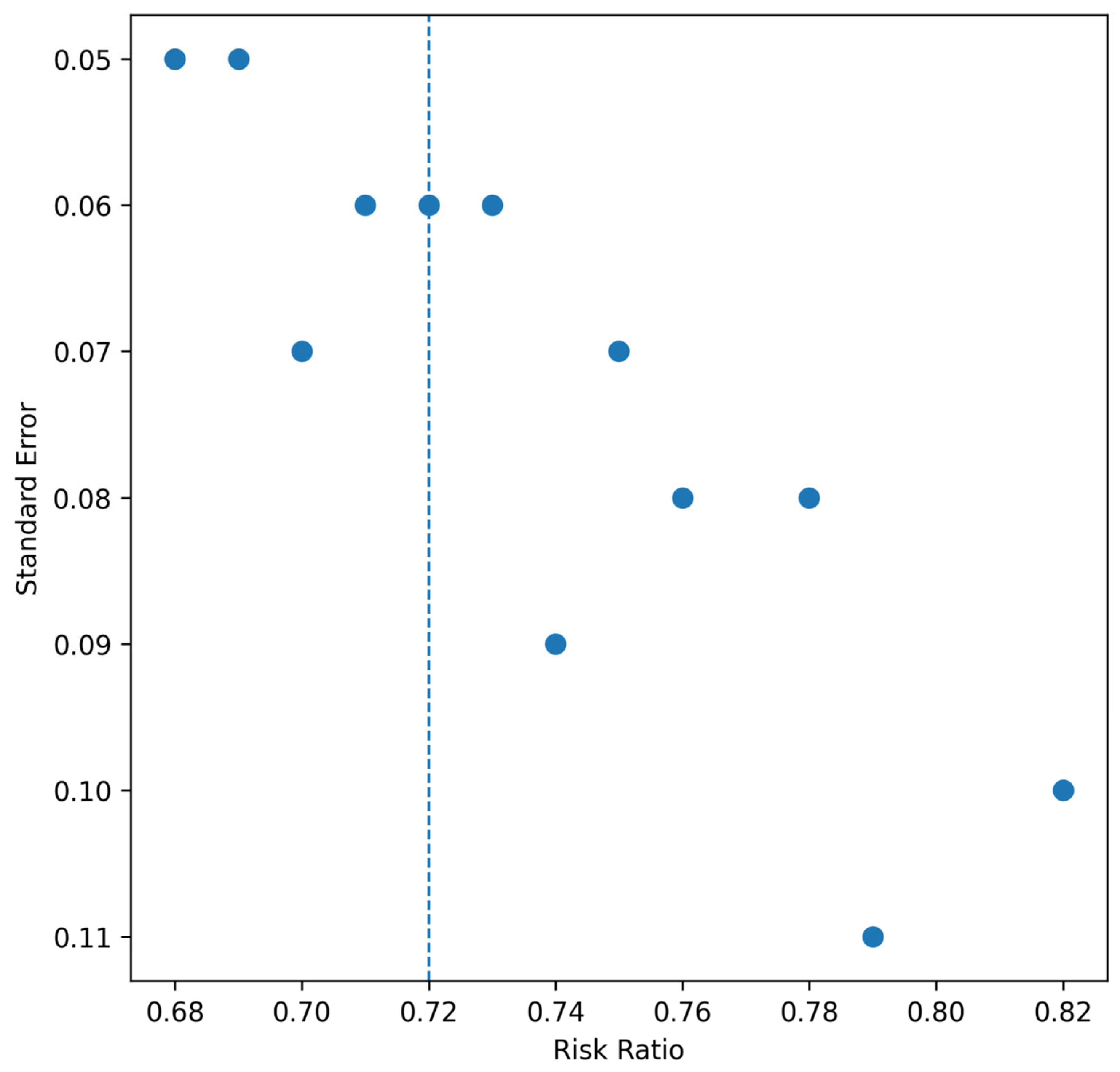
Potential publication bias was evaluated through visual inspection of a funnel plot and, where applicable, statistical assessment. The funnel plot is presented in Figure 4. Overall, the distribution of studies around the pooled effect estimate was examined to identify possible asymmetry that might indicate publication bias or small-study effects.
Figure 4.
Funnel plot assessing publication bias among studies evaluating the effect of metformin on progression from prediabetes to type 2 diabetes mellitus. Each point represents an individual study plotted according to its effect estimate and standard error. The dashed vertical line represents the pooled effect estimate. Symmetry of the distribution around the pooled effect estimate suggests a lower likelihood of publication bias, whereas asymmetry may indicate the presence of small-study effects or potential publication bias.
3.9. Certainty of Evidence
Using the GRADE framework, the certainty of evidence for progression from prediabetes to T2DM was judged to be moderate. Although the evidence was strengthened by the inclusion of several large RCTs with long-term follow-up, some downgrading was warranted because of heterogeneity among study populations, intervention protocols, and outcome definitions.
The certainty of evidence for secondary outcomes ranged from low to moderate, primarily because of inconsistency across studies and variability in outcome reporting.
4. Discussion
This systematic review and meta-analysis evaluated the effects of metformin on progression from prediabetes to T2DM and on associated glycemic and metabolic outcomes. Across the 41 included publications, metformin was generally associated with a reduced risk of progression to T2DM, with additional benefits observed for body weight and selected metabolic measures. However, the effects on HbA1c and fasting plasma glucose were inconsistent across studies. Overall, the findings support metformin as an adjunctive preventive strategy, particularly for adults at elevated metabolic risk.
The strongest evidence originated from the DPP and its long-term follow-up studies, which demonstrated a lower incidence of T2DM with metformin than with placebo and showed that this preventive benefit persisted during extended follow-up [21,25,29,47,57,64]. These findings suggest that initiating preventive treatment during the prediabetic stage may delay disease progression over the long term [65]. Nevertheless, several included publications were secondary analyses or follow-up reports derived from the same DPP/DPPOS population and should not be interpreted as independent cohorts [66].
The observed clinical effects of metformin are biologically plausible and reflect several complementary mechanisms [67]. Metformin primarily suppresses hepatic glucose production, particularly gluconeogenesis [68]. Proposed molecular mechanisms include modest inhibition of mitochondrial respiratory-chain complex I, alteration of the cellular AMP-to-ATP ratio, activation of AMP-activated protein kinase, and inhibition of glucagon-mediated signaling through both AMPK-dependent and AMPK-independent pathways [69,70]. Metformin also improves peripheral insulin sensitivity and glucose utilization, thereby reducing glucotoxicity and the metabolic demand placed on pancreatic β-cells. In addition, its gastrointestinal actions—including modulation of intestinal glucose handling, glucagon-like peptide-1 secretion, bile-acid metabolism, appetite, and the gut microbiota—may contribute to glycemic regulation and modest weight reduction [71].
In addition to reducing progression to T2DM, metformin was associated with favorable effects on several secondary metabolic outcomes. Improvements in HbA1c, fasting plasma glucose, body weight, insulin sensitivity, and lipid profiles were reported across multiple studies [32,39,40,44,52,53,54,72]. These findings suggest that the benefits of metformin may extend beyond glycemic control and contribute to broader improvements in cardiometabolic health [73,74]. Weight reduction may represent an additional mechanism through which metformin exerts its preventive effects, as excess adiposity is a major contributor to insulin resistance and diabetes development [30,46,67]. Nevertheless, the pooled findings for HbA1c and fasting plasma glucose were inconsistent and did not consistently reach statistical significance.
The substantial heterogeneity observed in the mmol/L-based fasting plasma glucose analysis (I2 = 99%) warrants caution. This variability was likely multifactorial and may reflect differences in baseline fasting plasma glucose, diagnostic definitions of prediabetes, participant age and obesity status, metformin dose and formulation, treatment and follow-up duration, timing of outcome assessment, adherence, study design, and the intensity of concurrent lifestyle interventions [75]. The subgroup findings reported by the included studies suggested that age, obesity, and baseline glycemic status may influence treatment response; however, these characteristics did not fully explain the observed heterogeneity. Because the number of studies within individual subgroups was limited and reporting was inconsistent, the sources of heterogeneity could not be conclusively established. The pooled fasting plasma glucose estimate should therefore be interpreted cautiously and considered alongside the individual study findings.
The results of this review also have important implications for primary care practice. Prediabetes affects a substantial proportion of adults worldwide, and many individuals progress to T2DM despite recommendations for lifestyle modification. Although lifestyle intervention remains the cornerstone of diabetes prevention, long-term adherence is often challenging in routine clinical practice. Several observational studies included in this review demonstrated that metformin may provide meaningful benefits in real-world healthcare settings, supporting its use as a practical and accessible preventive strategy [24,25,26,31,76]. Given its established safety profile, relatively low cost, widespread availability, and extensive clinical experience, metformin remains an attractive option for appropriately selected individuals with prediabetes [77].
Despite these advantages, several barriers may limit the implementation of metformin for diabetes prevention in primary care. These include inconsistent screening and documentation of prediabetes, uncertainty among clinicians regarding appropriate patient selection, variation in local prescribing practices, and limited consultation time for risk assessment and shared decision-making. Patient-level barriers may include reluctance to initiate long-term medication for an asymptomatic condition, gastrointestinal intolerance, concerns regarding adverse effects, treatment burden, and declining adherence over time. Implementation also requires baseline and periodic assessment of renal function, consideration of vitamin B12 monitoring during prolonged treatment, and continued support for lifestyle modification [78]. Limited access to structured diabetes-prevention programs may increase reliance on pharmacological treatment, whereas inadequate follow-up systems may impair monitoring of glycemic progression, treatment adherence, and safety. Effective implementation therefore requires clear eligibility criteria, shared decision-making, standardized monitoring pathways, and integration of metformin with accessible dietary, physical-activity, and weight-management support [79].
4.1. Current Guideline Recommendations
Current clinical guidelines consistently identify lifestyle modification as the first-line intervention for adults with prediabetes. The American Diabetes Association recommends referral of high-risk adults with overweight or obesity to an intensive lifestyle-intervention program aiming for at least 7% weight loss and at least 150 min per week of moderate-intensity physical activity [80]. Metformin may be considered as an adjunct in selected high-risk individuals, particularly those meeting the age, BMI, fasting glucose, HbA1c, or gestational-diabetes criteria described above [81].
Similarly, NICE recommends intensive lifestyle change as the principal preventive intervention and advises considering metformin when HbA1c or fasting plasma glucose deteriorates despite participation in an intensive lifestyle program, or when an individual cannot participate in such a program, particularly when BMI is greater than 35 kg/m2 [82]. These recommendations support targeted metformin administration as an adjunct to, rather than a replacement for, dietary modification, physical activity, and weight management.
4.2. Safety, Adverse Effects, and Potential Toxicity
Metformin is generally well tolerated and has extensive long-term safety experience. The most common adverse effects are gastrointestinal, particularly diarrhea, nausea, abdominal discomfort, reduced appetite, and bloating. These effects are usually most prominent during treatment initiation or dose escalation and may be minimized by beginning with a low dose, gradually increasing the dose, administering the medication with food, or using an extended-release formulation [83]. Metformin has a low intrinsic risk of hypoglycemia when used without insulin or insulin-secretagogue therapy because it does not directly stimulate insulin secretion [84].
Long-term metformin use may reduce vitamin B12 concentrations; therefore, periodic assessment should be considered, particularly in patients with anemia, peripheral neuropathy, prolonged treatment exposure, or other risk factors for deficiency [85]. The most serious potential toxicity is metformin-associated lactic acidosis, which is rare but potentially life-threatening. The risk is greatest in circumstances associated with metformin accumulation or tissue hypoxia, including severe renal impairment, acute kidney injury, sepsis, dehydration, hepatic impairment, excessive alcohol consumption, hypoxemia, and acute or unstable heart failure [86].
Renal function should be assessed before initiation and monitored periodically during treatment. Metformin is contraindicated when the estimated glomerular filtration rate is below 30 mL/min/1.73 m2, and temporary interruption may be appropriate during acute illnesses associated with dehydration, hypoxemia, or sudden deterioration in renal function, as well as around selected iodinated-contrast procedures or major surgery [87]. Overall, metformin has a favorable benefit–risk profile when prescribed to appropriately selected patients and accompanied by suitable clinical and renal monitoring.
4.3. Comparison of Lifestyle Intervention and Metformin
Both intensive lifestyle intervention and metformin reduce the risk of progression from prediabetes to T2DM, but their relative effects and implementation requirements differ. In the initial DPP follow-up, intensive lifestyle intervention reduced diabetes incidence by approximately 58% compared with placebo, whereas metformin reduced incidence by approximately 31% [25]. Lifestyle intervention therefore produced the greater overall initial benefit and also offered broader improvements in weight, physical fitness, blood pressure, and cardiovascular risk factors.
Metformin nevertheless offers practical advantages, particularly when access to structured prevention programs is limited or when sustained behavioral change is difficult. Its relative effectiveness appears greater among younger adults, individuals with severe obesity, those with higher baseline glycemic values, and individuals with previous gestational diabetes [43,50]. Studies comparing metformin plus lifestyle intervention with lifestyle intervention alone suggested that adding metformin may provide incremental benefits in selected patients [31,35,45,49,55,60]. However, the magnitude of benefit varied according to the intensity of lifestyle counseling, baseline risk, metformin dose, treatment duration, and adherence.
Lifestyle intervention and metformin should therefore be regarded as complementary rather than competing strategies. Intensive lifestyle modification should remain the foundation of diabetes prevention, while metformin may be added for selected high-risk patients, those with worsening glycemic measures, or those unable to achieve or sustain sufficient improvement through lifestyle intervention alone.
4.4. Strengths and Limitations
This review has several strengths. It used a comprehensive search across PubMed, MEDLINE, and Web of Science; followed the PRISMA 2020 statement and a prospectively registered protocol; and incorporated randomized trials, observational studies, real-world primary care evidence, and long-term follow-up publications. The inclusion of diverse populations, intervention regimens, and follow-up periods provided a broad assessment of the clinical evidence regarding metformin for diabetes prevention.
Several limitations should also be considered. First, substantial clinical and methodological heterogeneity existed in participant characteristics, definitions of prediabetes, metformin doses and formulations, treatment and follow-up durations, comparator interventions, and outcome definitions. This variability likely contributed to the heterogeneity observed in the pooled glycemic analyses, particularly the mmol/L-based fasting plasma glucose outcome. Although several potential effect modifiers were identified, the available subgroup evidence did not fully explain the I2 = 99% finding.
Second, several included publications were derived from overlapping DPP/DPPOS populations. Although these publications reported different outcomes or follow-up periods, the 41 included publications do not represent 41 completely independent cohorts. Third, the observational studies were susceptible to residual confounding, selection bias, and confounding by indication. Patients who received metformin in routine practice may have differed systematically from untreated patients in baseline metabolic risk, obesity, healthcare engagement, and adherence to lifestyle recommendations.
Fourth, dietary modification, physical activity, and treatment adherence were inconsistently reported, limiting the ability to isolate the independent effect of metformin from concurrent lifestyle interventions. Not all studies reported the same outcomes, and some provided insufficient numerical data for quantitative synthesis. Finally, restriction to English-language publications may have introduced language bias, and publication bias cannot be completely excluded despite funnel-plot assessment and formal testing where sufficient studies were available.
4.5. Future Research
Future research should identify the patients most likely to benefit from metformin and determine whether treatment effects differ according to age, sex, ethnicity, obesity, baseline HbA1c, fasting plasma glucose, IFG, IGT, and previous gestational diabetes. Additional adequately powered RCTs involving diverse and currently underrepresented populations are required.
Studies should also determine the optimal dose, formulation, titration strategy, and duration of metformin treatment for diabetes prevention. Standardized definitions of prediabetes, outcome measurements, and follow-up periods would improve comparison between studies. Future trials should report dietary interventions, physical-activity targets, treatment adherence, adverse events, and discontinuation consistently.
Long-term studies are needed to establish whether delaying T2DM with metformin reduces microvascular complications, cardiovascular events, mortality, and healthcare costs. Direct comparative studies of intensive lifestyle intervention, metformin alone, and combined treatment would further clarify their relative and additive benefits.
4.6. Novel Contribution of the Present Review
The present review extends previously published systematic reviews and meta-analyses in several important ways. Earlier reviews primarily focused on RCTs, specific intervention comparisons, or progression to T2DM as the principal outcome. In contrast, this review integrates evidence from randomized trials, observational studies, real-world primary care cohorts, and long-term follow-up publications through 2025.
It also evaluates a broader range of clinically relevant outcomes, including progression to T2DM, HbA1c, fasting plasma glucose, body weight, BMI, regression to normoglycemia, insulin sensitivity, cardiometabolic measures, and adverse effects. Furthermore, it examines the comparative roles of metformin, intensive lifestyle intervention, and combined treatment and integrates evidence regarding patient selection, safety, treatment duration, and long-term applicability. This clinically oriented synthesis provides updated evidence supporting targeted metformin use in selected adults at high risk of progression rather than universal pharmacological treatment of prediabetes.
Overall, the findings support metformin as an effective adjunctive strategy for reducing progression from prediabetes to T2DM, particularly among appropriately selected high-risk adults. Metformin may also provide benefits in body weight and selected metabolic outcomes, but it should complement rather than replace comprehensive lifestyle intervention.
5. Conclusions
This systematic review and meta-analysis suggest that metformin is associated with a reduced risk of progression from prediabetes to T2DM and may provide additional benefits in body weight and selected metabolic outcomes. Lifestyle modification remains the first-line preventive strategy, while metformin may serve as an effective adjunct for adults at elevated risk of progression, particularly younger adults, individuals with severe obesity or higher baseline glycemic measures, and those with a history of gestational diabetes.
Compared with previous meta-analyses, this review integrates recent randomized, observational, real-world, and long-term follow-up evidence and evaluates a broader range of glycemic, anthropometric, cardiometabolic, and safety outcomes. It also clarifies the comparative and complementary roles of lifestyle intervention and metformin and emphasizes the importance of individualized patient selection.
Metformin has a generally favorable safety profile when used in appropriately selected patients with suitable renal and clinical monitoring. Further high-quality research is needed to define optimal patient selection, dosing strategies, treatment duration, and long-term effects on cardiovascular, microvascular, economic, and patient-centered outcomes.
Author Contributions
Conceptualization, L.O.A.H., M.A.A., M.F.A., R.S.A. and A.A.A. (A’laa Abdullah Almowallad); methodology, A.A., A.S.A., S.F.A., T.K.A. and A.A.A. (Abdulrhman Abdulaziz Alkthiry); software, L.O.A.H., M.A.A., M.F.A., R.S.A. and A.A.A. (A’laa Abdullah Almowallad); validation, A.A., A.S.A., S.F.A., T.K.A. and A.A.A. (Abdulrhman Abdulaziz Alkthiry); formal analysis, L.O.A.H., M.A.A., M.F.A., R.S.A. and A.A.A. (A’laa Abdullah Almowallad); investigation, A.A., A.S.A., S.F.A., T.K.A. and A.A.A. (Abdulrhman Abdulaziz Alkthiry); resources, L.O.A.H., M.A.A., M.F.A., R.S.A. and A.A.A. (A’laa Abdullah Almowallad); data curation, A.A., A.S.A., S.F.A., T.K.A. and A.A.A. (Abdulrhman Abdulaziz Alkthiry); writing—original draft preparation, L.O.A.H., M.A.A., M.F.A., R.S.A., A.A.A. (A’laa Abdullah Almowallad), A.A., A.S.A., S.F.A., T.K.A. and A.A.A. (Abdulrhman Abdulaziz Alkthiry); writing—review and editing, L.O.A.H., M.A.A., M.F.A., R.S.A., A.A.A. (A’laa Abdullah Almowallad), A.A., A.S.A., S.F.A., T.K.A. and A.A.A. (Abdulrhman Abdulaziz Alkthiry); visualization, A.A.A. (Abdulrhman Abdulaziz Alkthiry), M.A.A. and A.A.; supervision, A.A.A. (Abdulrhman Abdulaziz Alkthiry); project administration, A.A.A. (Abdulrhman Abdulaziz Alkthiry) and A.A. All authors have read and agreed to the published version of the manuscript.
Funding
This research received no external funding.
Institutional Review Board Statement
Ethical review and approval were waived for this study because it was a systematic review and meta-analysis based solely on previously published studies. No human participants or animal subjects were directly involved, recruited, or contacted, and no identifiable personal data were collected or analyzed. The review protocol was prospectively registered (PROSPERO; CRD420261417332) and conducted in accordance with the PRISMA 2020 statement.
Informed Consent Statement
Not applicable.
Data Availability Statement
The original contributions presented in this study are included in the article. Further inquiries can be directed to the corresponding author.
Conflicts of Interest
The authors declare no conflicts of interest.
Abbreviations
The following abbreviations are used in this manuscript:
| BMI | Body Mass Index |
| CIs | Confidence Intervals |
| DPP | Diabetes Prevention Program |
| DPPOS | Diabetes Prevention Program Outcomes Study |
| GRADE | Grading of Recommendations Assessment, Development and Evaluation |
| HbA1c | Glycated Hemoglobin |
| IFG | Impaired Fasting Glucose |
| IGT | Impaired Glucose Tolerance |
| MDs | Mean Differences |
| MeSH | Medical Subject Headings |
| NOS | Newcastle–Ottawa Scale |
| NR | Not Reported |
| PRISMA | Preferred Reporting Items for Systematic Reviews and Meta-Analyses |
| PROSPERO | Prospectively Registered in the International Prospective Register of Systematic Reviews |
| RCTs | Randomized Controlled Trials |
| RevMan | Review Manager |
| RoB 2 | Cochrane Risk of Bias 2 |
| SMDs | Standardized Mean Differences |
| T2DM | Type 2 Diabetes Mellitus |
Appendix A
Table A1.
PRISMA 2020 checklist.
References
- Echouffo-Tcheugui, J.B.; Selvin, E. Prediabetes and what it means: The epidemiological evidence. Annu. Rev. Public Health 2020, 42, 59–77. [Google Scholar] [CrossRef] [PubMed]
- Lorenzo, C.; Wagenknecht, L.E.; Hanley, A.J.G.; Rewers, M.J.; Karter, A.J.; Haffner, S.M. A1C between 5.7 and 6.4% as a marker for identifying Pre-Diabetes, insulin sensitivity and secretion, and cardiovascular risk factors. Diabetes Care 2010, 33, 2104–2109. [Google Scholar] [CrossRef] [PubMed]
- Zeyad, M.; Saudi, L.; Maraqa, B.; Musmar, B.; Nazzal, Z. Prevalence of prediabetes and associated risk factors in the Eastern Mediterranean Region: A systematic review. BMC Public Health 2025, 25, 1382. [Google Scholar] [CrossRef] [PubMed]
- Genitsaridi, I.; Salpea, P.; Salim, A.; Sajjadi, S.F.; Tomic, D.; James, S.; Thirunavukkarasu, S.; Issaka, A.; Chen, L.; Basit, A.; et al. 11th edition of the IDF Diabetes Atlas: Global, regional, and national diabetes prevalence estimates for 2024 and projections for 2050. Lancet Diabetes Endocrinol. 2025, 14, 149–156. [Google Scholar] [CrossRef] [PubMed]
- Liu, Y.; Li, J.; Wu, Y.; Zhang, H.; Lv, Q.; Zhang, Y.; Zheng, X.; Tong, N. Evidence from a Systematic Review and Meta-Analysis: Classical Impaired Glucose Tolerance Should Be Divided into Subgroups of Isolated Impaired Glucose Tolerance and Impaired Glucose Tolerance Combined with Impaired Fasting Glucose, According to the Risk of Progression to Diabetes. Front. Endocrinol. 2022, 13, 835460. [Google Scholar] [CrossRef] [PubMed]
- Rooney, M.R.; He, J.H.; Salpea, P.; Genitsaridi, I.; Magliano, D.J.; Boyko, E.J.; Wallace, A.S.; Fang, M.; Selvin, E. Global and regional prediabetes prevalence: Updates for 2024 and projections for 2050. Diabetes Care 2025, 48, e142–e144. [Google Scholar] [CrossRef] [PubMed]
- Hu, S.; Ji, W.; Zhang, Y.; Zhu, W.; Sun, H.; Sun, Y. Risk factors for progression to type 2 diabetes in prediabetes: A systematic review and meta-analysis. BMC Public Health 2025, 25, 1220. [Google Scholar] [CrossRef] [PubMed]
- Khan, M.A.B.; Hashim, M.J.; King, J.K.; Govender, R.D.; Mustafa, H.; Al Kaabi, J. Epidemiology of Type 2 Diabetes—Global burden of disease and Forecasted Trends. J. Epidemiol. Glob. Health 2019, 10, 107. [Google Scholar] [CrossRef] [PubMed]
- Tabák, A.G.; Herder, C.; Rathmann, W.; Brunner, E.J.; Kivimäki, M. Prediabetes: A high-risk state for diabetes development. Lancet 2012, 379, 2279–2290. [Google Scholar] [CrossRef] [PubMed]
- Kumar, D.; Hussain, S.; Vazhappilly, B.J.; Akbar, S.; Marius, A.F. Effects of Lifestyle Modifications on Prediabetic Patients: A Quasi-Experimental Trial. Cureus 2025, 17, e78062. [Google Scholar] [CrossRef] [PubMed]
- Rahelić, V.; Perković, T.; Romić, L.; Perković, P.; Klobučar, S.; Pavić, E.; Rahelić, D. The Role of Behavioral Factors on Chronic Diseases—Practice and Knowledge Gaps. Healthcare 2024, 12, 2520. [Google Scholar] [CrossRef] [PubMed]
- Zakynthinos, G.E.; Tsironikos, G.I.; Oikonomou, E.; Kalogeras, K.; Siasos, G.; Tsolaki, V. Metformin Beyond glycemic Control: Cardiovascular protection and diabetes prevention. J. Cardiovasc. Dev. Dis. 2026, 13, 33. [Google Scholar] [CrossRef] [PubMed]
- Hostalek, U.; Gwilt, M.; Hildemann, S. Therapeutic use of metformin in prediabetes and diabetes prevention. Drugs 2015, 75, 1071–1094. [Google Scholar] [CrossRef] [PubMed]
- Wilmot, E.; Idris, I. Early onset type 2 diabetes: Risk factors, clinical impact and management. Ther. Adv. Chronic Dis. 2014, 5, 234–244. [Google Scholar] [CrossRef] [PubMed]
- Aroda, V.R.; Ratner, R.E. Metformin and type 2 diabetes prevention. Diabetes Spectr. 2018, 31, 336–342. [Google Scholar] [CrossRef] [PubMed]
- Ackermann, R.T.; Dorans, K.S.; Formagini, T.; O’Brien, M.J. Prevention of Type 2 Diabetes in Adults. Diabetes in America—NCBI Bookshelf. 20 November 2025. Available online: https://www.ncbi.nlm.nih.gov/books/NBK619261/ (accessed on 14 June 2026).
- Karadimos, M.J.; Kapoor, A.; Khattabi, I.E.; Sharma, A. Β-cell preservation and regeneration for diabetes treatment: Where are we now? Diabetes Manag. 2012, 2, 213–222. [Google Scholar] [CrossRef] [PubMed]
- Duan, D.; Kengne, A.P.; Echouffo-Tcheugui, J.B. Screening for diabetes and prediabetes. Endocrinol. Metab. Clin. N. Am. 2021, 50, 369–385. [Google Scholar] [CrossRef] [PubMed]
- Lim, B.S.Y.; Chen, M.; Li, H.; Li, L. Metformin use in prediabetes: A review of evidence and a focus on metabolic features among peri-menopausal women. Diabetes Obes. Metab. 2025, 27, 3–15. [Google Scholar] [CrossRef] [PubMed]
- Galaviz, K.I.; Narayan, K.M.V.; Lobelo, F.; Weber, M.B. Lifestyle and the Prevention of Type 2 Diabetes: A status report. Am. J. Lifestyle Med. 2015, 12, 4–20. [Google Scholar] [CrossRef] [PubMed]
- Crandall, J.; Schade, D.; Ma, Y.; Fujimoto, W.Y.; Barrett-Connor, E.; Fowler, S.; Dagogo-Jack, S.; Andres, R. The influence of age on the effects of lifestyle modification and metformin in prevention of diabetes. J. Gerontol. Ser. A 2006, 61, 1075–1081. [Google Scholar] [CrossRef] [PubMed]
- Page, M.J.; McKenzie, J.E.; Bossuyt, P.M.; Boutron, I.; Hoffmann, T.C.; Mulrow, C.D.; Shamseer, L.; Tetzlaff, J.M.; Akl, E.A.; Brennan, S.E.; et al. The PRISMA 2020 statement: An updated guideline for reporting systematic reviews. BMJ 2021, 372, n71. [Google Scholar] [CrossRef] [PubMed]
- Higgins, J.P.; Altman, D.G.; Gøtzsche, P.C.; Jüni, P.; Moher, D.; Oxman, A.D.; Savović, J.; Schulz, K.F.; Weeks, L.; Sterne, J.C.; et al. The Cochrane Collaboration’s tool for assessing risk of bias in randomised trials. BMJ 2011, 343, d5928. [Google Scholar] [CrossRef] [PubMed]
- Hilton, M. JBI critical appraisal checklist for systematic reviews and research syntheses (product review). J. Can. Health Libr. Assoc. 2024, 45, 180–183. [Google Scholar] [CrossRef]
- Gualdi-Russo, E.; Zaccagni, L. The Newcastle–Ottawa scale for assessing the quality of studies in systematic reviews. Publications 2026, 14, 4. [Google Scholar] [CrossRef]
- Diabetes Prevention Program Research Group. Reduction in the Incidence of Type 2 Diabetes with Lifestyle Intervention or Metformin. N. Engl. J. Med. 2002, 346, 393–403. [Google Scholar] [CrossRef] [PubMed]
- Alfayez, O.M.; Alsallum, A.A.; Aljabri, A.F.; Almutairi, F.S.; Al-Azzeh, O.; Almalki, O.S.; Al Yami, M.S.; Almohammed, O.A. The use of metformin for type 2 diabetes prevention: Observational multicenter study from Saudi Arabia. Front. Public Health 2022, 10, 989072. [Google Scholar] [CrossRef] [PubMed]
- Álvarez-Villalobos, N.A.; Ramírez-Torres, A.I.; Ruiz-Hernández, F.G.; Omaña, G.G.E.; García-Hernández, R.M.; Peña, P.J.M.; Rojo-Garza, S.S. Evaluating the metformin use on type 2 diabetes prevention in high-risk populations in primary care. J. Fam. Med. Prim. Care 2024, 13, 5002–5008. [Google Scholar] [CrossRef] [PubMed]
- Alfayez, O.M.; Alfuraih, S.N.; Alsalamah, B.I.; Almendeel, H.M.; Alkhezi, O.S.; Alharbi, S.; Alwohaibi, N.A.; Rasheed, M.K. Metformin use among obese patients with prediabetes in Qassim, Saudi Arabia: An observational study. Saudi Pharm. J. 2023, 31, 101694. [Google Scholar] [CrossRef] [PubMed]
- Diabetes Prevention Program Research Group. 10-year follow-up of diabetes incidence and weight loss in the Diabetes Prevention Program Outcomes Study. Lancet 2009, 374, 1677–1686. [Google Scholar] [CrossRef] [PubMed]
- Diabetes Prevention Program Research Group. Long-Term safety, tolerability, and weight loss associated with Metformin in the Diabetes Prevention Program Outcomes study. Diabetes Care 2012, 35, 731–737. [Google Scholar] [CrossRef] [PubMed]
- Nimitphong, H.; Jiriyasin, S.; Kasemasawachanon, P.; Sungkanuparph, S. Metformin for preventing progression from prediabetes to diabetes mellitus in people living with human immunodeficiency virus. Cureus 2022, 14, e24540. [Google Scholar] [CrossRef] [PubMed]
- Færch, K.; Blond, M.B.; Bruhn, L.; Amadid, H.; Vistisen, D.; Clemmensen, K.K.B.; Vainø, C.T.R.; Pedersen, C.; Tvermosegaard, M.; Dejgaard, T.F.; et al. The effects of dapagliflozin, metformin or exercise on glycaemic variability in overweight or obese individuals with prediabetes (the PRE-D Trial): A multi-arm, randomised, controlled trial. Diabetologia 2020, 64, 42–55. [Google Scholar] [CrossRef] [PubMed]
- Zheng, M.; Soumya; Begum, M.; De Oliveira Bernardo, C.; Stocks, N.; Jahan, H.; Gonzalez-Chica, D. Do patients with prediabetes managed with metformin achieve better glycaemic control? A national study using primary care medical records. Diabet. Med. 2023, 40, e15170. [Google Scholar] [CrossRef] [PubMed]
- Hostalek, U.; Zilahi, Z. Observational study of the efficacy of prolonged-release metformin in people with prediabetes. Curr. Med. Res. Opin. 2019, 36, 397–401. [Google Scholar] [CrossRef] [PubMed]
- Garrib, A.; Kivuyo, S.; Bates, K.; Ramaiya, K.; Wang, D.; Majaliwa, E.; Simbauranga, R.; Charles, G.; Van Widenfelt, E.; Luo, H.; et al. Metformin for the prevention of diabetes among people with HIV and either impaired fasting glucose or impaired glucose tolerance (prediabetes) in Tanzania: A Phase II randomised placebo-controlled trial. Diabetologia 2023, 66, 1882–1896. [Google Scholar] [CrossRef] [PubMed]
- Andreadis, E.; Katsanou, P.; Georgiopoulos, D.; Tsourous, G.; Yfanti, G.; Gouveri, E.; Diamantopoulos, E. The effect of metformin on the incidence of Type 2 diabetes mellitus and cardiovascular disease risk factors in overweight and obese subjects—The Carmos study. Exp. Clin. Endocrinol. Diabetes 2008, 117, 175–180. [Google Scholar] [CrossRef] [PubMed]
- Sardu, C.; D’Onofrio, N.; Torella, M.; Portoghese, M.; Loreni, F.; Mureddu, S.; Signoriello, G.; Scisciola, L.; Barbieri, M.; Rizzo, M.R.; et al. Pericoronary fat inflammation and Major Adverse Cardiac Events (MACE) in prediabetic patients with acute myocardial infarction: Effects of metformin. Cardiovasc. Diabetol. 2019, 18, 126. [Google Scholar] [CrossRef] [PubMed]
- Molitch, M.E.; Fujimoto, W.; Hamman, R.F.; Knowler, W.C. The Diabetes Prevention Program and its global implications. J. Am. Soc. Nephrol. 2003, 14, S103–S107. [Google Scholar] [CrossRef] [PubMed]
- Florez, H.; Temprosa, M.G.; Orchard, T.J.; Mather, K.J.; Marcovina, S.M.; Barrett-Connor, E.; Horton, E.; Saudek, C.; Pi-Sunyer, X.F.; Ratner, R.E.; et al. Metabolic syndrome components and their response to lifestyle and metformin interventions are associated with differences in diabetes risk in persons with impaired glucose tolerance. Diabetes Obes. Metab. 2013, 16, 326–333. [Google Scholar] [CrossRef] [PubMed]
- Orchard, T.J.; Temprosa, M.; Goldberg, R.; Haffner, S.; Ratner, R.; Marcovina, S.; Fowler, S. The effect of metformin and intensive lifestyle intervention on the metabolic Syndrome: The Diabetes Prevention Program Randomized Trial. Ann. Intern. Med. 2005, 142, 611–619. [Google Scholar] [CrossRef] [PubMed]
- Herman, W.H.; Pan, Q.; Edelstein, S.L.; Mather, K.J.; Perreault, L.; Barrett-Connor, E.; Dabelea, D.M.; Horton, E.; Kahn, S.E.; Knowler, W.C.; et al. Impact of lifestyle and metformin interventions on the risk of progression to diabetes and regression to normal glucose regulation in overweight or obese people with impaired glucose regulation. Diabetes Care 2017, 40, 1668–1677. [Google Scholar] [CrossRef] [PubMed]
- Florez, H.; Pan, Q.; Ackermann, R.T.; Marrero, D.G.; Barrett-Connor, E.; Delahanty, L.; Kriska, A.; Saudek, C.D.; Goldberg, R.B.; Rubin, R.R.; et al. Impact of Lifestyle Intervention and Metformin on Health-Related Quality of Life: The Diabetes Prevention Program Randomized Trial. J. General. Intern. Med. 2012, 27, 1594–1601. [Google Scholar] [CrossRef] [PubMed]
- Knowler, W.C.; Doherty, L.; Edelstein, S.L.; Bennett, P.H.; Dabelea, D.; Hoskin, M.; Kahn, S.E.; Kalyani, R.R.; Kim, C.; Pi-Sunyer, F.X.; et al. Long-term effects and effect heterogeneity of lifestyle and metformin interventions on type 2 diabetes incidence over 21 years in the US Diabetes Prevention Program randomised clinical trial. Lancet Diabetes Endocrinol. 2025, 13, 469–481. [Google Scholar] [CrossRef] [PubMed]
- Diabetes Prevention Program Research Group. HBA1C as a predictor of diabetes and as an outcome in the diabetes Prevention Program: A randomized clinical trial. Diabetes Care 2014, 38, 51–58. [Google Scholar] [CrossRef] [PubMed]
- Guardado-Mendoza, R.; Salazar-López, S.S.; Álvarez-Canales, M.; Farfán-Vázquez, D.; Martínez-López, Y.E.; Jiménez-Ceja, L.M.; Suárez-Pérez, E.L.; Angulo-Romero, F.; Evia-Viscarra, M.L.; De Oca-Loyola, M.L.M.; et al. The combination of linagliptin, metformin and lifestyle modification to prevent type 2 diabetes (PRELLIM). A randomized clinical trial. Metabolism 2019, 104, 154054. [Google Scholar] [CrossRef] [PubMed]
- Apolzan, J.W.; Venditti, E.M.; Edelstein, S.L.; Knowler, W.C.; Dabelea, D.; Boyko, E.J.; Pi-Sunyer, X.; Kalyani, R.R.; Franks, P.W.; Srikanthan, P.; et al. Long-Term weight loss with metformin or lifestyle intervention in the Diabetes Prevention Program Outcomes study. Ann. Intern. Med. 2019, 170, 682–690. [Google Scholar] [CrossRef] [PubMed]
- Diabetes Prevention Program Research Group. Long-term effects of lifestyle intervention or metformin on diabetes development and microvascular complications over 15-year follow-up: The Diabetes Prevention Program Outcomes Study. Lancet Diabetes Endocrinol. 2015, 3, 866–875. [Google Scholar] [CrossRef] [PubMed]
- O’Brien, M.J.; Whitaker, R.C.; Yu, D.; Ackermann, R.T. The comparative efficacy of lifestyle intervention and metformin by educational attainment in the Diabetes Prevention Program. Prev. Med. 2015, 77, 125–130. [Google Scholar] [CrossRef] [PubMed]
- Zhang, L.; Zhang, Y.; Shen, S.; Wang, X.; Dong, L.; Li, Q.; Ren, W.; Li, Y.; Bai, J.; Gong, Q.; et al. Safety and effectiveness of metformin plus lifestyle intervention compared with lifestyle intervention alone in preventing progression to diabetes in a Chinese population with impaired glucose regulation: A multicentre, open-label, randomised controlled trial. Lancet Diabetes Endocrinol. 2023, 11, 567–577. [Google Scholar] [CrossRef] [PubMed]
- Nathan, D.M.; Knowler, W.C.; Edelstein, S.; Crandall, J.P.; Dabelea, D.; Goldberg, R.B.; Kahn, S.E.; Mather, K.J.; Trandafirescu, G.; Walker, E.A.; et al. Long-term effects of metformin on diabetes prevention: Identification of subgroups that benefited most in the Diabetes Prevention Program and Diabetes Prevention Program outcomes study. Diabetes Care 2019, 42, 601–608. [Google Scholar] [CrossRef] [PubMed]
- Maruthur, N.M.; Ma, Y.; Delahanty, L.M.; Nelson, J.A.; Aroda, V.; White, N.H.; Marrero, D.; Brancati, F.L.; Clark, J.M. Early response to preventive strategies in the Diabetes Prevention Program. J. General. Intern. Med. 2013, 28, 1629–1636. [Google Scholar] [CrossRef] [PubMed]
- Salimi, Y.; Fotouhi, A.; Mohammad, K.; Mansournia, N.; Mansournia, M.A. Causal Effects of intensive lifestyle and metformin interventions on cardiovascular disease risk factors in Pre-Diabetic People: An application of G-Estimation. Arch Iran. Med. 2017, 20, 55–59. Available online: https://pubmed.ncbi.nlm.nih.gov/28112533 (accessed on 20 June 2026).
- Diabetes Prevention Program Research Group. Impact of intensive lifestyle and metformin therapy on cardiovascular disease risk factors in the Diabetes Prevention Program. Diabetes Care 2005, 28, 888–894. [Google Scholar] [CrossRef] [PubMed]
- Goldberg, R.; Temprosa, M.; Otvos, J.; Brunzell, J.; Marcovina, S.; Mather, K.; Arakaki, R.; Watson, K.; Horton, E.; Barrett-Connor, E. Lifestyle and metformin treatment favorably influence lipoprotein subfraction distribution in the diabetes prevention program. J. Clin. Endocrinol. Metab. 2013, 98, 3989–3998. [Google Scholar] [CrossRef] [PubMed]
- Barua, M.; Pathan, F.; Nabi, M.U.; Kabir, M. Assessment of clinical and biochemical profile of prediabetic subject in Bangladesh, attending in BIRDEM and results of intervention by lifestyle modification, metformin, and DPP4 inhibitor. Diabetes Metab. Syndr. Clin. Res. Rev. 2019, 13, 1603–1608. [Google Scholar] [CrossRef] [PubMed]
- Perreault, L.; Pan, Q.; Mather, K.J.; Watson, K.E.; Hamman, R.F.; Kahn, S.E. Effect of regression from prediabetes to normal glucose regulation on long-term reduction in diabetes risk: Results from the Diabetes Prevention Program Outcomes Study. Lancet 2012, 379, 2243–2251. [Google Scholar] [CrossRef] [PubMed]
- Goldberg, R.B.; Orchard, T.J.; Crandall, J.P.; Boyko, E.J.; Budoff, M.; Dabelea, D.; Gadde, K.M.; Knowler, W.C.; Lee, C.G.; Nathan, D.M.; et al. Effects of long-term metformin and lifestyle interventions on cardiovascular events in the Diabetes Prevention Program and its outcome study. Circulation 2022, 145, 1632–1641. [Google Scholar] [CrossRef] [PubMed]
- Diabetes Prevention Program Research Group. Within-Trial Cost-Effectiveness of lifestyle intervention or metformin for the primary prevention of type 2 diabetes. Diabetes Care 2003, 26, 2518–2523. [Google Scholar] [CrossRef] [PubMed]
- Hamman, R.F.; Horton, E.; Barrett-Connor, E.; Bray, G.A.; Christophi, C.A.; Crandall, J.; Florez, J.C.; Fowler, S.; Goldberg, R.; Kahn, S.E.; et al. Factors affecting the decline in incidence of diabetes in the Diabetes Prevention Program Outcomes Study (DPPOS). Diabetes 2014, 64, 989–998. [Google Scholar] [CrossRef] [PubMed]
- Bulatova, N.; Kasabri, V.; Qotineh, A.; Al-Athami, T.; Yousef, A.M.; AbuRuz, S.; Momani, M.; Zayed, A. Effect of metformin combined with lifestyle modification versus lifestyle modification alone on proinflammatory-oxidative status in drug-naïve pre-diabetic and diabetic patients: A randomized controlled study. Diabetes Metab. Syndr. Clin. Res. Rev. 2017, 12, 257–267. [Google Scholar] [CrossRef] [PubMed]
- Griffin, S.J.; Bethel, M.A.; Holman, R.R.; Khunti, K.; Wareham, N.; Brierley, G.; Davies, M.; Dymond, A.; Eichenberger, R.; Evans, P.; et al. Metformin in non-diabetic hyperglycaemia: The GLINT feasibility RCT. Health Technol. Assess. 2018, 22, 1–64. [Google Scholar] [CrossRef] [PubMed]
- Armato, J.P.; DeFronzo, R.A.; Abdul-Ghani, M.; Ruby, R.J. Successful treatment of prediabetes in clinical practice using physiological assessment (STOP DIABETES). Lancet Diabetes Endocrinol. 2018, 6, 781–789. [Google Scholar] [CrossRef] [PubMed]
- Walker, E.A.; Molitch, M.; Kramer, M.K.; Kahn, S.; Ma, Y.; Edelstein, S.; Smith, K.; Johnson, M.K.; Kitabchi, A.; Crandall, J. Adherence to preventive medications. Diabetes Care 2006, 29, 1997–2002. [Google Scholar] [CrossRef] [PubMed]
- Knowler, W.C.; Crandall, J.P. Pharmacologic randomized clinical trials in prevention of type 2 diabetes. Curr. Diabetes Rep. 2019, 19, 154. [Google Scholar] [CrossRef] [PubMed]
- Dagogo-Jack, S.; Kazemi, E.J.; Doherty, L.; Srikanthan, P.; Echouffo-Tcheugui, J.B.; Knowler, W.C.; Kahn, S.E.; Mudaliar, S.; Temprosa, M.; Bray, G.A.; et al. Impact of parental or First-Degree family history of diabetes on diabetes incidence and progression during long-term follow-up in the Diabetes Prevention Program Outcomes study. Diabetes Care 2025, 48, 1695–1703. [Google Scholar] [CrossRef] [PubMed]
- Rena, G.; Hardie, D.G.; Pearson, E.R. The mechanisms of action of metformin. Diabetologia 2017, 60, 1577–1585. [Google Scholar] [CrossRef] [PubMed]
- Madiraju, A.K.; Qiu, Y.; Perry, R.J.; Rahimi, Y.; Zhang, X.M.; Zhang, D.; Camporez, J.P.G.; Cline, G.W.; Butrico, G.M.; Kemp, B.E.; et al. Metformin inhibits gluconeogenesis via a redox-dependent mechanism in vivo. Nat. Med. 2018, 24, 1384–1394. [Google Scholar] [CrossRef] [PubMed]
- The Diabetes Prevention Program (DPP) Research Group. The Diabetes Prevention Program (DPP). Diabetes Care 2002, 25, 2165–2171. [CrossRef] [PubMed]
- Bacha, F.; Hannon, T.S.; Tosur, M.; Pike, J.M.; Butler, A.; Tommerdahl, K.L.; Zeitler, P.S. Pathophysiology and treatment of prediabetes and Type 2 diabetes in youth. Diabetes Care 2024, 47, 2038–2049. [Google Scholar] [CrossRef] [PubMed]
- Dutta, S.; Shah, R.B.; Singhal, S.; Dutta, S.B.; Bansal, S.; Sinha, S.; Haque, M. Metformin: A review of Potential mechanism and therapeutic utility Beyond Diabetes. Drug Des. Dev. Ther. 2023, 17, 1907–1932. [Google Scholar] [CrossRef] [PubMed]
- Amer, B.E.; Abdelgalil, M.S.; Hamad, A.A.; Abdelsayed, K.; Elaraby, A.; Abozaid, A.M.; Abd-ElGawad, M. Metformin plus lifestyle interventions versus lifestyle interventions alone for the delay or prevention of type 2 diabetes in individuals with prediabetes: A meta-analysis of randomized controlled trials. Diabetol. Metab. Syndr. 2024, 16, 273. [Google Scholar] [CrossRef] [PubMed]
- Dagogo-Jack, S. Pathobiology of Prediabetes: Understanding and interrupting progressive dysglycemia and associated complications. Diabetes 2025, 74, 2155–2167. [Google Scholar] [CrossRef] [PubMed]
- Pu, R.; Shi, D.; Gan, T.; Ren, X.; Ba, Y.; Huo, Y.; Bai, Y.; Zheng, T.; Cheng, N. Effects of metformin in obesity treatment in different populations: A meta-analysis. Ther. Adv. Endocrinol. Metab. 2020, 11, 2042018820926000. [Google Scholar] [CrossRef] [PubMed]
- Janghorbani, M.; Amini, M. Normal fasting plasma glucose and risk of prediabetes and Type 2 diabetes: The Isfahan Diabetes Prevention Study. Rev. Diabet. Stud. 2011, 8, 490–498. [Google Scholar] [CrossRef] [PubMed]
- Foretz, M.; Guigas, B.; Viollet, B. Understanding the glucoregulatory mechanisms of metformin in type 2 diabetes mellitus. Nat. Rev. Endocrinol. 2019, 15, 569–589. [Google Scholar] [CrossRef] [PubMed]
- Yerevanian, A.; Soukas, A.A. Metformin: Mechanisms in human obesity and weight loss. Curr. Obes. Rep. 2019, 8, 156–164. [Google Scholar] [CrossRef] [PubMed]
- Baryakova, T.H.; Pogostin, B.H.; Langer, R.; McHugh, K.J. Overcoming barriers to patient adherence: The case for developing innovative drug delivery systems. Nat. Rev. Drug Discov. 2023, 22, 387–409. [Google Scholar] [CrossRef] [PubMed]
- Golovaty, I.; Ritchie, N.D.; Tuomilehto, J.; Mohan, V.; Ali, M.K.; Gregg, E.W.; Bergman, M.; Moin, T. Two decades of diabetes prevention efforts: A call to innovate and revitalize our approach to lifestyle change. Diabetes Res. Clin. Pract. 2022, 198, 110195. [Google Scholar] [CrossRef] [PubMed]
- Evert, A.B.; Dennison, M.; Gardner, C.D.; Garvey, W.T.; Lau, K.H.K.; MacLeod, J.; Mitri, J.; Pereira, R.F.; Rawlings, K.; Robinson, S.; et al. Nutrition therapy for adults with diabetes or prediabetes: A consensus report. Diabetes Care 2019, 42, 731–754. [Google Scholar] [CrossRef] [PubMed]
- Moin, T.; Schmittdiel, J.A.; Flory, J.H.; Yeh, J.; Karter, A.J.; Kruge, L.E.; Schillinger, D.; Mangione, C.M.; Herman, W.H.; Walker, E.A. Review of Metformin use for type 2 diabetes prevention. Am. J. Prev. Med. 2018, 55, 565–574. [Google Scholar] [CrossRef] [PubMed]
- Moin, T.; Martin, J.M.; Mangione, C.M.; Grotts, J.; Turk, N.; Norris, K.C.; Tseng, C.H.; Jeffers, K.S.; Castellon-Lopez, Y.; Frosch, D.L.; et al. Choice of Intensive Lifestyle Change and/or Metformin after Shared Decision Making for Diabetes Prevention: Results from the Prediabetes Informed Decisions and Education (PRIDE) Study. Med. Decis. Mak. 2021, 41, 607–613. [Google Scholar] [CrossRef]
- Nabrdalik, K.; Skonieczna-Żydecka, K.; Irlik, K.; Hendel, M.; Kwiendacz, H.; Łoniewski, I.; Januszkiewicz, K.; Gumprecht, J.; Lip, G.Y.H. Gastrointestinal adverse events of metformin treatment in patients with type 2 diabetes mellitus: A systematic review, meta-analysis and meta-regression of randomized controlled trials. Front. Endocrinol. 2022, 13, 975912. [Google Scholar] [CrossRef] [PubMed]
- Lv, Z.; Guo, Y. Metformin and its benefits for various diseases. Front. Endocrinol. 2020, 11, 191. [Google Scholar] [CrossRef] [PubMed]
- Chiou, T.T.; Ge, Y.; Romley, J.A. Trends in metformin use among patients with prediabetes: 2008–2020. Diabetes Care 2022, 46, e1–e2. [Google Scholar] [CrossRef]
- Hussein, K.S.; Nadeem, R.; Nabil, A. Life-Threatening Metformin-Induced lactic acidosis associated with euglycemic ketoacidosis and acute multiorgan dysfunction: A case report. Cureus 2025, 17, e82717. [Google Scholar] [CrossRef] [PubMed]
- Lipska, K.J.; Bailey, C.J.; Inzucchi, S.E. Use of metformin in the setting of Mild-to-Moderate renal insufficiency. Diabetes Care 2011, 34, 1431–1437. [Google Scholar] [CrossRef] [PubMed]

Disclaimer/Publisher’s Note: The statements, opinions and data contained in all publications are solely those of the individual author(s) and contributor(s) and not of MDPI and/or the editor(s). MDPI and/or the editor(s) disclaim responsibility for any injury to people or property resulting from any ideas, methods, instructions or products referred to in the content. |
© 2026 by the authors. Licensee MDPI, Basel, Switzerland. This article is an open access article distributed under the terms and conditions of the Creative Commons Attribution (CC BY) license.