


Abstract
Objectives: To describe a structured transition model for individuals with type 1 diabetes mellitus (T1DM) from pediatric to adult care in a tertiary hospital, and to explore demographic, clinical, and psychosocial factors associated with glycemic outcomes. Research Design and Methods: We conducted an observational, cross-sectional study including all patients with T1DM who transitioned from the Pediatric Endocrinology Clinic to the Adult Endocrinology and Nutrition Unit at Virgen del Rocío University Hospital between 2021 and 2024. Demographic, clinical, biochemical, glucometric, and socioeducational variables were collected at the first adult care visit. Statistical analyses included nonparametric tests and exploratory multivariate logistic regression models. Results: A total of 73 patients (45% female) were included, with a median age of 18 years and median diabetes duration of 9 years. The 46.6% of our cohort had an HbA1c > 7.5%. Overweight and obesity were present in 25% and 8% of patients, respectively, and 11% were active smokers. Eighteen percent were receiving mental health follow-up, mainly for anxiety–depressive disorders. Those using hybrid closed-loop insulin delivery and continuous glucose monitoring achieved significantly better glycemic control (TIR 67% vs. 48%; p < 0.01) and lower glycemic variability. In exploratory multivariable analyses, continuous glucose monitoring use > 90% of the time and higher maternal educational level were associated with a lower likelihood of HbA1c > 7.5%. Conclusions: In this cross-sectional transition cohort, intensive use of diabetes technology and higher maternal educational level were associated with better glycemic control at the time of transfer to adult care. These findings should be interpreted as exploratory and hypothesis-generating, and warrant confirmation in larger, prospective studies.
1. Introduction
Type 1 Diabetes Mellitus (T1DM) is a chronic autoimmune disease, typically presenting in childhood and adolescence, whose prevalence has progressively increased in recent decades [1,2,3].
Adolescence is a critical developmental period characterized by profound biological, psychological, and social changes, during which young people progressively acquire autonomy and responsibility for decision-making. In the context of T1DM, this stage is associated with a higher risk of non-adherence, deterioration of glycemic control, and consequently, the occurrence of acute complications, the early development of microvascular complications, and increased early mortality [4,5,6].
The transition to T1DM self-management during adolescence has been described as a multidimensional and multidisciplinary process, where healthcare professionals must gradually shift and share the daily decision-making for T1DM with the adolescent, aiming for complete autonomy by the end of this period [6].
Although several transition models have been described, important gaps remain regarding their real-world implementation and clinical outcomes. In Spain, published evidence is limited [7], and most available reviews focus only on glycated hemoglobin (HbA1c), without considering other glucometric parameters or sociocultural factors [6,8,9,10].
In our center, a structured transition program is implemented starting at 18 years of age, coordinated by the Pediatric Service and the Endocrinology and Nutrition Unit, with active participation from diabetes educators (nursing staff) and nutritionists. The program includes reinforced educational sessions and assessment of concept assimilation.
The primary objective is to describe the demographic characteristics, glycemic control, and comorbidities present in a cohort of T1DM patients at the time of their transition from pediatric care to an adult unit. The secondary objective is to evaluate which factors influence glycemic control and comorbidities, particularly highlighting socioeconomic variables.
2. Materials and Methods
An observational, cross-sectional study was carried out on T1DM patients who transitioned from the Pediatric Endocrinology Clinic to the Adult Endocrinology and Nutrition Unit at the Virgen del Rocío University Hospital (Seville, Spain). The inclusion period ranged from January 2021 to December 2024.
The transition process in our center is structured within a 12-month program as follows:
- Prior coordination meeting between both teams (diabetes educators, nurses and nutritionists) to review the individual characteristics and needs of each patient.
- Welcome visit with the nursing staff in the Adult Unit within a maximum of one month after transition, where the unit is shown, contact telephone numbers are provided, and therapeutic education is delivered.
- First medical appointment in the Adult Unit within the subsequent three months.
All patients diagnosed with T1DM who were referred from the Pediatric Endocrinology Unit to the adult clinic upon reaching 18 years of age were included. The first visit is conducted within the first three months after reaching 18 years of age. The analyzed data were collected at the first visit to the adult unit.
The following variables were compiled during the first adult appointment:
- Sociodemographic Data: Age, sex, educational level of the patient and the parents (Low: incomplete or complete primary education; Medium: mandatory secondary education or high school; High: superior or university studies (degree, graduate, postgraduate)), area of residence (urban/rural).
- Clinical Characteristics and Comorbidities: Arterial hypertension, dyslipidemia, smoking, mental health status (mental health diagnoses were made by a physician psychiatrist based on clinical psychiatric evaluation as part of routine care. Information on mental health follow-up was obtained from the patients’ medical records), hypothyroidism, and other comorbidities.
- Diabetes History: Duration of diabetes (years of evolution), type of treatment (Multiple Daily Injections (MDI) or Integrated System of Continuous Insulin Infusion (ISCI)), microvascular complications (retinopathy, nephropathy, neuropathy), and macrovascular complications (ischemic heart disease, cerebrovascular disease, peripheral artery disease, diabetic foot).
- Physical Examination: Weight, height, Body Mass Index (BMI).
- Blood test obtained from blood samples collected approximately 15 days prior to the first visit to the Adult Endocrinology Unit, as part of the routine pre-transition clinical assessment: Hemoglobin, HbA1c (Determined in the hospital central laboratory using standardized laboratory procedures), lipid profile, estimated glomerular filtration rate (CKD-EPI), albumin/creatinine ratio, C-peptide, and thyrotropin.
- Glucometric Parameters (in patients with continuous glucose monitoring): Time in Range, glucose 70–180 mg/dL (TIR), Time Above Range, glucose > 180 mg/dL (TAR), Time Below Range, glucose < 70 mg/dL (TBR), Coefficient of Variation (CV), and Glucose Management Indicator (GMI).
Statistical analysis was performed using the SPSS® program, version 29 (IBM Corporation, New York, NY, USA). Qualitative variables were expressed as absolute frequencies and percentages, and quantitative variables as median and interquartile range [P25–P75]. Fisher’s exact test was used for the comparison of qualitative variables, and the nonparametric test for comparison of medians was used for quantitative variables.
For analyses involving continuous glucose monitoring (CGM), only patients with available CGM data were included. CGM-derived metrics—time in range (TIR), time above range (TAR), time below range (TBR), coefficient of variation (CV), and glucose management indicator (GMI)—were calculated and analyzed exclusively in this subgroup. Patients without CGM data were not included in these analyses, and no imputations were performed for missing CGM metrics. In the logistic regression analyses, CGM-derived variables were included only in models restricted to patients with available CGM data, with missing data handled via a complete-case analysis. We acknowledge that the absence of CGM data in 11 patients could reflect differences in access to or use of diabetes technology, potentially introducing selection bias. To minimize this effect, variables related to technology use and CGM-derived glycemic metrics were not included simultaneously in the same multivariable models, thereby avoiding structural collinearity and reducing the risk of bias associated with CGM availability.
Factors associated with poor glycemic control (defined as an HbA1c > 7.5%) were evaluated using univariable logistic regression. Subsequently, multivariable logistic regression models, adjusted for clinical plausibility, were constructed, considering those variables with p < 0.1 in the univariable analysis. Given the limited sample size, the modeling strategy was designed with an exploratory approach. Following univariate analyses, variables with p < 0.1 were included in alternative multivariable models, avoiding the simultaneous inclusion of highly correlated or conceptually similar variables. Parsimonious models were selected, retaining variables that consistently demonstrated statistically significant associations.
The study was approved by the center’s Ethics Committee (CEIm). Given the retrospective/observational nature and the use of anonymized data, an exemption from consent or informed consent was obtained according to applicable regulations.
3. Results
A total of 73 patients were included, of whom 33 (45%) were female. The median age was 18 years (Interquartile Range (IQR): 18–18). The median duration of diabetes was 9 years (IQR: 8–12). A total of 11 patients (15%) were treated with an ISCI (Medtronic 780G, Medtronic Inc., Northridge, CA, USA).
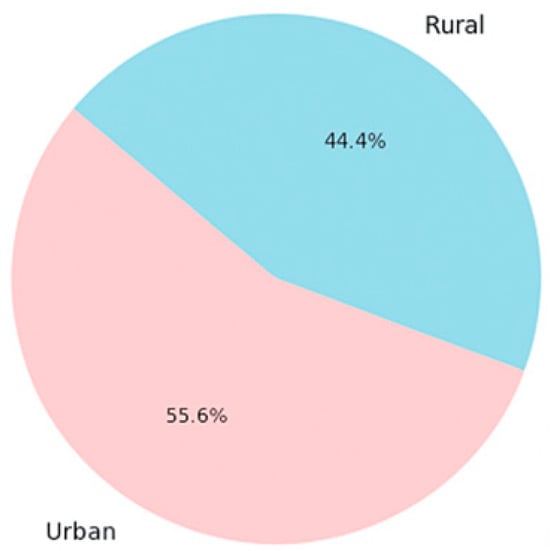
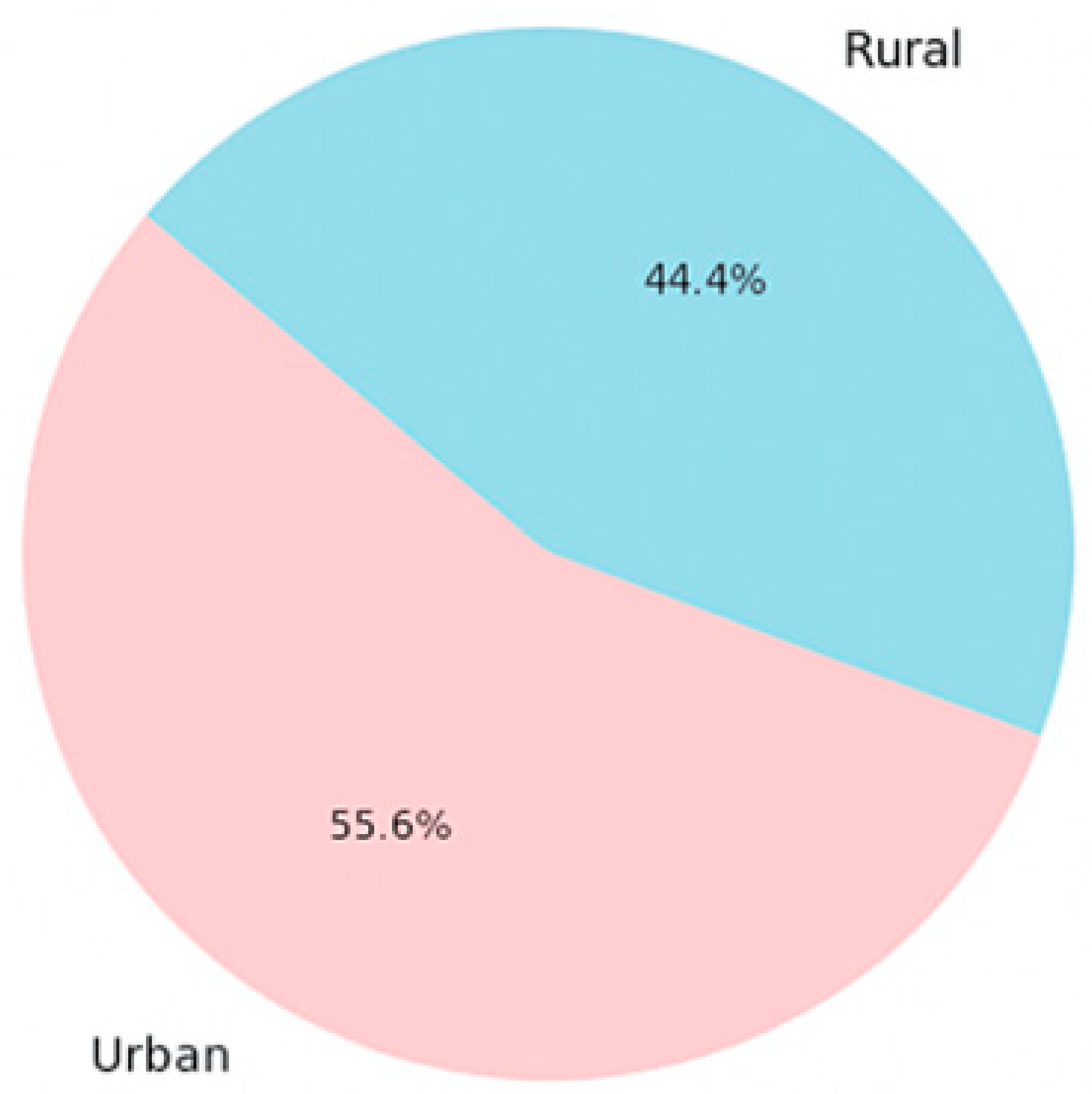
Figure 1 shows the distribution of T1DM patients according to the type of population (rural or urban) in which they resided at the time of transition.
Figure 1.
Distribution of T1DM patients according to the type of population (rural or urban) in which they resided at the time of transition to the Adult Unit.
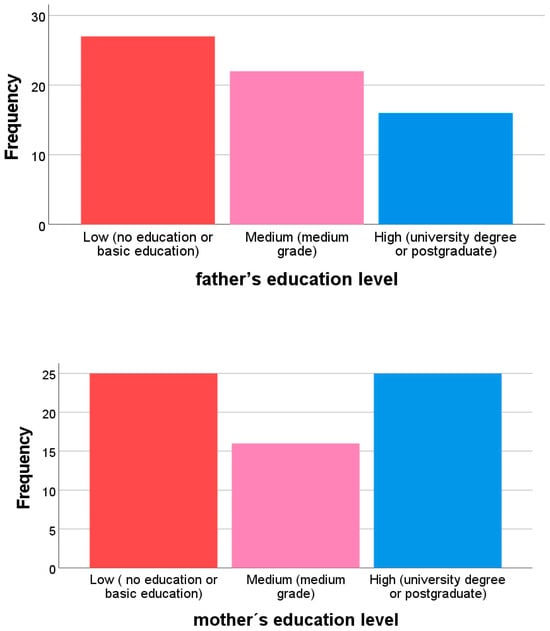
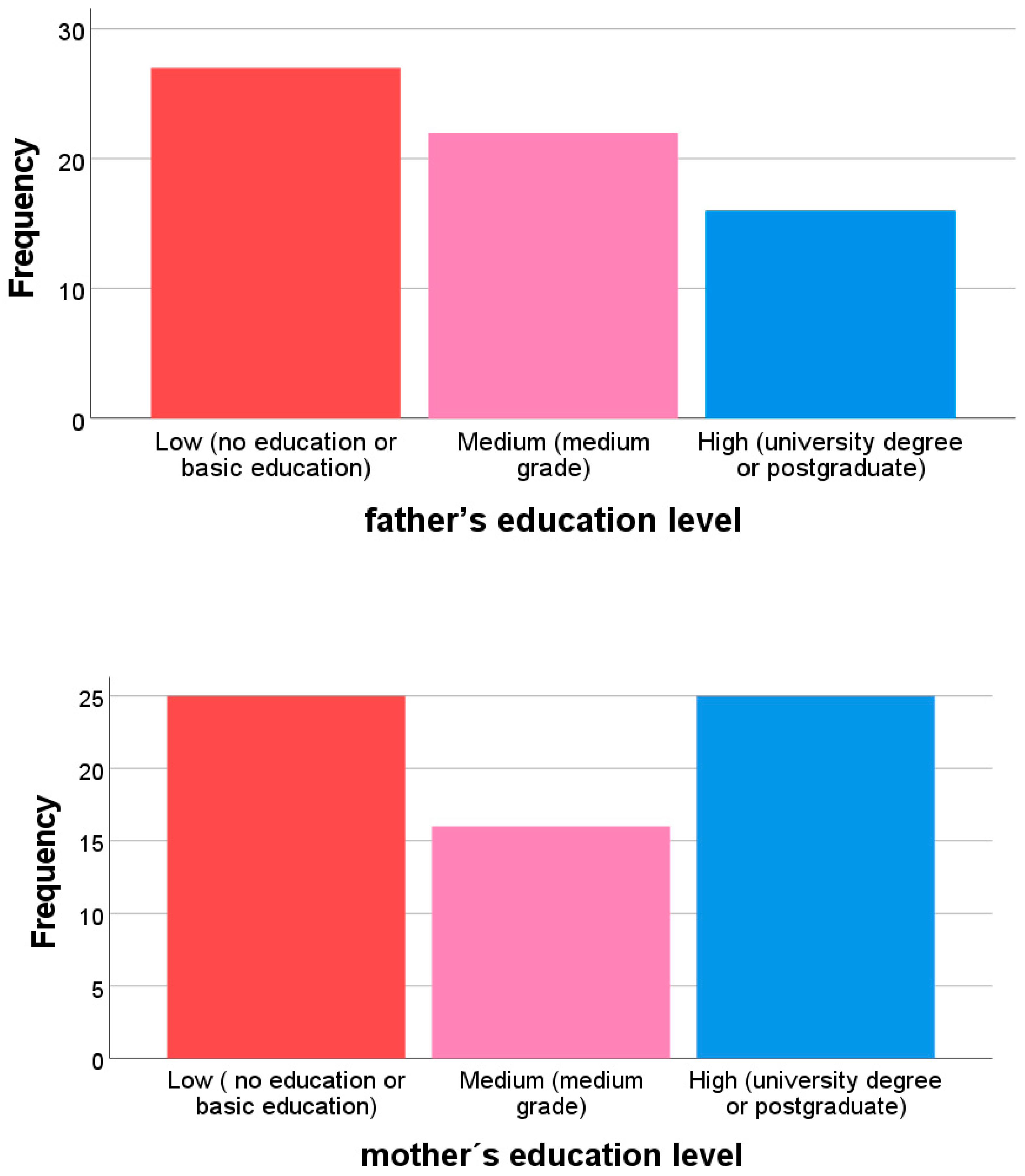
Figure 2 shows the educational level of the parents of the T1DM patients who transitioned. For fathers, low and medium educational levels predominated. In contrast, among mothers, similar proportions of low and high educational levels were observed, with a lower representation of the medium level. Overall, these results reflect a trend towards a slightly higher educational level among the mothers compared to the fathers of the patients included in the study.
Figure 2.
Educational level of the parents of type 1 diabetes patients transitioning from Pediatrics to an Adult Diabetes Unit.
Glycemic Control and T1DM Comorbidities
No patient presented with microvascular or macrovascular complications associated with T1DM. Table 1 describes the comorbidities observed in the studied population.
Table 1.
Comorbidities associated with T1DM in a group of patients who transitioned from Pediatric to an Adult Unit.
The median Body Mass Index (BMI) was 24.2 kg/m2 (IQR: 21–25). A total of 18 patients (25%) were overweight (BMI > 25 kg/m2) and 6 (8%) met the criteria for obesity (BMI > 30 kg/m2). Furthermore, 8 patients (11%) were active smokers.
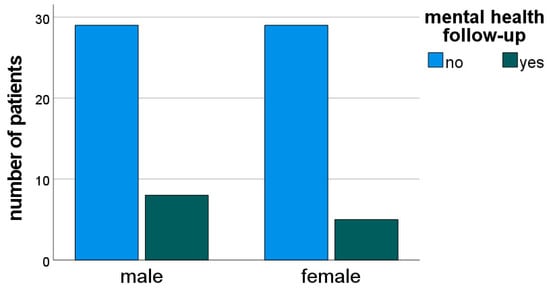
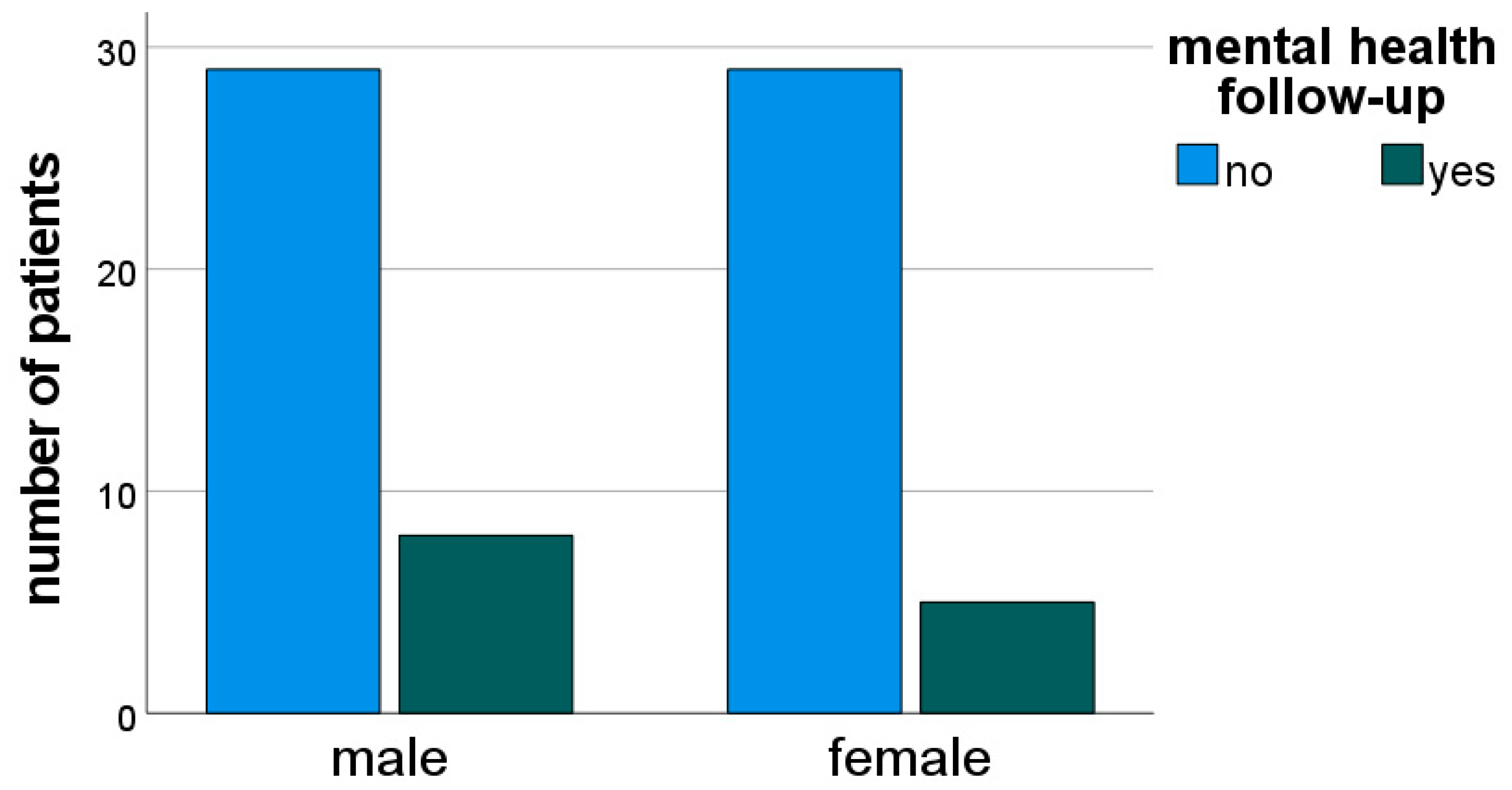
Thirteen patients (18%) were in follow-up for mental health. Figure 3 shows the distribution by gender of patients receiving mental health follow-up. Regarding the main diagnosis, 1 patient (7%) was followed for an eating disorder, 3 (23%) for attention disorders, and 10 (70%) for anxiety–depressive syndrome, with the latter being the most frequent.
Figure 3.
Patients in Mental Health follow-up who transitioned to a Type 1 Diabetes Adult Unit, distributed by gender.
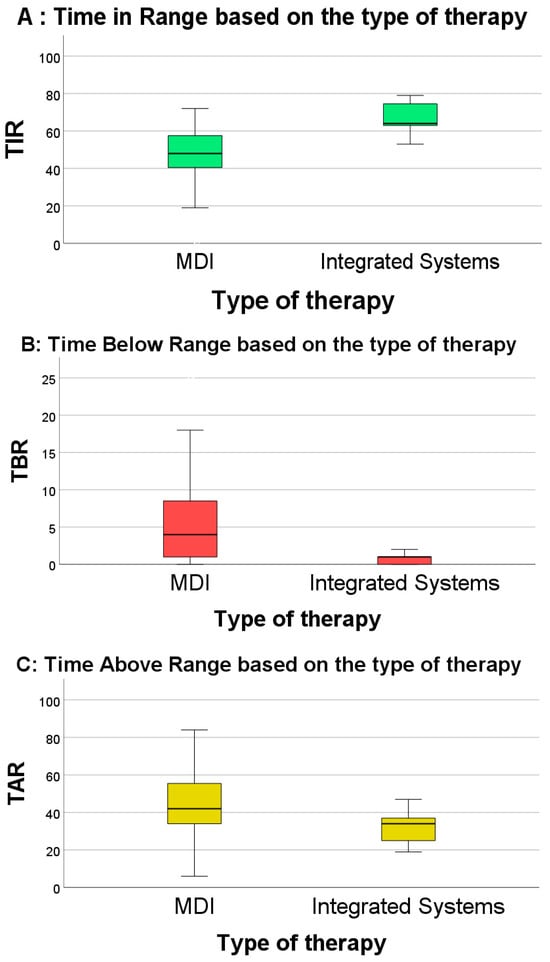
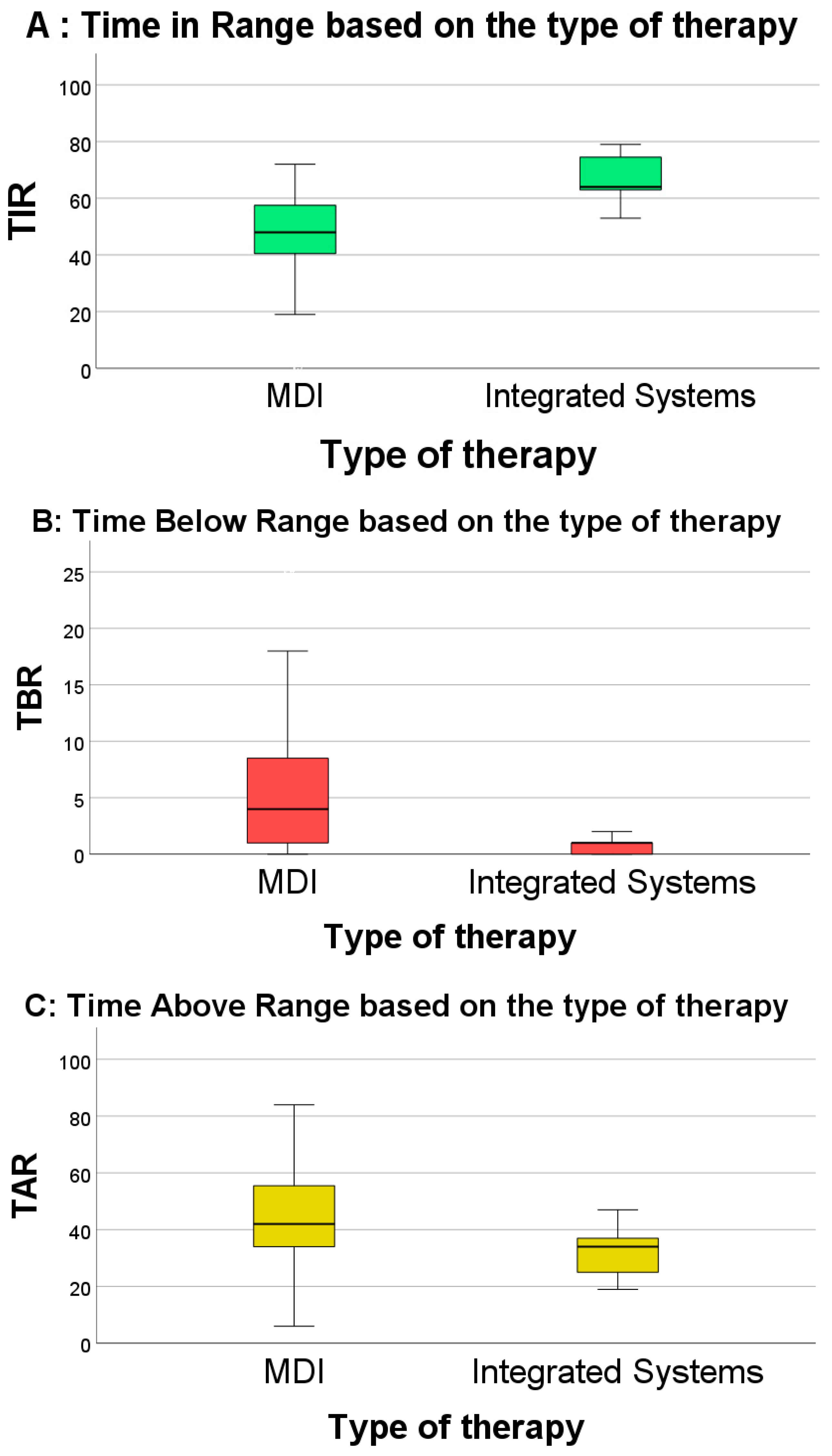
Of the 73 patients included in the study, 62 (84.9%) had continuous glucose monitoring (CGM) data available, whereas 11 patients (15.1%) did not have CGM data at the time of their first adult care visit. Figure 4 displays the results for TIR, TAR, and TBR based on the type of therapy (MDI vs. ISCI) at the time of transition. The mean TIR was significantly better in the ISCI group compared to the MDI group (67% vs. 48%; p < 0.01). Similarly, TBR was lower in the ISCI group (0.7% vs. 5.8%; p = 0.011), while TAR also showed a trend towards improvement (31% vs. 45%; p = 0.06)). Sensor use percentage was 93% in the ISCI group versus 77.59% in the MDI group (p = 0.05). The CV was likewise significantly lower in the group using the Integrated System: (32% vs. 41% (p < 0.01). GMI was 7.1% in the Integrated System group versus 7.8% in the MDI group (p = 0.117).
Figure 4.
Comparison of glucometric parameters at the time of transition according to insulin therapy modality. (A) TIR (48.10% vs. 67.64% (p = < 0.01)), (B) TBR (5.8% vs. 0.73% (p = 0.011)), and (C) TAR (44.98% vs. 31.66% (p = 0.06)) in patients using an ISCI versus MDI.
Factors Associated with Glycemic Control
Thirty-four (46.6%) patients had an HbA1c > 7.5%. Factors linked to HbA1c > 7.5% at the time of transition to the Adult Unit are shown in Table 2. Factors associated with HbA1c >7.5% at the time of transition to the Adult Unit are shown in Table 2. In the multivariate analysis, sensor use >90% of the time (OR [95% CI] 0.716 [0.551–0.931]; p = 0.013) and a medium-high maternal educational level (OR [95% CI] 0.203 [0.044–0.943]; p = 0.042) were statistically associated with lower odds of HbA1c > 7.5%.
Table 2.
Factors associated with HbA1c > 7.5% in a cohort of type 1 diabetes patients transitioning to an Adult Unit.
4. Discussion
This study provides a comprehensive characterization of glycemic control, comorbidities, and factors linked to glycemic control in adolescents with T1DM at the time of transition from pediatric to adult care. One of the most relevant findings of this study is that the 46.6% of the patients transitioning to adult care exhibited suboptimal glycemic control (HbA1c > 7.5%). We selected an HbA1c cutoff of 7.5% as the threshold for glycemic control in our analysis for several clinical and methodological reasons. First, the median GMI in our cohort was 7.1%, indicating that most participants had glycemic control close to this value; using a stricter threshold such as 7.0% would have resulted in a highly asymmetric distribution between categories, thereby reducing the statistical power of the logistic regression analyses. In addition, we observed that patients treated with multiple daily injections (MDI) had a relatively high time below range (TBR; 5.8%), suggesting a higher clinical risk of hypoglycemia when attempting stricter targets, whereas the small number of patients using insulin pump therapy had a very low TBR (0.7%) but did not constitute a sufficiently large subgroup for separate analyses.
From the perspective of recent clinical guidelines, the International Society for Pediatric and Adolescent Diabetes (ISPAD) emphasizes the need to individualize HbA1c targets, proposing goals of ≤7.0% when safe and achievable, while recommending consideration of higher targets (e.g., <7.5%) in contexts where hypoglycemia risk, limited access to advanced diabetes technology, or other clinical barriers constrain the attainment of more stringent goals [11]. This flexibility in target setting acknowledges variability in resources and patient characteristics and supports the selection of a pragmatic threshold such as 7.5% in young populations transitioning to adult care. Factors linked to lower HbA1c were sensor use greater than 90% and a high maternal educational level.
The majority of patients transferring to the adult clinic use MDI therapy, while those using an ISCI had lower HbA1c levels, reflecting associations rather than causal effects.
Regarding insulin treatment, only 15% of the patients in our cohort were using an ISCI. This proportion is lower than that reported in previous studies, in which more than 50% of adolescents transitioning to adult care were using an ISCI [4,8,9]. In line with current ADA (American Diabetes Association) recommendations, the use of ISCI has been consistently linked to lower HbA1c in observational studies, which is consistent with the patterns observed in our cohort [12].
In terms of metabolic characteristics, our cohort presented a prevalence of 25% for overweight and 8% for obesity. This is lower compared to observational studies in T1DM patients conducted in the United States, Germany, and Austria in 2015, where the total prevalence was 24% for overweight and 12% for obesity [13]. However, the prevalence of obesity in Spain, according to the Ministry of Health report based on Primary Care records in 2023, showed data of 20% for overweight and around 7% for obesity in 14-year-old adolescents [14]. Our cohort’s results are higher than this general population data, although obesity is recognized as a relevant health concern in adolescents with T1DM [12].
Beyond glycemic control and treatment modality, lifestyle factors also deserve attention during the transition period. In our cohort, 11% of patients were active smokers at the time of transfer. This figure is lower than that published in the SEARCH study conducted in the US among the adolescent T1DM population, where 17.1% of adolescents aged 15 to 19 were smokers, and the prevalence increased with age, reaching 34% at the age of 20 [15]. The smoking habit of adolescents in Spain is 5.4% according to the HBSC-2022 study [16]. Again, these data are for the general population, and we lack specific data for other Spanish cohorts of adolescents with T1DM. Nevertheless, it is notable that the prevalence of smoking in our adolescents with T1DM is higher than in the general population [17].
Regarding the percentage of patients in mental health follow-up, the data obtained in our study differ significantly from the literature. Eighteen percent of the total cohort were receiving Mental Health follow-up, with 70% of those due to anxiety–depressive syndrome. If we compare this with the literature, up to 40% of patients with diabetes, from adolescents to adults, receive mental health follow-up for anxiety syndrome [18,19]. This observation suggests that mental health conditions may be under-recognized in this population. As for the prevalence of eating disorders in T1DM patients, available data are highly disparate, ranging from 1% to 33% depending on the cohort [20]. The prevalence in T1DM is reported to be higher compared with the general adolescent population [21]. Finally, obsessive–compulsive disorder can reach 8% [19], with a higher prevalence than in non-diabetic adolescent controls [22].
Concerning the parameters linked to lower HbA1c, an observational study of 166 patients showed that HbA1c was lower in those using an insulin pump versus MDI (8.1% vs. 8.8% on average, respectively), as well as the use of technologies [4]. This finding is consistent with the patterns observed in our cohort, where patients using an insulin pump had lower HbA1c and higher sensor use was linked to lower HbA1c.
Maternal educational level is linked to HbA1c levels in adolescents with type 1 diabetes, even in healthcare systems with universal access. A Danish longitudinal study including 4079 children [23] showed that those whose mothers had graduate-level education achieved lower mean HbA1c levels (59.7 mmol/mol; 7.6%) compared with children of mothers with high school education or less (68.7 mmol/mol; 8.4%), representing a clinically relevant difference of 9.0 mmol/mol (0.8%) that remained after adjustment for socioeconomic and treatment-related variables; part of this difference was linked to more frequent blood glucose monitoring in families with higher maternal educational attainment. Consistently, in our cohort, a higher maternal educational level was also linked to lower HbA1c. Although information on this relationship remains limited in the literature, emotional and practical family support combined with progressive autonomy has been linked to improved self-management [6,24]. Therefore, our findings highlight a notable pattern in our cohort, where HbA1c levels were linked to maternal, but not paternal, educational level.
On the other hand, other studies have shown that having eating disorders, anxiety and depression are linked to higher HbA1c levels in adolescents, with greater risk in women [2,24,25]. Parental depression, anxiety, and stress also have been linked to higher HbA1c [2], as does a lack of parental support [24].
Finally, evidence comparing glycemic outcomes between young people with T1DM living in rural versus urban areas remains scarce. Available studies reveal that mean HbA1c is generally higher in young people residing in rural areas, a fact linked to fewer medical consultations and less frequent use of glucose monitoring [26,27,28]. Additionally, patients residing in rural areas are more likely to have abnormal body weight (both low and high) compared to urban residents [26]. Specifically, women living in rural areas have a higher prevalence of overweight and obesity [26].
5. Limitations
This study presents several limitations that should be considered when interpreting its results.
Firstly, it is a cross-sectional study design, which implies the possibility of a temporal bias. The included patients could be in different clinical phases of the disease at the time of their first consultation in the adult unit, depending on the individual evolution of their diabetes. Furthermore, this is a single-center study, conducted in a single reference hospital, which limits the generalization of the results to other populations and healthcare settings.
A key limitation of our study is that CGM-derived metrics were available for only 62 of the 73 patients, meaning that analyses involving these metrics were restricted to this subgroup. The absence of CGM data in 11 patients could reflect differences in access to or use of diabetes technology, potentially introducing selection bias. Consequently, findings related to CGM metrics should be interpreted as exploratory and may not be generalizable to all adolescents transitioning to adult care. This limitation highlights the need for cautious interpretation of CGM-based results and for future studies including larger and more representative populations.
The use of multiple alternative multivariable models in a small cohort may increase the risk of overfitting and data-driven variable selection. Therefore, the observed associations should be interpreted with caution and considered exploratory, requiring confirmation in larger, independent studies.
Therefore, the findings should be interpreted cautiously and cannot be directly extrapolated to the general population. It would be advisable to conduct multicenter studies with a larger sample size to confirm the hypotheses raised in this cohort.
Finally, it should be noted that the transition from pediatric to adult care is a complex and highly variable stage, influenced by psychosocial factors, level of family support, and degree of treatment adherence. Given that the cross-sectional design does not allow for the analysis of the evolution of these aspects over time, it is not possible to fully capture the dynamics of the transition process or its longitudinal impact on clinical outcomes.
6. Conclusions
In this cohort of T1DM patients who transitioned from pediatric care to the Adult Unit, more than 46.6% of our cohort exhibited suboptimal glycemic control. The intensive use of technology and the maternal socioeducational environment were linked to lower HbA1c levels during this stage. These associations should be interpreted as exploratory and hypothesis-generating, rather than causal.
Our study highlights that a structured and coordinated transition between pediatrics and adults may provide an opportunity to identify clinical, educational, and psychosocial vulnerabilities and to support strategies that could improve adherence and metabolic outcomes. These findings reinforce the need for standardized protocols and multicenter studies to optimize the transition process in T1DM patients.
Author Contributions
Conceptualization, G.L.G. and A.P.-G.; Methodology, G.L.G. and A.P.-G.; Formal analysis, M.Z.-M. and A.P.-G.; Investigation, M.Z.-M. and A.P.-G.; Writing—original draft, M.Z.-M.; Writing—review & editing, A.P.-G.; Supervision, G.L.G., A.P.-G., C.N.M., A.L.G.G., E.G.-G., P.S., S.A., N.G.H., V.B. and A.S.M. All authors have read and agreed to the published version of the manuscript.
Funding
This research received no external funding.
Institutional Review Board Statement
The study was conducted in accordance with the Declaration of Helsinki, and approved by Comité de ética de los hospitales Virgen del Rocío y Virgen Macarena (protocol code TRANSICDT1 and date of approval 1 November 2025).
Informed Consent Statement
Informed consent was obtained from all subjects involved in the study.
Data Availability Statement
The data presented in this study are available on request from the corresponding author.
Conflicts of Interest
The authors declare no conflict of interest.
References
- Zurynski, Y.; Carrigan, A.; Meulenbroeks, I.; Sarkies, M.N.; Dammery, G.; Halim, N.; Lake, R.; Davis, E.; Jones, T.W.; Braithwaite, J. Transition models of care for type 1 diabetes: A systematic review. BMC Health Serv. Res. 2023, 23, 779. [Google Scholar] [CrossRef] [Scilit]
- Lowes, L.; Eddy, D.; Channon, S.; McNamara, R.; Robling, M.; Gregory, J.W. The Experience of Living with Type 1 Diabetes and Attending Clinic from the Perception of Children, Adolescents and Carers: Analysis of Qualitative Data from the DEPICTED Study. J. Pediatr. Nurs. 2015, 30, 54–62. [Google Scholar] [CrossRef] [Scilit]
- Quattrin, T.; Mastrandrea, L.D.; Walker, L.S.K. Type 1 diabetes. Lancet 2023, 401, 2149–2162. [Google Scholar] [CrossRef] [Scilit] [PubMed]
- Renaud-Charest, O.; Mok, E.; Frei, J.; Brunet, M.; Henderson, M.; Rahme, E.; Dasgupta, K.; Nakhla, M. Diabetes duration, perceived comfort with self-management and glycaemic control in adolescents with type 1 diabetes: A cross-sectional study. Diabet. Med. 2024, 41, e15237. [Google Scholar] [CrossRef] [Scilit] [PubMed]
- Garvey, K.C.; Foster, N.C.; Agarwal, S.; DiMeglio, L.A.; Anderson, B.J.; Corathers, S.D.; Desimone, M.E.; Libman, I.M.; Lyons, S.K.; Peters, A.L.; et al. Health Care Transition Preparation and Experiences in a U.S. National Sample of Young Adults with Type 1 Diabetes. Diabetes Care 2017, 40, 317–324. [Google Scholar] [CrossRef] [Scilit] [PubMed]
- Leocadio, P.; Kelleher, C.; Fernández, E.; Hawkes, C.P. Adolescents’ Experiences of Transition to Self-Management of Type 1 Diabetes: Systematic Review and Future Directions. Sci. Diabetes Self-Manag. Care 2023, 49, 477–492. [Google Scholar] [CrossRef] [Scilit]
- Vidal, M.; Jansà, M.; Espino, D.R.; Viñals, C.; Quirós López, C.; Mesa Pineda, Á.; Vargara, C.Y.; Hernández, R.C.; Giménez Álvare, M.; Mompó, E.E.; et al. Resultados de un programa específico y estructurado en la transición de pacientes jóvenes con diabetes tipo 1 desde pediatría a un hospital de adultos. La experiencia de una década. Endocrinol. Diabetes Nutr. 2021, 68, 82–91. [Google Scholar] [CrossRef] [Scilit]
- Soufi, A.; Mok, E.; Henderson, M.; Dasgupta, K.; Rahme, E.; Nakhla, M. Association of stigma, diabetes distress and self-efficacy with quality of life in adolescents with type 1 diabetes preparing to transition to adult care. Diabet. Med. 2024, 41, e15159. [Google Scholar] [CrossRef] [Scilit]
- Goethals, E.R.; Volkening, L.K.; Tinsley, L.; Laffel, L.M. Ready or not? Greater readiness for independent self-care predicts better self-management but not HbA1c in teens with type 1 diabetes. Diabet. Med. 2021, 38, e14507. [Google Scholar] [CrossRef] [Scilit]
- Donvito, G.; Maltecca, C.; Hofer, S.E.; Meraner, D.; Siebert, U.; Arvandi, M. Quality of diabetes mellitus healthcare and metabolic control during transition from paediatric to adult care: A systematic review and meta-analysis. Diabet. Med. 2025, 42, e70125. [Google Scholar] [CrossRef] [Scilit]
- de Bock, M.; Agwu, J.C.; Deabreu, M.; Dovc, K.; Maahs, D.M.; Marcovecchio, M.L.; Mahmud, F.H.; Nóvoa-Medina, Y.; Priyambada, L.; Smart, C.E.; et al. ISPAD Clinical Practice Consensus Guidelines 2024: Glycemic targets. Horm. Res. Paediatr. 2024, 97, 546–554. [Google Scholar] [CrossRef] [Scilit]
- Chiang, J.L.; Maahs, D.M.; Garvey, K.C.; Hood, K.K.; Laffel, L.M.; Weinzimer, S.A.; Wolfsdorf, J.I.; Schatz, D. Type 1 Diabetes in Children and Adolescents: A Position Statement by the American Diabetes Association. Diabetes Care 2018, 41, 2026–2044. [Google Scholar] [CrossRef] [Scilit]
- DuBose, S.N.; Hermann, J.M.; Tamborlane, W.V.; Beck, R.W.; Dost, A.; DiMeglio, L.A.; Schwab, K.O.; Holl, R.W.; Hofer, S.E.; Maahs, D.M.; et al. Obesity in Youth with Type 1 Diabetes in Germany, Austria, and the United States. J. Pediatr. 2015, 167, 627–632.e4. [Google Scholar] [CrossRef] [Scilit]
- Dirección General de Salud Digital y Sistemas de Información para el Sistema Nacional de Salud; Ministero da Sanidad: Madrid, Spain, 2025.
- Reynolds, K.; Liese, A.D.; Anderson, A.M.; Dabelea, D.; Standiford, D.; Daniels, S.R.; Waitzfelder, B.; Case, D.; Loots, B.; Imperatore, G.; et al. Prevalence of Tobacco Use and Association between Cardiometabolic Risk Factors and Cigarette Smoking in Youth with Type 1 or Type 2 Diabetes Mellitus. J. Pediatr. 2011, 158, 594–601.e1. [Google Scholar] [CrossRef] [Scilit]
- Estudio Health Behaviour in School-Aged Children (HBSC) en España [Internet]. 2022. Available online: https://www.sanidad.gob.es/areas/promocionPrevencion/entornosSaludables/escuela/estudioHBSC/2022/docs/HBSC2022_ResumenEstudio.pdf (accessed on 21 July 2025).
- Hogendorf, A.M.; Fendler, W.; Sierosławski, J.; Bobeff, K.; Węgrewicz, K.; Malewska, K.I.; Przudzik, M.W.; Szmigiero-Kawko, M.; Sztangierska, B.; Myśliwiec, M.; et al. Alcohol and cigarette use among adolescents with type 1 diabetes. Eur. J. Pediatr. 2017, 176, 713–722. [Google Scholar] [CrossRef] [Scilit]
- Bădescu, S.; Tătaru, C.; Kobylinska, L.; Georgescu, E.; Zahiu, D.; Zăgrean, A.; Zăgrean, L. The association between Diabetes mellitus and Depression. J. Med. Life 2016, 9, 120–125. [Google Scholar] [PubMed]
- Akbarizadeh, M.; Naderi far, M.; Ghaljaei, F. Prevalence of depression and anxiety among children with type 1 and type 2 diabetes: A systematic review and meta-analysis. World J. Pediatr. 2022, 18, 16–26. [Google Scholar] [CrossRef] [Scilit] [PubMed]
- Benton, M.; Cleal, B.; Prina, M.; Baykoca, J.; Willaing, I.; Price, H.; Ismail, K. Prevalence of mental disorders in people living with type 1 diabetes: A systematic literature review and meta-analysis. Gen. Hosp. Psychiatry 2023, 80, 1–16. [Google Scholar] [CrossRef] [Scilit]
- Young, V.; Eiser, C.; Johnson, B.; Brierley, S.; Epton, T.; Elliott, J.; Heller, S. Eating problems in adolescents with Type 1 diabetes: A systematic review with meta-analysis. Diabet. Med. 2013, 30, 189–198. [Google Scholar] [CrossRef] [Scilit]
- Zahed, G.; Shakiba, M.; Seifi, K. The Prevalence of Psychological Disorders among Children with Diabetes Aged 5–12 Years Old Referred to the Endocrinology Clinic of Mofid Hospital, Tehran, Iran in 2014–2015. Iran J. Child Neurol. 2018, 12, 101–112. [Google Scholar]
- Nielsen, N.F.; Gaulke, A.; Eriksen, T.M.; Svensson, J.; Skipper, N. Socioeconomic inequality in metabolic control among children with type 1 diabetes: A nationwide longitudinal study. Diabetes Care 2019, 42, 2096–2103. [Google Scholar] [CrossRef] [Scilit]
- Cooley, W.C.; Sagerman, P.J.; American Academy of Pediatrics, American Academy of Family Physicians, and American College of Physicians, Transitions Clinical Report Authoring Group. Supporting the Health Care Transition from Adolescence to Adulthood in the Medical Home. Pediatrics 2011, 128, 182–200. [Google Scholar] [CrossRef] [Scilit]
- Dean, Y.E.; Motawea, K.R.; Aslam, M.; Pintado, J.J.L.; Popoola-Samuel, H.A.O.; Salam, M.; Dundi, P.O.R.; Donaldy, W.; Aledani, E.M.; Alqiqie, Z.; et al. Association Between Type 1 Diabetes Mellitus and Eating Disorders: A Systematic Review and Meta-Analysis. Endocrinol. Diabetes Metab. 2024, 7, e473. [Google Scholar] [CrossRef] [Scilit]
- Balcha, S.A.; Phillips, D.I.; Trimble, E.R. Type 1 diabetes mellitus in the context of high levels of rural deprivation: Differences in demographic and anthropometric characteristics between urban and rural cases in NW Ethiopia. Front. Clin. Diabetes Healthc. 2024, 4, 1298270. [Google Scholar] [CrossRef] [Scilit]
- Gill, A.; Gothard, M.D.; Briggs Early, K. Glycemic outcomes among rural patients in the type 1 diabetes T1D Exchange registry, January 2016-March 2018: A cross-sectional cohort study. BMJ Open Diabetes Res. Care 2022, 10, e002564. [Google Scholar] [CrossRef] [Scilit]
- Tilden, D.R.; French, B.; Datye, K.A.; Jaser, S.S. Disparities in Continuous Glucose Monitor Use Between Children with Type 1 Diabetes Living in Urban and Rural Areas. Diabetes Care 2024, 47, 346–352. [Google Scholar] [CrossRef] [Scilit]

Disclaimer/Publisher’s Note: The statements, opinions and data contained in all publications are solely those of the individual author(s) and contributor(s) and not of MDPI and/or the editor(s). MDPI and/or the editor(s) disclaim responsibility for any injury to people or property resulting from any ideas, methods, instructions or products referred to in the content. |
© 2026 by the authors. Licensee MDPI, Basel, Switzerland. This article is an open access article distributed under the terms and conditions of the Creative Commons Attribution (CC BY) license.