


Abstract
Bladder cancer (BCa) arises from the interaction between environmental exposures and the host’s immunity and microbiome. Once considered sterile, the urinary tract is now known to harbor a resident urinary microbiome (UM) that dynamically interacts with the immune system and is influenced by systemic immunomodulatory effects of the gut microbiome (GM) brought on by the emerging gut–bladder axis. Accumulating evidence links alterations in UM and GM leading to BCa development, progression, and recurrence. Loss of protective taxa (e.g., Lactobacillus, Bifidobacterium and Ruminococcus) and enrichment of pro-inflammatory or genotoxic bacteria (e.g., Fusobacterium, Acinetobacter, Prevotella and Enterobacteriaceae) are associated with immune evasion and systemic inflammation. Microbial metabolites, especially short-chain fatty acids (SCFAs), play a key role in shaping tumor immunity and show diagnostic and prognostic potential, with specific microbial signatures correlating with recurrence risk, survival, and treatment response. Therapeutically, growing evidence suggests that microbiome composition influences immunotherapy response, highlighting opportunities for microbiome-based interventions. This review aims to summarize the rationale to implement microbial modulation strategies (e.g., dietary modulation, probiotics, fecal microbiota transplantation (FMT), and emerging synbiotic or postbiotic approaches) while addressing their current limitations and future requirements in order to develop microbiome-guided therapies, diagnostics and prognostic tools for BCa.
1. Introduction
Bladder cancer (BCa) development is intrinsically linked to interactions between the host’s immune system and external exposures. Host responses to carcinogenic stimuli activate multiple inflammatory pathways that promote dysbiosis, sustaining a chronic pro-inflammatory state that favors oncogenesis [1].
Microbial DNA has been found even in urine samples deemed sterile, revealing a resident urinary microbiome (UM) that interacts closely with the immune system and external pathogens [1]. The role of the UM in BCa appears bidirectional: certain bacterial communities contribute to oncogenesis, whereas others exert tumor-suppressive effects and enhance response to immunotherapies [1,2].
Beyond the bladder, the gut microbiome (GM) is now being studied as a key modulator of BCa through the gut–bladder axis, a bidirectional network linking gastrointestinal and urinary immune responses [3]. Gut dysbiosis can promote BCa progression by driving systemic inflammation and altering commensal UM [4]. Several taxa, including Streptococcus, Dorea and Bacteroides salyersiae, have demonstrated positive associations with BCa through increased production of metabolites such as N-palmitoyl-sphinganine and N-methylproline. At the same time, Bacteroides dorei exhibits protective effects via 2,3-dihydroxypyridine [3]. Microbial metabolites, such as short-chain fatty acids (SCFAs), play a central role by modulating inflammation, immune activation, and epithelial integrity; their loss during dysbiosis may favor pro-inflammatory signaling and tumor growth. Emerging evidence suggests that correcting microbiota imbalances may enhance the efficacy of immunotherapies such as immune checkpoint inhibitors (ICI) and Bacillus Calmette–Guérin (BCG), offering new avenues for precision immuno-oncology in BCa [3,4,5].
At present, the human evidence linking the urinary microbiome to bladder cancer is largely associative; the causal inference relies primarily on indirect support from preclinical and translational models that have no standardized protocols, which diminishes association strength. This review therefore adopts a narrative synthesis framework to integrate heterogeneous clinical, microbiological, and immunological evidence.
2. The Urinary Microbiome: Composition and Function
Since the recognition of a resident UM, extensive efforts have sought to define a commensal or baseline microbial profile to identify dysbiosis-associated taxa better and to develop targeted therapies for BCa. At present, a consensus has not been reached. Nevertheless, studies in healthy individuals consistently report a prevalence of Actinobacteriota, Bacteroides, Corynebacteria, Escherichia, Enterococci, Finegoldia, Firmicutes, Fusobacteria, Lactobacilli, Peptoniphilus, Prevotella, Proteobacteria, Shigella, Streptococci and Staphylococci [1,6,7]. This indicates that, although each person’s microbial composition varies, a stable core of taxa appears to be shared across individuals.
2.1. Factors Affecting the Urinary Microbiome Composition
Environmental factors not only induce direct genotoxic damage but also reshape microbial communities, generating an inflammatory milieu that contributes to tumor initiation and progression [6,8]. Among these factors, smoking and occupational exposure represent the principal risk factors for BCa [2,9,10], with smoking alone accounting for up to 50% of BCa incidence. Smoking status correlates with specific shifts in UM composition, including increased abundance of Anaerostipes [11], Enterobacter, Uruburuella, and Rouxiella [12], supporting its role as a major environmental driver. Occupational carcinogens encountered in textile, rubber, dye, and chemical manufacturing industries, as well as among metalworkers, painters, and firefighters, have also been associated with the development of BCa [2,9]. For example, pesticide exposure has been linked to the enrichment of Cupriavidus in the UM [13], while firefighters exhibit enrichment of Peptostreptococcus anaerobius and depletion of Streptococcus in the GM [14]. Other contributing factors include ionizing radiation, medications (e.g., cyclophosphamide and chlornaphazine), opium consumption, Schistosoma infection and dietary patterns [9,10].
Sex is a major determinant of UM composition, likely reflecting that anatomical differences such as microbial sources originate from gastrointestinal and vaginal niches [1]. In females, the UM is commonly enriched with Lactobacillus, along with taxa such as Actinobacteria, Anaerococcus, Atopobium, Finegoldia and Streptococcus [15,16]. In contrast, male UM profiles show a prevalence of Corynebacterium, Eubacterium, Pseudomonas, Staphylococcus, Streptococcus [1] and Veillonella [2]. These sex-related differences in baseline urinary microbiome composition may contribute to the known disparities in bladder cancer incidence and immune responses between men and women.
Hormone-related changes further influence UM composition, with postmenopausal women exhibiting reduced Lactobacillus [17,18] and increased prevalence of Escherichia [1,6].
Age is also an important determinant, as BCa predominantly affects older adults [19], suggesting a greater susceptibility to dysbiotic changes due to immunosenescence. The decrease in specific taxa, such as Acinetobacter and Corynebacterium [15,19], has been linked to older age, whereas Gardnerella has been associated with young women [1]. These variations in β-diversity may contribute to a permissive inflammatory environment that favors BCa development and recurrence.
Geographic origin is another important determinant of both UM and GM composition, though its role in BCa has received little attention. Gut microbial communities differ across world regions, with dietary and lifestyle practices consistently identified as the most influential drivers of this variation [20]. Western, industrialized living has been associated with reduced bacterial diversity and the loss of native species such as Prevotella copri and fiber-degrading functional pathways, changes that persist in subsequent generations following migration from non-industrialized settings [20]. An analysis of over 168,000 gut microbiome samples from 68 countries showed that genus-level composition alone could predict a sample’s geographic region of origin, and that regions such as Central and Southern Asia (3.4% of available samples), Sub-Saharan Africa (3.7%) and Latin America remain severely underrepresented relative to Europe and North America, which together account for over 60% of all sequenced data [21]. BCa incidence follows a similarly uneven global distribution. According to GLOBOCAN 2022 data, an estimated 614,298 new BCa cases and 220,596 deaths occurred worldwide, with approximately 75% of the burden in males [22]. Incidence rates vary at least 12-fold among men, with the highest age-standardized rates in Southern and Western Europe and North America and the lowest in Middle Africa and South–Central Asia [9,22]. In Northern Africa, schistosomiasis contributes to an elevated incidence and a distinct histological profile that differs from that of urothelial carcinoma, which is predominant in Western populations [22]. Whether region-specific differences in baseline microbial composition confound or contribute to these epidemiological patterns has not been examined.
Regional dietary patterns, including variable consumption of fermented foods, dietary fiber, and animal protein, shape GM composition and its metabolite output, and may therefore act as uncontrolled confounders in studies linking dysbiosis to BCa [20]. UM and GM profiling in BCa cohorts has been performed predominantly in East Asian, European, and North American populations, and the applicability of reported microbial signatures to other demographic groups remains untested.
2.2. Sampling Methods and Analysis
Low-biomass microbiome studies, such as those found in UM samples [23], are highly susceptible to contamination from laboratory reagents, consumables, and the environment, requiring rigorous contamination controls all throughout their processing [24]. Negative extraction controls (extraction blanks) and sequencing blanks are essential for detecting and quantifying background DNA introduced during sample processing and sequencing (e.g., contaminants from DNA extraction kits or “kitome”), as they can dominate sequencing reads in low-biomass samples and because they vary significantly between reagent brands, lots and laboratories [25]. Routine inclusion and sequencing of negative controls in every batch should be strongly recommended to monitor and characterize contaminant profiles across studies. Reporting standards should emphasize transparency; the documentation of how and when a sample was taken, as well as the quality assurance measures used, should be clearly stated on each study [26,27]. Analytical best practices include thresholding approaches based on the abundance of dominant contaminants in controls, and the application of computational tools, such as Decontam, to statistically identify and remove contaminant sequences based on their prevalence in negative controls and their inverse correlation with sample DNA concentration [25]. Adoption of these controls and reporting standards is critical to ensure the validity and reproducibility of findings in low-biomass metagenomic studies.
Urine sampling methodology remains a critical determinant of UM characterization. The three main sampling methods used include midstream voided urine collection, transurethral catheterization (TUC) and suprapubic aspiration (SPA). SPA is the gold standard, not only because it bypasses all types of contaminants, but because it shows the highest fidelity when representing UM composition [28], yet it is the most invasive. Midstream voided urine collection is the most commonly used, despite its high susceptibility to contamination [4]. Due to anatomical variants, female samples overrepresent vaginal microbes, such as Lactobacillus and Gardnerella [16], whereas urethral microbes, such as Corynebacterium, contaminate male samples [29]. Thus, TUC offers a pragmatic compromise between feasibility and reduced contamination when examining urine samples, as it bypasses sex-related bias; however, its invasiveness still limits its feasibility for population-level screening [28,30,31].
Most studies use midstream voided urine samples to identify the UM in healthy patients as its less invasive methodology could warrant more willing participants, yet contamination remains the biggest worry. Because sex-related differences have already been recognized between male and female midstream urine samples, the implementation of strategies that limit the representability of contaminant taxa should be implemented as the search for a baseline UM is pursued. Strategies include identifying potential contaminants using decontamination bioinformatics, reporting the concentrations of 16S rRNA genes in negative controls alongside samples to assess signal to noise and carefully checking sequence data from negative and positive controls to assess potential sources of contamination or cross-contamination in order to not highlight taxa that have already been identified as contaminants [23].
Microbiome analysis is primarily conducted through 16S rRNA gene sequencing or shotgun metagenomics. Although 16S rRNA sequencing is the most widely used method, it has limited taxonomic resolution due to its reliance on PCR amplification, which does not capture all microbial species, and because it can be affected by sequence artifacts that distort sample results [32]. In contrast, shotgun metagenomics enables the capture of all genomic material within a sample, thereby achieving higher taxonomic resolution. These advantages, however, come at the cost of higher sequencing expenses, greater computational demands and challenges associated with host DNA contamination and incomplete reference databases [16,32,33].
To standardize urine sampling methods, consensus is needed to balance accurate representation of the UM with patient safety and comfort. Achieving this will require large multicenter studies designed to address current gaps and inconsistencies arising from heterogeneous patient selection, laboratory protocols, and sample collection and processing methods, which limit reproducibility and cross-study comparability, thereby contributing to fragmented and sometimes conflicting characterizations of the UM.
3. Microbiome and Bladder Carcinogenesis
3.1. Mechanistic Insights
The UM undergoes significant changes in diversity and composition in the presence of BCa, with dysbiosis acting both as a driver and consequence of tumor development [13,29,34] (Table 1). Comparisons between BCa and control samples consistently reveal a chronic inflammatory milieu driven by pathological host–microbe interactions with the environment [35]. The loss of beneficial taxa such as Lactobacillus, Ruminococcus, Bifidobacterium, and Pseudomonas is associated with reduced antigen presentation and impaired cytosolic DNA sensing, thereby facilitating immune evasion [11,36].
Table 1.
Studies linking urinary or gut microbiome alterations with bladder cancer.
In parallel, there is an enrichment of pro-inflammatory taxa, such as Parabacteroides [37], Curvibacter [31], Prevotella [11], Fusobacterium, Klebsiella, Enterobacter [38], Sphingomonas, Corynebacterium, Massilia, and Aquabacterium [13,29,34], that drive a chronic inflammatory milieu. Taxa such as Akkermansia, Acinetobacter [39], and Bacteroides [11] degrade mucin and compromise epithelial integrity, exposing submucosal layers to microbial antigens and inflammatory mediators [12,46]. Certain taxa produce carcinogenic metabolites or toxins, including colibactin produced by colibactin-producing Klebsiella pneumoniae and related Enterobacteriaceae, which induce DNA double-strand breaks and genomic instability [1]. Together, these processes generate a tumor-permissive environment favored by chronic inflammation, DNA damage, and impaired immune surveillance [15,33] (Table 2).
Table 2.
Microbial taxa associated with bladder cancer.
3.2. Preclinical and Human Evidence
Studies comparing UM profiles between BCa and control patients have shown an increased prevalence of Actinobaculum, Anaerococcus, Atopobium, Bacteroides, Campylobacter, Corynebacterium, Curvibacter [31], Enterobacter, Escherichia, Facklamia, Fusobacterium, Jonquetella anthropi, Ruminococcaceae, Shigella, Streptococcus and Veillonella [2,36] in BCa samples, while also showing decreased protective or anti-inflammatory taxa like Bifidobacterium, Lactobacillus [31] and Ruminococcus [37], which could lead to a loss in homeostasis and thus favor inflammation.
In tissue samples, Actinobacteriota (Rhodococcus), Bacteroidota (Bacteroides), Firmicutes (Clostridia), Proteobacteria (e.g., Acinetobacter, Enterobacter, Klebsiella, Pseudomonas), and Verrucomicrobiota (Akkermansia) have shown prevalence [31,36]. Studies comparing urine and tissue bladder samples have shown that they share over 80% similarities, suggesting that the UM may accurately mirror tissue microenvironment [6].
Not only do we wonder what kind of microbial disarray promotes cancer but also what changes in the UM favor or lessen recurrence. Microbial signatures should not be assumed to exert uniform biological effects across bladder cancer subtypes, as non-muscle invasive bladder cancer (NMIBC) and muscle invasive bladder cancer (MIBC) differ substantially in tumor biology, immune microenvironment, and therapeutic context. Several studies have compared the UM in BCa patients with and without recurrence. Across cohorts assessing the response of BCa to BCG, α-diversity and β-diversity findings are heterogeneous. However, recurrence is more consistently associated with the enrichment of specific pro-inflammatory taxa such as Actinobacteria, Bacteroidota, Firmicutes, Proteobacteria, Prevotella, Streptococcus, Corynebacterium, and Enterobacteriaceae, which have been linked to oxidative damage and metabolic disturbances that foster a tumor-promoting niche [5,15,29,40]. On the other hand, the depletion of Lactobacillus [18,42], which normally produces anti-inflammatory SCFAs such as butyrate and propionate, could suggest the removal of a critical regulatory check on inflammation [33]. This demonstrates that specific bacterial composition may be more informative than total α- or β-diversity [2] and underscores the importance of defining microbial biomarkers in BCa (Table 1).
Among patient characteristics, sex differences have been the most frequently examined variable in comparisons of UM samples. Yet, age has also been shown to affect the diversity of the UM. In adolescents, Anaerococcus, Corynebacterium, Firmicutes, Gardnerella, Lactobacillus, Prevotella, Streptococcus and Veillonella are dominant. Younger adults show a higher prevalence of Lactobacillus and Gardnerella, with dominant Firmicutes. Finally, the elderly show increased Proteobacteria and decreased Lactobacillus, with increased levels of Acinetobacter, Actinomyces, Anaerococcus, Bacillus, Brevundimonas, Corynebacterium and Fusobacterium [1,7].
One recurring limitation in UM research is the limited statistical power [18] of most studies, which restricts its external validity. Cohort generalizability is constrained by several factors, most notably small sample sizes, which are frequently under 100 participants and predominantly composed of elderly male populations [54].
The geographic and ethnic composition of study cohorts further constrains generalizability. Most UM studies have recruited participants from single institutions in East Asia, Europe, or North America, with virtually no representation from Sub-Saharan Africa, the Middle East, South Asia, or Latin America. Over 60% of all publicly available gut microbiome data originates from Europe and North America, while Central and Southern Asia and Sub-Saharan Africa together contribute less than 8% [21]. Baseline GM and UM profiles differ across populations due to dietary habits, environmental exposures, and host genetics, and microbial taxa reported as enriched or depleted in one cohort may not replicate in another [20,21]. Prevotella, for instance, is a dominant genus in non-industrialized populations but is characteristically depleted in Western cohorts; it has also been reported as an enriched pro-inflammatory taxon in BCa urine samples, raising the question of whether this association reflects disease biology or geographic confounding [11,20]. These considerations are compounded by known disparities in BCa outcomes across populations: incidence rates vary at least 12-fold across world regions, five-year survival ranges from approximately 80% in the United States to below 40% in transitioning healthcare systems, and schistosomiasis-driven squamous cell histology in parts of Africa may involve distinct microbial interactions not captured in studies focused on urothelial carcinoma [9,22]. Multi-ethnic, geographically distributed cohorts will be necessary to determine whether current microbial associations hold across diverse patient populations.
Additionally, a patient’s background history, factors such as sexual activity, diet, exercise, comorbidities, recent instrumentation, infections, and use of medications, to name a few, introduce sustainable variability. These factors should be explicitly reported, as background standardization is essential to minimize heterogeneity and to ensure that findings can be replicated and compared across different populations [11,55].
Furthermore, there remains a lack of standardized methodologies for urine collection, preservation, and storage in microbiome research. Studies have explored various storage conditions, and results indicate that lower temperatures, shorter storage times, and the use of preservatives contribute most effectively to the reproducibility of the UM [14]. Collectively, these limitations underscore the importance of standardized protocols in UM research to enable cross-study comparisons.
4. Gut Microbiome and Systemic Immunity in Bladder Cancer
The gut–bladder axis is an emerging field of research that seeks to explain the link between dysbiosis in the GM and UM and BCa pathogenesis. Disrupting factors such as age, diet and infection have been associated with alterations in GM diversity, creating a systemic environment that may favor cancer initiation and progression [19] through a pro-inflammatory systemic profile that reshapes the commensal UM [34] (Figure 1). In this context, systemic immune modulation emerges as a critical component of cancer prevention and control, potentially mediated through interactions along the gut–bladder axis.
Figure 1.
Proposed mechanism of the gut–bladder axis in bladder carcinogenesis. (1) Gut dysbiosis and barrier disruption: Loss of beneficial SCFA-producing commensals (e.g., Lactobacillus) reduces protective metabolites and compromises intestinal epithelial integrity, resulting in increased permeability and translocation of bacterial endotoxins such as lipopolysaccharide (LPS) into the systemic circulation. (2) Systemic inflammation: Circulating LPS and pro-inflammatory cytokines, including IL-6 and TNF-α, establish a chronic inflammatory state that affects distal organs, including the bladder. (3) Bladder tumor microenvironment: Systemic inflammation, together with local urinary dysbiosis (e.g., Acinetobacter biofilm formation), promotes immune evasion through recruitment of regulatory T-cells and activation of PD-1/PD-L1 signaling, suppressing cytotoxic CD8+ T-cell activity and facilitating tumor progression. Visual key: Green rod-shaped elements, commensal bacteria (e.g., Lactobacillus); red rod-shaped elements, dysbiotic bacteria (e.g., E. coli in Zone 1, Acinetobacter in Zone 3). Red triangles, lipopolysaccharide (LPS); yellow/orange circles, pro-inflammatory cytokines (IL-6, TNF-α). Blue/purple irregular cells in Zone 2, macrophages. Dark red arrows indicate the direction of bacterial translocation and inflammatory signaling through systemic circulation. In Zone 3: blue circle, CD8+ T-cell; green circle, regulatory T-cell (T-Reg); pink irregular mass, biofilm; large central mass, tumor. PD-L1 interaction between T-Reg and CD8+ T-cell denotes immune suppression and T-cell exhaustion. Created in BioRender. Ajabshir, D. (2026) https://BioRender.com/kdlvzmo.
Systemic immune modulation by the GM is primarily mediated through immune cell programming within the intestinal mucosa. Gut-resident microbes and their metabolites interact with epithelial and antigen presenting cells (APCs), shaping both innate and adaptive immunity by influencing cytokine production, T-cell polarization, and immune cell metabolism. These locally primed immune cells subsequently enter systemic circulation, where they can modulate immune surveillance and inflammatory responses in distal tissues [13,51,56]. Specifically in BCa treatment, effective immune cell function becomes crucial, as both BCG and ICI therapies depend on proper antigen presentation and cytotoxic cell priming to arrest cancerous cell growth.
Gut dysbiosis, characterized by reduced GM diversity [13], is marked by an imbalance of functionally beneficial bacterial taxa observed in members of Actinobacteriota, Bacteroidota and Verrucomicrobiota [57], which allows the expansion of dysbiotic taxa such as Proteobacteria, Firmicutes [58], Bilophilia and Fusobacterium, the latter two having an established role in carcinogenesis and inflammatory conditions of the gut [48,59]. Concomitantly, intestinal barrier dysfunction and increased intestinal permeability enable microbial components to translocate into the systemic circulation, promoting chronic inflammation that may affect distant organs, such as the bladder, and facilitating cancer progression [13,60]. Such systemic inflammatory spillover provides a plausible mechanistic link of how gut dysbiosis could favor BCa susceptibility.
Microbial metabolites produced by the GM, including SCFAs, lactate, and succinate, play key roles in maintaining epithelial and mucosal barrier integrity, regulating gene expression, and serving as energy substrates for immune cells. Importantly, the production of these metabolites reflects the functional state of the GM. SCFAs (butyrate, propionate and acetate) are produced by genera including Akkermansia, Bacteroides, Bifidobacterium, Blautia, Faecalibacterium, Eubacterium, Roseburia, and Ruminococcus. Lactococcus and Bifidobacterium primarily produce lactate, while succinate is generated by taxa such as Bacteroides, Blautia, and Prevotella [51]. In BCa patients undergoing BCG induction, the reduced abundance of immunoregulatory bacteria and metabolites in urine samples may reflect GM dysregulation, contributing to a pro-inflammatory environment that can impair antitumor immune responses and favor disease persistence [30].
Beyond shaping systemic inflammatory tone, GM composition also influences antitumor immunity by modulating immune surveillance mechanisms. Balanced microbial communities and their metabolites support the effective activation of cytotoxic CD8+ T-cells, natural killer (NK), and Th1-polarized responses, which are critical for tumor control. In contrast, dysbiosis-associated chronic inflammation may impair antitumor immune efficacy by promoting immune exhaustion and tolerogenic phenotypes, thereby facilitating tumor persistence and progression. These systemic immune effects are particularly relevant in BCa, where immune-mediated therapies such as BCG rely on intact antitumor immune responses [56].
Emerging evidence indicates that fecal miocrobiota transplant (FMT) may enhance responses to ICI by reshaping the GM in ways that support antitumor immunity in cancers such as melanoma. The main mechanisms hypothesized to underlie this effect include the enrichment of beneficial bacterial taxa such as Bifidobacterium longum, Enterococcus faecium and Akkermansia muciniphila [50], increased gut microbial α-diversity, and immune modulation characterized by reduced inflammation [61]. Collectively, these findings support a model in which GM diversity regulation could help influence antitumor immunity and therapeutic responses to ICI in BCa.
Consistent with this hypothesis, ICI responders exhibit distinct gut microbial profiles compared with non-responders. These patterns provide a biological rationale for the use of FMT, as the transfer of a favorable microbial ecosystem may confer or restore ICI sensitivity in selected clinical contexts [62], as seen with early-phase clinical trials, predominantly outside BCa, that show higher response rates when FMT is combined with dual-checkpoint blockade therapy (anti-PD-1 plus anti-CTLA-4) compared to ICI monotherapy [50].
Collectively, these findings support the concept of a gut–bladder axis, as systemic immune priming and inflammation produce spillover that spreads from the GM towards the urinary system; the GM influences the bladder tumor microenvironment and consequently the treatment response. This model supports the fact that GM diversity not only modulates systemic inflammatory tone but also governs the balance between immune activation and suppression, thereby critically influencing antitumor immunity and clinical responses to ICI therapy. Given the encouraging effects of FMT in enhancing treatment responses across other cancer types and the established gut–bladder axis linking the GM and UM, further investigation is needed to determine whether and how FMT could be integrated into BCa therapy.
These findings support the concept of a gut–bladder axis, whereby systemic immune priming and inflammatory spillover from the gut microbiome may influence the bladder tumor microenvironment and treatment response.
5. Microbiome and Treatment Response
5.1. Bacillus Calmette–Guérin (BCG) Therapy
Immune regulation plays a central role in BCa cancer progression and regression, as reflected by the unique use of BCG as an effective immunotherapy. Although the mechanisms underlying BCG efficacy are still being clarified, current evidence suggests that BCG induces a localized pro-inflammatory immune response by activating APC, enhancing pre-existing antitumor immunity, promoting T-cell infiltration and activating NK and CD4+ T-cells. These effects are partly mediated by BCG binding to fibronectin on urothelial cells, thereby facilitating immune activation and the attenuation of immune checkpoint signaling [60,63].
BCG therapy also transiently alters the UM towards a pro-inflammatory state that supports immune-mediated tumor control during treatment. Its effect appears short-lived, as Mycobacterium is no longer detectable in urine samples more than one week after intravesical installation [8].
Prior to therapy, BCa urine samples commonly show enrichment of Actinobacteriota, Bacteroidota, Proteobacteria and Firmicutes, with predominant genera including Actinomyces, Corynebacterium, Prevotella, Porphyromonas and Streptococcus, alongside reduced Faecalibacterium and Pseudomonas [15,30,34,41,55]. Tissue samples similarly demonstrate a predominance of Actinobacteriota [17]. Following BCG treatment, patients without recurrence exhibit enrichment of taxa such as Bacteroides, Corynebacterium, Methanobrevibacter, Lactobacillus, Mycobacterium, Pseudomonas and Streptococcus, whereas recurrence is associated with taxa such as Blautia, Faecalibacterium, Proteus, Ruminococcus, Staphylococcus, Tolumonas and Veillonella [17,18,29,37,40,41,42,59] (Table 3).
Table 3.
Studies linking urinary or gut microbiome alterations with bladder cancer responders (non-recurrence)/non-responders (recurrence).
Comparative studies indicate higher α-diversity in BCa samples, which is associated with increased recurrence risk, likely reflecting a dysbiotic expansion of harmful organisms [18,43,55], such as Acinetobacter and Escherichia–Shigella, the latter of which is associated with reduced gemcitabine efficacy [36]. In contrast, healthy controls demonstrate higher abundance of Lactobacillus, whose production of lactic acid, bacteriocins, and antimicrobial metabolites, as well as competition for adhesion sites and nutrients, may inhibit pathogenic bacterial growth and carcinogenesis [31,64].
As an exogenous bacterium introduced into a pre-existing microbial ecosystem, BCG efficacy likely depends on interactions with resident UM taxa [34]. Bacteria associated with an improved BCG response include Blautia Coccoides, which has been shown to enhance CD8+ T-cell-mediated tumor killing while reducing pro-inflammatory cytokines [37], and Lactobacillus species, which increase BCG internalization by urothelial cancer cells through fibronectin binding [17,60] (Figure 2). In combination with Pseudomonas and Bacillus, Lactobacillus has also been linked to the activation of antioxidant and anticancer pathways (e.g., LPS biosynthesis pathway) [55].
Figure 2.
Microbiome-mediated mechanisms of therapy response in bladder cancer. (A) Responder (favorable microbiome): Enrichment of Lactobacillus spp. supports epithelial homeostasis and facilitates BCG attachment through fibronectin binding. Beneficial microbial metabolites, including short-chain fatty acids (SCFAs), promote a pro-inflammatory, “hot” immune microenvironment characterized by infiltration of cytotoxic CD8+ T-cells and natural killer cells, resulting in effective tumor cell apoptosis and regression. (B) Non-responder (dysbiosis): Urogenital dysbiosis, marked by taxa such as Acinetobacter and Enterobacteriaceae, promotes biofilm formation that impairs drug penetration. Concurrent recruitment of regulatory T-cells and myeloid-derived suppressor cells, along with increased PD-L1 expression, establishes an immunologically “cold” microenvironment that suppresses cytotoxic activity, enabling immune evasion and tumor progression. Visual key: green rod-shaped elements, Lactobacillus spp.; purple rod-shaped elements, BCG bacilli; red rod-shaped elements, dysbiotic bacteria (e.g., Acinetobacter). Purple Y-shaped structures on the epithelial surface represent fibronectin receptors facilitating BCG attachment. Small blue dots denote granzymes and perforin released by effector cells. Large green circles, CD8+ T-cells; purple/blue circles, NK cells; blue spiked cells, myeloid-derived suppressor cells (MDSCs); small green circles with surface markers, exhausted T-cells. Red blunt-ended lines indicate inhibitory signaling through the PD-1/PD-L1 checkpoint axis. Green upward arrow (A), tumor regression; red downward arrow (B), tumor progression Created in BioRender. Ajabshir, D. (2026) https://BioRender.com/rzdzu03.
Conversely, reduced abundance of Pseudomonas fluorescens and Pseudomonas putida has been associated with impaired activation of DNA-sensing pathways, antigen presentation, and leukocyte transendothelial migration, as well as the dysregulation of cytokine signaling and Wingless-related integration site/Beta-catenin (WNT/β-catenin) pathways, potentially facilitating immune evasion and disease progression from NMIBC to MIBC [38].
Probiotic interventions, particularly involving Lactobacillus strains, have demonstrated antitumor effects in preclinical models through enhanced neutrophil chemotaxis, immune modulation by stimulating CD8+ T and NK cell recruitment, and the facilitation of macrophage infiltration into the bladder mucosa, thereby promoting the release of antitumor cytokines such as Interferon-gamma (IFN-γ) and TNF-α within the bladder microenvironment [57]. Additional taxa, such as Clostridium butyricum MIYARI 588, have shown antitumor activity by promoting the secretion of mediators including TNF-related apoptosis-inducing ligand (TRAIL) and matrix metalloproteinase-8 (MMP-8), suppressing angiogenesis, and reducing metastasis-associated cytokines [52].
Collectively, these findings suggest that the modulation of the urinary microbiome through selective enrichment or depletion of specific taxa may represent a promising strategy to enhance BCG efficacy and improve therapeutic outcomes in bladder cancer.
5.2. Immune Checkpoint Inhibitors
ICI therapy for BCa, particularly targeting the PD-1/PD-L1 axis, is increasingly influenced by GM composition, which correlates with treatment responsiveness. Mechanistically, PD-1/PD-L1 blockade enhances dendritic cell (DC) priming and T-cell activation by relieving PD-L1-mediated inhibition of costimulatory signaling on peripheral and tumor-associated DCs, thereby improving antigen presentation and CD8+ T-cell cross-priming within the tumor microenvironment. GM-derived signals and metabolites further modulate DC maturation and shape the quality of antitumor T-cell responses [65,66].
Chronic microbial stimulation can induce sustained expression of inhibitory receptors such as PD-1 and PD-L1 on tumor-infiltrating lymphocytes, a context-dependent feature in BCa that may reflect immune evasion or pre-existing immune activation. While this regulatory pathway limits tissue damage during infection, in cancer, it facilitates immune evasion, providing a biological rationale for the use of ICI [4]. Therefore, ICI targeting PD-1, PD-L1, or CTLA-4 is used as second- or subsequent-line therapy for non-muscle-invasive bladder cancer (NMIBC) and muscle-invasive bladder cancer (MIBC) to restore effective antitumor immunity [67,68].
Accumulating evidence indicates that GM diversity and specific taxa critically determine ICI efficacy [37]. The efficacy of anti-PD-L1 can be significantly enhanced by administering taxa such as Bifidobacterium [44,69] and Blautia coccoides, via its metabolite, trigonelline, which augments CD8+ T-cell cytotoxicity against BCa models by inhibiting β-catenin [37], as shown in preclinical murine models. Similarly, 3-indoleacetic acid (3-IAA), produced by Parabacteroides distasonis, is associated with improved BCa prognosis by inhibiting tumor cell migration and reducing fatty acid synthase and stearoyl-CoA desaturase expression [45]. In contrast, the enrichment of Veillonellaceae and Prevotellaceae correlates with poorer survival outcomes and elevated neutrophil-to-lymphocyte ratios, a marker of systemic inflammation linked to impaired immune regulation [39]. Patients enriched in Clostridiales, Ruminococcaceae, and Faecalibacterium exhibit increased circulating effector CD4+ and CD8+ T-cells and preserved cytokine responses following anti-PD-1 therapy. In contrast, the dominance of Bacteroidales correlates with elevated regulatory T-cells and myeloid-derived suppressor cells, reflecting an immunosuppressive systemic milieu [44].
6. Therapeutic Modulation of the Microbiome
Targeted modulation of the microbiome is an emerging strategy in BCa aimed to improve the efficacy of existing treatments, including ICI and BCG intravesical therapy. Approaches under investigation include FMT, probiotics, dietary interventions, antibiotic exposure, and, most recently, synbiotic and postbiotic strategies (Table 4).
Table 4.
Therapeutic modulation strategies for bladder cancer.
FMT has attracted interest for BCa patients due to its potential to modulate the GM and enhance antitumor immune responses, particularly in the context of ICI therapy. The current clinical consensus suggests that FMT is generally feasible in patients with cancer; however, robust efficacy data are lacking, and safety concerns persist [61]. Among the challenges foreseen are donor selection, standardization, dosing, route of administration, and patient identification, all of which limit the routine application of most methods due to the variability of fecal matter content and the patient microbiome [51,62].
Antibiotic exposure represents a double-edged intervention in microbiome modulation. While prophylactic antibiotics are necessary in surgical settings, they are associated with microbial depletion and impaired mucosal integrity, which may reduce the efficacy of immunotherapies [36,70]. Concomitant antibiotic use has been shown to reduce antitumor responses to anti-CTLA-4 therapy, an effect that is partially reversible with Bacteroides fragilis supplementation [61]. Attempts to use antibiotics to “reset” the microbial composition before specific probiotic administration to enhance the beneficial effects of probiotics have been relatively successful. On the one hand, while probiotic supplementation is administered, bacterial presence has been prevalent; however, subsequent to its cessation, return to baseline homeostasis has been delayed due to prolonged dysbiosis [70]. In BCa, prior prophylactic antibiotics did not significantly alter UM composition in one study, suggesting that systemic effects may depend on renal excretion of antibiotics and longer therapy duration [36].
Due to these controversial findings, probiotics and dietary interventions could offer more conservative means of microbiome immune modulation. Consumption of fermented dairy products has been associated with reduced BCa risk, incidence, and recurrence, likely mediated by Lactobacillus delbrueckii and Streptococcus thermophilus, which are commonly present in yogurt and other fermented foods and have demonstrated anticarcinogenic properties and immune-enhancing effects [53,71,72]. Dietary composition, especially those rich in fiber, increase the abundance of taxa such as Lachnospiraceae and Bacteroides and promote the production of SCFAs, which have been shown to exert tumor-suppressive effects through the inhibition of histone deacetylases (HDAC), the activation of G protein-coupled receptor 43/G protein-coupled receptor 109A (GPR43/GPR109A) signaling, the suppression of Nuclear factor kappa-light-chain-enhancer of activated B cells (NF-κB) mediated inflammation, and the modulation of DC-driven regulatory T-cell differentiation, all of which has been shown to enhance systemic immune activation and influence bladder tumor outcomes [19,68]. In contrast, Western-style diets high in saturated fats and animal protein increase bile acid secretion and favor microbial production of secondary bile acids, which have been linked to tumor-promoting inflammation and carcinogenesis in murine models [61].
Despite these promising findings, safety concerns remain regarding the unregulated use of probiotics and broad-spectrum antibiotics, which may induce dysbiosis, antibiotic resistance, and paradoxically carcinogenic effects [61]. These limitations have shifted attention toward synbiotic and postbiotic approaches, which aim to deliver defined beneficial microbial substrates, strains, or metabolites in a controlled manner to modulate the immune system. Such strategies represent a promising future direction for precision microbiome modulation, with the potential to reduce systemic inflammation, as reflected by a lower neutrophil-to-lymphocyte ratio, and to enhance responsiveness to ICI therapy while minimizing risks associated with live microbial administration [39].
7. Translational and Clinical Implications
Cystoscopy with biopsy remains the foundation of BCa diagnosis and surveillance, despite its invasiveness and limited sensitivity for detecting diffuse or microscopic urothelial changes beyond visibly abnormal regions [67]. These limitations have driven interest in non-invasive biomarkers that capture broader biological alterations rather than focal lesions alone. In this context, the urinary microbiome has emerged as a candidate with potential diagnostic and prognostic relevance [12].
Across multiple independent cohorts, BCa has been associated with reproducible shifts in urinary microbial composition. Higher relative abundance of taxa such as Acinetobacter, Anaerococcus, and Sphingomonas has been reported in affected patients, supporting a disease-associated microbial pattern rather than study-specific variability [12,41]. These observations have been created into discrete microbial profiles, or “urinetypes,” with Prevotella- and Corynebacterium-dominant patterns consistently associated with higher disease risk. In discovery cohorts, machine learning models incorporating 12-genus signatures achieve area under the curve (AUC) approaching 90%, supporting the potential use of microbiome-based classifiers as adjuncts to existing diagnostic workflows rather than replacements for cystoscopy [12].
Urinary microbial features may also inform prognosis. Predictive models integrating microbiome data with clinical variables have linked increased representation of Lachnospiraceae family members to recurrence and progression following treatment. XGBoost-based approaches report accuracies exceeding 85% for non-invasive risk stratification, suggesting potential utility for microbiome-informed surveillance strategies in post-treatment settings [73].
Clinical translation, however, will require moving beyond microbiome profiling in isolation. Studies combining microbial data with host inflammatory markers demonstrate improved diagnostic performance, reflecting biologically relevant interactions between dysbiosis and immune activation [74]. Composite panels integrating microbial abundance with arachidonic acid metabolites and urinary IL-6 outperform microbiome- or metabolome-only approaches, indicating that downstream functional consequences of dysbiosis may be more clinically informative than taxonomic composition alone [74].
Role of UM in Treating BCG Non-Responsive NMIBC
This integrated framework is particularly relevant in NMIBC. Differences in pre-treatment UM have been observed between responders and non-responders to BCG, with Bifidobacterium species more frequently detected among patients who derive durable benefit from intravesical therapy [42,47]. If validated prospectively, microbiome profiling could enable earlier identification of patients unlikely to respond to BCG and support more timely treatment escalation. In this context, the microbiome can be conceptualized as a predictive and potentially modifiable biological system, analogous to tumor mutational burden in precision oncology [37].
Nadofaragene firadenovec-vncg is a non-replicating adenovirus-based gene therapy approved by the Food and Drug Administration (FDA) for the treatment of high-risk NMIBC refractory to BCG therapy. This is a vector-based gene therapy that delivers interferon alfa-2b to the urothelium, inducing a local pro-inflammatory response that leads to bladder tumor regression. Wang B et al., in their prospective study with 5-year follow-up, reported a complete response in more than half of BCG-non-responsive NMIBC cases at 3-month follow-up after intravesical Nadofaragene therapy [75].
ICI-like pembrolizomab has been utilized for the treatment of high-risk BCG non-responsive NMIBC. The KEYNOTE-057 study reported a 41% complete response rate at 3-month follow-up, with up to 46% of complete responders maintaining the response at 12-month follow-up [76].
8. Limitations of Urinary Microbiome Study
This review was designed as a narrative synthesis to integrate heterogeneous clinical, microbiological, and immunological evidence that is not yet amenable to formal meta-analysis in order to not risk over-interpretation given the variability in sampling methods, sequencing platforms and heterogeneity of UM results. The literature was identified through targeted searches of PubMed and Scopus using combinations of ‘urinary microbiome’, ‘gut microbiome’, and ‘bladder cancer’, with emphasis on human studies and mechanistic preclinical models published in the last decade.
Despite these advances, clinical implementation remains constrained by reproducibility. Urinary specimens are inherently low in microbial biomass, increasing susceptibility to contamination and batch effects that can obscure the true biological signal [24]. Compounding this issue, UM studies lack consensus regarding DNA preservation, storage conditions, and contamination controls, resulting in substantial inter-laboratory variability [24,77]. It is important to note that the majority of studies that describe the UM composition rely on 16S RNA sequencing analysis which, as previously mentioned, is not the ideal tool as it primarily characterizes the bacteriome and limits both species-level resolution and functional interference. Additionally, most available studies focus on NMIBC, particularly in the context of BCG therapy, limiting the extrapolation of microbiome associations to muscle-invasive disease and other treatment settings. This limits the generalizability of the clinical assumptions to be made regarding the effects of therapy in BCa progression; without a comparable number of patients with MIBC, results tend to be less trustworthy.
Biological interpretation also remains incomplete. Although associations between Fusobacterium and BCa progression have been reported, mechanistic validation using experimental models remains limited, making it difficult to distinguish causal drivers from secondary microbial changes [33,69].
Addressing these limitations will require coordinated efforts across urology, microbiology, immunology, and computational biology to standardize methodology, validate findings across independent cohorts, and translate associative signals into clinically actionable tools [24].
9. Future Directions
Despite increasing interest in microbiome-based biomarkers for BCa, none have yet achieved regulatory approval [31]. Future progress in UM research depends on moving beyond association-based observations toward mechanistic and causal inference. The achievement of this goal requires overcoming the current heterogeneity in urine sampling, processing, and analytical methodologies that limit cross-study comparability and prevent the establishment of a reproducible commensal UM, ultimately delaying clinical translation [23,24]. Encompassing patient characterization and background, sampling technique, storage conditions, and analytical pipelines (shotgun metagenomics, metabolomics, and functional validation in experimental models) will be essential to achieve standardization. The harmonization of the procedural aspects of research will enable the integration of the resulting microbial profiles with functional pathway profiles and metabolomic data [13,48,74], facilitating the link between microbiome-derived signals, immune modulation within the bladder microenvironment, and BCa pathogenesis, ultimately supporting the development of clinically actionable biomarkers and microbiome-guided interventions [23].
Mechanistic resolution also clarifies therapeutic priorities. Although FMT has demonstrated immunomodulatory potential, its clinical utility remains constrained by safety concerns, compositional variability, and lack of standardization [61]. In contrast, emerging evidence supports the development of precision synbiotics and postbiotics, including defined microbial metabolites or engineered consortia designed to expand beneficial taxa such as Blautia coccoides.
Given the emerging role of the urinary and gut microbiome in modulating immune responses and therapeutic efficacy, the widespread use of broad-spectrum antibiotics in bladder cancer patients warrants careful consideration. Judicious antibiotic use and dysbiosis in bladder cancer management may disrupt commensal microbial communities, impair host immune surveillance, and potentially reduce responsiveness to immunotherapeutic strategies, including intravesical BCG and ICI. Antibiotic-driven dysbiosis may compromise beneficial microbial functions, promote inflammatory states, and interfere with host immune priming, while simultaneously accelerating antimicrobial resistance, complicating the management of recurrent urinary tract infections in this population. In this context, antimicrobial stewardship should be regarded as an integral component of bladder cancer management, balancing infection control with the preservation of microbiome integrity and the minimization of antimicrobial resistance. Integrating microbiome-preserving strategies and rational antibiotic use into bladder cancer care may represent an important step toward more personalized and sustainable oncologic management.
These strategies aim to reduce systemic inflammation and enhance BCG efficacy without the risks associated with live microbial transfer [37,39]. Preclinical models demonstrating increased intratumoral CD8+ T-cell infiltration, elevated granzyme B expression, and reduced recruitment of myeloid-derived suppressor cells provide proof of the principle that rational microbiome engineering can modulate the bladder tumor microenvironment [37].
Taken together, these advances support the development of quantitative microbial risk scores integrating microbial abundance, diversity metrics, functional metagenomics, and metabolomic data. Such tools would enable microbiome-informed patient stratification alongside tumor biology, providing a more precise and biologically grounded framework for BCa management [45,73].
10. Conclusions
The UM and GM are increasingly being recognized as active participants in BCa pathophysiology rather than mere bystanders. Accumulating evidence is linking microbial dysbiosis not only to carcinogenesis but also to treatment response and clinical outcomes, all through interactions along the gut–bladder axis. Loss of protective taxa such as Lactobacillus, Bifidobacterium, and Ruminococcus, together with enrichment of pro-inflammatory organisms such as Enterobacteriaceae, Fusobacterium, and Prevotella, may promote a tumor-permissive environment characterized by chronic inflammation, epithelial barrier disruption, and impaired immune surveillance.
Beyond association, microbial signatures show reproducible relationships with diagnosis, recurrence, and therapeutic response. Machine learning models incorporating urinary microbiome features now achieve diagnostic accuracies approaching 90%, and specific taxa have been linked to response or resistance to BCG and ICI. These findings position the microbiome not only as a biomarker but as a biologically plausible target for intervention. Mechanistic studies implicating microbial metabolites, including SCFAs and immunomodulatory compounds such as trigonelline and indole derivatives, provide a functional basis for emerging strategies involving diet, probiotics, and more refined synbiotic or postbiotic approaches.
Despite these advances, clinical translation remains limited. Methodological heterogeneity in sampling, sequencing platforms, and analytical pipelines continues to impair reproducibility and has delayed regulatory adoption of microbiome-based diagnostics. Progress will require consensus-driven standardization of urine collection and storage, prospective multicenter validation, and a shift beyond associative 16S rRNA profiling toward functional metagenomic approaches that resolve strain-level and metabolic contributions. Ultimately, the most significant clinical impact comes from integration rather than isolation. Combining microbiome features with host inflammatory markers, tumor biology, and clinical variables may enable composite risk models that better capture disease behavior and therapeutic responsiveness. Achieving this will require coordinated collaboration across urology, microbiology, immunology, and computational biology to move the microbiome from an exploratory signal to a clinically actionable component of bladder cancer precision oncology.
Author Contributions
Conceptualization, A.L.-O. and N.T.; methodology, N.T.; validation, A.L.-O. and D.A.; investigation, A.L.-O., D.A., M.C. and G.A.; resources, N.T.; data curation, A.L.-O.; writing—original draft preparation, A.L.-O. and D.A.; writing—review and editing, A.L.-O., D.A., M.C. and N.T.; visualization, D.A. and A.L.-O.; supervision, N.T.; project administration, N.T. All authors have read and agreed to the published version of the manuscript.
Funding
This research received no external funding.
Data Availability Statement
No new data were generated or analyzed in this study. Data sharing is not applicable to this article.
Conflicts of Interest
The authors declare no conflicts of interest.
Abbreviations
The following abbreviations are used in this manuscript:
| BCa | Bladder cancer |
| UM | Urinary microbiome |
| GM | Gut microbiome |
| SCFAs | Short-chain fatty acids |
| FMT | Fecal microbiota transplantation |
| BCG | Bacillus Calmette–Guérin |
| ICI | Immune checkpoint inhibitors |
| TUC | Transurethral catheterization |
| SPA | Suprapubic aspiration |
| NMIBC | Non-muscle-invasive bladder cancer |
| MIBC | Muscle-invasive bladder cancer |
| APCs | Antigen-presenting cells |
| NK | Natural killer |
| FDA | Food and Drug Administration |
| AUC | Area under the curve |
| TRAIL | TNF-related apoptosis-inducing ligand |
| PD-1 | Programmed Cell Death Protein 1 |
| PD-L1 | Programmed Death Ligand 1 |
| MMP-8 | Matrix metalloproteinase-8 |
| NLR | Neutrophil-to-lymphocyte ratio |
| HDAC | Histone deacetylase |
| GPR43 | G protein-coupled receptor 43 |
| GPR109A | G protein-coupled receptor 109A |
| NF-κB | Nuclear factor kappa-light-chain-enhancer of activated B cells |
| IL-6 | Interleukin-6 |
| LPS | Lipopolysaccharide |
| IFN-γ | Interferon-gamma |
| TNF-α | Tumor necrosis factor-alpha |
| Treg | Regulatory T-cell |
| 3-IAA | 3-indoleacetic acid |
| WNT | Wingless-related integration site |
| β-catenin | Beta-catenin |
| DC | Dendritic cell |
References
- Kustrimovic, N.; Bilato, G.; Mortara, L.; Baci, D. The Urinary Microbiome in Health and Disease: Relevance for Bladder Cancer. Int. J. Mol. Sci. 2024, 25, 1732. [Google Scholar] [CrossRef] [Scilit] [PubMed]
- Popović, V.B.; Šitum, M.; Chow, C.-E.T.; Chan, L.S.; Roje, B.; Terzić, J. The urinary microbiome associated with bladder cancer. Sci. Rep. 2018, 8, 12157. [Google Scholar] [CrossRef] [Scilit] [PubMed]
- Che, K.; Qian, D.; Cui, S.; Xie, F. Dissecting Causal Relationships Between Gut Microbiota, Plasma Metabolites and Bladder Cancer: A Two-Step Mendelian Randomization Study. Health Sci. Rep. 2025, 8, e71206. [Google Scholar] [CrossRef] [Scilit] [PubMed]
- Liu, Z.; Yang, X.; Chen, J.; Ge, S.; Dai, S.; Zhu, S.; Xian, Z. From dysbiosis to precision therapy: Decoding the gut-bladder axis in bladder carcinogenesis. Front. Oncol. 2025, 15, 1630726. [Google Scholar] [CrossRef] [Scilit]
- Zou, J.; Xu, B.; Luo, P.; Chen, T.; Duan, H. Non-coding RNAs in bladder cancer, a bridge between gut microbiota and host? Front. Immunol. 2024, 15, 1482765. [Google Scholar] [CrossRef] [Scilit]
- Tláskal, V.; Hrbáček, J.; Hanáček, V.; Baránková, P.; Čermák, P.; Zachoval, R.; Thiago Dobbler, P. Short- and mid-term temporal variability of the human urinary microbiota: A prospective observational cohort study. BMC Microbiol. 2025, 25, 222. [Google Scholar] [CrossRef] [Scilit]
- Aragón, I.M.; Herrera-Imbrodaa, B.; Queipo-Ortuñob, M.I.; Castillo, E.; Del Morald, J.S.-G.; Gómez-Milláne, J.; Yucelf, G.; Lara, M.F. The Urinary Tract Microbiome in Health and Disease. Eur. Urol. Focus 2018, 4, 128–138. [Google Scholar] [CrossRef] [Scilit]
- Heidrich, V.; Andrades, É.V.; Pinto, A.R.; Schlindwein, A.D.; Cavalcanti, I.M.F.; Campos, T.A.; Ferreira, R.B.R.; Morales, H.M.; Siqueira, J.D.; Soares, M.A.; et al. The bladder microbiota is not significantly altered by intravesical BCG therapy. Urol. Oncol. Semin. Orig. Investig. 2024, 42, 22.e13–22.e21. [Google Scholar] [CrossRef] [Scilit]
- Jubber, I.; Ong, S.; Bukavina, L.; Black, P.C.; Compérat, E.; Kamat, A.M.; Kiemeney, L.; Lawrentschuk, N.; Lerner, S.P.; Meeks, J.J.; et al. Epidemiology of Bladder Cancer in 2023: A Systematic Review of Risk Factors. Eur. Urol. 2023, 84, 176–190. [Google Scholar] [CrossRef] [Scilit]
- International Agency for Research on Cancer. List of Classifications by Cancer Sites with Sufficient or Limited Evidence in Humans, IARC Monographs Volumes 1–139; International Agency for Research on Cancer: Lyon, France, 2019; Available online: https://monographs.iarc.who.int/wp-content/uploads/2019/07/Classifications_by_cancer_site.pdf (accessed on 3 November 2025).
- Bukavina, L.; Ginwala, R.; Eltoukhi, M.; Sindhani, M.; Prunty, M.; Geynisman, D.M.; Ghatalia, P.; Valentine, H.; Calaway, A.; Correa, A.F.; et al. Role of Gut Microbiome in Neoadjuvant Chemotherapy Response in Urothelial Carcinoma: A Multi-institutional Prospective Cohort Evaluation. Cancer Res. Commun. 2024, 4, 1505–1516. [Google Scholar] [CrossRef] [Scilit]
- Sheng, Z.; Liu, J.; Wang, M.; Chen, X.; Xu, J.; Zhang, C.; Xu, Y.; Zhang, H.; Zhu, J.; Qin, N.; et al. Exploring bladder cancer through urinary microbiota: Innovative ‘urinetypes’ classification and establishment of a diagnostic model. J. Transl. Med. 2025, 23, 809. [Google Scholar] [CrossRef] [Scilit] [PubMed]
- Liu, F.; Liu, A.; Lu, X.; Zhang, Z.; Xue, Y.; Xu, J.; Zeng, S.; Xiong, Q.; Tan, H.; He, X.; et al. Dysbiosis signatures of the microbial profile in tissue from bladder cancer. Cancer Med. 2019, 8, 6904–6914. [Google Scholar] [CrossRef] [Scilit] [PubMed]
- Houser, M.C.; Smith, D.J.; Rhodes, D.; Glick-Smith, J.L.; Chovan, P.; Ferranti, E.; Dunbar, S.B.; Tansey, M.G.; Hertzberg, V.; Mac, V.V. Inflammatory profiles, gut microbiome, and kidney function are impacted after high-fidelity firefighter training. Int. J. Hyg. Environ. Health 2023, 248, 114107. [Google Scholar] [CrossRef] [Scilit] [PubMed]
- Mansour, B.; Monyók, Á.; Makra, N.; Gajdács, M.; Vadnay, I.; Ligeti, B.; Juhász, J.; Szabó, D.; Ostorházi, E. Bladder cancer-related microbiota: Examining differences in urine and tissue samples. Sci. Rep. 2020, 10, 11042. [Google Scholar] [CrossRef] [Scilit] [PubMed]
- Siddiqui, H.; Nederbragt, A.J.; Lagesen, K.; Jeansson, S.L.; Jakobsen, K.S. Assessing diversity of the female urine microbiota by high throughput sequencing of 16S rDNA amplicons. BMC Microbiol. 2011, 11, 244. [Google Scholar] [CrossRef] [Scilit] [PubMed]
- Knorr, J.; Lone, Z.; Werneburg, G.; Adler, A.; Agudelo, J.; Suryavanshi, M.; Campbell, R.A.; Ericson, K.; Qiu, H.; Bajic, P.; et al. An exploratory study investigating the impact of the bladder tumor microbiome on Bacillus Calmette Guerin (BCG) response in non-muscle invasive bladder cancer. Urol. Oncol. Semin. Orig. Investig. 2024, 42, 291.e1–291.e11. [Google Scholar] [CrossRef] [Scilit]
- Zeng, J.; Zhang, G.; Chen, C.; Li, K.; Wen, Y.; Zhao, J.; Wu, P. Alterations in Urobiome in Patients With Bladder Cancer and Implications for Clinical Outcome: A Single-Institution Study. Front. Cell. Infect. Microbiol. 2020, 10, 555508. [Google Scholar] [CrossRef] [Scilit]
- Butt, U.A.; De Biase, D. The Urinary Microbiota and the Gut–Bladder Axis in Bladder Cancer. Int. J. Mol. Sci. 2025, 26, 10558. [Google Scholar] [CrossRef] [Scilit]
- Parizadeh, M.; Arrieta, M.-C. The global human gut microbiome: Genes, lifestyles, and diet. Trends Mol. Med. 2023, 29, 789–801. [Google Scholar] [CrossRef] [Scilit]
- Abdill, R.J.; Graham, S.P.; Rubinetti, V.; Ahmadian, M.; Hicks, P.; Chetty, A.; McDonald, D.; Ferretti, P.; Gibbons, E.; Rossi, M.; et al. Integration of 168,000 samples reveals global patterns of the human gut microbiome. Cell 2025, 188, 1100–1118.e17. [Google Scholar] [CrossRef] [Scilit]
- Bray, F.; Laversanne, M.; Sung, H.; Ferlay, J.; Siegel, R.L.; Soerjomataram, I.; Jemal, A. Global cancer statistics 2022: GLOBOCAN estimates of incidence and mortality worldwide for 36 cancers in 185 countries. CA Cancer J. Clin. 2024, 74, 229–263. [Google Scholar] [CrossRef] [Scilit] [PubMed]
- Isali, I.; Almassi, N.; Nizam, A.; Campbell, R.; Weight, C.; Gupta, S.; Ghatalia, P.; Fulmes, A.; Mishra, K.; Abbosh, P.; et al. Current Trends and Challenges of Microbiome Research in Bladder Cancer. Curr. Oncol. Rep. 2024, 26, 292–298. [Google Scholar] [CrossRef] [Scilit] [PubMed]
- Brubaker, L.; Gourdine, J.-P.F.; Siddiqui, N.Y.; Holland, A.; Halverson, T.; Limeria, R.; Pride, D.; Ackerman, L.; Forster, C.S.; Jacobs, K.M.; et al. Forming Consensus To Advance Urobiome Research. mSystems 2021, 6, e01371-20. [Google Scholar] [CrossRef] [Scilit] [PubMed]
- Lai, Z.-L.; Su, Y.-D.; Lin, H.-H.; Wang, S.-Y.; Lin, Y.-C. Deciphering the impact of contaminating microbiota in DNA extraction reagents on metagenomic next-generation sequencing workflows. Microbiol. Spectr. 2025, 13, e03119-24. [Google Scholar] [CrossRef] [Scilit]
- Fierer, N.; Leung, P.M.; Lappan, R.; Eisenhofer, R.; Ricci, F.; Holland, S.I.; Dragone, N.; Blackball, L.L.; Dong, X.; Dorador, C.; et al. Guidelines for preventing and reporting contamination in low-biomass microbiome studies. Nat. Microbiol. 2025, 10, 1570–1580. [Google Scholar] [CrossRef] [Scilit]
- Bharucha, T.; Oeser, C.; Balloux, F.; Brown, J.R.; Carbo, E.C.; Charlett, A.; Chiu, C.Y.; Claas, E.C.J.; de Goffau, M.C.; de Vries, J.J.C.; et al. STROBE-metagenomics: A STROBE extension statement to guide the reporting of metagenomics studies. Lancet Infect. Dis. 2020, 20, e251–e260. [Google Scholar] [CrossRef] [Scilit]
- Thomas-White, K.; Brady, M.; Wolfe, A.J.; Mueller, E.R. The Bladder Is Not Sterile: History and Current Discoveries on the Urinary Microbiome. Curr. Bladder Dysfunct. Rep. 2016, 11, 18–24. [Google Scholar] [CrossRef] [Scilit]
- Sheng, Z.; Xu, J.; Wang, M.; Xu, X.; Zhu, J.; Zeng, S.; Xu, C.; Zhang, Z. The role of urinary microbiota in primary and recurrent bladder cancer: Insights from a propensity score matching study. BMC Cancer 2025, 25, 468. [Google Scholar] [CrossRef] [Scilit]
- Stražar, M.; Mourits, V.P.; Koeken, V.A.C.M.; de Bree, L.C.J.; Moorlag, S.J.C.F.M.; Joosten, L.A.B.; van Crevel, R.; Vlamakis, H.; Netea, M.G.; Xavier, R.J. The influence of the gut microbiome on BCG-induced trained immunity. Genome Biol. 2021, 22, 275. [Google Scholar] [CrossRef] [Scilit]
- Kang, C.; Lee, J.; Baek, M.-G.; Kim, N.-E.; Son, H.; Yoo, S.; Yi, H. Urinary microbiome in non-muscle invasive bladder cancer: Impact of sample types and sex differences. BMC Microbiol. 2025, 25, 623. [Google Scholar] [CrossRef] [Scilit]
- Ranjan, R.; Rani, A.; Metwally, A.; McGee, H.S.; Perkins, D.L. Analysis of the microbiome: Advantages of whole genome shotgun versus 16S amplicon sequencing. Biochem. Biophys. Res. Commun. 2016, 469, 967–977. [Google Scholar] [CrossRef] [Scilit] [PubMed]
- Shin, J.; Park, J.; Kim, S.; Lee, J.; Choi, W.; Kim, H. Strategies for Overcoming Immune Evasion in Bladder Cancer. Int. J. Mol. Sci. 2024, 25, 3105. [Google Scholar] [CrossRef] [Scilit] [PubMed]
- Chorbińska, J.; Krajewski, W.; Nowak, Ł.; Bardowska, K.; Żebrowska-Różańska, P.; Łaczmański, Ł.; Pacyga-Prus, K.; Górska, S.; Małkiewicz, B.; Szydełko, T. Is the Urinary and Gut Microbiome Associated With Bladder Cancer? Clin. Med. Insights Oncol. 2023, 17, 11795549231206796. [Google Scholar] [CrossRef] [Scilit] [PubMed]
- Schneider, A.K.; Chevalier, M.F.; Derré, L. The multifaceted immune regulation of bladder cancer. Nat. Rev. Urol. 2019, 16, 613–630. [Google Scholar] [CrossRef] [Scilit]
- Ginwala, R.; Bukavina, L.; Sindhani, M.; Nachman, E.; Peri, S.; Franklin, J.; Drevik, J.; Christianson, S.; Geynisman, D.M.; Kutikov, A.; et al. Bladder cancer microbiome and its association with chemoresponse. Front. Oncol. 2025, 15, 1506319. [Google Scholar] [CrossRef] [Scilit]
- Wang, B.; Shangguan, W.; Li, W.; Xie, M.; Yu, Y.; Yang, Q.; Sun, Q.; Xue, J.; Zhu, Z.; Zhu, Y.; et al. Blautia coccoides and its metabolic products enhance the efficacy of bladder cancer immunotherapy by promoting CD8+ T cell infiltration. J. Transl. Med. 2024, 22, 964. [Google Scholar] [CrossRef] [Scilit]
- Uzelac, M.; Xin, R.; Chen, T.; John, D.; Li, W.T.; Rajasekaran, M.; Ongkeko, W.M. Urinary Microbiome Dysbiosis and Immune Dysregulations as Potential Diagnostic Indicators of Bladder Cancer. Cancers 2024, 16, 394. [Google Scholar] [CrossRef] [Scilit]
- Matsumoto, Y.; Hitaka, Y.; Hirata, H.; Yamamoto, Y.; Kobayashi, K.; Isoyama, N.; Matsubara, T.; Watanabe, K.; Misukami, Y.; Nakagawa, S.; et al. Exploration of predictive factors based on oral and intestinal bacterial flora for treating patients with urothelial carcinoma. PLoS ONE 2025, 20, e0324814. [Google Scholar] [CrossRef] [Scilit]
- James, C.; Gomez, K.; Desai, S.; Patel, H.D.; Rac, G.; Doshi, C.P.; Dornbier, R.; Bajic, P.; Halverson, T.; Gupta, G.N.; et al. Impact of intravesical Bacillus Calmette-Guérin and chemotherapy on the bladder microbiome in patients with non-muscle invasive bladder cancer. Front. Cell. Infect. Microbiol. 2023, 13, 1125809. [Google Scholar] [CrossRef] [Scilit]
- Hussein, A.A.; Elsayed, A.S.; Durrani, M.; Jing, Z.; Iqbal, U.; Gomez, E.C.; Singh, P.K.; Liu, S.; Smith, G.; Tang, L.; et al. Investigating the association between the urinary microbiome and bladder cancer: An exploratory study. Urol. Oncol. Semin. Orig. Investig. 2021, 39, 370.e9–370.e19. [Google Scholar] [CrossRef] [Scilit]
- Boban, T.; Milić Roje, B.; Knezović, D.; Jerončić, A.; Šošić, H.; Šitum, M.; Terzić, J. Urinary microbiota changes among NMIBC patients during BCG therapy: Comparing BCG responders and non-responders. Front. Cell. Infect. Microbiol. 2025, 15, 1479795. [Google Scholar] [CrossRef] [Scilit] [PubMed]
- Chipollini, J.; Wright, J.R.; Nwanosike, H.; Kepler, C.Y.; Batai, K.; Lee, B.R.; Spiess, P.E.; Stewart, D.B.; Lamendella, R. Characterization of urinary microbiome in patients with bladder cancer: Results from a single-institution, feasibility study. Urol. Oncol. Semin. Orig. Investig. 2020, 38, 615–621. [Google Scholar] [CrossRef] [Scilit] [PubMed]
- Gopalakrishnan, V.; Spencer, C.N.; Nezi, L.; Reuben, A.; Andrews, M.C.; Karpinets, T.V.; Prieto, P.A.; Vicente, D.; Hoffman, K.; Wei, S.C.; et al. Gut microbiome modulates response to anti–PD-1 immunotherapy in melanoma patients. Science 2018, 359, 97–103. [Google Scholar] [CrossRef] [Scilit] [PubMed]
- Li, W.; Shangguan, W.; Huang, W.; Zhao, J.; Zhu, Y.; Xie, M.; Yu, Y.; Yang, Q.; Zheng, J.; Sun, Q.; et al. Gut Parabacteroides distasonis-derived Indole-3-Acetic Acid Promotes Phospholipid Remodeling and Enhances Ferroptosis Sensitivity via the AhR-FASN Axis in Bladder Cancer. Adv. Sci. 2025, 12, e04688. [Google Scholar] [CrossRef] [Scilit]
- Chen, C.; Huang, Z.; Huang, P.; Li, K.; Zeng, J.; Wen, Y.; Li, B.; Zhao, J.; Wu, P. Urogenital Microbiota:Potentially Important Determinant of PD-L1 Expression in Male Patients with Non-muscle Invasive Bladder Cancer. BMC Microbiol. 2022, 22, 7. [Google Scholar] [CrossRef] [Scilit]
- Min, K.; Zheng, C.-M.; Kim, S.; Kim, H.; Lee, M.; Piao, X.M.; Byun, Y.J.; Kim, Y.; Joo, Y.; Cho, B.; et al. Differential Urinary Microbiome and Its Metabolic Footprint in Bladder Cancer Patients Following BCG Treatment. Int. J. Mol. Sci. 2024, 25, 11157. [Google Scholar] [CrossRef] [Scilit]
- Yang, H.; Jin, C.; Li, J.; Zhang, Z.; Zhao, K.; Yin, X.; Wang, Z.; Zhu, G.; Yan, X.; Jiang, Z.; et al. Causal relationship between bladder cancer and gut microbiota contributes to the gut-bladder axis: A two-sample Mendelian randomization study. Urol. Oncol. Semin. Orig. Investig. 2025, 43, 267.e9–267.e18. [Google Scholar] [CrossRef] [Scilit]
- Hourigan, S.K.; Zhu, W.; S.W.Wong, W.; Clemency, N.C.; Provenzano, M.; Vilboux, T.; Niederhuber, J.E.; Deeken, J.; Chung, S.; McDaniel-Wiley, K.; et al. Studying the urine microbiome in superficial bladder cancer: Samples obtained by midstream voiding versus cystoscopy. BMC Urol. 2020, 20, 5. [Google Scholar] [CrossRef] [Scilit]
- Lin, A.; Huang, L.; Jiang, A.; Zhu, L.; Mou, W.; Li, Y.; Zhang, C.; Liu, Z.; Zhang, J.; Cheng, Q.; et al. Microbiota boost immunotherapy? A meta-analysis dives into fecal microbiota transplantation and immune checkpoint inhibitors. BMC Med. 2025, 23, 341. [Google Scholar] [CrossRef] [Scilit]
- Takeuchi, T.; Nakanishi, Y.; Ohno, H. Microbial Metabolites and Gut Immunology. Annu. Rev. Immunol. 2024, 42, 153–178. [Google Scholar] [CrossRef] [Scilit]
- Shinnoh, M.; Horinaka, M.; Yasuda, T.; Yoshikawa, S.; Morita, M.; Yamada, T.; Miki, T.; Sakai, T. Clostridium butyricum MIYAIRI 588 shows antitumor effects by enhancing the release of TRAIL from neutrophils through MMP-8. Int. J. Oncol. 2013, 42, 903–911. [Google Scholar] [CrossRef] [Scilit] [PubMed]
- Dadgar-Zankbar, L.; Mokhtaryan, M.; Bafandeh, E.; Javanmard, Z.; Asadollahi, P.; Darbandi, T.; Afifiradd, R.; Dashtbin, S.; Darbandi, A.; Ghanavati, R. Microbiome and bladder cancer: The role of probiotics in treatment. Future Microbiol. 2025, 20, 73–90. [Google Scholar] [CrossRef] [Scilit] [PubMed]
- Bars-Cortina, D.; Ramon, E.; Rius-Sansalvador, B.; Guinó, E.; Garcia-Serrano, A.; Mach, N.; Khannous-Lleiffe, O.; Saus, E.; Gabaldón, T.; Ibáñez-Sanz, G.; et al. Comparison between 16S rRNA and shotgun sequencing in colorectal cancer, advanced colorectal lesions, and healthy human gut microbiota. BMC Genom. 2024, 25, 730. [Google Scholar] [CrossRef] [Scilit] [PubMed]
- Li, J.K.M.; Wang, L.; Tse, R.T.H.; Leung, C.H.; Liu, K.; Zhao, H.; Cheng, C.K.L.; Wong, C.Y.P.; Tsui, S.K.W.; Giannarini, G.; et al. A cross-sectional study on the effects of intravesical BCG on urinary microbiota in bladder cancer patients. Int. Urol. Nephrol. 2025, 58, 67–76. [Google Scholar] [CrossRef] [Scilit] [PubMed]
- Wang, Q.; Meng, Q.; Chen, Y.; Liu, Y.; Li, X.; Zhou, J.; Ma, Y.; Yu, Z.; Chen, X. Interaction between gut microbiota and immunity in health and intestinal disease. Front. Immunol. 2025, 16, 1673852. [Google Scholar] [CrossRef] [Scilit] [PubMed]
- Adak, A.; Khan, M.R. An insight into gut microbiota and its functionalities. Cell. Mol. Life Sci. 2018, 76, 473–493. [Google Scholar] [CrossRef] [Scilit] [PubMed]
- Rizzatti, G.; Lopetuso, L.R.; Gibiino, G.; Binda, C.; Gasbarrini, A. Proteobacteria: A Common Factor in Human Diseases. BioMed Res. Int. 2017, 2017, 9351507. [Google Scholar] [CrossRef] [Scilit] [PubMed]
- Qu, R.; Zhang, Y.; Ma, Y.; Zhou, X.; Sun, L.; Jiang, C.; Zhang, Z.; Fu, W. Role of the Gut Microbiota and Its Metabolites in Tumorigenesis or Development of Colorectal Cancer. Adv. Sci. 2023, 10, 2205563. [Google Scholar] [CrossRef] [Scilit]
- Isali, I.; Almassi, N.; Nizam, A.; Campbell, R.; Weight, C.; Gupta, S.; Ghatalia, P.; Fulmes, A.; Mishra, K.; Abbosh, P.; et al. State of the Art: The Microbiome in Bladder Cancer. Urol. Oncol. Semin. Orig. Investig. 2025, 43, 199–208. [Google Scholar] [CrossRef] [Scilit]
- Xu, H.; Cao, C.; Ren, Y.; Weng, S.; Liu, L.; Guo, C.; Wang, L.; Han, X.; Ren, J.; Liu, Z. Antitumor effects of fecal microbiota transplantation: Implications for microbiome modulation in cancer treatment. Front. Immunol. 2022, 13, 949490. [Google Scholar] [CrossRef] [Scilit]
- Gazzaniga, F.S.; Kasper, D.L. The gut microbiome and cancer response to immune checkpoint inhibitors. J. Clin. Investig. 2025, 135, e184321. [Google Scholar] [CrossRef] [Scilit] [PubMed]
- Li, R.; Gilbert, S.M.; Kamat, A.M. Unraveling the Mechanism of the Antitumor Activity of Bacillus Calmette-Guérin. Eur. Urol. 2021, 80, 1–3. [Google Scholar] [CrossRef] [Scilit] [PubMed]
- Colautti, A.; Orecchia, E.; Comi, G.; Iacumin, L. Lactobacilli, a Weapon to Counteract Pathogens through the Inhibition of Their Virulence Factors. J. Bacteriol. 2022, 204, e0027222. [Google Scholar] [CrossRef] [Scilit] [PubMed]
- Mayoux, M.; Roller, A.; Pulko, V.; Sammicheli, S.; Chen, S.; Sum, E.; Jost, C.; Fransen, M.F.; Buser, R.B.; Kowanetz, M.; et al. Dendritic cells dictate responses to PD-L1 blockade cancer immunotherapy. Sci. Transl. Med. 2020, 12, eaav7431. [Google Scholar] [CrossRef] [Scilit]
- Borst, J.; Busselaar, J.; Bosma, D.M.T.; Ossendorp, F. Mechanism of action of PD-1 receptor/ligand targeted cancer immunotherapy. Eur. J. Immunol. 2021, 51, 1911–1920. [Google Scholar] [CrossRef] [Scilit]
- Compérat, E.; Amin, M.B.; Cathomas, R.; Choudhury, A.; De Santis, M.; Kamat, A.; Stenzl, A.; Thoeny, H.C.; Witjes, J.A. Current best practice for bladder cancer: A narrative review of diagnostics and treatments. Lancet 2022, 400, 1712–1721. [Google Scholar] [CrossRef] [Scilit]
- Simpson, R.C.; Shanahan, E.R.; Scolyer, R.A.; Long, G.V. Towards modulating the gut microbiota to enhance the efficacy of immune-checkpoint inhibitors. Nat. Rev. Clin. Oncol. 2023, 20, 697–715. [Google Scholar] [CrossRef] [Scilit]
- Markowski, M.C.; Boorjian, S.A.; Burton, J.P.; Hahn, N.M.; Ingersoll, M.A.; Maleki Vareki, S.; Pal, S.K.; Sfanos, K.S. The Microbiome and Genitourinary Cancer: A Collaborative Review. Eur. Urol. 2019, 75, 637–646. [Google Scholar] [CrossRef] [Scilit]
- Suez, J.; Zmora, N.; Zilberman-Schapira, G.; Mor, U.; Dori-Bachash, M.; Bashiardes, S.; Zur, M.; Regev-Lehavi, D.; Ben-Zeev Brik, R.; Federici, S.; et al. Post-Antibiotic Gut Mucosal Microbiome Reconstitution Is Impaired by Probiotics and Improved by Autologous FMT. Cell 2018, 174, 1406–1423.e16. [Google Scholar] [CrossRef] [Scilit]
- Ohashi, Y.; Nakai, S.; Tsukamoto, T.; Masumori, N.; Akaza, H.; Miyanaga, N.; Kitamura, T.; Kawabe, K.; Kotake, T.; Kuroda, M.; et al. Habitual Intake of Lactic Acid Bacteria and Risk Reduction of Bladder Cancer. Urol. Int. 2002, 68, 273–280. [Google Scholar] [CrossRef] [Scilit]
- Larsson, S.C.; Andersson, S.-O.; Johansson, J.-E.; Wolk, A. Cultured milk, yogurt, and dairy intake in relation to bladder cancer risk in a prospective study of Swedish women and men. Am. J. Clin. Nutr. 2008, 88, 1083–1087. [Google Scholar] [CrossRef] [Scilit]
- Xie, H.; Dong, C.; Li, Y.; Guo, J.; Yang, Y.; Yang, J.; Li, X.; Cha, J.; Hu, S.; Lin, C.; et al. XGBoost-based urinary microbial signatures enable non-invasive diagnosis and prognosis for urothelial carcinoma. BMC Microbiol. 2025, 25, 732. [Google Scholar] [CrossRef] [Scilit]
- Wu, C.; Wei, X.; Huang, Z.; Zheng, Z.; Zhang, W.; Chen, J.; Hong, H.; Li, W. Urinary microbiome dysbiosis is associated with an inflammatory environment and perturbed fatty acids metabolism in the pathogenesis of bladder cancer. J. Transl. Med. 2024, 22, 628. [Google Scholar] [CrossRef] [Scilit]
- Wang, B.; Weight, C.; Calaway, A.; Abouassaly, R.; Correa, A.; Campbell, R.; Nandwana, D.; Curtis, F.; Bratslavasky, G.; Jacob, J.; et al. Intravesical nadofaragene firadenovec gene therapy for BCG-unresponsive non-muscle-invasive bladder cancer, a study with 5-year follow-up: A plain language summary. Future Oncol. 2025, 21, 1601–1611. [Google Scholar] [CrossRef] [Scilit]
- Balar, A.V.; Kamat, A.M.; Kulkarni, G.S.; Uchio, E.M.; Boormans, J.L.; Roumiguié, M.; Krieger, L.E.M.; Singer, E.A.; Bajorin, D.F.; Grivas, P.; et al. Keynote 057: Phase II trial of Pembrolizumab (pembro) for patients (pts) with high-risk (HR) nonmuscle invasive bladder cancer (NMIBC) unresponsive to bacillus calmette-guérin (BCG). J. Clin. Oncol. 2019, 37, 350. [Google Scholar] [CrossRef] [Scilit]
- Karstens, L.; Asquith, M.; Caruso, V.; Rosenbaum, J.T.; Fair, D.A.; Braun, J.; Gregory, W.T.; Nardos, R.; McWeeney, S.K. Community profiling of the urinary microbiota: Methodological considerations for low microbial biomass biological samples. Nat. Rev. Urol. 2018, 15, 735–749. [Google Scholar] [CrossRef] [Scilit]
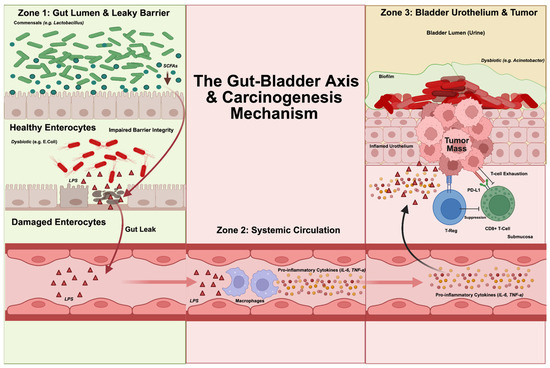
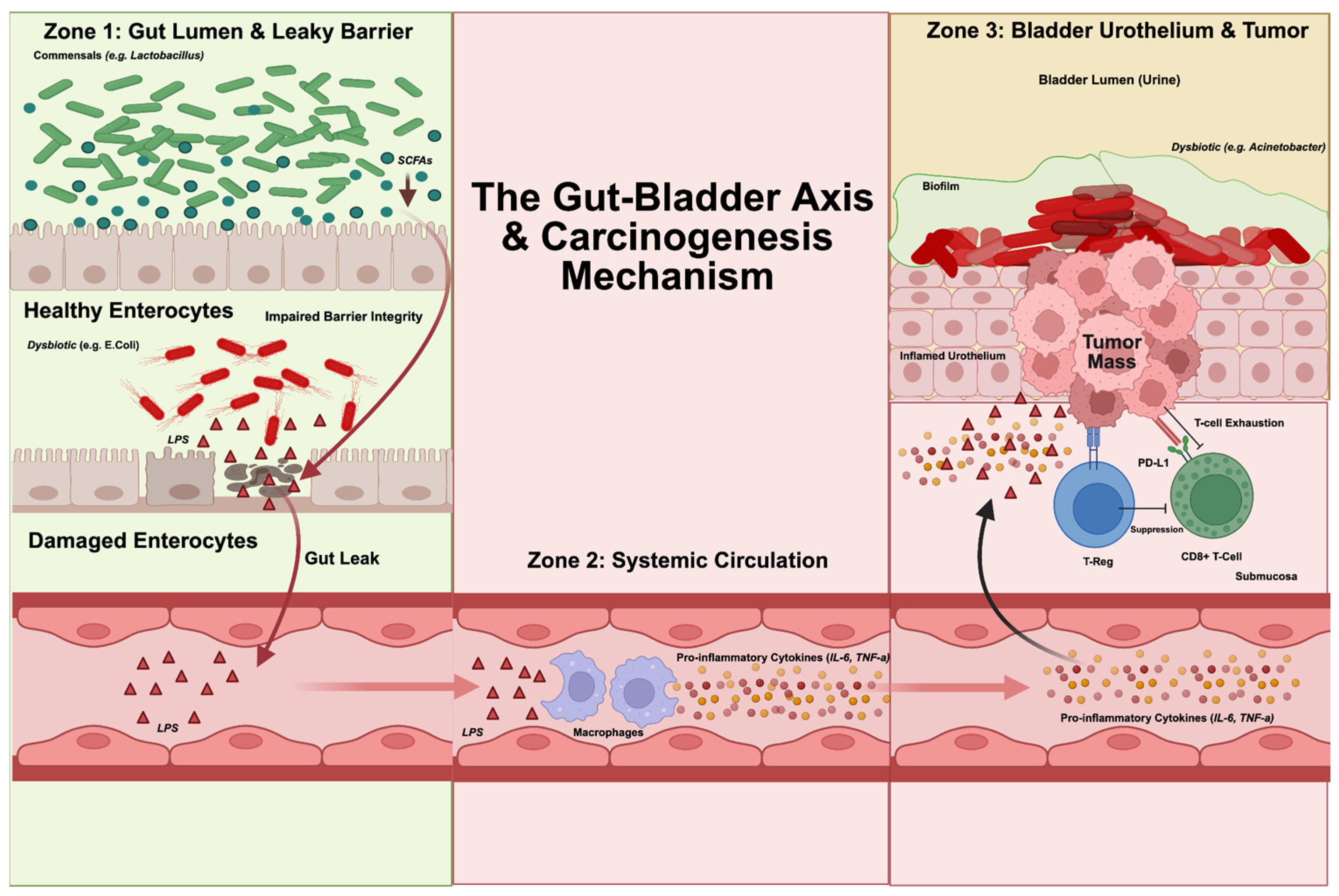
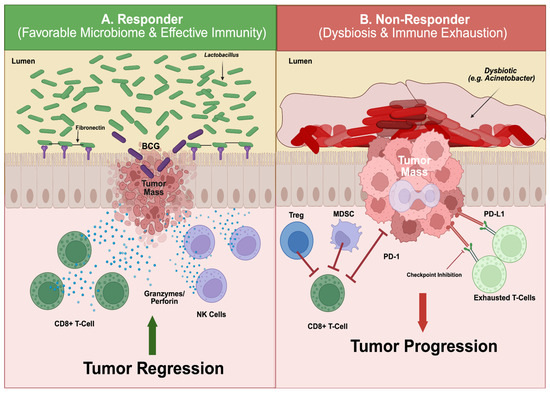
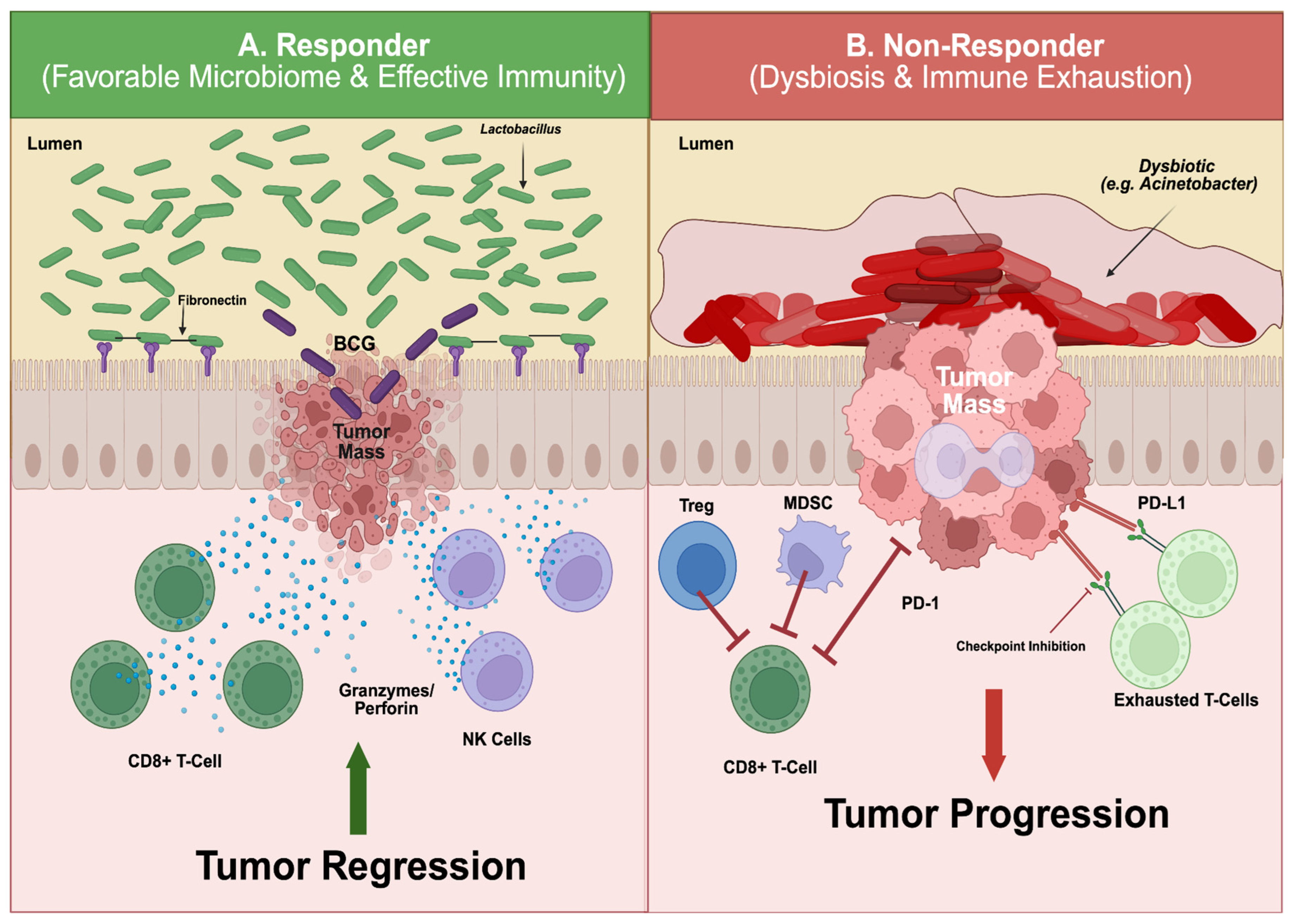

Disclaimer/Publisher’s Note: The statements, opinions and data contained in all publications are solely those of the individual author(s) and contributor(s) and not of MDPI and/or the editor(s). MDPI and/or the editor(s) disclaim responsibility for any injury to people or property resulting from any ideas, methods, instructions or products referred to in the content. |
© 2026 by the authors. Licensee MDPI, Basel, Switzerland. This article is an open access article distributed under the terms and conditions of the Creative Commons Attribution (CC BY) license.