


Abstract
This systematic review explores the multifaceted factors influencing African Australian migrant women’s decisions to remain in family violence relationships. It critically examines how existing service frameworks marginalise women who stay and advocates for culturally safe, trauma-informed, and harm-reduction programs. The study calls for a significant policy and practice shift to recognise diverse survival strategies beyond conventional notions of “leaving”. Guided by a critical realist ontological approach, the review employs thematic analysis of qualitative data to illuminate the complex interplay of social, cultural, legal, and economic factors shaping women’s choices. Findings reveal that current service models, predominantly based on a “leave to be safe” paradigm, fail to address intersecting barriers faced by African Australian migrant women. These include precarious visa status, language barriers, and fear of child removal, which compel many to remain in violent environments. The study highlights the unique challenges posed by insecure migration status, which intensifies family violence and impedes help-seeking behaviours. This review identifies significant structural and intersectional barriers, critical policy gaps and proposes re-envisioning support pathways to better serve women who, for structural and personal reasons, cannot or choose not to leave abusive relationships. It underscores the need for culturally safe, harm-reduction strategies and systemic reforms to dismantle structural inequalities embedded in immigration and family violence responses.
1. Introduction
Family violence remains a pervasive global issue, with significant and often compounded impacts on vulnerable populations, particularly migrant women. Family violence is defined as any violent, threatening or controlling behaviour that coerces or causes fear in a family member, including actions such as physical or sexual assault, emotional abuse, property damage, economic abuse, social isolation, or deprivation of liberty [1]. In Australia, despite growing awareness and policy interventions, specific gaps persist in understanding and addressing the unique experiences of African Australian migrant women who encounter family violence, especially when their survival strategies diverge from traditional “leaving” narratives [2].
This article seeks to critically examine the multifaceted factors that influence African Australian migrant women’s decisions to remain in family violence relationships, challenging the prevailing service models that often necessitate exiting the relationship as a prerequisite for support [3]. This research aims to bridge significant knowledge gaps by exploring the lived experiences of these women, moving beyond policy-centric analysis to incorporate their direct accounts of violence and their coping mechanisms [2].
Fozdar et al. note that 2.6% of the total Australian population was born in or had parents from Africa [4]. The Australian Bureau of Statistics (ABS) states that the total population of individuals born in African countries is approximately 499,340 [5]. This data shows that South Africa has the largest population (202,720), followed by Egypt (47,110), Zimbabwe (44,070), Mauritius (28,820) and Kenya (24,840) among other African countries [5]. Although the research could not find data specific to African women in Australia, this data shows the variations in culture, religion, language, and geographic origins of African Australian women.
Harm reduction, originating from public health, seeks to minimise risks associated with high-risk behaviours and can be applied in family violence contexts to support survivors who remain in abusive relationships by offering services aligned with their self-identified needs rather than requiring separation [6]. Even though some feminist scholars argue that adopting harm reduction in family violence may reduce the accountability for perpetrators, it is still a helpful approach for African migrant women who are not able to leave family violence relationships safely [6].
Within a trauma- and violence-informed care (TVIC) framework, harm reduction emphasises emotional safety, privacy, and non-judgmental support to avoid retraumatisation and enable discreet access to resources, even during ongoing abuse [7]. Complementary strategies include nationally consistent risk assessment models, multi-agency collaboration, and targeted interventions such as co-located services for substance abuse and mental health, trust-building for accurate risk disclosure, and long-term case management with safe housing, all aimed at enhancing safety without mandating relationship termination [8].
According to Vasil, the limitations in service frameworks, structural barriers and theoretical and knowledge base are further exacerbated by policies that frequently pay lip service to diversity without genuinely engaging with the intricate interplay of gender and other social categories, such as migration status and cultural background [2,3]. Consequently, this study asserts that a more nuanced, intersectional approach is essential to developing effective and equitable support systems that genuinely cater to the diverse needs of African Australian migrant women experiencing family violence [2,9]. By adopting an intersectional lens, this research acknowledges that individuals’ experiences are shaped by multiple, intersecting factors, including ethnicity, migration status, gender, and socio-economic position, which are often historically and politically mediated [10].
This intersectional framework is crucial for understanding how structural inequalities, such as those embedded in immigration policies and service provisions, exacerbate the challenges faced by this demographic group [2,11]. Specifically, the research will explore how migration status, often precarious, acts as a significant structural and institutional barrier to accessing support for African Australian migrant women experiencing family violence [12]. This necessitates a re-evaluation of current policy and practice to develop frameworks that are more responsive to the complex realities of migrant women’s lives, rather than viewing their experiences as mere “add-ons” to a universal female experience [2].
Furthermore, the article highlights how existing family violence service frameworks frequently marginalise African migrant women who, due to various structural barriers and personal circumstances, are unable or unwilling to leave their relationships [12]. These women frequently face intersecting barriers, such as precarious visa status, language limitations, and cultural stigma, which complicate their ability to access or benefit from conventional support services [2]. The limited theoretical and experiential knowledge base regarding migrant women’s experiences of family violence, particularly concerning those with insecure migration status, underscores the urgency for research that centres their perspectives [2,3].
This research, therefore, aims to address these critical research gaps by developing an in-depth understanding of the current and potential role of settlement and multicultural services in supporting migrant and refugee women experiencing violence, including a nested sub-study focusing on mental health and family violence [13]. The findings from this will be used to enhance early intervention initiatives and improve the appropriateness and effectiveness of violence-specific service responses for African Australian migrant women [13]. This comprehensive approach will facilitate the development of culturally safe, trauma-informed, and harm-reduction programs tailored to the unique circumstances of women who choose or are compelled to remain in violent relationships, thereby challenging the conventional “leave to be safe” paradigm [2,12].
The main issue in this article is the mismatch between current family violence policies and the lived experiences of African migrant women whose safety alternatives do not align with the ‘leave to be supported’ philosophy. Although diversity is acknowledged, it often falls short in recognising this in a practical manner that meaningfully supports African migrant women who are subjected to structural challenges related to migration and the cultural landscape in Australia. The article critically analyses these discrepancies in family violence policy, assessing how they exclude and marginalise African migrant women who remain in family violence relationships.
1.1. Background
The literature review delves into existing scholarly work on family violence, migration, and intersectionality to establish a comprehensive theoretical foundation for this study. It critically assesses how patriarchal structures, often reinforced by migration policies and societal norms, intersect with racial discrimination and cultural misunderstandings to exacerbate vulnerabilities among this cohort [14]. This review will highlight the critical need for a paradigm shift from conventional “exit-focused” interventions to more nuanced harm-reduction strategies tailored to the complex realities of African Australian migrant women [13,15].
The requirement to leave a violent relationship as a precondition for accessing housing, legal aid, or financial assistance represents a significant structural barrier, particularly for migrant women with precarious visa statuses [13]. Such policies inadvertently penalise victim–survivors, reinforcing their dependence on abusive partners and further entrenching them in cycles of violence by creating a false dichotomy between safety and stability [16]. This structural exclusion often forces women to choose between enduring abuse and risking homelessness or deportation, a choice no individual should have to make.
Intersectionality is a useful approach that can provide greater insight into factors that compound the vulnerability of African migrant women. An intersectional framework, acknowledging the interplay of gender, race, and migration status, is crucial for understanding the unique vulnerabilities and resilience of these women [2,17]. This approach allows for a deeper analysis of how systemic disadvantages and power differentials embedded within institutions and cultural contexts contribute to their experiences of family violence [18]. It further illuminates how these intersecting identities can create specific barriers to seeking help and accessing support services, often due to a profound distrust of governmental and institutional structures ingrained from their refugee experiences [12].
The literature also identifies that African Australian migrant women frequently face additional layers of complexity due to immigration restrictions, language barriers, and deeply ingrained cultural stigma, often exacerbated by systemic racism within support services [12,16]. These intersecting barriers make the act of leaving not only logistically difficult but also fraught with emotional and social repercussions, thereby necessitating a re-evaluation of current intervention models [9].
To add, technology-facilitated abuse further complicates these women’s situations, adding another layer of control and intimidation that isolates them from support networks [9]. This technological dimension requires an investigation into how online spaces are leveraged for surveillance, harassment, and coercive control, thereby extending the perpetrator’s reach beyond physical proximity [9]. Moreover, the insidious nature of technology-facilitated abuse often transcends geographical boundaries, making it exceptionally challenging for women to escape even if they relocate [13].
Furthermore, the transnational nature of family violence, where patriarchal arrangements extend beyond national borders and are amplified by restrictive migration policies, underscores the inadequacy of approaches that do not account for these complex interdependencies [2]. This transnational dynamic often results in perpetrators leveraging a woman’s immigration status, community ties, and fear of child removal as tools for continued control, even across continents [19]. This exploitation of structural vulnerabilities by perpetrators significantly heightens the risk of further violence and precarity for migrant women [3].
Finally, there remains limited research that looks at how support services can adequately assist African migrant women who have experienced family violence but decide to remain in their relationships. This gap emphasises the critical need for research that focuses on the lived experiences of African migrant women and how support services can be aligned to adequately respond to their realities. In this vein, this article is meant to develop a greater understanding of how these support services can be more inclusive, culturally relevant and responsive to the needs of African migrant women.
1.2. Study Aim
The study aims to examine how the existing frameworks for addressing family violence engage with the experiences of African Australian migrant women, particularly those who remain in abusive relationships due to systemic, cultural, and personal constraints. By examining African migrant women’s lived experiences, the research seeks to move beyond conventional exit-focused interventions to embrace harm-reduction strategies and support pathways for those who cannot or choose not to leave immediately [12]. This research aims to bridge this knowledge gap by exploring the nuanced decisions and survival strategies employed by these women, thereby informing the development of more inclusive and effective support mechanisms.
2. Materials and Methods
2.1. Protocol Registration
The review protocol has been registered on PROSPERO; registration number: PROSPERO 2026 CRD420261454931.
2.2. Research Approach
This study employed a critical realist ontological approach to investigate the complex interplay of social, cultural, legal, and economic factors influencing African Australian migrant women’s decisions to remain in family violence relationships. This ontological stance acknowledges both the objective reality of family violence and the subjective interpretations and experiences of those affected, allowing for an exploration of underlying causal mechanisms that shape women’s responses to abuse [3]. This approach is particularly suitable for understanding the structural and systemic factors that perpetuate violence, such as migration policies that can be weaponised by perpetrators, alongside the individual agency and lived experiences of victim–survivors [15].
2.3. Data Collection
The research involved a systematic review of existing literature and a qualitative review of other studies that used interviews with African Australian migrant women who have experienced family violence, as well as with key stakeholders from family violence, settlement, and multicultural sectors. This approach is desired because of the complexity and under-researched nature of this area, given that African migrant women’s experiences, the context and perspectives of support services are essential to better comprehend the issue. This multi-pronged data collection strategy provided a comprehensive understanding of both the individual experiences and the broader systemic issues at play [20,21,22].
In this research, sources were obtained from various databases, which included academic journals, government reports, and community-based organisational publications, ensuring a robust collection of diverse perspectives and empirical evidence [23]. Furthermore, the systematic review process involved rigorous screening and selection criteria to identify relevant studies focusing on African migrant women and family violence within the Australian context.
A Boolean search was conducted using the following prompts: (“African Australian women” OR “African migrant women” OR “African immigrant women” OR “African diaspora women” OR “refugee women” OR “migrant women”) AND (“family violence” OR “domestic violence” OR “intimate partner violence” OR “gender-based violence” OR “spousal abuse”) AND (“support pathways” OR “support services” OR “help-seeking” OR “intervention programs” OR “social support” OR “community support”) AND (“staying” OR “remaining” OR “leaving” OR “decision-making” OR “exit strategies” OR “relationship choices”) AND (“Australia” OR “Australian context” OR “Australian migrants”)
This search was refined to include terms such as “African Australian,” “migrant women,” “family violence,” “domestic violence,” “help-seeking,” and “support services” to capture the specific population and issues of interest, ensuring a comprehensive and targeted literature retrieval. Databases that were utilised included Google Scholar, Sage journals, Informit and PubMed. This extensive database search allowed for the identification of pertinent scholarly articles and grey literature that shed light on the challenges and existing support mechanisms for this specific demographic group.
2.4. PRISMA Flow Process
To ensure a transparent and replicable selection process, the Preferred Reporting Items for Systematic Reviews and Meta-Analyses framework was rigorously applied for screening, eligibility assessment, and inclusion of studies [12,24]. This systematic approach, which complies with the PRISMA guidelines, allowed for a comprehensive mapping of existing research, identifying both gaps and areas of consensus regarding family violence among African Australian migrant women [12,25]. The PRISMA Flow Chart is presented in Figure 1 below. The checklist can be found in the Supplementary Materials [26].
Figure 1.
PRISMA flow chart.
Figure 1 above illustrates the PRISMA flow diagram detailing the systematic process of study identification, screening, eligibility, and inclusion, ensuring methodological rigour and transparency in the literature review [27]. Table 1 below illustrates the PRISMA flow table.
Table 1.
PRISMA flow table.
The table and figure above show that records identified from databases (n = 5383) were significantly reduced after filtering by relevance and manual exclusion, leading to a refined set for further analysis. This meticulous process ensured that only studies directly pertinent to the research questions were included, thereby enhancing the validity and reliability of the systematic review [9]. Subsequently, the records included (n = 41) remaining 41 articles underwent full-text review, with a critical assessment of their methodological quality and thematic relevance to the research objectives, further refining the selection for in-depth analysis [24,28]. Following this rigorous selection, only studies meeting stringent inclusion criteria, such as those published in English peer-reviewed journals within the last ten years and explicitly focusing on Culturally and Linguistically Diverse women’s experiences with family and domestic violence, were retained for detailed examination [9]. Records excluded (n = 5342) at this stage were those that did not specifically address family violence, focused on other forms of violence, or did not include African Australian migrant women within their scope of inquiry [9,29]. This meticulous exclusion process ensured that the final synthesis of evidence would be highly targeted and directly applicable to the research questions, enhancing the specificity and robustness of the findings.
Table 2 shows the data characteristics for the files that were reviewed in this study. The characteristics predominantly centre on family violence in Australia, with a focus on African migrant women. The data sources have mostly been from Australia, with a few from New Zealand and the UK, which were assessed as relevant to the review.
Table 2.
Data Characteristics.
2.5. Study Quality Assessment
The quality of studies that were reviewed was assessed using the Critical Appraisal Skills Programme (CASP). This helped to create a structured approach to assessing the methodological robustness and relevance. Each study was reviewed against the CASP checklist, which considered that the aims were clear, the design was adequate, and recruitment, data collection and ethical reporting were all done appropriately. By using this CASP approach, a consistent quality assessment was ensured, and the transparency of the synthesis was strengthened.
2.6. Ethical Considerations
The ethical issues that were considered in this systematic review are whether the reviewed studies adhered to research ethics such as informed consent, protection of vulnerable participants, and maintenance of confidentiality, particularly given the sensitive nature of family violence experiences among migrant women. There were no participants directly involved in the systematic review process, as it exclusively analysed existing published literature. However, the review acknowledged the ethical considerations inherent in the primary studies included, particularly regarding the representation and interpretation of experiences from marginalised communities, thus necessitating a careful and respectful approach to data synthesis [56,57].
This approach ensured that the findings accurately reflected the lived realities of African Australian migrant women without perpetuating further harm or misrepresentation. Thus, while not directly engaging with human participants, the systematic review upheld ethical principles by prioritising a critical and empathetic lens in its analysis of secondary data, recognising the potential for retraumatisation or misinterpretation when dealing with narratives of violence and marginalisation. Further, the synthesis of findings from diverse studies required careful attention to the ethical implications of aggregating data, ensuring that the unique voices and experiences of migrant women were preserved and accurately represented without homogenising their complex realities [43].
2.7. Study Limitations
Despite these precautions, the systematic review encountered inherent limitations, primarily stemming from the heterogeneity of research methodologies and reporting standards across the included studies. Furthermore, the reliance on published literature meant that some nuances or unpublished findings relevant to the specific experiences of African Australian migrant women might have been missed [12]. Additionally, the specific focus on African Australian migrant women, while crucial for this study, inherently limits the generalizability of findings to other CALD populations experiencing family violence [58].
The articles that were reviewed were limited to those in English. This may have led to literature in other languages, which may have had valuable information not being considered. The literature was also mainly in metropolitan areas of Australia, which may have limited the consideration of experiences of African Australian women in rural and regional areas. Additionally, the broad context of African Australian women might have excluded other types of information relating to migrant groups such as refugees and skilled migrants, among others.
These limitations underscore the need for future primary research to specifically address these gaps and provide a more comprehensive understanding of the multifaceted challenges faced by this demographic group [42,59]. It is important to note that the systematic review did not require ethical approval, as it exclusively focused on synthesising publicly available data from previously conducted studies [9]. However, a rigorous quality appraisal of the included studies, focusing on methodological soundness and ethical conduct, was performed to ensure the integrity of the evidence base informing the review’s conclusions [59].
3. Results
The systematic review of the included articles revealed several overarching themes about the factors influencing African Australian women’s decisions to remain in violent relationships and the systemic barriers they encounter when seeking support [35,60]. These themes encompass socio-cultural pressures, immigration complexities, economic dependency, and systemic service delivery shortcomings, which collectively contribute to the perpetuation of their vulnerability [9,25]. Specifically, many studies highlighted the critical role of visa status and associated immigration restrictions in limiting women’s autonomy and increasing their reliance on abusive partners, thereby complicating their ability to leave [9,25]. These findings highlight significant challenges faced by African Australian women. Let us explore these themes in detail, highlighting the complexity of the situations that these women find themselves in.
3.1. Structural Exclusion in Support Systems for Migrant Women
African Australian women in Australia who experience family violence encounter significant structural exclusion from essential support systems, including housing, legal aid, and financial assistance. These barriers are often compounded by their immigration status, economic dependency, language difficulties, and a lack of culturally appropriate services. These systemic hurdles can trap African Australian women in abusive relationships, heightening their risk of further harm by limiting their pathways to safety and independence [12].
Access to safe housing remains a critical barrier for African Australian women experiencing domestic and family violence, particularly those on temporary visas, as eligibility for housing and support services is frequently conditional on having already exited the abusive relationship [12]. Women with precarious or temporary migration status often face unstable housing options, which significantly influences their ability to leave violent partners [12]. Furthermore, discrimination from landlords, especially towards single mothers, compounds these challenges, while a lack of racial diversity among shelter staff can leave Black, Asian, and Minority Ethnic (BAME) women feeling isolated and unable to access culturally appropriate support [43].
Legal systems and immigration policies present additional obstacles, as perpetrators may use a woman’s uncertain immigration status to threaten deportation or withdraw sponsorship, thereby deterring help-seeking [12,19]. In some jurisdictions, such as the UK, legal protections like the Domestic Violence Rule require women to provide evidence of abuse before leaving the relationship, which exposes them to further risk [43]. The pervasive fear of deportation, often fuelled by misinformation from abusers, and a lack of knowledge about legal rights and available services further undermine African Australian women’s access to justice and safety [12,19,43].
Segrave states that the Australian migration law creates structural precariousness for temporary visa holders, enabling perpetrators to abuse it to threaten victim–survivors [15]. She suggests that this creates insecurity and is reinforced by a study where 300 temporary migrant women were threatened with being sent back, which puts them in a position of fear and vulnerability. Segrave notes that the absence of a legal consequence that treats such threats as an offence limits protections and ultimately causes structural precariousness [15].
Economic barriers also play a pivotal role, with welfare ineligibility, such as the ‘No Recourse to Public Funds’ rule in the UK, excluding women with insecure status from vital financial support and safe accommodation, perpetuating their vulnerability [43]. Economic dependency is intensified by factors like undocumented work, non-recognition of qualifications, and perpetrators’ control over household finances, all of which increase women’s isolation and reliance on abusive partners [12,43]. For many women, visa-related financial dependencies further entrench their risk, as their partner’s control over both finances and residency status can be exploited to maintain power [39].
In conclusion, structural barriers systematically exclude African Australian women from the very systems designed to protect them. Policies that tie housing, legal, and financial support to immigration status or a requirement to have already left the abuser create a double bind, forcing many to choose between staying in a violent relationship or facing deportation, homelessness, and destitution [12,43]. In light of these structural barriers, it is also important to explore intersectional barriers.
3.2. Intersectional Barriers to Support for Migrant and Refugee Women
Building on structural barriers, intersectionality appeared as a theme in 30 files out of the 41 sources that were reviewed, showing the importance of this theme. African Australian women in Australia, including migrants, refugees, and asylum seekers, face a complex web of intersecting barriers when seeking support for family violence. These obstacles are not merely additive but are compounded by overlapping identities and structural vulnerabilities related to immigration status, language proficiency, cultural norms, and experiences of discrimination. These factors intensify challenges within legal and support systems, creating unique and compounded difficulties for this group of women [12,18].
African Australian women in Australia face compounded barriers to accessing support for family violence, including visa dependency that ties their residency to an abusive partner and creates a pervasive fear of deportation, which perpetrators exploit to maintain control and discourage help-seeking [9,18,49]. Limited knowledge of legal protections further diminishes their ability to address violence, with many unaware that domestic violence is illegal or that support services exist [9]. Language barriers, such as poor English proficiency and inadequate access to professional interpreters, especially in regional areas, impede effective communication with authorities and service providers [9,18]. Systemic racism and cultural insensitivity from service providers foster distrust of formal institutions, while negative stereotypes and racist intimidation contribute to isolation and reluctance to seek help [9,12]. Additionally, community pressures to preserve family unity, coupled with the stigma and shame associated with reporting abuse, often discourage women from accessing formal support, leading them to rely on informal networks instead [9].
Racism is largely the reason for these institutional conditions from which dependency, silence and immense pressure are created for African migrant women. This is seen through effects of Islamophobia, distrust of authorities and fear of policing [39]. Also, racialised effects of racist immigration systems, as ascribed by Segrave, in temporary visas or through entrapment by partner threats for deportation contribute to vulnerability [15]. Racism in immigration processing and culturally inappropriate methods in policing and service delivery also add to vulnerability and give perpetrators the agency and control over African migrant women [34,53].
Colonial legacies continue to impact how African migrant women are seen in terms of credibility by state institutions. Ghafournia and Easteal state that policy documents have been found to engage superficially with the vulnerabilities faced by migrant women in general and fail to consider intersectionality as affecting their experiences [61]. Segrave asserts that this pattern reflects broader colonial mechanisms whereby non-white migrant women are viewed as less likely to be believed by statutory systems [15]. Also, Sullivan et al. note that the Australian legal system is unreliable and causes further harm through institutional discrimination [62].
These interconnected barriers create a unique form of entrapment for African Australian women experiencing family violence. The combination of visa dependency, language difficulties, systemic discrimination, and cultural pressures makes it exceptionally difficult for these women to access the safety and support they need, highlighting the necessity for culturally responsive and intersectional policy and service interventions. Addressing these barriers requires a multifaceted approach that incorporates culturally sensitive practices and recognises the unique experiences of African Australian women in navigating domestic violence support systems.
3.3. Policy Gaps and Service Framework Deficiencies for Migrant Women Experiencing Family Violence
Building on the intersectional barriers, the research further highlights significant policy and service framework gaps that affect African Australian women experiencing family violence in Australia. These deficiencies span program design, child protection systems, and the structure of service delivery, creating barriers for African Australian women seeking safety and support. Key issues include a focus on ‘exit’ strategies over ‘survival’ strategies for women who may remain in abusive relationships, pervasive fear of child protection involvement, and a service system that is not always equipped to handle the complex, intersecting needs of these women [3,12,49].
Current policies and programs addressing family violence among African Australian women often prioritise ‘exit’ strategies, neglecting those who remain in abusive situations and failing to deliver adequate survival support [12]. This gap is exacerbated for African Australian women on temporary visas, who face unreliable safety nets due to limited eligibility for the Family Violence Provisions and an unpredictable asylum process [3]. A pervasive fear of child removal further discourages help-seeking, especially as African Australian women with insecure migration status risk increased vulnerability or loss of their children when engaging with formal services [3,12]. Systemic failures, such as the removal of children following disclosures of distress, highlight the harm women may face even after leaving violence [3]. Mainstream service frameworks often overlook the specific and intersecting needs of migrant and refugee women, treating their experiences as secondary, while a lack of trauma-informed and intersectional approaches perpetuates service delivery silos and limits effective support [3,12].
In conclusion, significant gaps in policy, program design, and service frameworks create a challenging environment for African Australian women experiencing violence. The system’s focus on exiting violent relationships, the pervasive fear of child protection services, and the structural and trauma-informed gaps in service delivery all contribute to the difficulties these women face in ensuring their safety and the safety of their children [3,12,49].
3.4. Factors Influencing Women’s Decisions to Remain in Family Violence Relationships
Having considered the structural, intersectional barriers and policy gaps, it is essential to explore the first research question. Research across multiple contexts, including Afghanistan and diaspora communities in Australia, reveals that African Australian women face a complex web of interconnected factors that influence their decision to remain in a violent relationship. These factors are often exacerbated by their migration status and the challenges of resettlement, creating a ‘double bind’ where leaving the relationship could lead to further threats and negative consequences [33].
African Australian women often remain in abusive relationships due to intense family and community pressure to maintain marital harmony and uphold family honour, especially in cultures where cousin marriage is prevalent, and divorce disrupts extended family networks [12,33]. Patriarchal expectations further require women to prioritise family unity over their own safety, while social isolation, compounded by migration, leaves many without support and vulnerable to manipulation by perpetrators who may restrict contact with family abroad [12,43].
Cultural norms frequently normalise gendered violence, with endurance in marriage seen as a virtue and sometimes reinforced by religious leaders who advise women to remain in abusive relationships in pursuit of spiritual rewards [43]. The stigma surrounding divorce acts as a powerful deterrent, and community or religious leaders, who are often the first point of contact, may perpetuate attitudes that prioritise community harmony over a woman’s safety or autonomy [39,43].
The following quotes from Vasil, although not specific to African Australian women, only illuminate the shared structural mechanisms that emanate from racialised and migration-related conditions that embody coercive control across diverse migrant groups [3]. One woman described the immense pressure to stay in a violent relationship due to the fear of social stigma and being unable to remarry if she returned to her home country, stating,
“I can stay in my parents’ house, but I can’t stay there forever, so I need to marry again. I said [to myself]”.[3]
“One is enough, try to survive with him’. If I go back and they force me to marry again, so, in future, if again I get this kind of person, how will I … because the second time I don’t know [what he will be like] to me. I don’t know”.[3]
Another victim–survivor highlighted the cultural expectation to endure the hardship for the sake of family honour, explaining the feeling of being trapped:
“Women, they shut down … shut their mouth and just stay, just stay, because they are worried”.[3]
“I can’t go back to Sri Lanka, I can’t go back to India, how can I go and face that problem? I can’t, I’ll stay, whatever he does, I will stay and shut my mouth and stay’. That’s the thing that’s happening under the [sponsorship] rule”.[3]
Legal and systemic barriers further entrench women’s vulnerability, with insecure visa status allowing perpetrators to threaten deportation and control their partners, particularly those on temporary or partner visas who rely on their abuser for residency rights [12,43]. One woman on a prospective marriage visa explained she was pressured into marriage due to the conditions of her visa, stating,
“It’s just six months that we have known each other and then married, it’s too fast. I agree, but I need to – otherwise my visa expires. Without that visa condition, I wouldn’t have married straight away”.[3]
Reporting violence can trigger fears of child removal and distrust of state services, as some women have experienced the loss of their children after seeking help, intensifying their reluctance to access formal support [12,43]. A woman explained her decision to stay in the relationship was motivated by the fear of being separated from her children or being unable to support them if she left:
“I had just had enough of the violence and wanted to leave…I met someone who suggested that I call organisation Y … I called just to check my options if I left… like, would I be deported, what would happen to my kids…things like that”.[34]
Economic dependency reinforces this entrapment, with perpetrators controlling household finances and limiting women’s access to money, which creates powerlessness and isolation [12,43]. Employment barriers such as non-recognition of qualifications, discrimination, and language difficulties undermine financial independence, leaving women unable to leave abusive relationships or rebuild their lives [12,43].
Overall, the decision for African Australian women to remain in a violent relationship is not made in a vacuum. It is heavily influenced by a combination of social pressures, cultural norms, systemic barriers within legal and immigration systems, and severe economic dependency. These factors collectively trap women, making the prospect of leaving seem as dangerous, or even more so, than staying [12,33,39].
3.5. Current Family Violence Service Frameworks and African Migrant Women
In research question 1, we identified the decision-making influencing factors; now, research question 2 explores how current family violence service frameworks marginalise African Australian women who decide to stay in family violence relationships. This marginalisation manifests through barriers to service accessibility, a lack of culturally safe and responsive service delivery, and systemic biases that prioritise leaving a violent relationship as the only valid outcome. These issues are compounded by factors such as precarious visa status, language barriers, social isolation, and institutional racism, creating a disjuncture between the lived realities of African Australian women and the support systems available to them [18,38,52].
Current family violence service frameworks in Australia marginalise African Australian women who stay by imposing exclusionary eligibility criteria that deny support to those unwilling or unable to leave their partner, while service capacity for ongoing support remains limited [12,18]. Geographic and resource constraints, such as underfunding and a lack of interpreters or specialist migration legal assistance, further restrict access and often force women to travel long distances or forgo support altogether [12,18]. Mainstream services frequently lack cultural safety and understanding, with overt racism and Islamophobia resulting in African Australian women feeling judged and misunderstood, which discourages engagement [38,52]. The failure to recognise and address spiritual and cultural needs, including the absence of culturally matched staff and support for religious divorce, leaves important aspects of migrant women’s experiences unmet [38]. Systemic bias is evident in the prioritisation of leaving as the sole outcome, alienating those who, for cultural, social, or personal reasons, are not ready to leave, and institutional racism leads to distrust of authorities and a perception that services are not intended for African Australian women [12,52].
In summary, the service frameworks for addressing family violence in Australia often marginalise African Australian women by failing to provide accessible and culturally responsive support. Systemic biases that favour a singular pathway out of violence, coupled with institutional racism and resource limitations, create a system that is not adequately equipped to address the complex, intersecting needs of this diverse group of women [12,38,52].
3.6. Culturally Safe and Trauma-Informed Harm-Reduction Programs
Building on research question 2, which explored how service frameworks marginalise African Australian women, in research question 3, we note that they also face a complex web of personal, institutional, and cultural barriers when seeking help. Research indicates that while some support is available, significant gaps exist, particularly for those with insecure migration status. The effectiveness of support is often contingent on culturally safe, trauma-informed, and community-led approaches that recognise the unique structural and systemic challenges these women face, including the impact of their migration status on safety, help-seeking, and recovery [3,12].
Culturally safe and community-led approaches are essential for supporting African Australian women experiencing family violence, requiring service providers to move beyond stereotypes and understand each woman’s unique context, beliefs, and values [3]. Community-driven initiatives that involve culturally tailored, family-oriented solutions are more effective in diverse communities, and the inclusion of diaspora voices, as seen in studies of African refugee families in Perth, is vital for addressing the specific drivers of violence and developing targeted support strategies [31,34]. However, the success of these approaches depends on engaging community leaders whose values prioritise the safety and well-being of victim–survivors, since some traditional community figures may not fully support women facing violence [34].
Trauma-informed and harm-reduction strategies further enhance support for migrant women, recognising that their experiences are shaped by intersecting pre- and post-migration traumas and complex cultural pressures [31]. Practitioners must provide non-judgemental assistance that respects women’s choices to leave or stay, and offer incremental, harm-reduction support such as safety planning for those unable to leave immediately, ensuring pathways to safety are not dependent solely on separation from the abuser [34].
In conclusion, effective support programs for African Australian women experiencing family violence must be multifaceted. They require a shift away from one-size-fits-all models toward culturally safe, trauma-informed, and community-based strategies. These approaches should be flexible, non-judgmental, and capable of addressing the complex interplay of cultural dynamics, migration-related stressors, and systemic barriers that shape these women’s lives and their pathways to safety [12,31].
3.7. Policy and Practice Shift from a Binary “Leave to Be Supported” Model to a Continuum of Care
Consequently, addressing the aforementioned issues requires significant shifts in policy and practice. These shifts involve moving beyond a simplistic view of survival to recognise a continuum of adaptive strategies, reforming systemic barriers in areas like immigration and welfare, and innovating service delivery through specialised training and the integration of cultural expertise [42,48].
Research shows that African Australian women experiencing coercive control navigate a continuum of survival strategies, with help-seeking involving repeated attempts to leave and strategic decisions shaped by the risk of homelessness or poverty, as well as complex family implications in their country of origin [42,48]. Systemic reforms are urgently needed to address gendered barriers in migration and welfare policies, such as restrictive visa controls and limited access to housing and social entitlements, which perpetuate vulnerability and can be weaponised by perpetrators [48]. Effective prevention and support require tailored service provider training on cultural competence and structural racism, alongside the integration of community-driven approaches, including interpreters and cultural mediators from diverse backgrounds, to ensure respectful, relevant interventions [48,63].
These findings collectively emphasise a move towards a more nuanced, structurally aware, and culturally responsive approach to addressing domestic and family violence. By reforming restrictive policies, enhancing the cultural competence of services, and understanding the complex realities of survivors’ lives, support systems can more effectively prevent violence and assist African Australian women.
4. Discussion
This discussion uses the critical realist approach to uncover the structural mechanisms that shape African Australian women’s experiences. Critical realism enables an understanding that vulnerability is not an inherent characteristic but is socially constructed through the interplay of systemic factors, such as immigration restrictions, socio-economic precarity, and institutional racism, and individual agency [64]. This perspective informs the need for policy and practice frameworks that are both culturally informed and structurally responsive, challenging the dominant “leave to be supported” paradigm that overlooks the complex realities of African Australian women who cannot or choose not to leave violent relationships. By situating family violence within broader socio-political and economic contexts, this approach advocates for harm-reduction strategies and culturally safe interventions that empower women without mandating separation. Ultimately, critical realism facilitates a shift from cultural essentialism toward structurally transformative solutions, addressing the deep-seated inequities that perpetuate violence and marginalisation.
The findings from the research questions represent a comprehensive understanding of the challenges and opportunities in supporting African Australian women in family violence relationships. Current frameworks often fail to account for the unique intersectional barriers faced by these women, advocating for a paradigm shift towards more inclusive and adaptable support pathways [2,31]. Specifically, the prevailing “leave to be supported” paradigm overlooks the nuanced realities of African Australian women, who frequently contend with immigration restrictions, linguistic differences, and deeply ingrained cultural stigmas [12]. Considering these barriers, it is recommended that African Australian women victim–survivors have unconditional access to services to meet their needs.
Furthermore, through a critical realist ontological approach, we uncovered the underlying mechanisms that perpetuate these experiences, thereby informing the development of more effective and equitable interventions. This nuanced approach acknowledges that vulnerability is not inherent but rather constructed through the interplay of systemic factors and individual agency [3]. Thus, it becomes imperative to develop policy and practice frameworks that are not only culturally informed but also structurally responsive, moving beyond superficial considerations to address the deep-seated inequities that complicate victim–survivors’ pathways to safety and empowerment [9]. It is essential to pursue systemic reforms that dismantle structural inequalities embedded in immigration policies, family violence responses, and broader socio-economic frameworks.
The findings from this study suggest that policies must evolve to incorporate harm reduction and culturally safe frameworks, acknowledging that “leaving” is often a privileged option not available to all [3]. Consequently, programs must be designed to support women who remain in violent relationships, offering flexible and non-judgmental assistance tailored to their specific circumstances [3]. This necessitates a comprehensive re-evaluation of existing service models to ensure they adequately address the intersectional barriers faced by African Australian women, moving beyond a one-size-fits-all approach to incorporate diverse survival strategies. This calls for the implementation of culturally safe approaches in designing and executing programs to support African Australian victim–survivors.
Therefore, a critical examination of existing frameworks is necessary to identify and dismantle structural barriers that impede African Australian women’s access to justice and safety [3,9,34]. This includes advocating for policy changes that afford all victim–survivors equal rights, irrespective of their migration status, thereby preventing perpetrators from exploiting such vulnerabilities [2]. Such reforms should prioritise elevating African Australian women’s status within the legal and social systems, ensuring they possess the same fundamental rights as other victim–survivors in family violence situations [2]. Therefore, it is recommended that migration legislation and policy be reviewed to offer better protections and accessible pathways for African Australian women who choose to stay in family violence relationships.
Support services in Australia are inconsistent in assisting African migrant women with temporary visas, depending on how well they are positioned to adequately respond to their needs. Mainstream family violence services provide practical support but often lack the cultural, spiritual, and/or legal responsiveness required for their intersectional needs [38]. The fear of deportation is significant. Many perpetrators weaponise the visa status, and African Australian women with temporary visas may not trust government systems that have caused them trauma or led to discriminatory experiences [29,61].
Although there are legal provisions in the Migration Regulations, regs 1.21–1.23, that allow women who have experienced family violence to be granted permanent residency, these legal provisions are also based on the condition that they should have left the relationship [65]. This legislation, therefore, is not very different from the premise of support being offered for someone who has left the relationship, which presents some precarity for African Australian women who may not be able to leave the relationship. This legislation does not provide migration-related protections for reporting family violence if the victim–survivor is still in a family violence relationship.
This proactive approach aims to empower African Australian women by providing support before violence escalates to a crisis point, fundamentally challenging the notion that “culture” is the primary determinant of their experiences [2]. Instead, the focus shifts to how socio-political and economic precarity, often exacerbated by restrictive immigration policies, limits their options and contributes to ongoing violence [2,3]. Moreover, a critical understanding of the structural and symbolic violence perpetuated by state institutions is essential, as these often reinforce and reproduce power imbalances that disadvantage forced migrant women [42]. To achieve this empowerment, African Australian women should be equipped with harm-reduction skills and strategies that enable them to enhance their safety, mitigate risks and minimise potential harm.
In a nutshell, effective interventions for African Australian women in family violence must transcend cultural essentialism and address the systemic inequalities that constrain their choices and safety [2,42]. This requires moving beyond a culturalist lens that can misrepresent migrant women through modernisation narratives and instead acknowledging the complex interplay of social structures that position individuals unequally within power systems [2]. Such an approach allows for the development of interventions that are not only culturally sensitive but also structurally transformative, directly confronting the systemic roots of vulnerability and violence [66].
Policy Implications
Several policy implications arise from these findings, including a review of migration legislation and policy, reforms in family violence service eligibility and culturally responsive programs. Addressing the issue of vulnerability amongst African Australian migrant women by providing all victim–survivors equal access to services needs tackling from multiple angles; therefore, multiple policy implications can be seen.
Policy reforms should increase migration protections for African Australian migrant women. This can be done by amending legal provisions for permanent residency not to be conditional upon leaving a relationship and not putting them in a position where they face threats related to insecure immigration status from perpetrators [51]. This will help African Australian migrant women to be able to seek support about family violence, knowing it would not endanger their residency status or lead to threats of deportation [9,12].
Also, policymakers need to invest in ensuring that family violence services are culturally safe for African Australian migrant women. Cultural responsiveness requires family violence practitioners and decision makers to reflect on their internal biases and power imbalances, which prioritise Western ideals of empowerment and fail to account for the lived realities of African Australian migrant women [10]. Culturally safe family violence supports enable practitioners to effectively address and mitigate instances of structural or systemic racism and deficit-focused approaches. Instead, there is a need for embedding intersectional, trauma-informed approaches that acknowledge and validate African Australian migrant women’s agency and protective factors [29,67].
Another important implication of the research for policy is that family violence service eligibility should not be limited to when leaving a relationship only. The funding arrangements for family violence services need to be redesigned. They should recognise this to ensure that they can support African Australian migrant women who are not able to leave their relationships, and to ensure that safety planning includes harm reduction used by African Australian migrant women in navigating ongoing domestic violence situations. This helps to prevent the continuation of social exclusion and ensure that financial support is given to African Australian migrant women regardless of their current relationship status.
5. Conclusions
African Australian women experiencing family violence in Australia face compounded vulnerabilities arising from the intersection of race, gender, migration status, economic marginalisation, and cultural displacement. Current family violence support systems, structured around a “leave to be supported” paradigm, fail to account for the complex realities that influence these women’s decisions to stay in or leave violent relationships. Immigration precarity, economic dependence, cultural obligations, and systemic barriers to accessing mainstream services create impossible choices for many African Australian women, leaving those who cannot or choose not to leave immediately without support and at continued risk.
This research challenges the “leave to be supported” paradigm and advocates for a fundamental rethinking of support pathways for African Australian women experiencing family violence. By conducting a systematic review of academic literature and analysing Australian policy frameworks through intersectional and migration law lenses, the research identifies the factors influencing African Australian women’s decisions, examines how current frameworks marginalise these women, and proposes culturally responsive, harm-reduction alternatives.
The research demonstrates that effective support for African Australian women requires the following:
- ▪
- Immigration protections that prevent deportation, detention, and destitution for African Australian women experiencing family violence, regardless of visa category. Vasil notes that immigration restrictions are the main structural issue that creates vulnerability, which perpetrators abuse to exploit visa insecurity and compromise avenues for safety [2,3].
- ▪
- Unconditional access to services that provide support based on need rather than relationship status, enabling African Australian women to access housing, financial assistance, legal advice, and counselling without mandating separation. As pointed out by Zhang [64] and Robinson et al. [12], the ‘leave to be supported’ philosophy structurally compromises the plight of African migrant women who are not able to leave due to socio-economic challenges, cultural stigma and fear of deportation.
- ▪
- Culturally responsive, community-led approaches that leverage African community strengths, provide culturally safe spaces, and navigate cultural contexts in ways that mainstream services cannot. Elhelw [38] and Hourani et al. [42] have alluded that institutional racism and the lack of cultural safety in current support services recreate trauma and cause mistrust for African Australian women.
- ▪
- Integrated service delivery that reduces fragmentation and navigation burden by co-locating legal, housing, settlement, and counselling support with cultural mediation. This is important considering institutional fragmentation as a structural challenge, which causes African migrant women to seek various disconnected service systems, which elevates risk and causes challenges with accessing justice [9].
- ▪
- Harm-reduction models that meet African Australian women where they are, prioritise safety and agency, and work to reduce risks and harms rather than mandating specific outcomes. It has been highlighted by Vasil that the voice of the African migrant women has not been sufficiently explored or considered within the constrained socio-economic context [3]. This requires support to be tailored to the needs of the victim–survivor and not coerced to separate as the only avenue to accessing support.
- ▪
- Systemic reforms that address structural inequalities in immigration, family violence, and broader social and economic systems are necessary. The findings have shown that the vulnerability for African migrant women is structurally produced. Ayallo [34] and Vasil [3] have alluded that this is produced by intersecting factors that include institutional racism, restrictive migration policies and socio-economic marginalisation, not just cultural issues.
By focusing on the voices and experiences of African Australian women, as documented in existing literature, and analysing the structural mechanisms that produce vulnerability and marginalisation, this research contributes to academic knowledge, policy development, practice improvement, and social justice advocacy. The research challenges dominant paradigms, identifies specific policy gaps and barriers, and provides evidence-based recommendations for creating more inclusive, responsive, and culturally informed support systems.
Ultimately, this research advocates for a paradigm shift from “leave to be supported” to “supported to make safe choices”, a shift that recognises African Australian women’s agency, respects their complex realities, and provides the resources, protections, and culturally safe supports necessary for safety and wellbeing, whether African Australian women stay or leave violent relationships. This shift is not only an ethical imperative but also a practical necessity for creating family violence support systems that effectively serve all women, including those most marginalised by current frameworks.
The path forward requires commitment from policymakers, service providers, researchers, and communities to centre marginalised voices, challenge structural inequalities, and build support systems grounded in principles of social justice, cultural safety, harm reduction, and respect for African Australian women’s autonomy and agency. This research provides evidence, analysis, and recommendations to support that transformative work.
Supplementary Materials
The following supporting information can be downloaded at: https://www.mdpi.com/article/10.3390/women6030053/s1, Table S1: PRISMA checklist.
Author Contributions
Conceptualization, T.K., S.S., S.G. and D.D.; methodology, T.K., S.G., S.S. and D.D.; software, T.K., S.S., D.D. and S.G.; validation, S.G., T.K., D.D. and S.S.; formal analysis, T.K., D.D., S.S. and S.G.; investigation, T.K., S.S., D.D. and S.G.; resources, T.K., S.S., D.D. and S.G.; data curation, S.G., D.D., T.K. and S.S.; writing—original draft preparation, S.G., T.K., S.S. and D.D.; writing—review and editing, T.K., D.D., S.S. and S.G.; visualization, S.G., D.D., S.S. and T.K.; supervision, S.S. and D.D.; project administration, S.S. and T.K. All authors have read and agreed to the published version of the manuscript.
Funding
This research received no external funding.
Institutional Review Board Statement
Not applicable.
Informed Consent Statement
Not applicable.
Data Availability Statement
No new data were created or analyzed in this study. Data sharing is not applicable to this article.
Conflicts of Interest
The authors declare no conflict of interest.
References
- Family Law Act 1975 (Cth) s 4AB(1)-(2). Available online: https://www.legislation.gov.au/C2004A00275/latest/text (accessed on 10 August 2026).
- Vasil, S. “I Came Here, and it Got Worse Day by Day”: Examining the Intersections Between Migrant Precarity and Family Violence Among Women with Insecure Migration Status in Australia. Violence Against Women 2023, 30, 2482. [Google Scholar] [CrossRef] [Scilit] [PubMed]
- Vasil, S. At the Borders: Migrant Women’s Experiences of Family Violence and Help-Seeking in Australia; RMIT University: Melbourne, Australia, 2021; p. 79. [Google Scholar] [CrossRef]
- Fozdar, F.; Prout Quicke, S.; Mickler, D. Are Africans in Australia a diaspora? Diaspora Stud. 2022, 15, 87–104. [Google Scholar] [CrossRef] [Scilit]
- Australian Bureau of Statistics. Australia’s Population by Country of Birth: June 2025. 2026. Available online: https://www.abs.gov.au/statistics/people/population/australias-population-country-birth/latest-release (accessed on 27 April 2026).
- Cross, C. Harm Reduction in the Domestic Violence Context. In The Politicisation of Safety; NYU Press: New York, NY, USA, 2019; p. 332. [Google Scholar] [CrossRef] [Scilit]
- Davies, M.; Satyen, L.; Toumbourou, J.W. Trauma-and-Violence-Informed Care for Victim-Survivors of Domestic, Family and Sexual Violence: A Qualitative Meta-Synthesis of Service Providers’ Perspectives. Trauma Violence Abus. 2025, 6–13. [Google Scholar] [CrossRef] [Scilit] [PubMed]
- Campbell, E.; Fernando, T.; Gassner, L.; Hill, J.; Seidler, Z.; Summers, A. Report of the Rapid Review of Prevention Approaches: Unlocking the Prevention Potential; Department of Prime Minister and Cabinet: Barton, Australia, 2024; p. 83. Available online: https://www.pmc.gov.au/sites/default/files/resource/download/unlocking-prevention-potential-3.pdf (accessed on 10 January 2026).
- Watts, A.; Rock, S.; Gately, N.; Smith, A.M.A. Barriers to Family and Domestic Violence Support for Culturally and Linguistically Diverse Women in Australia: A Systematic Review. J. Fam. Violence 2025. [Google Scholar] [CrossRef] [Scilit]
- Maturi, J.; Munro, J. How the ‘Culture’ in ‘Culturally and Linguistically Diverse’ Inhibits Intersectionality in Australia: A Study of Domestic Violence Policy and Services. J. Intercult. Stud. 2023, 44, 143–159. [Google Scholar] [CrossRef] [Scilit]
- Jelinic, A.B. Navigating the Family Law Provisions: Migrant Women’s Voices. Int. J. Crime. Justice Soc. Democr. 2021, 10, 131. [Google Scholar] [CrossRef] [Scilit]
- Robinson, K.; Afrouz, R.; Dunwoodie, K. Domestic and Family Violence Among Migrant, Refugee, and Asylum-Seeking Women in Australia: A Scoping Review of Experiences and Support—Review of Domestic and Family Violence Among Migrant, Refugee, and Asylum-Seeking Women in Australia. J. Fam. Violence 2025. [Google Scholar] [CrossRef] [Scilit]
- Vaughan, C.; Jarallah, Y.; Murdolo, A.; Murray, L.; Quiazon, R.; Block, K.; Zannettino, L. The MuSeS project: A mixed methods study to increase understanding of the role of settlement and multicultural services in supporting migrant and refugee women experiencing violence in Australia. BMC Int. Health Hum. Rights 2019, 19, 1. [Google Scholar] [CrossRef] [Scilit] [PubMed]
- McKenzie, M.; Navarro, C.; Trần, L.T.; Forbes-Mewett, H.; Murdolo, A.; Tarzia, L. A Shattered Dream: Women International Students’ Experiences of Intimate Partner and Sexual Violence in Australia. J. Fam. Violence 2025. [Google Scholar] [CrossRef] [Scilit]
- Segrave, M. Temporary Migration and Family Violence: How Perpetrators Weaponise Borders. Int. J. Crime. Justice Soc. Democr. 2021, 10, 26. [Google Scholar] [CrossRef] [Scilit]
- Tambasco, C.; Hammond, K.; Smith, J.; Bottriell, N.; McKenna, T.; Burdon-Smith, L.; Fahmy, M.; Whishaw, P. Barriers to Access: Migrant and Refugee Women’s Experiences of the Online Family Violence Intervention Order Process; Northern Community Legal Centre and the Australian Muslim Women’s Centre for Human Rights: Melbourne, Australia, 2024; pp. 11–28. Available online: https://amwchr.org.au/wp-content/uploads/2024/05/Barriers-to-access.pdf (accessed on 19 March 2026).
- Vaughan, C.; Murdolo, A.; Murray, L.; Davis, E.; Chen, J.; Block, K.; Quiazon, R.; Warr, D. ASPIRE: A multi-site community-based participatory research project to increase understanding of the dynamics of violence against immigrant and refugee women in Australia. BMC Public Health 2015, 15, 1283. [Google Scholar] [CrossRef] [Scilit] [PubMed]
- Vaughan, C.; Davis, E.; Murdolo, A.; Chen, J.; Murray, L.; Block, K.; Quiazon, R. Promoting Community-Led Responses to Violence Against Immigrant and Refugee Women in Metropolitan and Regional Australia: The ASPIRE Project: Research Report; Minerva Access (University of Melbourne): Melbourne, Australia, 2016; Available online: http://hdl.handle.net/11343/122891 (accessed on 12 April 2026).
- Henry, N.; Vasil, S.; Flynn, A.; Kellard, K.; Mortreux, C. Technology-Facilitated Domestic Violence Against Immigrant and Refugee Women: A Qualitative Study. J. Interpers. Violence 2022, 37, NP12634–NP12660. [Google Scholar] [CrossRef] [Scilit]
- Ikafa, I.; Hack-Polay, D. Deliver us from evil: The role of faith and family in coping with stress among African migrants in Australia. Soc. Work Soc. Sci. Rev. 2019, 20, 88. [Google Scholar] [CrossRef] [Scilit]
- Kuyini, A.B.; Kor, D.; Diu, J.; David, R.; Yoa, T. African women’s experience of domestic violence and help-seeking behaviour in Melbourne, Australia. Australas. Rev. Afr. Stud. 2022, 43, 66–77. [Google Scholar]
- Murenje, M.; Sibanda, S. A Human Rights-Based Perspective on the Integration Experiences and Vulnerabilities of Zimbabwean Migrants Living in Johannesburg, South Africa. Genealogy 2026, 10, 8. [Google Scholar] [CrossRef] [Scilit]
- Truong, M.; Sharif, M.Z.; Olsen, A.; Pasalich, D.S.; Calabria, B.; Priest, N. Attitudes and beliefs about family and domestic violence in Australian faith-based communities: An exploratory qualitative study. Aust. J. Soc. Issues 2022, 57, 880–897. [Google Scholar] [CrossRef] [Scilit]
- Adewale, S.; Potokri, O.C. Integrating African Women Academics in Leadership: A Systematic Review—Review of Integrating African Women Academics in Leadership. J. High. Educ. Policy Leadersh. Stud. 2023, 4, 53. [Google Scholar] [CrossRef] [Scilit]
- Harerimana, A.; Pillay, J.D.; Mchunu, G. Healthcare Access and Utilisation among African Refugee and Immigrant Women in Australia: A Scoping Review. J. Int. Migr. Integr. 2025, 27, 303–351. [Google Scholar] [CrossRef] [Scilit]
- Tricco, A.C.; Lillie, E.; Zarin, W.; O’Brien, K.K.; Colquhoun, H.; Levac, D.; Moher, D.; Peters, M.D.J.; Horsley, T.; Weeks, L.; et al. PRISMA Extension for Scoping Reviews (PRISMA-ScR): Checklist and Explanation. Ann. Intern. Med. 2018, 169, 467–473. [Google Scholar] [CrossRef] [Scilit] [PubMed]
- Leight, J.; Cullen, C.; Ranganathan, M.; Yakubovich, A.R. Effectiveness of community mobilisation and group-based interventions for preventing intimate partner violence against women in low- and middle-income countries: A systematic review and meta-analysis. J. Glob. Health 2023, 13, 4. [Google Scholar] [CrossRef] [Scilit] [PubMed]
- Rempel, E.; Donelle, L.; Hall, J.; Wathen, C.N. Examining second-stage shelters: Insights into housing instability and tailored support for IPV survivors. BMC Public Health 2024, 24, 2–3. [Google Scholar] [CrossRef] [Scilit] [PubMed]
- Tarpey-Brown, G.; Kirwan, J.; Wise, S.; Alisic, E.; Vaughan, C.; Block, K. Domestic and Family Violence Affecting Children and Young People from Culturally and Racially Marginalised Migrant Backgrounds in Australia: A Scoping Review of Child Experiences and Service Responses. Trauma Violence Abus. 2024, 25, 387. [Google Scholar] [CrossRef] [Scilit] [PubMed]
- Aftab, A.; Jones, B.; Krayem, G. The Contribution of Muslim Women in Australia in the Domestic and Family Violence Space: Victim-Survivor Perspectives from the COVID-19 Pandemic. Religions 2024, 15, 772. [Google Scholar] [CrossRef] [Scilit]
- Allen-Leap, M.; Hooker, L.; Wild, K.; Wilson, I.M.; Pokharel, B.; Taft, A. Seeking Help from Primary Health-Care Providers in High-Income Countries: A Scoping Review of the Experiences of Migrant and Refugee Survivors of Domestic Violence, Review of Seeking Help from Primary Health-Care Providers in High-Income Countries. Trauma Violence Abus. 2023, 24, 3715–3731. [Google Scholar] [CrossRef] [Scilit] [PubMed]
- Asylum Seekers and Refugees. The Number of Displaced People has Doubled in a Decade, UNHCR Global Trends Report Summary. 2022. Available online: https://www.unrefugees.org.au/our-stories/unhcr-global-trends-report-summary/ (accessed on 17 March 2026).
- Ayallo, I. Intersections of immigration law and family violence: Exploring barriers for ethnic migrant and refugee background women. Aotearoa N. Z. Soc. Work 2021, 33, 55–64. [Google Scholar] [CrossRef] [Scilit]
- Ayallo, I. Addressing Family Violence Experienced by Ethnic Migrant Women in Aotearoa/New Zealand: A Critical Consideration of Community- Based Approaches. Health Soc. Care Community 2025, 2025, 1–10. [Google Scholar] [CrossRef] [Scilit]
- Clarke, S.; Toole-Anstey, C.; Cameron, J.; Spence, N.; Spangaro, J. A Rapid Evidence Review of Interventions to Identify, Prevent, and Address Intimate Partner Violence Experienced by Refugee Women in Post-Settlement Settings. Violence Gend. 2024, 11, 167. [Google Scholar] [CrossRef] [Scilit]
- Davidson, N.; Hammarberg, K.; Fisher, J. ‘If I’m not sick, I’m not going to see the doctor’: Access to preventive sexual and reproductive health care for Karen women from refugee backgrounds living in Melbourne, Australia-A qualitative study. Health Promot. J. Aust. 2024, 35, 1136–1148. [Google Scholar] [CrossRef] [Scilit] [PubMed]
- Dehm, S.; Vogl, A. Migration Law and Women: Gendering Australia’s Migration Program. Precedent 2018, 144, 22–27. [Google Scholar]
- Elhelw, S. Where Intersectionality and Multiculturalism Meet: Australian Muslim Women’s Experiences of Domestic and Family Violence. Violence Against Women 2025, 31, 2168–2193. [Google Scholar] [CrossRef] [Scilit] [PubMed]
- Esmaeili, H.; Richards, J.; Marmo, M.; Zannettino, L. Transformation from the Inside Out: Community Engagement and the Role of Islamic Law in Addressing Family Violence within Afghan Refugee and Migrant Communities in South Australia. Adel. Law Rev. 2022, 43, 301–343. [Google Scholar]
- Khaw, S.M.; Homer, C.S.; Dearnley, R.; O’Rourke, K.; Akter, S.; Bohren, M.A. A qualitative study on community-based doulas’ roles in providing culturally-responsive care to migrant women in Australia. Women Birth 2023, 36, e527–e535. [Google Scholar] [CrossRef] [Scilit] [PubMed]
- Ghafournia, N.; Easteal, P. Help-seeking experiences of Immigrant Domestic Violence Survivors in Australia: A snapshot of Muslim Survivors. J. Interpers. Violence 2021, 36, 9008–9034. [Google Scholar] [CrossRef] [Scilit] [PubMed]
- Hourani, J.; Block, K.; Phillimore, J.; Bradby, H.; Ozçurumez, S.; Goodson, L.; Vaughan, C. Structural and Symbolic Violence Exacerbates the Risks and Consequences of Sexual and Gender-Based Violence for Forced Migrant Women. Front. Hum. Dyn. 2021, 3, 769611. [Google Scholar] [CrossRef] [Scilit]
- Hulley, J.; Bailey, L.; Kirkman, G.; Gibbs, G.R.; Gomersall, T.; Latif, A.; Jones, A. Intimate Partner Violence and Barriers to Help-Seeking Among Black, Asian, Minority Ethnic and Immigrant Women: A Qualitative Metasynthesis of Global Research, Review of Intimate Partner Violence and Barriers to Help-Seeking Among Black, Asian, Minority Ethnic and Immigrant Women. Trauma Violence Abus. 2023, 24, 1001. [Google Scholar] [CrossRef] [Scilit] [PubMed]
- Phillimore, J.; Pertek, S.; Akyuz, S.; Darkal, H.; Hourani, J.; McKnight, P.; Ozcurumez, S.; Taal, S. “We are Forgotten”: Forced Migration, Sexual and Gender-Based Violence, and Coronavirus Disease-2019. Violence Against Women 2022, 28, 2204–2230. [Google Scholar] [CrossRef] [Scilit] [PubMed]
- Pokharel, B.; Yelland, J.; Hooker, L.; Taft, A. A Systematic Review of Culturally Competent Family Violence Responses to Women in Primary Care. Trauma Violence Abus. 2023, 24, 928–945. [Google Scholar] [CrossRef] [Scilit] [PubMed]
- Satyen, L.; Toumbourou, J.W.; Heerde, J.; Supol, M.; Ranganathan, A. The Royal Commission into Family Violence: Trends in the Reporting of Intimate Partner Violence and Help-Seeking Behavior. J. Interpers. Violence 2021, 36, 11009–11034. [Google Scholar] [CrossRef] [Scilit] [PubMed]
- Schweinsberg, D.; Schweinsberg, S. Enabling the Epistemic Authority of Domestic Violence Survivors in a Work Setting. Cosmop. Civ. Soc. Interdiscip. J. 2024, 16, 67–84. [Google Scholar] [CrossRef] [Scilit]
- Segrave, M.; Vasil, S.; Reeves, E.; Tan, S.; Stewart, E. Domestic and Family Violence, Coercive Control and Exploring Ideas and Practices of Prevention for Migrants and Refugees in Victoria; Monash University: Melbourne, Australia, 2023. [Google Scholar] [CrossRef]
- Sullivan, C.; Vaughan, C.; Wright, J. Migrant and Refugee Women’s Mental Health in Australia: A Literature Review; School of Population and Global Health, University of Melbourne: Melbourne, Australia, 2020; pp. 17–22. Available online: https://www.mcwh.com.au/wp-content/uploads/Lit-review_mental-health.pdf (accessed on 15 September 2025).
- Tarzia, L.; Wellington, M.; Marino, J.; Hegarty, K. “A Huge, Hidden Problem”: Australian Health Practitioners’ Views and Understandings of Reproductive Coercion. Qual. Health Res. 2019, 29, 1395–1407. [Google Scholar] [CrossRef] [Scilit] [PubMed]
- Vasil, S. Understanding the Nature of Family Violence Against Women with Insecure Migration Status in Australia. Violence Against Women 2023, 29, 3158. [Google Scholar] [CrossRef] [Scilit] [PubMed]
- Wright, S.E. Navigating the Disjuncture Between Domestic and Family Violence Systems: Australian Muslim Women’s Challenges when Disclosing Violence. Aust. Fem. Law J. 2023, 48, 321–347. [Google Scholar] [CrossRef] [Scilit]
- Zamora, J.; Douglas, H.; Harris, B. Technology-facilitated abuse against women from culturally and linguistically diverse backgrounds: A scoping review of the literature. Trauma Violence Abus. 2023, 24, 2530–2543. [Google Scholar] [CrossRef] [Scilit] [PubMed]
- Zark, L.; Toumbourou, J.W.; Satyen, L. Help-Seeking for Intimate Partner and Family Violence Among Tertiary Students in Australia: Nature, Extent, and Cross-Cultural Differences. J. Fam. Violence 2023, 38, 491–508. [Google Scholar] [CrossRef] [Scilit]
- Zark, L.; Toumbourou, J.W.; Satyen, L. Intimate Partner and Family Violence Among Women Tertiary Students in Australia: Prevalence and Cross-Cultural Differences. Violence Against Women 2024, 30, 394–425. [Google Scholar] [CrossRef] [Scilit] [PubMed]
- Gunarathne, L.; Bhowmik, J.; Apputhurai, P.; Nedeljkovic, M. Factors and consequences associated with intimate partner violence against women in low- and middle-income countries: A systematic review—Review of Factors and consequences associated with intimate partner violence against women in low- and middle-income countries. PLoS ONE 2023, 18, 12–13. [Google Scholar] [CrossRef] [Scilit] [PubMed]
- Istratii, R.; Ali, P.; Feder, G. Integration of religious beliefs and faith-based resources in domestic violence services to migrant and ethnic minority communities: A scoping review. Violence Int. J. 2024, 5, 94. [Google Scholar] [CrossRef] [Scilit] [PubMed]
- Baloch, S.; McLindon, E.; Hameed, M.; Hegarty, K. South Asian women’s lived experiences of health care after disclosure of family violence: A qualitative meta-synthesis review. Res. Sq. 2023, 1–13. [Google Scholar] [CrossRef] [Scilit] [PubMed]
- Bird, K.; Stokes, N.; Tomlinson, M.; Rivas, C. Ethically Driven and Methodologically Tailored: Setting the Agenda for Systematic Reviews in Domestic Violence and Abuse. J. Fam. Violence 2023, 38, 1055. [Google Scholar] [CrossRef] [Scilit] [PubMed]
- Pokharel, B.; Yelland, J.; Wilson, A.; Pantha, S.; Taft, A. Culturally competent primary care response for women of immigrant and refugee backgrounds experiencing family violence: A systematic review. Coll. J. R. Coll. Nurs. Aust. 2020, 28, 333. [Google Scholar] [CrossRef] [Scilit]
- Ghafournia, N.; Easteal, P. Are immigrant women visible in Australian domestic violence reports that potentially influence policy? Laws 2018, 7, 32. [Google Scholar] [CrossRef] [Scilit]
- Sullivan, C.; Block, K.; Hourani, J.; Vaughan, C. Equivocal justice: Migrant and refugee survivors of family violence and interactions with the Australian legal system. Violence Against Women 2026, 32, 1518–1543. [Google Scholar] [CrossRef] [Scilit] [PubMed]
- Sibanda, S.; Maigurira, D.; Dahal, S.; Chougule, M.; Doh, D. Transitioning from Survival to Sustainable Livelihoods: Challenges Faced by Refugee Women in South Africa. Societies 2026, 16, 228. [Google Scholar] [CrossRef] [Scilit]
- Zhang, T. Critical Realism: A Critical Evaluation. Soc. Epistemol. 2023, 37, 15. [Google Scholar] [CrossRef] [Scilit]
- Migration Regulations 1994 (Cth) Regs 1.21–1.23. Available online: https://www.legislation.gov.au/F1996B03551/2018-11-17/text (accessed on 10 August 2026).
- Hourani, J.; Jarallah, Y.; Block, K.; Murray, L.; Chen, J.; Hach, M.; Vaughan, C. How structural and symbolic violence during resettlement impacts the social and mental well-being of forced migrant women: The lived experiences of Arabic-speaking survivors of IPV resettled in Melbourne, Australia. Confl. Health 2022, 16, 6–7. [Google Scholar] [CrossRef] [Scilit] [PubMed]
- Cameron, J.; Spence, N.; Spangaro, J.; Toole-Anstey, C.; Hegarty, K.; Koziol-McLain, J.; Zwi, A.B.; Walsh, J.; McMahon, T.; Perry-Indermaur, A. “Waiting for Someone to Ask”: Successful Implementation of an IPV Response by Bicultural Settlement Staff with Refugee Women in Australia. J. Aggress. Maltreatment Trauma 2025, 34, 1299–1319. [Google Scholar] [CrossRef] [Scilit]
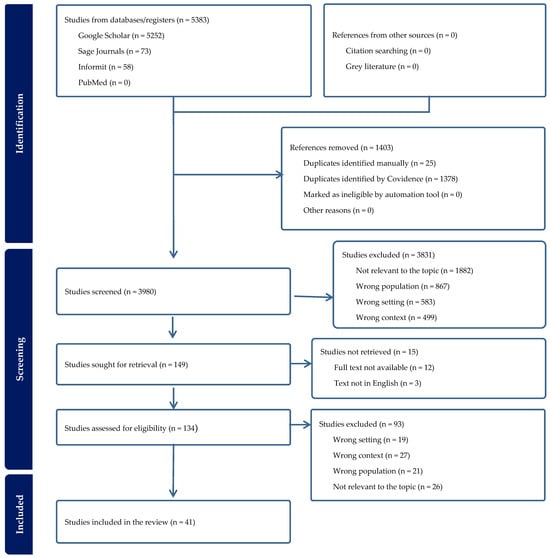
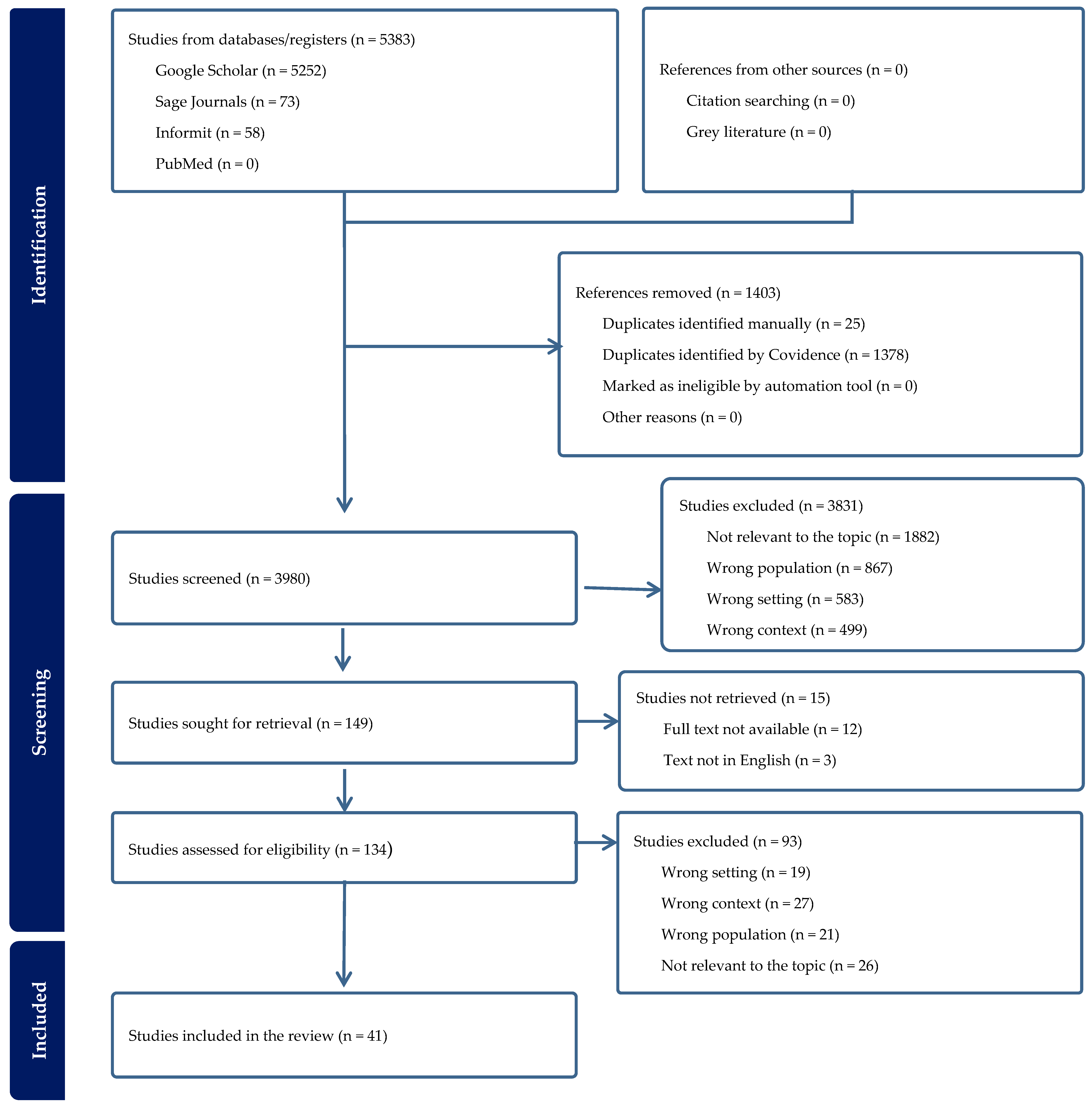

Disclaimer/Publisher’s Note: The statements, opinions and data contained in all publications are solely those of the individual author(s) and contributor(s) and not of MDPI and/or the editor(s). MDPI and/or the editor(s) disclaim responsibility for any injury to people or property resulting from any ideas, methods, instructions or products referred to in the content. |
© 2026 by the authors. Licensee MDPI, Basel, Switzerland. This article is an open access article distributed under the terms and conditions of the Creative Commons Attribution (CC BY) license.