


Abstract
In the pursuit of decarbonization and energy sustainability, hydrogen has emerged as an energy carrier with potential relevance to the energy transition. Its importance derives from advantages such as clean combustion, high energy density, and versatility compared with conventional fuels. Although numerous studies have investigated hydrogen production technologies and its role as the “energy of the future,” integrated analyses addressing production pathways, Technology Readiness Levels (TRLs), and its potential influence on the global energy sector remain limited. This study provides a descriptive synthesis of hydrogen as an energy carrier based on systematic bibliographic procedures and inductive and deductive analysis, examining its role in the energy transition, indicators of its consolidation, challenges, limitations, and prospects. The findings indicate that the contribution of hydrogen to decarbonization strongly depends on its production pathway. While green hydrogen offers significant potential for reducing greenhouse gas emissions, current hydrogen production remains predominantly dependent on fossil-based pathways. In addition, challenges throughout the hydrogen value chain, particularly in production, storage, transportation, and utilization, constrain overall efficiency and large-scale deployment. Technological advances and appropriate government policies may, however, support its consolidation as a key component of the energy transition.
1. Introduction
The increasing intensification of climate change and global warming has reinforced the need to transform energy systems that currently rely on fossil fuels. Since the Industrial Revolution, rising energy demand has been strongly associated with the use of coal, oil, and natural gas, contributing to global economic and technological development but also to increasing greenhouse gas (GHG) emissions. In response to this scenario, decarbonization of the energy sector has become a global priority, driven by international agreements and climate targets aimed at limiting the increase in global average temperature and reducing net carbon emissions over the coming decades [1,2,3].
In this context, the energy transition has been widely discussed as a strategy for progressively replacing fossil fuels with alternatives with lower environmental impacts [4]. Among the various options available, hydrogen has received increasing attention because of its ability to act as an energy carrier, enabling energy from different primary sources to be stored, transported, and converted. Furthermore, when produced through low-carbon pathways, hydrogen has the potential to contribute significantly to the decarbonization of sectors in which direct electrification faces technical or economic limitations, such as steelmaking, the chemical industry, heavy-duty transportation, and aviation [4,5,6].
Interest in hydrogen is not recent. Since the early studies involving water electrolysis and fuel cells, hydrogen has periodically been presented as a promising alternative for diversifying the energy mix and reducing dependence on fossil fuels. In recent decades, however, the combination of technological advances, the expansion of renewable energy sources, and global commitments to carbon neutrality has elevated hydrogen to a prominent position in the energy strategies of several countries and international organizations. Consequently, public and private investments have increasingly been directed toward the development of technologies for large-scale hydrogen production, storage, transportation, and utilization [4,7,8,9].
Despite this growing enthusiasm, the consolidation of hydrogen as one of the main pillars of the energy transition still faces significant challenges. Issues related to production costs, the overall energy efficiency of the value chain, storage, transportation, dedicated infrastructure, and technological maturity continue to constrain its large-scale adoption. Moreover, although green hydrogen is frequently identified as a strategic solution for decarbonization, most global hydrogen production remains based on fossil fuels, highlighting a gap between expectations surrounding hydrogen and the reality observed in the current energy landscape [10,11,12].
Although the literature contains a growing number of studies on specific hydrogen production, storage, and utilization technologies [13,14], reviews integrating technological, infrastructure, maturity, and market deployment aspects remain relevant. Such an integrated perspective can enable a critical assessment of the alignment between expectations for hydrogen and its current stage of development [4,11,15].
Accordingly, this article aims to critically analyze the role of hydrogen in the energy transition by discussing its main production pathways, advantages, limitations, Technology Readiness Levels, and development trends. Based on this approach, the study seeks to assess the extent to which expectations surrounding hydrogen as a strategic energy carrier are supported by currently available technological and operational conditions, while identifying the main factors that either facilitate or hinder its large-scale consolidation.
2. Materials and Methods
This study was conducted through a structured narrative literature review combined with a quantitative analysis of the evolution of global hydrogen demand. The approach was designed to critically assess the role of hydrogen in the energy transition by investigating not only its technological potential and future prospects, but also possible discrepancies between the expectations frequently associated with hydrogen and its actual evolution within global energy systems.
2.1. Literature Review Strategy
The literature review included scientific articles, literature reviews, books, technical reports, and institutional documents related to hydrogen and the energy transition. The databases consulted included Scopus, Web of Science, ScienceDirect, SciELO, and Google Scholar.
The literature search was conducted using combinations of keywords related to the study topic, including hydrogen, green hydrogen, hydrogen production, electrolysis, fuel cells, hydrogen economy, energy transition, decarbonization, and related terms. Documents published by international organizations were also considered, particularly those issued by the International Energy Agency (IEA), given its relevance to the development of global energy scenarios.
For the general review of the topic, publications from 2015 to 2026 were prioritized. For analyses addressing technological trends, market prospects, and the evolution of hydrogen’s role in the energy transition, studies published between 2020 and 2026 were prioritized to capture the most recent developments in the field. Classical works widely recognized in the literature were retained when considered fundamental to the historical or technological contextualization of the topic.
2.2. Study Selection Criteria
Approximately 250 bibliographic references were initially identified, including scientific articles, books, technical reports, and institutional documents. Following an assessment of thematic relevance, source quality, currency of information, and alignment with the objectives of the study, 115 references were selected for detailed analysis.
Studies addressing hydrogen production technologies, storage, transportation, energy utilization, technological maturity, performance assessment, implementation challenges, and future prospects for the hydrogen economy were included. Studies with limited relevance to the research objectives, redundant information, or insufficiently documented information were excluded from the final analysis.
2.3. Analytical Framework of the Review
The review was organized around the following central research question:
Is hydrogen meeting the expectations associated with its role in the energy transition?
To address this question, the manuscript was structured around three complementary levels of analysis.
The first level focuses on understanding the potential of hydrogen as an energy carrier, addressing its historical development, role in the energy transition, and the main production technologies currently available.
The second level examines the factors underlying the high expectations associated with hydrogen, including its ability to integrate with renewable energy sources, versatility of applications, decarbonization potential, and incorporation into international climate-neutrality scenarios.
The third level seeks to assess the gap between expectations and reality by analyzing the main technological, economic, and infrastructural challenges that constrain sectoral expansion, complemented by a quantitative assessment based on historical data on global hydrogen demand.
This framework enabled the integration of technological, environmental, economic, and strategic aspects into a single analytical narrative, allowing for a more comprehensive assessment of the role of hydrogen in the energy transition.
2.4. Technology Maturity Assessment
The main hydrogen production pathways identified in the literature were analyzed according to their stage of technological development. This assessment employed the framework based on Technology Readiness Levels (TRLs), which is widely used to classify technologies according to their degree of maturity and proximity to commercial application.
Although hydrogen has considerable potential as a clean energy carrier, its sustainability is intrinsically linked to the availability, integration, and expansion of renewable energy sources. The technological maturity of the hydrogen production pathways was assessed using the conventional nine-level Technology Readiness Level (TRL) framework, ranging from basic principles (TRL 1) to fully commercial systems (TRL 9). Established technologies, such as steam methane reforming and alkaline electrolysis, were analyzed alongside emerging pathways, including solid oxide electrolysis, methane pyrolysis, thermochemical cycles, and photochemical processes (Table 1).
Table 1.
Classification of the Technology Readiness Level (TRL) scale.
The classification of Technology Readiness Levels was based on information reported in the specialized literature, considering indicators related to technological maturity, operational stability, energy performance, and degree of commercial deployment of the technologies evaluated. The comparison of Technology Readiness Levels revealed relevant differences between the theoretical potential often attributed to certain technologies and their actual capacity for large-scale deployment.
2.5. Data Used in the Quantitative Analysis
The quantitative component of the study was based on historical global hydrogen demand data obtained from reports and databases provided by the International Energy Agency (IEA). Data on the evolution of global hydrogen demand and projections associated with international climate-neutrality scenarios were used.
In addition to observed historical data, prospective scenarios presented by the IEA were considered, particularly those associated with Net Zero Emissions Scenarios, which were used as a reference for comparison with the historical trends identified [17,18,19,20,21].
These data enabled an assessment of whether the current rate of global demand growth is consistent with the levels of expansion frequently assumed in long-term decarbonization scenarios.
2.6. Analysis of Global Hydrogen Demand Trends Using Polynomial Regression
To quantitatively characterize the evolution of global hydrogen demand, a polynomial regression analysis was performed using annual historical data provided by the International Energy Agency (IEA). Global demand values for the period from 1975 to 2025 were considered, corresponding to the most recent data available at the time of this study.
Statistical analyses were conducted using Minitab® Version 17, with time, represented by the year of observation (t), as the independent variable and global hydrogen demand (D), expressed in million tonnes (Mt H2), as the dependent variable. The polynomial model used is described by:
where
D(t) = a + bt + ct2 + dt3
- D(t) represents global hydrogen demand (Mt H2);
- t represents the reference year;
- a corresponds to the regression intercept;
- b, c, and d correspond to the regression coefficients associated with the first-, second-, and third-degree terms, respectively.
The goodness of fit was assessed using the coefficient of determination (R2), the residual standard deviation (S), and the significance test of the slope coefficient, based on the model p-value. Following model fitting, the resulting equation was used to describe the observed historical trend and to generate exploratory projections of global hydrogen demand, assuming continuity of the observed trend over the analyzed horizon.
Although polynomial models do not capture the full complexity of hydrogen market dynamics, their use allows the average growth trend observed over the study period to be quantified and provides a statistical reference for analyzing the evolution of hydrogen demand.
2.7. Compound Annual Growth Rate (CAGR)
To complement the trend analysis obtained through polynomial regression, the Compound Annual Growth Rate (CAGR) was calculated. CAGR is widely used to quantify the average annual growth rate of a variable over a given time interval. The CAGR was calculated directly from the initial and final values of the historical global hydrogen demand series provided by the International Energy Agency (IEA), using the following expression:
where Vi represents the initial value of the series, Vf the final value, and n the number of years considered.
Subsequently, the historical growth rate obtained was compared with the average growth rate implicit in the IEA Net Zero Emissions by 2030 (NZE) scenario, calculated using the same expression and the projected demand values for the corresponding period. This comparison enabled a quantitative assessment of the difference between the growth rate actually observed and that required to reach the demand levels projected in international climate-neutrality scenarios.
Considering that different energy carriers are often reported in different units in the sources consulted, the comparisons performed in this study prioritized relative growth indicators, thereby maintaining consistency across the different databases used.
2.8. Methodological Limitations
Although the approach adopted enables the integration of qualitative and quantitative evidence on the role of hydrogen in the energy transition, several limitations should be acknowledged.
The literature review has a structured narrative nature and therefore does not follow the formal protocols of systematic reviews or meta-analyses. In addition, the quantitative analysis is based primarily on aggregated global demand data provided by international organizations.
Furthermore, the polynomial regression used is exploratory in nature and assumes the continuation of the historical trends observed. Disruptive technological changes, regulatory changes, future public policies, or significant transformations in energy markets are not explicitly incorporated into the model.
Despite these limitations, the combination of the literature review, Technology Readiness Level assessment, and quantitative evaluation of global trends provides a robust basis for critically discussing the gap between expectations and the actual development of hydrogen in the energy transition.
3. Hydrogen as an Energy Carrier: From Historical Promise to a Strategic Role in the Energy Transition
3.1. Historical Evolution of Hydrogen as an Energy Carrier
Hydrogen is the most abundant chemical element in the universe; however, it is rarely found in significant quantities in its free molecular form on Earth. In most cases, it is bound to other elements in substances such as water, hydrocarbons, and organic compounds. Consequently, its use for energy purposes requires the prior input of energy to obtain it from these sources, a characteristic that underpins its classification as an energy carrier rather than a primary energy source [22,23,24].
Recent advances in the exploration of naturally occurring geological hydrogen (also referred to as white or natural hydrogen) have introduced an additional perspective to this classification. Unlike hydrogen produced from other primary energy sources, natural hydrogen may potentially constitute a primary energy resource itself. Although recent discoveries and exploration activities have increased interest in this pathway, economically recoverable resources remain uncertain and large-scale commercial exploitation has yet to be demonstrated [25].
Hydrogen has been the subject of scientific and technological interest for more than two centuries. The earliest applications related to its use for energy purposes date back to the nineteenth century, when experiments involving water electrolysis and fuel cells demonstrated the possibility of efficiently converting chemical energy into electricity [4,5,7,8].
Throughout the twentieth century, hydrogen became an important industrial feedstock, being widely used in ammonia production, petroleum refining, and chemical synthesis [19,26]. However, its use as an energy carrier remained limited due to the widespread availability and economic competitiveness of fossil fuels, as well as technological challenges associated with its storage and transportation [26]. Only in recent decades, driven by concerns about climate change and energy security, has hydrogen regained prominence in discussions about the future of energy systems [19,27,28].
The growing need to reduce greenhouse gas emissions has led governments, research institutions, and international organizations to reconsider the role of hydrogen as a strategic element of the energy transition. In this context, hydrogen has come to be viewed not only as an industrial feedstock but also as a potential link integrating the electricity, industrial, and transportation sectors [4,15].
3.2. The Role of Hydrogen in the Energy Transition
The global energy transition has been driven by the need to reduce dependence on fossil fuels and mitigate the impacts of climate change. Various international scenarios indicate that direct electrification will play a central role in this process; however, certain economic sectors face technical limitations that hinder their complete electrification. In such cases, hydrogen emerges as a complementary option capable of expanding decarbonization pathways [5,22].
One of the main advantages of hydrogen is its ability to act as an energy carrier, storing energy produced from renewable sources and enabling its subsequent use in different applications. This characteristic is particularly relevant in systems with a high share of intermittent sources, such as solar and wind energy, as it can contribute to increasing operational flexibility and the stability of energy systems [15,23].
In addition to energy storage, hydrogen has the potential to reduce emissions in sectors considered difficult to decarbonize, including steelmaking, fertilizer production, maritime transportation, aviation, and heavy-duty road transportation. In many of these segments, current limitations of battery technologies make hydrogen one of the promising alternatives for achieving climate-neutrality targets [5,29].
The growing interest in hydrogen can be observed in the expansion of national strategies aimed at developing low-carbon value chains. Several countries have established specific programs for hydrogen production, transportation, storage, and utilization, recognizing its potential to simultaneously contribute to energy security, industrial competitiveness, and reductions in greenhouse gas emissions [9,26].
Despite these favorable prospects, the effective consolidation of hydrogen as an energy carrier depends on overcoming technical, economic, and infrastructural challenges that still constrain its large-scale expansion. Understanding these limitations is essential for realistically assessing the role hydrogen may play in future low-carbon energy systems, a topic examined in greater depth in the subsequent sections.
4. Why Are Expectations for Hydrogen So High?
The growing prominence of hydrogen in energy transition debates does not stem from a single technological characteristic but rather from a combination of attributes that distinguish it from currently available energy alternatives. Its high energy density, capacity to store renewable energy, versatility of applications, and potential to decarbonize sectors that are difficult to electrify have contributed to the perception that hydrogen may play a strategic role in future low-carbon energy systems [4,15].
Beyond its technical advantages, the increasing incorporation of hydrogen into international climate-neutrality scenarios and government strategies has reinforced expectations regarding its future expansion. As a result, hydrogen has assumed a central position in several technological roadmaps aimed at reducing global greenhouse gas emissions [10,15].
4.1. Technological and Energy Attributes
One of the characteristics most frequently identified as an advantage of hydrogen is its high gravimetric energy density. Compared with conventional fossil fuels, hydrogen has one of the highest amounts of energy per unit of mass, making it particularly attractive for applications in which weight reduction is an important consideration [15,22].
This property expands its potential use in sectors such as heavy-duty transportation, aviation, and specific industrial applications, where mass-related limitations associated with other forms of energy storage may represent significant obstacles. Consequently, hydrogen’s high energy density contributes to its recurrent inclusion in long-term energy scenarios [22].
Although hydrogen has a remarkably high gravimetric energy density, this advantage alone does not determine its competitiveness as an energy carrier. Its practical performance depends on the complete energy chain, including production, compression or liquefaction, storage, transportation, and final conversion. Therefore, the relevance of hydrogen to the energy transition should be assessed at the system level rather than solely on the basis of its specific energy.
Another factor frequently highlighted is hydrogen’s ability to act as an energy storage carrier. The rapid expansion of solar and wind energy has brought important benefits for reducing global emissions but has also highlighted challenges associated with the variability of electricity generation. In this context, hydrogen has increasingly been considered a solution capable of enhancing the flexibility of energy systems by storing renewable electricity surpluses [4,23].
Through electrolysis, electricity generated during periods of high renewable generation can be converted into hydrogen and stored for subsequent use. This characteristic enables greater integration among different components of the energy system, reduces losses associated with the curtailment of generation surpluses, and enhances the reliability of energy supply in systems with a high share of intermittent sources [4,15].
In addition, hydrogen offers considerable versatility of use. Unlike many energy technologies developed for specific applications, it can be used across several economic sectors, including electricity generation, transportation, the chemical industry, steelmaking, and energy storage [4,15]. In the energy sector, it can be used in fuel cells to generate electricity; in industry, it plays an important role as a feedstock for chemical synthesis and fertilizer production; and it can also be converted into energy derivatives, such as ammonia and synthetic fuels, further expanding its range of applications [5,15].
This ability to connect different sectors of the economy contributes to hydrogen’s frequent characterization as an energy carrier capable of integrating energy production, storage, and consumption. Taking together, these technological and energy-related attributes explain why hydrogen is frequently identified as one of the key enablers of the transition toward low-carbon energy systems [4].
4.2. The Emergence of the Gap Between Expectations and Reality
In this study, the expectation–reality gap refers to the divergence between the prominent role frequently attributed to hydrogen in energy-transition scenarios and its current level of technological deployment, infrastructure availability, economic competitiveness, and market penetration.
The technological, energy-related, and environmental attributes discussed above explain why hydrogen has assumed a prominent position in energy transition debates. In various prospective scenarios, hydrogen is frequently presented as a key element for achieving climate-neutrality targets, integrating renewable energy sources, decarbonizing industrial sectors, and reducing dependence on fossil fuels.
However, the consolidation of this vision still faces significant challenges. Despite growing political, economic, and scientific interest, several obstacles continue to constrain the large-scale expansion of hydrogen. These include the high costs associated with certain production pathways, the need for dedicated storage and transportation infrastructure, limitations related to the availability of renewable energy, and the different levels of technological maturity observed among currently available pathways.
Thus, high expectations coexist with persistent limitations. While public policies, private investments, and energy scenarios assign hydrogen to an increasingly important role, its large-scale deployment still depends on overcoming significant technological, economic, and infrastructural bottlenecks.
This tension between potential and reality constitutes the central focus of the contemporary debate on hydrogen. Understanding this apparent divergence requires analyzing not only the promises associated with hydrogen but also the characteristics of available technologies, their sustainability, and the challenges that condition their effective contribution to the global energy transition, topics addressed in the following sections.
5. Hydrogen Production Technologies: Potential and Maturity
Hydrogen can be produced through different technological pathways that vary substantially in terms of feedstock, technological maturity, energy efficiency, carbon intensity, infrastructure requirements, and potential for large-scale deployment [4,15]. These differences are particularly relevant to the present study because the future contribution of hydrogen to the energy transition depends not only on the technical feasibility of its production, but also on the maturity and scalability of the available pathways.
Currently established technologies occupy very different positions in relation to sustainability and technological maturity. Steam methane reforming remains the most established pathway for commercial hydrogen production, supported by mature infrastructure, high technological readiness, and comparatively competitive production costs [25,30]. However, its dependence on fossil feedstocks and associated carbon dioxide emissions limits its contribution to decarbonization unless effective carbon-mitigation measures are incorporated. This illustrates one of the central contradictions of the contemporary hydrogen economy: the most mature and widely deployed production pathway is not necessarily the one most closely aligned with climate-neutrality objectives.
Water electrolysis represents the main technological alternative for producing low-carbon hydrogen when powered by renewable electricity. Among the principal electrolysis technologies, alkaline electrolysis is already commercially mature, while proton exchange membrane electrolysis is also at an advanced stage of development. Solid oxide electrolysis remains less mature but offers potential efficiency advantages, particularly when integrated with high-temperature heat sources [4,8,22]. Despite this technological progress, renewable-powered electrolysis still accounts for a relatively limited share of current hydrogen production and remains strongly dependent on electricity costs, renewable-energy availability, electrolyzer investment, and supporting infrastructure [4,15].
Other production pathways exhibit greater heterogeneity in technological maturity and deployment potential. Steam ethanol reforming may be particularly relevant in regions with established biofuel infrastructure, although its large-scale applicability is geographically dependent [31,32]. Biomass conversion technologies range from relatively mature gasification processes to biochemical routes that remain at earlier stages of development and continue to face challenges related to productivity, feedstock availability, logistics, and scalability [33,34,35,36]. Dry methane reforming offers the advantage of simultaneously utilizing methane and carbon dioxide, but catalyst deactivation, coke formation, and high energy requirements still limit its broader commercial implementation [37,38,39].
Emerging pathways, including methane pyrolysis, thermochemical cycles, and photochemical hydrogen production, further illustrate the difference between technological potential and current deployment. Methane pyrolysis may reduce direct carbon dioxide emissions by producing solid carbon, but challenges related to energy consumption, reactor stability, carbon management, and economic feasibility remain [40,41]. Thermochemical cycles offer potential efficiency advantages but continue to be constrained by high operating temperatures, materials requirements, corrosion, and system complexity [42,43]. Photochemical processes provide an attractive route for directly converting solar energy into chemical energy, although limited conversion efficiency, material durability, operational stability, and industrial scalability currently restrict their practical application [12,29].
The comparison of these pathways demonstrates that technological maturity and environmental performance do not necessarily evolve simultaneously. Established technologies benefit from accumulated operational experience, infrastructure, and commercial reliability, whereas several pathways considered more compatible with long-term decarbonization remain dependent on further improvements in efficiency, durability, scalability, and cost reduction [8,15]. Consequently, part of the expectation–reality gap surrounding hydrogen arises from the fact that some of the technologies expected to support future low-carbon energy systems have not yet achieved the same level of commercial maturity and deployment as conventional fossil-based production routes.
Therefore, the consolidation of the hydrogen economy will depend not only on the development of new production technologies, but also on transforming technically promising pathways into economically competitive, scalable, and operationally robust alternatives. This technological heterogeneity helps explain why the large-scale expansion of low-carbon hydrogen remains slower than suggested by some of the most ambitious energy-transition scenarios.
6. Hydrogen Classification and Production Sustainability
The environmental contribution of hydrogen to the energy transition depends directly on the technological pathway employed for its production. Although hydrogen is frequently associated with the concept of a clean energy carrier, its sustainability cannot be assessed independently of the emissions generated throughout its production chain. Therefore, the origin of the energy used, indirect emissions, and the environmental impacts associated with production, transportation, storage, and final use must be considered when assessing its effective contribution to decarbonization [10,15,28].
Color-based classifications have become widely used in the scientific literature, government documents, and national hydrogen strategies as a simplified means of distinguishing production pathways according to their energy sources and environmental characteristics. However, this nomenclature primarily serves as a communication tool rather than a standardized method for environmental assessment [15,44]. Production processes grouped under the same color designation may exhibit substantially different carbon intensities, depending on the energy source, process efficiency, carbon capture performance, and other characteristics of the production chain.
Moreover, color-based classification does not adequately account for factors such as energy efficiency, water consumption, natural-resource availability, land use, or other life-cycle environmental impacts. Consequently, quantitative carbon-intensity metrics, expressed as CO2-equivalent emissions per unit of hydrogen produced, provide a more consistent basis for comparing production pathways and assessing their actual contribution to decarbonization [15,28,45]. This distinction is particularly important because increasing hydrogen production or consumption does not automatically result in climate benefits when the hydrogen is obtained through carbon-intensive pathways.
Production sustainability is therefore one of the determining factors in defining the future role of hydrogen in the energy transition. As international emission-reduction commitments become increasingly stringent, expanding low-carbon hydrogen production has become increasingly important. In this context, electrolysis powered by renewable energy, together with the development of advanced production technologies and certification systems for low-emission hydrogen, represents an important pathway toward the consolidation of a more sustainable hydrogen economy [4,10,28,45].
However, the pace of this transition will depend not only on technological development but also on the availability of renewable electricity, reductions in production costs, infrastructure expansion, and the implementation of public policies capable of establishing transparent criteria for certifying hydrogen carbon intensity [10]. These conditions demonstrate that the sustainability of the hydrogen economy cannot be evaluated solely on the basis of the technological feasibility of hydrogen production.
The existence of production pathways with substantially different environmental impacts therefore constitutes an important component of the expectation–reality gap examined in this study. While hydrogen is frequently associated with long-term decarbonization strategies, its effective climate contribution depends on the progressive replacement of carbon-intensive production by economically viable, scalable, and genuinely low-carbon alternatives. Thus, the expansion of hydrogen use alone does not guarantee decarbonization; its contribution to the energy transition ultimately depends on how hydrogen is produced and on the environmental performance of the entire supply chain [15].
7. The Gap Between Expectations and Reality
The previous sections have demonstrated that hydrogen possesses characteristics capable of justifying its growing prominence in energy transition scenarios. Its high gravimetric energy density, ability to integrate with renewable energy sources, versatility of applications, and potential to decarbonize hard-to-electrify sectors explain the high expectations associated with its development. However, the realization of these expectations depends on overcoming technological, economic, infrastructural, and institutional challenges that continue to constrain its large-scale deployment [4,10,15,27,46].
In other words, the same attributes that underpin the expectations presented in Section 4 also depend on the consolidation of technologies and infrastructure that still face significant implementation barriers. This difference between potential and practical deployment constitutes one of the main contemporary discussions concerning the role of hydrogen in the global energy transition.
7.1. The Hydrogen Paradox
Few energy technologies have simultaneously received as much political support, scientific interest, and industrial attention as hydrogen has in recent decades. National hydrogen strategies, funding programs, and policy initiatives have been introduced worldwide to promote the development of low-emission hydrogen supply chains and support their integration into future energy systems [10,15,47].
However, this growing institutional and technological interest contrasts sharply with the current structure of global hydrogen production. Despite the ambitions associated with hydrogen in decarbonization strategies, global production remains predominantly dependent on fossil-fuel-based pathways, particularly natural gas reforming and coal-based processes, whereas low-emission hydrogen still represents only a small fraction of total production [10,28]. This distinction is particularly important because the expansion of hydrogen use does not necessarily imply a corresponding reduction in greenhouse gas emissions when production remains dependent on unabated fossil fuels.
This contrast constitutes what can be termed the hydrogen paradox: hydrogen is increasingly positioned as an important component of future low-carbon energy systems, while its present production structure remains largely associated with fossil resources. Rather than diminishing the relevance of hydrogen to the energy transition, this discrepancy illustrates one of the central dimensions of the expectation–reality gap examined in this study. The challenge is therefore not simply to expand hydrogen production and consumption, but to progressively shift its production toward economically competitive, scalable, and genuinely low-emission pathways.
7.2. Production Costs and Economic Competitiveness
Production costs remain one of the main factors limiting the expansion of the hydrogen economy. Although technologies such as electrolysis have undergone significant advances in recent years, their costs remain higher than those of conventional fossil-fuel-based pathways in many international markets [5,9].
In addition to electricity costs, several production processes depend on advanced catalytic materials and energy-intensive operating conditions. In thermochemical pathways, high reaction temperatures may be required to achieve adequate conversion levels, while electrochemical processes frequently require overpotentials above the ideal thermodynamic values. These factors increase operating costs and contribute to reducing the economic competitiveness of several emerging hydrogen production technologies [30,48,49].
Additionally, transition-metal-based catalysts, although more economically accessible, may undergo carbon deposition and sintering processes at high temperatures, reducing their lifetime and efficiency. Conversely, catalysts containing noble metals exhibit greater operational stability but significantly increase process costs. Consequently, the development of more efficient and economically viable catalytic materials remains one of the main technological challenges associated with hydrogen production [30,32].
In the case of green hydrogen, economic competitiveness depends heavily on the cost of renewable electricity and the investments required to deploy electrolyzers. As a result, the economic feasibility of projects varies significantly across different regions of the world, reflecting differences in energy costs, availability of renewable resources, and financing conditions [17,27,50,51].
Furthermore, even under scenarios of continued reductions in technology costs, hydrogen competitiveness remains strongly influenced by public policies, carbon-pricing mechanisms, and government incentives capable of reducing the initial economic barriers to the adoption of new technologies [52].
7.3. Storage Challenges
Although hydrogen has a high gravimetric energy density (120–141.9 MJ kg−1), it has a low volumetric energy density under ambient conditions. Gaseous hydrogen has an energy density of approximately 10.8 MJ m−3, significantly lower than that of fuels such as methane (35.8 MJ m−3) and gasoline (approximately 32 MJ L−1) [53]. This characteristic poses significant challenges for efficient hydrogen storage and constitutes one of the main limitations to its widespread use as an energy carrier.
To increase its volumetric energy density, strategies such as high-pressure compression (250–700 bar), cryogenic liquefaction (−253 °C), and storage in solid materials, such as metal hydrides and nanostructured materials, are commonly employed. However, all these solutions involve additional energy costs, greater technological complexity, and specific operational challenges [53].
In many cases, storage represents a significant share of the total costs of the hydrogen supply chain and remains one of the main factors limiting its large-scale expansion.
In addition to challenges related to volumetric energy density, different storage technologies exhibit important differences in terms of technological maturity, energy efficiency, and operational complexity. High-pressure compression and cryogenic liquefaction systems have already achieved high levels of technological readiness and widespread commercial use, although they remain associated with significant energy losses during compression, liquefaction, and maintenance of storage conditions. Conversely, technologies based on metal hydrides and nanostructured materials have the potential to increase hydrogen storage density but remain at intermediate stages of technological development.
This trade-off between technological maturity and storage performance represents an important component of the expectation–reality gap. While commercially established storage technologies still involve significant energy penalties, potentially higher-performance alternatives have not yet achieved comparable technological maturity and large-scale deployment.
7.4. Hydrogen Transportation Challenges
The transportation of hydrogen presents additional difficulties associated with the physicochemical properties of the gas and the need for specialized infrastructure. The small molecular size of hydrogen favors permeation and material embrittlement phenomena, requiring specific solutions to ensure operational safety and minimize losses [51,54].
Hydrogen exhibits a high capacity for diffusion through various metallic materials, including steels, nickel alloys, aluminum, and titanium. This phenomenon can reduce the mechanical strength of materials and promote the initiation and propagation of microcracks, a process known as hydrogen embrittlement, increasing the risk of leaks and compromising the operational safety of storage and transportation systems [51,54].
Available alternatives include dedicated pipelines, blending with natural gas in existing networks, road transportation, maritime transportation, and the use of intermediate energy carriers, such as ammonia and liquid organic hydrogen carriers (LOHCs). Although technically feasible, these alternatives often involve additional costs and energy losses associated with conversion and reconversion stages [5,17].
The expansion of international hydrogen markets will depend directly on the ability to develop efficient logistics systems capable of connecting producing and consuming regions on a global scale.
Despite the technological maturity of several transportation options, hydrogen logistics remains constrained by infrastructure requirements, energy losses, costs, and technical and regulatory limitations. These constraints are particularly relevant to the development of large-scale and international hydrogen markets, reinforcing the gap between the anticipated expansion of hydrogen and the infrastructure currently available to support its deployment.
7.5. Infrastructure and Scalability
The deployment of a hydrogen-based economy requires substantial infrastructure investments. Production, storage, transportation, distribution, and end-use facilities need to be developed in a coordinated manner to enable the sustainable expansion of the sector [15,52,55,56].
This process involves a classic coordination challenge: demand for hydrogen tends to grow only when the necessary infrastructure is available, while infrastructure investments depend on sufficient demand to justify their implementation.
Consequently, infrastructure represents one of the main factors responsible for the gap between the theoretical potential frequently attributed to hydrogen and its effective large-scale deployment.
7.6. Energy Efficiency of the Hydrogen Chain
Another frequently discussed limitation concerns the overall energy efficiency of the hydrogen chain. Unlike direct electrification, hydrogen utilization typically involves multiple energy conversion stages, including production, compression or liquefaction, storage, transportation, and final conversion into useful energy [4].
Each of these stages is associated with unavoidable energy losses, reducing the overall efficiency of the system. During production, losses may occur due to thermodynamic limitations, electrochemical overpotentials, heat transfer, and hydrogen separation and purification processes. During storage, compression and liquefaction require additional energy consumption, while losses may occur through evaporation, permeation, and the maintenance of cryogenic conditions. During transportation, the need for recompression, refrigeration, and leak mitigation further reduces the overall efficiency of the chain [14,52,57].
As a consequence, only part of the energy initially invested in hydrogen production is effectively recovered during its final use. For this reason, several studies argue that hydrogen should be primarily directed toward applications in which more efficient alternatives are not technically or economically viable [4,14,58].
This observation does not diminish the strategic importance of hydrogen but reinforces the need to identify the sectors in which its use can generate the greatest environmental and economic benefits.
Although energy losses occur throughout the hydrogen value chain, the final conversion stage directly influences the fraction of energy recovered for useful applications. Fuel-cell technologies can achieve relatively high electrical efficiencies, particularly in stationary applications, whereas combustion-based pathways generally exhibit lower conversion efficiencies. For systems incorporating heat recovery or hybrid configurations, overall efficiencies may be substantially higher than electrical efficiencies alone. Table 2 summarizes representative performance indicators for the main hydrogen energy conversion technologies.
Table 2.
Technological maturity and efficiency of the main hydrogen energy conversion technologies.
The comparison in Table 1 highlights the importance of distinguishing electrical efficiency from overall system efficiency. Fuel-cell technologies can achieve high electrical efficiencies, while hybridization and heat recovery can further increase overall energy utilization. In contrast, direct hydrogen combustion generally offers lower conversion efficiency, although its performance depends strongly on the specific application and system configuration. Therefore, technological maturity alone does not determine the energetic performance of a hydrogen conversion pathway, and consistent system boundaries are essential when comparing alternative technologies.
7.7. Dependence on the Expansion of Renewable Energy
The expansion of low-emission hydrogen is directly related to the availability of renewable energy on a large scale. The production of green hydrogen through electrolysis requires significant amounts of renewable electricity, creating a strong interdependence between the development of renewable energy and the expansion of the hydrogen economy [4,15,26,28,44,45].
This relationship implies that part of the future success of hydrogen will depend on the ability of energy systems to rapidly expand renewable generation. At the same time, growing electricity demand for the direct electrification of various sectors may increase competition for available renewable energy resources, particularly under scenarios of rapidly expanding energy demand.
Therefore, the future trajectory of hydrogen depends not only on advances in its specific technologies, but also on the overall pace of the global energy transition.
7.8. Technological Maturity Along the Hydrogen Chain
Technical and academic research such as [54,55,56,57,58,59] demonstrate that technological maturity does not evolve homogeneously throughout the hydrogen chain. While some technologies are already fully commercialized, others remain at intermediate stages of development, particularly those associated with high-density storage and emerging conversion pathways.
This heterogeneity implies that the consolidation of the hydrogen economy depends on the simultaneous development of different components of the value chain, rather than solely on the maturity of production technologies.
Thus, commercially available technologies do not, by themselves, guarantee widespread adoption, since economic, regulatory, and infrastructural factors continue to limit their diffusion.
7.9. Synthesis of the Gap Between Expectations and Reality
The analysis developed in this section demonstrates that the gap between the expectations projected for hydrogen and its current stage of development does not result from a lack of technological potential. On the contrary, the evidence discussed throughout this review shows that hydrogen possesses characteristics capable of significantly contributing to the decarbonization of energy systems, particularly through its ability to integrate renewable energy sources, reduce emissions in hard-to-electrify sectors, and increase the flexibility of energy systems [4,5,15,26,45].
However, the consolidation of this potential still depends on overcoming important barriers related to production, storage, and transportation costs; infrastructure availability; the energy efficiency of different production pathways; and varying levels of technological maturity. Consequently, there is a gap between the strategic role attributed to hydrogen in long-term scenarios and its actual participation in the current energy mix and global market [10,26,44,52].
This finding does not invalidate the long-term prospects for hydrogen. On the contrary, it indicates that its contribution to the energy transition is likely to occur gradually and will be conditioned on the simultaneous advancement of technological innovations, cost reductions, infrastructure expansion, availability of low-carbon-intensity electricity, and implementation of consistent public policies [10,15].
Thus, the main conclusion of this review is that the contemporary challenge has shifted from demonstrating the technical feasibility of the different hydrogen production pathways, which is widely documented in the literature, toward addressing the systemic feasibility of their large-scale implementation. The pace at which this transition will occur will depend on the ability to integrate economic competitiveness, adequate infrastructure, regulatory certainty, and environmental sustainability into a sufficiently robust production chain to support the expansion of the hydrogen economy [10,61,62].
8. Is Hydrogen Living Up to Expectations?
The previous sections have demonstrated that hydrogen possesses sound technical foundations for playing a relevant role in the energy transition. It has also been shown that various technological, economic, and infrastructural challenges continue to limit its large-scale expansion. However, a definitive assessment of the gap between expectations and reality requires the analysis of quantitative data capable of comparing the actual evolution of global demand with the trajectories projected by the main international decarbonization scenarios.
This section seeks to answer the central question of this study through an analysis of the historical evolution of global hydrogen demand, a statistical assessment of its growth trends, and a comparison between the observed results and the Net Zero scenarios proposed by the International Energy Agency (IEA).
8.1. The Current Role of Hydrogen in the Global Energy Economy
Hydrogen occupies an increasingly prominent position in discussions related to energy security, industrial decarbonization, and the integration of renewable energy sources. Its strategic relevance is recognized by governments, companies, and international organizations, particularly in sectors considered difficult to electrify, such as steelmaking, maritime transportation, aviation, and the chemical industry [9,15,26,61,62].
Despite this growing prominence, the current structure of the global hydrogen market remains strongly associated with conventional pathways based on fossil fuels. The share of low-emission hydrogen remains relatively limited compared with the total volume consumed globally, demonstrating that the transformation of the hydrogen economy is still under development [17,28].
This situation reinforces the need to assess not only the technological potential of hydrogen, but also its actual growth trajectory.
Although interest in hydrogen has increased significantly in recent years, its consumption remains concentrated in traditional industrial applications, such as oil refining, ammonia production, and methanol synthesis. Its direct participation as an energy carrier in the global energy mix remains relatively modest, particularly when compared with electricity from renewable sources and fossil fuels, demonstrating that its current influence remains below that frequently projected in long-term scenarios [9,10,28,62].
8.2. Quantitative Evidence of the Evolution of Global Demand
Analysis of historical global hydrogen demand data reveals a consistent growth trajectory in recent years. As described in Section 2.6, a polynomial regression model was fitted to the annual global demand data provided by the International Energy Agency (IEA). Table 3 presents the observed values for the period from 1975 to 2025.
Table 3.
Global hydrogen demand between 1975 and 2025.
Applying Equation (1) to the data in Table 2, the following was obtained:
where t ≥ 1975 years.
D(t) = −4,552,928.065 + 6868.503365 ∙ t − 3.454447254 ∙ t2 + 0.00057922 ∙ t3
The slope coefficient indicates an average growth of approximately 3.547 million tonnes of hydrogen per year, demonstrating a continuous expansion of global demand during the analyzed period.
The regression results yielded a coefficient of determination of R2 = 99.56%, indicating an excellent fit of the model to the observed data. The residual standard deviation (S = 2.24 Mt) and the low significance value (p < 0.025) reinforce that the observed upward trend is statistically significant and cannot be attributed to random fluctuations.
Although the exploratory historical series is relatively short, the results corroborate the evidence presented throughout this review that global hydrogen demand has been increasing consistently, driven primarily by the expansion of traditional industrial applications and the gradual growth of investments in low-carbon technologies [10].
Figure 1 presents a comparison between the historical values, the exploratory polynomial model, and the estimated values. The high degree of agreement between the exploratory model and the historical data demonstrates that global demand maintained an upward trajectory throughout the analyzed period, providing quantitative support for the expansion trend discussed in the previous sections.
Figure 1.
Historical evolution of global hydrogen demand and polynomial trend fitting. Source: Prepared by the authors using data from IEA [10].
Despite the statistically significant growth trend, the average rate observed in the historical series remains below the rate of expansion required to meet international climate-neutrality scenarios. This difference reinforces the main conclusion of this review: although the hydrogen economy is effectively expanding, its rate of development remains lower than that frequently assumed in long-term prospective scenarios.
8.3. Observed Growth Versus Required Growth
Although the polynomial regression results indicate a consistent growth trajectory in global hydrogen demand, comparison with international net-zero scenarios reveals that the growth rate currently observed remains below that required to achieve the decarbonization targets proposed by the International Energy Agency.
Applying Equation (2) to the historical data presented in Table 3 resulted in a Compound Annual Growth Rate (CAGR) of approximately 3.547% per year for the period from 1975 to 2030. In contrast, applying the same methodology to the projected values under the Net Zero Emissions by 2030 (NZE) scenario yields an average growth rate of approximately 3.886% per year, indicating that global demand would need to accelerate relative to the currently observed rate to reach the levels projected by the IEA [26,27,46].
This difference becomes even more evident when comparing the projections obtained from the exploratory regression model fitted in this study with those published by the IEA. If the historical trend represented by Equation (3) is maintained, global hydrogen demand is estimated to reach approximately 122.82 Mt H2 by 2030. In contrast, the IEA’s Net Zero scenario projects demand of approximately 147.8 Mt H2 for the same year [26,27,46,64].
Consequently, an absolute difference of approximately 24.98 Mt H2 is observed, corresponding to a deficit of approximately 16.899% relative to the demand projected by the IEA under the net-zero scenario.
Table 4 summarizes the comparison between historical growth, the projections obtained from the polynomial regression, and the values projected under the IEA’s Net Zero scenario.
Table 4.
Comparison between historical growth and the IEA Net Zero scenario.
The results demonstrate that, although global hydrogen demand exhibits statistically significant growth, the continuation of the historical trend is not sufficient to reach the levels of expansion assumed in international net-zero scenarios. This difference arises because the IEA projections incorporate assumptions related to stronger public policies, reductions in technology costs, infrastructure expansion, increased availability of low-carbon-intensity electricity, and the strengthening of hydrogen consumer markets. In contrast, the linear regression fitted in this study represents only an extrapolation of the observed historical trend, without accounting for structural changes capable of accelerating demand growth.
8.4. Is Hydrogen Meeting Expectations?
The results obtained allow a more objective answer to the central question of this study.
From a historical perspective, hydrogen is effectively meeting part of the expectations associated with its development. Global demand exhibits statistically significant growth, the regression demonstrates a strong expansion trend, and governmental and industrial interest in the sector continues to increase across several regions of the world [26,27,44,46,61,62].
However, when compared with more ambitious energy-transition scenarios, the results indicate that the current growth rate remains insufficient. The difference between the historical CAGR (3.547%) and the CAGR required by the IEA scenarios (3.886%) suggests that the rate of expansion of the hydrogen economy would need to accelerate to follow trajectories compatible with global net-zero objectives [21,46].
This conclusion does not imply that hydrogen is failing as an energy carrier. On the contrary, the results demonstrate consistent growth, increasing strategic relevance, and significant potential for future expansion. What the data reveal is the existence of a measurable gap between the currently observed rate of growth and that implicitly assumed by many prospective scenarios.
In other words, hydrogen is partially meeting expectations. Its growth is real, statistically robust, and consistent with a long-term expansion trajectory. However, the pace of this expansion remains below that required for hydrogen to play, in the short and medium term, the central role frequently attributed to it in Net Zero scenarios.
8.5. Implications for Energy Transition
The results presented have important implications for energy planning and public policy formulation. First, they suggest that simply maintaining current trends may not be sufficient to achieve the levels of hydrogen adoption considered necessary to meet international climate targets.
Second, they reinforce the importance of policies aimed at reducing production costs, expanding infrastructure, advancing technological development, and stimulating demand for low-emission hydrogen. Without significant progress in these areas, the gap between observed and required growth may persist over the coming decades [9,28,62].
Finally, the results indicate that hydrogen’s future contribution to the energy transition will depend less on its technological potential, which is widely recognized, and more on the ability to translate this potential into effective deployment at a global scale.
In this context, the results reinforce that hydrogen should be understood as a complementary vector to other decarbonization strategies, particularly direct electrification. Its greatest potential lies in applications where low-emission alternatives face technical or economic limitations, such as high-temperature industrial processes, chemical feedstock production, maritime transport, aviation, and seasonal energy storage. Thus, its contribution to the transition of energy will depend on its integration with other low-carbon technologies rather than on the isolated replacement of currently existing energy systems.
9. Future Trends and Prospects
The results presented in the previous sections demonstrate that the future of hydrogen will depend not only on its technological potential but, above all, on the ability to overcome the obstacles that currently limit its large-scale expansion. The quantitative analysis developed in this study showed that global demand has been growing consistently, but at a rate below that required to reach the most ambitious net-zero scenarios. In this context, understanding future trends in the sector is essential for assessing the feasibility of reducing this gap over the coming decades.
9.1. Cost Reduction and Economic Competitiveness
Reducing production costs is widely recognized as one of the most important conditions for consolidating the hydrogen economy. Although the costs associated with electrolysis have declined in recent years, low-emission hydrogen still faces difficulties competing economically with conventional fossil-fuel-based production routes in several international markets [4,8].
The expansion of industrial electrolyzer manufacturing capacity, combined with the continued reduction in solar and wind energy costs, is expected to improve the economic competitiveness of green hydrogen over the coming decades. In addition, economies of scale and technological advances may reduce operating costs and increase the efficiency of production processes [15].
In parallel with cost reductions, a gradual transition is expected from production currently dominated by fossil-based routes toward lower-carbon-intensity technologies. This process is expected to combine the expansion of electrolysis powered by renewable sources with the development of carbon capture, utilization, and storage (CCUS) technologies applied to conventional production routes, thereby contributing to reducing the emissions intensity of global hydrogen production [10,12,64].
The rate at which these reductions occur will be a determining factor in hydrogen’s ability to achieve the growth levels projected in international decarbonization scenarios.
9.2. Infrastructure Expansion and Market Formation
The consolidation of the hydrogen economy will require substantial investments in production, storage, transportation, and distribution infrastructure. Several countries have already initiated programs aimed at constructing energy corridors, export terminals, and dedicated networks for transporting hydrogen and its derivatives [10,52,55,56].
At the same time, international markets for low-emission hydrogen are gradually emerging. Regions with abundant renewable resources, such as South America, Australia, the Middle East, and North Africa, have been identified as potential hydrogen exporters, while regions with higher energy demand and lower availability of renewable resources may assume a predominant role as importers [9,10,52].
The integration of producer and consumer markets could significantly contribute to accelerating the global expansion of the hydrogen economy.
9.3. Technological Advances
Although several production technologies have already reached a high degree of maturity, important advances are still expected in areas related to electrolysis, hydrogen storage, transportation, and end-use applications. The development of new materials, more efficient catalysts, and advanced energy-conversion systems could increase efficiency and reduce costs associated with hydrogen supply chains [8,42].
These advances include improvements in electrodes, electrolytes, storage materials, and transportation systems, aimed at reducing cumulative energy losses throughout the value chain and increasing overall system efficiency [8,35,65,66].
Technologies currently classified at intermediate maturity levels, such as solid oxide electrolysis, methane pyrolysis, and photochemical systems, may play a more significant role if they succeed in overcoming their remaining technical and economic limitations [28,29,42,51,62,63].
The evolution of these systems could contribute to diversifying production routes and expanding the technological options available for different regional contexts.
9.4. Public Policies and International Cooperation
Recent experience demonstrates that the expansion of the hydrogen economy is unlikely to occur exclusively through market mechanisms. In several countries, public policies, financial incentives, and government programs have played a fundamental role in reducing the risks associated with initial investments in new technologies [67,68].
This movement can already be observed in different regions of the world, including national programs aimed at expanding low-emission hydrogen production, incentives for technological development, and support mechanisms for deploying strategic infrastructure [10,62,67].
In addition, international cooperation is likely to become increasingly important as global hydrogen trade develops. The harmonization of certification systems, emissions accounting methodologies, and sustainability criteria could facilitate market integration and increase investor confidence [10,28,61,62,69].
Coordination among governments, research institutions, and the private sector will be essential to accelerate the deployment of the technologies required to achieve global climate targets.
9.5. The Future of Hydrogen in Energy Transition
The evidence analyzed in this review indicates that hydrogen has solid technical foundations for playing a relevant role in the global energy transition. Its ability to integrate renewable energy, enable long-duration energy storage, contribute to industrial decarbonization, and serve hard-to-electrify sectors justifies the growing international interest in the technology [5,10,61,68,69,70,71].
However, the results also demonstrate that the future of hydrogen should not be interpreted as an inevitable trajectory. Reducing the gap identified in this study will depend directly on the ability to translate technological potential into effective deployment. In other words, the central challenge is no longer demonstrating that hydrogen can contribute to the energy transition, but accelerating its adoption at a scale compatible with global climate targets.
The pace at which costs, infrastructure, technological maturity, and public policies evolve over the coming decades will determine the degree of prominence that hydrogen will effectively achieve in future energy systems.
10. Conclusions
Hydrogen has become one of the leading candidates for playing a significant role in the transition toward low-carbon energy systems. Its high energy density, versatility of applications, potential for integration with renewable sources, and ability to contribute to the decarbonization of hard-to-electrify sectors justify the growing interest observed among governments, research institutions, and international organizations over recent decades [4,15].
This review demonstrated that these expectations have consistent technical foundations. Several production routes are available or under development, storage and utilization technologies continue to evolve, and hydrogen’s participation in global net-zero scenarios has progressively increased. Furthermore, advances in electrolysis, integration with renewable energy, and energy-conversion systems reinforce its potential to contribute to the transformation of contemporary energy systems [8,68,70,71].
However, the results also showed that the effective implementation of the hydrogen economy is progressing at a slower pace than that frequently suggested by the most ambitious decarbonization scenarios. Production costs, infrastructure limitations, storage and transportation challenges, energy losses along the value chain, and heterogeneous levels of technological maturity continue to constrain its large-scale expansion [8,10,45,51,52,62,67,72].
The main contribution of this study was to integrate the literature review with a quantitative analysis of the evolution of global hydrogen demand. The polynomial regression results indicated historically consistent growth in global demand, with a high statistical fit (R2 = 99.56%; p < 0.025). However, comparison between the historical growth rate (CAGR = 3.547%) and the rate required by the International Energy Agency’s Net Zero scenarios (CAGR = 3.886%) revealed a significant difference between the observed trajectory and the trajectory required to achieve global climate objectives [10,73].
The historical projection for 2030 resulted in a demand trend of 122.82 Mt, whereas the IEA Net Zero scenario projects approximately 147.8 Mt for the same period, corresponding to a difference of 24.98 Mt. These results provide quantitative evidence of the existence of a measurable gap between expectations and the actual development of hydrogen in the energy transition [46,74].
Therefore, it is concluded that hydrogen is partially meeting the expectations associated with its development. Its growth is real, consistent, and supported by robust technological foundations. However, the pace of this expansion remains below that required for hydrogen to play, in the short and medium term, the central role frequently attributed to it in the most ambitious net-zero scenarios. These results reinforce that hydrogen should be understood as a complementary energy vector, particularly relevant to applications in which conventional alternatives face greater technical or environmental limitations, rather than as a universal substitute for all forms of energy use [28,46,48,52,62,68,74,75,76,77].
Finally, the results suggest that the future of hydrogen will depend less on demonstrating its technological potential—which is widely recognized in the literature—and more on the ability to accelerate its implementation at commercial scale. Reducing the gap identified in this study will require simultaneous advances in costs, infrastructure, public policies, renewable energy expansion, and technological maturation. Ultimately, the successful consolidation of hydrogen will depend less on the existence of any single technology and more on the ability to integrate scientific advances, industrial development, energy planning, and infrastructure investment, enabling its effective integration into sustainable energy systems over the coming decades.
Author Contributions
Conceptualization, A.M.M. and E.C.R.; methodology, A.M.M., F.F.B. and E.C.R.; software, A.M.M.; validation, A.M.M. and E.C.R.; formal analysis, A.M.M. and E.C.R.; investigation, A.M.M.; resources, A.M.M.; data curation, A.M.M.; writing—original draft preparation, A.M.M.; writing—review and editing, A.M.M., F.F.B. and E.C.R.; visualization, A.M.M.; supervision, E.C.R.; project administration, E.C.R.; funding acquisition, E.C.R. All authors have read and agreed to the published version of the manuscript.
Funding
This research was supported by the Ministry of Higher Education, Science, Technology and Innovation (MESCTI) of Angola, through the Science and Technology Development Project (PDCT), under Contract PDCT-M003/2023, in partnership with the University of São Paulo (USP), with financial and administrative management by the Foundation for the Support of the University of São Paulo (FUSP), under Project No. 4148.
Data Availability Statement
No new data were created or analyzed in this study. Data sharing is not applicable to this article.
Acknowledgments
During the preparation of this manuscript, the authors used ChatGPT (version 5.2) for spelling and grammar checking, as well as to support the review of the English translation of the article. All use of the AI tool was supervised by the authors, who retain full responsibility for the content of the manuscript.
Conflicts of Interest
The authors declare no conflicts of interest.
References
- World Meteorological Organization (WMO). State of the Global Climate 2025; World Meteorological Organization (WMO): Geneva, Switzerland, 2026. [Google Scholar]
- Deng, Z.; Zhu, B.; Davis, S.J.; Ciais, P.; Liu, Z. Global carbon emissions and decarbonization in 2025. Nat. Rev. Earth Environ. 2026, 7, 274–276. [Google Scholar] [CrossRef] [Scilit]
- Mori, S.; Joshi, S.; Krey, V.; Oshiro, K.; Fricko, O.; Hara, T.; Fujimori, S. Challenges and opportunities of the full phase-out of fossil fuels under the 1.5 °C goal. Nat. Commun. 2026, 17, 4379. [Google Scholar] [CrossRef] [Scilit]
- Abdin, Z.; Zafaranloo, A.; Rafiee, A.; Mérida, W.; Lipiński, W.; Khalilpour, K.R. Hydrogen as an Energy Vector. Renew. Sustain. Energy Rev. 2020, 120, 109620. [Google Scholar] [CrossRef] [Scilit]
- Seck, G.S.; Hache, E.; Sabathier, J.; Guedes, F.; Reigstad, G.A.; Straus, J.; Wolfgang, O.; Ouassou, J.A.; Askeland, M.; Hjorth, I.; et al. Hydrogen and the Decarbonization of the Energy System in Europe in 2050: A Detailed Model-Based Analysis. Renew. Sustain. Energy Rev. 2022, 167, 112779. [Google Scholar] [CrossRef] [Scilit]
- Barba, J.; Cañas-Carretón, M.; Carrión, M.; Hernández-Labrado, G.R.; Merino, C.; Muñoz, J.I.; Zárate-Miñano, R. Integrating Hydrogen into Power Systems: A Comprehensive Review. Sustainability 2025, 17, 6117. [Google Scholar] [CrossRef] [Scilit]
- Appleby, A.J. From Sir William Grove to Today: Fuel Cells and the Future. J. Power Sources 1990, 29, 3–11. [Google Scholar] [CrossRef] [Scilit]
- Smolinka, T.; Bergmann, H.; Garche, J.; Kusnezoff, M. The History of Water Electrolysis from Its Beginnings to the Present. In Electrochemical Power Sources: Fundamentals, Systems, and Applications Hydrogen Production by Water Electrolysis; Elsevier: Amsterdam, The Netherlands, 2022; pp. 83–164. [Google Scholar] [CrossRef] [Scilit]
- Konovalov, D.; Adams, T.A. Hydrogen Power Development: A Comparative Review of National Strategies and the Role of Energy in Scaling Green Hydrogen. Renew. Sustain. Energy Rev. 2026, 226, 116378. [Google Scholar] [CrossRef] [Scilit]
- IEA. Hydrogen; IEA: Paris, France, 2026; Available online: https://www.iea.org/energy-system/low-emissions-fuels/hydrogen (accessed on 9 May 2026).
- Franco, A. Green Hydrogen and the Energy Transition: Hopes, Challenges, and Realistic Opportunities. Hydrogen 2025, 6, 28. [Google Scholar] [CrossRef] [Scilit]
- Al-Owaidhani, A.; Al-Sharafi, A.; Al-Buraiki, A.S.; Khalifa, A.E.; Yilbas, B.S. Techno-Economic Perspectives on Hydrogen Production Systems via Using Renewable Energy Resources: A Comprehensive Review. Int. J. Hydrogen Energy 2026, 219, 153984. [Google Scholar] [CrossRef] [Scilit]
- Vitta, S. Sustainability of Hydrogen Manufacturing: A Review. RSC Sustain. 2024, 2, 3202–3221. [Google Scholar] [CrossRef] [Scilit]
- Gholami, Z.; Gholami, F.; Šimek, J.; Svobodová, K.; Vakili, M. Hydrogen Production for a Decarbonized Future: A Review of Production Technologies. J. Ind. Eng. Chem. 2026, 153, 240–278. [Google Scholar] [CrossRef] [Scilit]
- Reda, B.; Elzamar, A.A.; AlFazzani, S.; Ezzat, S.M. Green Hydrogen as a Source of Renewable Energy: A Step towards Sustainability, an Overview. Environ. Dev. Sustain. 2024, 27, 29213–29233. [Google Scholar] [CrossRef] [Scilit]
- Manning, C.G. Níveis de Prontidão Tecnológica; NASA: Washington, DC, USA, 2023. Available online: https://www.nasa.gov/directorates/somd/space-communications-navigation-program/technology-readiness-levels/ (accessed on 13 April 2026).
- IEA. Demand—Global Hydrogen Review 2026—Analysis; IEA: Paris, France, 2026; Available online: https://www.iea.org/reports/global-hydrogen-review-2026/demand (accessed on 9 July 2026).
- IEA. Resumo Executivo—Revisão Global do Hidrogênio 2025—Análise; AIE (Agência Internacional de Energia): Paris, France, 2025; Available online: https://www.iea.org/reports/global-hydrogen-review-2025/executive-summary (accessed on 9 July 2026).
- IEA. Demanda Global por Hidrogênio Puro; IEA: Paris, France, 2019; Available online: https://www.iea.org/data-and-statistics/charts/global-demand-for-pure-hydrogen-1975-2018 (accessed on 9 July 2026).
- IEA. Resumo Executivo—Análise Global do Hidrogênio 2021; IEA: Paris, France, 2021; Available online: https://www.iea.org/reports/global-hydrogen-review-2021/executive-summary%E2%80%8B (accessed on 9 July 2026).
- IEA. Hydrogen Demand—Global Hydrogen Review 2024—Analysis; IEA: Paris, France, 2024; Available online: https://www.iea.org/reports/global-hydrogen-review-2024/hydrogen-demand (accessed on 9 July 2026).
- da Silva, I.A. Hidrogênio: Combustível Do Futuro. Ens. Ciênc. Ciênc. Biol. Agrár. Saúde 2016, 20, 122–126. [Google Scholar] [CrossRef] [Scilit]
- Møller, K.T.; Jensen, T.R.; Akiba, E.; Li, H. Wen Hydrogen—A Sustainable Energy Carrier. Prog. Nat. Sci. Mater. Int. 2017, 27, 34–40. [Google Scholar] [CrossRef] [Scilit]
- Helmenstine, A. O Elemento Mais Abundante Na Terra e No Universo. Available online: https://www.thoughtco.com/most-abundant-element-in-the-universe-602186 (accessed on 9 August 2025).
- Szablowski, L.; Wojcik, M.; Dybinski, O. Review of Steam Methane Reforming as a Method of Hydrogen Production. Energy 2025, 316, 134540. [Google Scholar] [CrossRef] [Scilit]
- Dincer, I.; Acar, C. Review and Evaluation of Hydrogen Production Methods for Better Sustainability. Int. J. Hydrogen Energy 2015, 40, 11094–11111. [Google Scholar] [CrossRef] [Scilit]
- IEA. Emissões Líquidas Zero Até 2050—Análise; AIE (Agência Internacional de Energia): Paris, France, 2021; Available online: https://www.iea.org/reports/net-zero-by-2050 (accessed on 12 May 2026).
- IRENA. Green Hydrogen Cost Reduction: Scaling Up Electrolysers to Meet the 1.5 °C Climate Goal; International Renewable Energy Agency: Abu Dhabi, United Arab Emirates, 2020; p. 105. [Google Scholar]
- Kc, S.; Lutz, W. Advancements and Challenges in Green Hydrogen Production, Storage, Transportation, and Utilization for Climate-Resilient Energy Systems. Results Eng. 2026, 29, 108993. [Google Scholar] [CrossRef] [Scilit]
- Alawi, N.M.; Al-Mohammedawi, H.H.; Nguyen, H.M.; Azeez, R.A.; Shams, O.A.; Sukkar, K.A. Catalysts for Reforming of Methane (A Review). Pet. Chem. 2024, 64, 964–971. [Google Scholar] [CrossRef] [Scilit]
- Feng, X.; Zhao, Y.; Zhao, Y.; Wang, H.; Liu, H.; Zhang, Q. A Mini Review on Recent Progress of Steam Reforming of Ethanol. RSC Adv. 2023, 13, 23991–24002. [Google Scholar] [CrossRef] [Scilit]
- Shtyka, O.; Dimitrova, Z.; Ciesielski, R.; Kedziora, A.; Mitukiewicz, G.; Leyko, J.; Maniukewicz, W.; Czylkowska, A.; Maniecki, T. Steam Reforming of Ethanol for Hydrogen Production: Influence of Catalyst Composition (Ni/Al2O3, Ni/Al2O3–CeO2, Ni/Al2O3–ZnO) and Process Conditions. React. Kinet. Mech. Catal. 2021, 132, 907–919. [Google Scholar] [CrossRef] [Scilit]
- Ayub, H.M.U.; Park, S.J.; Binns, M. Biomass to Syngas: Modified Non-Stoichiometric Thermodynamic Models for the Downdraft Biomass Gasification. Energies 2020, 13, 5668. [Google Scholar] [CrossRef] [Scilit]
- Sharma, A.; Nath, R. H 2 -Rich Syngas Production from Gasification Involving Kinetic Modeling: RSM-Utility Optimization and Techno-Economic Analysis. RSC Adv. 2023, 13, 10308–10321. [Google Scholar] [CrossRef] [Scilit]
- Megia, P.J.; Vizcaino, A.J.; Calles, J.A.; Carrero, A. Hydrogen Production Technologies: From Fossil Fuels toward Renewable Sources. A Mini Review. Energy Fuels 2021, 35, 16403–16415. [Google Scholar] [CrossRef] [Scilit]
- Nnabuife, S.G.; Darko, C.K.; Obiako, P.C.; Kuang, B.; Sun, X.; Jenkins, K. A Comparative Analysis of Different Hydrogen Production Methods and Their Environmental Impact. Clean Technol. 2023, 5, 1344–1380. [Google Scholar] [CrossRef] [Scilit]
- Hussien, A.G.S.; Polychronopoulou, K. A Review on the Different Aspects and Challenges of the Dry Reforming of Methane (DRM) Reaction. Nanomaterials 2022, 12, 3400. [Google Scholar] [CrossRef] [Scilit]
- Moradi, G.R.; Rahmanzadeh, M.; Sharifnia, S. Kinetic Investigation of CO2 Reforming of CH4 over La–Ni Based Perovskite. Chem. Eng. J. 2010, 162, 787–791. [Google Scholar] [CrossRef] [Scilit]
- Oliveira, L.G.; de Souza, L.P.; Machado, B.; Trevisan, S.V.C.; Gasparrini, L.J.; Alves, H.J. Obtenção de Gás de Síntese Por Reforma a Seco Do Metano Em Unidade Piloto. Matéria 2021, 26, e13024. [Google Scholar] [CrossRef] [Scilit]
- Wang, X.; Liang, F. Recent Advances in CO2-Free Hydrogen Production through Catalytic Methane Pyrolysis: A Comprehensive Review on Iron-Based Catalysts. Fuel 2026, 411, 138005. [Google Scholar] [CrossRef] [Scilit]
- Abdi-Khanghah, M.; Rajabi-Firoozabadi, S.; Zhu, J. Integrated Modeling, Screening, and Optimization of the Hydrogen-Coke Trade-off in Catalytic Methane Pyrolysis within a Fixed-Bed Reactor. Int. J. Hydrogen Energy 2026, 216, 153844. [Google Scholar] [CrossRef] [Scilit]
- Canavesio, C.; Nassini, H.E.; Bohé, A.E. Review of Low Temperature Water Splitting Cycles for Thermochemical Hydrogen Production. Int. J. Hydrogen Energy 2024, 96, 1310–1327. [Google Scholar] [CrossRef] [Scilit]
- Mehrpooya, M.; Habibi, R. A Review on Hydrogen Production Thermochemical Water-Splitting Cycles. J. Clean. Prod. 2020, 275, 123836. [Google Scholar] [CrossRef] [Scilit]
- Arcos, J.M.M.; Santos, D.M.F. The Hydrogen Color Spectrum: Techno-Economic Analysis of the Available Technologies for Hydrogen Production. Gases 2023, 3, 25–46. [Google Scholar] [CrossRef] [Scilit]
- Barth, F.; Winkel, T.; Vanhoudt, W.; Kuronen, A.; Lehtovaara, M.; Altmann, M.; Schmidt, P.; Veum, K.; Weeda Tno, M.; Castro, J.; et al. Towards a Dual Hydrogen Certification System for Guarantees of Origin and for the Certification of Renewable Hydrogen in Transport and for Heating & Cooling; Final Report of Phase 2; Publications Office of the European Union: Luxembourg City, Luxembourg, 2019. [Google Scholar] [CrossRef]
- IEA. Global Hydrogen Production by Technology in the Net Zero Scenario, 2019-2030—Charts—Data & Statistics; IEA: Paris, France, 2025; Available online: https://www.iea.org/data-and-statistics/charts/global-hydrogen-production-by-technology-in-the-net-zero-scenario-2019-2030-3 (accessed on 23 April 2026).
- IEA. Participação da Capacidade de Geração de Energia Acumulada por Tecnologia; IEA: Paris, France, 2022; Available online: https://www.iea.org/data-and-statistics/charts/share-of-cumulative-power-capacity-by-technology-2010-2027 (accessed on 25 April 2026).
- Zhang, S.; Lv, L.; Liu, L.; Dai, F.; Sui, J. An Efficient Low-Carbon Hydrogen Production System Based on Novel Staged Gasification Coupling with Chemical Looping Technology. Energy Convers. Manag. 2025, 328, 119625. [Google Scholar] [CrossRef] [Scilit]
- Xu, H.; Qadir, A.; Zeng, X.; Ahmed, S.; Hassan, M. Toward Next-Generation PEM Fuel Cells: Recent Progress in Materials, Design, and Commercialization. J. Environ. Chem. Eng. 2026, 14, 122737. [Google Scholar] [CrossRef] [Scilit]
- Xu, J.; Froment, G.F. Methane Steam Reforming, Methanation and Water-gas Shift: I. Intrinsic Kinetics. AIChE J. 1989, 35, 88–96. [Google Scholar] [CrossRef] [Scilit]
- Liu, W.; Aguey-Zinsou, K.F. Advances in Hydrogen Storage Systems: Insights from MH2024. ACS Appl. Energy Mater. 2025, 8, 6244–6245. [Google Scholar] [CrossRef] [Scilit]
- Li, F.; Liu, D.; Sun, K.; Yang, S.; Peng, F.; Zhang, K.; Guo, G.; Si, Y. Towards a Future Hydrogen Supply Chain: A Review of Technologies and Challenges. Sustainability 2024, 16, 1890. [Google Scholar] [CrossRef] [Scilit]
- González, R.; Cabeza, I.O.; Casallas-Ojeda, M.; Gómez, X. Biological Hydrogen Methanation with Carbon Dioxide Utilization: Methanation Acting as Mediator in the Hydrogen Economy. Environments 2023, 10, 82. [Google Scholar] [CrossRef] [Scilit]
- Yu, H.; Díaz, A.; Lu, X.; Sun, B.; Ding, Y.; Koyama, M.; He, J.; Zhou, X.; Oudriss, A.; Feaugas, X.; et al. Hydrogen Embrittlement as a Conspicuous Material Challenge─Comprehensive Review and Future Directions. Chem. Rev. 2024, 124, 6271–6392. [Google Scholar] [CrossRef] [Scilit]
- Sayani, J.K.S.; Wang, M.; Ma, Z.; Sharan, P.; Mehana, M.; Chen, B. Techno-Economic Analysis of Hydrogen Transport via Repurposed Natural Gas Pipelines: Flow Dynamics and Infrastructure Tradeoffs. Int. J. Hydrogen Energy 2025, 147, 150033. [Google Scholar] [CrossRef] [Scilit]
- Department for Energy Security & Net Zero. Hydrogen Infrastructure Strategic Planning Policy Statement Hydrogen Infrastructure Strategic Planning Policy Statement 3; Department for Energy Security & Net Zero: London, UK, 2025.
- Dutta, S. Catalytic and Non-Catalytic Reactions of Methane Pyrolysis for Hydrogen Production in Screening and Electromagnetic Levitation Reactors Using Computational Fluid Dynamics. J. Ind. Eng. Chem. 2025, 144, 370–379. [Google Scholar] [CrossRef] [Scilit]
- Talebizadehsardari, P.; Hosseinzadeh, K.; Mohammed, H.I.; Rashid, F.L.; Alipour, N.; Maarof, H.A.; Togun, H.; Chattopadhyay, A.; Sen, S.; Cairns, A. Toward High-Efficiency Solid Oxide Fuel Cells: A Comprehensive Review of Hybrid Integration Techniques. Renew. Sustain. Energy Rev. 2026, 229, 116636. [Google Scholar] [CrossRef] [Scilit]
- Le, D.D.; Nguyen, H.L.; Yu, S.; Le, H.H.; Hoang, T.D. Progress and Outlook of Solid Oxide Fuel Cell Technology for Stationary Power Generation Applications. Front. Energy Res. 2025, 13, 1650696. [Google Scholar] [CrossRef] [Scilit]
- Rameez, P.V.; Mohamed Ibrahim, M. A Comprehensive Review on the Utilization of Hydrogen in Low Temperature Combustion Strategies: Combustion, Performance and Emission Attributes. J. Energy Inst. 2024, 113, 101511. [Google Scholar] [CrossRef] [Scilit]
- Abdelghany, M.B.; Shafiqurrahman, A.; Al-Durra, A.; Mohamed, M.; Hu, J.; Vaccaro, A.; Gao, F.; El Moursi, M.S. Hydrogen Energy Systems for Decarbonizing Smart Cities and Industrial Applications: A Review. Renew. Sustain. Energy Rev. 2026, 226, 116370. [Google Scholar] [CrossRef] [Scilit]
- Delpisheh, M.; Moradpoor, I.; Souhankar, A.H.; Koutsandreas, D.; Shah, N. Advancing the Hydrogen Economy: Economic, Technological, and Policy Perspectives for a Sustainable Energy Transition. Renew. Sustain. Energy Rev. 2026, 226, 116238. [Google Scholar] [CrossRef] [Scilit]
- Chen, W.H.; Ubando, A.T.; Calapatia, A.M.A. Advancing Sustainable Hydrogen: A Critical Review of Heat-Integrated Ethanol Steam Reforming Systems. Int. J. Hydrogen Energy 2026, 219, 154113. [Google Scholar] [CrossRef] [Scilit]
- Monahan, C.; Beck, M. Créditos Fiscais para Hidrogênio na Lei de Redução da Inflação dos EUA—Instituto Canadense do Clima. Available online: https://climateinstitute.ca/publications/hydrogen-tax-credits-in-the-u-s-inflation-reduction-act/ (accessed on 7 May 2026).
- Jeon, H.H.; Baek, S.Y.; Baek, S.M.; Choi, J.Y.; Kim, Y.S.; Kim, W.S.; Kim, Y.J. Efficiency Analysis of Powertrain for Internal Combustion Engine and Hydrogen Fuel Cell Tractor According to Agricultural Operations. Sensors 2024, 24, 5494. [Google Scholar] [CrossRef] [Scilit]
- Love, J.G.; O’Mullane, A.P.; Boulaire, F.A.; Mackinnon, I.D. Impacto Das Células de Combustível Nas Vias de Produção de Energia de Hidrogênio Em Uma Economia de Energia Sustentável. Sustain. Energy Fuels 2022, 6, 4008–4023. [Google Scholar] [CrossRef] [Scilit]
- Hunt, O.B.; Tilsted, J.P. ‘Risk on Steroids’: Investing in the Hydrogen Economy. Environ. Plan. A 2025, 57, 1131–1150. [Google Scholar] [CrossRef] [Scilit]
- Odenweller, A.; Ueckerdt, F. The Green Hydrogen Ambition and Implementation Gap. Nat. Energy 2025, 10, 110–123. [Google Scholar] [CrossRef] [Scilit]
- Risse, B.; Mueller, T.; Türk, D.; Winter, E.; Grote, U. Towards a Green Hydrogen Economy: A Review of Financing Mechanisms, Drivers and Barriers. Int. J. Hydrogen Energy 2026, 231, 154849. [Google Scholar] [CrossRef] [Scilit]
- Wolfram, P.; Kyle, P.; Fuhrman, J.; O’Rourke, P.; McJeon, H. The Hydrogen Economy Can Reduce Costs of Climate Change Mitigation by up to 22%. One Earth 2024, 7, 885–895. [Google Scholar] [CrossRef] [Scilit]
- Kebede, M.H.; Ustolin, F.; Völler, S.; Korpås, M.; Oleinikova, I. System Integration of Large-Scale Green Hydrogen Production: Conceptualization, Challenges, and Opportunities. Energy Convers. Manag. X 2025, 28, 101365. [Google Scholar] [CrossRef] [Scilit]
- Liu, J.; Sun, W.; Harrison, G.P. The Economic and Environmental Impact of Power to Hydrogen/Power to Methane Facilities on Hybrid Power-Natural Gas Energy Systems. Int. J. Hydrogen Energy 2020, 45, 20200–20209. [Google Scholar] [CrossRef] [Scilit]
- Sahu, S. Taxa de Crescimento Anual Composta (CAGR)—Significado, Fórmula, Usos. Available online: https://www.etmoney.com/learn/mutual-funds/compound-annual-growth-rate (accessed on 27 April 2026).
- Lee, Y.H.; Yeh, S.W.; Wang, G.; An, S.I.; Song, H.; Son, S.W.; Yang, Y.M. Early or Delayed Northern Hemisphere Warming Driven by the AMOC in a Net-Zero CO2 World. npj Clim. Atmos. Sci. 2025, 8, 291. [Google Scholar] [CrossRef] [Scilit]
- Huot, J.; Lu, Z.-H.; Franco, A.; Giovannini, C. Hydrogen Gas Compression for Efficient Storage: Balancing Energy and Increasing Density. Hydrogen 2024, 5, 293–311. [Google Scholar] [CrossRef] [Scilit]
- Bastos, L.R.S.A.; Santana, L.O.S.; Ett, G. Visão Geral Do Roteiro Para a Rede de Abastecimento de Hidrogênio No Brasil. Available online: https://jbth.com.br/index.php/JBTH/article/view/520/451 (accessed on 11 May 2026).
- Arsad, A.Z.; Hannan, M.A.; Al-Shetwi, A.Q.; Begum, R.A.; Hossain, M.J.; Ker, P.J.; Mahlia, T.I. Hydrogen Electrolyser Technologies and Their Modelling for Sustainable Energy Production: A Comprehensive Review and Suggestions. Int. J. Hydrogen Energy 2023, 48, 27841–27871. [Google Scholar] [CrossRef] [Scilit]
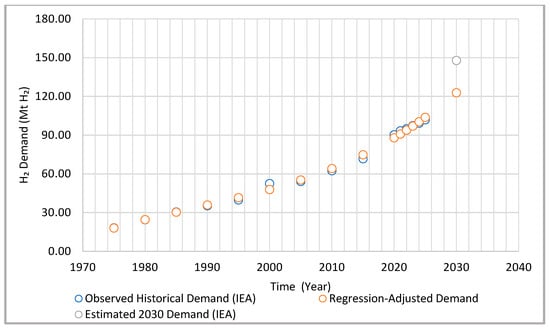
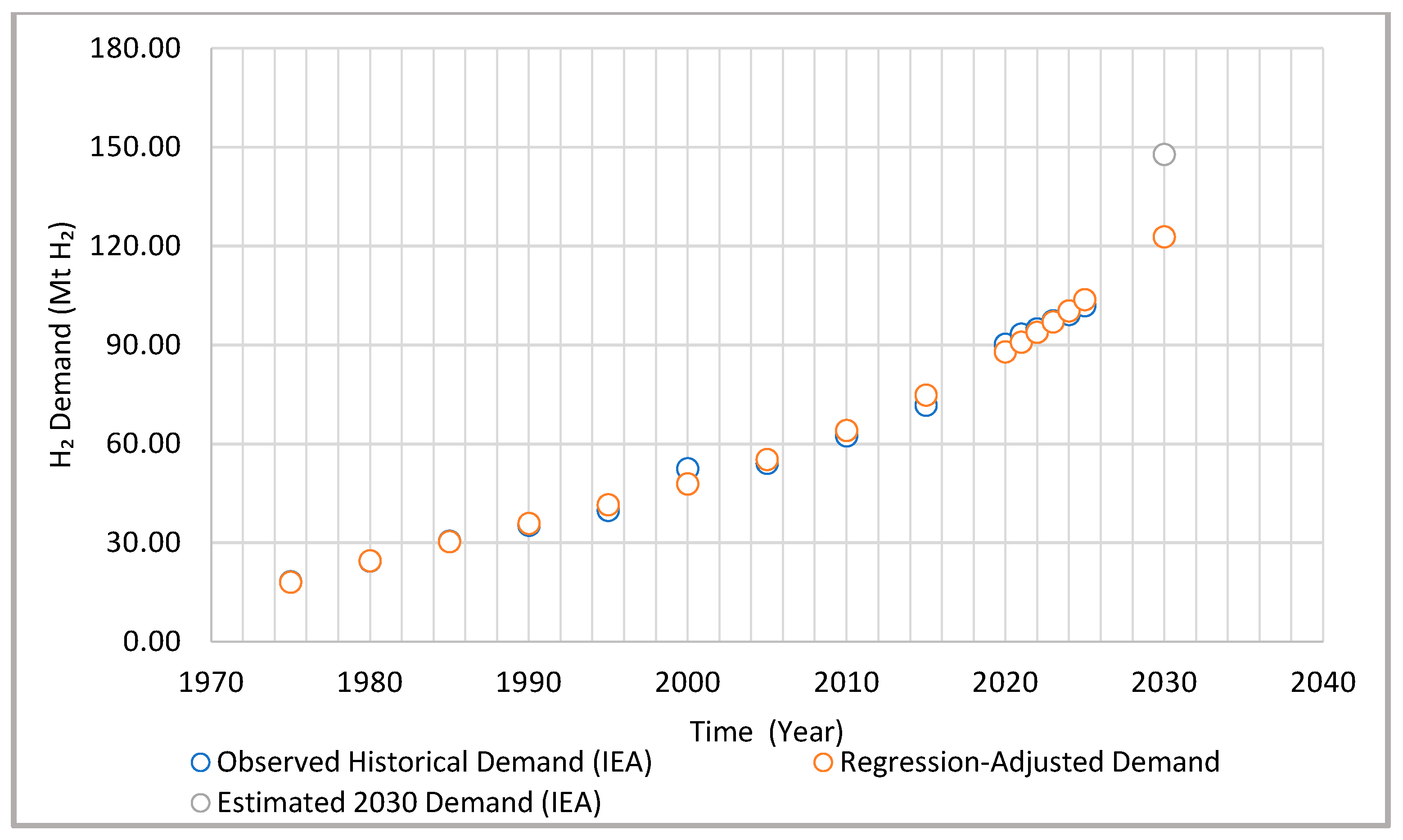

Disclaimer/Publisher’s Note: The statements, opinions and data contained in all publications are solely those of the individual author(s) and contributor(s) and not of MDPI and/or the editor(s). MDPI and/or the editor(s) disclaim responsibility for any injury to people or property resulting from any ideas, methods, instructions or products referred to in the content. |
© 2026 by the authors. Licensee MDPI, Basel, Switzerland. This article is an open access article distributed under the terms and conditions of the Creative Commons Attribution (CC BY) license.