


Abstract
Nowadays, organic, inorganic, and microbial pollutants are listed as a substantial threat to the environment as well as public health, leading to water contamination. Green technologies such as photocatalytic and photoelectrocatalytic processes have appeared as favorable tools for water remediation, leading to effective degradation of pollutants under environmentally relevant operating conditions. With the rapid development of photocatalysis in the 21st century, heterogeneous catalysts have been extensively engineered to improve light utilization and promote surface redox reactions. This review presents an overview of recent advances in the synthesis, design, and application of heterogeneous catalysts for water purification. Key reaction mechanisms, material modifications, and hybrid processes are discussed. Also, the growing need for environmentally friendly, sustainable, and cost-effective catalytic materials is underlined. Attention was given to the role of molecular modeling in understanding catalytic mechanisms and guiding the design of efficient and sustainable catalytic materials. By critically analyzing contemporary progress, limitations, and emerging trends, this review directs future research activities towards increasingly efficient and scalable water purification methods.
1. Introduction
Contaminated water poses a huge threat to both humanity and the environment. Globally, over two billion people live in areas where demand for water exceeds supply. The quality of surface and groundwater is seriously affected by pollution [1]. The emerging pollutants, such as organic and inorganic wastewater pollutants, pharmaceutical residues, personal care products, and antimicrobials, threaten aquatic habitats and public health [2]. Multi-barrier treatments often have additional challenges for water purification by pollutants present in wastewater, which negatively affect water quality. In order to achieve the Sustainable Development Goals, it is necessary to develop environmentally sound water management concepts [3]. Population growth, urbanization, industrialization, climate change, and the inappropriate use of pharmaceuticals, pesticides, plastics, dyes, and other contaminants increase the discharge of pollutants into freshwater systems [4]. Focusing on decentralizing infrastructure and restoring wetlands or green urban areas helps achieve public health goals. Sources of contamination vary by region [5]. Emerging pollutants, including pharmaceutical contaminants, pesticides, and microplastics, remain a common and acute challenge worldwide. Their increasing levels of contamination pose a risk to water resources [6].
Even with improvements in the treatment and management of drinking water and wastewater over the past years, problems persist. Conventional processes can remove many contaminants, helping to achieve water quality goals [7]. The efficiency and reliability of conventional technology can deteriorate due to process overload, equipment failure, poor maintenance, or other operational problems [8].
Green technologies employ purification methods aimed at reducing contaminant levels while minimizing adverse environmental impact [9]. Usually, conventional strategies rely on high-carbon chemicals, requiring greener alternatives. The degradation of pollutants can be achieved through oxidation and reduction by photocatalysis and photoelectrocatalysis, with the use of semiconductors that can be activated under solar or artificial radiation [10]. In contrast to conventional remediation methods, advanced oxidation processes are nowadays effectively used for water purification [11]. These technologies have shown high efficiency due to the enhancers used in these processes, which contribute to their efficiency [12]. Most commonly used advanced oxidation processes enhancers are promoters H2O2, O3, and persulfate, which generate highly reactive species such as •OH and [13]. Catalysts such as Fe2+, TiO2, and ZnO are used as enhancers in homogeneous and heterogeneous photocatalytic reactions [14,15]. Activated carbon, which favors the formation of the superoxide anions, is used in advanced oxidation processes, wherein it shows high efficiency in water purification processes [16]. Also, advanced oxidation processes can be enhanced by the use of various external sources, such as magnetic fields, electric fields, microwaves, mechanical stress, temperature gradients, etc. [17]. Most commonly used processes are photocatalytic and photoelectrocatalytic processes, which offer environmentally friendly alternatives with the potential for high efficiency under optimized conditions. Energy-efficient and low-carbon treatment technologies with reduced chemical consumption are becoming increasingly important due to economic and regulatory requirements [18]. Photocatalytic and photoelectrocatalytic approaches contribute toward sustainable solutions [19].
Catalytic materials are the key points in many industrial processes, as they provide regimes with reduced energy consumption, increasing the energy efficiency of the process [20]. During catalytic reactions, the activity and selectivity of the catalyst are of fundamental importance for commercial viability. Effective catalyst can be made through a catalyst design that prevents deactivation or allows regeneration [21]. Also, the dimensions or mass of catalysts play a key role in their broad industrial adoption [22]. Significant gaps that still exist arise from the limited ability to measure catalyst stability, reusability, and scalability using quantitative and comparable metrics. Understanding stabilization processes over a broad range of operating conditions and providing detailed information on catalyst reusability are essential [23]. Detailed information on stability, long-term activity, deactivation, or regeneration is still not understood and explained [24]. A key challenge in photocatalytic and photoelectrocatalytic research is the lack of a common conceptual framework, which limits systematic comparison of catalyst stability, scalability, and long-term performance [21,25,26].
Several studies have addressed both photocatalysis and photoelectrocatalysis as solutions to the challenges associated with water purification [27]. Notable improvements have been made in material design, catalytic efficiency, hybrid system development, and interfacial engineering, which have contributed to the higher performance of these systems. Encompassing a wide range of chemical and environmental reactions, photocatalysis and photoelectrocatalysis connect the areas of solar energy conversion and pollution remediation. Main challenges in the future represent heterojunction design, band-gap engineering, cost-effective fabrication, and large-scale integration. Interdisciplinary efforts are continuously made to combine theoretical insights and experimental investigations. This could help to obtain the next generation of photocatalytic and photoelectrocatalytic systems for sustainable and economical environmental solutions [28,29,30].
While many existing reviews primarily emphasize experimental performance metrics, this work deliberately emphasizes theory-driven catalyst design, reflecting recent shifts in how photocatalytic systems are rationally developed. Atomistic modeling, molecular simulations, and data-driven approaches are treated as central tools rather than supplementary methods, reflecting their increasingly important role in the rational development of efficient and sustainable photocatalytic systems. Within this framework, extensive and critical information is provided on the recent developments in two widely used advanced oxidation processes: photocatalysis and photoelectrocatalysis used for water purification, with a primary focus on the role of heterogeneous catalysts and molecular modeling. The design, synthesis, and modification of heterogeneous catalytic materials are discussed in detail. Special focus is dedicated to the fundamental reaction mechanisms governing the degradation of pollutants. Also, hybrid catalytic systems and sustainable, environmentally friendly, and cost-effective material design strategies are emphasized. The increasing importance and application of molecular modeling as a powerful tool for the modification and design of efficient photocatalytic materials, as well as elucidating catalytic mechanisms, were highlighted in this review. This review directs the development of more efficient, robust, and scalable technologies for water purification treatments by recognizing current challenges, limitations, and emerging trends.
2. Fundamentals of Photocatalytic and Photoelectrocatalytic Processes
2.1. Fundamentals of Photocatalysis
Photocatalysis (Figure 1) is the ability to drive chemical transformations with light using a catalytic material that does not undergo a permanent change under operating conditions. Chemical transformations can be initiated by thermal activation or by light; in photocatalysis, light excitation of a semiconductor generates charge carriers that enable surface redox processes. The photocatalyst must be able to absorb light to provide a substantial amount of energy to activate the chemical transformation [31,32]. The photocatalytic activity of a material depends on the following steps: generation of charge carriers by a light-absorbing semiconductor, charge carriers that enable surface redox reactions, and stabilization of the photocatalyst surface for photocatalytic activity [33]. Also, photocatalytic efficiency can be achieved by promoting the surface separation efficiency of the electron–hole pairs. Most studies focus on single-channel charge separation modification mechanisms (volume separation or surface separation) while dual-channel modification mechanisms, combining volume separation and surface separation, are reported more often recently [34]. A reaction of a substrate with a semiconductor photocatalyst depends on the relative positions of its redox potential and the semiconductor band edges [35]. As soon as electrons are excited from the valence band (VB) to the conduction band (CB) of a semiconductor by high-energy light, they leave positively charged holes behind [33]. If the redox potential of the substrate is lower than the CB potential, a reduction reaction can occur. If the redox potential is higher than the VB potential, an oxidation reaction is expected. If the redox potential lies between the CB and VB edges, the corresponding charge transfer is generally thermodynamically or kinetically unfavorable under standard conditions, and the reaction is unlikely without additional driving forces or favorable kinetics [36,37].
Figure 1.
Fundamentals of photocatalysis, illustrating light absorption by a semiconductor, charge carrier generation and separation, and subsequent surface redox reactions leading to the formation of reactive oxygen species. VB—valence band, CB—conduction band.
The mechanisms of generating charge carriers include the processes of one-photon generation and two-photon absorption [38]. The linear absorption processes correspond to the specific photon energy connected with one particular optical transition. This mechanism generates charge carriers with band gap energies suitable for the photocatalytic process. In the case of indirect band gap semiconductors, the photon-assisted transition leads to satisfactory momentum conservation and is therefore a weaker process [39,40]. Using this mechanism and photocatalysts with a sufficiently small band gap, high efficiencies can be attained at higher photon energies below the band gap [41]. In the two-photon process, two-photon excitation and attenuation of the system during the following carrier migration and separation are required [42]. Nevertheless, the pertinent parameters required to attain this mechanism can be achieved by direct single-photon absorption. In order to improve the photocatalytic efficiency of the catalyst, optimal and proper charge carrier transport is necessary [43]. After the generation of charge carriers, their movement appears either to the surface for subsequent catalytic reactions or in the internal regions of the material. Charge carrier transport includes diffusion, controlled by the influence of concentration gradients [44]. In semiconductor composites comprising multicomponent or multiphase heterojunctions, interfacial charge transfer between different phases leads to enhanced charge separation and prolonged carrier lifetime [45].
Upon semiconductor excitation, charge carriers are generated. After generating, they drive several reactions that produce reactive oxygen species and define the selectivity and activity of photocatalysis. Excited charge carriers must migrate to the catalyst surface, wherein interfacial transfer enables redox processes. The catalyst positions of the VB and CB edges at equilibrium determine the thermodynamic feasibility of possible electron and hole transfer reactions [46,47]. In these reactions, photogenerated electrons reduce molecular oxygen (O2) [48] and produce superoxide radicals while holes oxidize adsorbed water and produce hydroxyl radicals (•OH). Singlet oxygen (1O2) is typically formed via energy transfer or sensitization pathways. is generally more long-lived compared to •OH, while 1O2 has high selectivity to electron-rich substances and relatively longer lifetime under certain conditions compared to •OH [49]. Versatile semiconductors enable a wide range of surface-mediated redox reactions, empowering the tailoring of the different materials as well as the reaction environment, controlling the photocatalytic process [50]. Under visible-light irradiation, charge carrier-mediated reactions can lead to the formation of singlet 1O2, particularly in sensitized or surface-state-mediated photocatalytic systems [51]. Furthermore, the production of is promoted by the deep surface traps and surface-state-mediated pathways, which can substantially enhance the photogenerated electrons to reduce dissolved molecular oxygen (O2) [52]. O2, •OH, and H2O2 play a key role in photocatalytic processes when generated or involved in semiconductor-mediated redox reactions. In biased or photoelectrocatalytic systems, the availability of dissolved O2 can influence superoxide formation, depending on reactor configuration and operating conditions [53]. Studies of reactive species contributing to higher efficiency of photocatalysis depend on the effects of various parameters such as pH, dissolved oxygen, light intensity, the presence of inorganic ions or natural organic matter, etc. [54]. When amphoteric species, in conjunction with electron-donating organic compounds, are adsorbed on the surface of the photocatalyst, the production of H2O2 is mainly promoted through two-electron oxygen reduction pathways involving photoinduced charge carriers [55]. An important process is photoreduction of O2 by photogenerated electrons to the and generation of •OH through the oxidation of surface-adsorbed water or hydroxide ions by photogenerated holes [56]. In systems such as commercial TiO2 P25, rapid generation of electron–hole pairs and their competitive interfacial reactions strongly influence the availability of reactive oxygen. The presence of organic electron-donating substrates can alter the balance between electron- and hole-driven pathways by preferentially scavenging photogenerated holes, thereby influencing the relative formation of or •OH radicals [57]. The competition between , •OH species, and electron is substantial since extraction and donation maintain a high level of interfacial charge carrier retention [58].
The unsustainable and irresponsible use of water resources has led to an alarming increase in water pollution [59]. Having this in mind, a significant challenge for today’s society is water quality remediation [60]. Contaminated water resources represent a considerable threat to humans, aquatic ecosystems, and the well-being of society. Organic pollutants, such as pharmaceuticals, pesticides, detergents, and dyes, are disposed of and introduced into the water resources continuously [61,62]. Ideally, water remediation technologies should achieve extensive degradation and, where possible, mineralization of organic pollutants into CO2, H2O, and other less harmful products, operate under solar or artificial light, and remain effective across complex real-water matrices [63,64]. Since conventional treatment technologies are not entirely effective in the complete removal of contaminants, the application of semiconductor materials has become a suitable method for efficient water remediation. The semiconductors can disinfect water and degrade organic pollutants under UV or visible light. Semiconductors have been widely investigated in the degradation of a wide spectrum of pollutants, wherein they showed high efficacy [65]. Processes often used for the degradation of pollutants are photocatalytic and photoelectrocatalytic processes, which involve different pathways, materials, and reactors [66]. Commercial photocatalysts, such as TiO2 and ZnO, as well as those synthesized or immobilized on a support (fixed-bed system), are activated under radiation and used for the purification of contaminated water [67,68]. Real-world applications and real systems include the presence of competing species, which could modify the reaction pathways and reduce the production of highly reactive radical species, which is essential to take into account when evaluating practical applications [69].
In the photoelectrocatalytic systems, semiconductors with a suitable energy band gap are usually used as photoanodes, while the cathode is a material that facilitates redox reactions, and the contaminated water is directly subjected to electrolysis. As a consequence of the applied bias potential, oxidation of the organic compounds occurs on the surface of the applied semiconductor [70]. Both processes, photocatalysis and photoelectrocatalysis, produce radical and non-radical species that further react and degrade organic pollutants, and also oxidize inorganic pollutants. The efficiency and selectivity of the electrode and the accompanying processes strongly depend on the material used, light source, operating mode, and reactor design [71,72].
2.2. Fundamentals of Photoelectrocatalysis
In the photocatalytic process, a photocatalytic material can promote chemical transformations by supplying additional energy through light absorption, enabling reactions that are otherwise kinetically or energetically inaccessible under dark conditions [73]. It includes the generation of electron–hole pairs by radiation, the transfer of charge carriers to the surface of a semiconductor, and subsequent surface reactions of electrons and holes [74]. Photocatalytic processes are commonly conducted using particulate or immobilized catalysts, whereas photoelectrocatalytic (photoelectrochemical) systems typically employ semiconductor electrodes integrated into an electrochemical cell. In photoelectrocatalysis (Figure 2), semiconductors are used to absorb photons and generate electron–hole pairs [30]. The difference from photocatalysis is that when a bias voltage is applied between the working and counter electrodes, photogenerated holes migrate toward the working electrode surface, where oxidation reactions occur, while electrons are driven toward the counter electrode, enabling reduction reactions [75]. This enables the photogenerated charge carriers to participate in reactions with a higher driving force. Charge carrier transport includes drift and diffusion, controlled by the influence of electric fields and concentration gradients, respectively. Under the direct influence of the electric field and the trapping of charge carriers during the reaction, drift causes temporal and spatial migration [76]. Temporal and spatial charge migration extent depends on the occupancy of the active site, the specificity of the charge carrier type, competing processes, etc. [77]. In photoelectrocatalytic processes, photocatalytic surface reactions may include water oxidation, oxygen reduction, or the degradation of organic pollutants, depending on the application and operating conditions. Water commonly serves as the reaction medium and, in some configurations, as the electrolyte. Depending on operating conditions and electrode materials, water oxidation or reduction reactions may occur alongside pollutant degradation processes. In real systems, dissolved oxygen acts as an electron acceptor, promoting the formation of , while holes lead to the formation of •OH or to direct oxidation of adsorbed pollutants. From the environmental standpoint, formation of •OH and 1O2 through ambient activation of oxygen is highly desirable if applied to practical wastewater treatment [78].
Figure 2.
Fundamentals of photoelectrocatalysis, illustrating light absorption, charge separation under applied bias, and semiconductor-driven and electrode-driven oxidation and reduction reactions.
With the combination of electrochemical catalysis and light absorption in a simple process driven by a semiconductor, photoelectrocatalysis empowers the direct conversion of solar energy into chemical energy, depending on the target application [79]. The efficiency of photoelectrocatalysis is strongly influenced by charge separation. Charge separation represents the spatial segregation of photogenerated charge carriers, electrons and holes, reducing recombination and allowing transport and reactions at the interface. This includes carrier generation, transport through the semiconductor bulk, and interfacial processes, such as electron extraction and recombination [80]. In a photoelectrocatalytic semiconductor with a built-in electric field, external voltage modifies processes by shifting the energy perspective and affects the stability and dynamics of the charged states. Under applied voltage, photogenerated charge carriers are efficiently separated and transported, suppressing recombination compared to the unbiased configuration. The applied bias acts in addition to the built-in field, suppressing recombination and charge loss that would otherwise dominate under unbiased conditions. Sufficiently large external fields promote charge separation on the time scale of carrier generation [81,82].
Catalyst-mediated reactions are mainly driven by charge carriers such as photogenerated electrons and holes. The limitation of the efficiency is caused by charge recombination, which shortens the carrier lifetime and blocks transport to the reaction site [83]. The primary enhancement strategy is suppressing recombination pathways. Enhancement of photoelectrocatalysis can be achieved with various approaches: (i) suitable material design, which can extend the carrier lifetime or promote charge transportation to the reaction site [84], (ii) charge separation promoters to enhance charge transport and prevent recombination [85], (iii) characterization techniques which enable the monitoring of carrier dynamics and kinetics of recombination, and (iv) case studies of various photocatalytic materials provide insight into potential suppression strategies and limitations [86].
The removal of emerging and persistent pollutants, such as pharmaceuticals, personal care products, pesticides, dyes, and industrial organic substances, is urgent. Many organic pollutants are not detected in routine monitoring, representing a serious threat to pure water and aquatic ecosystems [87]. These pollutants are present in nature since they are continuously emitted from domestic and municipal wastewater, and also appear as intermediate compounds [88]. Photoelectrocatalysis enables the degradation of these pollutants before they reach the environment at the point of discharge by coupled electrical bias and light energy resources. Additional improvement of the photocatalysts and electrocatalysts’ activity can be reached with the use of external energy sources, such as electrical bias or heat. In photoelectrocatalysis, charge transfer, the thermodynamic driving force, and the type of reactive species (e.g., holes, •OH, ) can be controlled. However, in real water environment conditions, the presence of inorganic ions such as Cl−, , , , and natural organic matter can significantly affect photoelectrocatalytic pathways by scavenging reactive radicals or forming secondary oxidizing products, influencing degradation efficiency and selectivity [89]. The photoelectrocatalysis provides efficient degradation mechanisms, efficient materials, and greater process efficacy in light of sustainable development [90,91].
3. Design and Engineering of Heterogeneous Catalysts for Water Remediation
Design and engineering of heterogeneous photocatalysts can be classified according to their structural characteristics and modification strategies into (i) conventional metal oxides, (ii) modified and doped systems, and (iii) hybrid, composite photocatalysts. In this way, the advantages and application limitations of materials according to their structural characteristics and modification strategies are described.
3.1. Conventional Metal Oxide Photocatalysts
Conventional metal oxides are of high technological significance in environmental remediation and electronics owing to their ability to generate charge carriers under the influence of irradiation with a necessary amount of energy. Metal oxides can be used as photocatalysts because of their charge transport characteristics, light absorption properties, and arrangement of electronic structure [92]. Since the pioneering discovery of TiO2 as a photoactive material for photoelectrocatalytic water splitting under UV radiation, photocatalysis has attracted wide attention for environmental remediation and energy conversion [93]. In the wide range of materials, metal oxides such as TiO2, ZnO, SnO2, CeO2, Fe2O3, V2O5, and WO3, etc., have attracted researchers’ interest because of their commercial availability, high chemical stability, nontoxicity, and potential photocatalytic activity in environmental remediation. Metal oxides represent conventional photocatalysts that possess a relatively wide band gap and can be activated mainly by UV radiation, which means only a small fraction of the sunlight spectrum (<5%) [94,95,96,97]. As a consequence, the practical application of a large number of metal oxides has been hindered. Also, although the activity of TiO2 and ZnO is high for a wide range of pollutants, the limitation is low adsorption capacity, and electron-hole recombination, which limit their practical use, while additionally, ZnO is limited by its photocorrosion [98,99]. Powdered and particulate photocatalysts are generally favorable for light harvesting because of their high surface area. However, the use of these catalysts has additional challenges in reuse and recovery, since separation could depend on sedimentation, which can lead to aggregation and decreased photocatalytic activity. Also, despite their robustness, conventional metal oxides are often inactive under solar irradiation because of their bandgap, and their application in real water samples requires further modification [100]. The immobilization of existing photocatalytic materials on accessible natural or waste materials, such as fly ash, pumice, clay, or foundry sand, represents an economic, environmentally acceptable, and cost-effective approach in order to improve the materials’ photocatalytic performance [101]. Additionally, metal oxides can be coupled with noble metals to obtain diversified nanostructures. In this way, nanoarrays, noble metal decorated–metal oxide nanoparticles, noble metal/metal oxide core/shell, Janus noble metal–metal oxide nanostructures, and noble metal/metal oxide yolk/shell can be obtained, which are very effective in photocatalytic processes and environmental remediation [100].
3.2. Modified and Doped Photocatalysts
Despite the potential of semiconductor-based heterogeneous photocatalysis for energy conversion and environmental remediation, its practical application is limited by fast charge recombination and, in many cases, low specific surface area. Photocatalysts that can achieve high charge separation and high degradation efficiency have still to be developed. As a consequence, material modification has emerged as the main approach in order to improve the photocatalytic activity of semiconductors [102]. Conventional strategies encompass photocatalyst coupling, which improves the use of the light and charge transfer, surface plasmon resonance, and doping with noble metals [103]. A practical method to modify the band structure of semiconductors is the doping of semiconductors with different chemical elements, improving their photocatalytic activity [104]. These chemical modifications adjust the band gap width of the material and enable the use of visible light, broadening the spectral range of incident light and allowing the effective use of modified materials even under sunlight. Semiconductor photocatalysts doped, or co-doped, with metal/non-metal elements have gained significant attention from academia and industry [105]. Different materials, including TiO2, ZnO, ZrO2, and g-C3N4, have been doped or co-doped with one or two dopant elements, which leads to higher photocatalytic activity as a consequence of improved trapping efficiency and charge transport [106]. With the incorporation of metal and non-metal ions into TiO2 or ZnO lattices, it was seen that these elements have the ability to modify TiO2 and ZnO surface electronic properties. The redox energy states of transition metal ions (e.g., Cu, Co, Ni, Cr, Mn, Mo, Nb, V, Fe, Ru, Au, Ag, Pt) lie within the band gap states of TiO2 and ZnO. In this way, the intraband state near the CB or VB edge is formed, which enables the absorption of visible light. Also, metal ions increase the photodegradation rate by serving as electron-hole traps and affecting the concentration of the charge carrier equilibrium. The activity of the photocatalyst under visible light can be improved by non-metal doping (e.g., N, S, C, B, P, I, F) using methods such as band gap narrowing, oxygen vacancies, and impurity energy levels. TiO2 series doped with different contents of N, C, and S showed a reduction in the bandgap energy. It arises from the contribution of N 2p, C 2p, and S 3p orbitals to the O 2p and Ti 3d states in the valence band of TiO2 [107]. The research in the development of doped and modified photocatalysts that address global environmental issues and promote the transition to clean energy alternatives is constantly advancing. The electronic structure of semiconductors is changed and improved by doping, which affects the conduction band position, band gap, defect state energy distribution, catalysis reaction energy, and electron-hole recombination rate. Also, migration and separation of light-excited charge carriers can be enhanced by doping [108]. The photocatalyst with suitable band gaps, midgap states, and light absorption spectra specific for photocatalytic reactions can be obtained by doping, which exhibits comparable trends in doping effects that occur in semiconductors such as TiO2, ZnO, and BiVO4 [109].
3.3. Hybrid, Composite Photocatalysts
Hybrid and composite photocatalysts are composed of two or more components that form an intimate heterointerface or are structurally integrated to provide complementary functions [110]. The application of hybrid and composite catalysts aims to accelerate the development and practical application of photocatalytic technologies [111]. Hybrid and composite materials have made significant progress in increasing photocatalytic activity and efficiency. However, the stability for broader practical applications remains an open issue. The highest flexibility in tailoring charge transfer pathways and reactive species generation is achieved by hybrid and composite materials. Hybrid materials involve molecular or nanoscale constituents, enabling a broader range of applications [112]. Photocatalysis is mainly a surface-mediated process, which requires catalysts with enhanced surface properties [113,114]. The overall photocatalytic efficiency depends on the design of the micro/nanoscale catalyst structure, which plays a key role in the reaction efficacy. In the photocatalytic processes, synergistic effects could be applied, enabling the form and extension of new non-overlapping functions with the design based on the interface and spatial organization of two or more semiconductors [115]. This modification improves the photocatalytic performance of the materials by expanding the light absorption (e.g., semiconductor–carbon composites) and by initiating corresponding photocatalytic activities (e.g., photocatalysis for the production and degradation of H2O2). Modification and incorporation of different photocatalytic functionalities leads to more efficient pollutant degradation in some cases, and selective reactions including H2O2 generation or small-molecule transformations [116,117,118]. Also, the establishment of hybrid architectures of a potential photocatalyst-based technology could be achieved. Although noteworthy progress in hybrid and composite photocatalysts has been made, significant challenges are still present in the development of inexpensive, stable, and highly efficient visible light-active photocatalysts. In order to use the full potential of wide-band gap photocatalysts such as TiO2, ZnO, SrTiO3, etc., hybrid photocatalysts have been developed [119,120,121]. In combination with visible- or near-infrared-responsive semiconductors, these hybrid photocatalysts emerged as an effective tool in the use of visible light-driven photocatalytic systems. They have shown outstanding performance in some critical photocatalytic reactions, such as degradation of organic pollutants, H2O2 production, water splitting, CO2 reduction, and N2 fixation. Hybrid photocatalysts can preserve or tailor the redox potential of photogenerated charge carriers through appropriate band alignment, thereby influencing reaction pathways and facilitating complex interfacial processes relevant to photocatalytic degradation [122].
Photocatalysts with a suitable band gap and energy positions are required to drive half-redox reactions. Heterojunctions between semiconductors are a strategy for improving photocatalytic performance and charge separation of the material. Heterojunction photocatalysts are made by coupling two semiconductor photocatalysts. Z-scheme photocatalysts enhance the redox ability of photocatalysts. The Z-scheme systems consist of two semiconductors with suitable intermediate couples as Fe3+/Fe2+, . These semiconductors have staggered band structure configurations. In a photocatalytic reaction, the holes in the VB of photocatalyst I react with an electron donor, and at the same time, the photogenerated electrons in the CB of photocatalyst II react with electron acceptors. Further, the photogenerated electrons in the CB of photocatalyst I and holes in the VB of photocatalyst II participate in reduction and oxidation reactions. In this way, a system with strong redox capabilities, with separated redox reaction sites, is obtained. But this system has many disadvantages, as it is confined to the solution phase and has a narrow scope of applications. In order to improve the disadvantages of the Z-scheme, through the thoughtful development, the Step-scheme (S-scheme) has been developed. S-scheme heterojunction is composed of reduction photocatalysts and oxidation photocatalysts with staggered band structures. In the S-scheme heterojunction, the photogenerated electrons and holes are retained in the CB of the reduction photocatalysts and the VB of the oxidation photocatalysts, respectively. Wasted photogenerated charge carriers are usually recombined. The charge transfer path in the S-scheme begins with the state wherein the reduction photocatalyst has more CB and VB positions, and a lower work function than oxidation photocatalysts. When photocatalysts I and II are in close contact, electrons in the reduction photocatalyst diffuse towards the oxidation photocatalyst, creating an electron depletion layer and an electron accumulation layer near the interface. The oxidation photocatalyst is negatively charged, while the reduction photocatalyst is positively charged. Also, an internal electric field forms from the reduction to oxidation photocatalyst. The electron transfer occurs from the oxidation photocatalyst to the reduction photocatalyst. Fermi energies are aligned when oxidation and reduction photocatalysts are in contact. This shifts the Fermi levels up and down. The band bending leads to the photogeneration of electrons in the sideband of the oxidation photocatalyst and holes in the sideband of the reduction photocatalyst. The photogenerated electrons and holes are susceptible to recombination at the boundary. The electrons in the sideband oxidation photocatalyst and the holes in the reduction photocatalyst can recombine. The internal electric field, the band bending, and the Coulomb attraction represent the driving forces for the recombination of the electrons and holes [123].
4. Reaction Mechanisms and Structure-Activity Relationships
Photocatalysis and photoelectrocatalysis strongly support sustainability goals with the use of light energy to drive chemical transformations that are thermodynamically unfavorable, with insufficient rates under dark conditions [19]. These processes are based on the use of catalytic materials, which can absorb visible/UV light, further generating electrons and holes, which lead to the generation of radical species and redox reactions of pollutants [124]. Although photocatalysis and photoelectrocatalysis have also been explored for energy-related transformations, their relevance in this review is primarily associated with oxidation–reduction pathways governing pollutant degradation. These reactions involve elementary pathways in which various interfacial interactions happen [125]. Understanding the structure–activity relationships is crucial in the design of materials used in photocatalysis and photoelectrocatalysis because their physical properties affect catalytic activity. The photocatalytic process begins with the following steps: photoexcitation of electrons across the band gap, charge transfer processes, electron transfer, and electron-hole recombination [126]. In photoelectrocatalysis, charge separation under applied bias results in measurable photocurrent generation [84]. Materials modification can change the charge transfer step and affect its photocatalytic performance. Formed degradation products and charge separation can be affected by the mediation mechanisms of anion/cation removal and dual-donor processes. Surface transformation of the material can change the charge carrier dynamics, thermal stability, hydrophilicity, and ability of the substance to bind [127]. Also, a better understanding of the materials’ properties and directions of their design can be achieved through modifications and depositions of the materials on the substrates. An understanding of photocatalytic and photoelectrocatalytic mechanisms in detail can be obtained by defining favored reaction pathways for the most pertinent transformations [128].
There are two pathways in photocatalytic reactions, radical and non-radical pathways. Oxidative degradation in water can be led through the radical pathways, which include the generation and direct or selective activation of radicals such as •OH, and . On the other hand, non-radical pathways include 1O2 and direct electron transfer [129]. The predominance of radical or non-radical pathways strongly depends on the electronic structure, surface chemistry, and defect location of the photocatalyst [130]. In water remediation, oxidative pathways are predominantly governed by the generation of reactive oxygen species, such as holes and •OH, whose formation and reactivity depend strongly on catalyst structure and surface chemistry.
Defect engineering has been used in semiconductor materials in order to improve photocatalysis and photoelectrocatalysis efficiency. Oxygen vacancies, surface defects, and defect levels have taken an important place in these processes. These surface states can lengthen the charge carrier lifetime, provide additional energetic pathways, etc. [131]. It has been reported that oxygen vacancies are important in semiconductor materials to improve their photocatalytic activity. Localized electrons of oxygen vacancies can form adventitious energy levels and extend the photo-responsive range. Surface oxygen vacancies can inhibit the recombination of electron–hole pairs by trapping electrons or holes. Constructed oxygen vacancies in photocatalytic materials narrow the bandgap and increase their conductivity. Therefore, it is of interest to construct and design semiconductor metal oxides with oxygen vacancies so they can be used in photocatalytic processes. The catalytic reaction takes place at the surface-active sites. Electronic structure and intrinsic atomic structure are important for the photocatalytic activity and selectivity. It has been noted that, in materials, oxygen vacancies create active sites with different coordination numbers, dangling bonds, and increased local electronic density [132]. Engineering of surface defects can be used as an effective tool to design photoelectric parameters of photocatalytic materials by tailoring the electronic structure, local surface microstructure, atom coordination number, and carrier concentration. Different types of surface defects, such as anion vacancies, cation vacancies, vacancy associates, multivacancies, pits, disorders, and distortions, could be used to design photocatalytic materials with improved photocatalytic properties [133]. Defect engineering is an efficient strategy for the improvement of the photocatalytic properties of photocatalysts and photoelectrodes. Within a crystal, defects can range from micro- to macroscale, such as surface defects, atomic-scale vacancies, and distortions along the crystal, which all affect the surface properties, electrical conductivity, and photoresponse of the semiconductor materials. Methods for defect generation have been widely reported, while the identification and characterization of defects have not gained much attention. A deep understanding of defects is essential for efficient photocatalytic reactions [131].
In the case of semiconductors, the reaction kinetics rate is determined by the photogenerated carrier density changes, which, at a high rate, determines the overall kinetics. In metal-containing or hybrid photocatalytic systems, reaction kinetics can be influenced by ligand effects or alloying, which affect transition states and reaction intermediates. These insights enable the design and development of the photocatalysts with atomically precise and structure-informed strategies of synthesis [134]. Framework parameters and performance metrics depend on the chemical transformation steps and desired charge transfer. Photoactivity of the catalyst depends on the energy band gap, diffusion coefficients, and charge carrier lifetime. Since the competition between charge recombination and target surface mostly favors systems with long-lived carriers, the obtained carrier lifetime and related parameters serve as instructive indicators of photocatalytic activity [135,136]. Further, selectivity is dependent on the energies of the intermediate states formed in the photocatalytic reaction. Usually, the target transformation increases with the reduction in the energy difference between potential pathways. On the other hand, a decrease in photocatalytic activity can happen due to the electron-hole recombination, charge carrier capture, oxophilicity, dissolution, and secondary reaction pathways. In order to increase photocatalysts’ efficiency, efficiency of pollutants removal, additional design criteria, including metal–support interactions, electronic structure, metal, and surface degradation, are mandatory [102,137].
5. Photocatalytic and Photoelectrocatalytic Degradation of Emerging Contaminants
Worldwide, a large number of chemical compounds are continuously synthesized, used, and discharged into the environment. Frequently, wastewater from industry is not treated adequately, so compounds that are present in it often enter the environment because they are not entirely removed by conventional treatment methods [138]. The anthropogenic activity is also one of the main sources of the disposal of organic compounds into the environment. The development of efficient and reliable methods for the removal of organic contaminants from the environment is crucial, since conventional methods have not been completely reliable [139]. As mentioned, the fundamentals of photocatalysis rely on the ability of metal oxides to absorb UV or visible radiation, leading to the electron-hole transfer and the formation of reactive radicals, which can oxidize organic compounds. Since emerging contaminants can possess a structure similar to dissolved organic compounds, with some additional chemical groups, many of them can be effectively removed under optimized conditions [140].
The term emerging contaminant has been introduced over the years, and it commonly refers to organic micropollutants of emerging concern. It is proven that monitoring and control of these compounds in the environmental matrices is necessary [141]. Pharmaceuticals, pesticides, dyes, and personal care products are in the special focus due to their extensive use, resistance to conventional wastewater treatment, and their potential toxic effects on aquatic organisms and the endocrine system. According to water quality standards and guidelines issued by the U.S. Environmental Protection Agency (EPA) [142], a major concern is the occurrence and biological effects of organic pollutants in aquatic environments. Another group of emerging contaminants that are identified in the environment includes bisphenols and phthalates. They enter the environment through industrial and agricultural applications. These compounds are widely discharged into water bodies, suggesting that greater attention needs to be focused on their removal from the environment and the sources from which they enter it. Other hazard micropollutants, detected at low concentrations, are mainly found in the dye manufacturing wastewater [143,144].
The efficiency of the photocatalytic degradation of different contaminants is shown in Table 1, representing photocatalysis as a very efficient process for the removal of organic pollutants from the environment. Photocatalytic degradation of pharmaceuticals, dyes, pesticides, and phenols has been investigated using commercial, modified, doped, and composite materials under visible or UV light sources. Likewise, Table 2 includes the photoelectrocatalytic degradation of the same pollutants under applied bias in photoelectrocatalytic conditions. By comparing these two tables, it can be seen how photoelectrocatalysis leads to an increase in efficiency in the degradation of contaminants. Higher degradation efficiency in the case of photoelectrocatalysis can be attributed to the applied bias, which promotes charge separation and minimizes electron-hole recombination, leading to the generation of more reactive species and to the higher degradation of pollutants.
Table 1.
Degradation of emerging contaminants by photocatalysis.
Table 2.
Degradation of emerging contaminants by photoelectrocatalysis.
Direct comparison of degradation efficiencies reported in different studies is challenging due to variations in experimental conditions, including catalyst loading, light source, reactor configuration, and initial pollutant concentration. In this review, photocatalytic and photoelectrocatalytic pollutant degradation was presented for the same systems, under identical conditions, with the difference of applying an external bias in the photoelectrocatalytic process and the catalyst being immobilized on the electrode surface. This enabled an assessment of the effect of applied bias on photodegradation efficiency. Photoelectrocatalysis (Table 2) exhibited higher degradation efficiencies compared to photocatalysis (Table 1) in the degradation of different pollutants, which is a consequence of improved charge separation and reduced electron-hole recombination under applied bias. These experimental findings highlight the importance of designing efficient photocatalysts for photocatalysis and photoelectrocatalysis, wherein molecular modeling and atomistic calculations can be used with the goal of designing more efficient photocatalysts.
6. Role of Atomistic Calculations in Catalyst Design and Theoretical Insights
6.1. Why Atomistic Calculations Matter in Catalyst Design
Catalytic processes are governed by phenomena that occur at the atomic and electronic scales. The efficiency of a catalyst, its selectivity toward specific reaction pathways, and its long-term stability are all determined by the arrangement of atoms, the distribution of electrons, and the interactions between the catalyst surface and reacting species. In heterogeneous photocatalysis and photoelectrocatalysis, these processes involve light absorption, charge carrier generation and separation, surface adsorption, and redox reactions, all of which take place at length scales that are difficult to access directly by experimental techniques alone [154,155,156,157,158].
Atomistic calculations represent an important theoretical approach for investigating such processes with atomic-level resolution. By explicitly describing atoms, electrons, and their interactions, these methods enable the interpretation of experimental observations and offer direct insight into reaction mechanisms, surface reactivity, and structure–property relationships [159,160,161]. Atomistic modeling does not merely serve as a post-analysis tool, but is increasingly used to rationalize trends and support the design, material modification, and optimization strategies prior to experimental realization.
Atomistic calculations describe catalytic systems by explicitly modeling atoms and their interactions using quantum-mechanical or classical force-field approaches. In practice, at this level, it is possible to determine optimized geometries, adsorption configurations, interaction energies, electronic structure, and reaction pathways for molecules interacting with catalytic materials. Such calculations provide direct access to quantities that are difficult or impossible to obtain experimentally, including charge redistribution upon adsorption, activation barriers of elementary reaction steps, and the role of specific surface sites in catalytic activity [162,163].
In the following sections, the main classes of atomistic calculation methods are introduced, including classical and quantum mechanical approaches, their applicability to molecular and periodic systems, and the key catalytic properties that can be extracted from them. Molecular dynamics (MD) simulations and emerging machine-learning-based approaches are also discussed, highlighting how modern atomistic modeling has evolved into an integrated toolset for catalyst design and theoretical insight.
6.2. Types of Atomistic Calculations: Classical and Quantum Mechanical Approaches
Atomistic calculations can be broadly divided into classical and quantum mechanical approaches, depending on how atoms and their interactions are described [164,165,166]. These two classes of methods differ in their physical foundations, level of detail, and computational cost, which determines their applicability to different catalytic problems. In practice, they are often used in a complementary manner within multiscale modeling strategies. In Figure 3 we present the conceptual illustration of atomistic representations in the case of benzene.
Figure 3.
(a) Classical atomistic model (atoms treated as balls connected by springs) and (b) quantum-mechanical atomistic representation (molecular structure embedded in electron density.
In classical atomistic models, atoms are treated as point particles whose interactions are described by predefined mathematical expressions known as force fields [167]. In this representation, molecules and materials can be intuitively visualized as balls connected by bonds, often compared to balls connected by springs. The forces acting on each atom are derived from empirical or semiempirical potential energy functions that depend on atomic positions.
Classical models do not include an explicit description of electrons. As a result, they cannot directly capture changes in electronic structure, bond breaking or formation, or charge transfer processes. Their major advantage lies in their relatively computational efficiency, which allows simulations of very large systems over long time scales. This makes classical atomistic approaches particularly useful for studying structural organization, diffusion, solvation effects, and large-scale dynamical behavior in catalytic environments.
In the context of catalysis and photocatalysis, classical models are often applied to investigate solvent structure near catalyst surfaces, transport of reactants and products, polymer–catalyst interactions, and the stability of catalyst supports [168,169,170,171]. While they cannot describe chemical reactivity directly, they provide important insight into the physical environment in which catalytic processes occur.
Quantum mechanical atomistic methods provide a fundamentally different description of matter by explicitly accounting for the electronic structure of the system [165]. In these approaches, the behavior of electrons is described using quantum mechanics, either through the many-electron wave function or, more commonly in practical applications, through the electron density [165,172]. The distribution and energetics of electrons determine chemical bonding, optical properties, charge transfer, and reactivity, all of which are central to catalytic performance.
Quantum mechanical methods enable the calculation of total energies, electronic states, and forces acting on atoms without relying on empirical bonding assumptions [172,173]. As a result, they can describe bond formation and breaking, adsorption processes, and redox reactions in a physically consistent manner. These capabilities are essential for understanding reaction mechanisms in heterogeneous catalysis and photocatalysis, where electronic effects govern light absorption, charge separation, and surface reactivity.
6.2.1. Semiempirical Quantum Mechanical Methods
Semiempirical quantum mechanical methods occupy an intermediate position between classical force-field models and fully first-principles quantum mechanical approaches [174]. Like other quantum methods, they are based on the concepts of wave functions or electron density, but they introduce systematic approximations and parameterization to reduce computational cost [175,176].
By simplifying the underlying quantum mechanical equations and incorporating empirically fitted parameters, semiempirical methods achieve higher computational efficiency while retaining a quantum-level description of electronic structure. This makes them well-suited for large systems, rapid geometry optimization, conformational sampling, and preliminary screening studies. In catalytic research, semiempirical approaches are often used as a first step in multilevel workflows, providing reasonable structures and energetics that can later be refined using higher-level quantum mechanical calculations.
Together, classical and quantum mechanical atomistic approaches form a flexible toolbox for studying catalytic systems. The choice of method depends on the property of interest, the required accuracy, and the size and complexity of the system under investigation. In many modern studies, these methods are combined to balance physical realism and computational efficiency, enabling detailed insight into complex catalytic processes.
Within the broad class of semiempirical quantum mechanical approaches, several families of methods have become particularly influential and widely adopted. Early wavefunction-based semiempirical models, such as MNDO, AM1, PM3, and PM6, established the foundations of parameterized quantum chemistry by progressively improving accuracy through expanded parametrization and refined treatment of electron–electron interactions. These methods remain useful for rapid energy evaluations and geometry optimizations in organic and bioorganic systems. The most advanced representative of this family is the PM7 method, which incorporates an extensive parameter set and improved treatment of noncovalent interactions. PM7 enables the efficient estimation of thermochemical quantities, such as heats of formation, while maintaining very low computational cost, making it attractive for large-scale or exploratory studies. However, its quantitative accuracy for reaction energetics and adsorption energies should be interpreted with caution and, where possible, validated against higher-level DFT calculations.
In parallel with wavefunction-based developments, density-based semiempirical approaches have undergone substantial progress through the emergence of density functional tight-binding methodologies. DFTB methods approximate Kohn–Sham density functional theory by expanding the total energy around a reference density, resulting in a computational framework that is faster than full DFT while preserving key electronic structure features.
Among these approaches, the GFN family of extended tight-binding methods, developed and maintained by Prof. Stefan Grimme and coworkers, has gained particular prominence. The GFN1-xTB [177] and GFN2-xTB [178,179] models were designed to provide robust performance across a wide range of elements and bonding situations, with specific emphasis on accurate geometries, vibrational frequencies, and noncovalent interactions. The latest method from Grimme’s group is the g-xTB method [180], developed to aim for the accuracy of the ωB97M-V density functional [181], while maintaining the speed of the semiempirical method. Their force-field variant, GFN-FF [181], further extends applicability to very large systems where quantum-level efficiency is required. In practice, these methods are most commonly used for rapid pre-screening and structural exploration, and their results are typically complemented by higher-level DFT calculations. Yin et al. have used combined experimental and theoretical calculations to study the effect of doping on the activation of peroxymonosulfates by metal-free carbon materials for tetracycline photodegradation. Sulfur-doped g-C3N4 was used as a photocatalyst. DFT calculations of the electronic structure and optical properties indicated that sulfur doping reduces the band gap of g-C3N4. Guided by these insights, sulfur-doped g-C3N4 was synthesized and experimentally shown to exhibit enhanced separation of photogenerated electron–hole pairs, resulting in a high tetracycline degradation efficiency of 89.4% after 120 min [182]. Wang et al. designed the CuS/Bi-BiVO4/TiO2 composite films using photoelectrochemical measurements, machine learning, and DFT calculations. The Z-scheme heterojunction photocatalyst was fabricated via hydrothermal synthesis and used for the photoreduction of Cr(VI), achieving a performance 5.1 times higher than that of pure TiO2 [183]. Luo et al. used a novel machine learning approach in order to inhibit the rapid recombination rate of the FeTiO3 photocatalysts. DFT calculations revealed that La doping introduces impurity energy levels associated with La 4f orbitals within the conduction band of FeTiO3. Based on these predictions, La-doped FeTiO3 was synthesized and used in the photodegradation of t tetracycline hydrochloride, methylene blue, and brilliant blue. The modified material exhibited significantly enhanced photocatalytic activity, with degradation efficiencies 12.83, 1.61, and 7.78 times higher than those of pure FeTiO3, respectively [184].
Owing to their favorable balance between accuracy and efficiency, modern semiempirical methods are routinely employed for rapid conformational exploration, pre-screening, and the generation of input structures for higher-level quantum mechanical calculations [185,186,187,188,189].
6.2.2. Molecular Dynamics Simulations in Atomistic Modeling of Catalytic Systems
While static atomistic calculations provide important insight into optimized structures, adsorption geometries, and reaction energetics, many catalytic processes occur under finite temperature conditions and involve dynamic atomic motion. Molecular dynamics (MD) simulations extend atomistic modeling by explicitly describing the time evolution of atoms, allowing the investigation of structural fluctuations, diffusion processes, and temperature-dependent behavior that cannot be captured by static calculations alone [172,173].
In MD simulations, the trajectories of atoms are obtained by numerically integrating Newton’s equations of motion. At each time step, the forces acting on atoms are calculated, and these forces determine how atomic positions and velocities evolve with time. The way in which these forces are computed defines the two main classes of MD simulations: classical MD and ab initio MD.
As discussed in the overview of atomistic calculation methods, the total energy of a system can be calculated using either classical or quantum-mechanical approaches, and this also applies to MD simulations. When classical methods are employed, the simulations are commonly referred to as classical MD. In this framework, the potential energy of the system is described using an analytical mathematical expression that decomposes the total energy into contributions associated with bonded and non-bonded interactions. This analytical representation of the potential energy, together with the corresponding expressions for interatomic forces, is commonly referred to as a force field. Such force fields are typically parameterized using experimental data and/or reference quantum-mechanical calculations. As a result, classical MD simulations are computationally efficient, enabling the study of large systems containing thousands to millions of atoms over nanosecond to microsecond time scales.
The use of an analytical mathematical form for the potential energy enables very fast evaluation of the total energy and interatomic forces during the simulation. This computational efficiency is the key advantage of classical MD, as it allows the investigation of molecular systems that are far beyond the practical limits of quantum-mechanical approaches. As a result, classical MD can be routinely applied to complex and heterogeneous systems comprising hundreds to millions of atoms. A representative example of a molecular model for MD simulations is provided in Figure 4. It consists of a TiO2 nanoparticle fully surrounded by an explicit aqueous environment, here described by approximately 400 water molecules, which would be extremely expensive to treat using fully quantum-mechanical methods within MD simulation.
Figure 4.
MD system consisting of a TiO2 nanoparticle (ball-and-stick model) surrounded by 400 water molecules (wire model).
Classical MD simulations are particularly useful for studying structural organization, solvation effects, diffusion of reactants and products, and interfacial phenomena in catalytic environments. In photocatalytic water remediation, classical MD can be employed to investigate the structure of solvent layers near catalyst surfaces, the mobility of pollutants, and the stability of catalyst–support or catalyst–polymer systems [174,175,176,177,178]. Because classical force fields do not explicitly describe electrons, they are generally unable to capture bond breaking and formation or changes in electronic structure during chemical reactions.
Ab initio MD (AIMD) overcomes this limitation by calculating interatomic forces directly from quantum mechanical electronic structure methods at each time step. In this approach, the electronic structure is recomputed continuously as the atomic configuration evolves, allowing a fully quantum mechanical description of bonding, charge redistribution, and chemical reactivity.
AIMD simulations enable the study of catalytic processes under realistic temperature conditions while retaining an accurate description of electronic effects. This makes them particularly important for investigating reaction mechanisms at catalyst surfaces, solvent-mediated processes, and dynamic charge transfer phenomena in photocatalytic [190,191,192]. The primary drawback of AIMD is its high computational cost, which limits accessible system sizes and simulation times compared to classical MD.
6.3. Molecular vs. Periodic Atomistic Systems
Atomistic calculations can be applied to two fundamentally different types of systems: molecular systems and periodic systems (Figure 5). The distinction between these two descriptions is not related to the level of theory itself, but rather to how the atomic arrangement and boundary conditions of the system are defined. Both approaches are essential for a detailed understanding of heterogeneous catalytic processes.
Figure 5.
Molecular vs. periodic system of TiO2: (a) 30-atoms nanocluster of TiO2 and (b) periodic structure of anatase TiO2 (40-atoms 2 × 2 × 1 cell).
Molecular atomistic systems are typically described as finite collections of atoms, such as isolated molecules, molecular clusters, reaction intermediates, or adsorbates interacting with a limited portion of a catalytic surface. In these models, the system is treated without periodic boundary conditions, allowing direct investigation of molecular structure, electronic properties, and reactivity. Molecular calculations are particularly well suited for studying adsorption geometries, reaction pathways, activation barriers, and charge transfer processes involving individual reactant species.
On the other side, periodic atomistic systems are used to represent extended materials, such as crystalline solids, catalyst surfaces, slabs, and interfaces. In these models, the atomic structure is repeated infinitely in one, two, or three dimensions using periodic boundary conditions. This approach is essential for accurately describing bulk properties, surface electronic structure, defects, dopants, and long-range interactions that are intrinsic to heterogeneous catalysts. Periodic models are especially important in photocatalysis, where properties such as electronic band structure, band-edge positions, and surface states strongly influence light absorption and charge carrier dynamics.
Both molecular and periodic descriptions are based on the same fundamental atomistic principles, particularly when quantum mechanical methods are employed. The choice between them depends on the physical problem being addressed. From a catalytic perspective, molecular models provide detailed insight into local chemical processes, while periodic models capture the collective behavior of extended materials. In many catalytic studies, these two approaches are used in a complementary manner, for example, by combining periodic surface calculations with molecular-level investigations of adsorbed species and reaction intermediates.
The ability to treat molecular and periodic systems within a unified atomistic framework is one of the key strengths of modern computational catalysis. This flexibility allows researchers to bridge molecular-scale chemistry and solid-state physics, providing a coherent picture of catalytic mechanisms that span from electronic structure in the bulk material to chemical transformations occurring at the surface. In this context, such an integrated perspective is essential for rational catalyst design and for understanding complex photocatalytic and photoelectrocatalytic processes in realistic environments.
6.4. Catalytically Relevant Quantities Accessible from Atomistic Calculations
One of the main strengths of atomistic calculations lies in their ability to provide direct access to physical and chemical quantities that govern catalytic activity, selectivity, and stability. These quantities are often difficult or impossible to measure directly, yet they play a central role in photocatalytic and photoelectrocatalytic processes. By extracting such parameters from atomistic models, theoretical studies can explain experimental trends and guide the rational design of improved catalytic materials. However, the reliability of such descriptors strongly depends on the chosen theoretical framework and the level of approximation employed.
6.4.1. Quantities Derived from Periodic Quantum Mechanical Calculations
For extended catalytic materials, particularly semiconductors and metal oxides used in photocatalysis, periodic quantum mechanical calculations are indispensable. One of the most important quantities obtained from such calculations is the electronic band structure, which describes the allowed energy levels of electrons in the material. The band structure determines key photocatalytic properties, including light absorption, charge carrier generation, and charge transport [193,194].
Closely related to the band structure is the density of states, which provides information on the distribution of electronic states as a function of energy and helps identify the contributions of specific atomic orbitals or surface states [195,196]. From these data, quantities such as the band gap and band-edge positions can be extracted, which are critical for assessing whether a catalyst is suitable for driving specific redox reactions under illumination.
In Figure 6, we present the electronic band structure and partial density of states of the widely studied photocatalyst V2O5, obtained from DFT calculations using the PBE exchange–correlation functional [197] and GBRV pseudopotentials [198]. As V2O5 crystallizes in the orthorhombic Pmmn crystal structure under ambient conditions, this structure was used in the present calculations. Calculations were performed using the Quantum Espresso code [199,200,201,202] for atomistic calculations.
Figure 6.
(a) Band structure and (b) partial density of states of the V2O5 photocatalyst.
Conventional DFT approaches employing widely used functionals, such as PBE, tend to underestimate band gap values. This limitation is particularly pronounced for transition-metal oxides, including widely studied photocatalysts such as TiO2. In such cases, additional methodological treatments are required to obtain band gap values in better agreement with experimental data. Common strategies include the use of modern hybrid density functionals, which partially incorporate exact exchange, as well as band gap correction schemes such as the application of Hubbard-type on-site potentials (DFT + U) or half-occupation-based approaches (DFT-1/2).
Hybrid exchange–correlation functionals represent one of the widely adopted solutions. Among them, the Heyd–Scuseria–Ernzerhof (HSE06) hybrid functional [203] has been shown to provide reliable band gap predictions for a broad range of materials [204,205], at a substantially increased computational expense. Nevertheless, the choice between hybrid functionals, DFT + U, and related correction schemes is often system-dependent and involves a trade-off between accuracy and computational cost.
As a computationally more affordable alternative, on-site correction schemes such as the Hubbard-type on-site potentials (DFT + U) [206,207] have been developed. By introducing a Hubbard-type term that accounts for localized electron–electron interactions, DFT + U improves the description of partially filled d and f states and, in many cases, leads to improved band gap estimates for oxide photocatalysts.
Another efficient correction strategy is the DFT-1/2 method [208,209,210], which reduces self-interaction errors by applying an atomic self-energy correction designed to compensate for electron–hole interaction effects. This approach has been demonstrated to yield band gap values closer to experimental measurements while maintaining a computational cost comparable to standard semilocal DFT.
The results presented in Figure 6 were obtained using a Hubbard on-site correction with a U value of 4.5 eV applied to the V atoms, yielding a band gap of 2.17 eV. This value is in good agreement with previously reported theoretical [211] and experimental results [212].
6.4.2. Quantities Derived from Molecular and Surface-Molecule Calculations
Molecular atomistic calculations play a complementary role by providing detailed insight into the interaction between catalytic materials and reacting species. One of the most commonly evaluated quantities in this context is the adsorption energy, which quantifies the strength of interaction between a molecule and a catalyst surface. Adsorption energies are central to understanding catalyst selectivity, reaction kinetics, and surface coverage under operating conditions.
Beyond adsorption energies, atomistic calculations enable the identification of preferred adsorption geometries, reaction intermediates, and transition states. By mapping reaction pathways, activation barriers and reaction energetics can be estimated, providing mechanistic insight into catalytic degradation processes relevant to water remediation. Charge transfer between adsorbates and catalyst surfaces can also be analyzed, shedding light on the role of electronic effects in pollutant activation and transformation.
In addition, molecular density functional theory calculations provide direct access to electronic structure descriptors, such as the spatial distribution of the highest occupied and lowest unoccupied molecular orbitals (HOMO and LUMO), which are commonly used to rationalize reactive sites, charge transfer pathways, and photoinduced processes. Analysis of reduced density gradient (RDG) surfaces further enables the visualization and characterization of noncovalent interactions, including hydrogen bonding, π-π stacking, and dispersion-dominated interactions, which often govern adsorption stability and molecular recognition at catalytic interfaces. Such results obtained on an intermolecular system consisting of TiO2 nanocluster and phenol molecule, a known organic pollutant present in water resources, have been presented in Figure 7. For this case, we performed geometrical optimizations at the r2SCAN-3c method [213], followed by single-point energy calculations using the ωB97X-V functional [214] and def2-TZVP basis set, employing the ORCA6.1.1. [215,216,217,218,219,220] code for atomistic calculations. Frontier molecular orbitals, RDG surfaces, and noncovalent interactions via the atoms in molecules method were obtained by post-processing output files in the Multiwfn program [221,222,223,224], followed by visualization with the VMD program [225,226,227,228,229]. However, the interpretation of such descriptors should be made with caution, as their quantitative relevance may depend on the chosen molecular model and the level of theory.
Figure 7.
Molecular DFT calculations on the intermolecular system of TiO2 nanocluster and phenol (a) HOMO, (b) LUMO, (c) RDG surfaces, and (d) noncovalent interactions.
The results presented in Figure 7 illustrate several typical examples of how molecular DFT calculations can be applied to gain detailed insight into systems involving (photo)catalytic structures. In such studies, nanostructured materials are often modeled in the form of finite nanoclusters, which enables the use of molecular DFT approaches and, consequently, the evaluation of electronic structure descriptors that are not directly accessible within periodic DFT frameworks. This modeling strategy is well established in the scientific literature, with numerous examples demonstrating its usefulness in elucidating intermolecular interactions at catalytic interfaces. For instance, in the studies [230,231,232,233,234,235], characteristic nanocages and nanostructures have been employed as adsorbing units for pharmaceutically and environmentally relevant molecules. Nevertheless, finite cluster models represent an approximation of extended catalyst surfaces and should be interpreted primarily as tools for gaining local mechanistic insight.
Finally, with regard to molecular DFT calculations applied to catalytic systems, it is important to emphasize that this class of methods enables the evaluation of a wide range of local reactivity descriptors of molecules, providing deeper insight into how target molecules may interact with catalytic materials. Consequently, DFT calculations, followed by the evaluation of global and local reactivity descriptors, have been an indispensable tool for understanding the reactivity of organic molecules that have the potential to become environmental threats, such as various compounds with pharmaceutical activity [159,236,237].
6.5. Machine Learning and Data-Driven Atomistic Modeling
Machine learning (ML) has emerged as a powerful complement to traditional atomistic calculations, enabling new possibilities for accelerating catalyst discovery and optimization. In its simplest form, machine learning refers to a class of computational methods that identify patterns and relationships in data and use them to make predictions for new, previously unseen systems [238,239]. Unlike conventional atomistic simulations, ML models do not solve physical equations explicitly, but instead learn from examples provided in the form of reference data.
In catalysis research, machine learning is important because many relevant properties depend on a complex interplay of structural, electronic, and environmental factors. High-level atomistic calculations can provide accurate insight into these effects, but they are often computationally demanding and difficult to apply systematically across large chemical spaces. Machine learning models, once trained, can deliver predictions at a fraction of the computational cost, enabling rapid screening of materials, surface modifications, and molecular adsorbates. However, machine learning models do not replace first-principles atomistic calculations, but rather act as surrogate models whose reliability depends on the quality and scope of the underlying training data.
A key distinction in modern ML-assisted modeling is between physics-informed and data-driven approaches. Physics-informed models explicitly incorporate physical knowledge, such as symmetry constraints, conservation laws, or descriptors derived from atomistic calculations, thereby improving interpretability and robustness. On the other side, purely data-driven models rely on statistical correlations within the data itself and can be highly effective when large, diverse, and well-curated datasets are available. In practice, many successful applications in catalysis combine both approaches, using physically meaningful atomistic descriptors as inputs for data-driven learning algorithms.
Despite its promise, the application of machine learning in atomistic modeling faces several challenges, the most significant of which is data quality and availability. Reliable ML models require datasets that are not only large but also representative of the chemical and structural diversity relevant to the problem of interest. Generating such datasets using high-level atomistic calculations can be time-consuming, and experimental data are often sparse, heterogeneous, or inconsistent. In addition, careful data curation, validation, and preprocessing are essential to avoid bias, overfitting, and misleading predictions.
In this context, the emergence of large, open, and systematically generated atomistic databases has been a major enabling factor for ML-based modeling. Recent datasets, such as The Open Molecules 2025 (OMol25) [240] and related collections, provide extensive quantum-mechanical reference data for molecular systems, including optimized geometries, energies, and electronic properties. These resources lower the barrier to developing and validating machine learning models by enabling standardized, high-quality training data.
Beyond molecular datasets, the growing availability of catalysis-focused databases, including surface, adsorption, and reaction energetics, is particularly important for heterogeneous catalysis, with the most recent and important dataset called The Open Catalysts 2025 (OC25) [241]. Such datasets allow machine learning models to capture trends across materials classes, surface terminations, and adsorbate types, supporting the development of predictive models that are directly relevant to catalyst design. When combined with atomistic calculations, these data resources enable a new generation of integrated workflows in which theory, simulation, and machine learning operate together to accelerate the discovery of efficient and sustainable catalytic materials.
OMol25. The OMol25 dataset represents a large-scale and internally consistent reference resource for machine-learning-based atomistic modeling. It was generated from more than 100 million quantum-mechanical calculations performed at the ωB97M-V/def2-TZVPD level of theory using a high-resolution numerical integration grid, requiring over six billion core-hours of high-performance computing. This makes OMol25 one of the most extensive molecular datasets produced to date using a single, well-defined DFT protocol. Nevertheless, like all large reference datasets, OMol25 reflects the assumptions and limitations of the chosen level of theory and does not eliminate the need for targeted high-level validation.
Compared to earlier datasets such as QM9 [242] or SPICE [243,244], which are limited in molecular size and elemental diversity, OMol25 covers 83 chemical elements and includes molecular systems up to an order of magnitude larger than those found in conventional benchmarks. All entries were computed at a consistent DFT level, enabling reliable and transferable machine learning model training.
The dataset spans several chemically relevant domains, including biomolecular complexes sampled via docking and MD, electrolyte systems such as ionic liquids and redox-active species extracted from MD trajectories, and a broad class of metal-containing compounds generated using automated structure exploration protocols. In addition, multiple existing datasets were recalculated at the same level of theory (ANI-2X [245], SPICE [243,244] and Transition-1x [246]) and incorporated into OMol25, providing a unified and coherent data foundation. Owing to its scale, accuracy, and chemical diversity, OMol25 serves as a foundational dataset that supports the development of robust machine learning models for realistic molecular and catalytic applications.
OC25. The OC25 dataset provides a large-scale and chemically diverse reference resource for machine-learning modeling of catalytic processes at solid–liquid interfaces. It consists of more than 7.8 million density functional theory calculations sampled from over 1.5 million unique atomic configurations, making it the most extensive dataset currently available for explicit solvent–surface systems. By focusing on solid–liquid and electrochemical environments, OC25 addresses an important limitation of earlier Open Catalyst datasets, which were primarily designed for solid–gas interface studies.
Compared to previous benchmark collections (OC20/OC22 [247,248], Catalysis-Hub [249], GASpy [250] and AQCat [251]), OC25 explicitly incorporates solvent molecules and electrolyte ions in contact with catalytic surfaces. The dataset spans 88 elements and includes a wide range of transition-metal and metal-oxide surfaces combined with commonly used solvents and ionic species. Such coverage enables the representation of realistic electrochemical and liquid-phase catalytic environments that are essential for modeling energy conversion and storage processes.
The OC25 structures were generated using a combination of DFT relaxations and MD simulations. High-temperature short-time MD simulations were employed to enhance configurational diversity and to capture force-rich environments that are important for training machine-learning interatomic potentials. Typical systems consist of catalyst slabs in contact with solvent layers and one or more adsorbates, with average system sizes on the order of a few hundred atoms.
Owing to its explicit treatment of solvent effects, off-equilibrium sampling strategy, and broad chemical coverage, OC25 provides a high-quality training foundation for machine-learning models aimed at simulating catalytic transformations at solid–liquid interfaces. As such, it plays a key role in enabling large-scale and long-time scale simulations of electrochemical and liquid-phase catalytic processes that are difficult to access using conventional first-principles approaches alone.
UMA models. The Universal Models for Atoms (UMA) represent a new class of large-scale foundation models designed to provide accurate and efficient atomistic predictions across molecular, materials, and catalytic domains within a single unified framework. UMA models are trained on an unprecedented dataset comprising approximately half a billion unique three-dimensional atomic structures, making them among the largest machine-learning models developed to date for atomistic simulations.
The training data underlying UMA span multiple chemically distinct regimes, including various datasets such as for inorganic materials (Open Materials (Omat24) [252]), molecules (OMol25 [240] dataset), catalysis-related materials (Open Catalyst (OC20) [248]), molecular crystals (Open Molecular Crystals (OMC25) [253]) and metal–organic frameworks (Open Direct Air Capture 2025 (ODAC25) [254]). In particular, the dataset integrates on the order of 100 million molecular structures, 100 million bulk and surface materials configurations, more than 200 million catalysis-related structures, and tens of millions of additional configurations associated with reaction and adsorption datasets. This enables UMA models to learn transferable atomic representations that generalize across chemical bonding environments and length scales.
To balance model capacity with computational efficiency, UMA introduces a specialized architectural design based on a mixture of linear experts, allowing the total parameter count to scale into the billion-parameter regime while keeping the number of active parameters per structure comparatively small. This design enables fast inference and makes UMA suitable for computationally demanding tasks such as large-scale MD simulations.
The UMA model family is provided in three model sizes, reflecting different trade-offs between accuracy and computational efficiency. The smallest variant, UMA-S, is optimized for high-throughput and long-time-scale simulations, such as large MD runs, where inference speed and memory efficiency are critical. The intermediate UMA-M model offers a balance between accuracy and performance and can be employed as a general-purpose surrogate for density functional theory in tasks such as geometry optimization and vibrational analysis. The largest variant, UMA-L, maximizes predictive accuracy and serves primarily as a high-fidelity reference model for exploring scaling behavior and the upper limits of machine-learning-based atomistic simulations. In this sense, UMA models should be viewed as powerful approximations rather than universal replacements for explicit electronic structure calculations.
6.6. Atomistica.Online 2025–Atomistic Calculations from Web Browser
We also use this opportunity to mention the atomistica.online platform [255,256,257,258], which serves as a practical connection between advanced atomistic methodologies and their broader adoption by the scientific community. Atomistica.online enables users to perform atomistic calculations directly through a web browser, without the need to install, configure, or maintain local computational software or hardware. The platform is freely available for academic and non-commercial use at https://atomistica.online. The usage is possible after registration and activation of an account.
The platform currently consists of more than 20 online applications related to atomistic calculations and post-processing of outputs produced by codes for atomistic modeling. All these online applications are integrated into a single platform called atomistica.online 2025.
Some of the most popular online tools of atomistica.online 2025 include an online tool for performing semiempirical quantum mechanical calculations based on Grimme’s GFN family of methods (including g-xTB), using the official xtb code in the background. Users interact with an intuitive online graphical user interface to set up calculations, while the actual computations are performed on a remote server.
In a similar way, the platform also offers an online interface to the MOPAC program [259,260,261,262] developed by Dr. James Stewart, enabling additional semiempirical approaches. Recent contributions from the platform further include machine-learning models, along with corresponding online applications, for predicting physicochemical properties such as the density of imidazolium-based ionic liquids (IonIL-IM-D1 and IonIL-IM-D2) [256]. Atomistica.online also provides utilities for automating common analysis workflows using the Multiwfn program (currently available: generation of RDG scatter plots, preparation of files for RDG surface visualization, and molecular surface analysis), simplifying post-processing tasks.
In addition to semiempirical and analysis tools, atomistica.online provides direct access to some modern machine-learning-based atomistic models, including the UMA family of universal models for atoms. Users can select from different UMA model variants depending on accuracy and performance requirements, and can employ Open Catalyst (OC) models specifically made for catalytic systems. The platform is intended to complement, rather than substitute, established atomistic workflows used in advanced research.
Although modest in scope compared to large-scale infrastructure initiatives, atomistica.online represents a meaningful contribution to the scientific community by lowering practical barriers to advanced atomistic modeling. The platform has been cited more than 200 times across three peer-reviewed publications within a two-year period and is used continuously in both research and teaching contexts. It is also used for educational activities thanks to the speed and robustness of semiempirical approaches, which allow calculations to be performed interactively and within typical classroom or training timeframes.
7. Sustainability, Practical Challenges, and Scale-Up Issues
The sustainability of photocatalytic and photoelectrocatalytic processes demands detailed examination and monitoring of photochemical reactions. Sustainability of these processes is essential because they are strongly connected to the possibility of using solar energy, mild operating conditions, and reduced chemical consumption [263]. The photocatalysis and photoelectrocatalysis rely on the generation of active species under the influence of light. This can minimize or eliminate the need for externally added oxidants in many systems. The stability and recyclability of the employed catalysts are strongly linked with the sustainability of these processes. In particular, photocatalysis is often considered environmentally friendly because of the possibility to use non-toxic materials (e.g., TiO2, ZnO) and sunlight as an energy source. But, catalyst deactivation may occur, which limits long-term operational efficiency [98,264]. It is essential to understand the deactivation mechanisms in order to improve catalyst lifetime and reduce material consumption. Careful and robust selection of catalyst, doping, immobilization, and composite formation could be used to enhance its stability. The environmental footprint of the processes can be reduced by maintaining catalyst integrity and enabling catalyst recyclability. On the other hand, photoelectrocatalysis, in some systems, improves operational stability by enhancing charge separation through the application of an external bias, which may increase efficiency and reduce the treatment time. The overall sustainability of photocatalysis and photoelectrocatalysis depends on material durability, synthesis routes, and energy input [265].
Practical application of photocatalysis has demonstrated promising performance at the laboratory scale. It depends on operational and environmental factors that limit their real-world application. One of the significant limitations is the deactivation of the catalyst caused by surface poisoning, fouling, and structural degradation during long-term operations [266,267]. Immobilization techniques can provide the material properties necessary for continuous operation. However, they can reduce degradation rates with the reduction in the effective surface area and limitation of mass transfer. Also, in most studies, the experiments are conducted in ultrapure water using model pollutants alone or in the mixture of a few of them, while real wastewater is a complex matrix containing natural organic matter, inorganic ions, and competing species that reduce pollutant degradation efficiency [268]. In addition, the use of artificial light or electrical bias must be considered because of the energy consumption, in order to ensure the process remains environmentally sustainable. Photoelectrocatalysis has additional operational challenges, such as corrosion, electrode stability, and increased system complexity. These challenges must be overcome in order to ensure sustainable photoelectrocatalysis in large-scale systems [265,269].
Industrial application and scale-up of photocatalytic and photoelectrocatalytic processes remain the most critical challenge for both technologies. The primary barriers are to provide a uniform radiation distribution over large volumes of solution and keep the process consistent. Some parameters, such as operational maintenance, catalyst cost, and energy input, must be considered and optimized; although associated costs can be high, these processes may provide substantial environmental benefits [266,270]. In photoelectrocatalysis, the challenges are electrode configuration, stable electrical connections, optimizing electrode spacing, and optimal energy consumption. Two large pilot-scale fixed-bed photocatalytic reactors were used for the photocatalytic degradation of phenols. The used pilot reactors were a coated-mat reactor and a packed-bed photocatalytic reactor. The phenol removal was significantly lower in the coated-mat reactor because of a small reactor-to-tank volume ratio, low levels of available attached TiO2, and insufficient surface contact time. In the case of photocatalytic degradation of dichloroacetic acid, degradation was 40% lower in the coated-mat reactor compared to the packed-bed reactor, suggesting that fixed-bed photocatalysis is highly suitable for the purification of contaminated water [271]. Scale-up potential of photocatalysis was evaluated for real wastewater samples, containing diclofenac, chloramphenicol, and triclosan, using TiO2 photocatalyst. Pilot tests were performed in a pilot plant reactor with a two-tube system and 21 stainless steel annulets covered by TiO2 thin layers and a volume of 3.5 dm3. After the treatment of wastewater samples in the pilot reactor, the degradation efficiency of contaminants was between 82 and 100% [272].
Scale-up in photoelectrocatalysis is a very complex process, in which the electrode, irradiation dose, and mass transfer are important conditions. Scale-up of photoelectrocatalysis with diamond anodes for the removal of organic pollutants from treated urban wastewater was performed by Martín de Vidales et al. It was shown that enhanced mass transport and UV irradiation affected positively on the removal of organic pollutants. This work highlighted the challenges in scaling up photoelectrocatalysis and the real application of conductive diamond electrochemical oxidation [273]. Santos et al. applied the scaled-up photoelectrocatalytic system for the treatment of wastewater. They used a BiVO4/TiO2-graphene oxide photoanode for solar-driven degradation of micropollutants. This study presents a life cycle assessment of a scaled-up photoelectrocatalytic oxidation system for wastewater treatment, modeled using computational fluid dynamics. This system showed superior performance in micropollutant degradation during operation and end-of-life phases, despite higher construction impacts. Also, the use of solar energy and the possibility of reusing BiVO4/TiO2-graphene oxide were advantages of this system. These findings highlighted scaling-up of photoelectrocatalysis as an effective and sustainable approach for micropollutant removal in water treatment [274].
The focus of the future scale-up studies must be on finding cost-effective, robust, and sustainable designs that will result in the feasibility of scaling these technologies applicable under real wastewater conditions. Development of robust low-cost materials, application of solar or hybrid light sources, modeling reactor designs, as well as coupling with existing treatment systems, will enable overcoming scale-up limitations and maintaining high degradation efficiency and process sustainability [275]. In order to overcome the scale-up challenges in photocatalysis and photoelectrocatalysis, several influences can be optimized, such as reactor geometry, immobilization of catalysts for continuous operation, catalyst regeneration, and hybrid solar/artificial irradiation.
8. Conclusions
Photocatalysis and photoelectrocatalysis have been shown to be promising, environmentally friendly, and economic technologies for the remediation of wastewater contaminated with many different organic, inorganic, and microbial pollutants. This review underlined the remarkable progress achieved in photocatalysis and photoelectrocatalysis in the past few years. The application of heterogeneous catalysts has increased widely, since many new materials such as metal oxides, doped and defect-engineered materials, hybrid and composite systems were designed and showed high efficacy under solar and visible light. Enhanced charge separation, increased generation of reactive species, and improved light utilization are achieved by many advances in catalyst engineering, which lead to the higher degradation efficiency for emerging contaminants. Moreover, additional advantages in overcoming limitations caused by charge recombination and degradation of pollutants through the application of an external bias have been demonstrated by photoelectrocatalysis. It was also summarized in detail that photoelectrocatalysis was shown to be more efficient than photocatalysis when the same pollutants were degraded using these two systems.
Despite considerable strides in photocatalysis and photoelectrocatalysis, several challenges still limit the scale-up and implementation of these technologies in industry. Even nowadays, after years of application of photocatalysis, catalyst stability, long-term reusability, and application in real water matrices remain critical issues. Also, the main challenges are energy consumption and process economy, which should be the focus of further research efforts. During the degradation of organic pollutants, different intermediate products are formed, and some of them may have potential toxic features. Careful evaluation of intermediates is necessary, as well as toxicity assessments. Addressing all aforementioned limitations requires an extensive understanding of structure–activity relationships, reaction mechanisms, and interfacial processes that control photocatalytic and photoelectrocatalytic reactions.
Further advancements in water remediation technologies are anticipated by the following emerging trends in this area of research: solar-driven systems, visible-light-responsive catalysts, multifunctional hybrid materials, and the combination of photocatalysis with other advanced oxidation processes. In view of this, molecular modeling calculations and data-driven approaches are becoming essential tools for guiding the optimal catalyst design, rising material discovery, and lowering operational costs. By elucidating insights from experimental and theoretical studies and giving focus on scalability, sustainability, and economic principles, future research pathways can pave the way to robust, efficient, and economically viable photocatalytic and photoelectrocatalytic scaled-up systems for applications in the purification of real wastewater samples.
Future progress will depend less on discovering entirely new materials and more on integrating experimental insight with theory-driven and data-driven design under realistic operating conditions.
Author Contributions
Conceptualization, M.M.S., S.A. and S.J.A.; methodology, M.M.S., S.A. and S.J.A.; software, S.A. and S.J.A.; validation, M.M.S., S.A. and S.J.A.; formal analysis, M.M.S., S.A. and S.J.A.; investigation, M.M.S., S.A. and S.J.A.; resources, S.A. and S.J.A.; data curation, M.M.S., S.A. and S.J.A.; writing—original draft preparation, M.M.S., S.A. and S.J.A.; writing—review and editing, M.M.S., S.A. and S.J.A.; visualization, M.M.S., S.A. and S.J.A.; supervision, S.A.; funding acquisition, M.M.S., S.A. and S.J.A. All authors have read and agreed to the published version of the manuscript.
Funding
The authors gratefully acknowledge the financial support of the Ministry of Science, Technological Development, and Innovation of the Republic of Serbia (Grants No. 451-03-33/2026-03/200125 & 451-03-34/2026-03/200125).
Institutional Review Board Statement
Not applicable.
Informed Consent Statement
Not applicable.
Data Availability Statement
The original contributions presented in the study are included in the article material, further inquiries can be directed to the corresponding author.
Acknowledgments
The authors gratefully acknowledge the Association for the International Development of Academic and Scientific Collaboration (https://aidasco.org/).
Conflicts of Interest
The authors declare no conflicts of interest.
References
- Ward, F.A. Addressing Global Water Challenges in 2025: An Integrated Framework for Research, Policy, and Resource Management. Water Resour. Manag. 2025, 39, 7885–7918. [Google Scholar] [CrossRef] [Scilit]
- Varsha; Singh, S.K. Microplastics in Freshwater Ecosystems: Sources, Transport and Ecotoxicological Impacts on Aquatic Life and Human Health. Environ. Ecol. 2025, 43, 289–295. [Google Scholar] [CrossRef] [Scilit]
- Bhaduri, A.; Bogardi, J.; Siddiqi, A.; Voigt, H.; Vörösmarty, C.; Pahl-Wostl, C.; Bunn, S.E.; Shrivastava, P.; Lawford, R.; Foster, S.; et al. Achieving Sustainable Development Goals from a Water Perspective. Front. Environ. Sci. 2016, 4, 64. [Google Scholar] [CrossRef] [Scilit]
- Coderre, M.; Fortin, A.-S.; Morency, L.-D.; Roy, J.; Sirois, C. Pharmaceuticals in Drinking Water: A Scoping Review to Raise Pharmacists’ Public Health and Environmental Awareness on Contamination in Groundwater, Surface Water, and Other Sources. Int. J. Pharm. Pract. 2025, 33, 360–368. [Google Scholar] [CrossRef] [Scilit] [PubMed]
- Thompson, O.P.; Kosoe, E.A.; Xu, J. Green Infrastructure and Urban Planning for Sustainable Clean Air. In Sustainable Strategies for Air Pollution Mitigation; Ogwu, M.C., Izah, S.C., Eds.; The Handbook of Environmental Chemistry; Springer Nature: Cham, Switzerland, 2024; Volume 133, pp. 343–375. ISBN 978-3-031-74156-2. [Google Scholar]
- Talreja, N.; Hegde, C.; Kumar, E.M.; Chavali, M. Emerging Environmental Contaminants: Sources, Consequences and Future Challenges. In Green Technologies for Industrial Contaminants; Kapoor, R.T., Singh, R., Eds.; Wiley: Hoboken, NJ, USA, 2025; pp. 119–149. ISBN 978-1-394-15928-4. [Google Scholar]
- Zhang, Y.; Shen, Y. Wastewater Irrigation: Past, Present, and Future. WIREs Water 2019, 6, e1234. [Google Scholar] [CrossRef] [Scilit]
- Yazdi, M. Maintenance Strategies and Optimization Techniques. In Advances in Computational Mathematics for Industrial System Reliability and Maintainability; Springer Series in Reliability Engineering; Springer Nature: Cham, Switzerland, 2024; pp. 43–58. ISBN 978-3-031-53513-0. [Google Scholar]
- Bernykov, V.; Bilousko, T.; Bilousko, R.; Pitel, N.; Starovoyit, V. Green Technologies and Their Contribution to a Sustainable Global Economy in 2020–2025: A Literature Review. Futur. Econ. 2025, 5, 161–178. [Google Scholar] [CrossRef] [Scilit]
- Jabbar, L.R.; Ammar, S.H.; Amooey, A.A. Hybrid Photocatalytic Fuel Cells: Recent Advances and Future Prospects for Sustainable Pollutant Degradation and Power Generation. Environ. Technol. Rev. 2026, 15, 76–96. [Google Scholar] [CrossRef] [Scilit]
- Alazaiza, M.Y.D.; Alzghoul, T.M.; Farobie, O.; Al-Yazeedi, A.-A.; Amr, S.S.A.; Bashir, M.J.K. Advanced Oxidation Processes in Water Treatment: Mapping 15 Years of Scientific Progress and Collaboration. Environments 2026, 13, 103. [Google Scholar] [CrossRef] [Scilit]
- Zhou, Z.; Habib, M.; Xu, Z.; Zeng, G.; Yang, R.; Sui, Q.; Lyu, S. Remediation Performance of Different Enhanced Fe(II)-Based Advanced Oxidation Processes on Groundwater Contaminated by Multiple Mixed Chlorinated Hydrocarbons: Removal Efficiencies, Costs, and Optimal Systems. Chem. Eng. J. 2024, 479, 147670. [Google Scholar] [CrossRef] [Scilit]
- Luo, D.; Lin, H.; Li, X.; Wang, Y.; Ye, L.; Mai, Y.; Wu, P.; Ni, Z.; Lin, Q.; Qiu, R. The Dual Role of Natural Organic Matter in the Degradation of Organic Pollutants by Persulfate-Based Advanced Oxidation Processes: A Mini-Review. Toxics 2024, 12, 770. [Google Scholar] [CrossRef] [Scilit]
- Dong, F.; Wang, H.; Wu, Z.; Qiu, J. Marked Enhancement of Photocatalytic Activity and Photochemical Stability of N–Doped TiO2 Nanocrystals by Fe3+/Fe2+ Surface Modification. J. Colloid Interface Sci. 2010, 343, 200–208. [Google Scholar] [CrossRef] [Scilit]
- An, S.-N.; Choi, N.-C.; Choi, J.-W.; Lee, S. Photodegradation of Bisphenol A with ZnO and TiO2: Influence of Metal Ions and Fenton Process. Water Air Soil Pollut. 2018, 229, 43. [Google Scholar] [CrossRef]
- Velo-Gala, I.; López-Peñalver, J.J.; Sánchez-Polo, M.; Rivera-Utrilla, J. Role of Activated Carbon Surface Chemistry in Its Photocatalytic Activity and the Generation of Oxidant Radicals under UV or Solar Radiation. Appl. Catal. B Environ. 2017, 207, 412–423. [Google Scholar] [CrossRef] [Scilit]
- Hu, C.; Tu, S.; Tian, N.; Ma, T.; Zhang, Y.; Huang, H. Photocatalysis Enhanced by External Fields. Angew. Chem. Int. Ed. 2021, 60, 16309–16328. [Google Scholar] [CrossRef] [Scilit]
- Ahmad, T.; Esposito, F.; Rauf, M.A.; Inam-ur-Raheem, M.; Cirillo, T.; Aadil, R.M. A Review on Recent Processing and Bioprocessing Developments in Alternative Proteins: Sources, Modification Methods, Economic Feasibility, and Future Challenges. Food Bioprocess Technol. 2026, 19, 54. [Google Scholar] [CrossRef] [Scilit]
- Ochedi, F.O.; Liu, D.; Yu, J.; Hussain, A.; Liu, Y. Photocatalytic, Electrocatalytic and Photoelectrocatalytic Conversion of Carbon Dioxide: A Review. Environ. Chem. Lett. 2021, 19, 941–967. [Google Scholar] [CrossRef] [Scilit]
- Sun, Z.; He, X.; Duan, L. Multifunctional Soft and Solid Materials for Integrated CO2 Capture and Utilization: Prospects and Opportunities. Adv. Funct. Mater. 2026, 36, e24549. [Google Scholar] [CrossRef] [Scilit]
- Anekwe, I.M.S.; Isa, Y.M. Unlocking Catalytic Longevity: A Critical Review of Catalyst Deactivation Pathways and Regeneration Technologies. Energy Adv. 2025, 4, 1075–1113. [Google Scholar] [CrossRef] [Scilit]
- Wu, B.; Qi, K.; Petit, T.; Zhang, F.; Xu, Z.J.; Fu, H. Modulation of Interfacial Water at Gas–Liquid–Solid Interface for Water Electrolysis. Angew. Chem. 2025, 137, e202507327. [Google Scholar] [CrossRef] [Scilit]
- Wang, W.; Cui, L.; Sun, P.; Shi, L.; Yue, C.; Li, F. Reusable N-Heterocyclic Carbene Complex Catalysts and Beyond: A Perspective on Recycling Strategies. Chem. Rev. 2018, 118, 9843–9929. [Google Scholar] [CrossRef] [Scilit] [PubMed]
- Mitchell, S.; Qin, R.; Zheng, N.; Pérez-Ramírez, J. Nanoscale Engineering of Catalytic Materials for Sustainable Technologies. Nat. Nanotechnol. 2021, 16, 129–139. [Google Scholar] [CrossRef] [Scilit]
- Ren, J.; Cao, J.-P.; Yang, F.-L.; Liu, Y.-L.; Tang, W.; Zhao, X.-Y. Understandings of Catalyst Deactivation and Regeneration during Biomass Tar Reforming: A Crucial Review. ACS Sustain. Chem. Eng. 2021, 9, 17186–17206. [Google Scholar] [CrossRef] [Scilit]
- Martín, A.J.; Mitchell, S.; Mondelli, C.; Jaydev, S.; Pérez-Ramírez, J. Unifying Views on Catalyst Deactivation. Nat. Catal. 2022, 5, 854–866. [Google Scholar] [CrossRef] [Scilit]
- Ye, F.; Qian, J.; Xia, J.; Li, L.; Wang, S.; Zeng, Z.; Mao, J.; Ahamad, M.; Xiao, Z.; Zhang, Q. Efficient Photoelectrocatalytic Degradation of Pollutants over Hydrophobic Carbon Felt Loaded with Fe-Doped Porous Carbon Nitride via Direct Activation of Molecular Oxygen. Environ. Res. 2024, 249, 118497. [Google Scholar] [CrossRef] [Scilit]
- Sohn, Y.; Khan, M.M. Progress in Advanced Photocatalysis and Photoelectrocatalysis. J. Saudi Chem. Soc. 2026, 30, 5. [Google Scholar] [CrossRef] [Scilit]
- Khan, H.; Kunchala, R.K.; Ganguli, A.K. Nanomaterials in Catalysis: Insights from Electrocatalysis, Photocatalysis and Photoelectrocatalysis. Proc. Indian Natl. Sci. Acad. 2025, 91, 444–468. [Google Scholar] [CrossRef] [Scilit]
- Singh, N.; Sonika. Electrocatalytic, Photoelectrocatalytic, and Photocatalytic Performance Parameters and Their Measurement Techniques. In Next-Generation 2D Nanomaterials for Sustainable Energy and Environment-Oriented Applications; Singh, N., Kumar, A., Eds.; Royal Society of Chemistry: London, UK, 2025; pp. 68–101. ISBN 978-1-83767-381-0. [Google Scholar]
- Yeszhan, Y.; Bexeitova, K.; Yermekbayev, S.; Toktarbay, Z.; Lee, J.; Berndtsson, R.; Azat, S. Photocatalytic Degradation of Microplastics in Aquatic Environments: Materials, Mechanisms, Practical Challenges, and Future Perspectives. Water 2025, 17, 2139. [Google Scholar] [CrossRef] [Scilit]
- Sang, J.-W.; Zhang, Y.; Hu, Z.; Wang, J.; Zhang, W.-D. Photo-/Electro-Chemical Catalysis: A Promising Toolkit for Late-Stage Functionalization of Alkene-Containing Natural Products. Nat. Prod. Rep. 2025, 42, 1717–1746. [Google Scholar] [CrossRef] [Scilit]
- Balapure, A.; Ray Dutta, J.; Ganesan, R. Recent Advances in Semiconductor Heterojunctions: A Detailed Review of the Fundamentals of Photocatalysis, Charge Transfer Mechanism and Materials. RSC Appl. Interfaces 2024, 1, 43–69. [Google Scholar] [CrossRef] [Scilit]
- Yuan, H.; Shi, W.; Lu, J.; Wang, J.; Shi, Y.; Guo, F.; Kang, Z. Dual-Channels Separated Mechanism of Photo-Generated Charges over Semiconductor Photocatalyst for Hydrogen Evolution: Interfacial Charge Transfer and Transport Dynamics Insight. Chem. Eng. J. 2023, 454, 140442. [Google Scholar] [CrossRef] [Scilit]
- Tomić, J.; Malinović, N. Titanium Dioxide Photocatalyst: Present Situation and Future Approaches. AIDASCO Rev. 2023, 1, 26–30. [Google Scholar] [CrossRef] [Scilit]
- Ager, J.W. New Materials for Photoelectrochemical Energy Conversion. Annu. Rev. Phys. Chem. 2025. [Google Scholar] [CrossRef] [Scilit]
- Wei, J.; Li, J.; Shang, H. Advances in Modifying Carbon-Supported Single-Atom Nanozymes for Boosting Biosensing. Chem. Rec. 2025, 26, e202500210. [Google Scholar] [CrossRef] [Scilit] [PubMed]
- Wang, W.; Mao, Y.; Yang, Z.; Chen, M. Theoretical Study on Photoinduced Charge Transfer in One-Photon and Two-Photon Absorption of Branching Oligofluorenes. Spectrochim. Acta Part A Mol. Biomol. Spectrosc. 2024, 309, 123826. [Google Scholar] [CrossRef] [Scilit]
- Delerue, C.; Allan, G.; Lannoo, M. Electron-Phonon Coupling and Optical Transitions for Indirect-Gap Semiconductor Nanocrystals. Phys. Rev. B 2001, 64, 193402. [Google Scholar] [CrossRef] [Scilit]
- Pidgeon, C.R. SEMICONDUCTOR PHYSICS|Outline of Basic Electronic Properties. In Encyclopedia of Modern Optics; Elsevier: Amsterdam, The Netherlands, 2005; pp. 426–432. ISBN 978-0-12-369395-2. [Google Scholar]
- Zhang, H.; Liu, J.; Xu, T.; Ji, W.; Zong, X. Recent Advances on Small Band Gap Semiconductor Materials (≤2.1 eV) for Solar Water Splitting. Catalysts 2023, 13, 728. [Google Scholar] [CrossRef] [Scilit]
- Yang, H.; Sun, S.; Yang, Q.; Chen, A.; Cui, J. Emerging In-Plane Junctions in Graphitic Carbon Nitride for Remarkably Enhanced Photocatalysis. Adv. Funct. Mater. 2025, 35, e10882. [Google Scholar] [CrossRef] [Scilit]
- Mishra, B.; Alam, A.; Chakraborty, A.; Kumbhakar, B.; Ghosh, S.; Pachfule, P.; Thomas, A. Covalent Organic Frameworks for Photocatalysis. Adv. Mater. 2025, 37, 2413118. [Google Scholar] [CrossRef] [Scilit] [PubMed]
- Karl, N. Charge-Carrier Mobility in Organic Crystals. In Organic Electronic Materials; Farchioni, R., Grosso, G., Eds.; Springer Series in Materials Science; Springer: Berlin/Heidelberg, Germany, 2001; Volume 41, pp. 283–326. ISBN 978-3-642-63085-9. [Google Scholar]
- Marschall, R. Semiconductor Composites: Strategies for Enhancing Charge Carrier Separation to Improve Photocatalytic Activity. Adv. Funct. Mater. 2014, 24, 2421–2440. [Google Scholar] [CrossRef] [Scilit]
- Lin, A.; Lee, S.; Knowles, R.R. Organic Synthesis Away from Equilibrium: Contrathermodynamic Transformations Enabled by Excited-State Electron Transfer. Acc. Chem. Res. 2024, 57, 1827–1838. [Google Scholar] [CrossRef] [Scilit]
- Agarwal, R.G.; Coste, S.C.; Groff, B.D.; Heuer, A.M.; Noh, H.; Parada, G.A.; Wise, C.F.; Nichols, E.M.; Warren, J.J.; Mayer, J.M. Free Energies of Proton-Coupled Electron Transfer Reagents and Their Applications. Chem. Rev. 2022, 122, 1–49. [Google Scholar] [CrossRef] [Scilit]
- Ye, F.; Liu, Y.; Lv, Q.; Gao, B.; Xia, J.; Li, X.; Dou, M.; Zhao, K.; Ahmad, M.; Xiao, Z.; et al. Unveiling the Mechanism of Efficient Detoxification by Pd Species in Chlorinated Pollutant Degradation. Chin. Chem. Lett. 2026, 37, 111136. [Google Scholar] [CrossRef] [Scilit]
- Liu, J.; Yao, Z.; Qiu, G.; Wan, Y.; Song, W.; Zeng, H.; Yang, F.; Zhao, D.; Yuan, W.; Ju, P.; et al. Generation of Reactive Oxygen Species through Dissolved Oxygen Activation on Defected Porous Carbon for Efficient Degradation of Antibiotics. Chem. Eng. J. 2023, 455, 140602. [Google Scholar] [CrossRef] [Scilit]
- Mohd, S.; Khan, A.M. Heterogeneous Photocatalysis: Recent Advances and Applications. In Sustainable Green Catalytic Processes; Sen, M., Ed.; Wiley: Hoboken, NJ, USA, 2024; pp. 141–163. ISBN 978-1-394-21255-2. [Google Scholar]
- Chen, Z.; Zhao, C.; Ma, R.; Yao, Z.; Guo, Z.; Zhao, Z.; Zheng, Y.; Fu, H. Interface and Polarization Engineering of ZIF-67(Co)-Based Heterojunctions for Selective Non-Radical PMS Activation: Simultaneous Generation of1 O2 and Co(IV)=O for Efficient and Safe Water Remediation. Adv. Funct. Mater. 2025, 36, e16474. [Google Scholar] [CrossRef] [Scilit]
- Barua, P.; Thai, T.; Krishnan, K.; Elumalai, N.K. Strontium-Doped Tin Oxide Nanofibers for Enhanced Visible Light Photocatalysis. Energies 2025, 18, 2495. [Google Scholar] [CrossRef] [Scilit]
- Wu, S.; Quan, X. Design Principles and Strategies of Photocatalytic H2O2 Production from O2 Reduction. ACS EST Eng. 2022, 2, 1068–1079. [Google Scholar] [CrossRef] [Scilit]
- Kabra, K.; Chaudhary, R.; Sawhney, R.L. Treatment of Hazardous Organic and Inorganic Compounds through Aqueous-Phase Photocatalysis: A Review. Ind. Eng. Chem. Res. 2004, 43, 7683–7696. [Google Scholar] [CrossRef] [Scilit]
- Sun, Y.; Han, L.; Strasser, P. A Comparative Perspective of Electrochemical and Photochemical Approaches for Catalytic H2 O2 Production. Chem. Soc. Rev. 2020, 49, 6605–6631. [Google Scholar] [CrossRef] [Scilit]
- Guo, M.Y.; Ng, A.M.C.; Liu, F.; Djurišić, A.B.; Chan, W.K. Photocatalytic Activity of Metal Oxides—The Role of Holes and OH Radicals. Appl. Catal. B Environ. 2011, 107, 150–157. [Google Scholar] [CrossRef] [Scilit]
- Mohamed, R.M.; Ismail, A.A.; Kadi, M.W.; Bahnemann, D.W. A Comparative Study on Mesoporous and Commercial TiO2 Photocatalysts for Photodegradation of Organic Pollutants. J. Photochem. Photobiol. A Chem. 2018, 367, 66–73. [Google Scholar] [CrossRef] [Scilit]
- Wu, Y.; Wang, H.; Sun, Y.; Xiao, T.; Tu, W.; Yuan, X.; Zeng, G.; Li, S.; Chew, J.W. Photogenerated Charge Transfer via Interfacial Internal Electric Field for Significantly Improved Photocatalysis in Direct Z-Scheme Oxygen-Doped Carbon Nitrogen/CoAl-Layered Double Hydroxide Heterojunction. Appl. Catal. B Environ. 2018, 227, 530–540. [Google Scholar] [CrossRef] [Scilit]
- González, A.L.; Cedeño, G.L.C.; Mendoza, M.Y.P.; Popescu, C.R.G. The Violation of Human Rights by the Chevron-Texaco Oil Company in the Ecuadorian Amazon: The Lago Agrio Case. In Building a Green Future Through Essential Decision-Making Competencies; Duháček Šebestová, J., Popescu, C.R.G., Eds.; IGI Global: Hershey, PA, USA, 2025; pp. 223–244. ISBN 979-8-3373-0189-1. [Google Scholar]
- Boretti, A.; Rosa, L. Reassessing the Projections of the World Water Development Report. npj Clean Water 2019, 2, 15. [Google Scholar] [CrossRef] [Scilit]
- Akhtar, A.B.T.; Naseem, S.; Yasar, A.; Naseem, Z. Persistent Organic Pollutants (POPs): Sources, Types, Impacts, and Their Remediation. In Environmental Pollution and Remediation; Prasad, R., Ed.; Environmental and Microbial Biotechnology; Springer: Singapore, 2021; pp. 213–246. ISBN 978-981-15-5498-8. [Google Scholar]
- Mousavi, S.A.; Khodadoost, F. Effects of Detergents on Natural Ecosystems and Wastewater Treatment Processes: A Review. Environ. Sci. Pollut. Res. 2019, 26, 26439–26448. [Google Scholar] [CrossRef] [Scilit]
- Kristanti, R.A.; Hadibarata, T.; Niculescu, A.-G.; Mihaiescu, D.E.; Grumezescu, A.M. Nanomaterials for Persistent Organic Pollutants Decontamination in Water: Mechanisms, Challenges, and Future Perspectives. Nanomaterials 2025, 15, 1133. [Google Scholar] [CrossRef] [Scilit]
- Ugrina, M.; Jurić, A. Current Trends and Future Perspectives in the Remediation of Polluted Water, Soil and Air—A Review. Processes 2023, 11, 3270. [Google Scholar] [CrossRef] [Scilit]
- Kabir, E.; Mazumdar, S.; Choudhury, P.; Jana, P.; Baildya, N.; Saha, S.; Ghosh, N.N. Catalytic Degradation of Organic Pollutants Using Functionalized Magnetic Nanomaterials (FMNs). In Functionalized Magnetic Nanomaterials; Gulati, S., Ed.; Nanostructure Science and Technology; Springer Nature: Cham, Switzerland, 2025; pp. 249–278. ISBN 978-3-031-97202-7. [Google Scholar]
- Gonzaga, I.M.D.; Almeida, C.V.S.; Mascaro, L.H. A Critical Review of Photo-Based Advanced Oxidation Processes to Pharmaceutical Degradation. Catalysts 2023, 13, 221. [Google Scholar] [CrossRef] [Scilit]
- Topalov, B.; Savanović, M. Photocatalytic Properties and Application of TiO2 and ZnO Nanoparticles. AIDASCO Rev. 2025, 3, 44–58. [Google Scholar] [CrossRef] [Scilit]
- Armaković, S.J.; Armaković, S.; Bilić, A.; Savanović, M.M. ZnO-Based Photocatalysts: Synergistic Effects of Material Modifications and Machine Learning Optimization. Catalysts 2025, 15, 793. [Google Scholar] [CrossRef] [Scilit]
- Paiu, M.; Favier, L.; Gavrilescu, M. Photocatalytic Approaches to Treating Mixtures of Emerging Organic Pollutants in Aquatic Environments. Environ. Eng. Manag. J. 2025, 24, 745–791. [Google Scholar] [CrossRef] [Scilit]
- Wu, H.; Tan, H.L.; Toe, C.Y.; Scott, J.; Wang, L.; Amal, R.; Ng, Y.H. Photocatalytic and Photoelectrochemical Systems: Similarities and Differences. Adv. Mater. 2020, 32, 1904717. [Google Scholar] [CrossRef] [Scilit]
- Wei, S.; Xia, X.; Bi, S.; Hu, S.; Wu, X.; Hsu, H.-Y.; Zou, X.; Huang, K.; Zhang, D.W.; Sun, Q.; et al. Metal–Insulator–Semiconductor Photoelectrodes for Enhanced Photoelectrochemical Water Splitting. Chem. Soc. Rev. 2024, 53, 6860–6916. [Google Scholar] [CrossRef] [Scilit]
- Hiskia, A.; Troupis, A.; Antonaraki, S.; Gkika, E.; Papaconstantinou, P.K. Polyoxometallate Photocatalysis for Decontaminating the Aquatic Environment from Organic and Inorganic Pollutants. Int. J. Environ. Anal. Chem. 2006, 86, 233–242. [Google Scholar] [CrossRef] [Scilit]
- Feng, B.; Feng, D.; Wan, K.; Pei, Y.; Zong, B.; Li, H.; Li, W.; Qiao, M. Defective MOFs Microreactor with Heterojunction for Selective Methane Photocatalysis via Desorption-Driven Overoxidation Suppression. Adv. Sci. 2026, 13, e13507. [Google Scholar] [CrossRef] [Scilit] [PubMed]
- Deng, M.; He, Z.; Pang, Y.; Bai, R.; Xie, T.; Zhang, J.; Li, L.; Zhang, J. Surface Hydroxyl Network Promoted Hydrogen Transfer Dynamics for Efficient Photocatalytic Acetylene Semi-Hydrogenation. Angew. Chem. 2026, 138, e24752. [Google Scholar] [CrossRef] [Scilit]
- Li, G.; Gao, X. Low-Cost Counter-Electrode Materials for Dye-Sensitized and Perovskite Solar Cells. Adv. Mater. 2020, 32, 1806478. [Google Scholar] [CrossRef] [Scilit]
- Pil’nik, A.A.; Chernov, A.A.; Islamov, D.R. Charge Transport Mechanism in Dielectrics: Drift and Diffusion of Trapped Charge Carriers. Sci. Rep. 2020, 10, 15759. [Google Scholar] [CrossRef] [Scilit]
- Wörner, H.J.; Arrell, C.A.; Banerji, N.; Cannizzo, A.; Chergui, M.; Das, A.K.; Hamm, P.; Keller, U.; Kraus, P.M.; Liberatore, E.; et al. Charge Migration and Charge Transfer in Molecular Systems. Struct. Dyn. 2017, 4, 061508. [Google Scholar] [CrossRef] [Scilit] [PubMed]
- Feng, Z.; Tian, Q.; Yang, Q.; Zhou, Y.; Zhao, H.; Zhao, G. Selectively Photoelectrocatalytic Reduction of Oxygen to Hydroxyl Radical and Singlet Oxygen: Mechanism and Validation in Coal Wastewater. Appl. Catal. B Environ. 2021, 286, 119908. [Google Scholar] [CrossRef] [Scilit]
- Sun, D.; Zhang, Y.; Zhou, Y.; Nie, Y.; Ban, L.; Wu, D.; Yang, S.; Zhang, H.; Li, C.; Zhang, K. Photocatalytic and Electrochemical Synthesis of Biofuel via Efficient Valorization of Biomass. Adv. Energy Mater. 2025, 15, 2406098. [Google Scholar] [CrossRef] [Scilit]
- Baharfar, M.; Hillier, A.C.; Mao, G. Charge-Transfer Complexes: Fundamentals and Advances in Catalysis, Sensing, and Optoelectronic Applications. Adv. Mater. 2024, 36, 2406083. [Google Scholar] [CrossRef] [Scilit]
- Chen, L.; Ren, J.; Yuan, Z. Enabling Internal Electric Fields to Enhance Energy and Environmental Catalysis. Adv. Energy Mater. 2023, 13, 2203720. [Google Scholar] [CrossRef] [Scilit]
- Liang, X.; Yu, S.; Meng, B.; Wang, X.; Yang, C.; Shi, C.; Ding, J. Advanced TiO2-Based Photoelectrocatalysis: Material Modifications, Charge Dynamics, and Environmental–Energy Applications. Catalysts 2025, 15, 542. [Google Scholar] [CrossRef] [Scilit]
- Liang, C.; Lu, Z.-A.; Wu, J.; Chen, M.-X.; Zhang, Y.; Zhang, B.; Gao, G.-L.; Li, S.; Xu, P. Recent Advances in Plasmon-Promoted Organic Transformations Using Silver-Based Catalysts. ACS Appl. Mater. Interfaces 2020, 12, 54266–54284. [Google Scholar] [CrossRef] [Scilit]
- Yang, J.; Wang, D.; Han, H.; Li, C. Roles of Cocatalysts in Photocatalysis and Photoelectrocatalysis. Acc. Chem. Res. 2013, 46, 1900–1909. [Google Scholar] [CrossRef] [Scilit]
- Zhang, J.; Wang, X.; Wang, X.; Li, C. Heterophase Junction Effect on Photogenerated Charge Separation in Photocatalysis and Photoelectrocatalysis. Acc. Chem. Res. 2025, 58, 787–798. [Google Scholar] [CrossRef] [Scilit]
- Yu, F.; Zhou, Y.; Tan, H.; Li, Y.; Kang, Z. Versatile Photoelectrocatalysis Strategy Raising Up the Green Production of Hydrogen Peroxide. Adv. Energy Mater. 2023, 13, 2300119. [Google Scholar] [CrossRef] [Scilit]
- Bodzek, M.; Konieczny, K. Membranes In Organic Micropollutants Removal. Curr. Org. Chem. 2018, 22, 1070–1102. [Google Scholar] [CrossRef] [Scilit]
- Meléndez-Plata, G.; Mastrogiacomo, J.R.A.; Castellanos, M.L.; Romero, J.P.; Hincapié, V.; Lizcano, H.; Acero, J.D.; Villegas-Torres, M.F.; Gómez, J.M.; Cruz, J.C.; et al. Malodorous Gases in Aquatic Environments: A Comprehensive Review from Microbial Origin to Detection and Removal Techniques. Processes 2025, 13, 1077. [Google Scholar] [CrossRef] [Scilit]
- Zhang, W.; An, T.; Cui, M.; Sheng, G.; Fu, J. Effects of Anions on the Photocatalytic and Photoelectrocatalytic Degradation of Reactive Dye in a Packed-bed Reactor. J. Chem. Technol. Biotechnol. 2005, 80, 223–229. [Google Scholar] [CrossRef] [Scilit]
- Ambaye, T.G.; Hagos, K. Photocatalytic and Biological Oxidation Treatment of Real Textile Wastewater. Nanotechnol. Environ. Eng. 2020, 5, 28. [Google Scholar] [CrossRef] [Scilit]
- Song, R.; Chi, H.; Ma, Q.; Li, D.; Wang, X.; Gao, W.; Wang, H.; Wang, X.; Li, Z.; Li, C. Highly Efficient Degradation of Persistent Pollutants with 3D Nanocone TiO2-Based Photoelectrocatalysis. J. Am. Chem. Soc. 2021, 143, 13664–13674. [Google Scholar] [CrossRef] [Scilit]
- Khan, M.M.; Adil, S.F.; Al-Mayouf, A. Metal Oxides as Photocatalysts. J. Saudi Chem. Soc. 2015, 19, 462–464. [Google Scholar] [CrossRef] [Scilit]
- Fujishima, A.; Honda, K. Electrochemical Photolysis of Water at a Semiconductor Electrode. Nature 1972, 238, 37–38. [Google Scholar] [CrossRef] [Scilit]
- Suchikova, Y.; Nazarovets, S.; Konuhova, M.; Popov, A.I. Binary Oxide Ceramics (TiO2, ZnO, Al2O3, SiO2, CeO2, Fe2O3, and WO3) for Solar Cell Applications: A Comparative and Bibliometric Analysis. Ceramics 2025, 8, 119. [Google Scholar] [CrossRef] [Scilit]
- Molinari, R.; Lavorato, C.; Argurio, P. Visible-Light Photocatalysts and Their Perspectives for Building Photocatalytic Membrane Reactors for Various Liquid Phase Chemical Conversions. Catalysts 2020, 10, 1334. [Google Scholar] [CrossRef] [Scilit]
- Gangwar, J.; Gupta, B.K.; Srivastava, A.K. Prospects of Emerging Engineered Oxide Nanomaterials and Their Applications. Def. Sci. J. 2016, 66, 323. [Google Scholar] [CrossRef] [Scilit]
- Armaković, S.J.; Jovanoski Kostić, A.; Bilić, A.; Savanović, M.M.; Tomić, N.; Kremenović, A.; Šćepanović, M.; Grujić-Brojčin, M.; Ćirković, J.; Armaković, S. Photocatalytic Activity of the V2O5 Catalyst toward Selected Pharmaceuticals and Their Mixture: Influence of the Molecular Structure on the Efficiency of the Process. Molecules 2023, 28, 655. [Google Scholar] [CrossRef] [Scilit] [PubMed]
- AlMohamadi, H.; Awad, S.A.; Sharma, A.K.; Fayzullaev, N.; Távara-Aponte, A.; Chiguala-Contreras, L.; Amari, A.; Rodriguez-Benites, C.; Tahoon, M.A.; Esmaeili, H. Photocatalytic Activity of Metal- and Non-Metal-Anchored ZnO and TiO2 Nanocatalysts for Advanced Photocatalysis: Comparative Study. Catalysts 2024, 14, 420. [Google Scholar] [CrossRef] [Scilit]
- Ghamarpoor, R.; Fallah, A.; Jamshidi, M. A Review of Synthesis Methods, Modifications, and Mechanisms of ZnO/TiO2-Based Photocatalysts for Photodegradation of Contaminants. ACS Omega 2024, 9, 25457–25492. [Google Scholar] [CrossRef] [Scilit]
- Liu, X.; Iocozzia, J.; Wang, Y.; Cui, X.; Chen, Y.; Zhao, S.; Li, Z.; Lin, Z. Noble Metal–Metal Oxide Nanohybrids with Tailored Nanostructures for Efficient Solar Energy Conversion, Photocatalysis and Environmental Remediation. Energy Environ. Sci. 2017, 10, 402–434. [Google Scholar] [CrossRef] [Scilit]
- Gadore, V.; Mishra, S.R.; Sillanpää, M.; Ahmaruzzaman, M. Emerging Applications of Waste Fly Ash for Remediation of Environmental Contaminants: A High-Value and Sustainable Approach towards Utilization of Waste Materials. Nanotechnol. Environ. Eng. 2024, 9, 207–237. [Google Scholar] [CrossRef] [Scilit]
- Zhang, P.; Wang, T.; Chang, X.; Gong, J. Effective Charge Carrier Utilization in Photocatalytic Conversions. Acc. Chem. Res. 2016, 49, 911–921. [Google Scholar] [CrossRef] [Scilit]
- Koe, W.S.; Lee, J.W.; Chong, W.C.; Pang, Y.L.; Sim, L.C. An Overview of Photocatalytic Degradation: Photocatalysts, Mechanisms, and Development of Photocatalytic Membrane. Environ. Sci. Pollut. Res. 2020, 27, 2522–2565. [Google Scholar] [CrossRef] [Scilit]
- Yanagi, R.; Zhao, T.; Solanki, D.; Pan, Z.; Hu, S. Charge Separation in Photocatalysts: Mechanisms, Physical Parameters, and Design Principles. ACS Energy Lett. 2022, 7, 432–452. [Google Scholar] [CrossRef] [Scilit]
- Kumar, R.; Mishra, V.; Dixit, T.; Rao, M.S.R. Next-Generation Device Design through Surface Transfer Doping: Trends, Challenges, and Opportunities. ACS Mater. Lett. 2026, 8, 35–54. [Google Scholar] [CrossRef] [Scilit]
- Nemiwal, M.; Zhang, T.C.; Kumar, D. Recent Progress in G-C3N4, TiO2 and ZnO Based Photocatalysts for Dye Degradation: Strategies to Improve Photocatalytic Activity. Sci. Total Environ. 2021, 767, 144896. [Google Scholar] [CrossRef] [Scilit] [PubMed]
- Khaki, M.R.D.; Shafeeyan, M.S.; Raman, A.A.A.; Daud, W.M.A.W. Application of Doped Photocatalysts for Organic Pollutant Degradation—A Review. J. Environ. Manag. 2017, 198, 78–94. [Google Scholar] [CrossRef] [Scilit]
- Mosleh, A.T.; Al-Harbi, F.F.; Gouadria, S.M.; Zyoud, S.H.; Zahran, H.Y.; Hussien, M.S.A.; Yahia, I.S. Photodegradation of Wastewater Containing Organic Dyes Using Modified G-C3N4-Doped ZrO2 Nanostructures: Towards Safe Water for Human Beings. Catalysts 2024, 14, 42. [Google Scholar] [CrossRef] [Scilit]
- Khalifa, A.; Faramawy, A.M.; Attia, Y.A.; Swillam, M.A. Synthesis and Photocatalytic Improvement for Methylene Blue Degradation of MgO/g-C3N4 and ZnO/g-C3N4 Composites. Discov. Mater. 2025, 5, 258. [Google Scholar] [CrossRef] [Scilit]
- Sun, S.; He, L.; Yang, M.; Cui, J.; Liang, S. Facet Junction Engineering for Photocatalysis: A Comprehensive Review on Elementary Knowledge, Facet-Synergistic Mechanisms, Functional Modifications, and Future Perspectives. Adv. Funct. Mater. 2022, 32, 2106982. [Google Scholar] [CrossRef] [Scilit]
- Ahmed, M.A.; Mahmoud, S.A.; Mohamed, A.A. Interfacially Engineered Metal Oxide Nanocomposites for Enhanced Photocatalytic Degradation of Pollutants and Energy Applications. RSC Adv. 2025, 15, 15561–15603. [Google Scholar] [CrossRef] [Scilit]
- Sharma, S.K.; Agrawal, S.; Srivastav, D.; Baniya, V.; Mishra, D. Emerging Trends in Advanced Hybrid Materials, 1st ed.; Springer Nature: Cham, Switzerland, 2026. [Google Scholar]
- Zhang, D.-S.; Wang, L.; Zhang, X.; Li, X.-B.; Xu, H.; Tung, C.-H.; Wu, L.-Z. Emerging Inorganic–Organic Hybrid Photocatalysts for Solar-Driven Overall Water Splitting: Progress and Perspectives. Chem. Soc. Rev. 2025, 54, 9978–10005. [Google Scholar] [CrossRef] [Scilit]
- Liu, S.; Yu, J.; Jaroniec, M. Anatase TiO2 with Dominant High-Energy {001} Facets: Synthesis, Properties, and Applications. Chem. Mater. 2011, 23, 4085–4093. [Google Scholar] [CrossRef] [Scilit]
- Chen, K.; Dong, W.; Huang, Y.; Wang, F.; Zhou, J.L.; Li, W. Photocatalysis for Sustainable Energy and Environmental Protection in Construction: A Review on Surface Engineering and Emerging Synthesis. J. Environ. Chem. Eng. 2025, 13, 117529. [Google Scholar] [CrossRef] [Scilit]
- Zhou, D.; Li, D.; Yuan, S.; Chen, Z. Recent Advances in Biomass-Based Photocatalytic H2 Production and Efficient Photocatalysts: A Review. Energy Fuels 2022, 36, 10721–10731. [Google Scholar] [CrossRef] [Scilit]
- García-López, E.I.; Palmisano, L.; Marcì, G. Overview on Photoreforming of Biomass Aqueous Solutions to Generate H2 in the Presence of G-C3N4-Based Materials. ChemEngineering 2023, 7, 11. [Google Scholar] [CrossRef] [Scilit]
- Hou, H.; Zeng, X.; Zhang, X. Production of Hydrogen Peroxide by Photocatalytic Processes. Angew. Chem. Int. Ed. 2020, 59, 17356–17376. [Google Scholar] [CrossRef] [Scilit]
- Yang, H.; Yang, B.; Chen, W.; Yang, J. Preparation and Photocatalytic Activities of TiO2-Based Composite Catalysts. Catalysts 2022, 12, 1263. [Google Scholar] [CrossRef] [Scilit]
- Sanusi, I.; Almquist, C.B. ZnO/TiO2 Composite Thin-Film Photocatalysts for Gas-Phase Oxidation of Ethanol. Catalysts 2023, 13, 1203. [Google Scholar] [CrossRef] [Scilit]
- Patial, S.; Hasija, V.; Raizada, P.; Singh, P.; Khan Singh, A.A.P.; Asiri, A.M. Tunable Photocatalytic Activity of SrTiO3 for Water Splitting: Strategies and Future Scenario. J. Environ. Chem. Eng. 2020, 8, 103791. [Google Scholar] [CrossRef] [Scilit]
- Zheng, Y.; Zhang, Y.; Liang, X.; Ouyang, J.; Guo, X.; Chen, Z. Progress and Opportunities in Photocatalytic, Electrocatalytic, and Photoelectrocatalytic Production of Hydrogen Peroxide Coupled with Biomass Valorization. ChemSusChem 2024, 17, e202400472. [Google Scholar] [CrossRef] [Scilit] [PubMed]
- Xu, Q.; Zhang, L.; Cheng, B.; Fan, J.; Yu, J. S-Scheme Heterojunction Photocatalyst. Chem 2020, 6, 1543–1559. [Google Scholar] [CrossRef] [Scilit]
- Puga, A. Photocatalytic Hydrogen Production in the Context of Sustainable Energy. In Photocatalytic Hydrogen Production for Sustainable Energy; Puga, A., Ed.; Wiley: Hoboken, NJ, USA, 2023; pp. 1–18. ISBN 978-3-527-34983-8. [Google Scholar]
- Abbas, T.; Yahya, H.S.M.; Amin, N.A.S. Insights and Progress on Photocatalytic and Photoelectrocatalytic Reactor Configurations and Materials for CO2 Reduction to Solar Fuels. Energy Fuels 2023, 37, 18330–18368. [Google Scholar] [CrossRef] [Scilit]
- Zhang, L.; Mohamed, H.H.; Dillert, R.; Bahnemann, D. Kinetics and Mechanisms of Charge Transfer Processes in Photocatalytic Systems: A Review. J. Photochem. Photobiol. C Photochem. Rev. 2012, 13, 263–276. [Google Scholar] [CrossRef] [Scilit]
- Kumar, S.G.; Rao, K.S.R.K. Zinc Oxide Based Photocatalysis: Tailoring Surface-Bulk Structure and Related Interfacial Charge Carrier Dynamics for Better Environmental Applications. RSC Adv. 2015, 5, 3306–3351. [Google Scholar] [CrossRef] [Scilit]
- Dong, X.; Gao, B.; Xiao, L.; Hu, J.; Xu, M.; Li, Z.; Meng, J.; Han, X.; Zhou, H.; Zhu, Y. Heterostructured Metallic Structural Materials: Research Methods, Properties, and Future Perspectives. Adv. Funct. Mater. 2024, 34, 2410521. [Google Scholar] [CrossRef] [Scilit]
- Liu, J.; Huang, J.; Lin, M.; Zheng, X.; Zhao, K.; Hu, H. Electron-Transfer Management at Carbon–Iron–Oxidant Interfaces: Carbon Architectures Bridging Radical/Non-Radical Pathways for Selective, Self-Sustained Advanced Oxidation. Environ. Sci. Nano 2026, 13, 748–778. [Google Scholar] [CrossRef] [Scilit]
- Tian, C.; Dai, C.; Tian, X.; Nie, Y.; Yang, C.; Li, Y. Effects of Lewis Acid-Base Site and Oxygen Vacancy in MgAl Minerals on Peroxymonosulfate Activation towards Sulfamethoxazole Degradation via Radical and Non-Radical Mechanism. Sep. Purif. Technol. 2022, 286, 120437. [Google Scholar] [CrossRef] [Scilit]
- Wang, Z.; Xiao, M.; You, J.; Liu, G.; Wang, L. Defect Engineering in Photocatalysts and Photoelectrodes: From Small to Big. Acc. Mater. Res. 2022, 3, 1127–1136. [Google Scholar] [CrossRef] [Scilit]
- Huang, Y.; Yu, Y.; Yu, Y.; Zhang, B. Oxygen Vacancy Engineering in Photocatalysis. Sol. RRL 2020, 4, 2000037. [Google Scholar] [CrossRef] [Scilit]
- Xiong, J.; Di, J.; Xia, J.; Zhu, W.; Li, H. Surface Defect Engineering in 2D Nanomaterials for Photocatalysis. Adv. Funct. Mater. 2018, 28, 1801983. [Google Scholar] [CrossRef] [Scilit]
- Jang, E.S.; Won, J.-H.; Hwang, S.-J.; Choy, J.-H. Fine Tuning of the Face Orientation of ZnO Crystals to Optimize Their Photocatalytic Activity. Adv. Mater. 2006, 18, 3309–3312. [Google Scholar] [CrossRef] [Scilit]
- Ozawa, K.; Yamamoto, S.; Mase, K.; Matsuda, I. A Surface Science Approach to Unveiling the TiO2 Photocatalytic Mechanism: Correlation between Photocatalytic Activity and Carrier Lifetime. e-J. Surf. Sci. Nanotechnol. 2019, 17, 130–147. [Google Scholar] [CrossRef] [Scilit]
- Kim, C.-M.; Jaffari, Z.H.; Abbas, A.; Chowdhury, M.F.; Cho, K.H. Machine Learning Analysis to Interpret the Effect of the Photocatalytic Reaction Rate Constant (k) of Semiconductor-Based Photocatalysts on Dye Removal. J. Hazard. Mater. 2024, 465, 132995. [Google Scholar] [CrossRef] [Scilit]
- Bevan, K.H.; Peter, L.M. Do Potential Dependent Kinetics Play a Role in Photocatalytic Rate Trends? Environ. Sci. Nano 2024, 11, 645–656. [Google Scholar] [CrossRef] [Scilit]
- Kar, S.; Sanderson, H.; Roy, K.; Benfenati, E.; Leszczynski, J. Green Chemistry in the Synthesis of Pharmaceuticals. Chem. Rev. 2022, 122, 3637–3710. [Google Scholar] [CrossRef] [Scilit] [PubMed]
- Hanafi, M.F.; Sapawe, N. A Review on the Current Techniques and Technologies of Organic Pollutants Removal from Water/Wastewater. Mater. Today Proc. 2020, 31, A158–A165. [Google Scholar] [CrossRef] [Scilit]
- David, E.; Niculescu, V.-C. Volatile Organic Compounds (VOCs) as Environmental Pollutants: Occurrence and Mitigation Using Nanomaterials. Int. J. Environ. Res. Public Health 2021, 18, 13147. [Google Scholar] [CrossRef] [Scilit]
- Saini, K.; Prajapati, A.; Kumar, S.S.; Kumar, V.; Bajar, S. A Review on the Fate of Emerging Contaminants in Landfill Leachate: Insights from Conventional Treatment Approaches. Water Air Soil Pollut. 2026, 237, 273. [Google Scholar] [CrossRef] [Scilit]
- Ward, R.C. Development and Use of Water Quality Criteria and Standards in the United States. Reg. Environ. Change 2001, 2, 66–72. [Google Scholar] [CrossRef] [Scilit]
- Sharma, A.; Jadeja, F.; Gosai, H.G.; Jain, S. Organic Micropollutants in the Freshwater Ecosystem: Environmental Effects, Potential Treatments, and Limitations. In Organic Micropollutants in Aquatic and Terrestrial Environments; Bhadouria, R., Tripathi, S., Singh, P., Singh, R., Singh, H.P., Eds.; Springer Nature: Cham, Switzerland, 2024; pp. 203–224. ISBN 978-3-031-48976-1. [Google Scholar]
- Maghimaa, M.; Seralathan, K.-K.; Sagadevan, S.; Fatimah, I.; Lett, J.A.; Kaus, N.H.M.; Al-Anber, M.A. Addressing the Persistent Threat of Emerging Micropollutants: Innovative Treatment Technologies for Protecting Human Health and Ecosystem Stability. Water Air Soil Pollut. 2026, 237, 247. [Google Scholar] [CrossRef] [Scilit]
- Alaydaroos, A.H.; Sydorenko, J.; Palanisamy, S.; Chiesa, M.; Al Hajri, E. Efficient Photoelectrocatalytic Degradation of Amoxicillin Using Nano-TiO2 Photoanode Thin Films: A Comparative Study with Photocatalytic and Electrocatalytic Methods. Chemosphere 2023, 339, 139629. [Google Scholar] [CrossRef] [Scilit]
- Sebokolodi, T.I.; Sipuka, D.S.; Jayeola, K.D.; Arotiba, O.A. Preparation and Characterisation of a Bi2WO6/ZnFe2O4 Heterojunction Photoanode for Photoelectrocatalytic Degradation of Ciprofloxacin in Water. J. Solid State Electrochem. 2025, 29, 2169–2188. [Google Scholar] [CrossRef] [Scilit]
- Papagiannis, I.; Koutsikou, G.; Frontistis, Z.; Konstantinou, I.; Avgouropoulos, G.; Mantzavinos, D.; Lianos, P. Photoelectrocatalytic vs. Photocatalytic Degradation of Organic Water Born Pollutants. Catalysts 2018, 8, 455. [Google Scholar] [CrossRef] [Scilit]
- Gao, B.; An, J.; Wang, Y.; Wang, L.; Sillanpää, M. Comparative Study of the Photocatalytic, Electrocatalytic and Photoelectrocatalytic Behaviour of Poly(3,4-Ethylenedioxythiophene). J. Electroanal. Chem. 2020, 858, 113742. [Google Scholar] [CrossRef] [Scilit]
- Farooq, U.; Chaudhary, P.; Ingole, P.P.; Kalam, A.; Ahmad, T. Development of Cuboidal KNbO3@α-Fe2O3 Hybrid Nanostructures for Improved Photocatalytic and Photoelectrocatalytic Applications. ACS Omega 2020, 5, 20491–20505. [Google Scholar] [CrossRef] [Scilit] [PubMed]
- He, Q.; Zhou, F.; Zhan, S.; Yang, Y.; Liu, Y.; Tian, Y.; Huang, N. Enhancement of Photocatalytic and Photoelectrocatalytic Activity of Ag Modified Mpg-C3N4 Composites. Appl. Surf. Sci. 2017, 391, 423–431. [Google Scholar] [CrossRef] [Scilit]
- Karimi-Nazarabad, M.; Goharshadi, E.K. Highly Efficient Photocatalytic and Photoelectrocatalytic Activity of Solar Light Driven WO3/g-C3N4 Nanocomposite. Sol. Energy Mater. Sol. Cells 2017, 160, 484–493. [Google Scholar] [CrossRef] [Scilit]
- Xin, Y.; Liu, H.; Han, L.; Zhou, Y. Comparative Study of Photocatalytic and Photoelectrocatalytic Properties of Alachlor Using Different Morphology TiO2/Ti Photoelectrodes. J. Hazard. Mater. 2011, 192, 1812–1818. [Google Scholar] [CrossRef] [Scilit]
- Hitchman, M.L.; Tian, F. Studies of TiO2 Thin Films Prepared by Chemical Vapour Deposition for Photocatalytic and Photoelectrocatalytic Degradation of 4-Chlorophenol. J. Electroanal. Chem. 2002, 538–539, 165–172. [Google Scholar] [CrossRef] [Scilit]
- Vogt, C.; Weckhuysen, B.M. The Concept of Active Site in Heterogeneous Catalysis. Nat. Rev. Chem. 2022, 6, 89–111. [Google Scholar] [CrossRef] [Scilit]
- Jing, W.; Shen, H.; Qin, R.; Wu, Q.; Liu, K.; Zheng, N. Surface and Interface Coordination Chemistry Learned from Model Heterogeneous Metal Nanocatalysts: From Atomically Dispersed Catalysts to Atomically Precise Clusters. Chem. Rev. 2023, 123, 5948–6002. [Google Scholar] [CrossRef] [Scilit]
- Chen, L.; Liu, F.; Li, X.; Tao, Q.; Huang, Z.; Zuo, Q.; Chen, Y.; Li, T.; Fu, M.; Ye, D. Surface Adsorbed and Lattice Oxygen Activated by the CeO2/Co3O4 Interface for Enhancive Catalytic Soot Combustion: Experimental and Theoretical Investigations. J. Colloid Interface Sci. 2023, 638, 109–122. [Google Scholar] [CrossRef] [Scilit] [PubMed]
- Sohail, M.; Rauf, S.; Irfan, M.; Hayat, A.; Alghamdi, M.M.; El-Zahhar, A.A.; Ghernaout, D.; Al-Hadeethi, Y.; Lv, W. Recent Developments, Advances and Strategies in Heterogeneous Photocatalysts for Water Splitting. Nanoscale Adv. 2024, 6, 1286–1330. [Google Scholar] [CrossRef] [Scilit]
- Friedmann, D. Transient Absorption Spectroscopy Insights into Heterogeneous Photocatalysis for Water Pollution Remediation. Appl. Catal. A Gen. 2023, 649, 118943. [Google Scholar] [CrossRef] [Scilit]
- Thomas, R.; Mary, Y.S.; Resmi, K.S.; Narayana, B.; Sarojini, S.B.K.; Armaković, S.; Armaković, S.J.; Vijayakumar, G.; Alsenoy, C.V.; Mohan, B.J. Synthesis and Spectroscopic Study of Two New Pyrazole Derivatives with Detailed Computational Evaluation of Their Reactivity and Pharmaceutical Potential. J. Mol. Struct. 2019, 1181, 599–612. [Google Scholar] [CrossRef] [Scilit]
- Beegum, S.; Mary, Y.S.; Mary, Y.S.; Thomas, R.; Armaković, S.; Armaković, S.J.; Zitko, J.; Dolezal, M.; Van Alsenoy, C. Exploring the Detailed Spectroscopic Characteristics, Chemical and Biological Activity of Two Cyanopyrazine-2-Carboxamide Derivatives Using Experimental and Theoretical Tools. Spectrochim. Acta Part A Mol. Biomol. Spectrosc. 2020, 224, 117414. [Google Scholar] [CrossRef] [Scilit]
- Al-Otaibi, J.S.; Mary, Y.S.; Armaković, S.; Thomas, R. Hybrid and Bioactive Cocrystals of Pyrazinamide with Hydroxybenzoic Acids: Detailed Study of Structure, Spectroscopic Characteristics, Other Potential Applications and Noncovalent Interactions Using SAPT. J. Mol. Struct. 2020, 1202, 127316. [Google Scholar] [CrossRef] [Scilit]
- Kaya, S.; Banerjee, P.; Saha, S.K.; Tüzün, B.; Kaya, C. Theoretical Evaluation of Some Benzotriazole and Phospono Derivatives as Aluminum Corrosion Inhibitors: DFT and Molecular Dynamics Simulation Approaches. RSC Adv. 2016, 6, 74550–74559. [Google Scholar] [CrossRef] [Scilit]
- Madkour, L.H.; Kaya, S.; Guo, L.; Kaya, C. Quantum Chemical Calculations, Molecular Dynamic (MD) Simulations and Experimental Studies of Using Some Azo Dyes as Corrosion Inhibitors for Iron. Part 2: Bis–Azo Dye Derivatives. J. Mol. Struct. 2018, 1163, 397–417. [Google Scholar] [CrossRef] [Scilit]
- Chattaraj, P.K. Chemical Reactivity Theory: A Density Functional View. J. Am. Chem. Soc. 2010, 132, 7558. [Google Scholar] [CrossRef] [Scilit]
- Jensen, J.H. Molecular Modeling Basics; CRC Press: Boca Raton, FL, USA, 2010; ISBN 978-0-429-14163-8. [Google Scholar]
- Saxena, A.; Wong, D.; Diraviyam, K.; Sept, D. The Basic Concepts of Molecular Modeling. Methods Enzymol. 2009, 467, 307–334. [Google Scholar]
- Rackers, J.A.; Wang, Z.; Lu, C.; Laury, M.L.; Lagardère, L.; Schnieders, M.J.; Piquemal, J.-P.; Ren, P.; Ponder, J.W. Tinker 8: Software Tools for Molecular Design. J. Chem. Theory Comput. 2018, 14, 5273–5289. [Google Scholar] [CrossRef] [Scilit]
- Qiu, C.; Brinck, T.; Wang, J. Modeling the Potential Energy Surface by Force Fields for Heterogeneous Catalysis: Classification, Applications, and Challenges. Chem. Sci. 2025, 16, 21269–21297. [Google Scholar] [CrossRef] [Scilit]
- Allam, O.; Maghsoodi, M.; Jang, S.S.; Snow, S.D. Unveiling Competitive Adsorption in TiO2 Photocatalysis through Machine-Learning-Accelerated Molecular Dynamics, DFT, and Experimental Methods. ACS Appl. Mater. Interfaces 2024, 16, 36215–36223. [Google Scholar] [CrossRef] [Scilit]
- Goga, N.; Mayrhofer, L.; Tranca, I.; Nedea, S.; Heijmans, K.; Ponnuchamy, V.; Vasilateanu, A. A Review of Recent Developments in Molecular Dynamics Simulations of the Photoelectrochemical Water Splitting Process. Catalysts 2021, 11, 807. [Google Scholar] [CrossRef] [Scilit]
- Lamas, E.J.; Balbuena, P.B. Molecular Dynamics Studies of a Model Polymer–Catalyst–Carbon Interface. Electrochim. Acta 2006, 51, 5904–5911. [Google Scholar] [CrossRef] [Scilit]
- Jensen, F. Introduction to Computational Chemistry, 1st ed.; New York Academy of Sciences Series; John Wiley & Sons, Incorporated: Newark, NJ, USA, 2017; ISBN 978-1-118-82599-0. [Google Scholar]
- Lewars, E.G. Computational Chemistry: Introduction to the Theory and Applications of Molecular and Quantum Mechanics; Springer International Publishing: Cham, Switzerland, 2024; ISBN 978-3-031-51442-5. [Google Scholar]
- Dral, P.O.; Hourahine, B.; Grimme, S. Modern Semiempirical Electronic Structure Methods. J. Chem. Phys. 2024, 160, 040401. [Google Scholar] [CrossRef] [Scilit] [PubMed]
- Thiel, W. Semiempirical Quantum–Chemical Methods. WIREs Comput. Mol. Sci. 2014, 4, 145–157. [Google Scholar] [CrossRef] [Scilit]
- Christensen, A.S.; Kubař, T.; Cui, Q.; Elstner, M. Semiempirical Quantum Mechanical Methods for Noncovalent Interactions for Chemical and Biochemical Applications. Chem. Rev. 2016, 116, 5301–5337. [Google Scholar] [CrossRef] [Scilit]
- Grimme, S.; Bannwarth, C.; Shushkov, P. A Robust and Accurate Tight-Binding Quantum Chemical Method for Structures, Vibrational Frequencies, and Noncovalent Interactions of Large Molecular Systems Parametrized for All Spd-Block Elements (Z = 1–86). J. Chem. Theory Comput. 2017, 13, 1989–2009. [Google Scholar] [CrossRef] [Scilit]
- Bannwarth, C.; Caldeweyher, E.; Ehlert, S.; Hansen, A.; Pracht, P.; Seibert, J.; Spicher, S.; Grimme, S. Extended Tight-Binding Quantum Chemistry Methods. WIREs Comput. Mol. Sci. 2021, 11, e1493. [Google Scholar] [CrossRef] [Scilit]
- Bannwarth, C.; Ehlert, S.; Grimme, S. GFN2-xTB—An Accurate and Broadly Parametrized Self-Consistent Tight-Binding Quantum Chemical Method with Multipole Electrostatics and Density-Dependent Dispersion Contributions. J. Chem. Theory Comput. 2019, 15, 1652–1671. [Google Scholar] [CrossRef] [Scilit]
- Froitzheim, T.; Müller, M.; Hansen, A.; Grimme, S. G-xTB: A General-Purpose Extended Tight-Binding Electronic Structure Method For the Elements H to Lr (Z = 1–103). ChemRxiv 2025. [Google Scholar] [CrossRef] [Scilit]
- Spicher, S.; Grimme, S. Robust Atomistic Modeling of Materials, Organometallic, and Biochemical Systems. Angew. Chem. Int. Ed. 2020, 59, 15665–15673. [Google Scholar] [CrossRef] [Scilit] [PubMed]
- Yin, X.; Zhou, G.; Zhang, Z.; Wang, Y.; Zhang, W.; Li, G.; Xu, X.; Zhang, H. DFT and Experimental Study on Photocatalytic Degradation of Tetracycline by Sulfur-Doped Monolayer g-C3N4 as a Peroxymonosulfate Activator. Vacuum 2024, 229, 113600. [Google Scholar] [CrossRef] [Scilit]
- Wang, H.; Zhang, J.; Cheng, Y.; Zhang, P.; Tan, M.; Yu, R.; Zang, Y.; Li, X. Synergistic Enhancement of TiO2 Photocatalysis via Bi Deposited BiVO4 and Narrow-Bandgap CuS Co-Modification: Experiment and DFT Study. Appl. Catal. B Environ. Energy 2026, 380, 125814. [Google Scholar] [CrossRef] [Scilit]
- Luo, X.; Zhu, P.; Zeng, J.; Liang, T.; Qiu, Q. Enhanced Photocatalytic Degradation by the Preparation of a Stable La-Doped FeTiO3 Photocatalyst: Experimental and DFT Study. Inorg. Chem. 2024, 63, 14425–14437. [Google Scholar] [CrossRef] [Scilit]
- Thi Le, T.-H.; Gómez-Orellana, P.; Ortuño, M.A. Evaluation of Semiempirical Quantum Mechanical Methods for Zr-Based Metal–Organic Framework Catalysts. ChemPhysChem 2025, 26, e202400588. [Google Scholar] [CrossRef] [Scilit]
- Yönder, Ö.; Schmitz, G.; Hättig, C.; Schmid, R.; Debiagi, P.; Hasse, C.; Locaspi, A.; Faravelli, T. Can Small Polyaromatics Describe Their Larger Counterparts for Local Reactions? A Computational Study on the H-Abstraction Reaction by an H-Atom from Polyaromatics. J. Phys. Chem. A 2020, 124, 9626–9637. [Google Scholar] [CrossRef] [Scilit]
- Pracht, P.; Grant, D.F.; Grimme, S. Comprehensive Assessment of GFN Tight-Binding and Composite Density Functional Theory Methods for Calculating Gas-Phase Infrared Spectra. J. Chem. Theory Comput. 2020, 16, 7044–7060. [Google Scholar] [CrossRef] [Scilit] [PubMed]
- Panek, J.J. The Structural Stability of Enzymatic Proteins in the Gas Phase: A Comparison of Semiempirical Hamiltonians and the GFN-FF. Molecules 2025, 30, 2131. [Google Scholar] [CrossRef] [Scilit] [PubMed]
- Chen, Y.; Sheng, Y.; Ma, Y.; Ding, H. Efficient Calculation of Protein–Ligand Binding Free Energy Using GFN Methods: The Power of the Cluster Model. Phys. Chem. Chem. Phys. 2022, 24, 14339–14347. [Google Scholar] [CrossRef] [Scilit]
- Luo, Y.; Huang, Z.; Chen, Z.; Xu, Z.; Meng, J.; Li, H.-Y.; Meng, Q.; Tang, D. Strategy Used to Control the Mechanism of Homogeneous Alkyne/Olefin Hydrogenation: AIMD Simulations and DFT Calculations. J. Org. Chem. 2020, 85, 11626–11634. [Google Scholar] [CrossRef] [Scilit]
- Yao, Z.; Xia, G.-J.; Cao, W.; Zeng, K.-H.; Wang, Y.-G. Mechanistic Exploration of Furfural Hydrogenation on Copper Surface in Aqueous Phase by DFT and AIMD Simulations. J. Catal. 2023, 418, 1–12. [Google Scholar] [CrossRef] [Scilit]
- Shao, Y.; Wei, Y.; Wu, J.; Li, W.; Huang, L.; Shi, Y. Ultrasound-Driven Formation of Defects and Radicals in Contact-Electro-Catalysis: A DFT and AIMD Investigation. Appl. Surf. Sci. 2026, 720, 165310. [Google Scholar] [CrossRef] [Scilit]
- Wang, D.; Liu, Z.-P.; Yang, W.-M. Revealing the Size Effect of Platinum Cocatalyst for Photocatalytic Hydrogen Evolution on TiO2 Support: A DFT Study. ACS Catal. 2018, 8, 7270–7278. [Google Scholar] [CrossRef] [Scilit]
- Farzaneh, A.; Javidani, M.; Esrafili, M.D.; Mermer, O. Optical and Photocatalytic Characteristics of Al and Cu Doped TiO2: Experimental Assessments and DFT Calculations. J. Phys. Chem. Solids 2022, 161, 110404. [Google Scholar] [CrossRef] [Scilit]
- Navarra, W.; Ritacco, I.; Sacco, O.; Caporaso, L.; Farnesi Camellone, M.; Venditto, V.; Vaiano, V. Density Functional Theory Study and Photocatalytic Activity of ZnO/N-Doped TiO2 Heterojunctions. J. Phys. Chem. C 2022, 126, 7000–7011. [Google Scholar] [CrossRef] [Scilit]
- Geldasa, F.T.; Dejene, F.B.; Kebede, M.A.; Hone, F.G.; Jira, E.T. Density Functional Theory Study of Chlorine, Fluorine, Nitrogen, and Sulfur Doped Rutile TiO2 for Photocatalytic Application. Sci. Rep. 2025, 15, 3390. [Google Scholar] [CrossRef] [Scilit]
- Perdew, J.P.; Burke, K.; Ernzerhof, M. Generalized Gradient Approximation Made Simple. Phys. Rev. Lett. 1996, 77, 3865–3868, Erratum in Phys. Rev. Lett. 1997, 78, 1396. https://doi.org/10.1103/PhysRevLett.78.1396. [Google Scholar] [CrossRef] [Scilit]
- Garrity, K.F.; Bennett, J.W.; Rabe, K.M.; Vanderbilt, D. Pseudopotentials for High-Throughput DFT Calculations. Comput. Mater. Sci. 2014, 81, 446–452. [Google Scholar] [CrossRef] [Scilit]
- Giannozzi, P.; Baroni, S.; Bonini, N.; Calandra, M.; Car, R.; Cavazzoni, C.; Ceresoli, D.; Chiarotti, G.L.; Cococcioni, M.; Dabo, I.; et al. QUANTUM ESPRESSO: A Modular and Open-Source Software Project for Quantum Simulations of Materials. J. Phys. Condens. Matter 2009, 21, 395502. [Google Scholar] [CrossRef] [Scilit] [PubMed]
- Scandolo, S.; Giannozzi, P.; Cavazzoni, C.; de Gironcoli, S.; Pasquarello, A.; Baroni, S. First-Principles Codes for Computational Crystallography in the Quantum-ESPRESSO Package. Z. Für Krist.-Cryst. Mater. 2005, 220, 574–579. [Google Scholar] [CrossRef] [Scilit]
- Giannozzi, P.; Baseggio, O.; Bonfà, P.; Brunato, D.; Car, R.; Carnimeo, I.; Cavazzoni, C.; de Gironcoli, S.; Delugas, P.; Ferrari Ruffino, F.; et al. Quantum ESPRESSO toward the Exascale. J. Chem. Phys. 2020, 152, 154105. [Google Scholar] [CrossRef] [Scilit]
- Giannozzi, P.; Andreussi, O.; Brumme, T.; Bunau, O.; Buongiorno Nardelli, M.; Calandra, M.; Car, R.; Cavazzoni, C.; Ceresoli, D.; Cococcioni, M.; et al. Advanced Capabilities for Materials Modelling with Quantum ESPRESSO. J. Phys. Condens. Matter 2017, 29, 465901. [Google Scholar] [CrossRef] [Scilit] [PubMed]
- Heyd, J.; Scuseria, G.E.; Ernzerhof, M. Hybrid Functionals Based on a Screened Coulomb Potential. J. Chem. Phys. 2003, 118, 8207–8215. [Google Scholar] [CrossRef] [Scilit]
- Borlido, P.; Schmidt, J.; Huran, A.W.; Tran, F.; Marques, M.A.L.; Botti, S. Exchange-Correlation Functionals for Band Gaps of Solids: Benchmark, Reparametrization and Machine Learning. npj Comput. Mater. 2020, 6, 96. [Google Scholar] [CrossRef] [Scilit]
- Borlido, P.; Aull, T.; Huran, A.W.; Tran, F.; Marques, M.A.L.; Botti, S. Large-Scale Benchmark of Exchange–Correlation Functionals for the Determination of Electronic Band Gaps of Solids. J. Chem. Theory Comput. 2019, 15, 5069–5079. [Google Scholar] [CrossRef] [Scilit]
- Cococcioni, M.; de Gironcoli, S. Linear Response Approach to the Calculation of the Effective Interaction Parameters in the LDA+U Method. Phys. Rev. B 2005, 71, 035105. [Google Scholar] [CrossRef] [Scilit]
- Dudarev, S.L.; Botton, G.A.; Savrasov, S.Y.; Humphreys, C.J.; Sutton, A.P. Electron-Energy-Loss Spectra and the Structural Stability of Nickel Oxide: An LSDA+U Study. Phys. Rev. B 1998, 57, 1505–1509. [Google Scholar] [CrossRef] [Scilit]
- Ferreira, L.G.; Marques, M.; Teles, L.K. Slater Half-Occupation Technique Revisited: The LDA-1/2 and GGA-1/2 Approaches for Atomic Ionization Energies and Band Gaps in Semiconductors. AIP Adv. 2011, 1, 032119. [Google Scholar] [CrossRef] [Scilit]
- Slater, J.C.; Johnson, K.H. Self-Consistent-Field Xα Cluster Method for Polyatomic Molecules and Solids. Phys. Rev. B 1972, 5, 844–853. [Google Scholar] [CrossRef] [Scilit]
- Ferreira, L.G.; Marques, M.; Teles, L.K. Approximation to Density Functional Theory for the Calculation of Band Gaps of Semiconductors. Phys. Rev. B 2008, 78, 125116. [Google Scholar] [CrossRef] [Scilit]
- Song, W.; Liu, T.; Yang, L.; Jiang, J. Thermodynamics of Native Defects in V2O5 Crystal: A First-Principles Method. Comput. Mater. Sci. 2023, 220, 112071. [Google Scholar] [CrossRef] [Scilit]
- Khan, G.A.; Hogarth, C.A. Optical Absorption Spectra of Evaporated V2O5 and Co-Evaporated V2O5/B2O3 Thin Films. J. Mater. Sci. 1991, 26, 412–416. [Google Scholar] [CrossRef] [Scilit]
- Grimme, S.; Hansen, A.; Ehlert, S.; Mewes, J.-M. r2SCAN-3c: A “Swiss Army Knife” Composite Electronic-Structure Method. J. Chem. Phys. 2021, 154, 064103. [Google Scholar] [CrossRef] [Scilit]
- Mardirossian, N.; Head-Gordon, M. ωB97X-V: A 10-Parameter, Range-Separated Hybrid, Generalized Gradient Approximation Density Functional with Nonlocal Correlation, Designed by a Survival-of-the-Fittest Strategy. Phys. Chem. Chem. Phys. 2014, 16, 9904–9924. [Google Scholar] [CrossRef] [Scilit] [PubMed]
- Neese, F.; Wennmohs, F.; Becker, U.; Riplinger, C. The ORCA Quantum Chemistry Program Package. J. Chem. Phys. 2020, 152, 224108. [Google Scholar] [CrossRef] [Scilit]
- Neese, F. The ORCA Program System. WIREs Comput. Mol. Sci. 2012, 2, 73–78. [Google Scholar] [CrossRef] [Scilit]
- Neese, F. Software Update: The ORCA Program System, Version 4.0. WIREs Comput. Mol. Sci. 2018, 8, e1327. [Google Scholar] [CrossRef] [Scilit]
- Neese, F. Software Update: The ORCA Program System—Version 5.0. WIREs Comput. Mol. Sci. 2022, 12, e1606. [Google Scholar] [CrossRef] [Scilit]
- Neese, F.; Wennmohs, F.; Hansen, A.; Becker, U. Efficient, Approximate and Parallel Hartree–Fock and Hybrid DFT Calculations. A ‘Chain-of-Spheres’ Algorithm for the Hartree–Fock Exchange. Chem. Phys. 2009, 356, 98–109. [Google Scholar] [CrossRef] [Scilit]
- Neese, F. The SHARK Integral Generation and Digestion System. J. Comput. Chem. 2022, 44, 381–396. [Google Scholar] [CrossRef] [Scilit] [PubMed]
- Lu, T. A Comprehensive Electron Wavefunction Analysis Toolbox for Chemists. Multiwfn. J. Chem. Phys. 2024, 161, 082503. [Google Scholar] [CrossRef] [Scilit]
- Lu, T.; Chen, Q. Van Der Waals Potential: An Important Complement to Molecular Electrostatic Potential in Studying Intermolecular Interactions. J. Mol. Model. 2020, 26, 315. [Google Scholar] [CrossRef] [Scilit]
- Lu, T.; Manzetti, S. Wavefunction and Reactivity Study of Benzo[a]Pyrene Diol Epoxide and Its Enantiomeric Forms. Struct. Chem. 2014, 25, 1521–1533. [Google Scholar] [CrossRef] [Scilit]
- Lu, T.; Chen, F. Multiwfn: A Multifunctional Wavefunction Analyzer. J. Comput. Chem. 2012, 33, 580–592. [Google Scholar] [CrossRef] [Scilit]
- Eargle, J.; Wright, D.; Luthey-Schulten, Z. Multiple Alignment of Protein Structures and Sequences for VMD. Bioinformatics 2006, 22, 504–506. [Google Scholar] [CrossRef] [Scilit]
- Humphrey, W.; Dalke, A.; Schulten, K. VMD: Visual Molecular Dynamics. J. Mol. Graph. 1996, 14, 33–38. [Google Scholar] [CrossRef] [Scilit] [PubMed]
- Stone, J.; Gullingsrud, J.; Grayson, P.; Schulten, K. A System for Interactive Molecular Dynamics Simulation. In Proceedings of the 2001 ACM Symposium on Inter-Active 3D Graphics; Hughes, J.F., Séquin, C.H., Eds.; Association for Computing Machinery: New York, NY, USA, 2001. [Google Scholar]
- Sharma, R.; Zeller, M.; Pavlovic, V.I.; Huang, T.S.; Lo, Z.; Chu, S.; Zhao, Y.; Phillips, J.C.; Schulten, K. Speech/Gesture Interface to a Visual-Computing Environment. IEEE Comput. Grap. Appl. 2000, 20, 29–37. [Google Scholar] [CrossRef]
- Levine, B.G.; Stone, J.E.; Kohlmeyer, A. Fast Analysis of Molecular Dynamics Trajectories with Graphics Processing Units—Radial Distribution Function Histogramming. J. Comput. Phys. 2011, 230, 3556–3569. [Google Scholar] [CrossRef] [Scilit]
- Katin, K.P.; Kaya, S.; Maslov, M.M. Graphene Nanoflakes and Fullerenes Doped with Aluminum: Features of Al-C Interaction and Adsorption Characteristics of Carbon Shell. Lett. Mater. 2022, 12, 148–152. [Google Scholar] [CrossRef] [Scilit]
- Al-Otaibi, J.S.; Mary, Y.S.; Mary, Y.S.; Kaya, S.; Serdaroglu, G. DFT Computational Study of Trihalogenated Aniline Derivative’s Adsorption onto Graphene/Fullerene/Fullerene-like Nanocages, X12Y12 (X = Al, B, and Y = N, P). J. Biomol. Struct. Dyn. 2022, 40, 8630–8643. [Google Scholar] [CrossRef] [Scilit] [PubMed]
- Rajan, M.S.; Thomas, R. Surface-Enhanced Raman Spectroscopic Sensing of the Herbicide Alachlor Using Au16 Nanocluster. Spectrochim. Acta Part A Mol. Biomol. Spectrosc. 2025, 338, 126132. [Google Scholar] [CrossRef] [Scilit] [PubMed]
- Surendar, P.; Al-Sadoon, M.K.; Jesudoss, S.K.; Raja, C.; Thomas, R.; Pooventhiran, T. Complexation between Inorganic-Fullerene B12N12 Nanocage Cluster and Schiff’s Bases of Trans-2-Hexenal with Cytosine and L-Leucine. Mol. Phys. 2025, 123, e2371054. [Google Scholar] [CrossRef] [Scilit]
- Surendar, P.; Jesudoss, S.K.; Raja, C.; Rajimon, K.J.; Thomas, R.; Pooventhiran, T. Molecular Interactions Between Hexanal Schiff Bases and Boron Nanocages: A DFT Approach. J. Comput. Biophys. Chem. 2024, 23, 983–995. [Google Scholar] [CrossRef] [Scilit]
- Al-Otaibi, J.S.; Mary, Y.S.; Mary, Y.S.; Trivedi, R.; Chakrabory, B.; Thomas, R. Cluster Formation between an Oxadiazole Derivative with Metal Nanoclusters (Ag/Au/Cu), Graphene Quantum Dot Sheets, SERS Studies, and Solvent Effects. Struct. Chem. 2023, 34, 867–877. [Google Scholar] [CrossRef] [Scilit]
- Jeremić, S.; Milanović, Ž.; Đorović Jovanović, J.; Antonijević, M.; Janković, N. Clarification of the Mechanism of Antioxidant Activity of Selected Vanillin-Based Pyrido-Dipyrimidines and Their Antibacterial Activity According to Bacillus Subtilis—In Silico Approach. Chem. Biodivers. 2025, 22, e202500734. [Google Scholar] [CrossRef] [Scilit] [PubMed]
- Todorović, T.; Muškinja, J.; Žižak, Ž.; Stanojković, T.; Andrejević, T.; Milanović, Ž.; Marković, V. Antitumor Evaluation of Novel Alizarin-Based Derivatives through Biological and Computational Approaches. J. Comput. Aided. Mol. Des. 2025, 40, 23. [Google Scholar] [CrossRef] [Scilit]
- Behler, J. Perspective: Machine Learning Potentials for Atomistic Simulations. J. Chem. Phys. 2016, 145, 170901. [Google Scholar] [CrossRef] [Scilit]
- Ward, L.; Wolverton, C. Atomistic Calculations and Materials Informatics: A Review. Curr. Opin. Solid State Mater. Sci. 2017, 21, 167–176. [Google Scholar] [CrossRef] [Scilit]
- Levine, D.S.; Shuaibi, M.; Spotte-Smith, E.W.C.; Taylor, M.G.; Hasyim, M.R.; Michel, K.; Batatia, I.; Csányi, G.; Dzamba, M.; Eastman, P.; et al. The Open Molecules 2025 (OMol25) Dataset, Evaluations, and Models. arXiv 2025, arXiv:2505.08762. [Google Scholar] [CrossRef] [Scilit]
- Sahoo, S.J.; Maraschin, M.; Levine, D.S.; Ulissi, Z.; Zitnick, C.L.; Varley, J.B.; Gauthier, J.A.; Govindarajan, N.; Shuaibi, M. The Open Catalyst 2025 (OC25) Dataset and Models for Solid-Liquid Interfaces. arXiv 2025, arXiv:2509.17862. [Google Scholar] [CrossRef] [Scilit]
- Ramakrishnan, R.; Dral, P.O.; Rupp, M.; von Lilienfeld, O.A. Quantum Chemistry Structures and Properties of 134 Kilo Molecules. Sci. Data 2014, 1, 140022. [Google Scholar] [CrossRef] [Scilit]
- Eastman, P.; Pritchard, B.P.; Chodera, J.D.; Markland, T.E. Nutmeg and SPICE: Models and Data for Biomolecular Machine Learning. J. Chem. Theory Comput. 2024, 20, 8583–8593. [Google Scholar] [CrossRef] [Scilit]
- Eastman, P.; Behara, P.K.; Dotson, D.L.; Galvelis, R.; Herr, J.E.; Horton, J.T.; Mao, Y.; Chodera, J.D.; Pritchard, B.P.; Wang, Y.; et al. SPICE, A Dataset of Drug-like Molecules and Peptides for Training Machine Learning Potentials. arXiv 2022, arXiv:2209.10702. [Google Scholar] [CrossRef] [Scilit] [PubMed]
- Devereux, C.; Smith, J.S.; Huddleston, K.K.; Barros, K.; Zubatyuk, R.; Isayev, O.; Roitberg, A.E. Extending the Applicability of the ANI Deep Learning Molecular Potential to Sulfur and Halogens. J. Chem. Theory Comput. 2020, 16, 4192–4202. [Google Scholar] [CrossRef] [Scilit]
- Schreiner, M.; Bhowmik, A.; Vegge, T.; Busk, J.; Winther, O. Transition1x—A Dataset for Building Generalizable Reactive Machine Learning Potentials. Sci. Data 2022, 9, 779. [Google Scholar] [CrossRef] [Scilit]
- Tran, R.; Lan, J.; Shuaibi, M.; Wood, B.M.; Goyal, S.; Das, A.; Heras-Domingo, J.; Kolluru, A.; Rizvi, A.; Shoghi, N.; et al. The Open Catalyst 2022 (OC22) Dataset and Challenges for Oxide Electrocatalysts. ACS Catal. 2023, 13, 3066–3084. [Google Scholar] [CrossRef] [Scilit]
- Chanussot, L.; Das, A.; Goyal, S.; Lavril, T.; Shuaibi, M.; Riviere, M.; Tran, K.; Heras-Domingo, J.; Ho, C.; Hu, W.; et al. Open Catalyst 2020 (OC20) Dataset and Community Challenges. ACS Catal. 2021, 11, 6059–6072. [Google Scholar] [CrossRef] [Scilit]
- Winther, K.T.; Hoffmann, M.J.; Boes, J.R.; Mamun, O.; Bajdich, M.; Bligaard, T. Catalysis-Hub.Org, an Open Electronic Structure Database for Surface Reactions. Sci. Data 2019, 6, 75. [Google Scholar] [CrossRef] [Scilit]
- Tran, K.; Ulissi, Z.W. Active Learning across Intermetallics to Guide Discovery of Electrocatalysts for CO2 Reduction and H2 Evolution. Nat. Catal. 2018, 1, 696–703. [Google Scholar] [CrossRef] [Scilit]
- SandboxAQ/Aqcat25-Dataset Datasets at Hugging Face. Available online: https://huggingface.co/datasets/SandboxAQ/aqcat25-dataset (accessed on 2 February 2026).
- Barroso-Luque, L.; Shuaibi, M.; Fu, X.; Wood, B.M.; Dzamba, M.; Gao, M.; Rizvi, A.; Zitnick, C.L.; Ulissi, Z.W. Open Materials 2024 (OMat24) Inorganic Materials Dataset and Models. arXiv 2024, arXiv:2410.12771. [Google Scholar] [CrossRef] [Scilit]
- Gharakhanyan, V.; Barroso-Luque, L.; Yang, Y.; Shuaibi, M.; Michel, K.; Levine, D.S.; Dzamba, M.; Fu, X.; Gao, M.; Liu, X.; et al. Open Molecular Crystals 2025 (OMC25) Dataset and Models. arXiv 2025, arXiv:2508.02651. [Google Scholar] [CrossRef] [Scilit] [PubMed]
- Sriram, A.; Brabson, L.M.; Yu, X.; Choi, S.; Abdelmaqsoud, K.; Moubarak, E.; Haan, P.d.; Löwe, S.; Brehmer, J.; Kitchin, J.R.; et al. The Open DAC 2025 Dataset for Sorbent Discovery in Direct Air Capture. arXiv 2025, arXiv:2508.03162. [Google Scholar] [CrossRef] [Scilit]
- Armaković, S.; Armaković, S. Recent Developments in Atomistic Modeling: Machine Learning Models and Datasets, Methods, Software Releases, and Scientific Events. AIDASCO Rev. 2025, 3, 21–35. [Google Scholar] [CrossRef] [Scilit]
- Armaković, S.; Armaković, S.J. Predicting Properties of Imidazolium-Based Ionic Liquids via Atomistica Online: Machine Learning Models and Web Tools. Computation 2025, 13, 216. [Google Scholar] [CrossRef] [Scilit]
- Armaković, S.; Armaković, S.J. Online and Desktop Graphical User Interfaces for Xtb Programme from Atomistica.Online Platform. Mol. Simul. 2024, 50, 560–570. [Google Scholar] [CrossRef] [Scilit]
- Armaković, S.; Armaković, S.J. Atomistica.Online—Web Application for Generating Input Files for ORCA Molecular Modelling Package Made with the Anvil Platform. Mol. Simul. 2023, 49, 117–123. [Google Scholar] [CrossRef] [Scilit]
- Stewart, J.J.P. MOPAC: A Semiempirical Molecular Orbital Program. J. Comput.-Aided Mol. Des. 1990, 4, 1–103. [Google Scholar] [CrossRef] [Scilit]
- Stewart, J.J.P. Optimization of Parameters for Semiempirical Methods VI: More Modifications to the NDDO Approximations and Re-Optimization of Parameters. J. Mol. Model. 2013, 19, 1–32. [Google Scholar] [CrossRef] [Scilit]
- Thiel, W.; Voityuk, A.A. Extension of the MNDO Formalism Tod Orbitals: Integral Approximations and Preliminary Numerical Results. Theoret. Chim. Acta 1992, 81, 391–404. [Google Scholar] [CrossRef] [Scilit]
- Stewart, J.J.P. Optimization of Parameters for Semiempirical Methods V: Modification of NDDO Approximations and Application to 70 Elements. J. Mol. Model. 2007, 13, 1173–1213. [Google Scholar] [CrossRef] [Scilit] [PubMed]
- Farissi, S.; Abubakar, G.A.; Akhilghosh, K.A.; Muthukumar, A.; Muthuchamy, M. Sustainable Application of Electrocatalytic and Photo-Electrocatalytic Oxidation Systems for Water and Wastewater Treatment: A Review. Environ. Monit. Assess. 2023, 195, 1447. [Google Scholar] [CrossRef] [Scilit]
- Loor-Urgilés, L.D.; Feijoó, T.N.; Martínez-Huitle, C.A.; Vieira Dos Santos, E.; Espinoza-Montero, P.J. Nanomaterial Enhanced Photoelectrocatalysis and Photocatalysis for Chemical Oxygen Demand Sensing a Comprehensive Review. npj Clean Water 2024, 7, 129. [Google Scholar] [CrossRef] [Scilit]
- Bessegato, G.G.; Guaraldo, T.T.; De Brito, J.F.; Brugnera, M.F.; Zanoni, M.V.B. Achievements and Trends in Photoelectrocatalysis: From Environmental to Energy Applications. Electrocatalysis 2015, 6, 415–441. [Google Scholar] [CrossRef] [Scilit]
- Lu, X.; Ye, J.; Tu, W.; Li, Z.; Cao, S.; Yu, S.; Zhou, Y.; Wang, H. The Advances on Scaling-up of Photocatalytic and Photoelectrochemical Hydrogen Production and Field Demonstration. Mater. Today 2025, 87, 329–347. [Google Scholar] [CrossRef] [Scilit]
- Lange, J. Renewable Feedstocks: The Problem of Catalyst Deactivation and Its Mitigation. Angew. Chem. Int. Ed. 2015, 54, 13186–13197. [Google Scholar] [CrossRef] [Scilit]
- Xiong, P.; Xu, H.-C. Molecular Photoelectrocatalysis for Radical Reactions. Acc. Chem. Res. 2025, 58, 299–311. [Google Scholar] [CrossRef] [Scilit]
- Zarei, E.; Ojani, R. Fundamentals and Some Applications of Photoelectrocatalysis and Effective Factors on Its Efficiency: A Review. J. Solid State Electrochem. 2017, 21, 305–336. [Google Scholar] [CrossRef] [Scilit]
- Vilanova, A.; Dias, P.; Lopes, T.; Mendes, A. The Route for Commercial Photoelectrochemical Water Splitting: A Review of Large-Area Devices and Key Upscaling Challenges. Chem. Soc. Rev. 2024, 53, 2388–2434. [Google Scholar] [CrossRef]
- Feitz, A.J.; Boyden, B.H.; Waite, T.D. Evaluation of Two Solar Pilot Scale Fixed-Bed Photocatalytic Reactors. Water Res. 2000, 34, 3927–3932. [Google Scholar] [CrossRef] [Scilit]
- Spáčilová, M.; Krejcikova, S.; Maleterova, Y.; Kastanek, F.; Solcova, O. Scale-up of Photoreactor with TiO2 Thin Layer for Wastewater Treatment. Water Sci. Technol. 2022, 86, 1981–1990. [Google Scholar] [CrossRef] [Scilit] [PubMed]
- Martín De Vidales, M.J.; Cotillas, S.; Perez-Serrano, J.F.; Llanos, J.; Sáez, C.; Cañizares, P.; Rodrigo, M.A. Scale-up of Electrolytic and Photoelectrolytic Processes for Water Reclaiming: A Preliminary Study. Environ. Sci. Pollut. Res. 2016, 23, 19713–19722. [Google Scholar] [CrossRef] [Scilit] [PubMed]
- Amaya Santos, G.; Ali, A.Z.; Lettieri, P. Sustainable Advanced Wastewater Treatment via Photoelectrocatalytic Oxidation: Insights from Life Cycle Assessment. npj Clean Water 2025, 8, 94. [Google Scholar] [CrossRef] [Scilit]
- Suhadolnik, L.; Pohar, A.; Novak, U.; Likozar, B.; Mihelič, A.; Čeh, M. Continuous Photocatalytic, Electrocatalytic and Photo-Electrocatalytic Degradation of a Reactive Textile Dye for Wastewater-Treatment Processes: Batch, Microreactor and Scaled-up Operation. J. Ind. Eng. Chem. 2019, 72, 178–188. [Google Scholar] [CrossRef] [Scilit]
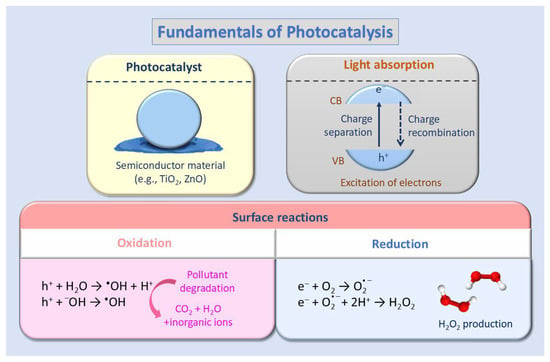
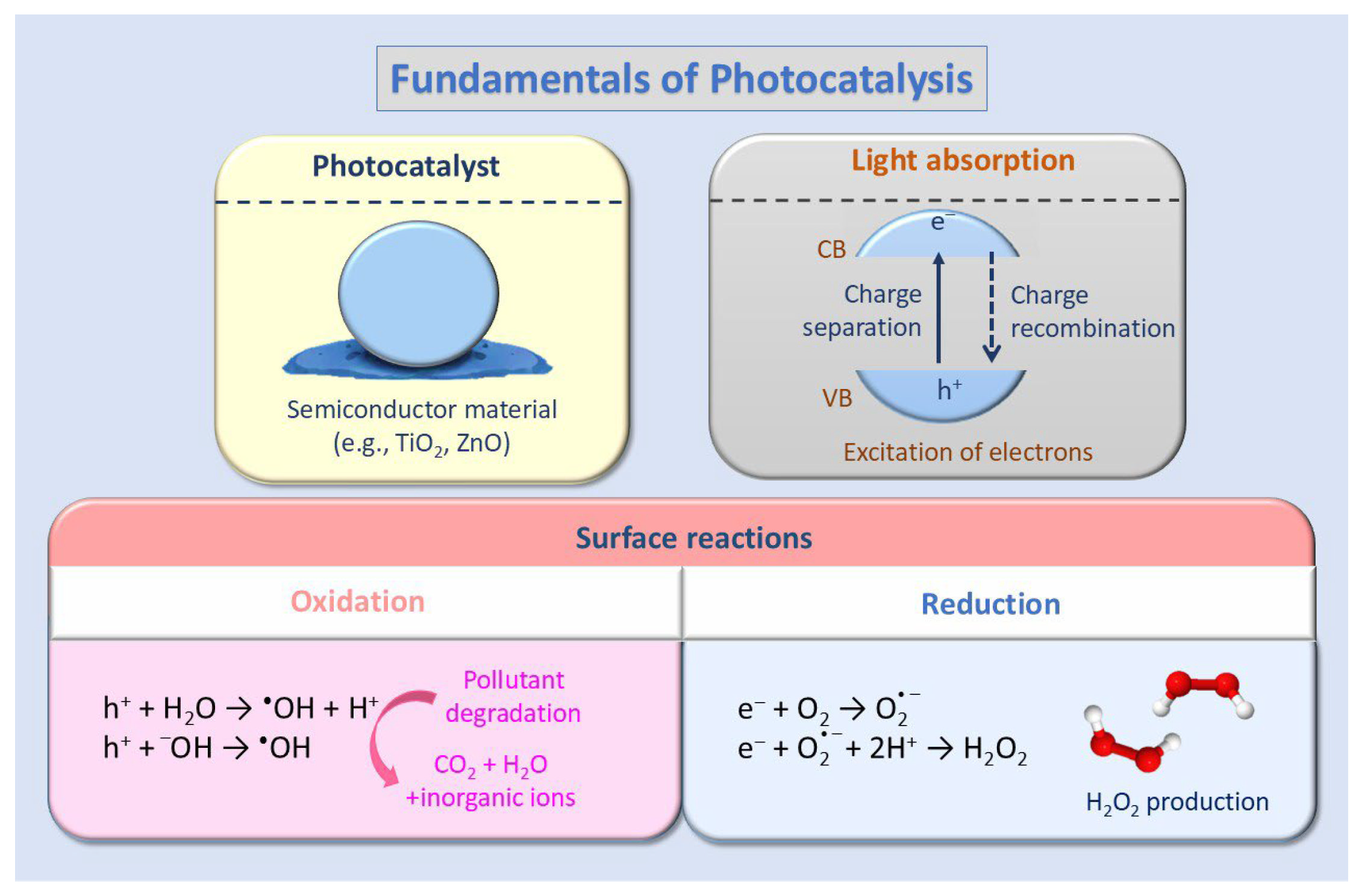
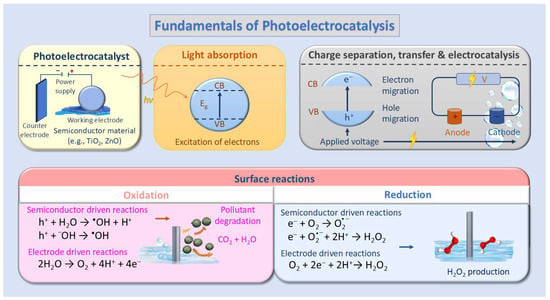
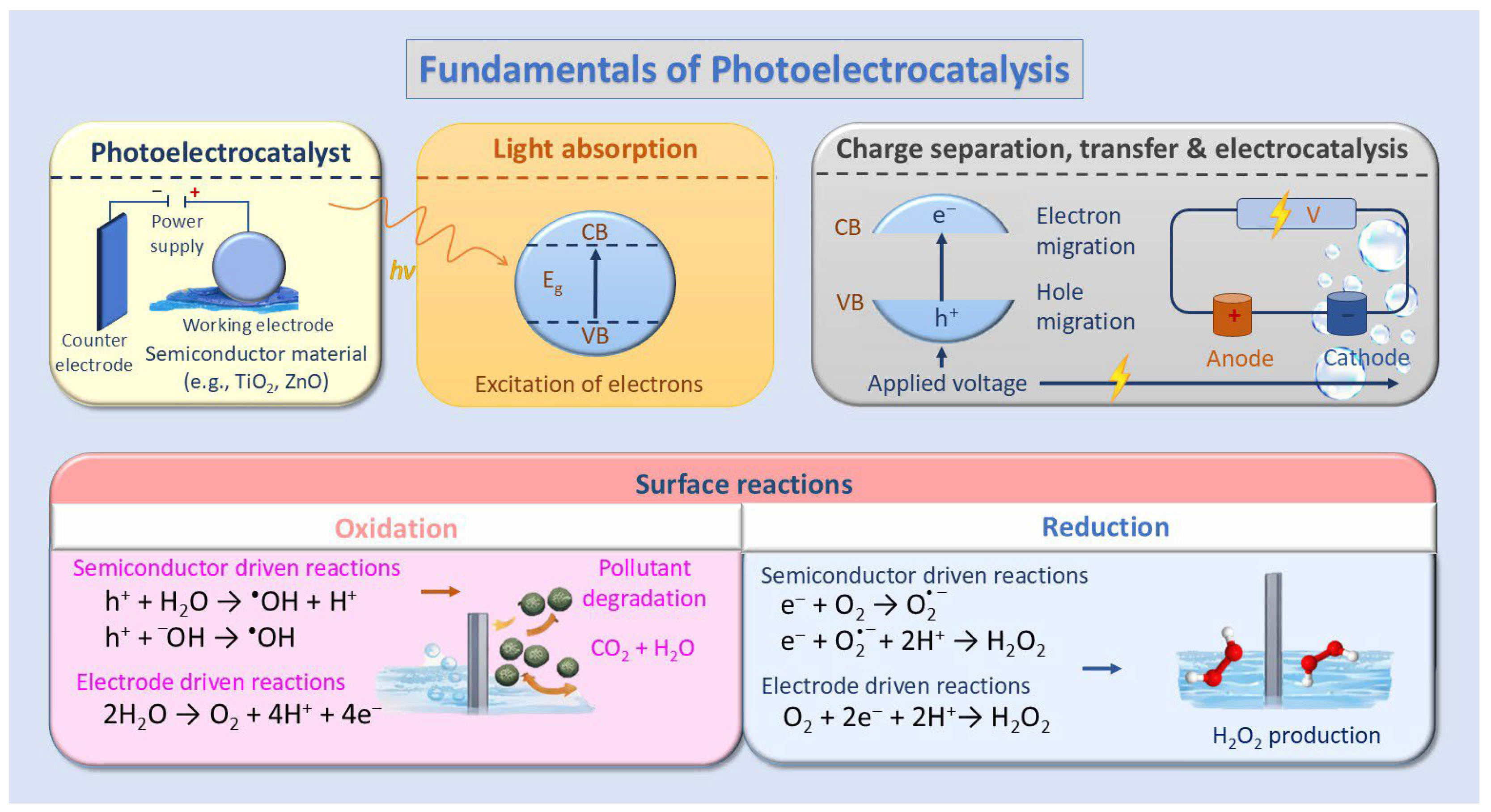
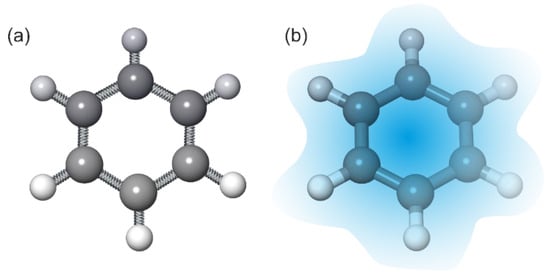
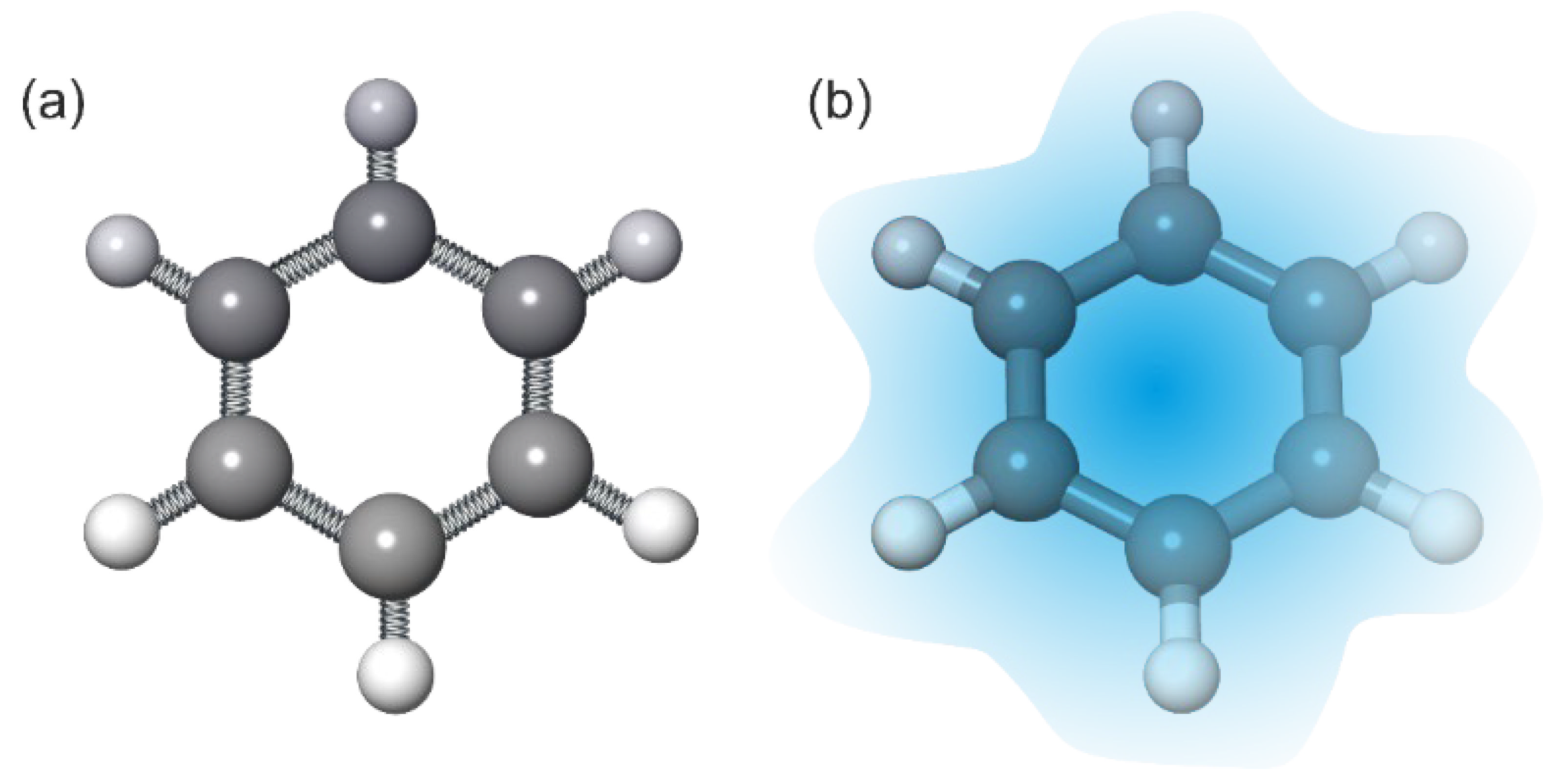
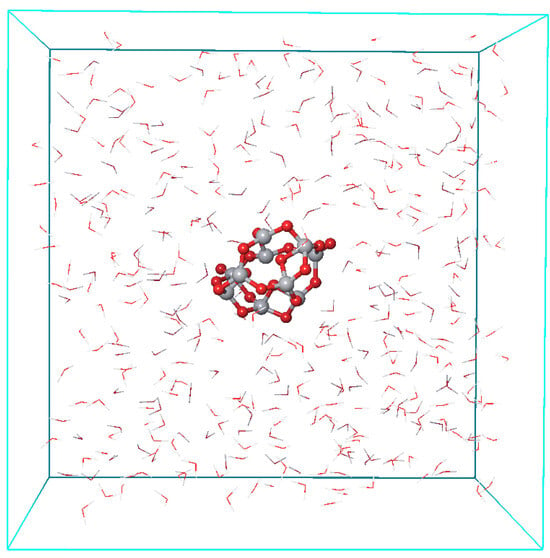
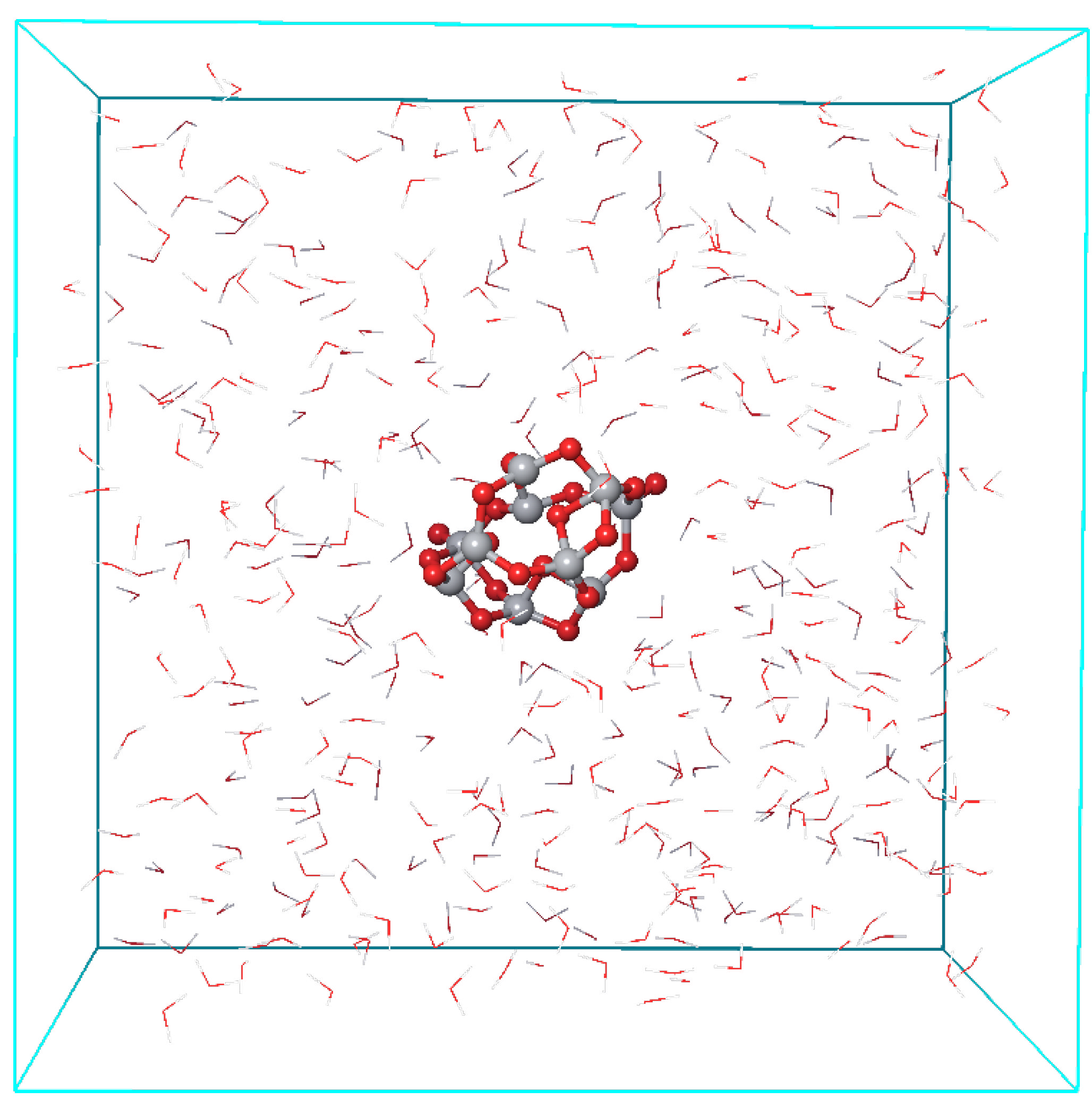
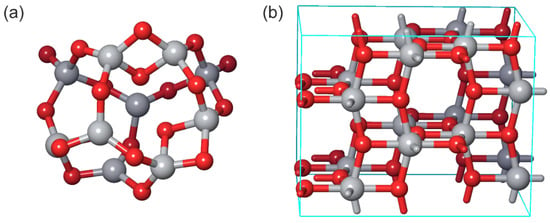
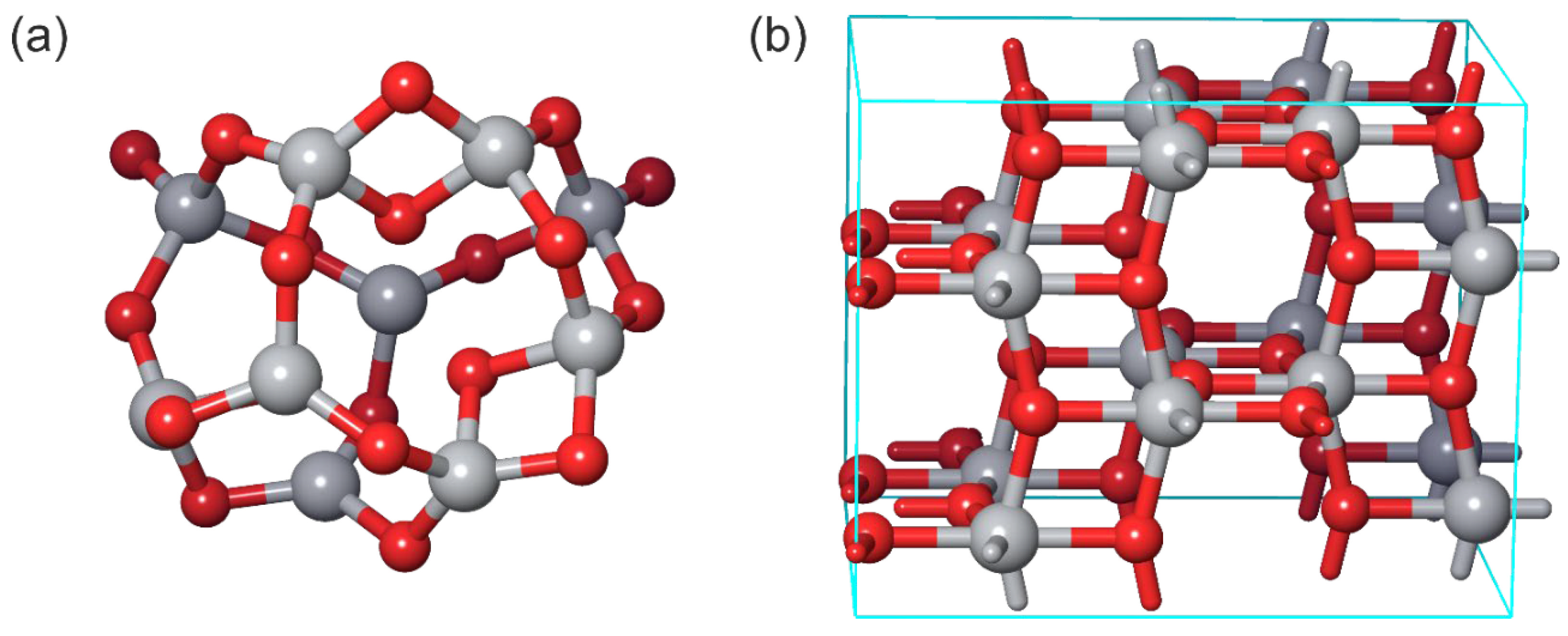
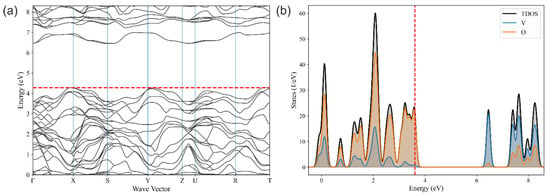
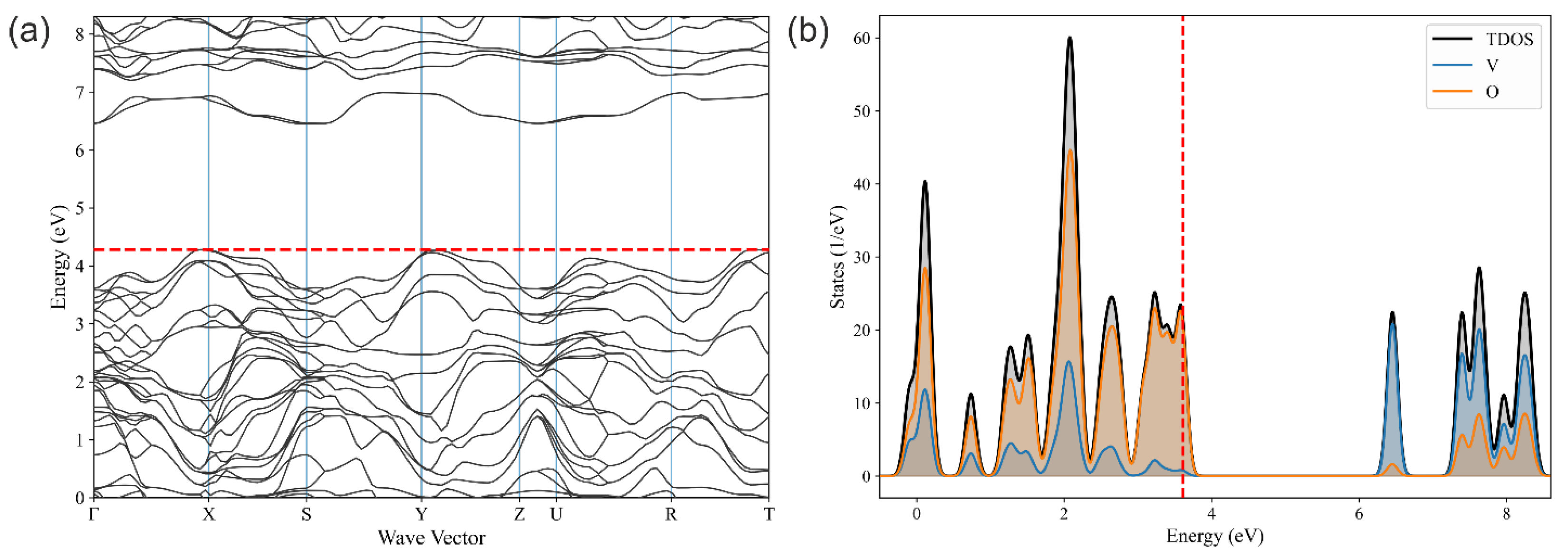
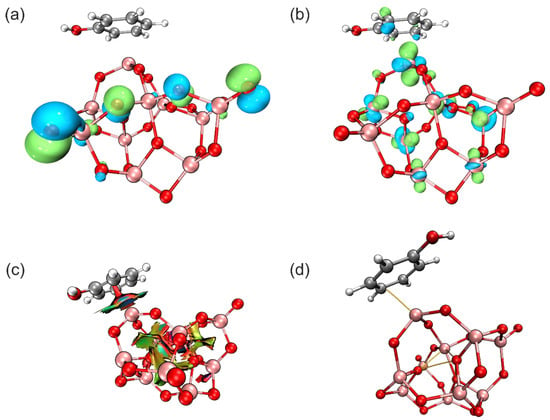
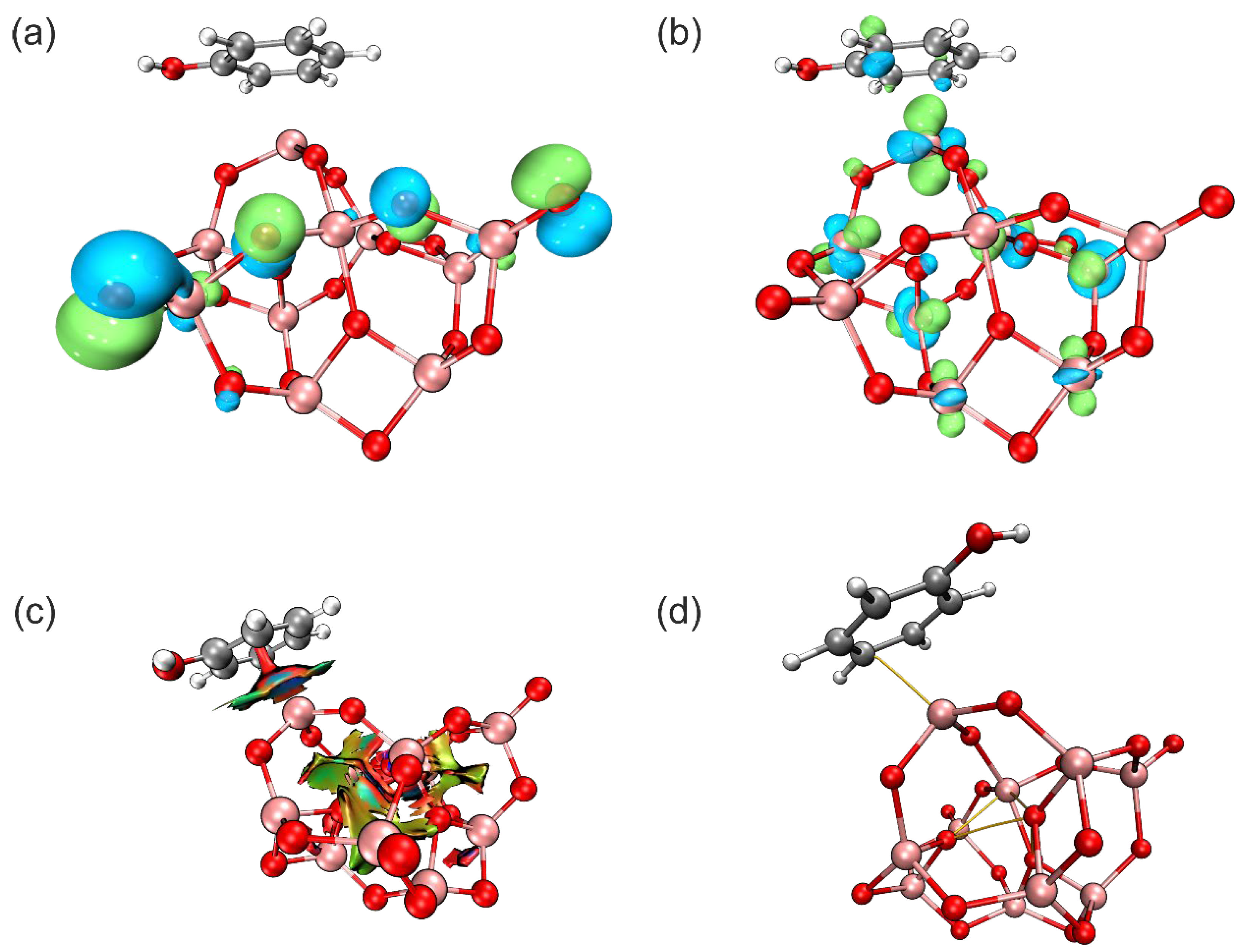

Disclaimer/Publisher’s Note: The statements, opinions and data contained in all publications are solely those of the individual author(s) and contributor(s) and not of MDPI and/or the editor(s). MDPI and/or the editor(s) disclaim responsibility for any injury to people or property resulting from any ideas, methods, instructions or products referred to in the content. |
© 2026 by the authors. Licensee MDPI, Basel, Switzerland. This article is an open access article distributed under the terms and conditions of the Creative Commons Attribution (CC BY) license.