


Abstract
Early and reliable fault detection in Brushless Direct Current (BLDC) motors is essential for improving system reliability and reducing unplanned industrial downtime. This study presents a controlled experimental investigation of data-driven machine learning approaches for the classification of multiple common BLDC motor faults. Four representative fault-related indicators were obtained under systematically designed operating conditions, and a consistent feature extraction procedure was applied prior to model development. A comparative evaluation was conducted using Multi-Layer Perceptron (MLP), Support Vector Machines (SVM), k-Nearest Neighbour (kNN), and decision tree-based classifiers. All models were trained and tested on the same dataset using an identical validation protocol to ensure methodological fairness and reproducibility. Performance was assessed through standard classification metrics, enabling a transparent comparison of predictive capability and stability. The results show that the MLP model achieved the highest overall classification accuracy (91.6%), closely followed by SVM (91.4%) and kNN (90.2%). Although the performance differences are moderate, the neural network demonstrated more consistent behaviour in scenarios where fault signatures exhibited overlapping characteristics. These findings suggest that non-linear feature interactions play a significant role in BLDC fault discrimination and can be effectively captured by multi-layer architectures. The study provides a reproducible experimental framework and a balanced performance assessment that may support both academic research and the practical development of intelligent condition monitoring systems for BLDC-driven applications.
1. Introduction
The reliability of electrical machines is of critical importance to the continuity, efficiency, and operational safety of modern industrial systems. Unexpected faults in electric motors within production lines may lead not only to unplanned downtime but also to increased maintenance costs, reduced energy efficiency, and degradation in product quality [1]. To mitigate these adverse effects, continuous monitoring of motor operating conditions and the early detection of incipient faults have become integral components of contemporary industrial maintenance strategies.
Advances in digitalisation and sensor technologies have enabled the simultaneous acquisition and evaluation of multiple physical quantities from electric motors, thereby facilitating a more detailed and reliable analysis of motor behaviour [2]. While traditional maintenance approaches typically rely on reactive interventions following fault occurrence, current industrial practices increasingly emphasise data-driven monitoring and predictive maintenance frameworks. This paradigm shift has, in turn, amplified the significance of signal processing techniques and machine learning-based fault diagnosis systems in recent years [3,4].
In this context, BLDC motors are recognised as one of the most prominent electric motor technologies in contemporary industrial and commercial applications [5]. BLDC motors are characterised by stator-mounted windings and a rotor equipped with permanent magnets, a configuration that fundamentally distinguishes them from conventional brushed machines [6]. By eliminating brushes and commutators, BLDC motors inherently avoid friction-related losses, mechanical wear, and excessive acoustic noise commonly observed in brushed motors [7]. These structural advantages translate into high efficiency, extended service life, reduced maintenance requirements, high power density, and a wide range of speed control capabilities [7,8]. Furthermore, unlike traditional DC motors, BLDC motors do not generate electrical sparks, which allows their safe operation in explosive environments and sensitive applications [9]. Owing to these favourable attributes, BLDC motors are extensively employed in electric and hybrid vehicles, unmanned aerial vehicles, medical devices, robotic systems, CNC machines, household appliances, compressors, fans, pumping systems, and industrial automation lines [9,10]. The absence of brushes and commutators not only enhances operational safety but also contributes to prolonged motor lifetime and reduced acoustic noise levels [11]. As a result, BLDC motors have become a standard and reliable solution across both consumer electronics and critical industrial domains.
However, despite their numerous advantages, BLDC motors remain susceptible to a range of faults that may lead to performance degradation, excessive heating, increased vibration levels, reduced energy efficiency, and, in severe cases, complete system failure [12]. Among the fault types most frequently reported in the literature are bearing defects, stator winding short circuits, and shaft misalignment [13,14]. Bearing-related faults constitute the largest share of overall motor faults and typically manifest as elevated friction, intensified vibration, and a gradual loss of mechanical stability [15]. Stator winding short circuits, often arising from insulation degradation, cause uneven current distribution and rapid temperature rise, which can result in irreversible motor damage within a short period of operation [16]. Shaft misalignment, stemming from disturbances in the rotor–stator alignment, induces pronounced vibration amplitudes and adversely affects bearing lifespan as well as overall motor efficiency [17]. Since the early-stage manifestations of these faults are generally subtle and not easily detectable through conventional inspection methods, they pose a significant risk of progressing to severe damage, unexpected downtime, and costly maintenance interventions.
Conventional fault detection approaches typically rely on manual inspection procedures, spectral analysis, and expert-driven interpretation. However, such methods tend to exhibit limited robustness and reduced diagnostic accuracy under varying operating and load conditions [18]. As a result, artificial intelligence and machine learning-based fault diagnosis techniques have gained significant attention in recent years. Existing studies have explored a wide range of methods, including artificial neural networks [19], support vector machines [20], wavelet-based techniques [21], recurrent neural networks [22], hybrid learning frameworks [23], and Random Forest algorithms [24], commonly applied to stator current, vibration, and acoustic signals. Prior research has demonstrated that bearing fault classification based on vibration measurements can achieve accuracy levels exceeding 95% [25,26], while current-based approaches for detecting stator winding short circuits have also reported high diagnostic performance [27]. Nevertheless, most of these investigations concentrate on a single fault type and rarely provide a systematic comparison of multiple fault conditions evaluated using different machine learning models. This limitation highlights a notable gap in the existing literature and underscores the need for more comprehensive and comparative diagnostic studies.
In addition to individual signal analysis, the integration of heterogeneous sensor measurements has recently emerged as a promising direction for improving the reliability of motor fault diagnosis systems [28]. Different sensor modalities capture complementary information regarding the mechanical, electrical, and thermal behavior of electric machines. Therefore, combining multiple sensing modalities within a unified diagnostic framework can significantly enhance the robustness and reliability of fault identification. However, comprehensive experimental studies that simultaneously evaluate multiple sensor sources and multiple fault classes under controlled laboratory conditions remain relatively limited in the existing literature [29].
To better position the proposed study within the existing literature, a comparison of representative studies on motor fault diagnosis is presented in Table 1. Many existing studies focus on a single sensor modality or a limited set of fault types. In contrast, the present study integrates multiple sensor measurements and systematically compares several machine learning algorithms for multi-fault diagnosis in BLDC motors under controlled experimental conditions.
Table 1.
Studies conducted on engine fault diagnosis.
This study presents a comprehensive machine learning-based framework for the early diagnosis of critical faults in BLDC motors, including bearing fault, stator winding short circuits, and shaft misalignment. Both healthy and faulty operating conditions were experimentally characterised using multi-sensor measurements framework comprising vibration, speed, current harmonics, and temperature signals. The acquired data were subsequently employed to train and evaluate multiple machine learning classifiers, and their performances were systematically assessed using quantitative metrics such as accuracy and sensitivity. By addressing multiple fault types within a unified experimental framework, this study enables a consistent and reliable evaluation of fault-related behaviours in BLDC motors. In addition, the structured comparison of widely used classification algorithms provides a clear and methodologically sound contribution to the literature on BLDC motor condition monitoring and fault diagnosis.
The selection of machine learning algorithms in this study is motivated by their suitability for feature-based fault classification and their established effectiveness in condition monitoring applications. Classical supervised learning models, including MLP, SVM, k-NN, and Decision Tree classifiers, were selected as benchmark algorithms due to their strong generalisation capability, interpretability, relatively low computational complexity, and transparent training procedures. In condition monitoring problems, model transparency is important for understanding the relationship between extracted features and fault patterns, particularly in engineering-oriented applications. Moreover, these methods generally require fewer training samples compared to deep learning architectures such as convolutional and recurrent neural networks, whose effectiveness typically depends on large-scale datasets and raw signal inputs, which were not the primary focus of the present feature-based experimental framework. Their widespread adoption in the literature enables fair comparison with previous studies and provides a reliable performance baseline for evaluating the effectiveness of the proposed multi-sensor framework. Detailed implementation settings and training parameters are described in the methodology section to ensure full reproducibility of the experimental results. Accordingly, the primary objective of this study was to systematically evaluate the performance of established classifiers under identical experimental conditions, thereby establishing a robust benchmark for multi-sensor, feature-based fault diagnosis in BLDC motors.
This study presents an experimental framework for multi-class fault diagnosis in BLDC motors. The main contributions can be summarized as follows. First, a laboratory-scale experimental platform is developed to enable controlled and repeatable fault induction in BLDC motors. Second, discriminative features are extracted from vibration and electrical signals through discrete wavelet transform-based analysis. Third, the classification performance of several widely used machine learning algorithms, namely MLP, SVM, kNN, and DT is systematically evaluated and compared. Finally, the impact of multi-sensor data fusion on diagnostic performance is examined. The study primarily focuses on the identification of early-stage fault characteristics under controlled experimental conditions, rather than on long-term fault degradation processes.
2. BLDC Motor Faults
Among the faults encountered in BLDC motors, bearing fault, stator winding short circuits, and shaft misalignment are particularly well suited for early detection and diagnosis. This is primarily because these faults give rise to distinct mechanical and electrical phenomena that have a direct impact on motor performance [38,39,40]. At the onset of such faults, measurable variations emerge in vibration levels, rotational speed, temperature, and current harmonics during motor operation [41]. In contrast to fault modes that lead to abrupt breakdown or sudden stoppage, these faults typically manifest as subtle deviations that progressively intensify over time [42]. This gradual evolution makes them especially amenable to accurate early diagnosis using signal processing techniques and machine learning-based models.
Bearing fault is particularly amenable to early diagnosis, as microscopic damage on the bearing surface generates characteristic frequency components in the vibration spectrum well before severe mechanical degradation occurs [43]. Similarly, shaft misalignment leads to observable variations in motor speed as the magnetic centre between the rotor and stator is displaced [44]. Although stator winding short circuits originate as electrical faults, they manifest measurable early-stage behaviours, including current imbalance, phase shifts, and localised temperature increases [45]. Such changes can be effectively captured using vibration, speed, and temperature sensors. Consequently, all three fault types constitute well-suited targets for machine learning-based monitoring systems, as they develop gradually while producing distinct and detectable diagnostic signatures.
These faults are commonly targeted in early diagnosis systems because their progression can induce severe secondary damage in other motor components. For instance, advancing bearing degradation disrupts the axial balance of the rotor, thereby imposing additional mechanical stress on both the windings and the permanent magnets. As axial misalignment becomes more pronounced, bearing wear accelerates further, creating a self-reinforcing degradation process. Likewise, an undetected stator winding short circuit may result in excessive heating and eventual insulation fault. Early identification of such faults is therefore essential for preventing cascading faults and reducing overall maintenance costs [46]. Accordingly, numerous studies in the literature focus on these three fault types in machine learning-based predictive maintenance applications, as they exhibit clear signal-level manifestations while posing significant operational risks [47,48].
2.1. Bearing Fault
This design allows the rotor to rotate with minimal friction in BLDC motors, as well as in other types of rotating machinery [49]. Damage to the bearings increases frictional forces, leading to higher energy losses, reduced efficiency, and disturbances in the motor’s dynamic balance [50]. Bearing faults are typically associated with factors such as improper or insufficient lubrication, excessive mechanical loading, the ingress of foreign particles, tolerance mismatches between the shaft and the bearing, shaft misalignment, inadequate bearing sensitivity, and overall mechanical imbalance [51,52]. Over time, these conditions give rise to micro-deformations and various forms of surface damage on the bearing raceways and rolling elements [53,54].
Bearing damage can generally be classified into two main categories: localised and distributed. Localised damage is characterised by deterioration concentrated at specific points on the bearing components, such as cracks, pitting, blistering, or corrosion on the rolling surfaces. In BLDC motors, one of the most observed forms of localised damage is blistering on the surfaces of the balls or raceways. Although such defects may be difficult to detect in their initial stages, they tend to grow over time and give rise to increased vibration levels. Distributed damage, by contrast, involves more widespread and irregular surface deformations caused by factors such as surface roughness, waviness, wear, shaft misalignment, or rolling elements operating outside specified tolerances. This type of damage degrades mechanical efficiency and destabilises the motor’s operating behaviour, while also contributing to elevated noise and vibration levels [55].
Bearing faults typically originate with subtle vibration signatures in the early stages and gradually progress to audible noise and binding behaviour as the damage becomes more severe [56]. Consequently, increases in vibration levels, acoustic emissions, and mechanical friction serve as key indicators of bearing health. Bearings are particularly sensitive to external contaminants such as dust, moisture, and chemical agents. Installation errors, the ingress of foreign particles during maintenance, or the use of contaminated lubricants can promote corrosion and micro-pitting on bearing surfaces. These contaminants may become trapped between the rolling elements and the raceways, producing abrasive wear on the metal surfaces. When the particles are sufficiently large or hard, they can impede free rotation, leading to friction-induced locking, commonly referred to as seizure. This condition significantly reduces motor efficiency and may ultimately result in cracking or fracture of the bearing rings at advanced stages.
The most prominent indicator of bearing damage is an abnormal increase in motor vibration levels [57]. Localised swelling or defects on the outer race generate impact forces each time a rolling element passes over the damaged region, resulting in periodic vibration components [58]. As the severity of the defect increases, the amplitude of these vibrations correspondingly rises. When the damage extends to the inner race, repeated impacts between the rolling elements and the defected surface produce short-duration, high-frequency, and rapidly damped vibration signals Figure 1. Analysis of the frequency content of these signals enables both the localisation of the defect and an assessment of its severity. For this reason, vibration-based monitoring remains one of the most widely adopted and accurate techniques for the early detection of bearing faults.
Figure 1.
BLDC motor bearing damage [59].
The most advanced stage of bearing damage is characterised by noticeably loud motor operation. At this point, the bearing has largely lost its internal geometry, and the rolling elements move in an irregular and unstable manner [59]. Such noisy operation indicates that the bearing can no longer fulfil its intended function and poses a serious risk to safe motor operation. Under these conditions, bearing replacement becomes unavoidable.
Bearing-related faults can be identified at earlier stages through vibration analysis and thermal imaging techniques. Thermal imaging generates a temperature map of the motor surface by capturing infrared radiation, thereby revealing localised heat accumulation associated with increased friction and wear within the bearing. This non-contact technique enables continuous condition monitoring without interrupting motor operation or requiring mechanical disassembly, making it particularly suitable for pre-maintenance inspections. By contrast, vibration measurement remains the most widely adopted diagnostic approach. In this method, sensors are mounted on the motor housing to acquire vibration signals in real time, which are subsequently analysed in the frequency domain. Each bearing defect produces a distinct set of characteristic spectral components. Harmonic components typically emerge during the early stages of damage, whereas sidebands and high-amplitude impulsive components become more pronounced as the fault progresses Figure 2. Accordingly, periodic vibration monitoring constitutes an effective maintenance strategy for tracking bearing degradation and enabling timely intervention before critical fault occurs [60]. As measurement accuracy is highly dependent on sensor placement, vibration sensors are generally positioned as close as possible to the bearing location [61].
Figure 2.
Harmonics and sidebands caused by bearing damage [59].
2.2. Winding Short Circuit Fault
In electric motors, stator windings constitute the primary active elements responsible for generating the magnetic field. Consequently, any damage to the windings directly disturbs the electromagnetic balance of the motor, leading to abrupt irregularities in torque production [62]. Winding-related faults are commonly attributed to factors such as insulation degradation, excessive current or thermal stress, moisture ingress, contamination between coils, and manufacturing or winding defects [63]. Over time, progressive deterioration of the insulation layer may allow adjacent conductors to come into contact, resulting in a short circuit within the windings (Figure 3). Prior to the onset of severe motor damage, such faults produce detectable warning signs, making them particularly valuable targets for early fault diagnosis.
Figure 3.
Short circuit fault of the BLDC motor [63].
When a short circuit develops within a stator winding, the motor’s magnetic field becomes asymmetric, causing one phase to draw a current that deviates from the others [64]. This imbalance generates uneven electromagnetic forces, which impair smooth and stable rotor rotation. In the early stages, the motor typically exhibits symptoms such as torque fluctuations, increased vibration, and current levels exceeding nominal values. As the fault progresses, rapid heating of the winding occurs, efficiency declines, and irreversible damage to the motor and drive circuitry may follow [64,65]. For this reason, early detection of winding short circuits is essential for protecting both the motor and the associated driver.
One of the earliest and most prominent indicators of a stator winding short circuit is the deterioration of current balance among the motor phases. In a healthy BLDC motor, phase currents are distributed symmetrically, whereas the presence of a winding short circuit leads to a pronounced increase in the current magnitude flowing through the faulty phase (Figure 4). This condition introduces additional thermal stress in both the affected winding region and the associated drive circuitry. The resulting rise in current density causes localised overheating of the conductor, reduces the thermal endurance of the insulation material, and accelerates fault propagation. In this study, winding short-circuit faults were implemented following the methodology reported in [65] by introducing controlled low-resistance parallel paths across a defined portion of the phase winding. The severity of the short circuit was regulated by adjusting the bypass resistance relative to the nominal phase resistance, thereby realising short-circuit conditions of approximately 30% and 50%. This approach enabled the investigation of winding faults under realistic, gradually progressing conditions rather than abrupt and destructive fault scenarios. As a consequence of the increased current density, a noticeable temperature rise was observed in the vicinity of the faulty phase winding. For this reason, the motor’s temperature distribution was considered a key indicator for early fault diagnosis. Thermal camera measurements revealed significantly elevated temperatures in the short-circuited phase region compared with surrounding areas. Furthermore, as the severity of the short circuit increased, the temperature rise was found to propagate across a larger portion of the motor housing, indicating the progression of the fault.
Figure 4.
BLDC motor short-circuit current change; (A) 30% short-circuit faulty motor current, (B) 50% short-circuit faulty motor current [65].
In addition to thermal effects, winding short circuits give rise to both electrical and mechanical symptoms [66]. Phase current imbalance shifts the magnetic centre of the rotor, leading to increased vibration levels. This vibration imposes additional mechanical stress on the bearings and rotor shaft, potentially triggering secondary mechanical faults. In advanced stages, changes in the motor’s acoustic become noticeable, and impacts caused by irregular electromagnetic forces may be audible [67]. Nevertheless, among the various indicators, phase current behaviour remains the most critical diagnostic feature for identifying winding short circuits.
2.3. Axis Misalignment Fault
In BLDC motors, shaft misalignment is a mechanical fault that arises when the geometric centres of the rotor and stator do not coincide [68]. This condition typically develops as a result of out-of-tolerance deviations in shaft bearings, inaccuracies in motor housing assembly, coupling misalignments, or irregularities in load transmission mechanisms. Although misalignment may initially present with subtle symptoms, such as low-amplitude vibrations or faint acoustic noise, its progression can lead to substantial performance degradation and structural damage. Early detection of shaft misalignment is therefore essential in industrial applications involving the continuous operation of BLDC motors, where both operational efficiency and system safety are critical.
An increasing degree of shaft misalignment poses a significant risk in applications such as electric propulsion systems, robotic production lines, and precision motion control. Deviation of the rotor’s rotational axis disrupts mechanical load balance, resulting in uneven moments acting on the bearings [69]. This condition increases frictional forces and accelerates heat generation, which may, over time, give rise to secondary damage, including bearing housing deformation, lubricant degradation, or direct bearing fault [70]. In addition, variations in the stator–rotor air gap alter the magnetic flux distribution, leading to electromagnetic torque oscillations and a reduction in overall motor efficiency [70,71]. Shaft misalignment should therefore be regarded not only as a mechanical defect, but also as a fault mode that adversely affects the motor’s electromechanical performance as a whole.
Shaft misalignment in BLDC motors can generally be detected at an early stage through vibration analysis, harmonic distortions in current signals, or fluctuations in rotational speed. Compared with conventional diagnostic approaches, modern machine learning algorithms are capable of identifying subtle changes in vibration or acoustic signatures, enabling misalignment to be detected before significant physical wear occurs. For this reason, shaft misalignment represents a critical fault category that warrants particular attention in early fault diagnosis systems.
In summary, shaft misalignment is a fundamental mechanical fault that reduces efficiency in BLDC motors, increases vibration and acoustic emissions, and ultimately causes permanent damage to bearings, shafts, and structural components. When left undiagnosed, it can trigger a cascade of secondary faults, leading to increased maintenance costs and unplanned downtime. These considerations further underscore the importance of early fault detection using machine learning-based approaches, as demonstrated in this study.
3. Materials and Methods
This section describes the experimental procedure employed for the early detection of bearing fault, stator winding short circuits, and shaft misalignment in BLDC motors. It outlines the technical specifications of the motor under investigation, the data acquisition system, sensor types and placement, and the controlled experimental conditions. Vibration, speed, temperature, and current signals were collected under both healthy and faulty operating states. Subsequently, feature extraction and selection procedures were applied to the acquired signals. The resulting feature sets were then used to train multiple machine learning algorithms, and their classification performances were systematically evaluated and compared. The four algorithms used in the study were selected as representative classical supervised learning models to create a performance comparison for feature-based fault classification. The aim was not to optimize a single algorithm, but to compare commonly used classifiers under the same training conditions. In contrast to many existing studies that concentrate on a single fault category, the proposed methodology enables the concurrent analysis of multiple fault types using different learning models within a unified dataset.
To further clarify the early-stage fault conditions considered in this study, the severity levels of the investigated faults were explicitly defined. In this context, early-stage faults refer to conditions in which fault signatures are present but remain relatively weak compared to those observed under severe fault conditions. For the short-circuit fault, the severity level was characterized based on the magnitude of abnormal current behavior observed in the motor phases. Low severity corresponds to slight deviations from the nominal current pattern, whereas higher severity levels are associated with more pronounced current distortions. For the misalignment fault, the severity levels were determined according to the degree of shaft misalignment introduced in the experimental setup. Smaller misalignment angles represent early-stage conditions, while larger misalignment levels generate more noticeable vibration signatures. These severity levels were considered to evaluate how the proposed multi-sensor machine learning framework performs under different fault intensities, with particular emphasis on early fault detection scenarios.
3.1. BLDC Motor Parameters and Experiment Set
This study employed 2300 KV BLDC motors to construct the experimental data set. These motors, belonging to the 2204 series, are widely used in drones, model aircraft, and other unmanned aerial vehicles. The selected motor is capable of reaching rotational speeds of up to 16,300 rpm. Owing to the high KV rating, such motors attain higher speeds at a given supply voltage, which in turn increases current demand and leads to elevated thermal loading in both the motor and the drive circuitry during operation. This operating characteristic introduces a challenging test environment in which fault-related signatures may be less pronounced, thereby providing a rigorous basis for evaluation. The primary motivation for selecting this motor model lies in its suitability for reproducing fault types commonly encountered in small-scale BLDC motors under controlled laboratory conditions. Its high-speed, low-torque characteristics allow variations in current, vibration behaviour, and thermal response to be observed with clarity. In addition, the external rotor configuration and lightweight mechanical structure facilitate the controlled implementation of mechanical and electrical faults, including bearing damage, stator winding short circuits, and shaft misalignment. These properties enable consistent and measurable fault scenarios for experimental analysis. Furthermore, the motor was chosen for its compatibility with the Arduino-based data acquisition system used in this study, ensuring reliable and synchronised signal acquisition across all sensor channels. Table 2 presents the specifications of the BLDC motor used.
Table 2.
Technical specifications of the BLDC motor.
This study established a laboratory-based experimental setup to enable a comparative analysis of healthy and faulty operating conditions. One healthy BLDC motor and three faulty motors of the same model were used. The healthy motor was defined as the reference operating condition. Three distinct fault scenarios were physically introduced: (i) bearing fault, (ii) winding short-circuit fault, and (iii) shaft misalignment fault. Figure 5 presents images of the healthy motor and each fault type. This experimental configuration allowed quantitative sensor data to be evaluated together with observable physical fault structures, thereby enabling experimental validation of the applied fault scenarios.
Figure 5.
The BLDC motors used in the study: (A) healthy motor, (B) motor with bearing fault, (C) motor with winding short-circuit fault, (D) shaft misalignment (magnet shift).
The data collection process was conducted using the experimental setup illustrated in Figure 6. The experimental system consisted of a BLDC motor, an electronic speed controller (ESC), a triaxial vibration sensor, an optical speed sensor, a Hall-effect current sensor, a clamp meter used to monitor harmonic components of line currents, and a thermal camera for non-contact measurement of surface temperature distribution. The vibration sensor was rigidly mounted on the motor housing at a location as close as possible to the bearing region. The speed sensor was aligned with the motor shaft, while the current sensors were positioned on the ESC output lines.
Figure 6.
The experimental setup that was established for the study.
All measurements were acquired in real time using an Arduino Mega development board, selected for its ability to support multiple sensor inputs. Time-domain current and vibration signals were recorded directly through this platform. Harmonic current information was obtained using the internal sampling and FFT-based analysis capabilities of the clamp meter. Rather than providing instantaneous current waveforms, the clamp meter supplied harmonic spectrum data calculated over predefined time windows, which were subsequently transferred to a computer environment. Thermal images were recorded at regular intervals throughout the experiments.
All sensor data were synchronised in the computer environment, and separate datasets were created for each fault type. These datasets were subsequently used in the feature extraction and classification stages described in the following sections. This integrated measurement approach enabled the dynamic behaviour of the motor under different fault conditions to be analysed in a systematic and comparable manner.
To ensure the scientific comparability of fault conditions, all experiments were conducted under identical speed references, supply voltages, and load conditions. To improve the clarity and reproducibility of the experimental setup, the specifications of the sensors used in the data acquisition system are summarized in Table 3. The selected sensors were chosen to accurately capture the electrical, mechanical, and thermal behaviour of the motor during both healthy and faulty operating conditions. The vibration sensor enables the detection of mechanical abnormalities such as bearing damage and shaft misalignment, while the current sensor captures electrical variations associated with load changes and winding faults. Temperature measurements provide insight into thermal effects caused by electrical faults, and the optical sensor allows precise monitoring of motor speed.
Table 3.
Specifications of the sensors used in the experimental setup [72,73,74,75].
During the data acquisition phase, each sensor signal was continuously recorded over one-second time windows. Within each window, vibration signals were sampled at kHz-level frequencies, while current and voltage signals were acquired at sampling rates selected to adequately capture their respective dynamics. Accordingly, the one-second interval does not represent a single sampling period but rather the duration of time-series data obtained through high-frequency sampling. This strategy preserved the bandwidth required for vibration-based fault diagnosis and enabled the acquisition of signals with sufficient resolution for time–frequency analysis methods compatible with discrete wavelet transform (DWT) techniques. The resulting multidimensional sensor data formed the basis for the feature extraction and classification methods described in subsequent sections, enabling the development of reliable and consistent models for early fault detection.
3.2. Data Collection
In this study, a multi-parameter database was constructed to train machine learning-based fault detection models. The data acquisition process was designed to encompass both healthy operating conditions and multiple fault scenarios, thereby ensuring that the developed models accurately represent real-world operating behaviour. All measurements were conducted using a laboratory-scale experimental setup. To maintain data comparability, the operating speed, supply voltage, load, and environmental conditions were kept constant for both healthy and faulty motors. Fault conditions were induced through prolonged operation under controlled settings. This approach enabled the capture of motor behaviour at the initial stages of fault development, allowing early fault characteristics to be identified from the collected data.
To analyse motor behaviour from multiple perspectives, vibration, current, temperature, and speed signals were recorded simultaneously. Vibration measurements were obtained using an accelerometer mounted on the motor body, which played a key role in identifying mechanical faults such as bearing damage and shaft misalignment. Motor current was monitored using a clamp meter connected to the ESC to capture harmonic components, while a current sensor was used to measure nominal current values. This approach enabled the detection of electrical load variations, sudden current increases, and phase imbalances. Temperature measurements were performed using a thermal camera to observe the thermal effects of electrical faults, particularly winding short circuits. Motor speed was measured using an optical sensor.
For each operating condition, large datasets were constructed from time-domain signals recorded at high sampling frequencies. In addition to the healthy state, three fault types, namely bearing damage, winding short circuit, and shaft misalignment, were applied in a controlled manner. Measurements were conducted over extended operating periods for each condition. As a result, a balanced multi-class dataset comprising 40,000 samples was constructed across the four operating conditions. To define the fault severity levels, bearing faults were introduced by varying the degree of mechanical damage applied to the bearing elements, while shaft misalignment faults were induced with different angular offsets. Low-severity faults correspond to minor deviations from nominal operation, representing early-stage conditions, whereas higher-severity faults produce more pronounced signal variations. A 25% overlap was implemented between consecutive windows to enhance sample diversity while maintaining the temporal structure of the recorded signals. To provide transparency regarding the dataset structure and class distribution, the number of generated samples for each operating condition is summarised in Table 4.
Table 4.
Dataset distribution across fault classes.
As shown in Table 4, the dataset was constructed to maintain a controlled and balanced distribution across fault classes, with healthy samples representing 40% of the total data, reflecting early-stage conditions, and fault conditions equally distributed. The class distribution was intentionally designed to preserve balanced representation across fault categories while maintaining a slightly higher proportion of healthy samples to reflect realistic operating conditions. This strategy ensures statistically sufficient and unbiased training data for evaluating the proposed machine learning models.
All experiments were conducted under the same speed reference, supply voltage, and no-load operating conditions, which were continuously monitored to ensure stable operation. To reduce noise effects, band-limited filtering and time synchronisation were applied to the sensor signals. Physically implausible outliers were removed, and the remaining data were organised in a standardised format. The resulting dataset enabled the training of classification algorithms using statistically sufficient, balanced, and directly comparable samples.
The data collection phase constitutes the foundation for the feature extraction and classification procedures described in the subsequent sections of the study. This multidimensional database, obtained under both healthy and faulty operating conditions, provides a robust and reliable basis for training and evaluating machine learning-based early fault detection models and offers a valuable reference framework for future research.
3.3. Feature Extraction and Selection
The dataset obtained from the experimental study consists of sensor measurements acquired under controlled fault conditions in a BLDC motor and represents progressive levels of degradation. In addition to the healthy state, bearing damage, winding short circuit, and magnetic eccentricity faults were introduced at different severity levels. During these experiments, motor current, vibration, temperature, and speed signals were recorded in real time. As a result, the dataset includes not only healthy and fully faulty conditions, but also signal variations corresponding to the early and intermediate stages of fault development. This enables the analysis of characteristic signal changes associated with fault progression and the identification of discriminative patterns emerging at early stages.
The raw sensor signals were not directly suitable for analysis due to mechanical vibrations in the experimental environment, electromagnetic interference, and parasitic effects originating from the measurement circuitry. Therefore, several preprocessing steps were applied prior to analysis. Low-pass filtering was used to reduce high-frequency noise, smoothing algorithms were employed to suppress abrupt signal fluctuations, and outliers representing sensor-related anomalies were removed from the dataset. These procedures produced a more stable, consistent, and interpretable signal structure suitable for training machine learning algorithms.
In the feature extraction stage, the DWT was employed to capture the time-varying characteristics of the motor signals. A four-level DWT decomposition using the Daubechies db7 mother wavelet was applied to analyze signal characteristics across different frequency bands. The energy of each sub-band was then computed as the sum of the squared wavelet coefficients. This approach is particularly effective for detecting non-stationary signal patterns and low-amplitude variations that may appear during the early stages of fault development, such as bearing damage or magnetic eccentricity.
Following the wavelet decomposition, statistical and energy-based features were extracted from the resulting sub-band coefficients to characterize fault-related patterns embedded in the signals. Specifically, several statistical descriptors were computed from each wavelet sub-band, including the mean, standard deviation, skewness, kurtosis, root mean square (RMS), and peak-to-peak value. These statistical measures provide information about the distribution, variability, and impulsive behavior of the signal components, which are known to be sensitive indicators of mechanical and electrical faults in electric motors.
In addition to statistical descriptors, energy-based features were calculated to quantify the distribution of signal power across different frequency bands. The energy of each wavelet sub-band was computed using the squared magnitude of the corresponding wavelet coefficients. These energy features enable the representation of fault-related frequency components that emerge in specific frequency ranges after the wavelet decomposition.
Since the initial feature set may contain redundant or less informative descriptors, a feature selection stage was incorporated to identify the most discriminative features for the classification task. In this stage, features that contributed most significantly to class separability were retained, while redundant or low-impact features were removed. This procedure reduces the dimensionality of the feature space, improves computational efficiency, and enhances the generalization capability of the machine learning classifiers used in this study.
A representative subset of the dataset used for training and evaluation is presented in Table 5. The table indicates that different fault types and severity levels produce distinguishable effects in the sensor signals, confirming the effectiveness of the preprocessing and feature extraction procedures in revealing fault-related signal variations.
Table 5.
The data set obtained in the study.
The dataset was constructed from multi-sensor measurements acquired during controlled experiments conducted on a BLDC motor. All sensor signals were recorded simultaneously, and data collection was performed under constant speed reference, supply voltage, and load conditions. Vibration signals were measured using a tri-axial accelerometer rigidly mounted on the motor housing at a location closest to the bearing region. Current measurements were obtained via Hall-effect current sensors placed on the ESC output phase lines, while motor speed was measured using an optical sensor aligned with the shaft axis. The surface temperature distribution of the motor was monitored remotely using a thermal camera. To accurately capture the relevant fault signatures in the BLDC motor, each sensor signal was sampled at a frequency appropriate for the dynamics it represents. Vibration signals were sampled at 1 kHz, which provides sufficient resolution to capture high-frequency components associated with bearing defects, shaft misalignment harmonics, and other mechanical fault phenomena commonly observed in BLDC motors. Stator current signals were sampled at 1 kHz to reliably monitor current harmonics and detect early-stage winding short circuits, ensuring that electrical fault signatures were adequately resolved. Motor speed was measured at 125 Hz, which is sufficient to track rotor dynamics and rotational irregularities without introducing aliasing, while surface temperature was sampled at 50 Hz using a thermal camera, reflecting the relatively slow thermal response of the motor under fault conditions. The selection of these sampling frequencies was guided by the Nyquist criterion and by previously reported fault characteristic frequencies in the literature [76], ensuring that all critical mechanical, electrical, and thermal phenomena were captured with appropriate temporal resolution. This approach guarantees that the acquired datasets contain accurate, high-fidelity representations of both early-stage and severe fault conditions, providing a solid foundation for subsequent feature extraction and machine learning-based classification. Measurements were acquired using fixed-length time windows, with each window treated as an independent sample during the classification process. This strategy preserved the temporal characteristics of motor operation while ensuring a statistically sufficient number of samples. All sensor data were synchronised along the time axis and combined into a unified data structure.
Due to mechanical vibrations in the experimental environment, electromagnetic interference, and parasitic effects originating from the measurement circuitry, the raw sensor signals were not directly suitable for analysis. Therefore, filtering and preprocessing steps were applied prior to feature extraction. Band-limited low-pass filters were used to reduce noise, smoothing operations were applied to suppress abrupt signal fluctuations, and physically implausible outliers associated with sensor errors were removed from the dataset. These procedures significantly reduced noise while preserving the fundamental dynamic characteristics of the signals. Following feature extraction, the entire dataset was normalised to maintain balanced feature weighting during classifier training. Since features derived from different sensors exhibited varying magnitudes and units, Z-score normalisation was applied to map all features onto a common scale and prevent disproportionate sensitivity to any single sensor channel. The final feature matrices were labelled to represent the healthy condition and three distinct fault types and were prepared for use in the classification stage. The complete workflow, encompassing data acquisition, preprocessing, feature extraction, and classification, is summarised in the flowchart presented in Figure 7. This representation provides a clear and traceable overview of the systematic process, from raw sensor signals to the multidimensional feature space used for fault diagnosis.
Figure 7.
The workflow chart of the study.
3.4. Machine Learning Algorithms
This section presents the machine learning based models employed to classify the operating state of a BLDC motor using an experimentally acquired dataset and extracted feature representations. Since fault detection in BLDC motors depends on the analysis of multivariate sensor signals and the identification of subtle data patterns, approaches beyond conventional rule-based methods are required. Accordingly, the performance of several machine learning algorithms with different learning mechanisms, decision structures and model assumptions is systematically evaluated. The obtained results demonstrate that data driven learning methods provide an effective and practical framework for signal based early fault diagnosis in BLDC motors.
In this study, an MLP-based model was employed to classify features extracted from experimentally obtained sensor data. The MLP is a feed-forward artificial neural network comprising an input layer, a hidden layer, and an output layer. It is widely used for solving non-linear problems (Figure 8) [77]. The MLP model employed in this study consists of an input layer corresponding to the number of extracted features, two hidden layers with 64 and 32 neurons, respectively, and an output layer matching the number of fault classes. ReLU activation functions were applied in the hidden layers, while a Softmax function was used in the output layer to facilitate multi-class classification. The model was trained for 100 epochs using the Adam optimizer. For a fair comparison, the hyperparameters of the comparative models (SVM, k-Nearest Neighbors, and Decision Tree) were tuned using cross-validation and grid search. This approach ensures that each classifier is evaluated under fully optimal settings, so that observed performance differences reflect the characteristics of the models rather than arbitrary parameter choices. This procedure also supports the reproducibility of the results. Faults in BLDC motors, such as bearing damage, winding short circuits, or shaft misalignment, induce non-linear changes in vibration, speed, current, and temperature signals. The MLP model is capable of learning these complex patterns and distinguishing subtle differences between fault types. Therefore, it was considered a suitable approach for accurate classification of motor conditions.
Figure 8.
Schematic representation of MLP [74].
In MLP-based models, the input layer consists of statistical parameters that are obtained during the feature extraction phase. The neurons in the hidden layer process these inputs using appropriate weight coefficients to produce non-linear decision surfaces, and the final classification result is obtained in the output layer. During the network’s learning process, the weights and threshold values are updated using the backpropagation algorithm; the difference between the predicted label and the actual label is reduced according to the least squares approach. In this context, the objective is to minimise the error function during the model’s training. In order to reduce the risk of overfitting during the training phase, the dataset is divided into three separate groups: training, validation, and testing.
In the general mathematical representation of the multi-layer perceptron (MLP) structure, the input vector is denoted as , the weight matrix of the hidden layer is denoted as w, the hidden layer activation function is denoted as g(⋅), and the output vector is denoted as . The output of each neuron in the hidden layer can be defined by Equation (1):
The output layer was calculated using Equation (2):
In this model, and denote the threshold values for the hidden and output layers, respectively, while m signifies the number of neurons in the hidden layer. Given the model’s necessity for a multi-class configuration, the softmax activation function was selected for the output layer. Consequently, the operating status of the motor (healthy, bearing fault, winding short circuit, shaft misalignment) was calculated probabilistically, and the class with the highest probability was labelled.
4. Results and Discussion
The experimental results demonstrate that integrating features derived from both vibration and electrical signals improves classification performance compared with single-sensor configurations. This observation suggests that mechanical and electrical measurements provide complementary diagnostic information under fault conditions. In addition, as the severity level increases, the associated fault signatures become more distinguishable in the sensor signals, which further contributes to improved classification performance. Figure 9 shows the fault rate of the MLP model according to fault type and severity level. The results demonstrate that higher severity levels produce clearer fault signatures in the sensor signals, which improves class separability and reduces misclassification. At low severity levels, signal deviations are subtle, leading to increased confusion between fault classes. As severity increases, features extracted from vibration, current, and temperature signals become more distinct, resulting in a lower fault rate. Overall, the proposed multi-sensor approach maintains reliable diagnostic performance across different fault intensities and performs better under pronounced fault conditions.
Figure 9.
Faults rates according to the severity level of the MLP.
It should be noted, however, that these performance improvements are specific to the evaluated fault scenarios and the controlled operating conditions employed in the experiments. Further investigations are therefore required to assess the robustness of the proposed model under varying load conditions and rotational speeds. Table 6 summarises the classification performance of the applied methods, including their accuracy metrics. The results indicate that the high-accuracy detection of critical faults, such as rotor magnet weakening and shaft misalignment, highlights the practical reliability of the MLP-based approach.
Table 6.
Accuracy rates of model performance across all methods.
As shown in Figure 10, the confusion matrix analysis indicates that the MLP outperforms alternative methods in both true positive and true negative classifications. The MLP model achieved the highest performance, with an accuracy of 0.918 and an F1-score of 0.915. While the SVM and kNN models demonstrated satisfactory performance for certain fault types, misclassifications were more pronounced in regions of the dataset with lower sample density. Although decision trees offer the advantage of interpretability, their classification results exhibited fluctuations due to variability in the data.
Figure 10.
Comparison of Confusion Matrix analyses of the models used in the study.
ROC curve analyses were employed to evaluate the discriminative performance of the classification models across different decision thresholds. Given the multi-class nature of the problem, the one-vs-rest (OvR) approach was used to construct the ROC curves, and the AUC values for each class were reported. As presented in Figure 11, the MLP model demonstrated high discriminative capability for all classes, with the lowest AUC value reaching 0.97. This indicates that the model can reliably distinguish between both healthy and faulty motor conditions.
Figure 11.
Comparison of ROC curves for the models used in the study.
In comparative analyses, while the SVM and kNN algorithms provided acceptable performance for certain classes, their generalisation ability was more limited, particularly in high-dimensional and non-linear data structures, when compared with the MLP. The superior performance of the MLP is attributed to its capacity to effectively learn the non-linear relationships present within complex sensor data.
To investigate the contribution of sensor fusion to classification performance, models were trained and tested using both single-sensor data and multi-sensor combinations. The resulting ROC and AUC analyses indicate that multi-sensor fusion significantly improved AUC values across all classes. Notably, the scenario combining vibration, current, and temperature data exhibited enhanced class separability and reduced misclassification rates. These findings highlight sensor fusion as a key factor in enhancing the discriminative power of the models. To evaluate the contribution of each sensor modality to the overall classification performance, an ablation study was conducted by training the model using individual sensors and their different combinations. Specifically, configurations involving only vibration, only current, and only temperature were analyzed, followed by multi-sensor fusion scenarios. This comparison is shown in Table 7. Sensor fusion enabled us to quantitatively measure the performance improvement achieved and clearly identify the complementary information provided by each modality.
Table 7.
Combinations in MLP Classification Performance.
The distribution of predicted values was examined in Figure 12, revealing that the MLP model accurately assigned each data point to its corresponding class with a high degree of confidence. This capability resulted in a reduction in both false positive and false negative rates, providing a considerable advantage for the early detection of faults that are critical in production processes. In contrast, the kNN model exhibited misclassifications in regions characterised by low data density, while the SVM model showed an increase in false positives for certain fault types.
Figure 12.
MLP data distribution, (A) original data, (B) prediction classification data.
The superior performance of the MLP model can be attributed primarily to its deep learning-based architecture, which allows it to capture complex and non-linear patterns within the data. Faults in BLDC motors typically manifest through signals that are indirectly related, making it difficult for linear models or simple distance-based algorithms to recognise these intricate relationships. The multiple hidden layers and non-linear activation functions of the MLP enable it to learn interactions between various sensor and motor parameters, thereby improving classification accuracy. This adaptive learning capability ensures low false positive and false negative rates, providing high reliability, particularly for the early detection of critical faults. Confusion Matrix and ROC analyses confirm that the MLP delivers consistent and dependable results, both overall and across individual fault types. In comparison, SVM and kNN models achieved acceptable performance in certain scenarios, but their effectiveness decreased in regions characterised by high variability or low data density. Decision trees, while interpretable, showed sensitivity to noise, resulting in fluctuations in classification outcomes. These observations align with previous literature, which reports that MLP models generally outperform other methods in complex, multivariate datasets.
The significance of this study extends beyond achieving high classification accuracy. BLDC motors serve as critical components in a wide range of industrial and energy systems, and the early detection of faults is essential for reducing maintenance costs and preventing production losses. Unlike most existing studies that focus on a single fault type, this work simultaneously analyses multiple fault types. Confusion Matrix and ROC analyses not only demonstrate the model’s overall accuracy but also quantify the risk of misclassification. Figure 12A,B illustrate the consistency of the MLP across both the overall dataset and specific fault classes. Consequently, the model can be regarded as a reliable tool for both theoretical research and practical applications.
The distribution of predicted values further highlights the model’s capabilities. It demonstrates the MLP’s ability to distinguish between fault types and the reliability of its probabilistic estimates. High prediction probabilities, particularly for critical faults such as bearing fault and shaft misalignment, provide valuable information for the development of early warning systems. This has direct implications for maintenance planning and operational safety. In conclusion, the MLP’s deep, non-linear structure, capable of learning complex parameter interactions, aligns closely with the nature of BLDC motor faults. It offers a robust and reliable solution for fault classification, both academically and industrially. Future studies may further enhance model performance, reduce maintenance costs, and improve production efficiency by incorporating more diverse sensor data and expanding the dataset.
5. Conclusions
This study has demonstrated that data-driven machine learning techniques provide a robust and practical framework for the early and reliable diagnosis of common faults in BLDC motors. Rather than emphasizing the superiority of individual classification algorithms in isolation, the results highlight the advantages of applying machine learning-based approaches to BLDC motor fault diagnosis, particularly in operating conditions where conventional analytical or threshold-based methods are challenged.
The experimental evaluation was conducted using fault indicators extracted from controlled measurements corresponding to healthy operation, bearing damage, winding short circuit, and magnetic eccentricity. All classifiers were trained and tested on the same dataset using an identical validation protocol, ensuring a fair and systematic comparison. Among the evaluated methods, the MLP achieved the highest classification accuracy of 91.6%, slightly outperforming SVM (91.4%), kNN (90.2%), and decision tree-based models. These results indicate that the extracted features exhibit non-linear relationships, which are more effectively captured by the multi-layer neural architecture.
An important contribution of this study lies in the integrated experimental framework that combines multiple sensing modalities and multi-class fault classification within a single test platform. The simultaneous use of vibration, current, temperature, and speed measurements enabled the extraction of complementary diagnostic information, allowing different physical manifestations of faults to be captured more effectively. This multi-sensor data fusion approach, together with the classification of three distinct fault types, provides a more comprehensive diagnostic perspective compared to studies that rely on a single sensing source or binary fault detection schemes.
From an application-oriented perspective, the proposed approach is particularly well suited for BLDC motors with high KV ratings. In such motors, elevated rotational speeds and increased electrical and mechanical frequencies often lead to overlapping spectral characteristics and low-amplitude fault signatures, making early-stage fault detection difficult using classical techniques. The achieved classification performance demonstrates that machine learning-based models are capable of identifying subtle and early fault-related patterns even under these challenging conditions, thereby offering a significant advantage for high-speed BLDC motor applications.
Although SVM and kNN classifiers exhibited competitive accuracy levels, the MLP-based model provided more stable and consistent predictions, especially in scenarios where different fault types produced similar signal characteristics. This robustness is of particular importance for high-KV BLDC motors, where signal ambiguity and noise are more pronounced. The findings therefore suggest that relatively compact and well-structured neural network models can offer an effective balance between diagnostic performance and computational efficiency.
Overall, the results confirm that the proposed machine learning-based fault diagnosis framework is not only suitable for academic analysis but also highly applicable to practical condition monitoring and predictive maintenance systems. By enabling reliable early fault detection, especially in high-speed BLDC motors, the approach has the potential to reduce unplanned downtime, improve operational reliability, and support intelligent maintenance strategies in industrial and high-performance applications. Future work will focus on real-time implementation, performance evaluation under varying load and speed conditions, and the investigation of additional fault severity levels to further extend the applicability of the proposed methodology. Although deep learning architectures such as convolutional and recurrent neural networks were not considered in the present study due to dataset size and the feature-based training strategy, future research will investigate their performance under larger datasets and end-to-end learning schemes to enable a comprehensive comparison with classical machine learning models.
Author Contributions
Methodology, M.Ş. and M.M.; Formal analysis, M.Ş.; Investigation, M.Ş. and M.M.; Data curation, M.Ş. and M.M.; Writing—original draft, M.Ş.; Writing—review & editing, M.Ş. and M.M.; Supervision, M.M.; Funding acquisition, M.Ş. All authors have read and agreed to the published version of the manuscript.
Funding
This project was funded by the Scientific Research Projects (BAP) Coordination Office (No.: RBB-2025-237) at Social Sciences University of Ankara.
Institutional Review Board Statement
Not applicable.
Informed Consent Statement
Not applicable.
Data Availability Statement
The data presented in this study are available on request from the corresponding author. Due to data privacy and other ongoing work, it is not publicly available.
Acknowledgments
The authors acknowledge the support of the Social Sciences University of Ankara (ASBU) Scientific Research Projects Coordination Office (BAP).
Conflicts of Interest
The authors declare no conflicts of interest.
References
- Andrioaia, D.A. Predictive Maintenance System to RUL Prediction of Li-Ion Batteries and Identify the Fault Type of Brushless DC Electric Motor from UAVs. Sensors 2025, 25, 4782. [Google Scholar] [CrossRef] [Scilit]
- Mallioris, P.; Aivazidou, E.; Bechtsis, D. Predictive Maintenance in Industry 4.0: A Systematic Multi-Sector Mapping. CIRP J. Manuf. Sci. Technol. 2024, 50, 80–103. [Google Scholar] [CrossRef] [Scilit]
- Vlachou, V.; Karakatsanis, T.; Efstathiou, D. Recent Advances of Artificial Intelligence Methods in PMSM Condition Monitoring and Fault Diagnosis in Elevator Systems. Appl. Syst. Innov. 2025, 8, 154. [Google Scholar] [CrossRef] [Scilit]
- Hossain, M.N.; Rahman, M.M.; Ramasamy, D. Artificial Intelligence-Driven Vehicle Fault Diagnosis to Revolutionize Automotive Maintenance: A Review. Comput. Model. Eng. Sci. 2024, 141, 951–996. [Google Scholar] [CrossRef] [Scilit]
- Kocwa, P.; Tutaj, A.; Drabek, T.; Piątek, P. BLDC Motor Models for Multi-Domain Modeling of Electric Power Tools. Energies 2025, 18, 5851. [Google Scholar] [CrossRef] [Scilit]
- Krishnan, R. Permanent Magnet Synchronous and Brushless DC Motor Drives; CRC Press: Boca Raton, FL, USA, 2009; ISBN 9781420014235. [Google Scholar]
- Mohanraj, D.; Aruldavid, R.; Verma, R.; Sathiyasekar, K.; Barnawi, A.B.; Chokkalingam, B.; Mihet-Popa, L. A Review of BLDC Motor: State of Art, Advanced Control Techniques, and Applications. IEEE Access 2022, 10, 54833–54869. [Google Scholar] [CrossRef] [Scilit]
- Xu, L.; Guerrero, J.; Lashab, A.; Wei, B.; Bazmohammadi, N.; Vasquez, J.; Abusorrah, A. A Review of DC Shipboard Microgrids—Part I: Power Architectures, Energy Storage, and Power Converters. IEEE Trans. Power Electron. 2022, 37, 5155–5172. [Google Scholar] [CrossRef] [Scilit]
- Kim, S.-H. Brushless Direct Current Motors. In Electric Motor Control; Elsevier: Amsterdam, The Netherlands, 2017; pp. 389–416. ISBN 9780128121382. [Google Scholar]
- Jawad Ali, H.; Kammel Shary, D.; Dawood Abbood, H. A Review of Intelligent Techniques Based Speed Control of Brushless DC Motor (BLDC). Basrah J. Eng. Sci. 2024, 24, 109–119. [Google Scholar] [CrossRef] [Scilit]
- Pindoriya, R.M.; Mishra, A.K.; Rajpurohit, B.S.; Kumar, R. An Analysis of Vibration and Acoustic Noise of BLDC Motor Drive. In Proceedings of the 2018 IEEE Power & Energy Society General Meeting (PESGM), Portland, OR, USA, 5–10 August 2018. [Google Scholar]
- Gamazo-Real, J.C.; Vázquez-Sánchez, E.; Gómez-Gil, J. Position and Speed Control of Brushless DC Motors Using Sensorless Techniques and Application Trends. Sensors 2010, 10, 6901–6947. [Google Scholar] [CrossRef] [Scilit] [PubMed]
- Tawfiq, K.B.; Güleç, M.; Sergeant, P. Bearing Current and Shaft Voltage in Electrical Machines: A Comprehensive Research Review. Machines 2023, 11, 550. [Google Scholar] [CrossRef] [Scilit]
- Blödt, M.; Granjon, P.; Raison, B.; Régnier, J. Mechanical Fault Detection in Induction Motor Drives through Stator Current Monitoring-Theory and Application Examples. In Fault Detection; InTech: Rijeka, Croatia, 2010; pp. 451–488. [Google Scholar] [CrossRef] [Scilit]
- Atmaji, F.T.D.; Jamasri; Yuniarto, H.A.; Made Miasa, I. Experimental Investigation of Shaft Misalignment Effects on Bearing Reliability through Vibration Signal Analysis Using Machine Learning and Deep Learning. Results Eng. 2025, 27, 106754. [Google Scholar] [CrossRef] [Scilit]
- Yang, M.; Phung, B.T. Motor Winding Insulation Degradation under Repetitive Voltage Pulses. IEEE Access 2024, 12, 77658–77674. [Google Scholar] [CrossRef] [Scilit]
- Heng, X.; Zhang, H.; Wang, A.; Zhang, W. The Effect of Support Misalignment on Vibration Characteristics of Aero-Engine Rotor Systems under Ultra-High Operating Speeds. Machines 2024, 12, 669. [Google Scholar] [CrossRef] [Scilit]
- Sun, H.; Gao, S.; Ma, S.; Lin, S. A Fault Mechanism-Based Model for Bearing Fault Diagnosis under Non-Stationary Conditions without Target Condition Samples. Measurement 2022, 199, 111499. [Google Scholar] [CrossRef] [Scilit]
- Rawat, A.; Mishra, A.; Alsharif, H.; Alharthi, R.M.; Gupta, B.B. Fault Classification in the Architecture of Virtual Machine Using Deep Learning. Sci. Rep. 2025, 15, 34469. [Google Scholar] [CrossRef] [Scilit]
- Widodo, A.; Yang, B.-S. Support Vector Machine in Machine Condition Monitoring and Fault Diagnosis. Mech. Syst. Signal Process. 2007, 21, 2560–2574. [Google Scholar] [CrossRef] [Scilit]
- Patcharoen, T.; Ngaopitakkul, A. Fault Classifications in Distribution Systems Consisting of Wind Power as Distributed Generation Using Discrete Wavelet Transforms. Sustainability 2019, 11, 7209. [Google Scholar] [CrossRef] [Scilit]
- Gherghina, I.-S.; Bizon, N.; Iana, G.-V.; Vasilică, B.-V. Recent Advances in Fault Detection and Analysis of Synchronous Motors: A Review. Machines 2025, 13, 815. [Google Scholar] [CrossRef] [Scilit]
- Zhou, K.; Tong, Y.; Wei, X.; Song, K.; Chen, X. A Novel Multi-Label Classification Deep Learning Method for Hybrid Fault Diagnosis in Complex Industrial Processes. Measurement 2025, 242, 115804. [Google Scholar] [CrossRef] [Scilit]
- Yang, B.-S.; Di, X.; Han, T. Random Forests Classifier for Machine Fault Diagnosis. J. Mech. Sci. Technol. 2008, 22, 1716–1725. [Google Scholar] [CrossRef] [Scilit]
- Guo, X. Fault Diagnosis of Rolling Bearings Based on Acoustics and Vibration Engineering. IEEE Access 2024, 12, 139632–139648. [Google Scholar] [CrossRef] [Scilit]
- Mezni, Z.; Delpha, C.; Diallo, D.; Braham, A. Performance of Bearing Ball Defect Classification Based on the Fusion of Selected Statistical Features. Entropy 2022, 24, 1251. [Google Scholar] [CrossRef] [Scilit]
- Vitor, A.L.O.; Goedtel, A.; Barbon, S., Jr.; Bazan, G.H.; Castoldi, M.F.; Souza, W.A. Induction Motor Short Circuit Diagnosis and Interpretation under Voltage Unbalance and Load Variation Conditions. Expert Syst. Appl. 2023, 224, 119998. [Google Scholar] [CrossRef] [Scilit]
- Sadrossadat, S.A.; Rahmani, O. ANN-based Method for Parametric Modelling and Optimising Efficiency, Output Power and Material Cost of BLDC Motor. IET Electr. Power Appl. 2020, 14, 951–960. [Google Scholar] [CrossRef] [Scilit]
- Banerjee, T.P.; Abraham, A. A Support Vector Machine Based Approach to Real Time Fault Signal Classification for High Speed BLDC Motor. In Advances in Intelligent Systems and Computing; Springer International Publishing: Cham, Switzerland, 2018; pp. 836–845. ISBN 9783319763477. [Google Scholar]
- Tekin, B.; Kaya, T. Analysis of Brushless DC Motor Sounds with Machine Learning Methods Using Wavelet Transform Based Features. Firat Univ. J. Exp. Comput. Eng. 2025, 4, 363–374. [Google Scholar] [CrossRef] [Scilit]
- Ul Islam Khan, M.; Pathan, M.I.H.; Mominur Rahman, M.; Islam, M.M.; Arfat Raihan Chowdhury, M.; Anower, M.S.; Rana, M.M.; Alam, M.S.; Hasan, M.; Sobuj, M.S.I.; et al. Securing Electric Vehicle Performance: Machine Learning-Driven Fault Detection and Classification. IEEE Access 2024, 12, 71566–71584. [Google Scholar] [CrossRef] [Scilit]
- Han, L.; Fu, X.; Tian, S.; Shen, Z. Demagnetization Fault Detection Research of Brushless DC Motor Based on Machine Learning. In Proceedings of the 2022 5th World Conference on Mechanical Engineering and Intelligent Manufacturing (WCMEIM), Ma’anshan, China, 18–20 November 2022. [Google Scholar]
- SVN, H.; Mandal, S.K.; P, G. Intelligent Fault Diagnosis of Electric Vehicle Powertrains Using Machine Learning Techniques. Int. J. Eng. Res. Sustain. Technol. 2025, 3, 23–33. [Google Scholar] [CrossRef] [Scilit]
- Suawa, P.; Meisel, T.; Jongmanns, M.; Huebner, M.; Reichenbach, M. Modeling and Fault Detection of Brushless Direct Current Motor by Deep Learning Sensor Data Fusion. Sensors 2022, 22, 3516. [Google Scholar] [CrossRef] [Scilit] [PubMed]
- Shih, K.-J.; Hsieh, M.-F.; Chen, B.-J.; Huang, S.-F. Machine Learning for Inter-Turn Short-Circuit Fault Diagnosis in Permanent Magnet Synchronous Motors. IEEE Trans. Magn. 2022, 58, 8204307. [Google Scholar] [CrossRef] [Scilit]
- Hsiao, C.-Y.; Htet, S.M. Acoustic Fault Detection in Brushless Direct Current Motors Using Machine Learning for Predictive Maintenance. In Proceedings of the 2024 IEEE International Conference on Recent Advances in Systems Science and Engineering (RASSE), Taichung, Taiwan, 6–8 November 2024; pp. 1–4. [Google Scholar]
- Grüner, T.; Böllhoff, F.; Meisetschläger, R.; Vydrenko, A.; Bator, M.; Dicks, A.; Theissler, A. Evaluation of Machine Learning for Sensorless Detection and Classification of Faults in Electromechanical Drive Systems. Procedia Comput. Sci. 2020, 176, 1586–1595. [Google Scholar] [CrossRef] [Scilit]
- Usman, A.; Rajpurohit, B.S. Comprehensive Analysis of Demagnetization Faults in BLDC Motors Using Novel Hybrid Electrical Equivalent Circuit and Numerical Based Approach. IEEE Access 2019, 7, 147542–147552. [Google Scholar] [CrossRef] [Scilit]
- Toren, M. Comparatıve Analysis of the Magnet Effects on the Permanent Magnet BLDC Motor Performance Used in Electric Vehicles. Electr. Eng. 2022, 104, 3411–3423. [Google Scholar] [CrossRef] [Scilit]
- Wang, H.; Wang, J.; Wang, X.; Lu, S.; Hu, C.; Cao, W. Detection and Evaluation of the Interturn Short Circuit Fault in a BLDC-Based Hub Motor. IEEE Trans. Ind. Electron. 2023, 70, 3055–3068. [Google Scholar] [CrossRef] [Scilit]
- Siddique, A.; Yadava, G.S.; Singh, B. A Review of Stator Fault Monitoring Techniques of Induction Motors. IEEE Trans. Energy Convers. 2005, 20, 106–114. [Google Scholar] [CrossRef] [Scilit]
- Garcia-Calva, T.; Morinigo-Sotelo, D.; Fernandez-Cavero, V.; Romero-Troncoso, R. Early Detection of Faults in Induction Motors—A Review. Energies 2022, 15, 7855. [Google Scholar] [CrossRef] [Scilit]
- Jadhav, P.M.; Kumbhar, S.G.; Desavale, R.G.; Patil, S.B. Distributed Fault Diagnosis of Rotor-Bearing System Using Dimensional Analysis and Experimental Methods. Measurement 2020, 166, 108239. [Google Scholar] [CrossRef] [Scilit]
- Lee, J.; Lee, Y.; Kim, N. Detection and Analysis of Shaft Misalignment in Application of Production and Logistics Systems Using Motor Current Signature Analysis. Expert Syst. Appl. 2023, 217, 119463. [Google Scholar] [CrossRef] [Scilit]
- Awadallah, M.A.; Morcos, M.M.; Gopalakrishnan, S.; Nehl, T.W. Detection of Stator Short Circuits in VSI-Fed Brushless DC Motors Using Wavelet Transform. IEEE Trans. Energy Convers. 2006, 21, 1–8. [Google Scholar] [CrossRef] [Scilit]
- Ren, Y.; Yi, R.; Lian, Z.; Xia, Q.; Yang, D.; Sun, B.; Feng, Q. Health Assessment of a Brushless Direct Current Motor Stator Using a Physics-Informed Long Short-Term Memory Network. Int. J. Electr. Power Energy Syst. 2025, 164, 110402. [Google Scholar] [CrossRef] [Scilit]
- Yadav, D.K.; Kaushik, A.; Yadav, N. Predicting Machine Failures Using Machine Learning and Deep Learning Algorithms. Sustain. Manuf. Serv. Econ. 2024, 3, 100029. [Google Scholar] [CrossRef] [Scilit]
- Tsallis, C.; Papageorgas, P.; Piromalis, D.; Munteanu, R.A. Application-Wise Review of Machine Learning-Based Predictive Maintenance: Trends, Challenges, and Future Directions. Appl. Sci. 2025, 15, 4898. [Google Scholar] [CrossRef] [Scilit]
- Caposciutti, G.; Ciulli, E.; Macucci, M.; Bologna, M.; Tellini, B. Characterization of Rolling Bearing Rotation and Local Defects Exploiting Their Magnetic Remanence. Measurement 2025, 242, 116252. [Google Scholar] [CrossRef] [Scilit]
- Lokhande, R.; Mishra, S.K.; Ronanki, D.; Shakya, P.; Edachery, V.; Koottaparambil, L. Review on Tribological and Vibration Aspects in Mechanical Bearings of Electric Vehicles: Effect of Bearing Current, Shaft Voltage, and Electric Discharge Material Spalling Current. Lubricants 2025, 13, 349. [Google Scholar] [CrossRef] [Scilit]
- He, F.; Xie, G.; Luo, J. Electrical Bearing Failures in Electric Vehicles. Friction 2020, 8, 4–28. [Google Scholar] [CrossRef] [Scilit]
- Abed, W.; Sharma, S.; Sutton, R.; Motwani, A. A Robust Bearing Fault Detection and Diagnosis Technique for Brushless DC Motors under Non-Stationary Operating Conditions. J. Control Autom. Electr. Syst. 2015, 26, 241–254. [Google Scholar] [CrossRef] [Scilit]
- Kudelina, K.; Vaimann, T.; Rassolkin, A.; Kallaste, A. Impact of Bearing Faults on Vibration Level of BLDC Motor. In Proceedings of the IECON 2021—47th Annual Conference of the IEEE Industrial Electronics Society, Toronto, ON, Canada, 13–16 October 2021. [Google Scholar]
- Lu, S.; Wang, X. A New Methodology to Estimate the Rotating Phase of a BLDC Motor with Its Application in Variable-Speed Bearing Fault Diagnosis. IEEE Trans. Power Electron. 2018, 33, 3399–3410. [Google Scholar] [CrossRef] [Scilit]
- Finley, W.R.; Sauer, B.J.; Loutfi, M. Motor Vibration Problems: How to Diagnose and Correct Vibration Errors. IEEE Ind. Appl. Mag. 2015, 21, 14–28. [Google Scholar] [CrossRef] [Scilit]
- Zhang, B.; Li, H.; Kong, W.; Fu, M.; Ma, J. Early-Stage Fault Diagnosis of Motor Bearing Based on Kurtosis Weighting and Fusion of Current-Vibration Signals. Sensors 2024, 24, 3373. [Google Scholar] [CrossRef] [Scilit]
- Jafarboland, M.; Farahabadi, H.B. Optimum Design of the Stator Parameters for Noise and Vibration Reduction in BLDC Motor. IET Electr. Power Appl. 2018, 12, 1297–1305. [Google Scholar] [CrossRef] [Scilit]
- Turnbull, R.; Rahmani, R.; Rahnejat, H. The Effect of Outer Ring Elastodynamics on Vibration and Power Loss of Radial Ball Bearings. Proc. Inst. Mech. Eng. K J. Multi-Body Dyn. 2020, 234, 707–722. [Google Scholar] [CrossRef] [Scilit]
- Available online: https://meslek.meb.gov.tr/upload/dersmateryali/pdf/EET2025DCMST1228.pdf (accessed on 12 August 2025).
- Papathanasopoulos, D.A.; Giannousakis, K.N.; Dermatas, E.S.; Mitronikas, E.D. Vibration Monitoring for Position Sensor Fault Diagnosis in Brushless DC Motor Drives. Energies 2021, 14, 2248. [Google Scholar] [CrossRef] [Scilit]
- Goyal, D.; Vanraj; Pabla, B.S.; Dhami, S.S. Non-Contact Sensor Placement Strategy for Condition Monitoring of Rotating Machine-Elements. Eng. Sci. Technol. Int. J. 2019, 22, 489–501. [Google Scholar] [CrossRef] [Scilit]
- Gerlici, J.; Goolak, S.; Gubarevych, O.; Kravchenko, K.; Kamchatna-Stepanova, K.; Toropov, A. Method for Determining the Degree of Damage to the Stator Windings of an Induction Electric Motor with an Asymmetric Power System. Symmetry 2022, 14, 1305. [Google Scholar] [CrossRef] [Scilit]
- Solís, R.; Torres, L.; Pérez, P. Review of Methods for Diagnosing Faults in the Stators of BLDC Motors. Processes 2022, 11, 82. [Google Scholar] [CrossRef] [Scilit]
- Shen, J.X.; Tseng, K.J. Analyses and Compensation of Rotor Position Detection Error in Sensorless Pm Brushless Dc Motor Drives. IEEE Trans. Energy Convers. 2003, 18, 87–93. [Google Scholar] [CrossRef]
- Abaci, M.; Bayram Kara, D. ANSYS-Based Broken Magnet, Demagnetization and Short Circuit Fault Evaluation for a BLDC Motor Designed for Light Electric Vehicle. Turk. J. Electr. Power Energy Syst. 2024, 4, 118–126. [Google Scholar] [CrossRef] [Scilit]
- Korkosz, M.; Pakla, B.; Prokop, J. Frequency Analysis of Partial Short-Circuit Fault in BLDC Motors with Combined Star-Delta Winding. Energies 2021, 15, 196. [Google Scholar] [CrossRef] [Scilit]
- Available online: https://www.researchgate.net/profile/George-Vachtsevanos/publication/264076276_Fault_Detection_and_Diagnosis_of_Winding_Short_in_BLDC_Motors_Based_on_Fuzzy_Similarity/links/5453c5bc0cf26d5090a55036/Fault-Detection-and-Diagnosis-of-Winding-Short-in-BLDC-Motors-Based-on-Fuzzy-Similarity.pdf (accessed on 1 September 2025).
- Kolano, K.; Drzymała, B.; Gęca, J. Sinusoidal Control of a Brushless DC Motor with Misalignment of Hall Sensors. Energies 2021, 14, 3845. [Google Scholar] [CrossRef] [Scilit]
- Lee, T.-Y.; Seo, M.-K.; Kim, Y.-J.; Jung, S.-Y. Motor Design and Characteristics Comparison of Outer-Rotor-Type BLDC Motor and BLAC Motor Based on Numerical Analysis. IEEE Trans. Appl. Supercond. 2016, 26, 5205506. [Google Scholar] [CrossRef] [Scilit]
- Du, J.; Li, C.; Zhao, J.; Ren, H.; Zhang, K.; Song, X.; Chen, L.; Yu, S.; Mi, Y. Investigation of Eddy Current Loss and Structure Design with Magnetic-Thermal Coupling for Toothless BLDC High-Speed PM Motor. Machines 2022, 10, 118. [Google Scholar] [CrossRef] [Scilit]
- Sindhu, M.; Meghana, K.; Rohan, D.; Sureshbabu, G. Electromagnetic Design of an Energy Efficient BLDC Motor Using Altair Flux—A Review. In Power Energy and Secure Smart Technologies; CRC Press: London, UK, 2025; pp. 154–161. ISBN 9781003661917. [Google Scholar]
- Available online: https://www.allegromicro.com/-/media/files/datasheets/acs712-datasheet.ashx (accessed on 8 March 2026).
- Available online: https://www.alldatasheet.com/view_datasheet.jsp?Searchword=HC89&sField=1 (accessed on 9 March 2026).
- Available online: https://handsontec.com/dataspecs/sensor/Vibration%20Sensor.pdf (accessed on 9 March 2026).
- Available online: https://www.isecus.com/wp-content/uploads/2022/01/UTi712S-Industrial-Thermal-Imaging-Camera-DATA-SHEET.pdf (accessed on 9 March 2026).
- Ateş, M.; Erkuş, B. Effects of Vibration Direction, Feature Selection, and the SVM Kernel on Unbalance Fault Classification. Machines 2025, 13, 634. [Google Scholar] [CrossRef] [Scilit]
- Available online: https://dergipark.org.tr/en/pub/dufed/issue/52851/698193 (accessed on 25 July 2025).
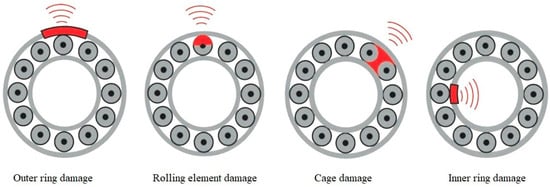
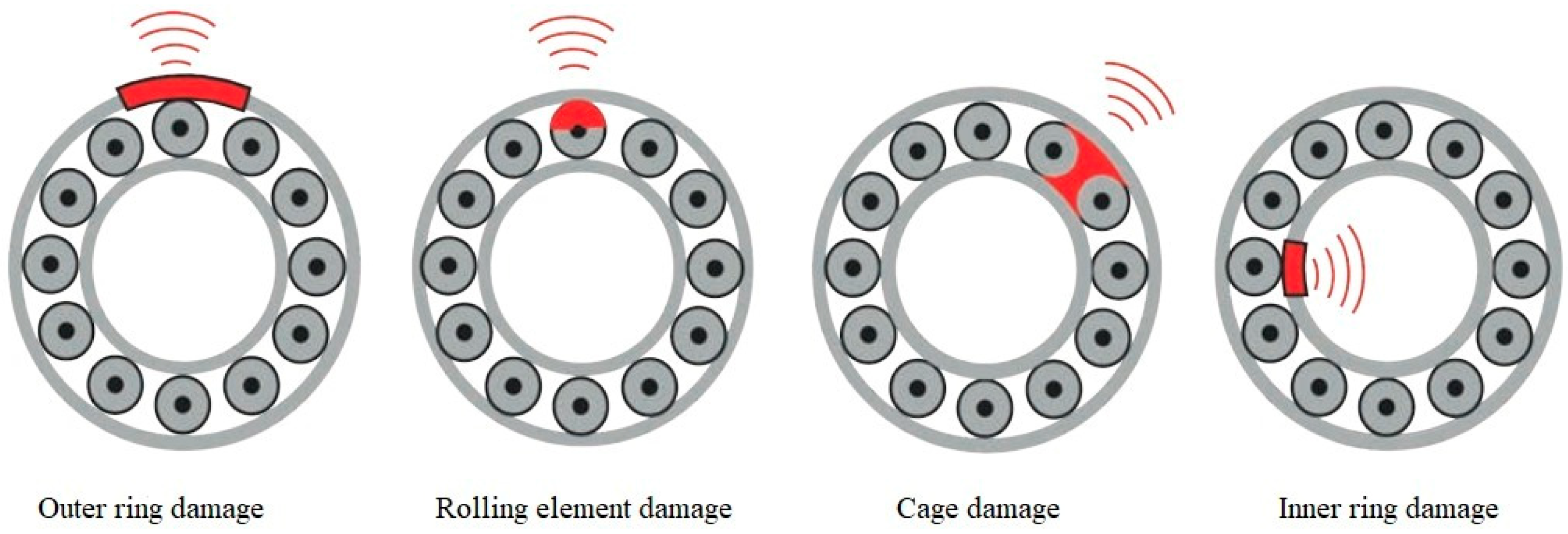
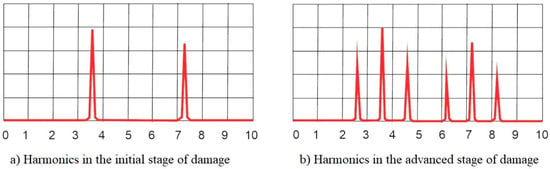
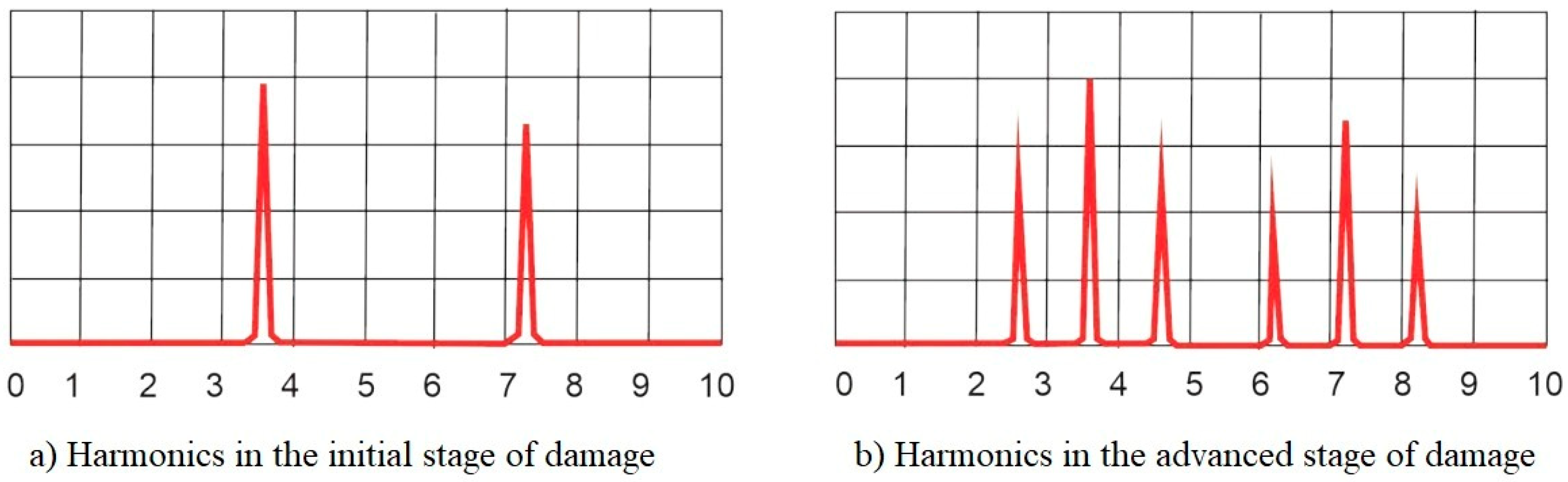
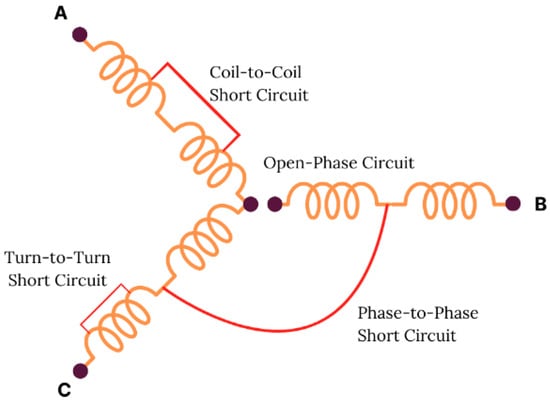
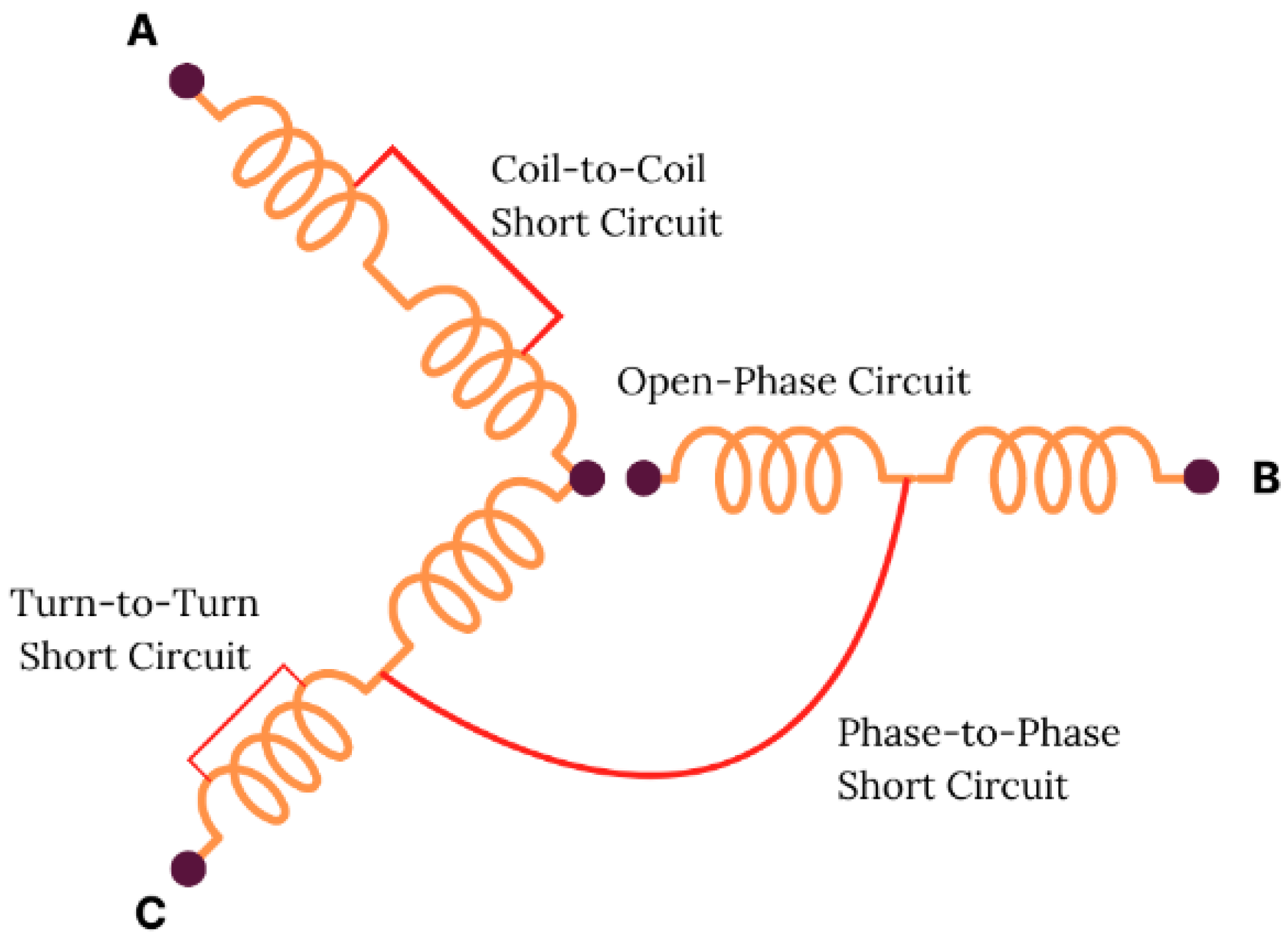
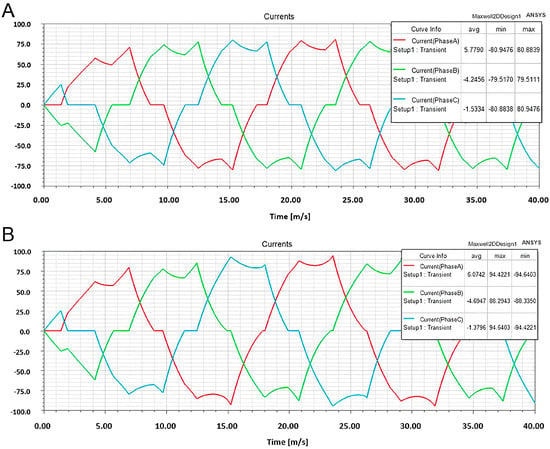
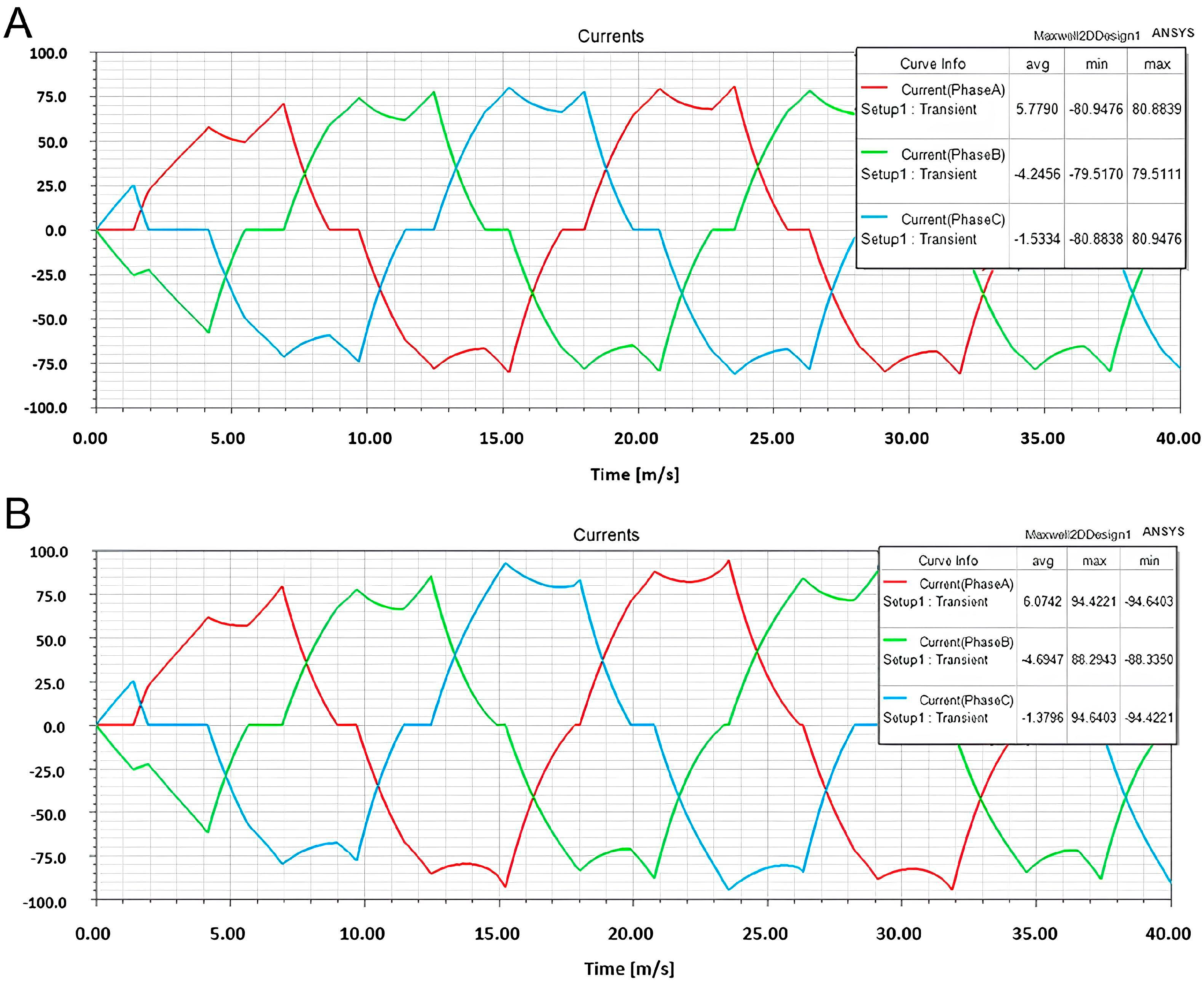
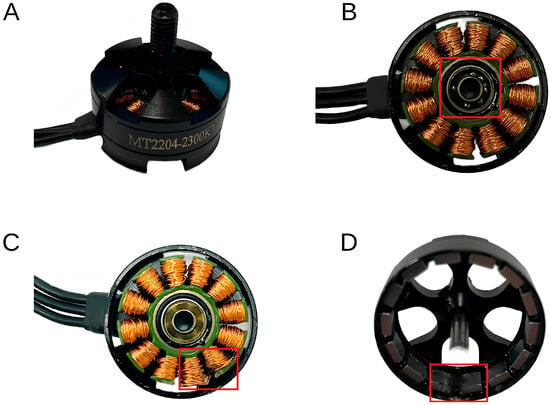
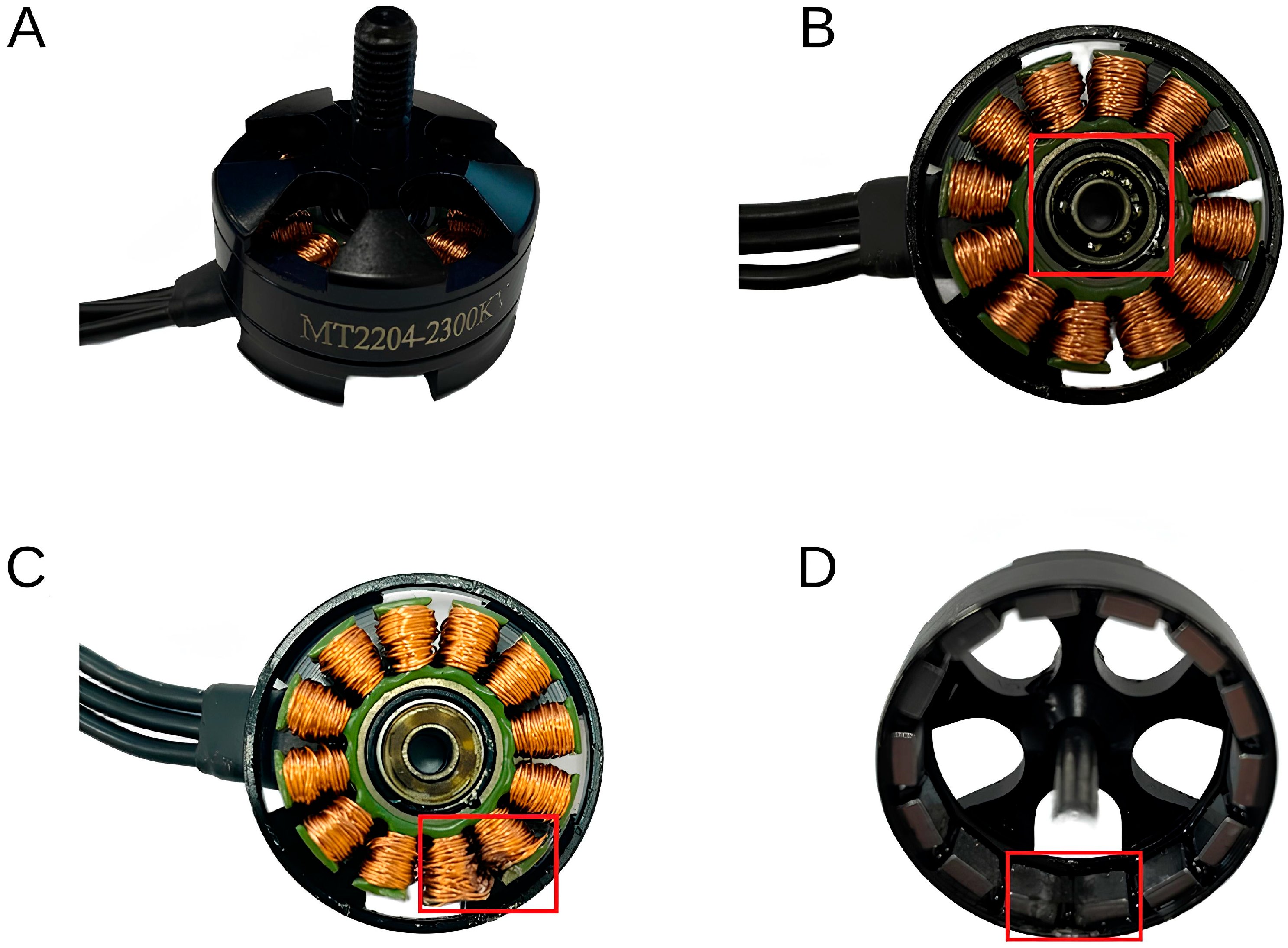
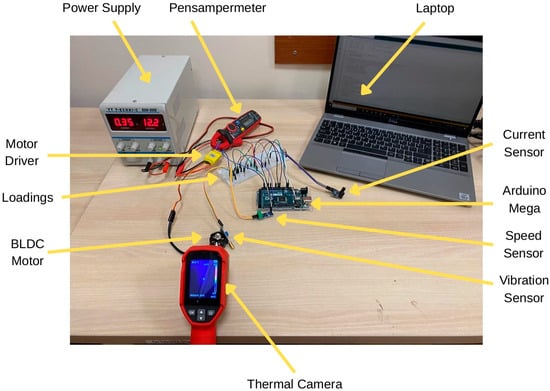
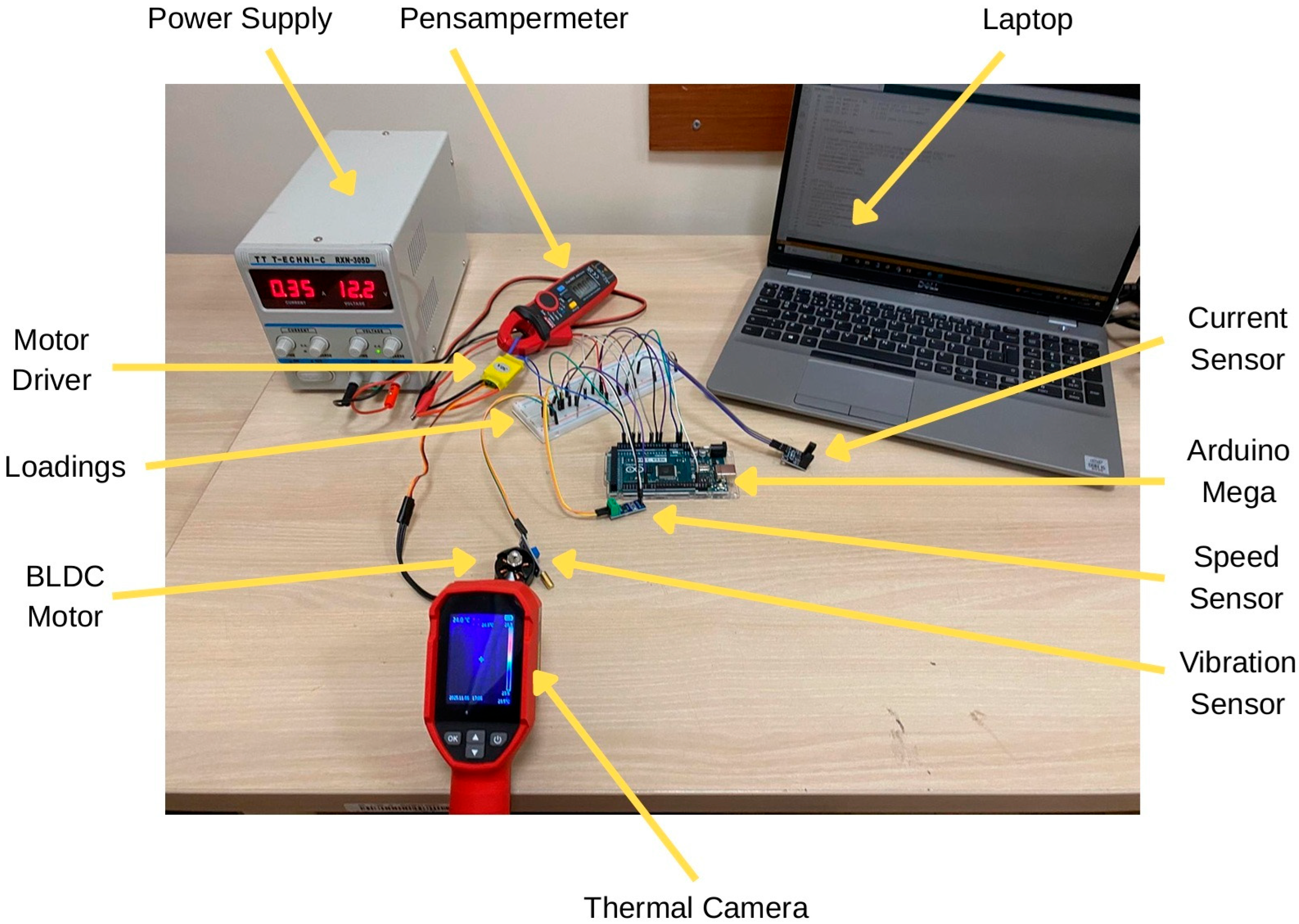
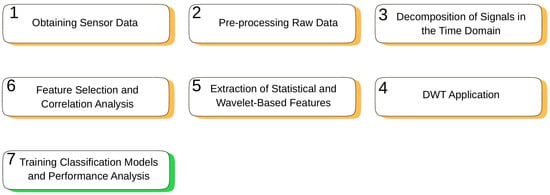
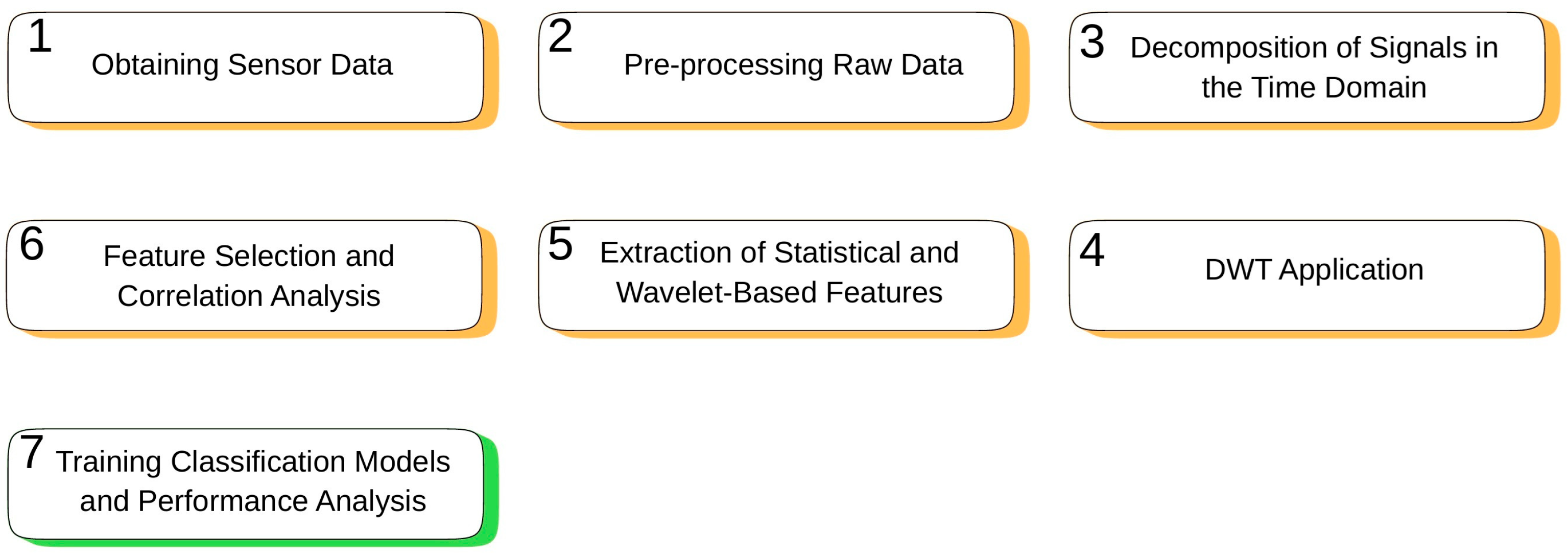
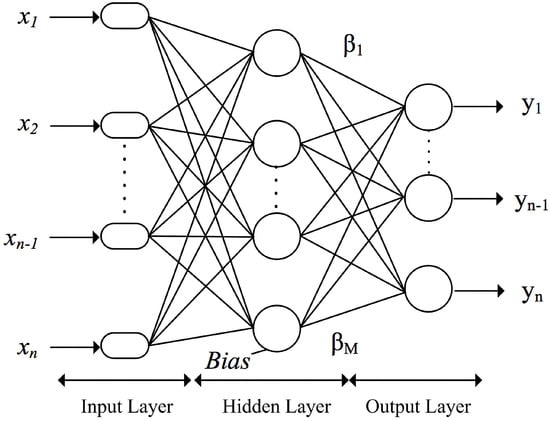
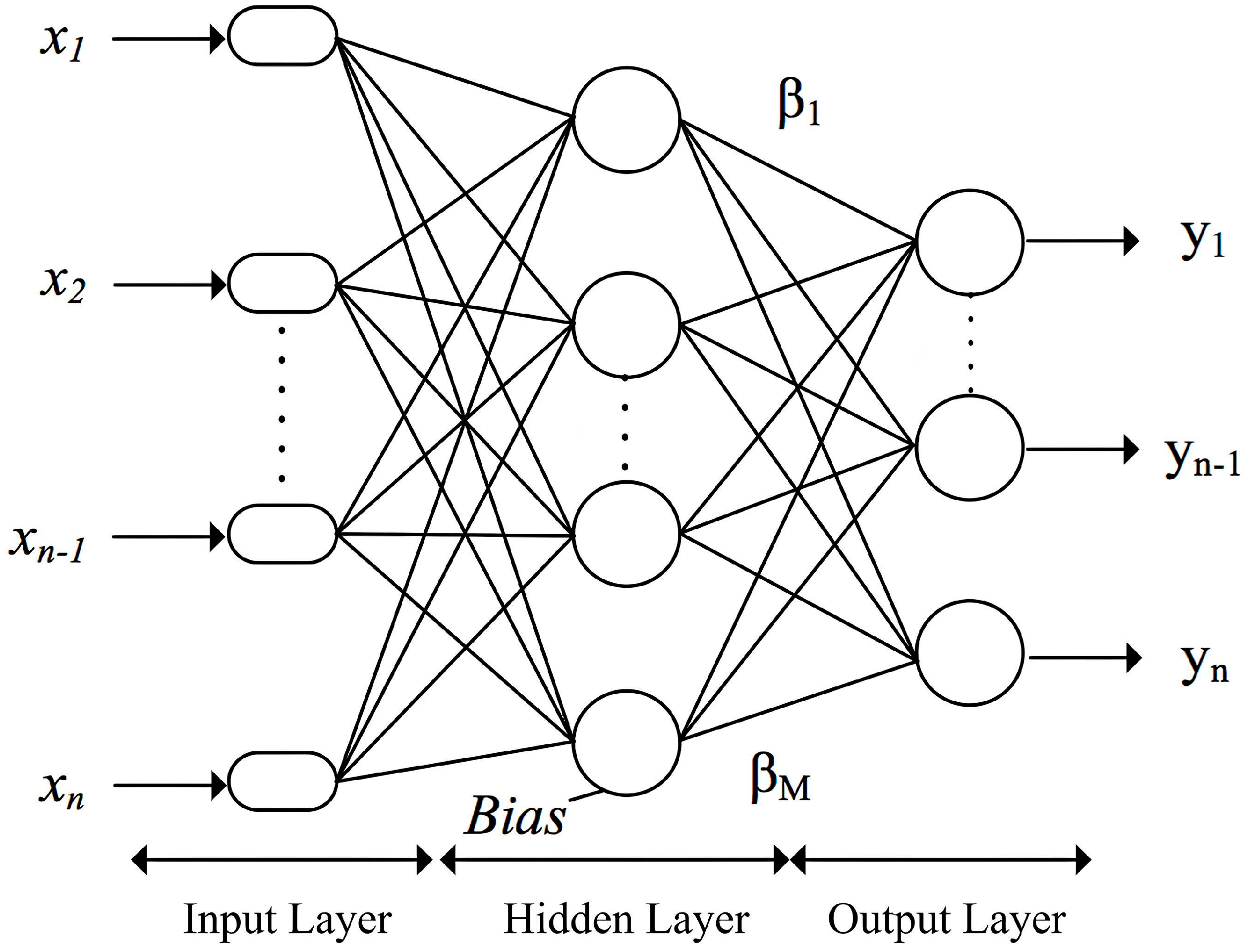
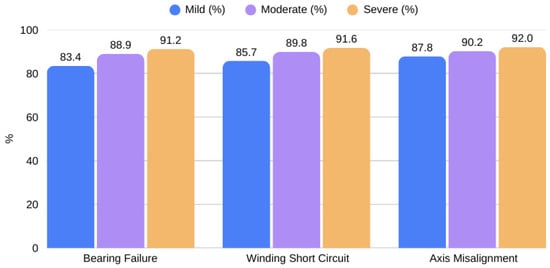
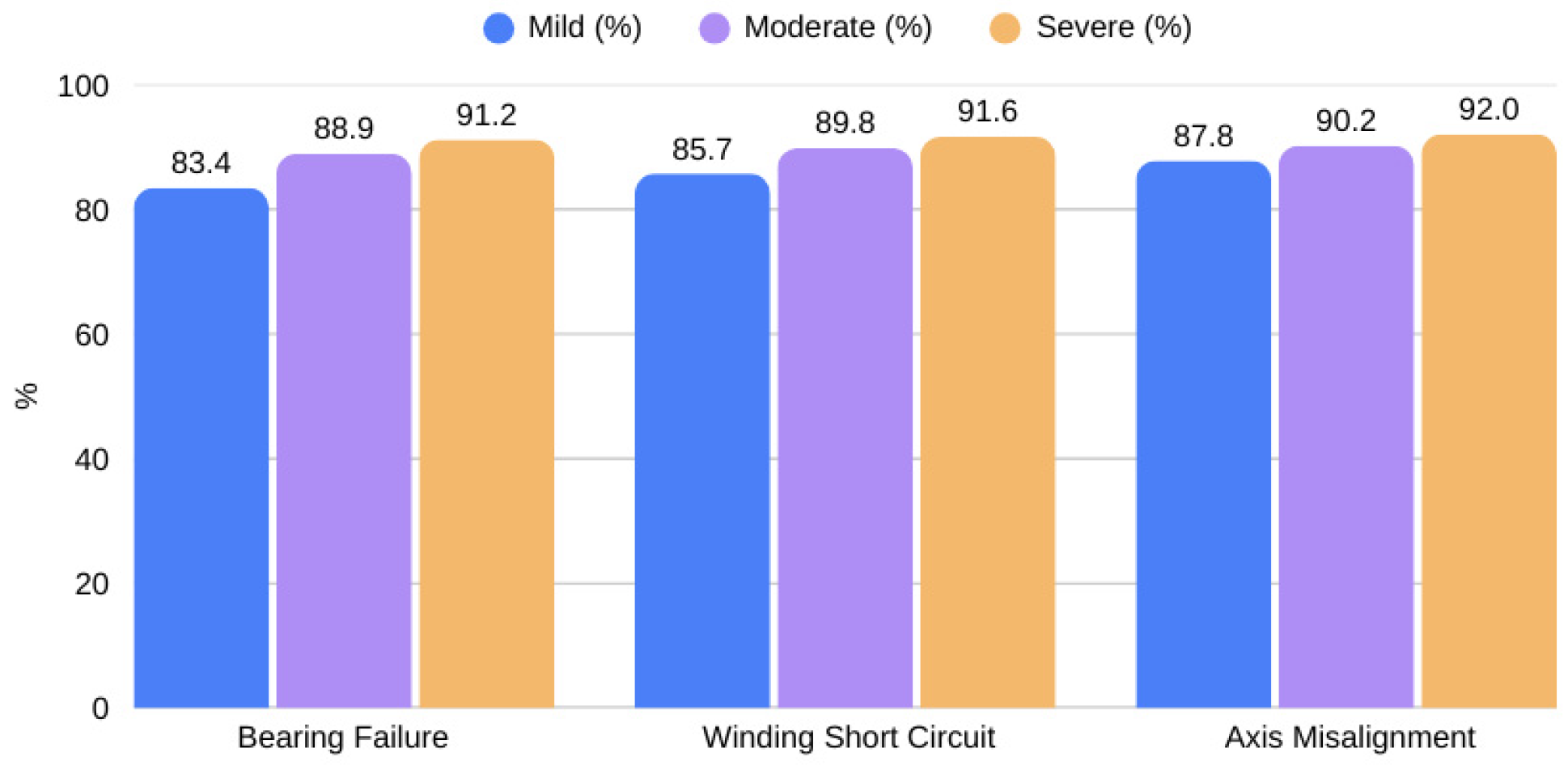
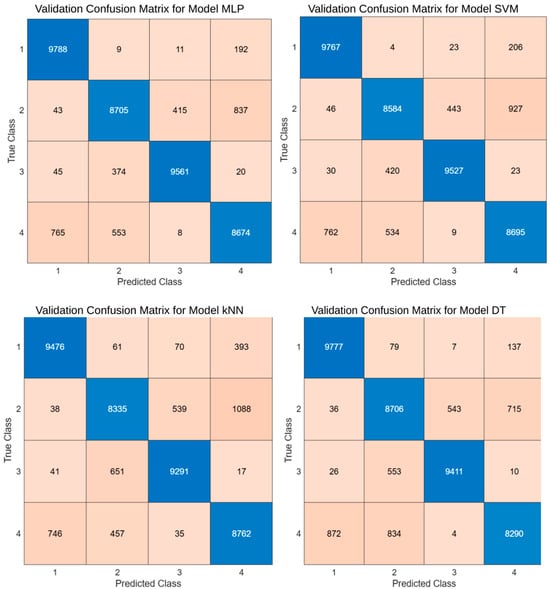
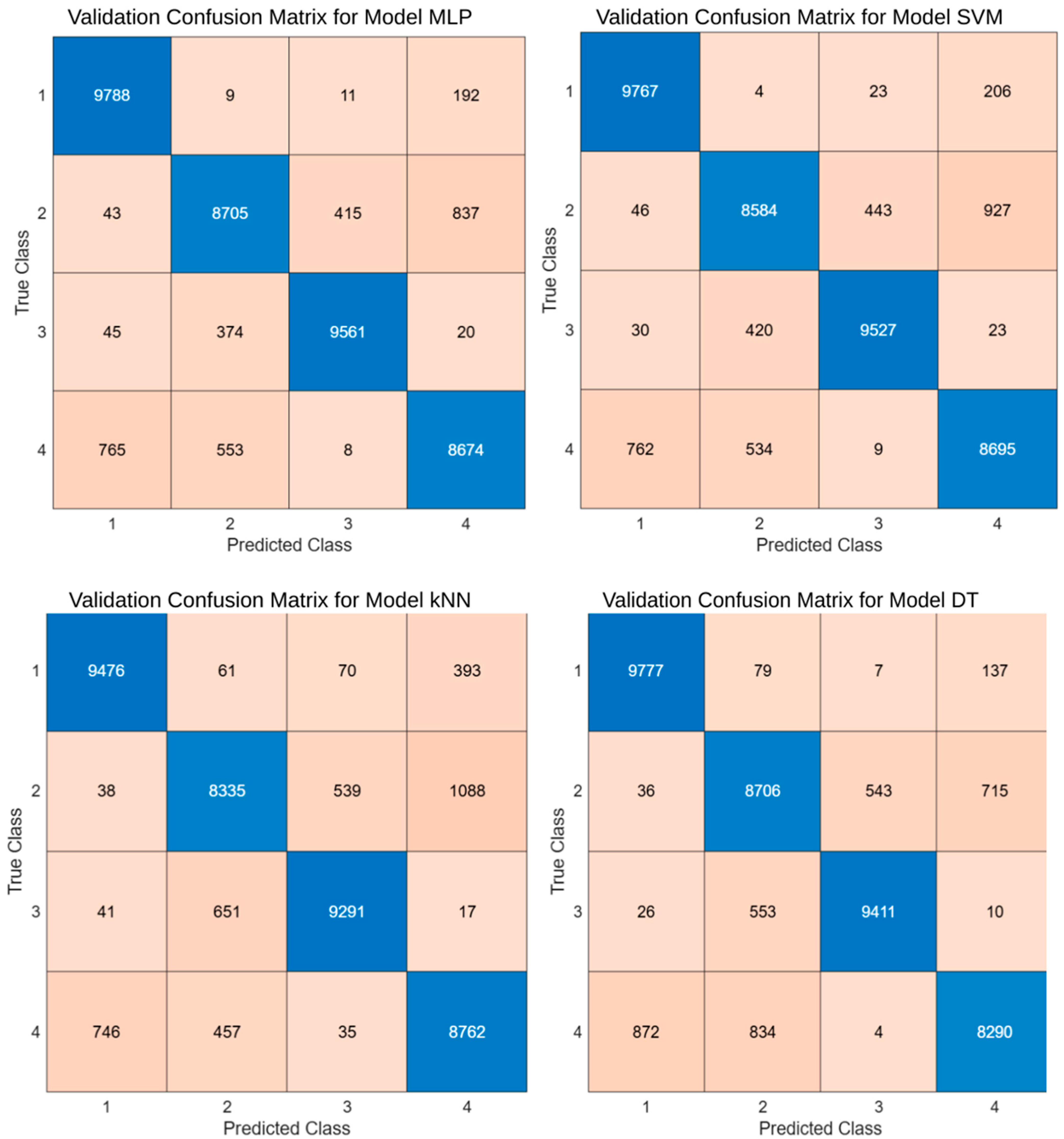
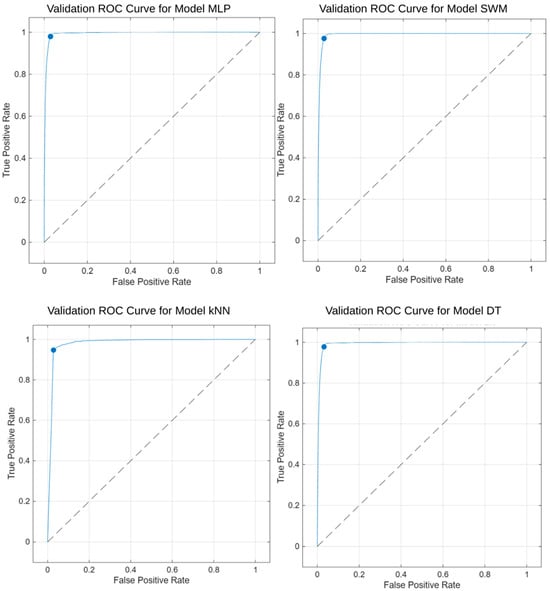
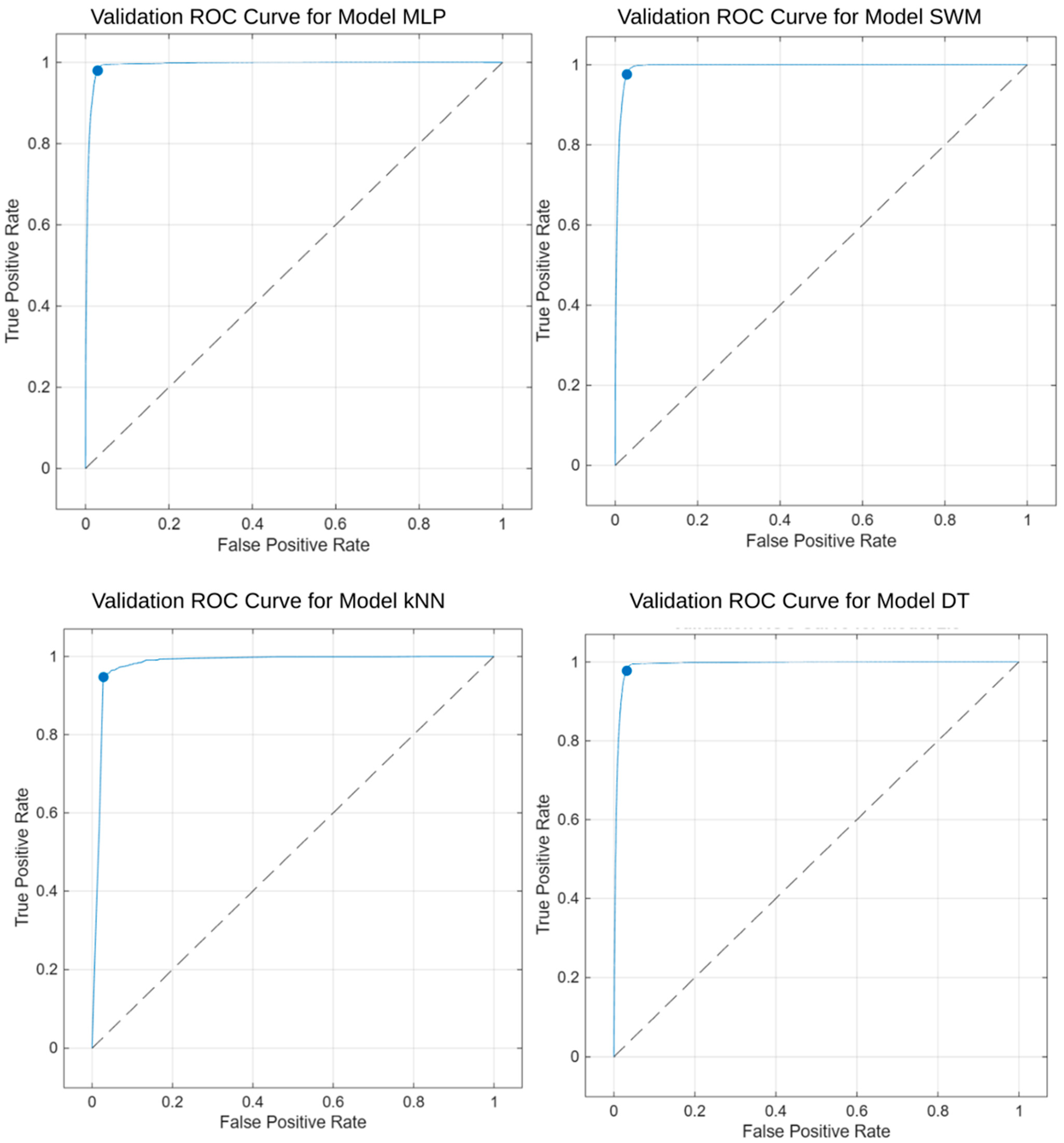
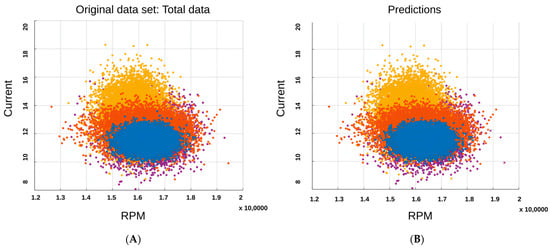
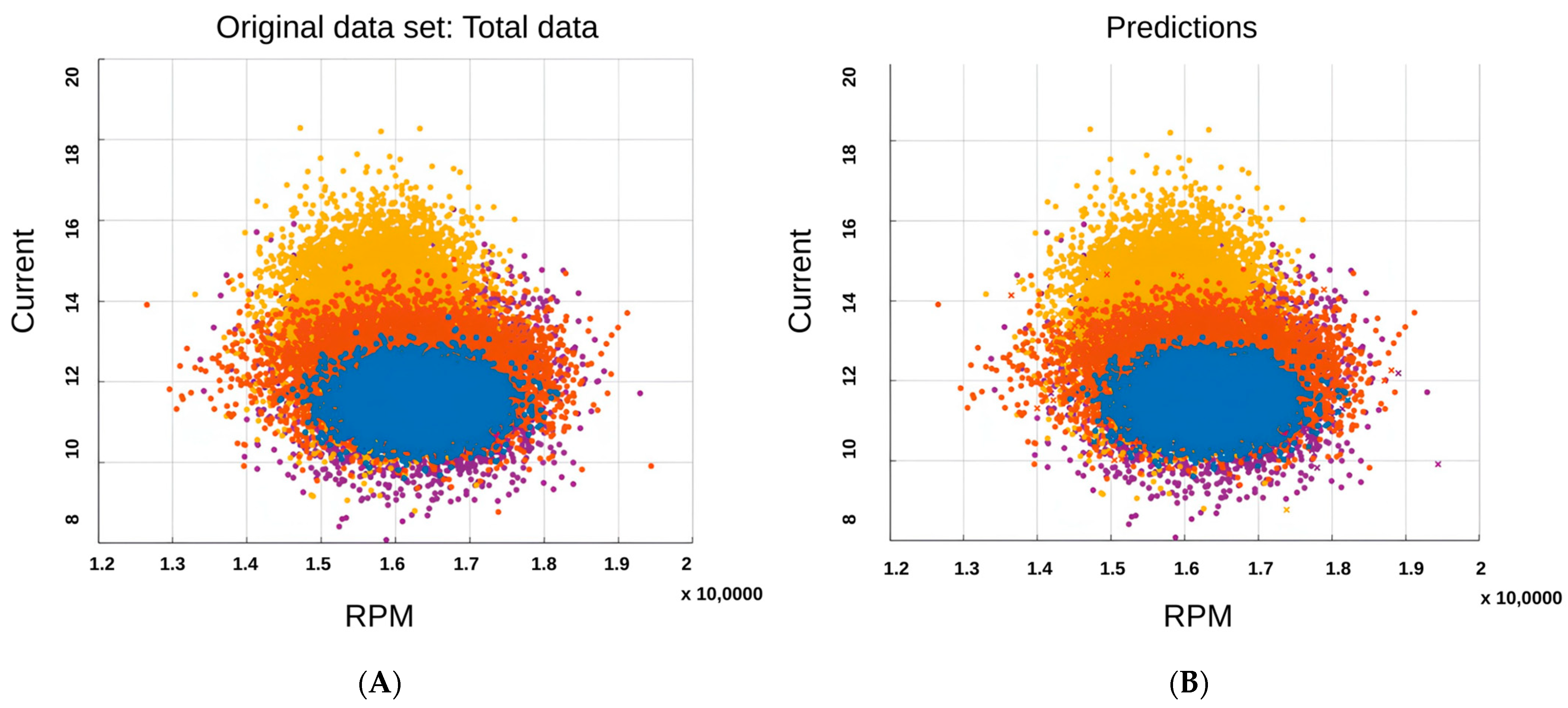

Disclaimer/Publisher’s Note: The statements, opinions and data contained in all publications are solely those of the individual author(s) and contributor(s) and not of MDPI and/or the editor(s). MDPI and/or the editor(s) disclaim responsibility for any injury to people or property resulting from any ideas, methods, instructions or products referred to in the content. |
© 2026 by the authors. Licensee MDPI, Basel, Switzerland. This article is an open access article distributed under the terms and conditions of the Creative Commons Attribution (CC BY) license.