


Abstract
High-altitude regions are known as corridors assisting exchange among communities, and the implementation of economic corridors in these regions provides connections and networks based on two geographical territories. For example, the China–Pakistan Economic Corridor (CPEC), established as an infrastructural development project with wide-reaching socioeconomic and environmental implications, is regarded as a significant driver of regional transformation, with the potential to generate several businesses, build institutional resilience, reduce poverty, foster a circular economy, and create job opportunities. The current study explores the perceptions and attitudes of educated adult residents in selected mountain districts regarding CPEC, which is vital to ensure wide-ranging and sustainable infrastructure development in alignment with the SDG goals, explicitly SDG 4 (Quality Education), SDG 8 (Decent Work and Economic Growth), SDG 9 (Industry, Innovation, and Infrastructure), and SDG 15 (Environmental Protection). Grounded in Social Exchange Theory, Structural Equation Modeling (SEM) was used to assess local perceptions concerning the costs and benefits linked with infrastructural development projects and concentrating on its socioeconomic and environmental outcomes in Gilgit-Baltistan, Pakistan. The questionnaire was self-administered by respondents, who documented their own responses to all items. The researcher remained present throughout data collection to distribute the questionnaires, provide verbal explanations or translations into the local language for specific terms upon request, and collect completed forms; in total, 384 respondents completed the survey. Findings revealed that surveyed educated adult respondents perceived sustainable infrastructural development favorably, particularly regarding anticipated improvements in quality of life, job creation, alleviating poverty, and the current education system, with 59.9%, 53.1%, 53.1% and 41.7% agreement, respectively. Respondents also expressed concerns about environmental protection, such as health and safety, environmental risks, and construction/transportation-related pollution at 39.8%, 37.5% and 36.7%, respectively. Backed up by SEM direct path analysis, which showed significant positive relationships between infrastructural development and educational development (H1: β = 0.439), quality of life (H2: β = 0.638), job opportunities (H3: β = 0.603), poverty alleviation (H4: β = 0.534), and environmental protection (H5: β = 0.267). Thus, all hypotheses H1-H5 were supported. This study recommends that officials and policymakers promote stakeholder investment for regional sustainability transitions, formulate regional environmental policies and governance for sustainable development to enhance the benefits of CPEC.
1. Introduction
Mountainous regions have the most vulnerable ecosystems on Earth [1]. These regions face economic challenges due to poor infrastructure. The development of mountain regions in such a case is confronting a passive strategy that is reliant on strong government and non-government intervention for regional sustainability transitions [2]. These approaches started in colonial times and continued post-colonially, impacting various sectors [2,3,4] and institutional resilience. This process evolved from colonial educational reforms and road projects [5,6]. Formal educational opportunities in the Gilgit and Hunza regions of Pakistan started in 1892, initially serving elite families [7]. This provision was greatly expanded some decades later when a network of 46 primary schools was established, which had a strong effect on literacy rates [7,8]. This era was characterized by inadequate regional connectivity since in 1951, cross-border relations with China were severed and limited trade and movement [9]. By 1959, national development projects were launched in Gilgit, including the Village Aid Five-Year Plan to modernize the rural infrastructure [9,10,11]. The Karakoram Highway (KKH) was the first step to a new era of connectivity with the 1963 Pakistan-China Border Treaty. The local communities also acted on their own, and by 1966, the Indus Valley Road and suspension bridges had been built to enhance accessibility [12]. After 1960, the region began to emphasize the importance of educating girls; by 1974, the area had attained gender equality in schools and land equity [13]. One of the most significant institutional reforms was the participatory development models in Gilgit-Baltistan in 1983 [13,14]. Cross-border movement was officially restored in 1985 with the opening of the Khunjerab Pass, finalizing the KKH and trade [12]. There were later developments in infrastructure after 1986 that improved the educational sector [15,16,17]. An important consequence of this development was an out-migration of educated youth to urban areas, converting traditional rural economies [4,18]. This era of migration-driven change was accompanied by gradual development in the region’s infrastructure and economy. Various NGOs were active since the early 1980s, expanding link roads, education, irrigation channels, and savings-based village organizations across the Gilgit district through the 1990s and 2000s [19]. The tourism sector had started to flourish after the Karakoram Highway’s opening and became a significant source of local income through hotels, restaurants, and guiding services across Hunza and Nagar regions [9]. Cross-border trade infrastructure also increased steadily, including the establishment of the Sost Dry Port and its formal operationalization in 2006 [20], and a major Karakoram Highway Improvement Project between 2008 and 2013 that expanded and strengthened the northern road section [19]. Taken together, these improvements gradually integrated the region into broader national and cross-border economic networks and laid much of the physical and institutional foundation.
Likewise, a mega project, i.e., China–Pakistan Economic Corridor (CPEC), formally announced in 2015 with an initial investment of $46 billion, a forerunner to KKH and a subset of the larger Belt and Road Initiative (BRI) [21] has also taken a new direction in its development in the region [22,23]. This development initiative is a strategic partnership between the two countries, aimed at serving the interests of the local communities, institutional resilience and regional economic growth by undertaking different initiatives [24]. The planning of the corridor includes the development of various aspects such as education, health, industry, economic zones, infrastructure and employment opportunities [25]. The project has also substantially reshaped the relationship between China and Pakistan and improved economic growth and social stability in Pakistan [26]. Incorporation of rigorous socioeconomic evaluation and clear-cut policies remains essential for large-scale infrastructure projects to translate their proposed benefits into measurable outcomes for vulnerable communities in regions such as Gilgit-Baltistan, Pakistan [27,28]. Despite the fact that its proponents tend to emphasize its transformative potential, particularly in the case of underdeveloped regions, there remains limited empirical evidence specifically on high-altitude communities, whose extreme topography, seasonal accessibility constraints, and sensitive ecological vulnerability distinguish them from the rural lowland communities more commonly studied in the broader CPEC studies [24,29]. It is also evident that there has been a lack of localized evaluations that target high-altitude populations that are affected by this project. Chinese policymakers are more focused on the development of the economy, exploration of new markets, and investment opportunities in regional connectivity initiatives [23,24]. The key aims of CPEC are to improve infrastructure, facilitate trade and investment, and bring about high employment prospects in Pakistan [30]. With the corridor growing, the projects related to it are likely to provide lots of possibilities to local entrepreneurship, tourism, and service industries. According to Ali et al. [31], the economic sustainability of mountain and other rural communities will rise further due to an increased number of CPEC-related projects. These consist of the establishment of small-scale industries, agricultural businesses, service-based businesses and local resorts along the route of the corridor. The corridor-based development is regarded as an important driver of long-term communal progress and socioeconomic integration by letting inhabitants start businesses and engage in economic processes [24].
Although economic corridors such as CPEC have developmental potential and economic pathways, they have provoked a lot of concern globally about their effects on the environment [32,33,34]. The interrelation of large-scale infrastructure developments and environmental degradation can be especially seen in the ecologically vulnerable mountainous areas. The use of natural resources, displacement of local communities, and overall damage to the environment are examples of these development interventions, such as the large-scale road and highway construction [28,35,36]. These activities lead to severe environmental problems, such as air, water, and soil pollution, which raise concerns about irreparable ecological damage [31,32,37]. Furthermore, enhanced tourism with the facilitation of better connectivity can introduce economic benefits as well as climate and environmental risks [38] and new social, political and ecological issues, making active and sustainable policy responses especially needed [39,40]. The studies of Andreas Benz [8,9] and Hermann Kreutzmann [19,20] offer the necessary theoretical and empirical underpinnings for the evaluation of the complex effects of development initiatives in mountainous areas of Pakistan. The studies of trans locality and migratory patterns in the Karakoram by Andreas Benz [8,9] provide a rich source of information about how infrastructural development can increase labor mobility, destabilize traditional agro-pastoral lifestyles and bring about structural economic changes. His observation of the unequal distribution of benefits of previous connectivity projects, including the KKH, is an important cautionary precedent of the possible exacerbation of local inequalities under CPEC. In the same way, the idea of vertical geopolitics presented by Hermann Kreutzmann [19,20], as well as his ethnography of Hunza and the Pamir-Wakhan corridor, underscores the transformations in human-environmental relations, which are introduced by the state and non-state interests in infrastructure and geopolitics, at the cost of the marginalized mountain communities. Together, the works of Andreas Benz and Hermann Kreutzmann endorse the idea of migration, environmental stress, centralization of governance, and regional economic diversification, which mediate the complex impact of contemporary development projects. There are a lot of limitations to the immediate transfer of the existing foundational works onto the current analysis, and that is why it is crucial to conduct research of such a character. Although Benz provides valuable insights into the topics of translocality and migration in the Karakoram region, the research was carried out before the application of the modern China–Pakistan Economic Corridor and focuses more on localized phenomena. Consequently, it does not represent the extent, pace and geopolitical complexity of the changes that have taken place within the project framework, in particular, development projects that precede 2015. This time gap is especially prominent when considering the timeframes for assessing the rapid infrastructural and educational changes, which infrastructure-led growth has introduced, that could create new opportunities for educational progress. Empirically, the study conducted by Benz is limited in its application to more comprehensive highland systems and therefore cannot be used in the understanding of the numerous impacts on the quality of life and poverty reduction. Moreover, his work lacks addressing the new variables, including digital infrastructures, which is a key aspect of understanding how attitudes towards employment opportunities can change as CPEC is put into practice. On the other hand, the monograph by Kreutzmann [19] that focuses specifically on the historical events in Hunza does not pay much attention to the current trends in urbanization. Most importantly, it neglects to adequately respond to increased environmental pressures that have been caused by large-scale infrastructure development considerations that are central to evaluating the environmental barriers associated with CPEC and its contribution to increasing local sustainability issues. Despite providing relevant comparative data on the Pamir region, Kreutzmann [20] does not offer an in-depth analysis of the geopolitical realignments that are already taking place in those regions in Pakistan affected by economic corridor activities. A thorough investigation into the environmental, economic and social consequences of CPEC, particularly the way regional dynamics are changing concerning educational, economic and social opportunities, remains a pressing issue.
Besides these initial contributions, numerous studies have been carried out on the developmental consequences of CPEC in Pakistan, most of which focus on economic and infrastructural consequences. Existing CPEC studies consist of survey-based work such as on leadership and infrastructure resilience, environmental impacts, income and education outcomes, socioeconomic and cultural effects of road development and tourism impacts under SET [24,41,42,43,44,45,46], which have established that infrastructural expansion is broadly associated with positive socioeconomic outcomes. However, these valuable contributions and most of the current literature have ignored the specific socioeconomic and environmental responses of sustainable infrastructural development in high-altitude and ecologically vulnerable areas of Gilgit-Baltistan. Most of the previous studies have been either lowland or urban-based, qualitative in nature and with limited generalizability or have employed a single sector, e.g., in tourism or infrastructure, without the ability to economically, educationally and environmentally synthesize the multidimensional outcomes that are central to sustainable development in mountainous communities. The study integrates perceptions and attitudes regarding socioeconomic benefits and environmental concerns of CPEC infrastructural development by addressing this research gap with community participation. By incorporating community views into the evaluation, this research underlines the relevance of participatory methodologies in the implementation of large-scale projects. Understanding the views and attitudes of ordinary citizens is vital to ensure that development is comprehensive and sustainable, thereby aligning with the Sustainable Development Goals, particularly SDG 4 (Quality Education), SDG 8 (Decent Work and Economic Growth), SDG 9 (Industry, Innovation, and Infrastructure), and SDG 15 (Environmental Protection).
Building on the above research gap, the study is guided by two main objectives: (1) to evaluate the perceptions of local educated adult communities’ perceptions and attitudes toward the socioeconomic impacts of CPEC infrastructural development in Gilgit-Baltistan, explicitly its perceived contribution to quality of life, job opportunities, poverty alleviation, and educational development, and (2) to assess local adults educated communities’ perceptions and concerns regarding environmental responses associated with CPEC infrastructural development.
2. Conceptual Framework
2.1. Social Exchange Theory
This study draws on Social Exchange Theory (SET) to examine local community benefits, attitudes, and support toward development [47]. Various studies have been conducted to evaluate the residents’ costs and benefits of perceiving development schemes [48,49,50]. In this theory, individuals are more likely to support the development process. If the local community perceives the benefits as high, they will be motivated to engage in the exchange process and support the development process [50]. Perceived opportunity and better access grow expected household income and service reach as well. In addition, locals are more motivated to encourage reciprocation. The SET has determined the significant impact of CPEC development on local communities from different perspectives. Ali et al. [40] confirmed that the perceived benefits, including economic, environmental, and educational aspects, influence local community support. Lee and Kim [49] claimed that the local inhabitants’ positive attitude is essential for community support during the development process. In conclusion, the host community plays an important role in CPEC development. Figure 1 describes the Conceptual theoretical framework.
Figure 1.
Conceptual theoretical framework based on social exchange theory.
2.2. Proposed Model and Hypothesis Development
Based on the SET as discussed above, this study proposes a conceptual model in which perceived CPEC infrastructural development acts as an exogenous construct influencing five community-level perceived outcomes: educational development, quality of life, job opportunities, poverty alleviation, and environmental protection. According to the proposed measurement model in Figure 2, the current study hypothesized that:
Figure 2.
Proposed Model.
H1.
Local educated communities perceive that CPEC development would generate more educational opportunities for their region.
H2.
Local educated communities perceive that infrastructural development has a significant impact on their quality of life.
H3.
The infrastructural development significantly influences people’s perception towards the creation of more job opportunities.
H4.
The educated mountain communities perceive that CPEC development would help decrease poverty in their region.
H5.
The infrastructural development would increase local people’s concerns regarding environmental protection.
3. Materials and Methods
To evaluate the impact of corridor-based development on socioeconomic and environmental factors, this study treats CPEC development as an independent variable influencing five community-level outcomes: quality of life, environmental protection, educational development, job opportunities, and poverty alleviation. Data were collected from local educated adults residing along the CPEC route to capture residents’ perceptions and attitudes toward CPEC development. Based on the cost and concern framing in Figure 1 and hypothesis H5, the Environmental Protection construct was outlined as the perceived absence of attention to environmental protection during CPEC infrastructural development. The items were carefully drawn around anticipated harm and shortcomings to the environment; therefore, the higher the score, the more risk or concern would be noticed and not the confidence in protective outcomes.
3.1. Study Area
Gilgit-Baltistan (GB) is a mountainous region in northern Pakistan, and the China–Pakistan Economic Corridor (CPEC) passes through GB, where numerous key infrastructure schemes are being established. These include the upgrading of the Karakoram Highway (KKH), establishing Special Economic Zones (SEZs) such as the Maqpoondas SEZ, the KKH alternative route Gilgit-Shandur road, and the establishment of Burn Centers [51]. Pakistan–China Fiber Optic Project, which has also been completed across this study region, improves digital connectivity, assisting the integration of GB into national and international networks. This study was conducted in three districts (Gilgit, Hunza, and Nagar) of GB, as shown in Figure 3, and the data were gathered through a standardized field survey [52].
Figure 3.
Represents (A) study area map and (B) Pakistan in world map.
3.2. Sampling and Data Collection
The study used a five-point Likert scale to gather responses from participants because it is the least complex and easiest to utilize [53,54,55,56]. A well-structured questionnaire was used in this study to collect primary data, comprising closed-ended questions and statements. A hard copy questionnaire, administered via purposive convenience sampling, was used for this purpose. The survey tool has been divided into two subdivisions. The first part covered respondents’ demographic details, and the second part consisted of key variables. The items adopted in this research are drawn from past literature, while the themes of some constructs were refined according to the study’s purpose, as shown in Table 1.
Table 1.
Latent variables and their corresponding items.
The research tool was constructed in English because it is widely used and easily understood as a second language among educated respondents in Pakistan. The questionnaires were distributed for self-completion by the respondents; the researcher’s part was limited to distributing and collecting the hard copies, and wherever the participants faced any problem while understanding any term, the researcher helped them by translating it into the local language upon the respondent’s request, rather than controlling the survey as a structured interview. All respondents provided informed consent before filling out the questionnaire. Since the study population was known, we used Krejcie & Morgan [60] formula to determine the sample size for a known population of 477,459. Population proportion (p = 0.50) was set to maximize the required sample size, and d = 0.05 as a margin of error. This calculation yielded a required sample size of approximately 384, consistent with Bougie and Sekaran [61], who note that a sample size between 30 and 500 is generally adequate for exploratory studies of this kind. Questionnaires were administered to educated members of mountain communities along the CPEC route, including teachers, university students, shopkeepers, educated farmers, and government officials who are currently local inhabitants of the study area aged more than 20 years with at least a bachelor’s degree, because the questionnaire required higher literacy to understand multiple items about CPEC. We did not include individuals with lower levels of education and those under 20 years of age to minimize the inaccuracy of the results; findings only reflect educated adults in the sampled areas.
4. Data Analysis
4.1. Pilot Study
The pilot study has been conducted to assess the validity and reliability of the modified questionnaire and to address concerns such as its length and respondents’ understanding of the questions. Thirty-eight questionnaires were completed for the pilot study in the research field to measure the scale’s simplicity, clarity, internal consistency, and reliability. It is commonly recommended that 10% of the sample size be adopted from the total population for the pilot study [62,63,64]. SPSS version 25 was used to analyze the pilot data, and the results showed that reliability exceeded the threshold value of 0.7 [65]. After the pilot study, items ED_2, JO_4, EP_1, and EP_4 were deleted from the final measurement model, as their standardized factor loadings were less than the commonly accepted threshold of 0.40 [66,67]. The remaining items, as shown in Table 1 above, were retained for subsequent evaluation.
4.2. Common Method Bias
As a procedural remedy, the researchers ensured participants’ confidentiality and anonymity. Similarly, in this study, Harman’s single-factor test was applied [68]. We conducted an unrotated exploratory factor analysis using 26 items to assess a single latent factor. The average variance the single factor describes is only 32.76%, less than the threshold of 50% [69,70]. Hence, our data set in the study does not present any issues with common method bias, and we can proceed with further statistical analysis. In addition to Harman’s single-factor test, common method bias was further evaluated using the full collinearity variance inflation factor (VIF) approach by Kock [70], which assesses VIF values acquired from a full collinearity test among all constructs. VIF values less than 3.3 denote that common method bias is unlikely to significantly affect the results.
4.3. Model Evaluation
4.3.1. Assessment of Measurement Model
The measurement model was evaluated for convergent validity, using factor loadings, Cronbach’s alpha (CA), composite reliability (CR), and average variance extracted (AVE), and for discriminant validity, using cross-loadings and the Heterotrait-Monotrait (HTMT) ratio. Following established thresholds, factor loadings above 0.60, CA and CR values above 0.70, and AVE values above 0.50 were considered acceptable for convergent validity [71,72] while HTMT values below 0.90 indicated acceptable discriminant validity [72].
4.3.2. Assessment of Structural Model
Once the reliability and validity of the outer (measurement) model were established, the analysis proceeded to test the inner (structural) model to appraise the hypothesized associations within the internal model. The estimation of the model’s characteristics is established on its capacity to estimate the endogenous variables. In this study, path coefficients were used to test the hypotheses, together with fit indices [73,74]. Standardized Root Mean Square Residual (SRMR), Normed Fit Index (NFI), and Chi-square (χ2) were used to assess model fit. Model fit was also considered using the approximate Chi-square value produced by SmartPLS for PLS path models. Unlike covariance-based SEM, this value is derived from a bootstrap-based reference distribution rather than the classical chi-square distribution, and therefore does not bring a conventional degrees-of-freedom/p-value significance test [73,75]. Next is the Standardized Root Mean Square Residual (SRMR). The SRMR is the square root of the sum of the squared differences between the model involved and the empirical correlation matrix, and the range lies from 0 to 1. A threshold value of 0.05 or less is widely recognized as a standard; a model is considered a good fit when the SRMR value is close to 0 by Shi and Maydeu-Olivares [73], but a value up to 0.08 is also considered [75]. Similarly, the Normed Fit Index (NFI) was employed. NFI evaluates the model by matching the Chi-square value of the model with that of the independent model [76]. Hence, the perfection of the model can be evaluated by reflecting the NFI value falling close to 1 and indicating a good overall fit [77]. Finally, a correlation was performed to assess the relationship between the latent variables.
5. Main Results
5.1. Descriptive Statistics and Normality Test
The research data have been screened to check for normality. We measured skewness and kurtosis in SmartPLS 4, and it was confirmed that all data were normal because all study items had skewness and kurtosis values within the satisfactory range of ±2 by Darren and Paul [78], as shown in Table 2. An outline of the respondents who participated in completing the questionnaire is presented in Table 3. The researchers categorized respondents into four groups based on their real age. The study obtained responses from 265 males (69.0%) and 119 females (31.0%) along the CPEC route section. Data were collected from respondents aged 20 years and older. The data show that the respondents aged from 20 to 30 years were 52.1%, while 31.0% of them were 31–41 years, 9.1% were 41–50 years, and 7.8% of the respondents were aged more than 50 years accordingly. The results also reveal that (42.2%) of the selected samples have bachelor-level education, (35.9%) have master’s degrees; however, (16.4%) possess an MS/MPhil education, whereas (5.5%) have a PhD qualification.
Table 2.
The values of mean, standard deviation, Kurtosis, and Skewness.
Table 3.
Descriptive statistics of the respondents.
Figure 4A–F represents the responses of local communities; 47.9% and 48.2% of respondents said these projects are beneficial and necessary for their area, respectively. Similarly, 51.56% of respondents agreed that the corridor would improve infrastructure, and 50.3% agreed that it would attract more people to their region. They support CPEC development in their area. Overall, respondents presented a positive perception of educational development. The highest rate was noted for upgrading the existing education system, where 41.7% agreed, followed by 39.3% about opportunities for quality education, educational attainment is a vital component (38.5%), and the creation of modern educational institutions was 37.2%, as shown in Figure 4B. These results reveal that most respondents think the development initiative can improve education and support modern educational facilities; however, the neutral responses were also prominent, particularly for modern educational institutions (35.4%) and educational attainment (32.8%), indicating that a substantial proportion of respondents were uncertain or had not yet noticed visible educational benefits.
Figure 4.
Distribution of respondents’ Likert-scale responses across six major constructs: (A) CPEC development, (B) educational development, (C) job opportunities, (D) poverty alleviation, (E) quality of life, and (F) environmental protection.
Likewise, respondents had a positive view about employment opportunities in the study area under infrastructural development, as shown in Figure 4C. The highest response was for the creation of more jobs (53.1%), followed by reasonable daily wages (50.8%), new business opportunities through development projects (50.3%), and responses about chances of obtaining a suitable job by local inhabitants (43.49%). In general, the findings reveal that most of the respondents agreed to these development projects as they would directly and indirectly enhance job opportunities and contribute to local economic development.
The respondents also perceived a very positive attitude towards poverty alleviation through infrastructure development. The majority of respondents (53.1%) agreed that the project has a bright future for their community, followed by better economic conditions and reduced poverty (51.6% agreed), improvement in household income (48.7% agreed) and poverty alleviation in the long run (47.7% agreed). But the neutral response was also significant, particularly for poverty alleviation over time (28.4%) and household income improvement (26.3%), which means that some respondents are still confused about the direct economic benefits at the household level, as shown in Figure 4D. Furthermore, respondents generally linked infrastructural development with quality-of-life improvements. The highest response was observed for the general improvement in quality of life (59.9% agreed), improvement in the regional economy (56.3% agreed), and the community becoming a more attractive place (53.1% agreed). Recreational activities also scored well, with 45.3% agreeing and 23.4% strongly agreeing, indicating the anticipation of social and community benefits, as shown in Figure 4E.
Similarly, Figure 4F indicates that respondents have strong environmental concerns associated with development projects. Many respondents agreed that health and safety practices may be compromised (39.8%), environmental emergencies may increase (37.5%), waste materials may increase (35.7%), and transportation/construction activities may lead to different types of pollution (36.7%). The large proportion of neutral responses—especially for water-reuse projects (35.7%), increased waste (33.9%), environmental emergencies (33.1%) and pollution (32.3%) suggest that respondents were concerned about increased risk caused by environmental pressure. Overall, the findings suggest that while development is anticipated to provide socioeconomic benefits, respondents also perceive environmental risks that need to be better monitored, mitigated and communicated.
5.2. Convergent and Discriminant Validity
Factor loadings for all study items exceeded 0.60 (Table 4). Cross-loadings below 0.40 were considered poor and were eliminated from the model, confirming item-level convergent validity. Cronbach’s alpha and composite reliability (CR > 0.60) and average variance extracted (AVE > 0.50) for all constructs exceeded their respective thresholds (Figure 5), confirming construct-level convergent validity. Discriminant validity was also confirmed, as the square root of AVE for each construct exceeded its correlations with all other constructs (Table A1). The graphical representation of AVE, CA, and CR is shown in Figure 6, in which the black horizontal line shows the threshold value of AVE and the red horizontal line describes the threshold values for both CA and CR. Furthermore, the problem of multicollinearity arises when variables are highly correlated with each other. Multicollinearity in terms of reliability and validity is assessed to identify drawbacks in the data. To keep a satisfactory value of multicollinearity, if the VIF score is less than 3.3, then there would not be a severe problem of multicollinearity [79]. VIF values indicate that all exogenous variables exhibit a bearable level of multicollinearity (Table A1). So, no multicollinearity problem was found, which indicates the validity of the outcomes.
Table 4.
The item loadings or Cross Loadings.
Figure 5.
Measurement model showing item factor loadings and construct R2 values.
Figure 6.
Graphical comparison of AVE, CA, and CR values across constructs relative to their respective threshold lines.
5.3. Fornell-Larcker Criteria and Heterotrait-Monotrait (HTMT) Ratio
Discriminant validity was assessed using the Fornell-Larcker criterion and the HTMT ratio. The Fornell-Larcker criterion (Table A2) confirmed discriminant validity, as the square root of AVE for each construct exceeded its correlations with all other constructs. The HTMT ratio (Table A3) further confirmed discriminant validity, with all values falling below the 0.90 threshold.
5.4. Model Fit
Before testing hypotheses, the fitness of the measurement model was assessed following standard PLS-SEM evaluation procedures. The results of this measurement model assessment are displayed in Table 5. To determine whether the structural model fits, we have utilized the most well-known fit indices, including the Chi-Square (χ2) value, the Standardized Root Mean Square Residual (SRMR), and the Normed Fit Index (NFI). According to the SRMR result, the value is less than 0.05, indicating that the model has performed well and is a good fit. It illustrates model fitness measurement. Furthermore, the fit indices results have exhibited good model fitness (SRMR = 0.041, NFI = 0.889, and Chi-Square = 1240.449). These outcomes suggest that the model is well-matched and that all values fall within a specific range.
Table 5.
Model fit results.
5.5. Proposed Hypothesis Testing
The beta coefficient (β) was computed to determine the significance of the proposed hypotheses (H1, H2, H3, H4, and H5), and the results are displayed in Table 6. The results indicate that CPEC development has a positive and significant association with educational development (β = 0.439, p < 0.001), which suggests that CPEC will create more opportunities for academic development, and H1 is supported. The CPEC development has a significant and positive impact on the quality of life (β = 0.638, p < 0.001), which suggests that with the development of this project, the locals’ quality of life would improve, supporting H2. Moreover, CPEC development has a significant and positive influence on job opportunities, creating more chances of decent work in the study area, as indicated by H3 (β = 0.603, p < 0.001). According to hypothesis H4, CPEC development also has a positive and significant impact on poverty alleviation (β = 0.534, p < 0.001). Furthermore, CPEC development has a significant impact on environmental protection (β = 0.267, p < 0.001), supporting hypothesis H5, which in turn increases local mountain communities’ concerns regarding environmental protection. In this study, the suggested hypotheses regarding the variables have been shown to have a significant influence due to CPEC development, as supported by the findings in Figure 4. Therefore, the proposed hypotheses of latent variables in this study meaningfully affect the development of CPEC, which has been accepted and recognized as shown in Figure 7.
Table 6.
The results of hypothesis testing.
Figure 7.
Structural model assessment.
Furthermore, for the effect size of the model, we observed the values of R2 and f2. Following the criteria by Cohen’s guidelines, effect sizes of 0.02, 0.15, and 0.35 correspond to weak, moderate, and strong effects, respectively [78]. The f2 values were produced through the PLS-SEM technique [80] and are reported in Table 7, which encapsulates the magnitude of each effect and underlines the strength of the relationships between the constructs under analysis.
Table 7.
Effect Size of the Model.
5.6. Correlation Between Latent Variables
The findings indicate that the CPEC development has significant and positive correlation with quality of life (r = 0.626, p < 0.01), a positive and significant relationship with job opportunities at (r = 0.597, p < 0.01), having significant and positive association with poverty alleviation at (r = 0.529, p < 0.01), and significant correlation with environmental protection (r = 0.249, p < 0.01). Similarly, educational development has also shown a significant positive relationship with CPEC development (r = 0.434, p < 0.01). In other words, we found a strong correlation between CPEC development and quality of life, job opportunities, poverty alleviation, and a moderate correlation exists with environmental protection and educational development. Table 8 exhibits the correlation among the latent variables, and Figure 8 visualizes these patterns. Notably, none of the correlation values exceed 0.80, indicating that multicollinearity does not exist in the dataset.
Table 8.
Correlation matrix between latent variables.
Figure 8.
Correlation Heatmap between latent variables.
6. Discussion
This research assesses educated adult residents’ perceptions of CPEC infrastructure development in relation to economic goals, particularly quality of life, employment creation, and poverty alleviation, as well as social goals such as educational progress and environmental safety, with 26 observable items used to develop a model related to CPEC, among sampled communities in mountainous regions of Pakistan. The results maintain substantial practical implications and offer constructive theoretical insights, notably by lengthening the application of Social Exchange Theory (SET) within the framework of wide-ranging infrastructure ventures in geographically sensitive and formerly under-researched regions. A distinguishing feature of this research is the empirical approach.
Although previous research has been focused on explaining the implications of CPEC in terms of economic development, poverty reduction, and environmental sustainability, the studies have primarily relied on a qualitative approach [32,34]. The current research has not only contributed to the existing literature on community development but also offers strong empirical evidence that CPEC initiatives are important sources of positive opportunities for mountainous communities in Pakistan by adopting a quantitative approach. In line with the SET framework, we have found that CPEC has a broad spectrum of benefits according to the respondents, leading to high approval of its development, consistent with Yoon et al. [46]. Our empirical results show that there is a significant, direct and substantial relationship between perceived socio-economic progress and support of the development project. The surveyed educated adult respondents saw it as a multiple driver of anticipated socioeconomic development, but also a source of perceived environmental risk. The most significant outcome was perceived as improvements in quality of life, as 59.9% of respondents agreed this would improve living conditions, and the SEM analysis showed this as the strongest link (β = 0.638); these results are consistent with Yu et al. [80]. A significant outcome was also related to job creation, where 53.1% agreed that more jobs would be created, and the structural model confirmed this as a significant positive effect on job creation (β = 0.603), in line with Kakar and Khan [59]. Likewise, respondents perceived development as having a positive effect on poverty alleviation, with 53.1% agreeing that it has high potential for the future of the community, and a significant path coefficient for poverty reduction (β = 0.534), the same as the findings of Karim [58]. Education development was also viewed as positive, particularly in terms of upgrading the current education system (41.7% agreed) and enhancing quality education opportunities (39.3% agreed), and the hypothesis was also significant (β = 0.439). But the findings also indicate that development is not perceived as risk-free, as respondents worried about a decline in health and safety (39.8% agreed), environmental risks (37.5% agreed), and pollution from construction and transportation (36.7% agreed), while the hypothesis regarding concerns for environmental protection was also significant (β = 0.267), aligning with the environmental risk concerns raised by Saad et al. [57]. In general, the results indicate that while surveyed respondents generally understand the socioeconomic benefits of corridor infrastructure, their support is coupled with an expectation of better environmental management and risk mitigation.
Our observations on economic results are well parallel with a wide range of previous studies, but they present distinct views that are relevant to the mountain community setting. Regarding quality of life, our data support past claims that CPEC development significantly improves living conditions. Yu et al. [80] found that new developmental projects bring benefits to the community in terms of improving the standards of living, which our study supports.
In particular, Haq and Farooq [81] and Lee and Kim [49] hypothesized that CPEC would lead to a dramatic change in the quality of life of common people in Pakistan. Our results support this assertion and extend it to the perceptions of educated adult residents in historically marginalized mountain communities, a population that has been largely excluded from prior large-scale development research. Our findings are very strong in supporting the literature on employment opportunities. Ullah et al. [82] reported that the CPEC construction is expected to create substantial employment opportunities for the Pakistani population, whereas Ali et al. [40] and Sun et al. [83] pointed out that the project will create employment opportunities in different economic sectors. Our findings not only resonate with these studies, but they also demonstrate that the people in the study area, specifically, are looking forward to high-paying job opportunities that expand the work of Kanwal et al. [24], who focused on job creation in general. This anticipation of highly paid jobs is particularly high in the mountain communities where the economic opportunities have traditionally been confined to subsistence livelihoods. One of the key findings in our work is the relationship between employment and poverty reduction. The people claim that the employment opportunities generated by the economic corridor would have a direct impact on poverty reduction, as Wolf [84] noted that poverty reduction is one of the key advantages of CPEC, and Naz and Fatima [85] identified this initiative as a salient factor in poverty reduction. Our study supports the findings of Sher et al. [86], who argued that the employment and income related to this project would reduce poverty by offering empirical evidence on this hypothesis among the mountain communities. Overall, our results align with Kausar [87], who determined that CPEC is a beneficial large-scale development initiative that can drive positive shifts in the quality of life, employment, and poverty reduction. Our understanding of educational progress confirms and goes beyond research. Although existing sources indicate that CPEC offers prospects in the evolution of education Kanwal et al. [88], our research explains how these improvements are expected to occur. It is the opinion of the residents that the complete operationalization of the bilateral infrastructure initiative will lead to the development of modern educational opportunities within their communities, not by funding schools but through the development of infrastructure that reduces the distance of travel and improves accessibility. This observation is in line with Asomani-Boateng et al. [89], who stated that infrastructural development is key to increasing local enrollment in learning institutions. Our findings also confirm Haq and Farooq [81], who found a shortage of educational facilities to be a major obstacle to literacy in underdeveloped regions. In addition, our results are consistent with Mattson [90], who emphasized the negative effects of high travel rates on literacy. Nevertheless, our study is the first to prove that residents directly relate better road networks with increased access to education, which supports Sun et al. [83] that CPEC will reduce the distance between communities and educational institutions. This is the reason that is particularly applicable to high-altitude societies, where geographic isolation has traditionally been an obstacle to educational success.
A prominent divergence in our findings relates to environmental protection. While residents exhibited vital support for CPEC construction based on socioeconomic and educational benefits, they also expressed substantial concern regarding potential environmental impacts. This duality specifies an essential finding that both substantiates and confounds current literature. As it is coherent with Ali et al. [40], the participants of our study have a perception that CPEC development can negatively impact the natural environment because of the increasing traffic and unsustainable construction systems. Our results also align with Khan [91] and Saad et al. [57] who highlighted that the residents living close to transport systems are bound to be affected during the construction phases. Likewise, Kalkbrenner and Roosen [92] perceived that new development projects can initiate hurdles that interrupt daily activities, an apprehension expressed by our respondents.
Nonetheless, an important contribution of our study in the literature is the simultaneous documentation of both vigorous support and environmental apprehensions within the same communities. Unlike in the past, when most researchers have often concentrated on these problems separately, our results indicate that mountain communities have a delicate outlook: they accept projects due to their socioeconomic advantages and are aware of the possible environmental harm. This complexity is in line with the cost–benefit analysis that is at the core of SET. The perceived socioeconomic benefits are now more than the environmental costs, hence creating general support. However, this support is conditional; in case environmental impacts are experienced without appropriate mitigation, the perceived balance can change. Overall, our findings support the basic assumption of the Social Exchange Theory: the support of a development initiative can be nurtured when the perceived benefits outweigh the costs.
Our results demonstrate that mountain communities are aware of substantial socioeconomic and educational advantages of CPEC, thus explaining their high level of overall support. However, the presence of environmental concerns highlights the conditional nature of this approval. The research has a unique contribution to current literature since it presents empirical, quantitative evidence to supplement the qualitative results of the previous studies Ahmed [93,94,95]. It also increases the applicability of SET to mountain communities, an area that has been relatively neglected in CPEC discussions. Moreover, it demonstrates the complexity of the connection between economic optimism and environmental concern, implying that the support is strongest in the case of emphasis on transparency, safety, and alleviation of inequalities. On the other hand, the people who see fewer benefits or have a higher risk to the environment might show less support, which is worth pursuing further. Finally, the target inhabitants in the current research report welcome and approve CPEC projects mainly in expectation of potential socioeconomic and educational gains, but such approval is mixed with reasonable concerns about environmental protection. The community support will be sustainable depending on how the development projects will handle these environmental issues in a transparent and responsible approach. Consequently, the research not only makes contributions to the theoretical arguments regarding the regional implications, but it also proposes critical policy suggestions on how inclusive, informed and responsive development strategies to the specific requirements of high-altitude areas can make the economic corridor more sustainable and reliable in the long term.
7. Recommendation and Suggestion
Based on the perceptions reported above, we outline the following as suggested directions for policymakers and planners; these are recommendations extrapolated from residents’ expressed expectations rather than additional interpretation of the empirical findings. Policymakers could consider prioritizing the wellbeing of local communities throughout CPEC’s continued implementation. Given that local inhabitants may benefit from clearer information about CPEC’s environmental objectives, improved public knowledge, education, and media attention on CPEC development could help ensure the population understands the project’s aims. To support locals’ educational attainment and understanding of CPEC projects and their outcomes, establishing additional academic facilities in remote areas along the CPEC route, including schools, at reasonable costs, may be a worthwhile consideration. Extending interest-free loans through banks and other government-affiliated financial institutions could help residents launch businesses and startups with adequate funding. Encouraging the establishment of new industries may help improve employment rates in rural areas, which could directly or indirectly contribute to poverty reduction. Offering foreign stakeholders and investors opportunities to invest in the industrial and trade sectors, while giving due consideration to environmental conservation, may further support this direction. Similarly, inclusive environmental monitoring along the CPEC route, through investment in air quality assessment, glacier mass tracking, and integrated impact evaluation, could be a useful complementary measure, together with reforestation and carbon offset programs to help reduce emissions and support environmental sustainability alongside economic development. Finally, as Sustainable Development Goals remain a shared global priority, these findings suggest that both the Pakistani and Chinese governments may wish to consider aligning CPEC development with their respective Sustainable Development Goals approaches.
8. Limitations and Future Research
This model was applied in the mountainous areas of Pakistan, including Gilgit, Hunza, and Nagar, thus overlooking other important areas in both Pakistan and China. The various regions and development plans should be studied by future scholars and academics to demonstrate the disparities and efficiency of outcomes that affect the local inhabitants, and they may consider additional indicators that determine local endorsement of CPEC development plans. To have a full picture of the implications, it will be important to collect data on the Chinese citizens and other stakeholders who live along the CPEC. The survey we carried out based on a structured questionnaire was predominantly in the education sector; hence, a key informant interview and focus group discussion with a broader population are recommended for future research. Similarly, we suggest investigating the perceptions of less educated and uneducated communities to see if they perceive CPEC development differently. Moreover, a further limitation concerns the possible moderating role of respondents’ education level. Because our sampling criteria require at least a bachelor’s degree, more highly educated respondents may perceive higher gains in quality of life and employment prospects due to general labor-market benefits from the CPEC independent investment. The current study did not formally test for differences in perception across groups such as education level. Future research could implement this using a one-way ANOVA or, for certain unequal subgroup sizes, Welch’s ANOVA with Games-Howell post hoc, or the non-parametric Kruskal–Wallis test to compare construct-level perception scores across education levels.
9. Conclusions
Based on empirical evidence, the findings of this study demonstrate that educated segments of mountain communities view the China–Pakistan Economic Corridor (CPEC) as a transformative development initiative that can produce various benefits. These respondents perceive that such mega projects have the potential to enhance their living standards, generate needed jobs, contribute to poverty reduction, and facilitate the development of educational infrastructure and accessibility; though these remain anticipated rather than empirically verified outcomes within the scope of this study. The optimistic attitude of the educated population displays the importance of human capital in terms of forming satisfactory attitudes towards large infrastructure projects and highlights the ability of CPEC projects to become a catalyst of socioeconomic development in certain geographically deprived regions of Pakistan. The present study contributes significantly to the existing body of literature by affirming the perspectives of residents in high-altitude areas, a group that has largely been overlooked in past studies.
In contrast to former studies that mainly focused on urban or lowland populations, this research provides empirical evidence on how communities located in ecologically sensitive and geographically isolated mountainous spots support project initiatives. By incorporating these perspectives, the study focuses on analytical deficiencies in the current literature and facilitates a more comprehensive understanding of the corridor’s perceived socioeconomic effects. The findings of this study yield numerous meaningful implications for policy formulation and execution. Firstly, it calls on policymakers to develop strategies that prioritize the welfare of communities, ensuring that development structures are tailored to the unique needs and hopes of mountain inhabitants. Secondly, it encourages stakeholders and investors to allocate resources toward the industrial and trade segments, which residents recognize as vital for economic advancement and job creation. Thirdly, the study stresses the importance of drafting comprehensive environmental regulations to effectively harness the benefits of CPEC development. Notably, while surveyed communities disclosed optimism regarding the economic and social benefits associated with this project, they also articulated genuine concerns regarding potential environmental challenges. Inhabitants pointed out risks such as deforestation, water shortages, disruption to delicate mountain ecosystems, and the long-term ecological implications of infrastructure developments. Considering these concerns, the study suggests that governments formulate and implement comprehensive environmental strategies that proactively lessen ecological risks.
To effectively back local communities, it is essential for the leadership to retain sound approaches, such as founding community-based monitoring systems and developing detailed Environmental Impact Assessment (EIA) policies that are strictly enforced throughout all stages of CPEC projects, including planning, construction, and operation. Furthermore, it is anticipated that government officials and legislators promote initiatives aimed at raising community awareness to gather broader public support. Awareness campaigns, wide-ranging decision-making platforms, and vibrant communication channels can help to reconcile policy goals with community expectations and foster a sense of ownership and trust among local inhabitants. When communities are sufficiently informed and engage enthusiastically, they are more likely to back development efforts and contribute substantially over time. Moreover, this research encourages the formulation of policies that align with the socioeconomic and environmental goals of sustainable development. Such policies should be designed to ensure that CPEC is considered not simply as an infrastructure corridor, but as an integrated development framework that balances economic growth with social fairness and environmental responsibility. By incorporating community perspectives into policy development, investing in sustainable industrial growth, and sustaining rigorous environmental protections, CPEC can function as a model of all-inclusive and sustainable development for high-altitude regions and beyond.
Author Contributions
Conceptualization, A.A.K. methodology, A.A.K. software, A.A.K. and A.M.; validation, X.X. and A.A.K.; formal analysis, A.A.K.; investigation, A.A.K. and A.Q.B.; resources, X.X.; data curation, A.A.K. and S.Z.; writing—original draft preparation, A.A.K.; writing—review and editing, A.A.K., R.H., X.X., A.Q.B., S.A.S., S.Z., I.A., A.M. and S.A.; visualization, A.A.K., I.A. and S.A.S.; supervision, X.X.; project administration, X.X.; funding acquisition, X.X. All authors have read and agreed to the published version of the manuscript.
Funding
The research is supported by the National Key Research and Development Program of China through project number (2022YFF0801902).
Institutional Review Board Statement
The survey was non-interventional and did not involve any clinical treatment, medical experiment, biological samples, human tissue, genetic material, psychological intervention, or physical risk to participants. Participation was completely voluntary, and participants were informed about the study purpose before completing the questionnaire by Institution Committee: Northwest Institute of Eco-Environment and Resources, Chinese Academy of Sciences.
Informed Consent Statement
Informed consent was obtained from all respondents involved in the study. Prior to participation, respondents were provided with an informed consent form describing the purpose of the study, the voluntary nature of participation, and the confidentiality of their responses. Only respondents who agreed to proceed after reviewing this form were included in the survey.
Data Availability Statement
All the data are available from the corresponding author.
Acknowledgments
The authors are grateful to the people of Gilgit-Baltistan (especially from Gilgit, Hunza, and Nagar) who were involved in the survey. We are also thankful to the enumerators who supported the field survey during the collection of primary data.
Conflicts of Interest
The authors declare no conflicts of interest.
Appendix A
Table A1.
Construct validity and reliability.
Table A2.
Fornell-Larcker Criteria.
Table A3.
Matrix of Heterotrait-Monotrait Ratio (HTMT).
References
- Banerjee, A.; Kang, S.; Moazzam, M.F.U.; Meadows, M.E. Climate dynamics and the effect of topography on snow cover variation in the Indus-Ganges-Brahmaputra river basins. Atmos. Res. 2024, 309, 107571. [Google Scholar] [CrossRef] [Scilit]
- Lampe, K.J. Rural Development in Mountainous Areas: Why Progress Is So Difficult. Mt. Res. Dev. 1983, 3, 125–129. [Google Scholar] [CrossRef] [Scilit]
- Kreutzmann, H. The Karakoram Highway: The Impact of Road Construction on Mountain Societies. Mod. Asian Stud. 1991, 25, 711–736. [Google Scholar] [CrossRef] [Scilit]
- Kreutzmann, H. Accessibility for High Asia: Comparative perspectives on northern Pakistan’s traffic infrastructure and linkages with its neighbours in the Hindukush-Karakoram-Himalaya. J. Mt. Sci. 2004, 1, 193–210. [Google Scholar] [CrossRef] [Scilit]
- Sati, V. Towards Sustainable Livelihoods and Ecosystems in Mountain Regions; Springer: Berlin/Heidelberg, Germany, 2014; Volume 35. [Google Scholar] [CrossRef] [Scilit]
- Kreutzmann, H. Rise and Decline of trans-montane Central Asian Trade, 1895–1935. Asien-Afrika-Lateinamerika 1998, 26, 289–327. [Google Scholar]
- Benz, A. Education and development in the karakorum: Educational expansion and its impacts in gilgit-Baltistan, Pakistan. Erdkunde 2013, 67, 123–136. [Google Scholar] [CrossRef] [Scilit]
- Benz, A. Mobility, multilocality and translocal development: Changing livelihoods in the Karakoram. Geogr. Helv. 2014, 69, 259–270. [Google Scholar] [CrossRef] [Scilit]
- Benz, A. Framing Modernization Interventions: Reassessing the Role of Migration and Translocality in Sustainable Mountain Development in Gilgit-Baltistan, Pakistan. Mt. Res. Dev. 2016, 36, 141–152. [Google Scholar] [CrossRef] [Scilit]
- Clark, L.P. Progress in the Gilgit agency. East. World 1960, 14, 21–22. [Google Scholar] [CrossRef] [Scilit]
- Khan, A.H. Rural Development in Pakistan; Vanguard: Lahore, Pakistan, 1985. [Google Scholar]
- Khalid, M.M. History of Karakoram Highway (Volume I): The Indus Valley Road; Hamza Pervez Printers: Rawalpindi, Pakistan, 2006; Available online: https://books.google.ru/books?id=YiViuAAACAAJ (accessed on 20 November 2025).
- Kreutzmann, H. Challenge and response in the Karakoram: Socioeconomic transformation in Hunza, Northern Areas, Pakistan. Mt. Res. Dev. 1993, 13, 19–39. [Google Scholar] [CrossRef] [Scilit]
- Hasan, A. The Unplanned Revolution: Observations on the Processes of Socio-Economic Change in Pakistan; Oxford University Press: Karachi, Pakistan, 2009. [Google Scholar]
- Khan, S.S. The Aga Khan Rural Support Programme: A Journey Through Grassroots Development; Oxford University Press: Karachi, Pakistan, 2009. [Google Scholar]
- Haines, C. Nation, Territory, and Globalization in Pakistan: Traversing the Margins; Routledge: London, UK, 2012. [Google Scholar]
- Kreutzmann, H. Improving accessibility for mountain development: Role of transport networks and urban settlements. In Growth, Poverty Alleviation and Sustainable Resource Management in the Mountain Areas of South Asia; International Centre for Integrated Mountain Development: Feldafing, Germany; Deutsche Stiftung für Internationale Entwicklung (DSE): Bonn, Germany, 2000; pp. 485–513. [Google Scholar]
- Hoermann, B.; Kollmair, M. Labour Migration and Remittances in the Hindu Kush-Himalayan Region; International Centre for Integrated Mountain Development (ICIMOD): Kathmandu, Nepal, 2009. [Google Scholar]
- Kreutzmann, H. Hunza Matters: Bodering and Ordering Between Ancient and New Silk Roads; Harrassowitz Verlag: Wiesbaden, Germany, 2020. [Google Scholar] [CrossRef] [Scilit]
- Kreutzmann, H. Pamirian Crossroads and Beyond Human Geography and Geopolitics; Brill: Singapore, 2024; Volume 3. [Google Scholar]
- Khan, A.A.; Xue, X.; Hussain, H.; Hussain, K.; Muhammad, A.; Mukhtar, M.A.; Butt, A.Q. Study of Land Surface Changes in Highland Environments for the Sustainable Management of the Mountainous Region in Gilgit-Baltistan, Pakistan. Sustainability 2024, 16, 10311. [Google Scholar] [CrossRef] [Scilit]
- Butt, A.Q.; Shangguan, D.; Banerjee, A.; Farooq, R.; Wang, R.; Afzal, M.; Li, D.; Wang, M.; Wu, J.; Han, T.; et al. Assessing societal perceptions and adaptive responses to GLOF and related hazards in the upper Indus Basin, Pakistan. Discov. Appl. Sci. 2025, 7, 152. [Google Scholar] [CrossRef] [Scilit]
- Esteban, M. The China-Pakistan Corridor: A Transit, Economic or Development Corridor. NBER Work. Pap. 2016, 36, 89. [Google Scholar]
- Kanwal, S.; Chong, R.; Pitafi, A.H. China–Pakistan economic corridor projects development in Pakistan: Local citizens benefits perspective. J. Public Aff. 2019, 19, e1888. [Google Scholar] [CrossRef] [Scilit]
- Tehsin, M.; Khan, A.A.; Sargana, T.-H. CPEC and Sustainable Economic Growth for Pakistan. Pak. Vis. 2017, 18, 102–118. [Google Scholar]
- Fan, Y.; Liu, W.; Wang, S. Research on crossborder cooperation between China-Pakistan needs and risk under the background of China-Pakistan economic corridor. Ind. Econ. Rev. 2016, 3, 617–625. [Google Scholar]
- Esteves, A.M.; Ivanova, G. Using social and economic impact assessment to guide local supplier development initiatives. In Handbook of Research Methods and Applications in Economic Geography; Edward Elgar Publishing: Cheltenham, UK, 2015; pp. 571–596. [Google Scholar] [CrossRef] [Scilit]
- Akhtar, N.; Sun, J.; Akhtar, M.N.; Chen, J. How attitude ambivalence from conflicting online hotel reviews affects consumers’ behavioural responses: The moderating role of dialecticism. J. Hosp. Tour. Manag. 2019, 41, 28–40. [Google Scholar] [CrossRef] [Scilit]
- Siddiqi, U.I.; Akhtar, N. Effects of conflicting hotel reviews shared by novice and expert traveler on attitude ambivalence: The moderating role of quality of managers’ responses. J. Hosp. Mark. Manag. 2021, 30, 178–200. [Google Scholar] [CrossRef] [Scilit]
- Zhao, J.; Sun, G.; Webster, C. Does China-Pakistan Economic Corridor improve connectivity in Pakistan? A protocol assessing the planned transport network infrastructure. J. Transp. Geogr. 2022, 100, 103327. [Google Scholar] [CrossRef] [Scilit]
- Ali, L.; Khan, S.; Shah, S.J.; Ullah, A.; Ashraf, H.; Ahmad, M.; Begum, A.; Han, H.; Ariza-montes, A.; Araya-castillo, L.; et al. Road and Transportation Lead to Better Health and Sustainable Destination Development in Host Community: A Case of China Pakistan Economic Corridor (CPEC). Int. J. Environ. Res. Public Health 2021, 18, 12832. [Google Scholar] [CrossRef] [Scilit] [PubMed]
- Munir, R.; Khayyam, U. Ecological corridors? The case of China-Pakistan economic corridor. Geoforum 2020, 117, 281–284. [Google Scholar] [CrossRef] [Scilit]
- Chan, L.; Ruwanpura, K.N.; Brown, B.D. Environmental neglect: Other casualties of post-war infrastructure development. Geoforum 2019, 105, 63–66. [Google Scholar] [CrossRef] [Scilit]
- Ruwanpura, K.N.; Rowe, P.; Chan, L. Of bombs and belts: Exploring potential ruptures within China’s Belt and Road Initiative in Sri Lanka. Geogr. J. 2020, 186, 339–345. [Google Scholar] [CrossRef] [Scilit]
- Wolf, S.O. China-Pakistan Economic Corridor (CPEC) and its Impact on Gilgit-Baltistan. SADF Work. Pap. Ser. 2016, 25, 1–21. Available online: https://www.sadf.online/sadf-focus-25-china-pakistan-economic-corridor-cpec-impact-gilgit-baltistan-dr-siegfried-o-wolf/ (accessed on 20 January 2026).
- Jaspal, D.Z.N. CPEC: Regional impact, Scientific, Pakistan Observer. Pakistan Observer, 16 March 2017.
- Baig, S.; Khan, A.A.; Khan, A.A.; Bano, S. Rural Tourism, Income and Rapid Urbanization: Exploring the Nexus Using A Multi-Disciplinary Approach for Hunza, Pakistan. Int. J. Econ. Environ. Geol. 2019, 10, 1–6. [Google Scholar] [CrossRef] [Scilit]
- Butt, A.Q.; Shangguan, D.; Ding, Y.; Banerjee, A.; Sajjad, W.; Mukhtar, M.A. Assessing the existing guidelines of environmental impact assessment and mitigation measures for future hydropower projects in Pakistan. Front. Environ. Sci. 2024, 11, 1342953. [Google Scholar] [CrossRef] [Scilit]
- Baig, S.; Khan, A.A.; Khan, A.A. A time series analysis of causality between tourist arrivals and climatic effects for nature-based tourism destinations: Evidence from Gilgit-Baltistan, Pakistan. Environ. Dev. Sustain. 2020, 23, 5035–5057. [Google Scholar] [CrossRef] [Scilit]
- Ali, L.; Mi, J.; Shah, M.; Shah, S.J.; Khan, S.; Ullah, R.; Bibi, K. Local residents’ attitude towards road and transport infrastructure (a case of China Pakistan economic corridor). J. Chin. Econ. Foreign Trade Stud. 2018, 11, 104–120. [Google Scholar] [CrossRef] [Scilit]
- Li, H.; Hameed, J.; Khuhro, R.A.; Albasher, G.; Alqahtani, W.; Sadiq, M.W.; Wu, T. The Impact of the Economic Corridor on Economic Stability: A Double Mediating Role of Environmental Sustainability and Sustainable Development Under the Exceptional Circumstances of COVID-19. Front. Psychol. 2021, 11, 634375. [Google Scholar] [CrossRef] [Scilit] [PubMed]
- Khan, D.; Khalid, A.; Mehmood, K.A.; Riaz, F.; Ilyas, S.; Zakariya, B.; Zakariya, B.; Words, K.; Performance, E.; Mehmood, K.A. A Survey Analyses of Honest Leadership, Improved Infrastructure, and Economic Performance of China-Pakistan Economic Corridor (CPEC). J. Soc. Sci. Rev. 2023, 3, 310–321. [Google Scholar] [CrossRef] [Scilit]
- Shang, Y.; Pitafi, A.H.; Rashid, R.M. Assessing the Impact of Community Factors on Local Community Support for Tourism: An Empirical Investigation of the China-Pakistan-Economic Corridor. Front. Psychol. 2022, 13, 893448. [Google Scholar] [CrossRef] [Scilit] [PubMed]
- Anwar, S.U.; Yuan, P.Z.; Wuyi, Z.; Amir, S.M.; Rehman, S.U.; Yang, L.; Ali Shah, S.Z. Nexus among the perceived infrastructural, social, economic, and environmental impact of CPEC: A case of Pakistan. Heliyon 2024, 10, e33355. [Google Scholar] [CrossRef] [Scilit] [PubMed]
- Jun, Y.; Khan, S.; Hena, S.; Khalil, I.U.; Raza, M.H.; Cui, B. The interplay of community attitudes, local development, and personal benefits: Understanding support for the China–Pakistan Economic Corridor. Front. Sustain. Food Syst. 2025, 9, 1651133. [Google Scholar] [CrossRef] [Scilit]
- Yoon, Y.; Gursoy, D.; Chen, J.S. Validating a tourism development theory with structural equation modeling. Tour. Manag. 2001, 22, 363–372. [Google Scholar] [CrossRef] [Scilit]
- Cropanzano, R.; Mitchell, M.S. Social Exchange Theory: An Interdisciplinary Review. J. Manag. 2005, 31, 874–900. [Google Scholar] [CrossRef] [Scilit]
- Ekicia, R.; Cizelb, B. Examining the residents’ attitudes toward tourism development: Case study of Kaş, Turkey. In Proceedings of the Global Interdisciplinary Business-Economics Advancement Conference (giba) Conference Proceedings, Clearwater Beach, FL, USA, 15 May 2014; 727p. [Google Scholar]
- Lee, C.-K.; Kim, J.; Kim, J.S. Impact of a gaming company’s CSR on residents’ perceived benefits, quality of life, and support. Tour. Manag. 2018, 64, 281–290. [Google Scholar] [CrossRef] [Scilit]
- Gursoy, D.; Chi, C.G.; Dyer, P. Locals’ Attitudes toward Mass and Alternative Tourism: The Case of Sunshine Coast, Australia. J. Travel Res. 2010, 49, 381–394. [Google Scholar] [CrossRef] [Scilit]
- CPEC Secretariat Ministry of Planning, Development and Special Initiative. Available online: https://cpec.gov.pk/ (accessed on 29 September 2025).
- Rameshbhai Patel, H.; Joseph, J.M. Questionnaire Designing Process: A Review. J. Clin. Trials 2016, 6, 2–7. [Google Scholar] [CrossRef]
- Dawes, J. Do Data Characteristics Change According to the Number of Scale Points Used? An Experiment Using 5-Point, 7-Point and 10-Point Scales. Int. J. Mark. Res. 2008, 50, 61–104. [Google Scholar] [CrossRef] [Scilit]
- Pitafi, A.H.; Rasheed, M.I.; Kanwal, S.; Ren, M. Employee agility and enterprise social media: The Role of IT proficiency and work expertise. Technol. Soc. 2020, 63, 101333. [Google Scholar] [CrossRef] [Scilit]
- Wu, S.; Ren, M.; Pitafi, A.H.; Islam, T. Self-Image Congruence, Functional Congruence, and Mobile App Intention to Use. Mob. Inf. Syst. 2020, 2020, 5125238. [Google Scholar] [CrossRef] [Scilit]
- Akhtar, N.; Khan, H.U.; Jan, M.A.; Pratt, C.B.; Jianfu, M. Exploring the Determinants of the China-Pakistan Economic Corridor and Its Impact on Local Communities. SAGE Open 2021, 11, 21582440211057127. [Google Scholar] [CrossRef] [Scilit]
- Saad, A.; Xinping, G.; Ijaz, M. China-Pakistan economic corridor and its influence on perceived economic and social goals: Implications for social policy makers. Sustainability 2019, 11, 4949. [Google Scholar] [CrossRef] [Scilit]
- Karim, E.U.L. The Socio-Economic Impacts of China Pakistan Economic Corridor on Pakistan. Master’s Thesis, Ritsumeikan Asia Pacific University, Beppu, Japan, 2022. [Google Scholar]
- Kakar, A.; Khan, A.N. The impacts of economic and environmental factors on sustainable mega project development: Role of community satisfaction and social media. Environ. Sci. Pollut. Res. 2021, 28, 2753–2764. [Google Scholar] [CrossRef] [Scilit] [PubMed]
- Krejcie, R.V.; Morgan, D.W. Determining Sample Size for Research Activities. Educ. Psychol. Meas. 1970, 30, 607–610. [Google Scholar] [CrossRef] [Scilit]
- Bougie, R.; Sekaran, U. Research Methods For Business: A Skill Building Approach, 7th ed.; Wiley: Hoboken, NJ, USA, 2016. [Google Scholar]
- Menon, U.; Gopalakrishnan, S.; Unni, C.S.N.; Ramachandran, R.; Poornima, B.; Sasidharan, A.; Ashika, M.; Radhakrishnan, N. Pilot of a questionnaire study regarding perception of undergraduate medical students towards online classes: Process and perspectives. J. Fam. Med. Prim. Care 2021, 10, 2016. [Google Scholar] [CrossRef] [Scilit] [PubMed]
- Hertzog, M.A. Considerations in determining sample size for pilot studies. Res. Nurs. Health 2008, 31, 180–191. [Google Scholar] [CrossRef] [Scilit] [PubMed]
- Hair, J.F.; Black, W.C.; Babin, B.J.; Anderson, R.E. Multivariate Data Analysis, 7th ed.; Pearson Prentice Hall: Upper Saddle River, NJ, USA, 2010. [Google Scholar]
- Hair, J.F.; Hult, G.T.M.; Ringle, C.M.; Sarstedt, M.; Danks, N.P.; Ray, S. Partial Least Squares Structural Equation Modeling (PLS-SEM) Using R: A Workbook; Springer: Berlin/Heidelberg, Germany, 2021. [Google Scholar]
- Sarstedt, M.; Ringle, C.M.; Hair, J.F. Partial Least Squares Structural Equation Modeling. In Handbook of Market Research; Springer International Publishing: Cham, Switzerland, 2022; pp. 587–632. [Google Scholar] [CrossRef] [Scilit]
- Pitafi, A.H.; Liu, H.; Cai, Z. Investigating the relationship between workplace conflict and employee agility: The role of enterprise social media. Telemat. Inform. 2018, 35, 2157–2172. [Google Scholar] [CrossRef] [Scilit]
- Haque, Z.; Noor, T. Young people ’ s perceived service quality and environmental performance of hybrid electric bus service. Travel Behav. Soc. 2020, 20, 133–143. [Google Scholar] [CrossRef] [Scilit]
- Podsakoff, P.M.; MacKenzie, S.B.; Lee, J.-Y.; Podsakoff, N.P. Common method biases in behavioral research: A critical review of the literature and recommended remedies. J. Appl. Psychol. 2003, 88, 879–903. [Google Scholar] [CrossRef] [Scilit] [PubMed]
- Kock, N. Common Method Bias in PLS-SEM. Int. J. E-Collab. 2015, 11, 1–10. [Google Scholar] [CrossRef] [Scilit]
- Gefen, D.; Straub, D.; Boudreau, M.-C. Structural Equation Modeling and Regression: Guidelines for Research Practice. Commun. Assoc. Inf. Syst. 2000, 4, 7. [Google Scholar] [CrossRef] [Scilit]
- Henseler, J.; Ringle, C.M.; Sarstedt, M. A new criterion for assessing discriminant validity in variance-based structural equation modeling. J. Acad. Mark. Sci. 2015, 43, 115–135. [Google Scholar] [CrossRef] [Scilit]
- Shi, D.; Maydeu-Olivares, A. The Effect of Estimation Methods on SEM Fit Indices. Educ. Psychol. Meas. 2020, 80, 421–445. [Google Scholar] [CrossRef] [Scilit] [PubMed]
- Hu, L.; Bentler, P.M. Cutoff criteria for fit indexes in covariance structure analysis: Conventional criteria versus new alternatives. Struct. Equ. Model. Multidiscip. J. 1999, 6, 1–55. [Google Scholar] [CrossRef] [Scilit]
- Bentler, P.M.; Bonett, D.G. Significance tests and goodness of fit in the analysis of covariance structures. Psychol. Bull. 1980, 88, 588–606. [Google Scholar] [CrossRef]
- George, D.; Mallery, P. SPSS for Windows Step by Step: A Simple Study Guide and Reference, 10th ed.; Pearson: Boston, MA, USA, 2011; Volume 17. [Google Scholar]
- Goodhue, D.; Lewis, W.; Thompson, R. PLS, Small Sample Size, and Statistical Power in MIS Research. In Proceedings of the 39th Annual Hawaii International Conference on System Sciences (HICSS’06), Washington, DC, USA, 4–7 January 2006; IEEE: Piscataway, NJ, USA, 2006. [Google Scholar] [CrossRef] [Scilit]
- Henseler, J.; Fassott, G. Testing Moderating Effects in PLS Path Models: An Illustration of Available Procedures. In Handbook of Partial Least Squares; Springer: Berlin/Heidelberg, Germany, 2010; pp. 713–735. [Google Scholar] [CrossRef] [Scilit]
- Garson, G.D. Partial Least Squares. Regression and Structural Equation Models; Statistical Publishing Associates: Asheboro, NC, USA, 2016. [Google Scholar]
- Yu, C.-P.; Cole, S.T.; Chancellor, C. Resident Support for Tourism Development in Rural Midwestern (USA) Communities: Perceived Tourism Impacts and Community Quality of Life Perspective. Sustainability 2018, 10, 802. [Google Scholar] [CrossRef] [Scilit]
- Haq, R.; Farooq, N. Impact of CPEC on social welfare in Pakistan: A district level analysis. Pak. Dev. Rev. 2016, 597–618. [Google Scholar]
- Ullah, S.; You, Q.; Ullah, W.; Ali, A. Observed changes in precipitation in China-Pakistan economic corridor during 1980–2016. Atmos. Res. 2018, 210, 1–14. [Google Scholar] [CrossRef] [Scilit]
- Sun, Y.; Ghani, U.; Pitafi, A.H.; Islam, T. Social-cultural impacts of china-pakistan economic corridor on the well-being of local community. J. Transp. Land Use 2020, 13, 605–624. [Google Scholar] [CrossRef] [Scilit]
- Wolf, S.O. The China-Pakistan Economic Corridor of the Belt and Road Initiative; Springer International Publishing: Cham, Switzerland, 2020. [Google Scholar]
- Naz, L.; Ali, A.; Fatima, A. International competitiveness and ex-ante treatment effects of CPEC on household welfare in Pakistan. Int. J. Dev. Issues 2018, 17, 168–186. [Google Scholar] [CrossRef] [Scilit]
- Sher, A.; Mazhar, S.; Abbas, A.; Iqbal, M.A.; Li, X. Linking Entrepreneurial Skills and Opportunity Recognition with Improved Food Distribution in the Context of the CPEC: A Case of Pakistan. Sustainability 2019, 11, 1838. [Google Scholar] [CrossRef] [Scilit]
- Kousar, S.; Rehman, A.; Zafar, M.; Ali, K.; Nasir, N. China-Pakistan Economic Corridor: A gateway to sustainable economic development. Int. J. Soc. Econ. 2018, 45, 909–924. [Google Scholar] [CrossRef] [Scilit]
- Kanwal, S.; Pitafi, A.H.; Ahmad, M.; Khan, N.A.; Ali, S.M.; Surahio, M.K. Cross-border analysis of China—Pakistan Economic Corridor development project and local residence quality of life. J. Public Aff. 2020, 20, e2022. [Google Scholar] [CrossRef] [Scilit]
- Asomani-Boateng, R.; Fricano, R.J.; Adarkwa, F. Assessing the socio-economic impacts of rural road improvements in Ghana: A case study of Transport Sector Program Support (II). Case Stud. Transp. Policy 2015, 3, 355–366. [Google Scholar] [CrossRef] [Scilit]
- Mattson, J. Transportation, Distance, and Health Care Utilization for Older Adults in Rural and Small Urban Areas. Transp. Res. Rec. J. Transp. Res. Board 2011, 2265, 192–199. [Google Scholar] [CrossRef] [Scilit]
- Khan, M.U.H. Geopolitics of CPEC. Def. J. 2016, 20, 69. [Google Scholar]
- Kalkbrenner, B.J.; Roosen, J. Citizens’ willingness to participate in local renewable energy projects: The role of community and trust in Germany. Energy Res. Soc. Sci. 2016, 13, 60–70. [Google Scholar] [CrossRef] [Scilit]
- Ahmed, A.; Arshad, M.A.; Mahmood, A.; Akhtar, S. Neglecting human resource development in OBOR, A case of the China–Pakistan Economic Corridor (CPEC). J. Chin. Econ. Foreign Trade Stud. 2017, 10, 130–142. [Google Scholar] [CrossRef] [Scilit]
- Ahmed, S.U.; Ali, A.; Kumar, D.; Malik, M.Z.; Memon, A.H. China Pakistan Economic Corridor and Pakistan’s energy security: A meta-analytic review. Energy Policy 2019, 127, 147–154. [Google Scholar] [CrossRef] [Scilit]
- Khan, M. Does macroeconomic instability cause environmental pollution? The case of Pakistan economy. Environ. Sci. Pollut. Res. 2019, 26, 14649–14659. [Google Scholar] [CrossRef] [Scilit] [PubMed]
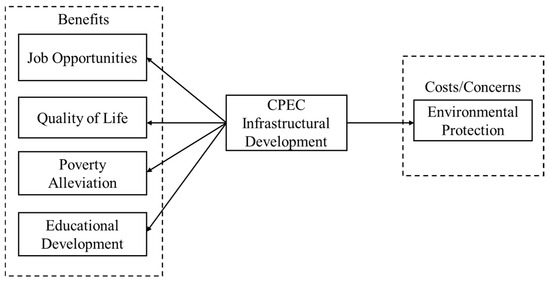
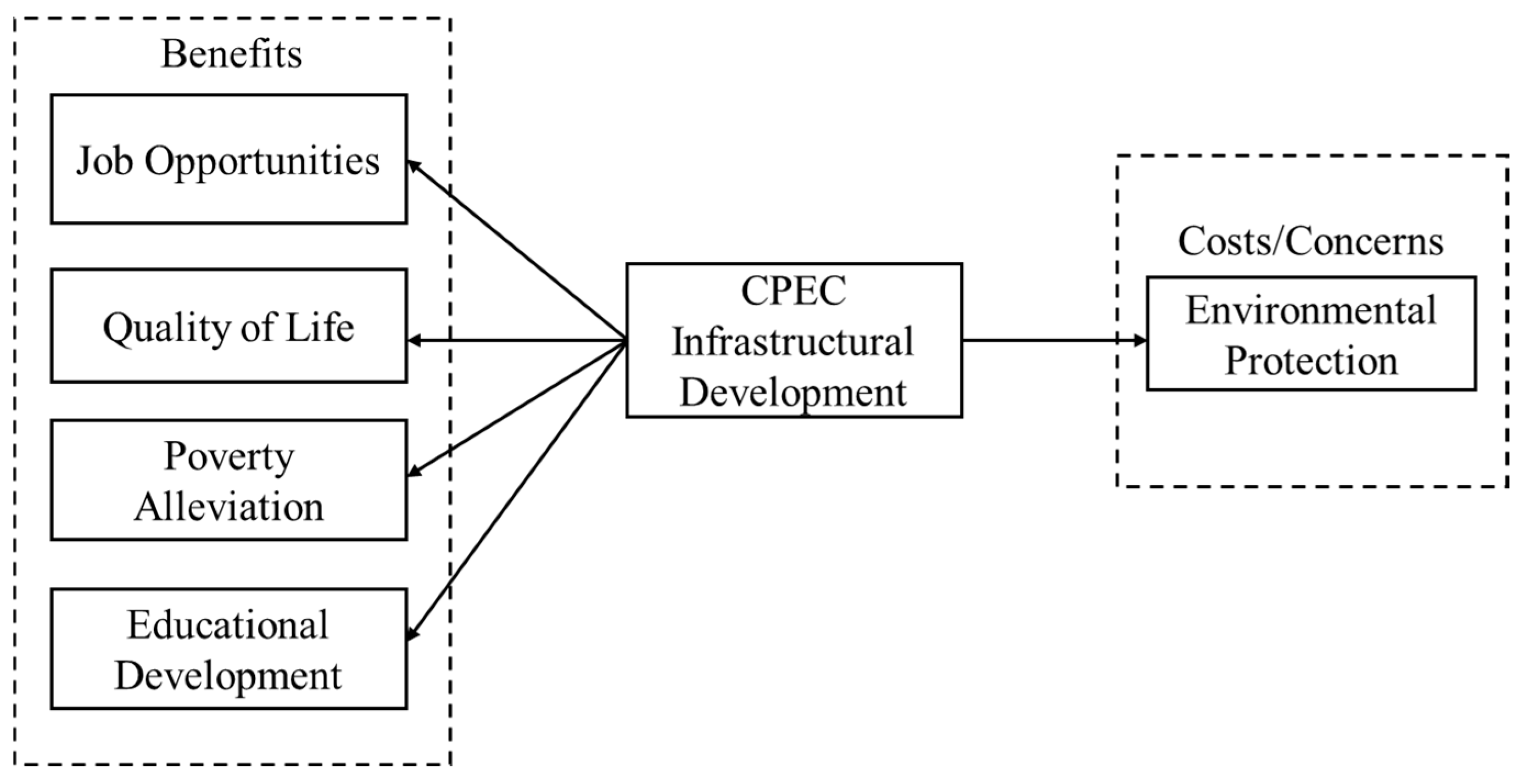
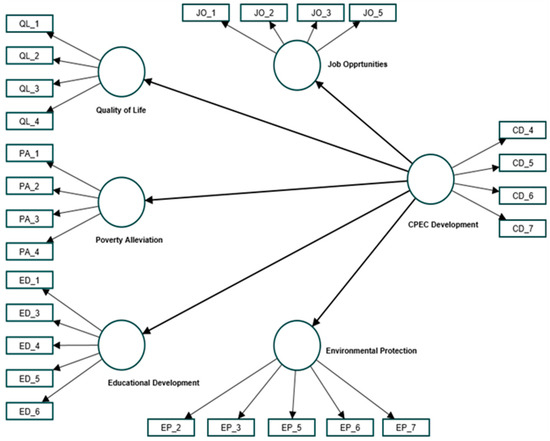
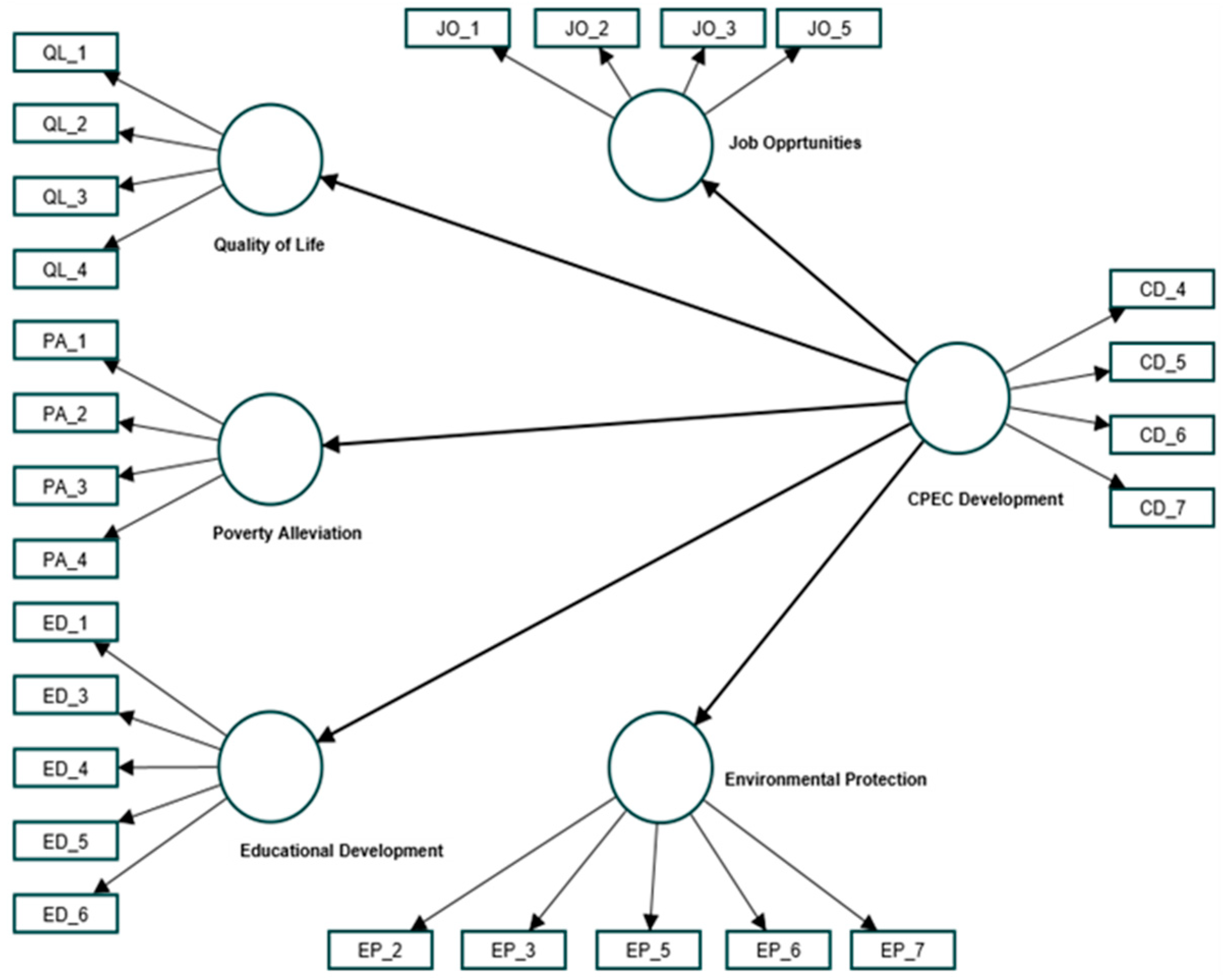
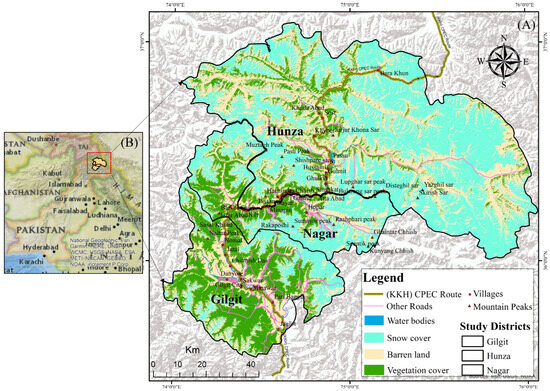
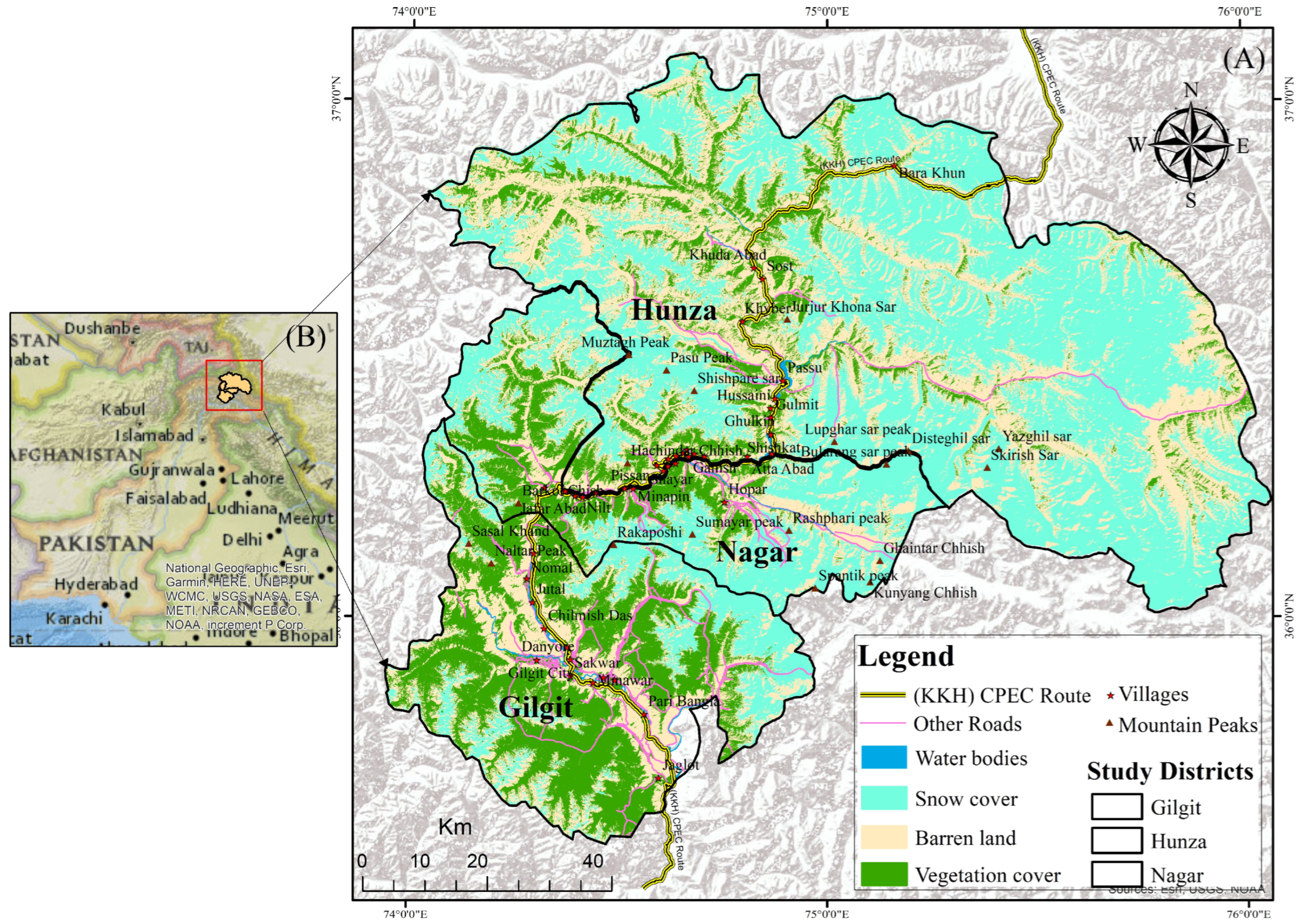
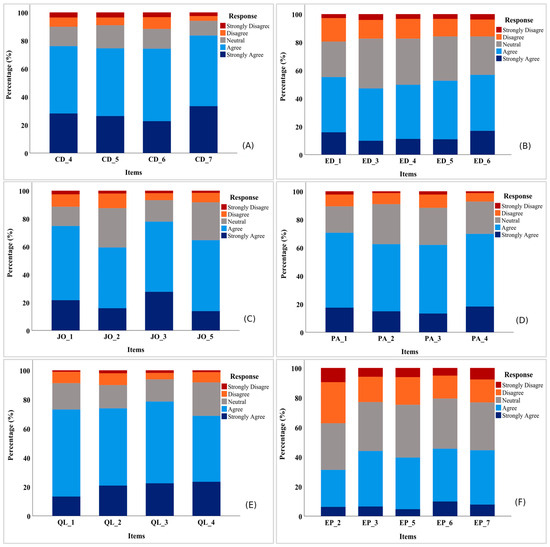
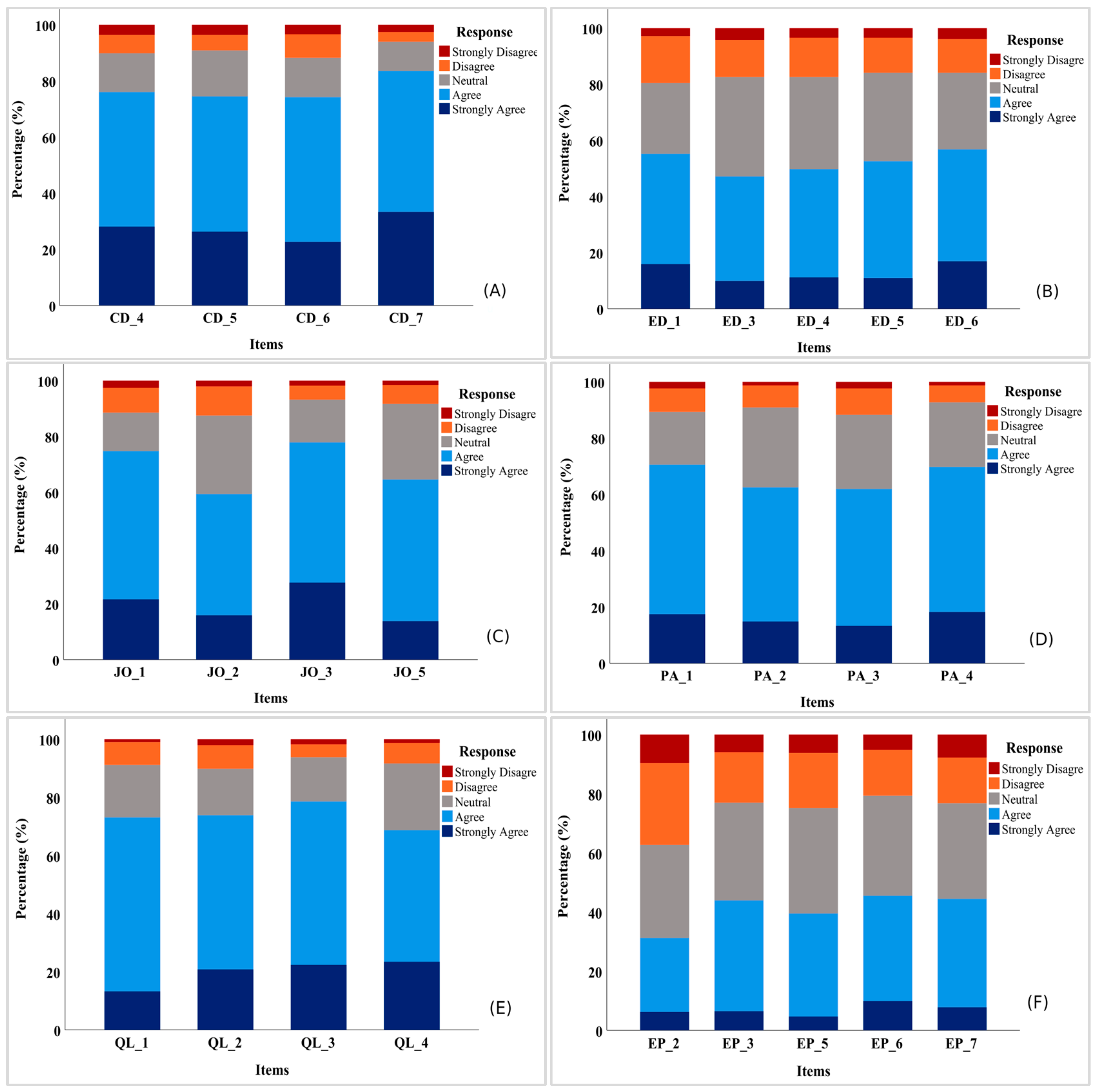
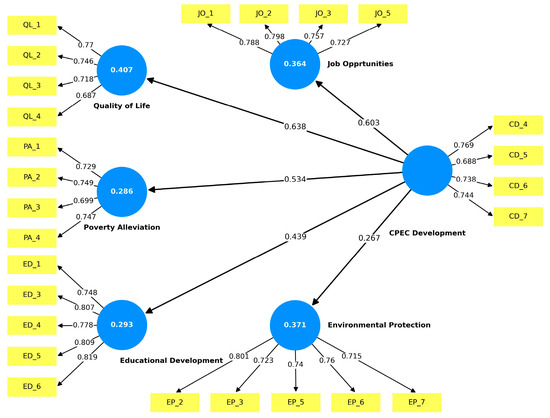
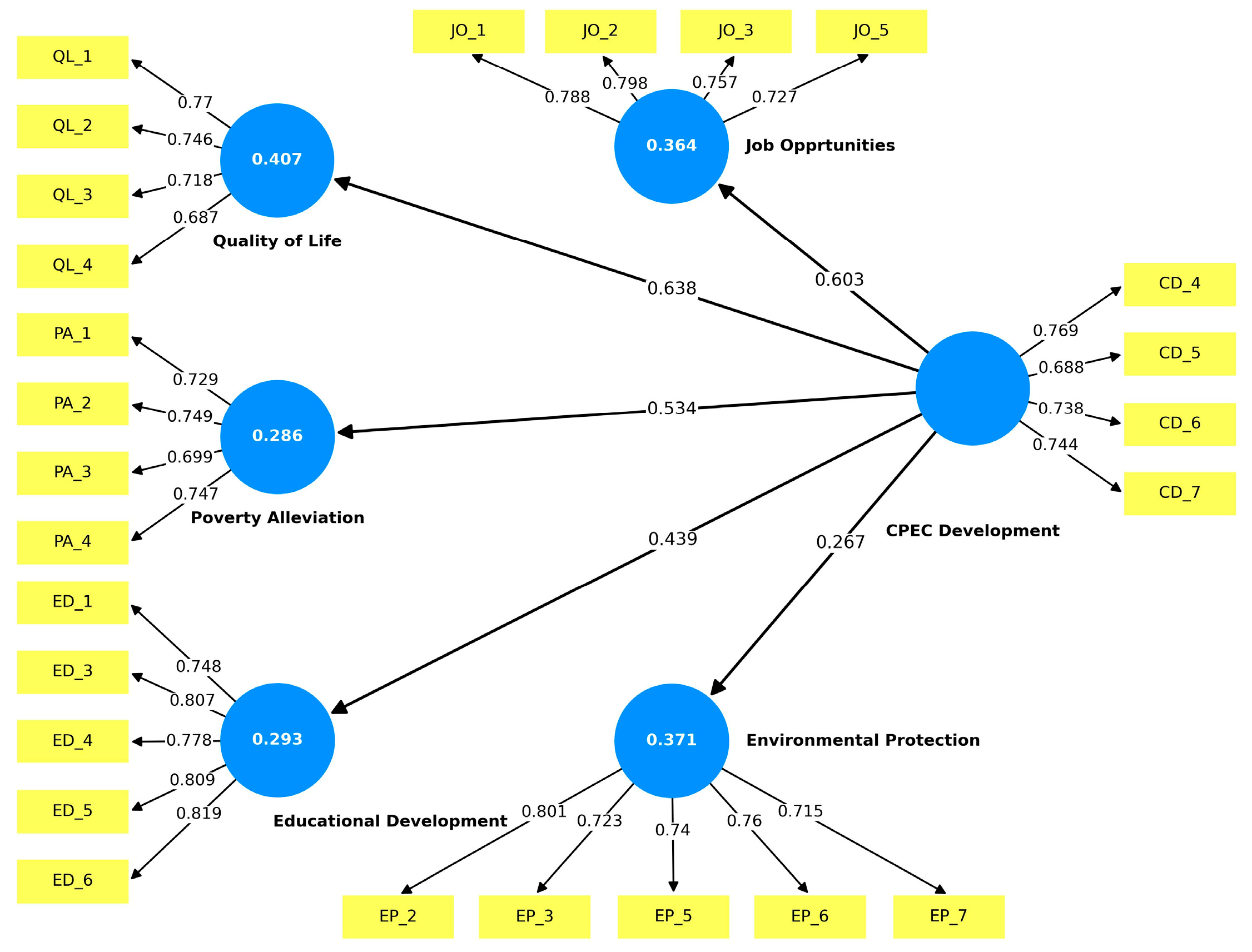
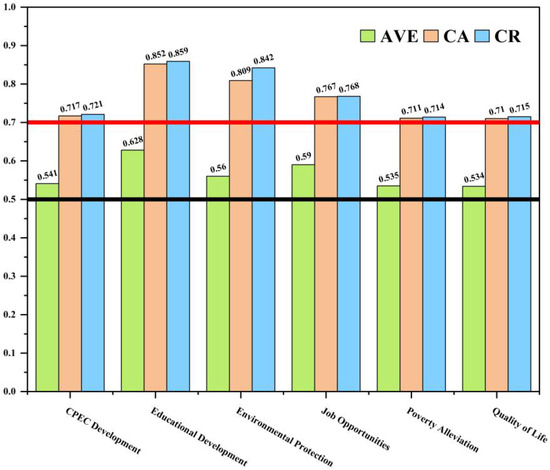
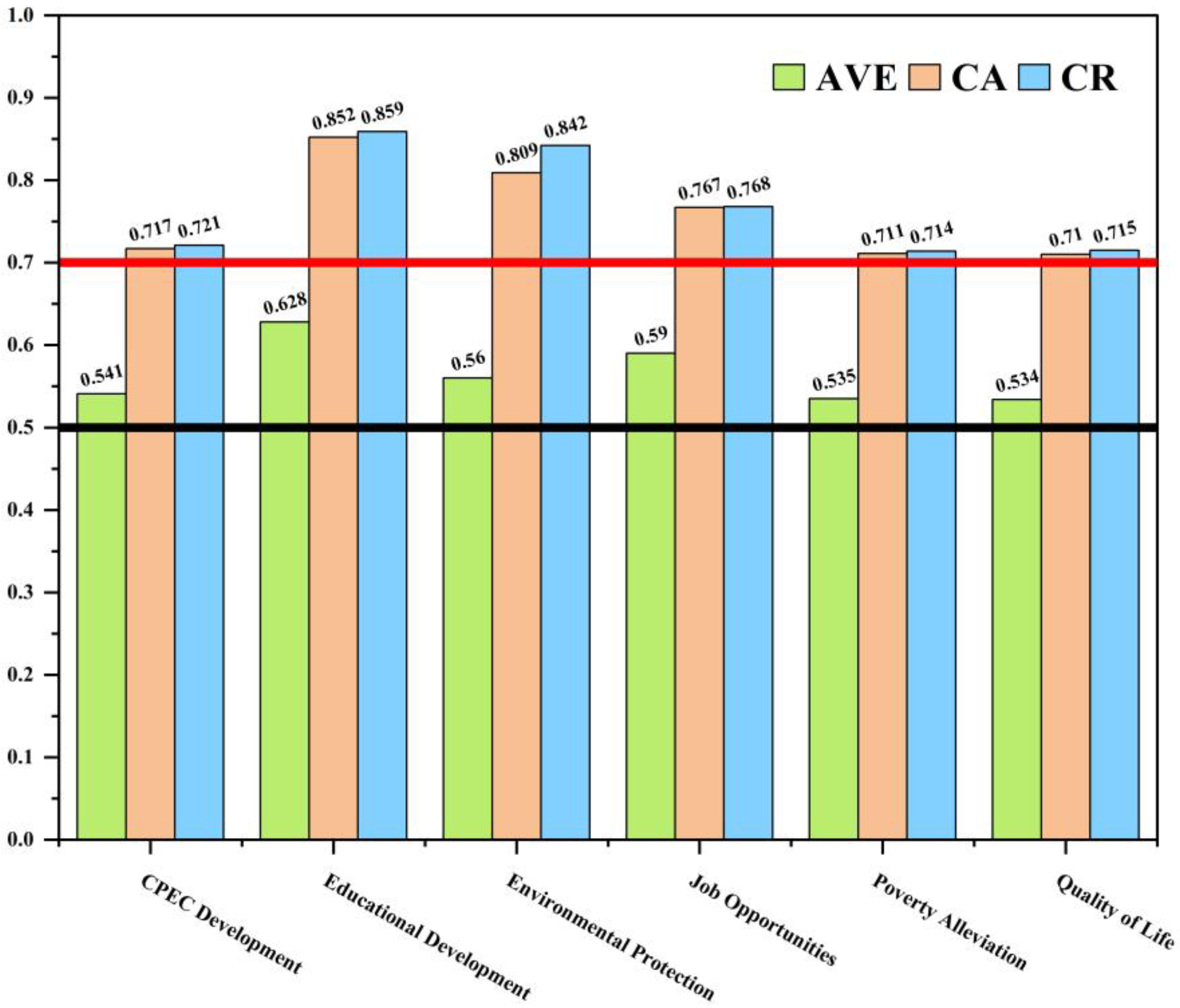
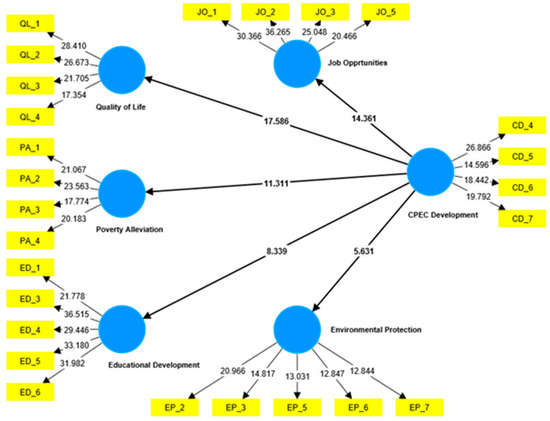
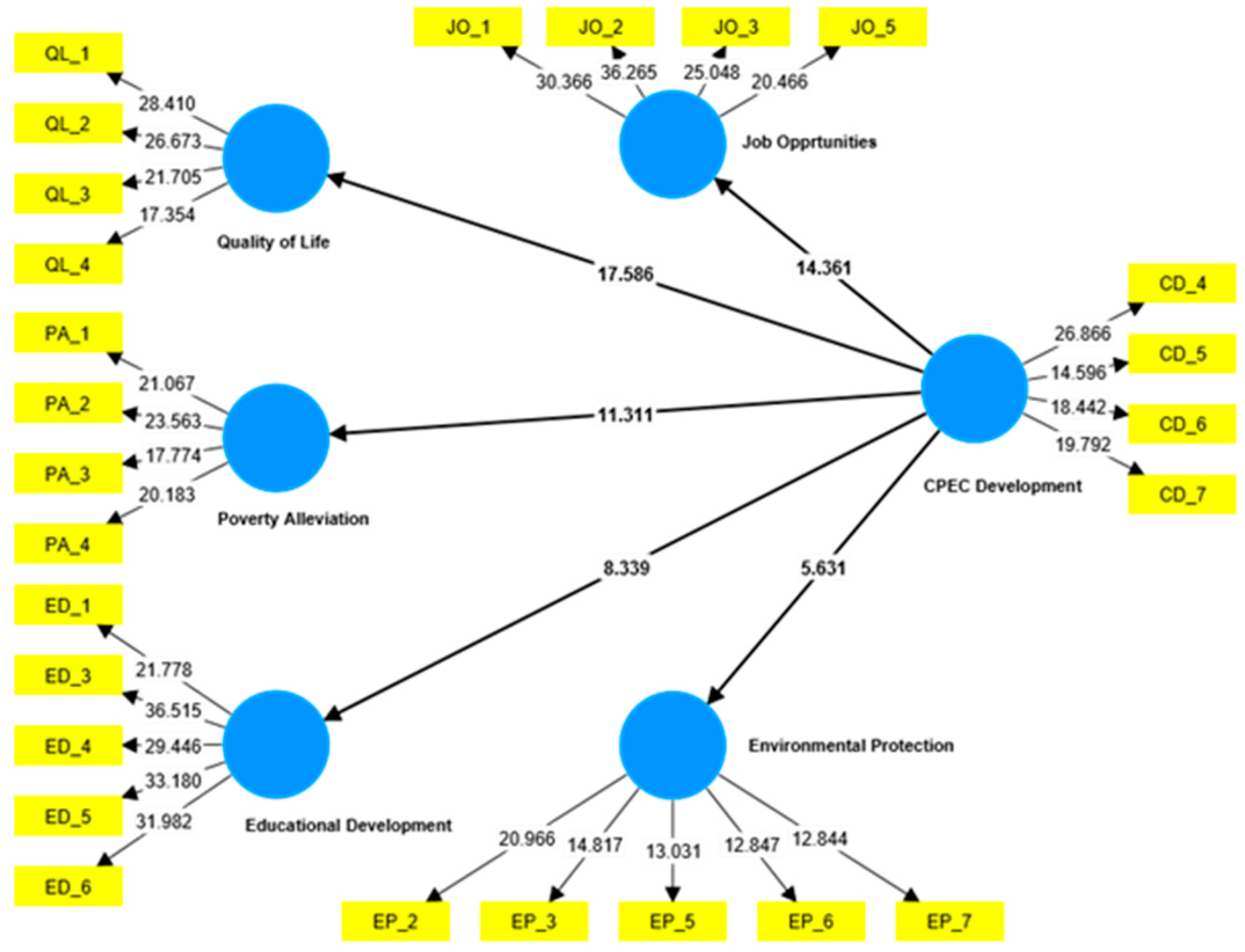
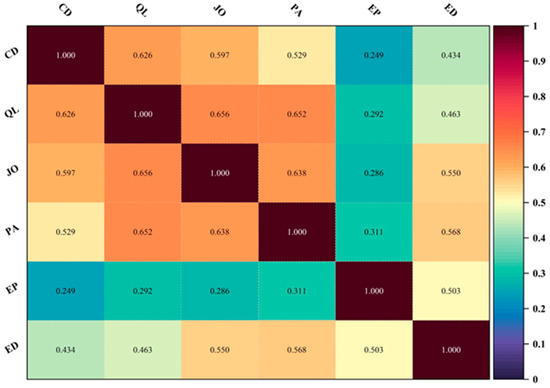
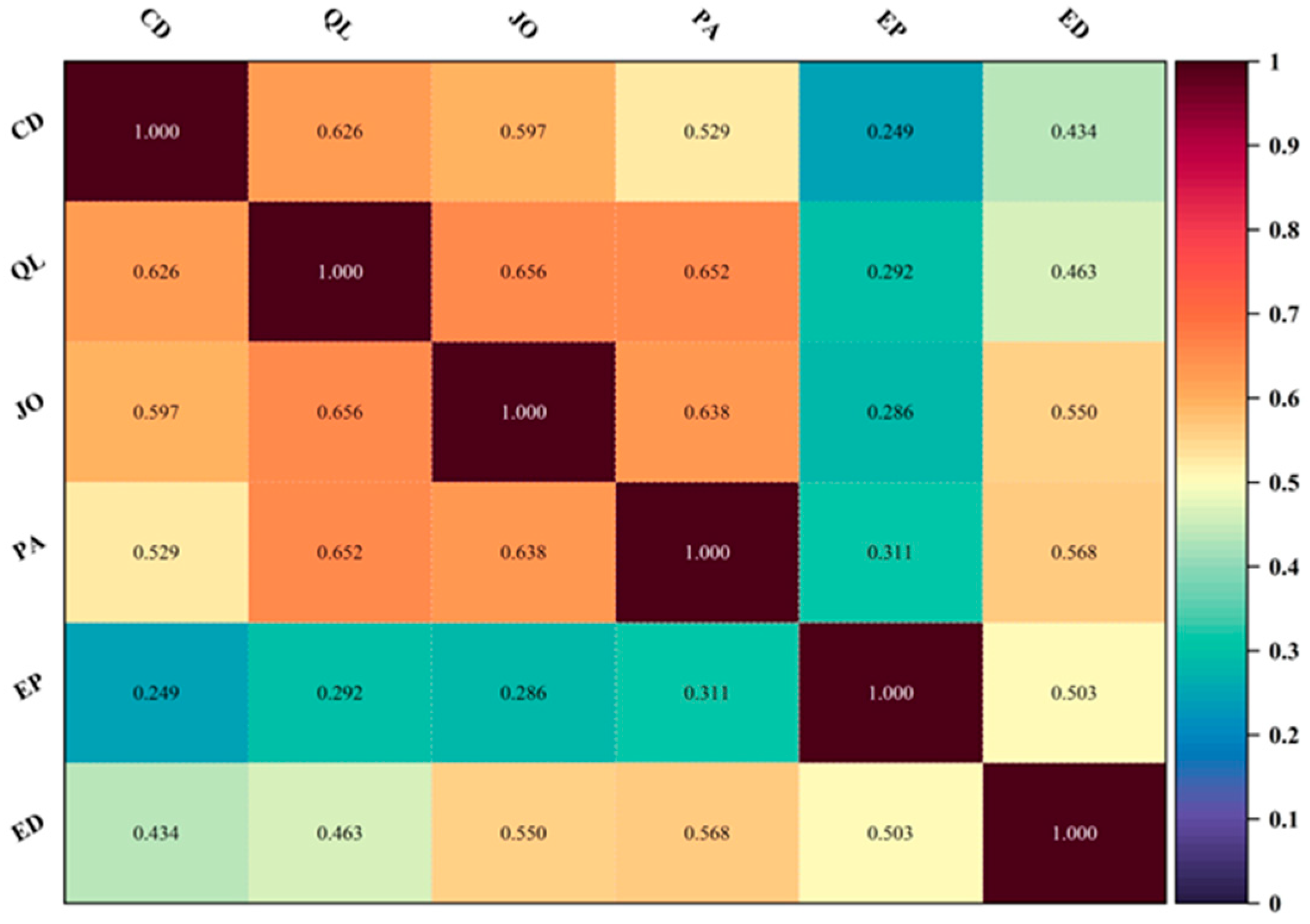

Disclaimer/Publisher’s Note: The statements, opinions and data contained in all publications are solely those of the individual author(s) and contributor(s) and not of MDPI and/or the editor(s). MDPI and/or the editor(s) disclaim responsibility for any injury to people or property resulting from any ideas, methods, instructions or products referred to in the content. |
© 2026 by the authors. Licensee MDPI, Basel, Switzerland. This article is an open access article distributed under the terms and conditions of the Creative Commons Attribution (CC BY) license.