


Abstract
Depopulation threatens livelihoods, services, and cultural landscapes. In the scientific literature, tourism is frequently discussed as a potential lever in depopulation contexts, yet reported demographic outcomes vary widely across settings. We conducted a PRISMA-informed systematic review of Web of Science and Scopus (1993–2025), identifying 268 articles that were coded using a hybrid bibliometric–narrative approach into thematic axes and reported effect directions (positive, neutral, negative). Reported outcomes are heterogeneous and conditional rather than uniform. Tourism is associated with positive demographic trajectories, primarily where it is embedded in diversified local economies, supported by strong social capital, and integrated into coordinated governance and planning frameworks; negative or neutral outcomes recur under tourism monoculture, strong seasonality, housing pressure, and weak territorial regulation. Keyword co-occurrence and narrative analyses identify three dominant thematic clusters (rural development, spatial–cultural transformation, and sustainability) structured around depopulation as the central conceptual node. The geography of knowledge production further indicates a strong European concentration, particularly in Southern Europe, where tourism is explicitly framed as a policy response to demographic decline, while non-European research adopts more analytical and sectoral perspectives. Overall, this review shows that tourism functions as a contingent territorial lever rather than a universal remedy: its demographic associations depend on institutional, spatial, and socio-economic configurations. By systematically organizing fragmented evidence, the study clarifies when tourism is reported to support demographic stabilization, and when it is reported to have no effect or to coincide with continued decline, providing a clearer analytical basis for future comparative research and context-sensitive territorial policy design.
1. Introduction
Depopulation is a long-standing demographic and territorial process characterized by sustained declines in the number of residents driven by negative natural balance, negative net migration, or both [1,2]. Goulding et al. (2014) [3] indicate that there is a global trend of people in rural areas, mainly small settlements, being displaced to urban centers and, according to Stimilli and Sargolini (2019) [4], to coastal areas, a phenomenon known as littoralization. This trend has persisted for decades [5] and, in some countries, even since the nineteenth century [6].
The causes of depopulation vary by region, but several common factors are evident: rural–urban migration linked to industrialization and urbanization [7], the mechanization of agricultural work [8], and broader economic decline [9]. Over the years, uneven development can reduce job opportunities and access to essential services (education, healthcare, and transportation) [10], accelerating aging and undermining demographic viability [11]. Beyond socio-economic impacts, depopulation is also associated with land-use abandonment and increased environmental risks [12,13].
Researchers and institutions are exploring various solutions to address the concerning situation in rural environments. One of the frequently discussed strategies in the literature is tourism (broadly understood as travel-related economic activity affecting local services, employment, and territorial development). Many authors have analyzed the effect of tourism on territories affected by depopulation. Szmytkie et al. (2022) [14], in their study in the Kłodzko region (Poland), suggest that tourism development is associated with curbing negative demographic and economic trends, leading to a progressive reduction in the marginalization of rural areas. Ruiz-Labrador et al. (2023) [15] go further and argue that tourism contributes to more equitable territorial planning, greater territorial cohesion, and socio-economic growth among the local population. It is a multi-sectoral complex comprising food, accommodation, transport, tourism, shopping, and entertainment that can accommodate a considerable number of employed people, thereby stabilizing the population.
However, promoting tourism is complex. Muntele et al. (2023) [16] argue that rural development policies should be geared towards ensuring sustainability, as this, according to Demonja et al. (2016) [17], can significantly improve the economy, society, and environment of rural areas. For these policies to be successful, Bassi et al. (2022) [18] emphasize the importance of involving local stakeholders to address the specific needs of each region. Research by Thomas et al. (2013) [19] suggests that tourism projects should be implemented at the local level and subsequently expanded. These projects, as Bizzarri and Micera (2021) [20] state, must be shared with and accepted by the resident community, as Romano (1995) [21] indicates that the primary priority is to create economic benefits for the local population.
In fact, some articles report that tourism, primarily due to poor planning and the exclusion of the local population from projects, did not halt the demographic decline of the territories in question. This is the case of Seaton (2010) [22], who found that tourism in the town of Yūbari (Japan) was reported not to halt depopulation because its tourism potential has been overestimated and the tourism model developed attracts only temporary workers, not permanent residents. Zhang (2022) [23], reports that limited local participation and benefit-sharing in the Samaba Rice Terraces (Yunnan, China) may weaken community engagement and, in turn, coincide with continued out-migration. More broadly, several studies portray tourism as a double-edged process when growth is weakly regulated: Uysal and Sakarya (2018) [7] link tourism-related housing revaluation in North Aegean villages (Turkey) to the displacement of local residents and environmental pressures. Currently, similar dynamics are widely discussed in the context of historic city centers and short-stay rentals (e.g., Airbnb) [24], often framed within debates on gentrification [25].
Despite the growing body of literature, research on tourism in depopulation contexts remains fragmented across disciplines and dispersed in case studies, with heterogeneous reporting of demographic trends and underlying mechanisms. Despite the growing body of literature, research on tourism in depopulation contexts remains dispersed across disciplines and case-based studies, with heterogeneous reporting of demographic directions and underlying mechanisms. A structured synthesis that combines bibliometric mapping with narrative typologies can clarify how the literature frames tourism’s role in depopulation contexts, and where evidence remains limited.
The primary objective of this study is to systematically review and synthesize the scholarly literature that explicitly addresses depopulation and tourism within the same analytical frame. Using a PRISMA-guided selection and a hybrid bibliometric–narrative approach, we:
- (i)
- Map publication trends and spatial/disciplinary patterns.
- (ii)
- Summarize reported demographic directions (positive, neutral, or negative) attributed to tourism within the reviewed studies.
- (iii)
- Develop a typology of depopulation–tourism narratives and a heuristic and integrative synthesis of reported mechanisms and contextual conditions reported in the literature to be associated with different demographic outcomes.
This review is guided by the question: How does the literature frame tourism’s role in contexts of depopulation, and what mechanisms and contextual conditions are most frequently associated with reported demographic outcomes across different narrative framings?
By combining bibliometric mapping with narrative classification, this study provides a structured synthesis of reported mechanisms and contextual conditions. Because most studies are descriptive and context-specific, the review does not infer causality; instead, it identifies recurring patterns, dominant framings, and evidence gaps to inform future comparative and longitudinal research.
2. Materials and Methods
2.1. Materials
We have studied articles addressing depopulated environments, analyzing them and proposing solutions to combat depopulation, including those that consider tourism as a factor affecting demography (positively or negatively) or as a possible solution to demographic decline. To this end, the following eligibility criteria were used:
- A.
- Combination of words: depopulation AND touris*.
- B.
- Searched within title, abstract, and author’s keywords.
- C.
- Databases: Web of Science and Scopus.
- D.
- Boolean operators: Web of Science: TI = (depopulation AND touris*) OR AB = (depopulation AND touris*) OR AK = (depopulation AND touris*) OR KP = (depopulation AND touris*). Scopus: TITLE-ABS-KEY: depopulation AND touris* OR AUTHKEY = (depopulation AND touris*).
- E.
- Date range: 1993–2025 inclusive.
- F.
- Type of documents: articles and review articles.
- G.
- Languages: English and Spanish.
- H.
- Geographic focus: all the countries included.
- I.
- Date of last search: 5 January 2026. This search corresponds to the final review conducted for the construction of the analysis corpus. Final update of bibliographic references: 29 January 2026, the date on which the last review to update citations was carried out.
The total number of documents found in Web of Science is 226, while on Scopus it is 265. After removing 221 duplicate articles between the two databases, the final number of articles is 270 (Figure 1).
Figure 1.
Systematic literature review structure. NOTE: The asterisk (*) is a truncation wildcard; it indicates that all words beginning with the preceding root should be included.
The corpus (N = 270) was reduced to 268 results [2,5,6,7,8,9,10,12,14,15,16,18,19,20,22,23,24,26,27,28,29,30,31,32,33,34,35,36,37,38,39,40,41,42,43,44,45,46,47,48,49,50,51,52,53,54,55,56,57,58,59,60,61,62,63,64,65,66,67,68,69,70,71,72,73,74,75,76,77,78,79,80,81,82,83,84,85,86,87,88,89,90,91,92,93,94,95,96,97,98,99,100,101,102,103,104,105,106,107,108,109,110,111,112,113,114,115,116,117,118,119,120,121,122,123,124,125,126,127,128,129,130,131,132,133,134,135,136,137,138,139,140,141,142,143,144,145,146,147,148,149,150,151,152,153,154,155,156,157,158,159,160,161,162,163,164,165,166,167,168,169,170,171,172,173,174,175,176,177,178,179,180,181,182,183,184,185,186,187,188,189,190,191,192,193,194,195,196,197,198,199,200,201,202,203,204,205,206,207,208,209,210,211,212,213,214,215,216,217,218,219,220,221,222,223,224,225,226,227,228,229,230,231,232,233,234,235,236,237,238,239,240,241,242,243,244,245,246,247,248,249,250,251,252,253,254,255,256,257,258,259,260,261,262,263,264,265,266,267,268,269,270,271,272,273,274,275,276] (see File S1 and Table S1), as one article was retracted on 19 November 2025 after it had already been analyzed and classified; and another article is inaccessible, although it is indexed in the Web of Science Core Collection, its DOI is invalid and the full text is not available. The articles (N = 268) were full-text read and analyzed qualitatively, complemented by bibliometric data extraction. The results were classified according to a series of results that will be developed below: year of publication, journal, author(s), university or research center of study, Country of the university or research center, place, and Country of the problem and central thematic axis.
The dates selected, as mentioned above, are 1993 to 2025 inclusive. All variables used in our synthesis are operational and rule-based, not dependent on the authors’ subjective judgment for classification. Firstly, we delimited the review to 1993–2023 to provide a coherent 30-year snapshot of the field. However, given the research’s duration, we included articles from 2024 and 2025 in the review to ensure greater up-to-dateness. The project was launched in January 2024 and completed in January 2026, with 2025 set as the year-end cut-off. This timeframe allowed completion of full-text screening and coding for all retrievable publications. The design and review process was conducted between October 2023 and January 2026.
We distinguish the country of the university/research center (author affiliations at publication) from the country under study (the territory where depopulation/tourism dynamics are analyzed). This separation allows us to compare the geography of knowledge production with the geography of the phenomenon, revealing potential asymmetries (external gaze, capacity gaps) and collaboration needs. For multi-authored papers, we count all affiliations (deduplicating repeated countries within the same paper).
In multi-authored papers, we count all distinct countries listed in the authors’ affiliations and remove duplicates within the same paper. For study areas that span multiple countries, we count each country once per paper. For institutions and countries, we use the authors’ stated affiliations/fields at the time of publication; if several co-authors share the same institution, country, or discipline, we count it once per paper.
We included English and Spanish due to the team’s proficiency in these languages and the English-dominant indexed publications on this topic. We acknowledge that excluding other languages is a limitation.
We have considered the term “touris*” to be more appropriate than “tourism”, as the latter may exclude terms such as “tourist(s)” or “touristic”.
We acknowledge, as a methodological limitation, the use of the Boolean operator “depopulation”, which excludes related terms such as “population decline”, “demographic decline”, “population decrease”, or “underpopulation”. This choice was nevertheless deliberate and conceptually grounded. In the tourism literature, “depopulation” functions as a specific territorial and policy-oriented construct, commonly used to frame rural decline, peripheralization, and long-term demographic shrinkage in connection with development strategies, including tourism. By contrast, alternative terms are more frequently employed in general demographic, economic, or policy analyses where tourism is not a central analytical dimension. Our objective, therefore, was not to capture all studies addressing demographic change, but to systematically review those that explicitly conceptualize depopulation as a territorial problem and discuss tourism within that frame. Importantly, the resulting corpus of 268 articles provides sufficient analytical breadth and thematic diversity to support a comprehensive synthesis of the tourism–depopulation literature, while maintaining conceptual coherence and analytical focus.
In addition to the 268 articles analyzed, we have proceeded to read more articles related to the topic, searching for the same combination of words (depopulation AND touris*), but in the topic, instead of the title, abstract, and keywords. These studies have informed the literature review, providing a deeper understanding of the concepts covered in the work, although they have not been included in the results. Gray literature has also been used to have a greater knowledge of the subject, such as conferences and symposia [277,278,279,280], and documents from different governments and organizations for definitions of concepts and official statistics [281,282,283].
2.2. Methods
This research employed a systematic literature review method adapted from PRISMA 2020 (Preferred Reporting Items for Systematic Reviews and Meta-Analyses) [284]. In accordance with the 2020 PRISMA guidelines, we explicitly state that this review does not include a meta-analysis or effect-size pooling. We do not estimate pooled causal effects; quantitative analyses are limited to descriptive/bibliometric mapping and distributional counts. The identified corpus exhibits significant conceptual, methodological, and geographical heterogeneity. Therefore, we consider that applying standard quantitative synthesis tools would be neither methodologically appropriate nor conceptually consistent with the study’s objectives. The review protocol was not registered in PROSPERO, as the study had already progressed beyond the protocol registration stage at the time of submission.
This review adopts a narrative synthesis strategy combined with bibliometrics because the objective is not to estimate causal effects or evaluate interventions, but rather to characterize patterns, territorial configurations, and conditions under which tourism mitigates, does not alter, or exacerbates depopulation. This purpose requires a broad interpretive approach, capable of integrating conceptual, qualitative, quantitative, descriptive, and territorial evidence. In this context, the use of standardized tools to assess risk of bias or evidence certainty (e.g., clinical or intervention-oriented frameworks) is not methodologically appropriate, given the field’s non-evaluative and non-clinical nature. Instead, rigor is ensured through full-text analysis, systematic coding, internal validation of thematic criteria, and cross-sectional comparison of approaches, results, and mechanisms. To ensure analytical rigor in the absence of quantitative effect synthesis, we employed a set of compensatory procedures: full-text examination of all accessible articles, systematic classification using an ad hoc rule-based coding scheme, internal validation of thematic criteria, cross-sectional comparison of approaches, results, and mechanisms, and bibliometric verification across the complete indexed dataset. These procedures ensure analytical consistency and transparency in a heterogeneous corpus where standardized evidence-certainty tools are not methodologically applicable.
Our methodology was used to analyze all scientific articles in this field, analyzing the corpus through a combination of full-text review and structured bibliometric profiling. These methodological adaptations are appropriate given the objectives and nature of corpus’s heterogeneity and the configurational nature of the review’s objective, enabling a broader, more conceptually robust synthesis than a standard systematic review would.
The bibliometric analysis tool Bibliometrix [285,286], igraph [287,288,289], and ggalluvial [290,291] were incorporated to support the quantitative mapping of the scientific literature and to complement the systematic review with performance indicators, network analyses, and science-mapping techniques. A preprocessing routine was implemented in R to correct parsing inconsistencies in the Web of Science Core Collection .bib export caused by line breaks within keyword fields, which artificially fragmented single keyword expressions. Multiline keyword entries enclosed in curly braces {...} were reconstructed into single continuous strings, and temporary character escaping was applied to prevent delimiter misinterpretation during Bibliometrix conversion (convert2df()), followed by normalization using semicolon-separated formatting. This procedure ensured terminological integrity and improved the reliability of co-occurrence and bibliometric analyses.
During the analysis of author keywords, spelling, morphological, and stylistic inconsistencies were detected, leading to artificial fragmentation of the corpus. To address this issue, a two-step harmonization procedure was applied. First, author keywords were semantically harmonized by unifying singular and plural forms (e.g., “Rural regions” into “Rural area”; “Cultural landscapes” into “Cultural landscape”), standardizing compound terms and hyphenation (e.g., “Agro-tourism” into “Agritourism”; “ecotourism” into “Eco-tourism”), and homogenizing capitalization and spelling variants (e.g., “well-being” into “Wellbeing”; “Geoturism” into “Geotourism”). Acronyms and expanded forms referring to the same concept were consolidated (e.g., “Geographical Information System (GIS)” into “GIS”), and closely related expressions were grouped under broader, conceptually equivalent descriptors to reduce redundancy (e.g., “Land cover change” and “Land use change” into “Land use/cover changes”; “UNESCO Biosphere Reserve” into “Biosphere Reserve”). Second, a technical normalization routine was applied to reduce lexical variability and ensure consistency across the corpus. This procedure removed soft hyphens and non-printable characters, trimmed leading and trailing whitespace, unified typographic quotation marks, converted all terms to lowercase, removed diacritics, and deleted parentheses while preserving their internal content. Hyphenated expressions were standardized, punctuation marks were removed, and whitespace was normalized. Together, these conservative and rule-based adjustments reduced noise and orthographic inconsistencies while preserving the original semantic meaning of the keywords, thereby improving the interpretability, stability, and reliability of co-occurrence networks and thematic analyses.
To explore the conceptual structure of the literature, we conducted a co-occurrence network analysis of authors’ keywords using the Bibliometrix package (Vers. 5.2.1). Nodes represent keywords, and edges indicate their co-occurrence in the same document, with edge weights proportional to the shared frequency. The network was constructed as a weighted graph and normalized using the Association Strength index, which is widely applied in bibliometric science mapping to control for the disproportionate influence of highly frequent terms. The visualization was generated using a force-directed Fruchterman-Reingold layout, with node size proportional to term degree. Community detection was performed using the Walktrap algorithm, which identified cohesive thematic clusters within the field. Network metrics were computed using the igraph package (Vers. 2.2.2) in R. Network centrality measures (degree, strength, betweenness, closeness, and eigenvector centrality) were computed to detect influential and bridging concepts. To enhance interpretability, the analysis focused on the 30 most frequent keywords.
To analyze the configurational relationships between territorial knowledge production and thematic structuring, an alluvial diagram was constructed using the ggalluvial package (Vers. 1.4-13 R package version 0.12.5). Authors’ countries of affiliation (CI) and Country of study case area (PROB_COUNTRY), analytically derived thematic axes, and authors’ keywords were modeled as three discrete dimensions, with flow magnitudes weighted by the number of distinct publications. To preserve interpretability and avoid visual dominance effects, the analysis was restricted to the most frequent categories in each dimension. This approach enables the identification of stable territorial–thematic–conceptual linkages within a heterogeneous corpus.
Beyond adhering to the core transparency requirements of PRISMA 2020, this review employs a mixed-methods evidence synthesis strategy that combines systematic screening with bibliometric science mapping and configurational analysis. PRISMA does not explicitly contemplate techniques such as co-occurrence networks, thematic alluvial diagrams, geographic knowledge-phenomenon comparisons, or the identification of emergent global narrative clusters. These procedures were therefore integrated as complementary analytic layers to capture the structural, thematic, and territorial complexity of a heterogeneous field. This hybrid design allows the review to move beyond standard systematic synthesis, generating a more comprehensive, multi-scalar understanding of how tourism–demography linkages are conceptualized and empirically examined across disciplines and regions.
To facilitate comprehension, we have constructed thematic/analytical axes to classify the literature. These axes were developed after a comprehensive review of all articles, using a narrative analysis approach that identified the dominant theme of each study. To ensure consistency and reproducibility, the classification system was designed as a set of mutually exclusive axes, with one principal category assigned per article. The primary criterion guiding the classification was the study’s central research question: Does tourism contribute to demographic stabilization? Accordingly, the diagnostic axes (A.1–A.3) were applied only when the article established an explicit attribution of tourism to demographic change and distinguished among positive, neutral, and negative effects. When such causality was not explicitly stated, articles were classified under analytical axes (B). To avoid overlaps, a hierarchical decision rule was applied: studies framed within protected areas were prioritized (B.2), followed by those centered on plans, governance, or participation (B.4), and finally by general territorial analyses (B.1), which were subdivided according to the dominant focus of the study (balanced, depopulation-centered, or tourism-centered). Studies focusing on migration or second homes were classified under B.3, while explicitly propositive works were assigned to axes C.1 or C.2 depending on the role attributed to tourism. All remaining articles were grouped under axis D. This rule-based system reduced thematic ambiguity and strengthened the methodological robustness of the analysis.
To validate the robustness of the classification scheme, a second author independently reviewed a stratified random sample of 70 articles (26% of the dataset), ensuring representation of all thematic axes. Agreement between coders was high (percent agreement = 77.1%; Cohen’s Kappa = 0.75, p < 0.001), indicating a robust and consistent application of the coding framework. Discrepancies were discussed to verify the correct application of the coding rules and were resolved by consensus; no structural changes to the axes were required.
In methodological terms, the review aligns with developments in mixed-methods evidence synthesis, where quantitative science-mapping tools are combined with qualitative interpretive frameworks to make sense of diverse bodies of knowledge. The integration of bibliometric indicators, narrative coding, and territorial analysis is therefore not an add-on but a coherent strategy to deal with conceptual dispersion, methodological heterogeneity, and uneven geographic coverage in the literature.
3. Results
3.1. Main Results and Keyword Analysis
We analyzed 268 publications (1993–2025) indexed in Web of Science and Scopus that explicitly address depopulation in relation to tourism. This article aims to analyze depopulation from a technical approach to tourism. It examines the current state of scientific knowledge on this phenomenon by reviewing articles that treat tourism as a primary focus.
The bibliometric dataset covers publications from 1993 to 2025 and comprises 268 documents, mainly from 171 journals, revealing sustained growth in research activity in the field. The years of publication range from 1993, when the first article analyzed was published, to 2025. Figure 2 indicates a long-run trajectory with a marked acceleration in publication output after 2016. Output begins in 1993 and remains relatively limited until 2008, 18 articles had been published, representing 6.70%. Between 2009 and 2015, 39 articles were published, representing 14.55% of the total and an average of 5.57 articles per year. Since 2016, the number of articles per year has increased significantly. Since that year, 211 articles have been published, representing 78.73% of all articles, underscoring their continued relevance. In fact, in the last 6 years of analysis, the average number of articles published per year is 27.67.
Figure 2.
Number and Year of publication of the analyzed documents.
Our results show a growing, increasingly interconnected research field characterized by steady scientific output, moderate citation impact, a diverse thematic base, and a collaborative structure that combines small research teams with substantial international cooperation. The annual growth rate of 9.26% indicates a steady expansion in scientific output over the period analyzed. The average document age is 7.07 years, suggesting that the literature is relatively recent and that research interest remains active. Citation metrics show that each document receives an average of 12.5 citations, with a mean of 1.596 citations per year, reflecting a moderate but continuous academic impact.
Regarding document typology, research articles clearly dominate the corpus (n = 255), followed by review articles (n = 7), book chapters (n = 3), early access articles (n = 2), and one proceedings paper.
Content analysis reveals a rich thematic structure, with 895 author keywords after semantic and technical harmonization, pointing to a diverse and well-developed conceptual landscape.
The authorship analysis identifies 769 unique authors, with 840 author appearances, indicating a moderate level of collaboration and repeated participation within the field. A total of 51 authors contributed to single-authored documents, resulting in 52 single-authored publications. Collaboration indicators show an average of 3.13 co-authors per document and 0.349 documents per author, suggesting that research is commonly conducted in small teams. Notably, international collaboration is present in 26.49% of the publications, indicating a significant level of cross-national research interaction.
Before examining the empirical findings, this section provides an overview of the co-occurrence analysis of author keywords conducted using the Bibliometrix package [285,286] and igraph [287,288,289]. By exploring how keywords cluster and co-appear within the dataset, the analysis reveals the conceptual structure of the research field. It highlights the dominant themes, emerging topics, and relationships between key concepts. This approach allows for a deeper understanding of the tourism–depopulation interconnection underpinning the literature and provides a foundation for interpreting subsequent results.
The co-occurrence network (Figure 3) displays a well-defined structure organized around several thematic clusters, which articulate the relationships among territorial dynamics, tourism, and sustainability. The network is strongly centered on the term depopulation, which emerges as the most influential node in the system by frequency (freq = 52), connectivity (degree = 25), and structural centrality, serving as a key bridge between clusters. This central position indicates that demographic decline functions as the conceptual backbone of the field, around which tourism- and sustainability-oriented research streams are organized.
Figure 3.
Keyword analysis: Co-occurrence network.
The first cluster, characterized by high connectivity and centrality, is structured around depopulation, tourism, rural tourism, and rural development, together with closely related terms such as rural territories and sustainable development. This cluster represents the core of the literature and encapsulates the main research problem: the demographic decline of rural territories and its implications for development strategies and long-term territorial viability. The strong co-occurrence between depopulation and development-related terms indicates that demographic challenges are consistently framed through an intervention-oriented lens, where tourism and sustainability are seen as tools for economic revitalization and territorial regeneration. Context-specific keywords such as mountain areas and agritourism further suggest a focus on environmentally sensitive and peripheral spaces. The presence of Spain as a highly connected country-related term underscores the prominence of place-based case studies, which also play a structuring role in the network, reinforcing the debate’s territorial grounding.
The second cluster, structurally well integrated and conceptually coherent, is organized around tourism and related concepts such as heritage, cultural landscape, housing, and accessibility, reflecting a research line focused on the spatial and cultural dimensions of tourism development in depopulating regions. This cluster highlights how tourism interacts with landscape values, built heritage, and settlement structures, shaping rural destinations and their socio-territorial transformation. The presence of related concepts such as resilience, demography, rural and development indicates that tourism is increasingly analyzed in relation to broader territorial adaptation processes. Overall, this cluster conceptualizes tourism as a spatially embedded process closely linked to local development and territorial cohesion.
Another relevant cluster centers on sustainable tourism, sustainability, local communities, inner territories, and biosphere reserves, suggesting a governance- and community-oriented approach to tourism in rural contexts. This cluster could include the role of local communities, environmental stewardship, and alternative tourism models in achieving sustainable development goals. Its proximity to the core rural development cluster indicates that sustainability and community-based tourism are not isolated themes but integral components of broader tourism-driven territorial regeneration strategies.
Finally, additional thematic linkages emerge around demographic and socio-territorial processes, including migration, second homes, geotourism, and national parks, which reflect complementary perspectives on population dynamics and rural transformation. These terms reinforce the multidimensional nature of depopulation processes and their interaction with tourism and development trajectories.
Taken together, the network shows that depopulation, rural development, tourism, and rural tourismact as the main conceptual bridges within the field, while sustainability and sustainable tourism reinforce their integration across thematic areas. Their interconnections reflect a holistic research perspective in which demographic, territorial, economic, and environmental dimensions are deeply intertwined. The co-occurrence structure confirms that tourism is widely framed as both a response to and a driver of rural transformation, positioning it as a central mechanism in strategies to mitigate demographic decline and foster sustainable territorial development.
3.2. Narratives and Emergent Themes
The 268 articles analyzed address depopulation from diverse perspectives, analytical frameworks, and policy approaches, giving rise to twelve thematic axes that structure the results of this review. The first group of axes (A.1. Tourism diagnosis: it has a positive demographic influence; A.2. Tourism diagnosis: it has no demographic influence; and A.3. Tourism diagnosis: it has a negative demographic influence) comprises studies that explicitly evaluate the demographic effects of tourism and therefore directly answer the core research question of this paper. These studies conclude that tourism has either helped curb depopulation, had no significant demographic impact, or reinforced demographic decline. However, a substantial share of the literature does not establish a direct causal link between tourism and demographic change. These works are therefore organized into analytical axes (B.1.1. General analysis: of different factors, including depopulation and tourism; B.1.2. General analysis: of depopulation, from a socio-economic-demographic-environmental perspective; B.1.3. General analysis: of tourism activity and/or heritage; B.2. Analysis of the effects of protected areas on demography and/or tourism (or vice versa); B.3. Analysis of the phenomenon of migration and/or second homes; and B.4. Analysis of plans, governance and/or participation influencing depopulation and/or tourism.), which explore depopulation and tourism as part of broader territorial dynamics, institutional frameworks, migration processes, or conservation contexts, as well as into propositive axes (C.1. Proposal of tourism as the main solution; and C.2. Proposal of different solutions, including tourism), where tourism is presented as a policy instrument among other development strategies. Articles that did not establish a direct connection between tourism and depopulation were classified under the axis D. Other themes. Together, these axes reveal the plurality of narratives, interpretations, and expectations surrounding tourism’s role in depopulating territories.
In 26 (9.70%) articles (Figure 4), it has been associated that tourism has a positive effect on demography and helped to combat depopulation (axis A.1). These articles primarily report positive demographic outcomes (increases in absolute population, a significant reduction in population loss, demographic stabilization, etc.) and economic outcomes (the creation of stable employment or additional income and, consequently, population retention). This axis also includes articles that confirm qualitative improvements attributable to tourism, such as housing renovation, improvements in quality of life, and the maintenance of basic services and facilities. In short, these represent injections of both quantitative and qualitative vitality. These studies typically frame positive outcomes within sustainable or community-oriented tourism models without compromising the destinations’ social, cultural, or environmental sustainability.
Figure 4.
Distribution of Narratives and Emergent Themes (%). Key: A.1. Tourism diagnosis: it has a positive demographic influence; A.2. Tourism diagnosis: it has no demographic influence; A.3. Tourism diagnosis: it has a negative demographic influence; B.1.1. General analysis: of different factors, including depopulation and tourism; B.1.2. General analysis: of depopulation, from a socio-economic-demographic-environmental perspective; B.1.3. General analysis: of tourism activity and/or heritage; B.2. Analysis of the effects of protected areas on demography and/or tourism (or vice versa); B.3. Analysis of the phenomenon of migration and/or second homes; B.4. Analysis of plans, governance and/or participation influencing depopulation and/or tourism; C.1. Proposal of tourism as the main solution; C.2. Proposal of different solutions, including tourism; and D. Other themes.
Twelve articles (4.48%) state that tourism has not been effective in curbing depopulation (axis A.2). In these destinations, visitor numbers have increased, yet population decline has continued. This typically occurs when policies are inadequate, implemented without taking all stakeholders into account, particularly the local population, which does not perceive tourism as beneficial because it does not generate tangible benefits for them. It is also common in cases where seasonal jobs are created, as these fail to secure long-term population retention. This axis likewise includes territories that have overestimated the attractiveness of their tourism resources and have been unable to generate the visitors’ flows necessary to sustain their resident population.
A further twelve articles (4.48%) have shown that tourism has had a negative demographic effect, reducing the number of inhabitants following its development (axis A.3). This is common in historic city centers which, after being granted protected status (most notably UNESCO World Heritage designation), attract large numbers of tourists (overtouristification [50]), thereby generating adverse demographic effects. Mass tourism leads to a loss of identity, customs, and traditions, replaces local businesses, congests traffic and parking, and increases housing prices as well as environmental and noise pollution, ultimately turning these areas into spaces that are ideal for tourists but unattractive for permanent residence.
Only a minority of studies explicitly attribute a demographic direction to tourism (A.1–A.3), while most contributions analyze depopulation and tourism as intertwined territorial processes without establishing a demographic direction (B axes) or advancing tourism-centered proposals (C axes). Those that do not establish a direct relationship between depopulation and tourism have been grouped under the remaining axes.
A large share of the literature is organized around general analytical axes that examine depopulation and tourism as part of broader territorial processes without attributing a demographic direction. This includes studies that (i) analyze territories through multiple social, economic, cultural, and environmental factors where tourism is one among several variables (B.1.1; 16.04%); (ii) focus on socio-economic and demographic drivers of depopulation with tourism remaining in the background (B.1.2; 6.72%); and (iii) examine tourism systems and resources in depopulating regions without incorporating demographic change as an outcome variable (B.1.3; 9.70%). Together, these contributions account for nearly one-third of the corpus and underscore the predominance of descriptive, sectoral, and territorially grounded approaches in the field.
As follows, there are 10 articles (axis B.2) (3.73%) that examine how protected area designations affect the demography and tourism of their corresponding areas, or, conversely, how tourism, primarily from an environmental and ecological perspective, impacts these protected areas. These are often areas seriously affected by depopulation. Normally, this type of designation attracts more tourists, mainly day visitors, but it does not stop depopulation. Although some studies claim that tourism helps to curb depopulation in these areas, they also identify other tourism-related conflicts that affect residents, local productive activities, and the environment.
Next, 19 articles (7.09%) have been included under axis B.3, whose main objective is to analyze migratory movements within a specific territory, often affected by depopulation, while always considering the tourism variable (for example, whether it is a pull factor for the arrival of immigrants). If tourism is developed in a territory, there will be a greater supply of jobs, making that area more attractive for emigration. Articles that analyze different profiles and characteristics of people who migrate are also included. In addition, articles studying the phenomenon of second homes in local environments affected by depopulation have also been included in this axis, as few articles analyze this, and they are not considered sufficient to include another thematic axis; the theme of migration is the one that has been considered to be most closely related to this one. There is a paradox in such studies: these environments seek to avoid disappearance, yet they also view the new residents as a threat to preserving the traditional community because they lack historical links [159].
Subsequently, 26 articles (9.70%) have as their main objective the analysis of governance, funding, collaboration, and/or participation in a territory, usually affected by depopulation (axis B.4). These studies typically examine which economic sectors (including tourism) have been the focus of these policies, plans, or initiatives and what effects they have had on them; they also analyze the funding of rural tourism in depopulated areas. This axis includes articles that examine the local community’s participation, engagement, vision, and perceptions of tourism, with the aim of conveying this information to policymakers or supporting bottom-up initiatives.
Finally, there are as many as 48 articles (axis C.1) (17.91%) whose main purpose is to propose some kind of tourism model or initiative as a socio-economic driving force to combat depopulation; also included in this axis are articles which are analyses or descriptions of tourism projects which have already been carried out, in most cases by the authors; articles that highlight the territorial capital and existing resources (natural and/or cultural (material and immaterial)) of a depopulated area without further development are also included, as well as articles whose main objective is to propose measures to improve tourism that already exists in the territory. In these papers, the authors clearly state that their primary aim is to promote tourism as the main tool to curb depopulation in the study area. A further 20 articles (axis C.2) (7.46%) propose a series of measures, including the development of tourism, to tackle the negative demographic effects. Articles that propose the development of other sectors, which would subsequently increase or involve the development of tourism, and this is clearly specified, are also included. Many of the latter emphasize economic diversification as a key aspect, not focusing exclusively on tourism.
In the background are the eight (2.99%) articles in axis D, whose main objectives differ from the primary focus of this study. According to our Boolean operators, these articles include depopulation and tourism in their abstracts or keywords, but address completely different topics from the previous axes.
The classification above suggests that tourism can either mitigate or exacerbate depopulation. A cross-analysis of the 268 articles reveals that positive outcomes are typically associated with employment generation, diversification, quality-of-life improvements, amenity migration, integration with local policies, and promotion of sustainable tourism. By contrast, adverse outcomes occur under conditions of poor territorial planning, housing market inflation, seasonal dependence, environmental pressures, social conflict, loss of identity, and the decline of traditional activities. In turn, neutral findings often emerge when tourism is present but not sufficiently integrated into local economic structures to alter demographic trends.
Taken together, these results confirm that tourism’s demographic effects are conditional rather than universal and depend on the interaction between tourism models, community scale, and governance arrangements.
Beyond the axes, the cross-cutting pattern indicates that positive effects (A.1) emerge mainly when (i) tourism diversification (or multi-product diversification), (ii) governance with housing/land-use instruments and flow management, and (iii) absorptive capacity and local social capital (cooperation, associative network) coexist. Negative effects (A.3) typically occur under tourism monoculture with high seasonality, real estate pressure, and weak planning; neutral results (A.2) are observed when tourism is not integrated into the local economic structure or does not reach critical mass, or when tourist assets lack sufficient appeal. These conditions are repeated, especially in small, accessible towns (positive) compared to stressed historic urban centers or overcrowded destinations (negative). Neutral effects occur in both rural and urban contexts.
3.3. Geography of Knowledge Production: Country of the University or Research Center
Articles were classified by authors’ institutional affiliation to map the geography of knowledge production, distinguishing it from the geography of the studied depopulation phenomena. In multi-authored papers, each country was counted once per article, resulting in 46 distinct countries and sub-national regions represented in the corpus (N = 327).
Spain clearly dominates knowledge production in the field, accounting for 91 articles (27.83%), followed by Italy with 51 publications (15.60%). Together, these two countries represent more than 43% of the total corpus, confirming Southern Europe as the main hub of scientific production on tourism–depopulation dynamics. A second tier of contributing countries includes Japan (14 articles), Serbia (13), Poland (11), and Croatia and Romania (10 each), reflecting a broader European and East Asian engagement with the topic.
Moderate levels of production are observed in Russia (9 articles); Greece and the United Kingdom (8 each); the United States (7 articles); and China, the Czech Republic, Mexico, and Portugal (6 each). A wider group of countries contributes smaller but non-negligible outputs, with Austria, France, Sweden, and Switzerland (5 articles each); Chile, Hungary, and Norway (4 each); and Canada, Slovenia, and South Korea (3 each). The remaining contributions are distributed across a long tail of countries and regions with one or two publications, including Australia, Belgium, Brazil, Bulgaria, Denmark, Montenegro, New Zealand, Scotland, Turkey, and several others.
Overall, this distribution highlights a strongly European-centered knowledge geography, with Southern and Eastern Europe playing a dominant role, complemented by more limited but consistent contributions from East Asia and America.
Figure 5 provides a detailed representation of the relational structure linking countries, analytical axes, and authors’ keywords, and illustrates the relative magnitude of each flow (i.e., the number of articles). The figure reveals a clear geographical differentiation in how the tourism–depopulation nexus is conceptualized, with Europe emerging as the primary region in which tourism is framed as a territorial policy response to demographic decline, whereas non-European countries primarily treat tourism as an analytical object rather than a demographic intervention tool.
Figure 5.
Geography of knowledge production: Alluvial Concept Map of Knowledge Production (AXIS + Authors Keywords) by Country of the university or research center (1993–2025). Key: A.1. Tourism diagnosis: it has a positive demographic influence; A.2. Tourism diagnosis: it has no demographic influence; A.3. Tourism diagnosis: it has a negative demographic influence; B.1.1. General analysis: of different factors, including depopulation and tourism; B.1.2. General analysis: of depopulation, from a socio-economic–demographic–environmental perspective; B.1.3. General analysis: of tourism activity and/or heritage; B.2. Analysis of the effects of protected areas on demography and/or tourism (or vice versa); B.3. Analysis of the phenomenon of migration and/or second homes; B.4. Analysis of plans, governance and/or participation influencing depopulation and/or tourism; C.1. Proposal of tourism as the main solution; C.2. Proposal of different solutions, including tourism; and D. Other themes.
European scholarship consistently links depopulation, rural areas, rural development, and tourism, reflecting a policy-relevant orientation in which tourism is explicitly mobilized to support territorial revitalization. This is reflected in a European knowledge geography characterized by (i) high thematic density around depopulation, rural area/rural development, and tourism, and (ii) strong internal differentiation in how tourism is framed, either as a driver of demographic outcomes (positive, neutral, or negative) or as a policy instrument for territorial revitalization. Spain shows the most diversified European pattern, spanning multiple diagnostic axes (A.1–A.3), analytical perspectives (B.1–B.4), and solution-oriented frameworks (C.1–C.2), with recurrent connections to depopulation, rural tourism, geotourism, and governance-related themes. Italy combines a marked diagnostic sensitivity—explicitly linking tourism to negative demographic effects (A.3) and to depopulation in general analytical frameworks (B.1)—with a strong sustainability-oriented proposal profile (C.1), dominated by sustainable tourism, rural development, cultural landscape, or sustainability. Other European countries display more selective yet coherent agendas: Greece concentrates on protected area dynamics (B.2) through national parks, geotourism, cultural landscape, and rural depopulation; Portugal is anchored in A.1 and general analytical framings (B.1.1); and Central/Eastern Europe (e.g., Poland, Romania, Serbia, Czech Republic, Croatia) tends to hybridize general analytical approaches (B.1/B.2) with tourism-inclusive proposals (C), often structured around rural area, rural development, and depopulation-related framings. The United Kingdom contributes a smaller but distinctive profile, combining critical diagnosis (A.3) with governance and mobility-related perspectives (B.4). As has been seen, European research is characterized by multi-axis integration, where diagnosis, analysis, and intervention coexist within the same national research agendas.
By contrast, non-European countries exhibit narrower and more angle-specific configurations. Asian cases (China, Japan) are mainly anchored in broad diagnostic and analytical frameworks (B axes, mainly), linking tourism to systemic rural development processes and, in Japan, to migration-related dynamics. In America, Mexico shows a small but explicit diagnosis–proposal combination (A.1 mainly, B.3 and C.1) centered on depopulation, rural tourism, and tourism, while the United States contributes a limited yet more conceptual profile, connecting general analytical axes (B.1) and mixed-solution proposals (C.2) through sustainability and sustainable development. Taken together, this global comparison suggests that Europe hosts the most structurally integrated debates, in which diagnosis, territorial analysis, and policy proposals co-evolve, whereas non-European production tends to be smaller in volume and more focused on specific analytical angles rather than multi-axis configurations. In these contexts, tourism is predominantly treated as a sectoral or territorial phenomenon to be examined, not as an explicit strategy for reversing demographic decline.
Figure 5 shows that Europe has the most integrated and policy-oriented research agendas, in which tourism is simultaneously diagnosed, evaluated, and proposed as a territorial response to depopulation. Outside Europe, research remains more fragmented and analytically focused, reflecting the absence of a shared demographic crisis comparable to that affecting many European rural regions. This contrast highlights the role of demographic context in shaping not only research volume but also the conceptual framing of tourism within the global literature.
This differentiation is not only geographic but also conceptual. The integration of countries, analytical axes, and keywords reveals a geography of knowledge production characterized by marked national specificities. While Spain articulates a plural and multifaceted agenda, Italy converges around a critical diagnostic framework. Asian countries prioritize broad analytical perspectives, Eastern Europe combines diagnostic and proposal-oriented research, and Central Europe focuses on heritage, protected areas, and rural restructuring. These patterns show that knowledge production in the tourism–depopulation field is shaped not only by research volume but also by national territorial concerns and policy orientations.
3.4. Geography of the Phenomenon: Country of Study Case Areas
Closely related to the country of knowledge production, articles were classified by the country or territorial unit in which depopulation–tourism dynamics were empirically examined. When a study addressed multiple territories, each was counted once per article, resulting in a total of 306 territorial observations across 268 articles, covering 50 distinct countries and regions. These include sovereign states, sub-national regions, supranational entities (e.g., European Union), and global-scale studies (all countries).
The distribution of case-study locations closely mirrors, but does not fully replicate, the geography of knowledge production. Spain clearly stands out as the most frequently examined territory, with 90 articles (29.941%), followed by Italy with 55 (17.97%). Together, these two countries account for nearly half of all empirical applications, confirming Southern Europe as the primary laboratory for analyzing tourism–depopulation dynamics.
A second tier of case-study countries includes Japan (16 articles), Romania (12), Serbia (11), and Croatia and Poland (10 each), reflecting a strong concentration of empirical research in European and East Asian contexts. Greece follows with eight studies, while Austria and the Czech Republic appear in six articles each. Russia and Sweden are represented in five studies, and Chile, China, Mexico, Norway, Portugal, and Slovenia in four each.
A broader set of territories appears sporadically as case-study contexts, with France and Switzerland (three articles each), several countries with two occurrences (e.g., Brazil, Bulgaria, Georgia, Hungary, Montenegro, Slovakia, South Korea, Turkey, and Ukraine), and a long tail of single-case applications spanning diverse regions, including Africa, Asia, Oceania, and peripheral European territories. In addition, one study adopts a European Union-wide perspective, and another four analyze depopulation dynamics at the global scale.
Overall, this distribution highlights a strong empirical focus on Southern and Eastern Europe, where depopulation constitutes a persistent territorial challenge, while extra-European case studies remain comparatively fragmented and less recurrent. The uneven geographical spread of case-study locations reflects not the absence of depopulation elsewhere, but rather differences in how the phenomenon is problematized, researched, and linked to tourism within national and regional academic agendas.
Figure 6 shifts the focus from the geography of knowledge production to the geography of the phenomenon itself, mapping how analytical axes and authors’ keywords intersect with the countries in which the case studies are located. The alluvial diagram, therefore, captures where rural depopulation, tourism, and territorial change are being empirically observed and problematized, and with what conceptual framings. The resulting configuration shows a clear geographical differentiation: Europe hosts the most articulated and multi-axis research agendas, in which tourism is simultaneously approached as a diagnostic factor (A), as part of broader territorial–demographic explanations (B), and as a lever for intervention (C). In contrast, non-European countries appear with smaller and more angle-specific profiles, generally anchored in a limited set of axes and keywords.
Figure 6.
Geography of the phenomenon: Alluvial Concept Map of Knowledge Production (AXIS + Authors Keywords) by Country of study case area (1993–2025). Key: A.1. Tourism diagnosis: it has a positive demographic influence; A.2. Tourism diagnosis: it has no demographic influence; A.3. Tourism diagnosis: it has a negative demographic influence; B.1.1. General analysis: of different factors, including depopulation and tourism; B.1.2. General analysis: of depopulation, from a socio-economic–demographic–environmental perspective; B.1.3. General analysis: of tourism activity and/or heritage; B.2. Analysis of the effects of protected areas on demography and/or tourism (or vice versa); B.3. Analysis of the phenomenon of migration and/or second homes; B.4. Analysis of plans, governance and/or participation influencing depopulation and/or tourism; C.1. Proposal of tourism as the main solution; C.2. Proposal of different solutions, including tourism; and D. Other themes.
Within Europe, the network is strongly shaped by a high-density core around depopulation, rural areas/rural development, tourism, and heritage/sustainability, reflecting the role of demographic decline and rural restructuring as an underlying territorial concern. Spain stands out as the most diversified and voluminous case, spanning the full spectrum from diagnosis (A.1 and A.2) to structural explanation (B.1.1–B.1.3, B.2–B.4) and solution-oriented proposals (C.1–C.2), plus residual flows to D. In Spain, A.1 is repeatedly connected to depopulation (n = 6) and rural tourism (n = 3), while A.2 also links to depopulation (n = 3) and to tourism/sustainability (n = 1 and n = 1). Beyond the diagnostic layer, Spain shows strong analytical emphasis in B.3 (migration/second homes), with prominent linkages to rural territories (n = 2), mountain areas (n = 1), and Spain (n = 2), suggesting that mobility-related processes are central to the Spanish literature on depopulation and territorial change. Spain’s proposal-oriented dimension is also pronounced: C.1 shows repeated associations with depopulation (n = 6), as well as with rural territories and rural development, indicating that tourism solutions are often formulated through place-based resources and territorial strategies rather than through generic destination growth narratives.
Italy represents the second major European pole, combining a relatively strong diagnostic and analytical profile with an extensive proposal-oriented branch. On the diagnostic side, Italy links to A.3 (negative demographic influence) through depopulation (n = 2) and cultural heritage (n = 1), while B.1.1 focuses on tourism (n = 2) and depopulation (n = 2), reinforcing a framing in which tourism pressures and demographic imbalance are examined jointly. In parallel, Italy exhibits a robust C.1 configuration, dominated by sustainable tourism (n = 5), cultural heritage (n = 4), and sustainability (n = 4), complemented by rural development (n = 2) and sustainable development (n = 2). This pattern signals a mature agenda that not only diagnoses tourism–demography tensions but also develops explicit intervention narratives grounded in sustainability and heritage-based territorial development.
A second tier of European countries shows more selective but interpretable configurations. Poland combines a clear diagnostic framing in A.1, linked to depopulation (n = 2) and mountain areas (n = 2), with broader analytical linkages in B.1.1/B.1.3, notably to rural area and rural development, suggesting attention to rural territorial conditions and development pathways. Greece places strong emphasis on A.1 (positive demographic influence), linking depopulation, cultural heritage, resilience, and rural territories, and shows a more specific analytical linkage in B.2 through cultural landscapes. The Czech Republic is comparatively focused, with a marked presence in B.1.2 via rural development, indicating an explanatory emphasis on socio-economic and territorial factors rather than on tourism-centered solutions. Romania combines a modest diagnostic component (A.1 through rural tourism) with a strong proposal signal in C.1, associated with agritourism and sustainability, indicating that tourism is a practical instrument for rural development. Serbia shows a mixed structure anchored in B.1.1 (with tourism n = 2 and depopulation n = 2), complemented by tourism-inclusive proposals (C.1/C.2), reflecting a balance between diagnosis and intervention. Finally, Norway and Austria appear with low-volume but distinctive patterns: Norway combines migration-related analysis (B.1.1) with proposal-oriented flows (C.1) linked to heritage/development themes, whereas Austria shows a minimal footprint linking agritourism (A.1) and sustainable tourism (B.1.3), suggesting isolated thematic contributions rather than a consolidated national agenda.
Outside Europe, the dataset shows fewer flows and more concentrated profiles. China is primarily represented through selected analytical axes (B.1.1 and B.4) via rural development and tourism, indicating a diagnostic and planning-oriented approach centered on rural contexts. Japan is structured around A.2 (no demographic influence) with explicit links to depopulation and rural tourism, and complements this with migration-focused analysis (B.3, migration) and planning/sustainability elements (B.4), resulting in a narrowly defined but coherent analytical profile. In America, Mexico shows a compact configuration dominated by A.1 connections to rural tourism, and tourism, complemented by a small proposal signal in C.1 (tourism), reflecting a diagnosis-led agenda with limited diversification. Finally, given their hybrid continental condition, Eurasian cases such as Russia are best interpreted separately; in the present dataset, Russia aligns mainly with the analytical and proposal axes (B.1.1/B.1.3/B.4/C.1/C.2), but its geopolitical-territorial specificity makes it less comparable to the European bloc.
Our alluvial analysis shows that the geography of the phenomenon closely mirrors the geography of knowledge production, while also revealing how specific territorial contexts shape empirical focus and conceptual framing. Southern Europe, particularly Spain and Italy, emerges as the main empirical laboratory for integrated tourism–depopulation research, where diagnosis, explanation, and policy-oriented proposals co-evolve. Central and Eastern Europe concentrate on structural and landscape-based challenges, whereas many Asian and American case studies remain more fragmented and analytically focused. These patterns confirm that the empirical study of tourism and depopulation is not only spatially uneven but also conceptually differentiated according to regional demographic pressures and policy agendas.
4. Discussion
The main contribution of this study lies not in demonstrating that tourism “works” or “fails” as an anti-depopulation strategy, but in clarifying how the literature itself frames and conditions tourism’s demographic role. By combining systematic screening with bibliometric mapping and narrative classification, the review synthesizes a fragmented, heterogeneous body of work into a structured overview of reported patterns, mechanisms, and limitations.
This hybrid approach does not replace causal evaluation; rather, it provides a cartography of existing knowledge that can inform more targeted and methodologically rigorous future research. In doing so, it reframes tourism in depopulation contexts not as a policy shortcut, but as a contingent process whose outcomes depend on how, where, and under what institutional arrangements it is embedded.
Across the reviewed studies, depopulation is consistently framed not only as a demographic decline but as a multidimensional territorial process, involving economic contraction, service loss, housing abandonment, population aging, and selective out-migration. This shared framing helps explain why tourism interventions are evaluated not merely in terms of visitor growth, but in terms of their capacity to stabilize local livelihoods, retain working-age populations, and sustain everyday territorial functions.
In this sense, tourism emerges in the literature not as a demographic driver per se, but as a potential mediator within broader processes of territorial restructuring, whose effects depend on how it interacts with local economic bases, governance arrangements, and demographic structures.
4.1. Tourism and Depopulation as a Conditional Relationship in the Literature
The results of this hybrid bibliometric–narrative review show that tourism is not portrayed in the literature as a universal remedy for depopulation, but rather as a conditional territorial lever whose demographic outcomes vary systematically across contexts. Only a minority of the reviewed studies explicitly report positive demographic effects (9.70%), while neutral (4.48%) and negative (4.48%) outcomes are also documented. Most of the corpus does not establish a direct demographic effect; instead, it analyses tourism and depopulation as parallel or interacting processes within broader territorial dynamics.
This distribution constitutes a key finding of the review. It indicates that, despite the widespread policy framing tourism as a revitalization strategy, the scientific literature remains cautious, heterogeneous, and predominantly descriptive. Reported demographic outcomes depend less on tourism growth per se than on how tourism is embedded within specific institutional, economic, and spatial configurations. Across narrative axes and geographic contexts, tourism is consistently framed as a mediated mechanism whose effects are conditioned by governance arrangements, local economic embedding, housing dynamics, accessibility, and employment quality.
Our review does not identify causal effects but recurring configurations of conditions that co-occur with reported demographic trajectories. This configurational logic emerges as a more accurate synthesis of the evidence than binary success–failure framings and aligns with the predominance of case-based, territorially grounded studies in the corpus.
Within this conditional framing, a substantial share of the literature (axes C.1 and C.2) advances tourism-based proposals as part of broader territorial strategies. These include community-based and rural tourism [12,206], heritage and landscape valorization [257,292,293], nature-based and niche tourism products (e.g., ecotourism, geotourism, agritourism, gastronomic, sports tourism, wellness, industrial tourism or creative tourism) [39,68,102,123,131,201,206,265,279,294,295], and green tourism initiatives often linked to protected areas. Importantly, these proposals frame tourism as a component of integrated strategies emphasizing diversification, pluriactivity, environmental stewardship, institutional coordination, and the maintenance of basic services and infrastructure.
This reinforces the central finding of the review: tourism contributes to demographic stabilization only when embedded in wider territorial systems, not when implemented as a sectoral intervention in isolation.
A recurrent theme across these proposals is the recognition that tourism alone is insufficient to reverse demographic decline. The articles place particular emphasis on economic diversification [82,207,296], as well as on environmental and ecological sustainability and the preservation of traditional landscapes [297,298]. Pluriactivity is very important in these areas [259]. Diversification of local livelihoods is vital [152], as tourism income exhibits substantial seasonal variability, affecting the profitability of local economies [299]. Seasonal dependence, limited value capture, and weak institutional coordination are repeatedly identified as structural constraints that limit tourism’s demographic effectiveness.
Numerous proposals have been put forward; however, to date, no specific tourism development model for depopulated territories has been identified that is adaptable to each specific context and that highlights the social, cultural, and environmental capital of local communities. This represents a key research gap and a promising direction for future work.
The debate on protected areas (axis B.2) provides a particularly clear illustration of this conditional logic. While some studies highlight their potential to generate employment and attract visitors, others emphasize regulatory constraints, land-use conflicts, and limited compatibility with local productive systems [218,236,300]. These protected areas could generate jobs related to their management or tourism but have limited potential to develop other land-use activities due to their restrictions [217]. Tourism, combined with other activities, can be a viable alternative in these areas [301]. Authorities must carefully balance tourism development with conservation objectives, respect natural values [71,72], and consider the main objectives of a protected area when developing tourism activities for economic gain [302]. Tourism in protected areas is therefore framed not as an automatic demographic solution, but as a viable option only when integrated with broader territorial planning and conservation objectives.
The literature reviewed converges on a common conclusion: tourism’s demographic effects are neither inherent nor uniform, but contingent on how tourism is designed, governed, and articulated with local territorial structures, a finding that help explain both the heterogeneity of reported outcomes and the persistence of policy mismatches identified in the field.
4.2. Recurring Configurations Associated with Positive, Neutral, and Negative Outcomes
When the studies that explicitly report demographic direction are analyzed comparatively, three recurrent configurations emerge.
The literature shows that tourism must be embedded in diversified local economies, generate year-round employment [73], and be accompanied by governance instruments that take all stakeholders into account [303,304] and regulate land use, housing, and visitor flows [305]. These cases typically appear in small or medium-sized rural settlements with basic service provision, relatively good accessibility, strong local involvement in tourism development and effective promotion [150,306]. The literature repeatedly highlights local value capture [257,292], complementarities with agriculture or heritage activities, and institutional coordination as enabling conditions in these contexts.
Small growth can be vital to the continuity of these territories. One example (axis A.1) is the study by Cobos et al. (2020) [70], who found that, in El Castellar (Spain), the population has increased from 52 to 58 due to a paleontological route. Another case is the research by Villani and Dall’Ara (2015) [267], which focuses on the Italian Albergo Diffuso, a tourism model that has increased employment in the study villages by between 25% and 30%, alongside a 5% increase in the resident population. Other authors such as Soler and San-Martín (2022) [237] have concluded that there is a positive relationship between demographic evolution and diversified tourism resources; and Calatayud et al. (2021) [59], who after studying first-hand the behavior of the population in the local community of Llachón (Peru), affirms that tourism, in addition to generating economic income, decreases the inhabitants’ intention to emigrate and contributes to the retention of emigration and depopulation.
Although depopulation is considered a problem, it also creates opportunities when what remains in these territories is revalued [206]. The population that survives in rural areas constitutes a strategic asset: workers linked to traditional activities, with roots and a strong sense of belonging [307]. This human and cultural capital can drive development through localized models, such as small businesses, artisanal production, agroecology, agritourism, ecotourism, and heritage initiatives [308,309,310]. These dynamics generate local added value (e.g., through short tours and territorial brands), strengthen the place’s identity and sense of care, and enable diversification of activities to foster stable year-round employment [311,312].
By contrast, negative demographic outcomes (axis A.3) are reported when tourism operates as a monoculture under weak planning regimes, high seasonality, and strong real estate pressures [313,314,315]. In these cases, often historic centers, coastal zones, or iconic heritage destinations, tourism growth is associated with housing displacement, precarious employment, and the erosion of everyday residential functions [316,317]. Rather than attracting or retaining a permanent population, tourism in these contexts is portrayed as intensifying out-migration and reinforcing demographic decline [306].
Neutral outcomes are most frequently observed in studies classified under axis A.2, where tourism remains economically marginal, seasonal, or weakly connected to the local labor market, or when visitor flows do not reach a scale sufficient to alter demographic trajectories [168]. In these settings, tourism exists but does not materially transform the structural drivers of depopulation [146,318].
An example of an article on axis A.2 is that of Hortelano and Mansvelt (2023) [120], who have studied the tourist and demographic evolution of the municipalities of the Canal de Castilla and the Camino de Santiago in Castilla y León (Spain), finding that, although tourist arrivals have increased, the population continues to decrease. This underscores the need to shift from “volume-first” strategies to place-based planning instruments [319,320,321,322] (e.g., affordable housing and primary-residence requirements, caps on tourist beds by hamlet, design codes for heritage fabric, mobility demand management, and stewardship agreements with landowners) so that tourism-induced land-use changes effectively translate into vitality, retention of younger cohorts and women, and improved service provision [323], for it is not essential to recover the functions or the number of inhabitants that were in these villages a century ago; it is, in fact, less likely [144].
Across both negative and neutral configurations, the literature repeatedly shifts from diagnosis to prescription, outlining governance and management instruments intended to prevent tourism from reinforcing demographic decline or merely coexisting with it. Across studies reporting negative and neutral demographic outcomes, a recurrent theme is the absence of effective environmental and land-use governance. In response, the literature repeatedly calls for correct environmental management and a zoning system is needed [324,325,326] together with the establishment of Limits of Acceptable Change (LAC) [327,328], and limitations in visitor numbers [329,330] should be limited by, e.g., Real Tourist Carrying Capacity (RTCC) (also named Tourist Carrying Capacity (TCC) or Real Carrying Capacity (RCC) [331]), and monitored through transparent dashboards (trail counts, queueing times, water use per visitor, and waste per visitor-day). Access regulation (pre-booking, limited parking areas, shuttle systems, dynamic pricing) should be activated when moving averages exceed RTCC for a defined number of days per season.
Across all three configurations, the literature consistently frames demographic outcomes as the result of interactions between tourism and pre-existing territorial structures, rather than as direct effects of tourism growth itself. Taken together, these three configurations demonstrate that tourism influences demographic trajectories only through its interaction with pre-existing territorial structures and governance regimes, confirming that demographic outcomes are produced by systems, not sectors.
4.3. What the Structure of the Literature Reveals About Evidence Limits
The bibliometric structure of the tourism–depopulation literature helps explain why evidence in this field remains heterogeneous, context-dependent, and resistant to generalization. Although research output has expanded rapidly in recent years, the dominant publication formats and study design systematically constrain the types of knowledge the field can produce.
The literature is overwhelmingly composed of case-based, descriptive, and correlational studies, with very limited use of longitudinal, quasi-experimental, or comparative designs. This is not a marginal methodological feature but a structural characteristic of the field. As illustrated by widely cited local case studies [70,180,267], most contributions are designed to document localized processes and interpret territorial dynamics, rather than to isolate demographic effects over time or across governance regimes.
International co-authorship, while present, does not substantially alter this pattern. Collaboration is predominantly additive rather than integrative, with most studies remaining nationally framed and methodologically anchored in single-country contexts. Even when similar tourism models are examined in different regions (e.g., rural tourism or agritourism in Southern and Eastern Europe), they are rarely analyzed using shared analytical frameworks or harmonized demographic indicators [106]. This limits cumulative inference and cross-context comparison.
This structural configuration has direct implications for interpretation. It explains why the literature consistently converges on conditional and configurational interpretations of tourism’s demographic role, rather than on generalized effects. In a field dominated by territorially grounded case studies, such as those documenting positive [70,267], neutral [120], or negative [57,66,221,308,332] outcomes, demographic change is necessarily interpreted as the product of interacting local conditions, not as a transferable policy effect.
The strong concentration of research in Southern Europe, particularly Spain and Italy, reinforces this pattern. While this concentration has generated a rich empirical laboratory for understanding tourism–depopulation dynamics [217], it also means that much of the existing evidence reflects specific regulatory, demographic, and institutional settings that may not hold elsewhere.
Finally, keyword network analysis shows that the field is conceptually coherent but analytically fragmented. Depopulation, rural development, tourism, and sustainability form a stable conceptual backbone, yet this shared problem framing is not matched by shared evaluative tools. This mismatch helps explain the persistence of descriptive evidence identified in Section 4.1 and Section 4.2 and underscores the need for hybrid, configurational, and comparative approaches, such as the one adopted in this study, to advance cumulative understanding in the field.
5. Conclusions
Depopulation is a complex demographic and territorial process with deep socio-economic and environmental repercussions, and the scientific literature increasingly frames tourism as one possible element within broader territorial responses to this challenge. This systematic review shows that tourism is not portrayed as a universal solution but rather as a conditional, context-dependent process whose demographic associations vary across territories and institutional settings.
Only a limited share of the reviewed studies reports positive demographic associations (9.70%, n = 26), while a much larger body of research conceptualizes tourism as a potential territorial lever without explicitly measuring demographic outcomes. Neutral and negative outcomes are also documented, and most of the literature does not establish a direct demographic effect. This distribution reflects the heterogeneous, predominantly descriptive, and context-specific nature of the evidence base.
Across the reviewed studies, positive demographic associations are reported primarily in contexts where tourism is embedded in diversified local economies, generates relatively stable employment, and is accompanied by governance arrangements that regulate land use, housing, and visitor flows. Conversely, negative outcomes are reported in cases where tourism operates as a monoculture, is highly seasonal, or is weakly regulated, often leading to housing pressure, precarious employment, and the erosion of residential functions. Where tourism remains marginal or weakly integrated, demographic trajectories tend to remain unchanged. These patterns mirror the three dominant thematic clusters identified in the bibliometric analysis (rural development, spatial–cultural transformation, and sustainability), within which depopulation functions as the central organizing concept.
Taken together, the literature consistently frames tourism not as an autonomous driver of demographic change, but as a contingent territorial lever whose effects depend on pre-existing structures and institutional conditions. This review does not identify causal relationships; however, it clarifies that tourism–depopulation linkages should be conceptualized within broader territorial and institutional frameworks rather than as isolated sectoral dynamics.
The main contribution of this study lies in organizing fragmented and conceptually dispersed literature into a coherent, transparent synthesis of reported patterns, narrative framings, and evidence gaps, rather than in evaluating policy effectiveness. By combining systematic screening, bibliometric mapping, and narrative classification, the review provides a structured overview of how tourism–depopulation linkages are currently conceptualized and studied.
Our results reinforce the need to approach tourism–depopulation linkages through integrated territorial perspectives rather than sector-specific narratives.
5.1. Limitations
The review highlights significant limitations in the current evidence base. Research remains unevenly distributed geographically, strongly concentrated in Southern Europe, and dominated by case-based and correlational designs. Cross-national comparative studies, longitudinal analyses, and harmonized demographic indicators remain scarce, limiting cumulative inference and generalizability.
In this study, document selection was limited to English and Spanish because of the research team’s proficiency in these languages and the predominance of English-language publications in indexed databases on this topic. We acknowledge that excluding studies published in languages other than English is a limitation. Additionally, the use of the Boolean operators “depopulation” and “tourism” represents a methodological limitation, as it excludes related terms such as “population decline”, “demographic decline”, “population decrease”, and “underpopulation”.
Furthermore, the thematic axes of each document were identified by the authors through narrative analysis, a suitable strategy for organizing the field’s conceptual diversity. This approach involves interpretive decisions inherent to this type of methodology and may limit the full replicability of the classification process.
Despite these limitations, the systematic and transparent review protocol ensures internal coherence and replicability within the defined scope and dataset.
5.2. Further Research
Future research should move beyond descriptive case studies toward designs that track demographic trajectories before and after tourism interventions, and comparative designs that test similar tourism models across different governance and territorial contexts. Explicit integration of demographic indicators into tourism analysis and broader geographic coverage is essential to advance from conditional associations toward a more robust understanding of when, how, and under what conditions tourism may contribute to demographic stability in territories affected by depopulation.
We consider that the relationship between tourism and protected natural areas warrants further investigation (3.73%, n = 10), particularly from a local development perspective in depopulated or/and low-density territories where protected areas often constitute both constraints and development opportunities.
We argue that a significant advancement would be the design of a conceptual tourism development model specifically tailored to depopulated territories, adaptable to different contexts, and capable of enhancing the social, cultural, and natural capital of local communities. Such a model should be explicitly context-sensitive and operate as a flexible analytical framework, enabling the assessment of how different tourism strategies interact with pre-existing demographic dynamics, governance capacities, and territorial constraints in depopulated contexts, rather than assuming tourism as an autonomous driver of demographic change. By framing tourism as a contingent territorial lever, this approach would allow different tourism configurations to be aligned with local demographic trajectories, institutional capacities, and land-use constraints.
Supplementary Materials
The following supporting information can be downloaded at: https://www.mdpi.com/article/10.3390/world7030040/s1, File S1: References included in a Systematic Review; Table S1: PRISMA_2020_checklist.
Author Contributions
Conceptualization, A.O.-E. and R.R.-C.; methodology, A.O.-E. and R.R.-C.; formal analysis, A.O.-E. and R.R.-C.; data curation, A.O.-E.; writing—original draft preparation, A.O.-E.; writing—review and editing, A.O.-E. and R.R.-C. All authors have read and agreed to the published version of the manuscript.
Funding
This research received no external funding.
Institutional Review Board Statement
Not applicable.
Informed Consent Statement
Not applicable.
Data Availability Statement
The original contributions presented in this study are included in the supplementary materials. Further inquiries can be directed to the corresponding author.
Acknowledgments
The authors sincerely thank the reviewers and editors for their professionalism and constructive comments during the evaluation process. Their valuable insights and guidance have significantly improved the quality and clarity of this manuscript.
Conflicts of Interest
The authors declare no conflicts of interest. The funders had no role in the design of the study; in the collection, analyses, or interpretation of data; in the writing of the manuscript; or in the decision to publish the results.
References
- Pinilla, V.; Sáez, L.A. La despoblación rural en España: Génesis de un problema y políticas innovadoras/Rural depopulation in Spain: Genesis of a problem and innovative policies. In Despoblación y Desarrollo Rural: 25 Años de Investigación Desde el CEDDAR; Collantes, F., Pinilla, V., Sáez, L.A., Eds.; Informes 2017-2; Centro de Estudios sobre la Despoblación y Desarrollo de Áreas Rurales (CEDDAR): Zaragoza, Spain, 2017; Volume 20, pp. 225–249. [Google Scholar]
- Kohler, T.; Elizbarashvili, N.; Meladze, G.; Svanadze, D.; Meessen, H. The Demogeographic Crisis in Racha, Georgia: Depopulation in the Central Caucasus Mountains. Mt. Res. Dev. 2017, 37, 415–424. [Google Scholar] [CrossRef] [Scilit]
- Goulding, R.; Horan, E.; Tozzi, L. The importance of sustainable tourism in reversing the trend in the economic downturn and population decline of rural communities. Rev. Tur. Y Patrim. Cult. 2014, 12, 549–563. [Google Scholar] [CrossRef] [Scilit]
- Stimilli, F.; Sargolini, M. Regeneration of historical urban landscapes in the hinterland of marche region. In Cultural Urban Heritage; Obad Šćitaroci, M., Bojanić Obad Šćitaroci, B., Mrđa, A., Eds.; Springer: Chem, Switzerland, 2019; pp. 327–339. [Google Scholar]
- Sushchiy, S.Y. Russians in the south caucasus: Factors of dynamics in the post-soviet period and geodemographic prospects. Sotsiologicheskie Issledovaniya 2021, 2021, 242–256. [Google Scholar] [CrossRef] [Scilit]
- Pinilla, V.; Ayuda, M.I.; Sáez, L.A. Rural Depopulation and the Migration Turnaround in Mediterranean Western Europe: A Case Study of Aragon. J. Rural Community Dev. 2008, 3, 1–22. [Google Scholar]
- Uysal, A.B.; Sakarya, I. Rural Gentrification in The North Aegean Countryside (Turkey). ICONARP Int. J. Archit. Plan. 2018, 6, 99–125. [Google Scholar] [CrossRef] [Scilit]
- Delgado-Viñas, C. Reconversion of Agri-Food Production Systems and Deagrarianization in Spain: The Case of Cantabria. Land 2023, 12, 1428. [Google Scholar] [CrossRef] [Scilit]
- Lauría, A. Regenerating villages in the inner areas through cultural and experiential tourism. Valori Valutazioni 2022, 30, 101–118. [Google Scholar] [CrossRef] [Scilit]
- Dell’Ovo, M.; Dezio, C.; Mottadelli, M.; Oppio, A. How to support cultural heritage-led development in Italian inner areas: A multi-methodological evaluation approach. Eur. Plan. Stud. 2023, 31, 1799–1822. [Google Scholar] [CrossRef] [Scilit]
- Sanchez-Martin, J.-M.; Gurria-Gascon, J.-L.; Rengifo-Gallego, J.-I. The Demographic Challenge Analyzed Through Ageing Indices in Extremadura and Andalusia (Spain) with Cluster Mapping Tools. Land 2025, 14, 1129. [Google Scholar] [CrossRef] [Scilit]
- Lino, B.; Contato, A.; Ferrante, M.; Frazzica, G.; Macaluso, L.; Sabatini, F. Re-Inhabiting Inner Areas Triggering New Regeneration Trajectories: The Case Study of Sicani in Sicily. Sustainability 2022, 14, 976. [Google Scholar] [CrossRef] [Scilit]
- Esparcia, J. La despoblación: Emergencia y despliegue de políticas públicas en Europa y en España. In Espacios Rurales y Retos Demográficos: Una Mirada Desde los Territorios de la Despoblación; Asociación Española de Geografía: Madrid, Spain, 2021; pp. 75–149. [Google Scholar]
- Szmytkie, R.; Latocha, A.; Sikorski, D.; Tomczak, P.; Kajdanek, K.; Miodońska, P. Tourist boom and rural revival—Case study of Klodzko Region (SW Poland). J. Mt. Sci. 2022, 19, 909–924. [Google Scholar] [CrossRef] [Scilit]
- Ruiz-Labrador, E.E.; Sánchez-Martín, J.M.; Gurría-Gascón, J.L. The Agritourism Value Chain: An Application to the Dehesa Areas of Extremadura. Agriculture 2023, 13, 2078. [Google Scholar] [CrossRef] [Scilit]
- Muntele, I.; Istrate, M.; Athes, H.; Bǎnicǎ, A. An Overview of Population Dynamics in Romanian Carpathians (1912–2021): Factors, Spatial Patterns and Urban–Rural Disparities. Land 2023, 12, 1756. [Google Scholar] [CrossRef] [Scilit]
- Demonja, D.; Stojanović, V.; Penic, M. An overview of rural tourism in Croatia and Serbia. Tourismos 2016, 11, 225–239. [Google Scholar] [CrossRef]
- Bassi, I.; Carzedda, M.; Iseppi, L. Innovative Local Development Initiatives in the Eastern Alps: Forest Therapy, Land Consolidation Associations and Mountaineering Villages. Land 2022, 11, 874. [Google Scholar] [CrossRef] [Scilit]
- Thomas, F.; Kapoor, A.; Marshall, P. Tourism development and behavioural changes: Evidences from Ratanakiri province, Kingdom of Cambodia. J. Tour. Cult. Change 2013, 11, 208–219. [Google Scholar] [CrossRef] [Scilit]
- Bizzarri, C.; Micera, R. The Valorization of Italian “Borghi” as a Tool for the Tourism Development of Rural Areas. Sustainability 2021, 13, 6643. [Google Scholar] [CrossRef] [Scilit]
- Romano, B. National parks policy and mountain depopulation: A case study in the Abruzzo region of the Central Apennines, Italy. Mt. Res. Dev. 1995, 15, 121–132. [Google Scholar] [CrossRef] [Scilit]
- Seaton, P. Depopulation and Financial Collapse in Yubari: Market Forces, Administrative Folly, or a Warning to Others? Soc. Sci. Jpn. J. 2010, 13, 227–240. [Google Scholar] [CrossRef] [Scilit]
- Zhang, S. Agricultural heritage tourism development and heritage conservation: A case study of the Samaba Rice Terraces, Yunnan, China. J. Herit. Tour. 2022, 17, 357–370. [Google Scholar] [CrossRef] [Scilit]
- Cáceres-Seguel, C. Airbnb en Valparaíso: Dinámicas de localización y su relación con procesos de turistificación y despoblamiento [Airbnb in Valparaíso: Location Dynamics and their Relationship with Touristification and Depopulation Processes]. Rev. Urban. 2023, 49, 178–191. [Google Scholar] [CrossRef] [Scilit]
- Zukin, S. Gentrification: Culture and Capital in the Urban Core. Annu. Rev. Sociol. 1987, 13, 129–147. [Google Scholar] [CrossRef]
- Alcalá, L. Dinópolis, Halfway between Amusement Park and Science Museum: How to Develop Geotourism in A Region Undergoing Depopulation. Int. J. Geoher. Parks 2018, 6, 40–71. [Google Scholar] [CrossRef] [Scilit]
- Aliste, E.; Folchi, M.; Núñez, A. Discourses of nature in new perceptions of the natural landscape in Southern Chile. Front. Psychol. 2018, 9, 1177. [Google Scholar] [CrossRef] [Scilit] [PubMed]
- Alonso González, P.A. “The Camino is Alive”: Minor logics and commodification in the Camino de Santiago. Anthropol. Q. 2018, 91, 969–999. [Google Scholar] [CrossRef] [Scilit]
- Alonso González, P.A.; González-Álvarez, D. A Contemporary Archaeology of Cultural Change in Rural North-Western Spain: From Traditional Domesticity to Postmodern Individualisation. Int. J. Hist. Archaeol. 2016, 20, 23–44. [Google Scholar] [CrossRef] [Scilit]
- Álvarez, L.G.; Martín-Delgado, L.M.M.; Sánchez-Martín, J.M. Cultural heritage as a tool for development in the rural world of Extremadura: The design and creation of cultural itineraries. Lurralde Invest. Espac. 2021, 44, 657–690. [Google Scholar]
- Andrade, M.; Caamaño-Franco, I.; López-Salas, E. Symbiosis between pilgrimage routes and nearby cultural heritage in Europe: Which lessons are learned? J. Place Manage. Dev. 2025, ahead of printing. [Google Scholar] [CrossRef] [Scilit]
- André, M.F. Depopulation, land-use change and landscape transformation in the French Massif Central. Ambio 1998, 27, 351–353. [Google Scholar]
- Antevski, M.; Petrovic, P.; Vesic, D. Development perspectives in agriculture and rural areas in Serbia in the EU integration process. Ekon. Poljopr-Econ. Agric. 2012, 59, 243–251. [Google Scholar]
- Antón Maraña, P.; Puche-Regaliza, J.C.; Arranz-Val, P.; Aparicio-Castillo, S. Examining the relationship between online distribution channels and tourist satisfaction and loyalty. Tour. Manag. Stud 2023, 19, 7–20. [Google Scholar] [CrossRef] [Scilit]
- Arnberger, A.; Eder, R. Exploring the Heterogeneity of Cultural Landscape Preferences: A Visual-Based Latent Class Approach. Landsc. Res. 2011, 36, 19–40. [Google Scholar] [CrossRef] [Scilit]
- Arranz-Val, P.; Puche-Regaliza, J.C.; Antón Maraña, P.; Aparicio-Castillo, S. Determining factors for tourist satisfaction in inland destinations: Impact on the depopulation problem. Investig. Tur. 2024, 27, 77–104. [Google Scholar] [CrossRef] [Scilit]
- Asencio-Juncal, J.; Nebot-Gómez de Salazar, N.N.G.; Marín-Malavé, J.A.; Chamizo-Nieto, F.J. Responsible tourism and landscape as an alternative for the development of depopulated rural areas. Reflections and teaching proposals for the Genal valley territory from the School of Architecture, University of Malaga. Hum. Rev. 2022, 11, 1–14. [Google Scholar] [CrossRef] [Scilit]
- Averkieva, K.V. Citizen Participation in the Development of the Nonagrarian Function of the Countryside: Rural Guest Houses in the Russian North. Reg. Res. Russ. 2020, 10, 412–419. [Google Scholar] [CrossRef] [Scilit]
- Azuara-Grande, A. San Baudelio de Berlanga, ¿referencia para el desarrollo del turismo espiritual en la “España vaciada”? Un estudio de caso [San Baudelio de Berlanga, a reference for the development of spiritual tourism in “empty Spain”?]. Gran Tour 2023, 27, 71–95. Available online: https://www.eutm.es/grantour/index.php/grantour/article/view/305 (accessed on 10 February 2026).
- Badulescu, D.; Badulescu, A. Rural Tourism Development through Cross-border Cooperation. the Case of Romanian-Hungarian Cross-border Area. East. Eur. Countrys. 2017, 23, 191–208. [Google Scholar] [CrossRef] [Scilit]
- Bærenholdt, J.O.; Hovgaard, G.; Lebel, J. Sharing places: The role of second-home tourism in Nordic coastal communities. Scand. J. Hosp. Tour. 2025, 25, 215–235. [Google Scholar] [CrossRef] [Scilit]
- Bahamonde-Rodríguez, M.; Javier García-Delgado, F.; Šadeikaite, G. Perception of local development and tourism in the vision of stakeholders in the western Sierra Morena (Andalusia, Spain). Rom. J Geogr. 2024, 68, 49–73. [Google Scholar] [CrossRef] [Scilit]
- Ballesteros, D.; Caldevilla, P.; Vila, R.; Barros, X.C.; Alemparte, M. Linking Geoheritage and Traditional Architecture for Mitigating Depopulation in Rural Areas: The Palaeozoic Villages Route (Courel Mountains UNESCO Global Geopark, Spain). Geoheritage 2021, 13, 63. [Google Scholar] [CrossRef] [Scilit]
- Barðadóttir, Þ.; Lund, K.A. “Few people and the birds”. Negotiating tourism development and more-than-human hospitality on the margin. World Leis. J. 2024, 66, 617–635. [Google Scholar] [CrossRef] [Scilit]
- Basile, G.; Tani, M.; Sciarelli, M.; Ferri, M.A. Community participation as a driver of sustainable tourism. The case of an Italian village: Marettimo Island. Sinergie 2021, 39, 81–102. [Google Scholar] [CrossRef] [Scilit]
- Battino, S.; Lampreu, S. The role of the sharing economy for a sustainable and innovative development of rural areas: A case study in Sardinia (Italy). Sustainability 2019, 11, 3004. [Google Scholar] [CrossRef] [Scilit]
- Bätzing, W.; Perlik, M.; Dekleva, M. Urbanization and depopulation in the Alps (with 3 colored maps). Mt. Res. Dev. 1996, 16, 335–350. [Google Scholar] [CrossRef] [Scilit] [PubMed]
- Bayona-i-Carrasco, J.; Gil-Alonso, F. Is Foreign Immigration the Solution to Rural Depopulation? The Case of Catalonia (1996–2009). Sociol. Rural. 2013, 53, 26–51. [Google Scholar] [CrossRef] [Scilit]
- Belliggiano, A.; Ievoli, C.; Bispini, S.; Conti, M. Food value chains configurations and resilience of rural mountain communities: Three dairy business models in central Apennines (Italy). Front. Sustain. Food Syst. 2024, 8, 1436214. [Google Scholar] [CrossRef] [Scilit]
- Bertocchi, D.; Visentin, F. “The overwhelmed city”: Physical and social over-capacities of global tourism in Venice. Sustainability 2019, 11, 6937. [Google Scholar] [CrossRef] [Scilit]
- Bhatta, K.; Gajurel, R.P.; Tanaka, T.; Ohe, Y. Profitability in rural restaurants and owners’ motivation to agritourism: A case from Nepal. Int. J. Tour. Res. 2024, 26, 2651. [Google Scholar] [CrossRef] [Scilit]
- Bigaran, F.; Mazzola, A.; Stefani, A. Enhancing territorial capital for developing mountain areas: The example of trentino and its use of medicinal and aromatic plants. Acta Geogr. Slov. 2013, 53, 379–391. [Google Scholar] [CrossRef] [Scilit]
- Bigiotti, S.; Costantino, C.; Marucci, A. Decision-making tools for sustainable recovery of rural villages: Planning policies and implementation strategies for valorising small communities in inner areas under the next generation EU programme. WIT Trans. Ecol. Environ. 2025, 262, 479–494. [Google Scholar] [CrossRef] [Scilit]
- Bonachea, J.; González-Díez, A.; Hernández-Blanco, J.; Remondo, J.; Rivas Mantecón, V. Suitability of Valleys of Cantabria Area for a UGGp Proposal. Land 2023, 12, 2177. [Google Scholar] [CrossRef] [Scilit]
- Brkic-Vejmelka, J.; Pejdo, A.; Blace, A. Zadar islands growth prospects—Is tourism their driving force? Ann. Ser. Hist. Sociol. 2015, 25, 651–668. [Google Scholar]
- Cáceres-Feria, R.; Hernández-Ramírez, M.; Ruiz-Ballesteros, E. Depopulation, community-based tourism, and community resilience in southwest Spain. J. Rural Stud. 2021, 88, 108–116. [Google Scholar] [CrossRef] [Scilit]
- Cáceres-Seguel, C. Valparaíso and the Post-Unesco Urban Cycle 2003-2022: Touristification, Heritage, and the Configuration of an Elitized Urban Space. Eure 2024, 50, 27. [Google Scholar] [CrossRef] [Scilit]
- Cafiero, C.; Palladino, M.; Marcianò, C.; Romeo, G. Traditional agri-food products as a leverage to motivate tourists: A meta-analysis of tourism-information websites. J. Place Manag. Dev. 2020, 13, 195–214. [Google Scholar] [CrossRef] [Scilit]
- Calatayud Mendoza, A.P.C.; Canales-Gutiérrez, Á.C.; Belizario-Quispe, G.B.; Chui-Betancur, H.N.C.; Huaquisto Ramos, E.H. Impact of rural tourism on income and the decision to emigrate in the Llachón Community (Puno, Peru). Ager 2021, 2021, 43–73. [Google Scholar] [CrossRef] [Scilit]
- Camenisch, M.; Debarbieux, B. Inter-communal migrations in Switzerland: A “mountain factor”? Rev. Geogr. Alp. 2011, 99, 1368. [Google Scholar] [CrossRef] [Scilit]
- Camocini, B.; Daglio, L.; Podda, R. Sports nature culture. A participatory approach to reconstruct a multidimensional cultural landscape by leveraging outdoor sports. Front. Sports Act. Living 2025, 7, 1554007. [Google Scholar] [CrossRef] [Scilit] [PubMed]
- Carrión, J.J.J.; Mendizábal, G.A. Clustering and sustainability: An approach from the Spanish wine sector and its designations of origin. Rev. Estud. Empres.-Segunda Epoca 2022, 2, 116–156. [Google Scholar] [CrossRef] [Scilit]
- Carrosio, G.; Magnani, N.; Osti, G. A mild rural gentrification driven by tourism and second homes. Cases from Italy. Sociol. Urbana Rural. 2019, 392, 29–45. [Google Scholar] [CrossRef] [Scilit]
- Catsadorakis, G.; Malakou, M. Conservation and management issues of Prespa National Park. Hydrobiologia 1997, 351, 175–196. [Google Scholar] [CrossRef] [Scilit]
- Cejudo, E.; Toro, F.; Castillo, J. Agrarian Heritage as an Example of the Sustainable and Dynamic Use of Natural Resources. LEADER Projects in Andalusia 2007–2013. In Neoendogenous Development in European Rural Areas: Results and Lessons; Springer Geography; Springer International Publishing AG: Cham, Switzerland, 2020; pp. 251–282. [Google Scholar]
- Celata, F.; Romano, A. Overtourism and online short-term rental platforms in Italian cities. J. Sustain. Tour. 2022, 30, 1020–1039. [Google Scholar] [CrossRef] [Scilit]
- Chordá, M.; Cerdeño, M.L. The management of Heritage in rural areas: The case of Celtiberian Area. Complutum 2021, 32, 477–494. [Google Scholar] [CrossRef] [Scilit]
- Ciolac, R.; Iancu, T.; Brad, I.; Popescu, G.; Marin, D.; Adamov, T. Agritourism Activity-A “Smart Chance” for Mountain Rural Environment’s Sustainability. Sustainability 2020, 12, 6237. [Google Scholar] [CrossRef] [Scilit]
- Cipolletti, S.; Gabbianelli, A. The post-disaster temporary landscape reflecting on housing and tourism practices in the crater of central Italy. Sustain. Mediterr. Constr. 2021, 2021, 16–19. [Google Scholar]
- Cobos, A.; Alcalá, L.; Royo-Torres, R. The Dinosaur Route in El Castellar (Teruel, Spain): Palaeontology as a Factor of Territorial Development and Scientific Education in a Sparsely Inhabited Area. Geoheritage 2020, 12, 52. [Google Scholar] [CrossRef] [Scilit]
- Collantes, F.; Pinilla, V. Extreme depopulation in the Spanish rural mountain areas: A case study of Aragon in the nineteenth and twentieth centuries. Rural Hist. 2004, 15, 149–166. [Google Scholar] [CrossRef] [Scilit]
- Collantes Gutiérrez, F. Tourist and residential functions in rural Spain: A quantitative analysis of the case of mountain zones (1959–2001). Estud. Geogr. 2005, 66, 435–459. [Google Scholar] [CrossRef] [Scilit]
- Confalonieri, M. A typical Italian phenomenon: The “albergo diffuso”. Tour. Manag. 2011, 32, 685–687. [Google Scholar] [CrossRef] [Scilit]
- Connell, J. A nation in decline? Migration and emigration from the Cook Islands. Asian Pac. Migr. J. 2005, 14, 327–350. [Google Scholar] [CrossRef] [Scilit]
- Corsale, A.; Perelli, C.; Sistu, G. Large island, big issues. Vulnerability and resilience in Sardinia. In Anthropocene and Islands: Vulnerability, Adaptation and Resilience to Natural Hazards and Climate Change; Geographies of the Anthropocene; Sileno Edizioni Rende-Cs: Lago, Italy, 2020; pp. 59–77. [Google Scholar]
- Coscia, C.; Pasquino, F. Demand Analysis Models to Support Cultural Tourism Strategy: Application of Conjoint Analysis in North Sardinia (Italy). Land 2023, 12, 2150. [Google Scholar] [CrossRef] [Scilit]
- Costantino, C.; Calleo, A.; Benedetti, A.C.; Bartolomei, C.; Predari, G. Fostering Resilient and Sustainable Rural Development through Nature-Based Tourism, Digital Technologies, and Built Heritage Preservation: The Experience of San Giovanni Lipioni, Italy. Sustainability 2024, 16, 5588. [Google Scholar] [CrossRef] [Scilit]
- Costantino, C.; Mantini, N.; Benedetti, A.C.; Bartolomei, C.; Predari, G. Digital and Territorial Trails System for Developing Sustainable Tourism and Enhancing Cultural Heritage in Rural Areas: The Case of San Giovanni Lipioni, Italy. Sustainability 2022, 14, 13982. [Google Scholar] [CrossRef] [Scilit]
- Cvetkovic, M.; Brankov, J.; Curcic, N.; Pavlovic, S.; Dobricic, M.; Tretiakova, T.N. Protected Natural Areas and Ecotourism-Priority Strategies for Future Development in Selected Serbian Case Studies. Sustainability 2023, 15, 15621. [Google Scholar] [CrossRef] [Scilit]
- Cybriwsky, R.; Shimizu, A. Ashio: Rocks, rust and tourism on Japan’s copper mountain. Focus 1993, 43, 22–28. [Google Scholar]
- De Montis, A.; Ledda, A.; Ganciu, A.; Serra, V.; de Montis, S. Recovery of rural centres and “albergo diffuso”: A case study in Sardinia, Italy. Land Use Policy 2015, 47, 12–28. [Google Scholar] [CrossRef] [Scilit]
- Del Espino Hidalgo, B. Mid-Sized Cities in the centre of Andalusia. An approach to an urban-territorial phenomeno. Rev. Estud. Reg. 2017, 108, 165–191. [Google Scholar]
- Delgado Anés, L.D.; Martín Civantos, J.M.M. A comparative analysis of community archaeology based on two excavations in the south-east of the iberian peninsula: Local community involvement and social context. Capitale Cult. 2019, 2019, 389–414. [Google Scholar] [CrossRef]
- Detsis, V.; Ntasiopoulou, G.; Chalkias, C.; Efthimiou, G. Recent Insular Mediterranean Landscape Evolution: A Case Study on Syros, Greece. Landsc. Res. 2010, 35, 361–381. [Google Scholar] [CrossRef] [Scilit]
- Dezio, C.; Zhang, C.; Zhang, Y.; Marino, D. The Role of Landscape Design in Cultural Rural Areas. A Didactic Exercise to Experiment a Research-by-Design Process Applied to an Italian UNESCO Wine Site. Architecture 2021, 1, 117–139. [Google Scholar] [CrossRef] [Scilit]
- Dorta Rodriguez, A.; Quintela, J.A.; Albuquerque, H. Sustainable Agritourism Heritage as a Response to the Abandonment of Rural Areas: The Case of Buenavista Del Norte (Tenerife). Sustainability 2025, 17, 8605. [Google Scholar] [CrossRef] [Scilit]
- Dragan, A.; Creţan, R.; Jucu, I.S.; Hrițcu, A.A. Revitalizing post-communist urban industrial areas: Divergent narratives in the imagining of copper mine reopening and tourism in a Romanian town. Cities 2024, 154, 105379. [Google Scholar] [CrossRef] [Scilit]
- Drobnjakovic, M.; Panić, M.; Stanojević, G.; Doljak, D.; Kanazir, V.K. Detection of the Seasonally Activated Rural Areas. Sustainability 2022, 14, 1604. [Google Scholar] [CrossRef] [Scilit]
- Drouet, Q.B.G. The “inhabitant footprints” of second home owners in Alpine resort communities: Anyone at home? Geogr. Helv. 2025, 80, 363–381. [Google Scholar] [CrossRef] [Scilit]
- Đunda, D. Afterlives of depopulated places Development through extractivism and rural tourism. Focaal 2023, 2023, 57–70. [Google Scholar] [CrossRef] [Scilit]
- Dupre, K.; Dai, L.; Xu, B. Climate change in Chinese rural village: Is the community aware? A case study in Cuandixia, using the Photovoice method. Int. J. Tour. Cities 2016, 2, 281–293. [Google Scholar] [CrossRef] [Scilit]
- Duque, D.M. Nature tourism in Spain. New realities, new models of sustainable tourism. Obs. Medioambient. 2022, 25, 199–246. [Google Scholar] [CrossRef] [Scilit]
- Dushkova, D.; Krasovskaya, T. Post-Soviet single-industry cities in northern Russia: Movement towards sustainable development. Belgeo 2018, 4, 27427. [Google Scholar] [CrossRef] [Scilit]
- Ekonomou, G.; Kallioras, D.; Menegaki, A.N.; Alvarez, S. Tourist Preferences for Revitalizing Wellness Products and Reversing Depopulation in Rural Destinations. Sustainability 2023, 15, 16736. [Google Scholar] [CrossRef] [Scilit]
- Farabollini, P.; Aringoli, D.; Bendia, F.; Bufalini, M.; Cingolani, R.; Fuffa, E.; Gentilucci, M.; Lampa, F.; Lugeri, F.; Mainiero, M.; et al. The geo-itinerary of “Anello della Sibilla” between sciences, history and myth: A vehicle for the renaissance of the territories affected by the earthquake using GIS technologies. Rend. Soc. Geol. Ital. 2022, 58, 28–33. [Google Scholar] [CrossRef] [Scilit]
- Faricic, J.; Graovac, V.; Cuka, A. Croatian small islands—Residential and/or leisure area. Geoadria 2010, 15, 145–185. [Google Scholar]
- Faricic, J.; Mirosevic, L. Artificial peninsulas and pseudo-islands of Croatia. Ann. Ser. Hist. Sociol. 2014, 24, 113–128. [Google Scholar]
- Ferrara, C.; Barone, P.M.; Salvati, L. Unravelling landslide risk: Soil susceptibility, agro-forest systems and the socio-economic profile of rural communities in Italy. Soil Use Manag. 2015, 31, 290–298. [Google Scholar] [CrossRef] [Scilit]
- Fiore, B.; Piras, F.; Santoro, A. Decline and restoration of a typical silvo-pastoral mountain landscape in the Italian Apennines. The case of Moscheta in Tuscany. Tree. For. People 2024, 16, 100529. [Google Scholar] [CrossRef] [Scilit]
- Forleo, M.B.; Giannelli, A.; Giaccio, V.; Palmieri, N.; Mastronardi, L. Geosites and parks for the sustainable development of inner areas: The Matese mountain (Italy). Geoj. Tour. Geosites 2017, 20, 231–242. [Google Scholar]
- Gallego-Moreno, F.J.; Hernández Flores, J.A.; Díaz-Puente, J.M.; Manrique Anticona, C.E. Contributions and Limitations of LEADER Programmes to Rural Economic Diversification: The Case of the Alcarria Conquense Region, Spain (1991–2023). Ager 2025, 42, 5–49. [Google Scholar] [CrossRef]
- García-Henche, B.; Cuesta-Valiño, P.; Durán-Álamo, P.; Penelas-Leguía, A. The role of women in maintaining the heritage value of gastronomy in Castilla-La Mancha. Int. J. Gastron. Food Sci. 2024, 37, 8. [Google Scholar] [CrossRef] [Scilit]
- García-Sánchez, L.A.; Alvarado-Sizzo, I.; Palacio-Prieto, J.L. Geoturism and participatory action: Conservation Strategy of the Geological Heritage in the Mining District of Tlalpujahua-El Oro, Mexico. Ager 2020, 29, 203–235. [Google Scholar] [CrossRef] [Scilit]
- Gasparini, M.L.; Cortes-Vazquez, J.A.C. Towards a European Governance Framework for Pilgrimage Routes: Challenges, Opportunities and Recommendations. Int. J. Relig. Tour. Pilgr. 2024, 12, 13–25. [Google Scholar]
- Gigliarelli, E.; Pontrandolfi, R.; Calcerano, F. Regeneration and enhancement strategies of minor historical settlements and use of ict tools for multi-scale analyses and integrated assessments. The experience of the village of Artena (Rome). Valori Valutazioni 2020, 2020, 75–82. [Google Scholar]
- Gil-Alonso, F.; Bayona-i-Carrasco, J. Rural population after the economic crisis and post-crisis: Regressive, resilient, and dynamic municipalities (Catalonia, Spain). Ager 2021, 2021, 119–155. [Google Scholar] [CrossRef] [Scilit]
- Giménez-García, R.; García-Marín, R.; Abellán, F. Depopulation Processes in Southern Spain: The Case of the Sierra del Segura Region (Albacete). Ager 2024, 2024, 35–84. [Google Scholar] [CrossRef]
- Giordano, S. Agrarian landscapes: From marginal areas to cultural landscapes—Paths to sustainable tourism in small villages—The case of Vico Del Gargano in the club of the Borghi più belli d’Italia. Qual. Quant. 2020, 54, 1725–1744. [Google Scholar] [CrossRef] [Scilit]
- Gómez, L.A.E.; Ruiz-Apilánez, B.; Trapero, E.S. Present dynamics in European historical centres: Toledo (Spain). Bol. Geogr. 2019, 2, 99–122. [Google Scholar]
- Gómez-Ullate, M.; Rieutort, L.; Kamara, A.; Santos, A.S.; Pirra, A.; Solís, M.G. Demographic Challenges in Rural Europe and Cases of Resilience Based on Cultural Heritage Management. A Comparative Analysis in Mediterranean Countries Inner Regions. Eur. Countrys. 2020, 12, 408–431. [Google Scholar] [CrossRef] [Scilit]
- Gooneratne, Y. Digitizing isolated communities: The Japanese experience in reviving dynamism and creating opportunities. Reg. Dev. Dialogue 2002, 23, 121–135. [Google Scholar]
- Grabovac, N.; Spevec, D.; Sulc, I. Perception of tourism and its impacts on small Adriatic islands-case studies of Zlarin and Krapanj, Croatia. Geoadria 2024, 29, 65–103. [Google Scholar] [CrossRef] [Scilit]
- Grano, M.C. Historic Water Mills as regenerative ecosystems: Integrating technologies, community engagement and sustainable landscape management. Cities 2025, 162, 105982. [Google Scholar] [CrossRef] [Scilit]
- Grundel, I.; Magnusson, D. Planning to grow, planning to rock on–infrastructure management and development in shrinking municipalities. Eur. Plan. Stud. 2023, 31, 1184–1202. [Google Scholar] [CrossRef] [Scilit]
- Han, H.; Ding, J. Measures to Overcome Population Decline and Regional Extinction Crises of Pan-tourism Aspects in Korea: An Exploratory Study using ChatGPT. Glob. Bus. Financ. Rev. 2024, 29, 78–92. [Google Scholar] [CrossRef] [Scilit]
- Hashimoto, A.; Telfer, D.J.; Telfer, S. Life beyond growth? Rural depopulation becoming the attraction in Nagoro, Japan’s scarecrow village. J. Herit. Tour. 2021, 16, 493–512. [Google Scholar] [CrossRef] [Scilit]
- Hazdovac Bajić, N. Contemporary socio-demographic problems of the island of Mljet. Nase More 2013, 60, 102–109. [Google Scholar]
- Hernández, M.G.; Vaquero, M.D. Tourism in rural areas: The formation and evolution of a production sector in full transformation. The case of the Tietar valley (Avila). Cuad. Tur. 2006, 17, 75–101. [Google Scholar]
- Horcajo Romo, A.I.; Ruiz-Labrador, E.E.; Pintor, J.M.; Gutiérrez Gallego, J.A. Methodological proposal for the identification of priority areas for depopulation applied to the province of Badajoz (Extremadura). Bol. Asoc. Geogr. Esp. 2022, 93, 6. [Google Scholar] [CrossRef] [Scilit]
- Hortelano Mínguez, L.A.; Mansvelt Beck, J. Is heritage tourism a panacea for rural decline? A comparative study of the Camino de Santiago and the Canal de Castilla in Spain. J. Herit. Tour. 2023, 18, 224–242. [Google Scholar] [CrossRef] [Scilit]
- Ibǎnescu, B.C.; Eva, M.; Gheorghiu, A. Questioning the role of tourism as an engine for resilience: The role of accessibility and economic performance. Sustainability 2020, 12, 5527. [Google Scholar] [CrossRef] [Scilit]
- Ispikoudis, I.; Lyrintzis, G.; Kyriakakis, S. Impact of human activities on mediterranean landscapes in western Crete. Landsc. Urban Plan. 1993, 24, 259–271. [Google Scholar] [CrossRef] [Scilit]
- Izquierdo-Gascón, M.; Rubio-Gil, A. El apiturismo como modalidad turística regenerativa contra la despoblación en España [Api-tourism as a Regenerative Tourism Modality against Rural Depopulation in Spain]. Ager 2023, 38, 183–220. [Google Scholar] [CrossRef]
- Johnson, H.; Kuwahara, S. SHINJIMA: Vulnerability, Resilience and Island Fluidity. Shima 2024, 18, 89–108. [Google Scholar] [CrossRef] [Scilit]
- Jones, T.; Nagata, S.; Nakajima, M.; Masuyama, K. Prefectural branding in Japan—Tourism, national parks and the shinshu brand. Place Brand. Public Dipl. 2009, 5, 192–201. [Google Scholar] [CrossRef] [Scilit]
- Jørgensen, M.T.; Hansen, A.V.; Sörensen, F.; Fuglsang, L.; Sundbo, J.; Jensen, J.F. Collective tourism social entrepreneurship: A means for community mobilization and social transformation. Ann. Tour. Res. 2021, 88, 103171. [Google Scholar] [CrossRef] [Scilit]
- Juschten, M.; Brandenburg, C.; Hössinger, R.; Liebl, U.; Offenzeller, M.; Prutsch, A.; Unbehaun, W.; Weber, F.; Jiricka-Pürrer, A. Out of the city heat-way to less or more sustainable futures? Sustainability 2019, 11, 214. [Google Scholar] [CrossRef] [Scilit]
- Kajdanek, K.; Latocha, A.; Sikorski, D.; Tomczak, P.; Szmytkie, R.; Miodonska, P. Recent Transformation of Marginal Rural Areas in the Sudetes Mountains in Poland-Drivers and Effects of Changes in Perception of their Inhabitants. Rural Sociol. 2022, 87, 1155–1190. [Google Scholar] [CrossRef] [Scilit]
- Kakazu, H. Island sustainability and inclusive development: E case of Okinawa (Ryukyu) Islands. J. Mar. Isl. Cult. 2018, 7, 1–36. [Google Scholar] [CrossRef] [Scilit]
- Karataş, E.; Özköse, A.; Heyik, M.A. Sustainable Heritage Planning for Urban Mass Tourism and Rural Abandonment: An Integrated Approach to the Safranbolu–Amasra Eco-Cultural Route. Sustainability 2025, 17, 3157. [Google Scholar] [CrossRef] [Scilit]
- Karvánková, P.; Blažek, V.; Klufová, R.; Rypl, J. Reawakening the past: The role of gamification in preserving cultural legacy—A case study from Czechia. Plur. Hist. Cult. Soc. 2024, 12, 5–24. [Google Scholar] [CrossRef] [Scilit]
- Kefalas, G.; Poirazidis, K.; Xofis, P.; Kalogirou, S. Mapping and understanding the dynamics of landscape changes on heterogeneous mediterranean Islands with the use of OBIA: The case of Ionian Region, Greece. Sustainability 2018, 10, 2986. [Google Scholar] [CrossRef] [Scilit]
- Klien, S. Contemporary art and regional revitalisation: Selected artworks in the Echigo-Tsumari Art Triennial 2000-6. Jpn. Forum 2010, 22, 513–543. [Google Scholar] [CrossRef] [Scilit]
- Klufová, R.; Šulista, M. Perceptions of Czech rural life by its inhabitants in connection to tourism. Deturope 2018, 10, 5–32. [Google Scholar] [CrossRef] [Scilit]
- Kowalczyk-Anioł, J. Rethinking tourism-driven urban transformation and social tourism impact: A scenario from a CEE city. Cities 2023, 134, 104178. [Google Scholar] [CrossRef] [Scilit]
- Krasavac, B.C.; Radosavljevic, K.; Bradic-Martinovic, A. Swot analysis of the rural tourism as a channel of marketing for agricultural products in Serbia. Econ. Agric. 2018, 65, 1573–1584. [Google Scholar] [CrossRef] [Scilit]
- Krneta, M.; Pivčević, S. The effects of chosen governmental financial policy measures aimed at Croatian islands’ economic sustainability enhancement with special stress on tourism. WIT Trans. Ecol. Environ. 2012, 166, 51–62. [Google Scholar] [CrossRef] [Scilit]
- Lampreu, S. Strategies for territorial development and tourism against the depopulation of rural areas in Sardinia (Italy). Rev. Galega Econ. 2020, 29, 1–20. [Google Scholar] [CrossRef] [Scilit]
- Lanfranchi, M.; Giannetto, C. Sustainable development in rural areas: The new model of social farming. Qual. Access Success 2014, 15, 219–223. [Google Scholar]
- Larraz, B.; García-Gómez, E. Depopulation of Toledo’s historical centre in Spain? Challenge for local politics in world heritage cities. Cities 2020, 105, 102841. [Google Scholar] [CrossRef] [Scilit]
- Larraz, B.; San-Martín González, E.S.M. A Tale of Two Dams: The Impact of Reservoir Management on Rural Depopulation in Central Spain. Water Resour. Manag. 2021, 35, 4769–4787. [Google Scholar] [CrossRef] [Scilit]
- Lasanta, T.; Marín-Yaseli, M.L. Effects of European common agricultural policy and regional policy on the socioeconomic development of the Central Pyrenees, Spain. Mt. Res. Dev. 2007, 27, 130–137. [Google Scholar] [CrossRef] [Scilit]
- Latocha, A. The depopulated villages in the Sudetes. And what next? Prz. Geogr. 2013, 85, 373–396. [Google Scholar] [CrossRef] [Scilit]
- Latocha, A. Modern transformation of deserted settlements in the Sudetes Mountains, SW Poland. GeoScape 2020, 14, 80–95. [Google Scholar] [CrossRef] [Scilit]
- Lazǎr, L.; Rodino, S.; Pop, R.; Tiller, R.; D’Haese, N.; Viaene, P.; de Kok, J.L. Sustainable Development Scenarios in the Danube Delta—A Pilot Methodology for Decision Makers. Water 2022, 14, 3484. [Google Scholar] [CrossRef] [Scilit]
- Leco Berrocal, F.; Mateos Rodríguez, A.B. Espacios naturales protegidos, reto demográfico y turismo. El ejemplo de la Reserva de la Biosfera y Parque Nacional de Monfragüe (Extremadura, España) [Protected natural spaces, tourism and demographic challenge. Monfrague’s (Extremadura, Spain) Biosphere Reserve and National Park as an example]. Cuad. Tur. 2021, 48, 369–400. [Google Scholar] [CrossRef] [Scilit]
- López, I.; Pardo, M. Tourism versus nature conservation: Reconciliation of common interests and objectives—An analysis through Picos de Europa National Park. J. Mt. Sci. 2018, 15, 2505–2516. [Google Scholar] [CrossRef] [Scilit]
- López-Alonso, E.; Moreno-López, B. The corporate website as a strategic tool for the construction of municipal identity: Analysis of spanish rural municipalities. Prof. Inf. 2019, 28, 1–17. [Google Scholar] [CrossRef] [Scilit]
- López-Martínez, G.; Espeso-Molinero, P. Labor culture of the self-employed entrepreneur in rural tourism. Cuad. Tur. 2025, 55, 139–158. [Google Scholar] [CrossRef] [Scilit]
- López-Sanz, J.M.; Penelas-Leguía, A.; Gutiérrez-Rodríguez, P.; Cuesta-Valiño, P. Sustainable development and rural tourism in depopulated areas. Land 2021, 10, 985. [Google Scholar] [CrossRef] [Scilit]
- López-Sanz, J.M.; Penelas-Leguía, A.; Gutiérrez-Rodríguez, P.; Cuesta-Valiño, P. Rural Tourism and the Sustainable Development Goals. A Study of the Variables That Most Influence the Behavior of the Tourist. Front. Psychol. 2021, 12, 14. [Google Scholar] [CrossRef] [Scilit] [PubMed]
- Lorenzen, M. From rural exodus to repopulation in Mexico’s Mixteca Alta? Analyzing differential trends. Popul. Space Place 2022, 28, 2559. [Google Scholar] [CrossRef] [Scilit]
- Lupi, C.; Giaccio, V.; Mastronardi, L.; Giannelli, A.; Scardera, A. Exploring the features of agritourism and its contribution to rural development in Italy. Land Use Policy 2017, 64, 383–390. [Google Scholar] [CrossRef] [Scilit]
- Mammadova, A. Sustainable Development Goals as educational tools to raise students’ awareness of the rural development of biosphere reserves: A case study of Mount Hakusan Biosphere Reserve. Bus. Strategy Dev. 2020, 3, 195–203. [Google Scholar] [CrossRef] [Scilit]
- Mammadova, A.; Harada, S.; Azhar, T.; Phisbien, R.M. Understanding Community Capacity for Bottom-up Management of Mount Hakusan UNESCO Biosphere Reserve. Eur. J. Sustain. Dev. 2024, 13, 1–11. [Google Scholar] [CrossRef] [Scilit]
- Mancilla, C.; Ferrada, L.M.; Soza-Amigo, S. Labour reconversion of the agricultural sector towards tourism. Challenges for Chilean Patagonia. Econ. Agrar. Y Recur. Nat. 2019, 19, 175–194. [Google Scholar] [CrossRef] [Scilit]
- Manzano-Fernández, S.; Mileto, C.; Vegas López-Manzanares, F.; Cristini, V. Conservation and In Situ Enhancement of Earthen Architecture in Archaeological Sites: Social and Anthropic Risks in the Case Studies of the Iberian Peninsula. Heritage 2024, 7, 2239–2264. [Google Scholar] [CrossRef] [Scilit]
- Maria, H.; Tuulentie, S. Tourism’s role in rural development of Finnish Lapland: Interpreting national and regional strategy documents. Fennia 2008, 186, 3–13. [Google Scholar]
- Marjavaara, R. The displacement myth: Second home tourism in the Stockholm archipelago. Tour. Geogr. 2007, 9, 296–317. [Google Scholar] [CrossRef] [Scilit]
- Marková, B.; Boruta, T. The potential of cultural events in the peripheral rural jesenicko region. Acta Univ. Carol. Geogr. 2012, 47, 45–52. [Google Scholar] [CrossRef] [Scilit]
- Markovic, K.; Radivojević, A.R.; Marković, R. Depopulation in the Visok micro-region: Toward demographic and economic revitalization. Open Geosci. 2025, 17, 20220703. [Google Scholar] [CrossRef] [Scilit]
- Marković, S.B.; Woodward, J.C.; Marjanović, M.; Antić, A.; Hughes, P.D.; Spalevic, V.; Marković, R.; Radaković, M.; Brđanin, E.; Lukić, T.; et al. An integrated glacial geosite assessment framework and its application in Montenegro: Inventory, evaluation, and prospects for geotourism. Int. J. Geoher. Parks 2025, 13, 424–439. [Google Scholar] [CrossRef] [Scilit]
- Martí, P.N.; Prado, R.G. Evaluation of local development policies and investments in empty Spain. comarca Molina de Aragón-alto Tajo, Guadalajara, 2000-22. Habitat Soc. 2024, 17, 219–239. [Google Scholar] [CrossRef] [Scilit]
- Martín, P.A. The employment situation in rural tourism in Spain. Estud. Econ. Apl. 2020, 31, 1–22. [Google Scholar] [CrossRef] [Scilit]
- Martín-Barroso, V.; de Castro-Pardo, M.; Fernández Martínez, P.; Azevedo, J.C. A regionalized IO-model to value seasonal recreational ecosystem services in a mountain National Park in Spain. J. Mt. Sci. 2022, 19, 211–227. [Google Scholar] [CrossRef] [Scilit]
- Martín-Martín, J.M.M.; Prados-Castillo, J.F.; de Dios Jiménez Aguilera, J.; Guaita Martínez, J.M.G. An analysis of the media coverage of the socio-economic impacts generated by online tourist rental platforms. Int. J. Enterp. Inf. Syst. 2020, 16, 49–63. [Google Scholar] [CrossRef] [Scilit]
- Martínez, J.J.N.; Vinagre, A.S. Statistical and Sociological Considerations for the Development of the Region of Sayago (Zamora, Spain). Ager 2023, 38, 143–182. [Google Scholar] [CrossRef]
- Martínez-Graña, A.M.; Serrano, L.; González-Delgado, J.A.; Dabrio, C.J.; Legoinha, P. Sustainable geotourism using digital technologies along a rural georoute in Monsagro (Salamanca, Spain). Int. J. Digit. Earth 2017, 10, 121–138. [Google Scholar] [CrossRef] [Scilit]
- Masdéu, M.; Bodoque-Puerta, Y.; Torrens-Bonet, R. The migration of foreign women to rural Catalonia (Spain) in the context of economic and social transformation in local communities. Acta Univ. Carol. Geogr. 2014, 49, 39–48. [Google Scholar] [CrossRef] [Scilit]
- McAra, M. “Living in a postcard”: Creatively exploring cultural heritage with young people living in Scottish island communities. Int. J. Herit. Stud. 2021, 27, 233–249. [Google Scholar] [CrossRef] [Scilit]
- Mendoza, C. International immigration and entrepreneurship in rural areas of the Spanish Pyrenees. Hung. Geogr. Bull. 2023, 72, 119–131. [Google Scholar] [CrossRef] [Scilit]
- Mercado López, E.; Barrios Muñoz, Y.Y.; Pérez Ayala, L.A. The permanence of the population in historic centers from the perception of residents. Morelia’s historic center as a case study. Archit. City Environ. 2016, 11, 13–38. [Google Scholar] [CrossRef] [Scilit]
- Michalik-Śnieżek, M.; Lipińska, H.; Woźniak-Kostecka, I.; Komor, A.; Kȩpkowicz, A.; Adamczyk-Mucha, K.; Krukow, E.; Duniewicz, A. Cultural Ecosystem Services in Rural Areas: Assessing Demand and Supply for Ecologically Functional Areas (EFA). Sustainability 2025, 17, 8822. [Google Scholar] [CrossRef] [Scilit]
- Mikhaylova, A.A.; Wendt, J.A.; Hvaley, D.V.; Bogdal-Brzezinska, A.; Mikhaylov, A.S. Impact of Cross-Border Tourism on the Sustainable Development of Rural Areas in the Russian-Polish and Russian-Kazakh Borderlands. Sustainability 2022, 14, 2409. [Google Scholar] [CrossRef] [Scilit]
- Mitterer, W. The environmental, social and economic impacts of the reconstruction plan in onna. Lect. Notes Civ. Eng. 2018, 3, 55–60. [Google Scholar] [CrossRef] [Scilit]
- Mladenov, C. Problems of rural population in Bulgaria. Dok. Geogr. 2002, 27, 51–58. [Google Scholar]
- Mladenov, C.; Ilieva, M. The depopulation of the Bulgarian villages. Bull. Geography Socio-Econ. Ser. 2012, 17, 99–107. [Google Scholar] [CrossRef] [Scilit]
- Möller, C.; Ericsson, B.; Overvåg, K. Seasonal Workers in Swedish and Norwegian Ski Resorts—Potential In-migrants? Scand. J. Hosp. Tour. 2014, 14, 385–402. [Google Scholar] [CrossRef] [Scilit]
- Morales-Valero, M.M. Intellectual capital management as a key factor in the strategic design of a tourism development project (Cúllar, Granada, Spain). Ager 2020, 2020, 43–73. [Google Scholar] [CrossRef] [Scilit]
- Morén-Alegret, R.; Mendoza, C. International immigration and sustainability in small villages: Economic, environmental, and social challenges and opportunities in Alt Emporda (Catalonia, Spain). Rev. Int. Estud. Migr. 2021, 11, 1–35. [Google Scholar]
- Moscoso-Sánchez, D.; Sarmiento, J.M.; Trujillo-Carmona, M.; González-Fernández, M.T.; Luque-Gil, A.; Sánchez-Sanz, V.; Vidal-Gonzalez, P. Historic public paths in rural areas: Engine of development and origin of new conflicts. J. Cult. Herit. Manag. Sustain. Dev. 2024, 14, 457–473. [Google Scholar] [CrossRef] [Scilit]
- Mowl, G.; Barke, M.; King, H. Exploring the heterogeneity of second homes and the ‘residual’ category. J. Rural Stud. 2020, 79, 74–87. [Google Scholar] [CrossRef] [Scilit]
- Mowl, G.; Barke, M.; King, H. The heterogeneous nature of second homes: The case of the Alpujarra, Granada Province, Spain. Geography 2022, 107, 14–25. [Google Scholar] [CrossRef] [Scilit]
- Mujo, H.K. Contemporary population and development challenges in the municipality of Dubrovacko primorje, Croatia. Geoadria 2010, 15, 109–143. [Google Scholar]
- Musso, S.F.; Franco, G. Reconstruct to Reinhabit: New Life for an Abandoned and Ruined Medieval Village in Italy. Buildings 2025, 15, 1231. [Google Scholar] [CrossRef] [Scilit]
- Nicolini, E.; Abbate, G.; Lisi, G. Green Practices for the Reconnection of the Historic Urban Fabric: A Case Study of Naro (Sicily). Sustainability 2025, 17, 9347. [Google Scholar] [CrossRef] [Scilit]
- Nicolini, E.; Mamì, A.; Giampino, A.; Amato, V.; Romano, F. Adaptive Incremental Approaches to Enhance Tourism Services in Minor Centers: A Case Study on Naro, Italy. Sustainability 2025, 17, 338. [Google Scholar] [CrossRef] [Scilit]
- Ohe, Y.; Ikei, H.; Song, C.; Miyazaki, Y. Evaluating the relaxation effects of emerging forest-therapy tourism: A multidisciplinary approach. Tour. Manag. 2017, 62, 322–334. [Google Scholar] [CrossRef] [Scilit]
- Osorio-Acosta, E.; Marques-Perez, I.; Segurac, I.B. Spatial-temporal identification of the incidence of tourism in rural population dynamics in the Valencia Region. Econ. Agrar. Y Recur. Nat. 2019, 19, 163–180. [Google Scholar] [CrossRef] [Scilit]
- Ottomano Palmisano, G.; Sardaro, R.; La Sala, P. Recovery and Resilience of the Inner Areas: Identifying Collective Policy Actions through PROMETHEE II. Land 2022, 11, 1181. [Google Scholar] [CrossRef] [Scilit]
- Palacios-Mateo, A.; Pinilla, V.; Silvestre, J. Emigrating to Depopulated Regions in Mediterranean Europe: Demographic Impact and Choice of Destination in a Case Study in North-East Spain (Aragon). Eur. Countrys. 2022, 14, 258–280. [Google Scholar] [CrossRef] [Scilit]
- Pastor Lamberto, R.; García-Martín, F.M. Territorial vulnerabilities of the Historic Sites with tourism potential in Southeastern Spain. PASOS. Rev. Tur. Patrim. Cult. 2025, 23, 909–923. [Google Scholar] [CrossRef] [Scilit]
- Paül, V. Hopes for the countryside’s future. An analysis of two endogenous development experiences in South-Eastern Galicia. J. Urban Reg. Anal. 2013, 5, 169–192. [Google Scholar] [CrossRef] [Scilit]
- Paül, V.; Rodríguez, M.R.; Vázquez, J.I.V. “They Have Done Nothing” to Prevent the “Irreversible Loss of Settlements”: The Local Perception of Spatial Policies Against Depopulation in the Queixa and San Mamede Mountain Ranges (Galicia). Bol. Asoc. Geogr. Esp. 2025, 103, 3592. [Google Scholar] [CrossRef] [Scilit]
- Pereira D’arisbo, S.M.; Freire da Rocha Junior, W.; Cejudo García, E. Developing tourism in rural areas of western Paraná: Potentials for implementation. Rev. Bras. Gest. Desenvolv. Reg. 2025, 21, 5–56. [Google Scholar] [CrossRef] [Scilit]
- Pérez-Morote, R.; Pontones-Rosa, C.; Alonso-Carrillo, I.; de Lema, D.G.P. Men’s and women’s visions of employment policies to combat depopulation in rural Spain. Humanit. Soc. Sci. Commun. 2024, 11, 14. [Google Scholar] [CrossRef] [Scilit]
- Perpiña Castillo, C.; van Heerden, S.; Ribeiro Barranco, R.; Jacobs-Crisioni, C.; Kompil, M.; Kučas, A.; Aurambout, J.P.; Batista e Silva, F.; Lavalle, C. Urban–rural continuum: An overview of their interactions and territorial disparities. Reg. Sci. Policy Pract. 2023, 15, 729–768. [Google Scholar] [CrossRef] [Scilit]
- Pettersson, Ö. Contemporary population changes in north Swedish rural areas. Fennia 2001, 179, 159–173. [Google Scholar]
- Petukhova, M.S.; Rudoy, E.V.; Orlova, N.V. Key trends of rural development in the world and their projection on Russia. Russ. J. Econ. 2023, 9, 336–350. [Google Scholar] [CrossRef] [Scilit]
- Pierri-Daunt, A.B.; Sanna Freire Silva, T. Beyond the park and city dichotomy: Land use and land cover change in the northern coast of São Paulo (Brazil). Landsc. Urban Plan. 2019, 189, 352–361. [Google Scholar] [CrossRef] [Scilit]
- Pinos-Navarrete, A.; Toro-Sánchez, F.J. “Healing ourselves, healing nature”: Holistic thermalism in Spain as a mutually enriching practice? J. Outdoor Recreat. Tour-Res. Plan. Manag. 2025, 49, 9. [Google Scholar] [CrossRef] [Scilit]
- Plank, K.; Raddock, E.; Selander, P. The Temple Mount of Fredrika—Translocality and Fractured Transnationalism of a Visionary Thai Buddhist Retreat Centre. Contemp. Buddhism 2016, 17, 405–426. [Google Scholar] [CrossRef] [Scilit]
- Polajnar Horvat, K.P. Revitalizing Robidišče: Navigating the Challenges and Opportunities of Marginalized Rural Communities. Traditiones 2024, 53, 121–143. [Google Scholar] [CrossRef] [Scilit]
- Ponzi, B.; Beltran, O.; Vaccaro, I. Resistance and conservation in the Maestrazgo-Els Ports initiative: The complexities behind failed conservation. J. Polit. Ecol. 2025, 32, 6123. [Google Scholar] [CrossRef] [Scilit]
- Porcellana, V.; Fassio, G.; Viazzo, P.P.; Zanini, R.C. Socio-demographic changes and transmission of tangible and intangible resources: Ethnographic glimpses from the Western Italian Alps. Rev. Geogr. Alp. 2016, 104, 1–18. [Google Scholar] [CrossRef] [Scilit]
- Potente Castro, M.; Colino-Prieto, F.; Gutiérrez Aparicio, D.; Navarro Zamora, A.; López Tárragaorcid, A.B. Turismo y patrimonio como motores de desarrollo rural: El caso de las bodegas históricas de Fermoselle (Zamora) [Heritage and tourism as enablers for rural development: The historic wineries of Fermoselle (Zamora)]. Cuad. Geogr. 2023, 62, 118–135. [Google Scholar] [CrossRef] [Scilit]
- Prentović, R.; Živković, B.; Cvijanović, D. Hunting tourism in the function of rural development of Homolje. Ekon. Poljopr. 2016, 63, 71–87. [Google Scholar] [CrossRef] [Scilit]
- Pulido-Fernández, M.P.; Timón, D.L.; García-Marín, R. Geotourism as developmental strategy in deprived rural areas: Proposals in Villuercas, Ibores and Jara Geoparks (Extremadura). Bol. Asoc. Geogr. Esp. 2011, 56, 485–497. [Google Scholar]
- Qiu, Z.; Chen, B.; Takemoto, K. Conservation of terraced paddy fields engaged with multiple stakeholders: The case of the Noto GIAHS site in Japan. Paddy Water Environ. 2014, 12, 275–283. [Google Scholar] [CrossRef] [Scilit]
- Radoslav, R.; Branea, A.M.; Demetrescu, B. Resolving ecological problems through a holistic vision of regional Urban planning. J. Environ. Prot. Ecol. 2012, 13, 2249–2256. [Google Scholar]
- Radovic, G.; Kosic, K.; Demirovic, D. Financing as a key factor of the strategy of sustainable rural tourism development in the republic of Serbia. Econ. Agric. 2018, 65, 413–426. [Google Scholar] [CrossRef] [Scilit]
- Radovic, G.; Petrović, M.D.; Demirović Bajrami, D.D.; Radovanovíc, M.; Vukovic, N. Can proper funding enhance sustainable tourism in rural settings? Evidence from a developing country. Sustainability 2020, 12, 7797. [Google Scholar] [CrossRef] [Scilit]
- Ragosta, M.; Daniele, G.; Imbrenda, V.; Coluzzi, R.; D’Emilio, M.; Lanfredi, M.; Matarazzo, N. Land Transformations in Irpinia (Southern Italy): A Tale on the Socio-Economic Dynamics Acting in a Marginal Area of the Mediterranean Europe. Sustainability 2024, 16, 8724. [Google Scholar] [CrossRef] [Scilit]
- Rangel, O.S. Genesis of a Mexican tourist city at the beginning of the 20th century: The former mining center of Guanajuato. PASOS. Rev. Tur. Patrim. Cult. 2019, 17, 827–838. [Google Scholar] [CrossRef] [Scilit]
- Ravagnan, C.; Amato, C.; Rossi, F.; De Ureña Francés, J.M. Resilience paths in Italy and Spain. Railways relaunch and reuse in fragile territories. Archit. City Environ. 2021, 15, 10369. [Google Scholar] [CrossRef] [Scilit]
- Redaelli, G.; Ortiz-Miranda, J.; Anaya-Sahuco, C. Inhabited heritage: Rehabilitation of courtyards with cooperative processes and ecological and social safeguarding of areas of heritage value. Ciudad Territ. Estud. Territ. 2025, 57, 418–437. [Google Scholar] [CrossRef] [Scilit]
- Rodríguez-Rodríguez, D.; Larrubia, R.; Ruíz-Sinoga, J.D. Are protected areas good for the human species? Effects of protected areas on rural depopulation in Spain. Sci. Total Environ. 2021, 763, 9. [Google Scholar] [CrossRef] [Scilit] [PubMed]
- Rodríguez-Rodríguez, D.; Larrubia-Vargas, R.L. Protected Areas and Rural Depopulation in Spain: A Multi-Stakeholder Perceptual Study. Land 2022, 11, 384. [Google Scholar] [CrossRef] [Scilit]
- Rosado, A.C.; Costa, M. The Contribution of Typological Studies to the Integrated Rehabilitation of Traditional Buildings: Heritage Enhancement of Urban Centres in Inner Alentejo, Portugal. Architecture 2024, 4, 35–45. [Google Scholar] [CrossRef] [Scilit]
- Ruiz-Ballesteros, E.; Gálvez-García, C.; Jaraíz-Arroyo, G. Community-based tourism and rural demographic decline. Reflections from Extremadura (Spain). Curr. Issues Tour. 2025, 28, 2329–2342. [Google Scholar] [CrossRef] [Scilit]
- Salerno, G.M.; Russo, A.P. Venice as a short-term city. Between global trends and local lock-ins. J. Sustain. Tour. 2022, 30, 1040–1059. [Google Scholar] [CrossRef] [Scilit]
- Salustri, A. A Multidimensional Analysis of the Municipalities of the Italian Small Islands. Sustainability 2022, 14, 9871. [Google Scholar] [CrossRef] [Scilit]
- Sánchez Martínez, J.D.; Garrido-Almonacid, A.G. Demographic dynamics and long-term changes in agrarian land use: The case of the Sierra de Segura (province of Jaén), 1880–2020. Rev. Estud. Reg. 2024, 130, 121–172. [Google Scholar]
- Sánchez-Martín, J.M.; Guillén-Peñafiel, R.; Flores-García, P.; García-Berzosa, M.J. Agritourism in Extremadura, Spain from the Perspective of Rural Accommodations: Characteristics and Potential Development from Agrarian Landscapes and Associated Activities. Heritage 2024, 7, 4149–4181. [Google Scholar] [CrossRef] [Scilit]
- Sánchez-Sánchez, A.; Sánchez-Sánchez, F. Impact of the rural tourism on the employment in Spain: An approach at a province extent. Cuad. Desarro. Rural 2018, 15, 1–18. [Google Scholar] [CrossRef] [Scilit]
- Santoro, A. Traditional oases in Northern Africa as multifunctional agroforestry systems: A systematic literature review of the provided Ecosystem Services and of the main vulnerabilities. Agrofor. Syst. 2023, 97, 81–96. [Google Scholar] [CrossRef] [Scilit]
- Sechi, L.; Moscarelli, R.; Pileri, P. Planning tourist infrastructures to regenerate marginalised territories: The study case of North Sardinia, Italy. City Territ. Archit. 2020, 7, 5. [Google Scholar] [CrossRef] [Scilit]
- Šerić, N.; Melović, M.; Jaksic-Stojanovic, A. The role of stakeholders in development of agro tourism in post-transition countries. Management 2023, 28, 93–106. [Google Scholar] [CrossRef] [Scilit]
- Serrano, E.; González-Amuchástegui, M.J.; Ruiz-Pedrosa, R.M. Geomorphosites and geomorphological maps applied to public use, tourism and natural heritage management in the Rio Lobos Natural Park (Spain). Geomorphology 2025, 471, 109573. [Google Scholar] [CrossRef] [Scilit]
- Signes-Pont, M.T.; Cortés-Plana, J.J.; Boters-Pitarch, J.; Mora, H. Cultural Heritage and Sustainable Rural Development: The Case of Tàrbena, Spain. Heritage 2022, 5, 3010–3031. [Google Scholar] [CrossRef] [Scilit]
- Sikorski, D.; Latocha, A.; Szmytkie, R.; Kajdanek, K.; Miodońska, P.; Tomczak, P. Functional changes in peripheral mountainous areas in east central Europe between 2004 and 2016 as an aspect of rural revival? Kłodzko County case study. Appl. Geogr. 2020, 122, 102223. [Google Scholar] [CrossRef] [Scilit]
- Sikorski, D.; Latocha-Wites, A.; Tomczak, P.; Szmytkie, R.; Miodonska, P.; Kajdanek, K. Changes in the services of general interest in mountainous areas in Poland over the period 1988-2020: Their types, dynamics and driving forces. Morav. Geogr. Rep. 2023, 31, 39–49. [Google Scholar] [CrossRef] [Scilit]
- Silva, L.; Freire, F.; Azevedo, A.; Matos, R. Hiking tourism and rural development: The case of the Mondego Walkways, Portugal. PASOS Rev. Tur. Patrim. Cult. 2025, 23, 831–841. [Google Scholar] [CrossRef] [Scilit]
- Simón-Isidoro, S.; Álvarez, A. Bibliometric analysis on cultural tourism and depopulation in rural areas. Rev. Cienc. Soc. 2023, 29, 19–39. [Google Scholar] [CrossRef] [Scilit]
- Solana Solana, M. Rural gentrification in Catalonia, Spain: A case study of migration, social change and conflicts in the Empordanet area. Geoforum 2010, 41, 508–517. [Google Scholar] [CrossRef] [Scilit]
- Solár, J.; Janiga, M. World heritage beech forests and regional socio-economic policy at the Slovak-Ukrainian border. Pol. J. Environ. Stud. 2020, 29, 1869–1878. [Google Scholar] [CrossRef] [Scilit] [PubMed]
- Soler Vayá, F.; San-Martín González, E. Efectos del turismo rural sobre la evolución demográfica en municipios rurales de España [Effects of Rural Tourism on Demographic Evolution in Rural Municipalities in Spain]. Ager 2022, 35, 131–163. [Google Scholar] [CrossRef]
- Soronellas, M.; Bodoque, Y.; Torrens, R. Foreign women in new ruralities. Gaz. Antropol. 2013, 29, 19. [Google Scholar]
- Spagnoli, L. Supporting the “sustainability” of inland (rural) areas in Basilicata. Tools and place-based strategies for implementing local development processes in the Lagonegrese-Pollino subregion. Belgeo 2022, 4, 57141. [Google Scholar] [CrossRef] [Scilit]
- Spagnoli, L.; Varasano, L.G. Is international retirement migration (IRM) a possible strategy for the regeneration of the inland areas? The case study of Irsina in Basilicata: Preliminary insights. Bull. Société Géographique Liège 2025, 84, 7629. [Google Scholar] [CrossRef] [Scilit]
- Šťastná, M.; Vaishar, A. The relationship between public transport and the progressive development of rural areas. Land Use Policy 2017, 67, 107–114. [Google Scholar] [CrossRef] [Scilit]
- Steinicke, E.; Cede, P.; Fliesser, U. Development patterns of rural depopulation areas Demographic Impacts of Amenity Migration on Italian Peripheral Regions. Mitteilungen Osterreichischen Geogr. Ges. 2009, 151, 195–214. [Google Scholar] [CrossRef]
- Šulc, I.; Zlatić, M. Demographic challenges to sustainability of small adriatic islands: The case study of Ilovik, Croatia. Sociol. Space 2014, 52, 3–22. [Google Scholar] [CrossRef] [Scilit]
- Surd, V.; Turnock, D. Romania’s Apuseni Mountains: Safeguarding a cultural heritage. GeoJournal 2000, 50, 285–304. [Google Scholar] [CrossRef] [Scilit]
- Sych, V.A.; Yavorska, V.V.; Hevko, I.V.; Kolomiyets, K.V.; Shorobura, I.M. Features of territorial organization of population resettlement of the coastal strip of the Ukrainian Black Sea Region. J. Geol. Geogr. Geoecology 2019, 28, 747–756. [Google Scholar] [CrossRef] [Scilit]
- Taima, M.; Asami, Y. Determinants and policies of native metropolitan young workers’ migration toward non-metropolitan areas in Japan. Cities 2020, 102, 102733. [Google Scholar] [CrossRef] [Scilit]
- Tanaka, T.; Kim, J.; Okawa, M.; Bhatta, K.; Miyazawa, M.; Takashina, N.; Kusumoto, B.; Kubo, Y. Comparative analysis of the socioeconomic changes in biosphere reserves: Demographics, employment, and industrial structures. Environ. Challenge 2025, 19, 101142. [Google Scholar] [CrossRef] [Scilit]
- Taniguchi, Y. The Sense of Social Commitment and Well-being among Elderly Japanese Women: Focusing on the Reinterpretation and Exhibition of Bridal Noren. Anthropol. Aging 2012, 33, 97–103. [Google Scholar] [CrossRef] [Scilit]
- Telbisz, T.; Brankov, J.; Calic, J. Topographic and lithologic controls behind mountain depopulation in Zlatibor District (Western Serbia). J. Mt. Sci. 2020, 17, 271–288. [Google Scholar] [CrossRef] [Scilit]
- Telbisz, T.; Imecs, Z.; Mari, L.; Bottlik, Z. Changing human-environment interactions in medium mountains: The Apuseni Mts (Romania) as a case study. J. Mt. Sci. 2016, 13, 1675–1687. [Google Scholar] [CrossRef] [Scilit]
- Telbisz, T.; Radeljak, K.P.; Bocic, N. Inland-coastal demographic transformations in a karst area: A case study of the surroundings of Krka National Park (Croatia). J. Mt. Sci. 2022, 19, 305–321. [Google Scholar] [CrossRef] [Scilit]
- Telbisz, T.; Stergiou, C.L.; Mindszenty, A.; Chatzipetros, A. Karst features and related social processes in the region of the vikos gorge and tymphi mountain (Northern Pindos national park, Greece). Acta Carsologica 2019, 48, 29–42. [Google Scholar] [CrossRef] [Scilit]
- Tena, P.A.; García-Esparza, J.A. Mapping Decay: A GIS-Based Assessment of Historic Defensive Heritage and Its Latent Landscape in Castellón, Spain. Appl. Sci. 2025, 15, 2438. [Google Scholar] [CrossRef] [Scilit]
- Thorn, J.P.R.; Klein, J.A.; Steger, C.; Hopping, K.A.; Capitani, C.; Tucker, C.M.; Reid, R.S.; Marchant, R.A. Scenario archetypes reveal risks and opportunities for global mountain futures. Glob. Environ. Change 2021, 69, 102291. [Google Scholar] [CrossRef] [Scilit]
- Tomasi, S.; Ferrara, C.; Paviotti, G.; Aleffi, C.; Cavicchi, A.; Bertella, G. Exploring the Role of the University in the Creation of Knowledge Networks in the Aso Valley, a Rural Area in Marche Region (Italy). In Universities and Regional Engagement: From the Exceptional to the Everyday; Routledge/Taylor & Francis: London, UK, 2022; pp. 118–134. [Google Scholar]
- Topole, M. Potential for tourism in the demographically threatened region of Jurklošter. Acta Geogr. Slov. 2009, 49, 119–141. [Google Scholar] [CrossRef] [Scilit]
- Trono, A.; Oliva, L. Cultural Tourism and Historical Routes. The Way of St Peter from Jerusalem to Rome. Methaodos-Rev. Cienc. Soc. 2017, 5, 10–29. [Google Scholar] [CrossRef] [Scilit]
- Uldemolins, P.; De-Magistris, T.; Maza, M.T. How promotional formats affect consumer preferences for apitourism experiences in rural areas. J. Rural Stud. 2025, 119, 103784. [Google Scholar] [CrossRef] [Scilit]
- Ureche, S.V.; Jitea, I.M. Socio-economic changes under public investment efforts in the Apuseni mountains. Sci. Pap.-Ser. Manag. Econ. Eng. Agric. Rural Dev. 2021, 21, 693–704. [Google Scholar]
- Vaccaro, I.; Beltran, O. The mountainous space as a commodity: The Pyrenees at the age of globalization. Rev. Geogr. Alp. 2009, 97, 1072. [Google Scholar] [CrossRef] [Scilit]
- Vaishar, A.; Šťastná, M. Bojkovice: Transformation of a peripheral micro-region at the Czech-Slovak border. Bull. Geography Socio-Econ. Ser. 2016, 32, 131–145. [Google Scholar] [CrossRef] [Scilit]
- Vaishar, A.; Šťastná, M. Rural Development in Sparsely Populated Areas. Vranov Na Dyjí Micro-Region in Moravia. Eur. Countrys. 2021, 13, 436–454. [Google Scholar] [CrossRef] [Scilit]
- Valaoras, G.; Pistolas, K.; Sotiropoulou, H.Y. Ecotourism revives rural communities: The case of the Dadia forest reserve, Evros, Greece. Mt. Res. Dev. 2002, 22, 123–127. [Google Scholar] [CrossRef] [Scilit]
- Vasilieva, A.V.; Volkov, A.D.; Karginova-Gubinova, V.V.; Tishkov, S.V. Opportunities of Development of Eco-Tourism in the Karelian Arctic in the Conditions of the Existing Environmental and Social Challenges. J. Risk Financ. Manag. 2022, 15, 484. [Google Scholar] [CrossRef] [Scilit]
- Vena-Oya, J.; Parrilla-González, J.A. Importance-performance analysis of olive oil tourism activities: Differences between national and international tourists. J. Vacat. Mark. 2024, 30, 423–438. [Google Scholar] [CrossRef] [Scilit]
- Vidal-Matzanke, A.; Vidal-Gonzalez, P. Hiking accommodation provision in the mountain areas of Valencia Region, Spain: A tool for combating the depopulation of rural areas. J. Sport Tour. 2022, 26, 165–184. [Google Scholar] [CrossRef] [Scilit]
- Villani, T.; Dall’Ara, G. Albergo Diffuso as a model of original hospitality and sustainable development of small historical villages. Techne 2015, 10, 169–178. [Google Scholar] [CrossRef] [Scilit]
- Vucic, V.; Dasic, D.; Mladenovic, M. Economic challenges and potentials for sustainable development in rural areas of Serbia. Econ. Agric. 2025, 72, 775–789. [Google Scholar] [CrossRef] [Scilit]
- Vujko, A.; Karabasevic, D.; Panić, A.; Arsić, M.; Mirčetić, V. AI Transparency and Sustainable Travel Under Climate Risk: A Geographical Perspective on Trust, Spatial Decision-Making, and Rural Destination Resilience. Sustainability 2025, 17, 11200. [Google Scholar] [CrossRef] [Scilit]
- Vujko, A.; Mandić, D.; Panić, A.; Obradović, M.; Obradović, A.; Savić, I.; Brdar, I. Beyond the Guestroom: Financial and Promotional Dimensions of Eco-Friendly Rural Hospitality in Agricultural Landscapes. Agriculture 2025, 15, 1610. [Google Scholar] [CrossRef] [Scilit]
- Wang, Q.; Peng, L.; M’Ikiugu, M.M.; Kinoshita, I.; Zhao, Z. Key factors for renewable energy promotion and its sustainability values in rural areas: Findings from Japanese and Chinese Case Studies. Int. Rev. Spat. Plan. Sustain. Dev. 2015, 3, 56–73. [Google Scholar] [CrossRef] [Scilit]
- Wegren, S.K. The quest for rural sustainability in Russia. Sustainability 2016, 8, 602. [Google Scholar] [CrossRef] [Scilit]
- Xu, Y.; Yang, E. Can tourism expenditure mitigate regional depopulation crises? Tour. Econ. 2025, 31, 1762–1770. [Google Scholar] [CrossRef] [Scilit]
- Zango-Palau, A.; Jolivet, A.; Lurgi, M.; Claramunt-López, B. A quantitative approach to the understanding of social-ecological systems: A case study from the Pyrenees. Reg. Environ. Change 2024, 24, 9. [Google Scholar] [CrossRef] [Scilit]
- Zanini, S. Tourism pressures and depopulation in Cannaregio: Effects of mass tourism on Venetian cultural heritage. J. Cult. Herit. Manag. Sustain. Dev. 2017, 7, 164–178. [Google Scholar] [CrossRef] [Scilit]
- Zhou, R.; Yang, Z.; Liu, C.; Wang, K.; Siu, K.W.M.; Guo, W. Integrating subjective assessment, statistical analysis, and digital survey for hollow Village revitalization: A case study of Wulong Ancient Fishing Village. J. Asian Archit. Build. Eng. 2025, 31, 1–31. [Google Scholar] [CrossRef] [Scilit]
- Grgic, I.; Batelic, K.; Svrznjak, K.; Prisenk, J.; Zrakic, M. Attitudes of students on the role of agrotourism in preserving rural space. In Proceedings of the 47th Symposium on Actual Tasks on Agricultural Engineering, Opatija, Croatia, 5–7 March 2019; pp. 519–526. [Google Scholar]
- Hadad, S. Developing rural tourism in the context of sustainable bioeconomy—A Romanian perspective. In Proceedings of the 13th International Conference on Business Excellence (ICBE)—Sustainable Business Models and Innovation in the Knowledge Economy, Bucharest, Romania, 21–22 March 2019; pp. 537–547. [Google Scholar]
- Fernandes, S.L.; Ferreira Gomes, L.M.; Beato, C.S. Regenerating vernacular villages for ecotourism spaces—The case of Aldeia da Pena in Sao Pedro do Sul—Portugal. In Proceedings of the 5th World Multidisciplinary Civil Engineering-Architecture-Urban Planning Symposium (WMCAUS), Prague, Czech Republic, 15–19 June 2020. [Google Scholar]
- Popovic, T.; Relja, R. Strategic planning and actors’ perspectives in rural tourism. In Proceedings of the 4th International Scientific Symposium on Economy of Eastern Croatia—Vision and Growth, Osijek, Croatia, 21–23 May 2015; pp. 439–453. [Google Scholar]
- Institutio Nacional de Estadistica (INE). Población por Comunidades y Ciudades Autónomas y Tamaño de Los Municipios. 2021. Available online: https://www.ine.es/jaxiT3/Tabla.htm?t=2915 (accessed on 15 April 2024).
- Ministerio de Asuntos Exteriores Unión Europea y Cooperación (Spain). Fichas País o Territorio. Available online: https://www.exteriores.gob.es/es/Comunicacion/Paginas/Ficha.aspx (accessed on 16 April 2024).
- Vicepresidencia Cuarta y Ministerio Para la Transición Ecológica y el Reto Demográfico (Spain). El Reto Demográfico y la Despoblación Española en Cifras. 2019. Available online: https://www.lamoncloa.gob.es/presidente/actividades/Documents/2020/280220-despoblacion-en-cifras.pdf (accessed on 13 January 2024).
- Page, M.J.; McKenzie, J.E.; Bossuyt, P.M.; Boutron, I.; Hoffmann, T.C.; Mulrow, C.D.; Shamseer, L.; Tetzlaff, J.M.; Akl, E.A.; Brennan, S.E.; et al. The PRISMA 2020 statement: An updated guideline for reporting systematic reviews. BMJ 2021, 372, n71. [Google Scholar] [CrossRef] [Scilit] [PubMed]
- Aria, M.; Cuccurullo, C. bibliometrix: An R-tool for comprehensive science mapping analysis. J. Inf. 2017, 11, 959–975. [Google Scholar] [CrossRef] [Scilit]
- Aria, M.; Cuccurullo, C. bibliometrix: Comprehensive Science Mapping Analysis. Available online: https://cran.r-project.org/web/packages/bibliometrix/index.html (accessed on 3 December 2025).
- Antonov, M.; Csárdi, G.; Horvát, S.; Müller, K.; Nepusz, T.; Noom, D.; Salmon, M.; Traag, V.; Welles, B.F.; Zanini, F. Igraph Enables Fast and Robust Network Analysis across Programming Languages. arXiv 2023, arXiv:2311.10260. [Google Scholar] [CrossRef] [Scilit]
- Csárdi, G.; Nepusz, T. The igraph software package for complex network research. InterJournal 2006, 1695, 1–9. [Google Scholar]
- Csárdi, G.; Nepusz, T.; Traag, V.; Horvát, S.; Zanini, F.; Noom, D.; Müller, K.; Schoch, D.; Salmon, M. Igraph: Network Analysis and Visualization in R. Available online: https://CRAN.R-project.org/package=igraph (accessed on 5 December 2025).
- Brunson, J.C. Ggalluvial: Layered Grammar for Alluvial Plots. J. Open Source Softw. 2020, 5, 6. [Google Scholar] [CrossRef] [Scilit]
- Brunson, J.C.; Read, Q.D. Ggalluvial: Alluvial Plots in ‘ggplot2’. R package version 0.12.5. Available online: http://corybrunson.github.io/ggalluvial/ (accessed on 13 December 2025).
- Gil Álvarez, L.; Martín Delgado, L.M.; Sánchez Martín, J.M. Patrimonio cultural como herramienta de desarrollo en el mundo rural extremeño: El diseño y la creación de itinerarios culturales. Lurralde Invest. Espac. 2021, 44, 657–690. [Google Scholar] [CrossRef] [Scilit]
- Qu, M.; Cheer, J.M. Community art festivals and sustainable rural revitalisation. J. Sustain. Tour. 2021, 29, 1756–1775. [Google Scholar] [CrossRef] [Scilit]
- Fukami, S. Potential Construction of a Geopark in Small Islands: Preliminary Qualitative Action Research on the Geopark Concept in the Mishima Village, Kagoshima Prefecture, Japan. Northeast Asia Tour. Res. 2014, 10, 289–309. [Google Scholar]
- Arnold, G.; van Lessen, J. Júzcar—Ein „pueblo blanco” macht blau: Medieninduzierte Produktion von Tourismusräumen am Beispiel eines andalu-sischen Dorfes. Z. Für Tour. 2018, 10, 97–119. [Google Scholar] [CrossRef] [Scilit]
- Lorber, L.; Žiberna, I. European Agricultural Policy and Structural Changes in Agricultural Holdings in Podravje between 2002–2012. Podravina 2014, 13, 126334. Available online: https://www.academia.edu/107688458/European_Agricultural_Policy_and_Structural_Changes_in_Agricultural_Holdings_in_Podravje_between_2002_2012 (accessed on 14 December 2025).
- Bec, A.; McLennan, C.L.; Moyle, B.D. Community resilience to long-term tourism decline and rejuvenation: A literature review and conceptual model. Curr. Issues Tour. 2016, 19, 431–457. [Google Scholar] [CrossRef] [Scilit]
- Lew, A.A. Scale, change and resilience in community tourism planning. Tour. Geogr. 2014, 16, 14–22. [Google Scholar] [CrossRef] [Scilit]
- Cheer, J.M.; Milano, C.; Novelli, M. Tourism and community resilience in the Anthropocene: Accentuating temporal overtourism. J. Sustain. Tour. 2019, 27, 554–572. [Google Scholar] [CrossRef] [Scilit]
- Slámová, M.; Belčáková, I. The role of small farm activities for the sustainable management of agricultural landscapes: Case studies from Europe. Sustainability 2019, 11, 5966. [Google Scholar] [CrossRef] [Scilit]
- Li, Y.; Westlund, H.; Zheng, X.; Liu, Y. Bottom-up initiatives and revival in the face of rural decline: Case studies from China and Sweden. J. Rural Stud. 2016, 47, 506–513. [Google Scholar] [CrossRef] [Scilit]
- Telbisz, T.; Imecs, Z.; Máthé, A.; Mari, L. Empirical Investigation of the Motivation and Perception of Tourists Visiting the Apuseni Nature Park (Romania) and the Relationship of Tourism and Natural Resources. Sustainability 2023, 15, 4181. [Google Scholar] [CrossRef] [Scilit]
- Sánchez-Martín, J.M.S.; Rengifo-Gallego, J.I.R.; Blas-Morato, R.B. Accommodation businesses as a meanss against population decline: Reality or illusion? extremadura (Spain) as a case-study. Rev. Geogr. Norte Gd. 2020, 2020, 233–254. [Google Scholar] [CrossRef] [Scilit]
- Sharpley, R. Rural tourism and the challenge of tourism diversification: The case of Cyprus. Tour. Manag. 2002, 23, 233–244. [Google Scholar] [CrossRef] [Scilit]
- Randelli, F.; Martellozzo, F. Is rural tourism-induced built-up growth a threat for the sustainability of rural areas? The case study of Tuscany. Land Use Policy 2019, 86, 387–398. [Google Scholar] [CrossRef] [Scilit]
- Ruiz-Ballesteros, E. Social-ecological resilience and community-based tourism. An approach from Agua Blanca, Ecuador. Tour. Manag. 2011, 32, 655–666. [Google Scholar] [CrossRef] [Scilit]
- Xu, J.; Ma, E.T.; Tashi, D.; Fu, Y.; Lu, Z.; Melick, D. Integrating sacred knowledge for conservation: Cultures and landscapes in Southwest China. Ecol. Soc. 2005, 10, 1–25. [Google Scholar] [CrossRef] [Scilit]
- Che, D. Agritourism and its potential contribution to the agricultural economy. CAB Rev. Perspect. Agric. Vet. Sci. Nutr. Nat. Resour. 2007, 2, 7. [Google Scholar] [CrossRef] [Scilit]
- Iorio, M.; Corsale, A. Rural tourism and livelihood strategies in Romania. J. Rural Stud. 2010, 26, 152–162. [Google Scholar] [CrossRef] [Scilit]
- Steiner, A.; Atterton, J. Exploring the contribution of rural enterprises to local resilience. J. Rural Stud. 2015, 40, 30–45. [Google Scholar] [CrossRef] [Scilit]
- Sharpley, R.; Vass, A. Tourism, farming and diversification: An attitudinal study. Tour. Manag. 2006, 27, 1040–1052. [Google Scholar] [CrossRef] [Scilit]
- Su, B. Rural tourism in China. Tour. Manag. 2011, 32, 1438–1441. [Google Scholar] [CrossRef] [Scilit]
- Carneiro, M.J.; Lima, J.; Silva, A.L. Landscape and the rural tourism experience: Identifying key elements, addressing potential, and implications for the future. J. Sustain. Tour. 2015, 23, 1217–1235. [Google Scholar] [CrossRef] [Scilit]
- Ispas, A.; Untaru, E.N.; Candrea, A.N. Environmental management practices within agritourism boarding houses in Romania: A qualitative study among managers. Sustainability 2019, 11, 3887. [Google Scholar] [CrossRef] [Scilit]
- Melendez-Pastor, I.; Hernández, E.I.; Navarro-Pedreño, J.; Gómez-Lucas, I. Socioeconomic factors influencing land cover changes in rural areas: The case of the Sierra de Albarracín (Spain). Appl. Geogr. 2014, 52, 34–45. [Google Scholar] [CrossRef] [Scilit]
- Aretano, R.; Petrosillo, I.; Zaccarelli, N.; Semeraro, T.; Zurlini, G. People perception of landscape change effects on ecosystem services in small Mediterranean islands: A combination of subjective and objective assessments. Landsc. Urban Plan. 2013, 112, 63–73. [Google Scholar] [CrossRef] [Scilit]
- Klaučo, M.; Gregorová, B.; Koleda, P.; Stankov, U.; Marković, V.; Lemenkova, P. Land planning as a support for sustainable development based on tourism: A case study of Slovak Rural Region. Environ. Eng. Manag. J. 2017, 16, 449–458. [Google Scholar] [CrossRef] [Scilit]
- Hortelano Mínguez, L.A.; Fernández Sangrador, L. Aportación del Camino de Santiago al desarrollo local: Características territoriales y repercusiones económicas en el tramo palentino. Investig. Geográficas 2022, 78, 153. [Google Scholar] [CrossRef] [Scilit]
- Choi, S.; Won, J. Exploring the Survival Mechanisms of Short-Term Rentals in Virginia: A Comparative Analysis of Rural versus Non-Rural Markets. Sustainability 2023, 15, 12651. [Google Scholar] [CrossRef] [Scilit]
- Kors, T.; Steiner, C.; Rainer, G.; Zirkl, F. Tourism, leisure-oriented migration and residential real-estate market development: Current findings and implications for sustainable tourism and regional development using the example of Garmisch-Partenkirchen. Standort 2022, 46, 157–163. [Google Scholar] [CrossRef] [Scilit]
- Lambea Llop, N. A policy approach to the impact of tourist dwellings in condominiums and neighbourhoods in Barcelona. Urban Res. Pract. 2017, 10, 120–129. [Google Scholar] [CrossRef] [Scilit]
- Rainer, G.; Steiner, C. Tourism, financialization, and real estate: The transformation of the holiday rental market. Tour. Geogr. 2025, 27, 898–916. [Google Scholar] [CrossRef] [Scilit]
- Cocola-Gant, A.; Hof, A.; Smigiel, C.; Yrigoy, I. Short-term rentals as a new urban frontier—Evidence from European cities. Environ. Plan. A 2021, 53, 1601–1608. [Google Scholar] [CrossRef] [Scilit]
- Larson, L.R.; Poudyal, N.C. Developing sustainable tourism through adaptive resource management: A case study of Machu Picchu, Peru. J. Sustain. Tour. 2012, 20, 917–938. [Google Scholar] [CrossRef] [Scilit]
- Moore, S.A.; Smith, A.J.; Newsome, D.N. Environmental performance reporting for natural area tourism: Contributions by visitor impact management frameworks and their indicators. J. Sustain. Tour. 2003, 11, 348–375. [Google Scholar] [CrossRef] [Scilit]
- Shafer, C.S.; Inglis, G.J. Influence of social, biophysical, and managerial conditions on tourism experiences within the Great Barrier Reef World Heritage Area. Environ. Manag. 2000, 26, 73–87. [Google Scholar] [CrossRef] [Scilit]
- Ahn, B.; Lee, B.; Shafer, C.S. Operationalizing sustainability in regional tourism planning: An application of the limits of acceptable change framework. Tour. Manag. 2002, 23, 1–15. [Google Scholar] [CrossRef] [Scilit]
- Roman, G.S.J.; Dearden, P.; Rollins, R. Application of zoning and “limits of acceptable change” to manage snorkelling tourism. Environ. Manag. 2007, 39, 819–830. [Google Scholar] [CrossRef] [Scilit]
- Patterson, T.M.; Niccolucci, V.; Marchettini, N. Adaptive environmental management of tourism in the Province of Siena, Italy using the ecological footprint. J. Environ. Manag. 2008, 86, 407–418. [Google Scholar] [CrossRef] [Scilit]
- Wesstrom, S.T.; Creany, N.; Monz, C.; Miller, A.B.; D’Antonio, A. The Effect of a Vehicle Diversion Traffic Management Strategy on Spatio-Temporal Park Use: A Study in Rocky Mountain National Park, Colorado, USA. J. Park Recreat. Adm. 2021, 39, 83–97. [Google Scholar] [CrossRef] [Scilit]
- Nahuelhual, L.; Carmona, A.; Lozada, P.; Jaramillo, A.; Aguayo, M. Mapping recreation and ecotourism as a cultural ecosystem service: An application at the local level in Southern Chile. Appl. Geogr. 2013, 40, 71–82. [Google Scholar] [CrossRef] [Scilit]
- Cáceres-Seguel, C. Valparaíso: Touristification and displacement in a UNESCO city. J. Urban Aff. 2024, 46, 1192–1204. [Google Scholar] [CrossRef] [Scilit]
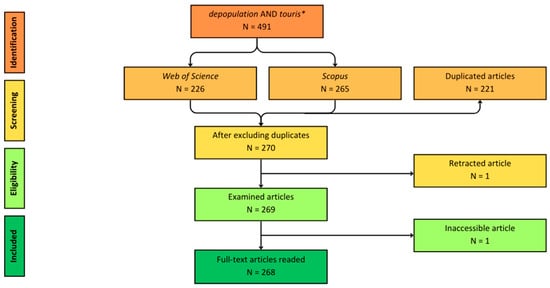
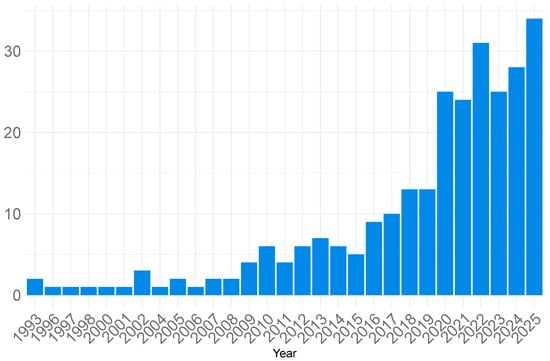
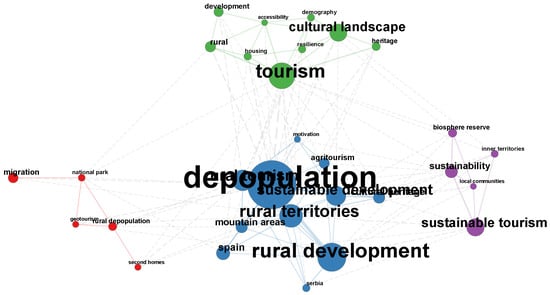
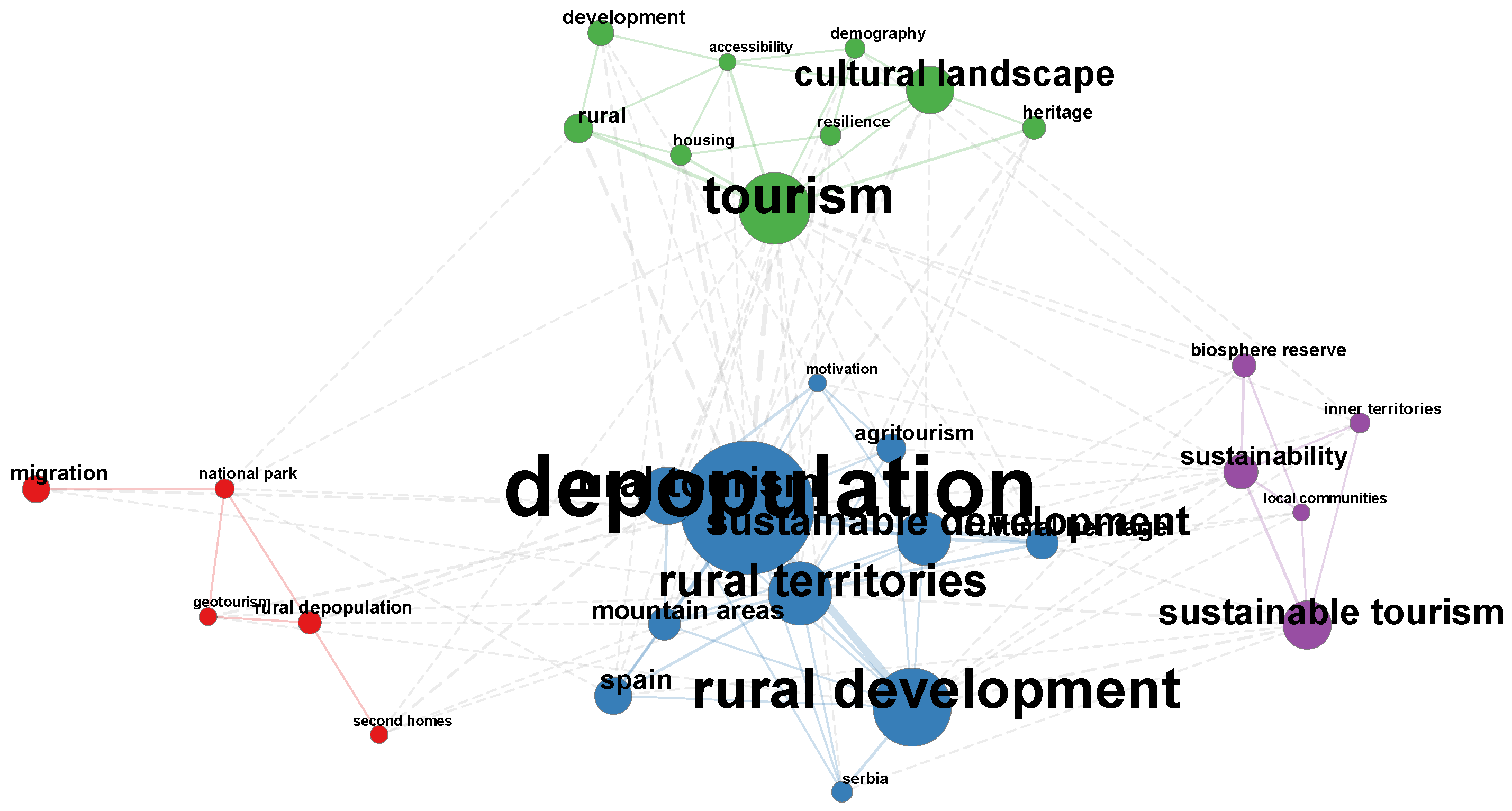
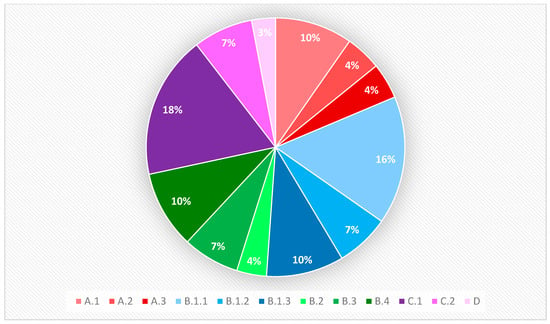
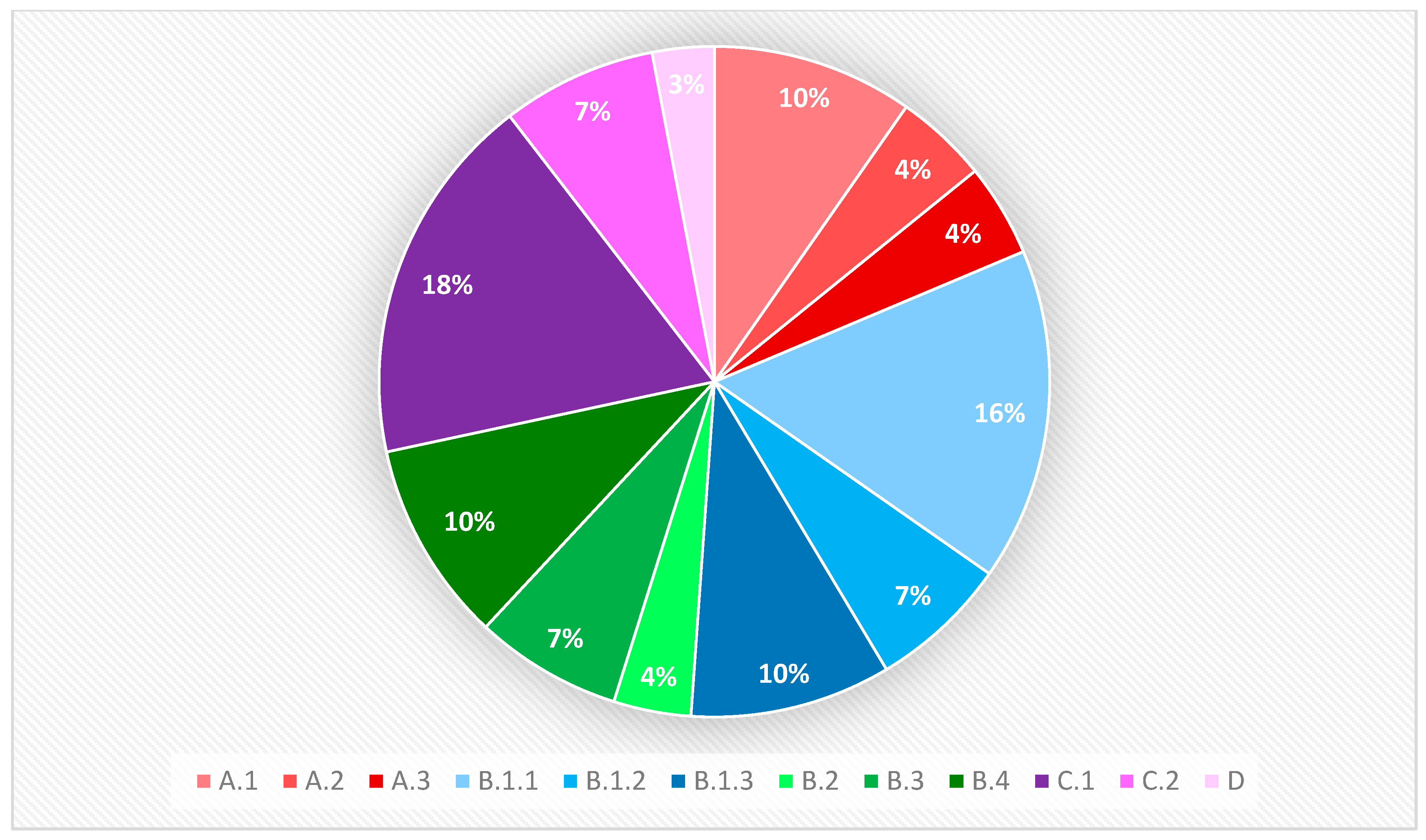
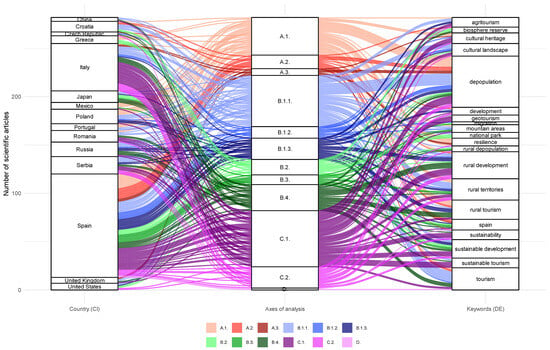
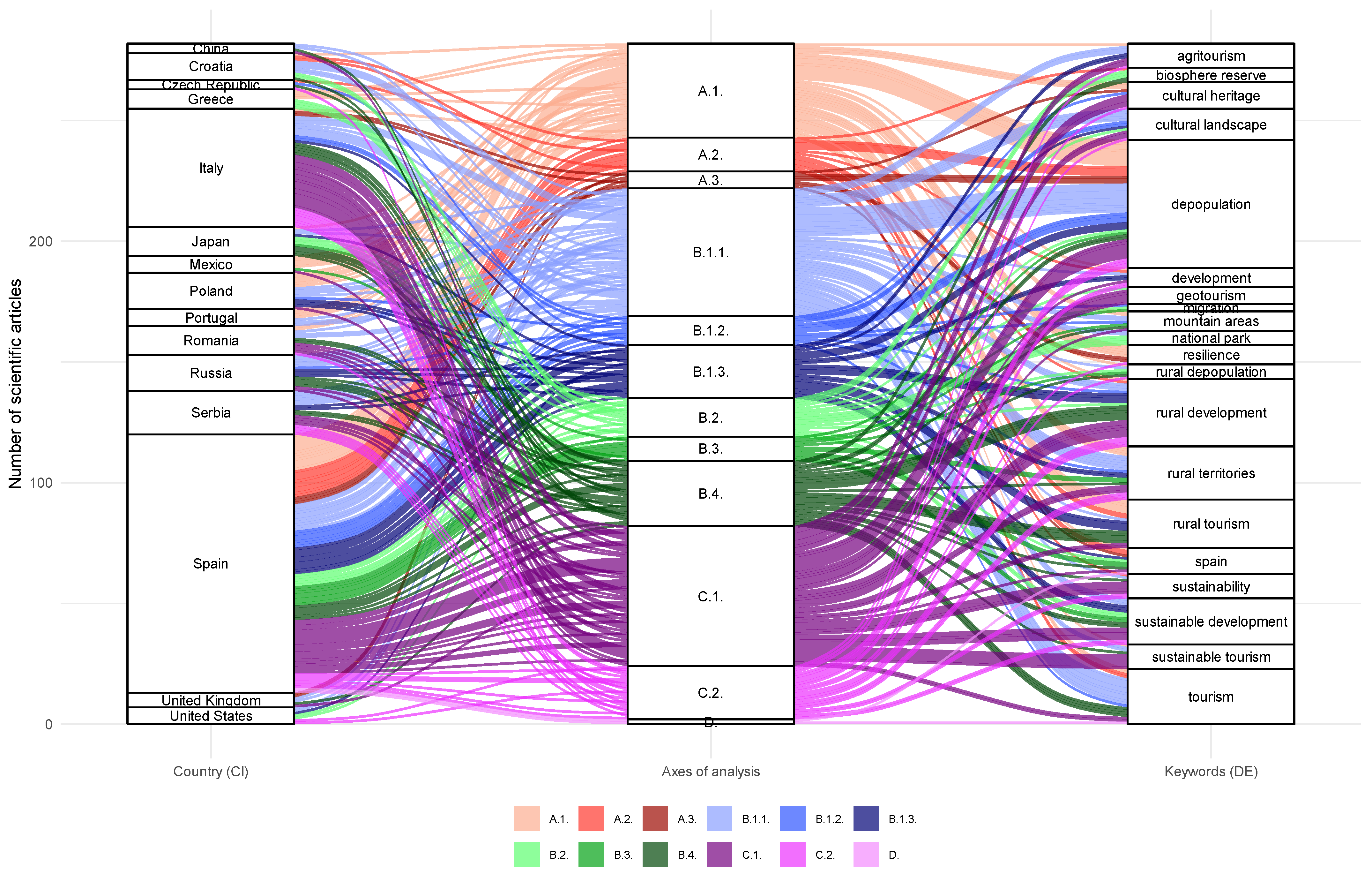
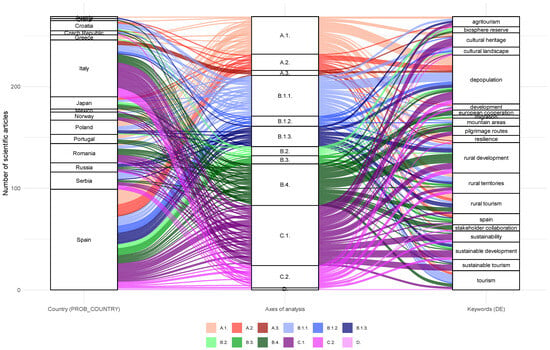
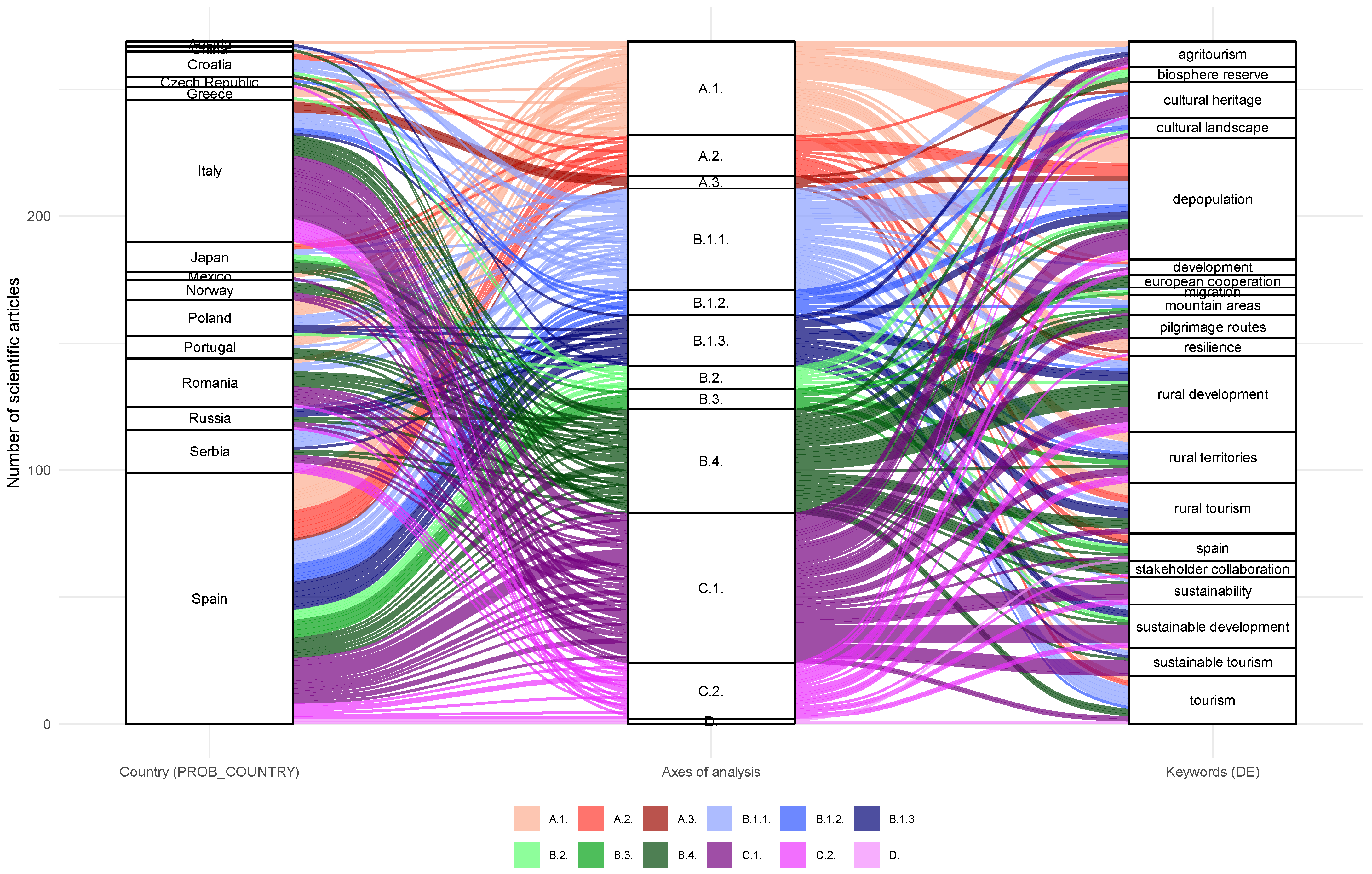
Disclaimer/Publisher’s Note: The statements, opinions and data contained in all publications are solely those of the individual author(s) and contributor(s) and not of MDPI and/or the editor(s). MDPI and/or the editor(s) disclaim responsibility for any injury to people or property resulting from any ideas, methods, instructions or products referred to in the content. |
© 2026 by the authors. Licensee MDPI, Basel, Switzerland. This article is an open access article distributed under the terms and conditions of the Creative Commons Attribution (CC BY) license.