


Abstract
This study examines the spatial and temporal patterns of metal theft in Mthatha, South Africa, through an analysis of police-reported incidents, using a quantitative research design. Official police records from Mthatha Central Police Station covering a one-year period were analyzed to identify the patterns, frequency, and spatial distribution of metal theft incidents. The dataset included variables such as type of metal stolen, location, and time of occurrence. Data were cleaned, standardized, and categorized before analysis to ensure reliability and comparability. Descriptive statistics, comparative analysis, and geospatial mapping using GIS including Kernel Density Estimation (KDE), Local Moran’s I, and Getis-Ord Gi* hotspot analysis, were applied to examine temporal and spatial trends. The findings indicate that copper pipes (39.4%) and electrical cables (32.7%) were the most frequently stolen materials. Temporal analysis indicated that 56.3% of incidents with valid time-of-day information occurred at night. Spatial analysis revealed an uneven geographical distribution, with concentrations of reported incidents within and around Mthatha’s urban center. The study concludes that metal theft exhibits distinct spatial, temporal, and target-specific patterns that can inform place-based crime prevention strategies. Strengthening infrastructure protection, targeted policing, inter-agency coordination, and scrap metal transaction traceability may contribute to reducing infrastructure-related theft and enhancing sustainable urban governance and resilience.
1. Introduction
Recycling is a fundamental component of the circular economy, contributing to environmental sustainability, resource efficiency, and economic development. In urban and peri-urban areas, informal metal recycling provides an important source of livelihood, particularly for economically disadvantaged communities [1]. However, the sector also faces challenges associated with the illegal trade in metals and the theft of public and private infrastructure, including copper cables, pipes, and manhole covers. Metal theft poses significant threats to critical infrastructure, disrupts essential services, and imposes substantial economic and safety costs on municipalities, businesses, utility providers, and local communities [2]. Theft involving transportation and telecommunications infrastructure can have far-reaching consequences, potentially disrupting services across entire communities [3]. These challenges mean that market-based controls need to be strengthened alongside legal and policy interventions to discourage trade in stolen metals and protect critical infrastructure. One market-based intervention could be a flexible risk-adjusted levy on copper recycling companies linked to independently verified repair costs of infrastructure and service disruptions (although feasibility and effects would need to be evaluated). Regulatory and enforcement measures should also distinguish legitimate informal recycling from illegal metal trading so as not to criminalize and marginalize informal recyclers whose livelihoods depend on resource recovery [4]. So how do we reconcile the economic and environmental benefits of informal recycling with effective strategies to prevent theft? This is one of the major challenges for sustainable urban development, infrastructure protection and public safety.
This problem is not new; in the 17th century, thefts of metal, like those witnessed in the United Kingdom and the United States, were observed [5,6] and have been similarly prevalent in other continents. Previous studies reveal that the theft of metal is a significant crime in modern times [7]. The economic value of copper and other recyclable metals creates legitimate opportunities for resource recovery and income generation. However, the availability of resale markets may also provide financial incentives for metal theft, particularly where the origins of scrap materials are inadequately verified. This is not to say copper recycling companies are responsible for metal theft, but if market oversight and transaction traceability are weak, then stolen metals can enter legitimate recycling supply chains. So, metal theft needs stronger regulation, material traceability, and collaboration between recyclers and law enforcement agencies to prevent illegal trading and protect legitimate recycling activity [3]. The existing literature has effectively proved that differences in metal prices can have a direct correlation to theft, for example, that higher copper prices are directly related to higher numbers of copper cable theft. These findings highlight the strong link between economic incentives and metal theft, underscoring the need for effective regulatory and preventative measures to mitigate its social, economic, and infrastructural impacts.
The quantity of valuable metals that are a part of South Africa’s vital infrastructure has become the main target of cable theft syndicates as the market for scrap copper rises globally. Since Prasa and Transnet Freight Rail account for 75% of the yearly direct losses resulting from cable theft among state-owned firms, the railway industry is particularly hard hit by this attack. Over the past five years, South Africa has seen a startling rise in copper wire theft, which has had a detrimental effect on the vital infrastructure of railroads, telecommunications, electric power supply, and municipalities. The sustainability of the railway industry in South Africa is threatened by ongoing challenges to the security of railway infrastructure, which have resulted in unreliable rail networks, train delays, and operational and safety issues [8]. Urban centers, such as Mthatha, also witness rapidly growing populations, unemployment rates, and bureaucratic challenges, as well as significant governance, economic marginalization, and informal trade problems. In order to develop evidence-based measures, it is necessary to determine the key drivers, trends and consequences of metal theft in Mthatha. Therefore, metal thefts are no longer simply economic questions or structural ones, but also a major social issue associated with poverty, loss of livelihood, and informal recycling activities. Exploring these relationships can reveal underlying city economies that sustain the illicit metal trade and the city’s role as well as urban resilience and sustainability.
Although metal theft has been widely studied for its economic, infrastructural and public safety implications, most papers have focused on socioeconomic drivers, financial costs and effects on critical infrastructure (electricity, railway and telecommunications networks) [2,4]. These contributions are very useful in understanding the broader picture of metal theft, but comparatively little attention has been paid to spatial and temporal distribution of metal theft in secondary cities of developing countries (e.g., South Africa). In addition, much of existing research is on large metropolitan areas and national infrastructure networks, so we do not know how metal theft incidents are distributed across smaller urban centers like Mthatha and their peri-urban and rural surroundings. In Mthatha, Eastern Cape Province, metal theft represents a concern for infrastructure protection and urban governance. However, there is limited location-specific empirical evidence documenting the types of metal infrastructure most frequently targeted, the temporal distribution of reported incidents, their geographical concentration, and variations in recorded arrest outcomes. This evidence gap restricts local authorities, infrastructure managers and law enforcement agencies from identifying areas where reported incidents are concentrated so prevention strategies can be targeted geographically. Environmental criminology is a useful theoretical lens through which to understand how crime opportunities vary across space and time but its application to police-reported patterns of metal theft in secondary South African cities remains under-explored.
To fill these gaps, the present study looks at spatial and temporal patterns of metal theft in Mthatha, South Africa, using environmental criminology, with Routine Activity Theory (RAT) serving as the principal theoretical lens. Crime Pattern Theory and the Rational Choice Perspective provide complementary insights into the spatial distribution of metal theft incidents and the potential attractiveness of different metal targets, respectively. Together, these perspectives guide the interpretation of the target-related, temporal, and spatial patterns of metal theft recorded in Mthatha. However, because the study relies on police records, it does not directly measure offender motivations, decision-making, activity spaces or levels of guardianship. The theories are therefore used to interpret the observed patterns rather than to establish causal explanations for the occurrence of metal theft. The findings are expected to inform evidence-based policy and planning interventions aimed at reducing metal theft, strengthening service delivery, enhancing local governance capacity, and promoting more sustainable and inclusive urban development outcomes. It is against this background that this study aims to examine the characteristics, temporal distribution, spatial patterns, and recorded arrest outcomes of metal theft incidents reported to Mthatha Central Police Station, Eastern Cape, South Africa, to provide locally grounded evidence that can inform targeted crime prevention and infrastructure protection strategies.
2. Theoretical Framework
This study draws on environmental criminology to understand how metal theft is shaped by place, time, and opportunity. Rather than focusing only on the characteristics or motivations of offenders, environmental criminology considers the circumstances in which crime occurs and how offenders, potential targets and opportunities come together within certain environments [9,10]. An important premise is that crime is not randomly distributed across space and time. Opportunities can differ depending on where potential targets are located, how accessible they are, patterns of everyday activity, and the level of guardianship within environments [11]. This perspective is relevant to metal theft because metal-bearing infrastructure is unevenly distributed across urban areas and may differ considerably in its accessibility, visibility, and protection.
Within this broader perspective, Routine Activity Theory (RAT) is used as the principal theoretical lens. Ref. [12] argues that crime becomes more likely when three elements come together in time and space: a motivated offender, a suitable target, and the absence of capable guardianship. In the context of metal theft, this directs attention to the availability of metal-bearing infrastructure and the circumstances under which it may become accessible to potential offenders. Target suitability is particularly relevant because infrastructure differs in its accessibility, removability, and potential value. Ref. [13], for example, shows the relevance of metal value to specific forms of metal theft, while [14] show that different metal targets exhibit distinct spatial and temporal patterns. These support examining copper pipes, electrical cables, and other metal objects separately rather than treating metal theft as a single, uniform category.
Crime Pattern Theory and the Rational Choice Perspective are used to support the interpretation of the data rather than as separate primary frameworks. Crime Pattern Theory highlights the spatial organization of criminal opportunities and helps explain why such opportunities may become concentrated locations [9,11]. This perspective is relevant to the GIS analysis used in this study to identify spatial concentrations and hotspots of reported metal theft in Mthatha. However, because the study does not examine offenders’ activity nodes, travel routes, or awareness spaces, Crime Pattern Theory is used to interpret the observed spatial patterns rather than being tested directly. The Rational Choice Perspective adds another dimension by suggesting that potential reward, effort, and perceived risk may influence target selection [15,16]. Since offender decision making is not directly measured, this perspective is used to understand possible differences in target attractiveness rather than to make claims about why individual offenders selected infrastructure.
Together, these perspectives allow the study to interpret the target, temporal, and spatial patterns of reported metal theft in Mthatha. Environmental Criminology establishes the broader relationship between crime and its environmental setting, while RAT focuses more specifically on the conditions that create opportunities for theft. Crime Pattern Theory helps interpret spatial concentrations identified through GIS, while Rational Choice offers a complementary perspective on target selection. Together, these perspectives connect the theoretical framework to the target, temporal, and spatial dimensions examined empirically in this study. Importantly, the police data directly capture what was stolen, where incidents occurred, and when they occurred, but they do not directly measure offender motivation, perceived reward, awareness spaces or levels of guardianship. The findings are therefore interpreted as consistent with these theoretical perspectives rather than as evidence of direct causal relationships.
The framework also connects the occurrence of metal theft with its wider implications for urban infrastructure. Once components such as copper pipes or electrical cables are removed, the consequences may extend beyond the value of the stolen material to infrastructure damage and disruption of essential services. These consequences are not themselves components of RAT, but they are important outcomes of infrastructure-related theft. The conceptual pathway therefore moves from opportunities for metal theft to target-specific incidents and their observed spatial, temporal and target patterns, followed by infrastructure damage and wider service delivery and economic implications. Understanding which infrastructure is most frequently targeted, when incidents are most likely to occur and where they are concentrated can, in turn, help guide prevention efforts towards the areas and infrastructure most at risk.
3. Materials and Methods
3.1. Research Design and Theoretical Orientation
The study adopted a quantitative, retrospective, descriptive, and exploratory design to investigate the temporal and spatial characteristics of metal theft incidents reported to the Mthatha Central Police Station in the Eastern Cape of South Africa. The study used secondary administrative criminal records to examine the distribution of stolen-item categories, the time span, the geographical spread, and the recorded arrest outcomes. The design enabled the identification of observable patterns and statistical relationships in the available data without assuming causal relationships.
This study was carried out within the theoretical framework of environmental criminology, which examines how criminal behavior is shaped by the spatial and temporal organization of opportunities in specific environments. In particular, the analysis was informed by the Routine Activity Theory [12] and Crime Pattern Theory [9]. Routine behavior theory suggests that opportunities for crime arise from the convergence of motivated offenders, appropriate targets, and the lack of competent guardianship. Crime Pattern Theory examines how the geographic organization of habitual activities and opportunities affects the spatial distribution of criminal events.
These theoretical perspectives have informed the interpretation of patterns of metal theft in terms of the timing of incidents, the characteristics of the stolen goods, and their geographic distribution. For example, variations between daytime and nighttime incidents were considered in relation to possible differences in the level of protection, and geographical concentrations were interpreted in relation to the spatial distribution of potential opportunities for theft. However, police records did not directly measure offenders’ motivation, custody, routine movements, or the availability of potential targets. As a result, theoretical perspectives have been used as explanatory lenses rather than empirically tested explanatory models.
By combining descriptive and exploratory statistical analysis with environmental criminological approaches, the study aimed to provide a contextual understanding of the recorded patterns of metal theft in the Mthatha region. This approach supported the interpretation of observed time and spatial distributions, while maintaining the distinction between empirical findings and theoretically acceptable explanations.
3.2. Data Source and Unit of Analysis
The study used secondary crime data obtained from the South African Police Service (SAPS), from the central police station in Mthatha, Eastern Cape, South Africa. The records provided information on reported metal theft incidents, including date, time, place, type of stolen item, suspect details, and recorded arrests. These administrative records provided an empirical basis for examining the characteristics and distribution of metal thefts in the area studied.
The dataset consisted of 104 incidents recorded from 1 October 2024 to 30 September 2025. The unit of analysis was the recorded individual theft incident, rather than the number of items stolen, suspects, or arrests. Accordingly, each incident was considered as a single observation, including cases where more than one type of metal object was reported stolen. This approach ensured that incidents involving multiple items were not counted more than once in the overall frequency analysis. The study used a retrospective analysis of available administrative records rather than probability-based sampling. All available records that met the study’s criteria for reported metal thefts within a specified time period and within a given police jurisdiction were considered for inclusion. The analysis was limited to the information documented in police reports and no other assumptions were made as to the unreported incidents or the prevalence of metallic theft in general. The geographical coverage was defined by the reporting jurisdiction of the central police station in Mthatha and not by the entire administrative boundaries of the local municipality of King Sabata Dalindyebo. Therefore, the findings represent a sample of the available police incident reports and should not be generalized to all metal theft cases in Mthatha or in the wider municipality.
3.3. Data Preparation and Quality Assurance
Secondary police records were examined for completeness, coherence, and suitability for statistical analysis. Data preparation included checking recorded variables, standardizing item descriptions and identifying missing or possibly duplicated items. Special attention was paid to the classification of stolen items, incident dates, time categories and recorded arrest results to ensure consistency between descriptive and comparative analyses. The descriptions of the stolen items have been revised to address differences in terminology and to facilitate a consistent categorization. For the purpose of the analysis, incidents were grouped into five categories: copper pipes, electrical cables, mains, mixed items, and other metal objects. A mixed category accommodated incidents involving more than one type of stolen item, while a second category contained items which could not be placed in the main categories. Each incident has been assigned to a category in order to avoid double counting in the overall frequency distribution.
Incident data have been standardized to facilitate monthly aggregation, and time-of-day information has been classified using the day and night labels recorded in the police database. The missing values for the time of day were identified and reported separately rather than assigned to any category. Records with missing information were retained for analyses using other available variables but were excluded from comparisons that required a missing variable. The results of recorded arrests have been standardized into two categories, namely arrest recorded and non-arrest recorded, based on information from administrative records. These classifications reflect the status recorded in the dataset and are not interpreted as a measure of successful prosecution or conviction.
The dataset was also examined for possible duplicates and discrepancies between the original records and the analytical summaries. Records with similar characteristics have not been automatically deleted, as separate theft incidents can share data, locations, and descriptions of stolen items. We have checked the frequency totals against the number of observations available to ensure that the statistical tables, figures, and narrative are consistent. The aim of the preparatory procedures was to improve the reliability and transparency of the analysis while maintaining the original information contained in the police files.
Due to the presence of newly developed areas with unlabeled or unrecognized street and place names, traditional geocoding was not feasible. Consequently, locations were plotted using heads-up digitizing in Google Earth Pro, supported by direct local knowledge and consultation with community members to ensure precise placement. The digitized data were subsequently exported as a KML file and imported into QGIS version 3.38.8 to convert them into shapefiles. Then, the descriptive attributes for each crime occurrence were populated in the attribute table for further spatial analysis. All analyses were conducted using the WGS 84/UTM Zone 35S coordinate reference system to ensure accurate distance-based calculations and spatial measurements.
3.4. Descriptive Statistics
A descriptive statistical analysis was performed using IBM SPSS Statistics version 29 to examine the characteristics and distribution of police-reported incidents of metal theft. The frequency distribution and percentages were used to aggregate the categorical variables, including types of stolen items, infrastructure classifications, time of occurrence and recorded outcomes of arrests. The analysis was carried out at the incident level, with each recorded theft case constituting a single observation. The distribution of stolen items was analyzed to identify the most frequently reported categories. These categories were further analyzed considering their relationship to electricity infrastructure, water and sewerage infrastructure, and other metallic objects. Classification was based on descriptions of the stolen items contained in police reports. They have not been used to infer ownership of the infrastructure, the extent of physical damage or the actual disruption of essential services.
The temporal characteristics were examined using recorded data and time classifications. Incident data were aggregated to monthly frequencies to describe the variation during the observation period. Daytime and nighttime incidents were summarized separately to determine their relative distribution. The monthly differences were interpreted descriptively, without assuming that the observed variations were recurring seasonal patterns. The arrest results were summarized by frequency and percentage to determine the proportion of incidents in which arrests were made. The analysis distinguished between incidents with and without any arrest but did not assess the results of prosecutions or convictions. The percentages have been calculated using the total number of observations available for each variable. If information was missing, the number of valid observations was reported, and missing records were excluded only from analyses that required the variable in question. The descriptive findings were presented using tables and graphical representations to facilitate interpretation and comparison between the categories. The descriptive analysis provided an empirical overview of the observed events and informed the exploratory investigation of the association between selected categorical variables.
3.5. Comparative Statistical Analysis
An exploratory inferential statistical analysis has been conducted to investigate the relationship between the timing of metal theft incidents and the outcome of arrests. Cross-tabulation was used to classify incidents by whether they occurred during the day or night and whether any arrests were made. Fisher’s exact test was used because both variables are categorical and some cells in the table have low frequencies, making this test suitable for the available data. Of the 104 incidents of metal theft recorded, 96 had a valid daily classification and were included in the analysis. Eight incidents with missing time-of-day information were excluded from the comparison. The two-sided Fisher’s exact test was performed at a significance level of p < 0.05. The strength of the association was evaluated by using a probability ratio and a 95-per cent confidence interval. The analysis was exploratory and confined to the information documented in the police files. Statistically significant associations were therefore interpreted as relationships among the observed variables rather than as proof of causation. The recorded arrest results were not interpreted as indicators of successful prosecution or conviction.
3.6. Geospatial Analysis
GIS makes can map land cover and use change. This makes it possible to distinguish between regions that have changed significantly and those that have stayed largely same [17]. The metal theft incidents were distributed across 20 electoral wards, of which 19 were located within the King Sabata Dalindyebo Local Municipality and one within the neighboring Nyandeni Local Municipality. Electoral wards were selected as the spatial units of analysis because they represent the smallest political administrative divisions within South Africa’s local government system, enabling the examination of spatial variation at a relatively fine geographic scale.
3.6.1. Kernel Density Estimation
Kernel Density Estimation (KDE) was employed as an exploratory spatial analytical technique to identify concentrations of metal theft incidents across the study area. The analysis was conducted using a search radius (bandwidth) of 1500 m and an output raster cell size of 10 m. KDE was used to visualize the intensity and spatial distribution of incidents and to identify areas of relatively high and low incident concentration. However, KDE outputs were interpreted as indicators of incident density rather than statistically significant hotspots or direct measures of crime risk.
3.6.2. Local Indicators of Spatial Association (LISA)
To determine whether observed spatial concentrations were statistically significant, Local Indicators of Spatial Association (LISA) based on Local Moran’s I were subsequently applied. Spatial autocorrelation analysis was conducted using the Visualist plugin in QGIS. A Queen contiguity spatial weights matrix was specified, with no fixed number of neighbors imposed. The Local Moran’s I statistic was used to identify statistically significant local clusters and spatial outliers in the distribution of metal theft incidents.
To further validate the clustering patterns identified through Local Moran’s I, a Getis-Ord Gi* hotspot analysis was conducted using the same Queen contiguity spatial weights matrix. The Getis-Ord Gi* statistic was used to identify statistically significant hotspots and cold spots of metal theft and to distinguish areas where incident concentrations were significantly higher or lower than would be expected under conditions of spatial randomness. The combined application of KDE, Local Moran’s I, and Getis-Ord Gi* provided complementary visual and statistical assessments of the spatial distribution and clustering of metal theft incidents within the study area.
Consistent with broader research on theft, hotspots generally concentrate within a limited number of locations and exhibit temporal stability, thereby establishing a foundation for targeted preventive measures [4].
The identification of spatial clusters through this methodology reflects a specific segment of infrastructure and their adjacent environments that may require enhanced strategic law enforcement deployments, thereby strengthening more effective, evidence-driven crime prevention initiatives.
4. Results
4.1. Target Suitability and Characteristics of Stolen Metal Infrastructure
Table 1 presents the distribution of police-reported metal theft incidents by stolen-item category (n = 104). Copper pipes were the most frequently reported stolen items, accounting for 41 incidents (39.4%), followed by electrical cables with 34 incidents (32.7%). Together, these two categories represented 72.1% of all recorded incidents. Meter boxes accounted for 10 incidents (9.6%), while six incidents (5.8%) involved multiple types of stolen items. The remaining 13 incidents (12.5%) were classified as other items.
Table 1.
Distribution of stolen metal by category (n = 104).
Table 2 presents the distribution of police-reported metal theft incidents according to the infrastructure-related classification of stolen items. Electrical-related items accounted for the largest proportion of incidents (n = 51; 49.0%), closely followed by plumbing and water-related items (n = 49; 47.1%). Together, these two categories represented 96.2% of all recorded incidents. Two incidents (1.9%) involved a combination of electrical and water-related items, while household and other items accounted for a further two incidents (1.9%).
Table 2.
Distribution of stolen items by infrastructure category (n =104).
The findings demonstrate that most recorded incidents involved items associated with electrical or plumbing and water systems. However, the classifications were based on the descriptions of stolen objects and do not independently establish infrastructure ownership, the extent of damage or actual service-delivery disruption.
From an environmental criminology point of view, the high incidence of incidents involving copper pipes and electrical cables allows us to look at differences in target suitability, but we do not know if they were targeted because of their monetary value, accessibility, removability, or protection level.
4.2. Temporal Patterns of Metal Theft and Crime Opportunities
Table 3 illustrates the distribution of police-reported metal theft incidents according to the recorded time of occurrence. Of the 104 incidents analyzed, 96 had valid time-of-day classifications, while eight (7.7%) had missing information. Among incidents with known time classifications, 54 (56.3%) occurred during nighttime and 42 (43.8%) during daytime.
Table 3.
Distribution of metal theft incidents by time of occurrence (n = 104).
The findings indicate that nighttime incidents accounted for a greater proportion of recorded metal thefts than daytime incidents. However, the difference was relatively modest, with 12 more incidents recorded at night. These findings describe the temporal distribution of incidents within the study period and do not establish the environmental or situational factors responsible for the observed pattern.
The monthly distribution of police-reported metal theft incidents was examined to assess temporal variations during the study period as shown in Figure 1. The available records indicate that incident frequencies varied across the observation period, with relatively higher numbers recorded in September 2025 (n = 19), December 2024 (n = 16), November 2024 (n = 15) and October 2024 (n = 13). Lower frequencies were observed in February and June 2025 (n = 3 each), while no incidents were represented in the available dataset for April 2025.
Figure 1.
Monthly distribution of recorded metal theft incidents (n = 104).
These findings indicate uneven monthly frequencies within the analyzed police records. However, the relatively small number of incidents, limited observation period and potential differences in record completeness restrict the interpretation of these variations. Consequently, the observed monthly distribution cannot establish recurring seasonal patterns or long-term changes in metal theft.
These results show temporal variation in police reported metal theft incidents (a moderate share at night). This distribution is relevant to Routine Activity Theory because it tells us when opportunities for theft occur. The records do not tell us whether the nighttime incidents were due to less surveillance, changes in routine activities or other environmental conditions.
4.3. Spatial Distribution and Concentration of Metal Theft
4.3.1. Ward-Level Distribution of Metal Theft
Spatial analysis of cases reported shows a clear concentration of incidents within and around Mthatha Town. The findings are shown in Figure 2, which illustrates that wards close to the urban center report more incidents, with one area reporting up to 17 total offences. The surrounding wards show moderate activity (5–10 incidents), whereas the more peripheral and rural wards report low numbers (1–3 occurrences).
Figure 2.
Spatial distribution of reported metal theft cases across wards in Mthatha (n = 104).
4.3.2. Kernel Density Estimation of Metal Theft Incidents
Spatial analysis using kernel density estimation (Figure 3) reveals a clustering hotspot centered on Mthatha Town. The density plot indicates that the activity intensity declines from the urban core toward surrounding areas. Secondary low-intensity groups clustered in close proximity are observed, while the vast majority of the district, especially the western and southern parts of the site, demonstrate minimum reported activity.
Figure 3.
Density map of reported metal theft incidents in O.R. Tambo District Municipality, illustrating spatial hotspots and intensity gradients, with the highest concentration centered around Mthatha Town (n = 104).
4.3.3. Spatial Autocorrelation and Statistically Significant
The Local Moran’s I analysis revealed statistically significant spatial clustering of metal theft incidents within the study area as shown in Figure 4. Several High–High clusters were identified, indicating areas with elevated levels of metal theft surrounded by neighboring wards exhibiting similarly high levels of theft activity. These clusters represent localized concentrations of crime and suggest spatial dependence in the distribution of incidents.
Figure 4.
Illustrates the spatial distribution of High–High and Low–Low clusters, together with the identified spatial outliers, highlighting the heterogeneous nature of metal theft across the study area.
Conversely, Low–Low clusters were observed in areas characterized by consistently low levels of metal theft, identifying statistically significant cold spots within the study area. The analysis further identified High–Low outliers, representing isolated areas of elevated theft activity surrounded by relatively low-crime areas, and Low–High outliers, representing relatively safe locations situated within otherwise high-crime environments.
In Figure 5, the Getis-Ord Gi* analysis identified statistically significant hotspots and cold spots of metal theft across the study area. Areas classified as hotspots exhibited incident concentrations significantly greater than expected under a random spatial distribution, while cold spots showed significantly lower incident concentrations. The hotspot patterns identified through the Getis-Ord Gi* analysis was broadly consistent with the High–High and Low–Low clusters identified by the Local Moran’s I analysis, thereby providing additional evidence of non-random spatial clustering of metal theft incidents.
Figure 5.
Statistically significant hotspot and cold spot locations identified through the Getis-Ord Gi* analysis (n = 104).
Together, the findings from the KDE, Local Moran’s I, and Getis-Ord Gi* analyses indicate that metal theft incidents are spatially concentrated in specific geographic areas rather than being evenly distributed across the study area. This suggests that place-specific environmental and situational factors may influence the occurrence of metal theft and contribute to the formation of identifiable hotspots.
4.4. Spatial Variation in Target-Specific Metal Theft
Spatial distribution of electric cable thefts (Figure 6) reveals that the majority of events occurred in Ward 14, where the highest numbers of cases took place. Nearby wards (6, 7, and 8) show moderate levels of activity, forming a cluster of elevated incidences. In the peripheral wards, namely Wards 32, 33, and 34, the number of cases was very low.
Figure 6.
Spatial distribution of reported electric cable theft cases by wards in Mthatha. The numbers displayed within the map represent ward identification numbers, while the different colours indicate the number of reported cable theft cases in each ward showing varying intensity levels from no cases to high incidence hotspots (n = 104).
Copper pipe theft incidents are not equally distributed across wards, as depicted in Figure 7. There are higher concentrations in wards located within and around Mthatha Town, with a few areas reporting up to 10 incidents. Adjacent wards show moderate levels of cases (2–8 incidents), while many western and southern wards report no cases.
Figure 7.
Spatial distribution of reported copper pipe theft cases across wards in Mthatha. The numbers displayed within the map represent ward identification numbers, while the colour categories indicate the number of reported copper pipe theft cases in each ward (n = 104).
The distribution of theft of electric meter boxes (Figure 8) shows very low numbers of incidents observed in the study area. Most wards recorded between 0 and 2 incidents, with a small concentration in wards near Mthatha Town reporting up to four cases. Many of the wards reported no such incidents.
Figure 8.
Spatial distribution of reported electric meter box theft cases across wards in Mthatha. The numbers displayed within the map represent ward identification numbers, while the color categories indicate the number of reported theft cases in each ward (n = 104).
These findings demonstrate differences in the geographical distribution of the three target categories. The observed variations are relevant to the environmental criminology framework because opportunities for theft may differ according to the location and characteristics of infrastructure assets. However, differences in target availability and exposure were not directly measured.
4.5. Recorded Arrest Outcomes and Guardianship-Related Patterns
The association between the time of occurrence of metal theft incidents and recorded arrest outcomes was examined using Fisher’s exact test. Of the 104 recorded incidents, 96 had valid time-of-day classifications and were included in the analysis, while eight incidents were excluded because of missing information.
As presented in Table 4, daytime incidents accounted for 42 cases, of which 11 (26.2%) had recorded arrests and 31 (73.8%) had no recorded arrests. In comparison, 54 incidents occurred at night, of which three (5.6%) had recorded arrests and 51 (94.4%) had no recorded arrests. The proportion of incidents with recorded arrests was therefore higher during the daytime than at night.
Table 4.
Association between time of day and recorded arrest outcomes (n = 96).
Fisher’s exact test revealed a statistically significant association between time of occurrence and recorded arrest outcomes (two-sided p = 0.0072). The conditional odds ratio was 5.92 (95% CI: 1.42–35.60), indicating that the odds of a recorded arrest were approximately 5.9 times higher for daytime incidents than nighttime incidents. However, the wide confidence interval suggests considerable uncertainty in the estimated magnitude of the association.
These findings indicate differences in recorded arrest outcomes between daytime and nighttime metal theft incidents within the study area. Nevertheless, the observed association does not establish a causal relationship between time of occurrence and arrest outcomes.
Figure 9 presents the correlation between different categories of stolen metal items and the corresponding arrest outcomes. Copper pipes and electrical cables emerge as the most frequently stolen items, which is associated with a higher number of arrests related to these thefts. This pattern suggests a concentrated focus on these specific items within theft-related activities. In comparison, items such as meter boxes also exhibit relatively high theft rates, yet these cases result in no arrests. These findings prompt further examination of enforcement strategies and the effectiveness of apprehending individuals involved in metal theft. Overall, the number of arrests is very small when compared to the reported metal theft cases.
Figure 9.
Arrests in relation to types of metal items stolen (n = 104).
Copper theft has long been considered a priority offense by the criminal justice system. In 1993, a coordinating team was initially established. In the 2010s, the Non-Ferrous Metals Crime Combating Committee took its position. Under the direction of the South African Police Service (SAPS), the Committee seeks to unite the primary stakeholders, namely major public and private corporations, and business associations. There are designated Second-Hand Goods Officers at police stations. In Mthatha, the spatial distribution of arrests in wards is shown in Figure 10. Several wards recorded no arrests, others low (1 arrest) to moderate (2 arrests) enforcement activity. Few wards show a significantly greater number of arrests (up to a maximum of five arrests recorded).
Figure 10.
Spatial distribution of metal theft arrests across wards in Mthatha (n = 104).
5. Discussion
5.1. The Role of Urban and Rural Areas on Metal Theft in Mthatha
The study results reveal a trend in the incidence of reported metal theft, particularly involving copper pipes and cables. The dataset is dominated by two primary targets, copper pipes (n = 41) and electrical cables (n = 34), as presented in Table 1. Geospatial mapping (Figure 6 and Figure 7) shows that the majority of these cases are sharply clustered in urban wards (reaching up to 17 offences in core urban wards), especially those located near the urban node or town center. In contrast, Figure 8 shows that reported cases of electrical meter box theft are distributed across urban and rural wards, with the highest number in ward 6 (urban) and the next-highest in ward 14 (rural). Refs. [5,18] observed a similar pattern, noting that metal theft occurs in both rural and urban areas, particularly where access to scrap markets exists. Mthatha exhibits comparable conditions, as most rural areas have access to a metal scrap market situated in town. This contrast in metal theft patterns is significant because general crime prevention efforts often focus on urban areas and do not consider that metal syndicates operate more in rural areas [19]. Ref. [20] is of the view that metal theft should not be treated in the same manner as other general crimes due to its broader distribution. Compared with broader crime patterns, metal theft appears to be less associated with urban density and more closely linked to the convergence of metal-rich targets and opportunities for resale [21].
In Mthatha, the highest number of metal theft cases is concentrated in wards within the urban area. While cases may be observed in rural areas of Mthatha (Figure 8), Figure 3 shows that most are located in the areas surrounding the town. This finding is consistent with Figure 6 and Figure 7, which collectively indicate that Mthatha represents a unique case compared to the general literature on metal theft. It is important to note that the rural pattern of metal theft may intensify under specific social and economic conditions, rather than remaining constant across all contexts [22]. The vulnerability of Mthatha’s urban areas to metal crimes is not solely attributable to location; other factors, such as weak policing and inadequate surveillance, also contribute to creating a conducive environment, as outlined in the Environmental Criminology theoretical framework.
5.2. Concentration of Metal Theft in Infrastructure-Related Items
The findings demonstrate that police-reported metal theft incidents in Mthatha were concentrated in items associated with electrical and plumbing or water-related systems. Copper pipes and electrical cables were the most frequently recorded stolen-item categories, collectively accounting for 72.1% of the 104 incidents. At the broader infrastructure classification level, electrical-related items accounted for 49.0% of incidents, followed by plumbing and water-related items at 47.1%. This distribution indicates that metal theft within the analyzed records was not evenly distributed across item categories but was concentrated in components commonly associated with essential infrastructure. Metal theft has become a national crisis in South Africa, threatening essential supporting services and life preserving assets [19].
From an environmental criminology perspective, this concentration can be interpreted through the concept of target suitability within Routine Activity Theory. The repeated appearance of copper pipes and electrical cables among recorded stolen items suggests that these components warrant particular attention when examining opportunities for metal theft. However, the observed frequencies do not independently establish why these items were selected. Factors such as accessibility, resale value, ease of removal and the presence or absence of guardianship may influence target suitability, but these characteristics were not directly measured in the present study.
The infrastructure-related nature of the stolen objects also has implications for understanding the potential consequences of metal theft. Electrical cables and plumbing components are associated with systems that support everyday household and economic activities. Their removal may create vulnerabilities in the functioning of these systems, depending on their location, ownership, and operational role. Nevertheless, the police records did not document the extent of infrastructure damage, the duration of service interruptions or the financial costs associated with individual incidents. The findings should therefore be understood as identifying the types of infrastructure-related objects represented in reported thefts rather than directly measuring service-delivery or economic impacts.
Crime Pattern Theory offers a complementary view in that criminal opportunities are determined by the spatial arrangement of targets and everyday activity patterns, but the present study did not measure infrastructure density, number of exposed assets, accessibility conditions or offender movements. Spatial concentrations can therefore not tell us whether economic incentives, physical target availability or differences in guardianship is the main explanation. Future work that combines infrastructure asset inventories, scrap metal price information and site-level environmental assessments could distinguish the relative contributions of economic attractiveness and physical opportunity structures to metal theft in Mthatha.
5.3. Temporal Patterns and Opportunities for Metal Theft
Table 3 indicates that nighttime incidents accounted for 56.3% of cases with known time-of-day classifications, compared with 43.8% recorded during the daytime. Although nighttime incidents were more frequent, the difference was relatively modest. This suggests that metal theft occurred across both daytime and nighttime periods rather than being exclusively concentrated after dark.
Routine Activity Theory provides a useful perspective for interpreting this pattern because opportunities for theft may vary according to the presence of suitable targets and capable guardianship at different times. Nighttime conditions could potentially affect surveillance, visibility, and routine activities around exposed infrastructure. However, the current dataset does not include information on lighting, security arrangements, pedestrian activity, or guardianship. Consequently, these mechanisms remain theoretically plausible explanations rather than demonstrated causes of the observed temporal distribution.
The occurrence of a substantial proportion of incidents during daytime is equally important. It suggests that explanations based exclusively on darkness or reduced nighttime visibility would be insufficient to account for the recorded incidents. Future research incorporating site-level environmental characteristics and infrastructure accessibility could help determine whether different opportunity structures are associated with daytime and nighttime metal theft.
Additionally, implementing intrusion detection systems that issue alerts before cables are cut should be considered [23,24], and deploying surveillance and remote monitoring with high-definition night-vision CCTV can further enhance crime prevention efforts [24]. These are particularly important in government infrastructure protection because not all households can afford to implement such measures.
There were very few thefts of metal poles and fencing wire reported in Mthatha, accounting for only 1.9% of all stolen items, as shown in Table 2. Stolen metal is often used directly in households, such as by stealing fencing poles and wire for domestic use. High-value metals (copper pipes and cables) may be sold to cash-based scrap networks, particularly when mobile buyers or dealers regularly visit communities to collect metal. This easy access to buyers appears to increase theft and vandalism, especially in rural areas where collection is poorly regulated or uncontrolled [25]. Evidence suggests that metal theft is most prevalent when economic incentives coincide with weak market controls. Theft rates are closely linked to fluctuations in copper prices, indicating that incidents rise and fall with market value rather than remaining constant. A strong correlation was observed between copper prices and theft from the UK railway system [26]. Therefore, weak regulation of scrap metal markets combined with high economic incentives continues to drive metal theft, particularly in vulnerable rural and informal contexts.
More needs to be done to address the serious issue of law enforcement agencies’ incapacity to stop cable theft, which is a major concern in South Africa given the daily reports of cable theft incidents [2]. Social pressures are significant drivers of metal theft, particularly in developing countries. Elevated levels of unemployment, crime, and poverty are primary contributors to the prevalence of metal theft. Evidence indicates that copper is among the most frequently stolen metals due to its high market value and the availability of resale opportunities. Scrap yards, which facilitate most resale transactions, serve as enablers by providing accessible outlets for stolen metals [25]. The absence of effective policy regulating scrap metal businesses impedes efforts to reduce metal theft [2,3,7]. In Zimbabwe, metal infrastructure vandalism is perpetuated by poverty, unemployment, and broader socioeconomic decline, with copper conductors, windings, and poles frequently targeted [3]. Thus, effective control of metal theft requires stronger law enforcement, stricter scrap metal regulation, and targeted socio-economic interventions.
5.4. Social Impact and Infrastructure
Figure 7 and Table 1 demonstrate that copper pipes are the most frequently stolen type of metal in Mthatha. As these pipes are primarily used in household and commercial plumbing, there is a clear need to consider alternative materials less susceptible to theft. Plastic-based materials, for example, may reduce the incidence of such crimes. Ref [27] similarly argue that material substitution offers an effective strategy to mitigate copper theft. In contexts where copper replacement is not feasible [28], government intervention should focus on reducing market risks. Metal theft and cable vandalism compound the damage to essential infrastructure systems [19]. Beyond direct asset loss, these crimes disrupt rail transport schedules, damage signaling systems, interfere with telephone networks, and contribute to traffic congestion due to faulty signals or signal failures. In South Africa, cable theft is a serious issue. When trains and other modes of transportation lose signal due to theft, many innocent lives and livelihoods are lost, and the free flow of traffic is also impacted. It interferes with the flow of people, products, and expenses throughout the South African economy [2]. Table 1 indicates that theft of electric copper cable is the second-most common type of metal theft. This prevalence necessitates that organizations responsible for energy distribution implement stringent measures to mitigate such incidents. Cable theft not only results in power loss but can also lead to fatalities among workers tasked with repairing and maintaining vandalized substations and copper lines. The social costs encompass both human safety and service disruption [3]. Energy disruptions caused by cable theft compromise critical services for communities in Mthatha, affecting individual households and essential institutions such as health facilities, police stations, and other community services.
Ref. [2] further highlighted that cable theft on rail lines and systems is a serious crime because it prevents commuters from travelling safely by train to their various destinations and damages infrastructure that has been heavily invested in to offer commuters a dependable and safe public transportation service. The high frequency of traffic accidents and the fallout they cause have a profound effect on South African society, which in turn continues to impede socioeconomic progress and affects everyone’s quality of life. Human lives lost, “pain, grief, and suffering,” and rising economic costs are used to quantify this impact.
In Sub-Saharan Africa, a variety of circumstances have contributed to infrastructure vandalism. Socioeconomic difficulties make up most of these variables. The operations of rail transportation and electrical utility businesses have been directly impacted by infrastructure vandalism. In South Africa, state-owned companies ESKOM, PRASA, Transnet, and Telkom suffer direct losses of R7 billion annually because of cable theft and infrastructure destruction [7]. According to [3], theft and vandalism of public infrastructure cost government departments and municipalities over US $100 million annually in Zimbabwe, while major South African utilities such as Eskom and Transnet reportedly lost up to R1.2 billion between 2006 and 2012. These losses are primarily attributed to repairs and replacement expenses. The impact extends across multiple sectors, including electricity, rail, and communications, rather than being confined to a single domain.
Metal theft further strains already overburdened infrastructure systems and increases the costs associated with maintaining essential services. The resulting social impact is cumulative: households and businesses experience delays and outages, utilities face ongoing repair and replacement expenses, and public agencies are compelled to allocate limited resources to restoring damaged networks instead of expanding or enhancing them.
5.5. Association Between Time of Occurrence and Recorded Arrest Outcomes
The inferential analysis revealed a statistically significant association between the time of occurrence and recorded arrest outcomes (Fisher’s exact test, p = 0.0072). Arrests were recorded for 26.2% of daytime incidents compared with 5.6% of nighttime incidents. The conditional odds ratio of 5.92 indicates substantially higher odds of a recorded arrest among daytime incidents, although the wide 95% confidence interval (1.42–35.60) suggests considerable uncertainty regarding the magnitude of the association.
This finding adds an analytical dimension to the descriptive temporal patterns by demonstrating that recorded arrest outcomes were not distributed equally between daytime and nighttime incidents. Within environmental criminology, the result raises questions about whether situational characteristics, witness availability or opportunities for detection may differ according to the time of occurrence. However, the available records do not contain direct information on these factors, and the observed association cannot be attributed to any specific policing or environmental mechanism.
The distinction between incident occurrence and arrest outcomes is particularly important. A recorded arrest may depend on investigative processes, evidence availability, reporting practices and other circumstances beyond the time at which an incident occurred. Furthermore, the analysis was based on 96 incidents with valid time-of-day classifications, and the relatively small number of recorded arrests limits the precision of the estimated association. The finding should therefore be interpreted as an exploratory relationship that warrants further investigation rather than evidence of greater policing effectiveness during daytime.
5.6. A Consolidated Effort to Eradicate Metal Theft
Crime control operates through both informal and formal mechanisms. Ref. [29] observes that, in developing countries, crime and conflict are often managed through collaboration among various sectors, including village heads and other social institutions, rather than relying solely on government intervention [30]. Figure 9 presents the number of arrests in Mthatha, categorized by metal type. The data reveal a significant disparity between the high incidence of metal theft and the low number of arrests. Insufficient arrests in metal theft cases may foster an environment in which offenders continue to commit these crimes without fear of consequences. The Routine Activity Theory indicates that the absence of capable guardianship increases the likelihood of crime [12].
In the context of metal theft, this suggests that policing should encompass more than arrests, patrols, or formal regulation. In areas where infrastructure theft occurs near villages, farms, or small towns, local reporting networks, customary leaders, and informal dispute resolution processes influence whether incidents are reported promptly, ignored, or resolved outside the formal justice system [29,30]. While this does not replace the need for regulation of scrap markets or infrastructure protection, it indicates that effective responses to metal theft should engage community institutions alongside police and state regulators.
Stricter fines for theft and vandalism are one strategy to discourage vandals. Most people think that the 10-year obligatory punishment for copper wire theft and damage is too little and should be increased to 20 years. For instance, in 2020, Fortune Chasi, the Zimbabwean Minister of Energy at the time, suggested a 30-year prison sentence for damaging ZESA infrastructure, which was generally thought to be sufficient deterrence. Additionally, repeat criminals ought to face harsher punishments, such as life in prison [7]. In order to dismantle this syndicate and safeguard the electricity infrastructure, which contributes to the free flow of traffic in terms of traffic lights, it is crucial to amend some laws to ensure that they curb this crime and increase the visibility of law enforcement officials at national key point areas like airports. Security measures should also be strengthened [2]. Thus, tougher sentencing, stronger enforcement, and improved security measures are essential to effectively deter infrastructure vandalism and protect critical public services.
Metal theft occurs not only at the household level within the municipality but also significantly impacts businesses. Figure 6 illustrates the distribution of cable theft incidents. Addressing metal theft requires coordinated action among the various businesses affected by this crime. Additional interventions, such as enhanced surveillance and coordinated security measures, can be implemented [31]. Environmental Criminology, the theoretical framework adopted for this study, posits that environmental factors can sometimes create favorable conditions for criminal activity. This study contends that reducing environmental vulnerability through targeted measures can decrease metal theft in Mthatha. The local environment should be made less conducive to the sale of stolen metals in scrap yards. For instance, Mthatha has one major scrap yard where most stolen metal is sold. Regular police visibility and searches in these areas are recommended to deter individuals attempting to sell stolen metal. Ref. [32] suggests that targeted policing and law enforcement, when combined with community engagement, can effectively reduce crime. As indicated in Figure 6, most arrests per ward involve five individuals, suggesting that limited coordination results in fewer arrests. Costs associated with scrap metal theft, particularly copper cable, are far higher than the material’s true value. These expenses, which primarily take the form of interruptions to energy and rail transportation, significantly reduce output and overseas sales worth tens of billions of rand annually. In response, President Ramaphosa pledged to increase efforts to stop scrap metal theft in his 2022 State of the Nation Address [33].
5.7. Implications for Environmental Criminology and Infrastructure Protection
Taken together, the findings suggest that the characteristics of stolen items and the timing of reported incidents are relevant dimensions for understanding metal theft within the Mthatha Central Police Station jurisdiction. The concentration of incidents involving electrical and plumbing-related objects highlights the importance of considering infrastructure components as potential targets within local crime opportunity structures.
The study contributes context-specific evidence to environmental criminology by examining the intersection of target characteristics, temporal occurrence and recorded arrest outcomes in a South African urban setting. Routine Activity Theory provides a framework for considering target suitability and guardianship, while Crime Pattern Theory offers a basis for interpreting how crime opportunities may be distributed across geographical settings. Nevertheless, the present analysis does not directly test the mechanisms proposed by these theories, and its contribution is therefore primarily empirical and interpretive rather than the development or validation of a new criminological model.
From a practical perspective, the findings suggest that prevention strategies could benefit from attention to frequently targeted infrastructure-related components and the circumstances surrounding incidents occurring at different times of day. Such strategies may include improved recording of infrastructure theft, collaboration between police and infrastructure operators, and site-specific assessments of access and security conditions. These recommendations should be treated as areas for further assessment rather than interventions whose effectiveness has been established by the current study.
5.8. The Impact of Weak or Absent Regulation of the Scrap Markets
Weak or absent regulation facilitates metal theft primarily by reducing barriers at the resale stage. Insufficient oversight of scrap metal market transactions enables thieves to introduce stolen metal into seemingly legitimate market channels, thereby decreasing the likelihood of detection. A legal vacuum surrounds scrap metal operations, including deficiencies in export controls and, in some cases, the absence of criminal liability for certain scrap-related offences. These regulatory gaps hinder the prosecution of metal-related crimes and impede efforts to combat illegal scrap operations effectively [34]. This is further supported by the findings of this study, which, as shown in Figure 5, indicate a lack of arrests per ward in KSD for metal-related crimes.
According to their Annual Reports, neither the SAPS nor the NPA consider theft of iron and steel to be a priority crime. They do not have a system specifically designed to deal with arrests, nor do they offer information on them. The fact that steel theft has a smaller impact on society and the economy than copper theft is reflected in this circumstance [33]. In South Africa, inadequate regulation results in a greater variety of metal materials being brought to scrap yards, including household goods, monuments, vehicle parts, communication cables, railway cables, and other items. More broadly, research on scrap collection links poorly controlled sourcing by scavengers and collectors to vandalism of power lines, road signs, fencing, and construction materials, as well as vehicle break-ins. This research recommends stronger enforcement and penalties to deter theft that supplies scrap markets [35]. Overall, under-regulation does not directly cause theft but facilitates easier disposal, complicates detection, and increases the usability of the market for stolen metal.
5.9. The Role of Scrap Metal Dealers and Yards as Market Outlets for Stolen Metal
According to [36], 300,000 persons in the unorganized sector make a living from selling recyclables, with scrap metal being the most common item. Ref. [5] further contends that metal theft is often premeditated rather than purely opportunistic, with scrap metal dealers acting as facilitators. Several studies have observed that theft rates decline during periods when many scrap metal dealers are closed, suggesting that offenders time their activities to coincide with market availability. Restricting access to the market may therefore have preventive effects. Evidence from cable theft in Durban reinforces this perspective, concluding that scrap metal dealers were major contributors to cable theft and recommending stricter regulations for trading licenses [37]. The absence of regulation in the metal scrapyard market enables dealers and yards to act as accessible, low-barrier buyers of stolen metal, thereby perpetuating theft even when the act itself is risky.
5.10. Institutional Corruption, Governance Weaknesses, and Metal Theft Prevention
Institutional corruption and governance weaknesses are other factors that may limit prevention of metal theft and protection of critical infrastructure: Metal theft is often associated with economic incentives, vulnerability of infrastructure and lack of law enforcement, but government officials (and law enforcement personnel), auditing or oversight staff may also be involved in the theft; bribery, collusion with illegal scrap metal traders, falsification of official records, selective enforcement of regulations and deliberate failure to report suspicious transactions all create opportunities for stolen metals to enter legitimate recycling markets [3]. Corrupt practices weaken regulatory oversight, investigations, and crime prevention effectiveness [8].
From an environmental criminology point of view, institutional corruption could weaken capable guardianship (one of the core ideas in Routine Activity Theory). If people or institutions that guard infrastructure, enforce regulations or monitor scrap metal transactions do not do their jobs, then opportunities for crime increase. If auditing procedures are weak, accountability is weak; likewise, poor coordination between municipal police forces and regulatory authorities creates institutional vulnerabilities which allow stolen metals to be concealed or continue to circulate [8]. These considerations suggest that effective guardianship goes beyond physical surveillance and policing to transparent administrative processes, reliable auditing systems and institutional accountability.
However, the present study did not look at corruption or institutional misconduct among government officials, police personnel or auditing staff. Police records analyzed did not indicate whether corruption was behind metal theft incidents nor arrest outcomes recorded in police files, so differences in arrests and spatial concentration of theft cannot be attributed to corruption without further empirical evidence. However, if corruption is seen as a governance risk, then prevention of metal theft goes beyond policing and infrastructure protection. Independent oversight, public scrap metal transaction records, regular compliance audits, whistleblower protection, and inter-agency accountability mechanisms may strengthen institutional guardianship and reduce opportunities for illegal metal trading. Interviews with relevant stakeholders, institutional audits and investigations of scrap metal supply chains could provide additional information about the relationship between corruption, regulatory weaknesses, and metal theft.
5.11. Improving Scrap Metal Regulation
It is necessary to enhance the traceability of metal scrap transactions and to hold dealers accountable for verifying the origins of their purchases. Stronger oversight of metal purchases and sales conducted without proper records or documentation can be achieved through more robust legal frameworks [38]. Research on infrastructure vandalism in Zimbabwe supports this approach, advocating for a stringent regulatory framework for scrap metal dealers and the imposition of criminal penalties when dealers fail to verify the source of scrap metal. Targeting dealers for enforcement is essential, as reducing theft is challenging if buyers of stolen material are not held accountable [7]. Therefore, strengthening regulation, improving traceability, and enforcing accountability among scrap metal dealers are essential to reducing metal theft and infrastructure vandalism; it is vital to improve scrap metal regulation.
5.12. Study Limitations and Directions for Future Research
Several limitations should be considered when interpreting the findings. First, the analysis was based on 104 available police-recorded incidents from a single reporting jurisdiction, limiting the generalizability of the results to other areas. Second, police records may not capture all incidents of metal theft because of underreporting or incomplete documentation.
Third, the absence of information on the number and distribution of exposed infrastructure assets prevented the calculation of theft rates relative to the availability of potential targets. Consequently, higher recorded incident frequencies cannot automatically be interpreted as higher theft risk. Fourth, eight incidents lacked valid time-of-day classifications, while the small number of recorded arrests resulted in a relatively imprecise estimate of the association between incident timing and arrest outcomes.
Finally, the study did not directly measure socioeconomic drivers, offender motivations, infrastructure ownership, financial losses, or service-delivery interruptions. Future research could integrate police records with infrastructure asset inventories, site observations, interviews, and service-interruption records to examine the environmental and institutional factors associated with metal theft more comprehensively.
6. Conclusions
This study examined the characteristics and spatial and temporal patterns of metal theft reported to the Mthatha Central Police Station, Eastern Cape, South Africa. Analysis of 104 recorded incidents identified copper pipes and electrical cables as the most frequently reported stolen items, accounting for 39.4% and 32.7% of incidents, respectively. Items associated with electrical infrastructure and plumbing, and water systems together represented the overwhelming majority of recorded cases. Furthermore, among the 96 incidents with valid time-of-day information, 56.3% occurred at night, while the analysis of recorded arrest outcomes highlighted the importance of examining enforcement responses alongside the distribution of incidents. The geographical analysis also demonstrated the value of investigating where reported metal theft is concentrated to inform more targeted prevention strategies.
The findings contribute to an understanding of metal theft as an urban infrastructure governance challenge rather than solely a property crime. By examining the characteristics, timing and geographical distribution of reported incidents, the study demonstrates how police administrative records and geospatial analysis can support a more differentiated understanding of infrastructure-related theft in a secondary city in the Global South. The findings are consistent with the relevance of environmental criminology and Routine Activity Theory, particularly the importance of target characteristics, spatial context, and opportunities for theft. However, the observed patterns should not be interpreted as direct evidence of offender motivations or causal relationships, as these factors were not independently measured in the study.
From a policy perspective, the findings highlight the need for place-based and infrastructure-specific prevention measures. Police services, municipal authorities and infrastructure managers should strengthen coordination in identifying vulnerable assets, monitoring locations where incidents are concentrated and improving the protection of frequently targeted metal components. Strengthening the traceability of materials entering scrap metal markets, improving the documentation of transactions, and promoting collaboration between law enforcement agencies and legitimate recyclers may also help reduce opportunities for the resale of stolen metals. Such interventions should be implemented in ways that distinguish illegal trading from legitimate recycling and livelihood activities. Integrating targeted enforcement with infrastructure protection, market oversight and community reporting could contribute to improved infrastructure security and more resilient urban service provision.
This study has limitations that should inform the interpretation of its findings. The analysis relied on police-recorded incidents within the jurisdiction of Mthatha Central Police Station over the period from 1 October 2024 to 30 September 2025. Consequently, the findings do not capture unreported incidents and cannot be generalized to all metal theft in Mthatha or the wider King Sabata Dalindyebo Municipality. In addition, the available records did not directly measure the extent of infrastructure damage, the duration of service interruptions, associated financial losses or offenders’ motivations. Future research could address these gaps by combining police records and geospatial analysis with municipal maintenance and repair records, infrastructure service interruption data, interviews with relevant stakeholders and investigations of scrap metal supply chains. Comparative studies across secondary cities could further establish how local infrastructure conditions, market arrangements and governance capacities shape reported metal theft patterns.
Overall, this study provides locally grounded evidence on the nature and distribution of reported metal theft in Mthatha and demonstrates the potential of integrating crime data with spatial analysis to support evidence-informed urban infrastructure management. By connecting the observed patterns of theft with targeted prevention and governance responses, the study contributes to wider discussions on urban resilience, infrastructure security and sustainable service provision in the Global South.
Recommendations
- a.
- Policing, investigation, and inter-agency coordination
Policing efforts should recognize that many metal thefts are interconnected, mobile, and frequently perpetrated by organized or semi-organized groups rather than isolated offenders. Investigators are advised to approach these crimes as a series of planned offences, necessitating the linking of cases, identification of recurring methods and routes, and proactive targeting of active offenders prior to subsequent incidents [38]. Research on theft in transit systems indicates that offenders often operate across multiple locations and may exploit inadequate information sharing between agencies. Therefore, police officers, traffic authorities, city police, and other relevant entities should coordinate operations and routinely share intelligence, rather than conducting isolated investigations [39]. This approach underpins multi-agency enforcement models, such as joint operations among police, transport operators, telecommunications firms, and local police units, to address copper theft and tampering with critical infrastructure [40].
Strategies should be implemented rapidly and at the local level. Evidence on repeat victimization indicates that the risk of further incidents is highest immediately following an initial theft. Therefore, hotspot policing and targeted problem-solving are most effective when deployed swiftly at recently affected locations, with patrols and preventive measures concentrated where the risk is most acute, rather than dispersed nationally [5]. Effective coordination should extend beyond law enforcement. Within the justice system, formal information-sharing agreements between police, prosecutors, and local authorities are necessary. Such structures facilitate metal theft reduction by clarifying reporting processes and enabling the efficient transfer of skills, evidence, and intelligence across agencies [41,42]. Additionally, investigations should make greater use of forensic opportunities, including the examination of vehicles and other items left at crime scenes for fingerprints and DNA, which can enhance detection and link offenders to multiple thefts [38].
- b.
- Target hardening, surveillance, and situational prevention
Situational prevention should aim to increase the effort required, elevate the risk, and decrease the reward associated with theft at locations and for assets most frequently targeted. At the construction site level, this involves implementing robust perimeter security, visible surveillance, adequate lighting, and active guarding. Evidence from construction sites demonstrates that the combined use of security personnel, CCTV, sufficient lighting, strong fencing, motion sensors, and alarms significantly reduces theft and vandalism. Fencing should be tall, conspicuous, and difficult to scale, while surveillance systems should enable real-time monitoring to facilitate rapid staff response to suspicious activity [43].
For infrastructure targets, household owners should consider changes to the type of material used. Households and construction site owners can replace highly stolen metals with less attractive substitutes where feasible, use anti-theft bolts and tamper-resistant fittings, engrave or permanently mark metal components, and install line or tamper alarms that trigger a control-room response if cables or structures are cut or interfered with [25]. In vulnerable areas, target removal or redesign can matter just as much as guarding. For example, replacing easily stolen components with alternatives that have little resale value, or using concrete or other low-theft materials for exposed access points and covers. These steps reduce both the payoff from theft and the ease of stealing these materials [7].
Preventive efforts should be focused on the most vulnerable locations. Research on theft patterns indicates that targeted, place-based interventions are necessary in high-risk urban areas, particularly around commercial zones and public-service sites. In these settings, agencies can enhance surveillance, increase visible security presence, improve night-time lighting, and implement environmental design strategies such as natural barriers, landscaping, and physical obstacles to restrict unauthorized access and highlight suspicious behavior [44].
- c.
- Forensic marking, traceability, and supply chain transparency
Forensic marking and traceability measures can mitigate metal theft by making stolen materials more difficult to conceal, sell, or dissociate from their original source. A practical approach involves applying forensic traceable liquids or other durable identifiers to vulnerable metal items, ensuring that each asset can be uniquely linked to its owner even if offenders attempt to alter the metal after theft.
Traceability tools should extend beyond the immediate target metals. More broadly, comprehensive systems are required to enhance the traceability of raw materials throughout the supply chain, supported by increased transparency regarding the extent of illicit activity. Closer collaboration among police, forensic specialists, and other relevant authorities is essential. From a policy perspective, asset owners should mark items prior to theft, dealers and processors should maintain verifiable source records, and enforcement agencies should be able to track metal from the point of theft to the recycler or exporter with minimal information gaps [45].
- d.
- Community engagement, reporting and awareness.
Community engagement should be regarded as a practical tool for prevention rather than merely a public-relations measure. The literature demonstrates the effectiveness of proactive models that integrate robust community involvement, transparent online information about recent offences and case outcomes, straightforward guidance designating police as the primary reporting channel, and formal multi-agency information-sharing frameworks. Such approaches facilitate the identification of suspicious activity, clarify reporting procedures, and reinforce community confidence that reports will prompt action rather than be disregarded [41,42].
Awareness campaigns can influence offender perceptions. A UK war memorial study found that encouraging local communities and young people to register and forensically mark memorials was associated with a significant reduction in theft. The study emphasizes that media coverage played a crucial role by signaling the unacceptability of theft and indicating that marked memorials were no longer easy targets, thereby increasing the perceived risk of prosecution. More broadly, this suggests that public messaging on metal theft should not only raise awareness but also clearly communicate that assets are an integral component of prevention. Research on vandalism and scrap-related crimes advocates for strong community engagement, enhanced local policing relationships, and the dissemination of research findings to communities to improve understanding of the problem’s scale and patterns. The research also indicates that increased reporting of vandalism to police correlates with reduced community willingness to engage in such behavior, whereas underreporting perpetuates the issue. In the context of metal theft, agencies should facilitate prompt and visible reporting, provide feedback on local outcomes, and encourage residents, businesses, caretakers, and site staff to report attempted thefts, suspicious vehicles, and questionable scrap collection activities, not solely completed offences [25].
Community-based initiatives should also address the market dimension. In areas where informal scrap collection is prevalent and poorly regulated, illicit metal activity may become normalized. Evidence supports the involvement of scrap buyers in prevention efforts, the dissemination of local theft patterns to communities, and the establishment of neighborhood-level protections for vulnerable assets. In practical terms, this involves deploying local alerts, signage, school, or youth engagement where appropriate, and maintaining regular communication among police, councils, site owners, and residents to enhance risk recognition and facilitate prompt action when theft activity is detected [25].
- e.
- Penalties, sentencing and deterrence.
Sentencing and deterrence strategies should aim to increase the expected cost of metal theft for both offenders and the businesses that facilitate the sale of stolen metal. There is a clear need for more stringent penalties for vandalism, cable theft, and related repeat offences. The majority of studies conclude that existing sanctions are insufficiently severe and advocate for substantially harsher punishments in serious or repeat cases. Liability should extend beyond the individual who commits the theft; dealers who fail to verify the source of scrap or operate outside licensing and trading regulations should also face criminal penalties. Inadequate consequences within the resale chain provide offenders with an accessible route to profit [7,34,37].
The sources suggest that punishment serves as a deterrent only when it is integrated into a broader system that offenders perceive as enforceable. Ref. [34] attributes the increase in scrap-related crime to deficiencies in legal regulation and the historical lack of criminal liability, while also cautioning that corruption within law enforcement can hinder effective control. Ref. [7] advocates for stricter penalties, enhanced dealer regulation, whistleblower protections, improved inter-agency cooperation, and more robust security measures. Collectively, these findings indicate that governments should incorporate penalties as part of a comprehensive deterrence strategy that includes clearly defined offences, meaningful sanctions, reliable inspections, the prosecution of illicit dealers, and visible measures against corruption, ensuring that the law is perceived as tangible rather than merely symbolic.
In practical terms, this entails imposing more severe penalties when theft endangers critical infrastructure or public safety, escalating sanctions for repeat offenders, and ensuring that non-compliance by scrap dealers incurs costs significant enough to alter behavior. Additionally, sentencing policies should be supported by adequate resources for specialist security and enforcement units responsible for detecting offences, as deterrence is ineffective if offenders perceive a low likelihood of apprehension [7,37].
Author Contributions
Conceptualization, Z.X.; methodology, S.N. and Z.M.; software, S.S.M. and Z.X.; validation, L.M., L.C. and S.N.; formal analysis, L.M.; investigation, N.T., S.N., Z.X., L.M. and S.S.M.; resources, N.T.; data curation, Z.X. and A.B.C.N.; writing—original draft preparation, Z.X., S.N., L.M., S.S.M. and N.T.; writing—review and editing, L.C., L.M., S.N. and Z.X.; visualization, S.S.M. and Z.X.; supervision, A.B.C.N., Z.M. and L.C.; project administration, N.T., Z.X., S.N., L.M. and S.S.M. All authors have read and agreed to the published version of the manuscript.
Funding
This research received no external funding.
Institutional Review Board Statement
Not applicable.
Informed Consent Statement
Not applicable.
Data Availability Statement
The data studied in this study were obtained from publicly available sources with reported cases of metal theft. The underlying data are available from the public data sources and can be accessed from the sources cited in this article; the data gathered and analyzed in this research and the coding and documentation are available from the corresponding author on reasonable request.
Acknowledgments
The authors are grateful to Walter Sisulu University, particularly the Faculty of Natural Sciences and the Department of Biological and Environmental Sciences, for providing the supportive academic environment that made this study possible. We would also like to thank the South African Police Services Mthatha Central police station for allowing us excess to the data. Your cooperation was important for the success of this study.
Conflicts of Interest
The authors declare no conflicts of interest.
Abbreviations
The following abbreviations are used in this manuscript:
| GIS | Geographic Information Systems |
| NPA | National Prosecuting Authority |
| SAPS | South African Police Services |
| SPSS | Statistical Package for the Social Sciences |
References
- Bender, A.P.; Bilotta, P. Circular economy and urban mining: Resource efficiency in the construction sector for sustainable cities. In Sustainable Cities and Communities; Springer International Publishing: Cham, Switzerland, 2020; pp. 68–81. [Google Scholar] [CrossRef] [Scilit]
- Modipa, M. An evaluation of the impact of cable theft on free flow of traffic in South Africa. Int. J. Res. Bus. Soc. Sci. 2022, 11, 542–551. [Google Scholar] [CrossRef] [Scilit]
- Chingozha, M.; Zvokuomba, K. Infrastructure vandalism and protection in a vulnerable Zimbabwean environment: Review of the structural materialism theory. Int. J. Recent Technol. Eng. 2021, 10, 10–16. [Google Scholar] [CrossRef] [Scilit]
- Fox, S.J. The nexus between resources and criminal activities: ‘Recycling crimes’ (metals). Resour. Policy 2021, 74, 102377. [Google Scholar] [CrossRef] [Scilit]
- Ashby, M.P.; Bowers, K.J.; Borrion, H.; Fujiyama, T. The when and where of an emerging crime type: The example of metal theft from the railway network of Great Britain. Secur. J. 2017, 30, 1–23. [Google Scholar] [CrossRef] [Scilit]
- Bennett, L. Assets under attack: Metal theft, the built environment and the dark side of the global recycling market. Environ. Law Manag. 2008, 20, 176–183. [Google Scholar]
- Mugari, I.; Obioha, E.E. Socio-economic development impacts, attendant challenges and mitigation measures of infrastructure vandalism in Southern Africa. Dev. South. Afr. 2024, 41, 570–587. [Google Scholar] [CrossRef] [Scilit]
- Mthombeni, M.; Makhanya, B.; Pretorius, J.H.C. Assessing strategies to mitigate cable theft in the South African railway sector. In Proceedings of the 5th African International Conference on Industrial Engineering and Operations Management (IEOM), Johannesburg/Pretoria, South Africa, 23–25 April 2024. [Google Scholar] [CrossRef] [Scilit]
- Brantingham, P.; Brantingham, P. Criminality of place: Crime generators and crime attractors. Eur. J. Crim. Policy Res. 1995, 3, 5–26. [Google Scholar]
- Ceccato, V.; Ioannidis, I. Introduction to the special issue “Environmental criminology in crime prevention: Theories for practice”. Secur. J. 2024, 37, 425–431. [Google Scholar] [CrossRef] [Scilit]
- Van Sleeuwen, S.E.M.; Ruiter, S.; Steenbeek, W. Right place, right time? Making crime pattern theory time-specific. Crime Sci. 2021, 10, 2. [Google Scholar] [CrossRef] [Scilit]
- Cohen, L.E.; Felson, M. Social change and crime rate trends: A routine activity approach. Am. Sociol. Rev. 1979, 44, 588–608. [Google Scholar] [CrossRef] [Scilit] [PubMed]
- Stickle, B.; Rennhoff, A.D.; Morris, C.A.; Fritts, S. Catalytic converter theft: An examination of the elasticity of crime. Crime Prev. Community Saf. 2024, 26, 139–156. [Google Scholar] [CrossRef] [Scilit]
- Stickle, B.; Stucky, T.D. Enhancing crime specificity: A target-specific classification of metal theft. Crime Delinq. 2026. Advance online publication. [Google Scholar] [CrossRef] [Scilit]
- Clarke, R.V.; Cornish, D.B. Modelling offenders’ decisions: A framework for research and policy. Crime Justice 1985, 6, 147–185. [Google Scholar] [CrossRef] [Scilit] [PubMed]
- Cornish, D.B.; Clarke, R.V. (Eds.) The Reasoning Criminal: Rational Choice Perspectives on Offending; Springer: New York, NY, USA, 1986. [Google Scholar]
- Viana, C.M.; Boavida-Portugal, I.; Gomes, E.; Rocha, J. Introductory chapter: GIS and spatial analysis. In GIS and Spatial Analysis; Rocha, J., Gomes, E., Boavida-Portugal, I., Viana, C.M., Truong-Hong, L., Phan, A.T., Eds.; IntechOpen: London, UK, 2023. [Google Scholar] [CrossRef] [Scilit]
- Posick, C.; Rocque, M.; Whiteacre, K.; Mazeika, D. Metal theft in context: An opportunity theory approach. Justice Res. Policy 2012, 14, 79–102. [Google Scholar] [CrossRef] [Scilit]
- Prinsloo, J.; Pretorius, L. The extent and impact of copper cable theft in Gauteng, South Africa. Acta Criminol. Afr. J. Criminol. Vict. 2014, 2014, 101–113. [Google Scholar]
- Jiang, Y.; Zhang, N. Does commerce promote theft? A quantitative study from Beijing, China. Humanit. Soc. Sci. Commun. 2023, 10, 203. [Google Scholar] [CrossRef] [Scilit] [PubMed]
- De Nadai, M.; Xu, Y.; Letouzé, E.; González, M.C.; Lepri, B. Socio-economic, built environment, and mobility conditions associated with crime: A study of multiple cities. Sci. Rep. 2020, 10, 13871. [Google Scholar] [CrossRef] [Scilit] [PubMed]
- González-Pavón, C.; Arviza-Valverde, J.; Balbastre-Peralta, I.; Carot Sierra, J.M.; Palau-Salvador, G. Are water user associations prepared for a second-generation modernization? The case of the Valencian Community (Spain). Water 2020, 12, 2136. [Google Scholar] [CrossRef] [Scilit]
- Mazunga, F.; Romosi, T.; Guvhu, R. Manhole intrusion detection system with notification stages. Sci. Afr. 2021, 12, e00819. [Google Scholar] [CrossRef] [Scilit]
- Nguyen, L.H.; Nguyen, V.L.; Hwang, R.H.; Kuo, J.J.; Chen, Y.W.; Huang, C.C.; Pan, P.I. Toward secured smart grid 2.0: Exploring security threats, protection models, and challenges. IEEE Commun. Surv. Tutor. 2025, 27, 2581–2620. [Google Scholar] [CrossRef] [Scilit]
- Mafukata, M.A.; Moseki, M.S.; Khan, A. Factors with significance on vandalism of on-farm infrastructure at the Musekwa Valley, Vhembe District of Limpopo Province, South Africa. Int. J. Res. Bus. Soc. Sci. 2024, 13, 374–387. [Google Scholar] [CrossRef] [Scilit]
- Junger, M.; Laycock, G.; Hartel, P.; Ratcliffe, J. Crime science: Editorial statement. Crime Sci. 2012, 1, 1. [Google Scholar] [CrossRef] [Scilit][Green Version]
- Tonn, B.; Frymier, P.; Graves, J.; Meyers, J. A Sustainable Energy Scenario for the United States: Year 2050. Sustainability 2010, 2, 3650–3680. [Google Scholar] [CrossRef] [Scilit]
- Buchholz, P.; Ericsson, M.; Steinbach, V. Breakthrough technologies and innovations along the mineral raw materials supply chain—Towards a sustainable and secure supply. Miner. Econ. 2022, 35, 345–347. [Google Scholar] [CrossRef] [Scilit]
- Grote, U.; Nguyen, T.T.; Nguyen, T.T.; Neubacher, F. Determinants and impacts of rural crime victimization: Evidence from a case study in Southeast Asia. J. Asian Econ. 2024, 91, 101712. [Google Scholar] [CrossRef] [Scilit]
- Neubacher, F.; Faße, A.; Bögelein, N.; Grote, U. Victimization and fear of crime in rural Tanzania. Int. J. Rural Criminol. 2019, 4, 173–192. [Google Scholar] [CrossRef] [Scilit][Green Version]
- Opuala-Charles, S.I. Infrastructural protection, security, and prevention of oil theft in the Niger Delta. Int. J. Soc. Sci. Manag. Rev. 2025, 8, 17–31. [Google Scholar] [CrossRef] [Scilit]
- Ssekitoleko, P.; Dhliwayo, S. Elevating South Africa’s entrepreneurial activity in the Fourth Industrial Revolution era. Adm. Sci. 2023, 13, 195. [Google Scholar] [CrossRef] [Scilit]
- Levin, S.; Makgetla, N.; Maseko, N.; Mokoena, I.; Strachan, G.; Harvey, V.; Patel, M. Measures to Prevent Theft of Scrap Metal; Trade and Industrial Policy Strategies (TIPS): Pretoria, South Africa, 2022; pp. 1–65. Available online: https://www.tips.org.za/policy-briefs/item/download/2277_a38a2484a27f58f4f308c399b4b7c739 (accessed on 21 October 2026).
- Lysenko, A.; Shendryk, V.V.; Cherevko, K.O.; Drozdov, O.M.; Piadyshev, V.H. Scrap metal procurement and operations with it: Today’s criminal situation. Nauk. Visnyk Natsionalnoho Hirnychoho Universytetu 2021, 4, 145–149. [Google Scholar] [CrossRef] [Scilit]
- Ogwang, P.; Mwesigwa, D. A review on the commercialisation of scrap within the perspective of the circular economy in Uganda. Int. J. Public Policy Adm. 2023, 5, 34–45. [Google Scholar] [CrossRef] [Scilit]
- Borrajeiro, G.; Strachan, N.; Maseko, N.; Mokoena, I.; Harvey, V.; Patel, M.; Levin, S. The Impact of Current Policies on South Africa’s Metals Recycling Sector: A Submission by the Recycling Association of South Africa (RASA); Department of Trade, Industry and Competition: Pretoria, South Africa, 2025; pp. 1–23. Available online: https://www.thedtic.gov.za/wp-content/uploads/RASA.pdf (accessed on 21 October 2026).
- Nobanda, L.; Maweni, V.K.; Maluleke, W.; Sibanyoni, E.K. Miscellaneous hindrances to an effective response to cable theft in Durban railway stations, South Africa. Int. J. Criminol. Sociol. 2020, 9, 1649–1659. [Google Scholar] [CrossRef] [Scilit]
- Pertsev, R. International experience in anti-theft of catalytic converters installed in cars. Arch. Criminol. Forensic Sci. 2021, 3, 67–73. [Google Scholar] [CrossRef] [Scilit]
- Newton, A.D.; Partridge, H.; Gill, A. Above and below: Measuring crime risk in and around underground mass transit systems. Crime Sci. 2014, 3, 1. [Google Scholar] [CrossRef] [Scilit]
- Madzivhandila, C.M.; Mofokeng, J.T.; Lesiba, L.M. “Why fix it if ain’t broke”: Nature and extent of crime in the railway environment in South Africa. Int. J. Res. Bus. Soc. Sci. 2022, 11, 375–383. [Google Scholar] [CrossRef] [Scilit]
- Smuts, K. SAHRIS: Using the South African Heritage Register to report, track and monitor heritage crime. Int. Arch. Photogramm. Remote Sens. Spat. Inf. Sci. 2015, XL-5/W7, 395–402. [Google Scholar] [CrossRef] [Scilit]
- Grove, L. Heritocide? Defining and exploring heritage crime. Public Archaeol. 2013, 12, 242–254. [Google Scholar] [CrossRef] [Scilit]
- Arthur-Aidoo, B.M.; Coffie, H.G.; Abeka, H.K.; Osae-Ansah, T.; Ametsikor, K. Theft and vandalism control measures on construction sites. Afr. J. Appl. Res. 2023, 9, 284–301. [Google Scholar] [CrossRef] [Scilit]
- Zheng, H.; Liu, D.; Wang, Y. Bayesian analysis of urban theft crime in 674 Chinese cities. Sci. Rep. 2024, 14, 26447. [Google Scholar] [CrossRef] [Scilit] [PubMed]
- Donnelly, L.J.; Pirrie, D. Crimes associated with geological materials: Mining, minerals, metals and fossils. Geol. Today 2024, 40, 159–164. [Google Scholar] [CrossRef] [Scilit]
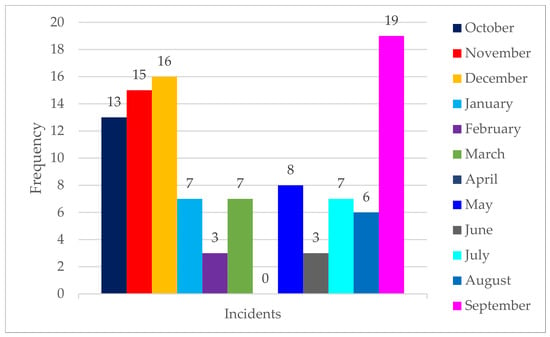
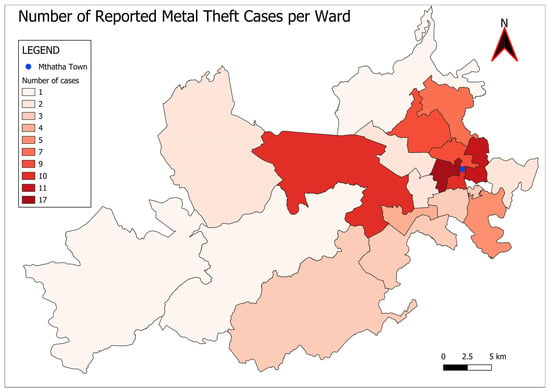
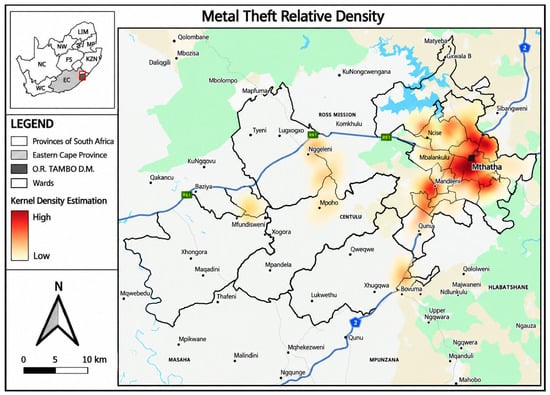
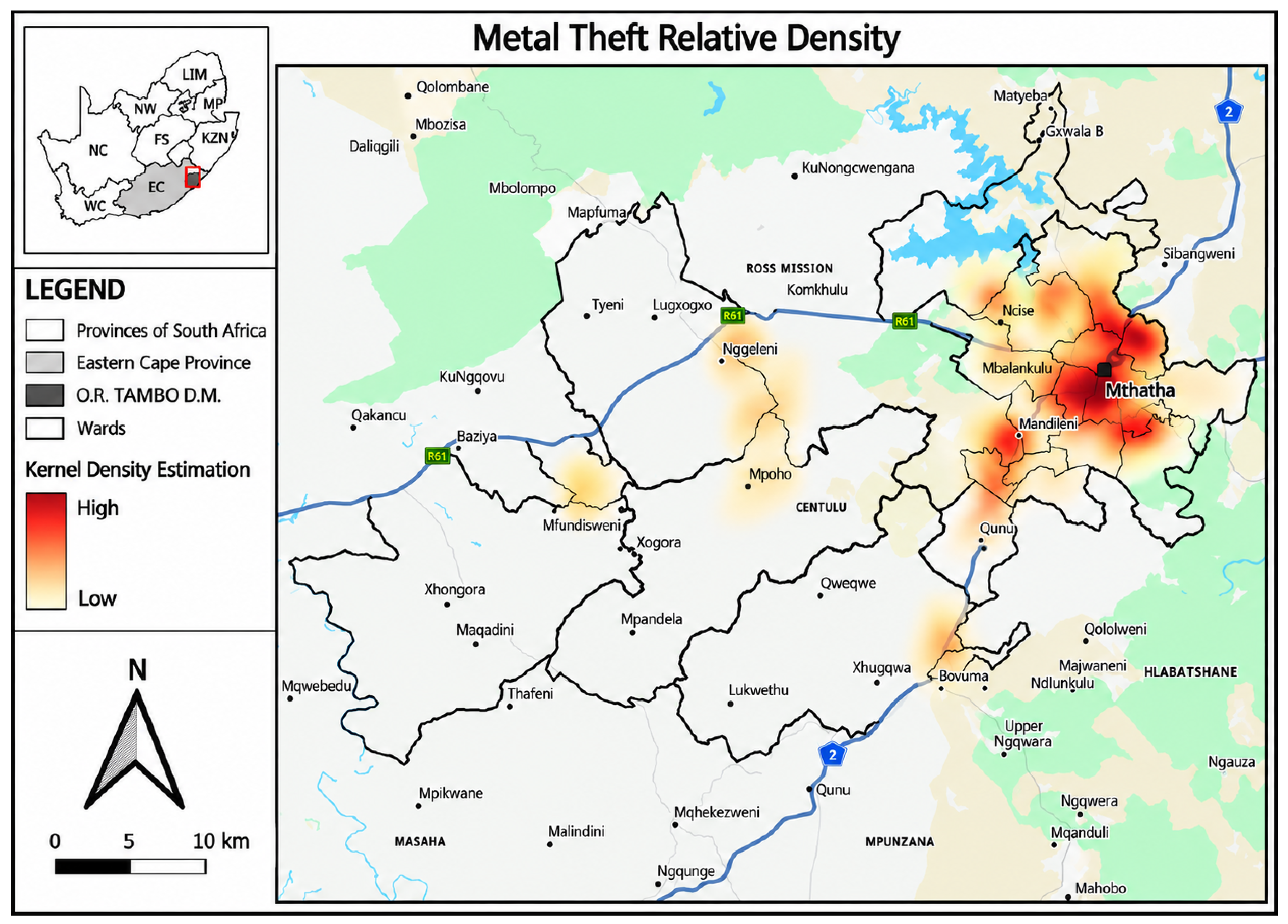
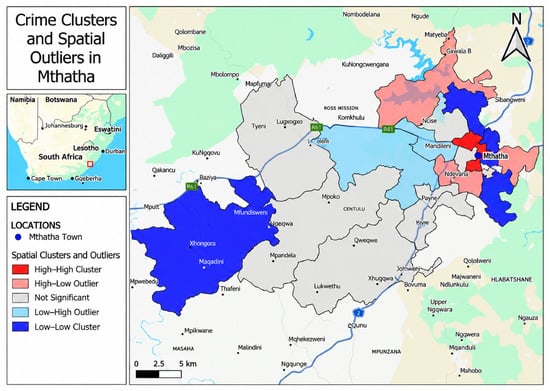
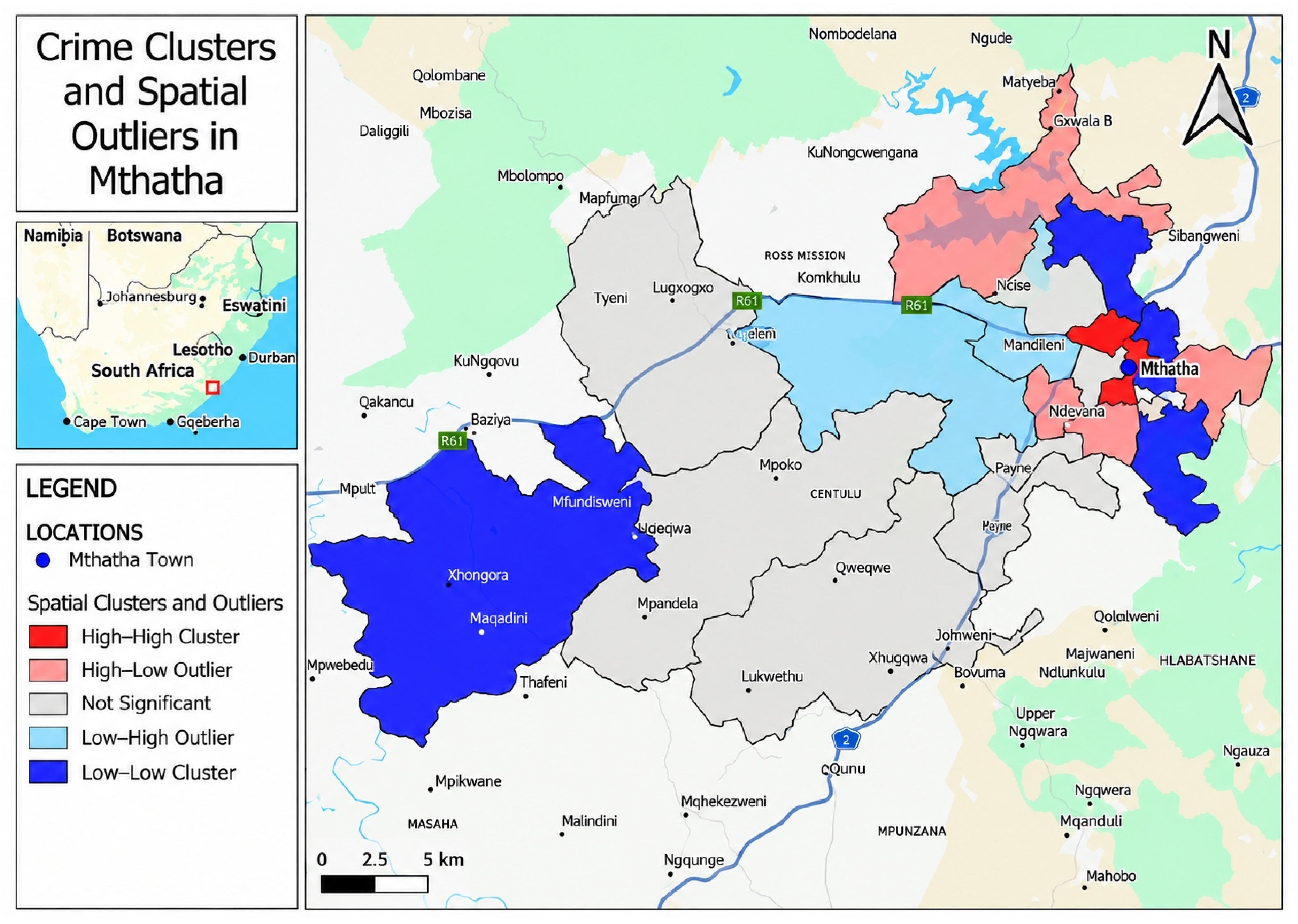
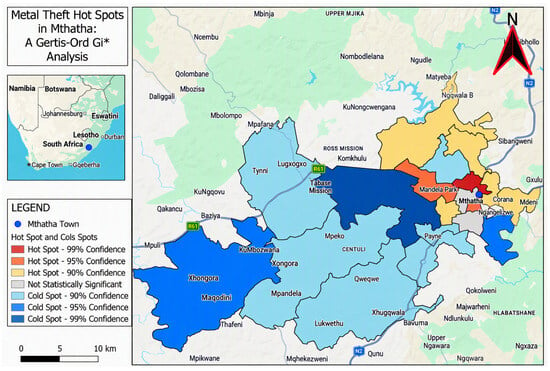
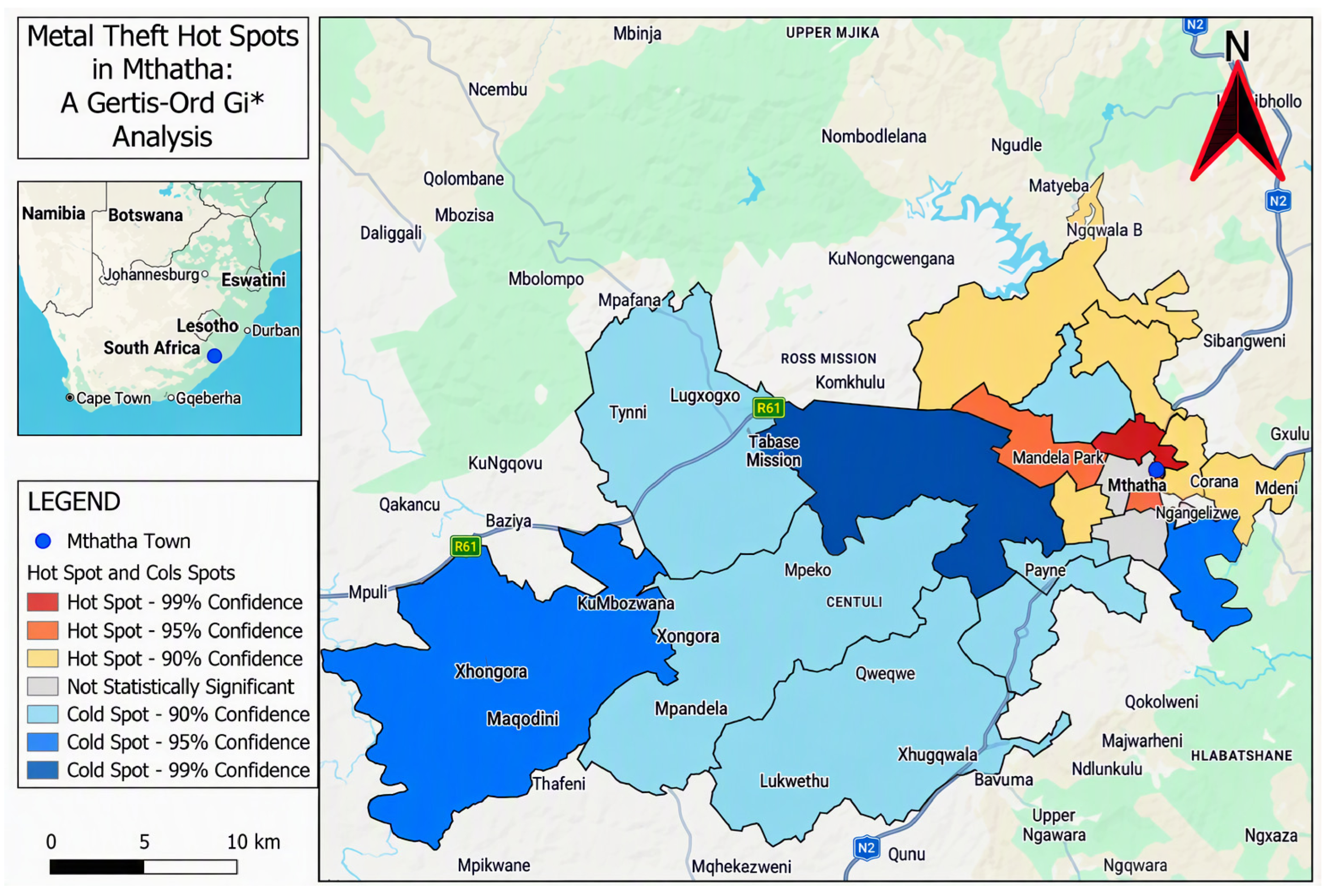
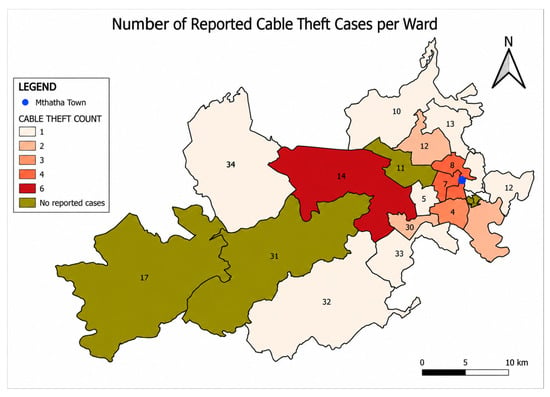
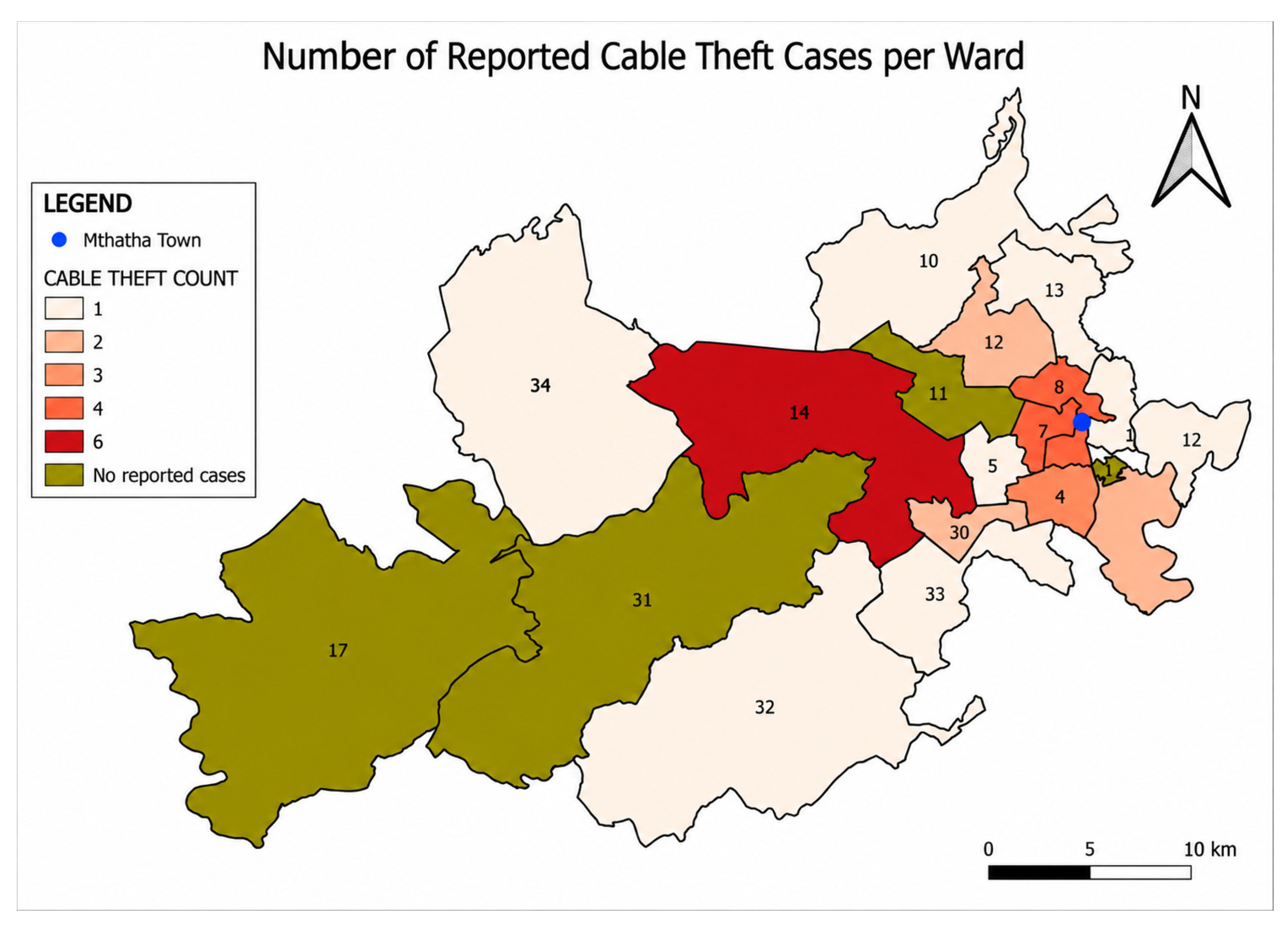
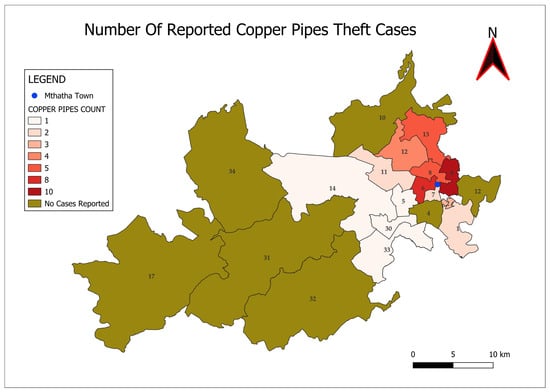
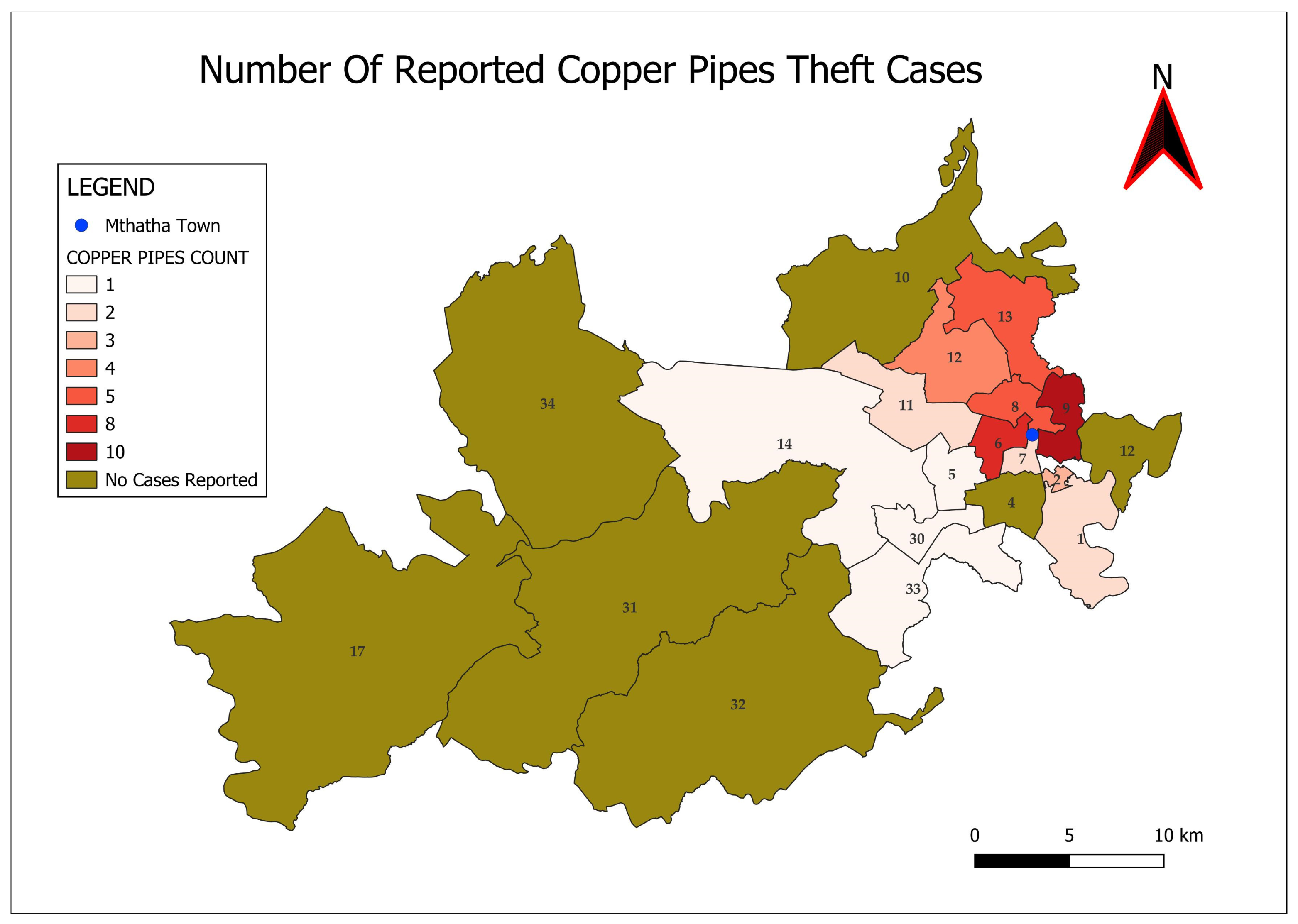
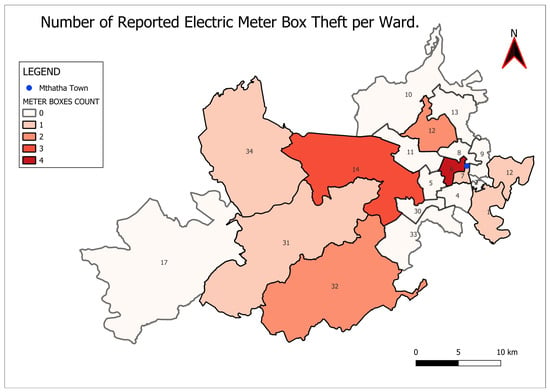
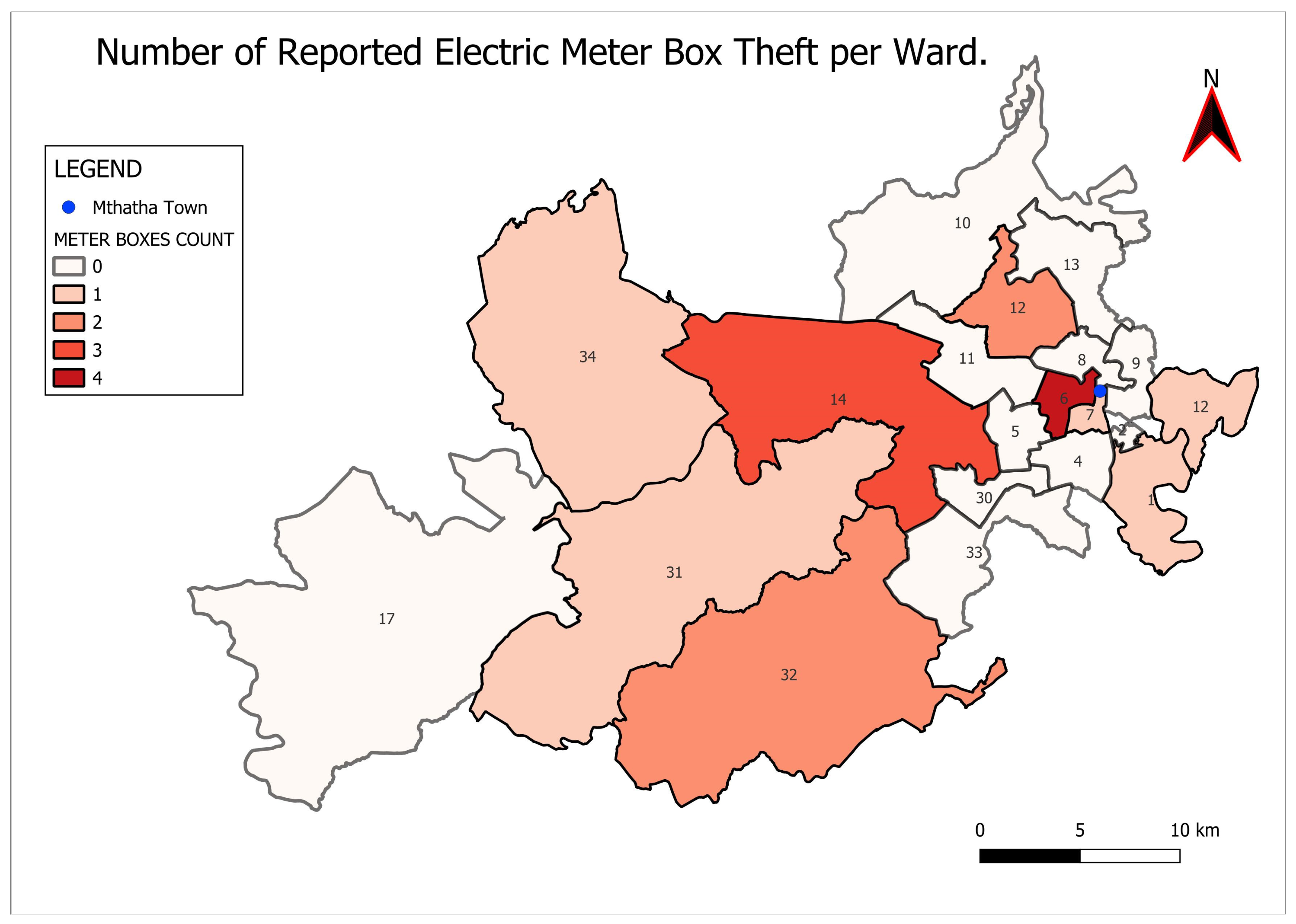
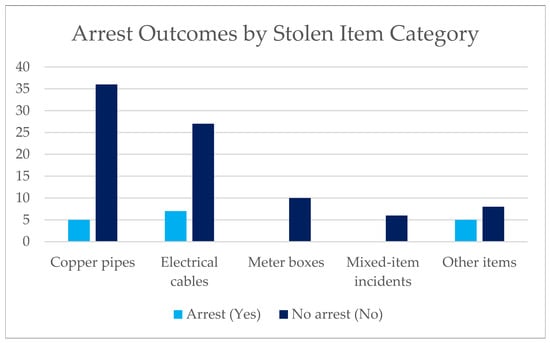
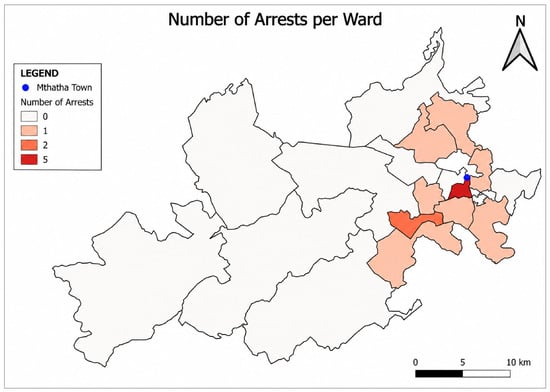

Disclaimer/Publisher’s Note: The statements, opinions and data contained in all publications are solely those of the individual author(s) and contributor(s) and not of MDPI and/or the editor(s). MDPI and/or the editor(s) disclaim responsibility for any injury to people or property resulting from any ideas, methods, instructions or products referred to in the content. |
© 2026 by the authors. Licensee MDPI, Basel, Switzerland. This article is an open access article distributed under the terms and conditions of the Creative Commons Attribution (CC BY) license.