


Abstract
The research presented provides an overview of the latest progress in data-driven control methods used for industrial heating furnaces. Although the data-driven methodologies reviewed provide good performance metrics compared to conventional control strategies, they lack the integration of energy efficiency considerations into the controller design process. This research presents a comprehensive control design framework for a novel energy-efficient data-driven controller applied to an industrial heating furnace. It proposes a novel Hybrid Mamdani–ANFIS controller developed using real-time data from an industrial heating furnace. A novel ANFIS-based energy model is also presented in this work to evaluate the energy efficiency of the presented controller models. The results demonstrated that the proposed novel Hybrid Mamdani–ANFIS controller outperforms both the Fuzzy PID and conventional Fuzzy controller in terms of energy efficiency, achieving approximately 30% energy savings and exhibiting a faster disturbance response time. This study makes a considerable contribution to the field of control theory by synthesizing existing knowledge, addressing identified research gaps, and introducing a novel control design framework that enhances energy efficiency, robustness, and adaptability across a wide spectrum of control applications in industrial heating furnace systems.
1. Introduction
The increasing demand for high precision and reliability in industrial heating processes necessitates the development of advanced control strategies that can maintain optimal performance under varying operational conditions. Considering this necessity, the development of industrial control techniques has become a vital aspect in the transformation of industrial systems and operational models, driven by the incorporation of machine learning algorithms and artificial intelligence frameworks [1,2].
Recent studies [3,4,5] have shown that traditional control methods often struggle to cope with the inherent complexities and nonlinearities present in industrial furnace systems, which hinder their ability to meet stringent product and environmental requirements.
With the use of Industry 4.0 and the automation of industrial furnaces, which consistently produce and store large volumes of data, capturing essential state variable information presents significant opportunities for designing controllers, predicting and evaluating system states, and improving energy efficiency [6,7]. The wealth of industrial process data provides significant opportunities to create accurate data-driven control techniques, as observed in the substantial momentum in both theoretical and practical applications [8]. The pragmatic application of data-driven techniques fulfills the assurances provided by control theory, such as stability, accuracy, and reliability, as noted in [9]. This research interest has spurred the integration of data-driven control theory into the design process of self-adaptive systems, particularly for nonlinear systems. These complex nonlinear systems, such as industrial heating furnaces, render reliable temperature regulation techniques to suboptimal control solutions. Traditionally, proportional–integral–derivative (PID) controllers have been the mainstay of industrial control applications due to their simplicity, reliability, and ease of implementation. However, PID controllers operate with fixed-gain parameters, and this rigidity often results in suboptimal performance when system dynamics shift or unanticipated disturbances occur [10].
Genetic Algorithms (GAs), an optimization technique modeled on natural evolution, drawing inspiration from the principles of selection and genetic mechanisms, were discussed in [11,12], which is also utilized for the dynamic tuning of PID gains as per [13]. The intuitive nature of this technique provides an alternative solution to the suboptimal performance of the fixed-gain PID controllers. Interestingly, based on the comprehensive comparative analysis results in [13], the Genetic Algorithm (GA) depicted a minimum rise time of 1.14 s, with a settling time of 7.21 s and a percentage of overshoot of 3.27%, which was the best performance among conventional PID tuning techniques, including the Cohen–Coon method, direct synthesis method, and Nelder–Mead method. Authors of [14] presented a concise review of recent advancements in data-driven control techniques applied to industrial heating furnaces. The work highlighted data-driven control techniques on industrial heating furnaces, such as the neural network and Fuzzy control techniques.
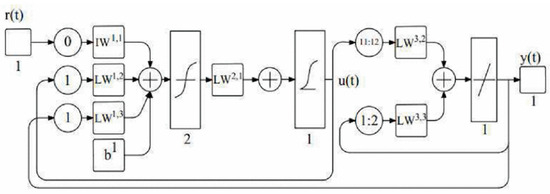
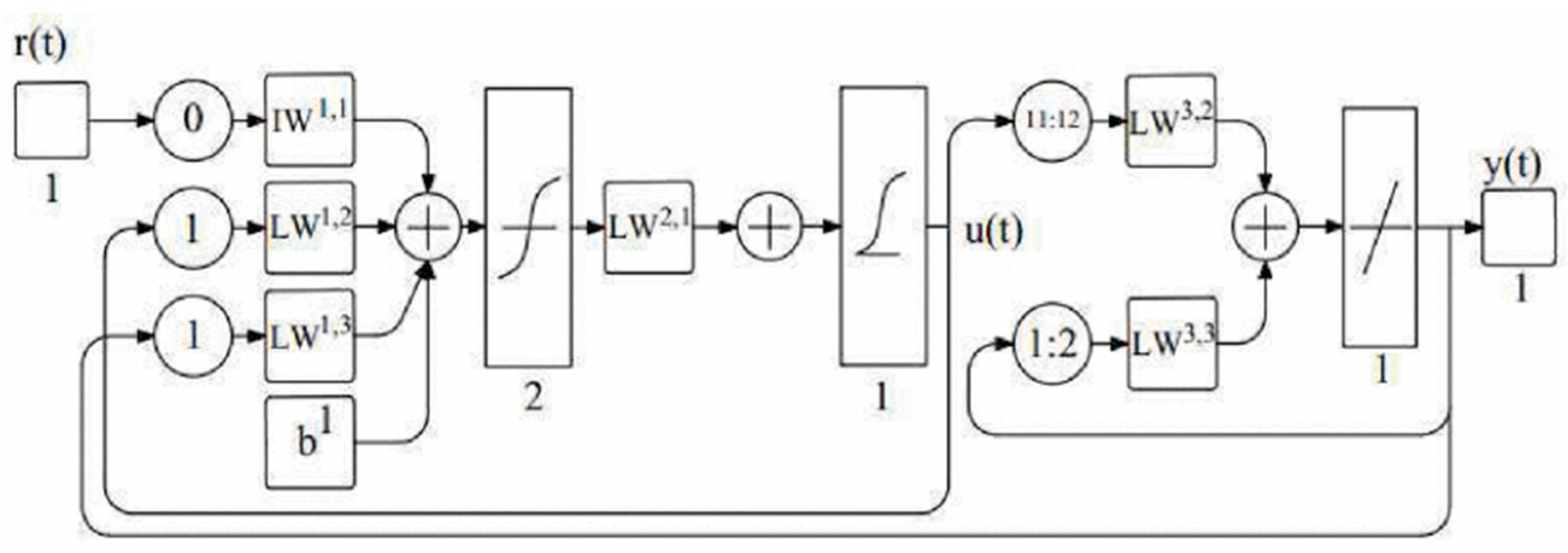
Neural networks, since their approval as estimators [15], have been used in predicting temperature profiles within the heating industry [16,17,18]. A control technique that is based on a model reference using a neural network was proposed in [15] for the control design of an electrical heating furnace. The architectural structure of the controller’s neural network was depicted in Figure 1. This diagram elucidated the fundamental components of the network, wherein r(t) represented the reference and u(t) denoted the control output of the NN. Furthermore, y(t) signified the plant’s output during the design stage, thus the furnace temperature during real-time control.
Figure 1.
Block diagram depicting a NN controller interfaced with a neural network representation of a plant system [14].
The authors of this work [19] proposed a network architecture comprising three layers, with the first two functioning as a controller and the terminal layer serving as a plant model.
The study conducted in [19] showed an empirical evaluation of the proposed NN controller relative to the conventional PI (proportional–integral) and MPC (model-predictive control) controllers. Their experimental design encompassed two distinct test scenarios. In the context of the first Case, the neural network controller exhibited a reduced settling time and minimized percentage overshoot relative to its counterparts. However, in case 2, the neural network demonstrated performance equivalent to that of the PI and MPC controllers. This parity in performance metrics indicated that the adaptive capabilities of the neural network approach may not offer significant advantages in dynamic systems. The notable efficacy from the literature on these control techniques encourages the importance of adopting more data-driven, model-free control approaches, such as the Fuzzy Logic Control for an industrial heating furnace.
Fuzzy Logic Control (FLC) is an advanced control methodology that has gained significant attention within the Furnace industry. This technique is grounded in fuzzy set theory, which facilitates the systematic management of imprecise or vague information. FLC has demonstrated its efficacy in addressing complex, nonlinear systems where conventional control methods often encounter limitations. By utilizing fuzzy logic, one can model and interpret uncertainty in system behavior, enabling it to provide robust control solutions in scenarios characterized by inherent variability and nonlinearity. The core principle of FLC is its unique capability to convert human expertise and heuristic knowledge into a format applicable for automated control. This is accomplished through the utilization of linguistic variables and fuzzy rules, which enable a more intuitive representation of control strategies. The FLC process generally encompasses three key stages: fuzzification, inference, and defuzzification.
The Fuzzification stage, as observed in [20,21,22], uses the temperature error and the rate of change of the temperature error in the furnace. The Gaussian membership function is mostly implemented during this stage due to its smooth, continuous transitions and differentiability across the entire domain, exhibiting more robustness compared to the other membership functions. The inference stage deals with the application of fuzzy rules, which are typically expressed in the form of IF-THEN statements or using a lookup table, as shown in Table 1. These rules define the temperature control strategy and determine how the furnace should respond to different input conditions.
Table 1.
Example of a Lookup Table for deriving the P gain [16].
In the context of an industrial heating furnace, the use of Fuzzy control techniques is coupled with the proportional–integral–derivative (PID) controller to form the Fuzzy-PID as shown in this paper. Hence, in the inference stage, a lookup table or IF-THEN statements are used at this step to derive the gains of the PID based on the expert knowledge of the system.
The defuzzification stage involves the fuzzy output converted back into an output value that can be used as a control signal. Here, various defuzzification methods, including the center of gravity and the mean of maximum, are the most used. However, in [22], due to computational intensiveness associated with continuous processes such as temperature control, a direct synthetic reasoning was used. It is worth noting that FLC, since its conception [23], has emerged as a promising alternative. The integration of fuzzy systems with PID control outputs, as outlined in the inference stage, facilitates dynamic adjustment of gain parameters based on real-time system feedback, thereby enhancing adaptive performance and improving disturbance rejection capabilities [24,25]. This approach often leverages a Mamdani-type Fuzzy Inference System (FIS) to perform adaptive gain scheduling based on current operating conditions and feedback signals.
The Mamdani-type FIS is particularly favored due to its intuitive rule-based structure and interpretability. However, Mamdani FIS controllers are typically based on fixed rule sets, which can limit their adaptability when confronted with changing process conditions or unforeseen disturbances [25,26]. To address these limitations, hybrid control strategies that combine the strengths of fuzzy logic and machine learning have gained increasing attention. The Adaptive Neuro-Fuzzy Inference System (ANFIS) is a prominent example that integrates the transparent reasoning of fuzzy logic with the adaptive learning capabilities of neural networks. An ANFIS model can learn optimal control strategies from data, enabling the controller to adapt its behavior as the system evolves.
Recent furnace temperature control research has increasingly combined conventional feedback control with optimization and learning-based components to improve robustness under nonlinearities and delays. Modern adaptive and optimization-based PID variants have been reported for electric furnace regulation, with parameter tuning performed using metaheuristics and objective-function design to reduce overshoot and settling time. In parallel, fuzzy adaptive PID approaches remain widely investigated for industrial furnaces, especially where rules encode operator expertise while enabling gain scheduling under disturbances. More recent data-driven literature focuses on modeling or forecasting furnace temperature using machine-learning architectures to support operational efficiency and reduce energy usage.
Despite these advances, two practical limitations persist in the literature: (i) many studies either rely on simplified plant models or report results in simulation settings that are difficult to validate against industrial trajectories, and (ii) energy efficiency is often treated as a secondary outcome rather than explicitly evaluated alongside control behavior. The present work addresses these issues by (a) training a Hybrid Mamdani–ANFIS controller using real industrial operating data and (b) evaluating controller effort using an ANFIS-based energy model to provide a consistent energy-oriented comparison between Mamdani fuzzy, fuzzy PID, and Hybrid Mamdani–ANFIS strategies.
This research presents a novel hybrid control methodology that leverages both Mamdani-type FIS and ANFIS for temperature regulation in thermal systems with a focus on energy efficiency.
2. Materials and Methods
2.1. System Descriptions
Industrial furnaces employed in metallurgical processes and heat treatment applications are characterized as large-scale inertial systems exhibiting significant time delay [27,28]. The thermal characteristics of the furnace are influenced by a multitude of variables, encompassing the heating volume of the chamber, the frequency at which the heating chamber door is opened and closed, the characteristics of the heating material, the ambient temperature of the heating chamber, the mode of heating and the effectiveness of the control technique for the power control.
This research paper is conducted using real-time data from an industrial vacuum furnace system described in [29]. This industrial setup includes a cooling chamber where the products undergo cooling after heat treatment and a heating chamber where the heat treatment process takes place. The heating chamber is a double-walled, water-cooled, cylindrical mild steel vessel with an octagonal insulated casing composed of mineral fibers, rigid graphite board, and graphite foils. It incorporates a gas injection circuit that distributes gas around the load through a set of nozzles during the heat treatment process. The heating elements inside the chamber consist of graphite bars arranged in a cage surrounding the rod. A one low-voltage reduced-induction transformer is used for power regulation on the primary circuit, with the secondary unit connected to the heating resistance. The load positioning is designed to ensure temperature uniformity within ±5 °C/±9 °F throughout the heating chamber, achieved with the aid of a standard control technique. This technique employs a programmable logic controller (PLC)-based proportional–integral–derivative (PID) regulation, a safety temperature controller, and two thermocouples (for regulation and safety) to prevent temperature deviations during production cycles.
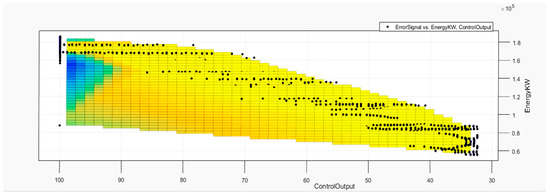
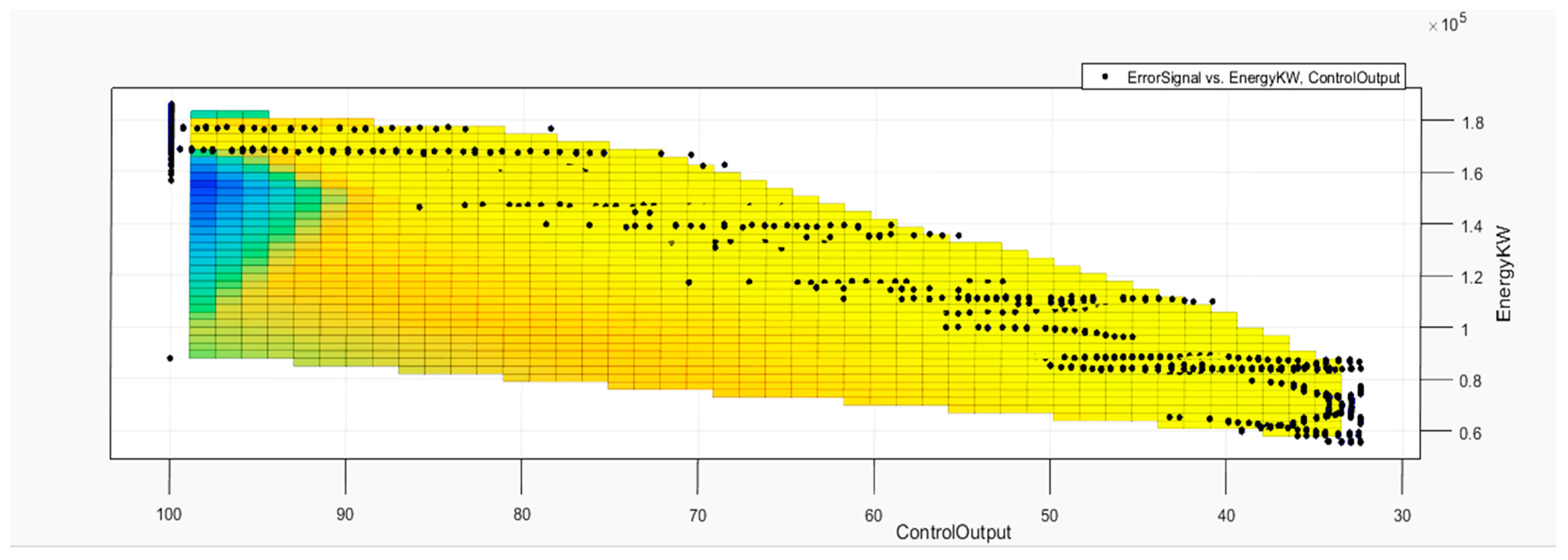
Figure 2 illustrates a relational graph derived from industrial data [11,29], depicting the correlation between control output and energy consumption. This observed linear relationship between the controller’s output and energy utilization emphasized the critical importance of incorporating energy-based criteria in controller design and evaluation.
Figure 2.
A relational graph between the controller output and Energy consumption.
This work utilizes real-time data obtained from a regulation thermocouple of an industrial furnace, with its corresponding set point temperature values, within a controlled temperature environment of a temperature deviation of 5 degrees Celsius. The colour scale represents the magnitude of the control output and Energy consumption evolutions of the system. Additionally, the paper in this section will present the Mamdani fuzzy inference system design, the development of the ANFIS controller model, and the implementation of a proposed ANFIS-based energy prediction Model.
2.2. Mamdani Fuzzy Inference System Design
The first phase of the proposed hybrid methodology involves the development of a Mamdani-type FIS based on domain expertise and process analysis. The controller is designed to regulate temperature by mapping input variable—typically the temperature error (the difference between the desired and actual temperature) and its rate of change—to an appropriate control action, namely heater power. In this research work, the development of a Mamdani-based fuzzy PID in this section is designed to comparatively analyze it with the Hybrid Mamdani–ANFIS controller. The controller’s design framework is initiated by first defining the Input and Output variables, subsequently defining the membership functions and rule base, and finally running the control algorithm loop to output the control output, in this case, the percentage of the heating furnace power output. It is worth noting that the control design framework for both the Mamdani PID and the Hybrid Mamdani fuzzy inference system follows the generic framework as follows:
2.2.1. The Mamdani Inputs
In this work, two inputs were defined for the Mamdani inference system, namely:
Temperature Error (e): The deviation of the measured temperature from the setpoint.
Thus,
where e(t) is the temperature error, r(t) is the setpoint temperature and y(t) is the measured temperature.
Change in Error (Δe): The rate at which the error is changing, providing predictive information about future system behavior. This can be expressed as
2.2.2. The Mamdani Output
Control Action (u): This is the command sent to the heating element of the industrial furnace. In this work, the Mamdani Fuzzy PID design control output represents the algebraic sum of the PID gains computed at the end of the control algorithm. This algebraic sum is computed in the control loop at each time step as:
where Derivative filtering ( is computed as:
whereas the integral is defined and clamped to avoid anti-windup as:
where , and are the gains for the PID controller and is the filter factor.
In the context of the Hybrid Mamdani fuzzy system, the control output is the defuzzied output of the inference system based on the stipulated rules in reference to the Mamdani input values at the given time step.
2.2.3. Defining the Membership and Rule Base
To achieve the objective of minimizing the temperature error while maintaining an energy-efficient system, well-representative membership functions, including triangular and trapezoidal, are used for the input and output variables. A set of nine expert-defined fuzzy rules form the core logic, including aggressive heating when the temperature error exceeds 60 °C, which is implemented in this phase. For the defuzzification stage, we utilized the centroid method.
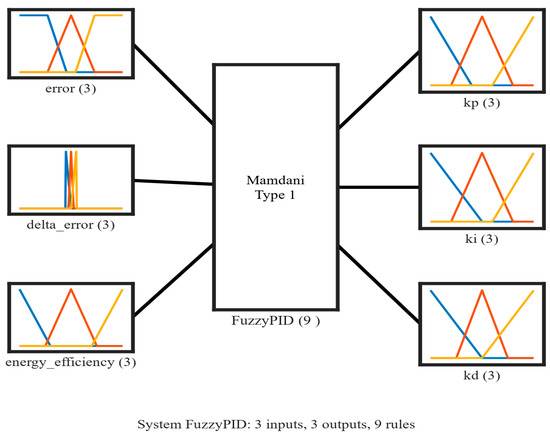
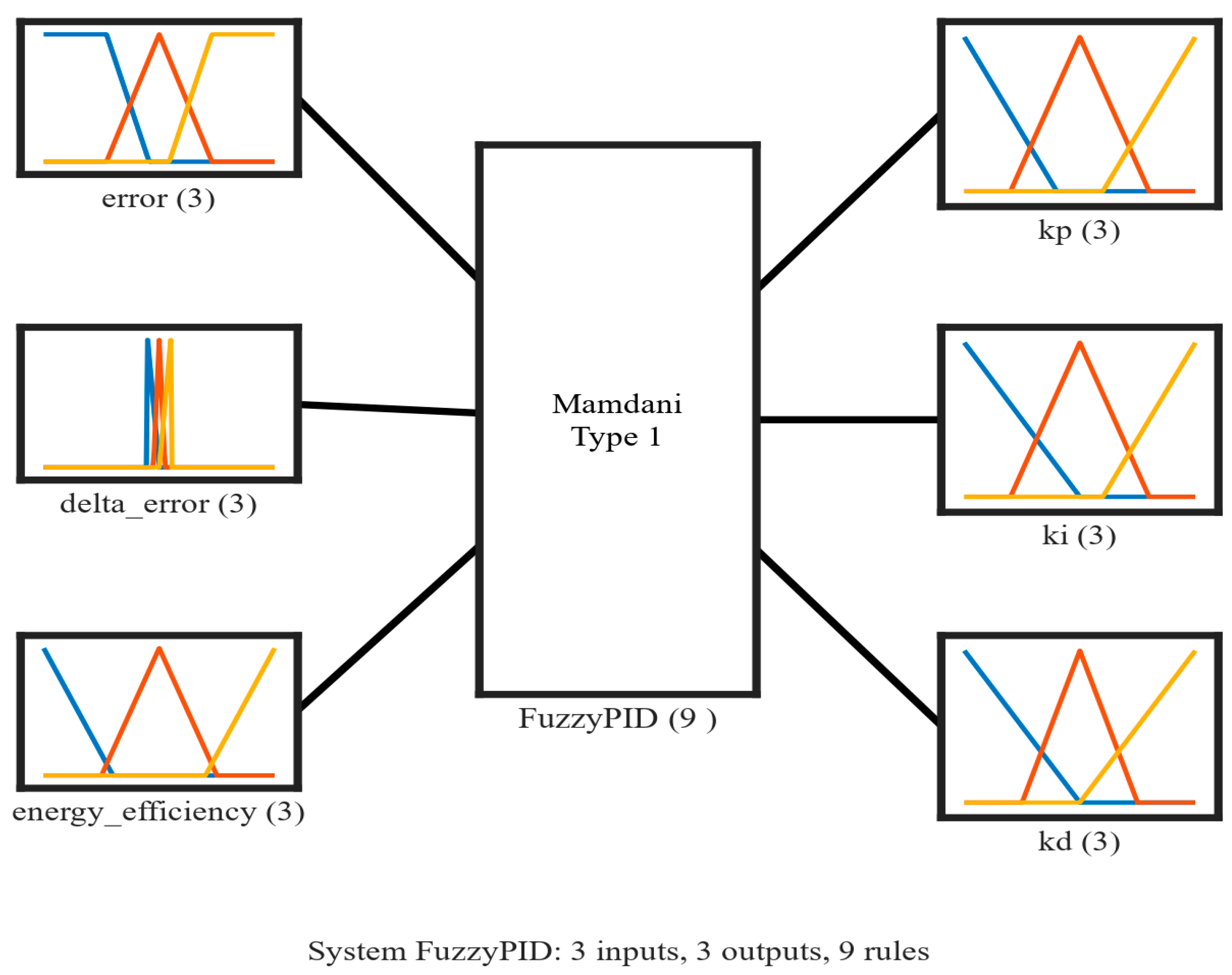
In the Fuzzy PID design, the membership function with its associated input and output variables is shown in Figure 3. As part of the design framework, an energy efficiency membership was incorporated in the Mamdani fuzzy design framework. This is to test the flexibility of using the fuzzy approach with respect to a defined control solution in which the energy efficiency of the controller design is captured. The input membership functions were both triangular and trapezoidal to cover the input ranges of the datasets. With respect to the output membership for the Mamdani PID framework, we utilized the triangular membership functions. Subsequently, the membership function for the hybrid Mamdani–ANFIS as a robust control strategy was implemented by designing the input–output membership, utilizing triangular and trapezoidal functions to represent the variables for both inputs and outputs, respectively.
Figure 3.
Membership functions for the Fuzzy PID controller. The Input panel shows the input membership functions for the temperature error (e) (range: −1150 to +1150 °C), change in error (Δe) (range: −50 to +50 °C/s) and energy efficiency (range: 0 to 100), defined using triangular and trapezoidal shapes labeled NB (Negative Big), NM (Negative Medium), NS (Negative Small), ZO (Zero), PS (Positive Small), PM (Positive Medium), and PB (Positive Big). The Output panel shows the triangular output membership functions for each PID gain (, , ) over their respective output ranges.
Subsequently, the membership function for the hybrid Mamdani–ANFIS as a robust control strategy was implemented by designing the input–output membership, utilizing triangular and trapezoidal functions to represent the variables for both inputs and outputs, respectively.
2.3. The ANFIS Controller Model
While the Mamdani FIS provides a solid foundation, its fixed rule base limits adaptability. To enhance performance, the second phase of the Control design employs an ANFIS. The Mamdani FIS design framework, depicted in Figure 3, is deployed on datasets of an industrial vacuum system, where the operational data is collected over a range of operational conditions and timeframes. The data set consists of input variables (error and change in error), and the corresponding control output is generated by the Mamdani controller. To generalize the control behavior, the ANFIS is first trained on the Mamdani-generated input–output data. The collected Mamdani data, which is used to train the ANFIS model, learns to approximate the mapping from system states to optimal control actions. The trained ANFIS can then adapt to new operating conditions, disturbances, or process changes by updating its parameters based on the ongoing data.
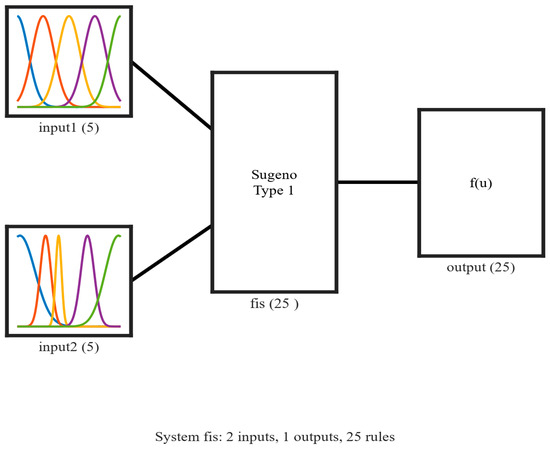
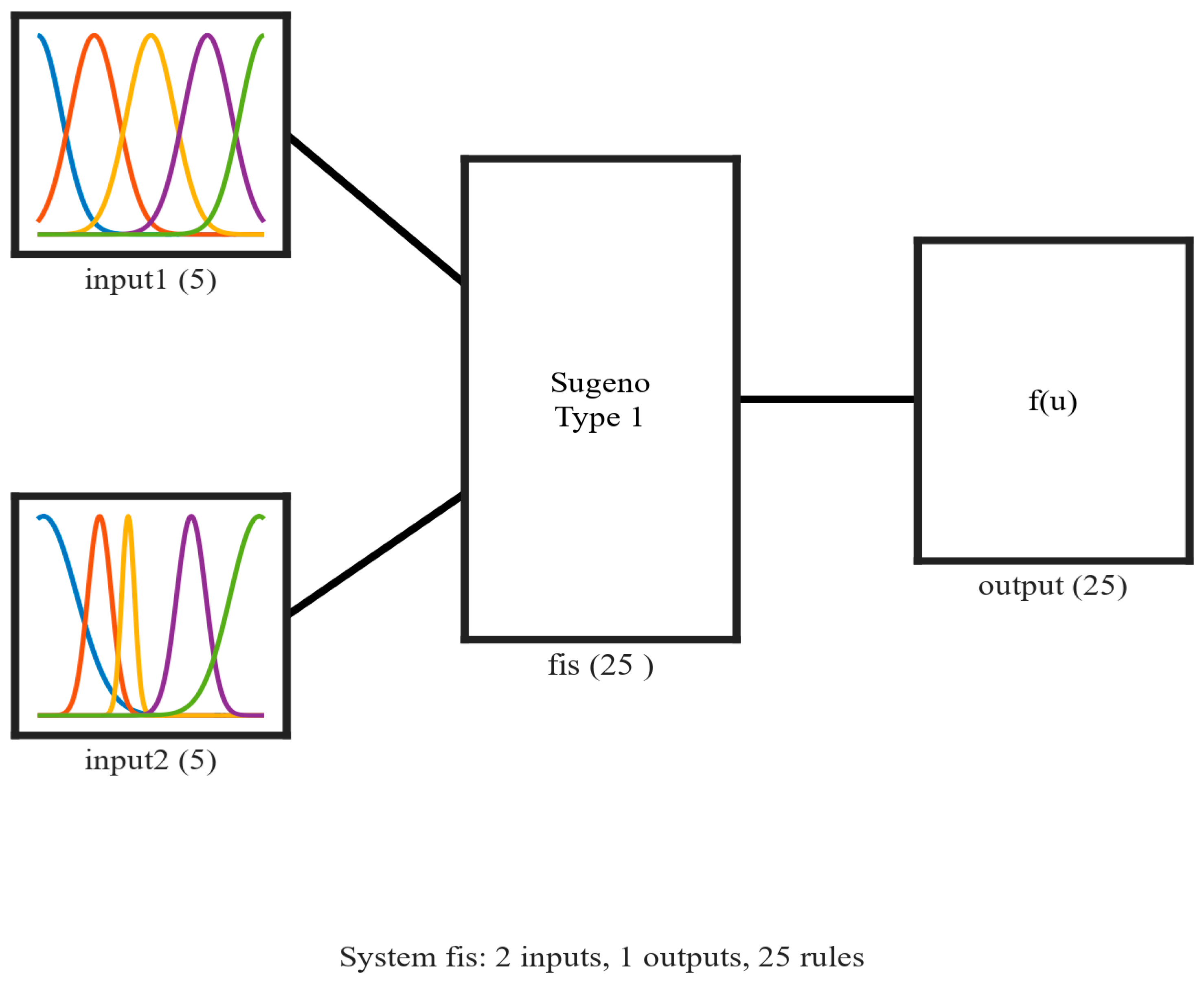
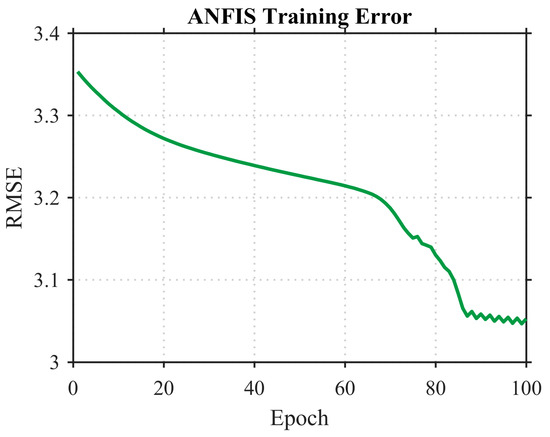
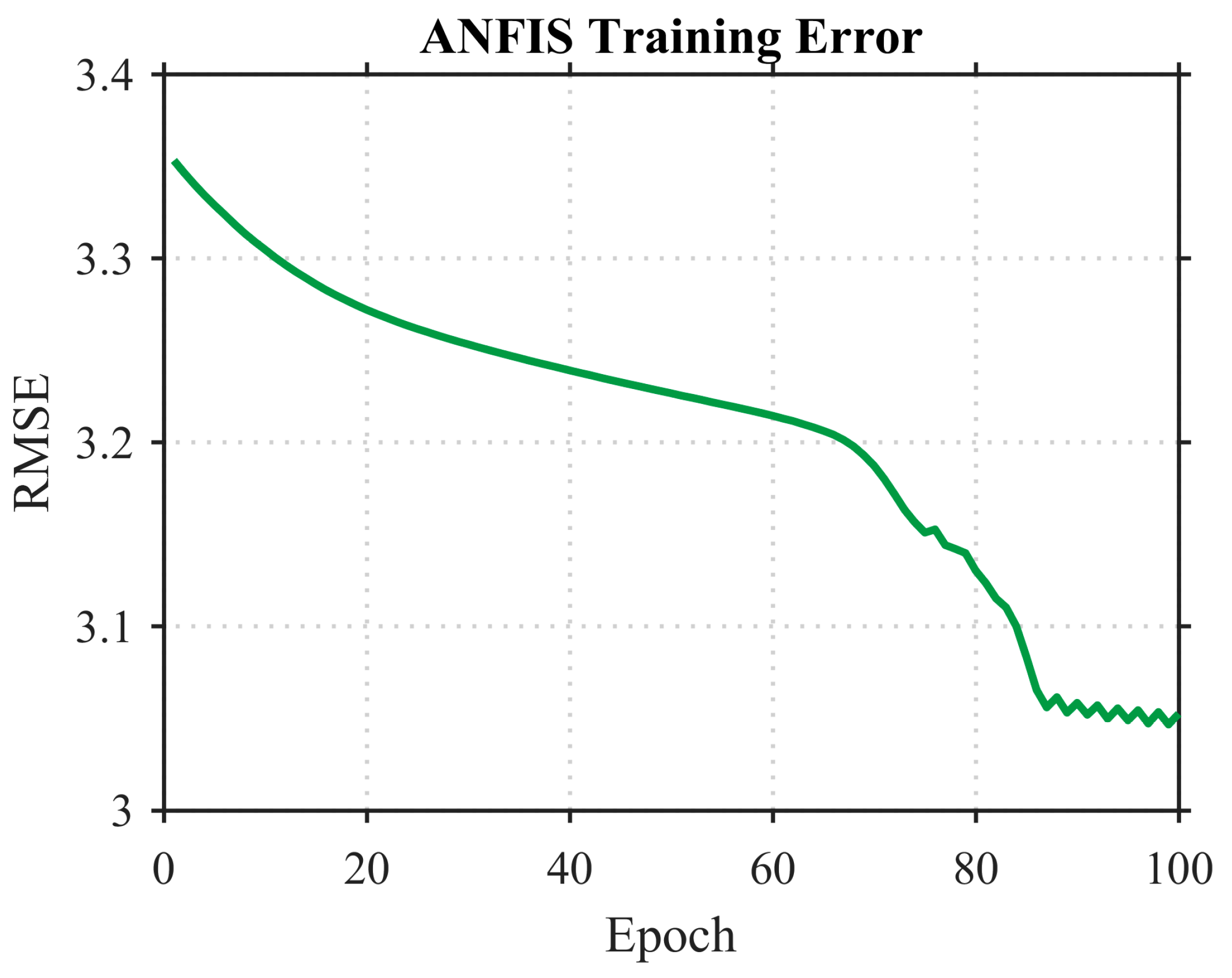
At this phase, the ANFIS combines a fuzzy inference system with the learning ability of neural networks. We used a grid-portioned Sugeno-type FIS with 5 Gaussian membership functions for the input as illustrated in Figure 4. The membership function parameters are tuned using a hybrid learning algorithm, thus the combination of the least-squares estimation and backpropagation algorithm under 100 epochs. The Hybrid Mamdani–ANFIS model is then validated using the root mean square criterion (RMSE) to show how well the ANFIS maps onto the Mamdani datasets. The RMSE of this model is 3.046, which met the design requirements of the control framework. In Figure 5, the RMSE of the ANFIS model is shown during the training phase of 100 epochs.
Figure 4.
Membership functions for the Hybrid Mamdani–ANFIS controller inputs. Five Gaussian membership functions are shown for each input variable: temperature error (e) (range −50 to +1150 °C) and change in error (Δe) (horizontal axis, range −5 to +5 °C/s). The Gaussian shape provides smooth, differentiable transitions suited to gradient-based backpropagation during the ANFIS training phase.
Figure 5.
The Hybrid Mamdani–ANFIS RMSE under 100 epochs.
2.4. The Novel ANFIS-Based Energy Model
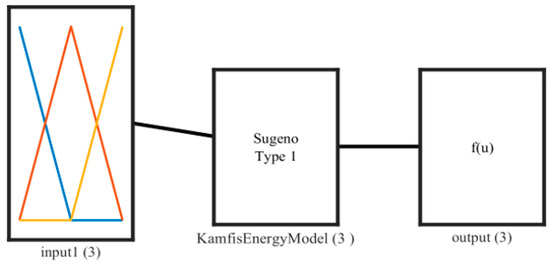
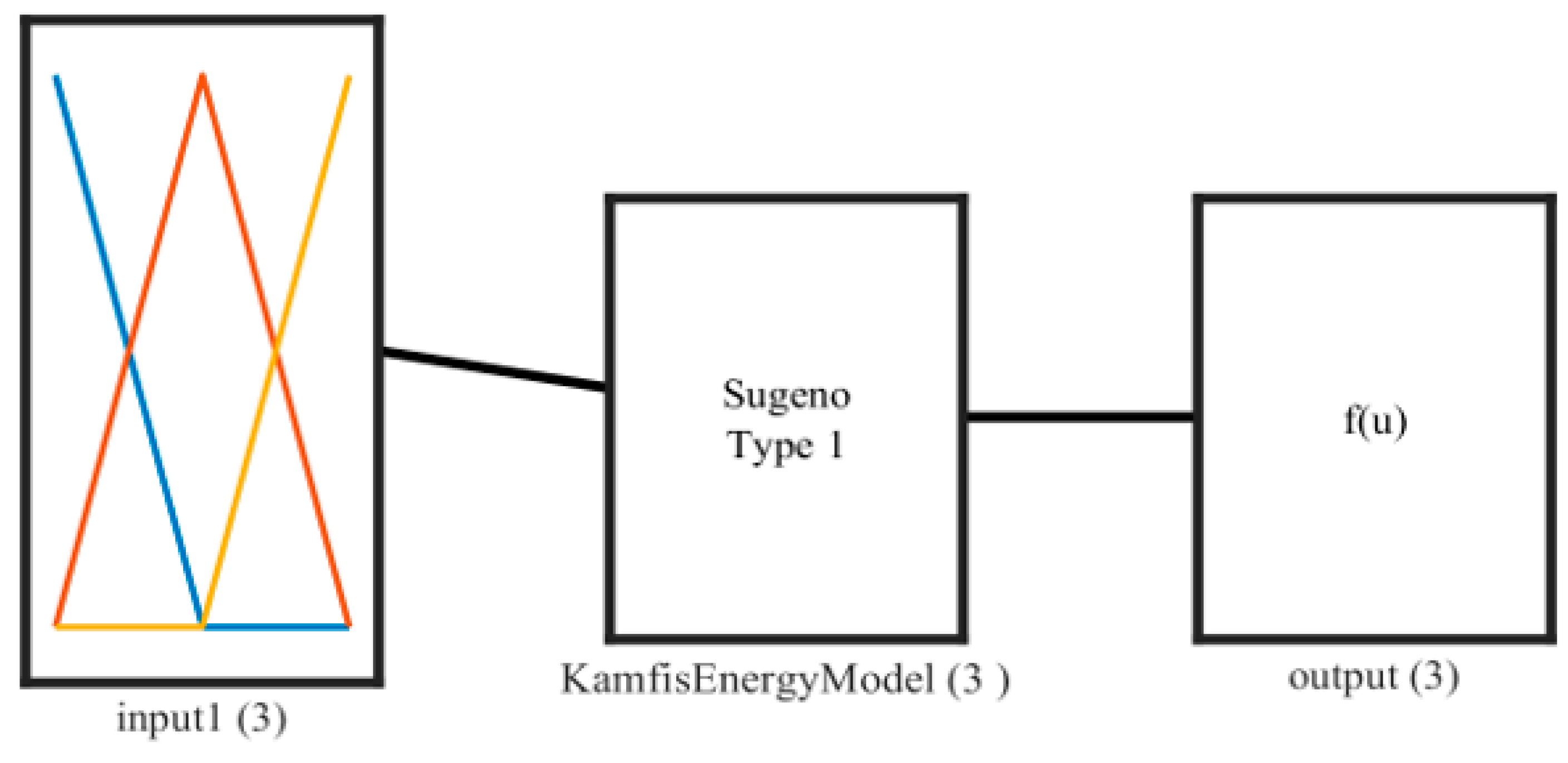
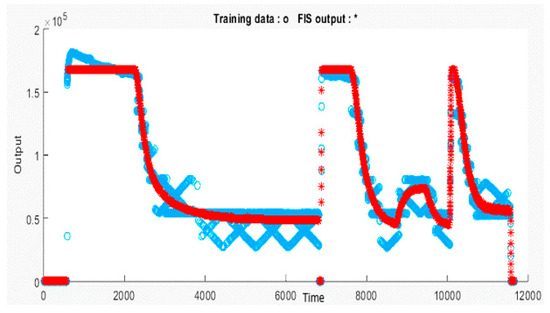
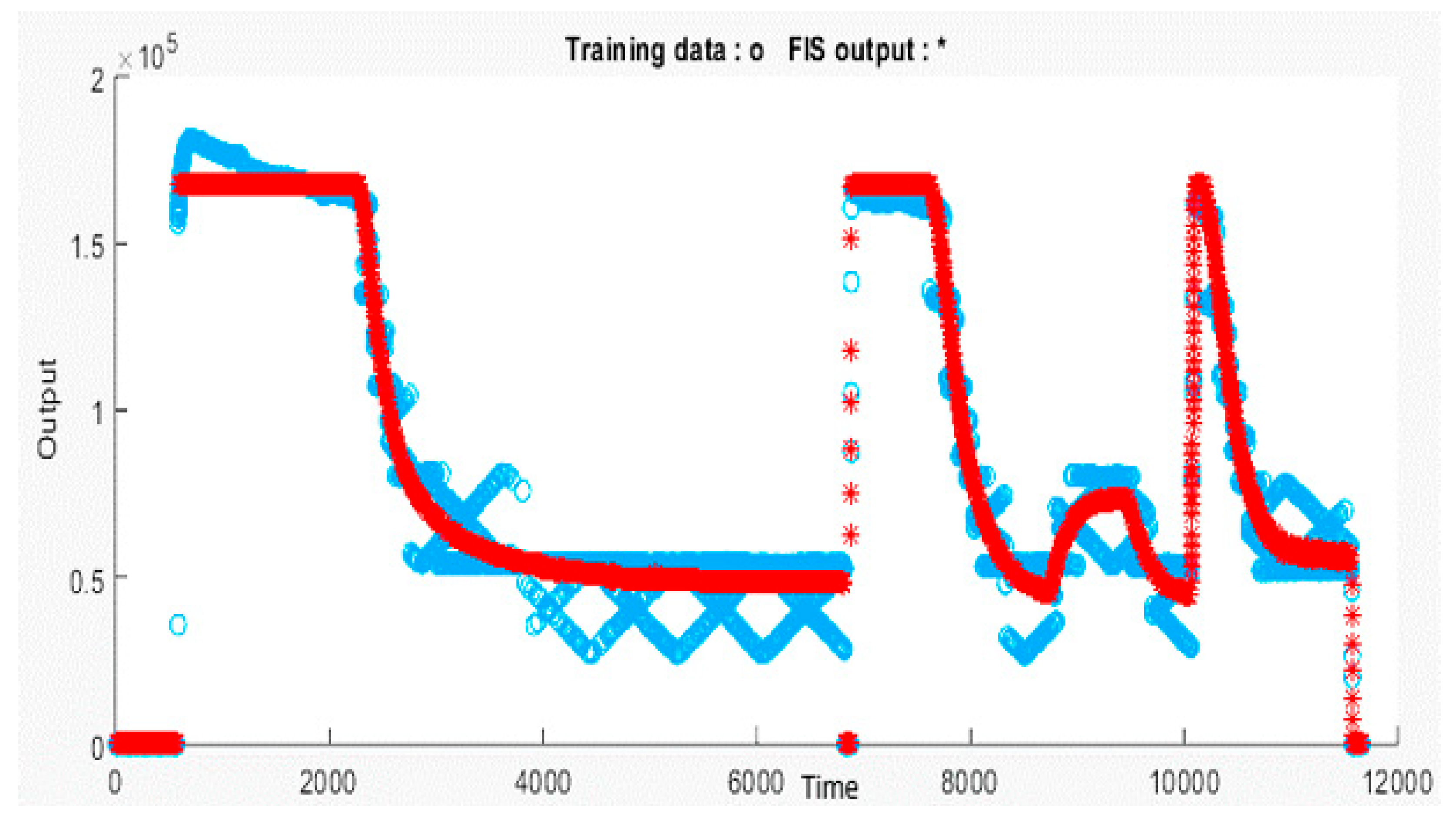
This work also presents an ANFIS-based energy model where the ANFIS is trained in controlling output values and the corresponding energy consumption on real-time data of an industrial heating furnace. The motivation behind this model is derived from the work in [14], where a relational graph showed the relational characteristics between the controller output and the energy consumption of an Industrial vacuum furnace. The ANFIS design structure, as shown in Figure 6, is a Sugeno type where it takes one input variable, which is the controller output, and then predicts the energy consumption of the selected control algorithm. During the design phase of the ANFIS-based energy model, the input variable is defined as a triangular and trapezoidal function to best represent the datasets. The trained ANFIS energy model was validated using the training data from a real industrial furnace, as depicted in Figure 7.
Figure 6.
Design framework of the Novel ANFIS-based Energy Prediction Model. The Sugeno-type ANFIS takes a single input (controller output, % heater power, 0–100%) and maps it to the predicted energy consumption (kWh). The architecture comprises five triangular and trapezoidal input membership functions, a rule evaluation layer, a normalization layer, a consequent parameter layer, and a single summation output layer. Membership function parameters are tuned using the hybrid least-squares backpropagation algorithm.
Figure 7.
The Novel ANFIS-based Energy Model during training and validation. The horizontal axis represents the training/validation time axis, and the vertical axis represents the predicted energy consumption (kWh). The solid blue circle indicates the trained data; the starred red curve indicates the FIS output data.
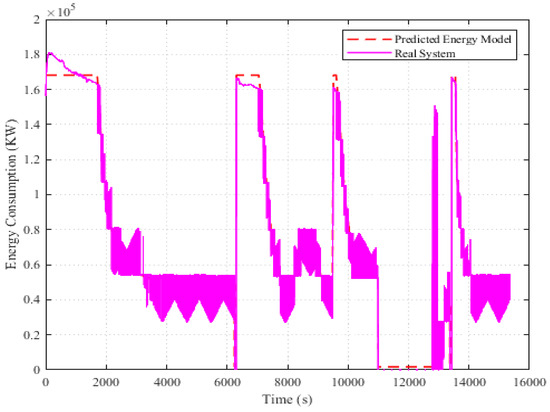
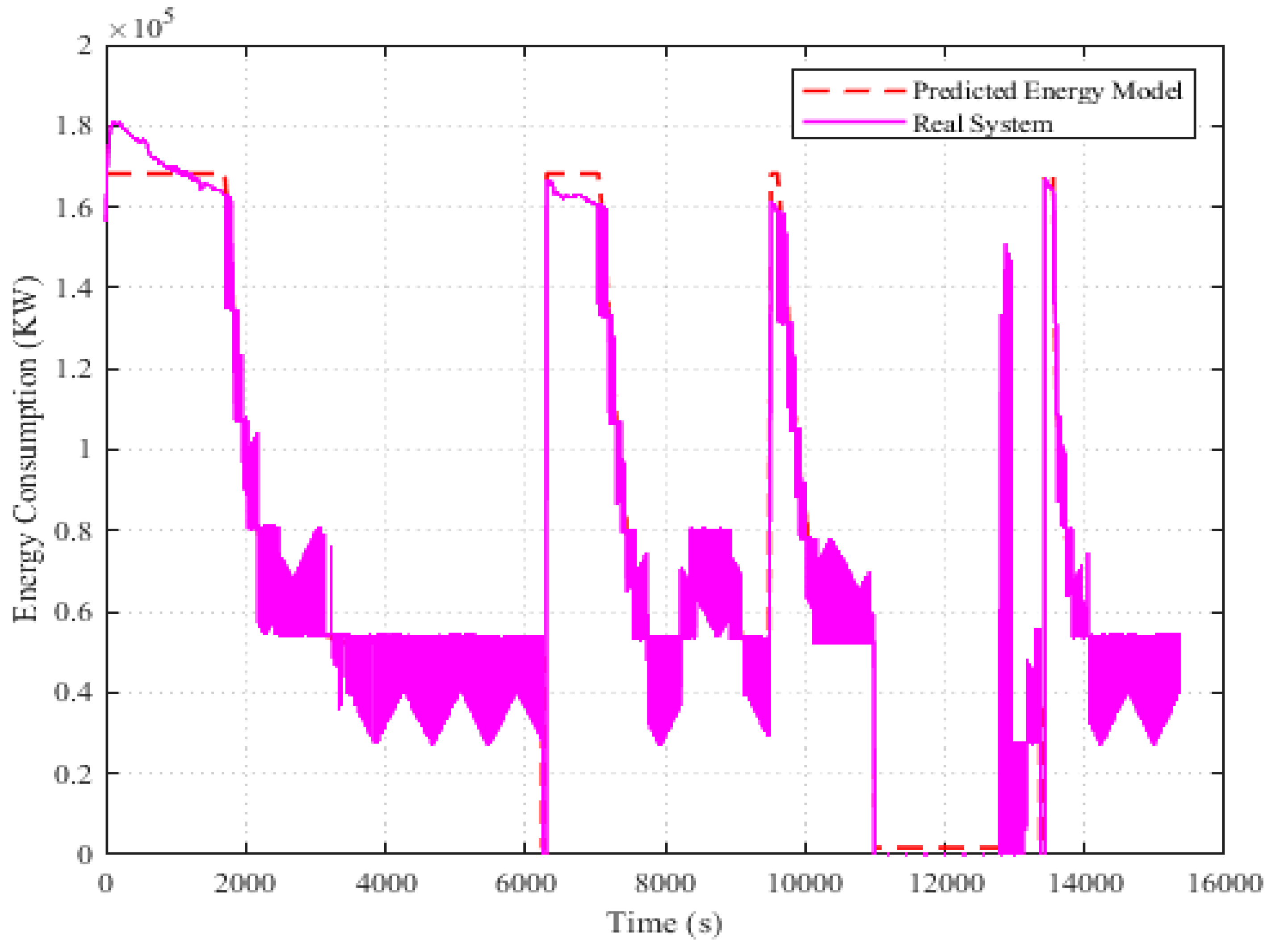
In the testing phase, the novel ANFIS energy model is then tested on a new set of process data from an industrial furnace to check if the model is not overfitting and to confirm the robustness of the novel ANFIS Energy model. The robustness and validity of this model were confirmed by the results shown in Figure 8. The prediction error met the design requirement for this work and accurately maps the real-time data, considering the nonlinear nature of the real-time system.
Figure 8.
The Novel ANFIS-based Energy Model prediction on real-time process data.
3. Results and Discussions
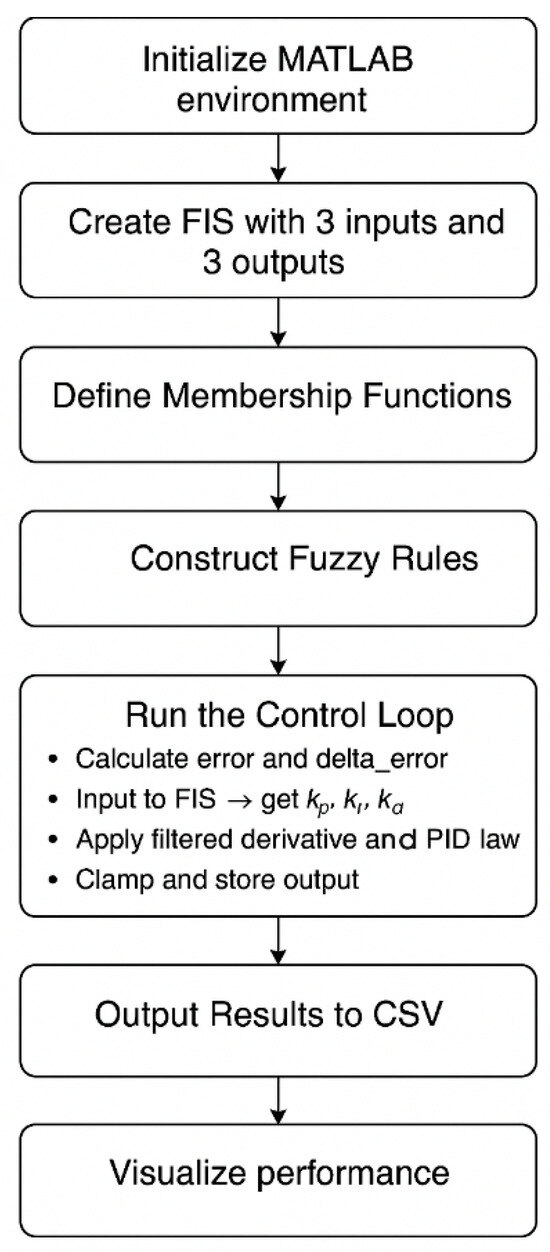
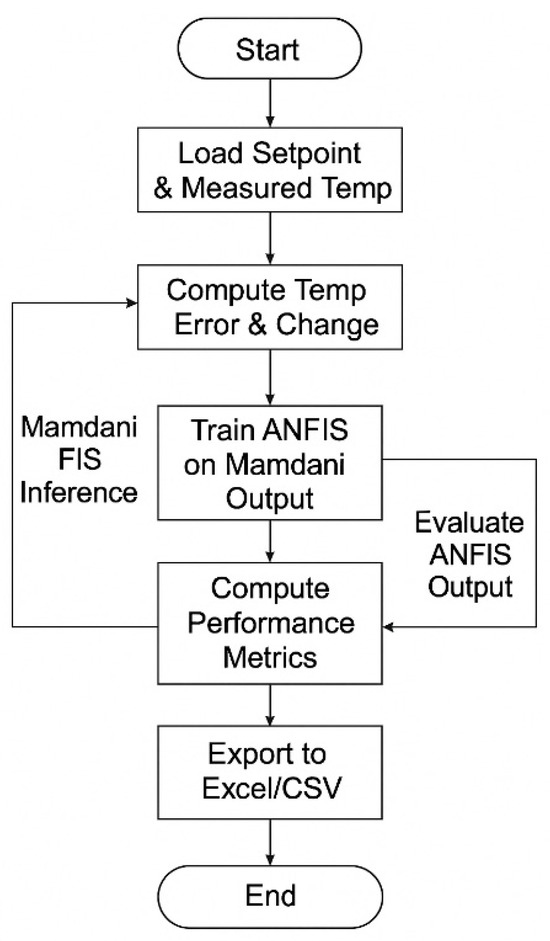
This paper proposes a two-phase hybrid approach: (1) a Mamdani FIS for rule-based control design, and (2) an ANFIS model trained on the Mamdani-generated control outputs to enhance performance and adaptability. Additionally, a Fuzzy PID is also developed in this work for comparative analysis. This section of the paper discusses the control design frameworks and the real-time performance of the novel Hybrid Mamdani–ANFIS controller. The implementation of the novel Hybrid Mamdani–ANFIS controller and the Fuzzy PID is carried out using the MATLAB R2024b Script. Training data for the ANFIS model was generated using the outputs from the Mamdani Fuzzy Inference System derived from a real-time process temperature dataset. The performance evaluation, a separate temperature dataset also obtained from the same industrial heating furnace, was employed to ensure unbiased assessment and model generalizability. The Input variables were clipped to defined operating ranges to prevent extrapolation issues. The final controller architecture is outlined in the flowcharts presented below, first illustrating the Fuzzy PID control structure, followed by the proposed hybrid Mamdani–ANFIS controller design.
3.1. Fuzzy PID Control Design
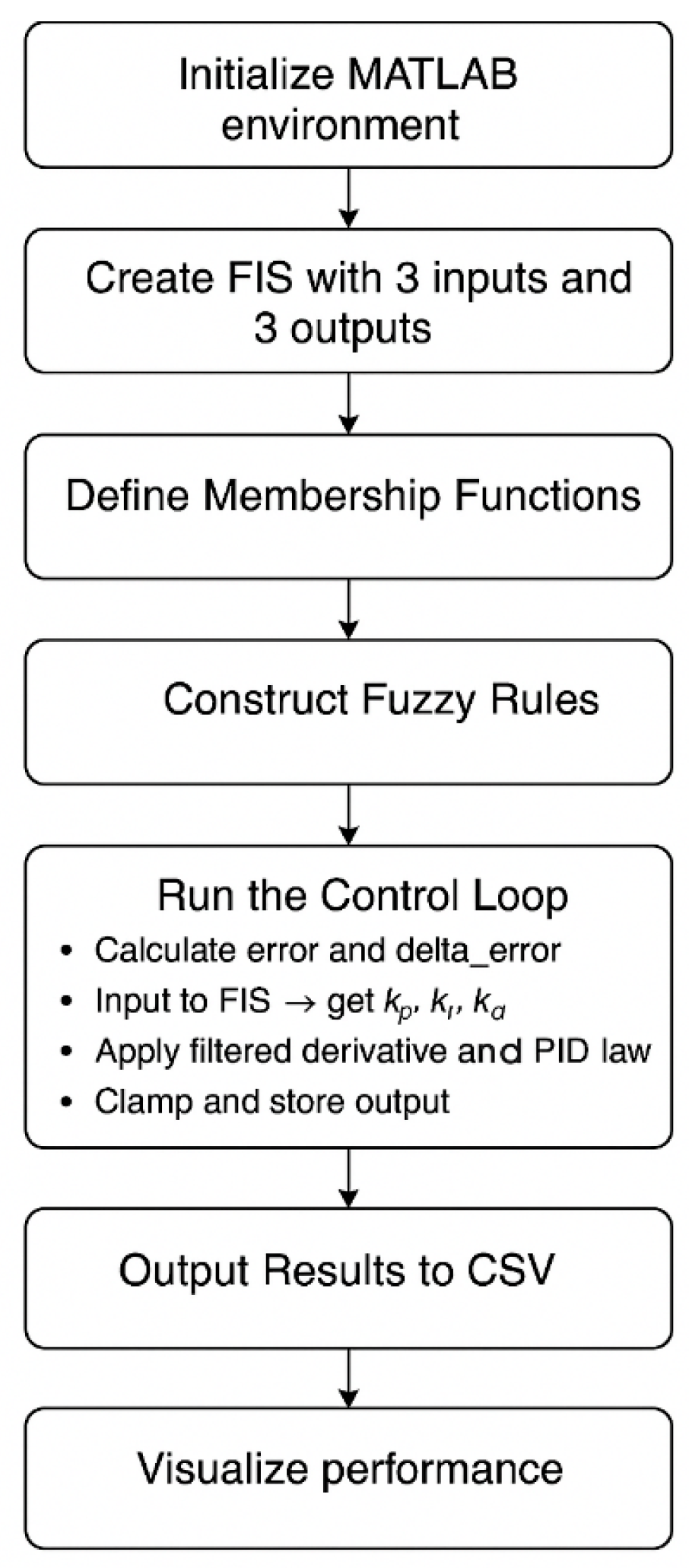
The Fuzzy PID controller design framework is summarized in a flowchart illustrated in Figure 9. The flowchart shows a sequential control loop beginning with the acquisition of the measured process temperature from the thermocouple, followed by the computation of the temperature error and its rate of change. These two signals, in addition to an energy-aware input, are passed to the Mamdani fuzzy inference block, which evaluates the fuzzy rule base and applies the centroid defuzzification method to determine the proportional (), integral (), and derivative () gain values. The dynamically scheduled gains are then fed into the discrete-time PID algorithm, which computes the control output, representing the percentage of heater power applied to the furnace. An anti-windup clamping mechanism is incorporated within the integral path to prevent actuator saturation during large setpoint changes or disturbance events. The resulting control output is saved and then applied to the Novel ANFIS Energy Model to complete the closed-loop cycle.
Figure 9.
The Fuzzy PID control design Framework.
This algorithm enables dynamic tuning of PID parameters based on real-time feedback and contextual efficiency of the control algorithm.
3.2. Hybrid Mamdani–ANFIS Control Design
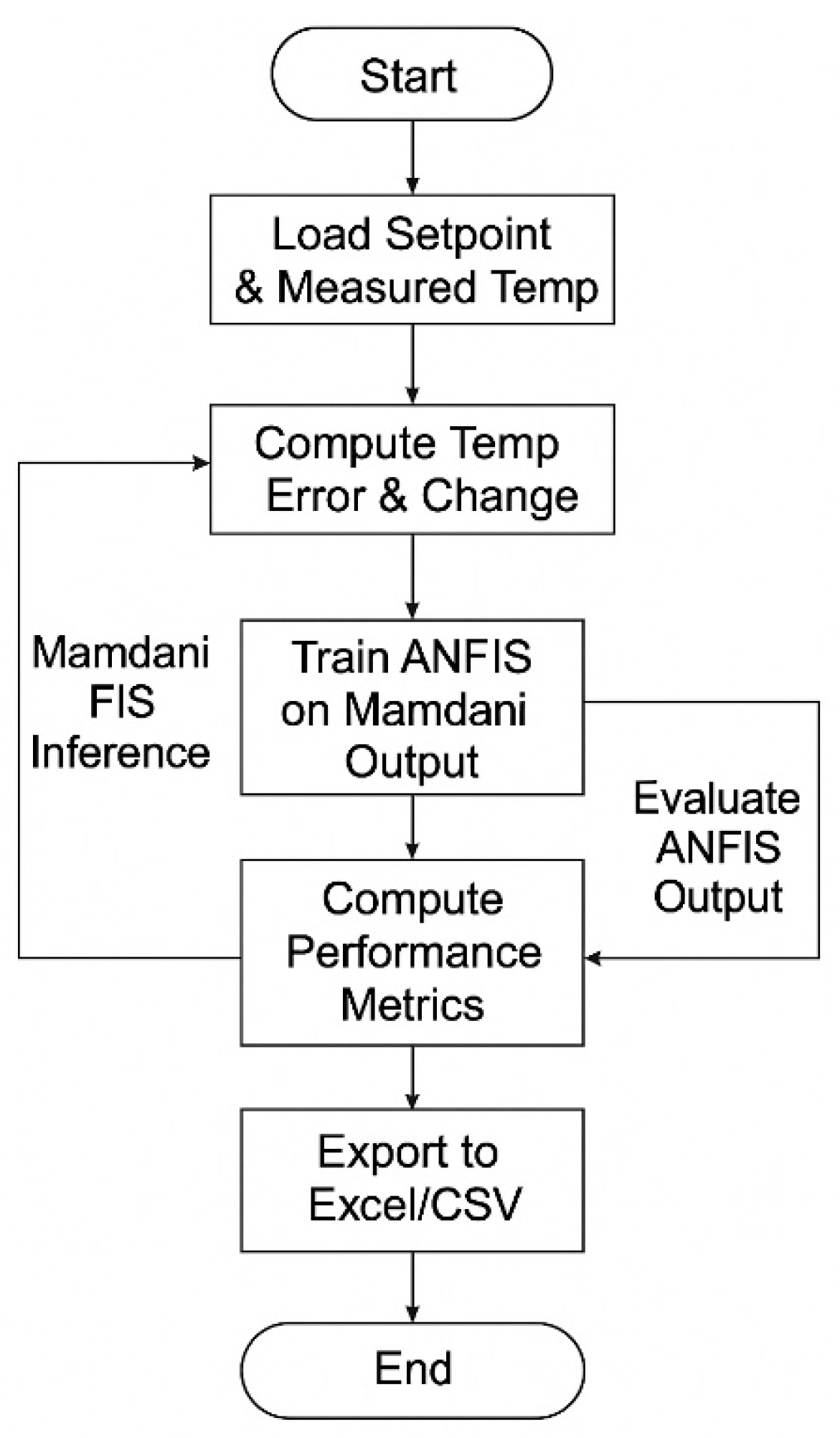
The Hybrid Mamdani–ANFIS controller design framework is summarized in Figure 10. As illustrated, the framework begins with the same input acquisition stage as the Fuzzy PID, reading the temperature error and the rate of change in error from the industrial furnace thermocouple. In the first phase, these inputs are passed to the Mamdani fuzzy inference system, which generates a rule-based control output using the expert-defined nine-rule base and centroid defuzzification. During the training phase, this Mamdani-generated input–output dataset is used to train the ANFIS model using a grid-partitioned Sugeno-type structure with five Gaussian membership functions per input and the hybrid least-squares backpropagation algorithm over 100 epochs. In the real-time deployment phase, the trained ANFIS model replaces the Mamdani FIS as the active controller, taking the temperature error and rate of change as inputs and producing the heater power output directly. The ANFIS controller output is then applied to the Novel ANFIS-based Energy Model to complete the closed-loop feedback.
Figure 10.
The Hybrid Mamdani–ANFIS control design Framework.
3.3. Real-Time Performance of the Novel Hybrid Mamdani–ANFIS Controller
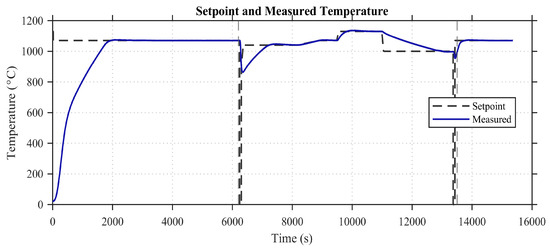
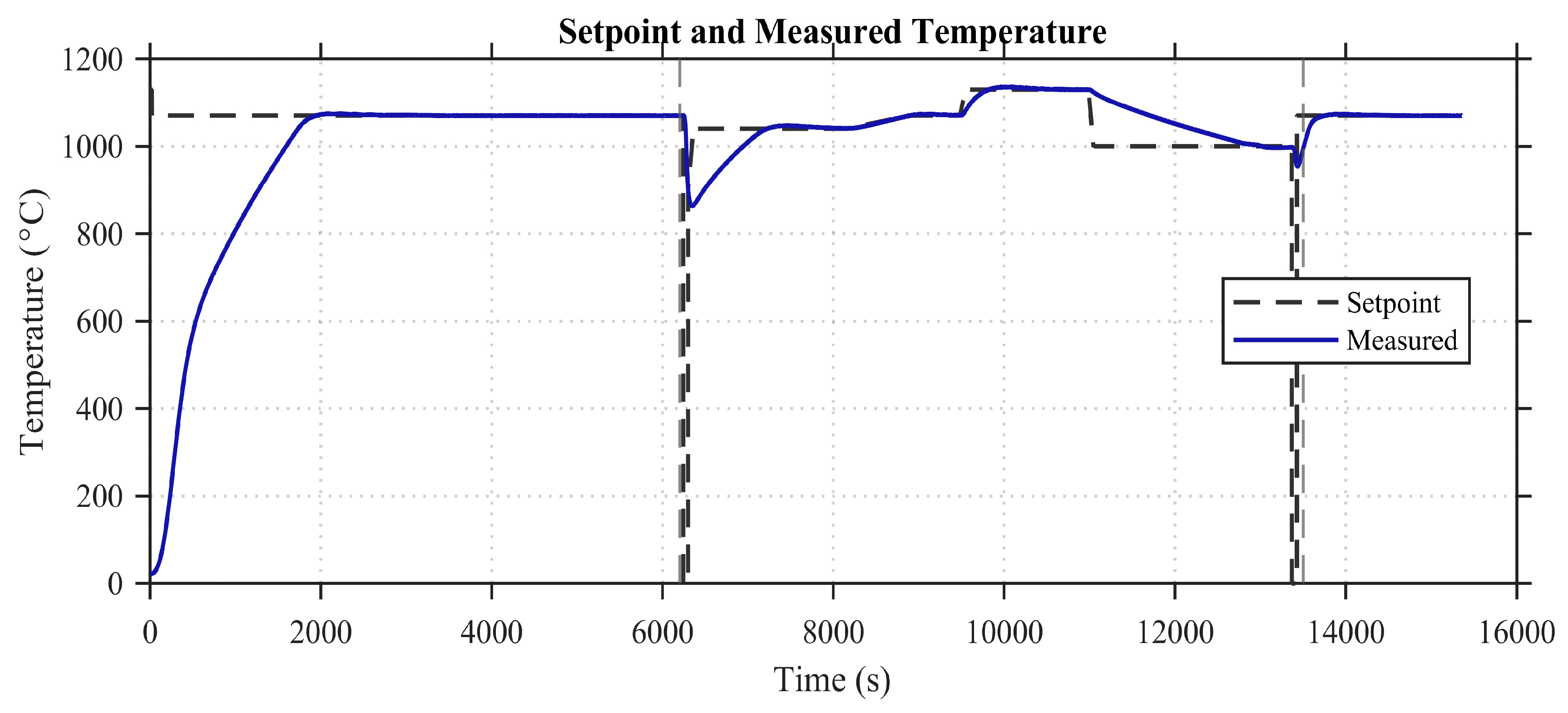
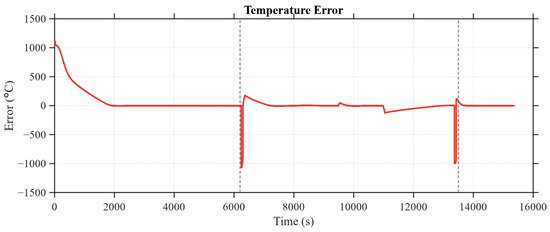
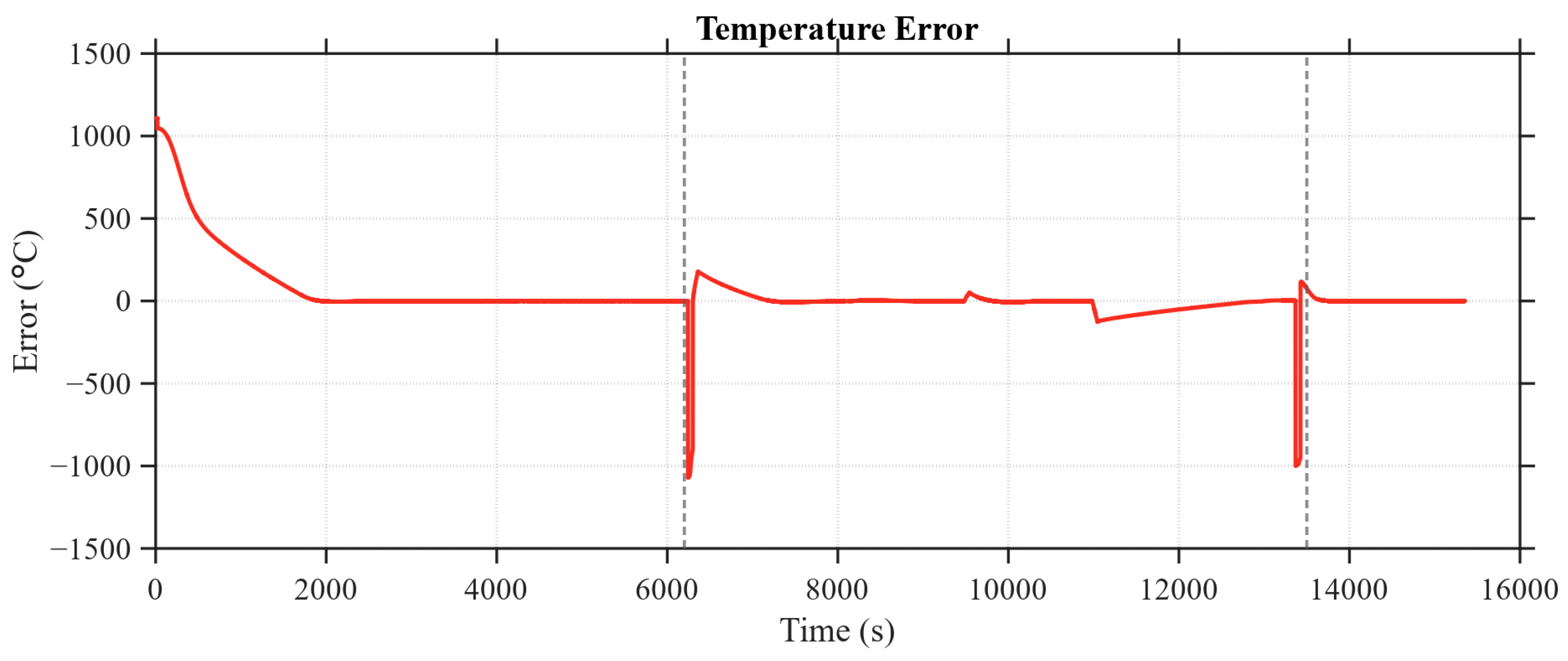
In this paper, to validate the performance of this novel controller, a controlled case of a real-time industrial furnace is presented by utilizing the datasets containing temperature reference values and their corresponding measured temperature values. The real-time validation dataset was collected from an industrial vacuum heating furnace via a thermocouple at a sampling interval of one second, spanning multiple distinct heating phases and operational conditions, including a heat-up phase, a steady-state phase, and two deliberate disturbance events introduced by opening the furnace door at t ≈ 6200 s and by applying a reference setpoint change at t ≈ 13,500 s. All three controllers were evaluated on this identical dataset to ensure a fair comparison. The controlled temperature was maintained within a deviation of ±5 °C (±9 °F), satisfying the homogeneity benchmark standard accepted within the industrial heating sector. Regarding the ANFIS training configuration: The Hybrid Mamdani–ANFIS controller was trained using a grid-partitioned Sugeno-type ANFIS with two inputs (temperature error (e) and change in error (Δe), five Gaussian membership functions per input (yielding 25 fuzzy rules), and the hybrid least-squares backpropagation algorithm over 100 training epochs as tabulated in Table 2. The training data consisted of 1500 input–output samples generated by the Mamdani FIS under representative furnace operating conditions; 70% of the samples were used for training and 30% for validation. Training root-mean-squared error converged to below 3.0467 normalized units by epoch 100. The goal of this test was to validate which of the data-driven controllers presented in this work is more energy-efficient and robust using the proposed ANFIS-based energy model. As depicted in Figure 11, the graph shows the temperature reference value and the measured thermocouple temperature. At t ≈ 6200 s and t ≈ 13,500 s, disturbances were introduced; the temperature error over this period is plotted in Figure 12 to illustrate the controller response across the different heating phases.
Table 2.
Hybrid Mamdani–ANFIS Tuning Parameters.
Figure 11.
Reference temperature setpoint and measured thermocouple temperature over the full real-time test period. The horizontal axis represents elapsed time (s), and the vertical axis represents temperature (°C). Two operational disturbances are visible: a furnace door opening at t ≈ 6200 s causing a brief temperature dip, and a reference setpoint change at t ≈ 13,500 s during a cooling phase transition.
Figure 12.
Temperature tracking error evolution across the full real-time test period for the Hybrid Mamdani–ANFIS controller. The horizontal axis represents elapsed time (s), and the vertical axis represents the temperature error e(t) in degrees Celsius (°C). Distinct heating phases are annotated: the initial heat-up phase (large positive error), the steady-state regulation phase (error within ±5 °C), and two disturbance events at t ≈ 6200 s and t ≈ 13,500 s, where brief error spikes are visible.
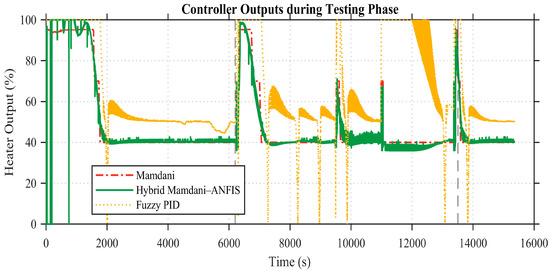
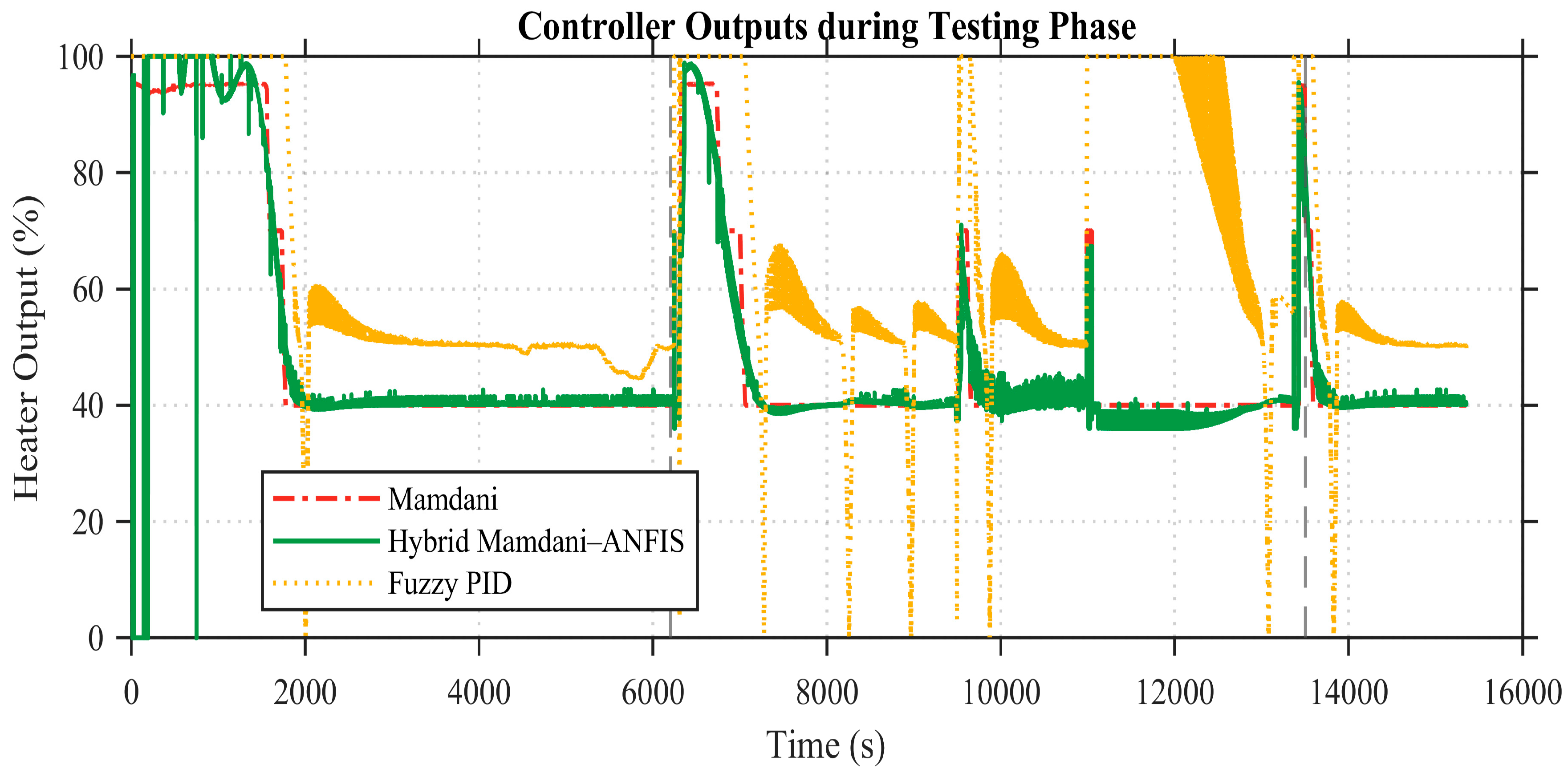
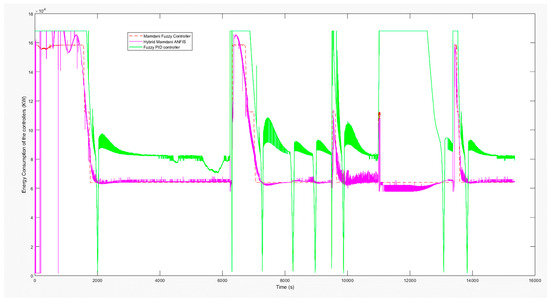
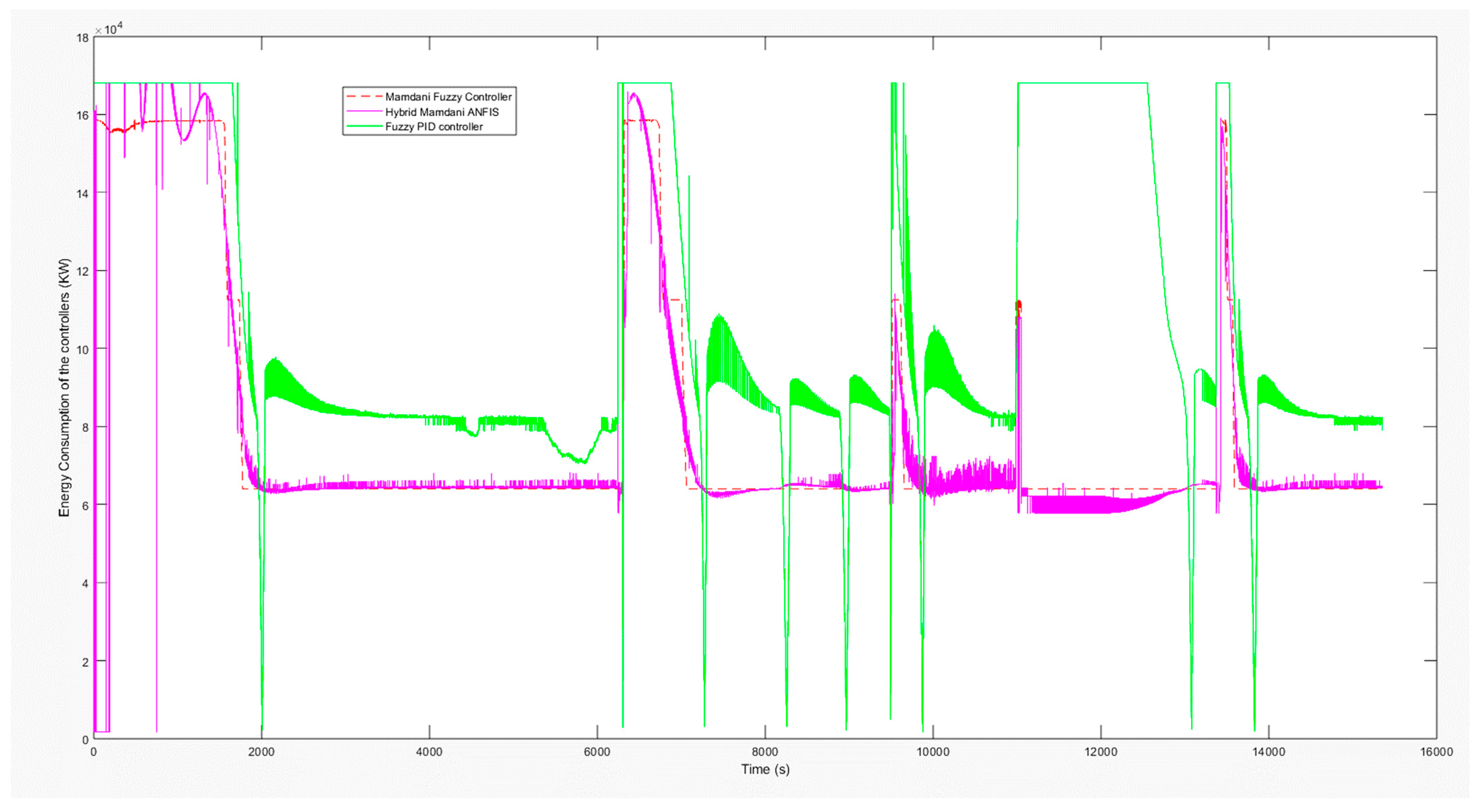
The control output from the Mamdani Fuzzy controller and the Hybrid Mamdani–ANFIS controller is plotted in Figure 13 alongside the Fuzzy PID for direct comparison. During the heat-up phase (0–4000 s), all three controllers command near-maximum heater power as expected, given the large initial temperature error. The critical differentiation occurs during the stabilization phase: The Hybrid Mamdani–ANFIS controller reduces its output to approximately 18–22% of maximum heater power to maintain the setpoint, compared to 28–34% for the Fuzzy PID and 25–30% for the standalone Mamdani controller. This lower and smoother controller’s output profile directly translates to reduced energy drawn from the heater elements, as depicted in Figure 14 and Figure 15. Following the disturbance events at t ≈ 6200 s and t ≈ 13,500 s, the Hybrid Mamdani–ANFIS controller returns to within the ±5 °C band in approximately 180 s, compared to approximately 240 s for the Fuzzy PID and 210 s for the Mamdani controller, demonstrating superior disturbance rejection speed. These quantitative improvements confirm that the ANFIS generalization capability, once initialized from the expert Mamdani rule base, produces a more refined control surface that reduces both energy consumption and settling time relative to the other two approaches. The final phase of this study involves evaluating each controller through the Novel ANFIS-based Energy Model using the recorded control output signals as model inputs.
Figure 13.
Heater power output (% of maximum) over the real-time test period for three controllers: Fuzzy Mamdani (dashed), Fuzzy PID (dotted), and Hybrid Mamdani–ANFIS (solid). The horizontal axis represents elapsed time (s), and the vertical axis represents heater output (%). The Hybrid Mamdani–ANFIS controller maintains a noticeably lower and smoother output profile during the stabilization phase, indicating superior energy management and reduced actuator activity compared to the other two strategies.
Figure 14.
Predicted energy consumption (kWh) over the real-time test period as estimated by the Novel ANFIS-based Energy Model for all three controllers. The horizontal axis represents elapsed time (s), and the vertical axis represents cumulative energy consumption (kWh).
Figure 15.
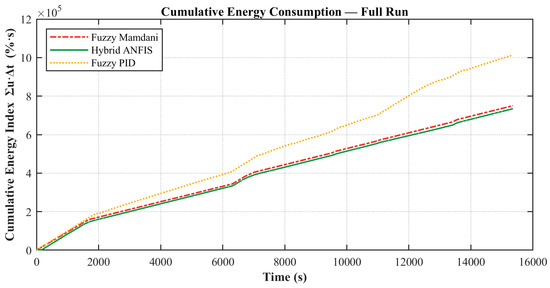
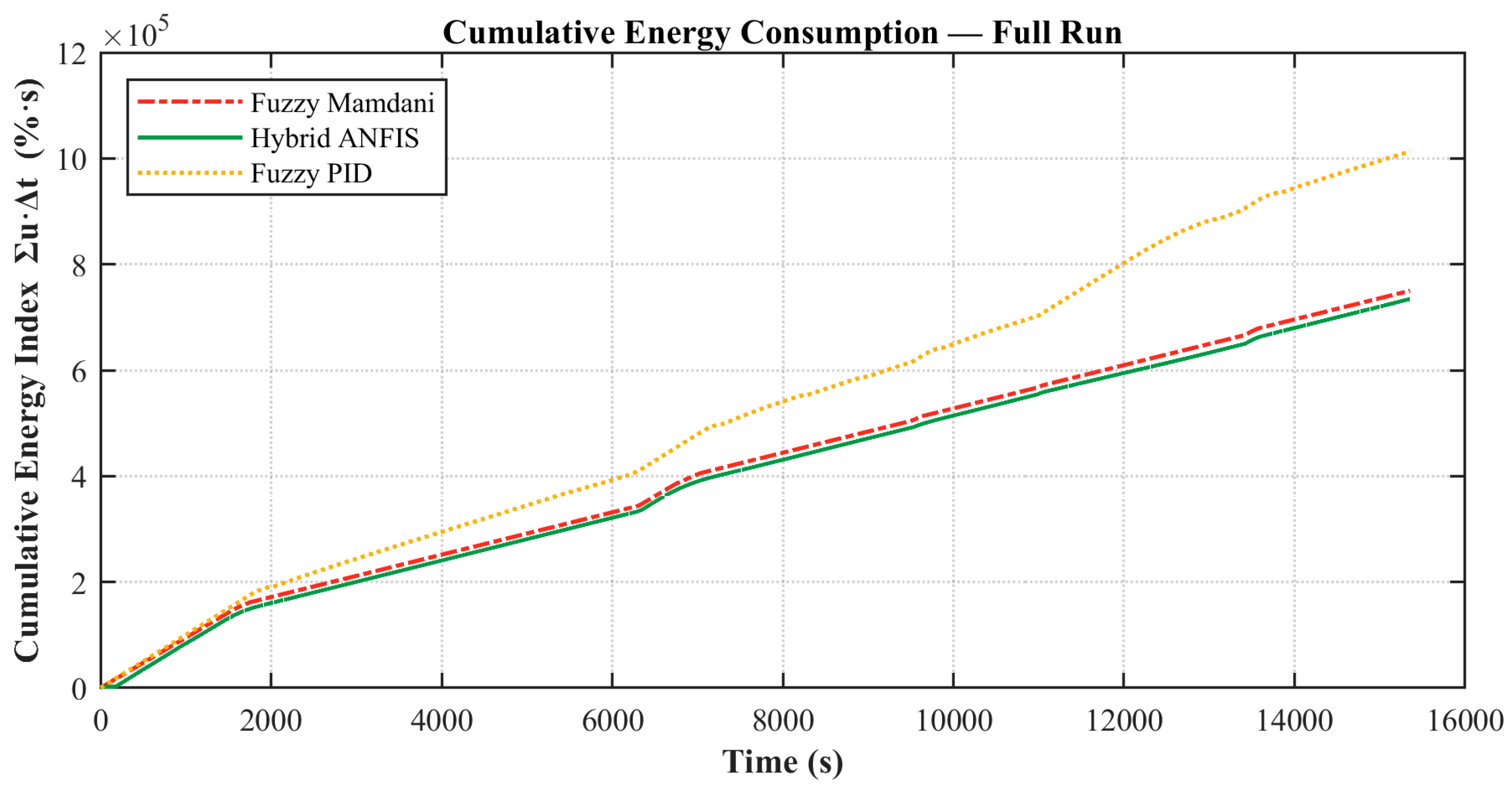
The cumulative energy consumption for all the controllers is depicted. The Hybrid Mamdani–ANFIS controller shows the lowest energy trajectory throughout the test, achieving approximately 30% energy savings relative to the Fuzzy PID controller and approximately 10% savings relative to the Fuzzy Mamdani controller.
The evaluation of the ANFIS-based energy model is illustrated in Figure 14 and Figure 15. Analysis of the curve indicates that the Hybrid Mamdani–ANFIS controller, which exhibits minimal control output throughout the test phases, is the most energy-efficient controller when compared to the Fuzzy PID and fuzzy controller, as tabulated in Table 3.
Table 3.
A Comparative analysis of the Controller's Performance metrics.
The novel Hybrid Mamdani–ANFIS controller indicated a 30% energy savings with a faster Disturbance response time compared to the Fuzzy PID from the results.
4. Conclusions
This paper offers a concise overview of the latest progress in data-driven control methods used for industrial heating furnaces and the use of algorithms to verify the techniques as stipulated in the results. The study focused on three primary strategies: fuzzy-PID controllers, neural network controllers employing model reference control, and Genetic Algorithm (GA) techniques for optimizing PID parameters. Although these data-driven methodologies have demonstrated good performance metrics compared to conventional control strategies, exhibiting enhanced response times, reduced computational complexity, and minimizing steady-state errors, it lacked the integration of energy efficiency considerations into the controller design process.
This paper presents a hybrid data-driven control framework for an industrial vacuum heating furnace, comprising a Fuzzy PID controller with rule-scheduled gains, a standalone Fuzzy Mamdani controller, and a novel Hybrid Mamdani–ANFIS controller. The proposed hybrid controller uses a nine-rule Mamdani fuzzy inference system to generate a structured training dataset from real furnace operating data, which is then used to train a Sugeno-type ANFIS model configured with five Gaussian membership functions per input, 25 fuzzy rules, and the hybrid least-squares backpropagation algorithm over 100 training epochs. A separate ANFIS-based energy prediction model was developed on the same operating data to provide a consistent, quantitative basis for comparing energy consumption across the three controller designs. Real-time validation on a 15,000 s industrial dataset demonstrates that the Hybrid Mamdani–ANFIS controller maintains temperature within ±5 °C, achieves approximately 30% energy savings relative to the Fuzzy PID controller and approximately 10% relative to the standalone Fuzzy Mamdani controller, and exhibits faster disturbance recovery (approximately 180 s versus 240 s for the Fuzzy PID). These results suggest that the proposed hybrid architecture, which leverages expert knowledge embedded in the Mamdani rule base as a supervised initialization mechanism for ANFIS learning, represents a viable and practically deployable approach to energy-aware temperature control in industrial furnace environments.
In addition, the robustness and stability characteristics of the control methods were evaluated in the presence of external disturbances in a real-time scenario of the vacuum furnace, addressing a critical gap in the current literature. Again, the novel Hybrid Mamdani–ANFIS controller was more robust among the controllers. Furthermore, the applicability of the Fuzzy PID discussed in the recent literature is evaluated and validated in this work on an industrial Vacuum furnace.
Future work will focus on extending the validation to multiple furnace types, incorporating online ANFIS adaptation to handle process drift, and conducting a formal statistical comparison against model-predictive control and reinforcement learning baselines using standardized industrial benchmark datasets.
Author Contributions
Conceptualization, D.N.D. and D.N.D.; methodology, D.N.D. and V.R.; software, D.N.D.; validation, D.N.D. and V.R.; formal analysis, D.N.D. and VR.; investigation, D.N.D.; resources, K.A.O.; data curation, D.N.D.; writing—original draft preparation, D.N.D.; writing—review and editing, D.N.D. and V.R.; visualization, D.N.D. and K.A.O.; supervision, K.A.O. and V.R.; project administration, K.A.O. and V.R.; funding acquisition, K.A.O. All authors have read and agreed to the published version of the manuscript.
Funding
This research was funded by Kingsley A. Ogudo, Department of Electrical & Electronic Engineering Technology, University of Johannesburg, Johannesburg, 2094, South Africa, VAT NO: 4900127681.
Data Availability Statement
The data presented in this study are available on request from the corresponding author due to European data privacy.
Conflicts of Interest
The authors declare no conflicts of interest.
Abbreviations
The following abbreviations are used in this manuscript:
| ANFIS | Adaptive Neuro-Fuzzy Inference System |
| GA | Genetic Algorithm |
| FLC | Fuzzy Logic Control |
| PID | Proportional, Integral and Derivative |
References
- Hou, Z.-S.; Xu, J.-X. On Data-driven Control Theory: The State of the Art and Perspective. Acta Autom. Sin. 2009, 35, 650–667. [Google Scholar] [CrossRef] [Scilit]
- Hussein, M.M.; Alkhalaf, S.; Mohamed, T.H.; Osheba, D.S.; Ahmed, M.; Hemeida, A.; Hassan, A.M. Modern Temperature Control of Electric Furnace in Industrial Applications Based on Modified Optimization Technique. Energies 2022, 15, 8474. [Google Scholar] [CrossRef] [Scilit]
- Ekinci, S.; Izci, D.; Gider, V.; Abualigah, L.; Bajaj, M.; Zaitsev, I. Efficient control strategy for electric furnace temperature regulation using quadratic interpolation optimization. Sci. Rep. 2025, 15, 154. [Google Scholar] [CrossRef] [Scilit]
- Tian, Y.; Wu, X. Research and simulation analysis of furnace temperature control strategy for heating furnace. South. Met. 2020, 20, 5–8. [Google Scholar]
- Ghiormez, L.; Panoiu, M.; Panoiu, C. Fuzzy Logic Controller for Power Control of an Electric Arc Furnace. Mathematics 2024, 12, 3445. [Google Scholar] [CrossRef] [Scilit]
- Naidoo, C.; Pillay, N.; Maharaj, S. A Data Driven Approach to Process Control Modelling Using Machine Learning. In Proceedings of the 2023 International Conference on Electrical, Computer and Energy Technologies (ICECET); Cape Town, South Africa, 16–17 November 2023, IEEE: New York, NY, USA, 2023; pp. 1–5. [Google Scholar] [CrossRef] [Scilit]
- Bisht, P.S.; Gopalakrishnan, B.; Dahal, R.; Li, H.; Liu, Z. Parametric Energy Efficiency Impact Analysis for Industrial Process Heating Furnaces Using the Manufacturing Energy Assessment Software for Utility Reduction. Processes 2024, 12, 737. [Google Scholar] [CrossRef] [Scilit]
- Georgiou, Y.; Richard, O.; Capit, N. Evaluations of the lightweight grid cigri upon the grid5000 platform. In Proceedings of the Third IEEE International Conference on e-Science and Grid Computing (e-Science 2007); Bangalore, India, 10–13 December 2007, IEEE: New York, NY, USA, 2007; pp. 279–286. [Google Scholar]
- Donkor, D.N. Controlling A Cluster of Computing Resources: The Model Free Control Approach France. Master’s Thesis, Université Grenoble Alpes, Grenoble, France, 2021. [Google Scholar]
- Elsrogy, W.M.; Fkirin, M.A.; Hassan, M.A.M. Speed control of DC motor using PID controller based on artificial intelligence techniques. In Proceedings of the 2013 International Conference on Control, Decision and Information Technologies (CoDIT); Hammamet, Tunisia, 6–8 May 2013, IEEE: New York, NY, USA, 2013. [Google Scholar] [CrossRef] [Scilit]
- Meena, D.C.; Devanshu, A. Genetic algorithm tuned PID controller for process control. In Proceedings of the 2017 International Conference on Inventive Systems and Control (ICISC); Coimbatore, India, 19–20 January 2017, IEEE: New York, NY, USA, 2017. [Google Scholar] [CrossRef] [Scilit]
- Meng, J.; Gao, H.; Ruan, M.; Guo, H.; Zhou, X.; Zhang, D. Design of vacuum annealing furnace temperature control system based on GA-Fuzzy-PID algorithm. PLoS ONE 2023, 18, e0293823. [Google Scholar] [CrossRef] [Scilit] [PubMed]
- Yang, J.; Feng, B. Intelligent Control System of Metal Surface Heat Treatment Based on Fuzzy PID Technology. In Proceedings of the 2023 IEEE International Conference on Control, Electronics and Computer Technology (ICCECT); Chennai, India, 28–30 April 2023, IEEE: New York, NY, USA, 2023; Volume 19, pp. 1354–1358. [Google Scholar] [CrossRef] [Scilit]
- Donkor, D.N.; Ogudo, K.A.; Rameshar, V. A Review on Data Driven Control Techniques Within Industrial Heating Furnaces. In Proceedings of the 2025 33rd Southern African Universities Power Engineering Conference (SAUPEC), Pretoria, South Africa, 29–30 January 2025; pp. 1–6. [Google Scholar] [CrossRef] [Scilit]
- Hornik, K.; Stinchcombe, M.; White, H. Multilayer feedforward networks are universal approximators. Neural Netw. 1989, 2, 359–366. [Google Scholar] [CrossRef] [Scilit]
- Nguyen, N.H.; Nguyen, D.V.; Tran, D.T. Neural Network based Temperature Predictor for Slabs in Continuous Reheating Furnaces. In Proceedings of the 9th Regional Conference on Electrical and Electronics Engineering, Hanoi, Vietnam, 17–18 November 2016. [Google Scholar]
- Nguyen, N.H.; Hagan, M. Stability analysis of layered digital dynamic networks using dissipativity theory. In Proceedings of the International Joint Conference on Neural Networks, San Jose, CA, USA, 31 July–5 August 2011. [Google Scholar]
- Khan, M.; Ahmad, I.; Ahsan, M.; Kano, M.; Caliskan, H. Prediction of optimum operating conditions of a furnace under uncertainty: An integrated framework of artificial neural network and genetic algorithm. Fuel 2022, 330, 125563. [Google Scholar] [CrossRef] [Scilit]
- Nguyen, N.H.; Tran, D.T. Neural Network based Model Reference Control for Electric Heating Furnace with Input Saturation. In Proceedings of the 2019 First International Symposium on Instrumentation, Control, Artificial Intelligence, and Robotics (ICA-SYMP); Bandung, Indonesia, 20–21 August 2019, IEEE: New York, NY, USA, 2019; Volume 68, pp. 111–114. [Google Scholar] [CrossRef] [Scilit]
- Yan, G.; Gong, X.; Bai, X.; Tang, Z. The Design of the Control Resistor Furnace Temperature System: Based on the Fuzzy PID Algorithm. J. Res. Sci. Eng. 2022, 4, 495–501. [Google Scholar] [CrossRef] [Scilit] [PubMed]
- Dequan, S.; Guili, G.; Zhiwei, G.; Peng, X. Application of Expert Fuzzy PID Method for Temperature Control of Heating Furnace. Procedia Eng. 2012, 29, 257–261. [Google Scholar] [CrossRef] [Scilit]
- Huang, J.; Huang, F.; Liang, J.; Chen, J.; Li, P. Fuzzy adaptive PID algorithm in temperature control system of lead patenting furnace. Adv. Civ. Eng. 2024, 2024, 4519537. [Google Scholar] [CrossRef] [Scilit]
- Driankov, D.; Hellendoorn, H.; Reinfrank, M. An Introduction to Fuzzy Control; Springer: Berlin/Heidelberg, Germany, 1996. [Google Scholar]
- Li, Y.; Gatland, H.B. Conventional fuzzy control and its enhancement. IEEE Trans. Syst. Man Cybern. 1996, 26, 791–797. [Google Scholar]
- Mamdani, E.H. Application of Fuzzy Algorithms for Control of Simple Dynamic Plant. Proc. Inst. Electr. Eng. 1974, 121, 1585–1588. [Google Scholar] [CrossRef] [Scilit]
- Zhang, S. Research on the Application of PID Control Algorithm and Fuzzy Control Theory in the Field of Temperature Control. Appl. Comput. Eng. 2025, 117, 16–22. [Google Scholar] [CrossRef] [Scilit]
- Vacuum Carburizing Furnace—ICBP® Flex—ECM Technologies. Available online: https://www.ecm-furnaces.com/icbp-furnaces/flex/#1512740986125-595d211d-8b105270-feec4c8f-3aab3c56-df82 (accessed on 20 August 2025).
- Gani, M.M.; Islam, M.S.; Ullah, M.A. Optimal PID tuning for controlling the temperature of electric furnace by genetic algorithm. SN Appl. Sci. 2019, 1, 880. [Google Scholar] [CrossRef] [Scilit]
- Wang, L.X. A Course in Fuzzy Systems and Control; Prentice Hall: Upper Saddle River, NJ, USA, 1997. [Google Scholar]

Disclaimer/Publisher’s Note: The statements, opinions and data contained in all publications are solely those of the individual author(s) and contributor(s) and not of MDPI and/or the editor(s). MDPI and/or the editor(s) disclaim responsibility for any injury to people or property resulting from any ideas, methods, instructions or products referred to in the content. |
© 2026 by the authors. Licensee MDPI, Basel, Switzerland. This article is an open access article distributed under the terms and conditions of the Creative Commons Attribution (CC BY) license.