


Abstract
Our primary focus in this study is on the potential benefits to military communications from integrating Non-Terrestrial Networks (NTN) into the existing 5G terrestrial network architecture. Despite current 3rd Generation Partnership Project (3GPP) standardization efforts, considerable impediments exist to the full adoption and adaptation of 5G Low Earth Orbit (LEO) satellite integration to satisfy the special demands and requirements of military communication. Military communications, unlike civilian networks, require architecture that can withstand complex and changing environments. This paper provides a complete review of the requirements for military communications. The requirements are based on actual military application scenarios, as well as standards developed by organizations such as the North Atlantic Treaty Organization (NATO), the United States (U.S.) Department of Defense (DoD), the European Defense Agency (EDA) and the China Central Military Commission (CMC). Furthermore, in this work, we propose a novel 5G-LEO NTN backhaul architecture that utilizes multi-link LEO aggregation and Virtual Private Network (VPN) tunneling. The proposed architecture is evaluated in a defense-oriented scenario, focusing on security, resilience and high-throughput communication.
1. Introduction
The ongoing development of 5G technology has greatly improved the efficiency of digital communication in terms of higher data rates, low latency and reliability. As a result, Quality of Service (QoS) and Quality of Experience (QoE) for end users in the industrial, residential and Internet of Things (IoT) domains have significantly improved. However, as terrestrial networks (TNs) rely on the geographical characteristics of land-based communication infrastructure, they are limited in terms of scalability and geographical coverage [1,2]. To overcome these constraints, it is critical to integrate TNs and Non-Terrestrial Networks (NTNs). By leveraging satellite systems, this hybrid approach can extend coverage and support the vision of global connectivity envisioned for 2030 standards [3].
Low Earth Orbit (LEO) satellite networks are particularly appealing for 5G-Advanced (5GA) integration because they offer low latency and support high-rate data transmission [4,5,6]. Compared to satellites in higher orbits, LEO systems offer reduced end-to-end (E2E) latency and higher throughput. Combined with the inherent resilience of dense constellations, these characteristics make LEO particularly well suited for backhaul applications [7,8,9,10]. Thus, LEO-based backhaul serves as a critical enabler for extending 5G services to underserved areas, including remote regions, maritime and coastal zones, and airspace [11], while enabling new applications such as maritime communications, disaster response and national security operations [12,13]. In modern defense contexts, communication systems must reliably support emerging battlefield operations [14]. Mobile Ad hoc NETworks (MANETs) and tactical edge networks are two examples of military networking solutions that have problems with scalability, spectrum congestion and being vulnerable to electronic warfare (EW). These limits make it difficult to share information quickly, which is important for adequate situational awareness and command and control (C2). Multi-orbit architectures with 5G–LEO backhaul are a promising way to make networks more resistant to jamming and cyberattacks while also allowing AI-based control mechanisms to make networks more flexible. Although the 3rd Generation Partnership Project (3GPP) is standardizing the integration of 5G and LEO, several challenges remain. These architectural hurdles must be resolved before the technology can be effectively tailored to meet the unique needs of military communications [15,16].
1.1. Current Research Landscape
Despite 5G-LEO integration having garnered significant academic interest, the majority of the research emphasizes commercial and civilian applications, leaving defense-specific requirements and tactical operations largely unexamined [17]. Modern studies mostly focus on requirements and supporting technologies of 5G, spanning from the physical layer to applications and microservices, hence causing a significant gap in the examination of vertical deployment within the military operations and defense systems [18,19]. Currently, there is a limited amount of research, especially addressing the practical integration of 5G-LEO satellite backhaul in tactical military applications. Even with evolving demands imposed by modern warfare, as reported by organizations such as the United States (U.S.) Department of Defense (DoD), North Atlantic Treaty Organization (NATO), European Defense Agency (EDA), and the China Central Military Commission (CMC), this domain remains inadequately represented in peer-reviewed literature concerning empirical performance characterization [20]. Exploring the integration of 5G and LEO technologies for military applications is a pertinent approach for addressing major shortcomings for the scientific community and international defense [17].
Existing academic and defense research sources identify these communication issues by investigating the digital transformation of the front line, encompassing military 5G, battlefield IoT integration, and the broader principles of Defense 4.0. Recent studies have developed inclusive threat modeling frameworks, Unmanned Aerial Vehicle (UAV)-specific EW countermeasures, and assessments of space EW, mostly in alignment with European Union (EU) military readiness plans; nonetheless, they typically focus on regional or conceptual frameworks [20,21,22,23,24]. Consequently, there exists a significant lack of research assessing the integration of these aspects with practical, experimental 5G-LEO backhaul configurations for tactical applications. In this context, the aforementioned top authoritative defense entities have defined modern battlefield key performance indicators (KPIs) to help establish a new technological landscape for the joint utilization of NTNs and 5G technologies. However, the recent peer-reviewed scientific studies and experiments lack a complete alignment with these KPIs toward empirically verified defense scenarios [25,26]. It is evident that this study bridges the need by presenting a thorough evaluation of a 5G-LEO backhaul testbed, showcasing network performance indicators for actual tactical defense applications.
1.2. Contributions
This paper addresses the gap in research on 5G-LEO satellite backhaul for defense operations by analyzing its advantages over conventional military communication networks, reviewing current battlefield KPIs, identifying challenges, and exploring opportunities. The findings aim to guide researchers, technology developers, and stakeholders of the defense industry. The key contributions are the following:
- Review of modern defense 5G-LEO backhaul KPIs: A thorough analysis of battlefield KPIs including throughput, latency, reliability, situational awareness, security, and network performance is conducted, in accordance with international defense standards.
- Experimental validation of secure link-aggregated 5G-LEO backhaul: A realistic assessment of a multi-satellite link aggregation approach for secure and resilient 5G-LEO communications is conducted, demonstrating enhanced traffic capacity and reliable connectivity through encrypted tunnels integrating 5G infrastructure, LEO satellites, and aggregated links.
1.3. Structure
The remainder of this research work is organized as follows: Section 2 outlines the technical architecture of 5G-LEO backhauling, detailing its core advantages, limitations, and military applications. Section 3 introduces modern operational warfare scenarios and delineates their unique defense-oriented requirements. Building on these scenarios, Section 4 establishes the defense-specific technological requirements and the structured framework for backhaul KPIs. Section 5 presents the deployed experimental infrastructure, evaluating a physical 5G Standalone (SA) and Starlink LEO testbed optimized for secure, high-throughput tactical operations. Section 6 discusses open challenges and technical barriers in establishing 5G-LEO backhauls for military applications, highlighting the need for further research and international cooperation. Finally, Section 7 concludes this paper with a summary of our primary findings and future research directions.
2. 5G-LEO Backhaul Architectural Framework
A framework that enables the effective operation of 5G satellite backhaul is essential, as it must interface with TNs to improve performance. This section compares the designs and performance assessment methods of Geostationary Earth Orbit (GEO) and LEO systems. The technology’s acknowledged limitations, such as MANET’s susceptibility to EW, high GEO latency and inadequate terrestrial coverage, are addressed by 5G TNs with LEO satellites to support military communications [27]. The framework combines edge computing with space-based backhaul, enabling low-latency, high-resilience capabilities critical for urban combat and hypersonic missile defense. Table 1 summarizes the terrestrial, orbital, and security landscape, highlighting the latest technological upgrades.
Table 1.
Summary of 5G–LEO Backhaul Capabilities Across Architectural Layers.
2.1. Terrestrial Layer
3GPP Release-17 (mid-2022) fully supports NTNs and defines two satellite payload modes: transparent (bent-pipe), where satellites relay Radio Frequency (RF) signals with all Next Generation NodeB (gNB) processing on the ground and regenerative (non-transparent), where satellites host part or all gNB functions, reducing latency and enabling onboard routing/Inter-Satellite Link (ISL) [28]. Furthermore, Release-17 adjusts timing advance and random-access timers and increases Hybrid Automatic Repeat Request (HARQ) processes (up to 32) to support NTN mobility and long Round-Trip Times (RTTs) (∼50 ms in transparent LEO). Releases 18/19 further enhance regenerative payloads with improved blind search, handovers, orbital mobility and Store-and-Forward (S&F) core functions, increasing resilience to feeder link failures [29].
Commercial operators such as Starlink and OneWeb provide transparent LEO connectivity via Ka/Ku band links, while advanced trials incorporate regenerative NTN concepts that provide direct 5G New Radio (5G NR) access via standard smartphones over T-Mobile bands. Starlink backhaul shows mean RTT ∼43 ms, rising to ∼65 ms when combined with terrestrial 5G, making it suitable for backhaul applications [30,31]. Simulations demonstrate that Downlink (DL) capacity can reach 7 Gbps per satellite (Ka-band, 400 MHz) and area capacity ranges from 14 to 120 kbps/km2, depending on latitude and beam load [32]. The DL performance at the user level can reach 150–400 Mbps, ∼20 Mbps Uplink (UL) and median latency below ∼30 ms, with p99 worst-case ∼65 ms after 2024 optimizations [33,34].
In real-time sensor fusion and tactical video, jitter and packet loss induced by variations in packet latency are critical. LEO networks reduce jitter by utilizing shorter links, rapid switching between satellites and a Kalman-filter-based trajectory estimation to predict handoff. Edge caching at gateways further stabilizes UL/DL latency [8]. Packet loss must remain <0.1% for mission-critical links as forward-error correction, random linear network coding and dual-satellite diversity mitigate losses while maintaining Line of Sight (LOS) continuity [35].
2.2. Orbital Layer
Under 3GPP Release-17/18, LEO-based NTNs operate in transparent or regenerative payload modes. Transparent satellites relay signals directly, requiring simultaneous user–gateway visibility, while regenerative satellites embed gNB functions onboard, allowing local processing, inter-satellite handovers and mesh routing for continuous User Equipment (UE) connectivity [36]. In addition, Release-19 introduces 5G Core (5GC) elements onboard, dual connectivity stacks and conditional handovers, enabling S&F for IoT UEs and improving autonomous operation and handover robustness in dynamic LEO topologies [35].
LEO satellites typically operate in the Ku-band (12–18 GHz) and Ka-band (26.5–40 GHz), supporting high-throughput beams. At altitudes of 500–1200 km, they offer much lower propagation delays than GEO systems [37]. Starlink v1.5 tests show one-way delays of 28.4 ± 3.2 ms and two-way RTTs of 65–75 ms in live backhaul, comparable to long-haul fiber [38,39]. The path loss reduction due to lower altitude compared to GEO can be quantified as:
where km (geostationary altitude), km (Starlink altitude) and is the path-loss reduction. Therefore, LEO-based NTNs, which offer lower latency and greater flexibility, are increasingly being adopted in the commercial and defense sectors [40].
In terms of satellite latency, it encompasses delays associated with protocol, processing and propagation. The round-trip delays of GEO satellites at 35,786 km are approximately 600 ms, while LEO satellites at 500–1500 km produce delays of 30–50 ms. Processing delays depend on the gateway and onboard services. Edge computing and Field Programmable Gate Array (FPGA)-based processing can reduce them to sub-millisecond levels. Latency is further compounded by protocol overheads, including Advanced Encryption Standard (AES)-256 encryption, Transmission Control Protocol (TCP)/Internet Protocol (IP) handshakes and retransmissions. Transport-layer optimization techniques, such as Quick User Datagram Protocol (UDP) Internet Connection (QUIC) adaptation, can be employed to mitigate this overhead. To ensure positional accuracy in mission-critical operations, such as hypersonic targets or UAV swarms, the latency should be less than 100 ms [41,42,43]. This requirement underscores the significance of the LEO concept, as positional errors exceeding 85 m can be generated in Mach 5+ targets with a mere 50 ms of latency.
The spectral efficiency and throughput performance of hybrid 5G satellite-TNs depend upon bandwidth, modulation schemes and spatial reuse. The Ka/V-bands of LEO systems are utilized at 1–2 GHz, in contrast to the restricted spectrum of GEO. Moreover, the link capacity is dynamically optimized by employing adaptive 256-Quadrature Amplitude Modulation (QAM) with Low-Density Parity-Check (LDPC) coding [36]. Narrow LEO beams (100–500 km) facilitate high-frequency reuse, increasing capacity by up to eightfold compared to GEO. Also, free-space loss is reduced by shorter propagation distances (e.g., 178 dB at 1000 km LEO versus 206 dB at GEO), which enables a higher throughput while requiring less power [29,44].
LEO constellations are also more resilient and reliable than GEO constellations due to their effective use of dynamic routing, overlapping beams and extensive satellite coverage. GEO availability is typically 99%, whereas LEO can surpass 99% with multipath ISL routing [27]. Onboard switching enables autonomous rerouting during failures, thereby reducing outage recovery time from minutes (GEO) to seconds (LEO) [45]. In contrast to GEO’s wide-beam static routing, LEO effectively mitigates EW attacks by employing adaptive routing and narrow beams [13]. Furthermore, seamless failover between terrestrial and space networks is enabled through integration with 5G NR Release 17/18 [38].
In terms of architectural flexibility and control, the 5G-LEO backhaul utilizes Software-defined Networking (SDN) and ISL-enabled meshes to facilitate dynamic defense operations by enabling programmable routing, load balancing and QoS [46,47]. ISLs enhance throughput and path diversity by decreasing terrestrial dependence; for instance, Starlink optical cross-links provide ∼5 Gbps per link [48]. Based on edge processing and dynamic resource slicing, LEO-SDN-ISL architectures are appropriate for tactical deployments and scalable, low-latency and high-throughput Command, Control, Communications, Computers, Intelligence, Surveillance and Reconnaissance (C4ISR) deployments [49].
By mid-2025, the Starlink constellation reached ∼7900 satellites [50]. OneWeb completed its ∼648-satellite LEO network and Amazon Kuiper began phase deployment. Recent industry collaborations between Starlink, T-Mobile and MediaTek highlight the viability of Direct-to-Cell (D2C) integration. This advancement represents a major step toward 5G-enabled NTN UEs that eliminate the need for dedicated satellite modems [51].
2.3. Security Layer
The NTN provisions in 3GPP incorporate standard 5G security mechanisms, such as mutual authentication, integrity protection and confidentiality through ciphering. These mechanisms have been significantly expanded to address the unique challenges of NTN, such as multiple trust domains, satellite mobility and handovers across terrestrial-satellite boundaries [52]. Moreover, the security requirements differ depending on the type of payload. Transparent payloads rely primarily on ground-based trust anchors, whereas regenerative payloads require onboard secure enclaves to manage trust and perform secure operations across ISLs. 5G Release-19 attempts to tackle trust challenges related to satellite handover and the security of S&F mechanisms [4,9].
These technological advancements have practical benefits that affect both commercial and military operations. Starlink uses native end-to-end encryption and beamforming, as well as narrow terminal footprints, to reduce the likelihood of jamming. According to independent reports, the median latency is around 30 ms, with a worst-case latency of about 65 ms. Although jamming mitigation strategies are generally effective, bad weather can cause temporary service outages [53,54].
3. Operational Warfare Scenarios
This section outlines seven critical use cases in which 5G-LEO backhaul surpasses traditional mesh networks or GEO satellite systems, thus satisfying the communication needs of modern defense operations. Legacy architectures’ inability to satisfy critical performance requirements, such as resilience, global reach, ultra-low latency, high throughput and comprehensive EW security, is demonstrated by each use case. The 5G-LEO backhaul could be essential in a variety of scenarios, such as marine operations, disaster response, UAV C2, IoT on the battlefield, communications in contested areas and ground forces enabled with Augmented Reality (AR). Figure 1 illustrates the underlying scenarios and use-case categories.
Figure 1.
5G-LEO-enabled Warfare Scenarios.
3.1. Maritime and Naval Operations
Naval forces operating in broad maritime regions require secure and resilient communication. The 5G-LEO satellite backhaul facilitates the establishment of globally accessible, high-bandwidth and low-latency connections between naval platforms and C2 centers on land. This capability facilitates real-time fleet coordination, rapid intelligence dissemination and distributed maritime operations, thereby enhancing tactical and strategic decision-making. Secure communication channels that are suitable for contested maritime environments are established by the security mechanisms that are inherent to 5G and the worldwide coverage of LEO constellations. These relationships are particularly important for Unmanned Surface Vessels (USVs), which are increasingly engaged in surveillance, reconnaissance and patrol missions. Consequently, 5G–LEO backhaul enables real-time transmission of control signals, video streams and sensor data between command elements and USVs, supporting autonomous and remote operations [55,56].
Furthermore, 5G–LEO backhaul supports the integration of data from maritime sensors, including radar, sonar and Automatic Identification Systems (AIS) across ships, aircraft and unmanned platforms, thus generating a unified and current operational picture. This capability strengthens maritime domain awareness, response coordination and threat detection [55]. In this context, operational studies serve as an illustration of this principle. A 2022 study conducted by the Naval Postgraduate School has shown that real-time USV command and Intelligence, Surveillance and Reconnaissance (ISR) data can be transmitted over mobile maritime networks with a sustained sub-50 ms round-trip latency, utilizing integrated 5G and LEO links [57]. TransNav trials demonstrated that link availability exceeded 99.9% under dynamic routing conditions, with throughput reaching 400 Mbps per naval platform [58]. The NATO Maritime Unmanned Systems (MUS) Initiative, which promotes the coordination of surface vessels, UAVs and NATO’s Digital Ocean Framework through LEO, further reinforces this approach [59,60].
3.2. Remote Deployments and Forward Operating Bases
It is not uncommon for Forward Operating Bases (FOBs) and remote military deployments to operate with minimal or no terrestrial communication infrastructure. The 5G–LEO backhaul enables rapid deployment of high-bandwidth connectivity to these locations, supporting critical functions such as logistics coordination, personnel welfare and C2. This capability enables the rapid dissemination of orders, the synchronization of operations and the provision of real-time situational reporting in isolated environments [61]. Furthermore, logistics sustainment presents a significant challenge for FOBs. Real-time monitoring of supplies, coordination of transport assets and continuous communication between supply depots and deployed units are all facilitated by the 5G–LEO backhaul, which improves the visibility and responsiveness of the supply chain [37]. Simultaneously, the architecture facilitates rapid transmission of intelligence from remote sensors, UAVs, and reconnaissance platforms to analysis centers, thereby shortening decision cycles and enhancing threat response.
These capabilities align with the operational outcomes of recent defense drills. FOBs in the INDOPACOM area of responsibility utilized LEO terminals to maintain a DL speed of 85–120 Mbps under contested RF conditions during the U.S. DoD Joint All-Domain Command and Control (JADC2) trials [62]. The 2023 U.S. Army Project Convergence exercises showcased the integration of peripheral Artificial Intelligence (AI) logistics nodes with low-latency LEO connectivity, which supported up to 50 encrypted data streams per FOB [63]. In a comparable direction, NATO’s Federated Mission Networking (FMN) Baseline 2022 incorporates LEO-enabled ground segments to guarantee interoperable coalition communications with sub-100 ms C2 responsiveness [64].
3.3. Humanitarian Assistance and Disaster Response
Natural disasters and humanitarian crises frequently disrupt terrestrial communication networks, complicating coordination and relief efforts. The 5G–LEO backhaul is a communication infrastructure that can be promptly deployed and can restore connectivity in affected areas within hours. Deployable 5G–LEO terminals facilitate the coordination of search-and-rescue operations, logistics and medical support among government agencies, relief organizations, and first responders. In addition, the architecture enhances the efficacy of relief operations by enabling interoperable communication among national authorities, international partners and Non-Governmental Organizations (NGOs) [38]. Moreover, 5G–LEO links can offer affected populations access to emergency services, situational updates and family communications during infrastructure disruptions [65].
Operational deployments since the early 2020s demonstrate the maturity of this approach. The Federal Emergency Management Agency (FEMA) deployed more than 400 Starlink terminals during Hurricanes Ian and Ida to restore connectivity for hospitals and emergency coordination centers within hours. The EU Civil Protection Mechanism has integrated LEO terminals into RescEU mobile emergency networks, enabling uplink rates of up to 100 Mbps for drones and IoT sensors during wildfires and flood response [66,67]. Japan’s Ministry of Defense has similarly tested 5G–LEO disaster-response networks for Nankai Trough earthquake scenarios, achieving approximately 30 ms latency over Ka-band links [68].
3.4. UAV Command and Control
ISR and target acquisition are all significantly influenced by unmanned aerial vehicles. The 5G–LEO backhaul allows for Beyond Line-of-Sight (BLOS) UAV operations, which extends the mission range beyond the coverage of terrestrial networks. This capability is indispensable for deep-area surveillance and long-endurance ISR missions. The architecture facilitates the real-time transmission of high-resolution video, sensor data and telemetry from UAVs to ground control stations, thereby facilitating the expeditious exploitation of intelligence and the making of informed decisions [46]. Furthermore, coordinated multi-UAV operations, such as cooperative mission execution and swarm-based ISR, are supported by 5G–LEO networks.
This integration has been underscored by recent military initiatives. During Exercise Steadfast Defender 2023, NATO Allied Command Transformation (ACT) assessed LEO-enabled UAV control, attaining a round-trip latency of 25–35 ms for ISR data transmission over distances exceeding 1000 km [69]. Starlink-based BLOS control of Group 3 UAVs was demonstrated by the U.S. Air Force’s Advanced Battle Management System (ABMS) in a demonstration that included encrypted telemetry and sustained 4K video streams in excess of 50 Mbps. Comparable LEO-enabled UAV swarm operations are reported by Chinese sources, which leverage BeiDou-linked constellations to facilitate coordinated control of up to 100 UAVs [70,71].
3.5. Battlefield IoT Enabled by AI
By incorporating sensors, autonomous platforms and edge computing nodes, AI-enabled battlefield IoT systems improve situational awareness, automation and operational tempo. The 5G–LEO backhaul offers the reliable connectivity, high-capacity and low-latency necessary to facilitate continuous data exchange and distributed AI inference across extensive operational areas [65]. This connectivity allows real-time sensor fusion, automated threat detection and closed-loop control for semi-autonomous and autonomous systems. By leveraging 5G network slicing and LEO global coverage, battlefield IoT deployments can maintain prioritized and secure communication channels, even in communications-denied or degraded environments [2].
It is evident that defense frameworks reflect these requirements. In order to facilitate real-time autonomy and coordinated multi-domain responses, the U.S. DoD Joint All-Domain Operations (JADO) concept aims to achieve throughput exceeding 1 Gbps per tactical node and latencies below 20 ms [72,73]. The NATO Smart Defense Initiative prioritizes coalition interoperability, necessitating secure multi-domain data exchange with 99% availability and dynamic bandwidth allocation. The EDA also emphasizes the necessity of continuous anomaly detection and quantum-resistant encryption in AI-driven battlefield IoT systems enabled by 5G–LEO networks [74,75].
3.6. Contested and EW Environments
In contested electromagnetic environments, military operations require communication systems resilient to cyberattacks, spoofing and interference. Multi-orbit diversity, adaptive beamforming and network slicing can isolate critical C2 traffic from less time-sensitive data flows, thereby enhancing resilience in the 5G–LEO backhaul. Thus, dynamic resource management of 5G, in conjunction with the low latency of LEO, enables the rapid detection of interference and the opportune implementation of mitigation measures. Survivability in highly contested environments is further enhanced by hardened terminals and embedded security mechanisms [76].
These capabilities are reflected in current operational requirements. The EW guidance of NATO Allied Command Operations (ACO) specifies that resistance levels against jamming must be at least 30 dB and spectrum-awareness response times must be below 10 milliseconds [77]. The U.S. DoD EW Planning and Management Tool (EWPMT) integrates 5G connectivity and LEO-enabled sensing to maintain C2 with system availability exceeding 99%. Chinese reports similarly describe frequency-hopping and beam-steering LEO terminals that are intended to withstand directed-energy threats while simultaneously ensuring the security of 5G network segments for critical assets [78,79].
3.7. Augmented Reality for Ground Troops
This capability presents tactical information, such as unit positions, navigation cues and threat indicators, directly within the soldier’s field of view, while real-time AR rendering, live video and sensor integration are enabled by 5G–LEO transmission, which provides low latency and high data rates [46]. Continuous access to current intelligence sources is facilitated by this connectivity, which reduces cognitive strain in complex combat scenarios. In remote or infrastructure-devastated areas, AR functionality is guaranteed by the rapid deployment of 5G–LEO terminals [80].
Performance objectives are well defined in military programs. To support immersive AR and reliable sensor integration, the U.S. Army’s Integrated Visual Augmentation System (IVAS) requires uplink bit rates exceeding 100 Mbps and end-to-end latency below 20 ms [81]. The NATO Innovation Hub trials have shown that LEO-enabled 5G backhaul can sustain AR-assisted troop maneuvers in harsh environments with 99% network availability. The EDA similarly promotes the integration of AR systems with secure 5G–LEO communications to improve personnel safety and support multinational interoperability [59,82].
4. Operational KPIs for Defense Communications in 5G-LEO Environments
Security, reliability, latency, resiliency, worldwide coverage, and interoperability are the strict requirements that regulate highly-secured critical infrastructure networks, which are essential for the successful completion of demanding remote operations. These characteristics are critical in high-risk and contested environments, where operational outcomes are directly influenced by communication performance [17]. Emerging warfare scenarios and modern KPIs established by leading defense organizations worldwide are shaping new communication-layer requirements. These requirements are especially difficult to meet due to the incomplete integration of 5G technologies, NTNs and LEO frameworks.
4.1. Key Performance Indicators for Contemporary Battlefields
In this subsection, a comprehensive framework of modern battlefield communication KPIs is derived by conducting a systematic synthesis of operational requirements from two primary sources. At first the seven operational warfare scenarios outlined in Section 3 demonstrate demanding performance requirements, such as a sub-50 ms latency for USV control (maritime), 85–120 Mbps contested throughput (FOBs), 25–35 ms BLOS UAV C2, <20 ms JADO autonomy (battlefield IoT), >30 dB jamming resistance (contested environments), 100 Mbps deployable uplinks (disaster response) and <20 ms IVAS rendering (AR troops). These requirements are unattainable by legacy mesh/GEO architectures.
Furthermore, strategic benchmarks are established by official documents from prominent defense entities, including the U.S. DoD, NATO, EDA and the China CMC. Table 2 summarizes these results by methodically aligning global defense objectives with operational metrics. The metrics include latency (<50 ms), throughput (1–2 Gbps/user), jitter (<5 ms), availability (>99%), resilience (>30 dB EW), handover (<50 ms), interoperability (FMN compliance) and security (Post-quantum Cryptography (PQC)-ready). This framework serves as the evaluation baseline for the subsequent 5G–LEO backhaul analysis.
Table 2.
Modern Defense KPIs for 5G-LEO Integration in Satellite Backhaul.
Consequently, the successful integration of LEO constellations with 5G networks requires quantifiable KPIs that are in accordance with current battlefield needs and established standards. The fundamental metrics are interoperability, security, resilience, availability, throughput and handover latency. Latency constitutes the cornerstone for real-time C2/C4ISR and hypersonic engagement coordination, demanding sub-50 ms ISR/tactical thresholds alongside < 250 ms satellite communication allowances consistent with NATO Standardization Agreement (STANAG)/U.S. Chairman of the Joint Chiefs of Staff Instruction (CJCSI) standards [57,67,72]. In addition, throughput addresses multi-sensor exfiltration requirements through 1–2 Gbps per user and 100+ Gbps aggregate LEO node capacity, fulfilling EU 2040 projections of 186 Gbps [40,64,69,83]. Furthermore, jitter ensures fire-control synchronization below 5 ms, indispensable for hypersonic sensor–shooter coordination [40,62,69,76,77,84]. In terms of availability, targets exceed 99% uptime through multi-orbit redundancy, thereby guaranteeing resilience in Disrupted, Degraded, Intermittent and Low-Bandwidth (DDIL) operations [71,82,85,86]. Still, resilience counters EW/cyber threats via 30–35 dB jamming resistance enabled by Electronic counter-countermeasures (ECCM) and 5G slicing [67,71,79].
Handover performance, in turn, supports mobile platforms with <50 ms latency per 3GPP Rel-17 NTN standards [63,64,75,78,79]. Interoperability enables coalition Multi-Domain Operations (MDO) through NATO FMN/Consultative Committee for Space Data Systems (CCSDS) compliance [52,66,67,73]. Finally, security mandates PQC-ready systems (National Institute of Standards and Technology (NIST) Federal Information Processing Standard (FIPS) 203, Military Standard (MIL-STD)-461G) for DDIL environments [58,59,62,71,74,82,85].
4.2. KPIs Framework Assessment
The communication requirements of modern warfare are stringent, as they are driven by hypersonic weapons, autonomous platforms and contested electromagnetic environments. To facilitate hypersonic tracking (Mach > 5) and AI-enabled kill chains with decision cycles of 25–30 ms, C2/C4ISR systems necessitate closed-loop latencies below 30 ms with millisecond-level jitter [87]. Additionally, autonomous drone swarms necessitate precise time synchronization among distributed nodes. In DDIL environments, such as polar and maritime regions, where terrestrial infrastructure is unavailable, operations must also continue. In these scenarios, the reliability of global coverage is contingent upon space-based backhaul with link margins exceeding 150 dB at Ka-band to withstand deleterious propagation conditions [88].
These challenges are substantially intensified by EW. In the 2–18 GHz spectrum, adversaries can produce interference that exceeds 100 W/MHz, necessitating adaptive beamforming and null-steering that can suppress interference by more than 30 dB. To maintain confidentiality and integrity within Zero Trust Architectures (ZTA), PQC is required due to the emergence of quantum threats [89]. Current communication technologies are insufficient to meet these requirements. The Observe, Orient, Decide, Act (OODA) loop’s effectiveness for GEO satellites is significantly reduced by over 400% in comparison to LEO systems, as they experience one-way delays exceeding 238 ms and a limited Effective Isotropic Radiated Power (EIRP) ( 68 dBW). In tactical theaters, terrestrial 4G/5G networks are characterized by coverage gaps that exceed 70% due to backhaul dependence and a restricted cell radius (<50 km) [45,90]. Moreover, the throughput of MANETs collapses beyond 32 nodes due to scaling inefficiencies and Carrier Sense Multiple Access with Collision Avoidance (CSMA/CA) contention.
Hybrid 5G-NTN architectures address these constraints by integrating mobile edge computation (sub-5 ms) with LEO backhaul (25–50 ms), resulting in 3–4× latency enhancements over GEO-only solutions. This performance is consistent with sensor-to-shooter latency constraints, which necessitate narrowly constrained delays throughout the sensing, transport, decision, and actuation stages [91,92].
Although these developments are promising, they require empirical validation under tactical conditions to determine whether the testbed provides a robust foundation for a range of defense applications. Section 5 thus introduces a pragmatic 5G–LEO testbed that simulates defense-oriented deployment scenarios to empirically evaluate and validate a selected subset of essential network-layer KPIs. The experimental study specifically aims to assess the feasibility of attaining end-to-end latencies below 30 ms, ensuring packet jitter stability and providing aggregated throughput over 500 Mbps under multi-link Virtual Private Network (VPN) bonding. The testbed evaluates the fundamental communication baseline by focusing on specific transport-layer objectives prior to implementing specialized operational defense strategies.
5. Experimental 5G-LEO Backhaul Infrastructure: A Secure Multiple Starlink Aggregation Paradigm
The main challenge for modern military operations is establishing robust, resilient communication networks in remote or contested environments, a concept known as infrastructure portability. Contemporary warfare scenarios with UAV swarms demand real-time C2, massive device connectivity, high-volume UL sensor data and DL payload/command transfers and resilient backhaul amid EW threats. In this scenario, a 5G-LEO testbed operated by a network operator in collaboration with defense entities becomes essential to configure, deploy and validate these capabilities. This research work addresses these challenges through our proposed experimental 5G-LEO testbed, utilizing commercial carrier-grade equipment with four Starlink terminals in VPN aggregation to deliver demonstrated 20–40 ms latencies, >500 Mbps aggregated throughput and dual-layer security. Consequently, the proposed framework aligns with the requirements of a wide range of modern warfare scenarios, from swarm coordination to real-time ISR streaming.
To bridge the gap between strategic requirements and experimental validation, the evaluation focuses on three pivotal technical metrics as representative indicators of the KPIs defined in Table 2. Specifically, throughput is utilized to assess the capacity for ‘Information Superiority’, ensuring the backhaul can sustain the data volumes required for situational awareness while latency is mapped to the requirements of ‘Time-Critical C2’, serving as a technical benchmark for the system’s potential responsiveness. Finally, jitter is measured to evaluate the network conditions necessary for ‘Fire-Control Stability’, as stable timing is a prerequisite for the synchronization of precision assets. By quantitatively analyzing these metrics through real-time traffic generation, this Proof-of-Concept (PoC) demonstrates the technical feasibility of the architecture and benchmarks its performance against the operational targets established in Section 4.
Figure 2, illustrates the key players within the proposed 5G-LEO backhaul ecosystem for modern warfare. The Defense Area of Interest (DAoI) encompasses frontline tactical edge warfare elements and autonomous enablers (UAVs and remote assets). Defense entities (Army/Navy Headquarters (HQ)) collaborate with network operators to deploy the foundational connectivity infrastructure: a 5G Remote Radio Unit (RRU)/gNB Baseband Unit (BBU) linked via LEO backhaul to secure 5GC. This architecture enables mission services through bi-directional communication flows, positioning the testbed as a scalable framework for diverse contested-environment operations [93].
Figure 2.
Modern Tactical Operation Environment.
5.1. 5G Testbed with LEO Satellite Backhaul
The end-to-end testbed is composed of commercial carrier-grade equipment (Ericsson Radio Access Network (RAN), Hewlett Packard Enterprise (HPE) 5GC) to demonstrate the integration of a disaggregated 5G SA network with a LEO satellite-based backhaul network, providing a resilient platform to evaluate advanced TN/NTN convergence. The proposed framework leverages modular radio access components, multi-link (LEO-based) satellite backhaul and layered security capable of supporting real-time C2 and mission-critical communications. In addition, the experimental testbed utilized four Starlink Gen 2 terminals to establish a high-capacity backhaul. Each terminal features a rectangular phased-array antenna (513 × 303 mm, 2.9 kg) with an average power consumption of 50–75 W, suitable for tactical SWaP (Size, Weight, and Power) constraints. The gNB is implemented in a disaggregated configuration at the access layer to ensure maximum flexibility. It consists of a BBU node performing all digital baseband signal processing and an RRU front-end, physically separated from the BBU and connected through an optical Small Form-factor Pluggable (SFP) fronthaul interface.
In this direction, the BBU is linked to the 5GC by an Internet Protocol Security (IPsec) tunnel that functions over a LEO satellite-based backhaul, enabled by four phased-array Starlink terminals, which can provide dynamic beam steering and adaptive satellite tracking services. The architecture produces latencies between 20 and 40 ms, meeting the stringent requirements of real-time C2 applications. Furthermore, from a design perspective, the architecture incorporates a dual-layer security blueprint intended to conceptually mitigate vulnerabilities related to link disruptions and potential tunnel breaches. This dual-layer IPsec VPN tunneling scheme terminated on a physical FortiGate Next-Generation Firewall (NGFW) is not a mere conceptual design but is fully deployed and operational within the physical testbed to replicate a defense-oriented network layout. However, the scope of this evaluation is strictly centered on assessing the transport-layer communication viability and performance bounds under strict encryption constraints, rather than conducting a formal cryptographic verification or active threat modeling.
Specifically, the BBU establishes a baseline internal IPsec tunnel to the 5GC, while the RAN-side FortiGate (FG) router, placed behind the BBU, establishes an additional VPN tunnel towards the central FG router at the 5GC side. This dual-encryption approach mitigates the risk of exposing traffic to single-layer vulnerabilities while retaining confidentiality and integrity throughout the NTN backhaul.
The RAN-side FG router is configured to support both multi-link aggregation (e.g., increasing the overall UL/DL throughput) and automated failover to maintain uninterrupted tunnel connectivity, even in the event of multi-terminal QoS degradation or failure. To this end, to aggregate the capacity of the four LEO links, a Layer-3 bonding mechanism was employed via the FG gateway, utilizing a flow-based hashing algorithm (L3–L4). This strategy enables the dynamic distribution of diverse 5GC traffic sessions across all available Starlink paths, ensuring that the backhaul capacity scales linearly with the number of active tactical flows. Beyond throughput aggregation, this mechanism provides seamless link failover and autonomous path adjustment; if a specific LEO link experiences degradation or loss of signal, the gateway dynamically redistributes active sessions among the remaining healthy channels. The multi-link connectivity is achieved by connecting the RAN-side FG router’s Local Area Network (LAN)2–LAN5 interfaces to the four Starlink terminals, which are then consolidated into a single logical VPN channel. Beyond redundancy, the parallel backhaul links provide capacity scaling and load distribution across the satellite modems.
On the core side, the central FG router employs multiple interfaces for routing and traffic segmentation:
- Wide Area Network (WAN)1: Public IP via the 5GC for internet access and remote management.
- WAN2: Dedicated private link to the 5GC at 10.0.12.0/30.
- Virtual Local Area Network (VLAN) Interface: Used for internal segmentation and management at 172.16.1.1.
Within the private 5GC, two internal firewalls (10.0.99.110/32 and 10.0.99.111/32) provide security and policy enforcement. The central FG enforces policy-based routing on VPN traffic from the RAN:
- Traffic from the remote (RAN-side) subnet 10.40.189.0/24 is first sent to the internal firewalls before being forwarded to the private 5GC via WAN2.
- Traffic from the remote VPN endpoint 10.10.10.2/32 is routed to all destinations (0.0.0.0/0) but still forwarded via WAN2 to maintain a consistent 5GC path.
The developed platform, as depicted in Figure 3, illustrates the feasibility of combining high-bandwidth terrestrial 5G access with LEO satellite backhaul links to achieve the following:
Figure 3.
5G-SA testbed with LEO NTN Backhaul.
- Resilient end-to-end connectivity, ensuring robust data flows between field-deployed assets and the 5GC.
- JADO support, by integrating terrestrial and non-terrestrial segments into a unified, secure backbone.
- High-availability architectural considerations tailored for defense contexts, outlining the system’s conceptual potential for supporting communication frameworks in critical scenarios, such as battlefield deployments, disaster relief, and emergency response.
In conclusion, the testbed serves as a blueprint for resilient 5G–satellite convergence that is operator-grade. It offers a forward-thinking framework for the research and pre-commercial validation of integrated TN/NTN 5G systems by utilizing disaggregated RAN design, multi-link LEO backhaul, and layered VPN aggregation.
5.2. Results and Validation
The experimental evaluation initially evaluated the performance of Starlink connections, both inbound and outbound, in relation to the maximum achievable throughput from the Mobile Network Operator (MNO) core network to the Internet. In order to assess the bidirectional efficacy of the VPN-over-Starlink testbed, two distinct scenarios were assessed: the UL/DL scenarios that are detailed below.
The UL scenario involved the generation of traffic activity at the remote site and its transmission to the central site. This configuration demonstrates the transmission of communications from a vessel or edge, such as sensor reports or user-generated content, over satellite backhaul. Central to remote transmission is the downstream DL scenario, which involves traffic from the central site to the remote location. This configuration demonstrates real-world examples of content distribution or management and signaling directives that are transmitted from the central network to remote users. The comprehensive analysis of VPN tunnel behavior in both transmission directions, which is presented by the integrated examination of these two scenarios, underscores potential imbalances in terms of traffic, latency and link stability. As a result, it can offer vital insight on the performance constraints and design considerations of backhaul systems for satellite VPNs.
An overview of the experimental parameters, along with a consolidated statistical breakdown of the measured transport performance against the baseline operational targets, is presented in Table 3. This table provides a benchmark comparison between the standalone LEO configuration and the proposed aggregated VPN topology over the evaluated metrics.
Table 3.
Experimental Configurations and Network Performance Summary.
5.2.1. Standalone Starlink Performance
A performance baseline was established prior to the integration of the four Starlink terminals into the VPN-aggregated backhaul through direct throughput measurements. UL/DL assessments were implemented using a SpaceX measurement server that had been specifically assigned for this purpose. Figure 4 illustrates the standalone measurements that serve as a benchmark to assess the inherent capacity and stability of each individual Starlink link, irrespective of the subsequent aggregation of VPN and the policy-based routing that are implemented in the integrated architecture.
Figure 4.
DL/UL throughput performance of x4 Starlink Terminals in a standalone configuration.
5.2.2. Internet Throughput via Central MNO Network
The effective throughput between the central MNO network and the Internet was evaluated using two complementary measurements, as illustrated in Figure 5. The initial scenario involved the direct connection of a measurement node to the remote edge gateway at the RAN site via Ethernet. In the absence of VPN aggregation, this configuration reached a DL throughput of 945.13 Mbps and a UL throughput of 898.77 Mbps, which served as the baseline performance. In the second scenario, the edge gateway was connected to the central FG router, which is situated within the 5GC facility of the MNO. A DL throughput of 963.00 Mbps and a UL throughput of 816.47 Mbps were recorded by a measurement node that was connected to the central FG.
Figure 5.
Measured throughput for Direct Edge Gateway and Central Secure FG Internet access configurations inside the MNO Central network.
The findings suggest that the DL incurs minimal costs as a consequence of the dual-layer IPsec and VPN aggregation procedures. However, UL experiences a moderate drop from 898.77 Mbps to 816.47 Mbps, representing a marginal drop of approximately 9% that is mainly attributable to policy-based routing and firewall processing. In general, the findings indicate that central FG aggregation can maintain a throughput that is nearly equivalent to that of a native system, thus facilitating secure and high-performance end-to-end connectivity between the edge and the Internet.
5.2.3. UL Scenario (Remote to Central)
To evaluate the UL performance of the VPN-over-Starlink testbed, traffic was generated at the remote site and transmitted to the central site using iperf3. Specifically, the command “iperf3 -c 172.16.1.100 -u -t 300 -b 100M -P 20 -R” was utilized. A UDP mode with multiple parallel streams was implemented for the UL performance evaluation. The remote Starlink node, which is configured as the server, was the target of a reverse test initiated by the client at the central site. The experiment was conducted over a 300-second period, with 20 parallel UDP transmissions at 100 Mbps each. Consequently, a sustained UL load was generated from the remote Starlink terminal to the central network.
During the experiment, the monitoring system recorded the aggregated VPN capacity and the instantaneous throughput of the individual Starlink terminals, as illustrated in Figure 6, Figure 7 and Figure 8. The measurements demonstrate that individual terminals exhibit substantial throughput variability, with instantaneous maxima exceeding 200 Mbps interspersed with periods of reduced capacity due to satellite handovers, beam-management dynamics, and local propagation conditions. In contrast, the aggregation of four Starlink terminals significantly improves the VPN tunnel’s overall performance, resulting in a combined UL capacity of 500 Mbps during peak intervals. This aggregation mitigates short-term fluctuations, resulting in a more consistent sustained capacity and a steadier transmission profile at the application layer. Additionally, these results emphasize an inherent asymmetry in comparison to the DL case. Terminals in the DL were more likely to experience idle capacity and surges, whereas UL transmissions exhibited a greater degree of variability. These observations emphasize the importance of efficient multipath scheduling and congestion control mechanisms in the optimization of VPN-over-satellite architectures.
Figure 6.
VPN Aggregated and Starlink M1 Upload UDP Traffic (in/out-bound).
Figure 7.
Starlink M2, M3 Upload UDP Traffic (in/out-bound).
Figure 8.
Starlink M4 Upload UDP Traffic (in/out-bound).
It is noteworthy that the architecture demonstrates preliminary transport-layer feasibility for supporting hypersonic tracking and AI-enabled decision cycles, which typically demand latencies in the 25 to 30 ms range. During the uplink performance assessment, the proposed 5G-LEO testbed consistently exhibited sub-30 ms latency in approximately 35% to 45% of the observed instances. These performance indications suggest the conceptual potential of the recommended backhaul system to support the latency profiles associated with hypersonic aerospace telemetry, providing a baseline framework for real-time ultra-high-speed routing and time-sensitive situational awareness where traditional satellite links fail.
Consistent with the latency performance, the system demonstrated high stability in terms of UL jitter. Experimental measurements showed that the average jitter remained at 3.2 ms, with peak variations consistently staying below the 5 ms threshold defined in Table 2. This timing precision confirms that the 5G-LEO backhaul can, under certain conditions, provide a viable communication baseline for high-dynamic defense applications, serving as a foundation for future full operational validation. While these results indicate that the testbed can accommodate time-sensitive tactical constraints under specific configurations, broader operational deployment requires further optimization. Sustaining these stringent metrics consistently necessitates dedicated, military-grade LEO resource prioritization. Such targeted allocation would mitigate commercial traffic fluctuations, ensuring the deterministic performance required for high-stakes defense environments.
Overall, the results verify that, although individual Starlink links are inherently unstable, their aggregation produces a more robust, resilient, and higher-capacity backhaul. This is particularly advantageous for remote-to-central communications in throughput-sensitive and latency-sensitive scenarios.
5.2.4. Download Scenario (Central to Remote)
Figure 9, Figure 10 and Figure 11 depict the traffic behavior in the DL scenario, where UDP traffic originates at the central site and is delivered to the remote site through the VPN-over-Starlink backhaul. In this experiment, the central FG operated in iperf3 client mode, while the remote FG was configured as the server and the command “iperf3 -c 172.16.1.100 -u -t 300 -b 100M -P 20” was used. For the test, 20 parallel UDP streams were generated, each producing 100 Mbps for a total duration of 300 s. In contrast to the UL case, reverse mode was not activated, thereby ensuring that the traffic follows a strictly central-to-remote direction.
Figure 9.
VPN Aggregated and Starlink M1 Download UDP Traffic (in/out-bound).
Figure 10.
Starlink M2, M3 Download UDP Traffic (in/out-bound).
Figure 11.
Starlink M4 Download UDP Traffic (in/out-bound).
The throughput at the remote site increased rapidly and remained within the 200–250 Mbps range for individual Starlink links after the session was initiated, as evidenced by the resulting traces. At the same time, the aggregate VPN throughput, as measured at the central FG, exceeded 500 Mbps, indicating the concurrent utilization of multiple Starlink terminals/links. The VPN tunnel’s capacity to sustain high DL loads with minimal short-term variability is indicated by the relative stability of the traces during the active period. Additionally, the advantages of parallelization across multiple satellite links are further demonstrated by the difference between aggregated and per-link throughput.
Upon the conclusion of the test window, the throughput reverted to its background level, thereby verifying the controlled session closure. These results collectively confirm that the VPN-over-Starlink architecture can consistently support high-rate DL traffic, such as content distribution and C2 transmissions from the core network to remote sites, while maintaining consistent capacity over extended durations.
6. Open Challenges and Strategic Vision
5G-LEO satellite backhaul provides evident gains for critical defense communications, surpassing legacy satellite technologies and networks with restricted coverage. To this end, the 5G-LEO NTN testbed’s experimental results verify its capacity to provide low-latency, secure and reliable communications in realistic operational environments. Further study is required to explore a wider range of defense scenarios and technical parameters. Furthermore, future research may involve the integration of tactical communications or mesh networks with intelligent interference management to build unified, resilient defense networks. Cost, system standardization, distributed security, interoperability and cybersecurity continue to be significant limitations.
6.1. Standardization and Multi-Domain Interoperability
A primary hurdle resides in the domain of standardization and multi-domain interoperability. Although 5G-LEO backhauling inherently supports a “plug-and-fight” capability by providing a standardized 3GPP access interface, the current reliance on proprietary LEO constellations means that interoperability is only partially realized [94,95,96]. The extent to which these systems can support federated networking, a key requirement for NATO and EDA, depends heavily on the future integration of Release 17/18 NTN standards. Without such integration, the role of 5G-LEO as a vendor-neutral bridge remains limited, as tactical gNB cannot yet perform seamless, hardware-agnostic handovers across disparate satellite constellations, a requirement central to the interoperability KPI [97,98,99].
6.2. Performance Gaps and Strategic Alignment
Beyond architectural standardization, the operational utility of the proposed system is further defined by its performance capacity relative to strategic benchmarks. While the achieved aggregated throughput of approximately 500 Mbps proves sufficient for the majority of the tactical scenarios discussed in Section 3, a quantifiable performance gap remains when compared to the most demanding requirements. Specifically, for AI-powered battlefield IoT applications that target data rates exceeding 1 Gbps per node, the current 5G-LEO testbed provides roughly half of the required capacity. Bridging this gap highlights a critical threshold for future research, as current 5G-LEO integration is mature enough for immediate tactical support. As a result, achieving the ’Gbps-per-node’ milestone will necessitate more advanced multi-orbit bonding and the exploitation of higher frequency bands (e.g., Q/V bands) in future LEO constellations.
6.3. EW Resilience and Physical Layer Security
The security of the 5G-LEO link represents a domain where current commercial capabilities fail to meet the stringent requirements of contested environments. While the 5G architecture provides robust localized encryption, the satellite backhaul remains highly susceptible to sophisticated EW tactics such as signal interception and uplink jamming [100]. Consequently, the Low Probability of Detection (LPD) and Low Probability of Intercept (LPI) targets within the security and resilience KPIs are currently not met by Commercial Off-the-Shelf (COTS) LEO solutions. The future role of 5G-LEO backhaul must evolve to include an integrated security-by-design approach, incorporating frequency-hopping backhauls and advanced interference mitigation techniques to protect C2 integrity [101,102].
6.4. Sovereign Quantum-Secure Infrastructure and IRIS2 Integration
Integration of sovereign quantum-secure infrastructure and Infrastructure for Resilience, Interconnectivity and Security by Satellite (IRIS2) alignment of tactical 5G-LEO architectures with the next generation of sovereign European satellite infrastructures, embracing the IRIS2 constellation and EU GOVSATCOM 2029 [103,104], is a rapidly emerging challenge. The quantum-safe communication standards that the EuroQCI (European Quantum Communication Infrastructure) initiative envisions are not yet implemented in the commercial LEO gateways that are currently being used in experimental configurations. The 5G-LEO bridge must ultimately transition from classical IPsec tunnels to Quantum Key Distribution (QKD) and PQC to meet the “Top Secret” data protection levels stipulated in the security KPI. The requirement for multi-layered, quantum-resilient tactical backhauling remains unmet until these sovereign constellations are fully operational, thereby establishing a critical research frontier for 2029 and beyond [105].
6.5. Physical Footprint and Tactical Mobility
The system’s physical footprint emphasizes a significant trade-off between mobility and throughput that is currently only partially addressed. The scope of expeditionary mobility is limited, particularly in human-portable scenarios, by the SWaP of current phased-array terminals, as confirmed by the experimental data. Although the architecture effectively supports vehicle-mounted operations, it is inadequate to satisfy the high-agility mobility KPI that is required for specialized expeditionary units. To meet the requirements of a highly mobile network and the limitations of current backhaul, future research must prioritize the development of integrated, low-profile antennas.
6.6. Economic Sustainability and Cost-Effectiveness
The deployment of 5G-LEO for defense applications necessitates a strategic financial evaluation alongside technological considerations. Sophisticated communication payloads, secure ground stations, and specialized tactical terminals represent significant initial Capital Expenditures (CapEx). Furthermore, ongoing costs, including operational maintenance and subscriptions to LEO commercial service providers, contribute to the total cost of ownership [106]. Despite these expenses, the proposed architecture is designed to facilitate long-term sustainability by providing a framework that can support infrastructure sharing among defense organizations and allied states in future deployments. By transitioning from traditional ownership of satellite hardware to a subscription-based Operational Expenditure (OpEx) model, defense entities can achieve greater scalability and cost-effectiveness.
Crucially, while this PoC was validated using the Starlink constellation to ensure realistic performance data, the system is designed to be modular and provider-agnostic. This architectural flexibility ensures that the 5G tactical core can be integrated with future sovereign or dedicated military LEO constellations. This approach mitigates long-term commercial dependency and supports strategic autonomy, as the terrestrial 5G infrastructure remains compatible with various backhaul solutions without requiring a complete system overhaul. The cost-effectiveness KPI can be achieved by transitioning from capital expenditures to sustainable operational expenses through subscription-based access to LEO constellations [107].
6.7. Strategic Vision: Toward 6G and Global Sovereign Initiatives
In the years leading up to 2030, emerging technology trends, such as 6G, have evolved from visionary concepts to global initiatives that involve standardization bodies, industrial coalitions and defense research programs [44,108]. The 3GPP remains a critical component of mobile standardization, with Release-19 and subsequent releases incorporating NTN-based AI-native features and spectrum agility, which are essential for next-generation military communications.
The International Telecommunication Union Radiocommunication Sector (ITU-R), the 6G Infrastructure Association (6G-IA) and various regional alliances are among the entities that are responsible for shaping the global 6G landscape, in addition to the 3GPP. Defense actors such as NATO Communications and Information Agency (NCIA), the U.S. Office under Secretary of Defense for Research and Engineering (OUSD(R&E)) and the EDA are exploring secure, resilient networks for autonomous systems and tactical edge operations [109,110]. The native integration of space-based assets, zero-trust architectures and quantum-resistant security in 6G will provide strategic advantages, positioning stakeholders as both adopters and contributors to sovereign, secure, AI-enabled military communications [111,112].
7. Conclusions
In general, 5G satellite backhaul, particularly with the emergence of LEO constellations, represents a major breakthrough for modern defense communications, battlefield operations and global connectivity. This study examined standards, technologies and defense-driven requirements within a scientifically grounded framework, highlighting trends, challenges and future perspectives for 5G-LEO backhaul architectures. A key contribution of this work is the design and experimental evaluation of an advanced 5G LEO NTN architecture, demonstrating low-latency and high-throughput communication capabilities under partially realistic deployment constraints. The current analysis focused on UDP performance in a VPN over Starlink scenario, offering practical insight into encrypted traffic behavior and architectural feasibility over LEO-based backhaul links.
While this analysis provides a solid empirical baseline, the evaluation focused primarily on logical-layer transport performance over commercial LEO infrastructure. Consequently, low-layer channel dynamics such as severe Doppler shifts, atmospheric attenuation profiles across different 5G-NTN frequency bands (Frequency Range 1 (FR1) and FR2), and the impacts of proprietary satellite handover protocols were not explicitly isolated or parameterized. Future research will extend the evaluation to TCP performance, including congestion control modeling, retransmission behavior and fragmentation effects. Emphasis will be placed on adaptive QoS mechanisms, TCP Maximum Segment Size (MSS) tuning and comprehensive Maximum Transmission Unit (MTU) profiling across the Starlink terminal, BBU and VPN routers to optimize E2E efficiency. Additional work will incorporate multi-VPN coalition scenarios, resilience under adverse conditions and encryption overhead assessment while integrating modified 3GPP link budget margins to fully evaluate full-stack performance in high-dynamic tactical environments. Despite its potential, defense-oriented 5G LEO research still faces challenges related to safety, cost, interoperability and standardization. Continued research and strong collaboration among government, academia and industry remain essential, with LEO constellations serving as a critical enabler for next-generation civilian and defense communication networks.
Author Contributions
Conceptualization, S.P. and P.J.P.; methodology, S.P., P.J.P. and D.N.S.; software, S.P.; validation, S.P., C.P., and G.L.; formal analysis, G.L.; investigation, S.P. and P.J.P.; resources, C.P. and G.L.; data curation, S.P.; writing—original draft preparation, S.P. and P.J.P.; writing—review and editing, P.J.P., G.L. and D.N.S.; visualization, S.P.; supervision, P.J.P. and D.N.S. All authors have read and agreed to the published version of the manuscript.
Funding
This research received no external funding.
Informed Consent Statement
Not applicable.
Data Availability Statement
The original contributions presented in this study are included in the article. Further inquiries can be directed to the corresponding author.
DURC Statement
Current research is limited to the research field of next-generation satellite-terrestrial communication architectures, which is beneficial for advancing resilient civic communications, disaster response, and emergency connectivity, and does not pose a threat to public health or national security. Authors acknowledge the dual use potential of the research involving integrated 5G-LEO communication transport layers and confirm that all necessary precautions have been taken to prevent potential misuse. As an ethical responsibility, authors strictly adhere to relevant national and international laws about DURC. Authors advocate for responsible deployment, ethical considerations, regulatory compliance, and transparent reporting to mitigate misuse risks and foster beneficial outcomes.
Acknowledgments
During the preparation of this manuscript, the authors used Google Gemini (March 2026 version, available at https://gemini.google.com/app accessed on 26 February 2026) for the purposes of the visual creation and formatting of the conceptual diagram representing the defense use-case scenarios (Figure 1). The theoretical parameters, system constraints, and security logic of these scenarios were fully conceptualized and defined by the authors. The AI tool was strictly prompted to generate the visual representation of these defined parameters, and the resulting diagram was subsequently verified and refined by the authors to align with the technical specifications of the 5G-LEO architecture. The authors have reviewed and edited the output and take full responsibility for the content of this publication.
Conflicts of Interest
Author Christos Papachristos was employed by the company Cloud Signals P.C. and George Lyberopoulos was employed by the company Hellenic Telecommunications Organization SA (OTE S.A.). The remaining authors declare that the research was conducted in the absence of any commercial or financial relationships that could be construed as a potential conflict of interest.
Abbreviations
The following abbreviations are used in this manuscript:
| 3GPP | 3rd-Generation Partnership Project |
| 5GA | 5G-Advanced |
| 5GC | 5G Core |
| 6G-IA | 6th-Generation Smart Networks and Services Industry Association |
| A2/AD | Anti-Access/Area Denial |
| ABMS | U.S. Air Force’s Advanced Battle Management System |
| ACO | Allied Command Operations |
| ACT | Allied Command Transformation |
| AES | Advanced Encryption Standard |
| AI | Artificial Intelligence |
| AIS | Automatic Identification System |
| AR | Augmented Reality |
| ASAT | Anti-Satellite Weapon |
| BBU | Base Band Unit |
| BLOS | Beyond Line of Sight |
| C2 | Command and Control |
| C4ISR | Command, Control, Communications, Computers, Intelligence, Surveillance, |
| and Reconnaissance | |
| CapEx | Capital Expenditures |
| CCSDS | Consultative Committee for Space Data Systems |
| CJCSI | Chairman of the Joint Chiefs of Staff Instruction |
| CMC | Central Military Commission |
| COTS | Commercial Off-the-Shelf |
| CSMA/CA | Carrier Sense Multiple Access with Collision Avoidance |
| D2C | Direct-to-Cell |
| DAoI | Defense Area of Interest |
| DDIL | Disrupted, Degraded, Intermittent and Low-Bandwidth |
| DDoS | Distributed Denial of Service |
| DoD | Department of Defense |
| DL | Down-link |
| E2E | End-to-end |
| ECCM | Electronic Counter-Countermeasures |
| EDA | European Defense Agency |
| EIRP | Effective Isotropic Radiated Power |
| ELINT | Electronic Intelligence |
| EO/IR | Electro-Optical/Infrared |
| EU | European Union |
| EuroQCI | European Quantum Communication Infrastructure |
| EW | Electronic Warfare |
| EWPMT | Electronic Warfare Planning and Management Tool |
| FEMA | Federal Emergency Management Agency |
| FG | FortiGate |
| FIPS | Federal Information Processing Standards |
| FMN | Federated Mission Networking |
| FOB | Forward Operating Base |
| FPGA | Field-Programmable Gate Array |
| FR | Frequency Range |
| GDPR | General Data Protection Regulation |
| GEO | Geostationary Earth Orbit |
| gNB | Next-Generation Node B |
| HARQ | Hybrid Automatic Repeat Request |
| HPE | Hewlett Packard Enterprise |
| HQ | Headquarters |
| IoT | Internet of Things |
| IP | Internet Protocol |
| IPsec | Internet Protocol Security |
| IRIS2 | Infrastructure for Resilience, Interconnectivity and Security by Satellite |
| ISL | Inter-Satellite Link |
| ISR | Intelligence, Surveillance, and Reconnaissance |
| ITU-R | International Telecommunication Union Radiocommunication Sector |
| IVAS | Integrated Visual Augmentation System |
| JADC2 | Joint All-Domain Command and Control |
| JADO | Joint All-Domain Operations |
| KPI | Key Performance Indicator |
| LAN | Local Area Network |
| LDPC | Low-Density Parity-Check |
| LEO | Low Earth Orbit |
| LOS | Line of Sight |
| LPD | Low Probability of Detection |
| LPI | Low Probability of Intercept |
| MANET | Mobile Ad Hoc Network |
| MDO | Multi-Domain Operations |
| MIL-STD | Military Standard |
| MNO | Mobile Network Operator |
| MSS | Maximum Segment Size |
| MTU | Maximum Transmission Unit |
| MUS | Maritime Unmanned System |
| NATO | North Atlantic Treaty Organization |
| NCIA | NATO Communications and Information Agency |
| NGFW | Next-Generation Firewall |
| NGO | Non-Governmental Organisation |
| NIST | National Institute of Standards and Technology |
| NR | New Radio |
| NTN | Non-Terrestrial Network |
| OODA | Observe, Orient, Decide, Act |
| OUSD(R&E) | U.S. Office Under Secretary of Defense for Research and Engineering |
| OpEx | Operational Expenditure |
| PoC | Proof of Concept |
| PQC | Post-Quantum Cryptography |
| QAM | Quadrature Amplitude Modulation |
| QKD | Quantum Key Distribution |
| QoE | Quality of Experience |
| QoS | Quality of Service |
| QUIC | Quick UDP Internet Connections |
| RAN | Radio Access Network |
| RF | Radio Frequency |
| RRU | Remote Radio Unit |
| RTT | Round Trip Time |
| S&F | Store-and-Forward |
| SA | Stand Alone |
| SAR | Synthetic Aperture Radar |
| SDN | Software-Defined Network |
| SFP | Small Form-factor Pluggable |
| STANAG | Standardization Agreement |
| SWaP | Size, Weight and Power |
| TCP | Transmission Control Protocol |
| TN | Terrestrial Network |
| UAV | Unmanned Aerial Vehicle |
| UDP | User Datagram Protocol |
| UE | User Equipment |
| UL | Up-link |
| U.S. | United States |
| USV | Unmanned Surface Vehicle |
| VLAN | Virtual Local Area Network |
| VPN | Virtual Private Network |
| WAN | Wide Area Network |
| ZTA | Zero Trust Architecture |
References
- Sawad, I.; Nilavalan, R.; Al-Raweshidy, H. Backhaul in 5G systems for developing countries: A literature review. IET Commun. 2023, 17, 659–669. [Google Scholar] [CrossRef] [Scilit]
- Azari, M.M.; Solanki, S.; Chatzinotas, S.; Kodheli, O.; Sallouha, H.; Colpaert, A.; Mendoza Montoya, J.F.; Pollin, S.; Haqiqatnejad, A.; Mostaani, A.; et al. Evolution of Non-Terrestrial Networks From 5G to 6G: A Survey. IEEE Commun. Surv. Tutor. 2022, 24, 2633–2672. [Google Scholar] [CrossRef] [Scilit]
- Hazra, A.; Munusamy, A.; Adhikari, M.; Awasthi, L.K.; P, V. 6G-Enabled Ultra-Reliable Low Latency Communication for Industry 5.0: Challenges and Future Directions. IEEE Commun. Stand. Mag. 2024, 8, 36–42. [Google Scholar] [CrossRef] [Scilit]
- Wen, M.; Li, Q.; Kim, K.J.; López-Pérez, D.; Dobre, O.A.; Poor, H.V.; Popovski, P.; Tsiftsis, T.A. Private 5G Networks: Concepts, Architectures, and Research Landscape. IEEE J. Sel. Top. Signal Process. 2022, 16, 7–25. [Google Scholar] [CrossRef] [Scilit]
- Lin, X. An Overview of 5G Advanced Evolution in 3GPP Release 18. IEEE Commun. Stand. Mag. 2022, 6, 77–83. [Google Scholar] [CrossRef] [Scilit]
- Oikonomou, E.; Plastras, S.; Tsoumatidis, D.; Skoutas, D.N.; Rouskas, A. Workload Prediction for Efficient Node Management in Mobile Edge Computing. In 2024 IFIP Networking Conference (IFIP Networking); IEEE: New York, NY, USA, 2024; pp. 461–467. [Google Scholar] [CrossRef] [Scilit]
- Koosha, B.; Madani, P.; Ardakani, M.D. Comprehensive Analysis of Recent LEO Satellite Constellations: Capabilities and Innovative Trends. In 2025 IEEE Aerospace Conference; IEEE: New York, NY, USA, 2025; pp. 1–12. [Google Scholar] [CrossRef] [Scilit]
- Heydarishahreza, N.; Han, T.; Ansari, N. Spectrum Sharing and Interference Management for 6G LEO Satellite-Terrestrial Network Integration. In IEEE Communications Surveys & Tutorials; IEEE: New York, NY, USA, 2024; pp. 2794–2825. [Google Scholar] [CrossRef] [Scilit]
- Tezergil, B.; Onur, E. Wireless Backhaul in 5G and Beyond: Issues, Challenges and Opportunities. IEEE Commun. Surv. Tutor. 2022, 24, 2579–2632. [Google Scholar] [CrossRef] [Scilit]
- Lin, X. 3GPP Evolution from 5G to 6G: A 10-Year Retrospective. Telecom 2025, 6, 32. [Google Scholar] [CrossRef] [Scilit]
- Plastras, S.; Polymeni, S.; Skoutas, D.N.; Kormentzas, G.; Skianis, C. Sustainable Networking Solutions in Remote IoT Environments: Use Cases, Challenges, and Solutions for Smart Agriculture. In Re-Visioning Geography: Supporting the SDGs in the Post-COVID Era; Klonari, A., De Lázaro y Torres, M.L., Kizos, A., Eds.; Springer International Publishing: Cham, Switzerland, 2023; pp. 307–325. [Google Scholar] [CrossRef] [Scilit]
- Völk, F.; Schwarz, R.T.; Lorenz, M.; Knopp, A. Emergency 5G Communication on-the-Move: Concept and field trial of a mobile satellite backhaul for public protection and disaster relief. Int. J. Satell. Commun. Netw. 2021, 39, 417–430. [Google Scholar] [CrossRef] [Scilit]
- Hosseinian, M.; Choi, J.P.; Chang, S.H.; Lee, J. Review of 5G NTN Standards Development and Technical Challenges for Satellite Integration With the 5G Network. IEEE Aerosp. Electron. Syst. Mag. 2021, 36, 22–31. [Google Scholar] [CrossRef] [Scilit]
- Elmasry, G.; Corwin, P. Operational Views of Vertical Tactical 5G. In MILCOM 2021–2021 IEEE Military Communications Conference (MILCOM); IEEE: New York, NY, USA, 2021; pp. 727–732. [Google Scholar] [CrossRef] [Scilit]
- Ahmad, I.; Shahabuddin, S.; Kumar, T.; Okwuibe, J.; Gurtov, A.; Ylianttila, M. Security for 5G and Beyond. IEEE Commun. Surv. Tutor. 2019, 21, 3682–3722. [Google Scholar] [CrossRef] [Scilit]
- Makropoulos, G.; Koumaras, H.; Pitsilis, V.; Plastras, S.; Guimarães, C.; Boriskova, E.; Zeiger, F.; Sauer, M.; Koumaras, V.; Papachronis, P. Multi-RAT Dual Connectivity Using MPTCP: Bridging Emulation and Real-System Deployments. In 2025 IEEE Conference on Network Function Virtualization and Software-Defined Networking (NFV-SDN); IEEE: New York, NY, USA, 2025; pp. 1–6. [Google Scholar] [CrossRef] [Scilit]
- Borchert, H.; Schütz, T.; Verbovszky, J. (Eds.) The Very Long Game: 25 Case Studies on the Global State of Defense AI, 1st ed.; Contributions to Security and Defence Studies; Springer: Cham, Switzerland, 2024; XXVIII, 603p. [Google Scholar] [CrossRef] [Scilit]
- Bajracharya, R.; Shrestha, R.; Hassan, S.A.; Jung, H.; Shin, H. 5G and Beyond Private Military Communication: Trend, Requirements, Challenges and Enablers. IEEE Access 2023, 11, 83996–84012. [Google Scholar] [CrossRef] [Scilit]
- Portilla-Figueras, A.; Llopis-Sánchez, S.; Jiménez-Fernández, S.; Salcedo-Sanz, S. Examining 5G Technology-Based Applications for Military Communications. In Computer Security. ESORICS 2022 International Workshops; Katsikas, S., Cuppens, F., Kalloniatis, C., Mylopoulos, J., Pallas, F., Pohle, J., Sasse, M.A., Abie, H., Ranise, S., Verderame, L., et al., Eds.; Springer: Cham, Switzerland, 2023; pp. 449–465. [Google Scholar] [CrossRef] [Scilit]
- Bhardwaj, A. 5G for Military Communications. In Procedia Computer Science, Proceedings of the Third International Conference on Computing and Network Communications (CoCoNet’19); Elsevier: Amsterdam, The Netherlands, 2020; Volume 171, pp. 2665–2674. [Google Scholar] [CrossRef] [Scilit]
- Toth, A. Military 5G as a Critical Information Infrastructure. In The Impact of the Energy Dependency on Critical Infrastructure Protection; Kovács, T.A., Stadler, R.G., Daruka, N., Eds.; Springer Nature: Cham, Switzerland, 2025; pp. 723–731. [Google Scholar]
- Cho, H.; Kim, S. Threat Modeling for the Defense Industry: Past, Present, and Future. IEEE Access 2025, 13, 53276–53304. [Google Scholar] [CrossRef] [Scilit]
- Burmaoglu, S.; Saritas, O.; Yalcin, H. Defense 4.0: Internet of Things in Military. In Emerging Technologies for Economic Development; Meissner, D., Gokhberg, L., Saritas, O., Eds.; Springer International Publishing: Cham, Switzerland, 2019; pp. 303–320. [Google Scholar] [CrossRef] [Scilit]
- Fountain, T.; Humbert, L. An Overview of Space Electronic Warfare; White Paper Version 02.00; Rohde & Schwarz GmbH & Co. KG: Munich, Germany, 2023. [Google Scholar]
- Yu, A.; Kolotylo, I.; Hashim, H.A.; Eltoukhy, A.E.E. Electronic Warfare Cyberattacks, Countermeasures, and Modern Defensive Strategies of UAV Avionics: A Survey. IEEE Access 2025, 13, 68660–68681. [Google Scholar] [CrossRef] [Scilit]
- European Commission and High Representative of the Union for Foreign Affairs and Security Policy. Joint Communication to the European Parliament, the European Council and the Council: Preserving Peace—Defence Readiness Roadmap 2030; Official EU Joint Communication: Brussels, Belgium, 2025. Available online: https://op.europa.eu/en/publication-detail/-/publication/2d3f6ebf-ab5f-11f0-89c6-01aa75ed71a1/language-en (accessed on 26 February 2026).
- Sattarzadeh, A.; Liu, Y.; Mohamed, A.; Song, R.; Xiao, P.; Song, Z.; Zhang, H.; Tafazolli, R.; Niu, C. Satellite-Based Non-Terrestrial Networks in 5G: Insights and Challenges. IEEE Access 2022, 10, 11274–11283. [Google Scholar] [CrossRef] [Scilit]
- Hong, E.K.; Lee, I.; Shim, B.; Ko, Y.C.; Kim, S.H.; Pack, S.; Lee, K.; Kim, S.; Kim, J.H.; Shin, Y.; et al. 6G R&D vision: Requirements and candidate technologies. J. Commun. Netw. 2022, 24, 232–245. [Google Scholar] [CrossRef] [Scilit]
- Yuan, A.; Yang, Z.; Sun, Z. Evolution of Satellite Communication Systems Toward 5G/6G for 2030 and Beyond. Engineering 2025, 54, 35–41. [Google Scholar] [CrossRef] [Scilit]
- Mohan, N.; Ferguson, A.E.; Cech, H.; Bose, R.; Renatin, P.R.; Marina, M.K.; Ott, J. A Multifaceted Look at Starlink Performance. In WWW ’24: Proceedings of the ACM Web Conference 2024; ACM Digital Library: New York, NY, USA, 2024; pp. 2723–2734. [Google Scholar] [CrossRef] [Scilit]
- Heine, S.; Völk, F.; Schwarz, R.T.; Knopp, A. Concept and evaluation of 5G backhauling via starlink. In 39th International Communications Satellite Systems Conference (ICSSC 2022); IET Conference Proceedings: London, UK, 2022; Volume 2022, pp. 69–75. [Google Scholar] [CrossRef] [Scilit]
- Shukur, H.H.A.; Ahmad, Y.A.; Yunus, M.S.F.M.; Badron, K. Latency Performance Evaluation of LEO Starlink and SES-12 GEO HTS Network Under Tropical Rainfall Conditions. IIUM Eng. J. 2025, 26, 204–219. [Google Scholar] [CrossRef] [Scilit]
- Tiwari, S.; Bhushan, S.; Taneja, A.; Kassem, M.; Luo, C.; Zhou, C.; He, Z.; Raman, A.; Sastry, N.; Qiu, L.; et al. T3P: Demystifying Low-Earth Orbit Satellite Broadband. arXiv 2023, arXiv:2310.11835. [Google Scholar]
- Michel, F.; Trevisan, M.; Giordano, D.; Bonaventure, O. A first look at starlink performance. In IMC ’22: Proceedings of the 22nd ACM Internet Measurement Conference; ACM Digital Library: New York, NY, USA, 2022; pp. 130–136. [Google Scholar] [CrossRef] [Scilit]
- Nguyen, C.T.; Saputra, Y.M.; Huynh, N.V.; Nguyen, T.N.; Hoang, D.T.; Nguyen, D.N.; Pham, V.Q.; Voznak, M.; Chatzinotas, S.; Tran, D.H. Emerging Technologies for 6G Non-Terrestrial-Networks: From Academia to Industrial Applications. IEEE Open J. Commun. Soc. 2024, 5, 3852–3885. [Google Scholar] [CrossRef] [Scilit]
- Jamshed, M.A.; Kaushik, A.; Dajer, M.; Guidotti, A.; Parzysz, F.; Lagunas, E.; Renzo, M.D.; Chatzinotas, S.; Dobre, O.A. Non-Terrestrial Networks for 6G: Integrated, Intelligent and Ubiquitous Connectivity. In IEEE Communications Standards Magazine; IEEE: New York, NY, USA, 2025; pp. 86–93. [Google Scholar] [CrossRef] [Scilit]
- Çelikbilek, K.; Saleem, Z.; Morales Ferre, R.; Praks, J.; Lohan, E.S. Survey on Optimization Methods for LEO-Satellite-Based Networks with Applications in Future Autonomous Transportation. Sensors 2022, 22, 1421. [Google Scholar] [CrossRef] [Scilit] [PubMed]
- Xie, H.; Zhan, Y.; Zeng, G.; Pan, X. LEO Mega-Constellations for 6G Global Coverage: Challenges and Opportunities. IEEE Access 2021, 9, 164223–164244. [Google Scholar] [CrossRef] [Scilit]
- Ma, S.; Chou, Y.C.; Zhao, H.; Chen, L.; Ma, X.; Liu, J. Network Characteristics of LEO Satellite Constellations: A Starlink-Based Measurement from End Users. In IEEE INFOCOM 2023—IEEE Conference on Computer Communications; IEEE: New York, NY, USA, 2023; pp. 1–10. [Google Scholar] [CrossRef] [Scilit]
- Corporation, R. Harnessing 5G-Era Innovations: Preparations Allies Could Make to Improve Operational Resilience. Technical Report, RAND Corporation. 2023. Available online: https://www.rand.org/content/dam/rand/pubs/research_reports/RRA2100/RRA2125-1/RAND_RRA2125-1.pdf (accessed on 26 February 2026).
- Alshagri, A.; Mutairi, A. Evaluation of Modern Internet Transport Protocols over GEO Satellite Links. Network 2023, 3, 451–468. [Google Scholar] [CrossRef] [Scilit]
- Ayub, M.S.; Saadi, M.; Koo, I. Optimization of RIS-Assisted 6G NTN Architectures for High-Mobility UAV Communication Scenarios. Drones 2025, 9, 486. [Google Scholar] [CrossRef] [Scilit]
- Arbegast, A.; Bartholf, T.; Canada, C. Harnessing the Speed: Simulating Hypersonic Threats Against the Proliferated Warfighter Space Architecture. In Proceedings of the Annual General Donald R. Keith Memorial Conference, a Regional Conference of the Society for Industrial and Systems Engineering. 2024. Available online: https://www.ieworldconference.org/content/WP2024/Papers/GDRKMCC24_55.pdf (accessed on 26 February 2026).
- Plastras, S.; Tsoumatidis, D.; Skoutas, D.N.; Rouskas, A.; Kormentzas, G.; Skianis, C. Non-Terrestrial Networks for Energy-Efficient Connectivity of Remote IoT Devices in the 6G Era: A Survey. Sensors 2024, 24, 1227. [Google Scholar] [CrossRef] [Scilit] [PubMed]
- Darwish, T.; Kurt, G.K.; Yanikomeroglu, H.; Bellemare, M.; Lamontagne, G. LEO Satellites in 5G and Beyond Networks: A Review From a Standardization Perspective. IEEE Access 2022, 10, 35040–35060. [Google Scholar] [CrossRef] [Scilit]
- Hui, M.; Zhai, S.; Wang, D.; Hui, T.; Wang, W.; Du, P.; Gong, F. A Review of LEO-Satellite Communication Payloads for Integrated Communication, Navigation, and Remote Sensing: Opportunities, Challenges, Future Directions. IEEE Internet Things J. 2025, 12, 18954–18992. [Google Scholar] [CrossRef] [Scilit]
- Rinaldi, F.; Maattanen, H.L.; Torsner, J.; Pizzi, S.; Andreev, S.; Iera, A.; Koucheryavy, Y.; Araniti, G. Non-Terrestrial Networks in 5G & Beyond: A Survey. IEEE Access 2020, 8, 165178–165200. [Google Scholar] [CrossRef] [Scilit]
- Ahmed Amodu, O.; Nordin, R.; Fadzilah Abdullah, N.; Adeshina Busari, S.; Abu-Samah, A.; Otung, I.; Ali, M.; Behjati, M. Technical Advancements Toward RIS-Assisted NTN-Based THz Communication for 6G and Beyond. IEEE Access 2024, 12, 183153–183181. [Google Scholar] [CrossRef] [Scilit]
- Chenet, D.; Lorandel, J.; Moy, C.; Ramirez-Gallego, S.; Alvarez, R.R. Space Edge Computing for Satellite Systems: Definition and Key Enabling Technologies. In Euro-Par 2024: Parallel Processing Workshops; Caino-Lores, S., Zeinalipour, D., Doudali, T.D., Singh, D.E., Garzón, G.E.M., Sousa, L., Andrade, D., Cucinotta, T., D’Ambrosio, D., Diehl, P., et al., Eds.; Springer Nature: Cham, Switzerland, 2025; pp. 399–404. [Google Scholar]
- Velliangiri, S.; Gunasekaran, M.; Karthikeyan, P. Secure Communication for 5G and IoT Networks; EAI/Springer Innovations in Communication and Computing; Springer Nature: Cham, Switzerland, 2022. [Google Scholar] [CrossRef] [Scilit]
- Osoro, O.B.; Oughton, E.J. A Techno-Economic Framework for Satellite Networks Applied to Low Earth Orbit Constellations: Assessing Starlink, OneWeb and Kuiper. IEEE Access 2021, 9, 141611–141625. [Google Scholar] [CrossRef] [Scilit]
- European Union Agency for the Space Programme (EUSPA). GNSS and Secure SATCOM User Technology Report. Technical Report, European Union Agency for the Space PROGRAMME (EUSPA). 2025. Available online: https://www.euspa.europa.eu/sites/default/files/documents/GNSS_Secure_SATCOM_User_Tech_Report.pdf (accessed on 26 February 2026).
- Hansen, L.F. Starlink PNT for SOF: How Proliferated Low Earth Orbit Satellite Constellations Can Increase Operational Resilience in GPS Degraded Environments. Master’s Thesis, Naval Postgraduate School, Monterey, CA, USA, 2023. Available online: https://calhoun.nps.edu/server/api/core/bitstreams/3fe922ce-8438-423e-b2a6-7aeb1614e23c/content (accessed on 26 February 2026).
- Ghourab, E.M.; Azab, M.; Gračanin, D. A Quantum Key Distribution Routing Scheme for a Zero-Trust QKD Network System: A Moving Target Defense Approach. Big Data Cogn. Comput. 2025, 9, 76. [Google Scholar] [CrossRef] [Scilit]
- Alqurashi, F.S.; Trichili, A.; Saeed, N.; Ooi, B.S.; Alouini, M.S. Maritime Communications: A Survey on Enabling Technologies, Opportunities, and Challenges. IEEE Internet Things J. 2023, 10, 3525–3547. [Google Scholar] [CrossRef] [Scilit]
- Sanchez-Gonzalez, P.L.; Díaz-Gutiérrez, D.; Leo, T.J.; Núñez-Rivas, L.R. Toward Digitalization of Maritime Transport? Sensors 2019, 19, 926. [Google Scholar] [CrossRef] [Scilit] [PubMed]
- NATO Cooperative Cyber Defence Centre of Excellence. Securing 5G: A NATO Anthology. Technical Report, NATO Cooperative Cyber Defence Centre of Excellence. 2020. Available online: https://ccdcoe.org/uploads/2020/12/4-Securing-5G_ebook.pdf (accessed on 26 February 2026).
- U.S. Department of Defense. DoD Private 5G Deployment Strategy. Technical Report, Office of the Chief Information Officer. 2023. Available online: https://dodcio.defense.gov/Portals/0/Documents/Library/Private5GDeploymentStrategy_508.pdf (accessed on 26 February 2026).
- U.S. Government Accountability Office. DOD Satellite Communications: Reporting on Progress Needed to Provide Insight on New Approach. Report to Congressional Committees, gao-25-107034, U.S. GAO. 2025. Available online: https://www.gao.gov/assets/gao-25-107034.pdf (accessed on 26 February 2026).
- Zmyslowski, D.; Skokowski, P.; Malon, K.; Maslanka, K.; Kelner, J. Naval Use Cases of 5G Technology. TransNav Int. J. Mar. Navig. Saf. Sea Transp. 2023, 17, 595–603. [Google Scholar] [CrossRef] [Scilit]
- Rojek, I.; Jasiulewicz-Kaczmarek, M.; Piszcz, A.; Galas, K.; Mikołajewski, D. Review of the 6G-Based Supply Chain Management within Industry 4.0/5.0 Paradigm. Electronics 2024, 13, 2624. [Google Scholar] [CrossRef] [Scilit]
- U.S. Department of Defense; Chief Information Officer. Department of Defense 5G Strategy Implementation Plan. Technical Report, U.S. Department of Defense. 2020. Available online: https://www.cto.mil/wp-content/uploads/2020/12/DOD-5G-Strategy-Implementation-Plan.pdf (accessed on 26 February 2026).
- European Commission and High Representative of the Union for Foreign Affairs and Security Policy. European Union Space Strategy for Security and Defence. Technical Report. 2023. Available online: https://ec.europa.eu/transparency/documents-register/api/files/JOIN(2023)9_0/090166e5f914c8bc?rendition=false (accessed on 26 February 2026).
- European Commission. Factsheet: EU Space Strategy for Security and Defence. Factsheet, European Commission, 2024. Available online: https://commission.europa.eu/document/download/e6d5db69-e0ab-4bec-9dc0-3867b4373019_en (accessed on 26 February 2026).
- Luo, X.; Chen, H.H.; Guo, Q. LEO/VLEO Satellite Communications in 6G and Beyond Networks–Technologies, Applications, and Challenges. IEEE Netw. 2024, 38, 273–285. [Google Scholar] [CrossRef] [Scilit]
- NATO Parliamentary Assembly. Space: The Fifth Operational Domain. Special Report, NATO Parliamentary Assembly. 2025. Available online: https://www.nato-pa.int/download-file?filename=/sites/default/files/2025-04/024%20STC%2025%20E%20-%20SPACE%20-%20MAHNIC%20REPORT.pdf (accessed on 26 February 2026).
- Dzogović, A.; Holtmanns, S. Securing 5G Communication in Joint Operations Between NATO Partners. Conference Paper (Cycon 2024), NATO Cooperative Cyber Defence Centre of Excellence. 2024. Available online: https://ccdcoe.org/uploads/2024/05/CyCon_2024_Dzogovic_Holtmanns-1.pdf (accessed on 26 February 2026).
- Dodge, J.S.; Carlton, J.G. Using Commercial 5G and LEO Technologies to Enhance Navy–Army Connectivity. Ph.D. Thesis, Naval Postgraduate School, Monterey, CA, USA, 2023. Available online: https://core.ac.uk/download/554154061.pdf (accessed on 26 February 2026).
- MacDonald, B.W.; Harrison, T.; Tsypkin, M. Space Security: The Future of U.S. Military Space Operations. Technical Report RR-A3139-1, RAND Corporation. 2022. Available online: https://www.rand.org/content/dam/rand/pubs/research_reports/RRA3100/RRA3139-1/RAND_RRA3139-1.pdf (accessed on 26 February 2026).
- European Union Agency for the Space Programme (EUSPA). EUSPA Secure SATCOM Market and User Technology Report. Technical Report TS-03-23-438-EN-N, Publications Office of the European Union. 2023. Available online: https://www.euspa.europa.eu/sites/default/files/2024-03/euspa_secure_satcom_report_2023.pdf (accessed on 26 February 2026).
- Office of the Director, Operational Test & Evaluation (DOT&E). Fiscal Year 2024 Annual Report. Technical Report FY 2024 Annual Report, U.S. Department of Defense, Office of the Director, Operational Test & Evaluation. 2025. Available online: https://www.dote.osd.mil/Portals/97/pub/reports/FY2024/other/2024Annual-Report.pdf (accessed on 26 February 2026).
- NATO Standardization Office. Allied Joint Doctrine for Communication and Information Systems (AJP-6, Edition B Version 1). Allied Joint Publication STANAG 2525, North Atlantic Treaty Organization. 2024. Available online: https://www.coemed.org/files/stanags/01_AJP/AJP-6_EDB_V1_E_2525.pdf (accessed on 26 February 2026).
- NATO Standardization Office. Allied Joint Doctrine for Air Operations (AJP-3.2, Edition B Version 1). Allied Joint Publication AJP-3.2/STANAG 2288, North Atlantic Treaty Organization. 2024. Available online: https://www.coemed.org/files/stanags/01_AJP/AJP-3.2_EDB_V1_E_2288.pdf (accessed on 26 February 2026).
- U.S. Department of the Army. ATP 3-12.3: Multi-Service Tactics, Techniques, and Procedures for Army Air Traffic Services. Army Techniques Publication ATP 3-12.3, U.S. Army. 2022. Available online: https://irp.fas.org/doddir/army/atp3-12-3.pdf (accessed on 26 February 2026).
- Office of the Secretary of Defense. Military and Security Developments Involving the People’s Republic of China 2024. Technical Report Annual Report to Congress, U.S. Department of Defense. 2024. Available online: https://media.defense.gov/2024/Dec/18/2003615520/-1/-1/0/MILITARY-AND-SECURITY-DEVELOPMENTS-INVOLVING-THE-PEOPLES-REPUBLIC-OF-CHINA-2024.pdf (accessed on 26 February 2026).
- NATO Science & Technology Organization. Science & Technology Trends: 2020–2040: Exploring the S&T Edge; Technical Report 190422-ST_Tech_Trends_Report_2020-2040; North Atlantic Treaty Organization: Brussels, Belgium, 2020; Available online: https://www.nato.int/content/dam/nato/legacy-wcm/media_pdf/2020/4/pdf/190422-ST_Tech_Trends_Report_2020-2040.pdf (accessed on 26 February 2026).
- Bayliss, D.; De Lucia, A.; Martin-Blanco, A.; Reding, D.F.; Regan, L.A.; Wells, B. Science & Technology Trends: 2023–2043: Across the Physical, Biological, and Information Domains, Volume 2: Analysis; Technical Report; NATO Science & Technology Organization: Brussels, Belgium, 2023; Available online: https://technology-observatory.ch/wp-content/uploads/2023/03/Science-Technology-Trends-2023-2043-vol2.pdf (accessed on 26 February 2026).
- European Defence Agency (EDA). Trustworthiness for Artificial Intelligence in Defence: Developing Responsible, Ethical, and Trustworthy AI Systems for European Defence. Technical Report TAID White Paper, European Defence Agency. 2025. Available online: https://eda.europa.eu/docs/default-source/brochures/taid-white-paper-final-09052025.pdf (accessed on 26 February 2026).
- European Defence Agency (EDA). EDA Research, Technology, and Innovation Papers Award. 2023. Technical Report, European Defence Agency. 2023. Available online: https://eda.europa.eu/docs/default-source/brochures/eda-rti-papers-award-2023_web.pdf (accessed on 26 February 2026).
- Giuliano, R. From 5G-Advanced to 6G in 2030: New Services, 3GPP Advances, and Enabling Technologies. IEEE Access 2024, 12, 63238–63270. [Google Scholar] [CrossRef] [Scilit]
- Department of the Air Force. Air Force Doctrine Publication (AFDP) 3-0: Operations. Doctrine Publication, Curtis E. LeMay Center for Doctrine Development and Education. 2025. Available online: https://www.doctrine.af.mil/Portals/61/documents/AFDP_3-0/AFDP3-0Operations.pdf (accessed on 26 February 2026).
- Department of Defense. Digital Modernization Strategy 2019. Technical Report, Department of Defense. 2019. Available online: https://media.defense.gov/2019/jul/12/2002156622/-1/-1/1/dod-digital-modernization-strategy-2019.pdf (accessed on 26 February 2026).
- European Commission. Europe’s Space Connectivity Strategy. Technical Report, European Commission. 2024. Available online: https://euagenda.eu/publications/download/623851 (accessed on 26 February 2026).
- North Atlantic Treaty Organization. NATO 2022 Strategic Concept. Technical Report, North Atlantic Treaty Organization. 2022. Available online: https://www.act.nato.int/wp-content/uploads/2023/05/290622-strategic-concept.pdf (accessed on 26 February 2026).
- U.S. Government Accountability Office. Weapon Systems Assessment: Observations on the Department of Defense’s Major Test and Evaluation Programs. Technical Report GAO-24-106831, U.S. Government Accountability Office. 2024. Available online: https://www.gao.gov/assets/880/874970.pdf (accessed on 26 February 2026).
- Johns Hopkins University Applied Physics Laboratory. Undersea Fiber Optic Cable and Satellite Communications: Complementary Paths for Resilient Global Connectivity. Technical Report, Johns Hopkins University Applied Physics Laboratory. 2022. Available online: https://www.jhuapl.edu/sites/default/files/2022-12/UnderseaFiber-OpticCableandSATCOM.pdf (accessed on 26 February 2026).
- Javaid, S.; Saeed, N.; Qadir, Z.; Fahim, H.; He, B.; Song, H.; Bilal, M. Communication and Control in Collaborative UAVs: Recent Advances and Future Trends. IEEE Trans. Intell. Transp. Syst. 2023, 24, 5719–5739. [Google Scholar] [CrossRef] [Scilit]
- Quinn, K.; Molloy, C.; Šiljak, H. Decentralised, Self-Organising Drone Swarms using Coupled Oscillators. arXiv 2025. [Google Scholar] [CrossRef] [Scilit]
- Cecchinato, N.; Scagnetto, I.; Toma, A.; Drioli, C.; Foresti, G.L. A broadcast sub-GHz framework for unmanned aerial vehicles clock synchronization. Integr. Comput.-Aided Eng. 2024, 31, 59–75. [Google Scholar] [CrossRef] [Scilit]
- Imam-Fulani, Y.O.; Faruk, N.; Sowande, O.A.; Abdulkarim, A.; Alozie, E.; Usman, A.D.; Adewole, K.S.; Oloyede, A.A.; Chiroma, H.; Garba, S.; et al. 5G Frequency Standardization, Technologies, Channel Models, and Network Deployment: Advances, Challenges, and Future Directions. Sustainability 2023, 15, 5173. [Google Scholar] [CrossRef] [Scilit]
- Cakaj, S. The Parameters Comparison of the “Starlink” LEO Satellites Constellation for Different Orbital Shells; Frontiers in Communications and Networks: Lausanne, Switzerland, 2021; Volume 2. [Google Scholar] [CrossRef] [Scilit]
- Liu, C.; Feng, W.; Tao, X.; Ge, N. MEC-Empowered Non-Terrestrial Network for 6G Wide-Area Time-Sensitive Internet of Things. Engineering 2022, 8, 96–107. [Google Scholar] [CrossRef] [Scilit]
- Pitsilis, V.; Pavlidis, P.; Plastras, S.; Makropoulos, G.; Sakellaropoulos, A.; Koumaras, H.; Georgoulas, S. B5G Core Network Openness: A Proof of Concept Implementation of Location Reporting via Network Exposure Function. In 2025 IEEE Conference on Network Function Virtualization and Software-Defined Networking (NFV-SDN); IEEE: New York, NY, USA, 2025; pp. 1–6. [Google Scholar] [CrossRef] [Scilit]
- Iqbal, A.; Tham, M.L.; Wong, Y.J.; Al-Habashna, A.; Wainer, G.; Zhu, Y.X.; Dagiuklas, T. Empowering Non-Terrestrial Networks With Artificial Intelligence: A Survey. IEEE Access 2023, 11, 100986–101006. [Google Scholar] [CrossRef] [Scilit]
- Mahboob, S.; Liu, L. Revolutionizing Future Connectivity: A Contemporary Survey on AI-Empowered Satellite-Based Non-Terrestrial Networks in 6G. IEEE Commun. Surv. Tutor. 2024, 26, 1279–1321. [Google Scholar] [CrossRef] [Scilit]
- Guidotti, A.; Vanelli-Coralli, A.; Jaafari, M.E.; Chuberre, N.; Puttonen, J.; Schena, V.; Rinelli, G.; Cioni, S. Role and Evolution of Non-Terrestrial Networks Toward 6G Systems. IEEE Access 2024, 12, 55945–55963. [Google Scholar] [CrossRef] [Scilit]
- Wang, X.; Guo, Y.; Gao, Y. Unmanned Autonomous Intelligent System in 6G Non-Terrestrial Network. Information 2024, 15, 38. [Google Scholar] [CrossRef] [Scilit]
- Ngo, Q.T.; Tang, Z.; Jayawickrama, B.; He, Y.; Dutkiewicz, E.; Senanayake, B. Timeliness of Information in 5G Nonterrestrial Networks: A Survey. IEEE Internet Things J. 2024, 11, 34652–34675. [Google Scholar] [CrossRef] [Scilit]
- Shah, A.F.M.S.; Karabulut, M.A.; Rabie, K. Multiple Access Schemes for 6G Enabled NTN-Assisted IoT Technologies: Recent Developments, Prospects and Challenges. IEEE Internet Things Mag. 2024, 7, 48–54. [Google Scholar] [CrossRef] [Scilit]
- Haq, A.U.; Sefati, S.S.; Nawaz, S.J.; Mihovska, A.; Beliatis, M.J. Need of UAVs and Physical Layer Security in Next-Generation Non-Terrestrial Wireless Networks: Potential Challenges and Open Issues. IEEE Open J. Veh. Technol. 2025, 6, 554–595. [Google Scholar] [CrossRef] [Scilit]
- Kumar, R.; Arnon, S. Review of Physical Layer Security in Integrated Satellite–Terrestrial Networks. Electronics 2024, 13, 4414. [Google Scholar] [CrossRef] [Scilit]
- Ahmad, I.; Suomalainen, J.; Porambage, P.; Gurtov, A.; Huusko, J.; Höyhtyä, M. Security of Satellite-Terrestrial Communications: Challenges and Potential Solutions. IEEE Access 2022, 10, 96038–96052. [Google Scholar] [CrossRef] [Scilit]
- Al-Hraishawi, H.; Rehman, J.U.; Razavi, M.; Chatzinotas, S. Characterizing and Utilizing the Interplay Between Quantum Technologies and Non-Terrestrial Networks. IEEE Open J. Commun. Soc. 2024, 5, 1937–1957. [Google Scholar] [CrossRef] [Scilit]
- Durr-E-Shahwar; Imran, M.; Altamimi, A.B.; Khan, W.; Hussain, S.; Alsaffar, M. Quantum Cryptography for Future Networks Security: A Systematic Review. IEEE Access 2024, 12, 180048–180078. [Google Scholar] [CrossRef] [Scilit]
- Suomalainen, J.; Ahmad, I.; Shajan, A.; Savunen, T. Cybersecurity for tactical 6G networks: Threats, architecture, and intelligence. Future Gener. Comput. Syst. 2025, 162, 107500. [Google Scholar] [CrossRef] [Scilit]
- Kokkinis, D.; Ioannou, N.; Katsianis, D.; Varoutas, D. A Techno-Economic Modeling Approach to 6G Network Deployment: Exploring Costs and Use Case Feasibility. IEEE Access 2025, 13, 35597–35608. [Google Scholar] [CrossRef] [Scilit]
- Toka, L.; Konrad, M.; Pekar, A.; Biczók, G. Integrating the Skies for 6G: Techno-Economic Considerations of LEO, HAPS, and UAV Technologies. IEEE Commun. Mag. 2024, 62, 44–51. [Google Scholar] [CrossRef] [Scilit]
- Polymeni, S.; Plastras, S.; Skoutas, D.N.; Kormentzas, G.; Skianis, C. The Impact of 6G-IoT Technologies on the Development of Agriculture 5.0: A Review. Electronics 2023, 12, 2651. [Google Scholar] [CrossRef] [Scilit]
- Jiao, L.; Shao, Y.; Sun, L.; Liu, F.; Yang, S.; Ma, W.; Li, L.; Liu, X.; Hou, B.; Zhang, X.; et al. Advanced Deep Learning Models for 6G: Overview, Opportunities, and Challenges. IEEE Access 2024, 12, 133245–133314. [Google Scholar] [CrossRef] [Scilit]
- Aygul, M.A.; Turkmen, H.; Cirpan, H.A.; Arslan, H. Machine learning-driven integration of terrestrial and non-terrestrial networks for enhanced 6G connectivity. Comput. Netw. 2024, 255, 110875. [Google Scholar] [CrossRef] [Scilit]
- Saleh, S.; Zheng, P.; Liu, X.; Chen, H.; Keskin, M.F.; Priyanto, B.; Beale, M.; Ettefagh, Y.; Seco-Granados, G.; Al-Naffouri, T.Y.; et al. Integrated 6G TN and NTN Localization: Challenges, Opportunities, and Advancements. IEEE Commun. Stand. Mag. 2025, 9, 63–71. [Google Scholar] [CrossRef] [Scilit]
- Giannopoulos, A.; Gkonis, P.; Kalafatelis, A.; Nomikos, N.; Spantideas, S.; Trakadas, P.; Syriopoulos, T. From 6G to SeaX-G: Integrated 6G TN/NTN for AI-Assisted Maritime Communications—Architecture, Enablers, and Optimization Problems. J. Mar. Sci. Eng. 2025, 13, 1103. [Google Scholar] [CrossRef] [Scilit]
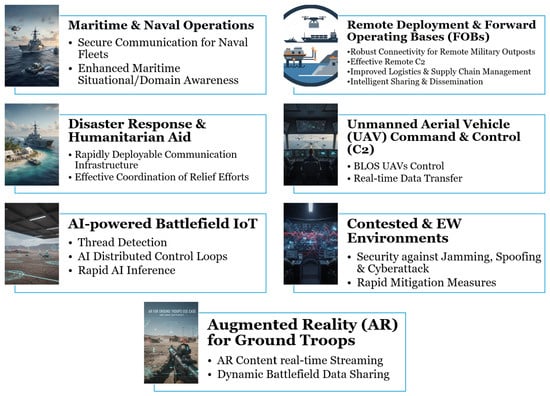
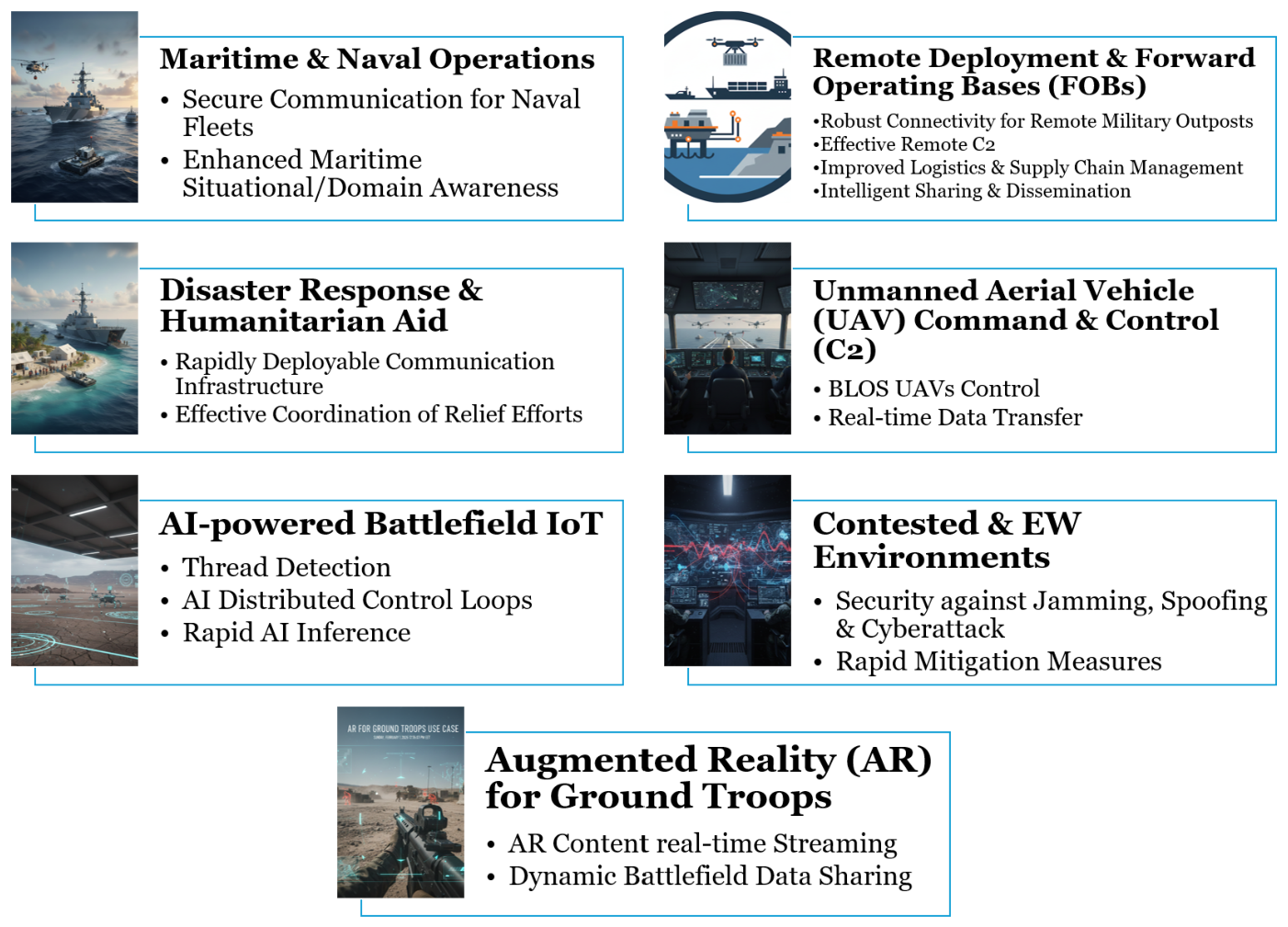
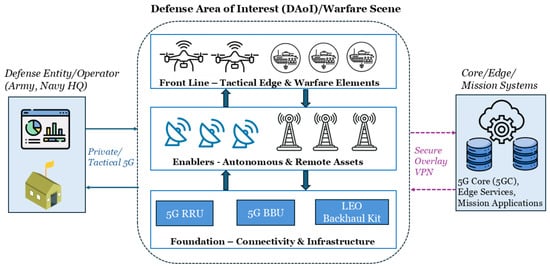
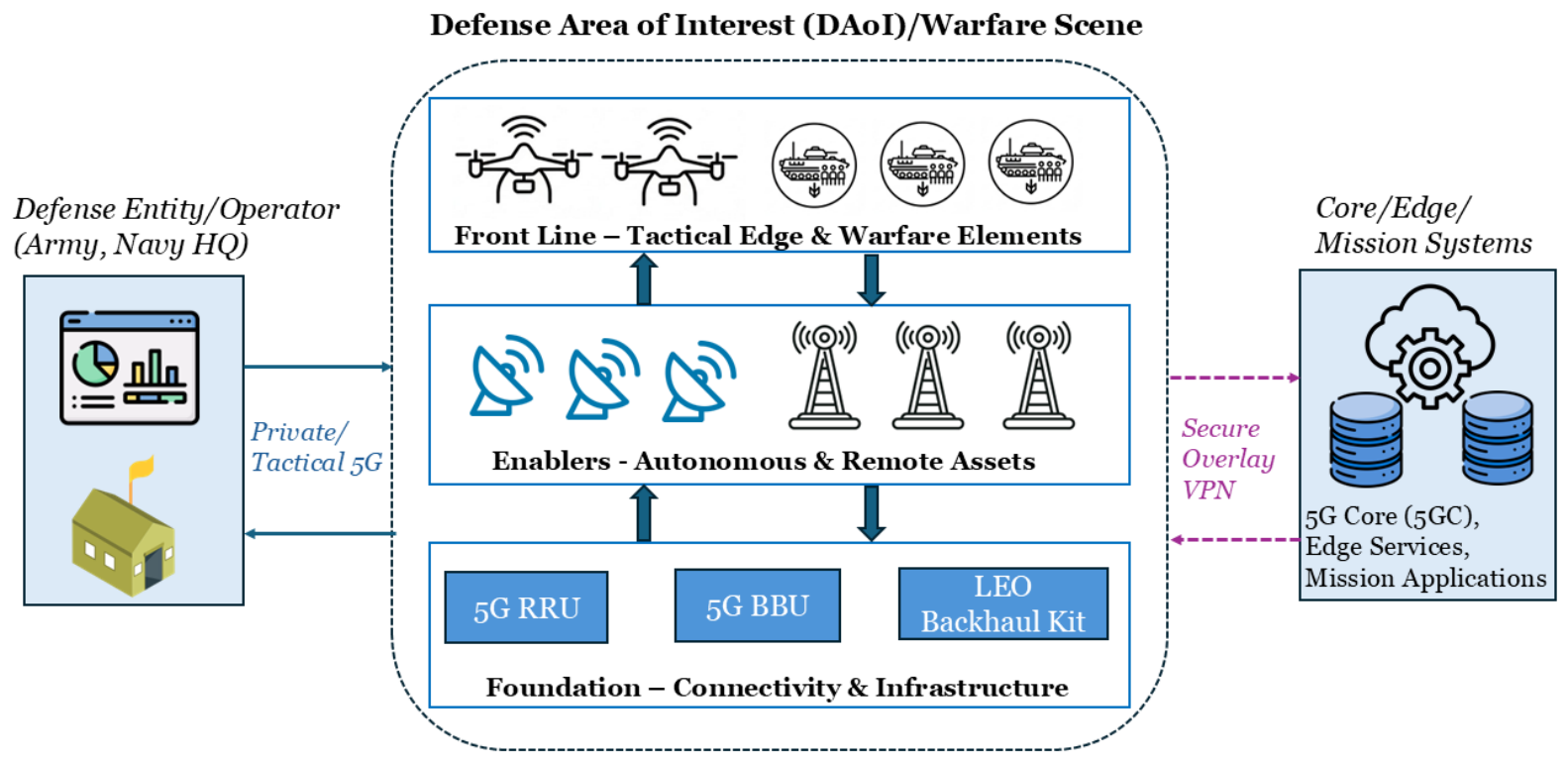
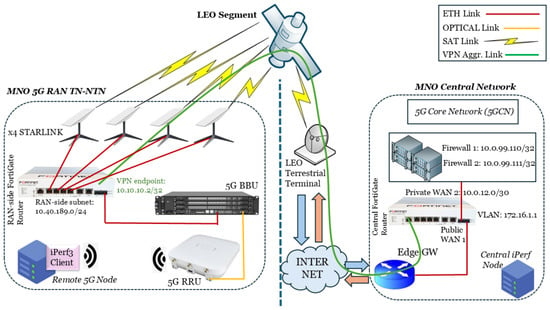
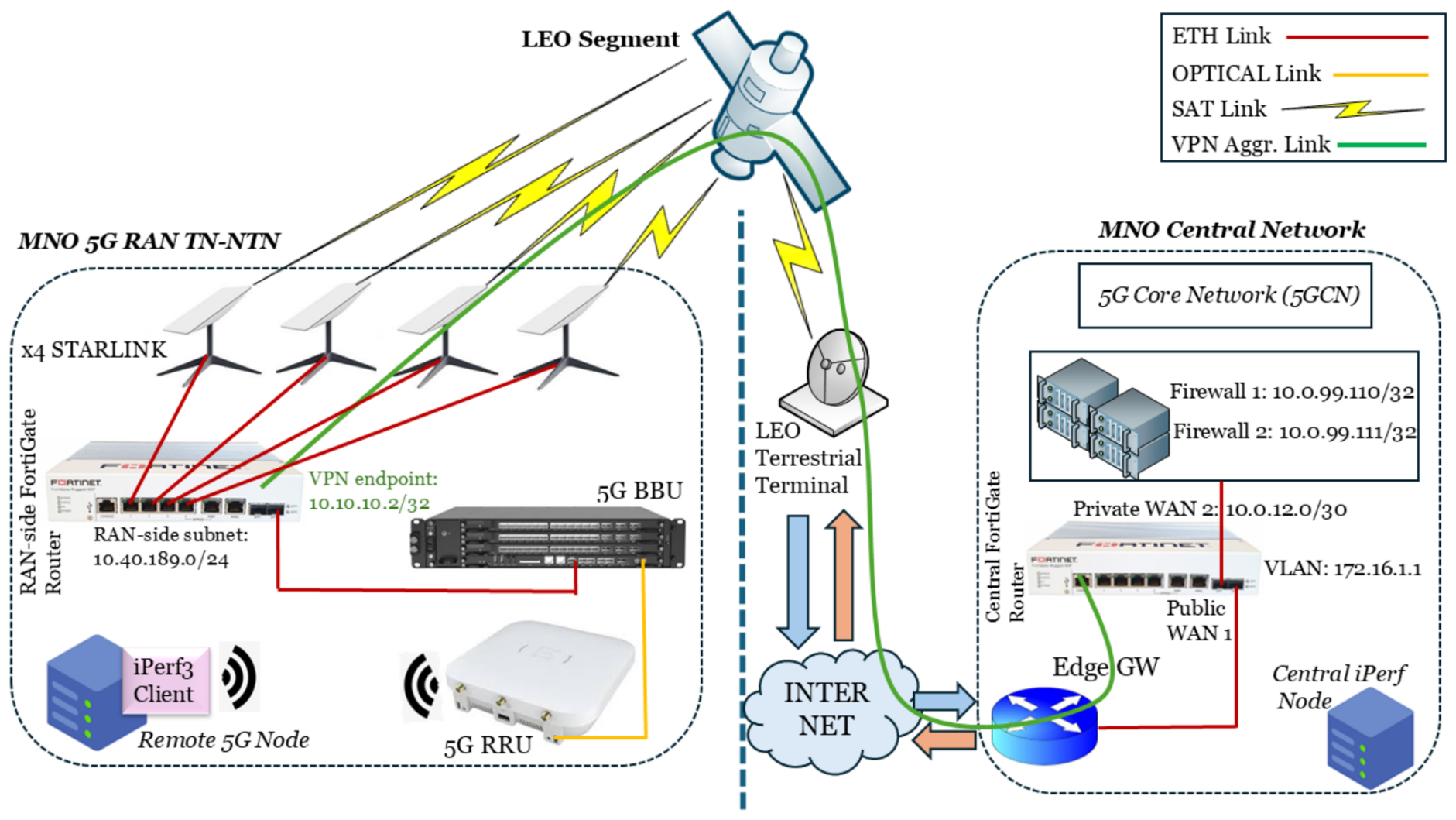
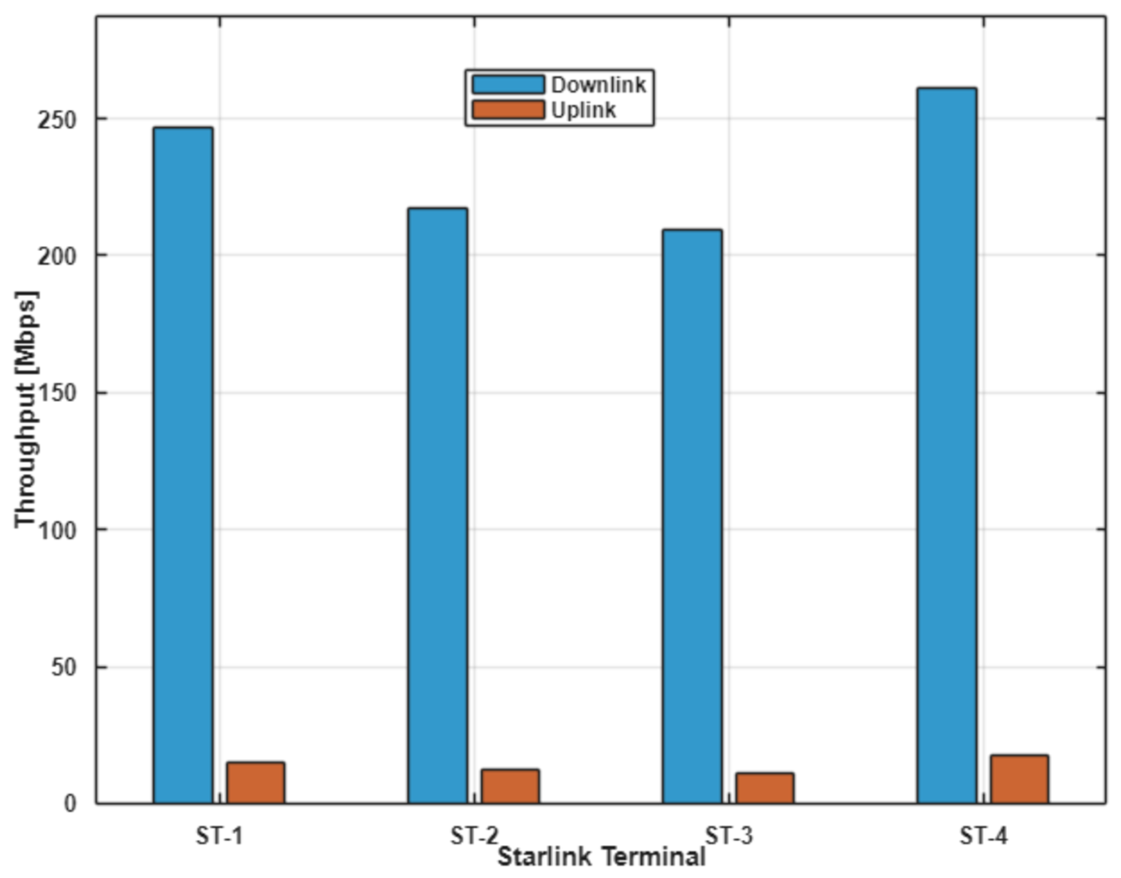
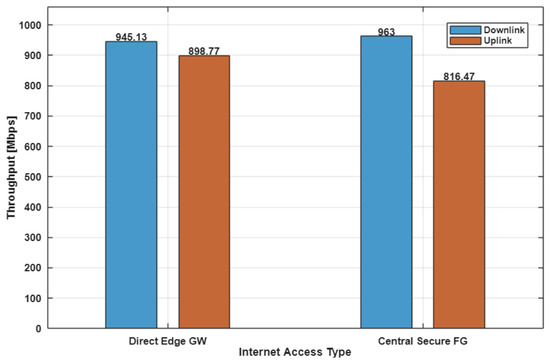
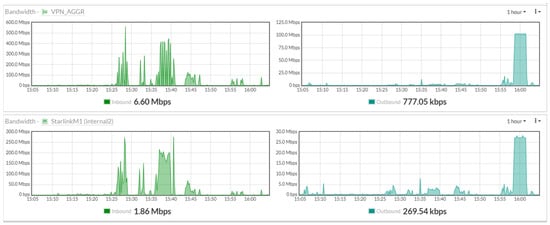
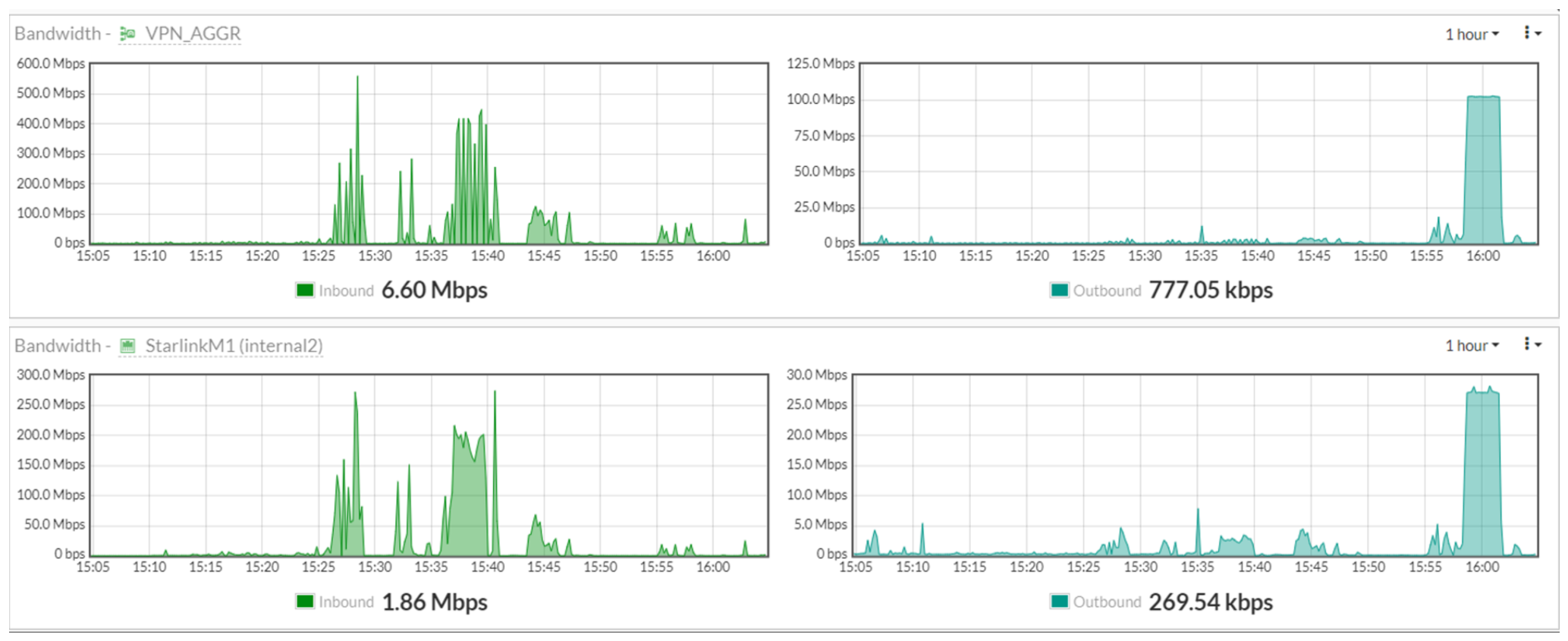
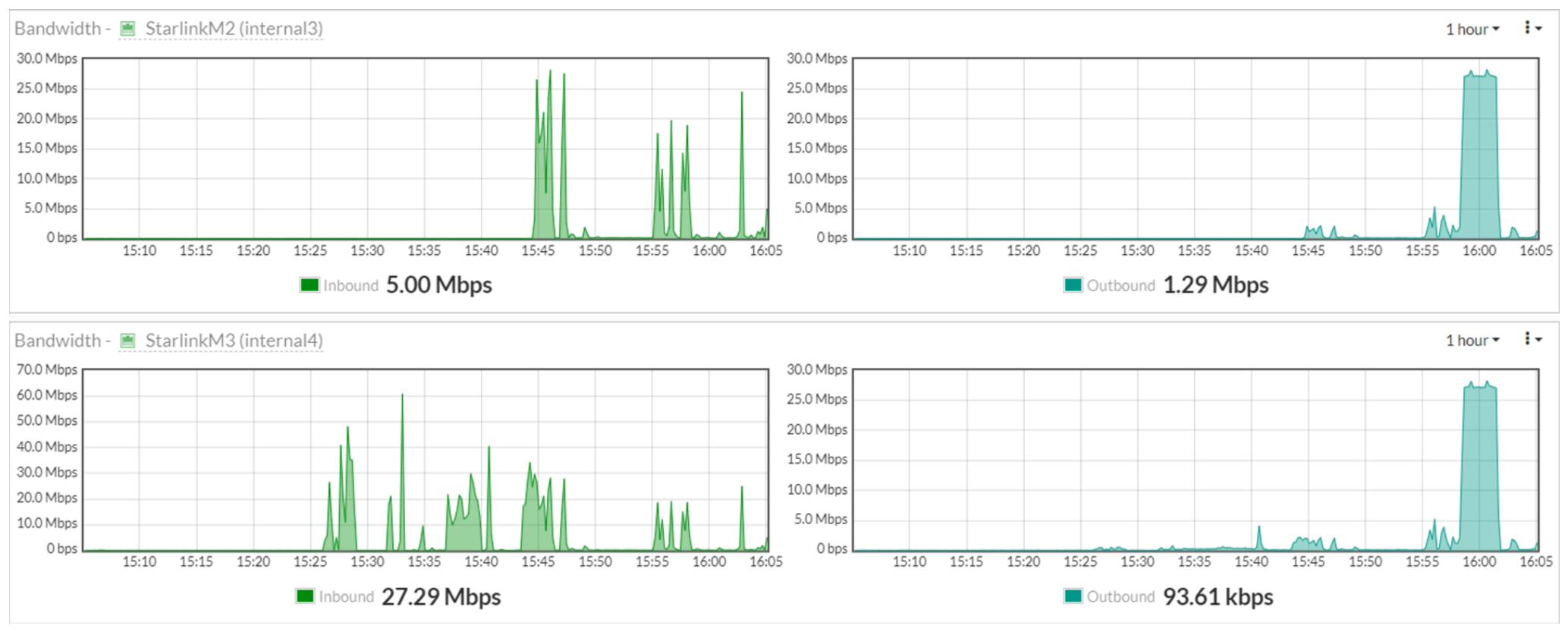
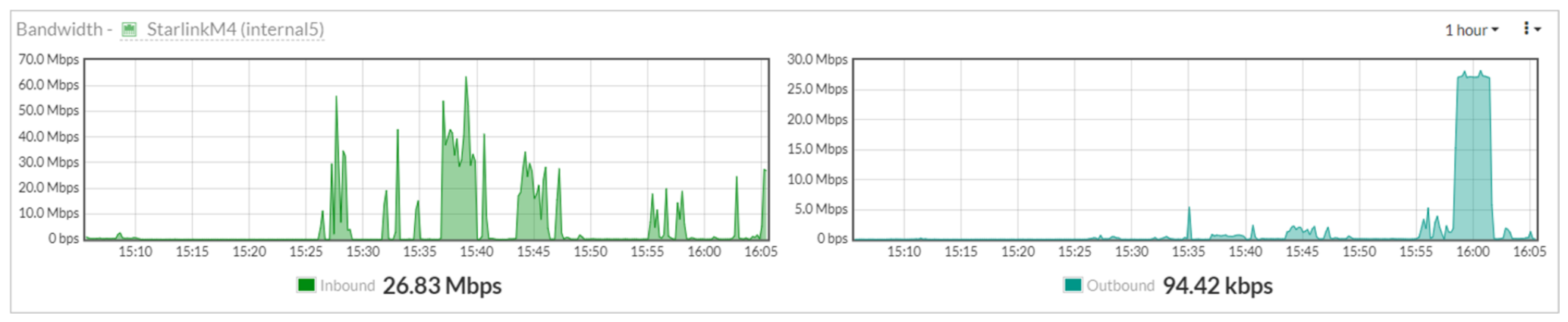
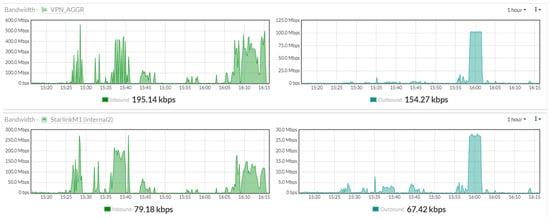
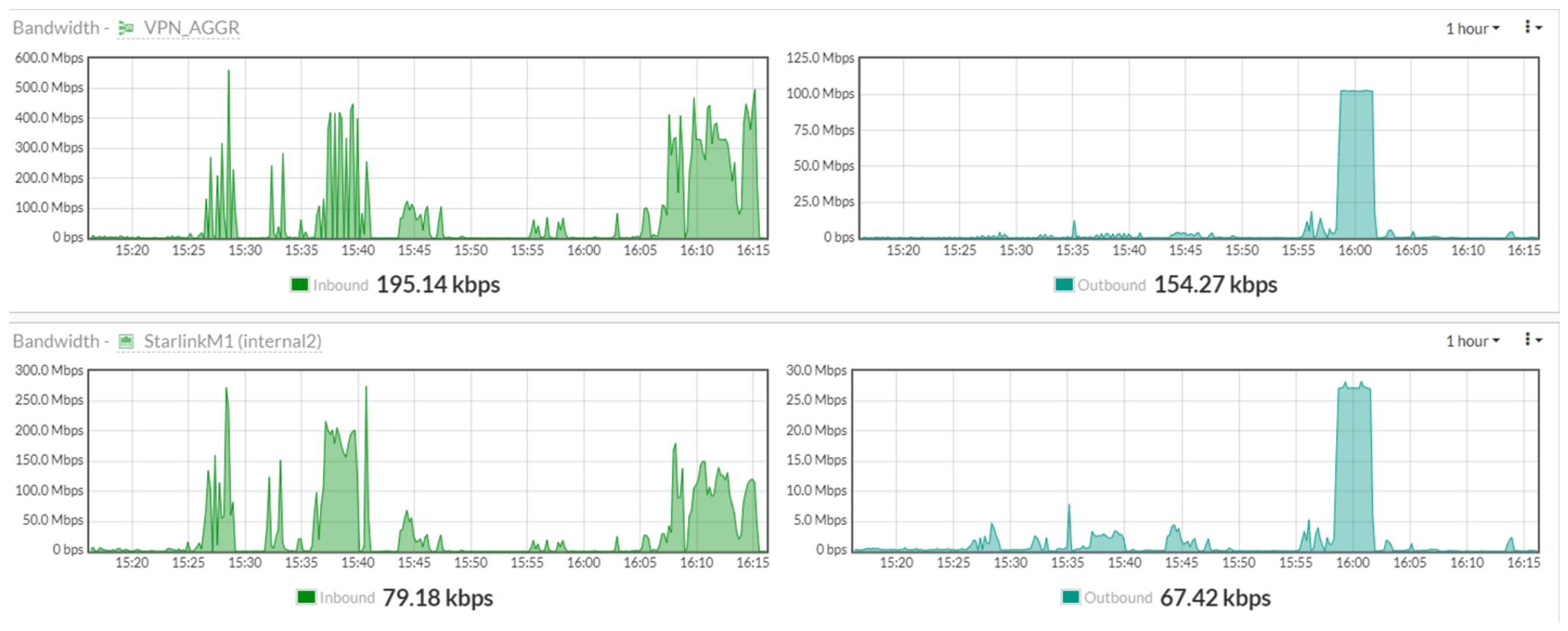
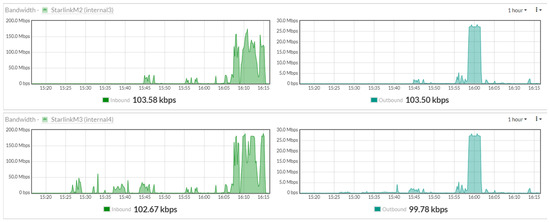
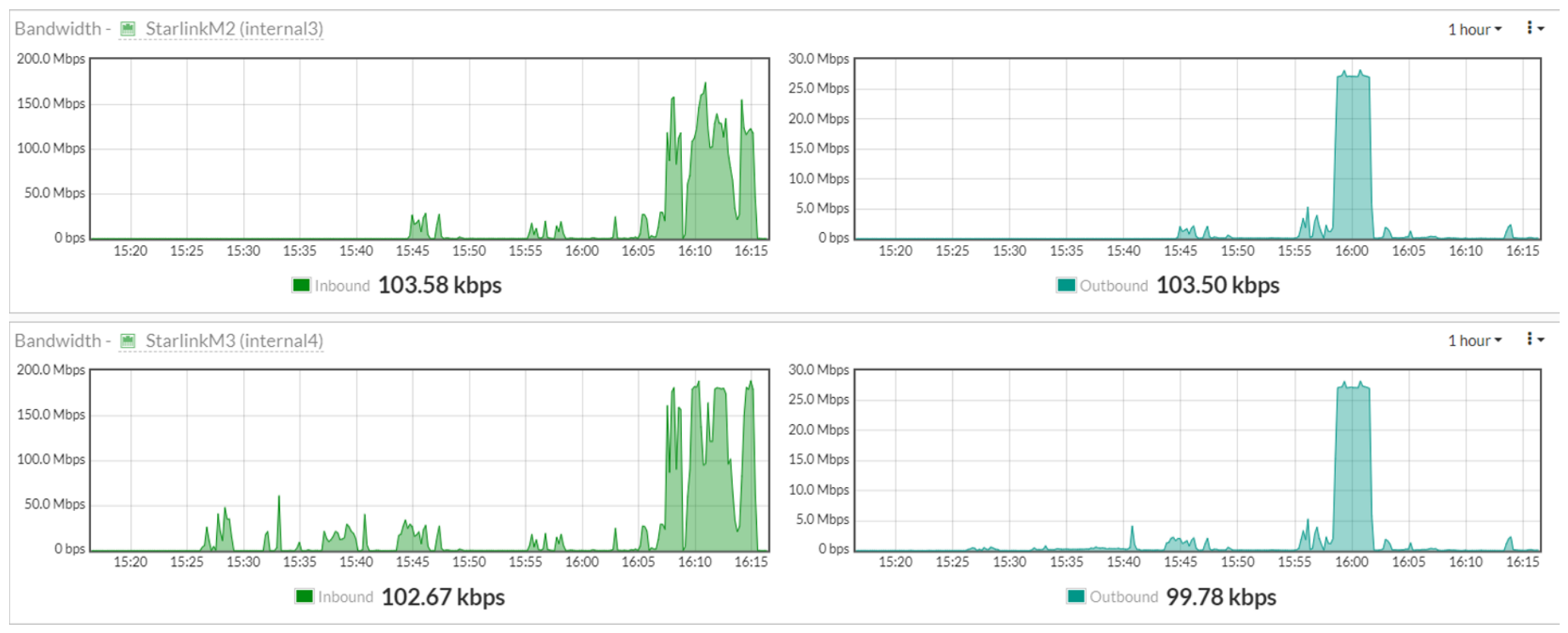



Disclaimer/Publisher’s Note: The statements, opinions and data contained in all publications are solely those of the individual author(s) and contributor(s) and not of MDPI and/or the editor(s). MDPI and/or the editor(s) disclaim responsibility for any injury to people or property resulting from any ideas, methods, instructions or products referred to in the content. |
© 2026 by the authors. Licensee MDPI, Basel, Switzerland. This article is an open access article distributed under the terms and conditions of the Creative Commons Attribution (CC BY) license.