


Abstract
Integrated Sensing and Communication (ISAC), enabling communication infrastructure to simultaneously transmit data and sense the surrounding physical environment, is emerging as a cornerstone technology for sixth-generation (6G) mobile networks. While these capabilities unlock new applications in healthcare, safety, and ambient intelligence, they also introduce novel ethical and societal challenges related to privacy, transparency, user autonomy, and trust, which are values fundamental to the social acceptance of the technology. Firstly, an overview of academic, institutional, and industrial contributions on human-centric 6G is provided, with a focus on how ethical values are addressed in ISAC-related contexts. Secondly, this paper reviews the distinctive characteristics of ISAC through representative human-centric use cases involving non-interactive and often invisible sensing of people, highlighting the ethical and societal implications emerging from such scenarios. By analyzing current standardization efforts and the scientific literature, this paper identifies emerging trends in Key Values (KVs) relevant to ISAC, as well as open research gaps that must be addressed to support trustworthy and value-oriented ISAC design in future 6G networks.
1. Introduction
A significant technological development that has emerged over the past few years and is currently attracting increasing attention from the scientific community is represented by the Integrated Sensing And Communication (ISAC) approach [1]. ISAC aims to combine sensing and communication capabilities within a unified platform by sharing resources in terms of hardware and radio spectrum. Unlike traditional radar systems, whose sole purpose is sensing—namely, the estimation of object position and velocity through the analysis of echoes reflected from a dedicated radio signal—ISAC pursues functional convergence. In ISAC systems, the same radio signal is jointly designed to convey data while simultaneously enabling environmental sensing capabilities. As a result, information that is typically regarded as a source of impairment in conventional communication systems (e.g., multipath components) becomes a valuable resource for sensing tasks. This leads to a dual-purpose platform that exploits radio waves both as a medium for information transmission and as a means of perception, thereby naturally bridging the domains of wireless communications and radar systems. Although the fundamental principles of ISAC are already technically feasible, further advances are required to achieve full architectural and waveform-level integration [2]. In 2022, the Radiocommunication Sector of the International Telecommunication Union (ITU) published the report titled “ITU-R M.2516-0 (11/2022)—Future technology trends of terrestrial International Mobile Telecommunications systems towards 2030 and beyond” [3]. In paragraph 5.2, the report illustrates how the integration of sensing and communication into a single, unified system can be achieved and classifies the levels of interaction between communication and sensing systems as follows:
- CO-EXISTENCE: There are different pieces of physical hardware that produce sensing and communication and operate using their own spectral resources without sharing any information, interfering with each other.
- COOPERATION: The hardware remains physically separate, but unlike previous systems, there is the possibility of sharing information, diminishing interference, and improving efficiency.
- INTEGRATED DESIGN: Sensing and communication are designed to be a single unified system, enabling joint waveform optimization and coordinated resource management. Achieving full integration requires a progressive evolution, beginning with shared hardware and spectrum resources, in order to implement the two dimensions into a single system that manages the two waveforms simultaneously, thanks to efficient algorithms that plan and coordinate the transmission to minimize interference. A further step would be to have sensing and communication in a joint waveform so that they work together, enhancing the performance of the unified system. At its mature stage, the ISAC system will enable full integration and coordination of communication and sensing functionalities across all dimensions, including the spectrum, hardware, signaling, protocols, and networking, resulting in mutual enhancement. Furthermore, leveraging advanced technologies such as artificial intelligence, network cooperation, and multi-node cooperative sensing, the ISAC system will deliver significant improvements in performance, cost-efficiency, form factor, and power consumption, thereby supporting the realization of sustainability objectives.
While ISAC concepts are being explored within 5G-Advanced evolution [4,5,6], their native architectural integration is expected to characterize 6G systems. In congested-spectrum environments, ISAC enables capacity enhancement, including:
- Increased network capacity;
- Spectrum savings;
- Reduced latency;
- Simplified hardware.
Nevertheless, such integration raises significant design challenges related to the coexistence of radar and communication systems. These include interference management, the requirement for real-time decision-making, and the difficulty of simultaneously achieving high performance in both sensing and communication within systems that were originally optimized for only one of these functionalities.
An advanced evolution of this paradigm is Intelligent ISAC [1], where artificial intelligence techniques dynamically optimize the sensing–communication trade-off. Deep learning, reinforcement learning, and federated learning approaches have been proposed to address signal modeling, resource allocation, and distributed privacy-preserving optimization. Despite their potential, these solutions raise challenges related to computational complexity, the feasibility of online deployment, and the absence of unified integration frameworks.
Unlike previous generations of mobile systems primarily focused on improving throughput and latency, 6G with ISAC introduces a perceptual dimension embedded within the infrastructure itself. Because communication infrastructure is inherently pervasive and spatially distributed, sensing capabilities embedded within such systems assume an infrastructural character, operating continuously and at scale, significantly expanding the application scope of ISAC in domains such as healthcare monitoring, smart environments, public safety, human–machine interaction, and context-aware services.
The pervasiveness of the infrastructure, combined with the potentially non-interactive nature of sensing, makes ISAC qualitatively different from localized monitoring technologies.
Environmental perception, i.e., the ability to detect presence, movement, behavior, and environmental context, can also occur in the absence of an explicit user action, introducing implications that go beyond purely technical considerations and involve social, regulatory, and ethical dimensions.
1.1. Ethical Invisibility
In this context of 6G ISAC, “ethical invisibility” refers to a socio-technical condition in which the ethically relevant operation of the system remains only partially perceptible to the persons affected by it. The issue is not limited to whether a decision can be explained after it is made but begins earlier, with whether individuals are aware that sensing is taking place; what kind of information may be inferred from seemingly ordinary radio interactions; and how such inferences may subsequently shape services, system behavior, decisions, or governance practices. In ISAC, this condition is particularly amplified by three concurrent mechanisms. First, “infrastructural invisibility” arises because sensing is embedded into the communication network itself rather than delegated to a clearly recognizable sensing device. Second, “interactional invisibility” emerges because sensing may occur passively, without an explicit user action, request, or deliberate engagement. Third, “inferential invisibility” occurs because seemingly ordinary radio observations may be transformed into higher-level inferences about human presence, motion, routines, proximity, or even health-related states. As a result, individuals may become subjects of ethically relevant observation without fully perceiving when sensing is taking place; what is being inferred; and how those inferences may later shape system responses, decisions, or governance practices. This makes “ethical invisibility” a distinctive concern for ISAC-enabled 6G environments, where communication infrastructure evolves into a distributed perceptive system. This broader understanding is also consistent with recent pre-standardization work. In particular, the report titled “ETSI GR ISC 004” [7] identifies several key ISAC issues related to unauthorized sensing, consent and transparency, sensing of humans with or without network connectivity, unauthorized passive 6G RF sensing, heterogeneous sensing capabilities, and AI-based sensing data processing. Although the report does not use the expression “ethical invisibility”, it confirms that future ISAC-enabled 6G systems raise concerns that go beyond conventional communication privacy and extend to the broader visibility of sensing practices, inferential chains, and their implications for human subjects. Within this broader condition, similar concepts such as algorithmic opacity [8] can be understood as one possible contributing factor rather than an equivalent concept. While algorithmic opacity primarily concerns the limited interpretability of the internal logic through which computational models generate outputs, ethical invisibility refers more broadly to the reduced visibility of the whole chain linking hidden sensing, inference, and downstream consequences. For this reason, ethical invisibility may arise even before algorithmic processing becomes the central issue—namely, when sensing is infrastructurally embedded, non-interactive, or insufficiently perceivable to the persons affected. A further critical issue for the assessment of this condition derives from the heterogeneous nature of the values involved:
- Measurable and standardizable values such as environmental sustainability, energy efficiency, and cost, which are supported by objective indicators (e.g., power consumption in watts, carbon dioxide emissions, and latency in milliseconds) and technical benchmarks;
- Subjective, contextual, and culturally dependent values such as transparency, informed consent, perceived control, fairness, psychological privacy, and trust.
Because the latter dimensions lack universally shared metrics, their assessment requires interdisciplinary approaches that complement purely technical optimization models.
Integrating these ethical dimensions into engineering processes remains challenging. While technical Key Performance Indicators (KPIs) are already supported by comparatively mature and formalized evaluation practices, value-oriented and human-centric dimensions have only more recently begun to be structured in a more explicit way, including at the pre-standardization level. However, they remain less consolidated, less quantitatively stabilized, and less uniformly operationalized than technical KPI layers. This contrast is also reflected in recent technical work [9] that structures ISAC evaluation through explicit sensing indicators such as sensing probability, sensing accuracy, sensing resolution, and sensing capacity, thereby showing that the KPI layer is already comparatively mature and formalized.
Ethical and human-centric values, i.e., Key Values (KVs), unlike technical KPIs, cannot be fully captured through objective performance indicators alone. Their assessment typically involves interdisciplinary approaches and qualitative instruments such as stakeholder engagement, surveys, or participatory evaluation methods, highlighting the inherent complexity of integrating subjective dimensions within engineering frameworks.
While the issues of human-centricity, sustainability, inclusiveness, and reliability are increasingly acknowledged as guiding principles for next-generation networks in strategic visions and policy-oriented discussions on 6G, it remains unclear to what extent they are systematically addressed within the scientific and technical literature on ISAC.
1.2. Related Works on ISAC 6G
From a technical perspective, in fact, a growing body of contributions has addressed ISAC from architectural, signal processing, and system integration viewpoints [10,11,12,13]. Table 1 summarizes representative technical contributions cited in this section, highlighting the limited treatment of human-centric and ethical aspects in the current ISAC literature. Recent surveys emphasize waveform co-design, resource allocation, distributed sensing architectures, and AI-enabled optimization strategies in future 6G networks [10].
Table 1.
Representative technical contributions on ISAC cited in the Introduction and their treatment of human-centric aspects.
Networked and cooperative ISAC frameworks further extend this perspective toward multi-node infrastructure, addressing synchronization, resilience, and security challenges [15,16]. In parallel, several technical reviews address standardization challenges through a KPI-centric perspective, mapping the evolution of 3GPP Releases 15–20 against the requirements of future 6G services, such as immersive communication, everything connected, and high-precision positioning [17].
Recent survey literature [20] has also started to frame ISAC through a broader evolutionary perspective, spanning the transition from RF-only to optical RF systems, from single-cell to multi-cell architectures, and from unimodal to multimodal sensing while jointly discussing emerging issues of privacy, security, and standardization. Broad 6G overviews [21] likewise position ISAC alongside other enabling technologies such as RIS, edge intelligence, and advanced communication architectures while emphasizing that privacy, security, and societal inclusion remain part of the wider challenge of 6G deployment. From a standardization-oriented perspective [22], ETSI-related work further shows that legacy communication-centric channel models are insufficient for ISAC, thereby motivating scenario-aware evaluation frameworks and sensing-specific channel modeling approaches.
Although aspects of privacy, security, and regulation are occasionally mentioned [18], the primary focus remains on architectural evolution, technical robustness [10,16], and the definition and optimization of KPIs [17].
Similarly, the paradigm of Intelligent ISAC has been proposed as an AI-enhanced evolution of ISAC architectures [1] and further systematized in recent surveys [10]. Even in this domain, ethical implications are predominantly framed in terms of algorithmic efficiency, system security, or operational reliability rather than in relation to human autonomy, agency, transparency, or broader societal impact. Another recent and highly relevant contribution in this direction is the survey reported in [14], which provides an updated technical overview of how artificial intelligence can substantially strengthen ISAC capabilities in future 6G systems. In particular, the paper presents a general framework in which AI is tightly coupled with sensing and communication functions, highlighting improvements in rapid data processing, sensing strategy optimization, intelligent resource management, adaptive decision-making, and multimodal information extraction. It also discusses representative application domains, including intelligent manufacturing, smart transportation, climatic monitoring, and medical health, showing how AI can support non-contact monitoring, anomaly detection, and privacy-preserving distributed learning. At the same time, however, the perspective remains predominantly techno-functional: even when privacy, security, or explainability are mentioned, they are mainly addressed in terms of data protection, model robustness, interpretability, and system performance. In this sense, such contributions confirm the growing maturity of AI-driven ISAC from an architectural and operational viewpoint while still leaving the broader human-centric and ethical implications of non-interactive sensing, such as user awareness, autonomy, transparency, and ethical invisibility, comparatively underexplored. This trend is further reinforced by recent overviews of AI in 6G ISAC, which highlight waveform design; signal processing; resource management; edge intelligence; and application domains such as healthcare, smart cities, and industrial automation while also identifying data scarcity, hardware–AI co-design, and security/privacy as major open challenges for scalable 6G deployment [14,23]. Experimental and open-source platforms such as OpenISAC [19] further demonstrate the feasibility of real-time ISAC implementations and enhance research reproducibility. These initiatives represent a crucial step toward practical validation and the lowering of experimental barriers; however, they rarely extend the analysis to human-centric considerations beyond regulatory compliance or data protection.
Finally, recent works [2] have also proposed cross-layer perspectives that connect system design parameters to both KPIs and KVIs, highlighting the importance of evaluating ISAC technologies beyond purely technical metrics. However, despite this growing body of literature, the ethical and human-centric implications of sensing-enabled communication infrastructure remain comparatively underexplored.
To address this gap, this paper investigates the extent to which such values are explicitly recognized and framed within existing research and institutional discourse. To guide this analysis, the review is structured around the following research questions: RQ1: Is the theme of human-centricity addressed within the current discourse on ISAC? RQ2: If so, how and where is human-centricity conceptualized and integrated across ISAC-related sources? Unlike existing surveys predominantly focused on architectural optimization and performance metrics, this study adopts a comparative cross-stakeholder perspective to examine how human-centric considerations are framed across academic research, industrial visions, and standardization initiatives, with the aim of outlining the ethical contours of ISAC systems and contributing to the development of socially aligned and responsible 6G ecosystems.
The specific contribution of this review is not to propose a general value-oriented framework for 6G, which has already been discussed in prior strategic and institutional documents, but to focus specifically on ISAC as an emerging sensing-enabled 6G paradigm and to examine its ethical and human-centric implications through an integrated review perspective. In particular, this work contributes by: (i) developing the concept of ethical invisibility for ISAC-enabled infrastructure; (ii) comparing how key values are framed across academic, institutional, and industrial sources; (iii) synthesizing representative human-centric ISAC use cases involving passive or non-interactive sensing of people; and (iv) interpreting these scenarios through recent standards-oriented developments, especially ETSI ISAC documents.
The remainder of the paper is organized as follows. Section 2 describes the methodology adopted for the structured review. Section 3 presents the results addressing the two research questions. Section 3.1 first identifies the body of literature, discussing human-centric aspects in ISAC and 6G, and Section 3.2 extracts the recurring KVs emerging from these contributions through a cross-stakeholder analysis. In parallel, institutional and standardization reports are examined in Section 3.3 to identify representative human-centric ISAC use cases and to analyze how ethical and value-oriented considerations are reflected within emerging 6G application scenarios. Finally, Section 4 summarizes the main findings and outlines future research directions.
2. Methodology
This paper adopts a structured narrative review methodology aimed at analyzing how human-centric considerations emerge within the evolving discourse on ISAC in the 6G ecosystem. As communication networks progressively integrate sensing capabilities, understanding whether and how human-related implications are addressed becomes a key analytical objective. To guide the review process, the study is structured around two overarching research questions:
- RQ1: Is the theme of human-centricity addressed within the current discourse on ISAC?
- RQ2: If so, how and where is human-centricity conceptualized and integrated across ISAC-related sources?
These questions are investigated through a comparative screening of academic publications, industrial reports, and institutional or standardization documents.
The literature search is conducted using combinations of keywords such as “ISAC”, “Integrated Sensing and Communication”, “6G sensing”, “human-centric 6G”, “ISAC ethics”, “ISAC values”, “ISAC use cases”, and “6G use cases”. These terms are queried across scientific database Google Scholar, institutional repositories, and relevant project or standardization portals. To capture the multi-stakeholder nature of the emerging 6G ecosystem, the screening process considers three main categories of sources:
- Academic literature: Peer-reviewed journal articles and conference papers addressing ISAC and 6G architectures, sensing-enabled services, or human-related implications of wireless sensing technologies;
- Industrial and consortium reports: White papers and technical reports produced by industrial alliances, research consortia, and 6G initiatives;
- Institutional and standardization documents: Reports and technical specifications issued by standardization and pre-standardization bodies such as ETSI, 3GPP, ITU, and IEEE.
The inclusion criteria focus on documents published between 2019 and 2026 that explicitly address 6G functionalities involving human presence, activity, or interaction. Particular attention is given to scenarios characterized by passive or non-interactive sensing, where individuals may become subjects of environmental sensing without direct user interaction. Conversely, contributions exclusively focused on low-level signal processing, waveform optimization, or purely algorithmic performance were excluded unless they explicitly discussed sensing-enabled applications involving human-related implications (e.g., privacy, trust, transparency, or societal impact).
Under these inclusion criteria, the number of eligible industrial/consortium sources remained smaller than the academic and institutional subsets, since fewer publicly available industrial documents addressed human-centric or value-oriented ISAC implications with sufficient explicitness for comparative qualitative coding. After the screening phase, the selected documents are analyzed through a structured qualitative extraction process aimed at answering the research questions and identifying recurring value-related dimensions within the ISAC discourse. For each document, a set of analytical attributes is extracted, including: publication type and year, stakeholder category (academic, industrial, or institutional), technological focus, application domain, and the presence or absence of explicit references to human-related implications.
To address RQ1 and RQ2, particular attention is given to how human-centric considerations are framed within the documents. RQ1 is addressed through a binary presence analysis verifying whether human-centric considerations are explicitly mentioned in the examined sources, while RQ2 investigates how and in which contexts these considerations are conceptually framed. Value-related statements emerging across the screened corpus are thematically analyzed in order to identify recurring KVs associated with ISAC-enabled infrastructure. These values represent high-level and long-term principles that express societal expectations regarding how infrastructure should operate and interact with individuals and communities. They are subsequently grouped into a reduced set of conceptual categories recurring across the literature, including sustainability, inclusiveness, security and trustworthiness, human-centricity, cyber–physical integration, and network-of-networks perspectives. Each document is qualitatively coded using a four-level scale (0–3) indicating the degree to which a given value is addressed:
- 0 = not mentioned;
- 1 = implicit or marginal reference;
- 2 = explicit but non-central treatment;
- 3 = core and structurally integrated dimension.
To reduce interpretive ambiguity, the 0–3 coding scale is anchored by explicit decision rules. A score of 0 is assigned when no direct or indirect reference to the value can be identified in the source. A score of 1 is used when the value appears only as a fleeting, implicit, or marginal reference, for example, as a desirable background property unrelated to the contribution’s main framework, design rationale, or evaluation criteria. A score of 2 indicates that the value has been explicitly discussed, perhaps through a dedicated paragraph or subsection, but remains secondary to the source’s main technical or strategic objective. A score of 3 is assigned when the value is recurrent and structurally integrated into the contribution, for example, shaping its vision, objectives, methodological rationale, or evaluation framework. An illustrative example of a score of 1 is the brief mention of the phrase “privacy and security concerns” in [14], which understood as one of several technical limitations or contextual challenges. This, alone, if isolated and without the dedicated section, would be a 1. However, since the paper then truly develops the topic with a specific section, overall, it is considered more appropriate as a 2 for security/trust. As an illustrative example of level 2, recent technical studies on AI-enhanced ISAC explicitly address privacy and security issues and discuss privacy-preserving mechanisms such as federated learning or differential privacy while maintaining a predominantly technical–functional focus on improving system performance, optimizing resources, and addressing implementation challenges [14]. In contrast, Level 3 is used for contributions where values, such as sustainability, reliability, and inclusion are integrated into the overall vision and evaluation logic of future 6G systems, such as in the Hexa-X conceptual framework that explicitly links 6G to the human, physical, and digital world while considering sustainability, reliability, and digital inclusion [24]. As a consistency-oriented robustness step, a second evaluator independently re-codes four documents spanning institutional, academic, and industrial sources using the same six-value scheme. Table 2 reports the item-level comparison between the second evaluator’s coding and the consensus version ultimately adopted in Table 3.
Table 2.
Intercoder consistency check on a subset of four double-coded documents. For each document, the table reports the scores assigned by the two evaluators across the six KV dimensions, together with the absolute differences, their sum, the corresponding mean absolute difference, and the exact agreement rate.
Overall, 19 of 24 judgments were identical (79.2%), with a total absolute difference of 7 points and a mean absolute difference of 0.292 across all coded cells. Most discrepancies were limited to one point and were concentrated in the more architecture-oriented categories of cyber–physical integration and network of networks. The final values reported in Table 3 therefore correspond to the consensus version reached after discussion of the discrepant cases.
The obtained scores are then analyzed across stakeholder groups (academic, industrial, and institutional) in order to highlight differences in emphasis and conceptual alignment and synthesized into a comparative table of human-centric 6G ISAC literature.
These values form the basis of the comparative analysis presented in Section 3 and are visually summarized through a radar-based representation of average value emphasis across document categories.
In parallel to the literature analysis, representative ISAC use cases are examined in order to investigate how human-centric considerations materialize within concrete application scenarios (RQ2). The identification of use cases primarily relies on institutional and standardization documents, which provide consolidated visions of future 6G services and sensing-enabled applications. In particular, the ETSI GR ISC 001 report is considered a central reference, as it consolidates and systematizes ISAC use cases emerging from multiple sources, including academic research, industrial initiatives, and standardization activities. Within this corpus, the analysis focuses on scenarios in which human beings play a direct role either as active participants in the interaction or as passively sensed entities embedded within the environment. These use cases are selected according to three criteria: (i) the presence of sensing functions involving human presence, behavior, or proximity; (ii) the relevance of the scenario within emerging 6G service visions; and (iii) the potential ethical implications associated with non-interactive or continuous sensing. The selected use cases are subsequently categorized according to the role of the human subject (active user vs. passively sensed individual), the type of sensing performed (e.g., motion recognition, proximity detection, or health monitoring), and the technological context in which the sensing capability is embedded (e.g., healthcare, smart environments, or industrial settings). This classification enables a structured interpretation of how human-centric considerations emerge within ISAC-enabled scenarios and provides the analytical basis for the comparative synthesis presented in Section 3.3.
3. Results and Discussion
This section reports the outcomes of the screening and qualitative coding process described in Section 2. Overall, a total of 24 sources are retained for analysis and grouped into three categories: academic 6G value-oriented literature (9acad), institutional/standardization documents (11inst), and industrial/consortium reports (4ind). Figure 1 summarizes the distribution of the analyzed sources across categories and is included only to provide a quick descriptive overview of the final corpus composition; it does not represent a validation or inferential step of the analysis.
Figure 1.
Distribution of the analyzed corpus across source categories.
3.1. Answer to RQ1 (Binary Presence Analysis): Yes
Human-centric considerations are present in the overall ISAC-related discourse, but their explicit treatment is uneven across stakeholder categories. Projects such as Hexa-X and Hexa-X II, together with industrial white papers and interdisciplinary initiatives, emphasize an important shift in the approach for next-generation networks [25,26,27]. This reflects the recognition that technological advancement alone does not guarantee social acceptance or positive societal impact. These new considerations redefine the approach to system design by starting from high-level requirements, i.e., KVs, shared by all stakeholders (users, families, and industry). These are translated into operational objectives, i.e., KVIs, aiming to anticipate long-term societal impacts and guide more meaningful technological development. Consequently, evaluation frameworks are progressively expanding beyond KPI-centric paradigms to incorporate those values. Unlike KPIs, which quantify technical performance, KVs articulate dimensions such as sustainability, inclusiveness, security and trustworthiness, and human-centricity. The need to achieve societal values in technological development is reflected in recent institutional initiatives. In particular, the ISO/UNDP PAS 53002:2024 standard [28] introduces a structured approach for organizations seeking to demonstrate their contribution to positive social impact in alignment with the United Nations Sustainable Development Goals (SDGs). This standard provides a structured framework for self-assessment, reporting, and certification of the social value generated by an organization, thereby contributing to trust-building among citizens, companies, and institutions. Specifically, it offers guidelines on how to:
- Identify and manage stakeholder impact;
- Integrate the Sustainable Development Goals (SDGs) into operational strategies;
- Implement due diligence, reporting, and stakeholder engagement processes.
Although not specific to telecommunications, this publicly available specification signals an urgent and cross-sectoral demand for transparent, verifiable mechanisms capable of linking technological development to societal benefit. The rapid introduction of such standards highlights a broader institutional shift: ethical and social value generation is no longer treated as a peripheral consideration but as a strategic dimension requiring structured articulation and accountability.
Several European projects and strategic documents advocate for a value-oriented development of 6G. It has been highlighted that the rapid and pervasive advancement of digital technologies, often progressing faster than public communication and collective understanding [29], does not automatically guarantee socially positive outcomes. The effectiveness of technological solutions depends not only on technical performance but also on social acceptance and conscious, collaborative societal adoption [29,30]. In this sense, the adoption of new technologies cannot be taken for granted but must be actively built through transparency, inclusiveness, and stakeholder dialogue. This value-oriented perspective can also be interpreted in light of the challenges encountered during 5G deployment, where insufficient ethical dialogue often hindered social acceptance, regardless of the advertised technical performance [31]. The initial emphasis on performance indicators (KPIs), such as speed and latency, generated public concerns related to the perception of more invasive infrastructure and to the lack of perceived necessity, contributing to a narrative in which unfamiliar and poorly understood aspects assumed a central role. In response to these challenges, initiatives such as Hexa-X and Hexa-X II, together with interdisciplinary projects such as EthicNet [27], promote a vision of 6G grounded in sustainability, inclusiveness, and trustworthiness as guiding principles. Within this framework, the adoption of KVIs aims to measure the alignment of technologies with fundamental societal values [24,26]. Similarly, tools such as ELSI-SAT [32] seek to integrate ethical, legal, and social considerations into technological development processes, fostering interdisciplinary reflection already at the design stage. From a broader perspective, in management and technological governance domains, the success of a project or product is increasingly interpreted as a balance between cost, time, and quality. In this view, quality no longer refers exclusively to traditional KPIs but also encompasses ethical, social, and environmental dimensions. Within this framework, KVIs play a complementary role to that of KPIs, reflecting social acceptance, sustainability, and trustworthiness and potentially exerting a decisive influence on the overall success or failure of technological initiatives. As highlighted by Wymeersch et al. [25], the evolution toward 6G must be examined through the lens of trustworthiness, sustainability, and inclusiveness, particularly as communication infrastructure begins to integrate perceptive and decision-making capabilities. In that contribution, based on the Hexa-X project [33], the correlation between KPIs and KVIs is emphasized, proposing the quantification of the latter based on the effects generated by the former, with the aim of contributing to the United Nations Sustainable Development Goals (SDGs). The Nokia Bell Labs white paper [26] further reinforces this perspective, underscoring the need to orient 6G development toward objectives that are not only technical but also value-driven and human-centric. The document proposes a reference model for value-oriented 6G networks, including measurable indicators related to environmental sustainability, social inclusion, respect for fundamental rights, and trust, highlighting the centrality of these dimensions in the systemic design of emerging technologies. Despite this growing emphasis on value-oriented design, the specific implications of integrating pervasive and distributed sensing capabilities within communication infrastructure have not yet been the subject of a structured synthesis. In particular, the perceptive, infrastructural, and often invisible nature of ISAC introduces distinctive challenges related to autonomy, transparency, consent, and social trust, which qualitatively differ from those traditionally associated with communication networks. The need for a more systematic approach is further supported by review studies in the domain of intelligent environments employing non-intrusive technologies for elderly monitoring [34]. These studies highlight how perceived effectiveness and user motivation are critical determinants for the adoption of technology, especially in contexts involving continuous or non-visible monitoring. They also emphasize the fragmentation and heterogeneity of the existing literature, characterized by inconsistent indicators and metrics, limited comparability, and a lack of robust quantitative approaches and shared instruments for the assessment of effectiveness and social acceptability. In light of these observations, a gap emerges between, on the one hand, the technically detailed analyses of ISAC architectures and, on the other hand, the value-oriented strategic visions for 6G. A systematic review explicitly and integratively addressing the ethical and human-centric dimensions of ISAC-enabled sensing as distributed perceptual infrastructure remains lacking. This gap motivates the present analysis. This evolution reflects a gradual shift from a predominantly KPI-centric paradigm centered on throughput, latency, reliability, and spectral efficiency toward a value-aware perspective in which KVIs are introduced to capture sustainability, inclusiveness, trustworthiness, and broader societal alignment. Although the KPI–KVI relationship has been increasingly discussed in strategic 6G visions and governance frameworks, the broader ecosystem is still primarily engaged in defining relevant KVs and exploring possible methodologies for their quantification through KVIs. Although value-oriented design is increasingly visible in strategic 6G visions and governance frameworks, the operationalization of these values remains comparatively less mature than the KPI layer. Recent efforts have begun to structure such dimensions more explicitly, including through pre-standardization work, but shared and quantitatively stabilized value-oriented metrics for ISAC are still limited.
As highlighted in [35], several projects funded by the Smart Networks and Services Joint Undertaking (SNS-JU) are increasingly adopting structured methodologies to assess alignment with these objectives through the introduction and progressive formalization of KVIs.
It is important to distinguish between KVs and KVIs. KVs represent the fundamental principles or normative objectives to be pursued (e.g., sustainability, inclusion, and transparency). In contrast, KVIs are qualitative and/or quantitative metrics used to assess the degree to which such values are achieved. Unlike KVs, which express overarching ethical or societal orientations, KVIs are typically applied during the deployment and operational phases of a technology in order to evaluate the extent to which a given value has been realized. As such, they are necessarily context-specific and calibrated to the characteristics of the application scenario, since they aim to express, often in terms of degree or percentage, the measurable manifestation of an underlying value. Therefore, KVIs function as operational instruments that translate abstract principles into observable parameters, enabling assessment, monitoring, and comparison of technological impact over time. However, identifying universally applicable metrics for inherently subjective or context-dependent values, such as trust, informed consent, or perceived fairness, remains challenging. In these cases, KVIs cannot rely solely on objective technical measurements but must incorporate qualitative and contextual approaches, including stakeholder engagement, surveys, interviews, or perception-based assessment methods. A relevant next step for human-centric ISAC research is the translation of high-level KVs into scenario-specific KVIs. In the case of ISAC, these indicators should not be treated as universally fixed metrics but should be derived from at least three design dimensions: (i) the role of the human in the sensing process, for example as an active user, passive sensed subject, or bystander; (ii) the degree of sensing visibility and interactivity, ranging from explicit and user-aware sensing to background, non-interactive, or infrastructurally embedded sensing; and (iii) the governance conditions under which sensing is deployed, including the availability of consent procedures, transparency mechanisms, and accountability safeguards. In addition, KVIs for ISAC should also be distinguished according to the stage at which they are applied. In sensitive domains such as healthcare, assisted living, and smart indoor monitoring, some KVIs may be used ex ante as part of an acceptability-oriented assessment aimed at understanding whether a technology is perceived as appropriate, understandable, and socially acceptable before deployment. Other KVIs should, instead, be reapplied during actual operation in order to verify whether the real conditions of use remain aligned with the intended value assumptions, for example, in terms of perceived transparency, trust, control, proportionality, and acceptance over time. Under this perspective, transparency-related KVIs may include awareness that sensing is taking place, clarity of the sensing purpose, accessibility of the sensing policy, and perceived adequacy of the information provided to affected individuals. Trust-related KVIs may, instead, include perceived reliability of the system, confidence that sensing is not manipulative or harmful, perceived protection of privacy, confidence that sensing data will not be repurposed beyond the declared context, and confidence in the presence of clear governance and accountability mechanisms. In scenarios where user agency is relevant, additional indicators may concern the perceived ability to intervene, refuse, or meaningfully control sensing operations. These examples are not proposed as a definitive measurement framework but as preliminary ISAC-oriented principles for future KVI development in human-centric domains such as healthcare, ambient assisted living, smart indoor environments, and safety-critical public spaces. At a more operational level, recent multi-user ISAC studies [36,37] have also introduced service-oriented notions such as Value of Service (VoS) to guide spatiotemporal resource reuse and heterogeneous service provisioning. Although this notion of value differs from societal KVs and KVIs, it confirms a broader shift from purely performance-driven optimization toward service-aware and context-aware design criteria. The study reported in [35] reviews several approaches adopted within European projects, including:
- HEXA-X II [38], which proposes an advanced methodology to map 6G use cases against the SDGs through a classification of societal benefits and the identification of ethical and performance requirements, placing particular emphasis on sustainability—articulated into environmental, economic, and social dimensions—although without proposing quantitative KVIs metrics;
- FIDAL [39], which integrates social and environmental metrics into its performance indicators, establishing a direct correlation between technical KPIs and KVIs and promoting stakeholder collaboration at all levels;
- CENTRIC [40], which focuses on user-centric scenarios and employs an iterative methodology to estimate the contribution of KVIs to human and social values;
- 6G-INTENSE [41], which adopts a qualitative mapping of relevant SDGs and use cases, with attention to socio-economic benefits and expected impact;
- TRIALS-NET [42], which proposes a systematic value-assessment framework inspired by the SDGs and oriented toward citizen impact, based on a multi-stakeholder analysis methodology.
3.2. RQ2: Cross-Stakeholder Value Emphasis
Building on the results of RQ1, the following subsection (i) analyzes how and where human-centricity is framed across categories (RQ2) and (ii) synthesizes the subset of contributions explicitly addressing human-related ISAC sensing scenarios through a comparative table of human-centric ISAC literature.
Classification in Meaningful Categories
In evaluating the vision and ethical–technological priorities emerging from major 6G studies and initiatives, six categories of KVs are identified, each reflecting a central dimension in the development of future mobile networks. Those include both normative societal values (e.g., sustainability, inclusiveness, human-centricity, security, and trustworthiness) and systemic infrastructure-oriented principles (e.g., cyber–physical integration and network-of-networks architectures) that characterize the envisioned structure of future 6G ecosystems, making these architectural properties fundamental enablers of the value-oriented one. Among the identified dimensions, human-centricity represents the conceptual core of this review. In this work, it is therefore interpreted as the ethical principle guiding the responsible integration of humans within sensing–communication ecosystems. More specifically, the six identified dimensions do not operate at the same conceptual level. In this review, human-centricity is treated as the overarching normative orientation, since it expresses the principle that future sensing–communication infrastructure should remain aligned with human needs, rights, agency, and acceptable forms of interaction. Within this perspective, sustainability, inclusiveness, and security and trustworthiness are interpreted as substantive normative dimensions that qualify what responsible and socially acceptable 6G evolution should mean in practice. In contrast, cyber–physical integration and network of networks are treated primarily as systemic and architectural enablers: they describe structural properties of emerging 6G ecosystems that expand sensing, coordination, and service capabilities while also shaping the conditions under which normative values may be realized or placed under tension. These dimensions are therefore analytically distinguishable but strongly interdependent in ISAC scenarios. For instance, cyber–physical integration may enhance responsiveness, safety, and context awareness in healthcare, industrial, or mobility environments while simultaneously intensifying questions of transparency, proportionality, autonomy, and continuous monitoring. Similarly, network-of-networks architectures may support inclusiveness, resilience, and service continuity across heterogeneous infrastructure but also increase complexity in governance, accountability, interoperability, and control over sensing-related data flows. In this sense, human-centricity functions as the interpretive principle that guides the evaluation of how the other KVs and architectural dimensions interact in concrete ISAC-enabled application scenarios.
A brief description of these categories is provided below in order to facilitate the interpretation of the comparative table.
Sustainability refers to the extent to which a contribution analyzes and promotes the reduction in the environmental impact of networks (e.g., energy efficiency, responsible resource usage, and alignment with the Sustainable Development Goals) while also considering economically and socially sustainable operational models.
Inclusiveness evaluates the attention devoted to ensuring equitable access to 6G technologies across different social groups and geographical areas, aiming to reduce the digital divide and promote fairness, accessibility, and non-discrimination.
Security and trustworthiness concern the ability of technologies to guarantee protection, reliability, and trust at the technical level (e.g., resilience, data protection, and system robustness).
Human-centricity refers to the extent to which systems are designed to adapt to human behavior, needs, and rights, considering aspects such as user experience, transparency, autonomy, ethical interaction, and trust at the societal level (e.g., transparency, acceptability, and risk governance).
Cyber–physical integration reflects the integration between the physical and digital worlds through intelligent networks enabling sensing, actuation, and remote control, as typically observed in ISAC systems, digital twins, and cooperative robotics.
Network of networks indicates the degree of attention devoted to the vision of 6G as convergent infrastructure composed of multiple heterogeneous and interoperable networks (e.g., mobile, satellite, Wi-Fi, IoT, and edge-to-cloud networks) cooperating in a coordinated and flexible manner.
Beyond these recurrent categories, several studies also highlight complementary ethical dimensions such as transparency, accountability, and governance mechanisms. However, these aspects typically emerge as cross-cutting regulatory or design principles rather than as explicitly structured KVs within 6G architectural visions.
Table 3 provides a comparative synthesis of the main KVs identified across the literature and strategic reports on 6G. The inclusion of our previous study [43] further contributes an ethical perspective specifically focused on sensing technologies in human-centric scenarios, consistent with the ISAC paradigm.
To further clarify how value-oriented considerations are addressed within the existing ISAC discourse, a comparative screening of representative academic, industrial, and institutional documents is conducted. The objective is to verify whether and how KVs are explicitly framed as central design dimensions. In addition to the major European research projects and emerging standards cited in Table 3, the present work also builds upon the findings of our previous review [43], in which the most relevant KVs associated with millimeter-wave radar technologies in ambient assisted living scenarios were identified and systematically categorized. Recent studies have begun exploring the operationalization of ethical values through KVIs, proposing preliminary frameworks for ethics-aware network evaluation [44].
The analysis focuses on six recurring KVs that consistently emerge across the screened corpus, namely:
- Sustainability;
- Inclusiveness;
- Security and Trustworthiness;
- Human-Centricity;
- Cyber–Physical Integration;
- Network of Networks.
Each document was examined to determine whether these values are: (i) explicitly articulated as guiding principles, (ii) implicitly mentioned without structured integration, or (iii) not addressed. To reduce the subjectivity inherent in qualitative coding, a subset of four documents was independently re-coded by a second evaluator using the same criteria. As reported in Table 2, the item-level comparison showed an overall agreement of 79.2%, with a mean absolute difference of 0.292 across the coded cells. The discrepancies were limited and did not alter the general comparative patterns emerging across stakeholder categories, although they helped refine a few borderline scores before finalizing Table 3.
Table 3.
Comparative overview of recurring KVs across institutional, industrial, and academic resources (qualitative coding: 0–3). Coding: 0 = absent; 1 = implicit/marginal; 2 = explicit but non-central; 3 = core/structurally integrated.
The screening highlights a structural asymmetry across stakeholder categories. Academic contributions often approach value-related dimensions from an analytical and conceptual perspective, whereas institutional and strategic documents tend to explicitly articulate sustainability, inclusiveness, trustworthiness, and human-centricity as foundational design principles. Industrial white papers typically occupy an intermediate position, integrating value-oriented language while maintaining strong alignment with technological feasibility and deployment considerations.
This divergence suggests that while value-awareness is increasingly present in 6G discourse, its depth and centrality vary significantly depending on the stakeholder perspective. The comparative aggregation of qualitative scores across academic, institutional, and industrial sources reveals differentiated patterns of value emphasis. Academic literature shows comparatively balanced attention across sustainability (2.56), security and trustworthiness (2.44), and human-centricity (2.44), with inclusiveness also receiving substantial emphasis (2.33). In contrast, cyber–physical integration (1.00) and network-of-networks perspectives (0.89) remain considerably less central, suggesting that the academic discourse is more analytically and normatively oriented than infrastructure-centered. Institutional and standardization documents exhibit the most balanced profile, with similar emphasis on sustainability (2.36), security and trustworthiness (2.36), human-centricity (2.36), and cyber–physical integration (2.36), while inclusiveness (2.27) and network-of-networks (2.09) perspectives remain clearly present but somewhat less dominant. This reflects a governance-oriented framing in which societal alignment is increasingly coupled with systemic and architecture-aware visions of future 6G ecosystems. Industrial and consortium sources display a more deployment-driven configuration. Security and trustworthiness (2.50), cyber–physical integration (2.50), and especially network-of-networks (2.75) perspectives emerge as the most emphasized dimensions, whereas human-centricity (1.50) and inclusiveness (1.75) receive comparatively less central treatment. This suggests that industrial white papers tend to frame value-oriented concerns primarily through the lenses of reliability, large-scale integration, and architectural feasibility. Because the industrial subset remains limited (n = 4), these patterns should be interpreted as indicative tendencies within the currently available industrial value-oriented 6G discourse rather than as representative of the industrial landscape as a whole. Figure 2 visually summarizes these differentiated emphases across stakeholder categories. The intermediate radial ticks (e.g., 0.5, 1.0, and 1.5) are included only as visual reference points to facilitate reading and do not carry an independent inferential meaning.
Figure 2.
Average emphasis of KVs across stakeholder categories based on the qualitative coding (0–3). Intermediate radial values are shown only as visual reference points.
To complement this descriptive comparison, we conducted an exploratory inferential analysis across stakeholder groups. Given the ordinal 0–3 coding scheme and the small, unbalanced group sizes, the Kruskal–Wallis test was used as the primary between-group comparison, while one-way ANOVA was reported as a sensitivity analysis. As shown in Table 4, statistically significant between-group differences emerged for cyber–physical integration (H(2) = 12.23, p = 0.0022; F(2,21) = 10.08, p = 0.0009) and network-of-networks (H(2) = 11.84, p = 0.0027; F(2,21) = 10.00, p = 0.0009) perspectives. No statistically significant differences were observed for sustainability, inclusiveness, security and trustworthiness, or human-centricity (all p > 0.05 in both tests).
Table 4.
Exploratory inferential comparison of stakeholder groups across the six KV dimensions. Kruskal–Wallis is reported as the primary non-parametric comparison; one-way ANOVA is included as a sensitivity analysis.
These results should be interpreted cautiously and are presented as robustness-oriented support for the descriptive patterns rather than as a basis for strong population-level claims. While a shared normative vocabulary is emerging across the 6G ecosystem, the weighting and depth of integration of KVs vary significantly depending on stakeholder positioning. In ISAC-enabled infrastructure, this divergence becomes particularly salient. The transformation of communication networks into distributed perceptive systems amplifies ethical tensions associated with transparency, proportionality, and autonomy. While these challenges are widely acknowledged in value-oriented 6G visions, they are not yet systematically operationalized into shared, scenario-specific evaluation instruments for ISAC-enabled sensing. Overall, the findings suggest that 6G value-awareness is progressing yet remains unevenly embedded across technical, industrial, and institutional domains. ISAC acts as a magnifier of these asymmetries, given its infrastructural and often non-interactive sensing nature.
3.3. ISAC 6G Human-Centric Use Cases
Following the methodological approach described in Section 2, representative ISAC-enabled application scenarios are examined in order to investigate how human-centric considerations materialize within concrete technological contexts. In particular, the analysis focuses on use cases in which human beings play a direct role either as active participants in the interaction or as passively sensed entities embedded within sensing-enabled environments. These scenarios provide a concrete lens through which the societal and ethical implications of ISAC can be interpreted. With the growing emphasis on native sensing capabilities in 6G networks, several standardization bodies and research initiatives have begun formalizing ISAC-enabled use cases. Among these, the ETSI GR ISC 001 report plays a central role by consolidating and systematizing scenarios emerging from academic literature, industrial initiatives, and standardization activities. Building upon this consolidated framework, this section examines selected ISAC scenarios through a human-centric analytical lens. ISAC use cases are currently defined and standardized through the combined efforts of international standardization bodies such as ETSI, ITU, and 3GPP, complemented by pre-standardization activities conducted within IEEE, one6G, NGMN, and European research initiatives under the SNS-JU framework.
3.3.1. Standardization-Driven Human-Centric Use Cases
In April 2025, the European Telecommunications Standards Institute (ETSI), through the Integrated Sensing and Communication Industry Specification Group (ISAC ISG), published ETSI GR ISC 001 V1.1.1 (2025-03) [55], proposing 18 advanced 6G use cases based on ISAC functionalities. ETSI GR ISC 001 builds upon prior academic and industrial contributions, including foundational surveys on ISAC (e.g., [56,57]), automotive initiatives [58], and e-health-oriented white papers [59], consolidating them into a structured 6G use-case framework. The report identifies performance requirements, integration levels, operating frequency bands, and the associated KPIs necessary to support each scenario. While primarily framed from a technical and KPI-driven perspective, several of these use cases involve direct and continuous interaction with human subjects, either as active participants or as passively sensed entities. The report specifies the performance requirements necessary to support the proposed use cases, with particular reference to levels of ISAC integration and operating frequency bands. It further introduces the KPIs associated with each scenario, framing the expected societal benefits primarily through performance-oriented metrics, an aspect that is particularly relevant for the value-oriented analysis developed in this study. Among the presented cases, those in which human beings act as active or passive subjects of the technological interaction rather than merely as elements of the surrounding context are of particular interest. In this direction, ETSI proposes the following scenarios:
- Use case on human motion recognition;
- Use case on body proximity sensor;
- Use case concerning outdoor healthcare-oriented sensing scenarios and care settings in which remotely operated robotic systems are used to support the monitoring and assistance of senior citizens;
- Use case on collaborative robots based on digital twinning.
Notably, in all these scenarios, the network transitions from data-transport infrastructure to a perceptive system capable of interpreting human presence, behavior, or proximity beyond traditional communication functions. As a consequence, individuals become embedded within sensing-enabled environments as continuously observable entities, raising ethical concerns related to transparency, consent, proportionality, and information control.
In the same report [55], ETSI also maps ISAC use cases proposed by other bodies, supporting a multi-stakeholder view of the emerging landscape and justifying its own choices aimed at addressing the identified gaps. More specifically, the 3rd Generation Partnership Project (3GPP), the body responsible for 6G standardization, in the TR 22.870 report titled “Study on 6G use cases and service requirements” [60], identifies three macro-categories, with a particular emphasis on sensing, environmental monitoring, and human movement tracking. Within the macro-category “Object Detection and Tracking”, 3GPP includes scenarios involving the detection of humans in indoor and outdoor environments, ranging from intrusion-related monitoring in (5.1) and around (5.6) smart homes to the identification of pedestrians or other moving entities near critical infrastructure (5.22), as well as sensing-enabled immersive services (5.25) and public-safety applications such as search and rescue (5.27). Within the Motion Monitoring category, the cases most relevant to the present review are 5.15, 5.24, and 5.29, which respectively concern:
- Contactless monitoring during sleep;
- Sensing-supported observation of sports-related activity in roaming conditions;
- Coarse gesture recognition for application navigation and immersive interaction.
In ITU-R Report M.2516-0 (2022) [3], it is highlighted that ISAC capabilities can enable:
- High-accuracy positioning, tracking, imaging, simultaneous localization, and mapping;
- Gesture recognition and physical activity monitoring;
- New services for future customer application scenarios such as context-aware immersive human-centric communications and healthcare/e-health applications.
In the one6G Working Group white paper “6G and eHealth: Use Cases and Potential Service Requirements” [59], ISAC is framed as an enabling pillar for next-generation healthcare infrastructure. The document emphasizes its contribution in:
- Personalized medical monitoring, including vital-sign sensing in medical care units;
- Medical logistics supported by robotic fleets (Medical Goods Logistics with Robotic Fleets);
- Safe and context-aware mobile robotic platforms in nursing wards (Safe Context-Aware Mobile Robotic Platforms in Nursing Wards).
In these scenarios, sensing-enabled communication systems support continuous patient monitoring, human–robot interaction, and adaptive care environments. Beyond technical feasibility, one6G explicitly addresses regulatory compliance, ethical responsibility, and sustainability considerations, thereby situating ISAC within a systemic and value-sensitive vision of future healthcare ecosystems.
The NGMN Alliance, in its “6G Use Cases and Analysis” report [61], frames future 6G networks as multi-sensory and service-aware infrastructure supporting immersive interaction, digital health, industrial automation, and societal resilience. While not explicitly structured around ISAC formalization, the report anticipates sensing-enabled communication paradigms in which human-centric services, sustainability, and trustworthiness are identified as foundational design principles. NGMN emphasizes the transition from connectivity-centric performance optimization to value-oriented network evolution, highlighting the need to align technological capabilities with broader societal objectives. This perspective complements ISAC standardization efforts by situating sensing-enabled services within a strategic framework focused on long-term societal impact.
3.3.2. Literature-Driven Application Domains
Beyond standardization, the scientific literature extends ISAC-enabled services across multiple domains and levels of architectural maturity, including distributed sensing, intelligent coordination, and data-driven evaluation [62,63,64,65,66].
Human Motion and Behavioral Recognition
Works on ISAC-enabled human-centric sensing investigate motion/activity recognition, gesture detection, presence inference, and micro-movement sensing for smart environments and human–computer interaction [62,63,65]. Architecture-oriented analyses further emphasize that fine-grained sensing capabilities may enable inference of sensitive human-related attributes, thereby increasing the relevance of privacy and transparency requirements [65].
Healthcare and Assisted Living
Healthcare is repeatedly identified as a high-impact ISAC domain, covering remote monitoring, outdoor healthcare sensing, vital sign-related sensing, and assisted living scenarios [62,63]. Distributed and intelligent sensing-and-communication frameworks highlight how multi-node coordination may improve responsiveness and robustness for safety- and care-related services, including human-centric monitoring and context-aware assistance [66].
Industrial and Collaborative Environments
Industrial settings (Industry 4.0) are often discussed as a key deployment context where ISAC supports human–robot collaboration, proximity-based safety, shop-floor situational awareness, and digital twin-enabled coordination [63,66,67]. In these scenarios, workers may become continuously sensed entities within cyber–physical infrastructure, making questions of proportionality, governance, and acceptable workplace monitoring particularly salient [67].
Urban Safety and Mobility
Urban sensing and mobility scenarios include pedestrian/vehicle detection, protection of vulnerable road users, search and rescue, and infrastructure-supported safety services [63,66]. In these contexts, infrastructure-level sensing can enhance public safety but may also blur the boundary between safety-oriented monitoring and pervasive surveillance, especially under non-interactive operation [66].
Environmental Reconstruction and Sensing as a Service
The literature also emphasizes large-scale environmental sensing functions (e.g., mapping, imaging, SLAM, and sensing as a service) that can implicitly capture human presence within reconstructed scenes [63]. Dataset-driven contributions provide benchmarks for evaluating ISAC performance in tasks such as 3D reconstruction and moving-target detection across complex environments, strengthening empirical grounding for such use cases [68]. Additional dataset-oriented efforts specifically targeted at human sensing in distributed and multimodal mmWave-ISAC settings support gesture recognition, pose estimation, localization, and person identification, highlighting both the methodological importance and the current scarcity of open human-centric ISAC benchmarks [69].
Table 5 synthesizes how major standardization bodies and research contributions frame human-centric ISAC use cases, highlighting both their technical orientation and their emerging value dimensions.
Table 5.
Comparative overview of human-centric ISAC use cases across standardization and research bodies.
In the following section, the KVs and KVIs emerging from the literature and standardization efforts are examined, in order to assess the coherence between human-centric use cases and fundamental societal values.
3.3.3. ETSI GR ISC 004 as a Standards-Driven Ethical Framing of Human-Centric ISAC
A recent and particularly relevant pre-standardization contribution for the present review is ETSI GR ISC 004 V1.1.1 (2026-02) [7]. Rather than focusing only on technical performance, the report also provides a structured analysis of the sensitive implications of ISAC-enabled 6G systems, covering security, privacy, trustworthiness, and sustainability. In total, the document identifies 19 key issues, including 15 related to security and privacy and 4 related to sustainability, and complements them with broader considerations of sensing-data ownership, accountability, and trustworthiness. For the purposes of this review, ETSI GR ISC 004 is particularly valuable because it does not remain at the level of generic principles. Instead, it introduces explicit operational notions such as sensing policy, sensing consent, and sensing transparency and distinguishes different types of sensing targets in ISAC-enabled 6G Systems (6GSs), including humans with and without network connectivity. From a human-centric viewpoint, one particularly important distinction concerns whether a person is sensed while connected to the network, sensed while not connected to it, or connected only for communication while sensing-related processing is carried out through other entities or system components. This distinction matters because awareness, consent, intervenability, and accountability may vary substantially across these conditions. In parallel, ETSI clusters the main concerns around unauthorized sensing; consent and transparency; secure handling and integrity of sensing data; passive and heterogeneous or cooperative sensing; AI-based sensing-data processing; and sustainability-related aspects such as power consumption, spectrum efficiency, environmental footprint, and well-being. In this sense, the report offers not only a technical taxonomy but also a standards-oriented basis for interpreting the ethical tensions of human-sensitive ISAC deployments. It also provides a complete list of key issues and, in Annexes A and B, proposes a preliminary and interpretation-based mapping of such issues to use cases. This makes the report especially useful as a standards-driven reference for understanding how human-sensitive ISAC concerns are currently being structured at the pre-standardization level. Table 6 offers a simplified overview of how the report is organized, adapted only to clarify the logic through which ETSI structures the topic. To highlight the analytical value of this report for the present review, Table 7 provides an ETSI-derived interpretive synthesis focused only on the dimensions most relevant to the present human-centric analysis.
Table 6.
Simplified organization of [7] relevant to the present review.
Table 7.
ETSI-derived analytical dimensions used in this review to interpret ETSI GR ISC 004 [7].
Several aspects of this ETSI report are especially relevant to the present review. First, the report operationalizes notions such as sensing policy, sensing consent, and sensing transparency, which are directly connected to our discussion of awareness, user control, and ethical invisibility. More specifically, ETSI GR ISC 004 gives operational form to policy, consent, and transparency by linking them to concrete governance questions: what sensing data are collected, for which purposes, by which entities, under which access and retention conditions, and with which possibilities for authorization or refusal. They shape whether affected individuals can know that sensing is taking place, understand its declared purpose, and meaningfully intervene. This link becomes especially salient in relation to humans not connected to the 6GS due to a lack of direct interaction, for whom ETSI explicitly recognizes risks of unawareness, reduced intervenability, and limited control. This link is particularly clear in Key Issue 7 and Key Issue 8. Second, the distinction between human sensing targets with and without network connectivity provides a particularly useful lens for understanding why human-centric ISAC cannot be reduced to conventional communication privacy alone. Third, the report explicitly shows that concerns such as unauthorized sensing, consent and transparency, AI-based sensing-data processing, and sensing-data ownership or accountability are now entering pre-standardization reflection in a more structured way. In this sense, ETSI GR ISC 004 is relevant to the present review not because it already provides a complete ethical theory of ISAC but because it makes explicit, at the standards-oriented level, a structured set of concerns that strongly overlaps with the human-centric issues discussed in this paper.
A complementary security-oriented perspective in [70] further suggests that future networks must protect not only the confidentiality of transmitted data but also the integrity of the system’s perception of physical reality. In ISAC-enabled environments, this includes threats such as sensing eavesdropping, spoofing, deceptive jamming, and perception manipulation, which reinforce the ethical relevance of trustworthiness and accountability.
4. Conclusions
This paper presents a structured review of human-centric and value-oriented dimensions emerging in the 6G discourse, with particular attention to ISAC scenarios. The analysis shows that value-awareness is increasingly present in strategic visions of future mobile networks. Institutional and policy-oriented documents tend to explicitly frame sustainability, inclusiveness, trustworthiness, and human-centricity as guiding principles, while industrial contributions emphasize system reliability and deployment feasibility. However, when focusing specifically on the ISAC domain, the review highlights a significant asymmetry. Within the broader universe of ISAC-related literature, contributions that explicitly address ethical implications, human-centric design, or societal impact remain relatively limited. Most ISAC studies are predominantly oriented toward architectural design, sensing performance, waveform optimization, or resource allocation, with only a small subset of works discussing human-centric implications in a structured manner. As a consequence, ISAC infrastructure represents not only a technological evolution of wireless systems but also a paradigm shift toward perceptive networks whose societal implications require interdisciplinary governance frameworks.
The main contribution of this review lies in consolidating and comparatively analyzing human-centric ISAC use cases, together with the KVs shaping 6G development, thereby clarifying areas of convergence and highlighting remaining asymmetries across stakeholders. By providing a structured synthesis of the current value landscape surrounding sensing-enabled infrastructure, this work supports a more informed interdisciplinary dialogue at the intersection of wireless engineering, governance, and ethics.
Future research may further explore how key values can be operationalized through measurable KVIs and integrated a priori into the design, evaluation, and governance of ISAC-enabled systems. Recent work [37] also suggests that ISAC, itself, may represent only an intermediate step toward broader integrated heterogeneous service provisioning platforms, where sensing and communication are combined with positioning, computation, control, and other functionalities. This possible evolution would further amplify the human-centric and governance relevance of value-oriented design in future wireless infrastructure. Related resource-allocation studies further indicate that user-specific value-of-service metrics may increasingly guide spatiotemporal reuse decisions in multi-user ISAC systems, suggesting that notions of value are beginning to enter even the operational design layer [36]. Bridging the current gap between value-oriented visions and their concrete implementation will be essential to ensure that future sensing-enabled 6G infrastructure evolves in the form of socially aligned and ethically responsible perceptive networks.
Author Contributions
Conceptualization, M.G.; writing—original draft preparation, M.G.; writing—review and editing, A.N., M.R. and E.G.; visualization, A.N. and M.R.; supervision, E.G.; project administration, E.G.; funding acquisition, E.G. All authors have read and agreed to the published version of the manuscript.
Funding
This research received no external funding.
Informed Consent Statement
Not applicable.
Data Availability Statement
No new data were created or analyzed in this study.
Conflicts of Interest
The authors declare no conflicts of interest.
References
- Zhang, J.; Lu, W.; Xing, C.; Zhao, N.; Al-Dhahir, N.; Karagiannidis, G.K.; Yang, X. Intelligent integrated sensing and communication: A survey. Sci. China Inf. Sci. 2025, 68, 131301. [Google Scholar] [CrossRef] [Scilit]
- Wymeersch, H.; Tervo, N.; Wänstedt, S.; Saleh, S.; Ahlendorf, J.; Akgul, O.; Tsekenis, V.; Barmpounakis, S.; Bai, L.; Beale, M.; et al. Cross-Layer Integrated Sensing and Communication: A Joint Industrial and Academic Perspective. IEEE Open J. Commun. Soc. 2025, 6, 6966–7015. [Google Scholar] [CrossRef] [Scilit]
- ITU-R. Future Technology Trends of Terrestrial International Mobile Telecommunications Systems Towards 2030 and Beyond. 2022. Available online: https://www.itu.int/dms_pub/itu-r/opb/rep/R-REP-M.2516-2022-PDF-E.pdf (accessed on 16 July 2025).
- Fehmi, H.; Amr, M.F.; Bahnasse, A.; Talea, M. 5G network: Analysis and compare 5g NSA/5G SA. Procedia Comput. Sci. 2022, 203, 594–598. [Google Scholar] [CrossRef] [Scilit]
- Moussaoui, M.; Bertin, E.; Crespi, N. 5G shortcomings and Beyond-5G/6G requirements. In Proceedings of the 2022 1st International Conference on 6G Networking (6GNet); IEEE: Piscataway, NJ, USA, 2022; pp. 1–8. [Google Scholar]
- Salahdine, F.; Han, T.; Zhang, N. 5G, 6G, and Beyond: Recent advances and future challenges. Ann. Telecommun. 2023, 78, 525–549. [Google Scholar] [CrossRef] [Scilit]
- ETSI’s Industry Specification Group on Integrated Sensing and Communications (ISG ISAC). ETSI GR ISC 004 V1.1.1 (2026-02). Available online: https://www.etsi.org//deliver/etsi_gr/ISC/001_099/004/01.01.01_60/gr_ISC004v010101p.pdf (accessed on 26 March 2026).
- Burrell, J. How the machine ‘thinks’: Understanding opacity in machine learning algorithms. Big Data Soc. 2016, 3, 2053951715622512. [Google Scholar] [CrossRef] [Scilit]
- Zeng, W.; Fan, J.; Xiao, R.; Li, J.; Xu, G.; Wang, L.; Zhong, J.; Xu, L.; Chang, H.; Chen, X. Analysis of the Principles and Performance Measurement Indicators of ISAC. In Proceedings of the 2025 IEEE International Conference on High Performance Computing and Communications (HPCC); IEEE: Piscataway, NJ, USA, 2025; pp. 1547–1552. [Google Scholar]
- Aldirmaz-Colak, S.; Namdar, M.; Basgumus, A.; Özyurt, S.; Kulac, S.; Calik, N.; Yazici, M.A.; Serbes, A.; Durak-Ata, L. A comprehensive review on isac for 6g: Enabling technologies, security, and ai/ml perspectives. IEEE Access 2025, 13, 97152–97193. [Google Scholar] [CrossRef] [Scilit]
- Luo, X.; Lin, Q.; Zhang, R.; Chen, H.H.; Wang, X.; Huang, M. Isac—A survey on its layered architecture, technologies, standardizations, prototypes and testbeds. IEEE Commun. Surv. Tutor. 2025, 28, 485–526. [Google Scholar] [CrossRef] [Scilit]
- Wu, K.; Wang, Z.; Chen, S.L.; Zhang, J.A.; Guo, Y.J. ISAC: From Human to Environmental Sensing. IEEE J. Sel. Top. Electromagn. Antennas Propag. 2025, 1, 84–98. [Google Scholar] [CrossRef] [Scilit]
- Kim, Y.; Oh, S.; Kim, G. Convergence of Integrated Sensing and Communication (ISAC) and Digital-Twin Technologies in Healthcare Systems: A Comprehensive Review. Signals 2025, 6, 51. [Google Scholar] [CrossRef] [Scilit]
- Wu, N.; Jiang, R.; Wang, X.; Yang, L.; Zhang, K.; Yi, W.; Nallanathan, A. AI-Enhanced Integrated Sensing and Communications: Advancements, Challenges, and Prospects. IEEE Commun. Mag. 2024, 62, 144–150. [Google Scholar] [CrossRef] [Scilit]
- Meng, K.; Masouros, C.; Petropulu, A.P.; Hanzo, L. Cooperative ISAC networks: Opportunities and challenges. IEEE Wirel. Commun. 2024, 32, 212–219. [Google Scholar] [CrossRef] [Scilit]
- Osorio, D.P.; Barua, B.; Besser, K.L.; Blue, H.; Dass, P.; Porambage, P. The rise of networked isac: Emerging aspects and challenges. IEEE Open J. Commun. Soc. 2025, 6, 5072–5091. [Google Scholar] [CrossRef] [Scilit]
- Ali, S.; Abu-Samah, A.; Alsharif, M.H.; Nordin, R.; Saqib, N.; Adam, M.S.; Techanamurthy, U.; Mustafa, M.; Abdullah, N.F. Synthetizing 6G KPIs for Diverse Future Use Cases: A Comprehensive Review of Emerging Standards, Technologies, and Societal Needs. Future Internet 2026, 18, 63. [Google Scholar] [CrossRef] [Scilit]
- Qu, Y.; Zhang, Y.; Wang, Y.; Yang, Y. Secure and privacy-preserving issues in integrated sensing and communication-enabled wireless networks: A survey. EURASIP J. Adv. Signal Process. 2026, 2026, 4. [Google Scholar] [CrossRef] [Scilit]
- Zhou, Z.; Zhang, C.; Xu, X.; Zeng, Y. OpenISAC: An Open-Source Real-Time Experimentation Platform for OFDM-ISAC with Over-the-Air Synchronization. arXiv 2026, arXiv:2601.03535. [Google Scholar]
- Zhang, D.; Cui, Y.; Cao, X.; Su, N.; Gong, Y.; Liu, F.; Yuan, W.; Jing, X.; Zhang, J.A.; Xu, J.; et al. Integrated sensing and communications over the years: An evolution perspective. IEEE Commun. Surv. Tutor. 2026, 28, 5014–5048. [Google Scholar] [CrossRef] [Scilit]
- Salama, R.; Alturjman, S.; Al-Turjman, F. 6g advanced communication and sensing: Essential enabling technologies, issues, and challenges. NEU J. Artif. Intell. Internet Things 2025, 4, 104–111. [Google Scholar] [CrossRef] [Scilit]
- Heggo, M.; Shojaeifard, A.; Mourad, A.; Jiang, C.; Liu, R.; Liu, J. ISAC Channel Modelling–Perspectives from ETSI. arXiv 2025, arXiv:2505.10275. [Google Scholar]
- Altıntaş, M.; Çimen, S.; Karahan, S.N.; Yazıcı, İ.; Duru, İ. Bridging Perception and Communication with Intelligence: An Overview of AI in 6G ISAC Systems. In Proceedings of the 2025 9th International Symposium on Multidisciplinary Studies and Innovative Technologies (ISMSIT); IEEE: Piscataway, NJ, USA, 2025; pp. 1–7. [Google Scholar]
- Uusitalo, M.A.; Farhadi, H.; Boldi, M.; Ericson, M.; Fettweis, G.; Khorsandi, B.M.; Pavón, I.L.; Mueck, M.; Nimr, A.; Pärssinen, A.; et al. Toward 6G—Hexa-X Project’s Key Findings. IEEE Commun. Mag. 2025, 63, 142–148. [Google Scholar] [CrossRef] [Scilit]
- Wymeersch, H.; Chen, H.; Guo, H.; Keskin, M.F.; Khorsandi, B.M.; Moghaddam, M.H.; Ramirez, A.; Schindhelm, K.; Stavridis, A.; Svensson, T.; et al. 6G positioning and sensing through the lens of sustainability, inclusiveness, and trustworthiness. IEEE Wirel. Commun. 2025, 32, 68–75. [Google Scholar] [CrossRef] [Scilit]
- Kunzmann, G.; Khorsandi, B.M.; Ziegler, V.; Räisänen, V.; Öztürk, E.; Kolding, T.; Mannweiler, C. Technology Innovations for 6G System Architecture. Nokia Bell Labs White Paper. 2022. Available online: https://www.nokia.com/asset/i/212403/ (accessed on 28 January 2026).
- Atzori, L.; Campolo, C.; Iera, A.; Morabito, G. Toward the EthicNet: Challenges and Enablers for Ethics-Aware Networks. IEEE Commun. Mag. 2023, 61, 192–198. [Google Scholar] [CrossRef] [Scilit]
- ISO; UNDP. ISO/UNDP PAS 53002:2024. 09/2024. Available online: https://www.iso.org/standard/87945.html (accessed on 1 April 2025).
- Stojanović, M.; Radenković, M.; Popović, S.; Mitrović, S.; Bogdanović, Z. A readiness assessment framework for the adoption of 5G based smart-living services. Inf. Syst. E-Bus. Manag. 2023, 21, 389–413. [Google Scholar] [CrossRef] [Scilit]
- Pandey, K.; Sharma, P. A Comprehensive Analysis of Obstacles to Wearable Technology Adoption in Healthcare. In Proceedings of the 2024 4th International Conference on Technological Advancements in Computational Sciences (ICTACS); IEEE: Piscataway, NJ, USA, 2024; pp. 1356–1361. [Google Scholar]
- Balassa, B.E.; Nagy, N.G.; Gyurián, N. Perception and social acceptance of 5G technology for sustainability development. J. Clean. Prod. 2024, 467, 142964. [Google Scholar] [CrossRef] [Scilit]
- Mehlich, J.; Woopen, C. From applied ethics to innovation practice: An ethics-by-design approach for constructive consideration of ELSI in technological design decisions. J. Responsible Innov. 2025, 12, 2459451. [Google Scholar] [CrossRef] [Scilit]
- Hexa X. 2020. Available online: https://cordis.europa.eu/project/id/101015956 (accessed on 16 September 2024).
- Tannou, T.; Lihoreau, T.; Couture, M.; Giroux, S.; Wang, R.H.; Spalla, G.; Zarshenas, S.; Gagnon-Roy, M.; Aboujaoudé, A.; Yaddaden, A.; et al. Is research on ‘smart living environments’ based on unobtrusive technologies for older adults going in circles? Evidence from an umbrella review. Ageing Res. Rev. 2023, 84, 101830. [Google Scholar] [CrossRef] [Scilit]
- Rantopoulos, M.; Chochliouros, I. Survey on SNS-JU Projects Evaluation Methods towards the assessment of Social Development Goals (SDGs). In Proceedings of the 2024 IEEE 29th International Workshop on Computer Aided Modeling and Design of Communication Links and Networks (CAMAD), Athens, Greece, 21–23 October 2024; pp. 1–5. [Google Scholar] [CrossRef] [Scilit]
- Li, B.; Wang, X. Opportunistic Reuse of Spatial-Temporal Resources in Multi-User ISAC Systems for Value of Service Maximization. IEEE Trans. Wirel. Commun. 2025, 24, 9407–9421. [Google Scholar] [CrossRef] [Scilit]
- Chen, J.; Wang, X.; Niyato, D. Beyond ISAC: Toward integrated heterogeneous service provisioning via elastic multi-dimensional multiple access. IEEE Trans. Commun. 2026, 74, 3736–3752. [Google Scholar] [CrossRef] [Scilit]
- Hexa-X-II Consortium. D1.3: Environmental and Social View on 6G. Hexa-X-II Deliverable. 2024. Available online: https://hexa-x-ii.eu/wp-content/uploads/2024/03/Hexa-X-II_D1.3_v1.00_GA_approved.pdf (accessed on 28 January 2026).
- FIDAL Consortium. D2.2: Requirements, Architecture and Methodologies. FIDAL Public Deliverable. 2025. Available online: https://fidal-he.eu/public-deliverables/d22-requirements-architecture-and-methodologies (accessed on 28 January 2026).
- Navarro Manchón, C.; Maaz, I.; Zecchin, M.; Simeone, O.; De Rita, N.; Serdar Tan, A.; Yatribi, A.; Mestrah, Y.; Gurmukhdas Jagyasi, D.; Awais Jadoon, M.; et al. D5.3 KPIs/KVIs, Testing Methodologies and Benchmarking. CENTRIC Project Deliverable. 2025. Available online: https://zenodo.org/records/14973660 (accessed on 2 February 2026). [CrossRef]
- G-INTENSE Consortium. D2.1: Report on Requirements and PoC Scenarios Definition. 6G-INTENSE Deliverable. 2025. Available online: https://6g-intense.eu/wp-content/uploads/2024/12/6G-INTENSE_WP2_D2.1.pdf (accessed on 28 January 2026).
- TrialsNet Consortium. D6.1: First Report on Validation and Dissemination Activities. TrialsNet Project Deliverable. 2023. Available online: https://zenodo.org/records/10058287 (accessed on 2 February 2026). [CrossRef]
- Gardano, M.; Nocera, A.; Raimondi, M.; Senigagliesi, L.; Gambi, E. A Narrative Review on Key Values Indicators of Millimeter Wave Radars for Ambient Assisted Living. Electronics 2025, 14, 2664. [Google Scholar] [CrossRef] [Scilit]
- Mertens, J.S.; Galluccio, L.; Lombardo, A. A deep dive into KVIs for ethics-aware networks. In Proceedings of the 2024 IEEE 35th International Symposium on Personal, Indoor and Mobile Radio Communications (PIMRC); IEEE: Piscataway, NJ, USA, 2024; pp. 1–6. [Google Scholar]
- Pintor, L.; Atzori, L.; Iera, A. Sustainability in Telecommunication Networks and Key Value Indicators: A Survey. arXiv 2025, arXiv:2501.04356. [Google Scholar] [CrossRef] [Scilit]
- Sridhar, V.; Mishra, A.; Iqubbal, A. Analysis of Techno-Social and Regulatory Challenges in Future 6G Networks and Services. IEEE Trans. Technol. Soc. 2025, 6, 374–376. [Google Scholar] [CrossRef] [Scilit]
- Uusitalo, M.A.; Rugeland, P.; Boldi, M.R.; Strinati, E.C.; Demestichas, P.; Ericson, M.; Fettweis, G.P.; Filippou, M.C.; Gati, A.; Hamon, M.H.; et al. 6G Vision, Value, Use Cases and Technologies From European 6G Flagship Project Hexa-X. IEEE Access 2021, 9, 160004–160020. [Google Scholar] [CrossRef] [Scilit]
- Wikström, G.; Schuler Scott, A.; Mesogiti, I.; Stoica, R.-A.; Georgiev, G.; Barmpounakis, S.; Gavras, A.; Demestichas, P.; Hamon, M.-H.; Hallingby, H.-S.; et al. What Societal Values Will 6G Address? Societal Key Values and Key Value Indicators Analysed Through 6G Use Cases. White Paper, 5G-PPP/6G Infrastructure Association, Vision and Societal Challenges Working Group, Societal Needs and Value Creation Sub-Group. 2022. Available online: https://5g-ppp.eu/wp-content/uploads/2022/05/What-societal-values-will-6G-address-White-Paper-v1.0-final.pdf (accessed on 2 February 2026).
- Leppanen, K.; Latva-aho, M. Key Drivers and Research Challenges for 6G. In Proceedings of the Fifth ITU Workshop on Network, Geneva, Switzerland, 14–16 October 2019; Volume 2030, pp. 14–16. [Google Scholar]
- Next Generation Mobile Networks Alliance. 6G Drivers and Vision. 2021. Available online: https://www.ngmn.org/work-programme/ngmn-6g-drivers-and-vision.html (accessed on 28 July 2025).
- ITU-R. Framework and Overall Objectives of the Future Development of IMT for 2030 and Beyond. 11/2023. Available online: https://www.itu.int/dms_pubrec/itu-r/rec/m/R-REC-M.2160-0-202311-I!!PDF-E.pdf (accessed on 28 July 2025).
- Next G Alliance. Next G Alliance Report: Roadmap to 6G. 2022. Available online: https://nextgalliance.org/wp-content/uploads/2022/02/NextGA-Roadmap.pdf (accessed on 28 July 2025).
- Samsung Electronics. AI-Native and Sustainable Communication. 2021. Available online: https://cdn.codeground.org/nsr/downloads/researchareas/Samsung_6G_Vision_2025.pdf (accessed on 28 July 2025).
- Ziegler, V.; Yrjola, S. 6G Indicators of Value and Performance. In Proceedings of the 2020 2nd 6G Wireless Summit (6G SUMMIT), Levi, Finland, 17–20 March 2020; pp. 1–5. [Google Scholar] [CrossRef] [Scilit]
- Industry Specification Group on Integrated Sensing and Communications. ETSI GR ISC 001 V1.1.1 (2025-03). 03/2025. Available online: https://www.etsi.org/committee/2295-isac (accessed on 10 July 2025).
- Liu, F.; Cui, Y.; Masouros, C.; Xu, J.; Han, T.X.; Eldar, Y.C.; Buzzi, S. Integrated sensing and communications: Toward dual-functional wireless networks for 6G and beyond. IEEE J. Sel. Areas Commun. 2022, 40, 1728–1767. [Google Scholar] [CrossRef] [Scilit]
- Cui, Y.; Liu, F.; Jing, X.; Mu, J. Integrating sensing and communications for ubiquitous IoT: Applications, trends, and challenges. IEEE Netw. 2021, 35, 158–167. [Google Scholar] [CrossRef] [Scilit]
- G Automotive Association. Trustable Position Metrics for V2X Applications. Technical Report. 2023. Available online: https://5gaa.org/trustable-position-metrics-for-v2x-applications/ (accessed on 23 February 2026).
- one6G Association. 6G & eHealth: Use Cases & Potential Service Requirements. White Paper. September 2024. Available online: https://one6g.org/download/5016/?tmstv=1726056665 (accessed on 28 January 2026).
- Li, H.; Xu, J.; Sun, C.; Wang, S.; Wang, X.; Zhang, H. Integrated Sensing and Communication: 3GPP Standardization Progress. In Proceedings of the 2023 21st International Symposium on Modeling and Optimization in Mobile, Ad Hoc, and Wireless Networks (WiOpt), Singapore, 24–27 August 2023; pp. 1–7. [Google Scholar] [CrossRef] [Scilit]
- Next Generation Mobile Networks Alliance. 6G Use Cases and Analisys. 2022. Available online: https://www.ngmn.org/wp-content/uploads/NGMN-6G-Use-Cases-and-Analysis.pdf (accessed on 23 February 2026).
- Tan, D.K.P.; He, J.; Li, Y.; Bayesteh, A.; Chen, Y.; Zhu, P.; Tong, W. Integrated sensing and communication in 6G: Motivations, use cases, requirements, challenges and future directions. In Proceedings of the 2021 1st IEEE International Online Symposium on Joint Communications & Sensing (JC&S); IEEE: Piscataway, NJ, USA, 2021; pp. 1–6. [Google Scholar]
- Ghosh, A.; Wild, T.; Du, J.; Tan, J.; Grudnitsky, A.; Chizhik, D.; Mandelli, S.; Xing, Y.; Schaich, F.; Viswanathan, H. A unified future: Integrated sensing and communication (ISAC) in 6G. IEEE J. Sel. Top. Electromagn. Antennas Propag. 2025, 1, 365–374. [Google Scholar] [CrossRef] [Scilit]
- Mandelli, S.; Henninger, M.; Bauhofer, M.; Wild, T. Survey on integrated sensing and communication performance modeling and use cases feasibility. In Proceedings of the 2023 2nd International Conference on 6G Networking (6GNet); IEEE: Piscataway, NJ, USA, 2023; pp. 1–8. [Google Scholar]
- Robitzsch, S.; Bhatia, L.; Filis, K.G.; Petreska, N.; Bahr, M.; Martinez, P.P.; Li, X. Architecture Considerations for ISAC in 6G. In Proceedings of the 2025 IEEE Conference on Standards for Communications and Networking (CSCN); IEEE: Piscataway, NJ, USA, 2025; pp. 1–5. [Google Scholar]
- Stylianopoulos, K.; Madhusudan, G.; Jornod, G.; Mekki, S.; Costanzo, F.; Chen, H.; Mursia, P.; Crozzoli, M.; Strinati, E.C.; Alexandropoulos, G.C.; et al. Distributed intelligent sensing and communications for 6G: Architecture and use cases. arXiv 2025, arXiv:2504.12765. [Google Scholar] [CrossRef] [Scilit]
- Jadoon, M.A.; Robitzsch, S.; Babu, A.; Bhatia, L.; Conceicao, F. Enabling ISAC in Industry 4.0: Challenges and Opportunities. In Proceedings of the 2025 IEEE 101st Vehicular Technology Conference (VTC2025-Spring); IEEE: Piscataway, NJ, USA, 2025; pp. 1–6. [Google Scholar]
- Luo, J.; Zhou, B.; Yu, Y.; Zhang, P.; Peng, X.; Ma, J.; Zhu, P.; Lu, J.; Tong, W. Sensiverse: A dataset for ISAC study. arXiv 2023, arXiv:2308.13789. [Google Scholar] [CrossRef] [Scilit]
- Bhat, N.N.; Karnaukh, M.; Vandenbroeke, S.; Lemoine, W.; Struye, J.; Lacruz, J.O.; Kumar, S.; Moghaddam, M.H.; Widmer, J.; Berkvens, R.; et al. mmHSense: Multi-Modal and Distributed mmWave ISAC Datasets for Human Sensing. arXiv 2025, arXiv:2509.21396. [Google Scholar]
- Thapa, C.; Nepal, S. Future G Network’s New Reality: Opportunities and Security Challenges. arXiv 2025, arXiv:2510.09006. [Google Scholar]
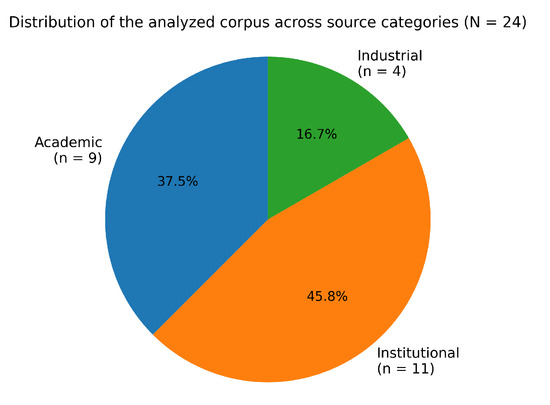
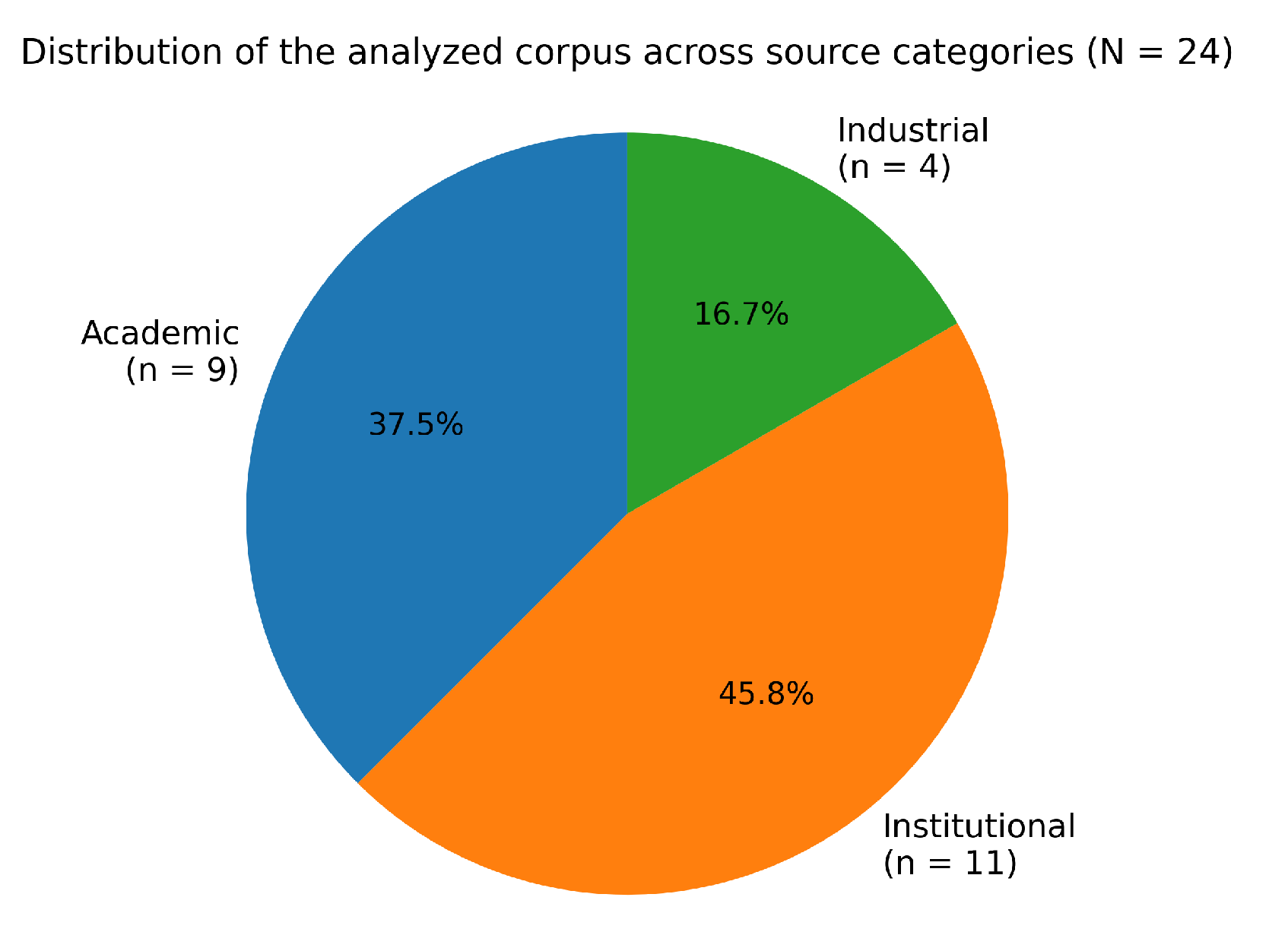
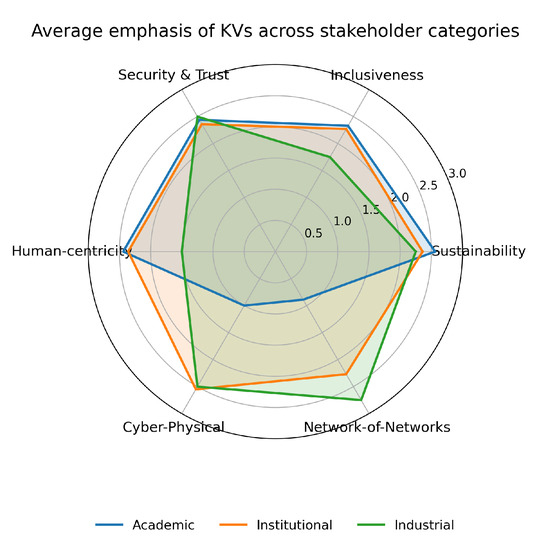
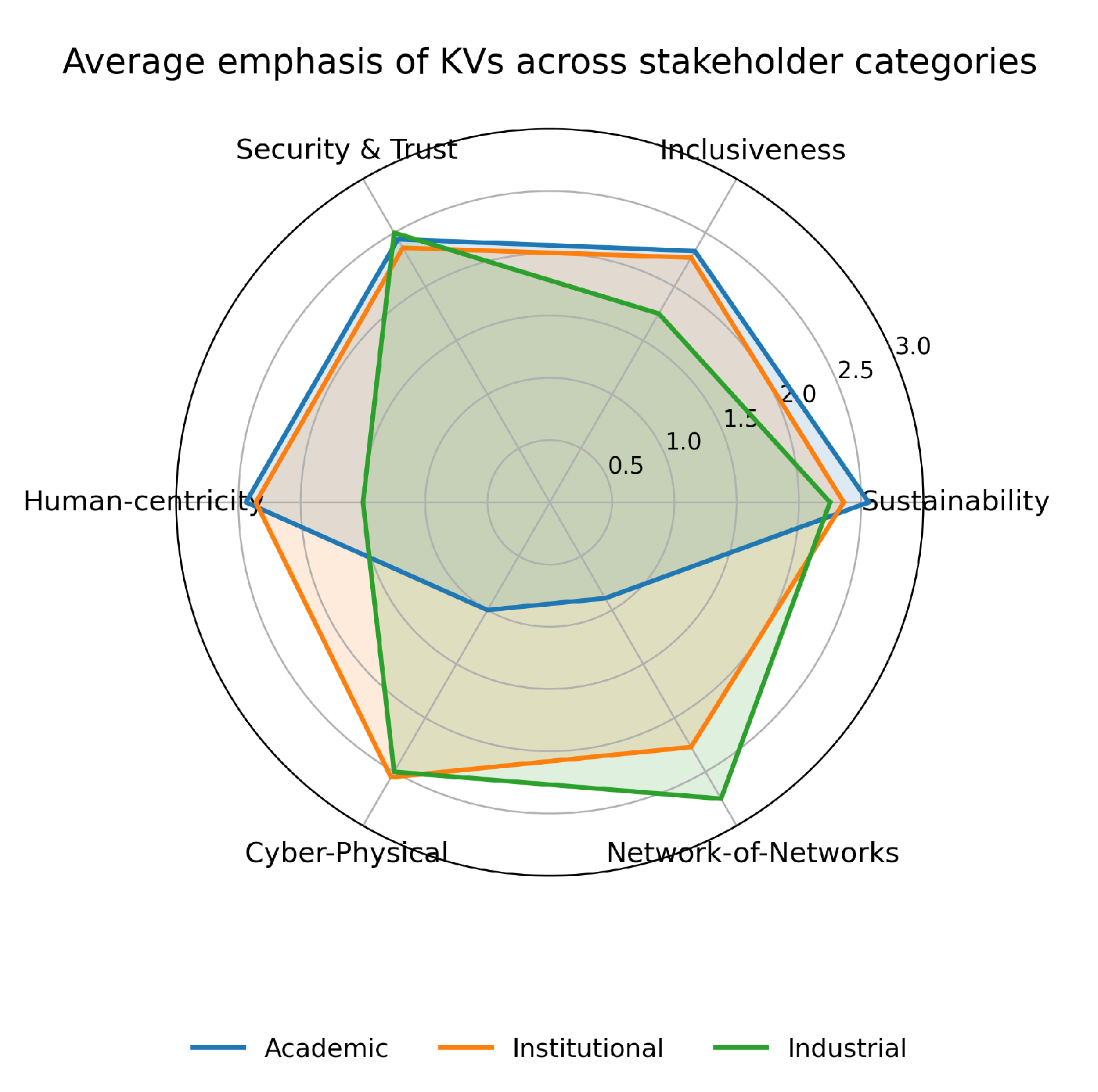

Disclaimer/Publisher’s Note: The statements, opinions and data contained in all publications are solely those of the individual author(s) and contributor(s) and not of MDPI and/or the editor(s). MDPI and/or the editor(s) disclaim responsibility for any injury to people or property resulting from any ideas, methods, instructions or products referred to in the content. |
© 2026 by the authors. Licensee MDPI, Basel, Switzerland. This article is an open access article distributed under the terms and conditions of the Creative Commons Attribution (CC BY) license.