


Abstract
The 2025 American Thyroid Association (ATA) guidelines support risk-adapted de-escalation in adults with differentiated thyroid cancer, but the evidence and eligibility requirements differ across treatment decisions. This narrative review examines initial management, thyroid and nodal surgery, and postoperative reassessment, considering cancer control, endocrine function, morbidity, patient preferences, and follow-up capacity. Broad database searches, citation tracing, and targeted verification informed a purposively selected corpus of 69 sources. Active surveillance and thermal ablation are options for selected intrathyroidal papillary cancers no larger than 1 cm without clinically evident metastases, supported mainly by nonrandomized evidence. Surveillance allows many patients to avoid surgery during follow-up. Lobectomy is appropriate for many unilateral low-risk tumors; total thyroidectomy with therapeutic compartmental dissection remains recommended for clinically apparent nodal disease. Randomized evidence supports omission of routine radioactive iodine after total thyroidectomy in trial-eligible low-risk patients, although trial event definitions differ. Completion surgery, recurrent-disease treatment, thyrotropin management, and surveillance intensity require treatment-specific assessment. Selection bias, heterogeneous outcomes, and concentration in expert centers limit generalizability. Appropriate de-escalation depends on reliable staging, explicit criteria for reconsidering management, and timely access to additional treatment. These adult management principles should not be extrapolated directly to children.
1. Introduction and Review Methods
Clinical Rationale, Scope, and Narrative Review Methods
Management of differentiated thyroid cancer increasingly emphasizes matching treatment intensity to disease risk. Most patients have an excellent disease-specific prognosis, yet the consequences of treatment can persist for decades. Total thyroidectomy, central neck dissection, radioactive iodine, and prolonged biochemical surveillance can each be appropriate, but each can impose a lasting burden: recurrent laryngeal nerve injury, hypoparathyroidism, lifelong hormone dependence, repeated imaging, cancer-related worry, and additional procedures may follow treatment that was more extensive than the disease required. Treatment selection should preserve oncologic control while avoiding interventions with little expected benefit for the individual patient [1,2,3,4,5,6].
The 2025 American Thyroid Association (ATA) guidelines organize care through the DATA framework—Diagnosis, risk–benefit Assessment, Treatment decisions, and response Assessment. They permit active surveillance or ultrasound-guided percutaneous ablation in selected cT1aN0M0 papillary thyroid carcinoma (a tumor no larger than 1 cm, confined to the thyroid, without clinically evident nodal or distant metastases), broaden the indications for lobectomy, restrict prophylactic central-compartment dissection, and guide postoperative treatment by pathology and response [1,2]. These options require reliable imaging, clear indications for intervention, technical expertise, and follow-up that can detect changes in disease or patient preferences [1,4,5,6].
This review examines when less intensive treatment is appropriate for adults with differentiated thyroid cancer and when additional treatment is warranted. It considers surveillance, ablation, thyroidectomy extent, nodal surgery, and postoperative care in the context of the 2025 ATA guidelines, distinguishing established recommendations from emerging observational evidence. Thyroid and nodal surgery should be planned together, while surveillance and ablation require their own monitoring pathways. The emphasis is on initial and locoregional management rather than systemic treatment of advanced disease. Most surveillance and ablation evidence concerns selected papillary cancers; its applicability to follicular and oncocytic carcinoma is limited [1,2,3,4,5,6].
Pediatric differentiated thyroid cancer has distinct clinical and biological features, so adult de-escalation strategies should not be extrapolated directly to children. The 2022 European Thyroid Association (ETA) pediatric guideline generally favors total thyroidectomy while allowing consideration of hemithyroidectomy for incidentally identified, very small carcinomas with nonaggressive histological features [7].
This is a structured narrative review with purposive source selection. SANRA informed the appraisal of narrative-review quality [8]. Two complementary search strategies were run in PubMed/MEDLINE, Scopus, and the Web of Science Core Collection on 15 August 2026. The searches retrieved 24,654 query-level records (13,059 unique after deduplication). These searches provided a broad literature pool for selecting relevant sources, rather than an exhaustively screened systematic-review dataset. The publication window was 1 January 2015 to 1 August 2026, with contextual exceptions for a foundational 2010 dynamic-risk report and an ATA recurrent-nodal-disease statement first published online in 2014 and assigned to the January 2015 issue. This period covers the evidence accumulated between the release of the 2015 and 2025 ATA guidelines and the first publications after the release of the 2025 guidelines. Database-specific filters and the common eligibility cutoff are detailed in Supplementary Methods S1–S5.
The corpus comprises 62 database-derived reports and three sources identified through citation tracing. A targeted check on 16 September 2026 added the IoN randomized trial, and three sources were added during peer review on 14 November 2026: the pediatric ETA guideline and the Wu and Yang syntheses (69 sources in total). All four additions were published before the cutoff, and the database searches were not rerun (Figure 1; Supplementary Table S3).
Figure 1.
Broad literature retrieval and purposive source selection. C1 denotes guideline-linked surgical management; C2 denotes interventions, outcomes, and clinical decision factors. The original searches yielded 24,654 query-level records and 13,059 unique records after removal of 11,595 duplicates. The initial 65 sources comprised 62 database-derived and three citation-traced reports. IoN was added on 16 September 2026; three reviewer-directed additions on 14 November 2026 brought the total to 69. The figure describes purposive selection for a narrative review, not systematic screening. Search details and source provenance are provided in Supplementary Methods S1–S5 and Table S3.
Eligible sources addressed adult differentiated thyroid cancer management, including initial and locoregional treatment, postoperative radioactive iodine, follow-up, morbidity, patient-reported outcomes, and implementation. Guidelines, consensus and methods papers, relevant editorials, trials, cohorts, registries, syntheses, and informative clinical series were considered. Exclusions were pediatric-only therapeutic cohorts, medullary or anaplastic carcinoma, single-case reports, redundant reports without distinct information, and systemic-treatment or diagnostic studies unrelated to these management decisions. Sources were required to provide sufficient information in English for reliable interpretation. Contextual guidelines and methodological sources were considered separately from clinical outcome evidence. Supplementary Methods S4 provides the full criteria.
Selection prioritized guidelines, randomized and prospective studies, relevant syntheses, large adjusted cohorts, and studies directly addressing the review questions. Related reports were linked to avoid counting the same patients as independent evidence. Francesco Stanzione (F.S.) conducted the original searches and publication selection; one reviewer performed the primary evidence charting. Interpretation considered study design, relevance, precision, consistency, and applicability across centers. No formal GRADE assessment or new pooled analysis was performed [8].
2. Preoperative Assessment and Initial Management
Clinical Assessment, Active Surveillance, Thermal Ablation, and Surgery
The first task is to establish whether a patient truly has the low-risk anatomy required for de-escalation. The 2025 ATA guideline recommends preoperative neck ultrasonography for patients proceeding to surgery, with assessment of the primary tumor, gross extrathyroidal extension, and central and lateral cervical nodes. A sonographically suspicious node larger than 8–10 mm in its smallest diameter should undergo ultrasound-guided fine-needle aspiration when confirmation would change management; cross-sectional imaging is reserved for suspected invasive or bulky disease [1,2]. Cytology confirms or strongly suggests malignancy but does not reveal the full histological subtype, vascular invasion, occult nodal burden, or microscopic extrathyroidal extension. Molecular findings can contribute to risk assessment when already available, but the ATA does not recommend routine genomic profiling of confirmed differentiated thyroid cancer solely to determine surgical extent [1]. In a 105-patient retrospective cohort, high-risk molecular profiles were uncommon (6/105, 5.7%) but were associated with structural recurrence; four of six high-risk patients recurred and three developed distant disease, yielding an imprecise adjusted hazard ratio of 6.22 (95% CI 1.04–37.36) [9]. These molecular findings should be interpreted with imaging and cytology; the small high-risk subgroup limits precision. The evidence for preoperative assessment and initial management is summarized in Supplementary Table S4.
Initial management includes active surveillance, thermal ablation, and surgery. Active surveillance allows many patients to avoid surgery, with intervention reserved for predefined clinical indications or an informed change in patient preference. Thermal ablation provides local treatment without surgical excision. When surgery is chosen, thyroidectomy extent and nodal dissection should be planned together because clinically apparent nodal disease influences the initial thyroid operation. Pathology and subsequent response assessment guide further treatment and surveillance [1,2]. Table 1 summarizes these choices, their eligibility requirements, and the limitations of the supporting evidence.
Table 1.
Clinical decisions, selection considerations, and the supporting evidence for de-escalation in adults with differentiated thyroid cancer.
The 2025 ATA guideline gives active surveillance a conditional, low-certainty recommendation for selected adults with cT1aN0M0 papillary thyroid carcinoma [1]. Size alone does not establish eligibility. Appropriate candidates lack aggressive cytological features, clinically apparent nodal or distant metastases, visible extrathyroidal extension, and imaging evidence of invasion of the recurrent laryngeal nerve, trachea, or esophagus. Tumors abutting the posterior capsule or critical structures require particular caution because a few millimeters of growth may narrow the window for straightforward surgery. Surveillance also requires an experienced ultrasonographer and a recall system capable of sustaining monitoring over years. The ATA proposes neck ultrasound every six months for the first one to two years and annually thereafter, while routine thyroglobulin (Tg) or anti-thyroglobulin antibody (TgAb) measurement is not recommended with the intact thyroid in place [1,2].
Long-term cohorts support surveillance in selected patients treated within experienced programs. At Kuma Hospital, 3222 patients chose surveillance and 2424 immediate surgery. During surveillance, 124/3222 (3.8%) had growth of at least 3 mm and 27/3222 (0.8%) developed new nodal metastases; estimated 20-year rates were 6.6% and 1.6%, respectively. During the reported follow-up, 12.3% underwent one or more operations, and no patient died from thyroid carcinoma [10,11]. A United States cohort characterized tumor-volume kinetics during surveillance [12], whereas a separate Tokyo cohort examined selected T1bN0M0 tumors beyond the usual cT1a eligibility criteria [13]. External cohorts show that progression estimates change with definitions and population. In the prospective Korean MAeSTro cohort, 68/706 patients (9.6%) met a composite progression endpoint over a mean 41.4 months, including 41/706 (5.8%) with growth of at least 3 mm and 9/706 (1.3%) with new nodal metastases; no distant metastases occurred, but 163/706 (23.1%) proceeded to surgery [14]. A United States prospective nonrandomized study that included tumors up to 20 mm likewise reported no regional or distant metastases during a mean 37.1 months, although treatment selection and cancer-related worry differed between surveillance and immediate-surgery groups [15].
Active surveillance requires scheduled imaging and predefined indications for intervention. The ATA identifies clear reasons to seek surgical reassessment and consider resection: new biopsy-proven nodal metastasis, primary-tumor growth of at least 3 mm, distant metastasis, new extrathyroidal extension, posterior growth, inability to adhere to follow-up, patient anxiety, or an informed preference for surgery [1]. Younger age, male sex, and larger baseline microcarcinoma were associated with progression in the Korean cohort, but these factors inform counseling and are not automatic exclusions [14]. Conversion for documented progression and surgery requested because of anxiety should be reported separately. In the Korean study, fear of progression was more common than objective progression among patients who elected conversion [14]; qualitative work identifies the same concern as a barrier to choosing surveillance [16].
The comparative evidence remains weaker than the size of individual surveillance cohorts may imply. Systematic reviews find low rates of tumor growth, nodal progression, distant disease, and disease-specific mortality, but treatment groups are self-selected and differ in age, anatomy, comorbidity, and willingness to live with untreated cancer [17,18]. A meta-analysis of 4156 patients estimated primary-tumor growth in 4.4%, nodal spread in 1.0%, thyroid-cancer mortality in 0.03%, and delayed surgery in 9.9%; approximately half of delayed operations reflected patient preference rather than documented progression [18]. These findings support surveillance in selected patients with access to reliable follow-up. Economic evidence must distinguish surveillance of an untreated primary tumor from follow-up after thyroidectomy. A risk-stratified postoperative analysis found the highest cost per recurrence detected in low-risk disease [64]; it did not compare active surveillance with immediate surgery. Eligibility depends on tumor features, patient preferences, and reliable access to follow-up.
Ultrasound-guided percutaneous thermal ablation is an active local treatment option, distinct from both surveillance and surgical resection. The 2025 ATA guideline gives ablation the same conditional, low-certainty status as an alternative to surveillance or resection for selected cT1aN0M0 papillary thyroid carcinoma [1]. International consensus documents converge on the prerequisites: a securely established diagnosis, no aggressive cytological or imaging feature, no nodal or distant disease, a lesion that can be safely encompassed with an ablation margin, an experienced operator, and a patient who understands that ablation treats the visible target without providing a surgical specimen or eliminating long-term ultrasound [19,20]. Refusal of surgery alone is insufficient: ablation requires favorable anatomy, informed acceptance of its limitations, and continuing imaging follow-up.
In a four-center retrospective series, 179 patients with 181 T1N0M0 papillary tumors underwent thermal ablation and had a mean follow-up of 120.8 months. Progression occurred in 11/179 patients (6.1%): four developed nodal metastases, six new tumors, and one persistent tumor. Radiographic disappearance was a tumor-level endpoint, occurring in 176/181 lesions (97.2%); it was lower in the small T1b subgroup (10/14, 71.4%) than in T1a lesions (166/167, 99.4%). Subsequent surgery was undertaken both for persistent or progressive disease and for anxiety; these indications should be reported separately when estimating the overall need for later surgery [21]. Meta-analyses and prospective nonrandomized comparisons generally report rapid recovery and low complication rates, but eligibility, techniques, endpoints, and follow-up vary [22,23,24,25]. Selected surgical series document residual viable carcinoma after incomplete ablation [26]. These reports support careful target assessment and continuing surveillance, not equivalence of ablation, observation, and surgery.
3. Extent of Thyroid and Nodal Surgery
3.1. Lobectomy, Total Thyroidectomy, Biology, and Patient Preference
When surgery is selected, the 2025 ATA guideline recommends thyroidectomy extent according to clinical stage and individual treatment needs. For a cancer measuring 2 cm or less, confined to one lobe, without gross extrathyroidal extension or metastases (cT1N0M0), lobectomy should be the initial procedure unless bilateral disease or another indication requires removal of the opposite lobe. For a unilateral low-risk tumor larger than 2 cm and no larger than 4 cm (cT2N0M0), lobectomy may also be preferred because of its lower operative risk, although total thyroidectomy remains reasonable when disease features, suspicious contralateral nodularity, anticipated radioactive iodine, follow-up strategy, or informed patient preference favors it. Total thyroidectomy with removal of gross disease is recommended for tumors larger than 4 cm, gross extrathyroidal extension, clinically involved nodes, or distant metastases, unless contraindicated [1,2,3]. Consent should address the planned operation and the findings that could change its extent. A patient choosing lobectomy needs to understand that unexpected higher-risk findings can require conversion during the operation or completion thyroidectomy after definitive pathology; conversely, the possibility of a second operation is not by itself a reason to expose every low-risk patient to bilateral surgery [1,27,28,29]. The evidence on thyroidectomy extent and nodal surgery is summarized in Supplementary Table S5.
Tumor size is one of several determinants of thyroidectomy extent. Laterality, the relationship to the thyroid capsule, posterior location, contralateral nodules, family history, prior radiation, vocal-fold function, and the likely benefit of postoperative radioactive iodine influence the decision to preserve the opposite lobe. Cytological or molecular information can contribute to risk assessment when it is already available, but the 2025 guideline does not recommend routine genomic testing of confirmed differentiated thyroid cancer solely to choose the extent of surgery [1,9,30]. Molecular results should be considered alongside imaging and cytology. Multifocality confined to the involved lobe does not have the same implications as convincing bilateral disease, and an isolated mutation should not be treated as equivalent to gross invasion or clinically apparent metastasis. Counseling should identify the outcomes that matter most to the patient. A wish to avoid lifelong hormone replacement, preserve endogenous function, simplify pregnancy planning, or minimize bilateral neural and parathyroid risk may favor lobectomy. A strong preference for the most sensitive thyroglobulin surveillance, avoidance of possible completion surgery, or access to radioactive iodine may favor total thyroidectomy. These trade-offs should be discussed in terms of treatment burden, residual uncertainty, and the possible need for additional surgery [1,31,32,33,34,35,36].
Lobectomy avoids dissection of the contralateral recurrent laryngeal nerve and parathyroid glands, reducing the morbidity associated with bilateral surgery [1]. Short-term patient-reported outcomes can also favor the smaller operation. In a prospective cohort of 1060 patients with low- or intermediate-risk differentiated thyroid cancer, total thyroidectomy was associated with more anxiety, fatigue, pain, voice change, paresthesia, and other quality-of-life problems at one and three months, although nearly all differences had disappeared by six and twelve months [31]. Systematic and long-term observational evidence remains mixed, which argues against presenting lobectomy as a guaranteed quality-of-life advantage [32,33,35]. Preservation of a lobe likewise does not guarantee freedom from levothyroxine. Among 143 patients not receiving replacement before hemithyroidectomy, endogenous normal thyroid function was present in 80%, 69%, and 66% at one, two, and three years; 34% required levothyroxine by year three [37].
Later procedures after lobectomy should be separated into early completion for newly recognized indications, thyroid surgery for contralateral disease, and neck dissection for nodal recurrence. In a national cohort of 65,627 patients, lobectomy use increased after the 2015 guideline change. Among lobectomy recipients, early reoperative thyroid surgery fell from 33.9% to 14.2%, while late thyroid reoperation was 1.7% and late neck dissection 0.8% in the later era; the overall late reoperation rate did not differ significantly from total thyroidectomy after the guideline change [27]. These utilization estimates reflect changing pathology thresholds and practice patterns, and should not be presented as an individual patient’s probability. Completion surgery requires a clear indication related to cancer control, RAI, or follow-up [1,27,28,29]; its indications and the variation in reported rates are discussed in Section 4.1.
Two retrospective single-center cohorts evaluated lobectomy in carefully selected unilateral cN1b papillary thyroid carcinoma. At a referral cancer center in Beijing, Xu and colleagues studied 946 patients with ipsilateral clinical lateral-neck metastasis; after propensity matching, 265 lobectomy and 265 total-thyroidectomy recipients had five-year recurrence-free survival of 92.3% and 93.7%, respectively [38]. At Ito Hospital in Tokyo, Saito and colleagues followed 401 patients for a median of 13 years. Adjusted 10-year recurrence-free survival was 88.4% after lobectomy and 92.9% after total thyroidectomy (HR 1.41, 95% CI 0.79–2.54). A modified endpoint that excluded isolated remaining-thyroid or contralateral level-VI recurrences yielded an HR of 0.93 (95% CI 0.49–1.76); it should not be interpreted as freedom from all recurrence. Approximately 4% of lobectomy recipients developed disease confined to the remaining thyroid or contralateral central compartment [39].
In the Saito cohort, permanent hypoparathyroidism occurred in 23/244 total-thyroidectomy patients (9.4%) and transient bilateral recurrent laryngeal nerve paralysis in 2/244 (0.8%), with neither complication in the lobectomy group. However, total thyroidectomy was accompanied by bilateral central dissection, whereas lobectomy was accompanied by ipsilateral central dissection. The complication difference cannot therefore be attributed solely to thyroidectomy extent [39]. Both cohorts selected favorable anatomy in high-volume referral centers in China or Japan; residual confounding and differences in operative practice limit their applicability elsewhere.
Wu and colleagues subsequently synthesized six comparative studies involving 1894 patients, including the Xu and Saito cohorts [40]. Lobectomy was associated with fewer reported complications (RR 0.21, 95% CI 0.06–0.70), although heterogeneity was substantial (I2 = 92%). The estimates for five-year recurrence-free survival (HR 1.03, 95% CI 0.68–1.56) and recurrence (RR 1.10, 95% CI 0.77–1.58) did not show statistically significant differences. Although the authors favored lobectomy after excluding gross extrathyroidal extension and aggressive subtypes, these intervals leave clinically relevant differences possible and do not establish equivalence or noninferiority. Treatment-selection bias, differences in nodal surgery, and the inclusion of Saito’s modified recurrence endpoint limit interpretation (Supplementary Table S5).
Whether lobectomy provides adequate oncologic control in selected cN1b disease remains a question for prospective evaluation. For clinically apparent nodal disease, the 2025 ATA guidelines recommend total thyroidectomy, unless contraindicated, with appropriate therapeutic compartmental nodal dissection (Recommendation 15C) [1]. Considering the available evidence, lobectomy should not replace this approach outside clinical trials.
Total thyroidectomy is appropriate when the expected oncologic or follow-up benefit outweighs bilateral operative morbidity. It removes macroscopic bilateral thyroid disease, supports radioactive iodine when treatment is expected to improve control, and increases the specificity of thyroglobulin interpretation by minimizing normal thyroid tissue. Those advantages are most persuasive for tumors larger than 4 cm, gross extrathyroidal extension, clinically evident nodal or distant metastases, convincing bilateral disease, or histological patterns expected to alter adjuvant treatment [1,2,3]. Total thyroidectomy requires lifelong levothyroxine and exposes both recurrent laryngeal nerves and the parathyroid glands to operative injury, including the risks of permanent hypoparathyroidism and bilateral vocal-fold dysfunction. Economic models generally favor lobectomy in low-risk 1- to 4-cm papillary cancer when no recognizable high-risk feature is present, but such analyses depend on assumptions about completion surgery, recurrence, surveillance, medication, and local costs [34]. A contemporary meta-analysis of observational comparisons found slightly better disease-free survival after total thyroidectomy, but no statistically significant difference in recurrence, overall survival, or disease-specific survival; these findings do not establish equivalence [41]. Consent should address the practical consequences of each operation. Some patients prioritize avoiding a second procedure; others place greater value on endogenous function and lower initial morbidity. Recurrence-related worry can strongly influence treatment choice; estimates of recurrence, morbidity, and additional surgery should therefore be discussed before consent [36].
Intraoperative findings may justify changing the planned extent of surgery. Gross invasion, unexpected contralateral malignancy, or clinically involved nodes may justify extending thyroidectomy; therapeutic nodal dissection is added when nodal disease is present [1,3]. If an unexpected clinically suspicious central lymph node is identified during planned lobectomy, targeted frozen-section examination may confirm metastasis and inform conversion to total thyroidectomy with therapeutic central-compartment dissection, provided operative safety and the agreed treatment plan permit [1]. This selective use differs from routine sampling of clinically normal nodes to detect microscopic disease. Intraoperative nerve injury or parathyroid compromise may instead require a staged procedure. If loss of recurrent laryngeal nerve function or substantial parathyroid compromise occurs on the first side, completing a planned contralateral procedure can transform a unilateral injury into bilateral vocal-fold paralysis or permanent hypoparathyroidism. Staging the second side is often safer, and recurrent laryngeal nerve status is explicitly relevant to a later completion-thyroidectomy decision [1,65,66]. The operative record should therefore document gross tumor relationships, nerve identification and function, parathyroid preservation, nodal findings, any reason for conversion, and the findings that require definitive pathological assessment.
3.2. Central and Lateral Neck Dissection and Intraoperative Decision-Making
Planning nodal surgery begins with compartmental mapping and a clear therapeutic or prophylactic intent. High-resolution ultrasound should describe the central and lateral compartments before incision; suspicious nodes are confirmed by cytology and, when useful, thyroglobulin washout, while cross-sectional imaging is added for bulky, posterior, mediastinal, or invasive disease [1,2,3]. This information determines whether a dissection is therapeutic or prophylactic. Therapeutic dissection removes a known or strongly suspected disease-bearing compartment. Prophylactic dissection removes nodal tissue from a clinically uninvolved compartment for staging or a proposed reduction in recurrence risk. During initial surgery for clinically evident nodal metastases, isolated node excision should not substitute for an indicated compartmental dissection. The extent of reoperation in a previously dissected neck requires separate assessment (Section 4.2). The objective is complete treatment of the indicated compartment while preserving the recurrent laryngeal nerve, external branch of the superior laryngeal nerve, parathyroid glands, thoracic duct, and major vessels [1,3,42,43].
The 2025 ATA therapeutic recommendations are anatomically specific. Clinically involved central nodes (cN1a) should be treated with thyroidectomy and dissection of level VI and the upper portion of level VII. For biopsy-proven or clinically obvious lateral disease (cN1b), therapeutic lateral dissection typically includes levels IIa, III, IV, and Vb; ipsilateral central-compartment dissection is also recommended, although the certainty for routinely treating a radiographically negative central compartment in cN1b remains low [1]. Disease distribution supports a formal lateral operation. In 202 initial dissections reported by Javid and colleagues, metastases were found in levels II, III, IV, and V in 68.8%, 65.7%, 52.0%, and 16.9%, respectively; ipsilateral persistence or recurrence occurred after 10.9% of procedures [42]. These data do not mean that every patient requires identical boundaries. Level I, IIb, or Va may be added for documented disease, and anatomic constraints can modify the plan. They do show why an incomplete selective excision should not replace a compartment-oriented operation when lateral metastasis is established.
A multicenter study of lobectomy-eligible, unifocal cT1b–T2 cN0 papillary cancer found that pathological nodal evaluation changed the assigned 2025 ATA recurrence-risk category [44]. This demonstrates the prognostic information obtained from nodal pathology, but does not establish that routine prophylactic dissection improves recurrence or survival. A change in risk classification is not itself a patient benefit and must be weighed against the morbidity of obtaining that information.
The benefit of prophylactic central neck dissection remains uncertain. Microscopic central metastases are common, but detecting them does not necessarily improve structural control or survival. The 2025 ATA guideline therefore recommends against prophylactic central dissection for most small, noninvasive cT1-T2 cN0 papillary cancers and most follicular cancers. It may be considered for T3–T4 cN0 papillary carcinoma or when the pathological information is expected to change subsequent therapy, with the evolving risks of the thyroidectomy weighed in real time [1]. Randomized evidence has not demonstrated a clear routine benefit. In the Sippel trial, 29 patients underwent prophylactic central dissection; 27.6% had occult nodes, yet one-year thyroglobulin, stimulated thyroglobulin, ultrasound findings, and complication rates were similar to total thyroidectomy alone [45]. A meta-analysis of five randomized trials including 795 patients likewise found no significant reduction in structural locoregional recurrence (RR 0.49, 95% CI 0.19–1.27) and no statistically significant difference in hypoparathyroidism (RR 1.48, 95% CI 0.73–2.97) or recurrent laryngeal nerve injury (RR 1.34, 95% CI 0.59–3.03) [46]. The wide intervals leave clinically relevant benefit and harm uncertain; nonsignificance should not be interpreted as equivalence.
Observational evidence explains why controversy persists. A meta-analysis of hemithyroidectomy cohorts reported central-compartment recurrence of 0.17% with prophylactic dissection and 1.78% without it, with overall recurrence of 1.3% and 5.4% [47]. These differences are clinically interesting but derive from nonrandomized series with variable risk, surgery, surveillance, and duration of follow-up. In a 211-patient multi-institutional cohort that underwent bilateral prophylactic central dissection, occult metastasis was present in 41.2%, yet its mere presence was not associated with regional recurrence; a lymph-node ratio of at least 0.26 was far more informative [48]. Nodal burden and distribution should be considered alongside the presence of microscopic metastasis. A newer 65-patient cohort of cN1b disease apparently isolated to the lateral neck found an estimated 10-year recurrence-free probability of 92.5% with prophylactic central dissection versus 66.7% without it, but only 12 patients formed the no-dissection group, and residual confounding is substantial [49]. These findings are consistent with the ATA’s conditional recommendation for ipsilateral central dissection in cN1b, but do not justify routine bilateral prophylactic dissection during every lateral-neck operation [1,49].
An intraoperative decision to extend nodal surgery should be guided by visible disease and operative safety. A clinically suspicious central node encountered during lobectomy warrants selective confirmation when the result would change management. Confirmed clinically apparent central nodal disease warrants conversion to total thyroidectomy with therapeutic central-compartment dissection, provided this is consistent with the patient’s consent and operative safety [1]. Conversely, an injured recurrent laryngeal nerve or compromised parathyroid reserve on the first side is a reason to avoid a cN0 contralateral paratracheal dissection and consider staging any additional surgery. Preoperative voice assessment, direct nerve visualization, selective monitoring, and clear documentation of the treated levels are essential because a later team must know whether persistent disease reflects biology, incomplete mapping, or incomplete compartmental surgery [1,43,65,66]. The same principle applies to lateral disease: the presence of a favorable unilateral primary or consideration of lobectomy does not reduce the need for an adequate therapeutic lateral dissection. The value of additional staging information must be weighed against neural and parathyroid morbidity, particularly when the compartment is clinically uninvolved.
4. Postoperative Risk Reassessment and Follow-Up
4.1. Definitive Pathology, Completion Thyroidectomy, Radioiodine, and Dynamic Risk
Definitive pathology refines the preoperative assessment and may change the indications for further treatment. Completion thyroidectomy is no longer the routine consequence of finding differentiated thyroid cancer after lobectomy. The 2025 ATA guideline states that it may be considered to address persistent primary malignancy, facilitate radioactive iodine (RAI) when the expected benefit is clinically meaningful, or enhance follow-up when postoperative recurrence risk has increased; recurrent laryngeal nerve function and patient preference must be included in that decision [1,2]. The expected benefit should justify a second operation and its potential effect on remaining neural and parathyroid function. The evidence for postoperative and recurrent-disease management is summarized in Supplementary Table S6.
Pathological findings should be interpreted according to their implications for recurrence risk and treatment, rather than treated as interchangeable indications for completion surgery. The formal 2025 recurrence-risk categories are low (<10%), low–intermediate (10–15%), intermediate–high (16–30%), and high (>30%) [1]. Gross residual or bilateral malignancy, extensive vascular invasion, gross extrathyroidal extension, aggressive histology, clinically consequential nodal burden, or extranodal extension may strengthen the indication for completion thyroidectomy or postoperative RAI. By contrast, multifocality alone, microscopic or minimal extrathyroidal extension, a microscopic positive margin without gross residual disease, or small-volume microscopic central nodal disease does not automatically make lobectomy inadequate [1,3,4,5]. The decision depends on the combined pathological findings, the expected benefit of RAI or further resection, and the morbidity of another operation.
Reported completion-thyroidectomy rates vary substantially across studies. A systematic review of more than 48,000 patients found that completion-thyroidectomy rates declined from 51.8% before 2016 to 43.1% after publication of the 2015 ATA guideline [28]. A separate 2026 review of 30 studies and 23,899 lobectomies reported a weighted completion rate of 19.2%, with study estimates ranging from 4.9% to 94.6% [29]. Variation in completion rates reflects differences in initial indications, pathology definitions, access to expert review, RAI practice, and willingness to observe the remaining lobe. Completion risk is therefore best discussed as a possible subsequent treatment, not as a universal percentage attached to lobectomy.
RAI should be prescribed for a clear oncologic indication. ESTIMABL2 randomized 776 patients with low-risk differentiated thyroid cancer after total thyroidectomy and assessed a composite of structural, functional, or biological events. Its biochemical Tg/TgAb criteria could identify an event without demonstrated structural recurrence. Among 730 patients evaluable at three years, 95.6% without RAI and 95.9% with RAI remained event-free, a difference of −0.3 percentage points (90% CI −2.7 to 2.2) that met the noninferiority criterion [50]. At five years, 698 patients were evaluable; event-free proportions were 93.2% and 94.8%, respectively, a difference of −1.6 percentage points (90% CI −4.5 to 1.4), confirming noninferiority with a prespecified 5-percentage-point margin. Eleven structural or functional abnormalities and 31 biological abnormalities were recorded [51]. These reports describe successive follow-up of one randomized trial. They support omission of routine ablation in the selected low-risk population (pT1am or pT1b, N0/Nx) but do not establish the safety of omission in node-positive, grossly invasive, aggressive-histology, or structurally persistent disease.
The independent UK IoN trial randomized 504 patients after complete total thyroidectomy. Five-year recurrence-free survival in the intention-to-treat analysis was 97.9% without RAI and 96.3% with RAI, meeting the trial’s noninferiority criterion [52]. IoN assessed structural persistence or recurrence, distant metastasis, or thyroid-cancer death; isolated biochemical abnormalities did not count toward this endpoint. Thus, ESTIMABL2’s event-free proportions and IoN’s recurrence-free survival estimates should not be compared as if they measured the same outcome. Neither trial establishes overall-survival equivalence. IoN supports omission in pT1–pT2, N0/Nx disease without adverse features; its small pT3/pT3a and N1a subgroups do not establish routine omission in those populations [50,51,52].
Yang and colleagues pooled three reports from ESTIMABL2 and IoN, encompassing 1280 randomized patients [53]. This analysis summarizes the same two trial populations. Compared with no RAI, the published analysis reported no statistically significant difference in recurrence (RR 0.78, 95% CI 0.36–1.70) or recurrence-free survival (HR 0.96, 95% CI 0.80–1.15). These results do not establish equivalence, and differences in eligibility, follow-up, and endpoint definitions limit interpretation of the pooled estimates. Application should remain grounded in the primary trial populations and should not extend routine omission to higher-risk disease (Supplementary Tables S2 and S6).
Post-treatment findings can modify the recurrence-risk estimate derived from initial pathology when interpreted in the context of the operation and RAI exposure [54]. In the 507-patient cohort reported by Momesso and colleagues, 187 patients had lobectomy and 320 had total thyroidectomy without RAI, with a median follow-up of 100.5 months. Structural disease occurred in 0/326 patients classified as having an excellent response, 2/152 (1.3%) with an indeterminate response, 6/19 (31.6%) with a biochemical incomplete response, and 10/10 with a structural incomplete response [55]. Response categories are treatment-specific, and interpretation depends on imaging, biochemical trajectories, and the thyroid tissue remaining after treatment.
Thyroglobulin after lobectomy reflects secretion from the remaining normal lobe as well as any cancer. A review of 1136 hemithyroidectomy patients found inconsistent utility for serial Tg; a proposed 30 ng/mL threshold was not validated [56]. The 2025 ATA guideline accordingly distinguishes response assessment after total thyroidectomy with RAI, total thyroidectomy without RAI, and lobectomy [1]. In a cohort of 74 low-risk patients managed without RAI, including 55 after total thyroidectomy, applying ATA 2025 criteria classified more patients as having an excellent response than the Momesso extension of the 2015 criteria (ATA2015-M) [57]. No structural incomplete responses were observed over a median of 27 months. This small, short-follow-up study illustrates reclassification rather than validating long-term surveillance discontinuation.
For low-risk follow-up after total thyroidectomy, reassuring imaging and undetectable TgAb should accompany the biochemical definition of excellent response. The ATA uses nonstimulated Tg below 0.2 ng/mL after RAI, versus below 2.5 ng/mL without RAI; stimulated Tg below 1 ng/mL is an alternative response criterion after RAI. Tg and TgAb trends should be compared using consistent assays. After lobectomy, no universally validated Tg cutoff defines remission: the remaining lobe and cervical nodes require appropriate ultrasound assessment. A single reassuring result does not establish a sustained response [1].
Postoperative reassessment may support either additional treatment or less intensive follow-up. Pathology may reveal a reason to complete the thyroidectomy, treat a mapped compartment, or use RAI; a sustained excellent response may support less intensive surveillance after reassessment of the initial pathological risk. Conversely, an indeterminate biochemical value should not trigger automatic surgery if imaging is stable and the value is expected for the retained thyroid tissue. Decisions about completion, RAI, and surveillance intensity should specify the residual or recurrent disease of concern, its likelihood, and the expected benefit of intervention compared with reliable observation [1,2,3,50,51,52,54,55,56,57].
Follow-up should include treatment-specific criteria for reducing and eventually ending routine cancer surveillance. In low-risk differentiated thyroid cancer treated with total thyroidectomy, with or without RAI, the 2025 ATA guideline permits routine neck ultrasound to be discontinued after a sustained excellent response for 5–8 years, with biochemical monitoring every 1–2 years thereafter; after 10–15 years of sustained excellent response, routine biochemical monitoring is no longer required, and the patient may be considered to have achieved complete remission [1,2]. Complete remission does not guarantee cure or exclude later recurrence, and new symptoms, examination findings, rising thyroglobulin, or newly detectable TgAb should prompt renewed evaluation. After lobectomy for low-risk disease, follow-up differs: following a negative initial ultrasound, ultrasound is recommended every 1–3 years for 5–8 years, and routine additional thyroglobulin testing is not recommended when postoperative thyroglobulin is not markedly elevated [1]. Ending routine cancer-specific monitoring does not end endocrine care: thyroid function, thyrotropin targets, and levothyroxine requirements still need appropriate assessment [1].
Thyroid-stimulating hormone (TSH) targets should also follow risk and response. An excellent response generally supports TSH within the laboratory reference range; long-term suppression is not suggested for low- or intermediate-risk patients without biochemical or structural recurrence. Persistent or progressive disease may justify a lower target, individualized to expected benefit, atrial-fibrillation risk, bone health, and other comorbidity. The optimal degree of suppression remains uncertain. Levothyroxine requirements and treatment tolerance should be reviewed over time, including after cancer-specific monitoring has been reduced or stopped [1].
4.2. Persistent/Recurrent Disease, Morbidity, and Patient-Reported Outcomes
Persistent or recurrent disease requires reassessment in light of prior treatment, current anatomy, disease behavior, and the morbidity of further intervention. Small, stable, nonthreatening cervical nodes can sometimes be observed, especially when growth is absent and intervention would expose a previously operated nerve or depleted parathyroid reserve. In the evidence summarized by the ATA recurrent-nodal-disease review, only about 9% of selected abnormal nodes enlarged by more than 5 mm during a median of 3.5 years of observation [58]. Progression, symptoms, proximity to the recurrent laryngeal nerve or aerodigestive tract, bulky or multifocal compartmental disease, and patient preference shift the balance toward intervention [1,58,59]. The expected risk of structural progression should be balanced against the morbidity of intervention.
Before reoperation, current imaging, prior operative and pathology reports, and vocal-fold function should be reviewed. Under ATA Recommendation 52, either compartmental or focused reoperation may be appropriate, depending on previous dissection, mapped disease, growth, operative risk, and patient preference; structural clearance does not necessarily normalize biochemical markers [1,58,59]. In a 102-patient tertiary-center cohort, structural recurrence followed reoperation in 18/50 patients (36%) receiving RAI and 10/52 (19%) not receiving it. The groups differed in disease severity, and RAI was not independently associated with lower second-recurrence risk [60]. This observational finding does not establish absence of benefit in all recurrent disease. Additional RAI should be individualized according to residual disease, iodine avidity, previous exposure, and expected benefit, rather than administered automatically after reoperation [1].
Image-guided local treatment may be considered for limited, accessible nodal disease when repeat surgery carries substantial risk or burden. A pooled analysis of 27 studies included 1617 patients: reoperation achieved success in 94.8% compared with 87.5% for percutaneous ethanol injection, while pooled recurrence was similar, and complications occurred in 3.5% and 1.2%, respectively; no study directly compared the two strategies [61]. Thermal-ablation meta-analyses report substantial node-volume reduction and high disappearance rates. In one synthesis of 190 patients and 270 nodes, complete disappearance rate was 86% (95% CI 79–93%) and voice change rate was 1% (95% CI 0–3%), with no major complications reported [62]. A second meta-analysis of 321 patients and 498 recurrent cervical nodes reported total complications of 5% and major complications of 4%, with higher major-complication estimates for central-compartment nodes [63]. Surgery remains the reference treatment for resectable compartmental disease, whereas ethanol or thermal ablation is best viewed as a focused alternative for carefully mapped lesions in patients for whom reoperation is undesirable or disproportionately risky [1,61,62,63].
Morbidity is central to decisions about completion thyroidectomy and treatment of recurrent disease. Completion thyroidectomy and reoperative neck surgery can place remaining neural and parathyroid function at risk. When unilateral vocal-fold dysfunction is already present, contralateral surgery may endanger the only functioning recurrent laryngeal nerve. Baseline and postoperative voice assessment, direct nerve identification, selective monitoring, and early specialist referral after dysfunction should be included in perioperative care [1,2,66]. The ATA statement on postoperative hypoparathyroidism similarly emphasizes prevention, early biochemical recognition, calcium and vitamin D management, and long-term follow-up for permanent disease [65]. Structural control and permanent functional morbidity should be reported as separate outcomes.
Patient-reported consequences reinforce that distinction. In a population-based study of 1005 patients with differentiated thyroid cancer, 775 (77.1%) reported at least one health-related quality-of-life issue or treatment adverse effect. Compared with hemithyroidectomy, total thyroidectomy without neck dissection was associated with greater odds of reporting such an issue (adjusted OR 1.49, 95% CI 1.04–2.12); the burden was still higher when total thyroidectomy was combined with neck dissection [35]. These associations are observational and do not prove that operation type alone caused the difference. These findings support assessing hormone dependence, voice, calcium management, fatigue, repeated procedures, cancer-related worry, and decisional regret alongside structural control.
Counseling about additional treatment should explain its indication and expected benefit. Patients need to know why completion thyroidectomy is proposed; whether a recurrent node can be monitored, resected, or ablated; and how each choice affects voice, parathyroid function, hormone requirements, and follow-up. Reassuring findings may support less intensive care, whereas structural disease or a clinically meaningful increase in risk may warrant further treatment. Each intervention should have a defined clinical objective and an expected benefit that justifies its risks [1,35,50,51,54,55,56,57,58,59,60,61,62,63,65,66].
5. Clinical Implementation, Expertise, Access, and Treatment Burden
The safety of a management strategy depends on the resources and expertise available to deliver it. Active surveillance requires expert ultrasonography, explicit progression definitions, reliable recall, and access to delayed surgery. Thermal ablation requires diagnostic confidence, formal operator training, a safe ablation margin, and longitudinal imaging capable of recognizing residual or new disease. Lobectomy, total thyroidectomy, therapeutic neck dissection, and reoperation require procedure-specific expertise in nerve and parathyroid preservation and compartmental dissection. The risks of the same procedure or monitoring strategy can differ across institutions. Centers offering less intensive management must be able to provide reliable follow-up and timely additional treatment [1,4,5,6,10,11,12,13,14,15,16,17,18,19,20,21,22,23,24,25,26,64].
Surgeon experience and institutional outcomes should inform procedure selection and referral. National analyses show that adoption of hemithyroidectomy after guideline change varies with surgeon case volume, while population-level data associate thyroid-cancer surgical volume with disease-free outcomes [67,68]. Volume alone is insufficient to judge safety. Institutions should report annual thyroid and neck-dissection volume, permanent recurrent laryngeal nerve injury, permanent hypoparathyroidism, reoperation, completeness of compartmental surgery, and loss to follow-up. Referral is appropriate when local expertise or follow-up capacity is insufficient for the proposed management.
Costs and treatment burden should be evaluated over the full course of care. Active surveillance allows many patients to avoid surgery during follow-up, but requires repeated ultrasound and visits, with intervention when indicated. Postoperative surveillance has a separate cost profile, with high expenditure per recurrence detected in low-risk disease [64]. Lobectomy can reduce bilateral operative morbidity and long-term hormone burden compared with total thyroidectomy, but later completion partially offsets those savings; cost-effectiveness models favoring lobectomy depend on recurrence, completion, medication, and local price assumptions [34]. A separate model comparing lobectomy with active surveillance likewise shows that the preferred strategy changes with surveillance intensity, patient age, utility assumptions, and time horizon [69]. Travel, work loss, caregiver time, insurance coverage, and access to expert imaging may outweigh the direct cost of the procedure.
Patient preferences should be elicited after the practical consequences of each option have been explained. Discrete-choice evidence indicates that fear of recurrence can dominate the initial choice between surveillance and surgery, while qualitative and cohort studies show that anxiety, body integrity, hormone dependence, scar, repeated imaging, and willingness to accept delayed surgery differ markedly between patients [16,31,32,33,35,36,37]. Patient priorities should be discussed before treatment and revisited during follow-up. The discussion should address expected cancer control, thyroid function, treatment morbidity, and the possibility of later intervention.
Figure 2 outlines the initial management options and their follow-up pathways. Table 1 summarizes the supporting evidence, while Supplementary Table S7 lists findings that warrant reconsideration of treatment.
Figure 2.
Initial management and reassessment in adults with differentiated thyroid cancer. Surveillance, ablation, and surgery have distinct follow-up pathways. Many patients under surveillance avoid surgery during the reported follow-up. ATA surveillance and ablation recommendations apply to selected cT1aN0M0 papillary cancers. Thyroid and nodal surgery should be planned together; pathology and response then guide completion surgery, RAI, and subsequent monitoring [1,2]. Table 2 provides follow-up schedules. Abbreviations and stage definitions are given in the diagram.
Table 2 and Table 3 describe follow-up and the resources needed for each strategy. Biochemical and imaging findings must be interpreted according to the initial treatment; thresholds developed after total thyroidectomy and RAI cannot be applied directly after lobectomy. Implementation also depends on imaging quality, surgical and pathology expertise, experience with local treatment, recall systems, and the patient’s ability to attend follow-up.
Table 2.
Follow-up according to initial management and indications for additional treatment. The ATA term “complete remission” denotes a surveillance endpoint and does not guarantee cure or exclude later recurrence.
Table 3.
Minimum implementation requirements, access considerations, and value domains.
6. Discussion: Evidence Limitations and Research Priorities
Much of the evidence for surveillance, ablation, and thyroidectomy extent is observational and susceptible to confounding by indication. Patients differ in age, tumor anatomy, biological risk, preferences, treatment center, and follow-up [10,14,21,22,23,24,25,26,27,38,39,40,41]. Randomized evidence addresses selected questions, particularly low-risk RAI omission and prophylactic central dissection [45,46,50,51,52,53]. Comparisons are further limited by inconsistent outcome definitions, uncommon disease-specific deaths, and the concentration of surveillance and ablation studies in expert centers. Purposive source selection and charting by one reviewer may have introduced selection and interpretation bias [8].
Prospective studies should document treatment selection, baseline risk, operator experience, and predefined indications for further intervention. Registries should include pathology, structural outcomes, nerve and parathyroid morbidity, patient-reported outcomes, resource use, and the consequences of delayed surgery. Comparisons of thyroidectomy extent in cN1b disease should standardize nodal surgery and distinguish all structural recurrences from modified endpoints. Trials of prophylactic central dissection need longer follow-up and consistent definitions of permanent complications. Completion-thyroidectomy studies should evaluate combinations of pathological findings, while ablation requires multicenter validation with clear reporting of residual disease and subsequent surgery.
Prospective studies should also measure decision quality and patient-reported outcomes. Measures of knowledge, value concordance, cancer-related worry, decisional conflict, regret, voice, swallowing, calcium-related symptoms, thyroid function, fatigue, and thyroid-specific quality of life can reveal consequences that recurrence-free survival does not capture [16,31,32,33,35,36,37]. Economic evaluations should include surveillance, medication, reoperation, travel, work loss, and caregiver burden [34,64,69]. Molecular models require external validation and assessment of calibration, fairness, and clinical utility. Their incremental value should be tested against existing multidisciplinary assessment before they influence surgical eligibility.
7. Conclusions
The 2025 ATA guidelines support risk-adapted de-escalation in adults while preserving clear indications for more extensive treatment. Active surveillance and thermal ablation are options for selected low-risk papillary cancers, not substitutes for surgery across all differentiated thyroid cancer. When surgery is indicated, thyroidectomy extent and nodal treatment should be planned together according to stage, anatomy, morbidity, and patient preferences. Definitive pathology and treatment-specific response then inform whether completion thyroidectomy, RAI, treatment of recurrent disease, or less intensive monitoring is appropriate [1,2,3].
Appropriate de-escalation depends on accurate staging, patient selection, treatment-specific follow-up, and timely reconsideration of management when disease findings or patient preferences change. The available evidence supports reducing unnecessary treatment in selected populations; these approaches cannot be applied uniformly across risk groups or practice settings. Cancer control should be considered alongside thyroid function, appropriate TSH management, voice, parathyroid morbidity, repeat procedures, and the burden of follow-up.
Supplementary Materials
The following supporting information can be downloaded at: https://www.mdpi.com/article/10.3390/endocrines7040075/s1. Supplementary Methods S1: Information Sources, Search Date, and Eligibility Cutoff; Supplementary Methods S2: Exact Database Search Strategies; Supplementary Methods S3: Query-Level Search Yields and Source Accounting; Supplementary Methods S4: Eligibility Criteria; Supplementary Methods S5: Record Management and Evidence Selection; Supplementary Methods S6: Evidence-Charting Fields; Supplementary Methods S7: Critical Appraisal and Evidence Limitations; Supplementary Methods S8: Quantitative Reporting Conventions; Supplementary Methods S9: SANRA-Aligned Quality Safeguards; Supplementary Table S1: Retained Evidence Corpus and Role in the Synthesis; Supplementary Table S2: Linked Study Families and Overlap Safeguards; Supplementary Table S3: Source Provenance, Contextual Exceptions, and Targeted Update; Supplementary Table S4: Evidence for Preoperative Assessment and Initial Management; Supplementary Table S5: Evidence for the Extent of Thyroid and Nodal Surgery; Supplementary Table S6: Evidence for Completion Thyroidectomy, Radioiodine, Response Assessment, Recurrent Disease, and Patient-Reported Outcomes; Supplementary Table S7: Clinical Management and Reassessment Considerations.
Author Contributions
Conceptualization, F.S. and F.C.; investigation (literature searches and publication selection), F.S.; writing—original draft preparation, F.S., P.A., P.B., G.C. (Giuseppe Candilio), G.C. (Giovanni Conzo), G.C. (Guido Coretti), G.C. (Gianluca Costa), C.F., D.M., F.C., G.B., G.M., A.M., A.R. (Aldo Rocca), A.R. (Anna Russo), B.S. and S.S.; writing—review and editing, F.S., P.A., P.B., G.C. (Giuseppe Candilio), G.C. (Giovanni Conzo), G.C. (Guido Coretti), G.C. (Gianluca Costa), C.F., D.M., F.C., G.B., G.M., A.M., A.R. (Aldo Rocca), A.R. (Anna Russo), B.S. and S.S. All authors have read and agreed to the published version of the manuscript.
Funding
This research received no external funding.
Institutional Review Board Statement
Not applicable.
Informed Consent Statement
Not applicable.
Data Availability Statement
No new patient-level data were generated. Search strategies, aggregate retrieval counts, source provenance, and evidence tables are provided in the Supplementary Materials.
Conflicts of Interest
The authors declare no conflicts of interest.
Abbreviations
ATA, American Thyroid Association; CI, confidence interval; DATA, Diagnosis, risk–benefit Assessment, Treatment decisions, and response Assessment; DTC, differentiated thyroid cancer; GRADE, Grading of Recommendations Assessment, Development and Evaluation; HR, hazard ratio; OR, odds ratio; PTC, papillary thyroid carcinoma; RAI, radioactive iodine; RLN, recurrent laryngeal nerve; RR, relative risk; SANRA, Scale for the Assessment of Narrative Review Articles; Tg, thyroglobulin; TgAb, anti-thyroglobulin antibodies; TSH, thyroid-stimulating hormone.
References
- Ringel, M.D.; Sosa, J.A.; Baloch, Z.; Bischoff, L.; Bloom, G.; Brent, G.A.; Brock, P.L.; Chou, R.; Flavell, R.R.; Goldner, W.; et al. 2025 American Thyroid Association Management Guidelines for Adult Patients with Differentiated Thyroid Cancer. Thyroid 2025, 35, 841–985, Correction in Thyroid 2025, 35, 1350. https://doi.org/10.1177/10507256251387671. [Google Scholar] [CrossRef] [Scilit] [PubMed]
- Praw, S.S.; Gigliotti, B.J.; Tessnow, A.; Kang, H.; Margulies, D.J. Executive Summary of the 2025 American Thyroid Association Management Guidelines for Adult Patients with Differentiated Thyroid Cancer. Thyroid 2025, 35, 1214–1220. [Google Scholar] [CrossRef] [Scilit] [PubMed]
- Haugen, B.R.; Alexander, E.K.; Bible, K.C.; Doherty, G.M.; Mandel, S.J.; Nikiforov, Y.E.; Pacini, F.; Randolph, G.W.; Sawka, A.M.; Schlumberger, M.; et al. 2015 American Thyroid Association Management Guidelines for Adult Patients with Thyroid Nodules and Differentiated Thyroid Cancer: The American Thyroid Association Guidelines Task Force on Thyroid Nodules and Differentiated Thyroid Cancer. Thyroid 2016, 26, 1–133. [Google Scholar] [CrossRef] [Scilit] [PubMed]
- Medas, F.; Canu, G.L.; Cappellacci, F.; Lanzolla, G.; Corrias, S.; Boi, F.; Calò, P.G. De-Escalating Thyroid Cancer Surgery: Insights and Unresolved Questions From the 2025 ATA Guidelines. Ann. Ital. Chir. 2026, 97, 766–768. [Google Scholar] [CrossRef] [Scilit] [PubMed]
- Haissaguerre, M.; Schubert, L.; Lamartina, L.; Buffet, C.; Caron, P. 2025 ATA Guidelines on well-differentiated thyroid cancer: How will they change our practice? Ann. Endocrinol. 2026, 87, 102482. [Google Scholar] [CrossRef] [Scilit] [PubMed]
- Ullmann, T.M.; Sosa, J.A. The Landmark Series: Extent of Surgery for Low-Risk Differentiated Thyroid Cancer. Ann. Surg. Oncol. 2025, 32, 3119–3125. [Google Scholar] [CrossRef] [Scilit] [PubMed]
- Lebbink, C.A.; Links, T.P.; Czarniecka, A.; Dias, R.P.; Elisei, R.; Izatt, L.; Krude, H.; Lorenz, K.; Luster, M.; Newbold, K.; et al. 2022 European Thyroid Association Guidelines for the management of pediatric thyroid nodules and differentiated thyroid carcinoma. Eur. Thyroid J. 2022, 11, e220146. [Google Scholar] [CrossRef] [Scilit] [PubMed]
- Baethge, C.; Goldbeck-Wood, S.; Mertens, S. SANRA-a scale for the quality assessment of narrative review articles. Res. Integr. Peer Rev. 2019, 4, 5. [Google Scholar] [CrossRef] [Scilit] [PubMed]
- Schumm, M.A.; Shu, M.L.; Hughes, E.G.; Nikiforov, Y.E.; Nikiforova, M.N.; Wald, A.I.; Lechner, M.G.; Tseng, C.H.; Sajed, D.P.; Wu, J.X.; et al. Prognostic Value of Preoperative Molecular Testing and Implications for Initial Surgical Management in Thyroid Nodules Harboring Suspected (Bethesda V) or Known (Bethesda VI) Papillary Thyroid Cancer. JAMA Otolaryngol. Head Neck Surg. 2023, 149, 735–742. [Google Scholar] [CrossRef] [Scilit] [PubMed]
- Miyauchi, A.; Ito, Y.; Fujishima, M.; Miya, A.; Onoda, N.; Kihara, M.; Higashiyama, T.; Masuoka, H.; Kawano, S.; Sasaki, T.; et al. Long-Term Outcomes of Active Surveillance and Immediate Surgery for Adult Patients with Low-Risk Papillary Thyroid Microcarcinoma: 30-Year Experience. Thyroid 2023, 33, 817–825. [Google Scholar] [CrossRef] [Scilit] [PubMed]
- Ito, Y.; Miyauchi, A.; Fujishima, M.; Yamamoto, M.; Sasaki, T. Active surveillance for adult low-risk papillary thyroid microcarcinoma-a review focused on the 30-year experience of Kuma Hospital. Endocr. J. 2024, 71, 7–21. [Google Scholar] [CrossRef] [Scilit] [PubMed]
- Tuttle, R.M.; Fagin, J.A.; Minkowitz, G.; Wong, R.J.; Roman, B.; Patel, S.; Untch, B.; Ganly, I.; Shaha, A.R.; Shah, J.P.; et al. Natural History and Tumor Volume Kinetics of Papillary Thyroid Cancers During Active Surveillance. JAMA Otolaryngol. Head Neck Surg. 2017, 143, 1015–1020. [Google Scholar] [CrossRef] [Scilit] [PubMed]
- Sakai, T.; Sugitani, I.; Ebina, A.; Fukuoka, O.; Toda, K.; Mitani, H.; Yamada, K. Active Surveillance for T1bN0M0 Papillary Thyroid Carcinoma. Thyroid 2019, 29, 59–63. [Google Scholar] [CrossRef] [Scilit] [PubMed]
- Lee, E.K.; Moon, J.H.; Hwangbo, Y.; Ryu, C.H.; Cho, S.W.; Choi, J.Y.; Chung, E.J.; Jeong, W.J.; Jung, Y.S.; Ryu, J.; et al. Progression of Low-Risk Papillary Thyroid Microcarcinoma During Active Surveillance: Interim Analysis of a Multicenter Prospective Cohort Study of Active Surveillance on Papillary Thyroid Microcarcinoma in Korea. Thyroid 2022, 32, 1328–1336. [Google Scholar] [CrossRef] [Scilit] [PubMed]
- Ho, A.S.; Kim, S.; Zalt, C.; Melany, M.L.; Chen, I.E.; Vasquez, J.; Mallen-St Clair, J.; Chen, M.M.; Vasquez, M.; Fan, X.; et al. Expanded Parameters in Active Surveillance for Low-risk Papillary Thyroid Carcinoma: A Nonrandomized Controlled Trial. JAMA Oncol. 2022, 8, 1588–1596. [Google Scholar] [CrossRef] [Scilit] [PubMed]
- Zhu, P.; Zhang, Q.; Wu, Q.; Shi, G.; Wang, W.; Xu, H.; Zhang, L.; Qian, M.; Hegarty, J. Barriers and Facilitators to the Choice of Active Surveillance for Low-Risk Papillary Thyroid Cancer in China: A Qualitative Study Examining Patient Perspectives. Thyroid 2023, 33, 826–834. [Google Scholar] [CrossRef] [Scilit] [PubMed]
- Chou, R.; Dana, T.; Haymart, M.; Leung, A.M.; Tufano, R.P.; Sosa, J.A.; Ringel, M.D. Active Surveillance Versus Thyroid Surgery for Differentiated Thyroid Cancer: A Systematic Review. Thyroid 2022, 32, 351–367. [Google Scholar] [CrossRef] [Scilit] [PubMed]
- Saravana-Bawan, B.; Bajwa, A.; Paterson, J.; McMullen, T. Active surveillance of low-risk papillary thyroid cancer: A meta-analysis. Surgery 2020, 167, 46–55. [Google Scholar] [CrossRef] [Scilit] [PubMed]
- Orloff, L.A.; Noel, J.E.; Stack, B.C., Jr.; Russell, M.D.; Angelos, P.; Baek, J.H.; Brumund, K.T.; Chiang, F.Y.; Cunnane, M.B.; Davies, L.; et al. Radiofrequency ablation and related ultrasound-guided ablation technologies for treatment of benign and malignant thyroid disease: An international multidisciplinary consensus statement of the American Head and Neck Society Endocrine Surgery Section with the Asia Pacific Society of Thyroid Surgery, Associazione Medici Endocrinologi, British Association of Endocrine and Thyroid Surgeons, European Thyroid Association, Italian Society of Endocrine Surgery Units, Korean Society of Thyroid Radiology, Latin American Thyroid Society, and Thyroid Nodules Therapies Association. Head Neck 2022, 44, 633–660. [Google Scholar] [CrossRef] [Scilit] [PubMed]
- Zhao, Z.L.; Wang, S.R.; Kuo, J.; Çekiç, B.; Liang, L.; Ghazi, H.A.; Xu, S.H.; Amabile, G.; Wu, S.S.; Yadav, A.; et al. 2024 International Expert Consensus on US-guided Thermal Ablation for T1N0M0 Papillary Thyroid Cancer. Radiology 2025, 315, e240347, Correction in Radiology 2025, 315, e259009. https://doi.org/10.1148/radiol.259009. [Google Scholar] [CrossRef] [Scilit] [PubMed]
- Yan, L.; Li, Y.; Li, X.; Xiao, J.; Jing, H.; Yang, Z.; Li, M.; Song, Q.; Wang, S.; Che, Y.; et al. Thermal Ablation for Papillary Thyroid Carcinoma. JAMA Otolaryngol. Head Neck Surg. 2025, 151, 9–17. [Google Scholar] [CrossRef] [Scilit] [PubMed]
- Nguyen, V.C.; Park, J.S.; Song, C.M.; Ji, Y.B.; Jeong, J.H.; Tae, K. Efficacy and Oncologic Outcomes of Thermal Ablation Techniques in the Treatment of Primary Low-Risk Papillary Thyroid Carcinoma: A Systematic Review and Network Meta-Analysis. Head Neck 2025, 47, 759–775. [Google Scholar] [CrossRef] [Scilit] [PubMed]
- Xue, J.; Teng, D.; Wang, H. Over than three-year follow-up results of thermal ablation for papillary thyroid carcinoma: A systematic review and meta-analysis. Front. Endocrinol. 2022, 13, 971038. [Google Scholar] [CrossRef] [Scilit] [PubMed]
- Cao, X.J.; Liu, J.; Zhu, Y.L.; Qi, L.; Liu, G.; Wang, H.L.; Wang, Z.H.; Zhou, Y.; He, J.F.; Guo, J.Q.; et al. Efficacy and Safety of Thermal Ablation for Solitary T1bN0M0 Papillary Thyroid Carcinoma: A Multicenter Study. J. Clin. Endocrinol. Metab. 2021, 106, e573–e581, Correction in J. Clin. Endocrinol. Metab. 2021, 106, e2466. https://doi.org/10.1210/clinem/dgab143. [Google Scholar] [CrossRef] [Scilit] [PubMed]
- Gong, W.; Zhang, R.; Zhang, S.; Zhai, Y.; Zheng, C.; Zhang, D. Comparison between thermal ablation and surgery in low risk papillary thyroid carcinoma: A prospective study. Front. Endocrinol. 2024, 15, 1398208. [Google Scholar] [CrossRef] [Scilit] [PubMed]
- Ma, B.; Wei, W.; Xu, W.; Wang, Y.; Guan, H.; Fan, J.; Zhao, Z.; Wen, D.; Yang, S.; Wang, Y.; et al. Surgical Confirmation of Incomplete Treatment for Primary Papillary Thyroid Carcinoma by Percutaneous Thermal Ablation: A Retrospective Case Review and Literature Review. Thyroid 2018, 28, 1134–1142. [Google Scholar] [CrossRef] [Scilit] [PubMed]
- Kheng, M.; Manzella, A.; Chao, J.C.; Laird, A.M.; Beninato, T. Reoperation Rates After Initial Thyroid Lobectomy for Patients with Thyroid Cancer: A National Cohort Study. Thyroid 2024, 34, 1007–1016. [Google Scholar] [CrossRef] [Scilit] [PubMed]
- Soibelman, D.; Ronen, O. Completion Thyroidectomy Trends and Rates: A Systematic Review and Meta-Analysis. Clin. Otolaryngol. 2025, 50, 205–219. [Google Scholar] [CrossRef] [Scilit] [PubMed]
- Tessler, I.; Yamin, T.; Caracucli, L.; Krasner, J.; Shivatzki, S.; Gecel, N.A.; Alon, E.E.; Avior, G. From Lobectomy to Completion Thyroidectomy: A Cohort Study and Systematic Review. Clin. Endocrinol. 2026, 105, 108–115. [Google Scholar] [CrossRef] [Scilit] [PubMed]
- Hier, J.; Avior, G.; Pusztaszeri, M.; Krasner, J.R.; Alyouha, N.; Forest, V.I.; Hier, M.P.; Mlynarek, A.; Richardson, K.; Sadeghi, N.; et al. Molecular testing for cytologically suspicious and malignant (Bethesda V and VI) thyroid nodules to optimize the extent of surgical intervention: A retrospective chart review. J. Otolaryngol. Head Neck Surg. 2021, 50, 29. [Google Scholar] [CrossRef] [Scilit] [PubMed]
- Chen, W.; Li, J.; Peng, S.; Hong, S.; Xu, H.; Lin, B.; Liang, X.; Liu, Y.; Liang, J.; Zhang, Z.; et al. Association of Total Thyroidectomy or Thyroid Lobectomy With the Quality of Life in Patients With Differentiated Thyroid Cancer With Low to Intermediate Risk of Recurrence. JAMA Surg. 2022, 157, 200–209. [Google Scholar] [CrossRef] [Scilit] [PubMed]
- Bach, K.; Ansari, P.; Ansari, H.; Mott, N.M.; Elfenbein, D.M.; Underwood, H.; Pitt, S.C. Health-Related Quality of Life in Patients with Low-Risk Differentiated Thyroid Cancer: A Systematic Review Examining the Extent of Thyroidectomy. Thyroid 2024, 34, 14–25. [Google Scholar] [CrossRef] [Scilit] [PubMed]
- Bongers, P.J.; Greenberg, C.A.; Hsiao, R.; Vermeer, M.; Vriens, M.R.; Lutke Holzik, M.F.; Goldstein, D.P.; Devon, K.; Rotstein, L.E.; Sawka, A.M.; et al. Differences in long-term quality of life between hemithyroidectomy and total thyroidectomy in patients treated for low-risk differentiated thyroid carcinoma. Surgery 2020, 167, 94–101. [Google Scholar] [CrossRef] [Scilit] [PubMed]
- Lang, B.H.; Wong, C.K.H. Lobectomy is a more Cost-Effective Option than Total Thyroidectomy for 1 to 4 cm Papillary Thyroid Carcinoma that do not Possess Clinically Recognizable High-Risk Features. Ann. Surg. Oncol. 2016, 23, 3641–3652. [Google Scholar] [CrossRef] [Scilit] [PubMed]
- Nickel, B.; Tan, T.; Cvejic, E.; Baade, P.; McLeod, D.S.A.; Pandeya, N.; Youl, P.; McCaffery, K.; Jordan, S. Health-Related Quality of Life After Diagnosis and Treatment of Differentiated Thyroid Cancer and Association With Type of Surgical Treatment. JAMA Otolaryngol. Head Neck Surg. 2019, 145, 231–238. [Google Scholar] [CrossRef] [Scilit] [PubMed]
- Hampton, J.; Cooper, G.; Wall, L.; Rowe, C.; Zdenkowski, N.; Fradgley, E.; Miller, J.; Gough, J.; Brown, S.; O’Neill, C. Risk of Cancer Recurrence Exerts the Strongest Influence on Choice Between Active Surveillance and Thyroid Surgery as Initial Treatment for Low-Risk Thyroid Cancer: Results of a Discrete Choice Experiment. World J. Surg. 2025, 49, 1254–1263. [Google Scholar] [CrossRef] [Scilit] [PubMed]
- Toft Kristensen, T.; Plaschke, C.C.; Fog Lomholt, A.; Holst Hahn, C.; Wessel, I.; Toft Kristensen, M.A.; Bentzen, J.; Ellervik, C. Prevalence of endogenous normal thyroid function 3 years after hemithyroidectomy for differentiated thyroid cancer. Eur. Thyroid J. 2025, 14, e240282. [Google Scholar] [CrossRef] [Scilit] [PubMed]
- Xu, S.; Huang, H.; Huang, Y.; Qian, J.; Wang, X.; Xu, Z.; Liu, S.; Liu, J. Comparison of Lobectomy vs Total Thyroidectomy for Intermediate-Risk Papillary Thyroid Carcinoma With Lymph Node Metastasis. JAMA Surg. 2023, 158, 73–79. [Google Scholar] [CrossRef] [Scilit] [PubMed]
- Saito, Y.; Matsuzu, K.; Abdelhamid Ahmed, A.H.; Inoue, K.; Shibuya, H.; Matsui, A.; Kuga, Y.; Ono, R.; Yoshioka, K.; Masaki, C.; et al. Lobectomy vs Total Thyroidectomy With Ipsilateral Lateral Neck Dissection for N1b Intermediate-Risk Papillary Thyroid Carcinoma. JAMA Otolaryngol. Head Neck Surg. 2025, 151, 105–112. [Google Scholar] [CrossRef] [Scilit] [PubMed]
- Wu, S.; Zhao, Y.; Li, H.; Zhang, G.; Yang, H.; Fu, X.; Li, P.; He, P.; An, Z.; Wang, X.; et al. Total thyroidectomy versus lobectomy for unilateral papillary thyroid cancer and lateral lymph node metastasis: A systematic review and meta-analysis. Surgery 2026, 190, 109937. [Google Scholar] [CrossRef] [Scilit] [PubMed]
- Hao, Q.; Segel, J.E.; Vanness, D.J.; Shen, C.; Hao, J.; Hollenbeak, C.S. Hemithyroidectomy versus total thyroidectomy for patients with differentiated thyroid cancer: A systematic review and meta-analysis. Gland Surg. 2025, 14, 2271–2287. [Google Scholar] [CrossRef] [Scilit] [PubMed]
- Javid, M.; Graham, E.; Malinowski, J.; Quinn, C.E.; Carling, T.; Udelsman, R.; Callender, G.G. Dissection of Levels II Through V Is Required for Optimal Outcomes in Patients with Lateral Neck Lymph Node Metastasis from Papillary Thyroid Carcinoma. J. Am. Coll. Surg. 2016, 222, 1066–1073. [Google Scholar] [CrossRef] [Scilit] [PubMed]
- Gaujoux, S.; Gharios, J.; Avisse, C.; Renard, Y.; Hartl, D. Extent of cervical lymph node dissection: Recommendations from the Francophone Association for Endocrine Surgery, the French Society of Endocrinology and the French Society of Nuclear Medicine. J. Visc. Surg. 2023, 160, S79–S83. [Google Scholar] [CrossRef] [Scilit] [PubMed]
- Pennestrì, F.; Laurino, A.; Procopio, P.F.; Tunca, F.; Traini, E.; De Crea, C.; Alagol, K.; Carnassale, G.; Cerviere, M.P.; Corsello, A.; et al. Routine pathological nodal status evaluation significantly modifies 2025 ATA risk category of patients with unifocal cN0 cT1b-T2 PTC eligible for thyroid lobectomy: Results from a multicentre international study. Updates Surg. 2026. Epub ahead of print. [Google Scholar] [CrossRef] [Scilit] [PubMed]
- Sippel, R.S.; Robbins, S.E.; Poehls, J.L.; Pitt, S.C.; Chen, H.; Leverson, G.; Long, K.L.; Schneider, D.F.; Connor, N.P. A Randomized Controlled Clinical Trial: No Clear Benefit to Prophylactic Central Neck Dissection in Patients with Clinically Node-Negative Papillary Thyroid Cancer. Ann. Surg. 2020, 272, 496–503. [Google Scholar] [CrossRef] [Scilit] [PubMed]
- Alsubaie, K.M.; Alsubaie, H.M.; Alzahrani, F.R.; Alessa, M.A.; Abdulmonem, S.K.; Merdad, M.A.; Al-Khatib, T.; Marzouki, H.Z.; Algarni, M.A.; Alherabi, A.Z. Prophylactic Central Neck Dissection for Clinically Node-Negative Papillary Thyroid Carcinoma. Laryngoscope 2022, 132, 1320–1328. [Google Scholar] [CrossRef] [Scilit] [PubMed]
- Ahn, S.H.; Kim, W.S. The Effect of Prophylactic Central Neck Dissection During Hemithyroidectomy on Locoregional Recurrence in Patients With Papillary Thyroid Carcinoma: A Meta-Analysis. Clin. Exp. Otorhinolaryngol. 2020, 13, 194–202. [Google Scholar] [CrossRef] [Scilit] [PubMed]
- Lee, Y.C.; Na, S.Y.; Park, G.C.; Han, J.H.; Kim, S.W.; Eun, Y.G. Occult lymph node metastasis and risk of regional recurrence in papillary thyroid cancer after bilateral prophylactic central neck dissection: A multi-institutional study. Surgery 2017, 161, 465–471. [Google Scholar] [CrossRef] [Scilit] [PubMed]
- Ngo, S.; Hu, T.X.; Zhu, C.Y.; Hughes, E.G.; Mao, Y.V.; Yeh, M.W.; Livhits, M.J.; Wu, J.X. Utility of prophylactic central dissection in papillary thyroid carcinoma with clinically apparent lymph node metastases isolated to the lateral neck. Surgery 2025, 181, 109160. [Google Scholar] [CrossRef] [Scilit] [PubMed]
- Leboulleux, S.; Bournaud, C.; Chougnet, C.N.; Zerdoud, S.; Al Ghuzlan, A.; Catargi, B.; Do Cao, C.; Kelly, A.; Barge, M.L.; Lacroix, L.; et al. Thyroidectomy without Radioiodine in Patients with Low-Risk Thyroid Cancer. N. Engl. J. Med. 2022, 386, 923–932. [Google Scholar] [CrossRef] [Scilit] [PubMed]
- Leboulleux, S.; Bournaud, C.; Chougnet, C.N.; Lamartina, L.; Zerdoud, S.; Do Cao, C.; Catargi, B.; Dygai, I.; Kelly, A.; Barge, M.L.; et al. Thyroidectomy without radioiodine in patients with low-risk thyroid cancer: 5 years of follow-up of the prospective randomised ESTIMABL2 trial. Lancet Diabetes Endocrinol. 2025, 13, 38–46. [Google Scholar] [CrossRef] [Scilit] [PubMed]
- Mallick, U.; Newbold, K.; Beasley, M.; Garcez, K.; Wadsley, J.; Johnson, S.J.; Stephenson, T.; Gaze, M.; Goodman, A.; Jefferies, S.; et al. Thyroidectomy with or without postoperative radioiodine for patients with low-risk differentiated thyroid cancer in the UK (IoN): A randomised, multicentre, non-inferiority trial. Lancet 2025, 406, 52–62. [Google Scholar] [CrossRef] [Scilit] [PubMed]
- Yang, C.; Luo, D.; Xie, J.; Zou, Y.; Chen, F.; Yang, W.; Zeng, L.; Liu, J. Is radioiodine necessary for patients with low-risk differentiated thyroid cancer after thyroidectomy: A pooled analysis of ESTIMABL2 and IoN trials. Front. Oncol. 2025, 15, 1670978. [Google Scholar] [CrossRef] [Scilit] [PubMed]
- Tuttle, R.M.; Tala, H.; Shah, J.; Leboeuf, R.; Ghossein, R.; Gonen, M.; Brokhin, M.; Omry, G.; Fagin, J.A.; Shaha, A. Estimating Risk of Recurrence in Differentiated Thyroid Cancer after Total Thyroidectomy and Radioactive Iodine Remnant Ablation: Using Response to Therapy Variables to Modify the Initial Risk Estimates Predicted by the New American Thyroid Association Staging System. Thyroid 2010, 20, 1341–1349. [Google Scholar] [CrossRef] [Scilit] [PubMed]
- Momesso, D.P.; Vaisman, F.; Yang, S.P.; Bulzico, D.A.; Corbo, R.; Vaisman, M.; Tuttle, R.M. Dynamic Risk Stratification in Patients with Differentiated Thyroid Cancer Treated Without Radioactive Iodine. J. Clin. Endocrinol. Metab. 2016, 101, 2692–2700. [Google Scholar] [CrossRef] [Scilit] [PubMed]
- Tourani, S.S.; Fleming, B.; Gundara, J. Value of thyroglobulin post hemithyroidectomy for cancer: A literature review. ANZ J. Surg. 2021, 91, 724–729. [Google Scholar] [CrossRef] [Scilit] [PubMed]
- Fernández Velasco, P.; Peciña Melgosa, P.; Torres Torres, B.; Torres Morientes, L.M.; Fernández Rodríguez, A.; Alonso Mesonero, M.; de Uribe Viloria, M.; Álvarez Quiñones, M.; Santos Pérez, J.; de Luis Román, D.; et al. Comparative evaluation of dynamic risk stratification according to ATA 2015 and ATA 2025 in low-risk differentiated thyroid cancer without radioiodine ablation. Endocrine 2026, 91, 77. [Google Scholar] [CrossRef] [Scilit] [PubMed]
- Tufano, R.P.; Clayman, G.; Heller, K.S.; Inabnet, W.B.; Kebebew, E.; Shaha, A.; Steward, D.L.; Tuttle, R.M.; American Thyroid Association Surgical Affairs Committee Writing Task Force. Management of recurrent/persistent nodal disease in patients with differentiated thyroid cancer: A critical review of the risks and benefits of surgical intervention versus active surveillance. Thyroid 2015, 25, 15–27. [Google Scholar] [CrossRef] [Scilit] [PubMed]
- Roman-Gonzalez, A.; Sanabria, A.; Agosto-Salgado, S. Clinical Approach to the Care of Patients With Recurrent Differentiated Thyroid Cancer: A Focus on Papillary Thyroid Carcinoma. Endocr. Pract. 2026, 32, 752–759. [Google Scholar] [CrossRef] [Scilit] [PubMed]
- Hung, M.L.; Wu, J.X.; Li, N.; Livhits, M.J.; Yeh, M.W. Association of Radioactive Iodine Administration After Reoperation With Outcomes Among Patients With Recurrent or Persistent Papillary Thyroid Cancer. JAMA Surg. 2018, 153, 1098–1104. [Google Scholar] [CrossRef] [Scilit] [PubMed]
- Fontenot, T.E.; Deniwar, A.; Bhatia, P.; Al-Qurayshi, Z.; Randolph, G.W.; Kandil, E. Percutaneous ethanol injection vs reoperation for locally recurrent papillary thyroid cancer: A systematic review and pooled analysis. JAMA Otolaryngol. Head Neck Surg. 2015, 141, 512–518, Correction in JAMA Otolaryngol. Head Neck Surg. 2015, 141, 760. https://doi.org/10.1001/jamaoto.2015.1483. [Google Scholar] [CrossRef] [Scilit] [PubMed]
- Zhu, Y.; Wang, Y.; Liu, F.; Liao, Y.; Wang, Q.; Xiao, X. Thermal ablation for cervical lymph node metastasis from papillary thyroid carcinoma: A meta-analysis. Medicine 2022, 101, e32193. [Google Scholar] [CrossRef] [Scilit] [PubMed]
- Zhang, X.; Ni, T.; Zhang, W. Ultrasonography-Guided Thermal Ablation for Cervical Lymph Node Metastasis of Recurrent Papillary Thyroid Carcinoma: Is it Superior to Surgical Resection? Front. Endocrinol. 2022, 13, 907195. [Google Scholar] [CrossRef] [Scilit] [PubMed]
- Wang, L.Y.; Roman, B.R.; Migliacci, J.C.; Palmer, F.L.; Tuttle, R.M.; Shaha, A.R.; Shah, J.P.; Patel, S.G.; Ganly, I. Cost-effectiveness analysis of papillary thyroid cancer surveillance. Cancer 2015, 121, 4132–4140. [Google Scholar] [CrossRef] [Scilit] [PubMed]
- Orloff, L.A.; Wiseman, S.M.; Bernet, V.J.; Fahey, T.J., 3rd; Shaha, A.R.; Shindo, M.L.; Snyder, S.K.; Stack, B.C., Jr.; Sunwoo, J.B.; Wang, M.B. American Thyroid Association Statement on Postoperative Hypoparathyroidism: Diagnosis, Prevention, and Management in Adults. Thyroid 2018, 28, 830–841. [Google Scholar] [CrossRef] [Scilit] [PubMed]
- Gunn, A.; Oyekunle, T.; Stang, M.; Kazaure, H.; Scheri, R. Recurrent Laryngeal Nerve Injury After Thyroid Surgery: An Analysis of 11,370 Patients. J. Surg. Res. 2020, 255, 42–49. [Google Scholar] [CrossRef] [Scilit] [PubMed]
- Ellsworth, B.L.; Sinco, B.; Matusko, N.; Pitt, S.C.; Hughes, D.T.; Gauger, P.G.; Englesbe, M.; Underwood, H.J. Examining National Guideline Changes Association With Hemithyroidectomy Rates by Surgeon Volume. J. Surg. Res. 2023, 283, 858–866. [Google Scholar] [CrossRef] [Scilit] [PubMed]
- Eskander, A.; Noel, C.W.; Griffiths, R.; Pasternak, J.D.; Higgins, K.; Urbach, D.; Goldstein, D.P.; Irish, J.C.; Fu, R. Surgeon Thyroidectomy Case Volume Impacts Disease-Free Survival in the Management of Thyroid Cancer. Laryngoscope 2023, 133, S1–S15. [Google Scholar] [CrossRef] [Scilit] [PubMed]
- Youssef, M.R.; Attia, A.S.; Omar, M.; Aboueisha, M.; Freeman, M.N.; Shama, M.; Kandil, E. Thyroid lobectomy as a cost-effective approach in low-risk papillary thyroid cancer versus active surveillance. Surgery 2022, 171, 190–196. [Google Scholar] [CrossRef] [Scilit] [PubMed]
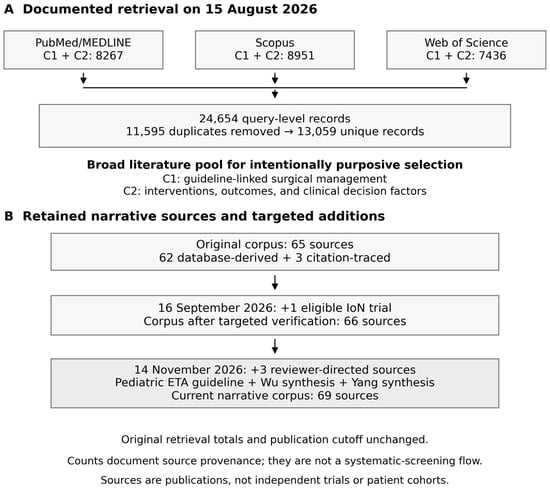
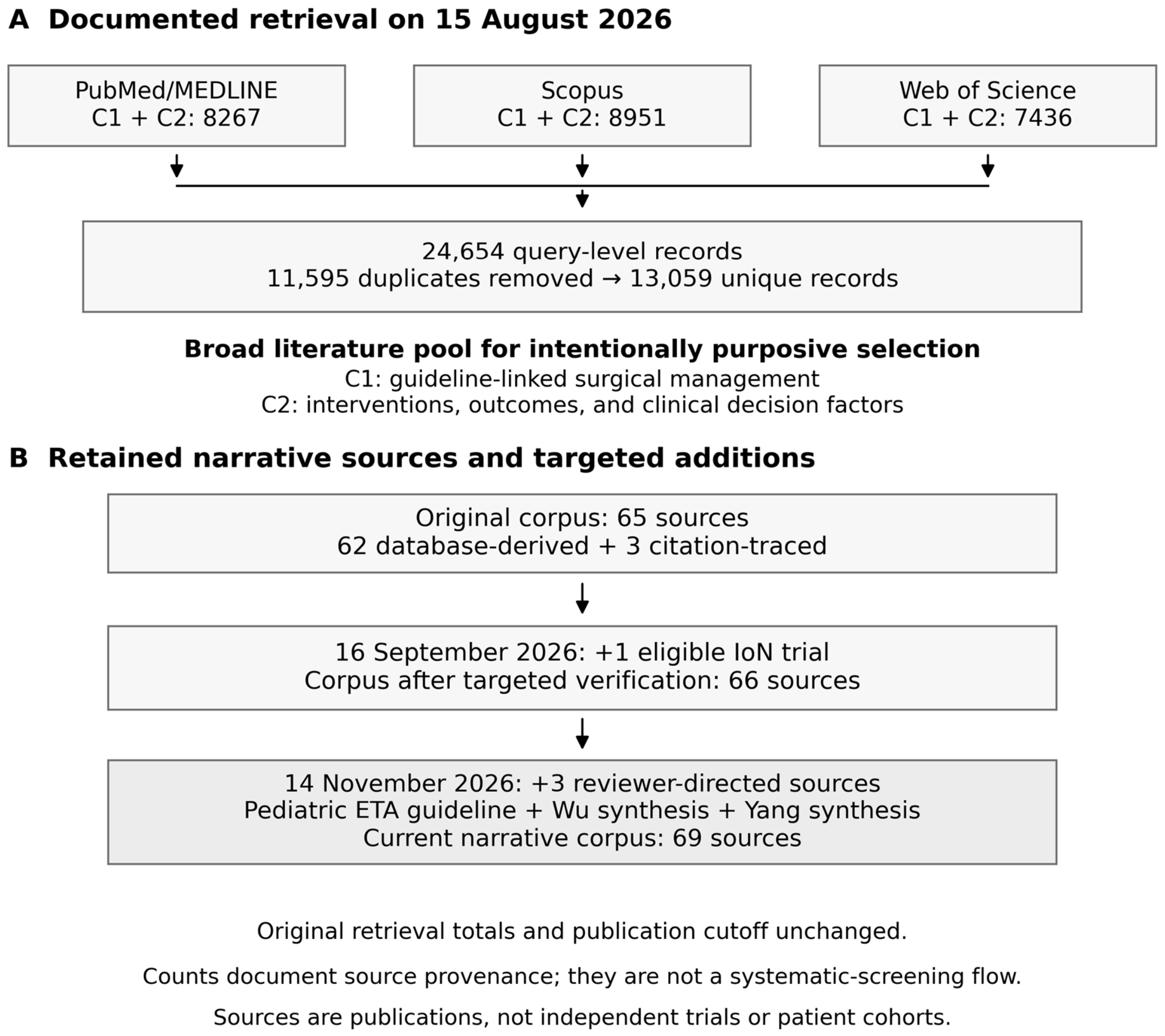
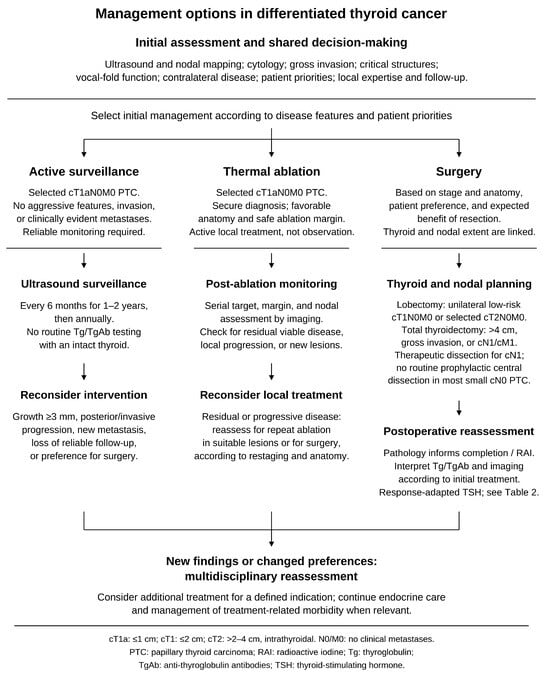
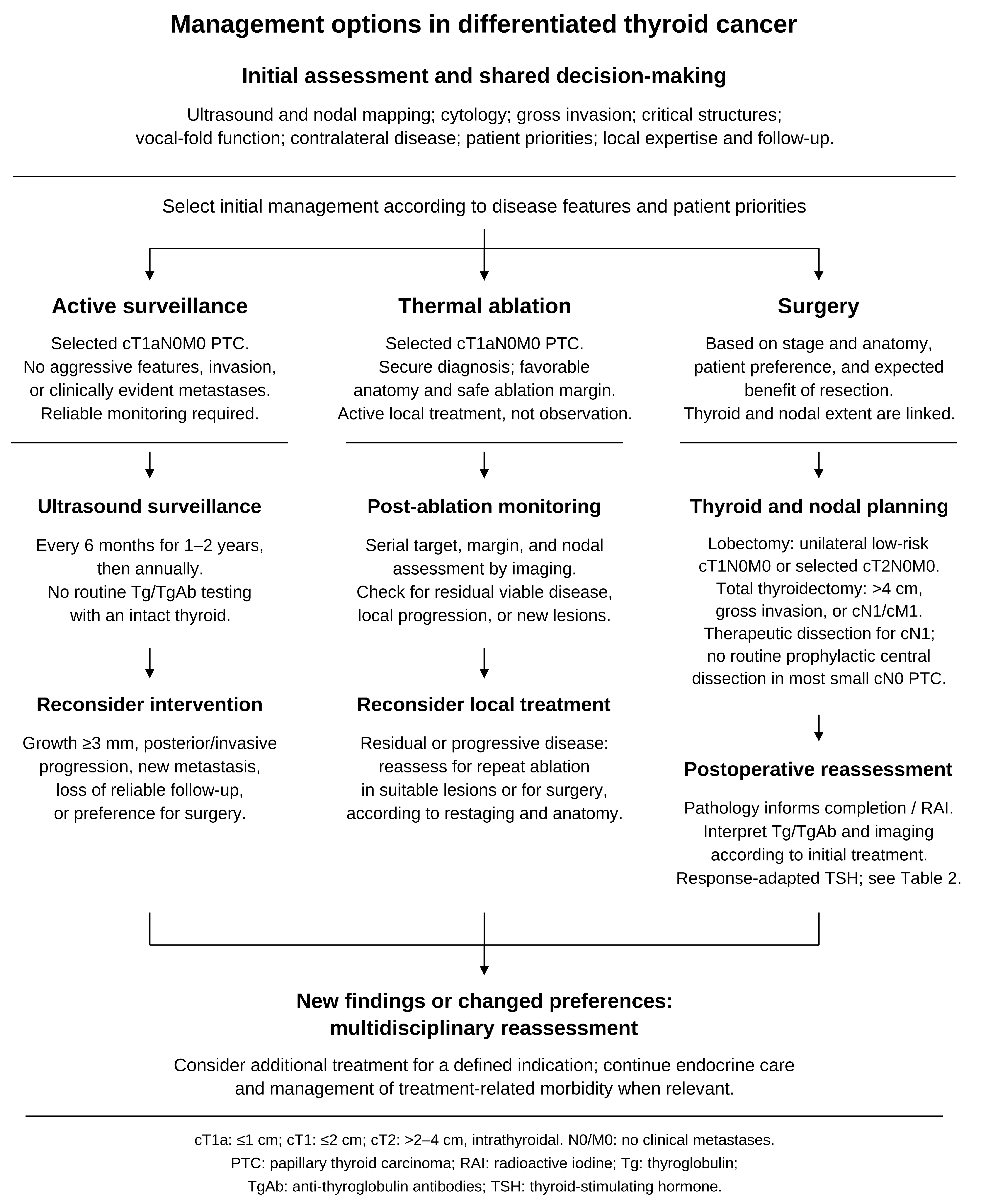

Disclaimer/Publisher’s Note: The statements, opinions and data contained in all publications are solely those of the individual author(s) and contributor(s) and not of MDPI and/or the editor(s). MDPI and/or the editor(s) disclaim responsibility for any injury to people or property resulting from any ideas, methods, instructions or products referred to in the content. |
© 2026 by the authors. Licensee MDPI, Basel, Switzerland. This article is an open access article distributed under the terms and conditions of the Creative Commons Attribution (CC BY) license.