


Abstract
Introduction: Male infertility is a complex global health challenge, with emerging evidence suggesting that vitamin D plays a pivotal role in testicular function and spermatogenesis. This systematic review and meta-analysis aimed to evaluate the impact of vitamin D supplementation on semen parameters and reproductive hormones in infertile men. Methods: A comprehensive search of electronic databases (PubMed, Cochrane Library, and Web of Science) was conducted to identify randomized controlled trials (RCTs) investigating vitamin D supplementation in infertile males. Primary outcomes included Follicle-Stimulating Hormone (FSH), total testosterone, and Sex Hormone-Binding Globulin (SHBG). Secondary outcomes focused on semen quality, specifically volume, concentration, and motility. Data were pooled using fixed-effects or random-effects models based on heterogeneity (I2). Results: Analysis of six trials (n = 696) revealed that vitamin D supplementation significantly increased total testosterone levels compared to controls (SMD: 0.38; 95% CI: 0.13, 0.62; p = 0.002), with no statistical heterogeneity (I2 = 0%). In contrast, no significant differences were observed for FSH (SMD: 0.01; 95% CI: −0.28, 0.29; p = 0.96) or SHBG (SMD: 0.95; 95% CI: −0.12, 2.02; p = 0.08). For semen parameters, supplementation was associated with notable improvements in sperm concentration and progressive motility, whereas semen volume remained largely unchanged across the included studies. High heterogeneity in SHBG results (I2 = 91%) suggests that individual study characteristics, such as baseline vitamin D deficiency, may influence hormonal responses. Conclusions: Vitamin D supplementation selectively enhances endocrine function by increasing testosterone levels and improves functional semen parameters in infertile men. These findings support the use of vitamin D as a cost-effective adjuvant therapy, though its impact on definitive fertility outcomes, such as live birth rates, requires further large-scale clinical investigation.
1. Introduction
Male infertility represents a significant global health issue with diverse etiologies and a substantial impact on couples’ reproductive potential. According to Liang et al., the peak prevalence of male infertility is found in the 30–34 age group, with a notable increase in the 35–39 age range [1]. Regions such as Western Sub-Saharan Africa, Eastern Europe, and East Asia report the highest age-standardized prevalence rate for male infertility [2]. At the same time, the underlying causes are varied and can include genetic factors, hormonal imbalances, and lifestyle choices. Many cases are classified as idiopathic, underscoring the intricate nature of male reproductive physiology. In recent years, there has been a surge in interest in the potential role of micronutrients, particularly vitamin D, in influencing various aspects of human health, including reproductive function [3].
Initially, research on vitamin D primarily concentrated on its well-established role in maintaining calcium homeostasis and bone metabolism [4]. However, the scope of its biological actions has expanded considerably, with emerging evidence suggesting its involvement in numerous other physiological systems, including the reproductive system [3]. This broadening understanding has prompted investigations into the potential link between vitamin D status and male fertility. The observed geographic diversity in the prevalence of male factor infertility also raises questions about environmental influences, such as diet composition or sunlight exposure [5]. Vitamin D’s potential effect on hormonal regulation further enriches its relevance. Meta-analytic data suggest it may positively affect testosterone synthesis by modulating Leydig cell function in response to luteinizing hormone stimulation [6]. Given that testosterone deficiency shares complications similar to those arising from low vitamin D, such as sarcopenia or decreased bone integrity, it is plausible that both deficiencies act synergistically to compromise reproductive potential.
The rationale for exploring the role of vitamin D in male infertility is strengthened by the identification of vitamin D receptors (VDRs) and vitamin D-metabolizing enzymes in the testes, the male reproductive tract, and human sperm [3]. These components suggest that vitamin D may directly affect the male reproductive system at the cellular level, influencing testicular function and sperm maturation [7]. This local expression hints at a potentially significant role for vitamin D that extends beyond its systemic hormonal effects. The current landscape depicts a nutrient with plausible pathways affecting both sperm quality, especially motility, and sexual hormone production but whose impact on broader fertility outcomes like pregnancy rates remains uncertain due to study design constraints [8].
Although several recent meta-analyses have examined the relationship between vitamin D supplementation and male reproductive parameters, their primary focus has been on pooled effect estimation, with comparatively limited attention to the biological and methodological sources of heterogeneity that may underlie inconsistent findings.
This report aims to critically evaluate the existing body of literature on vitamin D supplementation and male infertility, pinpoint key scientific gaps, and highlight areas where future research is most needed. Our primary objective was to systematically review and meta-analyze the effect of vitamin D supplementation compared to placebo or no treatment on semen parameters (sperm concentration, total motility, progressive motility, morphology) in infertile males. The secondary objectives were to assess the effect of vitamin D supplementation on relevant endocrine parameters (total testosterone, FSH, LH, SHBG) if consistently reported, and to explore potential sources of heterogeneity through subgroup analyses (baseline vitamin D status, dose/duration of supplementation). In contrast to prior quantitative syntheses, the present study explicitly prioritizes the interpretation of inter-study variability and the dissociation between endocrine and spermatogenic responses, aiming to move beyond effect size aggregation toward a more mechanism-oriented understanding.
2. Materials and Methods
We conducted this meta-analysis in accordance with the Preferred Reporting Items for Systematic Reviews and Meta-Analyses (PRISMA) reporting guidelines [9]. The Population, Intervention, Comparison, and Outcome (PICO) model informed the search keywords for this literature review. P (Population): Adult males (≥18 years) who have been diagnosed with infertility (e.g., defined as failure to conceive after ≥12 months of regular unprotected intercourse, potentially with documented abnormalities in semen analysis according to WHO criteria relevant at the time of the study). Studies focusing solely on fertile men or on men with specific genetic causes of infertility (Klinefelter syndrome, Y-chromosome microdeletions) where vitamin D is not the primary focus were excluded. I (Intervention): This included vitamin D supplementation (any form, e.g., cholecalciferol, ergocalciferol; any dose, frequency, or duration). C (Comparator): This included placebo or no vitamin D supplementation. O (Outcomes): Studies must report at least one of the primary or secondary outcomes listed above. Data should be available for extraction (mean ± SD for continuous outcomes; number of events for dichotomous outcomes). Studies were primarily English-language publications, but efforts were made to include studies in other languages if resources allowed for translation.
Systematic literature searches were performed in MEDLINE, Scopus, and Embase using a predefined strategy. The search terms combined free-text and controlled vocabulary, as follows: Population: “male infertility”, “subfertility”, “oligospermia”, “asthenospermia”, “teratospermia”, “semen analysis”, etc.; Intervention: “vitamin D”, “cholecalciferol”, “ergocalciferol”, “25-hydroxyvitamin D”, “supplementation”, etc. Inclusion criteria were: randomised controlled trials only; adults (>18 years); infertile men according to the WHO definition of infertility; vitamin D supplementation alone; placebo or untreated controls; reporting mean ± SD. Exclusion criteria were: observational studies, case reports, reviews, animal studies, mixed supplementation where the vitamin D effect cannot be isolated, duplicate cohorts, conference abstracts, and studies without extractable data.
Beyond conventional pooled effect estimation, particular emphasis was placed on interpreting patterns of heterogeneity, including the consistency of directionality across studies and the biological plausibility of observed divergences between outcomes. The search covered all available records up to 31 March 2026. Reference lists of relevant reviews and included articles were also screened manually to identify additional eligible studies. Duplicates were identified and removed using EndNote. When multiple publications reported on the same cohort, the most comprehensive report was selected. Two authors separately conducted the primary search and screened titles, abstracts, and full-text publications for eligibility. Any disagreements were settled by consensus, and if needed, a third reviewer participated in arbitration. We employed a standardized extraction technique, considering the study’s design, demographic characteristics, results, and the risk-of-bias assessment. While participant age was documented in the included RCTs, it was not treated as a primary moderator in this meta-analysis because the individual study reports did not provide age-stratified data. Future studies should consider adjusting for age to better isolate the therapeutic effects of vitamin D. The PROSPERO registration ID for this meta-analysis is CRD420251035637.
The heterogeneity in sperm count improvement rates was assessed using the I2 statistic, with I2 > 50% indicating significant heterogeneity. To calculate the individual odds ratios and individual and pooled mean differences with a corresponding 95% confidence interval (CI), we used Review Manager (RevMan) (Computer program, Version 5.4, Copenhagen; The Cochrane Collaboration, 2020). The methodological quality of included randomised controlled trials was assessed using the RoB 2 tool developed by the Cochrane Collaboration, given its suitability for evaluating bias in randomised intervention studies and ROBINS-I for non-randomised studies. Its domain-based, outcome-level approach was considered appropriate given the heterogeneity of study designs, supplementation protocols, and outcomes in male infertility research. This methodology is consistent with PRISMA recommendations.
3. Results
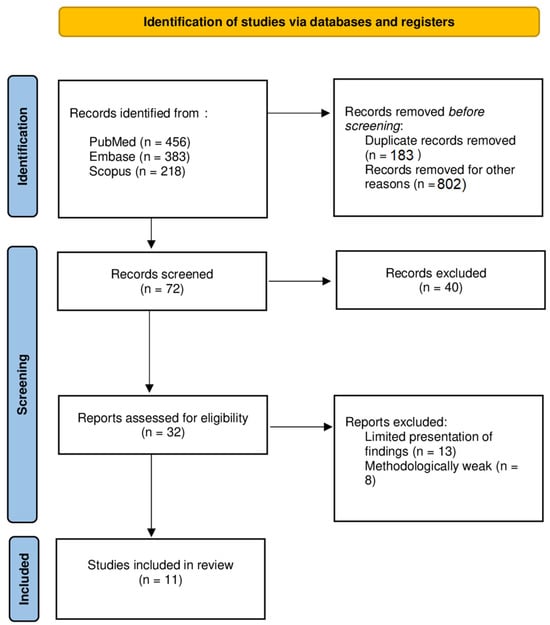
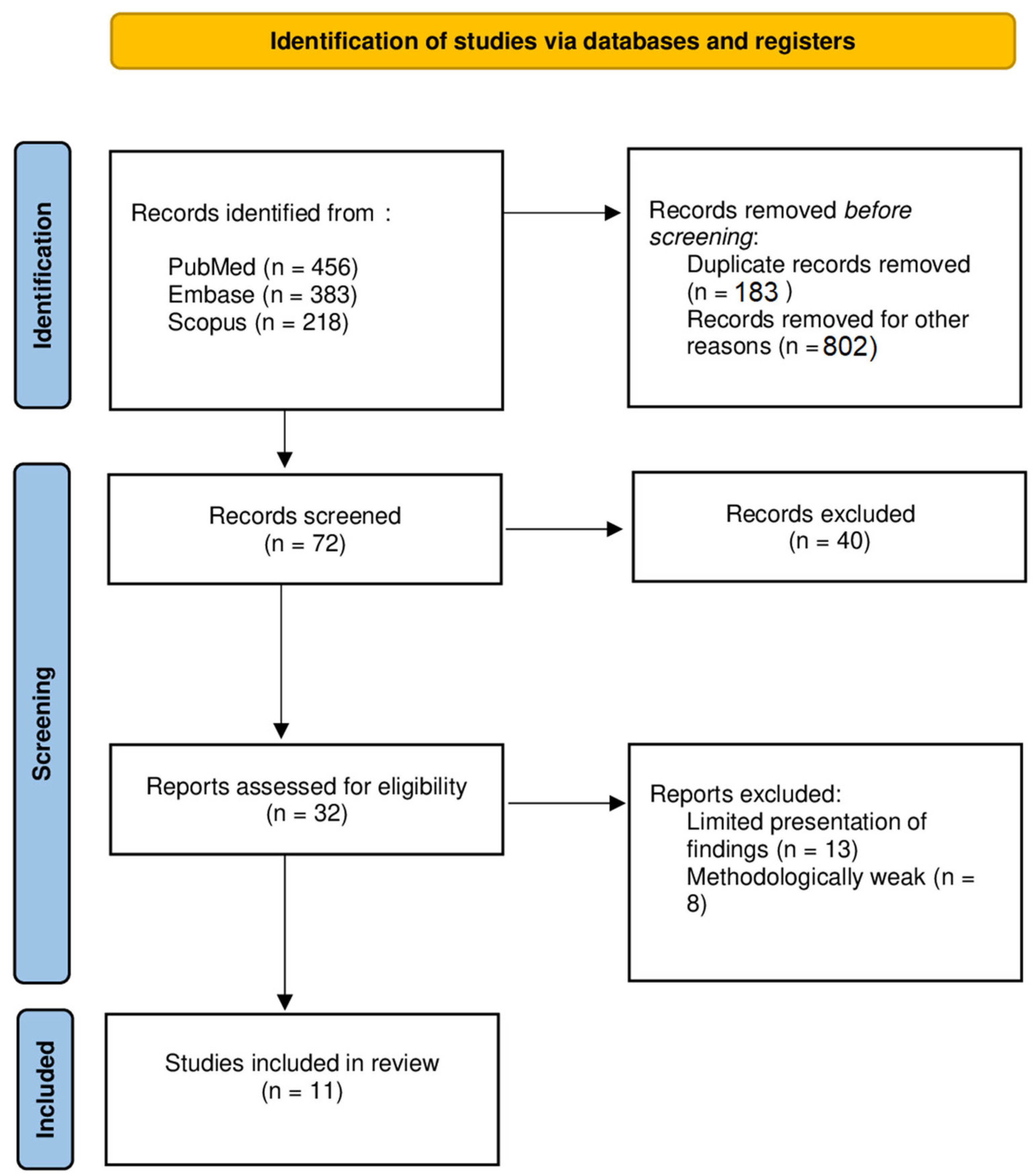
The analysis revealed a marked contrast between the consistency of endocrine outcomes and the variability of semen-related parameters, a pattern that guided subsequent interpretation. Following the literature search, 456 potential articles were deemed suitable for inclusion in our study. Only 11 papers satisfied the inclusion criteria after removing duplicate entries and closely reviewing the titles, abstracts, and full texts; their characteristics are shown in Table 1. The PRISMA 2020 flow diagram showing the search procedure is shown in Figure 1.
Table 1.
Characteristics of included studies.
Figure 1.
PRISMA flowchart of the included studies.
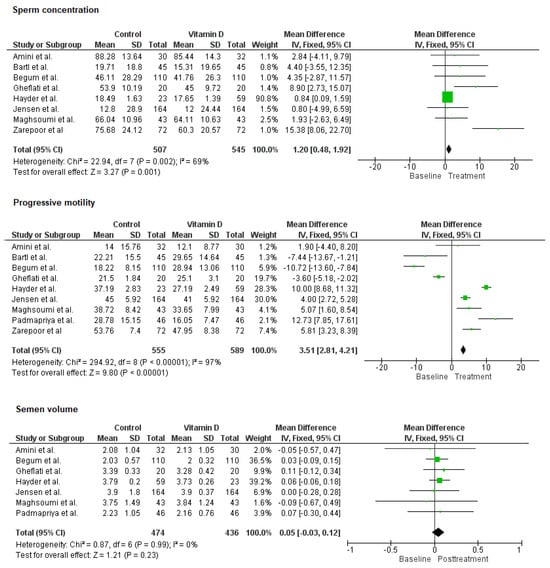
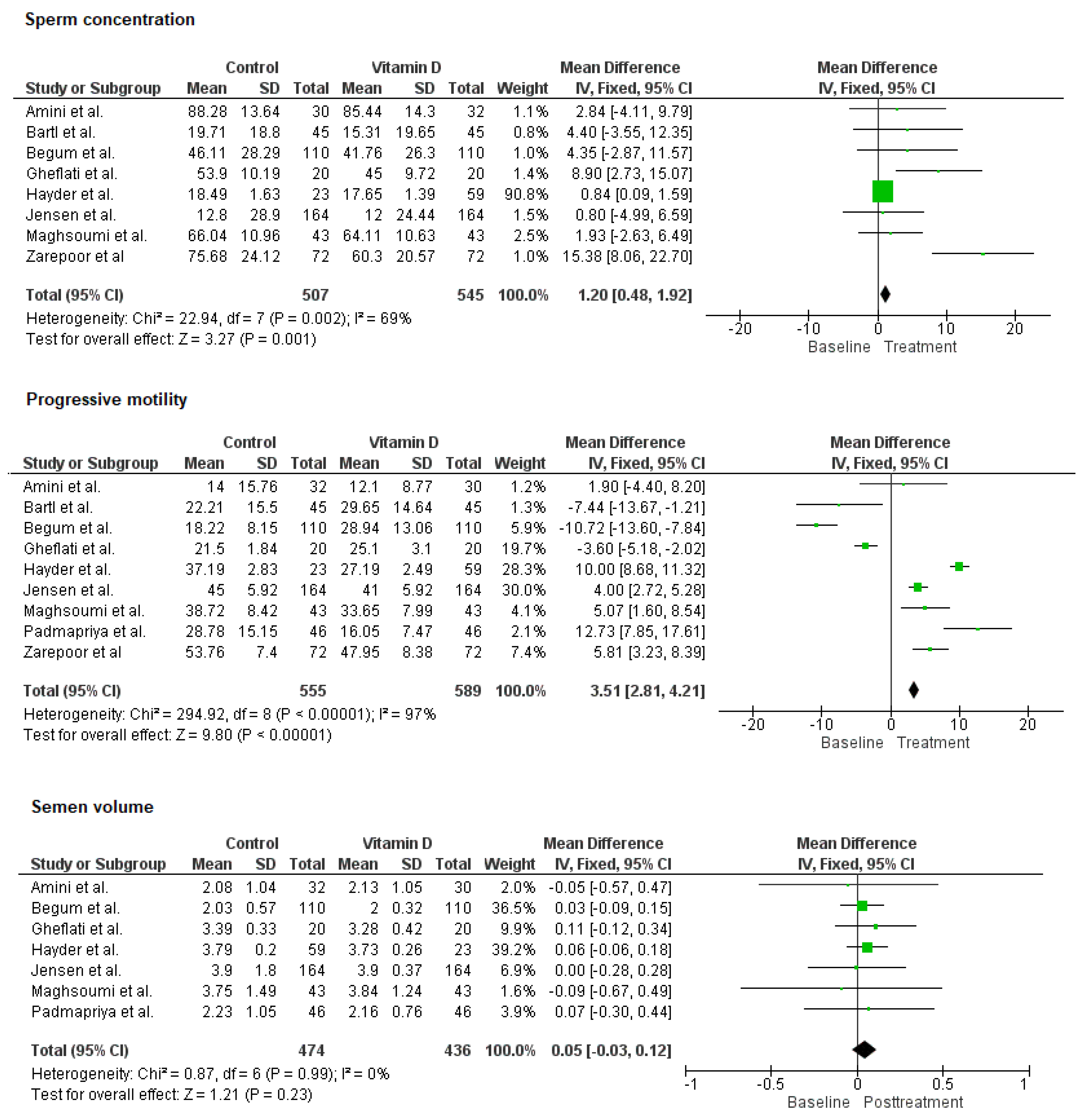
Sperm concentration was evaluated in 10 studies, including 1264 patients. Using a random-effects model, vitamin D treatment was positively associated with improved sperm concentration (SMD = 1.20; 95% CI: 0.48 to 1.92; p < 0.001).
The pooled analysis demonstrates a heterogeneous impact of vitamin D supplementation across different semen parameters. For sperm concentration, the combined estimate indicates a statistically significant improvement favoring the intervention group (SMD = 1.20; 95% CI: 0.48 to 1.92), although between-study heterogeneity was extremely high (I2 = 99%), suggesting substantial variability in study populations, baseline deficiencies, and supplementation regimens. A similar pattern was observed for sperm motility, where vitamin D supplementation was associated with a significant increase (SMD = 3.51, 95% CI 2.81 to 4.21), again with considerable heterogeneity (I2 = 99%), reinforcing concerns regarding consistency and external validity.
In contrast, semen volume did not differ significantly between groups (SMD = 0.05, 95% CI −0.03 to 0.12), with negligible heterogeneity (I2 = 0%), indicating a consistent lack of effect across studies. This divergence suggests that vitamin D may selectively influence functional sperm parameters rather than seminal fluid production.
Overall, while the direction of effect for concentration and motility is favorable, the robustness of these findings is limited by substantial heterogeneity, whereas the null effect on semen volume appears stable and reproducible across the included trials. Despite statistically significant pooled estimates for certain semen parameters, the extreme heterogeneity observed substantially limits the interpretability and generalizability of these findings. The magnitude of the pooled effects must therefore be considered in the context of underlying variability, which suggests that the observed improvements are not uniformly reproducible across clinical settings. The forest plot for sperm parameters is shown in Figure 2.
Figure 2.
The forest plot for sperm parameters [10,11,12,13,14,16,17,18,20].
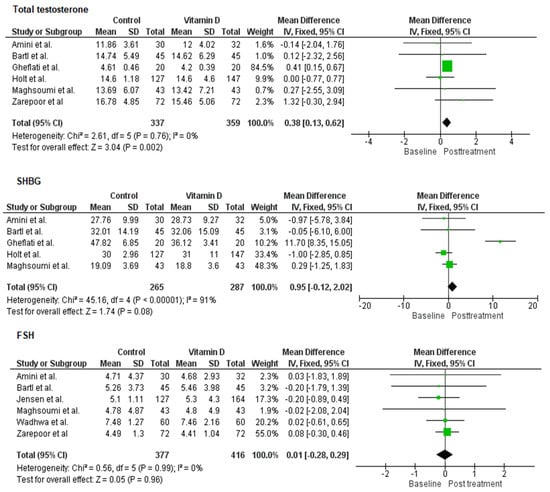
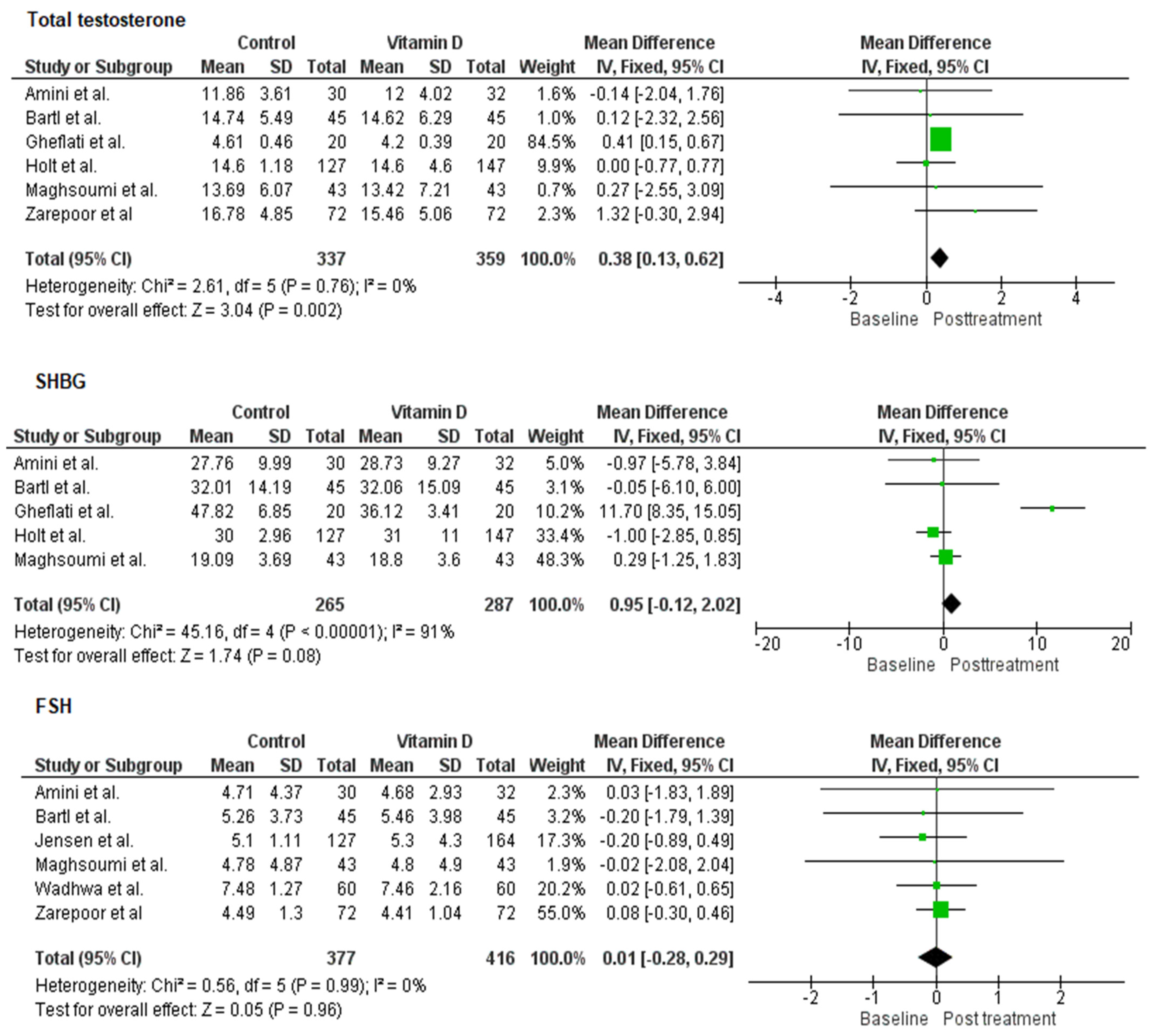
The analysis of FSH levels across six studies (n = 793) revealed no statistically significant difference between Vitamin D and control groups. The overall mean difference was a negligible 0.01 units (95% CI: −0.28 to −0.29; p = 0.96), with remarkably low heterogeneity (I2 = 0%). Similarly, SHBG levels showed no significant overall change (p = 0.08). While the mean difference was 0.95 (95% CI: −0.12, 2.02), this result was influenced by high heterogeneity (I2 = 91%), largely driven by the Gheflati et al. study, which favored the control group significantly more than other included trials. In contrast, Vitamin D supplementation demonstrated a statistically significant increase in testosterone levels. Across six trials (n = 696), the pooled mean difference was 0.38 (95% CI: 0.13, 0.62; p = 0.002). This finding was robust, characterized by a complete absence of statistical heterogeneity (I2 = 0%), suggesting a consistent positive effect of Vitamin D on testosterone production across the varied study populations. Forest plots for hormonal parameters are shown in Figure 3.
Figure 3.
The forest plot for hormone parameters [10,11,13,15,16,17,19,20].
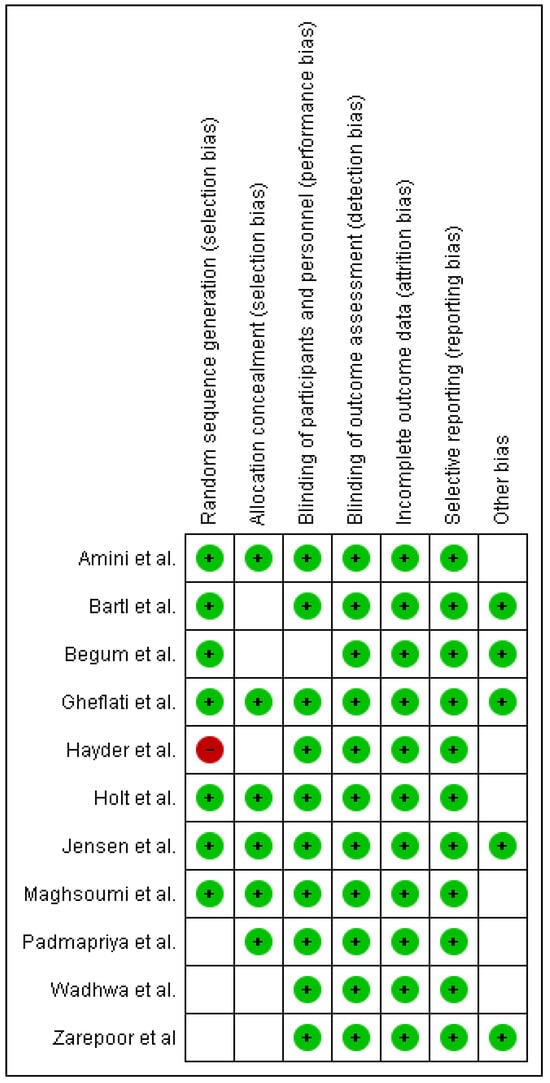
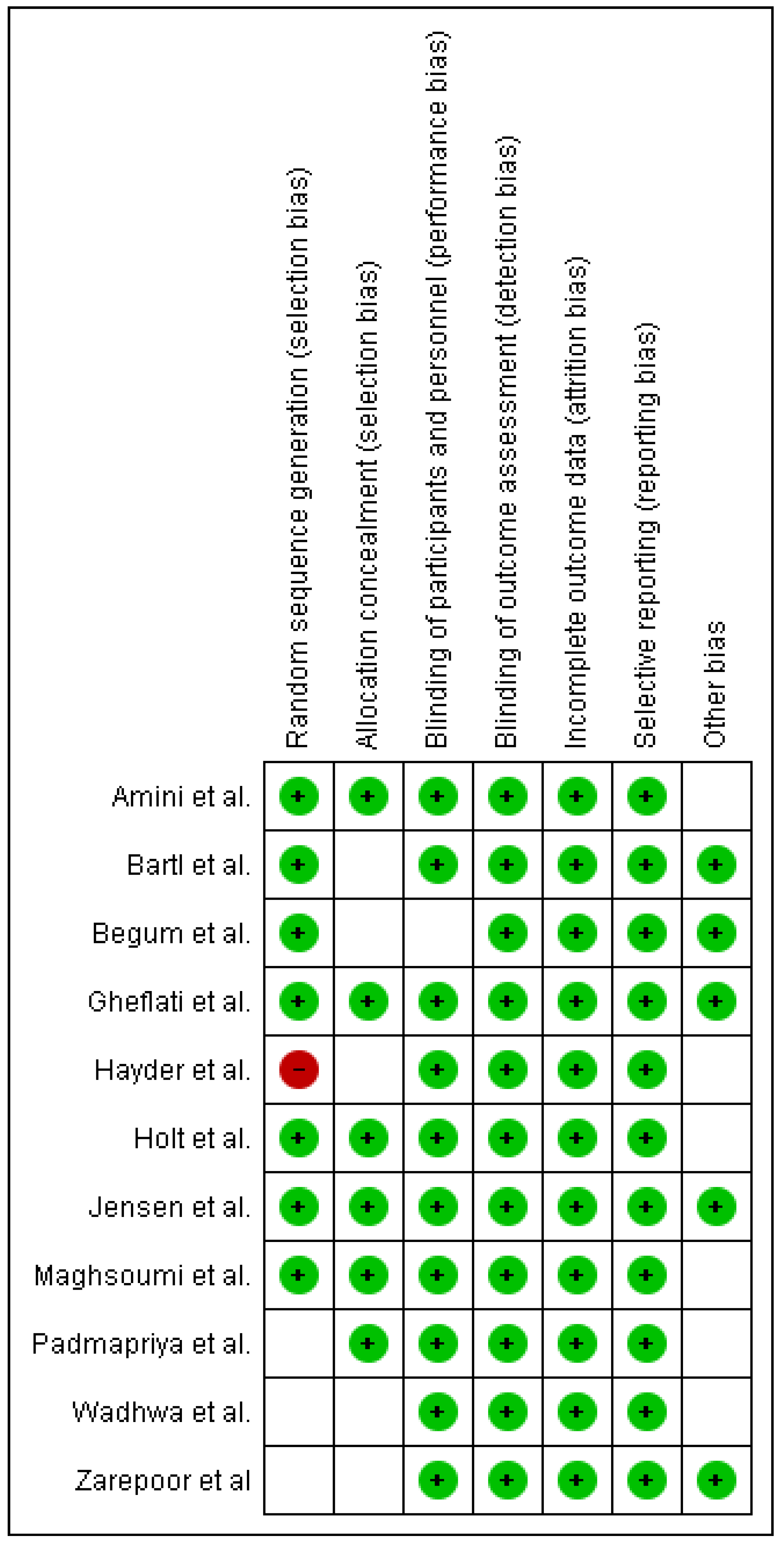
Figure 4 shows the ROB v2 risk-of-bias evaluation. Due to their minimal risk of bias across the five methodological evaluation areas, all RCTs were deemed suitable for inclusion in the meta-analysis. The studies by Padmapriya et al. [18] and Zarepoor et al. [20] are not randomized trials; for this reason, the risk of bias was assessed using ROBINS-I instead of RoB 2. Detailed assessments of potential sources of bias for each included study are presented in Supplementary Table S1.
Figure 4.
Risk of Bias for assessment of clinical trial studies [10,11,12,13,14,15,16,17,18,19,20].
4. Discussion
While previous meta-analyses have largely focused on determining whether vitamin D supplementation exerts a measurable effect on semen quality, the present findings suggest that the more relevant question may be under what biological conditions such effects emerge, if at all [21]. Evaluating nutritional strategies for improving reproductive health in men with idiopathic infertility inevitably brings attention to micronutrients and bioactive compounds capable of modulating oxidative stress, hormonal balance, and gamete functionality. Among these, vitamin D has emerged as an intriguing candidate due to the presence of its receptor in multiple reproductive tissues, including Leydig cells, Sertoli cells, epididymis, the seminal vesicles, and even the spermatozoa head region itself [17]. Nutritional interventions carry the advantage of being non-invasive and relatively inexpensive compared to medical or surgical treatments. In contexts where oxidative damage has been proposed as a primary driver of functional sperm decline, dietary antioxidants, whether as isolated supplements or as part of multinutrient formulas, have demonstrated improvements in motility and DNA integrity [22,23].
The presence of vitamin D receptors and activating/inactivating enzymes in Sertoli cells, Leydig cells, and germ cells positions vitamin D as a candidate modulator at multiple checkpoints [24]. In Sertoli cells, which are pivotal for providing physical support and metabolic substrates to maturing germ cells, vitamin D receptor activation may regulate transcriptional networks necessary for sustenance of the seminiferous epithelium. Vitamin D has been implicated in fine-tuning this steroidogenic output. According to Cito et al., calcitriol’s modulation of intracellular Ca2+ within Leydig cells might alter the activity of key enzymes such as 17β-hydroxysteroid dehydrogenase or aromatase [24]. Alterations here could shift local androgen-to-estrogen ratios, a balance that is important for optimal germ cell development. In rodent studies, hypovitaminosis D co-occurred with lower circulating testosterone levels alongside diminished spermatogenic efficiency; correcting calcium levels partially rescued testicular morphology and sperm counts even when systemic vitamin D remained low [25].
Clinical interventions provide mixed but suggestive evidence linking vitamin D supplementation with improvements in parameters related to spermatogenic output. Some trials have observed an increase in sperm concentration after repletion from deficiency states, whereas others report negligible effects on sperm count despite gains in motility [26,27]. This divergence could reflect differences in whether supplementation restored only systemic calcium–phosphate balance or also engaged sufficient local receptor-mediated actions within seminiferous tissue. Reports also suggest a U-shaped association, in which excessively high serum levels (≥50 ng/mL) confer no additional benefit and may disrupt intracellular ionic equilibria necessary for orderly spermatogenesis [11].
Vitamin D’s relationship with sperm motility appears to be one of its most reproducible associations across studies, even though some variability in findings remains. In observational human data, serum vitamin D concentration has been positively correlated with total and progressive motility across multiple cohorts [28]. This correlation tends to be most marked in men with lower baseline levels; supplementation from deficiency states often produces detectable improvements in motility percentages. Randomised controlled trials focusing on idiopathic infertility have confirmed this trend: pooled analyses show that vitamin D repletion yields gains in progressive motility even when total sperm count or semen volume remain unchanged [8]. Morphological outcomes are less consistent across the literature. Some datasets report notable increases in the proportion of morphologically normal sperm following supplementation, while others report negligible change [28,29]. In interventional designs in which morphological improvement is observed, mechanisms may include vitamin D’s role in regulating cellular lipid composition, thereby affecting membrane architecture and mitigating oxidative damage during spermiogenesis. Oxidative stress can alter head shape through impaired chromatin condensation and damage tail structure integrity; antioxidant benefits attributed to vitamin D could thus protect against such defects indirectly by maintaining ROS at physiological levels conducive to maturation [8].
Vitamin D may influence male reproductive hormones through direct activation of vitamin D receptors in Leydig and Sertoli cells and indirect modulation of the hypothalamic–pituitary–gonadal axis [30]. Although observational studies report inconsistent associations between vitamin D status and testosterone levels, our findings support a modest but consistent increase in testosterone following supplementation. Vitamin D may also influence androgen bioavailability by reducing SHBG levels, thereby increasing free testosterone [31]. In contrast, FSH appears largely unaffected by vitamin D supplementation, despite experimental evidence suggesting indirect effects on Sertoli cell function [29,30]. The dissociation between the consistent hormonal response and the highly variable effects on semen parameters suggests that vitamin D may act more reliably on steroidogenesis than on spermatogenesis, and that improvements in endocrine function do not necessarily translate into clinically meaningful gains in sperm production.
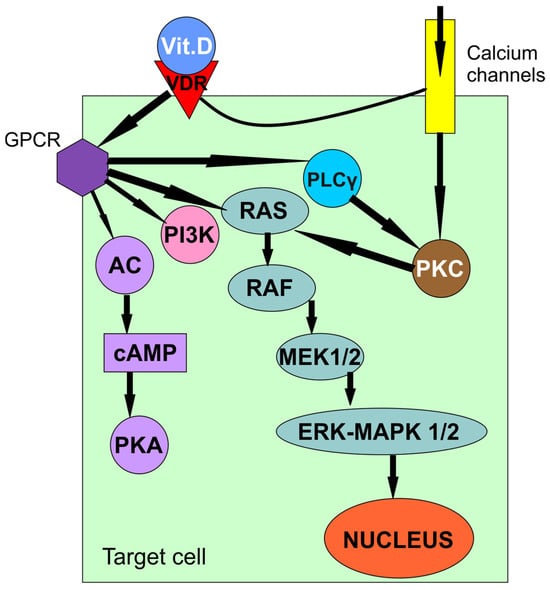
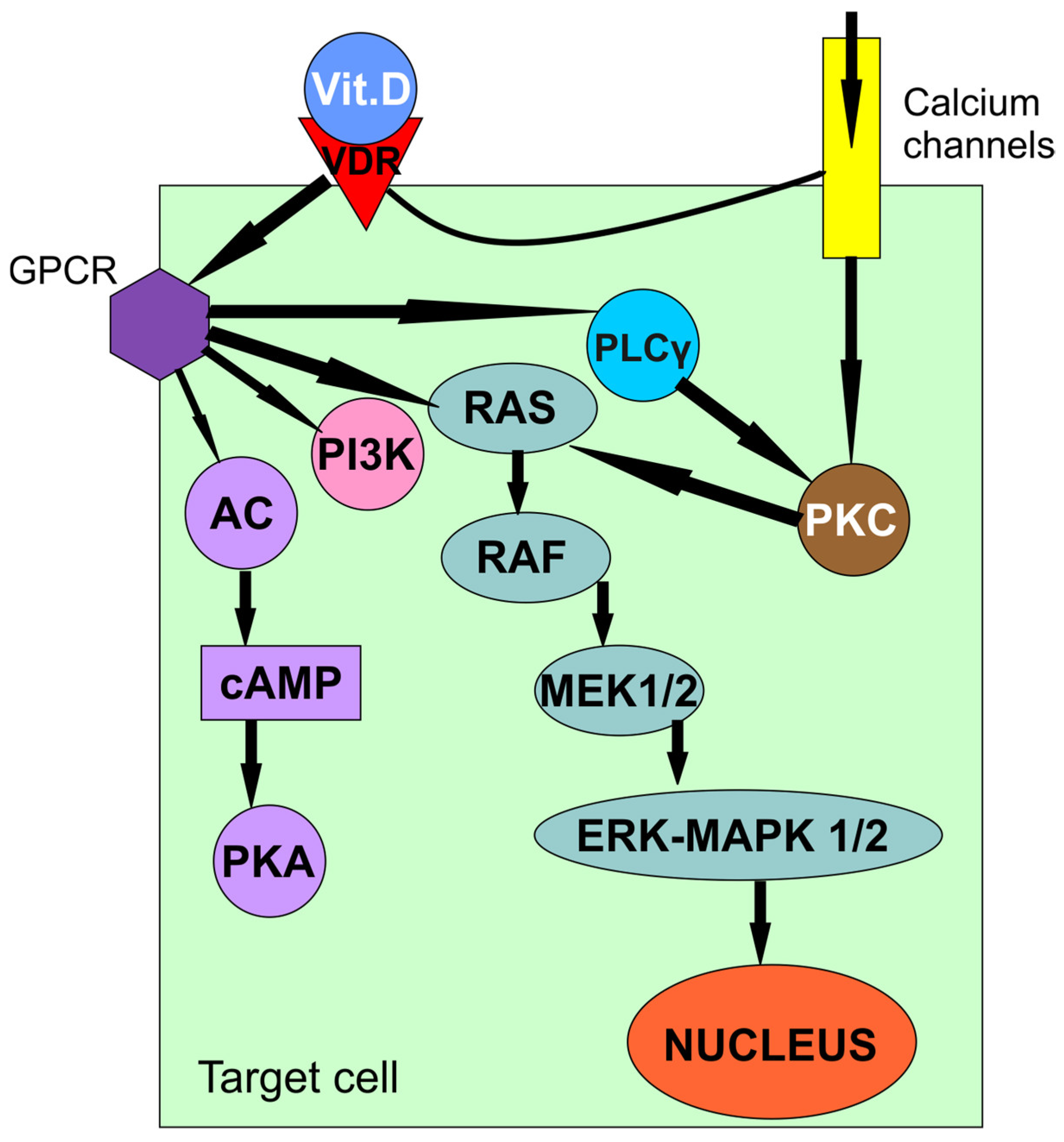
Controversy persists regarding LH modulation. Some reports note an inverse relationship between serum LH and vitamin D levels, possibly reflecting heightened Leydig cell efficiency, thereby reducing the required LH drive; others find no significant link or even suggest positive correlations, depending on whether baseline deficiency is present [29,31,32]. Supra-physiological vitamin D levels might disrupt homeostatic feedback loops by altering ionic equilibrium in pituitary or hypothalamic cells that express VDR and CYP27B1, leading to unpredictable shifts in gonadotropin output. Estradiol’s role further complicates androgen-focused interpretations. In men, intratesticular estradiol is produced primarily by aromatization of testosterone in Leydig cells; under certain conditions, Sertoli and germ cells also contribute [30]. According to de Angelis et al., Vitamin D exerts non-genomic effects through VDR-dependent modulation of numerous intracellular signaling pathways, likely mediated by a putative membrane-associated VDR. These rapid actions are thought to ultimately activate the MAPK–ERK 1/2 cascade, which involves several intermediary molecules that respond when vitamin D binds to VDR [33]. Upon activation, VDR promotes calcium influx, which then triggers calcium-dependent signaling routes such as protein kinase C (PKC). In addition, vitamin D may stimulate G-protein-coupled receptors (GPCRs), leading to activation of downstream pathways including PI3K, adenylate cyclase, Ras, and PLCγ. These signaling networks can converge to activate ERK–MAPK 1/2, which may interact with the classical genomic VDR pathway to influence gene expression, as shown in Figure 5.
Figure 5.
Non-genomic actions at the cellular level of vitamin D.
Follicle-stimulating hormone (FSH) levels remained largely unchanged following vitamin D supplementation, with consistently negligible effect sizes and minimal heterogeneity across studies. This stability suggests that vitamin D does not exert a meaningful influence on the hypothalamic–pituitary–gonadal axis at the level of pituitary gonadotropin secretion [33,34]. This could influence the management of males with azoospermia [35]. Given that FSH primarily reflects Sertoli cell stimulation and spermatogenic drive, the absence of change further supports the notion that vitamin D’s effects are more prominent in steroidogenesis than in upstream regulatory pathways. These findings also reinforce the dissociation between endocrine modulation and spermatogenic outcomes observed in this analysis. Consequently, FSH does not appear to be a sensitive biomarker for monitoring the reproductive effects of vitamin D supplementation in infertile men.
RCTs investigating the effect of vitamin D supplementation on male infertility provide a structured approach to determining causal relationships between intervention and reproductive outcomes. Designs often vary in inclusion criteria, dosing strategies, and measured endpoints, which can influence comparability. In several studies, male subjects with idiopathic infertility and documented vitamin D insufficiency or deficiency were recruited, sometimes accompanied by matching fertile controls for baseline comparisons [31]. Pooled analyses from this and other RCTs have shown more consistent gains in motility measures compared to other sperm metrics. A systematic review and meta-analysis of five RCTs reported improvements in total and progressive sperm motility following supplementation, along with increased rates of normal morphology [8]. However, there was no statistically robust evidence for changes in total sperm count, concentration, or semen volume. Such a dissociation between functional enhancement and quantitative output suggests that vitamin D may act predominantly through mechanisms that influence mitochondrial efficiency, calcium homeostasis, and membrane fluidity rather than directly boosting spermatogenic throughput [12].
Vitamin D dosing regimen may influence treatment response through differences in pharmacokinetics and serum 25(OH)D stability. Daily supplementation maintains more consistent vitamin D concentrations and may provide sustained activation of reproductive tissues, whereas intermittent high-dose regimens can produce transient serum peaks with uncertain physiological effects [16,36]. Some evidence suggests that excessively high vitamin D levels may adversely affect sperm motility, supporting a possible U-shaped relationship between vitamin D status and reproductive outcomes [11,28]. Clinical studies further indicate that improvements in progressive motility are more likely after daily supplementation maintained for at least one spermatogenic cycle, although evidence remains limited and inconsistent [12,17].
From a clinical perspective, these findings support a more individualized approach to vitamin D supplementation in male infertility. Rather than applying a uniform treatment strategy, assessment of baseline vitamin D status and endocrine profile may help identify patients more likely to benefit. Furthermore, the variability in dosing regimens across studies underscores the need for standardized protocols that consider both pharmacokinetics and tissue-specific activation of vitamin D metabolites. Recent meta-analyses have reported modest improvements in semen parameters; however, these analyses did not fully address the biological heterogeneity underlying these findings [21].
Despite growing evidence linking vitamin D to male reproductive function, important knowledge gaps remain. Most randomized controlled trials are underpowered and rely on surrogate laboratory outcomes rather than clinically meaningful endpoints such as pregnancy or live birth rates, limiting the translation of observed improvements in semen parameters into fertility outcomes [30,37]. Furthermore, substantial heterogeneity arises from inadequate participant stratification, as most studies include men with idiopathic infertility without considering baseline vitamin D status, oxidative stress, or specific semen abnormalities. Future studies should prioritize well-defined subgroups, particularly men with severe vitamin D deficiency, to better identify those most likely to benefit from supplementation. Another limitation is the frequent use of multinutrient formulations containing vitamin D alongside zinc, selenium, carnitines, antioxidants, and omega-3 fatty acids, making it difficult to isolate the independent effect of vitamin D supplementation [35,38].
Although several pooled estimates reached statistical significance, the magnitude of these changes should be interpreted cautiously. Most included trials were not powered to detect clinically meaningful reproductive outcomes such as spontaneous pregnancy, live birth, or assisted reproductive technology success. Consequently, improvements in surrogate semen parameters cannot currently be assumed to translate into enhanced fertility, emphasizing the need for larger adequately powered randomized trials.
This study has several limitations that warrant consideration. As with all meta-analyses, aggregating data from heterogeneous populations introduces the risk of masking subgroup-specific effects. Variability in study design, inclusion criteria, and outcome reporting further complicates direct comparisons. Additionally, the relatively small number of high-quality randomized controlled trials limits the precision of pooled estimates for certain outcomes. Despite these constraints, the consistency observed in hormonal responses and the systematic evaluation of heterogeneity strengthen the interpretability of the findings.
5. Conclusions
The present analysis indicates that vitamin D supplementation does not have uniform effects across reproductive domains in infertile men. While increases in circulating testosterone appear consistent and biologically plausible, improvements in semen parameters are highly variable and lack robustness because of substantial between-study heterogeneity. This dissociation suggests that vitamin D may preferentially modulate endocrine function rather than directly enhance spermatogenesis.
Importantly, the magnitude of observed changes in semen quality—when present—must be interpreted cautiously, as statistical significance does not necessarily translate into clinically meaningful improvements in fertility outcomes. The absence of consistent effects on parameters such as semen volume and follicle-stimulating hormone further supports a selective, context-dependent mechanism of action.
Taken together, the current evidence does not justify routine vitamin D supplementation as a generalized therapeutic strategy for male infertility. Instead, potential benefits are more likely confined to specific subgroups, particularly individuals with underlying deficiencies or altered hormonal profiles. Future research should prioritize stratified trial designs, standardized outcome reporting, and mechanistic endpoints to clarify which patients, if any, derive meaningful reproductive benefit from supplementation.
Supplementary Materials
The following supporting information can be downloaded at: https://www.mdpi.com/article/10.3390/endocrines7030051/s1. Table S1: Detailed Risk of Bias Assessment (Cochrane RoB 2). Each study was evaluated using the Cochrane ROB v2, rating each domain as low risk, high risk, or some concerns/unclear risk.
Author Contributions
Conceptualization, D.P. and M.I.; methodology, D.P., C.P., M.I., M.C.-A., R.Ș. and V.C.E.; software, D.P., M.I. and B.D.; validation, C.P., M.I., H.T., A.-G.M., D.P., R.Ș. and V.C.E.; formal analysis, D.P., B.D., R.Ș. and V.C.E.; investigation, D.P., M.I., H.T., A.-G.M., C.P., R.Ș. and V.C.E.; resources, D.P. and C.P.; data curation, M.I., R.Ș. and V.C.E.; writing—original draft preparation, D.P., M.I., M.C.-A., B.D., R.Ș. and V.C.E.; writing—review and editing, M.I., M.C.-A., H.T., A.-G.M., R.Ș. and V.C.E.; visualization, D.P., R.Ș. and V.C.E.; supervision, C.P.; project administration, D.P. All authors have read and agreed to the published version of the manuscript.
Funding
This research received no external funding.
Institutional Review Board Statement
Not applicable.
Informed Consent Statement
Not applicable.
Data Availability Statement
No new data were created or analyzed in this study. Data sharing is not applicable to this article.
Conflicts of Interest
The authors declare no conflicts of interest.
Abbreviations
The following abbreviations are used in this manuscript:
| FSH | Follicle-Stimulating Hormone |
| LH | Luteinizing Hormone |
| SHBG | Sex Hormone-Binding Globulin |
| VDR | Vitamin D Receptor |
| RCT | Randomized Controlled Trial |
| PRISMA | Preferred Reporting Items for Systematic Reviews and Meta-Analyses |
| PICO | Population, Intervention, Comparison, Outcome |
| WHO | World Health Organization |
| SMD | Standardized Mean Difference |
| CI | Confidence Interval |
| I2 | I-squared statistic (measure of heterogeneity) |
| RoB 2 | Risk of Bias 2 Tool |
| RevMan | Review Manager |
| PROSPERO | International Prospective Register of Systematic Reviews |
| GnRH | Gonadotropin-Releasing Hormone |
| ROS | Reactive Oxygen Species |
| ATP | Adenosine Triphosphate |
| Ca2+ | Calcium Ion |
| 25(OH)D | 25-Hydroxyvitamin D |
| CYP27B1 | 25-Hydroxyvitamin D-1α-hydroxylase |
References
- Liang, Y.; Huang, J.; Zhao, Q.; Mo, H.; Su, Z.; Feng, S.; Li, S.; Ruan, X. Global, regional, and national prevalence and trends of infertility among individuals of reproductive age (15–49 years) from 1990 to 2021, with projections to 2040. Hum. Reprod. 2025, 40, 529–544. [Google Scholar] [CrossRef] [Scilit] [PubMed]
- Huang, B.; Wang, Z.; Kong, Y.; Jin, M.; Ma, L. Global, regional and national burden of male infertility in 204 countries and territories between 1990 and 2019: An analysis of global burden of disease study. BMC Public Health 2023, 23, 2195. [Google Scholar] [CrossRef] [Scilit] [PubMed] [PubMed Central]
- Adamczewska, D.; Słowikowska-Hilczer, J.; Walczak-Jędrzejowska, R. The Association between Vitamin D and the Components of Male Fertility: A Systematic Review. Biomedicines 2022, 11, 90. [Google Scholar] [CrossRef] [Scilit] [PubMed] [PubMed Central]
- Anderson, P.H. Vitamin D Activity and Metabolism in Bone. Curr. Osteoporos. Rep. 2017, 15, 443–449. [Google Scholar] [CrossRef] [Scilit] [PubMed]
- Buhling, K.; Schumacher, A.; Eulenburg, C.Z.; Laakmann, E. Influence of oral vitamin and mineral supplementation on male infertility: A meta-analysis and systematic review. Reprod. Biomed. Online 2019, 39, 269–279. [Google Scholar] [CrossRef] [Scilit] [PubMed]
- Marnani, E.H.; Mollahosseini, M.; Gheflati, A.; Ghadiri-Anari, A.; Nadjarzadeh, A. The effect of vitamin D supplementation on the androgenic profile in men: A systematic review and meta-analysis of clinical trials. Andrologia 2019, 51, e13343. [Google Scholar] [CrossRef] [Scilit] [PubMed]
- Aşır, F.; Duran, S.Ç.; Afşin, M.; Duran, E.; Korak, T.; Şahin, F. Investigation of Vitamin D Levels in Men with Suspected Infertility. Life 2024, 14, 273. [Google Scholar] [CrossRef] [Scilit] [PubMed]
- Tania, C.; Tobing, E.R.P.L.; Tansol, C.; Prasetiyo, P.D.; Wallad, C.K.; Hariyanto, T.I. Vitamin D supplementation for improving sperm parameters in infertile men: A systematic review and meta-analysis of randomized clinical trials. Arab J. Urol. 2023, 21, 204–212. [Google Scholar] [CrossRef] [Scilit] [PubMed]
- Moher, D.; Liberati, A.; Tetzlaff, J.; Altman, D.G.; PRISMA Group. Preferred reporting items for systematic reviews and meta-analyses: The PRISMA statement. PLoS Med. 2009, 6, e1000097. [Google Scholar] [CrossRef] [Scilit] [PubMed]
- Amini, L.; Mohammadbeigi, R.; Vafa, M.; Haghani, H.; Vahedian-Azimi, A.; Karimi, L.; Jahanfar, S.; Jamialahmadi, T.; Talebi, A.; Sahebkar, A. Evaluation of the effect of vitamin D3 supplementation on quantitative and qualitative parameters of spermograms and hormones in infertile men: A Randomized controlled trial. Complement. Ther. Med. 2020, 53, 102529. [Google Scholar] [CrossRef] [Scilit] [PubMed]
- Bartl, I.; Ondrušová, M.; Kužma, M.; Jackuliak, P.; Gažová, A.; Kyselovič, J.; Payer, J. Treatment with Cholecalciferol Leads to Increase of Selected Semen Parameters in Young Infertile Males: Results of a 6-month Interventional Study. Physiol. Res. 2021, 70, S99–S107. [Google Scholar] [CrossRef] [Scilit] [PubMed]
- Begum, M.A.; Ishrat, S.; Saha, M.R.; Parveen, F.; Alam, M.S.; Deeba, F.; Fatima, P. Vitamin D supplementation improves sperm motility in infertile males with asthenozoospermia: A prospective observational study. Sch. Int. J. Obstet. Gynecol. 2021, 4, 331–336. [Google Scholar] [CrossRef]
- Gheflati, A.; Mohamad Mirjalili, S.A.; Kaviani, M.; Salehi-Abargouei, A.; Hosseini Marnani, E.; Nadjarzadeh, A. Effects of vitamin D supplementation on semen quality and reproductive hormones in patients with asthenozoospermia: A randomized double-blind placebo-controlled clinical trial. J. Nutr. Food Secur. 2021, 6, 31–42. [Google Scholar] [CrossRef] [Scilit]
- Hayder, H.A.; Ali, A.M.; Mahdi, Z. Effect of vitamin D3 supplement on the semen quality in human patients with vitamin D deficiency. Hayati J. Biosci. 2022, 29, 562–569. [Google Scholar] [CrossRef] [Scilit]
- Holt, R.; Yahyavi, S.K.; Kooij, I.; Poulsen, N.N.; Juul, A.; Jørgensen, N.; Blomberg Jensen, M. Effects of vitamin D on sex steroids, luteinizing hormone, and testosterone to luteinizing hormone ratio in 307 infertile men. Andrology 2024, 12, 553–560. [Google Scholar] [CrossRef] [Scilit] [PubMed]
- Jensen, M.B.; Lawaetz, J.G.; Petersen, J.H.; Juul, A.; Jørgensen, N. Effects of Vitamin D Supplementation on Semen Quality, Reproductive Hormones, and Live Birth Rate: A Randomized Clinical Trial. J. Clin. Endocrinol. Metab. 2018, 103, 870–881. [Google Scholar] [CrossRef] [Scilit] [PubMed]
- Maghsoumi-Norouzabad, L.; Javid, A.Z.; Mansoori, A.; Dadfar, M.; Serajian, A. The effects of Vitamin D3 supplementation on Spermatogram and endocrine factors in asthenozoospermia infertile men: A randomized, triple blind, placebo-controlled clinical trial. Reprod. Biol. Endocrinol. 2021, 19, 102. [Google Scholar] [CrossRef] [Scilit] [PubMed]
- Padmapriya, D.; Archana, R.; Sharma, N.; Vijayaraghavan, R. Effects of vitamin D3 supplementation in male reproductive function: A double-blinded randomized controlled trial. Curr. Top. Nutraceutical Res. 2022, 20, 334–339. [Google Scholar] [CrossRef] [Scilit]
- Wadhwa, L.; Priyadarshini, S.; Fauzdar, A.; Wadhwa, S.N.; Arora, S. Impact of Vitamin D Supplementation on Semen Quality in Vitamin D-Deficient Infertile Males with Oligoasthenozoospermia. J. Obstet. Gynaecol. India 2020, 70, 44–49. [Google Scholar] [CrossRef] [Scilit] [PubMed]
- Zarepoor, M.; Nazari, A.; Pourmasumi, S. Impact of vitamin D supplementation as COVID-19 vaccine adjuvant on sperm parameters and sex hormones in men with idiopathic infertility: Two separate pre-post studies. Clin. Exp. Reprod. Med. 2024, 51, 125–134. [Google Scholar] [CrossRef] [Scilit] [PubMed]
- Zhang, G.; Nelli, G.; Hoe, S.Z.; Hamdan, M. Vitamin D supplementation in infertile men: A systematic review and meta-analysis of effects on semen quality and endocrine function. PeerJ 2026, 14, e21002. [Google Scholar] [CrossRef] [Scilit] [PubMed]
- Arafa, M.; Agarwal, A.; Majzoub, A.; Panner Selvam, M.K.; Baskaran, S.; Henkel, R.; Elbardisi, H. Efficacy of Antioxidant Supplementation on Conventional and Advanced Sperm Function Tests in Patients with Idiopathic Male Infertility. Antioxidants 2020, 9, 219. [Google Scholar] [CrossRef] [Scilit] [PubMed]
- Puia, D.; Ivanuta, M.; Pricop, C. Effect of Bariatric Surgery on Male Infertility: An Updated Meta-Analysis and Literature Review. World J. Men’s Health 2025, 43, 807–817. [Google Scholar] [CrossRef] [Scilit] [PubMed]
- Cito, G.; Cocci, A.; Micelli, E.; Gabutti, A.; Russo, G.I.; Coccia, M.E.; Franco, G.; Serni, S.; Carini, M.; Natali, A. Vitamin D and Male Fertility: An Updated Review. World J. Men’s Health 2020, 38, 164–177. [Google Scholar] [CrossRef] [Scilit] [PubMed]
- Holzer, M.; Massa, E.; Ghersevich, S. Relationship between serum vitamin D concentration and parameters of gonadal function in infertile male patients. Curr. Urol. 2024, 18, 237–243. [Google Scholar] [CrossRef] [Scilit] [PubMed]
- Homayouni-Meymandi, M.; Nematalahi, F.S.; Nasr-Esfahani, M.H. Relationship between Serum Vitamin D in Male, Sperm Function and Clinical Outcomes in Infertile Men Candidate for ICSI: A Cohort Study. Int. J. Fertil. Steril. 2022, 16, 115–121. [Google Scholar] [CrossRef] [Scilit] [PubMed]
- Rehman, R.; Lalani, S.; Baig, M.; Nizami, I.; Rana, Z.; Gazzaz, Z.J. Association Between Vitamin D, Reproductive Hormones and Sperm Parameters in Infertile Male Subjects. Front. Endocrinol. 2018, 9, 607. [Google Scholar] [CrossRef] [Scilit] [PubMed]
- Kumar, N.; Jadhao, A.G.; Yadav, R.R. Correlation between serum vitamin B12, vitamin D, and suboptimal semen parameters in male infertility: A hospital-based cross-sectional study. J. Fam. Med. Prim. Care 2024, 13, 5171–5176. [Google Scholar] [CrossRef] [Scilit] [PubMed]
- Fares, K.S.; Tayeh, G.H.A.; Whaibeh, E.R.; Louis, R.J.; Jaalouk, L.Y.; Matar, Y.M.; Mrad, M.A. The role of diet and food supplements in infertility management in the Eastern Mediterranean Region: A narrative review. Int. J. Reprod. Biomed. 2025, 23, 1–16. [Google Scholar] [CrossRef] [Scilit] [PubMed]
- de Angelis, C.; Galdiero, M.; Pivonello, C.; Garifalos, F.; Menafra, D.; Cariati, F.; Salzano, C.; Galdiero, G.; Piscopo, M.; Vece, A.; et al. The role of vitamin D in male fertility: A focus on the testis. Rev. Endocr. Metab. Disord. 2017, 18, 285–305. [Google Scholar] [CrossRef] [Scilit] [PubMed]
- Rezayat, A.A.; Asadpour, A.A.; Yarahmadi, A.; Ahmadnia, H.; Hakkak, A.M.; Soltani, S. Association Between Serum Vitamin D Concentration with Spermiogram Parameters and Reproductive Hormones Among Infertile Iranian Males: A Cross-sectional Study. Reprod. Sci. 2022, 29, 270–276. [Google Scholar] [CrossRef] [Scilit] [PubMed]
- Puia, D.; Ivănuță, M.; Corlade-Andrei, M.; Bîcă, O.D.; Doroftei, B.; Pricop, C. Anti-Müllerian Hormone as a Biomarker for Predicting Testicular Sperm Extraction Outcomes in Azoospermic Patients: A Comprehensive Systematic Review and Meta-Analysis. Int. J. Mol. Sci. 2025, 26, 11643. [Google Scholar] [CrossRef] [Scilit] [PubMed]
- Fraser, D.R. Perspective: Vitamin D Deficiency Relationship to Initiation of Diseases. Nutrients 2025, 17, 2900. [Google Scholar] [CrossRef] [Scilit] [PubMed]
- Klingmüller, D.; Haidl, G. Inhibin B in men with normal and disturbed spermatogenesis. Hum. Reprod. 1997, 12, 2376–2378. [Google Scholar] [CrossRef] [Scilit] [PubMed]
- Puia, D.; Miron, A.; Radavoi, D.; Jinga, V.; Pricop, C. Follicle-stimulating hormone and Inhibin B as predictors of successful sperm retrieval in men undergoing testicular sperm extraction: A review of 44 cases and meta-analysis. Afr. J. Reprod. Health 2023, 27, 51–59. [Google Scholar] [CrossRef] [Scilit] [PubMed]
- Garolla, A.; Petre, G.C.; Francini-Pesenti, F.; De Toni, L.; Vitagliano, A.; Di Nisio, A.; Grande, G.; Foresta, C. Systematic Review and Critical Analysis on Dietary Supplements for Male Infertility: From a Blend of Ingredients to a Rationale Strategy. Front. Endocrinol. 2022, 12, 824078. [Google Scholar] [CrossRef] [Scilit] [PubMed]
- Calagna, G.; Catinella, V.; Polito, S.; Schiattarella, A.; De Franciscis, P.; D’Antonio, F.; Calì, G.; Perino, A.; Cucinella, G. Vitamin D and Male Reproduction: Updated Evidence Based on Literature Review. Nutrients 2022, 14, 3278. [Google Scholar] [CrossRef] [Scilit] [PubMed]
- Bosdou, J.K.; Konstantinidou, E.; Anagnostis, P.; Kolibianakis, E.M.; Goulis, D.G. Vitamin D and Obesity: Two Interacting Players in the Field of Infertility. Nutrients 2019, 11, 1455. [Google Scholar] [CrossRef] [Scilit] [PubMed]

Disclaimer/Publisher’s Note: The statements, opinions and data contained in all publications are solely those of the individual author(s) and contributor(s) and not of MDPI and/or the editor(s). MDPI and/or the editor(s) disclaim responsibility for any injury to people or property resulting from any ideas, methods, instructions or products referred to in the content. |
© 2026 by the authors. Licensee MDPI, Basel, Switzerland. This article is an open access article distributed under the terms and conditions of the Creative Commons Attribution (CC BY) license.