


Abstract
Breast cancer [BC] is the most diagnosed cancer among women worldwide. Thanks to advancements in early detection, systemic therapies, and supportive care, survival rates have significantly improved. As more patients survive BC, cardiovascular disease [CVD] has emerged as a leading cause of long-term morbidity and mortality in this population. This is largely due to a combination of shared risk factors, such as obesity, diabetes and metabolic syndrome, combined to cardiotoxic effects of certain anticancer therapies, particularly anthracyclines, HER2-targeted therapies and radiotherapy. This review explores the cardiovascular [CV] implications of modern breast cancer treatments, including chemotherapy, endocrine therapy, targeted agents, radiotherapy, and emerging modalities such as immunotherapy. It also highlights the impact of patient-specific factors—such as diabetes, lipid profile, and treatment duration—on CVD risk. Current data suggest that breast cancer survivors are at increased risk of CVD compared to the general population, and that risk persists for years after treatment completion. CVD risk profile of each patient is different because of patient age, previous risk factors, and type of oncological treatment, and must be carefully delineated and keep well in mind during and after cancer treatment.
1. Introduction
Breast cancer [BC] is one of the most common cancers affecting women worldwide. Due to increased screening, improved treatments and supportive care, the survival rate has substantially improved [1]. As of 2024, the new diagnosis in Italy were 53,686, with 88% survival rate after 5 years and an estimated number of survivors of 925,000 women [2]. Cardiovascular disease [CVD] is by far a major concern in breast cancer survivors. These women, in fact, quite often present multiple CVD risk factors [especially postmenopausal ones] and additional risk linked to potential cardiotoxic effects of anticancer treatment [3]. It was reported that long-term breast cancer survivors have a higher risk of dying of CVD than do women in the general population [4,5].
Therefore, baseline cardiovascular [CV] and metabolic risk assessment represents a fundamental component of the management of breast cancer patients undergoing potentially cardiotoxic therapies. Patient-related factors, including age, menopausal status, obesity, diabetes mellitus, dyslipidemia, hypertension, smoking habits, and pre-existing CVD, may substantially influence both the incidence and severity of treatment-related CV complications and should therefore be systematically considered before treatment initiation and during long-term follow-up [5].
2. Methods
This article was conducted as a narrative review designed to summarize the most clinically relevant and contemporary evidence regarding CV and metabolic complications associated with breast cancer treatments. The review prioritized evidence derived from randomized clinical trials, meta-analyses, international cardio-oncology guidelines, and pivotal observational studies, with the objective of providing a clinically oriented overview of CV and metabolic risk stratification, toxicity mechanisms, surveillance strategies, prevention, and long-term management of breast cancer survivors.
The aim of the present narrative review is to discuss the CV and metabolic consequences of contemporary breast cancer treatments, focusing on treatment-specific toxicities, patient-related risk modifiers, prevention strategies, surveillance approaches, and long-term survivorship management. Attention is devoted to clinically actionable evidence and to current cardio-oncology recommendations.
3. Current Pharmacological Treatments for Breast Cancer
Breast cancer [BC] is a heterogeneous disease. Considering the expression of hormone receptors [HR], the presence or absence of HER2 overexpression, and the proliferation index Ki67 evaluated through immunohistochemistry [IHC], BC can be divided into four main categories. Luminal hormone positive tumors [further subdivided into A and B based on a Ki67 value above or below 20%] represent approximately 70% of all cases, while HER2-positive tumors comprise 15–20%, and triple-negative tumors account for 10–15% [6].
Systemic chemotherapy remains a cornerstone for patients with higher-risk early-stage BC. Compared to no chemotherapy, a large meta-analysis demonstrated that three to six months of adjuvant chemotherapy reduces recurrence risk [RR] and increase overall survival [OS] [7]. Typically, the most frequently employed regimen consists of four cycles of an anthracycline [such as doxorubicin or epirubicin] plus cyclophosphamide, followed by 12 weekly cycles of paclitaxel [8]. In recent years, to avoid the known cardiotoxicity associated with anthracyclines, the ABC trials evaluated docetaxel plus cyclophosphamide [TC] for six cycles versus a taxane-plus-anthracycline [T-AC] regimen, showing no overall advantage of anthracyclines in hormone-positive disease and only a weak correlation between their benefit and lymph node burden [9]. Recently molecular assays have revolutionized risk stratification in early-stage BC. Five prognostic gene expression tests—prosigna, breast cancer index, endopredict, mammaprint, and Oncotype DX—have been developed to refine relapse risk and the expected benefit of adding chemotherapy to endocrine therapy [ET] [10,11,12,13,14]. Importantly, only Oncotype DX provides a validated predictive component. It holds level 1a recommendation in ASCO guidelines for postmenopausal and premenopausal women with node-negative disease, although evidence for its use in node-positive premenopausal patients remains limited [15].
In premenopausal women combining ovarian function suppression [OFS] with an AI [AI], such as exemestane, has demonstrated superiority over OFS plus tamoxifen, which itself is superior to tamoxifen alone. Nevertheless, some low-risk premenopausal patients—those with small, node-negative, low-grade tumors—can still be treated with tamoxifen only [16,17]. When patients are deemed at higher risk after five years of tamoxifen, extending therapy to 10 years yields a 3.7% absolute benefit in 15-year recurrence-free survival and a 2.8% absolute benefit in mortality, though at the cost of increased pulmonary embolism and endometrial cancer [18,19]. Presently, no robust data support extending ET beyond five years in those who initially received exemestane plus OFS, although in high-risk situations a further five years of tamoxifen may be considered [20].
In postmenopausal patients with hormone receptor-positive BC, five years of AI therapy with letrozole, anastrozole, or exemestane is well established. Most trials confirm disease-free survival [DFS] benefits with extended AI use, but only the GIM 4 trial has demonstrated a significant overall survival [OS] benefit. Specifically, it demonstrated a significant overall survival benefit with sequencial endocrine therapy [21]. In practice, many patients who start with an AI for five years continue beyond that, in line with the MA 17.R and AERAS studies, which did not show a clear survival advantage but did significantly reduce local or contralateral recurrence [22,23]. Another strategy to improve outcomes in higher-risk hormone receptor-positive BC is adding cyclin-dependent kinases 4/6 [CDK4/6] inhibitors to ET. Although two pivotal studies with palbociclib in the adjuvant setting were negative [24,25], abemaciclib and ribociclib have gain approval. The monarchE trial recruited patients with ≥4 positive nodes or 1–3 nodes plus additional high-risk features [grade 3 disease or tumor size ≥ 5 cm], randomizing them to receive ET ± abemaciclib for two years. The findings showed a 7.6% absolute improvement in invasive disease-free survival [IDFS] and a 6.7% improvement in distant relapse-free survival [DRFS], along with a trend toward better OS [26]. Similarly, the Natalee trial tested ribociclib at 400 mg plus a nonsteroidal AI for three years versus ET alone, enrolling a broader group that included T2N0 disease with grade 2 or 3 or Ki67 ≥ 20%. It demonstrated improvements in distant DFS of 3.1% and a favorable OS trend [27].
In HER2-positive disease, the addition of trastuzumab to chemotherapy has markedly changed prognosis, delivering roughly a 50% reduction in recurrence risk [28]. For most cT2 and/or node-positive patients, neoadjuvant therapy is standard, consisting of an anthracycline-taxane or taxane-carboplatin backbone combined with dual HER2 blockade [trastuzumab and pertuzumab]. This approach can achieve pathological complete response [pCR] rates near 60% [29,30]. After surgery, patients generally continue anti-HER2 therapy to complete a total of one year, using trastuzumab alone or combined with pertuzumab if the initial disease was node-positive [31]. However, about 40% of patients fail to reach pCR and thus have a worse prognosis. The Katherine trial showed that switching from trastuzumab-to-trastuzumab emtasine in patients without pCR improved IDFS by 13.7% at seven years compared to trastuzumab alone [32]. Looking forward, newer agents such as trastuzumab deruxtecan [TDX], a second-generation ADC linking trastuzumab to a topoisomerase I inhibitor, are being assessed in multiple trials, having already reshaped the metastatic setting.
In triple-negative BC [TNBC]—historically the subtype with the worst prognosis—immunotherapy has recently improved outcomes. Neoadjuvant therapy is advised for tumors larger than 2 cm or those with nodal involvement [31]. Based on the Keynote 522 trial, the standard regimen combines weekly paclitaxel with carboplatin, followed by an anthracycline-cyclophosphamide regimen every three weeks, alongside pembrolizumab. After surgery, pembrolizumab is generally continued, for a total of up to nine cycles, leading to significant gains in event-free survival [EFS] and a 4.9% OS improvement at five years. These benefits are consistent regardless of PD-L1 expression, nodal status, tumor size, or whether pCR is achieved [33]. Although the exact value of the adjuvant pembrolizumab component is debated, guidelines still endorse completing the planned therapy [34]. Patients without pCR have a higher chance of relapse; in BRCA wild-type individuals, capecitabine is recommended [35], whereas BRCA-mutated patients benefit from olaparib, a PARP inhibitor that provides a 4.4% OS gain at six years follow up [36,37]. Future strategies may incorporate pembrolizumab plus capecitabine or pembrolizumab plus olaparib, though global reimbursement remains variable. For those who do not achieve pCR and cannot access these regimens, enrollment in a clinical trial is often the best option.
4. Radiotherapy in Breast Cancer Treatments
Radiotherapy [RT] is a mainstay in the management of early-stage BC and ductal carcinoma in situ [DCIS] after surgical management of primary tumor. Multiple studies published in the last several decades have led to the transition from more radical options, such as radical mastectomy, towards breast-conserving surgery [BCS]. Several surgical techniques are available for BCS, such a lumpectomy, quadrantectomy, tumorectomy and wide resection.
In the setting of early-stage BC role of adjuvant RT was clearly established by several randomized trials [38,39,40]. In the NSABP-06 trial patients were randomized to lumpectomy, lumpectomy and radiation, or total mastectomy. Risk of recurrence without RT was 40%, 14% in lumpectomy followed by whole breast irradiation [WBI]. The combined modality treatment [BCS + RT] gained increased Disease-free Survival [DFS], Distant disease-free survival and overall survival [OS]. Prior to this RCT, total mastectomies were the preferred surgical approach for BCs. Radical mastectomies in comparison to lumpectomies are more extensive procedures, associated with increased morbidity, hospital stay, re-operation, and less favorable cosmetic results. Careful evaluation of pathological results is critical to identify patients who can benefit from radiation boost on tumor bed. There is a wide agreement about margin assessment: non ink on tumor in invasive BC and ≥2 mm in DCIS. Boost is recommended in patients with extensive intraductal component, close margins, lymphovascular invasion, triple negative disease, HER2+ disease, grading G3.
RT should be started within 3 months from surgery. Historically adjuvant RT was offered with a schedule of 50 Gy given in 25 fractions of 2 Gy once a day over 5 weeks. However, this regimen could be inconvenient for patients. Physician made efforts to offer patients more convenient RT schedule. In early 2000 the START trials [41,42] were published. Patients were randomized to conventionally fractionated scheme versus hypofractionated scheme, in which larger daily doses are administered over a shorter period than conventional RT. The potential benefits of hypofractionation, including patient convenience, improved quality of life, and lower health care costs, are considerable. These trials proved no differences between the conventional fractionation scheme and the experimental arm regarding normal tissues effect and survival outcomes. The standard of care in women requiring adjuvant WBI is hypofractionated schedule [e.g., 40 Gy/15 fractions]. In standard fractioned scheme boost on tumor bed was administered sequentially, with a prescribed dose of 10/15 Gy.
With hypofractionated approach boost is delivered simultaneously [SIB] and some studies show no detrimental effects on cosmesis and survival outcomes. Further schedules of hypofractionated WBRT were investigated in the FAST and FAST-FORWARD trials, in which an increment of dose per fraction lead to further reduction of overall treatment time [43,44]. Moreover, in a selected population, adjuvant RT could be administered as Partial Breast Irradiation [PBI], limiting the target volume at the surgical bed.The eligibility criteria for PBI, as per GEC ESTRO, are patients older than 50 years, early-stage BC [T < 3 cm] completely resected, unicentric, unifocal, without extensive DCIS associated component and with clearly resection margins, hormonosensitive, HER2–ve [45]. Adjuvant RT after mastectomy and axillary dissection depends on individual risk profile. A meta-analysis of EBCGC demonstrate a survival benefit in patients treated with total mastectomy and axillary dissection with T > 5 cm and up to three positive axillary nodes, irrespective of systemic therapy [46]. An emerging question is RT after neoadjuvant chemotherapy and surgery, especially in women who achieved pathological complete response.
5. CV Risk in Breast Cancer Patients
5.1. After Radiotherapy
Two large studies have shown a statistically significant difference in terms of an increased risk of late CV events in patients with left-sided BC who underwent adjuvant RT compared to those with right-sided breast pathology. This is suggested by the finding of an average cardiac dose that can reach values 2–3 times higher than that received during contralateral irradiation [47,48].
The main damage occurs at the coronary level, causing Coronary Artery Disease [CAD], which can be both atherosclerotic and non-atherosclerotic. It represents a late side effect, with a latency period between 5 and 10 years. The pathogenesis of radiation-induced CAD is closed to the one caused by genetic or exogenous factors. In fact, even low-dose radiation causes long-lasting genomic instability, resulting in a synergistic interaction between radiation-induced effects and unrelated pathogenic events. The arteries most involved are the circumflex artery and the right coronary artery. The disease can progress rapidly, presenting as acute coronary syndrome and sudden death, but in most cases, the damage remains asymptomatic for a long time.
From a mechanistic perspective, Radiation-Induced Heart Disease [RIHD] is currently considered a multifactorial process involving endothelial dysfunction, oxidative stress, chronic inflammation, microvascular injury, and progressive fibrosis. Several molecular pathways have been implicated, including activation of transforming growth factor-beta [TGF-beta], nuclear factor-kappa B [NF-kappa B], hypoxia-inducible factor-1alpha [HIF-1alpha], and other profibrotic and proinflammatory signaling cascades.
Moreover, RIHD include valvular disease, rhythm anomalies, pericarditis. The most common valvular pathologies are stenosis or insufficiency, ranging from moderate to severe. Despite the high incidence of these alterations, most patients do not exhibit severe symptoms. However, despite the growing understanding of these molecular mechanisms, the clinical management of RIHD currently relies primarily on minimizing cardiac radiation exposure and identifying patients at increased CV risk through personalized surveillance strategies [49,50].
It should be emphasized that a substantial proportion of the available evidence regarding RIHD derives from patients treated with historical radiotherapy techniques characterized by significantly higher cardiac exposure than contemporary approaches. Modern treatment strategies, including deep inspiration breath hold [DIBH], intensity-modulated radiotherapy [IMRT], volumetric modulated arc therapy [VMAT], optimized treatment positioning and proton therapy have substantially reduced cardiac doses and are expected to decrease the incidence of long-term CV complications compared with historical series. Moreover, validated contouring atlas are available and can help radiation oncologist in definition of substructures on CT images used for RT planning [51].
Preliminary dosimetric studies suggest potential advantages in reducing cardiac exposure, further prospective clinical data are required before these strategies can be routinely incorporated into CV risk prediction models and contemporary CV risk estimates should be interpreted within the context of evolving radiotherapy technology, although long-term surveillance remains necessary because radiation-induced CVD may emerge decades after treatment [52,53].
Extent of damage is correlated with the dose received; more precisely Darby et al. in 2013 showed a linear correlation between Mean Heart Dose [MHD] and the probability of suffering major coronary events; particularly, the authors demonstrate an excess of risk by 7.4% for each Gray of MHD [53].
More recent but partial data highlight the nonlinear relationship between the average dose and the dose received by the coronary arteries, particularly the left anterior descending artery, suggest preferentially limiting the dose to this structure.
Recent analyses have confirmed a progressive reduction in cardiac doses delivered during breast radiotherapy over the last decades, supporting a more favorable CV risk profile with contemporary treatment techniques compared with historical cohorts. While contemporary radiotherapy techniques have substantially reduced cardiac exposure, radiation-induced CV toxicity remains clinically relevant because of its long latency and cumulative burden over time [54].
5.2. After Chemotherapy
Very different types of chemotherapy are used in BC treatment, but anthracyclines are the most widely recognized for their CV toxicities. These agents induce an irreversible [type I] cardiac injury through oxidative stress, cardiomyocytes apoptosis, DNA damage involving topoisomerase II and impairment of essential cellular function. Symptomatic Heart Failure [HF] can emerge anytime from one to three years after exposure, but mostly within the first year following the last dose [55,56].
The most frequently administered for BC are doxorubicin and epirubicin, with suggested cumulative maximum doses of 250 mg/m2 and 600 mg/m2, respectively [57,58].
Dose-dense doxorubicin and cyclophosphamide [AC] has demonstrated improved long term oncological outcomes without increasing treatment- related toxicity and has become a standard treatment approach [59].
The U.S. Oncology Trial 9735 demonstrated favorable long-term outcomes with docetaxel-cyclophosphamide compared with anthracycline-based treatment, supporting the preferential use of non-anthracycline regimens in patients with pre-existing CV risk factors [60]. Several strategies have been investigated to reduce anthracycline cardiotoxicity, including liposomal formulations and cardioprotective agents such as dexrazoxane. By reducing iron-dependent oxidative stress and inhibiting topoisomerase IIβ, dexrazoxane lowers the risk of HF and systolic dysfunction. However, concerns regarding possible interference with antitumor efficacy have limited its clinical use, and current indications remain restricted [61,62]. Cyclophosphamide, an alkylating agent often included in curative regimens, causes a dose-dependent [type I] decrease in left ventricular [LV] function via its reactive metabolite, acrolein, which triggers oxidative and nitrative stress in cardiac muscle. The incidence of arrhythmias, myocarditis, and pericardial effusion ranges between 7% and 28% [63]. Capecitabine, a prodrug of the antimetabolite 5-fluorouracil, induces coronary vasospasm in about 2–4% of recipients, manifesting as chest pain, myocardial infarction, and arrhythmias. This adverse event is more probable in people with underlying or previously undetected CAD [64,65]. Paclitaxel and docetaxel, the taxanes most adopted in BC, are microtubules stabilizers. In 5–30% of patients, they may provoke asymptomatic sinus bradycardia, conduction blocks, hypertension, or even ischemic events due to both direct chronotropic effects on the Purkinje system and indirect breakdown of autonomic cardiac regulation [66,67].
The advent of ribociclib and abemaciclib, two cdk 4/6 inhibitors, has considerably improved outcome for early-stage BC at higher risk. Primarily known for hematologic [especially neutropenia] and gastrointestinal toxicities [diarrhea for abemaciclib and transaminases elevation for ribociclib] can also be associated with specific cardiac toxicities. Ribociclib can prolong QT interval through an upregulation of voltage-gated cardiac sodium channels and downregulation of potassium channels [68]. Within the Natalee trial, QT prolongation affected 5.3% of patients on ribociclib versus 1.4% in those treated with hormone therapy alone, though grade ≥ 3 QT events remained uncommon [1% vs. 0.6%] [27]. Clinically significant QT prolongation increases the risk of malignant ventricular arrhythmias and requires periodic ECG monitoring, particularly in patients with predisposing factors or concomitant QT-prolonging medications [69].
Abemaciclib, while not significantly linked to QT prolongation, may affect cardiac function by encouraging cardiomyocyte apoptosis through activation of the Salvador–Warts–Hippo signaling pathway [70], though overt cardiac disorders are very rare. In the adjuvant MONARCH E trial, only 0.9% of patients on abemaciclib experienced cardiac events [71]. In contrast, abemaciclib carries the highest venous thromboembolism [VTE] risk among CDK4/6 inhibitors, showing a 2.5% rate of VTE in the adjuvant setting. Mechanistic data suggest an enhancement of platelet activation and aggregation, thereby increasing the chance of thrombotic complications when other risk factors coexist [72]. These observations support the need for treatment-specific monitoring, particularly ECG evaluation for ribociclib and careful assessment of thromboembolic risk for abemaciclib, especially in patients with additional CV or metabolic risk factors.
Overall, among systemic therapies used in BC, anthracyclines remain associated with one of the highest risks of irreversible cardiac dysfunction, particularly in patients with pre-existing CV risk factors and cumulative exposure. In contrast, taxanes, fluoropyrimidines, and CDK4/6 inhibitors, are generally associated with lower rates of overt HF, although they may induce clinically relevant rhythm, ischemic, or thrombotic complications in selected patients.
5.3. After Hormone Therapy
Endocrine therapies for hormone receptor positive BC, most of all diagnosed BCs, are greatly effective the five-year survival rate ranging from 89–92% [73]. Aromatase Inhibitors [AI] much more than tamoxifen have radically changed the story of these patients. However, the impact of AI on CV health must be seriously considered. AI effect on lipid metabolism has been subject of interest and debate since their use in BC treatment started and became wider and wider, involving now also premenopausal patients.
AI use has been repeatedly associated with increased risk of cardiac-related events and strokes [74,75,76]. A recent meta-analysis involving 25 studies [77] reported that after AI treatment the most frequent CVD was angina, followed by any type of stroke and HF. All CVD were more frequent after AI than tamoxifen treatment, while the risk of venous thromboembolism was confirmed higher in tamoxifen treated patients.
However, interpretation of these findings requires caution, since many studies compared AIs with tamoxifen, which is known to exert favorable effects on lipid metabolism and potentially CV risk. Therefore, the apparent increase in CV events associated with AIs may partly reflect the cardioprotective effects of tamoxifen rather than a direct detrimental effect of AI itself [78].
Since AIs reduce estrogen levels, the understanding of their impact on plasma lipids is crucial to explain the observed increase in CVD. This is of great importance either in postmenopausal BC patients who could be at higher CV risk because of age and pre-existing conditions and in premenopausal BC patients who could experience a premature increase in CV risk with respect to age-matched healthy women.
Big trials on hormone therapy of BC published few years ago showed somehow conflicting conclusions as far as lipid profile is concerned. The ATAC trial [Arimidex, Tamoxifen Alone or in Combination] observed a worsening of hypercholesterolemia [and hypertension] in patients treated with anastrozole with respect to tamoxifen [78]. The BIG [Breast International Group] 1–98 trial reported a higher incidence of hypercholesterolemia in letrozole treated women than in tamoxifen ones [79]. In the TEAM [Adjuvant tamoxifen and exemestane in early BC] trial a higher incidence of hypertension, dyslipidemia and weight increase was observed in the exemestane treated patients [80]. On the other hand, no significant modification of the lipid profile was reported in an ancillary study of the MA.17 trial [81]. All the above cited trials compared the effect of AI to those of tamoxifen [sequence therapy or monotherapy, depending on the trial]. The discrepancy about dyslipidemia rate among the different trials is likely to be strongly influenced by the favorable effect of tamoxifen on lipid profile [79]. It could not also be excluded that different AI might have dissimilar effects on lipid profile since they have different effects on circulating estrogen levels. Indeed, exemestane was reported to increase LDL/HDL ratio by decreasing HDL levels and to increase apolipoprotein B/A1ratio when compared to anastrozole and letrozole, while anastrozole and letrozole compared with exemestane increased triglycerides level [81,82]. More recently, e new review and meta-analysis of 15 studies involving 1708 patients [83] reported that each different AI could have a different influence on lipid profile. In fact, it was observed that anastrozole increased total cholesterol and HDL, with a concomitant decrease in LDL and triglycerides; exemestane consistently increased LDL and reduced HDL and Triglycerides; letrozole increased LDL, HDL and triglycerides. Lipid profile modifications were observed after 3-month and 12-month administration. The observations at different times were consistent with a rather undesirable effect of letrozole and exemestane, while anastrozole and tamoxifen caused quite a favorable lipid change.
Although the effects of endocrine therapy on lipid metabolism have not been fully elucidated, the available evidence highlights the importance of careful CV risk assessment and monitoring in patients receiving hormonal treatment for BC.
As far as premenopausal patients are concerned, it must be understood that their CVD risk depends on different hormone and ovarian suppression therapy options. These patients, in any case, must be thoroughly monitored for CVD when using AI [especially after RT and CT with cardiotoxic drugs].
As far as postmenopausal patients are concerned, pre-existing dyslipidemia and any other CV risk factors should be well investigated and considered when deciding the kind of AI, and, in any case, lipid profile and any other CVD risk factor have to be thoroughly monitored during and after the oncological treatment time.
It is believed that the basis is a reduced function of cardiac myocytes. Under normal conditions, HER2 dimerizes with HER4, activating pro-survival signaling pathways such as PI3K/Akt and ERK1/2. Trastuzumab inhibits HER2, impairing these protective pathways and leading to increased oxidative stress, which causes DNA damage, lipid peroxidation, and cardiomyocyte apoptosis. Moreover, trastuzumab impairs autophagic flux, critical for cardiomyocyte survival, leading to the accumulation of damaged organelles and increased cellular stress [84]. Regarding cardiotoxicity, a large meta-analysis published in 2012 that considered all major trastuzumab trials [some also involving anthracyclines] showed an LVEF decline ratio of 1.83 and a 5.11 ratio for HF. Cumulative five-year risks of HF and/or cardiomyopathy were 12.1% with trastuzumab alone and 20.1% with anthracyclines plus trastuzumab. This meta-analysis reported about a 2.5% risk of symptomatic HF [85]. However, subsequent research focused on trials without anthracyclines found the HF rate was only 0.5% and the rate of asymptomatic LVEF declined about 3% [86]. In clinical practice, LVEF is routinely monitored via echocardiograms or MUGA scans at baseline and approximately every three months during anti-HER2 treatment, with more frequent evaluations if indicated by patient risk or any observed decline. If the LVEF drops 16% from baseline, or 10–15% from baseline to below the lower limit of normal, trastuzumab should be held for three or four weeks, then cardiac function reassessed. Such declines are often reversible, and many patients tolerate re-challenge [87]. Baseline cardiology assessment may be particularly useful in patients with advanced age, pre-existing CVD, CV risk factors, or reduced baseline LVEF [88,89].
In the neoadjuvant setting, pertuzumab has been studied in combination with trastuzumab both after anthracyclines and in regimens omitting them, such as TCHP with docetaxel and carboplatin [29,30]. The first data on cardiac tolerability of dual blockade were published in 2013 from the CLEOPATRA study in advanced BC, which showed no increase in cardiac adverse events [90]. Recently, a 2022 study with a median follow-up of over six years reported that the combination of pertuzumab and trastuzumab did not raise the cardiotoxicity risk compared to trastuzumab alone in the neoadjuvant setting [91]. In the adjuvant scenario, particularly for patients not achieving PCR, the KATHERINE trial showed that T-DM1 improved invasive DFS from about 77% to 88% compared with trastuzumab alone. Four cardiac events were noted in the trastuzumab arm and only one in the T-DM1 arm; the compound did not show any significant rise in cardiac events, with a discontinuation rate for cardiac toxicity similar to the control [1.4%] [92]. In 2020, a pooled analysis of over 1900 patients receiving T-DM1 in the metastatic setting was published. Of these, 1544 had T-DM1 monotherapy and the remainder a combination with pertuzumab. Grade 3/4 LVEF decrease was seen in 0.71%, and cardiac ischemia or arrhythmia each in about 0.1–0.71%. Grade 1/2 LVEF decline occurred at 2.04%, for an overall cardiac event rate of 3.37% [95% CI 2.6–4.3%]. Resolution occurred in 79% of patients after stopping treatment, and a multivariate analysis identified age ≥ 65 and baseline LVEF < 55% as risk factors [93].
Although not yet approved for early-stage disease T-DXD, an ADC already in use for HER2+ and HER2-low metastatic BC, could become a future option in this patient population. In the DESTINY-Breast03 trial, left ventricular systolic dysfunction [LVSD] was reported in 2.3% of patients on T-DXD versus 0.4% on T-DM1, setting a new second-line standard for HER2+ mBC [94]. In trials evaluating T-DXD in pretreated HER2-low mBC, the rate of any-grade LVSD mirrors that seen with initial trastuzumab [95,96].
It should be noted that several historical estimates of trastuzumab-related cardiotoxicity derive from studies in which HER2-targeted therapies were administered sequentially or concomitantly with anthracyclines. Consequently, some reported rates of HF may reflect the combined cardiotoxic effects of both treatment modalities rather than isolated HER2 blockade. More recent studies evaluating anthracycline-sparing regimens suggest that HER2-specific cardiotoxicity is characterized by a substantially lower incidence of symptomatic HF and by a higher likelihood of reversibility following treatment interruption and appropriate cardiological management.
5.4. After and During Immune Check Point Inhibitors
CV disorders are rare but severe and potentially life-threatening during immune check point inhibitors [ICIs]. Few large studies evaluated the long-term CV outcomes in patients treated with ICIs, and specifically concerning patients who have undergone treatment for BC; in fact, many observations derive from retrospective analyses or from studies conducted in other tumor types.
The use of ICIs in BC treatment, especially in the early stages of the disease, is still an emerging field, and the available data from real-life clinical practice is limited [97]. Conversely, in clinical trials, patients with pre-existing CV risk factors or a history of CV events are frequently excluded, thereby limiting the ability to accurately assess, or potentially leading to an underestimation of, CV adverse events within this study population [98]. Given the substantial lack of data regarding long-term survivors treated with ICIs in the setting of early-stage BC, some insights may nonetheless be drawn from cohorts of patients receiving immunotherapy for other malignancies. Notably, beyond myocarditis, which remains the most well-recognized, albeit rare [<1% of patients], and acutely presenting immune-related adverse event—other CV complications are emerging as areas of concern. There is growing concern regarding the potential for accelerated atherosclerosis as a long-term consequence of ICIs therapy. Although atherosclerosis-related CV adverse events are relatively uncommon during active treatment, emerging evidence increasingly links ICIs to the progression of atherosclerosis and a heightened risk of atherosclerotic CVD, however this hypothesis remains investigational and requires confirmation in prospective studies, particularly in BC populations. In addition, ICIs have been associated with the development of various arrhythmias, including atrial fibrillation, supraventricular tachycardias, and ventricular tachycardias. Cases of non-inflammatory HF syndromes have also been reported in patients receiving ICIs. Furthermore, recent studies suggest that ICIs appear to contribute to the development of right ventricular dysfunction and pulmonary arterial hypertension, although current evidence remains limited and largely hypothesis-generating [99]. At present, myocarditis remains the best-characterized CV complication of immune checkpoint inhibitors, whereas the long-term implications of other CV toxicities require further investigation.
Overall, the CV toxicity profiles of the main treatments used in BC differ substantially in terms of incidence, severity, reversibility, and long-term clinical burden, as summarized in Table 1.
Table 1.
Comparative cardiovascular [CV] toxicity by incidence, severity, reversibility and long-term burden according to ESC Cardio-Oncology Guidelines 2022 [100].
6. Metabolic Outcomes in Breast Cancer Survivorship
Metabolic outcomes are increasingly recognized as an important component of BC survivorship. Beyond their established role as CV risk factors, obesity, insulin resistance, dyslipidemia, and metabolic syndrome have also been associated with adverse oncological outcomes, including increased risk of recurrence and reduced overall survival [100]. Furthermore, several BC treatments may directly or indirectly contribute to metabolic dysfunction through endocrine alterations, treatment-induced menopause, changes in body composition as summarized in Table 2. Excess body weight represents one of the major shared risk factors for both BC and CVD. Obesity has been associated with increased BC-specific mortality, overall mortality, and morbidity among BC survivors [101]. Several mechanisms have been proposed, including chronic low-grade inflammation, insulin resistance, altered adipokine secretion, and hormonal dysregulation [102]. In addition, obesity contributes to the development of metabolic syndrome, which may further amplify CV risk in BC survivors.
Table 2.
Metabolic consequences of Breast Cancer [BC] therapies. Symbols indicate the strength of evidence for adverse metabolic effects: +/−, limited or inconsistent evidence; + to +++, progressively stronger evidence; −, no established adverse effect. “Limited evidence” denotes insufficient data, whereas “Unknown” indicates that the effect has not been adequately investigated or established.
Diabetes mellitus and insulin resistance also represent important determinants of long-term morbidity among BC survivors [103]. Treatment-induced menopause, corticosteroid exposure, reduced physical activity, weight gain, and changes in body composition may all contribute to metabolic impairment during and after treatment [104]. These mechanisms overlap with those already discussed in the endocrine therapy section and contribute substantially to long-term CV risk.
Dyslipidemia is one of the most frequently reported metabolic alterations during endocrine treatment. However, interpretation of available evidence requires caution, because many studies compared AIs with tamoxifen, which exerts favorable effects on lipid metabolism and possibly CV risk [78,105]. Current evidence also suggests heterogeneous metabolic effects among different endocrine treatment strategies. Premature menopause induced by chemotherapy, ovarian function suppression, or endocrine therapy may further contribute to long-term cardiometabolic risk through unfavorable changes in body composition, insulin sensitivity, lipid metabolism, and vascular function reinforcing the importance of integrated CV and metabolic survivorship care.
7. Clinical Management, Prevention and Long-Term Surveillance
A recent review by Jeon et al. examined CV risk assessment in BC patients, emphasizing the importance of baseline CV evaluation to guide surveillance and prevent treatment-related complications. Several risk prediction models incorporating age, cancer treatments, and pre-existing CVD have been developed specifically for BC populations; however, their predictive performance remains suboptimal, highlighting the need for improved risk stratification tools [106].
Several scientific societies, including the European Society of Cardiology [ESC] [100], the American Society of Clinical Oncology [ASCO] [57], the European Society for Medical Oncology [ESMO] [107], and academic institutions such as the Mayo Clinic [108], have published recommendations on CV risk assessment, prevention, imaging, biomarkers, and cardioprotective strategies across the cancer care continuum. Although these recommendations mainly address patients during active treatment, they also emphasize the importance of long-term CV prevention, lifestyle interventions, and management of pre-existing CVD and risk factors.
Given the limited availability of specific recommendations for long-term BC survivors, we propose a pragmatic approach to CV assessment and surveillance from an endocrinological perspective. Clinical evaluation should include demographic characteristics, menopausal status, lifestyle habits, traditional CV risk factors, pre-existing CVD and treatment-related exposures, including chemotherapy, radiotherapy, endocrine therapy, and other potentially cardiotoxic treatments. Although no validated tool currently integrates all clinical, treatment-related, and lifestyle variables, the coexistence of multiple risk factors is known to exert a synergistic effect on CV risk [109]. Dietary habits should also be assessed to identify potential targets for intervention [Figure 1].
Figure 1.
The overall cardiovascular [CV] risk in Breast Cancer [BC] patients.
Long-term follow-up should include annual clinical evaluation, including blood pressure measurement, assessment of body mass index or waist circumference, and evaluation for signs or symptoms of CVD. Laboratory assessment, including glucose metabolism and lipid profile, should be performed every 1–2 years according to individual risk. Additional investigations may be considered in selected patients. According to ESC recommendations [100], CV assessment related to previous cancer therapies should be performed approximately five years after treatment completion and may include electrocardiography, echocardiography, cardiac biomarkers, and conventional CV risk factors assessment. Subsequent surveillance should be individualized according to cumulative CV risk, previous oncological treatments, and patient-related risk modifiers, as summarized in Table 3.
Table 3.
Suggested CV and metabolic surveillance in BC survivors. Recommendations are adapted from the 2022 ESC Cardio-Oncology Guidelines and should be individualized according to patient characteristics, CV risk factors, and previous oncological treatments.
Non-invasive screening for CAD should be considered every 5–10 years in asymptomatic patients exposed to a mean heart dose > 15 Gy, beginning five years after radiotherapy completion [Class IIa, Level of Evidence C]. Similarly, carotid ultrasound imaging should be considered every five years in asymptomatic patients previously treated with head or neck radiotherapy [100]. It should be acknowledged that many of these recommendations derive from patients treated with historical therapeutic approaches, whereas the long-term CV effects of recently introduced targeted therapies remain largely unknown.
Lifestyle modification and educational interventions remain the cornerstone of long-term CV prevention in cancer survivors [100,110]. Obesity is strongly associated with metabolic syndrome, CVD and adverse oncological outcomes, whereas intentional weight loss after cancer treatment may improve both prognosis and survival [111]. Although specific lipid targets for BC survivors have not been established, intensive management of dyslipidemia appears reasonable, particularly in patients previously exposed to cardiotoxic therapies. Indeed, treatment of hyperlipidemia in cancer survivors has been associated with improved CV and oncological outcomes, including reductions in all-cause mortality and cancer recurrence [112,113,114], as summarized in [Figure 2].
Figure 2.
Clinical management of CV risk in a BC patient, the key point for the long-term CV risk management in BC survivors.
Current evidence supports a multifactorial approach based on optimization of modifiable CV risk factors, including smoking cessation, maintenance of healthy body weight, regular physical activity, dietary interventions, and adequate control of blood pressure, glucose metabolism, and lipid profile. In selected high-risk patients, early cardio-oncology referral and implementation of cardioprotective strategies may further reduce treatment-related CV complications. Furthermore, advances in treatment planning, including contemporary radiotherapy techniques and individualized treatment selection, may contribute to minimizing CV and metabolic toxicity while preserving oncological efficacy.
8. Future Scenarios and Conclusions
Management of CVD risk in BC survivors is a complex process requiring a multidisciplinary approach, as both cancer treatments and lifestyle factors significantly influence long-term CV health. Unfortunately, the risk of CV toxicity from newer cancer therapies is not fully understood, particularly beyond 10 years. However, a CVD risk profile for each patient should be delineated, considering the age of the patient, precedent CVD risk factors, and the type of cancer treatments. CVD risk has to be evaluated and updated not only during cancer treatment but, even more extensively, after treatment completion. Lifestyle adjustments remain a cornerstone of treatment strategies for BC survivors, together with adequate screening and therapies, to further enhance long-term outcomes for this population.
Author Contributions
Conceptualization, F.C.F. and N.F.; Methodology, F.C.F. and N.F.; Data Curation, F.G., C.C., G.M., E.C. and E.L.S.; Writing—Original Draft Preparation, F.G., C.C., G.M., F.C.F. and N.F.; Writing—Review & Editing, A.B., U.R. and E.A.; Supervision, N.F. and E.A. All authors have read and agreed to the published version of the manuscript.
Funding
This research received no external funding.
Institutional Review Board Statement
Not applicable.
Informed Consent Statement
Not applicable.
Data Availability Statement
No new data were created or analyzed in this study. Data sharing is not applicable to this article.
Conflicts of Interest
The authors have no competing interests to declare that are relevant to the content of this article.
References
- Parry, C.; Kent, E.E.; Mariotto, A.B.; Alfano, C.M.; Rowland, J.H. Cancer survivors: A booming population. Cancer Epidemiol. Biomark. Prev. 2011, 20, 1996–2005. [Google Scholar] [CrossRef] [Scilit]
- I numeri del Cancro in Italia, 2024. Available online: https://www.aiom.it/wp-content/uploads/2025/11/2024_NDC-web-21.11.25.pdf (accessed on 25 May 2025).
- Bradshaw, P.T.; Stevens, J.; Khankari, N.; Teitelbaum, S.L.; Neugut, A.I.; Gammon, M.D. Cardiovascular Disease Mortality Among Breast Cancer Survivors. Epidemiology 2016, 27, 6–13. [Google Scholar] [CrossRef] [Scilit] [PubMed]
- Ramin, C.; Schaeffer, M.L.; Zheng, Z.; Connor, A.E.; Hoffman-Bolton, J.; Lau, B.; Visvanathan, K. All-Cause and Cardiovascular Disease Mortality Among Breast Cancer Survivors in CLUE II, a Long-Standing Community-Based Cohort. J. Natl. Cancer Inst. 2021, 113, 137–145. [Google Scholar] [CrossRef] [Scilit] [PubMed]
- Sharma, A.V.; Reddin, G.; Forrestal, B.; Barac, A. Cardiovascular Disease Risk in Survivors of Breast Cancer. Curr. Treat. Options Cardiovasc. Med. 2019, 21, 79. [Google Scholar] [CrossRef] [Scilit] [PubMed]
- Chavez-MacGregor, M.; Mittendorf, E.A.; Clarke, C.A.; Lichtensztajn, D.Y.; Hunt, K.K.; Giordano, S.H. Incorporating Tumor Characteristics to the American Joint Committee on Cancer Breast Cancer Staging System. Oncologist 2017, 22, 1292–1300. [Google Scholar] [CrossRef] [Scilit] [PubMed]
- Early Breast Cancer Trialists’ Collaborative Group; Peto, R.; Davies, C.; Godwin, J.; Gray, R.; Pan, H.C.; Clarke, M.; Cutter, D.; Darby, S.; McGale, P.; et al. Comparisons between different polychemotherapy regimens for early breast cancer: Meta-analyses of long-term outcome among 100,000 women in 123 randomised trials. Lancet 2012, 379, 432–444. [Google Scholar] [CrossRef] [Scilit] [PubMed]
- Early Breast Cancer Trialists’ Collaborative Group. Anthracycline-containing and taxane-containing chemotherapy for early-stage operable breast cancer: A patient-level meta-analysis of 100,000 women from 86 randomised trials. Lancet 2023, 401, 1277–1292. [Google Scholar] [CrossRef] [Scilit] [PubMed]
- Geyer, C.E., Jr.; Blum, J.L.; Yothers, G. Long-Term Follow-Up of the Anthracyclines in Early Breast Cancer Trials [USOR 06-090, NSABP B-46-I/USOR 07132, and NSABP B-49 [NRG Oncology]]. J. Clin. Oncol. 2024, 42, 1344–1349. [Google Scholar] [CrossRef] [Scilit] [PubMed]
- van de Vijver, M.J.; He, Y.D.; Van’t Veer, L.J.; Dai, H.; Hart, A.A.; Voskuil, D.W.; Schreiber, G.J.; Peterse, J.L.; Roberts, C.; Marton, M.J.; et al. A gene-expression signature as a predictor of survival in breast cancer. N. Engl. J. Med. 2002, 347, 1999–2009. [Google Scholar] [CrossRef] [Scilit] [PubMed]
- Paik, S.; Shak, S.; Tang, G.; Kim, C.; Baker, J.; Cronin, M.; Baehner, F.L.; Walker, M.G.; Watson, D.; Park, T.; et al. A multigene assay to predict recurrence of tamoxifen-treated, node-negative breast cancer. N. Engl. J. Med. 2004, 351, 2817–2826. [Google Scholar] [CrossRef] [Scilit] [PubMed]
- Filipits, M.; Rudas, M.; Jakesz, R.; Dubsky, P.; Fitzal, F.; Singer, C.F.; Dietze, O.; Greil, R.; Jelen, A.; Sevelda, P.; et al. EP Investigators. A new molecular predictor of distant recurrence in ER-positive, HER2-negative breast cancer adds independent information to conventional clinical risk factors. Clin. Cancer Res. 2011, 17, 6012–6020. [Google Scholar] [CrossRef] [Scilit] [PubMed]
- Gnant, M.; Filipits, M.; Greil, R.; Stoeger, H.; Rudas, M.; Bago-Horvath, Z.; Mlineritsch, B.; Kwasny, W.; Knauer, M.; Singer, C.; et al. Predicting distant recurrence in receptor-positive breast cancer patients with limited clinicopathological risk: Using the PAM50 Risk of Recurrence score in 1478 postmenopausal patients of the ABCSG-8 trial treated with adjuvant endocrine therapy alone. Ann. Oncol. 2014, 25, 339–345. [Google Scholar] [CrossRef] [Scilit] [PubMed]
- Zhang, Y.; Schnabel, C.A.; Schroeder, B.E.; Jerevall, P.L.; Jankowitz, R.C.; Fornander, T.; Stål, O.; Brufsky, A.M.; Sgroi, D.; Erlander, M.G. Breast cancer index identifies early-stage estrogen receptor-positive breast cancer patients at risk for early- and late-distant recurrence. Clin. Cancer Res. 2013, 19, 4196–4205. [Google Scholar] [CrossRef] [Scilit] [PubMed]
- Andre, F.; Ismaila, N.; Allison, K.H.; Barlow, W.E.; Collyar, D.E.; Damodaran, S.; Henry, N.L.; Jhaveri, K.; Kalinsky, K.; Kuderer, N.M.; et al. Biomarkers for Adjuvant Endocrine and Chemotherapy in Early-Stage Breast Cancer: ASCO Guideline Update. J. Clin. Oncol. 2022, 40, 1816–1837. [Google Scholar] [CrossRef] [Scilit] [PubMed]
- Pagani, O.; Walley, B.A.; Fleming, G.F.; Colleoni, M.; Láng, I.; Gomez, H.L.; Tondini, C.; Burstein, H.J.; Goetz, M.P.; Ciruelos, E.M.; et al. Adjuvant Exemestane With Ovarian Suppression in Premenopausal Breast Cancer: Long-Term Follow-Up of the Combined TEXT and SOFT Trials. J. Clin. Oncol. 2023, 41, 1376–1382. [Google Scholar] [CrossRef] [Scilit] [PubMed]
- Francis, P.A.; Fleming, G.F.; Láng, I.; Ciruelos, E.M.; Bonnefoi, H.R.; Bellet, M.; Bernardo, A.; Climent, M.A.; Martino, S.; Bermejo, B.; et al. SOFT Investigators and the International Breast Cancer Study Group [a division of ETOP IBCSG Partners Foundation]. Adjuvant Endocrine Therapy in Premenopausal Breast Cancer: 12-Year Results From SOFT. J. Clin. Oncol. 2023, 41, 1370–1375. [Google Scholar] [PubMed]
- Davies, C.; Pan, H.; Godwin, J.; Gray, R.; Arriagada, R.; Raina, V.; Abraham, M.; Medeiros Alencar, V.H.; Badran, A.; Bonfill, X.; et al. Adjuvant Tamoxifen: Longer Against Shorter [ATLAS] Collaborative Group. Long-term effects of continuing adjuvant tamoxifen to 10 years versus stopping at 5 years after diagnosis of oestrogen receptor-positive breast cancer: ATLAS, a randomised trial. Lancet 2013, 381, 805–816. [Google Scholar] [CrossRef] [Scilit] [PubMed]
- Gray, R.G.; Rea, D.; Handley, K. ATTom: Long-term effects of continuing adjuvant tamoxifen to 10 years versus stopping at 5 years in 6,953 women with early breast cancer. J. Clin. Oncol. 2013, 31, 5. [Google Scholar] [CrossRef] [Scilit]
- Loibl, S.; André, F.; Bachelot, T.; ESMO Guidelines Committee; Barrios, C.H.; Bergh, J.; Burstein, H.J.; Cardoso, M.J.; Carey, L.A.; Dawood, S.; et al. Early breast cancer: ESMO Clinical Practice Guideline for diagnosis, treatment and follow-up. Ann. Oncol. 2024, 35, 159–182. [Google Scholar]
- Del Mastro, L.; Mansutti, M.; Bisagni, G.; Ponzone, R.; Durando, A.; Amaducci, L.; Campadelli, E.; Cognetti, F.; Frassoldati, A.; Michelotti, A.; et al. Extended therapy with letrozole as adjuvant treatment of postmenopausal patients with early-stage breast cancer: A multicentre, open-label, randomised, phase 3 trial. Lancet Oncol. 2021, 22, 1458–1467. [Google Scholar] [CrossRef] [Scilit] [PubMed]
- Goss, P.E.; Ingle, J.N.; Pritchard, K.I.; Robert, N.J.; Muss, H.; Gralow, J.; Gelmon, K.; Whelan, T.; Strasser-Weippl, K.; Rubin, S.; et al. Extending Aromatase-Inhibitor Adjuvant Therapy to 10 Years. N. Engl. J. Med. 2016, 375, 209–219. [Google Scholar] [CrossRef] [Scilit] [PubMed]
- Iwase, T.; Saji, S.; Iijima, K.; Higaki, K.; Ohtani, S.; Sato, Y.; Hozumi, Y.; Hasegawa, Y.; Yanagita, Y.; Takei, H.; et al. Postoperative Adjuvant Anastrozole for 10 or 5 Years in Patients With Hormone Receptor-Positive Breast Cancer: AERAS, a Randomized Multicenter Open-Label Phase III Trial. J. Clin. Oncol. 2023, 41, 3329–3338. [Google Scholar] [CrossRef] [Scilit] [PubMed]
- Loibl, S.; Marmé, F.; Martin, M.; Untch, M.; Bonnefoi, H.; Kim, S.B.; Bear, H.; McCarthy, N.; Melé Olivé, M.; Gelmon, K.; et al. Palbociclib for Residual High-Risk Invasive HR-Positive and HER2-Negative Early Breast Cancer-The Penelope-B Trial. J. Clin. Oncol. 2021, 39, 1518–1530. [Google Scholar] [CrossRef] [Scilit] [PubMed]
- Gnant, M.; Dueck, A.C.; Frantal, S.; Martin, M.; Burstein, H.J.; Greil, R.; Fox, P.; Wolff, A.C.; Chan, A.; Winer, E.P.; et al. PALLAS groups and investigators. Adjuvant Palbociclib for Early Breast Cancer: The PALLAS Trial Results [ABCSG-42/AFT-05/BIG-14-03]. J. Clin. Oncol. 2022, 40, 282–293. [Google Scholar] [PubMed]
- Rastogi, P.; O’Shaughnessy, J.; Martin, M.; Boyle, F.; Cortes, J.; Rugo, H.S.; Goetz, M.P.; Hamilton, E.P.; Huang, C.S.; Senkus, E.; et al. Adjuvant Abemaciclib Plus Endocrine Therapy for Hormone Receptor-Positive, Human Epidermal Growth Factor Receptor 2-Negative, High-Risk Early Breast Cancer: Results From a Preplanned monarchE Overall Survival Interim Analysis, Including 5-Year Efficacy Outcomes. J. Clin. Oncol. 2024, 42, 987–993. [Google Scholar] [CrossRef] [Scilit] [PubMed]
- Hortobagyi, G.N.; Lacko, A.; Sohn, J.; Cruz, F.; Ruiz Borrego, M.; Manikhas, A.; Hee Park, Y.; Stroyakovskiy, D.; Yardley, D.A.; Huang, C.S.; et al. A phase III trial of adjuvant ribociclib plus endocrine therapy versus endocrine therapy alone in patients with HR-positive/HER2-negative early breast cancer: Final invasive disease-free survival results from the NATALEE trial. Ann. Oncol. 2025, 36, 149–157. [Google Scholar] [CrossRef] [Scilit] [PubMed]
- Early Breast Cancer Trialists’ Collaborative Group. Trastuzumab for early-stage, HER2-positive breast cancer: A meta-analysis of 13 864 women in seven randomised trials. Lancet Oncol. 2021, 22, 1139–1150. [CrossRef] [Scilit] [PubMed]
- Gianni, L.; Pienkowski, T.; Im, Y.H.; Roman, L.; Tseng, L.M.; Liu, M.C.; Lluch, A.; Staroslawska, E.; de la Haba-Rodriguez, J.; Im, S.A.; et al. Efficacy and safety of neoadjuvant pertuzumab and trastuzumab in women with locally advanced, inflammatory, or early HER2-positive breast cancer [NeoSphere]: A randomised multicentre, open-label, phase 2 trial. Lancet Oncol. 2012, 13, 25–32. [Google Scholar] [CrossRef] [Scilit] [PubMed]
- Schneeweiss, A.; Chia, S.; Hickish, T.; Harvey, V.; Eniu, A.; Hegg, R.; Tausch, C.; Seo, J.H.; Tsai, Y.F.; Ratnayake, J.; et al. Pertuzumab plus trastuzumab in combination with standard neoadjuvant anthracycline-containing and anthracycline-free chemotherapy regimens in patients with HER2-positive early breast cancer: A randomized phase II cardiac safety study [TRYPHAENA]. Ann. Oncol. 2013, 24, 2278–2284. [Google Scholar] [CrossRef] [Scilit] [PubMed]
- Curigliano, G.; Burstein, H.J.; Gnant, M.; Loibl, S.; Cameron, D.; Regan, M.M.; Denkert, C.; Poortmans, P.; Weber, W.P.; Thürlimann, B.; et al. Understanding breast cancer complexity to improve patient outcomes: The St Gallen International Consensus Conference for the Primary Therapy of Individuals with Early Breast Cancer 2023. Ann. Oncol. 2023, 34, 970–986. [Google Scholar] [CrossRef] [Scilit] [PubMed]
- Geyer, C.E., Jr.; Untch, M.; Huang, C.S.; Mano, M.S.; Mamounas, E.P.; Wolmark, N.; Rastogi, P.; Schneeweiss, A.; Redondo, A.; Fischer, H.H.; et al. Survival with Trastuzumab Emtansine in Residual HER2-Positive Breast Cancer. N. Engl. J. Med. 2025, 392, 249–257. [Google Scholar] [CrossRef] [Scilit] [PubMed]
- Schmid, P.; Cortes, J.; Dent, R.; McArthur, H.; Pusztai, L.; Kümmel, S.; Denkert, C.; Park, Y.H.; Hui, R.; Harbeck, N.; et al. Overall Survival with Pembrolizumab in Early-Stage Triple-Negative Breast Cancer. N. Engl. J. Med. 2024, 391, 1981–1991. [Google Scholar] [CrossRef] [Scilit] [PubMed]
- Villacampa, G.; Navarro, V.; Matikas, A.; Ribeiro, J.M.; Schettini, F.; Tolosa, P.; Martínez-Sáez, O.; Sánchez-Bayona, R.; Ferrero-Cafiero, J.M.; Salvador, F.; et al. Neoadjuvant Immune Checkpoint Inhibitors Plus Chemotherapy in Early Breast Cancer: A Systematic Review and Meta-Analysis. JAMA Oncol. 2024, 10, 1331–1341. [Google Scholar] [CrossRef] [Scilit] [PubMed]
- Masuda, N.; Lee, S.J.; Ohtani, S.; Im, Y.H.; Lee, E.S.; Yokota, I.; Kuroi, K.; Im, S.A.; Park, B.W.; Kim, S.B.; et al. Adjuvant Capecitabine for Breast Cancer after Preoperative Chemotherapy. N. Engl. J. Med. 2017, 376, 2147–2159. [Google Scholar] [CrossRef] [Scilit] [PubMed]
- Geyer, C.E., Jr.; Garber, J.E.; Gelber, R.D.; Yothers, G.; Taboada, M.; Ross, L.; Rastogi, P.; Cui, K.; Arahmani, A.; Aktan, G.; et al. Overall survival in the OlympiA phase III trial of adjuvant olaparib in patients with germline pathogenic variants in BRCA1/2 and high-risk, early breast cancer. Ann. Oncol. 2022, 33, 1250–1268. [Google Scholar] [CrossRef] [Scilit] [PubMed]
- Gaber, J.E. GS1-09: OlympiA-Phase 3, multicenter, randomized, placebo-controlled trial of adjuvant olaparib after [neo]adjuvant chemotherapy in patients w/germline BRCA1/BRCA2 pathogenic variants & high risk HER2-negative primary breast cancer; longer term follow. In Proceedings of the San Antonio Breast Cancer Symposium, San Antonio, TX, USA, 10–13 December 2024. [Google Scholar]
- Fisher, B.; Anderson, S.; Bryant, J.; Margolese, R.G.; Deutsch, M.; Fisher, E.R.; Jeong, J.H.; Wolmark, N. Twenty-year follow-up of a randomized trial comparing total mastectomy, lumpectomy, and lumpectomy plus irradiation for the treatment of invasive breast cancer. N. Engl. J. Med. 2002, 347, 1233–1241. [Google Scholar] [CrossRef] [Scilit] [PubMed]
- Veronesi, U.; Marubini, E.; Mariani, L.; Galimberti, V.; Luini, A.; Veronesi, P.; Salvadori, B.; Zucali, R. Radiotherapy after breast-conserving surgery in small breast carcinoma: Long-term results of a randomized trial. Ann. Oncol. 2001, 12, 997–1003. [Google Scholar] [CrossRef] [Scilit] [PubMed]
- Early Breast Cancer Trialists’ Collaborative Group; Darby, S.; McGale, P.; Correa, C.; Taylor, C.; Arriagada, R.; Clarke, M.; Cutter, D.; Davies, C.; Ewertz, M.; et al. Effect of radiotherapy after breast-conserving surgery on 10-year recurrence and 15-year breast cancer death: Meta-analysis of individual patient data for 10,801 women in 17 randomised trials. Lancet 2011, 378, 1707–1716. [Google Scholar] [CrossRef] [Scilit] [PubMed]
- START Trialists’ Group; Bentzen, S.M.; Agrawal, R.K.; Aird, E.G.; Barrett, J.M.; Barrett-Lee, P.J.; Bliss, J.M.; Brown, J.; Dewar, J.A.; Dobbs, H.J.; et al. The UK Standardisation of Breast Radiotherapy [START] Trial A of radiotherapy hypofractionation for treatment of early breast cancer: A randomised trial. Lancet Oncol. 2008, 9, 331–341. [Google Scholar] [CrossRef] [Scilit] [PubMed]
- START Trialists’ Group; Bentzen, S.M.; Agrawal, R.K.; Aird, E.G.; Barrett, J.M.; Barrett-Lee, P.J.; Bentzen, S.M.; Bliss, J.M.; Brown, J.; Dewar, J.A.; et al. The UK Standardisation of Breast Radiotherapy [START] Trial B of radiotherapy hypofractionation for treatment of early breast cancer: A randomised trial. Lancet 2008, 371, 1098–1107. [Google Scholar] [CrossRef] [Scilit] [PubMed] [PubMed Central]
- Brunt, A.M.; Haviland, J.S.; Sydenham, M.; Agrawal, R.K.; Algurafi, H.; Alhasso, A.; Barrett-Lee, P.; Bliss, P.; Bloomfield, D.; Bowen, J.; et al. Ten-Year Results of FAST: A Randomized Controlled Trial of 5-Fraction Whole-Breast Radiotherapy for Early Breast Cancer. J. Clin. Oncol. 2020, 38, 3261–3272. [Google Scholar] [CrossRef] [Scilit] [PubMed]
- Murray Brunt, A.; Haviland, J.S.; Wheatley, D.A.; Sydenham, M.A.; Alhasso, A.; Bloomfield, D.J.; Chan, C.; Churn, M.; Cleator, S.; Coles, C.E.; et al. Hypofractionated breast radiotherapy for 1 week versus 3 weeks [FAST-Forward]: 5-year efficacy and late normal tissue effects results from a multicentre, non-inferiority, randomised, phase 3 trial. Lancet 2020, 395, 1613–1626. [Google Scholar] [CrossRef] [Scilit] [PubMed]
- Strnad, V.; Major, T.; Polgar, C.; Lotter, M.; Guinot, J.L.; Gutierrez-Miguelez, C.; Galalae, R.; Van Limbergen, E.; Guix, B.; Niehoff, P.; et al. ESTRO-ACROP guideline: Interstitial multi-catheter breast brachytherapy as Accelerated Partial Breast Irradiation alone or as boost—GEC-ESTRO Breast Cancer Working Group practical recommendations. Radiother. Oncol. 2018, 128, 411–420. [Google Scholar] [CrossRef] [Scilit] [PubMed]
- Early Breast Cancer Trialists’ Collaborative Group; McGale, P.; Taylor, C.; Correa, C.; Cutter, D.; Duane, F.; Ewertz, M.; Gray, R.; Mannu, G.; Peto, R.; et al. Effect of radiotherapy after mastectomy and axillary surgery on 10-year recurrence and 20-year breast cancer mortality: Meta-analysis of individual patient data for 8135 women in 22 randomised trials. Lancet 2014, 383, 2127–2135. [Google Scholar] [CrossRef] [Scilit] [PubMed]
- Correa, C.R.; Litt, H.I.; Hwang, W.T.; Ferrari, V.A.; Solin, L.J.; Harris, E.E. Coronary artery findings after left-sided compared with right-sided radiation treatment for early-stage breast cancer. J. Clin. Oncol. 2007, 25, 3031–3037. [Google Scholar] [CrossRef] [Scilit] [PubMed]
- Bouillon, K.; Haddy, N.; Delaloge, S.; Garbay, J.R.; Garsi, J.P.; Brindel, P.; Mousannif, A.; Lê, M.G.; Labbe, M.; Arriagada, R.; et al. Long-term cardiovascular mortality after radiotherapy for breast cancer. J. Am. Coll. Cardiol. 2011, 57, 445–452. [Google Scholar] [CrossRef] [Scilit] [PubMed]
- Boerma, M.; Hauer-Jensen, M. Preclinical research into basic mechanisms of radiation-induced heart disease. Cardiol. Res. Pract. 2010, 2011, 858262. [Google Scholar] [CrossRef] [Scilit] [PubMed]
- Taunk, N.K.; Haffty, B.G.; Kostis, J.B.; Goyal, S. Radiation-induced heart disease: Pathologic abnormalities and putative mechanisms. Front. Oncol. 2015, 5, 39. [Google Scholar] [CrossRef] [Scilit] [PubMed]
- Duma, M.N.; Baumann, R.; Budach, W.; Dunst, J.; Feyer, P.; Fietkau, R.; Haase, W.; Harms, W.; Hehr, T.; Krug, D.; et al. Breast Cancer Expert Panel of the German Society of Radiation Oncology [DEGRO]. Heart-sparing radiotherapy techniques in breast cancer patients: A recommendation of the breast cancer expert panel of the German society of radiation oncology [DEGRO]. Strahlenther. Onkol. 2019, 195, 861–871. [Google Scholar] [CrossRef] [Scilit] [PubMed]
- Feng, M.; Moran, J.M.; Koelling, T.; Chughtai, A.; Chan, J.L.; Freedman, L.; Hayman, J.A.; Jagsi, R.; Jolly, S.; Larouere, J.; et al. Development and validation of a heart atlas to study cardiac exposure to radiation following treatment for breast cancer. Int. J. Radiat. Oncol. Biol. Phys. 2011, 79, 10–18. [Google Scholar] [CrossRef] [Scilit] [PubMed]
- Darby, S.C.; Ewertz, M.; McGale, P.; Bennet, A.M.; Blom-Goldman, U.; Brønnum, D.; Correa, C.; Cutter, D.; Gagliardi, G.; Gigante, B.; et al. Risk of ischemic heart disease in women after radiotherapy for breast cancer. N. Engl. J. Med. 2013, 368, 987–998. [Google Scholar] [CrossRef] [Scilit] [PubMed]
- Berlin, E.; Ko, K.; Ma, L.; Messing, I.; Hollawell, C.; Smith, A.M.; Taunk, N.K.; Narayan, V.; Upshaw, J.N.; Clark, A.S.; et al. Cardiac Effects of Modern Breast Radiation Therapy in Patients Receiving Systemic Cancer Therapy. JACC. CardioOncology 2025, 7, 219–230. [Google Scholar] [CrossRef] [Scilit] [PubMed]
- Manohar, P.M.; Davidson, N.E. Updates in endocrine therapy for metastatic breast cancer. Cancer Biol. Med. 2021, 19, 202–212. [Google Scholar] [CrossRef] [Scilit] [PubMed]
- Octavia, Y.; Tocchetti, C.G.; Gabrielson, K.L.; Janssens, S.; Crijns, H.J.; Moens, A.L. Doxorubicin-induced cardiomyopathy: From molecular mechanisms to therapeutic strategies. J. Mol. Cell Cardiol. 2012, 52, 1213–1225. [Google Scholar] [CrossRef] [Scilit] [PubMed]
- Armenian, S.H.; Lacchetti, C.; Barac, A.; Carver, J.; Constine, L.S.; Denduluri, N.; Dent, S.; Douglas, P.S.; Durand, J.-B.; Eweret, M.; et al. Prevention Monitoring of Cardiac Dysfunction in Survivors of Adult Cancers: American Society of Clinical Oncology Clinical Practice Guideline. J. Clin. Oncol. 2017, 35, 893–911. [Google Scholar] [CrossRef] [Scilit] [PubMed]
- Tan, T.C.; Neilan, T.G.; Francis, S.; Plana, J.C.; Scherrer-Crosbie, M. Anthracycline-Induced Cardiomyopathy in Adults. Compr. Physiol. 2015, 5, 1517–1540. [Google Scholar] [CrossRef] [Scilit]
- Early Breast Cancer Trialists’ Collaborative Group. Increasing the dose intensity of chemotherapy by more frequent administration or sequential scheduling: A patient-level meta-analysis of 37 298 women with early breast cancer in 26 randomised trials. Lancet 2019, 393, 1440–1452. [Google Scholar] [CrossRef] [Scilit] [PubMed]
- Jones, S.; Holmes, F.A.; O’Shaughnessy, J.; Blum, J.L.; Vukelja, S.J.; McIntyre, K.J.; Pippen, J.E.; Bordelon, J.H.; Kirby, R.L.; Sandbach, J.; et al. Docetaxel With Cyclophosphamide Is Associated With an Overall Survival Benefit Compared With Doxorubicin and Cyclophosphamide: 7-Year Follow-Up of US Oncology Research Trial 9735. J. Clin. Oncol. 2009, 27, 1177–1183. [Google Scholar] [CrossRef] [Scilit] [PubMed]
- Swain, S.M.; Whaley, F.S.; Gerber, M.C.; Weisberg, S.; York, M.; Spicer, D.; Jones, S.E.; Wadler, S.; Desai, A.; Vogel, C.; et al. Cardioprotection with dexrazoxane for doxorubicin-containing therapy in advanced breast cancer. J. Clin. Oncol. 1997, 15, 1318–1332. [Google Scholar] [CrossRef] [Scilit] [PubMed]
- Abdel-Qadir, -H.; Ong, G.; Fazelzad, R. Cardiovascular toxicity of angiogenesis inhibitors in treatment of malignancy: A systematic review and meta-analysis. Ann. Oncol. 2017, 28, 628–633. [Google Scholar] [CrossRef] [Scilit] [PubMed]
- Jain, D.; Russell, R.R.; Schwartz, R.G.; Panjrath, G.S.; Aronow, W. Cardiac Complications of Cancer Therapy: Pathophysiology, Identification, Prevention, Treatment, and Future Directions. Curr. Cardiol. Rep. 2017, 19, 36. [Google Scholar] [CrossRef] [Scilit] [PubMed]
- Frickhofen, N.; Beck, F.J.; Jung, B.; Fuhr, H.G.; Andrasch, H.; Sigmund, M. Capecitabine can induce acute coronary syndrome similar to 5-fluorouracil. Ann. Oncol. 2002, 13, 797–801. [Google Scholar] [CrossRef] [Scilit] [PubMed]
- Saif, M.W.; Shah, M.M.; Shah, A.R. Fluoropyrimidine-associated cardiotoxicity: Revisited. Expert Opin. Drug Saf. 2009, 8, 191–202. [Google Scholar] [CrossRef] [Scilit] [PubMed]
- Saito, K.; Takeda, K.; Imanaka-Yoshida, K.; Imai, H.; Sekine, T.; Kamikura, Y. Assessment of fatty acid metabolism in taxan-induced myocardial damage with iodine-123 BMIPP SPECT: Comparative study with myocardial perfusion, left ventricular function, and histopathological findings. Ann. Nucl. Med. 2003, 17, 481–488. [Google Scholar] [CrossRef] [Scilit] [PubMed]
- Fiste, O.; Mavrothalassitis, E.; Apostolidou, K.; Trika, C.; Liontos, M.; Koutsoukos, K.; Kaparelou, M.; Dimitrakakis, C.; Gavriatopoulou, M.; Dimopoulos, M.A.; et al. Cardiovascular complications of ribociclib in breast cancer patients. Crit. Rev. Oncol. Hematol. 2024, 196, 104296. [Google Scholar] [CrossRef] [Scilit] [PubMed]
- Santoni, M.; Occhipinti, G.; Romagnoli, E.; Miccini, F.; Scoccia, L.; Giulietti, M.; Principato, G.; Saladino, T.; Piva, F.; Battelli, N. Different Cardiotoxicity of Palbociclib and Ribociclib in Breast Cancer: Gene Expression and Pharmacological Data Analyses, Biological Basis, and Therapeutic Implications. BioDrugs 2019, 33, 613–620. [Google Scholar] [CrossRef] [Scilit] [PubMed]
- Alexandre, J.; Moslehi, J.J.; Bersell, K.R.; Funck-Brentano, C.; Roden, D.M.; Salem, J.E. Anticancer drug-induced cardiac rhythm disorders: Current knowledge and basic underlying mechanisms. Pharmacol. Ther. 2018, 189, 89–103. [Google Scholar] [CrossRef] [Scilit] [PubMed]
- Zhou, Y.; Li, Y.; Shen, J.; Li, J.; Li, X. Abemaciclib induces apoptosis in cardiomyocytes by activating the Hippo signaling pathway. Acta Biochim Biophys. Sin. 2020, 52, 875–882. [Google Scholar] [CrossRef] [Scilit] [PubMed]
- Johnston, S.R.D.; Toi, M.; O’Shaughnessy, J.; Rastogi, P.; Campone, M.; Neven, P.; Huang, C.S.; Huober, J.; Jaliffe, G.G.; Cicin, I.; et al. MonarchE Committee Members. Abemaciclib plus endocrine therapy for hormone receptor-positive, HER2-negative, node-positive, high-risk early breast cancer [monarchE]: Results from a preplanned interim analysis of a randomised, open-label, phase 3 trial. Lancet Oncol. 2023, 24, 77–90. [Google Scholar] [CrossRef] [Scilit] [PubMed]
- Hua, M.; Xiong, F.; Chong, S.; Zhang, Z.; Liu, Q.; Hou, J.; Zhang, Z.; Gu, Z.; Cui, X.; Cui, Y.; et al. Abemaciclib increases the risk of venous thromboembolism in breast cancer: Integrate meta-analysis, pharmacovigilance database analysis, and in vitro validation. Cancer Treat. Rev. 2024, 130, 102827. [Google Scholar] [CrossRef] [Scilit] [PubMed]
- American Cancer Society. Breast Cancer Facts & Figures 2019–2020; American Cancer Society, Inc.: Atlanta, GA, USA, 2019. [Google Scholar]
- Khosrow-Khavar, F.; Filion, K.B.; Bouganim, N.; Suissa, S.; Azoulay, L. AIs and the Risk of Cardiovascular Outcomes in Women With Breast Cancer: A Population-Based Cohort Study. Circulation 2020, 141, 549–559. [Google Scholar] [CrossRef] [Scilit] [PubMed]
- Khosrow-Khavar, F.; Bouganim, N.; Filion, K.B.; Suissa, S.; Azoulay, L. Cardiotoxicity of Use of Sequential AIs in WomenWithBreast Cancer. Am. J. Epidemiol. 2020, 189, 1086–1095. [Google Scholar] [PubMed]
- Sund, M.; Garcia-Argibay, M.; Garmo, H.; Ahlgren, J.; Wennstig, A.K.; Fredriksson, I.; Lindman, H.; Valachis, A. AIs use and risk for cardiovascular disease in breast cancer patients: A population-based cohort study. Breast 2021, 59, 157–164. [Google Scholar] [CrossRef] [Scilit] [PubMed]
- Yoo, J.J.; Jung, E.A.; Kim, Z.; Kim, B.Y. Risk of Cardiovascular Events and Lipid Profile Change in Patients with Breast Cancer Taking AI: A Systematic Review and Meta-Analysis. Curr. Oncol. 2023, 30, 1831–1843. [Google Scholar] [CrossRef] [Scilit] [PubMed]
- Baum, M.; Buzdar, A.; Cuzick, J.; Forbes, J.; Houghton, J.; Howell, A.; Sahmoud, T. ATAC [Arimidex, Tamoxifen Alone or in Combination] Trialists’ Group. Anastrozole alone or in combination with tamoxifen versus tamoxifen alone for adjuvant treatment of postmenopausal women with early-stage breast cancer: Results of the ATAC [Arimidex, Tamoxifen Alone or in Combination] trial efficacy and safety update analyses. Cancer 2003, 98, 1802–1810. [Google Scholar] [PubMed]
- Mouridsen, H.; Keshaviah, A.; Coates, A.S.; Rabaglio, M.; Castiglione-Gertsch, M.; Sun, Z.; Thürlimann, B.; Mauriac, L.; Forbes, J.F.; Paridaens, R.; et al. Cardiovascular adverse events during adjuvant endocrine therapy for early breast cancer using letrozole or tamoxifen: Safety analysis of BIG 1-98 trial. J. Clin. Oncol. 2007, 25, 5715–5722. [Google Scholar] [CrossRef] [Scilit] [PubMed]
- van de Velde, C.J.; Rea, D.; Seynaeve, C.; Putter, H.; Hasenburg, A.; Vannetzel, J.M.; Paridaens, R.; Markopoulos, C.; Hozumi, Y.; Hille, E.T.; et al. Adjuvant tamoxifen and exemestane in early breast cancer [TEAM]: A randomised phase 3 trial. Lancet 2011, 377, 321–331. [Google Scholar] [CrossRef] [Scilit] [PubMed]
- Wasan, K.M.; Goss, P.E.; Pritchard, P.H.; Shepherd, L.; Palmer, M.J.; Liu, S.; Tu, D.; Ingle, J.N.; Heath, M.; Deangelis, D.; et al. The influence of letrozole on serum lipid concentrations in postmenopausal women with primary breast cancer who have completed 5 years of adjuvant tamoxifen [NCIC CTG MA.17L]. Ann. Oncol. 2005, 16, 707–715. [Google Scholar] [CrossRef] [Scilit] [PubMed]
- Coombes, R.C.; Kilburn, L.S.; Snowdon, C.F. Intergroup Exemestane Study. Survival and safety of exemestane versus tamoxifen after 2-3 years’ tamoxifen treatment [Intergroup Exemestane Study]: A randomised controlled trial. Lancet 2007, 369, 559–570. [Google Scholar] [CrossRef] [Scilit] [PubMed]
- Bérczi, B.; Farkas, N.; Hegyi, P.; Tóth, B.; Csupor, D.; Németh, B.; Lukács, A.; Czumbel, L.M.; Kerémi, B.; Kiss, I.; et al. AIs and Plasma Lipid Changes in Postmenopausal Women with Breast Cancer: A Systematic Review and Meta-Analysis. J. Clin. Med. 2024, 13, 1818. [Google Scholar] [CrossRef] [Scilit] [PubMed]
- Grazette, L.P.; Boecker, W.; Matsui, T.; Semigran, M.; Force, T.L.; Hajjar, R.J.; Rosenzweig, A. Inhibition of ErbB2 causes mitochondrial dysfunction in cardiomyocytes: Implications for herceptin-induced cardiomyopathy. J. Am. Coll. Cardiol. 2004, 44, 2231–2238. [Google Scholar] [PubMed]
- Moja, L.; Tagliabue, L.; Balduzzi, S.; Parmelli, E.; Pistotti, V.; Guarneri, V.; D’Amico, R. Trastuzumab containing regimens for early breast cancer. Cochrane Database Syst. Rev. 2012, 2012, CD006243. [Google Scholar] [CrossRef] [Scilit] [PubMed]
- Dang, C.; Guo, H.; Najita, J.; Yardley, D.; Marcom, K.; Albain, K.; Rugo, H.; Miller, K.; Ellis, M.; Shapira, I.; et al. Cardiac Outcomes of Patients Receiving Adjuvant Weekly Paclitaxel and Trastuzumab for Node-Negative, ERBB2-Positive Breast Cancer. JAMA Oncol. 2016, 2, 29–36. [Google Scholar] [CrossRef] [Scilit] [PubMed]
- Romond, E.H.; Perez, E.A.; Bryant, J.; Suman, V.J.; Geyer, C.E., Jr.; Davidson, N.E.; Tan-Chiu, E.; Martino, S.; Paik, S.; Kaufman, P.A.; et al. Trastuzumab plus adjuvant chemotherapy for operable HER2-positive breast cancer. N. Engl. J. Med. 2005, 353, 1673–1684. [Google Scholar] [CrossRef] [Scilit] [PubMed]
- Armenian, S.H.; Xu, L.; Ky, B.; Sun, C.; Farol, L.T.; Pal, S.K.; Douglas, P.S.; Bhatia, S.; Chao, C. Cardiovascular Disease Among Survivors of Adult-Onset Cancer: A Community-Based Retrospective Cohort Study. J. Clin. Oncol. 2016, 34, 1122–1130. [Google Scholar] [CrossRef] [Scilit] [PubMed]
- Vaduganathan, M.; Hirji, S.A.; Qamar, A.; Bajaj, N.; Gupta, A.; Zaha, V.; Chandra, A.; Haykowsky, M.; Ky, B.; Moslehi, J.; et al. Efficacy of Neurohormonal Therapies in Preventing Cardiotoxicity in Patients with Cancer Undergoing Chemotherapy. JACC Cardio Oncol. 2019, 1, 54–65. [Google Scholar] [CrossRef] [Scilit] [PubMed]
- Swain, S.M.; Ewer, M.S.; Cortés, J.; Amadori, D.; Miles, D.; Knott, A.; Clark, E.; Benyunes, M.C.; Ross, G.; Baselga, J. Cardiac tolerability of pertuzumab plus trastuzumab plus docetaxel in patients with HER2-positive metastatic breast cancer in CLEOPATRA: A randomized, double-blind, placebo-controlled phase III study. Oncologist 2013, 18, 257–264. [Google Scholar] [CrossRef] [Scilit] [PubMed]
- de Azambuja, E.; Agostinetto, E.; Procter, M.; Eiger, D.; Pondé, N.; Guillaume, S.; Parlier, D.; Lambertini, M.; Desmet, A.; Caballero, C.; et al. Cardiac safety of dual anti-HER2 blockade with pertuzumab plus trastuzumab in early HER2-positive breast cancer in the APHINITY trial. ESMO Open 2023, 8, 100772. [Google Scholar] [CrossRef] [Scilit] [PubMed]
- von Minckwitz, G.; Huang, C.S.; Mano, M.S.; Loibl, S.; Mamounas, E.P.; Untch, M.; Wolmark, N.; Rastogi, P.; Schneeweiss, A.; Redondo, A.; et al. KATHERINE Investigators. Trastuzumab Emtansine for Residual Invasive HER2-Positive Breast Cancer. N. Engl. J. Med. 2019, 380, 617–628. [Google Scholar] [CrossRef] [Scilit] [PubMed]
- Pondé, N.; Ameye, L.; Lambertini, M.; Paesmans, M.; Piccart, M.; de Azambuja, E. Trastuzumab emtansine [T-DM1]-associated cardiotoxicity: Pooled analysis in advanced HER2-positive breast cancer. Eur. J. Cancer 2020, 126, 65–73. [Google Scholar] [CrossRef] [Scilit] [PubMed]
- Cortés, J.; Kim, S.B.; Chung, W.P.; Im, S.A.; Park, Y.H.; Hegg, R.; Kim, M.H.; Tseng, L.M.; Petry, V.; Chung, C.F.; et al. DESTINY-Breast03 Trial Investigators. Trastuzumab Deruxtecan versus Trastuzumab Emtansine for Breast Cancer. N. Engl. J. Med. 2022, 386, 1143–1154. [Google Scholar] [PubMed]
- Zagami, P.; Trapani, D.; Nicolò, E.; Corti, C.; Valenza, C.; Criscitiello, C.; Curigliano, G.; Carey, L.A. Cardiotoxicity of Agents Used in Patients With Breast Cancer. JCO Oncol. Pract. 2024, 20, 38–46. [Google Scholar] [CrossRef] [Scilit] [PubMed]
- Modi, S.; Saura, C.; Yamashita, T.; Park, Y.H.; Kim, S.B.; Tamura, K.; Andre, F.; Iwata, H.; Ito, Y.; Tsurutani, J.; et al. DESTINY-Breast01 Investigators. Trastuzumab Deruxtecan in Previously Treated HER2-Positive Breast Cancer. N. Engl. J. Med. 2020, 382, 610–621. [Google Scholar] [CrossRef] [Scilit] [PubMed]
- Meillan, N.; Rivera, S.; Ederhy, S.; Gueiderikh, A.; Lamrani-Ghaouti, A.; De Vathaire, F.; Allodji, R.S. Early Breast Cancer Treatment and Cardiac Events: A Systematic Review. Clin. Breast Cancer 2025, 25, 493–507. [Google Scholar] [CrossRef] [Scilit] [PubMed]
- Hamid, A.; Anker, M.S.; Ruckdeschel, J.C.; Khan, M.S.; Tharwani, A.; Oshunbade, A.A.; Kipchumba, R.K.; Thigpen, S.C.; Anker, S.D.; Fonarow, G.C.; et al. Cardiovascular Safety Reporting in Contemporary Breast Cancer Clinical Trials. J. Am. Heart Assoc. 2022, 11, e025206. [Google Scholar] [CrossRef] [Scilit] [PubMed]
- De Perna, M.L.; Rigamonti, E.; Zannoni, R.; Espeli, V.; Moschovitis, G. Immune Checkpoint Inhibitors and Cardiovascular Adverse Events. ESC Heart Fail. 2025, 12, 2404–2416. [Google Scholar] [CrossRef] [Scilit] [PubMed]
- Lyon, A.R.; López-Fernández, T.; Couch, L.S.; Asteggiano, R.; Aznar, M.C.; Bergler-Klein, J.; Boriani, G.; Cardinale, D.; Cordoba, R.; Cosyns, B.; et al. 2022 ESC Guidelines on cardio-oncology developed in collaboration with the European Hematology Association [EHA], the European Society for Therapeutic Radiology and Oncology [ESTRO] and the International Cardio-Oncology Society [IC-OS]. Eur. Heart J. 2022, 43, 4229–4361. [Google Scholar] [CrossRef] [Scilit] [PubMed]
- Engin, A. Obesity-Associated Breast Cancer: Analysis of Risk Factors and Current Clinical Evaluation. Adv. Exp. Med. Biol. 2024, 1460, 767–819. [Google Scholar] [CrossRef] [Scilit] [PubMed]
- Anderson, A.S.; Martin, R.M.; Renehan, A.G.; Cade, J.; Copson, E.R.; Cross, A.J.; Grimmett, C.; Keaver, L.; King, A.; Riboli, E.; et al. Cancer survivorship, excess body fatness and weight-loss intervention-where are we in 2020? Br. J. Cancer 2021, 124, 1057–1065. [Google Scholar] [CrossRef] [Scilit] [PubMed]
- Jordt, N.; Kjærgaard, K.A.; Thomsen, R.W.; Borgquist, S.; Cronin-Fenton, D. Breast cancer and incidence of type 2 diabetes mellitus: A systematic review and meta-analysis. Breast Cancer Res. Treat. 2023, 202, 11–22. [Google Scholar] [CrossRef] [Scilit] [PubMed] [PubMed Central]
- Moore, H.C.F. Cardiovascular and musculoskeletal health in breast cancer survivors. Maturitas 2026, 207, 108881. [Google Scholar] [CrossRef] [Scilit] [PubMed]
- Amir, E.; Seruga, B.; Niraula, S.; Carlsson, L.; Ocaña, A. Toxicity of adjuvant endocrine therapy in postmenopausal breast cancer patients: A systematic review and meta-analysis. Cancer 2011, 117, 1989–2001. [Google Scholar]
- Jeon, M.H.; DiSipio, T.; Wilson, L.; Garvey, G.; Diaz, A. Assessment and stratification of cardiovascular disease risk in people diagnosed with breast cancer: A scoping review. Cancer Treat. Rev. 2025, 135, 102903. [Google Scholar] [CrossRef] [Scilit] [PubMed]
- Curigliano, G.; Lenihan, D.; Fradley, M.; Ganatra, S.; Barac, A.; Blaes, A.; Herrmann, J.; Porter, C.; Lyon, A.R.; Lancellotti, P.; et al. Management of cardiac disease in cancer patients throughout oncological treatment: ESMO consensus recommendations. Ann. Oncol. 2020, 31, 171–190. [Google Scholar] [CrossRef] [Scilit] [PubMed]
- Herrmann, J.; Lerman, A.; Sandhu, N.P.; Villarraga, H.R.; Mulvagh, S.L.; Kohli, M. Evaluation and management of patients with heart disease and cancer: Cardio-oncology. Mayo Clin. Proc. 2014, 89, 1287–1306. [Google Scholar] [CrossRef] [Scilit] [PubMed]
- Kwan, M.L.; Cheng, R.K.; Iribarren, C.; Neugebauer, R.; Rana, J.S.; Nguyen-Huynh, M.; Shi, Z.; Laurent, C.A.; Lee, V.S.; Roh, J.M.; et al. Risk of Cardiometabolic Risk Factors in Women With and Without a History of Breast Cancer: The Pathways Heart Study. J. Clin. Oncol. 2022, 40, 1635–1646. [Google Scholar] [CrossRef] [Scilit] [PubMed]
- van den Oever, S.R.; Mulder, R.L.; Oeffinger, K.C.; Gietema, J.A.; Skinner, R.; Constine, L.S.; Wallace, W.H.; Armenian, S.; Barnea, D.; Bardi, E.; et al. Metabolic syndrome in childhood, adolescent, and young adult cancer survivors: Recommendations for surveillance from the International Late Effects of Childhood Cancer Guideline Harmonization Group. Eur. J. Endocrinol. 2025, 192, S27–S40. [Google Scholar] [CrossRef] [Scilit] [PubMed]
- Wen, H.; Deng, G.; Shi, X.; Liu, Z.; Lin, A.; Cheng, Q.; Zhang, J.; Luo, P. Body mass index, weight change, and cancer prognosis: A meta-analysis and systematic review of 73 cohort studies. ESMO Open 2024, 9, 102241. [Google Scholar] [CrossRef] [Scilit] [PubMed]
- Yang, J.; Li, C.; Shen, Y.; Zhou, H.; Shao, Y.; Zhu, W.; Chen, Y. Impact of statin use on cancer-specific mortality and recurrence: A meta-analysis of 60 observational studies. Medicine 2020, 99, e19596. [Google Scholar] [PubMed]
- Kim, J.; Choi, E.A.; Han, Y.E.; Lee, J.W.; Kim, Y.S.; Kim, Y.; You, H.S.; Hyun, H.J.; Kang, H.T. Association between statin use and all-cause mortality in cancer survivors, based on the Korean health insurance service between 2002 and 2015. Nutr. Metab. Cardiovasc. Dis. 2020, 30, 434–440. [Google Scholar] [CrossRef] [Scilit] [PubMed]
- Ren, Q.W.; Yu, S.Y.; Teng, T.K.; Li, X.; Cheung, K.S.; Wu, M.Z.; Li, H.L.; Wong, P.F.; Tse, H.F.; Lam, C.S.P.; et al. Statin associated lower cancer risk and related mortality in patients with HF. Eur. Heart J. 2021, 42, 3049–3059. [Google Scholar] [CrossRef] [Scilit] [PubMed]
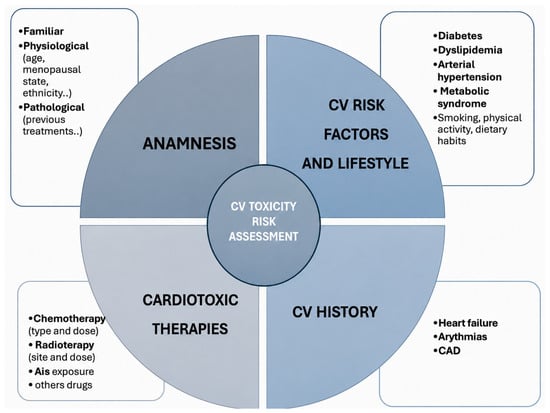
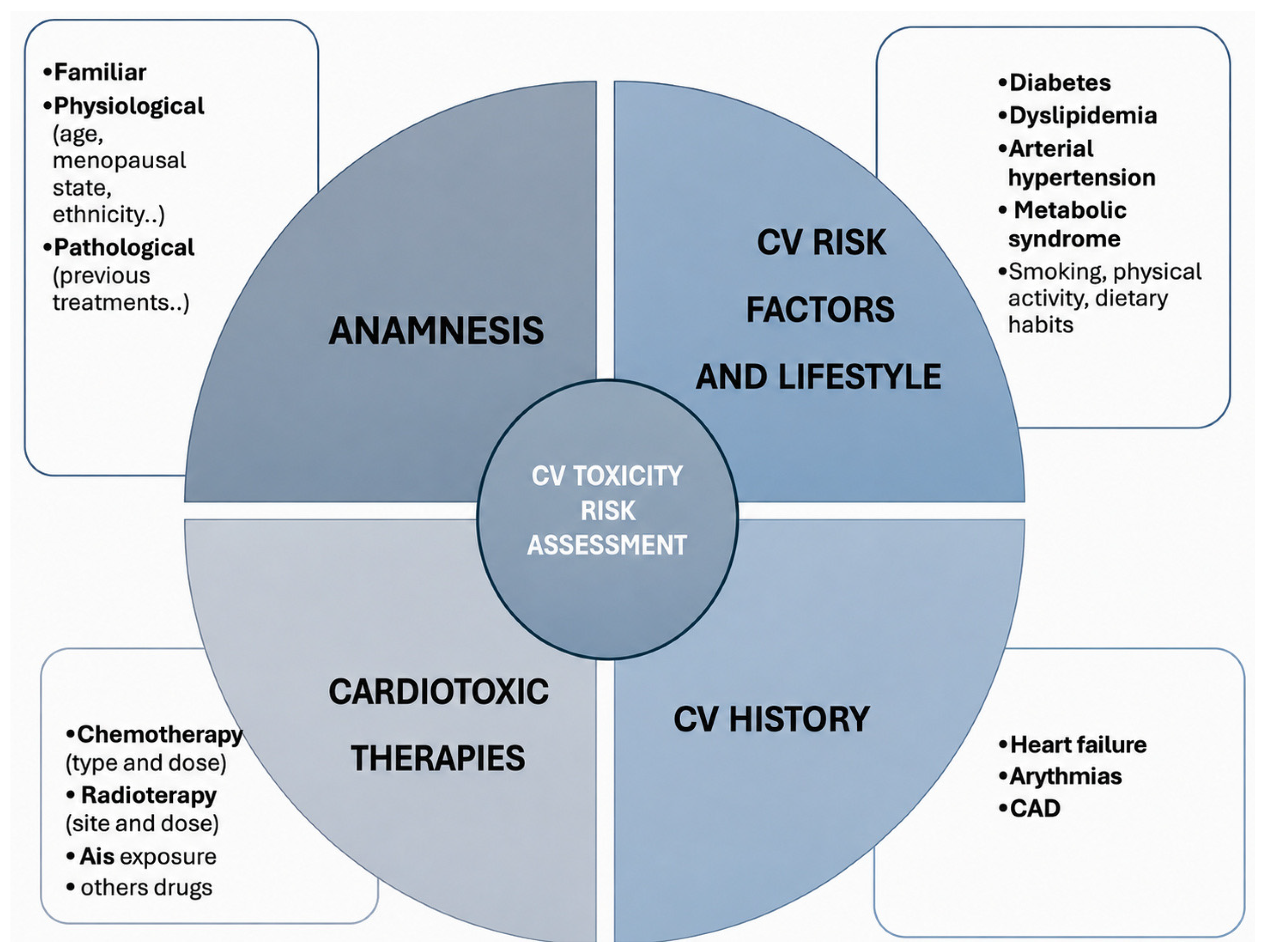
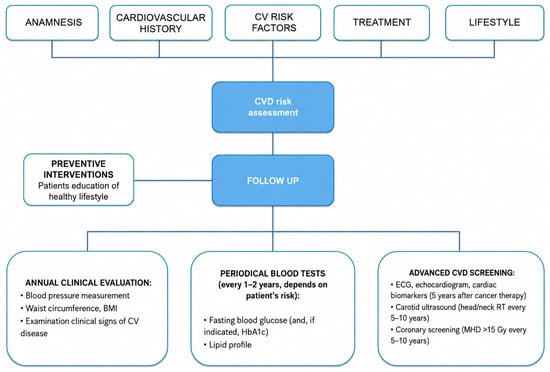
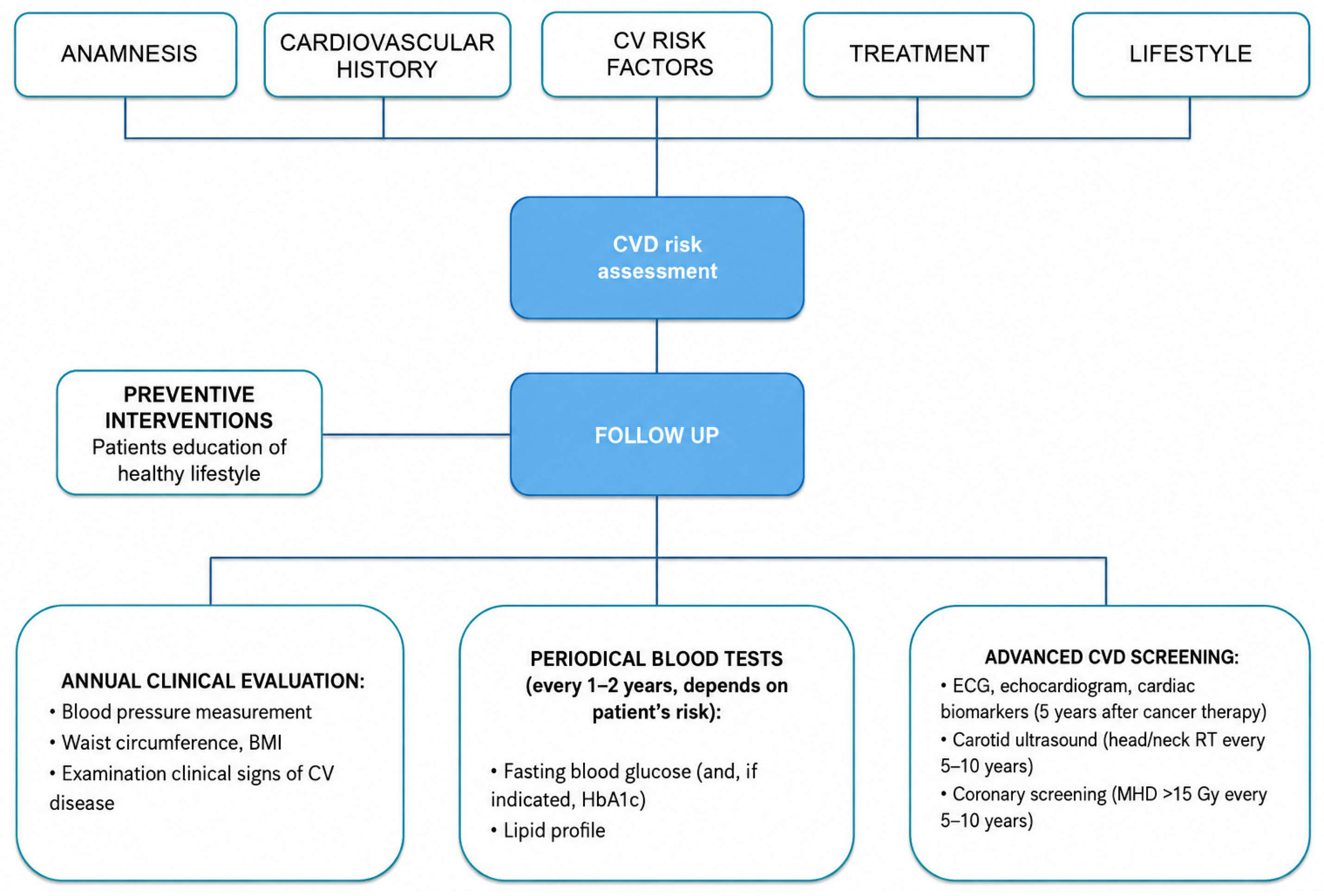

Disclaimer/Publisher’s Note: The statements, opinions and data contained in all publications are solely those of the individual author(s) and contributor(s) and not of MDPI and/or the editor(s). MDPI and/or the editor(s) disclaim responsibility for any injury to people or property resulting from any ideas, methods, instructions or products referred to in the content. |
© 2026 by the authors. Licensee MDPI, Basel, Switzerland. This article is an open access article distributed under the terms and conditions of the Creative Commons Attribution (CC BY) license.