
Article

Contact Analysis of Mobility Devices Based on Tension
1
Department of Science and Technology, Graduate School of Sophia University, 7-1 Kioi-cho, Chiyoda-ku, Tokyo 102-8554, Japan
2
Department of Engineering and Applied Sciences, Sophia University, 7-1 Kioi-cho, Chiyoda-ku, Tokyo 102-8554, Japan
*
Author to whom correspondence should be addressed.
Modelling 2021, 2(3), 370-384; https://doi.org/10.3390/modelling2030020

Submission received: 19 July 2021 / Revised: 17 August 2021 / Accepted: 18 August 2021 / Published: 20 August 2021

Abstract

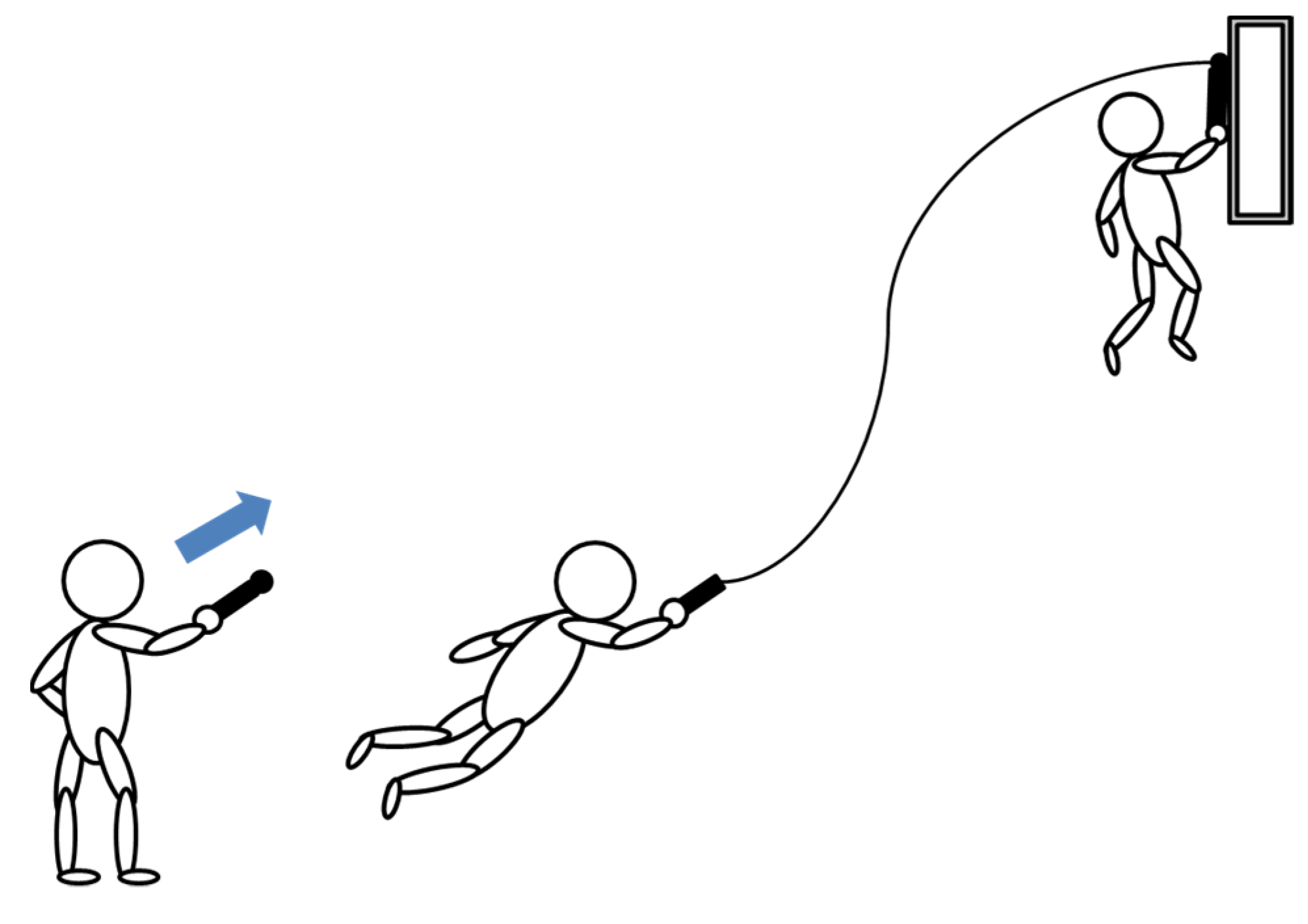
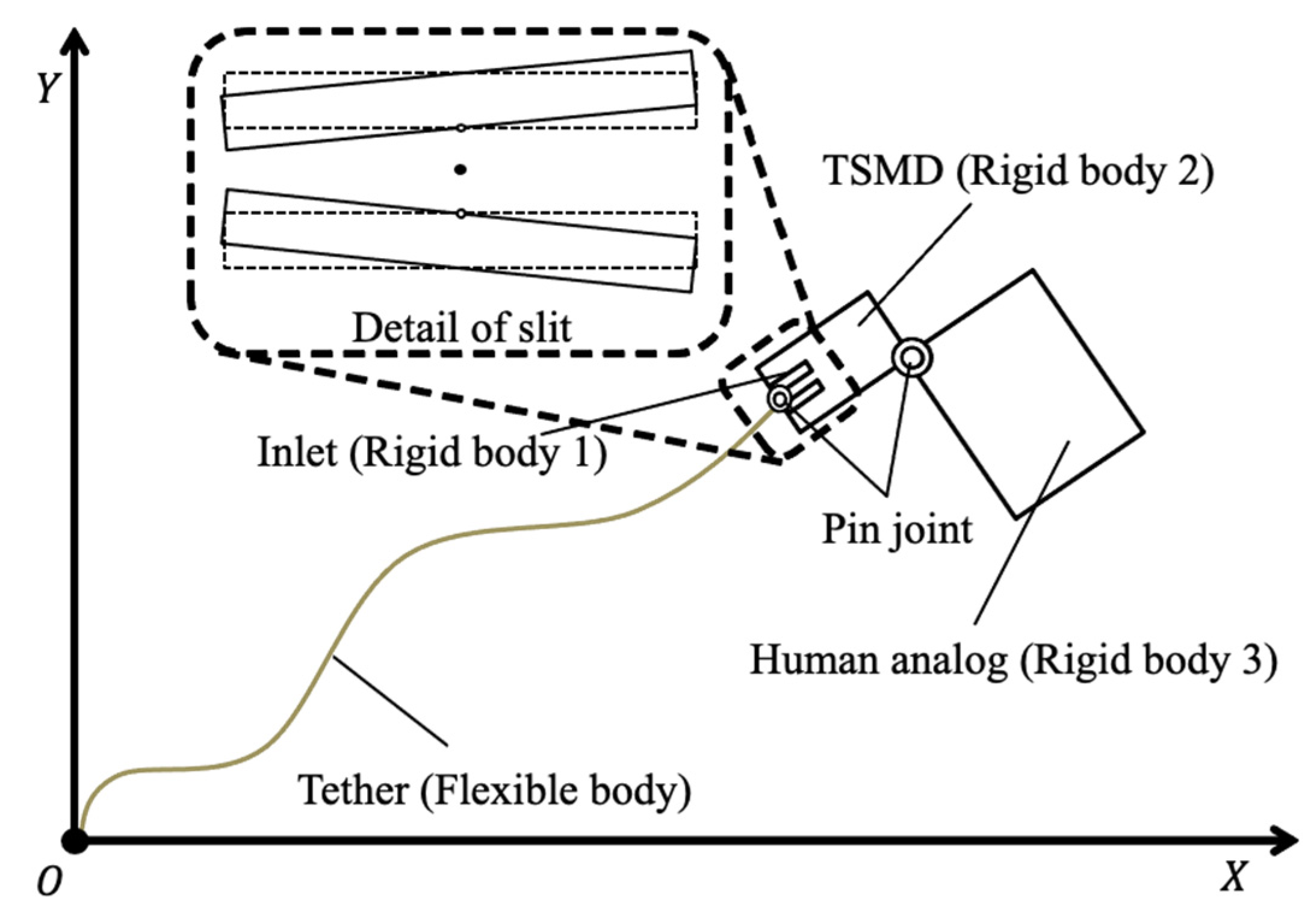
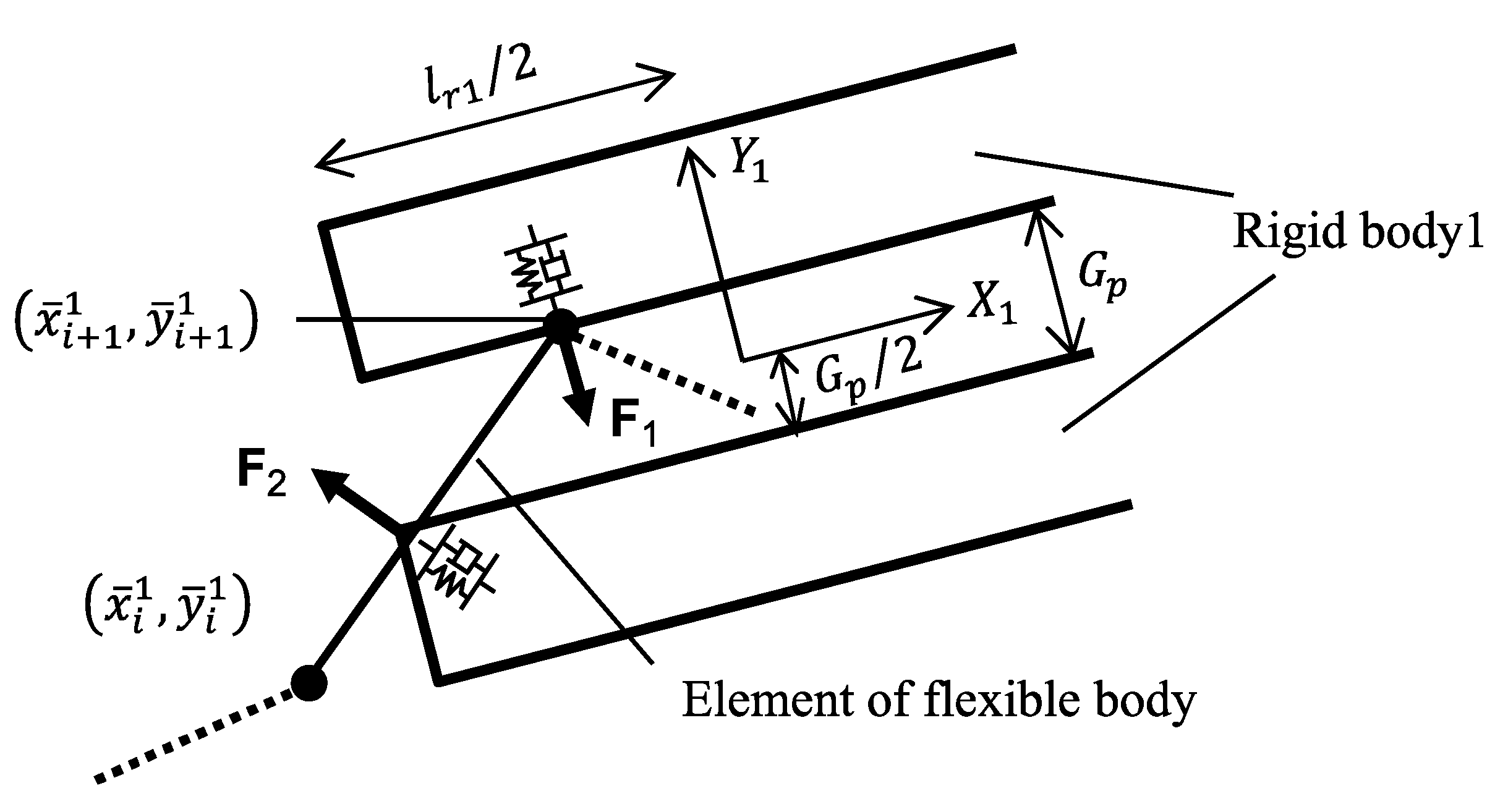
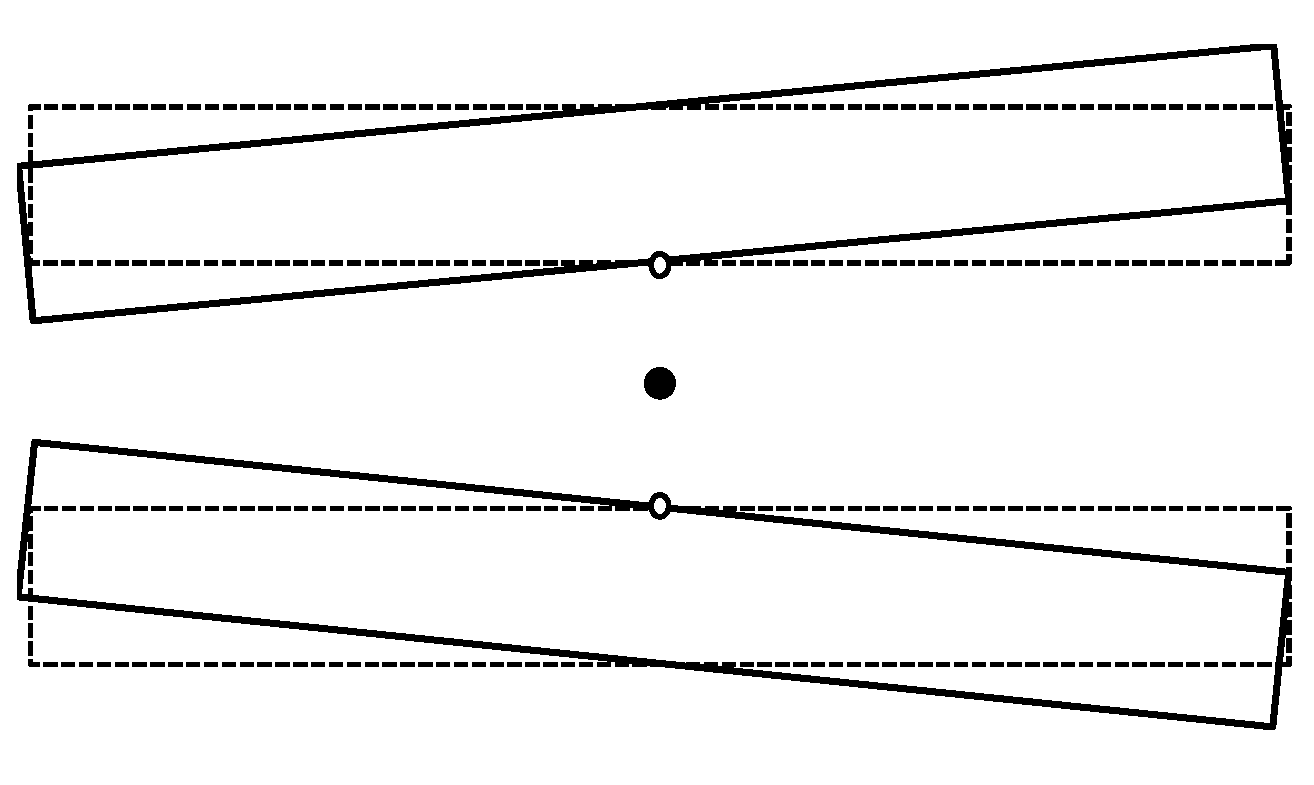
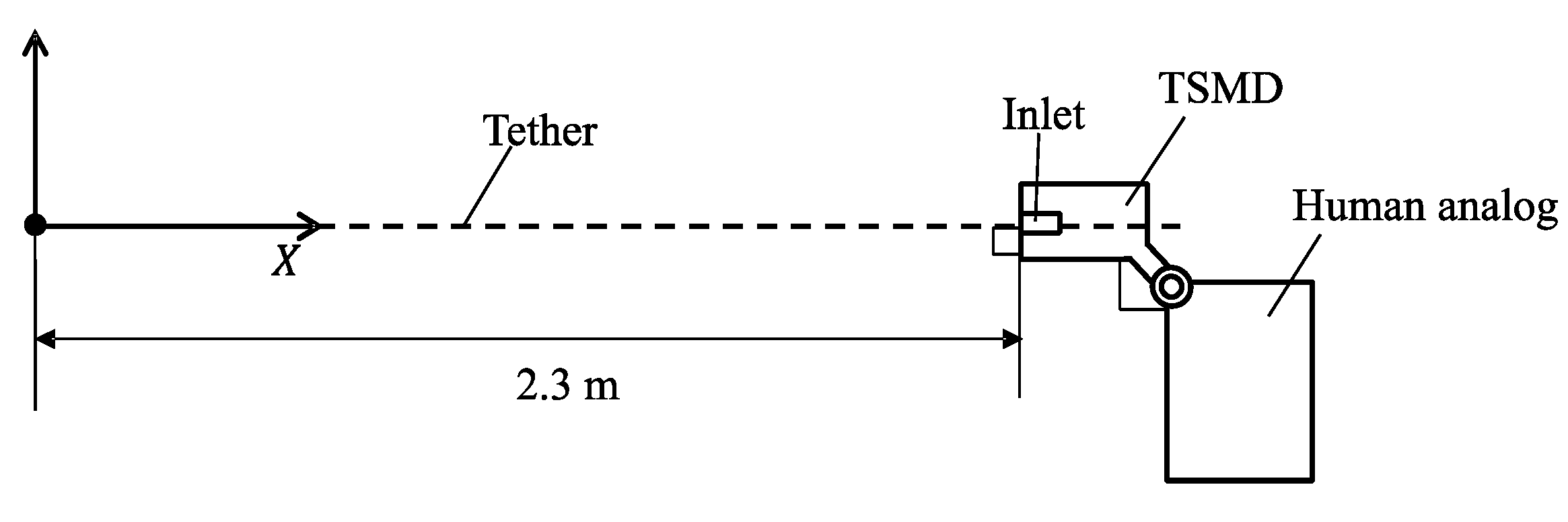
Advances in space technology have opened up opportunities for human beings to work in outer space. It is expected that the upsizing of manned space facilities, such as the International Space Station, will further this trend. A unique means of transportation is necessary to ensure that human beings can move about effectively in microgravity environments. Here, we propose a tether-based mobility system that moves the user by winding a tether attached to a structure at the destination. To overcome the attitude instability of the user during tether winding, the Tether Space Mobility Device (TSMD) attitude control method for winding a tether is applied and examined through numerical analysis. The proposed analytical model for motion analysis consists of one flexible body and three rigid bodies. The contact force between the tether and the TSMD inlet is determined. Using the numerical analysis model, we investigated the effect of slit shape during tether extension and winding.
Keywords: contact modeling; space robot; tether; interaction; ANCF contact modeling; space robot; tether; interaction; ANCF