


Abstract
Genitourinary syndrome of menopause (GSM) is a chronic and highly prevalent condition encompassing vulvovaginal, sexual, and lower urinary tract symptoms that may substantially impair quality of life. Although several effective therapies are available, interest in non-hormonal strategies has increased, particularly among women who prefer to avoid hormonal treatment and breast cancer survivors. The objective of this study was to critically review the biological rationale, clinical evidence, safety, and potential therapeutic positioning of intravaginal oxygen-based interventions combined with hyaluronic acid (HA) for GSM. A narrative literature review was conducted using PubMed/MEDLINE, Embase, Scopus, and Web of Science. The included literature covered publications from 2002 to 2026, with clinical studies specifically evaluating combined intravaginal oxygen-based interventions and HA published between 2018 and 2026. Studies were selected according to their relevance to GSM, treatment characteristics, and reported clinical outcomes. Evidence was critically synthesized, considering methodological limitations and differences in oxygen-delivery protocols. Vaginal hyaluronic acid has demonstrated clinical benefits in postmenopausal vulvovaginal atrophy, whereas the additional biological contribution of locally administered oxygen remains uncertain. Proposed oxygen-related mechanisms are largely extrapolated from wound-healing research, without direct mechanistic confirmation in estrogen-deficient human vaginal tissue. Clinical studies evaluating combined intravaginal oxygen and HA have reported improvements in vaginal symptoms, vaginal health parameters, sexual function, and selected patient-reported urinary outcomes. However, oxygen-delivery protocols differ across studies, and the available comparative evidence is limited to a small controlled investigation and a retrospective non-randomized study. These findings do not establish the independent efficacy of oxygen or its effectiveness as a treatment for urinary incontinence. Short-term tolerability appears favorable, although long-term safety and treatment durability remain insufficiently investigated. Intravaginal oxygen-based interventions combined with HA represent an emerging non-hormonal approach for GSM, although current evidence remains preliminary. Adequately powered multicenter randomized trials, particularly comparisons with HA alone, are required to establish the incremental contribution of oxygen, durability of benefit, long-term safety, and appropriate positioning within GSM management.
1. Introduction
Genitourinary syndrome of menopause (GSM) is a chronic condition resulting from the progressive decline in estrogen and other sex steroids and encompasses a broad spectrum of genital, sexual, and lower urinary tract signs and symptoms. The term GSM was introduced to replace the more restrictive definitions of vulvovaginal atrophy (VVA) and atrophic vaginitis, acknowledging that the consequences of postmenopausal hypoestrogenism extend beyond the vaginal epithelium and may involve the vulva, urethra, and bladder [1]. Typical manifestations include vaginal dryness, burning and irritation, reduced lubrication, dyspareunia, and sexual dysfunction, together with urinary symptoms such as dysuria, urgency, and recurrent urinary tract infections [1,2].
GSM is highly prevalent among postmenopausal women, although estimates vary considerably according to the population studied and the diagnostic criteria applied. Available evidence suggests that approximately one-half of postmenopausal women experience symptoms attributable to vulvovaginal atrophy, while broader estimates for GSM range from approximately 27% to 84% [2,3]. Large observational surveys have also demonstrated a substantial impact on sexual function, intimate relationships, emotional well-being, and overall quality of life [3,4]. Despite this burden, GSM remains frequently underdiagnosed and undertreated, partly because women may consider genital symptoms an inevitable consequence of aging or may be reluctant to spontaneously discuss sexual and vulvovaginal complaints with healthcare professionals [2,4].
The pathophysiology of GSM is multifactorial. Estrogen deprivation leads to progressive thinning and reduced maturation of the vaginal epithelium, decreased glycogen content, diminished tissue elasticity and lubrication, increased epithelial fragility, and elevation of vaginal pH [1,2]. These structural and functional changes are accompanied by modifications of the vaginal microbial ecosystem, with a lower prevalence of Lactobacillus-dominant communities and greater microbial diversity being frequently observed after menopause [5]. However, the relationship between the vaginal microbiome, objective signs of atrophy, and patient-reported symptoms remains complex, and normalization of vaginal pH or microbiota does not necessarily correspond to complete symptomatic improvement [5].
Unlike vasomotor symptoms, which often diminish over time, GSM is generally considered a chronic and potentially progressive condition that is unlikely to resolve spontaneously without appropriate management [2]. Treatment should therefore be individualized according to symptom severity, patient preferences, comorbidities, previous treatments, and the presence of conditions that may influence the acceptability or suitability of hormonal therapies. Current therapeutic options include non-hormonal lubricants and moisturizers, local vaginal estrogen, vaginal dehydroepiandrosterone, systemic hormone therapy in appropriately selected women, and the selective estrogen receptor modulator ospemifene [2].
Among non-hormonal treatments, hyaluronic acid (HA) has received increasing attention. HA is a naturally occurring glycosaminoglycan with marked hygroscopic and viscoelastic properties and plays an important role in extracellular matrix homeostasis, tissue hydration, and repair. Vaginal HA preparations have been evaluated in several clinical studies, and systematic reviews suggest that they may improve vaginal dryness, dyspareunia, vaginal pH, and objective signs of vaginal atrophy [6,7]. Nevertheless, considerable heterogeneity exists among available studies regarding HA formulation, molecular weight, concentration, treatment schedule, and outcome assessment, highlighting the need for further standardized research [6,7].
More recently, intravaginal hyaluronic acid has been combined with different forms of local oxygen administration as a non-hormonal approach to vulvovaginal atrophy and GSM. However, the available studies have employed different oxygen-delivery protocols, including treatments described as topical hyperbaric oxygen and high-concentration oxygen administered locally. These approaches should not be considered interchangeable, as oxygen concentration, delivery pressure, application devices, and treatment duration may influence local oxygen exposure and potentially its biological effects. Early clinical studies reported improvements in vaginal symptoms and epithelial characteristics [8,9], while subsequent investigations extended these observations to breast cancer survivors and additional patient-reported outcomes [10]. Nevertheless, the heterogeneity of oxygen-delivery methods limits direct comparisons between studies.
Although these preliminary findings are encouraging, the available clinical evidence remains relatively limited and heterogeneous, and the precise contribution of high-concentration oxygen beyond that of HA alone has not yet been fully established. A comprehensive appraisal of the biological rationale, available clinical studies, safety profile, and methodological limitations is therefore warranted. The aim of this narrative review is to critically summarize the current evidence on intravaginal oxygen-based interventions combined with HA for GSM, with particular attention to its biological basis, effects on vulvovaginal and sexual symptoms, emerging applications, safety, and priorities for future research.
2. Literature Search and Study Selection
This narrative review was designed to critically evaluate the biological rationale, clinical evidence, safety, and potential therapeutic role of intravaginal oxygen-based interventions combined with hyaluronic acid (HA) for genitourinary syndrome of menopause (GSM).
The literature search was conducted using PubMed/MEDLINE, Embase, Scopus, and Web of Science, with the final search performed on September 2026. The publications included in the review covered the period from 2002 to 2026.
The search strategy included combinations of the following keywords: “genitourinary syndrome of menopause”, “vulvovaginal atrophy”, “vaginal oxygen”, “topical oxygen therapy”, “hyperbaric oxygen”, “normobaric oxygen”, “high-concentration oxygen”, “hyaluronic acid”, “vaginal atrophy”, “menopause”, “breast cancer survivors”, and “urinary incontinence”. Reference lists of relevant publications were also examined to identify additional potentially eligible studies.
For the clinical evidence synthesis, studies were selected if they investigated the combined intravaginal administration of oxygen-based interventions and HA in postmenopausal women or women experiencing treatment-related hypoestrogenism and reported outcomes related to vulvovaginal symptoms, vaginal health, sexual function, lower urinary tract symptoms, or quality of life. Both controlled and uncontrolled clinical studies were considered, given the limited available evidence.
The clinical studies specifically evaluating combined oxygen and HA were published between 2018 and 2026. Additional publications addressing the biological properties of HA, oxygen-dependent tissue repair, established GSM treatments, and methodological considerations were included to provide a broader scientific and clinical context.
The selected studies were critically examined according to study design, population characteristics, treatment protocols, oxygen-delivery methods, comparator groups, outcome measures, follow-up duration, and methodological limitations. Particular attention was paid to distinguishing oxygen concentration from administration pressure and to assessing whether the available comparative evidence could support an incremental therapeutic contribution of oxygen beyond HA alone.
Given the narrative nature of this review and the substantial heterogeneity in study designs, populations, interventions, and outcome measures, no quantitative meta-analysis was performed. The evidence was synthesized descriptively, with emphasis on the strength and limitations of the available findings.
3. Biological Rationale for Intravaginal Oxygen-Based Interventions Combined with Hyaluronic Acid
The rationale for combining intravaginal hyaluronic acid (HA) with high-concentration oxygen derives from two potentially complementary biological approaches: restoration of mucosal hydration and extracellular-matrix homeostasis through HA, and enhancement of oxygen-dependent cellular processes involved in tissue maintenance and repair. Although both components have individually plausible biological effects, it is important to distinguish established mechanisms from those extrapolated from other tissues, since direct mechanistic evidence in postmenopausal vaginal mucosa remains limited.
3.1. Hyaluronic Acid: Hydration, Extracellular Matrix, and Epithelial Homeostasis
HA is a naturally occurring, non-sulfated glycosaminoglycan widely distributed within the extracellular matrix. Its highly hydrophilic structure enables the binding and retention of large amounts of water, thereby contributing to tissue hydration, viscoelasticity, lubrication, and mechanical resilience. These properties provide a strong biological rationale for its topical application to the estrogen-deprived vaginal mucosa, where loss of hydration, reduced lubrication, epithelial thinning, and increased tissue fragility represent characteristic features of GSM.
Beyond its function as a passive moisturizer, HA participates in extracellular-matrix organization and interacts with cellular processes involved in tissue homeostasis and repair. However, its biological effects may vary according to molecular weight, concentration, formulation, and tissue environment. This aspect is particularly relevant when interpreting studies of vaginal HA, since commercially and experimentally available formulations are not necessarily biologically equivalent.
Clinical evidence supports the ability of vaginal HA to improve manifestations of postmenopausal vaginal atrophy. Ekin et al. compared HA vaginal tablets with vaginal estradiol in a randomized controlled trial and observed significant improvements in vaginal symptoms, epithelial atrophy, vaginal pH, and vaginal maturation in both groups [11]. Similarly, Jokar et al. randomized 56 postmenopausal women to vaginal HA or conjugated estrogen and reported significant improvements in symptoms and clinical signs of vaginal atrophy with both treatments [12]. A multicenter randomized controlled trial evaluating an HA vaginal gel also demonstrated improvement in vaginal dryness, supporting the clinical activity of locally administered HA [13].
These findings are consistent with the systematic evidence already discussed in the Section Introduction [6,7] and establish HA as an active non-hormonal component rather than simply an inert vehicle. Nevertheless, evidence demonstrating the efficacy of HA alone also has an important methodological implication for studies evaluating combined HA and oxygen: improvements observed after combined treatment cannot automatically be attributed to oxygen unless an appropriate HA-only or oxygen-concentration comparator is included.
3.2. Oxygen and Tissue Repair: Biological Plausibility
Oxygen plays a complex and dynamic role in tissue repair. Acute and transient hypoxia can activate adaptive signaling pathways, including hypoxia-inducible mechanisms involved in the early response to tissue injury. Conversely, adequate oxygen availability is required for several subsequent processes involved in tissue restoration, including cellular proliferation, collagen synthesis and maturation, angiogenesis, and antimicrobial defense [14,15].
The relationship between oxygen availability and collagen metabolism is particularly relevant. Molecular oxygen is required for enzymatic reactions involved in collagen hydroxylation and maturation, while sustained tissue hypoxia can impair fibroblast function and extracellular-matrix deposition [14,15]. Oxygen availability also influences angiogenic responses and cellular proliferation, both of which contribute to tissue repair. In addition, oxygen-dependent generation of reactive oxygen species participates in intracellular signaling and in the oxidative mechanisms used by neutrophils and macrophages during host defense [14,15].
These observations have led to the development of several methods for increasing local oxygen availability in wound care. Importantly, topical oxygen administration should be distinguished from systemic hyperbaric oxygen therapy. Topical approaches deliver oxygen directly to the tissue surface, generally under normobaric or locally controlled conditions, whereas hyperbaric oxygen therapy exposes the entire patient to oxygen at elevated atmospheric pressure. Different topical oxygen-delivery technologies also exist and cannot be assumed to have identical biological or clinical effects [15].
Importantly, oxygen concentration and delivery pressure represent distinct treatment parameters. High-concentration oxygen refers to the proportion of oxygen in the administered gas, whereas hyperbaric oxygen delivery involves exposure to pressure above atmospheric levels. The designation “topical hyperbaric oxygen” used in some clinical publications should therefore be interpreted according to the specific device and operating conditions reported by the investigators, rather than assumed to be equivalent to systemic hyperbaric oxygen therapy. In the context of intravaginal applications, differences in oxygen concentration, pressure, delivery systems, and exposure time may influence tissue oxygen availability. These parameters should be considered when comparing clinical findings across studies.
Evidence from chronic-wound research suggests that topical oxygen therapy may promote processes including re-epithelialization, angiogenesis, collagen formation, and tissue repair. However, the available literature is heterogeneous and includes different oxygen-delivery systems, treatment protocols, wound etiologies, and outcome measures [15]. More recent systematic evidence confirms potential benefits of topical oxygen therapy in selected chronic wounds while emphasizing the need for better standardized and higher-quality comparative studies [16].
3.3. Potential Complementary Effects of Oxygen and Hyaluronic Acid
The combined intravaginal administration of high-concentration oxygen and HA is based on the hypothesis that the two components may act through complementary pathways. Although oxygen-dependent processes such as collagen synthesis, cellular proliferation, angiogenesis, and inflammatory regulation are well established in general tissue physiology and wound healing [14,15], their modulation following intravaginal oxygen administration has not been directly demonstrated in estrogen-deficient human vaginal tissue. In particular, no direct mechanistic evidence currently establishes that local oxygen treatment induces angiogenesis, collagen deposition, epithelial regeneration, or changes in inflammatory pathways in the postmenopausal vagina. These effects should therefore be regarded as biologically plausible hypotheses derived primarily from studies in other tissues [14,15,16], rather than as demonstrated mechanisms of the proposed treatment.
HA primarily provides hydration and contributes to the physicochemical properties of the extracellular environment, whereas increased local oxygen availability could theoretically support oxygen-dependent metabolic and reparative processes.
The proposed biological rationale and the potential complementary effects of HA and high-concentration oxygen in estrogen-deficient vaginal tissue are summarized in Figure 1.
Figure 1.
Conceptual representation of the biological rationale for intravaginal oxygen-based interventions combined with hyaluronic acid (HA) in genitourinary syndrome of menopause (GSM). The established physiological roles of oxygen in tissue metabolism and repair are distinguished from the hypothesized effects of local oxygen administration on vaginal angiogenesis, collagen remodeling, epithelial regeneration, and inflammatory modulation. These proposed mechanisms are primarily extrapolated from research in other tissues, particularly chronic wounds, and have not been directly demonstrated in estrogen-deficient human vaginal tissue. The illustrated post-treatment changes are hypothetical and should not be interpreted as histologically confirmed therapeutic effects.
In estrogen-deficient vaginal tissue, such complementary effects could potentially translate into improved epithelial trophism, hydration, elasticity, and resistance to mechanical trauma, ultimately contributing to reductions in dryness, burning, irritation, and dyspareunia. The improvements in vaginal epithelial appearance and elasticity observed in the first clinical pilot study of combined treatment are consistent with this hypothesis [8]. Subsequently, Barbero et al. reported not only symptomatic improvement but also changes in colposcopic appearance and cervicovaginal cytology after treatment [9].
Nevertheless, the term synergistic should currently be used with caution. Demonstration of biological synergy would require evidence that the combined intervention produces an effect greater than that expected from either component independently. Most early clinical studies did not include an HA-only comparator [8,9,10], and therefore cannot establish whether the observed effects resulted predominantly from HA, oxygen, their combination, or nonspecific effects associated with repeated treatment.
Importantly, the postmenopausal vaginal epithelium should not be considered biologically equivalent to a chronic wound. Dedicated studies in estrogen-deficient vaginal tissue are therefore necessary before mechanisms extrapolated from wound-healing models can be considered applicable to intravaginal oxygen administration [14,15,16].
Accordingly, the biological rationale for combined intravaginal high-concentration oxygen and HA can be considered plausible but incompletely demonstrated. Future mechanistic studies incorporating vaginal histology, epithelial maturation, vascular markers, extracellular-matrix remodeling, inflammatory mediators, and potentially microbiome assessment would be valuable to determine whether high-concentration oxygen provides biological effects beyond those attributable to HA alone.
4. Clinical Evidence for Intravaginal Oxygen-Based Interventions Combined with Hyaluronic Acid
The clinical evidence supporting combined intravaginal administration of high-concentration oxygen and hyaluronic acid (HA) remains relatively limited but has progressively expanded over recent years. The available literature includes initial pilot and prospective studies in postmenopausal women with vulvovaginal atrophy (VVA), studies specifically addressing breast cancer survivors, a more recent investigation incorporating a controlled comparison between different oxygen concentrations, and emerging evidence on lower urinary tract symptoms (LUTS) and urinary incontinence. Although the direction of the reported effects is generally consistent, substantial differences in study design, patient populations, outcome measures, and follow-up duration must be considered when interpreting the findings. The main characteristics, outcomes, findings, and methodological limitations of the available clinical studies are summarized in Table 1.
Table 1.
Clinical studies evaluating intravaginal oxygen-based interventions combined with hyaluronic acid for genitourinary syndrome of menopause.
4.1. Initial Pilot Evidence
Condemi et al. published the first pilot investigation of combined intravaginal oxygen and hyaluronic acid in 2018 [8]. The authors described their intervention as topical hyperbaric oxygen therapy combined with HA. Twenty-five postmenopausal women with severe vulvovaginal atrophy underwent five treatment sessions, each lasting approximately 15 min and administered at two-week intervals. Subjective symptoms and vaginal characteristics were assessed throughout the treatment course.
The terminology used in the original publication should be distinguished from that of subsequent studies investigating high-concentration oxygen delivery. In particular, the designation of topical hyperbaric therapy does not establish equivalence with either systemic hyperbaric oxygen treatment or normobaric high-concentration oxygen administration. The reported treatment conditions should therefore be considered specific to the device and protocol employed in that investigation.
Significant improvements were observed between the first and final treatment sessions in overall well-being, vaginal burning, vaginal fluid, vaginal epithelial appearance, and vaginal elasticity [8]. In addition, all participants reported recovery of sexual activity or sexuality at the completion of treatment. No treatment-related adverse effects were reported. These findings provided the first clinical signal suggesting that the combined approach could improve both subjective and objective manifestations of VVA.
However, the study was explicitly designed as a pilot investigation and had several important limitations. The sample was small, there was no untreated, placebo, or HA-only control group, and the outcomes were based on relatively simple graduated scales rather than a comprehensive set of validated GSM-specific patient-reported outcome measures. Consequently, although the study demonstrated feasibility and generated a clinically interesting signal, it could not determine the relative contribution of oxygen and HA to the observed improvement [8].
4.2. Prospective Evidence Including Colposcopic and Cytological Assessment
Further evidence was provided by Barbero et al., who prospectively evaluated 50 women with VVA treated with five 15 min applications administered every 15 days [9]. Eligible patients reported at least one characteristic symptom of VVA, including vaginal dryness, burning, or dyspareunia. In addition to symptom assessment, the investigators incorporated vulvoscopy, colposcopy, and cervicovaginal cytology, thereby extending the evaluation beyond patient-reported outcomes.
All patients completed the treatment schedule, and statistically significant improvements were reported for subjective symptoms [9]. Objective assessment also demonstrated improvement in the appearance and elasticity of the vaginal epithelium after treatment. Furthermore, post-treatment cervicovaginal cytology showed improvement of the previously observed atrophic pattern. The investigators additionally described cytoplasmic inclusions interpreted as HA-containing vesicles within epithelial cells [9].
The inclusion of colposcopic and cytological endpoints represents an important feature of this study, because it suggests that the observed clinical improvement was accompanied by measurable changes in vaginal epithelial characteristics. Nevertheless, these findings should be interpreted cautiously. The study remained uncontrolled, and the cytological observations were not complemented by histological, immunohistochemical, or molecular analyses capable of establishing a specific regenerative mechanism. In particular, the presence of cytoplasmic material after treatment should be regarded as an interesting morphological observation rather than definitive evidence of intracellular HA-mediated tissue regeneration.
Limited information on persistence of benefit was also reported. In the original study, a small subgroup of women underwent reassessment six months after treatment, with most maintaining the subjective and objective improvements previously achieved [9]. Given the very small number of patients reassessed, however, these observations should be considered preliminary and cannot establish long-term durability.
4.3. Evidence in Breast Cancer Survivors
Breast cancer survivors represent a clinically relevant population in whom GSM may be particularly burdensome. Chemotherapy-induced ovarian insufficiency and adjuvant endocrine therapies can induce or exacerbate vulvovaginal and sexual symptoms, while concerns regarding hormonal treatments may complicate therapeutic decision-making.
Massarotti et al. prospectively evaluated combined vaginal oxygen and HA in 40 breast cancer survivors with hypoestrogenism-related vaginal atrophy [10]. Participants received intravaginal oxygen for 15 min, with a 2% HA solution administered during the final 5 min. The treatment was repeated five times at 15-day intervals.
At baseline, 65% of women reported avoiding sexual intercourse because of pain. During treatment, the Vaginal Health Index (VHI) increased from 9.5 ± 2.2 to 16.8 ± 2.8, while the visual analog scale score for dyspareunia decreased from 8.9 ± 1.3 to 3.4 ± 2.1 [10]. Female Sexual Function Index (FSFI) scores also increased from 8.6 ± 6.3 to 15.2 ± 8.1. At the end of treatment, the proportion of women reporting no intercourse because of pain had decreased to 15%. Improvements remained detectable 30 days after the final application [10].
This study is clinically important because it examined a population with a substantial unmet need and used validated measures of vaginal health and sexual function. Nevertheless, it was an uncontrolled study with a relatively short post-treatment observation period. Moreover, its results concern symptom improvement and short-term tolerability and should not be extrapolated to long-term oncological safety. The absence of a hormonal component does not, by itself, constitute evidence of oncological safety.
4.4. Controlled Evidence and Broader Assessment of Sexual Function
A methodological step forward was provided by Lami et al., who investigated high-concentration oxygen combined with HA using both a controlled component and a larger prospective cohort [17].
In the controlled component of the study, 20 postmenopausal women received HA combined with either 21% oxygen (n = 10, sham group) or 95% oxygen (n = 10, treatment group) [17]. Treatment allocation was not randomized: the first ten participants received 21% oxygen because of an unintended device setting, which was subsequently corrected to deliver 95% oxygen to the following ten participants. The investigators reported that neither the participants nor the treating physicians were aware of the initial incorrect device setting; however, blinding of outcome assessors was not clearly documented. Greater improvements in selected vaginal parameters, including the Vaginal Health Index and Vaginal Maturation Value, were reported in the 95% oxygen group. Nevertheless, the small sample size and non-randomized sequential allocation limit the precision and generalizability of these findings. As both groups received HA, this comparison provides preliminary evidence regarding the possible contribution of oxygen concentration, rather than definitive evidence of the independent efficacy of oxygen.
The second part included 52 postmenopausal women treated with the high-concentration oxygen and HA protocol. The investigators assessed multiple validated outcomes, including VHI, Vaginal Maturation Value, visual analog scales, the Menopause-Specific Quality of Life questionnaire, FSFI, and the Female Sexual Distress Scale [17]. Significant improvements were observed in vaginal health and several dimensions of sexual function, including desire, lubrication, satisfaction, and pain, together with reductions in sexual distress and improvement in menopause-related quality of life.
The controlled comparison is methodologically relevant because HA exposure was maintained in both groups. Nevertheless, the sample of 20 participants is too small to support definitive conclusions regarding comparative efficacy. These findings should be considered exploratory and require confirmation in larger, adequately powered randomized trials with clearly documented allocation procedures and blinded outcome assessment [17].
4.5. Lower Urinary Tract Symptoms in Breast Cancer Survivors
The potential therapeutic scope of combined vaginal oxygen and HA has subsequently been extended beyond vulvovaginal and sexual symptoms. Asinaro et al. prospectively investigated its effect on LUTS in 85 breast cancer survivors [18]. Participants received five applications at 15-day intervals, with oxygen administered intravaginally for 15 min and 2% HA during the final 5 min. Outcomes were assessed during treatment and again 60 days after the final application.
Lower urinary tract symptoms were evaluated using the Urogenital Distress Inventory-6 (UDI-6). The total UDI-6 score decreased significantly during treatment, with improvements involving irritative, stress-related, and obstructive symptom domains [18]. The persistence of improvement at short-term follow-up suggested that the effects were not limited to the immediate post-treatment period.
This study is relevant because urinary manifestations are an integral component of GSM and have received less attention than vaginal dryness and dyspareunia. Nevertheless, the uncontrolled design prevents attribution of the observed improvements specifically to oxygen or to the combined intervention. Moreover, reductions in UDI-6 scores reflect changes in patient-reported urinary symptom burden and should not be interpreted as objective evidence of improvement in stress or mixed urinary incontinence. Exploratory associations with endocrine treatment should also be interpreted cautiously and require confirmation in appropriately controlled studies [18].
4.6. Comparative Evidence Versus Hyaluronic Acid Alone
The most recent clinical evidence provides an additional perspective by directly comparing combined treatment with HA alone. Manna et al. conducted a double-center retrospective study including 68 postmenopausal women with GSM and mild-to-moderate stress or mixed urinary incontinence [19]. Thirty-five women received low-molecular-weight HA combined with high-concentration oxygen, whereas 33 received topical HA alone.
The primary outcome was the Patient Global Impression of Improvement (PGI-I), while secondary outcomes included the International Consultation on Incontinence Questionnaire–Short Form (ICIQ-SF) and the International Quality of Life (IQoL) questionnaire. Improvement according to PGI-I was reported by 80% of women receiving combined treatment compared with 21% of those receiving HA alone [19]. Post-treatment ICIQ-SF scores also differed between groups. However, interpretation of these findings requires consideration of the baseline differences in quality-of-life scores.
The inclusion of an HA-only comparator represents an important methodological improvement over earlier uncontrolled studies. Nevertheless, the retrospective and non-randomized design limits causal interpretation. Of particular relevance, the authors reported significantly different baseline International Quality of Life (IQoL) scores, with a median of 71 (IQR 55–81) in the oxygen-plus-HA group versus 89 (IQR 67–94) in the HA-only group (p < 0.01). However, an inconsistency should be acknowledged, as Table 1 of the original publication reports baseline IQoL scores of 73 and 77, respectively (p = 0.91) [19]. This discrepancy prevents a definitive interpretation of baseline comparability for this outcome. Post-treatment IQoL scores were reported as 78 (IQR 65–86) and 88 (IQR 72–99), respectively (p = 0.04). Given the uncertainty regarding baseline comparability, together with possible selection bias and residual confounding, the observed between-group differences cannot be confidently attributed to oxygen administration. These findings should therefore be considered exploratory and hypothesis-generating rather than confirmatory evidence of efficacy for stress or mixed urinary incontinence.
4.7. Overall Interpretation of the Clinical Evidence
Taken together, the available studies show a broadly consistent direction of clinical improvement following combined intravaginal oxygen and HA administration [8,9,10,17,18,19]. Reported benefits encompass vaginal dryness and burning, epithelial appearance and elasticity, VHI, dyspareunia, sexual function, sexual distress, and selected lower urinary tract outcomes.
The evidence has evolved from initial uncontrolled investigations [8,9,10] to a small controlled comparison of oxygen concentrations [17], further prospective observations in breast cancer survivors [18], and a retrospective comparison with HA alone [19]. Although these studies reflect growing clinical interest and some methodological progress, the overall certainty of evidence remains limited.
Accordingly, the available evidence should be considered promising but not yet definitive. The existing studies provide a sufficient clinical signal to justify larger randomized controlled trials, but they do not yet establish combined intravaginal oxygen and HA as superior or equivalent to established GSM therapies.
5. Positioning Combined Oxygen and Hyaluronic Acid Within Current GSM Management
The management of genitourinary syndrome of menopause is inherently individualized and should consider the predominant symptoms, their severity, the degree of associated sexual and urinary dysfunction, previous treatments, patient preferences, comorbidities, and the potential suitability of hormonal therapy [2]. The expanding therapeutic landscape includes non-hormonal vaginal products, local hormonal treatments, selective estrogen receptor modulators, and device-based interventions. Within this framework, combined intravaginal high-concentration oxygen and hyaluronic acid (HA) should currently be regarded as an emerging non-hormonal approach rather than an alternative with established equivalence to conventional therapies.
5.1. Vaginal Lubricants and Moisturizers
Non-hormonal lubricants and moisturizers are widely used as first-line approaches, particularly for women with mild symptoms or those who prefer to avoid hormonal treatment [2]. Lubricants primarily reduce friction during sexual activity and therefore provide short-term symptomatic relief, whereas vaginal moisturizers are intended for regular use and may exert a more sustained effect on vaginal hydration.
The distinction is clinically relevant because GSM reflects structural and functional changes rather than insufficient lubrication alone. Accordingly, conventional non-hormonal products may provide adequate relief for some women but insufficient benefit for others, particularly when vaginal dryness is accompanied by marked dyspareunia or objective signs of atrophy.
In a randomized clinical trial involving 302 postmenopausal women with moderate-to-severe vulvovaginal symptoms, Mitchell et al. compared low-dose vaginal estradiol tablets, a vaginal moisturizer, and dual placebo [20]. All groups experienced reductions in symptom severity, but neither vaginal estradiol nor moisturizer demonstrated significantly greater improvement than placebo for the prespecified primary most-bothersome-symptom outcome over 12 weeks [20]. The study highlighted the substantial nonspecific response that may occur in trials of vaginal interventions and is particularly relevant when interpreting uncontrolled before-and-after studies of newer GSM treatments.
HA represents a more specifically investigated non-hormonal vaginal option. As discussed above, randomized studies and systematic reviews support improvements in dryness and other manifestations of vaginal atrophy [6,7,11,12,13]. This evidence is directly relevant to combined oxygen and HA therapy: because HA itself is biologically and clinically active, an HA-only comparator is essential for determining the incremental contribution of oxygen. The recent comparative study by Manna et al. begins to address this question [19], although its retrospective design prevents definitive conclusions.
5.2. Vaginal Estrogen Therapy
Local estrogen therapy remains one of the most extensively studied and effective treatments for moderate-to-severe GSM [2]. A systematic review of vaginal estrogen demonstrated improvement in vaginal dryness, dyspareunia, itching or burning, and several urinary symptoms compared with placebo [21]. Vaginal estrogen also improves objective markers of estrogenization, including vaginal pH and epithelial maturation.
Different vaginal estrogen formulations—including creams, tablets, inserts, and rings—are available, and low-dose preparations generally result in substantially lower systemic estrogen exposure than conventional systemic hormone therapy. Pharmacokinetic evidence indicates that systemic estradiol concentrations during low-dose vaginal estrogen treatment are generally low and are influenced by dose, formulation, and placement within the vagina [22].
The existence of a well-established and biologically targeted therapy has important implications for evaluation of newer non-hormonal approaches. Combined oxygen and HA should not currently be considered equivalent or superior to vaginal estrogen because direct randomized comparisons are lacking. Rather, its potential role may be particularly relevant for women who prefer a non-hormonal intervention, experience insufficient benefit from conventional moisturizers, or require individualized therapeutic decision-making because of their medical history.
5.3. Vaginal Prasterone
Intravaginal prasterone (dehydroepiandrosterone, DHEA) represents another pharmacological option for GSM. DHEA is converted intracellularly within vaginal tissues into active sex steroids and has been evaluated in randomized placebo-controlled trials.
In a phase III randomized trial, daily intravaginal prasterone significantly improved vaginal maturation parameters, vaginal pH, and moderate-to-severe dyspareunia compared with placebo [23]. These findings supported its use as a treatment for postmenopausal vulvovaginal atrophy and dyspareunia.
Prasterone differs fundamentally from oxygen-plus-HA therapy because its mechanism relies on local intracrine conversion into estrogens and androgens. Consequently, the two interventions should not be considered mechanistically interchangeable. No head-to-head trials have compared prasterone with combined oxygen and HA.
5.4. Ospemifene
Ospemifene is an orally administered selective estrogen receptor modulator with estrogen-agonistic effects on vaginal tissue. Randomized placebo-controlled trials have demonstrated improvements in vaginal epithelial maturation, vaginal pH, dryness, and dyspareunia in postmenopausal women with VVA [24].
Its oral administration may be advantageous for women who prefer to avoid vaginal treatment, although systemic exposure and the pharmacological profile of a selective estrogen receptor modulator differentiate it substantially from local non-hormonal approaches. As with prasterone, no comparative studies between ospemifene and combined oxygen-plus-HA treatment are currently available.
5.5. Energy-Based Vaginal Interventions
The development of device-based therapies for GSM provides a particularly relevant context for interpreting the emerging evidence on oxygen-plus-HA treatment. Fractional carbon dioxide (CO2) and erbium lasers, as well as radiofrequency devices, have been investigated as non-hormonal approaches intended to induce tissue remodeling and improve vaginal symptoms.
Initial uncontrolled studies of fractional CO2 laser reported substantial improvements in vaginal symptoms and sexual function [25]. Histological studies also described epithelial and connective-tissue modifications after treatment, contributing to the biological rationale for vaginal laser therapy [26]. However, the subsequent emergence of sham-controlled randomized trials substantially altered interpretation of the earlier evidence.
In a double-blind randomized clinical trial, Li et al. compared fractional CO2 laser with sham treatment in women with postmenopausal vaginal symptoms and found no significant improvement in symptom severity with laser therapy compared with sham after 12 months [27]. The discrepancy between promising uncontrolled studies and subsequent sham-controlled evidence illustrates the importance of rigorous comparator groups when evaluating procedural interventions for GSM.
This methodological lesson is directly applicable to combined oxygen and HA therapy. The improvements reported in early uncontrolled studies [8,9,10] are encouraging, but repeated office-based procedures may be associated with substantial contextual and placebo effects. The controlled oxygen-concentration component reported by Lami et al. [17] and the HA-only comparison reported by Manna et al. [19] therefore represent particularly important developments in the evidence base.
Unlike energy-based interventions, combined oxygen and HA does not rely on controlled thermal or ablative tissue injury. Nevertheless, both are office-based procedural approaches, and both require high-quality controlled evidence before efficacy can be inferred from improvements observed after treatment.
5.6. Potential Positioning of Combined Oxygen and HA
Based on the evidence currently available, combined intravaginal high-concentration oxygen and HA could potentially occupy an intermediate position between self-administered non-hormonal vaginal products and more established prescription therapies or procedural interventions.
Several characteristics may be clinically attractive. The treatment is non-hormonal, does not involve tissue ablation, and has shown favorable short-term tolerability in the available studies [8,9,10,17,18,19]. Furthermore, improvements have been reported across multiple domains of GSM, including vaginal symptoms, objective vaginal health measures, sexual function, and selected urinary outcomes.
However, these potential advantages must be balanced against important uncertainties. Treatment requires repeated office-based sessions, its cost-effectiveness has not been established, the optimal number and interval of sessions remain uncertain, and there is currently no evidence defining an appropriate maintenance schedule. Most importantly, direct comparative evidence against established GSM treatments is absent.
Accordingly, the current evidence does not support positioning combined oxygen and HA as a replacement for vaginal estrogen, prasterone, ospemifene, or other established evidence-based treatments. A more appropriate interpretation is that it represents an emerging non-hormonal option deserving further investigation, particularly for women who prefer to avoid hormonal therapies or who remain symptomatic despite conventional non-hormonal measures.
Future comparative trials should therefore move beyond simple pre-treatment/post-treatment assessment and include clinically meaningful control groups. Depending on the research question, appropriate comparators may include HA alone, a sham oxygen procedure, vaginal estrogen, or another established non-hormonal treatment. Such trials will be essential to determine not only whether combined oxygen and HA is effective, but also whether it provides sufficient incremental benefit to justify an office-based treatment protocol.
6. Combined Oxygen and Hyaluronic Acid in Breast Cancer Survivors
Breast cancer survivors represent a particularly relevant population in the management of genitourinary syndrome of menopause (GSM). Improvements in cancer survival have resulted in an increasing number of women living for many years with the consequences of premature or treatment-induced hypoestrogenism. Chemotherapy, ovarian suppression, and adjuvant endocrine therapy may induce or exacerbate vulvovaginal and urinary symptoms, while concerns regarding estrogen exposure can complicate treatment selection. Consequently, effective non-hormonal approaches are of particular clinical interest in this setting.
6.1. Burden of GSM During and After Breast Cancer Treatment
Genitourinary symptoms are common among breast cancer survivors and may be particularly pronounced in women receiving endocrine therapy. Aromatase inhibitors profoundly suppress peripheral estrogen synthesis and are frequently associated with vaginal dryness, dyspareunia, loss of lubrication, and impaired sexual function. Tamoxifen has a more complex tissue-specific estrogen receptor profile, and its effects on vulvovaginal symptoms may differ from those observed with aromatase inhibitors.
The impact extends beyond local discomfort. Sexual dysfunction in breast cancer survivors is multifactorial and may reflect the interaction between vaginal atrophy, dyspareunia, altered body image, psychological distress, treatment-related symptoms, relationship factors, and endocrine therapy. A systematic review and meta-analysis demonstrated a high burden of sexual dysfunction among women with breast cancer, emphasizing the importance of incorporating sexual health into survivorship care [28].
The clinical relevance of treatment-induced vulvovaginal symptoms has also been demonstrated specifically among women receiving aromatase inhibitors. Baumgart et al. reported substantial vulvovaginal symptoms and sexual dysfunction in postmenopausal women receiving aromatase inhibitors, illustrating how endocrine therapy may affect quality of life beyond its systemic adverse effects [29].
6.2. Challenges of Conventional Treatment in Breast Cancer Survivors
Non-hormonal moisturizers and lubricants are generally considered appropriate initial approaches for women with a history of breast cancer, particularly when symptoms are mild [30]. However, their effectiveness may be insufficient in women with moderate-to-severe GSM. As discussed previously, moisturizers primarily improve hydration and lubricants reduce friction, but neither necessarily reverses the underlying hypoestrogenic changes in vaginal tissue.
The use of low-dose vaginal estrogen in breast cancer survivors is more complex. Systemic absorption from contemporary low-dose preparations is substantially lower than that associated with systemic estrogen therapy [22], but measurable changes in circulating estrogen concentrations may occur depending on formulation, dose, timing, and assay methodology. This issue is particularly relevant in women receiving aromatase inhibitors, in whom maintenance of profound estrogen suppression is a central therapeutic objective.
Wills et al. evaluated serum estradiol concentrations in postmenopausal women with estrogen receptor-positive breast cancer or women at high risk of breast cancer who were receiving an aromatase inhibitor or selective estrogen receptor modulator and using vaginal estrogen. The authors observed increased circulating estradiol concentrations with vaginal estrogen preparations and concluded that these treatments should be used with caution in this population [31]. Although available preparations and laboratory assays have evolved, the study illustrates why the question of vaginal estrogen exposure cannot be reduced to a simple distinction between “local” and “systemic” treatment.
Conversely, observational outcome data have provided some reassurance. In a large cohort study including women with breast cancer, vaginal estrogen therapy was not associated with increased breast cancer-specific mortality [32]. These findings are clinically important but should not be interpreted as definitive evidence of absence of recurrence risk in every subgroup, particularly because observational studies remain susceptible to treatment-selection bias and residual confounding.
Accordingly, contemporary management emphasizes individualized and shared decision-making rather than considering all vaginal hormonal therapies either universally safe or universally contraindicated [30]. This distinction is particularly important when discussing emerging non-hormonal therapies.
6.3. Evidence for Combined Oxygen and HA in Breast Cancer Survivors
The direct evidence for combined intravaginal oxygen and HA in breast cancer survivors currently derives principally from the studies by Massarotti et al. [10] and Asinaro et al. [18].
As previously discussed, Massarotti et al. prospectively evaluated 40 breast cancer survivors with vulvovaginal atrophy [10]. Five treatment sessions were associated with a substantial increase in VHI, reduction in dyspareunia, improvement in FSFI scores, and a marked decrease in the proportion of women avoiding intercourse because of pain. The study is particularly relevant because sexual pain and avoidance of intercourse represent clinically meaningful outcomes that may not be adequately captured by assessment of vaginal appearance alone.
Asinaro et al. subsequently expanded the evaluation to LUTS in 85 breast cancer survivors [18]. Significant reductions in total UDI-6 scores and in irritative, stress, and obstructive symptom domains were observed following treatment. Together, these two studies suggest that the potential clinical effects of combined oxygen and HA may extend across the genital, sexual, and urinary components of GSM.
The absence of a hormonal component is an intuitively attractive feature in this population. HA has an established role as a non-hormonal vaginal moisturizer [6,7], while the proposed biological action of oxygen does not depend on estrogen receptor activation. From a mechanistic perspective, combined oxygen and HA therefore differs substantially from vaginal estrogen, prasterone, and selective estrogen receptor modulators.
Nevertheless, the available studies do not establish superiority over conventional non-hormonal treatment, nor do they demonstrate long-term safety specifically in breast cancer survivors. Both studies lacked a randomized control group [10,18], and neither was designed to evaluate breast cancer recurrence or other oncological outcomes.
6.4. Non-Hormonal Treatment Does Not Automatically Imply Established Oncological Safety
An important conceptual distinction should be maintained when interpreting the literature. Describing combined oxygen and HA as non-hormonal is pharmacologically appropriate; describing it as oncologically proven to be safe would exceed the available evidence.
Oncological safety is a clinical outcome requiring appropriate longitudinal assessment. The existing oxygen-plus-HA studies are small, have relatively short follow-up, and were designed to evaluate genitourinary symptoms rather than cancer recurrence [10,18]. They therefore provide information regarding short-term tolerability but cannot answer long-term oncological safety questions.
This distinction is also relevant to other non-estrogen approaches. Vaginal DHEA has been investigated in women with a history of breast or gynecological cancer. Barton et al. conducted a randomized controlled trial comparing two doses of vaginal DHEA with a plain moisturizer in postmenopausal cancer survivors and found improvements in vaginal symptoms and sexual function, although the hormonal biology of DHEA requires specific consideration [33]. Thus, the term non-estrogen treatment does not necessarily mean absence of interaction with sex-steroid pathways.
In contrast, HA-based approaches do not depend on conversion to active sex steroids. This may provide a conceptual advantage when hormonal exposure is a major concern, but direct comparative studies are required before translating this theoretical distinction into claims of greater safety.
6.5. The Need for Individualized Management
Current management of GSM after breast cancer requires integration of symptom burden, previous non-hormonal treatments, tumor characteristics, current endocrine therapy, patient preferences, and the expected duration of adjuvant treatment [30]. Women with mild symptoms may obtain sufficient relief from regular moisturizers and lubricants, whereas persistent moderate-to-severe symptoms may require consideration of additional options.
The clinical problem is especially relevant in women receiving aromatase inhibitors. Severe genitourinary and sexual adverse effects may reduce quality of life and can contribute to poor adherence to endocrine therapy. Nonadherence and early discontinuation of endocrine treatment are clinically important because adherence to prescribed therapy is associated with breast cancer outcomes [34]. Effective management of treatment-related symptoms should therefore be considered part of comprehensive survivorship care rather than an exclusively quality-of-life issue.
Within this framework, combined oxygen and HA could potentially represent an additional non-hormonal option for selected women who remain symptomatic despite conventional moisturizers or who prefer to avoid therapies involving sex-steroid pathways. The available breast cancer-specific studies provide a rationale for further investigation [10,18], but not yet for preferential recommendation over established management strategies.
Future randomized trials in breast cancer survivors should stratify participants according to endocrine treatment, particularly aromatase inhibitors versus tamoxifen, and should document tumor hormone-receptor status, time since cancer diagnosis, previous GSM therapies, baseline sexual activity, and severity of vaginal and urinary symptoms. An HA-only control group would be particularly informative because it would isolate the incremental effect of oxygen while maintaining a fully non-hormonal comparator.
Longer follow-up is also required to establish durability and the need for maintenance treatment. While symptom efficacy could be assessed over 6–12 months, appropriately designed prospective registries may be useful for documenting longer-term clinical safety in women with a history of hormone-sensitive malignancy.
Overall, breast cancer survivorship represents one of the most clinically compelling areas for future research on combined intravaginal oxygen and HA. Current evidence suggests potential benefit for vaginal, sexual, and urinary symptoms [10,18], but the available data remain insufficient to establish comparative efficacy or long-term oncological safety. Until more robust evidence becomes available, the treatment should be considered an emerging non-hormonal option within an individualized, multidisciplinary approach to GSM in breast cancer survivors.
7. Effects on Sexual Function, Urinary Symptoms, and Quality of Life
The clinical relevance of genitourinary syndrome of menopause (GSM) extends considerably beyond vaginal dryness or the objective appearance of the vaginal epithelium. Sexual pain, impaired sexual function, lower urinary tract symptoms (LUTS), and deterioration in quality of life are integral components of the syndrome and may represent the outcomes that are most meaningful to affected women [1,2]. Accordingly, evaluation of combined intravaginal high-concentration oxygen and hyaluronic acid (HA) should not rely exclusively on anatomical or clinician-assessed endpoints but should incorporate validated patient-reported outcome measures.
7.1. Sexual Function and Dyspareunia
Dyspareunia is among the most burdensome manifestations of GSM. Estrogen deprivation results in reduced vaginal lubrication, epithelial thinning, loss of elasticity, and increased mucosal vulnerability to mechanical trauma, creating a biological basis for pain during penetration [1,2]. However, sexual function is multidimensional and cannot be reduced to vaginal tissue characteristics alone. Desire, arousal, orgasm, relationship factors, psychological well-being, body image, and sexually related distress may all influence the sexual experience.
Large observational studies have demonstrated the substantial impact of VVA and GSM on sexual health and intimate relationships [3,4]. This distinction is particularly relevant when evaluating therapeutic interventions: improvement in vaginal dryness or dyspareunia may facilitate sexual activity but does not necessarily imply normalization of overall sexual function.
Within the specific literature on combined oxygen and HA, sexual outcomes have become progressively more sophisticated. Condemi et al. initially reported improvement in sexuality following treatment [8], whereas subsequent studies incorporated validated instruments. Massarotti et al. demonstrated a reduction in dyspareunia accompanied by improvement in Female Sexual Function Index (FSFI) scores among breast cancer survivors [10]. Lami et al. subsequently evaluated individual dimensions of sexual function and reported improvements in several FSFI domains, including desire, lubrication, satisfaction, and pain [17].
The inclusion of sexual distress represents an additional methodological improvement. Sexual dysfunction and sexual distress are related but distinct constructs: a woman may experience reduced sexual activity or altered sexual response without perceiving these changes as distressing. The Female Sexual Distress Scale (FSDS) was specifically developed to quantify sexually related personal distress and has demonstrated good reliability and discriminative validity [35]. Its revised version has also been validated as a reliable instrument for assessing distress associated with female sexual dysfunction [36].
Lami et al. incorporated sexual distress assessment in addition to FSFI, reporting improvement after combined high-concentration oxygen and HA treatment [17]. This is clinically relevant because it suggests that potential benefit may extend beyond physiological aspects of sexual response to the subjective burden associated with sexual difficulties.
Nevertheless, interpretation requires caution. Improvements in sexual function following any intervention for GSM may result from multiple interacting mechanisms, including reduced pain, improved lubrication, increased confidence, expectation of benefit, greater communication with healthcare professionals, and resumption of sexual activity. Controlled studies are therefore essential to determine how much of the observed improvement is specifically attributable to the biological effects of the intervention.
7.2. Lower Urinary Tract Symptoms
The inclusion of the term genitourinary in GSM reflects the involvement of the lower urinary tract as well as the vulvovaginal tissues. The vagina, urethra, bladder trigone, and surrounding pelvic tissues share embryological origins and sensitivity to changes in the sex-steroid environment. Menopausal women may consequently experience urinary urgency, frequency, nocturia, dysuria, recurrent urinary tract infections, and urinary incontinence as part of a broader genitourinary symptom complex [1,2,37].
The relationship between menopause and urinary symptoms is nevertheless more complex than that between hypoestrogenism and vaginal atrophy. Stress urinary incontinence, urgency urinary incontinence, and mixed urinary incontinence are multifactorial conditions influenced by age, parity, obesity, pelvic-floor integrity, neurological factors, medications, and comorbidities. Urinary outcomes observed after a GSM intervention therefore require particularly cautious causal interpretation.
Two recent studies have specifically expanded the oxygen-plus-HA literature into the urinary domain. Asinaro et al. reported significant reductions in UDI-6 scores among breast cancer survivors, involving irritative, stress, and obstructive symptoms [18]. Manna et al. subsequently compared combined oxygen and HA with HA alone in women with mild-to-moderate stress or mixed urinary incontinence and reported greater improvement in the combined-treatment group [19].
These findings are clinically interesting because they suggest that potential benefits may not be confined to vaginal dryness and dyspareunia. However, they do not establish combined oxygen and HA as a treatment for urinary incontinence per se. The retrospective design of the comparative study [19] and the absence of a control group in the breast cancer cohort [18] limit causal inference, while neither study establishes the mechanisms through which urinary improvement might occur.
The use of validated urinary questionnaires is therefore particularly important. Instruments such as the International Consultation on Incontinence Questionnaire-Short Form (ICIQ-SF) have demonstrated good reliability, internal consistency, and discriminative properties for evaluating urinary incontinence and its impact on daily life [38]. Future trials should complement symptom questionnaires with clearly defined urinary phenotypes and, where appropriate, objective assessment of continence or pelvic-floor function.
7.3. Quality of Life and Patient-Perceived Benefit
GSM can negatively affect physical comfort, sexuality, intimate relationships, emotional well-being, and daily activities. The European Vulvovaginal Epidemiological Survey demonstrated that women with clinically confirmed VVA had poorer quality of life and greater day-to-day impact than women without confirmed VVA [4]. Consequently, improvement in anatomical or clinician-assessed vaginal parameters should not be considered sufficient evidence of meaningful therapeutic benefit unless accompanied by patient-reported improvement.
Quality-of-life assessment in the combined oxygen-plus-HA literature remains less consistent than evaluation of vaginal symptoms. Earlier studies focused primarily on symptom scores and vaginal health parameters [8,9]. More recent investigations have incorporated broader patient-reported measures. Lami et al. evaluated menopause-related quality of life and reported improvement particularly in the sexual domain following treatment [17]. Manna et al. included both Patient Global Impression of Improvement (PGI-I) and an incontinence-specific quality-of-life instrument [19].
Global patient-reported measures such as PGI-I can provide useful information because they ask women to integrate the overall perceived effect of treatment rather than responding to a single symptom. However, global improvement scores are particularly susceptible to expectation effects in non-blinded studies. Their interpretation is strongest when used alongside validated symptom-specific instruments and objective outcomes.
The broader GSM literature supports the use of multidimensional patient-reported outcomes. The Day-to-Day Impact of Vaginal Aging questionnaire was specifically developed to assess the impact of vaginal symptoms on activities of daily living, emotional well-being, sexual functioning, and self-concept and body image, providing a disease-specific framework for evaluating how vulvovaginal symptoms affect women’s lives [39]. Incorporation of such instruments into future trials could provide a more comprehensive assessment of treatment benefit.
7.4. Moving from Surrogate Endpoints to Patient-Centered Outcomes
The evolution of the clinical literature on combined oxygen and HA illustrates a broader methodological transition in GSM research. Early studies appropriately focused on feasibility, vaginal appearance, elasticity, and symptom improvement [8,9]. Subsequent studies incorporated VHI, FSFI, FSDS, UDI-6, ICIQ-SF, quality-of-life measures, and global patient-reported improvement [10,17,18,19].
This progression is important because changes in vaginal pH, epithelial maturation, cytology, or VHI should be regarded primarily as biological or clinical intermediate outcomes. They may support evidence of a tissue effect but do not necessarily indicate that women experience a meaningful improvement in their daily lives.
Future trials should therefore define a clear hierarchy of outcomes. A patient-reported most bothersome symptom or another validated symptom measure could serve as a primary endpoint, while VHI, vaginal pH, maturation indices, sexual function, sexual distress, urinary symptoms, and quality of life could provide complementary secondary outcomes. Treatment satisfaction, willingness to repeat treatment, discontinuation, and perceived treatment burden should also be systematically assessed.
This approach would be particularly useful for an office-based intervention requiring repeated sessions. A statistically significant improvement in a clinical score may not justify repeated procedures if the absolute patient-perceived benefit is small, transient, or associated with substantial treatment burden. Conversely, durable improvement in pain, sexual activity, urinary symptoms, or quality of life may be clinically meaningful even when changes in surrogate biological markers are modest.
Overall, the available evidence suggests that the potential effects of combined intravaginal oxygen and HA may extend across several domains of GSM, including vaginal symptoms, sexual function, sexual distress, urinary symptoms, and quality of life [8,9,10,17,18,19]. However, heterogeneity in outcome selection currently limits comparison across studies. Standardization around validated, patient-centered endpoints should therefore be a priority for future clinical research.
8. Safety, Tolerability, and Treatment Acceptability
Safety and treatment acceptability are particularly relevant when evaluating interventions for genitourinary syndrome of menopause (GSM), a chronic condition that may require repeated or long-term management. This consideration is even more important for office-based procedures, for which clinical benefit must be balanced against procedural discomfort, treatment burden, costs, and the potential need for maintenance sessions. In this context, combined intravaginal high-concentration oxygen and hyaluronic acid (HA) has so far shown a favorable short-term tolerability profile, although the available safety database remains limited.
8.1. Safety Findings from the Available Clinical Studies
Across the published clinical studies directly evaluating combined oxygen and HA, no major safety signal has emerged [8,9,10,17,18,19]. In the initial pilot study by Condemi et al., all 25 women completed the planned treatment schedule, and no treatment-related adverse effects were reported [8]. Similarly, Barbero et al. reported completion of the five-session protocol by all 50 women included in the final analysis [9].
The latter study is also relevant because post-treatment evaluation included colposcopy and cervicovaginal cytology [9]. Improvement rather than deterioration of epithelial appearance was observed, and no clinically relevant mucosal complications were reported. Nevertheless, the study was primarily designed to assess efficacy rather than systematically characterize adverse events, and its sample size was insufficient to detect uncommon complications.
The studies conducted in breast cancer survivors provide additional short-term safety information. Massarotti et al. reported that the five-session treatment protocol was well tolerated in 40 women [10], while Asinaro et al. subsequently evaluated 85 breast cancer survivors undergoing the same general therapeutic approach [18]. Neither study identified a major treatment-related safety signal. These observations are reassuring from a procedural perspective, particularly because breast cancer survivors may have substantial treatment-related vulvovaginal fragility and discomfort.
Lami et al. similarly described treatment with high-concentration oxygen and HA as well tolerated [17]. Importantly, their investigation included exposure to different oxygen concentrations, providing preliminary evidence that the high-concentration protocol did not result in an evident increase in clinically relevant adverse effects within the study setting. Finally, the comparative study by Manna et al. did not identify a major safety concern associated with the combined intervention compared with HA alone [19].
Taken together, the consistency of short-term tolerability across the published studies is encouraging. However, the absence of serious adverse events in relatively small clinical cohorts should not be interpreted as definitive evidence of safety.
8.2. Limitations of the Current Safety Evidence
The principal limitation of the available safety evidence is sample size. Even when the populations of all published studies are considered collectively, the total exposure remains insufficient to reliably identify uncommon or delayed adverse events. Furthermore, most studies were primarily designed to assess symptomatic efficacy rather than safety, and adverse-event collection was not standardized across investigations [8,9,10,17,18,19].
Future trials should therefore prospectively define and systematically record adverse events. Relevant outcomes should include procedural pain or discomfort, vaginal burning, irritation, spotting or bleeding, abnormal discharge, vulvovaginal infection, urinary symptoms occurring or worsening after treatment, mucosal injury, treatment discontinuation, and any unexpected device-related events.
The distinction between tolerability and safety is also important. Completion of a treatment course and absence of severe procedural discomfort indicate good tolerability, whereas establishing safety requires systematic surveillance for both common and uncommon adverse outcomes over an adequate period of time. Current evidence provides considerably stronger support for short-term tolerability than for long-term safety.
This distinction is particularly relevant in breast cancer survivors. As discussed in Section 5, the intervention is non-hormonal and does not depend on estrogen receptor stimulation. Nevertheless, the existing studies in breast cancer survivors were designed to evaluate genitourinary outcomes and short-term tolerability rather than cancer recurrence [10,18]. Consequently, no conclusion regarding long-term oncological safety can be derived from the available evidence.
8.3. Comparison with Other Procedural Approaches
The safety profile of any emerging office-based treatment for GSM should also be interpreted in the context of other procedural interventions. Energy-based vaginal therapies, particularly fractional CO2 laser and radiofrequency devices, initially attracted considerable interest because they offered a non-estrogen approach to vulvovaginal symptoms.
However, concerns were subsequently raised regarding both the quality of efficacy evidence and the possibility of adverse outcomes. In 2018, the US Food and Drug Administration issued a safety communication regarding the use of energy-based devices for vaginal “rejuvenation” and menopausal symptoms, prompting considerable debate regarding their clinical use. An analysis of adverse events reported for vaginal energy-based devices subsequently highlighted the importance of appropriate adverse-event reporting and careful interpretation of their safety profile [40].
Professional societies have therefore emphasized the need for robust evidence before widespread adoption of energy-based treatments for GSM. A clinical consensus statement from the American Urogynecologic Society concluded that important evidence gaps remained regarding efficacy, long-term safety, optimal treatment protocols, and appropriate patient selection for vaginal energy-based devices [41].
The comparison with combined oxygen and HA should not imply that the two approaches share the same risk profile. Unlike laser or radiofrequency treatment, oxygen-plus-HA therapy does not intentionally induce thermal or ablative tissue injury. Nevertheless, the experience with energy-based therapies illustrates a broader methodological principle: apparent short-term tolerability and promising uncontrolled efficacy data should not substitute for systematic long-term safety evaluation.
8.4. Treatment Acceptability and Burden
Acceptability is a distinct dimension of treatment effectiveness. A therapy may be biologically effective but have limited clinical utility if women perceive it as uncomfortable, inconvenient, expensive, or excessively time-consuming.
The published oxygen-plus-HA studies generally report high treatment completion rates [8,9,10,17,18,19], suggesting that repeated intravaginal administration is feasible and acceptable to women enrolled in clinical studies. The principal protocols consisted of approximately five sessions, usually administered at intervals of about 15 days. The treatment does not appear to require anesthesia or analgesia, which may represent a practical advantage over interventions associated with procedural discomfort.
Nevertheless, these observations may overestimate real-world acceptability. Participants enrolled in prospective studies may be more motivated than unselected clinical populations, and completion of five scheduled treatments does not necessarily indicate willingness to undergo maintenance therapy over several years.
Patient preference is particularly important in GSM. Women’s attitudes toward vaginal treatments vary substantially, and effectiveness in routine practice depends not only on pharmacological or biological efficacy but also on adherence, convenience, perceived invasiveness, expectations, and satisfaction. Surveys of women with vulvovaginal symptoms have consistently shown that dissatisfaction with available treatments and reluctance to discuss symptoms can contribute to undertreatment [3,4].
For an office-based treatment, additional practical issues include travel to the healthcare facility, appointment availability, treatment duration, healthcare personnel requirements, and direct or indirect costs. None of the available studies has formally evaluated cost-effectiveness, healthcare resource utilization, or willingness to pay for combined oxygen and HA.
8.5. Duration of Benefit and the Unresolved Question of Maintenance Therapy
Another important aspect of acceptability is the duration of treatment benefit. A short course of office-based therapy would be considerably more attractive if clinical improvement persisted for many months than if frequent maintenance sessions were required.
Current evidence is insufficient to establish the optimal retreatment strategy. Barbero et al. reported preliminary six-month observations in only a small subgroup of treated women [9], while other studies generally used shorter post-treatment follow-up periods [10,17,18]. These findings provide an initial signal that improvement may persist beyond the final treatment session, but they do not establish the duration of efficacy.
The chronic and progressive nature of GSM makes this issue particularly relevant [2]. Even established therapies generally require continued management to maintain benefit. Therefore, the expectation that a limited series of oxygen-plus-HA treatments could permanently reverse GSM would not currently be supported by evidence.
Future studies should prospectively evaluate time to symptom recurrence and the proportion of women requiring retreatment at predefined intervals. Randomized maintenance studies could subsequently determine whether scheduled booster sessions or symptom-triggered retreatment provide the most favorable balance between efficacy, treatment burden, and cost.
8.6. Need for Standardized Safety and Acceptability Reporting
The development of a standardized reporting framework would substantially improve the quality of future evidence. Clinical trials should report not only whether adverse events occurred but also their severity, duration, relationship to treatment, required intervention, and impact on treatment continuation.
The CONSORT extension for harms emphasizes the importance of defining adverse events, describing how safety information was collected, reporting denominators, and presenting harms with sufficient detail to permit balanced assessment of benefits and risks [42]. Application of these principles would be valuable in future randomized trials of combined oxygen and HA.
Patient acceptability should likewise be evaluated prospectively using predefined measures. Treatment satisfaction, procedural discomfort, willingness to repeat treatment, willingness to recommend treatment, adherence to the complete protocol, and reasons for discontinuation should be considered alongside conventional clinical outcomes.
Overall, the available literature indicates favorable short-term tolerability of combined intravaginal oxygen and HA, with no major safety signal identified to date [8,9,10,17,18,19]. However, the evidence remains insufficient to characterize uncommon adverse events, long-term mucosal effects, or long-term safety in specific populations. Future studies should therefore move from passive reporting of the absence of complications toward systematic, prospective assessment of both safety and patient acceptability.
9. Limitations of Current Evidence and Future Research Directions
The available literature on combined intravaginal high-concentration oxygen and hyaluronic acid (HA) provides a consistent preliminary signal of clinical benefit across several domains of genitourinary syndrome of menopause (GSM). Nevertheless, the overall certainty of evidence remains limited. The transition from promising exploratory findings to an evidence-based therapeutic option will require substantial methodological improvement, particularly with respect to study design, comparator selection, outcome standardization, follow-up duration, and independent replication.
9.1. Limited Sample Size and Predominance of Observational Evidence
The first major limitation is the relatively small number of women studied. The direct clinical evidence consists of a limited number of studies, most involving modest sample sizes [8,9,10,17,18,19]. While these investigations have been valuable in establishing feasibility and generating hypotheses, they provide limited statistical precision and are insufficient to reliably identify uncommon adverse events or treatment-response heterogeneity.
More importantly, most available studies are uncontrolled prospective cohorts or retrospective analyses. Before-and-after improvements are particularly difficult to interpret in symptomatic conditions because they may reflect regression to the mean, natural symptom fluctuation, expectation effects, increased clinical attention, concomitant behavioral changes, or nonspecific effects of repeated vaginal treatment.
This issue is especially relevant for office-based interventions. As demonstrated by the experience with vaginal energy-based treatments, substantial improvements observed in uncontrolled studies may not necessarily translate into superiority over sham treatment when subsequently evaluated in randomized trials [25,26,27]. Therefore, additional uncontrolled studies of oxygen and HA would provide progressively less incremental evidence than adequately designed randomized controlled trials.
9.2. Need to Isolate the Contribution of Oxygen
A fundamental methodological question is whether high-concentration oxygen provides clinically meaningful benefit beyond that attributable to HA itself. This is particularly important because HA is not an inert vehicle: randomized trials and systematic reviews have independently demonstrated improvement in several manifestations of vaginal atrophy following vaginal HA treatment [6,7,11,12,13].
The earliest studies of combined treatment lacked an HA-only control group [8,9,10]. Consequently, their results demonstrate improvement following the combined intervention but cannot establish the specific contribution of oxygen.
More recent evidence begins to address this limitation. Lami et al. maintained HA administration while comparing different oxygen concentrations in a controlled component of their study [17], while Manna et al. directly compared combined oxygen and HA with HA alone [19]. Although both investigations introduced clinically relevant comparators, neither provides definitive evidence of an incremental benefit attributable to oxygen. The controlled component of Lami et al. was limited to 20 participants, whereas the retrospective, non-randomized study by Manna et al. was affected by baseline imbalances and potential confounding. Consequently, these findings should be considered exploratory rather than confirmatory.
The most informative next trial would therefore be a prospective, adequately powered randomized comparison of high-concentration oxygen plus HA versus HA alone. Ideally, the treatment procedures should appear as similar as possible to participants and outcome assessors to minimize expectation and observer effects.
9.3. Heterogeneity of Treatment Protocols
Although the published studies have generally used a series of repeated applications, complete standardization of the intervention has not yet been achieved. Future publications should provide sufficiently detailed technical information to permit independent replication.
At minimum, investigators should report oxygen concentration, oxygen flow and pressure conditions, duration of exposure, number and interval of sessions, HA concentration, molecular weight and formulation, timing of HA administration relative to oxygen exposure, anatomical delivery technique, and any concomitant vaginal treatment.
Terminology also requires precision. High-concentration oxygen, normobaric oxygen, topical oxygen, and hyperbaric oxygen describe different concepts and should not be used interchangeably. In particular, local administration of oxygen at high concentration does not necessarily constitute hyperbaric oxygen therapy. Consistent terminology will be important for both reproducibility and appropriate interpretation of the biological literature.
The distinction between the topical hyperbaric oxygen approach described in the earliest clinical investigation and the high-concentration oxygen protocols employed in subsequent studies is particularly important. These interventions may differ in their physical delivery characteristics and cannot be assumed to produce equivalent tissue oxygen exposure.
An additional limitation is the incomplete availability of technical information regarding oxygen-delivery protocols, particularly oxygen concentration, administration pressure, and flow rate. As summarized in Table 1, certain parameters could not be retrieved from the source materials consulted and are therefore indicated as “NA” (not available). This limitation reduces treatment reproducibility and prevents reliable comparisons of oxygen exposure across different devices and clinical studies.
9.4. Heterogeneity of Outcome Measures
Another important limitation is the considerable heterogeneity in outcome assessment. The published studies have used combinations of symptom scales, VHI, vaginal maturation measures, cytology, FSFI, sexual distress questionnaires, UDI-6, ICIQ-SF, global impression of improvement, and quality-of-life measures [8,9,10,17,18,19].
Although this breadth demonstrates the multidimensional nature of the potential treatment effect, it complicates comparison between studies and will hinder future quantitative synthesis if outcome selection remains inconsistent.
Future trials should define a prespecified primary endpoint and distinguish clearly between patient-reported clinical outcomes and surrogate or mechanistic measures. For symptomatic GSM, a validated patient-reported measure—potentially based on the most bothersome symptom—would be appropriate as a primary efficacy endpoint. Secondary outcomes could include VHI, vaginal pH, maturation indices, dyspareunia, sexual function, sexual distress, urinary symptoms, quality of life, treatment satisfaction, and safety.
The use of standardized outcome definitions would facilitate comparison across studies and ultimately permit systematic review and meta-analysis when a sufficiently large evidence base becomes available.
9.5. Duration of Follow-Up and Maintenance Treatment
Current studies provide substantially more information on short-term efficacy than on durability [8,9,10,17,18,19]. This represents a major limitation because GSM is chronic and generally requires ongoing management [2].
Several clinically relevant questions remain unanswered. It is unclear how long symptom improvement persists after completion of the initial treatment cycle, what proportion of women experience clinically relevant recurrence, whether scheduled maintenance sessions are necessary, and whether repeated exposure results in similar, greater, or diminishing benefit.
Future trials should include follow-up extending to at least 6–12 months after the initial treatment course. Time to clinically meaningful symptom recurrence could represent an informative endpoint. Subsequent studies could compare scheduled maintenance treatment with symptom-triggered retreatment.
Durability should also be evaluated separately for different outcome domains. Improvement in vaginal hydration or epithelial appearance may not persist for the same duration as improvement in dyspareunia, sexual function, or urinary symptoms.
9.6. Independent Replication and Generalizability
Independent replication is essential before an emerging intervention can be incorporated into routine clinical algorithms. The existing studies have been conducted within a relatively limited number of research groups and clinical settings [8,9,10,17,18,19]. Multicenter investigations involving independent investigators would substantially strengthen external validity.
Future trials should also recruit more heterogeneous populations. Variables such as age, years since menopause, baseline GSM severity, sexual activity, parity, body mass index, pelvic-floor disorders, previous vaginal treatments, and concomitant medications may influence treatment response.
Women with spontaneous menopause, surgical menopause, treatment-induced ovarian insufficiency, and breast cancer should not necessarily be assumed to respond identically. Stratified analyses may ultimately help identify populations in whom the treatment provides the greatest absolute clinical benefit.
9.7. Mechanistic Research
The biological rationale for combined oxygen and HA is plausible but remains incompletely demonstrated in human vaginal tissue. The HA component has an established physicochemical and clinical rationale [6,7,11,12,13], whereas much of the mechanistic rationale for local oxygen derives from wound-healing research [14,15,16].
Future mechanistic studies should therefore accompany clinical trials rather than relying primarily on extrapolation from other tissues. Potential endpoints include vaginal epithelial thickness and maturation, histological architecture, collagen organization, extracellular-matrix markers, vascular density, angiogenic signaling, tissue oxygenation, inflammatory mediators, and markers of epithelial integrity.
The vaginal microbiome may represent another exploratory endpoint. Menopause is associated with alterations in vaginal microbial communities [5], but it is currently unknown whether combined oxygen and HA produces reproducible microbiome changes or whether such changes would mediate clinical benefit.
Importantly, mechanistic studies should be designed to test specific hypotheses rather than simply documenting post-treatment changes. Inclusion of an HA-only comparator would again be essential to distinguish oxygen-related effects from those produced by HA or repeated vaginal application.
9.8. Cost-Effectiveness and Real-World Implementation
Clinical efficacy alone will not determine whether an office-based treatment has a meaningful role in GSM management. Combined oxygen and HA requires equipment, trained personnel, scheduled clinical appointments, and repeated treatment sessions. These requirements create costs and logistical burdens that differ substantially from those associated with self-administered vaginal moisturizers or prescription therapies.
No current study has adequately evaluated cost-effectiveness, healthcare resource utilization, productivity costs, or willingness to pay. These analyses will become particularly important if randomized trials demonstrate efficacy.
Future comparative-effectiveness studies should therefore consider not only changes in clinical scores but also treatment burden, number of visits, maintenance requirements, adherence, patient satisfaction, and cost per clinically meaningful responder.
The evolution of the available clinical evidence, together with the principal methodological gaps that should guide future research, is summarized in Figure 2.
Figure 2.
Evolution of the clinical evidence for combined intravaginal high-concentration oxygen and hyaluronic acid and priorities for future research [8,9,10,17,18,19].
9.9. Proposed Framework for Future Randomized Trials
Based on the limitations identified above, future clinical development should prioritize a multicenter, prospective randomized controlled trial.
A pragmatic initial design could compare:
high-concentration oxygen + HA versus HA alone.
Randomization should be concealed, outcome assessors should be blinded whenever feasible, and both groups should undergo an otherwise identical procedural schedule. Sample-size calculation should be based on a prespecified clinically meaningful difference in the primary patient-reported outcome.
Participants should be characterized according to menopausal status, duration and severity of GSM, previous therapies, sexual activity, urinary symptoms, and relevant comorbidities. Breast cancer survivors could either be evaluated in a dedicated trial or included as a prespecified stratified population, with careful documentation of endocrine therapy.
Assessment should occur at baseline, during treatment, immediately after completion, and at clinically relevant longer-term time points such as 3, 6, and 12 months.
The primary outcome should reflect a patient-important clinical benefit. Secondary outcomes should encompass vaginal health, sexual function, urinary symptoms, quality of life, treatment satisfaction, adverse events, and durability. A mechanistic substudy could simultaneously investigate epithelial, vascular, extracellular-matrix, and microbiological changes.
Such a trial would provide substantially more clinically meaningful evidence than additional uncontrolled cohorts and would directly address the central unresolved question: whether high-concentration oxygen provides a reproducible and clinically relevant benefit beyond HA alone.
9.10. Methodological Considerations for the Evolving Evidence Base
As the literature expands, transparent reporting will be essential. Randomized trials should follow CONSORT principles, including detailed reporting of allocation, participant flow, prespecified outcomes, missing data, and adverse events [42]. Observational studies should similarly provide transparent descriptions of participant selection, exposure definition, confounding variables, and missing data.
Future evidence synthesis should also distinguish between statistical significance and clinical relevance. Small changes in continuous scales may achieve statistical significance without producing a perceptible improvement for women. Whenever possible, trials should therefore report responder analyses and clinically meaningful thresholds in addition to mean changes.
Methodological transparency is essential in narrative evidence synthesis. The SANRA framework emphasizes clearly defined objectives, transparent reporting of the literature search, appropriate referencing, and balanced scientific reasoning [43]. These principles were considered in the present review to support a critical interpretation of the available evidence.
Overall, the current evidence should be considered hypothesis-supporting rather than definitive. The available studies provide a sufficient and reasonably consistent clinical signal to justify progression toward rigorous randomized evaluation [8,9,10,17,18,19]. The priority should now shift from demonstrating additional before-and-after improvement to establishing comparative efficacy, durability, safety, mechanisms, patient acceptability, and cost-effectiveness.
10. Conclusions
Genitourinary syndrome of menopause is a common, chronic, and multidimensional condition that can substantially affect vaginal health, sexual function, urinary symptoms, and quality of life. Although several effective treatments are currently available, the need for additional non-hormonal strategies remains clinically relevant, particularly for women who prefer to avoid hormonal therapies or for whom their use requires careful individualized consideration.
Combined intravaginal administration of high-concentration oxygen and hyaluronic acid represents an emerging non-hormonal approach with a plausible biological rationale. Hyaluronic acid provides hydration and extracellular-matrix support, while local oxygen delivery may potentially enhance oxygen-dependent processes involved in tissue homeostasis and repair. However, the specific biological contribution of oxygen within the vaginal environment remains incompletely characterized.
The clinical evidence available to date shows a generally consistent signal of improvement across multiple domains, including vaginal dryness and discomfort, epithelial characteristics and vaginal health, dyspareunia, sexual function and distress, and selected lower urinary tract symptoms. Preliminary findings in breast cancer survivors are particularly relevant given the therapeutic challenges encountered in this population. Available studies also suggest favorable short-term tolerability, with no major safety signal identified to date.
Nevertheless, the current evidence base remains limited by small sample sizes, a predominance of uncontrolled or non-randomized studies, heterogeneous outcome measures, short follow-up, and limited independent replication. Importantly, because hyaluronic acid itself has established clinical activity, improvement following combined treatment cannot be attributed to oxygen without appropriate comparative evidence. Current data therefore do not support claims of superiority or equivalence to established GSM therapies, nor do they establish long-term safety or an optimal maintenance strategy.
Future research should prioritize adequately powered, multicenter randomized controlled trials, with high-concentration oxygen plus hyaluronic acid compared initially with hyaluronic acid alone. Standardized and patient-centered outcomes, longer follow-up, systematic safety assessment, mechanistic investigations, and evaluation of treatment burden and cost-effectiveness will be essential to define the true incremental contribution of oxygen and identify the women most likely to benefit.
Author Contributions
Conceptualization, A.M. and B.M.; methodology, A.M. and M.B.; investigation, A.M., M.B., L.L. and A.L.; resources, A.M., M.B., L.L. and A.L.; writing—original draft preparation, A.M.; writing—review and editing, A.M., M.B., L.L., A.L. and B.M.; visualization, A.M. and A.L.; supervision, B.M. All authors have read and agreed to the published version of the manuscript.
Funding
This research received no external funding.
Institutional Review Board Statement
Not applicable.
Informed Consent Statement
Not applicable.
Data Availability Statement
No new data were created or analyzed in this study. All information discussed in this narrative review is derived from previously published studies, which are cited in the manuscript. Data sharing is not applicable to this article.
Conflicts of Interest
The authors declare no conflicts of interest related to this manuscript, including any relevant financial or commercial relationships with manufacturers or distributors of the oxygen-delivery devices and hyaluronic acid products discussed in this review.
Abbreviations
The following abbreviations are used in this manuscript:
| CO2 | Carbon Dioxide |
| DHEA | Dehydroepiandrosterone |
| FSDS | Female Sexual Distress Scale |
| FSFI | Female Sexual Function Index |
| GSM | Genitourinary Syndrome of Menopause |
| HA | Hyaluronic Acid |
| ICIQ-SF | International Consultation on Incontinence Questionnaire–Short Form |
| LUTS | Lower Urinary Tract Symptoms |
| PGI-I | Patient Global Impression of Improvement |
| UDI-6 | Urogenital Distress Inventory–6 |
| VHI | Vaginal Health Index |
| VVA | Vulvovaginal Atrophy |
References
- Portman, D.J.; Gass, M.L. Genitourinary syndrome of menopause: New terminology for vulvovaginal atrophy from the International Society for the Study of Women’s Sexual Health and the North American Menopause Society. Menopause 2014, 21, 1063–1068. [Google Scholar] [CrossRef] [Scilit] [PubMed]
- The NAMS 2020 GSM Position Statement Editorial Panel. The 2020 genitourinary syndrome of menopause position statement of The North American Menopause Society. Menopause 2020, 27, 976–992. [Google Scholar] [CrossRef] [Scilit] [PubMed]
- Santoro, N.; Komi, J. Prevalence and impact of vaginal symptoms among postmenopausal women. J. Sex. Med. 2009, 6, 2133–2142. [Google Scholar] [CrossRef] [Scilit] [PubMed]
- Palacios, S.; Nappi, R.E.; Bruyniks, N.; Particco, M.; Panay, N. The European Vulvovaginal Epidemiological Survey (EVES): Prevalence, symptoms and impact of vulvovaginal atrophy of menopause. Climacteric 2018, 21, 286–291. [Google Scholar] [CrossRef] [Scilit] [PubMed]
- Micks, E.; Reed, S.D.; Mitchell, C. The Postmenopausal Vaginal Microbiome and Genitourinary Syndrome of Menopause. Clin. Obstet. Gynecol. 2024, 67, 79–88. [Google Scholar] [CrossRef] [Scilit] [PubMed] [PubMed Central]
- Dos Santos, C.C.M.; Uggioni, M.L.R.; Colonetti, T.; Colonetti, L.; Grande, A.J.; Da Rosa, M.I. Hyaluronic Acid in Postmenopause Vaginal Atrophy: A Systematic Review. J. Sex. Med. 2021, 18, 156–166. [Google Scholar] [CrossRef] [Scilit] [PubMed]
- Buzzaccarini, G.; Marin, L.; Noventa, M.; Vitagliano, A.; Riva, A.; Dessole, F.; Capobianco, G.; Bordin, L.; Andrisani, A.; Ambrosini, G. Hyaluronic acid in vulvar and vaginal administration: Evidence from a literature systematic review. Climacteric 2021, 24, 560–571. [Google Scholar] [CrossRef] [Scilit] [PubMed]
- Condemi, L.; Di Giuseppe, J.; Delli Carpini, G.; Garoia, F.; Frega, A.; Ciavattini, A. Vaginal natural oxygenation device (VNOD) for concomitant administration of hyaluronic acid and topical hyperbaric oxygen to treat vulvo-vaginal atrophy: A pilot study. Eur. Rev. Med. Pharmacol. Sci. 2018, 22, 8480–8486. [Google Scholar] [CrossRef] [PubMed]
- Barbero, M.; Villasco, A.; Villa, M.; Badellino, E.; Marello, E.; Botta, G. Conjugate treatment with high concentration normobaric oxygen and hyaluronic acid for vaginal atrophy: A prospective study. Eur. Rev. Med. Pharmacol. Sci. 2023, 27, 2011–2017. [Google Scholar] [CrossRef] [Scilit] [PubMed]
- Massarotti, C.; Asinaro, G.; Schiaffino, M.G.; Ronzini, C.; Vacca, I.; Lambertini, M.; Anserini, P.; Del Mastro, L.; Cagnacci, A. Vaginal oxygen plus hyaluronic acid on genito-urinary symptoms of breast cancer survivors. Climacteric 2023, 26, 129–134. [Google Scholar] [CrossRef] [Scilit] [PubMed]
- Ekin, M.; Yaşar, L.; Savan, K.; Temur, M.; Uhri, M.; Gencer, I.; Kıvanç, E. The comparison of hyaluronic acid vaginal tablets with estradiol vaginal tablets in the treatment of atrophic vaginitis: A randomized controlled trial. Arch. Gynecol. Obstet. 2011, 283, 539–543. [Google Scholar] [CrossRef] [Scilit] [PubMed]
- Jokar, A.; Davari, T.; Asadi, N.; Ahmadi, F.; Foruhari, S. Comparison of the Hyaluronic Acid Vaginal Cream and Conjugated Estrogen Used in Treatment of Vaginal Atrophy of Menopause Women: A Randomized Controlled Clinical Trial. Int. J. Community Based Nurs. Midwifery 2016, 4, 69–78. [Google Scholar] [PubMed] [PubMed Central]
- Chen, J.; Geng, L.; Song, X.; Li, H.; Giordan, N.; Liao, Q. Evaluation of the efficacy and safety of hyaluronic acid vaginal gel to ease vaginal dryness: A multicenter, randomized, controlled, open-label, parallel-group, clinical trial. J. Sex. Med. 2013, 10, 1575–1584. [Google Scholar] [CrossRef] [Scilit] [PubMed]
- Schreml, S.; Szeimies, R.M.; Prantl, L.; Karrer, S.; Landthaler, M.; Babilas, P. Oxygen in acute and chronic wound healing. Br. J. Dermatol. 2010, 163, 257–268. [Google Scholar] [CrossRef] [Scilit] [PubMed]
- Dissemond, J.; Kröger, K.; Storck, M.; Risse, A.; Engels, P. Topical oxygen wound therapies for chronic wounds: A review. J. Wound Care 2015, 24, 53–63. [Google Scholar] [CrossRef] [Scilit] [PubMed]
- Sýkorová, M.; Moffatt, C.J.; Stentiford, N.; Burian, E.A.; Katsuhiro, S.; Wei, Y. Topical oxygen therapy and singlet oxygen in wound healing: A scoping review. Int. Wound J. 2024, 21, e14846. [Google Scholar] [CrossRef] [Scilit] [PubMed] [PubMed Central]
- Lami, A.; Manta, A.C.; Amati, V.; Alvisi, S.; Baldassarre, M.; Carli, A.; Lucchetta, G.; Seracchioli, R.; Meriggiola, M.C. Topical high concentration oxygen with hyaluronic acid: A safe and effective treatment for vaginal atrophy and sexual function improvement. Post Reprod. Health 2025, 31, 9–21. [Google Scholar] [CrossRef] [Scilit] [PubMed]
- Asinaro, G.; Massarotti, C.; Musante, V.; Fiamberti, M.; Marchese, B.; Lambertini, M.; Del Mastro, L.; Londero, A.P.; Cagnacci, A. Vaginal oxygen plus hyaluronic acid on lower urinary tract symptoms in breast cancer survivors. Climacteric 2025, 28, 169–174. [Google Scholar] [CrossRef] [Scilit] [PubMed]
- Manna, P.; Pecorino, B.; Perrone, F.; Di Blasi, M.; Scollo, P.; Scibilia, G.; Zullo, F. Topical hyaluronic acid and oxygen for urinary incontinence: A double-center retrospective study. Front. Med. 2026, 13, 1739601. [Google Scholar] [CrossRef] [Scilit] [PubMed] [PubMed Central]
- Mitchell, C.M.; Reed, S.D.; Diem, S.; Larson, J.C.; Newton, K.M.; Ensrud, K.E.; LaCroix, A.Z.; Caan, B.; Guthrie, K.A. Efficacy of Vaginal Estradiol or Vaginal Moisturizer vs Placebo for Treating Postmenopausal Vulvovaginal Symptoms: A Randomized Clinical Trial. JAMA Intern. Med. 2018, 178, 681–690. [Google Scholar] [CrossRef] [Scilit] [PubMed] [PubMed Central]
- Rahn, D.D.; Carberry, C.; Sanses, T.V.; Mamik, M.M.; Ward, R.M.; Meriwether, K.V.; Olivera, C.K.; Abed, H.; Balk, E.M.; Murphy, M. Vaginal estrogen for genitourinary syndrome of menopause: A systematic review. Obstet. Gynecol. 2014, 124, 1147–1156. [Google Scholar] [CrossRef] [Scilit] [PubMed] [PubMed Central]
- Santen, R.J.; Mirkin, S.; Bernick, B.; Constantine, G.D. Systemic estradiol levels with low-dose vaginal estrogens. Menopause 2020, 27, 361–370. [Google Scholar] [CrossRef] [Scilit] [PubMed] [PubMed Central]
- Labrie, F.; Archer, D.F.; Koltun, W.; Vachon, A.; Young, D.; Frenette, L.; Portman, D.; Montesino, M.; Côté, I.; Parent, J.; et al. Efficacy of intravaginal dehydroepiandrosterone (DHEA) on moderate to severe dyspareunia and vaginal dryness, symptoms of vulvovaginal atrophy, and of the genitourinary syndrome of menopause. Menopause 2016, 23, 243–256. [Google Scholar] [CrossRef] [Scilit] [PubMed]
- Portman, D.J.; Bachmann, G.A.; Simon, J.A. Ospemifene Study Group. Ospemifene, a novel selective estrogen receptor modulator for treating dyspareunia associated with postmenopausal vulvar and vaginal atrophy. Menopause 2013, 20, 623–630. [Google Scholar] [CrossRef] [Scilit] [PubMed]
- Salvatore, S.; Nappi, R.E.; Zerbinati, N.; Calligaro, A.; Ferrero, S.; Origoni, M.; Candiani, M.; Leone Roberti Maggiore, U. A 12-week treatment with fractional CO2 laser for vulvovaginal atrophy: A pilot study. Climacteric 2014, 17, 363–369. [Google Scholar] [CrossRef] [Scilit] [PubMed]
- Zerbinati, N.; Serati, M.; Origoni, M.; Candiani, M.; Iannitti, T.; Salvatore, S.; Marotta, F.; Calligaro, A. Microscopic and ultrastructural modifications of postmenopausal atrophic vaginal mucosa after fractional carbon dioxide laser treatment. Lasers Med. Sci. 2015, 30, 429–436. [Google Scholar] [CrossRef] [Scilit] [PubMed]
- Li, F.G.; Maheux-Lacroix, S.; Deans, R.; Nesbitt-Hawes, E.; Budden, A.; Nguyen, K.; Lim, C.Y.; Song, S.; McCormack, L.; Lyons, S.D.; et al. Effect of Fractional Carbon Dioxide Laser vs Sham Treatment on Symptom Severity in Women with Postmenopausal Vaginal Symptoms: A Randomized Clinical Trial. JAMA 2021, 326, 1381–1389. [Google Scholar] [CrossRef] [Scilit] [PubMed] [PubMed Central]
- Jing, L.; Zhang, C.; Li, W.; Jin, F.; Wang, A. Incidence and severity of sexual dysfunction among women with breast cancer: A meta-analysis based on female sexual function index. Support. Care Cancer 2019, 27, 1171–1180. [Google Scholar] [CrossRef] [Scilit] [PubMed]
- Baumgart, J.; Nilsson, K.; Evers, A.S.; Kallak, T.K.; Poromaa, I.S. Sexual dysfunction in women on adjuvant endocrine therapy after breast cancer. Menopause 2013, 20, 162–168. [Google Scholar] [CrossRef] [Scilit] [PubMed]
- Faubion, S.S.; Larkin, L.C.; Stuenkel, C.A.; Bachmann, G.A.; Chism, L.A.; Kagan, R.; Kaunitz, A.M.; Krychman, M.L.; Parish, S.J.; Partridge, A.H.; et al. Management of genitourinary syndrome of menopause in women with or at high risk for breast cancer: Consensus recommendations from The North American Menopause Society and The International Society for the Study of Women’s Sexual Health. Menopause 2018, 25, 596–608. [Google Scholar] [CrossRef] [Scilit] [PubMed]
- Wills, S.; Ravipati, A.; Venuturumilli, P.; Kresge, C.; Folkerd, E.; Dowsett, M.; Hayes, D.F.; Decker, D.A. Effects of vaginal estrogens on serum estradiol levels in postmenopausal breast cancer survivors and women at risk of breast cancer taking an aromatase inhibitor or a selective estrogen receptor modulator. J. Oncol. Pract. 2012, 8, 144–148. [Google Scholar] [CrossRef] [Scilit] [PubMed] [PubMed Central]
- McVicker, L.; Labeit, A.M.; Coupland, C.A.C.; Hicks, B.; Hughes, C.; McMenamin, Ú.; McIntosh, S.A.; Murchie, P.; Cardwell, C.R. Vaginal Estrogen Therapy Use and Survival in Females with Breast Cancer. JAMA Oncol. 2024, 10, 103–108. [Google Scholar] [CrossRef] [Scilit] [PubMed] [PubMed Central]
- Barton, D.L.; Sloan, J.A.; Shuster, L.T.; Gill, P.; Griffin, P.; Flynn, K.; Terstriep, S.A.; Rana, F.N.; Dockter, T.; Atherton, P.J.; et al. Evaluating the efficacy of vaginal dehydroepiandosterone for vaginal symptoms in postmenopausal cancer survivors: NCCTG N10C1 (Alliance). Support. Care Cancer 2018, 26, 643–650. [Google Scholar] [CrossRef] [Scilit] [PubMed] [PubMed Central]
- Hershman, D.L.; Shao, T.; Kushi, L.H.; Buono, D.; Tsai, W.Y.; Fehrenbacher, L.; Kwan, M.; Gomez, S.L.; Neugut, A.I. Early discontinuation and non-adherence to adjuvant hormonal therapy are associated with increased mortality in women with breast cancer. Breast Cancer Res. Treat. 2011, 126, 529–537. [Google Scholar] [CrossRef] [Scilit] [PubMed] [PubMed Central]
- Derogatis, L.R.; Rosen, R.; Leiblum, S.; Burnett, A.; Heiman, J. The Female Sexual Distress Scale (FSDS): Initial validation of a standardized scale for assessment of sexually related personal distress in women. J. Sex Marital Ther. 2002, 28, 317–330. [Google Scholar] [CrossRef] [Scilit] [PubMed]
- Derogatis, L.; Clayton, A.; Lewis-D’Agostino, D.; Wunderlich, G.; Fu, Y. Validation of the female sexual distress scale-revised for assessing distress in women with hypoactive sexual desire disorder. J. Sex. Med. 2008, 5, 357–364. [Google Scholar] [CrossRef] [Scilit] [PubMed]
- Saad, J.C.; Brandon, C.A. Urinary manifestations of genitourinary syndrome of menopause: A review of the pathophysiology, clinical presentation, and management. Gynecol. Pelvic Med. 2026, 9, 15. [Google Scholar] [CrossRef] [Scilit] [PubMed] [PubMed Central]
- Tubaro, A.; Zattoni, F.; Prezioso, D.; Scarpa, R.M.; Pesce, F.; Rizzi, C.A.; Santini, A.M.; Simoni, L.; Artibani, W. Flow Study Group. Italian validation of the International Consultation on Incontinence Questionnaires. BJU Int. 2006, 97, 101–108. [Google Scholar] [CrossRef] [Scilit] [PubMed]
- Huang, A.J.; Gregorich, S.E.; Kuppermann, M.; Nakagawa, S.; Van Den Eeden, S.K.; Brown, J.S.; Richter, H.E.; Walter, L.C.; Thom, D.; Stewart, A.L. The Day-to-Day Impact of Vaginal Aging questionnaire: A multidimensional measure of the impact of vaginal symptoms on functioning and well-being in postmenopausal women. Menopause 2015, 22, 144–154. [Google Scholar] [CrossRef] [Scilit] [PubMed] [PubMed Central]
- Wallace, S.L.; Sokol, E.R.; Enemchukwu, E.A. Vaginal energy-based devices: Characterization of adverse events based on the last decade of MAUDE safety reports. Menopause 2020, 28, 135–141. [Google Scholar] [CrossRef] [Scilit] [PubMed]
- Alshiek, J.; Garcia, B.; Minassian, V.; Iglesia, C.B.; Clark, A.; Sokol, E.R.; Murphy, M.; Malik, S.A.; Kimble, A.; Shobeiri, S.A. Clinical Consensus Statement: Vaginal Energy-Based Devices. Urogynecology 2022, 28, 633–648. [Google Scholar] [CrossRef] [Scilit] [PubMed]
- Ioannidis, J.P.; Evans, S.J.; Gøtzsche, P.C.; O’Neill, R.T.; Altman, D.G.; Schulz, K.; Moher, D.; CONSORT Group. Better reporting of harms in randomized trials: An extension of the CONSORT statement. Ann. Intern. Med. 2004, 141, 781–788. [Google Scholar] [CrossRef] [Scilit] [PubMed]
- Baethge, C.; Goldbeck-Wood, S.; Mertens, S. SANRA—A scale for the quality assessment of narrative review articles. Res. Integr. Peer Rev. 2019, 4, 5. [Google Scholar] [CrossRef] [Scilit] [PubMed] [PubMed Central]
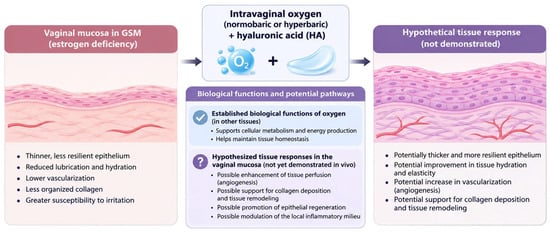
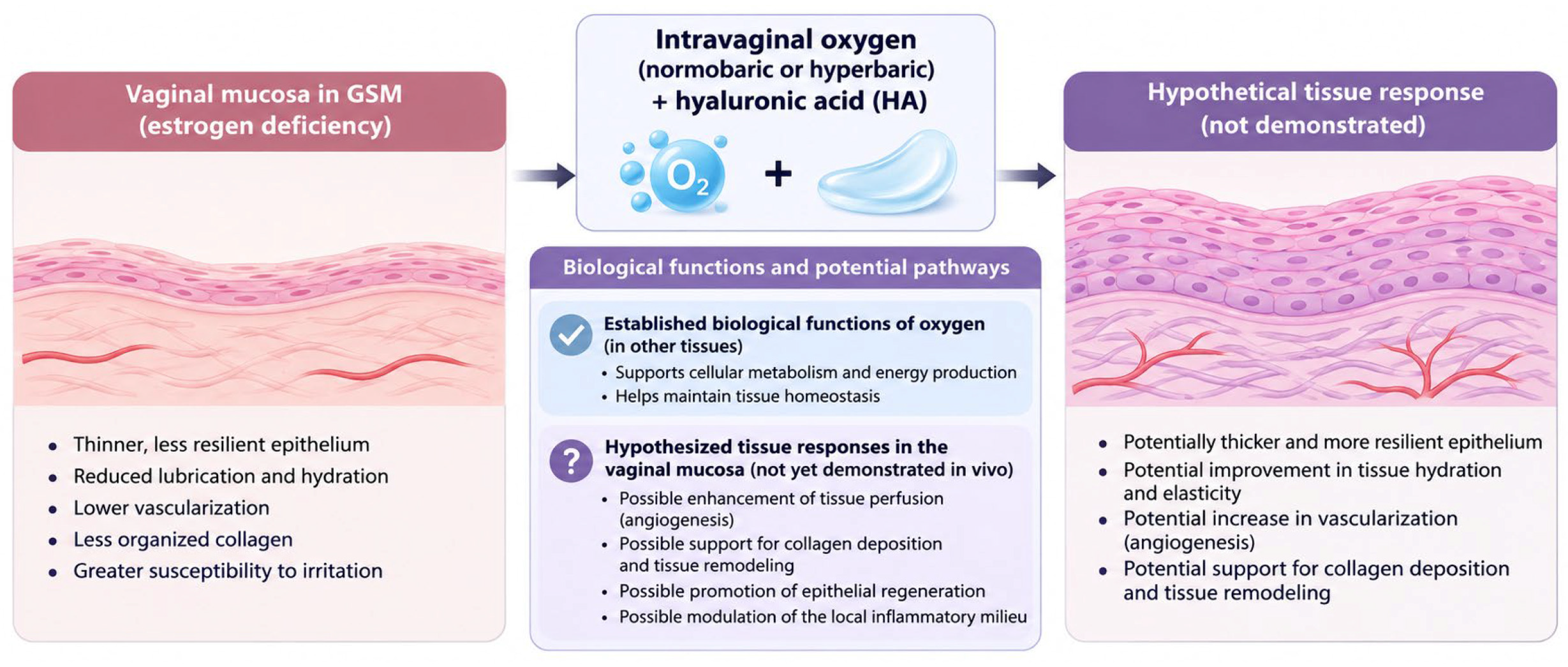
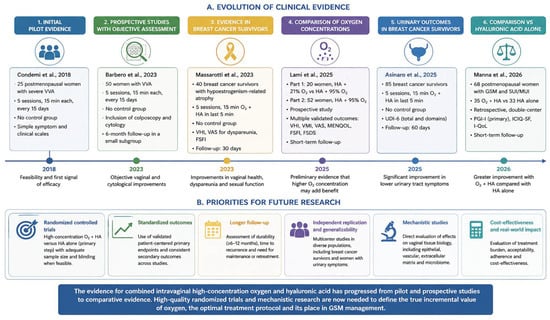
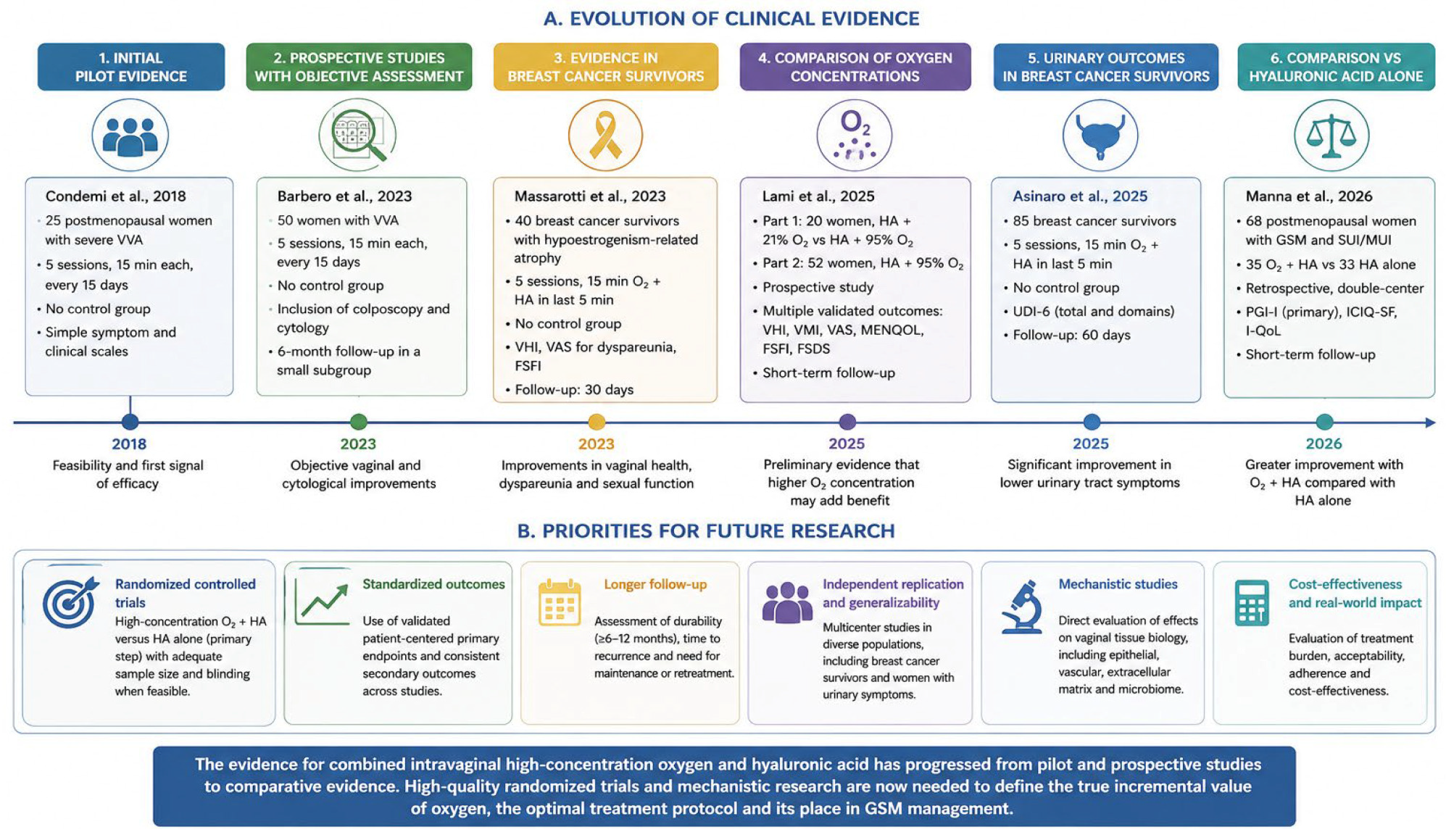

Disclaimer/Publisher’s Note: The statements, opinions and data contained in all publications are solely those of the individual author(s) and contributor(s) and not of MDPI and/or the editor(s). MDPI and/or the editor(s) disclaim responsibility for any injury to people or property resulting from any ideas, methods, instructions or products referred to in the content. |
© 2026 by the authors. Licensee MDPI, Basel, Switzerland. This article is an open access article distributed under the terms and conditions of the Creative Commons Attribution (CC BY) license.