


Abstract
Background: Endometriosis is a condition that is very challenging to diagnose and manage. Objectives: The purpose of this study is to assess the impacts of diagnosis and treatments in the journeys of endometriosis patients in Aotearoa New Zealand. Methods: Two online surveys were conducted with cohorts of 616 and 679 endometriosis patients to assess diagnosis and treatments, respectively. Results: In this exploratory study, the diagnosis cohort self-reported a median delay from symptom onset to confirmation of the diagnosis of 10 years, with a median delay from symptom onset to first seeing a doctor (“doctor delay”) of 4 years. Upon receiving their diagnosis, 53.7% indicated the “number one” emotion they felt was relief. In the treatment cohort, the only medical management strategy perceived as “effective” by over 75% of users was hysterectomy (84.3%), despite this not being a cure for endometriosis. Common first-line treatments were viewed poorly for their perceived effectiveness, with over-the-counter pain relief viewed as effective by 25.8% of users, combined oral contraceptive pills by 23.2% of users, progesterone-only pills by 42.8% of users, and intrauterine contraceptive devices by 49.7% of users. Conclusions: Endometriosis is a condition typified by challenges for patients with its delayed diagnosis, resistance to management, and a high prevalence of discouraging experiences in medical care settings. These large-sample cohorts highlight that improvements in the diagnosis and management of endometriosis warrant urgent attention by clinicians and policymakers alike.
1. Introduction
Endometriosis is a common condition where lesions of endometrial-like tissue are present outside of the uterus [1]. Individuals with endometriosis typically experience long delays to diagnosis composed of both “doctor delay” (the time from symptom onset until they first visit a doctor) and “diagnostic delay” (the time from first visiting a doctor until the condition is confirmed) for a sum “total delay” from symptom onset to diagnosis. Delays to diagnosis are a concern as health-related quality of life can be significantly diminished as delays increase [2,3] and longer delays are also associated with a higher number of endometriosis symptoms and co-morbidities [4]. Reducing time to diagnosis was highlighted by an Australian study as a key motivator for patient participation in research about endometriosis [5]. Furthermore, diagnosis has important psychosocial impacts for patients by providing a language to discuss their condition and the confirmation that their symptoms are not related to another condition, such as cancer [6,7].
Endometriosis is difficult to diagnose due to many factors operating at a range of levels. At the patient level there can be challenges due to their lack of knowledge or awareness at symptom onset and the normalisation of symptoms, along with taboos (such as that menstruation is unclean or inappropriate for public revelation) which can make individuals unwilling to discuss their symptoms [8,9]. Then, once patients have made the decision to address their symptoms within their health system, they can face issues if their practitioners have attitudes or a training level that limits or prevents the timely identification of endometriosis as an issue. These processes can cause dismissal of patients as malingerers or hysterical, as well as delay referral to more specialised services [8,9]. Then, on top of these individual and health system factors, endometriosis is a disease with an inherently heterogeneous phenotype and presentation amongst the population of patients, and it has a high degree of inherent diagnostic difficulty [8,9]. For primary care practitioners, taking a clinical history has a limited capacity to diagnose endometriosis due to overlapping symptoms with other conditions [10,11]. Meanwhile, pelvic examination, another method which can be readily utilised within a clinical setting, is highly reliant on the location of the disease for a positive finding of endometriosis [12]. Pelvic examination can find endometriosis indicators through identification of features such as tenderness and/or nodularity in the cul-de-sac and/or uterosacral ligaments [13]. The limited ability to confirm the presence of endometriosis within a primary clinical setting is a key limitation for primary care practitioners seeking to diagnose endometriosis in the clinic.
In qualitative analyses, the impact of endometriosis was evident in all aspects of patient lives, including physical and psychological domains, relationships, social lives, education, employment, lifestyle, and finances [14]. Severe physical pain for endometriosis patients negatively influenced overall quality of life scores, reducing physical functioning, and increasing psychological stress [15]. In a cohort of 193 Hungarian endometriosis patients, the majority experienced anxiety as a comorbidity [15]. In a Belgian endometriosis patient cohort, 67% had a reduction in quality of life due to endometriosis-related symptoms [16]. Increased symptom frequency and severity have been associated with lower scores for subjective well-being [17]. In some analyses, patients with suspected but not confirmed endometriosis have greater impacts on their daily quality of life than those with a confirmed diagnosis [18]. Improvements in symptom management were highlighted in an Aotearoa New Zealand context as the collective number-one research priority [19].
The purpose of this exploratory study was two-fold, with two surveys distributed to assess the impacts of diagnosis and treatments respectively on Aotearoa New Zealand endometriosis patient journeys. The purpose of the diagnosis survey was to assess patterns of diagnostic delay before and after the introduction of the “Diagnosis and Management of Endometriosis in New Zealand” document in 2020 [20], determine emotions expressed by patients at diagnosis, analyse the events participants report that trigger endometriosis diagnosis in Aotearoa New Zealand, and evaluate the experiences endometriosis patients have with common tools (laparoscopy, transvaginal ultrasound [TVUS] and magnetic resonance imaging [MRI]) utilised in their diagnosis. Regarding treatment, this study sought to ask about the symptoms they experience and the relative impact of these symptoms on their daily lives, as well as the medical and alternative management strategies for endometriosis-related symptoms that they have had recommended by a medical practitioner, have tried, and consider to have been effective for reducing their endometriosis-related symptoms.
2. Materials and Methods
2.1. Ethics Approval
This study was approved by the University of Canterbury Human Research Ethics Committee (Ref: 2025-38/LR-PS) and the Ngāi Tahu Consultation and Engagement Group. All participants were provided with an information sheet about the study and provided informed consent to participate.
2.2. Survey Design
2.2.1. The Impacts of Diagnosis on Endometriosis Patient Journeys
This exploratory mixed-methods study (Supplementary Materials) involved the collection of quantitative data regarding years from symptom onset to final diagnosis (“total delay”) and from symptom onset to first seeing a doctor about endometriosis symptoms (“doctor delay”). Respondents were asked the number of general practitioners (GPs) they had seen prior to diagnosis. Finally, respondents were asked which tools from a list had been used to try and diagnose them, whether endometriosis had been identified using these tools, whether they had had any diagnosis-only laparoscopies, and whether they had ever had a false-negative laparoscopy.
Respondents also responded to open-text questions. These questions concerned the number-one feeling they felt upon receiving their endometriosis diagnosis; whether there was a particular event that triggered them to obtain their diagnosis; and what their experiences were with laparoscopy, TVUS and MRI for endometriosis diagnosis.
2.2.2. The Impacts of Treatments on Endometriosis Patient Journeys
For the purpose of this study, a questionnaire (Supplementary Materials) was designed that incorporated questions used previously [7], as well as novel questions designed for this study. Patients were asked from a list of 14 symptoms which ones they experienced and believed were associated with endometriosis (chronic pelvic pain [for a period exceeding six months], dysmenorrhea [period pain], dyspareunia [pain with sex], dysuria [pain with urination], dyschezia [pain with defecation], ovarian cysts, mid-cycle pain, diarrhea, constipation, infertility, pain with ovulation, fatigue, nausea, and lower back pain). The symptoms that the participants selected were then presented to them for ranking from most (1) to least (X, maximum 14) impactful on their life. Furthermore, participants were presented with a list of fifteen medical therapies and asked first to select which treatments they had been offered by a medical practitioner to treat endometriosis-related symptoms, which treatments they had utilised to treat endometriosis-related symptoms, and then which treatments they had used that they viewed as effective at reducing endometriosis-related symptoms. Those who had undergone laparoscopic procedures were also asked in an open-text numerical form the number of surgical procedures they had undergone for endometriosis. Participants who had used hormonal treatments were asked the number of these treatments they had undergone. Those who had undergone a hysterectomy were asked if it was partial or total; whether they had simultaneously had a bilateral, unilateral, or no oophorectomy; and how many years it had been since their hysterectomy. Finally, the same structure as for medical therapies was used to provide a list of thirteen alternative therapies which participants were asked if any had been suggested by a medical practitioner, if they had utilised any of these alternate therapies, and if any they had utilised had been effective at reducing endometriosis-related symptoms.
2.3. Recruitment
Two means of recruitment were utilised for this project (Table 1), as previously described [21]. First, there was an anonymous link distributed by Endometriosis New Zealand, a patient charity, through their opt-in email database and their social media accounts (Facebook, Instagram, and LinkedIn). Secondly, direct, unique survey links were distributed to a list of endometriosis patients who had signed up to participate in a series of research projects regarding “Barriers and Facilitators of Endometriosis Care in Aotearoa New Zealand”. Individuals were allowed to take part in the study if they reported that they had surgically or radiologically confirmed endometriosis, or that a medical practitioner suspected they had endometriosis or chronic/persistent pelvic pain. Furthermore, participants had to be over the age of 18 and reside in Aotearoa New Zealand. No further exclusion criteria were applied. The information sheet was available on the first screen of the study and was included in emails to participants. On the opening screen of the two surveys, participants agreed to the statement that submitting their answers was consent to participate. As participation in these surveys were anonymous, no reports by participants were able to be validated against medical records.
Table 1.
Recruitment statistics and participant characteristics from the two survey cohorts, the impact of diagnosis and the impact of treatments.
2.4. Quantitative Data Analysis
Statistical analysis of continuous data was conducted in GraphPad (Version 9). All data was determined to be non-normally distributed according to the Shapiro–Wilk test. Kruskal–Wallis tests with Dunn’s correction for multiple comparisons were conducted to assess significance at a = 0.05 for differences as a result of age group and presentation year. Differences in total delay by ethnicity were assessed by the Mann–Whitney U-Test to compare those who identified as Pākehā but did not also identify as Māori with all participants who identified as Māori. Statistical analysis of categorical data was conducted in Qualtrics StatsIQ (Version: April 2026) by Fisher’s Exact Test or the Chi-Squared Test. Non-normal data is reported as median [95% confidence interval of the median] values. The proportion of patients who reported that their endometriosis was found by certain diagnostic tools and the proportion of patients who reported that they considered a medical, surgical or alternative management strategy to be effective at reducing symptoms are reported with the 95% confidence intervals of the proportions. These confidence intervals were bounded at 0.0% and 100.0%.
Total delay was defined as the total time from symptom onset until confirmation of the disease by a positive diagnostic result from radiological imaging or surgical intervention. Doctor delay was defined as the time from symptom onset until the participant first visited the doctor to discuss endometriosis-related symptoms. The difference between doctor delay and total delay is the time period of diagnostic delay. Presentation year was determined by removing “total delay from symptom onset to diagnosis” from the self-reported year of diagnosis, then adding the reported “doctor delay from symptom onset”. Doctor delay was reported for all participants who provided a value regardless of diagnosis type; total delay and diagnostic delay were only collected and reported for those with radiologically or surgically confirmed endometriosis. Analyses including presentation year only included participants who had radiologically or surgically confirmed endometriosis and complete data sets for doctor delay, total delay, and year of diagnosis. Participants with missing relevant data were excluded from analyses. All analyses are reported with the sample size of participants with included data.
Presentation year was grouped for assessment by Kruskal–Wallis tests, as in previous studies [22]. The linearity of changes in median delays in diagnosis by year of presentation was assessed using non-linear regression with a straight-line model in GraphPad (Version 9). Pearson’s r values were calculated as the square root of the absolute value of the adjusted R2 value. Presentation year was also broken up as in prior studies [22] into pre-2005 (when the first European Society of Human Reproduction and Embryology (ESHRE) guidelines for endometriosis were introduced) and between 2005 and 2012 (when the updated ESHRE and new World Endometriosis Society guidelines were introduced). Furthermore, presentation year was broken into between 2013 and 2019 and after 2020 to account for the introduction of the “Diagnosis and Management of Endometriosis in New Zealand” document in 2020 [20].
2.5. Qualitative Data Analysis
Responses to the open-text question “What was the number one emotion you felt at diagnosis?” were coded near verbatim. For example, “relief”, “relieved” and “overwhelming relief” were all coded as “relieved”. If more than one emotion was provided in the response, only the first emotion mentioned was coded. For visualisation purposes, similar emotions, e.g., sad and upset, were clustered, but all emotions remain verbatim in reporting and were not conglomerated into numerical thematic groups. The grouping of these emotions was agreed upon by both coding authors (KE and AM). For other open-text questions, the answers were exported into NVivo (Version 12). Two authors (KE and AM) independently coded at least 15% of the statements for each question through inductive, iterative, semantic coding [23]. The authors compared their preliminary codebooks, discussed differences and defined a codebook for each open-text question. These codebooks were used by the second author (AM) to code the remaining statements. The first and second authors assessed the final codebooks and iteratively clustered codes into the final themes presented in this article. Had there been significant differences in the two preliminary codebooks or difficulty in clustering codes into themes, the final two authors (JD and RW) would have been consulted. However, this step was not required as both saturation and agreement were reached. Both coding authors (KE and AM) are cisgender female researchers with backgrounds in qualitative research and analysis who have navigated endometriosis care personally. Qualitative findings are reported with the overall sample size of statements, the comment frequency for sub-themes, and representative quotes. Where appropriate, the number of comments in a sub-theme has been reported as a proportion of the sample size of statements, i.e., the number of comments classified as positive as a proportion of overall comments.
3. Results
3.1. Impact of Diagnosis on Endometriosis Patient Journeys
3.1.1. Doctor and Diagnostic Delay
Amongst this cohort, the median delay to confirmed diagnosis by radiological or surgical methods was 10 years from symptom onset (95% CI: 9–10, N = 569; Figure 1A), including a median 4-year delay from symptom onset to participants with suspected or confirmed endometriosis first visiting a doctor (“doctor delay”) (95% CI: 3–5, N = 602). All measures of delay increased as age increased (Figure 1B,C). Amongst those who were aged 18–24 years, the total delay from symptom onset to confirmation was 6 years (95% CI: 6–7) and doctor delay was 2 years (95% CI: 2–3).
Figure 1.
(A) Violin plot of reported full diagnostic delay from symptom onset to diagnosis (N = 569) and doctor delay from symptom onset to the first doctor visit (N = 602). (B) Doctor delay from symptom onset to diagnosis by age for those who were 18–24 (N = 98), 25–34 (N = 234), 35–44 (N = 174) or over 45 (N = 81). (C) Total delay from symptom onset to diagnosis by age for those who were 18–24 (N = 90), 25–34 (N = 204), 35–44 (N = 174) or over 45 (N = 84). Dotted lines on violin plots represent the interquartile ranges. Bars represent the medians; error bars represent the 95% confidence intervals of the medians. (*) p < 0.05, (**) p < 0.01, (***) p < 0.001, (****) p < 0.0001.
For those with a confirmed diagnosis, the median number of GPs seen prior to diagnosis was 4 (95% CI: 3–4, N = 597). Those who first presented to a doctor prior to 2005 had the longest total delays (17 years [95% CI: 14–20], with a stepwise reduction in delay in all other timespans for first presentation (Figure 2A). This resulted in those presenting for the first time in 2020 onwards having a median total delay from symptom onset of 7 years (95% CI: 6–9). Conversely, those presenting in 2020 onwards had significantly longer doctor delays than those first presenting in all other timespans, with a median of 5 years of doctor delay (Figure 2B). Of those first presenting in the 2020s, 33.8% were aged 18–24, 38.5% were 25–34, 20.8% were 35–44, and 6.9% were over the age of 45. There was a negative correlation between the median delay in time taken from symptom onset to radiological or surgical confirmation (total delay) over time (r = −0.774) (Figure 2C) and no correlation with doctor delay over time (r = 0.296). There was no significant difference (p = 0.963, Mann–Whitney U-Test) in the total delay to confirmed diagnosis of those who identified as Pākehā but not Māori (N = 407) and those who identified as Māori (N = 66, median delay 10 years [95% CI: 9–10] vs. 10 years [95% CI: 7–14]).
Figure 2.
(A) Total delay from symptom onset to diagnosis based on year of presentation by those who presented before 2005 (N = 122), between 2005 and 2012 (N = 129), between 2013 and 2019 (N = 160), or after 2020 (N = 131). (B) Doctor delay based on year of presentation by those who presented before 2005 (N = 109), between 2005 and 2012 (N = 122), between 2013 and 2019 (N = 150), or after 2020 (N = 125). (C) Simple linear regression best fit of median delay in diagnosis values for total delay (peach) and doctor delay (navy blue) by year of first presentation to a doctor. Lines of best fit depicted with 95% confidence intervals. Markers are median values for delay reported in the year of presentation. Bars represent the medians; error bars represent the 95% confidence intervals of the medians. (*) p < 0.05, (**) p < 0.01, (***) p < 0.001, (****) p < 0.0001.
3.1.2. Feelings at Endometriosis Diagnosis
Respondents were asked about the number-one emotion they felt when they first received their diagnosis. There were 598 responses from which an emotion could be coded verbatim, yielding 72 emotions (Figure 3). Over half (53.7%) indicated that the primary emotion they felt at diagnosis was relief. The next most common verbatim emotion was “sad”, with 37 respondents (6.2%), showing the strong primacy of relief at diagnosis amongst these respondents.
Figure 3.
All emotions reported as the “number-one” emotion respondents felt at diagnosis (N = 598). Values in brackets are the numbers of respondents who reported that emotion verbatim. Emotions are presented in groups with similar emotions but were not transformed into conglomerated numerical groupings.
3.1.3. Events Triggering Diagnosis
When considering the event(s) that triggered them to obtain an endometriosis diagnosis (N = 597), there were six predominant events outlined: seeking medical attention for symptoms (323 comments), gaining advice from a new medical practitioner (133), intervention from family and friends (102), pushing doctors for answers through self-advocacy after prior issues accessing care (54), learning (more) about endometriosis (52), and undergoing another procedure (44).
Medical assistance was sought by some due to general concern over symptoms, the worsening of symptoms, infertility, or requiring a hospital or emergency department admission. These experiences were either acute:
or chronic:“I had an extremely traumatic night where I woke up at 3 am… to being in excruciating pain that I was trying to sleep off. I started throwing up non-stop and feeling like I was going to faint. It didn’t stop for so long that I got my partner to drive me to an emergency room”,
“it was literally affecting my everyday life I couldn’t get out of bed for days leading up to my period and whilst I was on my period.”
Those who had their diagnostic journey influenced by gaining advice from a new medical practitioner predominantly gained that advice from a gynaecologist either due to getting a public system referral or deciding to pay to see a private gynaecologist. For example:
“I was being pulled in every direction and told it was just stress. I took myself to a gynaecologist to see if it could be reproductive related (no doctor had suggested it could be)”.
This quote is also emblematic of a larger pattern of respondents who had decided to advocate for themselves and pushed for answers as to why they were having endometriosis symptoms. Respondents described:
“I realised my symptoms were not like normal people and when I found that out, I pushed to see doctors and get answers”
For some, self-advocacy also came at a cost, with some patients requiring personal development, therapy or a support person to ensure they could be heard and believed:
“I went to therapy and built the skills to advocate for myself”.
Interventions from family and friends were also very influential in endometriosis patient journeys to diagnosis. These had three predominant forms. First, when there was a friend or family member who was diagnosed with endometriosis, some respondents would learn more about endometriosis and upon reflection realise that endometriosis symptoms aligned with their experiences:
“it was because a friend who had Endo was describing her symptoms to me and they were very similar”.
Secondly, discussions with friends and family who had non-pathological menstrual symptoms, such as standard menstrual discomfort, allowed the respondent to realise that what they were experiencing was not “normal”:
“I was at dinner with a friend when I was 29, told her how the night before I had had to crawl down the hallway to the kitchen to get a hot water bottle because of my cramps and she said: ‘maybe you should talk to your doctor again about it now you have a new one’”.
Finally, friends and family could intervene and push respondents to push for answers and support:
“I assumed it was normal to have periods like that. It was my Mum who knew that it wasn’t normal so sought help.”
For respondents for whom finding out about endometriosis was a triggering event for diagnosis, this generally involved searching their symptoms and finding that information about endometriosis matched their own experiences:
“I knew I couldn’t live like that anymore. So, I did some research, discovered the symptoms for endo and thought I possibly had it”.
The final key event leading to endometriosis diagnosis was the incidental discovery of endometriosis lesions and/or adhesions during imaging or treatment for other conditions, such as during an appendectomy, during surgery for treatment of polyps, ovarian cysts treatment, or gallbladder removal:
“Appendicitis. They told me after having it removed that it took them hours to get in and get my appendix as I had huge amounts of adhesions in my pelvis and my bowel was glued to my uterus, fallopian tubes and itself.”
3.1.4. Diagnostic Tools
Respondents in this study had experienced an average of 4 ± 2 diagnostic tools from the 10 tools listed, with the most commonly experienced including: abdominal ultrasound (83.6%), laparoscopy (82.1%), TVUS (82.0%), and physical examination by a doctor (68.7%) (Table 2).
Table 2.
Proportions of participants who had utilised a particular diagnostic tool to try and identify their endometriosis and whether their endometriosis was identified using the tool. % Endo Found by Tool is the proportion of the respondents with confirmed endometriosis who had utilised the tool in question (the “Confirmed N = 551” column) and reported that endometriosis was found with that tool. % Endo Found by Tool is reported as a proportion (95% confidence interval of the proportion).
For those with surgically or radiologically confirmed endometriosis, the diagnostic most frequently reported by participants in this cohort as having identified their endometriosis was laparoscopy. Within this cohort, 99.0% indicated that their laparoscopy had definitively identified endometriosis, while 51.1% of cases self-reported that MRI imaging had identified endometriosis, and TVUS was self-reported as identifying endometriosis for 35.1%. When the capacity for endometriosis to be identified by diagnostic tools for those with surgically or radiologically confirmed endometriosis was compared by stage, those with moderate–severe endometriosis (stage III or IV) were significantly more likely to self-report that their endometriosis had been identified than those with minimal–mild endometriosis (stage I or II) by every diagnostic tool assessed except for laparoscopy (Table 3). Amongst those who had a laparoscopy, 29.6% (N = 506) reported that they had the laparoscopy for diagnostic purposes only without any treatment. Furthermore, 12.5% (63/506) reported that they had no visible endometriosis found at an initial laparoscopy, only to have endometriosis identified at a subsequent laparoscopy. Amongst those who had an “endometriosis not found” laparoscopy, 16.7% were eventually diagnosed as stage I, 18.8% as stage II, 39.6% as stage III, and 25.0% as stage IV endometriosis, with no significant differences to those who had an endometriosis diagnosis at an initial laparoscopy (c2(3, N = 345) = 4.72, p = 0.194).
Table 3.
Comparison of the frequency of endometriosis being identified between those with stage I or II endometriosis (“minimal–mild” [MM]) and those with stage III or stage IV endometriosis (“moderate–severe” [MS]). Endometriosis Found and Endometriosis Not Found are reported as proportions (95% confidence intervals of the proportions). Statistically significant differences between MM and MS group proportions are bolded.
3.1.5. Experiences with Diagnostic Tools
Laparoscopy
Key themes associated with the 487 comments about laparoscopy for diagnosis were the duality of both positive and negative post-surgical experiences (29.9% positive comments, 70.1% negative comments [N = 365 comments]), emotions about the surgery (57.1% positive, 42.9% negative [N = 343 comments]) and interactions with the surgical team (61.4% positive, 38.6% negative [N = 215 comments]).
Regarding negative post-surgical experiences, respondents highlighted that recovery was long (69 comments, 26.0%, [N = 256 negative comments]) and painful (57, 21.5%, [N = 256]), that they experienced complications or infections after the surgery (35, 13.2%, [N = 256]), or that they were not provided with sufficient information about the diagnosis or post-operative care (34, 12.8%, [N = 256]). For example:
“More positive than I expected. Much longer recovery (3 months) than they estimated so I felt weak/pathetic as [I] struggled to get back to full function.”“Although follow up care is 0. You’re left on your own. I had an infection in my belly button and stitches left in there, and they seemed to think that was really normal and part of the surgery. I believe I still have stitches in my belly button as I get pus in it every few days.”
Positive post-surgical experiences primarily related to having pain relief from the treatment element of the laparoscopy (50, 45.9%, [N = 109 positive comments]) or having an easy recovery (32 comments, 29.4%, [N = 109]):
“I felt understood and validated for the first time ever in regards to the pain I’d been experiencing. The surgery itself went well, and recovery was relatively easy.”
Positive emotions associated with the laparoscopy included “feeling good” (90 comments, 45.9%, [N = 196 positive comments]), okay or fine (49, 25.0%, [N = 196]), or worthwhile (23, 11.7%, [N = 196]), while negative emotions regarding the surgery included descriptions of it being painful (33, 22.4%, [N = 147 negative comments]), scary (30, 20.4%, [N = 147]), difficult (21, 14.3%, [N = 147]), or overwhelming (18, 12.2%, [N = 147]). Finally, experiences with the surgical team that were positive included being provided with the sense they were being cared for (92 comments, 69.7%, [N = 132 positive comments]) and that there was effective communication before (23, 17.4%, [N = 132]) and after (17, 12.9%, [N = 132]) the surgery:
“Brilliant gynaecologist, she was clear, articulate and understood the frustrations, she explained in detail and then post-surgery shared insights and locations—this helped me understand why I was experiencing pain in certain areas”.“I’ve been through both public and private hospitals, and the staff have always been wonderful. This is a huge part of the process, never underestimate the power of positive care. It supported my recovery.”
Negative experiences with staff included their providing insufficient information before (21, 25.3%, [N = 83 negative comments]) and after (28, 33.7%, [N = 83]) the surgery or being dismissive (22, 26.5%, [N = 83]). In particular, a subset of respondents (7 comments) highlighted that when they were informed of their diagnosis and the surgical findings, they were still drowsy or confused from the surgical anaesthetic, which left them feeling uninformed about the outcome:
“I still don’t really understand what when on inside me, how much was cut, how much was burnt, exactly what they found and where. The follow up information of what they found and how much they removed was mostly delivered while I was in recovery and still high as a kite”.
Transvaginal Ultrasound
Amongst 482 comments regarding experiences with transvaginal ultrasounds, the comments were predominantly negative (222/482, 46.1%) compared to positive (92/482, 19.1%). Respondents reporting negative experiences frequently described pain (82 comments, 36.9%, [N = 222 negative comments]), discomfort (69, 31.1%, [N = 222]), false-negative findings (51, 23.0%, [N = 222]), negative interactions with technicians during the procedure (40, 18.0%, [N = 222]), and mental distress (16, 7.2%, [N = 222]). Experiences with TVUS included the following:
“I felt bruised from the inside out. Tender but mobile was written on the report—but it does feel like anything will move if you shove it that hard. I couldn’t move for the entire afternoon”“Felt like a bit of a waste of time as I had never had anything show up on an ultrasound despite having severe symptoms”.
While there were more positive comments about TVUS technicians than negative ones (82 positive versus 39 negative), there were negative experiences that would be profoundly traumatising. Very concerningly, there were a small number of respondents who experienced medical paternalism and assault where TVUS examinations were not ceased after patients requested that they be stopped due to distress, pain or discomfort:
“barely communicated with me, was rough with the wand causing significant ongoing pain, and he did not acknowledge me or STOP the procedure despite my verbal distress”.
Positive comments regarding TVUS focused on the procedure being “okay” or “fine” (47, 51.1%, [N = 92 positive comments]), appreciating that endometriosis was found (27, 29.3%, [N = 92]), feeling that the scan was necessary (14, 15.2%, [N = 92]), and having pain-free experiences (13, 14.1%, [N = 92]). For example:
“With my approval, they then began the TVUS, and within ten seconds of insertion, identified endometriosis. While uncomfortable, it was quick, and although I cried, I cried out of relief of the immediate endometriosis diagnosis. I felt validated. Throughout the procedure the specialist was incredibly kind and reassuring. They were aware of my pelvic floor issues and anxiety. Every action was explained and it was clear that my consent was vital—there was no “pushing through” expected, I didn’t feel coerced, and I was repeatedly informed that I could stop at any time.”
The conflicted nature of both positive and negative experiences with TVUS was well summarised by one respondent who said TVUS was
“a necessary ‘evil’ for escalation of care and potential diagnosis.”
MRI
From 133 comments regarding MRI use for endometriosis diagnosis, there was a near 50/50 split between 75 negative comments (56.3%) and 70 positive comments (52.6%). Amongst the negative comments there were concerns that MRIs were scary, took a long time, and were claustrophobic:
“75 min of being stuck inside a tunnel. Very claustrophobic, and hard to breathe at times. Glad that experience was over!”
Conversely, those who had positive things to say highlighted that the experience was generally “okay” or “fine,” that they had positive interactions with the staff, or that it helped improve their surgical planning:
“Really good and was the more accurate of all the scans. This helped my surgeon plan and it helped me prepare for what they might find/do.”
3.2. The Impacts of Treatments on Endometriosis Patient Journeys
3.2.1. Symptom Presentation and Impact
Participants reported a median of 10 (95% CI: 10–10) symptoms of endometriosis from a provided list of 14 symptoms. The most prevalent symptoms within this cohort were dysmenorrhea (92.2%), fatigue (90.0%), and lower back pain (85.3%) (Table 4). Participants ranked the symptoms they had from most (a rating of “1”) to least impactful upon their lives (Figure 4). The highest-rated impactful symptoms were chronic pelvic pain (CPP) (median rating of 1, 95% CI: 1–2, N = 481), dysmenorrhea (2, 95% CI: 2–2, N = 579), infertility (3, 95% CI: 2–5, N = 185), fatigue (4, 95% CI: 3–4, N = 568), and dyspareunia (5, 95% CI: 5–5, N = 459).
Table 4.
Participant-reported symptoms and co-morbidities.
Figure 4.
Ranking of symptoms by participants from most (1) to least impactful on their lives. Width of bars indicates the proportion of individuals who ranked the symptom as having that impact level. Represented as a black line is the median rating. Grey error bars are the 95% confidence interval of the median. CPP/PPP is chronic or persistent pelvic pain.
3.2.2. Medical and Surgical Treatments
The median number of medical or surgical treatments that had been recommended was eight (95% CI: 7–8) out of a list of 15. Participants reported they had used a median of six of these medical therapies (95% CI: 6–7), and personally considered a median of two (95% CI: 2–3) to be effective for reducing their endometriosis-related symptoms such as pain. There was an under-utilisation of recommended medical therapies, with participants reporting a lower rate of use than medical practitioner recommendations for 12 out of the 15 treatment methods (Table 5). The three exceptions were over-the-counter (OTC) pain relief (87.2% used versus 86.2% had them recommended), non-steroidal anti-inflammatory drugs (NSAIDs, 85.0% used versus 82.9% had them recommended), and prescription-only pain relief (65.1% used versus 61.0% had them recommended) (Table 5). When asked how many hormonal treatments, such as COCPs, POPs, and IUCDs they had tried, the median number was three (95% CI: 3–4, N = 512).
Table 5.
Medical treatments recommended to the participants by medical practitioners, used by participants, and used and considered to be effective by the user. OTC = over the counter. NSAIDs = non-steroidal anti-inflammatory drugs. IUCD = intrauterine contraceptive device. COCPs = combined oral contraceptive pills. POPs = progesterone-only pills. GnRH = gonadotrophin-releasing hormone. Differences in recommended rates and use rates over 10% are bolded. Under-used versus recommended rates are shown in red text. Over-used versus recommended rates are shown in green text. Medical treatments found effective for reducing endometriosis-related symptoms by 0–25% of users are in red boxes, those by 25.1–50% in orange, those by 50.1–75% in yellow, and those by over 75.1% in green. “Considered Effective by the User” is the proportion of “N Used” that considered the management strategy to be effective for the reduction of their symptoms; it is presented as a proportion (95% confidence interval of the proportion).
The median number of laparoscopic surgical procedures was two (95% CI: 1–2, N = 526). During their endometriosis journey, 79.1% had been recommended laparoscopic excision by a medical practitioner and 27.1% had been recommended ablation. Overall, 560 patients had laparoscopic surgery recommended (excision and/or ablation) and 516 reported undergoing a laparoscopic surgery for endometriosis treatment, amongst whom 381 (73.8%) considered laparoscopic intervention to have been effective for symptom reduction. When this was broken down into excision and ablation, 74.1% reported that they considered excision laparoscopy to have been effective for symptom reduction (N = 491), while 55.4% considered ablation laparoscopy to have been effective (N = 157).
Hysterectomy had been recommended to 26.2% of participants, while 13.1% had undergone the procedure. Amongst those who underwent hystertomy, 84.3% considered that it had been effective for symptom reduction (N = 89). Hysterectomy is not considered a cure for endometriosis [24] and is not an appropriate path for all endometriosis patients. Total hysterectomies accounted for 74.4% of cases and partial hysterectomies for 24.4%, while 1.1% were unsure which they had undergone. Concurrent oophorectomy occurred in 40.0% of cases, with 50.0% (18/36) being unilateral and 50.0% (18/36) being bilateral.
3.2.3. Alternative Treatment Methods
The median number of alternative treatments that were recommended by medical practitioners was two (95% CI: 2–3) out of a list of 13. There was an over-utilisation of alternative therapies which had not been recommended by medical practitioners, with participants reporting they had used a median of four alternative therapies (95% CI: 3–4) and considered a median of one (95% CI: 1–1) to be effective in reducing their endometriosis-related symptoms (Table 6).
Table 6.
Alternative treatments recommended to the participants by medical practitioners, used by participants, and used and found effective. Differences in recommended rates and use rates over 10% are bolded. Under-used versus recommended rates are shown in red text. Over-used versus recommended rates are shown in green text. Alternative treatments found effective for reducing endometriosis-related symptoms by 0–25% of users are highlighted in red boxes, those by 25.1–50% in orange, those by 50.1–75% in yellow, and those by over 75.1% in green. “Considered Effective by the User” is the proportion of “N Used” that considered the management strategy to be effective for the reduction of their symptoms; it is presented as a proportion (95% confidence interval of the proportion).
The least-recommended alternate therapy was medicinal cannabis at 9.4%, although 19.3% of participants had used it and 67.2% of those users considered it to be effective at reducing their symptoms. The most recommended alternate therapy was exercise at 48.9%, with 66.9% of participants trying it, while only 44.9% considered it to have effectiveness for symptom reduction. The recommendation collectively considered to be the least effective was weight loss, with only 23.9% of those who had done it (N = 155) reporting that they considered it to have been effective. The alternative treatments which were rated as the ones the greatest proportion of users considered to have been effective for their personal symptom reduction were medicinal cannabis (67.2%, N = 131), followed by Botox (62.8%, N = 43) and transcutaneous electric stimulation (TENS) machines (62.7%, N = 236). While pregnancy was the third most commonly recommended alternative “treatment” to relieve endometriosis symptoms at 32.1%, only 11.2% (N = 76) had undertaken the advice, and 51.3% reported a reduction in symptoms. None of the alternative therapies were viewed as being effective at reducing endometriosis-related symptoms by more than 75% of those who had used them.
4. Discussion
4.1. The Impact of Diagnosis on Endometriosis Patient Journeys
4.1.1. The Importance of Diagnosis and the Impact When It Is Delayed
In Australia, reported average delays from symptom onset to diagnosis range from 6.4 to 8.1 years [14,25], in Canada from 5.4 to 10 years [26,27], in Ireland 6.7 years [28], and in the UK from 6.3 to 8.0 years [29,30]. In New Zealand, delays to diagnosis of 8.7–9.9 years have previously been reported [22,31], indicating that New Zealand delays are at the longer end of those reported in nations with similarly structured public health systems. Prior research in New Zealand indicated that doctor delay was on average 2.9 ± 4.0 years (N = 604) and that diagnostic delay was 5.8 ± 5.7 years (N = 615) and that these figures had significantly reduced for those presenting in 2013 to 2021 relative to earlier periods [22].
While the reduction in delay in this current study aligns with the reductions reported previously, there was a notable increase in doctor delay in those presenting for the first time after 2020. Two potential factors that may have contributed to this spike are the COVID-19 pandemic and increasing public attention about endometriosis. During restrictions related to the COVID-19 pandemic, “non-urgent” healthcare visits were discouraged within primary care, causing general delays in patients seeking care in New Zealand [32,33]. Drops in presenting endometriosis cases related to COVID-19 restrictions were noted even in endometriosis multi-disciplinary centres [34]. GPs in New Zealand reported at the time that their patients were minimising or tolerating their symptoms to avoid utilising primary healthcare [32], and 55% of adults surveyed reported they delayed seeking healthcare during the first lockdown [33].
New Zealand had strict national or regional lockdowns from 25 March 2020 to 27 April 2020 and from 18 August 2021 to 22 September 2021, with other restrictions and mandates in place until 27 September 2022 [35]. Once restrictions eased, GPs reported that their workloads substantially increased, with their practices inundated with patients who had a backlog of concerns to be addressed face to face [32].
The second potential contributor to the increased delay to first doctor presentation for those presenting for the first time in 2020 onwards was the increase in public interest and awareness of endometriosis. There were individuals in all age groups presenting to doctors with endometriosis symptoms for the first time after 2020. This indicated that the high reported doctor delay may also be influenced by some individuals in the older age groups only recently becoming aware that they should seek medical attention for their endometriosis-related symptoms, thereby contributing to higher doctor delay values. This may relate to an ongoing increase in the sharing of endometriosis-related stories in New Zealand, as indicated by the Google search results interest score trending upwards over time in New Zealand [36].
In prior research with groups of endometriosis patients in New Zealand, 50.0–86.0% identified that their diagnosis resulted in relief, while 30.0–55.6% felt overwhelmed, 18.0–40.7% felt scared, 20.0–32.1% were upset, 10.0–35.7% were angry and 14.0–40.0% were confused [31]. The current study limited respondents to a single emotion which was open-text rather than from a list of emotions. This methodology showed the overwhelming presence of relief at diagnosis, which far exceeded the next most prevalent emotion of sadness. This finding highlighted relief as the primary emotion associated with endometriosis diagnosis in New Zealand, an indication of the highly stressful challenges associated with long delays and unknown causes of chronic pain and other symptoms. Relief predominates as an emotion upon endometriosis diagnosis likely due to the fact that diagnosis is the culmination of a long and challenging process, signifying the confirmation that the symptoms are “real”, not imagined and that dismissive family, friends, and medical practitioners had been wrong as well as confirming that the symptoms are not related to a condition such as cancer [6,7].
Extended time periods without a diagnosis are not only challenging for patients. GPs have described being “in the dark” [37] due to inconclusive diagnostic tests. This leads to delayed access to specialist care and having to manage endometriosis patient symptoms from the ambiguous position of being unsure whether they are truly endometriosis symptoms or there is a different cause [37,38].
4.1.2. The Tools Used to Reach a Diagnosis
Radiological Methods
While the gold standard of diagnosis is often considered to be laparoscopy with excision and histopathology of endometriosis lesions [39], this position is increasingly being challenged [40], particularly with the advancing capacity of non-surgical diagnostics. Historically, ultrasound has been viewed as having a very low rate of accurate detection of endometriosis, particularly when low-stage or superficial in nature [41]. In this cohort, laparoscopy positively identified endometriosis in 100% of patients with minimal to moderate disease, while only 18.6% had been diagnosed by TVUS and 18.6% by MRI.
Ultrasound methods are rapidly evolving for the detection of endometriosis. Incorporating the “sliding sign”, a test for whether tissues are able to freely glide, during transvaginal ultrasounds has emerged as a soft marker for the non-surgical identification of rectal endometriosis [10] and pouch of Douglas obliteration [42,43], even when done by non-physician sonographers [44]. The TVUS is even evolving to the point where the ability to detect superficial endometriosis is improving, meaning that it is no longer limited to ovarian and deep infiltrating endometriosis [10]. These changes indicate that in the future, higher proportions of endometriosis patients may be able to receive a confirmed diagnosis without the need for laparoscopy. The 2025 Royal Australian and New Zealand College of Obstetricians and Gynaecologists “Australian Living Evidence Guideline: Endometriosis” promotes TVUS as the first-line investigation for endometriosis and highlights that diagnostic laparoscopy is not considered first-line (whereas 29.6% of this cohort reported having had a diagnosis-only laparoscopy) [45].
While prioritising TVUS for endometriosis diagnosis is promising, ultrasound can be operator-dependent, and comprehensive training is required to achieve sufficiently high diagnostic accuracy [46]. When asked, a Greek cohort of 64 specialist gynaecologists thought that more training was required to accurately diagnose endometrioma and deep endometriosis (65.6% and 90.6% respectively) [47]. GPs have also reported that referrals for ultrasounds for endometriosis have been declined within the New Zealand public health system [38]. Furthermore, there is trauma associated with TVUS use amongst members of the endometriosis patient community [7]. This current study also demonstrated negative experiences with TVUS, some describing their experience as traumatising.
For New Zealand to reach a point where TVUS-based diagnoses of endometriosis are prioritised within the health system, several changes will be required. First, there must be sufficient public funding and allocation for endometriosis patients to be able to access TVUS scans. Second, TVUS of endometriosis patients should be done by sonographers with specialised training to utilise emerging methods and maximise the chances of endometriosis identification. Patient trust must be rebuilt around TVUS use and other imaging modalities such as MRI. This must be done by reducing the negative impacts associated with the procedure, such as pain, discomfort, mental distress, false negatives and medical paternalism. There may also be an opportunity to improve the use of these procedures through patient consultation around procedural consent withdrawal [48], procedural pain relief [49], and active or passive procedural distractions or twilight sedation during long imaging modalities like MRI [50,51,52]. Trust may be able to be rebuilt with the endometriosis patient community by improving these modalities, creating avenues for the incorporation of patient feedback, and giving patients the autonomy to opt in or out of these approaches. Changes at all of these levels should be clearly communicated within the endometriosis patient community.
Surgical Methods—Laparoscopy
When performing a laparoscopic procedure on an endometriosis patient, physicians are given the opportunity to both visually identify endometriotic lesions as well as take biopsies of those lesions for histological confirmation of endometrial-like glands and stroma. Histology is important, as visually identified endometriotic lesions can have negative histology, while in some cases biopsies of visually endometriosis-clear tissue can identify microscopic endometriosis that was missed on visual examination [10,53]. These results highlight why there is the opportunity for patients to undergo laparoscopy and experience a false-negative result [41], as occurred for 12.5% of those with confirmed endometriosis in this cohort. Having a laparoscopy with no endometriosis found can have a negative impact on patient mental health, particularly when undergoing laparoscopy with the desire to identify a cause for persistent pelvic pain and when there are pre-existing mental health issues for the individual [54]. There are a range of factors that may influence the rate of false-negative laparoscopies for endometriosis. Endometriosis is a highly heterogeneous condition which can visually appear with a wide range of manifestations (lesions can appear, among other colours, red, clear, white, black, and blue) and in a wide range of locations [53], which may complicate surgical identification. Furthermore, identification of the disease is influenced by the factor that some surgeons take peritoneal biopsies during laparoscopy and others do not [55]. Finally, the level of overall surgeon experience with the condition has been shown to influence negative laparoscopy rates, with fellowship-trained gynaecologists having a lower negative laparoscopy rate [55]. The false-negative diagnosis from laparoscopy rate identified in this article may merit standardising the approach to endometriosis surgeries in Aotearoa New Zealand by ensuring that endometriosis diagnostic procedures involve sufficiently expert surgical staff and the consistent taking and processing of peritoneal biopsies.
Within these cohorts, 29.9–31.9% of those with confirmed endometriosis did not know their endometriosis stage. It was highlighted in open-text answers about laparoscopy for diagnosis, that some individuals received the explanation of their diagnosis while they were still under the influence of anaesthetics and were unable to be fully informed post-surgery. For these respondents, they did not understand where endometriosis was found, what occurred during the surgery, or what stage of endometriosis was identified. It would appear that post-surgical patient consultation may require improvement to ensure that patients are fully informed about their procedure and findings to alleviate ongoing stress and improve future management of the condition [37]. Both patients and their primary care practitioners may be better served by more timely and effective communication about surgical findings.
To improve the diagnosis of endometriosis in Aotearoa New Zealand, a holistic, strategic approach should be taken. This approach should include the development of programmes to improve identification of endometriosis symptoms in the community and by medical practitioners, research into new diagnostic tests, a standardised approach to the introduction of emerging diagnostic modalities, and consistency in reporting of outcomes to patients to ensure they are well informed of the details of their case for future management of their condition.
4.2. The Impact of Treatments on Endometriosis Patient Journeys
4.2.1. Symptom Burden
The impact of endometriosis-related symptoms on patients is significant and has wide-reaching implications for quality of life [16], subjective well-being [17], psychological stress [15], workability [56,57], education [58], healthcare utilisation [59,60,61], relationships, body image [62], and intimacy [18]. In Aotearoa New Zealand, the economic burden of endometriosis is estimated to be at least 22.6 billion NZD annually, due predominantly to symptom-related productivity losses [63]. In a prior cohort of 298 endometriosis patients, fatigue rather than pain was rated as the most distressing symptom of endometriosis [64]. In this current study cohort, fatigue was the second most common and the fourth most impactful symptom, but it was not listed in the current “Diagnosis and Management of Endometriosis in New Zealand” guidelines [20]. The symptoms highlighted in this medical practitioner guidance are dysmenorrhoea, pelvic pain, dyspareunia, bloating, irritable bowel syndrome, fertility delay and infertility [20]. The more comprehensive Royal Australian and New Zealand College of Obstetricians and Gynaecologists (RANZCOG) “Australian Living Evidence Guideline: Endometriosis” highlights that common symptoms include severe painful periods, painful sex, infertility, pelvic pain and heavy menstrual bleeding, while less common symptoms include bowel symptoms, severe tiredness, back pain, sleep difficulty, headache and allergies [45]. The RANZCOG guideline therefore highlights the more systemic and whole-body implications that endometriosis can have for the patient. Ensuring that Aotearoa New Zealand guidelines reflect the whole-body and systemic nature of endometriosis-related symptoms will therefore be important in ensuring that the wide range of symptoms are readily identifiable by medical practitioners within care settings.
4.2.2. Pain Relief Medications
As part of the high symptom burden of endometriosis-related pain symptoms, endometriosis patients have consistently high rates of pain relief medication usage, including in the present cohort. In a 2017 cohort of Australian endometriosis patients, 62.0% used prescription pain relief and 29.1% stated that endometriosis “always” affected their daily living [65]. Meanwhile, in a cohort of over 5000 UK endometriosis patients, the most common medication for pain relief was NSAIDs, followed by codeine [66]. In a cohort of 58,472 endometriosis patients in the USA, 62% had at least one prescription for opioids in the prior year [67]. In a UK-based comparison of discharges for people with acute pelvic pain, with and without a diagnosis of CPP, those with CPP were more likely to be discharged with stronger opiates, such as tramadol or oral morphine [68]. Despite this, opioids are not recommended for long-term treatment of non-cancerous chronic pain, such as endometriosis [69], and are only recommended in the Australian RANZCOG guidance for short-term use [45]. Over twice as many users in the current cohort found prescription-only pain relief, such as opioids, effective at symptom reduction versus over-the-counter pain relief such as acetaminophen. This further underlines the intensity that endometriosis-related symptoms can have and the need to invest in the identification and development of other more effective pain relief strategies with a lower risk of dangerous side effects and addiction [70,71]. Interestingly, patients who used medicinal cannabis, TENs or Botox reported higher levels of symptom reduction than users of prescription-only pain relief, providing an opportunity to investigate alternate methodologies for pain relief outside of the usual pharmacological pathways.
4.2.3. Hormonal Treatments
The purpose of hormonal treatments for endometriosis is to promote amenorrhea to prevent catamenial symptom presentation and potentially progression of the condition [72,73]. In a cohort of 50 Aotearoa New Zealand patients, the two medical treatments that patients most frequently regretted using were COCPs and IUCDs [7]. This was supported in the current study, where both medical treatment strategies were found to be minimally effective at symptomatic relief (23.2% and 49.7% respectively). Of the six hormonal treatments assessed in this study, only GnRH treatments had a perceived effectiveness of over 50%, even though these are not first-line endometriosis treatments [45].
Participants reporting a median use of three hormonal treatments to find relief highlights a problematic process of trial-and-error to find a “best-fit” hormonal treatment with minimal side effects and the highest symptomatic relief [7]. This process is often participant- and clinician-dependent and often results in very low effectiveness ratings, as demonstrated in this cohort. These findings indicate a need for non-hormonal treatments to improve management of endometriosis symptomology.
4.2.4. Surgical Procedures
Laparoscopic treatment of endometriosis through excision or ablation of lesions can be completed in tandem with diagnostic processes. Unfortunately, the risk of disease recurrence within 2–8 years following surgery is increased with respect to the type of endometriotic lesion identified and the presence of comorbidities such as adhesions [74,75]. Patients with pelvic endometriosis have a recurrence rate of 17.8% at 4 years and 24.1% by 8 years, while the deep infiltrating endometriosis recurrence rate is 30.6% at 4 years and 43.4% by 8 years [74]. Patients with bowel lesions have a 33% probability of recurrence by 2 years and 52% by 5 years, while those with adhesions have a 16% probability of recurrence at 2 years and 37% by 5 years [75].
Of the surgical procedures assessed, hysterectomies were rated the most effective at reducing endometriosis symptoms, by those who had undergone one, consistent with prior studies [76]. Despite this, hysterectomy is not a cure for endometriosis and can fail to prevent recurrence, particularly when the procedure is not coupled with sufficient removal of endometriotic lesions [24]. Hysterectomy is associated with a recurrence rate of 62% for high-grade endometriosis with ovarian conservation [24]. Furthermore, hysterectomy is not an appropriate management strategy for all patients, whether due to the desire to become pregnant, cultural restrictions around hysterectomy, or a general desire not to undergo such a significant procedure. Conversely, patients have reported resistance from medical practitioners to perform this procedure even when they have requested it [7]. These findings highlight the urgent need for the development of non-invasive endometriosis management strategies to ensure that patients can be provided with a range of options for the provision of sufficient symptomatic relief.
4.2.5. Alternative Therapies
Within this cohort, the participants had tried using a median of four alternative therapies. This trend may relate to the participants of this cohort considering on average only one in three of the medical and surgical therapies they tried as effective for the reduction of their symptoms. This aligns with research that has indicated that endometriosis patients tend to utilise alternative therapies as a means to manage endometriosis pain and reduce their reliance on conventional medical therapies [77], while alternative therapies can also be viewed by some patients as being more effective than conventional therapies and having fewer side effects [78].
In this cohort, no alternative therapy of the thirteen assessed was considered effective at reducing endometriosis-related symptoms by more than 67.2% of users. The alternative therapy which had the greatest proportion of users viewing it as effective for symptom reduction was medicinal cannabis, which has been associated in an Australian and New Zealand cohort with a life-changing capacity through symptomatic relief [79]. Conversely, these patients also highlighted that they feared legal restrictions, high costs, and social stigma [79].
Concerningly, 32.1% of patients reported that a medical practitioner had recommended pregnancy as a means to reduce endometriosis-related symptoms. Pregnancy does not reduce the size or number of endometriosis lesions [80], and such a suggestion is incredibly inappropriate and intimidating for patients, who may experience this suggestion at very young ages [81]. Furthermore, from this current study, pregnancy for women with endometriosis was only effective at reducing symptoms in 51.3% of cases, and pregnancy for endometriosis patients has been shown to increase the risk of obstetric complications, including pre-term birth, pre-eclampsia and haemorrhage [82]. As 50% of women with endometriosis experience infertility [83] and their infertility can manifest with a higher severity than infertility due to other causes [84], having pregnancy suggested by medical practitioners as a management strategy is not only inappropriate, but it could also increase the distress already associated with endometriosis-related infertility.
To improve the management of endometriosis in Aotearoa New Zealand, practitioners and policymakers should be aware of the high number of both conventional and alternative management methods that patients are likely to try but consider insufficient for the reduction of their symptoms. This will inherently influence the perspective of these patients as they navigate future care and treatment modalities. Patients will benefit from the introduction of more treatment options, medical practitioner education about existing and emerging treatments (including their shortfalls), research into the development of novel modalities, and integration of holistic management methods into patient care. Aotearoa New Zealand would benefit from the implementation of a dedicated, systematic national plan to address these shortfalls in endometriosis care, similar to the National Action Plan instituted by Australia in 2018 [85].
4.3. Strengths and Limitations
Strengths of the diagnosis study are the incorporation of both quantitative and qualitative elements. The qualitative elements allow for patient voices to be incorporated into the discussion of the value and downsides of diagnostic tools. The high sample size of the study allowed for the examination of the prevalence of diagnosis-related issues that have been previously identified in small-sample qualitative work, such as the occurrence of negative laparoscopies prior to a laparoscopy where endometriosis is found, negative experiences with TVUS, and relief at diagnosis [7]. The timing of this study also allows the incorporation of individuals who presented to a doctor with endometriosis symptoms for the first time after the strict restrictions of the COVID-19 pandemic and progressed through to having a confirmed diagnosis.
The questionnaire used for the treatment survey was adapted from a prior study [7] but has not gone through a process of validation. Participants reported “effectiveness” based on an individualised qualitative metric that will vary individual to individual, limiting the repeatability of this metric. This metric should not be confused with clinical effectiveness, which was not measurable within the context of the questionnaire. Similarly, the metric of the proportion of confirmed endometriosis patients who had their endometriosis identified by particular diagnostic tools should not be confused with formal assessments of diagnostic efficacy, sensitivity, specificity or predictive value. In the future, this type of data collection could be complemented by coupling with a metric such as the Endometriosis Health Profile-5 or -30, which has been validated. In particular, studies focused on a smaller number of therapies but which go into greater depth on the history of patients with those therapies and link those findings to validated metrics and qualitative inquiry would be valuable to understand in greater depth the factors that make management strategies more or less successful for endometriosis patient cohorts. The strengths of this study include its high sample size and the diverse composition of the cohort. The brief nature of the questionnaire led to high completion rates and ensured that there were patients who between them had experienced all treatment methodologies that were assessed.
Limitations to note include that these studies are subject to recall bias since they are reliant upon self-reported values, which are themselves dependent upon the respondents accurately recalling and reporting these values. This recall bias could have a major effect on the reported delay and perception of effectiveness of various management strategies, since many of these journeys were long, which could have tempered or altered the recall of these participants. These patient cohorts self-reported their diagnosis status, symptom presentation, diagnostic delay, and use of management strategies. Due to anonymity, these reports have not been cross-referenced with medical records to confirm these metrics, which limits the capacity to validate the reported metrics of the participants presented in this article.
Respondents for this project were largely recruited through a registered non-profit patient charity, a selection bias, as this is a methodology associated with recruiting endometriosis patients with lower reported quality of life due to endometriosis and higher diagnostic delays [86]. This means that this cohort may not be representative of the entire population of endometriosis patients in Aotearoa New Zealand, particularly if those with less severe experiences are less likely to engage with patient support charities. This inherently limits the generalisability of the results of this exploratory work as the degree to which diagnostic delay and quality of life metrics in New Zealand are influenced by recruitment method and setting is unclear. The topic of the influence of recruitment method on endometriosis cohort metrics warrants investigation to ensure that the extent of this limitation can be better understood within a New Zealand context. It would be valuable to understand the factors of endometriosis patient experiences which drive patients to both engage with patient organisations and opt to participate in research. Furthermore, it should be investigated how these patterns alter metric estimates so that the most accurate metrics of diagnostic delay and quality of life factors can be determined and made available for patients, practitioners and policymakers. Another area warranting future consideration is the influence of socio-economic status on the outcomes assessed in this manuscript. This data was not collected from this cohort, and future analyses considering this domain would benefit the understanding on the interactions of socio-economic status and endometriosis patient experiences in Aotearoa New Zealand. Furthermore, recruitment of larger sample sizes of participants from ethnic groups which were statistically under-represented in this work, such as cohorts of Pasifika and Asian endometriosis patients, would be highly valuable in order to enable future work to delve into trends where ethnic background influences endometriosis patient outcomes.
5. Conclusions
This exploratory study highlights that in this cohort of Aotearoa New Zealand patients, delay from symptom onset to a confirmed diagnosis is reported to be a median of 10 years prior to 2020 and 7 years since 2020. After this period of delay, a majority of the cohort reported that the “number-one” emotion they felt at diagnosis was relief. Diagnostic tools used for diagnosis, including laparoscopy and MRI, were mostly viewed as positive, while TVUS experiences were predominantly viewed negatively. For TVUS to be prioritised as a first-line diagnostic tool in New Zealand, there needs to be sufficient investment in training to ensure that patient care is prioritised and diagnosis is accurate, as well as an emphasis on rebuilding trust with a patient community that has had bad experiences with this modality. This study also highlighted that a majority of medical, surgical and alternative management strategies were considered insufficient by the patients for the reduction of endometriosis-related symptoms. Across 15 medical therapies and 13 alternative therapies, only one management strategy was viewed as effective for symptomatic reduction by more than three-quarters of users, hysterectomy, which is not a cure for endometriosis, nor is it accessible or appropriate for many patients. These findings highlight the necessity for further patient-centred investigation into the reasons for symptom management strategy failures and the approaches used (such as multidisciplinary, holistic, individualised multiple-therapy approaches and novel therapeutics) that may be more effective at supporting endometriosis patients to provide symptomatic relief long term. These findings also indicate that Aotearoa New Zealand may benefit from a dedicated, systematic approach to improving the state of endometriosis care.
Supplementary Materials
The following supporting information can be downloaded at https://www.mdpi.com/article/10.3390/reprodmed7030038/s1: Supplemental Materials Questionnaire for Impact of Diagnosis; Supplemental Materials Questionnaire Impact of Treatments on Endometriosis.
Author Contributions
Conceptualisation, K.E. methodology, K.E.; validation, K.E. and A.M. formal analysis, K.E. and A.M.; investigation, K.E. and A.M.; data curation, K.E.; writing—original draft preparation, K.E.; writing—review and editing, A.M., R.W. and J.D.; visualisation, K.E.; supervision, R.W. and J.D.; project administration, K.E. All authors have read and agreed to the published version of the manuscript.
Funding
This research received no external funding. The prize draw for participants in each survey was generously donated by Miller Road Fragrances.
Institutional Review Board Statement
The study was conducted in accordance with the Declaration of Helsinki and approved by the Institutional Human Research Ethics Committee of the University of Canterbury (ref: 2025-38/LR-PS, approved 9 June 2025).
Informed Consent Statement
Informed consent was obtained from all subjects involved in the study.
Data Availability Statement
The data set has not been made available due to the need to maintain the anonymity of the participants. The data supporting the findings of this article will be made available by the authors upon reasonable request.
Acknowledgments
The authors would like to thank all of the participants in this study, along with Endometriosis New Zealand for their support of the project and efforts in recruiting for the study and Miller Road Fragrances for their donation of a gift box for the study prize draw.
Conflicts of Interest
Katherine Ellis is the research project co-ordinator at Endometriosis New Zealand. The remaining authors declare that the research was conducted in the absence of any commercial or financial relationships that could be construed as a potential conflict of interest.
Abbreviations
The following abbreviations are used in this manuscript:
| COCPs | Combined Oral Contraceptive Pills |
| CPP | Chronic Pelvic Pain |
| ESHRE | European Society of Human Reproduction and Embryology |
| GnRH | Gonadotrophin-Releasing Hormone |
| GP | General Practitioner |
| IUCD | Intrauterine Contraceptive Device |
| MELAA | Middle Eastern, Latin American, and African |
| MM | Minimal–Mild (Endometriosis Stage I-II Grouping) |
| MRI | Magnetic Resonance Imaging |
| MS | Moderate–Severe (Endometriosis Stage III-IV Grouping) |
| NSAIDs | Non-Steroidal Anti-Inflammatory Drugs |
| OTC | Over the Counter |
| POPs | Progesterone-Only Pills |
| PNS | Prefer Not to Say |
| RANZCOG | Royal Australian and New Zealand College of Obstetricians and Gynaecologists |
| TENS | Transcutaneous Electrical Nerve Stimulation |
| TVUS | Transvaginal Ultrasound |
References
- Tomassetti, C.; Johnson, N.; Petrozza, J.; Abrao, M.; Einarsson, J.; Horne, A.; Lee, T.; Missmer, S.; Vermeulen, N.; Zondervan, K.; et al. An International Terminology for Endometriosis. Facts Views Vis. ObGyn 2021, 13, 295–304. [Google Scholar] [CrossRef] [Scilit] [PubMed]
- Van Niekerk, L.; Johnstone, L.; Matthewson, M. Health-related quality of life in endometriosis: The influence of endometriosis-related symptom presence and distress. J. Health Psychol. 2022, 27, 3121–3135. [Google Scholar] [CrossRef] [Scilit] [PubMed]
- Mousa, M.; Al-Jefout, M.; Alsafar, H.; Becker, C.M.; Zondervan, K.T.; Rahmioglu, N. Impact of Endometriosis in Women of Arab Ancestry on: Health-Related Quality of Life, Work Productivity, and Diagnostic Delay. Front. Glob. Women’s Health 2021, 2, 708410. [Google Scholar] [CrossRef] [Scilit] [PubMed]
- Fourquet, J.; Sinaii, N.; Stratton, P.; Khayel, F.; Alvarez-Garriga, C.; Bayona, M.; Ballweg, M.L.; Flores, I. Characteristics of women with endometriosis from the USA and Puerto Rico. J. Endometr. Pelvic Pain Disord. 2015, 7, 129–135. [Google Scholar] [CrossRef] [Scilit] [PubMed]
- Giese, N.; Gilbert, E.; Hawkey, A.; Armour, M. Unmet Needs of Australians in Endometriosis Research: A Qualitative Study of Research Priorities, Drivers, and Barriers to Participation in People with Endometriosis. Medicina 2023, 59, 1655. [Google Scholar] [CrossRef] [Scilit] [PubMed]
- Ballard, K.; Lowton, K.; Wright, J. What’s the delay? A qualitative study of women’s experiences of reaching a diagnosis of endometriosis. Fertil. Steril. 2006, 86, 1296–1301. [Google Scholar] [CrossRef] [Scilit] [PubMed]
- Ellis, K.; Munro, D.S.; Wood, R. The Experiences of Endometriosis Patients with Diagnosis and Treatment in New Zealand. Front. Glob. Women’s Health 2022, 3, 991045. [Google Scholar] [CrossRef] [Scilit] [PubMed]
- Davenport, S.; Smith, D.; Green, D.J. Barriers to a Timely Diagnosis of Endometriosis: A Qualitative Systematic Review. Obstet. Gynecol. 2023, 142, 571–583. [Google Scholar] [CrossRef] [Scilit] [PubMed]
- Simpson, C.N.; Lomiguen, C.M.; Chin, J. Combating Diagnostic Delay of Endometriosis in Adolescents via Educational Awareness: A Systematic Review. Cureus 2021, 13, e15143. [Google Scholar] [CrossRef] [Scilit] [PubMed]
- Pascoal, E.; Wessels, J.M.; Aas-Eng, M.K.; Abrao, M.S.; Condous, G.; Jurkovic, D.; Espada, M.; Exacoustos, C.; Ferrero, S.; Guerriero, S.; et al. Strengths and limitations of diagnostic tools for endometriosis and relevance in diagnostic test accuracy research. Ultrasound Obstet. Gynecol. 2022, 60, 309–327. [Google Scholar] [CrossRef] [Scilit] [PubMed]
- Abbas, S.; Ihle, P.; Köster, I.; Schubert, I. Prevalence and incidence of diagnosed endometriosis and risk of endometriosis in patients with endometriosis-related symptoms: Findings from a statutory health insurance-based cohort in Germany. Eur. J. Obstet. Gynecol. Reprod. Biol. 2012, 160, 79–83. [Google Scholar] [CrossRef] [Scilit] [PubMed]
- Dabi, Y.; Fauconnier, A.; Rousset-Jablonski, C.; Tavenet, A.; Pizzofferrato, A.-C.; Deffieux, X. Do women with suspected endometriosis benefit from pelvic examination to improve diagnostic and management strategy? J. Gynecol. Obstet. Hum. Reprod. 2024, 53, 102724. [Google Scholar] [CrossRef] [Scilit] [PubMed]
- Cheewadhanaraks, S.; Peeyananjarassri, K.; Dhanaworavibul, K.; Liabsuetrakul, T. Positive predictive value of clinical diagnosis of endometriosis. J.-Med. Assoc. Thail. 2004, 87, 740–744. [Google Scholar]
- Moradi, M.; Parker, M.; Sneddon, A.; Lopez, V.; Ellwood, D. Impact of endometriosis on women’s lives: A qualitative study. BMC Women’s Health 2014, 14, 123. [Google Scholar] [CrossRef] [Scilit] [PubMed]
- Márki, G.; Bokor, A.; Rigó, J.; Rigó, A. Physical pain and emotion regulation as the main predictive factors of health-related quality of life in women living with endometriosis. Hum. Reprod. 2017, 32, 1432–1438. [Google Scholar] [CrossRef] [Scilit] [PubMed]
- Klein, S.; D’Hooghe, T.; Meuleman, C.; Dirksen, C.; Dunselman, G.; Simoens, S. What is the societal burden of endometriosis-associated symptoms? A prospective Belgian study. Reprod. Biomed. Online 2014, 28, 116–124. [Google Scholar] [CrossRef] [Scilit] [PubMed]
- Rush, G.; Misajon, R.; Hunter, J.A.; Gardner, J.; O’Brien, K.S. The relationship between endometriosis-related pelvic pain and symptom frequency, and subjective wellbeing. Health Qual. Life Outcomes 2019, 17, 123. [Google Scholar] [CrossRef] [Scilit] [PubMed]
- Bernuit, D.; Ebert, A.D.; Halis, G.; Strothmann, A.; Gerlinger, C.; Geppert, K.; Faustmann, T. Female Perspectives on Endometriosis: Findings from the Uterine Bleeding and Pain Women’S Research Study. J. Endometr. 2011, 3, 73–85. [Google Scholar] [CrossRef] [Scilit]
- Ellis, K.; Wood, R. Research priorities of endometriosis patients and supporters in Aotearoa New Zealand. Aust. N. Z. J. Obstet. Gynaecol. 2024, 64, 548–555. [Google Scholar] [CrossRef] [Scilit] [PubMed]
- Ministry of Health. Diagnosis and Management of Endometriosis in New Zealand. 2020. Available online: https://www.health.govt.nz/system/files/documents/publications/diagnosis-and-management-of-endometriosis-in-new-zealand-mar2020-apr21-update.pdf (accessed on 25 May 2024).
- Ellis, K.; Donoghue, J.F.; Wood, R. ‘Not Just Bad Periods’: Survey of Aotearoa New Zealand Endometriosis Patients on Their Perspectives on the Impact of Endometriosis Awareness. Aust. N. Z. J. Obstet. Gynaecol. 2026, 66, e70155. [Google Scholar] [CrossRef] [Scilit] [PubMed]
- Tewhaiti-Smith, J.; Semprini, A.; Bush, D.; Anderson, A.; Eathorne, A.; Johnson, N.; Girling, J.; East, M.; Marriott, J.; Armour, M. An Aotearoa New Zealand survey of the impact and diagnostic delay for endometriosis and chronic pelvic pain. Sci. Rep. 2022, 12, 4425. [Google Scholar] [CrossRef] [Scilit] [PubMed]
- Terry, G.; Hayfield, N.; Clarke, V.; Braun, V. The SAGE Handbook of Qualitative Research in Psychology; SAGE Publications Ltd.: London, UK, 2017. Available online: https://sk.sagepub.com/reference/the-sage-handbook-of-qualitative-research-in-psychology (accessed on 10 July 2025).
- Rizk, B.; Fischer, A.; Lotfy, H.; Turki, R.; Zahed, H.; Malik, R.; Holliday, C.; Glass, A.; Fishel, H.; Soliman, M.; et al. Recurrence of endometriosis after hysterectomy. Facts Views Vis. ObGyn 2014, 6, 219–227. [Google Scholar] [PubMed]
- O’Hara, R.; Rowe, H.; Fisher, J. Managing endometriosis: A cross-sectional survey of women in Australia. J. Psychosom. Obstet. Gynecol. 2022, 43, 265–272. [Google Scholar] [CrossRef] [Scilit] [PubMed]
- Singh, S.; Soliman, A.M.; Rahal, Y.; Robert, C.; Defoy, I.; Nisbet, P.; Leyland, N. Prevalence, Symptomatic Burden, and Diagnosis of Endometriosis in Canada: Cross-Sectional Survey of 30,000 Women. J. Obstet. Gynaecol. Can. 2020, 42, 829–838. [Google Scholar] [CrossRef] [Scilit] [PubMed]
- Levy, A.R.; Osenenko, K.M.; Lozano-Ortega, G.; Sambrook, R.; Jeddi, M.; Bélisle, S.; Reid, R.L. Economic Burden of Surgically Confirmed Endometriosis in Canada. J. Obstet. Gynaecol. Can. 2011, 33, 830–837. [Google Scholar] [CrossRef] [Scilit] [PubMed]
- Lightbourne, A.; Foley, S.; Dempsey, M.; Cronin, M. Living With Endometriosis: A Reflexive Thematic Analysis Examining Women’s Experiences with the Irish Healthcare Services. Qual. Health Res. 2024, 34, 311–322. [Google Scholar] [CrossRef] [Scilit] [PubMed]
- Denny, E. Women’s experience of endometriosis. J. Adv. Nurs. 2004, 46, 641–648. [Google Scholar] [CrossRef] [Scilit] [PubMed]
- Hadfield, R.; Mardon, H.; Barlow, D.; Kennedy, S. Delay in the diagnosis of endometriosis: A survey of women from the USA and the UK. Hum. Reprod. 1996, 11, 878–880. [Google Scholar] [CrossRef] [Scilit] [PubMed]
- Ellis, K.; Wood, R. ‘I Wish I Fought for Myself More Instead of Just Letting Doctors Dismiss Me’: A Combined Qualitative Analysis of Four Cohorts of Aotearoa New Zealand Endometriosis Patients. Aust. N. Z. J. Obstet. Gynaecol. 2025, 65, 809–823. [Google Scholar] [CrossRef] [Scilit] [PubMed]
- Wilson, G.; Windner, Z.; Bidwell, S.; Dowell, L.T.A.; Savage, R.; Hudson, B. Navigating the health system during COVID-19: Primary care perspectives on delayed patient care. N. Z. Med. J. 2021, 134, 17–27. Available online: https://nzmj.org.nz/media/pages/journal/vol-134-no-1546/navigating-the-health-system-during-covid-19-primary-care-perspectives-on-delayed-patient-care/ec3c3f8b0b-1696476726/navigating-the-health-system-during-covid-19-primary-care-perspectives-on-delayed-patient-care-open-access.pdf (accessed on 25 September 2025). [PubMed]
- Imlach, F.; McKinlay, E.; Kennedy, J.; Pledger, M.; Middleton, L.; Cumming, J.; McBride-Henry, K. Seeking Healthcare During Lockdown: Challenges, Opportunities and Lessons for the Future. Int. J. Health Policy Manag. 2022, 11, 1316–1324. [Google Scholar] [CrossRef] [Scilit] [PubMed]
- Keilmann, L.; Beyer, S.; Meister, S.; Jegen, M.; Buschmann, C.; Schröder, L.; Keckstein, S.; Jeschke, U.; Burges, A.; Mahner, S.; et al. Trends among patients with endometriosis over a 7-year period and the impact of the COVID-19 pandemic: Experience from an academic high-level endometriosis centre in Germany. Arch. Gynecol. Obstet. 2023, 307, 129–137. [Google Scholar] [CrossRef] [Scilit] [PubMed]
- NZ Royal Commission COVID-19 Lessions Learned|Te Tira Ārai Urutā. Part Two: Looking Back—1.1 Timeline of Key Events; NZ Royal Commission COVID-19 Lessions Learned|Te Tira Ārai Urutā: Wellington, New Zealand, 2025; Available online: https://www.covid19lessons.royalcommission.nz/reports-lessons-learned/main-report/part-two/1-1-timeline-of-key-events (accessed on 25 September 2025).
- Google Trends. Endometriosis (Disease) or Endometriosis (Search Term). Google Trends. 2025. Available online: https://trends.google.com/trends/explore?date=2004-01-01%202025-08-31&geo=NZ&q=%2Fm%2F0d_9n,endometriosis&hl=en (accessed on 26 September 2025).
- Dixon, S.; Evans, E.; Vincent, K.; Toye, F.; McNiven, A.; Hinton, L. ‘I think it is helpful… I mean it’s not always helpful’: Diagnostic complexity in endometriosis. Br. J. Gen. Pract. 2025, 75, e832-842, BJGP.2024.0799. [Google Scholar] [CrossRef] [Scilit] [PubMed]
- Ellis, K.; Meador, A.; Ponnampalam, A.P.; Wood, R. ‘The Difficulty of Diagnosis Compromises Patient Care for People With Endometriosis’: Interview Study With Aotearoa New Zealand General Practitioners. Health Expect. 2025, 28, e70390. [Google Scholar] [CrossRef] [Scilit] [PubMed]
- Hsu, A.L.; Khachikyan, I.; Stratton, P. Invasive and noninvasive methods for the diagnosis of endometriosis. Clin. Obstet. Gynecol. 2010, 53, 413–419. [Google Scholar] [CrossRef] [Scilit] [PubMed]
- ESHRE Endometriosis Guideline Development Group. Endometriosis: Guideline of European Society of Human Reproduction and Embryology; ESHRE: Strombeek-Bever, Belgium, 2022. [Google Scholar]
- Pugsley, Z.; Ballard, K. Management of endometriosis in general practice: The pathway to diagnosis. Br. J. Gen. Pract. 2007, 57, 470–476. [Google Scholar] [PubMed]
- Venkatesh, S.; Anjali, M.; Vasudeva, A.; Kumar, P. Sliding Sign and Gel Sonovaginography: A Sneak Peek Prior to Laparoscopy in Patients with Endometriosis. J. Hum. Reprod. Sci. 2020, 13, 26–30. [Google Scholar] [CrossRef] [Scilit] [PubMed]
- Reid, S.; Lu, C.; Casikar, I.; Reid, G.; Abbott, J.; Cario, G.; Chou, D.; Kowalski, D.; Cooper, M.; Condous, G. Prediction of pouch of Douglas obliteration in women with suspected endometriosis using a new real-time dynamic transvaginal ultrasound technique: The sliding sign. Ultrasound Obstet. Gynecol. 2013, 41, 685–691. [Google Scholar] [CrossRef] [Scilit] [PubMed]
- Young, S.W.; Dahiya, N.; Yi, J.; Wasson, M.; Davitt, J.; Patel, M.D. Impact of Uterine Sliding Sign in Routine United States Ultrasound Practice. J. Ultrasound Med. 2021, 40, 1091–1096. [Google Scholar] [CrossRef] [Scilit] [PubMed]
- The Royal Australian and New Zealand College of Obstetricians and Gynaecologists. Australian Living Evidence Guideline: Endometriosis; The Royal Australian and New Zealand College of Obstetricians and Gynaecologists: East Melbourne, Australia, 2025; Available online: https://ranzcog.edu.au/wp-content/uploads/Endometriosis-Clinical-Practice-Guideline.pdf (accessed on 25 September 2025).
- Hudelist, G.; Ballard, K.; English, J.; Wright, J.; Banerjee, S.; Mastoroudes, H.; Thomas, A.; Singer, C.F.; Keckstein, J. Transvaginal sonography vs. clinical examination in the preoperative diagnosis of deep infiltrating endometriosis. Ultrasound Obstet. Gynecol. 2011, 37, 480–487. [Google Scholar] [CrossRef] [Scilit] [PubMed]
- Grigoriadis, G.; Roman, H.; Kalaitzopoulos, D.R.; Christoforidis, N.; Pados, G.; Daniilidis, A. Diagnosis of Endometriosis by Transvaginal Ultrasound: An Online Survey of Gynecologists Practising in Greece. Cureus 2023, 15, e37950. [Google Scholar] [CrossRef] [Scilit] [PubMed]
- Collins, K.; Hamlyn, T.; Bruxner, G.; Kothari, A. Dangers in the dark: Calling for a safer practice of transvaginal ultrasonography. Australas. J. Ultrasound Med. 2021, 24, 5–12. [Google Scholar] [CrossRef] [Scilit] [PubMed]
- Hofmann, G.; Hoover, K.; Riley, K.; The American College of Obstetricians and Gynecologists’ Committee on Clinical Consensus—Gynecology. Pain Management for In-Office Uterine and Cervical Procedures; ACOG Clinical Consensus: Washington, DC, USA, 2025; Volume 146. [Google Scholar]
- Cohen, A.; Levin, I.; Cohen, Y.; Gil, Y.; Feldman, N.; Bar-On, S.; Krajden, N.; Nagar, R. Virtual Reality for Pain Reduction During Transvaginal Ultrasound in Women with Endometriosis: A Randomized Controlled Trial. J. Minim. Invasive Gynecol. 2026; in press. [CrossRef] [Scilit] [PubMed]
- Lawal, O.; Regelous, P.; Omiyi, D. Supporting claustrophobic patients during magnetic resonance imaging examination—The radiographer perspective. Radiography 2024, 30, 80–86. [Google Scholar] [CrossRef] [Scilit] [PubMed]
- Verma, N.; Dahake, J.S. Evaluating Sedation Strategies for Magnetic Resonance Imaging: A Comprehensive Review of Intravenous Fentanyl, Butorphanol, and Midazolam in Adult and Pediatric Populations. Cureus 2024, 16, e58593. [Google Scholar] [CrossRef] [Scilit] [PubMed]
- Stegmann, B.J.; Sinaii, N.; Liu, S.; Segars, J.; Merino, M.; Nieman, L.K.; Stratton, P. Using location, color, size, and depth to characterize and identify endometriosis lesions in a cohort of 133 women. Fertil. Steril. 2008, 89, 1632–1636. [Google Scholar] [CrossRef] [Scilit] [PubMed]
- McCaughey, T.; Younes, M.M.; Raoofi, M.; Hicks, L.; Amir, M.; Reddington, C.; Cheng, C.; Healey, M.; Peate, M. Beyond pathology: Patient experiences of laparoscopy for persistent pelvic pain with no identifiable cause found. Aust. N. Z. J. Obstet. Gynaecol. 2025, 65, 351–356. [Google Scholar] [CrossRef] [Scilit] [PubMed]
- Shyamsunder, A.; Ng, C.; El-Hamawi, Z.; Krones, D.; Nesbitt-Hawes, E.; Deans, R.; Abbott, J. The Incidence of Negative Laparoscopy for Pelvic Pain Stratified by Level of Training and Location of Service Provision. Aust. N. Z. J. Obstet. Gynaecol. 2026, 66, e70147. [Google Scholar] [CrossRef] [Scilit] [PubMed]
- Hansen, K.E.; Kesmodel, U.S.; Baldursson, E.B.; Schultz, R.; Forman, A. The influence of endometriosis-related symptoms on work life and work ability: A study of Danish endometriosis patients in employment. Eur. J. Obstet. Gynecol. Reprod. Biol. 2013, 169, 331–339. [Google Scholar] [CrossRef] [Scilit] [PubMed]
- Soliman, A.M.; Coyne, K.S.; Gries, K.S.; Castelli-Haley, J.; Snabes, M.C.; Surrey, E.S. The Effect of Endometriosis Symptoms on Absenteeism and Presenteeism in the Workplace and at Home. J. Manag. Care Spec. Pharm. 2017, 23, 745–754. [Google Scholar] [CrossRef] [Scilit] [PubMed]
- Ozgor, B.Y.; Azamat, S.; Berkay, E.G.; Türeli, D.; Ozdemir, I.; Topaloğlu, S.; Kocaturk, A. Epidemiology of Endometriosis Awareness in Turkey. Cureus 2023, 15, e37536. [Google Scholar] [CrossRef] [Scilit] [PubMed]
- Greenbaum, H.; Weil, C.; Chodick, G.; Shalev, V.; Eisenberg, V.H. Evidence for an association between endometriosis, fibromyalgia, and autoimmune diseases. Am. J. Reprod. Immunol. 2019, 81, e13095. [Google Scholar] [CrossRef] [Scilit] [PubMed]
- Soliman, A.M.; Surrey, E.; Bonafede, M.; Nelson, J.K.; Castelli-Haley, J. Real-World Evaluation of Direct and Indirect Economic Burden Among Endometriosis Patients in the United States. Adv. Ther. 2018, 35, 408–423. [Google Scholar] [CrossRef] [Scilit] [PubMed]
- Fuldeore, M.; Yang, H.; Du, E.X.; Soliman, A.M.; Wu, E.Q.; Winkel, C. Healthcare utilization and costs in women diagnosed with endometriosis before and after diagnosis: A longitudinal analysis of claims databases. Fertil. Steril. 2015, 103, 163–171. [Google Scholar] [CrossRef] [Scilit] [PubMed]
- Sayer-Jones, K.; Sherman, K.A. Body image concerns in individuals diagnosed with benign gynaecological conditions: Scoping review and meta-synthesis. Health Psychol. Behav. Med. 2021, 9, 456–479. [Google Scholar] [CrossRef] [Scilit] [PubMed]
- Tewhaiti-Smith, J.; Gannott, M.; Semprini, A.; Bush, D.; Anderson, A.; Eathorne, A.; Johnson, N.; Girling, J.E.; East, M.; Marriott, J.; et al. The Cost of Endometriosis and Chronic Pelvic Pain Burden in New Zealand (Aotearoa): Results from a Nationwide Survey. Women 2025, 5, 47. [Google Scholar] [CrossRef] [Scilit]
- Lemaire, G.S. More than just menstrual cramps: Symptoms and uncertainty among women with endometriosis. J. Obstet. Gynecol. Neonatal Nurs. 2004, 33, 71–79. [Google Scholar] [CrossRef] [Scilit] [PubMed]
- Armour, M.; Sinclair, J.; Ng, C.H.M.; Hyman, M.S.; Lawson, K.; Smith, C.A.; Abbott, J. Endometriosis and chronic pelvic pain have similar impact on women, but time to diagnosis is decreasing: An Australian survey. Sci. Rep. 2020, 10, 16253. [Google Scholar] [CrossRef] [Scilit] [PubMed]
- Soriano, L.C.; López-Garcia, E.; Schulze-Rath, R.; Rodríguez, L.A.G. Incidence, treatment and recurrence of endometriosis in a UK-based population analysis using data from The Health Improvement Network and the Hospital Episode Statistics database. Eur. J. Contracept. Reprod. Health Care 2017, 22, 334–343. [Google Scholar] [CrossRef] [Scilit] [PubMed]
- As-Sanie, S.; Soliman, A.M.; Evans, K.; Erpelding, N.; Lanier, R.; Katz, N.P. Healthcare utilization and cost burden among women with endometriosis by opioid prescription status in the first year after diagnosis: A retrospective claims database analysis. J. Med. Econ. 2020, 23, 371–377. [Google Scholar] [CrossRef] [Scilit] [PubMed]
- Kuan, K.K.; Neilson, A.R.; Horne, A.W.; Whitaker, L.H. Comparing inpatient management of chronic pelvic pain flares before and after the COVID-19 pandemic. Reprod. Fertil. 2023, 4, e230004. [Google Scholar] [CrossRef] [Scilit] [PubMed]
- As-Sanie, S.; Soliman, A.M.; Evans, K.; Erpelding, N.; Lanier, R.K.; Katz, N.P. Short-acting and Long-acting Opioids Utilization among Women Diagnosed with Endometriosis in the United States: A Population-based Claims Study. J. Minim. Invasive Gynecol. 2021, 28, 297–306.e2. [Google Scholar] [CrossRef] [Scilit] [PubMed]
- Els, C.; Jackson, T.D.; Kunyk, D.; Lappi, V.G.; Sonnenberg, B.; Hagtvedt, R.; Sharma, S.; Kolahdooz, F.; Straube, S. Adverse events associated with medium- and long-term use of opioids for chronic non-cancer pain: An overview of Cochrane Reviews. Cochrane Database Syst. Rev. 2017, 10, Cd012509. [Google Scholar] [CrossRef] [Scilit] [PubMed]
- Medicine, J.H. Opioid Addiction: What Are Opioids? 2022. Available online: https://www.hopkinsmedicine.org/opioids/what-are-opioids.html (accessed on 2 March 2022).
- Valle, R.F.; Sciarra, J.J. Endometriosis: Treatment Strategies. Ann. N. Y. Acad. Sci. 2003, 997, 229–239. [Google Scholar] [CrossRef] [Scilit] [PubMed]
- Schrager, S.; Larson, M.; Carlson, J.; Ledford, K.; Ehrenthal, D.B. Beyond Birth Control: Noncontraceptive Benefits of Hormonal Methods and Their Key Role in the General Medical Care of Women. J. Women’s Health 2020, 29, 937–943. [Google Scholar] [CrossRef] [Scilit] [PubMed]
- Busacca, M.; Chiaffarino, F.; Candiani, M.; Vignali, M.; Bertulessi, C.; Oggioni, G.; Parazzini, F. Determinants of long-term clinically detected recurrence rates of deep, ovarian, and pelvic endometriosis. Am. J. Obstet. Gynecol. 2006, 195, 426–432. [Google Scholar] [CrossRef] [Scilit] [PubMed]
- Holdsworth-Carson, S.J.; Chung, J.; Machalek, D.A.; Li, R.; Jun, B.K.; Griffiths, M.J.; Churchill, M.; McCaughey, T.; Nisbet, D.; Dior, U.; et al. Predicting disease recurrence in patients with endometriosis: An observational study. BMC Med. 2024, 22, 320. [Google Scholar] [CrossRef] [Scilit] [PubMed]
- Grundström, H.; Alehagen, S.; Berterö, C.; Kjølhede, P. Impact of Pelvic Pain and Endometriosis on Patient-Reported Outcomes and Experiences of Benign Hysterectomy: A Study from the Swedish National Register for Gynecological Surgery. J. Women’s Health 2018, 27, 691–698. [Google Scholar] [CrossRef] [Scilit] [PubMed]
- Rochettes, L.M.D.; Serboli, G.; Stellio, L.N.; Manzoni, E.; Agostini, A. Complementary therapies for endometriosis associated pain: An extensive survey. J. Endometr. Uterine Disord. 2025, 12, 100126. [Google Scholar] [CrossRef] [Scilit]
- Benvenuti, C.; Martino, A.; Dereu, D.; Mathivon, S.; Jobson, E.; Rehberg, B. Strategies for self-management of endometriosis symptoms: An observational study. J. Endometr. Uterine Disord. 2026, 13, 100145. [Google Scholar] [CrossRef] [Scilit]
- Sinclair, J.; Abbott, J.; Mikocka-Walus, A.; Ng, C.H.M.; Sarris, J.; Evans, S.; Armour, M. “A glimmer of hope”—Perceptions, barriers, and drivers for medicinal cannabis use amongst Australian and New Zealand people with endometriosis. Reprod. Fertil. 2023, 4, e230049. [Google Scholar] [CrossRef] [Scilit] [PubMed]
- Leeners, B.; Damaso, F.; Ochsenbein-Kölble, N.; Farquhar, C. The effect of pregnancy on endometriosis-facts or fiction? Hum. Reprod. Update 2018, 24, 290–299. [Google Scholar] [CrossRef] [Scilit] [PubMed]
- Ellis, K.; Munro, D.; Wood, R. Dismissal informs the priorities of endometriosis patients in New Zealand. Front. Med. 2023, 10, 1185769. [Google Scholar] [CrossRef] [Scilit] [PubMed]
- Berlac, J.F.; Hartwell, D.; Skovlund, C.W.; Langhoff-Roos, J.; Lidegaard, Ø. Endometriosis increases the risk of obstetrical and neonatal complications. Acta Obstet. Gynecol. Scand. 2017, 96, 751–760. [Google Scholar] [CrossRef] [Scilit] [PubMed]
- Bulletti, C.; Coccia, M.E.; Battistoni, S.; Borini, A. Endometriosis and infertility. J. Assist. Reprod. Genet. 2010, 27, 441–447. [Google Scholar] [CrossRef] [Scilit] [PubMed]
- Zegers-Hochschild, F.; Crosby, J.A.; Musri, C.; Petermann-Rocha, F.; de Souza, M.D.C.B.; Martinez, A.G.; Azambuja, R.; Roque, A.; Estofan, G.; Croker, M.V.; et al. ART in Latin America: The Latin American Registry, 2020. JBRA Assist. Reprod. 2023, 27, 514–538. [Google Scholar] [CrossRef] [Scilit] [PubMed]
- Armour, M.; Avery, J.; Leonardi, M.; Van Niekerk, L.; Druitt, M.L.; Parker, M.A.; Girling, J.E.; McKinnon, B.; Mikocka-Walus, A.; Ng, C.H.M.; et al. Lessons from implementing the Australian National Action Plan for Endometriosis. Reprod. Fertil. 2022, 3, C29–C39. [Google Scholar] [CrossRef] [Scilit] [PubMed]
- De Graaff, A.A.; Dirksen, C.D.; Simoens, S.; De Bie, B.; Hummelshoj, L.; D’Hooghe, T.M.; Dunselman, G.A.J. Quality of life outcomes in women with endometriosis are highly influenced by recruitment strategies. Hum. Reprod. 2015, 30, 1331–1341. [Google Scholar] [CrossRef] [Scilit] [PubMed]
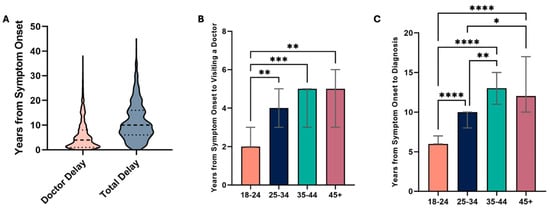
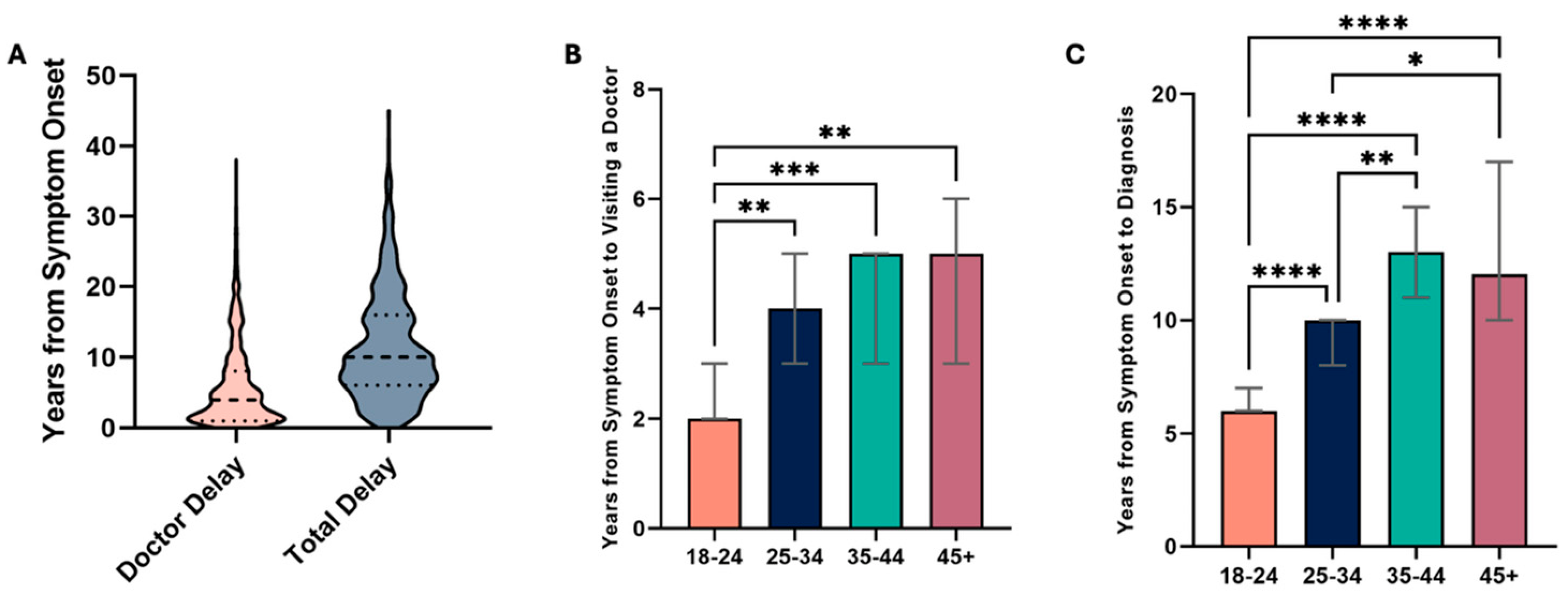
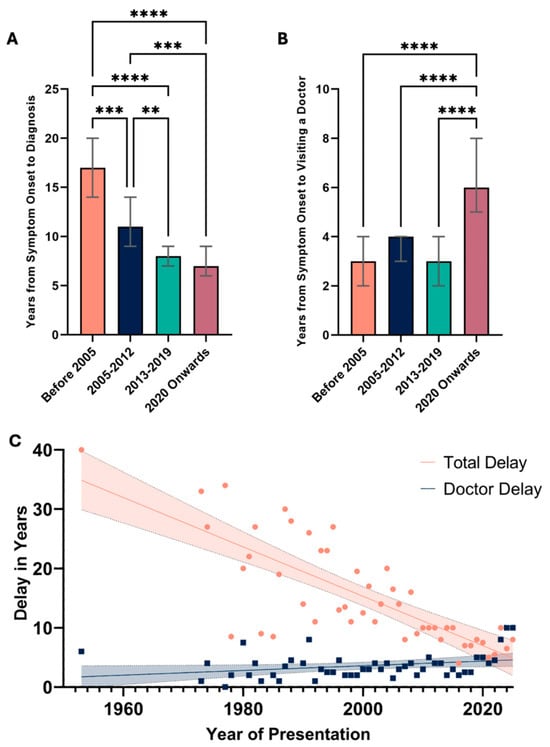
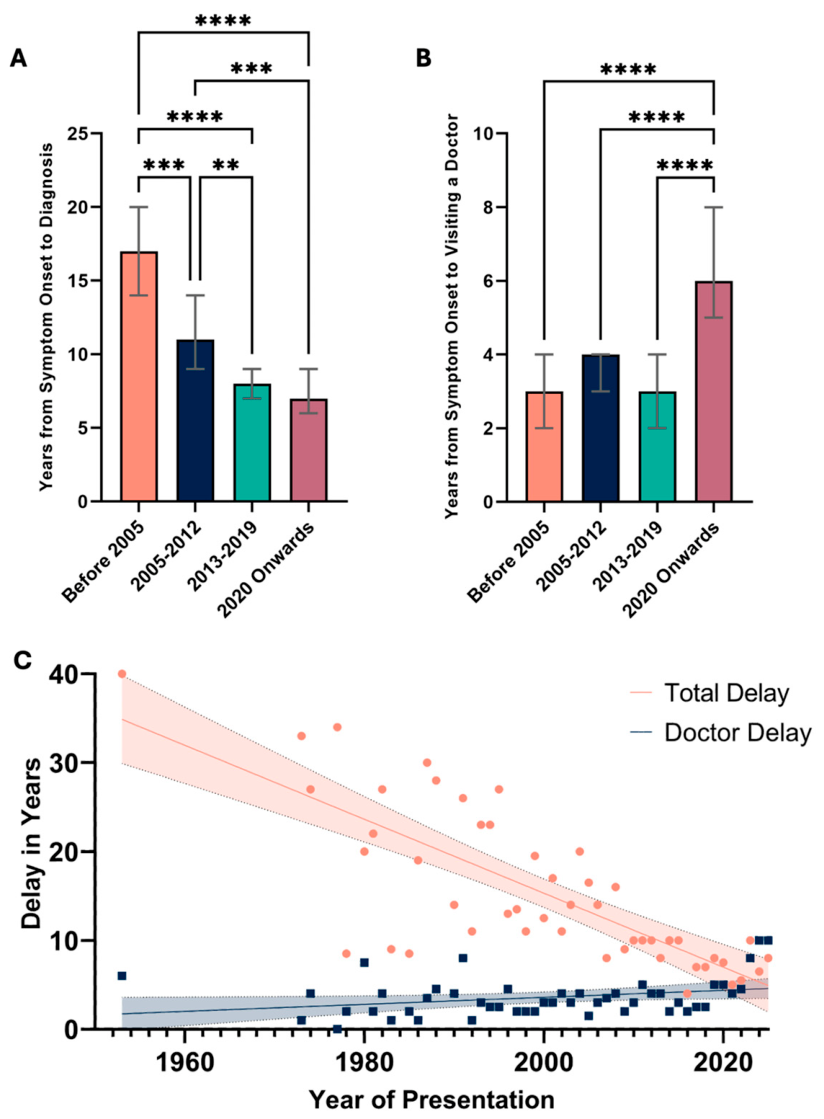
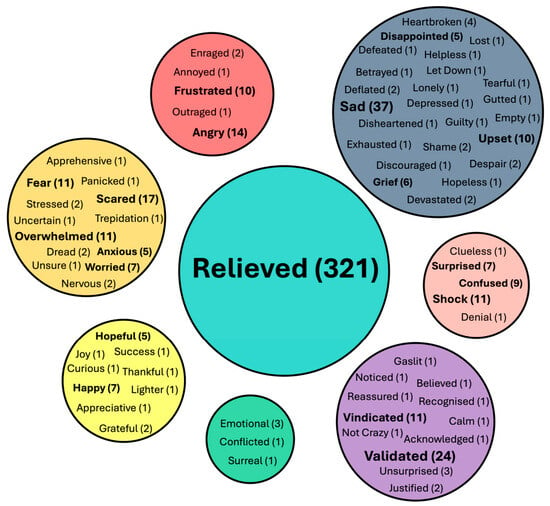
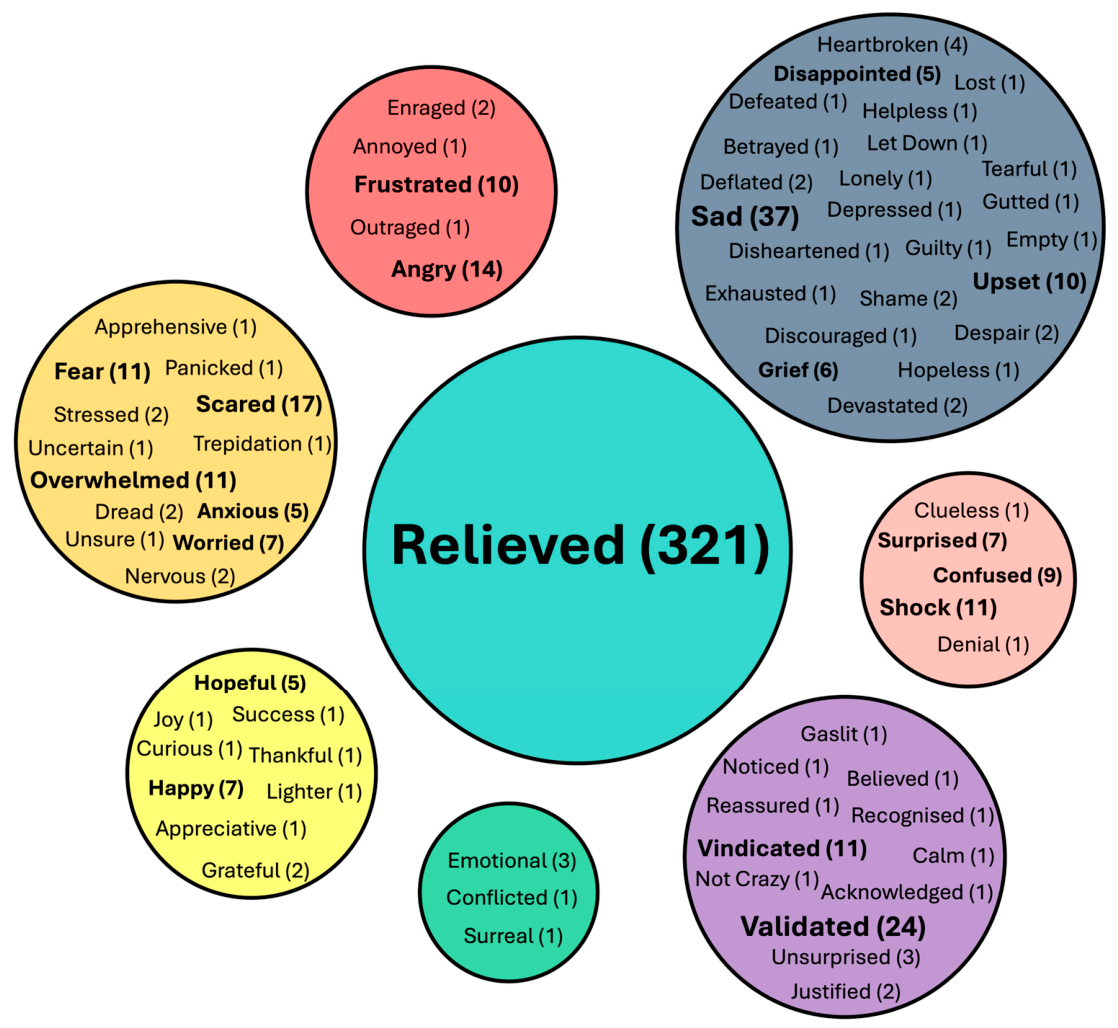
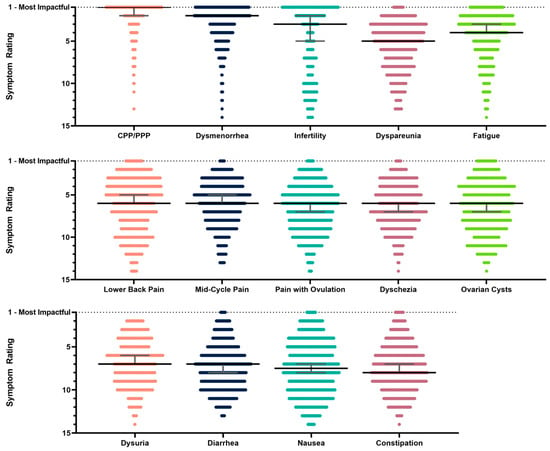
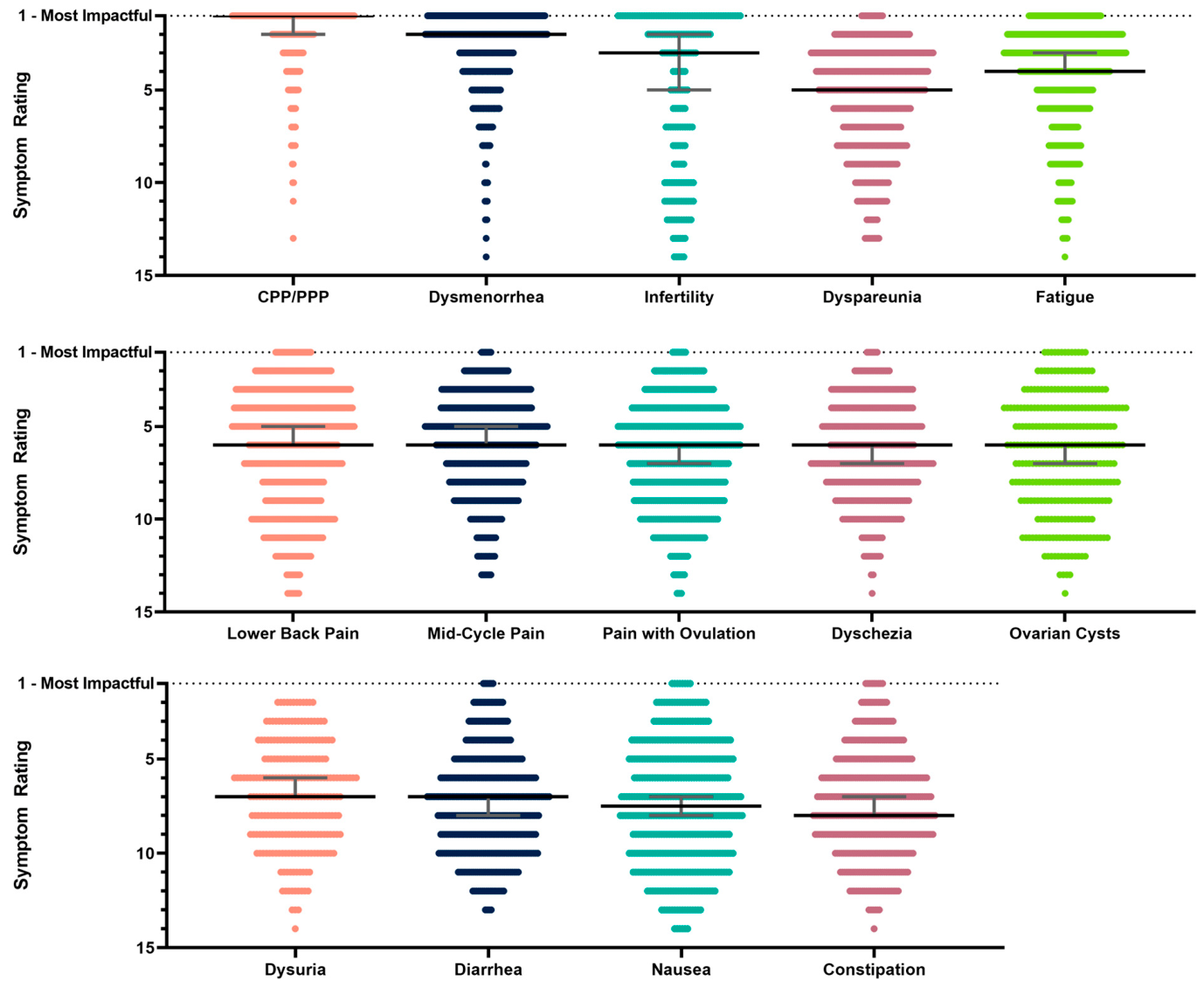

Disclaimer/Publisher’s Note: The statements, opinions and data contained in all publications are solely those of the individual author(s) and contributor(s) and not of MDPI and/or the editor(s). MDPI and/or the editor(s) disclaim responsibility for any injury to people or property resulting from any ideas, methods, instructions or products referred to in the content. |
© 2026 by the authors. Licensee MDPI, Basel, Switzerland. This article is an open access article distributed under the terms and conditions of the Creative Commons Attribution (CC BY) license.