


Abstract
Phytases are phosphohydrolase enzymes of significant biological and biotechnological importance that catalyze the hydrolysis of phytic acid. This process increases phosphorus and mineral bioavailability, whilst concomitantly reducing the antinutritional effects of phytate. Nanoscale immobilization represents a strategy with considerable potential for enhancing the stability, operational performance and reusability of enzymes. This review provides a comprehensive overview of studies published during the past twenty years on the development, characterization, and applications of phytase immobilized on nanoparticles. The extant literature suggests that nanoimmobilization generally enhances thermal and storage stability and enables repeated enzyme use, although its effects on catalytic efficiency and kinetic parameters depend strongly on the enzyme source, nanocarrier, and immobilization strategy. Potential applications include improving phytase performance in animal feed, reducing phytate in plant-based foods, mobilizing soil phosphorus, and recovering phosphorus from agro-industrial and wastewater streams. Despite these advantages, several important challenges remain, including nanomaterial safety, cost, reproducibility, scalability, long-term stability, and regulatory requirements. Future research should focus on standardized evaluation methods, the development of sustainable and biocompatible nanocarriers, validation under realistic processing conditions, and comprehensive techno-economic and environmental assessments.
1. Introduction
Phytases represent an important class of phosphohydrolase enzymes that enhance phosphorus bioavailability and mitigate the antinutritional effects of phytic acid in plant-based foods. These enzymes catalyze the stepwise dephosphorylation of myo-inositol phosphate complexes, thereby releasing phosphate and reducing phytate-associated mineral chelation [1].
Studies on phytase immobilization using conventional organic and inorganic supports emerged in the 1990s and expanded considerably during the early 2000s (Figure 1).
Figure 1.
Development of phytase–nanoparticle hybrids in last two decades.
A range of matrices, including sepharose, polyurethane, alginate, chitosan, starch–agar, and synthetic polymeric resins, have been investigated to improve enzyme stability and facilitate reuse [2,3]. However, conventional immobilization systems may be associated with reduced catalytic efficiency, diffusional limitations, enzyme leakage, heterogeneous enzyme distribution, and limited control over enzyme–support interactions, highlighting the need for carriers with higher surface areas and more tunable physicochemical properties [4]. These limitations have encouraged the development of nanostructured carriers, which provide high surface-to-volume ratios and greater opportunities to tailor enzyme loading, the local microenvironment, and catalyst recovery [5].
Compared with the extensive literature on conventional enzyme immobilization, however, research specifically addressing phytase immobilization on nanomaterials remains relatively limited [5]. Targeted bibliographic searches identified fewer than ten primary studies specifically addressing nanoimmobilized phytases published between 2011 and 2015. The available studies have explored a progressively broader range of nanostructured including Fe3O4-based magnetic particles, carbon nanotubes, nanoclays, chitosan nanoparticles, mesoporous silica, hydroxyapatite, ZnO, graphene oxide, and multifunctional magnetic nanocomposites [6,7,8]. This progression reflects a shift from the initial emphasis on enzyme stabilization toward multifunctional carrier systems designed to combine high loading capacity with enhanced stability, reusability, and application-specific functionality [9,10,11].
Recent research has further focused on nanoscale carriers capable of increasing enzyme loading, improving thermal and pH stability, reducing enzyme leaching, and maintaining functional activity during prolonged operation [11,12,13,14]. Their high specific surface areas facilitate efficient enzyme immobilization and, in some systems, enable convenient recovery and reuse in continuous catalytic processes [11,15]. In addition, nanostructured carriers can provide a tailored microenvironment that protects immobilized phytase from inhibitory ions and other physicochemical stresses encountered in complex process streams [16,17]. Nanostructured matrices and clay-based supports may also enhance catalytic performance by limiting enzyme inhibition and promoting structural stabilization through encapsulation or confinement [18,19].
The development of phytase—nanohybrids is also relevant to sustainable phosphorus recycling, as these systems can facilitate the conversion of phytate-rich biorefinery and agro-industrial waste streams into recoverable inorganic phosphorus resources. The incorporation of advanced cell-surface—display systems or material-binding peptides can further improve enzyme coverage and catalytic robustness, supporting efficient phytate degradation under industrial conditions [20,21]. Consequently, such engineered biocatalytic platforms may contribute to the development of a circular phosphorus bioeconomy by increasing phosphate mobilization while reducing dependence on finite phosphorus resources [22]. Their application is particularly relevant to agricultural systems, where immobilization may help overcome the limited mobility and reduced effectiveness of free phytases within heterogeneous soil matrices rich in clay and mineral phases. Scientific interest in the selection of suitable nanocarriers and immobilization strategies for phytases is therefore increasing, driven by the expanding potential of enzyme–nanomaterial hybrids in agriculture, environmental remediation, food processing, and health-related applications [8,14,22,23,24,25]. Despite this progress, a major research gap remains in evaluating immobilized phytases under realistic operating conditions. In particular, relatively few studies have examined their performance in complex matrices such as animal feed, wastewater, and food-processing streams, where inhibitors, contaminants, competing substrates, and physicochemical stresses may substantially influence enzyme activity, stability, and long-term durability [3,8,9,11,14,24,25].
Addressing this gap is essential for determining whether the enhanced properties observed in model systems can be translated into reliable and scalable applications.
The present review provides a focused and critical synthesis of advances in the nanoscale immobilization of phytases, with particular emphasis on nanoparticle-based carriers, immobilization strategies, and their effects on catalytic performance, kinetic properties, stability, and reusability.
Unlike the reviews by Filippovich et al. (2023) [3], and Pragya et al. (2023) [4], which address phytase immobilization more broadly, the present review specifically examines nanoscale immobilization, encompassing magnetic nanoparticles, metal oxides, carbon nanotubes, graphene oxide, nanoclays, silica-based materials, and naturally derived nanofibrous materials. Furthermore, it identifies emerging research directions, including the development of biocompatible nanocarriers, multienzyme nano-immobilization systems, standardized performance assessment protocols, and AI-assisted design of phytase–nanomaterial hybrids.
Building on this perspective, the objective of this comprehensive review is to critically evaluate recent advances in the nanoscale immobilization of phytases, with particular emphasis on immobilization strategies and nanocarrier systems, methods for characterizing enzyme–nanomaterial hybrids, and the effects of immobilization on catalytic activity, kinetic properties, stability, and reusability. The review also examines potential applications in animal nutrition, food processing, agriculture, and environmental biotechnology, while identifying key limitations related to biosafety, sustainability, cost, and industrial scalability. Finally, it outlines research priorities for developing efficient, reproducible, and environmentally responsible nanoimmobilized phytase systems and translating their laboratory-scale performance into practical applications.
2. Methodology
A comprehensive literature search was performed to identify and synthesize published studies on the nanoscale immobilization of phytases and their applications in sustainable biotechnology. Relevant literature was identified through searches of major scientific databases, including Scopus, Web of Science, Springer Link, MDPI, and Google Scholar, covering publications from January 2011 to September 2026. Search terms included combinations of “phytase,” “phytate-degrading enzyme,” “immobilization,” “nanoimmobilization,” “nanoparticles,” “nanomaterials,” “nanocarriers,” “nanofibers,” and “nanocomposites,” together with terms related to enzyme activity, stability, kinetics, reusability, animal feed, food processing, agriculture, and phosphorus recovery. Boolean operators (and, or) were used to combine keywords and broaden or refine the search.
Relevant original research and review articles were selected based on their contribution to understanding phytase immobilization using nanoscale materials, including immobilization methods, carrier properties, enzyme performance, operational stability, reusability, and potential applications. Original research articles were prioritized, while review articles were consulted to establish the scientific context and identify additional relevant studies. Publications outside the scope of phytase immobilization, studies lacking sufficient information relevant to the review objectives, and papers whose full texts could not be reliably assessed were excluded. The selected literature was qualitatively synthesized and structured according to nanomaterial type, immobilization strategy, catalytic characteristics, stability profile, and targeted application area. Particular emphasis was placed on reported advantages, current technical limitations, environmental sustainability, and prospects for scale-up and industrial implementation.
The methodological framework adopted for this literature review is illustrated in Figure 2, outlining the four main stages of the research process.
Figure 2.
Schematic representation of the research methodology, including literature search, screening, data extraction and classification, and critical synthesis and assessment.
3. Phytases
Phytases [myo-inositol hexakisphosphate phosphohydrolases, (EC 3.1.3.8 and EC 3.1.3.26) are phosphatase enzymes that catalyze the stepwise hydrolysis of phytic acid [myo-inositol hexakisphosphate, InsP6], producing lower myo-inositol phosphates and inorganic phosphate [26]. This reaction increases the bioavailability of phosphorus and associated mineral nutrients, making phytases key enzymes in phosphorus cycling and nutrient utilization. Phytic acid is the principal storage form of phosphorus in plant seeds, cereals, legumes, and oilseeds, where it accounts for a substantial proportion of the total phosphorus content [27,28]. Phytases can be classified according to several criteria, including their biological origin, optimum pH, and catalytic mechanism. Based on their origin, phytases can be categorized into four major groups: plant phytases, microbial phytases, phytases produced by the mucosa of the small intestine, and phytases associated with the intestinal microbiota. Among these, microorganisms represent the richest and most diverse source of phytases, while plants constitute the second most important. Numerous bacteria, filamentous fungi, yeasts, and microalgae have been identified as efficient phytase producers, making microbial phytases the predominant enzymes for industrial and biotechnological applications [29].
The physiological importance of phytases is particularly evident in animal nutrition. Monogastric animals, including poultry, swine, and fish, possess little or no endogenous phytase activity and are therefore unable to efficiently hydrolyze phytate-bound phosphorus. Consequently, a large proportion of dietary phytate is excreted, reducing phosphorus utilization and contributing to phosphorus accumulation in manure, which ultimately promotes eutrophication of aquatic ecosystems [30].
In addition to limiting phosphorus availability, phytate, the salt form of phytic acid, is widely recognized as an antinutritional factor in human nutrition. Because humans also lack sufficient endogenous phytase activity, phytate is only poorly digested. Furthermore, it forms stable complexes with essential divalent cations, including Fe2+, Zn2+, Ca2+, and Mg2+, thereby reducing their bioavailability and impairing mineral absorption [31]. The significance of phytases extends beyond animal and human nutrition to sustainable agriculture. In soils, phosphorus occurs in both inorganic phosphate (Pi) and organic forms, with phytate representing one of the major reservoirs of organic phosphorus. However, phytate-bound phosphorus is largely inaccessible to plants. Although chemical phosphate fertilizers are widely applied to alleviate phosphorus deficiency and maximize crop productivity, only approximately 10–20% of the applied phosphate is absorbed by plants, while the remainder becomes immobilized in the soil. Phosphorus acquisition from soil phytate can be enhanced by inoculating soils with phytase-producing microorganisms or through direct phytase application. This approach offers a sustainable strategy to improve phosphorus-use efficiency while reducing chemical fertilizer inputs [31,32]. Beyond their role in enhancing phosphorus availability in soils, phytases have gained considerable importance in the domain of animal feed. The nutritional and environmental benefits of microbial phytases have led to their widespread use as biocatalysts in modern animal production systems. Today they are routinely incorporated into feed formulations to improve phosphorus digestibility, decrease the requirement for inorganic phosphate supplementation, and to minimize phosphorus excretion. In addition to enhancing phosphorus availability, phytase supplementation improves the bioavailability of essential minerals such as calcium, zinc, iron, and magnesium, while alleviating the antinutritional effects of phytate on protein and amino acid digestibility. Collectively, these effects improve feed conversion efficiency, animal growth performance, and the sustainability of livestock production systems [31,33]. Phytases have also attracted attention for their broader industrial applications, particularly in food processing and in production of functional foods. In this context, they are employed to reduce phytate levels in cereal- and legume-based products, thereby improving mineral bioavailability and nutritional quality. Their application has also been explored in the valorization of agricultural by-products, bioethanol production, agriculture, and environmental biotechnology [34]. Owing to this broad industrial relevance, phytases have been extensively investigated over the past three decades, resulting in numerous studies describing their diversity, catalytic mechanisms, production strategies, protein engineering, and industrial applications [35,36,37].
Among the various approaches developed to enhance phytase performance, enzyme immobilization has emerged as one of the most promising strategies. In particular, nanoscale immobilization technologies offer significant advantages by improving enzyme stability, reusability, and operational efficiency under industrial conditions [35,36,37].
Therefore, the following sections of this review focus on recent advances in the nanoscale immobilization of phytases and their potential to expand the application of these enzymes in sustainable biotechnological processes.
4. Nanoscale Immobilization Strategies and Nanocarrier Systems for Phytases
In this review, the term ‘nanoimmobilization’ refers to the immobilization of phytase onto or within carriers whose characteristic structural elements are at the nanoscale (approximately 1–100 nm) [38,39,40]. The classification criteria include nanoparticle size, nanofiber diameter, clay platelet thickness, and pore size, provided that these structural characteristics directly influence enzyme immobilization. Accordingly, nanoimmobilization encompasses systems based on nanoparticles, nanotubes, nanofibers, and nanoclays. Bulk carriers lacking distinct nanoscale structural features are excluded from this definition [5,40].
4.1. Nanoscale Immobilization Strategies
Nanoscale immobilization strategies primarily include physical adsorption, covalent attachment, entrapment or encapsulation, and cross-linking. Each of these approaches offers distinct advantages in terms of enhancing enzyme protection and improving operational efficiency (Figure 3).
Figure 3.
Main methods for phytase immobilization on different nanocarriers.
The immobilization strategy and the selection of nanocarriers are of critical importance in ensuring the maintenance of enzyme activity, stability, and catalytic performance. The primary factors to be considered are the properties of the enzyme and the nanocarriers, in addition to the intended application. The overarching objective is to preserve the functionality of the enzyme’s active site [38,39].
Physical adsorption is a conventional approach for enzyme immobilization on nanoparticles. However, its application is often limited by enzyme leaching resulting from relatively weak non-covalent interactions between the enzyme and the carrier. This limitation has driven the development of covalent coupling strategies involving functionalized nanomaterial surfaces, which provide stronger and more stable enzyme–support interactions [15]. Furthermore, this immobilization strategy optimizes enzyme reusability, a critical factor in mitigating the substantial operational costs associated with the rapid inactivation of pristine enzymes in large-scale industrial processes [40,41]. Beyond these functional benefits, the integration of nanomaterials facilitates superior enzyme loading due to their exceptional specific surface area, which contributes to higher catalytic yields and improved mass transfer rates in continuous flow systems [15,37]. For example, in the study of Coutinho et al. (2020) [9] phytase has been successfully immobilized on hydroxyapatite/CoFe2O4 composites through physical adsorption, providing a simple and effective approach for improving enzyme stability and functional performance in animal feed applications.
Covalent attachment typically involves bifunctional reagents like glutaraldehyde to establish robust chemical bonds between the amino acid residues of the phytase and the activated surface of the nanomaterial, thereby significantly reducing protein leakage and increasing long-term operational stability [42,43].
Genetic fusion with material-binding peptides provided a sophisticated, site-specific orientation strategy that preserves the catalytic conformation of the phytase, ensuring high-affinity, and directed attachment to diverse synthetic and natural surfaces [17]. By facilitating such precise, engineered immobilization, this technique enhances structural stability and catalytic retention while mitigating the risk of active site obstruction often associated with stochastic attachment methods, thereby fostering robust biocatalytic performance [17]. Moreover, the incorporation of spacer helices between the binding and catalytic domains prevents steric hindrance, ensuring that the enzyme maintains its native conformation and high substrate accessibility during long-term operational cycles [44]. However, this approach also presents certain limitations, including the relatively long preparation time required for enzyme–nano-hybrid constructs and the potential loss of enzymatic activity resulting from protein denaturation during their preparation [38].
Entrapment is a well-known and widely used strategy for phytase nanoscale immobilization. It is an irreversible immobilization method in which enzymes are confined within natural or synthetic polymeric matrices. The resulting semipermeable network retains the enzyme while allowing substrates and products to diffuse through, without direct binding between the enzyme and the support [40,45,46].
According to Eer et al. (2026) [46], entrapment and encapsulation are particularly attractive for enzyme immobilization in electrospun nanofibers because the nanofibrous structure provides high surface area, porosity, and interconnected pathways that facilitate substrate diffusion while restricting enzyme loss. A particularly important advantage of these approaches is that they can immobilize enzymes without requiring direct chemical modification of the enzyme, helping to preserve catalytic functionality. The clearest entrapment-style phytase studies in this set are electrospun nanofibers, where phytase was immobilized into PVA-chitosan or PVA-sodium alginate nanofibers [13].
Encapsulation is specifically intended for sensitive enzymes, where a semipermeable barrier protects structure while allowing small substrates and products to diffuse [45,47]. Reviews across nanobiocatalysis consistently include encapsulation among the standard nanoparticle-compatible immobilization methods [48,49]. Furthermore, encapsulating phytases within nanocarriers or nanogels facilitates the controlled release of the enzyme into the food matrix, thereby enhancing its catalytic efficiency and overall performance [34]. Although encapsulation can protect phytase against acidic conditions, its confinement within polymeric matrices may restrict substrate diffusion and consequently reduce enzyme accessibility [12]. Similarly, phytase and Fe3O4 nanoparticles were confined within ordered silica microcosms through glutaraldehyde-mediated cross-linking, demonstrating an alternative nanoscale confinement approach to enzyme immobilization [50]. In a related study, phytase was nano-encapsulated in rice-bran nanofibers followed by cross-linking, resulting in improved thermal stability [51].
Cross-linked enzyme aggregates (CLEAs) represent a widely used carrier-free approach for enzyme self-immobilization. CLEAs preparation generally involves two sequential steps: enzyme precipitation using an organic solvent or salt, followed by cross-linking of the precipitated enzyme molecules with a bifunctional coupling agent. Unlike carrier-bound enzymes, CLEAs retain a high proportion of active sites per unit volume and can therefore provide high biocatalytic productivity [17].
Furthermore, the transition toward nanotechnology-enabled immobilization leverages the high surface-to-volume ratio of materials such as mesoporous silica and nanofibers to significantly enhance enzyme loading capacity while mitigating mass-transfer limitations [4,52]. Additionally, the use of nanomaterials like mesoporous silica and agrowaste-derived renewable carriers offers a greener, more cost-effective alternative to traditional synthetic supports by improving both shelf life and operational reusability [43,52]. The disadvantage could be possible conformational changes in enzymes.
Nevertheless, nanoscale immobilization generally provides enhanced resistance to denaturation when phytases are exposed to high temperatures and acidic environments. Consequently, identifying nontoxic, cost-effective supports that possess ideal physicochemical characteristics for rapid and efficient phytase immobilization remains a key research objective.
The nanoscale immobilization technique generally provides enhanced resistance to denaturation when the enzyme is exposed to high temperatures and acidic environments. Consequently, identifying nontoxic, cost-effective supports that possess ideal physicochemical characteristics for rapid and efficient phytase immobilization remains a key research objective.
4.2. Nanocarriers for Phytase Immobilization
The utilization of nanomaterials, including nanoparticles, nanofibers, nanotubes, and others offers a robust framework to mitigate the inherent instability of phytases under extreme industrial conditions like high temperature and fluctuating pH levels [4]. Nanoparticle supports are particularly attractive because their high surface area, tunable porosity, and short diffusion paths often improve enzyme stability and enzyme–substrate interactions [48,52].
Magnetic nanoparticles (MNPs), metal oxides, and metal–organic frameworks (MOFs) are classes of nanoparticles are widely used as supports for enzyme immobilization due to their large specific surface area and good biocompatibility. MNPs demonstrate relatively low toxicity and superparamagnetic properties. Immobilization of phytase onto MNPs can improve its stability and catalytic efficiency while enabling the rapid and efficient separation of the biocatalyst from the reaction medium using an external magnetic field. This facilitates enzyme reuse and downstream processing, making magnetic supports particularly suitable for biocatalytic and industrial applications [4]. Owing to the combination of strong magnetic properties, chemical stability, and versatile surface functionalization, magnetite (Fe3O4) is one of the most widely used magnetic materials for enzyme immobilization [53,54].
Metal oxides represent another promising class of inorganic nanomaterials for enzyme immobilization. Zinc oxide (ZnO) nanoparticles, for example, are characterized by high chemical stability, intrinsic catalytic activity, and biocompatibility. In addition to these properties, their antimicrobial activity makes them potentially suitable supports for food and feed applications, although their safety and possible toxicological effects require further assessment [10,55].
Metal–organic frameworks (MOFs) offer additional opportunities due to their well-developed porous structures, tunable pore sizes, and the possibility of precisely modifying their surface chemical properties. These characteristics enable effective interactions with enzyme molecules and may facilitate high enzyme loading, improved enzyme stabilization, and controlled substrate accessibility. Consequently, MOFs are regarded as a promising platform for the development of nanostructured biocatalysts with potential applications across a broad range of biotechnological fields.
Beyond metal oxides and MOFs, noble metal nanoparticles, including gold (Au) and platinum (Pt), can also serve as nanocarriers for phytase immobilization, offering additional opportunities for stabilizing and enhancing enzyme functionality [56,57]. Gold nanoparticles synthesized using tyrosine as a reducing and capping agent have been successfully employed for phytase immobilization through charge-switchable electrostatic interactions [56], while ionic-liquid-mediated self-assembly has enabled the formation of platinum–phytase nanospheres with potential biocatalytic applications [57].
Another well-studied class of inorganic nanocarriers for enzyme immobilization is silica nanoparticles (SNPs), which are promising due to their high specific surface area, chemical stability, biocompatibility, and readily tunable surface chemistry. They have demonstrated high immobilization yields alongside improved storage and operational stability for enzymes immobilized by physical adsorption, supporting their broader potential as enzyme carriers [12,19]. For phytase immobilization, mesoporous silica nanoparticles offer additional advantages due to their ordered pore structures, high surface area, and accessible internal surfaces, which can enhance enzyme loading capacity and substrate accessibility. Monodisperse mesoporous silica nanoparticles with fractal pore structures have been shown to provide effective phytase immobilization by physical adsorption, with the internal pore geometry strongly influencing enzyme loading, activity, and release, particularly under acidic conditions [12]. Comparative studies of mesoporous silica architectures further highlight the importance of pore topology in controlling enzyme immobilization and accessibility [58]. Janjua et al. (2023) [59] emphasized that although SNPs generally exhibit favorable biodegradability and biocompatibility, their interactions with biological barriers and potential toxicological effects require rigorous assessment. Additionally, the use of nanoclays as immobilizing supports has demonstrated potential in optimizing the specific activity of phytases, although the efficacy of these systems remains highly dependent on the enzyme source [60]. For instance, the use of montmorillonite nanoclays has demonstrated specific substrate-dependent efficacy, where the support material may enhance or inhibit activity depending on the phytase source [6,60]. Carbon-based nanoparticle platforms have also been reported to support enzymes through covalent bonding, adsorption, entrapment, encapsulation, or combinations of these mechanisms, reinforcing that encapsulation is considered technically feasible on nanomaterials. The physicochemical properties of carbon nanostructures are governed by their characteristic size, morphology, surface curvature, and chemical reactivity, which influence their interactions with enzymes and other biomolecules [48,61]. Although research on phytase immobilization using carbon-based nanomaterials remains limited, available studies have demonstrated the potential of multiwalled carbon nanotubes (MWCTNs) and graphene oxide (GOs) as promising enzyme supports. Their large specific surface area and efficient enzyme—support interactions contribute to enhanced phytase thermal stability, while GOs -based composites can further improve substrate accessibility by providing a favorable surface architecture for enzyme–substrate interactions [14,62,63]. Despite these encouraging studies, the necessity of developing alternative nanocarriers with greater biological compatibility and sustainability, particularly for food and feed applications was highlighted. In this context, naturally derived nanocarriers have attracted increasing attention as immobilization supports because they combine nanoscale structural advantages with low toxicity and environmental safety.
Among these materials, chitosan-based nanocarriers are particularly attractive for enzyme immobilization. Till now, reports on phytase immobilization using pure chitosan nanoparticles remain limited. Most studies have instead employed chitosan-coated magnetic nanoparticles, where the chitosan shell provides reactive functional groups while the magnetic core enables simple recovery and reuse of [7,10,12].
Nanofibers represent another highly promising class of naturally derived nanocarriers. Rice-bran-derived nanofibers have been used as a sustainable, bio-based support for phytase immobilization. With fiber diameters of approximately 20–50 nm, the electrospun nanofibrous matrix enabled phytase incorporation and cross-linking, demonstrating the potential of rice bran as a value-added nanocarrier [51]. Similarly, bacterial cellulose, a naturally produced nanofibrous biopolymer, has been explored for the in situ immobilization of phytase-producing Gluconacetobacter sp. The bacterial cellulose matrix provided a biocompatible and highly porous scaffold for the phytase-producing cells, while incorporation of nano-ferric oxide further enhanced phytase activity, highlighting the potential of bacterial cellulose-based nanostructures for phytase immobilization [64]. Although immobilization improves resistance to elevated temperatures and acidic pH, developing a simple, rapid, and efficient phytase immobilization support that is nontoxic and suitable for industrial application remains a challenge [11].
The physicochemical properties of nanocarriers, including particle size, specific surface area, porosity, pore architecture, surface chemistry, and zeta potential, strongly influence phytase immobilization and the functional performance of the resulting nanohybrids. Particle size and morphology affect carrier dispersion and the accessibility of enzyme-binding sites. For example, monodisperse mesoporous silica nanoparticles (MMSNs; approximately 310 nm) exhibit limited aggregation and facilitate enzyme adsorption, whereas the layered structure of montmorillonite (MMT) and the dimensionality of carbon-based materials provide distinct interfaces for enzyme attachment [11,12].
In porous carriers, pore diameter and architecture determine enzyme accommodation and substrate diffusion. Although a high specific surface area may provide more binding sites, it does not necessarily ensure greater enzyme loading or catalytic activity, as pore blockage and restricted diffusion can limit performance [11,12,60]. Surface functionalization also affects enzyme–carrier interactions. Carboxylated multi-walled carbon nanotubes (MWCNTs) enable covalent phytase attachment, improving resistance to leaching and thermal inactivation; however, covalent binding may alter enzyme conformation and reduce initial catalytic activity [63]. Similarly, glutaraldehyde cross-linking on chitosan-coated Fe3O4 nanoparticles and the incorporation of MgO into graphene oxide-based systems have been associated with improved phytase binding and thermal stability [8,11].
Surface charge, commonly evaluated through zeta potential, further influences enzyme–carrier interactions. Electrostatic attraction between negatively charged MMT and positively charged phytase under acidic conditions contributes to pH-dependent immobilization performance [61]. Nevertheless, the conditions favoring enzyme attachment do not necessarily provide optimal catalytic activity or storage stability. Overall, phytase immobilization depends on the combined effects of carrier morphology, pore accessibility, surface functionalization, and interfacial charge, rather than on any single physicochemical property.
To provide an overview of the discussed nanocarriers, Table 1 summarizes the main physicochemical characteristics of the nanocarriers, together with the reported enzyme-loading or immobilization data and the immobilization approaches employed. The phytase sources and immobilization strategies are discussed in greater detail in Section 6.
Table 1.
Physicochemical properties and performance of nanocarriers used for phytase immobilization.
The comparative analysis presented in Table 1 indicates that the effectiveness of a nanocarrier for phytase immobilization depends not solely on its enzyme-loading capacity, but also on its ability to preserve enzyme structure, facilitate substrate accessibility, and maintain catalytic activity.
It has been found that the properties of the chosen nanocarrier and the immobilization strategy strongly influence the stability and catalytic behavior of the immobilized enzymes [10,11]. Тherefore it is essential to establish whether the immobilization is successfully achieved and whether the resulting phytase–nanoparticle hybrid exhibits improved physicochemical and biochemical characteristics.
The following section discusses the main methods used to evaluate the immobilization of phytase, as well as the activity and stability of the phytase–nanoparticle hybrids.
5. Evaluation of Phytase Immobilization and Activity on Nanoparticle–Enzyme Hybrids
The successful development of phytase–nanoparticle hybrids requires a comprehensive evaluation of both the physicochemical characteristics of the nanomaterial and the functional properties of the immobilized enzyme. Characterization following immobilization is essential to confirm enzyme loading, assess alterations in nanoparticle surface chemistry and enzyme structure, and determine whether immobilization preserves or enhances catalytic performance. Accordingly, an integrated evaluation should encompass physicochemical characterization, quantification of enzyme immobilization, enzymatic activity measurements, kinetic parameters, operational stability assessment, and reusability studies (Figure 4).
Figure 4.
Assessment of phytase immobilization and performance on Enzyme–Nanoparticle Hybrids.
Importantly, a high enzyme-loading value alone does not demonstrate successful functional immobilization, because the immobilized enzyme may exhibit reduced accessibility, altered conformation, or diffusional limitations. Thus, enzyme loading should always be evaluated alongside activity recovery, catalytic efficiency, structural integrity, stability, and operational performance [4,38].
Surface functionalization can be verified by determining the chemical groups introduced onto the nanoparticle surface and their interaction with phytase. Where aldehyde-functionalized supports are employed, reactive aldehyde groups may be quantified using hydrazine-based colorimetric methods, allowing surface functional-group density to be related to enzyme loading [7]. Complementary spectroscopic techniques, particularly Fourier-transform infrared spectroscopy (FTIR), can identify changes in characteristic functional groups following enzyme attachment. X-ray photoelectron spectroscopy (XPS) may provide additional evidence of changes in surface elemental composition and chemical bonding. Morphological characterization using scanning or transmission electron microscopy (SEM/TEM) can establish nanoparticle size, morphology, dispersion, and possible aggregation after immobilization, while dynamic light scattering (DLS) provides hydrodynamic size and dispersion characteristics. Zeta-potential measurements are particularly useful for assessing changes in surface charge caused by enzyme attachment and for monitoring colloidal stability [60]. Where structural changes in phytase are of interest, circular dichroism (CD) spectroscopy can be used to compare the secondary structure of free and immobilized enzyme. This combination of techniques has been demonstrated for phytase immobilized on functionalized multi-walled carbon nanotubes, where SEM, CD, zeta potential, and FTIR were used to examine immobilization and structural changes [38,63].
Immobilization efficiency can be determined indirectly from the difference between the initial protein concentration and the amount of unbound protein remaining in the supernatant after immobilization and washing [45]. Protein concentration may be calculate using colorimetric protein assays or UV–Vis spectrophotometry. Measurement of absorbance at 280 nm provides a rapid estimate of residual protein concentration; however, this approach can be affected by the presence of other proteins, nucleic acids, buffer components, or other UV-absorbing compounds. Consequently, UV absorbance should be used with caution when crude or partially purified phytase preparations are employed [65]. An evaluation of immobilized enzymes should therefore consider immobilization yield together with loading, activity recovery, stability, and potential mass-transfer limitations [11,39].
The functional performance of immobilized phytase should be evaluated against free phytase under identical assay conditions. Phytase activity of free and immobilized enzyme is generally determined from the liberation of inorganic phosphate during hydrolysis of phytic acid or a defined phytate substrate under controlled reaction conditions. The most widely adopted method is the colorimetric determination of inorganic phosphate released during hydrolysis using ammonium molybdate-based assays, such as the ammonium molybdate–ascorbic acid or molybdenum blue method. Enzyme activity is typically expressed as units (U), where one unit corresponds to the amount of enzyme releasing 1 μmol of inorganic phosphate per minute under specified assay conditions. Comparative evaluation of free and immobilized phytase includes determination of specific activity, kinetic parameters (Km and Vmax), pH and temperature optima, thermal stability, storage stability, and operational stability through repeated catalytic cycles [11,66].
To further characterize of the kinetic behavior of these immobilized conjugates, investigators frequently apply the Michaelis–Menten model by measuring initial hydrolysis rates across a range of substrate concentrations, utilizing nonlinear regression to derive Km and Vmax [14,25,62]. Additionally, comparative assessments of thermal and pH stability are often conducted to evaluate the resilience of the immobilized phytase under varying environmental conditions [11,14,55]. Finally, proteolytic-resistance assays, involving incubation of free and immobilized phytase with proteases such as pepsin or trypsin, can be used to evaluate whether immobilization on nanostructured supports enhances resistance to proteolytic degradation and preserves catalytic activity [8,9,19,50,67]. Some studies have reported investigations on production, immobilization and characterization of fungal phytase and its utilization in food and feed industry [4,9,18,67]. In addition to evaluating catalytic performance and resistance to environmental and proteolytic stresses, assessing the practical applicability of nanoimmobilized phytases requires consideration of their ability to retain catalytic activity over repeated reaction cycles and to preserve favorable kinetic properties following immobilization.
Reusability studies, in which nanoimmobilized phytase is subjected to multiple consecutive reaction cycles, represent a critical indicator of industrial applicability, as they directly assess catalyst durability and economic feasibility. Furthermore, advanced kinetic analyses combined with structural characterization provide valuable insights into mass transfer limitations and conformational changes that may occur upon enzyme immobilization, thereby contributing to the rational design of highly efficient phytase nanobiocatalysts [5].
Overall, the integration of quantitative protein assays with structural characterization techniques and comprehensive enzymatic performance evaluation provides a robust framework for assessing phytase immobilization on nanomaterials. Standardized methodologies are essential for accurately comparing immobilization platforms and identifying nanoparticle systems that enhance enzyme stability, catalytic efficiency, and long-term operational performance for applications in animal nutrition, food processing, and environmental biotechnology In this context, artificial intelligence (AI), particularly machine learning (ML), may provide complementary tools for optimizing immobilization conditions and predicting biocatalyst performance. ML models can identify relationships between enzyme characteristics, nanocarrier properties, and immobilization parameters, helping predict enzyme loading, activity retention, and reusability [68]. Although such approaches have shown promise in enzyme immobilization research, their application to phytase–nanomaterial systems remain to be explored.
6. Advantages of Nano-Immobilized Phytases over Free Enzymes: Performance Enhancement of Phytases Through Nanoscale Immobilization
Enzymes immobilized on nanoparticles generally exhibit greater stability and reusability than free enzymes. Nano-immobilization is considered more promising than conventional immobilization methods because nanoscale supports overcome several limitations of classical approaches simultaneously. Specifically, they provide a much larger effective surface area, reduce diffusion limitations, and facilitate enzyme recovery, stabilization, and functional modification. Most studies have focused on the mechanistic advantages of nano-immobilization and the resulting improvements in enzyme performance, while also highlighting that challenges related to large-scale production, reproducibility, toxicity, and support design continue to limit its widespread industrial application [48,68].
The principal advantage of nano-immobilization over conventional immobilization lies in its ability to simultaneously enhance surface area, mass transfer, enzyme recovery, and material design flexibility [52,69,70]. However, current evidence also indicates that its full industrial potential will depend on overcoming challenges associated with scalability, reproducibility, cost-effectiveness, and biosafety before it can replace conventional immobilization technologies.
Immobilization of phytases on nanoscale supports enhances enzyme performance compared with free enzymes, regardless of the different sources or the nanocarrier employed (Table 2). Across bacterial, fungal, and whole-cell systems, the most frequently reported improvements include enhanced thermal stability, operational stability, storage stability, and reusability. In contrast, shifts in the optimum pH are generally minimal or absent, suggesting that immobilization primarily stabilizes the enzyme’s conformation rather than fundamentally altering its catalytic properties. Although the extent of these improvements varies depending on both the phytase source and the immobilization strategy, the collective evidence indicates that nanoscale immobilization is a promising approach for enhancing phytase performance and advancing sustainable industrial applications. Nevertheless, these findings should be interpreted with caution, as studies reporting limited improvements or negative outcomes may be less likely to be published, potentially resulting in an overrepresentation of positive findings in the available literature.
Table 2.
Comparison of free and nano-immobilized phytases: effects of nanoscale immobilization on catalytic performance, stability, and reusability.
As summarized in Table 2, immobilization in nanoparticles has been widely reported to enhance the stability and catalytic performance of phytases regardless of the microbial or plant source or nanocarrier employed. Enhanced thermal stability and enzyme reusability represent the most frequently reported benefits, whereas shifts in optimum pH are generally less pronounced. Carbon nanotubes, GOs composites, magnetic nanoparticles, and natural nanofibrous supports all improved enzyme robustness, although the magnitude of improvement depended on both the phytase source and the immobilization strategy.
6.1. Bacterial Phytases
A comparative study of free and immobilized phytase from Y. intermedia demonstrated that immobilization onto amino-functionalized MWCNTs significantly enhanced the enzyme’s stability and catalytic performance. The immobilized phytase exhibited a higher optimum temperature (80 °C compared with 50 °C for the free enzyme), alongside notable shifts in the pH optimum and kinetic parameters (Km and Vmax). Furthermore, immobilization markedly improved the storage stability of the biocatalyst [14]. Similarly, the immobilization of an extracellular B. subtilis phytase on a single layer GOs–magnesium nanoparticle composite resulted in higher enzymatic activity, improved substrate affinity (lower Km), enhanced thermal stability, and prolonged storage stability compared with the free enzyme. These findings highlight the significant potential of nanomaterial-based immobilization strategies for developing thermostable phytases suitable for animal feed processing, where resistance to high pelleting temperatures is essential [62].
While some authors report no change in the temperature and pH optimum for free versus immobilized bacterial phytase, immobilization often improves enzyme performance. For example, Dikbas et al. (2024) [10] successfully immobilized purified phytase from L. kefiri onto ZnO nanoparticles via adsorption. In this study, it was found that the free and immobilized forms exhibited identical temperature and pH optima; however, the immobilized enzyme demonstrated significantly higher catalytic activity and a more stable structure. Similarly, it has been shown that E. coli-derived phytase immobilized on MWNTs exhibited significantly greater thermal stability than the free enzyme, retaining substantially higher residual activity at temperatures relevant to feed pelleting (70–90 °C), whereas the soluble enzyme rapidly lost its activity. This enhanced thermostability has been attributed to reduced conformational flexibility and the stabilizing effect of the MWNTs support, highlighting the potential of nanomaterial-based immobilization for improving phytase performance during feed processing [6]. Improvements have been reported for Escherichia albertii phytase immobilized onto magnetic nanoparticles. Owing to their high specific surface area, low mass-transfer resistance, minimal fouling, and facile magnetic separation, magnetic nanoparticles provide an efficient support platform for enzyme immobilization. The immobilized phytase from E. albertii exhibited enhanced thermal stability while maintaining the same pH optimum as the free enzyme [7].
Collectively, these findings demonstrate that nanomaterial-based immobilization can substantially enhance phytase stability and reusability, thereby increasing its suitability for industrial applications. Gluconacetobacter sp. exhibited intracellular phytase activity, as phytase was detected exclusively in intact cells rather than in the cell-free extract. The microbial cells were successfully immobilized in situ within bacterial cellulose nanofibers produced by the bacterium, which served as a natural nanocarrier. Compared with free cells, immobilization enhanced phytase activity, improved thermal stability, and enabled enzyme reuse and better storage stability. The immobilized phytase showed an optimum temperature of 45 °C, whereas the optimum temperature of the free-cell phytase could not be determined because the enzyme was not detected in the cell-free extract. A direct comparison of pH optima between free and immobilized phytase was not possible, as phytase activity was measured only for the immobilized cell system under pH 5.5 assay conditions. Consequently, the bacterial cellulose nanocarrier therefore provided a protective microenvironment that substantially improved the operational performance of the phytase-producing cells [64].
Recent studies have shown that nanoparticles have been successfully used as a support for immobilization of microorganisms due to their unique physicochemical properties [72]. Immobilization strategies are increasingly being applied not only to purified phytase enzymes but also to whole probiotic cells that produce phytase. Phytase-producing probiotic bacteria (B. coagulans) have been entrapped in chitosan matrices and reinforced by cross-linking zinc oxide nanoparticles, resulting in stable bioactive composites with dual enzymatic and antimicrobial functions. Immobilized phytase-producing cells demonstrate improved enzyme activity, stability and multifunctionality, making them promising candidates for applications in the feed and food flavor industries, particularly in processes involving flavor enhancement [71].
6.2. Fungal and Plant Phytases
In addition to bacterial phytases, fungal phytases have also attracted considerable attention as candidates for immobilization, owing to their established used in commercial feed formulations and the potential for further improving their operational performance. immobilization. In particular, the immobilization of Aspergillus niger phytase on nanoparticles has been reported to improve thermal stability while preserving the pH-activity profile of the free enzyme. The immobilized enzyme exhibited an optimum temperature of 65 °C, retained its substrate specificity, and showed excellent operational stability, maintaining almost full activity after 50 reuse cycles [7].
Commercial phytase preparations has also been immobilized on various nanocarriers. This approach offers several practical advantages, including providing consistent enzyme purity, standardized activity, and immediate availability, while eliminating the need for enzyme isolation and purification.
The immobilization of commercial phytase on functionalized multi-walled carbon nanotubes (MWCNTs) increased thermal stability, with 33–51% activity retained at 80–90 °C compared with 3–27% for the free enzyme [63]. Enzyme activity under conditions of low NaCl concentrations was also improved, further demonstrating the enhanced operational stability provided by MWCNT-based immobilization [63].
Commercially available phytase from E. coli immobilized on montmorillonite nanoclay demonstrated increased stability within its optimal pH range (5.5–6) but dropped significantly at pH above 6.5. The study proved that montmorillonite nanoclay is a suitable material for enzyme immobilization [60].
Rathnayake et al. (2018) [51] reported a substantial increase in the denaturation temperature of A. niger phytase immobilized in rice-bran nanofiber composites. However, the effects of nanofiber immobilization on substrate accessibility, catalytic performance, and enzyme reusability remain to be established, particularly under realistic feed-processing and gastrointestinal conditions.
In addition to phytase, other industrially important microbial enzymes like lipase, laccase, cellulase, and glucose oxidase have been effectively immobilized on various nanocarriers. Immobilization has been reported to consistently improve their catalytic activity and thermal stability, showing clear advantages over the corresponding free forms of the enzymes [73,74,75,76].
Plant- and fungi-derived phytases have also been successfully nanoimmobilized using a variety of nanostructured supports to improve their catalytic performance and operational stability. Phytases isolated from Chenopodium album and the edible mushrooms L. volemus and L. piperatus have been immobilized on chitosan-coated Fe3O4 magnetic nanoparticles, resulting in enhanced thermal and pH stability, good tolerance to metal ions, prolonged storage stability, and excellent reusability while maintaining high catalytic activity [8,11,24].
In particular, immobilized C. album phytase retained approximately 70% of its initial activity after 40 days and remained effective over seven consecutive reaction cycles, demonstrating its potential for phytic acid reduction in soymilk [11]. Beyond biological nanocarriers, inorganic nanomaterials such as hydroxyapatite/cobalt ferrite magnetic nanocomposites have also proven to be efficient supports, providing high immobilization yields (70–100%), excellent activity recovery, and facile magnetic separation, highlighting the potential of nanoimmobilized phytases for food and feed biotechnology [9]. Additionally, phytase from cowpea seeds immobilized on PVA–chitosan nanofibers exhibited enhanced catalytic activity and improved stability, further demonstrating the versatility of nanostructured supports for plant-derived phytases [13].
Although these results suggest potential advantages over free phytase, the effectiveness of nanoimmobilization should be evaluated against established commercial stabilization technologies, including thermostable enzyme variants, coated formulations, and post-pelleting application.
7. Effects of Nano Immobilization on Phytase Kinetic Properties and Catalytic Efficiency
Comparative analyses between free and nanoimmobilized phytases isolated from different sources emphasize changes in kinetic parameters, particularly Vmax and Km, which are critical for assessing enzyme efficiency and potential applications in food and feed industries [3,4,18].
No general rule or consistent trend has been established for changes in Km and Vmax of phytases resulting from nanoimmobilization (Table 3).
Table 3.
Comparison of Km and Vmax changes across different nanocarrier systems for phytase immobilization.
Several studies have reported that nanoimmobilization of phytases decreases Km and increases Vmax compared with the corresponding free enzymes, indicating enhanced substrate affinity and catalytic turnover. These changes suggest that immobilization may improve catalytic efficiency and increase the suitability of phytases for industrial applications [4]. Dutta et al. (2017) [62] investigated thermodynamic parameters (Km and Vmax) of free and graphene oxide -Mg-immobilized phytase over a temperature range of 42–85 °C. It was found that nanoimmobilization of phytase on a GOs–Mg nanocomposite increased substrate affinity and catalytic efficiency. This improvement was attributed to the synergistic effects of graphene oxide and Mg nanoparticles, which enhanced enzyme orientation, structural stability, and substrate accessibility. Some authors observed the opposite trends. studies have reported that phytase immobilization leads to an increase in the apparent Km and a decrease in Vmax compared with the free enzyme, reflecting lower substrate affinity and catalytic efficiency. These changes are generally attributed to immobilization-induced conformational alterations and mass transfer limitations, which decrease substrate accessibility to the enzyme’s active site and modify enzyme–substrate interactions [14,50,78,79].
The direction of kinetic change depends on several interacting variables such as support material’s charge, porosity, immobilization chemistry, and biochemical enzyme characteristics. Mesoporous silica nanoparticles showed reduced phytase activity after immobilization, attributed to diffusion constraints within mesopore channels and lower substrate accessibility [12]. Electrostatic repulsion between the enzyme and nanosupport can further impair orientation and reduce activity [63]. Conversely, optimal enzyme orientation on nanofibers can preserve or enhance kinetics, as demonstrated by glycosylated phytase on starch/PAAm nanofibers where Km improved without shifting pH or temperature optima [25,77,79]. These findings indicate that the effects of nanoimmobilization on phytase kinetic properties are system-dependent rather than universally beneficial.
Importantly, the Km values reported for immobilized phytases should generally be regarded as apparent kinetic parameters. Changes in apparent Km following immobilization may not necessarily reflect alterations in the intrinsic enzyme–substrate affinity, as they can also arise from mass-transfer limitations, restricted substrate accessibility, or changes in the local microenvironment, including pH variations at the carrier surface. Therefore, these factors should be considered when interpreting kinetic differences between free and immobilized [78,79].
The absence of standardized experimental protocols and reporting criteria currently hinders the direct comparability of published results and prevents the identification of a universally optimal nanocarrier or immobilization strategy.
Most studies have focused on bacterial and fungal phytases, whereas plant-derived phytases and their kinetic responses to nanoimmobilization have received comparatively little attention [3]. Nevertheless, Dave et al. (2019) [50] observed that at low substrate concentrations, the catalytic performance of free and immobilized plant derived phytase was comparable, suggesting that diffusional limitations become significant only at higher substrate concentrations.
While immobilization affects substrate affinity and catalytic efficiency, it may also modify the enzyme’s interactions with metal ions and chemical additives, thereby influencing its overall catalytic performance. The effects of metal ions and chemical additives on the activity of free and nanoimmobilized phytase have also been extensively investigated. Their influence depends on the enzyme source, immobilization strategy, and experimental conditions. In general, certain divalent metal ions, particularly Mg2+ and Ca2+, have been reported to enhance phytase activity by stabilizing the enzyme structure or participating in catalytic processes, whereas heavy metal ions and chelating agents such as EDTA typically inhibit enzyme activity by disrupting metal-dependent interactions or inducing conformational changes. Similarly, detergents, organic solvents, acids, and bases have been shown to exert variable effects on phytase activity, emphasizing the importance of evaluating enzyme stability under conditions relevant to its intended application [1,29].
Storage stability and reusability are key requirements for the industrial application of immobilized enzymes, as they directly influence process robustness, operational lifetime, and cost-effectiveness. Immobilization generally enhances these properties, enabling prolonged activity retention and repeated use compared with the free enzyme. A broader review of organic and organic–inorganic hybrid nanosupports confirms that immobilization significantly improves storage stability across diverse enzyme systems [54,69]. For example, graphene oxide–magnetic nanoparticle-immobilized phytase retained 86.6% of its initial activity after 140 days of storage at 4 °C [62]. Similarly, immobilization on chitosan-coated Fe3O4 nanoparticles broadened the enzyme’s operational pH and temperature range while maintaining approximately 80% activity after five reuse cycles [11]. However, these improvements often involve a trade-off, as enhanced operational stability may be accompanied by reduced catalytic activity due to diffusional limitations or conformational changes. Therefore, optimizing support materials and immobilization strategies remains essential to achieve both high stability and catalytic efficiency, facilitating industrial implementation.
Furthermore, evidence suggests that the inclusion of metal ions within the immobilization matrix can prevent enzyme leaching and potentially enhance activity levels beyond the initial free enzyme state [43]. Additionally, studies indicate that nanomaterial-based supports impose steric constraints that prevent rapid enzyme denaturation during prolonged storage [69,77,79].
In the context of nanoimmobilization specifically, hierarchical alginate–silica composites have been shown to preserve approximately 94% of phytase activity across eight successive batch cycles [80], while covalent functionalization onto multi-walled carbon nanotubes markedly improved thermal resilience by retaining 51% relative activity at 80 °C—nearly double that of the free enzyme (27%) [63]—clearly demonstrating the substantial operational advantages conferred by nanocarrier-based immobilization strategies.
These advancements underscore how unique physicochemical properties, such as high-specific surface area and efficient multivalent functionalization, facilitate more robust and recoverable biocatalytic systems [14]. Such stability is further corroborated by the capacity of these nanostructured systems to mitigate loss in enzyme activity, often maintaining high catalytic efficiency even after repeated exposure to fluctuating environmental parameters [40].
To date, no studies have reported the co-immobilization of phytase with other industrial enzymes, e.g., xylanase or protease on nanoscale supports. Although phytases have been successfully immobilized on a wide range of nanomaterials, including carbon nanotubes, magnetic nanoparticles, graphene oxide composites, and metal oxide nanoparticles, nanoparticle-based multienzyme systems have been developed mainly for cellulases, xylanases, and proteases. These systems typically employ covalent immobilization using glutaraldehyde, adsorption onto mesoporous silica, or carbodiimide- and metal affinity-based coupling on magnetic or oxide nanoparticles. Importantly, co-immobilized multienzyme systems consistently exhibit enhanced thermal and storage stability, broader pH tolerance, and improved reusability while maintaining high catalytic activity. These findings suggest that extending nanoscale co-immobilization strategies to phytase-based multienzyme systems represents a promising research direction for the development of more efficient and sustainable enzyme formulations [59,81,82].
8. Sustainable Applications of Nanoscale Immobilized Phytases
The large-scale industrial application of free phytases is limited by several challenges, including short operational lifespan, low reusability, and the resulting high production costs [4]. Immobilization of phytase enzymes has therefore been proposed as an effective approach to overcome these limitations, potentially enhancing their stability, reusability, and overall performance under industrial conditions [4]. Over the past two decades, the widespread use of nanoparticles across various industries has driven increasing interest in enzyme nano-immobilization as a promising approach for fundamental and applied research across diverse fields [9]. Nanoscale immobilization of phytases has consistently been reported to enhance their thermal stability, pH tolerance, and reusability, thereby expanding their potential applications in the feed, food, agricultural, and environmental sectors [3,4]. However, the potential benefits of nanoscale immobilized phytases must also be evaluated in terms of environmental safety, regulatory compliance, and overall sustainability throughout their life cycle.
8.1. Applications of Nanoscale Immobilized Phytases
The primary domains of application of nanoscale immobilized phytases, encompassing animal nutrition, food processing, agricultural production, and environmental management, are illustrated in Figure 5.
Figure 5.
Main filed of applications of nanoscale immobilized phytases.
Phytase immobilized on nanoscale carriers has the potential to reduce phosphorus losses from agricultural systems through two complementary mechanisms: enhancing the hydrolysis of phytate in soil to increase phosphorus availability for plant uptake, and degrading phytate-bound phosphorus already present in drainage water from agricultural areas. Current evidence has been derived predominantly from laboratory and greenhouse studies, whereas field-scale validation demonstrating actual reductions in phosphorus runoff and leaching remains limited or absent [10,82].
An early study by Calabi-Floody et al. (2012) [83] reported enhanced mineralization of organic phosphorus in cattle manure treated with acid phosphatase immobilized on allophanic nanoclay compared with the free enzyme. This finding highlights the potential of nanoclay-based enzyme immobilization for improving phosphorus availability.
Based on this achievements, subsequent investigation has focused on the use of immobilized phytases and demonstrated their potential to increase phosphorus availability and improve plant phosphorus nutrition. Menezes-Blackburn et al. (2014) [84] showed that treatment of cattle manure with nanoclay-stabilized phytase enhanced organic phosphorus cycling and plant nutrition. In a small-scale greenhouse experiments this increased inorganic phosphorus availability, resulting in a 10% increase in wheat dry biomass and a 39% increase in plant phosphorus concentration. Despite these encouraging results, their long-term stability under field conditions remains poorly understood. In particular, the simultaneous physical breakdown of nanoclays and proteolytic degradation of conjugated enzymes over a full growing season, under variable climatic conditions and microbial stress, have yet to be quantified. Furthermore, future research should investigate the application of nanoimmobilized phytases in soil, with particular emphasis on their effects on soil microbial communities and the potential implications for soil microbial activity and nutrient cycling [6,19,59,85].
A promising future strategy for reducing phosphorus losses and improving soil quality is to combine nanomaterials with phosphorus-solubilizing microorganisms to mobilize organic and residual phosphorus in soil. However, this approach should only be pursued alongside careful assessment of its potential impacts on the soil microbiome, plants, ecosystems, and human health [85].
Cereals, legumes, oilseeds, and other plant-derived ingredients constitute major components of diets for monogastric animals and their high phytate content has important implications for animal nutrition. Phytate acts as an antinutritional factor by reducing the bioavailability of phosphorus and other essential nutrients, making phytase supplementation a valuable strategy for improving nutrient utilization, animal performance, and the sustainability of pig and poultry production [86].
The high temperatures reached during feed pelleting can cause a loss of enzyme activity, making thermostability an essential property of phytases intended use for the animal feed industry. Possible solution for this challenges is nanoimmobilization. It has been reported that covalent immobilization on functionalized multi-walled carbon nanotubes limits the loss of activity at temperatures similar to those used during pelleting [63].
As previously reported by Rebello et al. (2018) [55] a comparable enhancement was documented for a ZnO nanoparticles immobilized phytase. They exhibited a substantially elevated level of activity at 100 °C in comparison to its native counterpart.
This approach is also relevant from a sustainability perspective, as it uses rice bran, which is a by-product of rice processing, as a starting material for the preparation of a nanostructured carrier [51]. In addition to enhancing thermal stability, nanoimmobilization may assist in preserving phytase activity under conditions that mimic those of the gastrointestinal tract.
The potential of hydroxyapatite nanoparticles (HA) as carriers for phytase was investigated. The strong affinity between the enzyme and HA is known to facilitate rapid adsorption of the enzyme onto the surface of the carrier. A further benefit of HA is its capacity to function as an auxiliary source of inorganic phosphorus and calcium in feed. Phytase immobilized on HA-NPs demonstrated enhanced thermal stability, elevated activity across a wider pH range, and satisfactory stability under conditions that simulate the gastrointestinal tract of fish [23]. A comprehensive review of the available literature indicates that various nanostructured systems can mitigate the thermal inactivation of phytase and contribute to the retention of its activity over a broader pH range, potentially enhancing its application in processed forages.
Advantage of HA is also its ability to serve as a supplementary source of inorganic phosphorus and calcium in feed [23].
However, despite these promising findings, the practical applicability of nanoimmobilized phytases in industrial feed production remains insufficiently explored. Industrial feed pelleting involves steam conditioning at elevated temperatures (typically 60–90 °C), combined with mechanical shear, which can substantially reduce the activity of free phytases [4,43,63]. Although current nanotechnology-based immobilization strategies primarily aim to improve phytase thermostability, their effectiveness has largely been assessed under controlled laboratory conditions rather than during actual feed-pelleting processes. To the best of our knowledge, no published studies have evaluated nanoimmobilized phytases in pilot- or commercial-scale pellet mills to determine their resistance to steam conditioning and mechanical stress. Furthermore, their effects on phosphorus bioavailability and animal growth performance have not yet been established through in vivo feeding trials.
Alongside to applications in crop production and animal nutrition, immobilization of phytase on nanocarriers shows considerable potential for use in the food industry. Enhanced thermal stability and reusability are important advantages for integrating immobilized phytase into food-processing processes [8,11,17]. The ability of phytase immobilized on magnetite–chitosan nanoparticles to hydrolyze phytate in real plant-based food matrices has been compared with that of a free enzyme extracted from the fungus L. piperatus. The results demonstrated a higher degree of phytate hydrolysis by the immobilized phytase than by the free enzyme. For example, phytate hydrolysis in wheat reached 75.02% with the immobilized phytase compared with 65.65% with the free enzyme. Similar trends were observed in beans, peanuts, corn, and other plant-based foods. The immobilized form also showed improved reusability and thermal stability [27].
Recent studies have specifically demonstrated the applicability of nanoimmobilized phytase systems for reducing phytic acid content in plant-based beverages, highlighting their potential to improve the nutritional value of these products. Phytase immobilized on chitosan-coated Fe3O4 nanoparticles has been shown to effectively reduce phytic acid levels in soy milk [11].
Despite the limited number of studies in this field, the available results demonstrate the potential for incorporating nanoparticle-immobilized phytases into food-processing applications. The increasing consumption of plant-based foods and beverages further emphasizes the importance of phytate-degrading technologies, as phytate is widely distributed in plant-derived foods and can reduce the bioavailability of several minerals as well as the digestibility of amino acids and proteins [87].
The potential application of nanoimmobilized phytases in functional foods is also of interest. The probiotic B. coagulans immobilized on ZnO–chitosan not only hydrolyzed insoluble phytate but also exhibited antibacterial activity against Streptococcus agalactiae, making it a potential dual-function food additive [71]. A key advantage of the probiotic-based green synthesis of nanoparticles is that the immobilization matrix itself may contribute nutritional and health-promoting properties. Several Gluconacetobacter species are recognized as probiotics with health-promoting properties, suggesting that both the matrix and the enzyme-producing organism may contribute functional benefits [64]. Phytase from L. kefiri has also been immobilized on ZnO nanoparticles, demonstrating the feasibility of combining probiotic-derived enzymes with nanoparticle carriers [10].
Conventional strategies for improving phytase stability during feed processing include protein engineering to develop intrinsically thermostable enzyme variants [36], as well as protective enzyme formulations and feed-conditioning approaches [4,28]. Compared with these established strategies, nanoimmobilization offers an alternative approach by providing a protective carrier microenvironment that may improve enzyme stability during thermal processing. Nevertheless, its practical advantages over existing technologies remain to be demonstrated through direct comparative studies under industrial pelleting conditions.
The application of nanoparticle-supported phytase systems for eutrophication mitigation remains largely unexplored, with only one directly relevant study identified in the available literature. Dave and Modi (2019) [50] developed an integrated remediation system in which phytase and Fe3O4 nanoparticles were incorporated into silica microstructures. Phytase catalyzed the hydrolysis of phytate, releasing inorganic phosphate, which was subsequently adsorbed onto the Fe3O4 nanoparticles and removed from the aqueous phase through magnetic separation. The system achieved 60–80% removal of phytate-bound phosphorus and was associated with an approximately 50% reduction in photoautotrophic organism growth. However, the relative contributions of phosphate depletion and potential nanoparticle-related toxicity to the observed growth inhibition were not clearly established. Therefore, although this study demonstrates the feasibility of integrating enzymatic phytate hydrolysis with nanoparticle-mediated phosphate capture, further investigations are required to elucidate the mechanisms underlying the observed biological response and to evaluate the effectiveness and environmental safety of this approach under realistic aquatic conditions.
8.2. Safety, Regulatory Considerations, and Environmental Sustainability
The application of nanotechnology in phytase immobilization offers considerable opportunities to improve enzyme stability, catalytic performance, and operational efficiency. Nevertheless, the potential use of nanoimmobilized phytase, particularly in animal nutrition, as biofertilizers, and for remediation requires careful consideration of its toxicological safety, regulatory status, and environmental implications [31]. The safety profile of nanoimmobilized phytase is largely determined by the chemical composition of the carrier, particle size, surface charge, surface functionalization, and administered dose [3]. Inorganic nanomaterials, such as zinc oxide nanoparticles (ZnO-NPs), may present toxicological concerns primarily associated with the release of Zn2+ ions and the generation of reactive oxygen species (ROS). These processes can induce oxidative stress, cytotoxicity, and inflammatory responses, as demonstrated in various experimental animal models [87]. Furthermore, surface chemistry can substantially influence nanoparticle–cell interactions and subsequent toxicological responses. For example, positively charged amine-functionalized (NH2) nanoparticles have been associated with greater ROS-mediated toxicity than negatively charged carboxylated (COOH) nanoparticles [88]. These findings highlight the importance of evaluating not only the intrinsic toxicity of the carrier material but also the effects of its surface properties following enzyme immobilization. Several alternative carrier materials, particularly amorphous and mesoporous silica nanoparticles, have demonstrated relatively favorable biocompatibility profiles and low oral toxicity under specific experimental conditions [59]. Similarly, naturally derived biopolymers, including chitosan, alginate, and agricultural biomass-derived nanofibers, represent promising alternatives because of their biodegradability and generally favorable biological compatibility [51]. However, their natural origin should not be considered sufficient evidence of safety, and their toxicological properties should be evaluated in relation to particle characteristics, manufacturing processes, residual reagents, and exposure levels.
Another important consideration is the fate of nanocarriers following oral administration. During gastrointestinal transit, nanoparticles interact with digestive fluids, food components, and luminal proteins, potentially resulting in the formation of a protein corona that modifies their aggregation behavior, surface characteristics, biological interactions, and intestinal absorption [89]. Consequently, the gastrointestinal stability, dissolution, degradation, and potential accumulation of nanocarriers require systematic investigation. Therefore, the development of nanoimmobilized phytase for feed applications should prioritize carrier systems that combine adequate protection of enzymatic activity under gastrointestinal conditions with controlled degradation and efficient elimination from the organism. Beyond toxicological considerations, the regulatory approval of nanoimmobilized phytase represents an important challenge for its commercial implementation. Nanoparticle toxicity to soil microorganisms, particularly effects on microbial viability, diversity, community composition, and metabolic activity.
Regulatory authorities, including the European Food Safety Authority (EFSA) and the U.S. Food and Drug Administration (FDA), require appropriate safety assessments before the authorization of relevant nanomaterial-containing products for food and feed applications [90,91].
In this context, the regulatory prospects of individual nanocarriers differ considerably: carbon nanotubes and graphene oxide face substantial barriers to food and feed authorization due to concerns regarding their persistence, limited biodegradability, and potential long-term toxicity, whereas ZnO nanoparticles may have a more realistic regulatory pathway, provided that their dissolution, zinc exposure, and nanospecific toxicological risks are adequately characterized [62,91,92]. Nevertheless, approval of ZnO in conventional forms or as a nutritional zinc source does not automatically extend to its nanoscale form or its use as an enzyme immobilization carrier, and all three materials would require application-specific safety assessment and regulatory authorization before commercial use in food or feed [87,88].
However, conventional risk assessment approaches based primarily on mass concentration may not fully capture the specific characteristics of nanomaterials, including their high surface-area-to-volume ratio, surface reactivity, aggregation behavior, and potentially altered biological distribution [88,89]. Accordingly, nanospecific characterization and exposure assessment should complement conventional toxicological evaluations to provide a more comprehensive understanding of potential risks. Additional regulatory challenges arise from the increasing interest in biogenic and green-synthesized nanomaterials.
In addition, standardized life-cycle assessment (LCA) methodologies are needed to evaluate the environmental performance of different nanocarrier production and immobilization strategies [93,94]. Such assessments should consider raw material sourcing, synthesis procedures, energy consumption, enzyme recovery, carrier degradation, and waste generation. Integrating these parameters into the development process would support the identification of nanocarrier systems that are not only enzymatically efficient but also safe, economically viable, and environmentally sustainable. From an environmental perspective, one of the most important potential benefits of phytase immobilization is its contribution to reducing phosphorus losses from animal production systems. The environmental sustainability of nanoimmobilized phytase can be further enhanced through the use of renewable raw materials and agricultural byproducts in carrier fabrication. For example, rice bran-derived materials have been investigated as potential sources for the preparation of nanofibrous matrices, offering opportunities to valorize agro-industrial residues and reduce dependence on conventional synthetic materials [36]. Such approaches are consistent with circular economy principles, as they promote the conversion of low-value agricultural byproducts into functional materials for biotechnological applications. However, the environmental benefits of these strategies should be confirmed through comparative life-cycle assessments that account for processing requirements, chemical inputs, and the biodegradability of the resulting materials.
Prioritizing biocompatible and renewable carrier materials, standardized safety evaluation, and life-cycle-based approaches will be essential for developing nanoimmobilized phytase systems that offer genuine advantages over conventional enzyme formulations.
9. Conclusions
Overall, the immobilization of phytase on nanoparticle-based carriers represents a promising approach, particularly with regard to improving thermal stability during feed processing, enhancing enzyme reusability, and reducing phytate content in food products. It should be noted that enzyme reusability is not a relevant advantage in feed applications, where phytase is incorporated into the feed and consumed by animals rather than recovered for subsequent use.
However, the effectiveness of these systems depends strongly on the physicochemical properties of the support material, the immobilization strategy employed, and the intended application.
Improved storage stability and operational reusability represent some of the most significant advantages of nanoimmobilized phytases for sustainable industrial applications, as they can reduce enzyme consumption, processing costs, and waste generation. Although laboratory-scale studies have demonstrated the potential of nanoimmobilized microbial phytases, their performance under pilot- and industrial-scale conditions remains insufficiently validated. Future research should therefore prioritize standardized comparisons of different immobilization platforms, investigate long-term enzyme stability under realistic feed-processing conditions, and assess both economic feasibility and environmental sustainability. Regulatory aspects associated with the use of nanomaterials in food and feed applications also warrant systematic investigation.
Furthermore, the co-immobilization of phytase with complementary enzymes remains an insufficiently explored research area, offering promising opportunities for the development of multifunctional biocatalytic systems. In addition, AI-assisted computational design is expected to accelerate the development of next-generation phytase immobilization platforms by enabling predictive optimization of nanocarrier properties, enzyme–surface interactions, and overall process performance.
Author Contributions
Conceptualization, Y.G. and E.K.; investigation, V.S., Y.G., S.E., R.E., E.K. and I.L.; data curation, V.S., Y.G., S.E., R.E., I.L. and E.K.; writing—original draft preparation, V.S., Y.G., and E.K.; writing—review and editing, V.S., Y.G. and E.K.; visualization, V.S., I.L., and R.E.; supervision, Y.G. All authors have read and agreed to the published version of the manuscript.
Funding
This research received no external funding.
Institutional Review Board Statement
Not applicable.
Informed Consent Statement
Not applicable.
Data Availability Statement
No new data were created or analyzed in this study. Data sharing is not applicable to this article.
Conflicts of Interest
The authors declare no conflicts of interest.
References
- Lei, X.G.; Weaver, J.D.; Mullaney, E.; Ullah, A.H.; Azain, M.J. Phytase, a new life for an “old” enzyme. Annu. Rev. Anim. Biosci. 2013, 1, 283–309. [Google Scholar] [CrossRef] [Scilit] [PubMed]
- Quan, C.S.; Fan, S.D.; Ohta, Y. Immobilization of Candida krusei cells producing phytase in alginate gel beads: An application of the preparation of myo-inositol phosphates. Appl. Microbiol. Biotechnol. 2003, 62, 41–47. [Google Scholar] [CrossRef] [Scilit] [PubMed]
- Filippovich, S.Y.; Isakova, E.P.; Gessler, N.N.; Deryabina, Y.I. Advances in immobilization of phytases and their application. Bioresour. Technol. 2023, 379, 129030. [Google Scholar] [CrossRef] [Scilit] [PubMed]
- Pragya; Sharma, K.K.; Kumar, A.; Singh, D.; Kumar, V.; Singh, B. Immobilized phytases: An overview of different strategies, support material, and their applications in improving food and feed nutrition. Crit. Rev. Food Sci. Nutr. 2023, 63, 5465–5487. [Google Scholar] [CrossRef] [Scilit] [PubMed]
- Singh, R.V.; Singh, B.; Kumar, A.; Sambyal, K.; Karuppanan, K.K.; Lee, J.-K. Enzyme Immobilization on Nanomaterials and Their Applications. Materials 2025, 18, 4106. [Google Scholar] [CrossRef] [Scilit] [PubMed]
- Menezes-Blackburn, D.; Jorquera, M.; Gianfreda, L.; Rao, M.; Greiner, R.; Garrido, E.; Mora, M.L. Activity stabilization of Aspergillus niger and Escherichia coli phytases immobilized on allophanic synthetic compounds and montmorillonite nanoclays. Bioresour. Technol. 2011, 102, 9360–9367. [Google Scholar] [CrossRef] [Scilit] [PubMed]
- Greiner, R.; Konietzny, U.; Menezes-Blackburn, D.; Jorquera, M.A. Production of partially phosphorylated myo-inositol phosphates using phytases immobilized on magnetic nanoparticles. Bioresour. Technol. 2013, 142, 375–383. [Google Scholar] [CrossRef] [Scilit] [PubMed]
- Önem, H.; Nadaroğlu, H. Immobilization of purified phytase enzyme from Tirmit (Lactarius volemus) on coated chitosan with iron nanoparticles and investigation of its usability in cereal industry. Iran. J. Sci. Technol. Trans. A Sci. 2016, 42, 1063–1075. [Google Scholar] [CrossRef] [Scilit]
- Coutinho, T.C.; Malafatti, J.O.D.; Paris, E.C.; Tardioli, P.W.; Farinas, C.S. Hydroxyapatite-CoFe2O4 magnetic nanoparticle composites for industrial enzyme immobilization, use, and recovery. ACS Appl. Nano Mater. 2020, 3, 12334–12345. [Google Scholar] [CrossRef] [Scilit]
- Dikbaş, N.; Alım, Ş.; Uçar, S.; Şenol Kotan, M. Biochemical properties of phytase immobilized and its effect on growth parameters of tomato. J. Plant Nutr. Soil Sci. 2024, 187, 533–544. [Google Scholar] [CrossRef] [Scilit]
- Zaman, U.; ur Rehman, K.; Zouidi, F.; Zghab, I.; Hajri, A.K.; Alissa, M.; Alghamdi, S.A.; Alghamdi, A.; Alshehri, M.A.; Aloraini, G.S. Immobilization of phytase on chitosan-coated iron oxide nanoparticles (Fe3O4 NPs) and its application for the reduction of soymilk phytic acid. J. Ind. Eng. Chem. 2025, 147, 545–554. [Google Scholar] [CrossRef] [Scilit]
- Xin, C.; Wang, X.; Liu, L.; Yang, J.; Wang, S.; Yan, Y. Rational design of monodisperse mesoporous silica nanoparticles for phytase immobilization. ACS Omega 2020, 5, 30237–30242. [Google Scholar] [CrossRef] [Scilit] [PubMed]
- Kamacı, U.D.; Peksel, A. Fabrication of PVA-chitosan-based nanofibers for phytase immobilization to enhance enzymatic activity. Int. J. Biol. Macromol. 2020, 164, 3315–3322. [Google Scholar] [CrossRef] [Scilit] [PubMed]
- Lahiji, S.; Hemmati, R.; Homaei, A.; Saffar, B.; Ghorbani, M. Improved thermal stability of phytase from Yersinia intermedia by physical adsorption immobilization on amino-multiwalled carbon nanotubes. Bioprocess Biosyst. Eng. 2021, 44, 2217–2228. [Google Scholar] [CrossRef] [Scilit] [PubMed]
- Bilal, M.; Zhao, Y.; Rasheed, T.; Iqbal, H.M.N. Magnetic nanoparticles as versatile carriers for enzymes immobilization: A review. Int. J. Biol. Macromol. 2018, 120, 2530–2544. [Google Scholar] [CrossRef] [Scilit] [PubMed]
- ur Rehman, K.; Abdelrahman, E.A.; Alissa, M.; Alghamdi, A.; Alghamdi, S.A.; Alshehri, M.A.; Aloraini, G.S.; Albelasi, A.; Abou-Krisha, M.M.; Alhamzani, A.G. Immobilization of Chenopodium murale-derived phytase on novel carriers: A sustainable approach to enhance nutrient bioavailability in cereal-based foods. J. Agric. Food Chem. 2025, 73, 17878–17887. [Google Scholar] [CrossRef] [Scilit] [PubMed]
- Sheldon, R.A.; Basso, A.; Brady, D. New frontiers in enzyme immobilization: Robust biocatalysts for a circular bio-based economy. Chem. Soc. Rev. 2021, 50, 5850–5862. [Google Scholar] [CrossRef] [Scilit] [PubMed]
- Menegatti, T.; Lavrič, Ž.; Hlebanja, P.; Žnidaršič-Plazl, P. Microfluidics-Based Generation and Immobilization of Nanoscale Cross-Linked Enzyme Aggregates for Continuous Transamination. Chem. Eng. J. 2025, 523, 168865. [Google Scholar] [CrossRef] [Scilit]
- El Salamony, D.H.; El Gayar, D.A.; El Mahdy, A.R.; Zaghloul, T.I. Preparation and characterization of silica nanoparticles as an efficient carrier for two bio-detergents based enzymes. J. Surfactants Deterg. 2023, 26, 577–592. [Google Scholar] [CrossRef] [Scilit]
- Qamar, S.A.; Qamar, M.; Bilal, M.; Bharagava, R.N.; Ferreira, L.F.R.; Sher, F.; Iqbal, H.M.N. Cellulose-deconstruction potential of nano-biocatalytic systems: A strategic drive from designing to sustainable applications of immobilized cellulases. Int. J. Biol. Macromol. 2021, 185, 1–19. [Google Scholar] [CrossRef] [Scilit] [PubMed]
- Mao, M.; Ahrens, L.; Luka, J.; Contreras, F.; Kurkina, T.; Bienstein, M.; Sárria Pereira de Passos, M.; Schirinzi, G.; Mehn, D.; Valsesia, A.; et al. Material-specific binding peptides empower sustainable innovations in plant health, biocatalysis, medicine and microplastic quantification. Chem. Soc. Rev. 2024, 53, 6445–6510. [Google Scholar] [CrossRef] [Scilit] [PubMed]
- Infanzón, B.; Herrmann, K.R.; Hofmann, I.; Willbold, S.; Ruff, A.J.; Schwaneberg, U. Phytase blends for enhanced phosphorous mobilization of deoiled seeds. Enzyme Microb. Technol. 2022, 153, 109953. [Google Scholar] [CrossRef] [Scilit] [PubMed]
- Gelati, L.; Rabuffetti, M.; Benaglia, M.; Campisi, S.; Gervasini, A.; Speranza, G.; Morelli, C.F. Hydroxyapatite: An Eco-Friendly Material for Enzyme Immobilization. ChemPlusChem 2024, 89, e202400204. [Google Scholar] [CrossRef] [Scilit] [PubMed]
- Önem, H.; Çiçek, S.; Nadaroğlu, H. Immobilization of a thermostable phytase from Pinar melkior (Lactarius piperatus) onto magnetite chitosan nanoparticles. CyTA J. Food 2016, 14, 74–83. [Google Scholar] [CrossRef] [Scilit]
- Harati, J.; Ranaei Siadat, S.O.; Taghavian, H.; Kaboli, S.; Khorshidi, S. Improvement in biochemical characteristics of glycosylated phytase through immobilization on nanofibers. Biocatal. Agric. Biotechnol. 2017, 12, 96–103. [Google Scholar] [CrossRef] [Scilit]
- Wyss, M.; Brugger, R.; Kronenberger, A.; Rémy, R.; Fimbel, R.; Oesterhelt, G.; Lehmann, M.; van Loon, A.P.G.M. Biochemical characterization of fungal phytases (myo-inositol hexakisphosphate phosphohydrolases): Catalytic properties. Appl. Environ. Microbiol. 1999, 65, 367–373. [Google Scholar] [CrossRef] [Scilit] [PubMed]
- Savita, P.D.; Yallappa, M.; Nivetha, N.; Suvarna, V.C. Phytate solubilizing microorganisms and enzyme phytase to combat nutritional problems in cereal-based foods. J. Bacteriol. Mycol. 2017, 4, 86–89. [Google Scholar] [CrossRef] [Scilit]
- Widderich, N.; Mayer, N.; Ruff, A.J.; Reckels, B.; Lohkamp, F.; Visscher, C.; Schwaneberg, U.; Kaltschmitt, M.; Liese, A.; Bubenheim, P. Conditioning of feed material prior to feeding: Approaches for a sustainable phosphorus utilization. Sustainability 2022, 14, 3998. [Google Scholar] [CrossRef] [Scilit]
- Singh, B.; Boukhris, I.; Pragya; Kumar, V.; Yadav, A.N.; Farhat-Khemakhem, A.; Kumar, A.; Singh, D.; Blibech, M.; Chouayekh, H.; et al. Contribution of microbial phytases to the improvement of plant growth and nutrition: A review. Pedosphere 2020, 30, 295–313. [Google Scholar] [CrossRef] [Scilit]
- Scott, B.M.; Koh, K.; Rix, G.D. Structural and functional profile of phytases across the domains of life. Curr. Res. Struct. Biol. 2024, 7, 100139. [Google Scholar] [CrossRef] [Scilit] [PubMed]
- Gocheva, Y.; Engibarov, S.; Lazarkevich, I.; Eneva, R. Phytases—Types, sources, and factors affecting their activity. Acta Microbiol. Bulg. 2023, 39, 249–263. [Google Scholar] [CrossRef] [Scilit]
- Secco, D.; Bouain, N.; Rouached, A.; Prom-U-Thai, C.; Hanin, M.; Pandey, A.K.; Rouached, H. Phosphate, phytate and phytases in plants: From fundamental knowledge gained in Arabidopsis to potential biotechnological applications in wheat. Crit. Rev. Biotechnol. 2017, 37, 898–910. [Google Scholar] [CrossRef] [Scilit] [PubMed]
- Jatuwong, K.; Suwannarach, N.; Kumla, J.; Penkhrue, W.; Kakumyan, P.; Lumyong, S. Bioprocess for production, characteristics, and biotechnological applications of fungal phytases. Front. Microbiol. 2020, 11, 188. [Google Scholar] [CrossRef] [Scilit] [PubMed]
- Joudaki, H.; Aria, N.; Moravej, R.; Rezaei Yazdi, M.; Emami-Karvani, Z.; Hamblin, M.R. Microbial phytases: Properties and applications in the food industry. Curr. Microbiol. 2023, 80, 374. [Google Scholar] [CrossRef] [Scilit] [PubMed]
- Zhou, Y.; Anoopkumar, A.N.; Tarafdar, A.; Madhavan, A.; Binoop, M.; Lakshmi, N.M.; Arun, K.B.; Sindhu, R.; Binod, P.; Sirohi, R.; et al. Microbial engineering for the production and application of phytases to the treatment of the toxic pollutants: A review. Environ. Pollut. 2022, 308, 119703. [Google Scholar] [CrossRef] [Scilit] [PubMed]
- Venkataraman, S.; Karthikanath, P.R.; Gokul, C.S.; Adhithya, M.; Vaishnavi, V.K.; Rajendran, D.S.; Vaidyanathan, V.K.; Natarajan, R.; Balakumaran, P.A.; Kumar, V.V. Recent advances in phytase thermostability engineering towards potential application in the food and feed sectors. Food Sci. Biotechnol. 2025, 34, 1–18. [Google Scholar] [CrossRef] [Scilit] [PubMed]
- Hussain, S.M.; Hanif, S.; Sharif, A.; Bashir, F.; Iqbal, H.M.N. Unrevealing the sources and catalytic functions of phytase with multipurpose characteristics. Catal. Lett. 2022, 152, 1358–1371. [Google Scholar] [CrossRef] [Scilit]
- Oke, M.A.; Ojo, S.A.; Fasiku, S.A.; Adebayo, E.A. Nanotechnology and enzyme immobilization: A review. Nanotechnology 2023, 34, 385101. [Google Scholar] [CrossRef] [Scilit]
- Borzouee, F.; Varshosaz, J.; Ahangari Cohan, R.; Norouzian, D.; Taghizadeh Pirposhteh, R. A comparative analysis of different enzyme immobilization nanomaterials: Progress, constraints and recent trends. Curr. Med. Chem. 2021, 28, 3980–4003. [Google Scholar] [CrossRef] [Scilit] [PubMed]
- Tan, W.Y.; Gopinath, S.C.B.; Anbu, P.; Yaakub, A.R.W.; Subramaniam, S.; Chen, Y.; Sasidharan, S. Bio-enzyme hybrid with nanomaterials: A potential cargo as sustainable biocatalyst. Sustainability 2023, 15, 7511. [Google Scholar] [CrossRef] [Scilit]
- Osman, A.I.; Zhang, Y.; Farghali, M.; Rashwan, A.K.; Eltaweil, A.S.; Abd El-Monaem, E.M.; Mohamed, I.M.A.; Badr, M.M.; Ihara, I.; Rooney, D.W.; et al. Synthesis of green nanoparticles for energy, biomedical, environmental, agricultural, and food applications: A review. Environ. Chem. Lett. 2024, 22, 841–887. [Google Scholar] [CrossRef] [Scilit]
- Bai, H.; Yu, D.; Du, X. Review of porous microspheres for enzyme immobilization: Strategies, applications, and prospects. Int. J. Biol. Macromol. 2025, 295, 139627. [Google Scholar] [CrossRef] [Scilit] [PubMed]
- Henninger, C.; Hoferer, M.; Ochsenreither, K.; Eisele, T. Cross-linked phytase aggregates for improved phytate degradation at low pH in animal feed. Eur. Food Res. Technol. 2023, 249, 2377–2386. [Google Scholar] [CrossRef] [Scilit]
- Zhang, Z.; Gao, L.; Boes, A.; Bajer, B.; Stotz, J.; Apitius, L.; Jakob, F.; Schneider, E.S.; Sperling, E.; Held, M.; et al. An enzymatic continuous-flow reactor based on a pore-size matching nano- and isoporous block copolymer membrane. Nat. Commun. 2024, 15, 3308. [Google Scholar] [CrossRef] [Scilit] [PubMed]
- Robescu, M.S.; Bavaro, T. A comprehensive guide to enzyme immobilization: All you need to know. Molecules 2025, 30, 939. [Google Scholar] [CrossRef] [Scilit] [PubMed]
- Eer, K.X.; Rahman, R.A.; Mat Alewi, N.A. Progress on encapsulation and entrapment of enzymes in electrospun nanofibers. Bioprocess Biosyst. Eng. 2026, 49, 211–242. [Google Scholar] [CrossRef] [Scilit] [PubMed]
- Maghraby, Y.R.; El-Shabasy, R.M.; Ibrahim, A.H.; Azzazy, H.M.E.-S. Enzyme immobilization technologies and industrial applications. ACS Omega 2023, 8, 5184–5196. [Google Scholar] [CrossRef] [Scilit] [PubMed]
- Abdel-Mageed, H.M. Frontiers in nanoparticles redefining enzyme immobilization: A review addressing challenges, innovations, and unlocking sustainable future potentials. Micro Nano Syst. Lett. 2025, 13, 7. [Google Scholar] [CrossRef] [Scilit]
- Fahim, Y.A.; Ragab, W.M.; Hasani, I.W.; El-Khawaga, A.M. Biomedical and environmental applications via nanobiocatalysts and enzyme immobilization. Eur. J. Med. Res. 2025, 30, 505. [Google Scholar] [CrossRef] [Scilit] [PubMed]
- Dave, G.; Modi, H. Phytase-Fe3O4 nanoparticles-loaded microcosms of silica for catalytic remediation of phytate-phosphorous from eutrophic water bodies. Environ. Sci. Pollut. Res. 2019, 26, 14988–15000. [Google Scholar] [CrossRef] [Scilit] [PubMed]
- Rathnayake, U.; Senapathi, T.; Sandaruwan, C.; Gunawardene, S.; Karunaratne, V.; Kottegoda, N. Rice bran nanofiber composites for stabilization of phytase. Chem. Cent. J. 2018, 12, 28. [Google Scholar] [CrossRef] [Scilit] [PubMed]
- Mohidem, N.A.; Mohamad, M.; Rashid, M.; Norizan, M.N.; Hamzah, F.; Mat, H. Recent advances in enzyme immobilization strategies: An overview of techniques and composite carriers. J. Compos. Sci. 2023, 7, 488. [Google Scholar] [CrossRef] [Scilit]
- Bilal, M.; Iqbal, H.M.N. State-of-the-art strategies and applied perspectives of enzyme biocatalysis in food sector—Current status and future trends. Crit. Rev. Food Sci. Nutr. 2020, 60, 2052–2066. [Google Scholar] [CrossRef] [Scilit] [PubMed]
- Cavalcante, A.L.G.; Dari, D.N.; da Silva Aires, F.I.; de Castro, E.C.; dos Santos, K.M.; dos Santos, J.C.S. Advancements in enzyme immobilization on magnetic nanomaterials: Toward sustainable industrial applications. RSC Adv. 2024, 14, 17946–17988. [Google Scholar] [CrossRef] [Scilit] [PubMed]
- Rebello, S.; Anoopkumar, A.N.; Puthur, S.; Sindhu, R.; Binod, P.; Pandey, A.; Aneesh, E.M. Zinc oxide phytase nanocomposites as contributory tools to improved thermostability and shelf life. Bioresour. Technol. Rep. 2018, 3, 1–6. [Google Scholar] [CrossRef] [Scilit]
- Shankar, S.; Soni, S.K.; Daima, H.K.; Selvakannan, P.R.; Khire, J.M.; Bhargava, S.K.; Bansal, V. Charge-switchable gold nanoparticles for enhanced enzymatic thermostability. Phys. Chem. Chem. Phys. 2015, 17, 21517–21524. [Google Scholar] [CrossRef] [Scilit] [PubMed]
- Soni, S.K.; Sarkar, S.; Selvakannan, P.R.; Sarkar, D.; Bhargava, S.K. Intrinsic therapeutic and biocatalytic roles of ionic liquid mediated self-assembled platinum–phytase nanospheres. RSC Adv. 2015, 5, 62871–62881. [Google Scholar] [CrossRef] [Scilit]
- Pota, G.; Salerno, A.S.; Costantini, A.; Silvestri, B.; Passaro, J.; Califano, V. Co-immobilization of cellulase and β-glucosidase into mesoporous silica nanoparticles for the hydrolysis of cellulose extracted from Eriobotrya japonica leaves. Langmuir 2022, 38, 5481–5493. [Google Scholar] [CrossRef] [Scilit] [PubMed]
- Janjua, T.I.; Cao, Y.; Kleitz, F.; Lindén, M.; Yu, C.; Popat, A. Silica nanoparticles: A review of their safety and current strategies to overcome biological barriers. Adv. Drug Deliv. Rev. 2023, 203, 115115. [Google Scholar] [CrossRef] [Scilit] [PubMed]
- Khakpour, S.; Moosavi-Nejad, Z.; Hosano, N.; Naghdi, E.; Khoshkhou, S.; Hosano, H. Prospects of distinct pH levels to enhance efficiency and stabilize phytase on montmorillonite nanoclay. Bioresour. Technol. Rep. 2025, 32, 102363. [Google Scholar] [CrossRef] [Scilit]
- Rozhin, P.; Abdel Monem Gamal, J.; Giordani, S.; Marchesan, S. Carbon nanomaterials (CNMs) and enzymes: From nanozymes to CNM–enzyme conjugates and biodegradation. Materials 2022, 15, 1037. [Google Scholar] [CrossRef] [Scilit] [PubMed]
- Dutta, N.; Raj, D.; Biswas, N.; Mallick, M.; Omesh, S. Nanoparticle assisted activity optimization and characterization of a bacterial phytase immobilized on single layer graphene oxide. Biocatal. Agric. Biotechnol. 2017, 9, 240–247. [Google Scholar] [CrossRef] [Scilit]
- Naghshbandi, M.P.; Moghimi, H.; Latif, B. Covalent immobilization of phytase on the multi-walled carbon nanotubes via diimide-activated amidation: Structural and stability study. Artif. Cells Nanomed. Biotechnol. 2018, 46, 763–772. [Google Scholar] [CrossRef] [PubMed]
- Jalili Tabaii, M.; Chatraei, N.; Emtiazi, G. Immobilization of phytase producing Gluconacetobacter with bacterial cellulose nano-fibres and promotion of enzyme activities by magnetite nanoparticles. IET Nanobiotechnol. 2018, 12, 223–229. [Google Scholar] [CrossRef] [Scilit]
- Boudrant, J.; Woodley, J.M.; Fernandez-Lafuente, R. Parameters necessary to define an immobilized enzyme preparation. Process Biochem. 2020, 90, 66–80. [Google Scholar] [CrossRef] [Scilit]
- Liese, A.; Hilterhaus, L. Evaluation of immobilized enzymes for industrial applications. Chem. Soc. Rev. 2013, 42, 6236–6249. [Google Scholar] [CrossRef] [Scilit] [PubMed]
- Kumari, N. Production, Immobilization and Characterization of Fungal Phytase and Its Utilization in Food and Feed Industry. Ph.D. Thesis, Jaypee University of Information Technology, Solan, India, 2022. [Google Scholar]
- Tadesse, M.; Liu, Y. Recent advances in enzyme immobilization: The role of artificial intelligence, novel nanomaterials, and dynamic carrier systems. Catalysts 2025, 15, 571. [Google Scholar] [CrossRef] [Scilit]
- Zahirinejad, S.; Hemmati, R.; Homaei, A.; Dinari, A.; Hosseinkhani, S.; Mohammadi, S.; Vianello, F. Nano-organic supports for enzyme immobilization: Scopes and perspectives. Colloids Surf. B Biointerfaces 2021, 204, 111774. [Google Scholar] [CrossRef] [Scilit] [PubMed]
- Ma, X.; Pronay, T.S.; Gao, B.; Zhao, J. Nanoengineered enzyme immobilization: Toward biomedical, orthopedic, and biofuel applications. ACS Omega 2025, 10, 35434–35450. [Google Scholar] [CrossRef] [Scilit] [PubMed]
- Chatraei, N.; Emtiazi, G. Immobilization of phytase producing probiotics in shrimp chitosan cross-linked by zinc oxide nanoparticles and assay its antibacterial activity. Appl. Food Biotechnol. 2019, 6, 139–150. [Google Scholar] [CrossRef] [Scilit]
- Azeez, R.A.; Hasan, M.M.; Alawi, N.M.; Nguyen, H.M. A review study of immobilized microbial-nanoparticles: Techniques and biotechnology applications. Iraqi J. Oil Gas Res. 2022, 2, 87–101. [Google Scholar] [CrossRef] [Scilit]
- Ameri, A.; Forootanfar, H.; Behnam, B.; Shakibaie, M.; Ameri, A.; Daneshpajooh, M.; Najafi, A.; Amirheidari, B. Optimization of immobilization of Pseudomonas cepacia lipase on multiwalled carbon nanotubes functionalized with glycyrrhizin and Tween 80. 3 Biotech 2021, 11, 260. [Google Scholar] [CrossRef] [Scilit]
- Moradpour, H.; Forootanfar, H.; Ameri, A.; Beitollahi, H. Fabrication of the carbon paste electrode modified with Trametes versicolor laccase immobilized on carboxyl functionalized multi-walled carbon nanotubes and its application for measurement of dopamine. Int. J. Biol. Macromol. 2024, 283, 137891. [Google Scholar] [CrossRef] [Scilit] [PubMed]
- Kouravand, N.; Rafiee-Pour, H.A.; Moradi, L. Facile glucose oxidase immobilization onto amino-functionalized multi-walled carbon nanotubes for glucose detection. Diam. Relat. Mater. 2025, 158, 112595. [Google Scholar] [CrossRef] [Scilit]
- Hadadi, M.; Habibi, A. Improved activity and stability of cellulase by immobilization on Fe3O4 nanoparticles functionalized with Reactive Red 120. Int. J. Biol. Macromol. 2025, 295, 139624. [Google Scholar] [CrossRef] [Scilit] [PubMed]
- Taghavian, H.; Ranaei-Siadat, S.O.; Kalaee, M.R.; Mazinani, S. Investigation of the effects of starch on the physical and biological properties of polyacrylamide (PAAm)/starch nanofibers. Prog. Biomater. 2017, 6, 85–96. [Google Scholar] [CrossRef] [Scilit] [PubMed]
- Kamaci, Ü.; Peksel, A. Poly(vinyl alcohol)-Based Electrospun Nanofibers: Characterization and Phytase Immobilization. Biointerface. Res. Appl. Chem. 2022, 12, 7573–7583. [Google Scholar] [CrossRef] [Scilit]
- Ashkan, Z.; Hemmati, R.; Homaei, A.; Dinari, A.; Jamlidoost, M.; Tashakor, A. Immobilization of enzymes on nanoinorganic support materials: An update. Int. J. Biol. Macromol. 2021, 168, 708–721. [Google Scholar] [CrossRef] [Scilit] [PubMed]
- Zhang, W.; Xu, F. Hierarchical composites promoting immobilization and stabilization of phytase via transesterification/silification of modulated alginate hydrogels. ACS Sustain. Chem. Eng. 2015, 3, 2694–2703. [Google Scholar] [CrossRef] [Scilit]
- Muley, A.; Thorat, A.S.; Singhal, R.; Babu, K.H. A tri-enzyme co-immobilized magnetic complex: Process details, kinetics, thermodynamics and applications. Int. J. Biol. Macromol. 2018, 118, 1781–1795. [Google Scholar] [CrossRef] [Scilit] [PubMed]
- Karunakaran, A.; Fathima, Y.; Singh, P.; Beniwal, R.; Singh, J.; Ramakrishna, W. Next-Generation Biofertilizers: Nanoparticle-Coated Plant Growth-Promoting Bacteria Biofertilizers for Enhancing Nutrient Uptake and Wheat Growth. Agriculture 2024, 14, 517. [Google Scholar] [CrossRef] [Scilit]
- Calabi-Floody, M.; Velasquez, G.; Gianfreda, L.; Saggar, S.; Bolan, N.; Rumpel, C.; Mora, M.L. Improving Bioavailability of Phosphorus from Cattle Dung by Using Phosphatase Immobilized on Natural Clay and Nanoclay. Chemosphere 2012, 89, 648–655. [Google Scholar] [CrossRef] [Scilit] [PubMed]
- Menezes-Blackburn, D.; Jorquera, M.; Gianfreda, L.; Greiner, R.; Mora, M.L. A Novel Phosphorus Biofertilization Strategy Using Cattle Manure Treated with Phytase–Nanoclay Complexes. Biol. Fertil. Soils 2014, 50, 583–592. [Google Scholar] [CrossRef] [Scilit]
- Guarda-Reyes, M.J.; Sans-Serramitjana, E.; Rumpel, C.; Hale, L.; Calabi-Floody, M.; de la Luz Mora, M. Amplifying Organic Phosphorus Availability in Agriculture by Nanobiocatalysts: Opportunities and Risks for Soil Ecosystems. J. Soil Sci. Plant Nutr. 2025, 25, 8739–8752. [Google Scholar] [CrossRef] [Scilit]
- Valente Junior, D.T.; Genova, J.L.; Kim, S.W.; Saraiva, A.; Rocha, G.C. Carbohydrases and Phytase in Poultry and Pig Nutrition: A Review beyond the Nutrients and Energy Matrix. Animals 2024, 14, 226. [Google Scholar] [CrossRef] [Scilit] [PubMed]
- Nagar, V.; Singh, T.; Tiwari, Y.; Aseri, V.; Pandit, P.P.; Chopade, R.L.; Pandey, K.; Lodha, P.; Awasthi, G. ZnO Nanoparticles: Exposure, toxicity mechanism and assessment. Mater. Today Proc. 2022, 69, 56–63. [Google Scholar] [CrossRef] [Scilit]
- Kumar, R.; Kumar, A.; Bhardwaj, S.; Sikarwar, M.; Sriwastaw, S.; Sharma, G.; Gupta, M. Nanotoxicity unveiled: Evaluating exposure risks and assessing the impact of nanoparticles on human health. J. Trace Elem. Miner. 2025, 13, 100252. [Google Scholar] [CrossRef] [Scilit]
- Zhang, T.; Zhu, G.; Lu, B.; Qian, Z.; Peng, Q. Protein Corona Formed in the Gastrointestinal Tract and Its Impacts on Oral Delivery of Nanoparticles. Med. Res. Rev. 2021, 41, 1835–1850. [Google Scholar] [CrossRef] [Scilit]
- Nanotechnology|EFSA. Available online: https://www.efsa.europa.eu/en/topics/topic/nanotechnology (accessed on 9 November 2026).
- Nanotechnology Guidance Documents|FDA. Available online: https://www.fda.gov/science-research/nanotechnology-programs-fda/nanotechnology-guidance-documents (accessed on 9 November 2026).
- Kim, M.; Goerzen, D.; Jena, P.V.; Zeng, E.; Pasquali, M.; Meidl, R.A.; Heller, D.A. Author Correction: Human and environmental safety of carbon nanotubes across their life cycle. Nat. Rev. Mater. 2024, 9, 374. [Google Scholar] [CrossRef] [Scilit]
- Ghulam, A.N.; dos Santos, O.A.L.; Hazeem, L.; Pizzorno Backx, B.; Bououdina, M.; Bellucci, S. Graphene Oxide (GO) Materials—Applications and Toxicity on Living Organisms and Environment. J. Funct. Biomater. 2022, 13, 77. [Google Scholar] [CrossRef] [Scilit] [PubMed]
- Nizam, N.U.M.; Hanafiah, M.M.; Woon, K.S. A Content Review of Life Cycle Assessment of Nanomaterials: Current Practices, Challenges, and Future Prospects. Nanomaterials 2021, 11, 3324. [Google Scholar] [CrossRef] [Scilit] [PubMed]
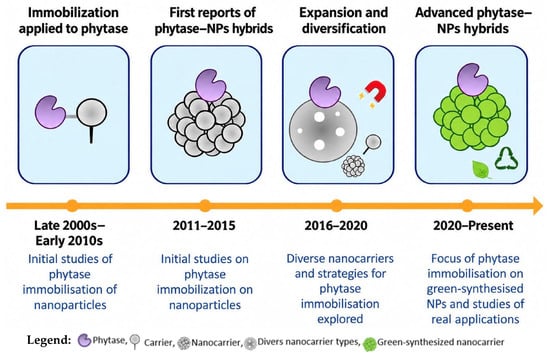
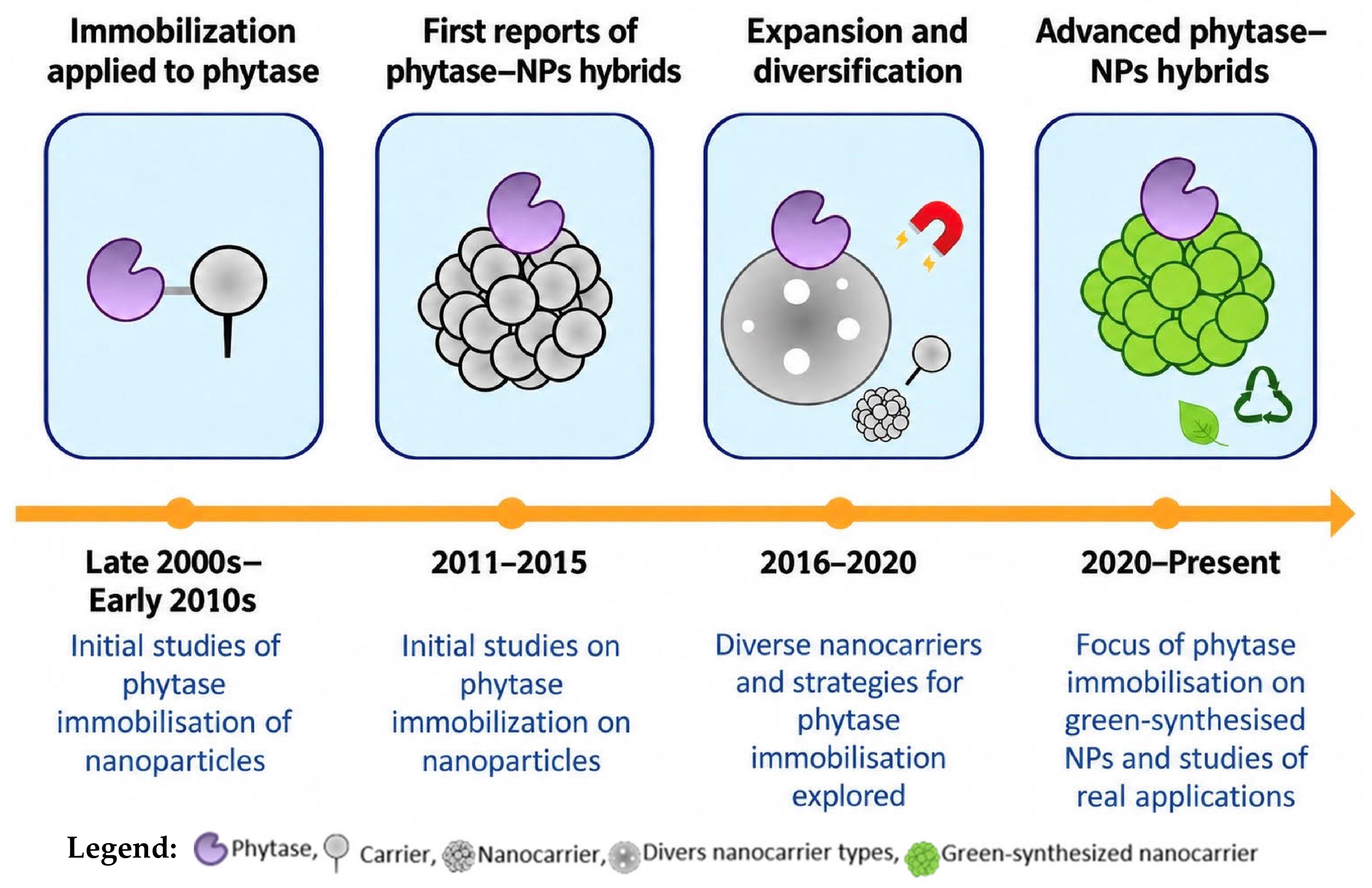
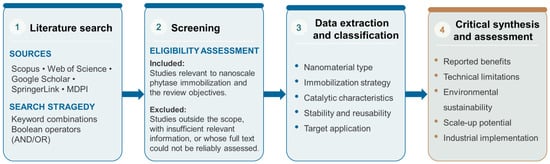
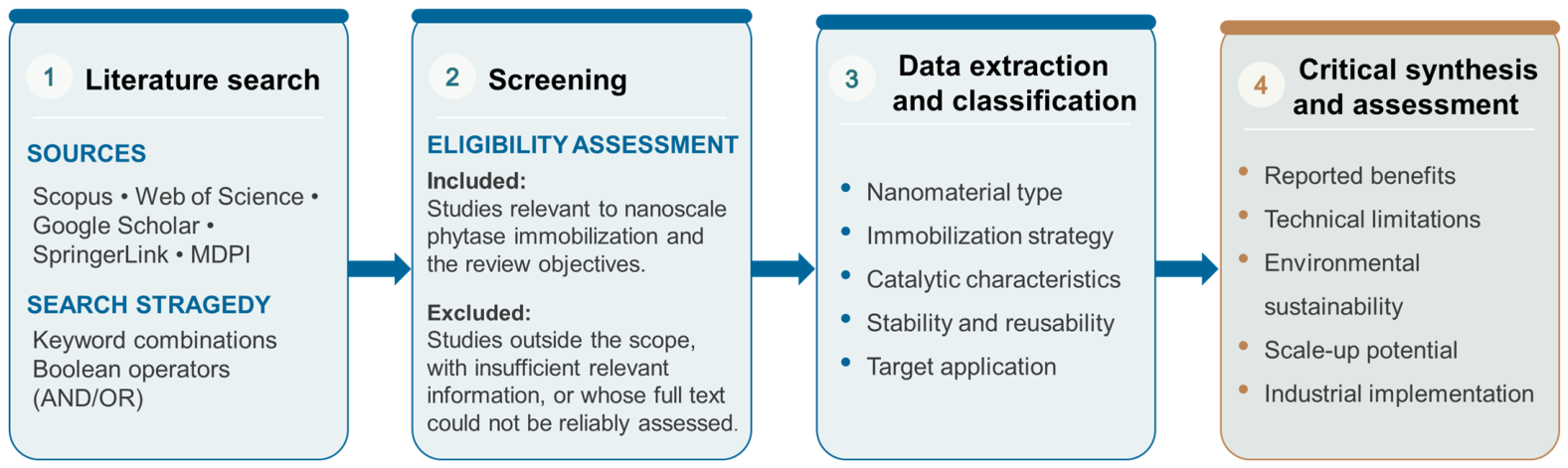
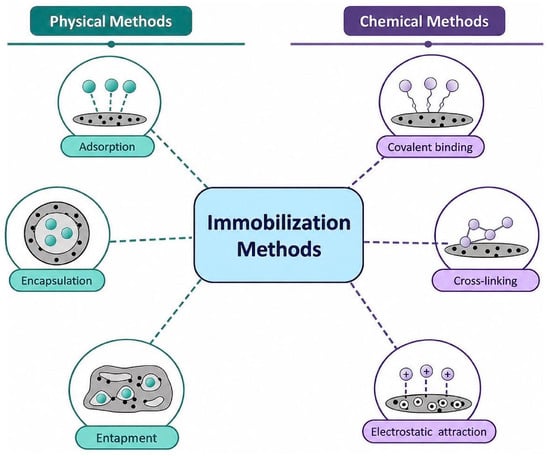
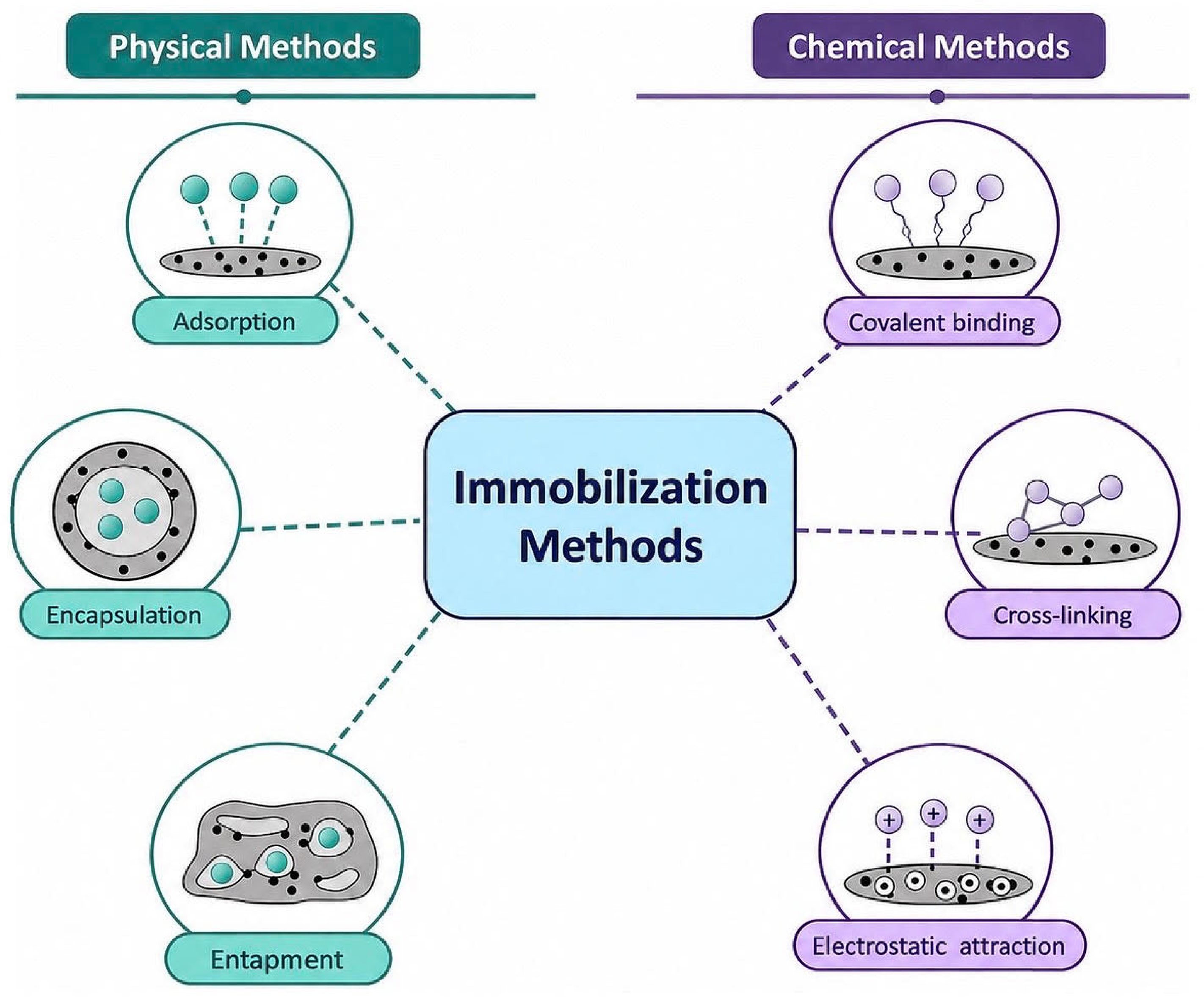
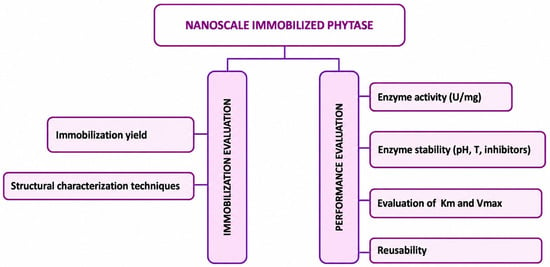
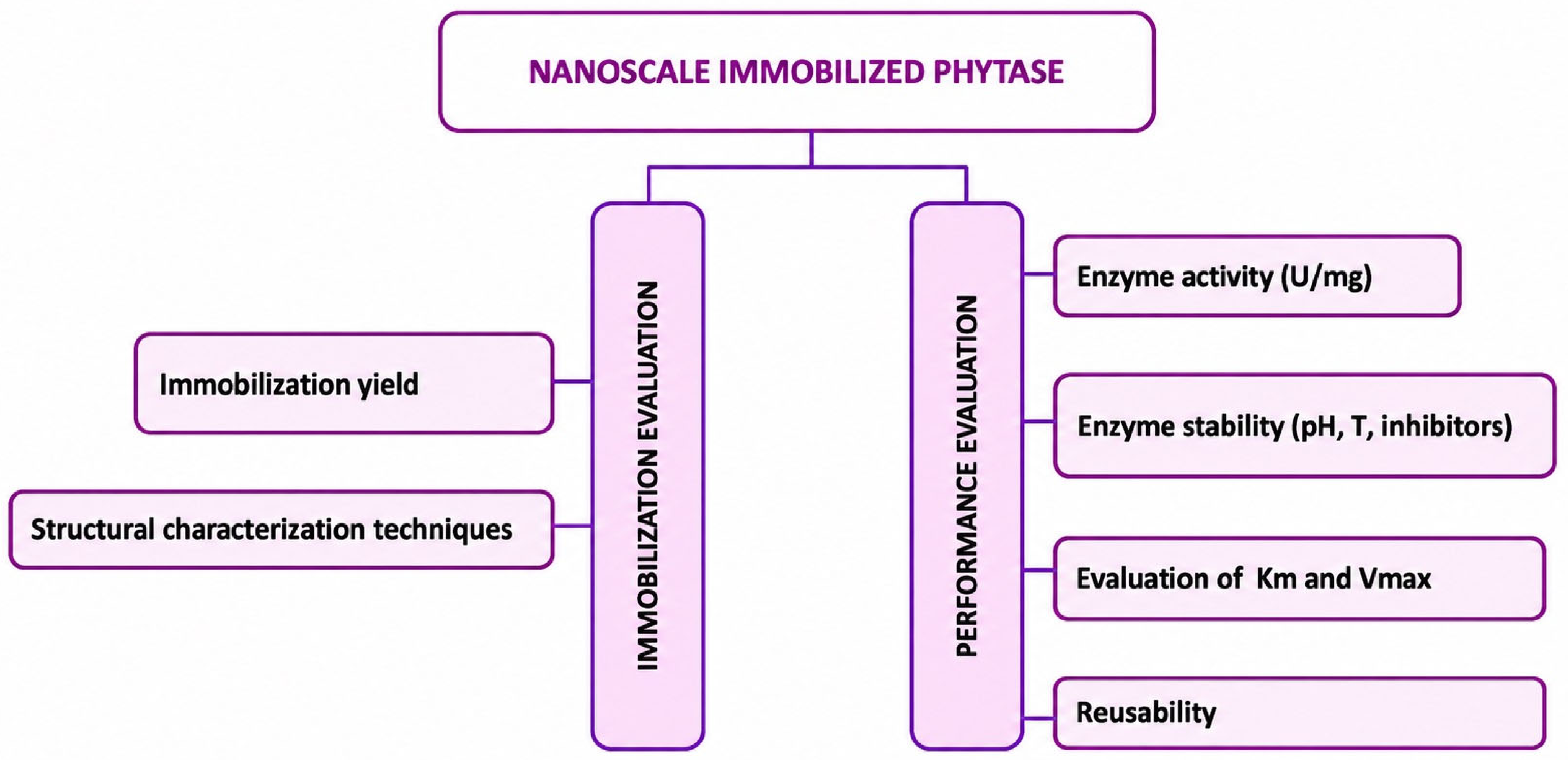
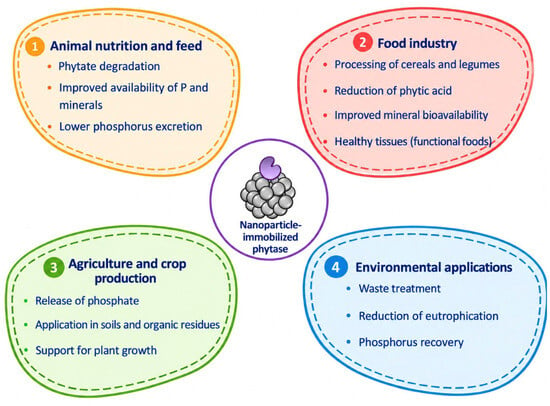
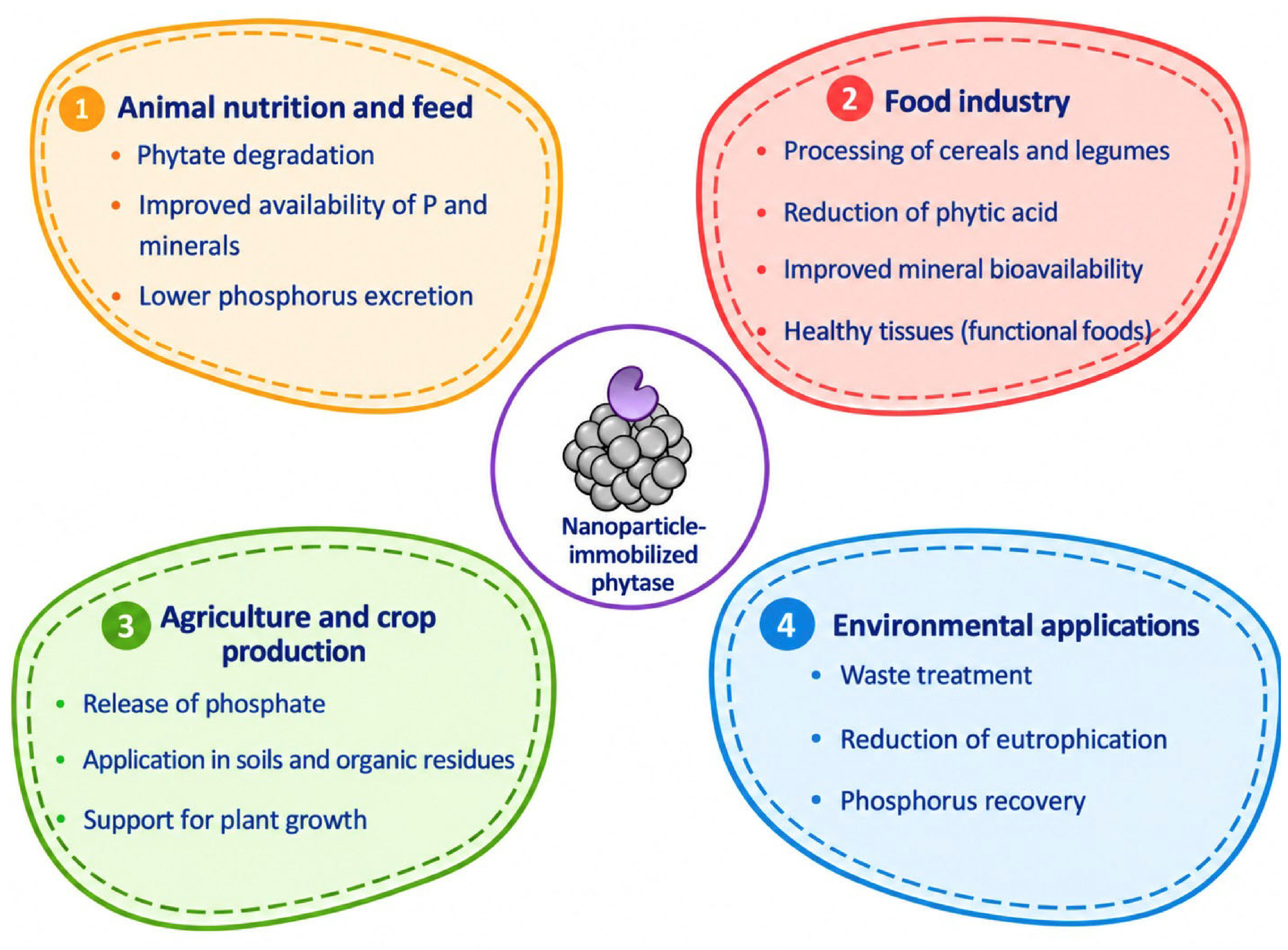

Disclaimer/Publisher’s Note: The statements, opinions and data contained in all publications are solely those of the individual author(s) and contributor(s) and not of MDPI and/or the editor(s). MDPI and/or the editor(s) disclaim responsibility for any injury to people or property resulting from any ideas, methods, instructions or products referred to in the content. |
© 2026 by the authors. Licensee MDPI, Basel, Switzerland. This article is an open access article distributed under the terms and conditions of the Creative Commons Attribution (CC BY) license.