


Abstract
This paper presents a systematic review conducted under the PRISMA (Preferred Reporting Items for Systematic Reviews and Meta-Analyses) framework, analyzing 286 scientific articles focused on vibration-based predictive maintenance strategies for wind turbines within the context of advanced Prognostics and Health Management (PHM). The review combines international standards (ISO 10816, ISO 13373, and IEC 61400) with recent developments in sensing technologies, including piezoelectric accelerometers, microelectromechanical systems (MEMS), and fiber Bragg grating (FBG) sensors. Classical signal processing techniques, such as the Fast Fourier Transform (FFT) and wavelet-based methods, are identified as key preprocessing tools for feature extraction prior to the application of machine-learning-based diagnostic algorithms. Special emphasis is placed on machine learning and deep learning techniques, including Support Vector Machines (SVM), Random Forest (RF), Convolutional Neural Networks (CNN), Long Short-Term Memory networks (LSTM), and autoencoders, as well as on hybrid digital twin architectures that enable accurate Remaining Useful Life (RUL) estimation and support autonomous decision-making processes. The bibliometric and case study analysis covering the period 2020–2025 reveals a strong shift toward multisource data fusion—integrating vibration, acoustic, temperature, and Supervisory Control and Data Acquisition (SCADA) data—and the adoption of cloud-based platforms for real-time monitoring, particularly in offshore wind farms where physical accessibility is constrained. The results indicate that vibration-based predictive maintenance strategies can reduce operation and maintenance costs by more than 20%, extend component service life by up to threefold, and achieve turbine availability levels between 95% and 98%. These outcomes confirm that vibration-driven PHM frameworks represent a fundamental pillar for the development of smart, sustainable, and resilient next-generation wind energy systems.
1. Introduction
Global energy systems are currently under increasing pressure due to the continuous growth in energy demand and the environmental impacts associated with conventional fossil fuel-based generation [1,2,3,4]. Beyond their contribution to greenhouse gas emissions, traditional energy technologies are characterized by elevated operating costs and strong exposure to fuel price volatility. These limitations underline the necessity of transitioning toward energy solutions that simultaneously ensure economic feasibility, environmental responsibility, and long-term operational stability, placing renewed emphasis on improving the performance and durability of energy infrastructure [5,6].
Within this transition, renewable energy sources have gained a central role as viable alternatives for sustainable power generation. Among them, wind energy has emerged as one of the most mature and scalable options, offering clean electricity production with competitive costs at utility scale [2,7,8]. The expansion of wind power contributes not only to carbon emission mitigation and energy security, but also stimulates continuous technological innovation across generation, control, and monitoring systems. As renewable penetration increases worldwide, the operational performance, reliability, and maintenance management of wind power plants have become decisive factors in maximizing their economic and environmental value [9,10].
Wind turbines, which constitute the fundamental conversion units in wind energy systems, operate under highly variable mechanical, structural, and environmental conditions. Their performance is governed by multiple interacting factors, including local wind regimes, blade aerodynamic behavior, generator health, and drivetrain dynamics [11,12]. These technical aspects are intrinsically linked to maintenance practices, since the early identification of faults and timely intervention directly affect power production, turbine availability, and lifecycle costs. Maintenance strategies such as corrective, preventive, predictive, proactive, and autonomous maintenance therefore play a critical role in ensuring reliable operation. The appropriate selection and implementation of these strategies influences component lifespan and significantly impacts the economic performance of wind farms by reducing unexpected shutdowns and improving resource allocation efficiency [13,14,15].
From an economic perspective, turbine reliability and maintenance effectiveness are closely associated with quantitative performance indicators. Operation and Maintenance (O&M) expenses typically represent between 20% and 25% of the Levelized Cost of Energy (LCOE) in modern wind installations [16]. Studies combining preventive and corrective maintenance approaches have reported cost reductions of up to 40%, along with improvements of approximately 1.8 percentage points in production availability when compared to purely corrective strategies [17]. In addition, reliability assessments indicate that scheduled maintenance programs can extend overall turbine lifetime by up to 2.8 times, and the service life of electrical subsystems by up to 3.8 times, relative to systems operating without planned maintenance [18]. These results clearly demonstrate that predictive maintenance strategies are not only cost-effective, but also essential for enhancing turbine availability and long-term operational sustainability.
In this context, the present article provides a comprehensive analysis of maintenance strategies applied to wind turbines, with particular emphasis on the following aspects:
- A systematic and in-depth evaluation of maintenance strategies implemented in wind turbine systems.
- A focused analysis of vibration-based predictive maintenance approaches.
- A comparative review of maintenance methodologies, sensor technologies, signal processing techniques, and Remaining Useful Life (RUL) estimation models.
- An assessment of the economic and operational implications associated with each maintenance strategy.
- An examination of the relationship between turbine performance, maintenance actions, and energy production.
- The development of a framework to support informed decision-making and improve reliability in wind energy systems.
Accordingly, the main objective of this study is to assess the influence of different maintenance strategies on the performance, service life, and economic efficiency of wind turbines, with particular emphasis on vibration-based predictive maintenance and its contribution to optimizing energy production and reducing operational costs in both onshore and offshore wind farms.
This article is organized as follows. Section 1, Introduction, outlines the motivation for improving wind turbine reliability and efficiency through advanced maintenance strategies and reviews the current state of the art in wind energy operation and maintenance. Section 2, Methods, describes the PRISMA-guided methodology adopted for the systematic review, including the search strategy, selection criteria, and synthesis approach applied to vibration-based predictive maintenance studies. Section 3, Results, presents the outcomes of the bibliometric analysis and the qualitative and quantitative synthesis of the reviewed literature, highlighting prevailing techniques, performance indicators, and trends in Remaining Useful Life (RUL) estimation. Section 4, Discussion, critically compares the identified approaches with existing studies, discussing their advantages, limitations, and practical implications for onshore and offshore wind turbines. Finally, Section 5, Conclusions, summarizes the main findings, outlines the contributions of the study, and identifies future research directions for vibration-based predictive maintenance in wind energy systems.
2. Methods
2.1. Methodology
Systematic reviews constitute a rigorous scientific strategy in which previously published primary studies addressing a shared research topic are treated as the fundamental unit of analysis. In the present work, this approach is employed to examine the methods, technologies, and analytical frameworks reported in the literature for vibration-based predictive maintenance of wind turbines, with particular attention given to techniques aimed at Remaining Useful Life (RUL) estimation. The primary goal of this systematic review is to address a clearly defined research question by providing a structured and reliable synthesis of current knowledge, while reducing the influence of selection bias and subjective interpretation. This methodology enables a balanced assessment of the capabilities and limitations of existing approaches within this research field [19,20].
To ensure methodological consistency and transparency, the review process was guided by the PRISMA (Preferred Reporting Items for Systematic Reviews and Meta-Analyses) framework. PRISMA provides a standardized set of reporting guidelines specifically developed to enhance the quality, clarity, and reproducibility of systematic reviews and meta-analyses. It comprises a 27-item checklist that supports comprehensive reporting, together with a flow diagram that visually summarizes the identification, screening, and inclusion of studies throughout the review process. Adopting PRISMA contributes to improved methodological rigor and facilitates transparent communication of the review strategy and outcomes [21,22].
This systematic review was retrospectively registered in the Open Science Framework (OSF) registry under the following reference: Leonardo, F. A. C., & Carrera, L. A. I. (2025, September 18).Vibration-Based Predictive Maintenance for Wind Turbines: A PRISMA-Guided Systematic Review on Methods, Applications, and Remaining Useful Life Prediction. Retrieved from https://osf.io/8w372. The registration of the review protocol ensures transparency, provides public access to the methodological design, and supports the reproducibility of the study. PRISMA 2020 checklist is provided in Supplementary Materials.
The development of this article was based on a detailed and critical examination of the scientific literature related to vibration-based predictive maintenance in wind turbines, with a specific focus on condition monitoring methodologies and RUL estimation strategies. The PRISMA framework was adopted as a guiding reference to guarantee a systematic, transparent, and reproducible review process. The methodological workflow implemented in this study is summarized below:
- Definition of the objective: The scope and aims of the systematic review were clearly established, centering on vibration-based predictive maintenance approaches for wind turbines and addressing the effectiveness of vibration analysis for RUL estimation.
- Development of the review protocol: A structured review protocol was formulated, specifying the research questions, inclusion and exclusion criteria, and analytical procedures applied to studies on vibration-based maintenance.
- Comprehensive literature search: A systematic search was carried out in major scientific databases, including Scopus, IEEE Xplore, and ScienceDirect, to identify publications consistent with the predefined selection criteria.
- Study selection: Retrieved records were screened in successive stages, and eligibility criteria were applied to select studies directly relevant to vibration-based condition monitoring and RUL estimation in wind turbines.
- Data extraction: Relevant information was extracted from the selected publications, including vibration analysis techniques, RUL modeling approaches, and reported applications in both onshore and offshore wind turbines.
- Quality assessment: The methodological quality of the included studies and the potential risk of bias were evaluated using appropriate assessment tools.
- Data analysis: Extracted data were analyzed with emphasis on the performance, accuracy, and practical effectiveness of vibration-based RUL prediction techniques.
- Interpretation of results: The synthesized findings were interpreted in relation to existing literature, allowing the identification of dominant trends, methodological limitations, and open research challenges in wind turbine predictive maintenance.
2.2. Synthesis Methods
In accordance with the PRISMA 2020 recommendations, explicit synthesis procedures were applied to ensure transparency and reproducibility. Eligibility of studies for each synthesis stage was determined by organizing methodological characteristics and intervention attributes into structured tables and comparing them against predefined groupings. Prior to synthesis, data preparation involved harmonizing measurement units, addressing missing values when possible, and transforming variables into comparable formats. The outcomes of individual studies were summarized in tabular form and complemented with visual representations to facilitate interpretation.
Given the methodological and contextual heterogeneity observed across the selected studies, a narrative synthesis approach was primarily adopted. When quantitative information was sufficiently consistent, summary statistics were calculated and heterogeneity was evaluated using standard indicators such as and . In addition, subgroup analyses were performed to explore potential sources of variability, while sensitivity analyses were conducted to assess the robustness of the synthesized results. These steps ensured methodological rigor and compliance with PRISMA reporting standards.
2.3. Criteria for Selection and Exclusion of Research
Conducting a systematic review requires strict adherence to predefined methodological criteria to guarantee the reliability and validity of the results. Such studies demand objectivity and rigor in both qualitative and quantitative analyses, supported by methodological tools that allow effective data integration and critical appraisal of individual contributions.
Despite their widespread use, the quality of systematic reviews can vary significantly, particularly when methodological rigor is insufficient. Although these studies have the potential to generate high-impact insights, inadequate protocol definition may compromise their credibility. Consequently, the establishment of a transparent and well-defined protocol is essential to ensure the robustness of the review process.
In the present study, the following exclusion criteria were applied:
- Keyword definition: Core keywords were identified through an initial screening of relevant literature, focusing on vibration analysis, condition monitoring, predictive maintenance, and Remaining Useful Life (RUL) in wind turbines.
- Temporal limitation: Only studies published from 2020 onward were considered.
- Scope restriction: Publications appearing in journals outside the primary research domains related to vibration-based monitoring and maintenance of wind turbines were excluded.
- Technical exclusions: Studies centered on simulation-based methods, artificial intelligence, machine learning algorithms, or software-oriented approaches were excluded, as these may not fully represent real operational conditions.
- Topic relevance: Articles addressing wind energy or power systems without a direct link to vibration-based predictive maintenance were excluded during preliminary screening.
- Final search string:
- TITLE-ABS-KEY (“vibration analysis” OR “condition monitoring” OR “predictive maintenance” OR “remaining useful life” OR “RUL”) AND TITLE-ABS-KEY (“wind turbine” OR “aerogenerator”) AND PUBYEAR > 2020 AND (EXCLUDE (SRCTYPE,“p”) OR EXCLUDE (SRCTYPE,“k”) OR EXCLUDE (SRCTYPE,“d”)) AND (LIMIT-TO (DOCTYPE,“ar”)) AND (LIMIT-TO (LANGUAGE,“English”)) AND (EXCLUDE (SUBJAREA,“MEDI”) OR EXCLUDE (SUBJAREA,“NEUR”) OR EXCLUDE (SUBJAREA,“SOCI”) OR EXCLUDE (SUBJAREA,“DECI”) OR EXCLUDE (SUBJAREA,“COMP”) OR EXCLUDE (SUBJAREA,“BIOC”) OR EXCLUDE (SUBJAREA,“EART”) OR EXCLUDE (SUBJAREA,“PHYS”) OR EXCLUDE (SUBJAREA,“MATE”) OR EXCLUDE (SUBJAREA,“CHEM”) OR EXCLUDE (SUBJAREA,“ENVI ”) OR EXCLUDE (SUBJAREA,“CENG”) OR EXCLUDE (SUBJAREA,“MATH”)) AND (EXCLUDE (EXACTKEYWORD,“Classification (of Information)”) OR EXCLUDE (EXACTKEYWORD,“Computer Simulation”) OR EXCLUDE (EXACTKEYWORD,“Brain”) OR EXCLUDE (EXACTKEYWORD,“Errors”) OR EXCLUDE (EXACTKEYWORD,“Data Acquisition”) OR EXCLUDE (EXACTKEYWORD,“Deep Learning”) OR EXCLUDE (EXACTKEYWORD,“Piles”) OR EXCLUDE (EXACTKEYWORD,“Data Mining”) OR EXCLUDE (EXACTKEYWORD,“Data Set”))
2.4. Analysis Guide for Systematic Review
The analytical framework adopted in this study incorporates a set of interrelated factors that influence wind turbine efficiency and operational performance within the context of vibration-based predictive maintenance. From a technological perspective, the structural configuration and material properties of key components—including blades, gearboxes, and generators—play a critical role in system behavior. At the same time, advanced sensing technologies such as accelerometers and vibration sensors are essential for continuous condition monitoring, enabling early fault detection and supporting more accurate RUL estimation.
Recent advances in condition monitoring architectures, real-time data acquisition systems, and fault diagnosis algorithms have contributed to improved turbine reliability and operational robustness. The increasing integration of vibration-based analysis with machine learning and artificial intelligence techniques has further enhanced the ability to anticipate failures and optimize maintenance scheduling, thereby reducing unplanned downtime and improving operational efficiency.
Beyond monitoring technologies, design and installation parameters—such as rotor configuration, turbine placement, and grid integration—also exert a significant influence on performance. Operational practices, including coordinated predictive and corrective maintenance strategies, are equally important for ensuring long-term durability and sustained energy output.
Emerging research directions emphasize the incorporation of digital twin concepts, hybrid modeling approaches, and energy storage solutions. These developments offer promising opportunities to enhance both efficiency and sustainability in wind energy systems. Collectively, these trends highlight the central role of predictive maintenance in achieving reliable and cost-effective wind turbine operation, as illustrated in Figure 1.
Figure 1.
Flow chart of the selection process and exclusion of articles in the literature review.
2.5. Considerations for Vibration-Based Predictive Maintenance of Wind Turbines
To further refine the body of literature, additional exclusion rules were applied to filter publications related to vibration-based predictive maintenance in wind turbines. Topics not directly aligned with the scope of this review—such as artificial intelligence, economic evaluation, and purely simulation-based studies—were excluded. Moreover, document types including review articles, book chapters, and conference proceedings were filtered using the DOCTYPE criterion. Publications containing non-relevant keywords such as “MATLAB (version R2025a),” “Wind Power,” and “Economic Analysis” were also removed using the EXACTKEYWORD filter. These measures ensured that the final corpus was tightly focused on vibration-based predictive maintenance and RUL estimation.
Environmental and design-related factors further influence the effectiveness of vibration-based maintenance strategies. Reliable turbine operation requires consideration of how vibration signatures, thermal variations, and environmental contaminants affect component health and RUL prediction accuracy. This subsection addresses key environmental aspects such as turbine location, rotor design, and exposure to extreme operating conditions, together with critical design and installation considerations including sensor placement, real-time monitoring infrastructure, and predictive algorithm implementation. Taken together, these elements provide a comprehensive view of the variables shaping the performance of vibration-based predictive maintenance approaches.
Figure 2 illustrates the evolution of the bibliometric network at different levels of analysis. Figure 2a presents the conceptual relationship network, highlighting dominant terms related to vibration-based predictive maintenance in wind turbines, such as vibration sensors, fault detection, RUL estimation, and maintenance strategies. The role of external influences, including environmental conditions and turbine components, is also reflected.
Figure 2.
Bibliometric analysis networks: Vibration-Based Predictive Maintenance for Wind Turbines; (a) Relationship network and (b) Overlap network and years.
Figure 2b shows the temporal overlap of keywords, grouped by publication year, revealing the thematic evolution of the research field. A clear trend can be observed toward the increasing application of advanced algorithms for fault diagnosis, predictive maintenance, and RUL optimization.
2.6. Fundamental Equations for Wind Turbine Maintenance
Ensuring reliable operation and economic sustainability in wind energy systems requires a quantitative framework capable of describing turbine performance under real operating conditions. Wind turbines are exposed to harsh environmental loads as well as mechanical and electrical failures, which can degrade efficiency and increase both operational and levelized energy costs. For this reason, validated mathematical formulations are essential to accurately describe indicators such as availability, reliability, fatigue degradation, and energy efficiency [23,24,25].
The reliability of wind turbines is commonly evaluated using time-based indicators. The mean time between failures (MTBF) represents the average operating interval between two consecutive failures and is calculated using the following expression (Equation (1)) [23,26]:
2.6.1. Mean Time Between Failures (MTBF)
Energy-related performance is frequently assessed through availability indicators. Production-based availability compares the actual electrical energy generated by a turbine with the maximum theoretically achievable output under identical wind conditions and is defined using the following expression (Equation (2)) [23]:
2.6.2. Energy Availability
Another important parameter for evaluating wind turbine utilization is the capacity factor, which relates the long-term average power output to the nominal rated power of the turbine. This indicator is obtained using the following expression (Equation (3)) [23,27]:
2.6.3. Capacity Factor
The mechanical condition of wind turbine components is commonly monitored using vibration-based indicators. Among these, the root mean square (RMS) value is widely applied to quantify the effective vibration amplitude of rotating elements and is calculated using the following expression (Equation (4)) [28,29,30]:
2.6.4. Vibration Indicators (RMS)
From an economic standpoint, maintenance planning requires indicators that balance preventive and corrective actions. In reliability-centered maintenance approaches, the total expected maintenance cost is commonly used and is expressed using the following formulation (Equation (5)) [31,32]:
2.6.5. Total Expected Cost (TEC)
Fatigue degradation represents a dominant failure mechanism in wind turbine structures, particularly in blades and other load-bearing components. The cumulative damage caused by cyclic loading is commonly evaluated using the Palmgren–Miner linear damage rule, which is defined by the following expression (Equation (6)) [33,34]:
2.6.6. Fatigue Damage (Palmgren–Miner Rule)
For composite materials widely used in wind turbine blades, fatigue life is often described using a power-law relationship between the applied stress and the number of cycles to failure, as given by the following expression (Equation (7)) [33,35]:
When the influence of material defects is considered, the fatigue life model is modified through a reduction factor, leading to the adjusted formulation shown in the following expression (Equation (8)) [33,36]:
3. Results
3.1. Fundamentals of Vibration Monitoring
Vibrations in wind turbines are the result of the complex interaction between airflow, the structural response of the components, and operating conditions (Figure 3). These vibrations are specifically referred to as Flow-Induced Vibrations (FIVs), which arise from the coupling between unsteady aerodynamic loads, the structural dynamics of blades, hubs, towers, and foundations, and the drivetrain [37,38,39]. This coupling is further intensified by environmental excitations such as turbulent wind and wave loading in offshore systems, as well as by operational factors related to control strategies (start-ups, shutdowns, yaw, and pitch). The progressive increase in the size and flexibility of wind turbines has amplified these interactions, raising the risk of structural resonance and fatigue damage, with a direct impact on the efficiency, reliability, and service life of wind turbines [40,41].
Figure 3.
Principles of vibration generation in wind turbines.
3.2. Principles of Vibration Generation in Wind Turbines
The main sources of vibration include aerodynamic, structural, mechanical, and electromechanical excitations. Among the aerodynamic mechanisms, the most significant are:
3.3. General Framework
Aerodynamic excitations arise from non-uniform inflow, rotor tower interaction, and angle-of-attack dynamics; they typically appear tied to blade-passing orders (1P, 3P), modulating thrust and torque and often energizing low-frequency bands [42,43].
Structural excitations occur when load harmonics approach natural frequencies of tower, nacelle, or blades, promoting resonant amplification via aeroelastic couplings; foundation–soil stiffness and operational conditions further modulate damping and amplification [44,45].
Mechanical excitations originate in the drivetrain (mass unbalance, shaft misalignment, gear meshing, and rolling-element bearing faults) producing order-related and meshing tones, as well as high-frequency demodulated content as defects evolve [46,47].
Mass Imbalance Non-uniform rotor–hub mass distribution (repairs, ice accretion, tolerances) produces a centrifugal force that strongly excites the rotor order (1P) and its harmonics, with a phase that remains coherent across nacelle and tower-top sensors. Diagnosis relies on order tracking, phase coherence vs. speed, and correlation with SCADA when needed. Field balancing is the primary mitigation. ISO 10816-21 (Mechanical vibration—Evaluation of machine vibration by measurements on non-rotating parts—Part 21: Horizontal axis wind turbines with gearbox. International Organization for Standardization: Geneva, Switzerland, 2015.) provides severity criteria to evaluate 1P levels on non-rotating parts of wind turbines [48,49].
Electromechanical excitations stem from the generator and power electronics (torque ripple, magnetic eccentricity, converter harmonics) and couple back into the mechanical domain; their identification benefits from correlating electrical and vibration measurements [50].
Vortex-Induced Vibrations (VIV) (Figure 4) occur when alternating vortex shedding behind the blade or tower coincides with the structure’s natural frequency, creating a lock-in condition that amplifies vibration and accelerates fatigue [51,52,53].
Figure 4.
Vortex-Induced Vibrations (VIV) generated by alternate vortex shedding, leading to lock-in conditions and fatigue acceleration.
Aerodynamic Imbalance
Load asymmetries across blades (caused by per-blade pitch offsets, profile/surface degradation, or persistent yaw error) lead to unequal lift and moment, periodically exciting low-frequency orders (notably 1P and sometimes 3P) and torque modulation. The typical signature comprises a 1P peak whose amplitude correlates with operating variables (wind speed, yaw error, per-blade pitch); phase patterns differ from mass imbalance. Field alignment (pitch/yaw), surface restoration, and periodic verification of pitch actuators mitigate severity [54,55].
Stall-Induced Vibrations (SIV): (Figure 5) arise near or beyond the stall angle, generating large-scale flow separation and low-frequency oscillations that induce cyclic loads on blades and hubs [56,57,58].
Figure 5.
Stall-Induced Vibrations (SIV) due to large-scale flow separation near or beyond stall angle, producing low-frequency oscillations.
Aeroelastic Flutter: (Figure 6) results from the coupling of bending and torsional modes in long, lightweight blades, potentially causing destructive oscillations at high wind speeds [59,60,61].
Figure 6.
Aeroelastic flutter in long, lightweight blades caused by coupling between bending and torsion, leading to divergent oscillations at high wind speeds.
Galloping: (Figure 7) characterized by large-amplitude, low-frequency oscillations induced by negative aerodynamic damping, often triggered by flow asymmetries or structural deformations [62,63].
Figure 7.
Galloping phenomenon characterized by large-amplitude, low-frequency oscillations induced by negative aerodynamic damping.
Wake and Tower Shadow-Induced Vibrations: produced by the periodic interaction of blades with the turbulent wake of the rotor or the shadow effect of the tower, exciting structural modes [64,65,66,67].
Additionally, non-stationary aerodynamic excitations such as gusts, wind shear gradients, transitions in and out of turbulent cells, and dynamic stall cause lift and drag fluctuations that energize low-frequency bands associated with the blade-passing frequencies, namely 1P (once per revolution) and 3P (three times per revolution for a three-bladed rotor) [68,69,70,71].
3.4. Detectable Failure Modes
Detectable failure modes through vibration monitoring fall into three categories: mechanical, structural, and electrical.
3.4.1. Mechanical
Haft misalignment and looseness are reflected in an increase in the amplitude of the 1X component (vibration at the rotational frequency) and its harmonics; gear fatigue and wear appear in meshing frequencies and sidebands; and bearing faults produce impulsive signals, subharmonics, and broadening of frequency bands, particularly under spalling or frictional wear. Combined vibration, temperature, and oil debris analysis enhances early detection even when characteristic frequencies are not yet prominent [72,73,74,75].
3.4.2. Structural
Vibrations accelerate fatigue in critical blade zones (root, leading edge), leading to microcrack initiation, propagation, and eventual delamination. Environmental factors such as moisture, UV radiation, and thermal cycles degrade the resin matrix, promoting erosion and shortening service life [76,77]. Structural Health Monitoring (SHM) using strain gauges, piezoelectric sensors, and fiber Bragg gratings enables early detection of microcracks and delamination. At the same time, Non-Destructive Testing (NDT) techniques such as ultrasonics, thermography, and Phased Array Ultrasonic Testing (PAUT)—an advanced ultrasonic method that uses multiple transducer elements to electronically steer, focus, and scan beams through the material—allow the identification of internal defects with higher resolution. Drone inspections further improve detection efficiency in leading edges and bonded joints [78,79,80].
3.4.3. Electrical
Generator faults, whether in Doubly Fed Induction Generators (DFIG) or Permanent Magnet Synchronous Generators (PMSG), manifest as vibration harmonics near twice the line frequency (2·f) and as combined components with rotor speed, often associated with progressive electrical deterioration. Differentiating between electrical and mechanical signatures requires long-term trend monitoring and complementary motor current signature analysis (MCSA) [81,82].
Integrated analysis shows that vibrations play a critical role in fault progression: in blades, they lead from microcracks to delamination; in drivetrains, they manifest as harmonic growth, meshing sidebands, or impulsivity; and in generators, as electrical harmonics that must be distinguished from hydraulic or mechanical sources [83,84]. Finally, differences between horizontal-axis wind turbines (HAWTs) and vertical-axis wind turbines (VAWTs) are notable. HAWTs concentrate vibrational stresses on the tower and blades, with higher resonance risks due to height and nacelle mass. In contrast, VAWTs experience biaxial load cycles per revolution, increasing high-cycle fatigue and making unsteady-flow-induced vibrations more critical [85,86,87,88].
3.5. Applicable Standards (ISO 10816, ISO 13373, IEC 61400)
Nowadays, it is essential to consider international standards in vibration monitoring to ensure safety, reliability, and efficiency in wind turbine operation. These standards not only establish criteria for measurement and diagnostics but also allow for the comparison of results across different systems, the definition of severity limits, and the support of predictive maintenance strategies [11,89].
In this context, the ISO 10816-21 (Mechanical vibration—Evaluation of machine vibration by measurements on non-rotating parts—Part 21: Horizontal axis wind turbines with gearbox; International Organization for Standardization: Geneva, Switzerland, 2015) standard sets out the general requirements for the evaluation of vibrations in machines through measurements on non-rotating parts, serving as an initial criterion for online monitoring and severity classification [90,91,92]. Meanwhile, ISO 13373 (Condition monitoring and diagnostics of machines—Vibration condition monitoring; International Organization for Standardization: Geneva, Switzerland, 2015) defines procedures for signal acquisition and analysis, as well as the correlation of vibration patterns with specific failure modes [89,91,93]. The IEC 61400 [67] (Wind energy generation systems; International Electrotechnical Commission: Geneva, Switzerland, 2019) standard is the primary reference for wind turbine design and operation, covering aspects related to dynamic loads, structural safety, and service life under extreme wind conditions [94,95,96].
Given the relevance of these standards, the following table presents a comparative summary of their main characteristics (Table 1):
Table 1.
Comparative summary of ISO 10816, ISO 13373, and IEC 61400 standards.
3.6. Measurement Technologies
Condition monitoring of heavy machinery, such as wind turbines, is essential to ensure continuous operation, optimize maintenance, and reduce operating costs. Recent advances in the use of vibration sensors, particularly piezoelectric accelerometers and MEMS, in the context of condition monitoring for failure prediction in wind turbines [102,103].
Predictive maintenance is a key strategy in modern industrial maintenance, especially in the monitoring of heavy equipment. Its main objective is to predict potential failures before they occur, based on the analysis of real-time data [104,105,106,107]. In this regard, vibration sensors play a crucial role in collecting the data necessary to assess the condition of machinery and foresee imminent failures. Accelerometers, such as piezoelectric and MEMS, are the most widely used technologies for vibration data collection due to their high precision and adaptability in various industrial applications [108,109].
3.7. Piezoelectric Accelerometers and MEMS
Piezoelectric accelerometers, which generate an electrical charge in response to mechanical vibrations, are known for their high sensitivity, particularly at high frequencies [110,111]. These sensors are commonly used in systems where a quick response to vibration changes is required. However, they have limitations in accuracy when measuring low-frequency vibrations [112,113,114,115].
On the other hand, MEMS (Micro Electro Mechanical Systems) accelerometers are smaller, more affordable, and suitable for integration into compact systems. They perform better at low frequencies and are capable of detecting quasi-static accelerations, although they generally exhibit higher noise levels at high frequencies [103,116,117,118].
The interpretation of data obtained from accelerometers is crucial for detecting potential anomalies in machinery. Among the most commonly used methods for processing vibration data are the Fast Fourier Transform (FFT), which allows vibration signals to be converted from the time domain to the frequency domain, and wavelet analysis. Additionally, machine learning has emerged as a powerful tool for analyzing patterns in the data and predicting failures before they occur [119,120,121,122].
3.7.1. Piezoelectric Accelerometers
Piezoelectric accelerometers operate based on the piezoelectric effect, in which specific crystalline materials generate an electric charge when subjected to mechanical stress such as vibration. The generated charge is proportional to the applied force, enabling high-sensitivity vibration measurements, particularly at medium and high frequencies [110,111,123,124,125].
A common configuration is the uniaxial piezoelectric accelerometer, designed to measure vibrations in a single direction. For instance, the Endevco 751-10, as used by Michalak et al. (2021) [126], is a lightweight, cost-effective sensor with integrated electronics that facilitates its use in compact structural monitoring systems [127].
3.7.2. Wired and Wireless Accelerometers
The terms “wired and wireless” refer to the communication mechanisms of the accelerometers, not the underlying detection technology. Both wired and wireless accelerometers employ various detection methods, such as piezoelectric and MEMS [128,129,130]. Wireless accelerometers provide greater flexibility by eliminating the need for physical connections, facilitating their deployment in mobile or hard-to-reach equipment. Zanelli et al. (2020) and Wang et al. (2021) demonstrated the effectiveness of wireless accelerometers in condition monitoring systems, integrating vibration sensors into industrial systems without compromising precision [131,132].
3.7.3. Acoustic Emission Transducers
Acoustic emission transducers are sensors that capture acoustic signals emitted by materials during deformation or stress. These sensors are used to indirectly monitor vibrations by generating acoustic waves [133,134,135,136]. Although they do not directly measure vibrations, they are useful for detecting structural issues through fluctuations in acoustic waves. Marticorena et al. (2022) used acoustic emission transducers to record vibration data in their machinery studies [103,137].
3.7.4. MEMS Accelerometers
MEMS accelerometers (Micro Electro Mechanical Systems) are small-scale vibration sensors manufactured using microfabrication processes. These sensors are particularly useful in applications requiring compact, low-cost devices [138,139,140]. MEMS accelerometers enable vibration monitoring along one or more axes, with adequate precision for many industrial applications. Sharma et al. (2021) studied a dual-channel MEMS accelerometer, which monitors vibrations along two axes simultaneously, enhancing the ability to detect anomalies in complex systems [141,142].
3.7.5. Uniaxial Stud Mounted Accelerometer
Uniaxial stud-mounted accelerometers use piezoelectric or piezoresistive sensors to record acceleration along a single axis [143,144]. These devices are essential when monitoring specific vibrations in a single plane or direction. Chesnes et al. (2021) used this type of accelerometer in their machine monitoring studies, highlighting its effectiveness in applications requiring precise measurement in a specific direction [103,145].
3.7.6. Magnetic Triaxial Accelerometer
Magnetic triaxial accelerometers are capable of measuring acceleration along three axes simultaneously using magnetic sensing technology [146,147,148]. This type of accelerometer is useful for systems requiring monitoring in three dimensions. Chesnes et al. (2021) employed magnetic triaxial accelerometers to analyze vibrations in machinery systems, allowing for more comprehensive and detailed data on the dynamic behavior of the equipment [145].
3.7.7. CTC Accelerometers
Capacitive transduction accelerometers (CTC) monitor acceleration through changes in capacitance [149,150,151]. This type of sensor has proven useful in studies requiring high precision in vibration measurement. Lu et al. (2021) used a CTC accelerometer in their research, demonstrating the efficiency of this device in monitoring industrial machinery conditions [152].
3.8. Optical (FBG) and Acoustic Sensors
Condition monitoring of industrial equipment is crucial to ensure efficient operation and prevent failures. Sensors play a key role in data collection for assessing system health [153,154,155]. In this context, FBG Optical Sensors (Fiber Bragg Grating) and Acoustic Sensors have proven to be promising technologies due to their unique measurement characteristics, such as high sensitivity, adaptability to complex environments, and the ability to perform remote monitoring [152].
3.8.1. FBG Optical Sensors (Fiber Bragg Grating)
FBG optical sensors are one of the most advanced technologies for measuring strain and stress in structures. These sensors rely on the principle of optical interference, where a light wave passing through an optical fiber is reflected at a specific wavelength, which is altered by any changes in the physical properties (such as stress or temperature) of the fiber [156,157]. FBG sensors allow for precise monitoring of structural deformations in components such as wind turbines and other industrial equipment [158,159].
According to Liu et al. (2023) [160], FBG sensors offer several advantages over traditional technologies, such as accelerometers. These advantages include immunity to electromagnetic interference, high sensitivity, and the ability to take measurements in high-temperature and harsh environments. Additionally, FBG sensors can be installed over long distances without losing accuracy, making them ideal for monitoring complex structures like wind turbines, bridges, and transmission lines, among others [161].
The ability of FBG sensors to measure multiple parameters through a single optical fiber is another standout feature that makes them an efficient solution for monitoring several locations simultaneously without the need for multiple cables. This not only reduces installation costs but also simplifies maintenance and enhances the system’s reliability [162].
3.8.2. Acoustic Sensors
Acoustic sensors are used to detect sound emissions generated during the operation of machinery, which often serve as indicators of faults or defects in mechanical components. These sensors can detect changes in acoustic frequencies and patterns that arise from issues such as bearing wear, gear failures, or misalignment [163,164,165].
According to [103,166,167], acoustic sensors can serve as an effective alternative or complement to traditional vibration sensors, as they are capable of detecting early-stage fault signals often before other monitoring methods can identify problems. These sensors can capture the specific frequencies emitted by mechanical faults, and analyzing these acoustic signals can help pinpoint the precise location of the issue in systems such as wind turbines and industrial compressors [168].
The main advantage of acoustic sensors lies in their ability to provide non-intrusive monitoring, allowing for continuous assessment of equipment condition without interfering with regular operation. They are particularly valuable in applications where environmental noise could compromise vibration measurements, offering a reliable alternative for fault diagnosis [169,170,171].
3.8.3. Combined Applications of FBG and Acoustic Sensors
In many advanced monitoring systems, FBG sensors are combined with acoustic sensors to provide a more comprehensive view of machinery condition. FBG sensors offer precise measurements of strain and temperature, while acoustic sensors deliver information on mechanical defects and contact faults [172].
An example of this approach is presented in the study by Liu et al. (2023) [160], where both types of sensors were integrated for real-time monitoring of a wind turbine drivetrain system. This combination enabled a more accurate assessment of structural integrity and operational condition of the components, enhancing fault prediction capabilities and optimizing maintenance interventions [173].
3.9. Data Acquisition Systems: Wired vs. Wireless for Wind Turbines
In modern wind turbine monitoring, data acquisition systems (DAQs) are crucial for collecting, transmitting, and analyzing operational data. These systems record key parameters such as vibration, temperature, rotational speed, and strain to assess the health of turbine components. Choosing between wired and wireless DAQ systems depends on several factors, including installation complexity, environmental conditions, data reliability, and maintenance requirements [130,174,175,176].
3.9.1. Wired Data Acquisition Systems
Wired DAQ systems use physical connections, typically cables, to transmit sensor data directly to a centralized processing unit. These systems offer several advantages [177]:
- High reliability and stability: Direct connections minimize electromagnetic interference and environmental noise.
- High sampling rates: Wired systems can support high-frequency measurements, which are essential to capture fast dynamic phenomena such as gearbox vibrations and blade oscillations.
- Data integrity: Continuous physical connections reduce the risk of missing data during long-term monitoring.
However, wired systems also have limitations in wind turbine applications [178]:
- Installation complexity: Routing cables through the rotor, nacelle, or tower involves significant logistical effort and associated costs.
- Maintenance difficulties: Detecting and replacing faulty cables can be challenging, especially in offshore wind turbines.
- Limited flexibility: Wired systems hinder sensor relocation or the addition of new devices after the initial installation.
3.9.2. Wireless Data Acquisition Systems
Wireless DAQ systems transmit sensor data using radio frequency (RF), Wi-Fi, or other wireless protocols, eliminating the need for physical cabling. The main advantages include [179]:
- Ease of installation: Sensors can be placed in hard-to-reach locations without additional infrastructure.
- Flexibility and scalability: It is possible to add or reposition sensors as needed for extended monitoring or experimental setups.
- Reduced mechanical wear: The absence of cables decreases the risk of mechanical damage caused by vibrations or rotor movement.
However, wireless systems also face challenges [180]:
- Signal interference: Wireless transmissions can be affected by electromagnetic interference or adverse environmental conditions, especially in offshore wind farms.
- Bandwidth limitations: High-frequency vibration measurements generate large data volumes, which may exceed the transmission capacity of wireless systems.
- Power dependency: Sensors often rely on batteries or energy-harvesting modules, requiring careful management to maintain continuous monitoring.
3.9.3. Applications in Wind Turbine Monitoring
The choice between wired and wireless systems depends on the application [181]:
- Nacelle and gearbox monitoring: Wired systems are preferred for high-frequency measurements, such as gearbox vibrations and bearing monitoring.
- Blade and tower monitoring: Wireless sensors are more suitable for distributed measurements along blades or towers, where cabling would be impractical or expensive.
Some studies have proposed hybrid approaches, combining the reliability of wired systems for high-priority signals with the flexibility of wireless systems for distributed measurements, optimizing monitoring efficiency and predictive maintenance capabilities [182].
3.10. Considerations for Offshore Environments in Wind Turbines
The development and operation of wind turbines in offshore environments present challenges that are significantly different from onshore installations. Extreme environmental conditions, including high humidity, salt exposure, intense and turbulent winds, and wave-induced motion, necessitate specific technical and logistical considerations for turbine design, monitoring, and maintenance (Li et al., 2023; Wang et al., 2023) [103,183,184]. These factors influence the selection of materials and sensors, as well as the design of data acquisition systems and predictive maintenance strategies [185,186,187,188].
3.10.1. Environmental Conditions and Operational Effects
Offshore wind turbines are subjected to:
- High salinity and corrosion: Exposure to seawater accelerates corrosion in metallic components, particularly in blades, towers, and drivetrain systems. This requires the use of corrosion-resistant materials and specialized protective coatings [189].
- Constant and turbulent wind: Offshore turbines experience higher wind speeds and greater variability compared to onshore sites, necessitating dynamic blade control and robust load monitoring systems to prevent structural failures.
- Wave-induced loads and vibrations: Floating or fixed offshore platforms must withstand wave forces and platform motion, introducing additional structural loads and vibrations that must be continuously monitored using advanced sensors such as accelerometers and Fiber Bragg Grating (FBG) sensors [190].
3.10.2. Sensor Selection and Protection
In offshore environments, sensors must operate reliably under harsh conditions:
- Protection against moisture and salinity: All sensors must include encapsulation and coatings resistant to seawater and condensation [191].
- Vibration and strain sensors: Robust sensors, including piezoelectric accelerometers and FBG sensors, are recommended for monitoring vibrations and strain induced by waves and wind [191,192].
- Sensor redundancy: Due to the difficulty of offshore maintenance, redundant sensor configurations are often deployed to ensure that the failure of a single sensor does not compromise system monitoring [193].
3.10.3. Maintenance Strategies and Data Acquisition
The remote location of offshore turbines implies that several considerations must be taken into account for effective monitoring and maintenance:
- Predictive maintenance: Essential for reducing the need for physical interventions, which are costly and dependent on favorable marine conditions [194].
- Reliable data acquisition systems: Both wired and wireless systems must be resistant to moisture, electromagnetic interference, and power fluctuations. Hybrid systems combining wired sensors for critical measurements and wireless sensors for distributed monitoring have proven effective [195].
- Remote monitoring: Cloud-based monitoring platforms enable continuous supervision of structural and operational turbine conditions, facilitating real-time data-driven decision making [103].
- Sensor redundancy: Due to the difficulty of offshore maintenance, redundant sensor configurations are often deployed to ensure that the failure of a single sensor does not compromise system monitoring [196].
3.11. Signal Processing and Analysis in Wind Turbine Maintenance
Wind turbine maintenance has become a strategic area for ensuring the reliability and availability of renewable energy supplies. Signal analysis, particularly vibration analysis, is an essential tool for the early detection of faults in critical components such as gearboxes, blades, and bearings [197,198,199]. Signal processing techniques allow relevant information to be separated from noise, hidden patterns to be identified, and the status of operating systems to be predicted. The literature has shown that approaches based on transforms, signal decomposition, and dimensionality reduction are highly effective in improving diagnosis and prognosis in wind turbines [200,201,202].
In recent years, scientific literature has shown strong growth in the use of hybrid techniques that combine classic signal processing methods, such as Fast Fourier Transform (FFT), with advanced approaches such as Empirical Mode Decomposition (EMD) and autoencoder-based models for dimensionality reduction. These methodologies allow hidden patterns to be extracted from vibrational, electrical, and acoustic signals, facilitating the early detection of defects in critical components such as gearboxes, bearings, and blades [30,203,204,205,206].
3.12. Preprocessing: Filtering and Normalization
Signal preprocessing is the first stage of analysis and aims to prepare the data for more advanced techniques. Digital filtering allows noise components to be eliminated and the study to focus on frequencies of interest. Normalization, on the other hand, ensures that the signals being compared are on a common scale, reducing variability not associated with the fault. These steps are crucial to improving the diagnostic sensitivity [201,207,208,209].
Normalization, on the other hand, allows signals to be scaled so that their values are comparable between different sensors or operating conditions, reducing biases in subsequent analysis. These techniques are handy when processing large volumes of data from SCADA systems or online vibration monitoring [210,211,212].
3.13. Classic Methods: FFT, Cepstral Analysis, Wavelet Transform
Classical signal processing techniques have been widely applied in the diagnosis of wind turbine faults. The Fast Fourier Transform (FFT) is useful for identifying characteristic frequencies associated with faults, although its main limitation lies in its inability to analyse non-stationary signals. Cepstral analysis has been used to detect modulations related to defects in bearings and gears, while the wavelet transform is a highly effective time-frequency tool for detecting transient faults. While these methods were traditionally used as stand-alone diagnostic tools, in modern approaches they are mainly used as pre-processing or feature extraction steps within machine learning and deep learning frameworks. Their inclusion in this section is intended to highlight their relevance as fundamental techniques underpinning currently used data-driven diagnostic methodologies [200,213,214,215].
Cepstral analysis, based on calculating the inverse transform of the logarithm of the spectrum, is useful for identifying gear faults and lateral frequencies in gearboxes. Wavelet transform, on the other hand, overcomes the limitation of FFT by providing time-frequency analysis, being highly effective in detecting transients and bearing defects under variable operating conditions [216,217,218].
3.14. Adaptive and Nonlinear Signal Processing Methods: EMD and Hilbert-Huang Transform
Adaptive and non-linear signal processing methods, such as Empirical Mode Decomposition (EMD) and Hilbert–Huang Transform (HHT), allow the analysis of non-linear and non-stationary signals, typical in wind turbines. These techniques decompose the signal into Intrinsic Mode Functions (IMF), from which it is possible to obtain the instantaneous frequency and intensity over time. Although EMD was originally developed in the 1990s, it is still highly relevant thanks to its improved variants (such as EEMD and CEEMDAN), which continue to optimise the interpretation of complex dynamic behaviour. In addition, the combined application of FFT and EMD has been shown to significantly improve gearbox fault detection, while HHT provides valuable information on transient and non-linear system responses [219,220,221].
Combined with the Hilbert transform, EMD gives rise to Hilbert–Huang analysis (HHT), which allows adaptive time-frequency representations to be obtained. These methods are widely used to detect incipient faults in multipliers and transmission systems under complex load and wind conditions [203,222,223,224].
3.15. Feature Extraction and Dimensionality Reduction
Feature extraction consists of selecting indicators that are representative of the system’s condition, such as RMS value, kurtosis, entropy, or energy in specific bands. Dimensionality reduction, on the other hand, reduces computational complexity and facilitates classification, using techniques such as PCA or wavelet-based methods. Xu et al. (2020) proposed the use of Q-factor wavelet decomposition for efficient fault detection in planetary gearboxes, while recent studies using hybrid techniques have demonstrated improvements in diagnostic sensitivity [225,226].
Due to the large volume of data generated by online monitoring systems, dimensionality reduction is necessary. Techniques such as Principal Component Analysis (PCA) or more recent methods based on autoencoders allow essential information to be represented without significant loss of accuracy. This not only reduces computational cost, but also improves the capacity of classification and prediction algorithms [203,227].
3.16. Remaining Useful Life (RUL) Estimation in Wind Turbines
Estimating the Remaining Useful Life (RUL) of wind turbine components is a fundamental element of prognostics and health management (PHM), as it enables predicting the time remaining before a component fails and supports proactive maintenance decisions. Accurate RUL estimation contributes to increasing system reliability, minimizing downtime, and optimizing maintenance costs. RUL estimation techniques can be generally classified into data-driven, model-based, and hybrid methods. Traditional machine learning algorithms such as Support Vector Machine (SVM) and Random Forest (RF) have been widely applied to model degradation patterns and classify health states of components based on SCADA and vibration data due to their robustness and interpretability [228,229].
Recently, the field of prognostic modeling has evolved notably with the incorporation of deep learning architectures, such as Long Short-Term Memory (LSTM) networks and Convolutional Neural Networks (CNN). These methods can capture temporal dependencies and complex nonlinear relationships in multi-sensor datasets, allowing more accurate RUL estimation under non-stationary operating conditions. For instance, Wang et al. (2022) developed a Prior Knowledge–informed LSTM (PI-LSTM) model for gearbox bearing prognosis, achieving high accuracy even with limited data [230]. Likewise, Vieira et al. (2024) proposed a real-time RUL estimation framework for the main bearing of wind turbines, integrating SCADA temperature data with machine learning models [231].
Beyond deep learning, probabilistic and Bayesian approaches have been explored to quantify the uncertainty of RUL predictions. Nielsen, J. S., and Sørensen, J. D. (2017) demonstrated that Bayesian updating improves the reliability of wind turbine bearing prognosis by generating probabilistic confidence intervals for the predicted remaining life [232].
Additionally, hybrid or physics-informed models have emerged as a promising direction by combining physical degradation laws with machine learning techniques, enhancing both generalization and interpretability when sensor data are limited [233,234]. Such Physics-Informed Neural Networks (PINNs) represent a convergence of physical and data-driven paradigms, improving consistency and transparency in RUL prediction.
Finally, comprehensive reviews such as Cuesta et al. (2025) highlight that integrating prognostic models into wind turbine control and maintenance frameworks is a growing trend toward intelligent, autonomous, and cost-effective wind farms [234].
Building on the prognostic frameworks described above, RUL is most rigorously treated as a conditional random variable: for an asset with random time-to-failure T and current age , the conditional remaining useful life (RUL) is
where is the survival function and x summarizes operating conditions/covariates. In practice, is obtained from (i) physics-/degradation-based models or (ii) survival models; both families are widely used in rotating machinery and wind assets [235].
- (1)
- Physics-/Degradation-based models.
These models link damage growth to physical mechanisms (fatigue, wear, corrosion, crack growth) and often describe health indicators by stochastic processes (e.g., Wiener or Gamma with monotone drift). RUL is defined as the first-passage time to a failure threshold; Bayesian estimation or MLE is commonly used, and unit heterogeneity is handled via random effects. Recent work demonstrates Gamma-process formulations with dependence structures suitable for industrial condition monitoring under varying regimes [236].
- (2)
- Statistical survival models.
Weibull (parametric). Assuming yields and ; with covariates, accelerated failure time (AFT) or Weibull regression provides and thus RUL via the integral above. Weibull remains a staple in reliability due to flexible hazard shapes and tractable inference; recent methodological treatments clarify parameterizations and regression interpretation [237].
Cox proportional hazards (semi-parametric). Cox specifies with unspecified baseline . After estimating and , one derives and the conditional RUL. In wind applications, Cox has been used to plan preventive maintenance and to model failure processes when the hazard shape is unknown and multiple covariates (e.g., SCADA) are relevant [238,239]. Comparative evidence in recent literature discusses conditions under which Cox or Weibull may be preferred for variable selection and prediction [240].
3.17. Machine Learning Algorithms for Diagnostics
The implementation of Machine Learning (ML) techniques has significantly advanced fault diagnostics in wind turbines, moving beyond the limitations of traditional threshold-based methods. Although Support Vector Machines (SVM) and Random Forests (RF) have served as key pillars in the analyzed period, the literature reflects a broad adoption of other methods, particularly Neural Networks (NN).
The Support Vector Machine (SVM) in Wind Turbines SVM has been widely applied to model nonlinear relationships between turbine operating parameters and failure conditions. SVM was implemented in conjunction with other ML algorithms to diagnose faults in wind turbines using real-time sensor data. The findings showed that SVM provided a robust classification of operational anomalies, particularly when climatic factors such as wind speed and atmospheric conditions were included. A key feature of SVM is its ability to define decision boundaries in high-dimensional spaces, which enables the differentiation between normal and abnormal states even in the presence of noisy data. This capability is particularly useful for wind turbines operating under abrupt environmental variations [241].
Random Forest (RF) in Predictive Maintenance Random Forest, as an ensemble learning method based on multiple decision trees, offers significant advantages in detecting incipient failures. A predictive model was developed using RF to detect anomalies in wind turbines. The results showed a accuracy in fault classification, demonstrating the robustness of this algorithm against overfitting and incomplete data. RF proved superior in handling large volumes of noisy data thanks to the combination of multiple classifiers that reduce overfitting and improve generalization [242].
Neural Networks (NN) and Deep Learning (DL) Artificial Neural Networks (ANNs), including complex architectures like Convolutional Neural Networks (CNN) and Deep Learning (DL) models, have become essential tools for turbine fault diagnosis. Their primary strength lies in the ability to automatically learn complex feature hierarchies directly from raw data, such as vibration signals or current signatures, bypassing the need for manual feature engineering [243].
ANNs have been successfully used to identify subtle changes in the relationships between SCADA signals that are indicative of developing faults [244]. Modern DL models exhibit superior performance in the early detection of faults in critical components like bearings and gearboxes under varying operational conditions [243].
Contextualization of Other Key Algorithms: While SVM and RF are highly effective, the field routinely evaluates other established algorithms. Methods such as k-Nearest Neighbors (k-NN) and basic Decision Trees (DT) are frequently used as benchmarks and standalone classifiers in condition monitoring literature. This confirms that the diagnostic landscape employs a wide spectrum of ML techniques beyond the primary two discussed [242,245]. The comparison between SVM and Random Forest shows that while the former is more effective in scenarios with high-dimensional data and complex nonlinear relationships by providing clear decision boundaries for classification, the latter proves superior in handling large volumes of noisy data; together, both algorithms, when applied to wind turbine monitoring, have demonstrated their ability to generate early fault alerts in blades, gearboxes, and generators, thereby helping to reduce unplanned downtime and increase system reliability.
3.18. Deep Learning (CNN, LSTM, Autoencoders)
Deep Learning (DL) has become one of the most effective methodologies for predictive maintenance and estimation of remaining useful life (RUL) in wind and gas turbines. Unlike traditional statistical methods, deep architectures such as convolutional neural networks (CNNs), long-short-term memory (LSTM) networks, and autoencoders are capable of processing large volumes of sensor data, detecting nonlinear patterns, and extracting relevant features without the need for manual preprocessing [246]. These capabilities have led to widespread adoption of DL in early fault diagnosis and RUL prediction.
3.18.1. Convolutional Neural Networks (CNNs)
CNNs are particularly effective for the hierarchical extraction of spatial and temporal features from vibration data and electrical signals. In intelligent manufacturing systems, a CNN-LSTM Autoencoder model was proposed in which CNNs were used to extract compact representations of sensor signals, significantly increasing prediction accuracy compared to conventional methods [247]. Similarly, in gas turbines, applying CNNs to compressor monitoring demonstrated their ability to reduce false positives when identifying abnormal patterns, thereby improving the reliability of early fault diagnosis [248].
3.18.2. Long Short-Term Memory (LSTM)
LSTM networks excel at handling long time series by capturing long-term dependencies in vibration and SCADA signals. In the context of wind turbines, model based on LSTM combined with stacked denoising autoencoders (SDAE), which allowed the detection of incipient faults in wind turbine generators by combining the robustness of LSTM in modeling temporal dynamics with the ability of SDAE to reduce noise in signals. Similarly, in gas turbines, LSTMs successfully modeled the progressive wear of key components, demonstrating their ability to anticipate degradation patterns under varying operational conditions, which represents a clear advantage over traditional approaches [248].
3.18.3. Autoencoders
Autoencoders (AE) play a fundamental role in anomaly detection and dimensionality reduction. LSTM-Autoencoder model applied to industrial systems, where the autoencoder compressed signals and calculated the reconstruction error as an indicator of anomalies. The magnitude of this error was directly correlated with the degree of system degradation, allowing the method to be extended to the prediction of RUL [246]. In energy applications, autoencoders have also proven effective in identifying high-frequency vibrations in gas turbines, distinguishing between normal vibrations and faults in bearings or generators [248].
3.18.4. Hybrid Models (CNN-LSTM-Autoencoder)
Hybrid models that combine CNNs, LSTMs, and Autoencoders integrate the strengths of each architecture:
- CNNs extract spatial features,
- LSTMs capture temporal dependencies,
- Autoencoders reduce noise and detect anomalies.
Ibrahim et al. (2021) demonstrated that a CNN-LSTM Autoencoder model applied to intelligent manufacturing significantly outperformed traditional methods in terms of accuracy, as each network contributed to a specific aspect of signal processing [247]. In the wind energy sector, the integration of LSTM with SDAE achieved accuracies above 90% in the early detection of generator faults, confirming the relevance of hybrid approaches in noisy data conditions and in variable operating environments [249].
3.19. Hybrid Approaches and Digital Twins
(1) A digital twin (DT) in the context of wind energy conversion is a virtual replica that ‘acts and behaves’ like its physical counterpart, running in parallel with the real system and featuring automated bidirectional data transfer between the two. A DT can be used to assess the current state, predict future behavior, and optimize turbine control and operation (for example, for predictive maintenance or design parameter adjustment). The core of the DT is a virtual replica composed of aerodynamic, structural, drivetrain (mechanical), generator (electrical), power converter, and pitch/yaw system models. These models must be selected according to the DT’s use case, balancing model fidelity and computational load; options range from simplified lumped parameter models to advanced FEM simulations [250].
(2) Architecture and Levels: From Digital Model to Operational Digital Twin.
Within the framework of Industry 4.0 and Wind Energy Conversion Systems (WECS), the literature distinguishes between a digital model, a digital shadow, and a digital twin. A digital model is a virtual representation without automated information exchange (manual transfer). The required fidelity depends on the use case. Based on a review of component modeling techniques, a high-level DT structure and the concept of a multilevel hierarchical virtual replica have been proposed to minimize computational load while retaining usefulness for operation and maintenance) [250]. Complementarily, an industrial position paper defines DT capability levels from 0 to 5 (0 autonomous/independent, 1 descriptive, 2 diagnostic, 3 predictive, 4 prescriptive, 5 autonomous) and groups challenges into categories related to standards, data, models, and industrial adoption in the wind energy sector [251].
(3) Hybrid Approaches (Physics + Data) and Surrogates for DT.
Surrogate models powered by AI/ML have become consolidated to replace costly simulations, drastically reducing computation time while maintaining accuracy. They are a cornerstone of DT analytics for hybrid and sustainable energy systems. The surrogate modeling framework encompasses ML-based training and common techniques such as Kriging, RBF, ANN, and SVR, with applications in optimization, risk assessment, and energy decision-making. The study emphasizes that surrogates bypass—but do not replace—simulations and are fed with data (from simulation or plant) through active learning to improve accuracy with fewer samples gradually, thus becoming part of efficient predictive DTs [252].
(4) Probabilistic DTs and Anomaly Detection (Safety and RUL).
For safety-critical turbomachinery, a data-driven probabilistic DT (UPDT) has been proposed for anomaly detection, with explicit uncertainty management and safeguards against distribution shift: (i) an LSTM Autoencoder scheme trained with in-distribution data, (ii) out-of-distribution detection via Wasserstein distance, and (iii) an error-tolerant controller for safe actions. Industrial validation reported high classification metrics (precision/recall/F1 of 0.99). The UPDT explicitly considers uncertainty in both data and model, employs generative models and robust metrics, and decouples pattern detection from control, prioritizing safe decisions in real operations. These ideas are directly transferable to wind turbine DTs for predictive monitoring and RUL management when suitable time-series signals are available [253].
(5) Data Requirements, Integration, and Cybersecurity.
A systematic study focused on predictive DTs in wind energy highlights operational and data requirements for reliability: high-fidelity data acquisition, standardized and secure communication networks, integration of heterogeneous sources (sensors, IoT, historical databases, external APIs) with normalization/synchronization, and cybersecurity. It also advocates for hybrid approaches (FEM + deep learning) and for quantifying and reducing uncertainties (Bayesian/MCMC methods; Monte Carlo) [254]. From the WECS perspective, advanced instrumentation, IIoT, big data, and cloud computing are emphasized as DT enablers, while cybersecurity emerges as a critical challenge [250].
3.20. Relevant Case Studies
Vibration-based predictive maintenance plays a crucial role in optimizing wind turbine operations by enabling the early detection of faults in gearboxes, bearings, and blades. Advanced sensing technologies, including piezoelectric and MEMS accelerometers, as well as FBG and acoustic sensors, provide high fidelity data for accurate assessment of component health. Both wired and wireless acquisition systems, combined with sophisticated remaining useful life (RUL) prediction methods, facilitate efficient planning of maintenance interventions, particularly under the challenging conditions of offshore environments. Table 2 below presents representative case studies, highlighting the employed measurement technologies, RUL estimation approaches, and the outcomes achieved in onshore and offshore wind farms [255,256,257].
Table 2.
Representative Case Studies of Vibration Based Predictive Maintenance in Wind Turbines.
To further demonstrate the scalability of the proposed multisource data-fusion framework (vibration, acoustic, temperature, SCADA) for offshore wind fleets, we refer to two representative case studies from recent literature. First, the farm-wide virtual load monitoring strategy presented by Hlaing et al. (2022) [263] demonstrated that a Bayesian neural-network-based monitoring model can be trained on a single fully instrumented reference turbine and subsequently deployed across the remaining turbines in the fleet using only standard SCADA data. This approach validates that structural loads and operating conditions can be reliably inferred even under limited instrumentation scenarios. Second, the CASU2Net model (Salari and Sadati, 2020) [264] integrates multiple sensor signals through a two-step early-fusion architecture to detect faults in floating offshore wind turbines, employing Monte Carlo Dropout to improve prediction confidence. Together, these studies show that multisensor data-fusion frameworks are not merely theoretical innovations but are technically feasible and operationally scalable within real offshore environments, supporting fleet-level fault detection, condition assessment, and uncertainty-aware maintenance planning.
3.21. Future Trends
Future developments in vibration based predictive maintenance for wind turbines focus on real-time monitoring, multisource data fusion, and cloud based autonomous maintenance platforms. Real-time analysis allows immediate detection of gearbox, bearing, and blade anomalies, reducing unplanned downtime. Multisource data integration, combining vibration, temperature, acoustic, and SCADA data, enhances the accuracy of fault detection and Remaining Useful Life (RUL) predictions. Finally, cloud platforms facilitate remote diagnostics, scalable analytics, and autonomous interventions, particularly valuable for offshore wind farms with limited accessibility. These advances enable smarter, predictive, and cost-efficient maintenance strategies, extending turbine lifetimes and improving operational efficiency. Table 3 summarizes possible future trends in predictive maintenance based on wind turbines.
Table 3.
Future trends in predictive maintenance based on wind turbines.
Physics-Informed Neural Networks (PINNs) offer a promising pathway for strengthening hybrid digital twins by explicitly combining the governing physics of wind turbine components with data driven inference. Unlike conventional deep learning models, PINNs incorporate differential equations such as fatigue crack growth laws, structural dynamics, or load transfer relations—directly into the loss function, enabling the model to respect physical constraints while learning from vibration, acoustic, or SCADA data. For example, Raissi et al. (2019) [233] demonstrated that PINNs can accurately recover latent system states in dynamical systems from sparse measurements, a capability essential for RUL estimation under limited offshore sensing. Similarly, Haghighat et al. (2021) [273] and Mao et al. (2020) [274] showed that PINNs can model fatigue, fracture dynamics, and nonlinear solid mechanics, suggesting their suitability for gearbox bearing degradation modeling or blade structural health assessments. More recently, Shukla et al. (2021) [275] applied PINNs to composite structures, highlighting their capacity to capture material degradation patterns relevant to turbine blades. These developments indicate that PINNs can bridge the gap between purely data-driven and physics-based prognostics by enforcing physically consistent degradation trajectories, improving extrapolation, and enabling uncertainty-aware RUL estimation even under noisy or sparse offshore measurements.
3.22. Maintenance Strategies Applied to Wind Turbines
Proper maintenance of wind turbines is essential to ensure efficient operation, prolong their lifetime and minimise operating costs. As turbines operate in demanding environmental conditions and represent a considerable investment, it is essential to establish maintenance strategies that optimise their performance and reliability. Wind turbine maintenance can be approached through a variety of methodologies, each with specific characteristics, advantages and limitations depending on the strategy adopted. The most common types include corrective, preventive, predictive, proactive, conditional and autonomous maintenance. Table 4 presents these types of maintenance, their description, how they are implemented in wind turbine systems, as well as their main benefits and associated disadvantages. A comprehensive understanding of these maintenance strategies is essential to select the most appropriate approach to ensure system reliability, reduce downtime and optimise the cost-benefit ratio over the lifetime of the turbine.
Table 4.
Types of Maintenance for Wind Turbines.
Each type of maintenance has a distinct focus and purpose, ranging from correcting failures once they occur (corrective maintenance) to predicting future failures through continuous monitoring of operational conditions (predictive maintenance). Preventive and proactive maintenance approaches are highly valued in the wind energy industry due to their ability to increase reliability and the lifespan of turbines. However, the cost associated with implementing these approaches is significant, particularly when advanced technology, such as sensors and predictive algorithms, is required.
Predictive maintenance is particularly relevant for wind turbines as it allows operators to detect problems before they lead to critical failures, optimizing the scheduling of interventions and minimizing downtime. While the investment in technology may be high, the reduction in unexpected failures justifies this cost.
On the other hand, autonomous maintenance is an emerging technology that uses drones and robots for inspection and repair, which not only improves safety but also reduces the need for human interventions, especially in harsh conditions like offshore wind farms. However, the integration of autonomous systems requires advanced and costly infrastructure.
3.23. Benefits and Savings
Table 5 presents the key benefits derived from applying different types of maintenance to wind turbines, including how they impact turbine lifespan, operational costs, and the environment.
Table 5.
Benefits and Savings of Maintenance Strategies in Wind Turbines.
The benefits and savings derived from a proper maintenance strategy are significant. One of the main benefits is the reduced downtime, which, in turn, improves energy production. Turbines that operate without unnecessary interruptions contribute to higher system efficiency, which also translates into better economic performance in the long run.
Predictive and conditional maintenance are especially valuable as they allow interventions only when required, thereby reducing operational costs by avoiding emergency repairs and ensuring that components are in good condition before major issues arise. Additionally, these approaches allow for a prolongation of the lifespan of critical components, reducing the need for frequent replacements and extending the turbine’s life cycle.
The environmental impact is also significant. By optimizing energy production and reducing failures, the need for additional resources for repairs and replacements is minimized, resulting in a lower carbon footprint in turbine operations. Moreover, maintenance strategies that provide higher reliability help to reduce emissions by maximizing turbine operation time.
3.24. Impact on Lifespan and the Environment
Implementing an appropriate maintenance strategy not only improves the lifespan of wind turbines but also directly impacts their environmental sustainability. Early fault detection and prevention of major damage contribute to maximizing renewable energy production, reducing the need for materials and resources for repairs or replacements. This, in turn, has a positive impact on the environment as fewer materials are used, and the continuous operation of turbines reduces dependence on non-renewable energy sources.
In conclusion, proper maintenance ensures reduced operational costs, increased energy efficiency, and a lower carbon footprint, leading to a more sustainable and economical operation of wind farms.
4. Discussion
- Fundamental Equations for Wind Turbine Maintenance
Wind turbine maintenance requires quantitative tools to ensure reliability and efficiency. Indicators such as Mean Time Between Failure (MTBF), Energy Availability () and Capacity Factor (CF) allow the assessment of turbine failure frequency and energy performance, helping to plan preventive and predictive maintenance strategies.
Vibration indicators, such as the RMS value, and fatigue damage analysis using the Palmgren–Miner rule, allow the detection of incipient defects in critical components such as gearboxes, bearings and blades. In addition, the calculation of the Total Expected Cost (TEC) helps to balance preventive and corrective maintenance to optimise resources and reduce downtime losses.
Together, the application of these equations provides a comprehensive approach that combines reliability, economy and operational safety. Their systematic implementation contributes to extending component lifetime, improving turbine availability and ensuring wind farm efficiency under real operating conditions.
- Signal Processing and Analysis in Wind Turbine Maintenance
Signal processing and analysis is key in the predictive maintenance of wind turbines, enabling early detection of gearbox, bearing and blade failures. Stages such as pre-processing by filtering and normalisation ensure that signals are comparable and reduce the effect of noise and artefacts, improving the reliability of diagnostics.
Classical methods, such as FFT, cepstral analysis and wavelets, together with advanced techniques such as EMD and Hilbert–Huang, allow non-linear and non-stationary signals to be analysed, facilitating the identification of defects even under varying load and wind conditions. Feature extraction and dimensionality reduction, by means of PCA or autoencoders, allow concentrating essential information and improving the efficiency of prediction algorithms.
Advanced techniques and artificial intelligence-based approaches have proven to be more adaptive to real and complex operating conditions. Therefore, the integration of pre-processing, classical and advanced analytics, and dimensionality reduction provides a comprehensive approach to predictive maintenance. This enables more timely interventions, optimises system performance and contributes to prolonging the lifetime of turbines, ensuring efficient and sustainable operation of wind farms.
The statistical analysis seen in Figure 8 with publications from 2020 to 2025 reveals a steady growth in research output on vibration-based predictive maintenance for wind turbines. The annual number of articles increased steadily until 2023, reflecting the rising relevance of this field, with a slight decline observed in 2024 and partial data available for 2025. A balanced distribution is evident between studies focusing on the fundamentals of vibration monitoring (50.18%) and those addressing measurement technologies (49.82%). This equilibrium highlights that recent advances are being driven simultaneously by theoretical developments in vibration dynamics and by technological innovations in sensing and data acquisition. Such a trend confirms that the predictive maintenance of wind turbines requires both robust analytical models and reliable instrumentation to ensure accurate Remaining Useful Life (RUL) predictions and to optimize operation and maintenance strategies.
Figure 8.
(A) Research trends from 2020 to 2025, categorized by studies focused on measurement technologies and vibration monitoring fundamentals. (B) The percentage distribution by year. (C) The cumulative percentages of research based on measurement technologies and vibration monitoring fundamentals.
Figure 9 shows publications between 2020 and 2025 showing that research on vibration-based predictive maintenance for wind turbines has experienced significant expansion, not only in volume but also in thematic diversity. During the evaluated period, the highest production is concentrated in 2022 and 2023, coinciding with the growing interest in the digitalization of wind turbine operations and the integration of artificial intelligence methodologies. Among the identified categories, studies focusing on condition monitoring and vibration analysis stand out, as they constitute the methodological foundation for detecting incipient faults in critical components such as bearings, generators, and blades. In addition, modal analysis has gained importance by providing complementary insights into structural dynamics under different loading and operating conditions.
Figure 9.
Process diagram to follow for wind turbines.
Another relevant aspect is the progressive increase in publications that incorporate machine learning algorithms for Remaining Useful Life (RUL) prediction, reflecting a trend toward hybridization between traditional structural dynamics approaches and advanced data analysis tools. Likewise, the categories of “turbine components” and “operating condition” indicate a growing interest in translating research from the theoretical level into practical applications under real operating scenarios, with an emphasis on reducing maintenance costs and enhancing system reliability. In this sense, the literature reveals a transition toward integrated models that simultaneously consider vibrational behavior, operating context, and energy optimization.
Overall, the graph reflects not only the quantitative growth of the literature but also the consolidation of a multidisciplinary approach where mechanical engineering, structural monitoring, and data science converge. This evolution confirms that predictive maintenance in wind turbines is undergoing a maturation process that combines the consolidation of theoretical foundations with the implementation of disruptive technologies, a condition that is essential to achieve more reliable RUL predictions and to develop operation and maintenance strategies aligned with energy sustainability.
Table 6 shows that previous reviews have generally focused on specific aspects, such as vibration analysis, drivetrain behavior, offshore contexts, or the application of artificial intelligence techniques. In most cases, Remaining Useful Life estimation and the use of systematic methodologies such as PRISMA have received limited attention. In contrast, this work simultaneously integrates vibration analysis, component-level fault detection, machine learning approaches, RUL prediction, and operational considerations in offshore environments, while ensuring methodological transparency through the PRISMA framework. As a result, it consolidates a broader and more rigorous review that brings together dispersed advances in the literature, offering an integrative perspective for the development of predictive maintenance strategies in wind turbines.
Table 6.
Comparison of this work against state of the art reviews. Note: X indicates that the work addresses the corresponding criterion.
In the context of offshore wind turbine PHM, it is important to recognize that ISO 10816/13373 and IEC 61400 were originally developed for general vibration evaluation and wind turbine reliability requirements; however, their application in harsh marine environments presents additional challenges such as high humidity, corrosion, and highly stochastic loading. To improve their relevance to modern monitoring frameworks, these standards can be complemented or adapted to operate within cloud–edge computing architectures, which enable low-latency processing, enhanced real-time diagnostics, and more robust decision-making under offshore conditions. Such adaptations support seamless integration between edge-level analytics and cloud-based prognostics, thereby reinforcing the practical applicability of these standards in next-generation PHM systems.
To enhance the comparability of machine learning approaches applied to wind turbine PHM, Table 1 and Table 4 presents a summary of performance metrics—including F1-score, MAE, and accuracy—reported for SVM, RF, and CNN models across the reviewed studies. This synthesis highlights the trade-offs among classification robustness, generalization capability, and computational cost, offering clearer guidance for selecting an appropriate framework depending on monitoring objectives and data characteristics. Additionally, given the well-documented limitations of MEMS accelerometers in high-temperature environments, the discussion has been expanded to include alternative sensing technologies such as FBG-based accelerometers. These optical sensors provide high thermal stability and immunity to electromagnetic interference, though practical constraints related to cost, interrogation systems, and installation complexity must be considered to avoid overly optimistic expectations. Together, these additions strengthen the applicability of ML and sensing strategies in real-world turbine monitoring scenarios.
In recent years, uncertainty-aware approaches for RUL prediction have become increasingly relevant, particularly as wind turbine operators transition toward risk informed maintenance strategies. To complement the deterministic ML and DL models reviewed in this study such as SVM, Random Forest, CNN, LSTM, and autoencoder-based architectures recent advances in Bayesian Deep Learning (2020–2025) provide mechanisms to quantify prediction uncertainty through probability distributions rather than single-point estimates. Bayesian extensions of convolutional and recurrent networks, as well as Monte Carlo Dropout and variational inference techniques, have demonstrated improved calibration of predictive confidence intervals when processing vibration signals and multisensor data. These methods allow the decomposition of epistemic and aleatoric uncertainties, enabling more reliable decision thresholds for fault prognosis, especially in offshore wind turbines where accessibility constraints heighten the operational risks. By integrating Bayesian DL models within vibration-based PHM frameworks, RUL estimation becomes more robust and interpretable, aligning maintenance planning with industry demands for confidence-aware diagnostics and optimized asset management. This perspective strengthens the role of predictive maintenance by not only enhancing accuracy but also quantifying the reliability of each prediction, a critical aspect for standard-based (ISO/IEC) operational environments.
5. Conclusions
This systematic review, conducted under the PRISMA methodology, confirms that vibration-based predictive maintenance is a cornerstone for ensuring the reliability, availability, and cost-effectiveness of wind turbines. The analysis demonstrates that drivetrain components particularly gearboxes, bearings, and generators remain the most failure-prone subsystems, thereby requiring continuous monitoring supported by advanced sensing technologies such as piezoelectric accelerometers, MEMS, and fiber Bragg gratings.
From the methodological standpoint, classical signal processing techniques (FFT, cepstrum, wavelets) are being progressively complemented and, in many cases, outperformed by advanced approaches such as empirical mode decomposition, Hilbert–Huang transforms, and feature reduction through autoencoders. These methods enhance sensitivity to non-stationary signals and improve the early detection of incipient faults.
A key trend identified in the reviewed literature is the rapid adoption of artificial intelligence and hybrid prognostic frameworks, including machine learning, deep learning, and digital twin architectures. These approaches enable accurate Remaining Useful Life (RUL) estimation, facilitate multisource data fusion (vibration, temperature, acoustic, SCADA), and support cloud-based autonomous maintenance platforms—developments that are particularly relevant in offshore environments with limited accessibility.
This work contributes by consolidating dispersed evidence and providing a structured overview that bridges fundamental vibration dynamics, sensor technologies, and PHM-oriented prognostics. As such, it offers a reference framework for future studies aiming to integrate physics-based modeling, data-driven analytics, and Industry 4.0 tools into comprehensive predictive maintenance strategies. Moreover, the trends highlighted herein—such as real-time monitoring, autonomous decision-making, and digital twin adoption—outline clear research avenues for advancing the resilience and sustainability of wind energy systems.
Supplementary Materials
The following supporting information can be downloaded at: https://www.mdpi.com/article/10.3390/applmech7010011/s1, PRISMA 2020 Checklist.
Author Contributions
Conceptualization, L.A.I.C., C.D.C.-R., F.A.C.L. and J.H.G.; methodology, L.A.I.C., C.D.C.-R. and F.A.C.L.; software, L.A.I.C. and C.D.C.-R.; validation, Y.C.A. and J.R.-R.; formal analysis, L.A.I.C., Y.C.A. and J.R.-R.; investigation, L.A.I.C. and J.H.G.; data curation, L.A.I.C. and Y.C.A.; writing—original draft preparation, L.A.I.C., C.D.C.-R. and J.H.G.; writing—review and editing, J.R.-R. and F.A.C.L.; visualization, Y.C.A. and J.R.-R.; supervision, J.R.-R. All authors have read and agreed to the published version of the manuscript.
Funding
This research received no external funding.
Institutional Review Board Statement
Not applicable.
Informed Consent Statement
Not applicable.
Data Availability Statement
Data will be made available upon reasonable request.
Conflicts of Interest
The authors declare no conflicts of interest.
References
- Firoozi, A.A.; Hejazi, F.; Firoozi, A.A. Advancing wind energy efficiency: A systematic review of aerodynamic optimization in wind turbine blade design. Energies 2024, 17, 2919. [Google Scholar] [CrossRef] [Scilit]
- Olabi, A.; Obaideen, K.; Abdelkareem, M.A.; AlMallahi, M.N.; Shehata, N.; Alami, A.H.; Mdallal, A.; Hassan, A.A.M.; Sayed, E.T. Wind energy contribution to the sustainable development goals: Case study on London array. Sustainability 2023, 15, 4641. [Google Scholar] [CrossRef] [Scilit]
- Falcone, P.M. Sustainable energy policies in developing countries: A review of challenges and opportunities. Energies 2023, 16, 6682. [Google Scholar] [CrossRef] [Scilit]
- Bošnjaković, M.; Katinić, M.; Santa, R.; Marić, D. Wind turbine technology trends. Appl. Sci. 2022, 12, 8653. [Google Scholar] [CrossRef] [Scilit]
- Kabeyi, M.; Olanrewaju, O. Sustainable Energy Transition for Renewable and Low Carbon Grid Electricity Generation and Supply. Front. Energy Res. 2022, 9, 743114. [Google Scholar] [CrossRef] [Scilit]
- Moghadam, S.S.; Gholamian, M.; Zahedi, R.; Shaqaqifar, M. Designing a multi-purpose network of sustainable and closed-loop renewable energy supply chain, considering reliability and circular economy. Appl. Energy 2024, 369, 123539. [Google Scholar] [CrossRef] [Scilit]
- Chen, X.H.; Tee, K.; Elnahass, M.; Ahmed, R. Assessing the environmental impacts of renewable energy sources: A case study on air pollution and carbon emissions in China. J. Environ. Manag. 2023, 345, 118525. [Google Scholar] [CrossRef] [Scilit]
- Khan, Y.; Oubaih, H.; Elgourrami, F.Z. The effect of renewable energy sources on carbon dioxide emissions: Evaluating the role of governance, and ICT in Morocco. Renew. Energy 2022, 190, 752–763. [Google Scholar] [CrossRef] [Scilit]
- Zhang, C.; Zeng, Q.; Dui, H.; Chen, R.; Wang, S. Reliability model and maintenance cost optimization of wind-photovoltaic hybrid power systems. Reliab. Eng. Syst. Saf. 2024, 255, 110673. [Google Scholar] [CrossRef] [Scilit]
- Peng, H.; Li, S.; Shangguan, L.; Fan, Y.; Zhang, H. Analysis of Wind Turbine Equipment Failure and Intelligent Operation and Maintenance Research. Sustainability 2023, 15, 8333. [Google Scholar] [CrossRef] [Scilit]
- Nejad, A.R.; Keller, J.; Guo, Y.; Sheng, S.; Polinder, H.; Watson, S.; Dong, J.; Qin, Z.; Ebrahimi, A.; Schelenz, R.; et al. Wind turbine drivetrains: State-of-the-art technologies and future development trends. Wind Energy Sci. 2022, 7, 387–411. [Google Scholar] [CrossRef] [Scilit]
- Chaudhuri, A.; Datta, R.; Kumar, M.P.; Davim, J.P.; Pramanik, S. Energy conversion strategies for wind energy system: Electrical, mechanical and material aspects. Materials 2022, 15, 1232. [Google Scholar] [CrossRef] [Scilit] [PubMed]
- Aafif, Y.; Chelbi, A.; Mifdal, L.; Dellagi, S.; Majdouline, I. Optimal preventive maintenance strategies for a wind turbine gearbox. Energy Rep. 2022, 8, 803–814. [Google Scholar] [CrossRef] [Scilit]
- El-Naggar, M.; Sayed, A.; Elshahed, M.; El-Shimy, M. Optimal maintenance strategy of wind turbine subassemblies to improve the overall availability. Ain Shams Eng. J. 2023, 10, 102177. [Google Scholar] [CrossRef] [Scilit]
- Wang, J.; Xia, Y.; Qin, Y.; Zhang, X. Optimal external opportunistic maintenance for wind turbines considering wind speed. Int. J. Green Energy 2023, 21, 2022–2041. [Google Scholar] [CrossRef] [Scilit]
- Costa, P.M.; Araújo, A.M.; Calado, J.M.F. Operation and Maintenance Costs of Wind Turbines: Review and Trends. Appl. Sci. 2021, 11, 1386. [Google Scholar] [CrossRef] [Scilit]
- Byon, E.; Ding, Y. Optimal Maintenance Strategies for Wind Turbines under Stochastic Failure Modes. Ain Shams Eng. J. 2021, 14, 102177. [Google Scholar] [CrossRef] [Scilit]
- Carroll, J.; McDonald, A.; McMillan, D. Predicting frequency, time-to-repair and costs of wind turbine failures. Renew. Energy 2020, 161, 1318–1332. [Google Scholar] [CrossRef] [Scilit]
- Sharma, J.; Gill, K.S.; Upadhyay, D.; Devliyal, S. Advanced Vibration Analysis for Predictive Maintenance in Wind Turbines. In Proceedings of the 2024 First International Conference on Pioneering Developments in Computer Science & Digital Technologies (IC2SDT), Delhi, India, 2–4 August 2024; pp. 370–374. [Google Scholar] [CrossRef] [Scilit]
- Le, T.T.; ju Lee, S.; Dinh, M.; Park, M. Design of an Improved Remaining Useful Life Prediction Model Based on Vibration Signals of Wind Turbine Rotating Components. Energies 2023, 17, 19. [Google Scholar] [CrossRef] [Scilit]
- Farrús, M. Automatic speech recognition in L2 learning: A review based on PRISMA methodology. Languages 2023, 8, 242. [Google Scholar] [CrossRef] [Scilit]
- Andreo-Martinez, P.; Ortiz-Martinez, V.M.; Salar-Garcia, M.J.; Veiga-del Bano, J.M.; Chica, A.; Quesada-Medina, J. Waste animal fats as feedstock for biodiesel production using non-catalytic supercritical alcohol transesterification: A perspective by the PRISMA methodology. Energy Sustain. Dev. 2022, 69, 150–163. [Google Scholar] [CrossRef] [Scilit]
- Pfaffel, S.; Faulstich, S.; Rohrig, K. Performance and reliability of wind turbines: A review. Energies 2017, 10, 1904. [Google Scholar] [CrossRef] [Scilit]
- Riddle, T.; Cairns, D.S.; Nelson, J. Effects of Defects Part A: Stochastic Finite Element Modeling of Wind Turbine Blades with Manufacturing Defects for Reliability Estimation. In Proceedings of the 54th AIAA/ASME/ASCE/AHS/ASC Structures, Structural Dynamics, and Materials Conference, Boston, MA, USA, 8–11 April 2013; p. 1627. [Google Scholar] [CrossRef] [Scilit]
- Li, G.; Zhang, Z.; Ma, X.; Zhao, Y. Operations & Maintenance Optimization of Wind Turbines Integrating Wind and Aging Information. IEEE Trans. Sustain. Energy 2021, 12, 211–221. [Google Scholar] [CrossRef] [Scilit]
- Duer, S.; Woźniak, M.; Paś, J.; Zajkowski, K.; Bernatowicz, D.; Ostrowski, A.; Budniak, Z. Reliability testing of wind farm devices based on the mean time between failures (MTBF). Energies 2023, 16, 1659. [Google Scholar] [CrossRef] [Scilit]
- Burton, T.; Jenkins, N.; Sharpe, D.; Bossanyi, E. Wind Energy Handbook; John Wiley & Sons: Hoboken, NJ, USA, 2011. [Google Scholar]
- Faulstich, S.; Hahn, B.; Tavner, P.J. Wind turbine downtime and its importance for offshore deployment. Wind Energy 2011, 14, 327–337. [Google Scholar] [CrossRef] [Scilit]
- Escaler, X.; Mebarki, T. Full-scale wind turbine vibration signature analysis. Machines 2018, 6, 63. [Google Scholar] [CrossRef] [Scilit]
- Teng, W.; Ding, X.; Tang, S.; Xu, J.; Shi, B.; Liu, Y. Vibration analysis for fault detection of wind turbine drivetrains—A comprehensive investigation. Sensors 2021, 21, 1686. [Google Scholar] [CrossRef] [Scilit]
- Besnard, F.; Fischer, K.; Bertling, L. Reliability-Centred Asset Maintenance—A step towards enhanced reliability, availability, and profitability of wind power plants. In Proceedings of the 2010 IEEE PES Innovative Smart Grid Technologies Conference Europe (ISGT Europe), Gothenburg, Sweden, 11–13 October 2010; IEEE: New York, NY, USA, 2010; pp. 1–8. [Google Scholar] [CrossRef] [Scilit]
- Merizalde, Y.; Hernández-Callejo, L.; Duque-Perez, O.; Alonso-Gómez, V. Maintenance models applied to wind turbines. A comprehensive overview. Energies 2019, 12, 225. [Google Scholar] [CrossRef] [Scilit]
- Riddle, T.W.; Nelson, J.W.; Cairns, D.S. Effects of defects in composite wind turbine blades—Part 3: A framework for treating defects as uncertainty variables for blade analysis. Wind Energy Sci. 2018, 3, 107–120. [Google Scholar] [CrossRef] [Scilit]
- Lewinsohn, C.A. Mechanical Behavior of Materials by Norman E. Dowling 2000, 15, 775–776. [Google Scholar] [CrossRef] [Scilit]
- Samborsky, D.; Mandell, J.; Miller, D. The SNL/MSU/DOE fatigue of composite materials database: Recent trends. In Proceedings of the 53rd AIAA/ASME/ASCE/AHS/ASC Structures, Structural Dynamics and Materials Conference 20th AIAA/ASME/AHS Adaptive Structures Conference 14th AIAA, Honolulu, HI, USA, 23–26 April 2012; p. 1573. [Google Scholar] [CrossRef] [Scilit]
- Nijssen, R.P.L. Fatigue Life Prediction and Strength Degradation of Wind Turbine Rotor Blade Composites; Contractor Report SAND2006-7810P; Sandia National Laboratories: Albuquerque, NM, USA, 2006.
- Naqash, T.M.; Alam, M.M. A State-of-the-Art Review of Wind Turbine Blades: Principles, Flow-Induced Vibrations, Failure, Maintenance, and Vibration Suppression Techniques. Energies 2025, 18, 3319. [Google Scholar] [CrossRef] [Scilit]
- Wang, J.; Yurchenko, D.; Hu, G.; Zhao, L.; Tang, L.; Yang, Y. Perspectives in flow-induced vibration energy harvesting. Appl. Phys. Lett. 2021, 119, 100502. [Google Scholar] [CrossRef] [Scilit]
- Tamimi, V.; Wu, J.; Naeeni, S.; Shahvaghar-Asl, S. Effects of dissimilar wakes on energy harvesting of flow induced vibration (FIV) based converters with circular oscillator. Appl. Energy 2021, 281, 116092. [Google Scholar] [CrossRef] [Scilit]
- Awada, A.; Younes, R.; Ilinca, A. Review of vibration control methods for wind turbines. Energies 2021, 14, 3058. [Google Scholar] [CrossRef] [Scilit]
- McKenna, R.; vd Leye, P.O.; Fichtner, W. Key challenges and prospects for large wind turbines. Renew. Sustain. Energy Rev. 2016, 53, 1212–1221. [Google Scholar] [CrossRef] [Scilit]
- Cai, Y.; Zhao, H.; Li, X.; Liu, Y. Effects of yawed inflow and blade–tower interaction on the aerodynamic characteristics of a wind turbine. Energy 2023, 272, 128712. [Google Scholar] [CrossRef] [Scilit]
- Wei, N.J.; El Makdah, A.; Hu, J.; Kaiser, F.; Rival, D.E.; Dabiri, J.O. Wake dynamics of wind turbines in unsteady streamwise flow conditions. J. Fluid Mech. 2024, 978, A10. [Google Scholar] [CrossRef] [Scilit]
- Hansen, M.O.L. Aerodynamics of Wind Turbines, 2nd ed.; Routledge/Earthscan: London, UK, 2008. [Google Scholar]
- Devriendt, C.; Magalães, F.; Weijtjens, W.; Sitter, G.D.; Cunha, Á.; Guillaume, P. Structural health monitoring of offshore wind turbines using automated operational modal analysis. Struct. Health Monit. 2014, 13, 644–659. [Google Scholar] [CrossRef] [Scilit]
- de Azevedo, H.D.M.; Araújo, A.M.; Bouchonneau, N. A review of wind turbine bearing condition monitoring: State of the art and challenges. Renew. Sustain. Energy Rev. 2016, 56, 368–379. [Google Scholar] [CrossRef] [Scilit]
- Randall, R.B.; Antoni, J. Rolling element bearing diagnostics—A tutorial. Mech. Syst. Signal Process. 2011, 25, 485–520. [Google Scholar] [CrossRef] [Scilit]
- Niebsch, J.; Mathái, D.; Jung, S.; Bräunl, T. Mass and Aerodynamic Imbalance Estimates of Wind Turbines. Energies 2010, 3, 696–710. [Google Scholar] [CrossRef] [Scilit]
- ISO/IS 10816; Mechanical Vibration-Evaluation of Machine Vibration by Measurements on Non-Rotating Parts. International Organization for Standardization: Vernier, Switzerland, 1996.
- Chen, R.; Wang, H.; Peng, J.; Xu, L.; Li, Y. Dynamic characteristics of electromechanical coupling in wind turbine gear systems under variable-speed and variable-load conditions. Wind Energy 2022, 25, 2244–2262. [Google Scholar] [CrossRef] [Scilit]
- Williamson, C.H.; Govardhan, R. Vortex-induced vibrations. Annu. Rev. Fluid Mech. 2004, 36, 413–455. [Google Scholar] [CrossRef] [Scilit]
- Chizfahm, A.; Yazdi, E.A.; Eghtesad, M. Dynamic modeling of vortex induced vibration wind turbines. Renew. Energy 2018, 121, 632–643. [Google Scholar] [CrossRef] [Scilit]
- Manolas, D.I.; Chaviaropoulos, P.K.; Riziotis, V.A. Assessment of Vortex Induced Vibrations on wind turbines. J. Phys. Conf. Ser. 2022, 2257, 012011. [Google Scholar] [CrossRef] [Scilit]
- Bertelè, M.; Bottasso, C.L.; Cacciola, S. Automatic detection and correction of pitch misalignment in wind turbines rotors. Wind. Energy Sci. 2018, 3, 1–29. [Google Scholar] [CrossRef] [Scilit]
- Mehlan, F.C.; Nejad, A.R. Rotor imbalance detection and diagnosis in floating wind turbines. Renew. Energy 2023, 210, 1317–1331. [Google Scholar] [CrossRef] [Scilit]
- Santhanam, C.; Riva, R.; Knudsen, T. Surrogate models for predicting stall-induced vibrations on wind turbine blades. J. Phys. Conf. Ser. 2022, 2265, 032005. [Google Scholar] [CrossRef] [Scilit]
- Chen, C.; Zhou, J.w.; Li, F.; Zhai, E. Stall-induced vibrations analysis and mitigation of a wind turbine rotor at idling state: Theory and experiment. Renew. Energy 2022, 187, 710–727. [Google Scholar] [CrossRef] [Scilit]
- Santhanam, C.; Riva, R.; Knudsen, T. A study of Stall-Induced Vibrations using Surrogate-Based Optimization. Renew. Energy 2023, 214, 201–215. [Google Scholar] [CrossRef] [Scilit]
- Tang, X.; Li, K.; Peng, R.; Hu, C.; Chen, R. Aeroelastic flutter correlation analysis and structure optimization of wind turbine blades under multiple operating conditions based on aerodynamic damping. Renew. Energy 2025, 239, 122109. [Google Scholar] [CrossRef] [Scilit]
- Chai, Y.; Gao, W.; Ankay, B.; Li, F.; Zhang, C. Aeroelastic analysis and flutter control of wings and panels: A review. Int. J. Mech. Syst. Dyn. 2021, 1, 5–34. [Google Scholar] [CrossRef] [Scilit]
- Naung, S.W.; Nakhchi, M.E.; Rahmati, M. Prediction of flutter effects on transient flow structure and aeroelasticity of low-pressure turbine cascade using direct numerical simulations. Aerosp. Sci. Technol. 2021, 119, 107151. [Google Scholar] [CrossRef] [Scilit]
- Francis, S.; Swain, A. Modelling and harnessing energy from flow-induced vibration, particularly VIV and galloping: An explicit review. Ocean Eng. 2024, 312, 119290. [Google Scholar] [CrossRef] [Scilit]
- Rehman, S.; Alhems, L.M.; Alam, M.M.; Wang, L.; Toor, Z. A review of energy extraction from wind and ocean: Technologies, merits, efficiencies, and cost. Ocean Eng. 2023, 267, 113192. [Google Scholar] [CrossRef] [Scilit]
- van der Male, P.; van Schaik, R.; Vergassola, M.; van Dalen, K.N. Tower shadow excitation of a downwind rotor blade of a turbine with a tubular tower. J. Phys. Conf. Ser. 2020, 1618, 032019. [Google Scholar] [CrossRef] [Scilit]
- Hu, P.; Wang, S.; Han, Y.; Cai, C.; Zhang, F.; Yan, N. Mechanism analysis on wake-induced vibration of parallel hangers near a long-span suspension bridge tower. J. Wind. Eng. Ind. Aerodyn. 2023, 241, 105542. [Google Scholar] [CrossRef] [Scilit]
- Li, R.; Qiu, Y.; Lu, Z.; Feng, Y.; Zhu, C.; Zhang, L. Numerical study of wind shear effects on the aerodynamics and wake field of wind turbines. In Proceedings of the 1st International Conference on Mechanical System Dynamics (ICMSD 2022), Nanjing, China, 24–27 August 2022. [Google Scholar] [CrossRef] [Scilit]
- Bierbooms, W.; Veldkamp, D. Probabilistic treatment of IEC 61400-1 standard based extreme wind events. Wind Energy 2024, 27, 1319–1339. [Google Scholar] [CrossRef] [Scilit]
- Gao, W.; Tao, T.; Wang, H. Wake-induced vibration of ultra-long suspenders adjacent to bridge tower. Phys. Fluids 2024. [Google Scholar] [CrossRef] [Scilit]
- Huang, Y.; Chen, W.; Guo, Y.; Li, H. Theoretical model and numerical simulation of tower-wake-induced vibration of a flexible suspender. J. Wind. Eng. Ind. Aerodyn. 2023, 233, 105320. [Google Scholar] [CrossRef] [Scilit]
- Li, G.; Jaiman, R.; Lei, B.; Liu, H. Wake interference effects on flow-induced vibration of flexible membrane wings. Phys. Fluids 2024, 36, 075119. [Google Scholar] [CrossRef] [Scilit]
- Yoshida, S. Dynamic Stall Model for Tower Shadow Effects on Downwind Turbines and Its Scale Effects. Energies 2020, 13, 5237. [Google Scholar] [CrossRef] [Scilit]
- Yang, N.; Liu, S.; Liu, J.; Li, C. Assessment of equipment operation state with improved random forest. Int. J. Rotating Mach. 2021, 2021, 8813443. [Google Scholar] [CrossRef] [Scilit]
- Olabi, A.G.; Wilberforce, T.; Elsaid, K.; Sayed, E.T.; Salameh, T.; Abdelkareem, M.A.; Baroutaji, A. A review on failure modes of wind turbine components. Energies 2021, 14, 5241. [Google Scholar] [CrossRef] [Scilit]
- Singh, S.; Kharub, M.; Singh, J.; Singh, J.; Jangid, V. Brief survey on mechanical failure and preventive mechanism of turbine blades. Mater. Today Proc. 2021, 38, 2515–2524. [Google Scholar] [CrossRef] [Scilit]
- Rahimilarki, R.; Gao, Z.; Jin, N.; Zhang, A. Convolutional neural network fault classification based on time-series analysis for benchmark wind turbine machine. Renew. Energy 2022, 185, 916–931. [Google Scholar] [CrossRef] [Scilit]
- Meraghni, S.; Terrissa, L.S.; Yue, M.; Ma, J.; Jemei, S.; Zerhouni, N. A data-driven digital-twin prognostics method for proton exchange membrane fuel cell remaining useful life prediction. Int. J. Hydrogen Energy 2021, 46, 2555–2564. [Google Scholar] [CrossRef] [Scilit]
- Wang, W.; Xue, Y.; He, C.; Zhao, Y. Review of the typical damage and damage-detection methods of large wind turbine blades. Energies 2022, 15, 5672. [Google Scholar] [CrossRef] [Scilit]
- Rupfle, J.; Emiroglu, A.; Grosse, C. Investigation of the measurability of selected damage to supporting structures of wind turbines. J. Phys. Conf. Ser. 2022, 2151, 012008. [Google Scholar] [CrossRef] [Scilit]
- Civera, M.; Surace, C. Non-destructive techniques for the condition and structural health monitoring of wind turbines: A literature review of the last 20 years. Sensors 2022, 22, 1627. [Google Scholar] [CrossRef] [Scilit]
- Choe, D.E.; Kim, H.C.; Kim, M.H. Sequence-based modeling of deep learning with LSTM and GRU networks for structural damage detection of floating offshore wind turbine blades. Renew. Energy 2021, 174, 218–235. [Google Scholar] [CrossRef] [Scilit]
- Sivalingam, K.; Sepulveda, M.; Spring, M.; Davies, P. A review and methodology development for remaining useful life prediction of offshore fixed and floating wind turbine power converter with digital twin technology perspective. In Proceedings of the 2018 2nd International Conference on Green Energy and Applications (ICGEA), Singapore, 24–26 March 2018; IEEE: New York, NY, USA, 2018; pp. 197–204. [Google Scholar]
- Daneshi-Far, Z.; Capolino, G.A.; Henao, H. Review of failures and condition monitoring in wind turbine generators. In Proceedings of the The XIX International Conference on Electrical Machines-ICEM 2010, Rome, Italy, 6–8 September 2010; IEEE: New York, NY, USA, 2010; pp. 1–6. [Google Scholar]
- Villena-Ruiz, R.; Honrubia-Escribano, A.; Jiménez-Buendía, F.; Sosa-Avendaño, J.; Frahm, S.; Gartmann, P.; Fortmann, J.; Sørensen, P.E.; Gómez-Lázaro, E. Extensive model validation for generic IEC 61400-27-1 wind turbine models. Int. J. Electr. Power Energy Syst. 2022, 134, 107331. [Google Scholar] [CrossRef] [Scilit]
- Al-Rawajfeh, M.A.; Gomaa, M.R. Comparison between horizontal and vertical axis wind turbine. Int. J. Appl. Power Eng. (IJAPE) 2023, 12, 13–23. [Google Scholar] [CrossRef] [Scilit]
- Eftekhari, H.; Al-Obaidi, A.S.M.; Eftekhari, S. Aerodynamic performance of vertical and horizontal axis wind turbines: A comparison review. Indones. J. Sci. Technol. 2022, 7, 65–88. [Google Scholar] [CrossRef] [Scilit]
- Óskarsdóttir, M. A General Description and Comparison of Horizontal Axis Wind Turbines and Vertical Axis Wind Turbines; University of Iceland: Reykjavík, Iceland, 2023. [Google Scholar]
- Roy, S.; Das, B.; Biswas, A. A comprehensive review of the application of bio-inspired tubercles on the horizontal axis wind turbine blade. Int. J. Environ. Sci. Technol. 2023, 20, 4695–4722. [Google Scholar] [CrossRef] [Scilit]
- Sahebzadeh, S.; Rezaeiha, R.; Montazeri, H. Vertical-axis wind-turbine farm design: Impact of rotor setting and relative arrangement on aerodynamic performance of double rotor arrays. Energy Rep. 2022, 8, 5793–5819. [Google Scholar] [CrossRef] [Scilit]
- Mills, S. Update on ISO Standards in Condition Monitoring. In Proceedings of the International Conference on Condition Monitoring and Asset Management, Leicester, UK, 6 June 2024; The British Institute of Non-Destructive Testing: Northampton, UK, 2024; Volume 2024, pp. 11–21. [Google Scholar]
- Ferri, G.G.B.; Velloso, B.P.; Avila, S.L.; Tominaga, R.N.; Monaro, R.M.; Salles, M.B.d.C.; Carmo, B.S.; Matsuo, T.K. Determining the trend behavior of the wind turbine powertrain using mechanical vibration and seasonal wind data. Energy Rep. 2025, 13, 353–362. [Google Scholar] [CrossRef] [Scilit]
- Jagtap, H.P.; Bewoor, A.K.; Patil, R.B.; Dawale, A.C.; Kamble, D.P.; Sawant, S.B. An integrated approach forinteroperability of standards, condition monitoring methods, and research models used in the power generation sector. Iop Conf. Ser. Mater. Sci. Eng. 2021, 1166, 012010. [Google Scholar] [CrossRef] [Scilit]
- Avila, S.L.; Velloso, B.P.; Cardozo, G.; Matsuo, T.K. Investigating the Operational Limits of a Horizontal Axis Wind Turbine Gearbox Through Unsupervised Comparison Between Units of the Same Equipment from Three Nearby Power Plants. Adv. Electr. Comput. Eng. 2025, 25, 19–26. [Google Scholar] [CrossRef] [Scilit]
- Mills, S. Update on ISO standards in condition monitoring and vibration. In Proceedings of the International Conference on Condition Monitoring and Asset Management, Brighouse, UK, 12 September 2023; The British Institute of Non-Destructive Testing: Northampton, UK, 2023; Volume 2023, pp. 1–11. [Google Scholar]
- Broneske, S.; Buße, M. Technical specification IEC/TS 61400-11-2: Measurement of wind turbine noise characteristics in receptor position-an overview. In Proceedings of the INTER-NOISE and NOISE-CON Congress and Conference Proceedings, Nantes, France, 27 March 2024; Institute of Noise Control Engineering: Wakefield, MA, USA, 2024; Volume 270, pp. 10142–10151. [Google Scholar]
- Kenworthy, J.; Hart, E.; Stirling, J.; Stock, A.; Keller, J.; Guo, Y.; Brasseur, J.; Evans, R. Wind turbine main bearing rating lives as determined by IEC 61400-1 and ISO 281: A critical review and exploratory case study. Wind Energy 2024, 27, 179–197. [Google Scholar] [CrossRef] [Scilit]
- Vázquez, M.; López, V.; Campos, R.; Cadenas, E.; Marin, P. Structural and Modal Analysis of a Small Wind Turbine Blade Considering Composite Material and the IEC 61400-2 Standard. Energies 2025, 18, 566. [Google Scholar] [CrossRef] [Scilit]
- Moghadam, F.K.; R. Nejad, A. Experimental validation of angular velocity measurements for wind turbines drivetrain condition monitoring. In Proceedings of the International Conference on Offshore Mechanics and Arctic Engineering, St. Julian’s, Malta, 3–6 November 2019; American Society of Mechanical Engineers: New York, NY, USA, 2019; Volume 59353, p. V001T01A035. [Google Scholar]
- Using standard ISO 10816 all machines are classified in 4 classes and measuring points are defined. In Proceedings of the TMT 2009, 2009; p. 574. Available online: https://cdn.standards.iteh.ai/samples/40458/06938579dbb541519299ef2287b5b161/ISO-10816-4-2009.pdf (accessed on 20 December 2025).
- ISO 13373-1; Condition Monitoring and Diagnostics of Machines—Vibration Condition Monitoring. International Organization for Standardization: Vernier, Switzerland, 2002. Available online: https://cdn.standards.iteh.ai/samples/21831/7601b7a6722345d488db53f6c1a9c4f1/ISO-13373-1-2002.pdf (accessed on 20 December 2025).
- Noise and Vibration End-of-Line Production Testing and Analysis Challenges; SAE Technical Paper No. 2019-01-1464; Bruel & Kjaer North America, Inc.: Marlborough, MA, USA, 2019.
- Bastakoti, S. Vibration Monitoring and Fault Diagnosis in Rotating Machines. Master’s Thesis, University of Manchester, Manchester, UK, 2021. [Google Scholar]
- Hassan, I.U.; Panduru, K.; Walsh, J. An in-depth study of vibration sensors for condition monitoring. Sensors 2024, 24, 740. [Google Scholar] [CrossRef] [Scilit] [PubMed]
- Wu, T.; You, D.; Gao, H.; Lian, P.; Ma, W.; Zhou, X.; Wang, C.; Luo, J.; Zhang, H.; Tan, H. Research status and development trend of piezoelectric accelerometer. Crystals 2023, 13, 1363. [Google Scholar] [CrossRef] [Scilit]
- Zou, Y.; Sun, M.; Zhang, X.; Wang, J.; Li, F.; Dong, F.; Zhao, Z.; Du, T.; Ji, Y.; Sun, P.; et al. A Flexible, Adaptive, and Self-Powered Triboelectric Vibration Sensor with Conductive Sponge-Silicone for Machinery Condition Monitoring. Small 2024, 20, e2309759. [Google Scholar] [CrossRef] [Scilit]
- Cui, J.; Li, X.; Wang, K.; Yan, X.; Zheng, Y.; Xue, C. A wide-frequency triboelectric vibration sensor for self-powered machinery health monitoring. Nano Energy 2025, 133, 110481. [Google Scholar] [CrossRef] [Scilit]
- Rastogi, S.; Singhal, S.; Ahirrao, S.; Milind, T. Condition Monitoring of High-Speed Rotating Machinery Using Digital Twins & Machine Learning Techniques. Sae Tech. Pap. Ser. 2025. [Google Scholar] [CrossRef] [Scilit]
- Hassan, I.U.; Panduru, K.; Walsh, J. Review of Data Processing Methods Used in Predictive Maintenance for Next Generation Heavy Machinery. Data 2024, 9, 69. [Google Scholar] [CrossRef] [Scilit]
- Koutsoupakis, J.; Giagopoulos, D.; Chatziparasidis, I. AI-based condition monitoring on mechanical systems using multibody dynamics models. Eng. Appl. Artif. Intell. 2023, 123, 106467. [Google Scholar] [CrossRef] [Scilit]
- Cornel, D.; Gutiérrez Guzmán, F.; Jacobs, G.; Neumann, S. Condition monitoring of roller bearings using acoustic emission. Wind Energy Sci. 2021, 6, 367–376. [Google Scholar] [CrossRef] [Scilit]
- Balshaw, R.; Heyns, P.S.; Wilke, D.N.; Schmidt, S. Latent indicators for temporal-preserving latent variable models in vibration-based condition monitoring under non-stationary conditions. Mech. Syst. Signal Process. 2023, 199, 110446. [Google Scholar] [CrossRef] [Scilit]
- Gong, X.; Kuo, Y.; Zhou, G.; Wu, W.; Liao, W. An aerosol deposition based MEMS piezoelectric accelerometer for low noise measurement. Microsystems Nanoeng. 2023, 9, 23. [Google Scholar] [CrossRef] [Scilit]
- Ge, C.; Cretu, E. A polymeric piezoelectric MEMS accelerometer with high sensitivity, low noise density, and an innovative manufacturing approach. Microsystems Nanoeng. 2023, 9, 151. [Google Scholar] [CrossRef] [Scilit] [PubMed]
- Shi, S.; Geng, W.; Bi, K.; Shi, Y.C.; Li, F.; He, J.; jian Chou, X. High Sensitivity MEMS Accelerometer Using PZT-Based Four L-Shaped Beam Structure. IEEE Sens. J. 2022, 22, 7627–7636. [Google Scholar] [CrossRef] [Scilit]
- Manikandan, K.; Pannirselvam, K.; Kenned, J.J.; Kumar, C.S. Investigations on suitability of MEMS based accelerometer for vibration measurements. Mater. Today Proc. 2020, 45, 6183–6192. [Google Scholar] [CrossRef] [Scilit]
- Zhang, Z.; Zhang, L.; Wu, Z.; Gao, Y.; Lou, L. A High-Sensitivity MEMS Accelerometer Using a Sc0.8Al0.2N-Based Four Beam Structure. Micromachines 2023, 14, 1069. [Google Scholar] [CrossRef] [Scilit]
- Koutsoupakis, J.; Seventekidis, P.; Giagopoulos, D. Machine learning based condition monitoring for gear transmission systems using data generated by optimal multibody dynamics models. Mech. Syst. Signal Process. 2023, 190, 110130. [Google Scholar] [CrossRef] [Scilit]
- Aldeoes, Y.N.; Mahajan, P.; Sondkar, S.Y. Advancements in Bearing Defect Diagnosis: Deep Learning-based Signal Processing and Real-time Fault Detection. J. Fail. Anal. Prev. 2024, 24, 2700–2713. [Google Scholar] [CrossRef] [Scilit]
- Hong, G.; Suh, D. Supervised-Learning-Based Intelligent Fault Diagnosis for Mechanical Equipment. IEEE Access 2021, 9, 116147–116162. [Google Scholar] [CrossRef] [Scilit]
- Zhou, C.; Yang, B.; Guo, K.; Liu, J.; Sun, J.; Song, G.; Zhu, S.; Sun, C.; Jiang, Z. Vibration singularity analysis for milling tool condition monitoring. Int. J. Mech. Sci. 2020, 166, 105254. [Google Scholar] [CrossRef] [Scilit]
- Lis, A.; Dworakowski, Z.; Czubak, P. An anomaly detection method for rotating machinery monitoring based on the most representative data. J. Vibroengineering 2021, 23, 861–876. [Google Scholar] [CrossRef] [Scilit]
- Hossain, M.I.; Sanim, S.; Kamruzzaman, S.M.; Yesmin, M.; Sayem, M.; Shufian, A. Anomaly Detection in Industrial Machinery Using Machine Learning and Deep Learning Techniques with Vibration Data for Predictive Maintenance. In Proceedings of the 2025 2nd International Conference on Advanced Innovations in Smart Cities (ICAISC), Jeddah, Saudi Arabia, 9–11 February 2025; pp. 1–6. [Google Scholar] [CrossRef] [Scilit]
- Leroux, S.; Simoens, P. Hybrid Edge–Cloud Models for Bearing Failure Detection in a Fleet of Machines. Electronics 2024, 13, 5034. [Google Scholar] [CrossRef] [Scilit]
- Lee, M.K.; Han, S.; Park, J.J.; Lee, G.J. A Theoretical and Empirical Investigation of Design Characteristics in a Pb(Zr,Ti)O3-Based Piezoelectric Accelerometer. Sensors 2020, 20, 3545. [Google Scholar] [CrossRef] [Scilit]
- Huang, X.; Gu, X.; Yang, C.; Ding, J.; Chen, X.; Qu, Y.; Cai, Y.; Liu, Y.; Sun, C.; Guo, S. Design and Performance Analysis of a Multigrooved Cantilever-Type Piezoelectric Accelerometer. IEEE Sensors J. 2025, 25, 9600–9607. [Google Scholar] [CrossRef] [Scilit]
- Chen, J.; Wu, J.; Lu, Y.; Wang, Y.; Cheng, J. High temperature piezoelectric accelerometer fabricated by 0.75BiFeO3–0.25BaTiO3 ceramics with operating temperature over 450 °C. Appl. Phys. Lett. 2022, 121, 232902. [Google Scholar] [CrossRef] [Scilit]
- Michalak, A.; Wodecki, J.; Drozda, M.; Wyłomańska, A.; Zimroz, R. Model of the vibration signal of the vibrating sieving screen suspension for condition monitoring purposes. Sensors 2020, 21, 213. [Google Scholar] [CrossRef] [Scilit] [PubMed]
- Balachandar, K.; Jegadeeshwaran, R. Friction stir welding tool condition monitoring using vibration signals and Random forest algorithm–A Machine learning approach. Mater. Today Proc. 2021, 46, 1174–1180. [Google Scholar] [CrossRef] [Scilit]
- Hines, E.; Baxter, C.; Ciochetto, D.; Song, M.; Sparrevik, P.; Meland, H.J.; Strout, J.; Bradshaw, A.; Hu, S.L.; Basurto, J.R.; et al. Structural instrumentation and monitoring of the Block Island Offshore Wind Farm. Renew. Energy 2022. [Google Scholar] [CrossRef] [Scilit]
- Lawal, O.; Najafi, A.; Hoang, T.; Shajihan, S.A.V.; Mechitov, K.; Spencer, B.F. Development and Validation of a Framework for Smart Wireless Strain and Acceleration Sensing. Sensors 2022, 22, 1998. [Google Scholar] [CrossRef] [Scilit]
- Hasani, H.; Freddi, F.; Piazza, R.; Ceruffi, F. A Wireless Data Acquisition System Based on MEMS Accelerometers for Operational Modal Analysis of Bridges. Sensors 2024, 24, 2121. [Google Scholar] [CrossRef] [Scilit]
- Zanelli, F.; Sabbioni, E.; Carnevale, M.; Mauri, M.; Tarsitano, D.; Castelli-Dezza, F.; Debattisti, N. Wireless sensor nodes for freight trains condition monitoring based on geo-localized vibration measurements. Proc. Inst. Mech. Eng. Part F J. Rail Rapid Transit 2023, 237, 193–204. [Google Scholar] [CrossRef] [Scilit]
- Wang, L.; Liu, C.; Zhu, X.; Xu, Z.; Zhu, W.; Zhao, L. Active vibration-based condition monitoring of a transmission line. Actuators 2021, 10, 309. [Google Scholar] [CrossRef] [Scilit]
- Caso, E.; del Rincón, A.F.; García, P.; Iglesias, M.; Viadero, F. Monitoring of misalignment in low speed geared shafts with acoustic emission sensors. Appl. Acoust. 2020, 159, 107092. [Google Scholar] [CrossRef] [Scilit]
- Calvo-Echenique, A.; Royo, J.M.; Calvo, S.; Escalera, F.; Núñez, J. Impact Detection and Location in Operational Environment: An Acoustic Emission Approach. In Proceedings of the 13th International Workshop on Structural Health Monitoring, Glasgow, UK, 11 March 2022. [Google Scholar] [CrossRef] [Scilit]
- Chen, C.; Guo, J.; Lin, S. Multi-mode coupled vibration analysis and radiation sound field investigation of a novel multidirectional piezoelectric ultrasonic transducer. Ultrasonics 2024, 138, 107248. [Google Scholar] [CrossRef] [Scilit] [PubMed]
- Lyu, H.; Xiu, X.; Zhang, S.; Yang, H.; Safari, A. Piezoelectric Micromachined Ultrasonic Transducers Under Forced Vibration: Improving Acoustic Range and Reducing Dead Zone. IEEE Sens. J. 2024, 24, 36451–36458. [Google Scholar] [CrossRef] [Scilit]
- Marticorena, M.; Peyrano, O.G. Rolling bearing condition monitoring technique based on cage rotation analysis and acoustic emission. J. Dyn. Monit. Diagn. 2022, 28, 57–65. [Google Scholar] [CrossRef] [Scilit]
- Lu, Q.; Wang, Y.; Wang, X.; Yao, Y.; Wang, X.; Huang, W. Review of micromachined optical accelerometers: From mg to sub-μg. Opto-Electron. Adv. 2021, 14, 200045. [Google Scholar] [CrossRef] [Scilit]
- Alzgool, M.; Tian, Y.; Davaji, B.; Towfighian, S. Self-powered triboelectric MEMS accelerometer. Nano Energy 2023, 19, 108282. [Google Scholar] [CrossRef] [Scilit]
- Xu, L.; Wang, S.; Jiang, Z.; Wei, X. Programmable synchronization enhanced MEMS resonant accelerometer. Microsystems Nanoeng. 2020, 6, 63. [Google Scholar] [CrossRef] [Scilit]
- Sharma, A.; Kumar, P.; Vinayak, H.K.; Patel, R.K.; Walia, S.K. Steel truss bridge vibration-based condition monitoring using Savitzky-Golay filter, Hilbert transform, MUSIC and ESPRIT. J. Eng. Des. Technol. 2022, 20, 1297–1319. [Google Scholar] [CrossRef] [Scilit]
- Patange, A.; Jegadeeshwaran, R.; Bajaj, N.; Khairnar, A.; Gavade, N. Application of machine learning for tool condition monitoring in turning. Sound Vib 2022, 56, 127–145. [Google Scholar] [CrossRef] [Scilit]
- Sanjuan, J.; Sinyukov, A.; Warrayat, M.F.; Guzmán, F. Gyro-Free Inertial Navigation Systems Based on Linear Opto-Mechanical Accelerometers. Sensors 2023, 23, 4093. [Google Scholar] [CrossRef] [Scilit] [PubMed]
- Landi, E.; Parri, L.; Moretti, R.; Fort, A.; Mugnaini, M.; Vignoli, V. High Performance Analog MEMS for IoT Based Condition Monitoring, Characterization with a Bearing Failure Emulation Test Bench. In Proceedings of the 2022 IEEE International Workshop on Metrology for Automotive (MetroAutomotive), Modena, Italy, 4–6 July 2022; pp. 1–5. [Google Scholar] [CrossRef] [Scilit]
- Chesnes, J.; Kolodziej, J. An application based comparison of statistical versus deep learning approaches to reciprocating compressor valve condition monitoring. Annu. Conf. Phm Soc. 2021, 13, 24. [Google Scholar]
- Zega, V.; Martinelli, L.; Casati, R.; Zappa, E.; Langfelder, G.; Cigada, A.; Corigliano, A. A 3D Printed Ti6Al4V Alloy Uniaxial Capacitive Accelerometer. IEEE Sens. J. 2021, 21, 19640–19646. [Google Scholar] [CrossRef] [Scilit]
- Tran, D.; Nguyen, T.N.; Khanh, P.C.P.; Tran, D.T. An IoT-Based Design Using Accelerometers in Animal Behavior Recognition Systems. IEEE Sens. J. 2022, 22, 17515–17528. [Google Scholar] [CrossRef] [Scilit]
- Deka, S.; Kamal, A.; Pallekonda, R.B.; Rahang, M.; Kulkarni, V. Measurement Technique for Ideal Selection of Sensors and Accurate Force Recovery on Aerodynamic Models. Exp. Tech. 2021, 46, 213–224. [Google Scholar] [CrossRef] [Scilit]
- Zhao, M.; Zhao, Q.; Chen, Z.; Lu, W.; Zhang, Y.; Yan, G. A 0.084% Nonlinearity Open-Loop Capacitive Micro-Accelerometer with On-Chip Digital Nonlinearity Calibration and Embedded EEPROM. In Proceedings of the 2021 IEEE International Symposium on Circuits and Systems (ISCAS), Daegu, Republic of Korea, 22–28 May 2021; pp. 1–5. [Google Scholar] [CrossRef] [Scilit]
- Qu, Z.; Lu, P.; Zhang, W.; Liu, D.; Zhang, J. Passive silicon on-chip optic accelerometer for low frequency vibration detection. Opt. Express 2022, 30, 47587–47597. [Google Scholar] [CrossRef] [Scilit]
- Ren, G.; Yuan, S.; Peng, J.; Liu, R.; Feng, Y.; Liu, H.; Lu, W.; Xing, F.; Sun, T.; Yu, S. Attofarad-Class Ultra-High-Capacitance Resolution Capacitive Readout Circuits. Sensors 2025, 25, 2461. [Google Scholar] [CrossRef] [Scilit]
- Lu, X.; Sun, J.; Song, Z.; Li, G.; Wang, Z.; Hu, Y.; Wang, Q.; Zhang, D. Prediction and analysis of cold rolling mill vibration based on a data-driven method. Appl. Soft Comput. 2020, 96, 106706. [Google Scholar] [CrossRef] [Scilit]
- Wei, H.; Gong, Z.; Wu, W.; Che, J.; Zhang, L.; Pang, F.; Wang, T. Broadband Fiber-Optic Acoustic Sensors. J. Light. Technol. 2022, 40, 4033–4041. [Google Scholar] [CrossRef] [Scilit]
- Nadeem, M.D.; Raghuwanshi, S.; Kumar, S. Recent Advancement of Phase Shifted Fiber Bragg Grating Sensor for Ultrasonic Wave Application: A Review. IEEE Sens. J. 2022, 22, 7463–7474. [Google Scholar] [CrossRef] [Scilit]
- Glasser, Z.; Liokumovitch, E.; Bank, S.; Simor, N.; Kalnitsky, A.; Sternklar, S. Multitasking FBG sensors for condition monitoring with a wideband (DC-MHz) interrogation system. Appl. Opt. 2023, 62, 5890–5895. [Google Scholar] [CrossRef] [Scilit]
- Tang, F.; Qu, B.; Li, H.N.; Huang, J. Simultaneous Measurement of Early-Stage Corrosion and Strain Levels in Steel Rebar Based on Graphene Oxide-Coated NCF-FBG Fiber-Optic Sensor. IEEE Trans. Instrum. Meas. 2025, 74, 1–11. [Google Scholar] [CrossRef] [Scilit]
- Zhao, J.; Dong, W.; Hinds, T.; Li, Y.; Splain, Z.; Zhong, S.; Wang, Q.; Bajaj, N.; To, A.; Ahmed, M.; et al. Embedded Fiber Bragg Grating (FBG) Sensors Fabricated by Ultrasonic Additive Manufacturing for High-Frequency Dynamic Strain Measurements. IEEE Sens. J. 2024, 24, 2853–2862. [Google Scholar] [CrossRef] [Scilit]
- Campanella, C.E.; Cuccovillo, A.; Campanella, C.; Yurt, A.; Passaro, V.M. Fibre Bragg grating based strain sensors: Review of technology and applications. Sensors 2018, 18, 3115. [Google Scholar] [CrossRef] [Scilit] [PubMed]
- Chen, J.; Liu, B.; Zhang, H. Review of fiber Bragg grating sensor technology. Front. Optoelectron. China 2011, 4, 204–212. [Google Scholar] [CrossRef] [Scilit]
- Sánchez-Botello, X.; Roig, R.; De La Torre, O.; Madrigal, J.; Sales, S.; Escaler, X. Assessment of fiber Bragg grating sensors for monitoring shaft vibrations of hydraulic turbines. Sensors 2023, 23, 6695. [Google Scholar] [CrossRef] [Scilit] [PubMed]
- Tosi, D. Review and analysis of peak tracking techniques for fiber Bragg grating sensors. Sensors 2017, 17, 2368. [Google Scholar] [CrossRef] [Scilit]
- Zhang, D.; Qian, L.; Mao, B.; Huang, C.; Huang, B.; Si, Y. A data-driven design for fault detection of wind turbines using random forests and XGboost. IEEE Access 2018, 6, 21020–21031. [Google Scholar] [CrossRef] [Scilit]
- López-Higuera, J.M.; Cobo, L.R.; Incera, A.Q.; Cobo, A. Fiber optic sensors in structural health monitoring. J. Light. Technol. 2011, 29, 587–608. [Google Scholar] [CrossRef] [Scilit]
- Huang, S.; Lin, Y.; Shi, D.; Deng, R.; Huang, B.; Gu, F.; Ball, A.D. A Fabry-Pérot resonator based metamaterial structure for acoustic signal enhancement in machinery condition monitoring. Mech. Syst. Signal Process. 2025, 224, 111986. [Google Scholar] [CrossRef] [Scilit]
- Xiao, J.; Ding, X.; hui Huang, W.; He, Q.; Shao, Y. Rotating machinery weak fault features enhancement via line-defect phononic crystal sensing. Mech. Syst. Signal Process. 2024, 220, 111657. [Google Scholar] [CrossRef] [Scilit]
- Dou, H.; Liu, T.; Yang, X.; Li, Z.; Zhang, J.; Yang, J.; Mao, Y.; Mu, X. Planetary Gear Fault Detection Using PMUT Based Acoustic Emission Sensor. In Proceedings of the IEEE 38th International Conference on Micro Electro Mechanical Systems (MEMS), Kaohsiung, Taiwan, 19–23 January 2025; pp. 1027–1030. [Google Scholar] [CrossRef] [Scilit]
- Pacheco-Chérrez, J.; Fortoul-Díaz, J.A.; Cortes-Santacruz, F.; Aloso-Valerdi, L.M.; Ibarra-Zárate, D. Bearing Fault Detection with Vibration and Acoustic Signals: Comparison among different Machine Leaning Classification Methods. Eng. Fail. Anal. 2022, 139, 106515. [Google Scholar] [CrossRef] [Scilit]
- Shekar, P.R.; Latha, D.M.; Kumari, K.; Pisipati, V. Optimal parameters for fiber Bragg gratings for sensing applications: A spectral study. SN Appl. Sci. 2021, 3, 666. [Google Scholar] [CrossRef] [Scilit]
- Kankar, P.K.; Sharma, S.C.; Harsha, S.P. Fault diagnosis of rolling element bearing using cyclic autocorrelation and wavelet transform. Neurocomputing 2013, 110, 9–17. [Google Scholar] [CrossRef] [Scilit]
- Willberry, J.O.; Papaelias, M. Structural Health Monitoring Using Fibre Optic Acoustic Emission Sensors. Sensors 2020, 20, 6369. [Google Scholar] [CrossRef] [Scilit]
- Pan, Y.; Xu, K.; Wang, R.; Wang, H.; Chen, G.; Wang, K. Lithium-Ion Battery Condition Monitoring: A Frontier in Acoustic Sensing Technology. Energies 2025, 18, 1068. [Google Scholar] [CrossRef] [Scilit]
- Gholizadeh, S. A review of non-destructive testing methods of composite materials. Procedia Struct. Integr. 2016, 1, 50–57. [Google Scholar] [CrossRef] [Scilit]
- Yang, W.; Peng, Z.; Wei, K.; Tian, W. Structural health monitoring of composite wind turbine blades: Challenges, issues and potential solutions. IET Renew. Power Gener. 2017, 11, 411–416. [Google Scholar] [CrossRef] [Scilit]
- Fazylova, A.; Tultayev, B.; Iliev, T.; Stoyanov, I.; Kabasheva, M.; Kosunalp, S. Experimental Study of an Industrial Data Transmission Network in the Automatic Control System of a Wind Turbine. Machines 2024, 12, 746. [Google Scholar] [CrossRef] [Scilit]
- Polonelli, T.; Müller, H.; Kong, W.; Fischer, R.; Benini, L.; Magno, M. Aerosense: A Self-Sustainable and Long-Range Bluetooth Wireless Sensor Node for Aerodynamic and Aeroacoustic Monitoring on Wind Turbines. IEEE Sens. J. 2022, 23, 715–723. [Google Scholar] [CrossRef] [Scilit]
- Polonelli, T.; Moallemi, A.; Kong, W.; Müller, H.; Deparday, J.; Magno, M.; Benini, L. A Self-Sustainable and Micro-Second Time Synchronized Multi-Node Wireless System for Aerodynamic Monitoring on Wind Turbines. IEEE Access 2023, 11, 119506–119522. [Google Scholar] [CrossRef] [Scilit]
- Chen, Y.; Zheng, X.; Luo, Y.; Shen, Y.; Xue, Y.; Fu, W. An approach for time synchronization of wireless accelerometer sensors using frequency-squeezing-based operational modal analysis. Sensors 2022, 22, 4784. [Google Scholar] [CrossRef] [Scilit]
- Bayraktar, A.; Altunişik, A.C.; Türker, T. Structural condition assessment of Birecik highway bridge using operational modal analysis. Int. J. Civ. Eng. 2016, 14, 35–46. [Google Scholar] [CrossRef] [Scilit]
- Holechek, J.L.; Geli, H.M.; Sawalhah, M.N.; Valdez, R. A global assessment: Can renewable energy replace fossil fuels by 2050? Sustainability 2022, 14, 4792. [Google Scholar] [CrossRef] [Scilit]
- Xu, C.; Du, X.; Li, X.; Tu, Y.; Li, L.; Jin, X.; Xia, C. 5G-based industrial wireless controller: Protocol adaptation, prototype development, and experimental evaluation. Actuators 2023, 12, 49. [Google Scholar] [CrossRef] [Scilit]
- Bhattarai, U.; Maraseni, T.; Apan, A. Assay of renewable energy transition: A systematic literature review. Sci. Total Environ. 2022, 833, 155159. [Google Scholar] [CrossRef] [Scilit]
- Fazylova, A.; Balbayev, G.; Ilieva, D.; Aliyarova, M. Analysis of rotor’critical mode of operation to be employed in the design of a wind generation control unit. In Proceedings of the E3S Web of Conferences, Sofia, Bulgaria, 24 July 2020; EDP Sciences: Les Ulis, France, 2020; Volume 180, p. 02001. [Google Scholar]
- Veers, P.; Bottasso, C.; Manuel, L.; Naughton, J.; Pao, L.; Paquette, J.; Robertson, A.; Robinson, M.; Ananthan, S.; Barlas, T.; et al. Grand challenges in the design, manufacture, and operation of future wind turbine systems. Wind. Energy Sci. 2023, 8, 1071–1131. [Google Scholar] [CrossRef] [Scilit]
- Ma, X.; Li, M.; Li, W.; Liu, Y. Overview of Offshore Wind Power Technologies. Sustainability 2025, 17, 596. [Google Scholar] [CrossRef] [Scilit]
- Tong, Y.; Liu, W.; Liu, X.; Wang, P.; Sheng, Z.; Li, S.; Zhang, H.; Meng, Y.; Zhu, Y.; Lei, X.; et al. Materials Design and Structural Health Monitoring of Horizontal Axis Offshore Wind Turbines: A State-of-the-Art Review. Materials 2025, 18, 329. [Google Scholar] [CrossRef] [Scilit]
- Yang, Y.; Liang, F.; Zhu, Q.; Zhang, H. An overview on structural health monitoring and fault diagnosis of offshore wind turbine support structures. J. Mar. Sci. Eng. 2024, 12, 377. [Google Scholar] [CrossRef] [Scilit]
- Barooni, M.; Ashuri, T.; Sogut, D.V.; Wood, S.; Taleghani, S.G. Floating Offshore Wind Turbines: Current Status and Future Prospects. Energies 2022, 16, 2. [Google Scholar] [CrossRef] [Scilit]
- Ramachandran, R.C.; Desmond, C.; Judge, F.; Serraris, J.J.; Murphy, J. Floating offshore wind turbines: Installation, operation, maintenance and decommissioning challenges and opportunities. Wind. Energy Sci. Discuss. 2021, 2021, 903–924. [Google Scholar] [CrossRef] [Scilit]
- Wei, L.; Qian, Z.; Zareipour, H. Wind turbine pitch system condition monitoring and fault detection based on optimized relevance vector machine regression. IEEE Trans. Sustain. Energy 2019, 11, 2326–2336. [Google Scholar] [CrossRef] [Scilit]
- Lian, J.; Zhao, Y.; Dong, X.; Lian, C.; Wang, H. An experimental investigation on long-term performance of the wide-shallow bucket foundation model for offshore wind turbine in saturated sand. Ocean Eng. 2021, 228, 108921. [Google Scholar] [CrossRef] [Scilit]
- Liu, Y.; Hajj, M.; Bao, Y. Review of robot-based damage assessment for offshore wind turbines. Renew. Sustain. Energy Rev. 2022, 158, 112187. [Google Scholar] [CrossRef] [Scilit]
- Yamaguchi, A.; Danupon, S.; Ishihara, T. Numerical prediction of tower loading of floating offshore wind turbine considering effects of wind and wave. Energies 2022, 15, 2313. [Google Scholar] [CrossRef] [Scilit]
- Zheng, H.; Zhang, H.; Liang, F.; Li, L. Numerical investigation on lateral monotonic and cyclic responses of scoured rigid monopile based on an integrated bounding surface model. Comput. Geotech. 2024, 166, 105997. [Google Scholar] [CrossRef] [Scilit]
- Sajedi, S.; Liang, X. Deep generative Bayesian optimization for sensor placement in structural health monitoring. Comput.-Aided Civ. Infrastruct. Eng. 2022, 37, 1109–1127. [Google Scholar] [CrossRef] [Scilit]
- Wang, H.; Zhu, Q.; Spencer, B.F., Jr. Investigation on vibration behavior of a high-speed railway bridge based on monitoring data. Smart Struct. Syst. Int. J. 2023, 31, 585–599. [Google Scholar]
- Zhu, Q.; Wang, H.; Zhu, X.; Spencer, B.F., Jr. Investigation on the pattern for train-induced strains of the long-span steel truss railway bridge. Eng. Struct. 2023, 275, 115268. [Google Scholar] [CrossRef] [Scilit]
- Zhao, Y.; Song, Z.; Li, D.; Qian, R.; Lin, S. Wind Turbine Gearbox Fault Diagnosis Based on Multi-Sensor Signals Fusion. Prot. Control Mod. Power Syst. 2024, 94, 96–109. [Google Scholar] [CrossRef] [Scilit]
- Shao, K.; He, Y.; Hu, X.; Li, P.; Xing, Z.; Zhou, Y.; Lei, L.; Du, B. Distribution recurrence plots and measures: Effective signal analysis tools for fault diagnosis of wind turbine drivetrain system. Adv. Eng. Inform. 2023, 56, 101985. [Google Scholar] [CrossRef] [Scilit]
- Zhao, B.; Li, X.; Li, Z.; You, M.; Xu, F. Intelligent Fault Diagnosis of Wind Turbine Generator Bearings Using Acoustic Signals. IEEE Access 2024, 12, 135961–135972. [Google Scholar] [CrossRef] [Scilit]
- Bi, J.; Zheng, C.; Huang, H.; Song, X.; Li, J. Fault diagnosis of wind turbine blades based on wavelet theory and neural network. Int. J. Perform. Eng. 2019, 15, 1895. [Google Scholar] [CrossRef] [Scilit]
- Xiao, F.; Tian, C.; Wait, I.; Yang, Z.; Still, B.; Chen, G.S. Condition monitoring and vibration analysis of wind turbine. Adv. Mech. Eng. 2020, 12, 1687814020913782. [Google Scholar] [CrossRef] [Scilit]
- Lei, Z.; Lin, H.; Tang, X.; Xiong, Y.; Wen, H. Wind Turbine Blade Fault Detection Method Based on TROA-SVM. Sensors 2025, 25, 720. [Google Scholar] [CrossRef] [Scilit]
- Czyżewski, A. Remote Health Monitoring of Wind Turbines Employing Vibroacoustic Transducers and Autoencoders. Front. Energy Res. 2022, 10, 858958. [Google Scholar] [CrossRef] [Scilit]
- Zhang, B.; Wang, W.; He, Y. A hybrid approach combining deep learning and signal processing for bearing fault diagnosis under imbalanced samples and multiple operating conditions. Sci. Rep. 2025, 15, 13606. [Google Scholar] [CrossRef] [Scilit]
- Mohamed, Y.N.; Seker, S.; Akinci, T. Signal Processing Application Based on a Hybrid Wavelet Transform to Fault Detection and Identification in Power System. Information 2023, 14, 540. [Google Scholar] [CrossRef] [Scilit]
- Yu, X.; Dong, F.; Ding, E.; Wu, S.; Fan, C. Rolling Bearing Fault Diagnosis Using Modified LFDA and EMD With Sensitive Feature Selection. IEEE Access 2018, 6, 3715–3730. [Google Scholar] [CrossRef] [Scilit]
- Segneri, A.; Gómez, A.; Goussetis, G.; Mengali, A.; Fonseca, N. Closed-Form Power Normalization Methods for a Satellite MIMO System. Sensors 2022, 22, 2586. [Google Scholar] [CrossRef] [Scilit] [PubMed]
- Al-Haddad, L.; Jaber, A.A.; Mahdi, N.M.; Al-Haddad, S.A.; Al-Karkhi, M.I.; Al-Sharify, Z.T.; Ogaili, A.A.F. Protocol for UAV fault diagnosis using signal processing and machine learning. STAR Protoc. 2024, 5, 103351. [Google Scholar] [CrossRef] [Scilit] [PubMed]
- Zhuo, S.; Bai, X.; Han, J.; Ma, J.; Sun, B.; Li, C.; Zhan, L. A Novel Rolling Bearing Fault Diagnosis Method Based on the NEITD-ADTL-JS Algorithm. Sensors 2025, 25, 873. [Google Scholar] [CrossRef] [Scilit] [PubMed]
- Dhiman, H.S.; Deb, D.; Carroll, J.; Muresan, V.; Unguresan, M.L. Wind turbine gearbox condition monitoring based on class of support vector regression models and residual analysis. Sensors 2020, 20, 6742. [Google Scholar] [CrossRef] [Scilit]
- Chen, Z.; Liang, D.; Jia, S.; Yang, S. Model-Based Data Normalization for Data-Driven PMSM Fault Diagnosis. IEEE Trans. Power Electron. 2024, 39, 11596–11612. [Google Scholar] [CrossRef] [Scilit]
- Dong, Y.; Jiang, H.; Jiang, W.; Xie, L. Dynamic normalization supervised contrastive network with multiscale compound attention mechanism for gearbox imbalanced fault diagnosis. Eng. Appl. Artif. Intell. 2024, 133, 108098. [Google Scholar] [CrossRef] [Scilit]
- Abdulraheem, K.F.; Al-Kindi, G. Wind Turbine Blade Fault Detection Using Wavelet Power Spectrum and Experimental Modal Analysis. Int. J. Renew. Energy Res. 2018, 8, 2167–2179. [Google Scholar] [CrossRef] [Scilit]
- Zhong, Q.; Liu, S.; Liu, C.; Liu, W.; Liu, S.; Zhao, Y.; Wu, Y. Fault Diagnosis of Wind Turbine Gearboxes Based on Multisource Signal Fusion. IEEE Trans. Instrum. Meas. 2025, 74, 1–13. [Google Scholar] [CrossRef] [Scilit]
- Zhang, L.; Zhang, H.; Cai, G. The Multiclass Fault Diagnosis of Wind Turbine Bearing Based on Multisource Signal Fusion and Deep Learning Generative Model. IEEE Trans. Instrum. Meas. 2022, 71, 1–12. [Google Scholar] [CrossRef] [Scilit]
- Zhang, F.; Sun, W.; Wang, H.; Xu, T. Fault diagnosis of a wind turbine gearbox based on improved variational mode algorithm and information entropy. Entropy 2021, 23, 794. [Google Scholar] [CrossRef] [Scilit]
- Yuan, J.; Yao, Z.; Zhao, Q.; Xu, Y.; Li, C.; Jiang, H. Dual-Core Denoised Synchrosqueezing Wavelet Transform for Gear Fault Detection. IEEE Trans. Instrum. Meas. 2021, 70, 1–11. [Google Scholar] [CrossRef] [Scilit]
- Abdul, Z.; Al-Talabani, A.K.; Ramadan, D.O. A Hybrid Temporal Feature for Gear Fault Diagnosis Using the Long Short Term Memory. IEEE Sensors J. 2020, 20, 14444–14452. [Google Scholar] [CrossRef] [Scilit]
- Yang, Q.; An, D. EMD and wavelet transform based fault diagnosis for wind turbine gear box. Adv. Mech. Eng. 2013, 5, 212836. [Google Scholar] [CrossRef] [Scilit]
- Zhou, Q.Z.; Deng, W.C.; Chen, X.; Wu, H.N.; Wang, F.; Zhang, W.; Li, C.; Liu, P.P.; Wang, C. Wind Turbine Blade Fault Prediction Based on EEMD-HHT and CBCNN. In Proceedings of the 2024 IEEE 5th International Conference on Advanced Electrical and Energy Systems (AEES), Lanzhou, China, 29 November–1 December 2024; pp. 414–419. [Google Scholar] [CrossRef] [Scilit]
- Wang, H.; Ji, Y. A Revised Hilbert–Huang Transform and Its Application to Fault Diagnosis in a Rotor System. Sensors 2018, 18, 4329. [Google Scholar] [CrossRef] [Scilit] [PubMed]
- Castellani, F.; Vedovelli, M.; Canali, A.; Belcastro, F. Wind turbine gearbox multi-scale condition monitoring through operational data. Mech. Ind. 2024, 25, 28. [Google Scholar] [CrossRef] [Scilit]
- Ortiz-Medina, R.; Sanabria-Villamizar, M.; López-García, I.; Villalobos-Piña, F.; Beltrán-Carbajal, F.; Maldonado-Ruelas, V. Wavelet and Hilbert Huang Transforms Applied to Park’s Vector for Fault Detection in a PMSG Wind Turbine. In Proceedings of the 2023 IEEE 6th Colombian Conference on Automatic Control (CCAC), Popayan, Colombia, 17–20 October 2023; pp. 1–6. [Google Scholar] [CrossRef] [Scilit]
- Fu, Y.; Gao, Z.; Zhang, A.; Liu, X. Fault Classification for Wind Turbine Benchmark Model Based on Hilbert-Huang Transformation and Support Vector Machine Strategies. 2021 IEEE 19th International Conference on Industrial Informatics (INDIN), Palma de Mallorca, Spain, 21–23 July 2021; pp. 1–8. [Google Scholar] [CrossRef] [Scilit]
- Xu, J.; Ding, X.; Zhang, Z.; Chen, L. Application of double Q wavelet-based sparse decomposition to fault feature extraction of wind turbine planetary gearbox. Eng. Trans. 2021, 69, 353–371. [Google Scholar] [CrossRef]
- Hu, Y.; Tu, X.; Li, F.; Meng, G. Joint high-order synchrosqueezing transform and multi-taper empirical wavelet transform for fault diagnosis of wind turbine planetary gearbox under nonstationary conditions. Sensors 2018, 18, 150. [Google Scholar] [CrossRef] [Scilit]
- Granados, D.P.; Ruiz, M.A.O.; Acosta, J.M.; Lara, S.A.G.; Domínguez, R.A.G.; Kañetas, P.J.P. A wind turbine vibration monitoring system for predictive maintenance based on machine learning methods developed under safely controlled laboratory conditions. Energies 2023, 16, 2290. [Google Scholar] [CrossRef] [Scilit]
- Carroll, J.; Koukoura, S.; McDonald, A.; Charalambous, A.; Weiss, S.; McArthur, S. Wind turbine gearbox failure and remaining useful life prediction using machine learning techniques. Wind Energy 2019, 22, 360–375. [Google Scholar] [CrossRef] [Scilit]
- Pandit, R.; Xie, W. Data-driven models for predicting remaining useful life of high-speed shaft bearings in wind turbines using vibration signal analysis and sparrow search algorithm. Energy Sci. Eng. 2023, 11, 4557–4569. [Google Scholar] [CrossRef] [Scilit]
- Wang, Z.; Gao, P.; Chu, X. Remaining useful life prediction of wind turbine gearbox bearings with limited samples based on prior knowledge and PI-LSTM. Sustainability 2022, 14, 12094. [Google Scholar] [CrossRef] [Scilit]
- Vieira, J.L.d.M.; Farias, F.C.; Ochoa, A.A.V.; de Menezes, F.D.; Costa, A.C.A.d.; da Costa, J.Â.P.; de Novaes Pires Leite, G.; Vilela, O.d.C.; de Souza, M.G.G.; Michima, P.S.A. Remaining useful life estimation framework for the main bearing of wind turbines operating in real time. Energies 2024, 17, 1430. [Google Scholar] [CrossRef] [Scilit]
- Nielsen, J.S.; Sørensen, J.D. Bayesian estimation of remaining useful life for wind turbine blades. Energies 2017, 10, 664. [Google Scholar] [CrossRef] [Scilit]
- Raissi, M.; Perdikaris, P.; Karniadakis, G.E. Physics-informed neural networks: A deep learning framework for solving forward and inverse problems involving nonlinear partial differential equations. J. Comput. Phys. 2019, 378, 686–707. [Google Scholar] [CrossRef] [Scilit]
- Cuesta, J.; Leturiondo, U.; Vidal, Y.; Pozo, F. A review of prognostics and health management techniques in wind energy. Reliab. Eng. Syst. Saf. 2025, 260, 111004. [Google Scholar] [CrossRef] [Scilit]
- Kumar, S.; Singh, H.; Reddy, K.S.; Narang, P.K. A Comprehensive Review of Remaining Useful Life Estimation in Rotating Machines for Industrial and Renewable Energy Applications. Energies 2024, 17, 5538. [Google Scholar] [CrossRef] [Scilit]
- Song, K.; Cai, L. A common random effect induced bivariate gamma degradation process with application to remaining useful life prediction. Reliab. Eng. Syst. Saf. 2022, 219, 108200. [Google Scholar] [CrossRef] [Scilit]
- Gómez, Y.M.; Visbal, J.D.; Barrera, C.D. An In-Depth Review of the Weibull Model with a Focus on Regression Parameterizations. Mathematics 2023, 12, 56. [Google Scholar] [CrossRef] [Scilit]
- Yu, Q.; Liu, G.; Zhang, W.; Li, Z. Optimal Preventive Maintenance Scheduling for Wind Turbines Using Cox Proportional Hazards. Energies 2024, 17, 280. [Google Scholar] [CrossRef] [Scilit]
- Zhang, W.; Vatn, J.; Rasheed, A. Statistical analysis of offshore wind turbine failures: A Cox-based survival approach. In Proceedings of the ESREL 2023. European Safety and Reliability Conference (ESREL), Southampton, UK, 3–7 September 2023; IEEE: New York, NY, USA, 2023; pp. 1–8. [Google Scholar]
- Wang, Z.; Li, M.; Chen, X. Variable selection with time-to-event data: Cox or Weibull—An empirical and simulation study. J. Data Sci. Stat. Vis. 2024, 4, 1–18. [Google Scholar] [CrossRef] [Scilit]
- Ibrahim, R.; Weinert, J.; Watson, S. Neural networks for wind turbine fault detection via current signature analysis. Wind. Summit 2016, 24, 56. [Google Scholar]
- Ng, E.Y.K.; Lim, J.T. Machine learning on fault diagnosis in wind turbines. Fluids 2022, 7, 371. [Google Scholar] [CrossRef] [Scilit]
- AlShannaq, H.; Aly, A.M. Review of Artificial Neural Networks for Wind Turbine Fatigue Prediction. Struct. Durab. Health Monit. 2024, 18, 54731. [Google Scholar] [CrossRef] [Scilit]
- Santolamazza, A.; Dadi, D.; Introna, V. A data-mining approach for wind turbine fault detection based on SCADA data analysis using artificial neural networks. Energies 2021, 14, 1845. [Google Scholar] [CrossRef] [Scilit]
- Eyecioglu, O.; Hangun, B.; Kayisli, K.; Yesilbudak, M. Performance comparison of different machine learning algorithms on the prediction of wind turbine power generation. In Proceedings of the 2019 8th International Conference on Renewable Energy Research and Applications (ICRERA), Brasov, Romania, 3–6 November 2019; IEEE: New York, NY, USA, 2019; pp. 922–926. [Google Scholar] [CrossRef] [Scilit]
- Mobtahej, P.; Zhang, X.; Hamidi, M.; Zhang, J. An LSTM-Autoencoder Architecture for Anomaly Detection Applied on Compressors Audio Data. Comput. Math. Methods 2022, 2022, 3622426. [Google Scholar] [CrossRef] [Scilit]
- Essien, A.; Giannetti, C. A deep learning model for smart manufacturing using convolutional LSTM neural network autoencoders. IEEE Trans. Ind. Informatics 2020, 16, 6069–6078. [Google Scholar] [CrossRef] [Scilit]
- Wang, J.; Li, X.; Zhang, Y.; Chen, H.; Zhao, L. Fault detection in the gas turbine of thermal power plants using Deep Learning approaches. Energy Rep. 2023, 9, 100–112. [Google Scholar] [CrossRef] [Scilit]
- Yan, J.; Liu, Y.; Meng, H.; Li, L.; Ren, X. Wind turbine generator early fault diagnosis using LSTM-based stacked denoising autoencoder network and stacking algorithm. Int. J. Green Energy 2024, 21, 2477–2492. [Google Scholar] [CrossRef] [Scilit]
- De Kooning, J.D.; Stockman, K.; De Maeyer, J.; Jarquin-Laguna, A.; Vandevelde, L. Digital twins for wind energy conversion systems: A literature review of potential modelling techniques focused on model fidelity and computational load. Processes 2021, 9, 2224. [Google Scholar] [CrossRef] [Scilit]
- Stadtmann, F.; Rasheed, A.; Kvamsdal, T.; Johannessen, K.A.; San, O.; Kölle, K.; Tande, J.O.; Barstad, I.; Benhamou, A.; Brathaug, T.; et al. Digital twins in wind energy: Emerging technologies and industry-informed future directions. IEEE Access 2023, 11, 110762–110795. [Google Scholar] [CrossRef] [Scilit]
- Khan, A.H.; Omar, S.; Mushtary, N.; Verma, R.; Kumar, D.; Alam, S. Digital twin and artificial intelligence incorporated with surrogate modeling for hybrid and sustainable energy systems. In Handbook of Smart Energy Systems; Springer: Berlin/Heidelberg, Germany, 2022; pp. 1–23. [Google Scholar]
- Ma, Y.; Zhu, X.; Lu, J.; Yang, P.; Sun, J. Construction of Data-Driven Performance Digital Twin for a Real-World Gas Turbine Anomaly Detection Considering Uncertainty. Sensors 2023, 23, 6660. [Google Scholar] [CrossRef] [Scilit] [PubMed]
- Kandemir, E.; Hasan, A.; Kvamsdal, T.; Alaliyat, S.A.-A. Predictive Digital Twins in Wind Energy Systems: A literature review. Energy Inform. 2024, 7, 68. [Google Scholar] [CrossRef] [Scilit]
- Ding, S.; Yang, C.; Zhang, S. Acoustic-signal-based damage detection of wind turbine blades—A review. Sensors 2023, 23, 4987. [Google Scholar] [CrossRef] [Scilit] [PubMed]
- Paeßens, J.; Kratz, K.H.; Gemmeke, T.; Kauth, K.; Baszenski, T.; Lehmann, B.; Jacobs, G. Design of a fully integrated sensor system of a plain bearing. Forsch. Im Ingenieurwesen 2024, 88, 17. [Google Scholar] [CrossRef] [Scilit]
- Wei, J.; Li, Y.; Peng, H.; Huang, S.; Yang, Y.; Wang, S.; Cheng, X.; Huang, X. Optimal Power Control in Wind Farms for Gearbox Load Reduction. IEEE Trans. Sustain. Energy 2025, 16, 1990–2001. [Google Scholar] [CrossRef] [Scilit]
- Chen, S.; Li, M. Improved turbidity estimation from local meteorological data for solar resourcing and forecasting applications. Renew. Energy 2022, 189, 259–272. [Google Scholar] [CrossRef] [Scilit]
- Yan, Q.; Che, X.; Li, S.; Wang, G.; Liu, X. π-FBG fiber optic acoustic emission sensor for the crack detection of wind turbine blades. Sensors 2023, 23, 7821. [Google Scholar] [CrossRef] [Scilit]
- Dong, Z.; Sun, X.; Chen, C.; Yang, H.; Yang, L. An improved signal processing method for the laser displacement sensor in mechanical systems. Mech. Syst. Signal Process. 2019, 122, 403–418. [Google Scholar] [CrossRef] [Scilit]
- Toborek-Mazur, J.; Partacz, K.; Surówka, M. Energy Security as a Premise for Mergers and Acquisitions on the Example of the Multi-Energy Concern PKN Orlen in the Face of the Challenges of the 2020s. Energies 2022, 15, 5112. [Google Scholar] [CrossRef] [Scilit]
- Zhang, Y.; Qin, Z.; Luo, S.; Hyunjo, J.; Zhang, S. Design and application of partial immersion focused ultrasonic transducers for austenitic weld inspection. Sensors 2022, 22, 2671. [Google Scholar] [CrossRef] [Scilit]
- Hlaing, N.; Morato, P.G.; Santos, F.d.N.; Weijtjens, W.; Devriendt, C.; Rigo, P. Farm-wide virtual load monitoring for offshore wind structures via Bayesian neural networks. Struct. Health Monit. 2024, 23, 1641–1663. [Google Scholar] [CrossRef] [Scilit]
- Salari, S.; Sadati, N. CASU2Net: Cascaded Unification Network by a Two-step Early Fusion for Fault Detection in Offshore Wind Turbines. arXiv 2020, arXiv:2011.12130. [Google Scholar]
- Li, W.; Zhao, W.; Li, J.; Zhu, Q.; Du, Y. Investigation on vibration behavior of onshore wind turbine tower based on long-term monitoring data. J. Renew. Sustain. Energy 2025, 17, 023303. [Google Scholar] [CrossRef] [Scilit]
- Tartt, K.; Kazemi-Amiri, A.M.; Nejad, A.R.; Carroll, J.; McDonald, A. Life extension of wind turbine drivetrains by means of scada data: Case study of generator bearings in an onshore wind farm. Results Eng. 2024, 24, 102921. [Google Scholar] [CrossRef] [Scilit]
- Hassan, M. AI-Based Conditional Monitoring & Predictive Maintenance for Offshore Wind Farms. J. Renew. Sustain. Energy 2025, 17, 023303. [Google Scholar]
- Rozas, H.; Xie, W.; Gebraeel, N. Condition-Based Maintenance for Wind Farms Using a Distributionally Robust Chance Constrained Program. IEEE Trans. Power Syst. 2024, 40, 231–243. [Google Scholar] [CrossRef] [Scilit]
- Pourjafar, R.; Hansen, M.O.; Razzaghi, J. Passive control of wind turbine tower using nonlinear magnetic vibration absorber and eddy current damping. Wind Eng. 2025, 49, 0309524X251317514. [Google Scholar] [CrossRef] [Scilit]
- Colone, L.; Dimitrov, N.; Straub, D. Predictive repair scheduling of wind turbine drive-train components based on machine learning. Wind Energy 2019, 22, 1230–1242. [Google Scholar] [CrossRef] [Scilit]
- Quan, D.; Niu, Y.; Zhao, Z.; He, C.; Yang, X.; Li, M.; Wu, H. Resolving Non-Proportional Frequency Components in Rotating Machinery Signals Using Local Entropy Selection Scaling–Reassigning Chirplet Transform. Aerospace 2025, 12, 616. [Google Scholar] [CrossRef] [Scilit]
- Decker, T.; Jacobs, G.; Raddatz, M.; Röder, J.; Betscher, J.; Arneth, P. Detection of particle contamination and lubrication outage in journal bearings in wind turbine gearboxes using surface acoustic wave measurements and machine learning. Forsch. Im Ingenieurwesen 2025, 89, 17. [Google Scholar] [CrossRef] [Scilit]
- Haghighat, E.; Raissi, M.; Moure, A.; Gomez, H.; Juanes, R. A physics-informed deep learning framework for inversion and surrogate modeling in solid mechanics. Comput. Methods Appl. Mech. Eng. 2021, 379, 113741. [Google Scholar] [CrossRef] [Scilit]
- Jagtap, A.D.; Karniadakis, G.E. Extended physics-informed neural networks (XPINNs): A generalized space-time domain decomposition based deep learning framework for nonlinear partial differential equations. Commun. Comput. Phys. 2020, 28. [Google Scholar] [CrossRef] [Scilit]
- Lou, Q.; Meng, X.; Karniadakis, G.E. Physics-informed neural networks for solving forward and inverse flow problems via the Boltzmann-BGK formulation. J. Comput. Phys. 2021, 447, 110676. [Google Scholar] [CrossRef] [Scilit]
- Ren, Z.; Verma, A.; Li, Y.; Teuwen, J.; Jiang, Z. Offshore wind turbine operations and maintenance: A state-of-the-art review. Renew. Sustain. Energy Rev. 2021, 144, 110886. [Google Scholar] [CrossRef] [Scilit]
- Psomas, P.; Platis, A.; Koutras, V.; Dagkinis, I. Intermittent system utilization for an efficient maintenance planning of offshore wind turbine rotor blades. Ocean. Eng. 2025, 318, 120181. [Google Scholar] [CrossRef] [Scilit]
- Franko, J.; Du, S.; Kallweit, S.; Dülberg, E.; Engemann, H. Design of a Multi-Robot System for Wind Turbine Maintenance. Energies 2020, 13, 2552. [Google Scholar] [CrossRef] [Scilit]
- Yang, L.; Chen, Y.; Ma, X. A State-Age-Dependent Opportunistic Intelligent Maintenance Framework for Wind Turbines Under Dynamic Wind Conditions. IEEE Trans. Ind. Informatics 2023, 19, 10434–10443. [Google Scholar] [CrossRef] [Scilit]
- Turnbull, A.; Carroll, J. Cost Benefit of Implementing Advanced Monitoring and Predictive Maintenance Strategies for Offshore Wind Farms. Energies 2021, 14, 4922. [Google Scholar] [CrossRef] [Scilit]
- Ma, Y.; Zhang, W.; Branke, J. Multi-objective optimisation of multifaceted maintenance strategies for wind farms. J. Oper. Res. Soc. 2022, 74, 1362–1377. [Google Scholar] [CrossRef] [Scilit]
- Hendradewa, A.P.; Yin, S. Comparative analysis of offshore wind turbine blade maintenance: RL-based and classical strategies for sustainable approach. Reliab. Eng. Syst. Saf. 2024, 253, 110477. [Google Scholar] [CrossRef] [Scilit]
- Si, G.; Xia, T.; Gebraeel, N.; Wang, D.; Pan, E.; Xi, L. Holistic opportunistic maintenance scheduling and routing for offshore wind farms. Renew. Sustain. Energy Rev. 2025, 207, 114991. [Google Scholar] [CrossRef] [Scilit]
- Nguyen, T.; Chou, S. Maintenance strategy selection for improving cost-effectiveness of offshore wind systems. Energy Convers. Manag. 2018, 157, 86–95. [Google Scholar] [CrossRef] [Scilit]
- Al-Hinai, A.H.; Varaprasad, K.C.; Kumar, V.V. Comprehensive review of vibration-based analysis for wind turbine condition monitoring. Mech. Eng. Soc. Ind. 2024, 4, 570–605. [Google Scholar] [CrossRef] [Scilit]
- Xu, Z.; Wei, J.; Zhang, S.; Liu, Z.; Chen, X.; Yan, Q.; Guo, J. A state-of-the-art review of the vibration and noise of wind turbine drivetrains. Sustain. Energy Technol. Assess. 2021, 48, 101629. [Google Scholar] [CrossRef] [Scilit]
- Fox, H.; Pillai, A.C.; Friedrich, D.; Collu, M.; Dawood, T.; Johanning, L. A Review of Predictive and Prescriptive Offshore Wind Farm Operation and Maintenance. Energies 2022, 15, 504. [Google Scholar] [CrossRef] [Scilit]
- Black, I.M.; Richmond, M.; Kolios, A. Condition monitoring systems: A systematic literature review on machine-learning methods improving offshore-wind turbine operational management. Int. J. Sustain. Energy 2021, 40, 923–946. [Google Scholar] [CrossRef] [Scilit]
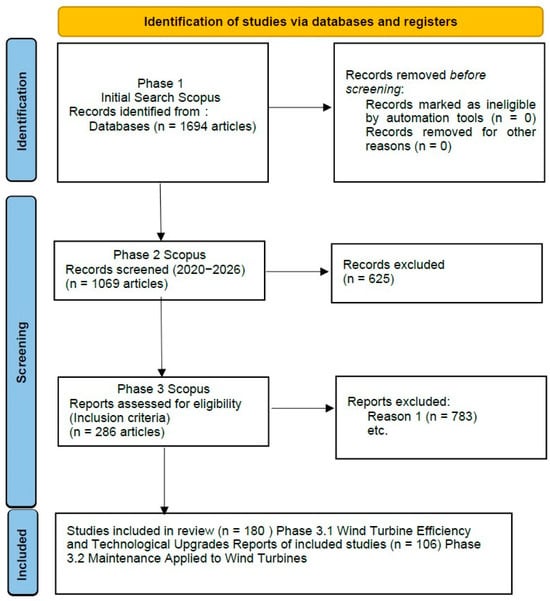
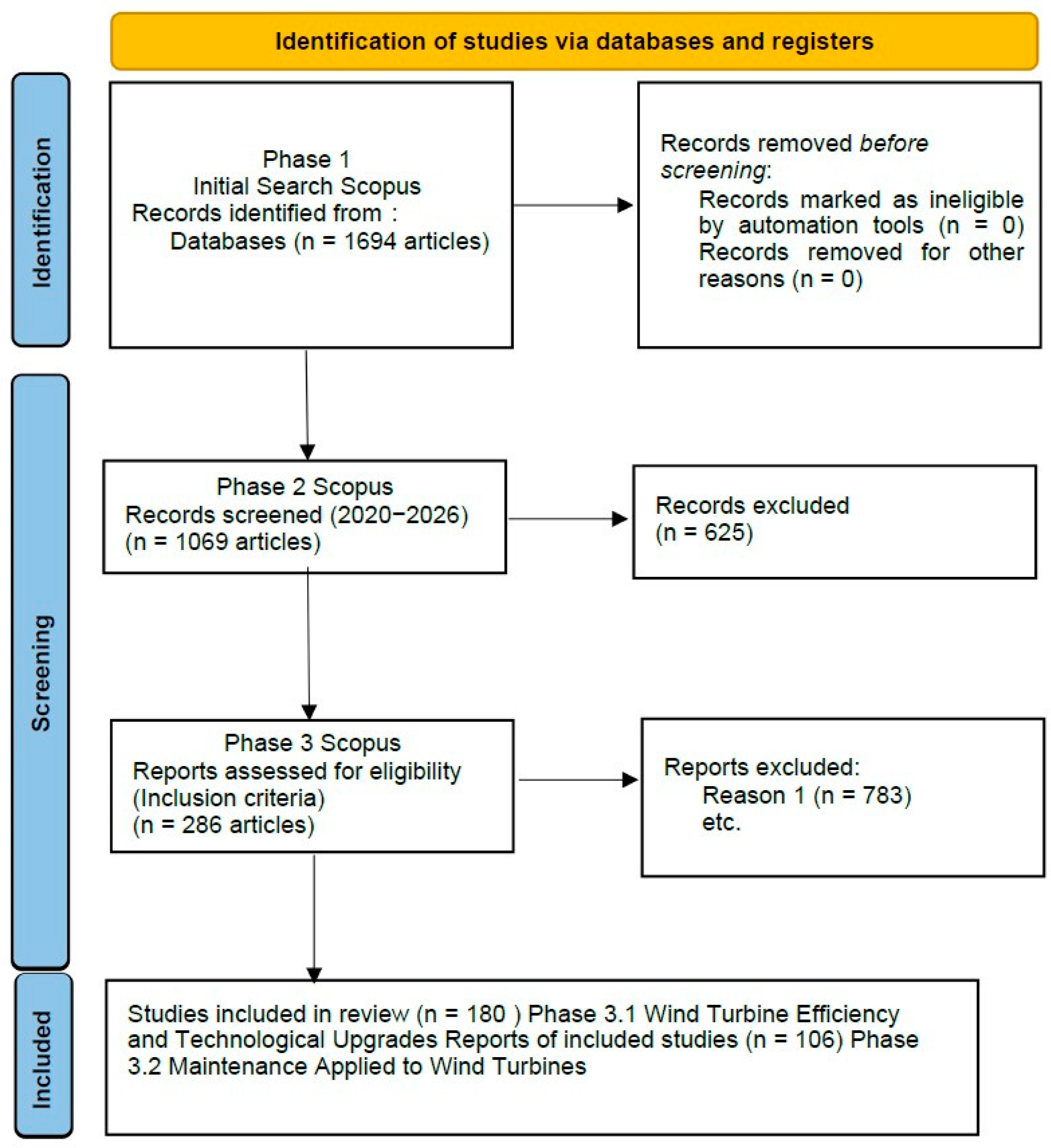
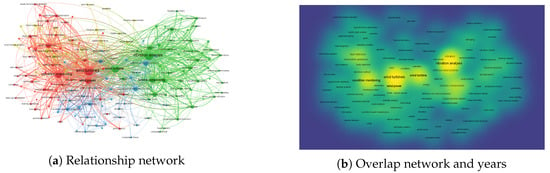
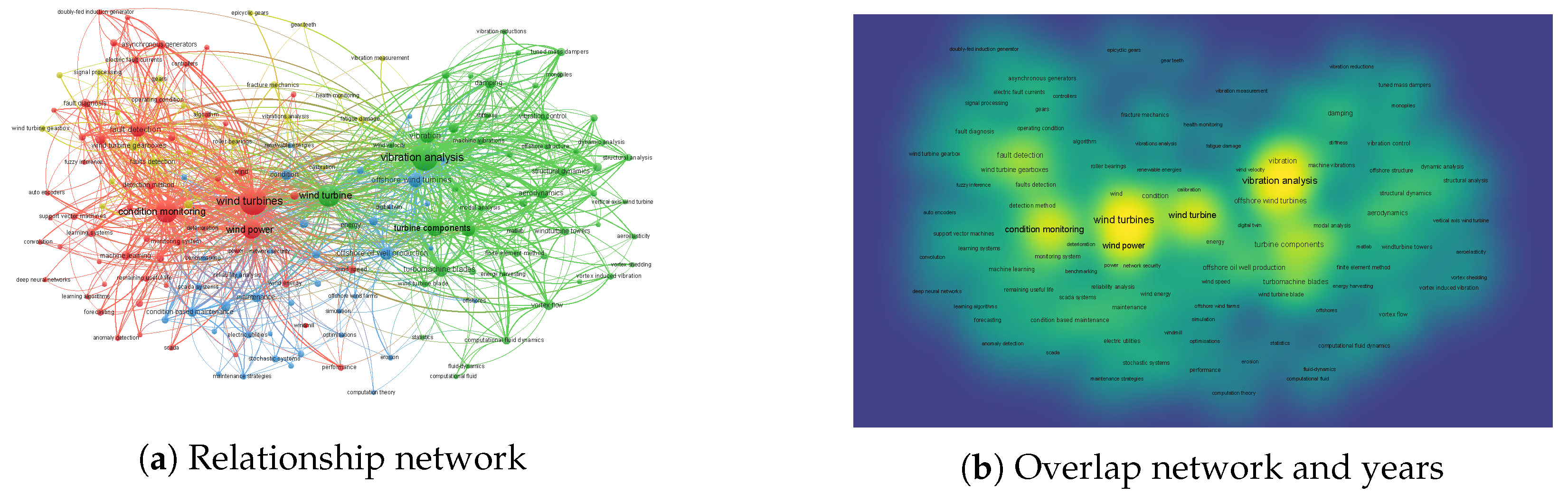
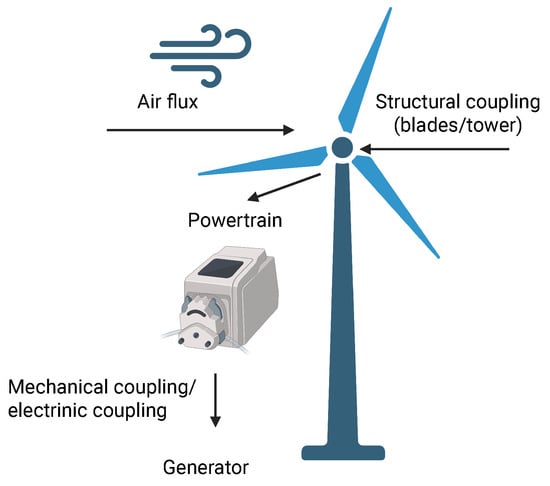
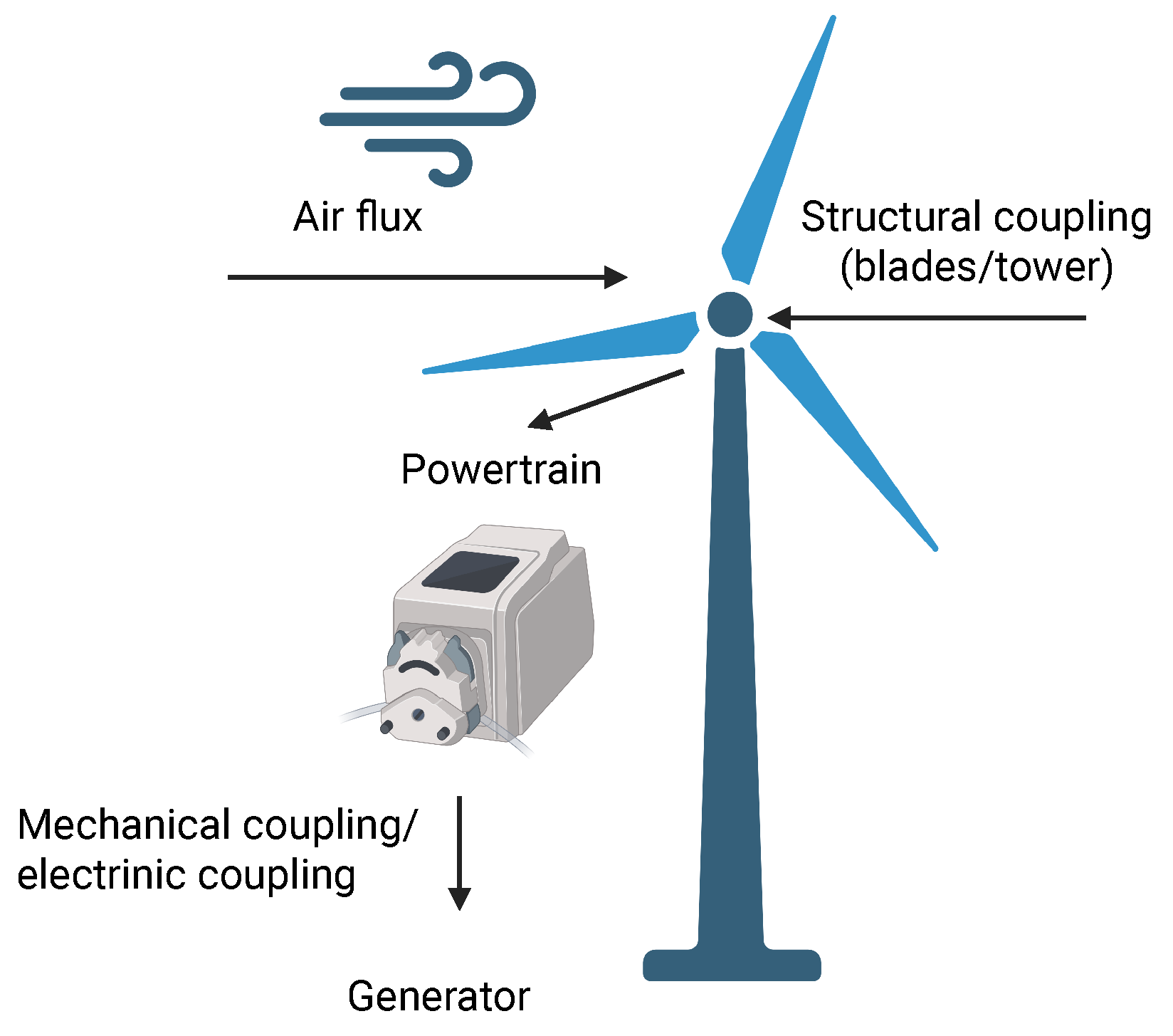
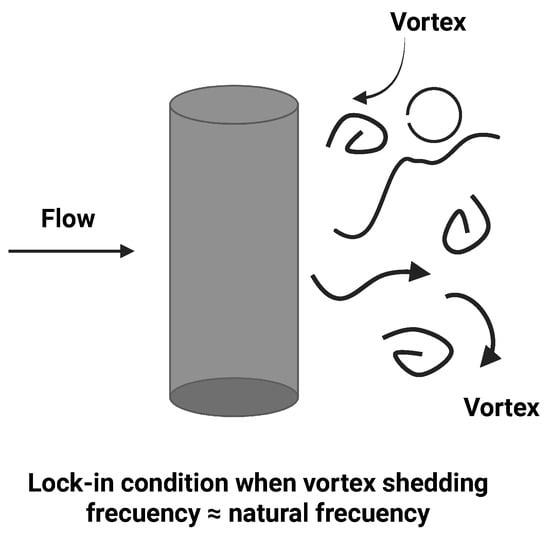
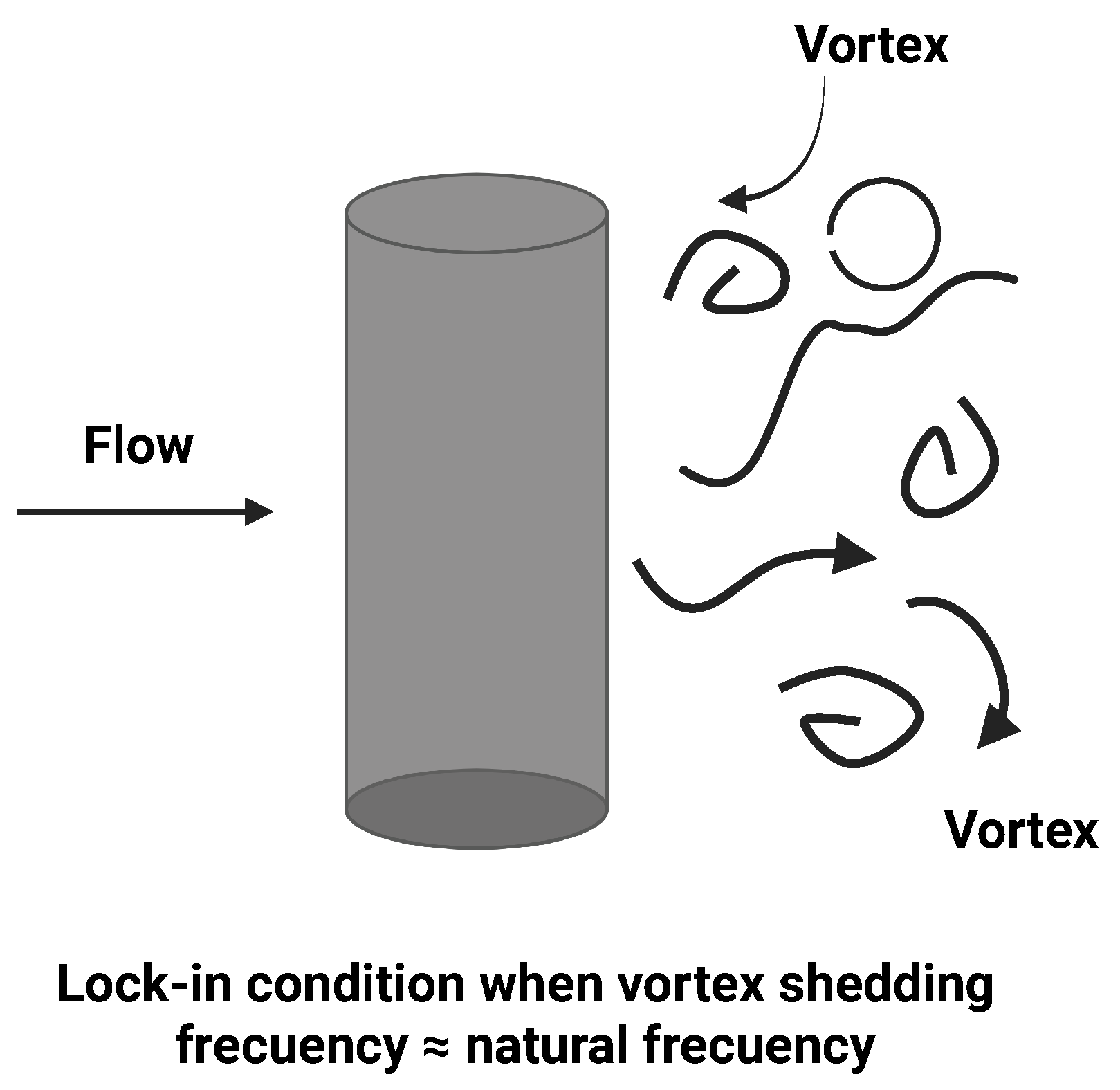
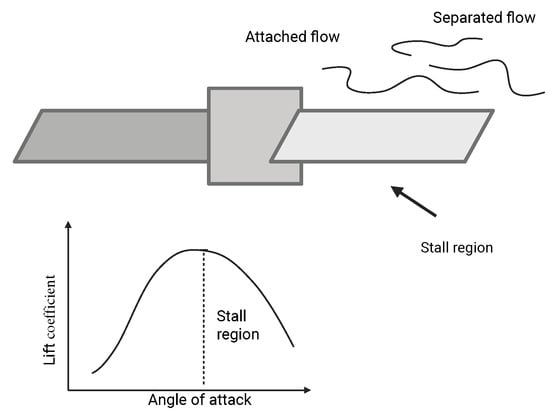
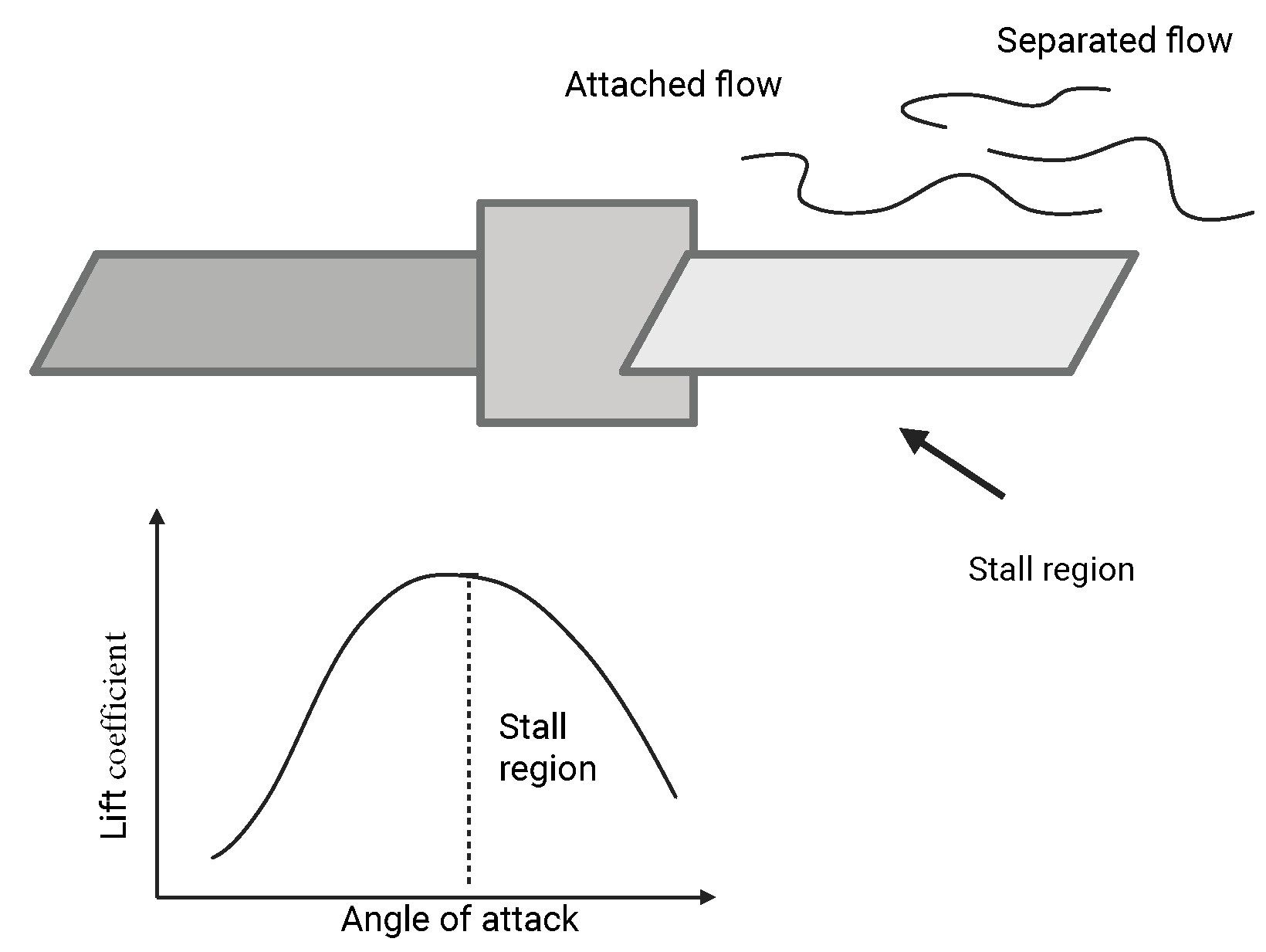
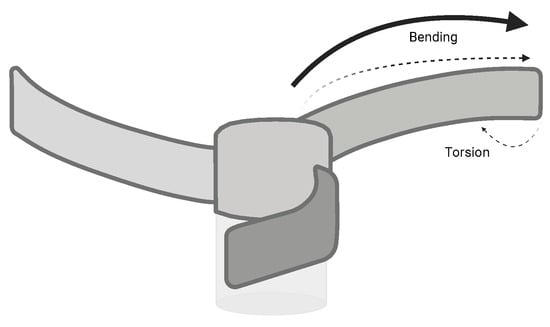
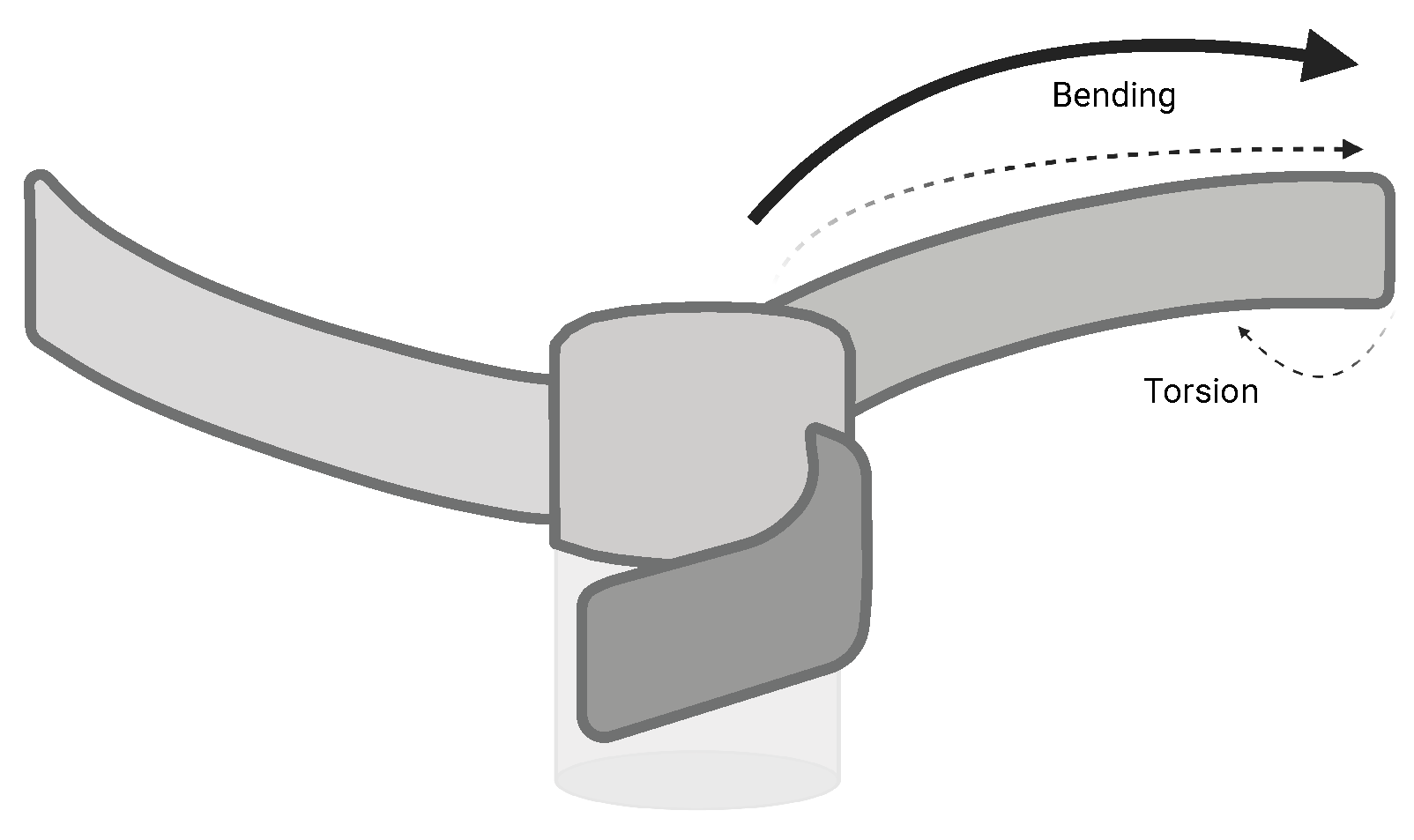
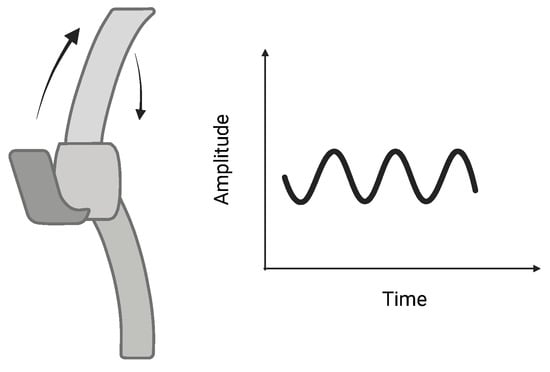
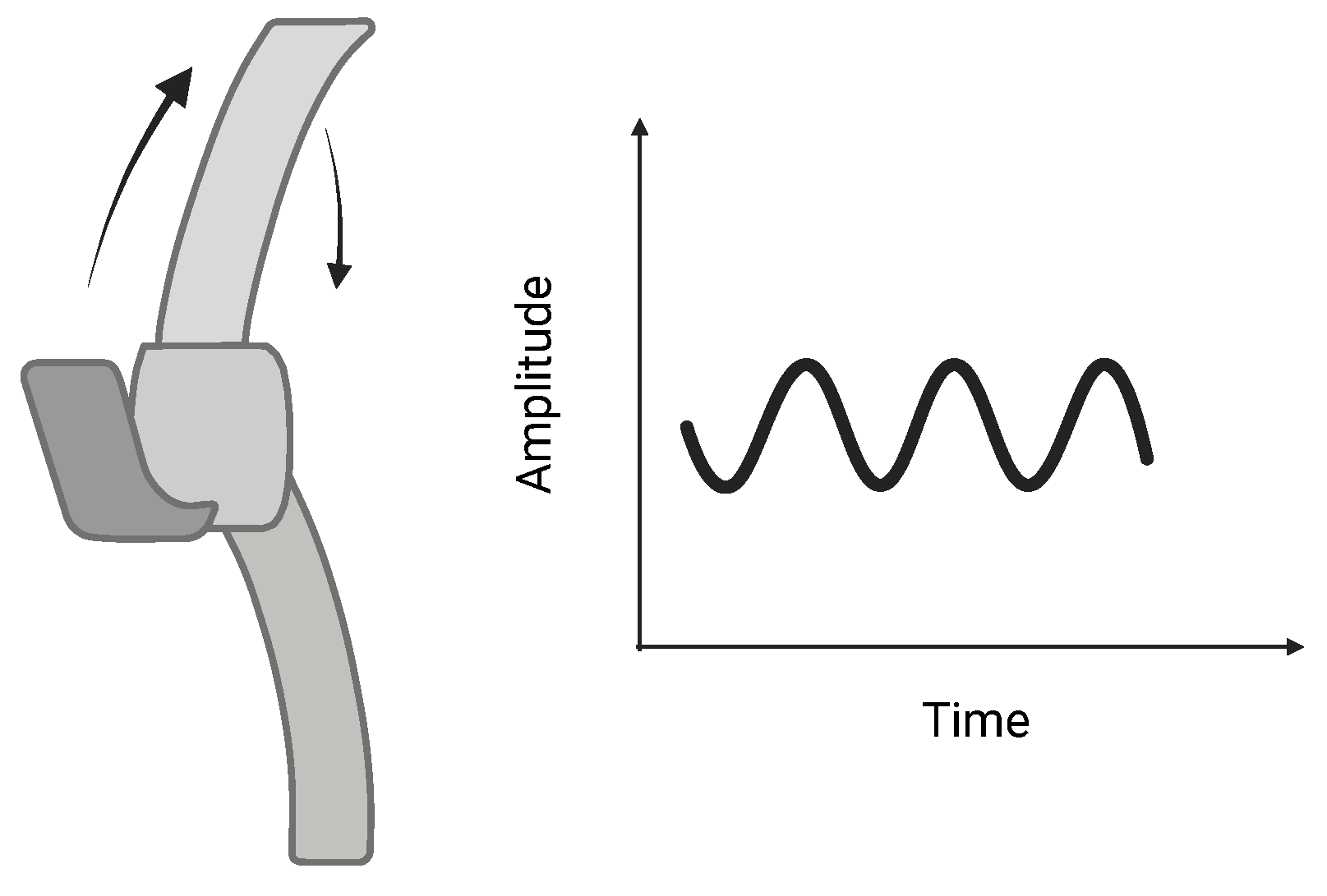
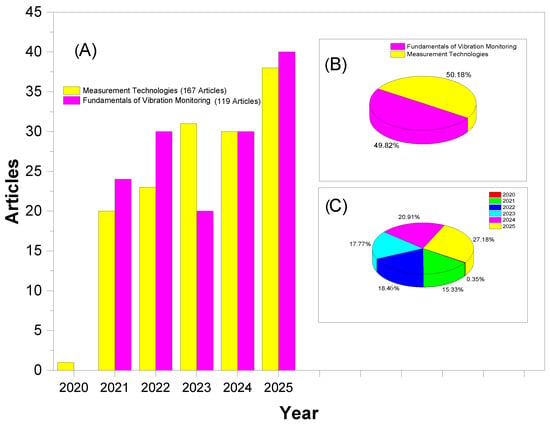
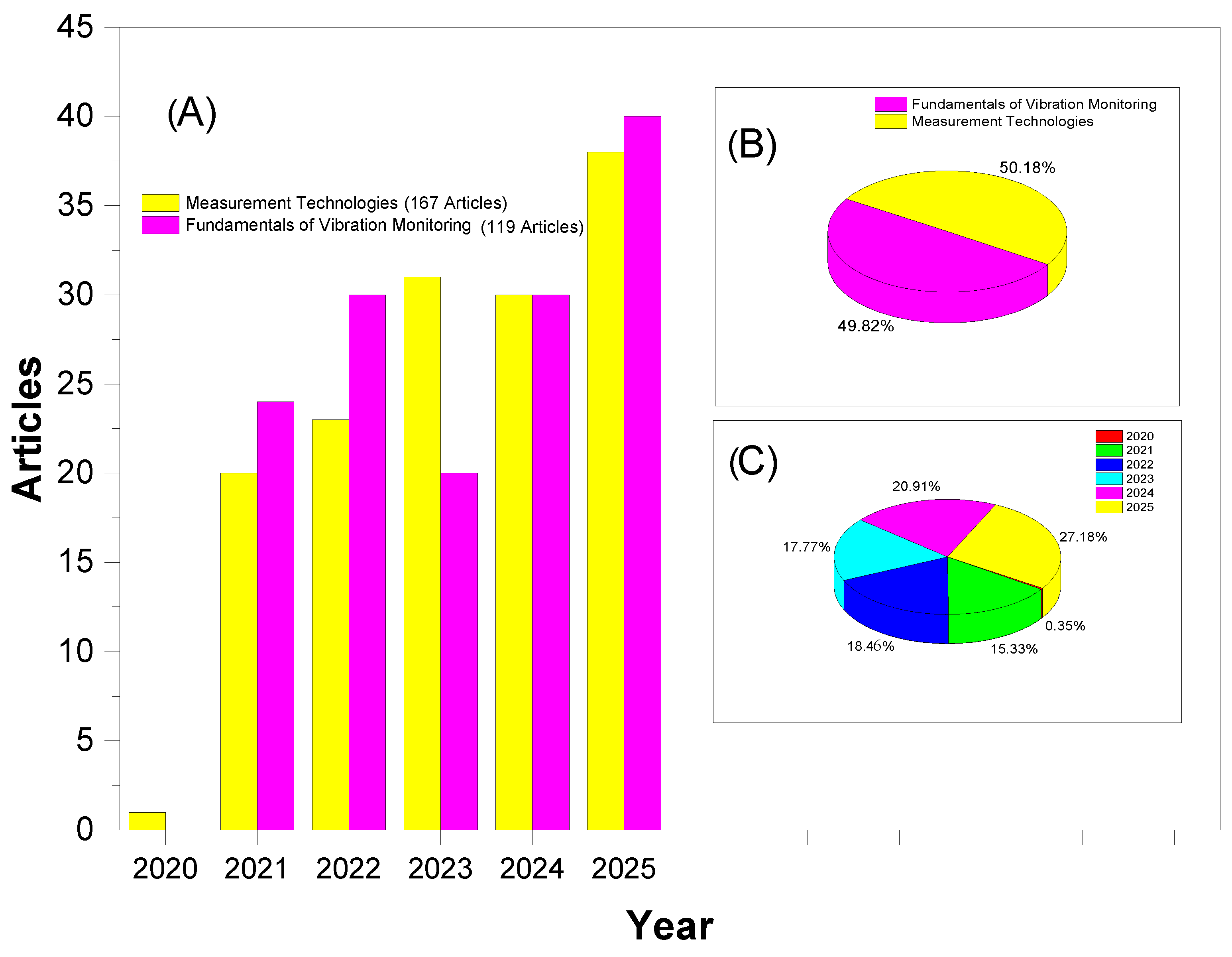
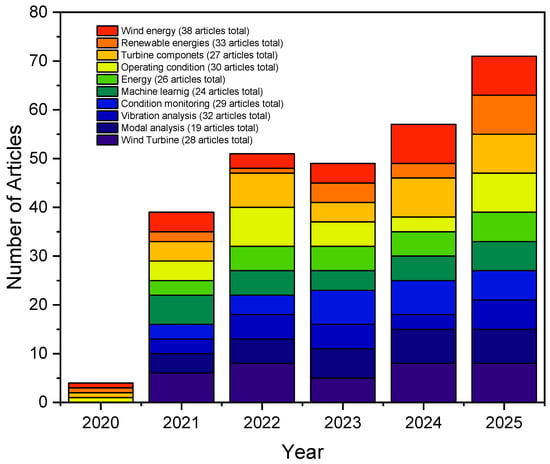
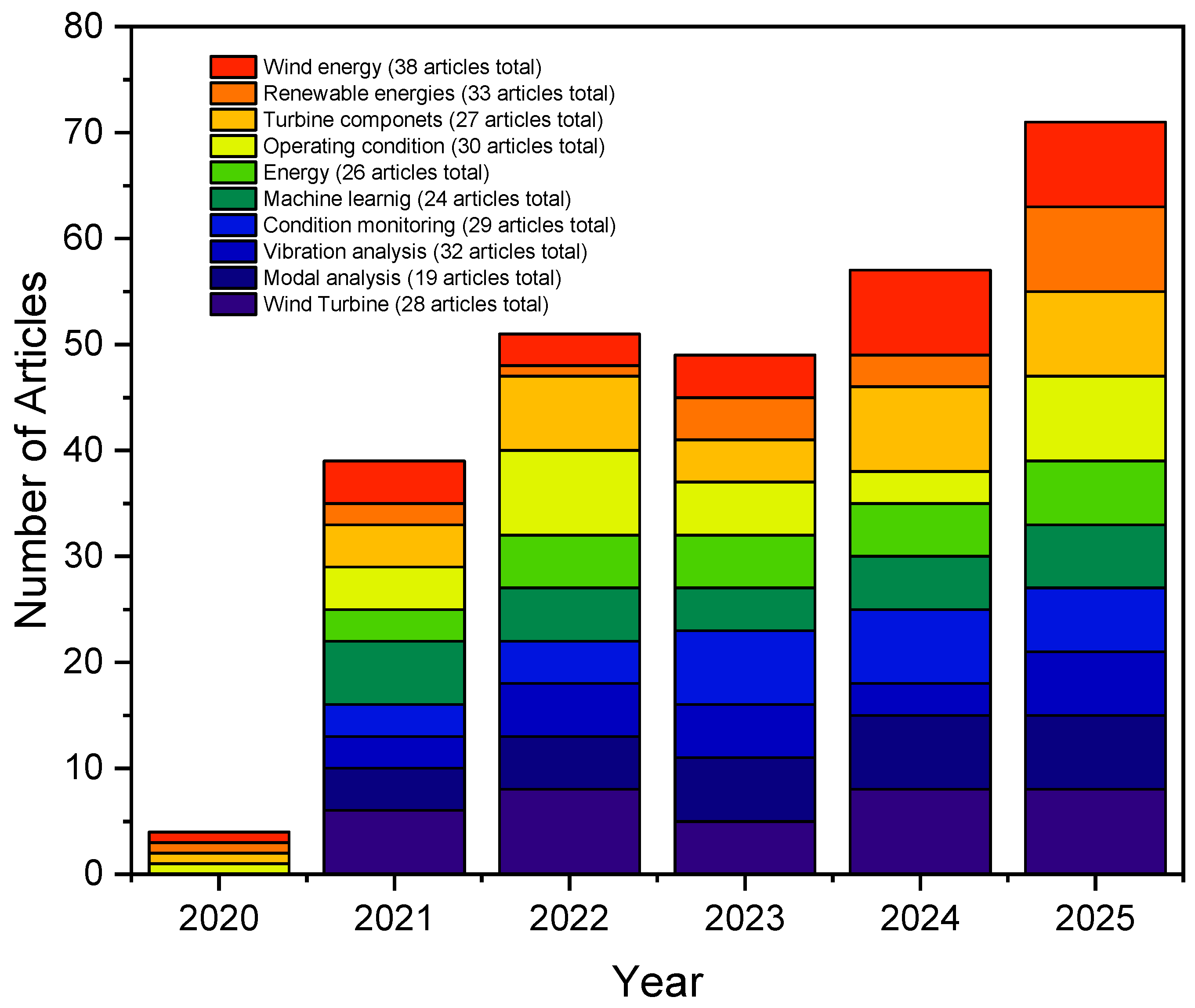

Disclaimer/Publisher’s Note: The statements, opinions and data contained in all publications are solely those of the individual author(s) and contributor(s) and not of MDPI and/or the editor(s). MDPI and/or the editor(s) disclaim responsibility for any injury to people or property resulting from any ideas, methods, instructions or products referred to in the content. |
© 2026 by the authors. Licensee MDPI, Basel, Switzerland. This article is an open access article distributed under the terms and conditions of the Creative Commons Attribution (CC BY) license.