


Abstract
Computational drug repurposing increasingly integrates chemical, biological, omics, network, text, and clinical data through deep learning. This structured narrative review examines how such modalities are encoded, aligned, and fused. We organize representative studies into four mechanism-centered families: heterogeneous-graph neural networks, multimodal knowledge-graph embeddings, pretrained language/sequence model-based cross-modal alignment, and multi-view or reconstruction-based fusion. Direct drug–disease association and repurposing studies form the core evidence; drug–target interaction, drug–drug interaction, target-identification, molecular-pretraining, and drug–microbe studies are treated as adjacent methodological evidence. We compare architectures, evaluation settings, failure modes, and evidence levels across oncology, neurology, infectious, and rare diseases. Practical guidance covers leakage-aware random, cold-start, temporal, and cluster-based evaluation; an actionable reproducibility checklist; and a scenario-based model-selection framework. We distinguish computational prioritization, docking, preclinical, retrospective clinical, and prospective evidence, and examine data sparsity, uncertain negatives, missing or noisy modalities, interpretability, and translational limitations. Future priorities include temporal and causal evaluation, external and multi-center validation, federated learning, and emerging therapeutic modalities. Multimodal fusion can improve complementary representation, but its value depends on task definition, data quality, evaluation design, and independent validation.
1. Introduction
1.1. The Significance of Drug Repurposing
Traditional drug discovery is costly, time-consuming, and resource-intensive. On average, bringing a drug from target to market takes approximately 15 years and involves roughly $2 billion in research and development (R&D) investment [1]. Moreover, up to 90% of candidate compounds that enter clinical trials ultimately fail, and preclinical stages account for a substantial share of pharmaceutical R&D expenditure (about 43% in the cited estimate) [1]. Thus, researchers seek more efficient alternatives. Against this backdrop, drug repurposing (also termed drug repositioning), defined here as the identification of new therapeutic indications for approved or investigational drugs, holds considerable promise [2]. For approved drugs—and, to a lesser extent, investigational compounds—existing pharmacokinetic, safety, and manufacturing information may shorten parts of development. Historical estimates suggest a 3–12-year pathway and an approval rate of about 30%, rather than a 30% absolute increase [3]. These potential time and cost advantages have contributed to sustained interest in drug repurposing across therapeutic areas [4].
Sildenafil was initially investigated as an anti-anginal PDE5 inhibitor, but limited anti-anginal efficacy and observations of improved erectile responses redirected development toward erectile dysfunction; FDA approvals followed in 1998 for erectile dysfunction and in 2005 for pulmonary arterial hypertension [5].
AI-assisted network analysis nominated baricitinib early in the COVID-19 pandemic. In the randomized phase 3 COV-BARRIER trial, baricitinib plus standard of care was associated with a 38.2% relative reduction in 28-day all-cause mortality compared with placebo plus standard of care (8% versus 13%), although the primary disease-progression endpoint was not significantly reduced. This sequence illustrates AI-assisted hypothesis generation followed by randomized clinical evaluation rather than evidence that AI itself established clinical efficacy [6,7].
1.2. Foundations of Drug Repurposing
The methodological foundations of computational drug repurposing can be distilled into three core approaches that are conceptually distinct but have increasingly converged in recent research. Each characterizes the drug–disease relationship from a distinct level and perspective.
The first is target-based drug repurposing. This strategy asks whether a drug can modulate a biomolecular target that is mechanistically implicated in a new disease. Computational DTI prediction supports this process by estimating whether, and often how strongly, a drug represented by features such as SMILES or molecular structure interacts with a disease-relevant target [8]. Imatinib was developed as a BCR–ABL tyrosine kinase inhibitor and received FDA approval in 2001 for chronic myeloid leukemia. It also inhibits KIT, which drives most gastrointestinal stromal tumors (GISTs), while PDGFRA alterations define a smaller molecular subset. Based on activity in KIT-positive disease, imatinib received FDA approval in 2002 for unresectable or metastatic GIST, extending its approved use from a hematologic malignancy to a solid tumor [9].
The second is disease-similarity-based drug repurposing, which moves the analytical perspective from a single target up to the systems level. Its central assumption is that if two diseases share similar transcriptomic, proteomic, or phenotypic features, then a drug that can reverse the abnormal expression pattern of one disease may also be effective against another disease with a similar molecular profile. Notably, this “signature reversion” strategy does not require prior knowledge of the drug’s direct target. In 2006, Lamb et al. proposed the Connectivity Map (CMap) published in Science. The study introduced CMap and demonstrated the feasibility of systematically linking small molecules, genes, and diseases through genome-wide gene-expression signatures [10]. In 2011, Sirota et al. integrated gene-expression data from 100 diseases with profiles from 164 drugs and predicted new drug–disease relationships. They experimentally evaluated cimetidine as a candidate for lung adenocarcinoma and reported activity in vitro and in mouse xenograft models [11]. In 2017, Chen et al. analyzed 7514 samples across 14 cancers together with 66,612 compound-expression profiles. Four candidates were validated in five liver-cancer cell lines, and pyrvinium pamoate was further evaluated in a mouse xenograft model, illustrating preclinical rather than clinical support for expression-reversal hypotheses [12].
The third is network-based inference, which models the entire biomedical knowledge space as a heterogeneous graph. In this graph, drugs, targets, genes, diseases, and pathways form the set of nodes, while physical interactions, functional associations, and semantic relationships form the set of edges [13]. Graph-based reasoning can represent multi-step paths that generate hypotheses about relationships not apparent in single-target or single-feature analyses; these model-derived associations should not be interpreted as confirmed biological mechanisms.
DTI and DDA prediction are related but distinct computational tasks. DTI models estimate whether and how strongly a drug interacts with a molecular target, whereas DDA models infer therapeutic associations at the disease level. DTI predictions can provide mechanistic priors for DDA models, while other DDA approaches infer associations directly from heterogeneous drug- and disease-level data [14].
1.3. Conceptual Boundaries of Multimodal Learning
Terminology is used operationally as follows. Multimodal learning integrates different biomedical data types, whereas multi-view learning integrates multiple representations or similarity views of the same prediction problem. Heterogeneous-graph learning performs message passing over typed nodes and relations. Graph representation learning is the broader family of methods that learns vector representations from graph structure and attributes, while graph contrastive learning is a self-supervised or supervised strategy that aligns related graph views or samples and separates unrelated ones.
The four categories in this review are assigned by the dominant integration mechanism: heterogeneous-graph methods emphasize typed-node message passing; knowledge-graph-embedding methods emphasize relation-specific embedding and link prediction; cross-modal pretraining methods emphasize paired encoders, contrastive objectives, prompts, or cross-attention; and multi-view or reconstruction-based methods emphasize adaptive fusion of separately constructed views. Hybrid models may contain components from several categories. They are listed under their primary mechanism in the comparative tables but may be cross-referenced when a secondary component is analytically relevant.
For explanatory purposes, the methodological evolution of computational drug repurposing is described here as three overlapping trends rather than discrete chronological stages [14].
Earlier feature-based approaches relied on support vector machines, random forests, logistic regression, hand-crafted molecular descriptors, precomputed similarity kernels, and matrix-factorization-style models. These approaches remain useful baselines, but their capacity to capture nonlinear, multi-relational biological structure is limited.
A second, overlapping trend is the increasing use of graph neural networks (GNNs), which learn representations directly from the topology of biomedical networks. Their message-passing mechanisms are well suited to heterogeneous drug–target–disease graphs [14]. In 2024, Huang et al. introduced TxGNN, a graph foundation model trained on a medical knowledge graph spanning 17,080 diseases. Under the authors’ zero-shot benchmark, TxGNN improved indication and contraindication prediction by 49.2% and 35.1%, respectively, over the compared methods. Its top-ranked predictions were also enriched among off-label prescription co-occurrences in one health system; this retrospective proxy supports hypothesis prioritization but does not establish treatment efficacy [15].
A third, more recent trend is the expansion of multimodal deep learning, which integrates heterogeneous sources such as chemical structure, protein sequence, omics profiles, knowledge-graph embeddings, and biomedical text within unified models. In 2024, Ohnuki et al. introduced STRGNN, which integrates transcriptomic, proteomic, and metabolomic networks with topological regularization to reduce redundancy across modalities. Within Ohnuki et al.’s shared evaluation setting, STRGNN outperformed the retrained baselines across AUPRC, AUROC, and accuracy [16]. In 2026, Chen and Li proposed DMAPLM, a pretraining framework based on dual ChemBERTa-2 and BioBERT encoders. Through contrastive learning, the framework explicitly aligns the molecular representations of drug SMILES with the semantic representations of multi-field disease text. The authors reported an AUROC of 0.8919 under the warm-start setting on the drug–disease association prediction task, supporting chemistry-text bimodal alignment while not establishing network-trimodal fusion [17].
1.4. From Unimodal to Multimodal Representations
The limitations of unimodal representations have driven the move toward multimodal architectures. Chemical structure information and network topology features each capture only one aspect of a drug’s mechanism of action. The former cannot reflect the global transcriptional perturbations caused by polypharmacological effects, while the latter cannot resolve the atomic-level chemical logic of target recognition. Information that is invisible in one modality can be recovered from another, and it is precisely this cross-modal complementarity that forms the theoretical basis of multimodal fusion strategies [18].
The architecture of ProSmith proposed by Kroll et al. illustrates a concrete realization of cross-modal complementarity. The model processes a protein amino acid sequence and a small-molecule string representation within the same input sequence, embedding the interaction between the two modalities into a unified Transformer network. On the generalization task involving unseen proteins, ProSmith showed a clear advantage over its unimodal counterpart, providing computational benchmark evidence that joint cross-modal encoding can improve generalization relative to the unimodal comparator in that setting [18].
Contrastive learning has become one mechanism for aligning multimodal representations. In a 2024 preprint, Lu et al. reported DrugCLIP for drug–disease interaction prediction (distinct from a separate protein pocket–ligand model with the same name). The model builds its training dataset from historical clinical trial records and learns drug–disease alignment by maximizing cosine similarity between matched pairs; unknown pairs provide training contrasts without requiring manually verified ineffective drugs [19]. Jia et al. reported DRGCL online in 2024; it appeared in the journal’s 2025 issue and aligned global topological and local semantic graph views [20]. These studies illustrate early contrastive-learning approaches, but their reported gains remain specific to their tasks, datasets, and split protocols.
1.5. Contributions, Scope, and Review Approach
This article is a structured narrative review rather than a systematic review or meta-analysis. The literature considered in this review was updated through 9 August 2026 and is organized conceptually around four multimodal-fusion paradigms. Because no prospectively defined search and screening protocol or exhaustive screening log was used, the review does not claim systematic completeness. Meta-analytic effect-size pooling, heterogeneity models, and publication-bias tests are therefore not applicable.
The core scope comprises studies that integrate at least two distinguishable biomedical modalities and directly predict or evaluate drug–disease associations or repurposing candidates. Drug–target interaction, drug–drug interaction, target-identification, molecular-pretraining, drug-response, and drug–microbe association studies are included only as adjacent methodological evidence when they illuminate transferable fusion or evaluation mechanisms. Their metrics are not compared with direct drug–disease association results, and they do not constitute direct evidence of repurposing efficacy. Selected preprints and workshop papers are explicitly labeled and are not used as the sole support for clinical or mechanistic claims.
Accordingly, the review asks how different multimodal fusion mechanisms affect drug–disease prioritization, cold-start generalization, interpretability, and the strength of translational evidence, and under which data conditions their reported advantages may fail to transfer.
Computational drug-repurposing reviews have organized the field by model family, biomedical data source, algorithmic progression, or application task [14,21,22]. These perspectives are useful; however, the encoding, alignment, and fusion mechanisms that determine how modalities interact have been less consistently foregrounded. We therefore organize representative studies by their primary fusion mechanism and compare task proximity, evaluation setting, failure conditions, and translational evidence within a common analytical framework.
The distinctive features of this review can be summarized in four aspects. First, we establish a mechanism-centered framework comprising heterogeneous-graph neural networks, multimodal knowledge-graph embeddings, pretrained language- or sequence-model-based cross-modal alignment, and multi-view- or reconstruction-based fusion. The framework is based on how multimodal information is encoded, aligned, and integrated rather than on publication chronology alone.
Second, we embed disease-focused case studies throughout the technical discussion. Examples from Parkinson’s disease, Alzheimer’s disease, COVID-19, rare diseases, and several cancers are placed in the corresponding methodological sections. This links computational design choices to the type and level of supporting evidence without treating prediction, docking, preclinical experiments, retrospective records, and clinical trials as equivalent.
Third, the Practical Considerations section provides leakage-aware evaluation guidance, an actionable reproducibility checklist, and a scenario-based model-selection framework. These elements distinguish random, temporal, cold-start, and cluster-based splits; specify minimum reporting requirements; and make architecture recommendations conditional on task, graph density, modality completeness, and evidence goals.
Finally, we outline research priorities that follow from the tensions between data scarcity and model complexity, predictive discrimination and explanation fidelity, and computational prioritization and prospective validation. These priorities include temporal and causal evaluation, external and multi-center validation, privacy-preserving collaboration, and task-specific extension to emerging therapeutic modalities.
2. Data Resources
High-quality data resources are essential for drug repurposing. The field must integrate multi-source, heterogeneous data spanning the chemical structures of drugs, bioactivity profiles, target protein information, molecular pathways, disease phenotypes, and the known associations among these entities. By fusing these multi-source data, researchers can build large-scale heterogeneous knowledge graphs and then use machine learning or graph neural networks to mine previously undiscovered drug–disease associations from the high-dimensional feature space.
From a functional standpoint, the data resources on which drug repurposing relies can be divided into two tiers. Core benchmark databases directly provide annotated training and evaluation samples for model development and performance comparison across methods. Auxiliary knowledge resources do not provide task-specific annotations, but they can supply prior knowledge and background constraints for feature engineering. Table 1 summarizes the core benchmark databases by task type, and the last column lists the auxiliary data sources used for each task.
Table 1.
Overview of benchmark and supporting data resources for drug repurposing.
These databases cover four key stages of the computational drug-repurposing pipeline.
At the most upstream stage are DTI resources and benchmarks, which support evaluation of whether, and sometimes how strongly, a drug interacts with a target. The Yamanishi benchmark is divided into enzyme, ion-channel, GPCR, and nuclear-receptor subsets and remains a widely used historical evaluation resource [8]. DrugBank curates chemical, pharmacological, target, and interaction information, although field availability varies across entries; this breadth makes it a widely used source for multimodal modeling [23]. The Davis dataset, by contrast, provides dissociation constant (Kd) values between kinases and inhibitors rather than simple binary binding labels, making it suitable for evaluating the performance of binding-affinity prediction regression models [24].
Once target information has been obtained, the next stage is to determine whether a drug can be associated with a disease. Commonly used DDA benchmarks include Fdataset, Cdataset, and the LAGCN dataset. Fdataset contains 593 drugs, 313 diseases, and 1933 associations; Cdataset contains 663 drugs, 409 diseases, and 2352 associations. Their drugs are drawn from DrugBank and diseases from OMIM, but they are distinct benchmarks rather than one being an extension of the other. The LAGCN main dataset contains 18,416 associations between 269 drugs and 598 diseases; its associations derive from CTD, drug features from DrugBank, and disease terms are normalized using MeSH [22,25]. PrimeKG++, reported in a 2025 preprint, augments a biomedical knowledge graph with entity-type-specific sequence and textual attributes; the accompanying BioMedKG approach combines language-model, graph-contrastive, and knowledge-graph-embedding representations [26].
After candidate drugs are prioritized computationally, cell-line screening can provide in vitro pharmacogenomic evidence but does not by itself confirm efficacy for a repurposed indication. The original GDSC publication reported 73,169 drug–cell-line experiments for 138 drugs, with 329–668 cell lines tested per drug, together with mutation, copy-number, tissue-type, and transcriptional features [27]. These data support drug-response modeling and biomarker discovery; the current database scale should be cited from a current GDSC release rather than inferred from the 2013 paper. CCLE combines genomic characterization with anticancer drug-sensitivity profiling, whereas CTRPv2 provides complementary large-scale small-molecule sensitivity data [38,39].
The final stage is safety assessment. After a repurposed drug is applied to a new indication, concomitant medications may create clinically important interactions. However, BioSNAP as used by DrugLAMP is a binary DTI benchmark containing 27,464 drug–target pairs, 4505 drugs, and 2181 proteins, rather than a DDI safety dataset [28]. DrugBank curates DDI annotations that can support dedicated interaction analyses [23].
In summary, DTI prediction databases address which target a drug binds and sit at the molecular recognition layer. DDA prediction databases directly address the core question of whether a drug can treat a specific disease and sit at the indication inference layer. Drug-response prediction databases validate the actual response of candidate drugs in cell lines or patient populations and sit at the individual validation layer. DDI-prediction databases assess the safety risks between a repurposing candidate and other drugs and sit at the safety assessment layer. Spanning molecular recognition to indication inference and in vitro validation to clinical safety, these four layers together form the data foundation of drug repurposing.
3. Multimodal Fusion Methodologies
3.1. Heterogeneous-Graph-Based Multimodal Fusion
In multimodal deep learning for drug repurposing, a drug–disease association is embedded in networks of molecular, target, phenotype, and clinical entities. Heterogeneous graphs provide a shared representation for typed nodes and relations and support cross-modal message passing and multi-hop reasoning. A typed graph is not automatically multimodal; however, the multimodal designation requires distinguishable input data types or representations beyond relation labels alone. Figure 1 summarizes the class-defining computational chain.
Figure 1.
Heterogeneous-graph-based multimodal fusion for drug repurposing. Modality-specific drug, target/gene, disease, and omics/clinical features are projected into type-specific node representations and assembled into a typed biomedical graph. A query drug–disease pair defines an enclosing subgraph, relation-aware message passing aggregates typed neighbors, and local path evidence can be combined with global graph attention before link scoring. The optional ternary event node is a model-specific variant; arrows encode relation direction rather than causality, and ranked links remain computational hypotheses. Dark solid arrows denote typed relations or directed message flow, whereas light dashed lines denote query-context or auxiliary links; blue shades distinguish schematic entity and relation roles and are not quantitative.
3.1.1. Topological Dimensionality Expansion of Heterogeneous Graphs and Multimodal Attribute Assignment
The first step in constructing a heterogeneous graph is to rigorously define the node and edge topology of the network and to assign high-quality cross-modal initial features to entities of different types. Representative heterogeneous-graph methods are summarized in Table 2.
Table 2.
Summary of recent heterogeneous-graph methods.
- (1)
- Expanding the topology: from binary associations to multi-source microbiome synergy;
Early repurposing graph models often focused on binary relations, whereas DTD-GNN introduced event nodes to represent drug–target–disease tuples and formulated prediction as link prediction on an event–disease heterogeneous graph [46]. DRTerHGAT likewise retained proteins (targets) as independent nodes to construct a ternary heterogeneous network [50]. DVMMHGNN and HGANMDA incorporate microbe information into heterogeneous graphs spanning drugs, microbes, genes, and diseases to model microbe-associated drug effects [57,59]. In addition, STRGNN integrates a multi-omics network that includes mRNA, miRNA, metabolites, and proteins, greatly broadening the underlying topology [16]. BEHOR performs repurposing on a DISNET-derived heterogeneous graph containing 153,747 nodes, 1,996,658 edges, five node types, and 12 relation types, and uses this graph for inductive link-prediction evaluation [44].
- (2)
- Deep alignment of multimodal features and handling of imbalance.
During multimodal node initialization, pretrained language and sequence models can provide contextual representations for chemical strings and protein sequences. DRTerHGAT and DVMMHGNN use pretrained protein language models for target sequences [50,57]. MGNDTI uses RetNet to encode drug SMILES and protein amino-acid sequences, a GCN to encode molecular graphs, and a gating network to fuse these representations [48]. Outside drug-repurposing prediction, CLAMS illustrates multimodal chemical-language modeling from IR, UV, and 1H NMR spectra, but it has not been evaluated as a graph-node initializer for repurposing [60]. HeteroKGRep applies SMOTE before downstream XGBoost association classification [49]. These encoders should not be collectively described as large language models unless their scale and training regime support that designation.
3.1.2. Fusion and Reasoning Mechanisms in Heterogeneous Graphs
Once a multimodal heterogeneous graph is available, the central modeling task is to design a graph neural network that efficiently fuses topology with semantic attributes.
- (1)
- Global–local synergy and specific subgraph reasoning;
To distinguish association contexts across drug–disease pairs, GCNGAT extracts a pair-specific local subgraph and combines GCN with GAT to integrate local and global representations [47]. MedPathEx captures local semantics through multi-head-attention-driven meta-paths and combines a global graph attention mechanism to achieve complementary micro–macro fusion [58]. The earlier REDDA decomposes the heterogeneous network into topology-specific subnetworks and combines subnetwork-, graph-, and layer-level attention to aggregate multi-relation information [43]. For cross-modal alignment, AMDGT designs a dual-graph Transformer that uses an AttentionFusion module to adaptively cross-fuse the homogeneous similarity view with the heterogeneous biochemical network view [45].
- (2)
- Direction-aware biological associations and new architectures that break the GNN bottleneck;
Drug–target–disease relations are directional, whereas symmetric meta-paths do not encode relation orientation. MTGNN therefore introduces direction-aware meta-paths to capture directed dependencies in drug–target–disease triplets [51]. To address computational growth in high-order, multi-hop aggregation, MMADPE applies Graph Mamba, whose state-space formulation has linear sequence complexity, together with dual-modality graph positional encoding based on Laplacian eigenvectors and random-walk statistics to model long-range drug–disease graph dependencies [56].
- (3)
- Contrastive learning alignment, gradient balancing, and adversarial regularization.
Drug–disease data exhibit positive-unlabeled label uncertainty because an unrecorded pair is not a verified ineffective pair. This is distinct from cold-start generalization, which concerns drugs, diseases, or targets with no training associations. Self-supervised graph contrastive learning can provide auxiliary signals under either challenge, but it does not resolve label uncertainty by itself. DRGCL aligns a global topological graph with a local semantic graph generated from Top-K neighbors [20]. HGCML-DTI aligns topology, semantic, and shared public-graph views [55]. DrugCLIP aligns drug molecules and disease codes in a latent space using matched pairs and in-batch contrasts without requiring manually curated ineffective-drug labels [19].
Multi-task contrastive learning can exhibit optimization imbalance. GCGB identifies gradient conflict between the auxiliary GCL task and the main DDA task and adaptively adjusts the auxiliary gradient [54]. To reduce semantic noise in sparse networks, HGANMDA uses adversarial embedding regularization with a gradient penalty, aiming to improve representation robustness and separability [59]. PHGL-DDI pretrains a molecular-graph encoder on 10 million molecules sampled from cleaned PubChem records and evaluates hierarchical DDI prediction in transductive and inductive settings [53].
3.1.3. Disease-Focused Applications of Heterogeneous-Graph Fusion
The heterogeneous-graph models described above have been evaluated across different benchmarks and disease-focused case studies. Because their datasets and protocols differ, the reported metrics are not directly comparable. The following cases therefore emphasize the type and level of supporting evidence—from computational ranking and literature cross-checking to experimental or clinical evaluation—rather than cross-study superiority.
Response to emerging infectious diseases and viral infections. During the early COVID-19 pandemic, Richardson et al. used an AI-assisted knowledge-graph workflow to nominate baricitinib as a repurposing hypothesis based on potential effects on viral entry and inflammatory signaling. This 2020 report supports computational hypothesis generation, not clinical efficacy validation; subsequent clinical evaluation requires separate trial evidence [61].
Target mining in neurodegenerative diseases (AD/PD). For Alzheimer’s disease and Parkinson’s disease, heterogeneous-graph reasoning can support multi-target hypothesis generation. Akgüller et al. integrated a multimodal GNN with a protein–protein interaction network and a functional centrality index, ranking dithizone, ceftolozane, and DL-α-tocopherol as computational PD candidates with uncertainty estimates; the authors note that experimental validation remains necessary [52]. DRTerHGAT ranked AD candidates and cross-checked them against databases and literature, whereas AMDGT reported computational case analyses and molecular docking; these findings are hypothesis-generating rather than experimental evidence [45,50].
Intervention in oncology and cardiovascular/metabolic diseases. In anticancer drug discovery, MTGNN constructed an oncology drug–target–disease dataset covering 302 cancer-related disorders and reported isotretinoin–CHRNA3–carcinoid tumor as a predicted triplet with a mechanistic hypothesis [51]. MMADPE reported cytarabine–stomach-neoplasm and related candidates supported by literature analysis and molecular docking; these results are hypothesis-generating rather than experimental validation [56]. For cardiovascular disease, MedPathEx ranked candidate drugs for coronary artery disease (CAD) and hypertension and cross-referenced selected predictions against PubMed and ClinicalTrials.gov [58]. In the metabolic setting, DVMMHGNN ranked quercetin among obesity-associated candidates and proposed a drug–microbiota–host–gene–disease axis based on model predictions, public-database and literature cross-checks, and molecular docking; experimental validation remains necessary [57].
Synthesis—applicability, failure modes, and evidence gaps. Heterogeneous-graph methods are most useful when typed relations and complementary node attributes are sufficiently dense and consistently normalized. Their main failure risks include graph leakage, oversmoothing, hub dominance, uncertain negatives, and poor induction to unseen entities. Most disease-focused examples include computational rankings, literature cross-checks, or docking analyses; external validation and prospective evidence are uncommon.
3.2. Semantic-Space Multimodal Fusion Based on KGE
In multimodal graph modeling for drug repurposing, knowledge-graph embedding (KGE) provides a semantic-space alignment paradigm distinct from local-neighbor message passing. KGE maps entities and relations into continuous vector spaces and recasts repurposing as link prediction or knowledge-graph completion. This representation can make large-scale candidate scoring efficient, but an embedding score or a retrieved path is not inherently a faithful mechanistic explanation. Multimodal KGE extends topology-based embeddings with text, sequence, structural, or ontology information. Figure 2 contrasts relation-geometric scoring with semantic topology-guided walks. Representative KGE-based methods are compared in Table 3.
Figure 2.
Semantic-space multimodal fusion based on knowledge-graph embeddings. Structural, category, and description embeddings contribute distinct semantic roles. Representative alternatives include relation-geometric scoring through reverse-hyperplane projection and semantic topology-guided walks; their route-specific scores support missing-link ranking. Retrieved paths or embedding proximity are interpretive computational evidence and do not establish causal mechanisms or therapeutic efficacy. Solid and dashed arrows denote structural/topological and projection/semantic transitions, respectively; green shades are schematic. Here, t− is a corrupted tail, t′ a relation-specific projected tail, Ŝ the normalized structural residual, and ⊥ its orthogonal component. In the topology schematic, D, T, G, and Dx denote drug, target, gene, and disease nodes, respectively, and D* denotes the teleport destination.
Table 3.
Summary of recent knowledge-graph-embedding methods.
3.2.1. Knowledge-Graph Construction and Semantic Enrichment
High-quality integration of multi-source data and semantic enrichment of entities are central to reliable inference in KGE models. Early biomedical graphs suffered from sparse node attributes and a single information source, whereas recent research has worked to reshape the underlying data foundation from a multimodal perspective.
Multi-source data integration and entity disambiguation. TarKG integrates seven biomedical knowledge graphs and nine public databases, including Traditional Chinese Medicine entities, into a resource containing 1,143,313 entities and 32,806,467 relationships [64]. RDKG-115 was constructed from 372,384 PubMed-indexed articles and four biomedical datasets, yielding 35,643 entities, 25 relation types, and 5,539,839 refined triplets across 115 rare diseases [62].
Multimodal attribute expansion. BioMedKG augments PrimeKG with entity-type-specific attributes, including protein and gene sequences, molecular SMILES strings, and natural-language descriptions, to support pretrained node-representation learning [65].
3.2.2. From Classical to Multimodal Knowledge-Graph Embeddings
- (1)
- Classical KGE models;
This class of models derives geometric representations primarily from the topology of factual triples. As TarKG noted in its graph completion evaluation, when handling highly complex, many-to-many, long-range gene–disease relationships, TransR, which uses relation-specific space mapping, and RESCAL (based on tensor decomposition) achieved higher source-reported link-prediction results than the basic translation models evaluated in that study [64]. However, topology-driven reasoning may remain vulnerable for sparsely connected or cold-start entities; multimodal attributes provide an additional source of information but do not eliminate this limitation.
- (2)
- Reverse-hyperplane projection of multidimensional semantics;
RDKG-115 uses a trimodal KGE mechanism that combines structure embeddings (SE), category embeddings (CE), and description embeddings (DE) through reverse-hyperplane projection. The method constrains the structural embedding norm while projecting category and text representations into the structural space [62].
- (3)
- Semantics-guided cross-layer random walk.
DREAMwalk addresses the dominance of dense protein–protein interaction (PPI) subnetworks by introducing semantic multi-layer guilt-by-association. Its random walk uses ATC- and MeSH-based semantic similarity to guide teleportation between molecular-network and semantic neighborhoods, thereby generating drug- and disease-enriched paths for downstream embedding and association prediction [63].
3.2.3. Representative Disease-Focused Case Studies
Beyond computational benchmarks, selected multimodal KGE studies have been evaluated through target-discovery experiments, retrospective health-record analyses, or wet-lab assays. These evaluations provide different levels of supporting evidence and should not be treated as equivalent.
Rare disease repurposing and external evidence cross-referencing. RDKG-115 inferred 4199 reliable newly inferred knowledge triplets (RNIKs) across 115 rare diseases. In the multiple-sclerosis case study, melatonin was a top-ranked computational candidate whose association was cross-referenced against PubMed and ClinicalTrials.gov records; this was not a prospective clinical validation [62]. TxGNN ranked zolpidem for Kleefstra syndrome and tretinoin for Ehlers–Danlos syndrome as hypothesis-generating candidates, with multi-hop explanations that the authors compared against external medical evidence. These examples were not prospective treatment validations. In a separate retrospective analysis of 1,272,085 adults from one health system, top-ranked TxGNN predictions showed enrichment in drug–disease prescription co-occurrence, which the authors used as a proxy for clinical use [15].
Target and drug mining in AD. DREAMwalk ranked levetiracetam among computational repurposing candidates for AD and discussed existing literature on its neurological effects; the study did not demonstrate a patient-level treatment effect [63]. TarKG ranked the apoptosis-related protein BAD and xanthine dehydrogenase (XDH) among potential AD targets, and the authors reported literature support for 9 of the top-10 predictions; this cross-reference is not experimental validation [64].
Experimental target-identification example adjacent to drug repurposing. TarIKGC applied semantics-enhanced knowledge-graph completion to reverse target fishing for CDK2 and prioritized two previously untested compounds from a commercial screening library. Surface plasmon resonance measured K_D values of 0.35 and 4.63 μM for binding to monomeric CDK2, and the study also reported in vitro antiproliferative activity in tumor cell lines including PC9 and SW620 [66]. Because the candidates were new screening compounds rather than established drugs, this study provides an experimentally supported target-identification example adjacent to, but distinct from, drug repurposing.
Synthesis—applicability, failure modes, and evidence gaps. KGE methods are attractive for global relation modeling and candidate ranking in large biomedical graphs. Their limitations include sparse or biased graph coverage, sensitivity to entity resolution and relation design, and the risk of interpreting geometric proximity or selected paths as biological causality. Target-identification examples provide adjacent experimental evidence, but they should remain separate from direct repurposing efficacy claims.
3.3. Cross-Modal Alignment with Pretrained Language and Sequence Models
Recent advances in biomedical language models have enabled chemical strings, protein sequences, disease descriptions, and other textual or sequence modalities to be represented in compatible semantic spaces. Compared with shallow feature engineering or unimodal graph learning, pretrained language models can provide transferable representations for sparse or cold-start settings, although their benefits depend on the pretraining corpus, downstream split, and evaluation design. Recent work has therefore introduced biological and chemical language models pretrained on large unlabeled corpora into drug-repurposing pipelines. Current approaches use contrastive learning, prompt learning, and cross-attention to align these representations; reported gains should be interpreted within the specific benchmark and modality setting. Figure 3 summarizes three alternative pretrained cross-modal alignment strategies.
Figure 3.
Cross-modal alignment with pretrained language and sequence models. Molecule, target protein, and disease/clinical modalities are first encoded with modality-specific pretrained models. Three alternative alignment strategies are summarized: contrastive shared-space learning, prompt-conditioned adaptation, and joint/cross-attention interaction. The resulting representations prioritize candidates but do not establish therapeutic efficacy; unlabeled pairs should not automatically be treated as verified negatives. Solid arrows denote encoding, prompt injection, or attention flow, whereas the dashed contrastive link denotes an unlabeled or sampled negative; orange shades distinguish schematic modality and token roles and are not quantitative.
3.3.1. Pretrained Encoding of Molecules, Targets, and Clinical Phenotypes
In multimodal drug repurposing, effective extraction and representation of multisource heterogeneous data are fundamental to cross-modal semantic alignment. Current pretraining approaches typically use modality-specific encoders:
- (1)
- Chemical language and multimodal molecular large models;
SMILES strings are commonly treated as chemical language. Pretrained chemical-language encoders are used in DMAPLM, DrugLAMP, and RepoLLM, although the encoder architecture and downstream task differ across these studies [17,28,67]. MolT5-based representations are used in GRAM-DTI [68]. MMDG-DTI combines Smiles-Bert for drugs and ProtBERT for proteins and evaluates the fused representations across benchmark and domain-generalization settings [69]. MFD-GDrug combines Mol2vec embeddings with a GCN [70].
- (2)
- Protein language models for target representation;
Transformer-based evolutionary-scale large models are widely used to process protein sequences. DrugLAMP and UMME+ACMO introduce ESM-2 [28,71], ProSmith relies on ESM-1b [18], and MFD-GDrug likewise uses ESM to extract multi-scale sequence patterns [70], whereas MMDG-DTI applies ProtBERT, which is trained on a massive corpus [69]. For three-dimensional input, DPGNet incorporates AlphaFold2 Evoformer-derived protein representations into its prompt-based multimodal framework [72]. Table 4 summarizes the corresponding pretrained-model-based approaches.
Table 4.
Summary of recent pretrained language- and sequence-model-based cross-modal alignment methods.
- (3)
- Unstructured clinical and biomedical graph encoders.
To support translational applications, DMAPLM uses the biomedical language model BioBERT to extract the deep semantics of multi-field unstructured text, such as disease definitions and synonyms [17]. At the clinical-data level, RepoLLM combines a 1D dilated CNN for EHR sequences with TransH embeddings for biomedical knowledge graphs, directly aligning molecular, clinical, and relational representations [67].
3.3.2. Cross-Modal Alignment and Fusion Mechanisms
For heterogeneous data streams including sequences, structures, graphs, and free text, the central challenge is to align representations without erasing modality-specific information. Three representative strategy families are contrastive alignment, prompt-based adaptation, and cross-attention or joint encoding:
- (1)
- Spatial alignment via cross-modal contrastive Learning;
Contrastive learning aligns representations from different modalities in a shared space by drawing matched pairs together and separating unmatched pairs. DMAPLM uses the InfoNCE loss to align ChemBERTa-derived drug representations with BioBERT-derived disease-text representations in a shared space [17]. DrugLAMP uses a 2C2P cross-modal compound–protein contrastive-pretraining module that combines triplet contrastive loss with masked modeling [28]. GRAM-DTI extends contrastive alignment across SMILES, text descriptions, hierarchical taxonomy annotations, and protein sequences using a Gramian-volume objective, gradient-informed modality dropout, and IC50-based auxiliary supervision [68]. MMDG-DTI combines contrastive learning with domain-adversarial training to reduce source-domain dependence in the learned representations [69].
- (2)
- Physicochemical and visual prompt learning;
Prompt learning transfers context-conditioning strategies from NLP to molecular representation and prediction. MolPrompt and MolFinePrompt incorporate physicochemical descriptors or fine-grained molecular information through prompt-based multimodal pretraining. In MolPrompt, descriptors such as molecular weight, LogP, and polar surface area are converted into natural-language knowledge prompts and integrated with a Graphormer-based graph encoder, whereas MolFinePrompt incorporates functional-group and ring information and uses task prompts for transfer [73,74]. For GPCR-focused repurposing, DPGNet uses a dynamic prompt-generation module to produce receptor-conditioned visual prompts and learn ligand–receptor representations without requiring explicit subtype labels as inputs [72].
- (3)
- Decoupled cross-attention and adaptive cross-attention.
Simple feature concatenation (late fusion) can obscure fine-grained interactions between modalities. To address this, ProSmith uses a multimodal Transformer to replace independent encoding with joint sequence-level processing. By concatenating protein amino acid tokens and small-molecule SMILES tokens directly into a single input sequence, this approach enables low-level, holistic information exchange during the self-attention update stage [18]. DrugLAMP proposes pocket-guided co-attention (PGCA), which uses the 3D features of the protein pocket to guide the cross-domain aggregation of drug atom features [28].
To evaluate performance under incomplete or noisy modalities, UMME+ACMO combines modality masking, uncertainty-aware weighting, and curriculum-guided optimization [71]. GRAM-DTI also introduces a gradient-based adaptive modality dropout strategy that dynamically regulates the contrastive contribution of each modality [68]. RepoLLM uses multi-head cross-attention to combine drug, EHR, and KG representations; the authors report retaining 92.1% of full-data performance when both EHR and KG modalities were withheld [67].
3.3.3. Representative Evaluations and Case Studies
The following examples illustrate how pretrained and cross-modal models have been evaluated beyond aggregate benchmark metrics. Their evidence ranges from retrospective EHR consistency to computational screening and mechanistic hypotheses; none should be interpreted as prospective clinical validation unless explicitly stated:
EHR-based retrospective evaluation: RepoLLM was reported in an ICML workshop paper and was evaluated by its authors using MIMIC-III. In a retrospective analysis of 1402 cases, predictions matched recorded clinical decisions in 78.3% of instances; separately, physician-curated explanations showed an agreement rate of 83.4%. Attention-guided knowledge-graph paths were used to propose an interpretable simvastatin–PPAR–inflammation link. These author-reported, single-center results have not been externally or prospectively validated [67].
Non-opioid pain management via GPCR-targeted repurposing: To address the need for non-opioid analgesic candidates, DPGNet used its dynamic visual prompt network to computationally screen 2308 FDA-approved small molecules against 13 pain-associated GPCRs. The model prioritized mebutamate as a predicted CNR1 full agonist and predicted antagonistic activity of the gut microbial metabolite citicoline at 5-HT2A. On targets including HRH3 and 5-HT1A, the reported absolute prediction error improved by up to 25.1% relative to comparator models. These results define computationally prioritized candidates that require prospective experimental and clinical validation [72].
Tumor kinase inhibitor repurposing and cryptic pocket inference: Under a double cold-start setting, DMAPLM ranked rapamycin for prostate cancer as a computational candidate. Subsequent docking analysis reported a best score of −9.921 kcal/mol and putative hydrogen-bond contacts with mTOR; these findings remain hypothesis-generating and require experimental validation [17]. MolPrompt ranked candidate FGFR1 inhibitors from 12,461 labeled molecules and reported docking energies below −7 kcal/mol for its top-10 predictions; these computational results require experimental binding and activity validation [73]. In exploratory case analyses, DrugLAMP predicted ADRA2A and ADRA2B as candidate dobutamine off-targets associated with bradycardia, consistent with prior genetic and computational evidence. It also visualized attention patterns and two apo-holo cryptic-pocket examples; these analyses support hypothesis generation but do not establish experimental validation [28]. In addition, ProSmith showed computational generalization on held-out kinase and enzyme-related protein-small-molecule benchmarks [18].
Synthesis—applicability, failure modes, and evidence gaps: Pretrained language and sequence models can transfer molecular or textual representations to sparse and cold-start settings, but performance depends on pretraining-domain coverage, split design, entity overlap, and modality availability. Attention maps and retrieved KG paths require fidelity testing before being described as explanations. Evidence remains dominated by computational benchmarks; RepoLLM’s workshop-level, single-center retrospective results should be treated as exploratory rather than as a general clinical bridge.
3.4. Decoupled Multi-View and Reconstruction-Based Fusion
In drug repurposing and DTI tasks, direct concatenation of chemical, phenotype, and network features can accumulate noise or obscure view-specific information. Research from 2019 onward, with substantial activity in 2024–2026, has developed decoupled approaches that construct complementary views, optionally compress or reconstruct them with graph autoencoders, and then combine them through attention, contrastive objectives, or adaptive weighting. Not every model in this family uses an autoencoder; the shared characteristic is explicit view construction followed by controlled fusion. Figure 4 summarizes explicit view construction, mechanism-specific representation learning, controlled fusion, and reliability-aware association prediction.
Figure 4.
Decoupled multi-view and reconstruction-based fusion. Complementary chemical/similarity, phenotype/disease, topology/association, and semantic/omics views are encoded through mechanism-specific branches, including optional reconstruction, multi-hop/subgraph learning, or cross-view contrastive objectives. View-level attention or adaptive weighting yields a fused representation for association decoding, followed by ablation, missing-modality/noise, negative-sampling, uncertainty, and evidence-boundary checks. The illustrated branches are alternatives rather than compulsory serial stages. Solid arrows denote encoding, fusion, or decoding flow; dashed outlines or links denote subgraph partitions or negative contrastive relations; purple shades distinguish schematic views and learned weights and are not quantitative.
3.4.1. Multi-View Construction and Complementarity
The rigorous construction of multiple views is the core of decoupled learning. Researchers typically build a complementary view library across dimensions such as topological scale, semantic logic, and data augmentation:
Decoupling topological connectivity from semantic similarity: HGCML-DTI constructs a topology graph, a semantic graph, and their intersection as a public graph. Cross-view and intra-view contrastive objectives are then used to learn complementary representations [55].
Relation order and multi-scale topological views: MSRHGNN separates the heterogeneous network into a low-order relation view, encoded with GraphSAGE, and a high-order relation view based on multi-hop meta-path subgraphs and dual attention to model within- and cross-path heterogeneity [75].
Dynamic perturbation and learnable mask views: MVSGDR applies node masks at different ratios within its multi-view stacking module to create complementary graph views for multi-hop representation learning [76]. SMMDA uses learnable data augmentation to generate multiple drug–microbe graph views for contrastive learning [77]. Table 5 compares representative multi-view and reconstruction-based methods.
Table 5.
Summary of multi-view, autoencoder, and decoupled fusion methods.
3.4.2. Graph Autoencoding, Feature Compression, and Reconstruction
After constructing multiple views, graph autoencoders and masked variants can compress, reconstruct, or denoise view-specific representations. Their benefit depends on whether the reconstruction objective preserves task-relevant information rather than merely reproducing input topology:
- (1)
- Unified multi-view graph autoencoder and dual decoding mechanism;
MULGA combines pairwise multi-view learning with graph autoencoding to learn an affinity matrix from multiple molecular features and infer missing drug–target associations [80]. GIAE-DTI uses a graph-isomorphism-network encoder with edge and degree decoders to reconstruct interactions and node-degree information [81].
- (2)
- Similarity Graph Masked Autoencoder (SGMAE).
DRMAHGC uses a similarity-level graph masked autoencoder (SGMAE) that masks node features and reconstructs them from neighboring information through re-mask decoding [82].
3.4.3. Adaptive Fusion and Cross-View Contrastive Optimization
Because views can differ in quality and auxiliary objectives can shift gradients away from the main task, recent models use attention weighting, contrastive alignment, gradient balancing, and more selective negative sampling:
- (1)
- Multi-view contrast and dynamic attention mechanisms;
SMMDA combines intra-view and inter-view contrastive losses with view-level attention to weight representations from multiple graph views [77]. MVSGDR uses a bi-level subgraph Transformer (BIST) and METIS partitioning to model dependencies within and across graph substructures [76].
- (2)
- Gradient conflict resolution and advanced negative sampling enhancement.
Joint training of contrastive learning and association prediction can create gradient conflict. MSRHGNN addresses this using gradient-norm calibration and positive-similarity projection [75]. For sample imbalance, DRMAHGC uses positive-fusion negative sampling to construct hard negatives by mixing positive-sample features into candidate negatives [82]; MVSGDR designs a negative sample balance (NSB) strategy based on the distance between positive and negative centroids [76], while MULGA applies a high-quality negative sampling mechanism based on the guilt-by-association rule [80].
3.4.4. Representative Case Studies and Adjacent Evidence
Decoupled multi-view and autoencoder frameworks have reported favorable computational results in study-specific benchmarks. Some studies also provide molecular-docking or literature-based support for selected candidates, but these forms of evidence remain hypothesis-generating rather than proof of clinical translation:
Multi-target discovery in neurodegenerative diseases (AD/PD): GIAE-DTI ranked primidone as a candidate and reported a docking pose with residues SER-203 and HIS-447 of target 4EY5 [81]. MSRHGNN ranked modafinil and carbidopa for AD-related analyses and reported a docking score of −8.2 kcal/mol for carbidopa–4EY5 [75]. MVSGDR ranked irinotecan for target 4XXS [76], whereas MULGA prioritized orphenadrine in its PD case analysis [80].
Oncology case analyses: MSRHGNN ranked perindopril and bromocriptine in breast-cancer analyses and visualized a predicted orphenadrine–APE2 (6WCD) docking pose involving hydrogen bonds and π–π interactions [75]. DRMAHGC ranked idarubicin as a breast-cancer candidate [82].
Emerging infectious-disease and drug–microbe association analyses: MULGA prioritized compounds predicted to interact with the SARS-CoV-2 spike glycoprotein in a computational COVID-19 case study [80]. In an adjacent drug–microbe association task, SMMDA predicted ciprofloxacin associations with microbes including Salmonella typhi; these predictions require microbiological validation and do not constitute measured susceptibility or resistance phenotypes [77].
Synthesis—applicability, failure modes, and evidence gaps: Multi-view and reconstruction-based methods are useful when modalities can be separated into complementary views and when missingness or noise can be tested through ablation. They can fail when similarity networks are poorly calibrated, view definitions duplicate information, graph partitions discard cross-subgraph signals, or auxiliary losses conflict with the prediction objective. Most reported validations are computational, docking-based, or literature-supported; drug–microbe and DTI studies are adjacent methodological evidence rather than direct DDA efficacy evidence.
4. Practical Considerations
The rapid development of multimodal deep learning for drug repurposing has produced diverse architectures, from cross-modal Transformers to graph masked autoencoders. However, evaluation standards remain fragmented. Differences in dataset construction, splitting strategies, evaluation metrics, and hyperparameter configurations make direct comparisons difficult. Drawing on the existing literature, this section distills practical guidance across five dimensions: evaluation standardization, reproducibility, model selection, contrastive learning design, and clinical deployment.
4.1. Evaluation Metrics and Leakage-Aware Protocols
In multimodal drug-repurposing tasks, evaluation should reflect class imbalance and the intended use of predictions [76]. AUROC summarizes ranking across sensitivity and specificity but can appear optimistic when negatives dominate; AUPRC emphasizes precision–recall behavior for the positive class, and MCC summarizes all four confusion-matrix cells. These metrics should therefore be reported together rather than interpreted through a universal AUROC–AUPRC gap threshold [76]. For ranking performance, deepDR reports Recall@Top-k to evaluate the practical utility of candidate drug prioritization [78], while GRAM-DTI systematically adopts three levels of recall metrics: Recall@1, Recall@10, and Recall@100 [68].
The choice of splitting strategy directly affects the conclusions of the generalization evaluation. Random splitting evaluates a model’s ability to complete associations on familiar entities, but the model may achieve high scores through memorization rather than learning. Cold-start splitting evaluates true generalization by completely removing all associations of a specific entity from the training set. DMAPLM systematically implemented three cold-start protocols, with AUROC gradually dropping from 0.8919 under warm-start to 0.7456 under double cold-start [17]. For DrugLAMP, BioSNAP cluster-start performance was AUROC 0.739 and AUPRC 0.768; the higher AUROC of 0.860 corresponded to the human cold-start setting [28]. A standardized evaluation protocol should include these three progressive levels, and the size of the drop directly reflects a method’s cross-entity generalization ability.
Data leakage warrants particular attention in multimodal settings. Entity overlap is a common leakage pathway, and graph-neural-network message passing can introduce less obvious leakage across training and test entities. For the Davis benchmark, ProSmith excluded Davis drugs and targets from its BindingDB IC50 pretraining set to protect the cold-split evaluation [18], whereas DMAPLM reported random and cold-start partitions but did not document the InChIKey-based deduplication claimed here [17], and MULGA bypassed similarity leakage by directly learning the affinity matrix [80].
4.2. Reproducibility Reporting Checklist
The following minimum checklist should be reported for every multimodal drug-repurposing experiment:
(1) Dataset provenance: database name, version or access date, entity counts, association density, preprocessing, and entity normalization.
(2) Evaluation design: task definition, random/temporal/cold-start/cluster split, fold and repetition counts, and train–validation–test entity overlap.
(3) Label construction: positive-evidence source, negative or unlabeled sampling rule, class ratio, leakage controls, and sensitivity to alternative negatives.
(4) Training and uncertainty: architecture and hyperparameters, software and hardware, random seeds, ablations, confidence intervals or repeated-run variation, and statistical tests where appropriate.
(5) Reproducibility and evidence: code/data availability, identifier mappings, external validation, publication status, and the translational evidence level of each case study. Examples of comparatively detailed reporting include DMAPLM [17], DrugLAMP [28], DRMAHGC [82], MVSGDR [76], and MULGA [80].
4.3. Scenario-Based Model-Selection Framework
Model selection should begin with the prediction task and intended evidence claim rather than with the highest metric reported in another study. A practical sequence is:
(1) Define the output: direct DDA/repurposing prioritization, DTI, DDI, target identification, drug-response, and drug–microbe prediction require separate labels, negatives, metrics, and interpretations.
(2) If unseen drugs, diseases, or targets are central, prioritize inductive or pretrained models and require cold-start or cluster-start evaluation. DMAPLM’s AUROC declined from 0.8919 in warm start to 0.7456 in double cold start, illustrating why random-split performance is insufficient [17].
(3) If a dense typed graph is available, heterogeneous-GNN methods may exploit local and multi-hop structure, whereas KGE methods may be preferable for large-scale relation scoring. Both require entity-level leakage checks; KGE paths and attention weights should not be treated as mechanisms without fidelity evidence.
(4) If multiple views are incomplete or noisy, use multi-view or reconstruction-based methods only with view ablations, missing-modality tests, and uncertainty reporting. DRMAHGC reported AUROC 0.9778 on the B-dataset under repeated 10-fold cross-validation [82], but this value does not establish superiority on other datasets or tasks.
(5) If clinical translation is the goal, architecture choice is secondary to external validation and evidence escalation. Workshop, docking, literature-cross-check, and single-center retrospective results cannot substitute for prospective clinical evaluation.
Computational efficiency should be reported together with predictive accuracy. Message passing over large heterogeneous graphs can be constrained by edge expansion and GPU memory; Transformer or dual-encoder models add pretraining and inference costs; and multi-view methods multiply encoder and storage requirements. Because most source studies do not report comparable FLOPs, wall-clock time, peak memory, or energy use, we do not infer a numerical efficiency ranking. Future benchmarks should report hardware, parameter counts, training and inference time, peak memory, and scaling with the number of nodes, edges, and modalities.
4.4. Design Choices for Contrastive Learning Methods and Positive/Negative Sample Mining
The success of contrastive learning in multimodal drug repurposing depends heavily on three key design choices. The definition of positive and negative samples is the foremost factor determining success or failure. Because drug repurposing is essentially a positive–unlabeled learning problem, simple random negative sampling easily introduces false-negative noise. DRMAHGC’s positive-fusion negative sampling synthesizes hard negatives by injecting positive-sample information into candidate negatives; removing this strategy dropped the AUC from 0.9778 to 0.8917 [82]. DrugLAMP uses the protein as an anchor and adjusts the margin value dynamically during training [28], while GRAM-DTI discretizes IC50 activity values as a weak supervision signal [68]. The common idea behind these strategies is to use known positive-sample information to improve the quality of negative samples. The choice of heterogeneous-graph augmentation directly affects the semantic quality of multi-view contrast; DRMAHGC systematically compared structure-level and meta-path-level augmentations and reported that combining the two gave the best results in its ablation study [82]. Gradient conflict between the main and auxiliary tasks is a common problem in multi-task contrastive learning. GradCraft, introduced by MSRHGNN, addresses this conflict through gradient-magnitude calibration and positive-similarity projection [75].
4.5. Negative, Conflicting, and External-Validation Evidence
Reported effects are not uniformly positive. STRGNN obtained only a modest change when moving from middle- to large-modality data, and its ablation results show that a component can improve one metric without improving all metrics [16]. DMAPLM’s performance declined as cold-start splits became progressively stricter [17]. In the authors’ ablations, MVSGDR’s multi-view module contributed more under low sparsity and had a slightly negative effect under high sparsity [76]. Across the reviewed literature, external-site validation, temporal validation, and independent replication remain uncommon. Reporting no-gain modalities, failure conditions, and validation degradation is therefore as important as reporting the best source-specific metric.
5. Challenges and Future Directions
Multimodal deep learning has broadened the range of architectures available for drug repurposing. These approaches range from ProSmith’s cross-modal Transformer encoding [18] and DRMAHGC’s graph masked autoencoder with heterogeneous-graph contrastive learning [82] to DMAPLM’s dual-tower alignment [17] and MSRHGNN’s three-view collaborative design [75]. However, on the path from computational models to clinical decision support tools, the field still faces core challenges at multiple levels, including the data foundation, model trustworthiness, and clinical translation.
5.1. Current Core Challenges
5.1.1. Data Scarcity and the Definition of High-Quality Negative Samples
Data scarcity and uncertain labels remain central constraints. Known drug–disease associations cover only a small fraction of the chemical–biological space; DMAPLM used 5993 associations from DrugMAP2.0, corresponding to 0.16% density in its dataset [17]. An unrecorded pair may be a true but untested association rather than a verified negative. Recent DDA studies, including DRMAHGC (2024) and GCGB (2025), therefore treat negative-sample construction or gradient-balanced contrastive learning as important design components [54,82]. These strategies approximate a useful training distribution but do not create gold-standard ineffective drug–disease pairs.
5.1.2. Modality Absence and Noise
Modality absence and noise are the norm rather than the exception in practical applications. RepoLLM’s authors report retaining 96.3% to 97.8% of full-data performance when one modality is withheld and 92.1% when two modalities are withheld [67]. Existing studies show that the effectiveness of multi-view fusion strategies depends heavily on the characteristics of the data itself. In the authors’ ablation settings, MVSGDR’s multi-view module contributed more on low-sparsity datasets and showed a slightly negative effect on high-sparsity datasets [76]. This result suggests that the choice of modality-fusion strategy should be evaluated against data quality and modality availability rather than assumed to transfer uniformly across settings.
Data-quality problems extend beyond missingness. Annotation errors, inconsistent entity identifiers and database versions, publication bias toward positive associations, noisy similarity matrices, and uncertainty in negative samples can propagate through every modality. Robust curation should therefore include source provenance, versioning, entity normalization, uncertainty labels, and sensitivity analyses to alternative preprocessing and negative-sampling choices.
5.1.3. Model Interpretability and Clinical Trust
Interpretability is a critical requirement for moving a deep learning model from computational analysis toward clinical decision support. Clinicians need to understand not only the prediction but also the evidence and reasoning that support it. Current studies have explored attention-guided knowledge-graph paths and atom-level attention visualizations. RepoLLM reports an attention-KG path consistency of 0.782 and an 83.4% physician agreement rate for curated explanations [67], whereas DrugLAMP used attention maps to highlight ligand atoms and protein residues associated with its predictions [28]. However, these explanations are essentially approximations and simplifications of the model’s internal representations and decision boundaries. How to improve the completeness and faithfulness of explanations without significantly sacrificing predictive performance remains a core challenge for the field.
5.1.4. The Translational Gap Between Computational Prediction and Experimental Validation
Drug repurposing faces distinct gaps between computational prioritization, experimental validation, and clinical use. Many reviewed studies remain at computational prediction, literature cross-checking, or docking, which cannot establish in vivo activity or treatment efficacy. TxGNN compared predictions with off-label drug–disease co-occurrence in one health system, using retrospective association as a proxy for clinical use rather than prospective efficacy [15]. RepoLLM reported 78.3% agreement with recorded decisions in 1402 MIMIC-III cases and identified 17 relationships that its workshop paper described as clinically validated but were absent from the training graph [67]. These retrospective findings provide an intermediate evidence layer, but external and prospective validation is required before they can support clinical decision-making.
5.2. Promising Future Directions
5.2.1. Establishing Unified Evaluation Benchmarks
Fragmented evaluation standards impede comparison. Where compatible with the task, studies should jointly report random and entity-disjoint cold-start or cluster-start evaluation, and temporal splitting when timestamps are available. Both AUROC and AUPRC should be reported and interpreted with class prevalence; an AUPR–AUROC difference should not be treated as a standalone validated metric. MCC, calibration, confidence intervals or repeated-run variation, and statistical tests can provide complementary information when appropriately specified [17].
5.2.2. From Static Prediction to Dynamic Modeling
Most reviewed methods treat drug–disease associations as static, although biomedical knowledge and individual response evolve over time. RepoLLM uses a 1D dilated CNN for EHR sequences, but the temporal transportability of this representation and its ability to estimate longitudinal treatment effects remain untested outside the source study [67]. Future work should combine time-stamped knowledge graphs, temporal treatment histories, and evaluation on later data releases to distinguish temporal prediction from random interpolation.
5.2.3. Breaking Down Multi-Center Data Barriers
Electronic health records are difficult to share across institutions because they involve patient privacy, and the selection bias of single-institution data severely constrains a model’s generalization ability. Although RepoLLM’s author-reported retrospective analysis on the single-center MIMIC-III dataset achieved 78.3% agreement with recorded clinical decisions [67], its cross-institutional generalization ability still needs to be tested. Federated learning frameworks offer a privacy-preserving solution for multi-center data collaboration, and key challenges, such as cross-institution data distribution differences and entity alignment, need to be addressed.
5.2.4. Building an Automated Pipeline for Drug Repurposing
Current methods usually address one stage of the repurposing pipeline. Integrating retrieval, candidate ranking, experiment planning, and provenance tracking in an AI-agent workflow is a conceptual research direction rather than an evidence-backed deployment recommendation. Any such system would require curated retrieval sources, tool-level validation, auditable provenance, human authorization, and prospective evaluation before experimental or clinical use [67,72,73,74].
5.2.5. Expanding to New Scenarios of Nucleic Acid Drugs
The success of mRNA vaccines has expanded the scope of therapeutic design from protein targets to transcript-level and translational regulation. ProSmith’s cross-modal framework [18] and MolPrompt’s prompting method [73] may inspire future sequence-aware designs, but transfer to mRNA therapeutics remains hypothetical and requires task-specific adaptation and validation.
5.2.6. Causal Evaluation and Prospective Validation
Moving from association to causal questions requires explicit definitions of treatment, comparator, outcome, time zero, and confounders; target-trial emulation or quasi-experimental designs may be appropriate when their assumptions can be defended. Multimodal embeddings alone do not identify treatment effects. Progress should be judged by prespecified temporal, external, or prospective endpoints and sensitivity analyses, rather than only by discrimination on randomly partitioned benchmark pairs.
6. Conclusions and Review Limitations
Across the reviewed evidence, multimodal deep learning can represent complementary chemical, biological, network, textual, and clinical information. The observed benefit depends on task definition, modality quality, split design, negative-label construction, and whether the model must generalize to unseen entities. No fusion family can currently be considered uniformly superior across DDA, DTI, DDI, target-identification, drug-response, and drug–microbe tasks.
Important controversies remain unresolved: additional modalities may be redundant or noisy; attention and KG paths may not be faithful explanations; random negative samples may contain undiscovered positives; and high random-split performance may reflect entity overlap or graph leakage. These issues require modality ablation, leakage-aware and temporal evaluation, calibrated uncertainty, external validation, and independent replication.
Current computational metrics, literature or registry cross-checks, docking scores, and single-center retrospective agreement cannot demonstrate clinical efficacy. They support different levels of hypothesis prioritization and should be labeled separately from in vitro, animal, prospective clinical, or regulatory evidence.
This review has limitations. It is a structured narrative synthesis without a prospectively registered systematic search protocol or an exhaustive screening log, so study selection and coverage bias cannot be excluded. The included studies span heterogeneous tasks, datasets, publication states, and rapidly changing database versions, and their source-reported metrics are not directly comparable. The taxonomy and decision framework should therefore be used as an interpretive guide rather than as a quantitative ranking or a claim of exhaustive coverage.
Author Contributions
Y.-L.Z.: Conceptualization, Data curation, Formal analysis, Investigation; M.-Y.Q.: Methodology, Project administration, Writing—original draft; C.-Y.W.: Validation, Visualization, Writing—original draft; Z.-H.C.: Writing—review and editing, Supervision, Funding acquisition, Resources. All authors have read and agreed to the published version of the manuscript.
Funding
This research was funded by the Guangxi Science and Technology Base and Talent Special Project, grant number 2021AC19394; the National Natural Science Foundation of China, grant number 82000560; and the Committee of Science and Technology of Changning District, Shanghai, grant number CNKW2022Y59.
Institutional Review Board Statement
Not applicable.
Informed Consent Statement
Not applicable.
Data Availability Statement
No new data were created or analyzed in this study. Data sharing is not applicable to this article.
Acknowledgments
The authors thank the guest editors and anonymous reviewers for their constructive comments. During the preparation of this manuscript, the authors used OpenAI Codex (GPT-5; accessed August 2026) to assist with language editing, consistency and citation checks, and the preparation of figure drafts and visual layout. The authors reviewed and edited all outputs, verified the cited sources and reported values, and take full responsibility for the content of this publication.
Conflicts of Interest
The authors declare no conflict of interest.
References
- Sadybekov, A.V.; Katritch, V. Computational approaches streamlining drug discovery. Nature 2023, 616, 673–685. [Google Scholar] [CrossRef] [Scilit] [PubMed]
- Camps, I.; Künzel, S.R.; Schubert, M.; Singh, R.K. Editorial: Opportunities and challenges in drug repurposing. Front. Pharmacol. 2025, 16, 1709217. [Google Scholar] [CrossRef] [Scilit] [PubMed]
- Ashburn, T.T.; Thor, K.B. Drug repositioning: Identifying and developing new uses for existing drugs. Nat. Rev. Drug Discov. 2004, 3, 673–683. [Google Scholar] [CrossRef] [Scilit] [PubMed]
- Parvathaneni, V.; Kulkarni, N.S.; Muth, A.; Gupta, V. Drug repurposing: A promising tool to accelerate the drug discovery process. Drug Discov. Today 2019, 24, 2076–2085. [Google Scholar] [CrossRef] [Scilit] [PubMed]
- Ghofrani, H.A.; Osterloh, I.H.; Grimminger, F. Sildenafil: From angina to erectile dysfunction to pulmonary hypertension and beyond. Nat. Rev. Drug Discov. 2006, 5, 689–702. [Google Scholar] [CrossRef] [Scilit] [PubMed]
- Richardson, P.J.; Robinson, B.W.S.; Smith, D.P.; Stebbing, J. The AI-Assisted Identification and Clinical Efficacy of Baricitinib in the Treatment of COVID-19. Vaccines 2022, 10, 951. [Google Scholar] [CrossRef] [Scilit] [PubMed]
- Marconi, V.C.; Ramanan, A.V.; de Bono, S.; E Kartman, C.; Krishnan, V.; Liao, R.; Piruzeli, M.L.B.; Alatorre-Alexander, J.; Pellegrini, R.d.C.; Estrada, V.; et al. Efficacy and safety of baricitinib for the treatment of hospitalised adults with COVID-19 (COV-BARRIER): A randomised, double-blind, parallel-group, placebo-controlled phase 3 trial. Lancet Respir. Med. 2021, 9, 1407–1418. [Google Scholar] [CrossRef] [Scilit] [PubMed]
- Yamanishi, Y.; Araki, M.; Gutteridge, A.; Honda, W.; Kanehisa, M. Prediction of drug–target interaction networks from the integration of chemical and genomic spaces. Bioinformatics 2008, 24, i232–i240. [Google Scholar] [CrossRef] [Scilit] [PubMed]
- Dagher, R.; Cohen, M.; Williams, G.; Rothmann, M.; Gobburu, J.; Robbie, G.; Rahman, A.; Chen, G.; Staten, A.; Griebel, D.; et al. Approval summary: Imatinib mesylate in the treatment of metastatic and/or unresectable malignant gastrointestinal stromal tumors. Clin. Cancer Res. 2002, 8, 3034–3038. [Google Scholar] [PubMed]
- Lamb, J.; Crawford, E.D.; Peck, D.; Modell, J.W.; Blat, I.C.; Wrobel, M.J.; Lerner, J.; Brunet, J.-P.; Subramanian, A.; Ross, K.N.; et al. The Connectivity Map: Using Gene-Expression Signatures to Connect Small Molecules, Genes, and Disease. Science 2006, 313, 1929–1935. [Google Scholar] [CrossRef] [Scilit] [PubMed]
- Sirota, M.; Dudley, J.T.; Kim, J.; Chiang, A.P.; Morgan, A.A.; Sweet-Cordero, A.; Sage, J.; Butte, A.J. Discovery and preclinical validation of drug indications using compendia of public gene expression data. Sci. Transl. Med. 2011, 3, 96ra77. [Google Scholar] [CrossRef] [Scilit] [PubMed]
- Chen, B.; Ma, L.; Paik, H.; Sirota, M.; Wei, W.; Chua, M.-S.; So, S.; Butte, A.J. Reversal of cancer gene expression correlates with drug efficacy and reveals therapeutic targets. Nat. Commun. 2017, 8, 16022. [Google Scholar] [CrossRef] [Scilit] [PubMed]
- Barabási, A.-L.; Gulbahce, N.; Loscalzo, J. Network medicine: A network-based approach to human disease. Nat. Rev. Genet. 2011, 12, 56–68. [Google Scholar] [CrossRef] [Scilit] [PubMed]
- Wang, Y.; Wang, J.; Yang, Y.; Ren, Y.; Bai, H.; Li, H. From matrix factorization to graph neural networks: Advances in computational drug repositioning. Drug Discov. Today 2025, 30, 104499. [Google Scholar] [CrossRef] [Scilit] [PubMed]
- Huang, K.; Chandak, P.; Wang, Q.; Havaldar, S.; Vaid, A.; Leskovec, J.; Nadkarni, G.N.; Glicksberg, B.S.; Gehlenborg, N.; Zitnik, M. A foundation model for clinician-centered drug repurposing. Nat. Med. 2024, 30, 3601–3613. [Google Scholar] [CrossRef] [Scilit] [PubMed]
- Ohnuki, Y.; Akiyama, M.; Sakakibara, Y. Deep learning of multimodal networks with topological regularization for drug repositioning. J. Cheminform. 2024, 16, 103. [Google Scholar] [CrossRef] [Scilit] [PubMed]
- Chen, H.; Li, Z. DMAPLM: A multimodal pretrained framework for computational drug repositioning. PLoS Comput. Biol. 2026, 22, e1014192. [Google Scholar] [CrossRef]
- Kroll, A.; Ranjan, S.; Lercher, M.J. A multimodal Transformer Network for protein-small molecule interactions enhances predictions of kinase inhibition and enzyme-substrate relationships. PLoS Comput. Biol. 2024, 20, e1012100. [Google Scholar] [CrossRef] [Scilit] [PubMed]
- Lu, Y.; Hu, Y.; Li, C. Drugclip: Contrastive drug-disease interaction for drug repurposing. arXiv 2024, arXiv:2407.02265. [Google Scholar]
- Jia, X.; Sun, X.; Wang, K.; Li, M. DRGCL: Drug Repositioning via Semantic-Enriched Graph Contrastive Learning. IEEE J. Biomed. Health Inform. 2025, 29, 1656–1667. [Google Scholar] [CrossRef] [Scilit] [PubMed]
- Wei, S.; Sasi, C.; Piepenbrock, J.; Huynen, M.A.; Hoen, P.A. The use of knowledge graphs for drug repurposing: From classical machine learning algorithms to graph neural networks. Comput. Biol. Med. 2025, 196, 110873. [Google Scholar] [CrossRef] [Scilit] [PubMed]
- Luo, H.; Li, M.; Yang, M.; Wu, F.-X.; Li, Y.; Wang, J. Biomedical data and computational models for drug repositioning: A comprehensive review. Brief. Bioinform. 2021, 22, 1604–1619. [Google Scholar] [CrossRef] [Scilit] [PubMed]
- Wishart, D.S.; Feunang, Y.D.; Guo, A.C.; Lo, E.J.; Marcu, A.; Grant, J.R.; Sajed, T.; Johnson, D.; Li, C.; Sayeeda, Z.; et al. DrugBank 5.0: A major update to the DrugBank database for 2018. Nucleic Acids Res. 2018, 46, D1074–D1082. [Google Scholar] [CrossRef] [Scilit] [PubMed]
- Davis, M.I.; Hunt, J.P.; Herrgard, S.; Ciceri, P.; Wodicka, L.M.; Pallares, G.; Hocker, M.; Treiber, D.K.; Zarrinkar, P.P. Comprehensive analysis of kinase inhibitor selectivity. Nat. Biotechnol. 2011, 29, 1046–1051. [Google Scholar] [CrossRef] [Scilit] [PubMed]
- Yu, Z.; Huang, F.; Zhao, X.; Xiao, W.; Zhang, W. Predicting drug–disease associations through layer attention graph convolutional network. Brief. Bioinform. 2021, 22, bbaa243. [Google Scholar] [CrossRef] [Scilit] [PubMed]
- Dang, T.; Nguyen, V.T.D.; Le, M.T.; Hy, T.-S. Multimodal contrastive representation learning in augmented biomedical knowledge graphs. arXiv 2025, arXiv:2501.01644. [Google Scholar]
- Yang, W.; Soares, J.; Greninger, P.; Edelman, E.J.; Lightfoot, H.; Forbes, S.; Bindal, N.; Beare, D.; Smith, J.A.; Thompson, I.R.; et al. Genomics of Drug Sensitivity in Cancer (GDSC): A resource for therapeutic biomarker discovery in cancer cells. Nucleic Acids Res. 2013, 41, D955–D961. [Google Scholar] [CrossRef] [Scilit] [PubMed]
- Luo, Z.; Wu, W.; Sun, Q.; Wang, J. Accurate and transferable drug–target interaction prediction with druglamp. Bioinformatics 2024, 40, btae693. [Google Scholar] [CrossRef] [Scilit] [PubMed]
- Gaulton, A.; Hersey, A.; Nowotka, M.; Bento, A.P.; Chambers, J.; Mendez, D.; Mutowo, P.; Atkinson, F.; Bellis, L.J.; Cibrián-Uhalte, E.; et al. The ChEMBL database in 2017. Nucleic Acids Res. 2017, 45, D945–D954. [Google Scholar] [CrossRef] [Scilit] [PubMed]
- Kim, S.; Chen, J.; Cheng, T.; Gindulyte, A.; He, J.; He, S.; Li, Q.; Shoemaker, B.A.; Thiessen, P.A.; Yu, B.; et al. PubChem 2023 update. Nucleic Acids Res. 2023, 51, D1373–D1380. [Google Scholar] [CrossRef] [Scilit] [PubMed]
- Berman, H.M.; Westbrook, J.; Feng, Z.; Gilliland, G.; Bhat, T.N.; Weissig, H.; Shindyalov, I.N.; Bourne, P.E. The protein data bank. Nucleic Acids Res. 2000, 28, 235–242. [Google Scholar] [CrossRef] [Scilit] [PubMed]
- Kanehisa, M.; Furumichi, M.; Sato, Y.; Ishiguro-Watanabe, M.; Tanabe, M. KEGG: Integrating viruses and cellular organisms. Nucleic Acids Res. 2021, 49, D545–D551. [Google Scholar] [CrossRef] [Scilit] [PubMed]
- Piñero, J.; Ramírez-Anguita, J.M.; Saüch-Pitarch, J.; Ronzano, F.; Centeno, E.; Sanz, F.; Furlong, L.I. The DisGeNET knowledge platform for disease genomics: 2019 update. Nucleic Acids Res. 2020, 48, D845–D855. [Google Scholar] [CrossRef] [Scilit] [PubMed]
- Landrum, M.J.; Lee, J.M.; Benson, M.; Brown, G.R.; Chao, C.; Chitipiralla, S.; Gu, B.; Hart, J.; Hoffman, D.; Jang, W.; et al. ClinVar: Improving access to variant interpretations and supporting evidence. Nucleic Acids Res. 2018, 46, D1062–D1067. [Google Scholar] [CrossRef] [Scilit] [PubMed]
- Köhler, S.; Gargano, M.; Matentzoglu, N.; Carmody, L.C.; Lewis-Smith, D.; Vasilevsky, N.A.; Danis, D.; Balagura, G.; Baynam, G.; Brower, A.M.; et al. The human phenotype ontology in 2021. Nucleic Acids Res. 2021, 49, D1207–D1217. [Google Scholar] [CrossRef] [Scilit] [PubMed]
- Ochoa, D.; Hercules, A.; Carmona, M.; Suveges, D.; Baker, J.; Malangone, C.; Lopez, I.; Miranda, A.; Cruz-Castillo, C.; Fumis, L.; et al. The next-generation Open Targets Platform: Reimagined, redesigned, rebuilt. Nucleic Acids Res. 2023, 51, D1353–D1359. [Google Scholar] [CrossRef] [Scilit] [PubMed]
- Corsello, S.M.; Bittker, J.A.; Liu, Z.; Gould, J.; McCarren, P.; Hirschman, J.E.; Johnston, S.E.; Vrcic, A.; Wong, B.; Khan, M.; et al. The Drug Repurposing Hub: A next-generation drug library and information resource. Nat. Med. 2017, 23, 405–408. [Google Scholar] [CrossRef] [Scilit] [PubMed]
- Barretina, J.; Caponigro, G.; Stransky, N.; Venkatesan, K.; Margolin, A.A.; Kim, S.; Wilson, C.J.; Lehár, J.; Kryukov, G.V.; Sonkin, D.; et al. The Cancer Cell Line Encyclopedia enables predictive modelling of anticancer drug sensitivity. Nature 2012, 483, 603–607. [Google Scholar] [CrossRef] [Scilit] [PubMed]
- Seashore-Ludlow, B.; Rees, M.G.; Cheah, J.H.; Cokol, M.; Price, E.V.; Coletti, M.E.; Jones, V.; Bodycombe, N.E.; Soule, C.K.; Gould, J.; et al. Harnessing connectivity in a large-scale small-molecule sensitivity dataset. Cancer Discov. 2015, 5, 1210–1223. [Google Scholar] [CrossRef] [Scilit] [PubMed]
- Nguyen, D.-T.; Mathias, S.; Bologa, C.; Brunak, S.; Fernandez, N.; Gaulton, A.; Hersey, A.; Holmes, J.; Jensen, L.J.; Karlsson, A.; et al. Pharos: Collating protein information to shed light on the druggable genome. Nucleic Acids Res. 2017, 45, D995–D1002. [Google Scholar] [CrossRef] [Scilit] [PubMed]
- Pantziarka, P.; Verbaanderd, C.; Sukhatme, V.; Capistrano, R.; Crispino, S.; Gyawali, B.; Rooman, I.; Van Nuffel, A.M.; Meheus, L.; Sukhatme, V.P.; et al. ReDO_DB: The repurposing drugs in oncology database. Ecancermedicalscience 2018, 12, 886. [Google Scholar] [CrossRef] [Scilit] [PubMed]
- Weinreich, S.S.; Mangon, R.; Sikkens, J.J.; Teeuw, M.E.E.; Cornel, M.C. Orphanet: A European database for rare diseases. Ned. Tijdschr. Voor Geneeskd. 2008, 152, 518–519. [Google Scholar]
- Gu, Y.; Zheng, S.; Yin, Q.; Jiang, R.; Li, J. REDDA: Integrating multiple biological relations to heterogeneous graph neural network for drug-disease association prediction. Comput. Biol. Med. 2022, 150, 106127. [Google Scholar] [CrossRef] [Scilit] [PubMed]
- Ayuso-Munoz, A.; Prieto-Santamaría, L.; Ugarte-Carro, E.; Serrano, E.; Rodríguez-González, A. Uncovering hidden therapeutic indications through drug repurposing with graph neural networks and heterogeneous data. Artif. Intell. Med. 2023, 145, 102687. [Google Scholar] [CrossRef] [Scilit] [PubMed]
- Liu, J.; Guan, S.; Zou, Q.; Wu, H.; Tiwari, P.; Ding, Y. AMDGT: Attention aware multi-modal fusion using a dual graph transformer for drug–disease associations prediction. Knowl.-Based Syst. 2024, 284, 111329. [Google Scholar] [CrossRef] [Scilit]
- Li, W.; Ma, W.; Yang, M.; Tang, X. Drug repurposing based on the DTD-GNN graph neural network: Revealing the relationships among drugs, targets and diseases. BMC Genom. 2024, 25, 584. [Google Scholar] [CrossRef] [Scilit] [PubMed]
- Yang, R.; Fu, Y.; Zhang, Q.; Zhang, L. GCNGAT: Drug–disease association prediction based on graph convolution neural network and graph attention network. Artif. Intell. Med. 2024, 150, 102805. [Google Scholar] [CrossRef] [Scilit] [PubMed]
- Peng, L.; Liu, X.; Chen, M.; Liao, W.; Mao, J.; Zhou, L. MGNDTI: A drug-target interaction prediction framework based on multimodal representation learning and the gating mechanism. J. Chem. Inf. Model. 2024, 64, 6684–6698. [Google Scholar] [CrossRef] [Scilit] [PubMed]
- Ceskoutsé, R.F.T.; Bomgni, A.B.; Zanfack, D.R.G.; Agany, D.D.; Thomas, B.B.; Zohim, E.G. Heterokgrep: Heterogeneous knowledge graph based drug repositioning. Knowl.-Based Syst. 2024, 305, 112638. [Google Scholar] [CrossRef] [Scilit] [PubMed]
- He, H.; Xie, J.; Huang, D.; Zhang, M.; Zhao, X.; Ying, Y.; Wang, J. DRTerHGAT: A drug repurposing method based on the ternary heterogeneous graph attention network. J. Mol. Graph. Model. 2024, 130, 108783. [Google Scholar] [CrossRef] [Scilit] [PubMed]
- Zheng, L.; Zhang, S.; Li, Y.; Liu, Y.; Ge, Q.; Gu, L.; Xie, Y.; Wang, X.; Ma, Y.; Liu, J.; et al. MTGNN: A drug–target–disease triplet association prediction model based on multimodal heterogeneous graph neural networks and direction-aware metapaths. J. Chem. Inf. Model. 2025, 65, 5921–5933. [Google Scholar] [CrossRef] [Scilit] [PubMed]
- Akgüller, Ö.; Balcı, M.A.; Cioca, G. A Multi-Modal Graph Neural Network Framework for Parkinson’s Disease Therapeutic Discovery. Int. J. Mol. Sci. 2025, 26, 4453. [Google Scholar] [CrossRef] [Scilit] [PubMed]
- Yuan, Y.; Yue, J.; Zhang, R.; Su, W. PHGL-DDI: A pre-training based hierarchical graph learning framework for drug-drug interaction prediction. Expert Syst. Appl. 2025, 270, 126408. [Google Scholar] [CrossRef] [Scilit]
- Cui, H.; Duan, M.; Bi, H.; Li, X.; Hou, X.; Zhang, Y. Heterogeneous graph contrastive learning with gradient balance for drug repositioning. Brief. Bioinform. 2025, 26, bbae650. [Google Scholar] [CrossRef] [Scilit] [PubMed]
- Li, C.; Zhang, L.; Sun, G.; Su, L. Multi-view based heterogeneous graph contrastive learning for drug–target interaction prediction. J. Biomed. Inform. 2025, 168, 104852. [Google Scholar] [CrossRef] [Scilit] [PubMed]
- Lu, P.; Li, M.; Gao, F. MMADPE: Drug repositioning based on multi-hop graph Mamba aggregation with dual-modality graph positional encoding. Mol. Divers. 2026, 30, 2319–2340. [Google Scholar] [CrossRef] [Scilit] [PubMed]
- Li, H.; Bai, Y.; Lv, Y.; Fang, S.; Zhao, R.; Xu, B.; Fan, J.; Tang, Z. DVMMHGNN: A Dual View Multi-Modal Heterogeneous Graph Neural Network with Contrastive Learning for Microbe-Informed Drug Repurposing. J. Chem. Inf. Model. 2026, 66, 2663–2682. [Google Scholar] [CrossRef] [Scilit] [PubMed]
- Wu, S.; Wang, W.; Jiao, H.; Dong, D.; Zhang, K.; Luo, X. Enhanced drug disease association prediction through multimodal data integration and meta path guided global local feature fusion. Sci. Rep. 2026, 16, 11038. [Google Scholar] [CrossRef] [Scilit] [PubMed]
- Ye, D.; Li, Z.; Cui, S.; Chen, J.; Cui, Z. HGANMDA: A Heterogeneous Graph Adversarial Network for Multimodal Microbe–Drug Association Prediction. J. Chem. Inf. Model. 2025, 66, 785–795. [Google Scholar] [CrossRef] [Scilit] [PubMed]
- Tan, X. A transformer based generative chemical language AI model for structural elucidation of organic compounds. J. Cheminform. 2025, 17, 103. [Google Scholar] [CrossRef] [Scilit] [PubMed]
- Richardson, P.; Griffin, I.; Tucker, C.; Smith, D.; Oechsle, O.; Phelan, A.; Rawling, M.; Savory, E.; Stebbing, J. Baricitinib as potential treatment for 2019-nCoV acute respiratory disease. Lancet 2020, 395, e30–e31. [Google Scholar] [CrossRef] [Scilit] [PubMed]
- Zhu, C.; Xia, X.; Li, N.; Zhong, F.; Yang, Z.; Liu, L. RDKG-115: Assisting drug repurposing and discovery for rare diseases by trimodal knowledge graph embedding. Comput. Biol. Med. 2023, 164, 107262. [Google Scholar] [CrossRef] [Scilit] [PubMed]
- Bang, D.; Lim, S.; Lee, S.; Kim, S. Biomedical knowledge graph learning for drug repurposing by extending guilt-by-association to multiple layers. Nat. Commun. 2023, 14, 3570. [Google Scholar] [CrossRef] [Scilit] [PubMed]
- Zhou, C.; Cai, C.-P.; Huang, X.-T.; Wu, S.; Yu, J.-L.; Wu, J.-W.; Fang, J.-S.; Li, G.-B. TarKG: A comprehensive biomedical knowledge graph for target discovery. Bioinformatics 2024, 40, btae598. [Google Scholar] [CrossRef] [Scilit] [PubMed]
- Dang, T.; Nguyen, V.T.D.; Le, M.T.; Hy, T.-S. BioMedKG: Multimodal contrastive representation learning in augmented BioMedical knowledge graphs. Front. Syst. Biol. 2025, 5, 1651930. [Google Scholar] [CrossRef] [Scilit] [PubMed]
- Shen, X.; Yan, S.; Zeng, T.; Xia, F.; Jiang, D.; Wan, G.; Cao, D.; Wu, R. TarIKGC: A Target Identification Tool Using Semantics-Enhanced Knowledge Graph Completion with Application to CDK2 Inhibitor Discovery. J. Med. Chem. 2025, 68, 1793–1809. [Google Scholar] [CrossRef] [Scilit] [PubMed]
- Li, Z.; Ke, Z. RepoLLM: A Multi-modal Foundation Model for Drug Repurposing via Alignment of Molecules, EHRs, and Knowledge Graphs. In Proceedings of the ICML 2025 Workshop on Multi-modal Foundation Models and Large Language Models for Life Sciences, Vancouver, BC, Canada, 19 July 2025; Available online: https://openreview.net/forum?id=adweKg5NZa (accessed on 9 August 2026).
- Jiang, F.; Aminanmu, M.; Ma, H.; Guo, Y.; Mansi, T.; Huang, J.; Prakash, M.; Liao, R. GRAM-DTI: Adaptive multimodal representation learning for drug target interaction prediction. arXiv 2025, arXiv:2509.21971. [Google Scholar]
- Hua, Y.; Feng, Z.; Song, X.; Wu, X.-J.; Kittler, J. MMDG-DTI: Drug–target interaction prediction via multimodal feature fusion and domain generalization. Pattern Recognit. 2025, 157, 110887. [Google Scholar] [CrossRef] [Scilit]
- Gu, X.; Liu, J.; Yu, Y.; Xiao, P.; Ding, Y. MFD–GDrug: Multimodal feature fusion-based deep learning for GPCR–drug interaction prediction. Methods 2024, 223, 75–82. [Google Scholar] [CrossRef] [Scilit] [PubMed]
- Chen, G.; Sun, K. Leveraging multimodal learning for enhanced drug-target interaction prediction. Front. Pharmacol. 2025, 16, 1639979. [Google Scholar] [CrossRef] [Scilit] [PubMed]
- Liu, J.; U, K.; Rana, D.; Zhang, S.M.; Yu, J.; Yang, S.; Jin, B.; Wang, X.; Yang, Z.; Tang, H.; et al. Prompt-based multimodal representation learning for drug repurposing. Brief. Bioinform. 2025, 26, bbaf636. [Google Scholar] [CrossRef] [Scilit] [PubMed]
- Li, Y.; Liu, C.; Gao, X.; Wang, G. MolPrompt: Improving multi-modal molecular pre-training with knowledge prompts. Bioinformatics 2025, 41, btaf466. [Google Scholar] [CrossRef] [Scilit] [PubMed]
- Li, Y.; Wei, Z.; Liu, C.; Wang, G. Fine-Grained Multimodal Molecular Pretraining via Prompt Learning. Knowl.-Based Syst. 2025, 329, 114381. [Google Scholar] [CrossRef] [Scilit]
- Wu, J.; He, D.; Li, X.; Wang, R.; Zhang, Y. A multi-view collaborative heterogeneous graph neural network with semantic-and relation-aware for drug-disease association prediction. Eng. Appl. Artif. Intell. 2026, 164, 113217. [Google Scholar] [CrossRef] [Scilit]
- Gu, G.; Wu, H.; Han, H.; Lin, Z.; Sun, Y.; Xie, G.; Su, Q.; Liu, Z. MVSGDR: Multi-view stacked graph convolutional network for drug repositioning. Brief. Bioinform. 2025, 26, bbaf396. [Google Scholar] [CrossRef] [Scilit] [PubMed]
- Xuan, P.; Wang, R.; Gu, J.; Cui, H.; Zhang, T. Structure-sensitive transformer and multi-view graph contrastive learning enhanced prediction of drug-related microbes. BMC Bioinform. 2025, 26, 231. [Google Scholar] [CrossRef] [Scilit] [PubMed]
- Zeng, X.; Zhu, S.; Liu, X.; Zhou, Y.; Nussinov, R.; Cheng, F. deepDR: A network-based deep learning approach to in silico drug repositioning. Bioinformatics 2019, 35, 5191–5198. [Google Scholar] [CrossRef] [Scilit] [PubMed]
- Lei, S.; Lei, X.; Liu, L. Drug repositioning based on heterogeneous networks and variational graph autoencoders. Front. Pharmacol. 2022, 13, 1056605. [Google Scholar] [CrossRef] [Scilit] [PubMed]
- Ma, J.; Li, C.; Zhang, Y.; Wang, Z.; Li, S.; Guo, Y.; Zhang, L.; Liu, H.; Gao, X.; Song, J. MULGA, a unified multi-view graph autoencoder-based approach for identifying drug–protein interaction and drug repositioning. Bioinformatics 2023, 39, btad524. [Google Scholar] [CrossRef] [Scilit] [PubMed]
- Wang, M.; Lei, X.; Liu, L.; Chen, J.; Wu, F.-X. GIAE-DTI: Predicting Drug–Target Interactions Based on Heterogeneous Network and GIN-Based Graph Autoencoder. IEEE J. Biomed. Health Inform. 2025, 29, 7896–7909. [Google Scholar] [CrossRef] [Scilit] [PubMed]
- Liu, J.; Hu, F.; Zou, Q.; Tiwari, P.; Wu, H.; Ding, Y. Drug repositioning by multi-aspect heterogeneous graph contrastive learning and positive-fusion negative sampling strategy. Inf. Fusion 2024, 112, 102563. [Google Scholar] [CrossRef] [Scilit]
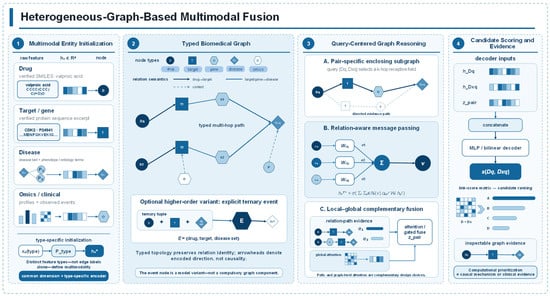
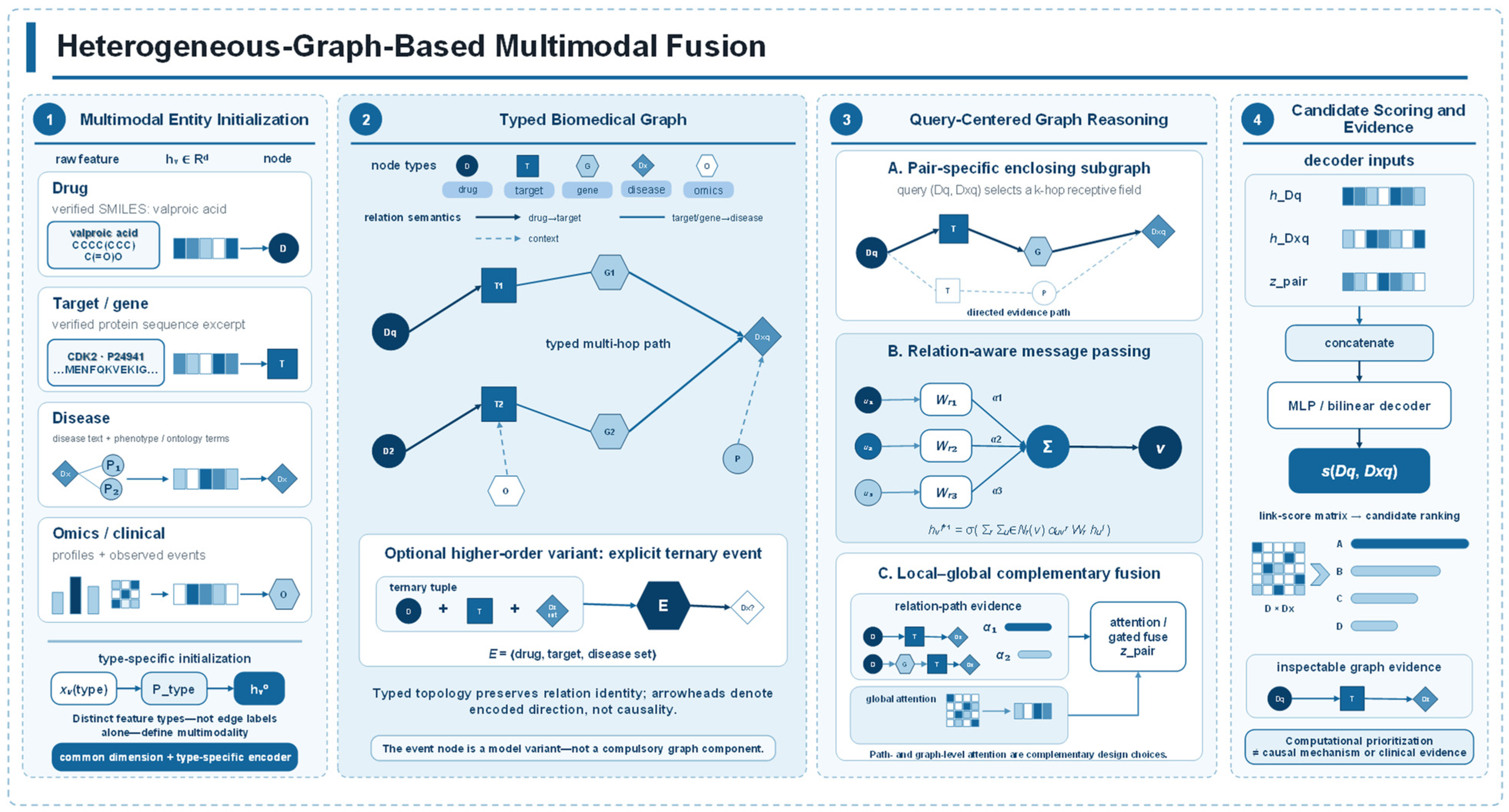
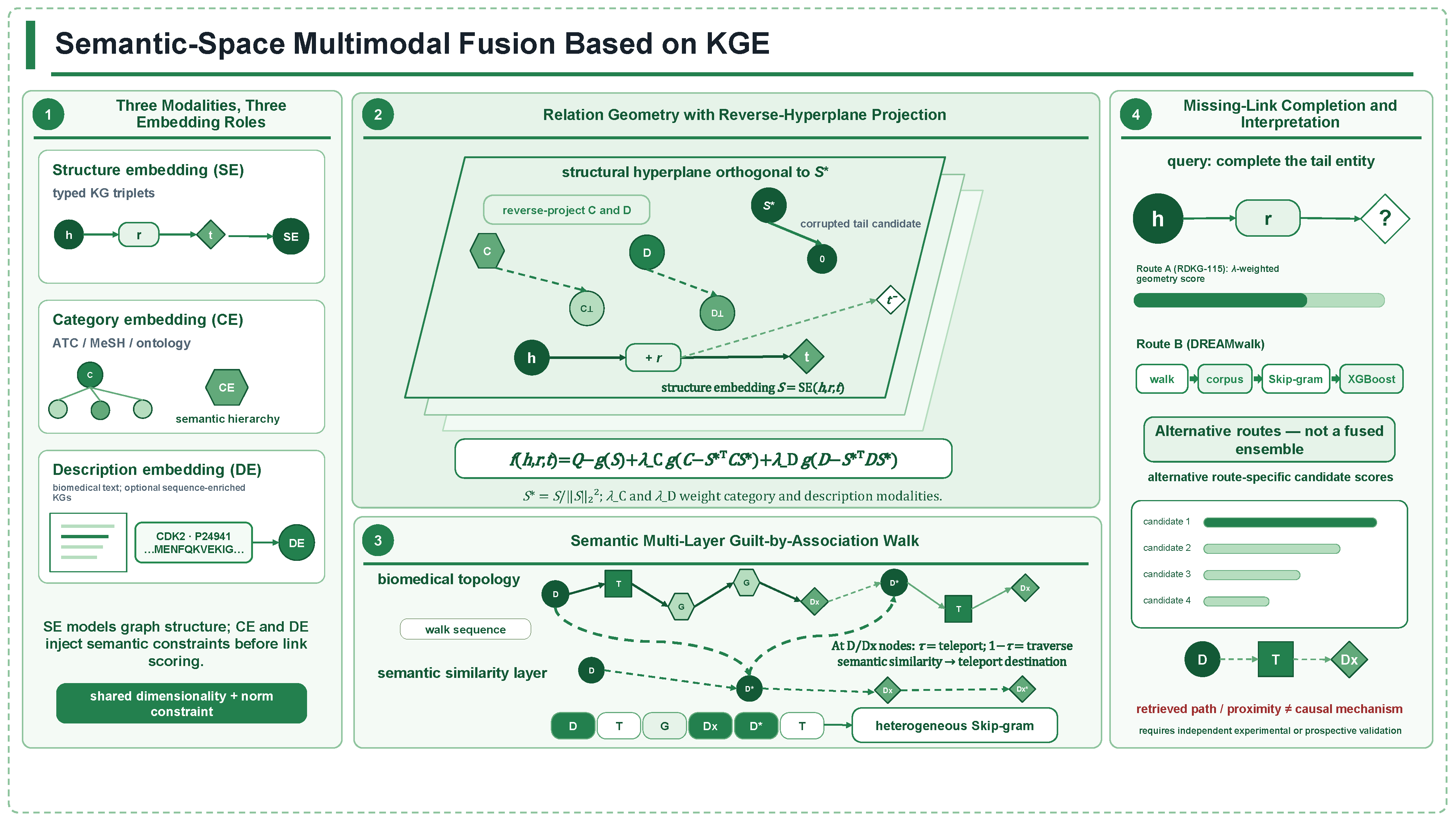
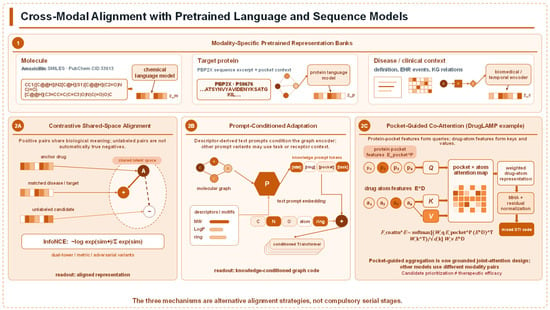
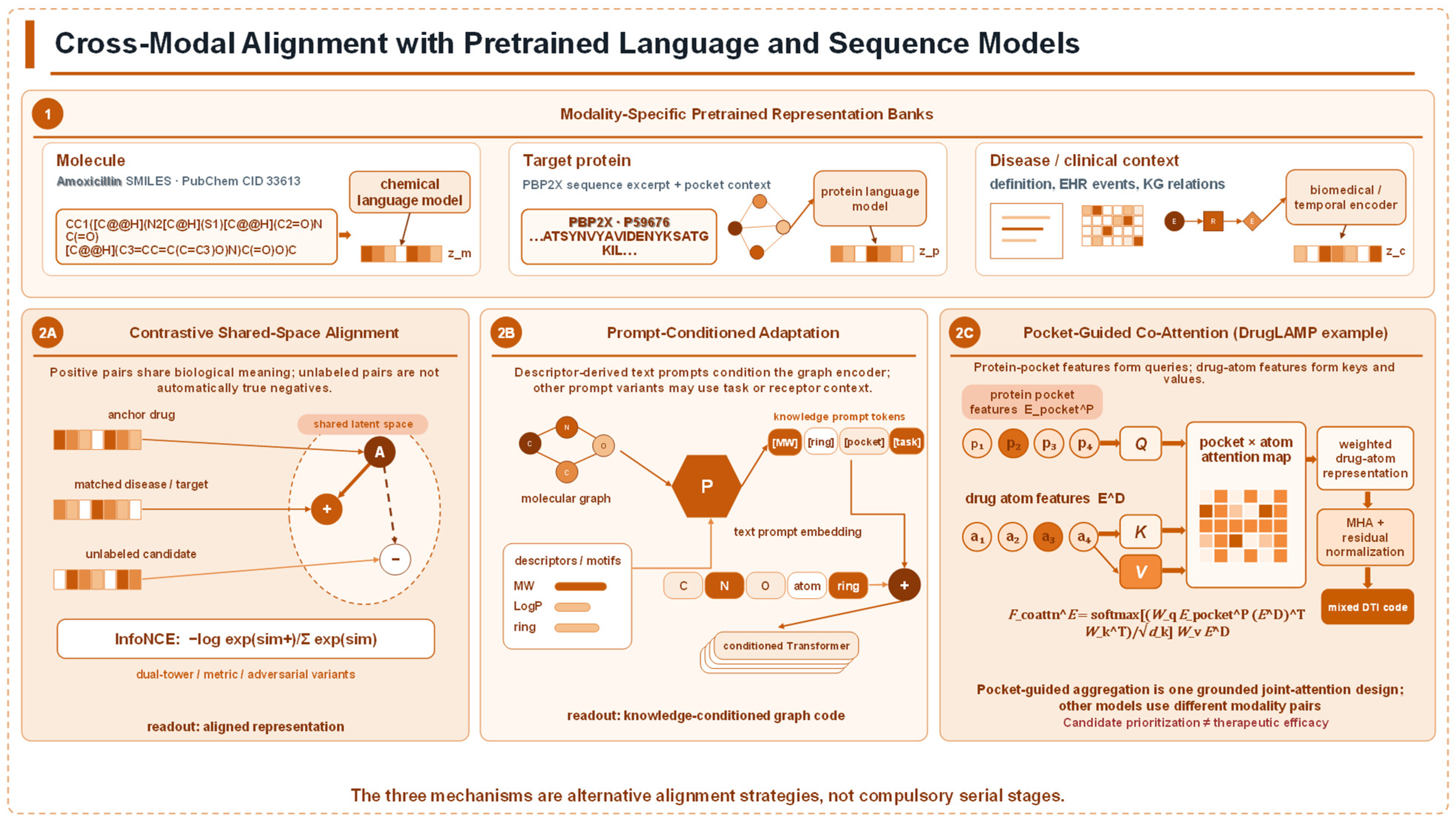

Disclaimer/Publisher’s Note: The statements, opinions and data contained in all publications are solely those of the individual author(s) and contributor(s) and not of MDPI and/or the editor(s). MDPI and/or the editor(s) disclaim responsibility for any injury to people or property resulting from any ideas, methods, instructions or products referred to in the content. |
© 2026 by the authors. Licensee MDPI, Basel, Switzerland. This article is an open access article distributed under the terms and conditions of the Creative Commons Attribution (CC BY) license.