


Abstract
As electromobility reduces tailpipe emissions, regulatory focus, including the upcoming Euro-7 standard, shifts to non-exhaust emissions (NEEs). Brake wear particulate matter (PM) significantly contributes to urban pollution and severe health risks. This Preferred Reporting Items for Systematic Reviews and Meta-Analyses (PRISMA) for Scoping Reviews (ScRs) compliantly reviews systematically mapped research on brake dust generation, measurement methodologies, and mitigation strategies. Following a literature search across Scopus, Web of Science, and EBSCOhost for English and German publications, 125 studies were extracted using the AI tool Elicit and manually verified. The synthesis indicates that coarse particles (PM10 and PM2.5) originate primarily from mechanical abrasion and tribo-oxidation, while ultrafine particles (UFPs) form via thermal decomposition of organic binders at critical temperature thresholds. For quantification, enclosed inertia dynamometers with constant volume sampling (CVS) show clear convergence as the standard. Effective mitigation includes wear-resistant hard coatings, low-emission pad formulations, active on-board filtration, and enclosed drum or encapsulated wet brakes. Furthermore, regenerative braking in electric vehicles (EVs) can reduce particulate emissions by up to 95% under standardized driving cycles or optimal operating conditions. Despite these advancements, knowledge gaps remain. Future research must prioritize standardizing real-world on-road measurement protocols, enabling wet braking concepts for automotive applications by addressing drag losses and performance limits, and developing and validating coupled predictive models as a basis for future digital twins to design zero-emission braking architectures.
1. Introduction
Stricter emission regulations and the gradual electrification of the automobile significantly reduce tailpipe emissions [1], shifting regulatory attention toward non-exhaust emissions (NEEs) such as brake and tyre wear [1,2]. Among NEEs, brake wear particulate matter (PM) represents as a contributor, accounting for up to more than 50% of traffic-related PM emissions in urban environments [3]. These airborne wear particles pose health concerns, as fine particles and ultrafine particles (UFPs) can get deep into the respiratory system and enter the bloodstream, inducing oxidative stress and inflammatory responses [4,5,6]. Studies link these to the risk of cardiovascular and neurodegenerative effects due to the presence of toxic transition metals like iron and copper [4,5,6]. Furthermore, brake wear is a prominent source of metal pollution in aquatic systems [5]. Consequently, upcoming regulations, such as the Euro-7 standard, mandate limits on brake wear particulate emissions [1,4,7]. However, current interlaboratory studies indicate that over 60% of tested series-production brakes exceed the upcoming Euro-7 limits [7], underlining the urgency of this issue.
To address these environmental and regulatory challenges and achieve compliance, the automotive industry requires a holistic development approach, including advanced material engineering, complying Global Technical Regulation (GTR) No. 24 testing, and predictive simulation [7]. Accordingly, the current state of research encompasses a broad and highly interdisciplinary field. Investigations examine the fundamental tribological processes and material sciences, exploring the formation and destruction of friction layers, and the formulation of low-emitting pad and disc materials [8,9,10]. Besides standard pin-on-disc (PoD) measurements [10], sophisticated brake dynamometers with enclosed constant volume sampling (CVS) are being used to characterize particle mass and number concentrations [11]. Furthermore, a variety of mitigation strategies are currently under exploration, including the application of wear-resistant coatings on brake discs [12,13], the implementation of active on-board collection systems [14,15], the use of fully encapsulated brake architectures such as wet multi-disc brakes [16] and the integration of electromechanical recuperation via regenerative braking systems (RBSs) in electric vehicles (EVs) [17,18].
Despite the extensive number of studies and the rapidly growing number of publications over recent years, a comprehensive and structured mapping of the literature remains absent. Existing studies often focus on specific niches, such as toxicological impacts, standardized testing procedures, or isolated material tests, but fail to span the entire arc from particle generation and measurement to mitigation. A systematic mapping of the fragmented studies is essential. Providing a structured overview of brake wear emissions is crucial for researchers and engineers to synthesize current knowledge, identify research gaps, and guide the development of efficient, low-emission or emission-free braking systems.
Therefore, the objective of this scoping review is to systematically map the existing research on brake dust emissions, providing a comprehensive overview of the current state of research and identifying research gaps. To fulfil this objective, the review is structured around three specific guiding questions:
- Generation and Mechanisms: What are the tribological generation mechanisms, and which operational and system-level influences drive particulate emissions?
- Measurement and Characterization: How are particulate emissions characterized; what test bench setups and measurement methodologies are currently applied and what are the uncertainties of these?
- Mitigation Strategies: Which technological concepts and strategies exist to effectively reduce brake dust emissions?
2. Fundamentals
2.1. System Components and Friction Materials
Friction brakes convert a vehicle’s kinetic energy into thermal energy. A standard automotive disc brake consists of a rotor (brake disc) attached to the wheel hub and stationary brake pads that are pressed against the rotor by a calliper. Rotors are predominantly manufactured from grey cast iron (GCI) due to its good thermal conductivity and cost-effectiveness [4,19,20]. Brake pads, on the other hand, are complex composite materials. They consist of a variety of ingredients, including binders, typically phenolic resin, reinforcing fibres, fillers, lubricants, and abrasives [21,22]. Industrially, these friction materials are divided into three main categories [23,24,25]:
- Non-asbestos organic (NAO): These pads contain very little to no metal, often use ceramic powders, and are characterized by low noise generation [24,25].
- Low-metallic (LM): These combine organic constituents with a moderate amount of metal [5,26].
- Semi-metallic (SM): These pads feature a high metal content and generally cause the highest wear on the brake disc [25,27].
2.2. Tribology and Particle Generation Mechanisms
Brake wear and the resulting generation of brake dust are driven by a combination of abrasive, adhesive, and thermal mechanisms at the friction interface [25,28,29]. The macroscopic wear behaviour is influenced by the microscopic dynamics of the third-body layer [30]. Hard components protruding from the brake pad, such as metal fibres, act as primary plateaus that carry most of the mechanical load [10,31]. Fine wear debris from both the disc and the pad circulates within the friction gap, accumulates against these primary plateaus, and gets compacted under heat and pressure to form secondary plateaus [10,31]. The continuous cycle of formation and destruction of these plateaus largely determines the amount of emitted brake dust [10,31,32]. In addition, thermal effects occur at elevated temperatures [8,33]. At this point, organic binders begin to decompose and evaporate [34].
2.3. Characterization of Particle Emissions
Brake wear emissions are primarily characterized by particle mass and particle number (PN). The particle mass is divided into the aerodynamic fractions PM10 and PM2.5. The mass-based size distribution is usually unimodal, with the peak occurring at an aerodynamic diameter of 2 to 3 µm, while the majority of the mass is concentrated within the broader range of 1 and 6 µm [25]. UFPs, which are often generated by the thermal nucleation processes mentioned above, hardly contribute to the total mass but can dominate the PN concentration above a critical temperature [35]. Chemically, the emitted particles are a mixture of the initial friction materials. Since the GCI rotor undergoes significant wear, the majority of the particles consists of iron and iron oxides [5]. This is supplemented by specific elemental markers from the brake pads, such as copper, barium, or other markers [36,37].
2.4. Measurement Methodologies and Test Rig Technologies
Different experimental setups are used to reliably quantify brake particle emissions. For fundamental tribological studies at the material level, PoD tribometers are frequently used [23]. To characterize full brake systems under realistic conditions, inertia dynamometers have become the established standard [38,39]. To minimize particle losses and exclude ambient background pollution, the brake assembly is enclosed in a sealed chamber continuously supplied with conditioned, high-efficiency particulate air (HEPA) filtering [35,39,40]. The generated aerosol is extracted via a CVS tunnel [36,39]. For instance, research setups like the one developed at the IPEK Institute demonstrate the practical implementation of these requirements by enclosing a standard inertia test rig in a sheet metal structure to shield it from ambient influences and integrating a specialized sampling duct for real-time particle monitoring [41]. Instruments such as cascade impactors determine the mass distribution, while Condensation Particle Counters (CPCs) measure the PN [34]. To harmonize these measurements globally, the UNECE Particle Measurement Programme (PMP) group [40] provides guidelines like the Worldwide Harmonized Light-Duty Vehicles Test Procedure (WLTP)–brake cycle [42] and corresponding testing guidelines like UN GTR No. 24 [43,44].
2.5. Technological Mitigation Strategies
To reduce brake dust emissions, several technological approaches are currently being investigated at the material, system, and vehicle levels. On the material level, alongside the optimization of pad formulations, wear-resistant hard coatings are increasingly applied to the brake disc to minimize abrasive rotor wear, e.g., laser cladding [10,20,45]. Additionally, structural design changes are being explored, such as modified disc textures [10,46]. On a vehicle level, regenerative braking in EVs and hybrid electric vehicles (HEVs) significantly reduces emissions by taking the load off the mechanical friction brake [17,18,47]. A prominent industrial implementation is the “In-Drive” braking system from Mercedes-Benz, which utilizes the “Vehicle as Electricity Generator” concept to maximize energy recovery during deceleration, thereby reducing the necessity of friction brake engagement to a minimum [48]. Finally, to capture already generated particles before they reach the environment, local on-board collection systems like active suction devices or electrostatic precipitators (EPs) [14] and fully enclosed brake designs, such as wet multi-disc brakes [16], are utilized. Research prototypes like the ZEDU-1 projects or commercial developments such as the Schaeffler Integrated Wet Brake System demonstrate that by trapping wear debris within a cooling and lubricating fluid, airborne particulate release can be eliminated entirely [16,49].
3. Methodology
This systematic literature review was conducted in accordance with Preferred Reporting Items for Systematic Reviews and Meta-Analyses (PRISMA) for Scoping Reviews (ScRs) to ensure a transparent, comprehensive, and reproducible reporting of the study identification and selection process [50]. A completed PRISMA-ScR checklist is provided in Table S1 (Supplementary Materials). No formal review protocol was registered prior to the commencement of this study.
3.1. Document Search and Screening
To establish a structured overview of the research field, an initial search string was developed on 25 October 2025. This string was iteratively refined through discussions between the authors, drawing on preliminary research and clearly defined review objectives. The final search query consists of keywords divided into two primary categories: the first category addresses particle emissions, while the second focuses on formation and influencing factors, measurement methods and metrics, and technological concepts and mitigation strategies. The final search string is visualized in Figure 1. The exact, reproducible search string executed in all databases is provided in Appendix A.
Figure 1.
Visualization of final search string for the database Scopus; The asterisk (*) acts as a truncation wildcard for word stem variations.
The systematic literature search was performed on 18 December 2025, utilizing the Scopus [51], Web of Science [52], and EBSCOhost [53] databases. The search was conducted within the fields of title, abstract, and keywords. While no temporal restrictions were applied to the publication date, the scope was limited to documents published in English or German. Furthermore, the search was restricted to specific document types, namely original articles, conference papers, and reviews.
The selection process is detailed in the PRISMA flow diagram in Figure 2: The systematic search revealed 712 results from Scopus, 190 from EBSCOhost, and 340 from Web of Science, totalling 1242 identified records. Prior to screening, 423 duplicate records and 19 reports that did not meet the language criteria were removed, leaving a body of 800 records for further evaluation. These documents were manually screened by the authors based on their titles and abstracts, which led to the exclusion of 555 records. A vast majority of these excluded records were environmental or health studies that focused on the impacts of PM rather than the technical generation, measurement, or mitigation of brake wear emissions. Of the remaining 245 reports sought for retrieval, 45 documents could not be retrieved.
Figure 2.
PRISMA flow diagram, adapted by CC BY 4.0 [50].
The resulting 200 reports were subjected to a manual full-text eligibility assessment based on the exclusion criteria (C1–C6) defined in Table 1 by the authors. To ensure the quality and consistency of the exclusion process for the 75 documents that did not meet the eligibility requirements, the web app Elicit [54] was employed as a secondary screening layer. Any discrepancies between the authors’ initial manual screening and Elicit’s classifications were systematically flagged. These conflicting cases were re-evaluated together by both authors, and the final inclusion or exclusion decision was reached through mutual consensus. A detailed list of these excluded full-text reports and the specific reason for their exclusion is provided in Appendix B. In cases where documents showed substantial similarity or overlap, only the most comprehensive version was retained. 125 primary studies were included in the final review. This core set was supplemented by 16 additional references cited primarily in Section 1, Section 2 and Section 3 to support the theoretical background and provide context.
Table 1.
Criteria used for exclusion of documents based on manual full-text screening.
3.2. Data Extraction and the Synthesis of Results
For the systematic analysis of the included studies, a targeted framework for data extraction was defined, comprising seven distinct groups of features, visualized in Table 2. To accelerate the data generation process, the AI-assisted tool Elicit [54] was initially used to support the extraction of study characteristics and measurement outcomes. Subsequently, all AI-generated extractions were comprehensively reviewed and read by the authors against the original full texts. Due to inherent AI error rates, each extracted data point presented in our tables was individually cross-checked against the primary literature. Incorrect information was systematically removed, while missing data points were manually retrieved, supplemented, and tracked. In every instance where the AI produced inaccurate or incomplete data, a mutual discrepancy resolution protocol was followed: both authors jointly re-evaluated the source paper to reach a consensus, thereby guaranteeing the absolute quality and integrity of the synthesized dataset. This structured approach ensured that the heterogeneous information from the various studies was captured consistently.
Table 2.
Framework for data extraction.
The synthesis and summary of the extracted results are presented in narrative, tabular, and visual formats. To illustrate the distribution of the documents according to the defined characteristics, various diagrams and charts were utilized. In accordance with the PRISMA-ScR guidelines and the primary objective of evidence mapping, this study does not perform a quantitative meta-analysis, statistical pooling, or mathematical weighting of emission factors, temperature thresholds, or mitigation efficiencies. Due to the high heterogeneity of experimental setups, test cycles, and measurement instrumentation across the 125 included studies, a mathematical aggregation of data would be methodologically inappropriate. Consequently, all quantitative values, ranges, and percentages presented in Section 4 were systematically extracted as individual findings from the primary literature (comprehensively mapped in Appendix D) and are synthesized and discussed narratively to illustrate the current spectrum of evidence.
4. Results
4.1. Bibliometric Landscape and Characteristics of the Evidence Base
Figure 3 displays the number of documents published over the years. The visualization shows that brake wear emissions have been the subject of research since the year 2000. However, most of the documents are published over recent years. Notably, 76% of the identified documents are published between 2020 and early 2026. This trend indicates a rapidly growing academic and regulatory interest in NEEs, driven by the automotive industry’s transition toward electromobility.
Figure 3.
Distribution of documents per year.
The geographic origin of the corresponding research teams is mapped in Figure 4. The research is mainly driven by South Korean (n = 22), German (n = 20) and Swedish (n = 12) researchers. This highlights a strong concentration of scientific output in regions characterized by the automotive industries and stringent environmental regulations.
Figure 4.
Distribution of documents per geographic origin.
Figure 5 depicts the distribution of the primary studies across various scientific journals. The analysis confirms the highly interdisciplinary nature of this topic, bridging tribology, material science, and environmental research. A significant share of the articles is published in the core journals Wear (n = 22) and Atmosphere (n = 18). The remaining publications are widely dispersed across 43 additional publishers. Notably, 27 of these journals are represented by only a single document each, grouped together as the category “Other”.
Figure 5.
Distribution of documents per scientific journal.
Regarding the format of the published research, Figure 6 visualizes the distribution of the documents per document type. The analysis revealed that 97% of the documents are published as peer-reviewed articles and complemented by a small fraction of conference papers (n = 4). This dominance of original contributions underscores that the current knowledge base is primarily characterized by primary research.
Figure 6.
Distribution of documents per document type.
Figure 7 presents a frequency distribution of the most assigned author keywords. To account for variations in terminology, similar keywords are harmonized into overarching categories. For instance, the category “NEE” (n = 33) includes original terms such as “non-exhaust”, “non-exhaust particulate matter”, and “non-tailpipe”. A complete mapping of all harmonized keyword categories and their corresponding original terms is provided in Appendix C. These harmonized categories, along with “Brake Wear Particle” (BWP) (n = 31) and “PM” (n = 22), represent most of the literature base. Furthermore, the frequent use of methodological and technological terms, such as “Disc brakes” (n = 19) and “Dynamometer/Testing” (n = 17), reflects the field’s dual focus on specific brake system components and emission quantification.
Figure 7.
Distribution of the most assigned author keywords.
To systematically map the current state of research and ensure full transparency in accordance with the PRISMA-ScR guidelines [50], a comprehensive overview of all 125 included primary studies is provided in a table in Appendix D.
4.2. Determinants of Particle Formation and Emission Levels
Based on the data extraction of the 125 included studies, the generation of brake wear PM is identified as a complex process driven by multiple interacting factors. The systematic mapping of the reviewed studies reveals that particle emission profiles are fundamentally dictated by three core domains: the underlying tribological mechanisms at the contact interface, the specific operating conditions and kinematic loads during braking events, and the material-specific properties of the friction couple.
To provide a structured synthesis of these interacting domains, Figure 8 illustrates the causal chain of brake wear particle generation. This model identifies the critical role of temperature as a moderating switch that determines whether particle formation is governed by mechanical abrasion and tribo-oxidation or by thermal decomposition and volatilization. By mapping the transition from kinematic and material-specific inputs to their respective mass- and number-based emission profiles, the figure serves as a visual framework for the detailed evidence synthesis in Section 4.2.1, Section 4.2.2 and Section 4.2.3.
Figure 8.
Causal model of brake wear particle generation mechanisms, own illustration.
4.2.1. Interfacial Regimes: Mechanical, Chemical and Thermal Processes
The friction interface of vehicle braking systems evolves continuously from predominantly mechanical wear at lower temperatures through increasingly tribo-oxidative conditions to thermally driven decomposition and volatilization at elevated temperatures. After volatile species leave the friction interface, cooling in the surrounding air promotes condensation, nucleation, and coagulation. The relative contribution of these mechanisms depends on friction-material composition, local interfacial temperature, contact pressure, sliding conditions, bedding state, and cooling environment. Table 3 summarizes these regimes in terms of characteristic temperature conditions, particle sizes, chemical signatures, and experimental evidence.
Table 3.
Summary of the dominant interfacial particle-formation regimes.
Low-temperature mechanically dominated wear. At comparatively low interfacial temperatures, particle formation is dominated by abrasive and adhesive wear [10,25,32,36,55]. Abrasive wear results from ploughing or penetration of hard asperities into softer surfaces and is particularly pronounced during the initial running-in phase and in friction materials containing highly abrasive constituents [32,56,57,58,59]. Adhesive wear involves localized bonding and subsequent tearing of material, frequently resulting in material transfer between the disc and pad [20,55,60,61,62]. These processes generate wear debris across a broad size range, with larger sheet-like particles commonly associated with delamination and fatigue and smaller particles originating predominantly from abrasive and adhesive interactions [63].
At the macroscopic level, mechanically dominated wear is controlled by the formation and evolution of the third-body layer and its contact plateaus [9,10,31]. Hard constituents in the friction material form primary contact plateaus, while wear debris accumulates and compacts against these structures to form secondary plateaus [10,31,32,64,65,66]. Their continuous formation, stabilization, and destruction determine the effective wear rate and the release of particulate matter [10,27,31,66]. Accordingly, disruption of the friction layer promotes airborne particle formation, whereas a stable third-body layer is generally associated with lower particulate emissions [8,9,10,31,32,67].
Experimental mass balances suggest that approximately 35% to 70% of the total worn material escapes the brake contact zone and becomes airborne PM [42,44,68].
Intermediate-temperature tribo-oxidative processes. With increasing interfacial temperature, frictional heating promotes oxidation and progressively strengthens the contribution of tribo-oxidative wear, particularly for conventional GCI discs [15,27,55,69,70,71,72,73]. Oxidation of the iron-rich disc surface produces hard iron oxides, including magnetite and hematite, which become incorporated into the third-body layer and can subsequently act as abrasive constituents. The resulting interaction between oxidation and mechanical abrasion accelerates material removal and contributes to the formation of fine and iron-rich PM [27,38,55,69,71,72,73]. Under intensive abrasive and oxidative contact conditions, nano-sized wear debris may also be generated [27,38,72,74].
In the case of coated rotors, carbide particles torn from the coating act as third-body abrasives within the friction interface, with the resulting tribo-oxidation forming an interfacial iron-oxide layer [75]. Severe mechanical deformation within the contact can further produce a secondary friction layer consisting of a nanocrystalline layer of iron-oxide grains that is approximately 100 nm in thickness with a grain-size range of 10 to 100 nm [10,31,61].
High-temperature thermal decomposition and volatilization. At elevated temperatures, the contribution of thermally driven processes increases and may become dominant for UFP formation [27,56,76,77,78,79,80]. Heating of the friction material causes degradation of organic binder constituents and the release of volatile and semi-volatile species, thereby introducing an emission pathway that differs from the direct mechanical release of solid wear debris. Reported apparent onset temperatures for this transition vary widely between approximately 140 and 300 °C depending on friction-material composition and experimental conditions. Critical temperatures for the onset of UFP emission are reported between approximately 140 and 190 °C [2,34,38,76,81], while decomposition of organic binder components has been reported to begin at approximately 170 to 200 °C [82,83]. Abundant nanoparticle formation during thermal degradation and volatilization is reported at a brake-pad temperature of approximately 250 °C [84], whereas thermal degradation becomes particularly severe above 300 °C [73,85,86]. The tribological transition from mild to severe wear is observed between 180 and 250 °C [38].
Under combined abrasive and oxidative conditions, nano-sized wear particles form as the rotor temperature approaches approximately 300 °C, a threshold associated with the heterogeneous ignition of carbonaceous constituents [26].
The reported variation in critical temperature reflects differences in both friction-material composition and temperature measurement. Organic-binder formulations can generate volatile species at lower temperatures, whereas inorganic or low-metallic formulations may require higher temperatures [2,11]. In addition, thermocouples positioned within the pad or disc measure a delayed, spatially averaged bulk temperature rather than the local flash temperature at the friction interface; therefore, installation depth and sensor type can shift the apparent onset temperature [35,76,82]. Local asperity-level hot spots may further exceed the measured average temperature, with their magnitude depending on contact pressure, sliding speed, braking power, bedding condition, and cooling airflow [2,11,81]. Consequently, the reported range of 140–300 °C should be interpreted as a material- and setup-dependent apparent onset range for UFP formation rather than as a universal decomposition temperature [82,83].
Cooling-induced condensation, nucleation and coagulation. Nanoparticles are generated mainly via volatilization and subsequent condensation [1,87]. Thermal decomposition and volatilization are followed by condensation, nucleation, and coagulation in the cooler surrounding air, thereby forming large numbers of UFPs. Frictional heating produces low-volatility vapours that nucleate into nanometre-sized particles once a critical pad-material temperature is exceeded, and this process is accompanied by electron emission and electrostatic charging of the resulting aerosol [2,11,83,86,88,89].
Studies report that once the local temperature exceeds a material-dependent critical threshold, PN concentrations increase by several orders of magnitude [33,42,79,88]. The PN size distribution often exhibits a distinct peak around 10 nm, which is primarily attributed to thermal nucleation of volatilized organic binder’s components during high-temperature braking events [33,57,66,77,82,84,90].
4.2.2. Impact of Operational Loads and Driving Profiles
BWP generation is sensitive to operating conditions because these conditions determine the kinetic energy dissipated during the friction process [59,91,92,93,94,95,96]. Within this mechanical framing, initial vehicle speed, braking deceleration, and applied contact pressure are identified as the primary drivers influencing particulate emissions [36,59,95,96]. Under typical operation, nominal contact pressures range up to 2 MPa in normal driving and can reach 5 MPa during intense braking, with sliding velocities spanning from below 1 m/s to nearly 20 m/s [25,37,97]. A notable contact-pressure threshold of approximately 5 to 6 MPa has been reported, beyond which PN emissions increase significantly even at constant velocity [98].
Consistently, experimental studies show that PN and particle mass increase with the kinetic energy dissipated during braking, which is primarily governed by the initial braking speed [2,22,44,91]. Since the interaction of speed, deceleration, and pressure defines the frictional power, frictional power is often described as the most critical aggregate factor affecting emissions [25,84,96]. When frictional power drives the localized disc temperature beyond critical transition thresholds, typically between 160 and 190 °C, UFP emission rates increase [34,79,94,96,99]. Although deceleration is one of the key operating descriptors, its independent contribution remains debated, with at least one study reporting only a limited effect [91].
Beyond single-parameter effects, the driving profile strongly shapes emissions: urban stop-and-go traffic generates substantially higher BWP emissions than rural or motorway driving [43,47,100]. Aggressive driving further increases BWP emissions compared with normal driving [17]. Conversely, anticipatory and gentle low-emission braking behaviour can reduce PM2.5 and PM10 emissions by over 22% [101].
Vehicle mass affects both the energy that must be dissipated and how test conditions are represented in the laboratory. In a hybrid mid-size passenger car, adding a payload of approximately 70 kg increases PM emissions by up to 20% [102]. Other studies report that increasing the payload by 200 kg can double emitted PM [103]. Reflecting this mass dependence, dynamometer studies use test inertias ranging from 40 to over 70 kg m2 depending on the vehicle mass [57,69]. Mechanically, higher payloads require greater braking energy for deceleration and therefore lead to increased particulate emissions [11,94,102,104]. In addition, variations in test inertia can produce emission differences by a factor of 2 to 3, and the role of disc temperature becomes increasingly dominant at higher inertias [105].
To reproduce real-world driving in controlled conditions, research employs reference cycles such as WLTP–brake and the Los Angeles City Traffic (LACT) cycles [11,44,69,76,95,101,106]. The WLTP–brake cycle comprises over 300 individual brake events over 190 km [42,101]. Across cycle types, a clear distinction is observed between urban and highway driving with regard to emission patterns [47,100]. Urban driving profiles such as LACT incorporate decelerations that are linked to higher emission patterns during braking events [76]. High braking frequency, combined with reduced cooling airflow, promote heat accumulation and elevate average disc temperatures, increasing overall PM emission factors [9,18,33,95]. Conversely, highway driving involves less frequent but harsher braking events, and these intense scenarios are associated with short-term bursts of fine particles and UFPs even if average emissions are lower [78,107]. Such extreme deceleration events can generate intense, short-term bursts of fine particles and UFPs [78,79,90,108].
Brake temperature is commonly monitored as the Initial Brake Temperature (IBT) before a braking event, while the peak disc temperature is considered a critical driver of particle emissions [5,8,44,65]. While IBT significantly affects emissions during the early phase of braking, the final disc temperature is governed by braking power rather than the initial temperature [1]. Accordingly, the rate of nanoparticle generation via volatilization and condensation is influenced by both IBT and braking power [1,82]. In standardized dynamometer testing, IBT is frequently strictly controlled and typically starts between 40 and 100 °C [25,57,94]. Under typical driving conditions, brake temperatures predominantly remain within 100 to 200 °C [109]. Under intense braking, macroscopic disc temperatures can reach 300 to 600 °C [37], and locally approach 1000 °C [85].
At lower temperatures, mechanical abrasion dominates; average disc temperatures are often between 50 and 150 °C [42,94]. When the friction-interface temperature exceeds a critical threshold, UFP emissions increase [59,77,94,99]. Depending on the friction pair, this critical threshold is frequently reported in the range from 130 to 245 °C [77,79,94,99,103]. Component condition also matters: a comparable transition for used components may not occur until 370 to 400 °C [110].
Above the critical threshold, thermal decomposition of the pad matrix becomes the dominant emission mechanism [8,79,99]. In terms of mass relevance, below approximately 200 °C UFPs make no measurable contribution to PM10 mass concentration, whereas above this threshold their mass fraction can reach tens of percent [35].
At elevated pad temperatures, thermo-oxidation of organic pad constituents becomes an additional source of UFP production, and ambient temperature appears to exert a direct effect on particle generation [80]. Under such conditions, local temperatures can be elevated to 300 to 600 °C and short-term particle bursts of up to 1014 particles per stop have been reported [37,85,88,90]. During fade testing at approximately 350 °C, significant transition effects and increased mechanical wear with very coarse wear products have been observed [98].
4.2.3. Material Determinants and Formulation Effects
The material-specific properties of friction pairs directly modulate the temperature-dependent wear regimes and emission transitions described above. Specific pad formulation affects emission behaviour. LM pads incorporate significant amounts of metallic abrasives and reinforcements, such as steel wool, copper, zinc powder, and aluminum oxide [42], while SM pads are characterized by high steel fibre and iron powder content [107]. Due to these metallic constituents, both types exhibit comparatively high material densities of approximately above 2.7 g/cm3 for LM and 2.8 g/cm3 for SM [27]. Despite their similar compositions, their tribological behaviour differs: LM pads exhibit high friction and fade more aggressive toward the rotor [38,97,104,107], while SM pads offer lower wear but only average high-temperature performance [107]. For example, observations on SM lining show that the average coefficient of friction drops by approximately half as temperature increases by roughly 220 °C [29].
In contrast, NAO pads rely on non-metallic constituents such as potassium titanate fibres [39,107], glass, and sulfur [4], resulting in a lower density of about 2 g/cm3 [27]. Both metallic pad types generate higher emissions than NAO materials [27,39]. Consequently, experimental data reveals that LM pads generate higher particulate mass and PN emissions compared to NAO pads, with reported differences of 3 to 4 times in both number and mass [39,97,107]. Comparative dynamometer tests in the PMP interlaboratory study further indicate that the total PN emissions of LM pads are approximately 50% higher than those of NAO pads, consistent with a transition from abrasive to adhesive wear [11]. Furthermore, the incorporation of soft metallic components such as copper and tin, which form effective lubricating tribolayers at elevated temperatures, has been shown to remarkably reduce PM emissions [39,59]. In addition, the detailed friction modifier chemistry of low-steel pads, including different abrasives, further governs the tribological contact and resulting particle generation [59].
Transitioning to the counterpart in most automotive disc brakes, the GCI rotor is favoured for its thermal conductivity, vibration damping, and cost-effectiveness [20,27,111]. These GCI rotors typically conform to industrial standards such as G3000, featuring a carbon-equivalent content of around 4.0 wt% [27,38]. However, the continuous abrasive wear and tribo-oxidation of the GCI rotor under high thermal loads represent a primary source of iron-rich wear debris. Studies indicate that the oxidized iron particles originating from the rotor can constitute more than 50 wt% of the total PM emitted from the brake system [5,27,71].
4.3. Quantification Methodologies and Particle Characterization
Mapping the methodological approaches across the selected primary studies highlights a diverse and evolving landscape for quantifying BWP emissions. The synthesized evidence shows that the characterization of these emissions depends on the synergistic interaction of three core pillars: the targeted physico-chemical particle properties, the specific test rig architectures utilized, and the specialized instrumentation applied for aerosol sampling. The following subchapters map the current state of research across these three methodological domains.
4.3.1. Physico-Chemical Emission Profiles
To capture the wide spectrum of sizes, morphologies, and chemical compositions of brake wear debris [26,38,77,84,112], the research consistently reports that particle size distributions must be fundamentally differentiated into mass and number concentrations [25,26,62,66,112].
The particulate mass is predominantly characterized by a unimodal or bimodal distribution in the fine-to-coarse size range [25,36,42,60,63,84,89]. The mass size distribution typically peaks at an aerodynamic diameter between 1 and 6 µm [10,20,25,42,87,113]. Consequently, a substantial portion of the emitted mass falls within the PM10 and PM2.5 fractions, highlighting their environmental relevance [18,25,44,47,67,73,114,115]. Specifically, extensive dynamometer and on-road measurements report PM10 emission factors ranging up to 30 mg/km per vehicle in extreme cases [42,44,101,116,117]. Fraction analyses show that more than 80% of the total airborne mass fall within the PM10 range, while between 35 and 70% is classified as PM2.5 [25,38,44,114,118].
In contrast, the PN concentration is dominated by UFPs [11,62,80,84,100]. While these nanoscale particles contribute negligibly to the total emitted mass [26,69,112], detailed investigations using Electrical Low-Pressure Impactor reveal that they can account for over 80% to 95% of the total PN [8,62,82,84,108]. Total PN emissions span an enormous range from 108 up to 1014 particles/km per vehicle, depending on the braking intensity and temperature [42,77,79,89,97,117]. Furthermore, the geometric mean diameter of the total number distribution resides in the ultrafine-to-fine transition regime, specifically measured between 120 and 165 nm [5,24,27,57,97]. Notably, measurements using enclosed multi-disc brake configurations have detected particle size distributions extending down to 2.5 nm, indicating that sub 10 nm nucleation-mode particles may be more prevalent than conventional instrumentation resolves [108].
Chemically, BWPs are a heterogeneous mixture of the friction couple materials. Due to the abrasive wear and tribo-oxidation of conventional GCI rotors, iron and various iron oxides constitute the most abundant fraction of the particulate mass [5,26,34,55,60,71]. Elemental analyses demonstrate that iron can constitute approximately 50 to over 60 wt% of the total PM10 mass for LM brake pads [5,69,119], while NAO pads indicate lower iron fractions, approximately 25 to 40% [69,119]. In addition to iron, the particles are enriched with trace metals such as copper, zinc, barium, and antimony originating from the specific brake pad formulations [5,26,32,34,61,72,88,108]. Furthermore, the ultrafine fraction often contains a significant proportion of carbonaceous material and organic compounds resulting from the thermal decomposition of pad resins [85,88]. Across different pad formulations, organic carbon accounts for up to 22% of the total particulate mass [82].
The morphological characteristics of the particles provide direct evidence of their formation mechanisms. Micro-sized particles generated by mechanical abrasion typically exhibit irregular, flaky, or chunky shapes with rough perimeters [5,26,32,58,120], with one study reporting that their thickness is only one-tenth to one-thirtieth of their lateral dimension [58]. Conversely, nanoscale particles formed via thermal processes tend to be nearly spherical or round, frequently agglomerating into larger, complex clusters after condensation in the surrounding air [26,88].
4.3.2. Experimental Setup: Laboratory to On-Road
The extracted data reveals that the experimental investigation of BWP emissions is conducted across three distinct scaling levels: fundamental material tests, full-scale laboratory simulations, and real-world on-road measurements. To evaluate the fundamental tribological performance and initial particle generation of specific friction couples, researchers employ PoD tribometres [20,35,67,97,120,121]. These setups provide controlled stationary conditions, operating under precise sliding velocities and nominal contact pressures [64,67,114,122]. To monitor airborne fractions, these tribometers are often enclosed in compact, sub-cubic metre boxes with rapid air-volume exchange rates up to more than 90 times per hour [96,97,122], often focusing on isolated material interactions without the complexity of complete brake systems [13,23,27,74,123]. The research highlights that while PoD tribometers provide essential fundamental data on material-level particle generation under controlled conditions, their steady-state operation inherently limits their ability to replicate the transient thermal and mechanical loads characteristic of real-world braking events.
To assess emission behaviour at the system level and to simulate highly dynamic driving profiles, such as the WLTP–brake or LACT cycles, inertia brake dynamometers are the established standard. A significant portion of the research utilizes full-scale dynamometers to replicate true-to-size thermal and mechanical loads [29,32,57,73,91,98,106]. Reduced-scale dynamometers, frequently operating at a one-fifth scale, are employed to minimize spatial requirements while maintaining proportional kinetic energy [25,55,61,62,66,112]. Furthermore, numerous studies rely on versatile dynamometer configurations to adapt to specific customized testing protocols [6,25,37,39,42,85,89,95,107,114,124]. In addition to component testing, chassis dynamometers are employed to incorporate the influence of complete vehicle dynamics and weight distribution [80,125]. In one study, the dynamometer roller is set to simulate 70% of the vehicle’s inertia mass reflecting the front-axle weight distribution under braking, where higher braking forces generate more particle emissions [80].
A critical methodological requirement for laboratory testing is the isolation of BWP. Test rigs are typically enclosed in sealed environmental chambers [42,55,73,126]. These chambers are dimensioned, with reported inner volumes varying up to around 0.8 m3 [76,104], allowing for air exchange to prevent particle agglomeration [76,88]. Clean air is supplied to these enclosures through HEPA filters [35,57,74,76,91,120]. Specifically, classes H13 [57,74,76,88,91] and H14 [6,120] are standard across the studies to ensure that the measured PM originates exclusively from the friction interface. These filters guarantee a collection efficiency of nearly 100% for particle size of approximately 0.3 µm [13,20,91,96,120], successfully reducing the background PN concentration inside the testing environment to negligible levels [67,77,91,96,117].
The airborne particles are subsequently routed from the enclosure through dilution tunnels or specific duct configurations into a CVS system [39,42]. This approach is applied in both laboratory dynamometer setups [39,42,106] and on-road sampling systems [94]. To minimize particle losses during transport and to guarantee representative sampling, isokinetic sampling probes are widely implemented. This technique requires the suction velocity at the probe inlet to match the main airflow velocity in the duct [25,37,38,55,106,124], which is around 6.4 m/s [61,65,66,112].
In addition to laboratory dynamometer testing, several studies conduct field measurements, either on closed test tracks [42,94] or on public roads [33,47,68,100]. These field studies employ various custom-designed sampling systems, ranging from open probe configurations positioned near the brake disc [68,100] to semi-closed collection systems placed around the brake assembly [33,94], including a cone-shaped collector attached to the outside of the wheel rim [94]. However, achieving isokinetic sampling conditions under on-road conditions is reported to be difficult due to frequent changes in vehicle speed and airflow direction within the wheel [47,68]. One study describes field conditions as highly an-isokinetic [68]. Non-isokinetic particle losses are estimated at approximately 25% for 5 µm particles, decreasing for smaller particle sizes [80]. Furthermore, comparative analyses highlight that natural on-road wear debris heavily interacts with resuspended road dust, fundamentally altering the particles’ surface chemistry and size distribution compared to pure laboratory-generated dynamometer dust [107,127].
Integrating the technical requirements of the discussed laboratory environments, Figure 9 illustrates the resulting converged standardized sampling chain. This schematic summarizes the core components described above, from the HEPA-filtered air supply and sealed test enclosure to the CVS-based transport system with isokinetic sampling. Furthermore, it highlights the integration of the aerosol-conditioning stage, providing a framework for the following subchapter, which addresses the specific instrumentation and associated data integrity challenges.
Figure 9.
Schematic of a standardized brake particle sampling setup, own illustration.
4.3.3. Instrumentation and Data Integrity Challenges
An analysis of the extracted dataset identifies the Electrical Low-Pressure Impactor (ELPI+) as the most frequently reported instrument for real-time PN and particle mass measurement [6,42,66,95,112,124]. The ELPI+ measures particles in 14 size-resolved stages covering aerodynamic diameters from 6 nm to 10 μm, at a sampling flow rate of 10 L/min [6,124]. For PN concentration measurements, CPCs are employed in several studies [27,121]. Size-resolved measurements in the ultrafine regime are performed using Scanning Mobility Particle Sizers (SMPSs), which classify particles by electrical mobility diameter [27,121], and Fast Mobility Particle Sizers [33]. Aerodynamic Particle Sizers (APSs) are additionally used for coarser particle fractions [13,121]. Modern CPCs detect particles from 2.5 nm up to 3 μm [108], while mobility-based particle sizers classify particles from 5 to 560 nm [35,108]. APS and Optical Particle Counters/Sizers (OPCs/OPSs) are applied to characterize coarser particle fractions [13,39,128]. However, optical instruments are sensitive to the shape and refractive index of the measured particles, which differ from the calibration aerosol; thus, the measured size distributions should be regarded as approximate [39,128]. This limitation is compounded by the fact that OPCs are typically calibrated using spherical polystyrene latex spheres, which have different density and refractive index compared to BWP. Similar concerns regarding shape assumptions in optical and mobility-based sizers have been noted elsewhere [35,108].
Finally, the thermal dynamics of the braking process creates specific challenges in distinguishing between solid and volatile particles. To measure only the solid particle fraction and prevent the condensation of these volatile artefacts within the measurement devices, researchers must condition the aerosol. This is typically achieved by employing volatile particle removers (VPRs) and multi-stage dilution systems [5,57,88,98,108,129] to ensure that the high peak concentrations, which can exceed 107 particles/cm3 during harsh braking [23,88], do not surpass the certified single-count linearity range of the CPCs [11]. Furthermore, flow visualization techniques serve as valuable instruments for tracking particle trajectories, facilitating the evaluation and aerodynamic optimization of active on-board collection systems [130].
4.4. Technological Mitigation Strategies and Emission Reduction Potentials
To mitigate the environmental release of brake wear particles and meet upcoming regulatory standards, a wide variety of technological mitigation strategies is proposed. A systematic mapping of the synthesized evidence reveals that current research focuses on three distinct approaches: localized material modifications at the friction interface, the implementation of active and passive on-board capture systems, and system-level redesigns driven by electrification and recuperation. The identified strategies and their quantified emission reduction potentials are detailed below.
As outlined in Figure 10, current research addresses brake wear particle emissions through three complementary mitigation stages: tribological shielding at the friction interface, aerosol capture via on-board collection systems, and systemic redesign through electrification and enclosed brake architectures. The quantified reduction potentials of each approach are synthesized in the following subchapters.
Figure 10.
Overview of brake wear particle reduction strategies: tribological shielding, aerosol management, and system redesign.
4.4.1. Tribological Shielding and Hard Coatings
To directly mitigate the particulate release caused by the severe wear of conventional GCI rotors [69,71,75], the research focuses on shielding the tribological interface through advanced surface treatments [60,64]. Since brake emissions are inversely proportional to disc hardness and strongly driven by iron transfer to the pad surface [9,27,38,55,61], modifying the rotor surface effectively targets the dominant emission source.
The application of wear-resistant hard coatings via plasma-assisted electrochemical deposition or plasma electrolytic aluminating (PEA) creates a dense, ceramic-like oxide layer on the rotor [20,60,64,131]. Laboratory tests and dynamometer studies demonstrate that these treatments alter the wear mechanism from abrasive to adhesive friction by forming a stable transfer layer, which prevents the direct metallic contact responsible for severe tribo-oxidation of the GCI surface [20,60,64,71,131]. By suppressing iron-oxide formation from the rotor, these electrochemical surface treatments nearly eliminate rotor-origin BWP while maintaining coating integrity under real-world driving conditions [20,60,64], ultimately diminishing overall PM and reducing PN emissions by approximately 50% [20,60,71,75,131].
Furthermore, metal matrix composite coatings are applied via high-speed laser cladding proved to be resilient under thermomechanical stress [23,70]. By incorporating ultra-hard phases such as tungsten carbide (WC) or boron carbide within a NiCrSi or cobalt–chromium–molybdenum matrix, the abrasive wear of the rotor is substantially reduced [23,70], with laser-cladded discs achieving approximately 70% lower PN emissions compared to conventional GCI [10] and demonstrating reported performance in the 200 to 500 °C temperature range relevant for the Euro-7 compliance [70]. Similarly, thermally sprayed coatings such as Cr2O3 and WC-CoCr applied via high-velocity oxy-fuel (typically 70 to 200 μm in thickness) demonstrate even greater reductions, lowering particulate mass up to 95% and PN by over 80% [71,74,75]. Experimental data from standardized driving cycles confirm that carbide-based coatings comprising tungsten and titanium carbides in a stainless-steel matrix have revealed PM10 reductions over 75% under WLTP–brake cycle conditions when paired with adapted hybrid linings [46,77]. Similarly, superhard ceramic coatings can reduce the total particulate mass emission factor to less than one-fifth, primarily by suppressing disc wear to a nearly negligible level [132]. Consequently, these hard-coated systems can limit total particle mass emissions to levels approaching compliance with upcoming regulatory thresholds [46,70]. Other alternative rotor materials, including grey iron grades of varying tensile strength, C/SiC ceramic composites, and martensitic stainless steels, have also been compared in the literature, though quantitative emission-reduction data for these variants remain limited [9,61]. Disc thermal conductivity also affects emissions, with trade-offs between particle mass and number [66].
Beyond chemical and material coatings, macroscopic structural modifications of the disc surface also contribute to target emission reduction. The integration of radial microgrooves on the rotor surface alters the particle dynamics directly within the friction interface, utilizing centrifugal forces to channel wear debris through the grooves into a collection reservoir, effectively suppressing the emission of particles in the 1 to 5 µm range [47,114]. By mechanically removing primary wear debris from the sliding interface, the microgrooves reduce the pad wear by approximately 50% without affecting the steady-state friction coefficient, thereby limiting the release of wear particles into the surrounding environment [114]. Other studies claim that controlled surface finishing can be applied to reduce initial roughness [32] and proper bedding procedures to stabilize the tribological contact [56]. Heat treatment and quench-hardening of rotors can also reduce PM10, although the effect depends on pad type; heat-treated rotors reduced PM10 by over 30% alone and up to nearly 70% when combined with NAO pads [27,38,55].
While rotor treatments dominate the research, significant mitigation potential also lies in the targeted modification of brake pad formulations. For instance, the addition of specific thermoplastic polymers, such as polyethylene, into low-steel friction materials facilitates the formation of uniform friction films. This prevents metallic adhesion and returns a higher reduction in PM mass concentration and decrease in PN [8,62]. The integration of geopolymers based on alkaline-activated blast furnace slag has been demonstrated to lower PM10 emissions by more than 20% and reduce total PN by more than half compared to conventional materials [94]. Other innovative approaches for dry braking systems utilize natural fibres and novel internal lubricants; incorporating benzoylated bamboo fibres with polydimethylsiloxane into the friction material matrix enhances interfacial bonding and thermal stability, acting as a diffusion barrier that effectively suppresses the release of fine and toxic metal particulates [58]. The addition of titanate additives has been shown to reduce PM by 70% in NAO and 40% in LS pads, and larger abrasive fillers can lower PM by over 35%, indicating formulation-level reductions in emissions [133,134]. Reducing steel fibre content can proceed large reductions in PN and PM10, supporting strategies to limit metal fibre content in pad formulations [121]. Inorganic binder systems shift critical nucleation temperatures higher, which can alter particle formation dynamics during braking [79]. Specific components such as solid lubricants help reduce emissions by stabilizing friction at the pad-disc interface and moderating the flow of wear debris, which suppresses fine particle generation. Conversely, the presence of hard abrasives can increase overall emissions [59,67,123]. Optimized curing reduces emissions and pad hardness is inversely related to emissions [112]. NAO-like compositions and increased wear resistance are recommended to meet Euro-7 targets, supported by interlaboratory findings that NAO pads can be around 50% lower [11,25]. G95/HCC friction materials show lower emissions in comparative tests [120].
4.4.2. Aerosol Management and Capture Systems
One effective active method is the TAMIC system, which utilizes a specially designed brake calliper equipped with grooved pads to collect particles at the trailing edge before they leave the pad-disc contact [15,47]. An active aspiration system extracts the aerosol and routes it through pipes into a turbine equipped with a high-efficiency filter and achieves a collection efficiency of over 85% and a PN efficiency of up to 90% [15]. However, the filtration efficiency can decrease under severe thermal loads, such as during the LACT cycle where internal pad temperatures reach up to 250 °C, causing organic materials to thermally degrade into VOCs and gases that cannot be captured by standard particulate filters [15,33].
Similarly, other active dust collectors combine mechanical suction devices with EP studies showing that while an EP equipped with active charging can achieve a local collection efficiency exceeding 95%, the overall system effectiveness is constrained by the aerodynamic suction efficiency [14]. Computational and experimental analyses reveal that the suction efficiency decreases significantly at higher disc rotational speeds. This drop is caused by the strong centrifugal forces that scatter particles sideways before they can enter the suction inlets, resulting in an particulate reduction of approximately 75% [14]. To counteract this, an approach is to actively propel particles into an inlet using a fan [135]. Computational fluid dynamics validates that this increases particle ingestion from 30 to 80%, yielding a nearly 60% PM10 reduction during WLTP–brake cycle testing [135]. However, collection efficiency drops to 50 to 60% at highway speeds [135].
To address the energy consumption, packaging constraints, and aerodynamic challenges of active vacuum pumps, researchers have developed charger-free and pump-free EP [4]. This system leverages the natural airflow generated by the rotating disc to guide particles into collection plates arranged parallel to the friction interface [4,86]. Constructed with aluminum high-voltage and ground plates for electrical conductivity and enclosed within an impact-resistant polycarbonate frame, this compact device requires no active electrical components [4]. Instead of an active high-voltage charger, it relies on the natural triboelectric charging of the BWP. Testing under Worldwide Harmonized Light-Duty Vehicles Test Cycle conditions shows an average collection efficiency of around 60%, though detailed phase analyses reveal it fluctuates dynamically nearly 60% during deceleration and peaks and 75% during vehicle acceleration [4]. This performance reduces the PM10 emissions of aggressive LM pads below the Euro-7 regulatory [4].
However, a study highlights that the effectiveness of such passive electrostatic systems is dependent on the friction material. Precipitators relying on natural frictional charging exhibit higher collection efficiencies for NAO pads (up to 75%) compared to LM pads (around 60%) [119]. This discrepancy occurs because the lower iron content in NAO formulations generates stronger frictional electricity, whereas large, micron-sized metallic particles from LM pads often lack sufficient charge for electrostatic capture [119]. Investigations into naturally charged particles reveal that average collection efficiencies for the size range from 0.5 to 5 µm typically vary between 50% and around 60% [119]. To compensate for this material-dependent limitation, hybrid precipitators combining an EP with an inertial separator have been proposed [119]. By utilizing the inertial separator for larger debris above 3 µm, the collection efficiency increases to over 70% [119]. For NAO pads, this approach achieves total PM10 and PM2.5 emission reductions of up to 75% respectively, while reductions for LM pads remain lower at approximately 60% (PM10) and 55% (PM2.5) [119].
In contrast to these complex electrostatic and active suction devices, purely passive filter systems offer an alternative by mounting a filter housing directly behind the brake calliper [14,116]. However, their aerodynamic performance restricts their overall effectiveness. Numerical and experimental analyses indicate that the gap between the filter housing and the brake disc is the most critical factor. For instance, a trailing gap of just 1 mm reduces the collection efficiency of metallic particles down to around 35% [116]. Furthermore, when utilizing alumina-sintered ceramic filters with an internal porosity of over 50%, the collection efficiency reaches 100% for particles larger than 5 µm but drops to an overall mass-based efficiency of a bit over 50% with size-resolving efficiency still at 97% for the 1 to 2 µm range [113]. This occurs because lighter PM2.5 fractions tend to follow the centrifugal airflow generated by the rotating disc. This leads to particles bypassing the porous media and escaping through the housing gaps [2,113,116].
Encapsulated or fully enclosed brake systems represent a distinct mitigation approach in which the brake hardware is isolated from the ambient environment and wear debris is collected within the enclosure or a contained medium. Encapsulated multi-disc brakes with wheel housings have demonstrated system efficiencies of up to 90% emission reduction in bench and real-operation tests [16]. Enclosed multi-disc brakes with integrated ventilation and filtration report PN reductions on the order of around 30% relative to conventional exposed brakes [108]. Moreover, testing of a nearly enclosed waste collection prototype demonstrates a particle capture efficiency exceeding over 90%, while concurrently reducing component wear and maintaining or even improving convective disc cooling under non-aggressive driving conditions [136].
4.4.3. Systemic Redesign: Recuperation and Enclosure
To achieve near-zero brake wear emissions, recent research explores radical redesigns of the foundation brake architecture. A proven yet frequently re-evaluated approach is the macroscopic design of the brake system itself, specifically the use of drum brakes instead of open disc brakes. While disc brakes are open systems that allow the immediate release of generated particles into the environment, drum brakes represent a closed system [14,36,91,137]. This enclosed design retains a large portion of the generated wear debris within the drum housing, which is conducive to reducing overall particulate emissions to the outside environment [36,46,137].
This is quantitatively evidenced by absolute PM10 emission factors: while open disc brakes emit approximately up to 9.5 mg/km per brake [36,43,45], enclosed drum brakes emit only up to 0.5 mg/km per brake under comparable conditions [36,44], corresponding to a reduction of roughly 5- to 20-fold. This pattern is mirrored in PM2.5 emissions: 0.3 mg/km per brake for drum versus up to 4.0 mg/km per brake for disc and in particle number emissions [11,44]. The retention difference is also reflected in PM10-to-mass-loss ratios of 35 to 50% for open disc brakes compared to around 20% for drum brakes in the PMP interlaboratory study, with literature values as low as approximately 5% for other drum brake systems [36,44].
Nevertheless, the research notes that while the total emitted mass is substantially reduced, the enclosed environment alters the internal particle dynamics. For example, drum brakes exhibit a higher PM2.5/ PM10 emission ratio of approximately 60%, compared to around 40% for disc brakes [44], indicating that finer particles escape the drum more readily than coarser ones, which are preferentially retained within the housing. Despite this size-selective effect, absolute PM2.5 emissions from drum brakes remain markedly lower than those from disc brakes [44,46]. Interlaboratory data further confirm that drum-brake PM2.5/ PM10 ratios tend to be higher than those of disc brakes [11].
Beyond dry enclosed systems like conventional drum brakes, the most arguably radical approach is the fully enclosed wet brake. In this concept, the conventional open disc brake is replaced by a multi-disc clutch running in an oil bath [16,108,138]. Unlike dry systems where generated debris escapes into the environment, the operating fluid simultaneously lubricates, cools, and permanently retains all generated wear particles, which can subsequently be removed via oil filtration [16,138]. Consequently, the brake unit itself releases no airborne brake wear particles, which research describes it as completely emission-free to the outside [16,138]. When this brake concept is combined with active tyre-housing extraction systems and particulate filters, the overall system achieves PN reductions of over 90% in bench configurations [138], while brake-derived airborne emissions are eliminated entirely.
Beyond the enclosed architectures discussed above, the re-introduction of conventional drum brakes is specifically recommended for the rear axles of EVs [11,36,44,91,118,137]. Dynamometer studies using sealed cabin measurements report emission factors of up to nearly 9.0 × 10⁹ particles/km across standard driving cycles, with emissions dependent on initial braking speed and vehicle load [91,137]. Testing demonstrates that modern drum brakes can achieve a bit over 70% reduction in PM10 emissions for mid-size vehicles compared to open disc brakes [18,46].
Alongside mechanical redesigns, the electrification of the powertrain represents a highly effective, system-level mitigation strategy [47,86,104]. By utilizing the electric motor as a generator during deceleration, RBS provides a reverse torque that reduces the kinetic energy that must be dissipated by the mechanical friction brakes [17,125] in typical EV configurations, achieving energy recovery efficiencies of over 90% [17,125]. Since BWP emissions are directly proportional to the applied frictional work, substituting mechanical braking with regenerative deceleration inherently prevents the generation of wear debris [104,139]. Specific tests confirm that when regenerative braking assumes almost the entire deceleration load, rotor temperatures remain near ambient, which reduces PM and PN emissions at the rear axle reaching nearly complete reduction [140].
The research provides quantitative evidence demonstrating that this emission reduction potential scales directly with the degree of vehicle electrification and the intensity of the RBS control strategy, which defines the extent to which regenerative torque is prioritized over mechanical friction work to maximize energy recovery and minimize wear [46,141]. For mild hybrid and standard HEVs, experimental dynamometer and on-road tests show average reductions in PM and total PN of 50 to nearly 70% compared to conventional internal combustion engine vehicles (ICEVs) [86,87,141]. Plug-in hybrid electric vehicles (PHEVs) exhibit higher mitigation potentials, with reported PM and PN reductions ranging from 60 to over 75% [46,125,141]. Battery electric vehicles (BEVs) that utilize strong regenerative braking profiles can achieve emission reductions of 89 to 95% in both mass and number concentrations [2,77,104,125]. Some studies report reductions for BEVs, showing PM10 emission factors as low as up to 98% reduction compared to ICEVs and capturing PN reductions up to 96% under real-world conditions [47,77,125].
However, the mitigation effect of regenerative braking is operationally constrained. The available regenerative braking torque is limited by the battery state of charge and available charging capacity, the motor’s torque and power limits, vehicle speed, and temperature-based system limits; any braking demand exceeding these limits must be met by the mechanical friction brakes [141]. Under high-demand braking, the required deceleration and braking power can exceed the RBS thresholds, shifting a larger share of braking energy to friction braking and thereby increasing brake wear emissions [17]. Consequently, reported emission reductions should not be interpreted as universally applicable: real-world mitigation varies with vehicle configuration, driving behaviour, traffic conditions, and the regenerative-braking control strategy [47].
Despite these profound environmental benefits, the research highlights that the effectiveness of RBS is sensitive to driving behaviour and traffic conditions [17,90]. During aggressive driving scenarios characterized by harsh deceleration events, or when the battery state-of-charge limits the maximum recuperation power, the mechanical brakes must re-engage [17,141]. Dynamometer data reveals that aggressive driving can cause a massive increase of over 400% in BWP emissions compared to normal driving, offsetting the benefits of the RBS [17]. Under such conditions, the vehicle mass of BEVs can rapidly diminish the mitigation efficiency, underscoring the need to combine electrification with advanced friction materials or hard-coated discs to ensure consistently low emissions across all operating conditions [17,18,46].
5. Discussion
The scoping review shows that fundamental knowledge regarding the generation, measurement, and mitigation of BWP emissions is available and actively expanding, largely driven by upcoming environmental regulations such as the Euro-7 standard. However, while laboratory-based testing methodologies and isolated mitigation prototypes demonstrate high efficacy, the authors found that further research is still required to improve the overall understanding of real-world emission behaviours and to reduce brake wear effectively under diverse operating conditions. The research needs (RNs) drawn up from the identified knowledge gaps are listed below.
5.1. Research Needs
- RN-1: Standardization of Real-World On-Road Measurements
The review reveals a convergence towards enclosed inertia dynamometers with CVS for regulatory testing. In contrast, characterizing emissions under real-world on-road conditions remains challenging. The research highlights that current on-road sampling setups suffer from turbulent aerodynamics, making isokinetic sampling nearly impossible and leading to substantial inertial particle losses. Furthermore, distinguishing actual BWPs from resuspended road dust or tyre wear remains difficult. Future research must focus on developing universally accepted, standardized protocols for on-board capture systems that account for dynamic road loads and external airflow interference to accurately quantify real-world emission factors.
- RN-2: Characterization of Volatile Artefacts and UFPs
Elevated braking temperatures induce the thermal decomposition of organic pad binders, releasing VOCs that subsequently nucleate into UFPs in the cooling ambient air. The review highlights that failing to thermally treat the aerosol results in a substantial overestimation of the solid nanoparticle count. However, the exact thermal decomposition thresholds of specific binder formulations and the varying removal efficiencies of different VPRs cause measurement discrepancies. Future studies must develop robust analytical methods to speciate these VOCs, harmonize the thermal conditioning of aerosols, and precisely differentiate between solid and volatile nanoparticles.
- RN-3: Aerodynamic and Electrodynamic Optimization of On-Board Capture
Active and passive on-board filtration systems show high theoretical potential. The review shows that the suction efficiency of active extractors drops at higher rotational speeds due to strong centrifugal forces scattering the particles. Similarly, passive EP relies on natural triboelectric charging, which fluctuates and is dependent on the pad material’s iron content. Future research must elucidate the fundamental relationship between material formulations and tribological charging mechanisms to enhance electrodynamic capture, while simultaneously optimizing the aerodynamic sealing of dry filter housings to prevent particle leakage at high speeds.
- RN-4: Long-Term Durability and Toxicological Impact of Hard Coatings
While laboratory testing of advanced surface treatments, such as high-speed laser cladding or PEA, demonstrates particulate reductions of up to 95%, their long-term durability under real-world conditions remains poorly understood. Future research must prioritize full-vehicle road trials and thermal-cycling fatigue tests to evaluate these coatings over extended mileages and under severe environmental conditions, such as winter corrosion. Furthermore, since fine BWP poses severe health risks due to transition metals, the potential toxicological impact and oxidative potential of detached ultra-hard coating debris require investigation.
- RN-5: Efficiency Optimization of Encapsulated Wet Braking Architectures
Arguably, the most radical and effective mitigation approach is the fully encapsulated wet brake, which eliminates airborne particulate release by trapping wear debris within a cooling fluid. However, while emission reduction is nearly absolute, the shearing of the fluid in the sub-millimetre gaps introduces drag losses during the disengaged state, which may decrease the overall drivetrain efficiency. Future research should therefore address strategies for minimizing these losses through optimized lubrication concepts, low-viscosity fluids, brake housing and groove designs, on-demand cooling, or active plate separation mechanisms. At the same time, brake geometry and friction material design must ensure safe and reliable braking performance under all operating conditions, with thermal behaviour remaining the primary design criterion, as in conventional dry brake systems. Finally, different drivetrain topologies place different demands on the integration of wet brakes, requiring systematic methods to identify and evaluate the most suitable drivetrain architectures for specific vehicle applications.
- RN-6: Holistic System Impacts of Electrification and Brake Performance Trade-Offs
RBS in EVs reduce mechanical brake wear, representing an effective system-level mitigation strategy. Nevertheless, this transition introduces new challenges. The increased weight of battery electric vehicles may offset brake emission reductions by accelerating tyre and road wear, requiring comprehensive life-cycle assessments. Additionally, pad modifications designed to reduce emissions must not compromise core braking performance. Future research must evaluate these mitigation strategies holistically, ensuring that reductions in PM do not negatively impact vehicle safety, thermal fade resistance, or acoustic comfort.
- RN-7: Coupled predictive modelling and digital twins of brake-emission systems
The reviewed literature provides experimental evidence on individual elements of brake-emission generation and mitigation, including thermal loading, wear processes, particle measurement, and capture performance. However, these elements are predominantly investigated in isolation. Future work should develop and validate coupled multiphysics models as a basis for predictive digital twins that link braking duty cycles, thermal and tribological contact conditions, wear particle generation and transport, and the capture efficiency of mitigation devices. Such models should be calibrated against standardized dynamometer data and subsequently evaluated under representative on-road operating conditions. This would support predictive, emission-oriented brake-system design.
5.2. Limitations
The systematic literature search restricts to three major academic databases. Non-indexed literature, such as non-indexed conference papers and presentations, unpublished institutional reports, the grey literature, or studies published in languages other than English and German, are not included. Consequently, the paper may not fully provide a complete representation of the existing global knowledge base. Furthermore, due to the specific scope and resource constraints, the screening of records and data extraction were performed to the best of the authors’ knowledge and abilities, supported by an AI-assisted tool [54] to verify exclusion criteria. While this methodological framework was strictly adhered in order to minimize bias, the possibility of unintentional extraction errors or the inadvertent omission of relevant studies cannot be completely ruled out.
6. Conclusions
The paper constitutes a scoping review on BWP emissions and provides a detailed summary of the current state of research on this topic. The review process involved a systematic database search, leading to a set of 125 primary studies for final analysis. The review shows a growing academic interest in this field over recent years, driven predominantly by the automotive industry’s transition toward electromobility and the impending introduction of stricter environmental regulations regarding emissions.
By systematically mapping the current evidence, this review answers three guiding questions regarding the generation, measurement, and mitigation of brake wear PM. Regarding generation, coarse particles are predominantly driven by mechanical abrasion and tribo-oxidation, whereas UFPs heavily depend on critical temperature thresholds and the thermal decomposition of organic binders. To accurately quantify these dynamic aerosols, measurement methodologies have converged towards enclosed inertia dynamometers utilizing CVS. Finally, to mitigate these emissions, strategies range from wear-resistant hard coatings and optimized pad formulations to active on-board filtration and fully encapsulated wet brakes. While enclosed concepts can practically eliminate airborne particulate release, they introduce new systemic challenges, most notably drag losses.
The urgency of overcoming these systemic challenges and addressing the identified RNs is paramount, especially given the previously highlighted difficulties of current series-production brakes in meeting the upcoming Euro-7 limits. To bridge this critical gap, the automotive industry must apply the mapped mitigation strategies and measurement protocols within a holistic development approach. Ultimately, mastering these tribological and aerodynamic challenges will not only ensure regulatory compliance but will also be essential to significantly improve urban air quality and protect public health.
Supplementary Materials
The following supporting information can be downloaded at: https://www.mdpi.com/article/10.3390/vehicles8090217/s1, Table S1: PRISMA Checklist.
Author Contributions
Conceptualization, M.-A.S. and K.V.; methodology, M.-A.S. and K.V.; formal analysis, M.-A.S.; investigation, M.-A.S.; resources, K.V.; writing—original draft preparation, M.-A.S.; writing—review and editing, M.-A.S. and K.V.; visualization, M.-A.S.; supervision, K.V. All authors have read and agreed to the published version of the manuscript.
Funding
This research received no external funding.
Data Availability Statement
No new data were created or analyzed in this study. Data sharing is not applicable to this article.
Acknowledgments
The authors acknowledge the continuous support of the Friedrich-Alexander-Universität Erlangen-Nürnberg (FAU), Germany. During the preparation of this study, the authors used the AI tool Elicit for the purposes of supporting study selection and extracting data on study characteristics and measurement outcomes. The authors have reviewed and edited the output and take full responsibility for the content of this publication.
Conflicts of Interest
The authors declare no conflicts of interest.
Abbreviations
The following abbreviations are used in this manuscript:
| APS | Aerodynamic Particle Sizer |
| BEV | Battery electric vehicle |
| BWP | Brake wear particle |
| CPC | Condensation Particle Counter |
| CVS | Constant volume sampling |
| EV | Electric vehicle |
| ELPI+ | Electrical Low-Pressure Impactor |
| EP | Electrostatic precipitator |
| GCI | Grey cast iron |
| GTR | Global Technical Regulation |
| HEPA | High-efficiency particulate air |
| HEV | Hybrid electric vehicle |
| IBT | Initial Brake Temperature |
| ICEV | Internal combustion engine vehicle |
| LACT | Los Angeles City Traffic |
| LM | Low-metallic |
| NAO | Non-asbestos organic |
| NEE | Non-exhaust emission |
| OPC | Optical Particle Counter |
| OPS | Optical Particle Sizer |
| PN | Particle number |
| PM | Particulate matter |
| PM2.5 | Particulate matter with a diameter of 2.5 µm or smaller |
| PM10 | Particulate matter with a diameter of 10 µm or smaller |
| PoD | Pin-on-disc |
| PEA | Plasma electrolytic aluminating |
| PMP | Particle Measurement Programme |
| PHEV | Plug-in hybrid electric vehicle |
| PRISMA | Preferred Reporting Items for Systematic Reviews and Meta-Analyses |
| RBS | Regenerative braking system |
| RN | Research need |
| ScR | Scoping Review |
| SM | Semi-metallic |
| SMPS | Scanning Mobility Particle Sizer |
| WC | Tungsten carbide |
| UFP | Ultrafine particle |
| VOC | Volatile organic compound |
| VPR | Volatile particle remover |
| WLTP | Worldwide Harmonized Light-Duty Vehicles Test Procedure |
Appendix A
Appendix A.1. Reproducible Search String
To ensure complete reproducibility, this appendix presents the exact search strings and execution parameters applied to all three databases used in this scoping review (Scopus, EBSCOhost and Web of Science). The search was executed on 18 December 2025.
Appendix A.2. Scopus Search String
The search in Scopus was conducted within the title, abstract, and keywords fields using the integrated TITLE-ABS-KEY field tag. Language and document type constraints were applied inline within the query string:
- Query String: TITLE-ABS-KEY(“brake dust” OR “brake wear” OR “brake wear particle*” OR “brake wear debris” OR “brake wear emission*” OR “brake particle emission*” OR “brake particulate matter” OR ((“non-exhaust” OR nonexhaust OR “non-tailpipe” OR “non tailpipe”) W/1 (brake OR braking OR “brake wear”))) AND (formation OR generat* OR influenc* OR tribo* OR thermo* OR oxid* OR “wear rate*” OR dynamomet* OR “emission factor*” OR “particle number” OR “particle size*” OR “size distribution*” OR composition OR reduc* OR mitigat* OR prevent* OR control* OR strateg* OR filter* OR capture* OR enclosure* OR encapsulat* OR coating* OR “disc brake*” OR “drum brake*” OR “wet brake*” OR “regenerative brak*” OR rekuperat* OR “brake-by-wire” OR “electromechanical brake*” OR “eddy current brake*” OR “electrodynamic brake*”) AND (LIMIT-TO (DOCTYPE, “ar”) OR LIMIT-TO (DOCTYPE, “cp”) OR LIMIT-TO (DOCTYPE, “re”)) AND (LIMIT-TO (LANGUAGE, “English”) OR LIMIT-TO (LANGUAGE, “German”))
Appendix A.3. EBSCOhost Translation
The search was executed without explicit field tags, which defaults the system to searching titles, abstracts, and subject or keyword terms. The proximity operator was replaced by N1 (Near 1). Document types and language parameters were applied manually after the search was executed.
- Query String: (“brake dust” OR “brake wear” OR “brake wear particle*” OR “brake wear debris” OR “brake wear emission*” OR “brake particle emission*” OR “brake particulate matter” OR ((“non-exhaust” OR nonexhaust OR “non-tailpipe” OR “non tailpipe”) N1 (brake OR braking OR “brake wear”))) AND (formation OR generat* OR influenc* OR tribo* OR thermo* OR oxid* OR “wear rate*” OR dynamomet* OR “emission factor*” OR “particle number” OR “particle size*” OR “size distribution*” OR composition OR reduc* OR mitigat* OR prevent* OR control* OR strateg* OR filter* OR capture* OR enclosure* OR encapsulat* OR coating* OR “disc brake*” OR “drum brake*” OR “wet brake*” OR “regenerative brak*” OR rekuperat* OR “brake-by-wire” OR “electromechanical brake*” OR “eddy current brake*” OR “electrodynamic brake*”)
Appendix A.4. Web of Science Translation
For Web of Science, the search strategy was adapted to its platform-specific parameters. To preserve the proximity logic of the original search, the proximity operator was translated to NEAR/1. The document types and language restraints were applied manually post-search.
- Query String: (“brake dust” OR “brake wear” OR “brake wear particle*” OR “brake wear debris” OR “brake wear emission*” OR “brake particle emission*” OR “brake particulate matter” OR ((“non-exhaust” OR nonexhaust OR “non-tailpipe” OR “non tailpipe”) NEAR/1 (brake OR braking OR “brake wear”))) AND (formation OR generat* OR influenc* OR tribo* OR thermo* OR oxid* OR “wear rate*” OR dynamomet* OR “emission factor*” OR “particle number” OR “particle size*” OR “size distribution*” OR composition OR reduc* OR mitigat* OR prevent* OR control* OR strateg* OR filter* OR capture* OR enclosure* OR encapsulat* OR coating* OR “disc brake*” OR “drum brake*” OR “wet brake*” OR “regenerative brak*” OR rekuperat* OR “brake-by-wire” OR “electromechanical brake*” OR “eddy current brake*” OR “electrodynamic brake*”))
Appendix B. Excluded Paper by Criteria
The following table details the 75 documents that were excluded during the full-text eligibility assessment. Each reference is mapped to its primary exclusion criterion (C1 to C6), as defined in Table A1. An ‘x’ indicates the specific methodological or thematic reason that led to the exclusion of the respective document from the final review.
Table A1.
Mapping of each reference to its primary exclusion criterion.
Appendix C. Keyword Harmonization
The following table details the overarching categorization of original author keywords. Harmonized keyword groups were used for the bibliometric analysis.
Table A2.
Overview of the harmonized keywords.
Appendix D. Overview of Included Studies
The following table provides a comprehensive overview of the studies included in this scoping review. The table maps the main extracted data concerning the applied research methods, brake types, tribological generation mechanisms, measurement methodologies and mitigation strategies in alphabetical order. The 12 extracted categories are abbreviated as follows:
Note: CA, calculation-based; EX, experimental; EX/CA, combined experimental and calculation-based approach; NA, not specified/not available.
- MEC—Mechanical Wear: Abrasion, adhesion, fatigue, and plateau dynamics.
- TOX—Tribo-Oxidation: Oxidation of the rotor and formation of iron oxides.
- TDE—Thermal Decomposition: Thermal degradation of binder resins and VOC/UFP nucleation.
- OPC—Operating Conditions: Influence of pressure, temperature, speed, and driving cycles.
- MAT—Material Influence: Comparison of pad formulations and rotor materials.
- CHR—Particle Characterization: PM/PN measurements, morphology, and chemical composition.
- TRG—Test Rig/Setup: Applied test environment (e.g., PoD, inertia dynamometer, on-road).
- SAM—Sampling and Instrumentation: Applied measurement technology (e.g., CVS tunnel, ELPI+, CPC, SMPS).
- COA—Coatings and Surface Treatments: Application of hard coatings (e.g., laser cladding) or disc textures.
- PAD—Pad Formulation: Modification of friction materials and low-emission binders.
- FIL—Filtration and Capture: Active on-board suction or passive filter systems.
- ALT—Alternative Concepts: Novel braking architectures (e.g., wet brakes, drum brakes, or regenerative braking).
Table A3.
Mapping of the main extracted data.
References
- Catapano, F.; Iorio, S.D.; Magno, A.; Sequino, L.; Vaglieco, B.M. Brake Particle Emissions: Effect of Temperature and Modeling of Temperature Behavior. Results Eng. 2025, 26, 104872. [Google Scholar] [CrossRef] [Scilit]
- Andersson, J.; Kramer, L.J.; Campbell, M.; Marshall, I.; Norris, J.; Southgate, J.; De Vries, S.; Waite, G. A Practical Approach for On-Road Measurements of Brake Wear Particles from a Light-Duty Vehicle. Atmosphere 2024, 15, 224. [Google Scholar] [CrossRef] [Scilit]
- Harrison, R.M.; Jones, A.M.; Gietl, J.; Yin, J.; Green, D.C. Estimation of the Contributions of Brake Dust, Tire Wear, and Resuspension to Nonexhaust Traffic Particles Derived from Atmospheric Measurements. Environ. Sci. Technol. 2012, 46, 6523–6529. [Google Scholar] [CrossRef] [Scilit] [PubMed]
- Jo, C.; Shin, D.; Kim, D.; Lee, G.; Kim, H.-J.; Woo, S.-H.; Lee, S.; Yu, S.; Kim, D.; Hwang, J.; et al. A Charger-Free Electrostatic Precipitator for Collecting Triboelectrically Charged Brake Wear Particles. Tribol. Int. 2026, 214, 111304. [Google Scholar] [CrossRef] [Scilit]
- Neukirchen, C.; Saraji-Bozorgzad, M.R.; Mäder, M.; Mudan, A.P.; Czasch, P.; Becker, J.; Di Bucchianico, S.; Trapp, C.; Zimmermann, R.; Adam, T. Comprehensive Elemental and Physical Characterization of Vehicle Brake Wear Emissions from Two Different Brake Pads Following the Global Technical Regulation Methodology. J. Hazard. Mater. 2025, 482, 136609. [Google Scholar] [CrossRef] [Scilit] [PubMed]
- Ghouri, I.; Barker, R.; Brooks, P.; Kosarieh, S.; Barton, D. The Effects of Corrosion on Particle Emissions from a Grey Cast Iron Brake Disc. In Proceedings of the Brake Colloquium & Exhibition—40th Annual, Grand Rapids, MI, USA, 25–28 September 2022. Article no: 2022-01-1178. [Google Scholar]
- AVL List GmbH. AVL Focus—Issue 2025; AVL List GmbH: Graz, Austria, 2025; pp. 40–41. [Google Scholar]
- Wang, Y.; Li, A.; Yin, H.; Su, S.; Lai, Y.; Chen, W.; Wang, X.; Tan, J.; Hao, L.; Shuai, S.; et al. Brake-Derived PN1 Emissions from NAO Pads under Continuous High-Temperature Operations. Results Eng. 2026, 29, 108593. [Google Scholar] [CrossRef] [Scilit]
- Briatte, M.; Mege-Revil, A.; Desplanques, Y.; Santacreu, P.-O. Effect of the Microstructure of Martensitic Stainless Steel Discs on Wear Processes and Particle Emission in Automotive Braking. Wear 2025, 571, 205825. [Google Scholar] [CrossRef] [Scilit]
- Londono Alfaro, J.C.; Brandt, S.; Fang, C.; Hesse, D.; Gericke, T.; Schiefer, F.; Schilde, C.; Kaiser, S.A. Frictional and Particle Emission Behavior of Different Brake Disk Concepts Correlated with Optical Pin Surface Characterization. Atmosphere 2025, 16, 563. [Google Scholar] [CrossRef] [Scilit]
- Mathissen, M.; Grigoratos, T.; Gramstat, S.; Mamakos, A.; Vedula, R.; Agudelo, C.; Grochowicz, J.; Giechaskiel, B. Interlaboratory Study on Brake Particle Emissions Part II: Particle Number Emissions. Atmosphere 2023, 14, 424. [Google Scholar] [CrossRef] [Scilit]
- Hamatschek, C.; Augsburg, K.; Schobel, D.; Gramstat, S.; Stich, A.; Gulden, F.; Hesse, D. Comparative Study on the Friction Behaviour and the Particle Formation Process between a Laser Cladded Brake Disc and a Conventional Grey Cast Iron Disc. Metals 2023, 13, 300. [Google Scholar] [CrossRef] [Scilit]
- Cai, R.; Nie, X.; Rosén, M.E.; Lyu, Y.; Wahlström, J. Reducing Emissions and Metallic Content of Brake Wear Particles Using Alumina-Coated Brake Discs. Mater. Today Commun. 2025, 49, 114003. [Google Scholar] [CrossRef] [Scilit]
- Woo, S.-H.; Jang, H.; Kim, M.; Yu, S.; Kim, D.; Kim, G.; Lee, S. An Active-Type Dust Collector That Reduces Brake Wear Particle (BWP) Emission. Aerosol Sci. Technol. 2024, 58, 1293–1304. [Google Scholar] [CrossRef] [Scilit]
- Hascoët, M.; Adamczak, L. At Source Brake Dust Collection System. Results Eng. 2020, 5, 100083. [Google Scholar] [CrossRef] [Scilit]
- Schier, M.; Philipps, F.; Reiland, S. ZEDU-1—The World’s Most Environment Friendly Vehicle in Operation. In Proceedings of the 2024 Third International Conference on Sustainable Mobility Applications, Renewables and Technology (SMART), Dubai, United Arab Emirates, 22–24 November 2024; IEEE: New York, NY, USA, 2024; pp. 1–9. [Google Scholar]
- Hu, R.; Zheng, J.; Chen, X.; Li, L.; Liu, Y. Driving Behavior Shapes PHEV Brake Energy and Brake Wear Particle Emissions. Transp. Res. Part D Transp. Environ. 2026, 150, 105087. [Google Scholar] [CrossRef] [Scilit]
- Hicks, W.; Green, D.C.; Beevers, S. Quantifying the Change of Brake Wear Particulate Matter Emissions through Powertrain Electrification in Passenger Vehicles. Environ. Pollut. 2023, 336, 122400. [Google Scholar] [CrossRef] [Scilit] [PubMed]
- Breuer, B.; Bill, K.H. (Eds.) Bremsenhandbuch: Grundlagen, Komponenten, Systeme, Fahrdynamik; Springer Fachmedien Wiesbaden: Wiesbaden, Germany, 2017; ISBN 978-3-658-15488-2. [Google Scholar]
- Cai, R.; Nie, X.; Lyu, Y.; Wahlström, J. Influence of Corrosion on Wear and Brake Particle Emissions of Alumina-Coated and Uncoated Cast Iron Brake Discs. Surf. Coat. Technol. 2025, 516, 132765. [Google Scholar] [CrossRef] [Scilit]
- Chan, D.; Stachowiak, G.W. Review of Automotive Brake Friction Materials. Proc. Inst. Mech. Eng. Part D J. Automob. Eng. 2004, 218, 953–966. [Google Scholar] [CrossRef] [Scilit]
- Yoo, J.; Lee, Y. An Experimental Study on the Fine Particle Emissions of Brake Pads According to Different Conditions Assuming Vehicle Deceleration with Pin-on-Disc Friction Test. Appl. Sci. 2024, 14, 1000. [Google Scholar] [CrossRef] [Scilit]
- Dridi, B.; Hjelm, R.; Lattanzi, L.; Awe, S.; Pagels, J.; Wahlström, J.; Lyu, Y. On the Influence of Carbides in Laser-Cladded Coating on Friction, Wear, and Airborne Particle Emissions of Disc Brakes. Wear 2025, 576–577, 206107. [Google Scholar] [CrossRef] [Scilit]
- Hussain, S.; Abdul Hamid, M.K.; Mat Lazim, A.R.; Abu Bakar, A.R. Brake Wear Particle Size and Shape Analysis of Non-Asbestos Organic (NAO) and Semi Metallic Brake Pad. J. Teknol. 2014, 71, 129–134. [Google Scholar] [CrossRef] [Scilit]
- Candeo, S.; Nogueira, A.P.; Gialanella, S.; Straffelini, S. Wear-Emission Correlation in Brake Materials. Wear 2025, 562–563, 205650. [Google Scholar] [CrossRef] [Scilit]
- Kukutschová, J.; Moravec, P.; Tomášek, V.; Matějka, V.; Smolík, J.; Schwarz, J.; Seidlerová, J.; Šafářová, K.; Filip, P. On Airborne Nano/Micro-Sized Wear Particles Released from Low-Metallic Automotive Brakes. Environ. Pollut. 2011, 159, 998–1006. [Google Scholar] [CrossRef] [Scilit] [PubMed]
- Wei, L.; Zhang, H.Y.; Wang, X.Y.; Gai, J.Y.; Choy, Y.S. The Effect of Disc Surface Hardness on the Tribology and Emission Behaviors of Brake Materials. Wear 2025, 580–581, 206316. [Google Scholar] [CrossRef] [Scilit]
- Archard, J.F. Contact and Rubbing of Flat Surfaces. J. Appl. Phys. 1953, 24, 981–988. [Google Scholar] [CrossRef] [Scilit]
- Kukutschová, J.; Roubíček, V.; Malachová, K.; Pavlíčková, Z.; Holuša, R.; Kubačková, J.; Mička, V.; MacCrimmon, D.; Filip, P. Wear Mechanism in Automotive Brake Materials, Wear Debris and Its Potential Environmental Impact. Wear 2009, 267, 807–817. [Google Scholar] [CrossRef] [Scilit]
- Österle, W.; Urban, I. Third Body Formation on Brake Pads and Rotors. Tribol. Int. 2006, 39, 401–408. [Google Scholar] [CrossRef] [Scilit]
- Wahlström, J. A Comparison of Measured and Simulated Friction, Wear, and Particle Emission of Disc Brakes. Tribol. Int. 2015, 92, 503–511. [Google Scholar] [CrossRef] [Scilit]
- Matějka, V.; Metinöz, I.; Wahlström, J.; Alemani, M.; Perricone, G. On the Running-in of Brake Pads and Discs for Dyno Bench Tests. Tribol. Int. 2017, 115, 424–431. [Google Scholar] [CrossRef] [Scilit]
- Vishnoi, A.S.; Vansevenant, B.; Beji, A.; Goriaux, M.; Guiot, B.; Azizi, Y.; Messieux, M.; Tassel, P.; Serindat, S.; Quennet, N.; et al. On-Board Characterization of Brake-Wear Emissions from a Heavy-Duty Vehicle in Real-World Driving Conditions. Atmos. Environ. X 2025, 28, 100379. [Google Scholar] [CrossRef] [Scilit]
- Jeong, S.; Tang, C.-L.; Neukirchen, C.; Cooney, G.S.; Schade, J.; Martens, P.; Mäder, M.; Ruser, H.; Adam, T. Investigation of Brake Wear Particle Emissions via Single Particle Mass Spectral Signatures: Comparison of Laboratory and Ambient Measurements. Sci. Total Environ. 2026, 1012, 181277. [Google Scholar] [CrossRef] [Scilit] [PubMed]
- Nosko, O.; Olofsson, U. Quantification of Ultrafine Airborne Particulate Matter Generated by the Wear of Car Brake Materials. Wear 2017, 374–375, 92–96. [Google Scholar] [CrossRef] [Scilit]
- Hagino, H.; Oyama, M.; Sasaki, S. Laboratory Testing of Airborne Brake Wear Particle Emissions Using a Dynamometer System under Urban City Driving Cycles. Atmos. Environ. 2016, 131, 269–278. [Google Scholar] [CrossRef] [Scilit]
- Diana, A.; Conca, E.; Bartrolì, R.; Moreno, T.; Querol, X.; Padoan, E.; Abollino, O.; Inaudi, P.; Malandrino, M.; Amato, F. Particulate Matter Emissions from Brake Pads: A Comparative Study of Low-Steel and Non-Asbestos Organic Materials. Wear 2025, 576–577, 206131. [Google Scholar] [CrossRef] [Scilit]
- Perricone, G.; Matějka, V.; Alemani, M.; Valota, G.; Bonfanti, A.; Ciotti, A.; Olofsson, U.; Söderberg, A.; Wahlström, J.; Nosko, O.; et al. A Concept for Reducing PM 10 Emissions for Car Brakes by 50%. Wear 2018, 396–397, 135–145. [Google Scholar] [CrossRef] [Scilit]
- Kim, S.-H.; Shim, W.; Kwon, S.-U.; Lee, J.-J.; Seo, M.-W.; Kim, J.-K.; Pee, J.-H.; Kim, J.-Y. The Impact of Composition in Non-steel and Low-Steel Type Friction Materials on Airborne Brake Wear Particulate Emission. Tribol. Lett. 2020, 68, 118. [Google Scholar] [CrossRef] [Scilit]
- Grigoratos, T.; Mamakos, A.; Vedula, R.; Arndt, M.; Lugovyy, D.; Hafenmayer, C.; Moisio, M.; Agudelo, C.; Giechaskiel, B. Characterization of Laboratory Particulate Matter (PM) Mass Setups for Brake Emission Measurements. Atmosphere 2023, 14, 516. [Google Scholar] [CrossRef] [Scilit]
- Sutschet, A.; Bause, K.; Bischofberger, A.; Ott, S. Feinstaubemissionen trockenlaufender Friktionssysteme in Fahrzeugen. Forsch. im Ingenieurwesen 2023, 87, 521–528. [Google Scholar] [CrossRef] [Scilit]
- Mathissen, M.; Grochowicz, J.; Schmidt, C.; Vogt, R.; Farwick Zum Hagen, F.H.; Grabiec, T.; Steven, H.; Grigoratos, T. A Novel Real-World Braking Cycle for Studying Brake Wear Particle Emissions. Wear 2018, 414–415, 219–226. [Google Scholar] [CrossRef] [Scilit]
- Wang, C.; Song, C.; Xie, W.; Li, A.; Chen, W.; Lai, Y.; Su, S.; Wang, Y.; Ge, Y. Comparative Assessment of Real-World Vehicle Particulate Emissions: Brake Wear versus Exhaust Emissions. J. Clean. Prod. 2025, 537, 147249. [Google Scholar] [CrossRef] [Scilit]
- Grigoratos, T.; Mathissen, M.; Vedula, R.; Mamakos, A.; Agudelo, C.; Gramstat, S.; Giechaskiel, B. Interlaboratory Study on Brake Particle Emissions—Part I: Particulate Matter Mass Emissions. Atmosphere 2023, 14, 498. [Google Scholar] [CrossRef] [Scilit]
- Rettig, M.; Grochowicz, J.; Käsgen, K.; Eaton, R.; Wank, A.; Hitzek, A.; Schmengler, C.; Koss, S.; Voshage, M.; Verpoort, C.; et al. Carbidic Brake Rotor Surface Coating Applied by High-Performance-Laser Cladding. In Proceedings of the EuroBrake 2020 Technical Programme, Online, 2–4 June 2020; FISITA: Hertfordshire, UK, 2020. [Google Scholar]
- Storch, L.; Hamatschek, C.; Hesse, D.; Feist, F.; Bachmann, T.; Eichler, P.; Grigoratos, T. Comprehensive Analysis of Current Primary Measures to Mitigate Brake Wear Particle Emissions from Light-Duty Vehicles. Atmosphere 2023, 14, 712. [Google Scholar] [CrossRef] [Scilit]
- Woo, S.-H.; Kim, W.; Kim, M.; Jang, H.; Lee, S. Impact of Vehicle Electrification on Brake Wear Particle (BWP) Emissions under Real-World Driving Conditions. Wear 2026, 584–585, 206392. [Google Scholar] [CrossRef] [Scilit]
- Mercedes-Benz Group AG. Pioneering Innovations: The Vehicle as an Electricity Generator. Available online: https://group.mercedes-benz.com/technology/innovation/research/vehicle-as-electricity-generator.html (accessed on 15 May 2026).
- Schaeffler Group USE Inc. Integrated Wet Brake Application. Available online: https://www.schaeffler.us/us/products-and-solutions/powertrain-chassis/products-at-a-glance/integrated-wet-brake-system/ (accessed on 15 May 2026).
- Tricco, A.C.; Lillie, E.; Zarin, W.; O’Brien, K.K.; Colquhoun, H.; Levac, D.; Moher, D.; Peters, M.D.J.; Horsley, T.; Weeks, L.; et al. PRISMA Extension for Scoping Reviews (PRISMA-ScR): Checklist and Explanation. Ann. Intern. Med. 2018, 169, 467–473. [Google Scholar] [CrossRef] [Scilit] [PubMed]
- Elsevier, B.V. Scopus. Available online: www.scopus.com (accessed on 18 December 2025).
- Clarivate PLC. Web of Science. Available online: www.webofscience.com (accessed on 18 December 2025).
- EBSCO Information Services, Inc. Available online: www.ebsco.com (accessed on 18 December 2025).
- Elicit Research, PBC. Available online: www.elicit.com (accessed on 20 February 2026).
- Seo, H.; Lee, D.G.; Park, J.; Song, W.; Lee, J.J.; Sohn, S.S.; Jang, H. Quench Hardening Effect of Gray Iron Brake Discs on Particulate Matter Emission. Wear 2023, 523, 204781. [Google Scholar] [CrossRef] [Scilit]
- Wang, Y.; Shuai, S.; Ge, Y. Controlling Brake Particle Emissions: New Brake Disc Needs More Attention. Results Eng. 2025, 27, 107120. [Google Scholar] [CrossRef] [Scilit]
- Mamakos, A.; Kolbeck, K.; Arndt, M.; Schröder, T.; Bernhard, M. Particle Emissions and Disc Temperature Profiles from a Commercial Brake System Tested on a Dynamometer under Real-World Cycles. Atmosphere 2021, 12, 377. [Google Scholar] [CrossRef] [Scilit]
- Jiyas, N.; Sasidharan, I.; Bindu Kumar, K. Tribology of PDMS-Modified Eco-Friendly Brake Pads to Minimize Environmental and Health Hazards. Tribol.-Mater. Surf. Interfaces 2026, 20, 43–58. [Google Scholar] [CrossRef] [Scilit]
- Kim, S.-H.; Jeong, M.H.; Kim, J.; Shim, W.; Kwon, S.-U.; Lee, J.-J.; Huh, S.H.; Pee, J.-H.; Kim, J.-Y. Dynamometric Investigation on Airborne Particulate Matter (PM) from Friction Materials for Automobile: Impact of Abrasive and Lubricant on PM Emission Factor. Lubricants 2021, 9, 118. [Google Scholar] [CrossRef] [Scilit]
- Cai, R.; Zhang, J.; Nie, X. Morphology and Composition of Brake Wear Particles Ameliorated by an Alumina Coating Approach. Chemistry 2025, 7, 60. [Google Scholar] [CrossRef] [Scilit]
- Seo, H.; Park, J.; Kim, Y.C.; Lee, J.J.; Jang, H. Effect of Disc Materials on Brake Emission during Moderate-Temperature Braking. Tribol. Int. 2021, 163, 107185. [Google Scholar] [CrossRef] [Scilit]
- Park, J.; Song, W.; Seo, H.; Lee, J.J.; Kwon, S.-U.; Jang, H. Effect of Thermoplastic Polymer in Brake Pads on Particulate Matter Emission: A Case Study with Polyethylene. Tribol. Int. 2022, 173, 107629. [Google Scholar] [CrossRef] [Scilit]
- Mosleh, M.; Blau, P.J.; Dumitrescu, D. Characteristics and Morphology of Wear Particles from Laboratory Testing of Disk Brake Materials. Wear 2004, 256, 1128–1134. [Google Scholar] [CrossRef] [Scilit]
- Cai, R.; Zhao, C.; Nie, X. Alumina-Based Coating with Dimples as Enabling Sustainable Technology to Reduce Wear and Emission of the Brake System. ACS Sustain. Chem. Eng. 2020, 8, 893–899. [Google Scholar] [CrossRef] [Scilit]
- Park, J.; Joo, B.; Seo, H.; Song, W.; Lee, J.J.; Lee, W.K.; Jang, H. Analysis of Wear Induced Particle Emissions from Brake Pads during the Worldwide Harmonized Light Vehicles Test Procedure (WLTP). Wear 2021, 466–467, 203539. [Google Scholar] [CrossRef] [Scilit]
- Seo, H.; Joo, B.; Park, J.; Kim, Y.C.; Lee, J.J.; Jang, H. Effect of Disc Material on Particulate Matter Emissions during High-Temperature Braking. Tribol. Int. 2021, 154, 106713. [Google Scholar] [CrossRef] [Scilit]
- Varriale, F.; Carlevaris, D.; Wahlström, J.; Malmborg, V.; Lyu, Y. On the Impact of Pad Material Ingredients on Particulate Wear Emissions from Disc Brakes. Results Eng. 2023, 19, 101397. [Google Scholar] [CrossRef] [Scilit]
- Wahlström, J.; Olofsson, U. A Field Study of Airborne Particle Emissions from Automotive Disc Brakes. Proc. Inst. Mech. Eng. Part D J. Automob. Eng. 2015, 229, 747–757. [Google Scholar] [CrossRef] [Scilit]
- Hagino, H.; Iwata, A.; Okuda, T. Iron Oxide and Hydroxide Speciation in Emissions of Brake Wear Particles from Different Friction Materials Using an X-Ray Absorption Fine Structure. Atmosphere 2023, 15, 49. [Google Scholar] [CrossRef] [Scilit]
- Altuncu, E.; Yilmaz, H.; Ebrahimi, A.; Dak, M. Enhanced Wear and Corrosion Resistance of High-Speed Laser-Clad Automotive Brake Discs for Euro-7 Compliance. Eng. Res. Express 2025, 7, 035526. [Google Scholar] [CrossRef] [Scilit]
- Menapace, C.; Mancini, A.; Federici, M.; Straffelini, G.; Gialanella, S. Characterization of Airborne Wear Debris Produced by Brake Pads Pressed against HVOF-Coated Discs. Friction 2020, 8, 421–432. [Google Scholar] [CrossRef] [Scilit]
- Mancini, A.; Tsyupa, B.; Leonardi, M.; Della Bella, P.; Russo, S.; Colombo, A.; Liboni, V.; Campiglio, C.E.; Ripamonti, M.; Conti, S.; et al. Non-Exhaust Emissions from Brakes: Comparative Assessment of Physico-Chemical Properties in Nanometric and Micrometric Particulates. Wear 2026, 584–585, 206426. [Google Scholar] [CrossRef] [Scilit]
- Kukutschová, J.; Roubíček, V.; Mašláň, M.; Jančík, D.; Slovák, V.; Malachová, K.; Pavlíčková, Z.; Filip, P. Wear Performance and Wear Debris of Semimetallic Automotive Brake Materials. Wear 2010, 268, 86–93. [Google Scholar] [CrossRef] [Scilit]
- Lyu, Y.; Sinha, A.; Olofsson, U.; Gialanella, S.; Wahlström, J. Characterization of Ultrafine Particles from Hardfacing Coated Brake Rotors. Friction 2023, 11, 125–140. [Google Scholar] [CrossRef] [Scilit]
- Hoff, M.; Bressot, C.; Chen, Y.-M.; Meunier, L.; Morgeneyer, M. Reduction in Brake Wear Emissions with Cr2O3 and WC-CoCr Coatings for Cast Iron Discs. Environments 2025, 12, 341. [Google Scholar] [CrossRef] [Scilit]
- Zum Hagen, F.H.F.; Mathissen, M.; Grabiec, T.; Hennicke, T.; Rettig, M.; Grochowicz, J.; Vogt, R.; Benter, T. Study of Brake Wear Particle Emissions: Impact of Braking and Cruising Conditions. Environ. Sci. Technol. 2019, 53, 5143–5150. [Google Scholar] [CrossRef] [Scilit] [PubMed]
- Bondorf, L.; Köhler, L.; Grein, T.; Epple, F.; Philipps, F.; Aigner, M.; Schripp, T. Airborne Brake Wear Emissions from a Battery Electric Vehicle. Atmosphere 2023, 14, 488. [Google Scholar] [CrossRef] [Scilit]
- Al Wasif-Ruiz, T.; Suárez-Bertoa, R.; Sánchez-Martín, J.A.; Barrios-Sánchez, C.C. Direct Measurement of Brake Wear Particles from a Light-Duty Vehicle under Real-World Driving Conditions. Environ. Sci. Pollut. Res. 2025, 32, 2551–2560. [Google Scholar] [CrossRef] [Scilit] [PubMed]
- Niemann, H.; Winner, H.; Asbach, C.; Kaminski, H.; Frentz, G.; Milczarek, R. Influence of Disc Temperature on Ultrafine, Fine, and Coarse Particle Emissions of Passenger Car Disc Brakes with Organic and Inorganic Pad Binder Materials. Atmosphere 2020, 11, 1060. [Google Scholar] [CrossRef] [Scilit]
- Chasapidis, L.; Grigoratos, T.; Zygogianni, A.; Tsakis, A.; Konstandopoulos, A.G. Study of Brake Wear Particle Emissions of a Minivan on a Chassis Dynamometer. Emiss. Control Sci. Technol. 2018, 4, 271–278. [Google Scholar] [CrossRef] [Scilit]
- Riva, G.; Valota, G.; Perricone, G.; Wahlström, J. An FEA Approach to Simulate Disc Brake Wear and Airborne Particle Emissions. Tribol. Int. 2019, 138, 90–98. [Google Scholar] [CrossRef] [Scilit]
- Men, Z.; Zhang, X.; Peng, J.; Zhang, J.; Fang, T.; Guo, Q.; Wei, N.; Zhang, Q.; Wang, T.; Wu, L.; et al. Determining Factors and Parameterization of Brake Wear Particle Emission. J. Hazard. Mater. 2022, 434, 128856. [Google Scholar] [CrossRef] [Scilit] [PubMed]
- Perraud, V.; Blake, D.R.; Wingen, L.M.; Barletta, B.; Bauer, P.S.; Campos, J.; Ezell, M.J.; Guenther, A.; Johnson, K.N.; Lee, M.; et al. Unrecognized Volatile and Semi-Volatile Organic Compounds from Brake Wear. Environ. Sci. Process. Impacts 2024, 26, 928–941. [Google Scholar] [CrossRef] [Scilit] [PubMed]
- Beji, A.; Deboudt, K.; Khardi, S.; Muresan, B.; Flament, P.; Fourmentin, M.; Lumière, L. Non-Exhaust Particle Emissions under Various Driving Conditions: Implications for Sustainable Mobility. Transp. Res. Part D Transp. Environ. 2020, 81, 102290. [Google Scholar] [CrossRef] [Scilit]
- Plachá, D.; Peikertova, P.; Kukutschova, J.; Lee, P.W.; Čabanová, K.; Karas, J.; Kuchařová, J.; Filip, P. Identification of Organic Compounds Released from Low-Metallic Automotive Model Brake Pad and Its Non-Airborne Wear Particles. SAE Int. J. Mater. Manuf. 2015, 09, 123–132. [Google Scholar] [CrossRef] [Scilit]
- Hesse, D.; Hamatschek, C.; Augsburg, K.; Weigelt, T.; Prahst, A.; Gramstat, S. Testing of Alternative Disc Brakes and Friction Materials Regarding Brake Wear Particle Emissions and Temperature Behavior. Atmosphere 2021, 12, 436. [Google Scholar] [CrossRef] [Scilit]
- Dimopoulos Eggenschwiler, P.; Schreiber, D.; Habersatter, J. Brake Particle PN and PM Emissions of a Hybrid Light Duty Vehicle Measured on the Chassis Dynamometer. Atmosphere 2023, 14, 784. [Google Scholar] [CrossRef] [Scilit]
- Woo, S.-H.; Jang, H.; Na, M.Y.; Chang, H.J.; Lee, S. Characterization of Brake Particles Emitted from Non-Asbestos Organic and Low-Metallic Brake Pads under Normal and Harsh Braking Conditions. Atmos. Environ. 2022, 278, 119089. [Google Scholar] [CrossRef] [Scilit]
- Thomas, A.E.; Bauer, P.S.; Dam, M.; Perraud, V.; Wingen, L.M.; Smith, J.N. Automotive Braking Is a Source of Highly Charged Aerosol Particles. Proc. Natl. Acad. Sci. USA 2024, 121, e2313897121. [Google Scholar] [CrossRef] [Scilit] [PubMed]
- Vojtíšek-Lom, M.; Vaculík, M.; Pechout, M.; Hopan, F.; Arul Raj, A.F.; Penumarti, S.; Horák, J.S.; Popovicheva, O.; Ondráček, J.; Doušová, B. Effects of Braking Conditions on Nanoparticle Emissions from Passenger Car Friction Brakes. Sci. Total Environ. 2021, 788, 147779. [Google Scholar] [CrossRef] [Scilit] [PubMed]
- Bai, F.; Wang, C.; Wei, H.; Zhang, L.; Wang, X. Study on Particulate Matter Emission Characteristics and Its Influencing Factors of a Drum Brake. J. Phys. Conf. Ser. 2025, 2963, 012024. [Google Scholar] [CrossRef] [Scilit]
- Zhang, Q.; Fang, T.; Men, Z.; Wei, N.; Peng, J.; Du, T.; Zhang, X.; Ma, Y.; Wu, L.; Mao, H. Direct Measurement of Brake and Tire Wear Particles Based on Real-World Driving Conditions. Sci. Total Environ. 2024, 906, 167764. [Google Scholar] [CrossRef] [Scilit] [PubMed]
- Vasiljević, S.; Lukić, J.; Miloradović, D.; Glišović, J. Driving Cycles for Studying Brake Wear Particle Emissions on an Inertial Brake Dynamometer. Tribol. Mater. 2023, 2, 8–19. [Google Scholar] [CrossRef] [Scilit]
- Farwick Zum Hagen, F.H.; Mathissen, M.; Grabiec, T.; Hennicke, T.; Rettig, M.; Grochowicz, J.; Vogt, R.; Benter, T. On-Road Vehicle Measurements of Brake Wear Particle Emissions. Atmos. Environ. 2019, 217, 116943. [Google Scholar] [CrossRef] [Scilit]
- Liu, Y.; Chen, H.; Yin, C.; Federici, M.; Perricone, G.; Li, Y.; Margaritis, D.; Shen, Y.; Guo, J.; Wei, T. PM10 Prediction for Brake Wear of Passenger Car during Different Test Driving Cycles. Chemosphere 2022, 305, 135481. [Google Scholar] [CrossRef] [Scilit] [PubMed]
- Alemani, M.; Wahlström, J.; Olofsson, U. On the Influence of Car Brake System Parameters on Particulate Matter Emissions. Wear 2018, 396–397, 67–74. [Google Scholar] [CrossRef] [Scilit]
- Wahlström, J.; Söderberg, A.; Olander, L.; Jansson, A.; Olofsson, U. A Pin-on-Disc Simulation of Airborne Wear Particles from Disc Brakes. Wear 2010, 268, 763–769. [Google Scholar] [CrossRef] [Scilit]
- Gramstat, S.; Cserhati, A.; Schroeder, M.; Lugovyy, D. Brake Particle Emission Measurements—Testing Method and Results. SAE Int. J. Engines 2017, 10, 1841–1846. [Google Scholar] [CrossRef] [Scilit]
- Nosko, O.; Olofsson, U. Effective Density of Airborne Wear Particles from Car Brake Materials. J. Aerosol Sci. 2017, 107, 94–106. [Google Scholar] [CrossRef] [Scilit]
- Steinmetz, M.F.A.; Aschersleben, J.; Panagiotidou, A. On-Road Measurements and Modelling of Disc Brake Temperatures and Brake Wear Particle Number Emissions on a Heavy-Duty Tractor Trailer. Atmosphere 2025, 16, 561. [Google Scholar] [CrossRef] [Scilit]
- Liu, Y.; Wei, T.; Chen, H.; Wu, S.; Tang, Y.; Lin, Z.; Watling, D.; Yao, J.; Yue, N.; Wang, C.; et al. Impact of Low-Emission Driving Behavior on Brake Wear PM Emissions: Insights from a Real-World Evaluation. Transp. Res. Part D Transp. Environ. 2025, 149, 105027. [Google Scholar] [CrossRef] [Scilit]
- Wirojsakunchai, E.; Plengsa-Ard, C.; Songkitti, W. Effects of Payload on Non-Exhaust PM Emissions from Hybrid Electric Vehicle during Braking Sequences. IOP Conf. Ser. Earth Environ. Sci. 2022, 1013, 012002. [Google Scholar] [CrossRef] [Scilit]
- Songkitti, W.; Wirojsakunchai, E.; Aroonsrisopon, T. Identifying Factors That Affect Brake Wear PM Emissions during Real-World Test Conditions. In Proceedings of the WCX SAE World Congress Experience, Detroit & Online, MI, USA, 5–7 April 2022; p. 2022-01-0570. [Google Scholar]
- Woo, S.-H.; Jang, H.; Lee, S.-B.; Lee, S. Comparison of Total PM Emissions Emitted from Electric and Internal Combustion Engine Vehicles: An Experimental Analysis. Sci. Total Environ. 2022, 842, 156961. [Google Scholar] [CrossRef] [Scilit] [PubMed]
- Gramstat, S.; Mertens, T.; Waninger, R.; Lugovyy, D. Impacts on Brake Particle Emission Testing. Atmosphere 2020, 11, 1132. [Google Scholar] [CrossRef] [Scilit]
- Matějka, V.; Perricone, G.; Vlček, J.; Olofsson, U.; Wahlström, J. Airborne Wear Particle Emissions Produced during the Dyno Bench Tests with a Slag Containing Semi-Metallic Brake Pads. Atmosphere 2020, 11, 1220. [Google Scholar] [CrossRef] [Scilit]
- Sanders, P.G.; Xu, N.; Dalka, T.M.; Maricq, M.M. Airborne Brake Wear Debris: Size Distributions, Composition, and a Comparison of Dynamometer and Vehicle Tests. Environ. Sci. Technol. 2003, 37, 4060–4069. [Google Scholar] [CrossRef] [Scilit] [PubMed]
- Löber, M.; Bondorf, L.; Grein, T.; Reiland, S.; Wieser, S.; Epple, F.; Philipps, F.; Schripp, T. Investigations of Airborne Tire and Brake Wear Particles Using a Novel Vehicle Design. Environ. Sci. Pollut. Res. 2024, 31, 53521–53531. [Google Scholar] [CrossRef] [Scilit] [PubMed]
- Trainor, J.; Duncan, T.; Mangan, R. Disc Brake Wear Debris Generation and Collection. In Proceedings of the 20th Annual Brake Colloquium and Exhibition, Phoenix, AZ, USA, 6–9 October 2002; p. 2002-01-2595. [Google Scholar]
- Perricone, G.; Alemani, M.; Wahlström, J.; Olofsson, U. A Proposed Driving Cycle for Brake Emissions Investigation for Test Stand. Proc. Inst. Mech. Eng. Part D J. Automob. Eng. 2020, 234, 122–135. [Google Scholar] [CrossRef] [Scilit]
- Jeong, M.H.; Shin, W.C.; Oh, Y.-S.; Lee, J.; Huh, S.H.; Pee, J.-H.; Seo, H.; Jang, H.; Kim, J.-Y. Dynamometric Investigation on Airborne Particulate Matter from Automobile Brake: Impact of Disc Materials on Brake Emission Factor. Lubricants 2023, 11, 526. [Google Scholar] [CrossRef] [Scilit]
- Song, W.; Park, J.; Seo, H.; Choi, J.; Lee, J.J.; Sohn, S.S.; Jang, H. Reduction of Brake Emission by Optimizing the Curing Condition for Brake Pads Using an Artificial Neural Network. Wear 2023, 516–517, 204606. [Google Scholar] [CrossRef] [Scilit]
- Hwang, I.S.; Park, J.-T.; Lee, Y.L. Feasibility of a Porous Ceramic Filter for Collecting Brake Fine Dust. Int. J. Automot. Technol. 2022, 23, 521–527. [Google Scholar] [CrossRef] [Scilit]
- Mosleh, M.; Khemet, B.A. A Surface Texturing Approach for Cleaner Disc Brakes. Tribol. Trans. 2006, 49, 279–283. [Google Scholar] [CrossRef] [Scilit]
- Vasiljević, S.; Glišović, J.; Stojanović, N.; Grujić, I. Application of Neural Networks in Predictions of Brake Wear Particulate Matter Emission. Proc. Inst. Mech. Eng. Part D J. Automob. Eng. 2022, 236, 1579–1594. [Google Scholar] [CrossRef] [Scilit]
- Hwang, I.S.; Lee, Y.L. A Study on the Pressure Drop Characteristics of a Passive Filter System for Collecting Fine Brake Dust. Int. J. Automot. Technol. 2021, 22, 1257–1265. [Google Scholar] [CrossRef] [Scilit]
- Grigoratos, T.; Mamakos, A.; Arndt, M.; Lugovyy, D.; Anderson, R.; Hafenmayer, C.; Moisio, M.; Vanhanen, J.; Frazee, R.; Agudelo, C.; et al. Characterization of Particle Number Setups for Measuring Brake Particle Emissions and Comparison with Exhaust Setups. Atmosphere 2023, 14, 103. [Google Scholar] [CrossRef] [Scilit]
- Garg, B.D.; Cadle, S.H.; Mulawa, P.A.; Groblicki, P.J.; Laroo, C.; Parr, G.A. Brake Wear Particulate Matter Emissions. Environ. Sci. Technol. 2000, 34, 4463–4469. [Google Scholar] [CrossRef] [Scilit]
- Woo, S.-H.; Lee, G.; Han, B.; Lee, S. Development of Dust Collectors to Reduce Brake Wear PM Emissions. Atmosphere 2022, 13, 1121. [Google Scholar] [CrossRef] [Scilit]
- Jabbar, N.A.; Hussain, I.Y.; Tolephih, M.H.; Aljibori, H.S.S.; Abdullah, O.I. Operational Analysis of Environmental Implications of Friction Materials Based on the Taguchi Approach. Oper. Res. Forum 2025, 6, 72. [Google Scholar] [CrossRef] [Scilit]
- Hoff, M.; Chen, Y.-M.; Meunier, L.; Bressot, C.; Morgeneyer, M. Effect of Friction Material on Vehicle Brake Particle Emissions. Atmosphere 2025, 16, 1075. [Google Scholar] [CrossRef] [Scilit]
- Wei, L.; Choy, Y.S.; Cheung, C.S.; Chu, H.K. Comparison of Tribology Performance, Particle Emissions and Brake Squeal Noise between Cu-Containing and Cu-Free Brake Materials. Wear 2021, 466–467, 203577. [Google Scholar] [CrossRef] [Scilit]
- Yavuz, H. Effect of Resin on Friction Performance and Particle Emissions in Vehicle Polymer Brake Pads Composites. Polym. Compos. 2025, 46, 14862–14871. [Google Scholar] [CrossRef] [Scilit]
- Sanuddin, A.B.; Kosarieh, S.; Gilkeson, C.A.; Brooks, P.C.; Barton, D.C. Airflow Simulation and Measurement of Brake Wear Particle Emissions with a Novel Test Rig. J. Kejuruter. 2020, 3, 95–101. [Google Scholar] [CrossRef] [Scilit] [PubMed]
- Zhang, Q.; Yin, J.; Fang, T.; Guo, Q.; Sun, J.; Peng, J.; Zhong, C.; Wu, L.; Mao, H. Regenerative Braking System Effectively Reduces the Formation of Brake Wear Particles. J. Hazard. Mater. 2024, 465, 133350. [Google Scholar] [CrossRef] [Scilit] [PubMed]
- Zhang, T.; Choi, S.; Ahn, S.; Nam, C.; Lee, G. Enclosure Design for Brake Wear Particle Measurement Using Computational Fluid Dynamics. Energies 2021, 14, 2356. [Google Scholar] [CrossRef] [Scilit]
- Sondhi, A.; Imhoff, P.T.; Dentel, S.K.; Allen, H.E. Assessment of Methods for Collecting Fallout Brake Pad Wear Debris for Environmental Analysis. J. Environ. Sci. Health Part A 2010, 45, 239–249. [Google Scholar] [CrossRef] [Scilit] [PubMed]
- Wahlström, J.; Lyu, Y.; Matjeka, V.; Söderberg, A. A Pin-on-Disc Tribometer Study of Disc Brake Contact Pairs with Respect to Wear and Airborne Particle Emissions. Wear 2017, 384–385, 124–130. [Google Scholar] [CrossRef] [Scilit]
- Mamakos, A.; Huber, M.P.; Arndt, M.; Reingruber, H.; Steiner, G.; Weidinger, C. Design of a Laboratory Sampling System for Brake Wear Particle Measurements. In Proceedings of the Brake Colloquium & Exhibition—40th Annual, Grand Rapids, MI, USA, 25–28 September 2022; p. 2022-01-1179. [Google Scholar]
- Augsburg, K.; Gramstat, S.; Horn, R.; Sachse, H. Measures Development for Brake Dust Emissions with Computational Fluid Dynamics and Particle Imaging Velocimetry. In Proceedings of the SAE 2011 Annual Brake Colloquium And Engineering Display, New Orleans, LA, USA, 18–21 September 2011; p. 2011-01-2345. [Google Scholar]
- Cai, R.; Nie, X.; Lyu, Y.; Wahlström, J. Brake Particle Emission Influenced by Grooved Disc Friction Surfaces with or without a Hard Coating. In Proceedings of the Brake Colloquium & Exhibition—42nd Annua, Grapevine, TX, USA, 15–18 September 2024; p. 2024-01-3030. [Google Scholar]
- Jeong Lng, M.H.; Lee, J.; Choi, S.; Sung, S.; Kim, J.-Y.; Oh, Y.; Pee, J.-H. Dynamometric Investigation on Airborne Particulate Matter from Brake of Automobile: Impact of Disc Materials on Brake Emission Factor. In Proceedings of the Brake Colloquium & Exhibition—41st Annual, San Antonio, TX, USA, 12–15 November 2023; p. 2023-01-1861. [Google Scholar]
- Daimon, E.; Ito, Y. Effects of Titanate on Brake Wear Particle Emission Using a Brake Material Friction Test Dynamometer. Lubricants 2024, 12, 387. [Google Scholar] [CrossRef] [Scilit]
- Chen, T.; Liu, X.; Liu, K.; Ye, J.; Sun, W. Effects of Abrasive Filler Size and Crosslinking Treatment on Airborne Particle Emissions of Brake Composites. Tribol. Int. 2024, 193, 109347. [Google Scholar] [CrossRef] [Scilit]
- Woo, S.-H.; Kim, M.; Jang, H.; Yu, S.; Kim, D.; Kim, G.; Lee, S. Development of a Brake Wear Particle Collector Utilizing a Forced-Floating Concept for Euro-7 Compliance. Aerosol Sci. Technol. 2026, 60, 197–212. [Google Scholar] [CrossRef] [Scilit]
- Fieldhouse, J.D.; Gelb, J. New Developments of an On-Vehicle Brake Pad Waste Collection System. SAE Int. J. Passeng. Cars-Mech. Syst. 2016, 09, 1245–1254. [Google Scholar] [CrossRef] [Scilit]
- Hagino, H.; Oyama, M.; Sasaki, S. Airborne Brake Wear Particle Emission Due to Braking and Accelerating. Wear 2015, 334–335, 44–48. [Google Scholar] [CrossRef] [Scilit]
- Wieser, S.; Reiland, S.; Bondorf, L.; Lober, M.; Schripp, T.; Philipps, F. Development and Testing of a Zero Emission Drive Unit for Battery Electric Vehicles. In Proceedings of the 2022 Second International Conference on Sustainable Mobility Applications, Renewables and Technology (SMART), Cassino, Italy, 23–25 November 2022; IEEE: New York, NY, USA, 2022; pp. 1–6. [Google Scholar] [CrossRef] [Scilit]
- Woo, S.-H.; Kim, Y.; Lee, S.; Choi, Y.; Lee, S. Characteristics of Brake Wear Particle (BWP) Emissions under Various Test Driving Cycles. Wear 2021, 480–481, 203936. [Google Scholar] [CrossRef] [Scilit]
- Gramstat, S.; Gramstat, E.; Hense, M.; Zessinger, M. Using the XiL Approach for Brake Emission Investigations for Electrified Vehicles. In Proceedings of the Brake Colloquium & Exhibition—41st Annual, San Antonio, TX, USA, 12–15 November 2023; p. 2023-01-1891. [Google Scholar]
- Hagino, H. Feasibility of Measuring Brake-Wear Particle Emissions from a Regenerative-Friction Brake Coordination System via Dynamometer Testing. Atmosphere 2024, 15, 75. [Google Scholar] [CrossRef] [Scilit]
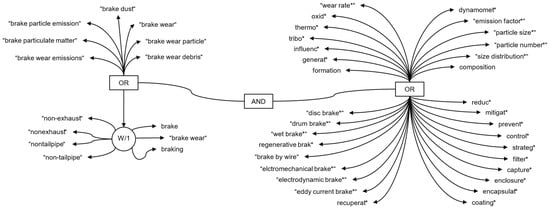
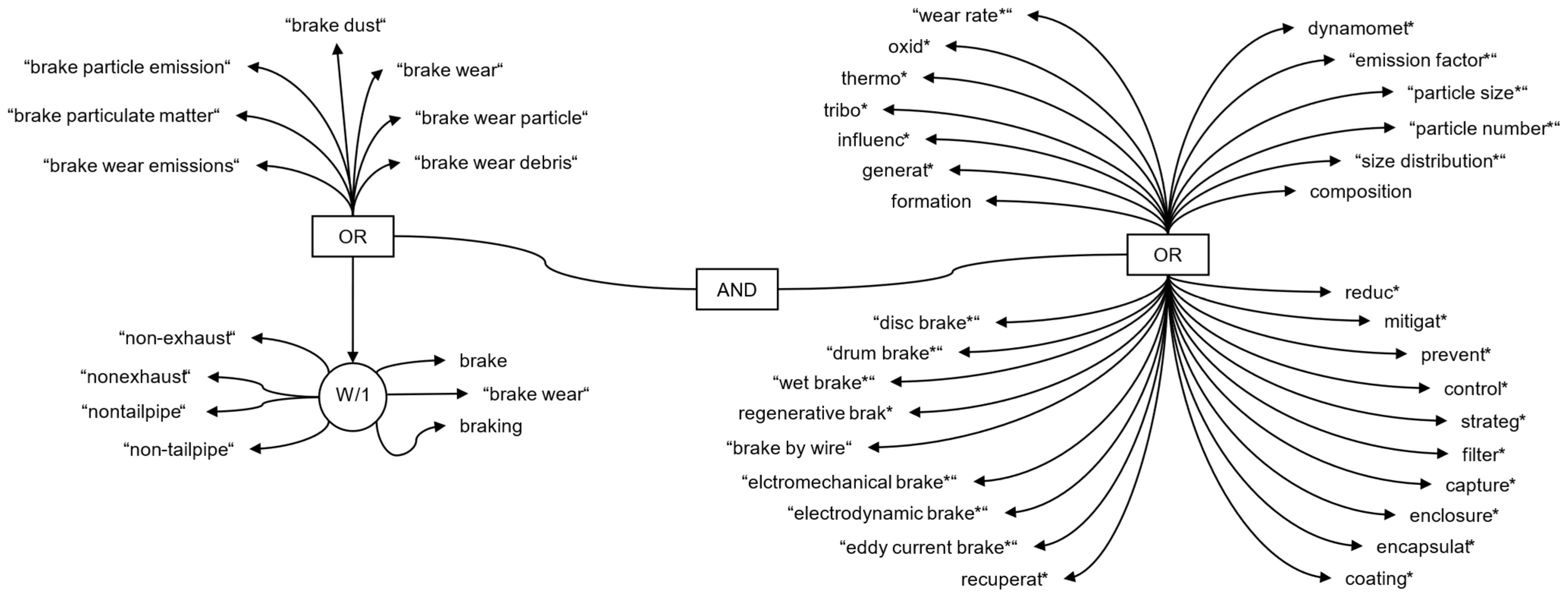
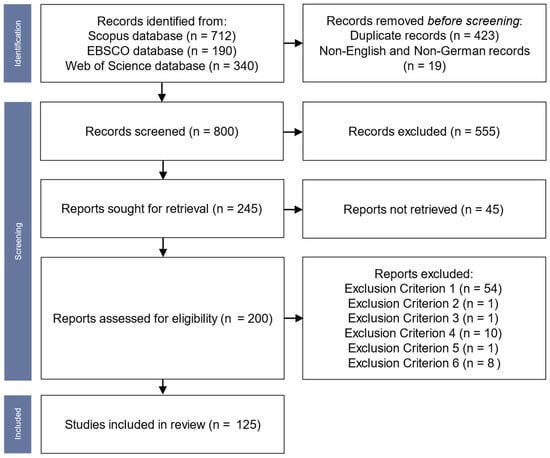
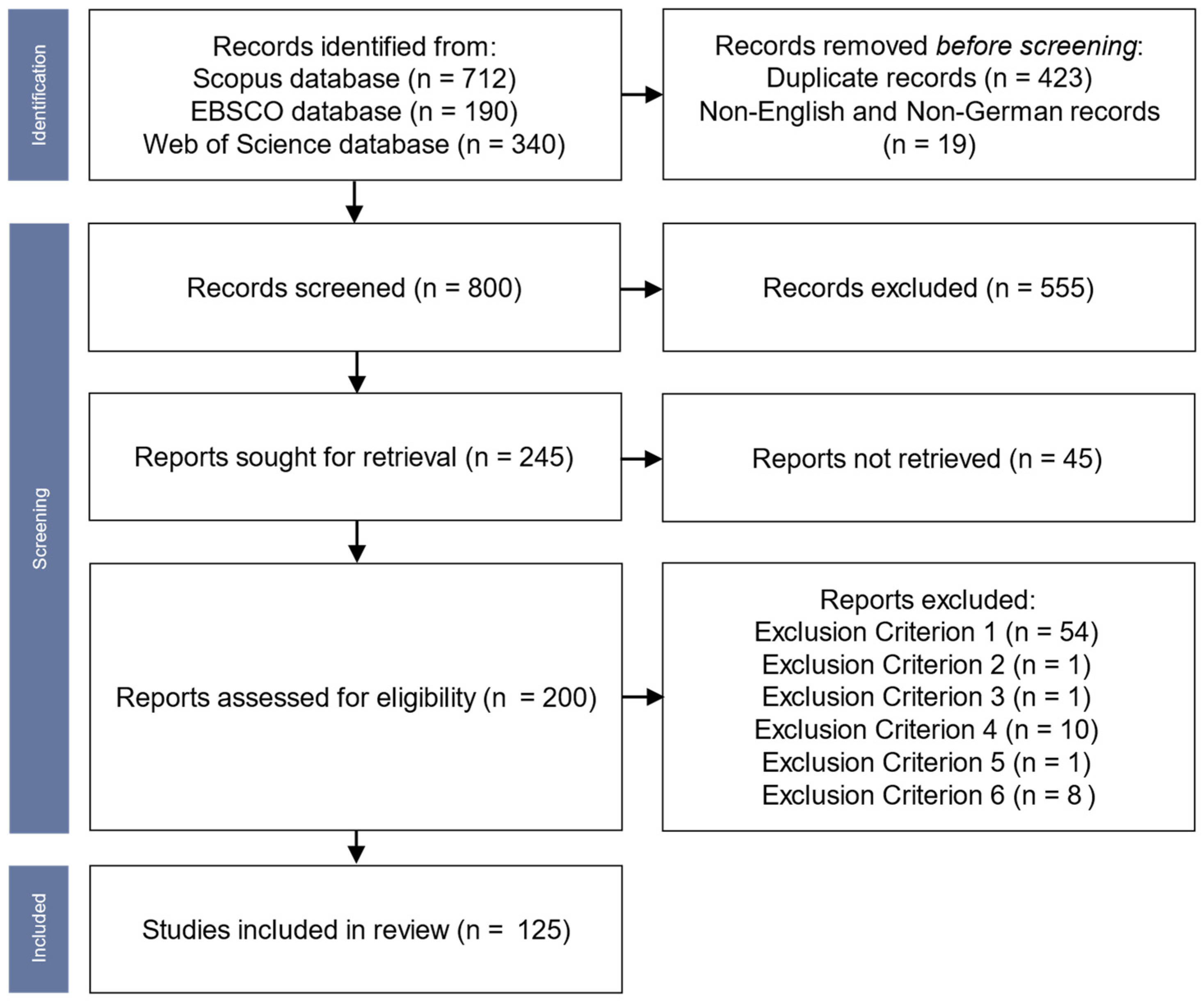
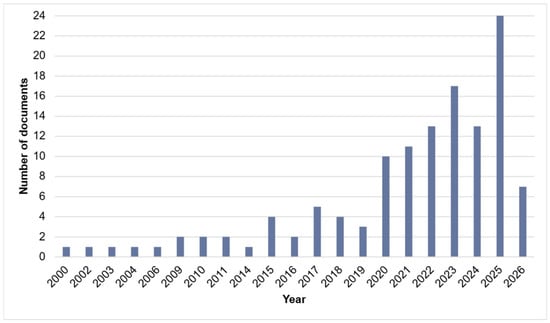
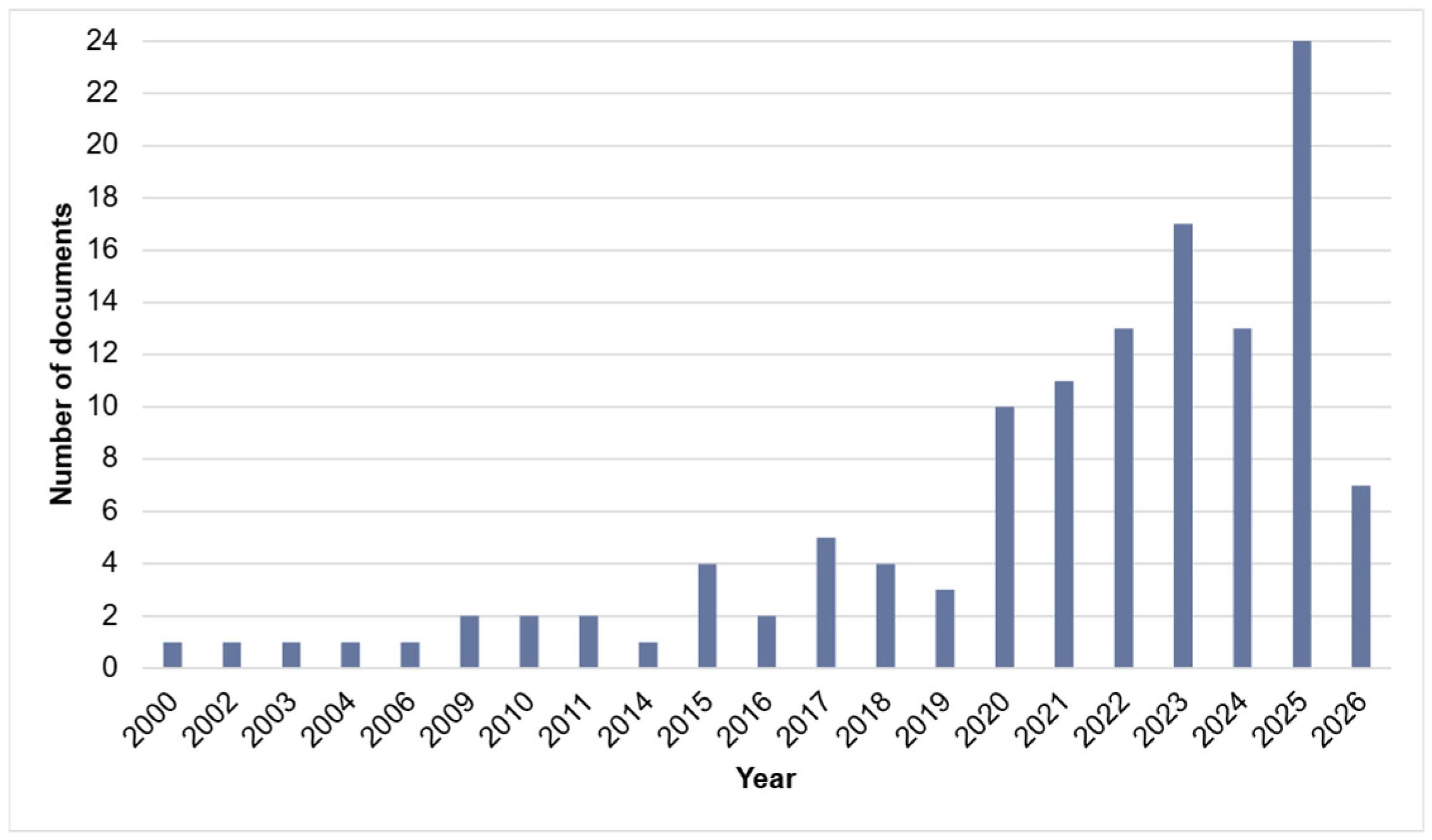
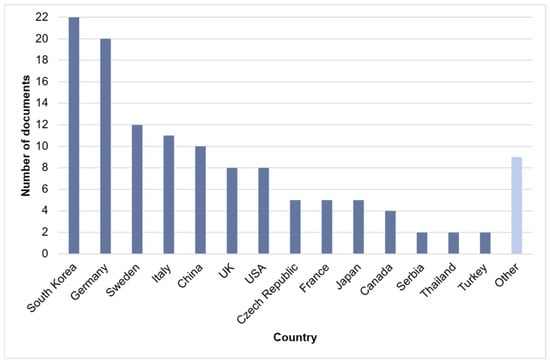
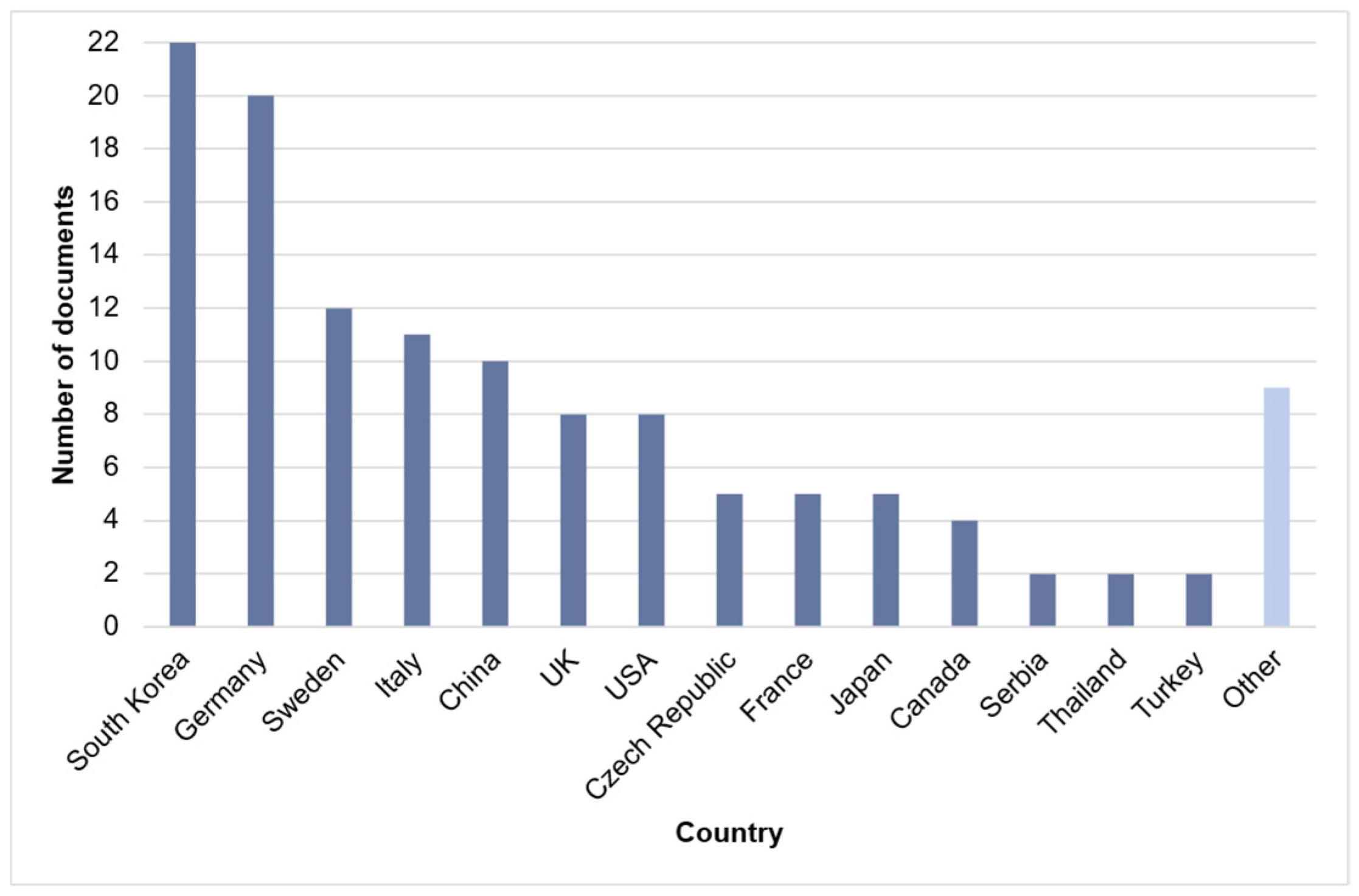
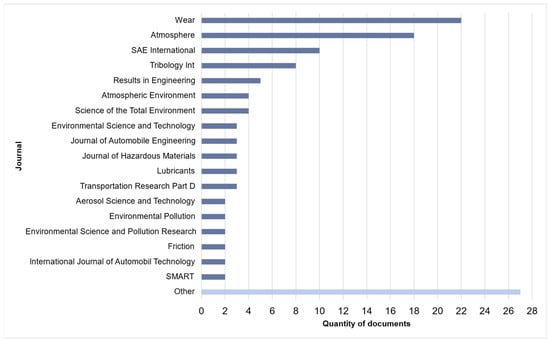
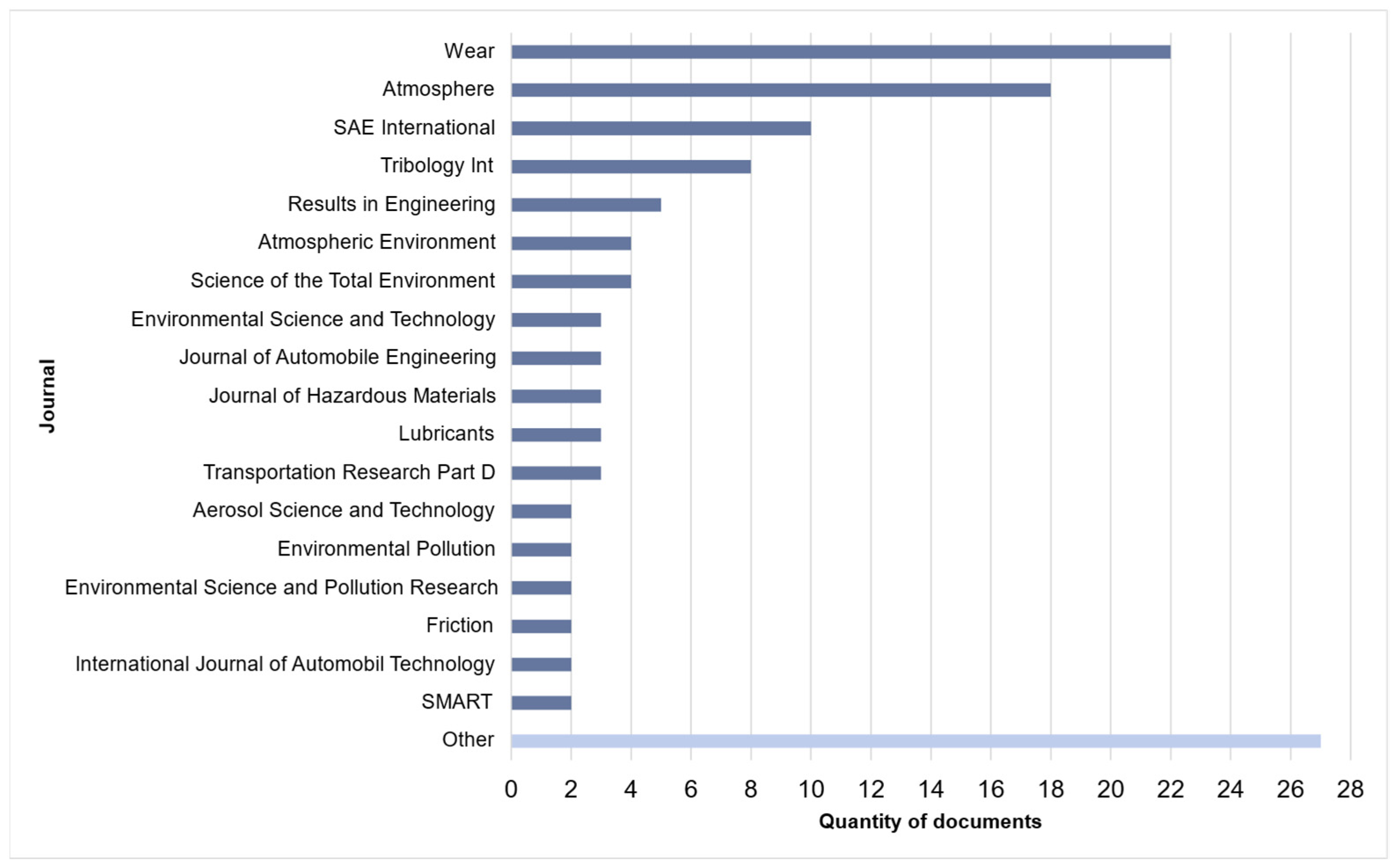
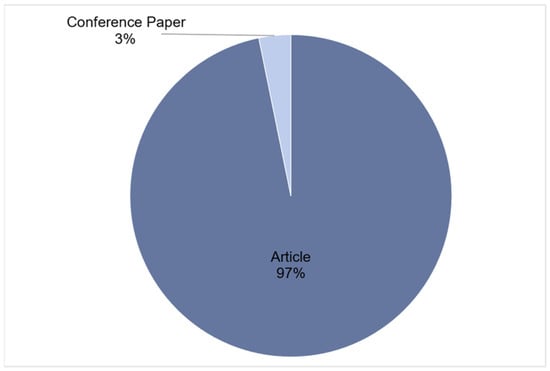
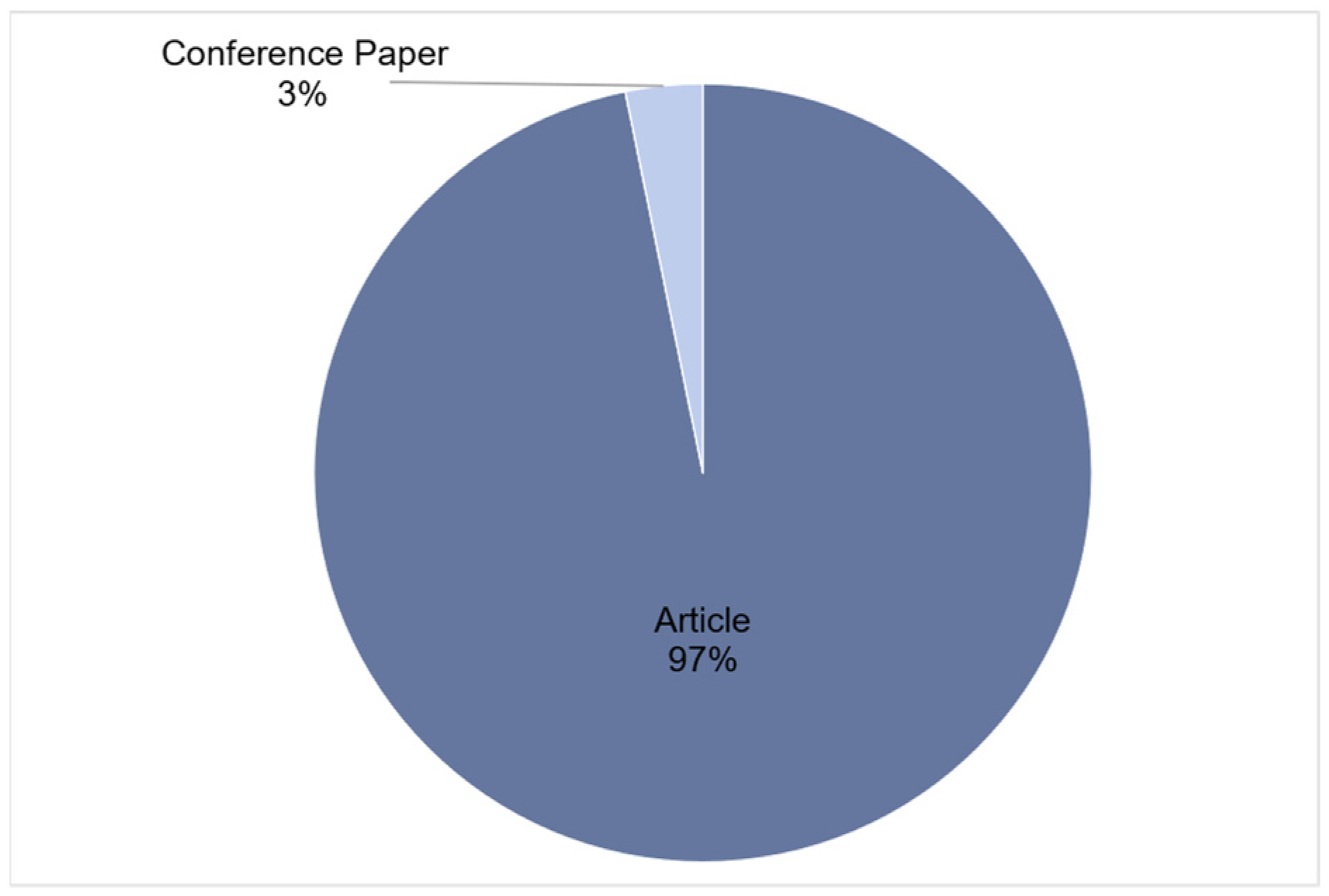
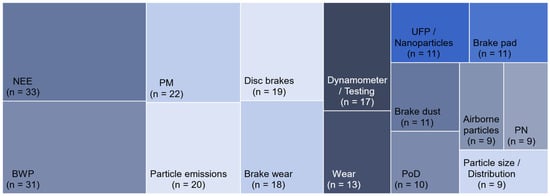
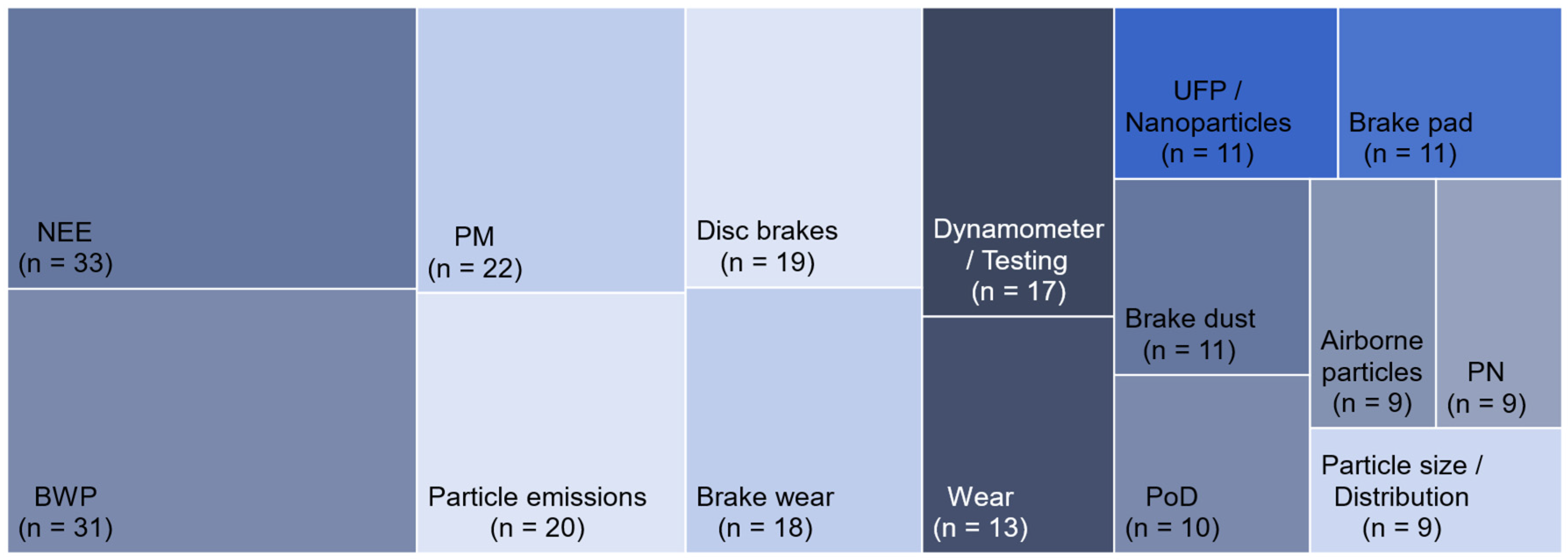
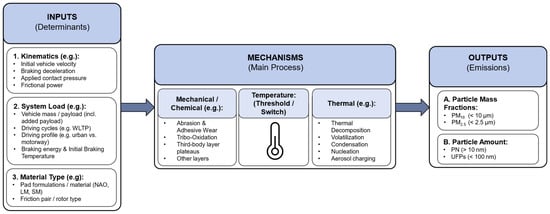
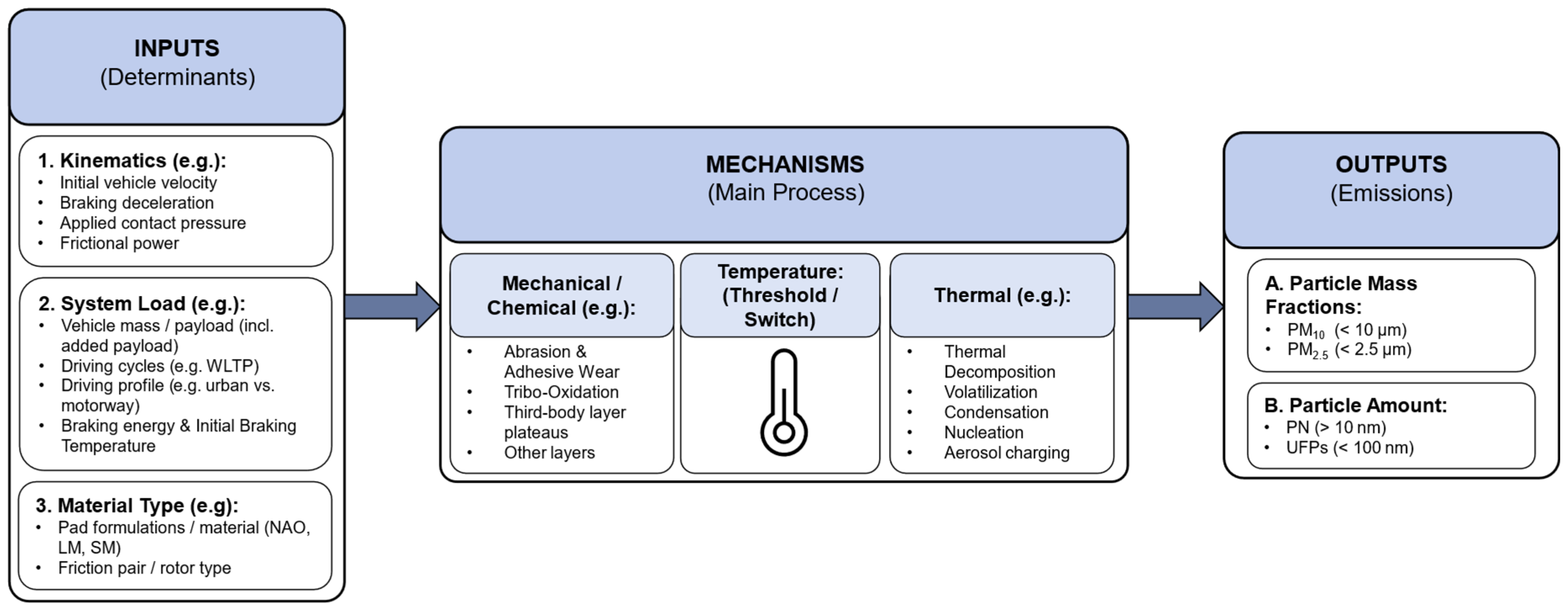
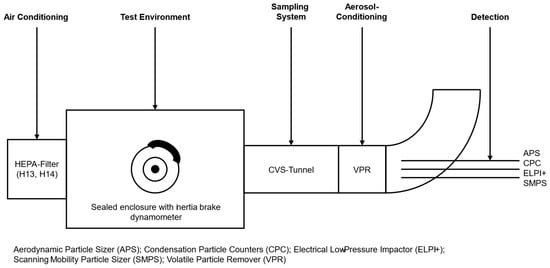
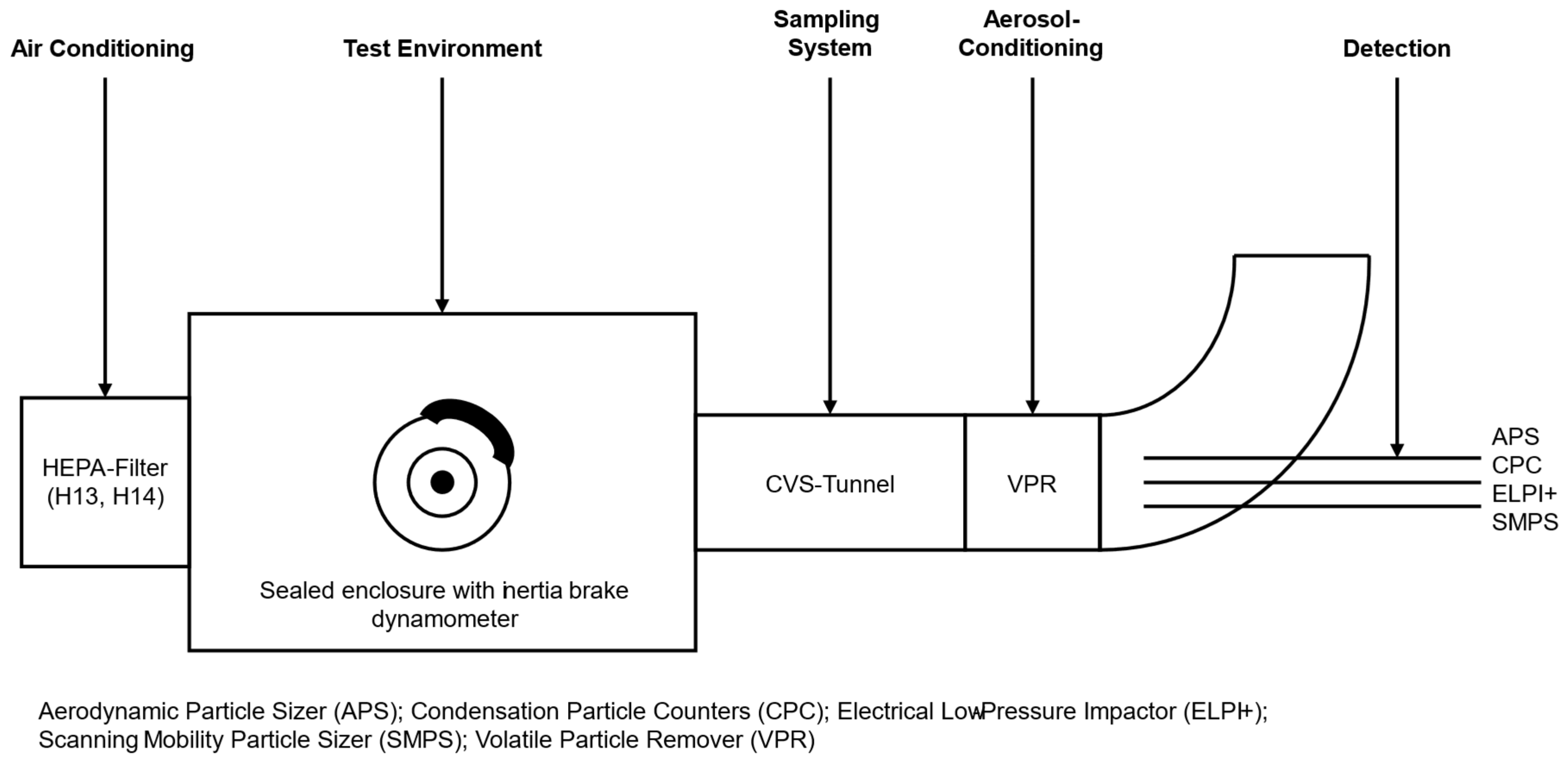
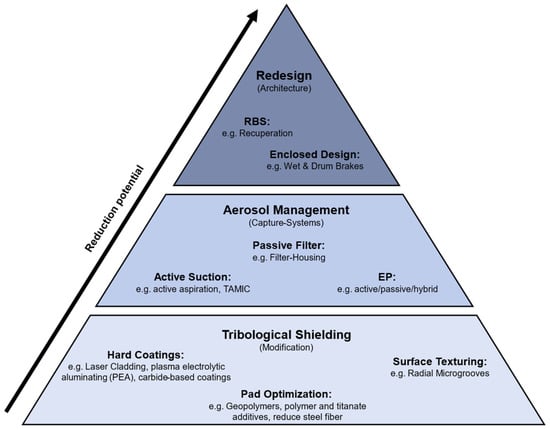
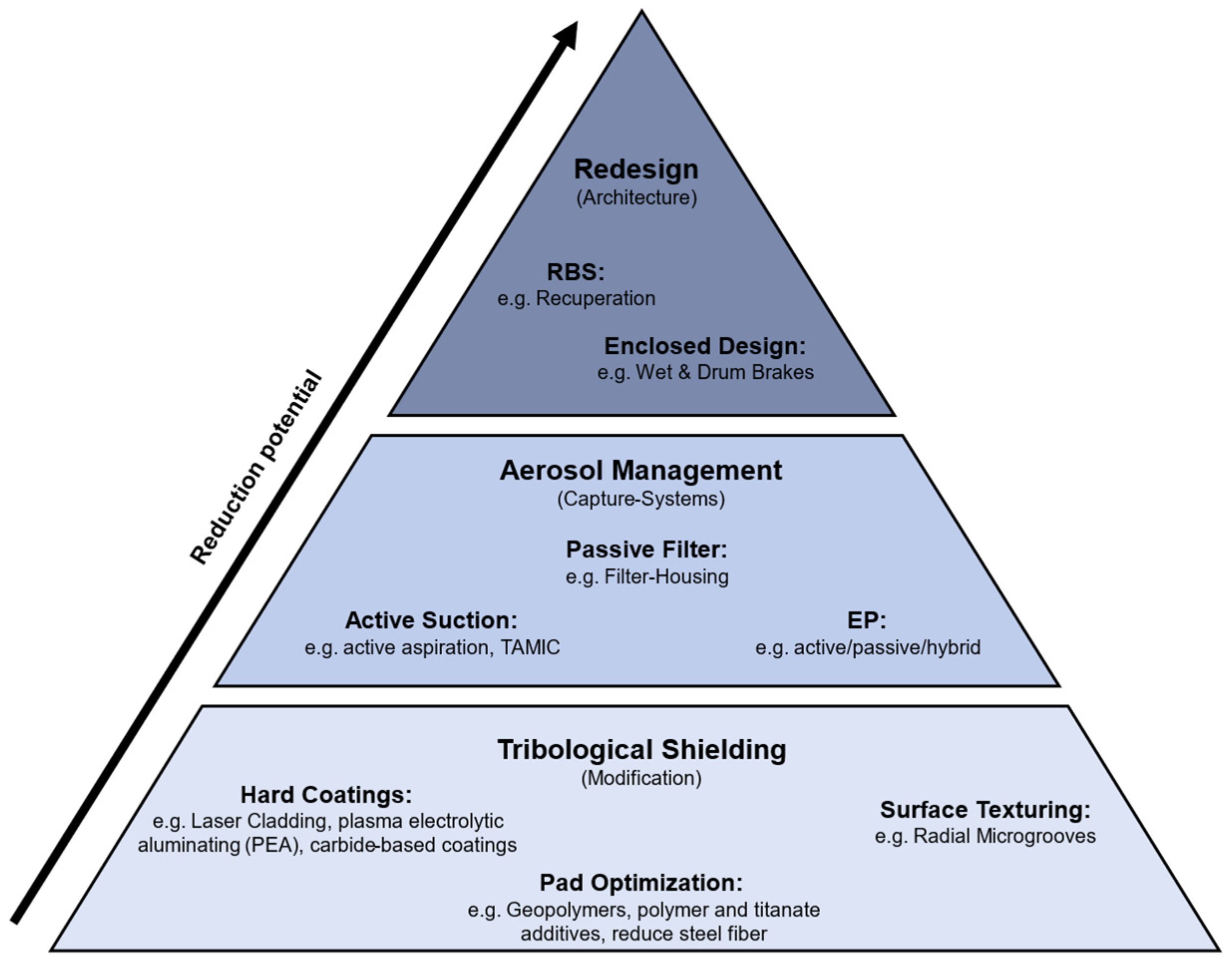

Disclaimer/Publisher’s Note: The statements, opinions and data contained in all publications are solely those of the individual author(s) and contributor(s) and not of MDPI and/or the editor(s). MDPI and/or the editor(s) disclaim responsibility for any injury to people or property resulting from any ideas, methods, instructions or products referred to in the content. |
© 2026 by the authors. Licensee MDPI, Basel, Switzerland. This article is an open access article distributed under the terms and conditions of the Creative Commons Attribution (CC BY) license.