


Highlights
What are the main findings?
- Bovine mastitis management should shift from technology-centered detection to actionability-centered decision making.
- The proposed three-clock model and ACT-MAST connect disease biology, diagnostic timing, treatment, and herd-level learning; neither has been prospectively validated.
What are the implications of the main findings?
- Diagnostics should be judged based on whether they change a clinically meaningful decision within the relevant time window.
- Emerging therapies should progress through translational gates, from laboratory efficacy to reproducible field effectiveness.
Abstract
Bovine mastitis management requires decisions that reflect clinical severity, pathogen biology, and diagnostic timing. This critical narrative review links evidence on diagnostics, antimicrobial stewardship, and emerging therapies to the decisions that can support them. Randomized field studies support culture-guided selective treatment in eligible non-severe cases; however, these findings do not justify delaying care in systemically ill cows. We propose three unvalidated organizing concepts: a three-clock model of concurrent pathogen dynamics, inflammatory injury, and decision latency; ACT-MAST (Assess, Characterize, Tailor, Monitor, Audit, Scale, and Translate); and a six-stage translational evidence staircase primarily for therapeutic development, with a separate diagnostic adaptation. Their proposed contribution is to make timing, uncertainty, reassessment, and evidence maturity explicit within existing severity-based and culture-guided approaches. We provide illustrative case pathways, proposed candidate outcomes, and testable prospective endpoints; these are author proposals, not treatment guidelines or a consensus core outcome set. Laboratory activity, experimental challenge efficacy, and effectiveness in naturally infected cows are distinguished. The narrative selection process, incomplete search provenance, heterogeneous outcome definitions, and limited field evidence constrain inference. Prospective comparative studies are required to determine whether the proposed frameworks improve welfare, antimicrobial exposure, recurrence, or protocol-level costs beyond established care.
1. Introduction
Bovine mastitis is commonly defined as inflammation of the mammary gland, most often associated with intramammary bacterial infections. Although accurate, this definition is operationally incomplete because clinically similar cases may represent biologically distinct conditions. A non-severe episode may be culture-negative or caused by a Gram-negative pathogen with a high probability of spontaneous bacteriological cure, whereas severe Gram-negative mastitis may require immediate supportive care. In contrast, persistent Staphylococcus aureus infections are often characterized by low bacteriological cure rates related to chronicity, tissue localization, intracellular persistence, and biofilm-associated phenotypes. Recurrent cases may represent either persistence of the original infection or a new intramammary infection. These states differ substantially in terms of spontaneous cure, antimicrobial benefit, recurrence, and culling risk, making pathogen- and case-specific classification preferable to treating mastitis as a single therapeutic entity [1,2,3]. Recent reviews have documented a rapidly expanding diagnostic and therapeutic toolbox, including on-farm culture, molecular diagnostics, biosensors, nanotechnology, bacteriophages and phage-derived products, antimicrobial peptides, bacteriocins, probiotics, phytochemicals, immunomodulation, vaccination, and selective antimicrobial strategies [4,5,6,7]. However, the breadth of available technologies has outpaced their translational maturity. Debruyn et al. [8] identified 69 eligible studies on alternative mastitis treatments but highlighted geographical concentration, methodological heterogeneity, and limited in vivo validation. Similarly, Nale and McEwan [9] described bacteriophages as promising, while identifying host-range limitations and unresolved challenges in cocktail design, delivery, formulation, stability, efficacy, and safety. Together, these findings suggest that the major gap is not discovery but the progression from mechanistic promise to reproducible effectiveness under naturally occurring farm conditions.
Another catalogue of technologies will not bridge this translational gap in the future. The important factors are whether a diagnostic result is actionable, for whom, and within which relevant decision window it is actionable. High-resolution species identification obtained after an urgent treatment decision may still support surveillance or later management; however, it cannot guide immediate care. In contrast, rapid on-farm culture that distinguishes Gram-positive growth from Gram-negative or no growth cases can substantially reduce antimicrobial use in non-severe clinical mastitis when embedded in a validated selective treatment protocol [1,10,11,12]. Therefore, the diagnostic value depends not only on accuracy but also on turnaround time, the decision enabled, and the consequences of the classification errors.
Therapeutic evidence presents a similar challenge. Antimicrobial susceptibility testing is valuable for surveillance and stewardship; however, in vitro susceptibility does not directly map onto bacteriological cure. Host immunity, infection duration, pathogen localization, antimicrobial exposure in mammary tissue, spontaneous clearance, and outcome definition all influence the treatment response [2,13]. Indeed, susceptible isolates may fail to cure, whereas apparently resistant isolates may sometimes be eliminated, illustrating the limits of interpreting susceptibility categories as deterministic clinical predictions. An intervention may improve the clinical appearance without eliminating the infection, reduce bacterial shedding without restoring milk production, or lower the somatic cell count without preventing recurrence. Therefore, relevant outcomes should be defined before selecting an intervention.
This review has four objectives: to relate concurrent biological and decision timescales; to organize case management and reassessment through ACT-MAST; to distinguish stages of therapeutic evidence; and to propose candidate outcomes and a learning system for different farm resources. Severity grading and culture-guided selective treatment are established components [1,10,11], not innovations claimed here. The proposed contribution is their explicit integration with decision latency, diagnostic uncertainty, scheduled reassessment, and herd audit. The three clocks organize time-stamped observations; ACT-MAST specifies responsibilities and feedback; the staircase prevents the transfer of conclusions across unlike evidence stages. These structures do not yet demonstrate added clinical benefit.
2. Literature Identification and Conceptual Synthesis
This is a critical narrative review, not a systematic review or meta-analysis. Twelve anchoring reviews are cited in two groups of six: [4,5,6,7,8,9] and [13,14,15,16,17,18]. They cover control, diagnostics, antimicrobial susceptibility, severe disease, and emerging treatments. Table 1 presents a selected subset of these anchors rather than an exhaustive list. The frameworks and research priorities are author-developed interpretations of this literature.
Table 1.
What leading reviews established and the unresolved decision-level gaps.
The original manuscript reported targeted searching in PubMed, Web of Science, Scopus, and publisher-hosted journal platforms, with a literature coverage endpoint of July 2026. Publisher-hosted platforms are journal websites, not separately defined bibliographic databases. Exact original execution dates, platform identities, exported search histories, screening counts, and independent reviewer procedures were not documented in the materials supporting this revision. Therefore, we cannot claim a reproducible historical search or exhaustive coverage. Appendix A provides a transparent account of the available search information, a fully specified prospective replication string, evidence-selection principles for this synthesis, and a representative study map; the replication string is not presented as a recovered original query.
Evidence was synthesized around five questions: (1) which biological state is being measured or treated; (2) whether the information or intervention becomes available within the relevant clinical decision window; (3) which decision it changes; (4) what level of evidence supports that change; and (5) which outcomes matter to the cow, farmer, milk chain, and One Health objectives. This approach deliberately differs from technology-centered reviews; rather than ranking individual tests or candidate compounds, it asks under which biological and operational conditions a class of tools becomes useful.
For this revision, statements were calibrated to study design and intended use: randomized trials in naturally infected cows inform comparative management effects; observational studies inform prognosis and associations; induced challenges inform efficacy under controlled exposure; and laboratory studies inform biological activity. Reviews provide context rather than additional independent study counts. Selection prioritized direct relevance to the decision, population, and outcome over recency or favorable results. Conflicting findings were interpreted based on severity, pathogen, formulation, matrix, setting, follow-up, and precision; statistical significance was not used to rank the studies. This is a qualitative appraisal, not a formal risk-of-bias assessment or certainty grading. Clinical and bacteriological cure remain distinct. All proposed frameworks require prospective validation, and the candidate outcomes require stakeholder consensus.
The principal contributions of earlier reviews and the unresolved decision-level gaps addressed by the proposed framework are summarized in Table 1.
3. Mastitis as a Dynamic State: The Three-Clocks Model
3.1. The Pathogen Clock
The pathogen clock begins before mastitis becomes clinically evident. Organisms originating from contagious or environmental reservoirs reach the teat end, cross the teat canal, and interact with local mammary defenses. The resulting infection may be rapidly cleared, remain transient, or become persistent, with trajectories that differ substantially among pathogens and strains. Escherichia coli can induce a rapid and intense inflammatory response, whereas Staphylococcus aureus is more often associated with persistent intramammary infection facilitated by tissue localization, intracellular survival, and biofilm-associated phenotypes [4,19]. Streptococcus uberis is predominantly an environmental pathogen; however, molecular epidemiology has demonstrated substantial strain-level variation, with some lineages causing transient infections and others showing persistence or cow-to-cow transmission [20,21].
Other pathogens alter the therapeutic logic more fundamentally. Mycoplasma bovis mastitis responds poorly to conventional antimicrobial treatment and frequently shifts management towards early detection, segregation, biosecurity, and herd-level control [22]. Prototheca spp. similarly cause persistent, treatment-refractory infections, for which the prevention and removal of infected animals remain central management considerations [23].
Therefore, the biologically relevant variable is not pathogen identity alone, but the pathogen–state combination, including pathogen burden, anatomical location, duration of infection, intracellular or biofilm phenotype, virulence characteristics, and probability of host-mediated clearance. Species identification may conceal important strain-level heterogeneity, whereas a culture-negative result may reflect low abundance, previous clearance, sampling limitations or non-bacterial inflammation. Molecular detection also requires careful interpretation of results. In low-biomass bovine milk, contaminating DNA introduced during sampling, extraction, or library preparation can equal or exceed the biological signals. Dean et al. [24] found that most sequence reads in their milk and mammary gland samples could be attributed to contamination without rigorous controls. Therefore, precision mastitis medicine should preserve diagnostic uncertainty rather than convert every molecular detection into evidence of causation.
3.2. The Inflammatory Clock
The inflammatory clock describes the host response from pathogen recognition through cellular recruitment, tissue injury, and systemic effects to resolution or persistent inflammation. Somatic cell count remains a valuable indicator of mammary inflammation; however, it compresses a heterogeneous cellular response into a single measurement. Single-cell transcriptomic analysis has identified distinct populations of neutrophils, macrophages, monocytes, lymphocytes, dendritic cells, and epithelial cells in bovine milk, illustrating the biological information hidden within the total cell count [25]. Experimental transcriptomic studies have further demonstrated that mammary epithelial responses change substantially over time after pathogen challenge. For example, exposure to E. coli induces distinct early- and late-stage inflammatory pathways [26].
Metabolomic and multi-omic approaches provide complementary resolutions. Milk metabolomics has identified disease-associated alterations in carbohydrate, amino acid, lipid, and energy-related pathways in subclinical and clinical mastitis [27,28]. In contrast, the integration of transcriptomic and epigenomic data has revealed regulatory signatures associated with naturally occurring staphylococcal subclinical mastitis [29]. These studies have substantially improved our understanding of mastitis biology; however, most candidate signatures remain closer to biomarker discovery than to validated clinical decision tools.
However, biological resolution alone does not guarantee its clinical utility. A biomarker may be strongly associated with mastitis yet remain unsuitable for decision-making if it adds little beyond readily available information, lacks a reproducible threshold, varies with physiological state, or cannot be measured within the relevant decision window. Therefore, the translational objective should be to identify compact host response signatures that answer actionable questions, such as whether the cow is developing a systemic disease. Is spontaneous bacterial clearance plausible? Is mammary damage progressing? Is treatment failure or recurrence likely? Such tools may ultimately perform best by integrating several modest biological signals with pathogen information, severity, and case history rather than relying on a single highly discriminating molecule discovered in a small experimental cohort.
3.3. The Decision Clock
The decision clock begins when an abnormal signal is recognized and continues through sampling, interpretation, intervention, and reassessment. It includes case recognition, aseptic sample collection, transport, incubation or assay turnaround, communication of results, and access to treatment. This operational sequence explains why analytical accuracy alone does not determine the clinical value. A 24-h on-farm culture system may be appropriate for a stable cow with mild or moderate clinical mastitis when a short diagnostic delay is incorporated into a validated selective-treatment protocol; however, the same delay may be inappropriate for a systemically affected cow. The principal randomized trials of culture-guided treatment specifically enrolled mild and moderate cases rather than severe mastitis [10,11].
Severe clinical mastitis requires immediate clinical assessment and, where indicated, stabilization and supportive treatment while diagnostic samples are obtained. However, evidence for specific therapeutic regimens is limited. Wilm et al. [18] identified only 14 reports evaluating the treatment and outcomes of naturally occurring severe mastitis; only a minority specifically evaluated supportive interventions, and evidence was particularly sparse for severe Gram-positive disease.
The decision clock also challenges the apparent conflict between rapid treatment and antimicrobial stewardship. Stewardship does not mean delaying necessary care; it means matching the treatment intensity, spectrum, route, and duration to the disease severity and the evidence available at that moment. In systemically compromised cows, supportive measures should be initiated promptly while samples are collected, and antimicrobial therapy should be initiated when clinically justified. In contrast, a stable non-severe case may permit a short diagnostic interval that avoids unnecessary intramammary antimicrobial exposure [1,10,11]. Therefore, the operational principle is severity-gated selective treatment rather than universal treatment delay or universal immediate antimicrobial administration.
3.4. When the Clocks Become Misaligned
Clinical and research failures can occur when the pathogen, inflammatory, and decision clocks become misaligned (Figure 1). Pathogen persistence may exceed antimicrobial exposure, particularly in chronic Staphylococcus aureus intramammary infections, for which bacteriological cure is strongly influenced by infection duration, bacterial burden, cow factors, and treatment duration [3]. Conversely, inflammatory abnormalities may persist after the bacterial burden declines; therefore, clinical, cytological, and bacteriological cures should not be considered interchangeable outcomes [2].
Figure 1.
Proposed three-clock model, not a validated predictive model. Parallel tracks represent overlapping pathogen dynamics, inflammatory injury, and clinical decision-making. Horizontal arrows indicate elapsed time within each process, not sequential transfer between clocks. The vertical observation line links contemporaneous assessments; onset and resolution need not coincide. The diagram has no numerical treatment threshold. Systemic deterioration requires immediate reassessment, irrespective of diagnostic completion. The two upper arrows between the clock illustrations indicate the conceptual reading order from pathogen processes to host inflammation and clinical decisions, not a chronological or causal succession. In the lower timeline, the orange, green and blue arrowheads indicate illustrative durations for the three concurrent processes, while the dashed vertical line identifies a shared observation time. Arrow lengths are schematic and do not represent validated durations or treatment cut-offs. Figure 1 was created with the assistance of ChatGPT-6.
Diagnostic information may likewise arrive after the relevant therapeutic decision has already been made or identify a pathogen without resolving the biological state that determines the prognosis. These temporal mismatches help explain why studies performed at different sampling points or using different definitions of cure produce conflicting results.
Therefore, the three-clock model suggests a simple reporting principle: every diagnostic or therapeutic study should specify (i) the biological time point, (ii) the decision time point, and (iii) the outcome time point. For emerging interventions, additional distinctions between translational stages are essential. For example, a bacteriophage may demonstrate rapid killing in broth but perform differently in the milk matrix because milk components can alter bacterial aggregation, phage adsorption and replication. Experimental studies have demonstrated marked inhibition of some staphylococcal phages in raw milk, although other phage combinations retain substantial activity, illustrating the importance of testing the relevant biological matrix before progressing to in vivo studies. A candidate may subsequently prove safe in an experimental challenge but still have uncertain effectiveness against naturally occurring chronic diseases. These findings are not necessarily contradictory; they represent different translational stages evaluated at different biological and decision time points.
Making these distinctions explicit would allow evidence to accumulate more coherently and would reduce the risk of rejecting promising interventions because they were tested at the wrong stage or advancing them prematurely based on laboratory efficacy alone.
4. From Detection to Action: A Layered Diagnostic Architecture
4.1. Layer 1: Continuous Suspicion and Early Warning
Automated milking and herd management systems can combine milk yield, electrical conductivity, somatic cell count, activity, rumination, and cow history to estimate the risk of mastitis [30,31]. Their main value is early suspicion and case prioritization, not definitive etiological diagnosis. Therefore, external validation, calibration, false alert burden, and missed case costs are more informative than a single discrimination metric.
Each alert should trigger examination or sampling rather than automatic antimicrobial treatment. Validation should use independent clinical events, with all observations from a cow retained within its herd partition and training and testing separated by herd. Prospective external testing should cover different farms and seasons, report calibration and false alerts per 100 cow-days, and quantify missed events, lead time, and adherence. Thresholds should be fixed before testing; discrimination alone does not establish management benefit [30,31]. These requirements are proposed evaluation criteria, not evidence that the cited models meet them.
4.2. Layer 2: Clinical Severity and Prognosis
Severity is classified as mild when abnormalities are confined to milk, moderate when milk changes accompany local udder inflammation without systemic illness, and severe when systemic signs occur, such as depression, reduced appetite, dehydration, fever or hypothermia, weakness, or circulatory compromise [1,18]. A normal temperature alone does not exclude severe disease. Assessment should include hydration, appetite, rumen function, posture, and circulation. Severe cases require immediate veterinary assessment; laboratory turnaround time must not determine when stabilization begins.
Prognosis should also incorporate parity, days in milk, production, pregnancy, previous mastitis, somatic cell count, and quarter history. These variables do not replace microbiology but modify the expected benefits of treatment [1,2]. Therefore, ACT-MAST separates two questions: How urgently must we act? And how likely is a meaningful cure?
4.3. Layer 3: Rapid Aetiological Grouping
Culture-guided selective treatment has direct randomized evidence in mild or moderate clinical mastitis [10,11]. In the Lago trial, 422 cows with 449 affected quarters were enrolled on eight farms, and initial intramammary antimicrobial treatment was administered to 44% of culture-guided cases versus 100% of controls [10]. No statistically significant differences were detected in the reported short-term cure outcomes. This supports reduced exposure within the studied protocol and population, not equivalence of all outcomes or applicability to severe cases. The two Lago papers report short- and longer-term outcomes from the same trial and must not be counted as independent trials.
Ahmed et al. [12] reported a randomized field study involving 103 cows on 16 farms (46 culture-guided; 57 empirical-treatment controls), with treatment withheld in 45.6% of culture-guided cases. Clinical cure was 82.6% versus 75.4%, and bacteriological cure was 71.7% versus 71.9%. The report provides no prespecified non-inferiority margin or formal power calculation; therefore, non-significant comparisons do not establish equivalence or non-inferiority. Interpretation also requires caution regarding the limited sample size and severity reporting. Local pathogen ecology, diagnostic error, and workflow adherence constrain transferability [32,33].
Eligibility for an illustrative waiting pathway requires a systemically stable cow, a pretreatment aseptic quarter sample, reliable observation, a result expected within the agreed interval, and access to rescue care. Here, 24 h after sampling is an illustrative maximum wait before mandatory veterinary review, reflecting culture-based trial workflows [10], not a universally validated safe delay. Reassess at each milking and immediately after any deterioration; new systemic signs, reduced intake, dehydration, recumbency, or rapidly worsening local signs trigger urgent review and rescue treatment as indicated. Unreadable, contaminated, or delayed results trigger reassessment and, when useful, resampling. No growth or Gram-negative growth does not automatically justify withholding antimicrobials: species, severity, history, evolution, and local veterinary guidance remain decisive. Record clinical resolution, rescue exposure, and later quarter-level bacteriology when indicated.
4.4. Layer 4: Rapid Molecular Identification and Resistance Information
PCR and sequencing provide greater etiological resolution but require careful interpretation because they may detect low-abundance or non-viable DNA. Usui et al. [34] demonstrated rapid mastitis pathogen identification using nanopore 16S sequencing, whereas metagenomic approaches can potentially provide both pathogen and antimicrobial resistance information [35,36].
The main translational challenge is no longer sequencing speed alone but converting molecular results into clinically interpretable reports. Dominant pathogens, mixed or low biomass detections, and resistance determinants should be clearly distinguished. Genotypic resistance does not always predict the phenotype, and phenotypic susceptibility does not guarantee a bacteriological cure [13]. Therefore, molecular diagnostics should complement clinical and microbiological evidence.
4.5. Layer 5: Host-State and Persistence Markers
Host-response biomarkers and omics may eventually identify severe inflammation, persistent infection, and the probability of cure; however, most candidates remain in the discovery stage. Clinical adoption requires analytical validation, predefined thresholds, prospective testing, incremental value over existing information, and a clearly defined management consequence.
Persistence markers may be particularly useful in Staphylococcus aureus mastitis, where intracellular survival and biofilm-associated phenotypes contribute to chronic infection [19]. Future prognostic models could combine pathogen information, bacterial load, inflammatory state, and quarter history to estimate bacteriological cures. However, their added value should be demonstrated prospectively against simpler clinical rules before the additional complexity is justified.
4.6. Diagnostic Stewardship
Diagnostic actionability should be tested against a measurable counterfactual: for the same eligible population, what decision is made, and how long after recognition, under current practice versus the new test pathway? Record the time from recognition to sampling, result availability and action, the proportion of decisions changed, and subsequent health outcomes. Include false-treatment and missed-treatment costs, contamination, uninterpretable results, repeat sampling, workload, adherence, and rescue events. Accuracy is necessary but does not by itself establish benefit. Table 2 lists the proposed minimum evaluation domains, not universal regulatory acceptance criteria; thresholds and acceptable error costs require prespecification with farm and veterinary stakeholders.
Table 2.
A layered diagnostic architecture is organized by decision enablement rather than technical complexity.
5. Treatment as State Matching Rather than Product Selection
5.1. Antimicrobial Therapy: Necessary, but Not Automatically Beneficial
Antimicrobials remain important for selected intramammary infections, particularly when the pathogen is unlikely to clear spontaneously, and a therapeutic cure is achievable. Therefore, stewardship means maximizing the expected benefits rather than simply minimizing antimicrobial use; treatment should reflect the severity, pathogen group, infection history, stage of lactation, appropriate drug spectrum, dose, duration, and withdrawal requirements [2].
Antimicrobial susceptibility testing supports resistance surveillance and drug selection; however, in vitro susceptibility does not consistently predict bacteriological cure. The outcome also depends on pathogen biology, infection duration, antimicrobial exposure within the gland, and host factors [13]. Therefore, a susceptible isolate from a chronic infection may still have poor prognosis.
Clinical, bacteriological, and productive outcomes should also be distinguished. Normal milk appearance does not necessarily indicate pathogen clearance, and bacteriological cure may not immediately restore somatic cell count or milk production. Therefore, trials should report complementary outcomes, including bacteriological and clinical cure, recurrence, SCC, milk yield, and herd retention [2].
5.2. Severity-Gated Supportive Care
Severe mastitis requires prompt clinical assessment and stabilization. Fluids, non-steroidal anti-inflammatory drugs, correction of metabolic disturbances, and close monitoring may be important components of supportive care, alongside pathogen-appropriate therapy. However, evidence of naturally occurring severe mastitis is limited in the literature. Wilm et al. [18] identified only three studies that specifically evaluated supportive interventions, with substantial heterogeneity among the protocols.
In non-severe cases, anti-inflammatory therapy may support comfort and recovery when clinically indicated but should not obscure the deterioration. Future trials should extend beyond visible clinical cure to include welfare-related measures, such as feed intake, milk recovery, bacteriological status, and recurrence. Standardizing these endpoints would clarify which supportive interventions provide meaningful additional benefits to patients.
5.3. Persistent, Recurrent and Biofilm-Associated Disease
Persistent mastitis should prompt reassessment rather than the automatic repetition of the same treatment. Chronic infection, intracellular persistence, tissue damage, and biofilm-associated phenotypes may contribute to poor cure rates, particularly in Staphylococcus aureus. However, biofilms should not be assumed to be the cause of every treatment failure. Most evidence for bovine mastitis biofilms is derived from in vitro assays, and their importance in naturally infected mammary glands remains unclear [19].
Recurrent mastitis should be distinguished as probable persistence or reinfection whenever possible. Molecular typing can identify whether successive episodes involve the same strain or a newly acquired infection. In recurrent Streptococcus uberis mastitis, for example, Abureema et al. [37] found both mechanisms, although most recurrences involved different strains. Persistence indicates incomplete clearance or an intramammary reservoir, whereas reinfection shifts attention towards renewed exposure and prevention.
5.4. Dry-Period Decisions and Prevention
The dry period provides an opportunity to cure existing intramammary infections but also carries the risk of developing new infections. Selective dry cow therapy based on cow- or quarter-level information can substantially reduce antimicrobial use while maintaining udder health outcomes in appropriately selected herds [38,39,40]. Internal teat sealants, appropriate dry-period hygiene, nutrition, and calving management remain important components of prevention. Therefore, SDCT should be viewed as a data-dependent program requiring reliable infection classification, correct implementation, and follow-up, rather than simply a change in the product.
Prevention should remain the primary investment because treatment cannot fully recover lost milk, damaged tissue, or labor. Milking practices, equipment function, bedding and environmental hygiene, stocking density, transition cow health, and pathogen-specific control should be interpreted together with treatment outcomes [4]. A learning system should identify whether the dominant problem is transmission during milking, environmental exposure, dry-period acquisition, chronic carriers, or treatment failure, and adjust prevention accordingly.
6. Emerging Therapies Through the Translational Evidence Staircase
6.1. Why the Milk Matrix Is a Decisive Test
Many candidate antimicrobials are selected because they inhibit planktonic bacteria in nutrient broth; however, the mammary gland presents a markedly different environment. Milk proteins, fat, ions, enzymes, somatic cells, and changing pH can alter antimicrobial activity, stability, and exposure. Consequently, phytochemicals, peptides, phages, and other biologics may perform differently in milk than in standard laboratory media. This limitation has been experimentally demonstrated for bacteriophages and endolysins and is also recognized for natural compounds [8,41,42].
Testing in the milk matrix should be a key translational gate before animal studies. Evaluation should include realistic bacterial loads, healthy and mastitic milk, time-kill activity, mammary cell toxicity, and, where relevant, residues and effects on milk processing. Candidates that lose clinically meaningful activity in milk should not be advanced solely based on broth MICs.
6.2. Bacteriophages and Phage-Derived Enzymes
Bacteriophages offer pathogen specificity and amplification when susceptible bacteria and favorable conditions are present. Experimental studies support activity against major mastitis pathogens; for example, a three-phage cocktail reduced the bacterial burden and inflammation in an experimental cow model of drug-resistant Escherichia coli mastitis [43]. However, host range, milk-matrix effects, formulation, storage, and emergence of phage resistance remain important translational constraints [9].
Importantly, Krömker et al. [44] reported a quarter-randomised pilot on one efficacy farm: 23 infected quarters in 18 cows, with cure in 13/16 treated and 2/7 untreated quarters. Cure required no recovery of the pretreatment S. aureus in samples at 14 ± 3 and 21 ± 3 days after the last treatment; if one sample was contaminated, the other determined status. Small unequal groups, within-cow dependence, a single efficacy farm, and short follow-up limit precision and generalizability. Negative cultures may miss low-level shedding. This is an early clinical signal, not established effectiveness, or a basis for routine use.
Endolysins provide an alternative strategy because they lyse bacterial cell walls without requiring phage replication. Engineered lysins have demonstrated activity against mastitis-associated streptococci and staphylococci, including in milk and experimental mastitis models. However, milk substantially reduces their bactericidal activity, emphasizing the importance of matrix testing [42]. Stability, immunogenicity, manufacturing, and intramammary persistence remain barriers to clinical translation.
6.3. Antimicrobial Peptides, Bacteriocins and Native Defense Molecules
Antimicrobial peptides and bacteriocins disrupt membranes, interfere with cell wall synthesis, and modulate host responses. Nisin, bactofencin, pediocin, and reuterin are active against multidrug-resistant mastitis isolates, whereas a broader panel of antimicrobial peptides has shown activity against several bovine mastitis pathogens [45,46]. However, their translation is constrained by stability, matrix interactions, cytotoxicity, residence time, and production costs.
Therefore, development should focus on formulation and rational combinations, rather than antimicrobial activity alone. Peptides that weaken biofilms or increase bacterial permeability may ultimately be more valuable as antimicrobial-sparing adjuncts than as monotherapies. Synergy should be demonstrated using standardized methods and subsequently confirmed in milk and relevant biological models.
6.4. Phytochemicals and Ethnoveterinary Formulations
Plant-derived products are the most extensively studied alternative therapies for mastitis [7,8,16]. Their appeal lies in their local availability and diverse biological activities; however, their composition varies with plant genotype, harvest, extraction, storage, and formulation. Moreover, concentrations active in vitro may not be achievable or safe intramammarily, and favorable laboratory activity has not consistently translated into bacteriological cure.
Future phytotherapy research should prioritize chemically defined and standardized formulations. Botanical authentication, extraction yield, chemical fingerprint, active marker concentration, sterility, stability, cytotoxicity, activity in milk, and residue assessment should be reported. Ethnoveterinary knowledge is valuable for candidate discovery; however, traditional use should not substitute for evidence of safety and efficacy.
6.5. Nanoparticles and Delivery Systems
Nanoparticles and nanocarriers may exhibit antimicrobial or antibiofilm activity and improve the delivery of conventional or novel agents. However, the translational priority is not simply another bactericidal particle but a reproducible and biodegradable system that maintains mammary exposure without unacceptable toxicity or residues. Selenium–tellurium nanoparticles have progressed to an experimental bovine mastitis model, illustrating movement beyond in vitro testing, although their long-term safety and efficacy remain uncertain [47].
Nanomaterials should be characterized in the milk matrix because protein interactions can alter particle behavior. Translation will also require reproducible manufacturing, toxicokinetics, residue and withdrawal data, environmental assessment, and effects on milk processing. “Green synthesis” does not eliminate these requirements.
6.6. Probiotics, Microbiome Modulation and Immunotherapy
Probiotics and other live biotherapeutics may inhibit pathogens or modify local immunity but require strain-level safety, genomic characterization, and manufacturing control. Claims involving the mammary microbiome should also be approached with caution, as healthy milk is a low-biomass sample that is highly susceptible to contamination [24].
Vaccines and immunomodulators are more realistically viewed as components of pathogen- and herd-specific prevention rather than universal solutions to infectious diseases. Genetic selection offers cumulative long-term benefits; a 2024 meta-analysis of six dairy breeds identified multiple loci associated with clinical mastitis and somatic cell scores [48]. Nevertheless, genetic improvement should be balanced with production, fertility, and other health traits.
6.7. A Portfolio Rather than a Replacement Race
Alternative therapies should not be viewed as competitors in the race to replace the antibiotics. A more realistic model is a therapeutic portfolio in which interventions can prevent infection, reduce inflammation, disrupt persistence mechanisms, enhance antimicrobial activity, or target specific pathogens. Some may ultimately reduce the antimicrobial dose or duration, rather than eliminate antimicrobial use.
Therefore, the relevant comparator may be antimicrobial therapy, supportive care, selective non-treatment, or a combination strategy. The translational evidence staircase in Figure 2 provides a common framework for comparing the maturity of these modalities. The current evidence maturity, principal translational bottlenecks, and highest-value next studies for major therapeutic modalities are summarized in Table 3.
Figure 2.
Proposed six-stage translational framework for therapies. Stages distinguish laboratory activity, activity in milk, bovine safety and exposure, controlled challenge efficacy, randomized field evaluation, and reproducible implementation. Progression is a conceptual research sequence, not a regulatory rule; some justified programs may use alternative models. For diagnostics, the corresponding sequence is analytical validation, clinical validity, external prospective validation, workflow feasibility, comparative management impact, and implementation monitoring. A diagnostic test does not require a therapeutic challenge experiment. The ascending blue arrow and stepped layout represent progression towards more demanding, decision-relevant evidence, not an increase in effect size, guaranteed therapeutic benefit or compulsory passage through every stage. The lower arrows from laboratory to experimental and field settings summarize changes in the context of evaluation; results from one setting cannot be assumed to transfer directly to another. Figure 2 was created with the assistance of ChatGPT-6.
Table 3.
Representative evidence map for treatment decisions and investigational therapies. The counts describe only the mapped reports. Laboratory panels have no cow-level clinical sample size. The evidence stage was descriptive and not a certainty grade; no formal risk-of-bias score was assigned.
7. ACT-MAST: An Actionability-Centred Precision Framework
ACT-MAST is an unvalidated organizational proposal (Figure 3), not a treatment guideline. Its severity gating and selective treatment components build on existing studies [1,10,11,18], while prognostic reassessment draws on prior literature [2,3,13,37]. The combined sequence, feedback structure, and audit fields are the authors’ proposals. Their incremental benefits must be tested against an existing severity-based, culture-guided pathway, rather than an artificially weak comparator.
Figure 3.
Proposed ACT-MAST decision and feedback structure. ACT-MAST denotes Assess, Characterize, Tailor, Monitor, Audit, Scale, and Translate. Initial assessment separates severe or unstable cases, stable eligible cases, and persistent or recurrent presentations, with recurrence also subject to the severity gate. All pathways enter monitoring; deterioration returns immediately to assessment, while unresolved etiology returns to characterization. Audit informs herd-level learning and protocol revision. Arrows denote the proposed information and action flow, not proven treatment benefit. The waiting and rescue rules are defined in Section 4.3. The colour-coded arrows from individual ACT-MAST activities to the severe/unstable, mild–moderate and persistent/recurrent panels show illustrative associations between framework tasks and clinical presentations; they do not assign those tasks exclusively to a particular patient group or prescribe a fixed clinical sequence. The curved return arrows around “Reassess and adjust” represent iterative review as new observations become available; persistent or recurrent cases still require renewed severity assessment. Figure 3 was created with the assistance of ChatGPT-6.
A—Assess severity and welfare
Cases are first classified by severity and clinical state: severe or unstable, stable clinical, subclinical, persistent or recurrent, and dry-period risk. Welfare needs, prognosis, and the cost of delay determine whether the cow enters an immediate stabilization or diagnostic pathway. Aseptic milk samples should be collected before treatment whenever feasible, including in severe cases, to support subsequent treatment adjustments and herd surveillance.
C—Characterise aetiology and disease state
The fastest reliable diagnostic information is obtained by combining the results with the patient’s medical history. A minimum description includes the pathogen group or culture status, affected quarter, severity, infection history, previous antimicrobial exposure, days in milk, and chronicity indicators. Higher-resolution molecular, resistance, or host-response tests are performed only when they can change a defined decision. Diagnostic uncertainties should be explicitly recorded.
T—Tailor intervention
Intervention should reflect the severity, etiology, and prognosis under local veterinary guidance [1,2,3]. Severe cases require immediate assessment and indicated stabilization; stable eligible cases may enter the monitored diagnostic pathway in Section 4.3. Recurrent disease requires reassessment of infection history, expected cure, and transmission risk before selecting further treatment or herd-management measures. Investigational alternatives are not routine substitutes for indicated care.
M—Monitor trajectory
Monitoring feeds directly back to Assess and Characterize. During an illustrative diagnostic wait, reassess at each milking and immediately if deterioration occurs; systemic signs trigger urgent veterinary review. Subsequent checkpoints depend on the case and intervention and should specify clinical cure, quarter-level sampling, milk recovery, and recurrence. Record every rescue intervention and its reason. The schedule and thresholds must be agreed locally and tested prospectively, not interpreted as validated ACT-MAST rules.
A—Audit treatment and outcomes
Each case should generate structured data on indications, antimicrobials or other interventions, route, dose, duration, diagnostic results, withdrawal period, discarded milk, and outcomes. Antimicrobial-use metrics should use explicit denominators, and treatment failure or recurrence should be linked to the original decision so that protocols, not just individual cows, can be evaluated.
S—Scale and learn at herd level
Aggregated case data should identify changes in pathogen distribution, persistent quarters, recurrent cows, seasonal patterns, environmental exposure, and protocol performance. For example, repeated Staphylococcus aureus recurrence may justify the investigation of chronic carriers, whereas increasing Gram-negative mastitis may redirect prevention towards environmental and transition-cow management.
T—Translate evidence
Clinical practice and research should use shared definitions, prospective protocols, and consistent outcomes. New interventions should progress through predefined translational stages and go/no-go criteria, with implementation feasibility and economic evaluation considered early rather than after efficacy has been established.
The ACT-MAST is intentionally scalable. A resource-adapted pathway may combine clinical scoring, somatic cell history, the California Mastitis Test, simple on-farm culture, and a paper or mobile decision tree to guide treatment decisions. A sensor-rich system may integrate in-line monitoring, rapid molecular diagnostics, and herd management software. The underlying principles remain constant: severity gating, actionable diagnostics, tailored interventions, structured monitoring, and continuous learning.
7.1. Illustrative Application to Three Clinical Presentations
A stable mild case: a cow with abnormal milk but normal appetite, hydration, and behavior. Collect an aseptic quarter sample before therapy and use the monitored culture pathway only if its eligibility conditions are met. At the illustrative 24-h review, no growth with clinical improvement may support continued observation under the local protocol; persistent signs, uncertain culture, or new systemic abnormalities prompt veterinary reassessment. The proposed added value is a recorded deadline and feedback decision, not a new indication to withhold treatment [1,10,11].
A systemically ill cow: depression, dehydration, or circulatory compromise bypasses the waiting pathway. Obtain samples if this does not delay urgent care; initiate veterinarian-directed stabilization and indicated treatment, then use microbiology to reassess management. ACT-MAST does not claim to improve on this established severity principle; it makes the escalation trigger and time to action auditable [18].
A recurrent S. aureus case: first exclude systemic instability, then review quarter history, repeated cultures, somatic cell counts, previous regimens, and expected cure. Consider strain-resolved evidence if it could distinguish persistence from reinfection. A susceptible isolate alone does not establish a favorable prognosis. Veterinary decisions may include a justified treatment attempt or transmission-control and herd-management measures; experimental phages are not a default rescue option. Follow-up must assess both pathogen recovery and clinical course [2,3,13,37].
7.2. Testable Predictions and Decision Thresholds
The three-clock hypothesis is that recognition-to-action delay, interpreted with severity and pathogen state, predicts failure beyond baseline clinical information. A prospective time-stamped cohort should measure deterioration, rescue, cure, and recurrence, adjusting for confounding by indication. No universal maximum biological window is claimed.
For ACT-MAST, a cluster-randomized comparison with an existing severity-based, culture-guided protocol could test reduced avoidable exposure and faster appropriate escalation. Welfare and clinical failure require prespecified non-inferiority margins agreed before enrolment, adequate power and confidence intervals, and exposure and costs can be superiority endpoints. Audit adherence and include all rescue treatment. Numerical risk cut-offs and the illustrative waiting interval need local validation.
For the staircase, the testable proposition is that prespecified matrix, safety, and exposure criteria improve the prediction of field effectiveness compared with broth activity alone. A prospective registry should retain candidates that fail gates, record go/no-go decisions before field results, and quantify predictive calibration, safety failures, and field cure. Otherwise, selective publication of successful candidates would make the proposition untestable.
8. Redesigning Mastitis Studies for Cumulative Evidence
8.1. Start with the Intended Use
Every mastitis study should begin with an intended use statement defining the population, user, setting, decision, comparator, time window, and the consequences of error. This determines an appropriate design. A screening sensor requires prospective event-level validation and assessment of alert burden; a rapid diagnostic test intended to guide treatment requires a management-impact trial; and therapy for chronic Staphylococcus aureus mastitis should be evaluated in naturally occurring persistent infections with adequate follow-up and not only in acute experimental models.
8.2. Use the Correct Experimental Unit
Quarter, cow, and herd outcomes are hierarchically structured and should not be analyzed as independent observations. Randomization and statistical models must match the intervention level: herd-level workflows may require cluster randomization, quarter-level treatments should account for cow effects, and multi-herd studies should model between-herd heterogeneity. Sample size calculations should reflect the primary outcome and relevant clustering.
For livestock trials, allocation, clustering, exclusions, and participant flow should be reported in accordance with REFLECT [49]. Diagnostic-impact studies should analyze the assigned management strategy, including protocol deviations and rescue treatment, rather than restricting the analysis to successfully interpreted tests.
8.3. Separate Explanatory and Pragmatic Trials
Explanatory studies test mechanisms and efficacy under controlled conditions, whereas pragmatic trials determine whether an intervention works under commercial conditions with variations in personnel, pathogen ecology and adherence. Both are necessary but support different conclusions. Severe mastitis research illustrates the limitations of extrapolating from induced infections to heterogeneous field cases [18], whereas alternative therapy research remains dominated by in vitro evidence with limited progression to pragmatic evaluation [8].
8.4. Adopt a Mastitis Core Outcome Set
Table 4 presents an author-proposed candidate list, not a consensus core outcome set. Broadly applicable domains include severity, clinical course, safety, rescue treatment, antimicrobial exposure, and the completeness of follow-up. Bacteriological cure, recurrence, somatic cell trajectory, production, diagnostic utility, and product residues depend on the intervention and the study objective. Stakeholders should determine a minimum set through a formal consensus process [50].
Table 4.
Proposed candidate outcomes for mastitis studies. This preliminary author proposal requires stakeholder consensus, and timing examples require prospective justification.
Trials should define the unit of allocation and analysis separately, account for quarters within cows and cows within herds, and report outcomes with effect estimates and confidence intervals [49]. Non-inferiority requires a justified prespecified margin and adequate power; a non-significant superiority test is insufficient. The sampling intervals and recurrence windows in Table 4 are illustrative options and not established standards. Rescue events must remain in intention-to-treat analyses and be reported separately; missing or contaminated samples should not be silently classified as cures.
8.5. Predefine Translational Gates
Each stage of the evidence staircase should include predefined go/no-go criteria. Before the bovine challenge, a phage candidate might require adequate host-range coverage, activity in mastitic milk, acceptable purity and safety, absence of undesirable genes, and a resistance-management strategy. Similarly, a sensor should demonstrate calibration across herds and an acceptable false alert burden before entering an interventional trial. These gates reduce the inefficient progression of biologically interesting but poorly translated candidates.
8.6. Regulatory-Quality Evidence and Data Transparency
Intramammary products require evidence of efficacy, safety, residue levels, manufacturing quality, and appropriate withdrawal periods. These requirements should be considered early in the development process rather than after proof of concept. Protocol registration, transparent analytical methods, standardized metadata, and appropriately de-identified case-level data would improve reproducibility. Learning herd systems also require governance for data ownership, interoperability, cybersecurity, and algorithm updates.
9. The Learning Udder-Health System: From Individual Case to Herd Intelligence
A learning udder health system continuously links phenotype, diagnostic, treatment, and outcome data (Figure 4). Its purpose is not to create an autonomous “digital veterinarian” but a feedback architecture in which previous cases improve subsequent decisions.
Figure 4.
Proposed learning udder-health architecture, not a validated autonomous decision system. Clinical observations, case history, diagnostics, and outcomes support veterinarian-reviewed decisions. Feedback updates herd protocols only after audit and evaluation. Both resource-adapted and sensor-rich routes require monitoring of adherence, errors, welfare, and costs. The California Mastitis Test and somatic cell count are screening or inflammatory measures, not definitive pathogen identification. The coloured input arrows from phenotype, diagnostics, case context and outcomes indicate information available to inform veterinarian-reviewed decisions; outcome data additionally support retrospective audit and learning. The connectors involving the resource-adapted and connected pathways represent alternative implementation options rather than compulsory progression from one to the other. The circular arrow denotes continuous reassessment, whereas the lower dashed connection indicates possible exchange of evaluated lessons between pathways, not automatic sharing of clinical decisions or unvalidated algorithms. Figure 4 was created with the assistance of ChatGPT-6.
Phenotypic inputs may include milk yield, conductivity, activity, rumination, somatic cell count, and milking observations, whereas case context incorporates parity, days in milk, pregnancy, previous quarter events, culture history, treatment exposure, and chronicity. Diagnostic information may range from on-farm culture to molecular testing, susceptibility data, sequencing, and the use of host biomarkers. Outcomes should include clinical and bacteriological cure, recurrence, somatic cell trajectory, milk recovery, discarded milk, adverse events, and culling.
The proposed decision engine would combine locally approved clinical rules with externally validated predictions. It should display uncertainty and permit documented veterinary override. Threshold selection, algorithm updates, and feedback effects require prospective evaluation; neither autonomous decisions nor improved outcomes are demonstrated by this conceptual architecture. Its evidence base is indirect: selective-treatment trials [10,11], diagnostic studies [30,31,32,33,34,35,36] and implementation research [51] support individual components, not the integrated system.
Rather than a fully developed digital twin, a more realistic near-term goal is a dynamic risk profile that is updated as new information becomes accessible. It can estimate the probabilities of pathogen class, spontaneous cure, recurrence, or treatment success and revise them after culture results or clinical responses. Prospective impact trials are required to demonstrate that these models improve outcomes beyond existing protocols.
Interoperability remains a major barrier because sensor, laboratory, and treatment data often reside in separate systems. Therefore, common identifiers, data models, and standardized vocabularies are essential for multi-herd learning. Federated approaches may allow model development without centralizing sensitive farm data, although they cannot eliminate the underlying measurement heterogeneity.
The architecture must also function without the use of advanced sensors or molecular diagnostics. A resource-adapted pathway can apply the same principles using clinical scoring, the California Mastitis Test, periodic somatic cell counts, structured history, and on-farm culture, supported by a simple digital or paper decision aid. Therefore, equity should be treated as a design requirement rather than an optional extension of precision mastitis management.
10. Economics, One Health and Implementation
The economic burden of mastitis includes lost and discarded milk, treatment, labor, diagnostics, impaired reproduction, premature culling, and mortality. Estimates vary substantially with the pathogen, case definition, milk price, production system, and time horizon [52,53,54,55]. Therefore, economic results should be interpreted locally rather than directly transferred between production systems.
The value of a diagnostic lies in the decision it improves, not in its price alone. Culture-guided treatment may reduce antimicrobial use and discarded milk but requires labor, training, and quality control, whereas a more expensive rapid molecular test may be justified when faster information changes a high-value decision. Therefore, cost effectiveness should be evaluated at the protocol level, incorporating testing, delay, treatment, failure, and downstream outcomes.
The same principle applies to emerging therapeutic approaches. Manufacturing, formulation, quality assurance, administration, repeated dosing, discarded milk, and treatment failure should all be included. An inexpensive experimental product may become costly after standardization and regulatory requirements, whereas a more expensive targeted intervention may be economically favorable if it prevents recurrence or premature culling.
Antimicrobial stewardship should be assessed in conjunction with animal health outcomes. Reduced antimicrobial exposure is desirable when unnecessary treatment is avoided; however, a reduction accompanied by delayed treatment of severe disease is not a therapeutic success. The appropriate objective is to maintain or improve health and welfare while minimizing avoidable antimicrobial exposure [1].
Finally, implementation depends on workflow and behavior as much as efficacy. Sampling responsibilities, interpretation, treatment decisions, follow-up, and rescue criteria should be clearly defined. Training should explain both how to use a diagnostic tool and why treatment may be withheld in selected cases. Audit, feedback, and participatory protocol design can support adoption, particularly because recent studies have identified practical workflows, confidence, and perceived utility as important determinants of mastitis-related stewardship practices [51].
11. Research Agenda for 2026–2035
The following seven priorities are author recommendations derived from gaps in the cited literature, not the outcome of formal ranking or stakeholder consensus. Table 5 links each gap to a proposed design. “Highest-value next study” means the design expected to resolve the next decision-limiting uncertainty; it is a qualitative judgement, not a calculated value-of-information estimate.
Table 5.
Priority studies for a cumulative mastitis research agenda, 2026–2035.
First, severe clinical mastitis requires multicenter pragmatic trials to evaluate standardized supportive care protocols, pathogen-informed antimicrobial strategies, and explicit rescue criteria. Despite its immediate welfare implications, evidence of naturally occurring severe diseases remains limited and heterogeneous [18].
Second, diagnostic-impact studies should move beyond accuracy to measure decision-making time, antimicrobial exposure, treatment failure, recurrence, and economic outcomes. Sequencing and host biomarkers should be evaluated as additions to realistic workflows with explicit handling of low-biomass samples, mixed infections, and uncertain detections.
Third, persistence requires longitudinal strain-resolved investigation. Recurrent episodes should be distinguished as persistent or reinfection and, where possible, linked to intracellular or biofilm-associated phenotypes and the probability of cure. Such studies could identify the cases that are most likely to benefit from phages, lysins, peptides, or combination therapies.
Fourth, emerging therapies should progress through shared translational gates. Standardized milk matrix testing, cytotoxicity assessment, and resistance evolution studies should precede coordinated trials in naturally infected cows. Candidates that fail these stages should not advance solely based on promising in vitro activities.
Fifth, a consensus mastitis core outcome set should be developed through a structured process involving farmers, veterinarians, microbiologists, welfare scientists, economists, regulators and milk processors. It should support the comparison of conventional and emerging interventions while incorporating antimicrobial use, residues, welfare, and economic outcomes.
Sixth, interoperable learning herd networks should be used to test whether dynamic risk models improve treatment, prevention, and culling decisions. Resource-adapted and sensor-rich pathways should be evaluated in parallel to ensure that precision mastitis management does not exacerbate technological inequities.
Seventh, resource-adapted implementation requires cluster trials in small and medium-sized farms, informed by the adoption barriers described by Ida et al. [51]. Changing seasons, heat exposure, housing, bedding, and pathogen ecology should be prespecified modifiers across diagnostic and implementation studies. These environmental extensions are proposed research questions; the review does not establish a universal recalibration interval.
Finally, journals and funders should recognize the value of negative and translational evidence. Demonstrating that a candidate loses activity in milk, fails to reproduce across herds, or provides no additional clinical benefit can prevent duplication and redirect resources. Progress will depend less on accumulating isolated success stories and more on building cumulative evidence that improves real decisions. The priority questions, study designs, and decision-level contributions proposed for the 2026–2035 research agenda are summarized in Table 5.
12. Conclusions
Progress in bovine mastitis control is unlikely to depend on a single disruptive technology but rather on better integration of pathogen dynamics, host response, and decision timing. The key challenge is to match interventions to the biological and clinical states of quarters, cows, and herds. On-farm culture and selective treatment trials have demonstrated that relatively simple diagnostics can reduce unnecessary antimicrobial exposure when embedded in validated decision pathways. Omics, sequencing, sensors, and emerging therapeutics may add further value only when their biological information can be translated into timely action.
The three-clock model, ACT-MAST, translational staircase, and learning system are unvalidated conceptual proposals. Their contribution is to organize evidence, timing, and feedback around established clinical principles; however, their incremental effectiveness remains unknown. The candidate outcome list is preliminary and requires stakeholder consensus. These proposals should be evaluated prospectively before claims of improved welfare, durable cure, antimicrobial stewardship, or economic benefit are made.
Useful progress would be demonstrated by comparative evidence that an implementable decision pathway improves clinically meaningful outcomes or reduces unnecessary exposure without unacceptable welfare loss. This requires explicit eligibility, uncertainty, rescue rules, adequate follow-up, and evaluation across farm contexts.
Author Contributions
Conceptualization, A.V.-M. and S.O.-V.; methodology, A.V.-M., J.M.R.-R. and S.O.-V.; literature investigation, A.V.-M., J.M.R.-R., J.O.-P., A.O.-J., R.G.-G., J.L.P.-C., N.R.-P., F.P., H.C.-G. and S.O.-V.; evidence synthesis and interpretation, A.V.-M., J.M.R.-R., J.O.-P., A.O.-J., R.G.-G. and S.O.-V.; development of the conceptual frameworks, A.V.-M. and S.O.-V.; visualization, A.V.-M., F.P. and H.C.-G.; writing—original draft preparation, A.V.-M.; writing—review and editing, A.V.-M., J.M.R.-R., J.O.-P., A.O.-J., R.G.-G., J.L.P.-C., N.R.-P., F.P., H.C.-G. and S.O.-V.; supervision, A.V.-M. and S.O.-V.; project administration, A.V.-M. All authors have read and agreed to the published version of the manuscript.
Funding
This research did not receive any external funding.
Institutional Review Board Statement
Not applicable.
Informed Consent Statement
Not applicable.
Data Availability Statement
No new data were created or analyzed in this study. Data sharing is not applicable to this article.
Acknowledgments
The authors acknowledge the institutional support provided by Benemérita Universidad Autónoma de Puebla through VIEP-VIMA-NAT-25-I. During the preparation of this manuscript, the authors used OpenAI ChatGPT for language refinement, manuscript organization, and assistance with preliminary visualization and graphical design of the conceptual figures. All scientific content, terminology, labels, relationships, and interpretations were reviewed, corrected, and approved by the authors. The authors take full responsibility for the accuracy and integrity of this manuscript and its figures.
Conflicts of Interest
The authors declare no conflicts of interest.
Abbreviations
The following abbreviations are used in this manuscript:
| ACT-MAST | Assess, Characterise, Tailor, Monitor, Audit, Scale and Translate |
| AMR | Antimicrobial resistance |
| SCC | Somatic cell count |
| SDCT | Selective dry-cow therapy |
| PCR | Polymerase chain reaction |
| qPCR | Quantitative polymerase chain reaction |
Appendix A. Search Transparency and Evidence Selection
Appendix A.1. Available Provenance
The original coverage endpoint is July 2026. Exact execution dates, complete original strings, platform-specific limits, screening totals and reviewer-level screening records are not available. Consequently, neither a PRISMA flow nor a retrospective claim of systematic selection is supplied. Targeted source checks for the present revision were performed on 13 October 2026 (UTC); they are not a new comprehensive search or an extension of the coverage endpoint.
Appendix A.2. Replication String for a Future Documented Update
The following executable PubMed example is supplied for prospective replication, not asserted to be the original search: (“Mastitis, Bovine”[Mesh] OR “bovine mastitis”[tiab] OR (“intramammary infection”[tiab] AND (cow*[tiab] OR bovine[tiab] OR cattle[tiab]))) AND (“selective treatment”[tiab] OR “on-farm culture”[tiab] OR diagnostic*[tiab] OR sensor*[tiab] OR “machine learning”[tiab] OR phage*[tiab] OR endolysin*[tiab] OR peptide*[tiab] OR phytochem*[tiab] OR nanoparticle*[tiab] OR probiotic*[tiab] OR “supportive care”[tiab] OR “dry cow”[tiab]) AND (“1900/01/01”[Date-Publication]: “2026/07/31”[Date-Publication]). An update should archive the execution date, returned records and platform-specific translations before screening; the example is not exhaustive of every theme.
Appendix A.3. Eligibility and Interpretation Used in the Revised Synthesis
Evidence was retained when it addressed bovine mastitis or an explicitly identified mastitis-relevant laboratory or animal model and informed diagnosis, treatment, prognosis or implementation. Human and non-bovine findings were not treated as bovine clinical effectiveness. Reviews were used for context and primary reports for study-specific results. No undocumented historical language restriction, duplicate screening process or exclusion count is asserted. Reports describing the same cohort were linked rather than counted twice; the two Lago publications (Lago et al. [10,11]) report one trial. Where findings differed, population, severity, formulation, biological matrix, comparator, follow-up and precision were considered before interpretation. No pooled estimate or formal certainty grade was produced.
Appendix A.4. Representative Map of the Main Decision Claims
Waiting in eligible non-severe disease: randomised field evidence (Lago et al. [10,11]), with the study by Ahmed et al. [12] interpreted as a smaller comparison lacking a prespecified non-inferiority design. Severe disease: the scoping review (Wilm et al. [18]) identifies sparse heterogeneous comparative evidence; recommendations for prompt assessment are not evidence that one supportive regimen is superior. Persistence and prognosis: clinical synthesis (Barkema et al. [3]; Barlow, [13]) and longitudinal molecular epidemiology (Abureema et al. [37]). Molecular detection: analytical and diagnostic studies (Ahmadi et al. [35]; Chapagain et al. [36]; Dean et al. [24]; Usui et al. [34]), not stand-alone treatment efficacy. Emerging therapies: primary examples (Bennett et al. [45]; Cho et al. [46]; Guo et al. [43]; Kosaristanova et al. [47]; Krömker et al. [44]; O’Flaherty et al. [41]; S. Wang et al. [42]) separated in Table 3. Framework integration, study priorities and proposed operating rules: author proposals requiring validation. This map is not a complete study inventory.
References
- de Jong, E.; McCubbin, K.D.; Speksnijder, D.; Dufour, S.; Middleton, J.R.; Ruegg, P.L.; Lam, T.J.G.M.; Kelton, D.F.; McDougall, S.; Godden, S.M.; et al. Invited review: Selective treatment of clinical mastitis in dairy cattle. J. Dairy Sci. 2023, 106, 3761–3778. [Google Scholar] [CrossRef] [Scilit] [PubMed]
- Ruegg, P.L. What Is Success? A Narrative Review of Research Evaluating Outcomes of Antibiotics Used for Treatment of Clinical Mastitis. Front. Vet. Sci. 2021, 8, 639641. [Google Scholar] [CrossRef] [Scilit] [PubMed]
- Barkema, H.W.; Schukken, Y.H.; Zadoks, R.N. Invited review: The role of cow, pathogen, and treatment regimen in the therapeutic success of bovine Staphylococcus aureus mastitis. J. Dairy Sci. 2006, 89, 1877–1895. [Google Scholar] [CrossRef] [Scilit] [PubMed]
- Cheng, W.N.; Han, S.G. Bovine mastitis: Risk factors, therapeutic strategies, and alternative treatments—A review. Asian-Australas. J. Anim. Sci. 2020, 33, 1699–1713. [Google Scholar] [CrossRef] [Scilit] [PubMed]
- Sharun, K.; Dhama, K.; Tiwari, R.; Gugjoo, M.B.; Iqbal Yatoo, M.; Patel, S.K.; Pathak, M.; Karthik, K.; Khurana, S.K.; Singh, R.; et al. Advances in therapeutic and managemental approaches of bovine mastitis: A comprehensive review. Vet. Q. 2021, 41, 107–136. [Google Scholar] [CrossRef] [Scilit] [PubMed]
- Li, X.; Xu, C.; Liang, B.; Kastelic, J.P.; Han, B.; Tong, X.; Gao, J. Alternatives to antibiotics for treatment of mastitis in dairy cows. Front. Vet. Sci. 2023, 10, 1160350. [Google Scholar] [CrossRef] [Scilit] [PubMed]
- Tomanić, D.; Samardžija, M.; Kovačević, Z. Alternatives to Antimicrobial Treatment in Bovine Mastitis Therapy: A Review. Antibiotics 2023, 12, 683. [Google Scholar] [CrossRef] [Scilit] [PubMed]
- Debruyn, E.; Ghumman, N.Z.; Peng, J.; Tiwari, H.K.; Gogoi-Tiwari, J. Alternative approaches for bovine mastitis treatment: A critical review of emerging strategies, their effectiveness and limitations. Res. Vet. Sci. 2025, 185, 105557. [Google Scholar] [CrossRef] [Scilit] [PubMed]
- Nale, J.Y.; McEwan, N.R. Bacteriophage Therapy to Control Bovine Mastitis: A Review. Antibiotics 2023, 12, 1307. [Google Scholar] [CrossRef] [Scilit] [PubMed]
- Lago, A.; Godden, S.M.; Bey, R.; Ruegg, P.L.; Leslie, K. The selective treatment of clinical mastitis based on on-farm culture results: I. Effects on antibiotic use, milk withholding time, and short-term clinical and bacteriological outcomes. J. Dairy Sci. 2011, 94, 4441–4456. [Google Scholar] [CrossRef] [Scilit] [PubMed]
- Lago, A.; Godden, S.M.; Bey, R.; Ruegg, P.L.; Leslie, K. The selective treatment of clinical mastitis based on on-farm culture results: II. Effects on lactation performance, including clinical mastitis recurrence, somatic cell count, milk production, and cow survival. J. Dairy Sci. 2011, 94, 4457–4467. [Google Scholar] [CrossRef] [Scilit] [PubMed]
- Ahmed, S.; Ali Khan, J.; Avais, M.; Rashid, M.I.; Ali, M.A. Evaluation of tri-plate rapid on-farm culture system to make therapeutic decisions for mastitis cases in dairy cattle. PLoS ONE 2026, 21, e0353527. [Google Scholar] [CrossRef] [Scilit] [PubMed]
- Barlow, J. Mastitis Therapy and Antimicrobial Susceptibility: A Multispecies Review with a Focus on Antibiotic Treatment of Mastitis in Dairy Cattle. J. Mammary Gland Biol. Neoplasia 2011, 16, 383–407. [Google Scholar] [CrossRef] [Scilit] [PubMed]
- Tiwari, J.G.; Babra, C.; Tiwari, H.K.; Williams, V.; De Wet, S.; Gibson, J.; Paxman, A.; Morgan, E.; Costantino, P.; Sunagar, R.; et al. Trends in Therapeutic and Prevention Strategies for Management of Bovine Mastitis: An Overview. J. Vaccines Vaccin. 2013, 4, 176. [Google Scholar] [CrossRef]
- Gomes, F.; Henriques, M. Control of Bovine Mastitis: Old and Recent Therapeutic Approaches. Curr. Microbiol. 2016, 72, 377–382. [Google Scholar] [CrossRef] [Scilit] [PubMed]
- Ajose, D.J.; Oluwarinde, B.O.; Abolarinwa, T.O.; Fri, J.; Montso, K.P.; Fayemi, O.E.; Aremu, A.O.; Ateba, C.N. Combating Bovine Mastitis in the Dairy Sector in an Era of Antimicrobial Resistance: Ethno-veterinary Medicinal Option as a Viable Alternative Approach. Front. Vet. Sci. 2022, 9, 800322. [Google Scholar] [CrossRef] [Scilit] [PubMed]
- Kour, S.; Sharma, N.; N., B.; Kumar, P.; Soodan, J.S.; Santos, M.V.d.; Son, Y.-O. Advances in Diagnostic Approaches and Therapeutic Management in Bovine Mastitis. Vet. Sci. 2023, 10, 449. [Google Scholar] [CrossRef] [Scilit] [PubMed]
- Wilm, J.; Svennesen, L.; Kirkeby, C.; Krömker, V. Treatment of clinically severe bovine mastitis—A scoping review. Front. Vet. Sci. 2024, 11, 1286461. [Google Scholar] [CrossRef] [Scilit] [PubMed]
- Pedersen, R.R.; Krömker, V.; Bjarnsholt, T.; Dahl-Pedersen, K.; Buhl, R.; Jørgensen, E. Biofilm Research in Bovine Mastitis. Front. Vet. Sci. 2021, 8, 656810. [Google Scholar] [CrossRef] [Scilit] [PubMed]
- Leelahapongsathon, K.; Schukken, Y.; Srithanasuwan, A.; Suriyasathaporn, W. Molecular epidemiology of Streptococcus uberis intramammary infections: Persistent and transient patterns of infection in a dairy herd. J. Dairy Sci. 2020, 103, 3565–3576. [Google Scholar] [CrossRef] [Scilit] [PubMed]
- Srithanasuwan, A.; Schukken, Y.H.; Pangprasit, N.; Chuammitri, P.; Suriyasathaporn, W. Different cellular and molecular responses of Bovine milk phagocytes to persistent and transient strains of Streptococcus uberis causing mastitis. PLoS ONE 2024, 19, e0295547. [Google Scholar] [CrossRef] [Scilit] [PubMed]
- Gelgie, A.E.; Desai, S.E.; Gelalcha, B.D.; Kerro Dego, O. Mycoplasma bovis mastitis in dairy cattle. Front. Vet. Sci. 2024, 11, 1322267. [Google Scholar] [CrossRef] [Scilit] [PubMed]
- Jabłońska, W.; Gołębiewski, M.; Kot, M.; Mardan, H.; Pawliński, B.; Kalińska, A. Perspectives and possibilities for new antimicrobial agents in the treatment and control of Mastitis induced by algae of the genus Prototheca spp.: A review. Int. J. Mol. Sci. 2024, 25, 8219. [Google Scholar] [CrossRef] [Scilit] [PubMed]
- Dean, C.J.; Deng, Y.; Wehri, T.C.; Pena-Mosca, F.; Ray, T.; Crooker, B.A.; Godden, S.M.; Caixeta, L.S.; Noyes, N.R. The impact of kit, environment, and sampling contamination on the observed microbiome of bovine milk. mSystems 2024, 9, e01158-23. [Google Scholar] [CrossRef] [Scilit] [PubMed]
- Zorc, M.; Dolinar, M.; Dovč, P. A Single-Cell Transcriptome of Bovine Milk Somatic Cells. Genes 2024, 15, 349. [Google Scholar] [CrossRef] [Scilit] [PubMed]
- Iso-Touru, T.; Panitz, F.; Fischer, D.; Kyläniemi, M.K.; Taponen, S.; Tabell, J.; Virta, A.; Vilkki, J. Genes and pathways revealed by whole transcriptome analysis of milk derived bovine mammary epithelial cells after Escherichia coli challenge. Vet. Res. 2024, 55, 13. [Google Scholar] [CrossRef] [Scilit] [PubMed]
- Tong, J.; Zhang, H.; Zhang, Y.; Xiong, B.; Jiang, L. Microbiome and Metabolome Analyses of Milk From Dairy Cows With Subclinical Streptococcus agalactiae Mastitis—Potential Biomarkers. Front. Microbiol. 2019, 10, 2547. [Google Scholar] [CrossRef] [Scilit] [PubMed]
- Lisuzzo, A.; Alterisio, M.C.; Esposito, S.; Laghi, L.; Pesce, A.; Ciaramella, P.; Cecchini, F.; Taio, G.; Berlanda, M.; Gianesella, M.; et al. Milk metabolomic alterations correlated with intramammary infection in dairy cows: From healthy status to clinical mastitis. J. Dairy Sci. 2026, 109, 4423–4440. [Google Scholar] [CrossRef] [Scilit] [PubMed]
- Wang, M.; Yang, N.; Laterrière, M.; Gagné, D.; Omonijo, F.; Ibeagha-Awemu, E.M. Multi-omics integration identifies regulatory factors underlying bovine subclinical mastitis. J. Anim. Sci. Biotechnol. 2024, 15, 46. [Google Scholar] [CrossRef] [Scilit] [PubMed]
- Tian, H.; Zhou, X.; Wang, H.; Xu, C.; Zhao, Z.; Xu, W.; Deng, Z. The Prediction of Clinical Mastitis in Dairy Cows Based on Milk Yield, Rumination Time, and Milk Electrical Conductivity Using Machine Learning Algorithms. Animals 2024, 14, 427. [Google Scholar] [CrossRef] [Scilit] [PubMed]
- Pan, L.; Chen, X.; Han, D.; Li, N.; Chen, D.; Wang, J.; Chen, J.; Huo, X. Machine learning-based clinical mastitis detection in dairy cows using milk electrical conductivity and somatic cell count. Front. Vet. Sci. 2025, 12, 1671186. [Google Scholar] [CrossRef] [Scilit] [PubMed]
- Ganda, E.K.; Bisinotto, R.S.; Decter, D.H.; Bicalho, R.C. Evaluation of an On-Farm Culture System (Accumast) for Fast Identification of Milk Pathogens Associated with Clinical Mastitis in Dairy Cows. PLoS ONE 2016, 11, e0155314. [Google Scholar] [CrossRef] [Scilit] [PubMed]
- Ferreira, J.C.; Gomes, M.S.; Bonsaglia, E.C.R.; Canisso, I.F.; Garrett, E.F.; Stewart, J.L.; Zhou, Z.; Lima, F.S. Comparative analysis of four commercial on-farm culture methods to identify bacteria associated with clinical mastitis in dairy cattle. PLoS ONE 2018, 13, e0194211. [Google Scholar] [CrossRef] [Scilit] [PubMed]
- Usui, M.; Akiyoshi, M.; Fukuda, A.; Iwano, H.; Kato, T. 16S rRNA nanopore sequencing for rapid diagnosis of causative bacteria in bovine mastitis. Res. Vet. Sci. 2023, 161, 45–49. [Google Scholar] [CrossRef] [Scilit] [PubMed]
- Ahmadi, A.; Khezri, A.; Nørstebø, H.; Ahmad, R. A culture-, amplification-independent, and rapid method for identification of pathogens and antibiotic resistance profile in bovine mastitis milk. Front. Microbiol. 2023, 13, 1104701. [Google Scholar] [CrossRef] [Scilit] [PubMed]
- Chapagain, C.; Khezri, A.; Ali, J.; Smistad, M.; Sølverød, L.S.; Ahmad, R. Optimizing sample preparation for culture-free nanopore sequencing to enable rapid pathogen and antimicrobial resistance profiling in bovine mastitis. Front. Microbiol. 2025, 16, 1680165. [Google Scholar] [CrossRef] [Scilit] [PubMed]
- Abureema, S.; Smooker, P.; Malmo, J.; Deighton, M. Molecular epidemiology of recurrent clinical mastitis due to Streptococcus uberis: Evidence of both an environmental source and recurring infection with the same strain. J. Dairy Sci. 2014, 97, 285–290. [Google Scholar] [CrossRef] [Scilit] [PubMed]
- Vasquez, A.K.; Nydam, D.V.; Foditsch, C.; Wieland, M.; Lynch, R.; Eicker, S.; Virkler, P.D. Use of a culture-independent on-farm algorithm to guide the use of selective dry-cow antibiotic therapy. J. Dairy Sci. 2018, 101, 5345–5361. [Google Scholar] [CrossRef] [Scilit] [PubMed]
- Rowe, S.M.; Godden, S.M.; Nydam, D.V.; Gorden, P.J.; Lago, A.; Vasquez, A.K.; Royster, E.; Timmerman, J.; Thomas, M.J. Randomized controlled trial investigating the effect of 2 selective dry-cow therapy protocols on udder health and performance in the subsequent lactation. J. Dairy Sci. 2020, 103, 6493–6503. [Google Scholar] [CrossRef] [Scilit] [PubMed]
- Kabera, F.; Dufour, S.; Keefe, G.; Cameron, M.; Roy, J.-P. Evaluation of quarter-based selective dry cow therapy using Petrifilm on-farm milk culture: A randomized controlled trial. J. Dairy Sci. 2020, 103, 7276–7287. [Google Scholar] [CrossRef] [Scilit] [PubMed]
- O’Flaherty, S.; Coffey, A.; Meaney, W.J.; Fitzgerald, G.F.; Ross, R.P. Inhibition of bacteriophage K proliferation on Staphylococcus aureus in raw bovine milk. Lett. Appl. Microbiol. 2005, 41, 274–279. [Google Scholar] [CrossRef] [Scilit] [PubMed]
- Wang, S.; Li, X.; Ji, J.; Li, X.; Zhu, H.; Duan, X.; Hu, D.; Qian, P. A novel chimeric endolysin Cly2v shows potential in treating streptococci-induced bovine mastitis and systemic infections. Front. Microbiol. 2024, 15, 1482189. [Google Scholar] [CrossRef] [Scilit] [PubMed]
- Guo, M.; Gao, Y.; Xue, Y.; Liu, Y.; Zeng, X.; Cheng, Y.; Ma, J.; Wang, H.; Sun, J.; Wang, Z.; et al. Bacteriophage Cocktails Protect Dairy Cows Against Mastitis Caused By Drug Resistant Escherichia coli Infection. Front. Cell. Infect. Microbiol. 2021, 11, 690377. [Google Scholar] [CrossRef] [Scilit] [PubMed]
- Krömker, V.; Leimbach, S.; Tellen, A.; Wente, N.; Schmidt, J.; Lehnherr, H.; Nankemann, F. Randomized, Negative-Controlled Pilot Study on the Treatment of Intramammary Staphylococcus aureus Infections in Dairy Cows with a Bacteriophage Cocktail. Antibiotics 2026, 15, 32. [Google Scholar] [CrossRef] [Scilit] [PubMed]
- Bennett, S.; Ben Said, L.; Lacasse, P.; Malouin, F.; Fliss, I. Susceptibility to Nisin, Bactofencin, Pediocin and Reuterin of Multidrug Resistant Staphylococcus aureus, Streptococcus dysgalactiae and Streptococcus uberis Causing Bovine Mastitis. Antibiotics 2021, 10, 1418. [Google Scholar] [CrossRef] [Scilit] [PubMed]
- Cho, H.-s.; Kim, D.; Jeon, H.; Somasundaram, P.; Soundrarajan, N.; Park, C. Bactericidal activities and biochemical features of 16 antimicrobial peptides against bovine-mastitis causative pathogens. Vet. Res. 2024, 55, 150. [Google Scholar] [CrossRef] [Scilit] [PubMed]
- Kosaristanova, L.; Bytesnikova, Z.; Fialova, T.; Pekarkova, J.; Svec, P.; Ondreas, F.; Jemelikova, V.; Ridoskova, A.; Makovicky, P.; Sivak, L.; et al. In vivo evaluation of selenium-tellurium based nanoparticles as a novel treatment for bovine mastitis. J. Anim. Sci. Biotechnol. 2024, 15, 173. [Google Scholar] [CrossRef] [Scilit] [PubMed]
- Cai, Z.; Iso-Touru, T.; Sanchez, M.-P.; Kadri, N.; Bouwman, A.C.; Chitneedi, P.K.; MacLeod, I.M.; Vander Jagt, C.J.; Chamberlain, A.J.; Gredler-Grandl, B.; et al. Meta-analysis of six dairy cattle breeds reveals biologically relevant candidate genes for mastitis resistance. Genet. Sel. Evol. 2024, 56, 54. [Google Scholar] [CrossRef] [Scilit] [PubMed]
- Sargeant, J.M.; O’Connor, A.M.; Gardner, I.A.; Dickson, J.S.; Torrence, M.E.; Consensus Meeting Participants; Dohoo, I.R.; Lefebvre, S.L.; Morley, P.S.; Ramirez, A.; et al. The REFLECT statement: Reporting guidelines for randomized controlled trials in livestock and food safety: Explanation and elaboration. Zoonoses Public Health 2010, 57, 105–136. [Google Scholar] [CrossRef] [Scilit] [PubMed]
- Williamson, P.R.; Altman, D.G.; Bagley, H.; Barnes, K.L.; Blazeby, J.M.; Brookes, S.T.; Clarke, M.; Gargon, E.; Gorst, S.; Harman, N.; et al. The COMET Handbook: Version 1.0. Trials 2017, 18, 280. [Google Scholar] [CrossRef] [Scilit] [PubMed]
- Ida, J.A.; de Jong, E.; Smid, A.-M.C.; Reyher, K.K.; Kelton, D.F.; Ritter, C.; van der Velden, I.; Barkema, H.W. Cultivating change: A study of Western Canadian dairy farmers’ perspectives on mastitis-related antimicrobial stewardship and strategies for milk culturing adoption. J. Dairy Sci. 2026, 109, 7419–7431. [Google Scholar] [CrossRef] [Scilit] [PubMed]
- Seegers, H.; Fourichon, C.; Beaudeau, F. Production effects related to mastitis and mastitis economics in dairy cattle herds. Vet. Res. 2003, 34, 475–491. [Google Scholar] [CrossRef] [Scilit] [PubMed]
- Halasa, T.; Huijps, K.; Østerås, O.; Hogeveen, H. Economic effects of bovine mastitis and mastitis management: A review. Vet. Q. 2007, 29, 18–31. [Google Scholar] [CrossRef] [Scilit] [PubMed]
- Cha, E.; Bar, D.; Hertl, J.A.; Tauer, L.W.; Bennett, G.; González, R.N.; Schukken, Y.H.; Welcome, F.L.; Gröhn, Y.T. The cost and management of different types of clinical mastitis in dairy cows estimated by dynamic programming. J. Dairy Sci. 2011, 94, 4476–4487. [Google Scholar] [CrossRef] [Scilit] [PubMed]
- Rollin, E.; Dhuyvetter, K.C.; Overton, M.W. The cost of clinical mastitis in the first 30 days of lactation: An economic modeling tool. Prev. Vet. Med. 2015, 122, 257–264. [Google Scholar] [CrossRef] [Scilit] [PubMed]
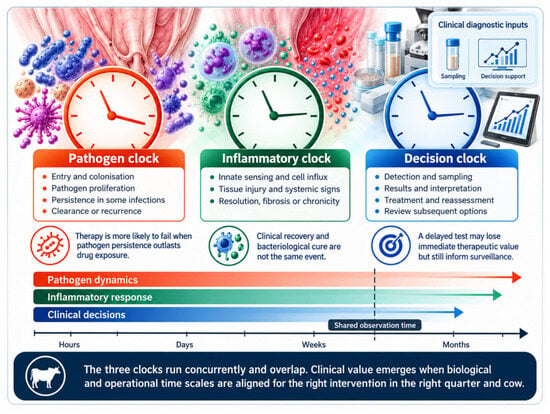
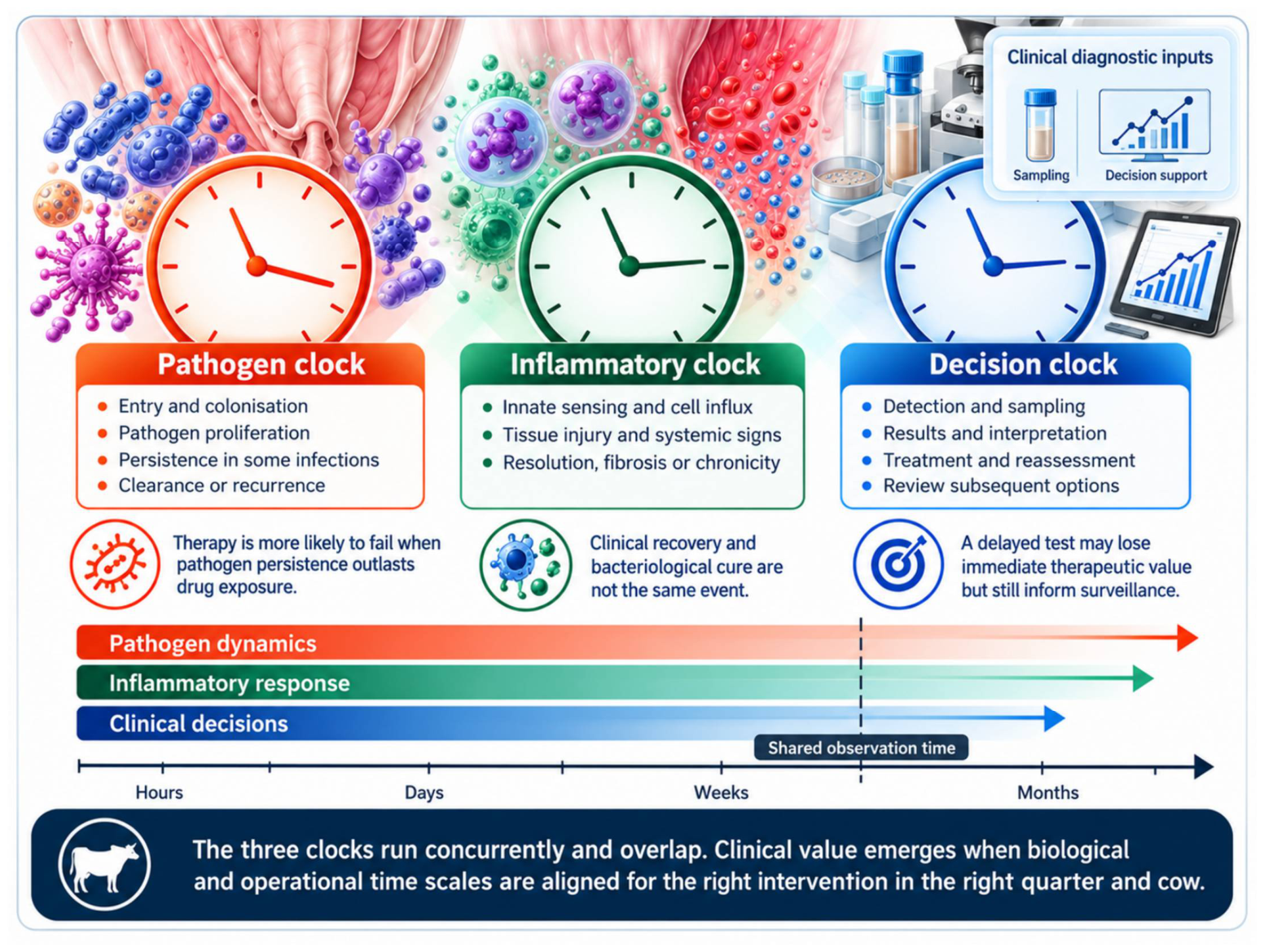
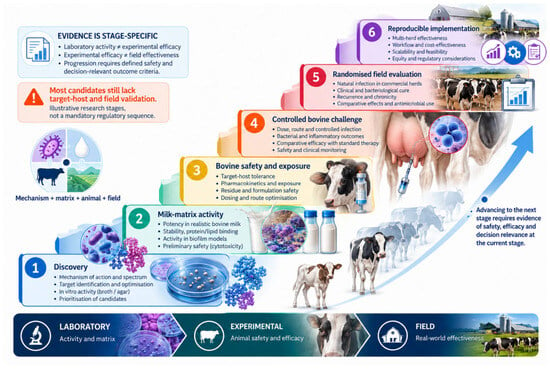
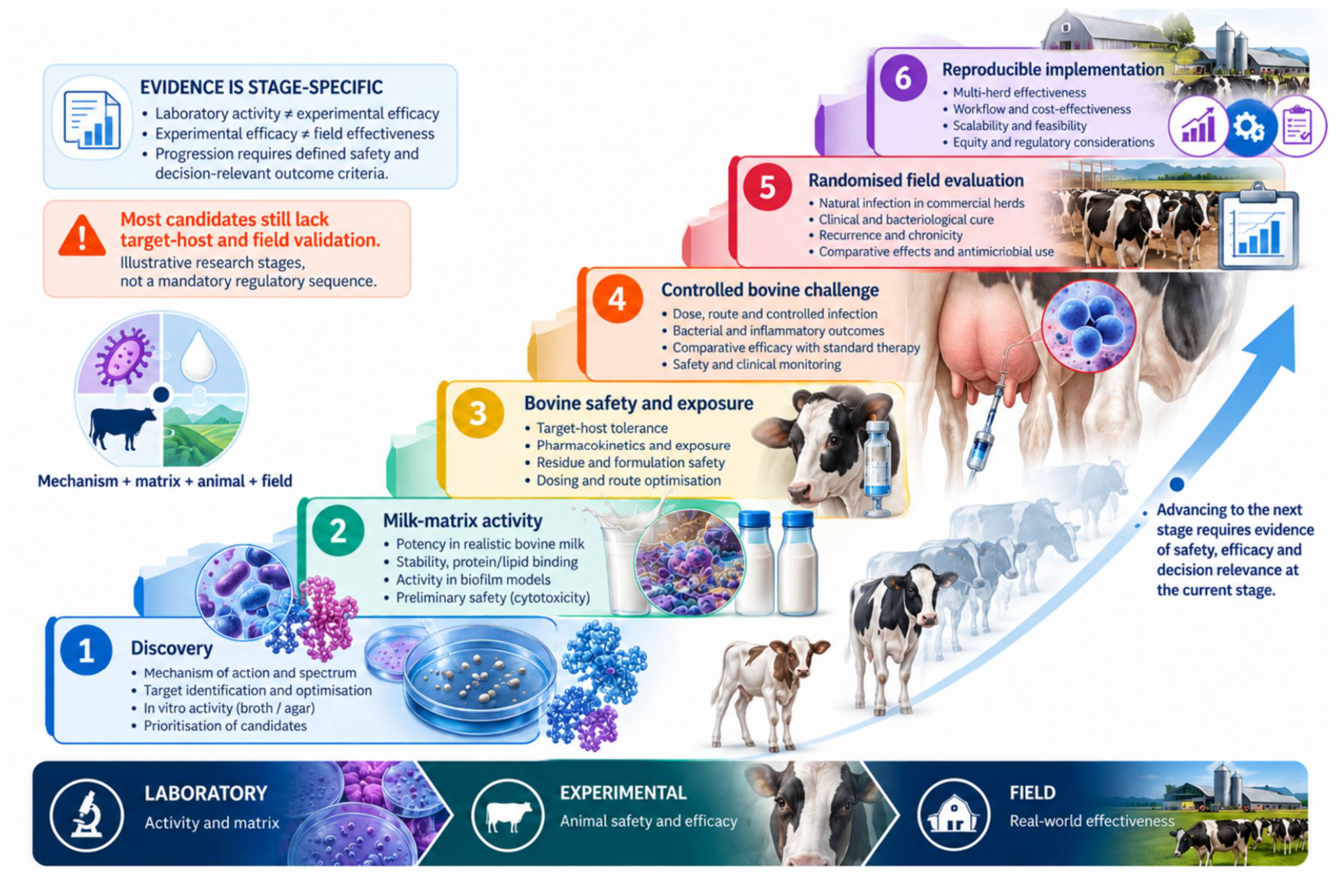
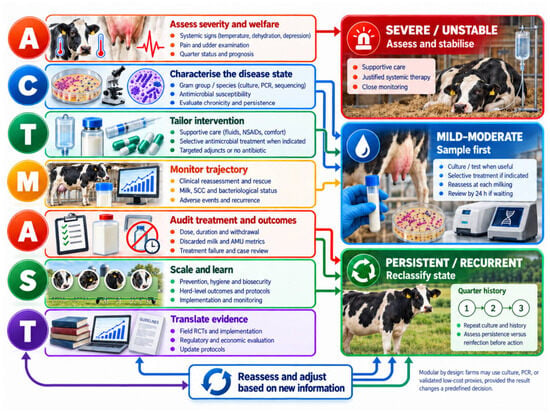
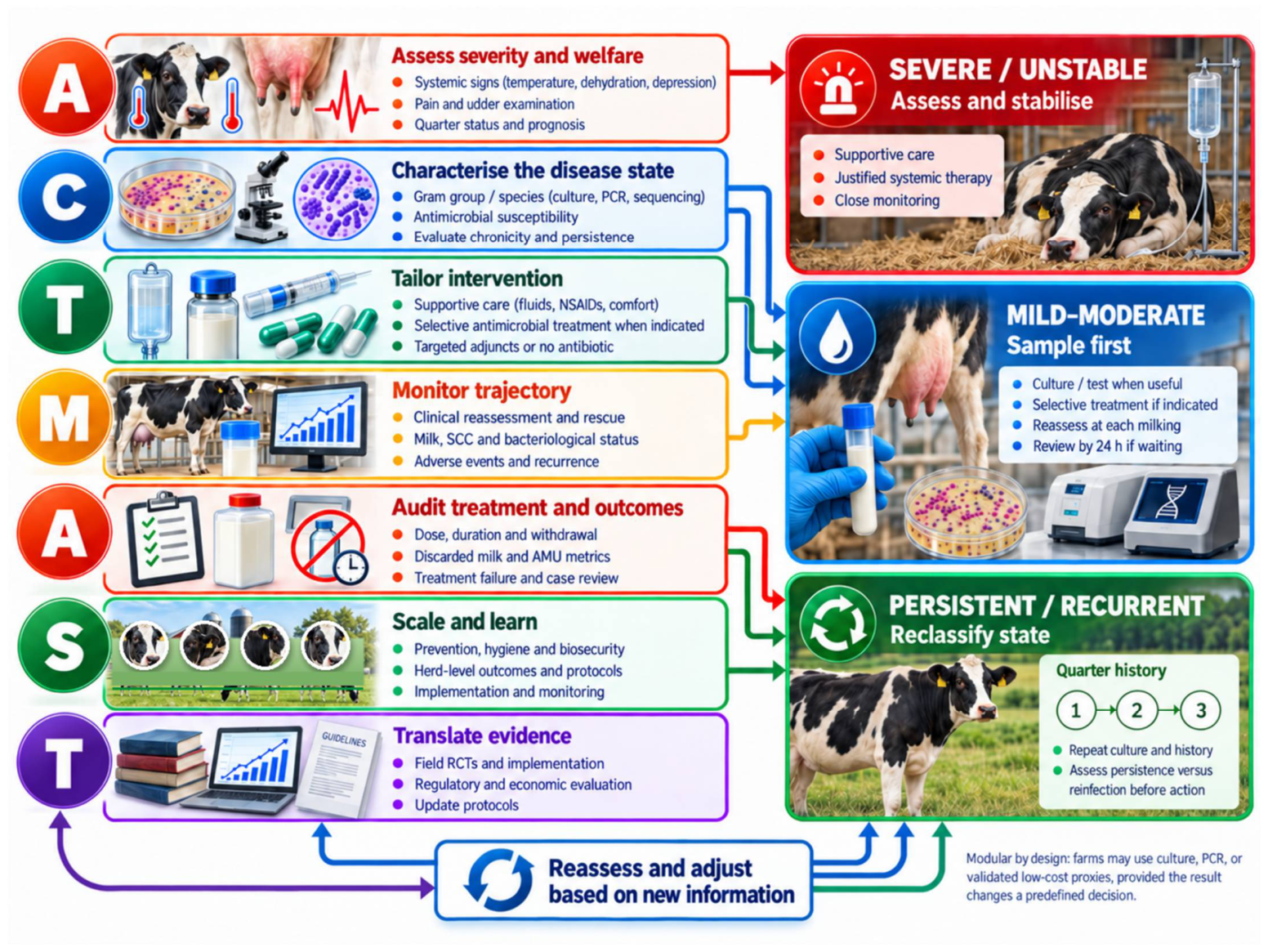
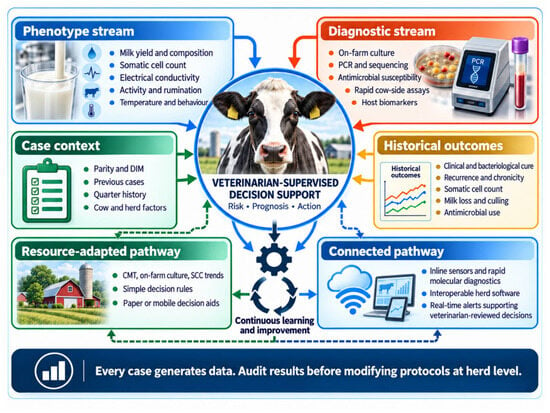
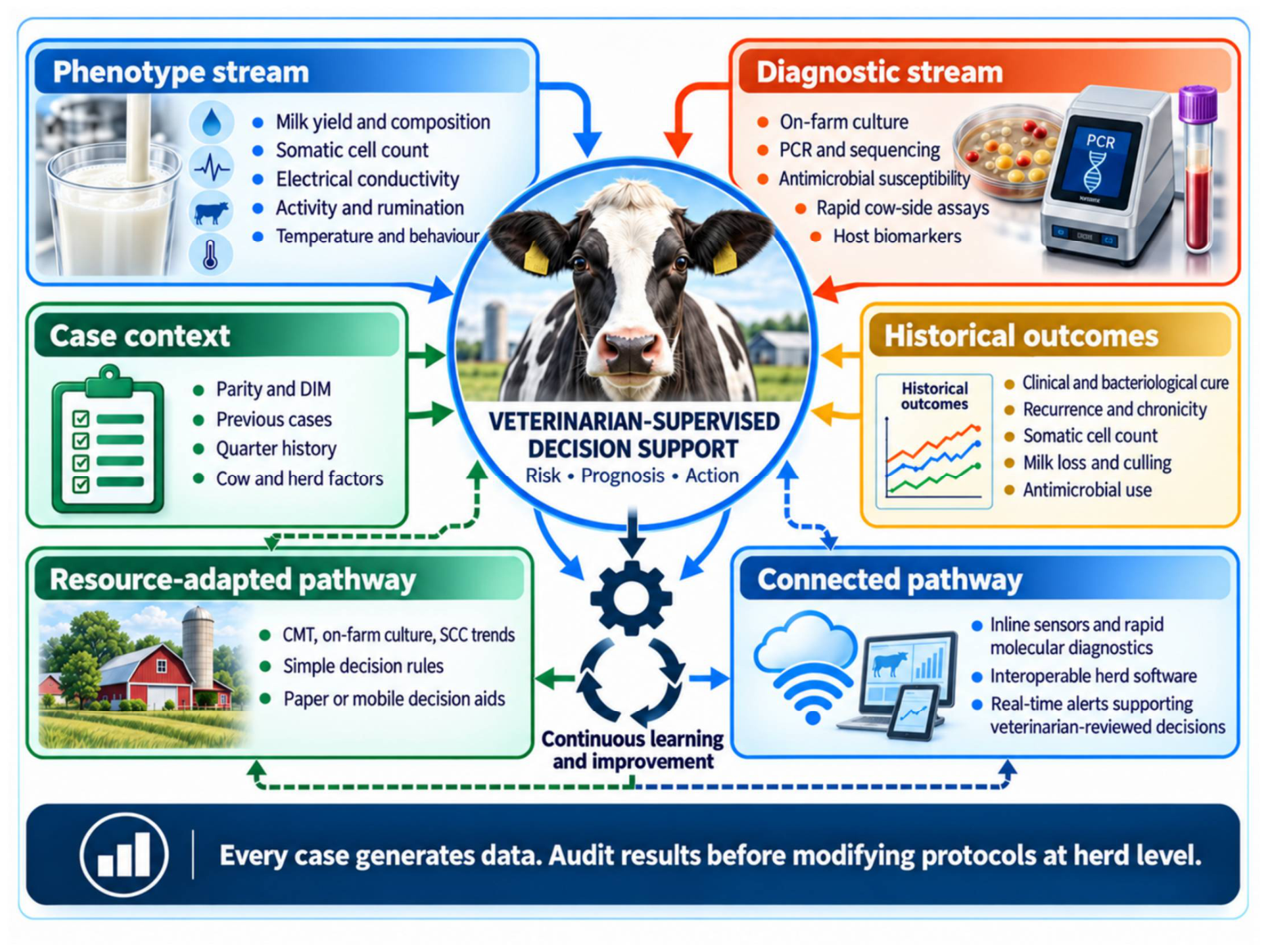

Disclaimer/Publisher’s Note: The statements, opinions and data contained in all publications are solely those of the individual author(s) and contributor(s) and not of MDPI and/or the editor(s). MDPI and/or the editor(s) disclaim responsibility for any injury to people or property resulting from any ideas, methods, instructions or products referred to in the content. |
© 2026 by the authors. Licensee MDPI, Basel, Switzerland. This article is an open access article distributed under the terms and conditions of the Creative Commons Attribution (CC BY) license.