


Abstract
Artisanal raw milk cheeses harbour complex microbial communities that drive cheese making and shape sensory quality. Previous work on Idiazabal cheese identified rennet as a major microbial source, although all reservoirs contributed to varying degrees. However, their impact in terms of enzyme-encoding genes related to technological quality of cheese remained unexplored. Building on that, this study draws on metagenome-assembled genomes (MAGs) from cheeses and dairy environments to comprehensively identify enzyme-encoding genes involved in key biochemical processes. In cheese MAGs (Lacticaseibacillus paracasei), protease-encoding genes were dominated by ATP-dependent metalloproteases (M41), carbohydrate-active enzyme-encoding genes (CAZymes) by glycoside hydrolases (GH) and glycosyltransferases (GT), while esterase, lipase, and related-enzyme-encoding genes were restricted to sparse ‘GDXG’, type-B and esterase D families. Dairy environments emerged as major reservoirs of enzyme-encoding genes, with notable differences among sample types (p ≤ 0.001). The richest sources of protease-encoding genes were grass (610 genes), linked primarily to Pantoea agglomerans, and rennet (318), mainly related to Basfia sp. and Moraxella sp., dominated by metalloproteases (M23, M38) and serine proteases (S15). The largest reservoirs of CAZyme-encoding genes were food contact surfaces (1550), associated mainly with Salinisphaera sp. and Dietzia sp., and rennet (1505), related to, e.g., Bacteroides pyogenes, Alloprevotella sp., and Lentilactobacillus buchneri. Food contact surfaces were also the richest source of esterase, lipase and related-enzyme-encoding genes (1209), mainly linked to Dietzia sp., Corynebacterium sp., and Brevibacterium aurantiacum. Similarly, aroma-related enzyme-encoding genes (e.g., oppA, pepA, GH13, esterase D) were consistently detected in environmental matrices. These results provide novel insights into dairy microbiomes as functional reservoirs of aroma precursors, revealing their relevance for artisanal PDO cheese production and future biotechnological applications.
1. Introduction
The production of artisanal cheeses made from raw milk of small ruminants represents a long-standing tradition in many regions worldwide, specially, in the Mediterranean area [1]. A notable example is Idiazabal Protected Designation of Origin (PDO) cheese, a semi-hard or hard variety from the Basque Country (southwestern Europe), produced exclusively from the raw milk of autochthonous Latxa and/or Carranzana sheep, coagulated with animal rennet, and ripened for a minimum of 60 days [2]. Raw milk cheeses are characterised by complex microbial communities compared to their pasteurised counterparts, resulting in richer and more intense aromatic profiles [3,4], which are highly valued among consumers [5]. This microbial ecosystem is primarily composed of bacteria, compared to smear-ripened and mould-ripened cheeses that also include significant populations of yeasts and moulds [6,7]. Bacteria are represented mainly by lactic acid bacteria (LAB), environmental bacteria, and undesirable taxa [4,6,8]. LAB comprise starter cultures (SLAB), such as Lactococcus used in Idiazabal cheese-making, and non-starter LAB (NSLAB) that emerge during ripening, including Lactobacillus, Streptococcus, or Enterococcus [7,9]. Environmental and undesirable bacteria include pathogens such as Escherichia coli or Staphylococcus aureus, as well as spoilage taxa responsible for defects such as early or late gas formation [7,9].
Microbial communities in raw milk cheeses originate from multiple and diverse sources, including flock feeding, the teat surface, the dairy environment, and the materials and practices employed during milking and cheese making [6,10,11,12,13,14,15]. Their composition is further shaped by geographical location [16], resulting in marked differences not only among types of cheeses [17,18,19,20], but even among producers of the same variety [9,21]. Recently, Santamarina-García et al. [6] provided the first comprehensive metagenomic assessment of microbial sources in artisanal dairies producing raw ewe milk cheeses, demonstrating that commercial feed and teat skin were the major contributors to the raw milk microbiota, while rennet exerted a decisive influence on cheese composition. In addition, other environmental reservoirs, including grass, brine, and both food contact and non-food surfaces, were shown to harbour diverse microbial communities, further highlighting the complexity and multifactorial origin of cheese microbiomes.
The greater microbial diversity present in raw milk cheeses drives the biochemical transformation of the product and the development of sensory properties [1,22,23,24,25]. The principal reactions involved include the metabolism of residual lactose, lactate, and citrate; lipolysis and subsequent metabolism of free fatty acids (FFAs); and proteolysis and metabolism of peptides and free amino acids (FAAs), all of which contribute to flavour, aroma, and texture [1,24,25,26]. These transformations are sustained by a diverse enzymatic repertoire originating from three main sources: endogenous milk enzymes, microbial enzymes, and coagulants [24,25]. Endogenous milk enzymes (e.g., plasmin, lipoprotein lipase, and lactoperoxidase), secreted by the mammary gland, contribute to early proteolysis and lipolysis, although their activity tends to decline during ripening [25,27]. Microbial enzymes, produced mainly by bacteria, encompassing endopeptidases, aminopeptidases, esterases, lipases, and dehydrogenases, drive secondary proteolysis, lipolysis, and amino acid catabolism [7,25]. These microbial activities are directly responsible for the release of volatile compounds such as branched-chain keto acids, alcohols, esters, and organic acids, which underpin the complexity of flavour and aroma in artisanal cheeses [25,26]. Finally, the choice of coagulant varies according to tradition and cheese type, resulting in distinct enzymatic and microbial inputs [28]. In the case of Idiazabal PDO cheese, lamb rennet paste is traditionally employed, providing not only chymosin and pepsin for κ-casein cleavage and milk coagulation, but also pregastric lipase that contributes to fat hydrolysis and the release of aroma-related short-chain FFAs [28,29,30,31]. Importantly, this rennet paste also harbours viable microorganisms, acting simultaneously as an enzymatic and microbial reservoir that collectively shapes the biochemical trajectory of the cheese [6,13]. In contrast, other raw milk cheeses rely on different coagulants. Calf rennet extracts mainly supply chymosin and pepsin, with reduced lipolytic activity and little microbial input [28,32]. Plant coagulants, such as those used in Torta del Casar cheese, contribute specific aspartic acid proteases (e.g., cardosins and cyprosins) [28,33]. Others, such as microbial and recombinant coagulants (e.g., Mucor miehei and Rhizomucor pusillus, or recombinant chymosin) provide fungal or engineered proteases that perform casein cleavage required for coagulation, though they generally lack lipases and viable microbial consortia [28,34,35].
Recently, advances in metagenomics have greatly refined the taxonomic resolution of cheese microbiomes, revealing both dominant and low-abundance taxa with unprecedented detail [6,36,37]. Yet, functional and genetic characterisation remains comparatively limited, as most studies have focused primarily on predictive approaches such as PICRUSt [38], which infer functional profiles from 16S rRNA gene data rather than directly from metagenomic sequences [39], or on reconstructing metabolic pathways through KEGG annotations derived from metagenomic data [40]. Shotgun metagenomics, by sequencing all the DNA present in a sample without prior amplification, provides a comprehensive view of microbial communities [6,36]. Hence, its extension through the reconstruction of metagenome-assembled genomes (MAGs) enables the recovery of near-complete genomes from complex communities, linking taxonomic identity with functional and genetic potential even at strain level [41]. Supported by specialised databases, such as Evolutionary genealogy of genes: Non-supervised Orthologous Groups (EggNOG) [42], MEROPS: the peptidase database (MEROPS) [43], ESTerases and α/β-Hydrolase Enzymes and Relatives (ESTHER) [44], or Carbohydrate-active enZymes (CAZy) [45], this approach moves beyond pathway mapping to deliver a comprehensive view of the enzymatic repertoire of dairy microbiomes. However, the identification of enzyme-encoding genes in relation to aroma compound formation has so far only been applied to the detection of CAZymes in cottage cheese [46]. Most published studies have focused on cheese safety traits, such as antimicrobial resistance genes [47], virulence factors [48], and amino acid decarboxylase-encoding genes in relation to biogenic amines [49].
Therefore, this study undertakes a comprehensive identification and annotation of enzyme-encoding genes relevant to the technological quality of cheese in MAGs recovered from raw milk cheeses and associated dairy environments, including feed, teat skin surfaces, dairy surfaces, and key ingredients (such as rennet and brine). The objective is to elucidate the genetic repertoire of raw milk cheeses and to unravel the functional contribution of microbial communities inhabiting these environments, by comparing enzyme-encoding genes profiles across ecological niches, and thereby assess their technological relevance in the production of traditional raw ewe milk PDO cheeses.
2. Materials and Methods
2.1. Metagenome-Assembled Genomes (MAGs)
A total of 452 MAGs were obtained from our previous study, as described by Santamarina-García et al. [6], which applied shotgun metagenomic sequencing to raw ewe milk, derived whey and Idiazabal PDO cheeses, and their artisanal production environments in order to understand the contribution and main microbial sources. Environmental samples included herd feed (commercial, home-made, grass, and straw), teat skin surfaces from ewes, dairy surfaces (food contact and non-food contact), and cheese-making ingredients (rennet and brine). MAGs were reconstructed using MetaBAT2 v2.15 [50] and refined with DAS Tool v1.1.2 [51]. Genome quality was assessed using CheckM v1.1.3 [52], retaining MAGs with ≥50% completeness and ≤5% contamination. Taxonomic classification was performed using GTDB-Tk v2.1.0 against the GTDB r214 release [53]. For the present study, only high-quality MAGs, specifically those with ≥90% completeness and ≤5% contamination, were retained for downstream functional analysis.
2.2. Bioinformatic Analyses
2.2.1. Overall Functional Annotation
Protein-encoding genes from high-quality MAGs were identified using Prodigal v2.6.3 in metagenomic mode [54] and functionally annotated with eggNOG-mapper v2.1.9 [55], employing the eggNOG v5.0 database [42] and DIAMOND v2.0.9 in sensitive mode [56]. To ensure high-confidence assignments and minimise spurious matches, only hits with an e-value ≤ 1 × 10⁻⁵ and bit score ≥ 200 were retained. Annotated genes were classified into Clusters of Orthologous Groups (COGs) functional categories [57], with emphasis on those involved in amino acid metabolism (E), lipid metabolism (I), carbohydrate metabolism (G), and secondary metabolite biosynthesis (Q), due to their direct relevance to flavour and aroma development in cheese [25]. PFAM domain annotations were used to validate and refine ambiguous predictions [58], and KEGG Orthology (KO) identifiers [59] and EC numbers (https://iubmb.qmul.ac.uk/enzyme/, accessed on 15 September 2023) were integrated to contextualise each gene within its metabolic framework and assess its potential contribution to the biosynthesis of flavour and aroma compounds.
2.2.2. Protease-Encoding Genes Identification
Protein functional annotation was conducted by aligning predicted protein sequences with DIAMOND v2.1.7 [56] against the PANTHER classification system v17.0 [60]. UniProtKB accession numbers derived from PANTHER were then submitted to the UniProt ID Mapping service [61], specifying MEROPS as the target [43], in order to recover functional names, EC numbers, and family classifications, among others. To ensure robustness, a quality filtering step was applied to the mapped hits, overall, and alignments were retained only when meeting stringent thresholds of sequence identity ≥ 50%, alignment length ≥ 100 amino acids, e-value ≤ 1 × 10⁻¹⁰, and bit score ≥ 100. Entries failing to meet these criteria were excluded or flagged as low-confidence annotations. This combined DIAMOND-based alignment, PANTHER annotation, and MEROPS-anchored filtering strategy enabled the identification of proteolytic repertoires while minimising noise from weak or ambiguous hits. Furthermore, these stringent length and identity thresholds were specifically applied to mitigate the impact of potential gene fragmentation inherent to MAG assemblies, ensuring that functional inferences are based on robust and representative sequences.
2.2.3. Carbohydrate-Active Enzymes-Encoding Genes Identification
Carbohydrate-active enzyme-encoding genes were annotated using the dbCAN2 meta server [62], which integrates HMMER v3.3.2 [63], DIAMOND [56], and eCAMI [64] against the CAZy database [45]. Predicted protein sequences were screened according to the CAZy classification into catalytic classes, including glycoside hydrolases (GHs), glycosyltransferases (GTs), carbohydrate esterases (CEs), polysaccharide lyases (PLs), auxiliary activities (AAs), as well as non-catalytic carbohydrate-binding modules (CBMs), which assist enzymatic activity by mediating substrate recognition [45]. Only hits supported by at least two of the three tools and with domain coverage ≥ 0.35 (proportion of domain length covered by the alignment) were retained. CAZyme families were then manually curated to highlight enzyme-encoding genes involved in lactose, galactooligosaccharide, and related carbohydrate degradation, among others, directly relevant to flavour precursor release in cheese.
2.2.4. Esterase, Lipase, and Related Enzyme-Encoding Genes Identification
Putative esterase, lipase, and related α/β-hydrolase-encoding genes were identified by aligning predicted protein sequences against the ESTHER database [44] using DIAMOND v2.1.7 [56]. The resulting hits were cross-referenced with UniProtKB via the ID Mapping service to retrieve functional annotations and protein family assignments [61]. To ensure robustness, overall, only alignments with sequence identity ≥ 30%, e-value ≤ 1 × 10⁻¹⁰ and bit score ≥ 100 were retained, while entries failing to meet these thresholds were excluded or flagged as low-confidence homologues. The filtered UniProtKB accessions were then manually curated to confirm catalytic relevance, retaining only those assigned to validated esterase/lipase families and excluding non-catalytic homologues or structurally related proteins lacking active-site motifs. Functional assignments were further validated by integrating Gene Ontology (GO) terms, enabling classification of esterase, lipase, and related enzyme-encoding genes into molecular functions. This combined alignment-based and function-driven filtering strategy, complemented by keyword-based screening of ESTHER outputs, enabled the identification of esterase/lipase-encoding genes while minimising noise from ambiguous or non-hydrolytic entries.
2.3. Data Integration and Statistical Analysis
Data integration, statistical analysis, and figure generation were performed in RStudio version 2025.05.1 Build 513 and R version 4.5.0 (R Core Team, Vienna, Austria, 2025). Data import and preprocessing were conducted with readxl (https://cran.r-project.org/package=readxl, accessed on 8 September 2025), dplyr (https://cran.r-project.org/package=dplyr, accessed on 8 September 2025), tidyr (https://cran.r-project.org/package=tidyr, accessed on 8 September 2025), and stringr (https://cran.r-project.org/package=stringr, accessed on 8 September 2025) packages. Visualisation workflows relied on ggplot2 (https://github.com/tidyverse/ggplot2, accessed on 10 September 2025), and pheatmap (https://cran.r-project.org/package=pheatmap, accessed on 28 March 2026) for hierarchical clustering heatmaps, complemented by ggnewscale (https://github.com/eliocamp/ggnewscale, accessed on 10 September 2025) for layered color scales, randomcoloR (https://cran.r-project.org/package=randomcoloR, accessed on 10 September 2025), RColorBrewer (https://cran.r-project.org/package=RColorBrewer, accessed on 10 September 2025), and ggsci (https://cran.r-project.org/package=ggsci, accessed on 10 September 2025) for extended palettes, forcats (https://cran.r-project.org/package=forcats, accessed on 10 September 2025) for factor reordering, viridis (https://cran.r-project.org/package=viridis, accessed on 10 September 2025) for perceptually uniform gradients, and scales (https://cran.r-project.org/package=scales, accessed on 10 September 2025) for customised axes and transformations. Overall, figures included stacked bar plots, circular charts, horizontal bar plots, and heatmaps with integrated annotation layers and, when appropriate, z-score normalisation. Permutational Multivariate Analysis of Variance (PERMANOVA) was computed with the vegan package (https://github.com/vegandevs/vegan, accessed on 21 October 2025) to evaluate the overall statistical difference in genes among sample types.
3. Results and Discussion
3.1. Taxonomic Overview of MAGs
As previously reported, 452 MAGs were obtained from raw ewe milk-derived PDO cheeses and associated environmental samples [6], from which 60 high-quality MAGs were retrieved and used for functional and genetic annotation (Table 1). These MAGs were taxonomically assigned to 26 genera and 14 species, spanning diverse environments including grass, commercial feed, home-made feed, teat skin, food contact and non-food contact surfaces, rennet, brine and cheese. The most represented genera included Pantoea (6 MAGs), Citricoccus (5), Corynebacterium (4) and Marinilactibacillus (4). At species level, Pantoea agglomerans (6 MAGs), Marinilactibacillus psychrotolerans (4), Staphylococcus equorum (3) were among the most frequent (Table 1). Significant differences were observed in the distribution of MAGs among the sample type (p ≤ 0.001), with food contact surfaces (16 MAGs) and rennet (13 MAGs) presenting the highest number of MAGs (Table 1) [6]. This distribution highlights the ecological diversity and niche specificity of the high-quality MAGs recovered from artisanal cheese production environments, with food contact surfaces and rennet representing the richest reservoirs, while cheese samples themselves contributed only a limited number of genomes [6]. Although a large number of medium-quality MAGs were also obtained, the annotation of high-quality MAGs ensures robust functional annotation, reliable taxonomic assignment, and reproducible comparative analyses, thereby minimizing biases associated with incomplete or fragmented assemblies [65].
Table 1.
Number of HQ MAGs from each sample type and their taxonomic assignments, retrieved from the previous study [6].
3.2. Overall Genetic and Functional Annotation of MAGs
A total of 149,692 genes assigned to orthologous groups (OGs) were identified across all MAGs, and after applying quality filters, 127,747 high-confidence annotations were retained for downstream functional analysis. It is important to acknowledge that even high-quality MAGs can be fragmented. Consequently, the presence or absence of genes may reflect assembly and binning limitations rather than true biological absence. The predominant COG categories were amino acid transport and metabolism (7.76%), transcription (6.81%), and inorganic ion transport and metabolism (6.39%) (Figure 1A). Among sample type, differences were observed in genes (p ≤ 0.001), with food contact surfaces and rennet samples presenting the greatest number (35,993 and 20,380, respectively) (Figure 1B,C). Cheese samples and commercial feed samples, instead, presented the lowest number of genes (3717 and 3519, respectively). On average, 14,194 ± 10,106 genes were detected per sample type. While these results describe the genetic potential of the microbiota, it should be noted that gene presence does not necessarily imply active expression, representing a functional blueprint of the artisanal dairy ecosystem.
Figure 1.
Distribution of main COG categories across all samples (A), and relative abundance (B) and total number of genes (C) associated with main COG categories by sample type.
With more detail, the top 10 genes were oppA (oligopeptide transporter, 101 genes), fabG (3-oxoacyl-[acyl-carrier-protein] reductase involved in fatty acid biosynthesis, 98 genes), dnaB (replicative DNA helicase, 78 genes), murA (UDP-N-acetylglucosamine enolpyruvyl transferase for peptidoglycan biosynthesis, 78 genes), pepA (aminopeptidase A, 77 genes), dnaJ (chaperone protein for stress response and protein folding, 76 genes), msrA (methionine sulfoxide reductase A, involved in oxidative stress repair, 76 genes), cobB (NAD-dependent deacetylase, regulator of metabolism and stress response, 73 genes), yidC (membrane protein insertase, 73 genes), and def (peptide deformylase, essential for translation processing, 72 genes) (Figure 2A). These genes reflect key microbial functions related to peptide transport, lipid biosynthesis, DNA replication, protein maturation, and cell wall formation, all of which contribute to microbial adaptation and metabolic activity during cheese ripening [25,61,66].
Figure 2.
Top 100 genes across all samples (A); distribution of the top 10 identified genes by sample type (B); and by taxonomic origin of each sample type (C). Abbreviations: B: brine, C: cheese, CF: commercial feed, FC: food contact surfaces, G: grass, HF: home-made feed, NFC: non-food contact surfaces, R: rennet, TS: teat skin surface.
Nevertheless, apart from amino acid transport and metabolism, other COG categories directly linked to aroma and flavour formation were present, specifically, carbohydrate transport and metabolism (5.64%), lipid transport and metabolism (3.40%), and secondary metabolites biosynthesis, transport, and catabolism (1.36%) (Figure 1A–C). Table 2 shows the top 20 genes related to aroma and flavour compound formation. These genes span peptide uptake, amino acid interconversion (e.g., via aminotransferases), cell wall precursor formation, central carbohydrate metabolism, lipid biosynthesis initiation, and the shikimate pathway leading to aromatic amino acids [61]. Their prevalence underscores the metabolic versatility of cheese-associated microbiota and their potential contribution to flavour compound generation through carbohydrate fermentation, proteolysis, and lipid transformation [22,23,25,66,67].
Table 2.
Predominant genes associated with amino acid transport and metabolism, carbohydrate utilisation, lipid biosynthesis, and secondary metabolite pathways of high-quality MAGs derived from raw milk cheeses and environmental samples of artisanal dairies.
In terms of environmental samples, food contact surface MAGs presented the greatest number of genes (35,993). These genes were mainly related to amino acid transport and metabolism (8.15%), transcription (6.62%), and energy production and conversion (6.17%) (Figure 1B,C). Furthermore, the dominant genes were associated with fatty acid biosynthesis (fabG), protein folding and stress response (dnaJ), deacetylase activity (cobB), aminopeptidase function (pepA), peptide deformylation (def), nucleoid-associated protein/stress response gene (yjjK), shikimate pathway activity (aroE), heme biosynthesis (hemD), cell wall precursor synthesis (murA), and methionine sulfoxide reduction (msrA), among others (Figure 2B,C, Supplementary Table S2). The metabolic versatility and resilience of surface-associated microbiota underline their role as persistent reservoirs in dairies, consistent with reports describing food-processing surfaces as facility-specific microbial niches sustained by biofilm formation [6,14,70]. Moreover, some of the predominant genes were linked to flavour compound generation (e.g., pepA and aroE) (Figure 2B,C, Table 2). These genes collectively contribute to the microbial release of branched-chain keto acids, organic acids, and alcohols that serve as precursors of volatile aroma compounds during cheese ripening [25,26,67]. The taxonomic origin of this functional repertoire is detailed in Figure 2C and Supplementary Tables S1–S9. These results partially align with previous studies linking genera such as Psychrobacter, Brevibacterium, and Staphylococcus to aroma compound formation in cheese [22,23,70]. However, present gene–taxon mapping provides a higher-resolution view, directly associating functional genes with specific microbial taxa across environmental matrices, thereby reinforcing their ecological relevance and metabolic contribution to cheese ripening. While these results describe the genetic potential of the microbiota, it should be noted that gene presence does not necessarily imply active expression, representing a functional blueprint of the artisanal dairy ecosystem [6,15,25,66,70].
Similarly, rennet MAGs represented the second environmental sample type with the highest number of genes (20,380). These genes were mainly related to cell wall biogenesis (7.52%), translation, ribosomal structure and biogenesis (7.25%), and carbohydrate transport and metabolism (6.43%) (Figure 1B,C). Furthermore, the dominant genes were associated with peptide and amino acid transport (oppA), nutritional stress regulator (relA), amino acid interconversion (aspC), acetate metabolism (ackA), cofactor biosynthesis (queA), DNA recombination (xerC), energy production (atpA), central carbohydrate metabolism (pgi), RNA modification (rluD), and DNA replication (dnaB) (Figure 2B,C, Supplementary Table S3), reflecting the metabolic versatility and ecological resilience of rennet-associated microbiota [6,13,42]. In terms of aroma-related compounds, some of the dominant genes were associated with amino acid interconversion (e.g., aspC), central carbohydrate metabolism with cofactor regeneration (e.g., pgi), and peptide and amino acid uptake (e.g., oppA) (Figure 2B,C, Table 2), collectively contributing to the microbial release of aroma precursors such as branched-chain keto acids, organic acids, and alcohols during cheese ripening [25,26,42,67,70].
For the rest of environmental samples, overall, dominant genes differed among sample type (p ≤ 0.05) (Figure 2B,C). Home-made feed MAGs showed high representation of peptide and amino acid transport (oppA), fatty acid biosynthesis (fabG), protein processing (def), methionine transport (metN), and proline/glycine-betaine transport (proV), among others (Figure 2B,C, Supplementary Table S4). Grass MAGs were enriched, for example, in siroheme biosynthesis (cysG), nitroreductase activity (nemA), amino acid efflux (eamA), chemotaxis (tsr), and inositol metabolism (iolG) (Figure 2B,C, Supplementary Table S5). MAGs from non-food contact surfaces shared similar profiles, with proteolysis (pepA), organic acid metabolism (scoB), fatty acid biosynthesis (fabG), and oxidative stress repair (msrA), among others (Figure 2B,C, Supplementary Table S6). In brine MAGs, the most represented functions were peptide degradation (pepA), oxidative stress repair (msrA), fatty acid biosynthesis (fabG), protein folding (dnaJ), protein processing (def), NAD-dependent regulation (cobB), and membrane protein insertion (yidC), among others (Figure 2B,C, Supplementary Table S7). MAGs from teat skin surface samples exhibited high representation of amino acid transport (glnQ, livJ), cadaverine metabolism (cadA), cell wall precursor synthesis (murA), DNA replication and repair (dnaB), membrane protein insertion (yidC), central carbon metabolism (icd), among others (Figure 2B,C, Supplementary Table S8). Commercial feed MAGs were dominated by, for example, chemotaxis (tsr), siroheme biosynthesis (cysG), nitroreductase activity (nemA), and magnesium/cobalt transport (corA) (Figure 2B,C, Supplementary Table S9).
Beyond overall abundance, a core group of functional genes, including oppA, fabG, pepA, msrA, def, and menA, was identified for its widespread distribution across the dairy facilities. Detailed taxonomic mapping (Figure 2C) revealed that while these functions are ubiquitous, their microbial carriers are niche specific, indicating a process of functional succession rather than a single taxonomic bridge across the entire chain. Within the processing and environmental reservoirs (B, FC, NFC, HF), these genes are primarily associated with taxa such as Staphylococcus equorum, Corynebacterium sp., and Citricoccus sp. However, as these functions transition into the final product (C), they undergo a taxonomic shift: for instance, genes like fabG, msrA, def, and menA are exclusively hosted by Lacticaseibacillus paracasei in the ripened cheese. This underscores that while the genetic potential for key metabolic traits persists throughout the process, the taxonomic drivers are replaced by better-adapted species during cheese ripening [71]. Taken together, these results demonstrate that although the dominant genes vary across environments, they consistently converge on core metabolic routes of carbohydrate utilisation (e.g., pgi and icd), amino acid biosynthesis and interconversion (e.g., aspC and oppA), lipid metabolism (e.g., fabG), and secondary metabolite formation (e.g., pepA and aroE) (Figure 2B,C, Supplementary Tables S2–S9). This underscores the shared microbial strategies that sustain precursor availability and drive the generation of aroma compounds during cheese ripening [6,15,25,61,67,70]. Importantly, few studies to date have applied EggNOG-mapper or similar bioinformatic tools to elucidate the overall functional annotation of cheese MAGs in relation to technological quality of cheese [72,73]. In this aspect, Papadimitriou et al. [73] reported for home-made and industrial Feta cheese clustering-based subsystems, protein metabolism, carbohydrate metabolism as the dominant subsystems, with lipid metabolism and cofactors, vitamins, prosthetic groups, and pigments as minor subsystems. These results are partially consistent with present outcomes, highlighting the differences in cheese microbiomes among types of cheeses, and consequently the functional potential [17,18,19,20]. Moreover, these works do not comprehensively analyse the main functional genes within identified pathways, such as amino acid metabolism [72,73]. Therefore, this methodological gap highlights the originality of our approach, as EggNOG-mapper provides a powerful framework for functional annotation [42,55], which has not yet been exploited in dairy microbial ecology [72,73]. Furthermore, there are no other studies analysing the functional potential of MAGs inhabiting artisanal dairies, which are potential microbiome sources for final raw milk cheeses [6]. This usually has been applied only for safety concerns, such as antimicrobial resistances [47]. Therefore, our study establishes a novel reference point, thereby opening new avenues to connect functional potential with the sensory outcomes of cheese ripening [25,67]. Although MAGs represent only the fraction of the microbiome whose genomes can be reconstructed with high quality, and therefore capture only a limited portion of the microbial community, they remain the most robust and high-resolution approach for linking taxonomy and function in complex microbial ecosystems [41]. The study of environmental sources as reservoirs of microbial diversity offers significant potential for cheese biotechnology [6,15]. Isolating and characterizing these microorganisms could provide novel candidates for secondary cultures or adjunct starters, expanding the palette of flavour-producing consortia beyond traditional lactic acid bacteria [6,70,74].
3.3. Proteases and Peptidases-Encoding Genes
As detailed in the methods, the proteolytic potential was assessed considering only high-confidence hits to account for possible gene truncation in the MAGs. Through a MAGs analysis, the proteolytic repertoire was directly coupled to specific microbial taxa, suggesting that the functional potential is driven by the structural composition of the recovered binned genomes. A total of 7062 protease-encoding genes were detected across all MAGs. Following quality filtering, 3531 high-confidence protease-encoding genes were retained for downstream functional analysis, of which 1606 (45.2%) lacked conserved catalytic residues and were classified as non-peptidase homologues. The remaining 1935 protease-encoding genes were distributed across six types: genes encoding metalloproteases (1283, 66.3%), serine proteases (599, 31.0%), cysteine proteases (24, 1.24%), glutamic acid proteases (18, 0.930%), asparagine peptide lyases (5, 0.258%), and aspartic acid proteases (1, 0.0517%) (Figure 3A). Furthermore, 5 genes (0.258%) could not be classified to a catalytic type (Figure 3A). In detail, genes encoding metalloproteases were highly represented, comprising 18 families including M23 (murein endopeptidases, 331 genes), M41 (FtsH ATP-dependent proteases, 221 genes), M38 (isoaspartyl dipeptidase, 137), M2 (angiotensin-converting enzyme-like, 130), and M22 (O-sialoglycoprotein endopeptidases, 111). Other minor families comprised M1 (aminopeptidase N, 77), M20 (glutamate carboxypeptidases, 62), M17 (leucine aminopeptidases, 56), M48 (HtpX peptidase, 50), and M16 (pitrilysin, 48) (Figure 3B). Together, these diverse genes encoding metalloprotease families constitute a specialised proteolytic machinery related to, among others, microbial cell wall remodelling and autolysis, protein quality control under salt and acid stress, and the generation of bioactive peptides and free amino acids that directly contribute to flavour development in the ripened cheese [25,26,43,58,67,75].
Figure 3.
Distribution of protease-encoding genes by catalytic type (A); total number of genes per protease family (B); gene distribution by sample type and catalytic type (C); and distribution of the top 20 protease families by sample type (D). Abbreviations of catalytic type: A: aspartic acid proteases, C: cysteine proteases, G: glutamic acid proteases, M: metalloproteases; N: asparagine peptide lyases, S: serine proteases and U: unknown catalytic type. Abbreviations of sample type: B: brine, C: cheese, CF: commercial feed, FC: food contact surfaces, G: grass, HF: home-made feed, NFC: non-food contact surfaces, R: rennet, TS: teat skin surface.
Genes encoding serine proteases were also well represented, comprising 17 families with the most abundant being S15 (Xaa-Pro dipeptidyl-peptidase, 264 genes), together with S13 (D-Ala-D-Ala peptidase C, 74 genes), and S39 (bacterial homologue luteovirus peptidase, 43 genes). Other notable families included S11 (D-Ala-D-Ala carboxypeptidases, 35 genes), S9 (prolyl oligopeptidases, 34 genes), S1 (chymotrypsin-like proteases, 32 genes), and S21 (bacterial homologue cytomegalovirus assembling, 31 genes). Minor families comprised S14 (peptidase Clp, 18 genes), S12 (D-Ala-D-Ala carboxypeptidase B, 18 genes), or S16 (Lon-A peptidase, 12 genes), among others (Figure 3B). Together, these diverse serine protease families enable microbial adaptation across the cheese production environment [43,75]. While signal peptidases facilitate secretion for biofilm formation, families like S9 and S1 perform targeted peptide cleavage that directly generates flavour precursors crucial for cheese development [25,43,67,75]. This versatile repertoire, therefore, supports both survival in the general environment and the final sensory characteristics of the product [15,25,67].
Genes encoding cysteine proteases were detected at a lower overall abundance, with only five families identified. These included C14 (metacaspases, 15 genes), C55 (YopJ protein, 4 genes), and the minor families C11 (clostripain, 2 genes), C39 (bacteriocin-processing peptidases, 2 genes), and C47 (staphopain A, 1 gene) (Figure 3B). A similarly low prevalence was observed for other catalytic types: genes encoding glutamic acid proteases were represented by the S66 family (glutamate peptidases, 18 genes), genes encoding asparagine peptide lyase corresponded to the S45 family (penicillin acylase, 5 genes), and the single gene encoding aspartic acid protease identified belonged to the A24 family (presenilin-type proteases, 1 gene) (Figure 3B). These protease families primarily fulfill essential cellular maintenance functions, with C47 inteins and C14 caspases regulating protein activity and cellular programmed death, respectively [43]. While their role in flavor development is secondary, families like C55 and S66 contribute modestly to flavor nuance through nucleotide and glutamate metabolism, representing a minor but complementary pathway to the dominant proteolytic systems in flavour formation [25,43,61,67].
Notable differences were observed among sample types (p ≤ 0.001). Cheese samples, specifically Lacticaseibacillus paracasei MAGs, contained 32 protease-encoding genes, representing one of the lowest counts across all categories (Figure 3C). The identified genes were overwhelmingly metalloproteases-encoding genes (27 genes), followed by minor representation of genes encoding serine proteases (3 genes) and cysteine proteases (2 genes) (Figure 3C). Within the metalloproteases, the most abundant family was M41 (FtsH ATP-dependent proteases, 13 genes total), which encodes membrane-associated proteases involved in degradation of misfolded proteins and general quality control [43]. This was followed by M38 (isoaspartyl dipeptidases, 5 genes) and M2 (angiotensin-converting enzyme-like, 4 genes) families (Figure 3D). The serine proteases were solely represented by S21 (bacterial homologue cytomegalovirus assemblin, 3 genes) and the cysteine proteases belonged exclusively to C39 (bacteriocin-processing peptidase, 2 genes) (Figure 3D). In terms of aroma-related genes, only M38 (isoaspartyl dipeptidases) was identified in cheese MAGs, related to Lacticaseibacillus paracasei (Figure 4A–C). This distribution indicates that cheese harbours a proteolytic repertoire predominantly driven by ATP-dependent proteases, with limited representation of hydrolytic endo- and exopeptidases [43]. Such constraints are pertinent to aroma and texture development, as reduced extracellular peptide release and slower casein breakdown limit the generation of flavour precursors, while proteolysis is shifted towards intracellular quality-control pathways rather than extensive casein remodelling [25,43,67,75].
Figure 4.
Top 20 protease-encoding genes families according to taxonomic origin of each sample type (A), distribution of main identified protease-encoding genes involved in aroma and/or flavour compound formation by sample type (B) and by taxonomic origin across sample type (C). Abbreviations of sample type: B: brine, C: cheese, CF: commercial feed, FC: food contact surfaces, G: grass, HF: home-made feed, NFC: non-food contact surfaces, R: rennet, TS: teat skin surface.
Environmental samples displayed broader repertoires (Figure 3C). Grass and rennet MAGs presented the highest numbers of protease-encoding genes (610 and 318, respectively) (Figure 3C). In grass samples, protease-encoding genes were mainly from Pantoea agglomerans MAGs rather than Pseudomonas sp. (Figure 4A). The identified genes were overwhelmingly genes encoding metalloproteases (427 genes), followed by genes encoding serine proteases (168), and minor representation of genes encoding glutamic acid proteases (12), asparagine peptide lyases (2), and aspartic acid proteases (1) (Figure 3C). Within the genes encoding metalloproteases, the most abundant families were M23 (murein endopeptidases, 138), M2 (angiotensin-converting enzyme-like peptidases, 50), M38 (isoaspartyl dipeptidases, 41), and M22 (O-sialoglycoprotein endopeptidases, 41) (Figure 3D). Within the genes encoding serine proteases, the dominant families were S15 (Xaa-Pro dipeptidyl-peptidases, 49) and S11 (D-Ala-D-Ala carboxypeptidases, 24) (Figure 3D). Aroma-related genes were also most numerous in grass (89), primarily, M38 (isoaspartyl dipeptidases, 41), M20 (glutamate carboxypeptidases, 26), and to lower extent, S1 (chymotrypsin-like proteases, 13) and S9 (prolyl oligopeptidases, 9) (Figure 4B). These genes were also mainly related to Pantoea agglomerans (84 genes) (Figure 4C). This repertoire highlights a strong orientation towards peptide turnover and glutamate metabolism, providing abundant precursors for volatile compound formation [25,43,67,75]. Microbial proteases in feed have previously been reported [76].
In rennet samples, genes encoding metalloproteases were the most abundant (180 genes) (Figure 3C), dominated by family M23 (murein endopeptidases, 46), followed by M38 (isoaspartyl dipeptidases, 30) and M41 (FtsH ATP-dependent proteases, 28) (Figure 3D). Genes encoding serine proteases accounted for 130 genes, with family S15 as the dominant (Xaa-Pro dipeptidyl-peptidases, 90), followed by smaller contributions from S39 (bacterial homologue luteovirus peptidase, 10), S9 (prolyl oligopeptidases, 8), and S1 (chymotrypsin-like proteases, 7) (Figure 3C,D and Figure 4A–C). Genes encoding cysteine proteases were scarce (5), with C14 (metacaspases, 3) and C11 (clostripain, 2). Aroma-related genes (55) were mainly M38 (isoaspartyl dipeptidases, 30), and there was lower representation of M20 (glutamate carboxypeptidase, 8), S9 (prolyl oligopeptidases, 8), S1 (chymotrypsin-like proteases, 7), and M24 (aminopeptidase P, 2) (Figure 4B,C). These genes were linked to diverse taxa including Basfia sp. (25 genes), Moraxella sp. (13), and to a lower extent, to Bacteroides pyogenes (7), Alloprevotella sp017446765 (5), Lentilactobacillus buchneri (3), and Pediococcus parvulus (2) (Figure 4A–C). This collection highlights a strong orientation towards cell wall remodelling and intracellular peptide turnover, providing limited but specialised precursors that indirectly contribute to volatile compound formation [25,43,67]. Furthermore, the proteolytic contribution of lamb rennet paste has been previously described [28,29], mainly associated with the activities of chymosin and pepsin. However, information on rennet microbial enzymes, such as proteases, remains limited [28]. To date, no study has demonstrated their direct contribution to proteolysis or flavour development in cheese, highlighting a gap in current knowledge.
Other environments exhibited lower overall abundances but retained distinctive genes. Home-made feed (293 genes) exhibited intermediate diversity, with genes encoding metalloproteases as the dominant type (200), primarily from the M23 family (murein endopeptidase, 46), M41 (FtsH ATP-dependent proteases, 33), M20 (glutamate carboxypeptidase, 14), and M16 (pitrilysin, 10) (Figure 3C,D). Genes encoding serine proteases followed in abundance (88), with S13 (D-Ala-D-Ala peptidase C, 23) and S15 (Xaa-Pro dipeptidyl-peptidase, 24) as dominant families (Figure 3C,D). Aroma-related genes (63), dominated by S13 (23), M20 (14), and M38 (12), were linked mainly to Erwinia aphidicola (22), Brachybacterium sp. (19), and Pantoea agglomerans (16) (Figure 4B,C). Food contact surfaces (232 genes) exhibited diverse representation, mainly genes encoding metalloproteases (155), with families M41 (FtsH ATP-dependent proteases, 45) and M23 (31 genes, murein endopeptidases) as dominant, alongside genes encoding serine proteases (75), which were most abundant in families S15 (Xaa-Pro carboxypeptidases, 48), S13 (D-Ala-D-Ala peptidase C, 11), and S9 (prolyl oligopeptidases, 6) (Figure 3C,D). Aroma-related genes (36), primarily S13 (11) and M38 (10), were related mainly to Dietzia sp. (10), Psychrobacter celer (10), and Marinilactibacillus psychrotolerans (9) (Figure 4B,C). Brine samples (171 genes) were mainly represented by genes encoding metalloproteases (99,) of family M41 (FtsH ATP-dependent proteases, 40) and M23 (murein endopeptidases, 21), together with genes encoding serine proteases (67), primarily of family S13 (D-Ala-D-Ala peptidase C, 40) (Figure 3C,D). Aroma-related genes (65), belonging primarily to S13 (40) and M38 (19), were linked mainly to Corynebcterium sp. (23), Staphylococcus equorum (23), and Psychrobacter celer (12) (Figure 4B,C). Commercial feed (105 genes) presented a narrow repertoire, mainly genes encoding metalloproteases (76) of family M23 (murein endopeptidases, 26), M2 (angiotensin-converting enzyme-like, 11), and M22 (O-sialoglycoprotein endopeptidases, 11), together with genes encoding serine proteases (27) of family S15 (8; Xaa-Pro dipeptidyl-peptidases) (Figure 3C,D). Aroma-related genes (13), primarily M20 (6) and M38 (5), were linked to Pantoea agglomerans (Figure 4B,C). Teat skin surfaces (90 genes) contained genes encoding metalloproteases (49), dominating families M23 (murein endopeptidases, 14), and M38 (isoaspartyl dipeptidases, 10); and serine proteases (32), primarily of family S15 (Xaa-Pro carboxypeptidases, 26) (Figure 3C,D). Aroma-related genes (15), belonging primarily to M38 (10) and S9 (5), were related mainly to Psychrobacter faecalis (10) and Facklamia (5) (Figure 4B,C). Non-food contact surfaces (84 genes) were represented mainly by genes encoding metalloproteases (70), primarily of family M41 (FtsH ATP-dependent proteases, 34), together with genes encoding serine proteases (9) of family S15 (Xaa-Pro carboxypeptidases, 8) (Figure 3C,D). Aroma-related genes (10), primarily M38 (5) and M24 (3), were linked mainly to Corynebacterium (5) and Marinilactibacillus psychrotolerans (4) (Figure 4B,C).
Overall, this pattern shows that although each environment harbours distinct sets of dominant protease families, their functional orientation is largely towards peptide turnover, cell wall remodelling, and protein quality control [43,61]. These activities do not directly hydrolyse caseins but contribute indirectly to cheese ripening by modulating peptide and amino acid pools, which are subsequently transformed into volatile aroma compounds [25,43,67]. Importantly, although aroma-related genes did not represent the majority of the proteolytic repertoire, they were consistently detected, thereby contributing to flavour precursor release [25,26,67]. Taken together, these results would confirm the impact of artisanal dairy environment on technological quality of cheese [6,15,25,67]. It is noteworthy that no study has yet investigated protease-encoding genes in cheese-derived MAGs, nor in MAGs recovered from artisanal dairy environments. This study therefore provides novel insights to further deepen the understanding of the link between microbial functional repertoires and the technological quality of cheese [25,67]. While these findings establish a significant genetic basis for protein degradation in artisanal dairy systems, it should be noted that linking gene presence to definitive milk and cheese technological quality requires further integration with complementary omics data. Future studies incorporating volatilome and metabolome analyses (e.g., SPME-GC-MS or GC-FID) will be essential to validate the actual metabolic flux and the resulting sensory profiles [22,23].
3.4. Carbohydrate-Active Enzymes-Encoding Genes
Among all samples, a total of 6605 CAZyme-encoding genes were detected, belonging to 6 families: AAs, CBMs, CEs, GHs, GTs, and PLs. The predominant CAZyme-encoding genes were GHs (2774 genes, 42.0%) and GTs (2454, 37.2%), while AAs (214, 3.24%) and PL (38, 0.575%) were the lowest abundant (Figure 5A). With more detail, 276 CAZyme subfamilies were detected, with the most abundant being GT2 (710) and GT4 (677) (Figure 5B, Supplementary Table S10), both involved in polysaccharide biosynthesis and cell wall assembly [77]. Other highly represented families included CBM50 (293), a carbohydrate-binding module often associated with chitin recognition; GH1 (249) and GH3 (135), both including β-glucosidases relevant for cellulose and hemicellulose breakdown; GH23 (204), which includes lysozymes targeting bacterial cell walls; GT51 (193), linked to peptidoglycan biosynthesis; CE1 (173), encoding carbohydrate esterases that remove acetyl groups from sugars; GH109 (130), which includes α-N-acetylgalactosaminidases and GH28 (128), encoding pectin-degrading enzymes (Figure 5B, Supplementary Table S10). These top families reflect a diverse enzymatic repertoire related to carbohydrate metabolism, cell wall modification, and microbial interactions [77]. The functional potential inferred from these CAZyme profiles is supported by the high quality of the 60 recovered MAGs (all ≥90% completeness and ≤5% contamination). This high level of genomic integrity ensures that the identified enzymatic families are part of near-complete genomic repertoires, representing a reliable proxy for the metabolic capabilities of the microbial community. While a detailed metabolomic assessment of precursor compounds is beyond the scope of this work, their availability is inherently ensured by the composition of the raw ewe milk and cheese matrix. The abundance of substrates such as lactose, milk-derived glycans, and fats provides the necessary biological framework for the activity of the identified CAZymes. Future studies integrating multi-omic approaches, such as metatranscriptomics and metabolomics, will be essential to validate the actual metabolic flux in the presence of these precursors, building upon the genomic foundation provided by the present work. Furthermore, 2943 genes could not be assigned to any specific subfamily, suggesting either low-resolution matches or affiliation with families lacking defined substructure [77].
Figure 5.
Distribution of CAZyme-encoding genes by CAZyme families (A); top 20 CAZyme-encoding gene subfamilies (B); distribution of CAZyme-encoding genes across sample types (C); relative abundance of CAZyme families across sample types (D); relative abundance of main CAZyme-encoding genes subfamilies across sample types (E); and distribution of main CAZyme-encoding genes subfamilies by taxonomic origin across sample types (F). Abbreviations of sample type: B: brine, C: cheese, CF: commercial feed, FC: food contact surfaces, G: grass, HF: home-made feed, NFC: non-food contact surfaces, R: rennet, TS: teat skin surface.
Clear differences were observed among sample types (p ≤ 0.001), with food contact surfaces and rennet presenting the highest number of CAZyme-encoding genes (1550 and 1505, respectively) (Figure 5C). In cheese MAGs, affiliated with Lacticaseibacillus paracasei, a total of 210 CAZyme-encoding genes were identified, predominating GH (91 genes) and GT (79) (Figure 5D–F). Among the predominant subfamilies (Figure 5D–F, Supplementary Table S10), GT2 (26 genes), GT4 (22), and GT8 (8) are related to exopolysaccharide biosynthesis and cell wall assembly, potentially influencing cheese texture, microbial adhesion, and biofilm formation [25,77]. GH1 (9 genes) encodes β-glucosidases that release glucose from glycosides, while GH13_31 (9) represents α-amylases involved in starch-derived oligosaccharide breakdown [77]. GH25 (8 genes), associated with lysozyme activity, may contribute to peptidoglycan degradation and microbial competition [77]. Additional subfamilies such as CBM50 (18 genes) and CE9 (4) further expand the functional landscape (Figure 5D–F, Supplementary Table S10), suggesting roles in carbohydrate binding, uncharacterised hydrolysis, and ester cleavage [77]. This enzymatic profile underscores the functional versatility of L. paracasei in shaping the structural, microbial, and sensory properties of ripened cheese [77], which partially agree with previous results [22,23]. Few studies have analysed CAZyme-encoding genes in cheese MAGs [46]. Elcheninov et al. [46] also identified GH and GT as predominant CAZyme-encoding genes in Russian cheeses, and specifically, GT2, GT4, and GH13 subfamilies, related to the Enterococcaceae, Lactobacillaceae, and Streptococcaceae taxa, which partially agree with present results.
In terms of environmental samples, food contact surface samples presented the highest number of CAZyme-related genes. A total of 1550 genes were identified (Figure 5C), with GT (613 genes) and GH (573) dominating (Figure 5D,E), suggesting carbohydrate turnover [77]. Among the most abundant subfamilies were GT4 (204 genes) and GT2 (167) (Figure 5D,E, Supplementary Table S10), all involved in exopolysaccharide biosynthesis and cell wall assembly, with potential roles in microbial adhesion and biofilm formation [77]. Likewise, GH23 (62), which may participate in peptidoglycan breakdown, and CE1 (59), which encodes carbohydrate esterases that remove acetyl groups from sugars, were also notable (Figure 5D,E, Supplementary Table S10) [77]. There was also a notable presence of GH1 (58), which encodes β-glucosidases that release glucose from glycosides, and CBM50 (58 genes), which supports enzymatic versatility by enhancing substrate recognition and cell wall binding (Figure 5D,E, Supplementary Table S10) [77]. Taxonomically, these genes were linked to diverse taxa, such as Salinisphaera sp. (218), Dietzia sp. (192), Corynebacterium sp. (186), Marinilactibacillus psychrotolerans (185), and Citricoccus sp. (181) (Figure 5F, Supplementary Table S10). These profiles indicate that food contact surfaces harbour metabolically active microbiota capable of complex carbohydrate processing, potentially influencing microbial transfer to dairy matrices and early stages of cheese transformation [6,25,78].
The rennet was also a notable source of the CAZyme-encoding genes (1505) in raw milk cheese samples (Figure 5C). These genes were primarily linked to Bacteroides pyogenes (285), Alloprevotella sp017446765 (237) and Lentilactobacillus buchneri (216) (Figure 5F, Supplementary Table S10). Among the most abundant subfamilies were GT2 (174 genes) and GT4 (132) (Figure 5D,E, Supplementary Table S10), all participating in exopolysaccharide production and cell wall construction, thereby influencing microbial adhesion and biofilm formation, as previously mentioned [77]. Others, such as CBM50 (57) and GH2 (42 genes) (Figure 5D–F, Supplementary Table S10), further supported roles in substrate anchoring and in the transfer or hydrolysis of glycosidic bonds in oligosaccharides and complex carbohydrates, respectively [77]. Similarly, CE1 (36) and GT51 (36) were also notable (Figure 5D–F, Supplementary Table S10). CE1 encodes carbohydrate esterases that remove acetyl groups from sugars, whereas GT51 is linked to peptidoglycan biosynthesis [77]. Similarly, GH1 (35 genes), GH13 (33), and GH3 (31) were also notable (Figure 5D–F), contributing to β-glucosidase activity, starch degradation, and hemicellulose breakdown, respectively [77]. The presence of CE families such as CE4 (63) and CE20 (12 genes) is noteworthy (Figure 5D–F, Supplementary Table S10), which indicates additional enzymatic versatility in ester bond cleavage [77]. These profiles highlight the metabolic potential of rennet-associated taxa to initiate carbohydrate breakdown and structural remodelling during the early stages of cheese production [25,28,78].
The rest of the environmental samples presented lower abundances of CAZyme-encoding genes, with total abundances ranging from 191 (commercial feed) to 860 (grass) (Figure 5C). Several families were consistently represented across matrices (Figure 5D–F, Supplementary Table S10), including GT2 (up to 84 genes), GT4 (up to 72), CBM50 (up to 39) and, GH1 (up to 37), reflecting conserved roles in glycosyl transfer, carbohydrate hydrolysis, and substrate anchoring [77]. Grass samples exhibited a high diversity (860 genes) (Figure 5C), primarily linked to Pantoea agglomerans (731), with strong representation of GT2 (84), GT4 (62), GH1 (35), and GH23 (35) (Figure 5D–F, Supplementary Table S10). These genes are indicative of carbohydrate-processing capacity through glycosyl transfer, glycosidic bond hydrolysis, and exopolysaccharide biosynthesis [77], consistent with microbial adaptation to plant-derived substrates, as previously reported for P. agglomerans [79,80]. Similarly, home-made feed presented notable abundances of CAZyme-encoding genes (846) (Figure 5C), mainly related to Brachybacterium sp. (195), Erwinia aphidicola (194), and Pantoea agglomerans (183) (Figure 5F, Supplementary Table S10). Main subfamilies were GT2 (84), GT4 (72), GH1 (37), and GH109 (27) (Figure 5D–F, Supplementary Table S10), reflecting microbial adaptation to starch-rich substrates and the capacity to hydrolyse plant-derived polysaccharides, thereby supporting feed degradation and potential enzymatic transfer into the dairy production environment [6,80].
Brine showed moderate diversity (552) (Figure 5C), linked to Dietzia sp. (108), Marinilactibacillus psychrotolerans (105), Corynebacterium (93), and Citricoccus (92) (Figure 5F, Supplementary Table S10). Dominant genes were GT4 (65), GT2 (60), GH23 (27), and CBM50 (27) (Figure 5D–F, Supplementary Table S10), consistent with osmotic stress-adapted exopolysaccharide synthesis and carbohydrate-processing functions supporting microbial persistence in saline environments [77,81]. Non-food contact surfaces presented also moderate diversity (534) (Figure 5C), mainly linked to Citricoccus (187), Marinilactibacillus psychrotolerans (107), Staphylococcus equorum (90), and Corynebacterium (89) (Figure 5F, Supplementary Table S10). Main subfamilies were GT4 (65), GT2 (56), CBM50 (32), and GH1 (21) (Figure 5D–F, Supplementary Table S10), suggesting generalist carbohydrate-processing capabilities through glycosyl transfer, substrate anchoring, and glycosidic bond hydrolysis, supporting microbial persistence and biofilm formation in environmental niches [70,77].
Within minor sources, teat skin samples showed a limited number of genes (357) (Figure 5C), associated to Carnobacteriaceae sp. (189), Facklamia sp. (98), and Psychrobacter faecalis (70) (Figure 5F, Supplementary Table S10). Genes belonged mainly to GT2 (42), GT4 (41), CBM50 (39), and GH1 (20) (Figure 5D–F), pointing to surface-associated carbohydrate-processing functions through glycosyl transfer, substrate anchoring, and glycosidic bond hydrolysis, consistent with microbial adaptation to epithelial niches and potential transfer into the dairy production environment [77]. Finally, commercial feed, linked to Pantoea agglomerans (Figure 5F, Supplementary Table S10), presented the lowest number of genes (191) (Figure 5C), with GT2 (17), GT4 (14), GH1 (8), and GH23 (7) (Figure 5D–F, Supplementary Table S10). These results indicate a restricted but functionally relevant repertoire focused on basic glycosyl transfer, carbohydrate hydrolysis, and peptidoglycan turnover, reflecting limited microbial adaptation yet maintaining essential carbohydrate-processing functions within feed-associated microbiota [77]. These profiles underscore the ecological specificity of each environment and their collective contribution to microbial persistence, feed degradation, and potential transfer to dairy matrices [6,15]. As mentioned, only a limited number of studies have analysed CAZyme-encoding genes in cheese-derived MAGs [46], and none have addressed MAGs recovered from artisanal dairy environments producing raw milk cheeses. This gap underscores the relevance of the present study, which expands functional annotation into traditionally underexplored ecological niches.
3.5. Esterases and α/β-Hydrolase Enzymes and Relatives
A total of 32,714 genes were retrieved from the ESTHER database. After quality filtering, 28,517 genes were retained for functional analysis. Among these, 4128 genes were explicitly annotated as esterase/lipase candidates across the MAGs, corresponding to 1196 unique esterases, lipases, or related enzyme-encoding genes. In detail, 12 gene families were identified, including esterase D (288 genes, 31.5%), ‘GDXG’ lipolytic enzymes (202, 22.1%), type-B carboxylesterase/lipase (125, 13.7%), thioesterases (123, 13.5%), carboxylesterase BioH (50, 5.48%), tannases (48, 5.26%), cutinases (22, 2.41%), AB hydrolase lipase family (20, 2.19%), Pseudomonas lipases (17, 1.86%), serine esterases (9, 0.986%), lipase/esterase LIP3/BchO (6, 0.657%), and a combined ‘GDXG’/type-B family (3, 0.329%). Together, these families accounted for 913 genes (22.2% of the total genes) (Figure 6A). The most abundant GO terms included hydrolase activity [GO:0016787] (999 genes), notably represented by specific triacylglycerol lipase activity [GO:0004806] (515) and carboxylic ester hydrolase activity [GO:0052689] (446). Other relevant terms included acyltransferase activity, transferring groups other than amino-acyl groups [GO:0016747] (418), and carboxylesterase activity [GO:0106435] (229). Other specialised activities included, among others, enterochelin esterase [GO:0008849] (131), BioH-related esterases [GO:0090499] (119), lipase activity [GO:0016298] (94), and lysophospholipase activity [GO:0004622] (51) (Figure 6B). Notably, the abundance of specific families directly correlated with their predicted roles; for instance, ‘GDXG’ lipolytic enzymes and type-B carboxylesterases accounted for the majority of the triacylglycerol lipase and carboxylic ester hydrolase annotations, respectively. This coexistence of well-defined families with a large pool of functionally annotated entries underscores both the evolutionary diversification of α/β-hydrolases and the limitations of current family assignments [44].
Figure 6.
Number of esterase, lipase, and/or related enzyme-encoding genes according to families (A), detected top 20 GOs (B), and main annotations (C) and GOs (D) of genes encoding esterase, lipase, and related enzymes unclassified at the family level.
The majority of genes (3215; 77.8%) remained unclassified at the family level, a result that reflects the current limitations of reference functional databases. These repositories exhibit a historical bias toward model organisms and industrial strains, often failing to capture the specialised genetic diversity of traditional, raw-milk-based artisanal ecosystems [41]. Furthermore, this proportion of unassigned genes is a direct consequence of the stringent annotation criteria and filtering thresholds (identity ≥ 50%) applied in this study to ensure scientific accuracy and avoid false-positive functional assignments. Since these sequences originate from 60 high-quality MAGs (≥90% completeness), they represent genuine functional novelty and a reservoir of biocatalysts with potential technological properties that have yet to be characterised in specialised databases such as ESTHER [44]. This finding underscores that traditional PDO cheese environments harbour a unique enzymatic repertoire that remains largely unexplored by science. Despite the lack of family-level classification, these genes were annotated with explicit names such as esterase (116), putative esterase (104), lipase (36), esterase/lipase (31), lysophospholipase (27), or carboxylesterase (26) (Figure 6C). Functional assignments were further supported by GO terms, including general hydrolase activity [GO:0016787] (207), along with high representation of carboxylic ester hydrolase activity [GO:0052689] (148), triacylglycerol lipase activity [GO:0004806] (101), as well as acyltransferase activity, transferring groups other than amino-acyl groups [GO:0016747] (92) or carboxylesterase activity ester bond cleavage, and specialised activities such as siderophore metabolism and aromatic ester degradation [44,61].
Clear differences were observed among sample types (p ≤ 0.001), with food contact surfaces (1209) presenting the highest numbers of esterase, lipase, and related enzyme-encoding genes, together with brine (540), grass (532), and rennet (520). Home-made feed (466) and non-food contact surfaces (456) showed intermediate counts, while teat skin surfaces (199), commercial feed (121), and cheese samples (85) contained the lowest abundances overall (Figure 7A). Cheese samples, related to Lacticaseibacillus paracasei, displayed a markedly reduced esterase, lipase, and related enzyme-encoding gene repertoire, with only sparse representatives of ‘GDXG’ lipolytic enzymes (8), type-B carboxylesterases/lipases (4), and esterase D (1) (Figure 7B). Despite their limited abundance, functional annotation revealed consistent enrichment in GO categories directly linked to lipid hydrolysis and ester bond cleavage, such as carboxylic ester hydrolase activity [GO:0052689] (27), along with broader hydrolase activity [GO:0016787] (19), and acyltransferase activity, transferring groups other than amino-acyl groups [GO:0016747] (18) (Figure 7C,D). These activities highlight the genomic potential for lipid turnover and the release of aroma precursors during cheese ripening, suggesting a possible link to the sensory profile [25,82], which would align with previous works [22,23] and lipases and esterases described for Lacticaseibacillus and related LAB [25,82].
Figure 7.
Number of esterase, lipase, and related enzyme-encoding genes across sample types (A); relative abundance of esterase, lipase, and related enzyme-encoding gene families across sample types (B); number of associated GO terms linked to esterase, lipase, and related enzyme-encoding genes across sample types (C); relative abundance of main GO terms across sample types (D); number of esterase, lipase, and related enzyme-encoding genes by taxonomic origin across sample types (E); and distribution of main esterase, lipase, and related enzyme-encoding genes by taxonomic origin across sample types (F). Abbreviations of sample type: B: brine, C: cheese, CF: commercial feed, FC: food contact surfaces, G: grass, HF: home-made feed, NFC: non-food contact surfaces, R: rennet, TS: teat skin surface.
Environmental niches displayed a broader and more diverse esterase/lipase repertoire compared to cheese microbiomes. Food contact surfaces contained the highest number of genes (1209), dominated by esterase D (91 genes), thioesterases (61), and ‘GDXG’ lipolytic enzymes (45) (Figure 7A,B). Functional annotation revealed enrichment in various hydrolytic functions, notably triacylglycerol lipase activity [GO:0004806] (270), and carboxylic ester hydrolase activity [GO:0052689] (165), which were identified together with general hydrolase activity [GO:0016787] (261) (Figure 7C,D). Esterase, lipase, and related enzyme-encoding genes were mainly related to Dietzia (269), Corynebacterium (202), and Brevibacterium aurantiacum (160) (Figure 7E,F). Microbial lipases and esterases have previously been described, for example, in the case of Brevibacterium [25,82,83]. Therefore, these results indicate that ester bond hydrolysis and lipid turnover are common features in microbial communities inhabiting dairy environments [25,82,83] and support the genomic basis for their potential contribution to cheese aroma [6,22,23]. The detection of enterochelin esterases (12) and feruloyl esterases (8) further broadens this functional repertoire, although both remain minor components relative to the dominant groups [44,61].
Brine samples contained intermediate abundances (540), enriched in esterase D (48), thioesterases (28), and type-B carboxylesterases/lipases (12) (Figure 7A,B), mainly related to Dietzia sp. (170) and Corynebacterium sp. (120) (Figure 7E,F). The most frequent GO terms included triacylglycerol lipase activity [GO:0004806] (139), general hydrolase activity [GO:0016787] (116), and acyltransferase activity, transferring groups other than amino-acyl groups [GO:0016747] (75) (Figure 7C,D). This repertoire illustrates enzymatic strategies to cope with osmotic stress, where esterases and lipases contribute to membrane remodelling and energy release under high salt concentrations [44,61]. Lipases, esterases, and related enzymes have been reported in microbial communities inhabiting cheese-making brines [84], including Corynebacterium species, e.g., C. flavescens and C. variabile. These results point towards the potential contribution of brine-associated microbiomes to the technological quality of cheese [6,15,25,82].
Grass samples also showed intermediate abundances (532), dominating ‘GDXG’ lipolytic enzymes (51), type-B carboxylesterase/lipase (35), and esterase D (30) (Figure 7A,B), which were primarily related to Pantoea agglomerans (424) (Figure 7E,F). Dominant GO terms included general hydrolase activity [GO:0016787] (148), along with specific roles in carboxylesterase activity [GO:0106435] (80), and methyl ester esterase activity [GO:0090499] (59) (Figure 7C,D). These annotations indicate active ester hydrolysis in complex plant substrates, where microbial communities must degrade diverse ester bonds in lignin-derived compounds, cuticular waxes, and secondary metabolites [44,61]. This functional profile highlights how grass-associated microbiomes integrate lipid metabolism with ecological strategies for resource capture in plant-derived environments [85]. In addition to these dominant hydrolytic categories, enterochelin esterases linked to metal ion binding (58) were abundant, underscoring siderophore-associated functions that link hydrolytic activity with iron acquisition [44,61]. As mentioned above, pimelyl-[ACP] methyl ester esterases (59) also contributed substantially, reflecting their role in biotin biosynthesis [44,61] and consistent with microbial adaptations to plant-associated environments [86].
Rennet samples primarily contained esterase D (20), ‘GDXG’ lipolytic enzymes (18), and type-B carboxylesterases/lipases (11) (Figure 7A,B). The most frequent GO terms were acyltransferase activity [GO:0016747] (122), and general hydrolase activity [GO:0016787] (111), the latter including carboxylic ester hydrolase activity [GO:0052689] (40) (Figure 7C,D), reflecting a repertoire with broad hydrolytic capacity [44,61]. Within this profile, the detection of feruloyl esterase activity [GO:0030600] associated with metal ion binding (15) highlights a specialised role in the degradation of phenolic esters [44,61]. Minor occurrences of acetylxylan esterases (4) and cholinesterases (6) further extend the repertoire, though they remain limited compared to the dominant hydrolytic categories. The coexistence of abundant generalist hydrolases with more restricted aromatic esterases indicates that rennet microbiomes harbour enzymatic repertoires adapted both to lipid turnover and to the transformation of complex organic compounds, supporting microbial adaptation to coagulation conditions. Esterase, lipase, and related enzyme-encoding genes were primarily linked to Cryptobacteroides (133) and Basfia (131) (Figure 7E,F). Therefore, these findings suggest a potential genomic contribution of rennet microbial enzymes to cheese technological quality [28,82], as previously suggested [6,22,23].
Home-made feed samples contained mainly esterase D (31), ‘GDXG’ lipolytic enzymes (28), and type-B carboxylesterases/lipases (16) (Figure 7A,B). The most frequent GO terms included general hydrolase activity [GO:0016787] (148) together with carboxylic ester hydrolase activity [GO:0052689] (80) (Figure 7C,D). These genes were primarily linked to Pantoea agglomerans (108) and Erwinia aphidicola (105), among others (Figure 7E,F). Non-food contact surfaces showed a similar profile, dominated by esterase D (46), thioesterases (13), and ‘GDXG’ lipolytic enzymes (13), with GO terms such as hydrolase activity [GO:0016787] (115) and carboxylic ester hydrolase activity [GO:0052689] (81). These enzymes were mainly associated with Corynebacterium (119), Citricoccus (112), and Staphylococcus equorum (90). Teat skin samples presented a reduced but specialised repertoire, with ‘GDXG’ lipolytic enzymes (12), esterase D (12), and tannases (8), and GO terms including hydrolase activity [GO:0016787] (72) and carboxylic ester hydrolase activity [GO:0052689] (17). These genes were linked to Carnobacteriaceae (78), Facklamia (68), and Psychrobacter faecalis (53). Commercial feed samples showed the lowest counts overall, with ‘GDXG’ lipolytic enzymes (12), esterase D (9) and type-B carboxylesterases/lipases (7), and GO terms such as hydrolase activity [GO:0016787] (34) and carboxylesterase activity [GO:0106435] (17). These genes were primarily affiliated with Pantoea agglomerans (121).
Altogether, the environmental datasets reveal that esterase, lipase, and related enzyme-encoding gene repertoires are more abundant and functionally diverse than those observed in cheese. Overall, to date no study has investigated esterase, lipase, and related enzyme-encoding genes in cheese-derived MAGs or MAGs from the artisanal dairy environment, which highlights the novelty of these outcomes. The identification of environmental sources as reservoirs of microbial esterase, lipase, and related enzyme-encoding genes offers valuable opportunities for biotechnological applications in dairy fermentation [6,15], including flavour engineering, and the development of new starter and adjunct cultures [6,70,74]. However, it should be noted that while the statistical significance of these genomic differences is robust, these findings represent the metabolic potential of the microbiota. Further transcriptomic and metabolomic studies would be required to confirm the actual expression levels and the precise contribution of these pathways to the final sensory profile of the cheese.
4. Conclusions
This study provides the first comprehensive identification and annotation of enzyme-encoding genes associated with the technological quality of cheese in 60 high-quality metagenome-assembled genomes (MAGs) recovered from artisanal raw ewe milk PDO cheeses and their production environments. By linking taxonomic identity with functional gene repertoires, we demonstrate that dairy environments, particularly food contact surfaces, grass, and rennet, act as major functional reservoirs. These niches harbour a diverse array of protease, carbohydrate-active enzymes (CAZyme), and lipase, esterase, and related enzyme-encoding genes that effectively complement the more specialised and limited enzymatic potential observed in cheese-associated MAGs. Key contributions came from taxa such as Pantoea agglomerans in grass, Basfia sp., Moraxella sp., Bacteroides pyogenes, Alloprevotella sp., and Lentilactobacillus buchneri in rennet, and Salinisphaera sp, Dietzia sp., Corynebacterium sp., and Brevibacterium aurantiacum on food contact surfaces. The detection of these aroma-related genetic profiles across environmental matrices highlights their role as essential pools for flavour precursors and underscores the ecological complexity underpinning the artisanal cheese microbiome. These findings pave the way for high-precision flavour engineering strategies, such as the strategic selection of non-conventional adjunct cultures with specific lipolytic and proteolytic profiles to modulate the release of free fatty acids and amino acids. Furthermore, this knowledge allows for the rational design of tailored starter cultures capable of replicating the complex sensory terroir of PDO cheeses while enhancing the standardisation of artisanal production processes.
However, a robust and balanced interpretation of these data requires an explicit and detailed acknowledgment of several methodological constraints that define the technical boundaries of this study. While the use of high-quality MAGs provides a robust functional overview, the inherent reliance on short-read metagenomic sequencing and current binning algorithms creates a bias toward dominant taxa. This leads to the systematic underrepresentation of the ‘rare biosphere’, that is, low-abundance species that, despite their low biomass, may possess high specific enzymatic rates or unique metabolic pathways critical for long-term ripening and the development of secondary aromas. Furthermore, assembly fragmentation remains a significant challenge, as it often fails to capture highly repetitive or accessory genomic regions, such as insertion sequences (IS), prophages, and mobile genetic elements (MGEs). These regions are frequent hotspots for technological adaptation and the horizontal gene transfer of metabolic traits, which may remain ‘hidden’ or poorly reconstructed in fragmented datasets. Additionally, the high proportion of unassigned genes observed highlights the ‘functional dark matter’ persistent in current databases; these reference sets are predominantly populated with genomic data from industrialised model organisms, thus lacking the niche-specific orthologs and the vast genomic novelty found in uncultured microbes inhabiting non-industrialised, artisanal dairy ecosystems.
Crucially, it must be emphasised that the presence of an enzyme-encoding gene (the genotype) represents only metabolic potential and does not guarantee phenotypic expression or actual catalytic activity. The rigorous and fluctuating physicochemical environment of Idiazabal cheese ripening, characterised by low water activity (aw), a dynamic pH gradient (4.9–5.6), high salt-in-moisture concentrations, and prolonged psychrotrophic storage temperatures (8–14 °C), imposes severe thermodynamic and metabolic constraints that may silence or drastically downregulate the transcription of the identified repertoires. Therefore, moving from a static genomic map to a dynamic functional analysis is strictly necessary. Future studies integrating metatranscriptomics and metaproteomics will be indispensable to bridge the gap between ‘genomic potential’ and ‘phenotypic reality’. Specifically, metatranscriptomics will allow for the quantification of actual mRNA expression levels under ripening stress, identifying which genes are actively transcribed in situ. Furthermore, metaproteomics is essential to confirm the stability, folding, and catalytic abundance of the synthesised enzymes, as protein turnover and allosteric regulation within the cheese matrix can significantly decouple gene presence from actual metabolic flux. To fully validate the resulting biochemical landscape, it is essential to correlate these meta-omic data with a comprehensive characterisation of the cheese volatilome and metabolome. This includes the quantification of free fatty acids (FFAs) via Gas Chromatography with Flame Ionisation Detection (GC-FID) to measure the end-products of lipolytic activity, and free amino acids (FAAs) through High-Performance Liquid Chromatography with Fluorescence Detection (HPLC-FLD) to assess the extent of proteolysis and the availability of aromatic precursors. Furthermore, the identification of volatile compounds via Solid-Phase Microextraction coupled with Gas Chromatography–Mass Spectrometry (SPME-GC-MS) is required to map the final aromatic output, while broader untargeted profiling via High-Performance Liquid Chromatography with Tandem Mass Spectrometry (HPLC-MS/MS) will allow for the detection of non-volatile metabolic intermediaries and niche-specific metabolites. This multi-omic integration will be the definitive step toward quantifying the precise contribution of these microbial pathways to the branched-chain aldehydes, sulfur compounds, and ethyl esters that define the iconic sensory profile of artisanal cheeses under PDO protection.
Supplementary Materials
The following supporting information can be downloaded at https://www.mdpi.com/article/10.3390/dairy7030036/s1, Table S1: Genes detected in cheese samples; Table S2: Genes detected in food contact surface samples; Table S3: Genes detected in rennet samples; Table S4: Genes detected in home-made feed samples; Table S5: Genes detected in grass samples; Table S6: Genes detected in non-food contact surfaces samples; Table S7: Genes detected in brine samples; Table S8: Genes detected in teat skin surface samples; Table S9: Genes detected in commercial feed samples; Table S10: CAZyme-encoding genes subfamilies by taxonomic origin across sample types.
Author Contributions
Conceptualisation, G.S.-G., G.A. and M.V.; methodology, G.S.-G., M.Y., F.C., G.A., M.V. and P.D.C.; software, G.S.-G., M.Y. and C.L.; validation, G.S.-G., F.C., G.A., M.V. and P.D.C.; formal analysis, G.S.-G., M.Y. and C.L.; investigation, G.S.-G., M.Y., F.C., G.A., C.L., M.V. and P.D.C.; resources, G.S.-G., M.Y., F.C., G.A., C.L., M.V. and P.D.C.; data curation, G.S.-G., M.Y. and C.L.; writing—original draft preparation, G.S.-G.; writing—review and editing, G.S.-G., G.A., M.Y., F.C., C.L., M.V. and P.D.C.; visualisation, G.S.-G.; supervision, G.S.-G., G.A., M.V. and P.D.C.; project administration, G.S.-G., G.A., M.V. and P.D.C.; funding acquisition, G.S.-G. and M.V. All authors have read and agreed to the published version of the manuscript.
Funding
This research was funded by Basque Government, grant number IT1568-22.
Institutional Review Board Statement
Not applicable.
Informed Consent Statement
Not applicable.
Data Availability Statement
The data presented in this study are available on request from the corresponding author.
Acknowledgments
The authors thank the collaboration of Idiazabal PDO cheesemakers.
Conflicts of Interest
The authors declare no conflicts of interest. The funders had no role in the design of the study; in the collection, analyses, or interpretation of data; in the writing of the manuscript; or in the decision to publish the results.
References
- Arias-Roth, E.; Bachmann, H.-P.; Fröhlich-Wyder, M.-T.; Schmidt, R.S.; Wechsler, D.; Beuvier, E.; Buchin, S.; Delbès, C. Raw Milk Cheeses. In Encyclopedia of Dairy Sciences, 3rd ed.; McSweeney, P.L.H., McNamara, J.P., Eds.; Academic Press: San Diego, CA, USA, 2022; Volume 3, pp. 299–308. [Google Scholar] [CrossRef] [Scilit]
- Official Journal of the European Communities. Commission Regulation (EC) No 1107/96 of 12 June 1996 on the Registration of Geographical Indications and Designations of Origin Under the Procedure Laid Down in Article 17 of Council Regulation (EEC) No 2081/92; Official Journal of the European Communities: Luxembourg, 1996; Volume 148, pp. 1–10. [Google Scholar]
- Barron, L.J.R.; Redondo, Y.; Aramburu, M.; Gil, P.; Pérez-Elortondo, F.J.; Albisu, M.; Nájera, A.I.; de Renobales, M.; Fernández-García, E. Volatile Composition and Sensory Properties of Industrially Produced Idiazabal Cheese. Int. Dairy J. 2007, 17, 1401–1414. [Google Scholar] [CrossRef] [Scilit]
- O’Sullivan, O.; Cotter, P.D. Microbiota of Raw Milk and Raw Milk Cheeses. In Cheese; McSweeney, P.L.H., Fox, P.F., Cotter, P.D., Everett, D.W., Eds.; Academic Press: San Diego, CA, USA, 2017; Volume 1, pp. 301–316. [Google Scholar]
- Meunier-Goddik, L.; Waite-Cusic, J. Consumers Acceptance of Raw Milk and Its Products. In Raw Milk: Balance Between Hazards Benefits; Nero, L.A., de Carvalho, A.F., Eds.; Academic Press: San Diego, CA, USA, 2019; pp. 311–350. [Google Scholar]
- Santamarina-García, G.; Yap, M.; Crispie, F.; Amores, G.; Lordan, C.; Virto, M.; Cotter, P.D. Shotgun Metagenomic Sequencing Reveals the Influence of Artisanal Dairy Environments on the Microbiomes, Quality, and Safety of Idiazabal, a Raw Ewe Milk PDO Cheese. Microbiome 2024, 12, 262. [Google Scholar] [CrossRef] [Scilit] [PubMed]
- Hayaloglu, A.A. Microbiology of Cheese. In Encyclopedia of Dairy Sciences, 3rd ed.; McSweeney, P.L.H., McNamara, J.P., Eds.; Academic Press: San Diego, CA, USA, 2022; Volume 3, pp. 225–237. [Google Scholar] [CrossRef] [Scilit]
- Mayo, B.; Rodríguez, J.; Vázquez, L.; Flórez, A.B. Microbial Interactions within the Cheese Ecosystem and Their Application to Improve Quality and Safety. Foods 2021, 10, 602. [Google Scholar] [CrossRef] [Scilit] [PubMed]
- Santamarina-García, G.; Hernández, I.; Amores, G.; Virto, M. Characterization of Microbial Shifts during the Production and Ripening of Raw Ewe Milk-Derived Idiazabal Cheese by High-Throughput Sequencing. Biology 2022, 11, 769. [Google Scholar] [CrossRef] [Scilit]
- Quigley, L.; O’Sullivan, O.; Stanton, C.; Beresford, T.P.; Ross, R.P.; Fitzgerald, G.F.; Cotter, P.D. The Complex Microbiota of Raw Milk. FEMS Microbiol. Rev. 2013, 37, 664–698. [Google Scholar] [CrossRef] [Scilit]
- Coelho, M.C.; Malcata, F.X.; Silva, C.C.G. Lactic Acid Bacteria in Raw-Milk Cheeses: From Starter Cultures to Probiotic Functions. Foods 2022, 11, 2276. [Google Scholar] [CrossRef] [Scilit]
- Frétin, M.; Martin, B.; Rifa, E.; Isabelle, V.M.; Pomiès, D.; Ferlay, A.; Montel, M.C.; Delbès, C. Bacterial Community Assembly from Cow Teat Skin to Ripened Cheeses Is Influenced by Grazing Systems. Sci. Rep. 2018, 8, 200. [Google Scholar] [CrossRef] [Scilit]
- Cruciata, M.; Sannino, C.; Ercolini, D.; Scatassa, M.L.; De Filippis, F.; Mancuso, I.; La Storia, A.; Moschetti, G.; Settanni, L. Animal Rennets as Sources of Dairy Lactic Acid Bacteria. Appl. Environ. Microbiol. 2014, 80, 2050–2061. [Google Scholar] [CrossRef] [Scilit]
- Bokulich, N.A.; Mills, D.A. Facility-Specific “House” Microbiome Drives Microbial Landscapes of Artisan Cheesemaking Plants. Appl. Environ. Microbiol. 2013, 79, 5214–5223. [Google Scholar] [CrossRef] [Scilit]
- Beresford, T.P.; Cotter, P.D. Microbiome Changes during Cheese Manufacture and Ripening. In Cheese: Chemistry, Physics and Microbiology, 5th ed.; Mcsweeney, P.L.H., Cotter, P.D., Everett, D.W., Govindasamy-lucey, R., Eds.; Academic Press: San Diego, CA, USA, 2025; Volume 1, pp. 419–447. [Google Scholar] [CrossRef] [Scilit]
- Zheng, X.; Liu, F.; Li, K.; Shi, X.; Ni, Y.; Li, B.; Zhuge, B. Evaluating the Microbial Ecology and Metabolite Profile in Kazak Artisanal Cheeses from Xinjiang, China. Food Res. Int. 2018, 111, 130–136. [Google Scholar] [CrossRef] [Scilit]
- Dimov, S.G.; Gyurova, A.; Zagorchev, L.; Dimitrov, T.; Georgieva-Miteva, D.; Peykov, S. NGS-Based Metagenomic Study of Four Traditional Bulgarian Green Cheeses from Tcherni Vit. LWT-Food Sci. Technol. 2021, 152, 112278. [Google Scholar] [CrossRef] [Scilit]
- Endres, C.M.; Castro, Í.M.S.; Trevisol, L.D.; Severo, J.M.; Mann, M.B.; Varela, A.P.M.; Frazzon, A.P.G.; Mayer, F.Q.; Frazzon, J. Molecular Characterization of the Bacterial Communities Present in Sheep’s Milk and Cheese Produced in South Brazilian Region via 16S RRNA Gene Metabarcoding Sequencing. LWT-Food Sci. Technol. 2021, 147, 111579. [Google Scholar] [CrossRef] [Scilit]
- Cardinali, F.; Osimani, A.; Taccari, M.; Milanović, V.; Garofalo, C.; Clementi, F.; Polverigiani, S.; Zitti, S.; Raffaelli, N.; Mozzon, M.; et al. Impact of Thistle Rennet from Carlina Acanthifolia All. Subsp. Acanthifolia on Bacterial Diversity and Dynamics of a Specialty Italian Raw Ewes’ Milk Cheese. Int. J. Food Microbiol. 2017, 255, 7–16. [Google Scholar] [CrossRef] [Scilit] [PubMed]
- Ramezani, M.; Hosseini, S.M.; Ferrocino, I.; Amoozegar, M.A.; Cocolin, L. Molecular Investigation of Bacterial Communities during the Manufacturing and Ripening of Semi-Hard Iranian Liqvan Cheese. Food Microbiol. 2017, 66, 64–71. [Google Scholar] [CrossRef] [Scilit]
- Cardinali, F.; Ferrocino, I.; Milanović, V.; Belleggia, L.; Corvaglia, M.R.; Garofalo, C.; Foligni, R.; Mannozzi, C.; Mozzon, M.; Cocolin, L.; et al. Microbial Communities and Volatile Profile of Queijo de Azeitão PDO Cheese, a Traditional Mediterranean Thistle-Curdled Cheese from Portugal. Food Res. Int. 2021, 147, 110537. [Google Scholar] [CrossRef] [Scilit] [PubMed]
- Santamarina-García, G.; Amores, G.; Hernández, I.; Morán, L.; Barrón, L.J.R.; Virto, M. Relationship between the Dynamics of Volatile Aroma Compounds and Microbial Succession during the Ripening of Raw Ewe Milk-Derived Idiazabal Cheese. Curr. Res. Food Sci. 2023, 2023, 100425. [Google Scholar] [CrossRef] [Scilit]
- Santamarina-García, G.; Amores, G.; López de Armentia, E.; Hernández, I.; Virto, M. Relationship between the Dynamics of Gross Composition, Free Fatty Acids and Biogenic Amines, and Microbial Shifts during the Ripening of Raw Ewe Milk-Derived Idiazabal Cheese. Animals 2022, 12, 3224. [Google Scholar] [CrossRef] [Scilit]
- McSweeney, P.L.H. Biochemistry of Cheese Ripening. In Encyclopedia of Dairy Sciences, 3rd ed.; McSweeney, P.L.H., McNamara, J.P., Eds.; Academic Press: San Diego, CA, USA, 2022; Volume 3, pp. 22–29. [Google Scholar] [CrossRef] [Scilit]
- McSweeney, P.L.H. Biochemistry of Cheese Ripening: Introduction and Overview. In Cheese: Chemistry, Physics and Microbiology, 5th ed.; Mcsweeney, P.L.H., Cotter, P.D., Everett, D.W., Govindasamy-lucey, R., Eds.; Academic Press: San Diego, CA, USA, 2025; Volume 1, pp. 409–417. [Google Scholar] [CrossRef] [Scilit]
- Le Quéré, J.-L.; Buchin, S. Cheese Flavor. In Encyclopedia of Dairy Sciences, 3rd ed.; McSweeney, P.L.H., McNamara, J.P., Eds.; Academic Press: San Diego, CA, USA, 2022; pp. 79–90. [Google Scholar] [CrossRef] [Scilit]
- Chávarri, F.; Santisteban, A.; Virto, M.; de Renobales, M. Alkaline Phosphatase, Acid Phosphatase, Lactoperoxidase, and Lipoprotein Lipase Activities in Industrial Ewe’s Milk and Cheese. J. Agric. Food Chem. 1998, 46, 2926–2932. [Google Scholar] [CrossRef] [Scilit]
- Jaros, D.; Nachtigall, C.; Rohm, H. Rennet: Applied Aspects. In Cheese: Chemistry, Physics and Microbiology, 5th ed.; Mcsweeney, P.L.H., Cotter, P.D., Everett, D.W., Govindasamy-lucey, R., Eds.; Academic Press: San Diego, CA, USA, 2025; Volume 1, pp. 57–71. [Google Scholar] [CrossRef] [Scilit]
- Bustamante, M.A.; Virto, M.; Aramburu, M.; Barron, L.J.R.; Pérez-Elortondo, F.J.; Albisu, M.; De Renobales, M. Lamb Rennet Paste in Ovine Cheese (Idiazabal) Manufacture. Proteolysis and Relationship between Analytical and Sensory Parameters. Int. Dairy J. 2003, 13, 547–557. [Google Scholar] [CrossRef] [Scilit]
- Virto, M.; Chávarri, F.; Bustamante, M.A.; Barron, L.J.R.; Aramburu, M.; Vicente, M.S.; Pérez-Elortondo, F.J.; Albisu, M.; De Renobales, M. Lamb Rennet Paste in Ovine Cheese Manufacture. Lipolysis and Flavour. Int. Dairy J. 2003, 13, 391–399. [Google Scholar] [CrossRef] [Scilit]
- Amores, G.; Pérez-Elortondo, F.J.; Albisu, M.; Barron, L.J.R. Short Communication: To What Extent Do Environmental or Technological Conditions Affect the Sensory Differentiation of Raw Ewe Milk Cheeses Produced in Valley or Mountain Farms? J. Dairy Sci. 2021, 104, 301–307. [Google Scholar] [CrossRef] [Scilit]
- Lambré, C.; Barat Baviera, J.M.; Bolognesi, C.; Cocconcelli, P.S.; Crebelli, R.; Gott, D.M.; Grob, K.; Lampi, E.; Mengelers, M.; Mortensen, A.; et al. Safety Evaluation of the Food Enzyme Rennet Containing Chymosin and Pepsin A from Calf Abomasum. EFSA J. 2022, 20, e07361. [Google Scholar] [CrossRef] [Scilit]
- Nicosia, F.D.; Puglisi, I.; Pino, A.; Caggia, C.; Randazzo, C.L. Plant Milk-Clotting Enzymes for Cheesemaking. Foods 2022, 11, 871. [Google Scholar] [CrossRef] [Scilit]
- Lambré, C.; Barat Baviera, J.M.; Bolognesi, C.; Cocconcelli, P.S.; Crebelli, R.; Gott, D.M.; Grob, K.; Lampi, E.; Mengelers, M.; Mortensen, A.; et al. Safety Evaluation of the Food Enzyme Chymosin from the Genetically Modified Kluyveromyces Lactis Strain CIN. EFSA J. 2022, 20, e07461. [Google Scholar] [CrossRef] [Scilit] [PubMed]
- Liu, X.; Wu, Y.; Guan, R.; Jia, G.; Ma, Y.C.; Zhang, Y. Advances in Research on Calf Rennet Substitutes and Their Effects on Cheese Quality. Food Res. Int. 2021, 149, 110704. [Google Scholar] [CrossRef] [Scilit]
- Fontana, F.; Longhi, G.; Alessandri, G.; Lugli, G.A.; Mancabelli, L.; Tarracchini, C.; Viappiani, A.; Anzalone, R.; Ventura, M.; Turroni, F.; et al. Multifactorial Microvariability of the Italian Raw Milk Cheese Microbiota and Implication for Current Regulatory Scheme. mSystems 2023, 8, 1. [Google Scholar] [CrossRef] [Scilit] [PubMed]
- Fusco, V.; Chieffi, D.; Fanelli, F.; Logrieco, A.F.; Cho, G.S.; Kabisch, J.; Böhnlein, C.; Franz, C.M.A.P. Microbial Quality and Safety of Milk and Milk Products in the 21st Century. Compr. Rev. Food Sci. Food Saf. 2020, 19, 2013–2049. [Google Scholar] [CrossRef] [Scilit]
- Yang, C.; Zhao, F.; Hou, Q.; Wang, J.; Li, M.; Sun, Z. PacBio Sequencing Reveals Bacterial Community Diversity in Cheeses Collected from Different Regions. J. Dairy Sci. 2020, 103, 1238–1249. [Google Scholar] [CrossRef] [Scilit]
- Douglas, G.M.; Maffei, V.J.; Zaneveld, J.R.; Yurgel, S.N.; Brown, J.R.; Taylor, C.M.; Huttenhower, C.; Langille, M.G.I. PICRUSt2 for Prediction of Metagenome Functions. Nat. Biotechnol. 2020, 38, 685–688. [Google Scholar] [CrossRef] [Scilit] [PubMed]
- Wang, F.; Fu, Q.; Tang, T.; Liu, Z.; Ma, X.; Liu, Y.; Zhao, M.; Wang, C.; Du, J.; Wang, B.; et al. Dynamic Changes in Microbiota and Metabolome of Kazakh Cheese under Traditional Handicraft. Food Chem. 2025, 483, 144251. [Google Scholar] [CrossRef] [Scilit]
- Leech, J.; Cabrera-Rubio, R.; Walsh, A.M.; Macori, G.; Walsh, C.J.; Barton, W.; Finnegan, L.; Crispie, F.; O’Sullivan, O.; Claesson, M.J.; et al. Fermented-Food Metagenomics Reveals Substrate-Associated Differences in Taxonomy and Health-Associated and Antibiotic Resistance Determinants. mSystems 2020, 5, e00522-20. [Google Scholar] [CrossRef] [Scilit]
- Huerta-Cepas, J.; Szklarczyk, D.; Heller, D.; Hernández-Plaza, A.; Forslund, S.K.; Cook, H.; Mende, D.R.; Letunic, I.; Rattei, T.; Jensen, L.J.; et al. EggNOG 5.0: A Hierarchical, Functionally and Phylogenetically Annotated Orthology Resource Based on 5090 Organisms and 2502 Viruses. Nucleic Acids Res. 2019, 47, D309–D314. [Google Scholar] [CrossRef] [Scilit]
- Rawlings, N.D.; Barrett, A.J.; Thomas, P.D.; Huang, X.; Bateman, A.; Finn, R.D. The MEROPS Database of Proteolytic Enzymes, Their Substrates and Inhibitors in 2017 and a Comparison with Peptidases in the PANTHER Database. Nucleic Acids Res. 2018, 46, D624–D632. [Google Scholar] [CrossRef] [Scilit] [PubMed]
- Lenfant, N.; Hotelier, T.; Velluet, E.; Bourne, Y.; Marchot, P.; Chatonnet, A. ESTHER, the Database of the α/β-Hydrolase Fold Superfamily of Proteins: Tools to Explore Diversity of Functions. Nucleic Acids Res. 2013, 41, D423–D429. [Google Scholar] [CrossRef] [Scilit] [PubMed]
- Drula, E.; Garron, M.L.; Dogan, S.; Lombard, V.; Henrissat, B.; Terrapon, N. The Carbohydrate-Active Enzyme Database: Functions and Literature. Nucleic Acids Res. 2022, 50, D571–D577. [Google Scholar] [CrossRef] [Scilit]
- Elcheninov, A.G.; Zayulina, K.S.; Klyukina, A.A.; Kremneva, M.K.; Kublanov, I.V.; Kochetkova, T.V. Metagenomic Insights into the Taxonomic and Functional Features of Traditional Fermented Milk Products from Russia. Microorganisms 2024, 12, 16. [Google Scholar] [CrossRef] [Scilit] [PubMed]
- Alexa, E.A.; Cobo-Díaz, J.F.; Renes, E.; O’Callaghan, T.F.; Kilcawley, K.; Mannion, D.; Skibinska, I.; Ruiz, L.; Margolles, A.; Fernández-Gómez, P.; et al. The Detailed Analysis of the Microbiome and Resistome of Artisanal Blue-Veined Cheeses Provides Evidence on Sources and Patterns of Succession Linked with Quality and Safety Traits. Microbiome 2024, 12, 78. [Google Scholar] [CrossRef] [Scilit]
- Kothe, C.I.; Mohellibi, N.; Renault, P. Revealing the Microbial Heritage of Traditional Brazilian Cheeses through Metagenomics. Food Res. Int. 2022, 157, 111265. [Google Scholar] [CrossRef] [Scilit]
- Decadt, H.; Vermote, L.; Díaz-Muñoz, C.; Weckx, S.; De Vuyst, L. Decarboxylase Activity of the Non-Starter Lactic Acid Bacterium Loigolactobacillus Rennini Gives Crack Defects in Gouda Cheese through the Production of γ-Aminobutyric Acid. Appl. Environ. Microbiol. 2024, 90, e01655-23. [Google Scholar] [CrossRef] [Scilit]
- Kang, D.D.; Li, F.; Kirton, E.; Thomas, A.; Egan, R.; An, H.; Wang, Z. MetaBAT 2: An Adaptive Binning Algorithm for Robust and Efficient Genome Reconstruction from Metagenome Assemblies. PeerJ 2019, 7, e7359. [Google Scholar] [CrossRef] [Scilit]
- Sieber, C.M.K.; Probst, A.J.; Sharrar, A.; Thomas, B.C.; Hess, M.; Tringe, S.G.; Banfield, J.F. Recovery of Genomes from Metagenomes via a Dereplication, Aggregation and Scoring Strategy. Nat. Microbiol. 2018, 3, 836–843. [Google Scholar] [CrossRef] [Scilit]
- Parks, D.H.; Imelfort, M.; Skennerton, C.T.; Hugenholtz, P.; Tyson, G.W. CheckM: Assessing the Quality of Microbial Genomes Recovered from Isolates, Single Cells, and Metagenomes. Genome Res. 2015, 25, 1043–1055. [Google Scholar] [CrossRef] [Scilit]
- Parks, D.H.; Chuvochina, M.; Rinke, C.; Mussig, A.J.; Chaumeil, P.A.; Hugenholtz, P. GTDB: An Ongoing Census of Bacterial and Archaeal Diversity through a Phylogenetically Consistent, Rank Normalized and Complete Genome-Based Taxonomy. Nucleic Acids Res. 2022, 50, D785–D794. [Google Scholar] [CrossRef] [Scilit] [PubMed]
- Hyatt, D.; Chen, G.L.; LoCascio, P.F.; Land, M.L.; Larimer, F.W.; Hauser, L.J. Prodigal: Prokaryotic Gene Recognition and Translation Initiation Site Identification. BMC Bioinform. 2010, 11, 119. [Google Scholar] [CrossRef] [Scilit]
- Cantalapiedra, C.P.; Hernández-Plaza, A.; Letunic, I.; Bork, P.; Huerta-Cepas, J. EggNOG-Mapper v2: Functional Annotation, Orthology Assignments, and Domain Prediction at the Metagenomic Scale. Mol. Biol. Evol. 2021, 38, 5825–5829. [Google Scholar] [CrossRef] [Scilit]
- Buchfink, B.; Reuter, K.; Drost, H.G. Sensitive Protein Alignments at Tree-of-Life Scale Using DIAMOND. Nat. Methods 2021, 18, 366–368. [Google Scholar] [CrossRef] [Scilit]
- Galperin, M.Y.; Vera Alvarez, R.; Karamycheva, S.; Makarova, K.S.; Wolf, Y.I.; Landsman, D.; Koonin, E.V. COG Database Update 2024. Nucleic Acids Res. 2025, 53, D356–D363. [Google Scholar] [CrossRef] [Scilit] [PubMed]
- Mistry, J.; Chuguransky, S.; Williams, L.; Qureshi, M.; Salazar, G.A.; Sonnhammer, E.L.L.; Tosatto, S.C.E.; Paladin, L.; Raj, S.; Richardson, L.J.; et al. Pfam: The Protein Families Database in 2021. Nucleic Acids Res. 2021, 49, D412–D419. [Google Scholar] [CrossRef] [Scilit]
- Kanehisa, M.; Furumichi, M.; Sato, Y.; Matsuura, Y.; Ishiguro-Watanabe, M. KEGG: Biological Systems Database as a Model of the Real World. Nucleic Acids Res. 2025, 53, D672–D677. [Google Scholar] [CrossRef] [Scilit]
- Mi, H.; Thomas, P. PANTHER Pathway: An Ontology-Based Pathway Database Coupled with Data Tools. Methods Mol. Biol. 2009, 563, 123. [Google Scholar] [CrossRef] [Scilit] [PubMed]
- Bateman, A.; Martin, M.J.; Orchard, S.; Magrane, M.; Adesina, A.; Ahmad, S.; Bowler-Barnett, E.H.; Bye-A-Jee, H.; Carpentier, D.; Denny, P.; et al. UniProt: The Universal Protein Knowledgebase in 2025. Nucleic Acids Res. 2025, 53, D609–D617. [Google Scholar] [CrossRef] [Scilit]
- Zhang, H.; Yohe, T.; Huang, L.; Entwistle, S.; Wu, P.; Yang, Z.; Busk, P.K.; Xu, Y.; Yin, Y. DbCAN2: A Meta Server for Automated Carbohydrate-Active Enzyme Annotation. Nucleic Acids Res. 2018, 46, W95–W101. [Google Scholar] [CrossRef] [Scilit] [PubMed]
- Potter, S.C.; Luciani, A.; Eddy, S.R.; Park, Y.; Lopez, R.; Finn, R.D. HMMER Web Server: 2018 Update. Nucleic Acids Res. 2018, 46, W200–W204. [Google Scholar] [CrossRef] [Scilit] [PubMed]
- Xu, J.; Zhang, H.; Zheng, J.; Dovoedo, P.; Yin, Y. ECAMI: Simultaneous Classification and Motif Identification for Enzyme Annotation. Bioinformatics 2020, 36, 2068–2075. [Google Scholar] [CrossRef] [Scilit]
- Bowers, R.M.; Kyrpides, N.C.; Stepanauskas, R.; Harmon-Smith, M.; Doud, D.; Reddy, T.B.K.; Schulz, F.; Jarett, J.; Rivers, A.R.; Eloe-Fadrosh, E.A.; et al. Minimum Information about a Single Amplified Genome (MISAG) and a Metagenome-Assembled Genome (MIMAG) of Bacteria and Archaea. Nat. Biotechnol. 2017, 35, 725–731. [Google Scholar] [CrossRef] [Scilit]
- Yap, M.; O’Sullivan, O.; Cotter, P.D. Microbiota of Raw Milk and Raw Milk Cheeses. In Cheese: Chemistry, Physics and Microbiology, 5th ed.; Mcsweeney, P.L.H., Cotter, P.D., Everett, D.W., Govindasamy-lucey, R., Eds.; Academic Press: San Diego, CA, USA, 2025; Volume 1, pp. 335–347. [Google Scholar] [CrossRef] [Scilit]
- Spinnler, H.E. Generation of Flavor Compounds in Cheese During Ripening. In Cheese: Chemistry, Physics and Microbiology, 5th ed.; Mcsweeney, P.L.H., Cotter, P.D., Everett, D.W., Govindasamy-lucey, R., Eds.; Academic Press: San Diego, CA, USA, 2025; Volume 1, pp. 531–543. [Google Scholar] [CrossRef] [Scilit]
- Irlinger, F.; Helinck, S.; Jany, J.L. Secondary and Adjunct Cultures. In Cheese: Chemistry, Physics and Microbiology, 5th ed.; Mcsweeney, P.L.H., Cotter, P.D., Everett, D.W., Govindasamy-lucey, R., Eds.; Academic Press: San Diego, CA, USA, 2025; Volume 1, pp. 301–334. [Google Scholar] [CrossRef] [Scilit]
- Bolotin, A.; Wincker, P.; Mauger, S.; Jaillon, O.; Malarme, K.; Weissenbach, J.; Ehrlich, S.D.; Sorokin, A. The Complete Genome Sequence of the Lactic Acid Bacterium Lactococcus Lactis Ssp. Lactis IL1403. Genome Res. 2001, 11, 731. [Google Scholar] [CrossRef] [Scilit]
- Alvarez-Molina, A.; Cobo-Díaz, J.F.; Alexa, E.A.; Crispie, F.; Prieto, M.; López, M.; Cotter, P.D.; Alvarez-Ordóñez, A. Sequencing-Based Analysis of the Microbiomes of Spanish Food Processing Facilities Reveals Environment-Specific Variation in the Dominant Taxa and Antibiotic Resistance Genes. Food Res. Int. 2023, 173, 113442. [Google Scholar] [CrossRef] [Scilit]
- De Filippis, F.; Genovese, A.; Ferranti, P.; Gilbert, J.A.; Ercolini, D. Metatranscriptomics Reveals Temperature-Driven Functional Changes in Microbiome Impacting Cheese Maturation Rate. Sci. Rep. 2016, 6, 21871. [Google Scholar] [CrossRef] [Scilit]
- Walsh, A.M.; Macori, G.; Kilcawley, K.N.; Cotter, P.D. Meta-Analysis of Cheese Microbiomes Highlights Contributions to Multiple Aspects of Quality. Nat. Food 2020, 1, 500–510. [Google Scholar] [CrossRef] [Scilit]
- Papadimitriou, K.; Anastasiou, R.; Georgalaki, M.; Bounenni, R.; Paximadaki, A.; Charmpi, C.; Alexandraki, V.; Kazou, M.; Tsakalidou, E. Comparison of the Microbiome of Artisanal Homemade and Industrial Feta Cheese through Amplicon Sequencing and Shotgun Metagenomics. Microorganisms 2022, 10, 1073. [Google Scholar] [CrossRef] [Scilit]
- Dreier, M.; Bettera, L.; Berthoud, H.; Fuchsmann, P.; Tintrop, L.K.; Bachmann, H.P.; Guggisberg, D.; Schmidt, R.S. How Raw Milk-Based Adjunct Cultures Influence Microbial Diversity in Cheese. Int. Dairy J. 2025, 166, 106249. [Google Scholar] [CrossRef] [Scilit]
- Ardö, Y.; McSweeney, P.L.H.; Magboul, A.A.A.; Upadhyay, V.K.; Fox, P.F. Proteolysis in Cheese During Ripening. In Cheese: Chemistry, Physics and Microbiology, 5th ed.; Mcsweeney, P.L.H., Cotter, P.D., Everett, D.W., Govindasamy-lucey, R., Eds.; Academic Press: San Diego, CA, USA, 2025; Volume 1, pp. 489–530. [Google Scholar] [CrossRef] [Scilit]
- Hao, W.; Tian, P.; Zheng, M.; Wang, H.; Xu, C. Characteristics of Proteolytic Microorganisms and Their Effects on Proteolysis in Total Mixed Ration Silages of Soybean Curd Residue. Asian-Australas. J. Anim. Sci. 2019, 33, 100. [Google Scholar] [CrossRef] [Scilit] [PubMed]
- Cantarel, B.I.; Coutinho, P.M.; Rancurel, C.; Bernard, T.; Lombard, V.; Henrissat, B. The Carbohydrate-Active EnZymes Database (CAZy): An Expert Resource for Glycogenomics. Nucleic Acids Res. 2009, 37, D233. [Google Scholar] [CrossRef] [Scilit] [PubMed]
- Perotti, M.C.; Hynes, E.R.; Bergamini, C.V. Metabolism of Residual Lactose, Lactate and Citrate. In Cheese: Chemistry, Physics and Microbiology, 5th ed.; Mcsweeney, P.L.H., Cotter, P.D., Everett, D.W., Govindasamy-lucey, R., Eds.; Academic Press: San Diego, CA, USA, 2025; Volume 1, pp. 449–463. [Google Scholar] [CrossRef] [Scilit]
- Elizondo-Reyna, E.; Martínez-Montoya, H.; Tamayo-Ordoñez, Y.; Cruz-Hernández, M.A.; Carrillo-Tripp, M.; Tamayo-Ordoñez, M.C.; de Sosa-Santillán, G.J.; Rodríguez-de la Garza, J.A.; Hernández-Guzmán, M.; Bocanegra-García, V.; et al. Insights from a Genome-Wide Study of Pantoea Agglomerans UADEC20: A Promising Strain for Phosphate Solubilization and Exopolysaccharides Production. Curr. Issues Mol. Biol. 2025, 47, 56. [Google Scholar] [CrossRef] [Scilit]
- Dahiya, P.; Kumar, P.; Rani, S.; Dang, A.S.; Suneja, P. Comparative Genomic and Functional Analyses for Insights into Pantoea Agglomerans Strains Adaptability in Diverse Ecological Niches. Curr. Microbiol. 2024, 81, 254. [Google Scholar] [CrossRef] [Scilit] [PubMed]
- Haastrup, M.K.; Johansen, P.; Malskær, A.H.; Castro-Mejía, J.L.; Kot, W.; Krych, L.; Arneborg, N.; Jespersen, L. Cheese Brines from Danish Dairies Reveal a Complex Microbiota Comprising Several Halotolerant Bacteria and Yeasts. Int. J. Food Microbiol. 2018, 285, 173–187. [Google Scholar] [CrossRef] [Scilit]
- Thierry, A.; Trossat, P.; Collins, Y.F.; Wilkinson, M.G.; McSweeney, P.L.H. Lipolysis in Cheese. In Cheese: Chemistry, Physics and Microbiology, 5th ed.; Mcsweeney, P.L.H., Cotter, P.D., Everett, D.W., Govindasamy-lucey, R., Eds.; Academic Press: San Diego, CA, USA, 2025; Volume 1, pp. 465–487. [Google Scholar] [CrossRef] [Scilit]
- Thierry, A.; Collins, Y.F.; Mukdsi, M.C.A.; McSweeney, P.L.H.; Wilkinson, M.G.; Spinnler, H.E. Lipolysis and Metabolism of Fatty Acids in Cheese. In Cheese: Chemistry, Physics and Microbiology, 4th ed.; McSweeney, P.L.H., Fox, P.F., Cotter, P.D., Everett, D.W., Eds.; Academic Press: San Diego, CA, USA, 2017; Volume 1, pp. 423–444. [Google Scholar] [CrossRef] [Scilit]
- Innocente, N.; Renoldi, N.; Moret, E.; Maifreni, M.; Marino, M. Volatilome of Brine-Related Microorganisms in a Curd-Based Medium. J. Dairy Sci. 2023, 106, 8404–8414. [Google Scholar] [CrossRef] [Scilit]
- Pacheco, A.R.; Vorholt, J.A. Resolving Metabolic Interaction Mechanisms in Plant Microbiomes. Curr. Opin. Microbiol. 2023, 74, 102317. [Google Scholar] [CrossRef] [Scilit]
- Compant, S.; Samad, A.; Faist, H.; Sessitsch, A. A Review on the Plant Microbiome: Ecology, Functions, and Emerging Trends in Microbial Application. J. Adv. Res. 2019, 19, 29–37. [Google Scholar] [CrossRef] [Scilit]
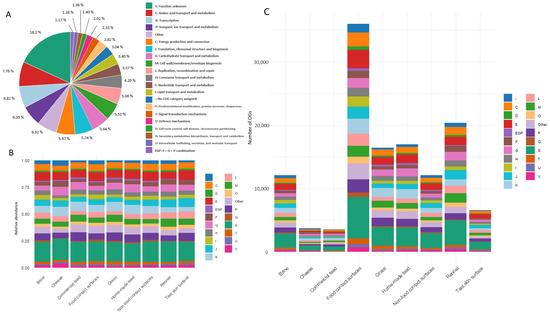
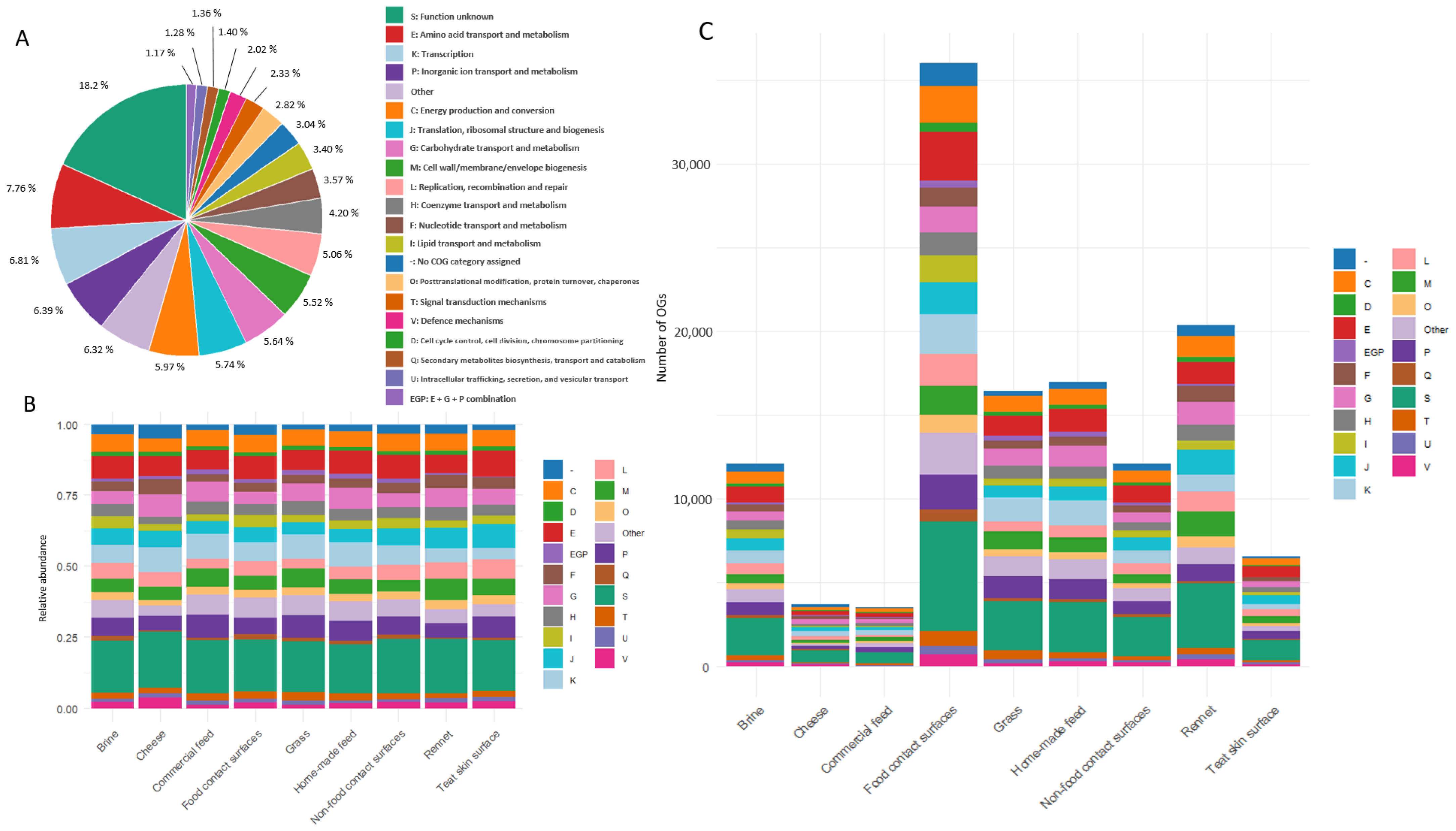
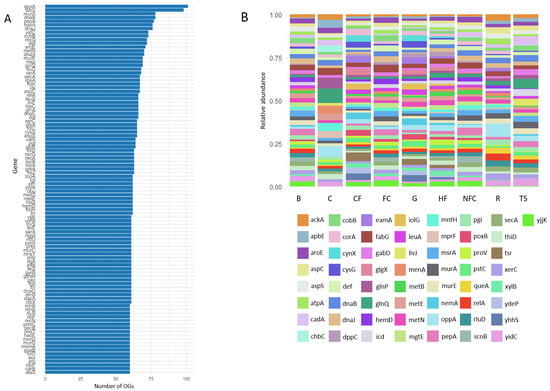
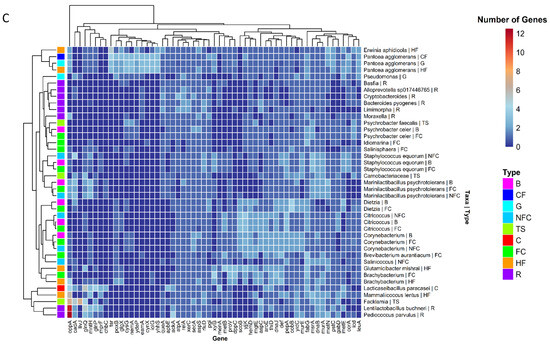
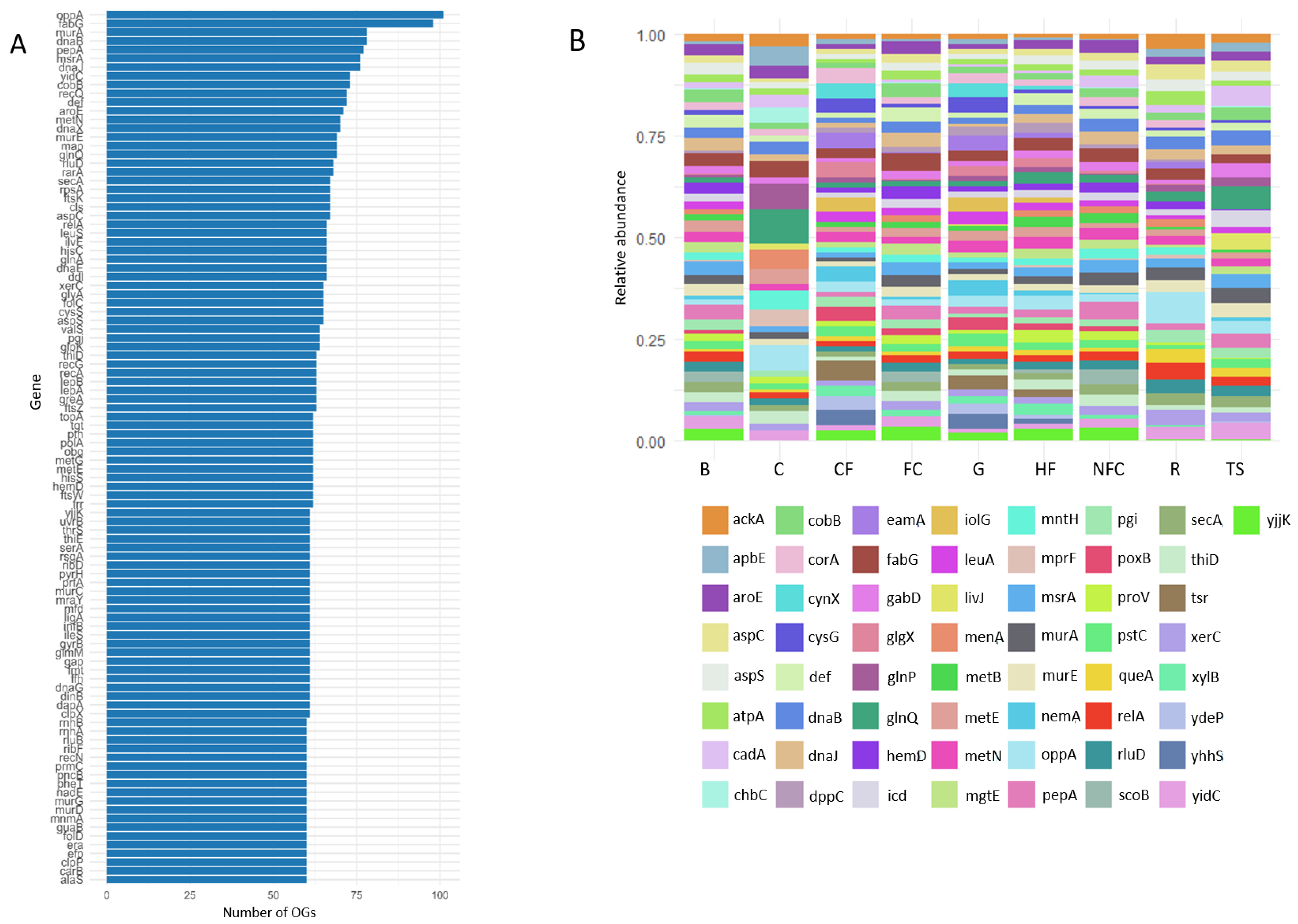
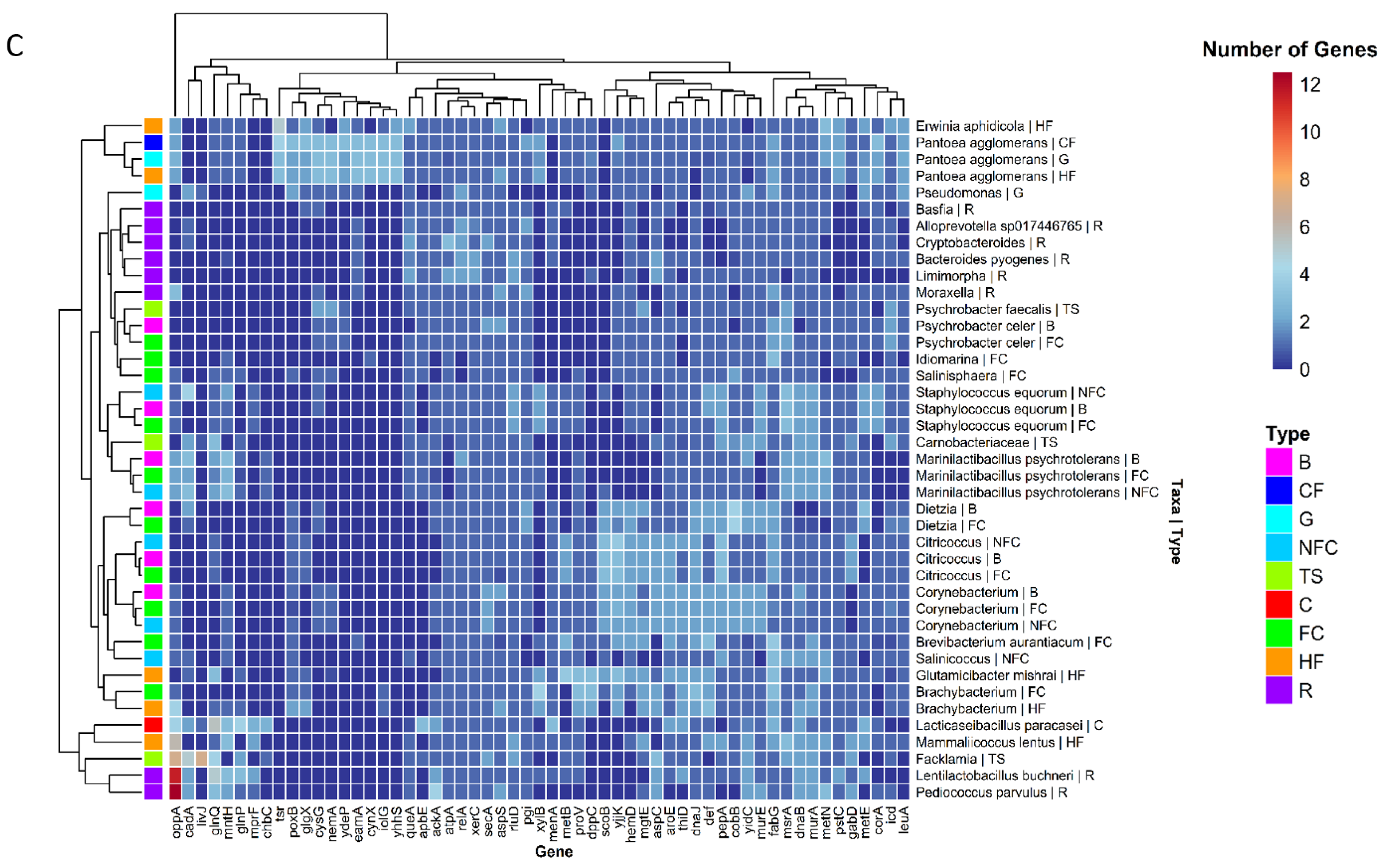
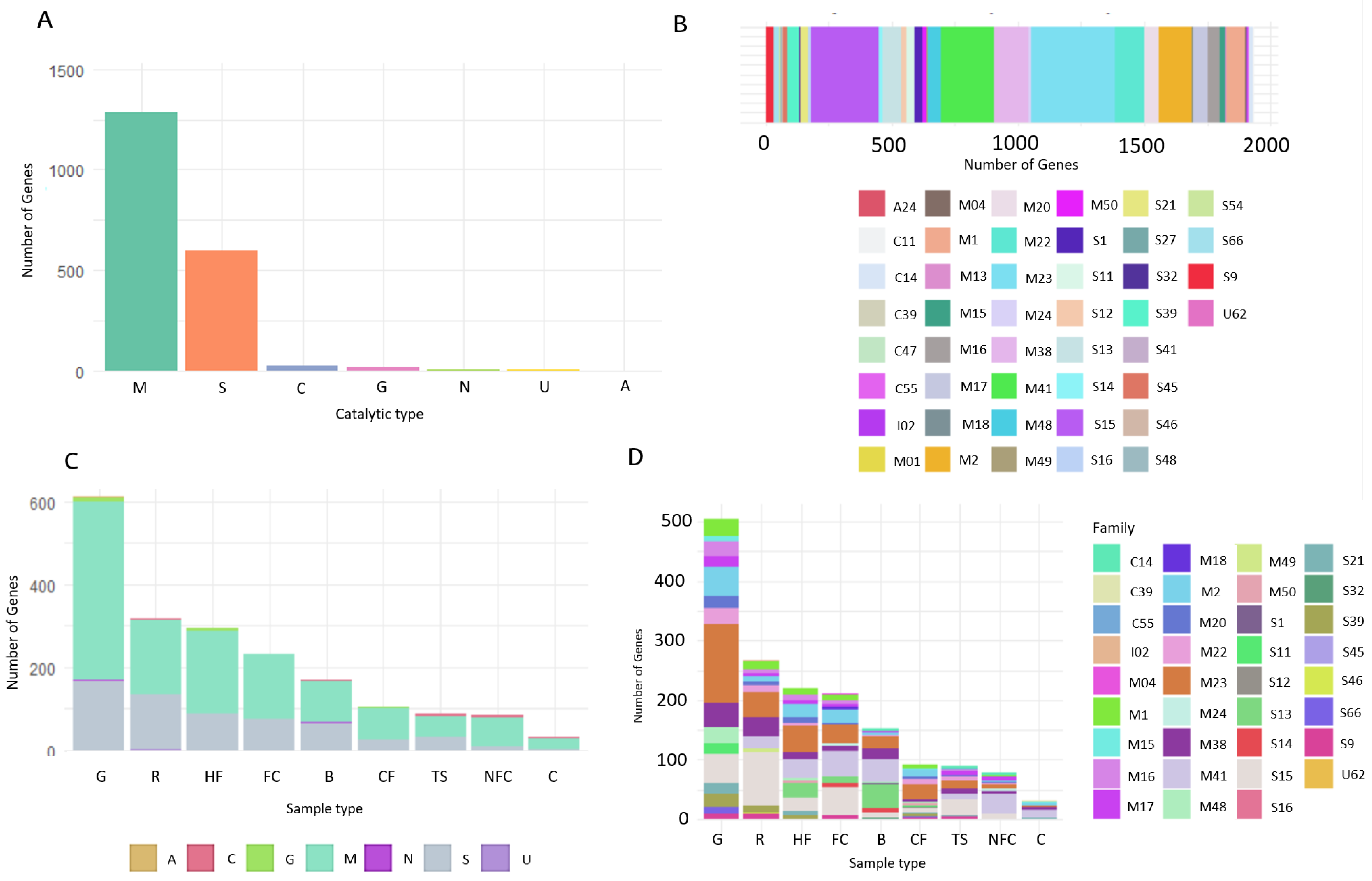
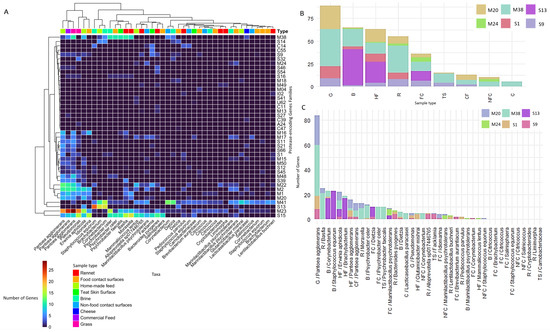
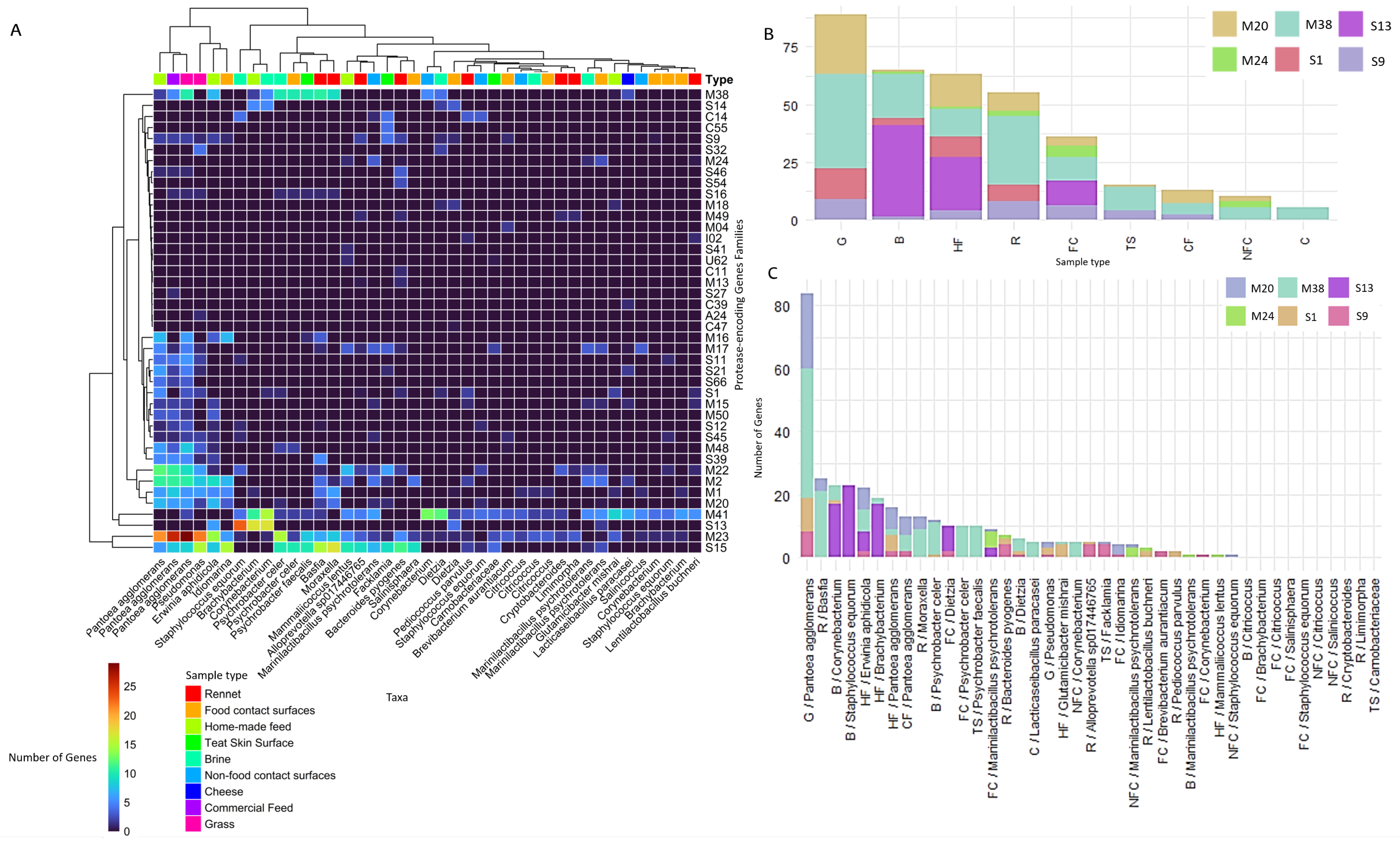
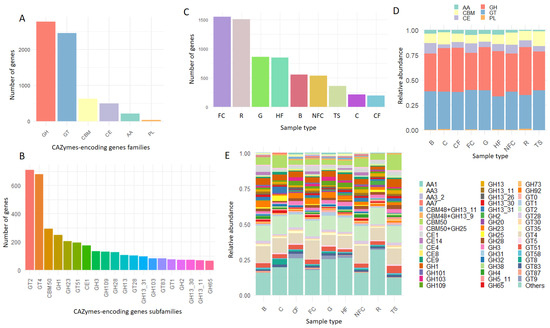
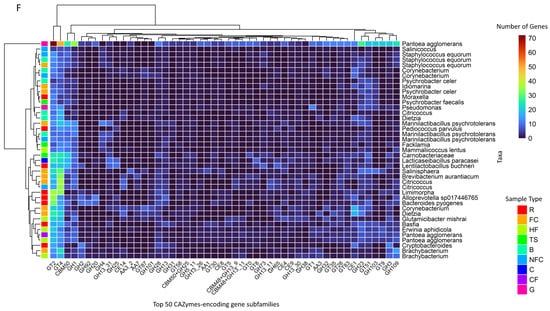
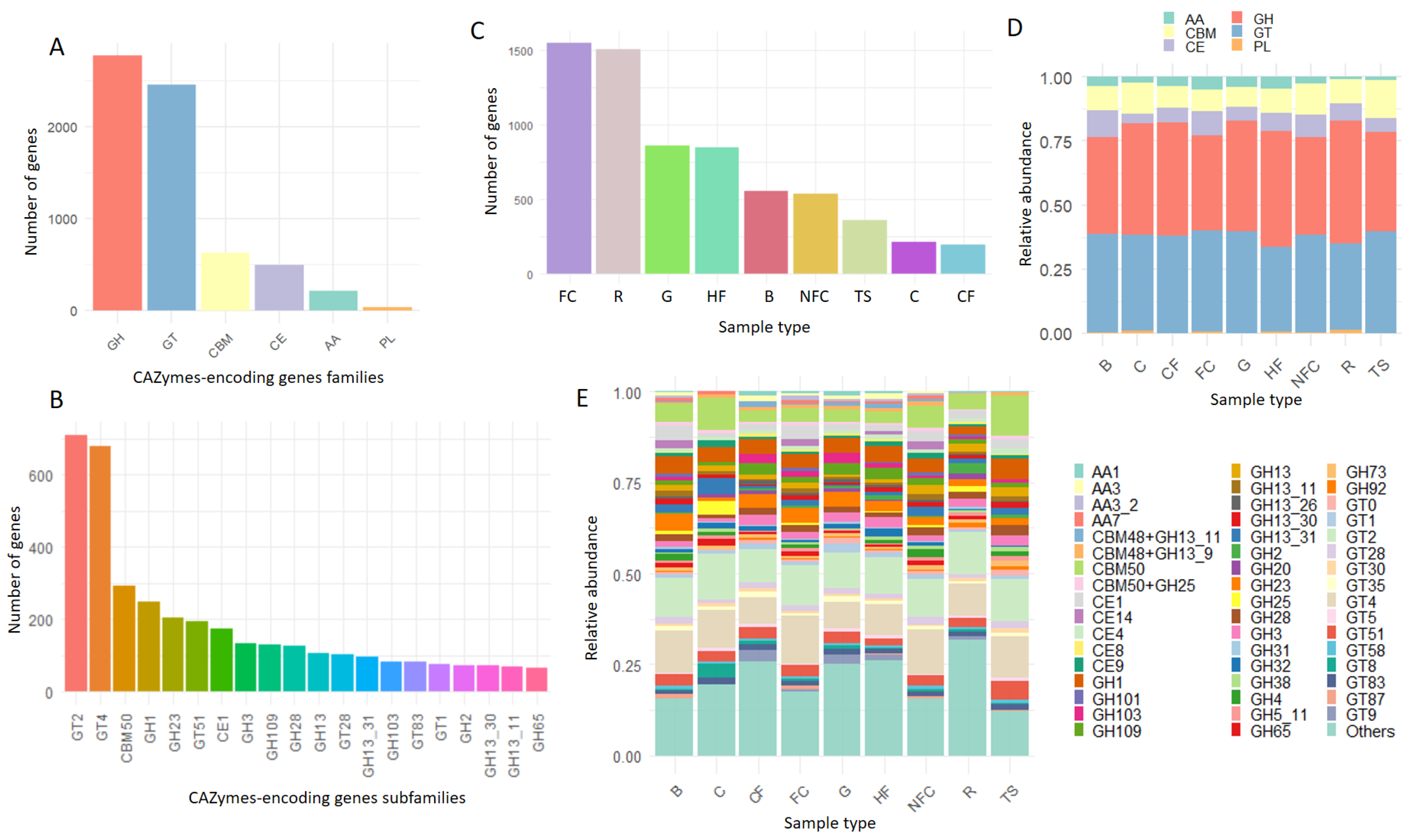
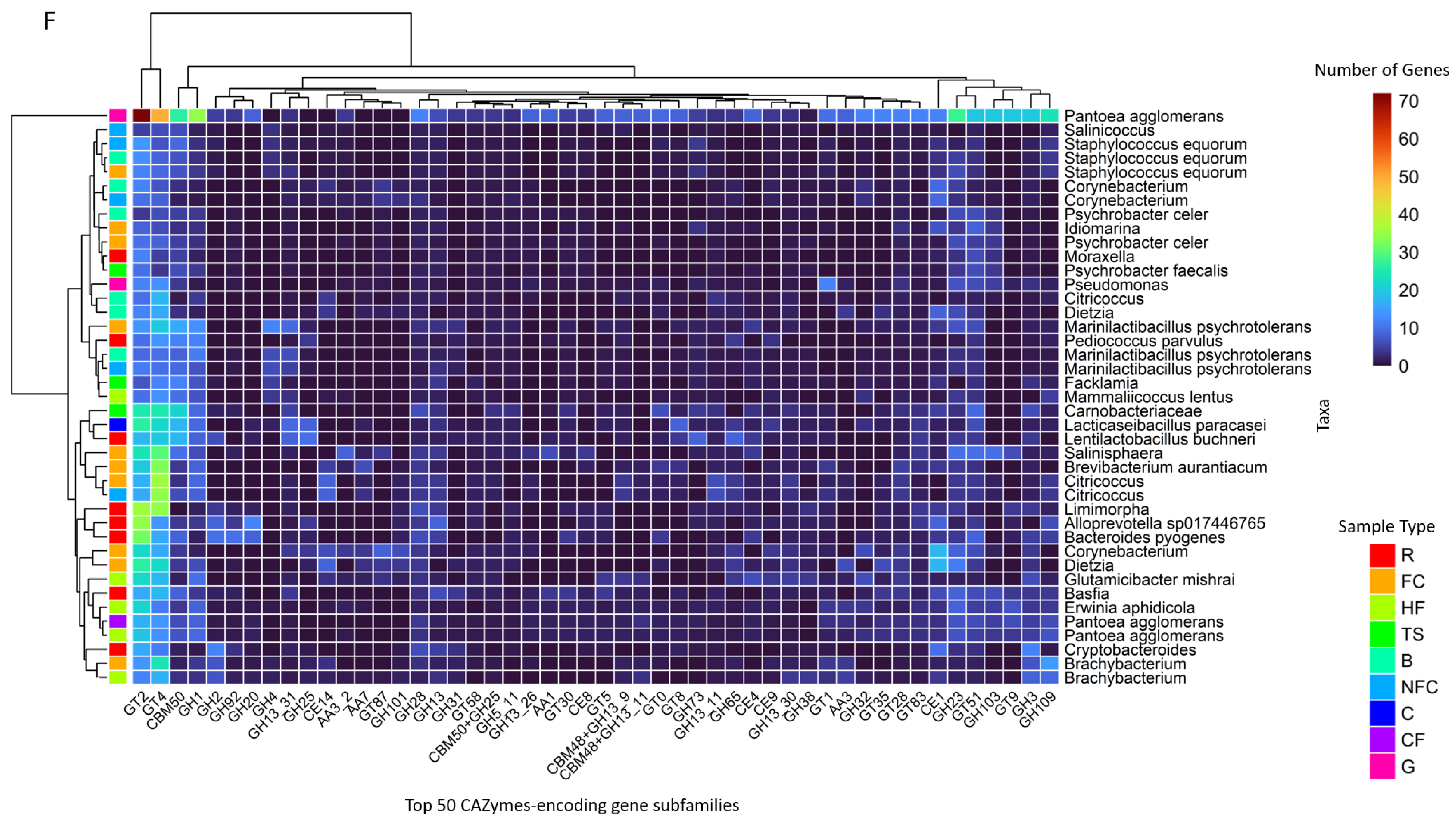
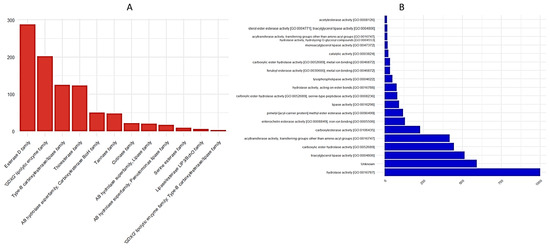
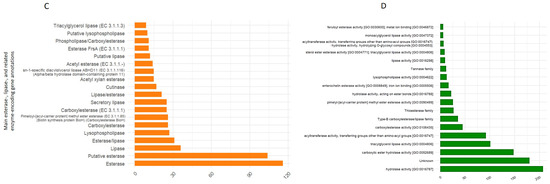
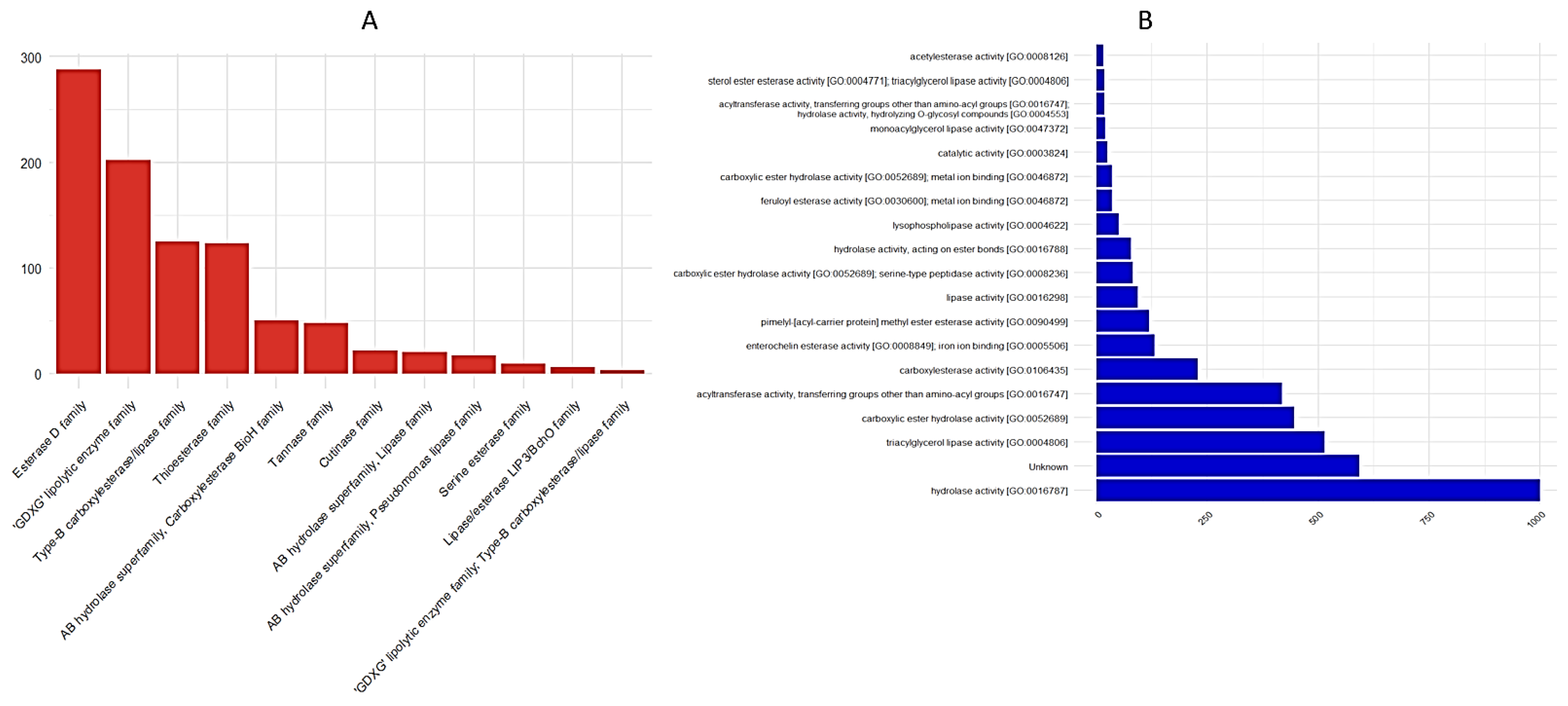
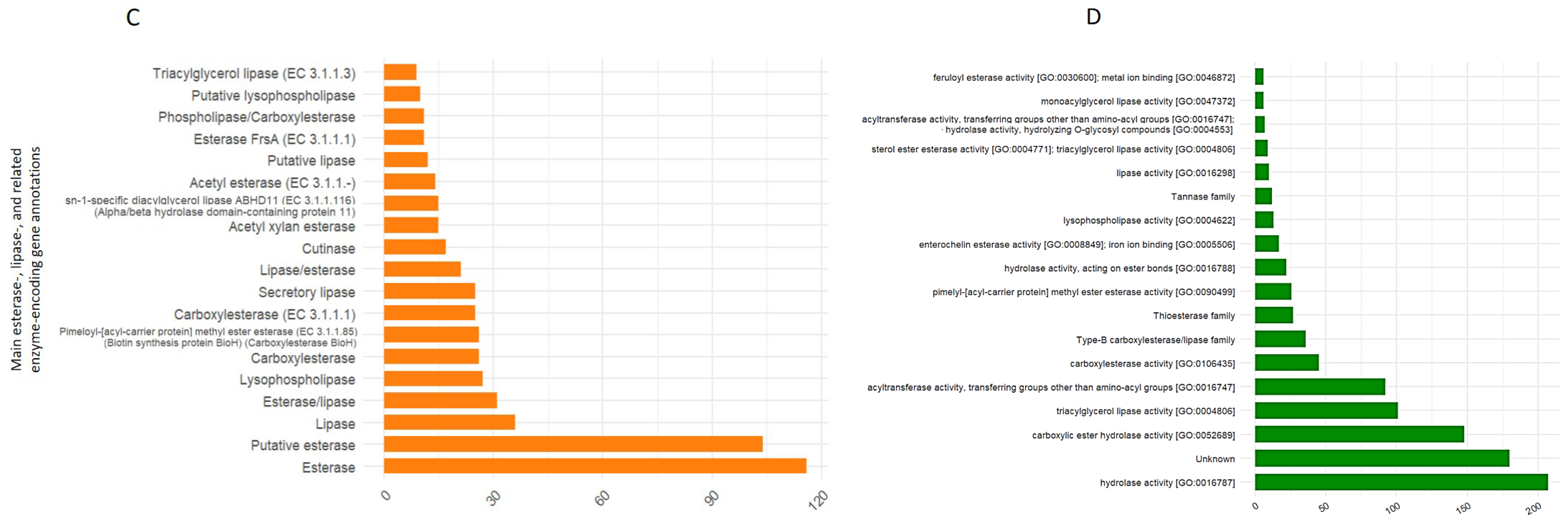
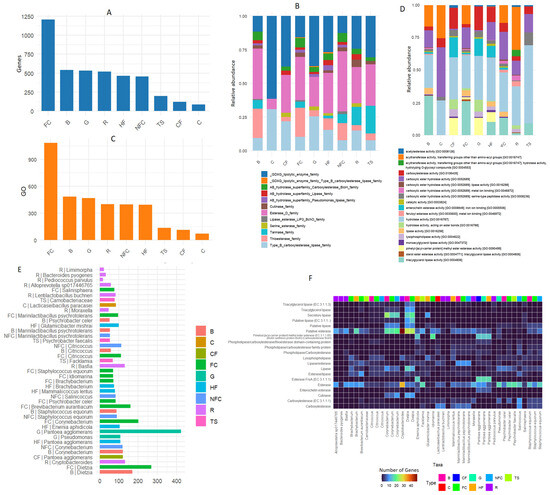
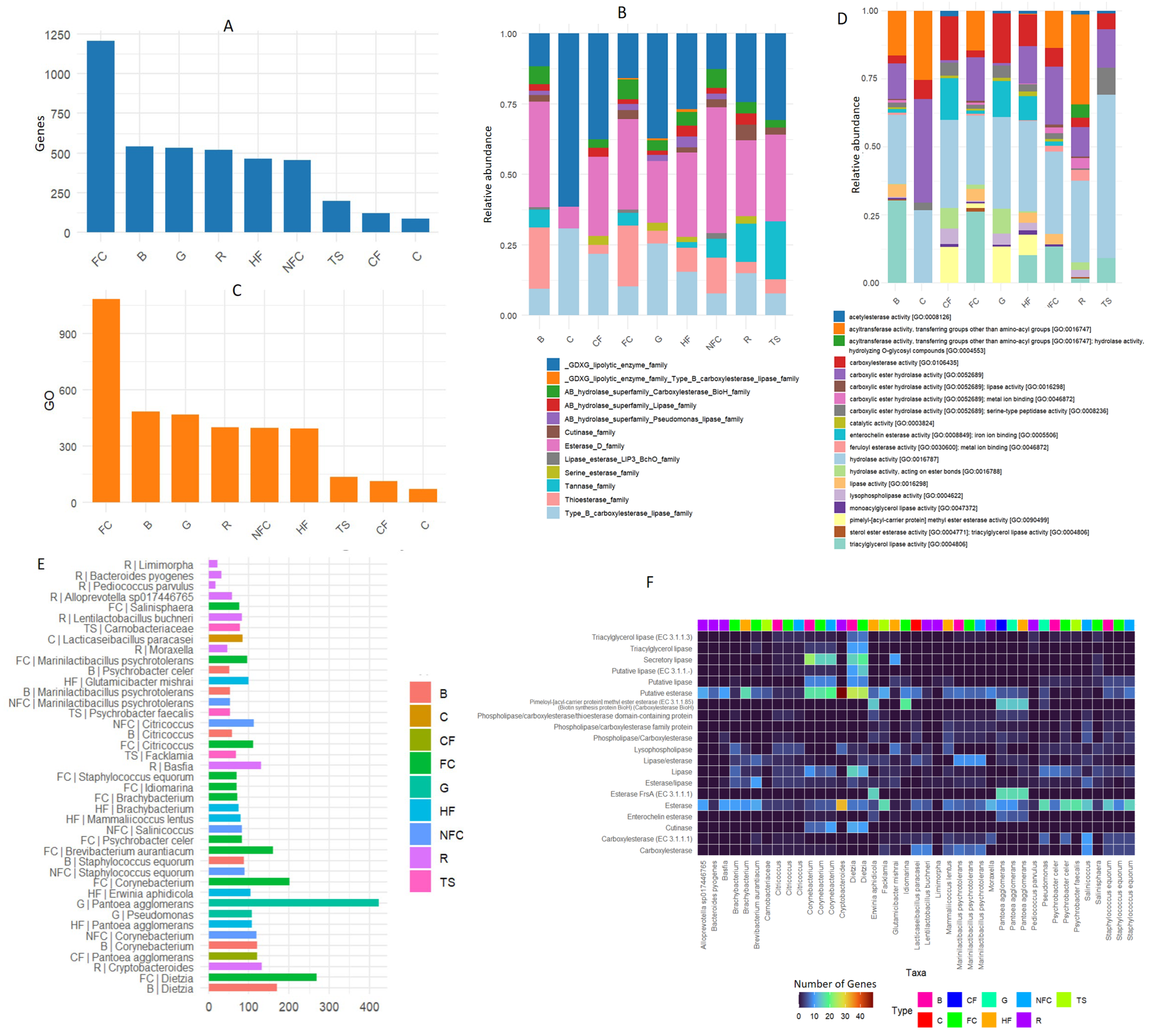

Disclaimer/Publisher’s Note: The statements, opinions and data contained in all publications are solely those of the individual author(s) and contributor(s) and not of MDPI and/or the editor(s). MDPI and/or the editor(s) disclaim responsibility for any injury to people or property resulting from any ideas, methods, instructions or products referred to in the content. |
© 2026 by the authors. Licensee MDPI, Basel, Switzerland. This article is an open access article distributed under the terms and conditions of the Creative Commons Attribution (CC BY) license.