


Abstract
Personalized medicine aims to tailor therapy based on patient-specific molecular and biological characteristics, while nanomedicine focuses on engineering delivery systems to overcome pharmacokinetic and biological barriers. Despite major advances, both fields are limited when applied separately. This review discusses integrating patient stratification with rational nanocarrier design, a combination termed personalized nanomedicine, as a framework to maximize therapeutic index. With emphasis on clinically validated and late-stage examples, we analyze how molecular stratification informs therapeutic design, with particular focus on translational constraints and engineering trade-offs. Results: Personalized medicine enables precise target identification and patient stratification but does not address delivery barriers that limit therapeutic distribution and safety. Conversely, nanomedicine overcomes delivery challenges but exhibits patient- and disease-dependent variability. Merging these approaches allows nanocarrier design to be tailored to disease biology and patient-specific barriers to effective treatment. Recent clinically successful examples demonstrate that co-optimizing biological targeting and delivery engineering can improve translational robustness. Conclusions: Personalized nanomedicine represents a convergence of molecular stratification and engineered delivery systems, a fusion that facilitates context-dependent therapeutic design rather than one-size-fits-all formulations. While significant translational and regulatory challenges remain, treating delivery design as an integral component of personalization offers a viable path toward broader clinical implementation. Continuing to integrate patient profiling with nanoengineering principles will be essential for translating personalized nanomedicine from promising case studies into standard clinical practice.
1. Introduction
Advances in basic biomedical research have revealed extensive interpatient genetic variability, which may contribute to disease susceptibility and affect treatment effectiveness. These discoveries have created an opportunity to improve clinical outcomes by aligning therapeutic decisions with patient-specific biological information [1]. Personalized medicine fundamentally shifts clinical practice away from uniform therapeutic strategies and toward patient-tailored treatments. This approach considers patient variability with regard to molecular characteristics, disease mechanisms, and responses to therapy [1].
Nanomedicine refers to using nanomaterials to improve disease diagnosis and treatment by exploiting physicochemical behaviors not achievable with conventional formulations. These platforms can be tuned in composition and surface chemistry to enable targeted delivery; improved imaging sensitivity; and theranostic integration, which combines diagnostics with therapeutics in a single delivery [2,3].
Although personalized medicine and nanomedicine have both made great preclinical advances, clinical translation remains limited when either field is applied in isolation [4,5,6]. Because personalized medicine defines therapeutic targets while nanomedicine addresses delivery constraints, integrating these approaches offers a complementary strategy. This unified framework, termed personalized nanomedicine, enables molecular stratification to inform target selection, delivery-system design, cargo modality, and administration strategy, thereby maximizing therapeutic index [4,7].
In this review, we define personalized nanomedicine as the intentional integration of patient stratification and biomarker-informed target selection with engineered delivery systems that control biodistribution, cellular uptake, and intracellular bioavailability of therapeutic cargo. In practice, personalization may occur at multiple levels, including selecting target pathways, choosing payload modality, and designing both the delivery platform and administration route to match patient- and disease-specific biological barriers. In what follows, we summarize the current states of both personalized medicine and nanomedicine, discuss key limitations that hinder their independent clinical impact, and review emerging translational combinations, including clinically validated and late-stage examples.
2. Personalized Medicine, Nanomedicine, and Their Limitations
2.1. Personalized Medicine for Patient Stratification and Target Selection
The need for personalized medicine arises from the inherent biological heterogeneity of the global population. Such divergency can occur both between patients (e.g., genetic background, epigenetic state, age-associated physiology) and within disease processes (e.g., tumor heterogeneity, acquired resistances, different mutations leading to similar diseases). Heterogeneity significantly affects clinical outcomes by influencing efficacy, drug metabolism, target expression, and susceptibility to adverse effects, all of which can produce substantial inter-individual variability in therapeutic response. To address this, biomarkers and molecular profiling has been used to stratify patients and inform therapeutic decisions [5,8].
Identifying genes, proteins, and signaling pathways that drive disease has enabled the development of targeted therapies aimed at specific molecular drivers rather than generalized disease phenotypes. In parallel, personalized diagnostic tests designed to predict patient-specific therapeutic benefits have allowed patients to be directed to the right drug, at the right dose and time. Accordingly, genetic and molecular biomarkers are increasingly incorporated into drug labels and clinical guidelines, thus shifting clinical decision-making away from trial-and-error approaches toward more rational, evidence-based interventions. By pinpointing patients who are unlikely to benefit from a given therapy or who may be at higher risk of harm, personalized medicine minimizes unnecessary exposure to ineffective treatments and reduces adverse drug reactions.
To combine diagnostics with therapeutics, personalized medicine often employs companion diagnostics (CDx), in which diagnostic results directly inform treatment selection. Such diagnostics are designed to classify molecular characteristics that stratify patients according to predicted treatment response. For example, in breast cancer, identifying HER2 overexpression not only provides prognostic information but also predicts responsiveness to trastuzumab therapy, thereby illustrating the value of pairing diagnosis with therapeutic decision-making [1].
Overall, personalized medicine reflects a transition toward a more mechanistic, patient-centered model of healthcare, grounded in molecular knowledge and supported by integrated diagnostic and therapeutic strategies. By leveraging genetic and molecular variability to guide treatment decisions, this approach seeks to improve clinical outcomes, enhance patient safety, and increase the overall efficiency of therapeutic development and delivery [1].
2.2. Nanomedicine for Next-Generation Therapies
Nanomedicine is an interdisciplinary field that applies nanomaterials and engineering principles to improve disease prevention, diagnosis, monitoring, and treatment by leveraging size-dependent physicochemical properties that are not accessible with conventional formulations [2,3]. In practice, materials can deliver drugs to a target organ, enhance imaging sensitivity, and create theranostic platforms [2,3]. Nanomaterials can be tuned in terms of composition, surface chemistry, and architecture, thus creating a broad platform landscape that includes lipid-based systems (e.g., liposomes and lipid nanoparticles (LNPs)), polymeric carriers, protein-based nanoparticles, dendrimers, carbon-based nanomaterials, and hybrid nanostructures [2,3]. A central motivation for nanomedicine is to overcome “free” therapeutics’ limitations, including low solubility, rapid degradation, poor tissue accumulation, and dose-limiting systemic toxicity, specifically by enhancing biodistribution, enabling controlled release, and increasing site-specific delivery [2,3].
2.3. Limitations of Personalized Medicine and Nanomedicine in Isolation
Personalized medicine can stratify patients and identify molecular drivers of disease but does not inherently resolve delivery barriers that limit therapeutic biodistribution and tolerability [4,5]. In parallel, nanomedicine platforms can boost pharmacokinetics and help therapeutics traverse systemic, microenvironmental, and cellular barriers, yet efficacy and safety may vary substantially across diseases and patients due to heterogeneous biological barriers and clearance mechanisms [4]. This is especially relevant in complex diseases such as cancer, where tumor heterogeneity can produce divergent sensitivities and resistance trajectories even among biomarker-defined patient subsets [8]. These limitations have propelled the integration of personalized medicine with nanomedicine, so that nanocarrier design parameters can be adjusted to accommodate disease- and patient-specific biological barriers.
3. Personalized Nanomedicine—Current Status, Ongoing Limitations, Future Opportunities
3.1. Nanocarrier Personalization
Therapeutic nanocarriers can be engineered to deliver a wide range of cargo classes, including small molecules, proteins/antibodies, and nucleic acids (DNA and RNA), and to overcome diverse biological barriers such as plasma and nuclear membranes, the tumor microenvironment, and epithelial and mucus layers. However, each cargo class introduces distinct delivery constraints, including degradation susceptibility, intracellular localization requirements, and dose-limiting systemic toxicity. Accordingly, a major focus in nanomedicine, and a crucial part of personalized nanomedicine, has been devising delivery platforms that overcome these while enabling tissue-targeted biodistribution and an improved therapeutic index [4].
Among current delivery technologies, viral vectors such as adeno-associated virus (AAV) can provide long-term expression. “Recombinant AAV (rAAV) has been engineered for enhanced specificity and developed as a tool for treating various diseases” but its use is limited manufacturing scalability, packaging constraints and high prevalence of AAV neutralizing antibodies in the general population [9]. Other nonviral systems, such as polymeric and inorganic nanoparticles, offer alternative formulation strategies. Polymeric nanocarriers, including systems based on biodegradable polymers such as poly (lactic-co-glycolic acid), polymeric micelles, and nanogels, can encapsulate small molecules, proteins, or nucleic acids and enable controlled degradation and release. Polymer composition and fabrication parameters can be turned to adjust physicochemical properties, including particle size, surface chemistry, and release kinetics, to adapt to different therapeutic contexts [2,10]. One clinically investigated example is polymeric micelle-formulated paclitaxel, which demonstrated improved tolerability and progression-free survival compared with conventional formulations in oncology trials [11,12]. In addition, polymeric nanocarriers can incorporate stimuli-responsive mechanisms, allowing drug release in response to environmental triggers such as pH, redox state, or enzymatic activity in diseased tissues, which may bolster therapeutic selectivity and reduce systemic toxicity [2,10,13]. Despite these advantages, polymeric nanoparticles can face translational challenges. Depending on composition and degradation products, variable biodistribution, incomplete drug release, and potential toxicity might all affect outcomes. In addition, interactions with the immune system and long-term accumulation in tissues remain important considerations for clinical translation [2,10,14,15].
Inorganic nanomaterials, including mesoporous silica, metal nanoparticles, and magnetic nanomaterials, offer structural stability and tunable physicochemical properties. In addition to supporting high drug loading and controlled release from porous matrices, these materials can integrate with imaging or externally triggered delivery strategies such as photothermal or magnetic activation. For example, metal-based nanoparticles and contrast agents have been widely explored for computed tomography and magnetic resonance imaging, thus illustrating the potential of inorganic nanomaterials for theranostic platforms [16,17,18,19]. Nevertheless, concerns regarding long-term accumulation, biodegradability, and immunological interactions remain important considerations in clinically translating some inorganic nanomaterials [14,15].
LNPs are among the most clinically advanced nonviral delivery platforms for nucleic acids. The success of LNPs is based on their self-assembly, large payload capacity, low immunogenicity, long circulation time, modular formulation, and capacity to protect RNA cargo while enabling intracellular delivery through endosomal escape mechanisms [4,20]. Canonical LNP formulations are usually built from four components:
- An ionizable lipid that complexes RNA at acidic pH and supports endosomal escape;
- A helper phospholipid that contributes to particle structure and membrane interactions;
- Cholesterol to improve stability and membrane fusion properties;
- A PEG–lipid that strengthens colloidal stability while reducing aggregation and rapid opsonization in circulation [4,20].
A major advantage of LNPs is their vast modularity. For example, ionizable lipid chemistry and pKa strongly influence delivery efficiency and tolerability. Ionizable lipids remain near-neutral at physiological pH, thus decreasing the inflammatory profile compared with permanently cationic lipids, while becoming protonated in acidic endosomes to promote cytosolic release of RNA cargo [20]. PEG lipid content and architecture can impact particle size, stability, and circulation behavior, qualities that facilitate optimization for distinct administration routes and therapeutic contexts [4,20].
However, LNPs do have drawbacks. That they often accumulate in clearance organs, such as the liver and spleen, requires ongoing efforts to engineer better biodistribution [21]. Reformulating LNP composition is one way to address this limitation. For instance, adjusting ionizable lipid structures and simplifying component selection can shift LNP organ tropism and subsequent mRNA accumulation and translation, thereby allowing lung- or liver-biased delivery. This also suggests that some canonical formulation components, including cholesterol and phospholipids, may be redundant or counterproductive, depending on the target [22]. For example, removing cholesterol lowered lipoprotein adsorption and helped mitigate hepatic accumulation, indicating that optimal LNP composition depends on therapeutic context [22]. Other formulation advancements incorporate biodegradable ester-core ionizable lipids, providing a route toward improved clearance and safety by generating deeper structural breakdown of the delivery material after cargo release [22].
While formulation-level tuning can improve average delivery performance, patient-specific biology nevertheless strongly shapes LNP behavior in vivo—the same ‘optimized’ formulation may still produce variable efficacy and toxicity across individuals [23,24]. In circulation, LNPs rapidly acquire a host-dependent protein corona, which can alter nanoparticle identity, cellular uptake routes, immune recognition, and clearance; therefore, individual- and disease-dependent differences in plasma proteome composition can shift corona composition and downstream biodistribution even for identical particles [23,24]. In parallel, immune-mediated barriers such as anti-PEG antibodies can accelerate clearance in a patient-dependent manner and may reduce delivery and expression in certain contexts, thus limiting PEG-containing LNP systems and consequently motivating PEG alternatives and patient stratification [25,26]. More broadly, variability in innate immune activation (including complement-driven infusion reactions) further supports the need for immunocompatibility-aware design and risk-aware patient stratification as practical components of personalized nanomedicine [26,27]. Consistent with this concept, effective nanoparticle delivery is limited not only by formulation chemistry but also by physiological and disease-specific transport barriers (e.g., stromal hindrance in fibrotic tissue), intensifying the need to tune delivery parameters in a context-dependent manner rather than relying on target selection alone [24].
LNPs are also compatible with surface functionalization, such that PEG–lipids can serve as a controllable interface for ligand presentation. Ligand or antibody-decorated LNPs can bias uptake toward specific cell populations in vivo, complementing passive biodistribution from lipid formulation to develop “tissue-targeted LNPs suitable for minimally invasive delivery methods” [28]. A clinically established example of antibody-mediated targeted delivery is antibody–drug conjugates (ADCs), which couple monoclonal antibodies to highly potent cytotoxic payloads through specialized chemical linkers. In oncology, ADC design typically integrates three key components: a tumor-targeting antibody, a linker that controls intracellular payload release, and a highly potent cytotoxic drug. Advances in linker chemistry, site-specific conjugation strategies, and payload engineering have significantly improved the therapeutic index of modern ADCs, leading to multiple approved agents and an expanding clinical pipeline in precision oncology [29,30,31]. Despite some promising results in murine cancer models, antibody conjugation has two main limitations. While random lysine/cysteine conjugation is widely used, it produces heterogeneous antibody conjugates with variable antigen affinity and pharmacokinetic properties. Although this heterogeneity could be reduced by site-specific glycan remodeling, it introduces additional enzymatic and purification steps that can increase manufacturing complexity and cost [28]. The other limitation of antibody conjugation is that “only some cancer cells exhibit a distinct surface expression profile that can be targeted using antibodies” [20]. This, together with tumor heterogeneity [8], demonstrates the importance of combining personalized medicine with nanomedicine for safe, effective future therapies.
Together, these findings demonstrate the reformulatable nature of LNPs: engineering for ionizable lipid chemistry, PEG–lipid behavior, auxiliary lipid composition, and surface modifications can tune LNPs for stability, tolerability, intracellular delivery efficiency, and increasingly for organ- and cell-biased biodistribution [4,20,22].
3.2. Payload Personalization
Commonly used cargos include small molecules, DNA, proteins, and multiple RNA modalities (e.g., siRNA, mRNA/modRNA, and self-amplifying RNA) [10,20,32,33,34]. Small molecules offer mature development pipelines and scalable manufacturing but are often limited by off-target toxicity and formulation challenges such as poor solubility. Such limitations motivate nanocarrier strategies that improve pharmacokinetics and reduce systemic exposure [10,35,36]. Platforms were developed for nanomedicine and gene therapy to deliver payload into cells (Table 1). Indeed, DNA-based delivery can support long-term expression, an advantage for therapies requiring sustained protein production or genetic correction. Integrating viral vectors has powerful therapeutic potential but also merits important safety considerations. For example, early gene therapy trials using γ-retroviral vectors for Severe Combined Immunodeficiency successfully restored immune function in most treated patients, yet several children later developed T-cell leukemia due to insertional activation of the LMO2 proto-oncogene following vector integration into the host genome [37]. More recent DNA viral vectors, such as AAV, primarily persist as episomal circular DNA within host cells, thereby facilitating sustained transgene expression, particularly in non-dividing tissues. Although integration into the host genome can occur, this is relatively rare and typically not required for therapeutic activity. In proliferating tissues, vector genomes may gradually diminish due to dilution during cell division. This capability has allowed the development of gene replacement therapies for monogenic disorders, for which restoring a functional copy of a defective gene can provide long-lasting clinical benefit. For example, AAV-mediated gene therapy has demonstrated therapeutic efficacy in inherited retinal disease, leading to the approval of voretigene neparvovec (Luxturna) to treat Leber congenital amaurosis [9]. However, DNA vectors’ prolonged persistence and potential genomic integration may limit dosage control and/or expression termination if adverse effects occur. And although uncommon, vector integration still raises the risk of mutagenesis. Therefore, there is continued interest in transient, non-integrating alternatives [20]. Protein delivery offers this immediate activity without requiring gene expression, but is often limited by short half-life, stability issues, and manufacturing constraints [20]. siRNA therapeutics enable potent post-transcriptional gene knockdown, but do not support gain-of-function protein expression in target cells [20].
Table 1.
Major delivery platforms used in nanomedicine and gene therapy, compared to highlight key advantages, limitations, and degree of modularity or tunability. Viral vectors (e.g., rAAV) provide durable expression and robust target specificity but face constraints related to scalability, payload size, and pre-existing immunity [9]. Nonviral polymeric and inorganic nanoparticles offer formulation flexibility but exhibit context-dependent tolerability and clearance challenges [2,3,14,15]. Among the most clinically advanced nonviral platforms for nucleic acid delivery, LNPs are distinguished by high modularity and capacity for reformulation, thus enabling systematic tuning of biodistribution, intracellular delivery, and safety profiles [4,20,21,22].
Unlike the approaches noted above, mRNA instigates transient protein production without genome integration, thus supporting therapeutic protein expression while reducing long-term risks [20]. Nevertheless, mRNA can trigger innate immune sensing and rapid degradation. Nucleoside-modified mRNA (modRNA) helps address these concerns by limiting immune activation and improving translation and stability, thereby enabling more effective in vivo protein expression [20,34,38]. Within RNA-based approaches, modRNA is particularly attractive because it induces transient protein expression without genome integration, leader to lower long-term insertional risks compared with DNA-based strategies [20]. Also, because modRNA can provide additional tissue specificity, it is safer than other methods. miRNA-gated modRNAs, together with the Specific Modified mRNA Translation System (SMRTs), allow modRNA to be expressed relatively freely in the target but degraded in other cell types. This selectivity is achieved by incorporating target sequences that are complementary to miRNAs but differentially expressed in off-target cells, leading to transcript degradation in untargeted tissues while preserving expression at the intended site [20,39,40,41,42,43,44]. modRNA’s clinical applicability and robustness has been proven across multiple contexts. It has already been widely adopted for vaccines, including against SARS-CoV-2 [20,44]. miRNA gating and SMRTs have already been used for cardiac regeneration post myocardial infarction, as well as for cardiac protection against chemotherapy agents and selective translation of modRNA in tumors [20,39,40,41,42,43,44]. Current attempts to improve modRNA therapies include 5′ untranslated region (5′ UTR) engineering, which “plays a crucial role in regulating the translation efficiency of mRNA into functional proteins. Due to the high production cost and short half-life of modRNA, it is essential to identify novel 5′ UTR designs that enhance modRNA translation in the heart” [45,46]. Additional RNA modalities, such as self-amplifying RNA (saRNA), can enable prolonged expression at lower doses but require careful evaluation of immunogenicity and biosafety due to auxiliary replicative sequences [32]. To date, clinical translation of saRNA has been most visible in vaccine applications [47,48,49,50,51], possibly due to its immunogenic nature.
From a personalized-nanomedicine perspective, payload selection is not only a formulation choice but also a biomarker-informed design decision. Molecular stratification can determine whether a disease is best addressed through gene silencing [20] (siRNA [52,53,54,55,56,57,58]/ASO [59,60,61,62]), transient protein replacement or pathway activation (mRNA/modRNA), or longer-term correction strategies (DNA-based delivery), depending on underlying genotype, pathway dysfunction, and required duration of effect [20]. For example, loss-of-function states may be amenable to transient protein supplementation via modRNA, whereas dominant-negative or gain-of-function mechanisms may require sequence-specific suppression strategies (siRNA/ASO) rather than additional expression of a therapeutic protein [20,33]. Importantly, patient- and tissue-specific expression patterns can also be leveraged as an additional safety layer, through miRNA-gated translation systems, such as SMRTs, that can restrict translation to desired cell types and reduce expression in non-target tissues [20,41,42,43].
Together, these developments motivate continued engineering of nanocarriers and cargo designs to overcome heterogeneous biological barriers and improve functional delivery, with the goal of increasing therapeutic efficacy and supporting safer, more targeted clinical translation [4].
3.3. Route of Administration as a Personalization Knob
As a primary determinant of nanomedicine biodistribution, administration route shapes both efficacy and toxicity. These delivery options include intravenous (IV), intramuscular (IM), subcutaneous, intradermal, inhaled, intranasal, and other local strategies. Administration route influences the anatomical barriers encountered, the initial biological fluids and immune components contacted, and the organ-level pharmacokinetics that ultimately define transfection patterns and dosing [7,21]. IV delivery is frequently used for broad biodistribution and rapid access to highly perfused organs and must contend with serum protein interactions, rapid clearance mechanisms, and strong liver/spleen filtering effects, which can skew biodistribution and limit access to extrahepatic tissues. Local routes like IM can confine expression to the injection site and draining lymphatic networks, potentially improving safety by reducing systemic exposure. IM options can bypass some systemic barriers but introduce other constraints, including tissue extracellular matrix transport, local innate immune sensing, and lymphatic uptake differences that affect where nanoparticles ultimately accumulate [7]. Similarly, inhalation or intranasal delivery must overcome mucosal barriers and airway clearance mechanisms, while ocular or intracerebral approaches may leverage localized delivery to overcome access limitations imposed by restrictive biological interfaces [7].
Many therapeutic payload modalities are being used in personalized nanomedicine (Table 2). In addition, administration route should also be considered for personalization. Nanoparticle biodistribution has a host-dependent component due to unique protein coronas [24]. This factor could be leveraged to increasing therapeutic efficacy by both choosing the optimal administration route and exploiting it to steer targeting [24]. Administration route also affects safety. Nanotherapeutics have caused adverse reactions in the past due to complement activation and PEG antibodies, outcomes that necessitate not only improving biomaterials but also adjusting delivery method to accommodate potential individual sensitivities.
Table 2.
Major therapeutic payload modalities used in personalized nanomedicine, compared to highlight their principal advantages, key limitations, unique biological or translational implications, and delivery requirements. Each payload class imposes distinct constraints on intracellular localization, effect duration, safety profile, and formulation strategy, which in turn influence delivery system choice and design. References indicate clinically validated examples or late-stage translational studies.
Based on the impact of administration route and its capacity for personalization, “route-first” thinking can lead to better outcomes. This approach, which first selects the administration route based on target tissue and clinical feasibility, then tunes nanoparticle composition accordingly, can serve as a practical framework for designing nanomedicines that are both effective and manufacturable [7,21].
3.4. Personalized Nanomedicine in Oncology
Recent advances in single-cell and spatial profiling technologies have enabled molecular characterization of complex tissues at substantially higher resolution than bulk, population-averaged approaches. Single-cell RNA sequencing, spatial transcriptomics, and multi-omics integration allow researchers to dissect tissues at the individual-cell level and identify distinct cell populations with unique functional states. These methods have thus yielded insights into cellular interactions, disease mechanisms, and therapeutic responses [84,85]. In oncology, specifically, single-cell RNA sequencing studies of patient tumors have advanced the understanding of tumors as complex ecosystems and have uncovered diverse states of both cancer cells and the tumor microenvironment, consequently motivating efforts to translate such findings toward clinically relevant applications [86].
In concert and often synergy with recent molecular technological advancements, new personalized diagnostic methods are becoming increasingly clinically viable. For instance, liquid biopsies can now detect “circulating tumor DNA, exosomes, microRNA, circulating RNA, tumor platelets, and tumor endothelial cells” [87]. New computational tools have also proven invaluable to personalized medicine. Machine learning facilitates multimodal integration of imaging, clinical text, time-series, and tabular data to improve predictive patient stratification and outcome modeling. The broad applications of machine learning include neurologic prediction tasks (e.g., for Alzheimer’s disease, using MRI/PET with clinical variables); oncology prognosis models combining pathology imaging with genomic and clinical data; cardiopulmonary prediction tasks integrating chest X-ray or CT with demographics, laboratory values, and vital signs [88]; and efforts to pinpoint biomarkers that accurately predict therapeutic response [89].
Importantly, molecular profiling and computational stratification do not only inform which target to treat; they also reveal key determinants of how a therapy must be delivered. Features such as vascular permeability, immune activation state, receptor expression patterns, extracellular matrix composition, and tumor or tissue cellular architecture can influence nanocarrier transport, uptake, and clearance. As a result, patient stratification can be reframed as a means of defining delivery barriers and selecting nanomedicine design parameters that maximize intracellular bioavailability while minimizing off-target exposure [4,8].
3.4.1. Personalized Nanodiagnostics in Oncology
Nanomedicine could be used for diagnostics and in vivo imaging: nanoparticle-based contrast agents and nanosensors can improve detection sensitivity and enact real-time monitoring of disease or therapeutic response across modalities such as magnetic resonance imaging (MRI), positron emission tomography (PET), and computed tomography (CT), with further applications in fluorescence imaging [2,3,16]. Nanodiagnostic results can then provide prognostic and response-adaptive information to support personalized treatment decisions. For example, brain tumor imaging benefits from gadolinium formulations, such as liposomal or fullerene-based nanoparticles. These make the tumor easier to spot under MRI, while minimizing gadolinium-associated toxicity (Figure 1) [17,18,19,90]. The nanodiagnostic results can provide prognostic and response-adaptive details that could benefit personalized treatment decisions, patient stratification, and longitudinal monitoring of therapeutic responses [6,16,17,91].
Figure 1.
Adding gadolinium contrast agent makes brain tumors significantly easier to spot under MRI [18]. Nanocarrier-based gadolinium formulations, such as liposomal or fullerene-based nanoparticles, improve imaging sensitivity while reducing systemic exposure and toxicity [19,90]. In the context of personalized nanomedicine, nanoparticle-based imaging approaches can provide information on tumor localization, vascular permeability, and microenvironmental characteristics that influence nanoparticle accumulation and delivery. Such imaging strategies may therefore support disease characterization, patient stratification, and longitudinal monitoring of therapeutic responses [6,16,17,91]. Abbreviations: MRI, magnetic resonance imaging. Created in BioRender. Sharon, S. (2026) https://BioRender.com/vidamsv (accessed on 7 April 2026).
3.4.2. Personalized Nanotherapies in Oncology
Because tumors are often largely heterogenic due to their rapid expansion and genomic instability [8], personalized nanotherapeutics could bolster oncological treatment. For instance, antibody-decorated LNPs have been used to selectively target tumor cells in vivo, with reduced off-target effects, thus highlighting how surface-functionalized nanocarriers can enable more precise delivery strategies and support future clinical translation [28]. Additionally, cancer vaccines—immunizing against a specific tumor antigen—are an emerging field in personalized nanomedicine. A leading clinical example is mRNA-4157 (V940), a modRNA-based individualized neoantigen therapy that is custom-built for each patient. First, tumor and blood samples are sequenced to select and encode up to 34 patient-specific neoantigens in an LNP formulation. Following IM administration, the encoded neoantigens are endogenously translated and processed through native antigen-presentation pathways, thereby stimulating neoantigen-reactive T-cell responses, promoting epitope spreading, and broadening anti-tumor immune recognition. In patients with resected high-risk melanoma, mRNA-4157 + pembrolizumab improved clinical outcomes, versus pembrolizumab alone, including longer recurrence-free survival and distant metastasis-free survival, with relatively few side effects [92].
3.5. Personalized Regenerative Nanomedicine
Personalized nanomedicine also has implications for regenerative medicine and tissue engineering, as nanomaterial-based scaffolds can support tissue repair and regeneration by improving mechanical properties and cell–material interactions [2,3]. Within this context, extracellular vesicles (EVs) are compelling cell-derived, biogenic nanocarriers that can bridge diagnostics and therapy, because EV cargo is cell- and context-dependent, reflects the state of the originating tissue, and can function as both a biomarker source and a delivery vehicle with regenerative bioactivity in recipient cells [93,94,95]. To improve local retention and regenerative efficacy, EVs can be integrated into biomaterial systems such as hydrogels, which produce localized encapsulation and prolonged, controlled release; importantly, hydrogel properties (e.g., porosity, degradation rate, and mechanics) can be tailored and may even be stimuli-responsive, making them a versatile platform for regenerative delivery design [96]. Beyond EVs, nanotechnology has been widely explored to enhance stem-cell-based regenerative therapies by improving cell viability, retention, targeting, and overall therapeutic efficacy, while also allowing noninvasive tracking of transplanted cells to assess biodistribution, survival, engraftment, and differentiation in vivo [97,98,99,100]. Indeed, nanomaterials are widely used in tissue engineering to functionalize scaffolds and engineered microenvironments. By modulating cell–matrix interactions, tuning mechanical properties, and enabling controlled delivery of pro-regenerative cues, these systems support tissue- and context-specific regenerative therapies [101,102,103]. Beyond directly delivering regenerative cues, nanomedicine systems can influence tissue repair through immune modulation, for example via bioresponsive materials that regulate immune activity and inflammatory pathways relevant to tissue repair [13]. In parallel, patient-derived iPSC models strengthen precision regenerative approaches by using iPSC-derived neural cells and organoids to facilitate individualized human-genotype disease modeling and intervention screening [104].
3.6. Personalized Nanomedicine in Drug Delivery
Beyond guiding therapy selection for individual patients, personalized medicine is reshaping the drug-development pipeline itself by changing how clinical trials are designed and interpreted. As molecular and genetic profiling increasingly drive disease classification, trials can be structured around biomarker-defined subgroups rather than heterogeneous patient populations, consequently improving efficiency and sensitivity for detecting true therapeutic benefits [105,106,107]. In some cases, biomarker-driven strategies can salvage agents that appear ineffective in broad cohorts but demonstrate meaningful efficacy within specific molecular subsets [75]. In the era of personalized nanomedicine, this stratification extends beyond patient biology to engineering the delivery system itself: once a personalized therapeutic target and payload are defined, nanocarriers can be tuned to match the cargo’s physicochemical properties and pharmacokinetic constraints, thereby co-optimizing both the drug and its delivery platform to improve therapeutic index [4].
Several clinically validated nanomedicines illustrate how both cargo and therapeutic intent directly dictate carrier design, creating a practical pathway from rational formulation to clinical trials. Regarding RNA therapeutics, patisiran showed that an LNP carrier is essential for rendering siRNA systemically deliverable by protecting the nucleic acid, enabling endosomal escape, achieving effective hepatocyte uptake, and thus supporting clinical development and regulatory approval [52,53]. In oncology, formulation can be optimized around the pharmacologic constraints of conventional chemotherapies. For instance, CPX-351 (Vyxeos) is a dual-drug liposomal co-formulation of cytarabine and daunorubicin that was intentionally engineered to preserve a synergistic drug ratio in vivo. As it advanced through pivotal trials, CPX-351 produced better outcomes than conventional administration, thereby supporting the clinical translation of carrier-driven optimization rather than free-drug delivery [63,108]. Similarly, nanoliposomal irinotecan (Onivyde) exemplifies how payload affects nanocarrier choice to modify exposure and biodistribution of a cytotoxic payload, thus enabling controlled release and stronger tumor delivery kinetics that supported clinical evaluation and eventual clinical use in metastatic pancreatic cancer [64]. Together, these examples outline a translational pattern in which the therapeutic target and cargo class define the delivery constraints, which in turn motivate rational selection of a carrier platform—a core principle underlying personalized nanomedicine in drug delivery [4].
Personalized medicine reshapes which therapeutic payload is selected for a given patient subgroup, as well as the delivery requirements of that payload (stability, exposure, biodistribution, and intracellular release), to subsequently guide nanocarrier design [4,75]. Therefore, the integration of personalized medicine and nanomedicine has important implications for clinical success.
3.7. Personalized Nanomedicine in Vaccination
3.7.1. Vaccination as a Robust Personalized Nanomedical Tool
Vaccination’s translational capacity is largely based on the intrinsic compatibility between immunology and nanoparticle-based delivery systems. Unlike many therapeutic contexts in which inter-individual variability in pharmacokinetics, biodistribution, or immune activation limits efficacy or safety, vaccine-induced immune activation is a functional requirement rather than an adverse outcome [4,20,21]. As a result, nanoparticle-based vaccines have demonstrated reproducible clinical performance at the population scale, even as analogous nanomedicine platforms for non-immunological indications continue to face substantial translational barriers [4,20]. The immune system efficiently recognizes and processes nanoscale-sized particulate structures, such as viruses and virus-like particles, and nanoparticle formulations can exploit this to enhance antigen delivery and immune activation [16,21]. Importantly, the transient nature of antigen expression, which often limits gene or protein replacement therapies, is a desirable feature in vaccination; short-lived but potent antigen availability is often sufficient to elicit adaptive immune memory while minimizing long-term safety risks associated with persistent expression [20,32,38].
modRNA vaccines also benefit from modular and rapid redesign. Indeed, modifying the coding sequence without altering the delivery platform allows personalization to occur at the antigen level, a property that has proven critical for responding to emerging pathogens and is increasingly leveraged for patient-specific neoantigen targeting [20,32]. saRNA platforms represent an additional attempt to improve vaccines, specifically by incorporating viral replication machinery to enable intracellular mRNA amplification. By prolonging antigen expression and expanding antigen availability at lower input doses, saRNA vaccines have proven they can generate more durable and potent immune responses than conventional non-replicating mRNA, in preclinical and early clinical studies. However, the associated enhancement of innate immune activation introduces a need for careful dose and formulation optimization to avoid global translation suppression [32,109].
Finally, vaccine development and translation have comparatively mature and well-defined regulatory pathways, with established expectations for safety, immunogenicity, and manufacturing consistency. This regulatory familiarity has facilitated the accelerated clinical translation of RNA–nanoparticle vaccines, relative to many other nanomedicine applications. The speed and success of its regulatory process positions vaccination as a clinical success story and an instructive model for broader personalized nanomedicine development [4,21].
3.7.2. Personalized Cancer Vaccines
Tumors’ high mutational burden and pronounced inter-patient heterogeneity result in distinct neoantigen landscapes even among patients with the same histological cancer subtype [8]. This biological variability limits the effectiveness of uniform immunotherapeutic strategies and motivates individualized vaccine designs tailored to each patient’s tumor-specific antigenic repertoire [92,110]. The modular nature of mRNA vaccine platforms facilitates rapid substitution of antigen-encoding sequences without requiring delivery vehicle redesign. This flexibility makes mRNA approaches uniquely well suited for individualized neoantigen vaccines and scalable personalized cancer immunotherapy [20,32].
Consistent with these design advantages, cancer vaccines have emerged as a leading application of personalized nanomedicine. A prominent clinical example is mRNA-4157 (V940), an individualized modRNA–LNP neoantigen therapy. Patient-specific neoantigens are selected by tumor and blood sequencing and encoded within a single mRNA construct. In patients with resected high-risk melanoma, mRNA-4157 combined with pembrolizumab improved recurrence-free survival and distant metastasis-free survival compared with pembrolizumab alone, with a manageable safety profile [92].
3.7.3. Stratified and Adaptive Vaccination
Not all personalization requires a fully individualized payload. Stratified and adaptive vaccination strategies allow nanomedicine platforms to align immunization with population- or subgroup-specific biology, while retaining scalability [111]. Vaccine-induced immune responses vary significantly across age groups and high-risk populations. For instance, elderly individuals often exhibit elevated baseline inflammatory signatures coupled with attenuated or delayed B-cell and plasmablast-associated transcriptional programs, a pattern consistent with immunosenescence and “inflammaging”. Pediatric populations display distinct innate immune kinetics and interferon responses that depend on vaccine platform and prior exposure history, while immunocompromised and other vulnerable populations have altered baseline immune states and prolonged inflammatory signatures associated with reduced immunogenicity. This broad range of needs highlights the biological rationale for stratified vaccination approaches and supports the use of transcriptomic profiling as a framework for identifying subpopulations that may benefit from tailored vaccination strategies and/or enhanced monitoring [111].
4. Translational Constraints + Future Outlook
4.1. Limitations—The Nanomedical Perspective
While nanomedicine has enabled major advances across multiple therapeutic contexts, many nanosystems must overcome significant translational hurdles before broad clinical adoption. Because nanoscale materials can exhibit physical and chemical behaviors distinct from their bulk counterparts, they can also produce undesirable interactions with biological systems, creating potential toxicity concerns and motivating the need for robust principles and testing procedures to support safe manufacturing and use [14]. Moreover, the immunological compatibility of engineered nanomaterials remains a key translational constraint, as nanoparticles can stimulate or suppress immune responses in ways that depend strongly on their surface chemistry. Accordingly, there is a continuing need for standardized approaches to evaluating immunotoxicity [15].
At the delivery level, tumor nanomedicine has historically relied heavily on passive targeting via the enhanced permeability and retention effect. Yet but passive accumulation is influenced by tumor biology and microenvironmental features as well as nanoparticle parameters such as size, surface properties, and circulation time [91]. Despite extensive design innovation, quantitative surveys suggest that delivery efficiency to solid tumors remains low across many systems, with a median of ~0.7% of the injected dose reaching tumors in preclinical models [6]. These limitations highlight that, at present, passive targeting alone is insufficient, underscoring the need for more rational, context-dependent delivery strategies to improve tumor accumulation.
Challenges in manufacturing scalability also limit nanomedicine’s translatability. Nanoparticle physicochemical characteristics, such as particle size distribution and morphology, may be inadvertently altered during scale-up, making it difficult to maintain consistent product quality during large-scale production [6]. More specifically, larger manufacturing volumes can lead to aggregation, varied size distributions, or irregular particle morphology that compromise performance and stability [6]. These challenges highlight that manufacturing scalability is not merely a technical consideration but a critical determinant of reproducibility, performance, and successful clinical translation.
To date, there are no standardized analytical pipelines for nanoparticle characterization. This complicates cross-study comparison and regulatory evaluation. Variability in the methods for measuring particle size, surface charge, and drug loading can produce inconsistent results across laboratories and consequently hinder reproducibility. Accordingly, establishing robust manufacturing strategies, standardized characterization protocols, and clearer regulatory frameworks will be critical for translating promising nanomedicine platforms into clinically viable therapies [112].
Regulatory barriers should also be considered. Many precision oncology strategies rely on biomarker-driven patient stratification [75,105]. In such contexts, therapeutic development may require the co-development of CDx tests to identify the most suitable patient populations [113]. Because treatment decisions depend directly on diagnostic accuracy, regulatory agencies considering these devices impose strict requirements for analytical validation, clinical performance evaluation, and demonstration of clinical utility [113]. Differences in regulatory frameworks between agencies, such as the FDA and EMA, can further complicate development and approval pathways, particularly when therapeutics and diagnostics must be evaluated together [114]. Inadequate validation or performance issues in diagnostic platforms can also lead to regulatory recalls, underscoring the importance of robust clinical and regulatory evaluation in precision medicine approaches [114].
Collectively, these constraints motivate continued efforts to improve both delivery efficiency and safety profiles by addressing biological barriers, immune interactions, and systemic off-target exposure [6,15].
4.2. Limitations—The Personalized Medicine Perspective
Despite its promise, personalized medicine, and by extension personalized nanomedicine, faces practical translational limitations. Personalized medicine depends on the availability of accurate, clinically validated CDx, because CDx results reveal which patients may face elevated risk of adverse effects and directly determine which patients receive targeted therapies. Poor or unreliable diagnostics for a specific treatment context will negatively affect treatment prediction by potentially misdirecting therapy selection and compromising clinical decision-making. This risk is not hypothetical. For example, in 2019, the FDA recalled FoundationOne CDx due to potential false-positive results for microsatellite instability–high colorectal cancer. Regulatory agencies responded to those recalls with more stringent requirements and updated guidance for CDx. The European Union’s In Vitro Diagnostic Regulation, for instance, strengthened expectations regarding clinical and performance evidence for diagnostics that influence treatment choices [113,114].
Modern molecular profiling also introduces further technical and analytical constraints. Although single-cell and spatial technologies improve resolution tremendously compared to bulk sequencing methods, they generate high-dimensional datasets. Interpretating such data depends on careful study design, computational processing, and integration across modalities. This problem is exacerbated by the fact that single-cell omics’s progress increasingly relies on computational modeling to interpret cellular dynamics and microenvironmental effects [84,85].
Personalized approaches also face practical considerations, including cost and speed of profiling relative to clinical decision timelines, specialized expertise, and infrastructure for workflows and manufacturing. These practical issues raise challenges in terms of reproducible production, quality control, and regulatory alignment. In order to overcome these obstacles, standardized end-to-end pipelines are needed to translate molecular profiling into actionable clinical treatment strategies [84].
Taken together, these considerations point to a central limitation in personalized nanomedicine: while integrating molecular stratification with engineered delivery platforms has already demonstrated meaningful clinical impact, important practical and biological limitations remain. Progress will partially depend on improvements in diagnostic reliability, data interpretation, manufacturing scalability, and regulatory frameworks. Addressing these persistent constraints is essential for translating personalized nanomedicine from promising innovations into broadly implementable clinical standards.
5. Conclusions
Personalized nanomedicine represents the convergence of personalized medicine and nanomedicine. In personalized nanomedical methods, molecular stratification identifies disease-driving mechanisms while engineered delivery systems overcome biological barriers that limit therapeutic efficacy. This exciting integrated field enables therapeutic strategies through which target selection, payload modality, delivery platform, and administration route are co-optimized in a context-dependent manner. These approaches have already had significant clinical impact in areas such as personalized nanodiagnostics, RNA-based vaccines and therapies, cancer immunotherapy, and targeted drug delivery, all of which illustrate personalized nanomedicine’s clinical potential. However, important translational constraints remain. Patient variability, immune responses, and clearance mechanisms continue to shape nanocarrier performance, while the success of personalized strategies depends on reliable diagnostics, robust data interpretation, manufacturability, and regulatory alignment. Future progress will therefore require coordinated advances in nanoengineering and patient stratification pipelines. By treating delivery design as an integral component of personalization rather than a downstream optimization step, personalized nanomedicine has the potential to transition from a collection of promising case studies into a broadly implementable clinical paradigm.
Funding
This research received no external funding.
Data Availability Statement
No new data were created or analyzed in this study. Data sharing is not applicable to this article.
Acknowledgments
During the preparation of this manuscript, the authors used an AI-based language model (ChatGPT, GPT-5.3, OpenAI) to assist with literature exploration, manuscript organization, and language editing. The tool was used to help structure sections, refine phrasing, and improve grammar and clarity. All scientific content, interpretation, and conclusions were determined by the authors, who independently verified all referenced sources and ensured the accuracy and integrity of the final manuscript. No AI tool was used to generate original data or figures.
Conflicts of Interest
The authors declare no conflict of interest.
Abbreviations
AAV: adeno-associated virus; ADC: antibody-drug conjugates; ASO: antisense oligonucleotide; CDx: companion diagnostic; CT: computed tomography; DNA: deoxyribonucleic acid; EV: extracellular vesicle; IM: intramuscular; iPSC: induced pluripotent stem cell; IV: intravenous; LNP: lipid nanoparticle; mRNA: messenger RNA; modRNA: nucleoside-modified messenger RNA; MRI: magnetic resonance imaging; MSI-H: microsatellite instability–high; PEG: polyethylene glycol; PET: positron emission tomography; rAAV: recombinant adeno-associated virus; RNA: ribonucleic acid; saRNA: self-amplifying RNA; siRNA: small interfering RNA; SMRTs: Specific Modified mRNA Translation System.
References
- Hamburg, M.A.; Collins, F.S. The path to personalized medicine. N. Engl. J. Med. 2010, 363, 301–304. [Google Scholar] [CrossRef] [Scilit]
- Kurul, F.; Turkmen, H.; Cetin, A.E.; Topkaya, S.N. Nanomedicine: How nanomaterials are transforming drug delivery, bio-imaging, and diagnosis. Next Nanotechnol. 2025, 7, 100129. [Google Scholar] [CrossRef] [Scilit]
- Kazi, R.N.A.; Hasani, I.W.; Khafaga, D.S.R.; Kabba, S.; Farhan, M.; Aatif, M.; Muteeb, G.; Fahim, Y.A. Nanomedicine: The Effective Role of Nanomaterials in Healthcare from Diagnosis to Therapy. Pharmaceutics 2025, 17, 987. [Google Scholar] [CrossRef] [Scilit] [PubMed]
- Mitchell, M.J.; Billingsley, M.M.; Haley, R.M.; Wechsler, M.E.; Peppas, N.A.; Langer, R. Engineering precision nanoparticles for drug delivery. Nat. Rev. Drug Discov. 2021, 20, 101–124. [Google Scholar] [CrossRef] [Scilit] [PubMed]
- Mathur, S.; Sutton, J. Personalized medicine could transform healthcare (Review). Biomed. Rep. 2017, 7, 3–5. [Google Scholar] [CrossRef] [Scilit]
- Wilhelm, S.; Tavares, A.J.; Dai, Q.; Ohta, S.; Audet, J.; Dvorak, H.F.; Chan, W.C.W. Analysis of nanoparticle delivery to tumours. Nat. Rev. Mater. 2016, 1, 16014. [Google Scholar] [CrossRef] [Scilit]
- Jallow, M.B.; Huang, K.; Qiu, M. Versatility of LNPs across different administration routes for targeted RNA delivery. J. Mater. Chem. B 2025, 13, 7637–7652. [Google Scholar] [CrossRef] [Scilit]
- Zhu, L.; Jiang, M.; Wang, H.; Sun, H.; Zhu, J.; Zhao, W.; Fang, Q.; Yu, J.; Chen, P.; Wu, S.; et al. A narrative review of tumor heterogeneity and challenges to tumor drug therapy. Ann. Transl. Med. 2021, 9, 1351. [Google Scholar] [CrossRef] [Scilit]
- Wang, J.-H.; Gessler, D.; Zhan, W.; Gallagher, T.; Gao, G. Adeno-associated virus as a delivery vector for gene therapy of human diseases. Signal Transduct. Target. Ther. 2024, 9, 78. [Google Scholar] [CrossRef] [Scilit] [PubMed]
- Din, F.u.; Aman, W.; Ullah, I.; Qureshi, O.S.; Mustapha, O.; Shafique, S.; Zeb, A. Effective use of nanocarriers as drug delivery systems for the treatment of selected tumors. Int. J. Nanomed. 2017, 12, 7291–7309. [Google Scholar] [CrossRef] [Scilit] [PubMed]
- Park, S.J.; Son, J.H.; Kong, T.W.; Chang, S.J.; Kim, H.S. Effect of high-dose polymeric nanoparticle micellar paclitaxel on improved progression-free survival in patients with optimally resected stage III or IV high-grade carcinoma of the ovary: A prospective cohort study with historical controls. Front. Oncol. 2024, 14, 1203129. [Google Scholar] [CrossRef] [Scilit] [PubMed]
- Park, I.H.; Sohn, J.H.; Kim, S.B.; Lee, K.S.; Chung, J.S.; Lee, S.H.; Kim, T.Y.; Jung, K.H.; Cho, E.K.; Kim, Y.S.; et al. An Open-Label, Randomized, Parallel, Phase III Trial Evaluating the Efficacy and Safety of Polymeric Micelle-Formulated Paclitaxel Compared to Conventional Cremophor EL-Based Paclitaxel for Recurrent or Metastatic HER2-Negative Breast Cancer. Cancer Res. Treat. 2017, 49, 569–577. [Google Scholar] [CrossRef] [Scilit]
- Hegde, M.; Mishra, A.; Banerjee, R.; Bintee, B.; Alqahtani, M.S.; Abbas, M.; Shanmugam, M.K.; Drum, C.L.; Sethi, G.; Liu, L.; et al. Bioresponsive engineered nanoparticles for immunomodulation. BMC Med. 2025, 23, 595. [Google Scholar] [CrossRef] [Scilit]
- Nel, A.; Xia, T.; Mädler, L.; Li, N. Toxic Potential of Materials at the Nanolevel. Science 2006, 311, 622–627. [Google Scholar] [CrossRef] [Scilit] [PubMed]
- Dobrovolskaia, M.A.; McNeil, S.E. Immunological properties of engineered nanomaterials. Nat. Nanotechnol. 2007, 2, 469–478. [Google Scholar] [CrossRef] [Scilit]
- Cormode, D.P.; Naha, P.C.; Fayad, Z.A. Nanoparticle contrast agents for computed tomography: A focus on micelles. Contrast Media Mol. Imaging 2014, 9, 37–52. [Google Scholar] [CrossRef] [Scilit]
- Chapman, S.; Dobrovolskaia, M.; Farahani, K.; Goodwin, A.; Joshi, A.; Lee, H.; Meade, T.; Pomper, M.; Ptak, K.; Rao, J.; et al. Nanoparticles for cancer imaging: The good, the bad, and the promise. Nano Today 2013, 8, 454–460. [Google Scholar] [CrossRef] [Scilit]
- Khalighinejad, P.; Parrott, D.; Sherry, A.D. Imaging Tissue Physiology In Vivo by Use of Metal Ion-Responsive MRI Contrast Agents. Pharmaceuticals 2020, 13, 268. [Google Scholar] [CrossRef] [Scilit]
- Ghaghada, K.B.; Ravoori, M.; Sabapathy, D.; Bankson, J.; Kundra, V.; Annapragada, A. New Dual Mode Gadolinium Nanoparticle Contrast Agent for Magnetic Resonance Imaging. PLoS ONE 2009, 4, e7628. [Google Scholar] [CrossRef] [Scilit]
- Żak, M.M.; Zangi, L. Lipid Nanoparticles for Organ-Specific mRNA Therapeutic Delivery. Pharmaceutics 2021, 13, 1675. [Google Scholar] [CrossRef] [Scilit] [PubMed]
- Hou, X.; Zaks, T.; Langer, R.; Dong, Y. Lipid nanoparticles for mRNA delivery. Nat. Rev. Mater. 2021, 6, 1078–1094. [Google Scholar] [CrossRef] [Scilit]
- Su, K.; Shi, L.; Sheng, T.; Yan, X.; Lin, L.; Meng, C.; Wu, S.; Chen, Y.; Zhang, Y.; Wang, C.; et al. Reformulating lipid nanoparticles for organ-targeted mRNA accumulation and translation. Nat. Commun. 2024, 15, 5659. [Google Scholar] [CrossRef] [Scilit]
- Caracciolo, G. Artificial protein coronas: Directing nanoparticles to targets. Trends Pharmacol. Sci. 2024, 45, 602–613. [Google Scholar] [CrossRef] [Scilit]
- Younis, M.A.; Sato, Y.; Kimura, S.; Harashima, H. A new strategy for the extrahepatic delivery of lipid-based nanomedicines: A protein corona-mediated selective targeting system based on an ionizable cationic lipid library. RSC Pharm. 2025, 2, 982–1002. [Google Scholar] [CrossRef] [Scilit]
- Omata, D.; Kawahara, E.; Munakata, L.; Tanaka, H.; Akita, H.; Yoshioka, Y.; Suzuki, R. Effect of Anti-PEG Antibody on Immune Response of mRNA-Loaded Lipid Nanoparticles. Mol. Pharm. 2024, 21, 5672–5680. [Google Scholar] [CrossRef] [Scilit]
- Simberg, D.; Barenholz, Y.; Roffler, S.R.; Landfester, K.; Kabanov, A.V.; Moghimi, S.M. PEGylation technology: Addressing concerns, moving forward. Drug Deliv. 2025, 32, 2494775. [Google Scholar] [CrossRef] [Scilit] [PubMed]
- Saxena, S.; Sharma, S.; Kumar, G.; Thakur, S. Unravelling the complexity of CARPA: A review of emerging advancements in therapeutic strategies. Arch. Dermatol. Res. 2025, 317, 439. [Google Scholar] [CrossRef] [Scilit]
- Yang, Q.; Chen, H.; Ou, C.; Zheng, Z.; Zhang, X.; Liu, Y.; Zong, G.; Wang, L.-X. Evaluation of Two Chemoenzymatic Glycan Remodeling Approaches to Generate Site-Specific Antibody–Drug Conjugates. Antibodies 2023, 12, 71. [Google Scholar] [CrossRef] [Scilit] [PubMed]
- Flynn, P.; Suryaprakash, S.; Grossman, D.; Panier, V.; Wu, J. The antibody-drug conjugate landscape. Nat. Rev. Drug Discov. 2024, 23, 577–578. [Google Scholar] [CrossRef] [Scilit] [PubMed]
- Tsuchikama, K.; Anami, Y.; Ha, S.Y.Y.; Yamazaki, C.M. Exploring the next generation of antibody-drug conjugates. Nat. Rev. Clin. Oncol. 2024, 21, 203–223. [Google Scholar] [CrossRef] [Scilit]
- Colombo, R.; Tarantino, P.; Rich, J.R.; LoRusso, P.M.; de Vries, E.G.E. The Journey of Antibody-Drug Conjugates: Lessons Learned from 40 Years of Development. Cancer Discov. 2024, 14, 2089–2108. [Google Scholar] [CrossRef] [Scilit]
- Vallet, T.; Vignuzzi, M. Self-Amplifying RNA: Advantages and Challenges of a Versatile Platform for Vaccine Development. Viruses 2025, 17, 566. [Google Scholar] [CrossRef] [Scilit] [PubMed]
- Zangi, L.; Hajjar, R.J. Synthetic MicroRNAs Stimulate Cardiac Repair. Circ. Res. 2017, 120, 1222–1223. [Google Scholar] [CrossRef] [Scilit] [PubMed]
- Kaur, K.; Zangi, L. Modified mRNA as a Therapeutic Tool for the Heart. Cardiovasc. Drugs Ther. 2020, 34, 871–880. [Google Scholar] [CrossRef] [Scilit] [PubMed]
- Quodbach, J.; Preis, E.; Karkossa, F.; Winck, J.; Finke, J.H.; Steiner, D. Novel Strategies for the Formulation of Poorly Water-Soluble Drug Substances by Different Physical Modification Strategies with a Focus on Peroral Applications. Pharmaceuticals 2025, 18, 1089. [Google Scholar] [CrossRef] [Scilit]
- Sauvat, A.; Ciccosanti, F.; Colavita, F.; Di Rienzo, M.; Castilletti, C.; Capobianchi, M.R.; Kepp, O.; Zitvogel, L.; Fimia, G.M.; Piacentini, M.; et al. On-target versus off-target effects of drugs inhibiting the replication of SARS-CoV-2. Cell Death Dis. 2020, 11, 656. [Google Scholar] [CrossRef] [Scilit] [PubMed]
- Hacein-Bey-Abina, S.; Von Kalle, C.; Schmidt, M.; McCormack, M.P.; Wulffraat, N.; Leboulch, P.; Lim, A.; Osborne, C.S.; Pawliuk, R.; Morillon, E.; et al. LMO2-associated clonal T cell proliferation in two patients after gene therapy for SCID-X1. Science 2003, 302, 415–419. [Google Scholar] [CrossRef] [Scilit]
- Karikó, K.; Muramatsu, H.; Welsh, F.A.; Ludwig, J.; Kato, H.; Akira, S.; Weissman, D. Incorporation of pseudouridine into mRNA yields superior nonimmunogenic vector with increased translational capacity and biological stability. Mol. Ther. 2008, 16, 1833–1840. [Google Scholar] [CrossRef] [Scilit]
- Magadum, A. Modified mRNA Therapeutics for Heart Diseases. Int. J. Mol. Sci. 2022, 23, 15514. [Google Scholar] [CrossRef] [Scilit]
- Sun, J.; Wu, Y.; Adjmi, M.; Matthews, R.C.; Kurian, A.A.; Żak, M.M.; Yoo, J.; Mainkar, G.; Lawless, H.; Lu, Y.A.; et al. Transient overexpression of hPKM2 in porcine cardiomyocytes prevents heart failure after myocardial infarction. Nat. Commun. 2025, 16, 10354. [Google Scholar] [CrossRef] [Scilit]
- Żak, M.M.; Yoo, J.; Utrero-Rico, A.; Walter, W.; Mainkar, G.; Adjmi, M.; Kurian, A.A.; Rahaman, A.; Ojalvo, D.L.; Ochando, J.; et al. A tumor-selective mRNA system enables precision cancer treatment. Mol. Ther. 2025, 34, 1066–1083. [Google Scholar] [CrossRef] [Scilit] [PubMed]
- Yoo, J.; Mainkar, G.; Ghiringhelli, M.; Santos, B.G.D.; Żak, M.M.; Kaur, K.; Kurian, A.A.; Adjmi, M.; Sharon, S.; Markopoulou, E.; et al. A Systemic Selective Modified mRNA Delivery Platform for Preventing Chemotherapy-Induced Cardiotoxicity. Adv. Sci. 2026, 13, e10543. [Google Scholar] [CrossRef] [Scilit]
- Jain, R.; Frederick, J.P.; Huang, E.Y.; Burke, K.E.; Mauger, D.M.; Andrianova, E.A.; Farlow, S.J.; Siddiqui, S.; Pimentel, J.; Cheung-Ong, K.; et al. MicroRNAs Enable mRNA Therapeutics to Selectively Program Cancer Cells to Self-Destruct. Nucleic Acid Ther. 2018, 28, 285–296. [Google Scholar] [CrossRef] [Scilit]
- Magadum, A.; Kurian, A.A.; Chepurko, E.; Sassi, Y.; Hajjar, R.J.; Zangi, L. Specific Modified mRNA Translation System. Circulation 2020, 142, 2485–2488. [Google Scholar] [CrossRef] [Scilit]
- Kurian, A.A.; Ghiringhelli, M.; Shalom, E.; Mainkar, G.; Żak, M.M.; Adjmi, M.; Downey, J.; Yoon, S.; Dubois, N.; Swirski, F.K.; et al. Novel Artificial 5′UTR Increase Modified mRNA Translation When Injected into Mouse Heart. Pharmaceutics 2025, 17, 490. [Google Scholar] [CrossRef] [Scilit]
- Sultana, N.; Hadas, Y.; Sharkar, M.T.K.; Kaur, K.; Magadum, A.; Kurian, A.A.; Hossain, N.; Alburquerque, B.; Ahmed, S.; Chepurko, E.; et al. Optimization of 5′ Untranslated Region of Modified mRNA for Use in Cardiac or Hepatic Ischemic Injury. Mol. Ther. Methods Clin. Dev. 2020, 17, 622–633. [Google Scholar] [CrossRef] [Scilit]
- Komdeur, F.L.; Singh, A.; van de Wall, S.; Meulenberg, J.J.M.; Boerma, A.; Hoogeboom, B.N.; Paijens, S.T.; Oyarce, C.; de Bruyn, M.; Schuuring, E.; et al. First-in-Human Phase I Clinical Trial of an SFV-Based RNA Replicon Cancer Vaccine against HPV-Induced Cancers. Mol. Ther. 2021, 29, 611–625. [Google Scholar] [CrossRef] [Scilit] [PubMed]
- Hồ, N.T.; Hughes, S.G.; Ta, V.T.; Phan, L.T.; Đỗ, Q.; Nguyễn, T.V.; Phạm, A.T.V.; Thị Ngọc Đặng, M.; Nguyễn, L.V.; Trịnh, Q.V.; et al. Safety, immunogenicity and efficacy of the self-amplifying mRNA ARCT-154 COVID-19 vaccine: Pooled phase 1, 2, 3a and 3b randomized, controlled trials. Nat. Commun. 2024, 15, 4081. [Google Scholar] [CrossRef] [Scilit] [PubMed]
- Oda, Y.; Kumagai, Y.; Kanai, M.; Iwama, Y.; Okura, I.; Minamida, T.; Yagi, Y.; Kurosawa, T.; Greener, B.; Zhang, Y.; et al. Immunogenicity and safety of a booster dose of a self-amplifying RNA COVID-19 vaccine (ARCT-154) versus BNT162b2 mRNA COVID-19 vaccine: A double-blind, multicentre, randomised, controlled, phase 3, non-inferiority trial. Lancet Infect. Dis. 2024, 24, 351–360. [Google Scholar] [CrossRef] [Scilit]
- ClinicalTrials.gov. The ARCT-154 Self-Amplifying RNA Vaccine Efficacy Study (ARCT-154-01) (ARCT-154-01). 2025. Available online: https://clinicaltrials.gov/study/NCT05012943 (accessed on 24 February 2026).
- Casmil, I.C.; Jin, J.; Won, E.-J.; Huang, C.; Liao, S.; Cha-Molstad, H.; Blakney, A.K. The advent of clinical self-amplifying RNA vaccines. Mol. Ther. 2025, 33, 2565–2582. [Google Scholar] [CrossRef] [Scilit] [PubMed]
- Administration USFaD. ONPATTRO (Patisiran)—Drugs@FDA. 2018. Available online: https://www.accessdata.fda.gov/scripts/cder/daf/index.cfm?event=overview.process&ApplNo=210922 (accessed on 24 February 2026).
- Agency, E.M. Onpattro: EPAR—Public assessment report. In European Public Assessment Report (EPAR); European Medicines Agency: Amsterdam, The Netherlands, 2018. [Google Scholar]
- Ray, K.K.; Raal, F.J.; Kallend, D.G.; Jaros, M.J.; Koenig, W.; Leiter, L.A.; Landmesser, U.; Schwartz, G.G.; Lawrence, D.; Friedman, A.; et al. Inclisiran and cardiovascular events: A patient-level analysis of phase III trials. Eur. Heart J. 2023, 44, 129–138. [Google Scholar] [CrossRef] [Scilit]
- Hu, B.; Zhong, L.; Weng, Y.; Peng, L.; Huang, Y.; Zhao, Y.; Liang, X.J. Therapeutic siRNA: State of the art. Signal Transduct. Target. Ther. 2020, 5, 101. [Google Scholar] [CrossRef] [Scilit]
- Kenet, G.; Nolan, B.; Zulfikar, B.; Antmen, B.; Kampmann, P.; Matsushita, T.; You, C.W.; Vilchevska, K.; Bagot, C.N.; Sharif, A.; et al. Fitusiran prophylaxis in people with hemophilia A or B who switched from prior BPA/CFC prophylaxis: The ATLAS-PPX trial. Blood 2024, 143, 2256–2269. [Google Scholar] [CrossRef] [Scilit]
- Fontana, M.; Gillmore, J.D.; Witteles, R.M.; Laryea, B.; Dworkin, M.; Payne, A.; Kochman, F.; Eraly, S.; Maurer, M.S. Treatment with vutrisiran in people with transthyretin amyloidosis with cardiomyopathy: A plain language summary. Future Cardiol. 2025, 21, 555–565. [Google Scholar] [CrossRef] [Scilit]
- Raal, F.; Durst, R.; Bi, R.; Talloczy, Z.; Maheux, P.; Lesogor, A.; Kastelein, J.J.P. Efficacy, Safety, and Tolerability of Inclisiran in Patients with Homozygous Familial Hypercholesterolemia: Results from the ORION-5 Randomized Clinical Trial. Circulation 2024, 149, 354–362. [Google Scholar] [CrossRef] [Scilit]
- Claborn, M.K.; Stevens, D.L.; Walker, C.K.; Gildon, B.L. Nusinersen: A Treatment for Spinal Muscular Atrophy. Ann. Pharmacother. 2019, 53, 61–69. [Google Scholar] [CrossRef] [Scilit]
- Lim, K.R.; Maruyama, R.; Yokota, T. Eteplirsen in the treatment of Duchenne muscular dystrophy. Drug Des. Dev. Ther. 2017, 11, 533–545. [Google Scholar] [CrossRef] [Scilit] [PubMed]
- Margolin, E.; Stern, L.K.; Argiro, A.; Rosenthal, J.L.; Urey, M.A.; Alexander, K.M. Current and Future Treatment Landscape of Transthyretin Amyloid Cardiomyopathy. Cardiol. Ther. 2025, 14, 385–401. [Google Scholar] [CrossRef] [Scilit] [PubMed]
- Khetarpal, S.A.; Wang, M.; Khera, A.V. Volanesorsen, Familial Chylomicronemia Syndrome, and Thrombocytopenia. N. Engl. J. Med. 2019, 381, 2582–2584. [Google Scholar] [CrossRef] [Scilit]
- Mayer, L.; Tardi, P.; Louie, A. CPX-351: A nanoscale liposomal co-formulation of daunorubicin and cytarabine with unique biodistribution and tumor cell uptake properties. Int. J. Nanomed. 2019, 14, 3819–3830. [Google Scholar] [CrossRef] [Scilit] [PubMed]
- Milano, G.; Innocenti, F.; Minami, H. Liposomal irinotecan (Onivyde): Exemplifying the benefits of nanotherapeutic drugs. Cancer Sci. 2022, 113, 2224–2231. [Google Scholar] [CrossRef] [Scilit] [PubMed]
- Goldstein, D.; El-Maraghi, R.H.; Hammel, P.; Heinemann, V.; Kunzmann, V.; Sastre, J.; Scheithauer, W.; Siena, S.; Tabernero, J.; Teixeira, L.; et al. nab-Paclitaxel Plus Gemcitabine for Metastatic Pancreatic Cancer: Long-Term Survival from a Phase III Trial. Natl. Cancer Inst. 2015, 107, dju413. [Google Scholar] [CrossRef] [Scilit] [PubMed]
- Stewart, S.; Jablonowski, H.; Goebel, F.D.; Arasteh, K.; Spittle, M.; Rios, A.; Aboulafia, D.; Galleshaw, J.; Dezube, B.J. Randomized comparative trial of pegylated liposomal doxorubicin versus bleomycin and vincristine in the treatment of AIDS-related Kaposi’s sarcoma. International Pegylated Liposomal Doxorubicin Study Group. J. Clin. Oncol. 1998, 16, 683–691. [Google Scholar] [CrossRef] [Scilit] [PubMed]
- Mondal, D.; Alvar, J.; Hasnain, M.G.; Hossain, M.S.; Ghosh, D.; Huda, M.M.; Nabi, S.G.; Sundar, S.; Matlashewski, G.; Arana, B. Efficacy and safety of single-dose liposomal amphotericin B for visceral leishmaniasis in a rural public hospital in Bangladesh: A feasibility study. Lancet Glob. Health 2014, 2, e51–e57. [Google Scholar] [CrossRef] [Scilit]
- Seegars, M.B.; Woods, R.; Ellis, L.R.; Bhave, R.R.; Howard, D.S.; Manuel, M.; Dralle, S.; Lyerly, S.; Powell, B.L.; Pardee, T.S. A Pilot Phase II Study of the Feasibility and Efficacy of Vincristine Sulfate Liposome Injection in Patients with Relapsed or Refractory Acute Myeloid Leukemia. J. Hematol. 2021, 10, 1–10. [Google Scholar] [CrossRef] [Scilit]
- Wainberg, Z.A.; Melisi, D.; Macarulla, T.; Pazo Cid, R.; Chandana, S.R.; De La Fouchardière, C.; Dean, A.; Kiss, I.; Lee, W.J.; Goetze, T.O.; et al. NALIRIFOX versus nab-paclitaxel and gemcitabine in treatment-naive patients with metastatic pancreatic ductal adenocarcinoma (NAPOLI 3): A randomised, open-label, phase 3 trial. Lancet 2023, 402, 1272–1281. [Google Scholar] [CrossRef] [Scilit]
- Gatto, M.S.; Johnson, M.P.; Najahi-Missaoui, W. Targeted Liposomal Drug Delivery: Overview of the Current Applications and Challenges. Life 2024, 14, 672. [Google Scholar] [CrossRef] [Scilit]
- Cruz, M.E.M.; Corvo, M.L.; Martins, M.B.; Simões, S.; Gaspar, M.M. Liposomes as Tools to Improve Therapeutic Enzyme Performance. Pharmaceutics 2022, 14, 531. [Google Scholar] [CrossRef] [Scilit]
- Merola, A.; Baldino, L.; Procentese, A. Enzyme Encapsulation in Liposomes: Recent Advancements in the Pharmaceutical and Food Sector. Nanomaterials 2025, 15, 1149. [Google Scholar] [CrossRef] [Scilit]
- Han, H.; Santos, H.A. Nano- and Micro-Platforms in Therapeutic Proteins Delivery for Cancer Therapy: Materials and Strategies. Adv. Mater. 2024, 36, e2409522. [Google Scholar] [CrossRef] [Scilit]
- Viegas, C.; Seck, F.; Fonte, P. An insight on lipid nanoparticles for therapeutic proteins delivery. J. Drug Deliv. Sci. Technol. 2022, 77, 103839. [Google Scholar] [CrossRef] [Scilit]
- Wang, J.; Yu, B.; Dou, Y.N.; Mascaro, J. Biomarker-Driven Oncology Trial Design and Subgroup Characterization: Challenges and Potential Solutions. JCO Precis. Oncol. 2024, 8, e2400116. [Google Scholar] [CrossRef] [Scilit] [PubMed]
- Trimble, C.L.; Morrow, M.P.; Kraynyak, K.A.; Shen, X.; Dallas, M.; Yan, J.; Edwards, L.; Parker, R.L.; Denny, L.; Giffear, M.; et al. Safety, efficacy, and immunogenicity of VGX-3100, a therapeutic synthetic DNA vaccine targeting human papillomavirus 16 and 18 E6 and E7 proteins for cervical intraepithelial neoplasia 2/3: A randomised, double-blind, placebo-controlled phase 2b trial. Lancet 2015, 386, 2078–2088. [Google Scholar] [CrossRef] [Scilit]
- ClinicalTrials.gov. VGX-3100 and Electroporation in Treating Patients with HIV-Positive High-Grade Anal Lesions. 2025. Available online: https://clinicaltrials.gov/study/NCT03603808 (accessed on 24 February 2026).
- Tang, J.; Li, M.; Zhao, C.; Shen, D.; Liu, L.; Zhang, X.; Wei, L. Therapeutic DNA Vaccines against HPV-Related Malignancies: Promising Leads from Clinical Trials. Viruses 2022, 14, 239. [Google Scholar] [CrossRef] [Scilit]
- Gleich, L.L.; Gluckman, J.L.; Nemunaitis, J.; Suen, J.Y.; Hanna, E.; Wolf, G.T.; Coltrera, M.D.; Villaret, D.B.; Wagman, L.; Castro, D.; et al. Clinical Experience with HLA-B7 Plasmid DNA/Lipid Complex in Advanced Squamous Cell Carcinoma of the Head and Neck. Arch. Otolaryngol. Head Neck Surg. 2001, 127, 775–779. [Google Scholar] [PubMed]
- Gleich, L.L.; Gluckman, J.L.; Armstrong, S.; Biddinger, P.W.; Miller, M.A.; Balakrishnan, K.; Wilson, K.M.; Saavedra, H.I.; Stambrook, P.J. Alloantigen gene therapy for squamous cell carcinoma of the head and neck: Results of a phase-1 trial. Arch. Otolaryngol. Head Neck Surg. 1998, 124, 1097–1104. [Google Scholar] [CrossRef] [Scilit]
- Jin, J.; Zhong, X.B. ASO drug Qalsody (tofersen) targets amyotrophic lateral sclerosis. Trends Pharmacol. Sci. 2023, 44, 1043–1044. [Google Scholar] [CrossRef] [Scilit] [PubMed]
- Mainkar, G.; Ghiringhelli, M.; Zangi, L. The Potential of RNA Therapeutics in Treating Cardiovascular Disease. Drugs 2025, 85, 659–676. [Google Scholar] [CrossRef] [Scilit]
- Zangi, L.; Lui, K.O.; von Gise, A.; Ma, Q.; Ebina, W.; Ptaszek, L.M.; Später, D.; Xu, H.; Tabebordbar, M.; Gorbatov, R.; et al. Modified mRNA directs the fate of heart progenitor cells and induces vascular regeneration after myocardial infarction. Nat. Biotechnol. 2013, 31, 898–907. [Google Scholar] [CrossRef] [Scilit]
- Inayatullah, M.; Dwivedi, A.K.; Tiwari, V.K. Advances in single-cell omics: Transformative applications in basic and clinical research. Curr. Opin. Cell Biol. 2025, 95, 102548. [Google Scholar] [CrossRef] [Scilit] [PubMed]
- Desta, G.M.; Birhanu, A.G. Single-cell RNA Sequencing: Current Progresses and Future Perspectives. Open Biotechnol. J. 2024, 18, e18740707311249. [Google Scholar] [CrossRef] [Scilit]
- Boxer, E.; Feigin, N.; Tschernichovsky, R.; Darnell, N.G.; Greenwald, A.R.; Hoefflin, R.; Kovarsky, D.; Simkin, D.; Turgeman, S.; Zhang, L.; et al. Emerging clinical applications of single-cell RNA sequencing in oncology. Nat. Rev. Clin. Oncol. 2025, 22, 315–326. [Google Scholar] [CrossRef] [Scilit] [PubMed]
- Ma, L.; Guo, H.; Zhao, Y.; Liu, Z.; Wang, C.; Bu, J.; Sun, T.; Wei, J. Liquid biopsy in cancer: Current status, challenges and future prospects. Signal Transduct. Target. Ther. 2024, 9, 336. [Google Scholar] [CrossRef] [Scilit] [PubMed]
- Krones, F.; Marikkar, U.; Parsons, G.; Szmul, A.; Mahdi, A. Review of multimodal machine learning approaches in healthcare. Inf. Fusion 2025, 114, 102690. [Google Scholar] [CrossRef] [Scilit] [PubMed]
- Borek, W.E.; Nobre, L.; Pedicona, S.F.; Campbell, A.E.; Christopher, J.A.; Nawaz, N.; Perkins, D.N.; Moreno-Cardoso, P.; Kelsall, J.; Ferguson, H.R.; et al. Phosphoproteomics predict response to midostaurin plus chemotherapy in independent cohorts of FLT3-mutated acute myeloid leukaemia. EBioMedicine 2024, 108, 105316. [Google Scholar] [CrossRef] [Scilit] [PubMed]
- Ghiassi, K.B.; Olmstead, M.M.; Balch, A.L. Gadolinium-containing endohedral fullerenes: Structures and function as magnetic resonance imaging (MRI) agents. Dalton Trans. 2014, 43, 7346–7358. [Google Scholar] [CrossRef] [Scilit]
- Upponi, J.; Torchilin, V. Passive vs. Active Targeting: An Update of the EPR Role in Drug Delivery to Tumors; Springer: Berlin/Heidelberg, Germany, 2014. [Google Scholar]
- Weber, J.S.; Carlino, M.S.; Khattak, A.; Meniawy, T.; Ansstas, G.; Taylor, M.H.; Kim, K.B.; McKean, M.; Long, G.V.; Sullivan, R.J.; et al. Individualised neoantigen therapy mRNA-4157 (V940) plus pembrolizumab versus pembrolizumab monotherapy in resected melanoma (KEYNOTE-942): A randomised, phase 2b study. Lancet 2024, 403, 632–644. [Google Scholar] [CrossRef] [Scilit]
- Beetler, D.J.; Di Florio, D.N.; Bruno, K.A.; Ikezu, T.; March, K.L.; Cooper, L.T., Jr.; Wolfram, J.; Fairweather, D. Extracellular vesicles as personalized medicine. Mol. Asp. Med. 2023, 91, 101155. [Google Scholar] [CrossRef] [Scilit]
- Moghassemi, S.; Dadashzadeh, A.; Sousa, M.J.; Vlieghe, H.; Yang, J.; León-Félix, C.M.; Amorim, C.A. Extracellular vesicles in nanomedicine and regenerative medicine: A review over the last decade. Bioact. Mater. 2024, 36, 126–156. [Google Scholar] [CrossRef] [Scilit]
- Bernad, E.S.; Vasilache, I.-A.; Bernad, R.L.; Hogea, L.; Ene, D.; Duica, F.; Tudora, B.; Bernad, S.I.; Craina, M.L.; Mateiovici, L.; et al. Extracellular Vesicles and Nanoparticles in Regenerative and Personalised Medicine: Diagnostic and Therapeutic Roles—A Narrative Review. Pharmaceutics 2025, 17, 1331. [Google Scholar] [CrossRef] [Scilit]
- Hashemi, A.; Ezati, M.; Nasr, M.P.; Zumberg, I.; Provaznik, V. Extracellular Vesicles and Hydrogels: An Innovative Approach to Tissue Regeneration. ACS Omega 2024, 9, 6184–6218. [Google Scholar] [CrossRef] [Scilit] [PubMed]
- Thamarai, P.; Karishma, S.; Kamalesh, R.; Shaji, A.; Saravanan, A.; Bibi, S.; Vickram, A.S.; Chopra, H.; Saleem, R.A.; Alsharif, K.F.; et al. Current advancements in nanotechnology for stem cells. Int. J. Surg. 2024, 110, 7456–7476. [Google Scholar] [CrossRef] [Scilit] [PubMed]
- Rajendran, A.; Rajan, R.A.; Balasubramaniyam, S.; Elumalai, K. Nano delivery systems in stem cell therapy: Transforming regenerative medicine and overcoming clinical challenges. Nano TransMed 2025, 4, 100069. [Google Scholar] [CrossRef] [Scilit]
- Accomasso, L.; Gallina, C.; Turinetto, V.; Giachino, C. Stem Cell Tracking with Nanoparticles for Regenerative Medicine Purposes: An Overview. Stem Cells Int. 2016, 2016, 7920358. [Google Scholar] [CrossRef] [Scilit]
- Janowski, M.; Bulte, J.W.; Walczak, P. Personalized nanomedicine advancements for stem cell tracking. Adv. Drug Deliv. Rev. 2012, 64, 1488–1507. [Google Scholar] [CrossRef] [Scilit]
- Fathi-Achachelouei, M.; Knopf-Marques, H.; Ribeiro da Silva, C.E.; Barthès, J.; Bat, E.; Tezcaner, A.; Vrana, N.E. Use of Nanoparticles in Tissue Engineering and Regenerative Medicine. Front. Bioeng. Biotechnol. 2019, 7, 113. [Google Scholar] [CrossRef] [Scilit]
- Arora, P.; Sindhu, A.; Dilbaghi, N.; Chaudhury, A.; Rajakumar, G.; Rahuman, A.A. Nano-regenerative medicine towards clinical outcome of stem cell and tissue engineering in humans. J. Cell Mol. Med. 2012, 16, 1991–2000. [Google Scholar] [CrossRef] [Scilit]
- Carton, F.; Malatesta, M. Special Issue: “Application of Nanotechnology in Regenerative Medicine”. Int. J. Mol. Sci. 2025, 26, 6393. [Google Scholar] [CrossRef] [Scilit]
- Yefroyev, D.A.; Jin, S. Induced Pluripotent Stem Cells for Treatment of Alzheimer’s and Parkinson’s Diseases. Biomedicines 2022, 10, 208. [Google Scholar] [CrossRef] [Scilit]
- Park, J.J.H.; Hsu, G.; Siden, E.G.; Thorlund, K.; Mills, E.J. An overview of precision oncology basket and umbrella trials for clinicians. CA Cancer J. Clin. 2020, 70, 125–137. [Google Scholar] [CrossRef] [Scilit] [PubMed]
- Bhatt, D.L.; Mehta, C. Adaptive Designs for Clinical Trials. N. Engl. J. Med. 2016, 375, 65–74. [Google Scholar] [CrossRef] [Scilit]
- Thall, P.F. Adaptive Enrichment Designs in Clinical Trials. Annu. Rev. Stat. Appl. 2021, 8, 393–411. [Google Scholar] [CrossRef] [Scilit] [PubMed]
- Lancet, J.E.; Uy, G.L.; Cortes, J.E.; Newell, L.F.; Lin, T.L.; Ritchie, E.K.; Stuart, R.K.; Strickland, S.A.; Hogge, D.; Solomon, S.R.; et al. CPX-351 (cytarabine and daunorubicin) Liposome for Injection Versus Conventional Cytarabine Plus Daunorubicin in Older Patients with Newly Diagnosed Secondary Acute Myeloid Leukemia. J. Clin. Oncol. 2018, 36, 2684–2692. [Google Scholar] [CrossRef] [Scilit]
- Vogel, A.B.; Lambert, L.; Kinnear, E.; Busse, D.; Erbar, S.; Reuter, K.C.; Wicke, L.; Perkovic, M.; Beissert, T.; Haas, H.; et al. Self-Amplifying RNA Vaccines Give Equivalent Protection against Influenza to mRNA Vaccines but at Much Lower Doses. Mol. Ther. 2018, 26, 446–455. [Google Scholar] [CrossRef] [Scilit] [PubMed]
- Schumacher, T.N.; Schreiber, R.D. Neoantigens in cancer immunotherapy. Science 2015, 348, 69–74. [Google Scholar] [CrossRef] [Scilit]
- Papadatou, I.; Geropeppa, M.; Piperi, C.; Spoulou, V.; Adamopoulos, C.; Papavassiliou, A.G. Deciphering Immune Responses to Immunization via Transcriptional Analysis: A Narrative Review of the Current Evidence towards Personalized Vaccination Strategies. Int. J. Mol. Sci. 2024, 25, 7095. [Google Scholar] [CrossRef] [Scilit]
- Sharifi, S.; Mahmoud, N.N.; Voke, E.; Landry, M.P.; Mahmoudi, M. Importance of Standardizing Analytical Characterization Methodology for Improved Reliability of the Nanomedicine Literature. Nanomicro Lett. 2022, 14, 172. [Google Scholar] [CrossRef] [Scilit] [PubMed]
- Kang, S.L.; Woo, J.H.; Kim, N.H.; Kwon, J.Y.; Kim, S.M. Necessity of strengthening the current clinical regulatory for companion diagnostics: An institutional comparison of the FDA, EMA, and MFDS. Mol. Ther. Methods Clin. Dev. 2023, 30, 447–458. [Google Scholar] [CrossRef] [Scilit] [PubMed]
- Administration USFaD. Class 2 Device Recall Foundationone CDx Test Report; U.S. Food and Drug Administration: Silver Spring, MD, USA, 2019. [Google Scholar]
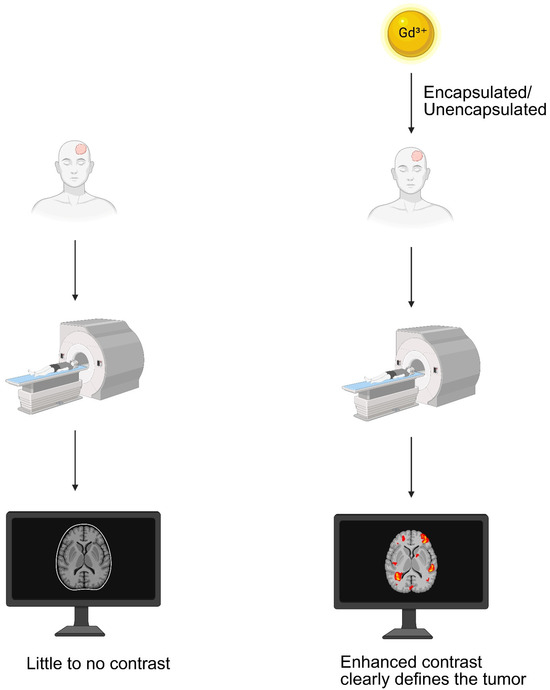
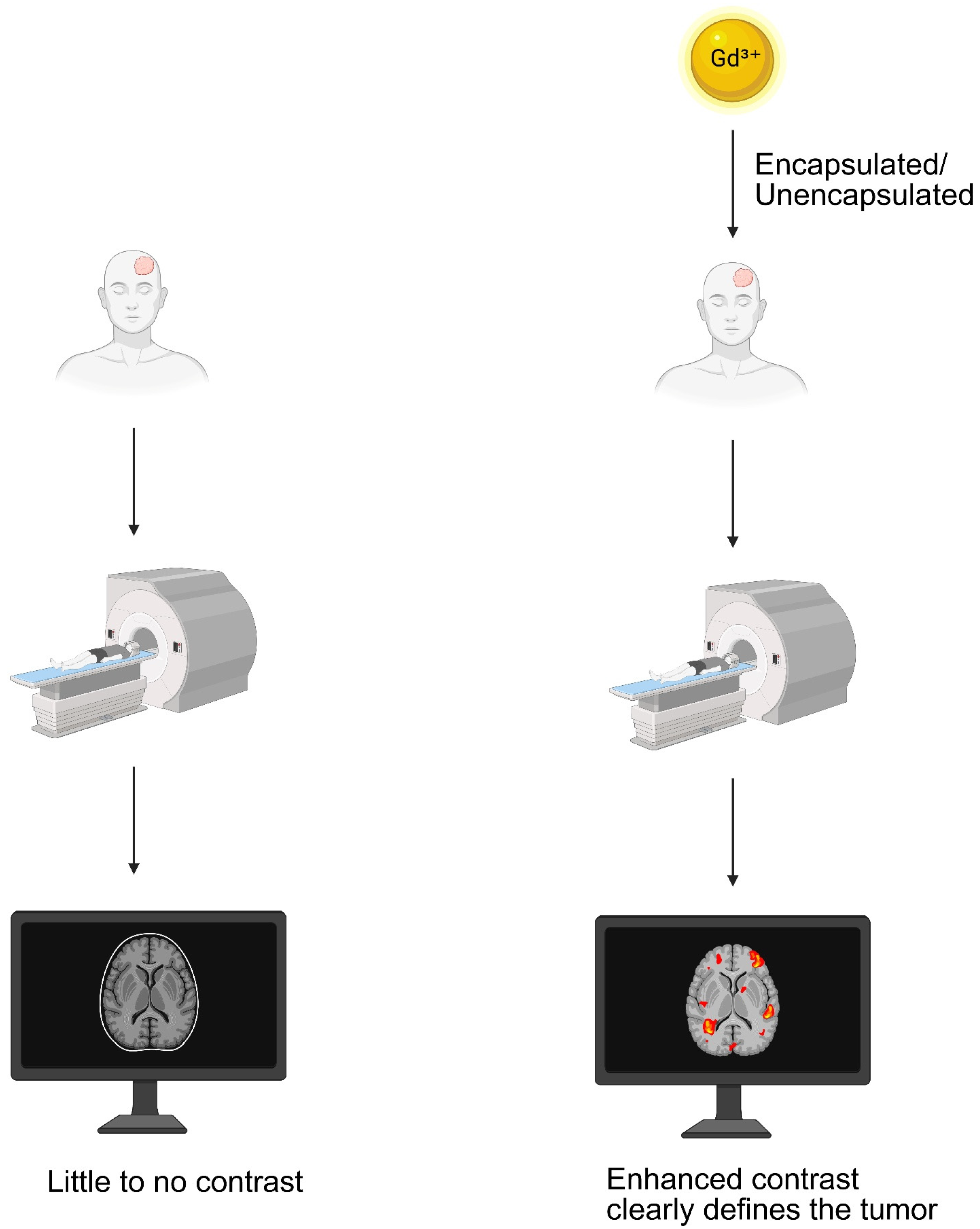

Disclaimer/Publisher’s Note: The statements, opinions and data contained in all publications are solely those of the individual author(s) and contributor(s) and not of MDPI and/or the editor(s). MDPI and/or the editor(s) disclaim responsibility for any injury to people or property resulting from any ideas, methods, instructions or products referred to in the content. |
© 2026 by the authors. Licensee MDPI, Basel, Switzerland. This article is an open access article distributed under the terms and conditions of the Creative Commons Attribution (CC BY) license.