


Abstract
The rapid expansion of electric vehicles (EVs) has added complexity to the resilience and security challenges to the EV charging systems, especially owing to the exposure to the cyber–physical threats and the reliance on centrally coordinated systems. Although the previous literature has discussed the use of blockchain in the context of smart grids and mobility services; its implementation to improve the resilience of EV charging, particularly when integrated with cybersecurity systems, is still insufficiently synthesized. Despite these issues, critical gaps persist in terms of scalability, interoperability, and cybersecurity enforcement. This study presents an exploratory literature review that examines the intersection of blockchain and cybersecurity enabled applications and introduces a comparative framework evaluating the conventional security controls with blockchain based cybersecurity solutions to improve the resilience of EV charging infrastructure. The authors analyzed 70 studies published between 2018 and 2025 to determine the security weaknesses and map them to decentralized solutions. Reported threats, security mechanisms, architectural decisions, and levels of validation were grouped and reviewed critically in the patterns of limitations with respect to scalability, interoperability, and deployment maturity. Through the synthesis of fragmented results in cross disciplinary research, the paper finds the main gaps in research and comparative research results that could be used as a comprehensive reference in future studies and system design in resilient EV charging infrastructures.
1. Introduction
The global shift to electric vehicles is moving faster than expected, and it is powered by supportive government policies, climate change initiatives, and improvements in battery technology [1]. As we approach, the automotive industry as a whole is undergoing a significant transformation, indicating a substantial move away from fossil fuels based transportation [2].
Building upon this momentum, electric cars do not produce tailpipe emissions, and this has a direct effect on the quality of air and the health of the environment to a great extent. This change, despite having challenges of its own, is an indication of direct improvement in the general environmental impact of transportation [1,3]. Besides the driving influence of rapid advancements in technology, this transition is expected to replace nearly 1 million tons of gasoline with around 3.2 billion kilowatt-hours of electricity, resulting in a reduction of approximately 600,000 tons of CO2 emissions by that year 2030 [4,5].
In addition to their environmental benefits, electric vehicles have substantial economic benefits. EVs use electric power, most of which can be generated by renewable sources. The energy costs (using electricity) for power to an EV are on the order of three to four times less than using gasoline [6]. Furthermore, there is also lower maintenance cost for EVs, as they possess fewer moving parts and do not require oil changes [7,8].
In countries like those within the European Union [9], EV adoption is occurring at a incredible rate. The advantages of EV adoption extend not only to the environmental but also result in less noise pollution, better energy efficiency, and less reliance on fossil fuel resources, which provide society with evident benefits [3].
However, with the increased adaptation of EVs, new issues emerge, especially in the arena of infrastructure development. Establishing and securing EV charging networks will be among the most important things to enable the mass adoption of electric vehicles [2]. As the number of electric vehicles on the road increases, the demand to have more secure, accessible, and reliable charging stations grows with the number of electric vehicles on the road. Their design and operation can be either decentralized or centralized in the designing and running of those charging stations. Centralized systems, which are normally handled by big service providers, are simple to control but vulnerable to single point failure. On the contrary, decentralized networks are more resistant; however, they also have coordination, organization, and safety problems. The linked networks of charging stations, vehicles, and management platforms do not only introduce new security vulnerabilities but also expose these systems to cyber attacks of all sorts, including data breach, unauthorized intrusion, and service blocking [10].
Among these emerging concerns, cybersecurity is one of these emergent issues that are increasingly a matter of concern to the stability of EV charging networks. As the world becomes more digital and interconnected, malicious actors have an even greater opportunity to exploit system vulnerabilities. Unauthorized access to charging stations, user data interference, and cyber attacks trying to disrupt service, sabotage infrastructure, or resulting in economic losses are some of the possible threats. Without responding to these threats, they may result in a lack of trust in users and impede the widespread adoption of EVs. Moreover, the complexity is augmented by the incorporation of renewable energy sources like wind and solar into charging networks. These sources of energy are not constant and may cause some irregularity in energy flow, which complicates the operations of charging stations and poses a possibility of operational disruptions [11].
To address these concerns, blockchain technology presents a promising solution [12]. The decentralized, tamper proof properties of blockchain offer a great opportunity for enhancing EV charging networks’ resilience and security. The use of blockchain by charging points can enable peer-to-peer transactions, reducing the need to rely on centralized entities and offering more transparency. Blockchain also provides greater privacy and secure data transfers through smart contracts, ensuring only approved entities have access to those specific data and information.
As part of blockchain implementations, studies report that smart contracts on permissioned (like Hyperledger) and permissionless (such as Ethereum) platforms facilitate the execution of transactions that are secure without a third party and, at the same time, implement access control, while Byzantine and Delegated Byzantine Fault Tolerance protocols mitigate coordinated attacks by requiring significant node compromise before system integrity is jeopardized [13,14,15].
In sum, the reviewed studies indicate that blockchain techniques can combine smart contracts, cryptographic methods, and consensus protocols to offer effective means for enhancing cybersecurity resilience in electric vehicle charging infrastructure. This approach has the potential to eliminate some of the vulnerabilities inherent in centralized systems, offering a more robust and secure charging infrastructure [14,15,16,17,18,19].
While the promise of blockchain in EV charging systems is clear, its implementation is not without challenges. Issues such as scalability, interoperability across different platforms [12], and energy consumption need to be addressed before blockchain can be fully integrated into EV charging networks. Moreover, though blockchain provides many advantages, its implementation brings new layers of complexity to different domains, particularly in its interaction with existing cybersecurity frameworks [20]. It is necessary to consider the combined synergizing role of a combination of blockchain and traditional security measures executed together in order to escape the emergence of new vulnerabilities. It is essential to understand how blockchain can supplement existing cybersecurity strategies to create a resilient and secure charging ecosystem.
These implementation challenges are further exacerbated by the fact that the current state of EV charging infrastructure remains vulnerable to evolving cyber threats [21]. Despite developments in charging network security, additional research into the integration of blockchain with traditional cybersecurity systems that adds security and resilience to EV charging systems is required [22,23,24,25]. This gap in knowledge highlights the need for a comprehensive review to evaluate the current landscape and identify opportunities for improving the security of EV charging infrastructure through blockchain and other advanced technologies.
In the context of the above presented challenges, the proposed study will perform a comprehensive review and synthesis of the available research related to the applications of blockchain and cybersecurity in EV charging infrastructures. The paper provides an integrated perspective of how EV charging ecosystems resilience and reliability can be enhanced through the analysis of the interface between layered cyber protection systems and decentralized trust systems based on blockchain applications. To address the above gaps, the significant contributions of the study are as follows:
Contributions of this Review:
- It offers a exploratory review of the existing literature on ways in which blockchain technology, cybersecurity, or both can be used in improving the resilience of EV charging processes, focusing on the peer reviewed literature published between 2018 and 2025.
- It breaks down the challenges of EV charging system resilience based on the cyber, operational, and architectural aspects and aligns them with blockchain related and traditional cybersecurity measures.
- It provides a framework for a comparative analysis, which helps to compare different studies in terms of representative solutions for their technical ability, security functionality, deployment maturity, and operational constraints.
- It reveals challenges and gaps in maturity, such as scalability, compatibility, standardization, and the absence of real world validation, through evidence provided from the synthesis of the literature reviewed.
- It provides the directions in which research should proceed in the future in order to achieve resilient and secure EV charging infrastructure solutions.
The remainder of this paper is organized as follows. Section 2 provides a review of the existing literature on EV charging security and provides a gap analysis of unresolved resilience issues. Section 3 reports on methodology of the exploratory review, such as literature selection, screening criteria, and analysis framework. Section 4 comprises the results and discussion section, where findings of the reviewed studies are synthesized and the blockchain and cybersecurity solutions are analyzed concerning the EV charging resilience. Finally, Section 5 summarizes the paper and gives recommendations and research directions.
2. Existing Works: Security Gaps and Their Implications for EV Charging Resilience
Despite the fact that resilience and security are closely related, they are often treated as separate concerns in system design. Cybersecurity vulnerabilities have a direct impact on the resilience of the EV charging infrastructure in terms of availability, fault tolerance, recovery capacity, and adaptability when disrupted by a cyber–physical event. Thus, the present section summarizes the available literature on EV charging security in a resilience perspective, emphasizing how the perceived security deficiencies translate into more overarching resilience vulnerabilities like service unavailability, cascading failures, and slow recovery. This section provides the basis to identify gaps that drive blockchain enabled and integrated cybersecurity solutions by relying on the understanding that security challenges are reframed in terms of resilience constraints.This distinction becomes even more significant when examining emerging technologies such as EV charging infrastructure. Even though significant advances in EV charging security research, there are still a number of gaps in the knowledge and practice. Electric vehicle charging has many cybersecurity issues. A chronological overview of the literature shows the way these problems have developed over time, the increase in research, and the redirection of challenges.
Early work in the field mostly focused on theoretical frameworks and did not do much to test them in real life. For instance, ref. [26] applied the simulation-based study to demonstrate the increase in vulnerability of the grid due to defective charging posts. However, the field verification has not been done to a great extent. Only after empirical risk analyses have been published has the research community been able to study real situations, including that by [3]. Still, the majority of the suggested security solutions have not been fully tested beyond a controlled environment, particularly in blockchain based deployment. Refs. [27,28] and others, for example, do not include real world application or testing, but they have been claimed to deliver good results using blockchain in simulations.
Subsequent studies shifted focus toward the management of vulnerabilities in existing charging infrastructure. Ref. [29] identified that they are still vulnerable to attacks like DDoS attacks, man-in-the-middle attacks, and session hijacking, which are all expected to pose a threat to EV charging systems. Moreover, ref. [13] also addressed such issues in practice, noting how they affect mobile apps. In 2022, a study by [30] of remote attacks on individual entities made a large contribution to our knowledge of this issue. A list of proposals compiled by specialists contains strategies on how the improved identity verification and vehicle identification number verification processes should be provided [13], representing the field’s gradual shift from threat identification to mitigation strategies.
As research progressed, attention increasingly turned to the complexity of implementing advanced security solutions, particularly those based on blockchain technology. Most blockchain based approaches are characterized by high implementation complexity, whereas traditional security mechanisms have moderate complexity. Ref. [31] proposed frameworks for the privacy preserving selection of charging stations, while ref. [32] discussed safe energy exchange in smart communities. Smart contracts and consensus mechanisms like Proof of Work (PoW), Delegated Byzantine Fault Tolerance (DBFT), and Byzantine Agreement with Stochastic Decision Systems (BAC-SDS) are often used in many modern methodologies that would ensure transactions security and enhance the scalability of the systems [33]. Despite this progress, the meticulousness of implementation remained a significant obstacle. Solutions to encryption proposed by [13] and others fulfill security requirements; however, the effectiveness of the implementation discussed in their study poses a challenge to their applicability. Conversely, traditional security approaches [34] are described as moderately complex yet inadequate in addressing evolving threats.
Very recently, research has begun to explore the integration of artificial intelligence with existing security frameworks. Ref. [35] tried to considered the gap of the implementation and robustness between theory and practice, but there is still a problem on implementation side. At the same time, various blockchain platforms have also been explored to enable security of EV charging infrastructure. The implementation of Hyperledger Fabric has been utilized in several studies and has shown improved resilience using smart contracts to be used in authentication and verification of payments [27]. In the meantime, Ethereum based applications created by [36] have proven competent at cutting costs and easing the use of markets. Other solutions, including ones based on Lightning networks, have emphasized a decentralized method of security concerning charging piles management [16].
In summary, the initial theoretical explorations, which appeared valid, were ultimately discarded in favor of vulnerability analysis, followed by the development of increasingly complex and integrated security solutions. Nonetheless, there remains a challenge in providing empirical validation while implementing the frameworks in execution, particularly concerning a blockchain based framework. It is a major reason why more research is needed in the area of EV charging security to bridge the gap between between theoretical developments and practical procedures.
Evaluation of the literature on existing security based research indicates that most solutions advanced address threat prevention and provide minimal attention to system level resilience characteristics that include stress scalability, coordinated recovery, and cross stakeholder trust. Despite the promising results of the current literature, within a simulated environment, there are still diversity of limitations that need to be resolved:
- (a)
- It mostly offers theoretical or simulated evidence that is inadequately verified in practical applications [27];
- (b)
- The issue of large-scale use and user acceptance has not yet been resolved by [36];
- (c)
- There are no thorough security assessments or standardized performance metrics;
- (d)
- Further exploration of interaction with the current infrastructure is necessary [16].
Therefore, despite the fact that considerable advancements in ensuring integrity for particular segments have been achieved, failures in providing overall resilience for EV charge points by these existing solutions and approaches exist. The issue emphasizes the significance of trust building and automation-supporting technologies, including blockchain in combination with cybersecurity solutions, which are discussed in the following sections.
3. Review Method
The present study was designed as an exploratory literature review instead of a complete systematic literature review. Although it incorporates some of the principles selected in the guidelines of Kitchenham [37,38], especially in the manner in which it formulates research questions, organizes the search process, and uses clear inclusion and exclusion criteria, it does not pretend to follow all of the steps of a formal systematic literature review. As a reporting framework to maintain the clarity and transparency of the reporting, PRISMA 2020 [39,40] was employed to identify, screen, and select the literature without a formal meta-analysis or a comprehensive systematic synthesis. These guidelines address earlier critiques [41] and give a clearer framework for conducting high quality literature reviews.
The review process involves three main stages: planning, conducting, and reporting, as visualized in Figure 1.
Figure 1.
Method of Review Process.
3.1. Planning the Review
The planning phase established the objectives of the review, formulated specific research questions, and defined the review protocol. This review is structured in such a way that it meets the requirements of transparency, reproducibility, and methodological rigor of a exploratory literature review. The planning phase outlines the motivation, scope and limits of the study and the specific review protocol that will be applied to inform the selection, review and synthesis of the literature. Considering the current growth of the electric vehicle charging infrastructure, as well as the simultaneous development of the blockchain based security systems, the comprehensive strategy is needed to thoroughly evaluate the current knowledge, detect the gaps in research, and describe the future of secure and resilient EV charging ecosystems.
3.1.1. Study Goal and Review Questions
This review aims to evaluate how blockchain and cybersecurity technologies contribute to the resilience of electric vehicle (EV) charging infrastructure. Following the taxonomy guided structure in [42], the review addresses the following goals: This review will determine the synergetic role played by both blockchain and cybersecurity technology in providing resiliency on electric vehicle (EV) charging infrastructure. According to the referred organization of [42], the review focuses on the following objectives:
- (a)
- Find out the most prominent issues of resilience in EV charging systems;
- (b)
- Investigate the role of using blockchain in order to enhance security, transparency and reliability of EV charging;
- (c)
- Discuss cybersecurity measures that will eliminate security risks of EV charging systems;
- (d)
- Highlight open research issues and potential future directions.
To fulfill these goals, the study was driven by the following research questions (SLR.Q).
- (i.)
- SLR.Q1: What are the main resilience challenges in EV charging systems?
- (ii.)
- SLR.Q2: How do blockchain technologies improve cybersecurity resilience in electric vehicle charging infrastructure?
- (iii.)
- SLR.Q3: What cybersecurity strategies are employed to protect EV infrastructure?
- (iv.)
- SLR.Q4: What limitations exist in the current body of research, and what are future research directions?
3.1.2. Review Protocol
The review protocol outlines the strategy for identifying, selecting, and analyzing the relevant literature. The review protocol has the plan of how to identify, select and analyze the relevant literature. The protocol consisted of the following based on recommendations of [43]:
- (a)
- Search Strategy: Definition of keywords and digital libraries;
- (b)
- Screening Criteria: Inclusion and/or exclusion rule;
- (c)
- Validation Process: Use of the measurement of quality metrics;
- (d)
- Data Extraction: Thematic data processing and synthesis is used.
3.1.3. Search Strategy
This review identifies a difference between keywords and search phrases. Keywords denote the main conceptual terms (e.g., EV charging, blockchain, cybersecurity, resilience) according to which the subject matter of the review is defined and study inclusion and exclusion criteria are identified. In comparison, search phrases are database-specific Boolean query strings, which are built by the combination of these keywords with logical operators. Although the conceptual keywords were similar in all databases, specific search phrases were modified to meet the syntactic and functional specifications of each digital library (e.g., ScienceDirect, IEEE Xplore, Google Scholar). This method was consistent methodologically and maximized retrieval to heterogeneous search platforms. During the literature search, the priority was given to academic papers that were published since 2018 because it was expected to find the latest technologies in the blockchain and cybersecurity of EV systems. Such databases have been utilized: IEEE Xplore, IEEE Xplore, Scopus, ACM Digital Library, SpringerLink, ScienceDirect, and Google Scholar. They were searched using combinations of
- “blockchain AND electric vehicles”
- “EV charging AND cybersecurity”
- “EV charging” AND (“blockchain” OR “security” OR “cybersecurity”)
- “Resilience” AND “Infrastructure” AND “Blockchain”
- “Electric vehicle” AND (“infrastructure” OR “resilence”)
- “Energy AND security AND blockchain”
Wider inclusion of related studies like connected vehicles, smart grids, and energy trading was possible through the use of wildcard in (e.g., *vehicle). Details of databases and search terms are given in Table 1.
Table 1.
Databases and Database Specific Search Phrases Derived from a Unified Keyword Set.
The scope of the review was defined by using a unified set of core conceptual keywords in all databases. These keywords were then formed as database specific search phrases by combining them with the Boolean operators and modifying them to the syntactic and functional needs of individual digital libraries.
3.1.4. Operational Definition of EV Charging Resilience
While the term “resilience” is increasingly used in relation to EV charging systems, a majority of relevant studies do not explicitly adopt this terminology. For the purpose of this review, EV charging resilience is defined operationally as the capacity of charging infrastructure to resist, adapt to, and recover from cyber, physical, and operational disruptions while sustaining service levels within acceptable limits. On the basis of this definition, studies were considered relevant to EV charging resilience if they addressed one or more of the following resilience-related attributes: (i) Robustness against cyber-attacks, faults, or component failures; (ii) Availability and reliability of charging services when stress conditions occur; (iii) Vulnerability Mitigation and Attack Surface Reduction (iv) Fault tolerance and recovery mechanisms: these involve redundancy and decentralized coordination. (v) Scalability and adaptability in dynamic demand or adversarial settings. Consequently, publications that used related terms such as robustness, reliability, fault tolerance, security hardening, or vulnerability analysis were included when they contributed directly to one or more resilience attributes of EV charging systems. This ensures coverage that is comprehensive, yet conceptually consistent with the objectives of the reviews in relation to resilience.
3.1.5. Paper Search, Screening, and Inclusion Criteria
In the screening stage, relevant keywords related to the attributes of resilience (for example, robustness, reliability, vulnerability, fault tolerance, recovery) were identified and methodologically aligned with the operational definition of EV charging resilience. Screening was carried out based on title, abstract, and keyword relevance. Variousstructured filters were used to remain relevant and keep the quality of the selected literature. Only publications within the 2018–2025 period were included to reflect new developments and the current state of thinking. It was refined even further using the citation count as a parameter that gives the impression of the importance and awareness of the work among the academic community. The value of each source was quickly accessed in relation to the targeted research questions while the literature selected is directly applicable to the aim of the study. Moreover, the method of implementation, either theoretical, a proof-of-concept, or a security-analysis-oriented, was evaluated in order to ensure the relevance of the methodology to the framework of the study. The inclusion and exclusion criteria are outlined in Table 2.
Table 2.
The Inclusion and Exclusion Criteria.
Using the research questions and based on keywords we searched papers across over different selected academic databases. We retrieved the 200 papers most relevant to the search queries. We retrospectively searched sources that fulfilled the following criteria:
- Blockchain/Cybersecurity Focus: Is the study looking at blockchain technology applications OR cybersecurity measures applied specifically to the EV charging infrastructure?
- Integration Analysis: Does the study examine the way to implement blockchain and/or cybersecurity solutions in EV charging systems?
- Performance Evaluation: Does the study provide any evaluation of performance of the EV charging infrastructure or system resilience metrics?
- Implementation Evidence: Does the study exhibit evidence of implementation, i.e., detailed description, case studies, or proof-of-concept demonstrations?
- EV charging focus: Does the study focus on EV charging infrastructure specifically, or instead EV technology generally, or power grid infrastructure?
- Contextual Implementation: Do the blockchain and/or cybersecurity processes directly relate to EV charging instances (instead of being discussed in a very generalized manner)?
- Practical Implementation: Does the research have details (or validation) of practical implementation in the research instead of just theoretical suggestions?
We addressed all screening questions as a group and reached an overall assessment regarding whether or not to screen in each paper.
3.2. Conducting the Review
3.2.1. Study Identification
The first result constituted 343 records because of accessing all databases. The process of identification and filtering is presented in Figure 2. At this stage, 343 search outcomes from Section 3.1.3 were imported into the Mendeley. Duplicate, abstract, and title screening ensued using the search results. The goal of the duplicate assessment was to ensure there were no studies that appeared two or more times in all the bibliographic databases. Afterwards, the searched eligibility criteria (Section 3.1.4) were applied in the title and abstract screening. The screening resulted in a total of 287 unique articles were left after 56 duplicates were discarded. The application of the next eligibility criteria from Section 3.1.4 produced 70 suitable articles for the analysis. The documents that were removed to attain the 70 documents were 247 (source of articles = 120, language = 100 and content = 47). The selection assessment process is shown in the following PRISMA flowchart (Figure 2).
Figure 2.
PRISMA method flowchart.
Figure 2 demonstrates that the study selection process was further narrowed down to using certain screening criteria on the papers. These criteria were, e.g., Blockchain/Cybersecurity focus, Integration analysis, Performance evaluation, Implementation evidence, EV charging focus, Contextual application, Practical implementation. Figure 3 is the simplified summary of this process.
Figure 3.
The summary of the identification process.
3.2.2. Validation
The initial screening resulted in 343 papers. At a full-text examination stage and quality assessment with regard to both technological and research depth (e.g., validation of framework, applicability to EV resilience, articulation of contribution), 70 papers were selected as primary studies upon which the final synthesis is made. The articles were labeled according to their significance into three categories (high, medium, low), with only the high significance ones being thoroughly searched to provide insight.
3.3. Reporting the Review (Data Extraction and Analysis)
3.3.1. Data Extraction Strategy
Following Kitchenham’s recommendations [37,38], extracted data were organized using a structured Excel sheet. Each entry recorded the following:
- Study ID
- Author(s)/Study
- Publication Year
- Study Type (e.g., Journal, Conference)
- Implementation Type
- Security Approach/Platform Used
- Application Area(s)/Study Focus
- Key Findings/Summary
- Full Text retrieved
These remaining 70 papers were organized into topics, sorted according to Study Type (e.g., Journal, Conference) in the following Figure 4.
Figure 4.
The distribution of study types.
3.3.2. Technology Readiness Level (TRL)-Based Maturity Assessment
The Technology Readiness Level framework is used in this review to assess the maturity and real world applicability of blockchain technology enabled solutions to resilience in EV charging. The TRL is a common scale of technology maturity in nine levels. The scale was first conceptualized by NASA but has been applied in various studies in the domain of energy and cyber–physical systems related to the maturity and implementation of technology. In this framework, the following applies: TRL 1–2 correspond to early stage conceptual research and theoretical formulations; TRL 3–4 represent analytical validation and simulation-based proof-of-concept studies; TRL 5–6 indicate experimental validation through prototypes, testbeds, or limited pilot implementations; TRL 7–9 reflect system demonstrations in operational environments and production scale deployments.
Hence, the TRL application provides a method to accurately describe the difference between theory and practice, which has great significance to blockchain-based EV charging research since it contains a considerable amount of simulation-based research. However, for each, the type of validation approach adopted, such as modeling, simulation, prototype development, or pilot testing, is clearly stated. Accordingly, on the basis of this review, the type of validation can be traced back to various TRL, a common practice in the exploratory reviews related to the field of Smart Grid, blockchain, and Cyber–Physical Systems. Through the use of validation evidence in the assessment of maturity, the TRL framework that circumvents the issue of personal judgment is shown in the following Table 3.
Table 3.
TRL Framework (Tailored for EV Charging and Blockchain).
3.3.3. Application of TRL Assessment to Included Studies
In accordance with the structure mentioned above in Table 3, the blockchains in the studies of EV charging considered in the review were classified based upon the type of reported validation. Each study was assigned a corresponding TRL. Conceptual studies about security or blockchain design were classified as studies under TRL 1–2. Simulations were classified under TRL 3–4. Other studies which involve prototype design and/or cyber–physical systems were classified under TRL 5–6. In particular, note that only a few studies have demonstration level characteristics tending towards TRL level 7, and more importantly, none of the reviewed articles have discussed full-scale implementation of blockchain-based EV charging infrastructure at TRL levels of either 8 or 9. The data illustrates a dramatic swerve between research and implementation. From 47 blockchain/cybersecurity-relevant studies (excluding pure adoption/policy papers), the TRL assessment of blockchain-enabled EV charging solutions is shown in the following Table 4.
Table 4.
TRL Assessment of Blockchain-Enabled EV Charging Solutions).
The TRL assessment shows a clear gap between theory and practice in current research on the resilience of blockchain enabled EV charging. About 83% of the studies that were looked at are still at TRL 1–3, which means they are based on conceptual designs, analytical modeling, or validation through simulation. At present, there are no massive operational deployments in sight, and only a few (<17%) have prototype or pilot levels. This is a big indicator that the assumed or actual levels of the resilience or the claims made in the context of the aspects aforementioned are either not proved or unknown.
3.3.4. Standardized Metric Framework for Evaluating EV Charging Resilience
Considering the level of heterogeneity of success measures reported in the studies reviewed, this review makes use of a standardized assessment framework that aligns performance, security, privacy, and resilience measures. Although the current literature quantifies the results in terms of various metrics (e.g., milliseconds, bits of cryptography, the number of transactions), they can be organized into similar dimensions of evaluation. In this respect, all blockchain-enabled EV charging research was compared on the basis of five normalized metric groups: (i) authentication latency, (ii) transaction cost and energy overhead, (iii) system throughput and scalability, (iv) privacy and data exposure risk, and (v) resilience and recovery performance. This classification facilitates cross-study comparison amid methodological variation and identifies deficiencies in empirical validation and consistency of reporting.
These observations also relate to issues of selection bias and exclusions. As this review only concentrated on peer reviewed, English language journal articles to guarantee methodological rigor and uniformity. As a result, conference proceedings from 2024 to 2025, non-English publications, and the grey literature, like industry reports and standards documents, were not included. Although this method improves reproducibility, it might not fully capture new industrial deployments and regional regulatory viewpoints. The discussion recognizes these limitations and addresses them qualitatively by referencing standardization frameworks, regulatory initiatives, and reported implementation constraints.
4. Discussion: Challenges and Solutions for EV Charging Resilience
This section summarizes the findings of the exploratory literature review performed on blockchain and cybersecurity use in EV charging resilience. A total of 70 publications published in 2018–2025 were chosen for final analysis, and they included 50 journal articles, 18 conference papers, and 2 preprints. Figure 3 shows the proportionality of the study types. The results are generalized on the basis of the research questions that have been outlined in Section 3. The results of this literature review are based on the evaluated body of literature on the issues of resilience, blockchain adoption, and strategies of cybersecurity in electric vehicle (EV) charging. The results are structured based on the research questions in order to give a clear mapping of the literature. Subsections below present the findings that are organized according to research questions that have been outlined in Section 3. The evidence is synthesized in each of the subsections based on reviewed studies.
4.1. Overview of Articles
In summary, seventy (70) articles were eligible in this research are represented in Table 5. The Microsoft Excel was the document manager collating all the information from the selected documents. Data extracted include authors’ names; Study ID; Author(s)/Study; Publication Year; Study Type (e.g., Journal, Conference); Implementation Type; Security Approach/Platform Used; Application Area(s)/Study Focus; Key Findings/Summary; Full Text retrieved. The thematic analysis approach supported iterative examination of texts, words, statements, and phrases [44]. Coding of the extracted data ensued and the common patterns within the codes resulted in the formation of themes. The reading and thematic analysis of the data produced information to address the research objectives.
Table 5.
Characteristics and summary findings of the included studies.
A large part of the studies analyzed (fifty of the articles) were journal articles, eighteen conference articles, four literature review, one preprint (arXiv), and two others. The studies also showed the contemporary nature of the issues on the resilience of electric vehicle charging through the application of blockchain and cybersecurity technologies from 2018 to 2025.
4.2. Growth of EV Charging Infrastructure and Emerging Resilience Stressors
Even though the quick development of EV charging infrastructures indicates considerable market uptake, it also accentuates the challenges of resilience in the systemic level, which involves greater attack surfaces, load variability, and the reliance on coordination mechanisms in the digital domain. Here in this momentum, EV charging station growth by region from 2018 to 2025 using current IEA data [72]. The growth trends identified and quoted for the purpose of this analysis have been obtained from secondary sources and scenario forecasts published by other research that assume continued government and technology support. This study also uses IEA data along with the above included studies to depict the clear adoption of EV charging infrastructure growth by region from 2018 to 2025. Here is the below clustered bar chart in Figure 5.
Figure 5.
Projected Global EV charging Infrastructure Growth Based on Secondary Data and Policy driven Scenario Analyses Reported in the Literature. Y-axis Values are Presented with Thousand Separators for Improved Numerical Readability.
The bar chart illustrates the global EV charging infrastructure growth (2018–2025) across various regions. We can observe here the potential projected increase in the number of charging stations, with China and Europe leading the way.
Additionally, there is the line graph in Figure 6 showing the adoption of EV charging stations from 2018 to 2015. It visualizes the increasing number of charging stations integrating global regions highlighting the growing importance of secure and decentralized EV charging infrastructure, The burgeoning adoption of electric vehicles (EVs) worldwide necessities a robust and reliable charging infrastructure to support this transition towards sustainable transportation.
Figure 6.
Projected Regional Adoption Trends of EV Charging Stations Under High-penetration Scenarios. Y-axis Values are Presented with Thousand Separators for Improved Numerical Readability.
The above chart in Figure 7 showing global EV charging trends from the previous mockup and reasonable growth estimates. The chart showing growth in EV charging stations from 2024 to 2025 for each region, based on the calculated growth rates. The growth trend depicts China’s rapid expansion, Europe’s steady growth, U.S. acceleration etc. The U.S. shows a high growth (75%) due to the lower base (200,000 public chargers) and rapid expansion in 2025 (e.g., 350,000) as noted in IEA projections. Estimated using average annual growth rates from 2024–2025:
Figure 7.
Reasonable Growth Estimates.
- China: 20% growth from 2024
- Europe: 27% growth from 2024
- U.S.: 75% growth from 2024
- India & SEA: 43% growth from 2024
- Africa: 50% growth from 2024
The data in the figure is compiled and projected based on the International Energy Agency’s (IEA) Global EV Outlook reports [72], which provide the most comprehensive historical and figures for EV charging infrastructure.
4.3. SLRQ1: Cyber-Physical and Operational Resilience Challenges in EV Charging Systems
The literature identifies that EV charging systems face five key resilience factors affecting EV charging systems that are: cyber–physical security threats, infrastructure vulnerabilities, environmental risks, integration problems, and social equity concerns. There were several studies on resilience in electric vehicle charging systems; these studies performed empirical analyses and simulation. The study uses modeling and mathematical simulations to examine important issues, interviews and interviews combined with computer-aided design and manufacturing to assess the relevance of the issue. According to the research findings the issues of resilience fall into a number of areas that are expressed in following Table 6.
Table 6.
The resilience challenges of EV charging systems.
The results of the various models and vast geographical range under study justify the conclusion that resilience challenges of EV charging systems are cumulative in nature covering technical, environmental, operational and social factors. These cumulative challenges highlight the need for a structured approach to understanding how different threat vectors interact across the system. A STRIDE based threat modeling framework was used across the layers of EV charging infrastructure to organize the identified cybersecurity and cyber–physical threats. This is shown in Table 7.
Table 7.
STRIDE Based Threat Modeling Framework.
Hence, in order to conduct an exploratory study of cybersecurity threats on EV charging infrastructures, this article is based on a threat modeling methodology, which is built over STRIDE. Table 7 relates well known threat categories to major architectural layers of EV charging systems and it can be seen that vulnerabilities are found in both cyber, physical and market oriented interfaces. It is important to note that blockchain elements provide new sources of attack, especially associated with smart contract implementation and exposure of metadata, but also provide tamper resistance and non-repudiation. As noted in the analysis, each of the security mechanisms is not applicable enough to combat all types of threats. Instead, resilience means a coordinated combination of blockchain primitives (e.g., immutable logging, decentralized identity) with traditional cybersecurity measures like authentication, intrusion detection, and network protection. Despite the improvements in accountability and traceability, the nature of transparency poses a problem of privacy particularly when it comes to the regulatory frameworks such as GDPR and CCPA. The risk of information leakage is further aggravated by the condition that a transactional metadata is stored in unalterable ledgers, thus privacy enhancing tools such as off-chain storage, zero-knowledge proof, and selective disclosure have become vital.
Building on this understanding of resilience, the next step is to examine the specific cyber physical challenges that necessitate such integrated security measures. These challenges are summarized in Table 8.
Table 8.
Cyber-Physical Security Challenges.
Among the 70 articles considered, 26 of them specifically addressed cybersecurity measures concerning EV charging resilience issues and mitigation. some of the articles specifically reported major challenges that are summarized as cyber–physical threats in above table: three targeted cyber-attacks including sabotage, remote manipulation, hardware/software attacks, and one targeted protocol exploitation, power surges and switching attacks. Six research papers did not report the type of threats. Four of the studies considered charging stations, smart charging stations, electric vehicle supply equipment, or battery chargers, three were concerned with communication protocols, and one with the distribution networks, and six did not specify the components. Four studies reported impact levels, particularly severe grid disruption (three studies), blackout (two studies) or system-wide disruption (one study), whereas the rest (6) left impact undocumented. Mitigation strategies were covered in four studies: three studies used testbed, simulation, or model-based analyses, one presented an overview of detection/countermeasure practices, and six studies did not mention mitigation strategies. It is noteworthy that the majority of papers did not discuss any issue of cyber-physical threat and its mitigation which becomes the crucial gap in their comprehensive investigation.
4.3.1. Cyber Threats (Spoofing, DoS, Tampering)
The analyzed literature consistently refers to such cyber threats as spoofing, denial-of-service (DoS), replay attacks, and data tampering as especially problematic to EV charging systems. According to several studies, hackers can masquerade as legitimate electric cars, or electric charging stations, to obtain unauthorized access or alter billing and charging information. As an example, refs. [13,60] explicitly discuss the issue of spoofing, replay, and man-in-the-middle attacks, resolving them via mutual authentication and cryptographic primitives. Equally, refs. [17,27] mention DoS and false data injection attacks, which can interfere with the availability of charging and negatively affect billing integrity. Blockchain-based solutions, especially smart contract enabled authentication and immutable registers are mainly employed to reduce the threats because of message integrity, non-repudiation, and tamper resistance, but quantitative validation is not established in most of the works.
4.3.2. Operational Disruptions (Single Point of Failure, Outages)
Another key resilience issue that was found in the literature reviewed concerned operational disruption associated with centralized control structure and single point of failure. Charging management systems are also centralized, which can be affected by server failures, planned cyber-attacks, or insider threats and result in massive disruptions to the services. Refs. [15,58] highlight that the centralized data management approach enhances the risk of a massive outage and misinformation distribution. Decentralization of trust and fault tolerance across charging nodes is suggested as one of the mitigation strategies, based on blockchain-based distributed ledger architectures. Nevertheless, the vast majority of the studies measure the resilience improvement qualitatively, and there is little empirical data on recovery time, failover behavior, or large scale outage management.
4.3.3. Architectural Vulnerabilities (Centralization, Interoperability)
The two architectural weaknesses that are common throughout the reviewed literature are centralization of the system and low levels of interoperability. It has been observed in several works that heterogeneous charging networks managed by various stakeholders have poor interoperability, and fragmented trust models, putting security and resilience at risk. Refs. [31,56] note the difficulty in coordinating cross-platforms, sharing data, and maintaining privacy. Horizontal blockchains and cross-token methods are some of the blockchain-based solutions that are suggested to improve interoperability and decentralized coordination. Though conceptually these methodologies enhance resilience in architecture, most studies are at prototype or simulation stage, signifying a lack of maturity between architectural design proposal and the actual deployment.
4.4. SLRQ2: Blockchain-Based Mitigation of EV Charging Resilience Challenges
The literature reviewed has shown that permissioned blockchains (e.g., Hyperledger Fabric, Quorum) are still the preferred choice in EV charging applications, primarily because they are less latent and provide privacy [18,27]. Public energy trading use cases were also reported as Ethereum-based implementations [17]. In the literature, blockchain technologies are often mentioned as a solution to augment cybersecurity resilience in EV charging infrastructure by decentralizing, making it immutable and ensuring the improved data integrity. Blockchain technologies as offer new levels of cybersecurity in EV charging infrastructure because of decentralized protocol, smart contracts and cryptography protection against different types of security threats. The electric vehicle charging infrastructure is kept safe via blockchain mechanisms that utilize decentralized protocols involving smart contracts and cryptographic protection. Research on Hyperledger Fabric and Ethereum systems that implement authentication, access privileges, and manage transactions with the use of smart contracts are also reported. As an example, mutual authentication schemes such as Elliptic Curve Cryptography or the Burrows–Abadi–Needham logic strive to ensure that no unauthorized sender will modify data, no impersonation of a sender will occur, no unauthorized receiver will access or alter the data, and no man-in-the-middle attack can take place.
Quantitative evaluations estimated that the system reduces computation to 1.78 ms and communication to 1248 bits [13], that the system cost was 11,912 ms [17], and that it can achieve 98% more dynamic pricing updates with 50% fewer transactions [14]. In conclusion, the study reveal that blockchain technologies have the potential to enhance the cybersecurity resilience of electric vehicle charging systems by employing distributed smart contracts platforms and custom cryptographic solutions. The identified security challenges, blockchain solutions, implementation impact along with success metrics is described in following Table 9.
Table 9.
Security Challenges and Standardized Evaluation of Blockchain Based Cybersecurity Solutions for EV Charging Resilience.
The above Table 9 explores different security issues and blockchain solutions to the challenges in a number of research articles. Significant security questions covered are data integrity, tampering, or manipulation (five studies), fraud or theft (three studies), Denial of Service or Distributed Denial of Service attacks (three studies), man-in-the-middle and key disclosure (two studies each), impersonation and unauthorized access (two studies each), privacy or location exposure, (two studies each), and other challenges, such as insider threats, replay attacks, malware, data sale, substitution, and location exposure (one study each). Blockchain solutions deployed include smart contracts (seven studies), Hyperledger (two studies), Ethereum (one study), Elliptic Curve Cryptography (two studies), Practical Byzantine Fault Tolerance and Byzantine consensus (one study each), Lightning Network Smart Contract, heterogeneous or cross chain solutions, BlockEV, BlockDEV, hash based protocols, decentralized blockchain (two studies) and general cryptography, local or decentralized selection, and anonymity or forward secrecy (one study each). Due to the asymmetrical reporting of quantitative performance indicators in the reviewed studies, this paper could not directly compare them numerically. The adoption of a standardized evaluation framework, therefore, normalized the heterogeneous metrics to similar qualitative categories (Table 9). These dimensions were linked to every blockchain-based solution based on its reported validations and application environment. Around 50% of the reviewed papers suggested that the decentralized nature of blockchain greatly enhance security than its counterpart, centralized systems. The literature review reveals that the majority of potential strategies are prevention oriented and more recently, technology based strategies such as blockchain are being used to enhance security.
Security Risks and Limitations of Smart Contracts in EV Charging Systems
It has been proposed that smart contracts could be used as safe methods to perform authentication, billing, and access control in EV charging systems. They, however, have their own security threats. Common security holes include re-entrance attacks, integer overflow and underflow as well as improper access control. They are particularly critical in the payment settlement and charging authorization processes. Regarding electric vehicle charging, such weaknesses may result in illegal use of energy, modification of billing history, or failure of charging stations. Some of these risks can be reduced in permissioned blockchain platforms that restrict the number of people who are allowed to participate in the blockchain, but the correctness of the smart contract remains subject to secure coding, formal verification, and monitoring during contract execution time. Consequently, smart contracts are to be regarded as the means of transferring risk, rather than eliminating it entirely, in EV charging resilience.
4.5. SLRQ3: Integrated Cybersecurity Strategies and Comparative Effectiveness
This section combines the findings from the review of the literature regarding the approaches used in the fields of cybersecurity and blockchain by comparing their efficacy and implications in the context of EV charging scenarios. Various cybersecurity solutions have been proposed to secure the electric vehicle infrastructure, which emphasizes risk assessment and design principles for security. Compared to traditional techniques based on centralized security, interventions by cybersecurity provide a higher level of security. It is also able to prevent against cyber attack in EV charging network using blockchain based decentralized authentication, flexible key management and automatic key updating/revocation processing. The combination of blockchain and cybersecurity methods appeared in 34% of the works considered. Some of the studies included cryptographic primitives and decentralized ledgers to enforce the user identity and payment information [61,62]. The synergetic combined role of blockchain and cybersecurity in EV charging is depicted in several studies.
Cybersecurity interventions that use blockchain in the electric vehicle charging networks would decentralize the authentication mechanism, incorporate tamper-evident ledgers, and autokey management. In comparison, conventional measures use centralized servers, fixed credentials, and manual rotation of keys. As an example, works based on blockchain (typically Hyperledger Fabric and other permissioned blockchain) report systems that are resistant to replay, tampering, and man-in-the-middle attacks via dynamic and mutually authenticated protocols and smart contract enforced access control. Quantitatively, a low computational overhead of 1.78 ms was reported in one study [13] whereas another study [17] recorded 11,912 ms using a protocol that involved elliptic curve cryptography and hash functions. Relevantly, many proposals cited enhancing privacy by use of pseudonyms and encrypted transactions and providing non-repudiation through immutable entries on the ledger, in striking difference to the centralized, immutable authentication and data integrity maintained in traditional security.
The goal is to clearly present the relationships between challenges, their impacts, and corresponding blockchain/cybersecurity solutions for EV charging infrastructure. Table 10 summarizes the core resilience challenges identified in the reviewed literature and maps them to representative blockchain-based and conventional cybersecurity solutions. The table complements the detailed challenge-oriented analysis presented in Section 4.1, Section 4.2, Section 4.3 and Section 4.4.
Table 10.
Key Resilience and Cybersecurity Challenges in EV Charging Infrastructure and Corresponding Blockchain-Based Mitigation Strategies.
The above Table 7 visualized how blockchain address privacy and scalability, while cybersecurity tackles threats and authentications. The above identified challenges can be mapped to solutions, with bubble size reflecting the number of references or perceived impact. It visualized as summarized relationship in below Figure 8.
Figure 8.
Identified challenges mapping to solutions.
Above Figure 8 is a bubble chart where: X-axis: Challenges categories (e.g., 1 = Data Tampering, 2 = Authentication, 3 = Cyberattacks, 4 = Interoperability, 5 = Privacy, 6 = Salability). Y-axis: Solution type (1 = Blockchain, 2 = Cybersecurity, 3 = Integrated or Both). Bubble size: Number of references or implementations. Arbitrary, based on solution complexity (e.g., r = 25 for Cyberattacks due to multiple methods—Ai, firewalls, encryption; r = 20 for Authentication and Privacy due to dual solutions; r = 15 for simpler solutions).
The below in Table 11 describes the comparative security architecture analysis of traditional and blockchain based cybersecurity strategies for EV charging system.
Table 11.
Comparative Security Architecture Analysis of Traditional and Blockchain-based Cybersecurity Strategies for EV Charging Systems, Highlighting Performance Trade-offs and Integration Scenarios.
Although Table 11 illustrates a conceptual comparison of traditional and blockchain-based EV charging strategies, there are a number of operational scenarios that require a blockchain integration rather than just the advantages of these systems. As an example, in roaming-based charging networks with multiple charging service providers and utilities, the classic centralized authentication scheme imposes authorization delays of multiple seconds at peak load, whereas blockchain-based authentication schemes are reported to impose sub second to low millisecond authorization delay in simulation and prototype experiments. Equally, dynamic pricing and peer-to-peer energy trading require unalterable recording of transactions and decentralized settlement that cannot be effectively delivered by the conventional central databases without introducing single points of failure. According to the quantitative data presented in previous research, blockchain enabled systems are able to cut down the number of fraudulent transactions by more than 40 percent and shorten recovery time following the occurrence of cyber incident by more than 30 percent than traditional architectures, especially in multi stakeholder settings.
The below Figure 9 shows a conceptual framework of the comparative analysis. The figure compares the Traditional Security Approach, the current Blockchain based Cybersecurity Approach, and generalizes the Key Differences with respect to four main security features. The diagram demonstrate a comparative approach to the security architectures, divided into three main components: the Traditional Approach, the Cybersecurity (Blockchain-based) Approach, and the corresponding final Key Differences. This three-part framework is aimed at methodically analyzing the paradigm shift presented by blockchain technology in four basic areas of security: Authentication, Data Integrity, Privacy, and Key Management.
Figure 9.
A Framework Comparing Traditional, Blockchain-based Cybersecurity, and Their Key Architectural Differences.
Traditional Approach (Left Segment): This part describes the traditional, centralized, security model.
Cybersecurity Approach (Center Segment): The modern, blockchain inspired architecture is described in this component as decentralizing trust and security practices.
Key Difference (Right Segment): This element summarizes the comparative analysis, outlining the qualitative benefits of the blockchain-based solution.
The diagram outlines a comparison between conventional and blockchain based cybersecurity frameworks across three basic elements. The Traditional Approach category depicts traditional centralized solutions based on immutable credentials, dynamic data records, perimeter-based privacy controls, and manual key management. Conversely, the Cybersecurity Approach segment illustrates the decentralized paradigm of blockchain with mutual authentication, non-mutable ledges with cryptographic hashing, pseudonymous privacy, and automated key management through smart contracts. It successfully illustrates the way in which blockchain technology does not only improve the current security capabilities but re-architects them in order to make the system more transparent, auditable, and resistant to various typical cyber threats. The Key Difference is used here to summarize these architectural changes into a set of stable and defendable benefits of a cybersecurity paradigm based on blockchain.
The following Table 12 depicts the treat mitigation effectiveness by considering different threat types.
Table 12.
Threat Mitigation Effectiveness of Blockchain enabled Cybersecurity Mechanisms Across EV Charging Infrastructure Layers, Including Deployment Maturity Considerations.
Comparative Analysis Across Blockchain and Cybersecurity Approaches
Section 4.4 and Section 4.5 provide an overall view of several blockchain based cybersecurity solutions. A more detailed comparison indicates that significant choices have to be made between major trade-offs in the platforms and architectural design: permissioned blockchains like Hyperledger Fabric have always higher authentication latency and improved transaction throughput, which makes them suitable for EV charging authorization that has to take place fast, whereas permissionless platforms like Ethereum are more decentralized with larger latency of transactions and their energy cost. Smart contract-based solutions keep everything more open and automated, adding more computation and security risks, particularly on a large scale. Additionally, most approaches that were considered still lie within the level of simulation or prototype validation, which is less effective out of the box in a real-world setting. However, this comparative insight is needed in such a way as to draw attention to the fact that there does not exist any particular architecture that completely dominates all the other architectures, and it is a requirement for platform selection based on addressing the issues of scalability, latency, energy consumption, and readiness for deployment. In order to facilitate a critical comparison other than a descriptive synopsis, a summary of the various blockchain enabled EV charging security solution options is presented through Table 13.
Table 13.
Comparative Technical Analysis of Blockchain-Enabled Secure EV Charging Solutions.
Outcomes from the comparative analysis illustrated in Table 13 emphasize some architectural trade-offs. By comparison, permissioned blockchain solutions are shown to methodically exhibit better results in terms of latency, energy cost, hence are more preferable for a real-time EV charging authorization process. Conversely, permissioned blockchain solutions are more decentralized, although in highly adopted scenarios, scalability issues did emerge. Additionally, the prevalence of simulation-level valid technologies within the context of blockchain solutions within TRL 3–4 indicates the insufficient practical maturity within the realm of the technology. All 70 studies inform the thematic synthesis discussed in Section 4.1, whereas Table 13 emphasizes the representative solutions that can be compared across dimensions.
4.6. Adoption Trends and Practical Maturity of Blockchain-Enabled EV Charging Solutions
Between 2018 and 2025, research demonstrated that blockchain platforms like Ethereum, Hyperledger, and Lightning Network can enhance cybersecurity in EV charging systems through improved authentication, data integrity protection, and reduced transaction costs.
The following Table 14 depicts the number of blockchain based solutions, cybersecurity measures, and integrated uses according to years from 2018 to 2025.
Table 14.
Yearly developments in EV Technologies: Blockchain, Cybersecurity, and Integration.
The development of blockchain in EVs aligns with the study ids viz S51, S47, S50, S44, S45, S24, S31, S03 and cybersecurity in EVs as S30, S56, S64, S32, S67, S58, S20, S22, S38, S65, S70, S15 from the years 2018 to 2025. In the same way, the integrated use of both blockchain and cybersecurity are linked to study ids like S05, S58, S27, S12, S13, S25, S70, S59, S15, S04, S20, S43, S70, S18, S49, S57, S25, S25, S16, S17, S52, S08, S10, S11, S33, S54, S21, S41 according to the above Table 14.
In 2018–2025, the research on electric vehicle charging involved the use of blockchain to protect communications, identity management, and cost reduction. Various researchers pointed out data exchange vulnerabilities [22,62], pointing at the risks of a man in the middle and a replay attack. The hardware and firmware vulnerability was another issue [67] that could cause a denial-of-service attack on the whole charging network. Ref. [36] implemented an Ethereum architecture consisting of Solidity smart contracts to attain secure and decentralized accounting and cost optimization in a privately charged environment. Ref. [62] also showed that self sovereign identity on blockchain is capable of creating wallets in real time and guaranteeing regulatory adherence and ref. [27] used Hyperledger Fabric smart contracts to create real time attack mitigation and resilient session management in a public charging station.
The trends in the adoption of Blockchain, Cybersecurity, and Integrated Technologies in electric vehicles (EVs) over the years in the following Figure 10.
Figure 10.
Advancement in Blockchain and Cybersecurity for EV Charging (2018–2025).
These tendencies were supported by other research studies. Ref. [16] suggested a Lightning Network Smart Contract model to achieve scheduling and authentication and ref. [17] integrated blockchain and Software Defined Networking and Practical Byzantine Fault Tolerance to achieve energy transaction security and enable mutual authentication. Hyperledger with BAN logic and AVISPA are used by [13], with a computation cost of 1.7811 ms and relevantly efficient communication. Refs. [31,35,59] focused on privacy protection and threat monitoring with blockchain, either alone or combined with artificial intelligence, whereas refs. [3,26] presented such issues as DDoS, false data injection, and physical attacks. Beyond performance considerations, permissioned and permissionless blockchain platforms differ significantly in their vulnerability profiles and consensus overhead that is shown in the following Table 15.
Table 15.
Permissioned vs. Permissionless Blockchains for EV Charging Systems.
Besides the performance concerns, the vulnerability profiles and the consensus overhead are vastly different between permissioned and permissionless blockchain platforms. Permissioned blockchains are susceptible primarily to insider attacks and access control failures, whereas permissionless blockchains are susceptible to smart contract exploits, front-running, and denial-of-service attacks which are precipitated by altered transaction fees. In addition, permissioned consensus systems are less expensive in energy and computing resources due to the number of validators. Conversely, permissionless platforms require additional computing resources and incentive systems, which may impact sustainability and operational expenses of large scale EV charging implementations. These trade-offs indicate that permissioned blockchains are more suitable for large scale, energy efficient EV charging infrastructures, particularly under high adoption scenarios.
4.6.1. Failed or Limited Blockchain Implementations
Despite some optimistic forecasts, most blockchain-based EV charging solutions remain in small pilot projects or simulations at present. Long transaction time, scaling up during peak time, issues with compatibility between new charging infrastructure and the existing infrastructure, and ambiguous rules are some of the problems that are experienced in the real world. These shortcomings explain why large scale production deployments are rare, and underscore the gap between theoretical resilience benefits and the reality of operational complexity.
4.6.2. Existing Standards and Unaddressed Gaps
Standards such as the IEEE 1547 (grid interconnection), the IEC 61851 (EV conductive charging systems), and the NIST Cybersecurity Framework are quite essential in the safety, interoperability, and cybersecurity. However, these standards do not mention anything about decentralized management in terms of trust, or smart contracts vulnerability, or blockchain-specific governance models. Due to that, blockchain-based EV charging systems are not always based on formal standards, resulting in integration and compliance gaps.
4.6.3. Regional Regulatory Frameworks
The regulatory frameworks also impact the pace at which blockchain is used in EV charging. The data protection provisions of GDPR in the EU restrict the immutability and transparency of blockchain. In the US, such standards as the one proposed by NIST and DOE are concerned with the reliability of the grid and its compliance with cybersecurity. The inconsistency of rules regarding transactions of energy on the blockchain is also a significant issue when it comes to deployment in different regions. The inconsistency of rules regarding transactions of energy on the blockchain is also a significant issue when it comes to deployment in different regions.
Beyond regulatory fragmentation, another major limitation is the scarcity of large scale deployments with more than 100 charging stations have been uncommon, several industrial stakeholders and associations have started pilot scale projects integrating blockchain and cybersecurity technologies into EV charging platforms. The primary objectives of such projects are to assess the scalability of the system to a larger number of users, the duration of time to approve a transaction during charging, the resistance to the organized cyber-attack, and the compatibility with the existing grid and charging specifications. However, the publicly available performance information on these deployments is minimal, highlighting a major gap between operational-scale and conceptual validation. This demonstrates the significance of standard evaluation metrics to be used in large scale implementations in future, including authorization delay, system throughput, fault recovery time, and cybersecurity incident response metrics.
5. Conclusions, Limitations, and Future Research Directions
5.1. Key Findings on EV Charging Resilience Challenges
The objective of this research was to examine the use of blockchain technology and cybersecurity in making electric vehicle charging infrastructure resilient. The review demonstrates that resilience challenges faced by EV charging systems are not solely limited to the traditional cybersecurity issues but are heavily influenced by system centralization, lack of interoperability and growing reliance on communication and grid infrastructures. With the current rapid deployment of EVs all over the world, these weaknesses increase the risk of service interruption, cyber sabotage, and operational instability. The analysis also reveals that there is a considerable amount of risk found in cyber attacks due to a lack of security assessments and performance indicators, which impair the ability to test resilience in real stress conditions.
Hence, this review illustrates the resilience of EV charge systems is mostly limited by the interaction between the challenges of cyber threats, operational vulnerability, and architectural centralization. From the findings, it can be inferred that the EV charging resilience problems transcend the general cybersecurity problems, including operational continuity, mutual compatibility of different platforms, and coordination at a mass level. Moreover, due to increased central control and real time communication networks, these problems have become more pronounced. The next stage in EV charging resilience will rely not merely on technical innovation but also on addressing the gaps in standardization and regulatory alignment of systems based on blockchain.
5.2. Effectiveness and Limitations of Blockchain Based Solutions
The solutions based on blockchain specifically permissioned architectures show promise in improving the level of trust, transparency and decentralized coordination with tamper resistant ledgers, automated authentication and traceable energy transactions. Together with advanced cybersecurity solutions like encryption, intrusion detection, and AI assisted response systems, these strategies could enhance resilience against cyber and operational risks that are also evolving. However, the review also reveals that the majority of solutions suggested are still conceptual, simulation oriented or only small scale deployments. Claims regarding automation efficiency and decentralized management benefits lack empirical validation at scale. Furthermore, practical issues on scalability, latency, regulatory and privacy safeguards are not adequately discussed in existing implementations.
5.3. Contributions and Shortcomings of This Review
This manuscript makes an effort to bridge the gap by presenting an integration of blockchain and cybersecurity models based upon the points mentioned above. In contrast to the previous literature on individual stand alone security mechanisms, the present review highlights combined resilience problems on cyber, operational, and architectural levels.
However, this research has limitations in terms of the fact that there are not many studies involving real world deployment experience and also because non-English publications and conference proceedings are not included.
5.4. Future Research Directions
Future research should focus on large scale real world validation studies on blockchain enabled EV charging infrastructure using standardized measures for the level of blockchain resilience. It is also highly required to come up with scalable and lightweight consensus protocols in order to guarantee the levels of security and efficiency in blockchain-enabled systems. There needs to be a shift in the frameworks of the policies to incorporate specifically the demand related to cyber security and resilience for EV charging infrastructures, while there are aspects such as privacy friendly blockchain, cyber defenses in real time, or hybrids including decentralized trust that might include practical limitations to be addressed by the researchers. Future research must prioritize smart contract verification and secure design to prevent vulnerabilities that may undermine the resilience benefits of blockchain based EV charging systems. Furthermore, increased collaboration between technological researchers and the standardization bodies as well as the policymakers on the other is crucial.
Author Contributions
The authors confirm the contribution to the paper as follows: conceived of the idea, designed and constructed the review article: G.C.S., A.A.M. and K.A.; analysis and interpretation of results: G.C.S., A.A.M. and K.A.; draft manuscript preparation: G.C.S. and A.A.M.; visualization, G.C.S.; supervision, K.A. and A.A.M.; funding acquisition, K.A. All authors have read and agreed to the published version of the manuscript.
Funding
This study was supported by the Kempe Foundations (J.C. Kempe and Seth M. Kempe Memorial Foundations) under grant JCSMK23-0085.
Institutional Review Board Statement
Not applicable.
Informed Consent Statement
Not applicable.
Data Availability Statement
The aggregated data and findings are presented within the article.
Conflicts of Interest
The authors declare no conflicts of interest.
References
- Forsythe, C.R.; Gillingham, K.T.; Michalek, J.J.; Whitefoot, K.S. Technology advancement is driving electric vehicle adoption. Proc. Natl. Acad. Sci. USA 2023, 120, e2219396120. [Google Scholar] [CrossRef] [Scilit]
- Xue, C.; Zhou, H.; Wu, Q.; Wu, X.; Xu, X. Impact of incentive policies and other socio-economic factors on electric vehicle market share: A panel data analysis from the 20 countries. Sustainability 2021, 13, 2928. [Google Scholar] [CrossRef] [Scilit]
- Hamdare, S.; Kaiwartya, O.; Aljaidi, M.; Jugran, M.; Cao, Y.; Kumar, S.; Mahmud, M.; Brown, D.; Lloret, J. Cybersecurity Risk Analysis of Electric Vehicles Charging Stations. Sensors 2023, 23, 6716. [Google Scholar] [CrossRef] [Scilit]
- Mollah, M.B.; Zhao, J.; Niyato, D.; Lam, K.Y.; Zhang, X.; Ghias, A.M.; Koh, L.H.; Yang, L. Blockchain for Future Smart Grid: A Comprehensive Survey. IEEE Internet Things J. 2021, 8, 18–43. [Google Scholar] [CrossRef] [Scilit]
- Zhang, Q.; Ou, X.; Yan, X.; Zhang, X. Electric vehicle market penetration and impacts on energy consumption and CO2 emission in the future: Beijing case. Energies 2017, 10, 228. [Google Scholar] [CrossRef] [Scilit]
- Coffman, M.; Bernstein, P.; Wee, S.; Block, D. Factors Affecting EV Adoption: A Literature Review and EV Forecast for Hawaii; Technical Report; Electric Vehicle Transportation Center: Hong Kong, China, 2015. [Google Scholar]
- Cali, U.; Kuzlu, M.; Elma, O.; Gucluturk, O.G.; Kilic, A.; Catak, F.O. Cybersecurity and Digital Privacy Aspects of V2X in the EV Charging Structure. In Proceedings of the ACM International Conference Proceeding Series; Association for Computing Machinery: New York, NY, USA, 2023; pp. 174–180. [Google Scholar] [CrossRef] [Scilit]
- Wongsunopparat, S.; Cherian, P. Study of Factors Influencing Consumers to adopt EVs (Electric Vehicles). Bus. Econ. Res. 2023, 13, 155. [Google Scholar] [CrossRef] [Scilit]
- Statharas, S.; Moysoglou, Y.; Siskos, P.; Zazias, G.; Capros, P. Factors influencing electric vehicle penetration in the EU by 2030: A model-based policy assessment. Energies 2019, 12, 2739. [Google Scholar] [CrossRef] [Scilit]
- Al-Shehari, T.; Kadrie, M.; Alfakih, T.; Alsalman, H.; Kuntavai, T.; Vidhya, R.G.; Dhanamjayulu, C.; Shukla, S.; Khan, B. Blockchain with secure data transactions and energy trading model over the internet of electric vehicles. Sci. Rep. 2024, 14, 19208. [Google Scholar] [CrossRef] [Scilit]
- Ronanki, D.; Karneddi, H. Electric Vehicle Charging Infrastructure: Review, Cyber Security Considerations, Potential Impacts, Countermeasures, and Future Trends. IEEE J. Emerg. Sel. Top. Power Electron. 2024, 12, 242–256. [Google Scholar] [CrossRef] [Scilit]
- Monrat, A.A.; Schelén, O.; Andersson, K. A survey of blockchain from the perspectives of applications, challenges, and opportunities. IEEE Access 2019, 7, 117134–117151. [Google Scholar] [CrossRef] [Scilit]
- Kim, M.; KiSung, P.; Yu, S.; Lee, J. A Secure Charging System for Electric Vehicles Based on Blockchain. Sensors 2019, 13, 3028. [Google Scholar] [CrossRef] [Scilit]
- Shabir, M.M.; Danish, S.M.; Zhang, K. BlockDEV: Blockchain-Based Decentralized Charging Service Provider Selection for Electric Vehicles. In Proceedings of the 2024 IEEE International Conference on Blockchain, Blockchain, Washington, DC, USA, 6–9 August 2024; Institute of Electrical and Electronics Engineers Inc.: New York, NY, USA, 2024; pp. 308–315. [Google Scholar] [CrossRef] [Scilit]
- Sheikh, A.; Kamuni, V.; Urooj, A.; Wagh, S.; Singh, N.; Patel, D. Secured Energy Trading Using Byzantine-Based Blockchain Consensus. IEEE Access 2020, 8, 8554–8571. [Google Scholar] [CrossRef] [Scilit]
- Huang, X.; Xu, C.; Wang, P.; Liu, H. LNSC: A Security Model for Electric Vehicle and Charging Pile Management Based on Blockchain Ecosystem. IEEE Access 2018, 6, 13565–13574. [Google Scholar] [CrossRef] [Scilit]
- Kaur, K.; Kaddoum, G.; Zeadally, S. Blockchain-Based Cyber-Physical Security for Electrical Vehicle Aided Smart Grid Ecosystem. IEEE Trans. Intell. Transp. Syst. 2021, 22, 5178–5189. [Google Scholar] [CrossRef] [Scilit]
- Mohanty, M.N.; Gupta, S.; Chithaluru, P.; Jena, L.; Sai, T.S. Blockchain-based Secure EV Charging System. In Proceedings of the 2023 IEEE 3rd International Conference on Sustainable Energy and Future Electric Transportation SeFet 2023, Hyderabad, India, 4–7 August 2023; Institute of Electrical and Electronics Engineers Inc.: New York, NY, USA, 2023. [Google Scholar] [CrossRef] [Scilit]
- Yuan, T.; He, Y.; Xiao, P.; Xiao, K.; Wu, B. A Blockchain-based cross-platform authentication scheme for EV aggregate charging platform. Cybersecurity 2025, 8, 64. [Google Scholar] [CrossRef] [Scilit]
- Hwaitat, A.K.A.; Almaiah, M.A.; Ali, A.; Al-Otaibi, S.; Shishakly, R.; Lutfi, A.; Alrawad, M. A New Blockchain-Based Authentication Framework for Secure IoT Networks. Electronics 2023, 12, 3618. [Google Scholar] [CrossRef] [Scilit]
- Mahmood, S.; Chadhar, M.; Firmin, S. Cybersecurity Challenges in Blockchain Technology: A Scoping Review. Hum. Behav. Emerg. Technol. 2022, 2022, 7384000. [Google Scholar] [CrossRef] [Scilit]
- Johnson, J.; Berg, T.; Anderson, B.; Wright, B. Review of Electric Vehicle Charger Cybersecurity Vulnerabilities, Potential Impacts, and Defenses. Energies 2022, 15, 3931. [Google Scholar] [CrossRef] [Scilit]
- Plaka, R.; Asplund, M.; Nadjm-Tehrani, S. Vulnerability Analysis of an Electric Vehicle Charging Ecosystem; Technical Report; Springer Nature: Cham, Switzerland, 2023. [Google Scholar]
- Sanghvi, A. EVSE Cybersecurity and Resilience. Online Resource. 2025. Available online: https://www.researchgate.net/publication/381497020_EVSE_Cybersecurity_and_Resilience (accessed on 13 January 2026).
- Ganesan, S.; Patel, D.K.; Chokhalingam, R. Security of Electric Vehicle Charging Stations. Int. J. Electr. Comput. Eng. Res. 2024, 4, 1–7. [Google Scholar] [CrossRef] [Scilit]
- ElHussini, H.; Assi, C.; Moussa, B.; Atallah, R.; Ghrayeb, A. A Tale of Two Entities. ACM Trans. Internet Things 2021, 2, 1–21. [Google Scholar] [CrossRef] [Scilit]
- Chowdhury, A.; Shafin, S.S.; Masum, S.; Kamruzzaman, J.; Dong, S. Secure Electric Vehicle Charging Infrastructure in Smart Cities: A Blockchain-Based Smart Contract Approach. Smart Cities 2025, 8, 33. [Google Scholar] [CrossRef] [Scilit]
- Javed, M.U.; Javaid, N.; Malik, M.W.; Akbar, M.; Samuel, O.; Yahaya, A.S.; Othman, J.B. Blockchain based secure, efficient and coordinated energy trading and data sharing between electric vehicles. Cluster Comput. 2022, 25, 1839–1867. [Google Scholar] [CrossRef] [Scilit]
- Nasr, T.; Torabi, S.; Bou-Harb, E.; Fachkha, C.; Assi, C. Power jacking your station: In-depth security analysis of electric vehicle charging station management systems: Power Jacking Your Station: In-Depth Security Analysis of EVCSMS. Comput. Secur. 2022, 112, 102511. [Google Scholar] [CrossRef] [Scilit]
- Sadeghian, O.; Oshnoei, A.; Mohammadi-ivatloo, B.; Vahidinasab, V.; Anvari-Moghaddam, A. A comprehensive review on electric vehicles smart charging: Solutions, strategies, technologies, and challenges. J. Energy Storage 2022, 54, 105241. [Google Scholar] [CrossRef] [Scilit]
- Danish, S.M.; Zhang, K.; Jacobsen, H.A.; Ashraf, N.; Qureshi, H.K. BlockEV: Efficient and Secure Charging Station Selection for Electric Vehicles. IEEE Trans. Intell. Transp. Syst. 2021, 22, 4194–4211. [Google Scholar] [CrossRef] [Scilit]
- Su, Z.; Wang, Y.; Xu, Q.; Fei, M.; Tian, Y.C.; Zhan, N. A Secure Charging Scheme for Electric Ve with Smart Communities in Energy Block. IEEE Internet Things J. 2019, 6, 4601–4613. [Google Scholar] [CrossRef] [Scilit]
- Wang, Z.F.; Liu, S.Q.; Wang, P.; Zhang, L.Y. BW-PBFT: Practical Byzantine Fault Tolerance Consensus Algorithm Based on Credit Bidirectionally Waning. Peer-to-Peer Netw. Appl. 2024, 16, 2915–2928. [Google Scholar] [CrossRef] [Scilit]
- Alcaraz, C.; Lopez, J.; Wolthusen, S. OCPP Protocol: Security Threats and Challenges. IEEE Trans. Smart Grid 2017, 8, 2452–2459. [Google Scholar] [CrossRef] [Scilit]
- Mkhize, S.; Nkosi, A.; Dlamini, T.; Motsoeneng, L.; Smith, A.; Thulare, K. Reproducible Model Integrating Blockchain and Artificial Intelligence for Enhanced Transparency, Security, and Efficiency in e-Commerce Supply Chains: Applications, Challenges, and Future Directions; Online Technical Report; DLPress (Digital Library Press): South Africa, 2022; Available online: https://scholarworks.lib.csusb.edu/etd/1372 (accessed on 15 October 2025).
- Dorokhova, M.; Vianin, J.; Alder, J.M.; Ballif, C.; Wyrsch, N.; Wannier, D. A blockchain-supported framework for charging management of electric vehicles. Energies 2021, 14, 7144. [Google Scholar] [CrossRef] [Scilit]
- Kitchenham, B. Procedures for Performing Systematic Reviews; Technical Report; Keele University Technical Report TR/SE-0401; Keele University: Keele, UK, 2004. [Google Scholar]
- Kitchenham, B.; Brereton, O.P.; Budgen, D.; Turner, M.; Bailey, J.; Linkman, S. Systematic literature reviews in software engineering—A systematic literature review. Inf. Softw. Technol. 2009, 51, 7–15. [Google Scholar] [CrossRef] [Scilit]
- Page, M.J.; McKenzie, J.E.; Bossuyt, P.M.; Boutron, I.; Hoffmann, T.C.; Mulrow, C.D.; Shamseer, L.; Tetzlaff, J.M.; Akl, E.A.; Brennan, S.E.; et al. The PRISMA 2020 statement: An updated guideline for reporting systematic reviews. Int. J. Surg. 2021, 88, 105906. [Google Scholar] [CrossRef] [PubMed]
- Massimo, R.; Yigitcanlar, T.; Xia, B.; Li, R.Y.M. Opportunities and Adoption Challenges of AI in the Construction Industry: A PRISMA Review. J. Open Innov. Technol. Mark. Complex. 2022, 8, 45. [Google Scholar] [CrossRef] [Scilit]
- Dybå, T.; Dingsøyr, T. Empirical studies of agile software development: A systematic review. Inf. Softw. Technol. 2008, 50, 833–859. [Google Scholar] [CrossRef] [Scilit]
- Petersen, K.; Feldt, R.; Mujtaba, S.; Mattsson, M. Systematic Mapping Studies in Software Engineering. In Proceedings of the 12th International Conference on Evaluation and Assessment in Software Engineering (EASE), Bari, Italy, 26–27 June 2008. [Google Scholar]
- Kitchenham, B.; Charters, S. Guidelines for Performing Systematic Literature Reviews in Software Engineering, Version 2.3; EBSE Technical Report EBSE-2007-01; Keele University: Keele, UK, 2007. [Google Scholar]
- Vaismoradi, M.; Turunen, H.; Bondas, T. Content analysis and thematic analysis: Implications for conducting a qualitative descriptive study. Nurs. Health Sci. 2013, 15, 398–405. [Google Scholar] [CrossRef] [Scilit]
- Sayed, M.A.; Atallah, R.; Assi, C.; Debbabi, M. Electric vehicle attack impact on power grid operation. Int. J. Electr. Power Energy Syst. 2022, 137, 107784. [Google Scholar] [CrossRef] [Scilit]
- Sarieddine, K.; Sayed, M.A.; Torabi, S.; Atallah, R.; Assi, C. Investigating the Security of EV Charging Mobile Applications As an Attack Surface. ACM Trans. Cyber-Phys. Syst. 2023, 7, 1–28. [Google Scholar] [CrossRef] [Scilit]
- Loni, A.; Asadi, S. Power System Resilience: The Role of Electric Vehicles and Social Disparities in Mitigating the US Power Outages. Smart Grids Sustain. Energy 2024, 9, 23. [Google Scholar] [CrossRef] [Scilit]
- Donaldson, D.L.; Alvarez-Alvarado, M.S.; Jayaweera, D. Power System Resiliency During Wildfires Under Increasing Penetration of Electric Vehicles. In Proceedings of the 2020 International Conference on Probabilistic Methods Applied to Power Systems (PMAPS), Liège, Belgium, 18–21 August 2020; Conference Proceedings; IEEE: New York, NY, USA, 2020. [Google Scholar]
- Pawlik, L.; Wilk-Jakubowski, J.L.; Grabski, P.T.; Wilk-Jakubowski, G. Securing the Electrified Future: A Systematic Review of Cyber Attacks, Intrusion and Anomaly Detection, and Authentication in Electric Vehicle Charging Infrastructure. Energies 2025, 18, 4847. [Google Scholar] [CrossRef] [Scilit]
- Alasali, F.; Ghalyon, S.A.; El-Naily, N.; Abuashour, M.I.; AlMajali, A.; Itradat, A.; Holderbaum, W. Innovative Investigation of the Resilience of EV Charging Infrastructure Under Cyber-Physical Threats Based on a Real-Time Co-Simulation Testbed. IET Cyber-Phys. Syst. Theory Appl. 2025, 10, e70021. [Google Scholar] [CrossRef] [Scilit]
- Raman, G.; Raman, G.; Peng, J.C.H. Resilience of urban public electric vehicle charging infrastructure to flooding. Nat. Commun. 2022, 13, 3213. [Google Scholar] [CrossRef] [Scilit]
- Wang, H.; Abdin, A.F.; Fang, Y.P.; Zio, E. Resilience assessment of electrified road networks subject to charging station failures. Comput.-Aided Civ. Infrastruct. Eng. 2022, 37, 300–316. [Google Scholar] [CrossRef] [Scilit]
- Hadian, E.; Akbari, H.; Farzinfar, M.; Saeed, S.A. Optimal Charging/Discharging Control of Electric Vehicle Charging Station Considering Grid Resiliency. Int. J. Ind. Electron. Control Optim. 2021, 4, 453–464. [Google Scholar]
- Hosseinzadehtaher, M.; Tiwari, D.; Kouchakipour, N.; Momeni, A.; Lelic, M.; Wu, Z. Grid Resilience Assessment during Extreme Fast Charging of Electric Vehicles via Developed Power Hardware-in-the-Loop. In Proceedings of the 2022 IEEE Transportation Electrification Conference and Expo, ITEC 2022; Institute of Electrical and Electronics Engineers Inc.: New York, NY, USA, 2022; pp. 929–934. [Google Scholar] [CrossRef] [Scilit]
- Hijgenaar, S.; Ştefanov, A.; Voorden, A.M.; Palensky, P. Cyber Resilience of Electric Vehicle Charging in Smart Grids: The Dutch Case. IEEE Access 2025, 13, 111454–111483. [Google Scholar] [CrossRef] [Scilit]
- Sharma, D.D.; Singh, S.N.; Lin, J. Blockchain-enabled secure and authentic Nash equilibrium strategies for heterogeneous networked hub of electric vehicle charging stations. Blockchain Res. Appl. 2024, 5, 100223. [Google Scholar] [CrossRef] [Scilit]
- Samy, S.; Azab, M.; Rizk, M. Towards a Secured Blockchain-based Smart Grid. In Proceedings of the 2021 IEEE 11th Annual Computing and Communication Workshop and Conference (CCWC), NV, USA, 27–30 January 2021; Institute of Electrical and Electronics Engineers Inc.: New York, NY, USA, 2021; pp. 1066–1069. [Google Scholar] [CrossRef] [Scilit]
- Kamuni, V.; Asfia, U.; Sutavani, S.; Sheikh, A.; Patel, D. Secure energy market against cyber attacks using blockchain. In Proceedings of the 2019 6th International Conference on Control, Decision and Information Technologies (CoDIT’19), Paris, France, 23–26 April 2019. [Google Scholar]
- Kakkar, R.; Gupta, R.; Agrawal, S.; Tanwar, S.; Altameem, A.; Altameem, T.; Sharma, R.; Turcanu, F.E.; Raboaca, M.S. Blockchain and IoT-Driven Optimized Consensus Mechanism for Electric Vehicle Scheduling at Charging Stations. Sustainability 2022, 14, 2800. [Google Scholar] [CrossRef] [Scilit]
- Dwivedi, S.K.; Amin, R.; Vollala, S. Design of Blockchain-based Secure Electric Vehicle Charging System Using ECC. In Proceedings of the 2022 International Conference on Computer, Information and Telecommunication Systems, CITS 2022, Paris, France, 13–15 July 2022; Institute of Electrical and Electronics Engineers Inc.: New York, NY, USA, 2022. [Google Scholar] [CrossRef] [Scilit]
- Li, P.; Ou, W.; Liang, H.; Han, W.; Zhang, Q.; Zeng, G. A zero trust and blockchain-based defense model for smart electric vehicle chargers. J. Netw. Comput. Appl. 2023, 213, 103599. [Google Scholar] [CrossRef] [Scilit]
- Aydeger, A.; Zeydan, E.; Mangues-Bafalluy, J.; Arslan, S.S.; Turk, Y. Enhancing Electric Vehicle Security and Privacy through Decentralized Identity Management. Digit. Threat. Res. Pract. 2025, 6, 1–20. [Google Scholar] [CrossRef] [Scilit]
- Garg, S.; Kaur, K.; Kaddoum, G.; Gagnon, F.; Rodrigues, J. A Secure and Efficient Blockchain-Based EV Charging Framework. In Proceedings of the 2019 IEEE International Conference on Communications Workshops (ICC Workshops), Shanghai, China, 22–24 May 2019. [Google Scholar]
- Islam, T.; Sheakh, M.A.; Jui, A.N.; Sharif, O.; Hasan, M.Z. A review of cyber attacks on sensors and perception systems in autonomous vehicle. J. Econ. Technol. 2023, 1, 242–258. [Google Scholar] [CrossRef] [Scilit]
- Acharya, S.; Dvorkin, Y.; Pandzic, H.; Karri, R. Cybersecurity of Smart Electric Vehicle Charging: A Power Grid Perspective. IEEE Access 2020, 8, 214434–214453. [Google Scholar] [CrossRef] [Scilit]
- Girdhar, M.; Hong, J.; Yoo, Y.; Song, T.J. Machine Learning-Enabled Cyber Attack Prediction and Mitigation for EV Charging Stations. In Proceedings of the 2022 IEEE Power & Energy Society General Meeting (PESGM), Denver, CO, USA, 17–21 July 2022. [Google Scholar]
- Pratt, R.M.; Carroll, T.E. Vehicle Charging Infrastructure Security. In Proceedings of the 2019 IEEE International Conference on Consumer Electronics (ICCE), Las Vegas, NV, USA, 11–13 January 2019; pp. 1–5. [Google Scholar] [CrossRef] [Scilit]
- Metere, R.; Neaimeh, M.; Morisset, C.; Czekster, R.M.; Bellekens, X.; Maple, C. Securing the Electric Vehicle Charging Infrastructure; Technical Report; Newcastle University: Newcastle upon Tyne, UK; The Alan Turing Institute: London, UK; University of Warwick: Coventry, UK; University of Strathclyde: Glasgow, UK, 2021. [Google Scholar]
- Deering, K.; Brimblecombe, N.; Matonhodze, J.C.; Nolan, F.; Collins, D.A.; Renwick, L. Methodological procedures for priority setting mental health research: A systematic review summarising the methods, designs and frameworks involved with priority setting. Health Res. Policy Syst. 2023, 21, 64. [Google Scholar] [CrossRef] [Scilit]
- Bhusal, N.; Gautam, M.; Benidris, M. Cybersecurity of Electric Vehicle Smart Charging Management Systems. In Proceedings of the 2020 52nd North American Power Symposium (NAPS), Tempe, AZ, USA, 11–13 April 2021. [Google Scholar]
- Yousuf, A.K.; Wang, Z.; Paranjape, R.; Tang, Y. Electric Vehicle Charging Station Infrastructure: A Comprehensive Review of Technologies, Challenges, and Mitigation Strategies. In Proceedings of the Canadian Conference on Electrical and Computer Engineering; Institute of Electrical and Electronics Engineers Inc.: New York, NY, USA, 2023; Volume 2023, pp. 588–592. [Google Scholar] [CrossRef] [Scilit]
- Global EV Outlook. International Energy Agency. 2025. Available online: https://www.iea.org/reports/global-ev-outlook-2025 (accessed on 13 January 2026).
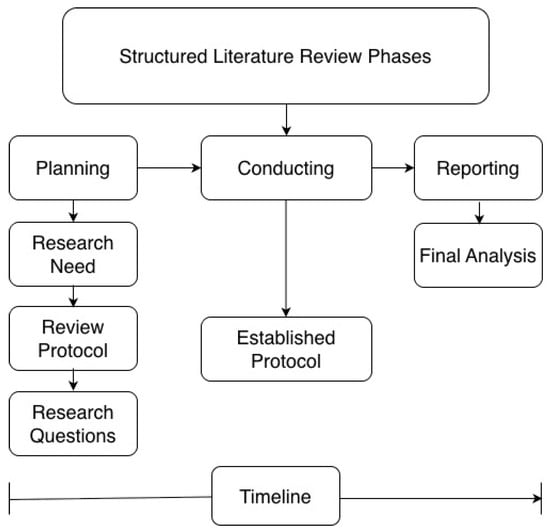
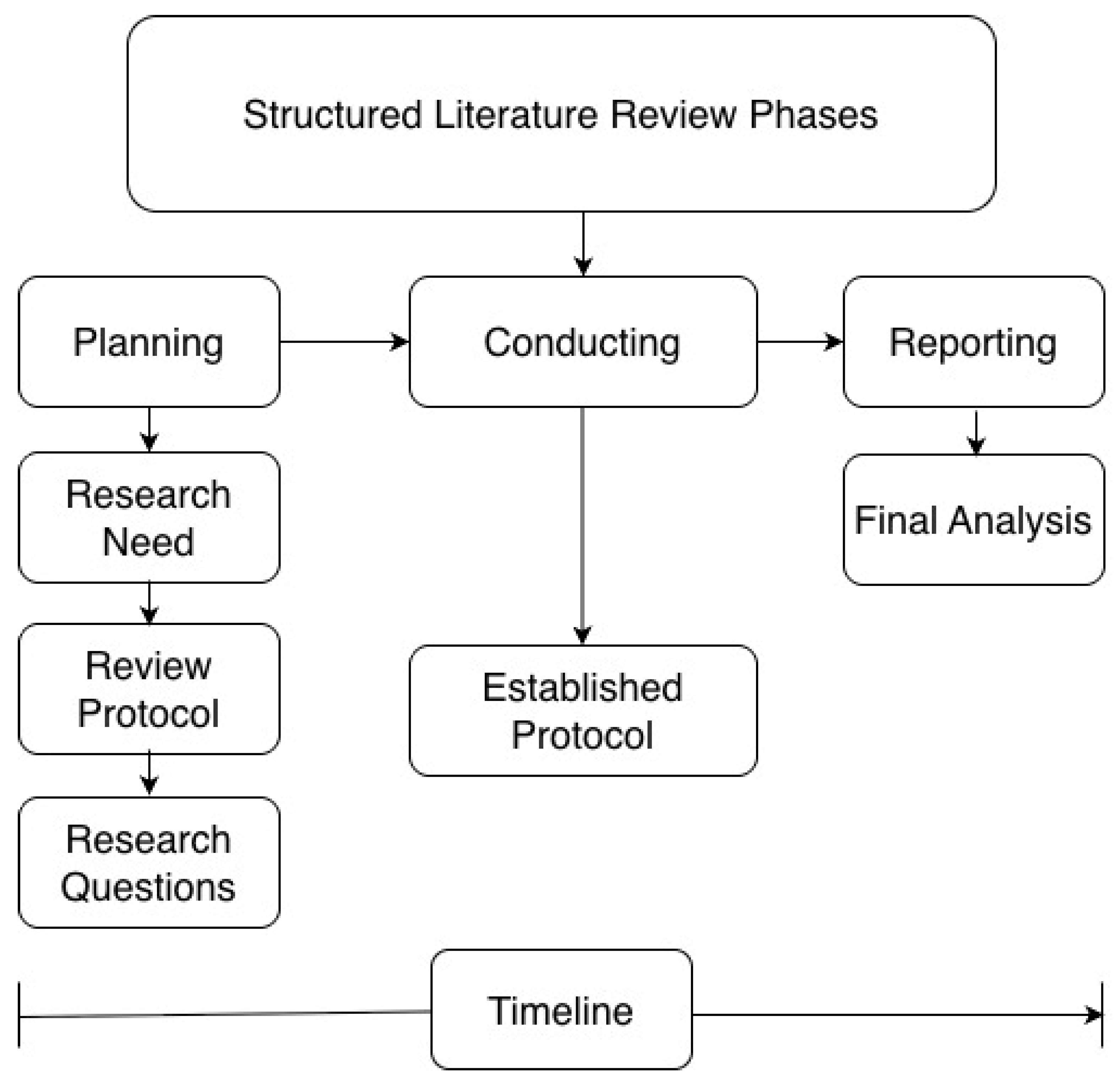
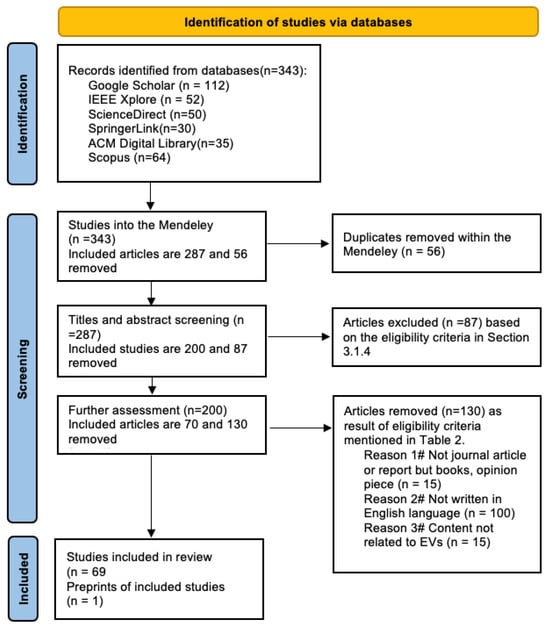
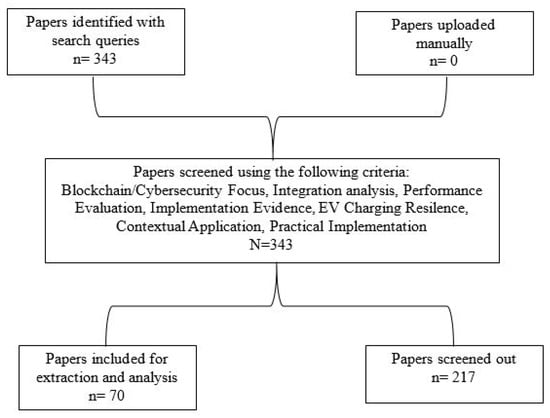
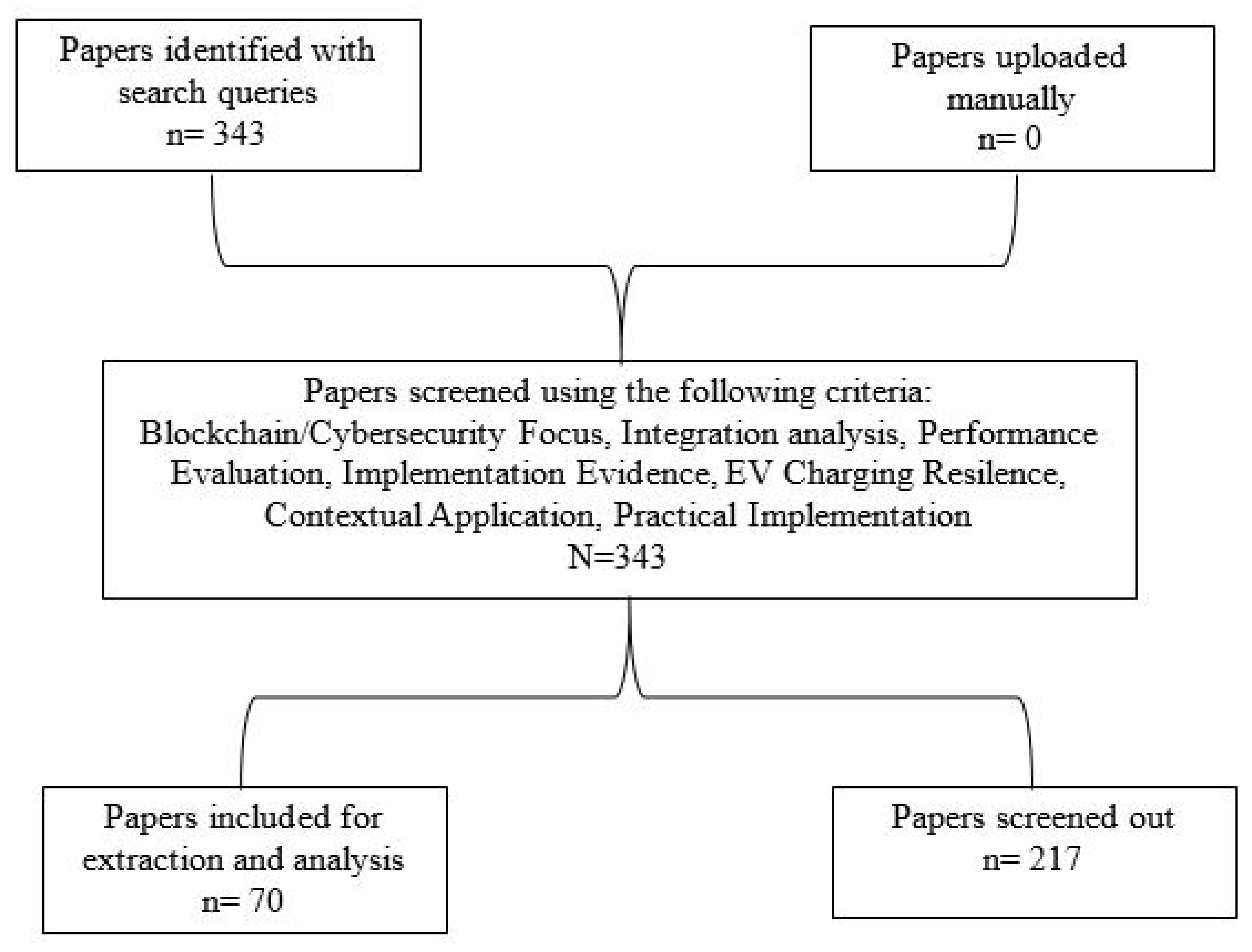
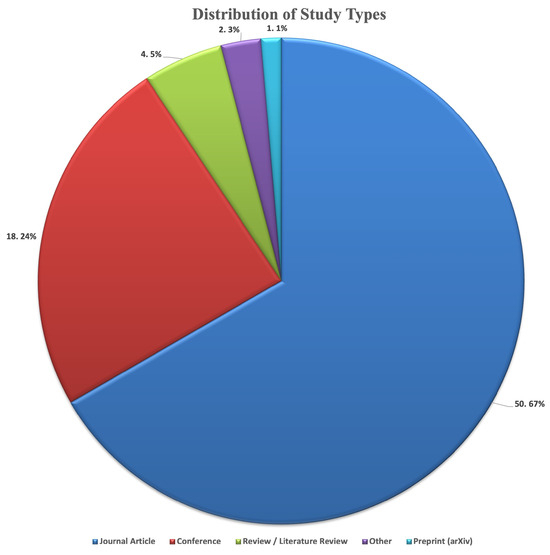
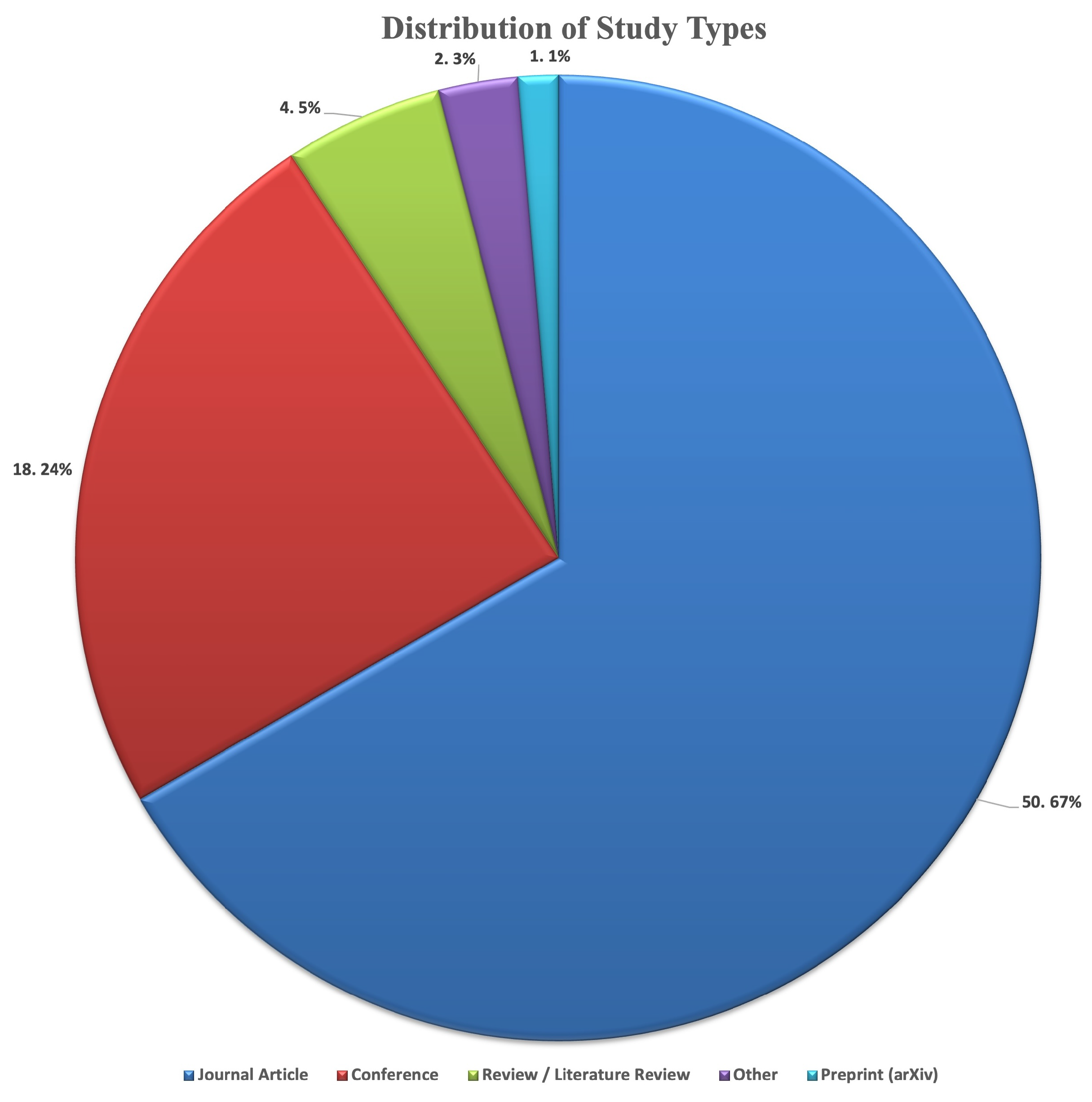
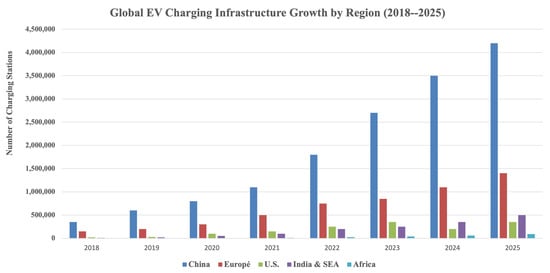
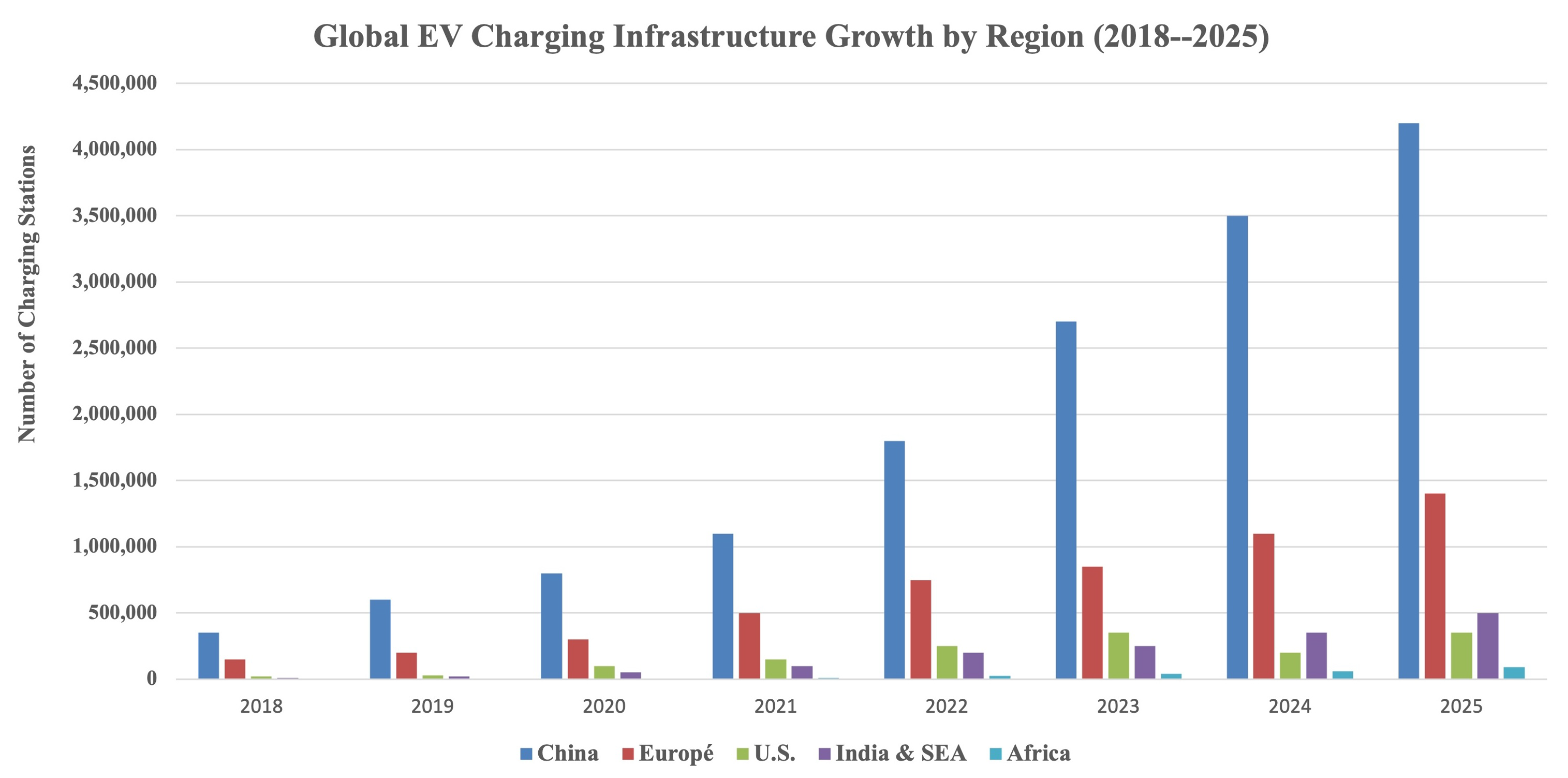
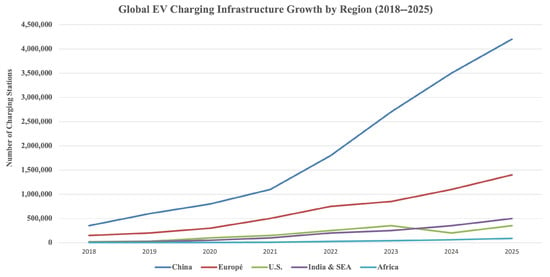
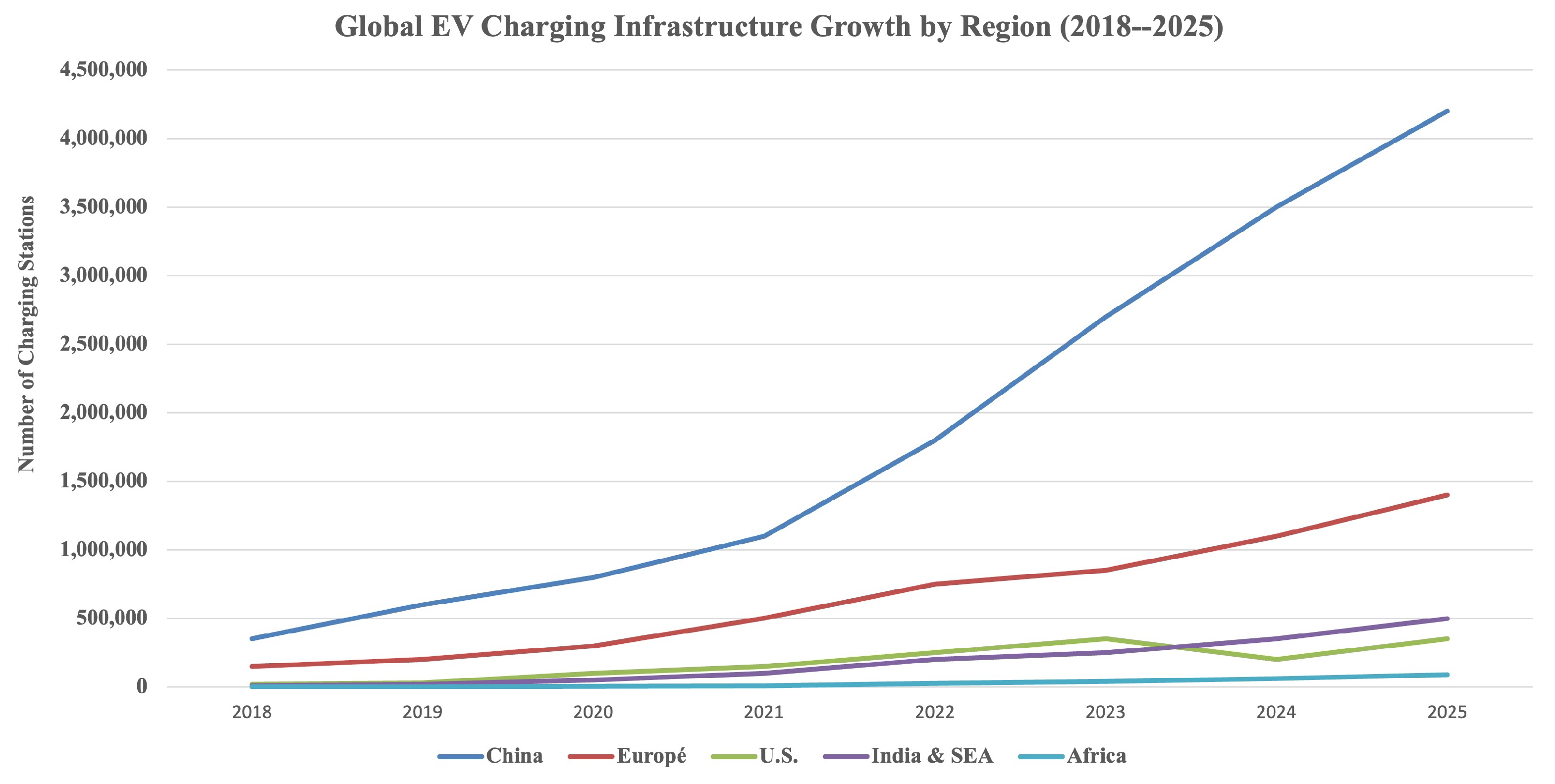
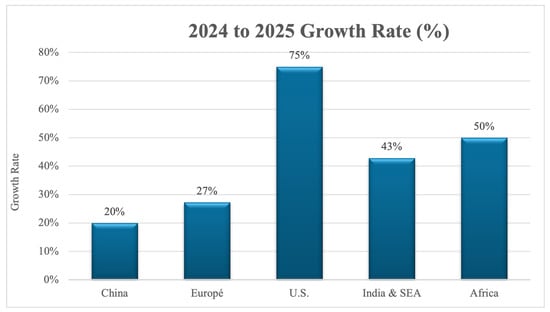
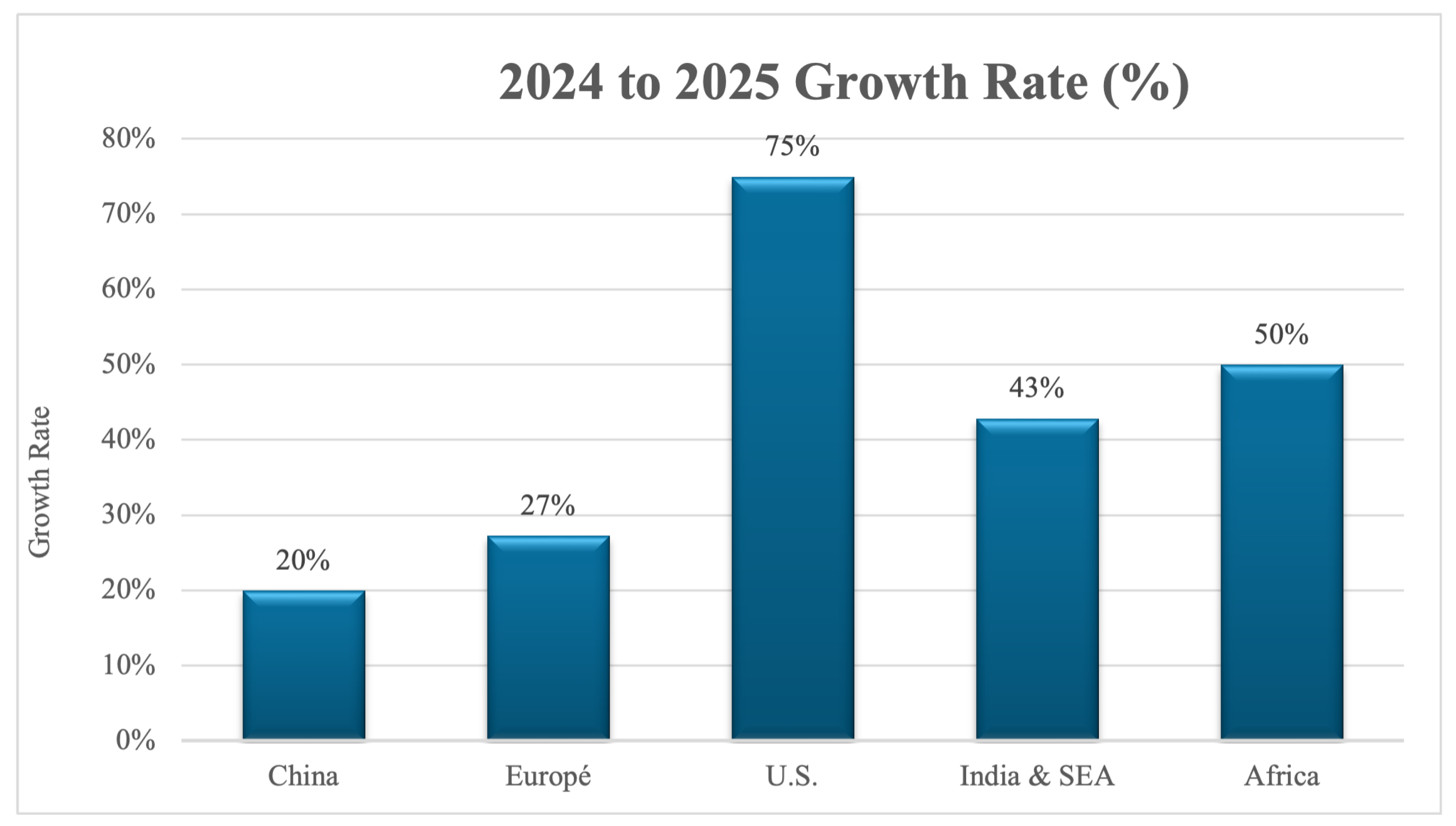
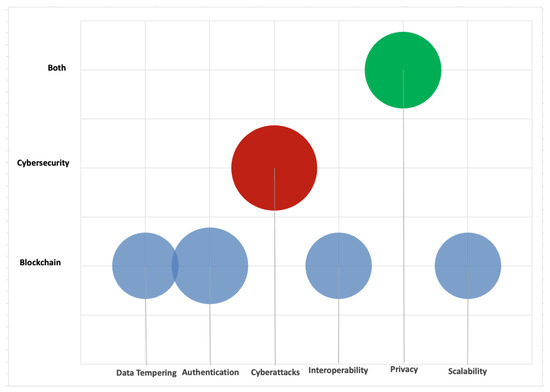
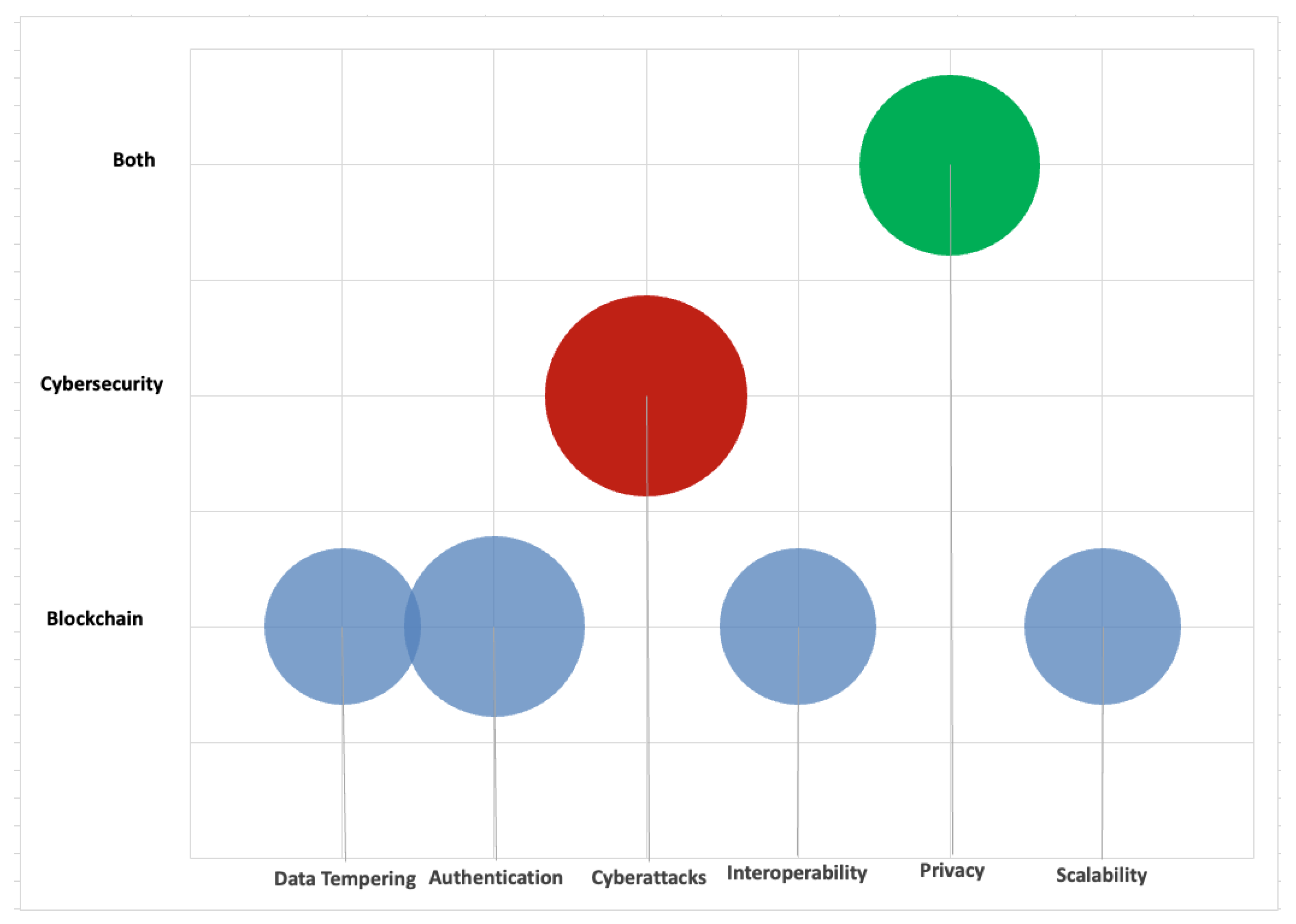
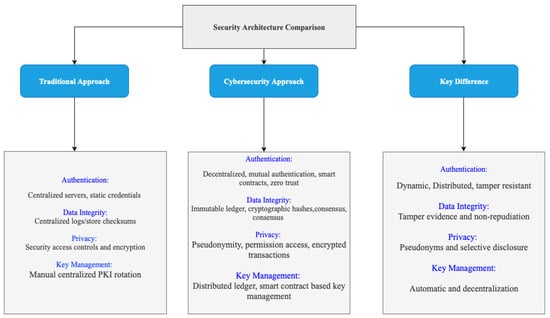
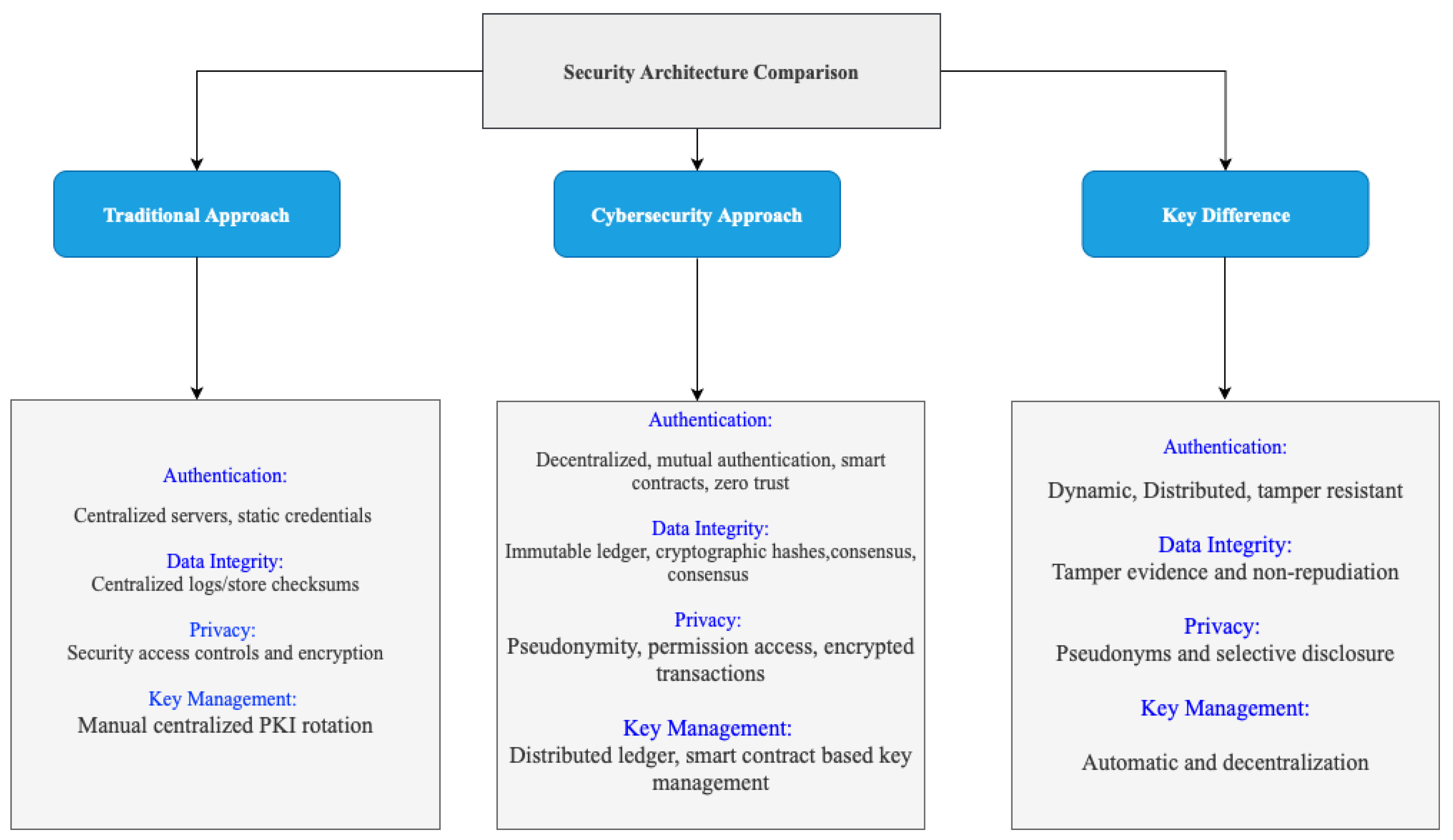
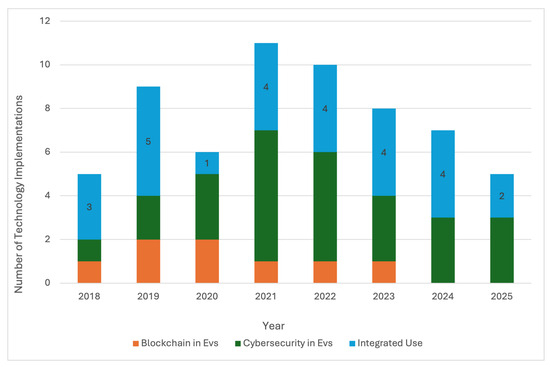
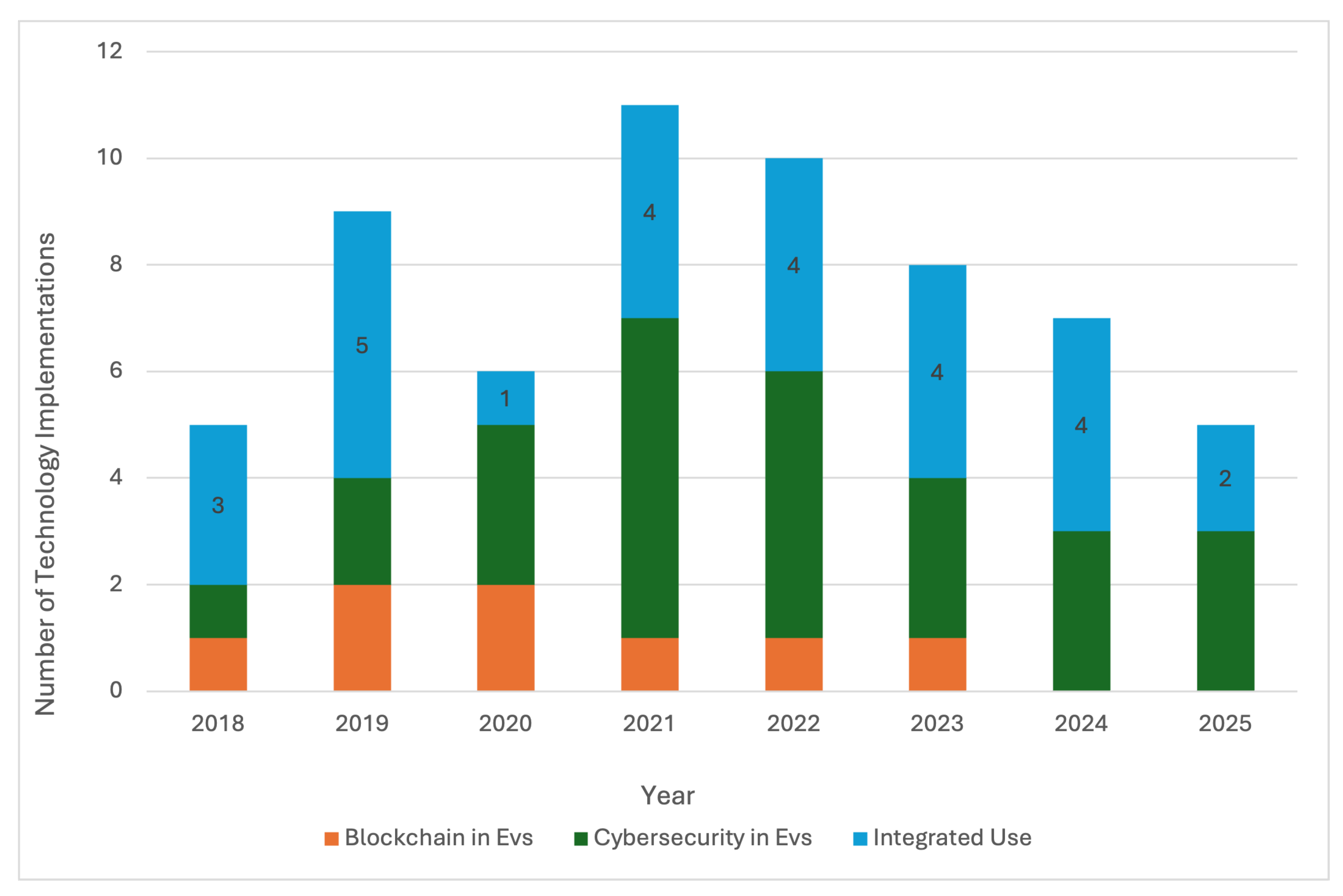

Disclaimer/Publisher’s Note: The statements, opinions and data contained in all publications are solely those of the individual author(s) and contributor(s) and not of MDPI and/or the editor(s). MDPI and/or the editor(s) disclaim responsibility for any injury to people or property resulting from any ideas, methods, instructions or products referred to in the content. |
© 2026 by the authors. Licensee MDPI, Basel, Switzerland. This article is an open access article distributed under the terms and conditions of the Creative Commons Attribution (CC BY) license.