


Highlights
What are the main findings?
- Transferability of smart mobility solutions depends on governance alignment, data-sharing readiness, and infrastructure compatibility as much as technical interoperability.
- Applications built on open standards and modular architecture consistently demonstrate higher replication potential across seven European urban contexts.
What are the implications of the main findings?
- Cities should evaluate their own governance and data readiness alongside the technical characteristics of any external mobility solution before committing to adoption.
- Structured decision-support platforms designed for openness and community-driven growth can bridge the gap between local Living Lab experimentation and systematic cross-city learning.
Abstract
Smart city mobility systems face a persistent gap between digital innovation and large-scale deployment. While Mobility-as-a-Service platforms and Mobility Living Labs have generated promising local solutions, transferring these solutions across cities remains constrained by data fragmentation, proprietary platforms, and divergent governance frameworks. This study proposes and operationalizes a policy-oriented framework for assessing the transferability of smart mobility solutions across urban contexts, drawing on the GEMINI project spanning seven European cities: Amsterdam, Copenhagen, Helsinki, Munich, Paris-Saclay, Porto, and Turin. A structured dataset covering application features, interoperability characteristics, technical specifications, and implementation challenges was developed and analysed using comparative indicators including Ease of integration, interoperability level, and replication potential. The results demonstrate that transferability depends on the interaction of technical, governance, and institutional conditions rather than technical compatibility alone. Applications built on open standards and modular architectures show significantly higher replication potential, while legacy systems, fragmented governance structures, and restrictive data-sharing arrangements remain the most persistent barriers. To operationalize the framework, a web-based Knowledge Hub was developed and deployed as a live decision-support platform, currently serving all seven Mobility Living Labs and openly accessible to cities across Europe. The framework offers a replicable model for smart city mobility governance.
1. Introduction
Cities across Europe are investing heavily in integrated, sustainable transport, yet the gap between ambition and implementation remains wide. Digitalization and Mobility-as-a-Service (MaaS) have opened genuine opportunities to connect public transport, shared mobility, and private providers into seamless systems, but turning that potential into working infrastructure has proven far more difficult than the technology alone would suggest. These barriers are not exclusively technical. They also arise from fragmented governance, inconsistent data practices, restricted data-sharing arrangements, legacy infrastructure, and the institutional complexity of coordinating multiple public and private actors at scale. At the heart of this challenge is a problem of fragmentation. Mobility applications are typically built on different data standards, proprietary interfaces, and incompatible communication protocols, which means they struggle to function together even when the underlying transport networks they represent are physically connected. Although standards like GTFS (General Transit Feed Specification) and GBFS (General Bikeshare Feed Specification) exist precisely to address this, their adoption across cities and operators remains uneven, and the policy frameworks needed to mandate or incentivize consistent implementation are largely absent.
One response to these challenges has been the emergence of Mobility Living Labs (MLLs), collaborative environments where public authorities, private stakeholders, and users test and co-create mobility solutions under real operating conditions. MLLs have generated valuable practical knowledge, but that knowledge tends to stay where it was created. Solutions developed in one city rarely travel well to another, not because they do not work, but because the institutional, regulatory, and data conditions that made them work in the original context are rarely replicated elsewhere. There is currently very little structured guidance for policymakers on how to assess whether a solution from one city could realistically be implemented in their own context, or what conditions would need to be in place to make that happen.
This paper addresses that gap directly. It proposes and operationalizes a policy-oriented framework for assessing the transferability of smart mobility solutions across MLLs, drawing on the GEMINI project, a seven-city European initiative spanning Amsterdam, Copenhagen, Helsinki, Munich, Paris-Saclay, Porto, and Turin. A structured dataset covering application features, interoperability characteristics, and implementation conditions was developed and analyzed using comparative indicators including ease of integration, interoperability level, and replication potential. To support the practical application of the framework, a web-based Knowledge Hub was developed and deployed as a publicly accessible decision-support platform. The platform organizes evidence contributed by the seven GEMINI urban contexts and is available to transport authorities, researchers, mobility providers, and other interested organizations.
The study makes three contributions. First, it develops a multidimensional framework that connects technical interoperability with governance readiness (governance readiness: referring to the degree to which a city’s institutional arrangements, regulatory conditions, data-sharing agreements, and stakeholder coordination capacity enable it to adopt and sustain an externally developed mobility solution), institutional capacity, data-sharing conditions, and infrastructure compatibility. Second, it applies the framework comparatively across seven European urban contexts to examine how the characteristics of a mobility solution interact with the conditions of a potential receiving city. Third, it operationalizes the framework through a publicly accessible Knowledge Hub that structures information on applications, standards, barriers, and implementation conditions. The central argument is that transferability is not an inherent property of a mobility application; rather, it is a relationship between the characteristics of the solution and the technical, governance, institutional, and infrastructural conditions of the receiving context. Based on these objectives, the study addresses three research questions:
RQ1: Which technical, governance, institutional, and data-related factors influence the transferability of smart mobility solutions across urban contexts?
RQ2: How do interoperability conditions and local implementation requirements affect the replication potential of mobility applications?
RQ3: How can evidence from Mobility Living Labs be structured within a decision-support platform to support cross-city learning and adaptation?
The paper is organized as follows. Section 2 reviews the literature on smart mobility, interoperability, and policy frameworks. Section 3 describes the methodology and data sources. Section 4 presents the results. Section 5 discusses policy implications and limitations. Section 6 concludes and identifies directions for future research.
2. Literature Review
Urban mobility policy has increasingly shifted towards integrated, sustainable, and user-oriented transport systems [1,2]. A central development in this transition is the concept of MaaS, which seeks to integrate various modes of transportation into a single system of planning, booking, and payment [3,4]. In terms of policy goals, MaaS has been widely promoted to reduce private car dependency, decarbonize urban transport, and increase the overall efficiency of mobility systems [5,6]. However, the empirical evidence on whether MaaS delivers on these promises remains contested. While some studies point to meaningful reductions in car use under well-designed MaaS schemes [7], a growing body of evidence suggests that convenience-oriented MaaS offerings can unintentionally draw users away from sustainable modes, reinforce car-oriented travel patterns, and in some cases exacerbate rather than reduce car dependency [5,6,8,9]. A systematic review of 85 MaaS studies found that adoption is consistently driven by convenience and technological appeal rather than sustainability motivations, and that MaaS adoption and environmental objectives are frequently driven by different mechanisms that may actively work against each other [10]. The distance between what MaaS promises and what it consistently delivers in practice makes it more important than ever to move beyond optimistic deployment narratives and ask seriously under what conditions MaaS contributes to sustainable mobility.
Beyond these sustainability concerns, the implementation of MaaS has proven institutionally complex, requiring coordination between public authorities, transport operators, and private service providers across fragmented governance landscapes. Existing studies emphasize that MaaS is not only a technological innovation but also a governance challenge, involving institutional arrangements, regulatory frameworks, and stakeholder alignment. Policymakers must address issues related to data sharing, market structure, and service integration to enable effective deployment [11,12,13].
In addition to these governance and sustainability challenges, recent research highlights the importance of moving beyond isolated MaaS implementations towards scalable and transferable solutions that can be adapted across different urban contexts [14,15,16]. Although many cities have demonstrated the technical feasibility of MaaS and reported positive user responses through pilot projects, the transition from temporary experimentation to sustained, city-wide operation has rarely materialized. Evidence from Finland and Sweden indicates that the main barriers to scaling are often institutional and organisational rather than purely technical, including incompatible legislation, restricted access to ticketing systems and mobility data, the absence of viable business models, and conflicting priorities between public authorities and private service providers [17]. The UbiGo pilot in Gothenburg, for instance, achieved high user satisfaction and encouraged some participants to reduce private car use, yet these positive local results did not translate into broader dissemination because regulatory and organisational barriers prevented the cooperation required to sustain the integrated service [17]. Similarly, the development of the Finnish MaaS ecosystem including the conditions that enabled Whim a MaaS platform that enables users to plan, book, and pay for multimodal journeys including public transport, taxis, car-sharing, and bike-sharing through a single interface in Helsinki required several years of administrative restructuring, policy experimentation, and national regulatory reform before becoming operational, meaning that its success cannot be treated as a replicable model for cities operating under different public transport regimes, market structures, or data-sharing arrangements [18]. Comparative pilots conducted across Italian cities further demonstrate that MaaS design must remain flexible enough to respond to differences in urban form, available transport services, travel patterns, and user preferences, adaptations that go well beyond technical configuration [15].
What these cases reveal is a distinction that literature has not fully worked through: the difference between replication and adaptation. Replication generally involves reproducing the core components of an existing MaaS solution in another location, whereas adaptation requires modifying stakeholder roles, service bundles, pricing mechanisms, data-governance arrangements, and evaluation criteria to fit the receiving context [19]. Direct replication becomes particularly problematic when transferring solutions between cities with substantial differences in institutional capacity, regulatory structures, transport provision, and digital infrastructure. Research concerning the Global South, for example, shows that findings from European MaaS pilots may not be transferable to cities characterized by informal transport services, fragmented operator structures, and limited standardized data [20]. Nevertheless, most MaaS assessments continue to focus on local technical functionality, user acceptance, or short-term pilot impacts, offering limited guidance on which components can be transferred unchanged, which require adaptation, and whether the receiving city possesses the governance capacity needed to sustain the service [21,22]. This gap has practical consequences: cities may repeatedly fund short-lived demonstrations, reproduce governance conflicts already encountered elsewhere, or implement services that do not correspond to local mobility needs and policy objectives. A structured transferability framework is therefore needed one that evaluates not only the characteristics of the original MaaS solution but also the institutional, spatial, technological, and policy conditions of the receiving city.
Several existing frameworks have addressed related dimensions of transferability and scalability in urban mobility and smart city contexts. Jittrapirom et al. [23] proposed a dynamic adaptive policymaking approach for MaaS that addresses scalability conditions but focuses on policy adaptation rather than application-level technical and governance assessment. Van Winden and Van den Buuse [19] developed a framework for scaling smart city pilot projects, identifying dimensions of scaling outward, upward, and deep but without specific indicators for assessing individual application transferability or structured city-context comparison. Ruess and Lindner [22] examined knowledge management and standardisation as policy instruments for smart city solution replication, but from an institutional rather than application-specific perspective. What distinguishes the present framework is its integration of three dimensions that existing approaches address separately: the technical interoperability characteristics of individual applications, the governance and institutional readiness of receiving city contexts, and a structured comparative indicator set applied simultaneously across multiple real deployments. This combination allows the framework to produce application-specific, city-sensitive transferability assessments rather than general principles or typologies.
Interoperability has been recognised as a fundamental barrier to integrated transport systems for decades [24,25], yet it remains one of the most persistent implementation challenges in contemporary smart mobility systems [26,27]. Although interoperability is often discussed in technical terms, such as data standards and communication protocols, it also has significant policy and institutional dimensions [28,29]. Research shows that interoperability problems frequently arise from fragmented governance structures, limited coordination among stakeholders, and inconsistent regulatory frameworks [30]. Standards such as GTFS (General Transit Feed Specification) and GBFS (General Bikeshare Feed Specification) have been developed to facilitate data exchange, but their adoption and effective use still depend heavily on policy support, organisational resources, and institutional capacity. GTFS adoption remains uneven despite the standard having been available for many years. Larger transport agencies with greater technical resources and internal organisational champions tend to adopt and maintain open transit data more effectively than smaller agencies facing financial, staffing, and technical constraints [31,32]. Moreover, compliance with a standard does not necessarily guarantee that the resulting data are complete, accurate, current, or comparable. GBFS feeds, for example, may differ across operators in the stability of vehicle identifiers, update practices, and the information provided, meaning that additional processing is often required to reconstruct micromobility trips and combine data from multiple providers [33]. Without coordinated strategies, incentives, and requirements for continuous data maintenance, technical standards alone remain insufficient to ensure interoperability at scale [34].
A further emerging issue is semantic interoperability, which concerns whether different systems interpret exchanged information consistently rather than merely whether they can transmit it through compatible formats. Two datasets may follow technically compatible structures while using different definitions, classifications, relationships, or contextual meanings for transport modes, disruptions, availability, and service conditions. Semantic models, shared vocabularies, linked data, and mobility ontologies can therefore help connect heterogeneous datasets and allow MaaS platforms, operators, and public authorities to interpret information consistently across organisational and modal boundaries [35]. This requirement is becoming increasingly important with the expansion of IoT-enabled transport systems, in which data are continuously generated by connected vehicles, automatic vehicle-location systems, traffic signals, roadside sensors, mobile devices, and shared-mobility fleets. Real-time interoperability must consequently address not only data formats but also differences in communication protocols, update frequencies, latency, data quality, cybersecurity, and system scalability [36]. Research using GTFS-Realtime feeds from multiple transport agencies, for instance, shows that data latency can limit time-sensitive applications such as adaptive transit-signal priority even when agencies technically comply with the same standard [37]. From a policy perspective, addressing interoperability therefore requires not only mandating technical standards but also investing in institutional capacity, establishing data-quality requirements, and creating governance mechanisms that ensure standards are maintained and updated across the mobility ecosystem [28,34]. From a transferability perspective, interoperability plays a critical role in enabling the replication of mobility solutions across cities [38,39]. Systems that rely on open standards and modular architecture are more likely to be transferable, as they can be integrated into different technical environments without requiring substantial redesign, while solutions dependent on proprietary formats, closed platforms, or locally specific integrations face significant barriers when moving to new contexts. Interoperability should therefore be understood not only as a technical requirement for system integration but also as a foundational enabler of policy-driven scalability and cross-city learning. Without it, well-designed mobility solutions remain confined to their original deployment context [35,40].
Data governance plays a central role in enabling integrated mobility systems because it determines how data are collected, accessed, shared, combined, and used across public authorities, transport operators, technology providers, and other stakeholders [29,41]. Effective governance frameworks must define who owns data, who can access it, for what purposes, and under what safeguards, covering everything from quality requirements and security measures to interoperability arrangements across organisational boundaries [42,43,44]. Open-data policies and standardized interfaces can support service integration, innovation, performance assessment, and evidence-based decision-making by providing transport authorities with reliable and structured information to identify service gaps, evaluate policy outcomes, and allocate resources [7,45,46]. However, greater openness also creates tensions concerning privacy, cybersecurity, commercial confidentiality, and control over competitively valuable data [47,48,49]. This tension is particularly important in the European context, where mobility platforms may process detailed location, behavioural, payment, and journey data while integrating information from multiple providers. Compliance with the General Data Protection Regulation requires clear legal bases for processing, purpose limitation, data minimisation, appropriate safeguards, and an explicit allocation of responsibilities among data controllers and processors; these requirements can become difficult to operationalize when several public and private actors jointly influence how mobility data are processed [50]. Privacy regulation should therefore not be treated simply as a restriction on data sharing, but as a requirement to design trusted governance mechanisms that enable proportionate access while protecting individual rights and legitimate commercial interests. The European Strategy for Data and the emerging Common European Mobility Data Space represent an important policy response to this challenge by promoting federated data-sharing environments in which data remain under the control of their holders but can be discovered, accessed, and reused through common technical, semantic, legal, and governance arrangements [51,52,53]. Supported by instruments such as the Data Governance Act and the Data Act, this approach seeks to move beyond fragmented bilateral exchanges towards trusted, interoperable, and decentralized data ecosystems. Such arrangements are also critical for transferability, since differences in data ownership, regulatory interpretation, institutional capacity, metadata, and access conditions can determine whether a mobility solution developed in one city can be replicated or adapted elsewhere [44,54,55]. Cities with clearly defined governance responsibilities, reusable data infrastructures, and transparent access rules are consequently better positioned to integrate external solutions and generate comparable policy evidence, whereas fragmented or restrictive environments increase implementation costs and reduce opportunities for cross-city learning. Data governance should therefore be understood not merely as a technical support function but as a strategic policy capability. By connecting data protection, interoperability, institutional coordination, and decision-making, it determines whether mobility innovations developed in one city can be scaled, transferred, and sustained elsewhere.
Transport policymakers are rarely short of data; what they lack are structured ways to compare how similar interventions are performed in different cities, and what conditions made the difference between success and failure [56,57]. Existing approaches range from policy-measure knowledge bases and multi-criteria assessment tools to simulation platforms and digital twins that support scenario analysis, visualization, optimization, and real-time monitoring [58,59]. These systems can make complex analyses more accessible to policymakers and support more transparent and evidence-informed planning in ways that align with broader responsible innovation objectives [8,58]. However, many remain focused on models, datasets, policy sectors, or technological environments, while requiring substantial technical capacity and offering limited integration of contextual, institutional, and experiential knowledge. Analytical sophistication alone is therefore insufficient: decision-support platforms must also explain the assumptions behind their results, preserve the connection between evidence and its local context, and enable users to compare how similar solutions perform under different governance and implementation conditions [58]. Moreover, conventional repositories often disseminate project outputs without structuring them around common indicators, enabling conditions, implementation barriers, or transferability criteria. This limits their usefulness for cross-city learning, since policymakers need not only information about what was implemented but also evidence about why it worked, under which conditions, and what would require adaptation elsewhere. The Knowledge Hub developed in this study addresses this gap by organizing evidence from seven Mobility Living Labs through a common analytical structure, connecting local experimentation with transferability assessment and practical policy decision support.
MLLs have emerged as an important approach for testing and implementing innovative mobility solutions in real-world environments [60,61,62]. By bringing together public authorities, private stakeholders, researchers, and users, they provide collaborative spaces in which new services can be co-created, tested, and evaluated under actual operating conditions. In transport policy, this form of experimentation allows policymakers to examine technical feasibility, user acceptance, and potential impacts before committing to large-scale deployment. EIT Urban Mobility [63] similarly presents Living Labs as mechanisms for connecting cities, solution providers, researchers, and citizens to validate mobility innovations and prepare them for wider implementation. However, local experimentation does not automatically produce transferable knowledge. Living Labs are frequently temporary, project-based initiatives that depend on external funding, small groups of committed actors, and governance arrangements that may disappear when the pilot ends [64,65]. Their findings are also often embedded in tacit experience and highly specific institutional, spatial, social, and infrastructural conditions, making them difficult to codify and apply elsewhere [66,67]. Differences in evaluation methods, indicators, data availability, stakeholder roles, and documentation practices further limit meaningful comparison across cases. Moreover, dissemination through reports, workshops, or networks should not be confused with effective knowledge transfer. Evidence from EU-funded transport projects shows that different transfer mechanisms produce different results and that the uptake of external practices depends on political leadership, stakeholder involvement, cultural compatibility, administrative conditions, financing, and the availability of local data [68]. Effective transfer therefore requires receiving cities to possess sufficient institutional capacity and to translate, adapt, and embed lessons within their own governance and policy systems. Yet participation in a shared project does not guarantee transferability. Differences in governance structures, regulatory conditions, infrastructure, and institutional capacity mean that a solution that works in Amsterdam may face different conditions in Porto or Turin. Distinguishing the transferable core of an innovation from its context-dependent elements and identifying what a receiving city would need to change or build to make it work requires dedicated analytical tools that the project alone cannot provide. That is what this study develops.
The literature reviewed here reveals three interconnected gaps that existing studies have not addressed in combination. First, while interoperability challenges are well-documented, the relationship between interoperability conditions and the transferability of specific mobility solutions across cities has not been systematically assessed using structured comparative indicators. Second, although individual MaaS pilots and Living Lab initiatives generate valuable local evidence, no established framework integrates technical compatibility, governance alignment, data governance readiness, and institutional conditions into a unified transferability assessment applicable across multiple urban contexts. Third, decision-support tools that allow policymakers to evaluate which mobility solutions can be replicated in their own context and under what conditions remain largely absent from both the research literature and policy practice. The consequence is that cities continue to invest in isolated pilot projects, reproduce governance barriers already encountered elsewhere, and lack structured mechanisms for learning from each other’s experience. This study addresses all three gaps: by developing a structured transferability framework, applying it comparatively across seven GEMINI Mobility Living Labs, and operationalizing it through a deployed, publicly accessible Knowledge Hub that converts locally generated Living Lab knowledge into policy-relevant, cross-city evidence.
3. Methodology
3.1. Research Design
This study takes a comparative, data-driven approach built around multiple case studies across seven European cities. The core aim is not simply to document how mobility applications work in individual cities, but to understand the conditions under which solutions developed in one context can be meaningfully transferred and adapted elsewhere. This distinction matters because transferability is rarely a purely technical question. Governance arrangements, institutional capacity, data-sharing practices, and regulatory conditions all shape whether a solution that works well in Munich can realistically be implemented in Porto or Copenhagen.
The primary unit of analysis is the individual mobility application. City-level governance, infrastructure, institutional, and data-sharing conditions are treated as contextual variables that influence the application’s potential transfer to another urban environment. The study therefore does not rank the participating cities as complete mobility systems. Instead, it examines the relationship between application characteristics and receiving-context conditions. The methodology was therefore designed to capture both technical and policy dimensions of interoperability and replication. Rather than assessing applications only against technical criteria, the research examines the broader organisational and governance context in which each solution operates. This reflects a view, supported by the literature in Section 2, that the most significant barriers to smart mobility integration are often institutional rather than technical. The overall approach rests on four interconnected components: developing a structured dataset of mobility applications across the seven GEMINI MLLs; constructing a knowledge Hub to organize and cross-reference the collected information; conducting a comparative assessment of transferability and replication potential; and validating the findings through structured stakeholder engagement.
Figure 1 illustrates how these components connect in practice. The process is sequential but also iterative, meaning that findings from later stages informed revisions to earlier outputs rather than following a strictly linear path. In the first stage, a structured dataset was assembled covering mobility applications, data standards, interoperability challenges, integration practices, and operational characteristics gathered from each participating MLL. This dataset forms the empirical foundation for the analysis that follows. In the second stage, the collected information was organized within the Knowledge Hub, which links applications, standards, challenges, and best practices into a structured, policy-oriented platform that stakeholders can navigate and query. The third stage applied a set of qualitative and semi-quantitative indicators, including Ease of integration, interoperability level, replication potential, and transferability readiness, to evaluate how well different solutions would perform if deployed in a different city context.
Figure 1.
Integrated methodological framework linking data collection, Knowledge Hub development, transferability assessment, and stakeholder validation for cross-city replication of smart mobility solutions.
What distinguishes this framework from a conventional interoperability assessment is its explicit attention to the conditions that lie beyond the technical layer. Governance readiness, infrastructure compatibility, data governance practices, and institutional arrangements are all treated as variables that influence whether a mobility solution can cross city boundaries successfully. The fourth stage involved stakeholder validation through workshops and structured feedback sessions, which grounded the analytical results in the practical experience of MLL partners rather than relying solely on documentation and desk-based assessment [63,68]. Because the research process was iterative, the dataset, indicators, and Knowledge Hub content were progressively refined as new evidence emerged, rather than being fixed at the start. This was a deliberate choice given the complexity and variation across the seven city contexts under study.
3.2. Case Study Selection: Mobility Living Labs
This study draws on seven cities participating in the GEMINI project: Amsterdam, Copenhagen, Helsinki, Munich, Paris-Saclay, Porto, and Turin. Within the project structure, Amsterdam, Copenhagen, Munich, and Turin serve as core Mobility Living Labs where innovative mobility solutions are actively tested and implemented under real-world conditions. Helsinki, Paris-Saclay, and Porto participate as Twinning Cities, engaging with the solutions developed in the core MLLs and adapting them to their own urban contexts. For the purposes of comparative analysis, the four core Mobility Living Labs and the three Twinning Cities are collectively referred to as the seven GEMINI urban contexts. This terminology preserves their different project roles while allowing their applications, implementation experiences, and governance conditions to be examined within a common analytical framework.
The seven cities were selected because they represent a genuinely diverse range of urban mobility challenges, governance structures, transport infrastructures, and levels of digital maturity. This diversity is an analytical asset rather than a complication. It makes it possible to examine how different local conditions shape the interoperability and transferability of smart mobility solutions in ways that a more homogeneous sample would not reveal. The participating cities differ in their governance structures, mobility-service configurations, institutional responsibilities, data ecosystems, transport infrastructure, and roles within the GEMINI project. These differences allow the study to examine how receiving-context conditions affect the transferability of mobility applications. By studying all seven together, the research can identify which factors consistently enable or hinder replication across cities, and which barriers are more context-specific. This comparative perspective is what gives the framework developed in this study its policy relevance beyond the GEMINI project itself.
The seven GEMINI urban contexts (Table 1) operate at different levels of MLL maturity, which is itself an analytically relevant condition rather than a limitation to be minimized. Amsterdam, Copenhagen, Munich, and Turin function as core MLLs with established governance structures, active stakeholders, and ongoing application deployments that extend beyond the GEMINI project timeframe. Helsinki, Paris-Saclay, and Porto participate as Twinning Cities, meaning their MLL activity is explicitly structured around adapting and testing solutions developed in the core labs within their own institutional and infrastructure contexts. Within GEMINI, all seven—including live application pilots, integration tests, and data collection activities—are documented in project deliverables. The distinction between core MLLs and Twinning Cities is analytically valuable for this study because it introduces variation in institutional capacity, infrastructure maturity, and governance readiness, precisely the variables that the transferability framework is designed to assess. Rather than treating all seven as equivalent, the framework treats this variation as evidence of different receiving-context conditions, which strengthens rather than weakens the comparative analysis.
Table 1.
Differentiation of the Seven GEMINI Urban Contexts.
3.3. Data Collection and Dataset Development
A structured dataset was developed to systematically capture information on mobility applications across the seven GEMINI urban contexts. Data was collected from partner contributions, project deliverables, technical reports, stakeholder workshops, direct communication with MLL representatives, and other project-related activities. This allowed the study to capture practical experience related to mobility applications, interoperability challenges, integration approaches, and lessons learned from real implementations. To support the transferability analysis, additional qualitative descriptors were included to identify whether applications rely on open standards, proprietary architectures, or locally dependent infrastructures. These variables were used to assess the extent to which mobility solutions can be adapted and replicated across different urban environments.
The resulting dataset (Table 2) covers six categories of variables. Application characteristics include the name, type, provider, and deployment context of each solution. Functional features document the routing, booking, payment, and real-time service capabilities offered. Technical attributes record the data formats used, such as GTFS and GBFS, alongside APIs and communication protocols. Integration aspects capture system compatibility requirements, the level of technical expertise needed for implementation, and the complexity of ongoing maintenance. Interoperability challenges document data-sharing issues, legacy system constraints, and standardization gaps identified during data collection. Finally, evaluation indicators cover ease of integration, replication potential, and suitability for scaling across different city contexts. Together, these six categories provide the empirical foundation for the comparative analysis presented in Section 4.
Table 2.
Distribution of Analysed Mobility Applications Across the Seven GEMINI Urban Contexts.
3.4. Analytical Framework
To support policy-oriented analysis, the dataset was organized into four interconnected dimensions (Figure 2).
Figure 2.
Multidimensional analytical framework showing the four assessment dimensions, five comparative indicators, and transferability outcome classifications used in this study.
- Solution characteristics: application purpose, functionality, provider model, architectural design, modularity, and operational dependencies.
- Technical interoperability: use of recognized standards, availability and documentation of APIs, data formats, protocol compatibility, real-time data capabilities, and legacy-system dependencies.
- Governance and institutional conditions: data ownership, access rights, public–private coordination, regulatory requirements, procurement conditions, institutional responsibilities, and implementation capacity.
- Transferability outcome: expected integration effort, adaptation requirements, receiving-context readiness, replication potential, and conditions required for successful deployment.
This framework allows for a systematic comparison across cases, linking technical features with policy-relevant outcomes. It enables the identification of patterns, such as repeated integration challenges, the influence of standard adoption on system performance, and the conditions that facilitate or delay the transfer of mobility solutions between cities. The framework supports the classification of solutions according to the extent of adaptation required for deployment in another city. It distinguishes between solutions that can be transferred with limited modification, solutions requiring substantial technical or institutional adaptation, and solutions whose current dependencies make transfer impractical without major changes.
3.5. Knowledge Hub as Analytical Tool and Deployed Policy Platform
The Knowledge Hub began as a structured platform to organize and explore the data collected across the seven GEMINI MLLs, but it was designed from the start to be more than an internal research tool. The intention was to build something that practitioners outside the research consortium could use independently, a platform that would remain useful after the project ended and could grow as more cities contributed their own experience.
The platform is publicly accessible at https://geminiknowledgehub.eu/ and has been live since May 2026. It organizes information across five modules that reflect the core analytical dimensions of the study: MLL Solutions, Applications, Knowledge Library, Standards, and Challenges and Needs. Users can navigate between these modules and cross-reference information, for example, starting from a specific mobility challenge, identifying which applications have been used to address it in different cities, and then examining the standards and integration conditions associated with those applications. This connected structure is what distinguishes the Hub from a conventional project repository, where outputs are typically stored but not linked in ways that support comparative analysis or transferability assessment. All seven GEMINI MLLs contributed to the platform through structured surveys, standardized data collection forms, bilateral meetings, and project workshops. Every participating city engaged consistently across these instruments, which means the dataset reflects the full range of GEMINI experience rather than the perspective of a subset of partners. To date, more than ten mobility applications and platforms have been formally documented within the Hub, each described according to the structured dataset outlined in Section 3.3.
The platform is also open to cities and organizations beyond the GEMINI consortium. An open submission mechanism allows external users to contribute their own application data, which means the Hub can expand beyond its initial scope as more cities engage with it. Following dissemination through European webinars and international conferences, external organizations have begun using the platform in three main ways: exploring existing application data to identify solutions relevant to their own mobility challenges, submitting their own data for inclusion, and working with the GEMINI technical team to develop or adapt applications addressing shared urban problems. Feedback from these external users has focused on two areas: expanding the dataset and improving usability for practitioners outside the research setting and this feedback has been incorporated into iterative platform development throughout the project period.
From a methodological perspective, the Knowledge Hub serves several functions that a standalone dataset or report cannot. It enables comparison of mobility solutions across cities and governance contexts, identification of interoperability barriers at both technical and institutional levels, analysis of standards adoption patterns, assessment of replication potential using the indicators described in Section 3.6, and mapping solutions to specific urban mobility challenges. The fact that external cities are now using it independently is itself a form of validation; it provides practical evidence that the framework is not only analytically coherent but operationally useful to organizations facing real mobility integration problems, which is ultimately the standard against which a policy-oriented tool should be judged.
3.6. Indicators and Comparative Analysis
To support systematic comparison across the seven MLLs, the research team developed a set of qualitative and semi-quantitative indicators derived from the structured dataset. Five indicators were defined. Ease of integration was assessed on an ordinal scale from 1 to 5, where higher scores indicate easier integration and lower implementation effort. Interoperability level was determined by examining which standards each application uses and how compatible its architecture is with external systems. Replication potential was classified as high, medium, or low based on a combination of technical and organisational criteria described below. Standard adoption rate captured how frequently each standard or protocol appears across the applications analysed. Transferability readiness was assessed by examining the governance arrangements, infrastructure conditions, and degree of technical openness associated with each application and city context. In Appendix A all tables of scoring are illustrated.
The selection of these five indicators draws on established frameworks in transport interoperability and smart city assessment research. Ease of integration reflects technical complexity dimensions used in MaaS implementation studies [17,34]. Interoperability level is grounded in technical and semantic interoperability literature applied to urban transport systems [28,35]. Replication potential builds on transferability and scaling frameworks developed for smart city pilot projects [19,22]. Standard adoption rate reflects the open data and standardisation literature showing that frequency of standard use across systems is a reliable proxy for integration compatibility [31,32]. Transferability readiness draws on governance readiness assessment approaches used in smart city policy research to capture the institutional and infrastructural conditions that shape whether an external solution can function in a new context [54,55].
These indicators were not derived from a formal statistical procedure or an independent multi-rater scoring process. The initial scores were assigned by one researcher using the scoring matrix presented in Appendix A Table A1 and were subsequently reviewed during internal project discussions and stakeholder validation. Because independent duplicate scoring was not conducted, the assessments should be interpreted as structured expert judgments rather than statistically validated measurements. For each application, the team considered criteria including the use of open versus proprietary standards, API availability and documentation quality, system compatibility with external platforms, the level of customization required, the technical expertise needed for implementation and maintenance, legacy system dependencies, and any governance or data-sharing constraints identified during data collection. Ease of integration scores reflect this expert-based reading of technical and operational evidence. Replication potential classifications were then derived by combining the integration score with additional transferability-related criteria, including standard adoption, architectural modularity, infrastructure dependency, and the degree of local adaptation required for deployment in a different city context. The scores were reviewed through internal project discussions and refined during the Knowledge Hub stakeholder workshop described in Section 3.7, where MLL partners provided feedback on interoperability challenges, missing information, and practical implementation barriers they had encountered. Stakeholders participated not as co-analysts but as validators. Their role was to confirm whether the expert-assigned scores reflected the integration barriers and implementation challenges they had encountered in practice, and to flag specific cases where the desk-based assessment diverged from their operational experience. Where significant divergence was identified, scores were revised accordingly. This process functioned as stakeholder-informed validation rather than formal inter-rater reliability testing. These indicators should therefore be read as structured comparative assessment criteria that support transparent, systematic analysis across applications and cities, rather than as statistically validated quantitative measures. The value of the indicators lies in their ability to make comparisons tractable and policy-relevant across a diverse set of cases, not in their precision as numerical scores. Future research could usefully strengthen this aspect of the framework by developing more formal validation procedures, as noted in Section 6.
A comparative transferability assessment was also conducted to evaluate whether mobility solutions implemented in one MLL could realistically be replicated in another. This assessment drew on the indicators above and considered five additional dimensions: compatibility of technical standards between origin and receiving city, governance and institutional readiness of the receiving context, infrastructure requirements and whether these are met locally, integration complexity given the receiving city’s existing systems, and operational dependencies that may be difficult to replicate outside the original deployment context.
It should be noted that a degree of conceptual circularity is inherent in the indicator design. Because replication potential is partly determined by standards adoption and architectural modularity, the finding that open-standards applications show higher replication potential is partly a product of the classification criteria rather than an independent empirical discovery. This circularity is acknowledged as a limitation of the current framework. Its analytical value lies not in confirming that open standards correlate with transferability, a proposition already well-established in the interoperability literature, but in demonstrating how this relationship manifests across a specific set of European applications and city contexts, and in providing a structured, transparent tool through which practitioners can apply this logic to their own assessment decisions. Future research should seek to validate the framework against observed implementation outcomes to establish whether applications classified as High or Medium replication potential do in fact transfer more successfully in practice.
3.7. Stakeholder Validation
To complement the dataset and validate the findings, a stakeholder workshop was conducted in 2024 involving technical partners and MLL representatives from the seven GEMINI urban contexts. Participants included transport authority representatives, mobility technology providers, and project researchers covering all four core MLLs and the three Twinning Cities. To complement the dataset and validate the findings, a stakeholder workshop was conducted involving technical partners and MLL representatives from across the seven GEMINI urban contexts. The workshop served two purposes. The first was to triangulate the dataset, refine the classification of challenges, and ensure that the analytical results reflect real-world policy concerns and operational constraints rather than relying solely on documentation and desk-based assessment. The second was to evaluate the web-based platform itself, examining its structure, navigation, and content organization to identify gaps and improvement opportunities from the perspective of practitioners who would use it independently.
Structured feedback was collected using an online interactive survey tool, which allowed participants to respond in real time across five thematic areas. The first covered the key interoperability challenges that partners had encountered in their own cities. The second addressed their perception of ease of integration for the applications analysed. The third examined patterns of standards adoption across the participating urban contexts. The fourth focused on the barriers to replication and transferability that partners considered most significant in practice. The fifth assessed the usability and effectiveness of the Knowledge Hub platform from the perspective of MLL stakeholders who had engaged with it during the project. The responses were used to cross-check the indicator scores assigned during the analytical phase and to refine several challenge classifications where partner experience differed from the desk-based assessment.
3.8. Methodological Contribution
The methodology developed in this study makes three contributions to transport policy research. First, it demonstrates how structured comparative analysis across multiple Living Lab contexts can generate policy-relevant insights that single-city studies cannot produce. By treating seven cities simultaneously rather than sequentially, the framework identifies patterns in interoperability and transferability that are only visible at scale. Second, the integration of technical, governance, and institutional dimensions into a unified assessment approach addresses a gap in existing methods, which tend to treat interoperability as a technical problem and governance as a separate concern. Third, the development of the Knowledge Hub as a deployed platform subject to initial stakeholder review and external engagement shows that analytical frameworks of this kind can be operationalized as working policy tools rather than remaining confined to academic outputs. Taken together, these contributions offer a replicable methodological model for researchers and practitioners seeking to evaluate smart mobility solutions across different urban contexts.
4. Results
4.1. Overview of Applications Analysed
The analysis included smart mobility apps deployed or planned across MLLs. The apps covered MaaS platforms, public transport route planners, car sharing systems, micro-mobility services, parking information tools, and geospatial analysis tools. Table 3 shows the general information for apps among MLLs.
Table 3.
Overview of Smart Mobility Applications Across the MLLs.
4.2. Functional Results
The applications show a strong concentration around three functional areas: multimodal routing, booking/access management, and payment or ticketing integration. Table 4 presents the functional classification of mobility applications and their policy relevance. The results indicate that most apps contribute to more integrated transport services, but their policy value depends strongly on interoperability with existing infrastructure and data governance arrangements. For example, applications deployed in Amsterdam and Copenhagen, where digital mobility infrastructure is more mature, demonstrated higher ease-of-integration scores (averaging 4.0) compared to those in Porto and Paris-Saclay, where infrastructure maturity is lower (averaging 3.2). This pattern suggests that the policy value of each application type is mediated by the receiving city’s existing technical and governance ecosystem rather than by the application’s design alone.
Table 4.
Functional Classification of Mobility Applications and Their Policy Relevance.
4.3. Standards and Interoperability Results
The analysis shows that several apps rely on standard data formats and APIs, although custom formats and proprietary interfaces remain common. Table 5 presents the standards, data formats, and communication protocols. In general, apps using open and documented APIs demonstrated higher interoperability potential, while apps relying on custom or proprietary interfaces showed greater integration complexity.
Table 5.
Standards, Data Formats, and Communication Protocols Used by Mobility Applications.
4.4. Ease of Integration and Technical Complexity
Ease of integration was assessed on a scale from 1 to 5, where higher scores indicate easier integration and lower implementation effort. A score of 5 was assigned to applications that can be integrated with minimal effort through stable APIs, open standards, or well-documented interfaces. A score of 4 indicates relatively straightforward integration requiring only minor technical adaptations. A score of 3 reflects moderate complexity, typically where additional configuration, system coordination, or customization is needed before the application can function within an integrated environment. Scores of 2 and 1 were reserved for applications presenting significant or very difficult integration challenges, respectively, such as those dependent on proprietary interfaces, requiring major infrastructure modifications, or lacking adequate documentation for external developers to work with.
Two additional dimensions were assessed alongside the integration score. Technical expertise was classified as low, medium, or high to capture the level of knowledge required for implementation. Low expertise means integration can be handled with standard IT skills. Medium reflects the need for experience with APIs, data integration, or platform configuration. High expertise is required where the work involves specialized knowledge in areas such as interoperability frameworks, IoT systems, cybersecurity, or bespoke software development. Maintenance difficulty was assessed using the same three-level classification. Low maintenance corresponds to stable systems with limited ongoing support needs. Medium indicates regular monitoring, updates, and integration management are required. High maintenance reflects systems that demand continuous specialist support or frequent updates due to their underlying complexity.
Across the twelve applications analysed, the average integration score is approximately 3.6 out of 5. This suggests a moderate to reasonably good level of integration readiness overall, though it masks significant variation. Several applications scored 3, indicating that while integration is achievable, it requires meaningful investment in configuration, coordination, or technical adaptation. The challenges most commonly underlying these lower scores were legacy system dependencies, proprietary APIs, data format inconsistencies, and the need for system-specific customization that limits straightforward replication. Table 6 presents the full results.
Table 6.
Ease of integration and Technical Complexity of Smart Mobility Applications.
4.5. Challenge Analysis
Across the twelve applications analysed, four categories of challenge appeared most consistently: interoperability, data sharing, legacy system integration, and authentication and security requirements. These are not independent problems. The analysis reveals that technical barriers and governance, or policy issues that are closely entangled, such as data sharing rules, privacy requirements, and fragmented legacy infrastructure, do not sit alongside integration challenges; they actively shape how severe those challenges are and how difficult they are to resolve.
Each challenge was assessed according to its expected effect on system integration, interoperability, scalability, and the ability to replicate solutions across different MLL contexts. Table 7 classifies the identified challenges by impact level and policy relevance, distinguishing between high-impact barriers that directly prevent integration or large-scale deployment, medium-high barriers that create substantial obstacles but can generally be addressed through technical adaptation or organisational coordination, and medium-impact issues that create friction and may affect system performance or user adoption without entirely blocking implementation.
Table 7.
Key Interoperability and Integration Challenges Identified Across MLLs.
The classification reveals a pattern worth noting. The challenges with the highest impact, particularly data and authentication issues, ticketing system incompatibilities, and legacy system constraints, are precisely the ones where technical solutions alone are insufficient. Resolving them requires policy decisions about data ownership, regulatory alignment, and investment in infrastructure modernization.
4.6. Replication Potential
Replication potential was classified as High, Medium, or Low based on interoperability, standard adoption, system compatibility, and transferability across cities. The classification was determined by evaluating the level of technical adaptation, organizational effort, governance alignment, and infrastructure changes required to deploy an application in another Mobility Living Lab. Applications with open APIs, documented standards, and lower maintenance difficulty showed the strongest replication potential. In this study, High replication potential refers to applications that can be deployed in different urban contexts with limited adaptation due to their use of open standards, stable architectures, and broad compatibility. Medium replication potential indicates solutions that can be transferred to other cities but may require technical adaptations, additional connectors, governance alignment, or infrastructure adjustments. Low replication potential refers to applications that face significant technical, operational, or institutional barriers to deployment in other contexts. Applications requiring custom connectors, proprietary interfaces, or high technical expertise were generally more difficult to transfer across cities.
As shown in Table 8, no applications were classified as having low replication potential; however, several solutions require varying levels of technical and organizational support before they can be successfully replicated in other MLLs. The absence of applications in the Low category should not be interpreted as evidence that all smart mobility applications are broadly transferable. The sample was drawn from applications documented within an active European innovation project and may therefore underrepresent discontinued, unsuccessful, poorly documented, or strongly context-dependent solutions. This project-selection effect may partly explain why all assessed applications demonstrated at least medium replication potential.
Table 8.
Replication Potential of Mobility Applications Across MLLs.
4.7. Transferability Assessment Across MLLs
Comparing transferability across the seven MLLs reveals that the ability to move a mobility solution from one city to another depends on the interaction of several conditions working together rather than any single factor. Technical compatibility matters, but it is rarely the binding constraint. Governance alignment, infrastructure readiness, and the compatibility of operational arrangements between cities often determine whether a technically sound solution can be implemented elsewhere.
Applications built on open standards and designed with flexibility in mind consistently performed better across different city environments. The MooneyGo platform is a clear example. It uses standard transport data formats, integrates with external payment systems, and was designed to scale across different regional contexts, which is why it appears in the high replication potential category in Table 6 and why its transferability conditions are comparatively straightforward. The HSL Route Planner presents a similar case. Its reliance on open APIs and widely adopted public transport standards means that another city with a reasonably mature digital transport infrastructure could adopt and adapt it without fundamental redesign. Other applications tell a different story. Clem.mobi and Goodmoves APP both require significant contextual adaptation because they depend on customized APIs, locally specific integration mechanisms, and operational structures that were built around the conditions of their original deployment cities. Transferring them is not impossible, but it requires more than a technical port; it requires rebuilding parts of the governance and operational environment around them.
The governance dimension proved to be at least as important as the technical one across the seven cities. Cities with established coordination mechanisms between public transport authorities and private mobility providers, and with clear frameworks for sharing mobility data, were consistently better positioned to integrate external solutions. Where these conditions were absent or fragmented, even applications with strong technical transferability potential faced significant implementation barriers. This finding has a direct practical implication: a city assessing whether to adopt an external mobility solution should evaluate its own governance and data-sharing readiness alongside the technical characteristics of the application itself. Comparing across the seven cities also shows that similar urban mobility challenges do not automatically point to the same solutions. Munich, Paris-Saclay, and Turin each face congestion and multimodal integration problems that are broadly comparable, yet the governance structures, data ecosystems, and institutional arrangements in each city differ enough that a solution deployed effectively in one would require meaningful adaptation in another. What the cross-city comparison makes clear is that transferability is not a fixed property of an application. It is a relationship between the application and the receiving context. Table 9 summarizes the transferability conditions identified across the seven MLLs, mapping each key factor to the conditions that enable high transferability and the barriers that most commonly obstruct it.
Table 9.
Transferability Conditions for Replicating Smart Mobility Solutions Across Cities.
To operationalize the relational dimension of transferability and the relationship between application characteristics and receiving-context conditions, the transferability assessment for each application was conducted against each of the other six urban contexts rather than in the abstract. For each origin-receiving city pair, three contextual conditions were evaluated: whether the receiving city’s governance structure is compatible with the coordination requirements of the application, whether its existing infrastructure and data ecosystem can support the application’s technical dependencies, and whether its data-sharing arrangements are compatible with the application’s access requirements. Table 8 summarises the transferability conditions identified, mapping each factor to the enablers and barriers observed across the seven cities. For example, MooneyGo’s high replication potential is not a property of the application in isolation; it reflects the fact that five of the six other cities in this study possess the open transport data infrastructure, standardised payment interfaces, and regional coordination mechanisms that MooneyGo requires to function. Clem.mobi’s medium classification, by contrast, reflects that its proprietary charging infrastructure dependency and locally negotiated operator agreements cannot be assumed present in most receiving cities. This city-pair logic is what distinguishes a relational transferability assessment from a simple application quality ranking.
4.8. Knowledge Hub Deployment and External Adoption
The Knowledge Hub was officially launched as a publicly accessible web-based platform in May 2026, accessible at https://geminiknowledgehub.eu/. The platform was developed iteratively throughout the GEMINI project duration, with all seven GEMINI urban contexts contributing to its content through structured surveys, standardized data collection forms, bilateral meetings, and project workshops. All participating cities engaged consistently across these data collection instruments, ensuring that the dataset underpinning the platform reflects the full range of GEMINI MLL experiences rather than a subset of contributors.
To date, more than ten mobility applications and platforms have been formally implemented within the Knowledge Hub, each documented according to the structured dataset described in Section 3.3. The platform is organized to allow any user, whether inside or outside the GEMINI consortium, to explore applications by challenge type, identify tools that other cities have used to address similar mobility problems, and use that information to inform their own application development or modification processes. An open submission mechanism is also integrated into the platform, enabling external cities and organizations to contribute their own application data, effectively allowing the Hub to grow beyond its initial GEMINI scope through community-driven content expansion. Dissemination of the platform was conducted through multiple channels, including dedicated webinars open to cities across Europe, presentations at international conferences, and targeted outreach to transport authorities and mobility stakeholders beyond the consortium. Following these dissemination activities, engagement from external European cities and organizations has been recorded, with further growth anticipated as awareness of the platform increases through ongoing dissemination. External users engage with the platform primarily in three ways: exploring existing application data to identify solutions relevant to their own mobility challenges, submitting their own application information for inclusion in the Hub, and collaborating with the GEMINI technical team to develop or refine applications addressing shared urban mobility problems. Feedback collected from external users and technical partners through the dissemination process has focused on two dimensions: suggestions for expanding the dataset with additional applications and cities, and recommendations for improving platform usability for practitioners outside the research consortium. This feedback has been actively incorporated into iterative platform development, reflecting a model of continuous improvement driven by real-world user engagement rather than solely by research team decisions.
The transition from an internal analytical tool to a publicly accessible platform demonstrates the technical feasibility of operationalizing the framework as a decision-support resource and represents a practical contribution of the study. The Knowledge Hub should be understood as a project implementation output that makes the framework operationally accessible, rather than as independent scientific validation of the framework’s accuracy or predictive power. Initial engagement from external organizations suggests potential relevance beyond the original project consortium, but the available evidence does not yet establish broad adoption, completed policy transfer, or long-term scalability. Scientific validation of the framework would require longitudinal tracking of whether applications classified as high or medium replication potential do in fact transfer more successfully across cities, a direction explicitly identified for future research in Section 6.
5. Discussion and Policy Implications
The findings of this research demonstrate that interoperability in smart mobility systems is not solely a technical matter but also requires an appropriate framework for governance, regulation, and coordination. Addressing these challenges requires coordinated policy action across data governance, infrastructure modernization, institutional coordination, and knowledge sharing.
5.1. Strengthening Data Governance and Standardization
One of the most significant findings is the inconsistent adoption of data standards across mobility applications. While formats such as GTFS and GBFS are widely used, their implementation remains uneven, and many systems continue to rely on proprietary or custom interfaces. This limits interoperability and increases integration complexity across MLLs. Similar challenges have been identified in previous studies, which emphasize that fragmented standard adoption remains a major barrier to integrated MaaS ecosystems and cross-platform communication. Existing research also highlights that technical interoperability alone is insufficient without coordinated governance and institutional support [28]. The findings further show that inconsistent standard implementation not only affects system integration but also reduces the transferability of mobility solutions across cities. Applications based on open standards demonstrated higher replication potential, while proprietary interfaces increased integration complexity. From a policy perspective, there is therefore a need to:
- Promote the adoption of open and standardized data formats across all mobility services;
- Establish mandatory data-sharing requirements for publicly supported transport systems;
- Develop clear governance frameworks that define data ownership, access rights, and responsibilities.
5.2. Addressing Legacy System Constraints
The analysis reveals that legacy infrastructure, particularly in ticketing and payment systems, remains a major barrier to integration. These systems often lack compatibility with modern APIs and digital platforms, requiring costly and complex adaptation. Similar findings have been reported in previous MaaS and smart mobility studies, which identify legacy transport infrastructure as a significant obstacle to interoperability and digital integration [12,69]. The present study further shows that legacy systems not only affect integration performance but also reduce the transferability of mobility solutions across cities, particularly when applications depend on locally customized infrastructures. From a policy perspective, there is therefore a need to:
- Support phased modernization strategies for existing transport infrastructure;
- Provide financial incentives or funding mechanisms for upgrading legacy systems;
- Encourage interoperable system design in future procurement and development processes.
5.3. Enhancing Institutional Coordination and Stakeholder Collaboration
The findings indicate that interoperability challenges are closely linked to fragmented governance structures and limited coordination among stakeholders, including public authorities, transport operators, and technology providers. Similar governance-related barriers have been highlighted in previous studies, which emphasize that successful MaaS implementation depends not only on technical integration but also on institutional collaboration and stakeholder alignment [11,17]. The present study further demonstrates that cities with stronger coordination mechanisms and established data-sharing practices exhibit higher integration readiness and greater transferability potential. From a policy perspective, there is therefore a need to:
- Foster collaborative governance models that bring together key stakeholders;
- Establish coordination platforms or data hubs to support information exchange;
- Promote public–private partnerships for the development of integrated mobility services.
5.4. Supporting Replication and Scalability Across Cities
The findings indicate that applications using open standards and modular architecture have higher replication potential, while those relying on proprietary solutions face greater barriers to transferability. However, replication is not only a technical issue but also depends on local policy environments and institutional readiness. The Knowledge Hub deployed and operationalized in this study can serve as a tool to facilitate such knowledge exchange and support evidence-based decision-making. Policy actions should therefore include:
- Developing guidelines and best practices for replicating mobility solutions;
- Encouraging the use of modular and interoperable system architectures;
- Supporting knowledge-sharing mechanisms across cities and regions.
5.5. Integrating Decision-Support Tools into Policy Processes
The development and deployment of the Knowledge Hub represent a practical output of this research. Unlike conventional analytical frameworks that remain confined to academic outputs, the Knowledge Hub has been operationalized as a live, publicly accessible platform available at https://geminiknowledgehub.eu/ (accessed on 1 September 2026), currently serving all seven GEMINI MLLs and open to cities and transport authorities across Europe. More than ten mobility applications and platforms have already been documented within the platform, and an open submission mechanism enables external organizations to contribute their own data, transforming the Hub from a static research deliverable into a continuously evolving policy infrastructure.
This deployment carries important implications for how decision-support tools should be positioned within transport policy processes. The experience of the Knowledge Hub demonstrates that such platforms are most valuable not when they function as closed research instruments, but when they are designed for openness, interoperability, and community-driven growth from the outset. Cities that have engaged with the platform following dissemination through European webinars and conferences have used it in three distinct ways: to identify existing solutions applicable to their own mobility challenges, to submit their own application information for inclusion and cross-city comparison, and to initiate collaborative development or refinement of applications targeting shared urban mobility problems. This initial pattern of engagement suggests that structured decision-support tools can actively facilitate the kind of cross-city learning and solution transfer that remains largely absent from current urban mobility governance.
The results further demonstrate that transferability should be treated as a strategic policy objective within urban mobility planning, rather than as an incidental outcome of individual pilot projects. Many cities face structurally similar challenges in congestion management, multimodal integration, and data fragmentation yet continue to develop solutions in isolation, duplicating effort and investment. The comparative analysis conducted in this study shows that Mobility Living Labs can function not only as experimentation environments but as knowledge-transfer ecosystems, provided that appropriate infrastructure exists to capture, organize, and disseminate what they produce. The Knowledge Hub offers a replicable model for that infrastructure, one that is already operational and demonstrably useful to practitioners beyond its original research context. From a policy perspective, the experience of developing and deploying the Knowledge Hub points to the need to:
- Integrate data-driven decision-support tools into mainstream transport planning and procurement processes, rather than treating them as supplementary research outputs;
- Establish open, standardized platforms at regional or national level that aggregate mobility solution data across cities and enable structured transferability assessment;
- Use structured datasets and comparative indicators to evaluate policy options and prioritize investment in solutions with demonstrated replication potential;
- Support continuous monitoring, user feedback, and iterative content development as core functions of any decision-support infrastructure, rather than treating platform development as a one-time activity;
- Foster institutional ownership of such platforms beyond individual research projects, ensuring sustainability and continued growth after project funding ends.
5.6. Towards Integrated and Sustainable Mobility Systems
The findings of this study point to a broader conclusion: achieving integrated and sustainable urban mobility requires policy interventions that treat interoperability not as a technical specification to be met but as a strategic objective to be actively pursued across governance, infrastructure, institutional, and knowledge dimensions simultaneously.
- On standardization and data governance, the evidence across the seven cities shows that open data formats and clearly defined governance responsibilities are not optional enhancements but enabling conditions for integration. Cities that had established data-sharing frameworks and transparent access rules were consistently better positioned to adopt and adapt external mobility solutions. Policies that mandate open standards for publicly supported transport services and define data ownership arrangements at the outset of procurement create the conditions under which cross-city learning becomes possible rather than exceptional.
- On infrastructure modernization, legacy ticketing, payment, and communication systems emerged as one of the most consistent barriers across all seven cities. These systems will not be replaced through market incentives alone. Dedicated public investment mechanisms, phased modernization strategies, and procurement requirements that prioritize interoperable design are needed if the infrastructure layer stops constraining what digital mobility services can achieve.
- On stakeholder coordination, the study confirms what the literature has long argued: that MaaS and integrated mobility governance require sustained collaboration between public transport authorities, private mobility providers, technology developers, and regulatory bodies. The institutional conditions for this coordination do not emerge spontaneously from technical integration. They require deliberate governance design, clear allocation of responsibilities, and mechanisms that make cooperation more attractive than fragmentation.
- On knowledge sharing and replication, the comparative analysis shows that cities face structurally similar mobility challenges yet continue to develop solutions in isolation, duplicating effort and reproducing governance conflicts that other cities have already encountered. Transferability should be treated as a policy objective, supported by structured knowledge platforms, standardized evaluation frameworks, and institutional mechanisms that give cities access to each other’s implementation experience before committing to adoption decisions.
Together, these four priorities define the policy environment in which smart mobility solutions can move from isolated urban experiments to replicable, scalable infrastructure. Rather than repeatedly funding short-lived demonstrations, policymakers should invest in the governance conditions and knowledge infrastructure that allow proven solutions to travel. This is ultimately what the framework and the Knowledge Hub developed in this study are designed to support.
5.7. Limitations
Like any exploratory comparative study, this research has limitations that shape how the findings should be read and where further work is most needed.
The most obvious is sample composition. The twelve applications analysed were drawn from an active European innovation project, which means the sample skews toward solutions that are reasonably well-documented, institutionally supported, and still operational. Solutions that were attempted and abandoned, that failed to integrate, or that were never formally documented simply do not appear in the dataset. This is a common problem in Living Lab research, but it matters here because a framework designed to assess transferability should ideally be tested against cases where transfer was attempted and did not work, not only cases where everything remained functional enough to be included in a project dataset. Expanding future applications of the framework to include discontinued or unsuccessful cases would substantially strengthen its empirical grounding.
The indicators themselves are a second limitation. All five were assigned by one researcher based on available project documentation and then reviewed through internal discussions and the stakeholder workshop. Expert-based structured assessment has been used in comparable smart city and transport transferability research as a recognised approach for exploratory comparative frameworks where statistical validation data are not yet available [19,22]. That is a reasonable process for an exploratory study, but it falls short of the independent multi-rater reliability testing that would be needed to treat the scores as robust measurements. The Appendix A scoring matrix makes the criteria explicit and transparent enough that an independent scoring exercise could be conducted, and doing so with practitioners from cities outside the GEMINI consortium would be a valuable next step before the framework is applied more widely.
A related issue is that the evidence base was uneven across applications. For some, detailed technical documentation, partner reports, and integration logs were available. For others, the available information was thinner, which means some assessments rest on a less complete picture than others. This does not necessarily mean those assessments are wrong, but it does mean they should be read with more caution. Future applications of the framework would benefit from a minimum documentation standard agreed in advance with contributing partners.
Perhaps the most important limitation is that the study assesses expected transferability rather than observed transfer. The framework classifies applications according to how difficult it would likely be to move to a different city, based on their characteristics and the conditions of the receiving context. What it does not yet do is track whether those classifications turn out to be correct. Twelve applications have been assessed; some transfer attempts may occur involving GEMINI or external cities, and if they do, comparing what happened against what the framework predicted would be the most meaningful test of whether the classification logic holds. That longitudinal tracking is the most important piece of validation work the framework still needs.
The Knowledge Hub carries its own limitations in this respect. External engagement with the platform has been recorded following dissemination through webinars and conferences, but that engagement has not yet been evaluated in any systematic way. There is no longitudinal usage data, no formal usability study, and no documented case where Hub evidence demonstrably influenced a policy or procurement decision. The platform demonstrates that the framework can be made operationally accessible, but its actual impact on mobility planning decisions remains to be established. Designing a proper evaluation of the Hub, including user interviews and documentation of decision-relevant use cases, would close this gap.
Finally, there is a conceptual issue in the indicator design worth being explicit about. Because replication potential is partly assessed based on standards adoption and architectural modularity, the finding that open-standards applications show higher replication potential is not fully independent of the assessment criteria. Some degree of circularity is built into the design. This is not unusual in structured assessment frameworks, and it does not undermine the framework’s usefulness as a transparent and consistent evaluation tool, but it does mean the relationship between standardisation and transferability should be read as a design principle the framework makes operational rather than as a novel empirical finding that the framework independently discovers. Testing the classifications against actual transfer outcomes, as described above, is also the most direct way to establish whether the framework captures something real beyond its own definitional logic.
6. Conclusions
This study examined the conditions influencing the transferability of smart mobility solutions across seven European urban contexts participating in the GEMINI project. A structured dataset and multidimensional analytical framework were developed to assess how technical interoperability, architectural openness, data governance, institutional capacity, infrastructure compatibility, and operational dependencies affect the potential replication or adaptation of mobility solutions.
The study’s empirical contribution is threefold, and each element addresses something that was not previously established in the literature. First, while the interoperability and MaaS literature extensively documents that open standards and governance alignment matter for system integration, it has not previously applied these principles simultaneously across a structured multi-city dataset of specific deployed applications using explicit, transparent scoring criteria. This study shows not only that the principle holds, but how it manifests in practice across a set of real European deployment contexts: which applications are affected, at what level of severity, and through which specific technical or governance mechanisms. Second, the study introduces and operationalizes the replication-versus-adaptation distinction in a way that is actionable for practitioners: rather than the general observation that context matters, the framework identifies which contextual conditions specifically constrain or enable the transfer of each type of application. Third, no prior study has connected interoperability assessment, transferability classification, and decision-support platform development within a single analytical framework applied to multiple European Mobility Living Labs simultaneously. Existing frameworks such as Jittrapirom et al.’s MaaS classification or van Winden and van den Buuse’s scaling framework address related questions but do not integrate governance readiness, technical interoperability, and data governance conditions into a unified transferability assessment applicable at the application level across multiple urban contexts [19,23]. The findings confirm that interoperability is fundamentally a governance challenge as much as a technical one, and that frameworks for assessing transferability must account for both dimensions simultaneously.
A central contribution to this work is the Knowledge Hub, which moved from an internal analytical tool to a publicly accessible platform during research. Available at https://geminiknowledgehub.eu/ (accessed on 1 September 2026) since May 2026, the Hub organizes evidence from the seven GEMINI MLLs across five interconnected modules—MLL Solutions, Applications, Knowledge Library, Standards, and Challenges and Needs—and is open to cities and transport authorities across Europe. More than ten mobility applications have been formally documented within it, and external organizations are already using it to explore solutions, submit their own data, and collaborate on application development. This transition from an internal project tool to a publicly accessible platform represents an important practical output of the study. Its longer-term value as policy infrastructure will depend on sustained institutional ownership, continued data contributions, platform maintenance, and evidence of use in actual mobility decisions. From a policy perspective, the study points to three priorities that deserve more consistent attention in urban mobility governance. First, data governance frameworks need to be treated as strategic infrastructure rather than administrative procedure; the cities best placed to adopt external mobility solutions were those with clear rules about data ownership, access, and interoperability built into their institutional arrangements. Second, legacy system modernization requires dedicated policy support and financial mechanisms; it will not happen through market incentives alone, and it remains one of the most consistent barriers across all seven cities studied. Third, the institutional sustainability of knowledge-sharing platforms like the Knowledge Hub depends on policy commitment that extends beyond individual project funding cycles. If the learning generated by Living Labs is to have lasting impact, it needs infrastructure that outlives the projects that created it, with regional or national ownership models that ensure continuity and growth.
Future research should extend the framework to a larger and more diverse set of cities, including urban contexts outside Europe and cases with lower levels of digital and institutional capacity. The indicator system should be tested through independent multi-rater assessment, sensitivity analysis, stakeholder weighting, and validation against observed implementation outcomes. Longitudinal research should follow mobility solutions before, during, and after transfer to determine which framework indicators most accurately predict implementation effort, operational sustainability, and policy outcomes. Future evaluations of the Knowledge Hub should also include platform analytics, structured usability testing, user interviews, documented policy decisions, external submissions, and completed replication or adaptation cases.
Author Contributions
Conceptualization, S.R. and D.E.; methodology, S.R. and D.E.; software, S.R.; validation, D.E., D.C. and L.P.; formal analysis, S.R.; investigation, S.R.; resources, D.E.; data curation, S.R.; writing—original draft preparation, S.R.; writing—review and editing, D.E., D.C. and L.P.; visualization, S.R.; supervision, D.E.; funding acquisition, D.E. All authors have read and agreed to the published version of the manuscript.
Funding
This project has received funding from the European Union’s Horizon Innovation Actions programme under Grant agreement No. 101103801.
Data Availability Statement
The data presented in this study are available on request from the corresponding author due to privacy reasons.
Acknowledgments
The authors gratefully acknowledge all Mobility Living Labs for their valuable cooperation, coordination, and provision of information throughout this study. Special thanks are extended to the coordinator of the GEMINI project for continuous guidance and organizational support. The authors also sincerely thank all project partners that hosted and facilitated the workshops, as well as the participants, local stakeholders, and organizations that shared their knowledge, experience, and feedback. Their contributions and active engagement greatly supported the development of this work.
Conflicts of Interest
The authors declare no conflicts of interest.
Appendix A. Score Description
Table A1.
Ease-of-integration scoring criteria.
Table A2.
Replication-potential classification.
Table A3.
Differentiation between Medium and High replication potential.
References
- Yusuf, O.; Rasheed, A.; Lindseth, F. Leveraging big data and AI for sustainable urban mobility solutions. Urban Sci. 2025, 9, 301. [Google Scholar] [CrossRef] [Scilit]
- Chatziioannou, I.; Nikitas, A.; Tzouras, P.G.; Bakogiannis, E.; Alvarez-Icaza, L.; Chias-Becerril, L.; Rexfelt, O. Ranking sustainable urban mobility indicators and their matching transport policies to support liveable city futures: A MICMAC approach. Transp. Res. Interdiscip. Perspect. 2023, 18, 100788. [Google Scholar] [CrossRef] [Scilit]
- Le Pira, M.; Tavasszy, L.A.; de Almeida Correia, G.H.; Ignaccolo, M.; Inturri, G. Opportunities for integration between Mobility as a Service (MaaS) and freight transport: A conceptual model. Sustain. Cities Soc. 2021, 74, 103212. [Google Scholar] [CrossRef] [Scilit]
- Lyons, G.; Hammond, P.; Mackay, K. The importance of user perspective in the evolution of MaaS. Transp. Res. Part A Policy Pract. 2019, 121, 22–36. [Google Scholar] [CrossRef] [Scilit]
- Orozco-Fontalvo, M.; Moura, F. Refocusing MaaS approach: A brief. Transp. Policy 2023, 141, 340–342. [Google Scholar] [CrossRef] [Scilit]
- Butler, L.; Yigitcanlar, T.; Paz, A. Barriers and risks of Mobility-as-a-Service (MaaS) adoption in cities: A systematic review of the literature. Cities 2021, 109, 103036. [Google Scholar] [CrossRef] [Scilit]
- Ho, C.Q.; Tirachini, A. Mobility-as-a-Service and the role of multimodality in the sustainability of urban mobility in developing and developed countries. Transp. Policy 2024, 145, 161–176. [Google Scholar] [CrossRef] [Scilit]
- Li, W.; Yigitcanlar, T.; Browne, W.; Nili, A. The making of responsible innovation and technology: An overview and framework. Smart Cities 2023, 6, 1996–2034. [Google Scholar] [CrossRef] [Scilit]
- Alyavina, E.; Nikitas, A.; Njoya, E.T. Mobility-as-a-Service and unsustainable travel behaviour: Exploring the car ownership and public transport trip replacement side-effects of the MaaS paradigm. Transp. Policy 2024, 150, 53–70. [Google Scholar] [CrossRef] [Scilit]
- An, C.; Shen, J. Assessing the impact of Mobility-as-a-Service (MaaS) on sustainable urban travel behaviors: A systematic literature review. Front. Sustain. Cities 2025, 7, 1645488. [Google Scholar] [CrossRef] [Scilit]
- Smith, G.; Sørensen, C.H. Public-private MaaS: Unchallenged assumptions and issues of conflict in Sweden. Res. Transp. Econ. 2023, 99, 101297. [Google Scholar] [CrossRef] [Scilit]
- Lopez-Carreiro, I.; Monzon, A.; Lopez, E. MaaS implications in the smart city: A multi-stakeholder approach. Sustainability 2023, 15, 10832. [Google Scholar] [CrossRef] [Scilit]
- Miron, R.; Hulea, M.; Muresan, V.; Clitan, I.; Rusu, A. Integrating blockchain technology into Mobility-as-a-Service platforms for smart cities. Smart Cities 2025, 8, 9. [Google Scholar] [CrossRef] [Scilit]
- Milne, J.; Beecroft, M.; Nelson, J.D.; Greening, P.; Cottrill, C.; Wright, S. Urban (UMaaS) and rural (RMaaS) mobility as a service (MaaS): Practical insights from international practitioners and experts. Eur. Transp. Res. Rev. 2024, 16, 5. [Google Scholar] [CrossRef] [Scilit]
- Meloni, I.; Musolino, G.; Piras, F.; Rindone, C.; Russo, F.; Sottile, E.; Vitetta, A. Mobility as a Service: Insights from pilot studies across different Italian settings. Transp. Eng. 2024, 18, 100294. [Google Scholar] [CrossRef] [Scilit]
- Quijano, A.; Hernández, J.L.; Nouaille, P.; Virtanen, M.; Sánchez-Sarachu, B.; Pardo-Bosch, F.; Knieilng, J. Towards sustainable and smart cities: Replicable and KPI-driven evaluation framework. Buildings 2022, 12, 233. [Google Scholar] [CrossRef] [Scilit]
- Karlsson, I.C.M.; Mukhtar-Landgren, D.; Smith, G.; Koglin, T.; Kronsell, A.; Lund, E.; Sochor, J. Development and implementation of Mobility-as-a-Service: A qualitative study of barriers and enabling factors. Transp. Res. Part A Policy Pract. 2020, 131, 283–295. [Google Scholar] [CrossRef] [Scilit]
- Kivimaa, P.; Rogge, K.S. Interplay of policy experimentation and institutional change in sustainability transitions: The case of mobility as a service in Finland. Res. Policy 2022, 51, 104412. [Google Scholar] [CrossRef] [Scilit]
- Van Winden, W.; Van den Buuse, D. Smart city pilot projects: Exploring the dimensions and conditions of scaling up. J. Urban Technol. 2017, 24, 51–72. [Google Scholar] [CrossRef] [Scilit]
- Hasselwander, M.; Bigotte, J.F. Transport authorities and innovation: Understanding barriers for MaaS implementation in the global south. Transp. Res. Procedia 2022, 62, 475–482. [Google Scholar] [CrossRef] [Scilit]
- Caballini, C.; Corazza, M.V.; Delponte, I. Turin, Rome and Genoa: Comparison of the level of maturity of three large Italian cities towards Mobility as a Service. Transp. Res. Procedia 2023, 69, 163–170. [Google Scholar] [CrossRef] [Scilit]
- Ruess, P.; Lindner, R. Knowledge management for smart cities—Standardization and replication as policy instruments to foster the implementation of smart city solutions. Smart Cities 2023, 6, 2106–2124. [Google Scholar] [CrossRef] [Scilit]
- Jittrapirom, P.; Marchau, V.; van der Heijden, R.; Meurs, H. Dynamic adaptive policymaking for implementing Mobility-as-a-Service (MaaS). Res. Transp. Bus. Manag. 2018, 27, 46–55. [Google Scholar] [CrossRef] [Scilit]
- Mulley, C.; Nelson, J.D. Interoperability and transport policy: The impediments to interoperability in the organisation of trans-European transport systems. J. Transp. Geogr. 1999, 7, 93–104. [Google Scholar] [CrossRef] [Scilit]
- Walker, W.E.; Baarse, G.; van Velzen, A.; Järvi, T. Assessing barriers to improving rail interoperability in European countries. Transp. Res. Rec. 2008, 2043, 20–30. [Google Scholar] [CrossRef] [Scilit]
- Xi, H.; Nelson, J.D.; Mulley, C.; Hensher, D.A.; Ho, C.Q.; Balbontin, C. Barriers towards enhancing mobility through integrated mobility services in a regional and rural context: Insights from suppliers and organisers. Transp. Policy 2025, 171, 282–295. [Google Scholar] [CrossRef] [Scilit]
- Cordoș, N.; Duma, I.; Moldovanu, D.; Todoruț, A.; Barabás, I. An overview of intelligent transportation systems in Europe. World Electr. Veh. J. 2025, 16, 387. [Google Scholar] [CrossRef] [Scilit]
- Vogt, J.; Schotten, H.D. Protocol interoperability for intelligent transportation systems. In Proceedings of the 10th VEHITS 2024, Angers, France, 2–4 May 2024; SciTePress: Setúbal, Portugal, 2024; pp. 228–237. [Google Scholar]
- Okolo, F.C.; Etukudoh, E.A.; Ogunwole, O.; Osho, G.O.; Basiru, J.O. Policy-oriented framework for multi-agency data integration across national transportation and infrastructure systems. J. Front. Multidiscip. Res. 2022, 3, 140–149. [Google Scholar] [CrossRef] [Scilit]
- Ramiah, P.; Garcia-Perez, A.; Petrakou, Z.; Cantillano-Lizana, P.; Koliou, E.; Renzi, G. Overcoming knowledge silos in multimodal transport systems: A knowledge management perspective. In Proceedings of the 25th European Conference on Knowledge Management; Academic Conferences and Publishing Limited: Reading, UK, 2025; Volume 26. [Google Scholar] [CrossRef] [Scilit]
- Voulgaris, C.T.; Begwani, C. Predictors of early adoption of the general transit feed specification. Findings 2023. [Google Scholar] [CrossRef] [Scilit]
- Ratan, I.; Post, A.E.; Kumar, T.; Sheth, M. Which local governments adopt new technology first? Agency size and organizational champions for open transit data. Urban Aff. Rev. 2026, 62, 379–415. [Google Scholar] [CrossRef] [Scilit]
- Xu, Y.; Yan, X.; Sisiopiku, V.P.; Merlin, L.A.; Xing, F.; Zhao, X. Micromobility trip origin and destination inference using general bikeshare feed specification data. Transp. Res. Rec. J. Transp. Res. Board 2022, 2676, 223–238. [Google Scholar] [CrossRef] [Scilit]
- Bellini, P.; Bilotta, S.; Collini, E.; Fanfani, M.; Nesi, P. Data sources and models for integrated mobility and transport solutions. Sensors 2024, 24, 441. [Google Scholar] [CrossRef] [Scilit] [PubMed]
- Scrocca, M.; Grassi, M.; Comerio, M.; Carriero, V.A.; Delgado Dias, T.; Vieira Da Silva, A.; Celino, I. Intelligent urban traffic management via semantic interoperability across multiple heterogeneous mobility data sources. In Proceedings of the International Semantic Web Conference, Cham, Switzerland, 11–15 November 2024; Springer Nature: Cham, Switzerland, 2024; pp. 218–235. [Google Scholar]
- Oladimeji, D.; Gupta, K.; Kose, N.A.; Gundogan, K.; Ge, L.; Liang, F. Smart transportation: An overview of technologies and applications. Sensors 2023, 23, 3880. [Google Scholar] [CrossRef] [Scilit] [PubMed]
- Zhou, J.Q.; Jackson, J.; Stravitz, P.; Barlow, G.J.; Koonce, P. Addressing data latency in GTFS Realtime to improve transit signal priority. Transp. Res. Rec. J. Transp. Res. Board 2024, 2679, 1329–1341. [Google Scholar] [CrossRef] [Scilit]
- Concas, S.; Kummetha, V.C.; Staes, L. Mobility Data—Standards and Specifications for Interoperability; FTA Research Report No. 0267; FTA: Washington, DC, USA, 2024. [Google Scholar]
- Biswas, S.; Yao, Z.; Yan, L.; Alqhatani, A.; Bairagi, A.K.; Asiri, F.; Masud, M. Interoperability benefits and challenges in smart city services: Blockchain as a solution. Electronics 2023, 12, 1036. [Google Scholar] [CrossRef] [Scilit]
- Pliatsios, A.; Kotis, K.; Goumopoulos, C. A systematic review on semantic interoperability in the IoE-enabled smart cities. Internet Things 2023, 22, 100754. [Google Scholar] [CrossRef] [Scilit]
- Servou, E.; Behrendt, F.; Horst, M. Data, AI and governance in MaaS—Leading to sustainable mobility? Transp. Res. Interdiscip. Perspect. 2023, 19, 100806. [Google Scholar] [CrossRef] [Scilit]
- Masso, A.; Puura, A.; Gerassimenko, J.; Järv, O. Using gamification to engage citizens in micro-mobility data sharing. Data Brief. 2025, 61, 111676. [Google Scholar] [CrossRef] [Scilit] [PubMed]
- Guan, J. Data sharing governance and management framework. In Governance and Management of Medical Scientific Data Sharing and Application: Evidence and Solutions from China; Springer Nature: Singapore, 2025; pp. 37–68. [Google Scholar]
- Joyce, A.; Javidroozi, V. Smart city development: Data sharing vs. data protection legislations. Cities 2024, 148, 104859. [Google Scholar] [CrossRef] [Scilit]
- Hrubeš, P.; Langr, M.; Purkrábková, Z. Review of data governance approaches in the field of transportation domain. In Proceedings of the 10th 2024 Smart City Symposium Prague (SCSP), Prague, Czech Republic, 23–24 May 2024; IEEE: Piscataway, NJ, USA, 2024; pp. 1–7. [Google Scholar]
- Lemonde, C.; Arsenio, E.; Henriques, R. Integrative analysis of multimodal traffic data: Addressing open challenges using big data analytics in the city of Lisbon. Eur. Transp. Res. Rev. 2021, 13, 64. [Google Scholar] [CrossRef] [Scilit]
- Kummetha, V.C.; Concas, S.; Staes, L.; Godfrey, J. Mobility on demand in the United States—Current state of integration and policy considerations for improved interoperability. Travel Behav. Soc. 2024, 37, 100867. [Google Scholar] [CrossRef] [Scilit]
- Mahrez, Z.; Sabir, E.; Badidi, E.; Saad, W.; Sadik, M. Smart urban mobility: When mobility systems meet smart data. IEEE Trans. Intell. Transp. Syst. 2021, 23, 6222–6239. [Google Scholar] [CrossRef] [Scilit]
- Carbonaro, A. A framework for data and concept interoperability in smart mobility systems. In Proceedings of the 1st ACM Workshop on Emerging Smart Technologies and Infrastructures for Smart Mobility and Sustainability; Association for Computing Machinery: New York, NY, USA, 2019; pp. 39–42. [Google Scholar]
- Andraško, J.; Hamuľák, O.; Mesarčík, M.; Kerikmäe, T.; Kajander, A. Sustainable data governance for cooperative, connected and automated mobility in the European Union. Sustainability 2021, 13, 10610. [Google Scholar] [CrossRef] [Scilit]
- European Commission. A European Strategy for Data; COM(2020) 66 Final; European Commission: Brussels, Belgium, 2020. [Google Scholar]
- European Commission. Creation of a Common European Mobility Data Space; COM(2023) 751 Final; European Commission: Brussels, Belgium, 2023. [Google Scholar]
- Guggenberger, T.M.; Schlueter Langdon, C.; Otto, B. Data spaces as meta-organisations. Eur. J. Inf. Syst. 2025, 34, 822–842. [Google Scholar] [CrossRef] [Scilit]
- Coche, E.; Kolk, A.; Ocelík, V. Unravelling cross-country regulatory intricacies of data governance: The relevance of legal insights for digitalization and international business. J. Int. Bus. Policy 2024, 7, 112–127. [Google Scholar] [CrossRef] [Scilit]
- Lnenicka, M.; Nikiforova, A.; Clarinval, A.; Luterek, M.; Rudmark, D.; Neumaier, S.; Bolívar, M.P.R. Sustainable open data ecosystems in smart cities: A platform theory-based analysis of 19 European cities. Cities 2024, 148, 104851. [Google Scholar] [CrossRef] [Scilit]
- Salanova, J.M.; Ayfantopoulou, G.; Magkos, E.; Mallidis, I.; Maleas, Z.; Narayanan, S.; Antoniou, C.; Tympakianaki, A.; Martin, I.; Fajardo-Calderin, J. Developing a multilevel decision support tool for urban mobility. Sustainability 2022, 14, 7764. [Google Scholar] [CrossRef] [Scilit]
- Faiboun, N.; Klungboonkrong, P.; Udomsri, R.; Jaensirisak, S. Empowering urban public transport planning process for medium-sized cities in developing countries: Innovative decision support framework for sustainability. Sustainability 2024, 16, 4731. [Google Scholar] [CrossRef] [Scilit]
- Marcucci, E.; Gatta, V.; Le Pira, M.; Hansson, L.; Bråthen, S. Digital twins: A critical discussion on their potential for supporting policy-making and planning in urban logistics. Sustainability 2020, 12, 10623. [Google Scholar] [CrossRef] [Scilit]
- Shulajkovska, M.; Smerkol, M.; Noveski, G.; Gams, M. Enhancing urban sustainability: Developing an open-source AI framework for smart cities. Smart Cities 2024, 7, 2670–2701. [Google Scholar] [CrossRef] [Scilit]
- Velasquez Mendez, A.; Lozoya Santos, J.; Jimenez Vargas, J.F. Strategic socio-technical innovation in urban living labs: A framework for smart city evolution. Smart Cities 2025, 8, 131. [Google Scholar] [CrossRef] [Scilit]
- Soma, T.; Park, K.; Shulman, T.; Kuling, K.; Kong, Y.; Mohagheghi, A.; Vimos, P. Living labs as transformative incrementalism: Lessons learned on the role of a university living lab in mobilising just sustainabilities on campus. Local Environ. 2026, 31, 20–35. [Google Scholar] [CrossRef] [Scilit]
- Joost, J.M.; Lanzendorf, M.; Weicker, T. Mobility transition through labs in real-world contexts: The contribution of transdisciplinary approaches in creating sustainable transportation systems. J. Transp. Geogr. 2025, 124, 104153. [Google Scholar] [CrossRef] [Scilit]
- EIT Urban Mobility. Knowledge Base of Innovative Solutions in Urban Mobility and Living Labs: Final Report, 2nd ed.; EIT Urban Mobility: Barcelona, Spain, 2021. [Google Scholar]
- Hossain, M.; Leminen, S.; Westerlund, M. A systematic review of living lab literature. J. Clean. Prod. 2019, 213, 976–988. [Google Scholar] [CrossRef] [Scilit]
- Donnini, M.; Poom, A. Integrating academic insights into active urban mobility policy: A scoping review on university-city collaboration. Transp. Res. Interdiscip. Perspect. 2026, 37, 101952. [Google Scholar] [CrossRef] [Scilit]
- Puerari, E.; De Koning, J.I.; Von Wirth, T.; Karré, P.M.; Mulder, I.J.; Loorbach, D.A. Co-creation dynamics in urban living labs. Sustainability 2018, 10, 1893. [Google Scholar] [CrossRef] [Scilit]
- Quadros Aniche, L.; Edelenbos, J.; Gianoli, A.; Caruso, R.; DeLosRíos-White, M.I.; Pyl Wissink-Nercua, C.; Gharbia, S. Contextualizing and generalizing drivers and barriers of urban living labs for climate resilience. Environ. Policy Gov. 2024, 34, 490–523. [Google Scholar] [CrossRef] [Scilit]
- O’Dolan, C.; Rye, T. An insight into policy transfer processes within an EU project and implications for future project design. Transp. Policy 2012, 24, 273–283. [Google Scholar] [CrossRef] [Scilit]
- Mitropoulos, L.; Kortsari, A.; Mizaras, V.; Ayfantopoulou, G. Mobility as a service (MaaS) planning and implementation: Challenges and lessons learned. Future Transp. 2023, 3, 498–518. [Google Scholar] [CrossRef] [Scilit]
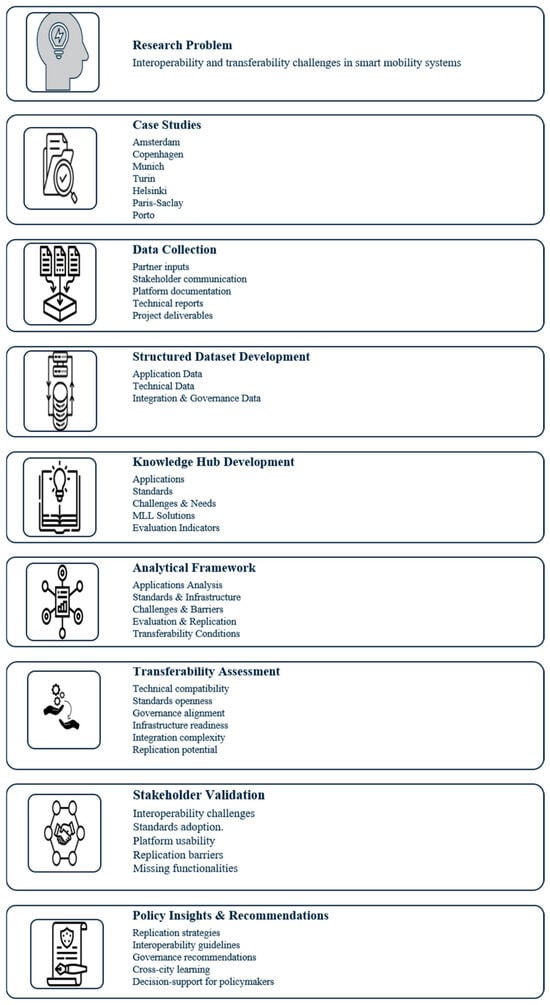
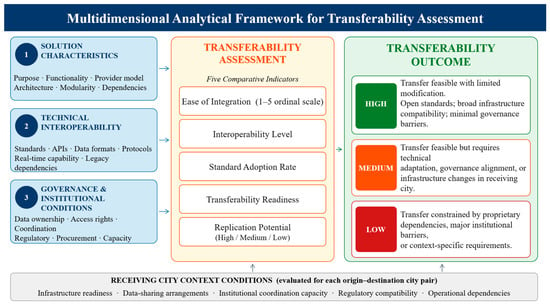

Disclaimer/Publisher’s Note: The statements, opinions and data contained in all publications are solely those of the individual author(s) and contributor(s) and not of MDPI and/or the editor(s). MDPI and/or the editor(s) disclaim responsibility for any injury to people or property resulting from any ideas, methods, instructions or products referred to in the content. |
© 2026 by the authors. Licensee MDPI, Basel, Switzerland. This article is an open access article distributed under the terms and conditions of the Creative Commons Attribution (CC BY) license.