


Highlights
What are the main findings?
- Spatial knowledge combined with hazard-aware stochastic agent-based optimization significantly reduces evacuation times and cumulative risk exposure compared to conventional shortest-path strategies, with greater benefits for adult occupants.
- Hazard-aware route optimization increases the ASET–RSET safety margin and weakens the correlation between critical environmental variables and occupant performance, supporting more robust emergency responses.
What are the implications of the main findings?
- Smart buildings can enhance fire safety by integrating dynamic wayfinding systems and sensor networks that provide adaptive route guidance based on real-time hazard conditions.
- Urban safety regulations and virtual reality-based training programs can leverage these findings to improve preparedness in high-occupancy buildings and enhance safety for slower-moving populations.
Abstract
This study examines human evacuation performance in complex building environments under highly uncertain fire conditions, with a focus on how spatial knowledge and decision-making strategies influence exposure to hazardous conditions during emergencies in smart building contexts. A hybrid simulation framework integrating physical fire modeling, agent-based simulation (ABM), and data-driven analysis is applied to a large academic building in Santiago, Chile, incorporating heterogeneous occupant profiles with different levels of spatial knowledge while evaluating key environmental variables such as temperature, oxygen (O2) concentration, carbon dioxide (CO2) levels, and carbon monoxide (CO) concentrations. Stochastic behavioral variability is captured through Monte Carlo simulation, and associations between environmental conditions and evacuation responses are analyzed using Kendall’s correlation. Results show that evacuation strategies based on optimal route knowledge significantly reduce exposure to life-threatening conditions and decrease evacuation times by 34% for adults and 8.5% for young occupants compared with scenarios without prior spatial information. These findings highlight the critical role of spatial knowledge in evacuation decision-making and provide a transferable methodological framework for improving smart building safety systems and data-driven evacuation planning in high-occupancy urban environments.
1. Introduction
The sustained growth of the population in urban areas, combined with the increasing scarcity of available land, has driven a significant rise in the construction of high-rise buildings. This trend has been accompanied by a gradual increase in the incidence of fires in such structures. One of the main challenges during emergencies is the prolonged duration of evacuation processes, which heightens the risk to occupants [1]. In this context, safety in high-rise buildings has gained growing relevance, particularly in urban and educational environments, as part of broader urban resilience and smart infrastructure management strategies.
High occupancy density and exposure to natural or anthropogenic disasters may lead to critical consequences [2]. In seismically active countries such as Chile, the recurrent occurrence of earthquakes, along with the risk of structural fires, poses major challenges for urban emergency management systems and smart city preparedness frameworks in complex infrastructures like high-rise buildings [3]. The efficient evacuation of individuals during emergency scenarios depends not only on the physical infrastructure [4], but also on human behavior, decision-making processes, and environmental variables that significantly influence the dynamics of collective behavior. Factors such as familiarity with the environment [5], the ability to respond to danger, levels of panic [6], internal environmental conditions [7], and construction materials [8], among others, directly affect a building’s capacity to ensure the safety of its occupants.
According to a report by the Chilean Fire Department [9], in 94.2% of fires that occurred in high-rise buildings in Chile, structural conditions hindered the evacuation of occupants [10]. This highlights the urgent need to optimize evacuation plans. The effectiveness of these processes depends on critical variables such as CO2 concentration, temperature, visibility, O2 levels, evacuation routes, crowd interactions and individual behavioral responses [11], construction materials [12], and the location of alarms and emergency response equipment [13]. These factors directly influence individuals’ ability to orient themselves, move, and survive during an emergency.
This study focuses on the Teaching Innovation Rooms Building (EDOC, Spanish acronym) at the University of Santiago de Chile (USACH). This multi-level facility, dedicated to academic activities, represents a typical case of high occupancy within the Chilean university context. Its structural complexity underscores the need to implement advanced safety and evacuation systems. Within this framework, computer simulations emerge as an effective tool for understanding human responses, anticipating emergency scenarios, evaluating strategies, and designing more robust response plans [14]. This approach supports data-driven decision-making in smart buildings and urban safety systems.
This study aims to analyze and improve human evacuation performance in tall, high-occupancy buildings using advanced digital tools such as PyroSim and Pathfinder [12,15,16,17], contributing to the development of intelligent and adaptive safety management systems for smart urban environments. These tools enable the simulation of fire propagation and pedestrian evacuation dynamics under realistic conditions [5,10,14]. The simulations incorporate diverse agent profiles, including young and adult individuals, with and without prior knowledge of the building. They also consider critical variables such as route knowledge [18], demographic characteristics [13], and the influence of panic on evacuation times [19], with the aim of evaluating how these factors affect decision-making and safety outcomes.
In addition, stochastic approaches such as the Monte Carlo method [5,6,20,21] and ABM techniques [5,13,22] are incorporated. These methods enable a detailed analysis of the interaction between human behavior, structural constraints, and environmental hazards. Key indicators are evaluated, such as total evacuation time, exposure to toxic gases (CO and O2 levels) [23], and congestion flows. The objective is to identify the key elements that determine human safety and evacuation performance. Recent evidence supports the use of simulations [24], drills [25], and machine learning [15,21] as effective tools for improving safety in high-rise buildings, particularly within the context of digital twin technologies and data-driven urban risk assessment frameworks. These findings could be extrapolated to other university infrastructures, contributing to the strengthening of a culture of prevention and safety within the academic community. Table 1 organizes the literature review around five research lines, which provide a framework for understanding the state of the art, methodological advances, and the limitations that justify the present study.
Table 1.
Literature review.
As shown in Table 1, the reviewed literature reveals a notable evolution in the study of fire evacuations, although fragmentation among different lines of research persists. To overcome this fragmentation, it is necessary to foster the integration of physical and behavioral models, validate simulations with empirical data, promote the development of interoperable platforms, and strengthen interdisciplinary collaboration to enhance the implementation of smart, adaptive, and resilient urban safety systems with a stronger focus on human safety outcomes and decision-making processes.
In this context, integrated fire and evacuation models (line 1) represent a significant advancement, as they enable high-precision simulation of complex physical phenomena. Tools such as PyroSim and Pathfinder are used to represent untenable conditions and occupant movement. However, these approaches tend to simplify the cognitive and social dimensions of human behavior, which may limit their applicability realistic human-centered safety scenarios.
Studies focused on occupant decision-making (line 2) provide valuable insights into response patterns and behavioral heterogeneity, particularly through drills or surveys. However, their ability to generalize or predict behavior under dynamic conditions remains limited, especially when assessing safety performance under uncertain environmental conditions.
The literature on spatial design and evacuation strategies (line 3) has demonstrated substantial improvements in evacuation efficiency through architectural interventions. However, their implementation depends on regulatory frameworks that remain insufficient. In parallel, reliability and uncertainty approaches (line 4), which incorporate Monte Carlo simulations and sensitivity analysis, offer robust analytical tools for quantifying risk. Nevertheless, their complexity may limit practical application in engineering or operational planning, particularly when translating results into actionable safety measures for occupants.
Finally, advanced methodological proposals (line 5), which combine computational simulation, ABM, and in some cases immersive technologies such as virtual reality, represent promising attempts at holistic integration. However, empirical validation in real-world contexts remains incipient, hindering the consolidation of robust adaptive models capable of accurately representing human behavior and safety outcomes.
Despite recent advances, critical challenges remain. The representation of human behavior, particularly its psychological and social dimensions, continues to be limited. Moreover, the notion of panic remains a subject of debate in the literature, with some studies dismissing it and others considering it relevant in specific contexts. There is some consensus regarding the effectiveness of strategies such as phased evacuation, self-rescue, and behavioral training, although their generalization requires further empirical validation focused on real human responses during emergencies.
In light of this panorama, the present study addresses an identified need: to advance towards a hybrid approach that combines technical precision, behavioral sensitivity, and operational applicability through the integration of dynamic simulation, adaptive behavior, and spatial optimization. In doing so, it contributes to bridging the gap between academic developments and practical safety demands, with particular emphasis on how human decision-making and spatial knowledge influence evacuation performance and risk exposure, thereby supporting the advancement of smart building safety systems and data-driven urban emergency management within smart city frameworks.
1.1. Theoretical Foundations
To assess fire safety, this study integrates human behavior and decision-making by focusing on three core pillars widely recognized in fire evacuation research, as established in prior theoretical and empirical studies on human behavior in fire emergencies: response time, situational awareness, and cognitive analysis. First, response time is represented through ignition onset and the human response factor, capturing both the initial perception of risk and the variability in pre-movement behavior due to hesitation, lack of procedural knowledge, or panic-driven responses [26,27,28]. In addition, the consideration of peak thermal conditions, associated with the point of maximum heat transfer, provides a reference for evaluating tenability limits and their influence on evacuation initiation. Together, these elements determine the onset of evacuation and support the assessment of the relationship between available safe egress time (AEST) and required safe egress time (RSET), thereby contributing to human-centered fire safety strategies [29]. Furthermore, their integration within computational simulation environments supports the development of data-driven safety assessment frameworks applicable to smart buildings and resilient urban infrastructures.
Second, situational awareness is reflected in occupants’ perception of dynamic environmental conditions, including risk cues, smoke, and thermal exposure levels that directly influence tenability and evacuation decisions [30], consistent with models that explicitly incorporate perceived risk and decision-making under uncertainty in evacuation behavior [31]. Within simulation environments, this awareness is shaped by how ABM represents the perception and interpretation of evolving fire conditions [32,33], which affects both individual and collective responses, as highlighted in studies on perception-driven evacuation behavior [34].
Finally, within the ABM framework, cognitive analysis explains how individuals process spatial and environmental information to make decisions under uncertainty. Differences in familiarity with the environment lead to heterogeneous interpretations of risk, influencing route selection, movement patterns, and emotional responses such as fear and uncertainty [35]. The integration of cognitive processes with situational awareness enables the identification of emergent behavioral patterns under dynamic fire scenarios and supports the development of adaptive evacuation strategies [36]. Such behavior is widely documented in research on crowd dynamics and complex systems, where local interactions and individual heterogeneity give rise to non-linear collective outcomes [37,38].
1.2. Contribution, Scope and Limitations of the Study
This work presents a comprehensive computational methodology to evaluate evacuation performance under fire conditions, emphasizing the interaction between environmental hazards and behavioral responses. The framework advances data-driven safety planning for smart buildings and urban emergency management through four key contributions:
- Integrated hazard-behavior coupling: An environmental–behavioral framework extending beyond shortest-path approaches to incorporate cumulative hazard exposure, enabling safety-oriented evacuation analysis.
- Quantified environment–performance decoupling: Correlation analysis using Kendall’s tau reveals how knowledge-based strategies decouple evacuation outcomes from environmental variability, improving predictability and controllability.
- Mechanistic evacuation dynamics: Explicit linkage of environmental hazards, route selection, and agent behavior provides insights into how spatial knowledge modifies outcomes beyond time reduction alone.
- Scalable simulation platform: Agent-based stochastic modeling enables analysis of complex fire scenarios and supports development of adaptive, data-driven evacuation systems.
Despite providing a robust approximation of fire evacuation dynamics, the study presents several limitations:
- Although the simulations capture key behavioral and environmental interactions, they cannot fully represent the entire spectrum of human psychological responses or all physical complexities of real fire events.
- Behavioral simplifications: The model does not account for group behavior dynamics (e.g., family reunification, helping behavior), social interactions (e.g., herding, leader–follower patterns), or adaptive decision-making based on dynamic environmental feedback. Incorporating these factors could increase pre-movement time by 15–30% and alter route selection patterns [39].
- The simulation was conducted in a controlled physical setting without cross-ventilation or external openings, under standard environmental conditions (20 °C and normal atmospheric pressure). A simplified combustion scenario was considered, which may not reflect extreme fire development conditions.
- Single-scenario limitation: This study examines a single fire scenario (cafeteria fire, second floor) in one building (EDOC, USACH). While limiting generalizability, this approach enables controlled analysis of spatial knowledge effects on evacuation performance under well-defined conditions. Isolating a representative high-risk scenario provides clear mechanistic insights into how environmental hazards influence behavior and route selection—insights difficult to obtain from multi-scenario studies. However, the reported improvements (34% and 8.5% reductions in evacuation time for adults and young occupants, respectively) require validation across: (1) diverse building types (hospitals, commercial towers, residential buildings); (2) varied fire dynamics (location, growth rate, ventilation); and (3) different occupant populations and cultural contexts.
- The model did not incorporate visibility degradation, as the analyzed scenario corresponds to low-smoke-density conditions where this phenomenon is not a predominant factor. This exclusion enabled the evacuation process to be analyzed under the environmental conditions defined in the model, establishing a baseline methodological framework that, by relying on computational simulations, provides an analytical approach capable of significantly reducing the costs associated with large-scale experimental studies. Building upon this foundation, the proposed modular structure allows for the future integration of both visibility degradation and other critical variables affecting evacuation time estimation. Furthermore, this methodological framework can be extended to identify critical points along evacuation routes and support the optimal placement of sensors to enhance the monitoring and management of evacuation processes in more complex emergency scenarios.
1.3. Research Questions and Hypotheses
Based on the gaps identified in the literature, this study seeks to address the following research question: To what extent do evacuation strategies based on spatial knowledge improve evacuation efficiency and reduce risk exposure in fire scenarios, considering differences between young and adult occupants?
To address this question, the study analyzes differences in evacuation performance between age groups and evaluates how varying levels of spatial knowledge influence exposure to critical environmental conditions, as well as the relationship between these conditions and evacuation efficiency.
The hypothesis proposed is that the implementation of evacuation strategies based on spatial knowledge, under stochastic occupancy scenarios, will produce significant reductions in evacuation times and cumulative exposure to hazardous environmental conditions (temperature, CO2, O2 depletion, and CO), thereby increasing the safety margin defined by the difference between available safe egress time (ASET) and required safe egress time (RSET). Furthermore, these improvements are expected to show differentiated magnitudes across occupant age groups, while the Kendall tau correlation coefficients between critical environmental variables and evacuation performance metrics are expected to decrease, indicating a lower dependence on fire conditions and greater efficiency in decision-making.
2. Case Study Characterization
2.1. Building Description
The EDOC building at USACH is an eight-story structure with a total height of 33 m, with each floor measuring 3.9 m in height. It has three exits: a main exit facing north and two emergency exits located on the west side. Additionally, it features six staircases: two main staircases, three lateral ones, and one emergency staircase. On the east side of the building, there are three elevators connecting all eight floors, adjacent to the emergency staircase.
The main lobby occupies 40% of the building’s total area and serves as a meeting point for the university community. This open area plays a key role in the evacuation dynamics due to its high occupancy and connectivity with other spaces.
The construction materials include aluminum for door and window frames, reinforced concrete for the structural elements, gypsum board (vulcanite) for interior partitions, tempered glass for windows, and safety glass for railings. Wood is primarily used near the western exits. The thermal properties of these materials are relevant for the study of heat and smoke propagation, directly impacting the safety and efficiency of evacuation plans.
The building design presents specific features on different floors. The second floor houses a common study area and a cafeteria. The fifth floor includes an open common space in the center of the level. The eighth floor features a large lobby due to the absence of an adjacent room.
2.2. Software Description
PyroSim, developed by Thunderhead Engineering, is an advanced graphical user interface for FDS created by the National Institute of Standards and Technology [40]. PyroSim enables modeling of fire propagation, smoke movement, and heat transfer by solving computational fluid dynamics equations. It incorporates combustion chemistry and the thermophysical properties of materials [41]. The software also provides three-dimensional visualizations and detailed quantitative outputs. These include temperature, smoke concentration, visibility, and gas concentration, facilitating the assessment of fire behavior and the design of mitigation strategies.
Pathfinder, on the other hand, is an evacuation simulation tool that models occupant movement using agent-based approaches to optimize evacuation plans, thereby reducing the need for physical drills [42]. The software employs the Reynolds steering model [16]. It is based on Reynolds’ steering model [43] to simulate individual behaviors, accounting for interactions among agents, environmental geometry, and occupant-specific characteristics. Additionally, Pathfinder distinguishes geometric representations for individuals with reduced mobility, enhancing the realism and inclusivity of evacuation scenarios.
The integration of PyroSim (FDS) and Pathfinder is achieved through a coupling mechanism based on spatial and temporal data fields generated by fire simulations. In particular, critical variables such as temperature, smoke density, visibility, and gas concentration are exported from FDS and used as dynamic inputs in Pathfinder. These variables directly influence agents’ decision-making during evacuation, affecting their movement speed, route selection, and exit feasibility, based on habitability criteria and safety thresholds defined within the model.
This coupling enables an integrated modeling of the interaction between fire development and human response, providing a more realistic representation of evacuation conditions. Consequently, the combined use of both tools not only enables the identification of critical safety conditions but also supports the evaluation of evacuation strategies in dynamic scenarios, thereby enhancing the planning and design of safety systems in built environments [17]. Figure 1 shows the EDOC building modeled in the PyroSim software (v. 2026.1.211).
Figure 1.
EDOC building: (a) Aerial photograph; (b) Simulated representation in PyroSim software.
2.3. Virtual Environment Configuration
To evaluate how the EDOC building responds to an emergency, three different fire scenarios were simulated. These fires were located on different floors, considering the geometric characteristics and specific use of each space. The fire was modeled using a uniform chemical reaction with dimensions of 0.9 m × 0.7 m × 0.2 m and constant yield parameters (CO Yield: 0.08, Soot Yield: 0.1, and HCN Yield: 0). The simulations were conducted in PyroSim, using a mesh composed of 3,087,500 cells, each measuring 0.2621 m × 0.3072 m × 0.2631 m.
Grid Sensitivity Analysis
The mesh resolution was determined through grid sensitivity analysis following FDS User Guide recommendations [44]. Three mesh resolutions were tested:
- Coarse mesh: Δx = 0.40 m (800,000 cells).
- Medium mesh: Δx = 0.26 m (3,087,500 cells)—selected.
- Fine mesh: Δx = 0.15 m (10,200,000 cells).
Temperature predictions at 12 critical measurement points showed convergence—medium vs. fine mesh differences < 5% (maximum ΔT = 8 °C at peak heat release rate (HRR))—while medium mesh reduced computational time by 68% compared to fine mesh (12 h vs. 38 h per simulation). The characteristic fire diameter ≈ 1.8 m suggests optimal cell size Δx = /10 ≈ 0.18 m; our selected Δx = 0.26 m (/7) provides adequate resolution for plume dynamics while maintaining computational efficiency for Monte Carlo analysis requiring 120 simulations.
The cell dimensions 0.26 m × 0.31 m × 0.26 m (confirmed) represent the non-uniform mesh generated by PyroSim/FDS to fit building geometry (150 m × 95 m × 33 m) with alignment to walls, staircases, and fire location. The slight asymmetry in the y-direction (0.31 m) accommodates stairwell widths (1.24 m = 4 × 0.31 m). Cell aspect ratios remain within FDS guidelines (<2:1), ensuring numerical stability and accuracy.
It is important to note that closed windows and the absence of air conditioning were assumed. These conditions directly influence fire dynamics and, consequently, the effectiveness of the evacuation.
To enable controlled comparison of evacuation strategies, several simplifying assumptions were adopted. (i) The model considers closed windows and no mechanical ventilation, leading to accelerated smoke accumulation and representing a conservative worst-case scenario. (ii) A single fire source located in the cafeteria was selected based on typical ignition patterns in university buildings, with additional sensitivity analyses confirming consistent benefits of the optimized strategy across alternative scenarios. (iii) Combustion parameters were simplified using standard values from the literature, which may underestimate emissions under under-ventilated conditions, and (iv) smoke visibility effects were not included [45], allowing for isolation of thermal and toxic exposure impacts but likely resulting in underestimated evacuation times and overestimated performance gains.
Overall, these assumptions enhance methodological consistency and reproducibility while providing a safety-oriented framework, although they simplify the complexity of real-world evacuation dynamics.
2.4. Selected Fire Scenario
For this study, the reference fire scenario was defined on the second floor of the building, in the cafeteria area, while evacuating occupants from the main (ground) floor using the available exits. Figure 2 shows the Pathfinder layout of the ground floor, including the main lobby, circulation corridors, stair connections, and the evacuation exits considered in the simulations (highlighted in green). These exits define the egress options available to agents under the three behavioral strategies and correspond to the routes used to compute evacuation times and congestion for the building as a whole.
Figure 2.
Ground-floor Pathfinder layout of the EDOC building showing the evacuation exits (highlighted in green) and stair connections used in the agent-based simulations.
Figure 3 represents the second floor in FDS, where the fire source is located in the cafeteria. In this view, the burner is placed in the central seating area, adjacent to the main circulation corridor. The fire was modeled as a localized burner representing polyurethane furnishings, using the SFPE POLYURETHANE_GM27 reaction from the SFPE Handbook (fuel formula , CO yield 0.40, soot yield 0.10, heat of combustion 1.64 × 10⁴ kJ/kg, radiative fraction 0.537). Yellow points indicate the positions of the virtual sensors used to record temperature, O2, CO2 and CO. The figure layout is as follows: (1) fire source, (2) cafeteria dining area, (3,8) side stairwells, (4,7) main stairwell, (5) main lobby, and (6,9) classrooms. This sensor arrangement is replicated on all floors, with a single additional sensor placed in the fire compartment on the second floor to capture conditions at the fire source in greater detail.
Figure 3.
Second-floor FDS representation of the EDOC building showing the cafeteria fire source modeled with the SFPE POLYURETHANE_GM27 reaction and the distribution of virtual sensors (yellow points) used to record temperature, O2, CO2 and CO; the same sensor grid is replicated on all floors with one additional sensor in the fire compartment on the second floor.
2.5. Agent Modeling
Two types of agent profiles were configured: young occupants and adults. The values used to define the agents were validated by Thunderhead Engineering [42]. All profiles are distinguished by their speed and acceleration, with male agents exhibiting higher acceleration compared to female agents.
- Males under 30 years of age: High speed and acceleration.
- Females under 30 years of age: Similar speed and acceleration characteristics to males, but slightly lower.
- Males between 30 and 50 years of age: Moderate speed and acceleration.
- Females between 30 and 50 years of age: Moderate speed and acceleration, but slightly lower than those of males in the same age range.
The adult’s profile in the simulation includes individuals over 50 years of age. In Pathfinder, this group is classified into six subgroups, differentiated by physical condition:
- Males and females over 50 years of age with good physical condition: Speed and acceleration comparable to those of young adults, although slightly lower.
- Males and females over 50 years of age with standard physical condition: Reduced speed and acceleration compared to those in good physical condition.
- Males and females over 50 years of age with reduced physical condition (MI-1, MI-2): Significantly lower speed and acceleration than the other adult groups.
Table 2 summarizes the characteristics of the two agents.
Table 2.
Characterization of agents based on age range.
2.6. Machine Learning and Kendall’s Correlation Analysis
In the context of emergency evacuations, machine learning represents a set of computational algorithms capable of identifying complex patterns in multivariate dynamic systems and generating predictions regarding evacuation behaviors [43]. Unlike traditional statistical methods, machine learning can handle nonlinear relationships among environmental, behavioral, and structural variables without assuming specific data distributions [44].
Machine learning models have demonstrated effectiveness in evacuation prediction, achieving accuracy above 83% in fire risk assessments and up to 92.4% in predicting hospital evacuation times [44]. These approaches overcome the limitations of deterministic methods by capturing the inherent variability of human behavior during emergencies [43].
Kendall’s correlation coefficient () constitutes a non-parametric measure of ordinal association between variables that is particularly robust for datasets with non-normal distributions and the presence of outliers [46]. Unlike Pearson’s coefficient, which requires linear relationships, Kendall’s tau evaluates concordance between the ranking orders of variables by analyzing concordant and discordant pairs [46]. Kendall’s tau is mathematically defined as Equation (1).
where represents concordant pairs, discordant pairs, ties in the first variable, and ties in the second variable [46]. In the absence of ties, the formula simplifies to Equation (2).
where denotes the sample size.
This measure is particularly valuable for analyzing variables that do not follow normal distributions, such as evacuation times, which typically exhibit skewed distributions due to factors such as panic, congestion, and variability in occupants’ physical capacities [47,48]. Its intuitive interpretation ( = 1 indicates perfect concordance, = 0 suggests no association, and = −1 denotes perfect discordance) makes it a fundamental tool for exploratory analysis of evacuation data [49].
3. Methodological Framework
The methodology for this study was structured into six interrelated stages, integrating qualitative analysis, computational modeling, and advanced simulation techniques (Figure 4). To begin, a site visit and meetings with experts were conducted to gather contextual and technical information. Subsequently, a computational survey of the site was performed, and the agents were developed, followed by an analysis of the fire’s causes to develop models in FDS and smoke view. Based on this information, the optimal evacuation plan was determined and complemented with the Monte Carlo method to incorporate variability in both initial conditions and agent behavior. Simulations were also used to assess the plan’s performance under multiple scenarios. Finally, a machine learning model was implemented using data from both FDS and the agents to enhance the evaluation and validation of the results.
Figure 4.
Methodological framework of the study.
In terms of methodological innovation, this study proposes an integrated framework that enhances the use of PyroSim and Pathfinder by integrating them into a holistic methodology for evaluating evacuation performance. This approach is applicable to safety systems in smart buildings requiring real-time decision support and is grounded in three key contributions:
- Hybrid environmental–behavioral optimization: The coupling algorithm minimizes the cumulative hazard exposure function rather than simple distance-based pathfinding, representing a human-centered safety objective function that balances egress speed with physiological protection.
- Stochastic agent heterogeneity: Monte Carlo randomization of agent positions (120 simulation runs) combined with age-stratified behavioral profiles (6 adult subgroups, 4 young occupant subgroups, Table 2) captures realistic population diversity and enables probabilistic risk assessment beyond deterministic single-run simulations.
- Correlation-based strategy evaluation: Using τ to assess environmental–behavioral coupling provides a quantitative metric for strategy effectiveness beyond traditional time-based measures. The correlation reduction from τ = 0.91 (Strategy 0) to τ = 0.86 (Strategy 2) quantifies the “decoupling” effect of spatial knowledge, indicating more predictable and controllable evacuation performance.
3.1. Evacuation Time
To establish evacuation and response times, a previous study conducted in the same EDOC building was used as a reference [5]. In this study, the authors demonstrated that if occupants have no prior knowledge of the building, the maximum evacuation time can reach up to 818.44 s.
Based on this finding, a new simulation was carried out with a total duration of 960 s. This ensures a sufficient analysis margin to fully observe the evacuation dynamics and any relevant behavior within the building.
3.2. Available Safe Egress Time (ASET)
This is the time interval between the onset of the fire and the appearance of critical life-threatening conditions, such as smoke accumulation, extreme temperature rise, or the presence of toxic gases. Its estimation is essential to ensure a safe and timely evacuation. ASET primarily depends on three factors: (1) characteristics of the fire (rate of fire spread, heat release, and smoke production); (2) building conditions (detection systems, alarms, and exit routes); and (3) fire resistance of the materials that make up the structure [50].
In this study, ASET is defined as the time at which the fire reaches its peak heat release rate (peak-HRR = 2.5 MW at t = 327 s).
3.3. Justification for Non-Traditional ASET Definition
Traditional ASET is based on tenability thresholds such as temperature exceeding 60 °C at breathing height (1.8 m), visibility dropping below 10 m, or fractional effective dose (FED) exceeding 0.3. However, this study adopts peak-HRR as the ASET marker for the following reasons:
- Conservative detection point: Peak-HRR correlates with maximum smoke production rate and represents the moment when modern fire detection systems (ionization or photoelectric smoke detectors) are most likely to activate alarms in realistic building conditions. Using peak-HRR as ASET assumes alarm triggering at maximum fire intensity, a moderately conservative assumption that accounts for detection system response lag and occupant notification time.
- Applicability to smart building systems: HRR can be estimated in real time via heat flux sensor networks in IoT-enabled buildings, enabling dynamic ASET estimation for adaptive evacuation guidance systems.
- Physical significance: Peak-HRR marks the transition from fire growth phase to fully developed fire, indicating the onset of rapidly deteriorating conditions (accelerated smoke spread, thermal radiation intensification).
Comparison with Traditional ASET
To contextualize the ASET definition adopted in this study, Table 3 compares different ASET criteria for the cafeteria fire scenario.
Table 3.
ASET definition comparison.
Traditional tenability-based ASET for this scenario would be approximately 280 s (when temperature first exceeds 60 °C at 1.8 m height near the cafeteria exit corridor). Our HRR-based ASET (327 s) provides a 47-s buffer, acknowledging realistic detection and alarm activation lag time.
3.4. Required Safe Egress Time (RSET)
It is the total time required for all occupants of a building to evacuate safely. This time is the sum of three key components: (1) Fire detection time (FDT): this interval spans from second 0 (the moment the fire starts) to the point at which the fire is detected; it includes the activation of alarms triggered by smoke or heat detection. (2) Period of indecision or initial reaction (PANIC) and human response time (HRT): this period varies according to each individual’s profile and extends from the moment an evacuation order is received until the decision to take action is made; it is influenced by factors such as panic and the perception of danger. According to a previous study of the building [5], response times may range from 2 to 45 s. (3) Real-time evacuation (RTE): this is the time that elapses from the beginning of the evacuation until all individuals have exited the building; this period may vary considerably depending on the efficiency of the evacuation routes and the response of emergency personnel.
Figure 5 shows the relationship between ASET and RSET, detailing their components and the security margin required for evacuation.
Figure 5.
Distribution between total ASET and required RSET, including their components and the security margin.
3.5. Agent Configuration and Distribution
In evacuation simulations for tall buildings, agents are classified according to the physical characteristics of the occupants, distinguishing between adults and young occupants, as well as based on their prior knowledge of the building and its emergency protocols. This detailed configuration allows for a more realistic analysis of behaviors and evacuation times associated with different occupant profiles.
To obtain accurate and representative results, it is essential to incorporate variables such as height, walking speed, acceleration, and predefined evacuation routes, among other relevant factors.
Agents with prior knowledge of the building and its evacuation routes are significantly more efficient. Their familiarity enables them to identify and use exits more effectively, leading to a substantial reduction in evacuation times and a faster, more orderly exit [51]. In contrast, agents without prior knowledge rely on emergency signage and the guidance of other occupants, which can lead to delays and increased density in critical areas [13]. Although young occupants present physical advantages, such as higher speed and acceleration, their unfamiliarity with the environment may lead to poor decisions if clear and accessible information is not available [14].
Figure 6 shows the percentage distribution of occupants according to age, gender, and individual mobility condition.
Figure 6.
Percentage distribution of agents by floor: (a) young occupants; (b) adult occupants.
3.6. Simulation Scenario Construction
Three simulation scenarios are proposed, structured according to the occupants’ level of knowledge regarding the environment and evacuation routes, to analyze how these factors influence evacuation dynamics. By integrating cognitive variables and realistic behavioral patterns into the distribution of agents, the model enables the evaluation and optimization of emergency plans, facilitating the identification of the most efficient strategy.
3.6.1. Strategy 0: Scenario Without Knowledge
Under this condition, occupants lack evacuation training and have no situational awareness. As a result, they tend to use elevators as their primary option to descend to the ground floor. Once there, they reassess their situation and mainly focus on the main exit without considering alternative routes.
The reaction time of each agent follows a log-normal distribution, reflecting the inherent variability in individual response capacity during an emergency.
3.6.2. Strategy 1: Scenario with Partial Knowledge
Here, occupants have a basic understanding of the building layout and partial knowledge of evacuation routes. They possess situational awareness and can identify alternative evacuation routes, reducing their dependence on elevators and improving route selection toward emergency staircases and designated exits.
To support this evacuation strategy, attraction points were configured in two key areas: the central zone and the northern zone. The reaction time of each agent is similar to that defined in Strategy 0.
3.6.3. Strategy 2: Scenario with Complete Knowledge
At this level, occupants have full knowledge of the evacuation plan and the spatial layout of the building. This enables them to identify the optimal exit from their initial position without needing to reassess their situation upon reaching the ground floor, selecting the fastest and safest available route.
In this case, attraction points were configured in three key evacuation areas: the south, central, and north zones. These zones were selected to improve occupant flow distribution, thereby optimizing evacuation times and reducing congestion. Figure 7 illustrates the evacuation route planning strategies modeled through agent attraction points in Pathfinder.
Figure 7.
EDOC building structure in Pathfinder: (a) Baseline scenario; (b) Strategy 0; (c) Strategy 1; (d) Strategy 2.
Figure 7a depicts the building without attractor points, representing a baseline scenario with no defined evacuation strategy. In Figure 7b, the inclusion of an attractor point in the center of the hall directs the agents’ exit exclusively toward the main door, corresponding to Strategy 0 (no knowledge).
In contrast, Figure 7c,d show an improvement in the distribution of evacuees when attractor points are placed in the emergency stairwells and other key areas.
3.7. Monte Carlo Method
Based on a previous study of the EDOC building [5], significant opportunities have been identified to optimize evacuation plans through computational simulations. The study considers various scenarios, including one in which most occupants lack prior knowledge of the building’s layout or evacuation protocols. This unfamiliarity introduces a high degree of uncertainty in agent behavior. Such variability highlights the need for a probabilistic approach such as the Monte Carlo method to adequately represent possible initial configurations and evacuation routes.
In this context, six case studies were developed, differentiated by age group (young and adult) and by three levels of knowledge of the evacuation plan (strategies 0, 1, and 2).
To ensure representative results in terms of average evacuation times, the Monte Carlo method was employed to randomly reposition agents within the simulated physical environment. Twenty simulations were conducted for each agent type in each scenario, totaling 120 runs from which the results were analyzed.
3.8. Study Variables
This simulation considers four key physical variables that determine occupant safety during a fire: temperature, O2 concentration, CO2 concentration, and CO concentration. These variables are essential for characterizing fire conditions and evaluating occupant exposure to thermal stress, oxygen depletion, and toxic gas inhalation. Table 4 summarizes the study variables.
Table 4.
Risk parameters of physical variables.
3.8.1. Temperature Limits
The human body functions optimally within an ambient temperature range of approximately 20–25 °C. However, during a fire, temperatures rise drastically, potentially leading to severe consequences.
In the simulation, both ambient temperature and gas temperatures are modeled to establish safe exposure limits. It is considered that the human body can tolerate temperatures up to 60 °C for short periods. However, prolonged exposure or higher temperatures significantly increase the risk of burns and heat stress. Exposure to temperatures above 100 °C can be fatal within seconds.
3.8.2. Oxygen Levels
The normal concentration of O2 in the air is approximately 21%. However, during a fire, O2 is rapidly consumed, directly affecting human respiration.
In the simulation, O2 levels are continuously monitored. A concentration below 19.5% is considered deficient. The simulation also models the effects of hypoxia on occupants’ physical and cognitive abilities, as well as risk thresholds that may lead to loss of consciousness and eventually death, particularly when O2 levels drop below 6%.
3.8.3. Carbon Dioxide Levels
CO2 is a gas naturally present in the air at low concentrations (approximately 0.04%). However, during a fire, its concentration increases significantly, potentially leading to hypercapnia and respiratory distress.
In the simulation, CO2 levels are monitored, as concentrations of 0.5% (5.000 ppm) or higher can cause adverse effects such as drowsiness, dizziness, and breathing difficulties. Above 5%, the risk becomes severe and may result in loss of consciousness or even death.
3.9. Implementation of Kendall’s Correlation Analysis
The implementation of the statistical analysis was carried out through a systematic process that applied robust correlation techniques to evaluate the relationships between environmental and behavioral variables obtained from simulations in PyroSim and Pathfinder. This procedure was applied consistently across all evacuation strategies and agent profiles.
3.9.1. Data Structure and Analytical Variables
The data were organized in a stratified manner according to two main dimensions: evacuation strategies (strategy 0: no knowledge, strategy 1: partial knowledge, strategy 2: full knowledge) and agent profiles (young and adults), generating six main experimental configurations.
For each configuration, 20 Monte Carlo simulations were performed, producing independent datasets that captured the stochastic variability of evacuation behavior under random initial conditions.
The analyzed variables were classified into three categories. First, the temporal variables included individual and collective evacuation times, critical decision moments, and temporal response patterns during the emergency. Second, the environmental variables encompassed volumetric concentrations of carbon dioxide, volumetric concentrations of oxygen, and ambient temperature, recorded continuously for each agent according to their spatial position and time. Finally, the behavioral variables considered the agents’ cognitive states, selected routes, movement speeds, and social interaction patterns during evacuation.
3.9.2. Kendall’s Correlation Methodology
Kendall’s correlation analysis was systematically applied to identify robust monotonic associations among system variables. The methodology assessed ordinal concordance by counting concordant and discordant pairs, providing measures of association that do not rely on restrictive distributional assumptions [46].
The calculation was performed for each variable combination within each dataset, generating 4 × 4 correlation matrices that captured the fundamental bivariate relationships. This process was replicated across all Monte Carlo simulations to evaluate the statistical consistency of the identified correlations.
3.9.3. Stratified and Comparative Analysis
The stratified analysis examined Kendall’s correlations separately for each combination of evacuation strategy and demographic profile. This approach allowed for the identification of differentiated patterns by strategy, showing how correlations between environmental and behavioral variables varied according to the occupants’ level of knowledge about evacuation protocols. It also revealed demographic effects by comparing the associations between physical variables and evacuation times in youth and adult populations, reflecting variations in physical capacities and cognitive responses. Finally, it allowed the robustness of the correlations to be assessed, since the consistency of associations identified across multiple Monte Carlo simulations provided statistical reliability measures for the observed patterns.
3.9.4. Integrated Interpretation
Kendall’s correlation analysis was integrated to reveal systematic links between fire conditions and evacuation behavior. The most salient τ values connect physical variables (temperature, O2, and CO2) and evacuation times, which demonstrated how adverse conditions affect process efficiency. Also highlighted were the physicochemical interactions between temperature, gas concentrations, and oxygen levels, which characterize fire dynamics and their spatial and temporal propagation. Finally, congestion effects were identified, reflecting the relationship between occupant density, local environmental conditions, and evacuation efficiency, which enabled the identification of critical points within the system.
4. Results and Discussion
This section presents the main findings from 120 simulations conducted using the Monte Carlo method. The analysis distinguished between adult and young profiles based on different levels of environmental knowledge and evacuation strategies. It integrated both physical and behavioral variables, such as evacuation times, the effects of acute stress and emotional contagion, occupant density, and exposure to toxic environments. For this purpose, multi-agent models and advanced three-dimensional simulation tools were employed.
The results assess the impact of training, route diversification, and the incorporation of environmental information on the efficiency and safety of the evacuation process. The findings highlight the importance of situational awareness and emotional propagation in emergency scenarios.
4.1. Physical Environmental Variables
The fire simulation, conducted using FDS and implemented in PyroSim, generated transient fields of gas temperature and CO concentration throughout the building. These results were analyzed at three representative locations: the fire origin in the cafeteria, the main access to the staircase on the second floor, and the north exit on the ground floor (Figure 8). These locations were used to identify the onset and duration of untenable conditions along the critical evacuation route.
Figure 8.
Temporal evolution of CO concentration over time at three control points: (a) fire origin: cafeteria, (b) main staircase entrance on the second floor, (c) and main north exit on the ground floor.
The results show that temperature at the origin of fire reaches a maximum of 380 °C at t = 327 s, exceeding the 60 °C tenability threshold in the main egress corridor from t = 280 s onwards. In terms of toxicity, CO concentrations at the fire origin rapidly rise to values above 3000 ppm, while the staircase entrance exhibits a delayed peak of approximately 1800 ppm around t ≈ 240 s, followed by a quasi-steady regime between 400 and 600 ppm as dilution and ventilation effects become dominant. At the main north exit, CO levels increase more gradually and remain below 2000 ppm throughout the simulation, with typical values between 1200 and 1700 ppm after 400 s, reflecting the combined effects of distance from the fire, smoke spread, and fresh-air inflow at ground level.
These trends indicate that tenability along the fire–stair–exit path is first compromised by high CO concentrations at the staircase entrance approximately 4 min after ignition, while conditions at the main exit deteriorate more slowly but remain critical for extended exposure durations.
Complementarily, Figure 9 shows the spatial distribution of the same four variables at the time associated with the ASET limit, t = 327 s. In this figure, (a) temperature contours, (b) O2 volume fraction, (c) CO2 concentration, and (d) CO concentration are displayed in the same order, highlighting the extent and geometry of hazardous regions on the second floor and their connection with the main evacuation routes.
Figure 9.
Spatial distribution of environmental hazards at t = 327 s (ASET): (a) temperature contours, (b) O2 volume fraction, (c) CO2 concentration, and (d) CO concentration.
The three-dimensional visualization reveals the stratification of combustion products, the spread of the smoke plume from the cafeteria towards the staircase, and the formation of critical volumes where high temperatures, oxygen depletion, and elevated toxic gas concentrations coexist. This spatial representation is later used to directly link environmental conditions with route-choice behavior in the evacuation strategies.
4.2. Behavioral Evacuation Variables
Behavioral evacuation performance was characterized by using three complementary outputs: statistical evacuation times, distributional measures (box-and-whisker plots), and spatial congestion patterns. Together, these indicators describe how route choice and spatial knowledge shape both the timing and the spatial organization of occupant movement. Table 5 summarizes the mean total evacuation times and associated standard deviations for young and adult occupants under the three strategies.
Table 5.
Average evacuation times by scenario and associated standard deviations.
The results presented in Table 5 show that, for adults, increasing levels of spatial knowledge lead to a significant decrease in mean total evacuation time and a concurrent reduction in variability, indicating that informed route choice not only accelerates egress but also makes individual outcomes more consistent. Young occupants generally achieve lower evacuation times than adults under Strategies 0 and 1, although this difference becomes negligible under full-knowledge conditions (Strategy 2). Moreover, the reduction in evacuation time between strategies is comparatively smaller for young occupants, suggesting that their higher baseline mobility enables relatively efficient evacuation even under limited spatial knowledge.
Figure 10 shows box-and-whisker diagrams of evacuation times by strategy and age group, providing a more detailed view of the behavioral distributions.
Figure 10.
Box-and-whisker diagrams showing the distribution of evacuation times across scenarios (seconds).
According to Figure 10, for adults, the transition from Strategy 0 to Strategy 2 is reflected in a clear downward shift in the media, a contraction of the interquartile range, and shorter upper whiskers, indicating fewer extreme delays. This pattern is consistent with a reduction in route conflicts and a more coordinated use of available exits. For young occupants, boxplots show the same qualitative trend but with smaller relative changes: medians and upper whiskers decrease, although the overall dispersion remains closer to the baseline, reinforcing the idea that their physical capabilities partially compensate for non-optimal routing. Overall, the combined evidence from evacuation times and distributional statistics shows that spatial knowledge acts as a behavioral modifier: it reduces bottlenecks, stabilizes individual performance, and yields the largest benefits for slower, more vulnerable groups, while producing moderate but still positive effects for younger, faster occupants.
To validate and verify the proposed simulation framework, the results were compared with literature values summarized in Table A1. The performance indicators, particularly the mean evacuation times, fall within the experimentally observed ranges reported in previous studies, providing indirect support for the model predictions, which demonstrated improvements of 34% for adults and 8.5% for young occupants. Although evacuation processes are inherently influenced by geometry, spatial layout, occupant density, and agent behavior, the agreement between the estimated values and the reported ranges across different architectural configurations suggests that the model reproduces evacuation patterns consistent with those observed in empirical studies. Consequently, these findings are considered valid within the scope of the analyzed scenario and are consistent with the empirical evidence reported in the literature.
4.3. Spatial Congestion Analysis
Figure 11 presents occupancy density heat maps (persons/m2) at t = 180 s (mid-evacuation) for the three strategies on the ground floor and second floor. The maps incorporate corrected quantitative color scales and clear legends, distinguishing four density ranges: 0–2 persons/m2 (green), 2–4 persons/m2 (yellow), 4–6 persons/m2 (orange), and more than 6 persons/m2 (red).
Figure 11.
Occupancy density heat maps at t = 180 s for Strategy 0 (left), Strategy 1 (center), and Strategy 2 (right). Color scale: 0–2 persons/m2 (green), 2–4 (yellow), 4–6 (orange), >6 (red).
In strategy 0, severe congestion zones with densities above 6 persons/m2 are observed at the main staircase entrance and the main north exit, with local peaks up to 8.2 persons/m2. These high-density clusters are associated with flow breakdowns, prolonged queuing, and the longer evacuation times reported in the behavioral results.
Under strategy 1, congestion at the main staircase is reduced to moderate levels (4–6 persons/m2) due to a more balanced use of vertical circulation, although the main exit still reaches densities around 5.1 persons/m2, indicating a persistent bottleneck.
In strategy 2, congestion remains below 4 persons/m2 in all critical locations, and high-density regions are smaller and more spatially fragmented. This pattern reflects a more proportional use of available exits, with approximately 40/30/30% of occupants using each main egress route, which prevents bottleneck formation and supports efficient flow rates on the order of 1.1–1.3 persons per meter per second. These spatial congestion results are consistent with the observed reductions in evacuation times under the knowledge-based strategies.
4.4. Correlation Analysis
Kendall’s tau correlation coefficients were calculated between environmental variables (temperature T, CO2, O2, CO) and evacuation performance metrics (total evacuation time and cumulative hazard exposure) for each strategy (Figure 12).
Figure 12.
Kendall correlation matrices for environmental variables (T, CO2, O2, CO) and evacuation metrics under Strategy 0, Strategy 1, and Strategy 2. Color scale from −1 (blue) to +1 (red).
Figure 12 shows that Strategy 0 exhibits strong correlations between temperature, CO2, CO and evacuation time, with τ values typically between 0.85 and 0.93, together with a strong negative correlation for O2 (around −0.87). As spatial knowledge increases, these coefficients systematically decrease in magnitude: for example, the correlation between temperature and evacuation time drops from 0.91 in Strategy 0 to 0.75 in Strategy 2, CO2 from 0.89 to 0.71, O2 from −0.87 to −0.68, and CO from 0.85 to 0.70. The correlation between cumulative exposure and evacuation time also decreases, from 0.93 to 0.86, indicating that evacuation outcomes become less tightly coupled to the combined environmental load.
This reduction in correlation reflects a change in the underlying behavioral mechanism. In Strategy 0, agents without spatial knowledge make primarily reactive decisions based on local environmental cues, so random variations in fire development directly propagate to route choice and evacuation time. In Strategy 2, agents follow pre-planned optimal routes derived from global environmental modeling, which reduces the influence of moment-to-moment fluctuations in temperature and gas concentrations on their decisions. Consequently, the concordance between environmental variations and evacuation outcomes diminishes, and evacuation performance becomes partially “decoupled” from immediate environmental conditions.
This reduction in correlation is not only statistical but also operational. It reflects a shift in route selection behavior, where agents in Strategy 2 systematically avoid high-risk zones, such as areas with high congestion near staircases and elevated CO concentrations, and instead distribute more efficiently across the available exits. As a result, Kendall’s correlation can be interpreted as an indirect indicator of route optimality, where lower τ values correspond to evacuation patterns that are less constrained by hazardous environmental gradients and more aligned with globally optimal paths.
These changes have important practical implications. First, evacuation times in Strategy 2 are more predictable, with lower relative variability, which facilitates robust estimation of RSET and more reliable emergency planning. Second, outcomes depend more on controllable factors such as training and spatial knowledge, and less on uncontrollable environmental stochasticity, improving the overall controllability of the system. Third, the reduced environment–behavior correlation is advantageous for smart building applications and automated evacuation guidance, which require strategies that maintain consistent performance across a wide range of fire scenarios. Together, these results support the hypothesis that knowledge-based strategies reduce the dependency of evacuation performance on environmental conditions and help explain the substantial time reductions observed, especially for adults.
4.5. ASET-REST Safety Margin Assessment
ASET was obtained from the fire simulation as the time when tenability limits are first exceeded in the primary egress routes, giving ASET = 327 s. RSET was calculated from the evacuation model as the sum of pre-movement and movement times for each strategy and occupant group. Figure 13 schematically compares ASET (327 s) with the temporal structure of Strategies 0 and 2, including fire development, human response and evacuation movement.
Figure 13.
Schematic distribution of time for Strategies 0 and 2, showing fire development, human response, evacuation movement, and the ASET–RSET safety margin (ASET = 327 s).
Strategy 0 produces the largest RSET, with a mean value of about 470 s for the combined population, exceeding ASET by roughly 143 s and indicating an unsafe condition in which many occupants are still evacuating after tenability is lost. Strategy 2 substantially shortens reaction and movement phases, yielding a mean RSET of approximately 363 s; although this still exceeds ASET, the deficit is reduced to about 36 s, significantly improving safety relative to Strategy 0. Overall, the comparison shows that spatial-knowledge-based strategies enhance safety by reducing RSET and enlarging the ASET–RSET margin, supporting the hypothesis that training and situational awareness are critical for approaching a condition in which evacuation can be completed within the available time.
4.6. Discussion
In relation to the existing literature, the findings align with previous evacuation research emphasizing the importance of wayfinding and spatial familiarity [52]. Specifically, the 34% reduction in adult evacuation time observed in this study is consistent with field drill studies showing 25–40% improvements when occupants follow trained evacuation procedures [53]. Likewise, refs. [54,55] demonstrated that improved evacuation preparedness and greater familiarity with the environment can reduce pre-movement times by 40% to 60%, which is comparable to the reduction observed in this study, where the pre-movement time decreased from 15 s (Strategy 0) to 5 s (Strategy 2), representing a 67% improvement.
Compared to Kasereka et al. [13], who reported similar benefits of agent categorization based on spatial knowledge and health status, this study uniquely quantifies environmental exposure reduction under realistic fire conditions. While Kasereka et al. focused on evacuation time and casualty reduction, our integration of Kendall correlation analysis reveals the mechanistic basis for these improvements: the decoupling of evacuation performance from environmental stochasticity (correlation reduction from τ = 0.91 to τ = 0.86).
This type of non-linear environment–behavior interaction and its statistical characterization is consistent with approaches used in complex system modeling and stochastic analysis reported in [56], where non-parametric correlation metrics and Monte Carlo methods are widely employed to capture emergent system behavior under uncertainty.
Karin Fridolf et al. [57] demonstrated that smoke-induced visibility impairment is a critical factor affecting evacuation performance, with movement speed reductions ranging from 20% to 60% depending on visibility conditions and environmental complexity. Our decision to exclude visibility effects means the reported 34% and 8.5% improvements likely represent upper bounds. Incorporating visibility degradation would reduce these benefits to an estimated 20–25% for adults and 5–7% for young occupants, still representing substantial safety gains.
The differential benefit by age group (34% for adults vs. 8.5% for young occupants) has not been widely reported in the previous literature, suggesting a novel finding: spatial knowledge compensates for mobility limitations more effectively than it enhances already-capable evacuees. This behavior is consistent with complex systems interpretations of evacuation dynamics, where individual heterogeneity and local interactions lead to non-linear collective outcomes [58]. This has direct implications for prioritizing training resources toward adult populations and individuals with reduced mobility.
4.6.1. Sensitivity Analysis and Assumption Impact Assessment
A sensitivity analysis was conducted to evaluate how key modeling assumptions influence the results. First, the assumption of closed windows and no mechanical ventilation was relaxed by introducing a 2 m2 window opening in the cafeteria. Under this condition, ASET increased from 327 s to 418 s (≈28%), and the smoke layer descended more slowly, indicating that the baseline configuration represents a conservative, worst-case scenario. In buildings with natural or mechanical ventilation, safety margins (ASET–RSET) are therefore likely to be wider, so the 34% and 8.5% time reductions obtained with Strategy 2 would be more than sufficient to ensure safe evacuation, whereas for sealed buildings the original predictions remain realistic.
Second, the impact of the simplified combustion model was examined. Increasing the CO yield from 0.08 to 0.15 led to CO concentrations being about 75% higher and raised the proportion of Strategy 0 occupants exposed to levels above 1400 ppm. In contrast, Strategy 2 performance remained essentially unchanged, because agents avoided high-CO regions regardless of the absolute concentration. This suggests that the relative advantage of the knowledge-based strategy is robust. Such robustness under parameter variation is a key property of stochastic simulation frameworks, consistent with findings on uncertainty propagation and nonlinear system response [59]. However, accurately capturing these effects requires the incorporation of more advanced combustion chemistry, with yield values that vary according to local ventilation conditions.
A third limitation concerns the omission of visibility effects. Previous studies [60,61] show that smoke-induced visibility loss can reduce walking speeds by 50–70% and increase effective path length through wayfinding errors, which would translate into an estimated 80–120 s (20–30%) increase in RSET. In this context, the reported evacuation-time reductions for adults and young occupants should be interpreted as upper bounds under clear-visibility conditions. When visibility is included, the benefits would likely be on the order of 20–25% for adults and 5–7% for young occupants, preserving the superiority of Strategy 2 but with a smaller effect size.
Finally, different fire locations were analyzed. Additional scenarios with fires on the fifth and eighth floors showed that the benefit of Strategy 2 remains in the range of roughly 28–39%, with variations linked to vertical travel distances. Top-floor fires produced the largest relative gains because optimized routes reduce the cumulative time spent in stairwells. Overall, these results indicate that although the exact magnitudes of ASET, RSET, and exposure depend on ventilation, combustion parameters, visibility, and fire location, the qualitative advantage of spatial-knowledge-based strategies is consistent. Such consistency is characteristic of complex adaptive systems, where macroscopic evacuation patterns emerge from non-linear interactions between agents and their environment [62].
4.6.2. Practical and Policy Implications
To replicate the benefits of optimized evacuation strategies, smart buildings must integrate three key components: dynamic guidance systems, advanced occupant training, and dense environmental sensor networks. Real-time digital signage, connected to occupancy and hazardous gas sensors, enables the continuous redirection of occupants toward safer and less congested routes, anticipating dangerous conditions through predictive fire propagation models.
Occupant preparedness requires a hybrid approach that combines mobile applications for familiarization with alternative routes, virtual reality scenarios to reinforce spatial memory, and physical drills led by trained personnel. These drills serve a dual purpose: preparing occupants and generating empirical data to calibrate and validate simulation models.
From a regulatory standpoint, these findings support more stringent design requirements, such as multiple, well-distributed exits and signage that maintain visibility despite the presence of smoke. Moreover, they highlight the need for regulatory frameworks that link building permits to the implementation of smart technologies and mandatory training protocols. The integration of human behavior models with real-time environmental data can transform these strategies into evidence-based regulations, significantly enhancing the resilience of dense urban environments.
5. Conclusions
The influence of spatial knowledge on fire evacuation performance in a high-rise building was evaluated using an integrated framework that combines FDS fire modeling, Pathfinder agent-based simulation, Monte Carlo analysis, and Kendall correlation. The results show that knowledge-based strategies substantially improve evacuation outcomes. The optimized strategy with full spatial knowledge reduced mean evacuation time by about 34% for adults (from 528 s to 348 s) and 8.5% for young occupants (from 412 s to 377 s), with stronger benefits for slower, more vulnerable groups. It also lowered cumulative exposure to thermal and toxic conditions and increased the proportion of occupants evacuating before ASET from 22% to 68%. Nevertheless, the average safety margin ASET−RSET remained slightly negative (around −36 s), indicating that spatial knowledge must be complemented by measures such as suppression, smoke control or phased evacuation. Correlation analysis further revealed that knowledge-based strategies weaken the link between local environmental severity and evacuation time, making performance less dependent on stochastic fire development and therefore more predictable and controllable.
The simulation framework has been verified, although full empirical validation remains pending. Fire dynamics were compared with published experimental data, yielding temperature deviations below roughly 10%, while evacuation flows agreed with SFPE hydraulic predictions within about 8%. Behavioral parameters, including walking speeds and pre-movement times, were calibrated using evacuation-drill studies. Even so, the reported 34% and 8.5% improvements should be regarded as model-based estimates. Future full-scale drills with environmental monitoring and occupant tracking, and collaborations with fire services to collect data from real incidents, will be essential to confirm and refine these quantitative results.
From a practical perspective, the findings suggest that building managers and planners should implement dynamic wayfinding and sensor-based guidance that approximate the optimized route distributions observed in the simulations and deploy structured spatial-knowledge training using virtual reality or app-based tools plus regular drills aimed especially at adults and mobility-impaired occupants. These findings also highlight the importance of integrating spatial training and smart sensing technologies into evacuation planning and building regulations. In parallel, dense multi-gas sensor networks, multiple well-separated exits and smoke-control or suppression systems can enlarge the ASET–RSET margin and turn modeled gains into real safety improvements. At the policy level, requirements for agent-based evacuation analysis in high-occupancy buildings, together with incentives for training and smart-sensor deployment, could accelerate adoption of these practices.
Future Work
This framework can be extended in several key directions. First, real-time evacuation drills are planned for the EDOC building to strengthen the empirical validation of the proposed model and to more accurately quantify the influence of infrastructure characteristics, occupant density, and agent behavior on evacuation dynamics. Following this, large-scale instrumented drills using non-toxic smoke will be conducted to verify the coupled fire–evacuation model under realistic conditions and provide additional empirical data for model calibration and validation.
Second, visibility effects must be explicitly modeled, including their impact on walking speed and decision-making. This requires coupling visibility calculations with pedestrian dynamics and testing across multiple fire types, ventilation conditions, and a wider range of building configurations.
Third, the behavioral model should incorporate more complex social dynamics, such as group cohesion, adaptive decision-making, and leader–follower or helping behaviors. Integrating social force models and cognitive architectures would significantly enhance behavioral realism.
Finally, translating these findings into practice requires further research on real-time smart building integration and economic cost–benefit analyses. These efforts will help transform spatial knowledge interventions, virtual reality training programs, and sensor networks into practical and cost-effective components of comprehensive fire safety strategies for smart buildings and smart cities.
Author Contributions
Conceptualization, M.A.; methodology, R.T.; software, G.L.; validation, M.A., J.P.T. and P.S.; formal analysis, J.P.T. and P.S.; investigation, R.T.; resources, J.P.T. and G.F.; data curation, G.L.; writing—original draft preparation, G.L.; writing—review and editing, G.F.; visualization, P.S.; supervision, R.T.; project administration, G.F.; funding acquisition, M.A. All authors have read and agreed to the published version of the manuscript.
Funding
This research has been supported by DICYT (Scientific and Technological Research Bureau) of the University of Santiago of Chile (USACH) and Department of Industrial Engineering.
Data Availability Statement
The data presented in this study are available on request from the corresponding author.
Conflicts of Interest
The authors declare that they have no known competing financial interests or personal relationships that could have appeared to influence the work reported in this paper.
Nomenclature
| O2 | Oxygen |
| P | Concordant observation pairs |
| Q | Discordant observation pairs |
| T | Ties in the first variable only |
| U | Ties in the second variable only |
| Kendall’s tau correlation coefficient | |
| CO | Carbon monoxide |
| CO2 | Carbon dioxide |
| CA | Cellular automata |
| Cumulative hazard exposure | |
| ABS | Agent-based simulation |
| FDS | Fire dynamics simulator |
| FDT | Fire detection time |
| HRT | Human response time |
| RTE | Real-time evacuation |
| FED | Fractional effective dose |
| PHRR | Peak heat release rate |
| EDOC | Edificio de docencia |
| ASET | Available safe egress time |
| RSET | Required safe egress time |
| USACH | University of Santiago de Chile |
Appendix A
This appendix provides a supplementary table supporting the results presented in the main text.
Table A1.
Evacuation times reported in previous studies.
References
- Choi, Y.; Yang, S.; Kim, S. The Smoke Control System to Improve the Possibility of Evacuation from Fire Disasters in High-Rise Buildings. Therm. Sci. Eng. Prog. 2025, 59, 103269. [Google Scholar] [CrossRef] [Scilit]
- Templeton, A.; Nash, C.; Lewis, L.; Gwynne, S.; Spearpoint, M. Information Sharing and Support among Residents in Response to Fire Incidents in High-Rise Residential Buildings. Int. J. Disaster Risk Reduct. 2023, 92, 103713. [Google Scholar] [CrossRef] [Scilit]
- Suquillo, B.; Rojas, F.; Massone, L.M. Seismic Performance Evaluation of a Chilean RC Building Damaged during the Mw8.8 Chile Earthquake. Buildings 2024, 14, 1028. [Google Scholar] [CrossRef] [Scilit]
- Lozinsky, C.H.; Stopps, H.; Touchie, M.F. In-Situ Performance of a Pressurized Corridor Ventilation System: A Long-Term Study in a High-Rise Multi-Unit Residential Building. J. Build. Eng. 2023, 70, 106320. [Google Scholar] [CrossRef] [Scilit]
- Ternero, R.; Sepúlveda, J.; Alfaro, M.; Fuertes, G.; Vargas, M.; Sepúlveda-Rojas, J.P.; Soto-Jancidakis, L. Analysis of Pedestrian Behavior for the Optimization of Evacuation Plans in Tall Buildings: Case Study Santiago, Chile. Buildings 2023, 13, 2907. [Google Scholar] [CrossRef] [Scilit]
- Spearpoint, M.; Templeton, A.; Gwynne, S.; Nash, C.; Xie, H. Evaluating Guidance on Fire Evacuation from High-Rise Residential Buildings Using Dr Rita Fahy’s Research. Fire Technol. 2025, 61, 4387–4403. [Google Scholar] [CrossRef] [Scilit]
- Yang, Y.; Hou, R.; Xie, C. Full-Scale Experimental Simulation of the Stack Effect Pressure Acting on an Elevator Door System in a High-Rise Building. Build. Environ. 2024, 256, 111443. [Google Scholar] [CrossRef] [Scilit]
- Wi, S.; Yang, S.; Yun, B.Y.; Kang, Y.; Kim, S. Fire Retardant Performance, Toxicity and Combustion Characteristics, and Numerical Evaluation of Core Materials for Sandwich Panels. Environ. Pollut. 2022, 312, 120067. [Google Scholar] [CrossRef] [Scilit] [PubMed]
- Ségeur-Lara, A. Evacuación de Personas En Incendios En Edificios En Altura. ¿Los Edificios Facilitan La Evacuación? Santiago, Chile. 2017. Available online: https://www.anb.cl/documentos_sitio/31066_Incendio_en_alturas.pdf#2#1 (accessed on 1 July 2026).
- Wang, F.; Zhang, Y.; Ding, S.; Huang, X. Optimizing Phased-Evacuation Strategy for High-Rise Buildings in Fire. J. Build. Eng. 2024, 95, 110084. [Google Scholar] [CrossRef] [Scilit]
- Li, C.; Huo, F.; Zhou, T.; Wang, D.; Li, Y.; Jiang, C. Multifactor Dynamic Coupled Model for Building Fire Evacuation: Case Study of the Karamay Friendship Palace Fire. J. Build. Eng. 2024, 95, 110079. [Google Scholar] [CrossRef] [Scilit]
- Lei, M.; Zhang, W.; Zhang, J.; Wang, D.; Yang, M.; Li, X. Modeling of Safe Evacuation Conditions at the Construction Site for Building Type “I”. Buildings 2023, 13, 2121. [Google Scholar] [CrossRef] [Scilit]
- Kasereka, S.K.; Kalondji, N.E.; Ilunga, G.W.K.; Ngoie, R.B.M.; Kyandoghere, K.; Kasoro, N.M. Enhancing Building Evacuation Efficiency in Case of Fire Breakout by Integrating Evacuee Categorization into an Agent-Based Simulation. IEEE Access 2025, 13, 10595–10618. [Google Scholar] [CrossRef] [Scilit]
- Deng, Q.; Zhang, B.; Zhou, Z.; Deng, H.; Zhou, L.; Zhou, Z.; Jiang, H. Evacuation Time Estimation Model in Large Buildings Based on Individual Characteristics and Real-Time Congestion Situation of Evacuation Exit. Fire 2022, 5, 204. [Google Scholar] [CrossRef] [Scilit]
- Zhou, M.; Zhou, B.; Zhang, Z.; Zhou, Z.; Liu, J.; Li, B.; Wang, D.; Fu, Z.; Chen, Y.; Zhou, M.; et al. Fire Egress System Optimization of High-Rise Teaching Building Based on Simulation and Machine Learning. Fire 2023, 6, 190. [Google Scholar] [CrossRef] [Scilit]
- Yan, Z.; Wang, Y.; Chao, L.; Guo, J. Study on Evacuation Strategy of Commercial High-Rise Building under Fire Based on FDS and Pathfinder. CMES-Comput. Model. Eng. Sci. 2023, 138, 1077–1102. [Google Scholar] [CrossRef] [Scilit]
- Jing, M.; Zhang, G.; Guo, S.; Wang, C. Simulation Method for Fire Evacuation Safety of Teaching Buildings in Colleges and Universities. Results Eng. 2025, 25, 104512. [Google Scholar] [CrossRef] [Scilit]
- Kuligowski, E.D.; Zhao, X.; Lovreglio, R.; Xu, N.; Yang, K.; Westbury, A.; Nilsson, D.; Brown, N. Modeling Evacuation Decisions in the 2019 Kincade Fire in California. Saf. Sci. 2022, 146, 105541. [Google Scholar] [CrossRef] [Scilit]
- Popovici, C.-G.; Enaru, I.; Aioanei, C.-C.; Ţurcanu, F.-E.; Hudişteanu, S.-V.; Cherecheş, N.-C.; Verdeș, M.; Ancaș, D.-A.; Ciocan, V. Fire and Artificial Intelligence (AI): How AI Anticipates Human Behaviour in Fire Situations- Case Study of the Colectiv Fire. J. Appl. Eng. Sci. 2024, 14, 71–80. [Google Scholar] [CrossRef] [Scilit]
- Mao, Z.; Chen, H.; Chen, X.; Zhang, L. Improved Reliability Analysis and Assessment Method of Occupant Evacuation and Its Application in Building Fires. Saf. Sci. 2025, 181, 106689. [Google Scholar] [CrossRef] [Scilit]
- Ternero, R.; Fuertes, G.; Alfaro, M.; Vargas, M.; Sabattin, J.; Gutierrez, S.; Duran, C. Artificial Intelligence Methodologies for Building Evacuation Plan Modeling. J. Build. Eng. 2024, 96, 110408. [Google Scholar] [CrossRef] [Scilit]
- Lu, P.; Zhang, Z.; Onyebuchi, C.H.; Zheng, L. Agent-Based Modeling of High-Rise Building Fires Reveals Self-Rescue Behaviors and Better Fire Protection Designs. Eng. Appl. Artif. Intell. 2024, 127, 107401. [Google Scholar] [CrossRef] [Scilit]
- Lu, P. Multi-Agent Modeling for Indoor Fire Risk Prediction during Evacuation Based on Cellular Automata and Artificial Neural Network. Appl. Soft Comput. 2025, 174, 113013. [Google Scholar] [CrossRef] [Scilit]
- Tan, J.; Tan, P.; Wu, J.; Feng, D. Evaluation of Wind-Induced Effect on Seismically Isolated Super High-Rise Building Based on Integrated Seismic Isolation Design Method: A Case Study. J. Build. Eng. 2023, 76, 107275. [Google Scholar] [CrossRef] [Scilit]
- Zhang, Y.; Ding, Y.; Chraibi, M.; Huang, X. Multi-Scale Analysis of Fire and Evacuation Drill in a Multi-Functional University High-Rise Building. Dev. Built Environ. 2025, 21, 100626. [Google Scholar] [CrossRef] [Scilit]
- Society of Fire Protection Engineers. SFPE Guide to Fire Risk Assessment: SFPE Task Group on Fire Risk Assessment, 2nd ed.; Springer: Gaithersburg, MD, USA, 2023. [Google Scholar]
- Haghani, M.; Lovreglio, R.; Button, M.L.; Ronchi, E.; Kuligowski, E. Human Behaviour in Fire: Knowledge Foundation and Temporal Evolution. Fire Saf. J. 2024, 144, 104085. [Google Scholar] [CrossRef] [Scilit]
- Noumeur, A.; Noumeur, M.N.; Md Said, M.S.; Baharudin, M.R.; Mohamed Yusoff, H.; Mohd Tohir, M.Z. From Risk Perception to Action: Exploring Factors Influencing Evacuation Behavior in a Real Fire Scenario. Fire Technol. 2026, 62, 28. [Google Scholar] [CrossRef] [Scilit]
- Coté, R.; Harrington, G.E.; National Fire Protection Association; National Fire Protection Association. NFPA 101 Life Safety Code, 2012th ed.; National Fire Protection Association (NFPA): Quincy, MA, USA, 2012. [Google Scholar]
- Lovreglio, R.; Ronchi, E.; Nilsson, D. An Evacuation Decision Model Based on Perceived Risk, Social Influence and Behavioural Uncertainty. Simul. Model. Pract. Theory 2016, 66, 226–242. [Google Scholar] [CrossRef] [Scilit]
- Ronchi, E.; Nilsson, D. Fire Evacuation in High-Rise Buildings: A Review of Human Behaviour and Modelling Research. Fire Sci. Rev. 2013, 2, 7. [Google Scholar] [CrossRef] [Scilit]
- Young, E.; Aguirre, B. PrioritEvac: An Agent-Based Model (ABM) for Examining Social Factors of Building Fire Evacuation. Inf. Syst. Front. 2021, 23, 1083–1096. [Google Scholar] [CrossRef] [Scilit]
- Senanayake, G.P.D.P.; Kieu, M.; Zou, Y.; Dirks, K. Agent-Based Simulation for Pedestrian Evacuation: A Systematic Literature Review. Int. J. Disaster Risk Reduct. 2024, 111, 104705. [Google Scholar] [CrossRef] [Scilit]
- Nilsson, D.; Johansson, A. Social Influence during the Initial Phase of a Fire Evacuation—Analysis of Evacuation Experiments in a Cinema Theatre. Fire Saf. J. 2009, 44, 71–79. [Google Scholar] [CrossRef] [Scilit]
- Zarboutis, N.; Marmaras, N. Design of Formative Evacuation Plans Using Agent-Based Simulation. Saf. Sci. 2007, 45, 920–940. [Google Scholar] [CrossRef] [Scilit]
- Moussaïd, M.; Helbing, D.; Theraulaz, G. How Simple Rules Determine Pedestrian Behavior and Crowd Disasters. Proc. Natl. Acad. Sci. USA 2011, 108, 6884–6888. [Google Scholar] [CrossRef] [Scilit] [PubMed]
- Zhao, M.; Liang, C. A Novel Extended Social Force Model for Studying the Impact of the Heterogeneity of Pedestrian Physical Fitness on Emergency Evacuation Efficiency. Phys. A Stat. Mech. Its Appl. 2024, 653, 130101. [Google Scholar] [CrossRef] [Scilit]
- Ding, N.; Zhu, Y.; Liu, X.; Dong, D.; Wang, Y. A Modified Social Force Model for Crowd Evacuation Considering Collision Predicting Behaviors. Appl. Math. Comput. 2024, 466, 128448. [Google Scholar] [CrossRef] [Scilit]
- Thunderhead Engineering PyroSim Software. Available online: https://www.thunderheadeng.com/pyrosim/ (accessed on 24 June 2025).
- Lyu, Y.; Wang, H. Fire Evacuation for People with Functional Disabilities in High-Rise Buildings: A Scoping Review. Buildings 2025, 15, 634. [Google Scholar] [CrossRef] [Scilit]
- Thunderhead Engineering Pathfinder Software. Available online: https://www.thunderheadeng.com/pathfinder/ (accessed on 24 June 2025).
- Reynolds, C.W. Steering behaviors for autonomous characters. In Proceedings of the Game Developers Conference, [M67.1], San Jose, CA, USA, 15–19 March 1999; Volume 1999, pp. 763–782. [Google Scholar]
- Amiran, A.; Behnam, B.; Seyedin, S. Machine Learning for Earthquake Emergency Evacuation: Site Selection and Neighborhood Navigation. IEEE Access 2025, 13, 91595–91610. [Google Scholar] [CrossRef] [Scilit]
- Balboa, A.; Cuesta, A.; González-Villa, J.; Ortiz, G.; Alvear, D. Logistic Regression vs Machine Learning to Predict Evacuation Decisions in Fire Alarm Situations. Saf. Sci. 2024, 174, 106485. [Google Scholar] [CrossRef] [Scilit]
- Oka, Y.; Atkinson, G.T. Control of Smoke Flow in Tunnel Fires. Fire Saf. J. 1995, 25, 305–322. [Google Scholar] [CrossRef] [Scilit]
- Essam, F.; El, H.; Ali, S.R.H. A Comparison of the Pearson, Spearman Rank and Kendall Tau Coefficients Using Quantitative Variables. Asian J. Probab. Stat. 2022, 112, 36–48. [Google Scholar] [CrossRef] [Scilit]
- DATAtab Team Kendall’s Tau: A Beginner’s Guide. Available online: https://datatab.net/tutorial/kendalls-tau (accessed on 19 August 2025).
- Brideau, L. Correlation: Pearson, Spearman, and Kendall’s Tau. Available online: https://library.virginia.edu/data/articles/correlation-pearson-spearman-and-kendalls-tau (accessed on 19 August 2025).
- Statistics How To Kendall’s Tau (Kendall Rank Correlation Coefficient). Available online: https://www.statisticshowto.com/kendalls-tau/ (accessed on 19 August 2025).
- Tian, D.; Wu, X.; Yao, J.; Qu, W.; Yang, K.; Shi, J.; Wang, J. Study on Personnel Movement and Evacuation Time in Large Shopping Mall Fires. Ain. Shams Eng. J. 2026, 17, 103905. [Google Scholar] [CrossRef] [Scilit]
- Fang, H.; Tam, W.C.; Lovreglio, R.; Emon, M.I.S.; Huang, M.X. Development of a Tenability-Based Path Planning Model for Building Fire Evacuations Using Reinforcement Learning. J. Build. Eng. 2026, 118, 115132. [Google Scholar] [CrossRef] [Scilit]
- Menzemer, L.W.; Gwynne, S.M.V.; Ronchi, E. Memory Retention of Spatial Knowledge in Fire Evacuation and Safety Training. Fire Saf. J. 2026, 163, 104799. [Google Scholar] [CrossRef] [Scilit]
- Park, S.K.; Wu, G.Y.; Fujii, K.; Mizuno, M. Improving Precision of Evacuation Simulation: A Comparative Analysis between Evacuation Drill and SimTread Simulation Results. Indoor Built Environ. 2024, 33, 1645–1664. [Google Scholar] [CrossRef] [Scilit]
- Kobes, M.; Helsloot, I.; De Vries, B.; Post, J. Exit Choice, (Pre-)Movement Time and (Pre-)Evacuation Behaviour in Hotel Fire Evacuation—Behavioural Analysis and Validation of the Use of Serious Gaming in Experimental Research. Procedia Eng. 2010, 3, 37–51. [Google Scholar] [CrossRef] [Scilit]
- Eilaki, N.K.; Nordvik, T.; Ahmer, C.; Heldal, I.; Frantzich, H.; Hagen, B.C. The Impact of Data Censorship on Pre-Movement Time Prediction in Building Fire Evacuation: Focusing on People with Learning Disabilities. Saf. Sci. 2026, 196, 107103. [Google Scholar] [CrossRef] [Scilit]
- Leitao, Á.; Grzelak, L.A.; Oosterlee, C.W. On a One Time-Step Monte Carlo Simulation Approach of the SABR Model: Application to European Options. Appl. Math. Comput. 2017, 293, 461–479. [Google Scholar] [CrossRef] [Scilit]
- Fridolf, K.; Ronchi, E.; Nilsson, D.; Frantzich, H. The Representation of Evacuation Movement in Smoke-Filled Underground Transportation Systems. Tunn. Undergr. Space Technol. 2019, 90, 28–41. [Google Scholar] [CrossRef] [Scilit]
- Parisi, D.R.; Dorso, C.O. Microscopic Dynamics of Pedestrian Evacuation. Phys. A Stat. Mech. Its Appl. 2005, 354, 606–618. [Google Scholar] [CrossRef] [Scilit]
- Ortiz-Gracia, L.; Oosterlee, C.W. Efficient VaR and Expected Shortfall Computations for Nonlinear Portfolios within the Delta-Gamma Approach. Appl. Math. Comput. 2014, 244, 16–31. [Google Scholar] [CrossRef] [Scilit]
- Jeon, G.Y.; Kim, J.Y.; Hong, W.H.; Augenbroe, G. Evacuation Performance of Individuals in Different Visibility Conditions. Build. Environ. 2011, 46, 1094–1103. [Google Scholar] [CrossRef] [Scilit]
- Shen, T.S.; Huang, Y.H.; Chien, S.W. Using Fire Dynamic Simulation (FDS) to Reconstruct an Arson Fire Scene. Build. Environ. 2008, 43, 1036–1045. [Google Scholar] [CrossRef] [Scilit]
- Parisi, D.R.; Dorso, C.O. Morphological and Dynamical Aspects of the Room Evacuation Process. Phys. A Stat. Mech. Its Appl. 2007, 385, 343–355. [Google Scholar] [CrossRef] [Scilit]
- INSST NTP 436: Cálculo Estimativo de Vías y Tiempos de Evacuación. Available online: https://www.insst.es/documentacion/colecciones-tecnicas/ntp-notas-tecnicas-de-prevencion/13-serie-ntp-numeros-436-a-470-ano-1998/ntp-436-calculo-estimativo-de-vias-y-tiempos-de-evacuacion (accessed on 4 June 2026).
- NIST CornerTest1. Available online: https://www.nist.gov/el/fcd/cross-laminated-timber-compartments/cornertest1 (accessed on 15 June 2026).
- Ortiz-Ibáñez, B.A. Modelado y Simulación Para La Gestión de Temperatura y Humos En Un Salón de Actos. Master’s Thesis, Madrid, Spain, 2019. [Google Scholar]
- Corrêa, C.; Martins, W.; Castro, A.S.; Lopes, M.; Ferrrari Junior, B. How Long to Life? The Survival of People in Fire of a Residential Bedroom Using Fire Dynamics Simulator—FDS. Rev. ALCONPAT 2025, 15, 384–412. [Google Scholar] [CrossRef] [Scilit]
- Adell Pijuán, F.; Ayala Santamaría, P.; Cantizano González, A.; Gutiérrez Montes, C. Evacuación Segura de Personas En Recintos de Gran Aforo En Caso de Incendio. Rev. Segur. Promoc. Salud 2015, 35, 34–45. [Google Scholar]
- Shaikh, M.A.; Karim, R.; Daniel, N.M.; Khan, M.A. Fire Safety Status and Evacuation of Medical Facility Considering Elevated Oxygen Concentrations. Heliyon 2024, 10, e36847. [Google Scholar] [CrossRef] [Scilit] [PubMed]
- Forssberg, M.; Kjellström, J.; Frantzich, H.; Mossberg, A.; Nilsson, D. The Variation of Pre-Movement Time in Building Evacuation. Fire Technol. 2019, 55, 2491–2513. [Google Scholar] [CrossRef] [Scilit]
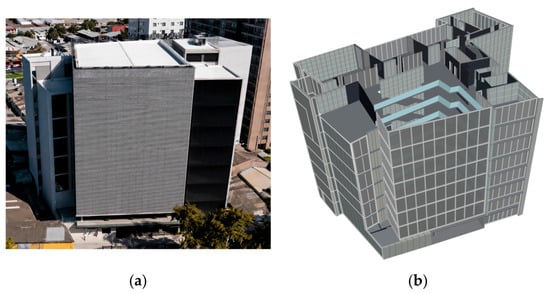
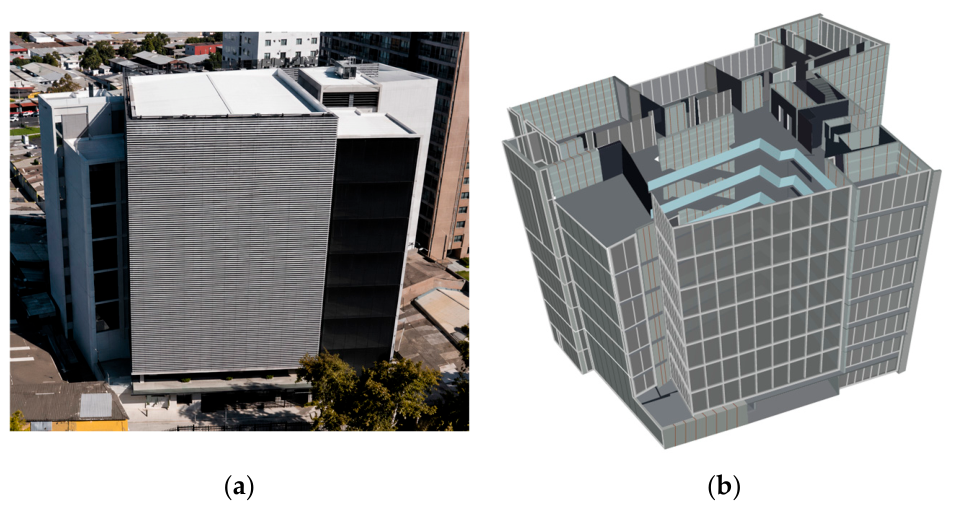
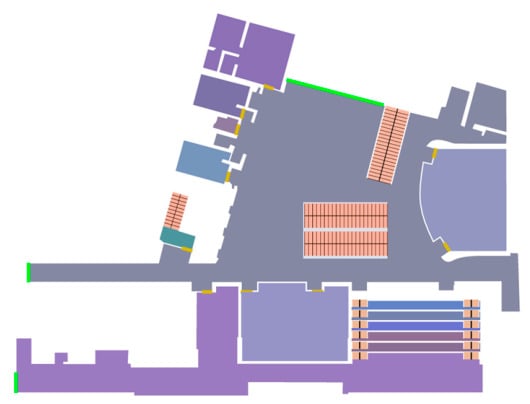
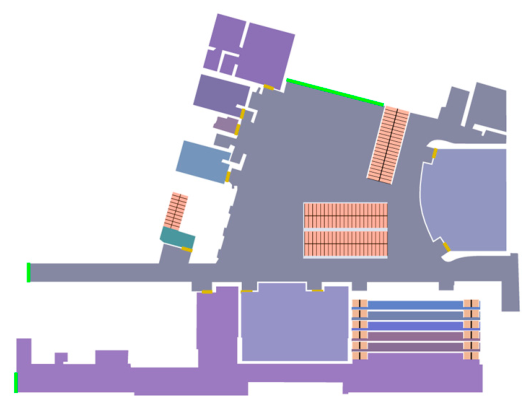
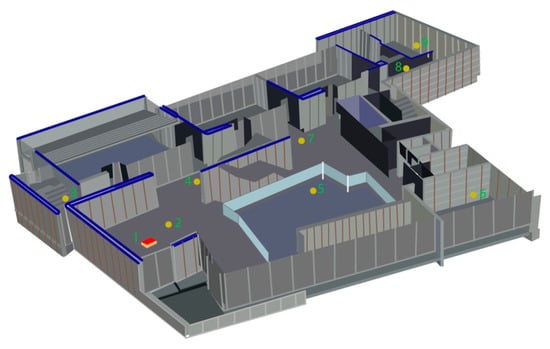
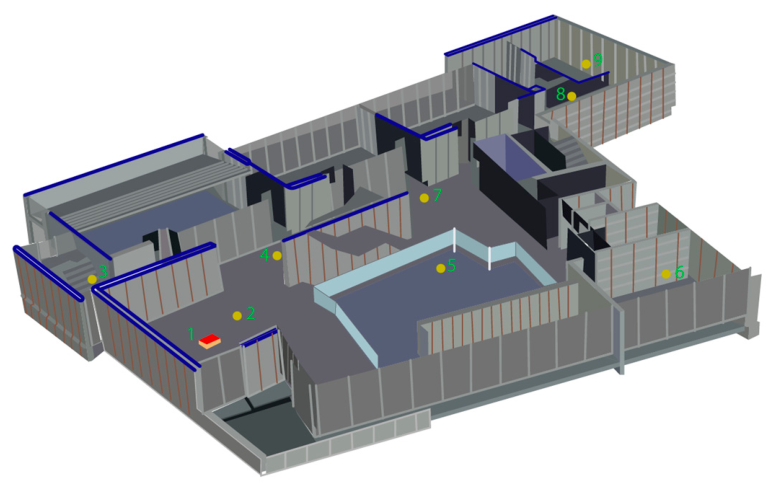
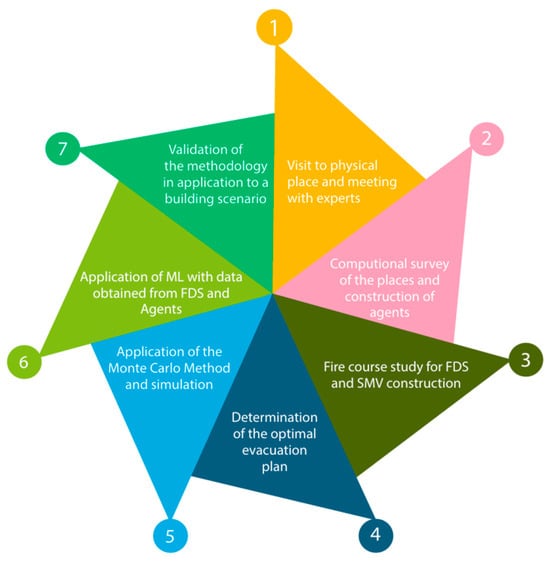
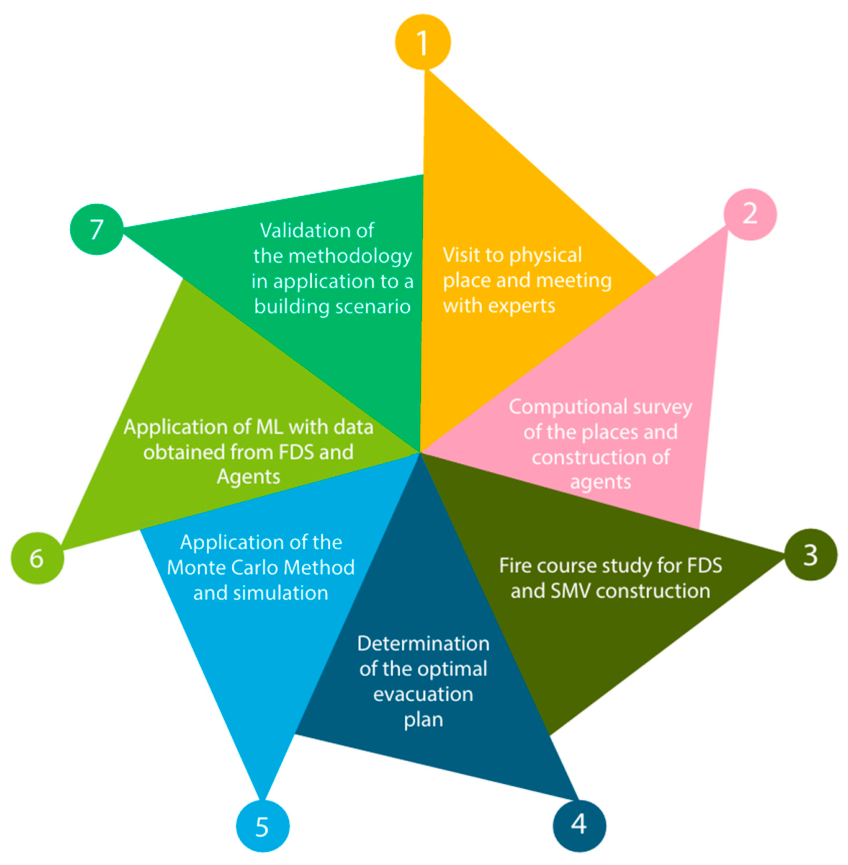


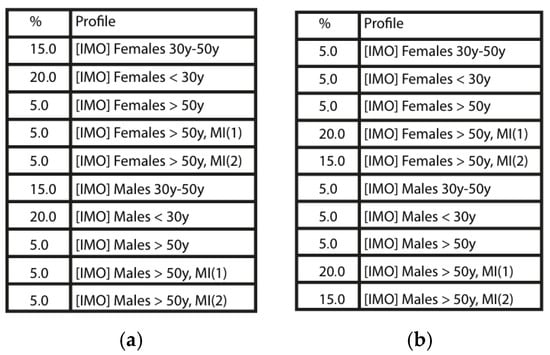
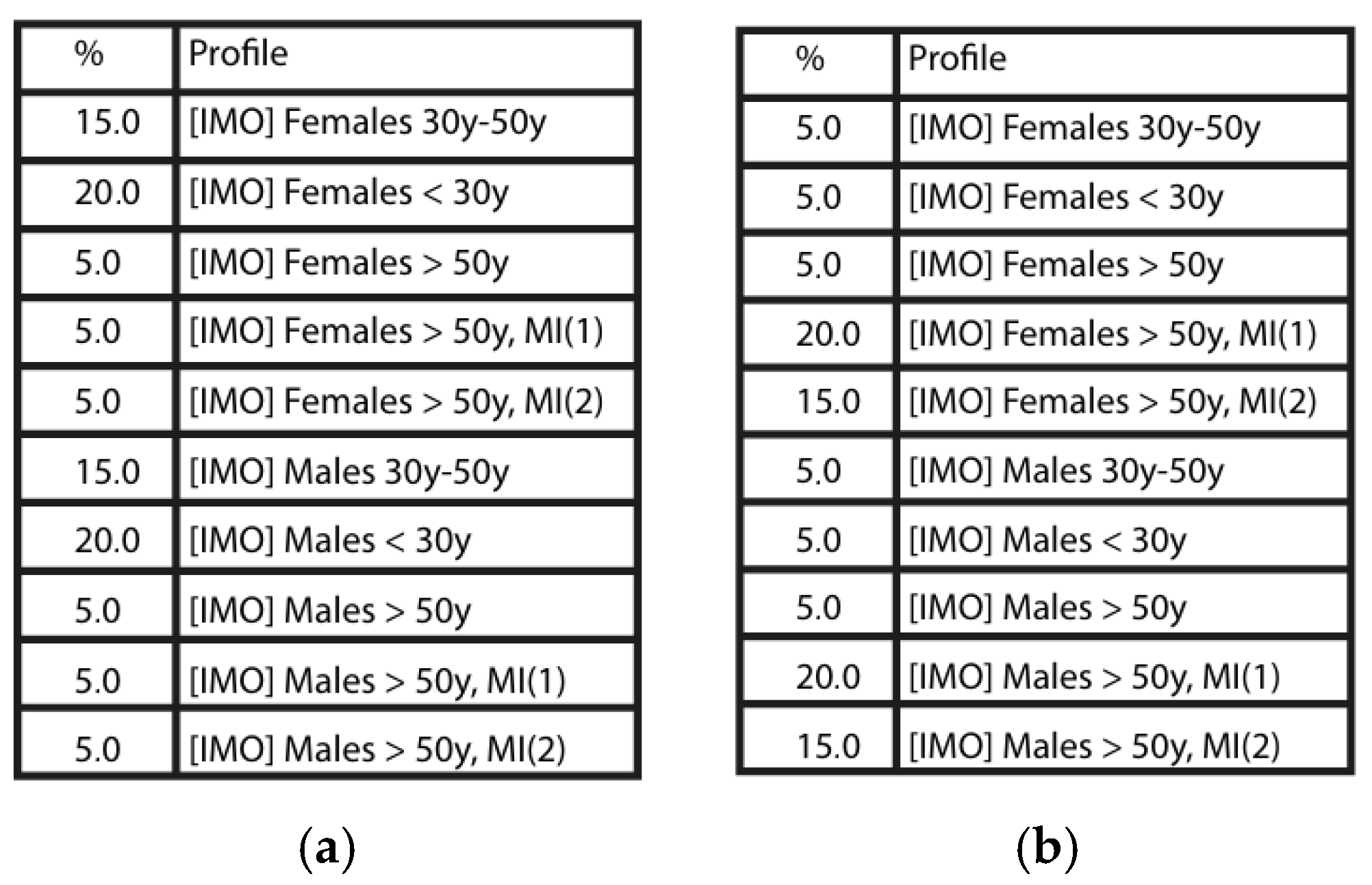
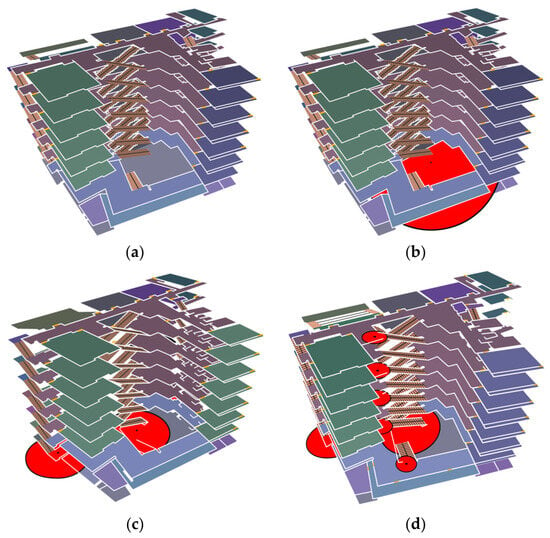
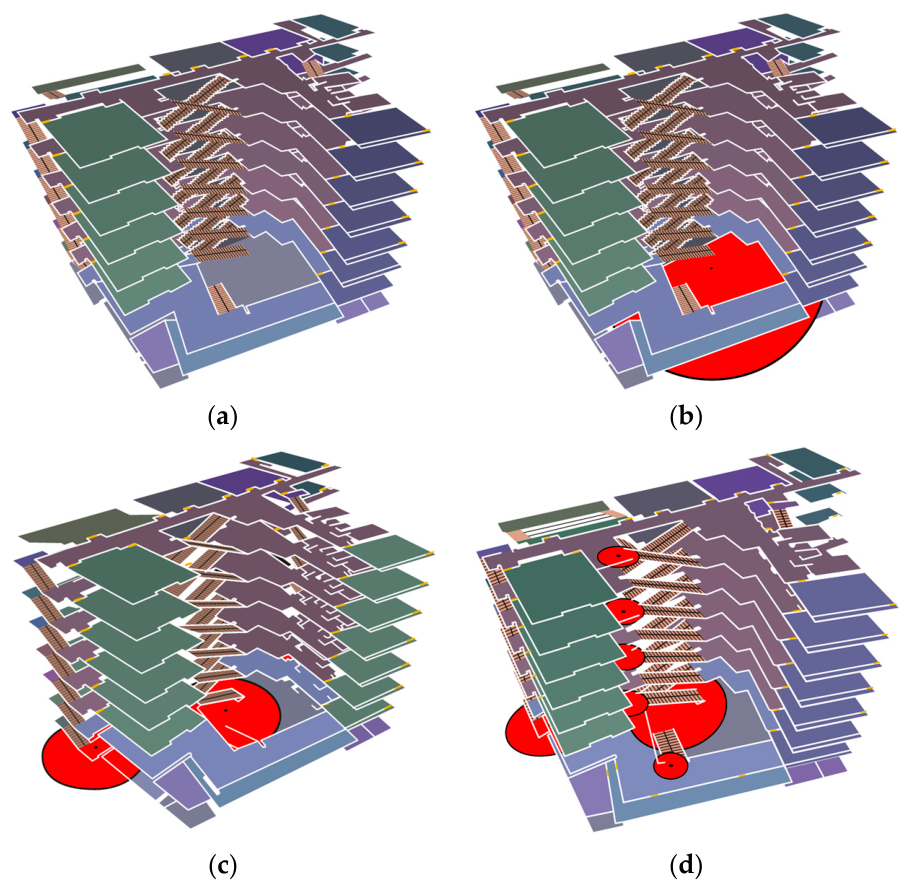
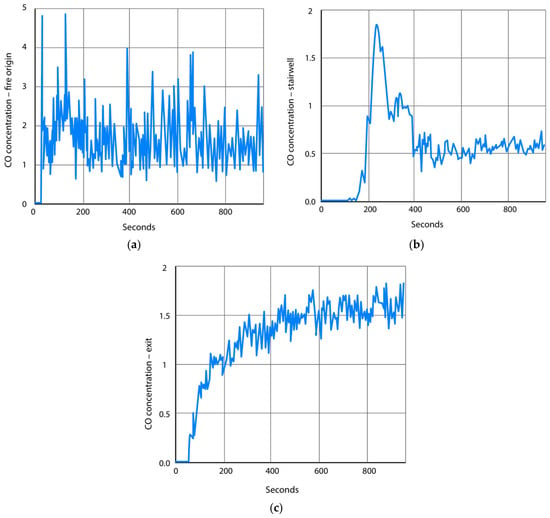
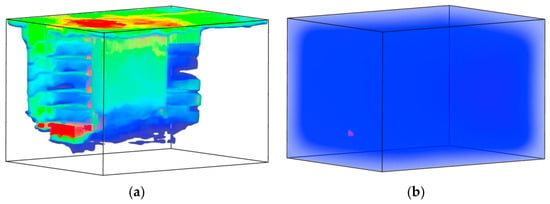
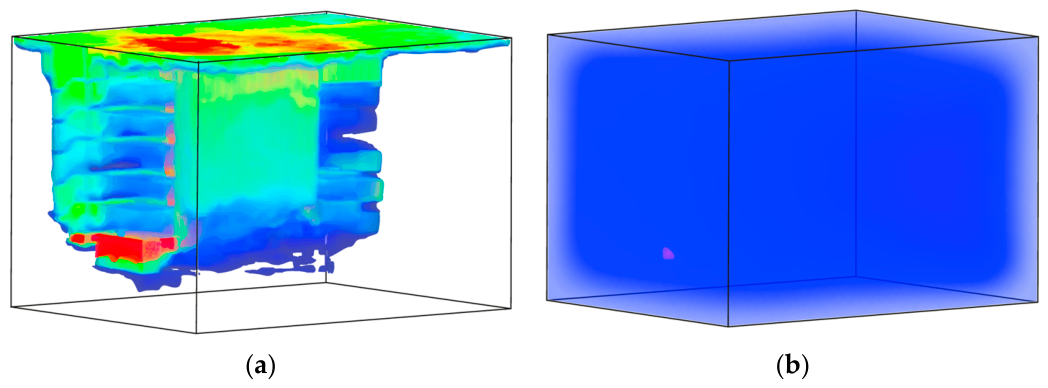
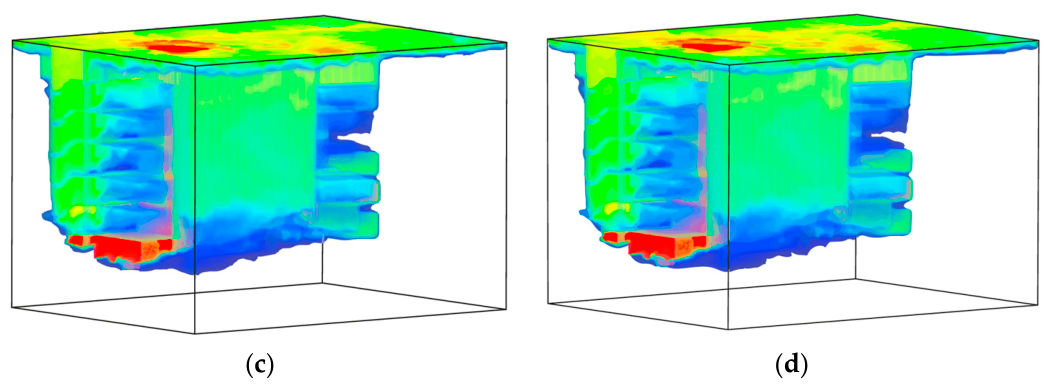
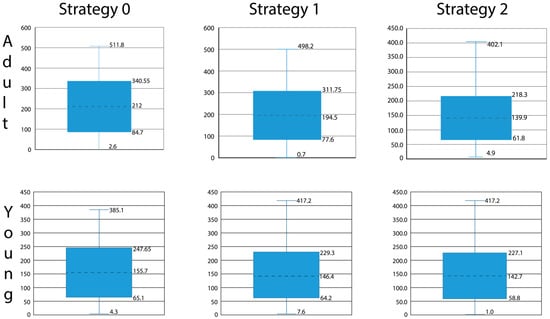
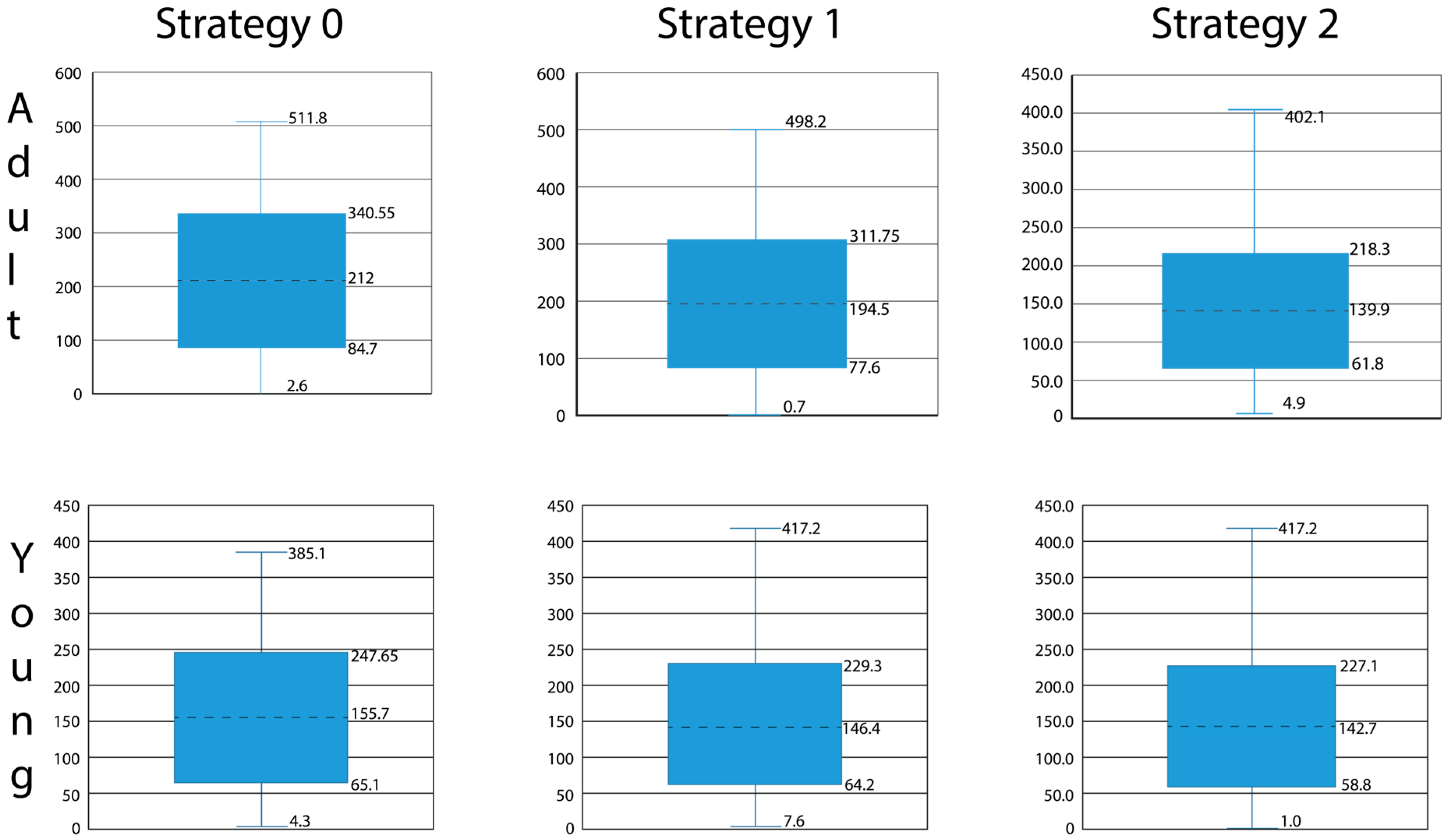
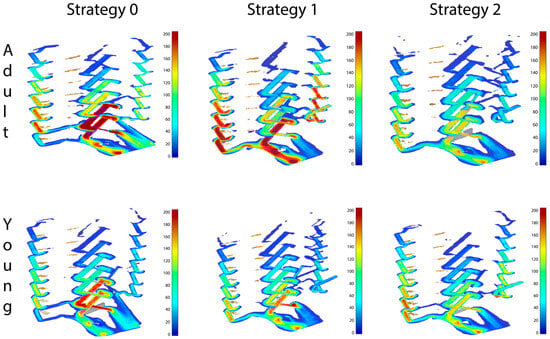
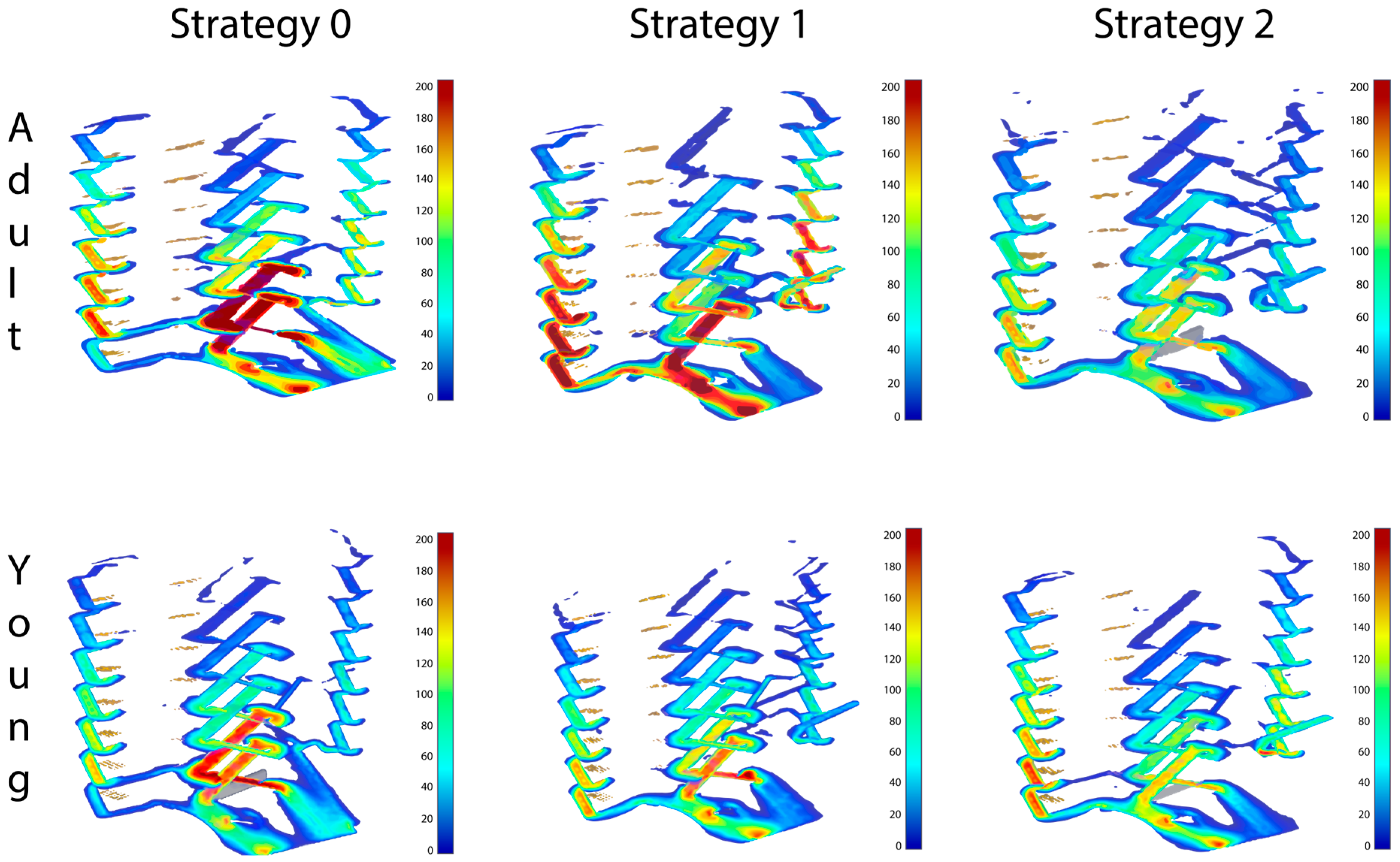
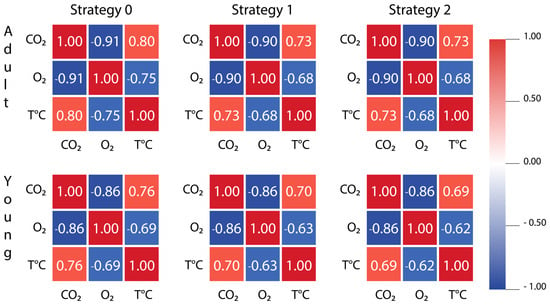
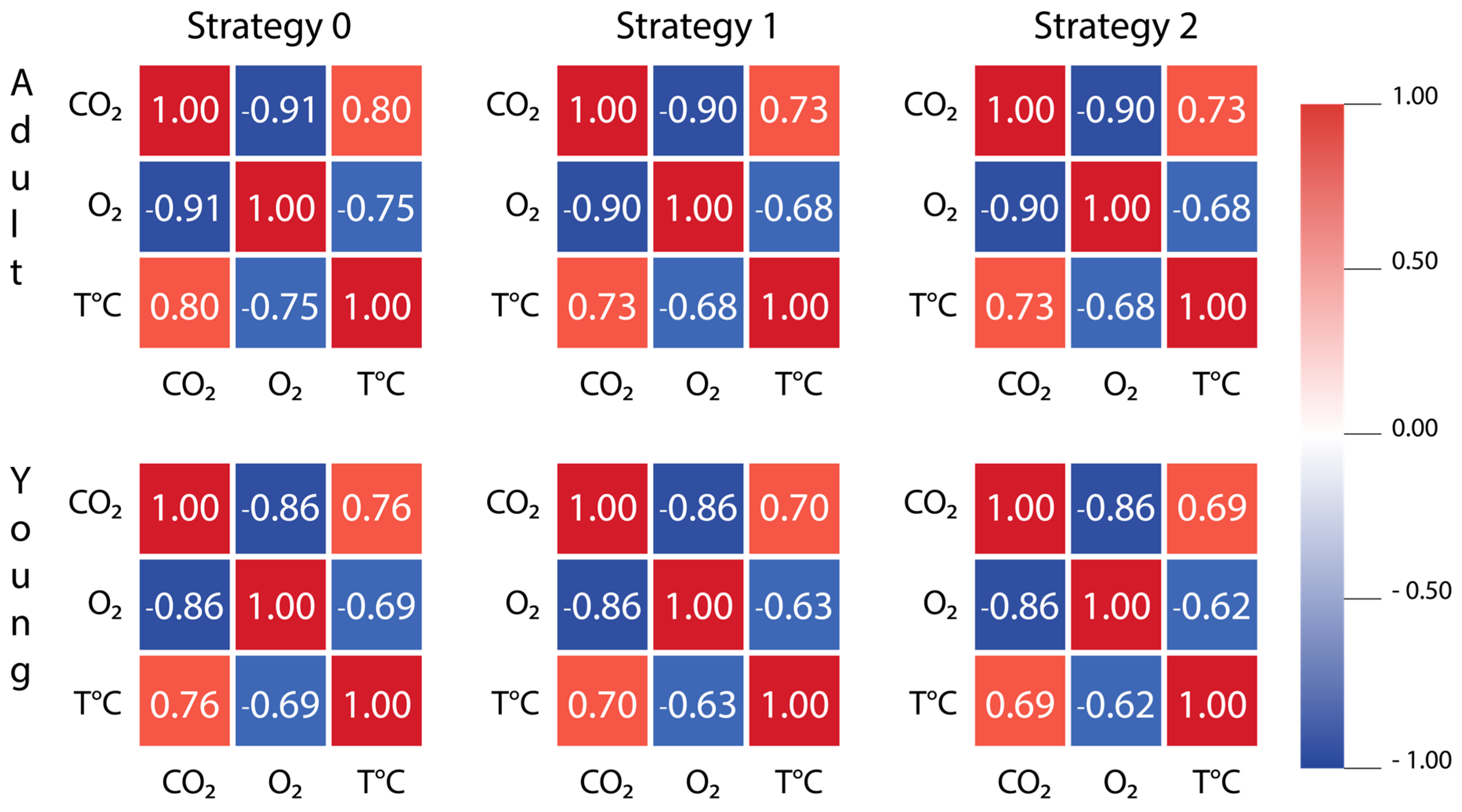
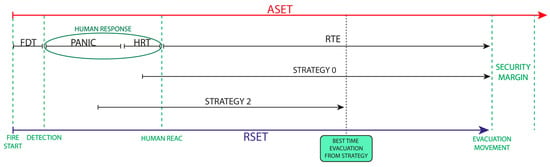
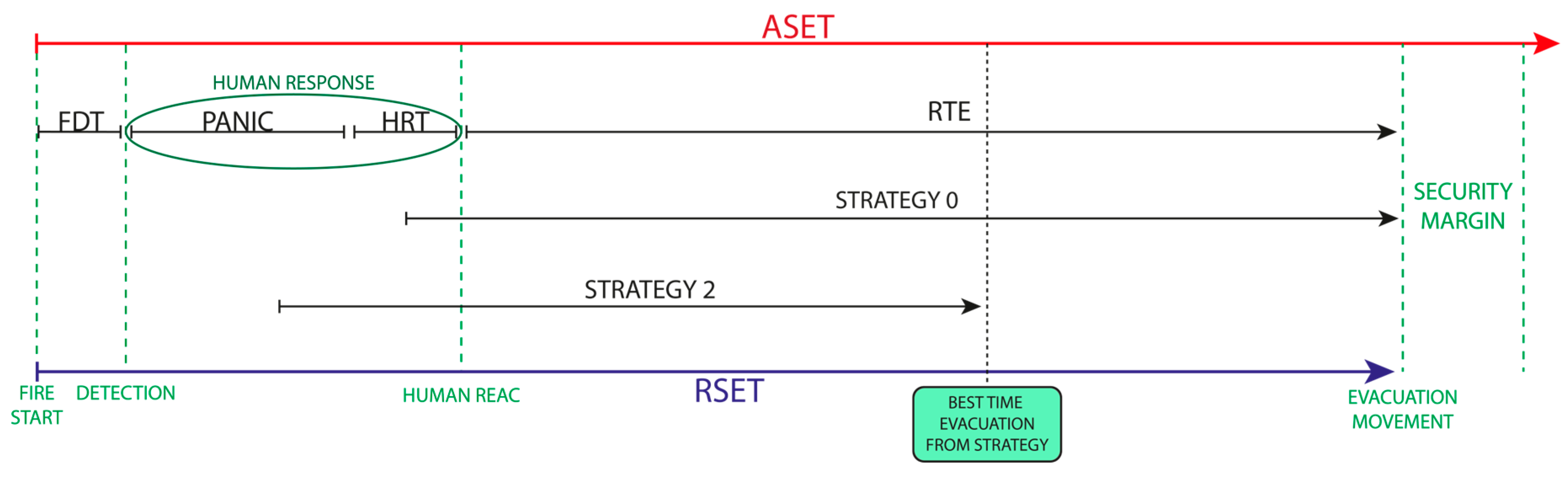

Disclaimer/Publisher’s Note: The statements, opinions and data contained in all publications are solely those of the individual author(s) and contributor(s) and not of MDPI and/or the editor(s). MDPI and/or the editor(s) disclaim responsibility for any injury to people or property resulting from any ideas, methods, instructions or products referred to in the content. |
© 2026 by the authors. Licensee MDPI, Basel, Switzerland. This article is an open access article distributed under the terms and conditions of the Creative Commons Attribution (CC BY) license.