


Abstract
Patients with inflammatory bowel disease (IBD) often require long-term immunosuppressive or advanced therapy, raising concerns about treatment-associated malignancy risk. This systematic review evaluated malignancy outcomes associated with biologic, advanced small-molecule, and thiopurine therapies in adults with IBD. PubMed, Embase, the Cochrane Library, and Web of Science were searched from inception through June 2025, with supplementary screening of Google Scholar and reference lists. Eligible primary studies included randomized controlled trials and prospective or retrospective cohort studies evaluating malignancy outcomes. Thiopurines were included because they remain clinically important comparators and are central to combination-therapy risk. The Newcastle–Ottawa Scale and the Cochrane risk-of-bias tool were used for observational studies and randomized trials, respectively. Because of substantial clinical and methodological heterogeneity, we did not perform a de novo meta-analysis; pooled estimates from previously published meta-analyses are reported only as contextual evidence. Twenty-eight studies met the inclusion criteria. Thiopurines showed the most consistent malignancy associations, including lymphoma, non-melanoma skin cancer (NMSC), acute myeloid leukemia/myelodysplastic syndrome, and urinary tract cancer. Anti-tumor necrosis factor (anti-TNF) monotherapy was not associated with a clear increase in overall cancer incidence, although a modest lymphoma signal was reported in some datasets. Combination anti-TNF plus thiopurine therapy showed the strongest lymphoma signal. Current evidence has not demonstrated an increased malignancy risk with vedolizumab or ustekinumab, including in available cohorts of patients with prior malignancy; however, confidence is limited by observational designs, small event numbers, heterogeneous cancer histories, and limited follow-up. IBD-specific data for Janus kinase inhibitors and sphingosine-1-phosphate receptor modulators remain comparatively immature, and long-term surveillance is required. Overall, treatment decisions should integrate absolute baseline risk, age, smoking, prior malignancy, prior NMSC, Epstein–Barr virus-related risk, disease-related cancer risk, and cumulative immunosuppressive exposure.
Keywords:
inflammatory bowel disease; vedolizumab; thiopurine; JAK inhibitor; ozanimod; infliximab; malignancy 1. Introduction
Inflammatory bowel disease (IBD) encompasses two principal forms of chronic intestinal inflammation: ulcerative colitis (UC) and Crohn’s disease (CD) [1]. In the United States alone, an estimated 2.4 to 2.8 million individuals are affected [2]. The pathogenesis involves an interaction between immune responses, altered gut microbiota, genetic susceptibility, and environmental triggers. Activated macrophages and dendritic cells produce interleukin (IL)-12 and IL-23, which signal through Janus kinase (JAK) and signal transducer and activator of transcription (STAT) pathways to drive the inflammatory cascade. Downstream activation of naïve T cells leads to production of interferon (IFN)-γ and tumor necrosis factor (TNF) [1]. IFN-γ exerts direct cytotoxic and antiangiogenic effects on tumor cells, while IL-23 plays a dual role, contributing to antitumor surveillance through IFN-γ production but also potentially promoting tumorigenesis via IL-17/STAT3 signaling. TNF participates in antitumor surveillance by promoting CD8+ T-cell priming and enabling recognition and destruction of malignant cells.
Infliximab and adalimumab are monoclonal antibodies (mAbs) that neutralize TNF-α, also suppressing IFN-γ production. Both are approved for CD and UC. Certolizumab pegol and golimumab are additional anti-TNF mAbs approved for CD and UC, respectively. Mirikizumab targets IL-23 and is approved for moderate-to-severe UC [3,4]. Ustekinumab blocks the shared p40 subunit of IL-12 and IL-23 and is used in moderate-to-severe CD. Risankizumab, brazikumab, and guselkumab selectively inhibit IL-23 and are used in CD management [4]. Vedolizumab, an anti-α4β7 integrin mAb, blocks lymphocyte trafficking to the gut by preventing binding to mucosal addressing cell adhesion molecule-1 (MAdCAM-1), thereby reducing inflammation. It is approved for induction and maintenance of remission in both UC and CD [3,4].
Tofacitinib is a JAK1/3 inhibitor approved for UC. Upadacitinib, a selective JAK1 inhibitor, is approved for both CD and UC. Two sphingosine-1-phosphate (S1P) receptor modulators, ozanimod (selective for S1P1 and S1P5) and etrasimod (selective for S1P1, S1P4, and S1P5) are approved for UC [5].
As patients with IBD live longer and receive increasingly diverse therapies, malignancies may reflect aging, chronic inflammation, disease phenotype, surveillance intensity, smoking, prior immunosuppressive exposure, or treatment effects. IBD itself increases colorectal cancer risk, particularly with longer disease duration, greater colonic extent, persistent inflammation, primary sclerosing cholangitis, and previous dysplasia. These background risks must be distinguished from malignancy potentially attributable to therapy. This review systematically evaluates malignancy risk associated with biologic, advanced small-molecule, and thiopurine therapies in adults with IBD. Thiopurines were included because they remain important comparator exposures and are central to the interpretation of combination anti-TNF therapy.
2. Methods
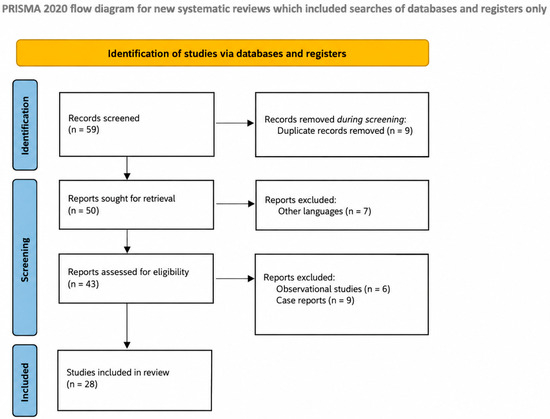
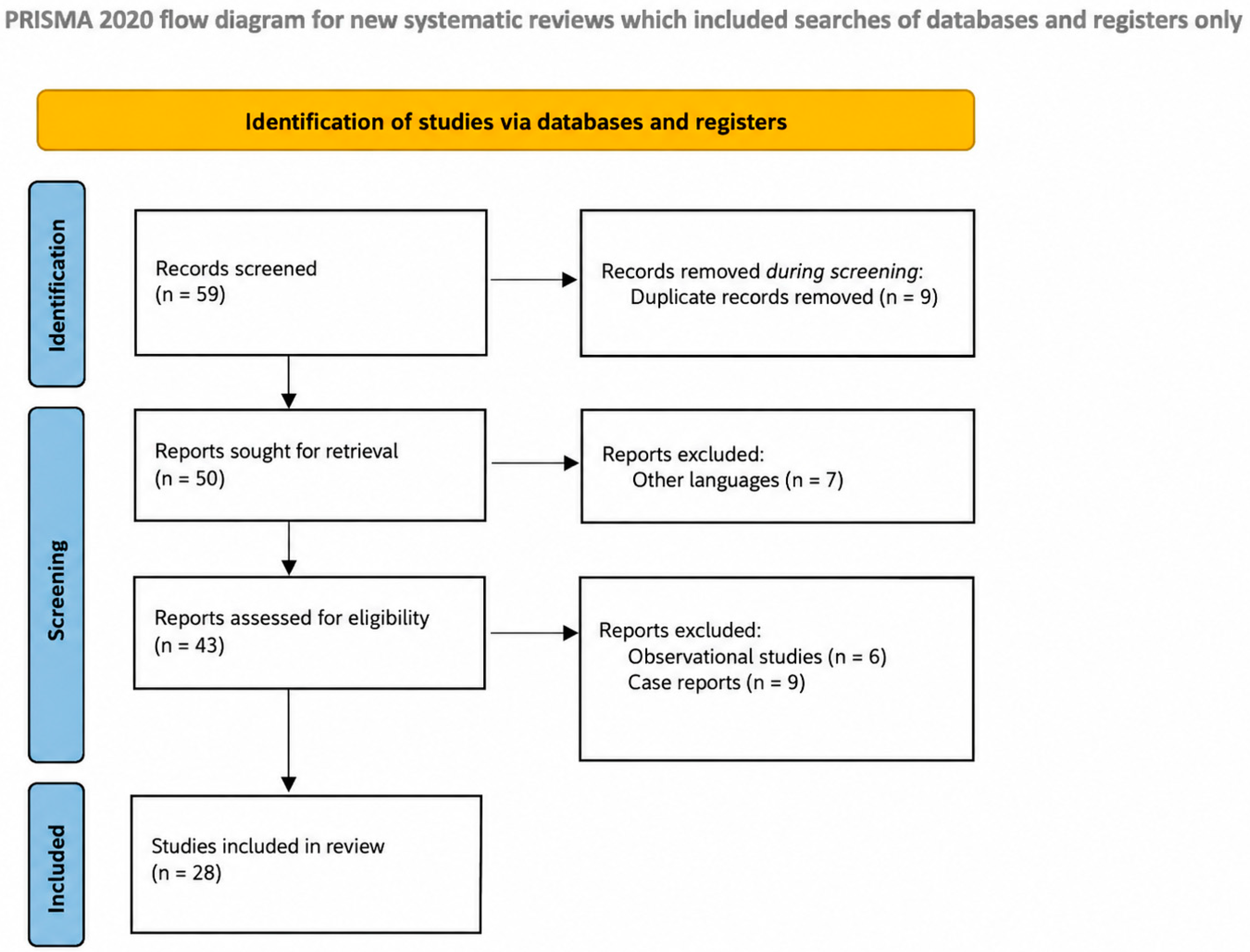
This systematic review was conducted following the Preferred Reporting Items for Systematic Reviews and Meta-Analyses (PRISMA) guidelines (Figure 1) [6].
Figure 1.
PRISMA Flow Diagram.
The protocol was not prospectively registered. This omission is acknowledged as a methodological limitation because prospective registration reduces the risk of selective methodological changes and outcome reporting. The review question, eligibility criteria, and analytic framework are therefore reported explicitly below to improve transparency.
PubMed, Embase, the Cochrane Library, and Web of Science were searched from database inception through June 2025. Google Scholar and reference lists of relevant reviews and eligible studies were used for supplementary screening only. The search was restricted to English-language publications. The original search was conducted using the concepts and terms reported below; however, the exact database-specific search strings were not prospectively archived. We therefore report the search methodology transparently without retrospectively presenting reconstructed strings as the exact historical searches. Pharmacovigilance and regulatory safety databases were not systematically searched and were not eligible evidence sources for the systematic review.
The search combined controlled vocabulary and free-text terms for the population (“inflammatory bowel disease,” “Crohn disease,” and “ulcerative colitis”), exposures (anti-TNF agents, vedolizumab, ustekinumab, selective IL-23 inhibitors, JAK inhibitors, S1P receptor modulators, thiopurines, and combination therapy), and outcomes (“malignancy,” “cancer,” “lymphoma,” and “non-melanoma skin cancer”). Database-specific syntax was adapted for each platform.
Eligible studies included randomized controlled trials and prospective or retrospective cohort studies evaluating malignancy outcomes in adults with IBD receiving anti-TNF agents, anti-integrin therapies, anti-IL-12/23 or selective IL-23 inhibitors, JAK inhibitors, S1P receptor modulators, thiopurine monotherapy, or anti-TNF/thiopurine combination therapy. Thiopurines were included because they are clinically important comparators and materially modify the interpretation of combination-therapy risk. Existing meta-analyses, guidelines, prescribing information, and non-IBD datasets were not counted as included primary studies; when cited, they were identified as contextual evidence.
Case reports, case series with fewer than 10 patients, pediatric-only studies, conference abstracts without full-text availability, narrative reviews, editorials, and non-English publications were excluded from the primary systematic review. Conference abstracts were excluded even when they reported long-term extension data unless a full report meeting eligibility criteria was available. Pharmacovigilance and regulatory safety databases were not systematically searched.
Two reviewers independently screened titles and abstracts, followed by full-text review of potentially relevant studies. Disagreements were resolved by discussion and consensus.
Two reviewers independently extracted study design, publication year, geographic setting, population, sample size, follow-up duration, therapeutic exposure, comparator, malignancy outcome definition, absolute event counts or incidence rates when available, effect estimates with confidence intervals, and major adjusted covariates. Disagreements were resolved by consensus. Effect measures—including HRs, aHRs, RRs, IRRs, ORs, and SIRs—were retained as reported and were not treated as directly interchangeable.
A de novo quantitative meta-analysis was not performed because eligible studies differed substantially in exposure definitions, comparator groups, malignancy outcomes, effect measures, follow-up duration, and patient risk profiles, precluding a clinically coherent common estimand. A qualitative synthesis was therefore conducted by drug class and malignancy type. Pooled estimates from previously published meta-analyses are reported only as contextual evidence and were not generated by the present review.
2.1. Review Question and PECO Framework
Population: adults (≥18 years) with Crohn disease or ulcerative colitis. Exposure: biologic therapy, advanced small-molecule therapy, thiopurine monotherapy, or anti-TNF/thiopurine combination therapy. Comparator: unexposed IBD populations, alternative IBD therapies, monotherapy comparators, or background population rates. Outcomes: incident overall and site-specific malignancies, including lymphoma, NMSC, hematologic malignancy, urinary tract cancer, and recurrent or new cancer among patients with previous malignancy. The primary systematic-review evidence base was restricted to eligible primary IBD studies; meta-analyses, non-IBD datasets, and guidelines were used only for contextual comparison, pharmacovigilance/biological plausibility, and clinical framing, respectively.
2.2. Risk-of-Bias Assessment
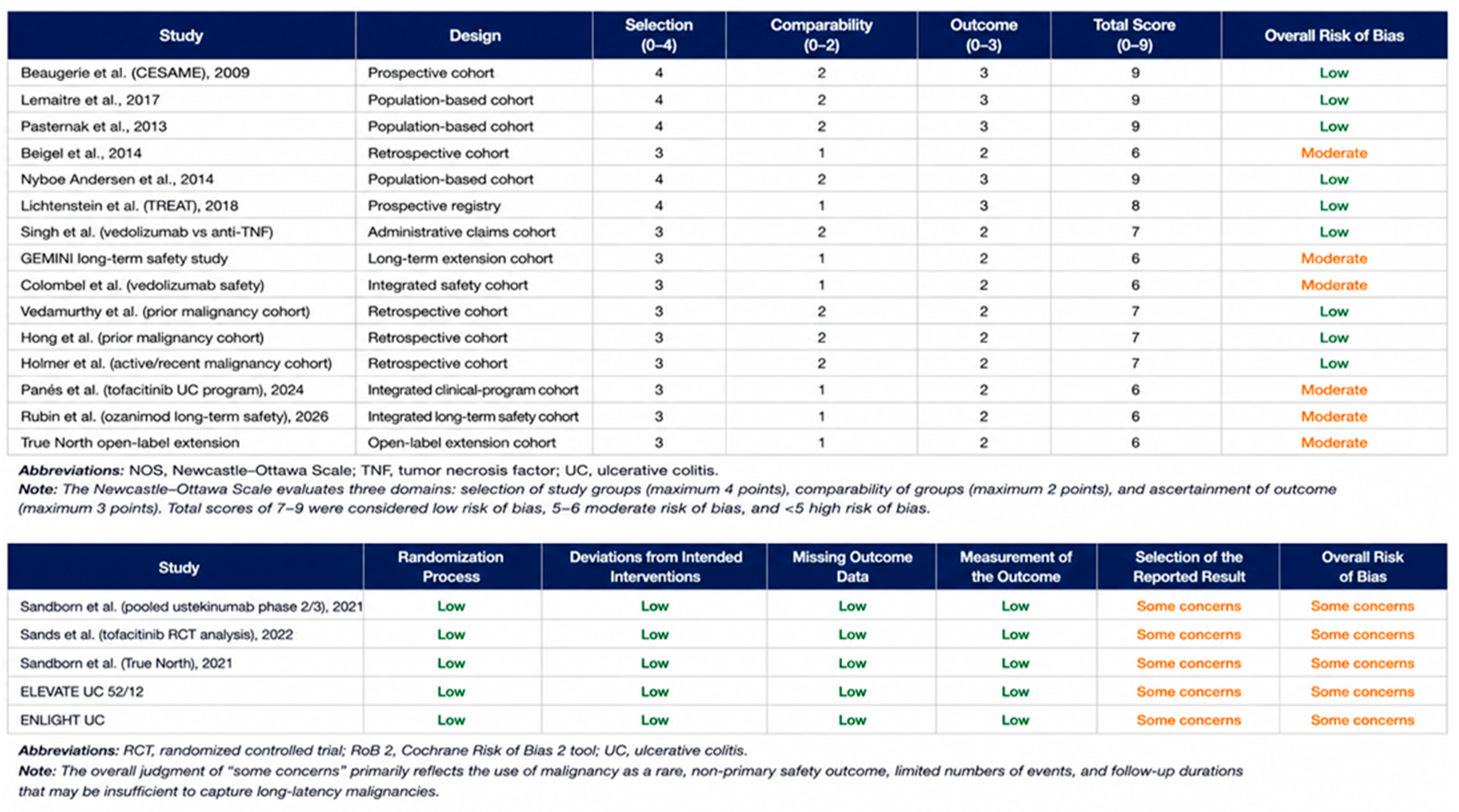
Observational studies were assessed with the Newcastle–Ottawa Scale, including selection, comparability, outcome assessment, and adequacy of follow-up. Randomized trials were assessed using standard Cochrane risk-of-bias domains. Assessments were performed independently by two reviewers and resolved by consensus (Figure 2). These judgments were considered when interpreting certainty, particularly for rare outcomes and observational comparisons vulnerable to confounding by indication, channeling bias, exposure misclassification, surveillance bias, immortal time bias, and residual confounding.
3. Results
Risk-of-bias assessment showed that large prospective and population-based cohorts were generally at low risk of bias (NOS 7–9), whereas smaller retrospective cohorts, integrated safety datasets, and open-label extensions were generally at moderate risk (NOS 5–6), mainly because of residual confounding, selected populations, limited comparator structure, or ascertainment limitations. Randomized trials were generally at low risk across core RoB 2 domains but had some concerns overall for malignancy outcomes because cancer was a rare, non-primary endpoint and follow-up was limited relative to cancer latency. No study was excluded on the basis of quality.
3.1. Evidence Hierarchy and Risk-of-Bias Summary
Eligible primary IBD studies constitute the systematic-review evidence base. Published meta-analyses are identified as contextual pooled evidence; non-IBD safety datasets are discussed only for pharmacovigilance context; and guidelines are used only for clinical framing. Large population-based cohorts were useful for rare-event detection but remained vulnerable to residual confounding, confounding by indication, differential cancer surveillance, and exposure misclassification. Randomized trials had stronger internal validity but were generally underpowered for rare malignancies and had limited latency. These limitations preclude definitive safety ranking of newer therapies.
3.2. Thiopurine-Associated Malignancy
The CESAME prospective cohort followed 19,486 IBD patients and found that the incidence of lymphoproliferative disorders was 0.90 per 1000 patient-years (95% CI, 0.50–1.49) among those receiving thiopurines, compared with 0.26 per 1000 patient-years (95% CI, 0.10–0.57) in those who had never received them (multivariate aHR 5.28; 95% CI, 2.01–13.9; p = 0.0007) [7]. Lemaitre et al. studied 189,289 IBD patients from the French National Health Insurance databases over a median of 6.7 years and identified 336 lymphoma cases; thiopurine monotherapy carried an aHR of 2.60 (95% CI, 1.96–3.44; p < 0.001) for lymphoma versus unexposed patients [8]. In 2013, a Danish study found a relative risk of 1.41 in thiopurine population [9]. Beigel et al. compared malignancy rates between thiopurine and anti-TNF groups in 666 IBD patients and found 20 malignancies in 18 thiopurine-treated patients versus 8 malignancies in 7 anti-TNF-treated patients (HR 4.15; 95% CI, 1.82–9.44; p = 0.0007). The age of 50 years or older was a significant risk factor in both groups [10].
Kotlyar et al. similarly found this in meta-analysis, with a pooled SIR of 4.92 (95% CI, 3.10–7.78) for lymphoma in thiopurine-treated patients, higher among current users (SIR 5.71; 95% CI, 3.72–10.1) than former users (SIR 1.42; 95% CI, 0.86–2.34) [11]. The relative risk was greatest in younger patients (under 30 years; SIR 6.99; 95% CI, 2.99–16.4). Men were at significantly higher risk than women (SIR 4.50 vs. 2.29). Kandiel et al. had earlier reported a pooled SIR of 4.18 (95% CI, 2.07–7.51; p = 0.03) for lymphoma [12].
Khan et al. showed that current thiopurine use for less than 2 years was associated with increased AML/MDS risk (aHR 3.05; 95% CI, 1.54–6.06; p = 0.0014), with the risk persisting for exposure of 2 years or longer (aHR 2.32; 95% CI, 1.22–4.41; p = 0.0101) [13]. The CESAME cohort also reported an elevated SIR for urinary tract cancer in thiopurine recipients (SIR 3.40; 95% CI, 1.47–6.71; p = 0.006) [7].
Table 1.
Studies evaluating malignancy in Thiopurines—Demographics.
Table 2.
Studies evaluating malignancy in Thiopurines—Results.
3.3. Anti-TNF Monotherapy
In the Danish nationwide registry, Nyboe Andersen et al. followed 56,146 IBD patients (median 3.7 years for the TNF-α antagonist-exposed group) and found an adjusted relative risk of cancer of 1.07 (95% CI, 0.85–1.36) in exposed versus unexposed patients, with no statistically significant difference [14]. The TREAT registry analysis of 6273 Crohn’s disease patients similarly showed no meaningful difference in malignancy rates between infliximab-treated and non-infliximab-treated patients (0.69 vs. 0.71 per 100 patient-years) [15].
However, Lemaitre et al. found that anti-TNF monotherapy carried a lymphoma risk comparable to thiopurine monotherapy (aHR 2.41; 95% CI, 1.60–3.64; p < 0.001 vs. unexposed) [8]. The Chupin et al. meta-analysis of 261,689 patients found a statistically significant lymphoma risk with anti-TNF monotherapy (IRR 1.52; 95% CI, 1.06–2.19; p = 0.023), though the risk did not differ significantly from thiopurine monotherapy (IRR 0.72; 95% CI, 0.48–1.07; p = 0.107) [16].
Table 3 and Table 4 summarize studies on TNF-monotherapy-related malignancies in IBD with their results.
Table 3.
Studies evaluating malignancy in Anti-TNF monotherapy—Demographics.
Table 4.
Studies evaluating malignancy in Anti-TNF therapy—Results.
3.4. Combination Anti-TNF Plus Thiopurine Therapy
Lemaitre et al. reported an aHR of 6.11 (95% CI, 3.46–10.8; p < 0.001) for lymphoma with combination therapy versus unexposed patients; the risk was 2.35-fold (95% CI, 1.31–4.22) and 2.53-fold (95% CI, 1.35–4.77) higher than thiopurine and anti-TNF monotherapy, respectively [8]. The Chupin et al. meta-analysis suggested this multiplicative effect (pooled IRR 3.71; 95% CI, 2.30–6.00) [16].
A cross-sectional analysis of 75,673 IBD patients found that combined thiopurine/anti-TNF prescription was significantly associated with increased NMSC risk (HR 5.08; p = 0.001) [17]. Osterman’s study of 1594 Crohn’s disease patients treated with adalimumab showed increased risks of both NMSC (RR 3.46; 95% CI, 1.08–11.06) and non-NMSC malignancies (RR 2.82; 95% CI, 1.07–7.44) with combination versus monotherapy [18]. Axelrad et al. analyzed 54,919 IBD patients and found that the adjusted hazard ratio for recurrent BCC in patients on thiopurine versus 5-ASA was 1.65 (95% CI, 1.24–2.19; p = 0.0005), with no increased risk observed with other drug classes [19]. Yang et al. similarly reported that combination therapy significantly increased lymphoma risk (IRR 3.36; 95% CI, 2.23–5.05; p < 0.001) [20]. A retrospective study of 108,579 IBD patients showed that biologicals used with thiopurines for one year or longer carried a significantly increased NMSC risk (adjusted OR 3.89; 95% CI, 2.33–6.46) [21]. CESAME cohort of 16,023 IBD patients showed that the standardized incidence rate ratio of lymphoma when patients were prescribed anti-TNF with or without thiopurine was 5.5 for past use (95% CI, 4.5–6.6) and 4.4 for current use (95% CI, 3.4–5.4), with diffuse large B-cell lymphoma (44%) being the most common subtype [7]. Kotlyar et al. studied the association between HSTCL and anti-TNF/thiopurine therapies in IBD, finding that 20 patients were treated with azathioprine and anti-TNF and 16 with azathioprine alone [11].
Table 5 and Table 6 summarize studies on thiopurine-TNF combination-related malignancies in IBD with their results.
Table 5.
Studies evaluating malignancy in Anti-TNF and Thiopurine combination therapy—Demographics.
Table 6.
Studies evaluating malignancy in Anti-TNF and Thiopurine combination therapy—Results.
3.5. Vedolizumab
Singh et al. compared vedolizumab with TNF-α antagonists in IBD patients using administrative claims data (4807 TNF-α antagonist-treated vs. 759 vedolizumab-treated patients). After adjusting for age, sex, and race, there was no significant difference in malignancy incidence (HR 1.15; 95% CI, 0.61–2.19) [22]. The GEMINI long-term safety study of 2343 patients reported malignancy rates of 9.8 per 1000 per year in UC and 8.3 per 1000 per year in Crohn’s disease, consistent with background rates [23]. Colombel et al. found that less than 1% (18 of 2830) of vedolizumab-treated patients developed malignancy [24].
Table 7 and Table 8 summarize studies on Vedolizumab-related malignancies in IBD with their results.
Table 7.
Studies evaluating malignancy in Vedolizumab—Demographics.
Table 8.
Studies evaluating malignancy in Vedolizumab—Results.
3.6. Ustekinumab
A pooled analysis of phase 2/3 studies involving 2574 patients showed low and similar malignancy rates between placebo (0.34 per 100 PY; 95% CI, 0.04–1.21) and ustekinumab (0.40 per 100 PY; 95% CI, 0.16–0.83) [25].
Table 9 and Table 10 summarize studies on ustekinumab-related malignancies in IBD with their results.
Table 9.
Studies evaluating malignancy in Ustekinumab—Demographics.
Table 10.
Studies evaluating malignancy in Ustekinumab—Results.
3.7. Vedolizumab and Ustekinumab in Patients with Prior Malignancy
Vedamurthy et al. studied 463 IBD patients with prior cancer and found no increase in the risk of new or recurrent cancer with vedolizumab (HR 1.38; 95% CI, 0.72–2.64) or anti-TNF therapy (HR 1.03; 95% CI, 0.65–1.64) compared with no immunosuppression [26]. Hong et al. saw these findings in 390 patients, reporting no increased risk of subsequent cancer with vedolizumab (aHR 1.36; 95% CI, 0.27–7.01) or ustekinumab (aHR 0.96; 95% CI, 0.17–5.41) [27]. Holmer et al. compared TNF-α antagonists with non-TNF biologics in IBD patients with active or recent cancer, finding comparable progression-free survival (HR 0.76; 95% CI, 0.25–2.30) and recurrence-free survival (HR 0.94; 95% CI, 0.24–3.77) [28].
The updated meta-analysis by Gupta et al. of 24,328 persons across immune-mediated diseases found numerically lower cancer recurrence rates with ustekinumab (21 per 1000 PY; 95% CI, 0–44) and vedolizumab (16 per 1000 PY; 95% CI, 5–26) compared with no immunosuppression (35 per 1000 PY; 95% CI, 27–43), anti-TNF agents (32 per 1000 PY; 95% CI, 25–38) or combination immunosuppression (56 per 1000 PY; 95% CI, 31–81) [29].
Table 11 and Table 12 summarize studies on Vedolizumab and Ustekinumab related malignancies in IBD with their results.
Table 11.
Studies evaluating malignancy in Vedolizumab/Ustekinumab with prior malignancy—Demographics.
Table 12.
Studies evaluating malignancy in Vedolizumab/Ustekinumab with prior malignancy—Results.
3.8. JAK Inhibitors (Table 13 and Table 14 [30,31])
The completed tofacitinib UC clinical program, encompassing 1157 patients with up to 9.2 years of drug exposure (3202 patient-years), showed a malignancy incidence rate (excluding NMSC) of 0.88 per 100 patient-years (95% CI, 0.59–1.26) [30]. Sands et al. analyzed NMSC risk in the tofacitinib UC program and found no significant difference between tofacitinib 5 mg (IR 0.82; 95% CI, 0.47–1.34) or 10 mg (IR 0.45; 95% CI, 0.09–1.30) versus placebo, though prior TNF inhibitor failure (HR 4.27; 95% CI, 1.42–12.87; p = 0.01) was a significant independent risk factor [31].
Twenty adjudicated malignancies were identified across 1124 patients, with no dominant malignancy pattern; 17 of 20 occurred in patients on 10 mg twice daily, but over 80% of patients predominantly received that dose. For NMSC, 19 cases were identified (IR 0.71/100 PY), with significant independent risk factors being prior NMSC history (HR 9.09, p = 0.0001), prior TNF inhibitor failure (HR 3.32, p = 0.04), and older age (HR 2.03 per 10-year increase, p = 0.0004); all NMSC cases in the pivotal trials had prior thiopurine exposure. The Bezzio et al. meta-analysis found no difference in overall cancer risk between tofacitinib and placebo (RR 1.06; 95% CI, 0.86–1.31), though a slightly higher risk was observed versus TNF inhibitors (RR 1.40; 95% CI, 1.06–2.08; p = 0.02) [32]. The Russel et al. meta-analysis similarly found an increased malignancy risk for JAK inhibitors versus TNF inhibitors (IRR 1.50; 95% CI, 1.16–1.94), but no difference versus placebo (IRR 0.71; 95% CI, 0.44–1.15) or methotrexate (IRR 0.77; 95% CI, 0.35–1.68) [33]. Rubbert-Roth et al. reported that malignancy rates (excluding NMSC) with upadacitinib in RA ranged from 0.2 to 1.1 per 100 PY [34].
Table 13 and Table 14 summarize studies on JAK inhibitor-related malignancies in IBD with their results.
Table 13.
Studies evaluating malignancy in JAK inhibitors—Demographics.
Table 14.
Studies evaluating malignancy in JAK inhibitors—Results.
3.9. S1P Receptor Modulators
In the phase 3 True North trial of ozanimod, cancer was diagnosed in 1 patient during induction (BCC) and 4 patients during maintenance (BCC, rectal adenocarcinoma, colon adenocarcinoma, and breast cancer), with low incidences [35]. The True North open-label extension through approximately 3 years of continuous treatment showed that malignancy occurred infrequently with no new safety associations [36]. The data from Rubin et al. pooled 3652 patients with UC or relapsing MS across 16,144 patient-years of ozanimod exposure over 10 years and found a malignancy rate of 0.4 per 100 PY that remained low and stable throughout the observation period [37]. For etrasimod, the phase 3 ELEVATE UC 52 and ELEVATE UC 12 trials reported no malignancies across either trial. The ENLIGHT UC trial in East Asian patients similarly reported no malignancies [38,39].
Table 15 and Table 16 summarize studies on S!P receptor modulator related malignancies in IBD with their results.
Table 15.
Studies evaluating malignancy in S1P Receptor Molecules—Demographics [35,36,37,38,39].
Table 16.
Studies evaluating malignancy in S1P Receptor Molecules—Results.
Figure 2.
ROB [7,8,9,10,14,22,24,26,27,28,30,37].
3.10. Selective IL-23 Inhibitors
Selective IL-23 inhibitors were within the prespecified scope, but mature malignancy evidence was insufficient for robust class-level conclusions. Available trial and extension datasets contain few cancer events and limited latency. The absence of a current signal should therefore not be interpreted as proof of long-term safety; ongoing registry and post-marketing surveillance is required.
4. Discussion
This systematic review found substantial variation in the strength and nature of malignancy signals across IBD therapies. Thiopurines showed the most consistent associations with malignancy, particularly lymphoma, non-melanoma skin cancer, urinary tract cancer, and selected myeloid malignancies, while combination anti-TNF plus thiopurine therapy showed the strongest lymphoma signal [7,8,9,10,11,12,13,17,18,19,20,21]. In contrast, anti-TNF monotherapy was not consistently associated with an increase in overall malignancy, although a modest lymphoma signal was reported in some datasets [8,14,15,16,20]. Available data for vedolizumab and ustekinumab, including cohorts of patients with previous malignancy, have not demonstrated an increased risk, but confidence is limited by observational study designs, small event numbers, heterogeneous cancer histories, and limited follow-up [22,23,24,25,26,27,28,29]. Evidence for selective IL-23 inhibitors, JAK inhibitors, and S1P receptor modulators remains less mature, and the absence of a current signal should not be interpreted as established long-term safety [30,31,32,33,34,35,36,37,38,39].
Interpretation of these findings requires consideration of both absolute and relative risk. In the CESAME cohort, thiopurine exposure was associated with a lymphoproliferative disorder incidence of 0.90 per 1000 patient-years compared with 0.26 per 1000 patient-years among never-users, despite a substantially larger relative hazard estimate [7]. By contrast, the TREAT registry reported nearly identical overall malignancy rates with and without infliximab (0.69 vs. 0.71 per 100 patient-years) [15]. HSTCL illustrates the same principle: the association is clinically important, particularly in young men with prolonged thiopurine exposure, but the event remains rare in absolute terms [40,41]. Relative estimates should therefore be interpreted alongside event counts or incidence rates when available, and different measures of association should not be treated as directly comparable.
Previous malignancy should not be treated as a homogeneous risk state. Active, recent, remote, recurrent, and new primary cancers have different clinical implications, and a remote basal cell carcinoma is not equivalent to a recently treated melanoma, lymphoma, colorectal cancer, or other solid-organ malignancy. Available cohorts frequently combine these categories and include relatively few cancer events; their findings should therefore be interpreted according to cancer type, interval since treatment, recurrence risk, and multidisciplinary oncology input [26,27,28,29].
The ORAL Surveillance malignancy signal should not be dismissed as irrelevant to IBD. It is particularly relevant to older patients, current or former smokers, and patients with cardiovascular or prior malignancy risk factors [42]. The trial also identified broader safety concerns, including major adverse cardiovascular events and mortality [42]. Although the same malignancy signal has not been clearly reproduced in IBD-specific datasets, a susceptible-subgroup or latency-dependent class effect remains possible, and continued long-term surveillance is warranted.
Available S1P receptor modulator data show low malignancy event rates, but follow-up remains limited relative to the latency of many cancers [35,36,37,38,39]. Current evidence, therefore, does not establish long-term malignancy safety, and continued post-marketing surveillance is required.
5. Conclusions
Current evidence has not demonstrated an increased malignancy risk with vedolizumab or ustekinumab, including in available cohorts of patients with prior malignancy; however, confidence remains limited by observational designs, small event numbers, heterogeneous cancer histories, and limited follow-up. Evidence for selective IL-23 inhibitors, JAK inhibitors, and S1P receptor modulators remains less mature. Treatment selection should therefore be individualized rather than based on a definitive safety ranking.
Author Contributions
Conceptualization, K.S. and P.G.; methodology, P.G.; validation, B.S., P.G. and G.K.; formal analysis, P.G.; investigation, P.G.; data curation, P.G.; writing—original draft preparation, R.J.; writing—review and editing, Z.Y.; supervision, B.S. All authors have read and agreed to the published version of the manuscript.
Funding
This research received no external funding.
Institutional Review Board Statement
Not applicable.
Informed Consent Statement
Not applicable.
Data Availability Statement
No new data were created or analyzed in this study. Data sharing is not applicable to this article.
Conflicts of Interest
The authors declare no conflicts of interest.
Abbreviations
5-ASA, 5-aminosalicylic acid; aHR, adjusted hazard ratio; AGA, American Gastroenterological Association; AML, acute myeloid leukemia; BCC, basal cell carcinoma; CD, Crohn disease; CI, confidence interval; EBV, Epstein–Barr virus; FDA, Food and Drug Administration; GI, gastrointestinal; HR, hazard ratio; HSTCL, hepatosplenic T-cell lymphoma; IBD, inflammatory bowel disease; IL, interleukin; IR, incidence rate; IRR, incidence rate ratio; IS, immunosuppression; JAK, Janus kinase; LTS, long-term safety; MACE, major adverse cardiovascular events; MDS, myelodysplastic syndrome; MS, multiple sclerosis; NHL, non-Hodgkin lymphoma; NMSC, non-melanoma skin cancer; NOS, Newcastle–Ottawa Scale; NS, not significant; OLE, open-label extension; OR, odds ratio; PECO, population, exposure, comparator, and outcome; PFS, progression-free survival; PRISMA, Preferred Reporting Items for Systematic Reviews and Meta-Analyses; PY, patient-years; RCT, randomized controlled trial; RFS, recurrence-free survival; RoB 2, Cochrane Risk of Bias 2 tool; RR, risk ratio or rate ratio, as reported by the original study; S1P, sphingosine-1-phosphate; SCC, squamous cell carcinoma; SIR, standardized incidence ratio; TNF, tumor necrosis factor; TNFi, tumor necrosis factor inhibitor; UC, ulcerative colitis; UST, ustekinumab; VDZ, vedolizumab.
References
- Chang, J.T. Pathophysiology of inflammatory bowel diseases. N. Engl. J. Med. 2020, 383, 2652–2664. [Google Scholar] [CrossRef] [Scilit] [PubMed]
- Lewis, J.D.; Parlett, L.E.; Jonsson Funk, M.L.; Brensinger, C.; Pate, V.; Wu, Q.; Dawwas, G.K.; Weiss, A.; Constant, B.D.; McCauley, M.; et al. Incidence, prevalence, and racial and ethnic distribution of inflammatory bowel disease in the United States. Gastroenterology 2023, 165, 1197–1205.e2. [Google Scholar] [CrossRef] [Scilit] [PubMed]
- Kobayashi, T.; Siegmund, B.; Le Berre, C.; Wei, S.C.; Ferrante, M.; Shen, B.; Bernstein, C.N.; Danese, S.; Peyrin-Biroulet, L.; Hibi, T. Ulcerative colitis . Nat. Rev. Dis. Prim. 2020, 6, 74. [Google Scholar] [CrossRef] [Scilit] [PubMed]
- Roda, G.; Ng, S.C.; Kotze, P.G.; Argollo, M.; Panaccione, R.; Spinelli, A.; Kaser, A.; Peyrin-Biroulet, L.; Danese, S. Crohn’s disease. Nat. Rev. Dis. Prim. 2020, 6, 22, Erratum in Nat. Rev. Dis. Prim. 2020, 6, 26. Erratum in Nat. Rev. Dis. Prim. 2020, 6, 42. Erratum in Nat. Rev. Dis. Prim. 2020, 6, 51. [Google Scholar] [CrossRef] [Scilit] [PubMed]
- Salas, A.; Hernandez-Rocha, C.; Duijvestein, M.; Faubion, W.; McGovern, D.; Vermeire, S.; Vetrano, S.; Vande Casteele, N. JAK-STAT pathway targeting for the treatment of inflammatory bowel disease. Nat. Rev. Gastroenterol. Hepatol. 2020, 17, 323–337. [Google Scholar] [CrossRef] [Scilit] [PubMed]
- Page, M.J.; McKenzie, J.E.; Bossuyt, P.M.; Boutron, I.; Hoffmann, T.C.; Mulrow, C.D.; Shamseer, L.; Tetzlaff, J.M.; Akl, E.A.; Brennan, S.E.; et al. The PRISMA 2020 statement: An updated guideline for reporting systematic reviews. BMJ 2021, 372, n71. [Google Scholar] [CrossRef] [Scilit] [PubMed]
- Beaugerie, L.; Brousse, N.; Bouvier, A.M.; Colombel, J.F.; Lémann, M.; Cosnes, J.; Hébuterne, X.; Cortot, A.; Bouhnik, Y.; Gendre, J.P.; et al. Lymphoproliferative disorders in patients receiving thiopurines for inflammatory bowel disease: A prospective observational cohort study. Lancet 2009, 374, 1617–1625. [Google Scholar] [CrossRef] [Scilit] [PubMed]
- Lemaitre, M.; Kirchgesner, J.; Rudnichi, A.; Carrat, F.; Zureik, M.; Carbonnel, F.; Dray-Spira, R. Association between use of thiopurines or tumor necrosis factor antagonists alone or in combination and risk of lymphoma in patients with inflammatory bowel disease. JAMA 2017, 318, 1679–1686. [Google Scholar] [CrossRef] [Scilit] [PubMed]
- Pasternak, B.; Svanström, H.; Schmiegelow, K.; Jess, T.; Hviid, A. Use of azathioprine and the risk of cancer in inflammatory bowel disease. Am. J. Epidemiol. 2013, 177, 1296–1305. [Google Scholar] [CrossRef] [Scilit] [PubMed]
- Beigel, F.; Steinborn, A.; Schnitzler, F.; Tillack, C.; Breiteneicher, S.; John, J.M.; Göke, B.; Seiderer, J.; Brand, S. Risk of malignancies in patients with inflammatory bowel disease treated with thiopurines or anti-TNF alpha antibodies. Pharmacoepidemiol. Drug Saf. 2014, 23, 735–744. [Google Scholar] [CrossRef] [Scilit] [PubMed]
- Kotlyar, D.S.; Lewis, J.D.; Beaugerie, L.; Tierney, A.; Brensinger, C.M.; Gisbert, J.P.; Loftus, E.V., Jr.; Peyrin-Biroulet, L.; Blonski, W.; Van Domselaar, M.; et al. Risk of lymphoma in patients with inflammatory bowel disease treated with azathioprine and 6-mercaptopurine: A meta-analysis. Clin. Gastroenterol. Hepatol. 2015, 13, 847–858.e4. [Google Scholar] [CrossRef] [Scilit] [PubMed]
- Kandiel, A.; Fraser, A.G.; Korelitz, B.I.; Brensinger, C.; Lewis, J.D. Increased risk of lymphoma among inflammatory bowel disease patients treated with azathioprine and 6-mercaptopurine. Gut 2005, 54, 1121–1125. [Google Scholar] [CrossRef] [Scilit] [PubMed]
- Khan, N.; Abbas, A.M.; Lichtenstein, G.R.; Loftus, E.V., Jr.; Bazzano, L.A. Risk of lymphoma in patients with ulcerative colitis treated with thiopurines: A nationwide retrospective cohort study. Gastroenterology 2013, 145, 1007–1015.e3. [Google Scholar] [CrossRef] [Scilit] [PubMed]
- Nyboe Andersen, N.; Pasternak, B.; Basit, S.; Andersson, M.; Svanström, H.; Caspersen, S.; Munkholm, P.; Anders, H.; Jess, T. Association between tumor necrosis factor-α antagonists and risk of cancer in patients with inflammatory bowel disease. JAMA 2014, 311, 2406–2413. [Google Scholar] [CrossRef] [Scilit] [PubMed]
- Lichtenstein, G.R.; Feagan, B.G.; Cohen, R.D.; Salzberg, B.A.; Safdi, M.; Popp, J.W., Jr.; Langholff, W.; Sandborn, W.J. Infliximab for Crohn’s disease: More than 13 years of real-world experience. Inflamm. Bowel Dis. 2018, 24, 490–501. [Google Scholar] [CrossRef] [Scilit] [PubMed]
- Chupin, A.; Perduca, V.; Meyer, A.; Bellanger, C.; Carbonnel, F.; Dong, C. Systematic review with meta-analysis: Comparative risk of lymphoma with anti-tumour necrosis factor agents and/or thiopurines in patients with inflammatory bowel disease. Aliment. Pharmacol. Ther. 2020, 52, 1289–1297. [Google Scholar] [CrossRef] [Scilit] [PubMed]
- Kirchgesner, J.; Lemaitre, M.; Rudnichi, A.; Racine, A.; Zureik, M.; Carbonnel, F.; Dray-Spira, R. Therapeutic management of inflammatory bowel disease in real-life practice in the current era of anti-TNF agents: Analysis of the French administrative health databases 2009-2014. Aliment. Pharmacol. Ther. 2019, 49, 1524–1535. [Google Scholar] [CrossRef] [Scilit] [PubMed]
- Osterman, M.T.; Sandborn, W.J.; Colombel, J.F.; Robinson, A.M.; Lau, W.; Huang, B.; Pollack, P.F.; Thakkar, R.B.; Lewis, J.D. Increased risk of malignancy with adalimumab combination therapy compared with monotherapy in Crohn’s disease. Clin. Gastroenterol. Hepatol. 2014, 12, 740–745. [Google Scholar] [CrossRef] [Scilit]
- Axelrad, J.E.; Bernstein, C.N.; Engel, T. Recurrence of basal cell carcinoma in patients with inflammatory bowel disease. Inflamm. Bowel Dis. 2024, 30, 456–463. [Google Scholar]
- Yang, H.; Bhatt, D.L.; Engel, T. Risk of lymphoma in patients with inflammatory bowel disease treated with anti-tumour necrosis factor agents: A meta-analysis. Aliment. Pharmacol. Ther. 2018, 48, 525–533. [Google Scholar]
- Long, M.D.; Martin, C.F.; Pipkin, C.A.; Herfarth, H.H.; Sandler, R.S.; Kappelman, M.D. Risk of melanoma and nonmelanoma skin cancer among patients with inflammatory bowel disease. Gastroenterology 2012, 143, 390–399.e1. [Google Scholar] [CrossRef] [Scilit] [PubMed]
- Singh, S.; Heien, H.C.; Sangaralingham, L.R.; Shah, N.D.; Sandborn, W.J. Risk of malignancy with vedolizumab versus tumor necrosis factor-α antagonists in patients with inflammatory bowel diseases. Dig. Dis. Sci. 2022, 67, 2510–2516. [Google Scholar] [CrossRef] [Scilit] [PubMed]
- Card, T.; Ungaro, R.; Bhayat, F.; Blake, A.; Hantsbarger, G.; Travis, S. Vedolizumab use is not associated with increased malignancy incidence: GEMINI LTS study results and post-marketing data. Aliment. Pharmacol. Ther. 2020, 51, 149–157. [Google Scholar] [CrossRef] [Scilit] [PubMed]
- Colombel, J.-F.; Sands, B.E.; Rutgeerts, P.; Sandborn, W.; Danese, S.; D’Haens, G.; Panaccione, R.; Loftus, E.V., Jr.; Sankoh, S.; Fox, I.; et al. The safety of vedolizumab for ulcerative colitis and Crohn’s disease. Gut 2017, 66, 839–851. [Google Scholar] [CrossRef] [Scilit] [PubMed]
- Sandborn, W.J.; Rebuck, R.; Wang, Y.; Zou, B.; Adedokun, O.J.; Gasink, C.; Sands, B.E.; Hanauer, S.B.; Targan, S.; Ghosh, S.; et al. Five-year efficacy and safety of ustekinumab treatment in Crohn’s disease: The IM-UNITI trial. Clin. Gastroenterol. Hepatol. 2022, 20, 578–590.e4. [Google Scholar] [CrossRef] [Scilit] [PubMed]
- Vedamurthy, A.; Gangasani, N.; Ananthakrishnan, A.N. Vedolizumab or tumor necrosis factor antagonist use and risk of new or recurrent cancer in patients with inflammatory bowel disease with prior malignancy: A retrospective cohort study. Clin. Gastroenterol. Hepatol. 2022, 20, 88–95. [Google Scholar] [CrossRef] [Scilit] [PubMed]
- Hong, S.J.; Zenger, C.; Pecoriello, J.; Pang, A.; Vallely, M.; Hudesman, D.P.; Chang, S.; Axelrad, J.E. Ustekinumab and Vedolizumab Are Not Associated With Subsequent Cancer in IBD Patients with Prior Malignancy. Inflamm. Bowel Dis. 2022, 28, 1826–1832. [Google Scholar] [CrossRef] [Scilit] [PubMed] [PubMed Central]
- Holmer, A.K.; Luo, J.; Russ, K.B.; Park, S.; Yang, J.Y.; Ertem, F.; Dueker, J.; Nguyen, V.; Hong, S.; Zenger, C.; et al. Comparative safety of biologic agents in patients with inflammatory bowel disease with active or recent malignancy: A multi-center cohort study. Clin. Gastroenterol. Hepatol. 2023, 21, 1598–1606.e5. [Google Scholar] [CrossRef] [Scilit] [PubMed]
- Gupta, A.; Peyrin-Biroulet, L.; Ananthakrishnan, A.N. Risk of cancer recurrence in patients with immune-mediated diseases with use of immunosuppressive therapies: An updated systematic review and meta-analysis. Clin. Gastroenterol. Hepatol. 2024, 22, 499–512.e6. [Google Scholar] [CrossRef] [Scilit] [PubMed]
- Panés, J.; D’Haens, G.R.; Sands, B.E.; Ng, S.C.; Lawendy, N.; Kulisek, N.; Guo, X.; Wu, J.; Vranic, I.; Panaccione, R.; et al. Analysis of tofacitinib safety in ulcerative colitis from the completed global clinical developmental program up to 9.2 years of drug exposure. United Eur. Gastroenterol. J. 2024, 12, 793–801. [Google Scholar] [CrossRef] [Scilit]
- Sands, B.E.; Taub, P.R.; Armuzzi, A.; Friedman, G.S.; Moscariello, M.; Lawendy, N.; Pedersen, R.D.; Chan, G.; Nduaka, C.I.; Quirk, D.; et al. Tofacitinib treatment is associated with modest and reversible increases in serum lipids and no increase in cardiovascular risk in patients with ulcerative colitis. Inflamm. Bowel Dis. 2022, 28, 1049–1059. [Google Scholar]
- Bezzio, C.; Vernero, M.; Ribaldone, D.G.; Alimenti, E.; Manes, G.; Saibeni, S. Cancer risk in patients treated with the JAK inhibitor tofacitinib: Systematic review and meta-analysis. Cancers 2023, 15, 2197. [Google Scholar] [CrossRef] [Scilit] [PubMed]
- Russel, M.D.; Stovin, C.; Alveyn, E.; Adeyemi, O.; Chan, C.K.D.; Patel, V.; Adas, M.A.; Atzeni, F.; Ng, K.K.H.; Rutherford, A.I.; et al. JAK inhibitors and the risk of malignancy: A meta-analysis across disease indications. Ann. Rheum. Dis. 2023, 82, 1059–1067. [Google Scholar] [CrossRef] [Scilit]
- Rubbert-Roth, A.; Enejosa, J.; Pangan, A.L.; Haraoui, B.; Rischmueller, M.; Khan, N.; Zhang, Y.; Martin, N.; Xavier, R.M. Trial of Upadacitinib or Abatacept in Rheumatoid Arthritis. N. Engl. J. Med. 2020, 383, 1511–1521. [Google Scholar] [CrossRef] [Scilit] [PubMed]
- Sandborn, W.J.; Feagan, B.G.; D’Haens, G.; Wolf, D.C.; Jovanovic, I.; Hanauer, S.B.; Ghosh, S.; Petersen, A.K.; Hua, S.Y.; Lee, J.H.; et al. Ozanimod as induction and maintenance therapy for ulcerative colitis. N Engl. J. Med. 2021, 385, 1280–1291. [Google Scholar] [CrossRef] [Scilit] [PubMed]
- Danese, S.; Panaccione, R.; Abreu, M.T.; Rubin, D.T.; Ghosh, S.; Dignass, A.; Afzali, A.; Wolf, D.C.; Chiorean, M.V.; Vermeire, S.; et al. Efficacy and safety of approximately 3 years of continuous ozanimod in moderately to severely active ulcerative colitis: Interim analysis of the True North open-label extension. J. Crohns Colitis 2024, 18, 264–274. [Google Scholar] [CrossRef] [Scilit] [PubMed]
- Rubin, D.T.; Danese, S.; Nakase, H.; Ungaro, R.C.; Wolf, D.C.; Alekseeva, O.; Petersen, A.K.; Liu, Z.; Mehra, D.; Jain, A.; et al. Integrated long-term safety of 10-year ozanimod treatment: Results from clinical trials in patients with moderate-to-severe ulcerative colitis or relapsing multiple sclerosis. Inflamm. Bowel Dis. 2026, 32, 954–962. [Google Scholar] [CrossRef] [Scilit] [PubMed]
- Sandborn, W.J.; Vermeire, S.; Peyrin-Biroulet, L.; Dubinsky, M.C.; Panes, J.; Yarur, A.; Ritter, T.; Baert, F.; Schreiber, S.; Sloan, S.; et al. Etrasimod as induction and maintenance therapy for ulcerative colitis (ELEVATE): Two randomised, double-blind, placebo-controlled, phase 3 studies. Lancet 2023, 401, 1159–1171. [Google Scholar] [CrossRef] [Scilit] [PubMed]
- Wu, K.; Zheng, C.; Cao, Q.; Ding, Y.; Gao, X.; Zhong, J.; Chiu, C.-T.; Zhang, H.; Wang, X.; Wang, B.; et al. Etrasimod as induction and maintenance treatment for patients with moderately to severely active ulcerative colitis in East Asia (ENLIGHT UC): A randomised, double-blind, placebo-controlled, multicentre, phase 3 study. Lancet Gastroenterol. Hepatol. 2025, 10, 1089–1103. [Google Scholar] [CrossRef] [Scilit] [PubMed]
- Shah, E.D.; Coburn, E.S.; Nayyar, A.; Lee, K.J.; Koliani-Pace, J.L.; Siegel, C.A. Systematic review: Hepatosplenic T-cell lymphoma on biologic therapy for inflammatory bowel disease, including data from the Food and Drug Administration Adverse Event Reporting System. Aliment. Pharmacol. Ther. 2020, 51, 527–533. [Google Scholar] [CrossRef] [Scilit] [PubMed]
- Esse, S.; Mason, K.J.; Green, A.C.; Warren, R.B. Melanoma risk in patients treated with biologic therapy for common inflammatory diseases: A systematic review and meta-analysis. JAMA Dermatol. 2020, 156, 787–794. [Google Scholar] [CrossRef] [Scilit] [PubMed]
- Curtis, J.R.; Lee, E.B.; Kaplan, I.V.; Kwok, K.; Geier, J.; Benda, B.; Soma, K.; Wang, L.; Riese, R. Tofacitinib, an oral Janus kinase inhibitor: Analysis of malignancies across the rheumatoid arthritis clinical development programme. Ann. Rheum. Dis. 2016, 75, 831–841. [Google Scholar] [CrossRef] [Scilit] [PubMed]

Disclaimer/Publisher’s Note: The statements, opinions and data contained in all publications are solely those of the individual author(s) and contributor(s) and not of MDPI and/or the editor(s). MDPI and/or the editor(s) disclaim responsibility for any injury to people or property resulting from any ideas, methods, instructions or products referred to in the content. |
© 2026 by the authors. Licensee MDPI, Basel, Switzerland. This article is an open access article distributed under the terms and conditions of the Creative Commons Attribution (CC BY) license.