


Abstract
Wool fabrics both in dry and wet state exhibit high thermal insulation and dry touch, but their main disadvantage – felting, caused by exposition of the fabrics to mechanical action under hot-wet state, might limit their generally excellent properties. Therefore, antifelting treatment is often used to avoid the fabric felting. However, when the level of antifelting treatement is exaggerated, thermal comfort properties of wet wool fabrics might get reduced. In the paper, the effect level of various antifelting treatments on thermal comfort properties of wet wool fabrics was studied with the objective, to determine the levels of treatment, allowing the reduction of the felting behaviour and simultaneously maintain the excellent thermal insulation and thermal contact properties of wool fabrics.
1. Introduction
One of the main advantages of wool fabrics is that they offer high thermal insulation and dry contact feeling under high level of moisture, thus maintaining (at least temporarily) some degree of thermal comfort to the wearer even in highly moist environment. Merino wool garment, for example, can absorb up to 60% of its own weight before it feels wet to the touch [1,2]. This unique property of fine wool fibre is provided by the scaly structure and properties of the surface of wool fibres. While the core of the fibres is capable of absorbing up to 30-40% of the fibre’s weight in moisture, the overlapping scales of the wool fibres are covered with a hydrophobic layer which resists transverse penetration of liquid water or moisture. Water vapor, however, is absorbed into the core, through intercellular diffusion, between the overlapping scales. This makes wool fibre both water repellent and moisture absorbent.
Besides its wetting and moisture absorption properties, the cuticule cells or scales of the wool fibre are responsible for other important surface properties such as tactile properties and felting behaviour [4]. The overlapping scales result in the fibre having a coefficient of friction at the surface much lower in the root to tip direction than it is in the other direction. This directional friction effect is responsible for the felting of wool fibre assembly during wet processing.
Figure 1.
Schematic representation of moisture absorption on the surface of Merino wool and synthetic fibre [3].
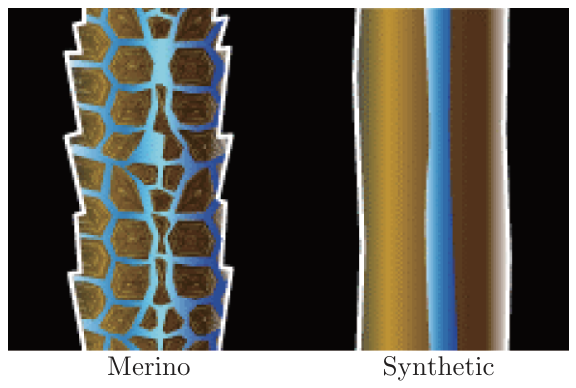
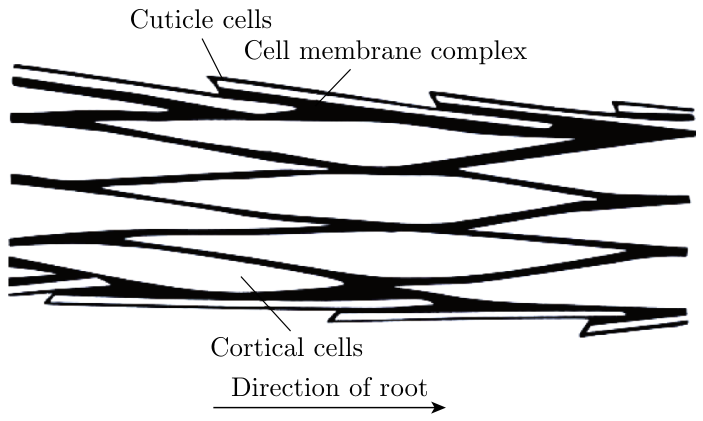
Figure 2.
Schematic diagram of the cuticle cells or scales of wool [4].
Wool fibre assemblies such as yarn, fabric or garment undergo both relaxation and felting shrinkage during wet processing. The irreversible felting shrinkage is attributed to the differential frictional effect of the surface cuticular scale [5] and is the major cause of shrinkage in wool. Felting is promoted by mechanical agitation in water, hot or cold, and the presence of surfactants [6]. These conditions are encountered when laundering wool in domestic washing machines. Much research has been undertaken in the area of shrink-resist technology in order to prevent woollen products from felting and make them fully machine washable [7]. Besides the scaliness of the fibre, the length of the fibre (fabric made from longer fibre shrinks more), the degree of fibre crimp (more crimp more shrinkage in fabric) and the fibre fineness (finer fibres produce more shrinkage), the ease of extensibility of the fibre and its ability to recover from extension are essential for felting [5].
With the increasing use of domestic washing machines with spin-drying, the development of a reliable shrink-resist treatment for wool was greatly needed [8]. The most successful approaches to commercially useful shrink-resist treatments are based on the following two principles:
- I
- Reducing the ‘scaliness’ of the wool fibres by the action of chemical or other degradative treatments which leads to a reduction in the directional frictional effect;
- II
- Binding the fibres together or masking the scales using polymers (additive treatment).
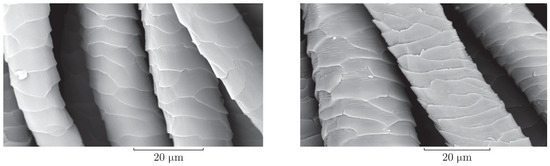
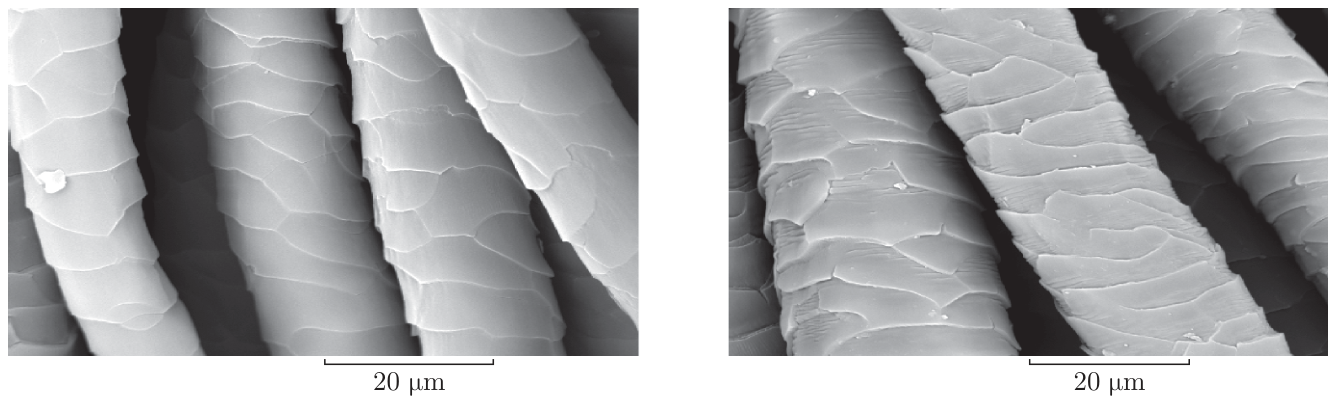
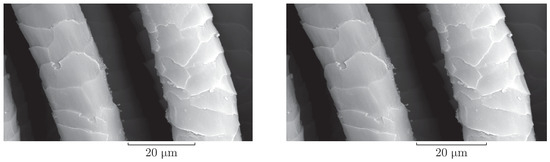
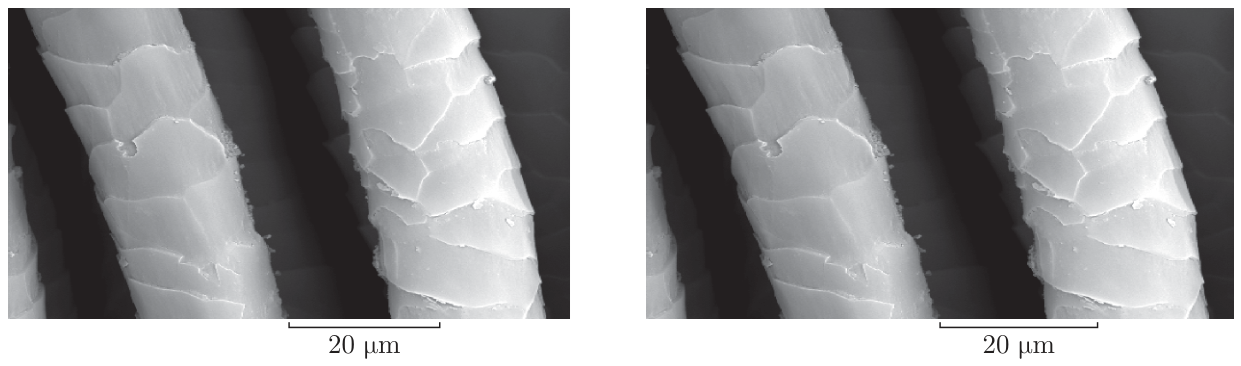
One of the drawbacks of degradative treatments such as chlorination, enzymatic [9] and plasma treatment is that it partly destroys or modifies the surface scales of the wool fibres, as shown in Figure 3 and Figure 4.
Figure 3.
Surface modification of wool fibre before (left) and after (right) plasma treatment.
Figure 4.
Surface of wool fibre after chlorination and enzymatic treatment. The shelves are damaged, but their size changed just slightly.
Thus, the treated surface scalesmay lose their hydrophobic properties and wool fabrics in wet or moist state may not retain their high thermal resistance and dry contact feeling.
In this study, wool fabrics were subject to various types and levels of anti-felting treatments, and their thermal resistance/conductivity and thermal contact feeling were determined as a function of moisture content of the fabrics. All these parameters were determined by means of the the Alambeta instrument and the results analysed. It was found, that under certain conditions, thermal comfort properties of the analysed fabrics were seriously reduced [3]. The results indicate that with the help of special testing instrument such as the Alambeta [10] (manufacturer: SENSORA, Czech Republic) the level of anti-felting treatments could be optimized.
2. Methodology
The apparatus used in this study enables the measurement of the following thermal parameters: thermal conductivity, thermal absorbtivity, thermal resistance and sample thickness. The Alambeta basically simulates the heat flow from dry human skin to a fabric over a short initial contact time. The temperature difference between the bottom non-heated measuring plate and upper heated measuring head was set at 10 °C. The upper measuring head exerted, over the fabric specimen, a clamping pressure of 250 Pa. The heat flow levels are processed in the computer and the thermo-physical properties of the measured specimen are evaluated [10]. The measurement lasts for a few minutes only. Thus, reliable measurements on wet fabrics are possible, since the moisture level in the sample is maintained during measurement [11].
Thermal resistance, R [m2K/W] is a commonly known paramater of thermal insulation and it depends on fabric thickness, h, and thermal conductivity, λ, [W/m.K] as follows:
R = h/λ
Thermal absorbtivity, b of fabrics was introduced in 1987 [10] to characterise thermal feeling (heat flow level) during short contact of human skin with the fabric surface.Provided that the time of heat contact, τ, between the human skin and the textile is short (a few seconds), the measured fabric can be simplified into semi-infinite homogenous mass with certain thermal capacity, ρc[J/m3] and initial temperature t2. Unsteady temperature field between the human skin (with constant temperature t1) and fabric with respect to boundary conditions offers a relationship, which enables to determine the heat flow, q, [W/m2] passing through the fabric:
where ρc [J/m3] is thermal capacity of the fabric and the term, b, presents the thermal absorbtivity of the fabric. The higher is thermal absorbtivity of the fabric, the cooler is its feeling. In textile practice, this parameter ranges from 20 Ws1/2/m2K for fine nonwoven webs to 600 Ws1/2/m2K for heavy wet fabrics.
q = b(t1 − t2)/(τ)1/2, b = (λρc)1/2
3. Simple Model of Thermal Resistance of Wool Fabrics in Wet State
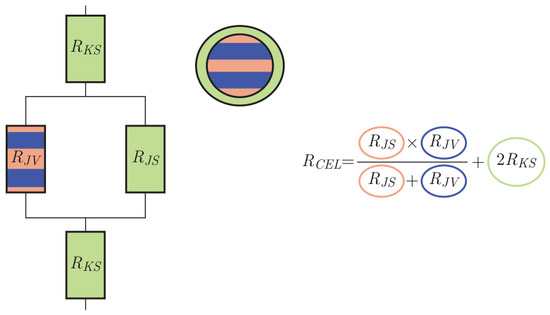
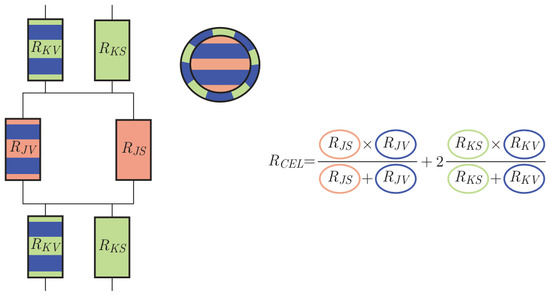
The simplified mathematical model for the thermal resistance of an untreated wool fibre consists of thermal resistanceof dry hydrophobic fibre surface (scales) and its core (cortex), see in the Figure 4. In this model, the cortex filled with water molecules exhibits low thermal resistance, due to high thermal conductivity of water, and this low resistance part of the cortex may be considered to be in parallel with the thermal resistance of the ‘normal’ part of the cortex. The high thermal resistance of dry scales then provide relatively high thermal resistance (low thermal conductivity) of the untreated wool fibre [10].
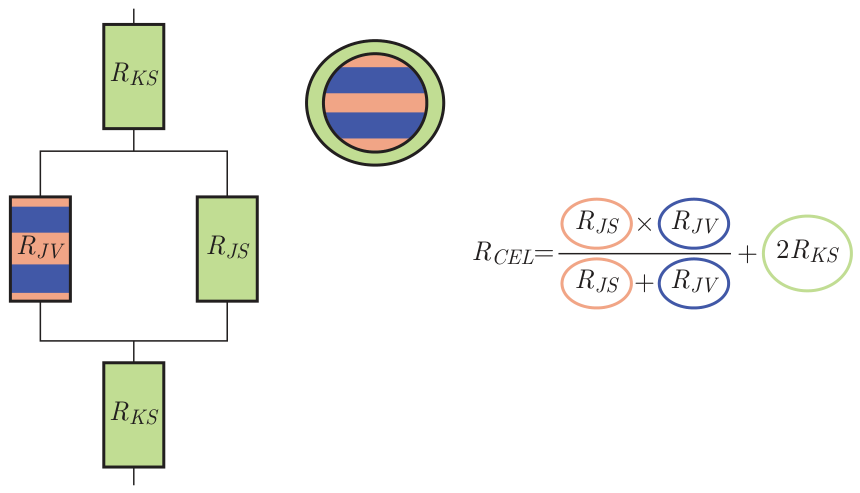
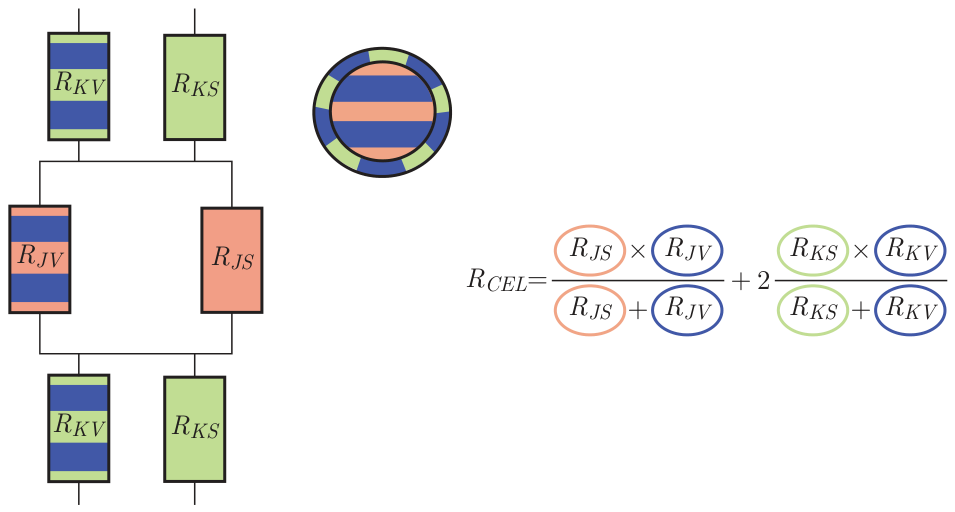
When the scales are damaged, they lose partially their hydrophobicity and their resulting thermal resistance are given by the parallel combination of the thermal resistances of the damaged part and undamaged part of the scales (when the fabric is wetted) and also the thermal resistances of the two different part of the cortex, Figure 5. From the equation of thermal resistance given in Figure 6, the thermal resistance of the resulting moist and damaged fibre would be substantially lower than that of the untreated or virgin moist fibre [11].
Figure 5.
Thermal resistance of untreated wool fibre. Here, the green ring around the partly blue cortex and the green thermal resistances Rks represent the relatively high thermal resistancde of scales, wheras the Rjv thermal resistance is the, “dry” part of the cortex, and Rjv means the, “wet” part of the cortex. Rcel then presents the resulting thermal resistance of wool fibre in wet state.
Figure 6.
Thermal resistance of the damaged wool fibre. The meaning of the presented thermal resistances is the same as in the Figure 5, but this time, total thermal resistance Rcel of the damaged wool fibre is lower, as the resulting thermal resistance of scales, caused by lower thermal resitance of the damaged scales Rkv containing moisture, is lower.
4. The Analyzed Fabrics and Their Treatment
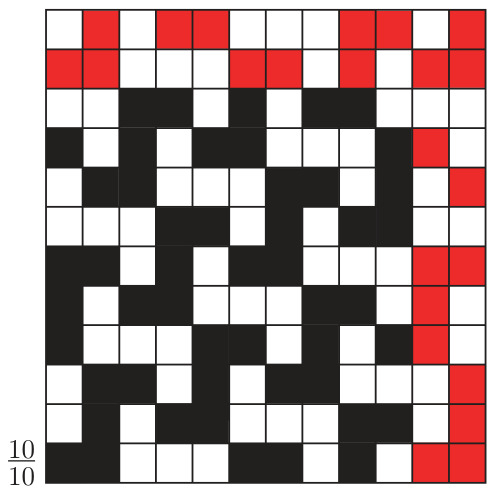
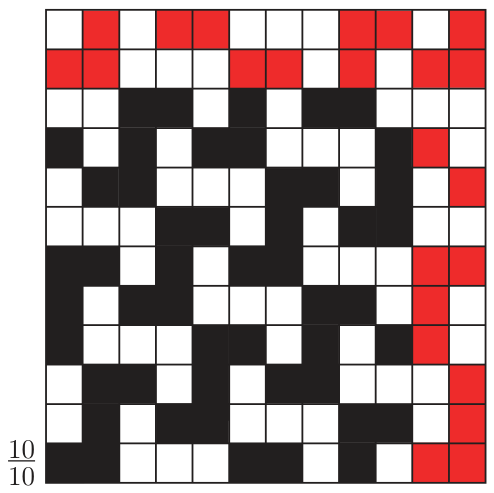
The studied fabrics were wool woven fabrics in satin structure - see in Figure 7, with square mass 270 and 290 g/m2, fibre diameter 19-22 µm, from ply yarn in warp density 30/cm, single yarn in weft 28/cm, clorinated at 3 concentration levels, or by Tripsin enzyme, or by IR CO2 laser. After all treatments, all the samples exhibited low tendency to felting, thus confirming the application of standard industrial procedures.
Figure 7.
The satin structure of the studied fabrics.
5. Results and Discussion
Moisture content displayed in Figs. 8 and 9 presents the mass of moisture related to the mass of the measured sample after its drying in the oven for 30 minutes at the temperature 110 °C, as follows from the relationship
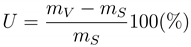
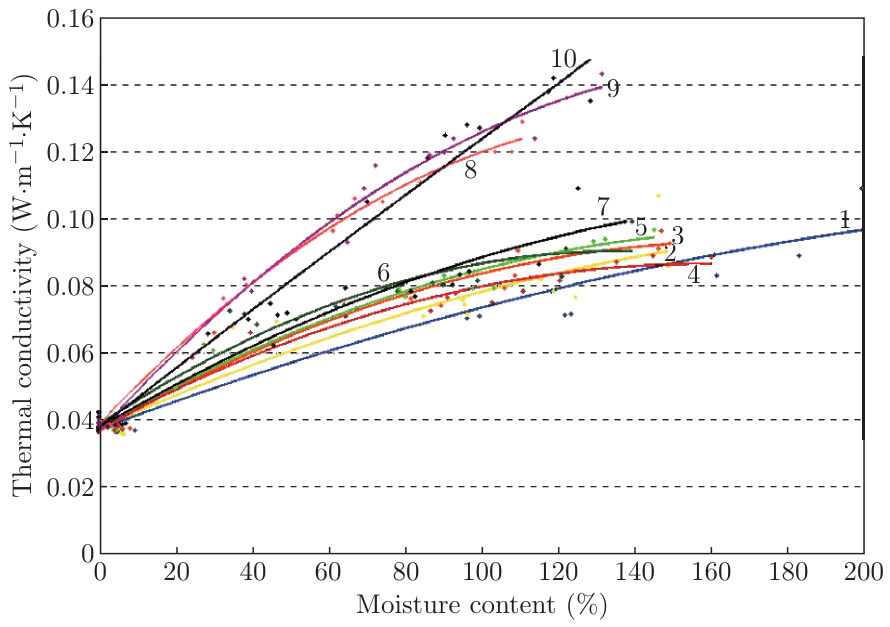
Figure 8.
1: Untreated sample; 2, 3, 4: Clorinated samples with increased time of treatment: 5, 6, 7: Enzyme treated samples; 8, 9, 10: Laser treated samples.
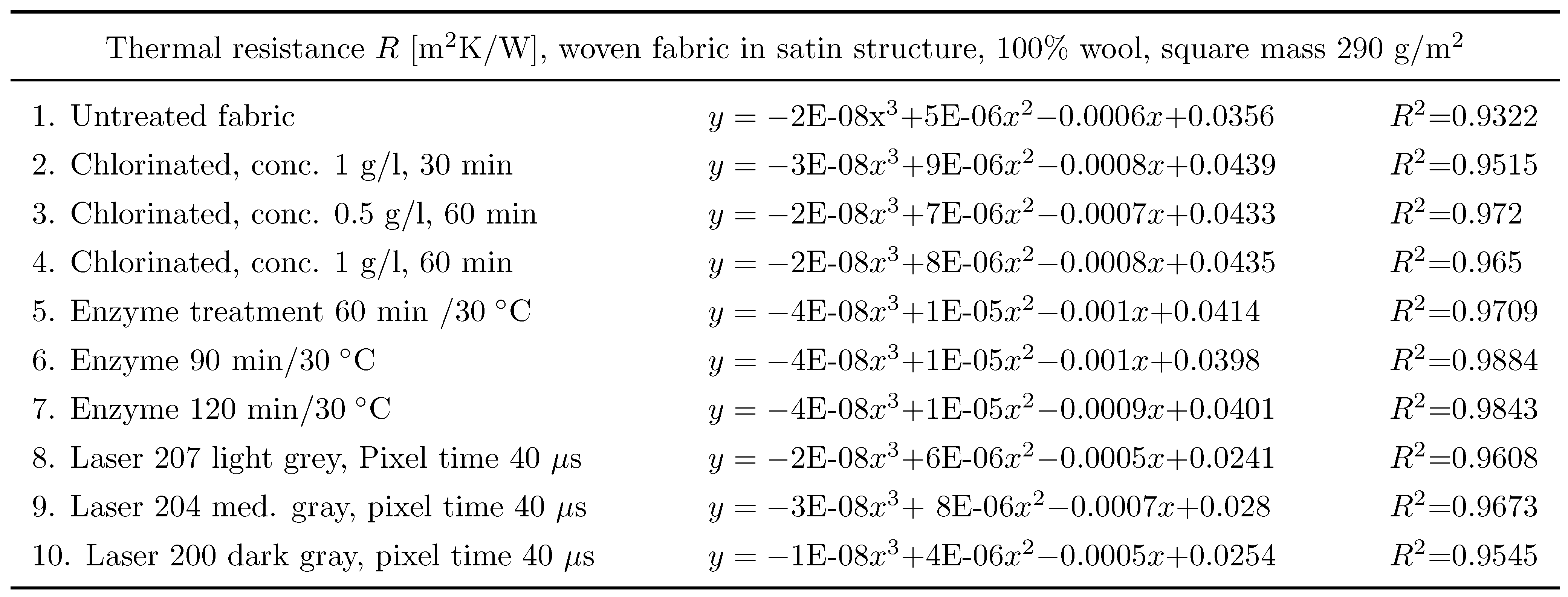
All the results were treated statistically, see e.g. the table for thermal resistance R:
From the results, whereas the laser treated samples exhibit in wet state the highest level of thermal conductivity (lowest thermal resistance) and very cold feeling, other methods of antifelting treatment bring acceptable levels of thermal - insulation and thermal-contact properties and simultaneosly sufficient degree of the antifelting properties, except (to some extent) e.g. some enzyme treatment procedures with the long time treatment (120 min/30 °C).
6. Conclusion
Thermophysiological comfort of fabrics and garments under real conditions of their use, e.g. in wet state, became a new topic of recently published papers [12], due to new measuring methods, which enable fast testing of their thermal & evaporation resistance and thermal contact feeling. Thus, the effect of finishing on thermal comfort properties of wool fabrics in wet state became also objectively measurable.
Figure 9.
1: Untreated sample; 2, 3, 4: Clorinated samples with increased time of treatment; 5, 6, 7: Enzyme treated samples; 8, 8, 10: Laser treated samples.
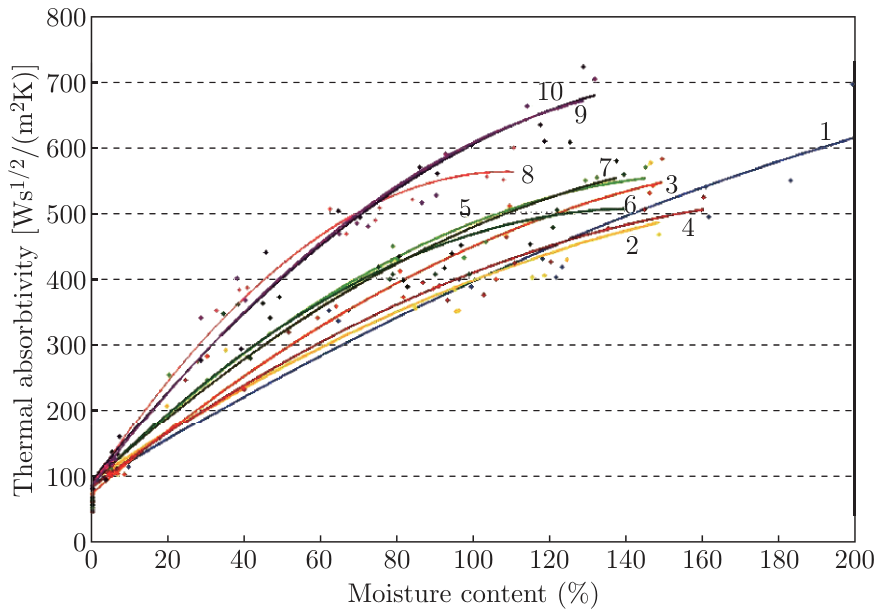
Table 1.
Regression curves for the results of measurement.
The results of measurements based on these new measuring methods and presented in the paper indicate, that unique thermal comfort properties of wool fabrics namely their high thermal insulation and dry touch in wet state, might be partly diminished by the extreme action of the antifelting treatment. On the other hand, certain level of antifelting treatment is inevitable, as it substantially increases the wearing properties of wool garments. It was found that common procedures of antifelting treatment in most cases enable good antifelting properties and simultaneously assures good thermal comfort properties of the studied fabrics even at relatively high moisture levels.
It can be concluded, that the level of antifelting treatment can be optimized, provided that the thermal – insulation and thermal contact properties of the treated fabrics are measured not only in dry state, but also in wet state.
References
- Australian Wool Innovation Ltd. http://www.wool.com/Wearing About-Merino Proof Breathability.htm.
- Information on http://www.wool.com/Wearing About-Merino Proof Warmth.htm.
- Prudkova J. MSc Thesis, Technical university of Liberec, 2011.
- Rippon JA, Rushforth MA. Recent Developments in Polymer Shrink-Resist Processes for Wool, Part I & II Textilveredlung1976; 11: 224-230.
- Moncrieff RW. Wool Shrinkage and its Prevention. The National London Press Ltd: London 1953.
- Byrne KM. Machine-Washable Knitwear - Production Routes. In: Carr CM, editor. Chemistry of the Textiles Industry: London, Blackie Academic and Professional, 1995. P. 187-190.
- Simpson, W.S. Chemical Processes for Enhanced Appearance and Performance. In: Simpson WS, Crawshaw GH, editors. Wool: Science and Technology. The Textile Institute: Woodhead Publishing Ltd, Cambridge 2002. p. 215-222.
- Taylor DS. Technology in Australia 1788-1988: Australian Innovation in Textile Technology 2005, Chapter 5, p. 290-295. Information on www.austehc.unimelb.edu.au (Feb 20th, 2006).
- Li D, Lei X. Enzymatic Process for The Wool Fabric Anti-felting Finishing. Modern Applied Sci. 3: 2008, p. 91-93.
- Hes L. Thermal properties of Nonwovens. In: Massenaux G, Editor. Congress INDEX 87, part B, Geneva 1987.
- Hes L et al. Effect of anti-felting treatment on thermal comfort properties of wet wool fabrics. In: AATCC conference, Charlotte NC, March 2012.
- Bogusławska–Bączek M, Hes L. The Effective Water Vapour Permeability of Wet Wool Fabric and Blended Fabrics. Fibres and Textiles in Eastern Europe 2013, 1: 67-71.
© 2013 Textile Bioengineering and Informatics Society. This article is an open access article distributed under the terms and conditions of the Creative Commons Attribution (CC BY) license (https://creativecommons.org/licenses/by/4.0/).