


Abstract
Community-based heritage tourism plays an important role in promoting sustainable development while preserving cultural heritage in indigenous and traditional communities. However, limited empirical evidence exists regarding its contribution to sustainable development within Mongolia’s nomadic communities. Grounded in Social Exchange Theory (SET), this study examines the relationships among Community Participation, Heritage Interpretation, Tourism Management, Cultural Identity Preservation, and Sustainable Development. Data were collected from 250 international tourists who participated in community-based heritage tourism experiences in Mongolia and analyzed using Partial Least Squares Structural Equation Modeling (PLS-SEM). The results indicate that Heritage Interpretation and Tourism Management positively influence Cultural Identity Preservation, while Community Participation, Tourism Management, and Cultural Identity Preservation significantly enhance Sustainable Development. Community Participation, however, does not significantly influence Cultural Identity Preservation. Furthermore, Cultural Identity Preservation partially mediates the relationship between Tourism Management and Sustainable Development. These findings highlight the importance of effective tourism management and meaningful heritage interpretation in strengthening cultural preservation and promoting sustainable development. The study extends the application of Social Exchange Theory in the context of community-based heritage tourism and provides practical implications for policymakers and destination managers seeking to balance cultural heritage conservation with sustainable tourism development.
1. Introduction
Tourism has increasingly been recognized as a powerful instrument for promoting sustainable development, particularly in rural, indigenous, and culturally distinctive communities where cultural heritage constitutes an important resource for socioeconomic development, cultural continuity, and environmental stewardship [1,2,3]. Beyond generating employment opportunities and stimulating regional economies, tourism facilitates intercultural exchange, strengthens community well-being, and encourages the preservation of both tangible and intangible cultural heritage [4]. However, rapid tourism growth has also raised concerns regarding environmental degradation, cultural commodification, unequal distribution of tourism benefits, and the erosion of local identities [5]. Consequently, scholars and policymakers have increasingly emphasized the need for tourism development models that balance economic prosperity with cultural preservation, community empowerment, and environmental sustainability [6].
Within this context, Community-Based Tourism (CBT) has emerged as a sustainable tourism approach that emphasizes local participation, community empowerment, equitable benefit sharing, and collaborative governance [7,8]. Unlike conventional tourism models, CBT positions local residents at the center of tourism planning, decision-making, implementation, and management, enabling communities to maintain greater control over their cultural and natural resources while improving local livelihoods [8]. Previous studies have demonstrated that meaningful community participation contributes not only to tourism sustainability but also to social cohesion, community resilience, cultural stewardship, and long-term destination competitiveness [9].
Building upon the principles of CBT, Community-Based Heritage Tourism (CBHT) has received increasing scholarly attention because it integrates heritage conservation with local development objectives. Heritage tourism encompasses experiences associated with both tangible and intangible cultural heritage, including traditional lifestyles, indigenous knowledge, cultural landscapes, rituals, oral traditions, and cultural expressions that collectively shape local identity [10]. Through community-based approaches, local residents become active custodians of heritage resources by preserving, interpreting, and presenting their cultural heritage while simultaneously generating economic opportunities for the community [11,12]. Consequently, CBHT has become an increasingly important mechanism for simultaneously promoting cultural preservation and sustainable community development.
The growing significance of heritage tourism is also reflected in the United Nations Sustainable Development Goals (SDGs). Sustainable tourism contributes directly to SDG 8 (Decent Work and Economic Growth), SDG 11 (Sustainable Cities and Communities), SDG 12 (Responsible Consumption and Production), and SDG 15 (Life on Land) by encouraging inclusive economic growth while safeguarding cultural and natural heritage [13,14]. Accordingly, community-based heritage tourism is widely regarded as an integrated approach capable of simultaneously achieving economic, social, cultural, and environmental sustainability.
Mongolia provides a particularly valuable context for examining these relationships because of its internationally recognized nomadic cultural heritage [15]. Unlike residential communities characterized by permanent settlements and fixed livelihoods, Mongolian nomadic communities maintain seasonal mobility through pastoral livestock herding while preserving distinctive cultural traditions, indigenous ecological knowledge, and social institutions that have evolved over centuries. Traditional ecological knowledge in Mongolia encompasses sophisticated knowledge of seasonal pasture management, livestock migration, climate adaptation, animal husbandry, and the sustainable use of fragile steppe ecosystems. These practices constitute an important component of Mongolia’s living cultural heritage and represent valuable tourism resources for visitors seeking authentic cultural experiences [16,17].
Nevertheless, the term “nomadic communities” should not be interpreted as referring to a single homogeneous cultural group. Mongolia comprises several distinct nomadic traditions, including the Khalkha pastoralists of the central steppe, camel-herding communities of the Gobi Desert, Kazakh eagle hunters in western Mongolia, and Tsaatan reindeer herders inhabiting the northern taiga forests. These groups differ substantially in their ecological environments, cultural practices, livelihood systems, and interactions with tourism. Consequently, heritage interpretation, cultural identity preservation, and community participation may operate differently across these nomadic contexts. The present study focuses on international tourists’ perceptions of community-based heritage tourism experiences within Mongolia’s pastoral nomadic destinations rather than attempting to represent every nomadic cultural group equally.
Despite its cultural richness, Mongolia’s nomadic heritage is increasingly threatened by globalization, rapid urbanization, climate change, and socioeconomic transformation [9]. Younger generations continue to migrate toward urban areas, while environmental changes place increasing pressure on traditional pastoral livelihoods. Although tourism offers opportunities for income diversification, cultural revitalization, and community development, poorly managed tourism may also accelerate cultural commodification, reduce cultural authenticity, and create unequal distributions of tourism benefits [7]. These challenges highlight the importance of identifying tourism management approaches capable of balancing heritage conservation with sustainable development.
Previous studies have consistently identified community participation, heritage interpretation, tourism management, and cultural identity preservation as important determinants of sustainable tourism development [18,19]. Community participation strengthens local ownership and community empowerment, heritage interpretation enhances visitors’ understanding of cultural values, tourism management coordinates sustainable destination development, and cultural identity preservation safeguards traditional knowledge and cultural continuity. Collectively, these factors influence how cultural resources are preserved, interpreted, and managed within heritage tourism destinations while contributing to broader sustainable development outcomes [20,21].
Despite growing scholarly interest in community-based heritage tourism, important research gaps remain. First, empirical evidence examining the relationships among community participation, heritage interpretation, tourism management, cultural identity preservation, and sustainable development within Mongolia’s nomadic cultural context remains limited. Second, previous studies have predominantly investigated these constructs from the perspectives of local residents and community stakeholders, whereas the perceptions of international tourists—who directly experience heritage interpretation, tourism management, and community-based tourism activities—remain underexplored. Accordingly, this study investigates international tourists’ perceptions of the role of community-based heritage tourism in advancing sustainable development among nomadic communities in Mongolia. Specifically, it examines the relationships among community participation, heritage interpretation, tourism management, cultural identity preservation, and sustainable development. The findings are expected to extend the literature on community-based heritage tourism while providing context-specific recommendations for policymakers and tourism stakeholders seeking to balance sustainable tourism development with the preservation of Mongolia’s unique nomadic cultural heritage.
2. Background and Hypotheses Development
2.1. Community Participation and Cultural Identity Preservation
Community participation has long been recognized as a fundamental principle of community-based tourism (CBT) and community-based heritage tourism (CBHT). Rather than referring merely to residents’ involvement in tourism activities, community participation encompasses local engagement in tourism planning, decision-making, implementation, monitoring, and benefit-sharing [22]. conceptualized community participation as a multidimensional process through which local communities influence tourism development while maintaining control over cultural and natural resources. Similarly, ref. [23] argued that effective participation strengthens local ownership of heritage resources and encourages communities to actively safeguard their cultural identity. Consequently, community participation is widely regarded as an essential prerequisite for achieving sustainable heritage tourism because it empowers local stakeholders to shape tourism development according to community needs, values, and cultural priorities [24,25,26,27,28,29].
Within community-based heritage tourism, cultural identity preservation refers to the continued protection and transmission of traditions, customs, languages, beliefs, indigenous knowledge, lifestyles, and collective memories that distinguish one cultural group from another. In the context of Mongolia, cultural identity extends beyond tangible heritage to include nomadic pastoral traditions, seasonal migration practices, traditional ecological knowledge, oral storytelling, equestrian culture, and customary social institutions that have evolved over centuries. These cultural assets represent not only important elements of national heritage but also living cultural resources that contribute to authentic tourism experiences. Therefore, preserving cultural identity requires continuous community involvement in maintaining, interpreting, and transmitting these traditions to both younger generations and visitors [30,31,32,33].
The relationship between community participation and cultural identity preservation has been widely discussed in heritage tourism literature. Previous studies have demonstrated that communities actively involved in tourism planning and heritage management are more likely to recognize the cultural significance of local traditions and develop stronger commitments toward heritage conservation. Participation facilitates collective learning, strengthens social networks, enhances community ownership, and encourages intergenerational transmission of indigenous knowledge. In indigenous and heritage-rich destinations, collaborative participation also contributes to social cohesion, community resilience, and adaptive capacity by enabling residents to collectively respond to social, environmental, and economic changes while maintaining cultural continuity [34,35].
From the perspective of international tourists, visible evidence of community participation—such as the active involvement of local residents in cultural performances, heritage interpretation, traditional craft demonstrations, and community-led tourism activities—may strengthen perceptions that cultural heritage is being genuinely preserved rather than commercially staged. Tourists who observe meaningful local participation are therefore more likely to perceive that cultural traditions remain authentic and continue to be valued by the host community. In Mongolia’s nomadic tourism destinations, where cultural experiences are closely associated with everyday pastoral lifestyles and traditional ecological knowledge, active community participation may reinforce visitors’ perceptions that tourism contributes positively to preserving nomadic cultural identity rather than replacing or commodifying it.
Accordingly, meaningful community participation is expected to strengthen the preservation of cultural identity within Mongolia’s community-based heritage tourism destinations.
H1.
Community participation positively influences cultural identity preservation among nomadic communities in Mongolia.
2.2. Community Participation and Sustainable Development
Community participation is widely recognized as one of the fundamental principles of sustainable tourism development because it promotes inclusive governance, local empowerment, and equitable distribution of tourism benefits. Sustainable development extends beyond economic growth to encompass social equity, environmental protection, cultural continuity, and institutional resilience. Consequently, sustainable tourism requires local communities to participate actively in planning, decision-making, implementation, and monitoring processes rather than serving merely as passive beneficiaries of tourism development [36,37].
The relationship between community participation and sustainable development can be explained through Social Exchange Theory (SET), originally proposed by Homans (1958) [38] and further developed by Blau (1964) [39]. SET suggests that individuals evaluate social relationships by comparing perceived benefits with associated costs. Within tourism research, the theory has traditionally been applied to explain residents’ support for tourism development, arguing that residents are more likely to support tourism when they perceive that its economic, social, and cultural benefits outweigh potential negative impacts such as environmental degradation, congestion, or cultural commodification [40,41]. However, the theoretical logic of SET is not limited to host communities. International tourists also evaluate destinations through a similar exchange process by comparing the value they receive—including authenticity, service quality, cultural experiences, and environmental quality—with the financial, temporal, and psychological costs associated with their travel. As a result, tourists develop perceptions regarding whether tourism development appears to be socially responsible, culturally respectful, and beneficial to local communities.
In community-based heritage tourism, meaningful community participation is often reflected in observable practices such as locally guided heritage tours, traditional craft demonstrations, community-operated tourism enterprises, cultural performances, and opportunities for direct interaction between visitors and local residents. These visible forms of participation provide tangible evidence that tourism development is community-driven rather than externally imposed. Consequently, international tourists may perceive destinations with strong community involvement as more equitable, authentic, and socially responsible, thereby strengthening their overall evaluation of sustainable tourism practices.
This relationship is particularly relevant in Mongolia’s nomadic tourism destinations, where tourism experiences are closely associated with pastoral lifestyles, traditional ecological knowledge, and community-based cultural practices. Because nomadic cultural heritage is maintained collectively through seasonal migration, livestock husbandry, oral traditions, and customary social institutions, active community participation plays an important role in sustaining these heritage resources. From the perspective of international tourists, observing local residents actively participating in tourism activities, cultural demonstrations, and heritage interpretation may reinforce perceptions that tourism contributes to long-term economic opportunities while simultaneously supporting cultural continuity and environmental stewardship.
Previous empirical studies have consistently reported that destinations characterized by higher levels of community participation tend to achieve greater economic diversification, stronger social inclusion, improved community resilience, more effective environmental conservation, and enhanced institutional capacity for sustainable tourism management [42,43,44]. Nevertheless, several scholars have argued that participation alone does not automatically guarantee sustainability unless it is accompanied by effective governance, equitable benefit-sharing mechanisms, and continuous stakeholder collaboration. Therefore, examining tourists’ perceptions of community participation provides valuable insights into how visible community engagement contributes to broader evaluations of sustainable tourism development within nomadic heritage destinations.
Accordingly, greater perceived community participation is expected to positively influence perceived sustainable development in Mongolia’s community-based heritage tourism destinations.
H2.
Community participation positively influences sustainable development among nomadic communities in Mongolia.
2.3. Heritage Interpretation and Cultural Identity Preservation
Heritage interpretation is widely recognized as a fundamental component of heritage tourism because it enables visitors to understand, appreciate, and engage with the cultural significance of heritage resources beyond their physical attributes. Rather than simply presenting historical facts, heritage interpretation is a purposeful communication process that reveals the meanings, values, and cultural contexts associated with tangible and intangible heritage, thereby fostering meaningful connections between visitors and host communities [45,46]. In community-based heritage tourism, interpretation is commonly delivered through storytelling, guided tours, traditional performances, handicraft demonstrations, oral histories, and direct interactions between local residents and tourists, allowing communities to communicate their cultural identity while maintaining control over how their heritage is represented [47,48].
Within Mongolia’s nomadic communities, heritage interpretation extends beyond the presentation of historical artifacts or cultural performances. It encompasses the interpretation of traditional ecological knowledge, seasonal pastoral migration, livestock husbandry, ger (traditional dwelling) culture, equestrian traditions, local festivals, and customary social practices that continue to shape contemporary nomadic life. These living heritage elements enable visitors to understand not only the cultural uniqueness of Mongolian nomadic communities but also the close relationship between people, culture, and the natural environment. Consequently, effective heritage interpretation contributes to safeguarding cultural authenticity by encouraging communities to preserve and transmit traditional knowledge and cultural practices across generations [48,49].
Previous studies have consistently reported that effective heritage interpretation enhances visitors’ awareness of cultural values, strengthens appreciation of local traditions, and promotes support for heritage conservation initiatives [50,51,52,53]. Furthermore, interpretation serves as an important mechanism for reinforcing cultural identity because it documents indigenous knowledge, communicates community narratives, and encourages younger generations to participate in cultural preservation activities. Through continuous interpretation and cultural transmission, local communities are better positioned to maintain cultural continuity while adapting to changing social and economic conditions [54].
From the perspective of international tourists, heritage interpretation represents one of the most visible indicators of how local communities value and preserve their cultural heritage. Tourists who experience authentic interpretation through direct engagement with local residents are more likely to perceive that traditional knowledge, customs, and cultural practices remain actively maintained rather than being presented solely as commercial tourism products. Such perceptions may strengthen visitors’ confidence that tourism contributes positively to preserving the cultural identity of Mongolia’s nomadic communities while enhancing the authenticity of heritage tourism experiences.
Accordingly, effective heritage interpretation is expected to positively influence perceived cultural identity preservation within Mongolia’s community-based heritage tourism destinations.
H3.
Heritage interpretation positively influences cultural identity preservation among nomadic communities in Mongolia.
2.4. Tourism Management and Cultural Identity Preservation
Tourism management refers to the coordinated planning, organization, regulation, implementation, and monitoring of tourism activities to achieve balanced economic, social, cultural, and environmental outcomes while safeguarding destination resources for future generations [53,54]. Such an integrated management approach is considered essential for achieving sustainable tourism by balancing visitor experiences with the protection of environmental, cultural, and community resources [55]. Within community-based heritage tourism, Effective tourism management extends beyond visitor administration and destination marketing to include heritage conservation, stakeholder collaboration, visitor education, and the equitable distribution of tourism benefits. This approach is consistent with UNESCO’s World Heritage Sustainable Tourism Programme, which emphasizes integrating heritage conservation with sustainable tourism planning through collaborative governance and local stakeholder engagement [56]. Such an integrated management approach is essential for ensuring that tourism development supports, rather than undermines, the cultural values and traditional lifestyles of host communities [57].
In heritage tourism destinations, tourism management plays a critical role in protecting cultural authenticity by establishing policies and practices that regulate visitor behavior, conserve heritage resources, and encourage local participation in tourism governance. Previous studies have demonstrated that management strategies emphasizing stakeholder collaboration, heritage conservation planning, visitor management, and community engagement are more likely to maintain cultural integrity while enhancing destination sustainability [58,59]. Conversely, poorly managed tourism may accelerate cultural commodification, commercialization of traditions, overcrowding, and the gradual erosion of local cultural identity, particularly in destinations experiencing rapid tourism growth [60].
The importance of tourism management is particularly evident in Mongolia’s nomadic communities, where cultural heritage is inseparable from traditional pastoral livelihoods, seasonal mobility, indigenous ecological knowledge, and customary social institutions. Unlike heritage sites consisting primarily of physical monuments, Mongolia’s nomadic heritage represents a living cultural landscape that requires continuous community participation and adaptive management. Effective tourism management should therefore balance visitor access with the protection of traditional lifestyles by supporting locally managed tourism enterprises, regulating tourism activities within pastoral communities, and promoting authentic cultural experiences that respect local customs and community values [61].
From the perspective of international tourists, effective tourism management is reflected through observable destination characteristics, including well-organized tourism activities, responsible visitor management, appropriate interpretation of cultural heritage, collaboration with local communities, and visible efforts to protect cultural authenticity. These management practices may strengthen tourists’ perceptions that local traditions, indigenous knowledge, and nomadic cultural practices are actively safeguarded rather than being modified solely to satisfy commercial tourism demands. Consequently, tourists are more likely to perceive that destinations with effective tourism management demonstrate stronger preservation of cultural identity.
Previous empirical studies have consistently reported that effective tourism management contributes to heritage conservation, strengthens destination governance, improves visitor experiences, and supports the long-term preservation of local cultural resources [60,61,62]. Therefore, within the context of Mongolia’s community-based heritage tourism, effective tourism management is expected to positively influence perceived cultural identity preservation.
H4.
Tourism management positively influences cultural identity preservation among nomadic communities in Mongolia.
2.5. Tourism Management and Sustainable Development
Tourism management is widely recognized as a fundamental determinant of sustainable tourism development because it provides the institutional framework through which tourism activities are planned, coordinated, implemented, and monitored. Effective tourism management extends beyond maximizing visitor numbers or tourism revenue by balancing economic development with environmental conservation, cultural preservation, and community well-being [59,60]. Within community-based heritage tourism, tourism management involves collaborative governance among government agencies, local communities, tourism operators, and other stakeholders to ensure that tourism development remains economically viable while protecting heritage resources and maintaining the quality of life of host communities [61].
Sustainable development is a multidimensional concept encompassing economic prosperity, social equity, environmental protection, and cultural sustainability. Achieving sustainable tourism therefore requires integrated management strategies that coordinate tourism growth with responsible resource utilization, stakeholder participation, heritage conservation, and long-term destination planning [62]. International organizations, including the United Nations World Tourism Organization (UNWTO) and UNESCO, have emphasized that sustainable tourism management should integrate visitor management, community participation, heritage conservation, and environmental stewardship to support the long-term sustainability of tourism destinations while preserving their cultural significance [63,64].
Previous studies have consistently demonstrated that effective tourism management contributes to sustainable development by improving destination governance, strengthening stakeholder collaboration, promoting responsible tourism practices, and minimizing the adverse impacts of tourism activities [65,66,67]. Strategic tourism management also enhances destination resilience by supporting adaptive planning, monitoring tourism impacts, and encouraging balanced development that benefits local communities while protecting natural and cultural resources. Conversely, ineffective tourism management may result in environmental degradation, excessive commercialization, inequitable benefit distribution, and the deterioration of cultural heritage, thereby undermining the long-term sustainability of tourism destinations [68].
These issues are particularly relevant in Mongolia’s community-based heritage tourism destinations, where tourism activities are closely associated with living nomadic traditions, pastoral landscapes, and indigenous ecological knowledge. Because Mongolia’s nomadic heritage represents a living cultural system rather than a static tourism attraction, effective tourism management requires continuous collaboration among local communities, tourism operators, and public authorities to balance visitor experiences with the protection of traditional lifestyles and cultural landscapes. Sustainable management practices, including community-based governance, responsible visitor management, and heritage conservation initiatives, may therefore strengthen the long-term sustainability of nomadic tourism destinations [69,70].
From the perspective of international tourists, effective tourism management is reflected through observable destination attributes, such as organized tourism services, well-preserved heritage resources, responsible environmental practices, community involvement, and authentic cultural experiences. These visible management practices may strengthen tourists’ perceptions that tourism development contributes positively to economic opportunities, cultural preservation, environmental protection, and community well-being. Consequently, destinations perceived to be effectively managed are more likely to be viewed as achieving higher levels of sustainable development.
Accordingly, effective tourism management is expected to positively influence perceived sustainable development within Mongolia’s community-based heritage tourism destinations.
H5.
Tourism management positively influences sustainable development among nomadic communities in Mongolia.
2.6. Cultural Identity Preservation and Sustainable Development
Cultural identity preservation is increasingly recognized as a fundamental dimension of sustainable development because it safeguards the continuity of traditions, values, indigenous knowledge, and cultural practices that define the uniqueness of local communities. Beyond protecting cultural heritage from external pressures, preserving cultural identity contributes to social cohesion, community resilience, and the intergenerational transmission of knowledge, thereby strengthening the long-term adaptive capacity of communities facing socioeconomic and environmental change [65,66]. Consequently, cultural sustainability has become an integral component of sustainable development alongside its economic, social, and environmental dimensions.
Within community-based heritage tourism, cultural identity preservation also contributes to destination sustainability by maintaining the authenticity and distinctiveness of local heritage resources. Authentic cultural experiences have become increasingly important determinants of destination competitiveness, visitor satisfaction, and memorable tourism experiences because they provide opportunities for meaningful interaction between visitors and host communities [67,68]. At the same time, safeguarding cultural identity strengthens community pride, reinforces local ownership of heritage resources, and encourages residents to continue practicing and transmitting traditional customs, languages, and indigenous knowledge to future generations [23,69].
The importance of cultural identity preservation is particularly evident in Mongolia’s nomadic communities, where traditional pastoral lifestyles, seasonal migration, oral traditions, equestrian culture, and indigenous ecological knowledge collectively constitute a living cultural heritage. Unlike heritage attractions based primarily on historical monuments or archaeological sites, Mongolia’s nomadic heritage depends on the continued practice of traditional knowledge and everyday cultural activities. Consequently, preserving cultural identity not only protects valuable cultural resources but also enhances the long-term sustainability of community-based heritage tourism by maintaining the authenticity upon which tourism experiences depend [55,56].
From the perspective of international tourists, destinations that successfully preserve their cultural identity are more likely to be perceived as authentic, culturally distinctive, and responsibly managed. Tourists who observe traditional lifestyles, community-led cultural activities, and the continued practice of indigenous knowledge may perceive that tourism contributes positively to cultural continuity while simultaneously supporting local livelihoods and environmental stewardship. These perceptions reinforce the belief that preserving cultural identity is closely associated with broader sustainable development outcomes within community-based heritage tourism destinations.
Previous studies have consistently suggested that destinations with strong cultural identity preservation are better positioned to achieve sustainable tourism development because cultural continuity enhances destination resilience, strengthens community well-being, and supports the long-term conservation of both cultural and natural heritage resources [71,72]. Accordingly, cultural identity preservation is expected to positively influence perceived sustainable development within Mongolia’s community-based heritage tourism destinations.
H6.
Cultural identity preservation positively influences sustainable development among nomadic communities in Mongolia.
Based on the literature review and the proposed hypotheses, the research conceptual framework is presented in Figure 1.
Figure 1.
Research Conceptual Framework.
3. Materials and Methods
3.1. Research Design and Research Instrument
This study employed a quantitative research design to examine the role of community-based heritage tourism in promoting sustainable development within Mongolia’s nomadic communities. Specifically, the study investigated the relationships among Community Participation (CP), Heritage Interpretation (HI), Tourism Management (TM), Cultural Identity Preservation (CIP), and Sustainable Development (SD) based on the conceptual framework developed from previous studies on community-based tourism, heritage tourism, and sustainable tourism development [7,10,22,23]. A quantitative approach was considered appropriate because the objective of this study was to empirically test a series of hypothesized relationships among multiple latent constructs and evaluate their predictive capabilities using a structural model. Accordingly, Partial Least Squares Structural Equation Modeling (PLS-SEM) was employed because of its suitability for prediction-oriented research, its ability to analyze complex structural models with multiple endogenous constructs, and its robustness when applied to behavioral and tourism research.
Data were collected using a structured self-administered questionnaire adapted from previously validated measurement scales reported in the community-based tourism, heritage tourism, tourism management, cultural heritage, and sustainable development literature [10,22,23,24,73,74,75,76,77,78,79,80]. Rather than developing entirely new measurement items, the questionnaire was designed by adapting established constructs to the context of community-based heritage tourism in Mongolia while maintaining the conceptual meaning of the original scales. This approach enhances content validity, facilitates comparison with previous studies, and improves the reliability of construct measurement.
Because the respondents in this study were international tourists rather than local residents, all measurement items were designed to capture respondents’ perceptions of observable tourism practices rather than objective assessments of internal community governance or decision-making processes. Consequently, the constructs of Community Participation, Tourism Management, Cultural Identity Preservation, and Sustainable Development represent perceived community participation, perceived tourism management, perceived cultural identity preservation, and perceived sustainable development as experienced by international tourists during their visits to Mongolia’s community-based heritage tourism destinations. This operationalization is consistent with previous tourism studies that have examined tourists’ evaluations of destination management, heritage experiences, and sustainability practices from the visitor perspective [41,47,50].
The questionnaire consisted of two sections. The first section collected respondents’ demographic characteristics, including gender, age, educational attainment, occupation, monthly income, previous travel experience, and frequency of visits to community-based heritage tourism destinations in Mongolia. These variables were included to describe the characteristics of the study sample and provide contextual information for interpreting the findings.
The second section measured the five latent constructs included in the proposed conceptual framework. Community Participation was measured using five observed indicators adapted from studies on community participation and community-based tourism development [22,23,24,25,26]. Heritage Interpretation was measured using five indicators adapted from the heritage interpretation literature [10,48,49,62]. Tourism Management was measured using five indicators reflecting respondents’ perceptions of destination management, heritage conservation, stakeholder collaboration, and sustainable tourism governance [53,55,56,64]. Cultural Identity Preservation was measured using five indicators adapted from heritage tourism and cultural heritage preservation studies [15,20,23,60,61].
Finally, Sustainable Development was measured using five indicators representing respondents’ perceptions of the economic, social, cultural, and environmental sustainability of the destination, adapted from previous sustainable tourism studies [1,4,36,72,73]. All measurement items employed a five-point Likert scale ranging from 1 = strongly disagree to 5 = strongly agree, with higher scores indicating stronger agreement with each statement.
Consistent with recommendations for reflective measurement models in PLS-SEM, all constructs were operationalized as reflective latent variables, as the observed indicators were considered manifestations of the underlying theoretical constructs rather than defining characteristics of those constructs [81,82]. The measurement model was subsequently evaluated using indicator reliability, internal consistency reliability, convergent validity, and discriminant validity following the guidelines proposed by Hair et al. [81,82].
To ensure content validity, the preliminary questionnaire was evaluated by a panel of three academic experts with expertise in heritage tourism, tourism management, and quantitative research methodology. The experts assessed the relevance, clarity, and contextual appropriateness of each measurement item and provided recommendations regarding wording, construct representation, and cultural suitability for the Mongolian community-based heritage tourism context. Their comments were incorporated prior to pilot testing.
A pilot study involving 30 international tourists who had previously visited community-based heritage tourism destinations in Mongolia was subsequently conducted to evaluate questionnaire clarity, item comprehension, and preliminary reliability. The pilot respondents satisfied the same screening criteria as those applied in the main survey. The results demonstrated satisfactory internal consistency, with Cronbach’s alpha coefficients exceeding the recommended threshold of 0.70 for all constructs, indicating that the measurement instrument possessed acceptable reliability for large-scale data collection [81,82].
3.2. Population, Sample, and Data Collection Procedure
The target population of this study comprised international tourists who visited community-based heritage tourism destinations in Mongolia during the study period. Eligible respondents were required to be at least 18 years of age, have visited at least one nomadic community-based heritage tourism destination in Mongolia, and have participated in heritage-related tourism activities, such as cultural performances, traditional lifestyle experiences, local guided tours, handicraft demonstrations, or interactions with local residents. These screening criteria were established to ensure that respondents possessed sufficient experience to evaluate the study constructs based on their own tourism experiences.
A non-probability convenience sampling approach was employed because no comprehensive sampling frame of international tourists visiting Mongolia’s nomadic heritage destinations was available. This sampling approach has been widely adopted in community-based tourism and heritage tourism research, where respondents are selected based on their accessibility and direct tourism experience [7,19,71]. Although convenience sampling limits statistical generalizability, it is considered appropriate for exploratory and prediction-oriented studies employing PLS-SEM [81,82].
The minimum sample size was determined following the recommendations of Hair et al. [81,82], who suggested that studies employing Partial Least Squares Structural Equation Modeling (PLS-SEM) should obtain an adequate sample to achieve sufficient statistical power and stable parameter estimation. Considering the complexity of the proposed structural model, the number of latent constructs, and the total observed indicators included in the questionnaire, a minimum sample size of 200 respondents was considered appropriate. To improve estimation accuracy and compensate for incomplete responses, the study targeted 250 valid questionnaires, all of which were retained for the final statistical analysis.
Data collection was conducted between 11 and 31 May 2026 using a combination of onsite and online survey administration. The onsite survey was carried out at major community-based heritage tourism destinations in Mongolia that are popular among international tourists. Trained research assistants approached potential respondents after they had completed their tourism activities and briefly explained the objectives of the study. Only visitors who satisfied the screening criteria and voluntarily agreed to participate were invited to complete the questionnaire. The online survey was distributed through tourism-related social media communities, travel networks, and online platforms targeting international tourists who had recently visited Mongolia’s community-based heritage tourism destinations. To minimize duplicate responses, respondents were informed that the questionnaire should be completed only once.
A total of 287 questionnaires were received from both survey modes. After data screening, 37 questionnaires were excluded because they contained substantial missing data, incomplete responses, or failed to satisfy the screening criteria. Consequently, 250 valid questionnaires were retained for the final analysis, representing an effective response rate of 87.11%.
Because this study investigated international tourists’ perceptions rather than the objective conditions of local communities, respondents were asked to evaluate only those tourism practices and destination attributes that they directly observed or experienced during their visits. Accordingly, the findings should be interpreted as visitors’ perceptions of community participation, heritage interpretation, tourism management, cultural identity preservation, and sustainable development within Mongolia’s community-based heritage tourism destinations rather than objective assessments of internal community governance.
3.3. Data Analysis
The collected data were analyzed using SmartPLS 4.1.1.7 software following the two-stage analytical procedure recommended for Partial Least Squares Structural Equation Modeling (PLS-SEM). This approach is appropriate for prediction-oriented research involving multiple latent constructs and complex structural relationships while accommodating non-normal data distributions and relatively moderate sample sizes [81,82].
Before evaluating the structural relationships, the measurement model was assessed to establish the reliability and validity of the reflective constructs. Indicator reliability was examined using outer loadings, with values of 0.70 or higher considered acceptable. Internal consistency reliability was evaluated using Cronbach’s alpha (α) and Composite Reliability (CR), where values exceeding 0.70 indicated satisfactory reliability. Convergent validity was assessed using the Average Variance Extracted (AVE), with values greater than 0.50 demonstrating that each construct explained more than half of the variance of its indicators [81,82].
Discriminant validity was assessed using both the Fornell–Larcker criterion [83] and the Heterotrait–Monotrait Ratio (HTMT) [84]. The square root of the AVE for each construct was compared with the inter-construct correlations to confirm the Fornell–Larcker criterion, while HTMT values below the recommended threshold of 0.90 indicated adequate discriminant validity [83,84].
To examine the potential influence of Common Method Variance (CMV) resulting from the use of a single cross-sectional questionnaire, Harman’s single-factor test was conducted. The results indicated that the first unrotated factor explained less than 50% of the total variance, suggesting that common method bias was unlikely to pose a serious threat to the validity of the findings. In addition, collinearity was assessed using the Variance Inflation Factor (VIF) for both the measurement and structural models. All VIF values were below the recommended threshold of 3.3, indicating that multicollinearity was not a significant concern [81,82].
Following confirmation of the measurement model, the structural model was evaluated by examining the path coefficients (β), coefficients of determination (R2), effect sizes (f2), and predictive relevance (Q2) to determine the explanatory and predictive capabilities of the proposed model [81,82]. The significance of the hypothesized relationships was assessed using a bootstrapping procedure with 5000 resamples, as recommended by Hair et al. [81,82]. Statistical significance was determined based on t-values, p-values, and 95% bias-corrected bootstrap confidence intervals. Furthermore, the mediating effect of Cultural Identity Preservation was evaluated by examining the significance of the indirect effects together with the corresponding confidence intervals, thereby providing a robust assessment of the proposed mediation relationships.
3.4. Ethical Considerations
This study was conducted in accordance with internationally accepted ethical principles for research involving human participants. Before participating in the survey, all respondents received a clear explanation of the study objectives, the voluntary nature of participation, the confidentiality of their responses, and their right to withdraw from the study at any stage without penalty. Informed consent was obtained from all participants prior to data collection.
To protect participants’ privacy, no personally identifiable information, including names, addresses, telephone numbers, or identification numbers, was collected. All responses were anonymized and analyzed only in aggregate form for academic and research purposes. The collected data were securely stored and accessed exclusively by the research team to ensure confidentiality and compliance with research ethics standards.
The research protocol was reviewed and approved by the Human Research Ethics Committee of the University of the Thai Chamber of Commerce (UTCC) under Project Code G0008/2026 and Approval Number UTCCEC/Exemp053/2026. The approved research project, entitled “Community-Based Tourism of Nomadic Tribes in Mongolia: Sustainable Development and the Preservation of Cultural Identity”, received ethical approval on 11 May 2026. The study was conducted in accordance with the principles of the Declaration of Helsinki, including voluntary participation, informed consent, privacy protection, confidentiality, and responsible data management throughout the research process.
4. Results
4.1. Demographic Characteristics of the Respondents
The demographic characteristics of the respondents are presented in Table 1, while the distribution of respondents according to age group and visit frequency is summarized in Table 2. A total of 250 valid questionnaires were obtained from international tourists who had participated in community-based heritage tourism activities in Mongolia. The respondents represented diverse demographic, socioeconomic, and travel backgrounds, thereby providing a comprehensive overview of international tourists’ perceptions of community-based heritage tourism within Mongolia’s nomadic communities.
Table 1.
Demographic characteristics of the respondents (n = 250).
Table 2.
Distribution of respondents by age group and visit frequency (n = 250).
As shown in Table 1, the gender distribution was relatively balanced, with 136 male respondents (54.4%) and 114 female respondents (45.6%), indicating that community-based heritage tourism in Mongolia attracted both male and female international tourists.
The respondents were predominantly younger adult travelers, with 54.4% aged between 20 and 39 years. Respondents aged 30–39 years represented the largest age group (33.6%), followed by those aged 20–29 years (20.8%) and 40–49 years (25.2%). Smaller proportions were observed among respondents aged 50–59 years (13.6%) and 60 years or above (6.8%). These findings indicate that Mongolia’s community-based heritage tourism primarily attracts economically active adults seeking authentic cultural experiences and meaningful interactions with local communities, consistent with previous studies on heritage tourism and sustainable tourism markets [1,15].
Regarding marital status, 49.2% of the respondents were single, 40.8% were married, 6.0% were divorced, and 4.0% reported other marital statuses. This distribution suggests that Mongolia’s heritage tourism appeals to both independent travelers and family-oriented visitors.
The educational profile revealed that respondents generally possessed relatively high educational qualifications. More than half (52.8%) held a bachelor’s degree, while 31.2% had completed postgraduate education. Only 16.0% reported educational attainment below the bachelor’s level. This educational profile is consistent with previous studies reporting that heritage and cultural tourists tend to possess relatively high educational attainment and greater awareness of heritage conservation and sustainable tourism practices [1,7,15].
The occupational structure was diverse, with private-sector employees representing the largest group (32.8%), followed by entrepreneurs and business owners (23.2%), government employees (14.8%), students (14.0%), retirees (8.8%), and respondents from other occupations (6.4%). Similarly, the income distribution indicated that most respondents belonged to middle- and upper-middle-income groups. The largest proportion reported monthly incomes between USD 2001 and USD 3000 (30.8%), followed by USD 1001–2000 (24.4%) and USD 3001–4000 (18.4%). These findings suggest that many participants possessed sufficient financial capacity to participate in international heritage tourism experiences.
The respondents originated from diverse geographical regions. Asia represented the largest source market (38.4%), followed by Europe (27.2%) and North America (15.6%). Respondents from Oceania, South America, and Africa collectively accounted for 18.8% of the sample, reflecting the international diversity of tourists visiting Mongolia’s community-based heritage tourism destinations.
Regarding travel experience, 109 respondents (43.6%) were visiting Mongolia for the first time, whereas 141 respondents (56.4%) had previously visited the country. Among repeat visitors, 72 respondents (28.8%) had visited twice, 41 respondents (16.4%) had visited three times, and 28 respondents (11.2%) had visited Mongolia more than three times. As presented in Table 2, respondents aged 30–39 years constituted the largest proportion of both first-time and repeat visitors, followed by those aged 40–49 years and 20–29 years. Collectively, younger adult travelers aged 20–39 years accounted for the majority of visitors across all visit categories, indicating that this age group represents the principal market segment for community-based heritage tourism in Mongolia. The inclusion of both first-time and repeat visitors provides valuable perspectives from tourists with different levels of destination familiarity and heritage tourism experience.
Overall, the demographic characteristics indicate that this study successfully captured a diverse sample of international tourists who were predominantly younger adults, well educated, economically active, and interested in cultural and heritage tourism experiences. Consequently, the sample was considered appropriate for examining international tourists’ perceptions of community participation, heritage interpretation, tourism management, cultural identity preservation, and sustainable development within Mongolia’s nomadic communities.
4.2. Measurement Model Assessment
4.2.1. Model Fit Assessment
Before assessing the measurement and structural models, the overall model fit was evaluated using the global fit indices generated by SmartPLS 4. Although model fit assessment is not the primary objective of prediction-oriented Partial Least Squares Structural Equation Modeling (PLS-SEM), it provides useful evidence regarding the extent to which the proposed model adequately represents the observed data [81,82].
The results of the model fit assessment are presented in Table 3. The standardized root mean square residual (SRMR) values were 0.063 for the saturated model and 0.065 for the estimated model, both of which were below the recommended threshold of 0.08, indicating an acceptable model fit. These findings suggest that the discrepancy between the observed and model-implied correlation matrices was relatively small and within the acceptable range for PLS-SEM applications [81,82].
Table 3.
Model fit indices.
Additional discrepancy measures further supported the adequacy of the proposed model. The squared Euclidean distance (d_ULS) was 1.290 for the saturated model and 1.374 for the estimated model, whereas the geodesic discrepancy (d_G) values were 0.699 and 0.703, respectively. These relatively small discrepancy values indicate satisfactory agreement between the empirical covariance matrix and the covariance matrix reproduced by the model.
Furthermore, the normed fit index (NFI) values were 0.855 for the saturated model and 0.854 for the estimated model. Although these values were slightly below the conventional benchmark of 0.90, previous studies have suggested that NFI should be interpreted cautiously in variance-based SEM because it is sensitive to model complexity and sample characteristics. Consequently, SRMR remains the preferred global fit criterion for PLS-SEM studies [81,82].
Overall, the combined evidence from the SRMR, discrepancy indices (d_ULS and d_G), and NFI indicates that the proposed measurement model demonstrates an acceptable level of model fit. Therefore, the model was considered appropriate for subsequent assessments of reliability, validity, and structural relationships.
4.2.2. Common Method Variance and Collinearity Assessment
Since all constructs were measured using a single cross-sectional questionnaire administered to international tourists, the potential influence of common method variance (CMV) was considered prior to evaluating the structural relationships. Procedural remedies were implemented during questionnaire development and data collection to minimize potential method bias. Specifically, respondents were assured that participation was voluntary and anonymous, no personally identifiable information was collected, confidentiality was maintained throughout the study, and all measurement items were adapted from well-established scales and reviewed by experts to improve clarity and contextual relevance.
Furthermore, collinearity diagnostics were performed using the Variance Inflation Factor (VIF), as recommended by Hair et al. [81,82]. The inner VIF values ranged from 1.428 to 4.235, all of which were below the recommended threshold of 5.0, indicating that multicollinearity was not a serious concern in the structural model. These findings suggest that common method bias and collinearity were unlikely to substantially influence the estimated relationships among the study constructs. Therefore, the proposed measurement model was considered appropriate for subsequent reliability, validity, and structural model assessments.
4.2.3. Reliability and Convergent Validity
The reliability and convergent validity of the reflective measurement model were assessed using indicator loadings, Cronbach’s alpha (α), Composite Reliability (CR), and Average Variance Extracted (AVE). The results are presented in Table 4.
Table 4.
Measurement Model Results.
All indicator loadings exceeded the recommended threshold of 0.70, ranging from 0.706 to 0.936, thereby confirming satisfactory indicator reliability [81,82]. The highest loading was observed for TM4 (0.936), indicating that monitoring tourism activities to minimize cultural and environmental impacts is a particularly important aspect of tourism management in Mongolia’s nomadic communities. Conversely, the lowest loading was recorded for CP5 (0.706). Nevertheless, because the loading remained above the recommended minimum threshold and the indicator contributed to the theoretical content of the construct, it was retained in the measurement model.
Internal consistency reliability was also satisfactory for all constructs. Cronbach’s alpha values ranged from 0.854 to 0.950, while Composite Reliability values ranged from 0.895 to 0.961, substantially exceeding the recommended threshold of 0.70 [81,82]. Among the five constructs, Tourism Management demonstrated the highest internal consistency (CR = 0.961), followed by Community Participation (CR = 0.959) and Heritage Interpretation (CR = 0.954).
Convergent validity was confirmed through the Average Variance Extracted (AVE). All constructs achieved AVE values above the recommended minimum value of 0.50, ranging from 0.632 to 0.833, indicating that each latent construct explained more than half of the variance in its corresponding indicators. The highest AVE was observed for Tourism Management (0.833), whereas Cultural Identity Preservation recorded the lowest AVE (0.632), which nevertheless exceeded the recommended criterion.
Overall, the results demonstrate satisfactory indicator reliability, internal consistency reliability, and convergent validity for all reflective constructs. Consequently, the measurement model was considered appropriate for subsequent assessments of discriminant validity and structural model evaluation [81,82].
4.2.4. Discriminant Validity
Discriminant validity was evaluated using both the Fornell–Larcker criterion and the Heterotrait–Monotrait Ratio (HTMT), as recommended for reflective measurement models in PLS-SEM [83,84]. The results are presented in Table 5 and Table 6.
Table 5.
Discriminant validity assessment using the Fornell–Larcker criterion.
Table 6.
Heterotrait–Monotrait Ratio (HTMT).
As shown in Table 5, the square root of the Average Variance Extracted (AVE) for each construct, presented on the diagonal in bold, exceeded the corresponding inter-construct correlations. Specifically, the square root of the AVE was 0.907 for Community Participation (CIP), 0.795 for Cultural Identity Preservation (CP), 0.897 for Heritage Interpretation (HI), 0.888 for Sustainable Development (SD), and 0.913 for Tourism Management (TM). These values were consistently greater than the corresponding off-diagonal correlation coefficients, satisfying the Fornell–Larcker criterion and indicating that each construct shared more variance with its own indicators than with other constructs in the model [84].
Among the inter-construct correlations, the strongest relationship was observed between Community Participation and Tourism Management (r = 0.840), followed by the relationship between Tourism Management and Sustainable Development (r = 0.751). Although these correlations were relatively high, they remained lower than the square root of the AVE for the corresponding constructs, thereby providing evidence of adequate discriminant validity.
To further confirm discriminant validity, the Heterotrait–Monotrait Ratio (HTMT) was examined, and the results are presented in Table 6. All HTMT values ranged from 0.526 to 0.885, remaining below the recommended threshold of 0.90 proposed by Henseler et al. [83]. The highest HTMT value (0.885) was observed between Tourism Management and Community Participation, reflecting the close conceptual relationship between effective tourism governance and local community involvement. Nevertheless, this value remained below the critical threshold, confirming that the two constructs were empirically distinguishable. The lowest HTMT value (0.526) was found between Community Participation and Heritage Interpretation, indicating a satisfactory level of construct distinctiveness.
Overall, the results obtained from both the Fornell–Larcker criterion and the HTMT analysis consistently demonstrate satisfactory discriminant validity. The findings indicate that the five latent constructs represent conceptually distinct dimensions of community-based heritage tourism and sustainable development, thereby supporting the adequacy of the reflective measurement model for subsequent structural model assessment [81,82,83,84].
4.2.5. Collinearity Assessment
Before evaluating the structural relationships, multicollinearity among the predictor constructs was examined using the Variance Inflation Factor (VIF). Assessing collinearity is essential in PLS-SEM because excessively high correlations among predictor constructs may inflate the standard errors of the path coefficients and adversely affect the stability and interpretation of the structural model [81,82].
As shown in Table 7, all inner VIF values were below the recommended threshold of 5.0, ranging from 1.428 to 4.235. Specifically, the VIF values for the predictors of Cultural Identity Preservation (CP) were 3.419 for Community Participation (CIP), 1.428 for Heritage Interpretation (HI), and 3.640 for Tourism Management (TM). Likewise, the VIF values for the predictors of Sustainable Development (SD) were 3.440 for Community Participation, 4.235 for Tourism Management, and 2.248 for Cultural Identity Preservation.
Table 7.
Collinearity assessment (Inner VIF values).
Although the highest VIF value (4.235) was observed for the relationship between Tourism Management and Sustainable Development, it remained below the recommended threshold, indicating that multicollinearity was not a significant concern. These findings suggest that the predictor constructs were sufficiently independent and that the estimated path coefficients were unlikely to be distorted by collinearity.
Overall, the collinearity assessment confirmed that the structural model satisfied the recommended VIF criterion, providing additional support for the robustness and stability of the subsequent hypothesis testing and structural model evaluation [81,82].
4.3. Structural Model and Hypothesis Testing
4.3.1. Explanatory Power, Effect Size, and Predictive Performance
Following confirmation of the adequacy of the measurement model, the structural model was evaluated by examining its explanatory power (R2), effect size (f2), and predictive performance using PLSpredict and Cross-Validated Predictive Ability Test (CVPAT). These indicators provide complementary evidence regarding the model’s ability to explain endogenous constructs, evaluate the contribution of individual predictor variables, and assess out-of-sample predictive capability [81,82].
The explanatory power of the proposed model was first assessed using the coefficient of determination (R2). As presented in Table 8, the model explained 57.0% of the variance in Cultural Identity Preservation (CP) (R2 = 0.570; Adjusted R2 = 0.565). This result indicates that Community Participation (CIP), Heritage Interpretation (HI), and Tourism Management (TM) jointly provide a moderate level of explanatory power for cultural identity preservation among Mongolia’s nomadic communities. Likewise, the model explained 61.9% of the variance in Sustainable Development (SD) (R2 = 0.619; Adjusted R2 = 0.614), suggesting moderate-to-substantial explanatory power. These findings demonstrate that the proposed structural model adequately explains variations in both endogenous constructs.
Table 8.
Coefficient of determination (R2).
The relative contribution of each predictor was subsequently examined using the effect size (f2), and the results are summarized in Table 9. Among the six structural relationships, Tourism Management exerted the strongest influence on Cultural Identity Preservation (f2 = 0.195), representing a medium effect size according to the guidelines proposed by Hair et al. [81,82]. This finding highlights the central importance of tourism planning, stakeholder coordination, and destination governance in preserving the cultural identity of Mongolia’s nomadic communities. The remaining structural relationships exhibited small or negligible effects. Specifically, Community Participation demonstrated a negligible effect on Cultural Identity Preservation (f2 = 0.011), whereas Heritage Interpretation (f2 = 0.035), Tourism Management → Sustainable Development (f2 = 0.067), Community Participation → Sustainable Development (f2 = 0.082), and Cultural Identity Preservation → Sustainable Development (f2 = 0.045) showed small effect sizes. Although these effects were relatively modest, they collectively contributed to explaining sustainable development within the proposed framework.
Table 9.
Effect size (f2).
The predictive performance of the structural model was further evaluated using PLSpredict. As reported in Table 10, the Q2 predict values for Cultural Identity Preservation (0.549) and Sustainable Development (0.601) were both substantially greater than zero, indicating satisfactory predictive relevance of the model. In addition, the corresponding prediction errors remained relatively low, with RMSE values of 0.680 and 0.641, and MAE values of 0.528 and 0.445, respectively. These results suggest that the proposed model possesses good predictive capability for both endogenous constructs.
Table 10.
PLSpredict results.
To further validate the predictive performance, the Cross-Validated Predictive Ability Test (CVPAT) was conducted. As shown in Table 11, the PLS model consistently produced lower prediction losses than the Indicator Average (IA) benchmark for both endogenous constructs. Specifically, the average loss differences were −0.248 for Cultural Identity Preservation and −0.361 for Sustainable Development, while the overall average loss difference was −0.304. Moreover, all comparisons were statistically significant (p < 0.001). These findings indicate that the proposed PLS-SEM model demonstrates significantly better predictive performance than a simple benchmark model and possesses satisfactory out-of-sample prediction capability.
Table 11.
Cross-Validated Predictive Ability Test (CVPAT).
Overall, the R2, f2, Q2 predict, and CVPAT results collectively demonstrate that the proposed structural model possesses satisfactory explanatory power, meaningful predictor contributions, and robust predictive performance. These findings provide strong support for proceeding with the evaluation of the structural relationships and hypothesis testing.
4.3.2. Hypothesis Testing
Following the evaluation of the explanatory and predictive capabilities of the structural model, the proposed hypotheses were examined using the bootstrapping procedure with 5000 resamples. The significance of each structural relationship was assessed using the standardized path coefficient (β), t-value, and p-value. The hypothesis testing results are summarized in Table 12.
Table 12.
Structural model results and hypothesis testing.
The results indicate that five of the six proposed hypotheses were supported. Community Participation did not significantly influence Cultural Identity Preservation (β = 0.130, t = 1.046, p = 0.296); therefore, H1 was not supported. This finding suggests that community participation alone may be insufficient to strengthen cultural identity preservation within Mongolia’s nomadic communities. Although local participation is important, preserving cultural identity appears to require additional institutional support, effective heritage interpretation, and appropriate tourism governance.
In contrast, Heritage Interpretation exerted a positive and statistically significant influence on Cultural Identity Preservation (β = 0.146, t = 2.964, p = 0.003), thereby supporting H2. This finding indicates that effective interpretation of nomadic traditions, indigenous knowledge, storytelling, and cultural practices enhances visitors’ understanding while simultaneously reinforcing cultural identity preservation.
Tourism Management demonstrated the strongest positive effect on Cultural Identity Preservation (β = 0.552, t = 4.879, p < 0.001), supporting H3. This result emphasizes the critical role of destination planning, stakeholder coordination, governance mechanisms, and tourism policy in safeguarding nomadic cultural heritage.
The results further revealed that Cultural Identity Preservation had a significant positive influence on Sustainable Development (β = 0.329, t = 3.589, p < 0.001), providing support for H4. The preservation of traditional knowledge, customs, and cultural values therefore contributes directly to sustainable economic, social, cultural, and environmental development.
Similarly, Tourism Management positively influenced Sustainable Development (β = 0.330, t = 3.161, p = 0.002), confirming H5. This finding suggests that effective tourism governance not only protects heritage resources but also enhances the long-term sustainability and resilience of tourism destinations.
Finally, Community Participation positively affected Sustainable Development (β = 0.196, t = 2.754, p = 0.006), supporting H6. Active involvement of local communities in tourism planning and management therefore contributes positively to community well-being and sustainable development outcomes.
Overall, Tourism Management emerged as the most influential predictor within the proposed structural model. Together with Heritage Interpretation and Cultural Identity Preservation, these findings demonstrate that effective governance and heritage management are fundamental drivers of sustainable development in Mongolia’s community-based heritage tourism destinations.
4.3.3. Mediation Analysis
To further investigate the underlying mechanism through which community-based heritage tourism contributes to sustainable development, a mediation analysis was conducted to examine whether Cultural Identity Preservation mediates the relationships between Community Participation, Heritage Interpretation, Tourism Management, and Sustainable Development. The indirect effects were assessed using the bias-corrected bootstrapping procedure with 5000 resamples. The mediation results are summarized in Table 13.
Table 13.
Mediation analysis.
The indirect effect of Community Participation on Sustainable Development through Cultural Identity Preservation was not statistically significant (β = 0.025, t = 0.939, p = 0.348). Therefore, Cultural Identity Preservation did not mediate the relationship between Community Participation and Sustainable Development.
Likewise, the indirect effect of Heritage Interpretation on Sustainable Development through Cultural Identity Preservation was not statistically significant (β = 0.029, t = 1.815, p = 0.070). Although Heritage Interpretation significantly enhanced Cultural Identity Preservation, the resulting indirect effect was insufficient to generate a statistically significant influence on Sustainable Development.
Conversely, the indirect effect of Tourism Management on Sustainable Development through Cultural Identity Preservation was positive and statistically significant (β = 0.108, t = 2.384, p = 0.017). Because both the direct effect (TM → SD) and the indirect effect (TM → CP → SD) were statistically significant, Cultural Identity Preservation partially mediates the relationship between Tourism Management and Sustainable Development.
These findings suggest that effective tourism management contributes to sustainable development not only through its direct influence on destination governance and resource management but also indirectly by strengthening cultural identity preservation within Mongolia’s nomadic communities.
4.3.4. Structural Model Visualization
The final structural model estimated using SmartPLS 4 is illustrated in Figure 2. The model summarizes the relationships among Community Participation (CIP), Heritage Interpretation (HI), Tourism Management (TM), Cultural Identity Preservation (CP), and Sustainable Development (SD) within the context of community-based heritage tourism in Mongolia.
Figure 2.
Structural Model Results of Community-Based Heritage Tourism and Sustainable Development among Nomadic Communities in Mongolia.
As illustrated in Figure 2, Tourism Management emerged as the most influential construct in the proposed model. It exerted the strongest positive effect on Cultural Identity Preservation and also demonstrated a significant direct effect on Sustainable Development. In addition, Tourism Management indirectly enhanced Sustainable Development through Cultural Identity Preservation, confirming its dual role in supporting sustainable tourism development.
Heritage Interpretation also played an important role by significantly strengthening Cultural Identity Preservation. This finding suggests that effectively communicating nomadic traditions, indigenous knowledge, and cultural values contributes to maintaining cultural identity while enriching visitors’ heritage experiences.
Although Community Participation positively influenced Sustainable Development, its direct effect on Cultural Identity Preservation was not statistically significant. This result implies that community participation alone may not be sufficient to preserve cultural identity unless it is supported by effective tourism governance and high-quality heritage interpretation.
Overall, the structural model demonstrates that sustainable development within Mongolia’s nomadic heritage tourism destinations is primarily driven by effective tourism management and cultural identity preservation, while heritage interpretation functions as an important supporting mechanism. The findings provide empirical evidence that integrating community engagement, heritage interpretation, and destination governance can strengthen the long-term sustainability of community-based heritage tourism.
5. Discussion
This study investigated the relationships among Community Participation, Heritage Interpretation, Tourism Management, Cultural Identity Preservation, and Sustainable Development within the context of community-based heritage tourism in Mongolia’s nomadic communities. By incorporating international tourists’ perceptions, the study extends the current understanding of heritage tourism beyond the resident-centered perspective that has dominated previous research [7,10,15,78]. Overall, five of the six proposed hypotheses were supported, suggesting that sustainable development in nomadic heritage destinations depends largely on effective tourism governance, heritage interpretation, and cultural identity preservation rather than community participation alone.
Contrary to expectations, Community Participation did not significantly influence Cultural Identity Preservation, leading to the rejection of H1. This finding differs from previous studies suggesting that active community participation naturally strengthens cultural continuity and heritage conservation [22,24,27]. One possible explanation lies in the distinctive characteristics of Mongolia’s nomadic pastoral communities. Unlike sedentary communities where participation in tourism planning is often closely integrated with local cultural practices, nomadic households are geographically dispersed and seasonally mobile, limiting continuous participation in organized tourism management. Consequently, community participation alone may not be sufficient to preserve cultural identity unless supported by institutional mechanisms, heritage interpretation programmes, and destination management strategies. This finding also supports the argument that cultural preservation requires coordinated governance rather than relying solely on local involvement [13,16,35].
The positive relationship between Heritage Interpretation and Cultural Identity Preservation confirms that effective interpretation plays a critical role in maintaining nomadic cultural heritage. Through storytelling, demonstrations of traditional pastoral lifestyles, oral traditions, and indigenous ecological knowledge, heritage interpretation allows both visitors and local communities to better understand the cultural significance of Mongolia’s nomadic heritage [10,48,49]. This result is consistent with previous heritage tourism studies demonstrating that interpretation strengthens cultural awareness, promotes intergenerational knowledge transfer, and contributes to heritage conservation [17,20,62]. Within the Mongolian context, interpretation becomes particularly important because many elements of nomadic heritage, including seasonal migration patterns, livestock management, and traditional ecological knowledge, represent intangible cultural assets that require continuous communication and public appreciation.
Tourism Management emerged as the strongest determinant of Cultural Identity Preservation, supporting H3. This finding emphasizes that sustainable heritage tourism cannot rely solely on cultural resources but requires effective planning, stakeholder coordination, visitor management, and institutional governance [55,56,64]. Well-managed tourism systems help balance economic development with heritage conservation while reducing risks associated with overtourism, commercialization, and cultural commodification [5,59,75]. For Mongolia’s nomadic destinations, tourism management is particularly important because tourism activities occur within fragile ecological systems where inappropriate visitor behavior may negatively affect both natural resources and traditional livelihoods [16,54,71].
The significant positive relationship between Cultural Identity Preservation and Sustainable Development supports the growing consensus that cultural sustainability constitutes an essential pillar of sustainable development [1,14,36]. Preserving nomadic traditions, indigenous knowledge, and cultural values contributes not only to destination authenticity but also to long-term social resilience and community well-being [34,53,66,77]. These findings align with the United Nations Sustainable Development Goals, particularly SDG 8, SDG 11, and SDG 12, which emphasize inclusive economic growth, heritage protection, and sustainable consumption through responsible tourism development [4,73].
Similarly, Tourism Management significantly enhanced Sustainable Development, confirming previous research highlighting governance as a fundamental prerequisite for sustainable tourism destinations [55,59,64,76]. Effective destination management enables governments, tourism operators, and local communities to coordinate conservation efforts, visitor experiences, and economic benefits while maintaining cultural integrity [67,68]. For Mongolia, where tourism increasingly relies on authentic nomadic experiences, strengthening destination governance may simultaneously improve visitor satisfaction, protect heritage resources, and enhance local livelihoods.
The positive relationship between Community Participation and Sustainable Development further supports the assumptions of Social Exchange Theory [38,39,40]. According to the theory, stakeholders are more likely to support tourism development when they perceive that its benefits outweigh associated costs. Although community participation did not directly strengthen cultural identity preservation, it significantly contributed to sustainable development outcomes by encouraging local empowerment, social inclusion, and collaborative destination development [19,24,46]. From the perspective of international tourists, destinations demonstrating visible community involvement appear more authentic, socially responsible, and sustainable, thereby increasing perceptions of destination quality and long-term sustainability.
The mediation analysis provides additional theoretical insight. Cultural Identity Preservation partially mediated the relationship between Tourism Management and Sustainable Development, indicating that effective governance contributes not only through direct improvements in tourism management but also indirectly by reinforcing cultural identity. This finding highlights cultural identity as an important mechanism linking tourism governance with sustainable development. Conversely, Cultural Identity Preservation did not mediate the effects of Community Participation or Heritage Interpretation, suggesting that preserving cultural identity alone is insufficient to transform community engagement into broader sustainability outcomes without adequate governance support.
Overall, the present study contributes to the heritage tourism literature in three important ways. First, it extends previous community-based tourism research by examining nomadic heritage tourism, an underexplored tourism context characterized by mobile pastoral lifestyles rather than permanent residential communities [16,71]. Second, the study demonstrates that international tourists can provide valuable insights into perceived community participation, heritage interpretation, and sustainable tourism outcomes, complementing previous studies that primarily relied on residents’ perspectives [15,78]. Finally, by integrating Social Exchange Theory with heritage tourism and sustainable development, the findings provide a more comprehensive explanation of how governance, cultural identity, and heritage interpretation jointly contribute to sustainable tourism development in Mongolia’s nomadic communities.
5.1. Theoretical Implications
This study offers several important theoretical contributions to the literature on community-based heritage tourism, sustainable tourism, and heritage destination management. First, the study extends existing knowledge by examining community-based heritage tourism within the relatively underexplored context of Mongolia’s nomadic communities, where tourism development is closely associated with mobile pastoral lifestyles, traditional ecological knowledge, and intangible cultural heritage rather than permanent residential settlements [16,35,71]. Unlike previous studies that primarily focused on sedentary communities or residents’ perspectives [7,13,78], this research incorporates the perceptions of international tourists, thereby broadening the understanding of how heritage tourism contributes to sustainable development in nomadic destinations.
Second, the findings contribute to the application of Social Exchange Theory (SET) within heritage tourism research. While SET proposes that stakeholders support tourism when perceived benefits exceed associated costs [38,39,40], the present findings suggest that tourism support alone does not necessarily translate into stronger cultural identity preservation. Instead, effective tourism governance and heritage interpretation appear to be more influential in safeguarding cultural heritage. These findings therefore extend SET by demonstrating that the relationship between community participation and sustainable development is contingent upon governance quality and cultural management practices rather than participation alone.
Third, this study advances the theoretical understanding of Cultural Identity Preservation by demonstrating its dual role within the proposed conceptual framework. Cultural identity preservation functions not only as an independent determinant of sustainable development but also as a partial mediating mechanism linking Tourism Management and Sustainable Development. This finding suggests that tourism governance contributes to sustainability both directly and indirectly through the preservation of traditional knowledge, customs, and cultural values. Consequently, the study expands previous heritage tourism literature by positioning cultural identity preservation as a key theoretical construct connecting destination governance with sustainable development outcomes [14,17,66].
Finally, the study reinforces the multidimensional nature of sustainable tourism by integrating cultural sustainability into the broader sustainable development framework. Consistent with recent tourism sustainability research [1,4,73], the findings demonstrate that sustainable tourism should not be evaluated solely from economic or environmental perspectives but should also incorporate cultural continuity, heritage conservation, and community well-being. This integrated perspective provides a more comprehensive theoretical explanation of how community-based heritage tourism contributes to the achievement of sustainable development, particularly within culturally distinctive nomadic destinations.
5.2. Practical Implications
The findings of this study provide several practical implications for policymakers, destination management organizations, tourism practitioners, local communities, and cultural heritage agencies involved in the sustainable development of Mongolia’s nomadic tourism destinations.
First, the significant influence of Tourism Management on both Cultural Identity Preservation and Sustainable Development suggests that strengthening destination governance should be regarded as a strategic priority. Government agencies and destination management organizations should establish integrated tourism management frameworks that emphasize participatory planning, stakeholder collaboration, visitor management, heritage protection, and continuous monitoring of tourism impacts [55,56,64]. Given the fragile ecological conditions and mobile pastoral lifestyle of Mongolia’s nomadic communities, tourism planning should carefully balance visitor growth with the conservation of cultural landscapes, traditional livelihoods, and natural resources [16,54,71].
Second, the positive effect of Heritage Interpretation on Cultural Identity Preservation highlights the importance of developing high-quality interpretation programmes that communicate the significance of Mongolia’s nomadic heritage. Destination managers should invest in storytelling activities, guided cultural experiences, traditional craft demonstrations, oral history programmes, and interpretation centres that explain pastoral traditions, seasonal migration, traditional ecological knowledge, and indigenous lifestyles [10,17,48,49]. These initiatives can enhance visitor understanding while simultaneously strengthening local awareness and appreciation of cultural heritage.
Third, although Community Participation did not directly strengthen Cultural Identity Preservation, it significantly contributed to Sustainable Development. Therefore, policymakers should continue promoting inclusive community-based tourism by creating opportunities for local residents to participate in tourism planning, tourism enterprises, cultural events, and decision-making processes [18,19,24]. Capacity-building programmes, entrepreneurship training, and community leadership development may further enhance local empowerment and ensure that tourism benefits are distributed more equitably among nomadic households [26,78].
Fourth, the mediating role of Cultural Identity Preservation indicates that preserving traditional knowledge, customs, languages, festivals, and pastoral practices should become a central component of tourism development policies. Rather than treating cultural heritage as a tourism commodity, policymakers should encourage tourism models that support the intergenerational transmission of indigenous knowledge and protect the authenticity of nomadic cultural traditions [14,20,66]. Such approaches may reduce the risks of cultural commodification while enhancing destination competitiveness through authentic heritage experiences [5,17].
Finally, the findings support the implementation of tourism policies aligned with the United Nations Sustainable Development Goals (SDGs). Community-based heritage tourism can contribute to SDG 8 (Decent Work and Economic Growth) by generating local employment and entrepreneurship opportunities, SDG 11 (Sustainable Cities and Communities) through cultural heritage conservation, SDG 12 (Responsible Consumption and Production) by promoting responsible visitor behaviour and sustainable resource management, and SDG 17 (Partnerships for the Goals) by encouraging collaboration among government agencies, tourism operators, local communities, and cultural organizations [4,53,73]. Consequently, integrating effective tourism governance, heritage interpretation, community participation, and cultural identity preservation may provide a practical pathway toward achieving long-term sustainable tourism development within Mongolia’s nomadic communities.
5.3. Limitations and Future Research
Despite providing valuable insights into community-based heritage tourism and sustainable development, this study has several limitations that should be acknowledged.
First, the study adopted a cross-sectional research design, which captures respondents’ perceptions at a single point in time. Although the proposed structural relationships were supported by PLS-SEM analysis, causal inferences should be interpreted with caution. Future studies are encouraged to employ longitudinal research designs to investigate how tourists’ perceptions of cultural identity preservation and sustainable development evolve over time, particularly as tourism destinations continue to develop and management strategies change [81,82].
Second, the empirical data were collected exclusively from international tourists. While visitors are well positioned to evaluate heritage interpretation, tourism management, and perceived sustainable development outcomes, they may have limited knowledge of internal community processes such as residents’ participation in tourism planning and decision-making. Therefore, the findings should be interpreted as reflecting perceived community participation rather than actual community participation. Future research should incorporate multiple stakeholder groups, including local residents, community leaders, tourism entrepreneurs, government officials, and destination managers, to obtain a more comprehensive understanding of heritage tourism development [18,47,78].
Third, this study employed non-probability convenience sampling, which may limit the generalizability of the findings beyond the investigated destinations. Although the sample size satisfied the recommendations for PLS-SEM analysis [81,82], future studies should adopt probability sampling techniques and larger sample sizes to improve external validity and enhance the representativeness of the research findings [79].
Fourth, the study focused specifically on community-based heritage tourism in Mongolia’s nomadic communities. The unique characteristics of mobile pastoral societies, traditional ecological knowledge, and nomadic cultural heritage may differ substantially from other indigenous or rural tourism destinations. Consequently, caution should be exercised when generalizing the findings to other cultural contexts. Comparative studies involving nomadic communities in countries such as Kazakhstan, Kyrgyzstan, Nepal, or northern China, as well as comparisons with sedentary heritage communities, would provide valuable insights into how different cultural settings influence sustainable heritage tourism development [64,71,85].
Fifth, Sustainable Development was operationalized as a first-order reflective construct encompassing economic, social, cultural, and environmental dimensions. Although this approach demonstrated satisfactory reliability and validity, future research could conceptualize sustainable development as a second-order hierarchical construct or a formative construct to better capture its multidimensional nature and examine the relative contribution of each sustainability dimension.
Finally, future studies are encouraged to extend the proposed conceptual framework by incorporating additional variables such as destination resilience, community empowerment, stakeholder collaboration, destination governance, authenticity [60], destination image, tourist satisfaction, revisit intention, and responsible tourist behaviour [57,63,73,74,85]. Researchers may also consider employing mixed-methods approaches, combining quantitative surveys with in-depth interviews, focus groups, or ethnographic observations, to obtain richer insights into the mechanisms through which community-based heritage tourism contributes to cultural preservation and sustainable development within nomadic communities.
Overall, addressing these limitations will contribute to a more comprehensive understanding of heritage tourism governance and provide stronger evidence for developing sustainable tourism policies that balance cultural preservation, community well-being, and long-term destination sustainability.
6. Conclusions
This study examined the role of community-based heritage tourism in promoting sustainable development within Mongolia’s nomadic communities by investigating the relationships among Community Participation, Heritage Interpretation, Tourism Management, Cultural Identity Preservation, and Sustainable Development from the perspective of international tourists. Using Partial Least Squares Structural Equation Modeling (PLS-SEM), the study provides empirical evidence explaining how heritage tourism contributes to cultural preservation and long-term sustainability in a unique nomadic context.
The findings demonstrate that Tourism Management is the most influential determinant within the proposed framework, exerting both direct and indirect effects on Sustainable Development through Cultural Identity Preservation. In addition, Heritage Interpretation significantly enhances Cultural Identity Preservation, emphasizing the importance of effectively communicating nomadic traditions, indigenous knowledge, and cultural values to visitors. Although Community Participation did not significantly influence Cultural Identity Preservation, it contributed directly to Sustainable Development, indicating that community involvement remains an essential component of sustainable tourism despite its limited direct role in safeguarding cultural identity.
The mediation analysis further revealed that Cultural Identity Preservation partially mediates the relationship between Tourism Management and Sustainable Development, highlighting the importance of integrating heritage conservation into tourism governance. These findings suggest that sustainable tourism development in nomadic communities cannot rely solely on economic growth or visitor expansion but requires effective destination management, high-quality heritage interpretation, and long-term protection of cultural identity.
From a theoretical perspective, this study extends the literature on community-based heritage tourism by applying Social Exchange Theory within the underexplored context of Mongolia’s nomadic communities and by demonstrating the mediating role of Cultural Identity Preservation in linking tourism governance with sustainable development. The findings also reinforce the importance of incorporating cultural sustainability alongside economic, social, and environmental dimensions when evaluating sustainable tourism development.
From a practical perspective, the findings provide useful guidance for policymakers, destination management organizations, local communities, and tourism practitioners. Strengthening tourism governance, promoting authentic heritage interpretation, encouraging inclusive community participation, and protecting nomadic cultural heritage can collectively enhance both destination competitiveness and long-term sustainability. Such strategies may also contribute to achieving several United Nations Sustainable Development Goals (SDGs), particularly SDG 8 (Decent Work and Economic Growth), SDG 11 (Sustainable Cities and Communities), SDG 12 (Responsible Consumption and Production), and SDG 17 (Partnerships for the Goals) through more responsible and culturally sensitive tourism development [4,53,73].
Overall, this study demonstrates that community-based heritage tourism can serve as an effective mechanism for balancing tourism development with cultural heritage conservation in Mongolia’s nomadic communities. By integrating effective tourism management, meaningful heritage interpretation, community engagement, and cultural identity preservation, heritage destinations can strengthen sustainable development while safeguarding the unique cultural traditions that define Mongolia’s nomadic heritage for future generations.
Author Contributions
Conceptualization, J.L. and K.K.; methodology, J.L., W.K. and D.T.; software, J.L.; validation, W.K., W.C. and K.K.; formal analysis, J.L. and W.C.; investigation, J.L.; resources, W.K. and D.T.; data curation, J.L. and D.T.; writing—original draft preparation, J.L.; writing—review and editing, W.K., W.C., D.T. and K.K.; visualization, J.L. and W.C.; supervision, K.K.; project administration, D.T.; funding acquisition, K.K. All authors have read and agreed to the published version of the manuscript.
Funding
This research project was financially supported by Mahasarakham University.
Institutional Review Board Statement
The research project was reviewed and approved by the Human Research Ethics Committee of the University of the Thai Chamber of Commerce under Project Code G0008/2026 and Approval Number UTCCEC/Exemp053/2026. The approved project, entitled “Community-Based Tourism of Nomadic Tribes in Mongolia: Sustainable Development and the Preservation of Cultural Identity,” received ethical clearance on 11 May 2026. The study was conducted in accordance with internationally accepted ethical standards for research involving human participants, including principles of voluntary participation, informed consent, confidentiality, privacy protection, and responsible data management.
Informed Consent Statement
Informed consent was obtained from all subjects involved in the study prior to their participation.
Data Availability Statement
The data presented in this study are available from the corresponding author upon reasonable request for academic and research purposes.
Conflicts of Interest
The authors declare no conflicts of interest.
References
- Wang, M.; Stoffelen, A.; Su, M.M.; Zhang, M.; Wang, J. The impacts of heritage conservation and tourism development on the community well-being of agricultural heritage sites from sustainable development perspective. Sustain. Dev. 2025, 33, 182–201. [Google Scholar] [CrossRef] [Scilit]
- Rashidin, M.S.; Javed, S. Cultural inflation: A framework for sustainable tourism economies. Sustain. Dev. 2026, 34, 3208–3225. [Google Scholar] [CrossRef] [Scilit]
- Nag, A.; Kumar, V.; Choudhary, V.; Bhanu, U.; Sharma, A.; Kapoor, N. Sustainable tourism in Ladakh: Balancing culture, economic growth, and environmental preservation through homestays drifts. In Global Practices and Innovations in Sustainable Homestay Tourism; IGI Global Scientific Publishing: Hershey, PA, USA, 2025; pp. 317–344. [Google Scholar] [CrossRef] [Scilit]
- Martins, F.; Sitchinava, T.; Keryan, T.; Mitrofanenko, A.; Stefanelli, N.; Guigoz, Y. Sustainable tourism and SDGs in the South Caucasus. Sustain. Dev. 2025, 33, 4867–4883. [Google Scholar] [CrossRef] [Scilit]
- Yusuf, A.; Julian, M.; Hussain, S.S.; Saputro, L.E.; Wardani, D.M.; Fahreza, G.; Mareta, M. The impact of tourism on traditional arts in Cireundeu Cultural Village: Between cultural preservation and commodification. SHS Web Conf. 2025, 226, 1002. [Google Scholar] [CrossRef] [Scilit]
- Bhatt, A.; Uniyal, M.; Srivastava, A. Community based tourism as a catalyst for community engagement and socioeconomic development in rural hospitality ventures in India toward Sustainable Development Goals 1 and 8. Res. Sq. 2026. [Google Scholar] [CrossRef] [Scilit]
- Krittayaruangroj, K.; Suriyankietkaew, S.; Hallinger, P. Research on sustainability in community-based tourism: A bibliometric review and future directions. Asia Pac. J. Tour. Res. 2023, 28, 1031–1051. [Google Scholar] [CrossRef] [Scilit]
- Hossain, M.E.; Sardar, S. Community based tourism (CBT) development in ethnic community: An empirical study on Rajshahi City, Bangladesh. Int. J. Hosp. 2026, 10, 84–96. [Google Scholar] [CrossRef] [Scilit]
- Knežević, M.; Vujko, A.; Borovčanin, D. Community-centered farm-based hospitality in agriculture: Fostering rural tourism, well-being, and sustainability. Agriculture 2025, 15, 1613. [Google Scholar] [CrossRef] [Scilit]
- Dadizadeh, N.A.; Doğan, E. Community engagement and sustainable heritage tourism: Mediating role of archaeological heritage interpretation. Conserv. Manag. Archaeol. Sites 2024, 26, 175–206. [Google Scholar] [CrossRef] [Scilit]
- Purev, E.; Badyelgajy, Y.; Miller, A.D.; Byambasuren, S.; Nanzaddorj, O.; Purev, L. Enhancing tourism revenue and foreign investor confidence in Mongolia: Strategies and developmental contributions. Veredas Direito 2026, 23, e234476. [Google Scholar] [CrossRef] [Scilit]
- Strickland, P.; Willard, P.; Frew, E.; Lade, C. The influence of national identity and genealogy on the visitor experience at Culloden Battlefield, Scotland. J. Herit. Tour. 2026, 21, 83–96. [Google Scholar] [CrossRef] [Scilit]
- Seduikyte, L.; Grazuleviciute-Vileniske, I.; Mlinkauskienė, A.; Januškienė, E. Fostering resilient communities through the interaction of heritage, policy, and participation: Insights from a Lithuanian case study. Sustainability 2025, 17, 3883. [Google Scholar] [CrossRef] [Scilit]
- Shakya, M.; Vagnarelli, G. Creating value from intangible cultural heritage—The role of innovation for sustainable tourism and regional rural development. Eur. J. Cult. Manag. Policy 2024, 14, 12057. [Google Scholar] [CrossRef] [Scilit]
- Nguyen, T.P. The impact of sustainable tourism on local community cultural heritage conservation awareness in Hanoi. Herit. Sustain. Dev. 2025, 7, 675. [Google Scholar] [CrossRef] [Scilit]
- Dovchin, U.; Dovchin, S. The discourse of the Anthropocene and posthumanism: Mining-induced loss of traditional land and the Mongolian nomadic herders. Ethnicities 2024, 24, 536–559. [Google Scholar] [CrossRef] [Scilit]
- Ghose, A.; Ali, S.A.; Dhere, A.; Inamdar, P. Revival and preservation of folklore through tourism: Approaches for sustainable cultural heritage management in India. In Community Development Insights on Cultural Heritage Tourism; IGI Global Scientific Publishing: Hershey, PA, USA, 2025; pp. 121–154. [Google Scholar] [CrossRef] [Scilit]
- Abas, A.; Arifin, K.; Ali, M.A.M.; Khairil, M. A systematic literature review on public participation in decision-making for local authority planning: A decade of progress and challenges. Environ. Dev. 2023, 46, 100853. [Google Scholar] [CrossRef] [Scilit]
- Marsuki, N.R.; Manda, D.; Kamaruddin, S.A.; Asrifan, A. Constructing sustainable community-based tourism: Institutional challenges and local empowerment in Gowa Regency, Indonesia. J. Humanit. Soc. Sci. Stud. 2025, 7, 65–81. [Google Scholar] [CrossRef] [Scilit]
- Haikonen, S. Exploring Culinary Culture as a Means of Preserving and Sharing Minority Heritage in Finland’s Food Tourism: Case Study of the Tatar Community in Finland. 2026. Available online: https://urn.fi/URN:NBN:fi:amk-2026052919241 (accessed on 4 June 2026).
- Clendenning, J.N. A generational perspective on rural livelihood change. Area 2024, 56, e12937. [Google Scholar] [CrossRef] [Scilit]
- Tosun, C. Expected nature of community participation in tourism development. Tour. Manag. 2006, 27, 493–504. [Google Scholar] [CrossRef] [Scilit]
- Timothy, D.J.; Boyd, S.W. Heritage Tourism; Pearson Education: Harlow, UK, 2003. [Google Scholar]
- Khalid, S.; Ahmad, M.S.; Ramayah, T.; Hwang, J.; Kim, I. Community empowerment and sustainable tourism development: The mediating role of community support for tourism. Sustainability 2019, 11, 6248. [Google Scholar] [CrossRef] [Scilit]
- Ruebottom, T.; Riaz, S.; Qureshi, I. Social-symbolic work of engaging heterogeneous communities: Participation work and entangled effects on organizations and communities. J. Manag. Stud. 2025, 62, 2105–2132. [Google Scholar] [CrossRef] [Scilit]
- Cvijanović, D.; Karabašević, D.; Vujko, A.; Vukotić, S.; Popović, G.; Mirčetić, V. The future is community-led: Rethinking rural tourism sustainability through the Bregenzerwald model. Sustainability 2025, 17, 5450. [Google Scholar] [CrossRef] [Scilit]
- Zabulis, X.; Partarakis, N.; Zidianakis, E.; Kaplanidi, D. A critical review of the function of intangible cultural heritage as a driver for social resilience and cohesion. Encyclopedia 2025, 5, 189. [Google Scholar] [CrossRef] [Scilit]
- Rahmawati, P.; Muchammadun, M.; A’yun, A.Q.; Firdaus, M.Z. Sosio-religious aspects of the Sasak community in reading a Puspakarma manuscript: Islamic community development perspective. Ulumuna 2024, 28, 710–737. [Google Scholar] [CrossRef] [Scilit]
- Bui, M.T.; Tran, T.T.H.; Phi, H.M. Honoring the value of biocultural heritage stores: The combined role of authenticity, tradition, and ethnocentrism. J. Consum. Behav. 2026, 25, 1023–1040. [Google Scholar] [CrossRef] [Scilit]
- Van, B.T. The role of cultural tourism in the preservation and promotion of traditional cultural values among ethnic minority groups in Tuyen Quang. Eur. J. Arts Humanit. Soc. Sci. 2024, 1, 355–360. [Google Scholar] [CrossRef] [Scilit] [PubMed]
- Aydin, İ.; Önal, H. Contributions of rural tourism to achieving the United Nations Sustainable Development Goals. Bull. LN Gumilyov Eurasian Natl. Univ. Chem. Geogr. Ser. 2025, 150, 82–93. [Google Scholar] [CrossRef] [Scilit]
- Nucciotti, M. Light archaeologies and territorial histories of medieval Yeghegis. In Medieval Yeghegis, Armenia; Brepols: Turnhout, Belgium, 2026; pp. 82–108. [Google Scholar] [CrossRef] [Scilit]
- Per, E.; Kayacılar, C.; Per, E.; Coşkun, G. Sustaining Mediterranean highlands through traditional ecological knowledge and transhumance practices. Front. Sustain. Food Syst. 2025, 9, 1657538. [Google Scholar] [CrossRef] [Scilit]
- Kashef, M.; Balkhy, D. Heritage tourism and societal transformations: Al-Ula World Heritage Site. Herit. Soc. 2025, 18, 1–41. [Google Scholar] [CrossRef] [Scilit]
- Ichinkhorloo, B. Ethics of the civilizational approaches and national characters: Navigating cultural relativism and universalism in the Mongolian context. Mong. Anthropol. Rev. 2025, 1, 75–94. [Google Scholar] [CrossRef] [Scilit]
- Sohn, W.S. Towards a sustainable future: Addressing climate change and promoting sustainable development. Sustain. Dev. 2026, 34, 226–247. [Google Scholar] [CrossRef] [Scilit]
- Li, J. Sustainable tourism development using multi-criteria decision making in China tourism destination. Sustain. Dev. 2025, 33, 3064–3080. [Google Scholar] [CrossRef] [Scilit]
- Homans, G.C. Social behavior as exchange. Am. J. Sociol. 1958, 63, 597–606. [Google Scholar] [CrossRef] [Scilit] [PubMed]
- Blau, P.M. Exchange and Power in Social Life; John Wiley & Sons: New York, NY, USA, 1964. [Google Scholar]
- Ap, J. Residents’ perceptions on tourism impacts. Ann. Tour. Res. 1992, 19, 665–690. [Google Scholar] [CrossRef] [Scilit]
- Bizjak, B.; Knežević, M.; Cvetrežnik, S. Attitude change towards guests with disabilities: Reflections from tourism students. Ann. Tour. Res. 2011, 38, 842–857. [Google Scholar] [CrossRef] [Scilit]
- Peng, L.; Li, Y. Travel photography as a path to green consumption: Mechanisms and challenges in the city of Shangri-La. J. Resour. Ecol. 2026, 17, 471–482. [Google Scholar] [CrossRef] [Scilit]
- Gaspar, J.D.S.; Marques, A.C.; Fuinhas, J.A. The traditional energy-growth nexus: A comparison between sustainable development and economic growth approaches. Ecol. Indic. 2017, 75, 286–296. [Google Scholar] [CrossRef] [Scilit]
- Moyo, F.; Dube, Z.L.; Nkala, P.; Ncube, V.; Mathe, T.T.; Murai, T.; Ndlovu, A. Climate-change resilience and women’s participation in food-security initiatives: A review of Amalima-Loko programmes in Nkayi, Zimbabwe. J. Asian Afr. Stud. 2026, 61, 1326–1349. [Google Scholar] [CrossRef] [Scilit]
- Gumede, T.K.; Nzama, A.T. Approaches toward community participation enhancement in protected area management. In Protected Area Management: Recent Advances; IntechOpen: London, UK, 2022; p. 201. Available online: https://urn.fi/URN:NBN:fi:amk-2025052616464 (accessed on 4 June 2026).
- Tiwari, S.; Nguyen, T.P.L.; Ahmad, M.M.; Shrestha, R.P.; Thapa, A. Ecotourism’s perceived impacts on sustainable rural community development along Himalayan trails: A social exchange theory approach. Local Dev. Soc. 2026, 7, 203–240. [Google Scholar] [CrossRef] [Scilit]
- Šegota, T.; Mihalič, T.; Perdue, R.R. Resident perceptions and responses to tourism: Individual vs. community level impacts. J. Sustain. Tour. 2024, 32, 340–363. [Google Scholar] [CrossRef] [Scilit]
- Tilden, F. Interpreting Our Heritage, 4th ed.; University of North Carolina Press: Chapel Hill, NC, USA, 1977. [Google Scholar]
- Ham, S.H. Environmental Interpretation: A Practical Guide for People with Big Ideas and Small Budgets; Fulcrum Publishing: Golden, CO, USA, 1992. [Google Scholar]
- Sharma, V.; Bhat, D.A.R. The role of community involvement in sustainable tourism strategies: A social and environmental innovation perspective. Bus. Strategy Dev. 2023, 6, 119–127. [Google Scholar] [CrossRef] [Scilit]
- Marzo, R.R.; Chen, H.W.J.; Anuar, H.; Abdul Wahab, M.K.; Ibrahim, M.H.; Ariffin, I.A.; Ahmad, A.I.; Kawuki, J.; Aljuaid, M. Effect of community participation on sustainable development: An assessment of sustainability domains in Malaysia. Front. Environ. Sci. 2023, 11, 1268036. [Google Scholar] [CrossRef] [Scilit]
- Islam, M.S.; Akhtar, T. Determinants of social inclusion in South Asia: The role of education, ICT, economic growth, trade, and gender equality. Sustain. Dev. 2026, 34, 2152–2170. [Google Scholar] [CrossRef] [Scilit]
- Scheyvens, R.; Carr, A.; Movono, A.; Hughes, E.; Higgins-Desbiolles, F.; Mika, J.P. Indigenous tourism and the sustainable development goals. Ann. Tour. Res. 2021, 90, 103260. [Google Scholar] [CrossRef] [Scilit]
- Houzer, E.; Scoones, I. Are Livestock Always Bad for the Planet? Rethinking the Protein Transition and Climate Change Debate; STEPS Centre: Brighton, UK, 2021. [Google Scholar] [CrossRef] [Scilit]
- UNWTO. Sustainable Tourism for Development Guidebook; World Tourism Organization: Madrid, Spain, 2013. [Google Scholar]
- UNESCO. World Heritage Sustainable Tourism Programme; UNESCO: Paris, France, 2015. [Google Scholar]
- Clark, C.; Nyaupane, G.P.; Xiao, X. Building community resilience and adaptive capacity through investments in tourism and conservation. J. Travel Res. 2026, 65, 392–410. [Google Scholar] [CrossRef] [Scilit]
- Zheng, Y.; Wei, W.; Tasci, A.D. The aesthetic gaze of heritage sites: A framework of aesthetic experience formation. Tour. Anal. 2024, 29, 337–347. [Google Scholar] [CrossRef] [Scilit]
- Harb, A.; Alhammad, F.A.; Almajali, T.A.; Freewan, A.; Shkokani, H.M.; Slehat, M. Promoting tourism sustainability in Jordan: Policy effectiveness and stakeholders perspectives. Contemp. Rev. Middle East 2025, 12, 175–196. [Google Scholar] [CrossRef] [Scilit]
- Miao, H. The dilemma between innovation and authenticity in safeguarding intangible cultural heritage: Community agency in preserving Suzhou pingtan. China Inf. 2025, 39, 323–345. [Google Scholar] [CrossRef] [Scilit]
- Kurantowicz, E. Heritage as learning: Why should community learning and education focus on cultural heritage? Adult Educ. Discourses 2024, 25, 375–386. [Google Scholar] [CrossRef] [Scilit]
- Abrahams, E.; Bama, H.K.N. Heritage interpretation as a catalyst for sustainable ecotourism in protected areas: A systematic literature review. Stud. Perieget. 2023, 42, 119–142. [Google Scholar] [CrossRef] [Scilit]
- Nghiep, P.S.; Phuong, L.V.; Quoc, N.N. Unpacking authenticity in heritage tourism: The mediating role of destination attractiveness and the moderating effect of prior knowledge. Intellect. Econ. 2025, 19, 239–266. [Google Scholar] [CrossRef] [Scilit]
- Mamutova, K. Destination management approach for sustainable tourism development in Kazakhstan. Eurasian J. Econ. Bus. Stud. 2020, 56, 29–48. [Google Scholar] [CrossRef] [Scilit]
- Elgammal, I. What if the local community is already well-off enough? Stakeholders’ conflicts over sustainable tourism development in remote communities. J. Place Manag. Dev. 2022, 15, 493–510. [Google Scholar] [CrossRef] [Scilit]
- Jassim, A.H.; Hasan, S.A.; Ebraheem, A.K.; Ebraheem, M.A.; Al-Rawe, M.K.; Alkinani, A.S.; Almosawi, F. A comprehensive framework for heritage site management: Challenges and strategies for sustainable preservation. Int. J. Sustain. Dev. Plan. 2025, 20, 1153–1165. [Google Scholar] [CrossRef] [Scilit]
- Mendoza, H.M.; Talavera, A.S. Governance strategies for the management of museums and heritage institutions. Heritage 2025, 8, 127. [Google Scholar] [CrossRef] [Scilit]
- Chong, K.Y.; Balasingam, A.S. Tourism sustainability: Economic benefits and strategies for preservation and conservation of heritage sites in Southeast Asia. Tour. Rev. 2019, 74, 268–279. [Google Scholar] [CrossRef] [Scilit]
- Ruhanen, L.; Weiler, B.; Moyle, B.D.; McLennan, C.L.J. Trends and patterns in sustainable tourism research: A 25-year bibliometric analysis. J. Sustain. Tour. 2015, 23, 517–535. [Google Scholar] [CrossRef] [Scilit]
- Bramwell, B.; Lane, B. Sustainable tourism: An evolving global approach. J. Sustain. Tour. 1993, 1, 1–5. [Google Scholar] [CrossRef] [Scilit]
- Gantemur, D. Nomadic tourism: Stakeholder collaboration management for tourism development in Mongolia. Proc. Mong. Acad. Sci. USA 2020, 60, 59–72. [Google Scholar] [CrossRef] [Scilit]
- Meng, D.N.K.; Bhutia, L.D. Leveraging digital technologies and sustainable practices for post-pandemic tourism recovery: A focus on Malaysia. In Navigating Mass Tourism to Island Destinations: Preservation and Cultural Heritage Challenges; IGI Global Scientific Publishing: Hershey, PA, USA, 2025; pp. 151–178. [Google Scholar] [CrossRef] [Scilit]
- Buhalis, D.; Leung, X.Y.; Fan, D.; Darcy, S.; Chen, G.; Xu, F.; Farmaki, A. Tourism 2030 and the contribution to the sustainable development goals: The Tourism Review viewpoint. Tour. Rev. 2023, 78, 293–313. [Google Scholar] [CrossRef] [Scilit]
- Wang, W.C.; Lin, C.H. Climate change and sustainable community-based tourism. In Handbook on Sustainable Community-Based Tourism; Edward Elgar Publishing: Cheltenham, UK, 2025; pp. 253–272. [Google Scholar] [CrossRef] [Scilit]
- Pramono, R.; Juliana, J.; Hulu, M.; Djakasaputra, A.; Jie, F. Overtourism in Bali and Lombok: A governance and community perspective on challenges and strategies for sustainable development. Societies 2026, 16, 65. [Google Scholar] [CrossRef] [Scilit]
- Hermawati, A. Transglobal leadership approach to sustainable tourism competitiveness at tourism sector-engaged MSMEs through integrated human resource performance and responsible marketing. Int. J. Tour. Cities 2020, 6, 863–883. [Google Scholar] [CrossRef] [Scilit]
- Wijijayanti, T.; Salleh, N.H.M.; Agustina, Y.; Salim, N. Green tourism development in rural areas—A new way to create sustainable economic resilience for locals. New Countrys. 2025, 4, 20–27. [Google Scholar] [CrossRef] [Scilit]
- Yanes, A.; Zielinski, S.; Diaz Cano, M.; Kim, S.-I. Community-based tourism in developing countries: A framework for policy evaluation. Sustainability 2019, 11, 2506. [Google Scholar] [CrossRef] [Scilit]
- Nasution, R.K.; Harahap, R.H.; Kurniawati, D.; Ridho, H. Integrating traditional sports and physical activity in sustainable rural tourism: A case study of Kampoeng Lama, Indonesia. Retos 2025, 69, 1056–1068. [Google Scholar] [CrossRef] [Scilit]
- Kusnayain, Y.I.; Hussein, A.S.; Wu, H.C. Gender-based differences in the influence of authenticity and memorable experiences on tourist loyalty. J. Apl. Manag. 2025, 23, 110–125. [Google Scholar] [CrossRef] [Scilit]
- Hair, J.F.; Risher, J.J.; Sarstedt, M.; Ringle, C.M. When to use and how to report the results of PLS-SEM. Eur. Bus. Rev. 2019, 31, 2–24. [Google Scholar] [CrossRef] [Scilit]
- Hair, J.F.; Hult, G.T.M.; Ringle, C.M.; Sarstedt, M. A Primer on Partial Least Squares Structural Equation Modeling (PLS-SEM), 3rd ed.; Sage: Thousand Oaks, CA, USA, 2022. [Google Scholar]
- Fornell, C.; Larcker, D.F. Evaluating structural equation models with unobservable variables and measurement error. J. Mark. Res. 1981, 18, 39–50. [Google Scholar] [CrossRef] [Scilit]
- Henseler, J.; Ringle, C.M.; Sarstedt, M. A new criterion for assessing discriminant validity in variance-based structural equation modeling. J. Acad. Mark. Sci. 2015, 43, 115–135. [Google Scholar] [CrossRef] [Scilit]
- Khomushku, A.; Batmunkh, M.U.; Soni, S.K. Understanding the role of culture and behavior in Mongolia’s foreign policy. Mong. J. Int. Aff. 2025, 26, 45–62. [Google Scholar] [CrossRef] [Scilit]
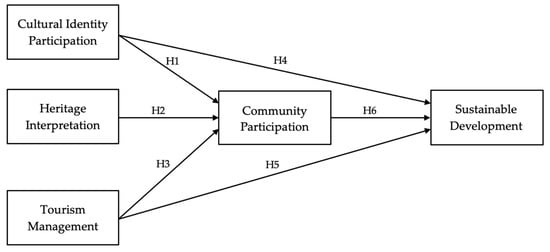
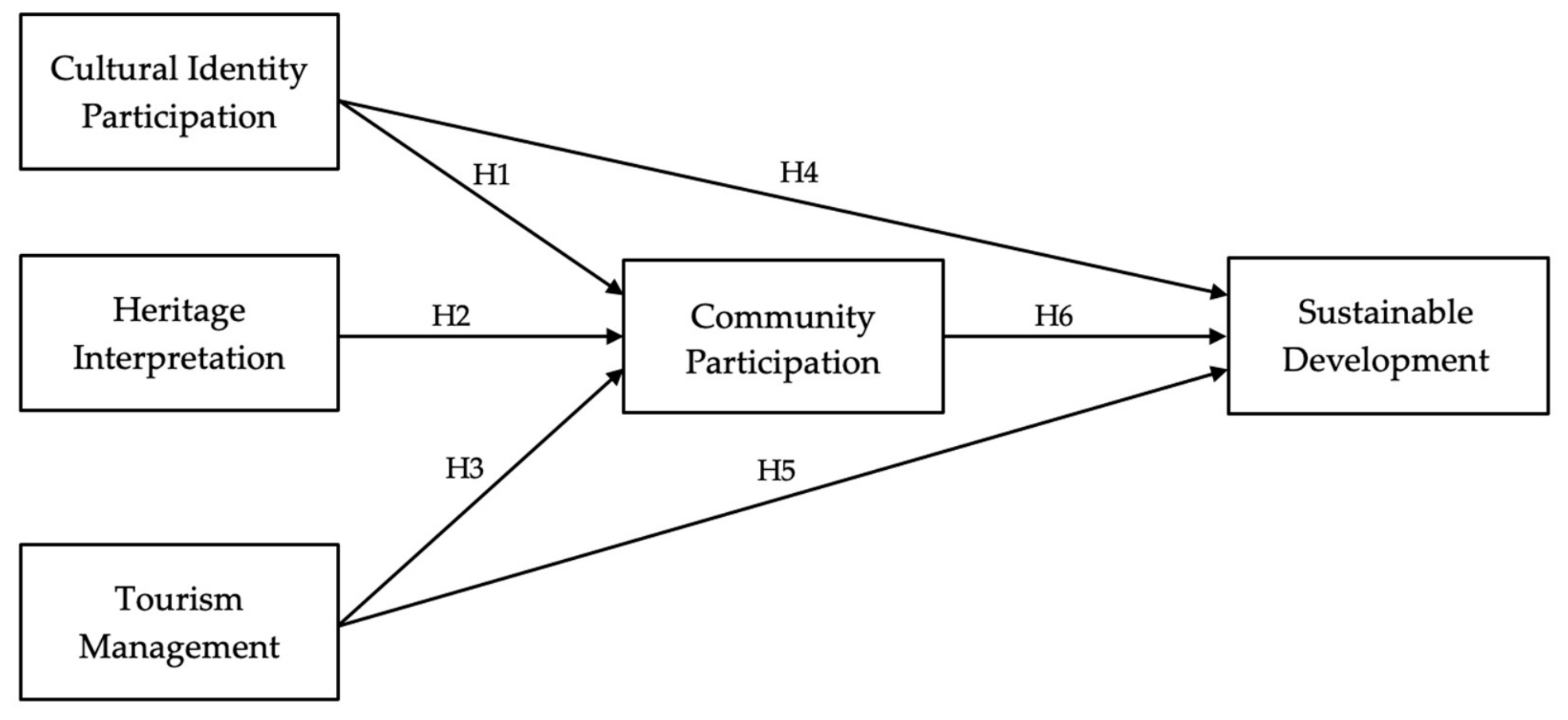
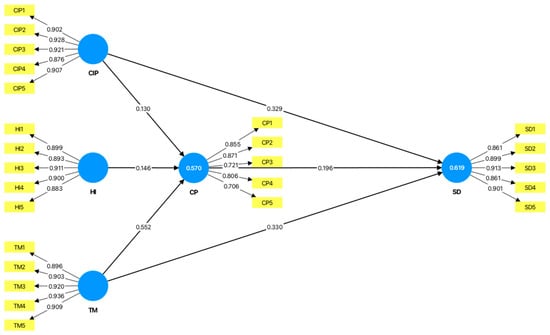
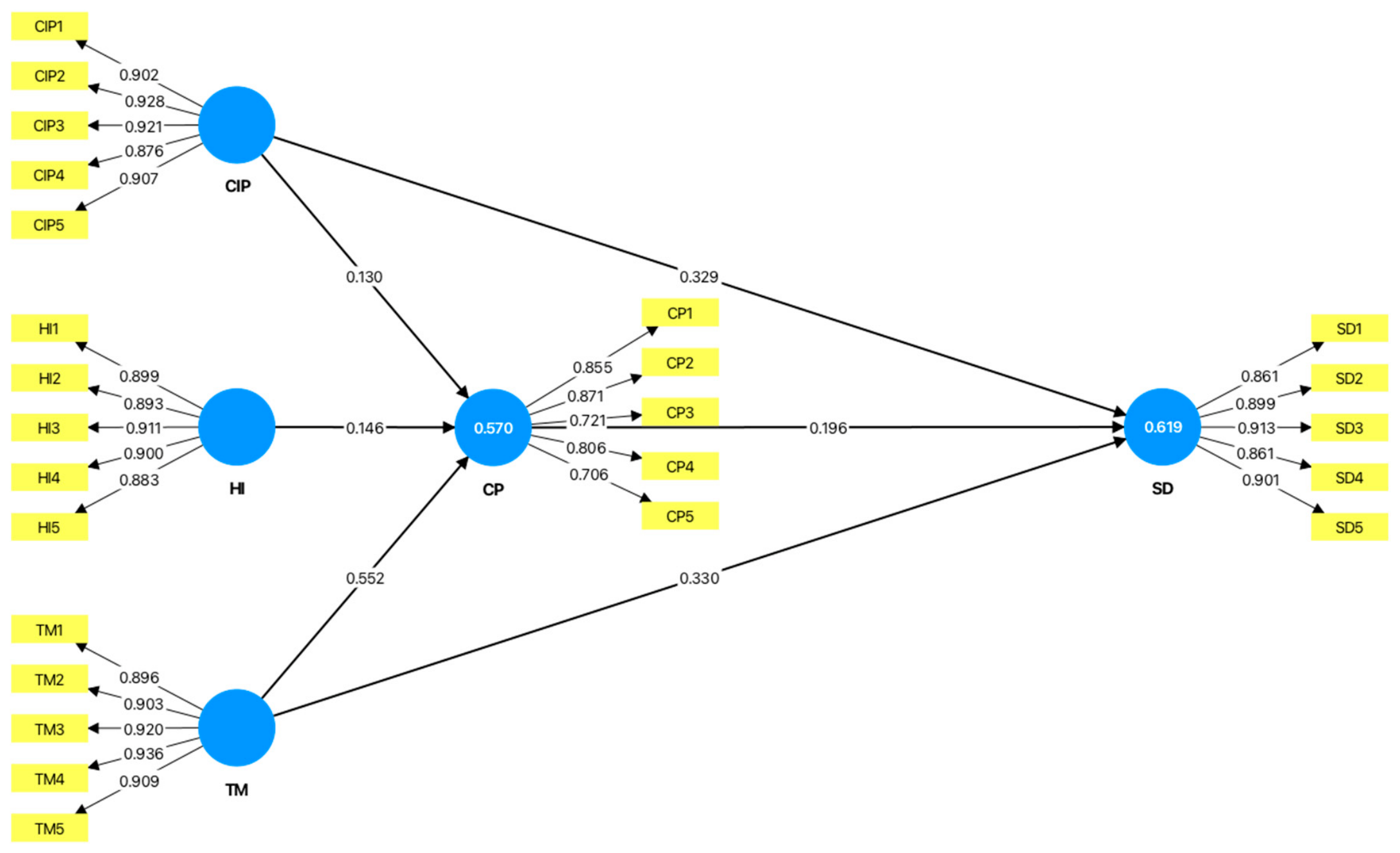

Disclaimer/Publisher’s Note: The statements, opinions and data contained in all publications are solely those of the individual author(s) and contributor(s) and not of MDPI and/or the editor(s). MDPI and/or the editor(s) disclaim responsibility for any injury to people or property resulting from any ideas, methods, instructions or products referred to in the content. |
© 2026 by the authors. Licensee MDPI, Basel, Switzerland. This article is an open access article distributed under the terms and conditions of the Creative Commons Attribution (CC BY) license.