


Abstract
Protected areas are critical to biodiversity conservation, yet their cultural values remain underexplored. The objective of this study is to identify the intangible cultural heritage of communities residing within and around the Imam Abdulaziz Bin Mohammed Royal Reserve and the King Khalid Royal Reserve in Saudi Arabia. Using a cross-sectional descriptive design, the study combines a literature review, semi-structured interviews, and participatory observation to identify intangible cultural heritage components across the five UNESCO domains: oral traditions, performing arts, social practices, knowledge of nature, and traditional craftsmanship. Fifty-five interviews were conducted across fourteen settlements. A comprehensive database was developed and includes the identification of fifty heritage elements—twenty-five actively practiced, sixteen were at risk of disappearance, and nine no longer practiced. Results show that craftsmanship and traditional arts were the most frequently documented domains, particularly among female participants, while some oral and performance-based traditions show signs of vulnerability in relation to intergenerational transmission. The proposed participatory and ethics-driven documentation framework, compliant with the UNESCO Convention of 2003, can support the inclusion of cultural heritage in protected area management efforts. The framework is aligned with Saudi Vision 2030 objectives related to cultural sustainability, community engagement, and heritage preservation.
1. Introduction
Saudi Arabia encompasses varied topography, including desert regions, mountain ridges, rocky plateaus, and coastal lowlands. This diverse geography is associated with considerable climatic variation, from the humid coastal regions to the hyper-arid interior and the cooler uplands. Environmental conditions have shaped, and continue to frame, many local cultural practices and knowledge systems. The establishment of Royal Reserves by the government of Saudi Arabia plays an important role in both ecological conservation and cultural preservation. Aside from conserving natural habitats, such institutions act as preservers of ‘living practices’ by documenting, conserving, and restoring heritage practices in crafts, folk arts, music and dance, oral traditions, and folk medicine.
In this regard, the Imam Abdulaziz Bin Mohammed Royal Reserve and King Khalid Royal Reserve can be considered exemplary natural protected areas that combine natural conservation efforts with the preservation of intangible cultural heritage. The two Royal Reserves are situated about 150 km northeast of Riyadh and managed by the Imam Abdulaziz Bin Mohammed Royal Reserve Development Authority (IARDA). The King Khalid Royal Reserve (KKRR), which includes part of the Al-Urmah Mountains and the Ath-Thumamah area (Figure 1), covers 1162 km2. The reserve boasts unique geomorphological and ecological features, making it home to endemic plants and animals. Moreover, beyond its natural values, KKRR holds archeological and cultural significance, reflecting centuries of human interaction with the central Arabian landscape and its ecological resources.
Figure 1.
The King Khalid Royal Reserve and the Imam Abdulaziz Bin Mohammed Royal Reserve exhibit distinctive geomorphological formations resulting in diverse habitats that sustain a wide range of flora and fauna.
The Imam Abdulaziz Bin Mohammed Royal Reserve (IARR), which covers approximately 11,300 km2 (Figure 1), features plains, valleys, dunes, catchment areas, and the continuation of the Al-Urmah mountain range. The location of this reserve near Riyadh city, as well as small settlements, makes it an important location from which insights into how the preservation of traditional knowledge, practices, and skills can be ensured despite modernization.
This contextual background highlights the significance of the study area as a setting where ecological and cultural systems intersect, providing a relevant foundation for investigating intangible cultural heritage within protected landscapes. This study explores how intangible cultural heritage (ICH) is identified, documented, and safeguarded within and around the Imam Abdulaziz Bin Mohammed Royal Reserve and the King Khalid Royal Reserve. These two Royal Reserves provide a relevant context for examining the relationship between ecological landscapes and cultural practices in central Saudi Arabia. The study is grounded in the operational definitions and five domains established by the 2003 UNESCO Convention for the Safeguarding of the Intangible Cultural Heritage [1], which conceptualizes heritage as living knowledge transmitted through communities and recreated across generations. These domains are oral traditions and expressions, performing arts, social practices and rituals, knowledge and practices concerning nature and the universe, and traditional craftsmanship. Together these domains form an analytical framework for understanding the full spectrum of human creativity and its environmental context [2,3,4,5,6].
While UNESCO provides an operational inventory structure, the study draws on critical heritage scholarship that treats intangibility as a constitutive dimension of heritage and emphasizes meaning-making, performance, and community authority.
Analytically, each element’s viability was assessed using field-based indicators, including frequency of practice, transmission pathways, practitioner profiles, material and space availability, and community recognition. Interview materials were coded to map domain distribution across settlements, examine gendered participation across domains, and identify risk factors associated with discontinuity. Community validation sessions provided an additional quality-control layer, enabling participants to confirm classifications and refine contextual interpretations.
The relevance of research on intangible cultural heritage in protected areas lies in its potential to link the intangible legacy to natural resource conservation directly. The intertwining of the intangible aspect of ecological knowledge, storytelling, and artistic skills with the Protected Cultural Landscape (PCL) itself continues to occur on a significant level in the protected areas of Saudi Arabia. Traditional ecological knowledge documented in the reserves suggests possible links between cultural practices, resource use, and environmental awareness. However, modernization, population changes, and the lack of intergenerational knowledge transmission continue to pose threats to this intangible heritage [7,8].
Through the ICH of the Imam Abdulaziz Bin Mohammed and King Khalid Royal Reserves, this research identifies its role in positioning heritage as both an element of the community’s assets and a tool of preservation within the UNESCO framework of protection and the Saudi Vision 2030. Participatory documentation is intended to support cultural identity, community involvement, and the integration of cultural knowledge into protected-area governance. The research identifies the Royal Reserves as ‘living labs’ of nature and culture co-evolution, where the documentation, transmission, and preservation of intangible heritage become an inherent part of awareness of the environment and the sustainable transformation of the cultural landscape of Saudi Arabia [9,10,11,12,13,14,15,16,17,18]. In order to preserve heritage, the Imam Abdulaziz Bin Mohammed Royal Reserve Development Authority (IARDA), which manages both royal reserves, has facilitated the sale of handicrafts made by local communities, has implemented trainings, such as sadu, a traditional form of weaving, and includes cultural activities, such as the serving of Saudi coffee and the traditional dance, at events.
In this context, the research objective is not limited to listing intangible cultural heritage elements, but extends to understanding how such elements remain active, how they are transmitted, and how they can be integrated into protected-area management. The study therefore examines ICH as a living socio-cultural system shaped by community memory, gendered knowledge, ecological practices, and changing patterns of transmission. By focusing on communities within and around the IARR and KKRR, the research seeks to clarify the relationship between local cultural practices and the wider landscape of environmental stewardship, cultural identity, and sustainable development. This objective responds to the need for protected areas to be understood not only as ecological reserves, but also as cultural landscapes where intangible heritage can inform education, community engagement, interpretation, and safeguarding policies.
This paper addresses three main purposes. First, through detailed examination, it creates an empirical baseline of ICH elements in the IARR and KKRR in terms of their categorizations in domains, spatial distribution, gender practices, and viable status. Secondly, it examines how transmission happens, looking into risk factors, particularly in regard to intergenerational continuity, changes in the practice context, material and space availability, as well as the role of community recognition in the process. Lastly, the paper applies the inventory results to creating a framework for heritage protection that can be applied in managing protected areas, community involvement, education, and cultural events.
To further move beyond a static inventory approach, the study also introduces resilience and heritage-change perspectives as additional analytical dimensions. In this paper, resilience refers to the capacity of ICH elements to remain meaningful and transmissible despite social, economic, and environmental change, while heritage change refers to the ways practices adapt through new settings, actors, functions, and forms of transmission. Economic viability and livelihood linkages are considered part of this broader analysis, especially where craft traditions, food practices, heritage markets, training activities, and community events provide opportunities for income generation, skills development, and sustainable cultural participation. These dimensions allow the study to interpret ICH not only as a set of documented elements, but also as a living resource connected to community resilience, local livelihoods, and protected-area policy.
This study addresses three research questions, which link practice viability, transmission pathways, spatial patterns, governance, resilience, heritage change, and livelihood dimensions with concrete safeguarding actions:
- What is the current viability and spatial distribution of ICH elements across UNESCO domains in IARR and KKRR, and how do transmission pathways (apprenticeship, household, school, events) vary by domain, gender, and age?
- Which governance and programmatic measures, guided by the standardized Element Card system and community priorities, should be targeted to address key risk factors (e.g., loss of venues, migration, market substitutes), strengthen youth engagement, and safeguard traditional ecological knowledge?
- How can the documented ICH elements be interpreted in relation to resilience, heritage transformation, economic viability, and livelihood linkages, particularly in connection with craft practices, heritage markets, training activities, and sustainable protected-area management?
2. Literature Review
2.1. UNESCO Frameworks and Participatory Approaches
The safeguarding of intangible cultural heritage (ICH) has undergone a major conceptual transformation since the adoption of the 2003 UNESCO Convention for the Safeguarding of the Intangible Cultural Heritage, which shifted the focus from monument-based preservation to the recognition of living traditions, practices, and community knowledge as central to cultural identity [1]. This paradigm redefined heritage as dynamic—continually recreated by communities and transmitted across generations [8,9,19] in response to changing environments, memories, and social relations [20,21]. In doctrinal terms, Article 2 positions ICH as the practices [22,23], representations, expressions, knowledge, and skills—together with associated instruments and cultural spaces—that communities recognize as part of their heritage, while Article 2 [21] identifies the five principal domains that organize safeguarding and inventory work: oral traditions and expressions, performing arts, social practices/rituals/festive events, knowledge and practices concerning nature and the universe, and traditional craftsmanship [1,24,25,26].
Crucially, the Convention established community agency, participation, and inventory development as foundations of sustainable cultural policy, moving policy emphasis away from treating culture as a static object toward enabling the bearers of tradition to define, practice, and transmit it [21]. Subsequent analyses demonstrate that viability depends on empowering bearers, supporting intergenerational transmission, and embedding safeguarding in everyday life rather than freezing practice into decontextualized forms [20,27]. Legal scholarship further underscored that inventories must be accompanied by consent and human rights protections, transforming documentation from a technical act into a co-produced process grounded in equity and accountability [28,29,30].
Following the Convention, the principle of Free, Prior and Informed Consent (FPIC) was elaborated as an ongoing relationship—not a one-off form—between researchers and practitioners, with iterative dialog, options for withdrawal, and negotiated levels of access and disclosure [31]. Participatory approaches were promoted to reconcile state obligations with community control, positioning safeguarding as a cooperative task between institutions and cultural actors rather than a unidirectional administrative exercise [32]. Methodologically, this shift catalyzed innovation: community mapping, participatory archiving, and multimedia inventories emerged to record both tangible and intangible dimensions of living culture, capturing practice in its social, spatial, and ecological contexts [33,34,35,36].
This methodological turn coincided with a broader critical heritage perspective that linked safeguarding to cultural sustainability, insisting that the endurance of living traditions hinges on economic and ecological conditions as much as on social and symbolic ones [37,38,39,40,41,42]. In this view, participatory inventories should strengthen adaptive capacity, explicitly connecting ICH safeguarding with sustainable development and climate resilience [43,44]. These perspectives directly frame contemporary community-based documentation programs, including those in Saudi Arabia’s protected areas, where cultural practice and environmental stewardship are interdependent [8,37,38,43,45].
In parallel, the Convention spurred technological innovation. UNESCO and partner institutions encouraged digital inventories, multimedia repositories, and open-access archives capable of integrating textual, audiovisual, and geospatial data to convey the complexity and situated nature of living heritage [46,47]. The expansion of digital practice raised new challenges around privacy, intellectual property, and data ethics, highlighting the need for transparent consent pathways and culturally appropriate access regimes [46,48]. Responding to these imperatives, standards such as CIDOC CRM and Linked Open Data ontologies were advanced to secure semantic interoperability, enable provenance tracking, and support responsible exchange among archives, GIS systems, and national inventories [23,36,49].
Taken together, these developments mark a systemic shift from preserving culture to preserving with culture: communities are recognized not as sources to be mined but as principal agents of safeguarding, while inventories become living, ethical, and interoperable knowledge systems that support creativity, transmission, and sustainability across generations [50].
Since the early 2000s, intangible cultural heritage (ICH) research has increasingly shifted from hierarchical, top-down inventorying toward community-driven approaches, showing that locally defined research questions and participatory validation produce more legitimate, inclusive, and socially embedded outcomes [51,52]. This methodological evolution reframed documentation as a co-designed process in which practitioners and researchers share authorship and responsibility across the research cycle. In practice, projects often combine complementary participatory techniques, including semi-directive interviews [53], life history and narrative interviews that capture intergenerational transmission and identity formation [33,51,53,54,55], focus group validation to verify facts and negotiate shared interpretations, participatory mapping and story maps linking oral testimony to place-based knowledge systems [56], and oral history workshops or conversational circles that embed ethical dialog and trust-building into documentation [57,58]. Evidence further indicates that hybrid protocols—structured metadata for consistency, semi-structured interviews for contextual richness, and community validation sessions for consensus—support the most accurate and socially accepted records, with focus groups also serving as cost-effective verification tools comparable in reliability to scientific surveys while strengthening local ownership [22,40,44,54].
Ethical practice underpins these participatory methodologies. Free, Prior and Informed Consent (FPIC) is treated as an iterative relationship that extends beyond a signed form to ongoing dialog, the ability to revise or withdraw participation, and co-decision on dissemination and access levels [59]. Community-defined access restrictions and data-use rules help safeguard sensitive knowledge and respect social protocols and intellectual property norms [27]. Gender inclusion is also critical: mixed-gender teams and gender-appropriate interview settings improve the visibility of women’s knowledge systems—often concentrated in crafts, cuisine, domestic ritual, and oral storytelling—traditionally underdocumented in inventories [60,61]. In parallel, capacity-building programs that train local coordinators as co-researchers enhance long-term community stewardship and reduce dependence on external experts [62].
At the same time, digital transformation has expanded both opportunities and responsibilities in ICH documentation. Digital repositories, AI-assisted annotation, and open GLAM platforms enable scalable recording and retrieval across media types [46,47], but open access without governance can undermine cultural rights, requiring robust consent pathways, metadata control, and culturally appropriate access tiers [48]. Interoperability standards, such as CIDOC CRM and linked data ontologies, support responsible exchange across archives, GIS, and institutional databases, while community access tagging and provenance trails enhance accountability and reuse without eroding community authority [23,36,49]. Recent frameworks therefore increasingly advocate integrated platforms that align community authority, ethical governance, and digital precision to support both research and local development goals [36], informing participatory workflows that combine structured documentation tools, interviews, gender-balanced field teams, community validation, and standards-compliant archiving into a single coherent approach.
2.2. Intangibility Beyond UNESCO
Building on UNESCO’s operational framework, heritage theory and critical heritage studies further argue that intangibility is not merely a category but a constitutive dimension of heritage, While UNESCO’s 2003 Convention provides an essential operational definition for safeguarding and inventorying [21], a wider body of heritage scholarship argues that intangibility is not only a category of heritage, but a fundamental condition of heritage itself [63,64]. In this view, heritage cannot be reduced to “things” (objects, sites, or even discrete practices), because its cultural status emerges through interpretation, value attribution, memory, and social negotiation [65]. Even when heritage has a material form, what makes it “heritage” is the intangible domain of meaning-making through which communities recognize, narrate, and transmit significance over time.
Critical heritage studies have highlighted limitations in a strict tangible/intangible split, noting that the distinction can be administratively useful yet conceptually misleading [63]. Scholarship associated with critiques of “authorised heritage discourse” emphasizes that heritage is fundamentally a cultural process rather than a stable object of preservation: the “heritage value” of monuments, landscapes, or artifacts is produced through intangible practices of remembrance, narration, interpretation, and identity formation [65]. Consequently, all heritage is, in an important sense, intangible, because significance does not reside inherently in material fabric but in the social and cultural work that communities do with that fabric.
A complementary strand of literature conceptualizes heritage as performance and process, stressing that living traditions endure through repeated enactment, learning, and adaptation rather than through fixation in a single “authentic” form [66,67]. From this perspective, heritage exists in the doing—in situated practice, skills, and social relations—and each enactment simultaneously reproduces and reinterprets tradition [63,66]. Related arguments frame intangible heritage as a form of metacultural production, meaning that the very acts of identifying, documenting, and safeguarding heritage also reshape how communities understand and present their traditions [66,68]. This scholarship is particularly relevant to inventory work: documentation is never neutral, and safeguarding frameworks must therefore prioritize community agency and the conditions that enable continued practice and transmission [66,68,69].
Beyond policy and performance, intangibility is also discussed through phenomenological and semiotic perspectives that foreground experience, embodiment, and imagination [70,71]. Heritage significance is accessed through sensory engagement, affect, and lived encounter—dimensions that cannot be fully captured through textual description alone [63,70]. This implies that documentation frameworks must attend not only to “what” is practiced, but also to how it is experienced, where it is enacted, and what social relationships and cultural expectations it mobilizes [70,71]. In rapidly transforming contexts, the experiential dimension becomes even more important because changes in everyday life can disrupt the settings, rhythms, and intergenerational interactions through which heritage remains meaningful [67,72].
Taken together, these perspectives broaden the rationale for safeguarding: protecting intangible heritage is not only about recording expressions under UNESCO domains, but also about sustaining the intangible infrastructures of heritage—community meaning-making, transmission pathways, practice contexts, and negotiated cultural authority. For community-based inventories in protected areas, this implies that documentation should be designed to capture: the social functions and values attached to practices; the contexts and spaces where enactment occurs; the modes of learning and intergenerational transfer; and community preferences regarding representation, access, and sensitive knowledge [66,69,73]. This wider understanding of intangibility strengthens the conceptual foundation of participatory documentation in the Royal Reserves by positioning inventorying not merely as classification, but as a culturally embedded process that supports continuity, adaptation, and community control [67,68,69].
2.3. Regional and Saudi Context (Vision 2030, Institutional Landscape, and Protected Areas)
Across the Middle East and North Africa (MENA), heritage law and policy historically privileged monumental and archeological assets, leaving living traditions comparatively weakly protected and unevenly represented in official inventories [41]. Recent regional reviews recognize persistent legal and institutional gaps but also document promising participatory experiments—from community-run archives to co-authored inventories—that foreground cultural actors, local associations, and municipal institutions as partners in safeguarding [39].
In Saudi Arabia, ratification of the 2003 UNESCO Convention converged with the governance reforms of Vision 2030, which explicitly positions heritage as a cultural, educational, and economic resource and links it to social cohesion and diversification agendas [42]. Despite notable advances, legal analyses note that the regulatory environment has long favored tangible heritage, underscoring the need for comprehensive, ICH-specific legislation and enforcement mechanisms that secure community rights, the transmission of cultural knowledge, and its ethical use [40].
Institutionally, the creation of the Saudi Heritage Commission (SHC) marked a watershed, building national capacity for documentation, research, standard-setting, and the digital preservation of living traditions [35,38,74]. In parallel, the Ministry of Culture and regional authorities—such as the Royal Commission for Riyadh City (RCRC) and the Royal Commission for AlUla (RCU)—have integrated intangible heritage into conservation strategies, sustainable-tourism programming, educational curricula, and creative-economy initiatives, thereby embedding ICH within broader development policies and public engagement platforms [38].
Within this evolving ecosystem, the IARR and the KKRR exemplify a new model that links environmental stewardship with cultural safeguarding. While designated as ecological zones, both reserves function as repositories of traditional knowledge—crafts, oral poetry, seasonal rituals, folk medicine, and ecological practices—reflecting the intimate relationship between communities and arid-land ecosystems [32]. Their ICH initiatives operationalize UNESCO principles through semi-structured interviews, focus-group reviews, and robust informed-consent protocols, ensuring that documentation is participatory, ethical, and community-verified [20,21,75].
2.4. Benchmark Studies and Comparative Positioning
Benchmark international studies offer valuable points of comparison for improving the scientific contribution of this research. First and foremost, the methodology developed by the Montseny Biosphere Reserve, Catalonia, for inventorying ICH in biosphere reserves is very relevant, since this research also concerns protected landscapes [76]. The Montseny project is part of a UNESCO Man and the Biosphere program, which highlights close links between culture, nature, knowledge, use of landscapes, sustainable development, and more [76]. Thus, the Montseny approach relied on documentary research, fieldwork, stakeholder engagement, documentation sheets, and reflections on how ICH might contribute to sustainable development. This represents a highly relevant methodological benchmark that corresponds to the purpose of the current study.
Another interesting comparison is the Singapore case, which illustrates how an ICH inventory can include multiple cultures through field research, interviews with practitioners, community discussion sessions, audiovisual documentation, and online publication [77]. The Singapore case offers relevant methodological examples, especially concerning how field data can be transformed into public knowledge and educational tools. In this sense, the IARR and KKRR case study shares with the Singapore study an interest in applying structured documentation, practitioner stories, and the idea of using the inventory data as a basis for future educational work and awareness.
Comparative institutional analysis provides further insights on how ICH inventorying may be conducted. Indeed, the comparison of Thailand and Republic of Korea highlights how ICH inventorying depends on national legislation, regulatory body, domain categorization, inventory system, designation process, and community involvement [78]. Comparative institutional analysis suggests that even if UNESCO’s five domains offer a shared framework, the inventory procedure is adapted according to each country’s legal framework and policy context. The current research adds value to this debate by demonstrating how protected areas’ authorities in Saudi Arabia can organize ICH documentation through workflow involving national heritage priorities, local community, Element Cards, viability assessment, and ICH-based management.
Intangible values within conservation planning have also been studied in relation to Robben Island, revealing that intangible heritage, memories, oral histories, symbolic values, and interpretation by communities all play a major role in heritage site management [79]. This comparison is interesting for the current study, insofar as it emphasizes that intangible heritage must be considered as a primary aspect of the conservation management process, rather than a secondary one. Similarly, the IARR and KKRR landscape is imbued with intangible values, including oral traditions, craft practices, pastoral knowledge, hospitality skills, and environmental knowledge.
Overall, all these benchmark studies demonstrate the comparative dimension of the current research. Unlike national-level inventory systems, which rely mainly on classification, and unlike ICH-based heritage sites studies, which focus mainly on memory and symbolic values, the present study is concerned with a case study of participatory ICH documentation based on protected areas’ governance, community participation, gendered fieldwork, viability assessments, and Element Cards. Thus, the present study can be regarded as a Saudi case of participatory ICH documentation.
2.5. Research Gaps and Objectives
Despite policy advances and growing institutional capacity, the evidence base for ICH safeguarding in Saudi Arabia remains methodologically and evaluatively thin. The literature notes limited public transparency around the nuts and bolts of field practice—sampling frames, inclusion/exclusion criteria, interviewer training, consent scripts, element card templates, coding manuals, and quality assurance procedures such as inter-coder reliability checks or audit trails [28]. Without such details, studies are difficult to replicate, findings are hard to peer-review beyond face-value claims, and subsequent programs cannot readily reuse or adapt tested instruments [28].
Evaluation gaps compound these issues. Most inventories are cross-sectional baselines; longitudinal designs tracking viability, transmission, and participation over time are scarce [43]. As a result, it is difficult to attribute changes in practice to specific safeguarding actions (e.g., training, micro-grants, festival programming) rather than to background socio-economic dynamics. To strengthen causal inference and policy usefulness, future work should deploy repeated cross-sectional surveys or panel cohorts in sentinel communities and, when feasible, quasi-experimental designs (e.g., phased roll-outs with matched comparison sites, difference-in-differences) anchored in pre-registered protocols [43]. These designs should operationalize practice viability with measurable indicators—counts and age structure of practitioners; frequency, setting, and seasonality of performance; transmission pathways (apprenticeship, household teaching, school-based activities); functional meanings and community valuation; and access to material and ecological inputs that underpin practice [43].
A third deficit concerns the effectiveness of digital and AI tools. While repositories, AI-assisted annotation, and linked-data systems promise scalability and interoperability, most assessments remain conceptual; rigorous tests of whether digital tooling actually improves intergenerational transmission, community empowerment, or safeguarding outcomes are limited [31]. Studies should therefore pair digital deployments with use-and-impact metrics—for example: authenticated community log-ins and contribution rates; consent updates over time (“consent lifecycle”); local reuse of records in schools and apprenticeships; changes in public access levels; and practitioner-reported benefits and risks [31]. Evaluation must be coupled with ethical governance—consent tagging, culturally defined access tiers, persistent identifiers, provenance trails, and community oversight—to ensure that digital precision enhances rather than displaces community authority [32,34].
This study addresses these gaps by applying a structured, participatory methodology and providing empirical insights into the documentation and safeguarding of intangible cultural heritage in the selected reserves.
Building on these gaps, the current study defines the research objective through four interrelated analytical dimensions. Identification is the process of recognizing ICH elements according to UNESCO criteria across five domains. Viability is the dimension of analysis that focuses on the viability of elements in regular practice, the number and ages of practicing individuals, and the processes of practice transmission. Community participation refers to the roles played by community members, including local knowledge holders, males and females who practice heritage, coordinators, and other community participants. Safeguarding application entails transforming the inventory into action through education, capacity building, programming, and protected areas management.
In this way, the research objective can be operationalized using the analytical framework outlined above. The methodology section explains how the research objective was achieved through fieldwork, interviews, observations, an informed consent procedure, and element cards. The results reveal information about documented elements, their distribution, and their viability. The discussion aims to interpret these results from the perspectives of safeguarding, governance, and the transferability of heritage.
3. Materials and Methods
To operationalize the research objective, the methodology was designed to connect three stages: the identification of ICH elements, the assessment of their viability and transmission conditions, and the translation of inventory data into safeguarding-oriented outputs for reserve management. The study implemented a sequential inventory of intangible Cultural Heritage (ICH) for the IARR and KKRR. For this study, an “inventory” refers to an orderly process of recording, collecting, documenting, and analyzing key elements of ICH in a specific geographical location, including practices, know-how, skills, beliefs, rituals, and expressions handed down from generation to generation that make up society’s memory. The priority of an inventory is thus preservation, with an effort to ensure the continuation of this transmission into succeeding generations. To achieve this objective, the current study selected various sources of evidence, including oral discourse, audio and video recordings, photographic documentation, and recordings of artistic and ritualistic performances on location in the two Royal Reserves.
3.1. The Role of the Reserve
Building on the UNESCO 2003 Convention and the domain framework outlined in Section 2.1 [1,27,32], safeguarding ICH in the Royal Reserves is translated into day-to-day practice consistent with international human rights and sustainable development principles [1].
In the IARR and the KKRR, the study adopted a consent-based, community-partnered documentation workflow under free, prior and informed consent (FPIC), combining semi-structured interviews with male and female bearers, in situ observation and audio/visual documentation, verification meetings with local coordinators, and the standardization of records through Element Cards within a rights-aware digital archive (1,19,20). This structure supports comparability across UNESCO’s five domains and provides data that may inform inventory updates and reserve programming aimed at sustaining intergenerational transmission and community participation [1,20,21,27,32]. Illustrative cases referenced in this study include performing arts (e.g., Al Ardah Al Najdiyyah) and craft traditions (e.g., Sadu weaving and metalwork) [21,28,38,74]. The full sequential workflow and documentation steps are detailed in Section 3.3 [20,21].
National Context and Policy Frame
In the Kingdom of Saudi Arabia, ICH is a cornerstone of national identity and civilizational continuity. Rooted in the cultural and ecological diversity of the Asir mountains, the Najd plateau, and the Hijaz littoral, living traditions encompass poetry and performance, cuisine, craftsmanship, pastoral and oasis knowledge, and social practices that express values of hospitality, generosity, and community solidarity [38]. The Kingdom’s strategic position at the crossroads of Asia, Africa, and Europe—linking the Red Sea and the Arabian Gulf—has historically facilitated trade, migration, and pilgrimage, especially in the Hijaz, contributing to the mosaic of cultural expressions still practiced today [38].
Saudi Arabia’s commitment to safeguarding ICH is visible in its active engagement with UNESCO (Table 1) and in the multiple inscriptions on the Representative List (e.g., Al-Ardah Al-Najdiyyah, Majlis, Arabic Coffee, Sadu Weaving, Al-Qatt Al-Asiri, Falconry, Taif Rose Cultivation, Date Palm Knowledge and Practices, among others; Table 1), alongside national programs and inventories led by the Saudi Heritage Commission and the Ministry of Culture [1,38,74]. These efforts are embedded in Vision 2030, which treats culture as a pillar of sustainable development and a platform for international dialog and creative-economy growth [38,42]. In this policy architecture, safeguarding is not only preservation but also a forward-looking investment in identity, social cohesion, and sustainable transformation [1,38,42].
Table 1.
Summary of Saudi Arabia’s registered intangible cultural heritage elements under UNESCO’s 2003 Convention and the Saudi Heritage Commission (each element represents a living tradition that embodies the Kingdom’s cultural identity, continuity, and community pride).
Saudi Royal Reserves operationalize this national mandate at the landscape scale. In addition to biodiversity goals, Royal Reserve’s Development Authorities act as custodians of living traditions, systematically documenting, preserving, and revitalizing practices such as handicrafts, folk arts, music and dance, oral traditions, and folk medicine, through standards-aligned documentation, digital archiving, and capacity-building that facilitate intergenerational transmission. Workshops, apprenticeships, and public programming (festivals, exhibitions, and community events) can provide opportunities for participation, shared cultural expression, and the development of community-oriented safeguarding actions. Within this milieu, the present study implements a structured, sequential inventory in the IARR and the KKRR, treating the inventory both as a dialog tool with communities and as a standards-compliant record that can be mobilized in management, education, interpretation, and sustainable tourism [1,38,42,74].
This overview demonstrates the diversity and national significance of intangible cultural heritage elements, providing a broader context for the present study.
In addition to considerations at the national level, international cases suggest that ICH inventories are likely to be more beneficial scientifically if conceptualized not only as administrative databases, but as research-based tools for the preservation and protection of intangible cultural heritage as well as policy-making instruments in the planning process. As such, the example of the Montseny Biosphere Reserve in Spain may prove especially illustrative, since the inventory methodology used there involved all necessary elements of ICH documentation, fieldwork, community involvement and sustainable development strategy [76]. Furthermore, Singapore’s national inventory of ICH exemplifies a systematic application of survey questionnaires, interview techniques, community workshops, multimedia content creation and online publications that make inventory efforts an important step towards the development of heritage policies [77]. Finally, comparative investigations of inventories of ICH in Thailand and South Korea demonstrate the need to consider the issues of governance framework, ICH classification system, designation approach and community involvement in order to assess the efficiency and feasibility of the inventory processes [78]. Such studies support the idea of viewing the IARR and KKRR inventories of this paper as participatory policy-oriented models that may be transferred across jurisdictions.
3.2. Geographical Scope
Building on this national framework, the two Royal Reserves in the present study represent ecological and cultural landscapes within the Riyadh region, where traditional knowledge, oral practices, and community customs remain closely intertwined with seasonal patterns, resource use, and ecological stewardship (Figure 1). Documenting ICH in these areas helps describe how local communities relate cultural identities to everyday interactions with surrounding ecosystems and provides a baseline for targeted safeguarding and protected-area management.
To ensure transparent scoping and support replication, Table 2 lists the administrative/community centers within IARR and KKRR that formed the primary fieldwork clusters (interviews, observation, participatory documentation).
Table 2.
Geographical centers within and around the Imam Abdulaziz Bin Mohammed and King Khalid Royal Reserves (Arabic/English). These sites represent the key community areas surveyed for ICH documentation.
3.3. Heritage Workflow Methodology
The research followed a structured approach to documenting, analyzing, and preserving intangible cultural heritage (ICH) in the IARR and KKRR. The approach was developed in accordance with the UNESCO Convention of 2003 on the Safeguarding of Intangible Cultural Heritage. The approach covered all aspects of research work, including preparatory research, expert collaboration, field research, data processing, and capacity building (Figure 2). The following subsections cover the step-by-step methodology of this approach.
Figure 2.
Sequential workflow for the research and documentation of intangible cultural heritage implemented in the IARR and the KKRR. (credit: authors).
3.3.1. Project Preparation
The preparatory phase provided the conceptual and logistical framework necessary for proper documentation of intangible cultural heritage (ICH) within the context of the IARR and the KKRR. This was a stage that involved rigorous groundwork to ensure this research was anchored in an overall understanding of the local context. The databases that existed for both reserves of interest to this research were considered to assess the relevance of the available data, while the structure of the local populations was examined to identify key carriers of this particular culture. There was also an overall review of the literature that provided background.
A central task of this phase was data gap analysis, which revealed the range of socio-cultural diversity within the reserves and highlighted practices at risk of disappearing or being underrepresented. Based on this assessment, structured interview forms were developed in alignment with the principles of UNESCO’s 2003 Convention, covering the five official domains of intangible cultural heritage: oral traditions and expressions, performing arts, social practices, rituals and festive events, knowledge and practices concerning nature and the universe, and traditional craftsmanship. In addition, standardized Element Cards were created to ensure that all identified heritage elements could be documented and classified consistently, thereby aligning the Project’s outputs with national and international heritage documentation standards. This preparatory stage laid the groundwork for the participatory, ethical, and systematic methodology that followed.
3.3.2. Team Formation
To ensure methodological rigor, three specialized teams were established with complementary responsibilities. The Supervisory Team, composed of experts in natural, tangible, and intangible heritage, oversaw all stages of implementation, guiding the process to maintain methodological coherence and compliance with national and international standards. The Research Team brought together interdisciplinary specialists in heritage studies, anthropology, and ethnography who analyzed collected data, cross-referenced information, and prepared the final Element Cards. The Executive Team coordinated all on-site activities, organized field visits, conducted interviews, and ensured the accurate recording and archiving of materials. Each team member was trained in research ethics and the participatory inventorying of intangible cultural heritage, fostering inclusivity, gender sensitivity, and respect for local customs throughout the process.
3.3.3. Implementation
The mechanism of implementation was based on the methodological framework established by the UNESCO Convention on the Safeguarding of the Intangible Cultural Heritage of 2003. The process began with the design of the survey form and the interview questionnaires to gather information on the five domains of intangible cultural heritage. To ensure the accuracy of the collected information, inclusion and exclusion criteria were established. The individuals considered for the research had to be known practitioners of this traditional knowledge or practice in the region of focus and had handed down practices for generations. The research was performed by both male and female research teams, following local traditions. The data were collected through individual interviews and focus group sessions in either a private home or a local community center.
To address the generational and gendered dimensions of intangible cultural heritage transmission, the interview data were coded according to respondents’ age group, gender, and geographical settlement. Age was used as an analytical variable to identify possible generational gaps in the knowledge, practice, and transmission of ICH elements, particularly between elderly knowledge holders, adult practitioners, and younger participants. Gender was analyzed to understand the roles of men and women in preserving, practicing, and transmitting different forms of living heritage, including crafts, culinary traditions, oral expressions, social practices, and traditional ecological knowledge. The coding was also cross-referenced with the type of ICH identified and the settlement location, allowing the study to clarify what types of knowledge were reported, where this knowledge remains concentrated, and which traditions depend most strongly on intergenerational transmission. Given the qualitative and cross-sectional nature of the dataset, the analysis did not apply inferential statistical testing. Instead, descriptive cross-tabulation was used to compare ICH elements by UNESCO domain, gender, viability status, and settlement location. Spatial interpretation was also conducted at the settlement level by comparing the distribution of practiced and disappearing elements across the documented centers. This approach allowed the study to identify visible patterns of concentration, vulnerability, and knowledge transmission without overstating causal relationships or statistical representativeness.
The research ethics encompassed all stages. Free, Prior, and Informed Consent (FPIC) was received from all interviews. The participants knew how their responses would be used. The researchers protected participants’ privacy rights. The data were managed in accordance with national ethics guidelines. The entire research team then analyzed the data by coding. The extracted intangible heritage was then categorized by domain, region, or association and, based on their descriptions, documented using pre-prepared Element Cards. Verification of all data was by local authorities, national institutions and by literature.
3.3.4. Data Organization and Archiving
The collected data, including audio files, transcripts, and field reports, was coded and archived in an industry-standard digital database created specifically for this Project. The use of this online database provided an optimal method of data storage, protecting sensitive data from unauthorized access while also enhancing data accessibility. The audio files were recorded in high resolution using professional recording equipment. The data was then transcribed and validated. Sensitive information was anonymized. The data was then marked with variables such as the collector’s name, date, location, and consent to ensure an efficient method of data retrieval. The design of the online database complied with digital preservation guidelines including backups through version control. The result was an efficient online data repository.
3.3.5. Training and Capacity Building
Capacity building was an integral part of the documentation process, underscoring the Project’s focus on sustainability. The engagement of the local community was achieved through training local coordinators and research assistants among the reserves’ population. The training program was intensive, with activities held both in the headquarters of the Saudi Heritage Preservation Society and workshops across the region. The training program exposed participants to global approaches to documenting heritage resources and to the UNESCO Man & the Biosphere Program’s goals.
The training sessions comprised two broad segments: field skills training and training on international standards. The field skills training covered direct observation, semi-structured interviewing, and the use of recording tools such as smartphones and audio recorders. The training also covered ethics in fieldwork, data management, and the production of Element Cards from field exercises. The training on international standards covered the theoretical concepts of intangible cultural heritage as outlined in UNESCO’s guidelines [1]. The training encompassed the five aspects of intangible cultural heritage, its significant indicators, and the intangible criteria. The trainees were also oriented on how internationally recognized formats of recording graphics and context information can be followed by local documentation.
The workshops ended with group discussions that challenged the participants to identify the most important intangible heritage assets of their respective communities. The event not only ensured the inclusivity of the documentation process but also established a sustainable framework to help local communities protect their intangible heritage. The workshops helped local actors gain both practical and theoretical knowledge. This not only promoted the idea of local knowledge converging with research practices but also helped ensure the sustainable dynamics of the Kingdom’s intangible heritage.
3.3.6. Field-Based Community Engagement
A set of community engagement activities was organized during fieldwork to support ethical access, trust-building, and safeguarding outcomes. These activities were designed as “documentation-support actions” rather than standalone cultural events, enabling participants to demonstrate practices in context and to discuss preferred modes of representation and access. In particular, hands-on craft trainings (e.g., Sadu weaving) and heritage skill sessions conducted with local partners created culturally appropriate settings for intergenerational exchange and facilitated women’s participation in a manner consistent with local norms. Additional heritage-focused demonstrations (e.g., hospitality practices linked to Saudi coffee preparation and other locally recognized cultural expressions) provided opportunities to record practice sequences, terminology, tools/materials, and transmission narratives that are difficult to capture through interviews alone. These engagement moments also functioned as informal validation checkpoints, where community members reviewed descriptions, clarified sensitive details, and indicated which information should remain restricted. In this way, field activities strengthened participation, improved data quality, and linked documentation directly to safeguarding-oriented capacity building.
3.4. Framework Design and Integration
The documentation framework design for the IARR and KKRR combines the guidelines of the UNESCO Convention of 2003 with approaches of participatory documentation practices found in modern literature on heritage. The framework is built on a multidimensional database structure that breaks down information into six tiers, each consisting of twenty-six data fields. This was designed to support systematic documentation of each intangible element of the Cultural Heritage by following the twenty-six data fields established by this documentation framework.
The recording category includes numbers, collection dates, and methodological information that are crucial for tracking and linking data. The description category lists information like the name of the heritage element, classification, affiliated sub-sector of culture, linguistic variants, physical characteristics, and context descriptions. The community governance category records data on the practicing community, participation type, consent processes, and relationship dynamics involving practitioners and stakeholders, reconfirming the role of local governance. The historical and contextual category records the origins, developments, and geographical context of each element. The institutional category then identifies experts, institutions, and safeguarding measures. Lastly, the legal and rights category provides information on ownership, copyright conditions, and indemnity arrangements, thus building a clear framework for proper data ethics.
To avoid inventories functioning as technocratic management tools, the framework is intended to support community ownership of safeguarding decisions. In practical terms, Element Cards and access conditions should be governed through a community-facing process (e.g., a local heritage committee or practitioner council with representation of women, youth, and senior bearers) that can approve public uses, set restrictions for sensitive knowledge, and propose safeguarding priorities. Reserve authorities then act as facilitators, providing venues, micro-funding, and logistical support, while communities retain the lead role in defining what is shared, how practices are represented, and which transmission pathways are culturally appropriate. This co-governance orientation aligns with UNESCO’s principle of ‘major responsibility’ residing with communities and reframes participation from data contribution to decision-making power. Two levels of access were defined: a public level intended for educational purposes and an archival level involving sensitive data that requires community endorsement.
Although the present study is based on a cross-sectional inventory, the documentation framework was designed to support future longitudinal monitoring. The standardized Element Cards can be periodically updated to record changes in each ICH element’s viability, practice frequency, number and age profile of practitioners, transmission pathways, practice settings, material availability, and community valuation. Repeated updates of the same cards would allow reserve authorities and community representatives to distinguish between elements that remain relatively stable, elements showing signs of reduced transmission, and elements that are transforming through new contexts such as heritage markets, school activities, tourism events, or digital documentation. In this way, the inventory provides not only a record of the current state of ICH, but also a baseline from which future changes in continuity, decline, or adaptation can be monitored.
Field implementation procedures, consent protocols, capacity building, and verification steps are reported in Section 3.3; Section 3.4 focuses specifically on the structure and integration of the resulting information framework. The framework was not intended as a stand-alone documentation system, nor as a mere ‘living’ element of heritage reserve management. Integration of the framework in the reserve’s management helped in interpretive programming, heritage education, and sustainable tourism development. What is more, its association with ‘Saudi Vision 2030’ helped ensure institutional relevance from a national perspective. It is thus clear that through this combined framework, the IARR and the KKRR offer an insight into how digital documentation as a participatory practice can help combine heritage conservation, community development, and sustainable developments in the ever-changing Kingdom’s Cultural scenario (Figure 3).
Figure 3.
ICH Documentation Framework.
4. Results
4.1. Overview of Data Collection
The results are organized to directly respond to the study objective by first presenting the scope of documentation, then examining the distribution and viability of ICH elements, and finally identifying cross-cutting patterns that inform safeguarding priorities.
Together, these findings provide a baseline for integrating ICH into protected-area management and community programming. The fieldwork generated qualitative and descriptive quantitative data on community-driven intangible cultural heritage. The data were collected through 55 semi-structured interviews, comprising 27 with women and 28 with men. The research was conducted in 14 out of the 21 settlements, with local coordinators involved to avoid offending communities during the documentation of their culture.
Participatory approaches were used to encourage local participation and yielded diverse storytelling about cultural identity, ecologies, and practices. Field research showed that local populations understand their intangible heritage not only as comprising heritage resources but also as adapting to living conditions in arid zones. The use of Free, Prior, and Informed Consent (FPIC) procedures and gender-balanced research teams supported more inclusive participation, although the dataset remains limited to the participating communities (Figure 4).
Figure 4.
The map illustrates the geographical distribution of interview sites across the reserve, showing the concentration of participants in Rumah and peripheral centers where community activity remains most vibrant.
Following the formation of the research team, comprising subject specialists, community collaborators, and representatives of the IARDA, the study area was delineated, and all administrative and community centers within the two reserves were contacted to initiate fieldwork (Table 2, Figure 4). Despite extensive preparation, residents initially hesitated to participate in interviews related to the inventorying and documentation of ICH elements. This reluctance stemmed primarily from cultural sensitivities and concerns about the external use of community knowledge, an issue well documented in participatory heritage research [31,32,59,80].
To build trust and ensure cultural appropriateness, the research team collaborated closely with male and female liaison officers from IARDA. These coordinators played a pivotal role in explaining the Project’s aims, emphasizing that participation was voluntary, and clarifying that the documentation process sought to safeguard living traditions rather than conduct administrative assessments. They also facilitated the implementation of FPIC, guaranteeing that participants were fully informed of how their contributions would be used, stored, and acknowledged in accordance with international ethical standards [31,59].
In centers where reluctance persisted, with concerns that the activity resembled an official census or would be limited to prominent families, the team organized short pre-briefing sessions and community meetings to clarify objectives. Particular emphasis was placed on inclusivity, encouraging the participation of artisans, women, youth, and elders to ensure a balanced representation across gender and age groups [60,62]. Interview formats were adapted to suit community preferences, including one-to-one conversations in place of group sessions, rescheduling to align with daily routines, and, when requested, voice-only recording or note-taking without photography. These culturally sensitive adaptations, combined with liaison officer mediation and advanced coordination with local leaders, improved participation and aligned the field protocol with community expectations and reserve governance norms [32,60,61].
Fieldwork was conducted over two months, from 9 January to 10 March. Semi-structured interviews were conducted across the principal settlements and community centers in the study area (Table 3). Sessions took place in culturally appropriate settings, including private homes, majlis and community halls, markets, and outdoor gathering areas. Detailed field notes complemented interviews, photographs taken only with consent, and audio recordings. All materials were transcribed, anonymized, and securely stored in accordance with the Project’s ethics procedures and data-governance framework [22,44,47,59].
Table 3.
This table presents the geographical centers located within the Imam Abdulaziz Bin Mohammed and King Khalid Royal Reserves.
This phased and participatory approach ensured the systematic, ethical, and inclusive collection of ethnographic and cultural data. It strengthened local collaboration, preserved the integrity of community knowledge, and provided a robust empirical foundation for the subsequent analysis of intangible cultural heritage elements within the two reserves [1,31,32,59,60,62].
Field activities were conducted between January and March 2024 in community centers, associations, and institutional partners (Table 4). Among these, the Souq Rumah al-Turathi played a particularly important role as a heritage market, where artisans, performers, and storytellers shared their practices and demonstrated crafts and oral traditions that characterize the region’s cultural life. By involving both community and educational environments, it broadened the scope of documentation.
Table 4.
Field Visit Schedule, January to March 2024. A check mark (✔) indicates an active community engagement and data collection site during fieldwork.
4.2. Inventory and Documentation Interviews for Intangible Cultural Heritage
A total of 55 semi-structured interviews were conducted with 28 male and 27 female participants across 14 locations within the two reserves’ geographical boundaries. These interviews included individual and group sessions and were complemented by field notes and photographic and audio documentation. The number of interviews reflects a balance between representativeness and the cultural sensitivity of the communities involved. The relatively modest total, compared with the overall population in and around the reserves, reflects the initial caution residents express toward participating in heritage-related research, a common response in projects involving community knowledge and cultural documentation.
Despite this limitation, the study achieved broad representation across gender and geography, ensuring diverse community voices and practices were included. The interviews provided a foundation for classifying and analyzing intangible cultural heritage elements across the five UNESCO domains, enabling the identification of both active and endangered traditions.
4.2.1. Total Interviews per Center
The distribution of participant entries by gender and location was recorded within the IARR and the KKRR (Table 5). As some documentation activities involved group sessions or multiple records linked to the same field activity, Table 5 should be read as a distribution of participant entries by center, while the total number of semi-structured interviews remains 55. It highlights Rumah as the center with the highest number of participants corresponding to the highest number of inhabitants (~25,000) within the study area.
Table 5.
Distribution of participant entries by gender and center.
4.2.2. Types of Interview Documentation and Duration
The majority of the material was collected through individual audio interviews, demonstrating a preference for one-to-one conversations that allowed participants to describe their experiences in detail (Table 6). Group interviews and video recordings complemented these sessions by capturing collective narratives and documenting cultural expressions. Individual audio interviews accounted for the longest cumulative duration, reflecting their central role in data collection and the depth of qualitative information they provided. Overall participation was balanced at the participant level, with 27 women and 28 men involved in the 55 semi-structured interviews, while Table 6 reports the number and duration of documentation records by format.
Table 6.
Overview of documentation records by interview type and duration.
To further clarify the social profile of knowledge transmission, the interview data were cross-tabulated by gender, age group, location, and type of intangible cultural heritage information reported. This analysis was not intended to essentialize gender or age roles, but to identify the main knowledge holders and transmission pathways associated with different ICH domains. As shown in Table 7, women and men contributed complementary forms of knowledge, while older participants generally provided more detailed accounts of practices at risk of disappearance. The table also helps identify the settlements where specific knowledge remains more visible, thereby supporting more targeted safeguarding actions.
Table 7.
Type of intangible cultural heritage information reported by gender, age group, and location.
The table shows that the continuity of ICH in the two reserves depends on complementary knowledge systems rather than on a single group of practitioners. Women’s contributions are particularly important in domestic, culinary, craft, and social-practice domains, while men more frequently reported knowledge linked to poetry, public gatherings, pastoral practices, hunting, tracking, and environmental orientation. Older participants emerged as essential knowledge holders for endangered practices, confirming the importance of age-sensitive safeguarding strategies focused on intergenerational transmission.
The findings also clarify how inventory results can inform more targeted safeguarding interventions within the IARR and KKRR. Rather than applying the same preservation strategy to all documented elements, the results suggest the need for differentiated actions according to domain, location, gendered knowledge systems, and degree of viability. Oral traditions and expressions, particularly those maintained by older knowledge holders, appear to require priority audio-visual documentation, intergenerational storytelling sessions, and possible integration into school or youth-oriented cultural programs. Performing arts and social practices may benefit from regular community events, culturally appropriate performance spaces, and support for local festivals where these practices can continue to be enacted in meaningful contexts. Craft-based traditions, especially those linked to women’s knowledge, such as Sadu weaving, textile production, food processing, and market-related skills, could be supported through workshops, apprenticeships, heritage markets, and small-scale economic incentives that enable practitioners to pass on skills while maintaining community control over their knowledge. Traditional ecological knowledge, including plant use, grazing, navigation, tracking, and seasonal environmental memory, may be linked to protected-area interpretation, guided educational activities, and environmental awareness programs. In this sense, the Element Card system should not be understood solely as a documentation tool but as a practical instrument that can help prioritize safeguarding actions, identify knowledge holders, locate vulnerable practices, and strengthen connections among cultural heritage, reserve management, education, and sustainable community engagement.
4.2.3. Total Elements for Intangible Cultural Heritage Domains
Skills related to crafts and traditional arts form the largest category, accounting for almost half of all recorded elements (Table 8). Social practices, rituals, and ceremonies also represent a substantial portion of the inventory, reflecting the continuing importance of community gatherings and seasonal events in maintaining local identity. Women are predominant in domains related to craftsmanship and artisanal skills, while men contribute most strongly to social practices, practices related to the universe, and oral expressions. The shared domain values illustrate areas of joint practice, emphasizing the cooperative nature of cultural transmission within families and communities.
Table 8.
Distribution of intangible cultural heritage (ICH) elements by gender across the five UNESCO domains.
4.2.4. Status of Intangible Cultural Heritage Elements in Practice
The classification of intangible cultural heritage (ICH) elements is an essential first step in safeguarding and promoting the heritage [1]. This classification separates heritage elements that continue to be practiced at current or modern levels from those whose practices continue to dwindle or are already extinct, based on identified viability criteria. The status classification used in this research relies on data on current practice levels, transmission channels, practice settings, practitioners’ ancestry, and resources. The proposed classification was validated with local research participants.
Of the total, twenty-five elements (50%) are practiced, sixteen elements (32%) are disappearing, and nine elements (18%) are extinct (Table 9). The predominance of practiced elements indicates the sustained vitality of local traditions in the reserves, even amid social and economic change. Status assignments were based on evidence gathered during fieldwork from January to March 2024, drawing on semi-structured interviews, participatory observation, and site documentation. Each element’s viability was evaluated using criteria consistent with the UNESCO 2003 Convention, including current frequency of practice, social function and context, availability of apprentices or learners, the age profile of practitioners, accessibility of materials and spaces, and community recognition. Provisional ratings were reviewed with community participants and local coordinators to confirm accuracy and to incorporate contextual details provided during validation meetings. The strong share of practiced elements provides a solid foundation for transmission, while the disappearing share highlights pressure points that require targeted safeguarding. Common risk factors identified during fieldwork include reduced intergenerational transfer, fewer occasions or venues for performance, migration and livelihood change, and the substitution of handmade skills with commercial alternatives. Together, these findings help prioritize actions such as mentorship and apprenticeship schemes, support for community festivals and practice spaces, and documentation of endangered repertoires to strengthen continuity within the reserves.
Table 9.
Viability status of documented intangible cultural heritage elements.
The distinction between practiced and disappearing elements should be interpreted as a baseline assessment rather than as definitive evidence of long-term change. Elements classified as practiced may be considered relatively stable when they are regularly enacted, recognized by the community, and transmitted through family, apprenticeship, school, market, or event-based settings. Elements classified as disappearing indicate reported vulnerability, especially where practitioners are older, transmission to younger generations is limited, or practice spaces and materials are becoming less available. A third condition can also be observed: transformation. Some practices remain active but are changing in context, meaning, or mode of transmission, for example when craft skills are transferred from domestic settings to heritage markets, or when social and performance traditions are reactivated through festivals, educational programs, or reserve-related cultural events. Future monitoring should therefore track not only whether an element survives or disappears, but also how it adapts over time.
Active elements are present at all settlements and cluster most strongly in Rumah and Al Ghaylānah, with smaller but still substantial concentrations in Shuwiyah, Alshlash, Al-Azma, and Alsamla (Figure 5). The overlap of practiced and disappearing elements in the largest hubs signals both vitality and pressure, whereas peripheral sites tend to host isolated practices that are more exposed to discontinuity.
Figure 5.
ICH Practice status by settlement (excluding the extinct ICH elements.
This settlement-level distribution suggests that spatial differences are related to the role of larger community centers as active cultural hubs. Rumah and Al Ghaylānah show higher concentrations of documented ICH elements because they include more frequent community gatherings, market-based activities, institutional contacts, and opportunities for craft demonstration and oral exchange. By contrast, smaller peripheral settlements tend to show fewer documented elements and a higher vulnerability of isolated practices, especially where transmission depends on elderly knowledge holders or limited family-based continuity. These spatial patterns indicate that safeguarding strategies should combine support for central cultural hubs with targeted documentation and transmission activities in smaller settlements.
4.3. Classification of Intangible Cultural Heritage Element Cards
Fifty ICH elements were identified from semi-structured interviews (Section 4.2). Classification follows UNESCO’s five domains (see Section 2.1 for definitions). A standardized Element Card represents each element to ensure consistency and completeness. The card captures: the element’s definition and scope; geographic locus; current condition with viability indicators; a concise ethnographic description; tools and materials; associated customs, functions, and practice spaces; named bearers and transmission pathways; and key historical references. Elements were verified with community participants and categorized accordingly.
4.3.1. Traditions and Forms of Oral Expression
For each element, the sub-field, current practice status, a link to the Element Record, and the number of interviews in which it was mentioned (a proxy for frequency of reference during fieldwork; see Section 4.2 for status definitions) was recorded (Table 10). Nabati poetry represents vernacular verse native to the Arabian Peninsula; chanting and singing are widely embedded in social and festive gatherings, and oral proverbs actively transmit collective wisdom across generations.
Table 10.
Traditions and Forms of Oral Expression.
4.3.2. Performing Arts and Tradition
Dialog poetry (Shiʿr al-Hiwār) captures improvised poetic exchanges in communal settings (Table 11). At the same time, Al-ʿArḍah (traditional sword dance) integrates rhythmic drumming, chanting, and choreographed movement and is recognized nationally as a key symbol of Saudi identity.
Table 11.
Performing Arts and Traditions.
4.3.3. Social Practices, Rituals, and Festive Events
Herbal medicine and cauterization (al-kay) persist within local healing repertoires while bone setting through splinting is not used anymore (Table 12). Social solidarity and customary law illustrate cooperation and community governance. Morning/evening tea and coffee gatherings express hospitality and continuity, while Al-Mathlootha links cuisine to festive events and intergenerational transmission. Traditional games (e.g., Tamerah, Azeem Sari) reflect local play cultures, with the Azeem Sari game declining among younger generations and five games are no longer practiced.
Table 12.
Social Practices, Rituals, and Festive Events.
4.3.4. Knowledge and Practices Concerning Nature and the Universe
Plant knowledge and norms against illegal logging indicate awareness of sustainable use (Table 13).
Table 13.
Knowledge and Practices Concerning Nature and the Universe. Knowledge related to nature and the universe includes ecological practices, environmental awareness, and traditional resource management.
As modern infrastructure expands, traditional water-carrying and tracking skills are fading, while grazing and hunting remain active practices tied to desert ecologies: astronomy and directional knowledge are evidence of long-standing navigation techniques among desert dwellers. Grazing and hunting remain active practices tied to desert ecologies.
4.3.5. Traditional Craftsmanship (Skills and Techniques)
The Sadu weaving is a key element of Bedouin cultural identity and is listed as an active heritage craft (Table 14). Women’s and men’s fashion reflects evolving traditional attire now at risk due to modern influences.
Table 14.
Traditional Craftsmanship (skills and techniques) encompasses both material crafts and culinary traditions transmitted across generations.
Culinary practices such as Al-Hanini, Al-Jareesh, and Al-Marqooq remain vital aspects of local gastronomy and festive occasions. Al-Shath‘inah and Al-Qursan show regional variations in recipes linked to seasonal heritage.
4.4. Distribution of ICH Elements by UNESCO Domain
In summary, skills related to traditional craftsmanship account for the majority of documented elements, highlighting the community’s expertise in materials and artistic practices (Table 15). Social practices, rituals, and nature-related knowledge reflect living traditions connecting people to their environment and cultural identity. These patterns align with the literature, which notes that community-based inventories in arid ecosystems often foreground craftsmanship and environmental knowledge [35,59]. The prevalence of active craft skills demonstrates both cultural resilience and an untapped potential for heritage-driven livelihoods.
Table 15.
Distribution of ICH Elements by UNESCO Domain.
4.5. Gendered Dimensions of Cultural Practice
Gender analysis revealed strong differentiation yet complementary roles. Women constitute roughly 52% of documented practitioners, sustaining weaving (Sadu), embroidery, culinary customs, and domestic rituals that function as intergenerational teaching platforms; many describe “skill-as-memory,” learning from mothers and grandmothers during seasonal gatherings. Men contribute primarily to oral poetry (Nabati), hunting chants, and traditional ecological knowledge (animal tracking, plant taxonomy, celestial navigation), bridging cultural identity and environmental stewardship. This domain mix aligns with UNESCO’s “knowledge of nature and the universe” and supports integrating ethnographic interviewing with environmental context mapping (Figure 6). Elements from all domains except Performing arts have documented practitioners of both genders (32%).
Figure 6.
Gender distribution across domains, illustrating the predominance of female-led crafts and the mixed participation in social and ritual practices.
Community empowerment was treated as a safeguarding mechanism in its own right. Training workshops co-organized with the Saudi Heritage Preservation Society introduced local coordinators to data-collection ethics, photography, and metadata entry, leading to a community co-researcher network of 18 (9 women; 9 men) that continues to support data validation and outreach. Feedback sessions in Rumah and Ghaylānah enabled participants to review preliminary results, refine terminology, and discuss uses of heritage information for education and tourism, advancing UNESCO’s principle that communities retain “major responsibility” for safeguarding.
4.6. Resilience, Heritage Change, and Livelihood Linkages
The analysis of inventory results demonstrates that ICH elements found in both the IARR and KKRR must be analyzed in terms of concepts of resilience and change, rather than through the binary perspective of practiced and dying traditions. Resilience manifests itself in continued transmission in changing social and economic contexts through various mechanisms, including transmission in families, involvement in communal events, participation in heritage markets, participation in educational workshops and culturally relevant activities funded by the reserves themselves. The transmission of Sadu weaving, cooking practices, coffee brewing, hospitality customs, and other forms of oral or performative heritage demonstrates that an element of ICH remains alive when tied to social experience, public celebrations, or new opportunities in the field of cultural economy.
At the same time, a number of ICH elements demonstrate a trend towards change rather than loss of relevance. For example, a number of craft and food practices become increasingly transferred into workshops, school events, heritage markets, and events for tourists and cultural tourism. Such changes can help preserve heritage better while at the same time calling for community-based governance to prevent living traditions from becoming commodified or staged performances.
Economic sustainability and livelihood ties are among the aspects that need to be considered. Craft-based traditions, food practices, and other heritage practices might help support livelihoods through various means including trainings, mentorships, micro-grants, makerspaces, heritage markets, and culturally sustainable tourism. Nevertheless, any of these initiatives should stay community-based and protect social relations, knowledge systems, and meanings connected to each particular practice. Policy-wise, this means expanding the element card indicator set in order to include measures of livelihood potential, market access for practitioners, income generation opportunities, youth engagement, and threats to over-commodification of a practice. This would help authorities of protected areas determine which ICH elements have both heritage significance and livelihood potential.
5. Discussion
Beyond reporting an inventory, this study contributes to academic debates on participatory heritage governance by showing how ICH documentation can function as a socio-ecological management instrument in protected areas. The value of the work lies not only in the set of identified elements, but also in demonstrating a transferable workflow based on consent-based engagement, standardized element cards, community validation, and the translation of documentation into safeguarding actions aligned with wider sustainability agendas, including protected-area governance and Vision 2030. This framing positions the inventory as research infrastructure that can be replicated, evaluated over time, and compared across sites.
Compared with the Montseny Biosphere Reserve, the national inventory of ICH in Singapore, the comparison of inventories in Thailand and Republic of Korea, and the incorporation of intangible values at Robben Island, the current research brings a unique approach towards creating a protected area model for Saudi Arabia. Similarly to Montseny, this research combines ICH documentation with ecological landscape and sustainable development concepts; similarly to the inventory in Singapore, it transforms field observations into organized data that could be used in the process of education and raising awareness and will enable future digitalization; similarly to the comparison in Thailand and Republic of Korea, it proves the necessity to adapt UNESCO categories to the specific national context; similarly to Robben Island, it shows that intangible values are crucial elements in the definition and conservation of the territory [76,77,78,79,81]. Nevertheless, the IARR and KKRR case study goes further by illustrating how important it is to link all mentioned elements in order to protect intangible heritage in the context of the drylands, where oral traditions, crafts, pastoralism, traditional foods and cuisine, hospitality practices, and ecological knowledge play an important role.
An exhaustive documentation of intangible heritage was pursued in both Royal Reserves, including field interviews with local community members and historical documents. Active engagement from the local community was an integral part of the process, helping ensure the accuracy of the collected data. The resulting dataset portrays a dynamic yet fragile cultural landscape. While craft and ritual practices remain strong indicators of communal identity, oral and performing arts show visible erosion, especially among younger generations. Factors contributing to decline include migration, limited apprenticeship opportunities, and a growing preference for commercial substitutes. Nevertheless, the participatory methodology helped reveal the living ecology of heritage, showing how social practices, material crafts, and environmental knowledge intersect. The cross-referenced digital platform is intended to support the use of these data not only as archival records but also as resources for policy, education, and future safeguarding initiatives aligned with Vision 2030’s cultural and environmental objectives.
The IARR and KKRR experiences demonstrate a replicable Gulf model of community-based safeguarding: they merge gender inclusion, standards-aligned digital infrastructure, and ecological stewardship under a governance framework consistent with Vision 2030. In this way, they show how protected-area authorities can operationalize national cultural goals on the ground—linking biodiversity monitoring, environmental education, and living-heritage transmission into a single, adaptive management approach that can be scaled nationally and shared regionally [35]. Furthermore, using the typology of the status of practice of ICH provides a useful framework for safeguarding strategies. The typology serves as a training framework, mentorship or apprentice program, community workshops, or school engagement program on which transmission can be sustained. The typology also serves as documentation or research on which more information on social-cultural transformation can be gained. In this regard, it helps mobilize technical or financial assistance for micro-grants, the use of practice spaces, or market opportunities. The typology, overall, enhances the identity of culture by raising awareness among members and ensuring that the priority of the intangible heritage element is incorporated into reserve management. By properly incorporating the Convention’s principles into local practice, it promotes diversity in modern culture and the preservation of intangible heritage.
With regard to current research gaps in ICH safeguarding in Saudi Arabia, the present study contributes an empirical baseline for two Royal Reserves. It reports the results of a community-based research project that identified and documented the ICH of local communities in and around the Imam Abdulaziz Bin Mohammed Royal Reserve and the King Khalid Royal Reserve, foregrounding cultural values, traditions, and practices distinctive to these regions. The work was guided by a comprehensive plan to build an extensive, structured database of ICH elements that would serve as both a preservation tool and a repository of historical and ethnographic knowledge contributed by community members. By consolidating interviews, audio-visual documentation, and standardized Element Cards, the database now functions as a reliable reference for future research. It strengthens the IARDA’s capacity to undertake in-depth studies of cultural identity and to produce credible, decision-ready materials on the cultural landscapes of both reserves. Beyond inventory statistics, the study probed the relationship between poetry and social events, tracked its evolution, and documented oral traditions—proverbs, sayings, storytelling—used to reconstruct historical memory and intergenerational knowledge. It also detailed traditional folk medicine, culinary practices, and social customs that together illustrate the breadth and diversity of local living heritage. These outputs provide a programmatic platform for designing safeguarding measures targeted to at-risk domains and for integrating cultural criteria into protected-area planning.
To translate these contributions into scientifically rigorous and policy-relevant practice, future research and implementation should prioritize three linked agendas. First, publish standardized methodological guidelines and ethical templates—including interviewer manuals, FPIC scripts, data dictionaries, element-card exemplars, and QA checklists—so they can be adopted nationally and adapted locally [28,32]. Second, develop a results framework that connects documentation outputs (e.g., verified Element Cards, number and duration of interviews) to safeguarding outcomes (e.g., practitioner retention, youth apprenticeship uptake, event frequency, gender-parity in participation) and to impact-level goals (e.g., strengthened identity, enhanced ecological stewardship) [32,43]. This framework should define minimum indicator sets for each domain and require routine longitudinal measurement at reserve and settlement scales [43]. Third, evaluate digital and AI tools with explicit hypotheses and counterfactuals: measure not only archival completeness and searchability but also community-level effects—teacher adoption in classrooms, apprentice recruitment after viewing tutorials, practitioner control over access settings—and report these alongside governance metrics (consent updates, rights management events, community editorial actions) [31,32,34].
Addressing these gaps will align Saudi Arabia’s emerging ICH system with UNESCO’s global monitoring orientation and consolidate the Royal Reserves as living laboratories for participatory heritage management [32,34]. By embedding transparency, longitudinal evidence, and ethically governed digital practice into routine operations, the IARDA can integrate community knowledge, data-driven methods, and environmental sustainability, positioning the Kingdom as a regional leader in the preservation, revitalization, and responsible digital stewardship of living heritage [32,34].
6. Limitations and Future Research
Given the cross-sectional and descriptive nature of the study, the findings should not be interpreted as evidence of causal relationships. Rather, the research identifies documented patterns, perceived relationships, and safeguarding priorities based on interviews, participatory observation, Element Cards, and community validation. Longitudinal research would be required to assess whether specific safeguarding actions lead to measurable changes in transmission, participation, or practice viability over time. To respond to this limitation, future research should adopt a longitudinal monitoring protocol based on repeated documentation cycles. A practical approach would be to revisit selected settlements and ICH elements at regular intervals, for example every two or three years, using the same Element Card fields and comparable interview questions. This would make it possible to compare changes in the number of practitioners, age distribution, frequency of practice, transmission pathways, community participation, and availability of practice spaces or materials. Such a protocol would also help identify whether safeguarding interventions, such as workshops, school programs, festivals, apprenticeships, or heritage-market support, are associated with improved continuity, continued vulnerability, or transformation in the way practices are performed and transmitted. This longitudinal perspective would strengthen the evidence base for protected-area management while respecting the dynamic and adaptive nature of intangible cultural heritage.
Despite the overall success of the research in documenting the ICH of the IARR and the KKRR, several challenges were encountered during the fieldwork and data collection phases. These challenges primarily stemmed from the project’s sensitive and participatory nature, the logistical constraints of fieldwork in remote areas, and the varying levels of community engagement across the study sites.
One of the principal challenges was the initial reluctance of community members to participate in interviews related to intangible cultural heritage. Some residents expressed hesitation about sharing information, particularly regarding issues linked to the management and future development of the reserves. In several cases, local participants perceived the interviews as similar to administrative or census-related visits, which affected their willingness to engage openly. This hesitation was especially evident in smaller settlements, where cultural practices were more private or restricted to specific families. Consequently, the fieldwork’s geographical scope was not fully covered, and participation from certain localities remained limited.
To address these challenges, the research team adopted a series of procedural and ethical measures to build trust and enhance participation. Coordinators and liaison officers, both male and female, were extensively briefed on qualitative research methods and community interaction techniques to ensure respectful and effective communication. Awareness sessions were organized to clarify the project’s aims, emphasizing that documenting intangible heritage was distinct from governmental or census activities. These efforts were intended to reduce concerns and were followed by improved participation in several centers. In some cases, female participants had difficulty completing scheduled interviews due to personal commitments or social obligations. The research team responded by offering flexible scheduling options and conducting additional follow-up visits, thereby enabling broader gender inclusion and a more balanced representation in the final dataset.
Additional operational challenges included the varying readiness of local coordinators to organize interviews and manage field logistics. Some interviews, particularly those conducted jointly with local authority representatives, introduced an unintended dynamic that occasionally influenced the openness of responses. To preserve data quality, the research protocol was revised to emphasize the importance of one-on-one interviews conducted in private, familiar settings, either in participants’ homes or in designated community spaces.
Despite these difficulties, the team sought to maintain data quality and inclusiveness through repeated visits, local mediation, and adaptive interview formats. The use of semi-structured interview methods, combined with repeated field visits and local mediation, helped include diverse voices, including women, youth, and elderly knowledge holders, within the limits of the available sample. The final dataset, while modest in size, reflects a meaningful cross-section of community perspectives across age, gender, and geographic distribution.
These challenges also highlighted valuable lessons for future projects. The fieldwork suggests that sustained community engagement, transparency, and capacity building are important conditions for participatory heritage documentation. Future research should therefore extend beyond single-phase fieldwork to include longitudinal studies that track the continuity, transformation, and viability of heritage practices over time. Additionally, greater investment in local training, digital documentation tools, and culturally adaptive methodologies may further strengthen community ownership of the safeguarding process.
7. Conclusions
From the time of the unity of the Kingdom by King Abdulaziz Al Saud, different efforts have been exerted by the Kingdom of Saudi Arabia to protect and promote the mosaic of living traditions such as linguistic varieties, architectural varieties, dress, cuisine, poetry, songs, dances, and games. Based on this rich national landscape, this research illustrates how selected UNESCO principles can be operationalized through a standards-compliant and community-supported documentation workflow in the protected areas of IARR and KKRR.
The number of intangible heritage resources recorded in both reserves is 50. The findings indicate that many documented practices remain active, while a substantial group shows signs of vulnerability or discontinuity (25 viable practices, 16 that are disappearing, and 9 already extinct), with crafts comprising the highest proportion (approximately 44% or 22 of the total of 50 intangible resources). There is a geographic distribution of practice, with a significant practice base in Rumah and Al Ghaylānah and smaller concentrations in and Shuwiyah, Al-Azma and Alsamla, and a gender distribution, with females accounting for about 44% of all ICH exclusively practiced by women and 30% by both men and women. The three pieces of information provided address the first research question.
The Element Card system provides a practical basis for identifying potential safeguarding priorities addressing the second research question: mentor–apprentice opportunities for endangered language varieties; micro-grants and makerspaces to help preserve craft economies; supporting festivals and practice spaces in communities; transmission focused on younger cohorts in schools and clubs; and traditional ecological knowledge, custodianship involving grazing patterns, navigation, or plant use.
In addition, the expanded analytical framework highlights resilience, heritage transformation, and livelihood linkages as important dimensions for understanding how ICH can support community continuity, sustainable cultural economies, and protected-area management.
Accordingly, the main safeguarding implication of this study is that protected-area authorities can use the inventory as a decision-support tool to identify which traditions require immediate documentation, which practices require spaces and occasions for continued performance, and which skills require training, apprenticeships, or market support. Future safeguarding interventions should therefore be community-led, regularly updated, and monitored over time to assess whether they support continuity, participation, and transmission without reducing living heritage to static records.
The goals of this study align with the pipeline of participatory validation, training, and the archiving of research data, and resonate with the reserve’s governance structure, which connects inventories with education and sustainable tourism.
In conclusion, the IARR/KKRR case illustrates a shift from extractive documentation toward more collaborative and ethics-oriented data collection, and suggests that participatory and digitally organized inventories can support the integration of cultural documentation, safeguarding priorities, and protected-area management.
Author Contributions
Conceptualization, N.M.A.-S., M.W. and S.M.; methodology, N.M.A.-S. and S.M.; formal analysis, N.M.A.-S., M.W. and S.M.; investigation, N.M.A.-S., M.A.A.-H. and S.A.; Resources, M.A.A.-H. and K.S.A.; Project supervision, S.A., M.A.A.-H. and K.S.A.; writing—original draft preparation, S.M.; writing—review and editing, N.M.A.-S., M.W., M.A.A.-H., S.A. and S.M. All authors have read and agreed to the published version of the manuscript.
Funding
This research received no external funding.
Institutional Review Board Statement
The study was conducted in accordance with the Declaration of Helsinki and approved by the Board of Directors of the Authority (Code of Professional and Ethical Conduct for Employees NO. 25/3-2-ق).
Informed Consent Statement
Informed consent was obtained from all subjects involved in the study.
Data Availability Statement
The original contributions presented in this study are included in the article. Further inquiries can be directed to the corresponding author.
Acknowledgments
The authors gratefully acknowledge Imam Abdulaziz Bin Mohammed Royal Reserve Development Authority (IARDA) and Prince Sultan University, Research Initiative Center RIC. They also express their gratitude to Prince Sultan University and IARDA, for supporting collaboration between institutions and the IARDA’s Community Engagement Department for providing valuable information related to IARDA’s community outreach, awareness, and training programs.
Conflicts of Interest
The authors declare no conflicts of interest.
References
- UNESCO. Convention for the Safeguarding of the Intangible Cultural Heritage; United Nations Educational, Scientific and Cultural Organization: Paris, France, 2003. [Google Scholar]
- Jinollo, G.T.; Habtemariam, L.W.; Belete, D.A. The Impacts of Mixed Land Use Planning on Spatial Development. Discov. Cities 2025, 2, 8. [Google Scholar] [CrossRef] [Scilit]
- Chadwick, A. Socio-Economic Impacts: Are They Still the Poor Relations in UK Environmental Statements? J. Environ. Plan. Manag. 2002, 45, 3–24. [Google Scholar] [CrossRef] [Scilit]
- Khan, S.U.; Zhao, Q.; Wisal, M.; Shah, K.A.; Shah, S.S. A Data-Driven Bayesian Belief Network Influence Diagram Approach for Socio-Environmental Risk Assessment and Mitigation in Major Ecosystem-and Landscape-Modifier Projects. Sustainability 2025, 17, 3537. [Google Scholar]
- Glasson, J.; Heaney, D. Socio-Economic Impacts: The Poor Relations in British Environmental Impact Statements. J. Environ. Plan. Manag. 1993, 36, 335–343. [Google Scholar]
- Kyzdarbekova, A.; Nurmagambetova, A.; Oralbayeva, Z.Z.; Pukala, R. Environmental Audit, as the Main Tool for Improving and Protecting the Environment. J. Econ. Res. Bus. Adm. 2024, 2, 104–115. [Google Scholar] [CrossRef] [Scilit]
- Mazzetto, S. Fostering National Identity Through Sustainable Heritage Conservation: Ushaiger Village as a Model for Saudi Arabia. Heritage 2024, 8, 4. [Google Scholar] [CrossRef] [Scilit]
- Mazzetto, S. Urban Heritage Conservation in Saudi Arabia Toward Sustainable Reuses. Adv. Sci. Technol. 2024, 137, 79–86. [Google Scholar] [CrossRef] [Scilit]
- Mazzetto, S. Heritage Restoration as a Tool to Promote Architectural Identity in the Gulf Regions. Preserv. Digit. Technol. Cult. 2018, 47, 3–11. [Google Scholar] [CrossRef] [Scilit]
- Moscatelli, M. Cultural Identity of Places through a Sustainable Design Approach of Cultural Buildings. The Case of Riyadh. IOP Conf. Ser. Earth Environ. Sci. 2022, 1026, 012049. [Google Scholar] [CrossRef] [Scilit]
- Sirror, H. Lessons Learned from the Past: Tracing Sustainable Strategies in the Architecture of Al-Ula Heritage Village. Sustainability 2024, 16, 5463. [Google Scholar] [CrossRef] [Scilit]
- Dwidar, S.I.; Metwally, W.; Abbas Abdelsattar, A. Analytical Study of Heritage Residential Buildings in the Central Region of Saudi Arabia. JES J. Eng. Sci. 2020, 48, 82–93. [Google Scholar] [CrossRef] [Scilit]
- Eman Sabry Abowardah, S.D. Contemporary Islamic Architecture Towards Preserving Islamic Heritage. In Proceedings of the ARCHDESIGN’ 14 on Design Methodologies, Istanbul, Turkey, 8–10 May 2014. [Google Scholar]
- Alnaim, M.M. Traditional Najdi Settlement Architectural Elements: Harmonizing Function, Aesthetics, and Shared Socio-Cultural Meaning. J. Archit. Plan. 2021, 33, 261–276. [Google Scholar] [CrossRef] [Scilit]
- Alnaim, M.M. Urban Elements in the Saudi Arabian Najd Region and Their Influence on Creating Threshold Spaces. J. Public Space 2021, 6, 9–24. [Google Scholar] [CrossRef] [Scilit]
- Alnaim, M.M. Discovering the Integrative Spatial and Physical Order in Traditional Arab Towns: A Study of Five Traditional Najdi Settlements of Saudi Arabia. J. Archit. Plan. 2022, 34, 223–238. [Google Scholar] [CrossRef] [Scilit]
- Alnaim, M.M.; Bay, M.A. Regionalism Indicators and Assessment Approach of Recent Trends in Saudi Arabia’s Architecture: The Salmaniah Architectural Style and the King Salman Charter Initiatives as a Case Study. Ain Shams Eng. J. 2023, 14, 102144. [Google Scholar] [CrossRef] [Scilit]
- Mazzetto, S.; Vanini, F. Urban Heritage in Saudi Arabia: Comparison and Assessment of Sustainable Reuses. Sustainability 2023, 15, 9819. [Google Scholar] [CrossRef] [Scilit]
- Mazzetto, S. Sustainable Heritage Preservation to Improve the Tourism Offer in Saudi Arabia. Urban Plan. 2022, 7, 195–207. [Google Scholar] [CrossRef] [Scilit]
- Kurin, R. Safeguarding Intangible Cultural Heritage in the 2003 UNESCO Convention: A Critical Appraisal. Mus. Int. 2004, 56, 66–77. [Google Scholar] [CrossRef] [Scilit]
- Aikawa, N. An Historical Overview of the Preparation of the UNESCO International Convention for the Safeguarding of the Intangible Cultural Heritage. Mus. Int. 2004, 56, 137–149. [Google Scholar] [CrossRef] [Scilit]
- Zlodi, G. Information and Documentation Perspective to Intangible Cultural Heritage in the Context of Digital Humanities Research. Stud. Ethnol. Croat. 2023, 35, 115–148. [Google Scholar] [CrossRef] [Scilit]
- Ming, Y.; Chen, X.; Qiu, Z. A Conceptual Framework for the Path of Digital Preservation of Intangible Cultural Heritage: A Thematic Review. Multidiscip. Rev. 2024, 8, 2025045. [Google Scholar] [CrossRef] [Scilit]
- Uslu, A.; Alagöz, G.; Güneş, E. Socio-Cultural, Economic, and Environmental Effects of Tourism from the Point of View of the Local Community. J. Tour. Serv. 2020, 11, 1–21. [Google Scholar] [CrossRef] [Scilit]
- Morton, H.; Winter, E.; Grote, U. Assessing Natural Resource Management through Integrated Environmental and Social-Economic Accounting: The Case of a Namibian Conservancy. J. Environ. Dev. 2016, 25, 396–425. [Google Scholar]
- Alotaibi, H.A. Identifying Islamic Objectives’ Frameworks for Ecology System in Saudi Arabia. Islam. Q. 2021, 65, 471–494. [Google Scholar]
- Smith, L.; Morgan, A.; van der Meer, A.L. Community-Driven Research in Cultural Heritage Management. Int. J. Herit. Stud. 2003, 9, 65–80. [Google Scholar] [CrossRef] [Scilit]
- Kuruk, P. Cultural Heritage, Traditional Knowledge and Indigenous Rights: An Analysis of the Convention for the Safeguarding of Intangible Cultural Heritage. Macquarie J. Int. Comp. Environ. Law 2004, 1, 111–134. [Google Scholar]
- Mazzetto, S.; Noca, S. The Mashrabiya in Islamic Public Architecture: A Comparative Analysis of Forms and Meanings Across Different Contexts. Heritage 2025, 8, 355. [Google Scholar] [CrossRef] [Scilit]
- Sampieri, S.; Saoualih, A.; Safaa, L.; de Carnero Calzada, F.M.; Ramazzotti, M.; Martínez-Peláez, A. Tourism Development through the Sense of UNESCO World Heritage: The Case of Hegra, Saudi Arabia. Heritage 2024, 7, 2195–2216. [Google Scholar] [CrossRef] [Scilit]
- Gordon, H.; Him, D.A. Conducting Research “In a Good Way”: Relationships as the Foundation of Research. Arct. Sci. 2024, 11, 1–16. [Google Scholar] [CrossRef] [Scilit]
- Spiridon, P.; Sandu, I. Conservation of Cultural Heritage: From Participation to Collaboration. Eur. J. Cult. Manag. Policy 2023, 5, 43–52. [Google Scholar] [CrossRef] [Scilit]
- Tramullas, J.; Ojeda, R. Documentación de Patrimonio Cultural En Entornos Digitales Colaborativos: Wikimedia Commons. OSF Prepr. 2023, 347–354. [Google Scholar] [CrossRef] [Scilit]
- Bhowmik, S.; Diaz-Kommonen, L. Hot Stones and Cool Digitals: Sustainable Contact Zones for Intangible Cultural Heritage in Finland. Int. J. Intang. Herit. 2016, 11, 161–172. [Google Scholar] [CrossRef]
- Alshehaby, F. Assessing the Legal Protection of Intangible Cultural Heritage in Saudi Arabia: A Critical Analysis in the Context of the 2003 UNESCO Convention. Laws 2024, 13, 13. [Google Scholar] [CrossRef] [Scilit]
- Usmaedi, U.; Lansiwi, M.A.; Studyanto, A.B.; Gymnastiar, I.A.; Amin, F.M.R. Cultural Heritage Preservation through Community Engagement: A New Paradigm for Social Sustainability. Cult. Values 2024, 1, 50–59. [Google Scholar] [CrossRef] [Scilit]
- Rafae, S. Preserving Intangible Heritage: A Framework for Assessing and Safeguarding Cultural Practices in AlUla, Saudi Arabia. Herit. Cult. Identity 2024, 1, 25–34. [Google Scholar] [CrossRef] [Scilit]
- Almakaty, S.S. Preserving and Promoting Saudi Heritage Nationally and Globally: The Role of the Saudi Heritage Commission. J. Ecohumanism 2025, 4, 1207–1230. [Google Scholar] [CrossRef] [Scilit]
- Rowland, M.L. Performing Qualitative Cross-Cultural Research; Sage Publications: Thousand Oaks, CA, USA, 2011. [Google Scholar]
- Ngaira, E.M.; Owano, A.; Oyieke, L. Types of Symbolic Tacit Indigenous Knowledge Capture Processes of a Bull as Intangible Cultural Heritage Among Isukha Community, Kenya. In Advances in Cultural Heritage and Digital Humanities; IGI Global: Hershey, PA, USA, 2025; pp. 319–346. [Google Scholar]
- Haekham, S. The Sustainable Conservation of the E-Pok Puppet: An Intangible Cultural Heritage of Luang Prabang. Sustain. Use Cult. Herit. 2025, 11, 89–94. [Google Scholar] [CrossRef] [Scilit]
- Arnault, D.S.; Sinko, L. Comparative Ethnographic Narrative Analysis Method: Comparing Culture in Narratives. Qual. Res. Psychol. 2021, 8, 23333936211020722. [Google Scholar] [CrossRef] [Scilit] [PubMed]
- Blind, M.; Jacklin, K.; Pitawanakwat, K.; Ketcher, D.; Lambrou, N.H.; Warry, W.R. Training Indigenous Community Researchers for Community-Based Participatory Ethnographic Dementia Research: A Second-Generation Model. Int. J. Qual. Methods 2023, 22, 16094069231202202. [Google Scholar] [CrossRef] [Scilit] [PubMed]
- Chansanam, W.; Tuamsuk, K.; Chaichuay, V.; Guan, C.K.S. Development of ICH Knowledge Organization System for Ontology-Based Approach. Evol. Stud. Imaginative Cult. 2024, 8, 1385–1400. [Google Scholar] [CrossRef] [Scilit]
- Mazzetto, S. Social Values of Public Spaces for Heritage Restoration in the Middle East. In Urban Challenges in the Globalizing Middle-East; Azzali, S., Mazzetto, S., Petruccioli, A., Eds.; The Urban Book Series; Springer International Publishing: Cham, Switzerland, 2021; pp. 119–138. [Google Scholar]
- Lestari, L.I.; Novianti, E.; Sugiana, D.; Khadijah, U.L.S. From Weaving Patterns to Data Patterns: AI-Driven Cultural Documentation of East Sumba’s Ikat Traditions. Data Metadata 2025, 4, 1129. [Google Scholar] [CrossRef] [Scilit]
- Blake, J. Taking a Participatory Approach. In Research Methods for the Digital Humanities; Edward Elgar Publishing: Gloucestershire, UK, 2023; pp. 101–134. [Google Scholar]
- Rababeh, S.; Hanaqtah, R.A.; Abu-Khafajah, S. Leveraging Digitized Heritage Technologies for Smart Management: Heritage Safeguarding and Interpretation Framework. Preprints 2024, 7, 6891–6915. [Google Scholar] [CrossRef] [Scilit]
- Lukita, C.; Lutfiani, N.; Salam, R.; Pangilinan, G.A.; Rafika, A.S.; Ahsanitaqwim, R. Technology Integration in Cultural Heritage Preservation: Enhancing Community Engagement and Effectiveness. In Proceedings of the International Conference on Computing and Information Technology, Kuala Lumpur, Malaysia, 7–8 August 2024. [Google Scholar]
- Tanguay, N. Réflexion Sur l’utilisation de Groupes de Discussion Comme Outil de Documentation Du Savoir Écologique Traditionnel. VertigO 2010, 3. [Google Scholar] [CrossRef] [Scilit]
- Huntington, H.P. Observations on the Utility of the Semi-Directive Interview for Documenting Traditional Ecological Knowledge. Arctic 1998, 51, 237–242. [Google Scholar] [CrossRef] [Scilit]
- Danielsen, F.; Jensen, P.M.; Burgess, N.D.; Coronado, I.; Holt, S.; Poulsen, M.K.; Rueda, R.M.; Skielboe, T.; Enghoff, M.; Hemmingsen, L.H.; et al. Testing Focus Groups as a Tool for Connecting Indigenous and Local Knowledge on Abundance of Natural Resources with Science-Based Land Management Systems. Conserv. Lett. 2014, 7, 380–389. [Google Scholar] [CrossRef] [Scilit]
- Janesick, V.J. Oral History for the Qualitative Researcher: Choreographing the Story; Guilford Press: New York, NY, USA, 2010. [Google Scholar]
- Csordas, T.J.; Dole, C.; Tran, A.; Strickland, M.J.; Storck, M.G. Ways of Asking, Ways of Telling: A Methodological Comparison of Ethnographic and Research Diagnostic Interviews. Cult. Med. Psychiatry 2010, 34, 29–55. [Google Scholar] [CrossRef] [Scilit] [PubMed]
- Goel, A. Listening to the Past: The Role of Oral Histories and Ethnography in Safeguarding Cultural Heritage. Int. J. Soc. Sci. Econ. Res. 2025, 10, 2837–2845. [Google Scholar] [CrossRef] [Scilit]
- Zitha, P.L.J. Life Histories and Life Diagrams. In Research Methods for the Digital Humanities; Edward Elgar Publishing: Gloucestershire, UK, 2022; pp. 196–213. [Google Scholar]
- Carranza, M.E. Círculos de Conversación [Talking Circles] and Art-Based Methods: An Insurgent Data Collection Methodology. Int. J. Qual. Methods 2024, 23, 1–11. [Google Scholar] [CrossRef] [Scilit]
- Arnau, A.C.; Bertuccelli, M. L’archivio Di Comunità Del Monte Baldo Come Esempio Delle Potenzialità Di uMap-OSM per Lo Sviluppo Di Progetti Partecipati Sui Beni Culturali. Arch. Comunità 2024, 35, 29–44. [Google Scholar] [CrossRef]
- Blake, J. From Identification and Inventorying to Research and Documentation. In Research Methods for the Digital Humanities; Edward Elgar Publishing: Gloucestershire, UK, 2023; pp. 189–224. [Google Scholar]
- Ziku, M. Digital Cultural Heritage and Linked Data: Semantically-Informed Conceptualisations and Practices with a Focus on Intangible Cultural Heritage. Liber Q. 2020, 30, 1–16. [Google Scholar] [CrossRef] [Scilit]
- Yıldız, T. Somut Olmayan Kültürel Mirasın Kayıt Altına Alınması: Katılımlı, Yaşayan Dijital Envanterler. RumeliDE Dil Ve Edeb. Araştırmaları Derg. 2023, 36, 754–766. [Google Scholar] [CrossRef] [Scilit]
- Fenlon, K.; Wise, N.M.; Sorensen, A.H. Community Partnerships in Digital Cultural Heritage: A Systematic Review. Proc. Assoc. Inf. Sci. Technol. 2024, 61, 908–910. [Google Scholar] [CrossRef] [Scilit]
- Ruggles, D.F.; Silverman, H. (Eds.) From Tangible to Intangible Heritage. In Intangible Heritage Embodied; Springer: New York, NY, USA, 2009; pp. 1–14. ISBN 978-1-4419-0071-5. [Google Scholar]
- Kuptsova, I.A.; Sazonova, V.A. Intangible Cultural Heritage: Conceptual Approaches to the Phenomenon Definition. Obs. Kulʹt. 2022, 19, 56–64. [Google Scholar] [CrossRef] [Scilit]
- Saint Petersburg State Institute of Culture; Mastenitsa, E. Museum and Cultural Heritage: “Tangible Signs of Intangible Relations”. Proc. Altai State Acad. Cult. Arts 2022, 1, 28–35. [Google Scholar] [CrossRef] [Scilit]
- Figueiredo, M.D.D. The Effects of Safeguarding on Ways to Organize, Produce and Reproduce Intangible Cultural Heritage. PASOS 2015, 13, 1037–1046. [Google Scholar] [CrossRef] [Scilit]
- Wain, A. Conservation of the Intangible: A Continuing Challenge. AICCM Bull. 2014, 35, 52–59. [Google Scholar] [CrossRef] [Scilit]
- Kirshenblatt-gimblett, B. Intangible Heritage as Metacultural Production. Mus. Int. 2014, 66, 163–174. [Google Scholar] [CrossRef] [Scilit]
- Lixinski, L. Introduction to Intangible Cultural Heritage in International Law. SSRN J. 2013. [Google Scholar] [CrossRef] [Scilit]
- Alves, S. Understanding Intangible Aspects of Cultural Heritage: The Role of Active Imagination. Hist. Environ. Policy Pract. 2018, 9, 207–228. [Google Scholar] [CrossRef] [Scilit]
- Dewi, A.; Sorensen, B. Revisiting UNESCO’s Concept of Intangible Cultural Heritage—Some Semiotic Reflections. SSR 2025. [Google Scholar] [CrossRef] [Scilit]
- Nakonieczna, E.; Szczepański, J. Authenticity of Cultural Heritage Vis-à-Vis Heritage Reproducibility and Intangibility: From Conservation Philosophy to Practice. Int. J. Cult. Policy 2024, 30, 220–237. [Google Scholar] [CrossRef] [Scilit]
- Dawosing, M.J. Towards a Safeguarding Concept of the Intangible Cultural Heritage in Mauritius. Int. J. Educ. Soc. Sci. Res. 2020, 03, 144–157. [Google Scholar] [CrossRef] [Scilit]
- Khan, M.P.; Aziz, A.A.; Aziz, A.A.; Daud, K.A.M. Documentation Strategy for Intangible Cultural Heritage (ICH) in Cultural Heritage Institutions: Mak Yong Performing Art Collection. In Digital Cultural Heritage; Springer: Berlin/Heidelberg, Germany, 2018; pp. 470–479. [Google Scholar]
- Hashimoto, H. Between Preservation and Tourism: Folk Performing Arts in Contemporary Japan. Asian Folk. Stud. 2003, 62, 225–236. [Google Scholar]
- UNESCOCAT. Methodology for the Inventory of Intangible Cultural Heritage in Biosphere Reserves: The Montseny Experience; UNESCO Centre of Catalonia: Barcelona, Spain, 2011. [Google Scholar]
- Yeo, N. Surveying and Inventorying Intangible Cultural Heritage in a Multicultural Society: The Singapore Case Study. In Inventories and Surveys for Heritage Management: Lessons for the Digital Age; Myers, D., Hansen, J., Eds.; Getty Conservation Institute: Los Angeles, CA, USA, 2024; pp. 125–128. [Google Scholar]
- Sukka, R. Comparative Study on the Intangible Cultural Heritage Inventory-Making and Designation Process in Thailand and the Republic of Korea; Cultural Partnership Initiative/ICHCAP: Jeonju, Republic of Korea, 2018. [Google Scholar]
- Deacon, H. Intangible Heritage in Conservation Management Planning: The Case of Robben Island. Int. J. Herit. Stud. 2004, 10, 309–319. [Google Scholar] [CrossRef] [Scilit]
- Bortolotto, C.; Severo, M. Inventari Del Patrimonio Immateriale: Top-down o Bottom-Up? Antropol. Museale 2012, 10, 24–33. [Google Scholar]
- UNESCO. Guidance Note on Inventorying Intangible Cultural Heritage; United Nations Educational, Scientific and Cultural Organization: Paris, France, 2021. [Google Scholar]
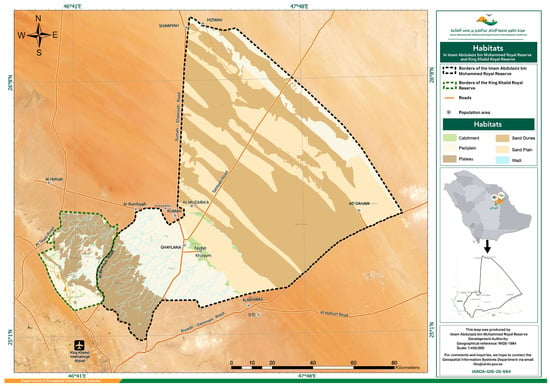
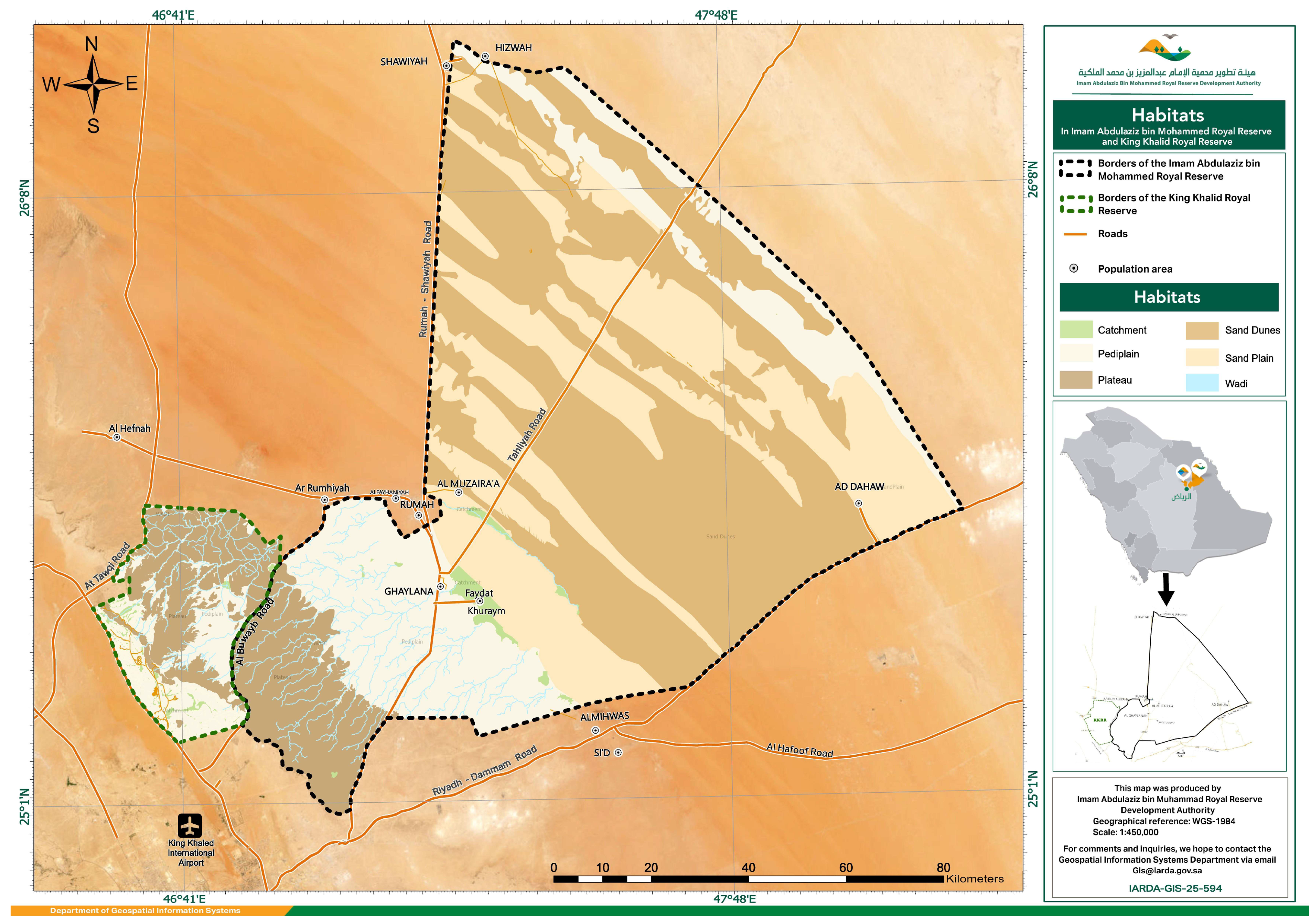
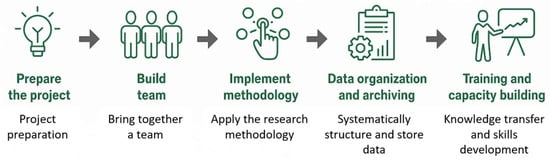
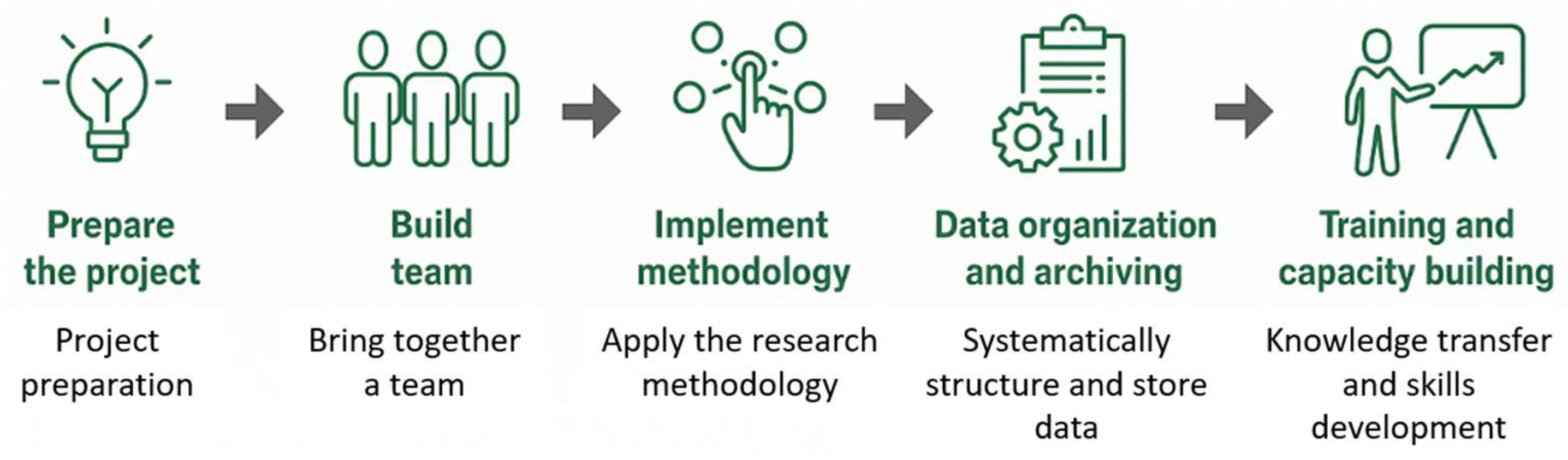
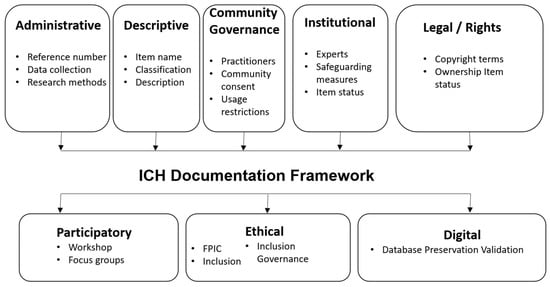
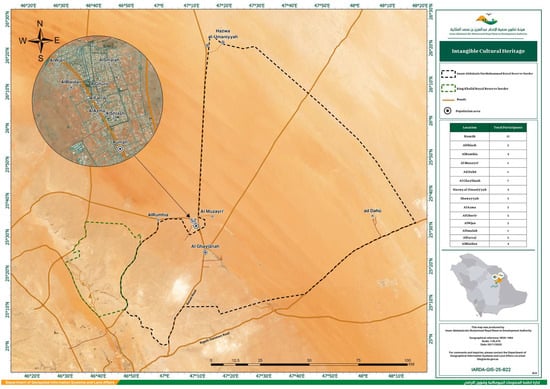
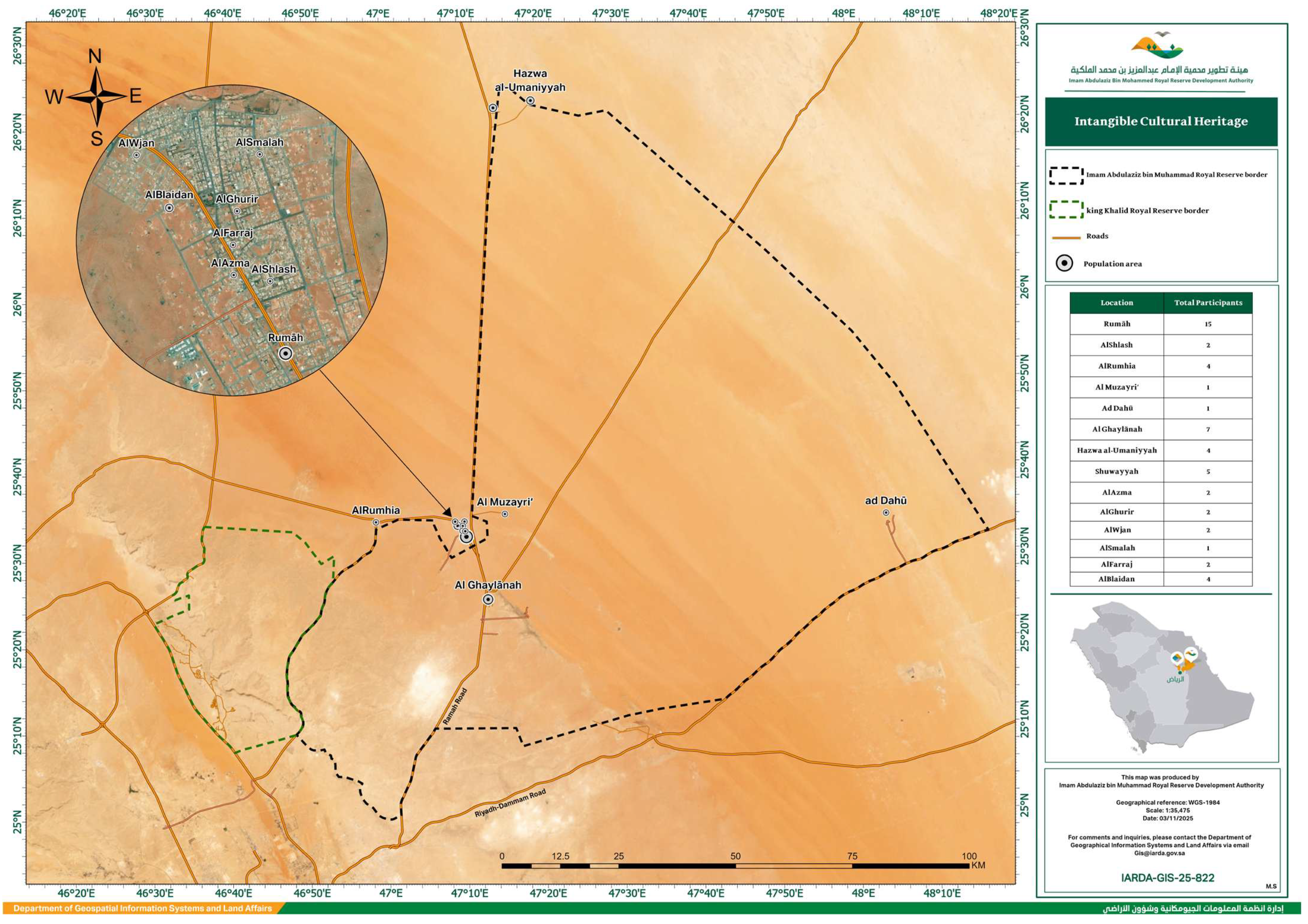
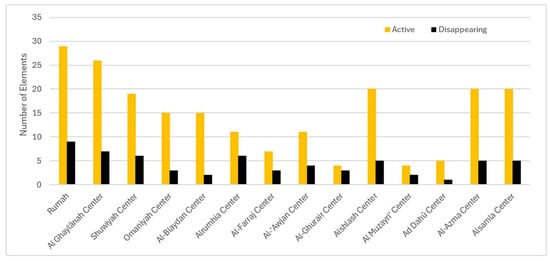
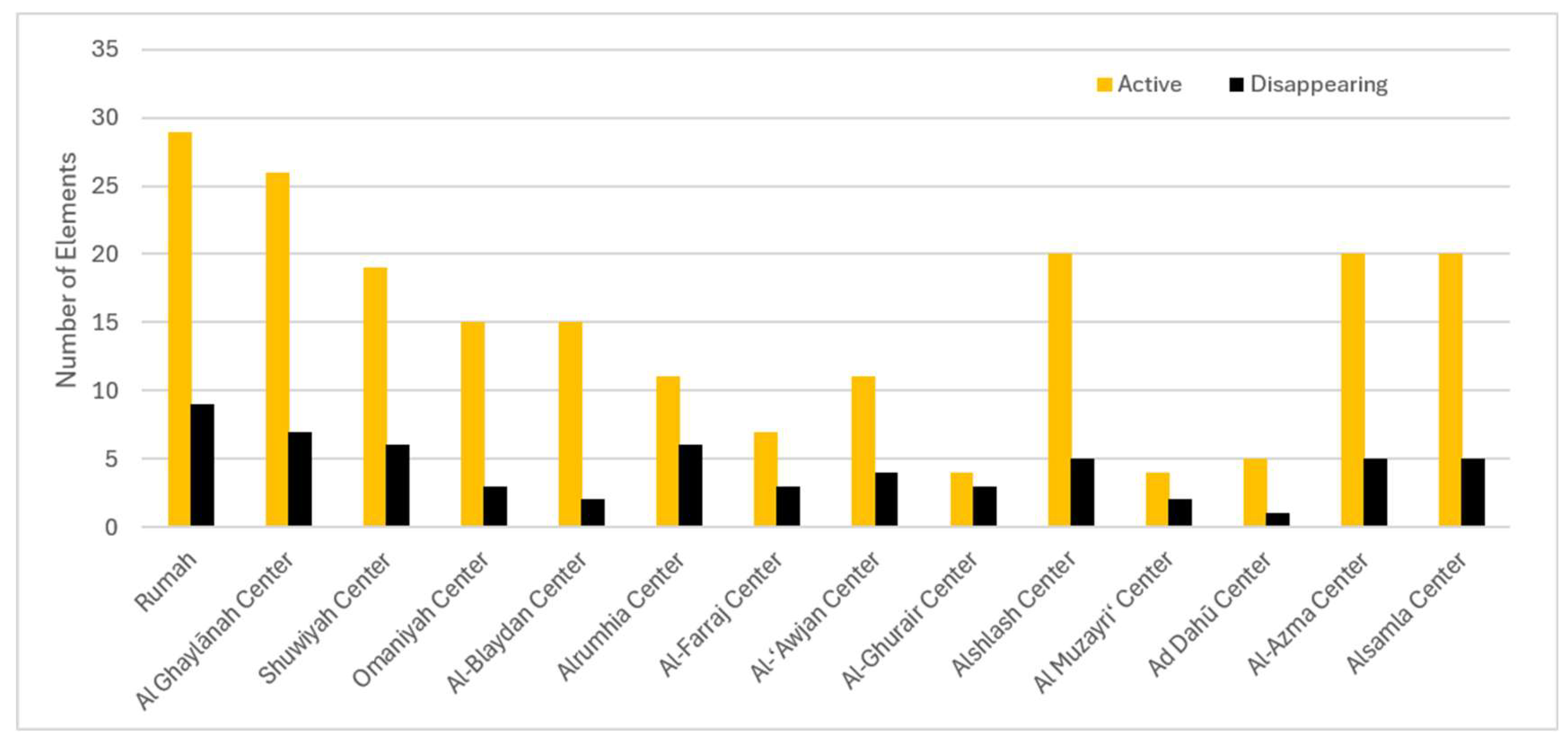
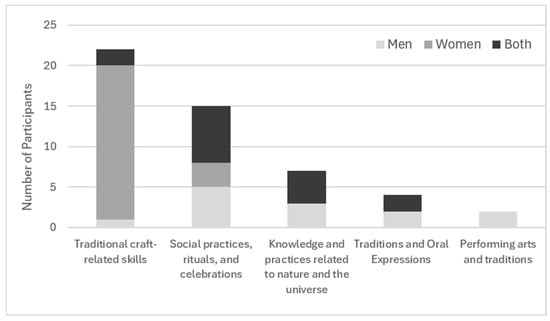
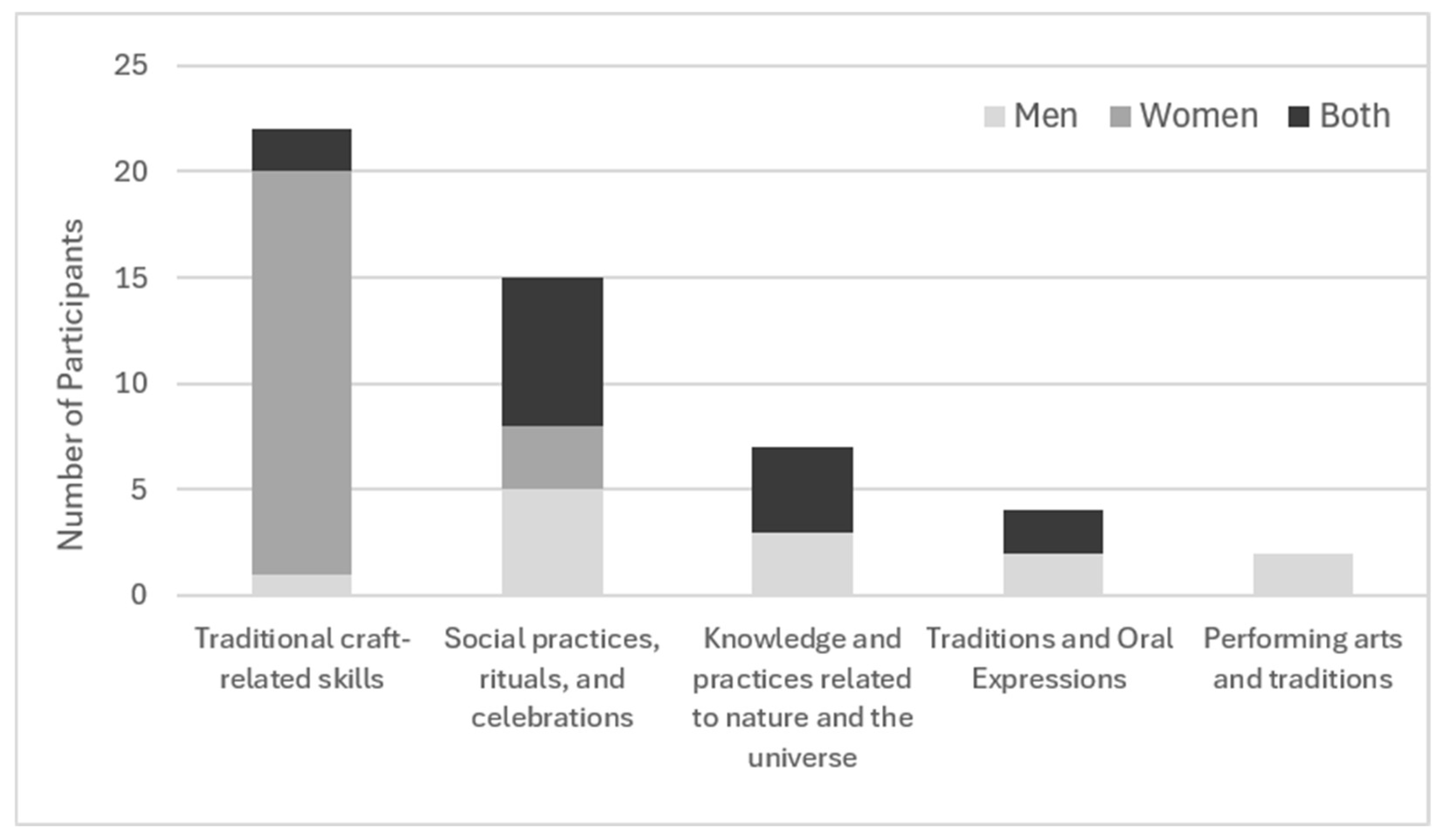

Disclaimer/Publisher’s Note: The statements, opinions and data contained in all publications are solely those of the individual author(s) and contributor(s) and not of MDPI and/or the editor(s). MDPI and/or the editor(s) disclaim responsibility for any injury to people or property resulting from any ideas, methods, instructions or products referred to in the content. |
© 2026 by the authors. Licensee MDPI, Basel, Switzerland. This article is an open access article distributed under the terms and conditions of the Creative Commons Attribution (CC BY) license.