


Abstract
Background: This research explores the intersection between cultural heritage and mental health, analyzing how heritage mediation acts as a strategic asset in the personal recovery of individuals experiencing mental distress. Methods: A systematic review was conducted across PubMed, PsycINFO (via ProQuest Psychology Collection), Scopus, Web of Science, and Google Scholar for the 2015–2026 period, following PRISMA protocols. The methodological quality of 18 selected studies was evaluated using the Mixed Methods Appraisal Tool (MMAT). Results: The findings reveal that the efficacy of these practices stems from a symbiotic interaction between tangible and intangible heritage, functioning as an “identity scaffold” that facilitates the transition from a “patient identity” toward a “citizen identity” with biographical authority. Analysis under the CHIME (Conexión—Hope—Identity—Meaning—Empowerment) framework reveals convergent evidence across the Identity dimension, positioning cultural environments as “third spaces” that mitigate self-stigma. Discussion and Conclusions: Recovery is identified as a circular phenomenon requiring the convergence of clinical and cultural scaffolding. This study advocates for a humanized service architecture where therapeutic practices and affective curating coexist, ensuring the right to identity and social justice within community mental health contexts.
1. Introduction
The scientific understanding of health has evolved from a reductionist view toward a perspective that recognizes the complexity of human experience. This shift began in 1948, when the World Health Organization (WHO) defined health not merely as the absence of disease, but as a state of complete physical, mental, and social well-being [1]. This approach was subsequently expanded by the biopsychosocial model [2], which conceives health as the result of the interaction between biological, psychological, and social factors. Within this framework, culture emerges as a key social determinant that shapes the practices, meanings, and conditions influencing both individual and collective well-being [3]. Various studies suggest that cultural dynamics influence psychological resilience, social cohesion, and longevity [4]. In line with this perspective, the WHO has synthesized global evidence demonstrating how participation in artistic and cultural activities contributes to the prevention, promotion, and clinical management of health throughout the life cycle [5].
In the 21st-century context, characterized by an increase in mental health disorders and rising involuntary loneliness, integrating this biocultural approach—understood as the synergistic interaction between biological, psychological, and cultural processes in the production of health and well-being [6]—has become a central tool in public health contexts [7,8]. This biocultural synergy implies that cultural participation does not merely complement clinical treatment but activates distinct neurobiological and psychosocial pathways that are not accessible through pharmacological or psychotherapeutic means alone. From this perspective, culture should be understood as a dynamic process of meaning production, articulated through cognitive, pragmatic, and axiological dimensions [3,4]. In this context, Intangible Cultural Heritage—including oral traditions, rituals, and craftsmanship—offers spaces for expression, learning, and participation that strengthen the sense of belonging and cultural identity. Active cultural participation has been associated with benefits in both hedonic well-being—related to the experience of positive emotions—and eudaimonic well-being—linked to personal development and a sense of purpose [9,10,11]. The interaction between both dimensions fosters a state of human flourishing, characterized by high levels of life satisfaction, personal growth, and social connection [12,13].
In this sense, cultural heritage can generate complementary benefits: while the contemplation of a historical object may produce immediate emotional well-being, active participation in its interpretation or preservation fosters a deep sense of meaning and collective responsibility. The relevance of this theoretical framework becomes especially significant when addressing severe mental distress. Beyond clinical symptoms, these processes often generate a “biographical disruption” in which the individual becomes defined by an “illness identity” that limits their agency and their capacity to reconstruct their life story [14]. From the perspective of narrative identity, the self is understood as a dynamic construction shaped by personal stories. The therapeutic process consists of facilitating the transition from a “deficit narrative” toward a “narrative of agency,” understood as the individual’s ability to reorganize their vital experience and regain control over their biography [15].
In this process, cultural heritage can function as a symbolic anchor that allows the individual to situate their personal experience within a broader historical and collective narrative. Interaction with objects, places, or cultural practices laden with memory facilitates identity reconstruction by offering shared frameworks of meaning and social belonging [16]. Within these cultural practices, orality constitutes one of the primary sources of collective memory in living heritage contexts [17]. One who remembers does not merely transmit information but actualizes a way of understanding the world and endows everyday experience with subjective meaning [18]. Heritage speakers—frequently the eldest members of the community—act as repositories of knowledge that shape specific worldviews. These narrators employ rhythmic and narrative resources that favor the intergenerational transmission of knowledge and strengthen the resilience of cultural memory [19].
In this regard, storytelling functions as a cultural economy that articulates symbolic systems, poetic processes, and shared value frameworks. Through the word, the past is reactivated in the present, allowing individuals to place themselves within a historical continuity that reinforces their cultural identity. From this perspective, narration constitutes not only a means of communication but also a social and biological structure that facilitates a harmonic relationship between individuals, their community, and their environment. Scientific evidence further suggests that the act of valuing, restoring, and protecting cultural heritage constitutes an indicator of recovery and the appropriation of cultural identity. Heritage acts as a symbolic mirror that allows the individual to reconnect with fragments of their personal and collective history, contributing to the healing of cultural alienation processes [20]. This symbolic function of heritage in identity reconstruction can be theorized through the concept of the ‘identity scaffold’: a culturally mediated structure that provides external support for the reorganization of the self during periods of biographical disruption. Drawing on the notion of scaffolded learning, in which external mediation enables the individual to operate beyond their current capacity [21] and on the framework of illness identity, which describes how psychiatric diagnosis can colonize the self-concept and displace pre-morbid identities [22], the identity scaffold designates the set of symbolic, relational, and narrative resources through which heritage enables the individual to reconstruct a coherent and agentive self-narrative. Unlike purely clinical interventions, which address symptom reduction, the identity scaffold operates at the level of meaning: it offers the individual a cultural mirror in which they can recognize themselves beyond the patient role. In this context, heritage education plays a fundamental mediating role by fostering knowledge, aesthetic sensitivity, and emotional awareness regarding common inheritance [23].
This growing body of evidence has influenced normative instruments such as the Faro Convention, which places people at the center of heritage management and promotes the use of heritage as a resource for human development and quality of life [16,24]. However, despite the expansion of initiatives such as “social prescribing” or “cultural prescriptions” [25], the diversity of metrics and methodologies used to evaluate their impact has hindered institutional decision-making [26]. In this context, systematic reviews are essential to consolidate the available scientific evidence [27]. Based on this conceptual framework, the present study aims to identify the tools that contribute to the narrative reconstruction of identity in people experiencing mental distress. Under the premise that strategies such as photonarrative, storytelling, and their interaction with heritage facilitate the transition toward identities based on meaning and agency, a systematic review of the scientific literature published between 2015 and February 2026 is presented. The analysis is structured through the domains of the CHIME model—Connectedness, Hope, Identity, Meaning, and Empowerment [28,29]—in order to examine how tangible and intangible heritage can act as a symbolic and social catalyst in processes of personal recovery and narrative identity.
2. Materials and Methods
2.1. Study Design
The present work was developed through a systematic literature review, understood as a type of secondary research aimed at rigorously and critically synthesizing the available scientific evidence on a specific topic [27]. Systematic reviews emerge as a response to the exponential increase in scientific production, allowing for the organization, evaluation, and discrimination of findings with the greatest relevance for practice and decision-making [30].
In this case, the objective was to analyze evidence published between 2015 and February 2026 regarding the impact of community-based cultural interventions on the identity reconstruction of individuals experiencing mental distress. Under this integrative concept, the research does not approach culture as a fragmented entity, but as a continuum of socio-sanitary resources comprising three synergistic dimensions: heritage education (as a mechanism for symbolic anchoring and memory reconstruction), cultural participation (as a pathway for normalization and the exercise of citizenship), and community narratives/creative therapy (as a space for biographical re-authoring and the strengthening of agency) [5].
Addressing these three modalities jointly allows for an understanding of how contact with heritage, art, and the community operates under a single psychological mechanism of action: restoring agency to the individual, restructuring their sense of belonging, and transcending clinical identity toward a full citizen identity [31]. The concept of citizen identity, as employed in this review, draws on the framework of social inclusion and recovery [32], which posits that meaningful participation in community life—including cultural and civic activities—is not merely a consequence of clinical recovery but a constitutive element of it. From this perspective, the transition from patient identity to citizen identity implies the recovery of social roles, relational networks, and cultural membership that mental illness tends to erode. Heritage-based interventions are understood here as one of the privileged pathways through which this transition can be actively facilitated.
Research Question and Objectives
The review was structured based on the following research question:
What scientific evidence exists regarding the impact of heritage- and narrative-based interventions on the processes of identity re-authoring and personal agency in adults within the literature published between 2015 and 2026?
Derived from this question, the following objectives were established:
- O.1.
- To analyze and synthesize global empirical evidence on how active engagement with cultural heritage facilitates, in individuals with mental distress, the transition from a “patient identity” (illness identity) toward an identity based on personal agency and citizenship.
- O.2.
- To determine the role of cultural narratives as mechanisms that enable the transition from a “deficit narrative” toward a “narrative of agency” (meaning-making).
- O.3.
- To evaluate the impact of interventions under the domains of the CHIME framework, categorizing findings according to their contribution to participants’ Connectedness, Hope, Identity, Meaning, and Empowerment.
- O.4.
- To assess the methodological quality of the selected studies to establish an empirical evidence base that suggests the feasibility of integrating these community practices into public health frameworks and social prescribing models.
2.2. Methodological Framework
To structure the search strategy and eligibility criteria, the initial model was adapted to the PICoS framework (Population, Intervention, Comparison, Outcome, Study design), the methodological standard for systematic reviews of complex socio-sanitary interventions:
- −
- Population: Adults (≥18 years) experiencing mental distress, severe emotional malaise, or severe mental disorders. Studies centered on the healthy general population and those focused on cognitive impairment or dementia were excluded.
The delimitation of the sample to subjects aged 18 or older in this systematic review is not arbitrary but responds to clinical, developmental, and functional criteria essential to the object of study. From a psychological perspective, the formation of a consolidated identity and the capacity to engage in meaning-making processes regarding one’s own biography reach maturity in adulthood [33]. By focusing the search on adults, it is ensured that the processes of identity reconstruction through heritage and storytelling are not interfered with by the developmental crises typical of adolescence.
- −
- Intervention: Participation in heritage education programs, museum use, photonarrative, storytelling, and practices linked to Intangible Cultural Heritage (traditional crafts, rituals, oral traditions). Priority was given to interventions that activate “living heritage” to facilitate the re-authoring of life history.
- −
- Comparison: Given the nature of the object of study, pre/post-test designs and phenomenological approaches without a strict control group were included. This methodological decision is based on the fact that identity reconstruction and the strengthening of agency are emergent subjective phenomena that can hardly be reduced to isolated laboratory variables. In this sense, the rigor of the comparison lay in the analysis of intra-subject contrast, evaluating the evolution of the biographical experience and the participant’s sense of authorship throughout the intervention process.
- −
- Outcomes: The outcomes analyzed in this review are not limited to the reduction in clinical symptomatology; instead, they focus on the qualitative transformation of the subjective experience, structured across four key dimensions: Connectedness, Hope, Identity, Meaning, and Empowerment (CHIME) [29].
- −
- Study Design: Primary empirical quantitative, qualitative, and mixed-methods studies were considered. The inclusion of qualitative methodologies proved indispensable, given that constructs such as “identity” or “belonging” possess a narrative nature that could not be reduced exclusively to numerical metrics. These approaches allowed for the faithful documentation of the subjective experience and how the participant transitioned from a “patient identity” toward the recovery of their civic agency.
2.3. Search Strategy
Based on the PICoS framework, the conceptual components were transformed into keywords in both Spanish and English, combined using Boolean operators (AND, OR) and truncations (*).
The master search string in English (the primary language for indexing) was:
TITLE-ABS-KEY((“Severe mental illness” OR “Psychological distress” OR “Mental disorder*” OR “Psychiatric”) AND (“Cultural heritage” OR “Heritage education” OR “Museum*” OR “Storytelling” OR “Cultural participation” OR “Community art therapy”) AND (“Identity” OR “Personal recovery” OR “Sense of belonging” OR “Empowerment” OR “Meaning making” OR “CHIME”))
The equivalent string in Spanish was:
TÍTULO-RESUMEN-PALABRAS CLAVE ((“Enfermedad mental grave” O “Distrés psicológico” O “Trastorno* mental” O “Psiquiátrico”) Y (“Patrimonio cultural” O “Educación patrimonial” O “Museo*” O “Storytelling” O “Participación cultural” O “Arteterapia comunitaria”) Y (“Identidad” O “Recuperación personal” O “Sentido de pertenencia” O “Empoderamiento” O “Atribución de significado” O “CHIME”))
Searches were conducted across the following databases: Scopus, Web of Science, PubMed, PsycINFO (via ProQuest Psychology Collection), and Google Scholar, selected for their comprehensive coverage of health sciences, humanities, clinical psychology, and sociology.
The systematic search was initiated in September 2025. To ensure the comprehensiveness of the process, a bibliographic alert system was established across the primary databases, allowing for the continuous monitoring of new publications. Following this tracking period, a final update and consultation were performed across all sources on February 20, 2026, thereby ensuring the inclusion of the most recent scientific production and pre-publication articles corresponding to the first quarter of the year.
This structure is based on the need to explore the trilateral relationship between clinical pathology, cultural mediation, and identity reconstruction processes. The logic behind the Boolean operators is justified across three dimensions:
- Clinical Dimension (The Subject)
(“Severe mental illness” OR “Psychological distress” OR “Mental disorder*” OR “Psychiatric”)
Broad terms were selected to capture research involving adult populations in psychiatric rehabilitation or convalescence. The objective was to ensure the sample includes both specific diagnoses of Severe Mental Disorder (SMD) and psychological distress states that compromise individual functionality.
- 2.
- Intervention Dimension (The Cultural Vehicle)
(“Cultural heritage” OR “Heritage education” OR “Museum*” OR “Storytelling” OR “Cultural participation” OR “Community art therapy”)
This dimension is rooted in the health assets model. Heritage (tangible and intangible) and the arts are viewed not merely as objects of contemplation, but as tools for educational and therapeutic mediation.
Techniques such as photography and storytelling are included as tools for intangible heritage mediation. These allow the subject to use cultural symbols to transform fragmented experiences into a coherent and socially validated narrative. Oral traditions and expressions constitute one of the fundamental categories of Intangible Cultural Heritage [34].
Storytelling serves as the primary vehicle for transmitting collective memory and a social group’s worldview. Therefore, the use of narratives in mental health interventions represents the activation of “living heritage,” enabling the subject to reconnect with a shared cultural legacy to strengthen their sense of belonging. The terms “Museums” and “Cultural participation” justify the importance of community environments outside the purely hospital setting. Furthermore, “Community art therapy” acts as a heritage education strategy by centering the process on people and their cultural bonds [35], allowing heritage to function as a therapeutic tool for social inclusion and emotional well-being.
- 3.
- Salutogenic Dimension (The Outcome)
(“Identity” OR “Personal recovery” OR “Sense of belonging” OR “Empowerment” OR “Meaning making” OR “CHIME”)
The CHIME conceptual framework (Connectedness, Hope, Identity, Meaning, and Empowerment) is utilized, as it is the international standard for measuring personal recovery in mental health.
Identity is the central axis of this research. The search aims to capture how heritage contributes to the transition from an “illness identity” to an identity based on citizenship and cultural belonging. The combination of these terms identifies scientific evidence on how access to and participation in cultural heritage acts as a catalyst for personal recovery processes, providing a framework for meaning-making that allows adults with mental illness to reconstruct their identity and strengthen their sense of community belonging.
2.4. Eligibility Criteria
The selection of scientific literature was based on a structured screening system designed to identify heritage education and cultural participation interventions with an impact on mental health. This process delimited the scope of the research regarding the target population and the required methodological rigor. The inclusion and exclusion criteria that guided this analysis are presented in a synthesized and comparative manner in Table 1.
Table 1.
Eligibility criteria (inclusion and exclusion) for the selection of the documentary sample.
2.5. Search Strategy and Selection Protocol
The identification and selection process of the literature was executed in strict compliance with the PRISMA (Preferred Reporting Items for Systematic Reviews and Meta-Analyses) guidelines [36].
The search strategy was structured into four sequential phases:
- −
- Identification: A systematic search was performed across high-impact databases, including Scopus, Web of Science, PubMed, and PsycINFO (via ProQuest Psychology Collection).
- −
- Complementary Search: To mitigate publication bias and capture records not indexed in primary sources, a targeted search was conducted in Google Scholar. In the original search, conducted in February 2025, the first 30 results were screened based on relevance ranking. Following reviewer recommendation, and in accordance with current methodological recommendations for systematic reviews [37], the search was extended during the revision phase to cover the first 300 results (updated 19 April 2026). This extended screening did not identify any additional studies meeting the inclusion criteria beyond those already retrieved from the primary databases, confirming the comprehensiveness of the initial search strategy. Grey literature (doctoral theses, conference proceedings, and technical reports) was systematically excluded, selecting exclusively peer-reviewed empirical research articles.
- −
- Screening: The thematic synthesis followed a three-stage process: (1) free line-by-line coding of findings from individual studies; (2) development of descriptive themes through the grouping of related codes; and (3) generation of analytical themes mapped onto the CHIME dimensions. Two researchers (A.L. and P.C.) independently coded a random 20% subsample, and discrepancies were resolved through consensus discussion.
- −
- Eligibility: A comprehensive full-text evaluation was performed on the remaining candidates by the same two reviewers independently. Any disagreements during the screening or eligibility phases were resolved through discussion or, when necessary, by a third senior reviewer (O.F.) to achieve consensus, resulting in a final sample of 18 studies.
2.6. Extraction Procedure and Evidence Synthesis
For data management, a standardized extraction matrix was designed in Microsoft Excel, developed ad hoc to guarantee reproducibility and rigor in the systematization of evidence. Data extraction was performed by one reviewer and subsequently verified by a second reviewer to ensure the accuracy and consistency of the systematized evidence. This instrument enabled the structured collection of the following variables for each selected record:
- −
- Identification and Contextualization: Authorship, year of publication, and geographical location of the research.
- −
- Methodological Design: Classification of studies according to their qualitative, quantitative, or mixed-methods approach.
- −
- Sample Characterization: Sample size (N), sociodemographic variables (where specified), and the clinical or diagnostic profile of participants.
- −
- Intervention Specifications: Typology of community-based actions (e.g., heritage education, museum therapy, shared narratives), including parameters of format, frequency, and duration.
- −
- Outcomes and Impact Variables: Findings linked to identity reconstruction and empowerment, mapped according to the domains of the personal recovery framework.
Regarding the synthesis of results, since this review integrates qualitative and quantitative data, effect measures were sought according to the nature of each study. For quantitative designs, such as Randomized Controlled Trials (RCTs) and non-randomized studies, data on Mean Differences (MD) were extracted for outcomes related to personal recovery, self-efficacy, and stigma reduction, using standardized scales. For qualitative studies, the synthesis focused on identifying recurring themes and narrative patterns derived from participants’ subjective experiences. These findings were integrated through a narrative synthesis structured by the CHIME framework to provide a holistic view of the intervention impact.
2.7. Analysis Strategy and Thematic Axes
Upon completion of the extraction, a qualitative thematic synthesis was conducted using a deductive–inductive approach. The narrative integration of findings was articulated around two transversal analytical axes:
- −
- Nature of the Cultural Resource: This study approaches cultural expressions as a continuum where the tangible and intangible converge to generate well-being. This perspective allows for the classification of participant interaction according to the nature of the resource utilized:
- −
- Environment- and Object-based Expressions: Includes interaction with the inhabited environment, ranging from immersion in museum spaces and the contemplation of architectural remains to the symbolic bond with historical objects. In these contexts, the physical resource acts as an anchor for emotional regulation and the recovery of collective memory.
- −
- Practice- and Narrative-based Expressions: Encompasses living manifestations, such as music, oral traditions, and ancestral practices. Here, the resource is the process itself; active participation with these resources facilitates the externalization of suffering and the reconstruction of a sense of belonging through shared language.
- −
- Mixed or Hybrid Approaches (Biocultural Synergy): Comprises programs that integrate heritage spaces with dynamic manifestations (theater, visual arts, or music). A paradigmatic example is the use of museums as spaces for meaningful occupation, where the architectural environment and collections serve as a framework for artistic interventions that foster socialization, empowerment, and stigma reduction.
- −
- Recovery Dimensions (CHIME Model): Evaluation of the impact of interaction with cultural resources as a catalyst for the processes of Connectedness, Hope, Identity, Meaning, and Empowerment.
2.8. Methodological Quality Assessment and Bias Control
Upon completing the full-text article selection and prior to the results synthesis, the methodological quality of the final sample was evaluated using the 2018 version of the Mixed Methods Appraisal Tool (MMAT) [38]. The selection of this instrument was strategic due to its specific design for systematic reviews that, like the present one, integrate high methodological heterogeneity. This process allowed for a standardized audit of qualitative, quantitative, and mixed-methods approaches, ensuring that the evidence on narrative reconstruction and agency meets the rigorous technical standards and scientific reliability required by the PRISMA protocol.
The MMAT facilitated a standardized audit of the three approaches present in the review:
- −
- Qualitative Approaches: Evaluation focused on the coherence between data sources (primarily based on narratives and life stories), the adequacy of the collection methodology, and the robustness in interpreting findings derived from the participants’ subjective experiences.
- −
- Quantitative Approaches: The representativeness of the samples and the appropriateness of the impact measurement instruments were examined.
- −
- Mixed Methods: The relevance of the research design was assessed, alongside the effective and justified integration of qualitative and quantitative components to respond holistically to the objectives of each intervention.
This critical appraisal process was fundamental to minimizing the risk of bias and ensuring that the conclusions are grounded in robust scientific literature, providing the results with the necessary validity to inform evidence-based psychosocial rehabilitation strategies.
2.9. Assessment of Reporting Bias and Certainty of Evidence
Due to the high methodological heterogeneity of the sample, which includes a majority of qualitative studies, it was not possible to apply formal statistical tests (such as Egger’s test or funnel plots) to assess publication bias. Instead, the following strategies were applied:
- −
- Reporting Bias: An exhaustive search was conducted in complementary sources, such as Google Scholar, to identify literature not indexed in the primary databases. This approach aimed to mitigate the exclusion of studies with negative or non-significant results.
- −
- Certainty Assessment: Confidence in the body of evidence was categorized qualitatively based on the methodological rigor evaluated through the MMAT. This assessment also considered the consistency of findings across diverse geographical contexts and the saturation of the CHIME model domains.
2.10. Registration and Protocol
The protocol for this systematic review has been registered in the International Prospective Register of Systematic Reviews (PROSPERO). The registration details (Registration Name: PROSPERO; Registration Number: CRD420261358593; Date: 2 April 2026) have been included to enhance research transparency, promote accountability, and avoid duplication of efforts.
2.11. PRISMA Flow Diagram
To ensure the transparency and reproducibility of the present research, the process of identification, screening, eligibility assessment, and final inclusion of evidence was documented in accordance with the PRISMA 2020 declaration guidelines [39]. As observed in Figure 1, 95 potential records were initially identified. From the electronic database search, the following results were obtained: Web of Science (n = 47), Scopus (n = 24), PubMed (n = 17), and PsycINFO (via ProQuest Psychology Collection) (n = 4). Additionally, 3 records were located through manual searching in Google Scholar.
Figure 1.
PRISMA 2020 flow diagram for the identification, screening, and selection of studies.
After excluding 19 duplicates, the titles and abstracts of 76 records were screened, resulting in the exclusion of 37 records that did not align with the object of study. Subsequently, the eligibility of 39 studies was assessed through full-text reading; 21 studies were excluded, consolidating a final sample of 18 research papers for qualitative synthesis. The reasons for exclusion were categorized as follows:
- −
- Professional Perspective (n = 3): Studies focused on staff narratives regarding bureaucratic or clinical management, without addressing the user’s identity reconstruction.
- −
- Non-clinical Population (n = 9): Research conducted with the general population or university students who did not present a diagnosis of severe mental disorder or clinical mental distress [40,41].
- −
- Non-compliance with Specific Criteria (n = 2): Records consisting of previous systematic reviews—excluded to avoid duplication of secondary sources—or articles with insufficient methodological descriptions of the narrative technique employed [42].
- −
- Lack of Alignment with the CHIME Model (n = 7): Purely biomedical studies or those focused exclusively on acute symptom reduction, without evaluating dimensions of connectedness, hope, identity, meaning, or empowerment.
This refinement process ensured that the definitive sample of 18 studies rigorously addresses the objective of understanding the impact of heritage and culture on personal recovery.
3. Results
The results of this systematic review present the scientific evidence identified regarding cultural interventions oriented toward the narrative reconstruction of identity in individuals experiencing mental distress. Appendix A synthesizes the methodological characteristics of the included studies, as well as the primary findings extracted from the analyzed literature.
Following the general systematization of the evidence, a detailed analysis of the results is provided below, categorized according to the thematic axes and recovery dimensions identified in the literature. This breakdown allows for a deeper examination of the specificity of the interventions and their direct impact on agency and psychological well-being.
3.1. Temporal Distribution
The literature review reveals a growing and contemporary interest in the link between heritage and mental health, spanning a timeframe from 2015 to February 2026. As detailed in Figure 2, the chronological distribution of the sample indicates a clear upward trend in scientific production, with 38.9% of the selected studies concentrated in the last biennium (2025–2026). The colorimetric analysis of the figure allows for the precise identification of the periods of highest research activity: yellow highlights the years of maximum productivity with a volume of four annual studies (peaking in 2025); blue represents periods with a frequency of three publications (including the first quarter of 2026), while grey indicates years with unitary production (one study per year). This temporal stratification not only guarantees the current relevance of the findings but also underscores the consolidation of the field within the most recent triennium, where the greatest specific weight of evidence regarding the use of cultural resources for personal recovery and identity reconstruction is located.
Figure 2.
Chronological evolution of scientific production on heritage and mental health (2015–2026).
3.2. Geographical Distribution
Research on the nexus between heritage and identity recovery manifests a notable global dispersion, consolidating a final sample that integrates evidence from 14 countries across three continents, as shown in Figure 3. This geographical diversity reinforces the premise that the use of cultural capital as a health asset transcends geopolitical boundaries, operating through universal mechanisms of action.
Figure 3.
Geographic distribution of scientific production. The visual coding of the sample employs a chromatic scale where yellow indicates the highest density of publications (n = 4) and gray marks regions with a single study. This distribution reflects a global representation ranging from interventions in European museums to traditional embroidery programs in China and storytelling in highly vulnerable environments such as Afghanistan.
Scientific production is led by Spain (n = 4) and the United Kingdom (n = 3). Spanish evidence stands out for its diverse territorial focus, integrating interventions in A Coruña [43], Valladolid [20,44], and Málaga [45], which link heritage education with psychosocial rehabilitation. For its part, British production has focused on the use of museum collections and creative communities to foster social connectedness [33,46,47].
The remainder of the production is distributed as follows:
- Europe (n = 6): This region establishes itself as the primary core, with individual studies in Germany [48], Norway [49], Croatia [50], the Netherlands [51], Hungary [52], and Ireland [53]. These investigations provide an integral vision ranging from the use of folk tales in Croatia to participatory theater in Norway.
- Americas (n = 2): Notable presence from the United States (n = 1) [54], featuring creative storytelling programs, alongside Canada (n = 1) [55].
- Asia (n = 3): This region offers an essential cross-cultural perspective with research in Israel (n = 1) [56], China (n = 1) [57], and Afghanistan (n = 1) [58]. Findings regarding the impact of historical architecture in Turkey and the use of Intangible Cultural Heritage (ICH) in China as tools for identity reconstruction are particularly significant.
This international character underscores that the use of culture and heritage—both tangible and intangible—as a catalyst under the CHIME framework is a global phenomenon. The findings demonstrate that the activation of collective memory and cultural participation are effective strategies in both high-income Western health systems and in contexts of social vulnerability or communities built upon millenary traditions.
3.3. Participant Profile Characterization
In alignment with the synthesis presented in Table 2, the following section describes the determining variables of the sociodemographic and clinical profiles of the participants identified in this review.
Table 2.
Sociodemographic profile, clinical diagnosis, and participation contexts of the samples included in the review.
The included studies analyzed heterogeneous samples primarily composed of adults with mental disorder diagnoses participating in rehabilitation programs, cultural interventions, or community mental health services. Collectively, the research ranged from individual case studies—such as that of an Olympic athlete diagnosed with bipolar disorder—to large-scale samples of up to 299 participants.
Most samples consisted of mental health service users with diagnoses such as schizophrenia, bipolar disorder, depression, or anxiety disorders, many of whom were linked to psychiatric rehabilitation centers, hospital units, or community programs. Some studies also incorporated professionals, coaches, arts project workers, or community members, allowing for the analysis of social interaction dynamics within the interventions.
In demographic terms, participant ages were predominantly situated in middle adulthood, with reported means near 47–53 years across several studies. Certain investigations focused on specific populations, such as women in support programs or residents of halfway houses, while others included mixed samples of service users and community members.
Taken together, the samples reflect a diversity of clinical, community, and cultural contexts. This breadth enables an exploration of the role of cultural interventions in processes of recovery, social participation, and identity reconstruction among individuals experiencing psychological distress.
3.4. Specific Methodological Designs
The methodological framework of the final sample (N = 18) reflects an integration of approaches that allows for the validation of both clinical efficacy and the depth of subjective experience. The breakdown is as follows:
- −
- Qualitative Hegemony (61.1%): With 11 studies, this category constitutes the core of the review. The designs are predominantly phenomenological and narrative, employing tools such as dialogical content analysis and life stories [33,44]. This approach is fundamental for capturing identity reconstruction and the sense of belonging—processes that require profound discursive exploration.
- −
- Quantitative Rigor (33.3%): A total of 6 studies provide statistical validation of the interventions, categorized into three levels of rigor:
- ○
- Randomized Controlled Trials (RCTs): Studies that allow for high experimental control in measuring the increase in self-efficacy and the reduction in stigma [48,54,57].
- ○
- Non-randomized Quantitative Designs: Represented by studies focused on pre-post evaluations of functional impact [45,51].
- ○
- Descriptive Quantitative Designs: Research associating the use of creative arts with improvements in social support and global mental health [56].
- −
- Mixed-Methods Integration (5.6%): This category successfully triangulates quantitative data with qualitative user feedback. This design is essential for connecting recovery metrics with the participant’s voice [52].
A detailed characterization of the methodological designs is presented in Table 3, while their graphical representation is illustrated in Figure 4 to facilitate the interpretation of the heterogeneity of the approaches employed. Overall, the architecture of the final sample (N = 18) reflects an integration of perspectives that validates both clinical effectiveness and the richness of subjective experience.
Table 3.
Detailed classification of methodological designs and levels of evidence of the included studies (N = 18).
Figure 4.
Percentage distribution of methodological approaches in the final sample.
3.5. Mediation Mechanisms: Intervention Environments and Tools
The analysis of the sample reveals that the effectiveness of culture as a mental health agent lies not only in its inherent nature but also in the configuration of the intervention environment and the selection of mediation tools that facilitate the subject’s engagement.
3.5.1. Intervention Environments
Three primary scenarios are observed where heritage and the arts are placed at the service of recovery:
- −
- Institutional Settings and High-Social-Value Spaces: These include museums (as seen in the “RecuperArt” program), theaters, and cultural centers. These spaces act as inclusive environments that combat self-stigma by placing the participant in the role of citizen and visitor, distancing them from the passive role of a “patient.”
- −
- Community Settings and Public Space: Interventions conducted in public squares or community rehabilitation centers. These environments facilitate social integration and a sense of belonging through shared rituals and the meaningful occupation of common spaces.
- −
- Protective and Resilient Settings: Specific contexts, such as shelters for women survivors of violence, where the cultural intervention is adapted to provide a safe space for expression.
3.5.2. Intervention Tools: Identity Mediators
Given that the central purpose of this review is to analyze the use of narrative in identity recovery, the sample analysis specifies how this process is instrumented. The results demonstrate that narration does not operate in isolation but is articulated through various technical devices that serve as vehicles for the “re-authoring” of the self.
Narrative Devices (The Axis of Re-Authoring)
In alignment with the research objective, the selected studies operationalize recovery through structured storytelling devices (storytelling, fairy tale analysis, and “Living Books”). Beyond their mere presence, results highlight that these tools function as externalization mechanisms [50,56]. These studies demonstrate that the story allows the subject to organize memory fragments disrupted by crisis, reclaiming biographical authority over the “clinical narrative” imposed by a diagnosis.
Visual and Plastic Creation Tools (Narrative Support)
The review identifies that the use of photography (visual) and Intangible Heritage techniques, such as embroidery or paper cutting (plastic), acts as material anchors for a new identity [20,57]. These methodologies suggest a “non-verbal path of expression.” Photography, in particular, allows for the objectification of the participant’s gaze, serving as physical support for those facing initial difficulties in the purely oral articulation of their story.
Performative and Relational Devices (Embodied Narrative)
Participatory theater and group singing are revealed as tools that shift narration from the individual to the social plane [49]. The results underscore that the use of the voice and body in shared spaces allows for “rehearsing” identity in public. These devices reinforce Social Connectedness (CHIME dimension C) by transforming personal accounts into a collective experience of mutual support and synchrony.
The Heritage Object as a Trigger (Initiating the Account)
Finally, the handling of museum pieces or historical archives appears as a primary stimulus to activate the narrative process, especially in populations with greater cognitive compromise [46]. The object acts as a catalyst for episodic memory; it is not the end of the intervention but the “trigger” that shifts the focus from internal distress toward a historical reference, enabling the construction of personal associations and reminiscences.
3.6. Nature of the Cultural Resource
The distribution of evidence according to the typology of the cultural resource reveals a clear predominance of Intangible and Narrative Heritage, which establishes itself as the driving force of the analyzed sample (66.6%; n = 12). As detailed in Table 4 and illustrated in Figure 5, this is followed by Hybrid Approaches (27.8%; n = 5), representing a growing trend of participatory integration in museum and urban spaces; and finally, Tangible Heritage (5.6%; n = 1), with a selective presence focused on physical interaction with objects.
Table 4.
Systematization of evidence by cultural resource typology: tangible, intangible, and hybrid approaches.
Figure 5.
Proportional distribution of the nature of cultural resources and their relevance to the recovery process.
This hierarchy of resources is not random but responds to the specific needs of the recovery process.
3.6.1. Predominance of Intangible and Narrative Heritage
This resource establishes itself as the driving force of the analyzed sample. Studies in this category operate through oral tradition and living memory. Notable examples include the use of storytelling linked to cultural traditions in Afghanistan [58] and traditional embroidery techniques (DESIGN) in China as a vehicle for rehabilitation [57]. In these instances, the resource is the “know-how” (saber-faire) and the shared narrative.
3.6.2. Hybrid Approaches: Participatory Integration
This approach represents a growing and methodologically sophisticated trend. In these cases, the cultural resource is not an end in itself but a connector between the space (museum or urban environment) and the subject’s action. These interventions link monuments or urban spaces with personal experience. A clear example is the use of urban photography in Valladolid to resignify the city’s architectural heritage [20], or programs where the museum ceases to be a static building and is transformed into a space for artistic co-creation and fanzines [43,44].
3.6.3. Tangible Heritage
This category focuses strictly on the tangibility of the historical object. Research in this area involves the physical handling of museum pieces (archaeological artifacts or antiques), acting as a sensory stimulus and a “reality connector” for patients in acute units or those experiencing cognitive decline [46].
This distribution reflects a clear prevalence of symbolic, creative, and participatory processes over exclusive interaction with the physical environment or the object.
3.7. Impact of Interventions on Recovery Dimensions (CHIME Framework)
The analysis of the 18 studies included in this review enables the identification of a multi-level impact of heritage and cultural practices on the personal recovery process. Findings have been categorized according to the five dimensions of the CHIME framework.
To evaluate this impact, a Radial Profile was designed based on the results of this analysis. This methodology allows for the visualization of the density and balance of recovery within the analyzed literature through three structured steps:
- −
- Evidence Mapping: The 18 studies were analyzed by tracking personal recovery indicators (qualitative effort, changes in scales such as QPR-15 or GSES, and testimonials).
- −
- Dimension Scoring: A value was assigned to each axis of the radar chart based on the robustness of the evidence found in each study for the five categories.
- −
- Recovery Polygon Configuration: The resulting graph visually identifies which areas of human recovery are being most “activated” by heritage.
As observed in Figure 6, the breadth and symmetry of the resulting polygon demonstrate an integral, non-fragmented recovery where dimensions provide mutual reinforcement, yielding the following results:
- Connectedness
Cultural interventions act as catalysts for non-stigmatizing social relationships, breaking the isolation intrinsic to mental disorders. Museums and social spaces function as “third spaces” or “secure containers” that facilitate interaction based on cultural interest rather than pathology. In Spain [43], it is observed that the museum allows for overcoming chronic isolation, while in the Netherlands [51], peer support is highlighted as the most valued factor. At a cross-cultural level, the “safe houses” in Afghanistan [58] demonstrate that community and ancestral bonds are key to social engagement outside the clinical setting.
- 2.
- Hope and Optimism
Heritage provides a window toward a possible future beyond the diagnosis, reinforcing intrinsic motivation. The transition toward public visibility—such as the Generando deseos exhibition [44]—allows for the transformation of diagnostic pessimism into creative success. Studies in critical contexts [55] show that the reconstruction of personal history helps patients with suicidal ideation visualize a future beyond the immediate crisis.
- 3.
- Identity
This is the central and most impacted dimension in the review. Heritage facilitates the transition from a “patient identity” to a citizen, creative, and resilient identity. The use of urban photography [20] and sustained artistic practice [33] allows for the projection of an image based on strengths. This phenomenon is observed globally: from women in Afghanistan [58] transcending the “victim” identity through storytelling, to participants adopting alternative roles as “artists” in the United Kingdom [47], or “curators” and “living books” in Canada [55].
- 4.
- Meaning
Heritage helps integrate the experience of illness as part of the life cycle, giving a constructive purpose to suffering. Creative storytelling [47] and the use of visual languages [53] provide a “language of rescue” for trauma.
- 5.
- Empowerment
Control over the creative process restores autonomy and authority over one’s own narrative to the individual. Studies utilizing quantitative data [57] confirm significant improvements in self-efficacy following intangible heritage workshops. This cultural agency translates into decision-making [56] and the reclamation of one’s voice in highly vulnerable environments, where regaining authorship of personal history challenges oppressive structures and clinical bias.
Figure 6.
Radial Profile of CHIME Dimensions in Cultural Heritage Interventions (N = 18).
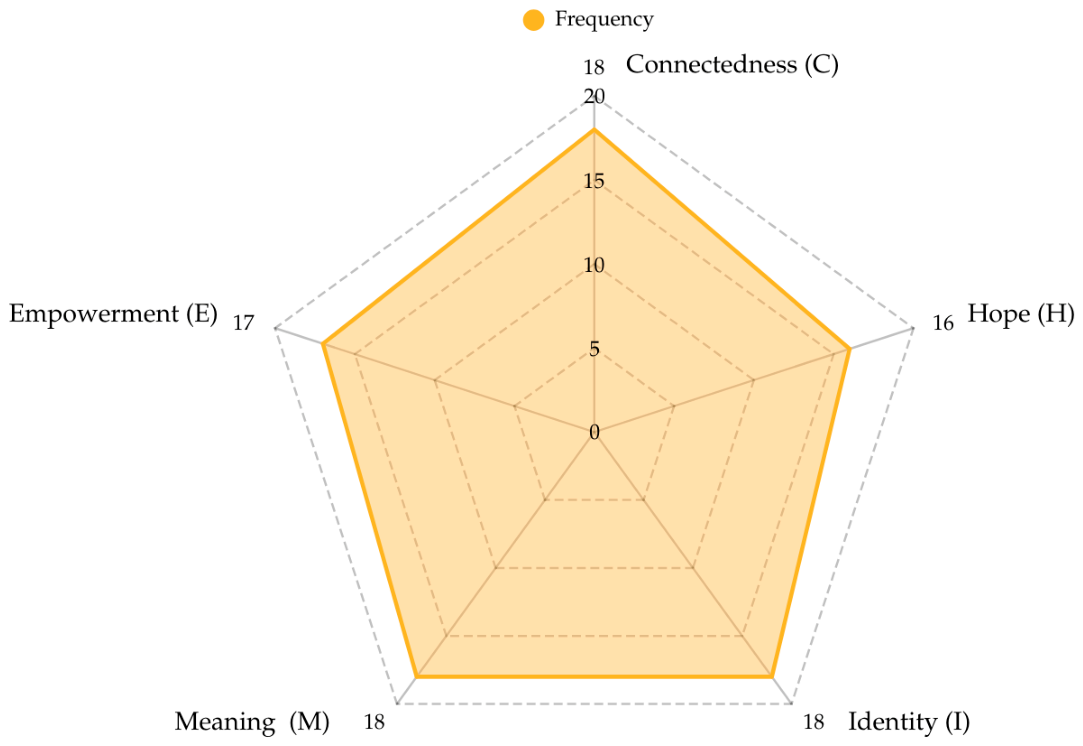
The saturation of the polygon toward the outer edges indicates a convergence of evidence across the included studies (18/18) across the Identity, Connectedness, and Meaning axes.
Note: It should be noted, however, that the alignment of the review framework with the CHIME dimensions may partially account for this pattern, as the selection criteria were structured around these same constructs. This circularity is acknowledged as a limitation of the interpretive process.
3.8. Critical Quality Appraisal of the Studies (MMAT)
To ensure the validity of the synthesized evidence, the Mixed Methods Appraisal Tool (MMAT) version 2018 was applied. Given the heterogeneous nature of the sample (qualitative, descriptive quantitative, randomized controlled trials, and mixed-methods studies), this tool allowed for a standardized evaluation using five specific quality criteria for each design.
The appraisal process, detailed in full in Table 5, yields the following conclusions:
- −
- Rigor in Initial Screening: 100% of the selected studies passed the two initial screening questions (S1. Are there clear research questions? and S2. Do the collected data allow for addressing the research questions?), confirming the relevance of the sample to the objectives of this review.
- −
- High Qualitative Quality: The qualitative study block shows full compliance with critical criteria, such as the appropriateness of the qualitative methodology and the coherence between data and their interpretation.
- −
- Quantitative and Mixed-Methods Validity: Non-randomized and descriptive quantitative studies demonstrate adequate bias management and sample representativeness. In the case of mixed-methods research [52], effective integration of qualitative and quantitative components is observed.
- −
- Exclusion Criteria: No studies were excluded following the appraisal, as all reached an acceptable quality level (minimum of 4/5 in their respective categories).
The systematic application of the MMAT certifies high methodological reliability within the analyzed evidence base. Compliance with quality criteria across qualitative, quantitative, and mixed-methods designs ensures that the reported no major indicators of selective publication bias were identified within the constraints of the available evidence. Thus, the proposal of cultural heritage as a space for identity re-authoring is fortified by empirical transparency, sustaining the robustness of the conclusions presented in this work.
Table 5.
Methodological quality assessment of included studies using the Mixed Methods Appraisal Tool (MMAT).
3.9. Risk of Bias Assessment and Certainty of Findings
Following the narrative synthesis of the evidence, the global confidence in the obtained results was evaluated, considering both the potential for bias due to unpublished results and the technical robustness of the evidence supporting each recovery dimension. This analysis determines the extent to which the findings regarding cultural heritage as a health asset can be generalized to clinical and social practice.
3.9.1. Risk of Bias Due to Missing Results
No evidence of significant selective publication bias was identified in the analyzed sample. The validity of this conclusion is supported by the geographical and contextual diversity of the evidence:
- −
- Global Representation: The inclusion of studies from 14 countries across three continents ensures a cross-cultural perspective that minimizes regional biases.
- −
- Contextual Heterogeneity: The evidence ranges from acute units in high-income health systems to community programs in highly vulnerable settings or conflict zones, suggesting a balanced representation of clinical and social reality.
- −
- Consistency of Findings: The convergence of results in such disparate environments reinforces the idea that the benefits of heritage are structural rather than incidental.
3.9.2. Certainty of Evidence
Confidence in the body of evidence was classified into two levels according to the nature of the data and its internal consistency:
- −
- Moderate-to-High Certainty: A high level of confidence was determined for findings linked to the dimensions of Identity, Connectedness, and Meaning. This rating is based on the total saturation of evidence (18 out of 18 studies reporting positive impacts in these areas) and the high methodological rigor of the qualitative studies, which achieved 100% compliance with the MMAT quality criteria.
- −
- Moderate Certainty: A moderate level of confidence was established for the quantitative results regarding self-efficacy and stigma reduction. Despite the positive outcomes, this certainty level reflects the lower representation of high-control experimental designs, with only three Randomized Controlled Trials compared to a majority of descriptive and qualitative designs.
4. Discussion
The present systematic review of the 18 analyzed studies offers an integrated perspective on the role of heritage and narrative within person-centered recovery processes. The findings not only confirm the technical viability of these interventions but also suggest a potential evolution of the traditional rehabilitative model. In this framework, culture emerges as an axis of articulation with the clinical approach, shaping an integral and culturally grounded psychosocial rehabilitation capable of embedding the individual’s symbolic, identity-based, and biographical capital within their treatment and recovery dynamics.
The main findings are discussed below in relation to prior literature and research objectives.
4.1. Currency and Acceleration of Scientific Production
The analysis of the temporal distribution reveals a significant concentration of evidence in the most recent period. The fact that 38.9% of the sample (n = 7) was published between 2025 and the first two months of 2026 suggests that this is not a passing fad, but rather the consolidation of a field of study. This “cultural turn” aligns with the World Health Organization (WHO) guidelines regarding the effectiveness of artistic practices and their role in individual well-being [5], responding to the needs of a world where loneliness and identity fragmentation are critical public health challenges.
4.2. Cross-Cultural Vision of Heritage
In this review, heritage emerges as a strategic tool that transcends the purely educational sphere. Its objective is to generate affective and sensory bonds that promote social equity. The effectiveness of these interventions in contexts as diverse as Spain, Afghanistan, or China reinforces the premise that the use of cultural capital operates through universal mechanisms.
Furthermore, Intangible Cultural Heritage (ICH) is presented as an ally for long-term sustainability and resilience [33]. Integrating these practices into urban planning and social policies [26] ensures that cities preserve their identity and human ecosystems, promoting traditional ways of life that favor emotional well-being and community cohesion.
4.3. The Object and Narration as Memory Catalysts
The prevalence of Intangible and Narrative Heritage (66.7%) in the sample corroborates the thesis that orality and dialogical construction are the primordial sources of collective memory. By externalizing life stories, participants do not merely perform an act of reminiscence; they carry out an “updating of being-in-the-world,” where the shared account serves as a support for identity.
Despite the hegemony of the intangible, the findings identified in the literature regarding the role of the heritage object as a cognitive trigger are of paramount importance. Following the evidence provided in the studies, the physical object operates as a critical sensory anchor that minimizes mnemonic recovery effort and facilitates the association of ideas in populations with greater cognitive compromise [46].
This process of interaction with materiality is not an end in itself, but a mediation mechanism: the object transforms the personal story into a “primary document” of heritage value [59]. This validation of the narrative by the community or peer group grants the subject a biographical dignity that clinical reductionism often overlooks. Thus, the object and the word operate symbiotically under externalization mechanisms that are fundamental for shifting the focus from internal distress toward an identity grounded in culture and shared memory [20].
4.4. Narrative Identity as the Axis of Recovery (CHIME Framework)
The analysis of the radial profile (N = 18) reveals a harmonic and robust distribution, characterized by levels of full saturation in the dimensions of Identity, Connectedness, and Meaning. This systemic configuration corroborates that heritage interventions do not operate in a fragmented manner but as a holistic tool capable of simultaneously restoring the social fabric and the individual’s narrative framework. The breadth and symmetry of the resulting polygon confirm that the use of cultural capital under the CHIME framework generates a recovery synergy where dimensions provide mutual reinforcement, consolidating an integral response to psychological distress that transcends symptomatic mitigation.
The nuclear finding of this research is the dimensional saturation of Identity within the radial profile. It should be noted, however, that the observed saturation pattern may partly reflect the deductive structure of the review itself, as studies were selected and analysed through the lens of the CHIME framework. This circularity should be considered when interpreting the strength of these findings. From an ontological perspective, this phenomenon is grounded in the postulates of narrative identity [59]; the analyzed interventions act as catalysts that allow the subject to reconcile their mismidad (sameness)—the biological component and the chronicity of the disorder—with their ipseidad (selfhood)—the capacity for agency and biographical autonomy.
Through mediating devices such as urban photography [20] or participatory curacy [44], the individual instrumentalizes heritage as a “language of rescue.” This process facilitates a metamorphosis of the social role: the subject transitions from the passive and stigmatizing position of “patient” to an active identity as a “citizen-creator.” Ultimately, interaction with heritage allows for the unification of life fragments disjointed by the psychic crisis, integrating them into a coherent, resilient, and future-oriented narrative plot.
4.5. Public Space and Social Connectedness (CHIME Framework)
The discussion regarding Connectedness reveals that museums and cultural environments function as secure “third spaces” [60]. Unlike hospital units, these settings of high social value allow individuals to interact through their identity as citizens. The “heritaging of personal narrative” explains how integrating a person’s life story into an exhibition generates an emotional bond with the community, directly combating self-stigma and strengthening the social fabric.
4.6. Methodological Strengths and Limitations
Although the qualitative hegemony (61.1%) is consistent with the need to explore the depth of subjective experience, the presence of quantitative and mixed-methods studies [52,57] provides necessary statistical validation. Nevertheless, the scarcity of randomized controlled trials (RCTs) indicates that while the theoretical basis is robust, there is room to improve the standardization of these interventions.
While the final sample of 18 studies may appear modest relative to reviews in fields with more extensive empirical bases, it reflects the emerging nature of this specific intersection of cultural heritage and mental health recovery. This sample size is consistent with comparable systematic reviews in this domain—including reviews on heritage and mental health that have included between 10 and 30 studies [61,62]—and allowed for in-depth qualitative synthesis rather than superficial breadth.
Additionally, the predominance of qualitative designs (61.1%) and the methodological heterogeneity of the included studies—ranging from phenomenological approaches to randomized controlled trials—limit the comparability of findings and preclude formal statistical synthesis. The diversity of intervention types, outcome measures, and clinical contexts further constrains the direct transferability of results beyond the specific settings considered. Future research should prioritize standardized outcome measures and longitudinal designs to establish clearer causal pathways and to support the generalization of these findings to broader clinical and community contexts.
Regarding the limitations of the review process, the search was restricted to publications in English and Spanish, which may have introduced a language bias by excluding relevant evidence from other cultural contexts. Additionally, although the search string was comprehensive, the rapid evolution of terminology in the field of ‘cultural prescribing’ might have resulted in the omission of emerging specific terms. Nevertheless, the rigor of the process was ensured through continuous consensus and internal auditing among the three researchers (A.L., P.C., and O.F.), who independently verified each stage of the identification, screening, and selection phases to minimize individual subjectivity and guarantee methodological consistency.
5. Conclusions and Research and Practice Agenda
The present systematic review suggests that cultural heritage constitutes a health asset of significant symbolic value in processes of identity reconstruction. Beyond its materiality, the analyzed creative processes—including theater, photography, visual arts, and the deployment of traditional knowledge—appear to operate as situated learning devices that offer not only an aesthetic framework but also a relational context where individuals may resignify their clinical history through shared cultural experience, supporting processes of transition from a patient identity toward more agentive and socially connected forms of selfhood [22,29]. While the strength of these findings is constrained by the methodological heterogeneity of the included studies and the predominantly qualitative nature of the evidence base, the consistency of results across 14 countries and diverse clinical contexts suggests that the mechanisms identified are not context-specific but may reflect broader patterns in how heritage mediates identity reconstruction in mental health recovery.
Future Steps and Intervention Lines
The following directions are proposed as exploratory recommendations informed by the synthesized evidence, rather than as conclusions fully established by the current review. Further empirical validation is required before these lines can be translated into clinical or policy frameworks.
To ensure that heritage shifts from a generic resource to a precision tool in mental health, the following strategic lines are proposed:
- −
- Identity-Oriented Implementation Models (Prescription 2.0): Beyond the administrative referral to cultural resources, it is necessary to design personalized narrative itineraries. These models should integrate heritage as a “symbolic mirror” where the user, accompanied by cultural and health mediators, can work on specific objectives of their Therapeutic Plan (such as autonomy, socialization, or biographical re-authoring), ensuring that cultural activity has a direct impact on their self-concept.
- −
- Situated Learning Methodologies and Communities of Practice: The promotion of interventions based on “doing” within the territory (street theater, participatory photography, recovery of traditional trades) is proposed. By learning traditional knowledge in its real-world context, the individual establishes bonds with non-clinical heritage communities. This situated learning allows the subject to acquire new competencies and social roles (such as “apprentice,” “photographer,” or “guide”), displacing the “sick” role with that of a cultural contributor.
- −
- Participatory Mapping of Health Assets: This line proposes creating dynamic maps alongside users to identify “well-being landmarks” within the territory. This is not about listing monuments, but mapping places with affective weight, spaces of shared memory, or local knowledge workshops that serve as anchors for recovery. These cartographies allow the intervention to take root in the neighborhood’s real history, strengthening the sense of belonging and social connectedness.
- −
- Standardization of Narrative Impact Metrics: It is a priority to develop indicators that measure qualitative changes in the subject’s narrative (story coherence, future projection, reduction in self-stigma). Future research should focus on how these cultural experiences translate into long-term improvement of biographical sovereignty, enabling the validation of these actions before public health systems with robust scientific evidence.
Author Contributions
Conceptualization, A.L.M., P.D.C.M. and O.F.M.; methodology, A.L.M., P.D.C.M. and O.F.M.; software, A.L.M., P.D.C.M. and O.F.M.; validation, A.L.M., P.D.C.M. and O.F.M.; formal analysis, A.L.M., P.D.C.M. and O.F.M.; investigation, A.L.M., P.D.C.M. and O.F.M.; resources, A.L.M., P.D.C.M. and O.F.M.; data curation, A.L.M., P.D.C.M. and O.F.M.; writing—original draft preparation, A.L.M., P.D.C.M. and O.F.M.; writing—review and editing, A.L.M., P.D.C.M. and O.F.M.; visualization, A.L.M., P.D.C.M. and O.F.M.; supervision, A.L.M., P.D.C.M. and O.F.M.; project administration, A.L.M., P.D.C.M. and O.F.M.; funding acquisition, A.L.M., P.D.C.M. and O.F.M. All authors have read and agreed to the published version of the manuscript.
Funding
This research was supported by the project PID2023-147913OB-I00, funded by MCIU/AEI/10.13039/501100011033/FEDER, UE, and the project PDC2022-133460-I00 MCIN/AEI/10.13039/501100011033/European Union “NextGenerationEU”/PRTR.
Data Availability Statement
The original contributions presented in this study are included in the article. Further inquiries can be directed to the corresponding authors.
Acknowledgments
This work is part of the project “Heritage communities as educational agents in rural environments: valuation, conservation and transmission of intangible cultural heritage CoPER-PCI” with code PID2023-147913OB-I00, a project founded by the Ministry of Science, Innovation and Universities (MCIU), the State Research Agency (AEI) and the European Union (FEDER) and the project PDC2022-133460-I00, funded by MCIN/AEI/10.13039/501100011033 and by the European Union “NextGenerationEU”/PRTR, to which the current predoctoral contract is linked. The authors have reviewed and edited the output and take full responsibility for the content of this publication.
Conflicts of Interest
The authors declare no conflicts of interest. The funders had no role in the design of the study; in the collection, analyses, or interpretation of data; in the writing of the manuscript; or in the decision to publish the results.
Abbreviations
| WHO | World Health Organization |
| CHIME | Connectedness, Hope and Optimism, Identity, Meaning, and Empowerment |
| PICoS | Population, Intervention, Comparison, Outcome, Study design |
| PRISMA | Preferred Reporting Items for Systematic Reviews and Meta-Analyses |
| MMAT | Mixed Methods Appraisal Tool |
| ICH | Intangible Cultural Heritage |
| AL | Alejandra López |
| PC | Pablo de Castro |
| OL | Olaia Fontal |
Appendix A. Summary of Study Characteristics and Key Findings
| Study | Year | Country | Sample | Method | Intervention | Type of Heritage | ||
| Tangible Heritage | Intangible and Narrative Heritage | Hybrid Approaches | ||||||
| [43] | 2026 | Spain (A Coruña) | N = 18 people with mental health diagnosis in psychosocial rehabilitation process. | Qualitative Methodology. | Art and Museums Intervention Program focused on significant social participation and occupation through artistic creation. | Integration of the museum environment as a setting for socialization and empowerment through artistic narrative | ||
| [33] | 2026 | United Kingdom (Loughborough University) | Single case study: Male Olympic athlete diagnosed with bipolar disorder (7-year evolution). | Qualitative Methodology. | Analysis of lived experience and narrative strategies against stigma. Consists of 5 semi-structured interviews (10 h of recording) during the 10 months prior to Paris 2024. | Life testimonials and construction of a unique cultural identity within elite sports. | ||
| [52] | 2025 | Hungary | Members of a psychiatric rehabilitation organization (Mean age: 53.4 years). Mixed Methods design. | Mixed Methods. | Storytelling Program (Storytelling): 8 group sessions over 4 months focused on the narration and discussion of complex life trajectories as a vehicle for psychosocial rehabilitation and the strengthening of community identity. | Intangible Heritage: Oral tradition, language, and the construction of personal and collective narratives. | ||
| [45] | 2023 | Spain (Málaga) | N = 54 mental health service users (predominantly male: 64.8%; Mean age: 47.4). | Quantitative Non-randomized | “RecuperArte” Project: Participatory art intervention in museums. Intersectoral health-culture coordination facilitated by specialist nurses. | Integration of material heritage (museums and works) as a catalyst for immaterial recovery processes and psychological well-being. | ||
| [51] | 2022 | Netherlands | N = 23 participants (12 service users and 11 coaches/professionals). | Quantitative Non-randomized | Evaluation of a storytelling program to support recovery in adults with depressive disorders, addressing self-image, meaning of life, and narrative identity. | Life Narrative: Exchange of lived experiences, peer support, and stigma management. | ||
| [54] | 2021 | United States (University of South Florida) | N = 153 adults. Profile: 30% with a previous mental health diagnosis; 31.1% in recent treatment, and 14.9% with active support. | Quantitative Randomized | Performing Arts and Testimony: Use of theater as a mediator of social contact to humanize mental health and reduce social distance. | Based on performing arts, oral expression, and personal testimony. The value lies in the communicative act and the emotional connection between the narrator and the audience. | ||
| [46] | 2015 | United Kingdom (UCL/Canterbury Christ Church) | N = 42 older adults in a psychiatric inpatient unit with diagnoses of depression or anxiety. | Qualitative | Sessions of tactile manipulation of museum objects to stimulate memories (reminiscence), well-being, and a sense of identity. | Specifically based on the handling of physical objects from museum collections. Although it generates immaterial results, the core of the intervention is the materiality of the object. | ||
| [47] | 2025 | United Kingdom (University of Huddersfield/University of Leeds) | N = 16 participants: 12 users with a diagnosis of SMD (Severe Mental Disorder) and 4 art project facilitators. | Qualitative | Evaluation of safe and empowering spaces in cultural organizations. 6 axes are identified: community environment, creative activity, accessibility, freedom of choice, shared experiences, and compassionate staff. | Culture of Care: Shared creative activity, mutual social support, and the construction of a symbolic space of security. | ||
| [55] | 2024 | Canada (University of Waterloo/Brock University) | People with mental illness participating as “human books” in the Living Library initiative. | Qualitative | Evaluates a “Living Library” initiative where people with mental illness share their stories as “open books.” Findings show how storytelling helps participants embrace their identities as people with valuable life experiences. | Oral tradition and dialogue: Transmission of experiential knowledge through personal narrative and direct exchange. | ||
| [50] | 2021 | Croatia (University of Zagreb) and United Kingdom | Psychiatric patients in treatment presenting various dysfunctional “life scripts.” | Qualitative | Personalized Narrative Psychopharmacotherapy: Use of fairy tales and traditional stories as a framework for the reframing (restructuring) of incoherent life narratives. | Literary and oral heritage: Folklore, fairy tales, and oral traditions with universal narrative structures. | ||
| [56] | 2020 | Israel (University of Haifa) | 299 adults in total: 114 people with mental health conditions (MHC) enrolled, 117 community members enrolled, and 68 people with MHC not enrolled. | Quantitative Descriptive | Analyzes the relationship between self-stigma and personal recovery in people with SMD (Severe Mental Disorder) participating in integrated arts programs. Highlights how cultural participation reduces the desire for social distance. | Arts and creative self-efficacy. The value resides in the process of joint creation and social interaction that challenges stigma. | ||
| [49] | 2018 | Norway (Oslo) | N = 12 members of the Teater Vildenvei company, linked to a mental health rehabilitation program active since 1995. | Qualitative | Research on the impact of theatrical performance and narrative analysis on the transformation of identity and sense of belonging. | Performing Arts: Company oral tradition, collective creation, and acting performance. | ||
| [48] | 2025 | Germany (Based on the affiliation of lead authors in music and medical institutions) | N = 100 professional musicians with severe mental disorders (schizophrenia, bipolar disorder, etc.). | Quantitative Randomized | Professional Identity and Aesthetic Resilience Analysis: A study on the impact of the “tormented genius” culture versus self-management strategies based on artistic practice. | Artistic Heritage: Musical performance arts, transmission of technical knowledge, and emotional expression. | ||
| [53] | 2019 | Ireland (Dublin City University) | N = 14 women using mental health services in training for peer support. | Qualitative | Visual Arts Inquiry Program: Use of creative processes to foster resilience, self-management, and the reconstruction of a sense of identity during recovery. | Pedagogical and Creative Knowledge: Transmission of artistic techniques, lifelong learning, and development of intellectual and emotional capacities. | ||
| [57] | 2026 | China | N = 100 convalescent patients with mental disorders (ICD-10 criteria). | Quantitative Randomized | Nursing model based on Intangible Cultural Heritage (ICH) artistic design: 12-week workshop on paper cutting, embroidery, and traditional weaving integrated with cultural interpretation. | Technical Mastery (ICH): Transmission of ancestral knowledge, traditional manufacturing techniques, and cultural identity. | ||
| [20] | 2025 | Spain (Valladolid) | People with different mental health diagnoses linked to a mental health rehabilitation center. | Qualitative | “Memories in the city: connecting with our identity” Workshop: Heritage education program that uses the city as a stage to explore one’s own identity through the link with urban heritage, photography, and the creation of digital communities. | Combines Material heritage (architecture and spaces of Valladolid) with Immaterial heritage (life stories and memories) and preserves it in a Digital Repository. | ||
| [44] | 2021 | Spain (Valladolid) | Stable group of people with mental health problems linked to the Community Intervention Center (Hospital Río Hortega). | Qualitative | “ARTErias con locura” Project: Collaboration between Hospital Río Hortega and Museo Patio Herreriano. Included narrative photography, audiovisual creation, fanzine publishing, and the organization of a self-managed exhibition. | The museum functions as a mediation device where material heritage is hybridized with the political and artistic action (intangible) of participants to combat stigma. | ||
| [58] | 2018 | Afghanistan | N = 20 women survivors of gender-based violence with severe mental health consequences, residing in shelters. | Qualitative | Transformative Narrative Storytelling: Intervention based on social support and non-judgmental listening for trauma processing. | Oral tradition and personal testimony: The value lies in the capacity of the narrative to challenge social structures and reformulate stigmatized identities. | ||
References
- Organización Mundial de la Salud. Constitución de La Organización Mundial de La Salud; OMS: Ginebra, Switzerland, 1948. [Google Scholar]
- Engel, G.L. The Need for a New Medical Model: A Challenge for Biomedicine. Science 1977, 196, 129–136. [Google Scholar] [CrossRef] [Scilit] [PubMed]
- Beugelsdijk, S.; Welzel, C. Dimensions and Dynamics of National Culture: Synthesizing Hofstede With Inglehart. J. Cross-Cult. Psychol. 2018, 49, 1469–1505. [Google Scholar] [CrossRef] [Scilit]
- Minkov, M. A Revision of Hofstede’s Model of National Culture: Old Evidence and New Data from 56 Countries. Cross Cult. Strateg. Manag. 2018, 25, 231–256. [Google Scholar] [CrossRef] [Scilit]
- Fancourt, D.; Aughterson, H.; Finn, S.; Walker, E.; Steptoe, A. How Leisure Activities Affect Health: A Narrative Review and Multi-Level Theoretical Framework of Mechanisms of Action. Lancet Psychiatry 2021, 8, 329–339. [Google Scholar] [CrossRef] [Scilit]
- Fancourt, D.; Finn, S. What Is the Evidence on the Role of the Arts in Improving Health and Well-Being? A Scoping Review; Health Evidence Network Synthesis Report; WHO Regional Office for Europe: Copenhagen, Denmark, 2019. [Google Scholar]
- Ruiz-Álvarez, M.; Llorente, A.; del Llano Señarís, J. Los determinantes sociales de la salud en España (2010–2021): Una revisión exploratoria de la literatura. Rev. Esp. Salud Pública 2022, 96, e202210080. [Google Scholar]
- Wang, F.; Gao, Y.; Han, Z.; Yu, Y.; Long, Z.; Jiang, X.; Wu, Y.; Pei, B.; Cao, Y.; Ye, J.; et al. A Systematic Review and Meta-Analysis of 90 Cohort Studies of Social Isolation, Loneliness and Mortality. Nat. Hum. Behav. 2023, 7, 1307–1319. [Google Scholar] [CrossRef] [Scilit]
- Diener, E.; Oishi, S.; Tay, L. Advances in Subjective Well-Being Research. Nat. Hum. Behav. 2018, 2, 253–260. [Google Scholar] [CrossRef] [Scilit]
- Ryff, C.D. Well-Being With Soul: Science in Pursuit of Human Potential. Perspect. Psychol. Sci. 2018, 13, 242–248. [Google Scholar] [CrossRef] [Scilit]
- Slavich, G.M.; Roos, L.G.; Zaki, J. Social Belonging, Compassion, and Kindness: Key Ingredients for Fostering Resilience, Recovery, and Growth from the COVID-19 Pandemic. Anxiety Stress Coping 2022, 35, 1–8. [Google Scholar] [CrossRef] [Scilit]
- Pawelski, J.O. The Positive Humanities: A Focus on Human Flourishing. Daedalus 2022, 151, 206–221. [Google Scholar] [CrossRef] [Scilit]
- VanderWeele, T.J. On the Promotion of Human Flourishing. Proc. Natl. Acad. Sci. USA 2017, 114, 8148–8156. [Google Scholar] [CrossRef] [Scilit]
- Yanos, P.T.; DeLuca, J.S.; Roe, D.; Lysaker, P.H. The Impact of Illness Identity on Recovery from Severe Mental Illness: A Review of the Evidence. Psychiatry Res. 2020, 288, 112950. [Google Scholar] [CrossRef] [Scilit] [PubMed]
- Ribeiro, A.P.; Bento, T.; Salgado, J.; Stiles, W.B.; Gonçalves, M.M. A Dynamic Look at Narrative Change in Psychotherapy: A Case Study Tracking Innovative Moments and Protonarratives Using State Space Grids. Psychother. Res. 2011, 21, 54–69. [Google Scholar] [CrossRef] [Scilit]
- Lozano Herrero, B. El Convenio de Faro: Perspectivas para la aplicación de la participación social en el estudio y defensa del patrimonio. Rev. Estud. Eur. 2019, 148–163. [Google Scholar]
- UNESCO. What Is Intangible Cultural Heritage? UNESCO: Paris, France, 2011. [Google Scholar]
- Ministerio de Educación, Cultura y Deporte. Plan Nacional de Salvaguarda del Patrimonio Cultural Inmaterial; Planes Nacionales de Patrimonio Cultural; Secretaría General Técnica, Subdirección General de Documentación y Publicaciones: Madrid, Spain, 2015. [Google Scholar]
- Rubin, S.E.; Mørch, I.; Olsen, N.; Nørtoft, K. Important Intergenerational Transmission of Knowledge in Promotion of Well-Being and Cultural Identity in Greenland. Int. J. Circumpolar Health 2024, 83, 2420479. [Google Scholar] [CrossRef] [Scilit]
- López, A.; Fontal Merillas, O.; De Castro Martín, P. El Patrimonio Cultural Como Espacio Terapéutico: Impacto de La Fotografía y Los Relatos de Vida En El Bienestar de Personas Con Enfermedad Mental. Arteterapia 2025, 20, e98911. [Google Scholar] [CrossRef] [Scilit]
- Vygotsky, L. Mind in Society: The Development of Higher Psychological Processes; John-Steiner, V., Scribner, S., Souberman, E., Eds.; Harvard University Press: Cambridge, MA, USA, 1978. [Google Scholar]
- Yanos, P.T.; Roe, D.; Lysaker, P.H. The Impact of Illness Identity on Recovery from Severe Mental Illness. Am. J. Psychiatr. Rehabil. 2010, 13, 73–93. [Google Scholar] [CrossRef] [Scilit] [PubMed]
- Fontal Merillas, O.; García-Ceballos, S.; Morán, B.A.; Martínez Rodríguez, M. Patrimonios, Objetos e Historias de Vida. Análisis de Propuestas Educativas Desde El Observatorio de Educación Patrimonial En España. Midas 2017, 8, ART-2017-103102. [Google Scholar] [CrossRef] [Scilit]
- Consejo de Europa. Convenio Marco del Consejo de Europa Sobre el Valor del Patrimonio Cultural para la Sociedad; Serie de Tratados del Consejo de Europa; Consejo de Europa: Faro, Portugal, 2005. [Google Scholar]
- Sonke, J.; Manhas, N.; Belden, C.; Morgan-Daniel, J.; Akram, S.; Marjani, S.; Oduntan, O.; Hammond, G.; Martinez, G.; Davidson Carroll, G.; et al. Social Prescribing Outcomes: A Mapping Review of the Evidence from 13 Countries to Identify Key Common Outcomes. Front. Med. 2023, 10, 1266429. [Google Scholar] [CrossRef] [Scilit] [PubMed]
- Touzel, V.; Duda, A.; Bartz, L.; Reifegerste, D. Health System Lessons from Community Practice: A Qualitative Study Rethinking the Role of Social Prescribing for Refugee Populations. Front. Public Health 2026, 13, 1739953. [Google Scholar] [CrossRef] [Scilit]
- Munn, Z.; Peters, M.D.J.; Stern, C.; Tufanaru, C.; McArthur, A.; Aromataris, E. Systematic Review or Scoping Review? Guidance for Authors When Choosing between a Systematic or Scoping Review Approach. BMC Med. Res. Methodol. 2018, 18, 143. [Google Scholar] [CrossRef] [PubMed]
- Vogel, J.S.; Bruins, J.; Halbersma, L.; Lieben, R.J.; De Jong, S.; Van Der Gaag, M.; Castelein, S. Measuring Personal Recovery in People with a Psychotic Disorder Based on CHIME: A Comparison of Three Validated Measures. Int. J. Ment. Health Nurs. 2020, 29, 808–819. [Google Scholar] [CrossRef] [Scilit]
- Leamy, M.; Bird, V.; Boutillier, C.L.; Williams, J.; Slade, M. Conceptual Framework for Personal Recovery in Mental Health: Systematic Review and Narrative Synthesis. Br. J. Psychiatry 2011, 199, 445–452. [Google Scholar] [CrossRef] [Scilit] [PubMed]
- Villasis-Keever, M.; Rendón-Macías, M.; García, H.; Miranda- Novales, M.; Escamilla-Núñez, A. La Revisión Sistemática y El Metaanálisis Como Herramientas de Apoyo Para La Clínica y La Investigación. Rev. Alerg. Méx. 2020, 67, 62–72. [Google Scholar] [CrossRef] [Scilit]
- Morse, N. The Museum as a Space of Social Care, 1st ed.; Routledge: London, UK, 2020. [Google Scholar]
- Repper, J.; Perkins, R. Social Inclusion and Recovery: A Model for Mental Health Pratice; Baillière Tindall: Edinburgh, UK, 2003. [Google Scholar]
- Prior, E.; Papathomas, A.; Rhind, D. The Narrative Construction of a De-Stigmatised Identity: An Olympic Athlete’s Stories of Living with Bipolar Disorder. Qual. Res. Sport Exerc. Health 2026, 1–16. [Google Scholar] [CrossRef] [Scilit]
- UNESCO. Convención para la Salvaguardia del Patrimonio Cultural Inmaterial; UNESCO: Paris, France, 2003. [Google Scholar]
- Fontal Merillas, O. La Educación Patrimonial; Ediciones Trea: Gijón, Spain, 2012. [Google Scholar]
- Haddaway, N.R.; Page, M.; Pritchard, C.; McGuinness, L.A. PRISMA 2020: An R Package and Shiny App for Producing PRISMA 2020-compliant Flow Diagrams, with Interactivity for Optimised Digital Transparency and Open Synthesis. Campbell Syst. Rev. 2022, 18, e1230. [Google Scholar] [CrossRef] [Scilit]
- Haddaway, N.R.; Collins, A.M.; Coughlin, D.; Kirk, S. The Role of Google Scholar in Evidence Reviews and Its Applicability to Grey Literature Searching. PLoS ONE 2015, 10, e0138237. [Google Scholar] [CrossRef] [Scilit]
- Hong, Q.; Pluye, P.; Fàbregues, S.; Bartlett, G.; Boardman, F.; Cargo, M.; Dagenais, P.; Gagnon, M.; Griffiths, F.; Nicolau, B.; et al. Mixed Methods Appraisal Tool (MMAT), Version 2018: User Guide; Department of Family Medicine, McGill University: Montréal, QC, Canada, 2018. [Google Scholar]
- Page, M.J.; McKenzie, J.E.; Bossuyt, P.M.; Boutron, I.; Hoffmann, T.C.; Mulrow, C.D.; Shamseer, L.; Tetzlaff, J.M.; Akl, E.A.; Brennan, S.E.; et al. Declaración PRISMA 2020: Una guía actualizada para la publicación de revisiones sistemáticas. Rev. Esp. Cardiol. 2021, 74, 790–799. [Google Scholar] [CrossRef]
- Mehl-Madrona, L.; Mainguy, B.; Sockabasin, L. Modifying Psychiatric Approaches to Respond Better to Indigenous People in Maine (North America). Eur. Psychiatry 2022, 65, S136–S137. [Google Scholar] [CrossRef] [Scilit]
- Gülırmak Güler, K.; Kakdaş Ateş, D. Effects of the Spiritual and Architectural Environment of Ulu Mosque Square in Diyarbakir, Turkey, on Individuals’ Peace of Mind and Identity Construction: An Exploratory Multidisciplinary Qualitative Study. J. Relig. Health, 2026; online ahead of print. [CrossRef] [Scilit]
- Jay, E.; Patterson, C.; Fernandez, R.; Moxham, L. Experiences of Recovery among Adults with a Mental Illness Using Visual Art Methods: A Systematic Review. J. Psychiatr. Ment. Health Nurs. 2023, 30, 361–374. [Google Scholar] [CrossRef] [Scilit] [PubMed]
- Díez-Ríos, N.; Palacios-Ceña, D.; Pérez-Corrales, J.; Florencio, L.; Rodríguez-Pérez, M.P.; Simó-Algado, S. Art as an Agent of Wellbeing and Social—Participation for Mental Health: A Qualitative Study. Community Ment. Health J. 2026, 62, 219–230. [Google Scholar] [CrossRef] [Scilit]
- Coca Jiménez, P. Proyectos de Creación y Pensamiento En Torno al Malestar Psíquico En El Espacio Museístico. Arteterapia 2022, 17, 97–106. [Google Scholar] [CrossRef] [Scilit]
- Goodman-Casanova, J.M.; Guzman-Parra, J.; Duran-Jimenez, F.J.; Garcia-Gallardo, M.; Cuesta-Lozano, D.; Mayoral-Cleries, F. Effectiveness of Museum-based Participatory Arts in Mental Health Recovery. Int. J. Ment. Health Nurs. 2023, 32, 1416–1428. [Google Scholar] [CrossRef] [Scilit] [PubMed]
- Solway, R.; Thompson, L.; Camic, P.M.; Chatterjee, H.J. Museum Object Handling Groups in Older Adult Mental Health Inpatient Care. Int. J. Ment. Health Promot. 2015, 17, 201–214. [Google Scholar] [CrossRef] [Scilit]
- Smyllie-Peters, L.A.; Gomersall, T.; Lucock, M. Developing the Creative Communities Framework for Living Well With Serious Mental Illness: Findings From a Realist Evaluation. J. Community Psychol. 2025, 53, e70028. [Google Scholar] [CrossRef] [Scilit]
- Korte, M.; Cerci, D.; Wehry, R.; Timmers, R.; Williamson, V.J. The Patient Musician: A Qualitative Investigation of Professional Classical Musicians Who Previously Suffered from Depression. BMC Public Health 2025, 25, 1612. [Google Scholar] [CrossRef] [Scilit] [PubMed]
- Torrissen, W.; Stickley, T. Participatory Theatre and Mental Health Recovery: A Narrative Inquiry. Perspect. Public Health 2018, 138, 47–54. [Google Scholar] [CrossRef] [Scilit] [PubMed]
- Golden, A.-M.J.; Hančević Horvat, N.; Jakovljević, M. Acceptance and Change as Dialectic of Recovery: Examples of Storytelling, Fairy Tale and Psychopharmacotherapy as Therapeutic Modalities. Psychiatr. Danub. 2021, 33, 1130–1139. [Google Scholar]
- Wedema, D.; Siero, J.; Korevaar, E.L.; Wardenaar, K.J.; Alma, M.A.; Schoevers, R.A. Storytelling and Training to Advance Individual Recovery Skills (STAIRS). A Feasibility Study of a Blended Program to Support Personal Recovery among Patients with a Major Depressive Disorder in Remission. Front. Psychiatry 2022, 13, 984104. [Google Scholar] [CrossRef] [Scilit]
- Komóczi, M.; Kósa, K. Storytelling as Narrative Health Promotion in Community Psychiatry: A Quasi-Experimental Study. BMC Psychiatry 2025, 25, 376. [Google Scholar] [CrossRef] [Scilit]
- Casey, B.; Webb, M. Imaging Journeys of Recovery and Learning: A Participatory Arts-Based Inquiry. Qual. Health Res. 2019, 29, 833–845. [Google Scholar] [CrossRef] [Scilit] [PubMed]
- Kosyluk, K.; Marshall, J.; Conner, K.; Macias, D.R.; Macias, S.; Michelle Beekman, B.; Her, J. Challenging the Stigma of Mental Illness Through Creative Storytelling: A Randomized Controlled Trial of This Is My Brave. Community Ment. Health J. 2021, 57, 144–152. [Google Scholar] [CrossRef] [Scilit]
- Fortune, D.; Leighton, J. Mental Illness as a Valued Identity: How a Leisure Initiative Promoting Connection and Understanding Sets the Stage for Inclusion. Leis. Sci. 2024, 46, 1031–1051. [Google Scholar] [CrossRef] [Scilit]
- Nitzan, A.; Orkibi, H. Stigma Correlates in Individuals with Mental Health Conditions versus Community Members Enrolled in a Nationwide Integrated Arts-based Community Rehabilitation Program in Israel. Health Soc. Care Community 2020, 28, 1230–1240. [Google Scholar] [CrossRef] [Scilit]
- Liu, J. 168. Impact of a Mental Health Care Model Utilizing Intangible Cultural Heritage Art DESIGN on the Rehabilitation of Individuals with Mental Illness. Schizophr. Bull. 2026, 52, S113–S114. [Google Scholar] [CrossRef] [Scilit]
- Mannell, J.; Ahmad, L.; Ahmad, A. Narrative Storytelling as Mental Health Support for Women Experiencing Gender-Based Violence in Afghanistan. Soc. Sci. Med. 2018, 214, 91–98. [Google Scholar] [CrossRef] [Scilit]
- Sánchez-Macías, I.; Fontal Merillas, O.; De Castro Martín, P.; García-Guerrero, A. MOOCs in Heritage Education: Content Analysis and Didactic Strategies for Heritage Conceptualization. Heritage 2025, 8, 218. [Google Scholar] [CrossRef] [Scilit]
- Díez Torres, J. Ricoeur, Paul, La Memoria, La Historia, El Olvido, Trotta, Madrid, 2003. ISBN: 84-8164-604-0. 688 Pp. [La Mémoire, l’histoire, l’oubli, Editions Du Seuil, Paris, 2000]. Mem. Civiliz. 1970, 7, 327–330. [Google Scholar] [CrossRef] [Scilit]
- Li, H.; Xue, T.; Zhang, A.; Shen, J.; Luo, X.; Kong, L.; Huang, G. Impact of Urban and Cultural Landscape Heritage on Mental Health: A Systematic Review and Meta-Synthesis. BMC Public Health 2025, 25, 3095. [Google Scholar] [CrossRef] [Scilit] [PubMed]
- Chatwiriyaphong, R.; Fernandez, R.; Bosworth, R.; Kinghorn, G.; Moxham, L. Conceptualisation of Mental Health Recovery by Health Professionals and Students in Southeast Asia: A Qualitative Systematic Review and Meta-Aggregation. J. Psychiatr. Ment. Health Nurs. 2025, 32, 783–799. [Google Scholar] [CrossRef] [Scilit] [PubMed]
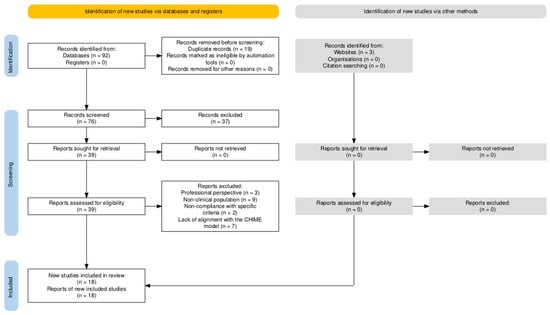
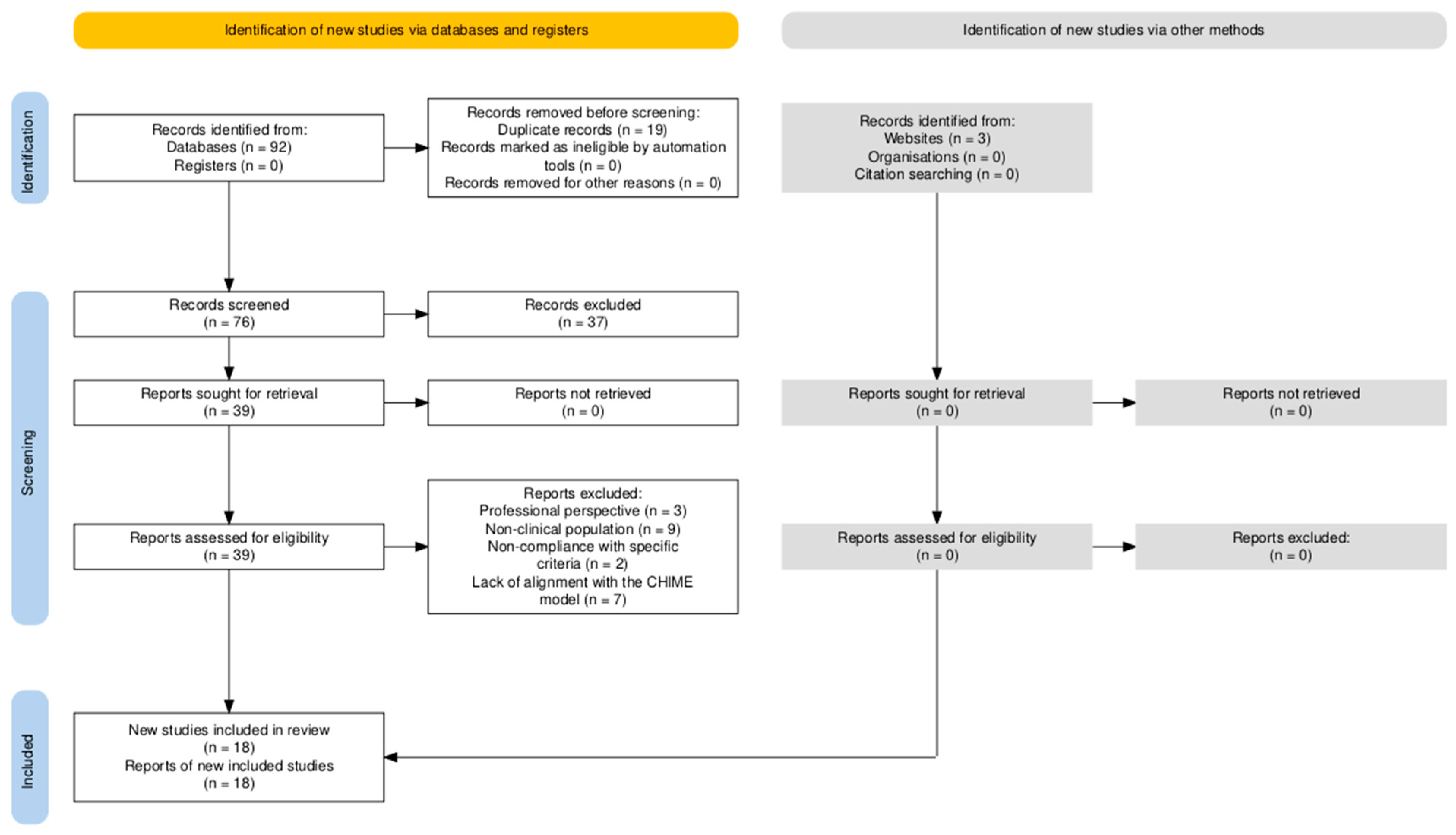
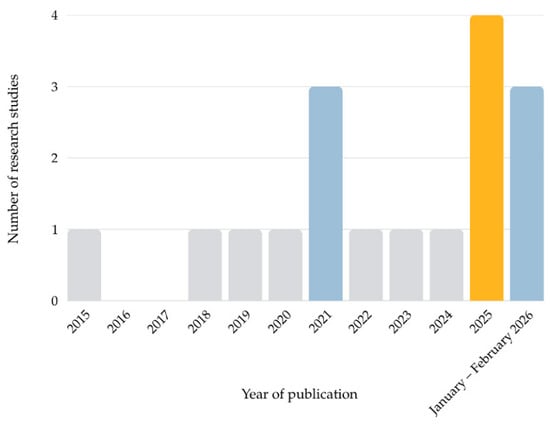
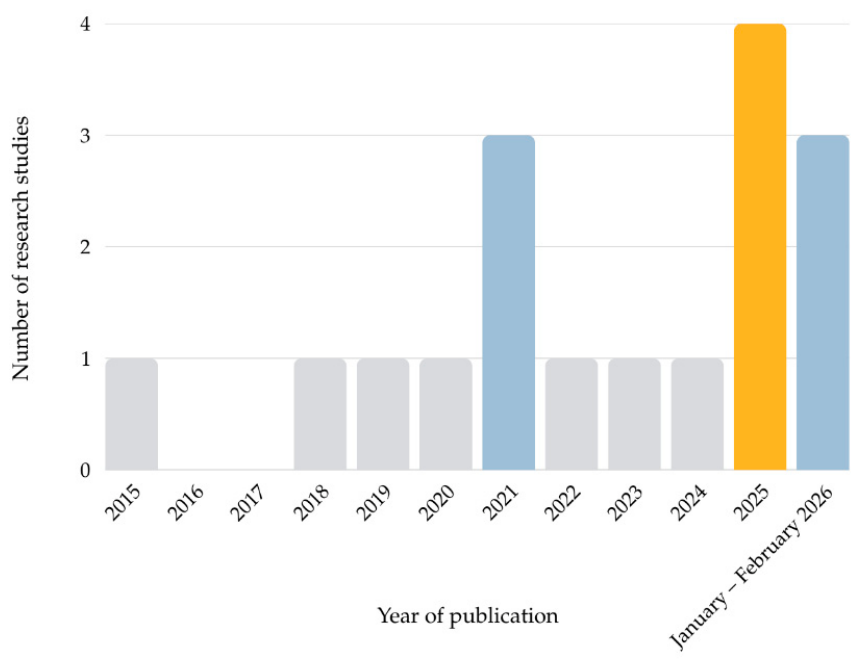
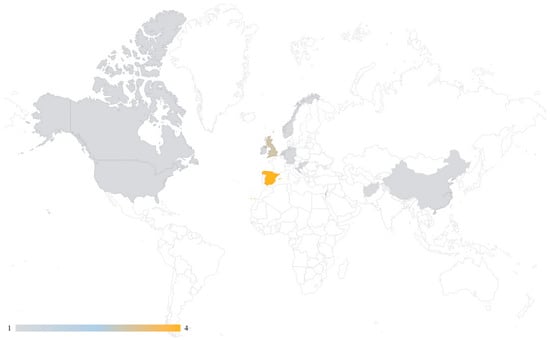
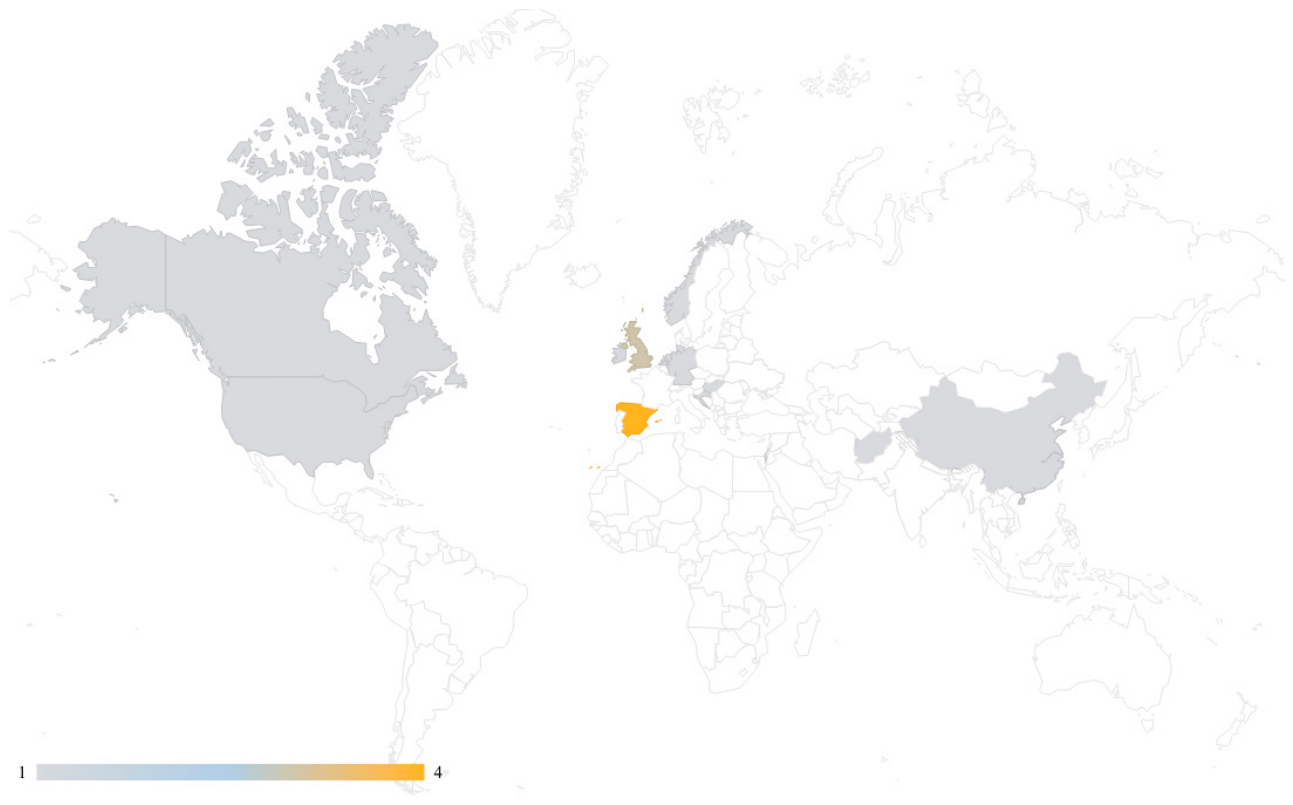
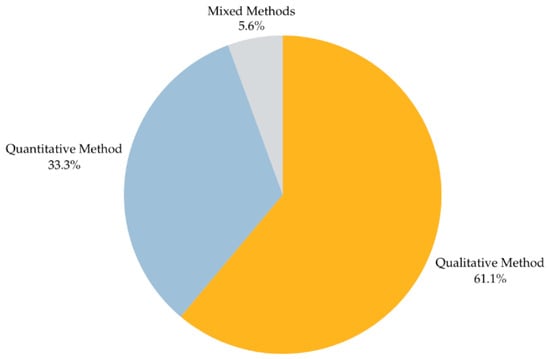
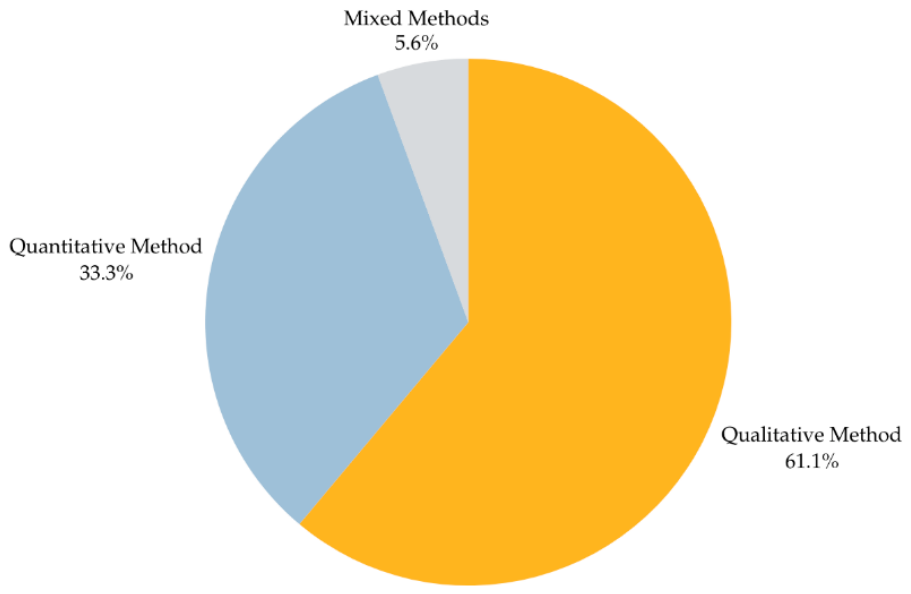
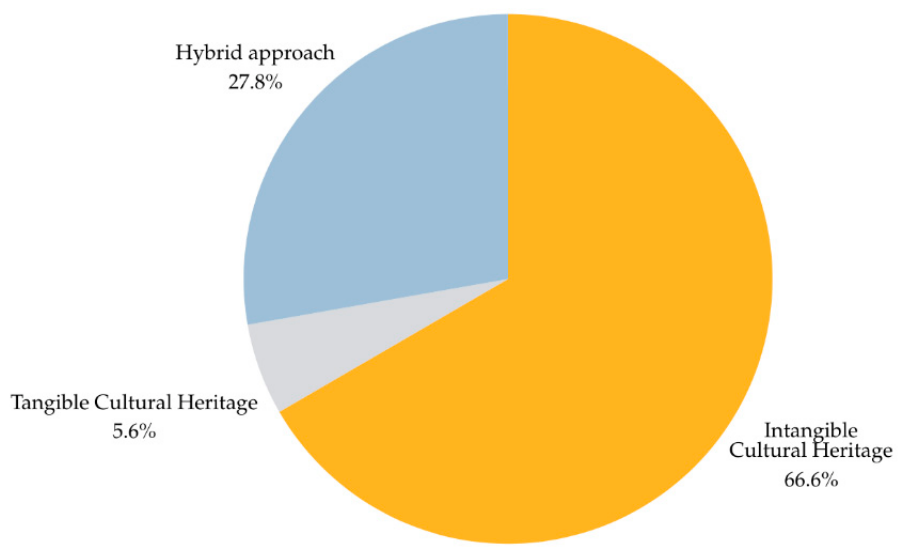

Disclaimer/Publisher’s Note: The statements, opinions and data contained in all publications are solely those of the individual author(s) and contributor(s) and not of MDPI and/or the editor(s). MDPI and/or the editor(s) disclaim responsibility for any injury to people or property resulting from any ideas, methods, instructions or products referred to in the content. |
© 2026 by the authors. Licensee MDPI, Basel, Switzerland. This article is an open access article distributed under the terms and conditions of the Creative Commons Attribution (CC BY) license.