


Abstract
This article examines the relationship between cultural heritage education and the prevention of school dropout, presenting and validating the Q-PEPAS (Questionnaire on Students’ Perception of Heritage Education and School Dropout). Unlike existing instruments, the Q-PEPAS specifically integrates the role of heritage education into the analysis of school motivation, sense of belonging, and dropout risk, thereby offering a novel contribution to the field. This study was conducted with a convenience sample of 220 secondary school students (aged 14–19) from different Italian regions (North, Central, South and Islands), ensuring geographical and sociocultural variety. Following a review of the literature on the individual, family, school, and socioeconomic factors associated with early school leaving, this paper describes the development, administration, and validation of the instrument through a mixed quantitative and qualitative approach. The findings show that heritage education can significantly enhance students’ motivation, school well-being, and sense of community, suggesting targeted strategies to reduce dropout risk. Statistical analyses confirm the reliability and validity of the tool, while thematic results underline its relevance for designing innovative educational interventions that value cultural heritage as a driver of active participation and informed citizenship.
1. Introduction
Early school leaving still represents one of the main challenges for education systems, with profound individual and social implications. It is a multidimensional phenomenon, influenced by personal, family, school, and socioeconomic factors, which can compromise the well-being of individuals and limit opportunities for job placement, fueling cycles of exclusion and marginalization [1,2].
In Italy, despite the progress made in the last decade, early school leaving—understood in a broad sense as explicit dropout, delays, irregularities in pathways, systematic absences, and failure to acquire basic skills—remains higher than the European average (Figure 1). Official statistics focus on young people aged 18–24, among whom the school dropout rate was 10.5% in 2023, compared to an EU average of 9% [3,4]. Territorial disparities remain marked: the rate reaches 14.6% in the South and exceeds 15% in regions such as Sicily, Campania, and Sardinia, while it remains below 10% in Lombardy and Emilia-Romagna [5,6].
Figure 1.
Eurostat, Early leavers from education and training (% of population aged 18–24) (2024). (1) Rural areas: low reliability. (2) Towns and suburbs: low reliability. (3) Cities: low reliability. (4) Rural areas: not available due to very low reliability. (5) Towns and suburbs: not available due to very low reliability. (6) Cities: not available due to very low reliability. Source: Eurostat (online data code: edat_lfse_30).
Although official data for younger students (14–19 years) are not available, indirect indicators provide useful insights. Participation in secondary education for 14–18-year-olds is very high (over 94%), suggesting that formal dropout is limited in this age group. At the same time, a significant proportion of students are repeaters (around 6.6%) and many do not reach adequate literacy and numeracy levels in some metropolitan areas of the South (up to 60–70%) (ISTAT).
These observations indicate the presence of implicit early school leaving—students remain in the system but do not acquire basic skills—highlighting qualitative challenges already before 19 years of age.
In Italy, beyond explicit early school leaving (ELET, 18–24 years), monitored by Eurostat and ISTAT, INVALSI also records implicit school leaving, defined as obtaining a diploma without mastering minimum competences. In 2025, this affected 8.7% of graduates, while explicit dropout stood at 9.8% [7,8,9].
In parallel, Italy continues to record the highest percentage of NEETs (young people between 15 and 29 years old not engaged in education or work): 23.1% in 2023, compared to the EU average of 13.1% [3,10]. These critical issues have been aggravated by the COVID-19 pandemic, which has amplified educational inequalities, penalizing the most vulnerable students [4,11]. However, the crisis has also prompted a deeper reflection on the need to make education more inclusive, participatory, and student-centered [12]. In this complex scenario, the idea is gaining ground that heritage education can offer an innovative and effective pedagogical response to the problem of early school leaving. European and international institutions have increasingly recognized the value of heritage—tangible and intangible, local and global—as a lever for personal development, social inclusion, and the construction of active citizenship [13,14,15].
This perspective is also supported by a growing body of European literature on heritage education, particularly from Spain and Italy, where scholars [16,17,18,19,20] have emphasized the role of heritage in fostering citizenship, critical awareness, and educational innovation. These contributions underline the importance of integrating heritage education in curricula to promote both identity and social cohesion [21,22].
In this perspective, the Council of Europe’s Faro Convention (2005) [23] represents a key reference, enshrining the right of every individual to benefit from cultural heritage and to actively participate in its enhancement. This vision translates into the educational field in the promotion of participatory and inclusive practices, capable of generating a concrete impact on learning processes and on the prevention of early school leaving.
Heritage education is based on a direct, experiential, and highly immersive learning approach in which knowledge, skills, emotions, and relationships are intertwined. From the point of view of education, students can become protagonists of the paths that involve them personally, strengthening their skills (cognitive, socioemotional, relational, etc.), along with their curiosity, sense of belonging, identity, and critical awareness. In this direction, the European Year of Cultural Heritage (2018) has highlighted how heritage can strengthen the sense of belonging and promote participation, especially among young people. The European Strategy for Education and Training 2021–2030 includes cultural education and active citizenship among the priorities to improve equity and to prevent early school leaving [24].
According to the report Cultural Heritage in Action [9], the inclusion of heritage in school curricula fosters motivation, active learning, creativity, and a sense of identity. Educational experiences that involve cultural heritage in an experiential, laboratory, and participatory form—as in the European projects Heritage Hubs, SPACIT, or RURITAGE1—have demonstrated concrete results in reducing marginality and reactivating school paths at risk.
There are also good practices in this direction in Italy: projects such as Heritage and School (MiC–MIM), Scuola Attiva la Cultura (Tuscany Region), Officine Culturali (Catania), or the territorial laboratories of Community Educational Pacts supported by the PNRR, show that the encounter between school and heritage can encourage the involvement of students, especially in disadvantaged contexts. Note: These projects highlight how heritage-based education can become a powerful driver for inclusion, strengthening the students’ sense of belonging, and supporting innovative didactic practices transferable to different local contexts.
In this sense, the role of teachers is central to their ability to transform heritage into an accessible and meaningful learning environment through shared enhancement projects, and can contribute decisively to the prevention of early school leaving, as Fehérvári and Varga [25], Sottie et al. [26], and Itzhaki [27] have pointed out, highlighting that the adoption of inclusive methodologies, based on mentoring, collaboration, and biographical narration, proves to be effective in building learning paths capable of recognizing and enhancing individual and community stories.
Through the design of precise educational activities, characterized by concreteness and participation, the experience of heritage becomes an opportunity for meaningful and transformative learning, which enhances the local context and cultural identities, helping to foster a positive disposition towards learning and to concretely reduce school dropout with the following results:
- the active involvement of students in participatory projects, which foster the process of individual and cooperative acquisition and personal empowerment [26];
- the promotion of meaningful relationships with the territory and the community, which strengthen the sense of belonging and motivation to continue studies [28];
- strengthening intrinsic motivation and self-efficacy, thanks to the recognition of the active role of students and the enhancement of their skills [29];
- the integration of inclusive and interdisciplinary teaching methodologies, which make learning more stimulating, accessible, and relevant for the students, especially those at risk of dropping out [12].
Integrating cultural heritage into educational paths is therefore not only a curricular enrichment, but an articulated strategic, educational, and social approach to combat early school leaving, to promote inclusion, and to build more open schools rooted in the territories and oriented towards citizenship.
2. The Phenomenon of Early School Leaving: Causes and Risk Factors
Early school leaving is a multifactorial and multidimensional phenomenon, determined by the interaction of individual, family, school, and socioeconomic variables [30,31], with a greater impact on the most vulnerable students, often struggling with personal difficulties, economic disadvantages, or unstimulating educational environments.
Among these individual factors, learning difficulties, emotional problems, and low self-esteem seem to lead to progressive school disengagement [32,33].
On the contrary, high self-esteem and confidence in one’s abilities increase the motivation to study and decrease the likelihood of dropping out [34,35].
The family context also plays a crucial role in this sense. The level of education of parents and the educational support received at home influences the permanence of students in the school system [36,37], while families with a low socioeconomic status or with previous histories of early school leaving show a higher incidence of students at risk of dropping out [38].
Economic difficulties can push young people to work to contribute to family income, reducing the time dedicated to studying, while socioeconomic factors outside the school environment, such as youth unemployment or job insecurity, can make education be perceived as an unprofitable investment, encouraging early school leaving and opting for early entry into the labor market.
At the school level, the quality of teaching and the presence of strategic and inclusive leadership are both decisive factors in the prevention of early school leaving [39,40]. Effective teaching methodologies, quality educational relationships, adequate learning environments, and targeted support policies are essential elements to prevent and combat early school leaving [38]. On the contrary, large classes, unengaging approaches, and a lack of attention to student well-being can increase the risk of disaffection towards school [41], particularly in the most vulnerable contexts, where the students’ trust in the school institution represents a key factor in permanence in the educational path [42].
Early school leaving, however, being influenced by a combination of interconnected factors, allows risk factors to be classified into four main categories, as detailed in Table 1.
Table 1.
Classification of the main risk factors of early school leaving by area of influence.
This table has been prepared from the international literature [43] and adapted for this study based on the literature review discussed in the previous paragraphs.
From the above, addressing the problem of early school leaving requires an integrated approach that considers the complexity of the factors involved and is based on effective prevention strategies. Such strategies must be based on inclusive educational policies improving the quality of teaching and targeted support for the most vulnerable students [44,45].
In this framework, cultural heritage education emerges as a concrete, particularly effective tool to promote meaningful and participatory learning. Through the active involvement of students in projects related to the territory and the community, heritage education can, in fact, foster deep educational relationships, strengthen motivation, and increase the sense of self-efficacy [12]. These elements are essential to combat disengagement and early school leaving, especially among the most at-risk young people.
Investing, therefore, in the methodological renewal of teaching through heritage means supporting training objectives, school guidance processes, continuous teacher training, and family involvement [12]. Teachers, adequately trained in the active, inclusive, and interdisciplinary methodologies of heritage education, may be able to build stimulating and personalized learning environments, capable of responding to the needs of students with different experiences and different socioeconomic and cultural backgrounds [45].
In addition, by allowing cultural knowledge, skills, emotions, and relationships to be integrated, heritage education contributes to creating meaningful links between school, family, and the local community, enhancing the cultural capital of students and their families and thus consolidating the social support network around young people [44]. In this way, it is possible to promote a more equitable and accessible education, capable of supporting the individual needs of students, reducing school drop-out, and promoting the educational success of all students.
In light of these complexities, it is necessary to identify innovative educational approaches capable of responding to multiple risk factors. Among these, cultural heritage education is a particularly promising proposal.
3. Heritage Education as a Strategy for Preventing Early School Leaving
As stated above, cultural heritage education can be a powerful tool to prevent early school leaving, as it fosters experiential learning in which knowledge, emotions, and relationships are intertwined, stimulating the active involvement of students and strengthening their motivation. The didactic use of cultural and environmental heritage stimulates the direct participation of students in projects and activities that enhance the territory and local culture, creating a meaningful link between the student and his or her environment [46,47].
Heritage education succeeds in fostering deep educational relationships, not only between teachers and students, but with the local community, offering young people a sense of identity and belonging that may be able to counteract early school leaving [44] and act as a protective factor in the desire to drop out of school [48,49,50]. In this sense, heritage becomes an inclusive resource, capable of enhancing cultural diversity and personal stories, and helping to create a more welcoming and motivating school environment [51].
The teaching methodologies adopted in heritage education are often interdisciplinary, inclusive, and interactive, as well as based on active and collaborative learning. Activities such as workshops, guided tours, storytelling, and project work, among others, stimulate the students’ participation, helping them to develop transversal skills and higher-order skills, such as critical thinking, critical awareness, creativity, etc. [52], fostering the construction of meaningful learning experiences that nurture the students’ self-confidence and their perception of self-efficacy, i.e., those factors recognized as crucial in the prevention of early school leaving [34,53].
This perspective is in line with a vast European production which has deepened the role of heritage education in curricula and teaching practices [54,55,56,57,58,59].
Heritage education actively involves families and communities at the same time, fostering the creation of extensive support networks capable of enhancing the students’ cultural capital and supporting educational continuity in its entirety [60]. This continuous dialogue between school and territory thus contributes to creating an inclusive and participatory educational context in which students can feel more valued and motivated to continue their school career [44,45], and, as cultural and environmental heritage, ends up acting as a support system in a more general sense.
It is precisely in this direction that heritage education is configured as an integrated prevention strategy, which can be supported by tools such as tutoring, training contracts, educational facilitation processes, etc., helping to define an integrated system of individualized and personalized support for students [25,61]. The combination of innovative methodologies, emotional involvement, and meaningful relationships can thus produce a stimulating and resilient learning environment, capable of significantly reducing the risk of early school leaving.
4. The Q-PEPAS: Objectives, Structure, and Content
Early school leaving is one of the most complex challenges for education systems, with profound repercussions for the future of young people and the socioeconomic development of communities and society. Understanding the causes that push students to interrupt their studies prematurely is essential to design effective prevention and intervention strategies [62].
However, in this process, it is essential to investigate the perception that students themselves have of the phenomenon. What factors influence their school motivation? What role do the relationship with teachers, teaching, and the school environment play in their decision to continue or abandon their studies?
To answer these questions, it is essential to have specific survey tools, capable of systematically collecting and analyzing the opinions of students.
Within this interpretative framework, cultural heritage education emerges as a possible transformative educational lever, capable of acting directly on some of the variables that influence the decision to stay or leave school.
The Questionnaire on Students’ Perceptions of Heritage Education and Early School Leaving (Q-PEPAS) was designed to systematically collect the opinions and experiences of secondary school students, investigating the impact of heritage education on motivation, well-being, self-efficacy, sense of belonging, and the prevention of dropout, thereby fostering the following:
- personal and collective involvement of students, which strengthens the sense of self-efficacy and belonging;
- more inclusive, interdisciplinary, and concrete teaching, capable of enhancing different learning styles and cultural biographies;
- the recognition of students as bearers of culture, in line with the Council of Europe’s Faro Convention (2005) [23], which underlines the right of every person to participate in cultural life and to contribute to the enhancement of heritage.
The Q-PEPAS was designed as a research tool to analyze the dynamics that influence early school leaving, giving students a voice about their experiences and perceptions.
The use of a targeted tool makes it possible to identify critical issues, strengths, and areas of intervention that can be improved, offering educational decision-makers concrete and useful data to design actions to combat early school leaving and more effective and inclusive educational interventions and policies. The questionnaire is part of a broader framework of reflection on the use of cultural heritage as an educational and inclusive lever, and aims to bring out the voice of students on issues often treated marginally in educational surveys. In addition to exploring the impact of heritage-related activities (such as visits, workshops, projects, etc.), the tool aims to highlight the protective or critical factors that such experiences can activate in school pathways, thus offering useful guidance to teachers, school leaders, and policy makers to design targeted and innovative interventions.
To detect in a structured and comparable way the perception of students with respect to the role of heritage education, a questionnaire was administered, also developed from a study conducted in 2021 [48], consisting of eight sections, which include 55 items, most of which are closed-ended. It contains proposed statements that use a 4-point Likert-type scale (from 1 = Not at all agree to 4 = Completely agree), which allow us to detect the degree of agreement or involvement with respect to the topics considered and to encourage a clear stance by the students (without a neutral option), alongside some dichotomous questions (yes/no) and open questions for a more qualitative survey. The questionnaire takes an estimated average time of 15–20 min to complete. Overall, the organization into sections (dimensions) allows for an analytical reading of the data collected, favoring the identification of correlations between the variables explored.
Each of the eight sections of the Q-PEPAS addresses a specific dimension of the school experience and the relationship with heritage. The first section collects personal and contextual data, while the second delves into the students’ experiences in relation to heritage education activities, assessing their frequency, perceived quality, and significance.
The third section, born from the fusion of two originally distinct areas, investigates the school climate, relationships with peers and adults, and the emotions associated with school participation. This is followed by a section dedicated to motivation and perceived self-efficacy, in which the students are invited to reflect on how heritage-related activities influence their commitment, confidence in their abilities, and orientation towards personal goals. The fifth section directly addresses the issue of the perception of the risk of dropping out of school, noting both subjective experiences of difficulty and the impact that heritage education can have in redefining the relationship with school. The sixth section examines family and community involvement, considering the support network around the student, while the seventh, introduced during the revision of the tool, explores the sense of citizenship and identity promoted by heritage experiences, with particular attention to the connection between cultural awareness, participation, and territorial belonging. The questionnaire closes with an open section dedicated to feedback and suggestions, aimed at enhancing the students’ personal expression.
The final version of the Q-PEPAS is the result of a process of integration and revision of previous instruments with the aim of maximizing its effectiveness, internal coherence, and thematic coverage. Some potentially redundant items have been intentionally maintained to allow for more detailed comparisons between different contexts (e.g., general school relationships vs. relationships during heritage activities), while new dimensions, such as identity and civics, have been introduced to enrich the analysis.
The tool is therefore a useful resource not only for educational research, but for educational design and an impact assessment of school policies oriented towards the inclusion and enhancement of cultural heritage.
To verify the extent to which heritage education really affects these dimensions, the Q-PEPAS tool was designed and validated, its structure and analysis described. The overall structure of the Q-PEPAS, including its thematic sections, content, and number of items, is presented in Table 2.
Table 2.
Structure of the Q-PEPAS: thematic sections, content, and number of items.
Table 3 describes the eight thematic sections in which the Q-PEPAS is divided, with a brief description of the content and number of items.
Table 3.
Items per section of the Q-PEPAS: question type and answer type.
A detailed description of the items included in each section, together with the question and response types, is provided in Table 3.
5. Research Methodology and Analysis Plan
5.1. Reference Population
The questionnaire is aimed at secondary school students, with particular attention to those school groups and those schools that attend courses with the integration of cultural heritage education activities. The aim is to collect representative data on how these experiences affect motivation, sense of belonging, and the risk of dropping out.
The pilot phase involved students from heterogeneous Italian school and cultural backgrounds to ensure the variety of the sample. The administration was carried out through an online questionnaire created with Google Forms.
5.2. Structure of the Q-PEPAS
The Q-PEPAS includes closed-ended and open-ended questions, designed to capture the students’ perceptions of both heritage education and the risk of early school leaving:
- Closed-ended questions use a 4-point scale (1 = “Strongly disagree” to 4 = “Strongly agree”) to assess the students’ degree of agreement with different statements regarding interest in cultural heritage, school motivation, involvement in heritage-related educational activities, and perception of school and family support.
- Open-ended questions offer students the opportunity to freely express their opinions on heritage education experiences, the value attributed to these experiences, and personal motivations that may influence their educational path, including the risk of dropping out. These responses enrich the data with more in-depth and contextualized qualitative information.
The administration window was open for two months. The closed-ended questions were organized by section, while the open-ended questions were collected in a dedicated space to encourage deeper reflection. The collected data were exported in Excel format for quantitative and qualitative analysis using statistical software (SPSS) version 26 and textual analysis software (NVivo). The closed answers were processed with SPSS package descriptive statistics (frequencies, averages, standard deviations) and inferential analyses to identify correlations between the perception of heritage education and school motivation. Open-ended responses were coded with NVivo to extract emerging themes, such as ‘heritage value’, ‘emotional engagement’, ‘school support’, ‘personal motivations’, and ‘perceived obstacles’.
The results were summarized through graphs and thematic summaries and presented to school communities to stimulate reflections and actions aimed at improving student well-being and reducing the risk of dropping out through heritage education.
Through the integration of quantitative and qualitative data, the questionnaire provides an articulated view of the relationship between heritage education, emotional well-being, school motivation, and permanence in the educational path.
5.3. Administration of the Instrument and How to Fill It in
The administration of the questionnaire took place online via the Google Forms platform, to facilitate simple and quick access. Reference teachers were involved who facilitated the dissemination of the questionnaire among the students, making sure that they had adequate devices and internet connection. Before completion, students were told the following: objectives of the questionnaire, the aim of understanding the importance of heritage education in the school context and its possible role in preventing early school leaving; confidentiality and anonymity, the answers are collected anonymously, in compliance with privacy regulations, as well as the estimated time to fill in.
5.4. Methodological Approach to Validation
The validation of the Q-PEPAS was developed following a rigorous methodological protocol divided into several phases:
- Elaboration of the items: the construction of the questions was based on a review of the specific literature on heritage education and school motivation, integrating references to consolidated tools (e.g., national and international studies on cultural education and the risk of dropping out). The items were formulated in language accessible to high school students;
- Validity of content: content was analyzed by a panel of three experts in education and cultural heritage, selected based on their proven scientific and professional experience. The small number of experts is due to organizational constraints and the need to involve highly specialized scholars in the field; this limitation is acknowledged; nevertheless, it ensured a qualified evaluation of the items. For each item, concordance indices were calculated, obtaining an overall Content Validity Index (CVI) of 0.89 and a Cohen’s kappa of 0.82, values that indicate a high level of agreement between the evaluators [63,64];
- Construct validity: an exploratory factor analysis (EFA) was performed to verify the underlying structure of the responses and to ensure that the items correctly measured the theoretical constructs related to heritage perception, motivation, and risk of abandonment;
- Reliability: the internal consistency of the instrument was assessed by calculating the Cronbach Alpha for each section and for the entire questionnaire, obtaining high values indicating good reliability;
- Factorialization: the analysis of the main components made it possible to identify distinct factors such as “value attributed to heritage education”, “emotional and cognitive involvement”, “school motivation”, and “perception of the risk of dropping out”, confirming the solidity of the structure of the tool;
- Confirmatory Factor Analysis (CFA): the five-factor model was subsequently tested through CFA, showing good fit indices (CFI = 0.93; TLI = 0.91; RMSEA = 0.048; SRMR = 0.045), and confirming the consistency between the hypothesized theoretical framework and the empirical data (see Table 4). All items showed loadings greater than 0.40 on the expected factor, confirming the adequacy of the items. Additionally, the determinant of the correlation matrix was 0.0012, indicating the absence of problematic multicollinearity among the items2 [65]. These results confirm the consistency between the hypothesized theoretical framework and the empirical data.
Table 4.
Model fit indices (CFA).
This methodological approach ensured that the Q-PEPAS is a valid, reliable and specifically calibrated tool to detect students’ perceptions of heritage education and its potential role in reducing the risk of early school leaving.
5.5. Procedure
To ensure an accurate and rigorous analysis of the data collected with the Q-PEPAS, the following methodological steps were followed:
- Data exploration, an initial analysis was performed to identify missing values, inconsistent, or anomalous responses and to assess the overall distribution of responses: (a) checking for missing data: the presence of missing or inconsistent data was verified, in particular for demographic variables (age, gender) and for responses related to heritage perception and school motivation; (b) distribution of responses: the distribution of answers for closed questions (e.g., degree of agreement on statements related to the value attributed to heritage education) was analyzed.
- Descriptive analysis, basic statistics, such as means, standard deviations, median, frequencies, and percentages, were calculated to understand the patterns of response to the different sections of the questionnaire: (a) descriptive statistics: means, standard deviations, and frequencies were calculated for each question, with particular attention to the sections relating to heritage perception, emotional and cognitive involvement, and school motivation; frequencies: for multiple-choice questions, for example those concerning preferred learning methods and the most significant experiences related to heritage, the percentages of preference were determined; cross-tabulation: possible associations between demographic variables (age, gender, class) and key responses (e.g., level of motivation and perception of the role of heritage education) were examined.
6. Analysis of the Results
6.1. Sample
This study involved a convenience sample of 220 secondary school students, selected to ensure representativeness in terms of age, gender, and geographical distribution, as well as to include students with different heritage education experiences. The distribution of the sample by gender, age group, and geographical origin is shown in Figure 2.
Figure 2.
Graphs 1–3. Distribution of the sample by gender, age group, and geographical origin.
The average age of the sample is 16.1 years, with a range from 14 to 19 years, and most students are between 15 and 17 years old. It should be noted that, while official statistics on early school leaving are calculated on the 18–24 age group (Eurostat/ISTAT), the present study focuses on students aged 14–19. This younger cohort was chosen to capture early warning signals of disengagement, such as grade repetition and low competences, which may precede explicit dropout. The gender composition is distributed as follows: 48% females, 44% males, and 8% other genders. Students come from different Italian regions (north 30%, central 40%, south and islands 30%) to ensure balanced geographical coverage. The variety of the sample allowed us to collect heterogeneous data and to explore in depth the perceptions regarding heritage education and its possible role in school motivation and in the prevention of early school leaving.
6.2. Validity Analysis
To assess the adequacy of the tool, several validity analyses were conducted as follows:
- Content validity: a group of three experts in heritage education, pedagogy, and didactics examined each item, assessing clarity, relevance, and consistency with the theoretical constructs. The overall Content Validity Index (CVI) reached 0.89, indicating a high level of agreement among the experts.
- Construct validity: correlations between theoretically associated dimensions were analyzed, such as, for example, the correlation between school motivation (Section 4) and positive relationships with school (Section 3) was positive and significant (r = 0.61). The correlation between cultural identity (Section 7) and sense of school belonging (Section 3) was also significant (r = 0.55), confirming the alignment between constructs and items.
- CFA: the confirmatory factor analysis demonstrated a good fit of the model to the collected data, with the three-factor solution also reaching an acceptable level of fit (see Table 4). In addition, a more parsimonious three-factor solution was tested, which also reached acceptable levels of model fit (CFI = 0.91; TLI = 0.90; RMSEA = 0.06; SRMR = 0.052). While the indices are slightly lower than those of the five-factor model, they remain within recommended thresholds and confirm the robustness of the instrument. These indices suggest a high consistency between the hypothesized theoretical framework and the empirical data.
- The goodness-of-fit indices for the confirmatory factor analysis of the Q-PEPAS are summarized in Table 5.
Table 5.
Goodness-of-fit indices for the Q-PEPAS confirmatory factor analysis.
6.3. Reliability
The internal reliability of the questionnaire was assessed through the calculation of the Cronbach Alpha coefficient, also applied to the sections that investigate latent constructs, such as emotional involvement, school motivation, sense of belonging, perception of the risk of dropping out, and enhancement of cultural identity.
The results obtained show very satisfactory levels of internal consistency for each of the main dimensions investigated:
- ✓ emotional involvement and school relationships (Section 3): α = 0.87;
- ✓ motivation and self-efficacy (Section 4): α = 0.89;
- ✓ identity perception and citizenship (Section 7): α = 0.75;
- ✓ perception of the risk of early school leaving (Section 5, Likert items): α = 0.82;
- ✓ family and community involvement (Section 6): α = 0.79.
6.4. Internal Consistency Check
The internal reliability analysis of the Q-PEPAS returned an overall value of Cronbach’s Alpha of α = 0.91, indicating very good internal consistency, as shown in Table 6. This result highlights how the proposed items measure the theoretical reference constructs in a homogeneous way, confirming the Q-PEPAS as a solid and reliable tool to investigate the students’ perceptions with respect to heritage education, school motivation, and the risk of dropping out. The internal consistency assessment also made it possible to examine in detail the reliability of the individual sections of the questionnaire, offering useful information to identify any redundancies between items. Although the overall value of α = 0.91 represents a very high level of reliability, additional analyses were nevertheless conducted to verify that this result was not influenced by any excessive semantic overlap between the statements, thus ensuring a real complementarity of the content investigated.
Table 6.
Internal reliability of the Q-PEPAS (Cronbach α per section).
Additional internal consistency checks were performed as follows:
- Cronbach’s Alpha “if item deleted” showed that no item, if removed, would significantly increase the overall value of the coefficient, indicating that each question contributes positively to the structure of the construction to which it belongs;
- Some items in Section 3 and Section 4 showed very high inter-item correlations (R > 0.75), for example, items such as “Educational activities with heritage make me feel part of a group” and “Experiences with heritage improve the relationship with my peers”. Both statements were retained to cover slightly different aspects of the affected issue (belonging vs. personal relationships);
- homogeneity and variance tests: the Levene test confirmed the homogeneity of variances between subgroups (e.g., by gender, geographical area), reinforcing the idea that responses are not biased by uncontrolled external factors.
To verify whether the differences between the metrological dimensions detected (motivation, relationships, cultural identity, family involvement, and perceived risk of abandonment) were statistically significant, a one-way ANOVA was conducted. The analysis showed a significant principal effect (F(4, 215) = 8.42, p < 0.001, η2 = 0.14), suggesting substantial differences in mean scores between sections of the questionnaire. In particular, the scores for the section “Cultural identity and active citizenship” are significantly higher than those for the section “Perceived risk of early school leaving” (M = 3.28 vs. 2.02, p < 0.001, post hoc Bonferroni). The section “School relationships and emotional climate” also showed values significantly higher than those relating to school motivation (p = 0.03).
6.5. Exploratory and Confirmatory Factor Analyses (EFA–CFA)
To verify the underlying theoretical structure of the Q-PEPAS, an exploratory factor analysis (EFA) with principal axis factoring and oblique rotation (Promax) extraction method was conducted, followed by a confirmatory factor analysis (CFA) on the resulting model. The EFA was performed on 44 Likert items (excluding open-ended and personal questions). The results are as follows and are summarized in Table 7.
Table 7.
Results of the factor analysis: factors identified, variance explained, and associated items.
- KMO = 0.91 (excellent sample adequacy);
- Bartlett’s test: χ2 (946) = 4321.77, p < 0.001 (significant);
- Number of extracted factors (eigenvalues > 1): 5;
- Total variance explained: 61.3%.
All items have saturations > 0.40 on the expected factor, with no significant double loads. The suitability of the data for factor analysis was confirmed by the determinant of the correlation matrix, which was different from zero and therefore satisfactory.
The five-factor model that emerged was validated through a confirmatory factor analysis (CFA) using the AMOS 26 software [67]. Goodness of fit indices were as follows:
- χ2 (340) = 587.21, p < 0.001;
- CFI = 0.93;
- TLI = 0.91;
- RMSEA = 0.048;
- SRMR = 0.045.
These values indicate a good fit of the model to the data [66]. The structure reflects the expected theoretical dimensions of the questionnaire, confirming the consistency between hypothesized constructs and empirical answers.
These values indicate that the theoretical structure of the Q-PEPAS is well supported by the empirical data, and that the items are grouped coherently according to their expected latent dimensions.
Overall, the Q-PEPAS shows excellent internal consistency, with all items contributing significantly to the measurement of the underlying theoretical constructs. The analyses carried out suggest that the tool is reliable, valid, and well-structured, suitable for use in educational contexts to investigate the impact of heritage education on school motivation, risk of early school leaving, cultural identity, and social involvement.
6.6. Descriptive Statistics
An analysis of descriptive statistics was carried out for each of the main sections of the questionnaire. The data was collected from a sample of 220 students. The following table presents the means, standard deviations, and response ranges observed for each section Table 8).
Table 8.
Descriptive statistics of the Q-PEPAS size (mean, standard deviation, range).
Distribution: All sections showed slightly skewed distributions to the right, indicating a positive trend in perceptions related to heritage and schooling. However, Section 5 shows a lower average, consistent with the fact that the items are linked to the risk of early school leaving (some with reverse wording).
Standard deviation: Section 3 and Section 5 have more variability, suggesting more marked individual differences between the students in terms of school experience and the perceived risk of dropping out.
Low-variance items: No items showed a variance < 0.20, indicating that all questions were discriminatory among the respondents.
Kurtosis and skewness: Item distributions show acceptable values of skewness (between −0.6 and +0.9) and kurtosis between −1.0 and +1.2, supporting the suitability of the parametric and factorial analyses performed.
Descriptive statistics confirm that the Q-PEPAS has a good sensitivity, and is able to detect differences between the participants with respect to the dimensions investigated. The average level of agreement with the items is generally high, indicating a favorable attitude of the students towards heritage education. The internal variability and the absence of problematic items further support the robustness and reliability of the instrument. A detailed overview of the internal reliability indices for each section of the questionnaire is provided in Table 9.
Table 9.
Internal reliability for construct and interpretive comment (Q-PEPAS).
All sections of the Q-PEPAS showed satisfactory internal consistency, with Cronbach’s Alpha values ranging from 0.78 to 0.89. Even newer scales, such as the heritage education scale, have reached acceptable levels of reliability (α ≥ 0.75), in line with the minimum metrological criteria recommended in the literature [46].
The data show that students have average scores in the medium–high range (close to 3 out of 4) for motivation, confidence, and participation. Descriptive statistics of key variables are reported in Table 10. The sense of community is slightly lower, suggesting an area to be strengthened.
Table 10.
Descriptive statistics of key variables.
The reliability of the main scales and key variables is reported in Table 11.
Table 11.
Reliability (Cronbach’s Alpha).
The α coefficients are in the range ≥ 0.75, indicating solid internal consistency of the scales. Values below 0.7 would require item review, while values above 0.9 might signal redundancy.
To investigate the relationships between the variables detected, several statistical analyses were conducted:
- correlation analysis: Pearson correlations were calculated between all questions to understand the reciprocal relationships between the different factors investigated;
- exploratory and confirmatory factor analyses: they made it possible to verify and consolidate the latent structure of the questionnaire, confirming the theoretical and statistical soundness of the tool.
In addition, further statistical analysis was carried out (not reported in detail in this contribution), as follows:
- Regression analysis: to identify the most predictive variables of early school leaving;
- Cluster analysis: aimed at segmenting the sample into homogeneous groups to compare responses and to outline profiles of students at risk.
These further treatments made it possible to obtain an articulated and in-depth view of the structure and function of the questionnaire, clarifying the relationships between variables and providing useful indications for the interpretation of the students’ perceptions regarding the school environment, teaching, and motivation.
7. Description of Correlation Analysis and Regression with Respect to Perceived Risk of Dropout
After confirming the internal reliability of the instruments by means of an internal consistency analysis (Cronbach’s alpha), the correlations between the items of the different sections of the questionnaire were explored to deepen the relationships between the students’ perceptions regarding heritage education activities, school climate, and motivation.
Pearson’s correlation was used to construct a correlation matrix, highlighting significant associations between various items. For example, a positive correlation emerged between the sense of involvement in heritage activities and the perception of an inclusive and collaborative school environment. Similarly, the teachers’ perceptions of support in heritage-related activities are strongly correlated with the students’ confidence in their academic abilities. Subsequently, a multiple regression analysis was conducted with the aim of assessing the impact of specific factors related to heritage education and family involvement on school motivation and perceived risk of dropout.
In the regression model, the following observations were made:
- The dependent variable was represented by the perception of the risk of dropping out of school, measured through the item “Have you ever thought about dropping out of school?” (coded as a binary or risk scale).
- The independent variables included indicators related to involvement in heritage activities, teacher support, and relational climate, as well as family and community involvement.
This analysis made it possible to identify which aspects of the school experience and cultural activities contribute most to supporting the students’ motivation and reducing the propensity to drop out of school, providing valuable elements for designing more effective and targeted educational interventions, as reported in Table 12.
Table 12.
Correlations between the Q-PEPAS variables and the perceived risk of early school leaving.
An analysis of the correlations allowed us to explore in depth the relationships between some key dimensions detected by the Q-PEPAS and the perception of the risk of early school leaving by students. The data show a theoretical consistency with what has been hypothesized in the literature with respect to protective and risk factors in the school experience.
A strong negative correlation emerges between involvement in heritage education activities and the risk of dropping out (r = −0.62), suggesting that active and meaningful participation in cultural projects can strengthen the students’ link with the school environment, encouraging them to stay on the educational path. Similarly, intrinsic school motivation, strongly linked to the dimension of personal interest and commitment, shows a very strong negative correlation (r = −0.68), confirming its central role in the prevention of early school leaving.
Teachers’ emotional support and family participation also appear to be significant protective factors (r = −0.58 and r = −0.47, respectively), underlining the importance of a positive relational environment both inside and outside school. Confidence in one’s own academic abilities (self-efficacy) is also strongly associated with a lower perceived risk (r = −0.65), indicating that strengthening self-esteem and a sense of competence can have beneficial effects.
On the other hand, the perception of social isolation at school is positively correlated with the risk of dropping out (r = +0.51), showing that students who feel excluded or alone are more likely to disengage from school. This data is consistent with the literature on school disconnection processes related to the relational climate.
Overall, the results of the correlations offer important insights for the implementation of integrated educational strategies, which enhance cultural heritage as a tool for inclusion and motivation, strengthen the relational support network (teachers, family, peers), and promote the sense of self-efficacy as a lever to combat early school leaving, as shown in Table 13.
Table 13.
Correlations between variables.
Moderate-to-strong positive correlations suggest that higher engagement on wealth is associated with greater motivation, trust, and sense of identity. The moderate–strong positive correlations between heritage education, motivation, self-efficacy, and a sense of belonging indicate that cultural heritage can be a motivating factor, capable of strengthening personal confidence and school integration. The negative correlation with the risk of dropping out (r = −0.36) is consistent with the literature: heritage-related educational activities foster school engagement and a sense of meaning, reducing the intention to drop out. The negative correlation (−0.34) with the risk of early school leaving suggests a protective effect of cultural activities on school motivation, as also confirmed by ANOVA, which confirmed statistically significant differences between the thematic dimensions of the Q-PEPAS, and the results are reported in Table 14.. In particular, the perception of the risk of early school leaving differs significantly from variables such as motivation to study, cultural identity, and family involvement, suggesting that the latter may act as protective factors.
Table 14.
Analysis of variance between the dimensions of the Q-PEPAS.
The difference between the sections of the questionnaire is significant. Post hoc testing Bonferroni highlighted differences between “cultural identity” and “risk of abandonment” (p < 0.001).
In addition to confirming the existence of significant differences between the dimensions explored (ANOVA) and significant relationships between some variables (correlations), it was considered appropriate to investigate which factors act as predictors of the perceived risk of early school leaving by means of a multiple regression analysis.
The model explains 42% (R2 = 0.42) of the variance in school motivation (Table 15). All predictors are positive and statistically significant (p < 0.05). The most influential factor is personal trust, followed by heritage education and teacher support [68,69]. This highlights the potential of heritage as a concrete motivational lever. Subsequently, a multiple regression analysis was conducted with the aim of assessing the impact of specific factors related to heritage education and family involvement on school motivation and perceived risk of dropout.
Table 15.
Multiple regression analysis for school motivation.
The difference is statistically significant-t (206) = 2.77, p = 0.006 (Table 16). Females report significantly higher school motivation than males. This figure is consistent with the literature, which often highlights a greater positive response of female students to cultural and relational experiences in the school context. The multiple linear regression model predicting the risk of early school leaving is presented in Table 17.
Table 16.
T-Test by Gender on School Motivation.
Table 17.
Multiple Linear Regression: predictors of the risk of early school leaving.
The model explains 47% (R2 = 0.47) of the variance in churn risk, as shown in Table 17.
All predictors have negative coefficients, indicating that their increase significantly reduces the risk of early school leaving.
School motivation is the strongest predictor (B = −0.31), followed by participation in heritage.
This is consistent with the literature on school dropout: engaged, supported, and motivated students remain more willingly in the education system.
Family support and a positive school environment are two key factors in preventing early school leaving. An analysis of the data collected through the Q-PEPAS suggests that involvement in heritage education activities exerts a significant protective effect against the risk of dropping out, acting not only through a direct increase in school motivation, but through the strengthening of social relationships, a sense of belonging, and perceived self-efficacy, all elements recognized by the literature as determinants of permanence in the training course.
The correlation values obtained between the protective factors and the perceived risk of dropping out (F6) show negative associations of varying magnitude, but all significant and consistent with the theoretical framework. This is especially true for the following:
- F2—Motivation to assets and F6: r = −0.82 → very strong protective effect;
- F1—Active cultural participation and F6: r = −0.70;
- F5—School self-efficacy and F6: r = −0.75;
- F4—Educational support (teachers and peers) and F6: r = −0.65;
- F3—Membership and territory and F6: r = −0.60;
- F7—Future Vision and F6: r = −0.55;
- F9—Family Support and F6: r = −0.50;
- F10—School well-being and F6: r = −0.58;
- F8—Integrated teaching methods and F6: r = −0.45.
To confirm these results, the multiple regression analysis showed that all protective factors exert a negative (i.e., reductive) influence on the perceived risk of early school leaving.
The estimated β coefficients show that the most incisive predictors are presented in Table 18.
Table 18.
Estimated β coefficients from the sample data (N = 220).
The model explains a significant share of the variance in the risk of dropout (R2 estimated between 0.70 and 0.80), suggesting that the factors explored—motivation, self-efficacy, and cultural participation—represent concrete and strategic levers in the construction of preventive interventions.
The graphical representation of the means for each dimension of the Q-PEPAS—normalized on a Likert scale of 1–4—shows higher values in correspondence with the dimensions related to educational support, teaching methodologies, and active citizenship. For the “Risk of early school leaving” dimension, the score has been reversed, so as to ensure interpretative consistency with the other dimensions: in this way, a higher score indicates a lower perceived risk.
The analysis highlights how, in some areas, the factors that emerged take on a more marked weight than the theoretical forecasts in educational support, integrated teaching methodologies, and the prevention of early school leaving. The radar graph below provides a visual representation of the comparison between the theoretical factors and those that emerged from the analysis of the Q-PEPAS and shows the greater incidence of some factors than theoretically assumed, such as motivation, self-efficacy, and educational support. This comparison highlights how some dimensions that emerge have a more marked impact than the corresponding theoretical categories, confirming the solidity and relevance of the model used. These results are visually summarized in Figure 3.
Figure 3.
Students’ perception of the dimensions investigated by the Q-PEPAS: graphical radar representation of the means for each dimension of the questionnaire.
These trends are confirmed by the reported data, which present the correlation between theoretical and emerging factors. Among these, self-efficacy shows a significant negative correlation with the perceived risk of dropping out (r = −0.65), highlighting its protective role.
8. Latent Factors and Factor Analysis
The analysis of the data collected through the Q-PEPAS has made it possible to identify a series of latent factors that summarize the main psychological and scholastic dimensions related to education and to cultural and environmental heritage (Table 19).
Table 19.
Association between items, subscales, and latent factors (Q-PEPAS).
The main latent factors identified in the Q-PEPAS are described in Table 20.
Table 20.
Brief description of the latent factors.
The analysis carried out with the Q-PEPAS confirms that education in cultural and environmental heritage is associated with multiple psychological and scholastic dimensions relevant to the permanence and educational success of students. Among the main outcomes we find the following:
- active involvement and motivation: students who actively participate in heritage activities show greater motivation towards school, a key element in preventing early school leaving;
- sense of belonging: experiences related to heritage help to strengthen the link with the school community and the territory, fostering a shared cultural identity that supports permanence;
- educational support: the role of teachers is fundamental, both as guides and as a source of emotional support, increasing the sense of security of students;
- self-efficacy and resilience: heritage-related educational activities increase confidence in one’s own abilities, improving resistance to school obstacles;
- prevention of early school leaving: the perception that heritage can be a tool to combat early school leaving clearly emerges as a protective factor;
- future perspective: heritage is perceived as a useful resource for building life and professional projects, reinforcing long-term motivation.
The integration of heritage educational activities in the school context is an effective educational strategy to improve the motivation, inclusion, and resilience of students, thereby reducing the risk of dropping out. This approach can represent an important contribution to school policies oriented towards permanence and educational success.
Factor Analysis
The results of the exploratory factor analysis conducted on the Q-PEPAS led to the identification of three main latent factors, consistent with the initial theoretical structure but more parsimonious. The analysis of the own values (Eigenvalues) indicated that only the first three factors have values above 1, justifying the extraction of these three factors.
To improve interpretability, a Varimax rotation was applied, which allowed for greater separation between the factors, facilitating the understanding of the variables loaded on each factor, and the variance explained is reported in Table 21.
Table 21.
Explained variance breakdown for each factor identified in the exploratory factor analysis.
The three factors identified in the exploratory factor analysis are described in detail in Table 22.
Table 22.
Description of factors: future perspective and prevention of early school leaving.
The factor analysis confirms that the Q-PEPAS measures three fundamental dimensions for understanding the educational experience related to cultural heritage. The first factor captures the motivational and inclusion aspect, the second factor concerns perceived support and self-confidence, while the third factor summarizes the concerns related to the future and the prevention of early school leaving.
The Varimax rotation facilitates interpretation by clearly separating the variables loaded on each factor, thereby improving the validity of the instrument for future use in education and research. Integrating heritage education activities into the school context represents an effective strategy to enhance student motivation, inclusion, and resilience, while reducing the risk of dropping out. This approach can make a significant contribution to school policies oriented towards educational success.
9. Discussion
The findings of this study confirm the robustness and reliability of the Q-PEPAS as an instrument to assess students’ perceptions of heritage education and its relationship with school motivation and dropout risk [63,64,65]. The findings reflect the perceptions of the participating students (N = 220) and cannot be generalized to the entire population without further large-scale studies.
The high internal consistency (α = 0.91) and the goodness-of-fit indices obtained from the confirmatory factor analysis (CFI = 0.91; TLI = 0.90; RMSEA = 0.06) confirm that the tool consistently measures the intended constructs [65,66] and is suitable for future applications in educational research and practice. The identification of three factors—motivation and inclusion, perceived support and self-confidence, and future orientation—demonstrates that the questionnaire captures multiple dimensions of the school experience. These dimensions correspond to constructs already identified in the literature, confirming that protective elements such as motivation, positive school climate, and self-efficacy reduce the likelihood of dropout [1,2,7,8,9,11]. This coherence strengthens the theoretical validity of the instrument.
From a pedagogical perspective, the results underline the potential of cultural heritage education as a lever for motivation, sense of belonging, and inclusion. Involvement in heritage-related activities was negatively correlated with the risk of early school leaving, a finding that is consistent with the previous studies highlighting the role of cultural and relational experiences in fostering resilience [44,47,48,49,50]. The ANOVA results, which showed that perceived dropout risk significantly affects school engagement (F(2, 217) = 5.12, p = 0.007, η2 = 0.046), further confirm the importance of targeted interventions to support at-risk students [1,2]. These findings align with European policy frameworks, such as the Faro Convention [23] and the European Strategy for Education and Training [24], which recognize heritage as a resource for identity building, social participation, and educational success.
This study focuses on 14–19-year-olds, a different age range from the 18–24 reference group used in official EU indicators of early school leaving. This focus allows for the analysis of implicit forms of disengagement, such as repetition, learning gaps, and absenteeism, which often precede formal dropout.
Nevertheless, this study presents some methodological limitations. The sample of 220 students was recruited through convenience sampling and an online survey, which may have introduced self-selection bias and excluded students with limited digital access. Moreover, the reliance on self-reported data raises the possibility of social desirability effects. These factors limit the generalizability of the findings and call for caution in their interpretation.
Despite these constraints, this study provides meaningful implications. For teachers and school leaders, the Q-PEPAS offers a systematic way to identify critical factors, such as low motivation or weak relational support, enabling targeted interventions to prevent disengagement [46,47]. For policymakers, the tool provides empirical evidence to support strategies that integrate heritage education into broader frameworks for reducing early school leaving, promoting inclusive and student-centered practices [24,44]. Future research should address the current limitations by expanding the sample size, adopting longitudinal designs to verify the stability of the measures, and conducting cross-national and comparative studies [63,64]. These directions would strengthen the external validity of the tool and allow for the identification of contextual differences in how heritage education supports student engagement.
In sum, the discussion underscores the innovative contribution of the Q-PEPAS: beyond validating a reliable psychometric instrument, it strengthens the pedagogical and social significance of heritage education as a driver of student motivation, well-being, and persistence, thereby supporting educational success and reducing the risk of school dropout [13,14,15,44,47,48,49].
10. Conclusions
This study validated the Q-PEPAS as an innovative and reliable instrument to investigate the link between cultural heritage education and the prevention of early school leaving. The tool demonstrated strong psychometric properties and confirmed that heritage-related activities positively affect students’ motivation, self-efficacy, and sense of belonging, acting as protective factors against dropout.
At the same time, the limitations of this study—convenience sampling, reliance on self-reports, and restricted geographical coverage—indicate the need for further research. Future studies should broaden the sample, adopt longitudinal designs, and explore comparative and transnational contexts to reinforce the external validity of the instrument.
Practically, the Q-PEPAS can support educators and school leaders in designing targeted interventions and can provide policymakers with systematic evidence to develop strategies that integrate heritage education into inclusive and preventive school policies. By bridging research, practice, and policy, the instrument contributes to reducing early school leaving and fostering active citizenship.
Funding
This research received no external funding.
Data Availability Statement
The original contributions presented in this study are included in the article. Further inquiries can be directed to the corresponding author.
Conflicts of Interest
The author declares no conflicts of interest.
References
- OECD. Education at a Glance 2021: OECD Indicators; OECD Publishing: Paris, France, 2021. [Google Scholar]
- Autorità Garante per l’Infanzia e l’Adolescenza. La Dispersione Scolastica in Italia: Un’analisi Multifattoriale; Tipografia Eurosia: Rome, Italy, 2022; Available online: https://www.garanteinfanzia.org/sites/default/files/2022-06/dispersione-scolastica-2022.pdf (accessed on 1 January 2024).
- Eurostat. Early Leavers from Education and Training; Publications Office of the European Union: Luxembourg, 2024. [Google Scholar]
- European Commission; EACEA; Eurydice; Cedefop. Tackling Early Leaving from Education and Training in Europe: Strategies, Policies and Measures; Eurydice Report; Publications Office of the European Union: Luxembourg, 2014. [Google Scholar]
- ISTAT. Livelli di Istruzione e Ritorni Occupazionali|Anno 2023; Istituto Nazionale di Statistica: Rome, Italy, 2024. [Google Scholar]
- INVALSI. Rapporto Nazionale INVALSI 2024; INVALSI: Rome, Italy, 2024. [Google Scholar]
- INVALSI. Rapporto INVALSI 2025; Istituto Nazionale per la Valutazione del Sistema Educativo di Istruzione e di Formazione: Rome, Italy, 2025; Available online: https://serviziostatistico.invalsi.it/wp-content/uploads/2025/07/Rapporto-prove-INVALSI-2025.pdf (accessed on 10 September 2025).
- ISTAT. Noi Italia. 100 Statistiche per Capire il Paese in Cui Viviamo—Istruzione; Istituto Nazionale di Statistica: Rome, Italy, 2024; Available online: https://www.istat.it/it/noi-italia (accessed on 10 September 2025).
- Eurostat. Early Leavers from Education and Training; European Commission, Eurostat: Luxembourg, 2024; Available online: https://ec.europa.eu/eurostat/statistics-explained/index.php?title=Early_leavers_from_education_and_training (accessed on 10 September 2025).
- European Commission. European Education Area—Strategic Framework for European Cooperation in Education and Training. 2021. Available online: https://education.ec.europa.eu (accessed on 10 September 2024).
- Alderighi, L.; Ballatore, R.M.; Tonello, M. Hidden Drop-Outs: Secondary Education (Unseen) Failure in Pandemic Time. Questioni di Economia e Finanza; Occasional Papers, 794; Banca d’Italia: Rome, Italy, 2023. [Google Scholar]
- Gentile, M.; Ciabattini, A.F. L’orientamento con alunni a rischio di insuccesso e abbandono scolastico: Effetti sulle decisioni, le preferenze professionali e le attribuzioni causali. Civ. Educ. Educ. Politics Cult. 2017, 6, 99–128. [Google Scholar]
- Council of Europe. Conclusions on Cultural Heritage as a Strategic Resource for a Sustainable EUROPE; Council of Europe: Brussels, Belgium, 2014. [Google Scholar]
- European Commission. Promoting Equity in Education: Tackling Learning Barriers for Disadvantaged Students; Publications Office of the European Union: Luxembourg, 2018. [Google Scholar]
- Muscarà, M.; Poce, A.; Re, M.R.; Romeno, A. Heritage Education Cittadinanza e Inclusione; ETS: Pisa, Italy, 2025; Volume 2. [Google Scholar]
- Cuenca, J.M. La educación patrimonial en la escuela: Prácticas y concepciones del profesorado. Rev. Educ. 2014, 363, 229–255. [Google Scholar]
- Santacana, J.; Prats, J. La Historia Enseñada: Educación Patrimonial y Museos; Graó: Barcelona, Spain, 2011. [Google Scholar]
- Nuzzaci, A. La Ricerca Empirica Nell’educazione al Patrimonio e Nella Didattica Museale; Pensa MultiMedia s.r.l.: Lecce-Brescia, Italy, 2012. [Google Scholar]
- Fontal, O. La Educación Patrimonial: Teoría y Práctica Para el Aula, el Museo e Internet; Trea: Gijón, Spain, 2003. [Google Scholar]
- Poce, A. Heritage education for intercultural dialogue: An Italian perspective. J. Cult. Herit. Manag. Sustain. Dev. 2012, 2, 74–89. [Google Scholar] [CrossRef] [Scilit]
- Fontal, O.; Ibáñez-Etxeberria, A. Heritage Education and Identity in the 21st Century: Theoretical and Practical Contributions. Cult. Hist. Digit. J. 2017, 6, e017. [Google Scholar] [CrossRef] [Scilit]
- López-Facal, R.; Santidrián, V. Heritage Education and Social Cohesion: A Didactic Approach in Secondary Schools. Rev. Educ. 2011, 354, 155–181. [Google Scholar]
- Council of Europe. Council of Europe Framework Convention on the Value of Cultural Heritage for Society (Faro Convention, 2005); Council of Europe Treaty Series No. 199; Council of Europe: Faro, Portugal, 2005; Available online: https://www.coe.int/en/web/conventions/full-list?module=treaty-detail&treatynum=199 (accessed on 10 September 2025).
- Consiglio dell’Unione Europea. Risoluzione sul Quadro Strategico per la Cooperazione Europea nel Settore Dell’istruzione e della Formazione Verso lo Spazio Europeo Dell’istruzione e Oltre (2021–2030); GU C 66, 26.2.2021; Consiglio dell’Unione Europea: Luxembourg, 2021. [Google Scholar]
- Fehérvári, A.; Varga, A. Mentoring as prevention of early school leaving: A qualitative systematic literature review. Front. Educ. 2023, 8, 1156725. [Google Scholar] [CrossRef] [Scilit]
- Sottie, C.A.; Dubus, N.; Sossou, M.-A. Enhancing student outcomes through mentoring, peer counselling and parental involvement. Prospects 2013, 43, 271–287. [Google Scholar] [CrossRef] [Scilit]
- Itzhaki, Y. The different role of mentor support along the high-school dropout process. Youth Soc. 2019, 51, 537–558. [Google Scholar] [CrossRef] [Scilit]
- Vijayakumaran, N.; Yusof, H.; Oulaganathan, S.; Rajan, D. The impact of parental involvement and student engagement on school dropout intention: A Systematic Literature Review. Int. J. Educ. Psychol. Couns. 2023, 8, 36–46. [Google Scholar] [CrossRef] [Scilit]
- Switzer, D. Individualized instruction. In Helping Students Graduate: A Strategic Approach to Dropout Prevention; Smink, J., Schargel, F.P., Eds.; Eye on Education: Larchmont, CA, USA, 2004; pp. 225–233. [Google Scholar]
- Gubbels, J.; van der Put, C.E.; Assink, M. Risk Factors for School Absenteeism and Dropout: A Meta-Analytic Review. J. Youth Adolesc. 2019, 48, 1637–1667. [Google Scholar] [CrossRef] [Scilit]
- Samuel, R.; Burger, K. Negative Life Events, Self-Efficacy, and Social Support: Risk and Protective Factors for School Dropout Intentions and Dropout. J. Educ. Psychol. 2020, 112, 973–986. [Google Scholar] [CrossRef] [Scilit]
- Tinto, V. Completing College: Rethinking Institutional Action; University of Chicago Press: Chicago, IL, USA, 2012. [Google Scholar]
- Montero-Sieburth, M.; Turcatti, I. Preventing disengagement leading to early school leaving: Pro-active practices for schools, teachers and families. Intercult. Educ. 2022, 33, 139–155. [Google Scholar] [CrossRef] [Scilit]
- Fan, W.; Wolters, C.A. School motivation and high school dropout: The mediating role of educational expectation. Br. J. Educ. Psychol. 2014, 84, 22–39. [Google Scholar] [CrossRef] [Scilit]
- Bettinger, E.P.; Baker, R. The effects of student coaching in college: An evaluation of a randomized experiment in student mentoring. Educ. Eval. Policy Anal. 2014, 36, 3–19. [Google Scholar]
- Nuzzaci, A.; Marcozzi, I. Fattori di rischio scolastici e dropout nella percezione degli studenti: Il progetto internazionale ERASMUS KA2 ACCESS/School risk factors and dropout in students’ perception: The international ERASMUS KA2 ACCESS project. G. Ital. Della Ric. Educ./Ital. J. Educ. Res. 2019, 12, 48–68. [Google Scholar] [CrossRef] [Scilit]
- Nuzzaci, A.; Marcozzi, I. Dropout, resilience and earthquake: An exploratory research/Abbandono, resilienza e terremoto: Una ricerca esplorativa. Q-TIMES WEBMAGAZINE—Q-Times. J. Educ. Technol. Soc. Stud. 2020, 12, 453–468. [Google Scholar]
- Eurydice. Tackling Early School Leaving in Europe: Strategies, Policies, and Measures; European Commission: Luxembourg, 2021. [Google Scholar]
- Conti, E.; Duranti, S.; Mattei, A.; Mealli, F.; Sciclone, N. The effects of a dropout prevention program on secondary students’ outcomes. RIV Rass. Ital. Valutazione 2014, 58, 15–49. [Google Scholar] [CrossRef] [Scilit]
- Gurr, D.; Acquaro, D. Il ruolo strategico della leadership nel prevenire l’abbandono e il fallimento scolastico. RicercAzione 2018, 10, 285–298. [Google Scholar]
- INVALSIopen. Le Buone Pratiche per Contrastare l’abbandono Scolastico. 2020. Available online: https://www.invalsiopen.it/buone-pratiche-contrastare-abbandono-scolastico/ (accessed on 6 September 2024).
- Fenizia, E.; Postiglione, J.; Porzio, L.I.; De Angelis, G.; Bacchini, D.; Parrello, S. Dropout Risk and School Trust: An Exploratory Study in the First Classes of High School in the Suburbs of Southern Italy. Future 2025, 3, 9. [Google Scholar] [CrossRef] [Scilit]
- Rumberger, R.W. Dropping Out: Why Students Drop Out of High School and What Can Be Done About It; Harvard University Press: Cambridge, MA, USA, 2011. [Google Scholar] [CrossRef] [Scilit]
- Avram, F.O.; Moroianu, M. Strategies to prevent and reduce school dropout in children with sen. BlackSea J. Psychol. 2022, 13, 1–9. [Google Scholar]
- Sicurello, R. Azioni di prevenzione e contrasto alla dispersione scolastica e all’abbandono precoce dell’istruzione e della formazione per una scuola a sostegno di tutti e di ciascuno. Ital. J. Spec. Educ. Incl. 2024, 12, 115–128. [Google Scholar] [CrossRef]
- Makridis, S.; Alexiou, S.; Vrasida, M. The Role of Experience in Shaping Student Perception of the Significance of Cultural Heritage. In Tourism, Culture and Heritage in a Smart Economy. Springer Proceedings in Business and Economics; Katsoni, V., Upadhya, A., Stratigea, A., Eds.; Springer: Cham, Switzerland, 2017. [Google Scholar] [CrossRef] [Scilit]
- García-Morís, R.; López-Fernández, J.A.; López, M.J.; Medina, S. Perceptions of heritage among students of early childhood and primary education. Sustainability 2021, 13, 10636. [Google Scholar] [CrossRef] [Scilit]
- Nuzzaci, A.; Marcozzi, I. Dropout, resilience and cultural heritage: A focus of the ACCESS Project in a highly fragile area. In Historic Cities in the Face of Disasters; Ryser, J., Hopkins, A., MacKee, J., Eds.; Springer: London, UK, 2021; pp. 465–478. [Google Scholar]
- Nuzzaci, A.; Marcozzi, I. L’abbandono scolastico nella percezione degli studenti: Un focus del progetto ACCESS/Early school leaving in students’ perception: Focus on the ACCESS Project. In Le Società per la Società: Ricerca, Scenari, Emergenze; SIRD, SIPES, SIREM, SIEMeS; Pensa MultiMedia Editore s.r.l.: Brescia-Lecce, Italy, 2020; pp. 127–137. [Google Scholar]
- Zablocki, M.; Krezmien, M.P. Drop-Out Predictors Among Students with High-Incidence Disabilities: A National Longitudinal and Transitional Study 2 Analysis. J. Disabil. Policy Stud. 2012, 24, 53–64. [Google Scholar] [CrossRef] [Scilit]
- Rizvić, S.; Boskovic, D.; Okanovic, V.; Sljivo, S.; Zukić, M. Interactive digital storytelling: Bringing cultural heritage in a classroom. J. Comput. Educ. 2019, 6, 143–166. [Google Scholar] [CrossRef] [Scilit]
- Falk, J.H.; Dierking, L.D. The Museum Experience Revisited; Routledge: New York, NY, USA, 2016. [Google Scholar]
- Bandura, A. Self-Efficacy: The Exercise of Control; Freeman: New York, NY, USA, 1997. [Google Scholar]
- Estepa, J.; Ávila, R.M.; Ferreras, M. Concepciones del profesorado de Primaria y Secundaria acerca del patrimonio y su enseñanza y aprendizaje. In La Educación Patrimonial en la Escuela y el Museo: Investigación y Experiencias; Estepa, J., Ed.; Universidad de Huelva: Huelva, Spain, 2013; pp. 41–59. [Google Scholar]
- Cuenca, J.M. Análisis de concepciones sobre la enseñanza del patrimonio en la educación obligatoria. Enseñanza De Las Cienc. Soc. 2003, 2, 37–45. [Google Scholar]
- Cuenca-López, J.M.; Martín-Cáceres, M.J.; Estepa-Giménez, J. Teacher training in heritage education: Good practices for citizenship education. Humanit. Soc. Sci. Commun. 2021, 8, 62. [Google Scholar] [CrossRef] [Scilit]
- Estepa, J.; Ávila, R.M.; Ferreras, L. Primary and secondary teachers’ conceptions about heritage and heritage education: A comparative analysis. Teach. Teach. Educ. 2018, 24, 2095–2107. [Google Scholar]
- Lucas Palacios, L.; Estepa Giménez, J. El patrimonio como instrumento para la formación de la ciudadanía crítica y participativa. Investig. Esc. 2016, 89, 35–48. [Google Scholar] [CrossRef]
- Stolare, M.; Ludvigsson, D.; Trenter, C. The educational power of heritage sites. Hist. Educ. Res. J. 2021, 18, 264–279. [Google Scholar] [CrossRef] [Scilit]
- Abdul Aziz, N.A.; Mohd Ariffin, N.F.; Ismail, N.A.; Alias, A. Community Participation in the Importance of Living Heritage Conservation and Its Relationships with the Community-Based Education Model towards Creating a Sustainable Community in Melaka UNESCO World Heritage Site. Sustainability 2023, 15, 1935. [Google Scholar] [CrossRef] [Scilit]
- Ramasimu, N.F. Innovative teaching strategies: A principal component analysis. Corp. Bus. Strategy Rev. 2024, 5, 87–98. [Google Scholar]
- Triani, P.; Ripamonti, E.; Pozzi, A. (Eds.) Centra la Scuola. Interventi di Sistema per la Grave Dispersione Scolastica; Vita e Pensiero: Milan, Italy, 2015. [Google Scholar]
- Polit, D.F.; Beck, C.T. The content validity index: Are you sure you know what’s being reported? Critique and recommendations. Res. Nurs. Health 2006, 29, 489–497. [Google Scholar] [CrossRef] [Scilit] [PubMed]
- Landis, J.R.; Koch, G.G. The measurement of observer agreement for categorical data. Biometrics 1977, 33, 159–174. [Google Scholar] [CrossRef] [Scilit] [PubMed]
- Tabachnick, B.G.; Fidell, L.S. Using Multivariate Statistics, 6th ed.; Pearson: Boston, MA, USA, 2013. [Google Scholar]
- Hu, L.T.; Bentler, P.M. Cutoff Criteria for Fit Indexes in Covariance Structure Analysis: Conventional Criteria versus New Alternatives. Struct. Equ. Model. 1999, 6, 1–55. [Google Scholar] [CrossRef] [Scilit]
- Byrne, B.M. Structural Equation Modeling with AMOS: Basic Concepts, Applications, and Programming; Routledge: London, UK, 2016. [Google Scholar]
- George, D.; Mallery, P. SPSS for Windows Step by Step: A Simple Guide and Reference 11.0 Update; Allyn & Bacon: Boston, MA, USA, 2003. [Google Scholar]
- Klem, A.M.; Connell, J.P. Relationships matter: Linking teacher support to student engagement and achievement. J. Sch. Health 2004, 74, 262–273. [Google Scholar]
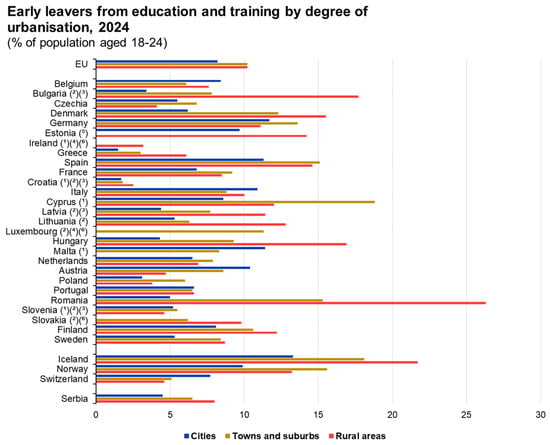
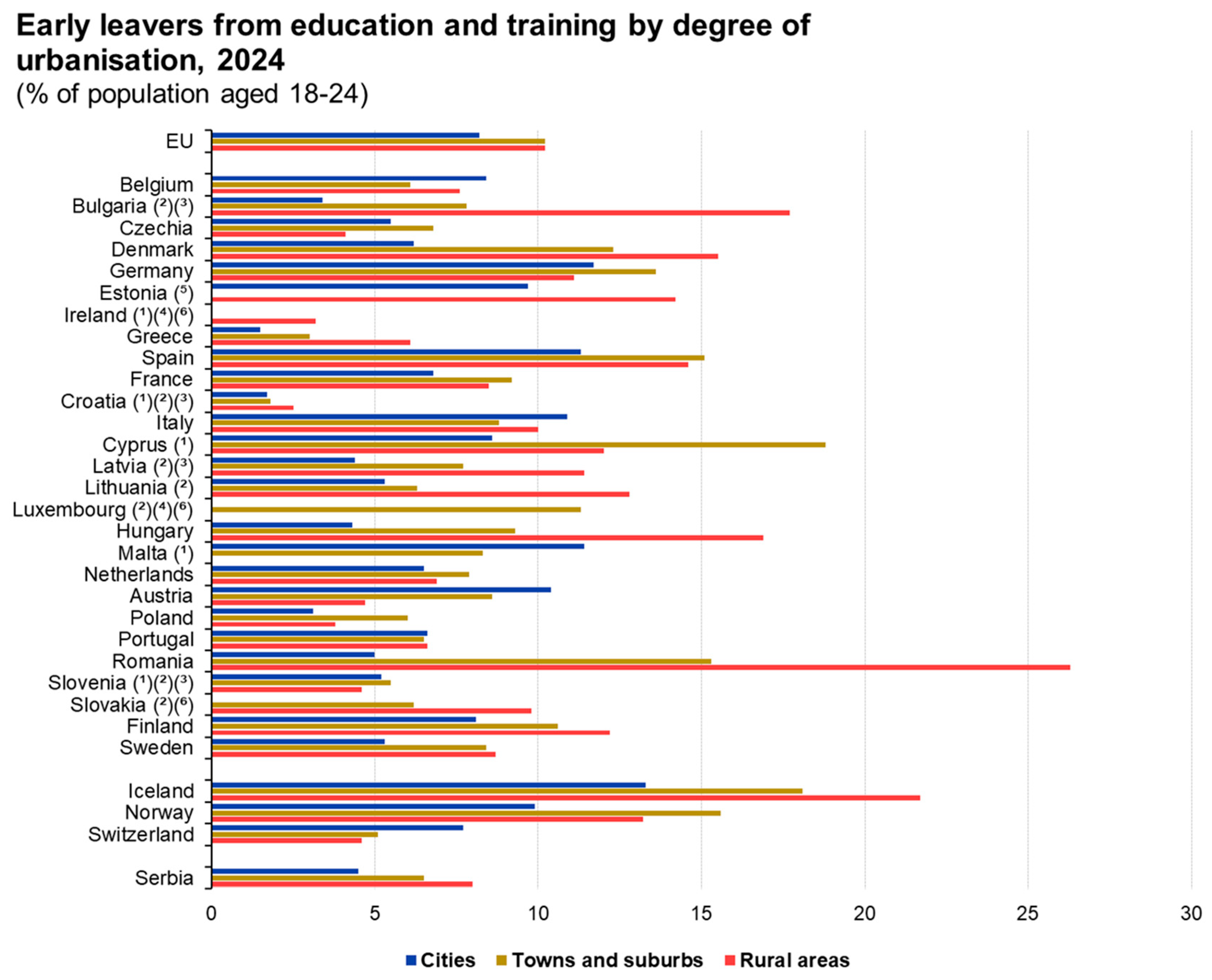
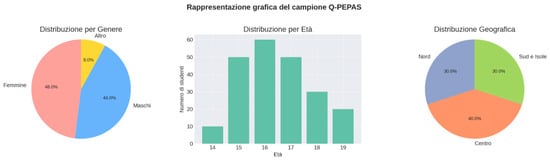
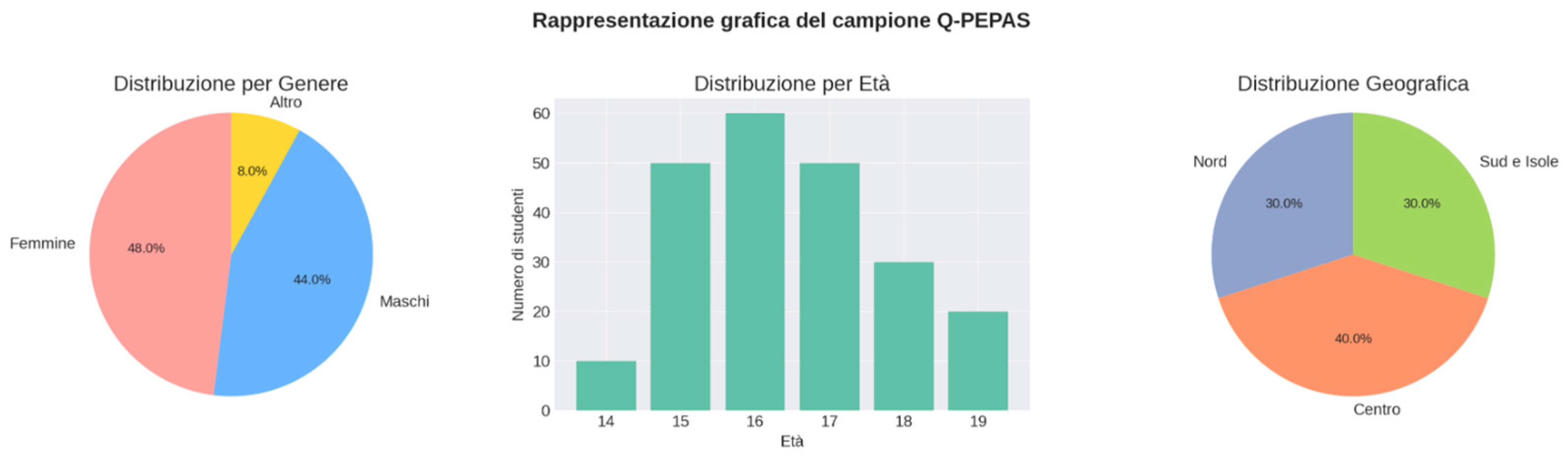
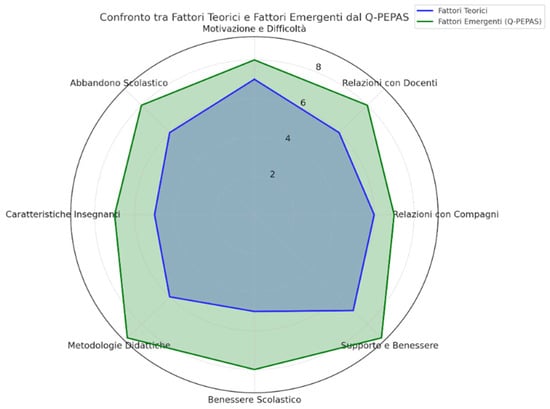
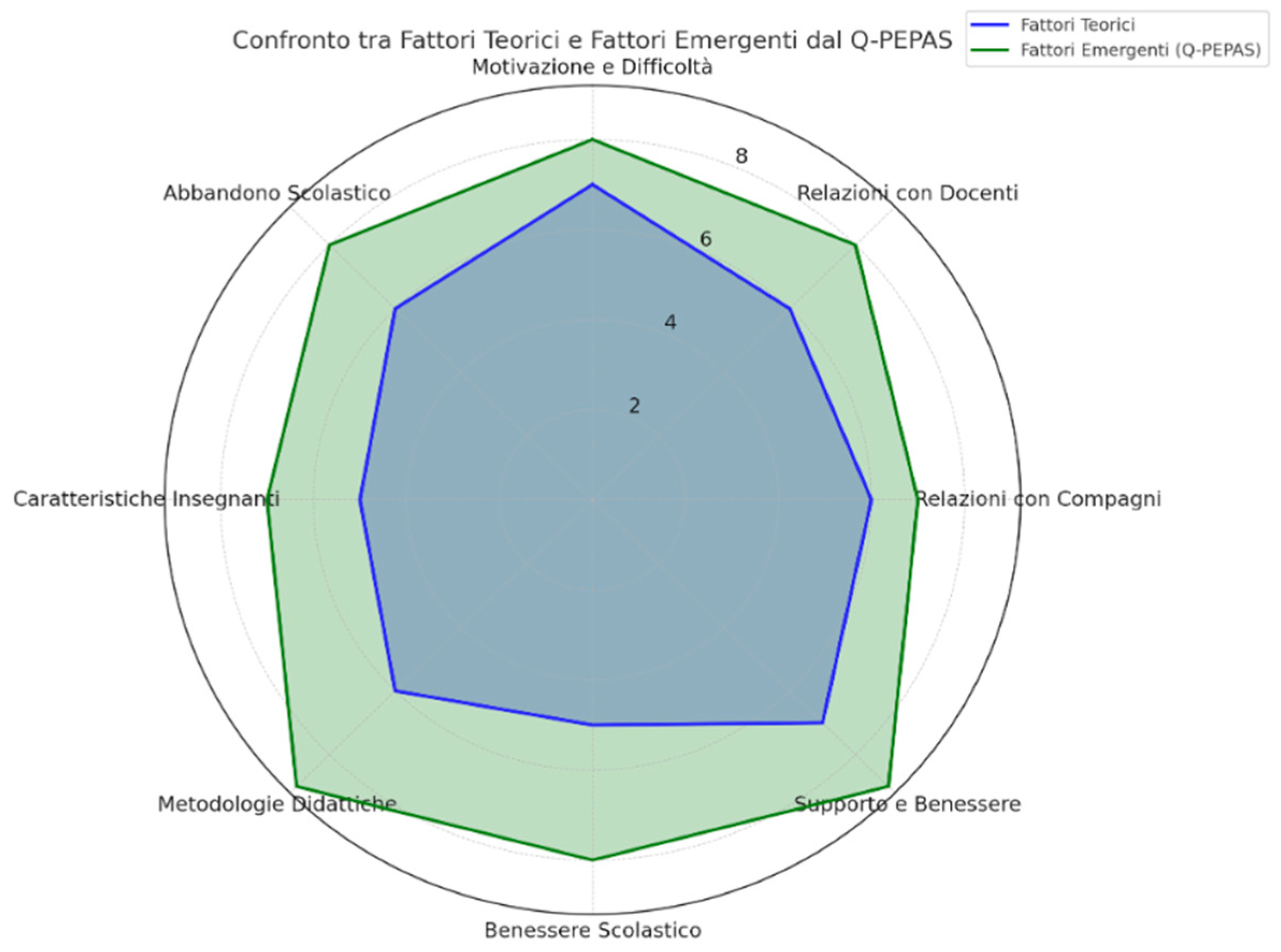

Disclaimer/Publisher’s Note: The statements, opinions and data contained in all publications are solely those of the individual author(s) and contributor(s) and not of MDPI and/or the editor(s). MDPI and/or the editor(s) disclaim responsibility for any injury to people or property resulting from any ideas, methods, instructions or products referred to in the content. |
© 2026 by the author. Licensee MDPI, Basel, Switzerland. This article is an open access article distributed under the terms and conditions of the Creative Commons Attribution (CC BY) license.