


Highlights
What are the main findings?
- Grape pomace biochar removed up to 86.69% of nitrate ions from aqueous solutions.
- Solution pH was the key factor controlling nitrate adsorption efficiency on biochar.
- Winery residues can be transformed into low-cost adsorbents for nitrate-contaminated water.
- Grape pomace valorization supports circular economy strategies by reducing waste and treatment costs.
Abstract
Large volumes of solid waste are produced by the winemaking sector, which could be utilised as adsorbents to retain contaminants, providing a beneficial approach in terms of economic recovery and sustainability. The adsorption of nitrate onto biochar produced from grape pomace has not received enough attention, even though biochar-based materials have been thoroughly studied for water treatment applications. This study aims to fill the knowledge gap by assessing a low-cost mildly carbonized biochar derived from winery residues for nitrate retention and optimising the nitrate retention procedures by comprehensive physicochemical characterisation. The mildly carbonized biochar prepared from grape pomace collected from the Dealu Mare wine region (Romania) was characterized using scanning electron microscopy coupled with energy dispersive X-ray spectroscopy (SEM–EDX), Fourier transform infrared spectroscopy (FTIR), Brunauer–Emmett–Teller (BET), and thermogravimetric and derivative thermogravimetric (TGA/DTG) analyses. Results revealed a structure enriched with oxygen-containing functional groups that promote nitrate retention through combined physical adsorption and electrostatic interactions. Surface analyses after adsorption confirmed the successful immobilization of nitrate species on the biochar matrix. The adsorption performance was improved by Response Surface Methodology (RSM) method using a Central Composite Design (CCD), studying the influences of the following parameters: solution pH, adsorbent weight, nitrate concentration and time. Among all variables, pH was identified as the dominant factor controlling adsorption efficiency, reflecting the key role of surface charge interactions. The optimized conditions (175 mg/L nitrate, pH 6, 0.3 g adsorbent dosage, and 94 min contact time) resulted in a maximum nitrate removal efficiency (RE) of 86.69%, while the predictive model exhibited excellent accuracy (R2adj = 0.985). The findings demonstrate that mildly carbonized grape pomace biochar can achieve competitive nitrate removal without chemical surface modification, offering a more sustainable and economically attractive alternative to conventionally biochars. The research highlights that selecting feedstock and utilizing intrinsic surface functionality can create efficient nitrate adsorbents from agro-industrial residues.
1. Introduction
Approximately 7.2 million hectares of grapes are cultivated worldwide, making them one of the most important fruit crops. Wine production from grapes reached over 258 million hectolitres in 2023, demonstrating the active and dynamic nature of the global wine sector [1]. Europe produces 38% of the world’s grape production, followed by Asia (35%) and the United States (19%), according to the Food and Agriculture Organization. Almost half of the world’s wine is produced in Italy, France and Spain, which are the top three wine-producing nations. Italy produced over 47.5 million hectolitres in 2023, followed by France with 42.2 million and Spain with 35.7 million [2]. However, significant quantities of by-products are obtained during the winemaking process. Approximately 20–30% of the total mass of grapes is made up of pomace (PO), the main winemaking residue. For example, approximately 750 L of wine and 130 kg of PO are created for every 1000 kg of grapes processed, which represents an annual waste of almost 9 million tons. [3]. Therefore, the winemaking industry generates significant amounts of solid and liquid waste (such as grape pomace, grape marc, vine residues, lees), which may be associated with organic and inorganic pollutants. By reusing winery wastes as sorbents or retention matrices, two objectives can be achieved: waste valorisation within a circular economy framework and the reduction in pollutant loads in the environment [4,5]. In the context of winery wastes, “retention” refers to the use of these materials as sorbent matrices or fixation/immobilization media for inorganic pollutants, preventing their migration into soil, water, or the trophic chain. The use of winery waste as matrices for inorganic pollutant retention represents a promising strategy from both an environmental protection and secondary valorisation perspective. Existing studies indicate good adsorption capacities for heavy metals, while this research field continues to expand toward other contaminants (e.g., salt ions, fluorides) [6].
Inorganic pollutants—such as metals (Pb, Cd, Zn, Cu, etc.) and ions (fluorides, phosphates, nitrates, salts)—pose major ecological risks due to bioaccumulation, environmental mobility, and degradation of soil and water quality. For instance, winery residues have been shown to contain both macronutrients (K, Ca, Mg) and, in some cases, heavy metals [7]. Ungureanu et al. used winery waste (grape marc) as a biosorbent for lead (Pb) removal from wastewater, achieving a retention efficiency of approximately 97% [8]. Other vine biomasses (canes, stems) have been applied for Zn(II) removal [9] or fluoride removal from groundwater [10]. Functional groups (–OH, –COOH, and phenolic groups) present in lignocellulosic materials derived from grape pomace, skins, and seeds can interact with metal ions. For example, a study on grape pomace as a biosorbent for Hg(II) reported an adsorption capacity of 36.39 mg/g [11]. Winery wastes can be transformed into biochar with large surface area, increased porosity, and functional groups through thermal treatment (pyrolysis) or activation, significantly improving metal retention capacity. Literature data indicate that pyrolyzed grape pomace has been investigated for Pb retention, achieving a removal efficiency of approximately 66% from solution [12].
The application of composted or treated grape pomace to soil can promote the fixation of inorganic pollutants through cation exchange, increased organic matter content, and reduced metal mobility. Antonio F. Patti and co-workers analysed the composition of composted grape pomace, showing that heavy metals were in low concentration [13]. Furthermore, the literature data suggest that grape pomace can be used as a fertilizer without major limitations due to metal content [7].
A particularly important issue concerns the pollution of wastewater with nitrate ions and the retention of nitrate on various adsorbent materials. Nitrate pollution of water represents one of the most widespread and persistent environmental problems worldwide, affecting groundwater and surface water quality, as well as human health and aquatic ecosystems. Nitrates (NO3−) originate mainly from intensive agricultural activities due to the use of fertilizers, from insufficiently treated domestic wastewater, and from industrial discharges containing nitrogen compounds. Owing to their high solubility in water and chemical stability, conventional water treatment techniques have trouble eliminating nitrates, which results in high amounts in the environment. The literature states that when drinking water exceeds safe limits for NO3−, it can have serious negative effects on human health, including methemoglobinemia in children and other chronic conditions. High nitrate concentrations can also cause eutrophication of water bodies, which can lead to algal blooms, oxygen depletion, and habitat degradation [14]. To address this problem, various wastewater treatment technologies are employed, including biological processes (e.g., denitrification), ion exchange, reverse osmosis, and electrodialysis. Among these, adsorption stands out as an efficient, simple, and adaptable method, particularly for moderate nitrate concentrations. Adsorption involves the transfer of ions from the liquid phase to the surface of a solid material (adsorbent), where they are retained through a range of physicochemical interactions (electrostatic forces, ion exchange, or chemical bonding). This technique offers advantages such as simple operation, relatively low costs, and the possibility of adsorbent regeneration, contributing to process sustainability [15].
The nature and properties of the adsorbent have a significant impact on the adsorption efficiency. A wide variety of materials have been studied, ranging from inorganic adsorbents, carbon-based materials, and organic polymers to agricultural waste-derived materials and bioadsorbents. Modified materials can provide higher adsorption capacities and improved selectivity toward nitrate ions through the introduction of positively charged functional groups or ion-exchange sites on their surfaces. Modification procedures such as protonation, metal oxide or amine group impregnation, and organic treatments can enhance the density of active sites [14]. For example, a recent study reported that agricultural waste-derived adsorbents modified by amine grafting can achieve nitrate adsorption capacities exceeding those of commercial ion-exchange resins, demonstrating the potential of biologically derived materials for contaminated water treatment [16]. In another example, modification of reed straw by introducing quaternary ammonium groups significantly improved nitrate retention performance and regenerability under dynamic flow conditions [17]. Another area of interest involves zeolite-based adsorbents and composite materials, which, due to their microporosity and natural ion-exchange capacity, can provide high nitrate removal efficiency.
The effectiveness of biochar-based adsorbents for adsorptive removal of nitrates from water has been the subject of recent research [18]. Pyrolysis of biomass yields biochar, a carbon-rich compound with promising adsorption qualities for water remediation and other uses. However, because of the electrostatic repulsion between its surface that is negatively charged and nitrate anions, pristine biochar presents considerable difficulties in efficiently removing nitrate [19]. Yang et al. (2017) [20] concluded that many biochars play only a limited role in nitrate fixation because of weak interactions between nitrate ions and biochar surfaces, while Zhang et al. (2020) [19] similarly reported that negatively charged biochar surfaces significantly reduce nitrate adsorption efficiency. These findings explain why the development of nitrate-selective biochars has increasingly focused on surface engineering and chemical modification strategies [21,22,23]. Consequently, to improve nitrate adsorption, it is recommended to modify the biochar surface by decreasing electrostatic repulsion through the chemical protonation of negatively charged functional groups or the incorporation of metal oxide or hydroxide particles onto the biochar surface [23,24]. One of the most widely investigated approaches is metal impregnation or metal oxide loading. Iron-, magnesium-, aluminum-, and calcium-modified biochars have demonstrated substantially improved nitrate adsorption because metal species create positively charged adsorption sites and promote electrostatic attraction, surface complexation, or ion-bridging mechanisms [24]. For example, iron-modified biochars have shown enhanced nitrate uptake through the formation of positively charged Fe-containing surface groups [25], while magnesium activation can increase both surface area and active adsorption sites [26]. Although chemically modified biochar has high adsorption efficiency, these approaches often require specialized reagents, post-treatment processes, or controlled synthesis conditions, which can reduce their economic attractiveness for large-scale water treatment applications. Moreover, a frequently ignored constraint is that procedures for chemically modifying biochar, which include impregnation with strong acids and bases exhibit the risk of producing hazardous waste that is challenging to manage. [27]. A further comparison of different studies reveals that nitrate adsorption performance depends not only on modification methods but also on feedstock type and pyrolysis conditions. For example, Gai et al. [28] reported an absence of nitrate removal in water using 12 varieties of biochar derived from three different feedstocks, as well as from particular materials such as corn stover and oak wood. Meanwhile Eissa et al. (2024) [29] demonstrated that nitrate adsorption capacities varied substantially among biochars produced from different lignocellulosic feedstock, highlighting the importance of precursor selection in addition to surface chemistry. These observations suggest that optimizing feedstock characteristics may provide a simpler and potentially more sustainable pathway for nitrate adsorption than extensive chemical modification alone. Beyond technical performance, the selection of adsorbent materials is influenced by economic and environmental factors, including raw material cost, regeneration/reuse capacity, impact on hydraulic flow in dynamic systems (e.g., adsorption columns), and compatibility with existing water treatment processes. According to economic assessments, adsorption can represent an efficient and competitive solution for nitrate pollution management when natural or modified adsorbents with high capacity and reliable regeneration are employed [30,31].
However, it is noteworthy that there are very few studies [32] published on the use of grape pomace biochar in the adsorption of nitrate, a major pollutant of the aquatic environment. This creates an important gap in the research on correlating the electrostatic interactions of biochar with a high capacity to retain nitrate anions, using minimal post-synthesis modifications and low production costs. The present study addresses this gap by development of adsorbent material derived from winery residues, which demonstrated a nitrate ion removal efficiency of 86.69%. These results confirm that transforming winery waste into value-added adsorbents reduces disposal and storage costs while adding value within circular economy concept, highlighting the potential of this material for treating nitrate-contaminated wastewater using local, low-cost resources.
2. Materials and Methods
2.1. Materials
All the analytical-grade chemicals and reagents utilised in this research study were used exactly as supplied, requiring no additional purification. Nitrate stock solutions were prepared using potassium nitrate (KNO3, ≥98.0%, AR grade, Merck, Darmstadt, Germany).
Nitrate stock solution 1000 mg/L (represented as N–NO3−) was prepared by dissolving the precise amount of KNO3 in deionized water. Experimental solutions with nitrate contents ranging from 50 to 300 mg/L were obtained by diluting nitrate stock solutions to desired concentrations.
Hydrochloric acid (HCl, 36–38%, ≥99.0%), sodium hydroxide (NaOH, ≥98.0%) and salicylic acid (C7H6O3, ≥99.0%) were purchased from Merck Millipore (Darmstadt, Germany) and were used to adjust pH to the desired value and also for the spectrophotometric determination of nitrate.
Bio-based adsorbent used in adsorption experiments was obtained from the woody fraction of grape pomace.
2.2. Biochar Preparation and Regenaration
Grape pomace residues generated during the winemaking process and collected from the Dealu Mare vineyard region, Romania, were used to prepare the bio-based adsorbent. The woody fraction of the pomace was air-dried, mechanically ground and sieved to convert this fraction to particle size ≤ 0.5 mm. The resulting material was subsequently water washed in order to remove impurities and stored in airtight containers prior to further processing.
Thermal treatment was performed by heating the prepared material at a temperature of 250 °C for 2 h in a laboratory muffle furnace (Nabertherm, Lilienthal, Germany) under nitrogen atmosphere. The yield of thermally treated biomass was 81.76%. This resulting product was denoted as mildly carbonized biochar (GP-TT). After cooling to room temperature, the mildly carbonized biochar adsorbent was extensively washed with distilled water to obtain a neutral pH of the rinsing water. This material was subsequently oven-dried for 24 h at 105 °C and it was finely ground to obtain a particle size distribution ranging from 80 to 200 mesh. This adsorbent was tested in adsorption experiments of nitrate removal from aqueous solutions. To study the thermal decomposition of biomass under conditions similar to mildly carbonized biochar (GP-TT) method, the thermogravimetric analysis (TGA) was performed using TGA 2 Star System equipment (Mettler Toledo, Greifensee, Switzerland), under a continuous nitrogen flow, within the temperature range of 25–700 °C with a heating rate of 10 °C min−1.
The adsorbent was regenerated by treating the mildly carbonized biochar with a 0.1 M NaCl solution. For this purpose, the saturated adsorbent was placed in an Erlenmeyer flask, and 20 mL of 0.1 M NaCl solution was added for every 0.3 g of adsorbent used. The suspension was agitated on a shaker at 150 rpm for 2 h at room temperature (20–25 °C). During the regeneration process, Cl− ions from the NaCl solution promoted the desorption of NO3− ions retained on the surface through ion-exchange mechanisms and electrostatic interactions. After the contact period, the mixture was filtered, and the solid was repeatedly rinsed with distilled water until surplus salt was eliminated. The regenerated material was subjected to drying in an oven at 60 °C for a duration of 12 h. Then it was subjected to cooling in a desiccator and re-used in a fresh adsorption cycle under identical experimental circumstances as the previous test. The nitrate-saturated mildly carbonized biochar was separated from the solution by filtration and gently rinsed with distilled water to remove residual non-adsorbed solution.
2.3. Preparation of Nitrate-Contaminated Aqueous Solutions
Artificially nitrate-contaminated water samples were prepared by dissolving appropriate amount of KNO3 in deionized water to obtain the stock solution (1000 mg/L) of nitrate. The concentrations of solutions used for the adsorption experiments were achieved by proper dilution. The required pH of the experimental solutions was modified utilizing either 0.1 mol/L HCl or 0.1 mol/L NaOH solutions. Two calibration curves of nitrate were made in the 10–50 ppm and 50–300 ppm regions, at a wavelength of 410 nm.
2.4. Adsorbent Characterization
The adsorbent surface morphology was examined by scanning electron microscopy (SEM—FEI Scios DualBeam FIB SEM, Thermo Fisher Scientific, Hillsboro, OR, USA) coupled with energy dispersive spectroscopy (EDS), equipped with a field emission gun and a 1.2 nm resolution, 133 eV energy dispersive X-ray spectrometer (Thermo Fisher Scientific, Hillsboro, OR, USA). FEI Scios™ equipment (Thermo Fisher Scientific, Hillsboro, OR, USA) is an ultra-high resolution DualBeam™ analytical system, performing 2D images. The functional groups of the biosorbent, which also could explain the mechanism of nitrate adsorption were identified by Fourier transform infrared spectroscopy (FTIR) using a Shimadzu IRTracer-100 spectrometer (Shimadzu Corporation, Kyoto, Japan). The specific surface area of the GP-TT adsorbent material was determined by Brunauer–Emmett–Teller (BET) nitrogen adsorption analysis. Thermogravimetric and derivative thermogravimetric analysis (TGA/DTG) was employed to investigate thermal stability and decomposition behaviour of the adsorbent used in this study.
2.5. Adsorption Equilibrium Studies
The nitrate removal performance of the grape pomace-derived adsorbent (GP-TT) was evaluated by batch adsorption experiments. Experiments were performed using an orbital laboratory shaker (benchtop shaker incubator, Eberbach, Essex, UK). Erlenmeyer flasks containing known volumes of nitrate solution and specified amounts of adsorbent were agitated at controlled temperature conditions. Samples were collected, filtered and analyzed for residual NO3− concentration at regular time intervals, using a UV–Vis spectrophotometer (CECIL 1021, 1000 Series, Cecil Instruments Limited, Bristol, UK) at 410 nm, following the salicylic acid method [31]. The influence of experimental parameters was systematically investigated: the initial NO3− concentration (50–300 mg/L), solution pH (2.0–10.0), adsorbent dosage (0.1–0.3 g) and contact time (30–120 min). The adsorption capacity of NO3− at equilibrium, qe (mg/g) and the removal efficiency of nitrate (NER, %) were calculated using Equation (1) and Equation (2), respectively [25].
The nitrate removal efficiency (NER, %) was calculated using Equation (2):
where qe represents the amount of the nitrate adsorbed by adsorbent at equilibrium (mg/g), NRE (%) is the removal efficiency of nitrate, C0 and Cf are the initial and final of the nitrate (mg/L), V is the volume of the solution (L) and m is the adsorbent weight (g).
2.6. Response Surface Methodology (RSM)
All data were submitted to SAS JMP™ (SAS Analytics, Cary, NC, USA, version 17) software. Response surface methodology (RSM) approach was used in order to determine the favourable conditions of nitrate adsorption. All significance levels were established at a 95% level (p < 0.05). The adsorption capacity of activated charcoal adsorbent was assessed by using Design of experiment (DoE) techniques. The employed approach was a Central Composite Design (CCD), composed of 29 runs (design points), run in duplicate.
To evaluate the influence of critical parameters affecting adsorption efficiency (factors—independent variables), the experimental design was set up including NO3− concentration, medium pH, amount of adsorbent and time. The screening response (dependent) variable was the removal efficiency (NRE).
The factors were coded from the lower limit (“−”) to the upper limit (“+”), with 5 centre points (coded “0”), 2 axial points (coded “a” and “A”) and 2 replicates. Table 1 presents the information obtained about the factors and their settings. Surface 3D plots were constructed to visualize the predicted model using SAS JMP™ software (SAS Analytics, Cary, NC, USA, version 17).
Table 1.
The levels of the factors and their coded values.
3. Results
3.1. SEM Analysis
The SEM image of the mildly carbonized biochar (Figure 1a) (magnification ≈ 10,000, scale bar ≈ 20 μm) reveals a heterogeneous surface morphology characteristic of carbonaceous materials produced by pyrolysis. A heterogeneous carbon structure is observed, characterized by compact lamellar surfaces, micrometer-sized pores and cavities, as well as cracks generated during the pyrolysis process. The presence of adhered particles may indicate the existence of residual mineral fractions. The observed morphology confirms the development of rough structure, which is favourable for adsorption processes and water retention [33,34].
Figure 1.
SEM images of the adsorbent samples: (a) GP-TT before adsorption; (b) GP-TT after adsorption.
EDX spectra of the GP-TT adsorbent sample showed that carbon and oxygen are mostly present on the surface of the samples (Figure 2a). The significant oxygen content suggests the presence of oxygenated functional groups which are important for the adsorption of anions through hydrogen bonding and electrostatic interactions [34,35]. EDX spectra indicated the presence of Mg and K which may contribute to the formation of positively charged surface sites, favouring nitrate retention through electrostatic attraction [35]. Overall, the correlation of the porous morphology revealed by SEM with the elemental composition of the surface determined by EDX supports the hypothesis that nitrate retention on mildly carbonized biochar is governed by both physical adsorption in the porous structure and surface interactions involving oxygenated functional groups (Figure 1b). After nitrate retention, the oxygen content increased from 42.77 to 57.73%, while a nitrogen content of 5.62% also appeared (Figure 2b). This statement is also supported by Zhen Zhang et al. [36].
Figure 2.
The EDX map distribution of the main elements of the adsorbent samples: (a) GP-TT before adsorption; (b) GP-TT after adsorption.
3.2. BET Surface Area Analysis
BET Surface Area Analysis showed the GP-TT adsorbent isotherm for nitrogen adsorption and desorption measured at 77 K. The isotherm exhibits an almost linear increase in adsorbed volume without pronounced micropore filling at low relative pressures and displays limited hysteresis at higher relative pressures, indicating a weakly porous structure. The specific surface area calculated using the BET model was 0.67 m2/g, which is characteristic of adsorbent materials produced by non-activated pyrolysis processes [37].
3.3. FTIR Analysis
The FTIR spectra of the mildly carbonized biochar (GP-TT) and nitrate-treated mildly carbonized biochar (GP-TT-NO3) are presented in Figure 3 and highlight the surface chemical changes induced by nitrate treatment while confirming the preservation of the carbon framework. Absorption bands at approximately 2920 and 2850 cm−1, observed in both samples, are assigned to the asymmetric and symmetric stretching vibrations of aliphatic –CH2 and –CH3 groups, commonly reported for GP-TT [38,39]. The slightly increased intensity of these bands in GP-TT-NO3 suggests minor surface reorganization following nitrate treatment. The band detected at ~2360 cm−1 in both spectra is attributed to adsorbed atmospheric CO2 and is not related to intrinsic functional groups of the mildly carbonized biochar [40]. The region between 1700 and 1400 cm−1 is dominated by broad absorptions associated with aromatic C=C stretching vibrations, confirming the highly aromatized structure of the mildly carbonized biochar matrix [41]. For the nitrate-treated sample, increased intensity and band broadening in this region may result from the overlap of aromatic vibrations with asymmetric stretching modes of nitrate ions, indicating interactions between NO3− species and surface functional groups [28]. A distinct and intense band centered at approximately 1030 cm−1 is observed for GP-TT-NO3, while it is considerably weaker in the pristine GP-TT sample. This band is characteristic of N–O stretching vibrations of nitrate ions and provides clear evidence of successful nitrate incorporation onto the mildly carbonized biochar surface [42,43]. Although contributions from C–O stretching vibrations of oxygen-containing groups may occur in this region, the marked increase in intensity after treatment supports effective nitrate functionalization. The increase in the intensity of the band in the 3400–3000 cm−1 region may be associated with the involvement of hydroxyl groups in nitrate ion retention through hydrogen-bonding interactions, as well as with an increased degree of surface hydration following adsorption [44]. In the low-wavenumber region (<800 cm−1), both samples exhibit similar absorption features attributed to out-of-plane bending vibrations of substituted aromatic rings and skeletal vibrations of disordered carbon structures [45]. The similarity of these bands indicates that the nitrate treatment does not significantly alter the fundamental carbon backbone of the mildly carbonized biochar. Overall, the FTIR results confirm that nitrate treatment leads to effective surface functionalization of mildly carbonized biochar through the introduction of nitrate species, while preserving its aromatic structure. These surface modifications are expected to enhance the material’s performance in adsorption-based environmental remediation.
Figure 3.
FTIR spectra of mildly carbonized biochar before and after nitrate adsorption.
3.4. TGA/TDG Analysis
Thermogravimetric analysis of grape pomade shows three stages of degradation, as shown in Figure 4a. Moisture and less volatile compounds are removed during the first stage, which takes place between 25 and 115 °C and results in a mass loss of approximately 6.71%. The second stage of decomposition, which occurs between 200 and 400 °C, shows a mass loss of 40.97%, and has a maximum degradation temperature around 310 °C, is caused by hemicellulose and cellulose degradation [46]. Finally, a final weight loss of 26.62% is observed between 400 °C and 600 °C. The main cause of this loss is lignin’s thermal deterioration [47]. The temperature of 250 °C was chosen for the thermal treatment of GP, because as seen in Figure 4a, up to this temperature all moisture is eliminated, and a partial thermal degradation of hemicellulose leads to the formation of aromatic compounds that were highlighted in the FTIR analysis that can lead to nitrate retention. Similar studies have reported that thermal treatment of lignocellulosic biomass at 200–300 °C results in partial carbonization and the formation of biochar-like materials with enhanced thermal stability and adsorption-relevant surface chemistry [48,49,50]. Therefore, GP-TT may be regarded as a mildly carbonized biochar-like material.
Figure 4.
TGA and DTG curves of (a) grape pomade, (b) mildly carbonized biochar and (c) mildly carbonized biochar after nitrate adsorption.
The degrading behaviour of GP slightly changed after heat treatment, as shown in curves 4b and 4c. Between 25 and 130 °C, samples of GP-TT and GP-TT-NO3 showed an initial mass loss of 5.1% and 4.9%, respectively, this was mostly caused by moisture evaporation [51]. The breakdown of cellulose and hemicellulose was the main cause of the second peak, which led to a weight loss of almost 29% between 240 and 380 °C. The thermal degradation of residual cellulose and lignin is represented by the third peak in the 430–600 °C temperature range [52]. A weight loss of 54.02% for GP-TT and 56.41% for GP-TT-NO3 was observed in the last decomposition stage. It should be noted that there is significant variation in the mass loss percentages for sample GP-TT, which followed the same thermal degradation treatment as the original biomass. The mass loss percentage due to the thermal degradation of cellulose and hemicellulose decreased from 40.97% for GP to 29.66% for GP-TT, whereas the thermal degradation of residual cellulose and lignin resulted in an increase in weight loss from 26.62% for GP to 54.02% for GP-TT. This fact indicates that after heat treatment, the degradation products of cellulose and hemicellulose most likely lead to polymerization products with a larger molecular mass that remain on the mildly carbonized biochar’s surface [53]. This statement is supported by BET and SEM measurements that show a smooth surface with small pores and a low specific surface. The DTG curve of GP-TT-NO3 exhibits an additional degradation stage of approximately 6.24% around 390 °C that is absent in the GP and GP-TT samples. This thermal event may be associated with the decomposition or release of nitrate-containing surface species formed during the adsorption process. The presence of adsorbed nitrate is supported by EDX and FTIR analyses, which revealed the appearance of nitrogen and characteristic N–O vibrational bands after adsorption. Similar behaviour has been reported for surface-bound nitrate species on oxide materials, where nitrate decomposition occurs within the 350–450 °C range depending on the nature of the support and nitrate coordination environment [54].
3.5. Adsorption Evaluation Using RSM
We looked into optimizing grape pomace mildly carbonized biochar’s (GP-TT) ability to absorb nitrate, by assessing the critical parameters, including nitrate concentration, medium pH, adsorbent dosage and time. The Response Surface Methodology (RSM) using the Central Composite Design (CCD) is one of the best methods for process optimization [55,56,57]. In our study, experimental data are presented in Table S1 as Supplementary Information.
Figure 5 represents a means of visualization of the DoE structured approach to experimentation. Figure 5 illustrates how the applied levels of nitrate concentration, pH, adsorbent dosage and time in the ranges of the design resulted in removal efficiencies from 20% to 86%. The center point combination (0000), based on literature data insights for the tested parameters [58], managed to achieve a removal efficiency of 84.07% (Figure S1). Amongst the four parameters, pH was observed to exert the highest effect on adsorption. By changing the pH from alkaline to acidic conditions and retaining the center point values for the other factors, the efficiency was able to increase from 45.68% (0A00) to 80.31% (0a00) showing a significant effect (p < 0.0001 *). By increasing from 0.1 g (00a0) to 0.3 g (00A0), the adsorbent dosage had a significant effect (p = 0.0048 *) on nitrate adsorption, increasing by almost 10%. Similarly, by increasing the contact time from 30 min (000a) to 120 min (000A), the removal efficiency increased by 7% (p = 0.0293 *). A discernable effect (p = 0.5313) on adsorption was also present for the change in nitrate concentration, from 61.24% (A000) to 65.87% (a000).
Figure 5.
Nitrate removal efficiency attained with different levels of nitrate concentration, medium pH, adsorbent dosage and time in the CCD model. The group means (central line) and 95% confidence intervals (diamond tips) are shown by mean diamonds. Comparison circles are used to graphically depict the least significant difference (α = 0.05). Blue lines represent standard deviation lines.
Following the completion of the adsorption process according to the experimental design, the nitrate residual concentrations loaded into to SAS JMP™. Stepwise regression was used to choose linear, quadratic, and interaction terms in order to find the term combination with the lowest BIC value. Table 2 shows the main statistical results (reduced model) and is accompanied by Figure S2, which presents the report of the standard least squares regression. All four model terms had a significant effect on nitrate removal efficiency, demonstrating quadratic curvature. The model fit the experimental data well, as evidenced by its Adjusted R2 value of 0.9852, indicating a good fit to the experimental data (Table 2 and Figure S2b). Serving as a good descriptor of the explanatory power [59,60], Adjusted R2 accurately reflects explanatory power by correcting for model complexity, serving as an unbiased metric for model comparison [61,62].
Table 2.
Main statistical results showing the summary of fit, significant model terms, and corresponding p-values.
Moreover, to rigorously evaluate the adequacy and predictive quality of the developed quadratic model, several statistical indicators were systematically analyzed (Figure S3). The Predicted R2 (R2pred = 0.9809) and Adjusted R2 (R2adj = 0.9852) are in reasonable agreement, with a difference in less than 0.20, confirming that the model has strong predictive capability and is not overfitted. This is further supported by the low RMSE value (2.55), which reflects high model precision.
The graphical analysis of the residuals was also performed to validate the ANOVA assumptions (Figure S3). The normal quantile plot of the residuals (Figure S3b) displays a straight-line pattern, confirming that the errors are normally distributed. Moreover, the residual by predicted plot (Figure S3f) shows a random scatter without any distinct patterns or funnels, indicating that the assumption of constant variance is fully satisfied. Additionally, the lack-of-fit statistic returned a p-value < 0.0001 *, implying that the model cannot explain the variation that exceeds the variation due to pure error. When viewed alongside our high R2 values, the random distribution in our residual plots and low RMSE suggest that the model describes the nitrate adsorption over grape pomace mildly carbonized biochar accurately despite this statistical flag [63,64,65].
To visualize the projected model, 3D plots were created using the obtained experimental data. Figure 6 presents 3D plots obtained for GP-TT and shows the impact of assessed parameters on nitrate adsorption (panels a–f). Our findings reveal the degree to which the GP-TT potential for nitrate adsorption can be explained by the RSM model.
Figure 6.
3D surface plots comparing model terms: (a) nitrate concentration and pH, (b) nitrate concentration and adsorbent dosage, (c) nitrate concentration and time, (d) pH and adsorbent dosage, (e) pH and time and (f) adsorbent dosage and time. Surface plots are colored from low (green) to high (red) final nitrate removal efficiency, with a mesh covering the surface to display 3D topography.
Change in the adsorption parameters results in altered surface shape and contour (in relation to the final removal efficiency). As shown in the surface plots and evidenced by the Pareto plot (Figure S2a), nitrate concentration did not interact with the other terms (Figure 6b,c), except pH (Figure 6a). This is evident as the surface contour along the nitrate concentration axis maintains its parabolic (quadratic) profile on the mesh, regardless of the adsorbent dosage and time. Similar relationships are observed when pH (Figure 6e) and adsorbent dosage (Figure 6f) are compared against changing time, retaining their curvature (quadratic).
When examining the distinct impact of each component, the graphs show that RE increases as nitrate concentration increases towards the middle of the tested range. Similarly, a rise in RE is seen as pH decreases up to an optimum value close to the center of the tested range. The influence of pH was evaluated in the range of 2–10. In every case, we found that pH had a major impact on the adsorption process.
The interactive effects of pH combined with nitrate concentration, adsorbent dosage, and contact time, are illustrated in Figure 6a, Figure 6d, and Figure 6e, respectively. In all three response surface graphs, pH stands out as a governing factor, displaying a distinct parabolic profile where maximum nitrate removal efficiency is achieved under mildly acidic to neutral conditions (pH 5.0–7.0). This is followed by a notable decline in strongly alkaline environments (pH > 8.0). This behavior could be linked to the surface charge dynamics of the GP-TT and the presence of competing species. Within the optimal pH range, the functional groups on the GP-TT surface might undergo favorable protonation, yielding a net positive surface charge that facilitates the electrostatic attraction of anionic nitrate molecules. Conversely, as the pH shifts toward alkaline values, hydroxyl ions may introduce competition for the available active sites [20,66,67,68]. Furthermore, alkaline conditions promote the deprotonation of surface functional groups of the surface (e.g., phenolic, carboxylic), imparting a net negative charge to the mildly carbonized biochar matrix. This is argued to induce a strong electrostatic repulsion against the negatively charged nitrate ions, explaining the sharp decline in efficiency observed at elevated pH levels across Figure 6a, Figure 6d, and Figure 6e, irrespective of variations in dosage or contact time [18,69].
Thus, because RSM is an empirical mathematical tool rather than a mechanistic model, the observed geometric curvatures reflect polynomial fitting within the established experimental domain rather than direct evidence of physical adsorption behavior. The validity of these trends is restricted to the tested boundaries, much like a calibration curve.
While the model mathematically dictates a decrease in efficiency past the local maxima due to its negative quadratic coefficients, any corresponding physical interpretation remains strictly hypothetical in the absence of isolated experimental tracking. Theoretically, such trends could point toward transient system dynamics. However, without targeted validation at these specific post-optimum coordinates, these phenomena cannot be definitively verified. Consequently, these downward slopes are treated here strictly as empirical boundary indicators that successfully define the mathematically optimized operational window for nitrate removal using mildly carbonized grape pomace biochar.
In this context, interaction effect between the adsorbent dosage and pH interaction effect would suggest that lowered pH might favorably interact with increased GP-TT dosage. Hence, improved nitrate removal may be achieved at low pH values.
This behavior is closely related to the point of zero charge (PZC) of the synthesized GP-TT adsorbent, which was determined to be 6.5 (Figure 7). Thus, at pH < 6.5, the GP-TT surface is positively charged, promoting attractive electrostatic interactions with nitrate anions and leading to high adsorption efficiency. At pH > 6.5, the surface becomes negative, generating electrostatic repulsion towards nitrate anions and, implicitly, reducing the adsorption capacity. Similar pH-dependent adsorption trends for nitrate removal using carbon-based and polymer-based adsorbents have also been reported in the literature [67,70].
Figure 7.
Point of zero charge for GP-TT.
Similarly, adsorbent dosages showed a significant effect (Figure S2). The proportion of solid material is important in achieving relevant binding. Increasing the adsorbent mass causes a significant improvement in nitrate removal efficiency, this effect being attributed to the higher number of available active binding sites associated with a higher adsorbent dosage [71]. Our findings show a lack of significant interaction effect on RE when paired with nitrate concentration and time (Figure 6b,f). Correspondingly, RE rises as adsorbent dosage increases up to the limits tested in the model, irrespective of nitrate concentration or time. These results are consistent with previously reported data, according to which increasing the adsorbent dosage leads to a higher nitrate adsorption capacity due to the increased density of active sites [20,72].
The influence of contact time on nitrate adsorption was analyzed for intervals of 30, 75 and 120 min. Surface plots showing the interaction between contact time and other factors (Figure 6c,e,f) demonstrate a similar effect on the final nitrate removal efficiency. An upward trend is displayed towards an optimal point in the middle of the tested range, indicating a gradual approach to the adsorption equilibrium state. Considering that an optimal removal efficiency is reached before 120 min, this behavior suggests a rapid occupancy of the easily accessible active sites at higher nitrate concentrations, followed by saturation of the adsorbent surface, a phenomenon frequently reported for nitrate adsorption systems [21,22,73]. Ebrahim Allahkarami et al. showed that nitrate adsorption is pH-dependent and that contact time significantly affects the kinetic mechanism of the process [74].
Nitrate removal efficiency demonstrates a distinct parabolic profile. It reaches a peak and shows a slight decline at higher contact times and higher nitrate concentrations, as observed in Figure 6b,c,f. Physically, adsorption processes typically approach an equilibrium plateau rather than decreasing. Therefore, this downward trend is primarily attributed to the mathematical fitting behavior of the second-order polynomial RSM model, which utilizes quadratic terms to locate the optimum operating points. However, a slight physical contribution cannot be entirely ruled out, such as potential desorption effects during extended contact times or severe site saturation at elevated initial nitrate concentrations [20,21,22,23,69,75].
The utilized RSM model enabled the calculation of the optimal nitrate adsorption conditions, with a nitrate concentration of 161 mg/L, pH = 4, contact time of 94 min, and adsorbent dosage of 0.3 g (Figure S5).
To evaluate the predictive reliability of the developed RSM model without conducting further experimental runs, the model’s internal statistical metrics and proximity data were critically analyzed. The model exhibits high predictive capability, as evidenced by a Predicted R2 of 0.9809 that is in close agreement with the Adjusted R2 of 0.9852, falling well within the acceptable absolute difference of 0.20. This strong mathematical correlation suggests that the quadratic model is highly reliable for forecasting unexamined coordinates within the design space. Furthermore, a comparison with the existing experimental data demonstrates that Run #40 (Table S1, conducted at 175 mg/L nitrate, pH = 6, 0.3 g of adsorbent, and 75 min) represents the closest experimental proximity to the mathematically predicted optimum. This specific run yielded an experimental removal efficiency of 87%, deviating by only 8.4% from the model’s predicted maximum of 94.98%.
Considering the removal efficiencies and the optimum predicted adsorption settings obtained, we believe the evaluated GP-TT shows promising potential regarding its inclusion into relevant water treatment applications.
As summarized in the literature, agricultural waste biochars generally offer modest nitrate adsorption capacities (ranging from roughly 1.0 to 13.0 mg/g) due to inherent electrostatic repulsion from negatively charged oxygenated surface groups. Our grape pomace mildly carbonized biochar exhibits competitive performance. This baseline evaluation highlights its realistic strengths and functional limits, while identifying that future chemical modification represents an alternative to overcoming capacity limitations.
Model Limitations
While the quadratic RSM model exhibits strong internal correlation metrics (high R2 and aligned Adjusted/Predicted R2), it possesses two notable limitations that necessitate a cautious interpretation of the optimized conditions. First, the lack-of-fit test is statistically significant (p < 0.05). While this is partially exacerbated by high experimental precision among replicates, it fundamentally indicates that the quadratic model cannot fully account for all underlying complexities of the nitrate-biochar adsorption network, such as potential multi-layer adsorption steps or minor multi-factor interactions. Second, due to resource constraints, the predicted optimum conditions lack independent, external experimental validation. Consequently, the identified optimum should be treated as a mathematically guided estimation of peak performance rather than an empirically verified absolute. Future studies will require independent empirical validation and potentially higher-order kinetic models to fully resolve these boundaries.
3.6. Evaluation of Adsorption—Equilibrium Adsorption Studies and Adsorption Kinetics
Adsorption is one of the most efficient and financially viable treatment methods for the removal of organic and inorganic water pollutants [32]. The adsorption isotherm and kinetic models are used to explore the adsorption mechanisms, the performance, and the properties of adsorbents (Table 3) [76].
Table 3.
Isotherm and kinetic models used to describe NO3− removal by adsorption onto GP-TT.
The investigation of adsorption kinetics elucidates the mechanisms governing the process, including mass transfer, diffusion control, and chemical reactions, thereby dictating overall process efficiency. The best-fit model was chosen using the linear regression correlation coefficient R2 values (Table 4). Non-linear regression was applied on the kinetics data and enabled the calculation of the qe and k1 values. Pseudo-first and pseudo-do-second kinetic models are typically used to simulate the adsorption kinetics of adsorbents.
Table 4.
Results of the isotherm parameters and kinetic models for NO3− removal by GP-TT adsorbent.
Table 4 presents the results of Langmuir and Freundlich adsorption isotherms of NO3− adsorption on GP-TT adsorbent by non-linear analysis and the results from the study of adsorption kinetics.
Langmuir isotherm indicated the best result for GP-TT adsorbent (R2 = 0.9067, Table 4). This result explains a mono-layer adsorption of the surface of adsorbent. RL value which was obtained was <1 (Table 4), which could explain an efficient adsorption process of NO3− ion by using GP-TT adsorbent.
The functional groups on the adsorbent’s surface are important factors which are responsible for the nitrate adsorption capacity of this biosorbent, as confirmed also by simulating the adsorption isotherms. The point of zero charge (PZC 6.5) and higher surface charge density of GP-TT represent the adsorbent’s surface charge properties which could account for the main mechanism of adsorption. The results presented in Table 4 indicate that the adsorption process was controlled by various mechanisms, with the chemical adsorption predominating, as revealed by a better fit to the Langmuir model.
The pseudo-second-order kinetic model fitted more optimally for GP-TT adsorbent, compared to the first-order kinetic model (Table 4). The experimental results were not correlated to the pseudo-first-order kinetic model for GP-TT adsorbent, which explained that the rate-limiting step might not be the mass transport for the adsorption process. Considering the kinetic model studied, the mechanism of chemisorption with an electrostatic attraction explained the adsorption process of NO3− ions on the GP-TT adsorbent.
Based on the measured BET surface area of 0.67 m2 g−1 and the Langmuir adsorption capacity of 18.58 mg NO3− g−1, the corresponding surface-area-normalized adsorption capacity is 27.7 mg NO3− m−2 (0.447 mmol NO3− m−2). This relatively high value confirms that nitrate adsorption cannot be explained solely by the available surface area or pore development.
3.7. A Comparison Between NO3− Efficiency Removal (%) Using Various Biomass-Based Adsorbent Materials
The results of the nitrate Efficiency Removal (%) obtained in this study using GP-TT adsorbent were compared to previously reported research studies (Table 5) [32].
Table 5.
A comparison between NO3− Efficiency Removal (%) using biomass-based adsorbents.
The table above presents experimental data published by our research team, focusing on the development of adsorbents for nitrate removal that were thermally treated at a moderate temperature of 250 °C. It is evident that the biomass composition strongly influences the adsorption capacity.
In the case of adsorbents derived from apple and potato waste, nitrate retention is mainly attributed to the porous surface structure evidenced by SEM analysis. In contrast, in the present study, nitrate retention appears to be primarily associated with the polyphenolic components of the biomass. Although grape pomace pyrolyzed at 250 °C exhibited a relatively low adsorption capacity (qe = 18.58 mg/g) compared with several adsorbents reported in the literature, it achieved a comparable nitrate removal efficiency of 65.55% under the experimental conditions employed in this study. This finding indicates that adsorption capacity alone does not fully reflect the practical performance of an adsorbent. This difference can be explained by the adsorption mechanism involved. Nitrate retention on the GP-TT adsorbent appears to occur predominantly through electrostatic attractions, whereas nitrate adsorption on the apple-, potato-, and black tea-derived adsorbents results from the combined effect of electrostatic interactions and the presence of a well-developed porous structure. The performance of grape pomace-derived adsorbents can be attributed to the high content of lignocellulosic constituents, as evidenced by TGA, and to the phenolic compounds naturally present in the raw biomass [81,82,83]. During thermal conversion processes, these components promote the development of surfaces enriched with oxygen-containing functional groups (hydroxyl, carboxyl, and carbonyl groups). Such characteristics increase the number of electrostatic interactions involved in nitrate retention and enhance the adsorption performance [84,85].
Overall, the table highlights significant differences in adsorption capacity obtained for various adsorbents derived from agri-food a waste, suggesting that adsorption performance is strongly influenced by both the nature of the feedstock and the treatments applied prior to use. Furthermore, Yoon et al. demonstrated that biochar produced from grape pomace at moderate pyrolysis temperatures retains polar functional groups (hydroxyl, carbonyl, and carboxyl groups), which are responsible for its high adsorption capacity. In addition, the lignocellulosic composition of the biomass significantly influences the properties of the resulting adsorbent [81].
3.8. Adsorbent Regeneration
The results obtained after four regeneration cycles are presented in the table below (Table 6).
Table 6.
The results obtained after 4 regeneration cycles.
The obtained results suggest that the main mechanism responsible for nitrate retention is not governed by specific surface area or microporosity development, but rather by the chemical properties of the mildly carbonized biochar surface and its mineral composition. Low pyrolysis temperatures favor the preservation of oxygen-containing functional groups and reactive organic fractions, which may contribute to electrostatic interactions and anion retention. In addition, residual mineral components, such as calcium, magnesium, potassium, and aluminum compounds, may provide additional active sites for nitrate adsorption. These observations are consistent with the findings of Fidel et al. (2018) [86], who demonstrated that nitrate adsorption on adsorbent is strongly dependent on surface charge and system pH, as well as with the results reported by Kameyama et al. (2016) [80], who highlighted the influence of pyrolysis temperature on nitrate retention. Furthermore, the scientific literature indicates that ion-loaded biochars can be reused and valorized in agricultural applications, as reported by Trivedi et al. (2025) [87]. Although the material exhibited a very low BET specific surface area (0.6 m2/g), the experimental results demonstrated a high nitrate retention efficiency of 86.69%. Under the applied experimental conditions (0.3 g mildly carbonized biochar and 20 mL of solution with an initial NO3− concentration of 175 mg/L), the calculated adsorption capacity was approximately 10.11 mg/g. After four consecutive regeneration cycles, the material maintained around 70% of its initial adsorption capability, according to the regeneration study, suggesting a moderate potential for reuse.
4. Conclusions
This study demonstrates that grape pomace mildly carbonized biochar (GP-TT) is an effective material for nitrate removal from aqueous solutions, achieving a maximum efficiency of 86.69% under optimized conditions. The Response Surface Methodology (RSM) model showed high predictive capability (R2adj = 0.9852), confirming the optimization’s robustness. Notably, nitrate removal occurred without chemical activation or surface modification, commonly needed for enhanced adsorption on mildly carbonized biochar. The adsorption process was significantly influenced by solution pH, with higher efficiency in acidic conditions, related to the mildly carbonized biochar’s point of zero charge (pHPZC = 6.5). Electrostatic attraction between the positively charged surface and nitrate anions was a key retention mechanism. The Langmuir model best described the adsorption process (qm = 18.58 mg g−1), while the pseudo-second-order kinetic model had the highest correlation coefficient (R2 = 0.9953), indicating that chemisorption and surface interactions dominate nitrate uptake. Additionally, the study highlights the intrinsic properties of grape pomace, suggesting that its natural lignocellulosic composition creates effective adsorption sites without the need for chemical treatments, offering a more sustainable alternative to engineered adsorbents. The conversion of winery residues into mildly carbonized biochar presents a value-added solution for water pollution and reduces the environmental issue of grape pomace disposal, exemplifying circular economy practices. These findings support the wider use of winery-derived adsorbents in sustainable wastewater treatment technologies and provide a foundation for future scale-up and regeneration studies. An innovative research avenue is the valorisation of nitrate-loaded mildly carbonized biochar as a controlled-release fertilizer, enabling gradual nutrient release into soil and transforming spent adsorbent from waste into a nutrient resource. This would aid in reducing nitrate pollution and recycling nitrogen in agriculture. Future investigations should focus on nutrient release kinetics, plant uptake efficiency, and the environmental safety of nitrate-enriched mildly carbonized biochar. To connect laboratory findings with real-world applications, pilot-scale studies and continuous-flow column experiments are necessary. Such investigations would yield critical data on process performance, operational costs, and scalability. The integration of winery waste valorisation with water treatment and nutrient recovery strategies underscores a significant opportunity for advancing a circular economy, where agricultural residues are repurposed into multifunctional materials for effective pollution control, resource recovery, sustainable fertilization, and waste minimization.
Supplementary Materials
The following supporting information can be downloaded at https://www.mdpi.com/article/10.3390/cleantechnol8040135/s1, Figure S1. Connecting letters report indicating the significance of the comparison for nitrate removal efficiency attained with different levels of nitrate concentration, medium pH, adsorbent dosage and time in the CCD model. Letter (a) indicate statistically significant differences between treatments (one-way ANOVA, Tukey HSD, p < 0.05). Figure S2. (a) Pareto plot of selected model terms after stepwise regression to find significant factors in the CCD model. The plot shows the reduced model, after refinement by eliminating the term interactions lacking significant effect. Major terms in the model have LogWorth values > 2.0 (indicated by the blue line). Regression is performed on each model term within range limits stated on the linear terms (brackets: Lower limit, Upper limit). (b) Model summary of fit. Asterisk symbol (*) between model terms indicates an interaction effect between those variables. Figure S3. RSM diagnostic analysis/statistical evaluation: (a) actual by predicted plot, (b) normal quantile plot, (c) ANOVA, (d) PRESS, (e) Lack of fit and (f) residual by predicted plot. Asterisk symbol (*) indicates significance (p < 0.05*). Figure S4. Predictive model output of the selected significant terms of the CCD model. The model provides a 2D interpretation of the surface profile of each individual term as their setting is adjusted. Term values at the bottom are those predicted to yield maximum nitrate removal efficiency. Table S1. RSM experimental design data.
Author Contributions
Conceptualization, C.C. and A.B.; methodology, F.E.E.; software, L.M.P.; validation, D.R.P. and S.M.; formal analysis, E.-E.S.; writing—original draft preparation, C.C.; writing—review and editing, C.C. and A.B.; visualization, E.-E.S.; supervision, L.M.P.; project administration, S.M.; funding acquisition, C.-E.E. and E.-E.S. All authors have read and agreed to the published version of the manuscript.
Funding
This work was carried out through the PN 23.06 Core Program—ChemNewDeal within the National Plan for Research, Development and Innovation 2022–2027, developed with the support of Ministry of Research, Innovation, and Digitization, project no. PN 23.06.01.01, AQUAMAT.
Data Availability Statement
The original contributions presented in this study are included in the article/Supplementary Materials. Further inquiries can be directed to the corresponding authors.
Conflicts of Interest
The authors declare no conflict of interest.
References
- Karastergiou, A.; Gancel, A.-L.; Jourdes, M.; Teissedre, P.-L. Valorization of Grape Pomace: A Review of Phenolic Composition, Bioactivity, and Therapeutic Potential. Antioxidants 2024, 13, 1131. [Google Scholar] [CrossRef] [Scilit] [PubMed]
- Perra, M.; Bacchetta, G.; Muntoni, A.; De Gioannis, G.; Castangia, I.; Rajha, H.N.; Manca, M.L.; Manconi, M. An Outlook on Modern and Sustainable Approaches to the Management of Grape Pomace by Integrating Green Processes, Biotechnologies and Advanced Biomedical Approaches. J. Funct. Foods 2022, 98, 105276. [Google Scholar] [CrossRef] [Scilit]
- Abreu, T.; Sousa, P.; Gonçalves, J.; Hontman, N.; Teixeira, J.; Câmara, J.S.; Perestrelo, R. Grape Pomace as a Renewable Natural Biosource of Value-Added Compounds with Potential Food Industrial Applications. Beverages 2024, 10, 45. [Google Scholar] [CrossRef] [Scilit]
- Niculescu, V.-C.; Ionete, R.-E. An Overview on Management and Valorisation of Winery Wastes. Appl. Sci. 2023, 13, 5063. [Google Scholar] [CrossRef] [Scilit]
- Vlotman, D.E.; Key, D.; Bladergroen, B.J. Technological Advances in Winery Wastewater Treatment: A Comprehensive Review. S. Afr. J. Enol. Vitic. 2022, 43, 58–80. [Google Scholar] [CrossRef] [Scilit]
- Gabur, G.-D.; Dumitrașcu, A.-I.; Teodosiu, C.; Cotea, V.V.; Gabur, I. Alternative Biosorbents Based on Grape Pomace: Reducing Heavy Metals and Pesticides. Toxics 2025, 13, 408. [Google Scholar] [CrossRef] [Scilit] [PubMed]
- Pérez Cid, B.; Muinelo Martínez, M.; Vázquez Vázquez, F.A.; Río Segade, S. Content and Bioavailability of Trace Elements and Nutrients in Grape Pomace. J. Sci. Food Agric. 2019, 99, 6713–6721. [Google Scholar] [CrossRef] [Scilit] [PubMed]
- Ungureanu, G.; Patras, A.; Cara, I.G.; Sturza, R.; Ghendov-Mosanu, A. Innovative Recovery of Winemaking Waste for Effective Lead Removal from Wastewater. Agronomy 2022, 12, 604. [Google Scholar] [CrossRef] [Scilit]
- Sabando-Fraile, C.; Corral-Bobadilla, M.; Sainz-García, E.; Muro-Fraguas, I. Optimized Zn(II) Biosorption Using Lignocellulosic Biomass from Vitis vinifera: Kinetics, Isotherms, and Life Cycle Assessment Overview. Water Air Soil Pollut. 2025, 236, 865. [Google Scholar] [CrossRef] [Scilit]
- Zhang, Y.; Huang, K. Grape Pomace as a Biosorbent for Fluoride Removal from Groundwater. RSC Adv. 2019, 9, 7767–7776. [Google Scholar] [CrossRef] [Scilit] [PubMed]
- Del, S.; Maggio, A.; Mergola, L. Green Grape Marc Biosorbents Preparation for Mercury Removal in Aqueous Media. Chem. Ind. Chem. Eng. Q. 2023, 29, 1–10. [Google Scholar] [CrossRef] [Scilit]
- Jin, Q.; Wang, Z.; Feng, Y.; Kim, Y.-T.; Stewart, A.C.; O’Keefe, S.F.; Neilson, A.P.; He, Z.; Huang, H. Grape Pomace and Its Secondary Waste Management: Biochar Production for a Broad Range of Lead (Pb) Removal from Water. Environ. Res. 2020, 186, 109442. [Google Scholar] [CrossRef] [Scilit] [PubMed]
- Patti, A.F.; Issa, G.; Smernik, R.; Wilkinson, K. Chemical Composition of Composted Grape Marc. Water Sci. Technol. 2009, 60, 1265–1271. [Google Scholar] [CrossRef] [Scilit] [PubMed]
- Loganathan, P.; Vigneswaran, S.; Kandasamy, J. Enhanced Removal of Nitrate from Water Using Surface Modification of Adsorbents—A Review. J. Environ. Manag. 2013, 131, 363–374. [Google Scholar] [CrossRef] [Scilit] [PubMed]
- Liu, Y.; Zhang, X.; Wang, J. A Critical Review of Various Adsorbents for Selective Removal of Nitrate from Water: Structure, Performance and Mechanism. Chemosphere 2022, 291, 132728. [Google Scholar] [CrossRef] [Scilit] [PubMed]
- Kalaruban, M.; Loganathan, P.; Shim, W.G.; Kandasamy, J.; Ngo, H.H.; Vigneswaran, S. Enhanced Removal of Nitrate from Water Using Amine-Grafted Agricultural Wastes. Sci. Total Environ. 2016, 565, 503–510. [Google Scholar] [CrossRef] [Scilit] [PubMed]
- Zhang, Q.; Zhang, H.; Yang, Z.; Qin, Z. Study on the Adsorption Behavior and Mechanism of Nitrate Nitrogen in Sewage by Aminated Reed Straw. Water 2025, 17, 2546. [Google Scholar] [CrossRef] [Scilit]
- Darajeh, N.; Alizadeh, H.; Leung, D.W.M.; Rashidi Nodeh, H.; Rezania, S.; Farraji, H. Application of Modified Spent Mushroom Compost Biochar (SMCB/Fe) for Nitrate Removal from Aqueous Solution. Toxics 2021, 9, 277. [Google Scholar] [CrossRef] [Scilit] [PubMed]
- Zhang, M.; Song, G.; Gelardi, D.L.; Huang, L.; Khan, E.; Mašek, O.; Parikh, S.J.; Ok, Y.S. Evaluating Biochar and Its Modifications for the Removal of Ammonium, Nitrate, and Phosphate in Water. Water Res. 2020, 186, 116303. [Google Scholar] [CrossRef] [Scilit] [PubMed]
- Yang, J.; Li, H.; Zhang, D.; Wu, M.; Pan, B. Limited Role of Biochars in Nitrogen Fixation through Nitrate Adsorption. Sci. Total Environ. 2017, 592, 758–765. [Google Scholar] [CrossRef] [Scilit] [PubMed]
- Wang, L.; Liu, S.; Xuan, W.; Li, S.; Wei, A. Efficient Nitrate Adsorption from Groundwater by Biochar-Supported Al-Substituted Goethite. Sustainability 2022, 14, 7824. [Google Scholar] [CrossRef] [Scilit]
- Qiu, M.; Liu, L.; Ling, Q.; Cai, Y.; Yu, S.; Wang, S.; Fu, D.; Hu, B.; Wang, X. Biochar for the Removal of Contaminants from Soil and Water: A Review. Biochar 2022, 4, 19. [Google Scholar] [CrossRef] [Scilit]
- Bushra, B.; Remya, N. Biochar from Pyrolysis of Rice Husk Biomass—Characteristics, Modification and Environmental Application. Biomass Convers. Biorefinery 2024, 14, 5759–5770. [Google Scholar] [CrossRef] [Scilit]
- Dalloul, A.; Jellali, S.; El-Azazy, M.; Abu-Dieyeh, M.; Sayadi, S.; Hamdi, H. Biochar Co-Modification by Magnetization and Mineral Impregnation: A Step towards Improved Agri-Environmental Applications. Biochar 2026, 8, 22. [Google Scholar] [CrossRef] [Scilit]
- Oprescu, E.-E.; Enascuta, E.C.; Vasilievici, G.; Banu, N.D.; Banu, I. Preparation of Magnetic Biochar for Nitrate Removal from Aqueous Solutions. React. Kinet. Mech. Catal. 2022, 135, 2629–2642. [Google Scholar] [CrossRef] [Scilit]
- Wang, Y.; Cheng, Y.; Wang, H.; Peng, Z.; Wen, X.; Mei, X.; Liu, C.; Wang, X. Mg-Modified Biochar Increases Adsorption and Retention of Nitrogen and Phosphorus in Greenhouse Vegetable Soil. Environ. Technol. Innov. 2025, 40, 104423. [Google Scholar] [CrossRef] [Scilit]
- Nguyen, V.D.; Luu, T.A.; Chang-Chien, G.-P.; Giang Le, V. Progress in Biochar Derived Adsorbents: Preparation, Modification Strategies, and Applications in Remediation of Antibiotics from Wastewater. Mater. Adv. 2025, 6, 8839–8876. [Google Scholar] [CrossRef] [Scilit]
- Gai, X.; Wang, H.; Liu, J.; Zhai, L.; Liu, S.; Ren, T.; Liu, H. Effects of Feedstock and Pyrolysis Temperature on Biochar Adsorption of Ammonium and Nitrate. PLoS ONE 2014, 9, e113888. [Google Scholar] [CrossRef] [Scilit] [PubMed]
- Eissa, R.; Jeyakumar, L.; McKenzie, D.B.; Wu, J. Influence of Biochar Feedstocks on Nitrate Adsorption Capacity. Earth 2024, 5, 1080–1096. [Google Scholar] [CrossRef] [Scilit]
- Bishayee, B.; Chatterjee, R.P.; Ruj, B.; Chakrabortty, S.; Nayak, J. Strategic Management of Nitrate Pollution from Contaminated Water Using Viable Adsorbents: An Economic Assessment-Based Review with Possible Policy Suggestions. J. Environ. Manag. 2022, 303, 114081. [Google Scholar] [CrossRef] [Scilit] [PubMed]
- Bondarev, A.; Popovici, D.R.; Călin, C.; Mihai, S.; Sȋrbu, E.-E.; Doukeh, R. Black Tea Waste as Green Adsorbent for Nitrate Removal from Aqueous Solutions. Materials 2023, 16, 4285. [Google Scholar] [CrossRef] [Scilit] [PubMed]
- Stjepanović, M.; Velić, N.; Habuda-Stanić, M. Modified Grape Seeds: A Promising Alternative for Nitrate Removal from Water. Materials 2021, 14, 4791. [Google Scholar] [CrossRef] [Scilit] [PubMed]
- Tomczyk, A.; Sokołowska, Z.; Boguta, P. Biochar Physicochemical Properties: Pyrolysis Temperature and Feedstock Kind Effects. Rev. Environ. Sci. Biotechnol. 2020, 19, 191–215. [Google Scholar] [CrossRef] [Scilit]
- Adhikari, S.; Timms, W.; Mahmud, M.A.P. Optimising Water Holding Capacity and Hydrophobicity of Biochar for Soil Amendment—A Review. Sci. Total Environ. 2022, 851, 158043. [Google Scholar] [CrossRef] [Scilit] [PubMed]
- Chen, B.; Chen, Z.; Lv, S. A Novel Magnetic Biochar Efficiently Sorbs Organic Pollutants and Phosphate. Bioresour. Technol. 2011, 102, 716–723. [Google Scholar] [CrossRef] [Scilit] [PubMed]
- Uchimiya, M.; Chang, S.; Klasson, K.T. Screening Biochars for Heavy Metal Retention in Soil: Role of Oxygen Functional Groups. J. Hazard. Mater. 2011, 190, 432–441. [Google Scholar] [CrossRef] [Scilit] [PubMed]
- Yin, Q.; Ren, H.; Wang, R.; Zhao, Z. Evaluation of Nitrate and Phosphate Adsorption on Al-Modified Biochar: Influence of Al Content. Sci. Total Environ. 2018, 631–632, 895–903. [Google Scholar] [CrossRef] [Scilit] [PubMed]
- Zhang, Z.; Huang, G.; Zhang, P.; Shen, J.; Wang, S.; Li, Y. Development of Iron-Based Biochar for Enhancing Nitrate Adsorption: Effects of Specific Surface Area, Electrostatic Force, and Functional Groups. Sci. Total Environ. 2023, 856, 159037. [Google Scholar] [CrossRef] [Scilit] [PubMed]
- Elbana, M.; Gamal, R.; El-Shirbeny, M.A.; Rashad, M.; Brouziyne, Y.; Abou Hadid, A.F. Mesoporous Biochar Reshapes Soil Water Dynamics under Shallow Groundwater: Interactions with Nitrogen Management. Front. Soil Sci. 2025, 5, 1718929. [Google Scholar] [CrossRef] [Scilit]
- Keiluweit, M.; Nico, P.S.; Johnson, M.G.; Kleber, M. Dynamic Molecular Structure of Plant Biomass-Derived Black Carbon (Biochar). Environ. Sci. Technol. 2010, 44, 1247–1253. [Google Scholar] [CrossRef] [Scilit] [PubMed]
- Chen, B.; Zhou, D.; Zhu, L. Transitional Adsorption and Partition of Nonpolar and Polar Aromatic Contaminants by Biochars of Pine Needles with Different Pyrolytic Temperatures. Environ. Sci. Technol. 2008, 42, 5137–5143. [Google Scholar] [CrossRef] [Scilit] [PubMed]
- Schott, J.A.; Do-Thanh, C.-L.; Shan, W.; Puskar, N.G.; Dai, S.; Mahurin, S.M. FTIR Investigation of the Interfacial Properties and Mechanisms of CO2 Sorption in Porous Ionic Liquids. Green Chem. Eng. 2021, 2, 392–401. [Google Scholar] [CrossRef] [Scilit]
- Yang, H.; Yan, R.; Chen, H.; Lee, D.H.; Zheng, C. Characteristics of Hemicellulose, Cellulose and Lignin Pyrolysis. Fuel 2007, 86, 1781–1788. [Google Scholar] [CrossRef] [Scilit]
- Parikh, S.J.; Goyne, K.W.; Margenot, A.J.; Mukome, F.N.D.; Calderón, F.J. Soil Chemical Insights Provided through Vibrational Spectroscopy. In Advances in Agronomy; Elsevier: San Diego, CA, USA, 2014; Volume 126, pp. 1–148. [Google Scholar]
- Ahmad, M.; Rajapaksha, A.U.; Lim, J.E.; Zhang, M.; Bolan, N.; Mohan, D.; Vithanage, M.; Lee, S.S.; Ok, Y.S. Biochar as a Sorbent for Contaminant Management in Soil and Water: A Review. Chemosphere 2014, 99, 19–33. [Google Scholar] [CrossRef] [Scilit] [PubMed]
- Liu, L.; Ji, M.; Wang, F. Adsorption of Nitrate onto ZnCl2-Modified Coconut Granular Activated Carbon: Kinetics, Characteristics, and Adsorption Dynamics. Adv. Mater. Sci. Eng. 2018, 2018, 1939032. [Google Scholar] [CrossRef] [Scilit]
- Solomon, D.; Lehmann, J.; Kinyangi, J.; Liang, B.; Schäfer, T. Carbon K-Edge NEXAFS and FTIR-ATR Spectroscopic Investigation of Organic Carbon Speciation in Soils. Soil Sci. Soc. Am. J. 2005, 69, 107–119. [Google Scholar] [CrossRef] [Scilit]
- Madadian, E.; Rahimi, J.; Mohebbi, M.; Simakov, D.S.A. Grape Pomace as an Energy Source for the Food Industry: A Thermochemical and Kinetic Analysis. Food Bioprod. Process. 2022, 132, 177–187. [Google Scholar] [CrossRef] [Scilit]
- Chen, J.; Okamoto-Schalch, N.O.; Dalben, M.G.B.; Domenek, S.; Chevigny, C.; Almeida, G.; Martelli-Tosi, M. Improving Oxygen Barrier Performance of Polylactide Film by Using Bleached and Unbleached Nanocellulose From Grape Pomace. J. Appl. Polym. Sci. 2026, 143, e70401. [Google Scholar] [CrossRef] [Scilit]
- Bridgeman, T.G.; Jones, J.M.; Shield, I.; Williams, P.T. Torrefaction of Reed Canary Grass, Wheat Straw and Willow to Enhance Solid Fuel Qualities and Combustion Properties. Fuel 2008, 87, 844–856. [Google Scholar] [CrossRef] [Scilit]
- Daneshvar, E.; Zarrinmehr, M.J.; Koutra, E.; Kornaros, M.; Farhadian, O.; Bhatnagar, A. Sequential Cultivation of Microalgae in Raw and Recycled Dairy Wastewater: Microalgal Growth, Wastewater Treatment and Biochemical Composition. Bioresour. Technol. 2019, 273, 556–564. [Google Scholar] [CrossRef] [Scilit] [PubMed]
- Weber, K.; Quicker, P. Properties of Biochar. Fuel 2018, 217, 240–261. [Google Scholar] [CrossRef] [Scilit]
- Yi, Q.; Qi, F.; Cheng, G.; Zhang, Y.; Xiao, B.; Hu, Z.; Liu, S.; Cai, H.; Xu, S. Thermogravimetric Analysis of Co-Combustion of Biomass and Biochar. J. Therm. Anal. Calorim. 2013, 112, 1475–1479. [Google Scholar] [CrossRef] [Scilit]
- Li, S.; Chen, G. Thermogravimetric, Thermochemical, and Infrared Spectral Characterization of Feedstocks and Biochar Derived at Different Pyrolysis Temperatures. Waste Manag. 2018, 78, 198–207. [Google Scholar] [CrossRef] [Scilit] [PubMed]
- Pala, M.; Kantarli, I.C.; Buyukisik, H.B.; Yanik, J. Hydrothermal Carbonization and Torrefaction of Grape Pomace: A Comparative Evaluation. Bioresour. Technol. 2014, 161, 255–262. [Google Scholar] [CrossRef] [Scilit] [PubMed]
- Ross, M.W.; DeVore, T.C. Desorption of Nitric Acid From Boehmite and Gibbsite. J. Phys. Chem. A 2008, 112, 6609–6620. [Google Scholar] [CrossRef] [Scilit] [PubMed]
- Lim, J.-W.; Beh, H.-G.; Ching, D.L.C.; Ho, Y.-C.; Baloo, L.; Bashir, M.J.K.; Wee, S.-K. Central Composite Design (CCD) Applied for Statistical Optimization of Glucose and Sucrose Binary Carbon Mixture in Enhancing the Denitrification Process. Appl. Water Sci. 2017, 7, 3719–3727. [Google Scholar] [CrossRef] [Scilit]
- El-Sesy, M.E.; Ibrahim, S.S. Application of Central Composite Design Approach for Optimization Nitrate Removal from Aqueous Solution by Immobilized Pseudomonas Putida. Water Sci. Technol. 2021, 83, 2931–2946. [Google Scholar] [CrossRef] [Scilit] [PubMed]
- Nikolić, G.S.; Simonović, N.; Durmišević, M.; Nikolić, N.; Marković Nikolić, D.; Nikolić, M.; Bogdanović, G.; Bojić, A. An Optimized Pathway for Nitrate Removal from Aqueous Solution by Environmentally Friendly Calabash Gourd Shell Adsorbent Based on Experimental Design Methodology. Separations 2025, 12, 139. [Google Scholar] [CrossRef] [Scilit]
- Vieillard, J.; Bouazizi, N.; Fotsing, P.N.; Samir, B.; Raguillet, K.; Cosme, J.; Serhal, C.A.; Mignot, M.; Bette, M.S.; Auger, P.; et al. Herbs Carbonization and Activation for Fast Sorption of Nitrate Ions: A New Challenge for a Full Treatment of Groundwater Pollution. Environ. Sci. Pollut. Res. 2023, 30, 82637–82646. [Google Scholar] [CrossRef] [Scilit] [PubMed]
- Myers, R.H.; Montgomery, D.C.; Anderson-Cook, C. Response Surface Methodology: Process and Product Optimization Using Designed Experiments, 4th ed.; Wiley Series in Probability and Statistics; Wiley: Hoboken, NJ, USA, 2016. [Google Scholar]
- Hinkelmann, K. Design and Analysis of Experiments, Volume 3, Special Designs and Applications; Wiley-Interscience: Hoboken, NJ, USA, 2012. [Google Scholar]
- Motulsky, H. Fitting Models to Biological Data Using Linear and Nonlinear Regression: A Practical Guide to Curve Fitting; Oxford University Press USA—OSO: New York, NY, USA, 2004. [Google Scholar]
- Fournier, D.A.; Skaug, H.J.; Ancheta, J.; Ianelli, J.; Magnusson, A.; Maunder, M.N.; Nielsen, A.; Sibert, J. AD Model Builder: Using Automatic Differentiation for Statistical Inference of Highly Parameterized Complex Nonlinear Models. Optim. Methods Softw. 2012, 27, 233–249. [Google Scholar] [CrossRef] [Scilit]
- Box, G.E.P. Response Surfaces, Mixtures, and Ridge Analyses, 2nd ed.; John Wiley: Hoboken, NJ, USA, 2007. [Google Scholar]
- Montgomery, D.C. (Ed.) Design and Analysis of Experiments, 8th ed.; John Wiley & Sons, Inc.: Hoboken, NJ, USA, 2013. [Google Scholar]
- Myers, R.H. Response Surface Methodology: Process and Product Optimization Using Designed Experiments, 1st ed.; New York Academy of Sciences Series; John Wiley & Sons, Incorporated: Newark, NJ, USA, 2016. [Google Scholar]
- Li, J.; Jin, Q.; Liang, Y.; Geng, J.; Xia, J.; Chen, H.; Yun, M. Highly Efficient Removal of Nitrate and Phosphate to Control Eutrophication by the Dielectrophoresis-Assisted Adsorption Method. Int. J. Environ. Res. Public Health 2022, 19, 1890. [Google Scholar] [CrossRef] [Scilit] [PubMed]
- Li, T.; Liu, L.; Li, M.; Li, Y. Enhanced Nitrate Removal from Aqueous Solutions Using Amine-Functionalized Biowaste-Derived Adsorbent. Sci. Rep. 2025, 15, 36534. [Google Scholar] [CrossRef] [Scilit] [PubMed]
- Kheliel, O.; Youcef, L.; Youcef, S.; Bouaziz, M.G.; Chebbi, M. Efficiency of Nitrate Removal from Groundwater by Adsorption on Raw and Treated Bentonite. Nitrogen 2025, 6, 6. [Google Scholar] [CrossRef] [Scilit]
- Yao, J.; Wang, Z.; Liu, M.; Bai, B.; Zhang, C. Nitrate-Nitrogen Adsorption Characteristics and Mechanisms of Various Garden Waste Biochars. Materials 2023, 16, 5726. [Google Scholar] [CrossRef] [Scilit] [PubMed]
- Islam, I.U.; Ahmad, M.; Shah, B.; Ahmad, H.M.; Janiad, S.; Shah, N.; Yabalak, E. Parthenium Hysterophorus-Derived Iron-Coated Biochar: A Sustainable Solution for Nitrate and Phosphate Removal from Water. Biomass Convers. Biorefinery 2025, 15, 10773–10790. [Google Scholar] [CrossRef] [Scilit]
- Öztürk, N.; Bektaş, T.E. Nitrate Removal from Aqueous Solution by Adsorption onto Various Materials. J. Hazard. Mater. 2004, 112, 155–162. [Google Scholar] [CrossRef] [Scilit] [PubMed]
- Yang, L.; Yang, M.; Xu, P.; Zhao, X.; Bai, H.; Li, H. Characteristics of Nitrate Removal from Aqueous Solution by Modified Steel Slag. Water 2017, 9, 757. [Google Scholar] [CrossRef] [Scilit]
- Khatamian, M.; Derakhshan, S.K.; Nami, S.H.; Fazli-Shokouhi, S. Nitrate Removal Study of Synthesized Nano γ-Alumina and Magnetite-Alumina Nanocomposite Adsorbents Prepared by Various Methods and Precursors. Sci. Rep. 2024, 14, 7673. [Google Scholar] [CrossRef] [Scilit] [PubMed]
- Allahkarami, E.; Azadmehr, A.; Noroozi, F.; Farrokhi, S.; Sillanpää, M. Nitrate Adsorption onto Surface-Modified Red Mud in Batch and Fixed-Bed Column Systems: Equilibrium, Kinetic, and Thermodynamic Studies. Environ. Sci. Pollut. Res. 2022, 29, 48438–48452. [Google Scholar] [CrossRef] [Scilit] [PubMed]
- Piluharto, B.; Muharja, M.; Larasati, K.A.; Puspitasari, R.Y.; Indarti, D.; Widiastuti, N.; Ahmad, N.; Pratama, A.W.; Ali, B.T.I. Structure-Performance Relationship of Biochars Derived from Agricultural Wastes for Nitrate Adsorption: The Role of Surface Charge and Porosity. Results Chem. 2026, 26, 103334. [Google Scholar] [CrossRef] [Scilit]
- Mihai, S.; Bondarev, A.; Călin, C.; Sȋrbu, E.-E. Adsorbent Biomaterials Based on Natural Clays and Orange Peel Waste for the Removal of Anionic Dyes from Water. Processes 2024, 12, 1032. [Google Scholar] [CrossRef] [Scilit]
- Călin, C.; Sîrbu, E.-E.; Tănase, M.; Győrgy, R.; Popovici, D.R.; Banu, I. A Thermogravimetric Analysis of Biomass Conversion to Biochar: Experimental and Kinetic Modeling. Appl. Sci. 2024, 14, 9856. [Google Scholar] [CrossRef] [Scilit]
- Kameyama, K.; Miyamoto, T.; Iwata, Y.; Shiono, T. Influences of Feedstock and Pyrolysis Temperature on the Nitrate Adsorption of Biochar. Soil Sci. Plant Nutr. 2016, 62, 180–184. [Google Scholar] [CrossRef] [Scilit]
- Sahraei, M.; Askarzadeh, Y.; Ebrahimzadeh, S.; Gorginpaveh, F.; McMaine, J.; Liaghat, A. Removal of Nitrate and Phosphorus in Aqueous Solutions by MgO-Modified Biochars: Adsorption Isotherms. Remediat. J. 2025, 36, e70045. [Google Scholar] [CrossRef] [Scilit]
- Lugo-Arias, J.; González-Álvarez, J.; Maturana, A.; Villa-Parejo, J.; Barraza-Heras, C. Removal of Nitrate and Phosphate from Aqueous Solutions Using Bioadsorbents Derived from Agro-Industrial Wastes of Rice Husk and Corn Stalk. Biomass Convers. Biorefinery 2025, 15, 19453–19475. [Google Scholar] [CrossRef] [Scilit]
- Zoppas, F.M.; Benvenuti, T.; Maffessoni, D. Advances and Perspectives on Valorization of Grape Pomace into Functional Materials for Water and Wastewater Purification. Agriengineering 2026, 8, 126. [Google Scholar] [CrossRef] [Scilit]
- Chen, J.; Zhou, J.; Zheng, W.; Leng, S.; Ai, Z.; Zhang, W.; Yang, Z.; Yang, J.; Xu, Z.; Cao, J.; et al. A Complete Review on the Oxygen-Containing Functional Groups of Biochar: Formation Mechanisms, Detection Methods, Engineering, and Applications. Sci. Total Environ. 2024, 946, 174081. [Google Scholar] [CrossRef] [Scilit] [PubMed]
- Yoon, J.-Y.; Kim, J.E.; Song, H.J.; Oh, K.B.; Jo, J.W.; Yang, Y.-H.; Lee, S.H.; Kang, G.; Kim, H.J.; Choi, Y.-K. Assessment of Adsorptive Behaviors and Properties of Grape Pomace-Derived Biochar as Adsorbent for Removal of Cymoxanil Pesticide. Environ. Technol. Innov. 2021, 21, 101242. [Google Scholar] [CrossRef] [Scilit]
- Fidel, R.B.; Laird, D.A.; Spokas, K.A. Sorption of Ammonium and Nitrate to Biochars Is Electrostatic and pH-Dependent. Sci. Rep. 2018, 8, 17627. [Google Scholar] [CrossRef] [Scilit] [PubMed]
- Trivedi, Y.; Sharma, A.; Sharma, M.; Mishra, R.K.; Joshi, J.B.; Gupta, A.B.; Achintya, B.; Shah, K.; Pant, K.K. Mechanistic Assessment of Functionalised Biochar Derived from Customised Pyrolyzer for Nitrate Removal. Results Eng. 2025, 26, 104672. [Google Scholar] [CrossRef] [Scilit]
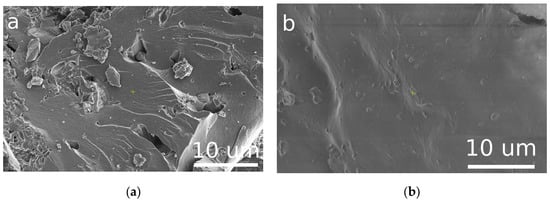
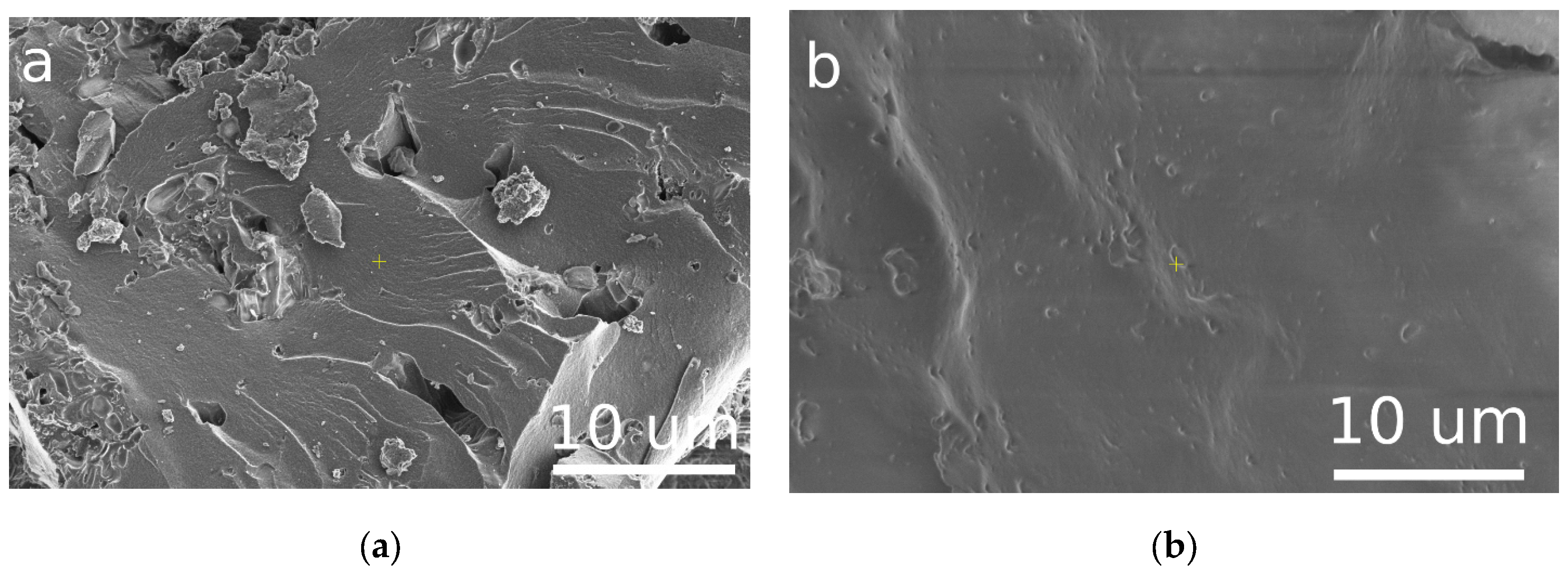
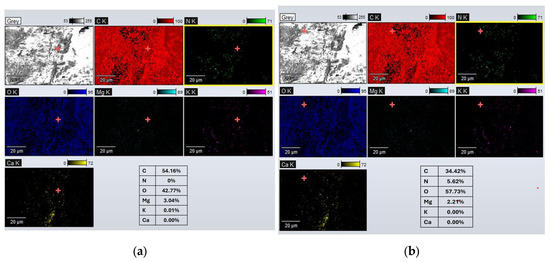
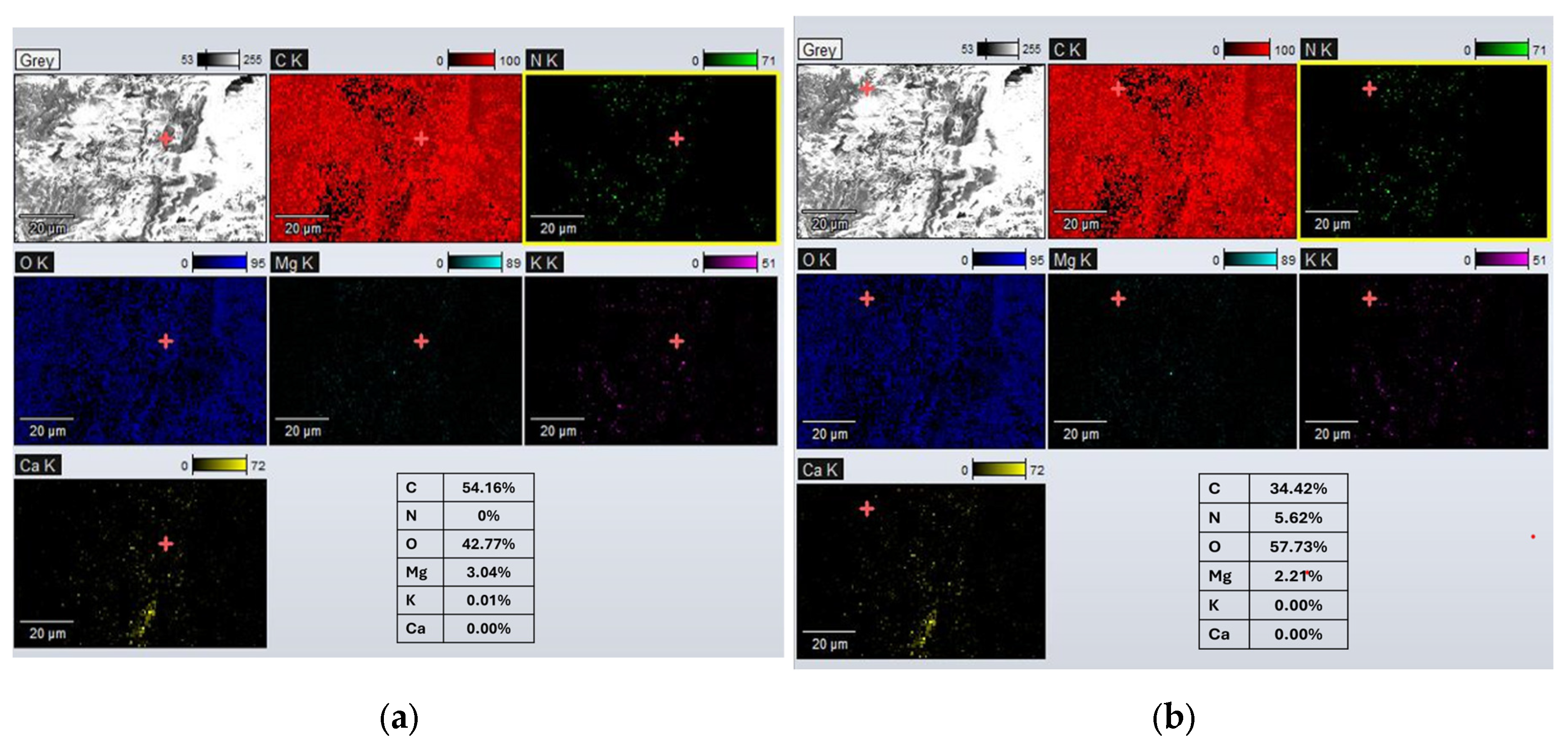
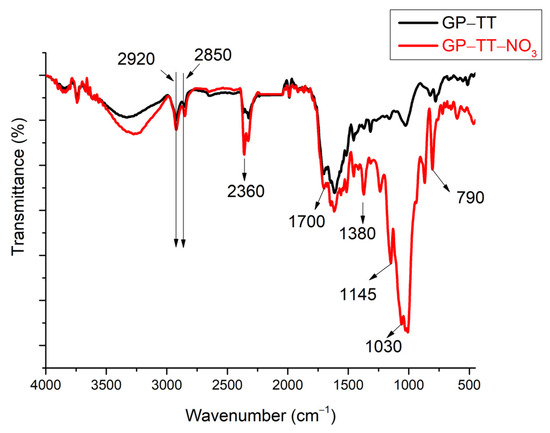
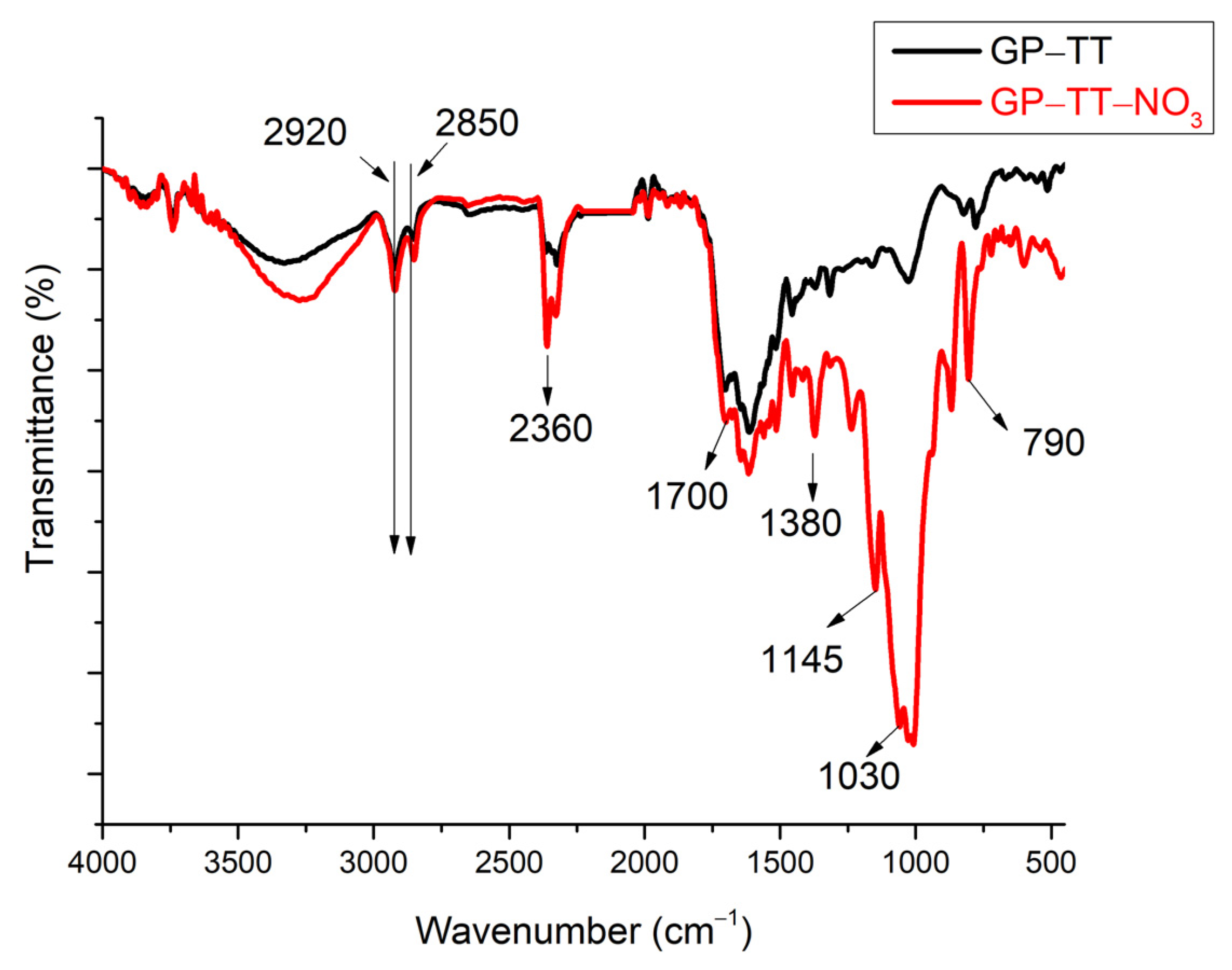
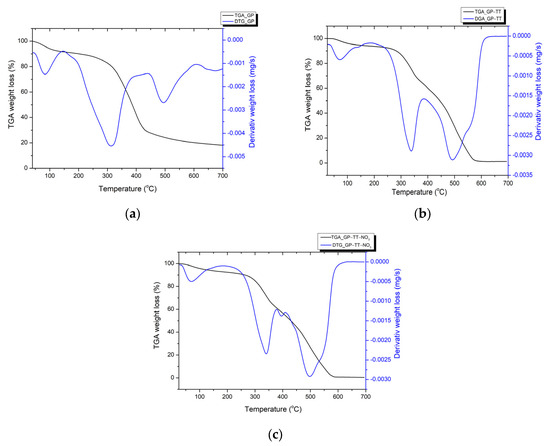
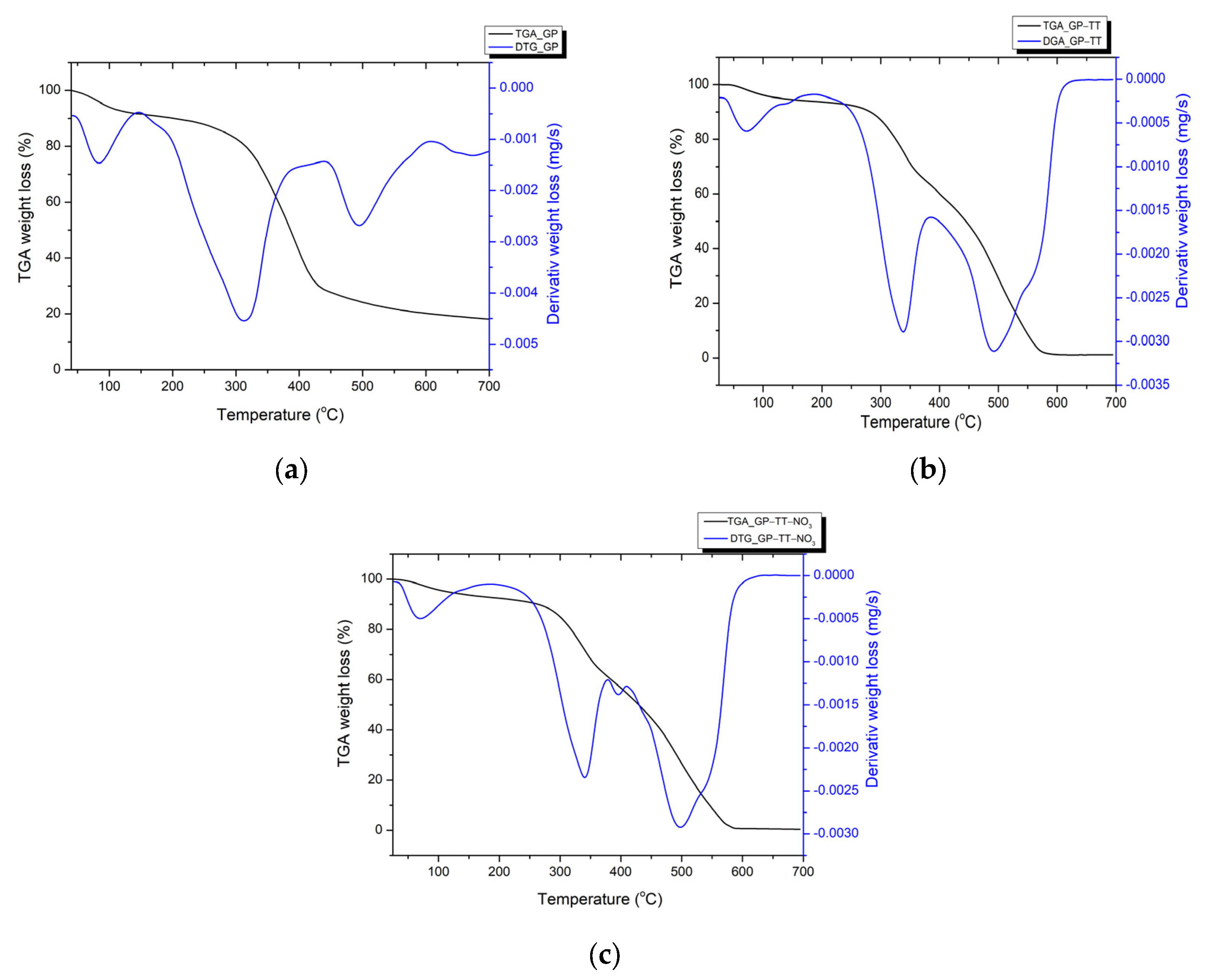
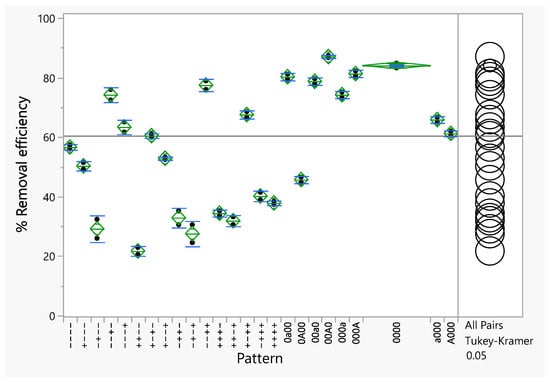
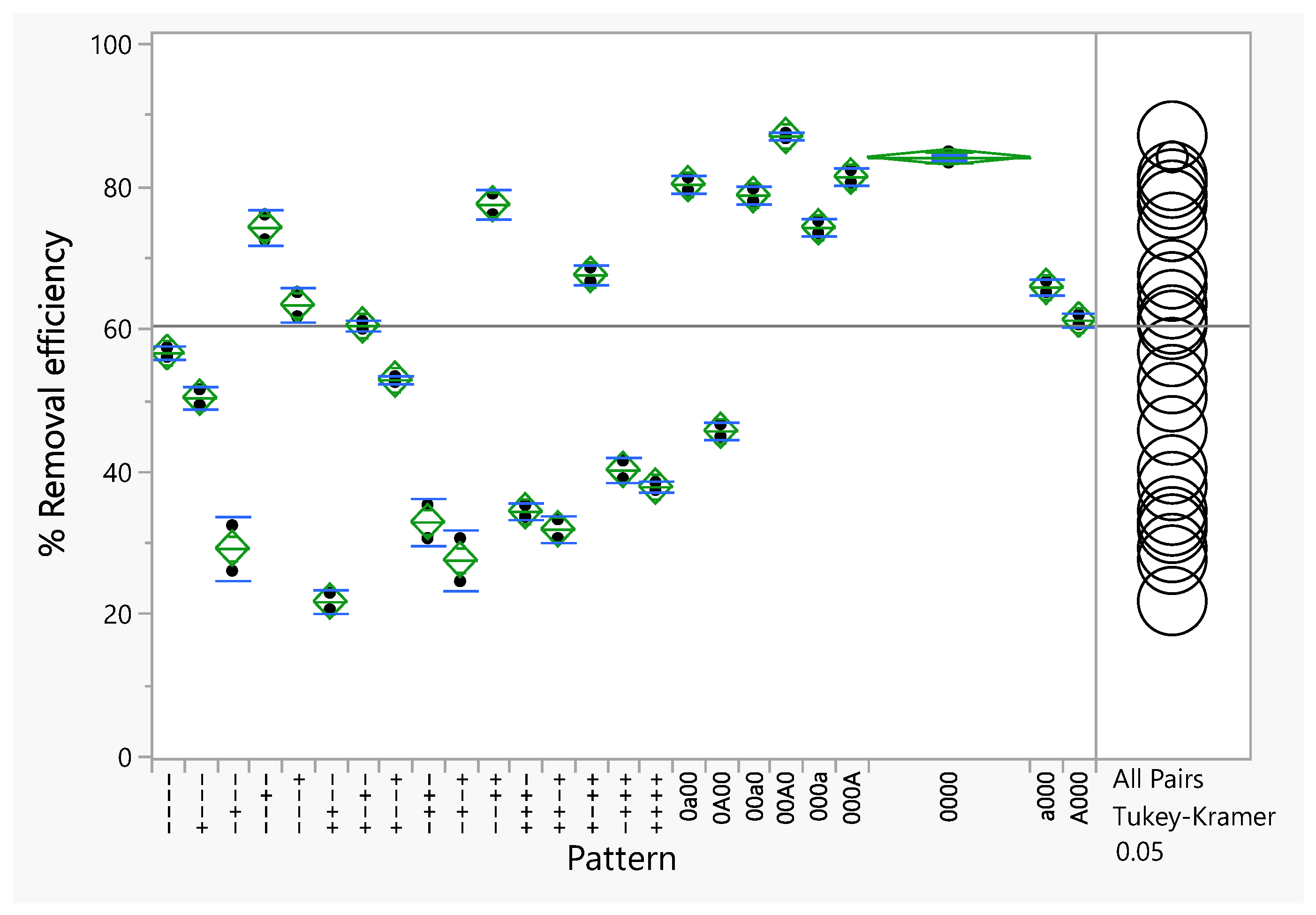
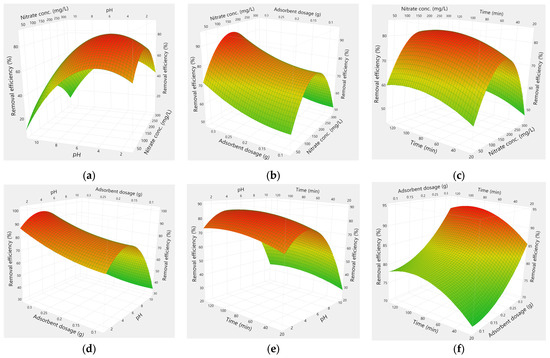
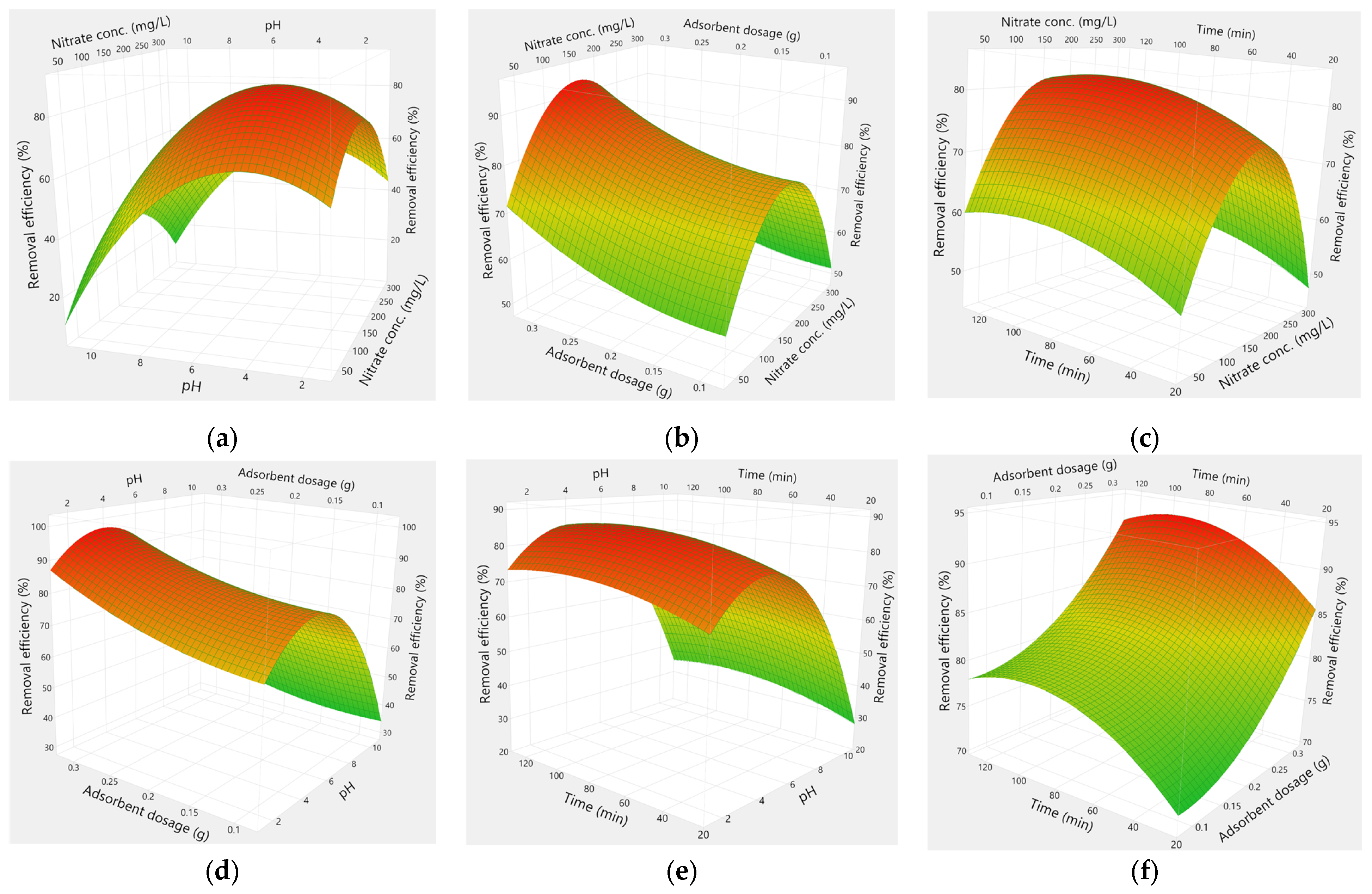
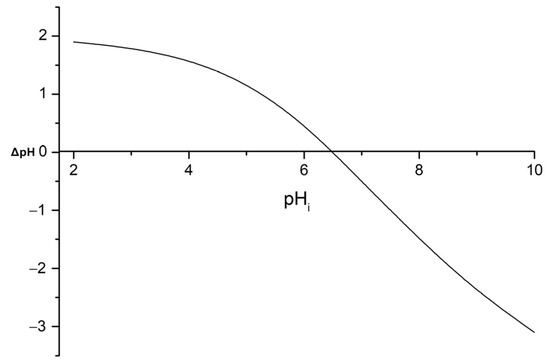

Disclaimer/Publisher’s Note: The statements, opinions and data contained in all publications are solely those of the individual author(s) and contributor(s) and not of MDPI and/or the editor(s). MDPI and/or the editor(s) disclaim responsibility for any injury to people or property resulting from any ideas, methods, instructions or products referred to in the content. |
© 2026 by the authors. Licensee MDPI, Basel, Switzerland. This article is an open access article distributed under the terms and conditions of the Creative Commons Attribution (CC BY) license.