


Abstract
The article presents the results of the development of multicomponent adsorption materials based on industrial waste sludge from the water treatment plant of a thermal power plant. Activation of the sludge at 1000 °C makes it possible to obtain a porous matrix. It has been experimentally established that compositions with 50% activated sludge content in combination with oxides of Zn, Fe, Mn, Cu and NaOH have an optimal sorption capacity with respect to hydrogen sulfide. Kinetic studies have shown that the optimal contact time of the adsorbent with the adsorbate is 15–20 min, and the operating temperature should not exceed 300 K. The calculated thermodynamic parameters confirm the exothermic chemical mechanism of sorption. The materials have the ability to regenerate and display a color change upon contact with hydrogen sulfide. With respect to mercaptan sulfur, the maximum capacity was achieved for the sorption composition with 74.7% ZnO content. The logarithmic dependence of the mercaptan sulfur capacity on the percentage of zinc oxide in the composition has also been established. The environmental significance of the work lies in the utilization of large-tonnage waste and the absence of liquid effluents during regeneration. The proposed materials show promise as potentially cost-effective alternatives for gas purification, though comprehensive economic analysis remains the subject of future work.
1. Introduction
Gaseous waste generated at oil refineries, as well as associated petroleum gas (APG), can be used at enterprises of the fuel and energy complex as fuel for boiler houses, gas turbines and combined-cycle gas installations. However, despite the relatively high caloric content, these gases can contain a fairly large amount of sulfur compounds.
The combustion of sulfur-containing fuels at enterprises of the fuel and energy complex leads to the formation of sulfur dioxide(IV) [1], which is one of the main sources of acid precipitation and secondary aerosol pollution. The presence of sulfur compounds in fuel can also cause intense low-temperature corrosion of flues, air heaters and boiler economizers, high-temperature sulfide corrosion of turbine blades and disable expensive combustion chambers [2,3]. Also, when transporting these gases to power facilities, the hydrogen sulfide present in the composition can cause sulfide stress cracking (SSC) of pipelines and shut-off valves [4].
The following purification technologies can be used to remove sulfur compounds from gas emissions from refineries, APG and gaseous fuels: absorption, adsorption, catalytic oxidation, membrane separation [3,5].
The choice of the optimal cleaning technology is justified by a set of requirements for cleaning depth, efficiency, economy and environmental friendliness of the process. In this context, the adsorption process is the most optimal. In modern scientific literature, the issue of developing effective, selective and regenerable sorbents remains a focus of research.
The purpose of this study is a critical analysis of modern achievements in the field of creating adsorbents of sulfur compounds, the development of highly effective sorbents from industrial waste and minerals, the identification of key factors determining their effectiveness, and the assessment of prospects for practical application.
2. Literary Review
This review covers the main classes of adsorption materials used to remove sulfur compounds from gas streams. In accordance with the purpose of the work, the following areas were considered: carbon adsorbents based on biomass and industrial waste, activated carbons, biochars, zeolites and aluminosilicate materials, as well as composites using fly ash, sludge, sewage sludge and other secondary resources. Special attention is paid to materials designed to remove not only H2S, but also mercaptans, which are more difficult sulfur compounds to remove. The final section of the review is devoted to the problem of adsorbent regeneration, since the possibility of multi-cycle use is a key condition for economic feasibility. The review is based on an analysis of recent publications, including both experimental papers and systematizing reviews.
2.1. Carbon Adsorbents
The porous structure and the developed specific surface area of activated carbons (AC) provide a high physical adsorption capacity. However, to increase selectivity and reactivity, AC is impregnated. In a review article devoted to the removal of hydrogen sulfide from industrial gases, it was shown that impregnation with alkalis, metal oxides, or nitrogen-containing compounds can increase sulfur capacity due to the transition from physical adsorption to reactive chemisorption [6]. Carbon sorbents obtained from biomass are also of particular interest. The review analyzed the properties of biochars from various raw materials: rice husks, wood waste, sewage sludge. It has been established that high ash content and the presence of ions of metals such as K, Ca, Mg, Fe ensure an effective process of hydrogen sulfide chemisorption with the formation of sulfides and elemental sulfur [7].
Gaga et al. presented a new biochar based on a mixture of dehydrated sewage sludge and oil cake from olive oil extraction [8]. According to the research results, the resulting biochar has a dense structure with a high content of minerals that can act as active centers of H2S adsorption and catalytic oxidation, converting up to 98% of H2S into elemental sulfur and sulfates. The treatment of biochar obtained from rice straw with a spent Fenton reagent containing Cu2+ made it possible to obtain a sorbent with a high capacity for hydrogen sulfide—1000.6 mg/g at a temperature of 120 °C. The key role was played by copper(II) oxide nanoparticles, which reacted with H2S to form CuS, Cu2S, and elemental sulfur [9].
Quan et al. studied carbon materials doped with nitrogen obtained by carbonation of the metal–organic framework ZIF-8 [10]. It was found that when the temperature of the carbonation process changes from 750 to 950 °C, the nitrogen content varies in the range of 17.75–5.46 wt.%, the surface area is 373–757 cm2/g, and the sorption capacity of H2S is in the range of 28.4–48.2 mg/g. The review article presents generalized research results on the adsorption purification of natural gas from sulfur compounds [11]. According to the results, the best sulfur capacity was achieved by adding metal or nitrogen particles to the surface of the adsorbent.
Thus, carbon adsorption materials demonstrate high efficiency in the removal of sulfur compounds due to a combination of a developed porous structure and targeted chemical modification. Also, part of modern research is aimed at obtaining carbon sorbents from industrial waste. Most of the work was carried out on model environments, which does not allow an objective assessment of their advantages and limits the possibility of scaling.
2.2. Zeolites
The presence of a regular system of pores and channels of molecular size in the structure gives zeolites the property of molecular sieve selectivity. And the high electrostatic field inside the cavities provides a strong interaction with molecules with dipole and quadrupole moments [12]. The interaction of hydrogen sulfide with zeolites is mainly chemical in nature and involves donor–acceptor bonds between the sulfur atom of the H2S molecule and metal cations in the cavities of the zeolite [13]. According to the results of the study, the affinity of ethyl mercaptan to metal-exchange zeolites is significantly higher than that of carbonyl sulfide [14].
For mercaptans, the key sorption mechanism is the interaction of the SH- group with zeolite cations. The results of Monte Carlo computer modeling show that the adsorption of ethyl mercaptan on zeolites such as FAU, BEA, MFI, LTL and MOR is determined by the pore diameter and the available volume of cavities, and the presence of methane creates competition for adsorption centers [15].
According to the review, ion-exchange forms of CuY zeolite have increased selectivity to mercaptans [16]. In a gas mixture containing tetrahydrothiophene and tert-butyl mercaptan in methane, CuY zeolite modified with additional Na2O impregnation demonstrated a tert-butyl mercaptan sorption capacity of 3.97% by weight, which is 30% higher than that of unmodified CuY. This result highlights the promise of an integrated approach to the modification of zeolite adsorbents.
The presented studies convincingly demonstrate the high selectivity of zeolites to sulfur compounds; however, the influence of moisture, CO2, and competitive adsorption of a mixture of sulfur compounds in real gas streams requires additional study.
2.3. Mesoporous Silica Materials
Among the many adsorption materials, mesoporous silica also attract attention. Their high specific surface area, ordered porous structure with adjustable pore diameter, chemical and thermal stability, and abundance of surface silanol groups for chemical modification make them attractive carriers for the creation of selective adsorbents of sulfur compounds.
Min et al. studied mesoporous silicon dioxide SBA-15 impregnated with bimetallic oxides CuO and Fe2O3 in various atomic ratios. The maximum H2S adsorption capacity (74.08 mg/g) was achieved at a Cu ratio of Fe = 1.0:0.3. It is shown that Fe2O3 contributes to the creation of an alkaline environment that improves the removal of H2S [17]. It has been shown that applying 10% CuO or ZnO to mesoporous MSU-1 effectively removes H2S at room temperature; however, internal diffusion is the limiting factor [18]. For high-temperature processes, 50% Mn2O3 was studied on MCM-41, HMS, and KIT-1 media. The best results were achieved on KIT-1 due to the three-dimensional channel structure, which ensures better accessibility of active centers [19].
The authors Belmabkhout et al. proposed triamine-grafted mesoporous silica with expanded pores (TRI-PE-MCM-41) for the selective absorption of H2S and CO2 from natural gas and biogas. The material shows high capacity and easy regeneration, which distinguishes it from oxide systems [20]. The authors Mohammed Ali et al. synthesized MCM-41 with a specific surface area of 1270 m2/g and a porosity of 69%, which in its pure form provides noticeable removal of H2S due to physical adsorption, which confirms the importance of textural parameters [21].
Studies confirm the high efficiency of mesoporous silica, but there is insufficient data on selectivity in the presence of a mixture of sulfur compounds, which limits the assessment of their industrial potential.
2.4. Adsorbents Based on Energy Waste and Natural Materials
Natural materials offer advantages such as low cost, accessibility, and stability over a wide range of pH and temperatures, making them promising adsorbents for sulfur removal. According to review [22], the inorganic component of activated sludge and clay minerals contains oxides of iron, aluminum, calcium, magnesium, and aluminosilicates. These components provide a combined mechanism: physical adsorption due to developed surface area and chemisorption via reaction of H2S with metal oxides. Compositions based on calcined limestone and clays exhibit a sulfur content of 10 to 40% [22]. Recycling energy waste is a relevant direction. A “green” hydrothermal synthesis from coal fly ash, FeSO4·7H2O, and calcium aluminate produced a material consisting of ferrihydrite nanoparticles on a mesoporous aluminosilicate substrate [23]. This adsorbent showed an H2S adsorption capacity of 235–294 mg/g at room temperature, which is 4–10 times higher than known Fe2O3-based analogs.
Sludge from a thermal power plant water treatment plant (WTP) contains iron, calcium, aluminum, and silicon compounds, making it a potential raw material for cheap adsorbents [24,25]. In summary, adsorbents based on industrial and agricultural waste are a cost-effective alternative to traditional sorbents. Their advantages include low raw material cost, tunable chemisorption and textural properties via modification, and alignment with circular economy principles.
Appendix A provides a summary table with the characteristics of hydrogen sulfide sorbents obtained from various wastes (Table A1). It systematizes data, including information on the origin of raw materials, activation methods, adsorption capacity, capture mechanisms and process conditions [6,23,26,27,28,29,30,31,32,33,34,35,36,37,38,39,40,41,42,43,44,45,46,47,48,49,50,51].
Among the materials considered, the most promising are composites based on fly ash and iron-containing waste, which demonstrate high capacity due to the synergy of the mesoporous structure and chemisorption on metal oxides. However, in the vast majority of the works cited, information on the mechanical strength of granules, regeneration, and cyclic stability is missing.
2.5. Development of Adsorbents from Waste to Purify Gases from Mercaptans
In recent years, a significant amount of research has been accumulated in this area, which can be roughly divided by the origin of raw materials: crop production waste and industrial waste, as well as methods for modifying the obtained materials.
Hierarchically porous carbon from rice husks showed high ethyl mercaptan adsorption due to micropores (capillary filling) and mesopores (accelerated diffusion) [43]. CuO impregnation further improved the characteristics: the breakthrough sulfur capacity was 165.1 mg/g, and the saturated sulfur capacity was 222.7 mg/g [44].
The authors Kam et al. studied activated carbons obtained from citrus peel waste to capture methyl mercaptan, acetone, and benzene [52]. The adsorption capacity for methyl mercaptan increased with an increase in the sum of the surface functional groups, with the KOH-activated sample showing the highest capacity [52]. Biochar from pine bark modified with Cu2+ made it possible to obtain a sorption capacity of 36.50 mg/g for methyl mercaptan, 20.50 mg/g for H2S, and 57.98 mg/g for dimethyl sulfide [41].
Starch-based activated carbon with urea (nitrogen source) removed low-concentration methyl mercaptan via porous structure and oxygen/nitrogen functional groups [53]. The possibility of using red sludge to purify gases from dimethyl disulfide and methyl mercaptan has been investigated [54]. Activation with hydrochloric acid increased the specific surface area to 144 m2/g, increased the content of catalytically active Fe2O3 and TiO2, and also reduced the phosphorus content, which had a positive effect on efficiency. The main oxidation products were SO2, CO and CO2.
Iron- and copper-modified bentonite and sewage sludge reduced operating costs compared to commercial adsorbents for refinery off-gases [55]. A siliceous flask-based sorbent was proposed for removing residual mercaptans from air in industrial premises [56]. Deposition of Mn, Cu, Zn oxides on aluminosilicate supports achieved a sulfur capacity of 1226 mg S/g, suggesting potential for waste-derived porous matrices [57].
Key mercaptan adsorption mechanisms: micropore filling and chemical binding [58]; physical adsorption and chemisorption on functional groups; transition metal oxides catalyze oxidation to disulfides or sulfonic acids; catalytic oxidation on modified red mud yields SO2 and CO2. A comprehensive review covers absorption, adsorption, oxidation, and biological methods for methyl mercaptan removal [59].
The presented studies demonstrate a variety of approaches to the creation of adsorbents for the removal of mercaptans from waste; however, most of the work is limited to determining the initial capacity.
2.6. Regeneration of Adsorbents
Efficient sorbent regeneration is crucial for reducing costs and waste. Regeneration methods include physical (thermal desorption, steam), chemical (leaching, precipitation), and biological approaches. Efficiency depends on the H2S fixation mechanism: reversible physical interactions require less energy, while chemisorption needs more stringent conditions [60]. For activated carbons, thermal regeneration in N2 at 200–600 °C partially removes sulfur compounds, but complete reversibility is impossible due to strongly chemisorbed sulfides and elemental sulfur; capacity decreases over cycles [61]. Zeolites show better performance. Regeneration of superstable zeolite Y by N2 purging at 300 °C followed by heating restored about 98% of initial capacity [62]. Calcined zeolites regenerated with N2 at 350 °C provided stable multi-cycle operation with minimal loss [63].
Metal oxide chemosorbents (Zn, Cu, Fe) form sulfides. Regeneration requires oxidation in air at 500–700 °C. Challenges: exothermic reaction, ZnO sintering, zinc loss. A ZnO composite with reduced graphite oxide (oxidative regeneration at 500 °C, 3 h) maintained stable capacity over five cycles [64,65]. CeO2/TiO2 nanofiber sorbent regenerated by oxidation at ≈700 °C; submicron morphology inhibits sintering, providing high cyclic stability [66]. Red soil regenerated with air at 800 °C showed practical reversibility for coal gas purification [67]. A copper sulfate-based system: H2S absorption by aqueous metal sulfate, then oxidation of CuS to CuO in air at elevated temperature—can be integrated into cyclic purification [68]. Liquid-phase regeneration using ammonia leaching converts sulfides to soluble ammonium polysulfides; the sorbent is reused after drying. This approach allows selective extraction of elemental sulfur under mild conditions [69,70].
Against the background of detailed technologies for the regeneration of synthetic and commercial sorbents, a gap is clearly highlighted in relation to waste-based materials, which are increasingly being offered as cheap H2S adsorbents. In the review devoted to the removal of hydrogen sulfide from biogas by sorbents obtained from various wastes, it is emphasized that the literature data on the regeneration of such materials are extremely scarce [26]. The vast majority of studies are limited to a single use of the sorbent followed by disposal or state that capacity recovery has not been studied.
For commercial sorbents, effective regeneration methods have been developed with capacity recovery of up to 98%, whereas for waste materials, the literature data on regeneration are extremely scarce, and most studies are limited to single use. This gap calls into question the economic feasibility of using cheap adsorbents from waste in industry without reliable recovery cycles.
Thus, the systematization of the data presented in the review confirms that the development of sulfur adsorbents, especially from waste, and their comprehensive analysis, including determination of sorption, kinetic, thermodynamic, and physical characteristics, is not only an urgent scientific field, but also a viable way to create affordable, efficient, and environmentally friendly desulfurization technologies.
3. Materials and Methods
The active base for the developed adsorbents was the sludge of the WTP TPP. The sludge exhibited significant alkalinity owing to the presence of calcium and magnesium hydroxides and carbonates; therefore, it can react with sulfur oxides and hydrogen sulfide to form insoluble sulfates and sulfides. The composition of slurry waters, which directly depends on the impurities in the initial treated water and on the dosed chemical reagents, mainly consists of CaCO3, Ca(OH)2, Mg(OH)2, Al(OH)3, Fe(OH)3, ions OH−, CO32−, SiO32−, SO42−, PO43−, Cu2+, Zn2+, Mn2+, Ni2+, Cr2+ [71].
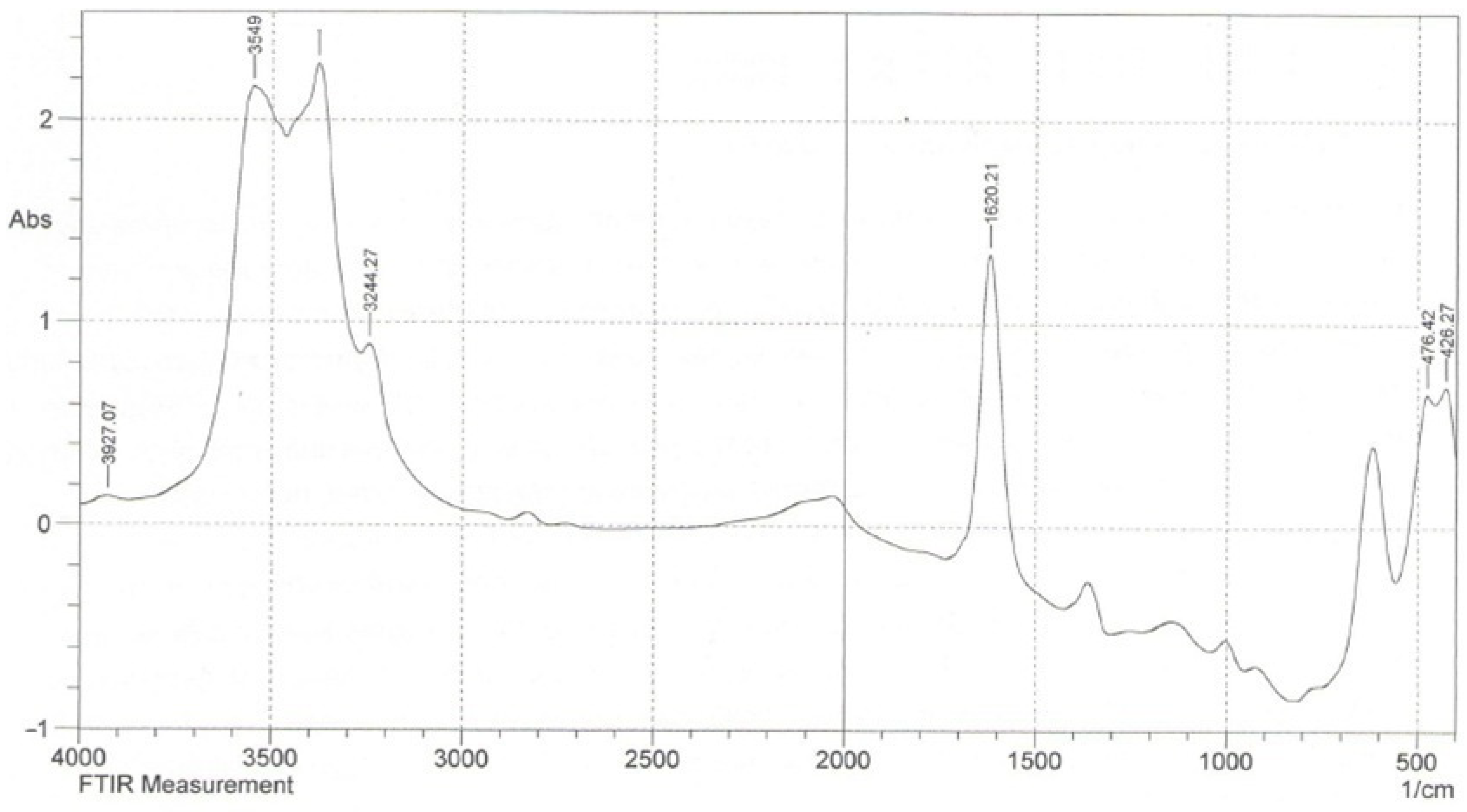
The pretreatment of the sludge consisted of dewatering. Next, it was activated by calcination in a muffle furnace at a temperature of 1000 ° C for 2 h. Heating and cooling are carried out with a uniform temperature change. The sludge compositions after dehydration and calcination analyzed by infrared spectroscopy on a Shimadzu IRAffinity-1S FTIR spectrometer (Shimadzu, Kyoto, Japan) are presented in Table 1 [72].
Table 1.
Table of characteristic frequencies for IR spectra of WTP sludge [72,73].
The IR-Fourier spectra are presented in Appendix B.
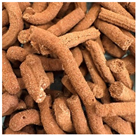
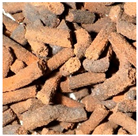
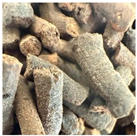
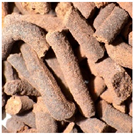
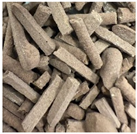
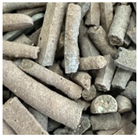
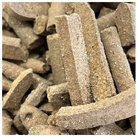
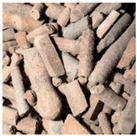
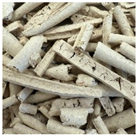
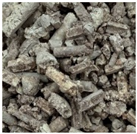
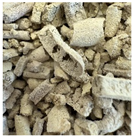
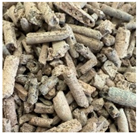
The resulting active base in the form of calcined sludge was modified by adding the following compounds in different ratios: NaOH, ZnO, Fe2O3, CuO, MnO, CaO. An adsorbent was also developed with the addition of a natural material—red clay. The resulting dry mixture was moistened to obtain a homogeneous thick suspension, then subjected to granulation and drying.
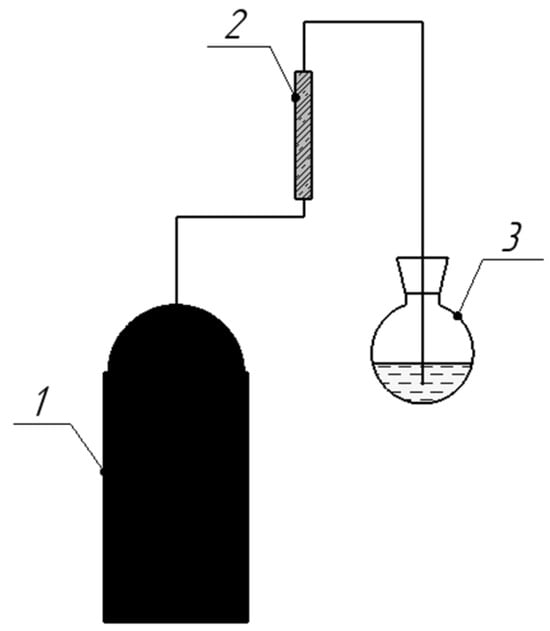
To conduct experimental studies to determine the total dynamic capacity of hydrogen sulfide, a flow-type installation was assembled (Figure 1). The studies were conducted at room temperature of ≈25 °C and atmospheric pressure. Hydrogen sulfide from the cylinder (purity of at least 99.5%, consumption was 5 L/h) was purged into an adsorber filled with the analyzed developed adsorption composition (the height of the adsorption layer was 20 cm, the diameter of the granules was 3 mm). At the outlet of the adsorber, the gas mixture was sent to the absorption solution. The initial and final amounts of hydrogen sulfide were determined by the spectrophotometric method according to GOST 22387.2-2021 “Natural gas. Methods for the determination of hydrogen sulfide and mercaptan sulfur” [74]. A solution of zinc acetate acts as an absorption solution. After the adsorption process was completed, solutions of N,N-dimethyl-p-phenylenediamine and iron(III) chloride were sequentially added to the absorption solution. The color intensity of the resulting solution is proportional to the hydrogen sulfide content in the sample. It was measured using a Shimadzu UV-1800 spectrophotometer (Shimadzu, Kyoto, Japan) at a wavelength of 670 nm. The amount of hydrogen sulfide was determined according to a pre-constructed calibration graph, which shows the dependence of the optical density of the solution on the amount of hydrogen sulfide in the reference samples. The total dynamic capacity was defined as the amount of absorbed substance per 1 g of the analyzed sorbent.
Figure 1.
Laboratory flow-type installation: 1—a cylinder with hydrogen sulfide; 2—the adsorber filled with the analyzed composition; 3—flask with absorption solution.
The following experimental studies were also carried out to determine the physical, kinetic and thermodynamic characteristics of the developed sorbents:
1. Abrasion test according to GOST 6755-88 “Chemical lime absorber HP-I” [75]. The granules of the developed material were first sieved through a sieve with 1 mm cells for one minute to remove dust. Then, 50 cm3 of the prepared sorbent was measured with a measuring cylinder and weighed. This suspension was transferred to a metal drum, where five steel balls were previously placed. The drum was rotated at a speed of 50 ± 1 rpm for 15 min. The crushed material is again sieved through the same sieve with 1 mm cells for one minute. The remainder was weighed on the sieve. Abrasion resistance was calculated as the ratio of the weight of the attachment after the experiment to the weight of the attachment before the experiment. The arithmetic mean of two parallel definitions was taken as the final result, with an acceptable discrepancy between them of no more than 3%.
2. Determination of bulk density.
3. Determination of total porosity according to the Melcher method.
4. Determination of specific surface area by the BET method.
5. Determination of the dependence of the capacity on the contact time of the adsorbate with the adsorbent.
6. Determination of the capacity dependence on the temperature of the sorption process.
7. Construction of isotherms and isosteres of adsorption.
8. Graphical determination of enthalpy and integral heat of adsorption.
The enthalpy of adsorption is related to the adsorption equilibrium constant, defined as the ratio of the equilibrium value of adsorption to the equilibrium concentration of hydrogen sulfide, by Equation (1).
where K—adsorption equilibrium constant; T—temperature; H—enthalpy, R—universal gas constant.
By establishing the experimental dependence of the adsorption equilibrium constant K on temperature, the enthalpy can be determined. Graphically, the integral heat of adsorption is determined by the tangent of the angle of inclination of the straight line lnK = f(1/T), as shown in Equation (2):
where H—enthalpy; R—universal gas constant.
Graphically, the differential heat of adsorption is determined by the tangent of the angle of inclination of the straight line lnC = f(1/T) according to Equation (3), where C is the equilibrium concentration of hydrogen sulfide:
where qA—enthalpy, R—universal gas constant.
The regeneration of spent adsorbents was carried out in 2 ways:
1. Calcination at a temperature of 300 °C in the presence of air with gradual heating and cooling for 2 h.
2. Drying at a temperature of 105 °C for 2 h, followed by purging with ozone, the consumption of which was 5 g/h, for 10 min.
Further experiments were carried out to determine the total dynamic capacity of the regenerated adsorbents.
The capacity of the developed mercaptan sulfur formulations was also determined at a flow-through laboratory facility. High-purity nitrogen was used as the carrier gas. Quantitative measurement of mercaptan sulfur was carried out on a spectrophotometer in accordance with GOST 22387.2-2021 [74]. The absorption solution was a solution of cadmium chloride. After the adsorption process was completed, solutions of N,N-dimethyl-p-phenylenediamine and iron(III) chloride were successively added to the absorption solution. The color intensity of the resulting solution is proportional to the mercaptan sulfur content in the sample. It was measured using a Shimadzu UV-1800 spectrophotometer (Shimadzu, Kyoto, Japan) at a wavelength of 496 nm. The amount of mercaptan sulfur was determined in accordance with a pre-constructed calibration graph, which shows the dependence of the optical density of the solution on the amount of mercaptan sulfur in the control samples.
In each series of experiments, three parallel measurements were carried out. Mathematical statistical methods were used to analyze the data obtained during the experiment:
1. Calculating the arithmetic mean is used to estimate the central trend (typical value) of a number of measurements.
2. Calculation of the standard deviation (RMS deviation)—to estimate the spread (variability) of individual values relative to the average.
3. The correlation coefficient was also calculated.
4. Results
4.1. Results on Hydrogen Sulfide Capture
The quantitative and qualitative composition of the developed sorption materials is presented in Table 2.
Table 2.
The composition of the developed multicomponent sorption materials.
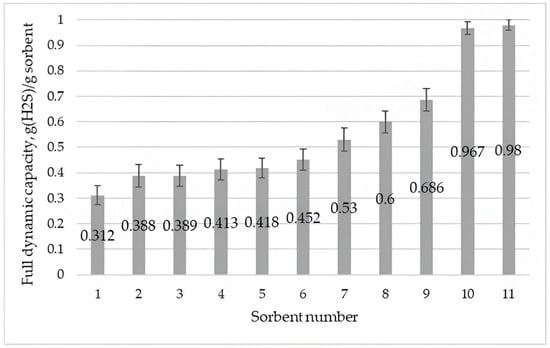
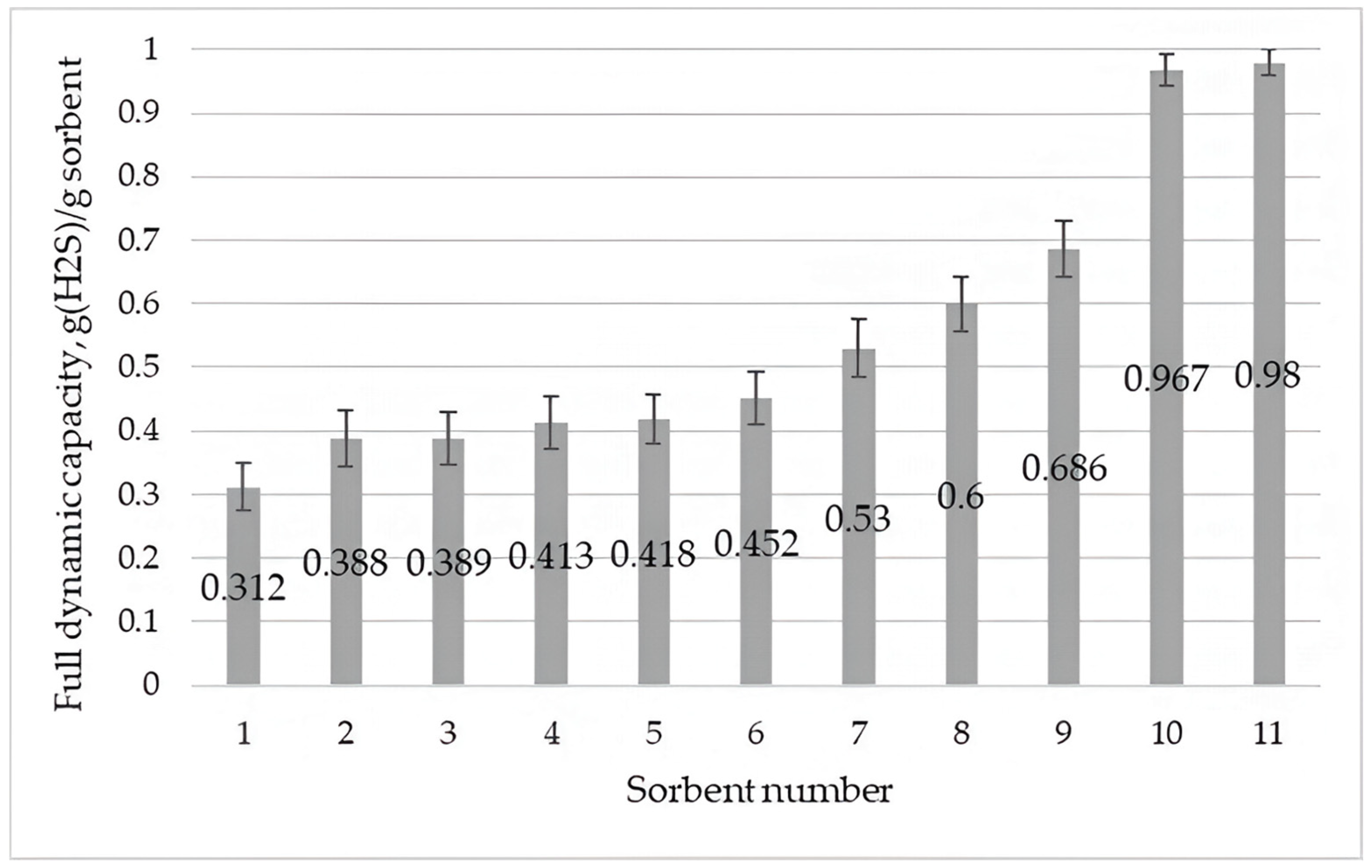
The values of the total dynamic hydrogen sulfide capacity for each developed sorption material are shown in Figure 2.
Figure 2.
The values of the total dynamic capacity for hydrogen sulfide with a standard deviation for each developed sorption material.
The main goal in choosing the component composition of the adsorbent was to identify chemical compounds that increase capacity and exhibit a synergistic effect. The lowest capacity was 0.312 g/g for Sample No. 1, while the highest was 0.98 g/g for Sample No. 11. Based on the data obtained, it can be concluded that metal oxides (Fe, Zn, Cu, Mn) enhance the adsorption of sulfur-containing substances at an optimal percentage. It is also important to emphasize that all samples with the best capacity (NN 7–11) consist of half of the sludge from the wastewater treatment plant of the thermal power plant. Such formulations are environmentally and economically feasible, increase resource conservation through the reuse of used raw materials, and the cost of their production will be significantly lower.
4.2. Physical Characteristics of the Developed Adsorbents
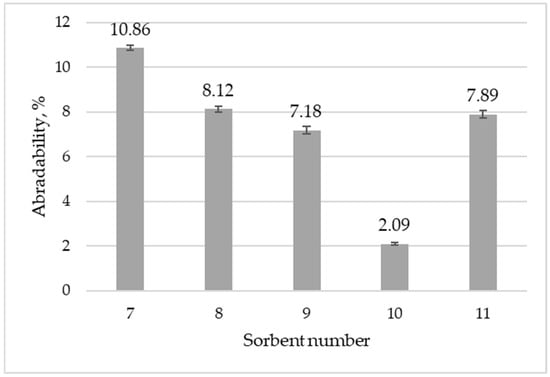
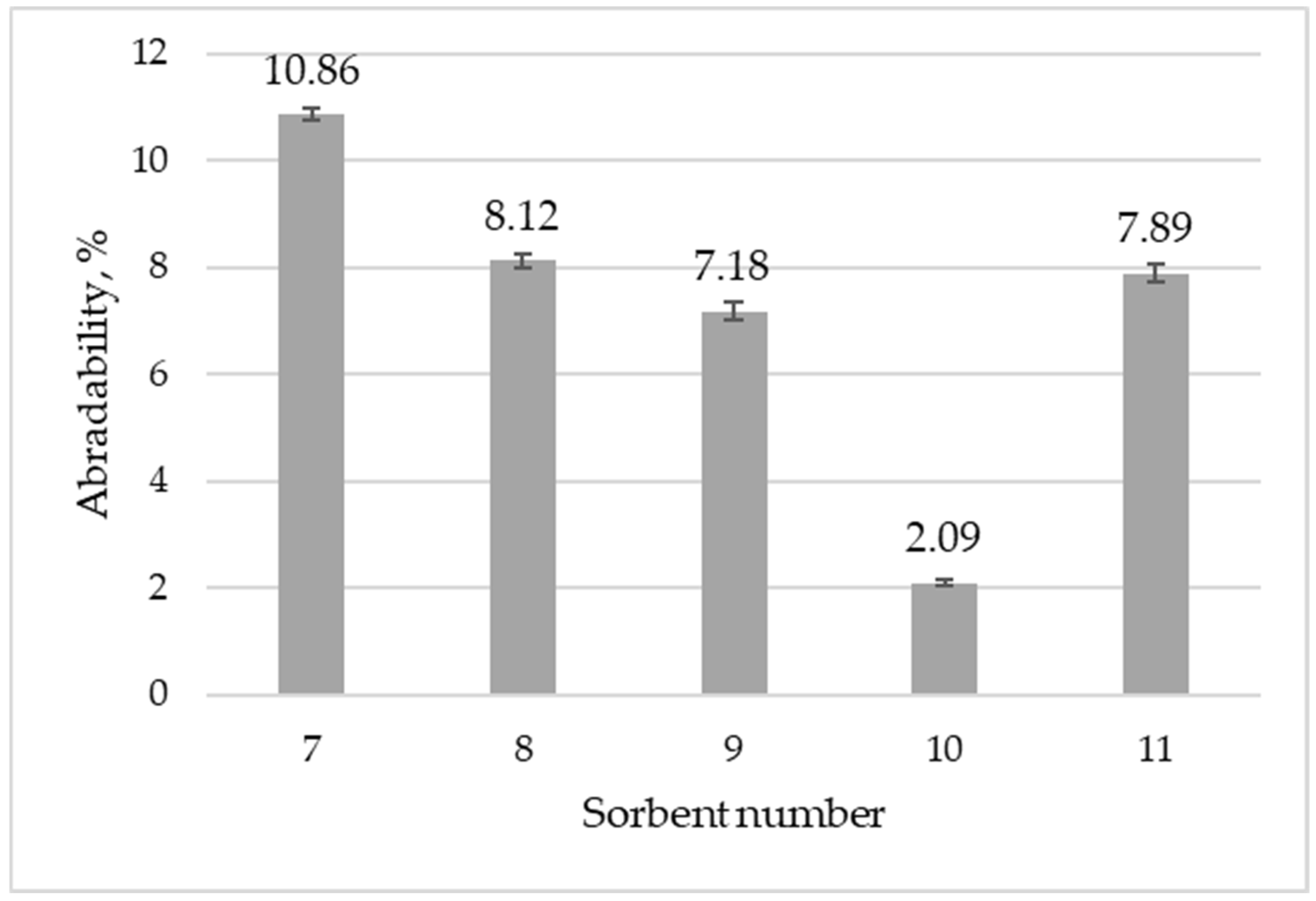
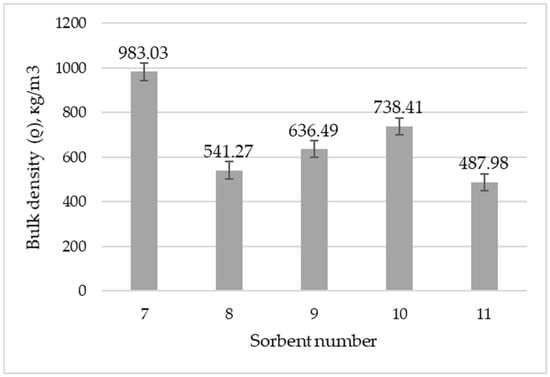
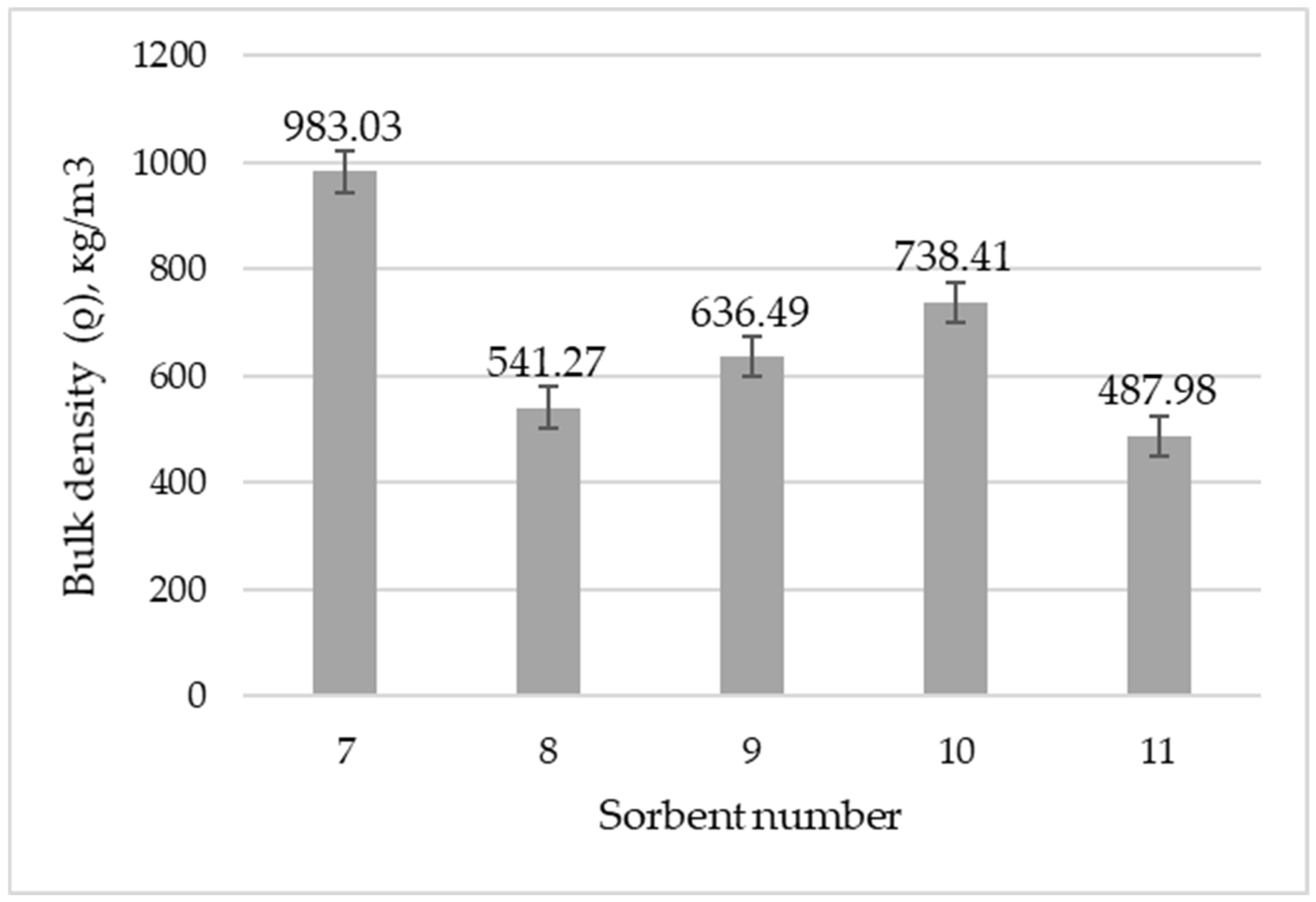
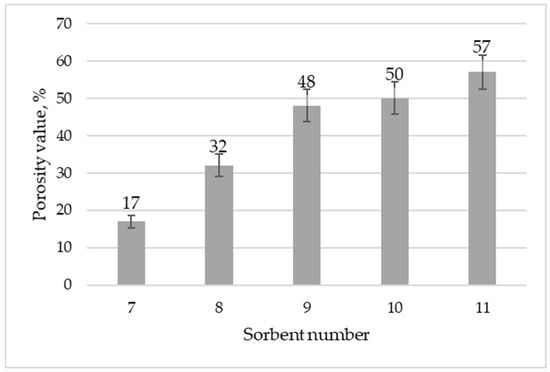
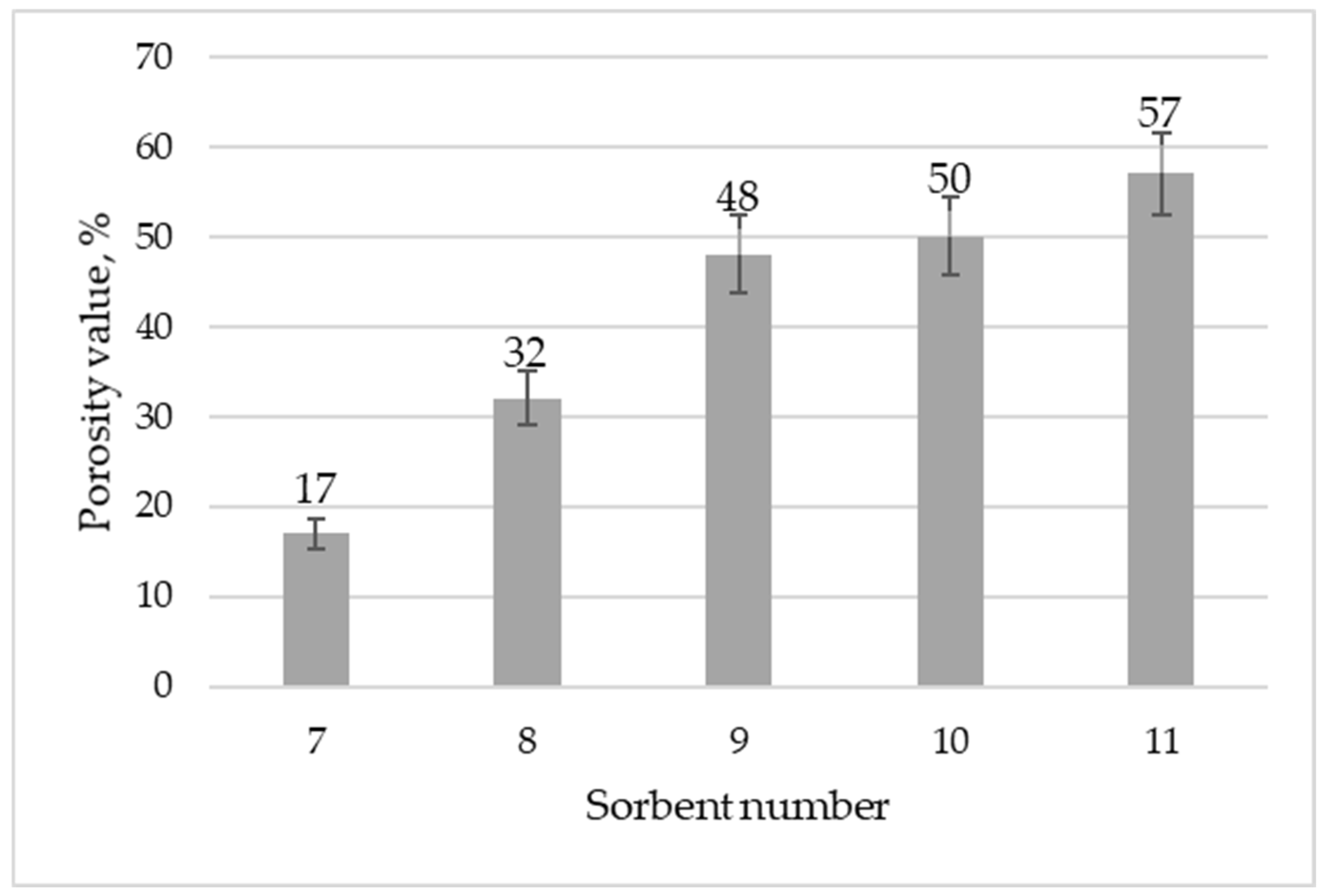
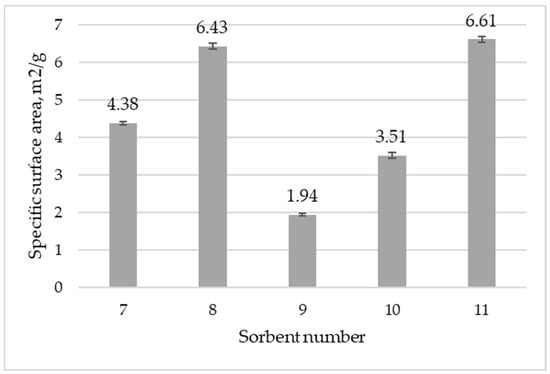
The key physicochemical parameters were studied for samples NN 7–11: abradability, bulk density, porosity, and specific surface area. Detailed measurement results are presented in Figure 3, Figure 4, Figure 5 and Figure 6, which allows us to evaluate the relationship between the adsorbent structure and its functional properties.
Figure 3.
The value of the abradability with a standard deviation of sorption materials NN 7–11.
Figure 4.
The value of the bulk density with a standard deviation of sorption materials NN 7–11.
Figure 5.
The value of the porosity value with a standard deviation of sorption materials NN 7–11.
Figure 6.
The value of the specific surface area with a standard deviation of sorption materials NN 7–11.
Sorbent No. 10 turned out to be the most resistant to abrasion. The ratio of the number of destroyed granules to the initial number of whole granules was only 2.09%. The lowest bulk density among the five studied samples is characterized by sorbent No. 11, the value of which is 487.98 kg/m3. It is noteworthy that this sample also demonstrates maximum porosity (57%) and specific surface area (6.61 m2/g), which naturally correlates with its low bulk density. Sorbent No. 7 has the highest bulk density—983.03 kg/m3 and at the same time has a low porosity—only 17%. Sample No. 9 has the smallest specific surface area—1.94 m2/g.
According to the results of experimental studies, the content of activated sludge increases porosity and also increases the adsorption capacity for sulfur-containing components. Adding copper(II) oxide to the composite composition allows an adsorbent with the greatest wear resistance to be obtained, and the presence of iron(III) oxide in the composition significantly increases the capacity of the sorbent.
4.3. Kinetic and Thermodynamic Characteristics of the Hydrogen Sulfide Sorption Process
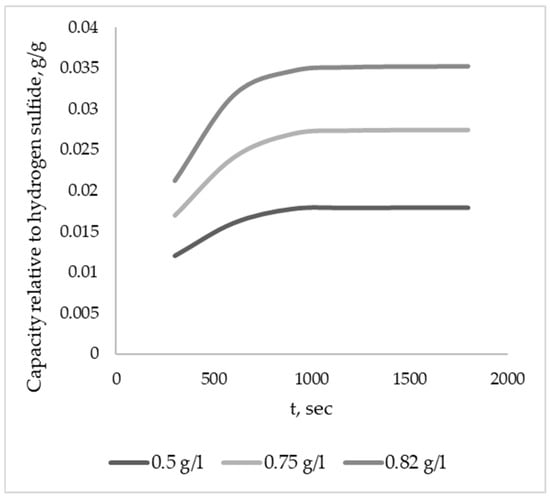
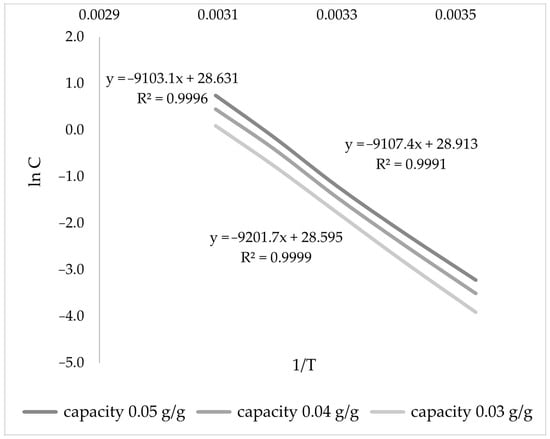
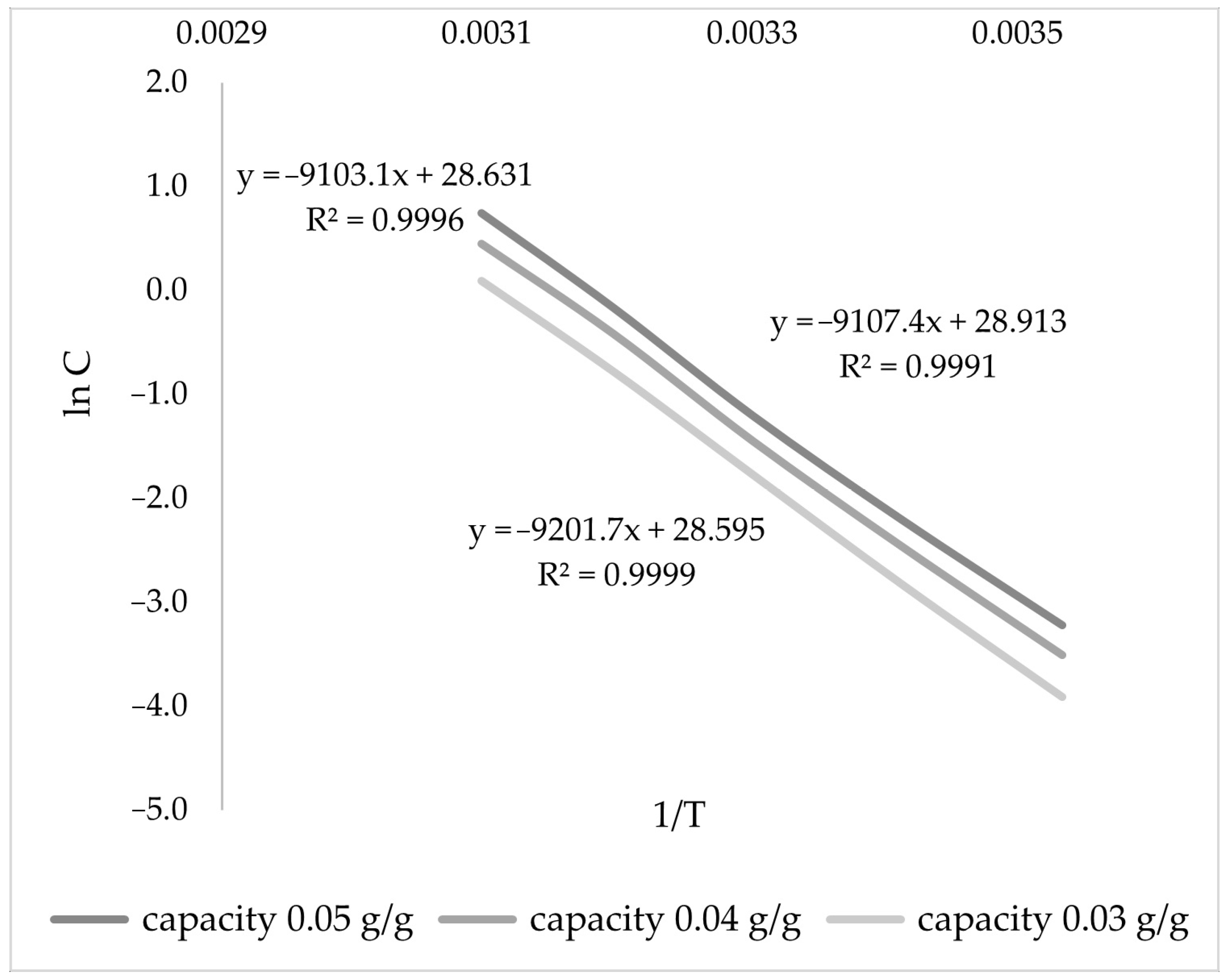
For the developed composition No. 5 from Table 2, which has an average sorption capacity (0.418 g/g) and includes 6 different components, the kinetic and thermodynamic characteristics of the hydrogen sulfide sorption process were calculated (Figure 7, Figure 8, Figure 9, Figure 10, Figure 11 and Figure 12).
Figure 7.
Kinetic curves of adsorption at different initial concentrations of hydrogen sulfide for the developed composition No. 5 from Table 2.
Figure 8.
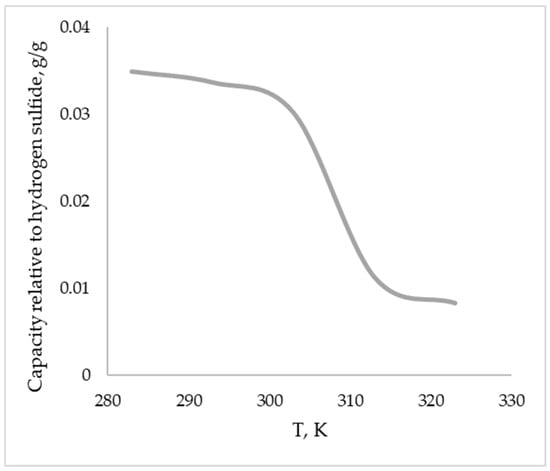
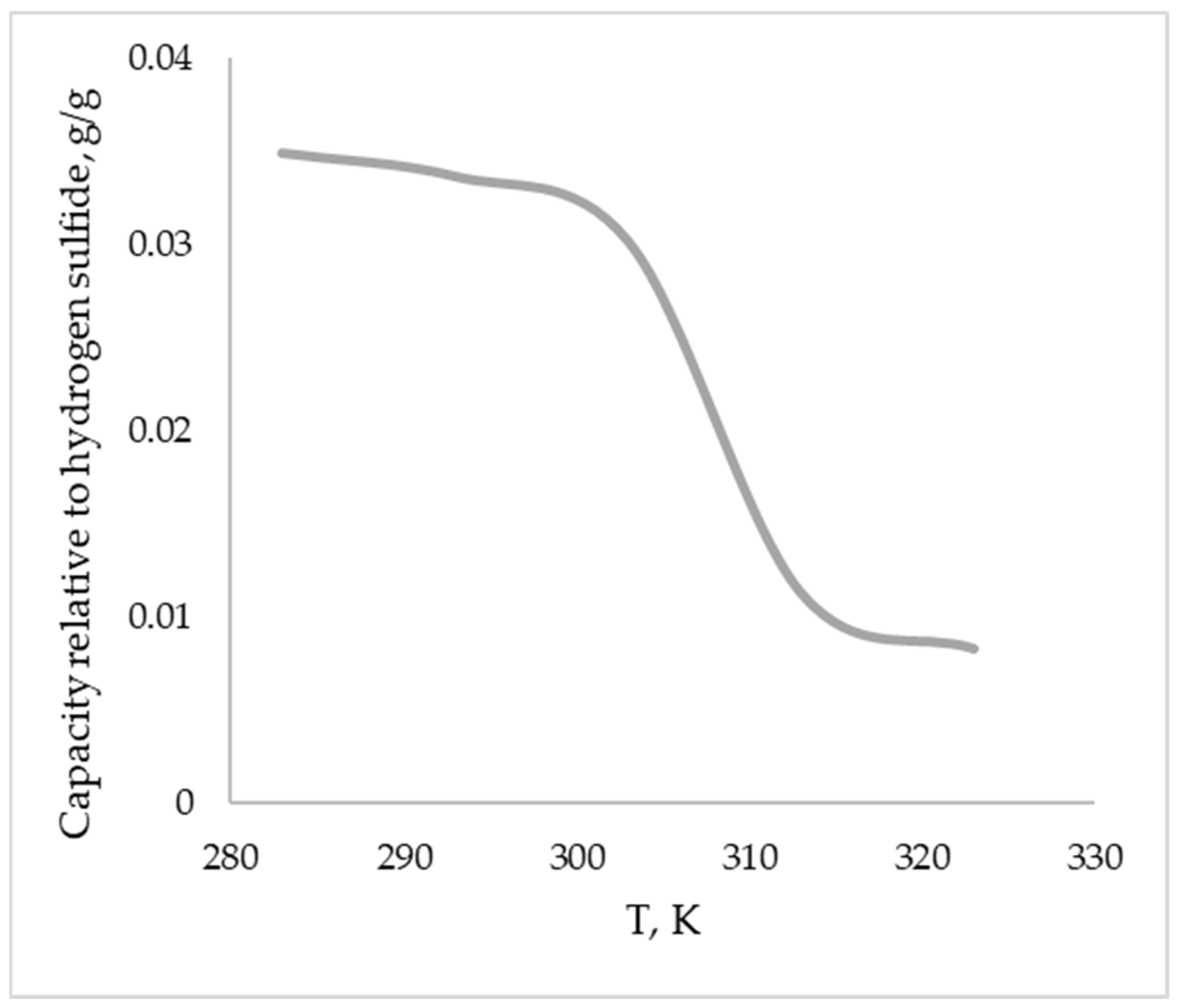
Effect of temperature on the sorption capacity at an initial hydrogen sulfide concentration of 0.82 g/L for the developed composition No. 5 from Table 2.
Figure 9.
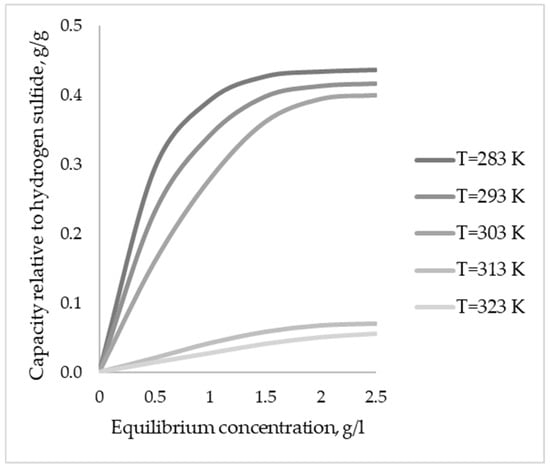
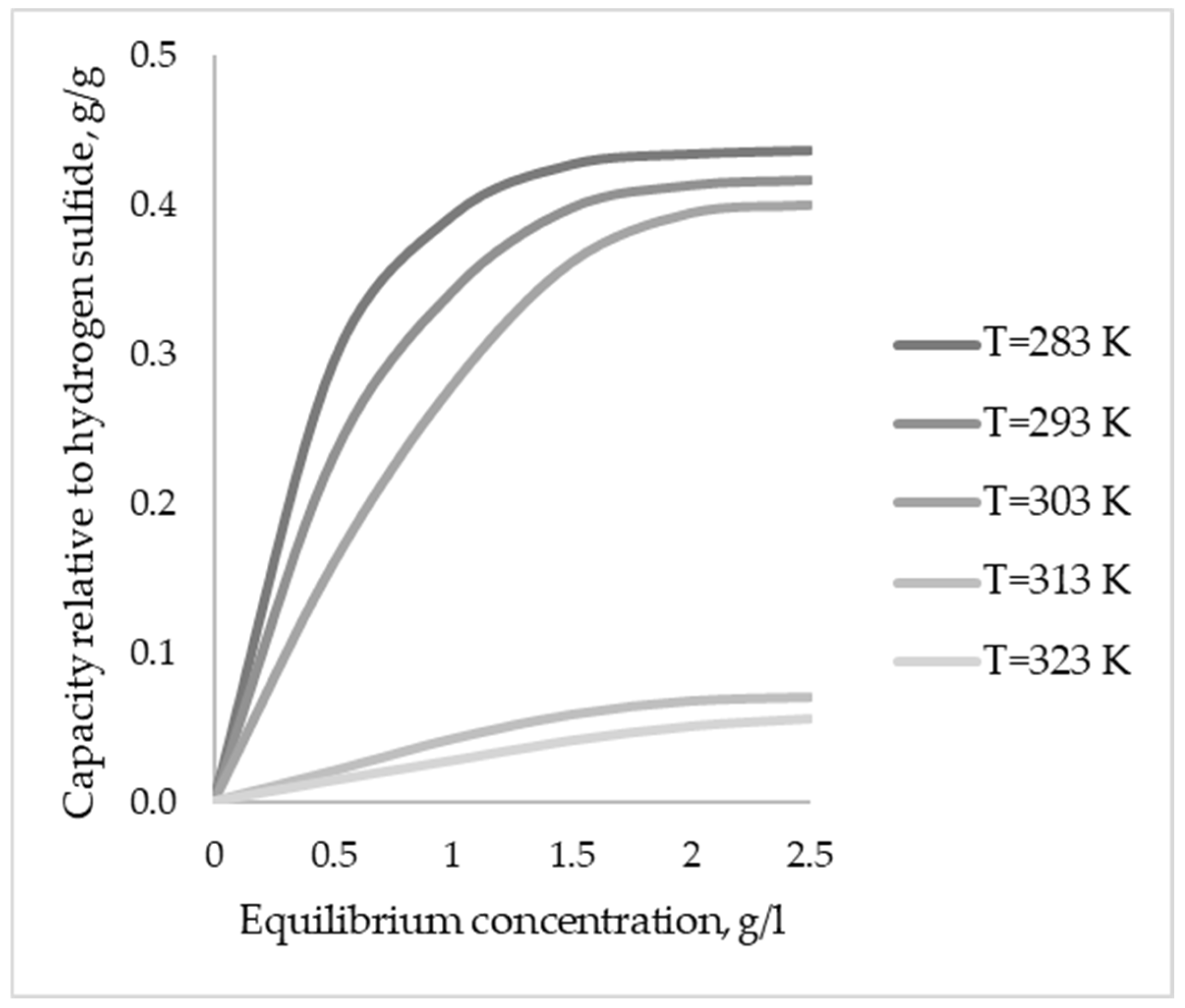
Isotherms of hydrogen sulfide adsorption by the developed sorption material at various temperatures for the developed composition No. 5 from Table 2.
Figure 10.
Isosteres of hydrogen sulfide adsorption by the developed sorption material at various temperatures for the developed composition No. 5 from Table 2.
Figure 11.
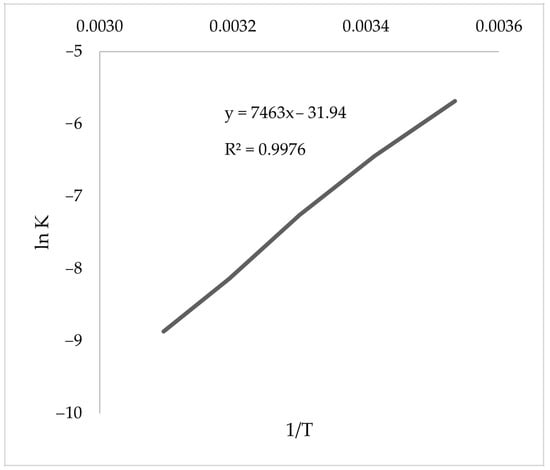
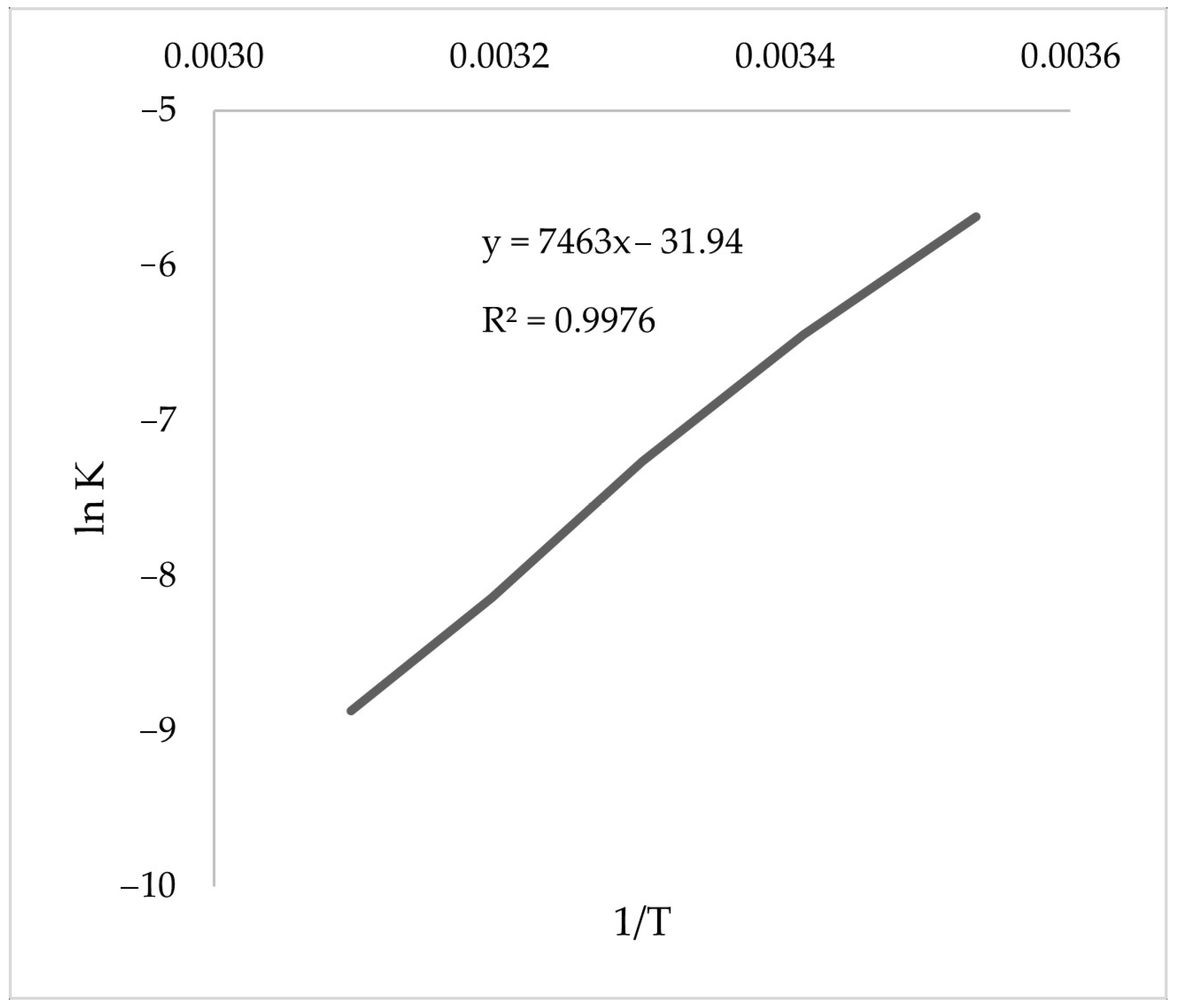
Linear dependence of ln K on the reverse temperature for the developed composition No. 5 from Table 2.
Figure 12.
Linear dependence of ln C on the reverse temperature for the developed composition No. 5 from Table 2.
An increase in capacity is observed with an increase in the duration of contact of hydrogen sulfide with the developed sorption composition in the time interval of 5–20 min. However, beyond this range, the indicator reaches a plateau and practically does not depend on the time of contact.
According to the graph, with increasing temperature, the capacity of the sorption material for hydrogen sulfide decreases. At the same time, the most pronounced decrease is typical for the temperature range of 300–315 K.
The obtained hydrogen sulfide adsorption isotherms clearly illustrate the effect of temperature on the sorption capacity. At a temperature of 283 K, the highest capacity values are achieved, while an increase in temperature to 323 K leads to a significant decrease in it.
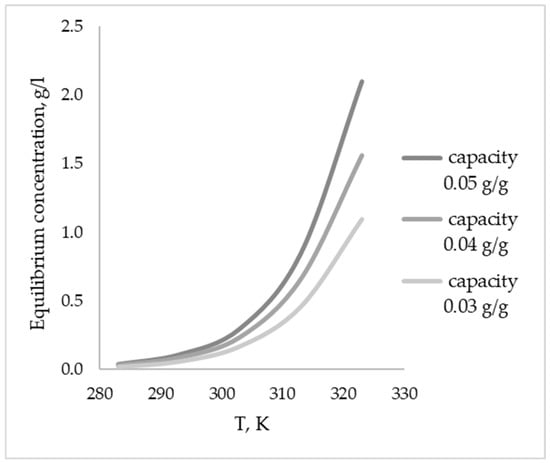
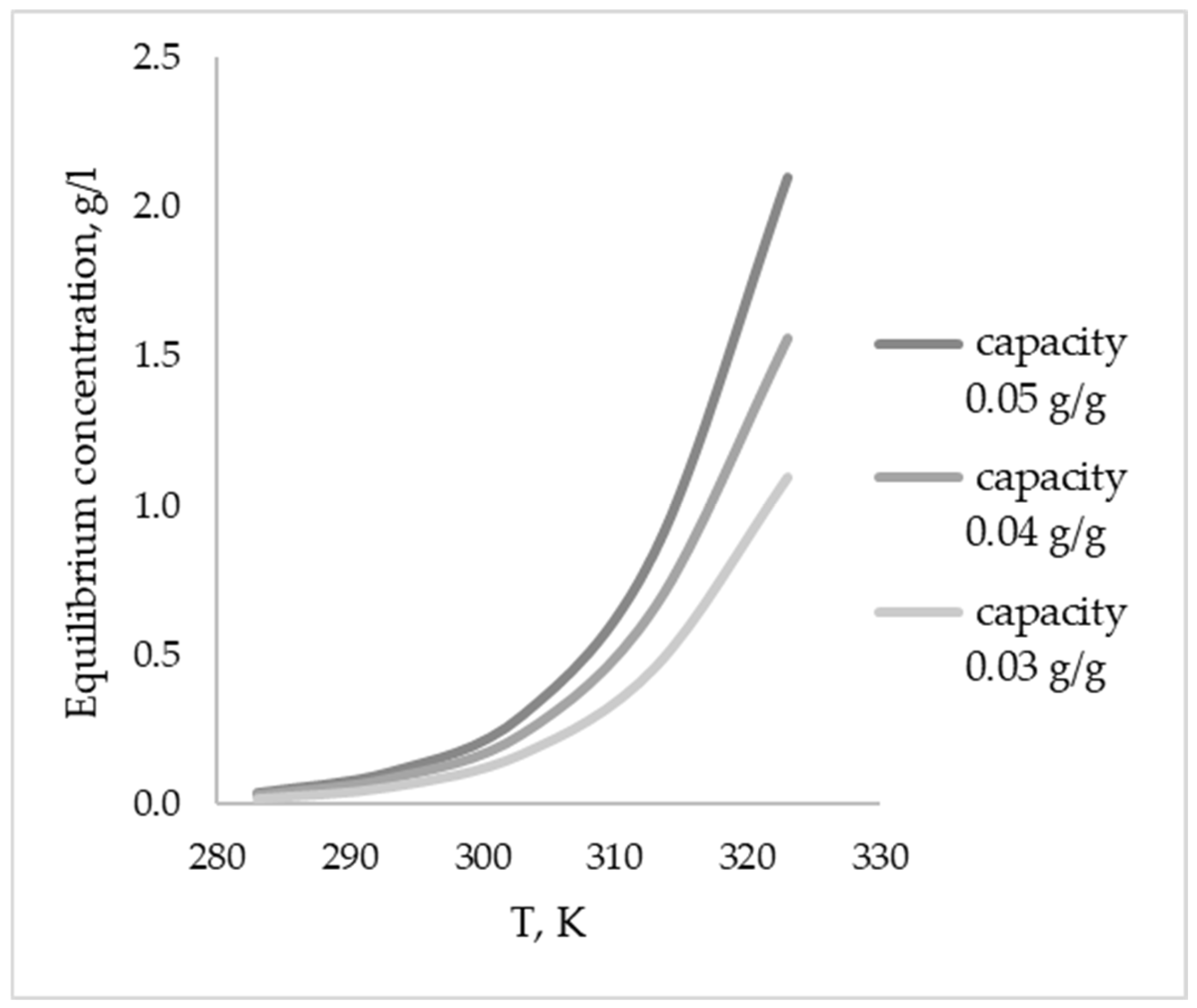
Adsorption isosteres are curves showing the dependence of the equilibrium concentration of adsorbate on temperature at a constant value of adsorption, which allow us to evaluate the thermodynamic characteristics of the process. According to the graph, at a fixed value of the equilibrium concentration, the value of the adsorption capacity decreases with increasing temperature.
According to the slope of the graph in Figure 10 (tgα = 7463), the adsorption enthalpy of −62.05 kJ/mol was calculated using Equation (2).
The differential heat of adsorption for each capacity was calculated using the tangent of the angle of inclination of the straight line (Figure 12) using Equation (3) (Table 3).
Table 3.
Differential heat of adsorption.
Thus, according to the results of the study, the process of hydrogen sulfide adsorption by the developed multicomponent material should be correctly implemented at a temperature not exceeding 300 K at atmospheric pressure, and the optimal period of interaction of the adsorbent with the target component from the point of view of completeness of extraction is 15–20 min. The enthalpy of adsorption is negative, and the heat of adsorption is more than 75 kJ/mol.
4.4. Regeneration of Spent Sorbents
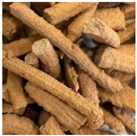
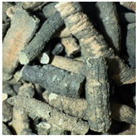
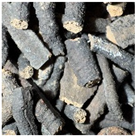
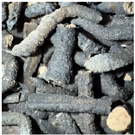
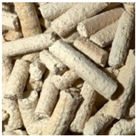
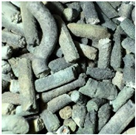
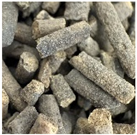
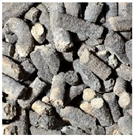
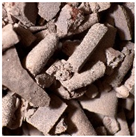
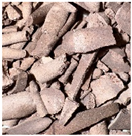
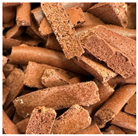
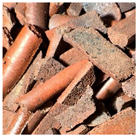
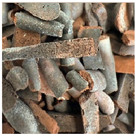
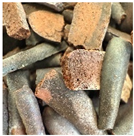
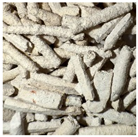
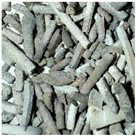
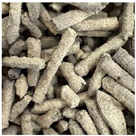
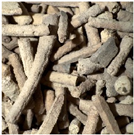
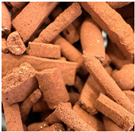
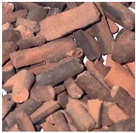
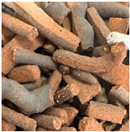
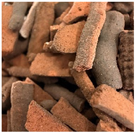
For 11 sorption formulations (Table 2), experiments were conducted on regeneration after their complete saturation and recapture of hydrogen sulfide. Table 4 shows the appearance of the developed materials before and after their saturation, subsequent regeneration by calcination and recapture.
Table 4.
The appearance of spent and regenerated developed materials.
As can be seen from Table 4, the developed adsorbents have the ability to indicate saturation via color change.
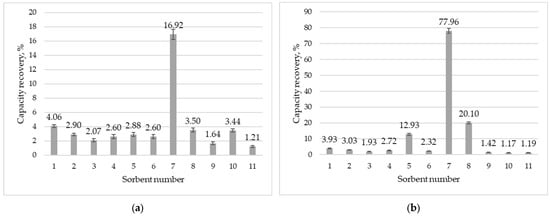
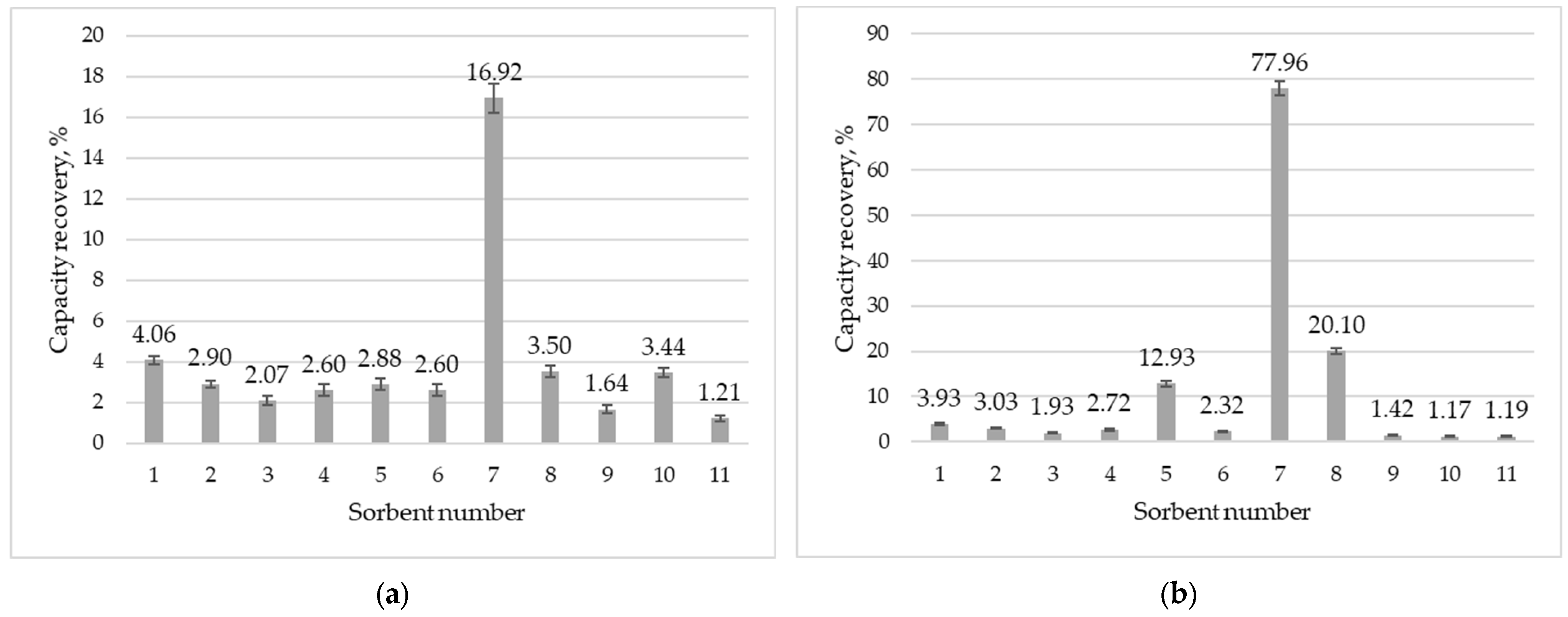
Figure 13 shows the restoration of the full dynamic capacity for hydrogen sulfide after regeneration relative to the initial one.
Figure 13.
Restoration of the full dynamic capacity of hydrogen sulfide with a standard deviation after regeneration of spent sorbents relative to the initial: (a) Calcination at a temperature of 300 °C in the presence of air with gradual heating and cooling for 2 h; (b) Drying at a temperature of 105 °C for 2 h, followed by purging with nitrogen, the consumption of which was 5 g/h, for 10 min.
According to the figures, sorbent No. 7, containing 74.7% zinc oxide, has the greatest regenerative ability. During calcination, the capacity was restored by almost 17% of the initial one, and drying and ozone oxidation make it possible to return almost 78% of the sorption capacity.
4.5. Trapping Ability in Relation to Organosulfur Compounds
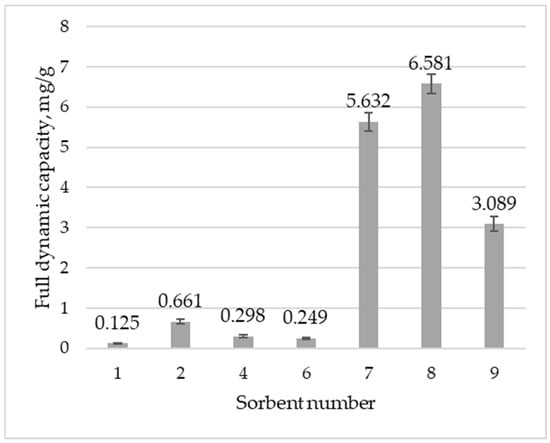
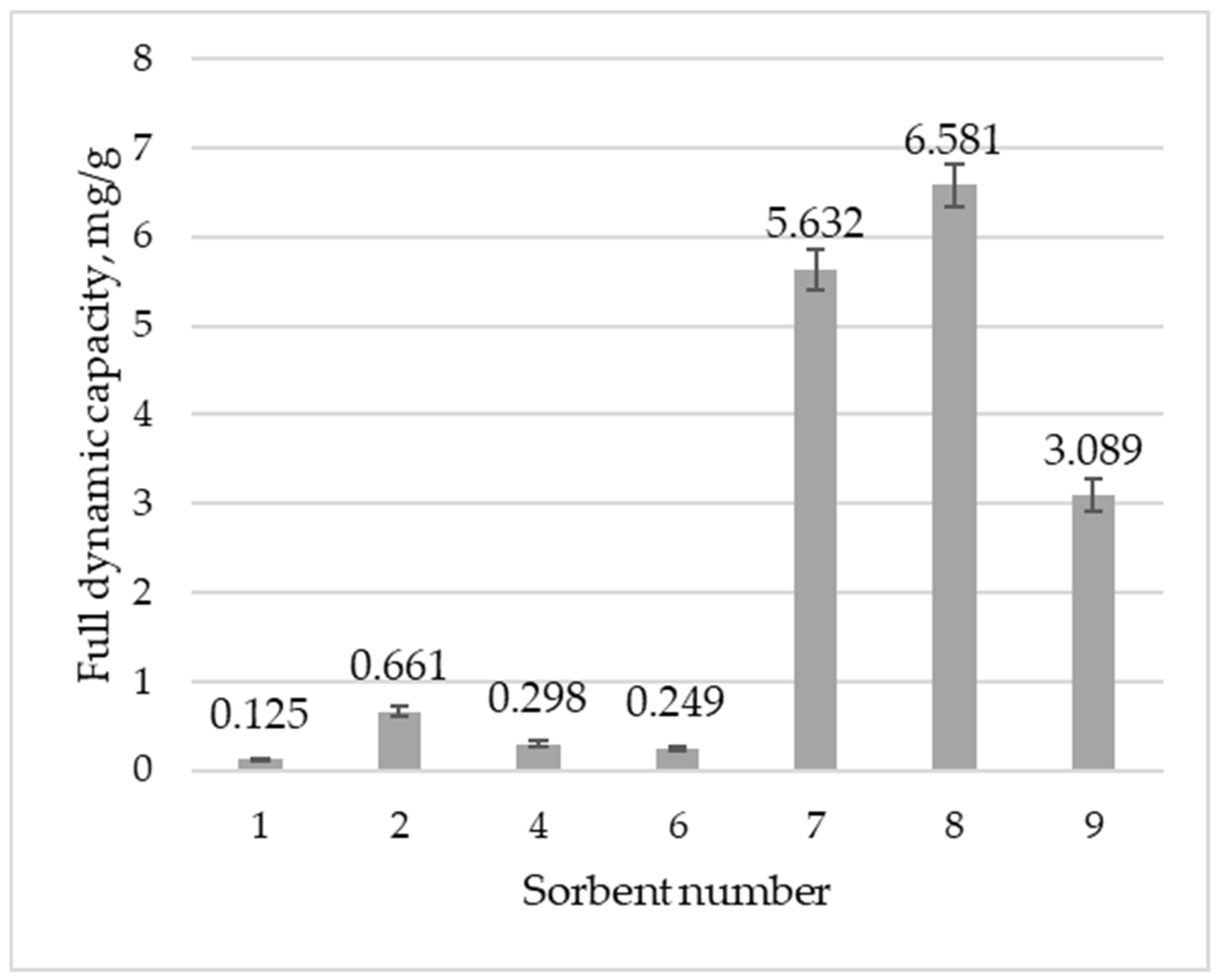
The developed multicomponent sorption materials have been experimentally tested for the possibility of purifying gases from mercaptan sulfur. The results are shown in Figure 14.
Figure 14.
The values of the total dynamic capacity of mercaptan sulfur with a standard deviation for each developed sorption material.
The results of the experimental study of sorption materials shown in the figure demonstrate significant variability in their total dynamic capacity for mercaptan sulfur, depending on the component composition.
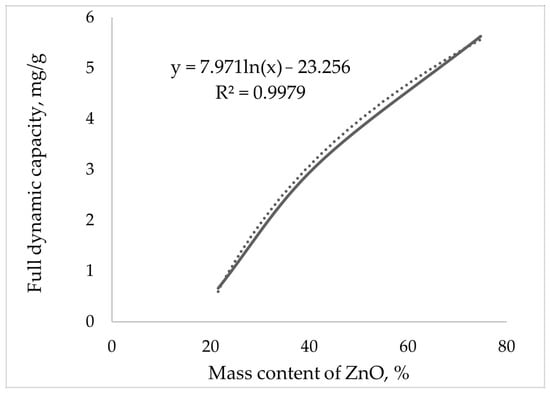
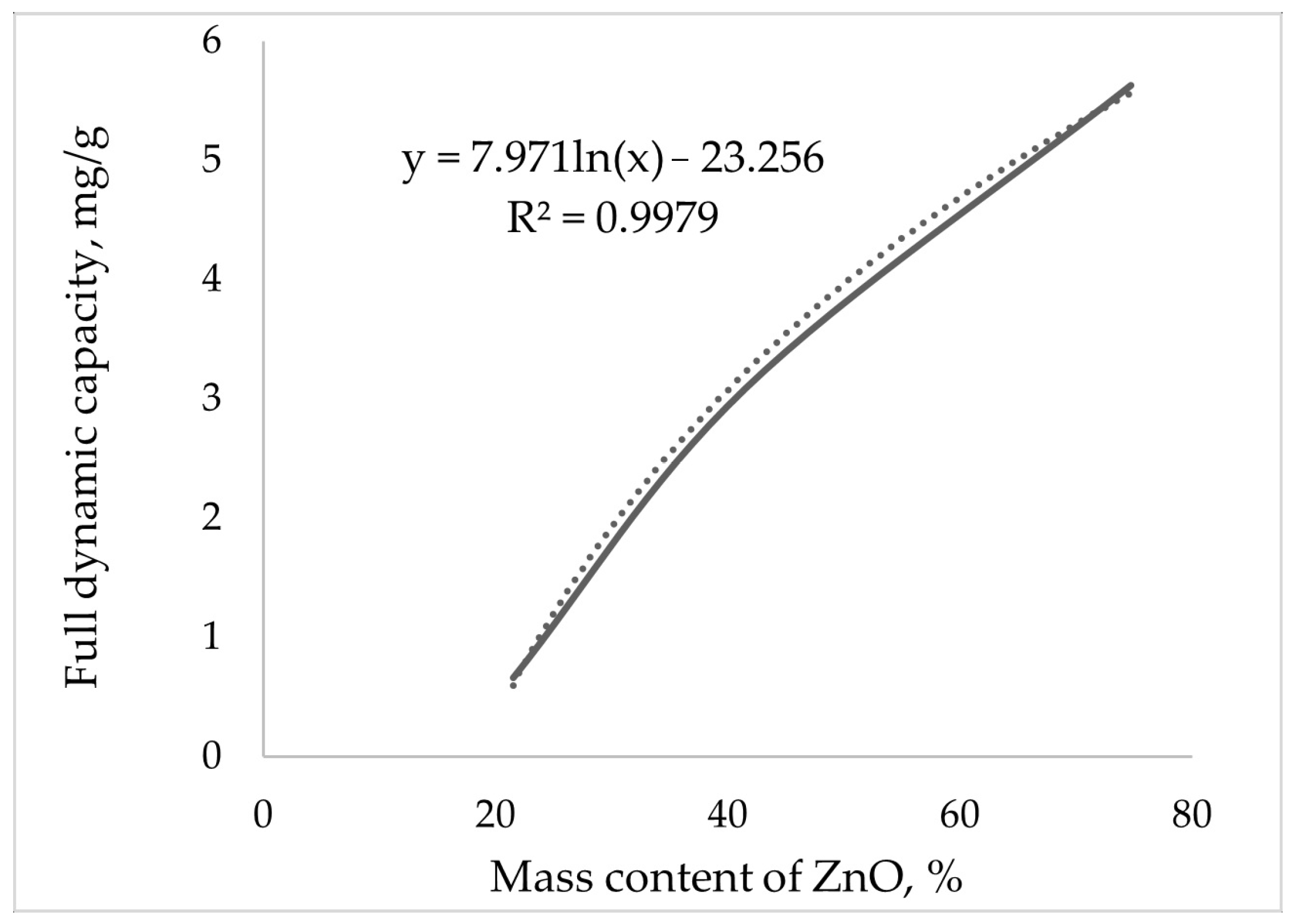
The highest capacity, equal to 6.581 mg/g, was achieved for sample No. 8. Composition No. 7 showed a similar result in terms of effectiveness, with its total dynamic capacity of 5.632 mg/g. A comparison of samples No. 9 and No. 8 shows that replacing part of the zinc oxide with activated sludge reduces the capacity by more than half to 3.089 mg/g. Sample No. 2, containing 70% activated sludge, 8.5% NaOH and 21.5% ZnO, showed an even lower capacity value of 0.661 mg/g. Figure 15 shows the dependence of the capacity on the percentage of zinc oxide by weight in the sorption composition.
Figure 15.
Capacity dependence on zinc oxide content.
The graph shows that the dependence has a logarithmic form. Consequently, chemisorption decreases as the mass fraction of ZnO decreases and the proportion of porous material in the sorption mixture increases.
The minimum values are fixed for formulations based on red clay and iron oxide without the addition of ZnO oxide.
4.6. Qualitative Evaluation, Environmental Friendliness and Resource Conservation
The developed compositions utilize industrial waste as a primary component. While the raw material itself has low or zero cost, the overall economic competitiveness would depend on processing, activation, and modification costs relative to commercial alternatives. Preliminary assessment suggests potential cost advantages, though detailed techno-economic analysis is required for confirmation.
The sorption process operates at near-ambient conditions and atmospheric pressure, which may contribute to lower energy requirements compared to processes requiring elevated temperatures or pressures.
The utilization of WTP TPP sludge as an active base for adsorbents offers a pathway for valorizing this industrial waste stream, potentially reducing the volume requiring disposal. This approach aligns with circular economy principles by converting a waste product into a functional material. It is also worth noting that chemical reagents are not used in the process of regeneration of sorption materials and effluents requiring additional purification are not formed, which also reduces the environmental burden.
The use of secondary resources aligns with resource conservation principles. Also, spent sorption materials can be used as sources of useful products.
5. Discussion
The conducted studies have made it possible to establish clear relationships between the component composition of the developed sorption materials, their physico-chemical characteristics and the efficiency of trapping hydrogen sulfide and mercaptans. The central conclusion is the confirmation of a synergistic effect with the combined introduction of transition metal oxides (Fe, Zn, Cu, Mn), sodium hydroxide and industrial waste sludge from the thermal power plant.
The maximum dynamic H2S capacity achieved for sample No. 11 (0.98 g/g) significantly exceeds the values reported for most waste-based adsorbents. For example, the hydrogen sulfide capacity of sorbents from sewage sludge and wood waste under similar conditions is 2.2–2.8 mg/g [34], while activated carbon from coffee waste reaches 281.5 mg/g [29]. Even the best performing biomass-derived materials, such as rice husk biochar modified with CuO [44], are inferior to the developed compositions. The high performance of the proposed sorbents is due to the synergistic combination of a developed porous matrix provided by activated sludge and highly reactive transition metal oxides, which facilitate chemisorption by the formation of sulfides. This is consistent with the findings of a review [6], which emphasized that impregnation with metal oxides significantly enhances H2S uptake.
Due to the introduction of oxides of various metals, sorbents acquire the ability to visually indicate when in contact with sulfur compounds. The waste material acquires a black tint as a result of the formation of iron and manganese sulfides, and the formation of copper sulfides gives it a green tint. Also, various metal compounds in the sludge can affect the color change in the developed sorbent after its saturation with hydrogen sulfide.
The physical characteristics of the best samples are moderate compared to conventional activated carbons, yet the sorption capacity is much higher. This confirms that the dominant mechanism is chemisorption rather than physisorption, which is in line with the observations reported for sludge-derived adsorbents [26].
The most important is the calculation of thermodynamic parameters. The enthalpy of adsorption, equal to −62.05 kJ/mol (Figure 11), indicates the exothermic nature of hydrogen sulfide sorption by the developed sorbent. The differential heat of adsorption is always positive and decreases as the amount of the adsorbed substance increases and may indicate the nature of adsorption: values in the range of 10–40 kJ/mol may indicate physical adsorption due to Van der Waals forces. If the values are in the range of 40–400 kJ/mol, this, in turn, may indicate the course of chemisorption, in which chemical interaction of the adsorbate molecules with the active centers of the surface occurs. According to Table 3, the differential heat of adsorption exceeds the values for physical adsorption and confirms the course of the H2S adsorption process by the developed multicomponent material due to chemical interaction. This is consistent with the mechanism proposed for zeolites and metal-oxide systems [13,14]. The recommended temperature range for adsorption is 25–27 °C, which indicates that there is no need for additional energy consumption.
The kinetic data show that equilibrium is reached within 15–20 min, which is comparable to or faster than many waste-based sorbents. For example, it takes 30–60 min for biochar from sewage sludge [31]. The strong temperature dependence reflects the exothermic nature of the reaction, a feature also reported for Cu- and Zn-modified materials [9,42].
Regeneration experiments revealed that only sample No. 7 (high ZnO content) could be effectively regenerated by ozone treatment, recovering up to 78% of the initial capacity. Thermal regeneration at 300 °C gave a much lower recovery (~17%). For other compositions, neither method was efficient. The present results show that the regenerative ability is strongly composition-dependent; the presence of ZnO allows partial oxidation of ZnS to ZnO at moderate temperatures [76], while Fe, Mn, and Cu sulfides form stable sulfates that do not decompose at 300 °C, and sodium sulfate can cause sintering. This highlights the need for tailored regeneration protocols depending on the sorbent formulation.
The highest mercaptan sulfur capacity, equal to 6.581 mg/g, was achieved for sample No. 8 (Figure 14), due to the synergistic effect of the multicomponent composition, which includes both alkali and transition metal oxides capable of forming active chemisorption centers due to coordination with sulfur-containing molecules. Composition No. 7 showed a similar result in terms of effectiveness, with its total dynamic capacity of 5.632 mg/g. The high zinc oxide content in this sample plays a key role, as ZnO is widely known as an effective adsorbent of mercaptans due to the formation of zinc sulfide. At the same time, the addition of sludge and a moderate amount of NaOH helps to increase the dispersion and specific surface area, as well as reduce production costs through the use of industrial waste. The introduction of metal oxides makes it possible to further enhance sorption properties due to the synergistic effect. In crude natural gas, the mercaptan content is usually a trace value and usually does not exceed 1–3 ppm, so this adsorption capacity is sufficient to remove a small amount of mercaptans from the gas mixture. If it is necessary to clean up gas waste heavily contaminated with mercaptans, pretreatment by hydrogenation or catalytic oxidation is necessary. However, in this study, the task was to develop a sorption material that removes mercaptan sulfur without pretreatment of the gas.
The use of energy waste in a ratio of up to 50–70% by weight is a key advantage. This not only solves the problem of recycling large-scale waste, but also reduces the cost of the sorbent. The absence of liquid effluents during regeneration and the possibility of using spent sorbent as a source of valuable components fully correspond to the concept of a closed-cycle economy.
6. Conclusions
A systematic review of the literature on carbon sorbents, zeolites, materials based on energy waste and biomass, as well as regeneration issues, revealed the following key patterns:
1. The greatest efficiency of hydrogen sulfide removal is achieved by combining a developed porous structure and chemically active components, primarily transition metal oxides and alkaline additives.
2. In the case of mercaptans, the dominant mechanisms are micropore filling, chemical interaction with zeolite cations, and catalytic oxidation on metal oxides.
3. A serious gap remains the lack of knowledge about the regeneration of sorbents obtained from waste. In most works, they are used only once, which casts doubt on the economic feasibility of using such materials in the absence of reliable recovery cycles.
4. This analysis served as a scientific justification for the selection of components and modes of synthesis of proprietary sorption materials.
The developed multicomponent adsorbents based on wastewater sludge thermally activated at 1000 °C in combination with ZnO, Fe2O3, CuO, MnO and NaOH provide high dynamic capacity relative to hydrogen sulfide. These values are significantly higher than those of most sorbents obtained from waste reported in recent reviews, and compete with biochar from modified Cu rice husks. As for mercaptan sulfur, the maximum efficiency was achieved in a multicomponent composition. A logarithmic dependence of the sorption capacity on the mass fraction of zinc oxide has been established, confirming its key role in the chemisorption of organosulfur compounds. However, the efficiency of thermal regeneration is lower than that of commercial zeolites, although ozone-based regeneration for compositions with a high ZnO content is a promising low-temperature alternative.
The sorption efficiency depends on the following key factors:
1. Porous matrix. Activation at 1000 °C provides sufficient porosity, but the small surface area confirms that the dominant mechanism is chemisorption rather than physical adsorption.
2. Chemical composition. Transition metal oxides create reactive centers for the formation of sulfides. The logarithmic dependence of the sorption capacity for mercaptan sulfur on the mass fraction of ZnO confirms the critical role of zinc oxide. The addition of alkali increases the reactivity.
3. The sorption mechanism. The negative enthalpy (−62.05 kJ/mol) and differential heat capacity >75 kJ/mol confirm exothermic chemisorption, which explains the high capacity despite the low specific surface area.
4. Operating conditions. The greatest sorption occurs at a temperature of less than 300 K and atmospheric pressure with a contact duration of 15–20 min. It is worth noting that these conditions make it possible to avoid additional energy costs.
The prospects for the practical application of the developed materials lie in the possibility of using large-tonnage waste as the basis for effective sorbents of sulfur compounds, which reduces the raw material load and complies with the principles of a closed-cycle economy.
Author Contributions
Conceptualization, A.A.F., H.I.B. and I.K.I.; methodology, R.F.K.; validation, A.A.F. and A.Y.V.; formal analysis, I.K.I. and H.I.B.; resources, A.A.F.; data curation, A.Y.V.; investigation R.F.K.; writing—original draft preparation, R.F.K.; writing—review and editing, A.A.F.; visualization, A.Y.V.; supervision, I.K.I., I.H.B. and H.I.B.; project administration, I.K.I. and H.I.B. All authors have read and agreed to the published version of the manuscript.
Funding
This research was funded by Russian Science Foundation, grant number 25-29-00026 https://grant.rscf.ru/site/user/forms?rid=000000000000010379092-1_ (accessed on 1 May 2026). This study is co-financed by the European Union through the Program “Research, innovation and digitalization for smart transformation 2021–2027”, project Center of Competence “Blue Coastal Marine and Riverine Innovative & Sustainable Management of Environments and Resources (Blue Cristal)”, contract No. BG16RFPR002-1.014-0016-C01.
Data Availability Statement
The original contributions presented in this study are included in the article. Further inquiries can be directed to the corresponding authors.
Conflicts of Interest
The authors declare no conflicts of interest.
Abbreviations
The following abbreviations are used in this manuscript:
| SSC | Sulfide stress cracking |
| APG | Associated petroleum gas |
| AC | Activated carbons |
| WTP | Water treatment plant |
| TPP | Thermal power plant |
| BET method | Brunauer–Emmett–Teller method |
Appendix A
Table A1.
Characteristics of hydrogen sulfide sorbents obtained from waste.
Appendix B
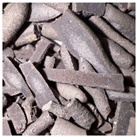
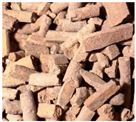
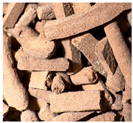
Figure A1.
Dewatered sludge from a WTP TPP.
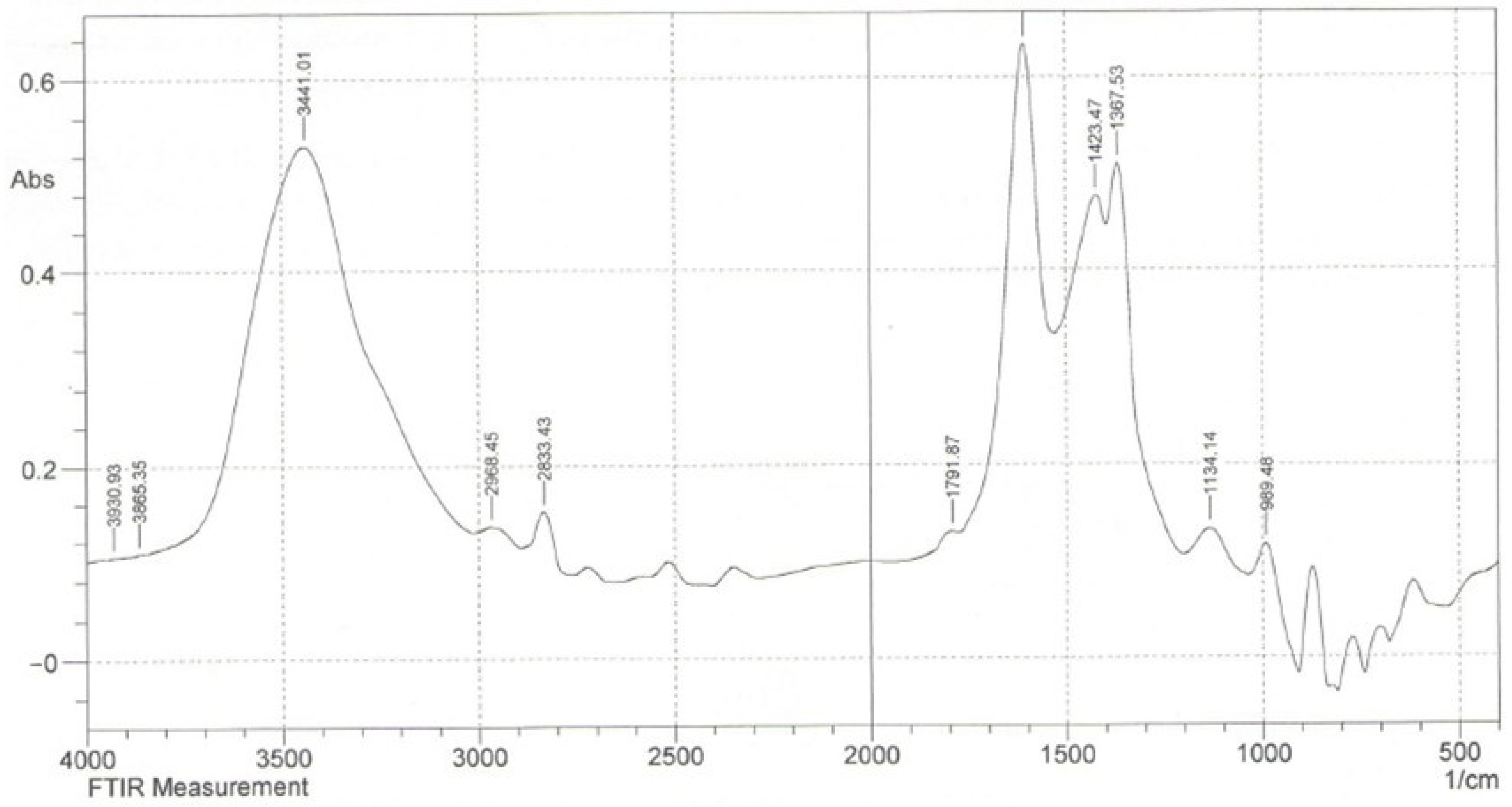
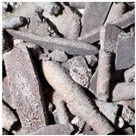
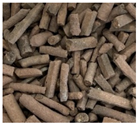
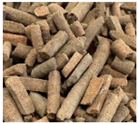
Figure A2.
Activated sludge from a WTP TPP.
References
- Strokov, A.A.; Epikhin, A.N.; Kiseleva, O.A. The Most In-Demand Methods for Desulfurization of Flue Gases of Thermal Power Plants in Russia. Therm. Eng. 2025, 72, 872–880. [Google Scholar] [CrossRef] [Scilit]
- Yang, X.; Li, S.; Qi, H. Effect of hightemperature hot corrosion on the low cycle fatigue behavior of a directionally solidified nickel-base superalloy. Int. J. Fatigue 2015, 70, 106–113. [Google Scholar] [CrossRef] [Scilit]
- Secco, C.; Fuziki, M.E.K.; Tusset, A.M.; Lenzi, G.G. Reactive Processes for H2S Removal. Energies 2023, 16, 1759. [Google Scholar] [CrossRef] [Scilit]
- Li, X.; Ran, Y.; Yu, Z.; Mao, T. Study on Sulfide Stress Corrosion Cracking Susceptibility of 20# Steel Weld Joints in H2S-Rich Environments. Molecules 2025, 30, 4499. [Google Scholar] [CrossRef] [Scilit] [PubMed]
- Spatolisano, E.; Restelli, F.; Pellegrini, L.A.; de Angelis, A.R. Waste to H2 Sustainable Processes: A Review on H2S Valorization Technologies. Energies 2024, 17, 620. [Google Scholar] [CrossRef] [Scilit]
- Georgiadis, A.G.; Charisiou, N.D.; Goula, M.A. Removal of Hydrogen Sulfide from Various Industrial Gases: A Review of The Most Promising Adsorbing Materials. Catalysts 2020, 10, 521. [Google Scholar] [CrossRef] [Scilit]
- Vuppaladadiyam, A.K.; Jena, M.K.; Hakeem, I.G.; Patel, S.; Veluswamy, G.; Thulasiraman, A.V.; Surapaneni, A.; Shah, K. A critical review of biochar versus hydrochar and their application for H2S removal from biogas. Rev. Environ. Sci. Bio/Technol. 2024, 23, 699–737. [Google Scholar] [CrossRef] [Scilit]
- Gaga, Y.; Benmessaoud, S.; Kara, M.; Assouguem, A.; Al-Ghamdi, A.A.; Al-Hemaid, F.M.; Elshikh, M.S.; Ullah, R.; Banach, A.; Bahhou, J. New Margin-Based Biochar for Removing Hydrogen Sulfide Generated during the Anaerobic Wastewater Treatment. Water 2022, 14, 3319. [Google Scholar] [CrossRef] [Scilit]
- Zhao, Y.; Liu, Y. Preparation of hydrogen sulfide adsorbent derived from spent Fenton-like reagent modified biochar and its removal characteristics for hydrogen sulfide. Fuel Process. Technol. 2022, 238, 107495. [Google Scholar] [CrossRef] [Scilit]
- Quan, W.; Jiang, X.; Wang, X.; Song, C. Hydrogen sulfide removal from biogas on ZIF-derived nitrogen-doped carbons. Catal. Today 2021, 371, 221–230. [Google Scholar] [CrossRef] [Scilit]
- Soni Castro, P.; Martinez Zuniga, G.; Holmes, W.; Buchireddy, P.R.; Gang, D.D.; Revellame, E.; Zappi, M.; Hernandez, R. Review of the adsorbents/catalysts for the removal of sulfur compounds from natural gas. Gas Sci. Eng. 2023, 115, 205004. [Google Scholar] [CrossRef] [Scilit]
- Abdirakhimov, M.; Al-Rashed, M.H.; Wójcik, J. Recent Attempts on the Removal of H2S from Various Gas Mixtures Using Zeolites and Waste-Based Adsorbents. Energies 2022, 15, 5391. [Google Scholar] [CrossRef] [Scilit]
- Sung, C.-Y.; Hashimi, S.A.; McCormick, A.; Tsapatsis, M.; Cococcioni, M. Density Functional Theory Study on the Adsorption of H2S and Other Claus Process Tail Gas Components on Copper- and Silver-Exchanged Y Zeolites. J. Phys. Chem. C 2012, 116, 3561–3575. [Google Scholar] [CrossRef] [Scilit]
- Ryzhikov, A.; Hulea, V.; Tichit, D.; Leroi, C.; Anglerot, D.; Coq, B.; Trens, P. Methyl mercaptan and carbonyl sulfide traces removal through adsorption and catalysis on zeolites and layered double hydroxides. Appl. Catal. A Gen. 2011, 397, 218–224. [Google Scholar] [CrossRef] [Scilit]
- Ektefa, F.; Towfighi Darian, J.; Soltanali, S. Performance of BEA, FAU, LTL, MFI, and MOR zeolites in the removal of ethyl mercaptan traces from natural gas by Monte Carlo molecular simulation. Appl. Surf. Sci. 2022, 605, 154833. [Google Scholar] [CrossRef] [Scilit]
- Cha, Y.H.; Mun, S.; Lee, K.B. Development of modified zeolite for adsorption of mixed sulfur compounds in natural gas by combination of ion exchange and impregnation. Appl. Surf. Sci. 2023, 619, 156634. [Google Scholar] [CrossRef] [Scilit]
- Min, G.H.; Park, H.J.; Bhatti, U.H.; Jang, J.T.; Baek, I.H.; Nam, S.C. Hydrogen sulfide removal from low concentration gas streams using metal supported mesoporous silica SBA-15 adsorbent. Microporous Mesoporous Mater. 2023, 362, 112763. [Google Scholar] [CrossRef] [Scilit]
- Montes, D.; Tocuyo, E.; González, E.; Rodríguez, D.; Solano, R.; Atencio, R.; Ramos, M.A.; Moronta, A. Reactive H2S chemisorption on mesoporous silica molecular sieve-supported CuO or ZnO. Microporous Mesoporous Mater. 2013, 168, 111–120. [Google Scholar] [CrossRef] [Scilit]
- Zhang, Z.F.; Liu, B.S.; Wang, F.; Wang, W.S.; Xia, C.; Zheng, S.; Amin, R. Hydrogen sulfide removal from hot coal gas by various mesoporous silica supported Mn2O3 sorbents. Appl. Surf. Sci. 2014, 313, 961–969. [Google Scholar] [CrossRef] [Scilit]
- Belmabkhout, Y.; De Weireld, G.; Sayari, A. Amine-bearing mesoporous silica for CO2 and H2S removal from natural gas and biogas. Langmuir 2009, 25, 13275–13278. [Google Scholar] [CrossRef] [Scilit] [PubMed]
- Mohammed Ali, G.A.; Barhoum, A.; Gupta, V.K.; Nada, A.A.; El-Maghrabi, H.H.; Kanthasamy, R.; Shaaban, E.R.; Algarni, H.; Chong, K.F. High surface area mesoporous silica for hydrogen sulfide effective removal. Curr. Nanosci. 2020, 16, 226–234. [Google Scholar] [CrossRef] [Scilit]
- Filimonova, A.A.; Vlasova, A.Y.; Chichirova, N.D.; Kamalieva, R.F.; Karnitsky, N.B. Development and Investigation of Hydrogen Sulfide Adsorbents from Natural Materials. Energ. Proc. CIS High. Educ. Inst. Power Eng. Assoc. 2025, 68, 353–366. [Google Scholar] [CrossRef] [Scilit]
- Li, W.; Cui, X.; Jing, R.; Zhang, Q.; Lim, T.T.; Qian, G. Green synthesis of binderfree waste-derived adsorbent for H2S removal at ambient temperature. J. Environ. Chem. Eng. 2025, 13, 119618. [Google Scholar] [CrossRef] [Scilit]
- Filimonova, A.A.; Vlasova, A.Y.; Kamalieva, R.F. Adsorption methods for purification of petrochemical industrial gas emissions from sulfur compounds using adsorbents from industrial and agricultural waste. A short review. SOCAR Proc. 2025, 1, 100–108. [Google Scholar] [CrossRef] [Scilit]
- Filimonova, A.A.; Vlasova, A.Y.; Chichirova, N.D.; Kamalieva, R.F. Hydrogen Sulfide Surface Adsorption Study on Composite Materials from Waste Water of Thermal Power Plants. J. Sib. Fed. Univ. Eng. Technol. 2025, 18, 369–379. [Google Scholar]
- Ahmad, W.; Sethupathi, S.; Kanadasan, G.; Lau, L.C.; Kanthasamy, R. A review on the removal of hydrogen sulfide from biogas by adsorption using sorbents derived from waste. Rev. Chem. Eng. 2021, 37, 407–431. [Google Scholar] [CrossRef] [Scilit]
- Habeeb, O.A.; Kanthasamy, R.; Ali, G.A.M.; Sethupathi, S.; Yunus, R.B.M. Hydrogen sulfide emission sources, regulations, and removal techniques: A review. Rev. Chem. Eng. 2018, 34, 837–854. [Google Scholar] [CrossRef] [Scilit]
- Adegoke, K.A.; Okon-Akan, O.A.; Adebusuyi, T.A.; Adewuyi, O.I.; Adu, P.O.; Bamisaye, A.; Adegoke, O.R.; Babarinde, C.O.; Bello, O.S. Adsorptive removal of gaseous contaminants using biomass-based adsorbents. RSC Adv. 2025, 15, 13960–13999. [Google Scholar] [CrossRef] [Scilit] [PubMed]
- Nowicki, P.; Skibiszewska, P.; Pietrzak, R. Hydrogen sulphide removal on carbonaceous adsorbents prepared from coffee industry waste materials. Chem. Eng. J. 2014, 248, 208–215. [Google Scholar] [CrossRef] [Scilit]
- Wallace, R.; Seredych, M.; Zhang, P.; Bandosz, T.J. Municipal waste conversion to hydrogen sulfide adsorbents: Investigation of the synergistic effects of sewage sludge/fish waste mixture. Chem. Eng. J. 2014, 237, 88–94. [Google Scholar] [CrossRef] [Scilit]
- Yuan, W.; Bandosz, T.J. Removal of hydrogen sulfide from biogas on sludge-derived adsorbents. Fuel 2007, 86, 2736–2746. [Google Scholar] [CrossRef] [Scilit]
- Bagreev, A.; Bandosz, T.J. Efficient hydrogen sulfide adsorbents obtained by pyrolysis of sewage sludge derived fertilizer modified with spent mineral oil. Environ. Sci. Technol. 2004, 38, 345–351. [Google Scholar] [CrossRef] [Scilit] [PubMed]
- Sawalha, H.; Maghalseh, M.; Qutaina, J.; Junaidi, K.; Rene, E.R. Removal of hydrogen sulfide from biogas using activated carbon synthesized from different locally available biomass wastes—A case study from Palestine. Bioengineered 2020, 11, 607–618. [Google Scholar] [CrossRef] [Scilit] [PubMed]
- Zhu, H.L.; Papurello, D.; Gandiglio, M.; Lanzini, A.; Akpinar, I.; Shearing, P.R.; Manos, G.; Brett, D.J.L.; Zhang, Y.S. Study of H2S Removal Capability from Simulated Biogas by Using Waste-Derived Adsorbent Materials. Processes 2020, 8, 1030. [Google Scholar] [CrossRef] [Scilit]
- Shang, G.; Li, Q.; Liu, L.; Chen, P.; Huang, X. Adsorption of hydrogen sulfide by biochars derived from pyrolysis of different agricultural/forestry wastes. J. Air Waste Manag. Assoc. 2016, 66, 8–16. [Google Scholar] [CrossRef] [Scilit] [PubMed]
- Izhar, T.N.T.; Kee, G.Z.; Saad, F.N.M.; Rahim, S.Z.A.; Zakarya, I.A.; Besom, M.R.C.; Ibad, M.; Syafiuddin, A. Adsorption of hydrogen sulfide (H2S) from municipal solid waste by using biochars. Bioint. Res. Appl. Chem. 2022, 12, 8057–8069. [Google Scholar]
- Surra, E.; Costa Nogueira, M.; Bernardo, M.; Lapa, N.; Esteves, I.; Fonseca, I. New adsorbents from maize cob wastes and anaerobic digestate for H2S removal from biogas. Waste Manag. 2019, 94, 136–145. [Google Scholar] [CrossRef] [Scilit] [PubMed]
- Ma, R.; Promnuan, K.; Kongjan, P.; Chotisuwan, S.; Raketh, M.; Cheirsilp, B.; Jariyaboon, R. Removal of hydrogen sulfide and carbon dioxide in biogas using low-cost and eco-friendly extruded adsorbent derived from rubber wood ash. Biomass Bioenergy 2026, 206, 108592. [Google Scholar] [CrossRef] [Scilit]
- Okologume, W.C.; Eyitemi, D.K.; Okologume, J.O.; Akpeji, B.H. Potentiation of Activated Carbon from Cassava Peels for Adsorption of Hydrogen Sulfide from Petroleum Streams. Eur. J. Appl. Sci. Eng. Technol. 2025, 3, 256–268. [Google Scholar] [CrossRef] [Scilit]
- Habeeb, O.A.; Ramesha, K.; Ali, G.A.M.; Yunus, R.b.M. Low-cost and eco-friendly activated carbon from modified palm kernel shell for hydrogen sulfide removal from wastewater: Adsorption and kinetic studies. Desalin. Water Treat. 2017, 84, 205–214. [Google Scholar] [CrossRef] [Scilit]
- Wei, W.; Wang, N.; Zhang, X. Modified Biochar Adsorption Combined with Alkaline Solution Absorption for Sulfur-Containing Odor Gases Removal from Domestic Waste Transfer Stations. Separations 2024, 11, 361. [Google Scholar] [CrossRef] [Scilit]
- Baikousi, M.; Gantzoudi, A.; Gioti, C.; Moschovas, D.; Giannakas, A.E.; Avgeropoulos, A.; Salmas, C.E.; Karakassides, M.A. Hydrogen Sulfide Removal via Sorption Process on Activated Carbon–Metal Oxide Composites Derived from Different Biomass Sources. Molecules 2023, 28, 7418. [Google Scholar] [CrossRef] [Scilit] [PubMed]
- Zhao, H.; Zhu, J.; Wang, J.; Hu, L. Highly efficient adsorption of ethyl mercaptan on hierarchical porous carbon derived from rice husk. Chem. Eng. Sci. 2025, 302, 120915. [Google Scholar] [CrossRef] [Scilit]
- Zhu, J.; Zhao, H.; Dong, X.; Wang, S.; Hu, L. Adsorption performance and mechanisms of ethyl mercaptan on Cu-impregnated hierarchical porous carbon. J. Environ. Chem. Eng. 2025, 13, 120224. [Google Scholar] [CrossRef] [Scilit]
- Kothari, M.S.; Aly Hassan, A.; Tegenaw, A.; Sahle-Demessie, E.; El-Dieb, A.; El-Hassan, H. Dynamic adsorption of hydrogen sulfide using copper-doped hydroxyapatite synthesized from industrial waste. Discov. Appl. Sci. 2025, 7, 1060. [Google Scholar] [CrossRef] [Scilit]
- Irfan, M.; Siddiqui, M.; Bashir, F.; Butt, M.T.; Abbas, N. Efficient removal of hydrogen sulfide from wastewater using waste-tire-derived rubber particles. Int. J. Environ. Sci. Technol. 2020, 17, 3515–3524. [Google Scholar] [CrossRef] [Scilit]
- Czajczyńska, D.; Krzyżyńska, R.; Jouhara, H. Hydrogen sulfide removal from waste tyre pyrolysis gas by inorganics. Int. J. Hydrogen Energy 2024, 52, 785–799. [Google Scholar] [CrossRef] [Scilit]
- Liu, X.; Wang, M.; Zhang, X.; Liang, T. A new insight: Investigating calcium silicate hydrate as a potential adsorbent for hydrogen sulfide removal. Surf. Interfaces 2025, 56, 105669. [Google Scholar] [CrossRef] [Scilit]
- Promnuan, K.; Ma, R.; Raketh, M.; Kongjan, P.; Chotisuwan, S.; Jariyaboon, R. Low-cost biomass ash-based adsorbent for removal of hydrogen sulfide gas. Carbon Resour. Convers. 2025, 8, 100327. [Google Scholar] [CrossRef] [Scilit]
- Solod, P.; Nawae, W.; Naemsai, T.; Jareanjit, J.; Suksuwan, W. A multi-stage biogas upgrading system for household applications: Removal of hydrogen sulfide, carbon dioxide, and moisture using Locally Sourced materials. Biomass Bioenergy 2026, 205, 108499. [Google Scholar] [CrossRef] [Scilit]
- Wasajja, H.; Champatan, V.; Verhorst, R.; Lindeboom, R.E.F.; van Lier, J.B.; Aravind, P.V. Improving the Economic Feasibility of Small-Scale Biogas-Solid Oxide Fuel Cell Energy Systems through a Local Ugandan Biochar Production Method. Energies 2024, 17, 4416. [Google Scholar] [CrossRef] [Scilit]
- Kam, S.K.; Kang, K.H.; Lee, M.G. Adsorption characteristics of acetone, benzene, and metylmercaptan in the fixed bed reactor packed with activated carbon prepared from waste citrus peel. Appl. Chem. Eng. 2018, 29, 28–36. [Google Scholar] [CrossRef]
- Yao, X.; Zhou, J.; Liu, Z. Study on adsorption of low-concentration methyl mercaptan by starch-based activated carbon. Chemosphere 2022, 302, 134901. [Google Scholar] [CrossRef] [Scilit] [PubMed]
- Päivärinta-Antikainen, S.; Ojala, S.; Pitkäaho, S.; Matějová, L.; Keiski, R.L. On the Utilization of Modified Red Mud in Dimethyl Disulfide and Methyl Mercaptan Emission Abatement. Resources 2023, 12, 9. [Google Scholar] [CrossRef] [Scilit]
- Salimi, F.; Jalalvandi, O.; Kheradmand, F.; Golmohammadi, F. Removal of H2S and Mercaptan from Outlet Gases of Kermanshah Refinery Using Modified Adsorbents (Bentonite and Sludge). Iran. J. Oil Gas Sci. Technol. 2019, 8, 1–14. [Google Scholar] [CrossRef] [Scilit]
- Evsina, E.M.; Alykova, T.V.; Zolotareva, N.V.; Alykov, N.M. The New Sorbent and the Method of Sulphide and Mercaptans Removal from the Enterprises of Oil and Gas Complex Atmospheric Air. Mater. Sci. Forum 2018, 931, 1081–1086. [Google Scholar] [CrossRef] [Scilit]
- Martinez-Zuniga, G.; Antwi, S.; Soni-Castro, P.; Olayiwola, O.; Chuprin, M.; Holmes, W.E.; Buchireddy, P.; Gang, D.; Revellame, E.; Zappi, M.E.; et al. Methyl Mercaptan Removal from Methane Using Metal-Oxides and Aluminosilicate Materials. Catalysts 2024, 14, 907. [Google Scholar] [CrossRef] [Scilit]
- Li, Q.; Li, F.; Yang, Y.; Yan, H.; Yu, C. Adsorption mechanism of adsorbents for mercaptan foul-smelling substances: A review. Chem. Eng. Res. Des. 2024, 210, 202–211. [Google Scholar] [CrossRef] [Scilit]
- Bayout, A.; Cammarano, C.; Costa, I.M.; Veryasov, G.; Hulea, V. Management of methyl mercaptan contained in waste gases—An overview. Environ. Sci. Pollut. Res. 2024, 31, 44669–44690. [Google Scholar] [CrossRef] [Scilit] [PubMed]
- Sithole, T. A review on regeneration of adsorbent and recovery of metals: Adsorbent disposal and regeneration mechanism. S. Afr. J. Chem. Eng. 2024, 50, 39–50. [Google Scholar] [CrossRef] [Scilit]
- Bunker, B.; Dvorak, B.; Aly Hassan, A. Thermal regeneration of activated carbon used as an adsorbent for hydrogen sulfide (H2S). Sustainability 2023, 15, 6435. [Google Scholar] [CrossRef] [Scilit]
- Rahmani, M.; Mokhtarani, B.; Rahmanian, N. High pressure adsorption of hydrogen sulfide and regeneration ability of ultra-stable Y zeolite for natural gas sweetening. Fuel 2023, 343, 127937. [Google Scholar] [CrossRef] [Scilit]
- Zha, X.; Li, F.; Feng, B.; Zhang, X.; He, R. Adsorption mechanism and regeneration performance of calcined zeolites for hydrogen sulfide and its application. ACS Omega 2024, 9, 19493–19503. [Google Scholar] [CrossRef] [Scilit] [PubMed]
- Zhang, X.; Cao, S.; Yong, Y.; Chen, J.; Pan, H.; Zheng, C. Zinc-Based Adsorbents for Low-Temperature H2S Removal: A Review on Mechanisms, Material Design, and Regeneration. ACS Omega 2026, 11, 20017–20032. [Google Scholar] [CrossRef] [Scilit] [PubMed]
- Song, H.S.; Park, M.G.; Ahn, W.; Lim, S.N.; Yi, K.B.; Croiset, E.; Chen, Z.; Nam, S.C. Enhanced adsorption of hydrogen sulfide and regeneration ability on the composites of zinc oxide with reduced graphite oxide. Chem. Eng. J. 2014, 253, 264–273. [Google Scholar] [CrossRef] [Scilit]
- Behl, M.; Yeom, J.; Lineberry, Q.; Jain, P.K.; Shannon, M.A. A regenerable oxide-based H2S adsorbent with nanofibrous morphology. Nat. Nanotechnol. 2012, 7, 810–815. [Google Scholar] [CrossRef] [Scilit] [PubMed]
- Ko, T.H.; Chu, H.; Lin, H.P.; Peng, C.Y. Red soil as a regenerable sorbent for high temperature removal of hydrogen sulfide from coal gas. J. Hazard. Mater. 2006, 136, 776–783. [Google Scholar] [CrossRef] [Scilit] [PubMed]
- ter Maat, H.; Hogendoorn, J.A.; Versteeg, G.F. The removal of hydrogen sulfide from gas streams using an aqueous metal sulfate absorbent: Part II. The regeneration of copper sulfide to copper oxide—An experimental study. Sep. Purif. Technol. 2005, 43, 199–213. [Google Scholar] [CrossRef] [Scilit]
- Wang, H.; Fang, D.; Chuang, K.T. A sulfur removal and disposal process through H2S adsorption and regeneration: Ammonia leaching regeneration. Process Saf. Environ. Prot. 2008, 86, 296–302. [Google Scholar] [CrossRef] [Scilit]
- Wang, H.; Wang, D.M.; Chuang, K.T. A sulfur removal and disposal process through H2S adsorption and regeneration: Breakthrough behaviour investigation. Process Saf. Environ. Prot. 2011, 89, 53–60. [Google Scholar] [CrossRef] [Scilit]
- Filimonova, A.A.; Vlasova, A.Y.; Gizzatullin, A.R.; Chichirova, N.D. Development of Sorbent Compositions from TPP Water-Treatment Facility Waste for Gaseous Fuel Desulfurization. Therm. Eng. 2024, 71, 802–809. [Google Scholar] [CrossRef] [Scilit]
- Iliev, I.; Filimonova, A.; Chichirov, A.; Vlasova, A.; Kamalieva, R.; Beloev, I. Natural and Waste Materials for Desulfurization of Gaseous Fuels and Petroleum Products. Fuels 2025, 6, 13. [Google Scholar] [CrossRef] [Scilit]
- Nosenko, T.N.; Sitnikova, V.E.; Strelnikova, I.E.; Fokina, M.I. A Workshop on Vibrational Spectroscopy: A Textbook; ITMO University: St. Petersburg, Russia, 2021; 173p. [Google Scholar]
- GOST 22387.2-2021; Natural Gas. Methods for the Determination of Hydrogen Sulfide and Mercaptan Sulfur. Russian Institute of Standardization: Moscow, Russia, 2021.
- GOST 6755-88; Chemical Lime Absorber HP-I. Specifications. Publishing House of Standards: Moscow, Russia, 1988.
- Sadovnikov, S. Thermal Stability of Nanocrystalline Zinc Sulfide ZnS. Russ. J. Inorg. Chem. 2023, 68, 444–451. [Google Scholar] [CrossRef] [Scilit]

Disclaimer/Publisher’s Note: The statements, opinions and data contained in all publications are solely those of the individual author(s) and contributor(s) and not of MDPI and/or the editor(s). MDPI and/or the editor(s) disclaim responsibility for any injury to people or property resulting from any ideas, methods, instructions or products referred to in the content. |
© 2026 by the authors. Licensee MDPI, Basel, Switzerland. This article is an open access article distributed under the terms and conditions of the Creative Commons Attribution (CC BY) license.