


Abstract
Natural deep eutectic solvents (NADESs) have emerged as promising green alternatives to conventional solvents for the extraction of bioactive compounds from plant materials. In this study, eight natural deep eutectic solvents were synthesized and evaluated for their efficiency in extracting betulin from birch bark. Extraction yield was assessed using high-performance liquid chromatography with ultraviolet detection. Among the tested systems, N3 (choline chloride and urea in a 1:1 molar) and N4 (choline chloride and fructose in a 1:1 molar) were the most effective, yielding 101.26 ± 0.03 and 243.32 ± 0.26 mg betulin per gram of dry extract, respectively. Fourier transform infrared spectroscopy analysis confirmed the structural similarity of the N4 extract to pure betulin. In addition to increased extraction performance, the N4 extract demonstrated the greatest antioxidant activity (DPPH (1,1-diphenyl-2-picrylhydrazyl): 63% and ABTS (2,2′-azino-bis(3-ethylbenzthiazoline-6-sulfonic acid)): 97% inhibition) and total phenolic content (12.12 mg GAE/g extract), and betulin yield was strongly correlated with total phenolic content (TPC) and antioxidant activity (FRAP (ferric ion reducing antioxidant power), DPPH, and ABTS), indicating the preservation of bioactivity. These findings underscore the potential of NADESs as sustainable solvents for the extraction of bioactive compounds from birch bark, supporting greener extraction technologies for biomass valorization and natural product processing.
1. Introduction
The birch tree (Betula sp.) is widely distributed in the northern hemisphere, with its leaves, bark, roots, and sap being used for health and medicinal purposes. Birch bark, in particular, is an abundant source of extractive substances such as tannins, essential oils, saponins, flavonoids, and terpenoids, with betulin as the primary active component [1]. Betulin has multiple pharmacological properties, including antidiabetic [2,3], wound-healing [4,5], and anti-inflammatory effects [1], making it valuable for applications in cosmetics and pharmaceuticals. As a byproduct of the forest industry, birch bark is a readily available renewable resource, particularly in the northern temperate and boreal regions. However, the underutilization of this biomass leads to significant waste, presenting both an environmental challenge and an opportunity to improve industry sustainability.
Traditional methods for isolating bioactive compounds from birch bark, such as reflux boiling with organic solvents, pose environmental challenges because of the flammability, nonbiodegradability, and hazardous nature of these solvents [6]. These methods contribute to pollution and increased waste, undermining the environmental goals of green chemistry. Therefore, numerous extraction techniques have been proposed to increase extraction yield, including vacuum pyrolysis, pressurized liquid extraction, supercritical fluid extraction, and microwave-assisted extraction (MAE) [7,8,9].
Natural deep eutectic solvents (NADESs) have emerged as sustainable, eco-friendly substitutes for conventional organic solvents. As a disadvantage, NADES has higher viscosity than conventional organic solvents, which leads to concerns in some stages, such as decantation, dissolution and filtration [10]. Another drawback of NADESs is that they slow down mass transfer in the dissolution or extraction of bioactive compounds from plant matrices into the extraction medium, requiring the periodic addition of water at some stages of the extraction process [10]. NADES systems are formed when two or more components are mixed, with one component acting as a hydrogen bond acceptor (HBA) and the other acting as a hydrogen bond donor (HBD). These solvents are made up of primary metabolites of natural origin bound together by intermolecular hydrogen bonds to create a eutectic mixture, offering advantages, including low toxicity, ease of preparation, cost effectiveness, and tunable physicochemical properties, such as viscosity and polarity [9,10,11,12]. Furthermore, the combination of NADESs with other innovative techniques, such as NADES–ultrasound-assisted extraction (NADES–UAE), NADES–microwave-assisted extraction (NADES–MAE), and pressurized-liquid-assisted extraction, has been shown to increase the effectiveness of the extraction process by increasing yield and reducing extraction time [13,14]. Ultrasound-assisted extraction (UAE) specifically addresses the limitations of conventional methods by exploiting cavitation and thermal effects to improve mass transfer and cell disruption [14]. These green technologies have shown promising potential for extracting compounds such as phenols and terpenoids; however, research on their application for the extraction of betulin from birch bark is limited. Hydrophobic NADES systems have been studied for the extraction of betulin from Celtic sinensis leaves, yielding betulin contents of up to 9.77 mg/g of leaf powder [15]. Another choline chloride-lactic acid-based NADES was used to extract triterpenoids from birch bark, yielding a betulin content of 1.79 mg/g dry bark and betulinic acid (0.29 mg/g dry bark) [16].
Although NADES-based extraction of triterpenoids from birch bark has been previously reported, investigations of different choline chloride-based NADESs for betulin extraction remain limited. Furthermore, many studies directly analyzed crude NADES extracts without isolation of the extracted compounds from the solvent matrix prior to quantification. In the present study, a liquid–liquid extraction (LLE) step was applied to recover betulin from the NADES matrix before chromatographic and spectroscopic analyses, ensuring improved analytical reliability. Extracts from multiple NADES systems were comparatively evaluated using high-performance liquid chromatography with ultraviolet detection (HPLC–UV), liquid chromatography–mass spectrometry (LC–MS), and Fourier transform infrared spectroscopy (FTIR) characterization, and the antioxidant activity of the recovered extracts was assessed using different assays. By exploring extraction efficiency, compound recovery, and bioactivity, this work contributes to the development of more robust and sustainable green extraction strategies for the valorization of birch bark.
2. Materials and Methods
2.1. Materials
Birch bark (Betula pendula) was obtained from the ‘Sveza’ plant, a pulp mill located in Alapayevsk (Sverdlovsk Oblast, Russia). The bark was pulverized and stored in plastic bags. Choline chloride, L-proline, and citric acid monohydrate were purchased from ACROS Organics (Geel, Belgium). 1,3-Propanediol was purchased from Ferak Berlin (Berlin, Germany). Glycerine, malic acid, urea, and D-fructose were obtained from Chemreaktivsnab (Ufa, Russia). 1,1-Dipheny-2-picrylhydrazyl (DPPH, >99.0%) was obtained from TCI (Tokyo, Japan), and 2,20-azinobis-3-ethylbenzthiazoline-6-sulfonate (ABTS, >95.0%) was obtained from BLD Pharm (Shanghai, China). Acetonitrile, formic acid, and all the reagents used for both the high-performance liquid chromatography (HPLC) analysis and the antioxidant assays were of analytical grade.
2.2. Preparation and Selection of Natural Deep Eutectic Solvents (NADESs)
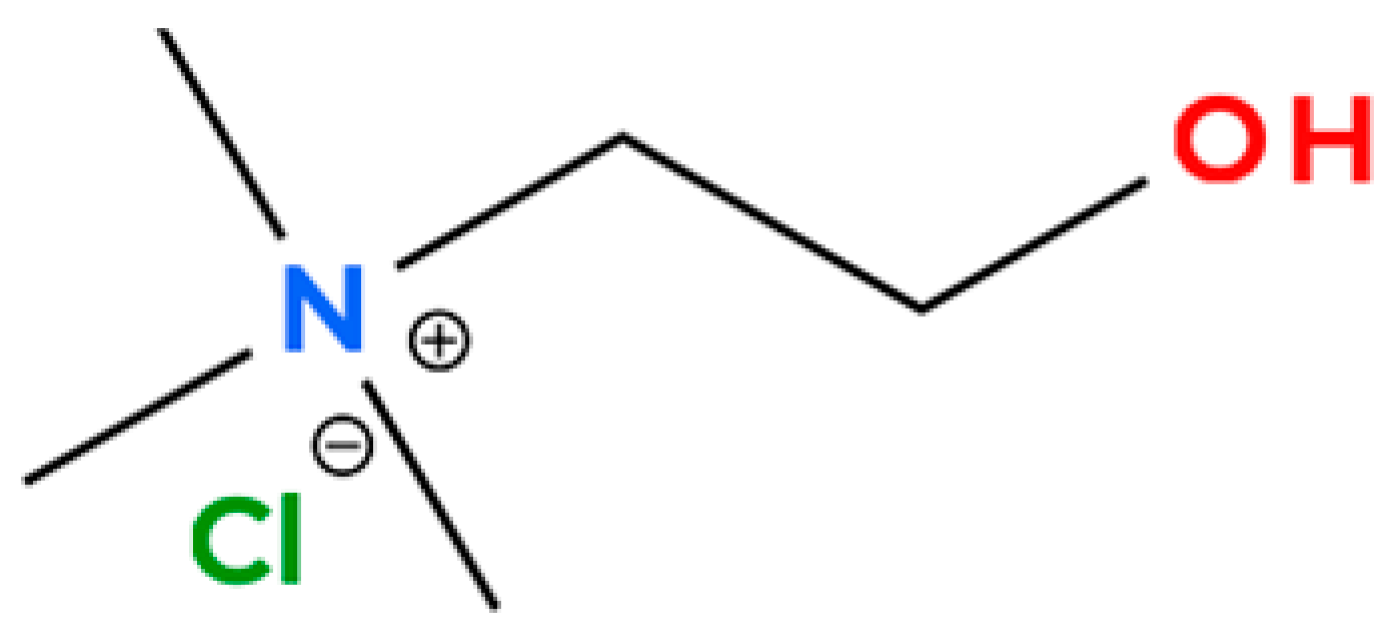
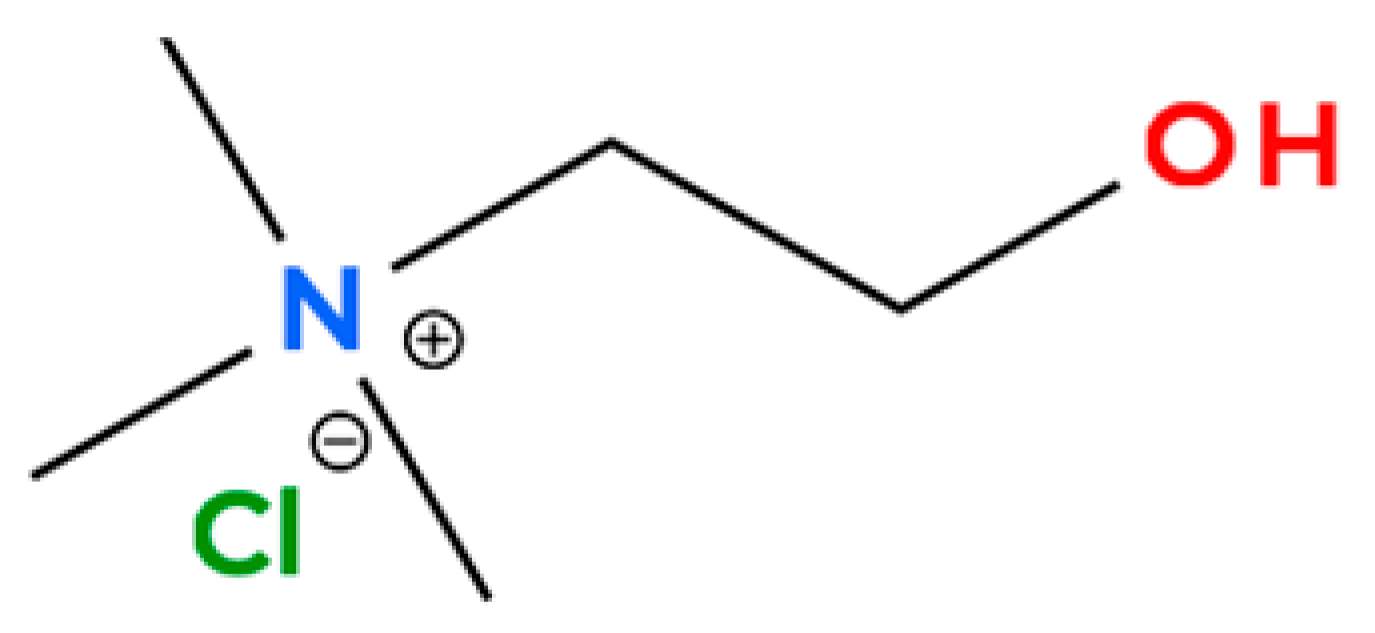
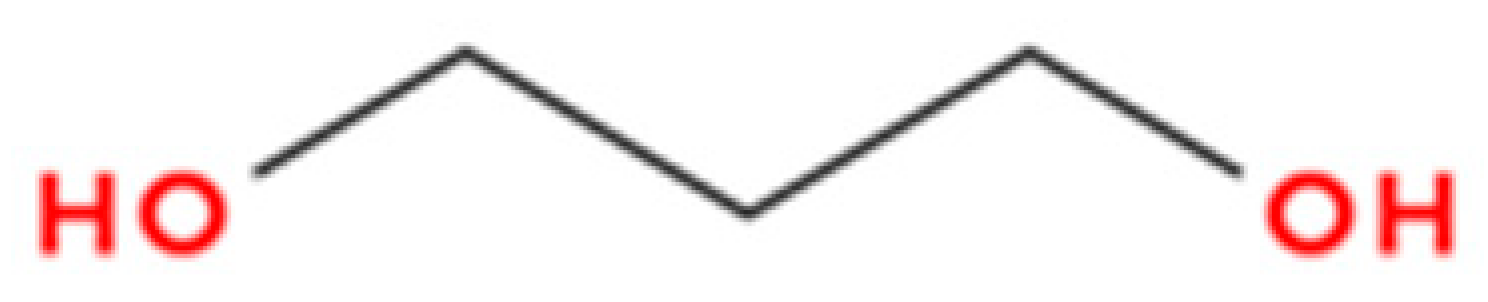
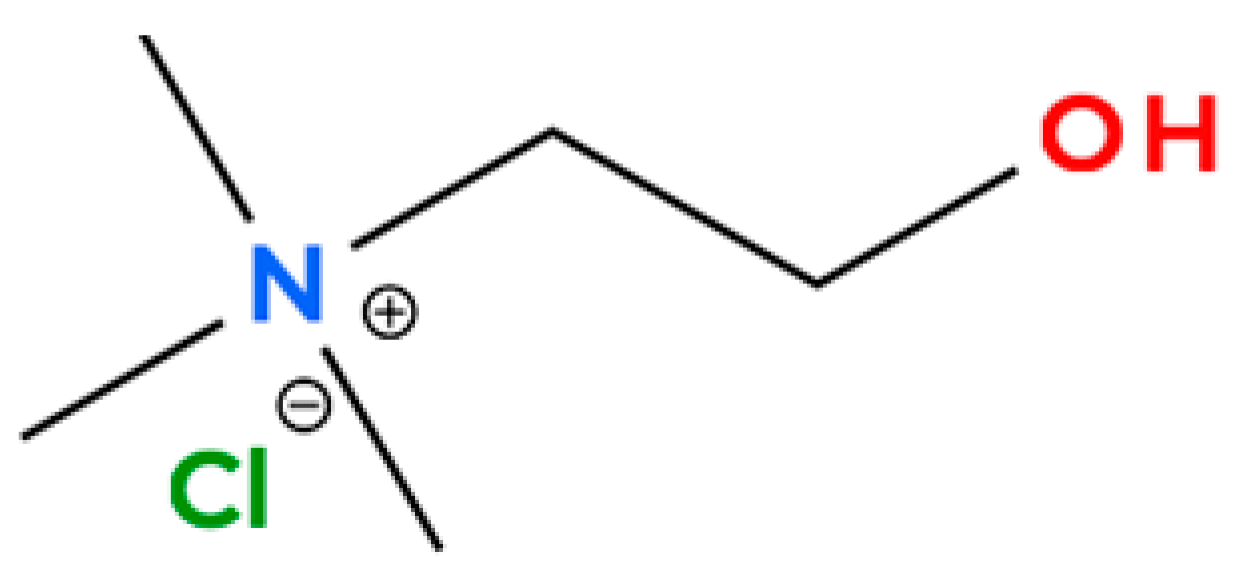
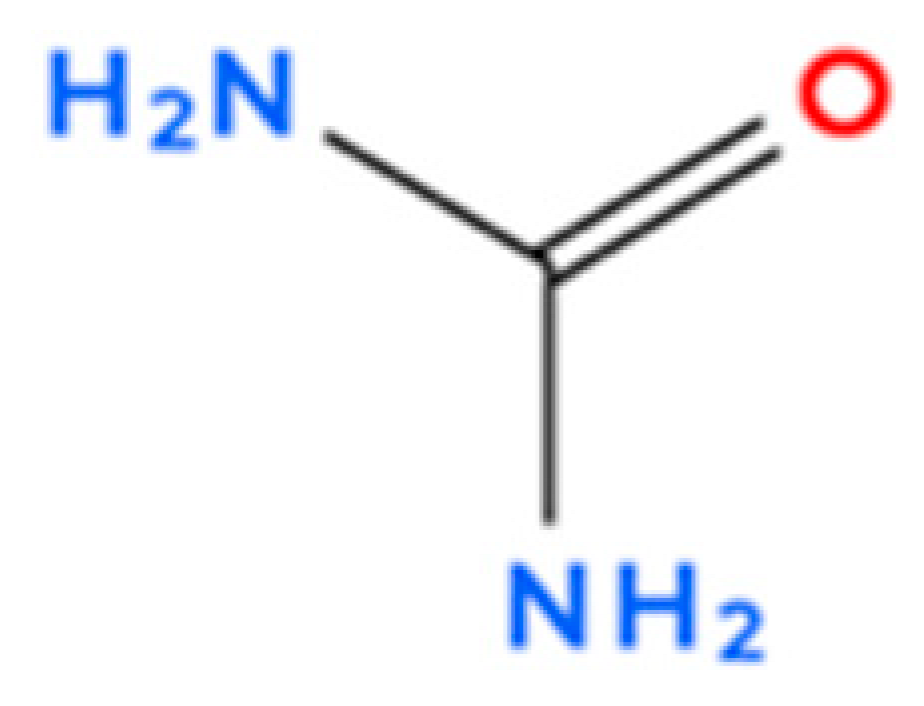
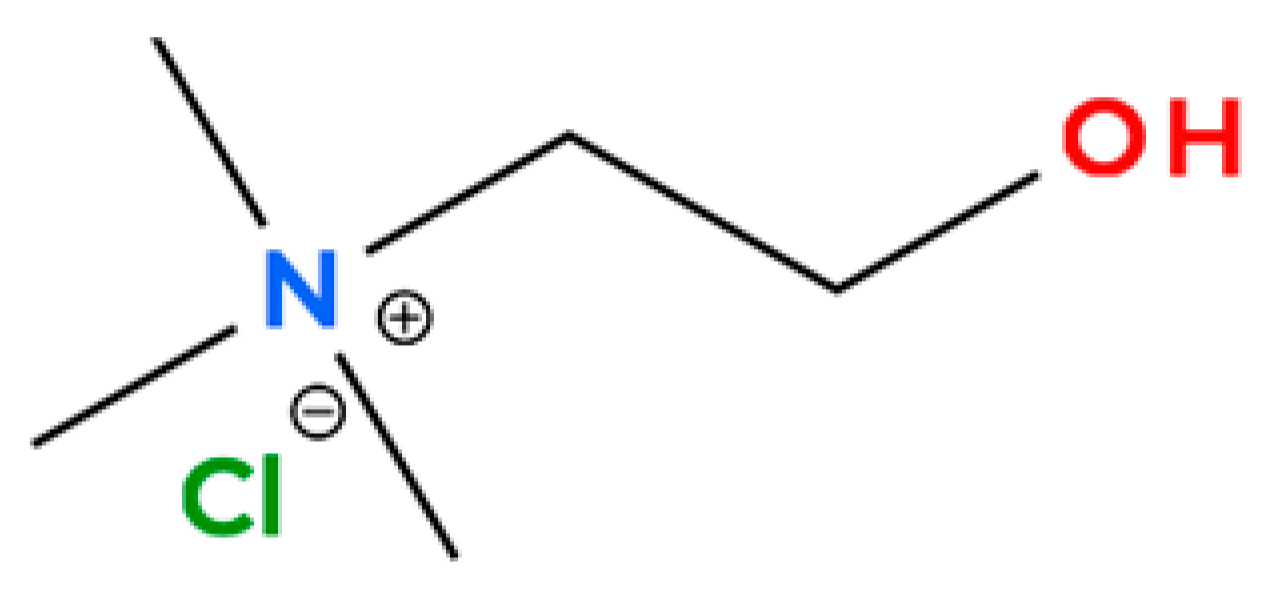
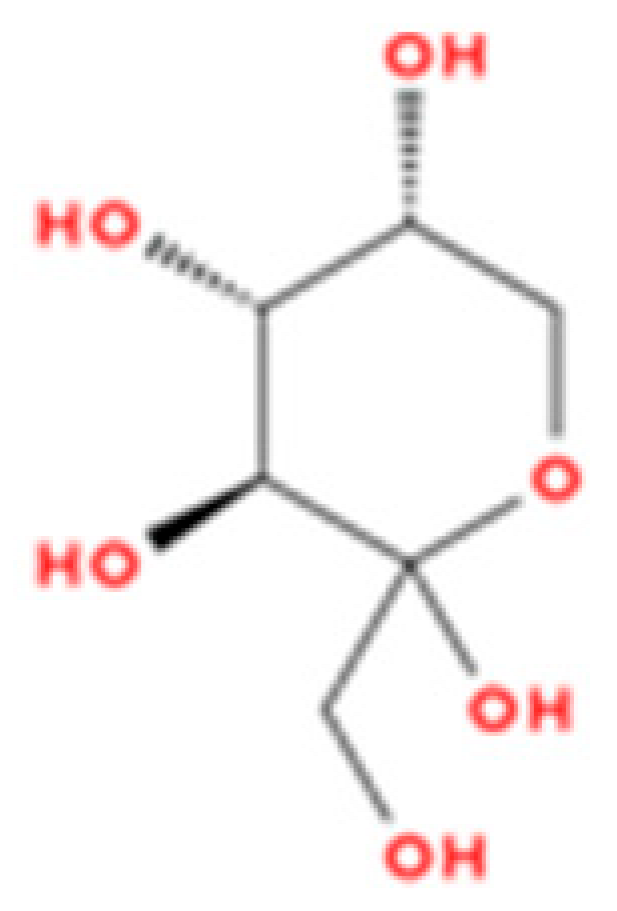
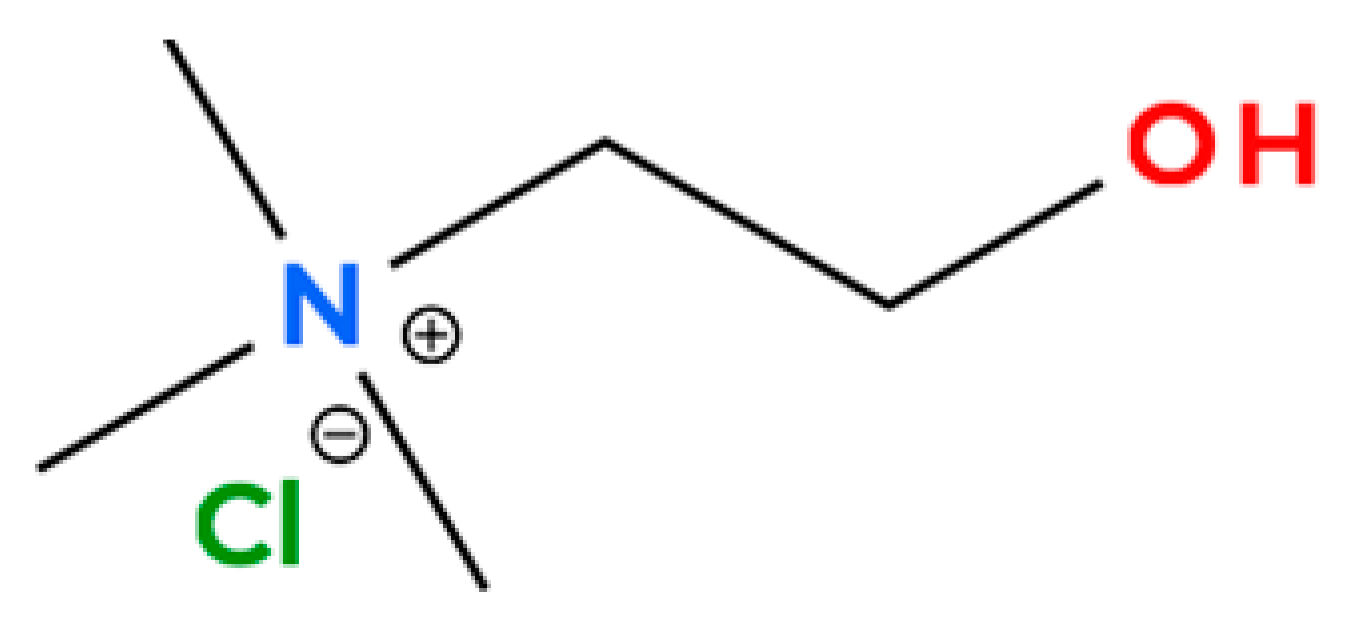
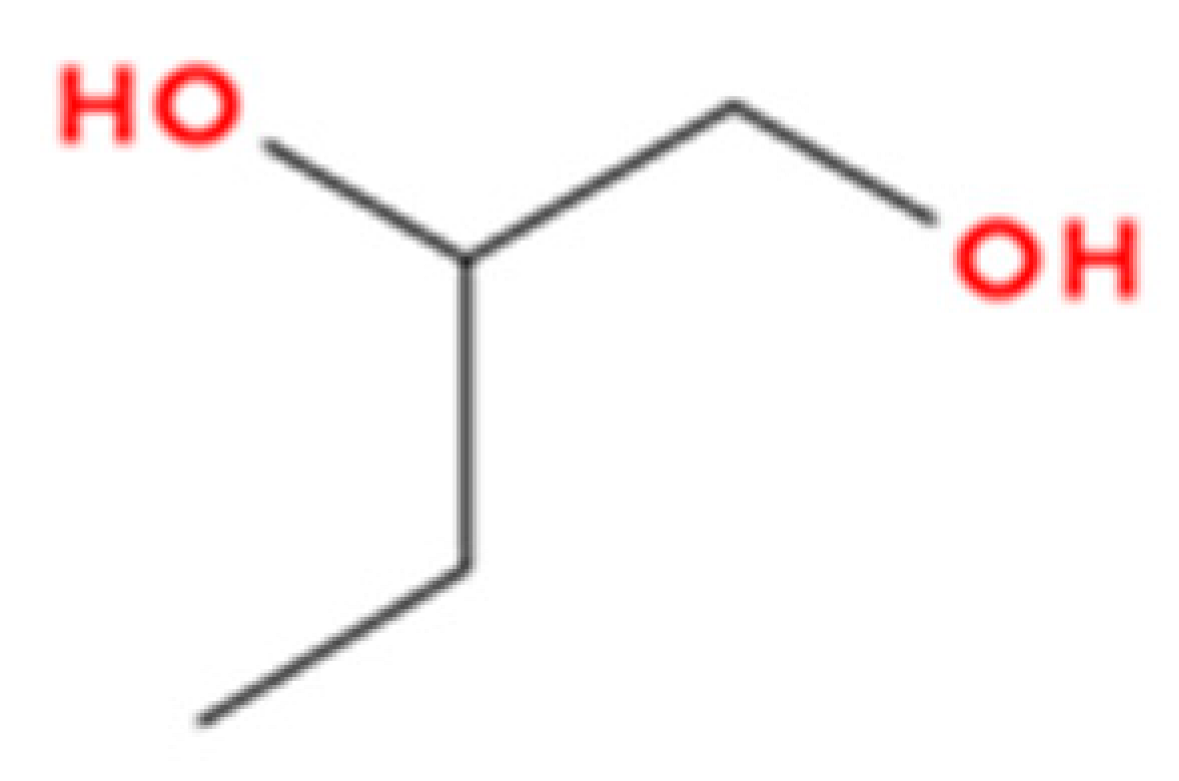
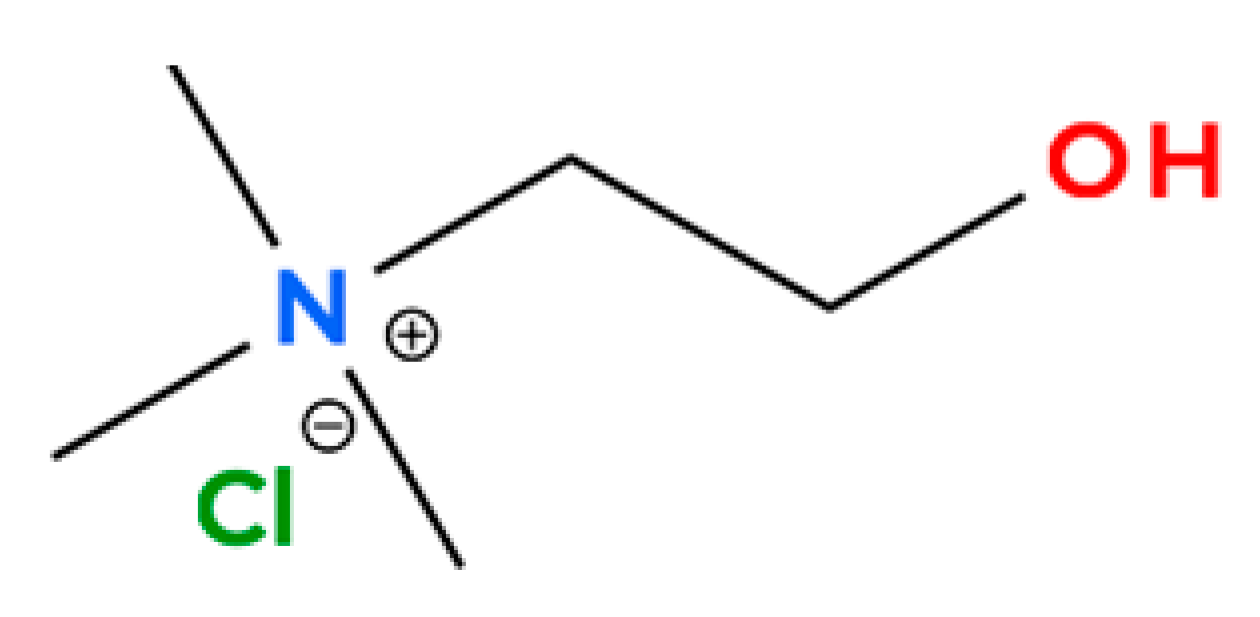
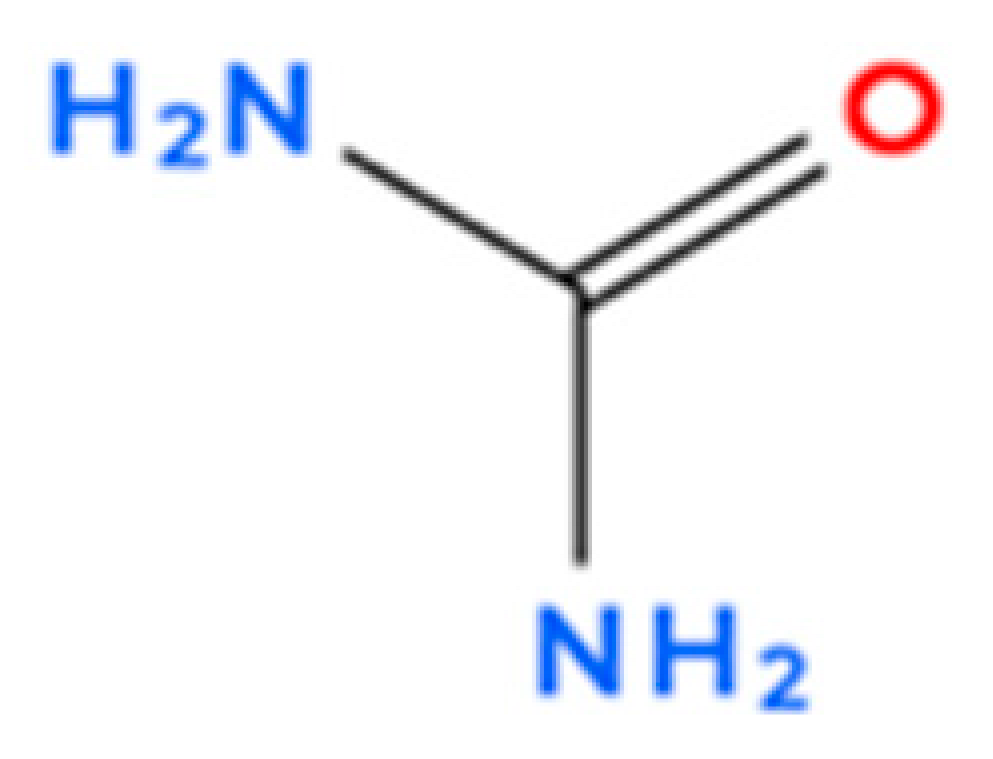
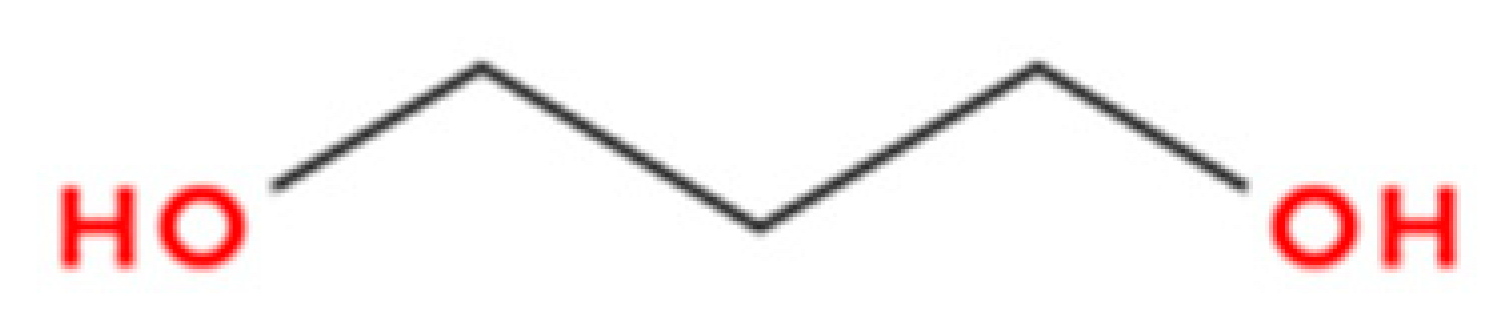
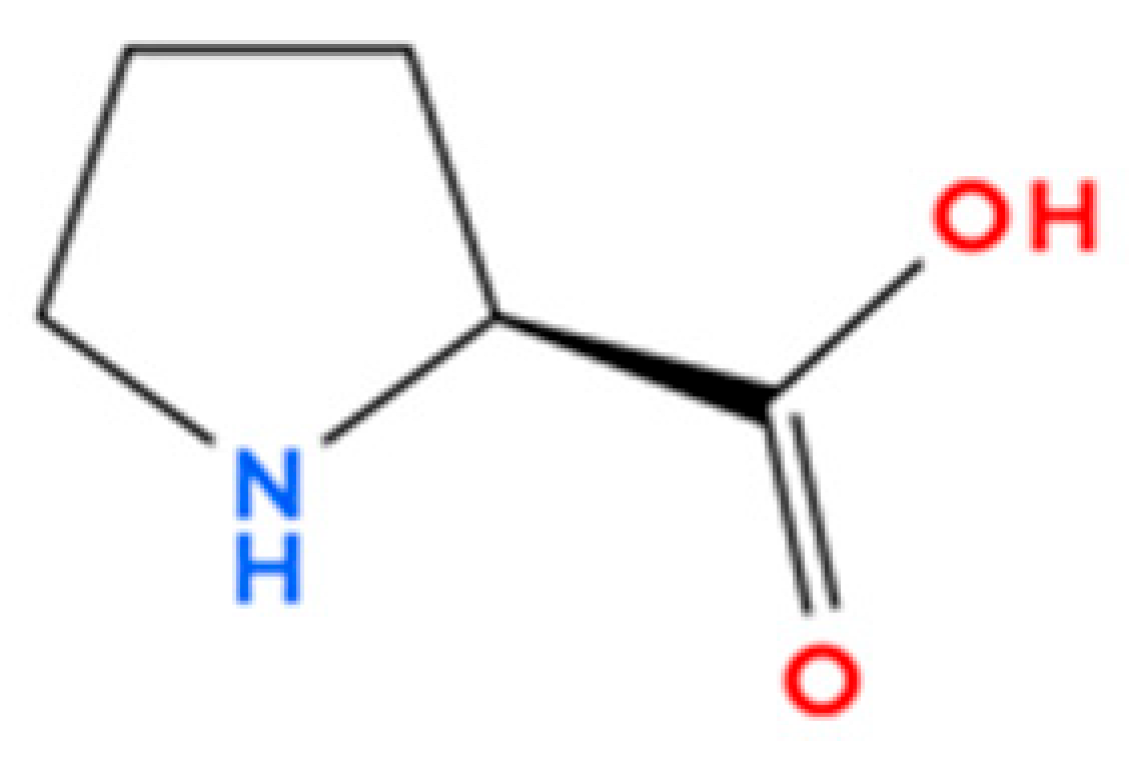
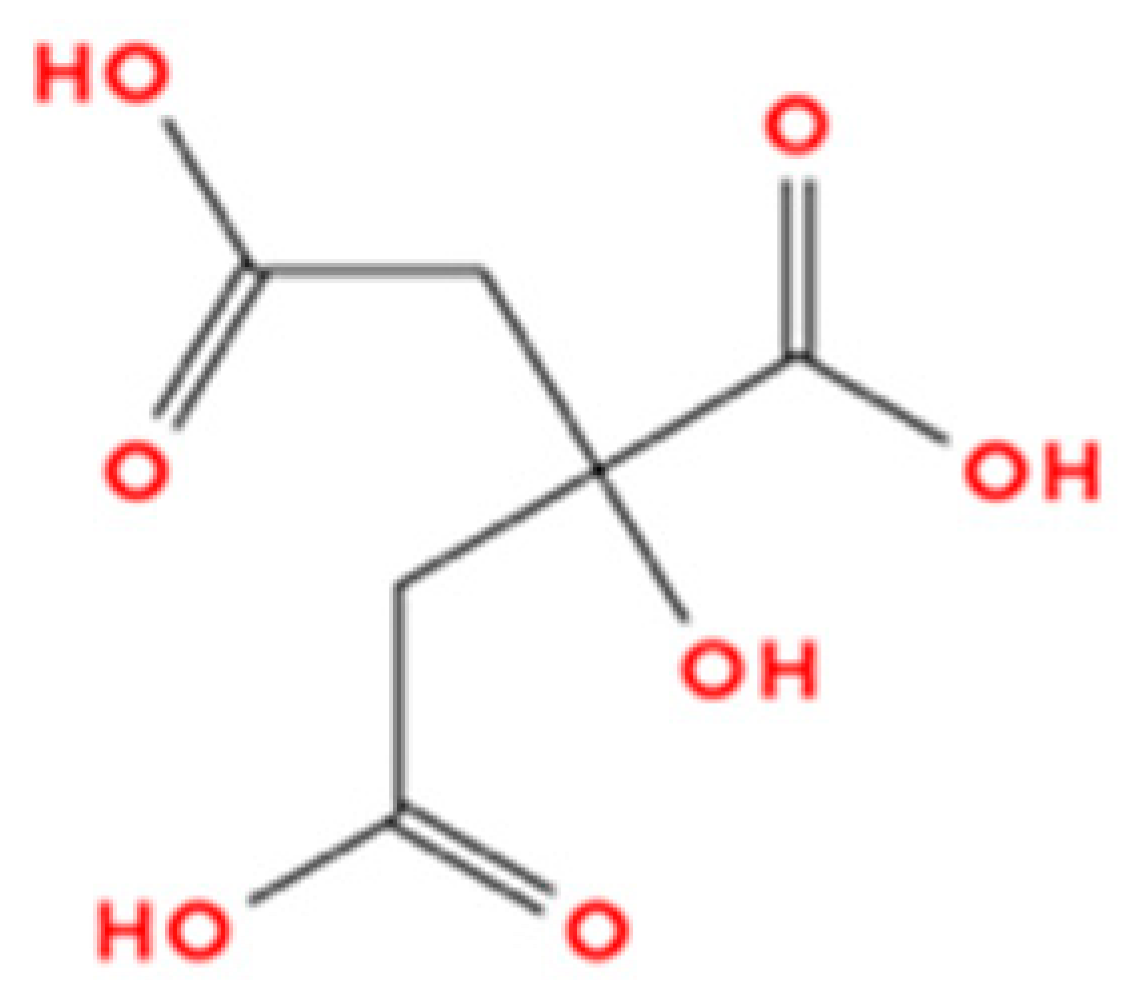
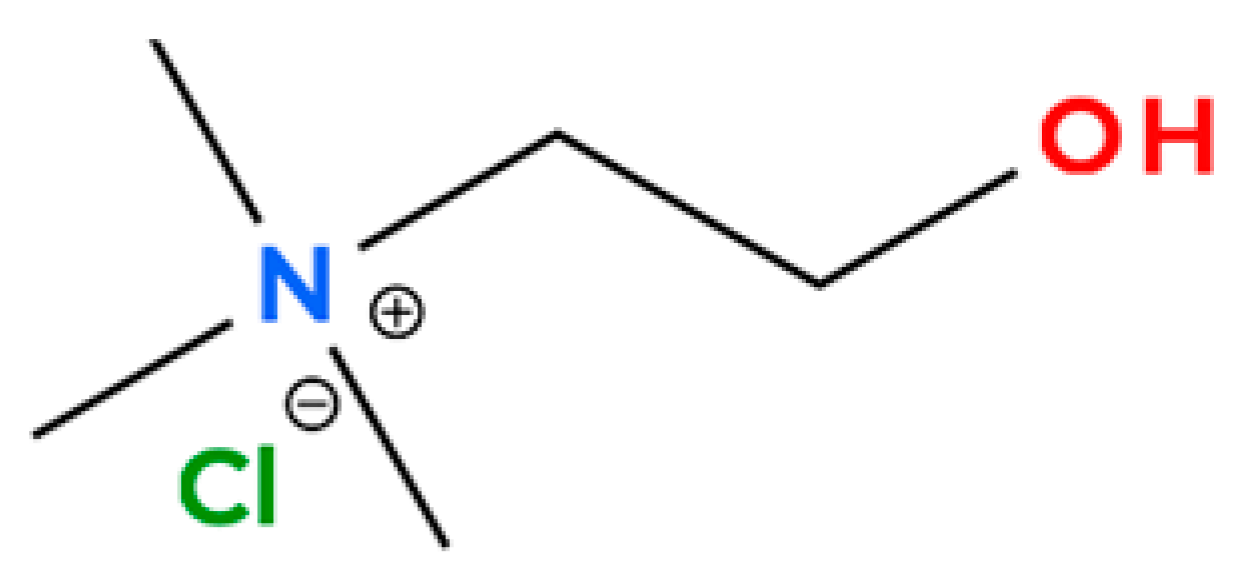
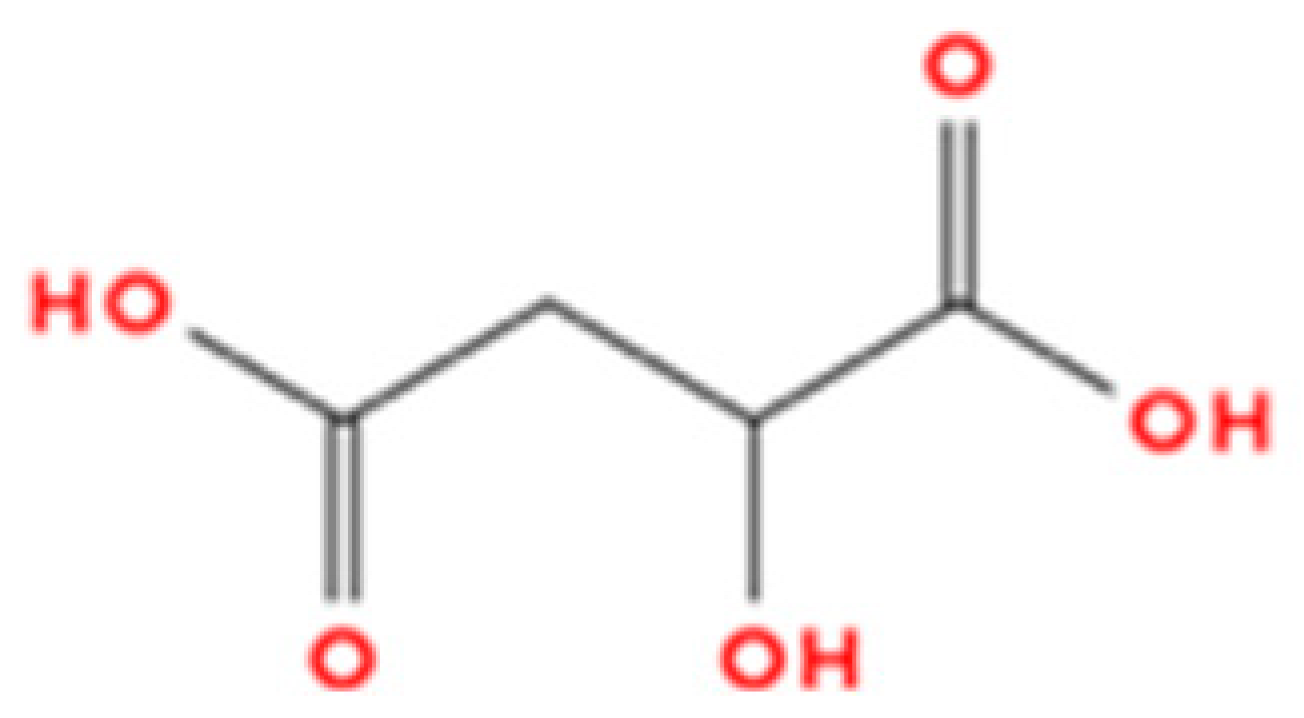
Two hydrogen bond acceptors were tested: choline chloride and L-proline. Choline chloride, owing to its strong hydrogen bond acceptance, low toxicity, and biodegradability, was used primarily as the hydrogen bond acceptor (HBA), while polyol-based, organic acid-based, fructose, and urea-based systems served as the hydrogen bond donors (HBDs) at different molar ratios, as shown in Table 1. Multiple factors influence the extraction performance of NADESs, including the molar ratio, HBA/HBD components, physicochemical properties (polarity), temperature, extraction technology, solubilization, water content, hydrogen bonding, and targeted selectivity. The strong and stable hydrogen bond formed between hydrophilic NADESs may be crucial for the stability, solubility, and reactivity of betulin, ultimately affecting its extraction efficiency. In addition, hydrophilic NADESs can cause swelling of plant tissue, increase diffusion, and facilitate the release of intracellular components, allowing for the extraction of both hydrophilic and lipophilic compounds; hence, we investigated the ability of eight NADESs from different groups to extract triterpenoids from birch bark. The NADESs were prepared according to the method described by [17] with modifications. By mixing the components with 20% water in screw-cap bottles, followed by stirring and heating in a sonicator at 50 °C, 37 kHz, and 100 W, a transparent homogeneous liquid was formed. The solvents were then stored in the refrigerator overnight for recrystallization evaluation.
Table 1.
Different HBA/HBD components for the extraction of betulin from birch bark.
2.3. Ultrasound-Assisted Extraction of Birch Bark with Natural Deep Eutectic Solvents
Pulverized bark was introduced into the NADES at a 1:40 w/v ratio as described by Shang et al. [18] with modifications. Ultrasound-assisted extraction (UAE) was performed at 37 kHz and 100 W at 60 °C for 2 h using an ultrasonic bath (Elmasonic P, Singen, Germany) with intermittent stirring. The extraction parameters, including frequency, power, temperature, and time, were kept constant throughout the study to evaluate the influence of solvent composition on betulin extraction efficiency. Compared with conventional maceration, a combined extraction technique with UAE was selected because of its enhanced mass transfer, reduced extraction time, and moderate operating temperature.
Upon completion of the extraction process, the mixture was filtered through gauze three times to remove the bark residue. To isolate the extracted compounds from the NADES matrix prior to analysis, the filtrate was subjected to liquid–liquid extraction with ethyl acetate (1:1 v/v) three times. The combined organic layers were dried over anhydrous Na2SO4 and concentrated under vacuum at 40 °C. The dried extract was labeled and stored in Eppendorf tubes until needed. A few milligrams of the dried extract was removed and dissolved in methanol for further analysis.
2.4. Fourier Transform Infrared Spectroscopy Analysis
Fourier transform infrared spectroscopy (FTIR) was used to elucidate the functional groups present in the birch bark extracts. The analysis was performed on an attenuated total reflectance (ATR)-FTIR spectrophotometer (Alpha, Bruker, MA, USA). First, a background reading was taken, and then the dried extracts were directly deposited on the ATR crystal, followed by a spectrum reading. The spectral readings were taken at a resolution of 4 cm−1 with 8 scans in the region between 4000 and 600 cm−1.
2.5. High-Performance Liquid Chromatography with Ultraviolet Detection
The lupane-type pentacyclic triterpenoids betulin, betulonic and betulinic acid in the extracts were quantified using high-performance liquid chromatography with ultraviolet detection (HPLC-UV) on an Agilent 1260 Infinity II liquid chromatograph (Agilent, Santa Clara, CA, USA) equipped with a photodiode array detector (DAD). Chromatographic separation was achieved using a Poroshell 120 EC-C18 column (3.0 mm × 100 mm, 2.7 μm; p/n 695975-302; Agilent Technologies, Santa Clara, CA, USA) protected by a guard column of the same type (3.0 mm × 5 mm, 2.7 μm; p/n 823750-911; Agilent Technologies). The eluent consisted of water and acetonitrile (30:70, v/v) in isocratic elution mode, with a flow rate of 0.8 mL/min. The column temperature was maintained at 35 °C, and the injection volume was 5 μL. Detection was performed at a wavelength of 210 nm with a slit width of 4 nm. Compound identification was conducted by comparing the retention times and UV spectra of the analytes with those of reference standards (betulin, betulinic acid, and betulonic acid). Quantification was performed using the external standard method with calibration curves. An automated base-to-base method was used for peak integration, manually corrected when necessary. The calibration curves for all three analytes were linear in the concentration range of 0.65–41.0 μg/mL. The extraction yield of the dry extracts was calculated as follows:
2.6. High-Performance Liquid Chromatography with High-Resolution Mass Spectrometry Analysis
To further identify the compounds present in the extracts, the extracts were analyzed by HPLC coupled with high-resolution mass spectrometry (HRMS) using an “Agilent 1290 Infinity II” liquid chromatography system and an “Agilent 6545 Q-TOF LC/MS quadrupole time-of-flight (Q-TOF) mass spectrometer” (Agilent, Santa Clara, CA, USA). Analytes were separated using a reversed-phase Zorbax Eclipse Plus C18 column (50 mm × 2.1 mm × 1.8 µm; p/n 959757-902; Agilent Technologies) with a guard column. The mobile phase consisted of water and methanol. Chromatographic separation was performed in isocratic mode with 82% (v/v) methanol for 8 min. The methanol content was then increased to 100% over 1 min and held at this level for another 3 min. The flow rate was set to 0.4 mL/min. The column temperature was maintained at 35 °C. The injection volume of the prepared extract was 1 µL. A Q-TOF analyzer was used with an atmospheric pressure chemical ionization (APCI) source in positive and negative ion modes. The scanning range was m/z 105–1700. The source and drying gas (nitrogen) temperatures were set to 325 °C, with a gas flow of 5 L/min. The current of the corona needle was set to 4 μA, and the voltages on the capillary and fragmentor were set to 3500 V and 90 V, respectively. The instrument was adjusted automatically using the standard calibration solutions recommended by the manufacturer. The measurement error of the accurate mass was less than 5 ppm. MS/MS spectra were acquired using collision-induced dissociation with nitrogen as the collision gas at a collision energy of 20 eV. An automated base-to-base method was used for peak integration, manually corrected when necessary. We compared the extract components to available standards by matching their retention times and mass spectra.
2.7. Estimation of Total Phenolic Content
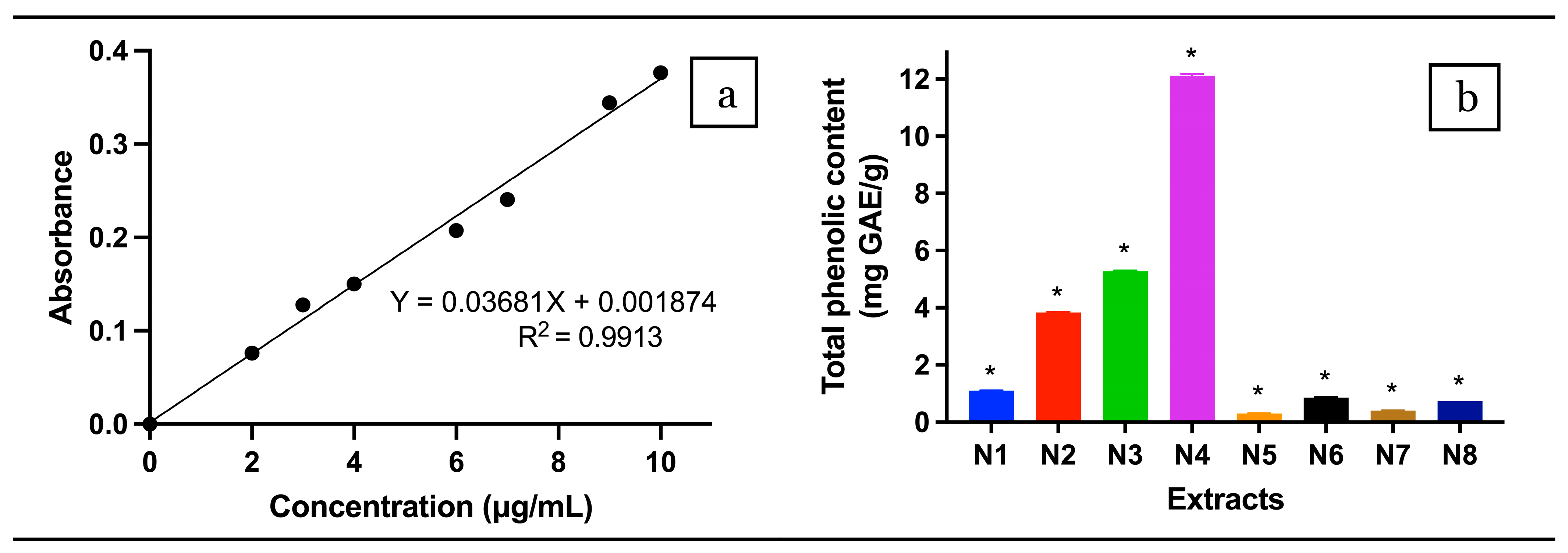
The total polyphenols in the extract were evaluated using the Folin–Ciocalteu method with soft modifications [19]. Briefly, 1 mL of the extract (1 mg/mL of extract) was incubated with 2 mL of Folin–Ciocalteu reagent (10% v/v) for 5 min. Subsequently, 1.5 mL of Na2CO3 (7.5%) was added and mixed. Afterward, the absorbance was read at 760 nm using a spectrophotometer (UV 2600, Shimadzu, Tokyo, Japan) after a 2 h incubation period in the darkness at room temperature. A gallic acid curve was plotted at concentrations of 0–10 µg/mL, and the results are expressed in terms of mg of gallic acid equivalents per g of extract.
2.8. Determination of Antioxidant Capacity
Birch bark extracts obtained using NADESs were evaluated for in vitro antioxidant capacity, including ABTS and DPPH radical scavenging activity, reducing power, and total antioxidant activity. For each of the assays, the extracts (1 mg/mL) and standards (positive control) were freshly prepared in methanol. The ABTS assay was performed according to the methods of Re et al. [20] with modifications. The cations were produced by reacting a stock solution of ABTS (7 mM) with potassium persulfate (2.45 mM) and keeping it at ambient temperature to oxidize for 12–16 h (in the dark) prior to running the assay. To evaluate the antioxidant capacity, the ABTS solution was diluted with ethanol to achieve an absorbance of 0.700 ± 0.020 at 734 nm, mixed with 1 mL of the extracts and kept for 15 min. The reagent blank consisted of the solvents used to dissolve the samples, and the control was prepared by substituting methanol for the sample in equal volumes. The calibration curve was constructed using ascorbic acid (0–10 μg/mL), and the results are expressed as % scavenging activity according to the following equation:
where Ac is the absorbance of the control and As is the absorbance of the sample solution.
2.9. DPPH (1,1-Diphenyl-2-picrylhydrazyl) Radical Scavenging Assay
The DPPH radical scavenging activity of the NADES extracts was determined as outlined by Brand-Williams [21] with modifications. Briefly, DPPH (100 µM) was prepared in methanol, added to 1 mL of the extract, and incubated for 30 min (ambient temperature), after which the absorbance was read at 515 nm. A standard calibration curve was prepared using ascorbic acid (0–10 μg/mL) against a methanol blank, whereas the negative control was prepared by adding an equal volume of methanol in place of the sample. The data are presented as the % scavenging activity according to Equation (3).
2.10. Total Antioxidant Capacity
The total antioxidant capacity was determined using the phosphomolybdenum following the methods previously described by [22]. The extracts were mixed in a 1:10 v/v ratio with the reagent solution, which included 0.6 M sulfuric acid, 28 mM sodium phosphate, and 4 mM ammonium molybdate. All the tubes were capped and heated in a hot water bath at 95 °C for 90 min. After the samples were cooled to room temperature, their absorbance was measured at 695 nm against a blank using a UV–Vis spectrophotometer (UV 2600, Shimadzu, Tokyo, Japan). The negative control (blank) contained the reagent solution and the corresponding volume of the solvent, than those used for the real sample. The antioxidant capacity was expressed as mg of ascorbic acid equivalents (AAEs) per gram of extract (mg AAE/g extract).
2.11. Ferric Ion Reducing Antioxidant Power Assay
The reducing power of the extracts was determined as described by Vasyliev et al. [23] with modifications. To 1 mL of extract, 1 mL of phosphate buffer and 1 mL of 1% potassium ferricyanide solution were added and incubated for 20 min. Afterward, 1 mL of trichloroacetic acid (10%) was added to terminate the reaction, and the mixture was rapidly cooled and centrifuged at 3000× g for 10 min. Then, 2 mL of the supernatant was mixed with 2 mL of distilled water and 0.4 mL of FeCl3 solution (0.1%), after which the absorbance was read at 700 nm. Ascorbic acid served as the positive control, while the negative control consisted of the reagent solution and the corresponding volume of the solvent, without adding sample. The reducing power was expressed as ascorbic acid equivalents per gram of extract (mg AAE/g extract).
2.12. Statistical Analysis
All the data are reported as the mean ± SD of triplicate readings. Statistical analysis was performed using GraphPad Prism 9 (version 9.5.1), and the data were analyzed by one-way analysis of variance (ANOVA), followed by a Tukey post hoc test where p < 0.05 (*) was regarded as statistically significant. Pearson’s correlation coefficients between betulin yield, total phenolic content, and antioxidant activity were calculated using the same software.
3. Results and Discussion
3.1. Identification and Quantification of Betulin
The present study investigated eight types of NADESs for their performance in extracting lupane-type pentacyclic triterpenoids from birch bark (Table 1). As shown in Table 2, the extraction efficiency of the solvents varied significantly from N1 to N8, with the extracts ranked as follows: N4 > N3 > N6 > N2 > N8 > N1 > N5 > N7. We found that N4 produced the highest concentration of betulin, 243.32 mg/g dry extract, demonstrating that careful selection of NADES components can lead to high extraction efficiency. In addition to betulin, the bark extracts also contained betulinic acid in amounts ranging from 0.237 to 0.893 mg/g dry extract. The different extraction performances observed with the NADES under study can be attributed to several mechanisms, including molecular interactions, hydrotropic effects, dynamic polarity, viscosity, and solubilization ability [24,25]. The improved extraction efficiency of the choline chloride–urea and choline chloride–fructose NADES compared with that of polyol–based and organic acid–based systems may be due to a more favorable balance between solvent–solute affinity and mass transfer properties. While all the NADES systems rely on hydrogen bonding, polyol-based NADESs likely exhibit stronger internal cohesion and higher viscosity, which restrict diffusion and limit matrix penetration [24]. Urea-based systems, on the other hand, had strong yet dynamic hydrogen-bond interactions with reduced steric hindrance, whereas fructose-based systems may offer a more heterogeneous microstructure. These features collectively increase triterpene solubilization and release from the birch bark matrix. In addition, because liquid–liquid extraction was employed for purification, the observed yields reflect both the efficiency of triterpenoid solubilization in the NADES phase and their subsequent partitioning into the organic phase.
Table 2.
Quantification of betulin and betulinic acid (expressed mg/g of extract) in birch bark extract obtained using different NADESs.
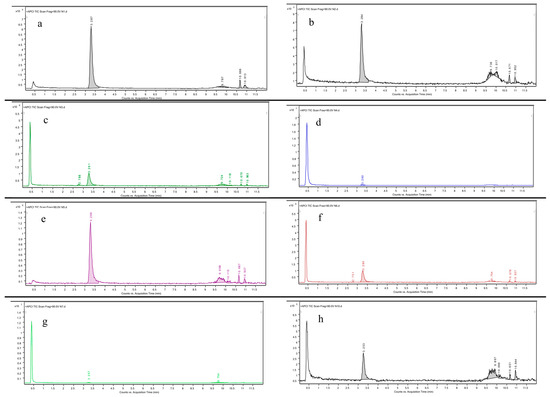
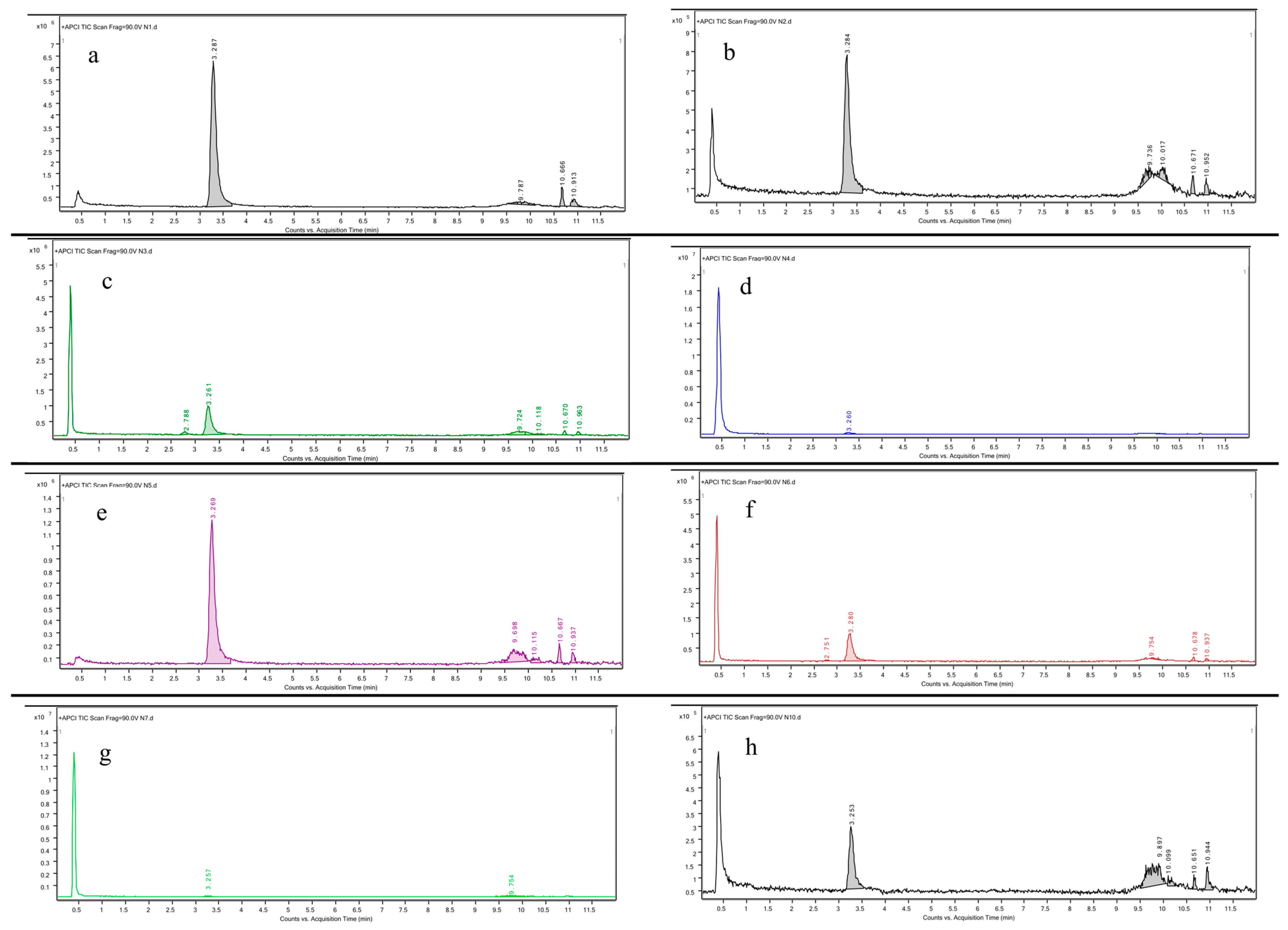
To further characterize the extracts, an HPLC/HRMS analysis was conducted. A comparison of the retention times and experimental m/z values with those of the reference standards of betulinic acid, betulin, and betulonic acid revealed that betulin was present in all the extracts. Betulin was detected only in the chromatograms acquired in positive ion mode as a peak with a retention time of 3.28 min and with ion signals for [M + H]+ at m/z 443.3880 and [M + H − H2O]+ at m/z 425.3780. In contrast, the negative ion mode is preferable for the detection of betulinic and betulonic acids. In this mode, betulinic acid was observed at a retention time of 3.82 min with [M − H]− at m/z 455.3531, whereas betulonic acid was observed at 5.25 min with [M − H]− at m/z 453.3365. Analysis of the total ion current chromatograms (Figure 1) revealed that the extracts primarily contained pentacyclic triterpenoids, dominated by betulin with a minor amount of betulinic acid. Betulonic acid was not detected in the extracts. Furthermore, a minor peak with a shorter retention time (2.79 min) was observed, corresponding to a triterpenoid similar to betulin. The high similarity of its MS/MS spectrum to that of betulin confirmed a closely related structure. Despite the challenge of definitive identification without a reference standard, this compound was tentatively characterized as erythrodiol or uvaol.
Figure 1.
TIC scan of the NADES extracts of birch bark showing betulin (RT = 3.28 min) as the primary component of the extracts, where (a) represents N1, (b) N2, (c) N3, (d) N4, (e) N5, and (f). N6, (g) N7, and (h) N8.
These diols are not inert components according to the literature. They have a wide range of biological activities, including antioxidant, cardioprotective, and antitumor activities [26,27,28]. Their presence, even in minor amounts, can contribute to the total biological activity of the extract by modulating oxidative stress or cell proliferation and deserves attention in further, deeper phytochemical analysis. We found that the extractive profiles of the extracts were similar to those previously reported [8,29]. Ostapiuk et al. reported that dry ethanolic extracts of outer and inner birch bark contained up to 295.93 mg and 417.49 mg of betulin per g of dry extract, respectively [29]. Similarly, another study that employed reflux boiling and pressurized liquid extraction techniques revealed that the betulin content in dry bark ranged from 44.5 to 76.7 mg/g [7]. Previous authors have reported that the bark of Betula pendula contains betulinic acid contents of up to 97.42 mg/g dry extract and 7.3 to 15.4 mg/g dry bark [29,30].
3.2. FTIR Analysis of Birch Bark Extracts
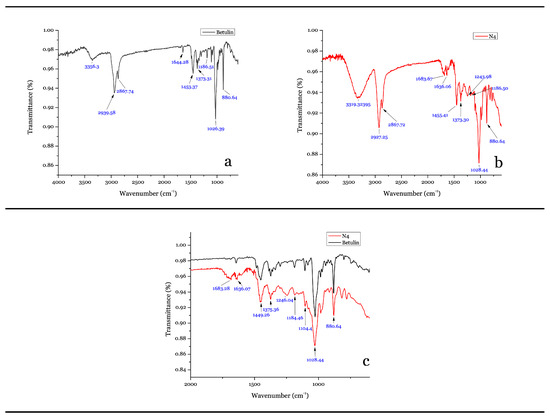
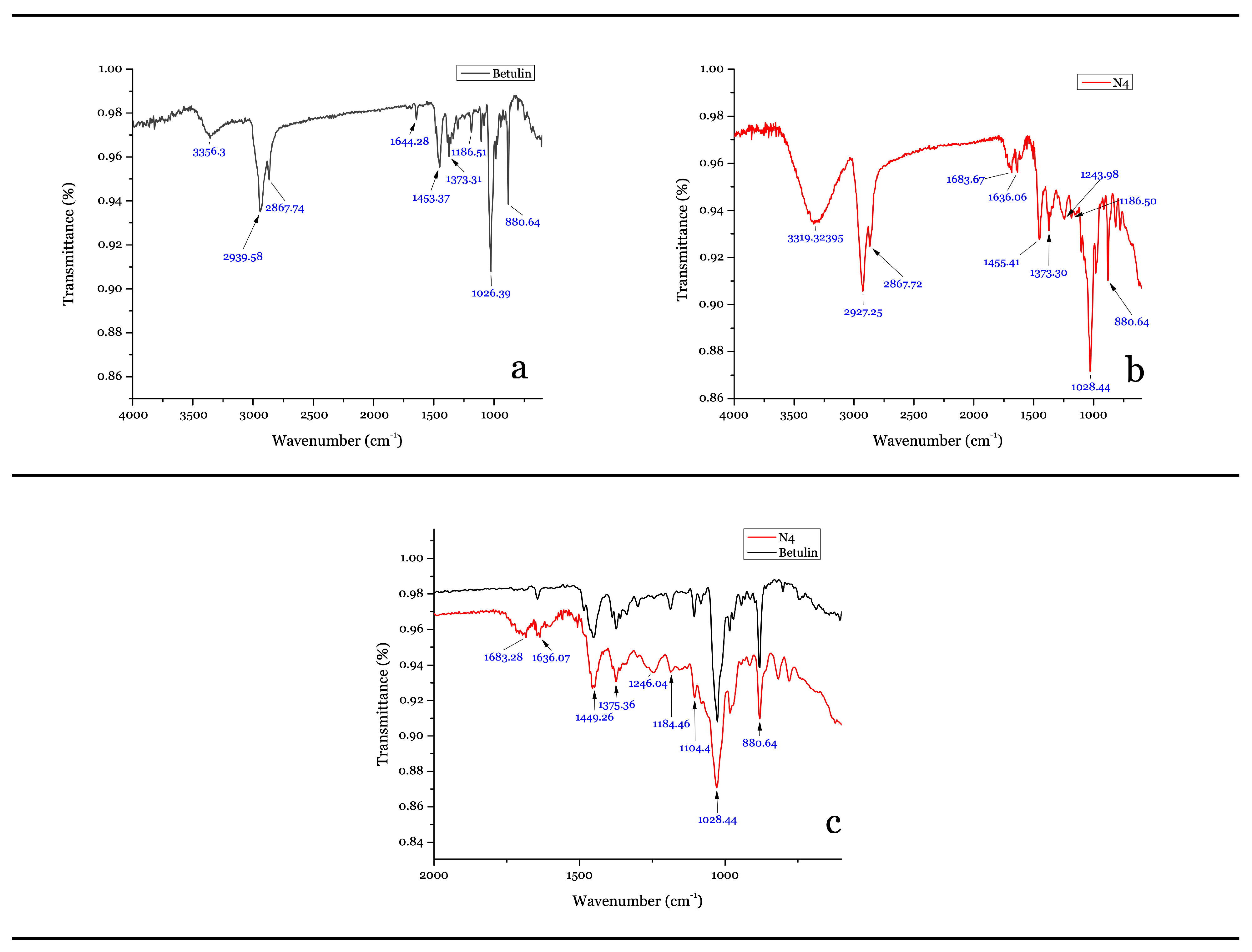
Fourier transform infrared (FTIR) spectroscopy was employed to characterize functional groups in extracts obtained using various NADESs (Figure S1). The FTIR spectra showed characteristic absorption bands in the range of 4000–600 cm−1, with distinct patterns corresponding to specific functional groups. The comparison with the pure betulin standard, which exhibited prominent absorption bands at 3356 cm−1 (O–H stretching), 2940 and 2868 cm−1 (C–H stretching of cyclohexane), 1644 cm−1 (C=C stretching), and 1460–1350 cm−1 (scissor-like peaks indicative of CH2 bending vibrations), allowed an assessment of the extract composition (Table 3 and Figure 2).
Table 3.
FTIR bands of betulin and N4 extract obtained using NADES-assisted ultrasonic extraction and their corresponding functional groups.
Figure 2.
(a) FTIR spectra of the reference standard (betulin), (b) N4 extract obtained from a NADES synthesized from choline chloride and fructose, (c) N4 vs. betulin in the range of 2000–600 cm−1.
Among the NADES extracts, N1, N5, and N6 exhibited similar FTIR profiles, with broad bands in the 3500–3200 cm−1 region corresponding to O–H stretching vibrations and bands at 3000–2850 cm−1 assigned to C–H stretching of aliphatic groups. Absorption in the 1750–1660 cm−1 region was attributed to C=O stretching vibrations (Tables S1, S4, and S5). These functional groups are commonly associated with plant-derived metabolites, including triterpenoids, fatty acids, and phenolic compounds. N2 displayed a slightly different profile, with a broad band at 3358 cm−1 (OH stretch), bands at 2921 and 2853 cm−1 (C–H stretching) and peaks at 1724 and 1632 cm−1 (C=O and C=C stretching), suggesting the presence of other plant-derived components, such as lipids or phenolic compounds (Table S2). Minor additional bands may reflect residual contributions from NADES components, despite the liquid–liquid extraction (LLE) step applied to reduce interference.
N3 showed distinct doublet bands at 3432 and 3342 cm−1 corresponding to N–H stretching vibrations, along with bands at 1681 cm−1 (C=O stretching) and 1595 cm−1 (N–H bending). These features are consistent with those of amide-containing species (Table S3). Considering that this NADES system contained urea, partial contributions from residual solvent components cannot be completely excluded. Nonetheless, the recovery step prior to analysis was intended to reduce matrix interference and allow characterization of extracted constituents. The spectral profile of N4 (choline chloride-fructose) was most comparable to that of pure betulin (Table 3 and Figure 2), with bands at 3319 cm−1 (O–H stretching), 2927 and 2868 cm−1 (C–H stretching), and 1684 cm−1 (C=C stretching). In contrast, other NADES extracts exhibited additional bands or weaker C=C stretching, suggesting lower betulin content. These observations are further supported by the HPLC quantification and antioxidant assay results, which confirmed that the betulin content and bioactivity were greater in the N4 extract than in the other solvents. These bands are also consistent with previously reported spectra of methanolic betulin-rich extracts [31].
N7 and N8 exhibited distinctive broad bands at 3200–2500 cm−1, characteristic of hydrogen-bonded (OH) stretching associated with carboxylic acid groups, along with bands associated with alkane and alcohol groups (Tables S6 and S7). These features may indicate the extraction of more polar or acidic plant-derived components. Overall, the FTIR profiles, when considered alongside HPLC quantification and antioxidant assays, support the selective recovery of betulin in N4. The presence of characteristic O–H, C–H, and C=C vibrations, combined with reduced solvent interference through LLE, indicates that this NADES formulation is particularly effective for targeted triterpenoid extraction. These results also highlight the complexity of using NADESs in extraction processes; while the LLE step reduced potential interference from residual NADES components, the nature of the solvent components (e.g., hydrogen bond donors and acceptors) can impact the solubility and recovery of the target compounds. In some cases, the interaction between NADES components and secondary metabolites may hinder complete separation, especially when the extracted compounds share similar polarities with the NADES constituents [32].
3.3. Total Phenolic Contents of Birch Extracts
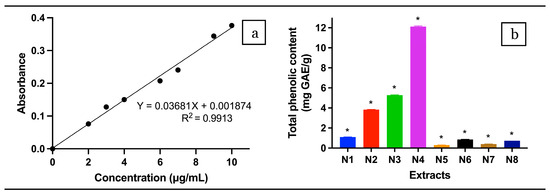
Phenolic compounds, which are naturally occurring antioxidants found in plants, are among the most abundant substances in birch bark, in addition to triterpenoids and carbohydrates [33]. These compounds possess several therapeutic properties, including antidiabetic, anticancer, anti-aging, and cardioprotective properties [34]. In this study, the TPC of the extracts was quantified and expressed as gallic acid equivalents (GAE), as shown in Figure 3. Significant differences between the extracts were observed (p < 0.05), with the highest content found in N4 (12.12 mg GAE/g of extract) and the lowest in N5. The phenolic content of the extracts followed the order N4 > N3 > N2 > N1 > N6 > N8 > N7 > N5 (p < 0.05). Previous studies have reported that birch bark is a natural repository of polyphenols, including phenolic acids and flavonoids, whose TPC varies depending on the extraction conditions [34]. For instance, a recent study on birch bark extracts using NADES-assisted methods reported TPC values ranging from 1.74 to 5.19 mg GAE/g of extract [16]. Another study on yellow birch bark reported an average TPC of 333.375 ± 59.975 mg of GAE/g of dry extract [35]. Our results suggest that the total phenolic content is influenced by the specific NADES used, with the choline chloride-fructose-based NADES (N4) showing the highest extraction efficiency. These findings further suggest that the physical properties of the eutectic mixture play a significant role in the effectiveness of phenolic compound extraction, supporting the growing interest in NADESs for sustainable natural product processing.
Figure 3.
Total phenolic content of various extracts of birch bark using NADES: (a) calibration curve for the quantification of the total phenolic content in NADES extracts using gallic acid as a standard, (b) total phenolic content of the extracts (mg GAE/g of extract). Bar charts with the same symbol (*) differ significantly (p ˂ 0.05) according to the results of the Tukey post hoc test. The data are presented as the means ± SD (n = 3).
3.4. Antioxidant Capacity of Birch Bark Extracts
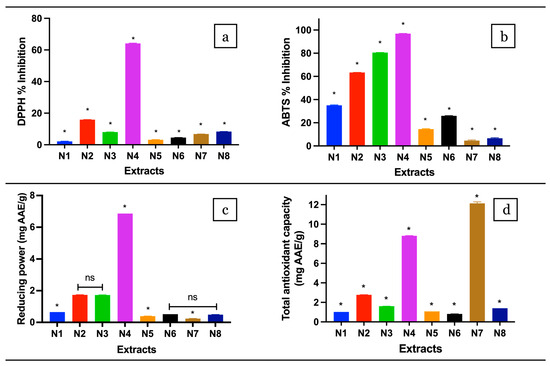
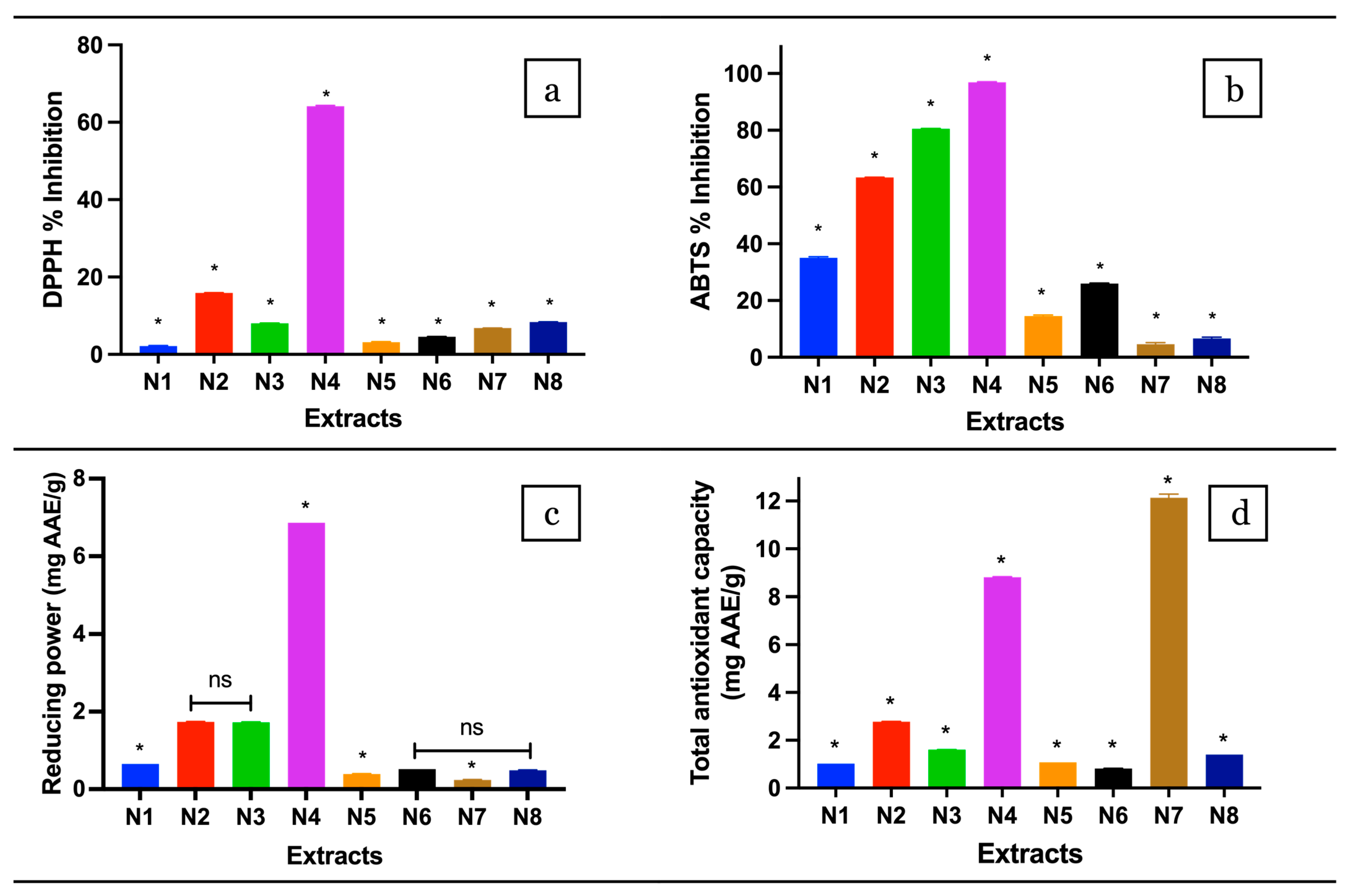
The antioxidant capacity of a substance is determined by its ability to counteract reactive oxygen and nitrogen species, which can contribute to oxidative stress. The mechanisms underlying the antioxidant effect may include scavenging free radicals, decomposing peroxides, reducing capacity, and inhibiting chain reactions [36]. Antioxidant potentials of the NADES extracts from birch bark were determined by four different assays, as shown in Figure 4. In the DPPH radical scavenging assay, N4 showed the strongest activity among the eight extracts (p < 0.05), with an inhibition percentage of 64.18 ± 0.2% at a concentration of 1 mg/mL, although this value was lower than that of the ascorbic acid control (Figure 4a). Extracts N2, N3, and N4 resulted in the greatest reduction in ABTS radicals, with inhibition percentages of 63.43%, 80.56%, and 96.92%, respectively (Figure 4b). Previous studies have reported that betulin scavenges DPPH and ABTS free radicals with IC50 values of 0.081 mg/mL and 0.055 mg/mL, respectively [37]. In comparison, Nakurte and coauthors reported that birch outer bark extract exhibited antioxidant activity, with an IC50 of 39.28 μg/mL [38].
Figure 4.
Estimation of the antioxidant capacity of the NADES extracts of birch bark: (a). DPPH, (b). ABTS (2,2′-azino-bis(3-ethylbenzthiazoline-6-sulfonic acid), (c). Reducing power assay and (d) total antioxidant capacity. Bar charts with the same symbol (*) differ significantly (p ˂ 0.05) according to the results of the Tukey post hoc test. The data are presented as the means ± standard deviation (n = 3).
The reducing power of an antioxidant is associated with its ability to reduce ferric ions (Fe3+) to ferrous ions (Fe2+). We assessed the reducing capacity of the NADES extracts from birch bark, and as shown in Figure 4c, N4 had the highest reducing power, at 6.78 mg AAE/g extract, followed by N2, N3, and N1, whose values were 1.74, 1.72, and 0.65 mg AAE/g of extract, respectively. The results correlate with the DPPH and ABTS results, with N4 consistently showing the highest antioxidant activity. By effectively reducing ferric ions to ferrous ions, betulin isolated from Acacia nilotica bark demonstrated strong reducing power activity [39]. In addition, betulin exerted protective effects against oxidative stress in type 2 diabetes by modulating antioxidant defenses in diabetic rats [3]. The total antioxidant capacity (TAC) is another method for evaluating the overall antioxidant potential of plant extracts and reflects the combined presence of various bioactive compounds. In this assay, all the extracts exhibited varying antioxidant capacities (p < 0.05), with N4 and N7 having the highest activities (Figure 4d). Interestingly, extract N7 had the highest TAC (12.14 ± 0.15 mg AAE/g), which differed slightly from the results of the DPPH and ABTS assays. The variation observed among the antioxidant assays can be attributed to differences in their underlying reaction mechanisms. The DPPH and ABTS assays primarily evaluate radical scavenging activity via hydrogen atom transfer and single electron transfer mechanisms, whereas the reducing power and TAC assays reflect the overall electron-donating capacity of the extracts [40]. Therefore, variations in extract performance across assays likely arise from chemical composition, particularly in the different relative abundance of phenolic compounds and triterpenoids. Extract N4, which consistently exhibited high activity in the DPPH, ABTS, and reducing power assays, may be attributed to the synergetic contribution of phenolic compounds and betulin. Conversely, the strong TAC observed for N7 suggests the presence of redox-active compounds with substantial overall reducing capacity, although these compounds may be less reactive toward specific radical species such as DPPH. While phenolic compounds are likely to contribute more strongly to hydrogen atom transfer-based assays such as DPPH and ABTS because of their structural capacity for radical stabilization, betulin also possesses moderate radical scavenging and electron-donating properties.
3.5. Correlations Between Betulin Content, TPC, and Antioxidant Activity
As shown in Table 4, a strong positive correlation was found between betulin yield, total phenolic content (TPC), and the results of several antioxidant assays. The betulin yield was positively correlated with TPC (r = 0.963; p < 0.01), FRAP (r = 0.956; p < 0.01), and DPPH (r = 0.911; p < 0.01) and strongly correlated with the ABTS activity (r = 0.813; p < 0.05). However, its correlation with TAC was weak and not statistically significant (r = 0.371, p > 0.05). TPC was also strongly correlated with FRAP (r = 0.978, p < 0.01), DPPH (r = 0.931, p < 0.01) and ABTS (r = 0.903, p < 0.01). TAC showed weak and nonsignificant correlations with all the measured parameters (r = 0.078–0.492; p > 0.05). The strong correlations between TPC, FRAP, and DPPH suggest that phenolic compounds and betulin substantially contribute to antioxidant activity, particularly in electron-transfer–based assays. The near-perfect correlation between FRAP and DPPH further indicates that these assays reflect similar antioxidant capacities, even though they measure different mechanisms of action. In contrast, TAC was weakly associated with the other parameters, suggesting that it may reflect a different antioxidant mechanism.
Table 4.
Pearson’s correlation between betulin content, TPC, and antioxidant activity.
4. Conclusions
This study presents a green extraction technique using NADES–ultrasound-assisted extraction for the efficient extraction of betulin from birch bark. Our findings highlight the variability in betulin and betulinic acid yields across different natural deep eutectic solvents. The combination of choline chloride and fructose proved to be an efficient solvent, as evidenced by the HPLC data, which was supported by the FTIR spectra and antioxidant assays. This study paves the way for further research into the application of NADESs for birch bark extraction. Overall, NADES–ultrasound-assisted extraction is a promising green technique, offering advantages such as reduced extraction time, low-cost components, and simple experimental procedures that are suitable for scaling up in commercial production. In addition, compared with conventional methods, the use of eco-friendly solvents contributes to more sustainable extraction practices. Future research focusing on the factors influencing extraction efficiency and optimizing the process could provide valuable insights for improving both the yield and the sustainability of this method.
Supplementary Materials
The following supporting information can be downloaded at: https://www.mdpi.com/article/10.3390/cleantechnol8020049/s1. Figure S1 FTIR profile of the extracts of birch bark extracted with different NADES components, where (a). represents N1, (b). N2, (c). N3, (d). N5, (e). N6, (f). N7, and (g). N8; Table S1. FTIR bands of N1 extract obtained using NADES-assisted ultrasonic extraction and their corresponding functional groups; Table S2. FTIR bands of N2 extract obtained using NADES-assisted ultrasonic extraction and their corresponding functional groups; Table S3. FTIR bands of N3 extract obtained using NADES-assisted ultrasonic extraction and their corresponding functional groups; Table S4. FTIR bands of N5 extract obtained using NADES-assisted ultrasonic extraction and their corresponding functional groups; Table S5. FTIR bands of N6 extract obtained using NADES-assisted ultrasonic extraction and their corresponding functional groups; Table S6. FTIR bands of N7 extract obtained using NADES-assisted ultrasonic extraction and their corresponding functional groups; Table S7. FTIR bands of N8 extract obtained using NADES-assisted ultrasonic extraction and their corresponding functional groups.
Author Contributions
Conceptualization: F.O.A. and E.G.K.; Methodology: F.O.A. and V.A.S.; Validation: V.A.S. and A.C.; Formal Analysis: F.O.A., E.G.K. and A.C.M.; Writing—original draft preparation: F.O.A. and E.G.K.; Writing—review and editing: V.A.S.and J.M.M.; Visualization: E.G.K., A.C. and A.C.M.; Supervision: E.G.K. and J.M.M.; Project administration: E.G.K. and V.A.S.; Funding acquisition: E.G.K. All authors have read and agreed to the published version of the manuscript.
Funding
This research received no external funding.
Data Availability Statement
The original contributions presented in this study are included in the article/Supplementary Materials. Further inquiries can be directed to the corresponding authors.
Acknowledgments
This work was supported by the Ministry of Science and Higher Education of the Russian Federation (Agreement, contract No. 075-15-2025-636 dd. 29.07.2025).
Conflicts of Interest
The authors declare no conflict of interest.
Abbreviations
The following abbreviations are used in this manuscript:
| AAE | Ascorbic acid equivalent |
| APCI | Atmospheric pressure chemical ionization |
| ABTS | 2,2′-azino-bis(3-ethylbenzothiazoline-6-sulfonic acid) |
| ANOVA | One-way analysis of variance |
| ATR | Attenuated total reflectance |
| DPPH | 1,1-Dipheny-2-picrylhydrazyl |
| HBA | Hydrogen bond acceptor |
| HBD | Hydrogen bond donor |
| HDES | Hydrophobic deep eutectic solvent |
| HPLC | High-performance liquid chromatography |
| HPLC–UV | High-performance liquid chromatography with ultraviolet detection |
| HRMS | High-resolution mass spectrometry |
| FTIR | Fourier transform infrared |
| GAE | Gallic acid equivalents |
| LC–MS | Liquid chromatography–mass spectrometry |
| NADES | Natural Deep Eutectic Solvents |
| NADES–MAE | NADES–microwave assisted extraction |
| NADES–UAE | NADES–ultrasound assisted extraction |
| Q-TOF | Quadrupole time-of-flight |
| TAC | Total antioxidant capacity |
| TPC | Total phenolic content |
| UAE | Ultrasound-assisted extraction |
References
- Ou-Yang, T.; Zhang, Y.; Luo, H.-Z.; Liu, Y.; Ma, S.-C. Novel Compounds Discovery Approach Based on UPLC-QTOF-MS/MS Chemical Profile Reveals Birch Bark Extract Anti-Inflammatory, -Oxidative, and -Proliferative Effects. J. Ethnopharmacol. 2023, 306, 116148. [Google Scholar] [CrossRef] [Scilit]
- Adepoju, F.O.; Duru, K.C.; Li, E.; Kovaleva, E.G.; Tsurkan, M.V. Pharmacological Potential of Betulin as a Multitarget Compound. Biomolecules 2023, 13, 1105. [Google Scholar] [CrossRef] [Scilit]
- Adepoju, F.O.; Sokolova, K.V.; Gette, I.F.; Danilova, I.G.; Tsurkan, M.V.; Mondragon, A.C.; Kovaleva, E.G.; Miranda, J.M. Protective Effect of Betulin on Streptozotocin–Nicotinamide-Induced Diabetes in Female Rats. Int. J. Mol. Sci. 2024, 25, 2166. [Google Scholar] [CrossRef] [Scilit]
- Ebeling, S.; Naumann, K.; Pollok, S.; Wardecki, T.; Vidal-y-Sy, S.; Nascimento, J.M.; Boerries, M.; Schmidt, G.; Brandner, J.M.; Merfort, I. From a Traditional Medicinal Plant to a Rational Drug: Understanding the Clinically Proven Wound Healing Efficacy of Birch Bark Extract. PLoS ONE 2014, 9, e86147. [Google Scholar]
- Scheffler, A. The Wound Healing Properties of Betulin from Birch Bark from Bench to Bedside. Planta Med. 2019, 85, 524–527. [Google Scholar] [CrossRef] [Scilit]
- Mohd Fuad, F.; Mohd Nadzir, M.; Harun@Kamaruddin, A. Hydrophilic Natural Deep Eutectic Solvent: A Review on Physicochemical Properties and Extractability of Bioactive Compounds. J. Mol. Liq. 2021, 339, 116923. [Google Scholar] [CrossRef] [Scilit]
- Pakdel, H.; Népo Murwanashyaka, J.; Roy, C. Extraction of Betulin by Vacuum Pyrolysis of Birch Bark. J. Wood Chem. Technol. 2002, 22, 147–155. [Google Scholar] [CrossRef] [Scilit]
- Fridén, M.E.; Jumaah, F.; Gustavsson, C.; Enmark, M.; Fornstedt, T.; Turner, C.; Sjöberg, P.J.; Samuelsson, J. Evaluation and Analysis of Environmentally Sustainable Methodologies for Extraction of Betulin from Birch Bark with a Focus on Industrial Feasibility. Green Chem. 2016, 18, 516–523. [Google Scholar] [CrossRef] [Scilit]
- Koptelova, E.N.; Kutakova, N.A.; Tretjakov, S.I.; Faleva, A.V.; Razumov, E.; Barcík, Š. Extraction of Betulin from the Birch Bark Balance at Pulp and Paper Production. Wood Res. 2020, 65, 833–842. [Google Scholar] [CrossRef] [Scilit]
- Pires, I.V.; Meller da Silva, L.H.; da Cruz Rodriguez, A.M.; Saldaña, M.D.A. Natural deep eutectic solvents for anthocyanin extraction from agricultural sources: Process parameters, economic and environmental analysis, and industrial challenges. Compr. Rev. Food Sci. Food Saf. 2024, 23, e70057. [Google Scholar] [CrossRef] [Scilit]
- Castro, V.I.B.; Mano, F.; Reis, R.L.; Paiva, A.; Duarte, A.R.C. Synthesis and Physical and Thermodynamic Properties of Lactic Acid and Malic Acid-Based Natural Deep Eutectic Solvents. J. Chem. Eng. Data 2018, 63, 2548–2556. [Google Scholar] [CrossRef] [Scilit]
- Dai, Y.; van Spronsen, J.; Witkamp, G.-J.; Verpoorte, R.; Choi, Y.H. Natural Deep Eutectic Solvents as New Potential Media for Green Technology. Anal. Chim. Acta 2013, 766, 61–68. [Google Scholar] [CrossRef] [Scilit]
- Vo, T.P.; Pham, T.V.; Tran, T.N.H.; Vo, L.T.V.; Vu, T.T.; Pham, N.D.; Nguyen, D.Q. Ultrasonic-Assisted and Microwave-Assisted Extraction of Phenolics and Terpenoids from Abelmoschus sagittifolius (Kurz) Merr Roots Using Natural Deep Eutectic Solvents. ACS Omega 2023, 8, 29704–29716. [Google Scholar] [CrossRef] [Scilit]
- Roy, M.; Kashyap, P.; Dash, K.K.; Shams, R.; BhagyaRaj, G.V.S.; Mukarram, S.A.; Kovács, B. Integration of Ultrasound-Assisted Extraction and Deep Eutectic Solvent for Enhanced Recovery of Bioactive Compounds: Innovative Green Approach. Food Chem. Adv. 2025, 9, 101153. [Google Scholar] [CrossRef] [Scilit]
- Wang, L.; Hu, Y.; Guo, G.; Li, J.; Fang, X.; Zhao, L. Enhanced and Green Extraction Betulin from Celtis Sinensis Leaves Using Hydrophobic Deep Eutectic Solvent. Biomass Conv. Bioref. 2024, 14, 9321–9331. [Google Scholar] [CrossRef] [Scilit]
- Jablonský, M.; Šima, J.; Strižincová, P.; Hroboňová, K.; Majová, V.; Ház, A. Valorization of Birch Bark Using a Low Transition Temperature Mixture Composed of Choline Chloride and Lactic Acid. Green Process. Synth. 2021, 10, 902–911. [Google Scholar] [CrossRef] [Scilit]
- Bajkacz, S.; Adamek, J. Development of a Method Based on Natural Deep Eutectic Solvents for Extraction of Flavonoids from Food Samples. Food Anal. Methods 2018, 11, 1330–1344. [Google Scholar] [CrossRef] [Scilit]
- Shang, X.; Dou, Y.; Zhang, Y.; Tan, J.-N.; Liu, X.; Zhang, Z. Tailor-Made Natural Deep Eutectic Solvents for Green Extraction of Isoflavones from Chickpea (Cicer arietinum L.) Sprouts. Ind. Crops Prod. 2019, 140, 111724. [Google Scholar] [CrossRef] [Scilit]
- Singleton, V.L.; Rossi, J.A. Colorimetry of Total Phenolics with Phosphomolybdic-Phosphotungstic Acid Reagents. Am. J. Enol. Vitic. 1965, 16, 144–158. [Google Scholar] [CrossRef] [Scilit]
- Re, R.; Pellegrini, N.; Proteggente, A.; Pannala, A.; Yang, M.; Rice-Evans, C. Antioxidant Activity Applying an Improved ABTS Radical Cation Decolorization Assay. Free Radic. Biol. Med. 1999, 26, 1231–1237. [Google Scholar] [CrossRef] [Scilit]
- Brand-Williams, W.; Cuvelier, M.-E.; Berset, C. Use of a Free Radical Method to Evaluate Antioxidant Activity. LWT-Food Sci. Technol. 1995, 28, 25–30. [Google Scholar] [CrossRef] [Scilit]
- Prieto, P.; Pineda, M.; Aguilar, M. Spectrophotometric Quantitation of Antioxidant Capacity Through the Formation of a Phosphomolybdenum Complex: Specific Application to the Determination of Vitamin E. Anal. Biochem. 1999, 269, 337–341. [Google Scholar] [CrossRef] [Scilit]
- Vasyliev, G.S.; Vorobyova, V.I.; Linyucheva, O.V. Evaluation of Reducing Ability and Antioxidant Activity of Fruit Pomace Extracts by Spectrophotometric and Electrochemical Methods. J. Anal. Methods Chem. 2020, 2020, 8869436. [Google Scholar] [CrossRef] [Scilit]
- Martins, K.P.; Hernandez Brito, N.L.; Costa, G.B.; Silva Ramos, J.; Silvestre Barbosa Alessi, A.C.; Santos, T.A.; Melo Da Silva, A.E.; Machado, I.F.; Medeiros Marques, L.L.; Droval Arcain, A.A.; et al. Natural Deep Eutectic Solvents (NADES) in Food Systems: Emerging Applications, Extraction Efficiency, Safety Concerns, and Regulatory Challenges. J. Agric. Food Chem. 2025, 73, 32982–32994. [Google Scholar] [CrossRef] [Scilit]
- Sosa, F.H.B.; Abranches, D.O.; Da Costa Lopes, A.M.; Da Costa, M.C.; Coutinho, J.A.P. Role of Deep Eutectic Solvent Precursors as Hydrotropes: Unveiling Synergism/Antagonism for Enhanced Kraft Lignin Dissolution. ACS Sustain. Chem. Eng. 2024, 12, 8930–8940. [Google Scholar] [CrossRef] [Scilit]
- Sánchez-Quesada, C.; López-Biedma, A.; Gaforio, J.J. The Differential Localization of a Methyl Group Confers a Different Anti-Breast Cancer Activity to Two Triterpenes Present in Olives. Food Funct. 2015, 6, 248–255. [Google Scholar] [CrossRef] [Scilit]
- Allouche, Y.; Beltrán, G.; Gaforio, J.J.; Uceda, M.; Mesa, M.D. Antioxidant and Antiatherogenic Activities of Pentacyclic Triterpenic Diols and Acids. Food Chem. Toxicol. 2010, 48, 2885–2890. [Google Scholar] [CrossRef] [Scilit]
- Martín, R.; Miana, M.; Jurado-López, R.; Martínez-Martínez, E.; Gómez-Hurtado, N.; Delgado, C.; Bartolomé, M.V.; San Román, J.A.; Cordova, C.; Lahera, V.; et al. DIOL Triterpenes Block Profibrotic Effects of Angiotensin II and Protect from Cardiac Hypertrophy. PLoS ONE 2012, 7, e41545. [Google Scholar] [CrossRef] [Scilit]
- Ostapiuk, A.; Kurach, Ł.; Strzemski, M.; Kurzepa, J.; Hordyjewska, A. Evaluation of Antioxidative Mechanisms In Vitro and Triterpenes Composition of Extracts from Silver Birch (Betula Pendula Roth) and Black Birch (Betula Obscura Kotula) Barks by FT-IR and HPLC-PDA. Molecules 2021, 26, 4633. [Google Scholar] [CrossRef] [Scilit]
- Holonec, L.; Ranga, F.; Crainic, D.; Truta, A.; Socaciu, C. Evaluation of Betulin and Betulinic Acid Content in Birch Bark from Different Forestry Areas of Western Carpathians. Not. Bot. Horti Agrobot. Cluj-Napoca 2012, 40, 99–105. [Google Scholar] [CrossRef] [Scilit]
- Cîntă-Pînzaru, S.; Dehelean, C.A.; Soica, C.; Culea, M.; Borcan, F. Evaluation and Differentiation of the Betulaceae Birch Bark Species and Their Bioactive Triterpene Content Using Analytical FT-Vibrational Spectroscopy and GC–MS. Chem. Cent. J. 2012, 6, 67. [Google Scholar] [CrossRef] [Scilit]
- Liu, X.; Ahlgren, S.; Korthout, H.A.A.J.; Salomé-Abarca, L.F.; Bayona, L.M.; Verpoorte, R.; Choi, Y.H. Broad Range Chemical Profiling of Natural Deep Eutectic Solvent Extracts Using a High Performance Thin Layer Chromatography–Based Method. J. Chromatogr. A 2018, 1532, 198–207. [Google Scholar] [CrossRef] [Scilit]
- Janzen, P.; Zimmer, K.; Appelt, J. Extractable Compounds in a Birch Tree—Variations in Composition and Yield Potentials. Forests 2023, 14, 1279. [Google Scholar] [CrossRef] [Scilit]
- Pandey, K.B.; Rizvi, S.I. Plant Polyphenols as Dietary Antioxidants in Human Health and Disease. Oxidative Med. Cell. Longev. 2009, 2, 270–278. [Google Scholar] [CrossRef] [Scilit]
- Ajao, O.; Benali, M.; Faye, A.; Li, H.; Maillard, D.; Ton-That, M.T. Multi-Product Biorefinery System for Wood-Barks Valorization into Tannins Extracts, Lignin-Based Polyurethane Foam and Cellulose-Based Composites: Techno-Economic Evaluation. Ind. Crops Prod. 2021, 167, 113435. [Google Scholar] [CrossRef] [Scilit]
- Zihad, S.M.N.K.; Uddin, S.J.; Sifat, N.; Lovely, F.; Rouf, R.; Shilpi, J.A.; Sheikh, B.Y.; Göransson, U. Antioxidant Properties and Phenolic Profiling by UPLC-QTOF-MS of Ajwah, Safawy and Sukkari Cultivars of Date Palm. Biochem. Biophys. Rep. 2021, 25, 100909. [Google Scholar] [CrossRef] [Scilit]
- Zhang, W.; Jiang, H.; Yang, J.; Jin, M.; Du, Y.; Sun, Q.; Cao, L.; Xu, H. Safety Assessment and Antioxidant Evaluation of Betulin by LC–MS Combined with Free Radical Assays. Anal. Biochem. 2019, 587, 113460. [Google Scholar] [CrossRef] [Scilit]
- Nakurte, I.; Stankus, K.; Virsis, I.; Paze, A.; Rizhikovs, J. Characterization of Antioxidant Activity and Total Phenolic Compound Content of Birch Outer Bark Extracts Using Micro Plate Assay. In Proceedings of the Environment. Technologies. Resources. 16th International Scientific and Practical Conference, Rezekne, Latvia, 15–17 June 2017; Volume 1, pp. 197–201. [Google Scholar]
- Kaur, P.; Arora, S.; Singh, R. Isolation, Characterization and Biological Activities of Betulin from Acacia Nilotica Bark. Sci. Rep. 2022, 12, 9370. [Google Scholar] [CrossRef] [Scilit]
- Santos-Sánchez, N.F.; Salas-Coronado, R.; Villanueva-Cañongo, C.; Hernández-Carlos, B. Antioxidant Compounds and Their Antioxidant Mechanism. In Antioxidants; IntechOpen: London, UK, 2019. [Google Scholar]


Disclaimer/Publisher’s Note: The statements, opinions and data contained in all publications are solely those of the individual author(s) and contributor(s) and not of MDPI and/or the editor(s). MDPI and/or the editor(s) disclaim responsibility for any injury to people or property resulting from any ideas, methods, instructions or products referred to in the content. |
© 2026 by the authors. Licensee MDPI, Basel, Switzerland. This article is an open access article distributed under the terms and conditions of the Creative Commons Attribution (CC BY) license.